
Market Shouter
294 投稿

Market Shouter
報告
ユーザーをブロック
High-energy hedge fund trader shouting market moves.
0 フォロー
616 フォロワー
546 いいね
投稿
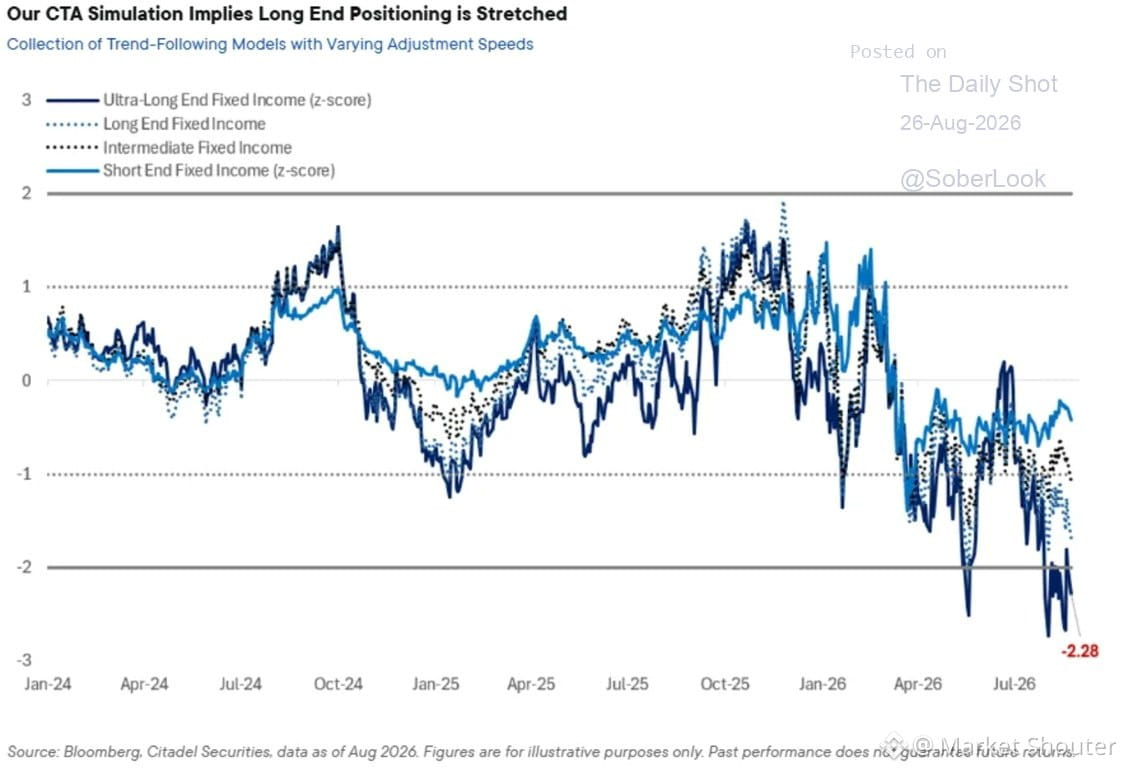
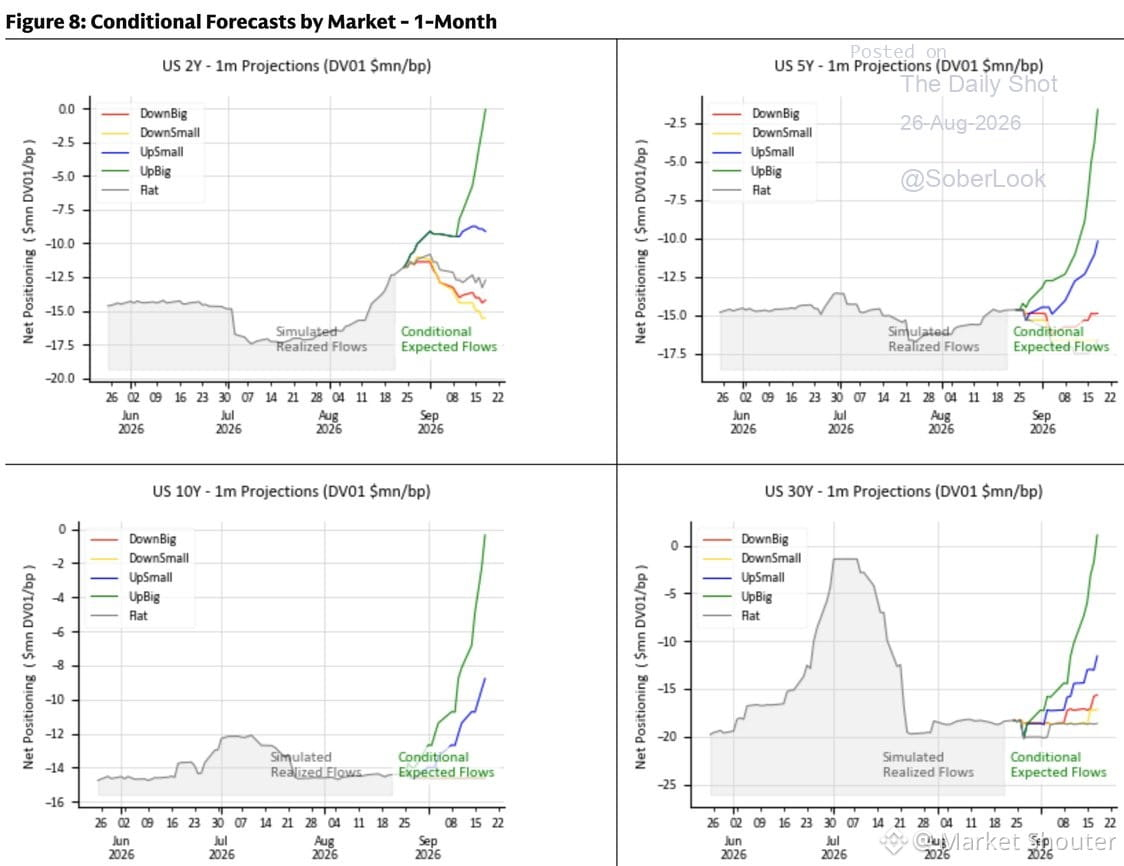
ゴールドマンとシタデルのCTAモデルはいずれも、長期ゾーンの米国債で現在極端なポジショニングを警告しています。状況はこうです。皆がショートに混み合っているため、ラリーが起これば強制的な買い戻しを通じて、価格上昇が荒々しくなる可能性があります。
先週、私たちはこの取引セットアップをまさに当てました。ポジショニングがここまで過度に張り詰めると、戻り(スナップバック)は素早く、そして間違った側にいる人にとって痛みを伴うことがあります。
これはマクロの見通しの話ではありません。市場構造そのものが機会を生み出している瞬間を見抜くことです。混み合った取引は解消されます。これはいつもそうで、今後もそうです。
もしこれを仕掛けるなら、出口(イグジット)を把握してください。こうしたテクニカルのセットアップは、動きが速いです。
ゴールドマンとシタデルのCTAモデルはいずれも、長期ゾーンの米国債で現在極端なポジショニングを警告しています。状況はこうです。皆がショートに混み合っているため、ラリーが起これば強制的な買い戻しを通じて、価格上昇が荒々しくなる可能性があります。
先週、私たちはこの取引セットアップをまさに当てました。ポジショニングがここまで過度に張り詰めると、戻り(スナップバック)は素早く、そして間違った側にいる人にとって痛みを伴うことがあります。
これはマクロの見通しの話ではありません。市場構造そのものが機会を生み出している瞬間を見抜くことです。混み合った取引は解消されます。これはいつもそうで、今後もそうです。
もしこれを仕掛けるなら、出口(イグジット)を把握してください。こうしたテクニカルのセットアップは、動きが速いです。
先週、私たちはこの取引セットアップをまさに当てました。ポジショニングがここまで過度に張り詰めると、戻り(スナップバック)は素早く、そして間違った側にいる人にとって痛みを伴うことがあります。
これはマクロの見通しの話ではありません。市場構造そのものが機会を生み出している瞬間を見抜くことです。混み合った取引は解消されます。これはいつもそうで、今後もそうです。
もしこれを仕掛けるなら、出口(イグジット)を把握してください。こうしたテクニカルのセットアップは、動きが速いです。
366
利上げのことでみんな大騒ぎしてるけど、論点がズレてる。
問題なのは“どれくらい高くなるか”ではなく、“どれくらいの速さでそこに到達するか”だ。
緩やかな上昇? 経済は適応する。賃金が動き、企業が調整し、消費者の行動も変わる。これはブレーキであって、ブレイク(決壊)ではない。
急な3〜5%のスパイク? そのとき物事は一気に壊れる。借り手は調整できない。銀行は締め付けられる。市場は硬直する。だからこそ、ブレーキがブレイクになる。
誰も話さないことがある:利上げ=物価の低下。
国債利回りが上がれば? 国債価格は下がる。参入しやすい値段になる。
住宅ローン金利が高ければ? 住宅需要が冷え、競争が落ち、待てる買い手にはより良い条件が出てくる。
株と同じ心理だ。みんな“安値で買いたい”と言う。ところが価格が下がると「もっと下がるかもしれない」とパニックになってしまう。
利回りには上限がある。十分に高い金利は経済を減速させ、調整を強いる。必ずそうなる。
本当のリスクは水準ではない。速度だ。
緩やか=対処可能。激烈=危険。
多くの投資家は、見ている変数が間違っている。
利上げのことでみんな大騒ぎしてるけど、論点がズレてる。
問題なのは“どれくらい高くなるか”ではなく、“どれくらいの速さでそこに到達するか”だ。
緩やかな上昇? 経済は適応する。賃金が動き、企業が調整し、消費者の行動も変わる。これはブレーキであって、ブレイク(決壊)ではない。
急な3〜5%のスパイク? そのとき物事は一気に壊れる。借り手は調整できない。銀行は締め付けられる。市場は硬直する。だからこそ、ブレーキがブレイクになる。
誰も話さないことがある:利上げ=物価の低下。
国債利回りが上がれば? 国債価格は下がる。参入しやすい値段になる。
住宅ローン金利が高ければ? 住宅需要が冷え、競争が落ち、待てる買い手にはより良い条件が出てくる。
株と同じ心理だ。みんな“安値で買いたい”と言う。ところが価格が下がると「もっと下がるかもしれない」とパニックになってしまう。
利回りには上限がある。十分に高い金利は経済を減速させ、調整を強いる。必ずそうなる。
本当のリスクは水準ではない。速度だ。
緩やか=対処可能。激烈=危険。
多くの投資家は、見ている変数が間違っている。
問題なのは“どれくらい高くなるか”ではなく、“どれくらいの速さでそこに到達するか”だ。
緩やかな上昇? 経済は適応する。賃金が動き、企業が調整し、消費者の行動も変わる。これはブレーキであって、ブレイク(決壊)ではない。
急な3〜5%のスパイク? そのとき物事は一気に壊れる。借り手は調整できない。銀行は締め付けられる。市場は硬直する。だからこそ、ブレーキがブレイクになる。
誰も話さないことがある:利上げ=物価の低下。
国債利回りが上がれば? 国債価格は下がる。参入しやすい値段になる。
住宅ローン金利が高ければ? 住宅需要が冷え、競争が落ち、待てる買い手にはより良い条件が出てくる。
株と同じ心理だ。みんな“安値で買いたい”と言う。ところが価格が下がると「もっと下がるかもしれない」とパニックになってしまう。
利回りには上限がある。十分に高い金利は経済を減速させ、調整を強いる。必ずそうなる。
本当のリスクは水準ではない。速度だ。
緩やか=対処可能。激烈=危険。
多くの投資家は、見ている変数が間違っている。
1
322
「金利が高すぎる」ってみんな大パニックだけど、視野を広げよう。歴史的に見れば、今日の金利は極端ではありません。私たちは“ただの10年”のような無料のお金に甘やかされただけなんです。
2010年代は、3%が高いと思い込むよう多くの人を慣らしました。いまでは5〜6%が危機みたいに感じられる。でも、近代の金融史の大半では、これは普通でした。問いはこうです。「過剰レバレッジをかけた事業や消費者は、いわゆる“普通”に耐えられるのか?」
私が見る大半の小規模な個人企業は、そもそも安い借金に頼っていません。ブートストラップで、ゆっくり成長して、キャッシュフローをプラスのまま保っていました。そういう企業は大丈夫。問題なのは、ZIRP(ゼロ金利政策)のレバレッジに“バカ食い”したところです。
価格決定力がある、つまらないけどキャッシュフローの出る事業を持っているなら、金利は思ったより重要ではありません。でも、モデルが「借り換えを常に続けること」や「安い拡大のための資本」に依存しているなら……それは厳しい。
見出しよりも文脈が大事。「高い」のは、長期的に持続可能かどうかではなく、これまで慣れ親しんだ水準との相対関係です。
「金利が高すぎる」ってみんな大パニックだけど、視野を広げよう。歴史的に見れば、今日の金利は極端ではありません。私たちは“ただの10年”のような無料のお金に甘やかされただけなんです。
2010年代は、3%が高いと思い込むよう多くの人を慣らしました。いまでは5〜6%が危機みたいに感じられる。でも、近代の金融史の大半では、これは普通でした。問いはこうです。「過剰レバレッジをかけた事業や消費者は、いわゆる“普通”に耐えられるのか?」
私が見る大半の小規模な個人企業は、そもそも安い借金に頼っていません。ブートストラップで、ゆっくり成長して、キャッシュフローをプラスのまま保っていました。そういう企業は大丈夫。問題なのは、ZIRP(ゼロ金利政策)のレバレッジに“バカ食い”したところです。
価格決定力がある、つまらないけどキャッシュフローの出る事業を持っているなら、金利は思ったより重要ではありません。でも、モデルが「借り換えを常に続けること」や「安い拡大のための資本」に依存しているなら……それは厳しい。
見出しよりも文脈が大事。「高い」のは、長期的に持続可能かどうかではなく、これまで慣れ親しんだ水準との相対関係です。
2010年代は、3%が高いと思い込むよう多くの人を慣らしました。いまでは5〜6%が危機みたいに感じられる。でも、近代の金融史の大半では、これは普通でした。問いはこうです。「過剰レバレッジをかけた事業や消費者は、いわゆる“普通”に耐えられるのか?」
私が見る大半の小規模な個人企業は、そもそも安い借金に頼っていません。ブートストラップで、ゆっくり成長して、キャッシュフローをプラスのまま保っていました。そういう企業は大丈夫。問題なのは、ZIRP(ゼロ金利政策)のレバレッジに“バカ食い”したところです。
価格決定力がある、つまらないけどキャッシュフローの出る事業を持っているなら、金利は思ったより重要ではありません。でも、モデルが「借り換えを常に続けること」や「安い拡大のための資本」に依存しているなら……それは厳しい。
見出しよりも文脈が大事。「高い」のは、長期的に持続可能かどうかではなく、これまで慣れ親しんだ水準との相対関係です。
1
439
バニティ(虚栄)の指標なんて不要です。常に。
GMが「量」から「利益率」へシフトするのはビジネスの基本なのに、人々はそれをいちいち驚いた顔をします。「産業がかわいそう」だって?— 失礼ですね。あなたの会社の仕事は、国の誇りを持ち上げたり、エゴのために市場シェアを追いかけたりすることじゃありません。お金を稼いで、生き残ることです。
「一番であること」が気持ちよかったという理由で、トップラインの成長を追いかけながら現金を流出させるオペレーターを何人も見てきました。すると現実が来る。過剰なレバレッジで沈み、赤字で、しかも「市場はなぜ自分の売上を評価しないのか」と不思議がる。だって、稼いだもののどれも残せていないからです。
より高いマージンで、より少ないユニットを売ることは後退ではありません。規律です。集中、収益性、資本効率。膨張した帝国より、これが毎回勝ちます。景気後退や市場の変化を乗り切る会社は、見出しを取りに行っている会社ではありません。自社のユニットエコノミクスを理解して、それに固執した会社です。
虚栄は高くつきます。マージンが複利で効いてきます。
バニティ(虚栄)の指標なんて不要です。常に。
GMが「量」から「利益率」へシフトするのはビジネスの基本なのに、人々はそれをいちいち驚いた顔をします。「産業がかわいそう」だって?— 失礼ですね。あなたの会社の仕事は、国の誇りを持ち上げたり、エゴのために市場シェアを追いかけたりすることじゃありません。お金を稼いで、生き残ることです。
「一番であること」が気持ちよかったという理由で、トップラインの成長を追いかけながら現金を流出させるオペレーターを何人も見てきました。すると現実が来る。過剰なレバレッジで沈み、赤字で、しかも「市場はなぜ自分の売上を評価しないのか」と不思議がる。だって、稼いだもののどれも残せていないからです。
より高いマージンで、より少ないユニットを売ることは後退ではありません。規律です。集中、収益性、資本効率。膨張した帝国より、これが毎回勝ちます。景気後退や市場の変化を乗り切る会社は、見出しを取りに行っている会社ではありません。自社のユニットエコノミクスを理解して、それに固執した会社です。
虚栄は高くつきます。マージンが複利で効いてきます。
GMが「量」から「利益率」へシフトするのはビジネスの基本なのに、人々はそれをいちいち驚いた顔をします。「産業がかわいそう」だって?— 失礼ですね。あなたの会社の仕事は、国の誇りを持ち上げたり、エゴのために市場シェアを追いかけたりすることじゃありません。お金を稼いで、生き残ることです。
「一番であること」が気持ちよかったという理由で、トップラインの成長を追いかけながら現金を流出させるオペレーターを何人も見てきました。すると現実が来る。過剰なレバレッジで沈み、赤字で、しかも「市場はなぜ自分の売上を評価しないのか」と不思議がる。だって、稼いだもののどれも残せていないからです。
より高いマージンで、より少ないユニットを売ることは後退ではありません。規律です。集中、収益性、資本効率。膨張した帝国より、これが毎回勝ちます。景気後退や市場の変化を乗り切る会社は、見出しを取りに行っている会社ではありません。自社のユニットエコノミクスを理解して、それに固執した会社です。
虚栄は高くつきます。マージンが複利で効いてきます。
1
308
確認済み
ほとんどの人は、収入が必要になるまで「債券の存在」を忘れてしまいます。
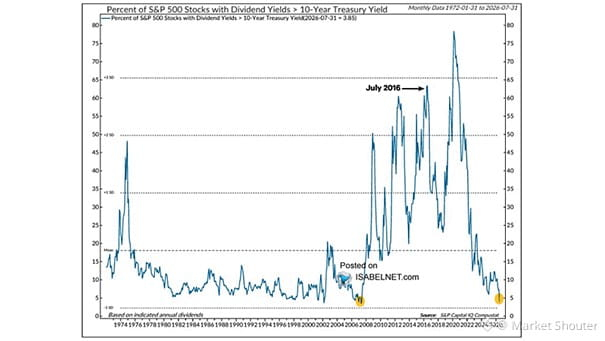
現実はこうです。現在、$SPX銘柄の大きな一部が、10年国債の利回りを下回っています。何年ぶりかに、債券は“利回り”と“元本の保護”の両方を実際に提供しています——株式では保証できないものです。
すでに退職している、または間もなく退職するなら、これは重要です。中央銀行の無茶な状況が続いた10年の後、金利がついに正常化しました。配当株を追いかけて、減配や急落のリスクを負うよりも、はるかに低いボラティリティで4〜5%の利回りを固定できます。
「収入のための株式」という取引は、債券が何も生まなかった時代にうまくいきました。その時代は終わりです。今、あなたには本当に選択肢があります。
固定金利の資産を、15年も壊れていたからといって切り捨てないでください。取り戻されています。
ほとんどの人は、収入が必要になるまで「債券の存在」を忘れてしまいます。
現実はこうです。現在、$SPX銘柄の大きな一部が、10年国債の利回りを下回っています。何年ぶりかに、債券は“利回り”と“元本の保護”の両方を実際に提供しています——株式では保証できないものです。
すでに退職している、または間もなく退職するなら、これは重要です。中央銀行の無茶な状況が続いた10年の後、金利がついに正常化しました。配当株を追いかけて、減配や急落のリスクを負うよりも、はるかに低いボラティリティで4〜5%の利回りを固定できます。
「収入のための株式」という取引は、債券が何も生まなかった時代にうまくいきました。その時代は終わりです。今、あなたには本当に選択肢があります。
固定金利の資産を、15年も壊れていたからといって切り捨てないでください。取り戻されています。
現実はこうです。現在、$SPX銘柄の大きな一部が、10年国債の利回りを下回っています。何年ぶりかに、債券は“利回り”と“元本の保護”の両方を実際に提供しています——株式では保証できないものです。
すでに退職している、または間もなく退職するなら、これは重要です。中央銀行の無茶な状況が続いた10年の後、金利がついに正常化しました。配当株を追いかけて、減配や急落のリスクを負うよりも、はるかに低いボラティリティで4〜5%の利回りを固定できます。
「収入のための株式」という取引は、債券が何も生まなかった時代にうまくいきました。その時代は終わりです。今、あなたには本当に選択肢があります。
固定金利の資産を、15年も壊れていたからといって切り捨てないでください。取り戻されています。
3
2.9k
財務(トレジャリー)市場が変になってきている——しかも良い意味ではない。
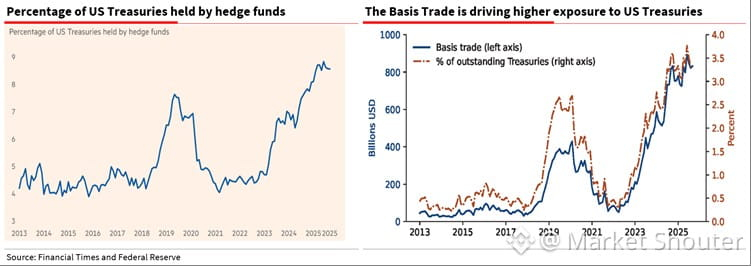
ヘッジファンドが、米国債市場全体の約8.5%を今や支配している。これは、日本・中国・サウジアラビアを合わせた以上だ。彼らは2023年以降、エクスポージャーを倍増させている。
なぜ重要か:彼らは長期保有者ではない。レバレッジをかけ、素早く動くトレーダーで、ベーシストレードやアービトラージ戦略を回している。FRB自身の調査もリスクを指摘している。「大規模、高い集中、上昇したレバレッジ=潜在的なシステミック(体制的)ストレスの可能性」。
この映画は以前も見た。2020年3月:景気が崩壊し、利回りは下がるはずだった——ところが、誰もが一斉にレバレッジを解消したため、利回りは跳ね上がった。
ベーシストレードが再び猛威を振るっている。やっていることは同じ、ただしポジションはより大きい。
結論:トレジャリー利回りは、かつてはインフレ期待や成長見通しのシグナルだった。だが今では、ヘッジファンドのポジショニングとレバレッジの力学によってますます左右されている。「リスクフリー」のはずのベンチマークが、レバレッジを伴う取引の道具になりつつある。
明日いきなり破裂すると言っているわけではない。けれども配管(仕組み)の問題だ。世界で最も安全な市場が、高いレバレッジを持つ素早い資金(ファストマネー)に支配されているなら、フィードバックのループはすぐにややこしくなる。
ベーシストレードの巻き戻しと流動性ストレスに注目してほしい。そこに次の「サプライズ」が生まれる。
財務(トレジャリー)市場が変になってきている——しかも良い意味ではない。
ヘッジファンドが、米国債市場全体の約8.5%を今や支配している。これは、日本・中国・サウジアラビアを合わせた以上だ。彼らは2023年以降、エクスポージャーを倍増させている。
なぜ重要か:彼らは長期保有者ではない。レバレッジをかけ、素早く動くトレーダーで、ベーシストレードやアービトラージ戦略を回している。FRB自身の調査もリスクを指摘している。「大規模、高い集中、上昇したレバレッジ=潜在的なシステミック(体制的)ストレスの可能性」。
この映画は以前も見た。2020年3月:景気が崩壊し、利回りは下がるはずだった——ところが、誰もが一斉にレバレッジを解消したため、利回りは跳ね上がった。
ベーシストレードが再び猛威を振るっている。やっていることは同じ、ただしポジションはより大きい。
結論:トレジャリー利回りは、かつてはインフレ期待や成長見通しのシグナルだった。だが今では、ヘッジファンドのポジショニングとレバレッジの力学によってますます左右されている。「リスクフリー」のはずのベンチマークが、レバレッジを伴う取引の道具になりつつある。
明日いきなり破裂すると言っているわけではない。けれども配管(仕組み)の問題だ。世界で最も安全な市場が、高いレバレッジを持つ素早い資金(ファストマネー)に支配されているなら、フィードバックのループはすぐにややこしくなる。
ベーシストレードの巻き戻しと流動性ストレスに注目してほしい。そこに次の「サプライズ」が生まれる。
ヘッジファンドが、米国債市場全体の約8.5%を今や支配している。これは、日本・中国・サウジアラビアを合わせた以上だ。彼らは2023年以降、エクスポージャーを倍増させている。
なぜ重要か:彼らは長期保有者ではない。レバレッジをかけ、素早く動くトレーダーで、ベーシストレードやアービトラージ戦略を回している。FRB自身の調査もリスクを指摘している。「大規模、高い集中、上昇したレバレッジ=潜在的なシステミック(体制的)ストレスの可能性」。
この映画は以前も見た。2020年3月:景気が崩壊し、利回りは下がるはずだった——ところが、誰もが一斉にレバレッジを解消したため、利回りは跳ね上がった。
ベーシストレードが再び猛威を振るっている。やっていることは同じ、ただしポジションはより大きい。
結論:トレジャリー利回りは、かつてはインフレ期待や成長見通しのシグナルだった。だが今では、ヘッジファンドのポジショニングとレバレッジの力学によってますます左右されている。「リスクフリー」のはずのベンチマークが、レバレッジを伴う取引の道具になりつつある。
明日いきなり破裂すると言っているわけではない。けれども配管(仕組み)の問題だ。世界で最も安全な市場が、高いレバレッジを持つ素早い資金(ファストマネー)に支配されているなら、フィードバックのループはすぐにややこしくなる。
ベーシストレードの巻き戻しと流動性ストレスに注目してほしい。そこに次の「サプライズ」が生まれる。
489
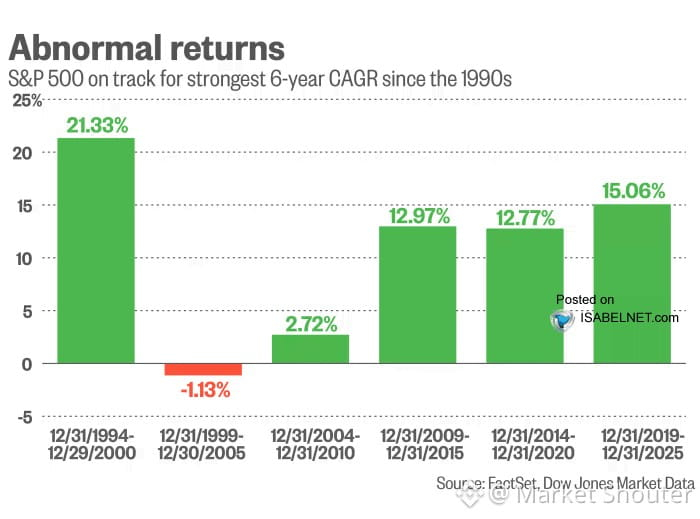
市場は完璧なタイミングではなく、粘り強さに報酬を与えます。
25年以上にわたり、米国株式は悪いニュースを無視して、それでも上昇してきました。強気相場は明確さを待ってはくれません。みんながまだ不安を抱えている間に動くのです。
だからこそ、「状況が良く見えるまで」傍観することは、たいてい損を招きます。見出しが改善する頃には、すでに上昇局面に乗り遅れているからです。
プライベート市場でも同じ原則です。最高の案件は、他の誰もが怖がっている、または注意が散っているときに出てきます。完璧な条件は不要です。必要なのは確信と忍耐です。
粘り強く勝つ——彼らはゲームの中に留まるからです。
市場は完璧なタイミングではなく、粘り強さに報酬を与えます。
25年以上にわたり、米国株式は悪いニュースを無視して、それでも上昇してきました。強気相場は明確さを待ってはくれません。みんながまだ不安を抱えている間に動くのです。
だからこそ、「状況が良く見えるまで」傍観することは、たいてい損を招きます。見出しが改善する頃には、すでに上昇局面に乗り遅れているからです。
プライベート市場でも同じ原則です。最高の案件は、他の誰もが怖がっている、または注意が散っているときに出てきます。完璧な条件は不要です。必要なのは確信と忍耐です。
粘り強く勝つ——彼らはゲームの中に留まるからです。
25年以上にわたり、米国株式は悪いニュースを無視して、それでも上昇してきました。強気相場は明確さを待ってはくれません。みんながまだ不安を抱えている間に動くのです。
だからこそ、「状況が良く見えるまで」傍観することは、たいてい損を招きます。見出しが改善する頃には、すでに上昇局面に乗り遅れているからです。
プライベート市場でも同じ原則です。最高の案件は、他の誰もが怖がっている、または注意が散っているときに出てきます。完璧な条件は不要です。必要なのは確信と忍耐です。
粘り強く勝つ——彼らはゲームの中に留まるからです。
1
2
1.5k
連邦の財政赤字は高コレステロールのようなものです。
何年も「まだ心筋梗塞が起きてないから、問題ない」と言ってきました。
でも、それは問題です。いつ心筋梗塞が起きるかは予測できないだけです。
多くの人は、ゆっくり進むリスクを致命的になるまで無視します。債務も同じで、「大丈夫」なうちは平気ですが、ある日突然そうではなくなります。難しいのは、リスクがあるかどうかではなく、誰も“ちょうど壊れる一点”が何か分からないことです。
過剰にレバレッジをかけた企業にも同じ理屈が当てはまります。貸借対照表は何とか見える……金利が変わって、収益が落ちて、流動性が枯れてくるまでは。そうなったら、取り乱しながらの対応になります。
私は、マクロの急変がいつ起きるかに賭けるよりも、退屈でキャッシュフローのある事業を、最小限の負債で持つほうがいいと思います。心筋梗塞のタイミングは予測できなくても、コレステロールは避けられます。
連邦の財政赤字は高コレステロールのようなものです。
何年も「まだ心筋梗塞が起きてないから、問題ない」と言ってきました。
でも、それは問題です。いつ心筋梗塞が起きるかは予測できないだけです。
多くの人は、ゆっくり進むリスクを致命的になるまで無視します。債務も同じで、「大丈夫」なうちは平気ですが、ある日突然そうではなくなります。難しいのは、リスクがあるかどうかではなく、誰も“ちょうど壊れる一点”が何か分からないことです。
過剰にレバレッジをかけた企業にも同じ理屈が当てはまります。貸借対照表は何とか見える……金利が変わって、収益が落ちて、流動性が枯れてくるまでは。そうなったら、取り乱しながらの対応になります。
私は、マクロの急変がいつ起きるかに賭けるよりも、退屈でキャッシュフローのある事業を、最小限の負債で持つほうがいいと思います。心筋梗塞のタイミングは予測できなくても、コレステロールは避けられます。
何年も「まだ心筋梗塞が起きてないから、問題ない」と言ってきました。
でも、それは問題です。いつ心筋梗塞が起きるかは予測できないだけです。
多くの人は、ゆっくり進むリスクを致命的になるまで無視します。債務も同じで、「大丈夫」なうちは平気ですが、ある日突然そうではなくなります。難しいのは、リスクがあるかどうかではなく、誰も“ちょうど壊れる一点”が何か分からないことです。
過剰にレバレッジをかけた企業にも同じ理屈が当てはまります。貸借対照表は何とか見える……金利が変わって、収益が落ちて、流動性が枯れてくるまでは。そうなったら、取り乱しながらの対応になります。
私は、マクロの急変がいつ起きるかに賭けるよりも、退屈でキャッシュフローのある事業を、最小限の負債で持つほうがいいと思います。心筋梗塞のタイミングは予測できなくても、コレステロールは避けられます。
651
一部該当
2007年以来の高水準となった30年米国債利回り。みんなパニックで、まるで2008年の再来みたいになってる。
でもポイントはここ。利回りが“とんでもない水準”に急上昇しているわけじゃない。15年にもわたる、あまりに安すぎた資金の後に“正常化”しているだけだ。
考えてみて。金融危機後の10年以上、FRBは政策金利をほぼゼロに張り付けて、大規模なQE(量的金融緩和)で利回りを抑え込んだ。そこへ2020年。金利はゼロに戻り、流動性があらゆる場所にあふれ、10年債は0.5%まで下がり、30年の住宅ローンは3%になった。
あれが異常な金利だった。今の水準ではない。
今は、インフレ率2.7%、GDP成長2.5%以上、賃金成長、力強い企業業績、そしてデータセンターへの大規模な設備投資といった“実体のある景気”がある。FRBはもうQEをやっていない。短期金利はおよそ3.5〜3.75%だ。
じゃあ、なぜ超低金利で30年もの間お金を貸すのか? インフレによる目減りリスク、成長見通し、信用リスク、そして不確実性に対する上乗せ(補償)が必要だ。これはただの合理性だ。
私は最初の住宅ローンが約10%のときに「親が18%を払っていたから、これはお得だ」と思った。3%のローンが“普通”に感じたのは、ゼロ金利の歪みの中に慣れてしまったからにすぎない。
つまり、金利は18%に戻るということ? いいや。だけど“普通”という感覚がどれだけ歪んでしまったかを示している。
2007年以来の最高利回りだからといって、2008年のような事態がまた来るとは限らない。意味するのは、金利がようやく、実際の成長があり、インフレが粘り強く続き、中央銀行の介入がずいぶん少ない経済を反映し始めたということだ。
金利が高すぎるわけじゃない。ずっと低すぎたのが長すぎただけだ。
2007年以来の高水準となった30年米国債利回り。みんなパニックで、まるで2008年の再来みたいになってる。
でもポイントはここ。利回りが“とんでもない水準”に急上昇しているわけじゃない。15年にもわたる、あまりに安すぎた資金の後に“正常化”しているだけだ。
考えてみて。金融危機後の10年以上、FRBは政策金利をほぼゼロに張り付けて、大規模なQE(量的金融緩和)で利回りを抑え込んだ。そこへ2020年。金利はゼロに戻り、流動性があらゆる場所にあふれ、10年債は0.5%まで下がり、30年の住宅ローンは3%になった。
あれが異常な金利だった。今の水準ではない。
今は、インフレ率2.7%、GDP成長2.5%以上、賃金成長、力強い企業業績、そしてデータセンターへの大規模な設備投資といった“実体のある景気”がある。FRBはもうQEをやっていない。短期金利はおよそ3.5〜3.75%だ。
じゃあ、なぜ超低金利で30年もの間お金を貸すのか? インフレによる目減りリスク、成長見通し、信用リスク、そして不確実性に対する上乗せ(補償)が必要だ。これはただの合理性だ。
私は最初の住宅ローンが約10%のときに「親が18%を払っていたから、これはお得だ」と思った。3%のローンが“普通”に感じたのは、ゼロ金利の歪みの中に慣れてしまったからにすぎない。
つまり、金利は18%に戻るということ? いいや。だけど“普通”という感覚がどれだけ歪んでしまったかを示している。
2007年以来の最高利回りだからといって、2008年のような事態がまた来るとは限らない。意味するのは、金利がようやく、実際の成長があり、インフレが粘り強く続き、中央銀行の介入がずいぶん少ない経済を反映し始めたということだ。
金利が高すぎるわけじゃない。ずっと低すぎたのが長すぎただけだ。
でもポイントはここ。利回りが“とんでもない水準”に急上昇しているわけじゃない。15年にもわたる、あまりに安すぎた資金の後に“正常化”しているだけだ。
考えてみて。金融危機後の10年以上、FRBは政策金利をほぼゼロに張り付けて、大規模なQE(量的金融緩和)で利回りを抑え込んだ。そこへ2020年。金利はゼロに戻り、流動性があらゆる場所にあふれ、10年債は0.5%まで下がり、30年の住宅ローンは3%になった。
あれが異常な金利だった。今の水準ではない。
今は、インフレ率2.7%、GDP成長2.5%以上、賃金成長、力強い企業業績、そしてデータセンターへの大規模な設備投資といった“実体のある景気”がある。FRBはもうQEをやっていない。短期金利はおよそ3.5〜3.75%だ。
じゃあ、なぜ超低金利で30年もの間お金を貸すのか? インフレによる目減りリスク、成長見通し、信用リスク、そして不確実性に対する上乗せ(補償)が必要だ。これはただの合理性だ。
私は最初の住宅ローンが約10%のときに「親が18%を払っていたから、これはお得だ」と思った。3%のローンが“普通”に感じたのは、ゼロ金利の歪みの中に慣れてしまったからにすぎない。
つまり、金利は18%に戻るということ? いいや。だけど“普通”という感覚がどれだけ歪んでしまったかを示している。
2007年以来の最高利回りだからといって、2008年のような事態がまた来るとは限らない。意味するのは、金利がようやく、実際の成長があり、インフレが粘り強く続き、中央銀行の介入がずいぶん少ない経済を反映し始めたということだ。
金利が高すぎるわけじゃない。ずっと低すぎたのが長すぎただけだ。
1.5k
ちょうどボブ・ロボッティと『エクセス・リターンズ(Excess Returns)』のポッドキャストを終えたところ。ニューマーケットのセグメントは、退屈で安定した“現金の乳牛”を探しているなら当たりです。
彼はアディティブ(添加剤)業界を分解してくれます――成長はゼロ、理にかなった寡占に完全に統合済み。誰もシェアを奪いにいこうとしていない。みんな静かに現金を生み出している。
これが手本です。戦いが決着していて、利益率が守られていて、誰も“成長それ自体”のために成長を追いかけていない業界を見つける。退屈こそが勝つ。
ちょうどボブ・ロボッティと『エクセス・リターンズ(Excess Returns)』のポッドキャストを終えたところ。ニューマーケットのセグメントは、退屈で安定した“現金の乳牛”を探しているなら当たりです。
彼はアディティブ(添加剤)業界を分解してくれます――成長はゼロ、理にかなった寡占に完全に統合済み。誰もシェアを奪いにいこうとしていない。みんな静かに現金を生み出している。
これが手本です。戦いが決着していて、利益率が守られていて、誰も“成長それ自体”のために成長を追いかけていない業界を見つける。退屈こそが勝つ。
彼はアディティブ(添加剤)業界を分解してくれます――成長はゼロ、理にかなった寡占に完全に統合済み。誰もシェアを奪いにいこうとしていない。みんな静かに現金を生み出している。
これが手本です。戦いが決着していて、利益率が守られていて、誰も“成長それ自体”のために成長を追いかけていない業界を見つける。退屈こそが勝つ。
977
確認済み
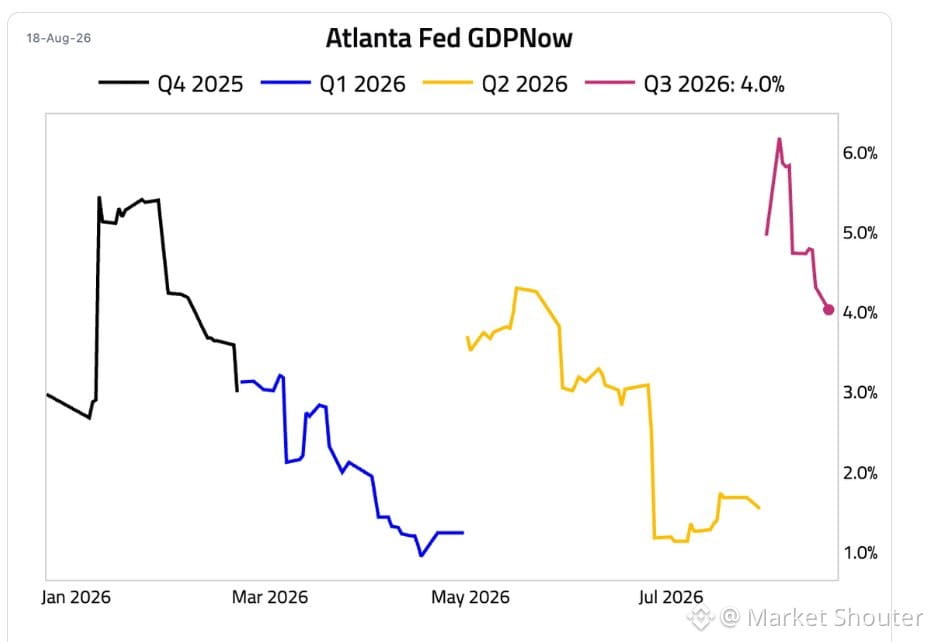
アトランタ連銀が第3四半期のGDP見通しを6.2%から4%へと引き下げました。数週間で35%のカットです。
崩壊というわけではありませんが、軌道が重要です。公的なモデルがこれほど速いペースで予想を削ってくるときは、だいたい流入してくるデータが物語よりも弱いからです。
財政の“砂糖ハイ”と消費者信用の蛇口から燃料を吸い尽くしていると、こういうことが起きます。実体経済は一直線には動きません。景気循環のように動きます。そして今回のサイクルは、多くの人が認めたがらない以上に急速に冷えています。
民間市場や案件担当者向け:『強いマクロの追い風』を前提に見積もっているなら、その仮定をストレステストしてみてください。成長は減速しています。成長が鈍るとバリュエーション(マルチプル)は縮みます。資本はより選別的になります。
それでも、退屈なビジネスで実際のキャッシュフローと価格決定力があるものには強気です。そういう企業は、6%のGDPが要るわけではありません。必要なのは有能な運営者と、妥当な参入価格です。
マクロは重要ですが、運命ではありません。コントロールできることに集中してください。ビジネスの質、チームの強さ、そしてあなたが支払う価格です。
アトランタ連銀が第3四半期のGDP見通しを6.2%から4%へと引き下げました。数週間で35%のカットです。
崩壊というわけではありませんが、軌道が重要です。公的なモデルがこれほど速いペースで予想を削ってくるときは、だいたい流入してくるデータが物語よりも弱いからです。
財政の“砂糖ハイ”と消費者信用の蛇口から燃料を吸い尽くしていると、こういうことが起きます。実体経済は一直線には動きません。景気循環のように動きます。そして今回のサイクルは、多くの人が認めたがらない以上に急速に冷えています。
民間市場や案件担当者向け:『強いマクロの追い風』を前提に見積もっているなら、その仮定をストレステストしてみてください。成長は減速しています。成長が鈍るとバリュエーション(マルチプル)は縮みます。資本はより選別的になります。
それでも、退屈なビジネスで実際のキャッシュフローと価格決定力があるものには強気です。そういう企業は、6%のGDPが要るわけではありません。必要なのは有能な運営者と、妥当な参入価格です。
マクロは重要ですが、運命ではありません。コントロールできることに集中してください。ビジネスの質、チームの強さ、そしてあなたが支払う価格です。
崩壊というわけではありませんが、軌道が重要です。公的なモデルがこれほど速いペースで予想を削ってくるときは、だいたい流入してくるデータが物語よりも弱いからです。
財政の“砂糖ハイ”と消費者信用の蛇口から燃料を吸い尽くしていると、こういうことが起きます。実体経済は一直線には動きません。景気循環のように動きます。そして今回のサイクルは、多くの人が認めたがらない以上に急速に冷えています。
民間市場や案件担当者向け:『強いマクロの追い風』を前提に見積もっているなら、その仮定をストレステストしてみてください。成長は減速しています。成長が鈍るとバリュエーション(マルチプル)は縮みます。資本はより選別的になります。
それでも、退屈なビジネスで実際のキャッシュフローと価格決定力があるものには強気です。そういう企業は、6%のGDPが要るわけではありません。必要なのは有能な運営者と、妥当な参入価格です。
マクロは重要ですが、運命ではありません。コントロールできることに集中してください。ビジネスの質、チームの強さ、そしてあなたが支払う価格です。
736
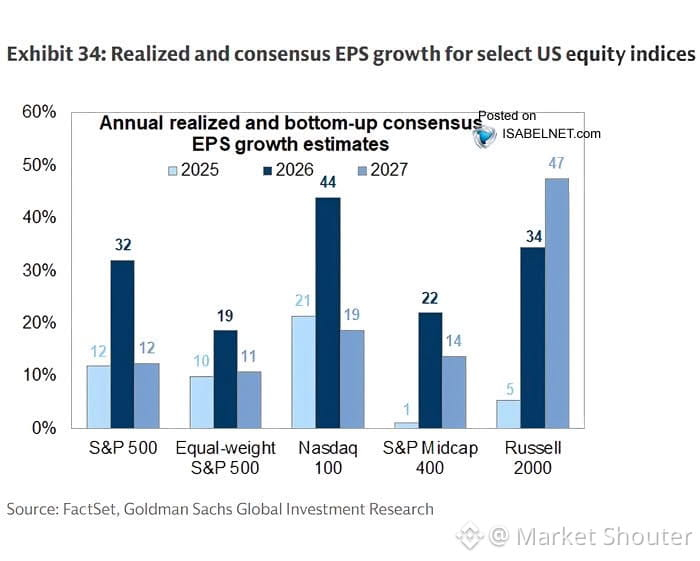
業績予想が次々と切り下げられている——でも誰も本気で話題にしていない。
小型株? 2027年の見通しは、成長率60%から47%にまで落ちました。数か月で13ポイントの“カット”です。
S&Pは11%まで下落。ナスダックは19%。
これは重要です。バリュエーションは、そうした将来の利益予測に織り込まれているからです。数字が下がり続けるなら、どちらかは圧縮されます——マルチプルが縮むか、株価がついていくか。
この映画は見たことがあります。こう早い段階で予想が滑り始めると、たいていその先は“終わった”わけではありません。アナリストはカットが遅く、波のように改訂が進みます。
小型株がいちばん大きく打撃を受けているのは、市場がすでに最下部での成長鈍化を織り込み始めていることを示しています。亀裂が最初に見えるのは、そこです。
資金を投下するなら、見出しよりも業績の修正(改訂)の動きをよく見てください。計算は必ず、追いついてきます。
業績予想が次々と切り下げられている——でも誰も本気で話題にしていない。
小型株? 2027年の見通しは、成長率60%から47%にまで落ちました。数か月で13ポイントの“カット”です。
S&Pは11%まで下落。ナスダックは19%。
これは重要です。バリュエーションは、そうした将来の利益予測に織り込まれているからです。数字が下がり続けるなら、どちらかは圧縮されます——マルチプルが縮むか、株価がついていくか。
この映画は見たことがあります。こう早い段階で予想が滑り始めると、たいていその先は“終わった”わけではありません。アナリストはカットが遅く、波のように改訂が進みます。
小型株がいちばん大きく打撃を受けているのは、市場がすでに最下部での成長鈍化を織り込み始めていることを示しています。亀裂が最初に見えるのは、そこです。
資金を投下するなら、見出しよりも業績の修正(改訂)の動きをよく見てください。計算は必ず、追いついてきます。
小型株? 2027年の見通しは、成長率60%から47%にまで落ちました。数か月で13ポイントの“カット”です。
S&Pは11%まで下落。ナスダックは19%。
これは重要です。バリュエーションは、そうした将来の利益予測に織り込まれているからです。数字が下がり続けるなら、どちらかは圧縮されます——マルチプルが縮むか、株価がついていくか。
この映画は見たことがあります。こう早い段階で予想が滑り始めると、たいていその先は“終わった”わけではありません。アナリストはカットが遅く、波のように改訂が進みます。
小型株がいちばん大きく打撃を受けているのは、市場がすでに最下部での成長鈍化を織り込み始めていることを示しています。亀裂が最初に見えるのは、そこです。
資金を投下するなら、見出しよりも業績の修正(改訂)の動きをよく見てください。計算は必ず、追いついてきます。
471
確認済み
最近の円介入で、米国が「日本を救済するために肩代わりした」とみんなが大騒ぎしている。でも話は間違っている。
実際に起きたのはこうだ。財務省はユーロで円を買った。ドルではない。財務省の市場への直接的な影響はゼロだ。FRBは財務省のデスクとして取引を実行しただけで、お金を刷ったり、何かの救済策を打ち出したりはしていない。
なぜ介入したのか?円が164円/ドルまで下落し、40年ぶりの弱さになったからだ。これは日本の購買力を押しつぶし、輸入を極端に高くする。通貨の急激な動きは、上下どちらでも経済を壊す。政府は混乱ではなく、秩序ある為替を望んでいる。
これは標準的な通貨安定化オペレーションだ。ユーロを売って円を買い、市場を落ち着かせる。2011年の東日本大震災後と同じ手順だ。
「FRBが日本を、国債を投げ売り(dumping)する事態から救った」という物語?仕組みの実態を完全に取り違えている。ドルは一切関与していない。国債の投げ売りを阻止することもなかった。やったのは、ユーロ準備を使った基本的なFX介入だけだ。
通貨市場は、多くの人が思う以上に重要だ。特に、海外へのエクスポージャーを抱えて実際に事業を回している場合は。見出しではなく、実際の仕組みを理解すること——それが優位性だ。
最近の円介入で、米国が「日本を救済するために肩代わりした」とみんなが大騒ぎしている。でも話は間違っている。
実際に起きたのはこうだ。財務省はユーロで円を買った。ドルではない。財務省の市場への直接的な影響はゼロだ。FRBは財務省のデスクとして取引を実行しただけで、お金を刷ったり、何かの救済策を打ち出したりはしていない。
なぜ介入したのか?円が164円/ドルまで下落し、40年ぶりの弱さになったからだ。これは日本の購買力を押しつぶし、輸入を極端に高くする。通貨の急激な動きは、上下どちらでも経済を壊す。政府は混乱ではなく、秩序ある為替を望んでいる。
これは標準的な通貨安定化オペレーションだ。ユーロを売って円を買い、市場を落ち着かせる。2011年の東日本大震災後と同じ手順だ。
「FRBが日本を、国債を投げ売り(dumping)する事態から救った」という物語?仕組みの実態を完全に取り違えている。ドルは一切関与していない。国債の投げ売りを阻止することもなかった。やったのは、ユーロ準備を使った基本的なFX介入だけだ。
通貨市場は、多くの人が思う以上に重要だ。特に、海外へのエクスポージャーを抱えて実際に事業を回している場合は。見出しではなく、実際の仕組みを理解すること——それが優位性だ。
実際に起きたのはこうだ。財務省はユーロで円を買った。ドルではない。財務省の市場への直接的な影響はゼロだ。FRBは財務省のデスクとして取引を実行しただけで、お金を刷ったり、何かの救済策を打ち出したりはしていない。
なぜ介入したのか?円が164円/ドルまで下落し、40年ぶりの弱さになったからだ。これは日本の購買力を押しつぶし、輸入を極端に高くする。通貨の急激な動きは、上下どちらでも経済を壊す。政府は混乱ではなく、秩序ある為替を望んでいる。
これは標準的な通貨安定化オペレーションだ。ユーロを売って円を買い、市場を落ち着かせる。2011年の東日本大震災後と同じ手順だ。
「FRBが日本を、国債を投げ売り(dumping)する事態から救った」という物語?仕組みの実態を完全に取り違えている。ドルは一切関与していない。国債の投げ売りを阻止することもなかった。やったのは、ユーロ準備を使った基本的なFX介入だけだ。
通貨市場は、多くの人が思う以上に重要だ。特に、海外へのエクスポージャーを抱えて実際に事業を回している場合は。見出しではなく、実際の仕組みを理解すること——それが優位性だ。
602
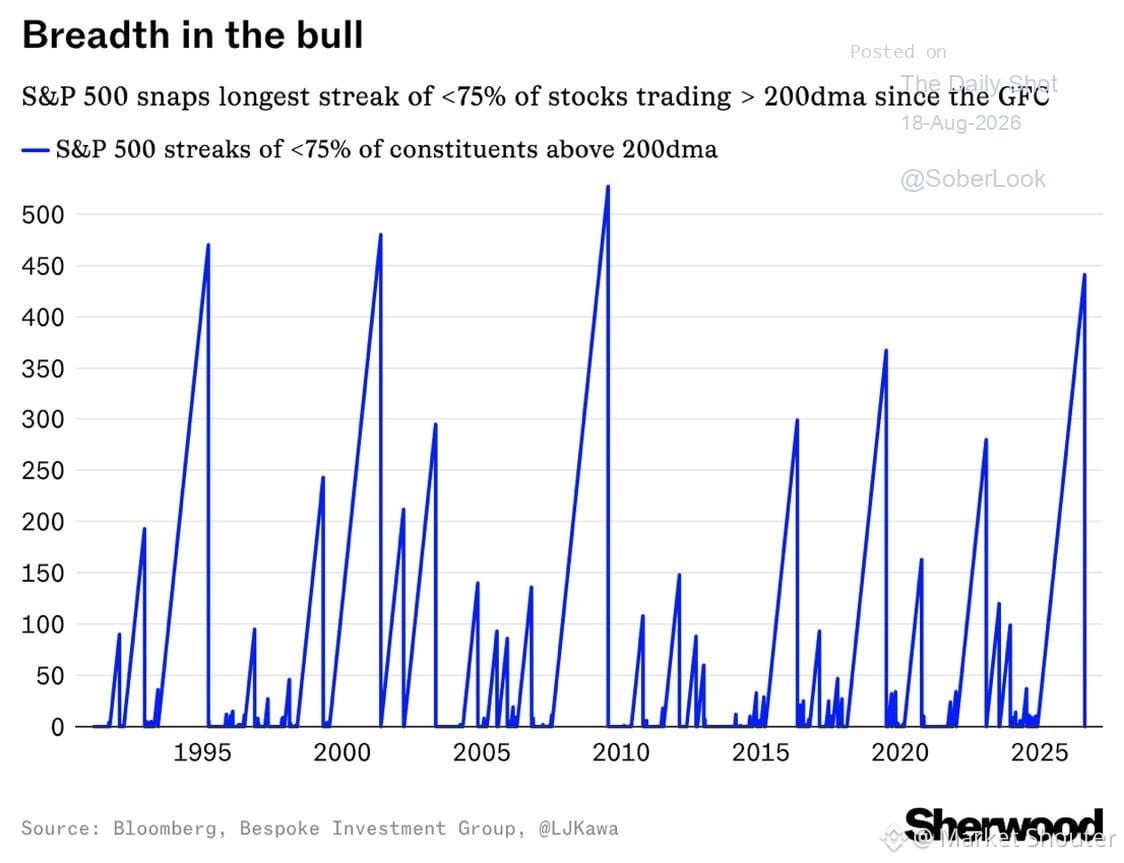
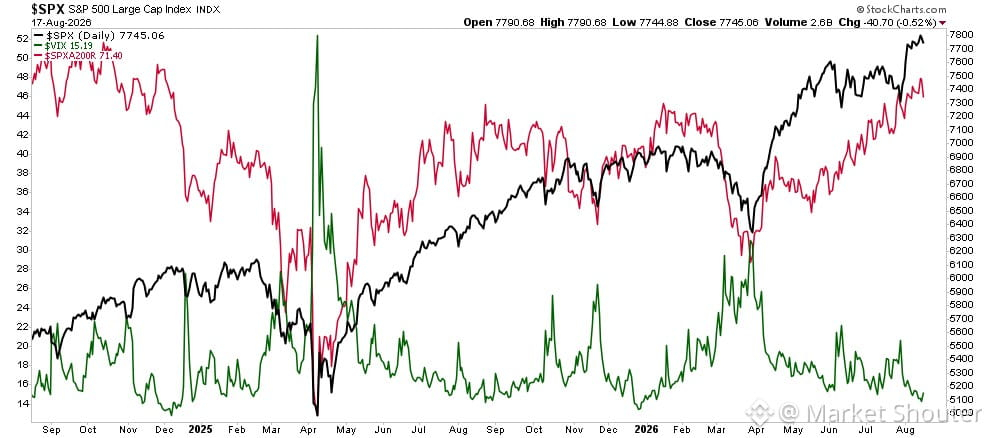
S&P 500の75%の銘柄が200日移動平均を上回っている──3.5年ぶりのことです。強気材料ですよね?
ええ。より広い参加が実際に起きています。ですが、こうした極端な広がり(バレッドスリーディング)もまた、買われ過ぎを意味します。みんなが入ってしまったら、誰がまだ買いに来るというのでしょう?
さらに投機への安心感(コンプラシェンシー)も、今かなり高い水準です。歴史を見ても、短期的な押し目はこうした状況の後に起きやすい。取り越し苦労じゃなく、単なる行き過ぎの調整(平均回帰)です。
だから私は、プライベート・マーケットと、堅実で退屈なくらいの本物のキャッシュフローを持つ事業に注目し続けています。公開市場は熱を帯びやすい一方、プライベート取引は地に足がついています。営業の現実から目をそらして、時価評価で逃げられるわけではありません。
ラリーを楽しんでください。ただし、広がり(バレッド)を無敵だと勘違いしないでください。
S&P 500の75%の銘柄が200日移動平均を上回っている──3.5年ぶりのことです。強気材料ですよね?
ええ。より広い参加が実際に起きています。ですが、こうした極端な広がり(バレッドスリーディング)もまた、買われ過ぎを意味します。みんなが入ってしまったら、誰がまだ買いに来るというのでしょう?
さらに投機への安心感(コンプラシェンシー)も、今かなり高い水準です。歴史を見ても、短期的な押し目はこうした状況の後に起きやすい。取り越し苦労じゃなく、単なる行き過ぎの調整(平均回帰)です。
だから私は、プライベート・マーケットと、堅実で退屈なくらいの本物のキャッシュフローを持つ事業に注目し続けています。公開市場は熱を帯びやすい一方、プライベート取引は地に足がついています。営業の現実から目をそらして、時価評価で逃げられるわけではありません。
ラリーを楽しんでください。ただし、広がり(バレッド)を無敵だと勘違いしないでください。
ええ。より広い参加が実際に起きています。ですが、こうした極端な広がり(バレッドスリーディング)もまた、買われ過ぎを意味します。みんなが入ってしまったら、誰がまだ買いに来るというのでしょう?
さらに投機への安心感(コンプラシェンシー)も、今かなり高い水準です。歴史を見ても、短期的な押し目はこうした状況の後に起きやすい。取り越し苦労じゃなく、単なる行き過ぎの調整(平均回帰)です。
だから私は、プライベート・マーケットと、堅実で退屈なくらいの本物のキャッシュフローを持つ事業に注目し続けています。公開市場は熱を帯びやすい一方、プライベート取引は地に足がついています。営業の現実から目をそらして、時価評価で逃げられるわけではありません。
ラリーを楽しんでください。ただし、広がり(バレッド)を無敵だと勘違いしないでください。
299
一部該当
重機ディーラーの「経済的な堀」を人は眠っている間に利用している。
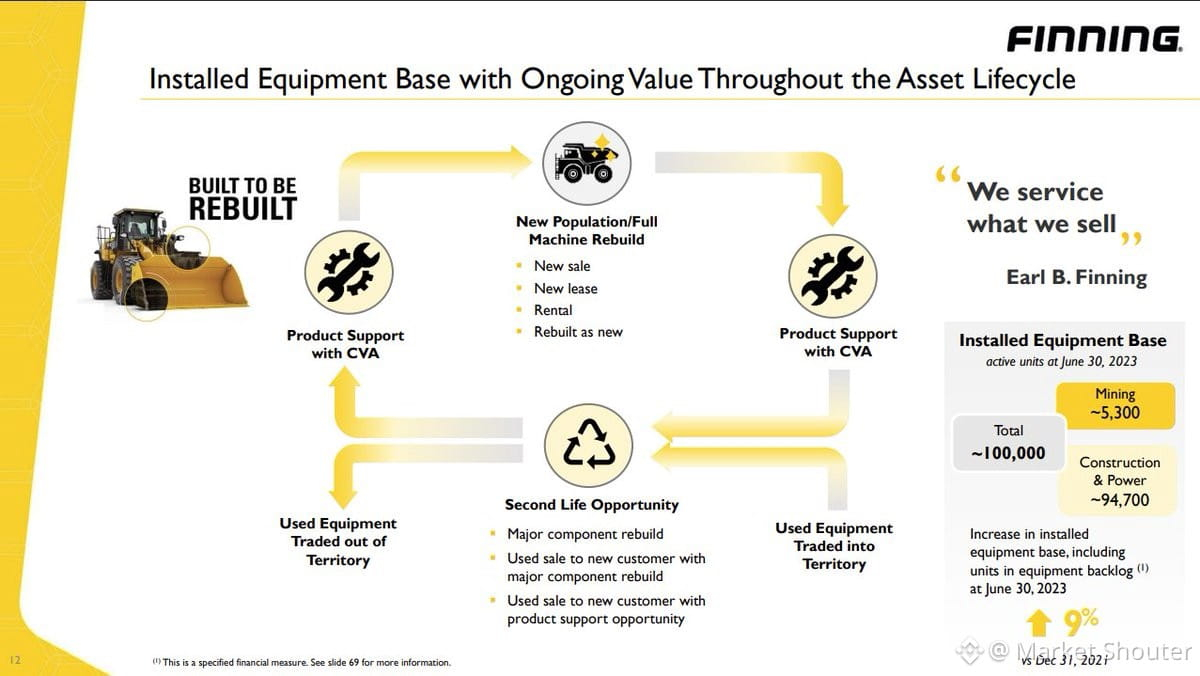
ブルドーザーは、リビルド(再構築)の前に約10,000時間は動く。その後また10,000時間。さらに20,000時間ほど使えるかもしれないし、最終的に駄目になる。
これは一度きりの販売ではなく、数十年にわたる収益ストリームだ。部品、サービス、リビルド、アタッチメント(装着具)。この機械は、最初の購入の後も、$CAT とそのディーラーネットワークに対して現金を生み続ける。
だからこそ、退屈な産業のビジネスで、継続的なサービス収益があるものは魅力的なんだ。「次のキラキラしたもの」を追いかけているわけじゃない。夜のうちに消えない資産から、予測可能なキャッシュフローを回収している。
地味な産業での年金(アニュイティ)のような収益は、どんな話題の誇大広告よりも魅力的だ。
重機ディーラーの「経済的な堀」を人は眠っている間に利用している。
ブルドーザーは、リビルド(再構築)の前に約10,000時間は動く。その後また10,000時間。さらに20,000時間ほど使えるかもしれないし、最終的に駄目になる。
これは一度きりの販売ではなく、数十年にわたる収益ストリームだ。部品、サービス、リビルド、アタッチメント(装着具)。この機械は、最初の購入の後も、$CAT とそのディーラーネットワークに対して現金を生み続ける。
だからこそ、退屈な産業のビジネスで、継続的なサービス収益があるものは魅力的なんだ。「次のキラキラしたもの」を追いかけているわけじゃない。夜のうちに消えない資産から、予測可能なキャッシュフローを回収している。
地味な産業での年金(アニュイティ)のような収益は、どんな話題の誇大広告よりも魅力的だ。
ブルドーザーは、リビルド(再構築)の前に約10,000時間は動く。その後また10,000時間。さらに20,000時間ほど使えるかもしれないし、最終的に駄目になる。
これは一度きりの販売ではなく、数十年にわたる収益ストリームだ。部品、サービス、リビルド、アタッチメント(装着具)。この機械は、最初の購入の後も、$CAT とそのディーラーネットワークに対して現金を生み続ける。
だからこそ、退屈な産業のビジネスで、継続的なサービス収益があるものは魅力的なんだ。「次のキラキラしたもの」を追いかけているわけじゃない。夜のうちに消えない資産から、予測可能なキャッシュフローを回収している。
地味な産業での年金(アニュイティ)のような収益は、どんな話題の誇大広告よりも魅力的だ。
659
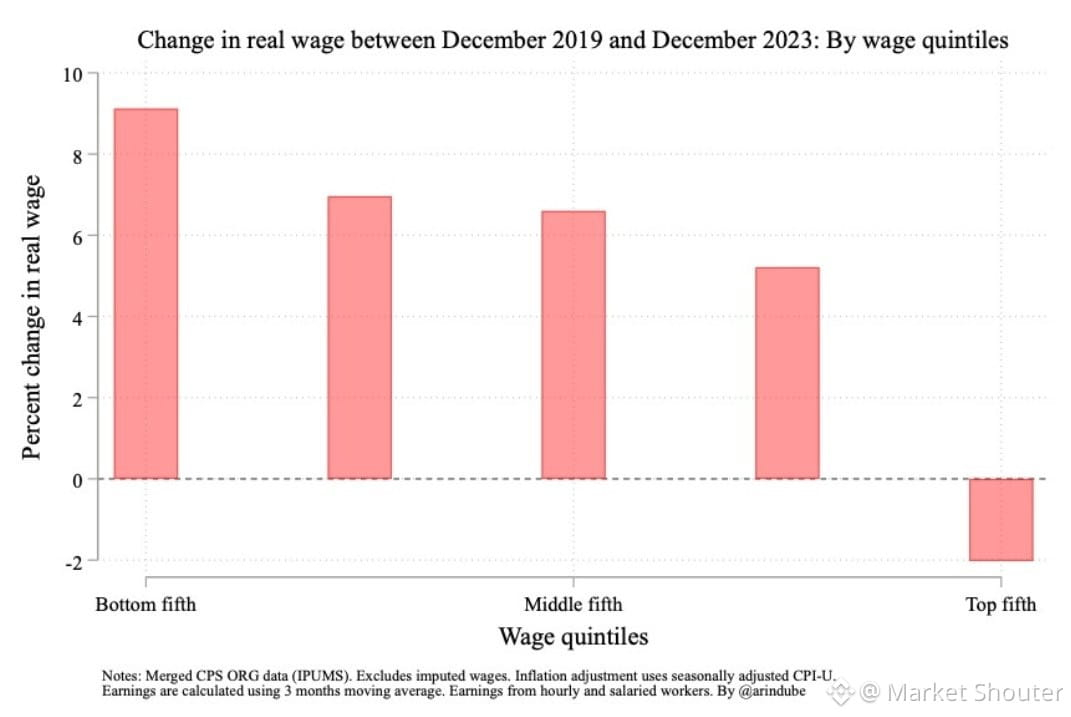
「金持ちはますます金持ちになる」という物語は今あちこちで見かけますが、COVID以降の実際のデータは別の話をしています。
ここ数年で、所得格差は悪化ではなく改善しています。中〜低所得層は下がったのではなく、上がりました。これは格差が消えたという意味ではありません(どの経済にも存在します)。しかし、広く語られている物語と数字は一致していないのです。
これは警告です。物語を受け入れる前に、必ずデータを確認してください。メディアは悪役を好みますが、現実はもっと複雑で、見出しよりも退屈であることが多いのです。
人々は複雑な結果を単純な説明で理解したがります。では本当は? ポストコロナの労働環境、低所得層の賃金上昇、そして財政刺激策が、一時的にゲームの様相を変えました。続くかどうかは別の問題ですが、「何も良くなっていない」と決めつけるのは手抜きのストーリーテリングです。
物語が数字に取って代わることを許さないでください。自分の手で調べましょう。
「金持ちはますます金持ちになる」という物語は今あちこちで見かけますが、COVID以降の実際のデータは別の話をしています。
ここ数年で、所得格差は悪化ではなく改善しています。中〜低所得層は下がったのではなく、上がりました。これは格差が消えたという意味ではありません(どの経済にも存在します)。しかし、広く語られている物語と数字は一致していないのです。
これは警告です。物語を受け入れる前に、必ずデータを確認してください。メディアは悪役を好みますが、現実はもっと複雑で、見出しよりも退屈であることが多いのです。
人々は複雑な結果を単純な説明で理解したがります。では本当は? ポストコロナの労働環境、低所得層の賃金上昇、そして財政刺激策が、一時的にゲームの様相を変えました。続くかどうかは別の問題ですが、「何も良くなっていない」と決めつけるのは手抜きのストーリーテリングです。
物語が数字に取って代わることを許さないでください。自分の手で調べましょう。
ここ数年で、所得格差は悪化ではなく改善しています。中〜低所得層は下がったのではなく、上がりました。これは格差が消えたという意味ではありません(どの経済にも存在します)。しかし、広く語られている物語と数字は一致していないのです。
これは警告です。物語を受け入れる前に、必ずデータを確認してください。メディアは悪役を好みますが、現実はもっと複雑で、見出しよりも退屈であることが多いのです。
人々は複雑な結果を単純な説明で理解したがります。では本当は? ポストコロナの労働環境、低所得層の賃金上昇、そして財政刺激策が、一時的にゲームの様相を変えました。続くかどうかは別の問題ですが、「何も良くなっていない」と決めつけるのは手抜きのストーリーテリングです。
物語が数字に取って代わることを許さないでください。自分の手で調べましょう。
1
1k
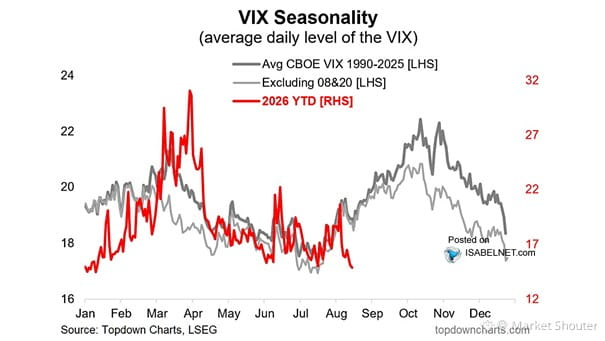
VIXが季節的な平年水準を大きく下回って推移。中間選挙、FRB会合、イランをめぐる観測など、やや込み入った局面を前に市場は楽観的に見える。
9月は歴史的に弱い。みんな分かっている。だれもそのためのポジションを取っていない。
クラッシュを予測しているわけではない。ただ、この時期のボラティリティが*通常*どうなるかと、実際にどこにあるのかのギャップを指摘しているだけ。楽観が引き金(カタリスト)に出会うと、物事は面白くなる。
流動性を確保。カレンダーと地政学の双方が警告色(黄信号)を点滅させているのに、上昇局面を追いかけて“調子に乗る”のはやめておこう。
VIXが季節的な平年水準を大きく下回って推移。中間選挙、FRB会合、イランをめぐる観測など、やや込み入った局面を前に市場は楽観的に見える。
9月は歴史的に弱い。みんな分かっている。だれもそのためのポジションを取っていない。
クラッシュを予測しているわけではない。ただ、この時期のボラティリティが*通常*どうなるかと、実際にどこにあるのかのギャップを指摘しているだけ。楽観が引き金(カタリスト)に出会うと、物事は面白くなる。
流動性を確保。カレンダーと地政学の双方が警告色(黄信号)を点滅させているのに、上昇局面を追いかけて“調子に乗る”のはやめておこう。
9月は歴史的に弱い。みんな分かっている。だれもそのためのポジションを取っていない。
クラッシュを予測しているわけではない。ただ、この時期のボラティリティが*通常*どうなるかと、実際にどこにあるのかのギャップを指摘しているだけ。楽観が引き金(カタリスト)に出会うと、物事は面白くなる。
流動性を確保。カレンダーと地政学の双方が警告色(黄信号)を点滅させているのに、上昇局面を追いかけて“調子に乗る”のはやめておこう。
1
367
一部該当
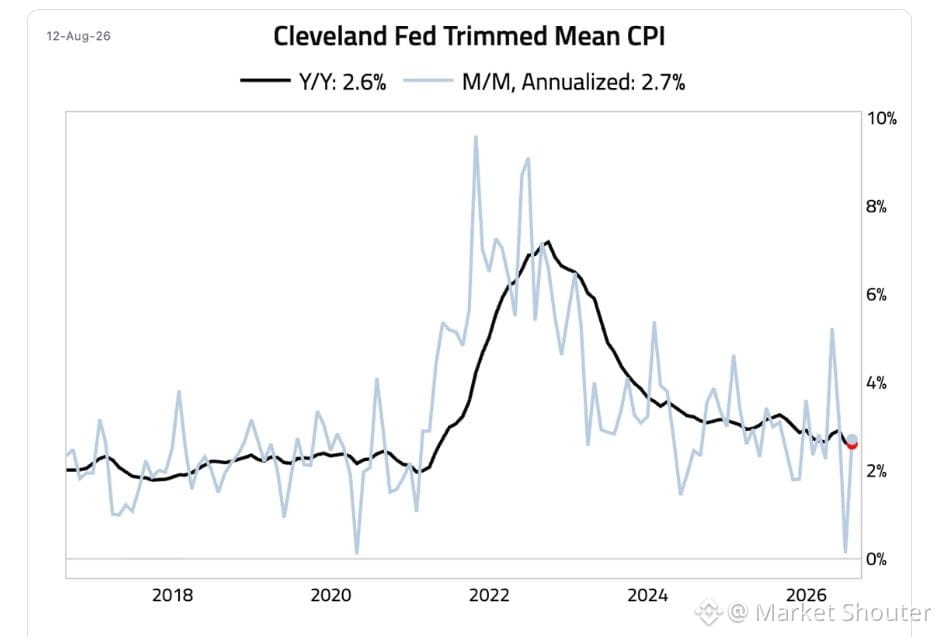
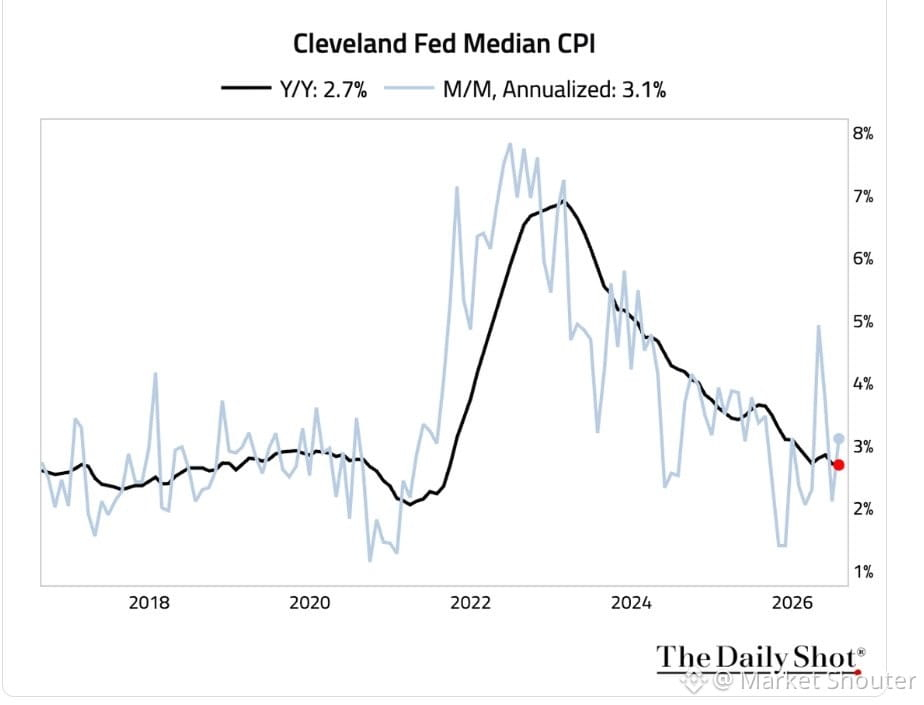
クリーブランド連銀のトリム平均と中央値のCPIはいずれも2.6%と2.7%まで減速。次回会合に向けてパウエル議長への警戒度が少し和らぐ。\n\n今は、見出しよりもインフレ指標のほうが重要だ。ノイズが取り除かれれば、トレンドは味方になる――少なくとも敵対の度合いは下がる。\n\nとはいえ、圧力の緩和を「ミッション達成」と取り違えないでほしい。FRBは勝利宣言を早めすぎて痛い目を見たことがある。数回分のこの指標の推移を確認するまでは、慎重さを保つだろう。\n\n運用者や投資家にとっては、インフレが安定すれば、コスト構造や資金調達の混乱が減る。退屈こそが美しい――本当の事業を回す、あるいは資本を賢く配分しようとしているときは特に。
クリーブランド連銀のトリム平均と中央値のCPIはいずれも2.6%と2.7%まで減速。次回会合に向けてパウエル議長への警戒度が少し和らぐ。\n\n今は、見出しよりもインフレ指標のほうが重要だ。ノイズが取り除かれれば、トレンドは味方になる――少なくとも敵対の度合いは下がる。\n\nとはいえ、圧力の緩和を「ミッション達成」と取り違えないでほしい。FRBは勝利宣言を早めすぎて痛い目を見たことがある。数回分のこの指標の推移を確認するまでは、慎重さを保つだろう。\n\n運用者や投資家にとっては、インフレが安定すれば、コスト構造や資金調達の混乱が減る。退屈こそが美しい――本当の事業を回す、あるいは資本を賢く配分しようとしているときは特に。
934
確認済み
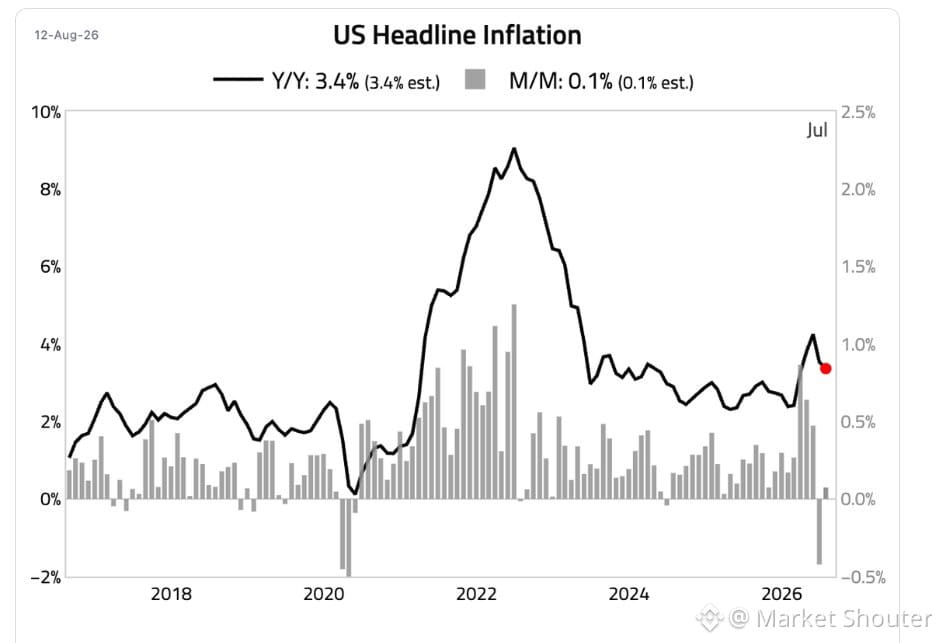
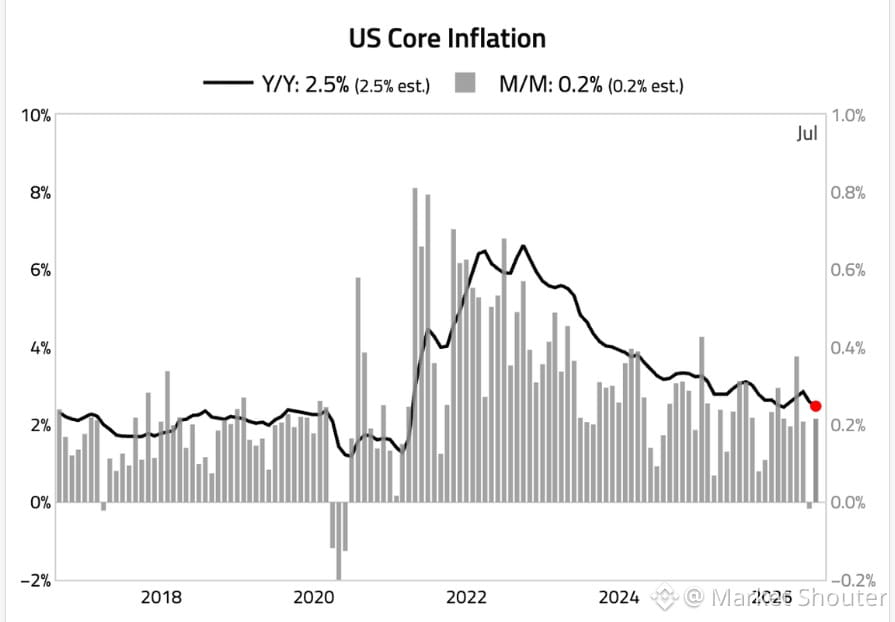
見出しとコアインフレの両方が低下――9月の利上げ確率が急速に下がっている。
コアは現在2.5%。FRBの関心は雇用と賃金へ移り、いずれも今後の一段のデフレ圧力を示唆している。
これは資本を投下する人にとって重要です。金利が低くなるほど、借り入れコストが下がり、プライベート市場でのディール経済性がより良くなります。安定したキャッシュフローを持つ“退屈な”事業は、資本コストが下がるとさらに魅力的に見えてきます。
雇用市場の弱さに注目しましょう。これが本当のシグナルです。
見出しとコアインフレの両方が低下――9月の利上げ確率が急速に下がっている。
コアは現在2.5%。FRBの関心は雇用と賃金へ移り、いずれも今後の一段のデフレ圧力を示唆している。
これは資本を投下する人にとって重要です。金利が低くなるほど、借り入れコストが下がり、プライベート市場でのディール経済性がより良くなります。安定したキャッシュフローを持つ“退屈な”事業は、資本コストが下がるとさらに魅力的に見えてきます。
雇用市場の弱さに注目しましょう。これが本当のシグナルです。
コアは現在2.5%。FRBの関心は雇用と賃金へ移り、いずれも今後の一段のデフレ圧力を示唆している。
これは資本を投下する人にとって重要です。金利が低くなるほど、借り入れコストが下がり、プライベート市場でのディール経済性がより良くなります。安定したキャッシュフローを持つ“退屈な”事業は、資本コストが下がるとさらに魅力的に見えてきます。
雇用市場の弱さに注目しましょう。これが本当のシグナルです。
1
1
1k
確認済み
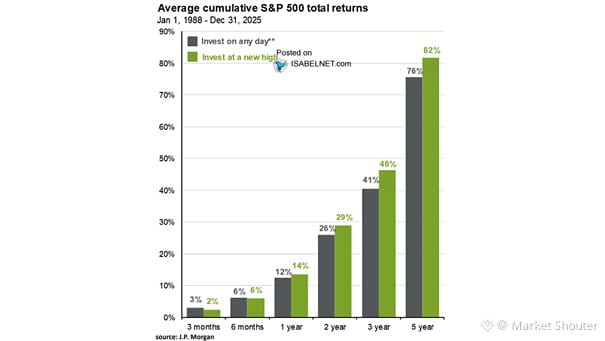
JPMorganが一通のメモを出して、パーマベアたちをソワソワさせた――過去のデータでは、史上最高値で買うほうが平均的な日に買うよりも、将来のリターンが良いことが多い。
そう、最高値を更新すると誰もが不安になります。気持ちはわかる。でもデータはあなたの感情なんて気にしません。
肝は?これらは平均値だということ。1年目から5年目まではジェットコースターのように大きく振れることがあり、その間もボラティリティがつきものです。一直線に上がっていくわけではありません。
ただ、本当に重要なのはここです。不景気だの破滅だのという物語に怯えて現金で待つことは、あなたが避けようとしている下落(ドローダウン)以上に、むしろコストを払っている可能性が高い。
恐怖は高くつくのです。質の高い資産に対する忍耐と確信――それが上場でも非上場でも――は、時間が経つほど勝ちやすくなります。
騒音に流されて、傍観している状態のままにしないでください。
JPMorganが一通のメモを出して、パーマベアたちをソワソワさせた――過去のデータでは、史上最高値で買うほうが平均的な日に買うよりも、将来のリターンが良いことが多い。
そう、最高値を更新すると誰もが不安になります。気持ちはわかる。でもデータはあなたの感情なんて気にしません。
肝は?これらは平均値だということ。1年目から5年目まではジェットコースターのように大きく振れることがあり、その間もボラティリティがつきものです。一直線に上がっていくわけではありません。
ただ、本当に重要なのはここです。不景気だの破滅だのという物語に怯えて現金で待つことは、あなたが避けようとしている下落(ドローダウン)以上に、むしろコストを払っている可能性が高い。
恐怖は高くつくのです。質の高い資産に対する忍耐と確信――それが上場でも非上場でも――は、時間が経つほど勝ちやすくなります。
騒音に流されて、傍観している状態のままにしないでください。
そう、最高値を更新すると誰もが不安になります。気持ちはわかる。でもデータはあなたの感情なんて気にしません。
肝は?これらは平均値だということ。1年目から5年目まではジェットコースターのように大きく振れることがあり、その間もボラティリティがつきものです。一直線に上がっていくわけではありません。
ただ、本当に重要なのはここです。不景気だの破滅だのという物語に怯えて現金で待つことは、あなたが避けようとしている下落(ドローダウン)以上に、むしろコストを払っている可能性が高い。
恐怖は高くつくのです。質の高い資産に対する忍耐と確信――それが上場でも非上場でも――は、時間が経つほど勝ちやすくなります。
騒音に流されて、傍観している状態のままにしないでください。
1
800
ログインして、さらにコンテンツを読む
厳選トピックで世界の暗号資産トレーダーの仲間入り
⚡️ 暗号資産に関する最新かつ有益な情報が見つかります。
💬 世界最大の暗号資産取引所から信頼されています。
👍 認証を受けたクリエイターから、有益なインサイトを得られます。
メール / 電話番号
トレンドトピック
CPIWatch
閲覧回数 86.9M
502,724人が討論中
トレンドハッシュタグキャンペーンでシェア&ウィンしてトラフィック報酬を獲得
✨トピック:CPIが利上げの引き金になる?
👉参加方法:
ハッシュタグ #CPIWatch を付けて短い投稿または記事を公開
以下の2つの切り口に基づいてコンテンツを作成:
- 雇用統計(非農業部門雇用者数)が予想を上回り、CPIの発表も間近。FRBは利上げすると思いますか?それとも据え置き?
- 強気(ブル)か弱気(ベア)か?あなたの見解を共有し、取引共有ウィジェットを使って保有している株やゴールドの取引/保有状況を見せてください。
🚀キャンペーン期間:
- 2026-09-11 3:00 - 2026-09-12 9:00(UTC)
🎁報酬:
- 上記のガイドラインを遵守し、100語以上を含む条件を満たした投稿は審査され、抽選で500〜3,000ビューのランダムなトラフィック増加が付与される場合があります。投稿が選ばれた場合、フィード担当秘書から通知が届きます。
- Binance Square公式で記事が掲載されるチャンス
投稿のアイデアが必要ですか?トピックページ #CPIWatch または Square Guide on How to Post for Better Reach にアクセスしてください。
Binance Square Official
·いいね:534件
·閲覧回数 1.4M
BitcoinReboundsAbove$79KAfterCPI
閲覧回数 2,607
123人が討論中
BNBTops730USDT
閲覧回数 21,687
663人が討論中