

Sahil Jamwal1212
133 投稿

Sahil Jamwal1212
報告
ユーザーをブロック
BP-5CE6BCA76272
低高頻度トレーダー
5.4年
9 フォロー
41 フォロワー
65 いいね
投稿
すべて
引用
·
--
ブリッシュ
翻訳参照
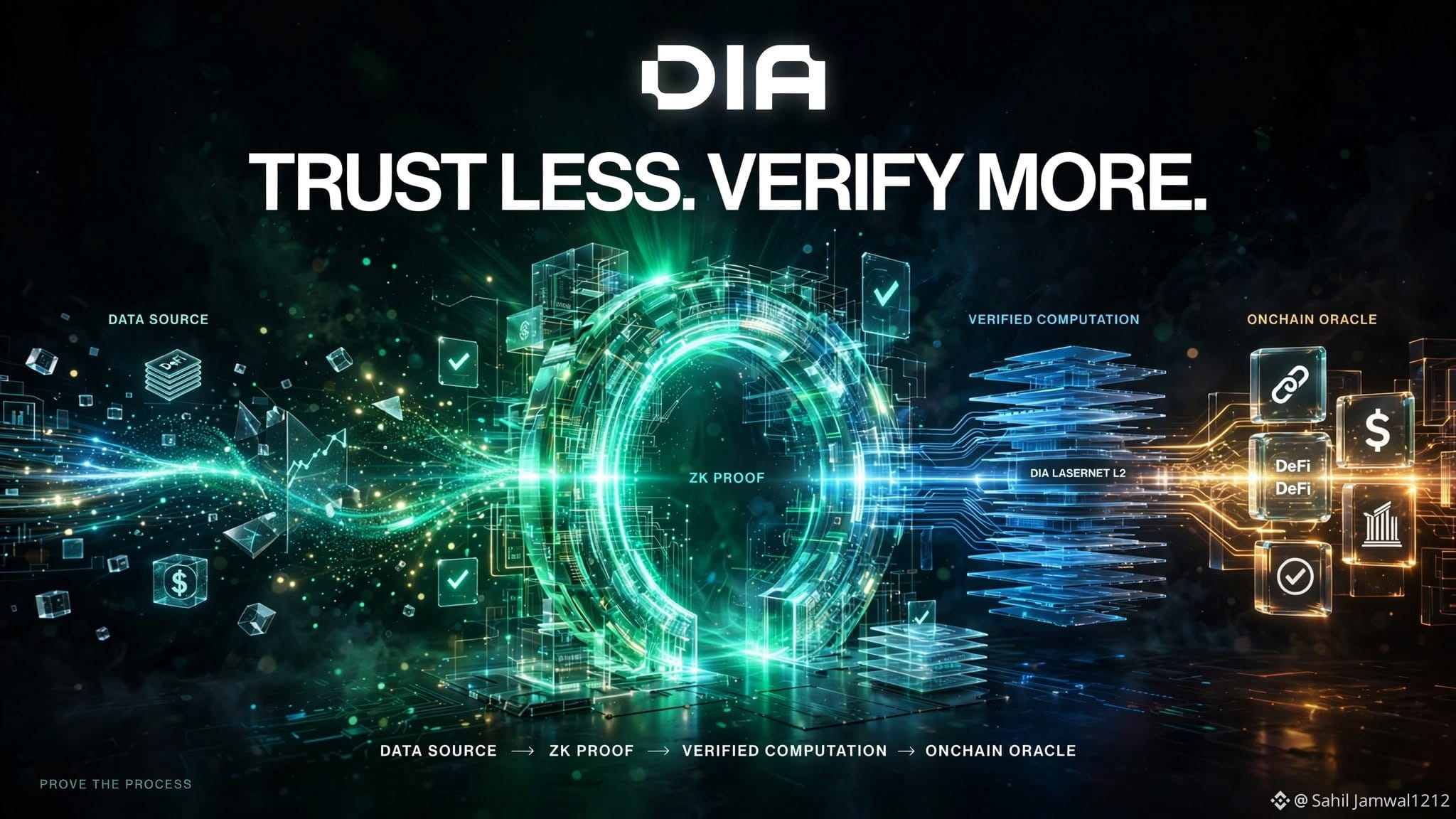
I've been looking deeper into DIA's approach to oracle verification, and I think the more interesting question is bigger than simply:
“How do you get data onchain?”
It's:
“How much of the journey from source to final value can be independently verified?”
DIA Lumina already takes a different approach from traditional offchain aggregation.
Independent feeders submit data to DIA's Lasernet, where critical processing and aggregation happen onchain. The methodology and feed construction can therefore be inspected rather than relying entirely on an opaque offchain aggregation layer.
Then there's DIA ZK.
Launched in July 2026, DIA ZK adds cryptographic verification for offchain data using mechanisms such as zkTLS.
It can help prove:
→ The value came from the stated source
→ The data wasn't altered before reaching the chain
→ The proof is tied to the relevant source session
→ A specific condition is true without revealing the underlying number
Think about reserves.
Instead of exposing an exact balance, a protocol could prove:
Reserves > Supply
The market gets the information it needs without necessarily seeing the sensitive figure.
That's particularly relevant for stablecoins, tokenized funds, vaults, lending markets and other applications that depend on offchain information.
But there is an important boundary.
Cryptographic verification doesn't magically make the underlying source truthful.
If the source reports incorrect information, the proof can verify that the reported value came from that source without proving the real-world claim itself.
DIA is explicit about this limitation.
So I wouldn't frame the goal as “100% trustless data” in an absolute sense.
I'd frame it differently:
Reduce the amount of trust required by replacing opaque steps with verifiable ones.
That's the part of DIA's architecture I think is worth watching. $DIA
{spot}(DIAUSDT)
I've been looking deeper into DIA's approach to oracle verification, and I think the more interesting question is bigger than simply:
“How do you get data onchain?”
It's:
“How much of the journey from source to final value can be independently verified?”
DIA Lumina already takes a different approach from traditional offchain aggregation.
Independent feeders submit data to DIA's Lasernet, where critical processing and aggregation happen onchain. The methodology and feed construction can therefore be inspected rather than relying entirely on an opaque offchain aggregation layer.
Then there's DIA ZK.
Launched in July 2026, DIA ZK adds cryptographic verification for offchain data using mechanisms such as zkTLS.
It can help prove:
→ The value came from the stated source
→ The data wasn't altered before reaching the chain
→ The proof is tied to the relevant source session
→ A specific condition is true without revealing the underlying number
Think about reserves.
Instead of exposing an exact balance, a protocol could prove:
Reserves > Supply
The market gets the information it needs without necessarily seeing the sensitive figure.
That's particularly relevant for stablecoins, tokenized funds, vaults, lending markets and other applications that depend on offchain information.
But there is an important boundary.
Cryptographic verification doesn't magically make the underlying source truthful.
If the source reports incorrect information, the proof can verify that the reported value came from that source without proving the real-world claim itself.
DIA is explicit about this limitation.
So I wouldn't frame the goal as “100% trustless data” in an absolute sense.
I'd frame it differently:
Reduce the amount of trust required by replacing opaque steps with verifiable ones.
That's the part of DIA's architecture I think is worth watching. $DIA
“How do you get data onchain?”
It's:
“How much of the journey from source to final value can be independently verified?”
DIA Lumina already takes a different approach from traditional offchain aggregation.
Independent feeders submit data to DIA's Lasernet, where critical processing and aggregation happen onchain. The methodology and feed construction can therefore be inspected rather than relying entirely on an opaque offchain aggregation layer.
Then there's DIA ZK.
Launched in July 2026, DIA ZK adds cryptographic verification for offchain data using mechanisms such as zkTLS.
It can help prove:
→ The value came from the stated source
→ The data wasn't altered before reaching the chain
→ The proof is tied to the relevant source session
→ A specific condition is true without revealing the underlying number
Think about reserves.
Instead of exposing an exact balance, a protocol could prove:
Reserves > Supply
The market gets the information it needs without necessarily seeing the sensitive figure.
That's particularly relevant for stablecoins, tokenized funds, vaults, lending markets and other applications that depend on offchain information.
But there is an important boundary.
Cryptographic verification doesn't magically make the underlying source truthful.
If the source reports incorrect information, the proof can verify that the reported value came from that source without proving the real-world claim itself.
DIA is explicit about this limitation.
So I wouldn't frame the goal as “100% trustless data” in an absolute sense.
I'd frame it differently:
Reduce the amount of trust required by replacing opaque steps with verifiable ones.
That's the part of DIA's architecture I think is worth watching. $DIA
80
·
--
ブリッシュ
翻訳参照
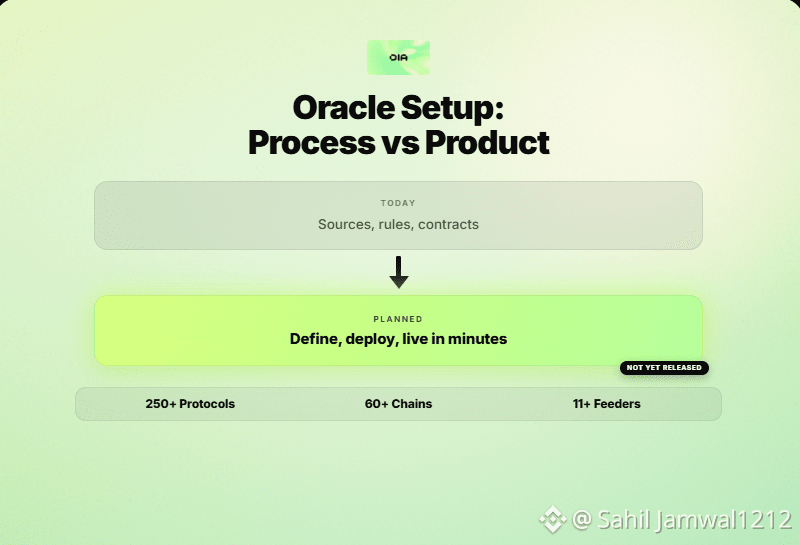
One DIA roadmap idea I find particularly interesting is Automated Oracle Delivery.
DIA previously outlined a vision where users could define and deploy standard oracle feeds within minutes using DIA's infrastructure and broad data offering.
Why does that matter?
Today, creating a specialized oracle can involve understanding data sources, methodologies, update parameters and deployment requirements.
A more automated workflow could make the process look more like:
Select → Configure → Deploy → Use
DIA has already experimented with this direction through tools such as xStream, which was designed as a self-service way to customize data feeds without directly interacting with developers.
If the broader automated-delivery vision is fully realized, I see several potential benefits:
→ Faster oracle deployment
→ Easier creation of custom feeds
→ Lower technical friction for smaller teams
→ More experimentation with different methodologies
→ Better access to DIA's existing data infrastructure
The bigger idea isn't simply “faster oracles.”
It's making oracle infrastructure easier to consume.
And that distinction matters.
DIA's current product stack already spans verifiable price feeds, RWA data, fundamental valuation and other specialized oracle use cases.
If more of that infrastructure becomes self-service, developer experience could become an important part of DIA's growth strategy.
I'll be watching how much of this roadmap vision becomes production reality. $DIA
{spot}(DIAUSDT)
One DIA roadmap idea I find particularly interesting is Automated Oracle Delivery.
DIA previously outlined a vision where users could define and deploy standard oracle feeds within minutes using DIA's infrastructure and broad data offering.
Why does that matter?
Today, creating a specialized oracle can involve understanding data sources, methodologies, update parameters and deployment requirements.
A more automated workflow could make the process look more like:
Select → Configure → Deploy → Use
DIA has already experimented with this direction through tools such as xStream, which was designed as a self-service way to customize data feeds without directly interacting with developers.
If the broader automated-delivery vision is fully realized, I see several potential benefits:
→ Faster oracle deployment
→ Easier creation of custom feeds
→ Lower technical friction for smaller teams
→ More experimentation with different methodologies
→ Better access to DIA's existing data infrastructure
The bigger idea isn't simply “faster oracles.”
It's making oracle infrastructure easier to consume.
And that distinction matters.
DIA's current product stack already spans verifiable price feeds, RWA data, fundamental valuation and other specialized oracle use cases.
If more of that infrastructure becomes self-service, developer experience could become an important part of DIA's growth strategy.
I'll be watching how much of this roadmap vision becomes production reality. $DIA
DIA previously outlined a vision where users could define and deploy standard oracle feeds within minutes using DIA's infrastructure and broad data offering.
Why does that matter?
Today, creating a specialized oracle can involve understanding data sources, methodologies, update parameters and deployment requirements.
A more automated workflow could make the process look more like:
Select → Configure → Deploy → Use
DIA has already experimented with this direction through tools such as xStream, which was designed as a self-service way to customize data feeds without directly interacting with developers.
If the broader automated-delivery vision is fully realized, I see several potential benefits:
→ Faster oracle deployment
→ Easier creation of custom feeds
→ Lower technical friction for smaller teams
→ More experimentation with different methodologies
→ Better access to DIA's existing data infrastructure
The bigger idea isn't simply “faster oracles.”
It's making oracle infrastructure easier to consume.
And that distinction matters.
DIA's current product stack already spans verifiable price feeds, RWA data, fundamental valuation and other specialized oracle use cases.
If more of that infrastructure becomes self-service, developer experience could become an important part of DIA's growth strategy.
I'll be watching how much of this roadmap vision becomes production reality. $DIA
146
·
--
ブリッシュ
翻訳参照
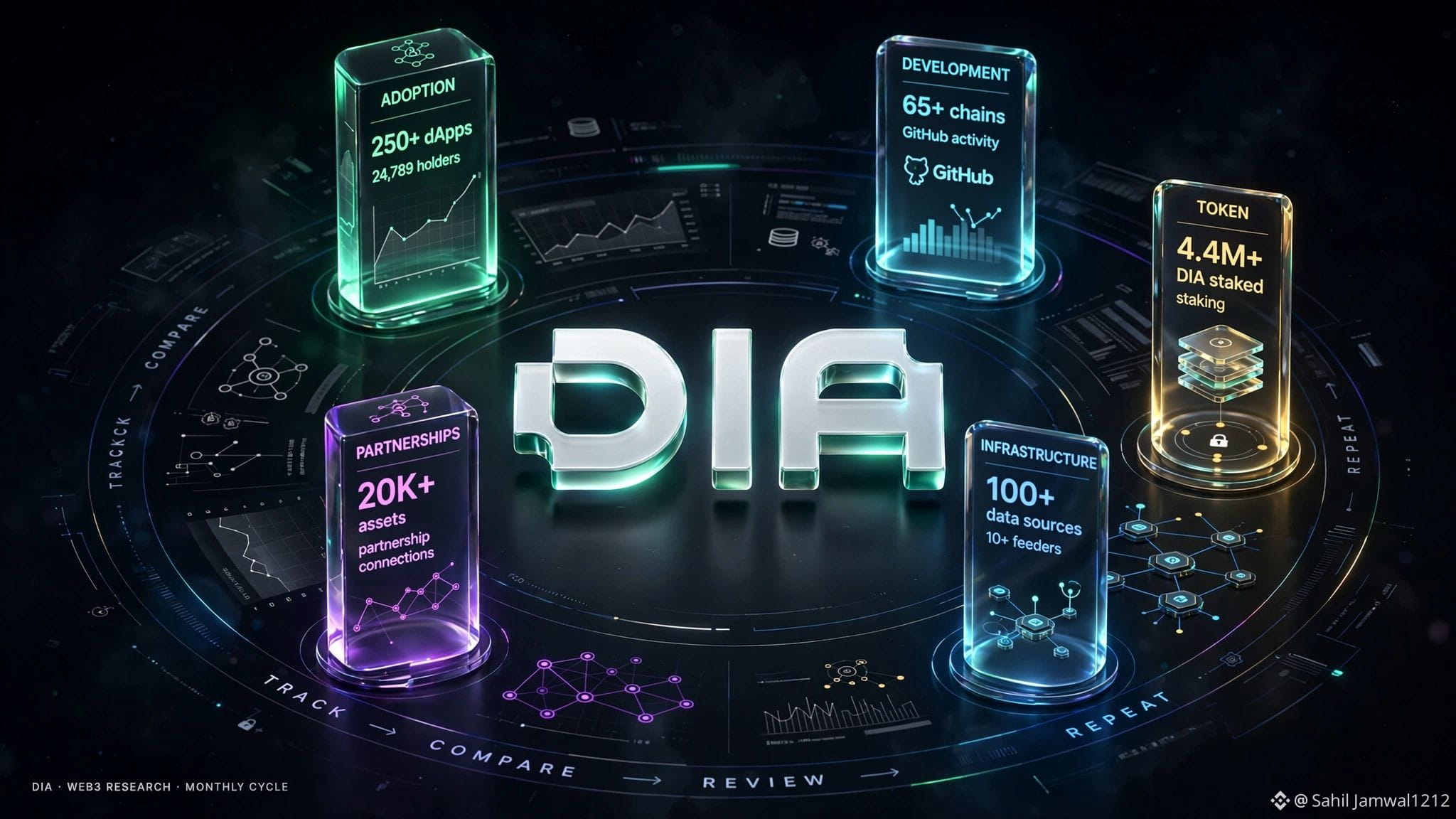
How do I track whether DIA is actually growing?
I don't rely on price alone. I keep a monthly checklist across five areas:
📊 Adoption
• 250+ dApp integrations
• 65+ blockchain integrations
• New partnerships
• TVL of protocols using DIA
🔧 Development
• Product launches
• GitHub activity
• New oracle products
• Technical development
💰 Token
• 4.4M+ DIA staked
• 24,789 token holders
• Lasernet gas activity
• Circulating vs total supply
📡 Infrastructure
• 10+ feeder providers
• 100+ data sources
• 20K+ supported assets
• Oracle update frequency
🤝 Partnership quality
This is one of the most important parts.
I'm looking at whether integrations are with established protocols, whether partners publicly support the integration, and whether the relationship goes beyond a single basic feed.
The goal isn't to find one perfect metric.
It's to see whether adoption, development, infrastructure and token participation are moving in a healthy direction over time.
I update the checklist monthly.
For me, that's a more useful way to research $DIA
{spot}(DIAUSDT)
than watching the price every day.
How do I track whether DIA is actually growing?
I don't rely on price alone. I keep a monthly checklist across five areas:
📊 Adoption
• 250+ dApp integrations
• 65+ blockchain integrations
• New partnerships
• TVL of protocols using DIA
🔧 Development
• Product launches
• GitHub activity
• New oracle products
• Technical development
💰 Token
• 4.4M+ DIA staked
• 24,789 token holders
• Lasernet gas activity
• Circulating vs total supply
📡 Infrastructure
• 10+ feeder providers
• 100+ data sources
• 20K+ supported assets
• Oracle update frequency
🤝 Partnership quality
This is one of the most important parts.
I'm looking at whether integrations are with established protocols, whether partners publicly support the integration, and whether the relationship goes beyond a single basic feed.
The goal isn't to find one perfect metric.
It's to see whether adoption, development, infrastructure and token participation are moving in a healthy direction over time.
I update the checklist monthly.
For me, that's a more useful way to research $DIA
than watching the price every day.
I don't rely on price alone. I keep a monthly checklist across five areas:
📊 Adoption
• 250+ dApp integrations
• 65+ blockchain integrations
• New partnerships
• TVL of protocols using DIA
🔧 Development
• Product launches
• GitHub activity
• New oracle products
• Technical development
💰 Token
• 4.4M+ DIA staked
• 24,789 token holders
• Lasernet gas activity
• Circulating vs total supply
📡 Infrastructure
• 10+ feeder providers
• 100+ data sources
• 20K+ supported assets
• Oracle update frequency
🤝 Partnership quality
This is one of the most important parts.
I'm looking at whether integrations are with established protocols, whether partners publicly support the integration, and whether the relationship goes beyond a single basic feed.
The goal isn't to find one perfect metric.
It's to see whether adoption, development, infrastructure and token participation are moving in a healthy direction over time.
I update the checklist monthly.
For me, that's a more useful way to research $DIA
than watching the price every day.
1
147
翻訳参照
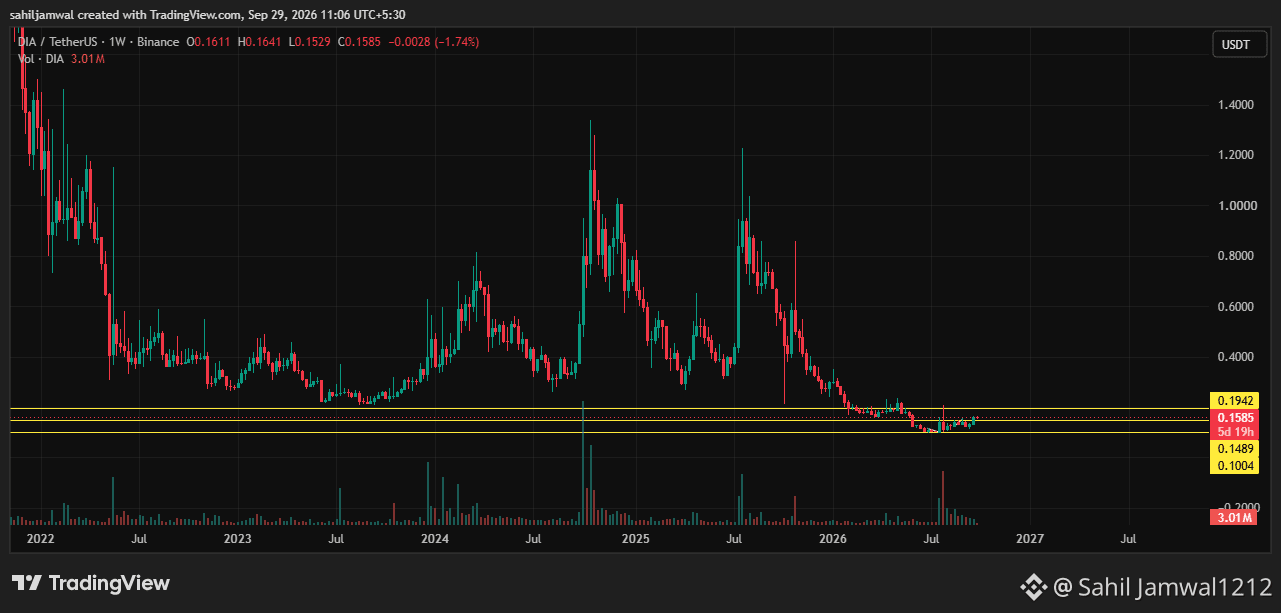
DIA/USDT Weekly: Base Holding Above Support, Resistance at $0.1942 in Focus
$DIA
{spot}(DIAUSDT)
is trading at $0.1585 on the weekly chart, about 58% above its 2026 low near $0.1004.
Price has held above the $0.1489 support and is now trading toward the $0.1942 resistance. After a long decline from the $1.20 area in mid 2025, weekly candles have become smaller, which suggests selling pressure has slowed.
Key levels:
Support: $0.1489
Resistance: $0.1942
Range low: $0.1004
A weekly close above $0.1942 would break the current range. A weekly close below $0.1489 would weaken this structure and put the lower zone back in play.
The project continues to ship products while price stays well below its earlier highs. That gap is worth tracking.
This is not financial advice. Crypto is volatile and you can lose money. Do your own research.
#Dia #DIAdata #CryptoAnalysis #Oracle #TechnicalAnalysis
DIA/USDT Weekly: Base Holding Above Support, Resistance at $0.1942 in Focus
$DIA
is trading at $0.1585 on the weekly chart, about 58% above its 2026 low near $0.1004.
Price has held above the $0.1489 support and is now trading toward the $0.1942 resistance. After a long decline from the $1.20 area in mid 2025, weekly candles have become smaller, which suggests selling pressure has slowed.
Key levels:
Support: $0.1489
Resistance: $0.1942
Range low: $0.1004
A weekly close above $0.1942 would break the current range. A weekly close below $0.1489 would weaken this structure and put the lower zone back in play.
The project continues to ship products while price stays well below its earlier highs. That gap is worth tracking.
This is not financial advice. Crypto is volatile and you can lose money. Do your own research.
#Dia #DIAdata #CryptoAnalysis #Oracle #TechnicalAnalysis
$DIA
is trading at $0.1585 on the weekly chart, about 58% above its 2026 low near $0.1004.
Price has held above the $0.1489 support and is now trading toward the $0.1942 resistance. After a long decline from the $1.20 area in mid 2025, weekly candles have become smaller, which suggests selling pressure has slowed.
Key levels:
Support: $0.1489
Resistance: $0.1942
Range low: $0.1004
A weekly close above $0.1942 would break the current range. A weekly close below $0.1489 would weaken this structure and put the lower zone back in play.
The project continues to ship products while price stays well below its earlier highs. That gap is worth tracking.
This is not financial advice. Crypto is volatile and you can lose money. Do your own research.
#Dia #DIAdata #CryptoAnalysis #Oracle #TechnicalAnalysis
110
·
--
ブリッシュ
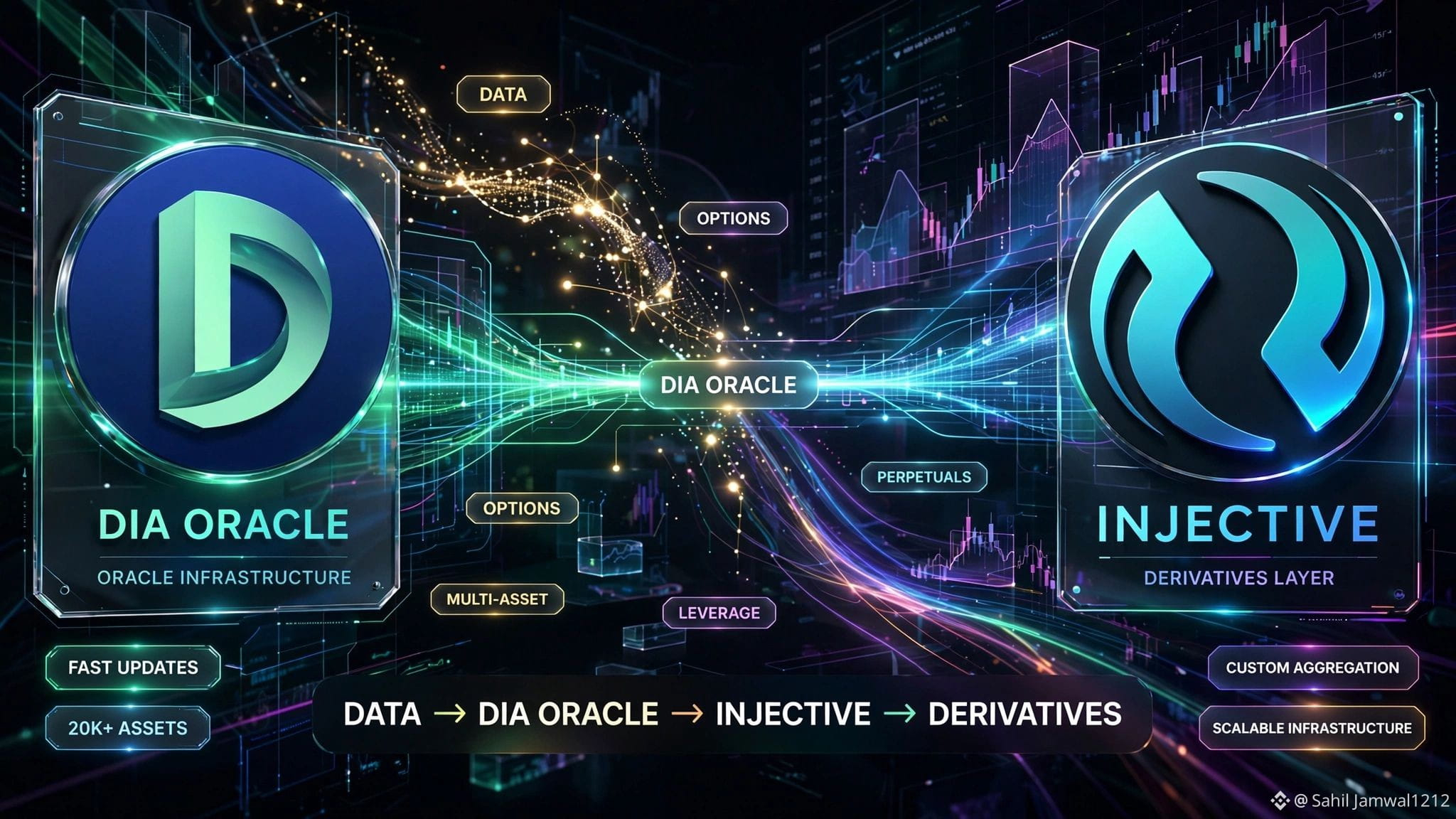
InjectiveがオラクルフィードにDIAを選んだ理由を調べてみたのですが、デリバティブの観点から見ると、その判断がより興味深くなります。
デリバティブのプラットフォームは、オラクル基盤に対して深刻な要求を突きつけます。
レバレッジ商品では、不正確、または古い価格は単なるデータの問題ではありません。清算に影響し、担保価値や取引結果にも波及します。
そのため、オラクルには次の点をうまく満たす必要があります:
→ 信頼でき、操作に強い市場データ
→ 頻繁な更新
→ 幅広い資産のカバー
→ 変動が大きく、流動性が薄い市場
→ 増え続ける資産と市場
InjectiveはDIAを、「将来に備えたオラクル・ソリューション」であり、「データニーズに合わせてスケールできる」と説明しています。
スケーラビリティの点が特に際立っています。
DIAは、次のようなモジュール型アーキテクチャを基盤にしています:
データソース → フィーダー → Lasernet → 集約 → クロスチェーン配信
ネットワークは20K+の資産をサポートしており、またオラクル基盤はフィードやアプリケーションに応じて設定可能な手法やパラメータを使えます。
さらに、暗号資産の価格だけに限定されません。DIAのインフラはRWA、FX、株式、コモディティ、その他の金融データにも拡張されています。
デリバティブにとって重要なのは、オラクルが基礎となるリスク基盤の一部になるからです。
市場が増えれば、必要なデータも増えます。
問題は単純にこうではありません:
「オラクルは価格を提供できるか?」
答えはこうです:
「それを土台に構築された金融システムが、より複雑になっていくなかで、オラクル基盤は追随し続けられるか?」
そして、それこそが $DIA
{spot}(DIAUSDT)
のモジュール型アプローチが特に重要になるところです。
InjectiveがオラクルフィードにDIAを選んだ理由を調べてみたのですが、デリバティブの観点から見ると、その判断がより興味深くなります。
デリバティブのプラットフォームは、オラクル基盤に対して深刻な要求を突きつけます。
レバレッジ商品では、不正確、または古い価格は単なるデータの問題ではありません。清算に影響し、担保価値や取引結果にも波及します。
そのため、オラクルには次の点をうまく満たす必要があります:
→ 信頼でき、操作に強い市場データ
→ 頻繁な更新
→ 幅広い資産のカバー
→ 変動が大きく、流動性が薄い市場
→ 増え続ける資産と市場
InjectiveはDIAを、「将来に備えたオラクル・ソリューション」であり、「データニーズに合わせてスケールできる」と説明しています。
スケーラビリティの点が特に際立っています。
DIAは、次のようなモジュール型アーキテクチャを基盤にしています:
データソース → フィーダー → Lasernet → 集約 → クロスチェーン配信
ネットワークは20K+の資産をサポートしており、またオラクル基盤はフィードやアプリケーションに応じて設定可能な手法やパラメータを使えます。
さらに、暗号資産の価格だけに限定されません。DIAのインフラはRWA、FX、株式、コモディティ、その他の金融データにも拡張されています。
デリバティブにとって重要なのは、オラクルが基礎となるリスク基盤の一部になるからです。
市場が増えれば、必要なデータも増えます。
問題は単純にこうではありません:
「オラクルは価格を提供できるか?」
答えはこうです:
「それを土台に構築された金融システムが、より複雑になっていくなかで、オラクル基盤は追随し続けられるか?」
そして、それこそが $DIA
のモジュール型アプローチが特に重要になるところです。
デリバティブのプラットフォームは、オラクル基盤に対して深刻な要求を突きつけます。
レバレッジ商品では、不正確、または古い価格は単なるデータの問題ではありません。清算に影響し、担保価値や取引結果にも波及します。
そのため、オラクルには次の点をうまく満たす必要があります:
→ 信頼でき、操作に強い市場データ
→ 頻繁な更新
→ 幅広い資産のカバー
→ 変動が大きく、流動性が薄い市場
→ 増え続ける資産と市場
InjectiveはDIAを、「将来に備えたオラクル・ソリューション」であり、「データニーズに合わせてスケールできる」と説明しています。
スケーラビリティの点が特に際立っています。
DIAは、次のようなモジュール型アーキテクチャを基盤にしています:
データソース → フィーダー → Lasernet → 集約 → クロスチェーン配信
ネットワークは20K+の資産をサポートしており、またオラクル基盤はフィードやアプリケーションに応じて設定可能な手法やパラメータを使えます。
さらに、暗号資産の価格だけに限定されません。DIAのインフラはRWA、FX、株式、コモディティ、その他の金融データにも拡張されています。
デリバティブにとって重要なのは、オラクルが基礎となるリスク基盤の一部になるからです。
市場が増えれば、必要なデータも増えます。
問題は単純にこうではありません:
「オラクルは価格を提供できるか?」
答えはこうです:
「それを土台に構築された金融システムが、より複雑になっていくなかで、オラクル基盤は追随し続けられるか?」
そして、それこそが $DIA
のモジュール型アプローチが特に重要になるところです。
269
·
--
ブリッシュ
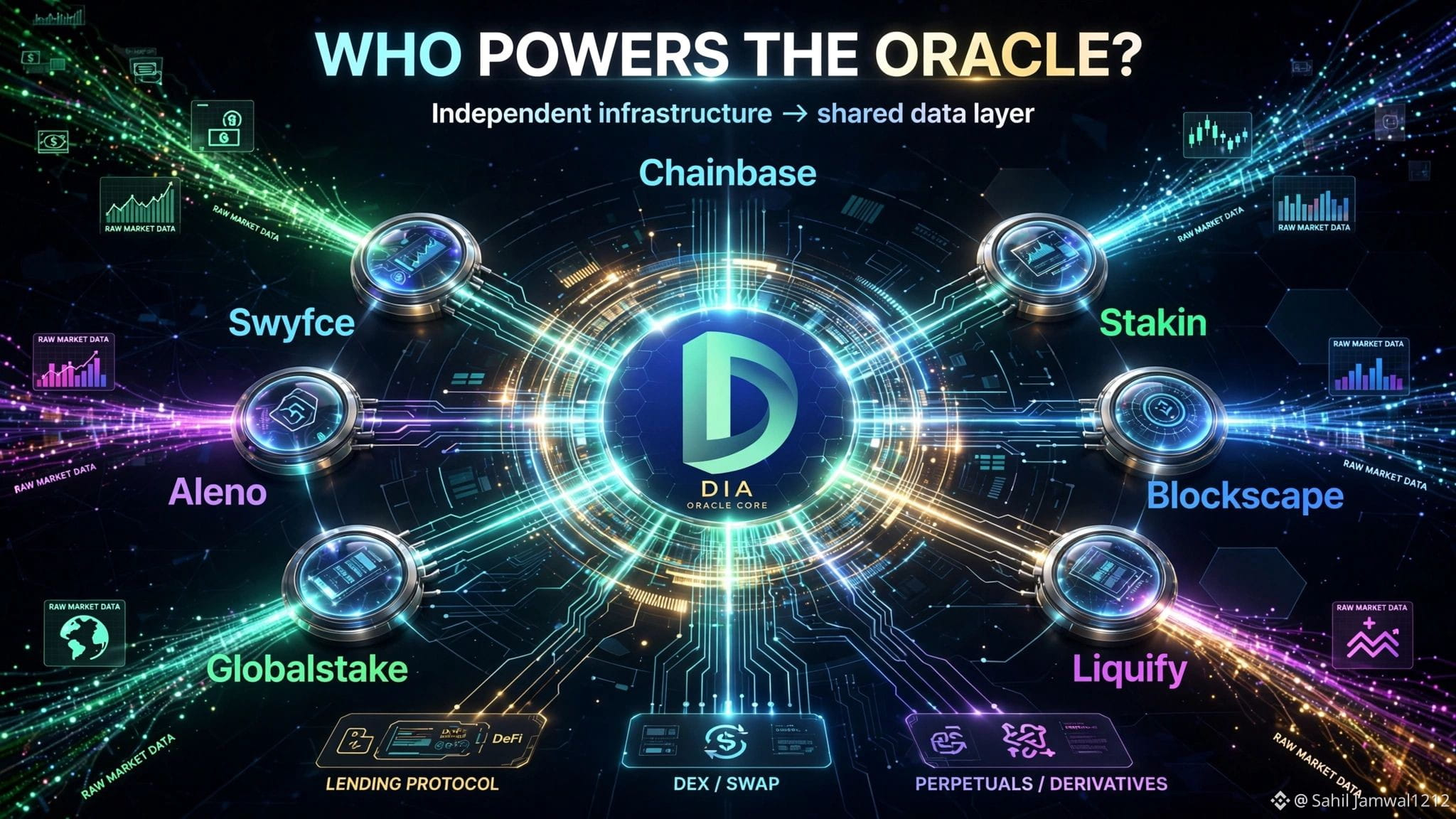
簡単な質問です:DIAのオラクルデータの裏で、実際にインフラを運用しているのは誰でしょうか?
DIAのフィーダーネットワークを調べ始めたところ、興味深いことが分かりました。
そのネットワークには、Chainbase、Stakin、Blockscape、Liquify、Stakecraft、Globalstake、Aleno、Swyfceのような独立したインフラ提供者が含まれています。
これらはDIAの従業員ではありません。
彼らはフィーダー基盤に参加している独立したオペレーターです。
そしてここが重要です。オラクルは、最終的な価格が正しく見えるだけでは決して安全にはなりません。
さらに次も確認する必要があります:
データを集めたのは誰ですか?
独立したオペレーターは何人関与していますか?
データはどのように集約されていますか?
あるオペレーターが単一障害点になり得ますか?
DIAのアプローチでは、オンチェーンの集計インフラに提出が進む前に、データを収集・処理する複数のフィーダーを使います。
ネットワークはパーミッションレスであり、ステーキングが経済的なセキュリティ層を提供します。DIAの予定している今後のスラッシング(罰則)メカニズムも、そのセキュリティロードマップの一部です。
だから、オラクルを評価するより良い方法は、最終フィードの先を見据えることだと思います。
その下にあるインフラを見てください。
誰が運用しているのか?
データはどこから来るのか?
どのように検証されているのか?
どのように集約されているのか?
それこそが、分散化が実際に測定可能になる場所です。$DIA
{spot}(DIAUSDT)
#Dia #defi #Oracles #NodeOperators #Web3
簡単な質問です:DIAのオラクルデータの裏で、実際にインフラを運用しているのは誰でしょうか?
DIAのフィーダーネットワークを調べ始めたところ、興味深いことが分かりました。
そのネットワークには、Chainbase、Stakin、Blockscape、Liquify、Stakecraft、Globalstake、Aleno、Swyfceのような独立したインフラ提供者が含まれています。
これらはDIAの従業員ではありません。
彼らはフィーダー基盤に参加している独立したオペレーターです。
そしてここが重要です。オラクルは、最終的な価格が正しく見えるだけでは決して安全にはなりません。
さらに次も確認する必要があります:
データを集めたのは誰ですか?
独立したオペレーターは何人関与していますか?
データはどのように集約されていますか?
あるオペレーターが単一障害点になり得ますか?
DIAのアプローチでは、オンチェーンの集計インフラに提出が進む前に、データを収集・処理する複数のフィーダーを使います。
ネットワークはパーミッションレスであり、ステーキングが経済的なセキュリティ層を提供します。DIAの予定している今後のスラッシング(罰則)メカニズムも、そのセキュリティロードマップの一部です。
だから、オラクルを評価するより良い方法は、最終フィードの先を見据えることだと思います。
その下にあるインフラを見てください。
誰が運用しているのか?
データはどこから来るのか?
どのように検証されているのか?
どのように集約されているのか?
それこそが、分散化が実際に測定可能になる場所です。$DIA
#Dia #defi #Oracles #NodeOperators #Web3
DIAのフィーダーネットワークを調べ始めたところ、興味深いことが分かりました。
そのネットワークには、Chainbase、Stakin、Blockscape、Liquify、Stakecraft、Globalstake、Aleno、Swyfceのような独立したインフラ提供者が含まれています。
これらはDIAの従業員ではありません。
彼らはフィーダー基盤に参加している独立したオペレーターです。
そしてここが重要です。オラクルは、最終的な価格が正しく見えるだけでは決して安全にはなりません。
さらに次も確認する必要があります:
データを集めたのは誰ですか?
独立したオペレーターは何人関与していますか?
データはどのように集約されていますか?
あるオペレーターが単一障害点になり得ますか?
DIAのアプローチでは、オンチェーンの集計インフラに提出が進む前に、データを収集・処理する複数のフィーダーを使います。
ネットワークはパーミッションレスであり、ステーキングが経済的なセキュリティ層を提供します。DIAの予定している今後のスラッシング(罰則)メカニズムも、そのセキュリティロードマップの一部です。
だから、オラクルを評価するより良い方法は、最終フィードの先を見据えることだと思います。
その下にあるインフラを見てください。
誰が運用しているのか?
データはどこから来るのか?
どのように検証されているのか?
どのように集約されているのか?
それこそが、分散化が実際に測定可能になる場所です。$DIA
#Dia #defi #Oracles #NodeOperators #Web3
121
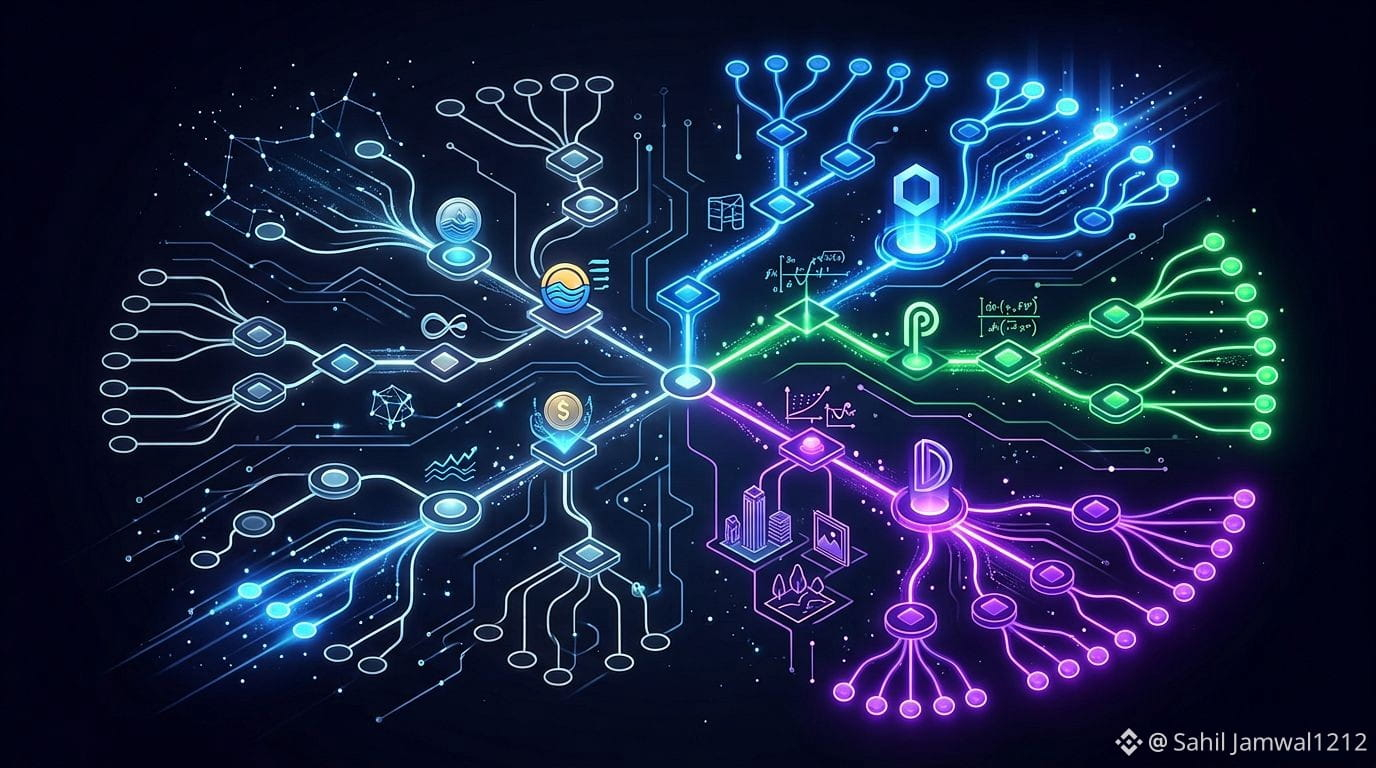
$DIA と Pyth と Chainlink のどれが良いかについて、かなり頻繁に聞かれます。
率直な見解はこうです:
最初からオラクルに着手しないでください。
まずは、アセット(資産)とアプリケーションから始めるべきです。
流動性のある資産をベースに、従来型のDeFiを構築するなら、Chainlink の確立された分散型のマーケットデータ基盤は自然な選択肢になり得ます。
レイテンシー(遅延)に敏感なトレーディングやデリバティブのアプリケーションを構築するなら、Pyth のプル型アーキテクチャと高頻度のマーケットデータが特に興味深いです。
直近の取引だけでは全体像が分からないようなアセットを扱うなら、DIA のほうがずっと重要になってきます。
たとえば:
LST → 契約交換レート(Contract Exchange Rate)
RWA → 基礎的価値評価(Fundamental valuation)
ラップドBTC → リザーブ(準備金)の検証
ステーブルコイン → 償還(Redemption)/裏付け(Backing)
バウルトークン → バウル(Vault)のシェア価格
DIA の価値は、単に市場価格をなぞることではなく、こうした種類のファンダメンタルな評価問題に特化して設計されています。
そして、DIA の RWA インフラは、65以上のブロックチェーンエコシステムにまたがってカスタマイズ可能で、独自のデータソースや更新メカニズムも含まれます。
なので、次のように捉えないほうがいいと思います:
「どのオラクルが一番いいの?」
むしろ、こう考えるべきです:
「この特定のデータ課題に最も適したオラクルはどれ?」
この違いは重要です。
将来的に、ある1つのオラクルが別のオラクルを置き換えるだけ、というわけではないかもしれません。
異なるレイヤーのオンチェーンファイナンスに対して、複数のオラクル・アーキテクチャがそれぞれ役割を果たすことになる可能性があります。
#Dia #PYTH #Chainlink #defi #CryptoInfrastructure
$DIA と Pyth と Chainlink のどれが良いかについて、かなり頻繁に聞かれます。
率直な見解はこうです:
最初からオラクルに着手しないでください。
まずは、アセット(資産)とアプリケーションから始めるべきです。
流動性のある資産をベースに、従来型のDeFiを構築するなら、Chainlink の確立された分散型のマーケットデータ基盤は自然な選択肢になり得ます。
レイテンシー(遅延)に敏感なトレーディングやデリバティブのアプリケーションを構築するなら、Pyth のプル型アーキテクチャと高頻度のマーケットデータが特に興味深いです。
直近の取引だけでは全体像が分からないようなアセットを扱うなら、DIA のほうがずっと重要になってきます。
たとえば:
LST → 契約交換レート(Contract Exchange Rate)
RWA → 基礎的価値評価(Fundamental valuation)
ラップドBTC → リザーブ(準備金)の検証
ステーブルコイン → 償還(Redemption)/裏付け(Backing)
バウルトークン → バウル(Vault)のシェア価格
DIA の価値は、単に市場価格をなぞることではなく、こうした種類のファンダメンタルな評価問題に特化して設計されています。
そして、DIA の RWA インフラは、65以上のブロックチェーンエコシステムにまたがってカスタマイズ可能で、独自のデータソースや更新メカニズムも含まれます。
なので、次のように捉えないほうがいいと思います:
「どのオラクルが一番いいの?」
むしろ、こう考えるべきです:
「この特定のデータ課題に最も適したオラクルはどれ?」
この違いは重要です。
将来的に、ある1つのオラクルが別のオラクルを置き換えるだけ、というわけではないかもしれません。
異なるレイヤーのオンチェーンファイナンスに対して、複数のオラクル・アーキテクチャがそれぞれ役割を果たすことになる可能性があります。
#Dia #PYTH #Chainlink #defi #CryptoInfrastructure
率直な見解はこうです:
最初からオラクルに着手しないでください。
まずは、アセット(資産)とアプリケーションから始めるべきです。
流動性のある資産をベースに、従来型のDeFiを構築するなら、Chainlink の確立された分散型のマーケットデータ基盤は自然な選択肢になり得ます。
レイテンシー(遅延)に敏感なトレーディングやデリバティブのアプリケーションを構築するなら、Pyth のプル型アーキテクチャと高頻度のマーケットデータが特に興味深いです。
直近の取引だけでは全体像が分からないようなアセットを扱うなら、DIA のほうがずっと重要になってきます。
たとえば:
LST → 契約交換レート(Contract Exchange Rate)
RWA → 基礎的価値評価(Fundamental valuation)
ラップドBTC → リザーブ(準備金)の検証
ステーブルコイン → 償還(Redemption)/裏付け(Backing)
バウルトークン → バウル(Vault)のシェア価格
DIA の価値は、単に市場価格をなぞることではなく、こうした種類のファンダメンタルな評価問題に特化して設計されています。
そして、DIA の RWA インフラは、65以上のブロックチェーンエコシステムにまたがってカスタマイズ可能で、独自のデータソースや更新メカニズムも含まれます。
なので、次のように捉えないほうがいいと思います:
「どのオラクルが一番いいの?」
むしろ、こう考えるべきです:
「この特定のデータ課題に最も適したオラクルはどれ?」
この違いは重要です。
将来的に、ある1つのオラクルが別のオラクルを置き換えるだけ、というわけではないかもしれません。
異なるレイヤーのオンチェーンファイナンスに対して、複数のオラクル・アーキテクチャがそれぞれ役割を果たすことになる可能性があります。
#Dia #PYTH #Chainlink #defi #CryptoInfrastructure
2
350
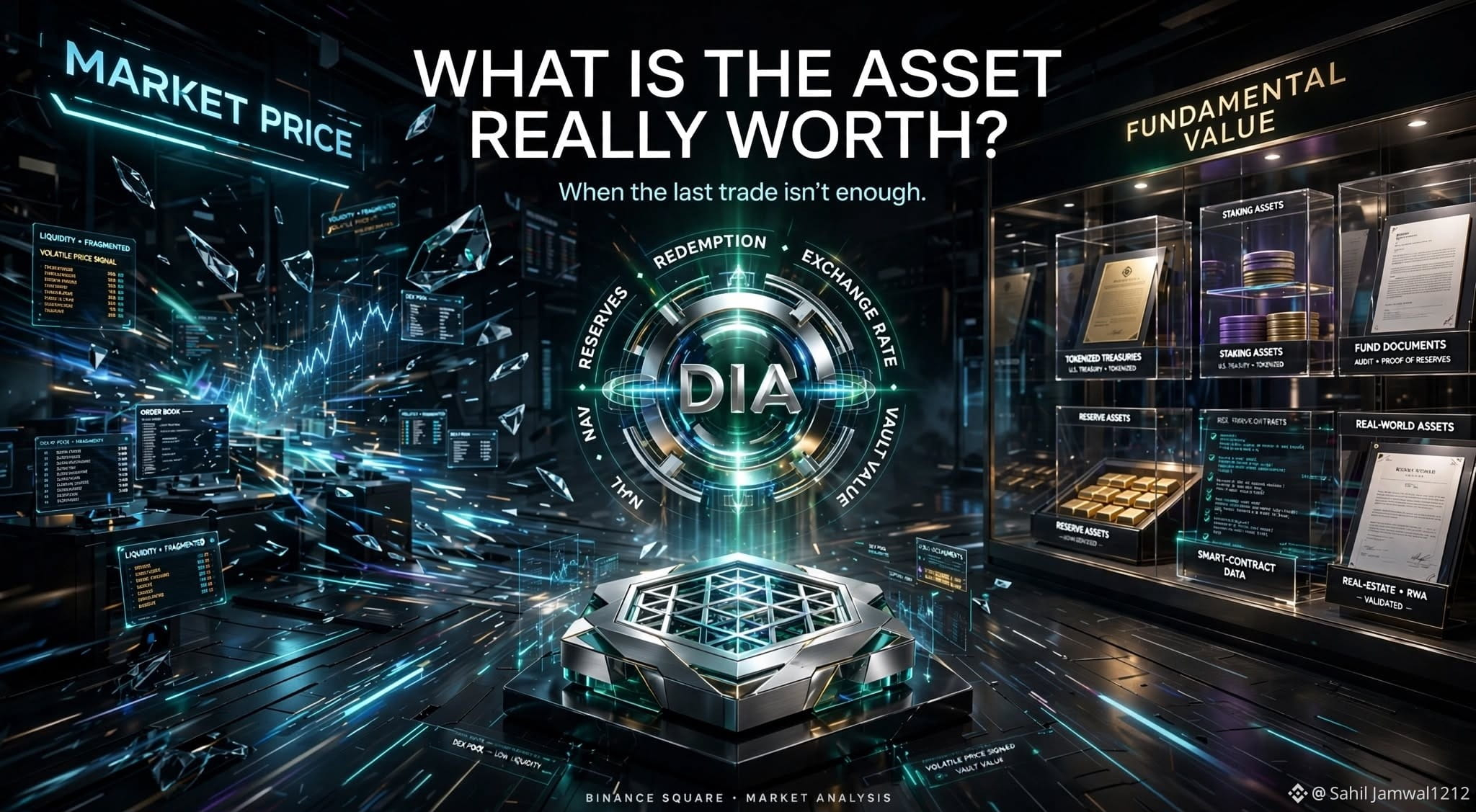
DeFiにおける最も興味深い問題の一つは、価格を見つけることではありません。
市場がほとんど存在しない状況で、信頼できる価値を見出すことです。
オンチェーンでますます増えているものを考えてみてください:
トークン化されたファンド。
国庫(トレジャリー)。
リキッドステーキングトークン。
利回りを生む資産。
バウチャー(ボールト)ポジション。
プライベートかつ現実世界の資産。
市場オラクルが問いかけます:
「人々はこれを何と交換して取引しているのか?」
しかし、それが最も有用な問いでない場合もあります。
LSTの場合、プロトコルの交換レートは、基礎的な価値についてより多くを教えてくれます。
トークン化ファンドの場合、薄いセカンダリーマーケットでの一時的な価格よりも、NAVのほうが重要かもしれません。
準備金で裏付けられた資産の場合、検証された裏付けは、一時的なDEX価格よりも意味のあるものになり得ます。
バウチャートークンの場合、その裏にある資産と負債が、本質的な価値を決めます。
まさにここで、$DIA Valueが私の注目を集めました。
この資産が実際に価値を生み出す仕組みに応じて、NAV、Proof of Reserves、Contract Exchange Rate、Redemption Value、Reserve-Backingといった異なるファンダメンタル評価モデルをサポートしています。
そして、DIA自身のLSTインフラが問題の規模を示しています。ETHだけでも50Bドル超がリキッドステーキングプロトコルに置かれている、といいます。
つまり、オラクルインフラの次の進化は、単にこうではないかもしれません:
「DeFiにもっと良い価格を。」
もしかすると、こうです:
「DeFiに価値を見極めるためのより良い方法を。」
トークン化が広がるほど、この違いはますます重要になっていくかもしれません。#RWA #CryptoInfrastructure
{future}(DIAUSDT)
DeFiにおける最も興味深い問題の一つは、価格を見つけることではありません。
市場がほとんど存在しない状況で、信頼できる価値を見出すことです。
オンチェーンでますます増えているものを考えてみてください:
トークン化されたファンド。
国庫(トレジャリー)。
リキッドステーキングトークン。
利回りを生む資産。
バウチャー(ボールト)ポジション。
プライベートかつ現実世界の資産。
市場オラクルが問いかけます:
「人々はこれを何と交換して取引しているのか?」
しかし、それが最も有用な問いでない場合もあります。
LSTの場合、プロトコルの交換レートは、基礎的な価値についてより多くを教えてくれます。
トークン化ファンドの場合、薄いセカンダリーマーケットでの一時的な価格よりも、NAVのほうが重要かもしれません。
準備金で裏付けられた資産の場合、検証された裏付けは、一時的なDEX価格よりも意味のあるものになり得ます。
バウチャートークンの場合、その裏にある資産と負債が、本質的な価値を決めます。
まさにここで、$DIA Valueが私の注目を集めました。
この資産が実際に価値を生み出す仕組みに応じて、NAV、Proof of Reserves、Contract Exchange Rate、Redemption Value、Reserve-Backingといった異なるファンダメンタル評価モデルをサポートしています。
そして、DIA自身のLSTインフラが問題の規模を示しています。ETHだけでも50Bドル超がリキッドステーキングプロトコルに置かれている、といいます。
つまり、オラクルインフラの次の進化は、単にこうではないかもしれません:
「DeFiにもっと良い価格を。」
もしかすると、こうです:
「DeFiに価値を見極めるためのより良い方法を。」
トークン化が広がるほど、この違いはますます重要になっていくかもしれません。#RWA #CryptoInfrastructure
市場がほとんど存在しない状況で、信頼できる価値を見出すことです。
オンチェーンでますます増えているものを考えてみてください:
トークン化されたファンド。
国庫(トレジャリー)。
リキッドステーキングトークン。
利回りを生む資産。
バウチャー(ボールト)ポジション。
プライベートかつ現実世界の資産。
市場オラクルが問いかけます:
「人々はこれを何と交換して取引しているのか?」
しかし、それが最も有用な問いでない場合もあります。
LSTの場合、プロトコルの交換レートは、基礎的な価値についてより多くを教えてくれます。
トークン化ファンドの場合、薄いセカンダリーマーケットでの一時的な価格よりも、NAVのほうが重要かもしれません。
準備金で裏付けられた資産の場合、検証された裏付けは、一時的なDEX価格よりも意味のあるものになり得ます。
バウチャートークンの場合、その裏にある資産と負債が、本質的な価値を決めます。
まさにここで、$DIA Valueが私の注目を集めました。
この資産が実際に価値を生み出す仕組みに応じて、NAV、Proof of Reserves、Contract Exchange Rate、Redemption Value、Reserve-Backingといった異なるファンダメンタル評価モデルをサポートしています。
そして、DIA自身のLSTインフラが問題の規模を示しています。ETHだけでも50Bドル超がリキッドステーキングプロトコルに置かれている、といいます。
つまり、オラクルインフラの次の進化は、単にこうではないかもしれません:
「DeFiにもっと良い価格を。」
もしかすると、こうです:
「DeFiに価値を見極めるためのより良い方法を。」
トークン化が広がるほど、この違いはますます重要になっていくかもしれません。#RWA #CryptoInfrastructure
131
·
--
ブリッシュ
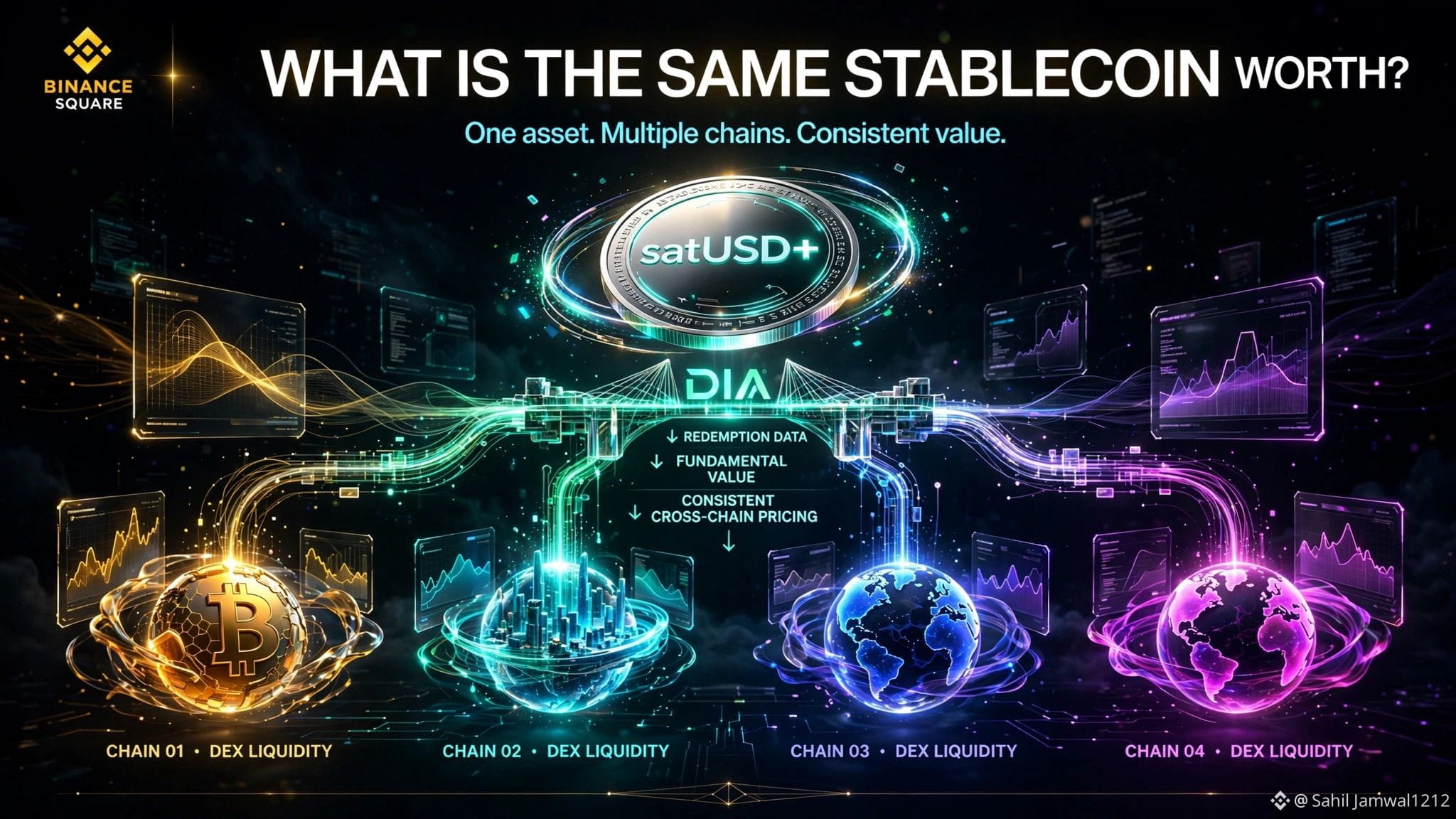
注目されていないオムニチェーン・ステーブルコインの問題として、バリュエーションの分断があります。
同じステーブルコインが4つの異なるチェーンで稼働していると想像してみてください。
各チェーンでは次のように状況が異なりえます:
→ 流動性
→ DEXの価格
→ 取引活動
→ 市場環境
では、DeFiプロトコルはどの価格を信頼すべきでしょうか?
RiverのsatUSD+は興味深い例です。
セカンダリーマーケットの価格だけに頼るのではなく、$DIA
{spot}(DIAUSDT)
値は、ステーブルコインのオンチェーン償還メカニズムを用いて、そのファンダメンタルバリューを算出できます。
つまり、その評価は「誰かが最後にいくらで取引したか」を聞くのではなく、「その資産が実際に何と交換(償還)できるか」から導かれるのです。
私が面白いと思う大きなポイントはこれです:
1つの資産。1つの手法。複数のチェーン。
これは、導入する各インテグレータがデプロイのたびに独自の価格ロジックを作り込むよりずっとすっきりしています。
そして、ここが私の考える「オラクル基盤がより面白くなる」ポイントです。
クロスチェーンDeFiは、チェーン間でトークンを移すことだけではありません。
そのトークンが存在する場所に関係なく、価値の意味が同じになるようにすることでもあります。
#DIA #River #Stablecoins #Omnichain #DeFi
注目されていないオムニチェーン・ステーブルコインの問題として、バリュエーションの分断があります。
同じステーブルコインが4つの異なるチェーンで稼働していると想像してみてください。
各チェーンでは次のように状況が異なりえます:
→ 流動性
→ DEXの価格
→ 取引活動
→ 市場環境
では、DeFiプロトコルはどの価格を信頼すべきでしょうか?
RiverのsatUSD+は興味深い例です。
セカンダリーマーケットの価格だけに頼るのではなく、$DIA
値は、ステーブルコインのオンチェーン償還メカニズムを用いて、そのファンダメンタルバリューを算出できます。
つまり、その評価は「誰かが最後にいくらで取引したか」を聞くのではなく、「その資産が実際に何と交換(償還)できるか」から導かれるのです。
私が面白いと思う大きなポイントはこれです:
1つの資産。1つの手法。複数のチェーン。
これは、導入する各インテグレータがデプロイのたびに独自の価格ロジックを作り込むよりずっとすっきりしています。
そして、ここが私の考える「オラクル基盤がより面白くなる」ポイントです。
クロスチェーンDeFiは、チェーン間でトークンを移すことだけではありません。
そのトークンが存在する場所に関係なく、価値の意味が同じになるようにすることでもあります。
#DIA #River #Stablecoins #Omnichain #DeFi
同じステーブルコインが4つの異なるチェーンで稼働していると想像してみてください。
各チェーンでは次のように状況が異なりえます:
→ 流動性
→ DEXの価格
→ 取引活動
→ 市場環境
では、DeFiプロトコルはどの価格を信頼すべきでしょうか?
RiverのsatUSD+は興味深い例です。
セカンダリーマーケットの価格だけに頼るのではなく、$DIA
値は、ステーブルコインのオンチェーン償還メカニズムを用いて、そのファンダメンタルバリューを算出できます。
つまり、その評価は「誰かが最後にいくらで取引したか」を聞くのではなく、「その資産が実際に何と交換(償還)できるか」から導かれるのです。
私が面白いと思う大きなポイントはこれです:
1つの資産。1つの手法。複数のチェーン。
これは、導入する各インテグレータがデプロイのたびに独自の価格ロジックを作り込むよりずっとすっきりしています。
そして、ここが私の考える「オラクル基盤がより面白くなる」ポイントです。
クロスチェーンDeFiは、チェーン間でトークンを移すことだけではありません。
そのトークンが存在する場所に関係なく、価値の意味が同じになるようにすることでもあります。
#DIA #River #Stablecoins #Omnichain #DeFi
185
「価格」と「価値」が必ずしも同じではない理由を示す、DIAの事例です。
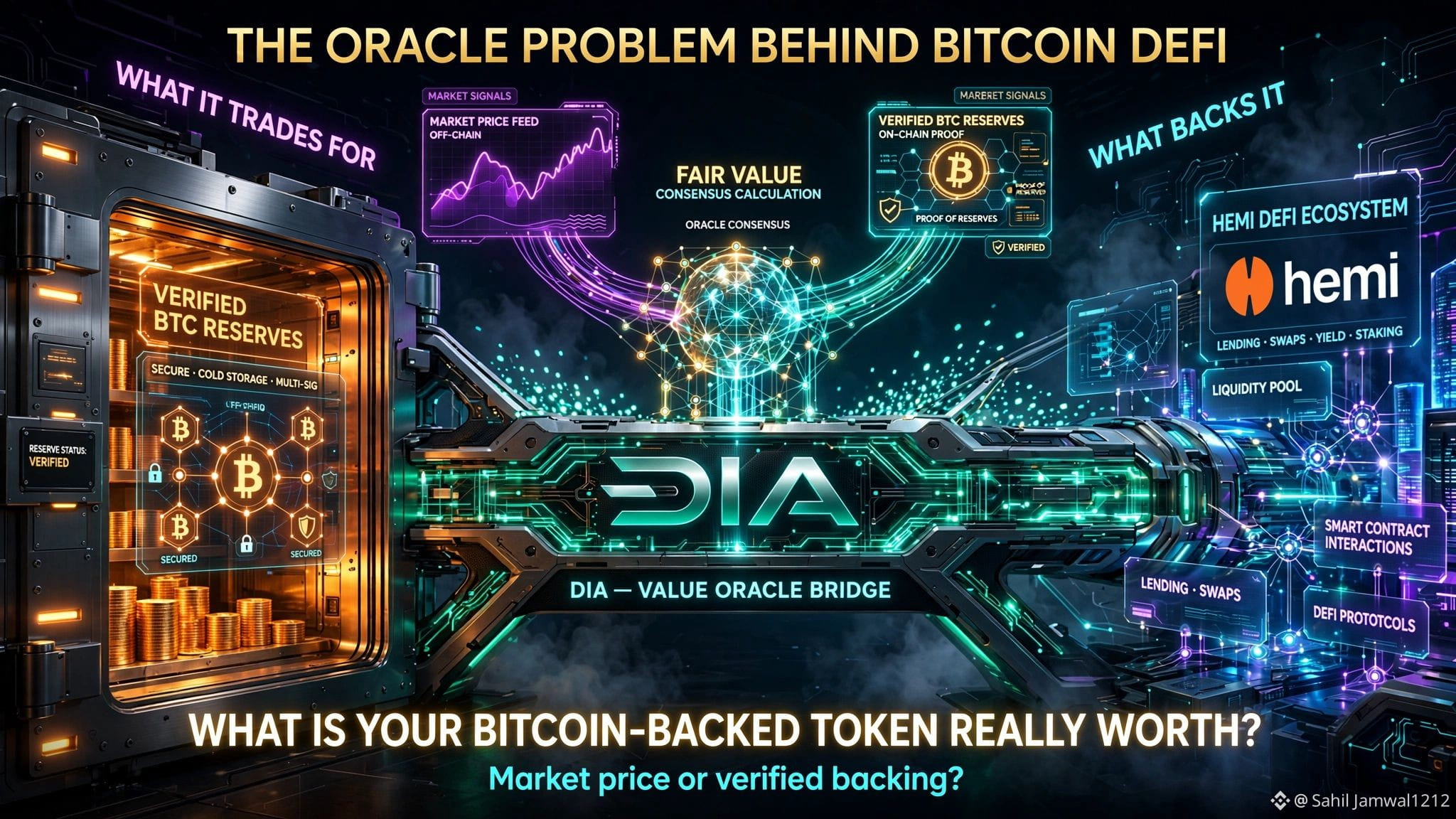
Hemiは、複数のヴォールト構造に保管されたBTCを表すレシートトークンである「hemiBTC」を通じて、DeFiにおいてBitcoinの生産性を高めたいと考えました。
しかし重要なオラクル問題があります。
hemiBTCを担保に貸し出す場合、単にこう尋ねるだけでは——
「hemiBTCはいくらで取引されている?」
必要な情報がすべて分かるとは限りません。
マーケット・オラクルは取引を見ます。
DIAのValueは、hemiBTCに対して別のアプローチを取ります:
→ 元となるBTC保有を検証
→ ヴォールト構造ごとの裏付けを追跡
→ リザーブ・バッキングの手法を適用
→ 下位の準備(リザーブ)から公正価値を算出
これにより、別種の価格シグナルが生まれます。
市場価格:市場がそのトークンに対して支払っている価格。
リザーブで裏付けられた価値:検証された裏付けが支持する価値。
BTCで裏付けられた資産の場合、その違いは、セカンダリー市場の流動性が薄いとき、あるいは一時的に歪んでいるときに重要になり得ます。
DIAは、担保評価のためにDeFiプロトコルへ検証可能な公正価値シグナルを提供するように、hemiBTCの実装が設計されていると言います。
そして、その理由が $DIA
{spot}(DIAUSDT)
です。Valueが私の関心を引いたのはここです。
興味深い革新は、単に別のBTC/USDフィードを作ることではありません。
裏付けそのものが価値算定の一部であるような資産のための、オラクル基盤を構築している点です。
それは別種のオラクル問題です。
#DIA #HemiNetwork #BitcoinDeFi #DIAValue #Crypto
「価格」と「価値」が必ずしも同じではない理由を示す、DIAの事例です。
Hemiは、複数のヴォールト構造に保管されたBTCを表すレシートトークンである「hemiBTC」を通じて、DeFiにおいてBitcoinの生産性を高めたいと考えました。
しかし重要なオラクル問題があります。
hemiBTCを担保に貸し出す場合、単にこう尋ねるだけでは——
「hemiBTCはいくらで取引されている?」
必要な情報がすべて分かるとは限りません。
マーケット・オラクルは取引を見ます。
DIAのValueは、hemiBTCに対して別のアプローチを取ります:
→ 元となるBTC保有を検証
→ ヴォールト構造ごとの裏付けを追跡
→ リザーブ・バッキングの手法を適用
→ 下位の準備(リザーブ)から公正価値を算出
これにより、別種の価格シグナルが生まれます。
市場価格:市場がそのトークンに対して支払っている価格。
リザーブで裏付けられた価値:検証された裏付けが支持する価値。
BTCで裏付けられた資産の場合、その違いは、セカンダリー市場の流動性が薄いとき、あるいは一時的に歪んでいるときに重要になり得ます。
DIAは、担保評価のためにDeFiプロトコルへ検証可能な公正価値シグナルを提供するように、hemiBTCの実装が設計されていると言います。
そして、その理由が $DIA
です。Valueが私の関心を引いたのはここです。
興味深い革新は、単に別のBTC/USDフィードを作ることではありません。
裏付けそのものが価値算定の一部であるような資産のための、オラクル基盤を構築している点です。
それは別種のオラクル問題です。
#DIA #HemiNetwork #BitcoinDeFi #DIAValue #Crypto
Hemiは、複数のヴォールト構造に保管されたBTCを表すレシートトークンである「hemiBTC」を通じて、DeFiにおいてBitcoinの生産性を高めたいと考えました。
しかし重要なオラクル問題があります。
hemiBTCを担保に貸し出す場合、単にこう尋ねるだけでは——
「hemiBTCはいくらで取引されている?」
必要な情報がすべて分かるとは限りません。
マーケット・オラクルは取引を見ます。
DIAのValueは、hemiBTCに対して別のアプローチを取ります:
→ 元となるBTC保有を検証
→ ヴォールト構造ごとの裏付けを追跡
→ リザーブ・バッキングの手法を適用
→ 下位の準備(リザーブ)から公正価値を算出
これにより、別種の価格シグナルが生まれます。
市場価格:市場がそのトークンに対して支払っている価格。
リザーブで裏付けられた価値:検証された裏付けが支持する価値。
BTCで裏付けられた資産の場合、その違いは、セカンダリー市場の流動性が薄いとき、あるいは一時的に歪んでいるときに重要になり得ます。
DIAは、担保評価のためにDeFiプロトコルへ検証可能な公正価値シグナルを提供するように、hemiBTCの実装が設計されていると言います。
そして、その理由が $DIA
です。Valueが私の関心を引いたのはここです。
興味深い革新は、単に別のBTC/USDフィードを作ることではありません。
裏付けそのものが価値算定の一部であるような資産のための、オラクル基盤を構築している点です。
それは別種のオラクル問題です。
#DIA #HemiNetwork #BitcoinDeFi #DIAValue #Crypto
150
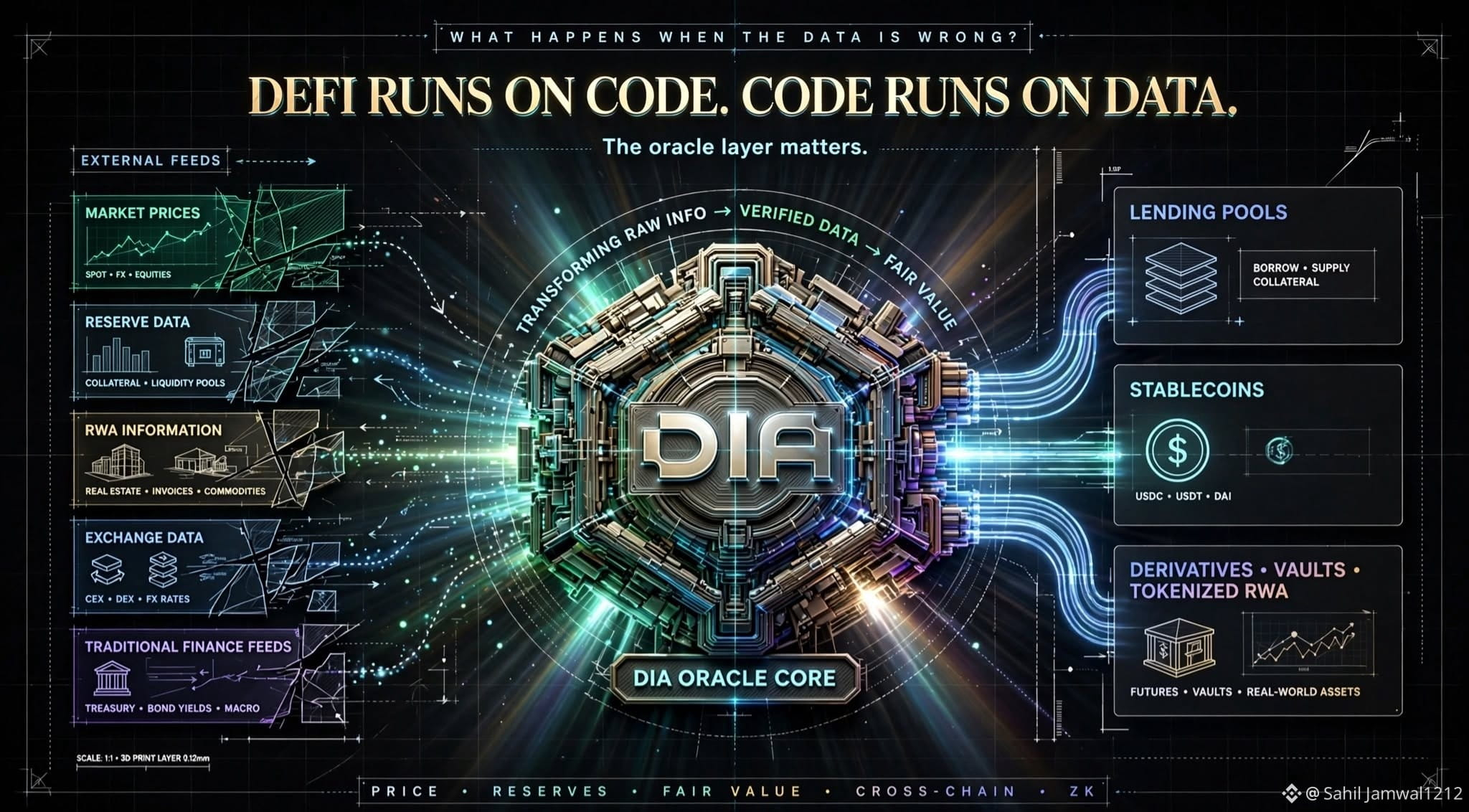
$DIA 物議を醸す意見ですが、DeFiで最も重要なインフラはチェーンではないかもしれません。オラクルかもしれません。
DeFiが実際に何をしているか考えてみてください。
貸し借りは価格によって清算が決まります。
ステーブルコインは参照データと担保価値に依存します。
デリバティブはインデックスに基づいて決済されます。
バルツ(バンク/バリュート・マネージャー)は評価額を中心にリバランスします。
スマートコントラクトは完璧に実行できても、そこに与えられるデータが間違っていれば、たとえ実行が正しくても悪い判断をしてしまいます。
そして、オラクルの問題は変化していると思います。
初期のDeFiでは主に、信頼できるトークン価格が必要でした。
しかし今は、オラクルに次のことを担わせようとしています:
→ 流動性の低い資産
→ 公正価値の価格付け
→ 現実世界の資産
→ 準備金(proof of reserves)
→ クロスチェーンでのデリバリー
→ オフチェーンデータの検証
だから最近、私はDIAにより注目しています。
DIAはすでに20,000+の資産、65+のブロックチェーン、100+のデータソースをカバーしており、さらに新しいスタックでは、基礎価値による評価のためのDIA Valueと、オフチェーンデータを暗号学的に検証するDIA ZKが追加されています。
興味深い変化はここです:
オラクルは単にDeFiに「その数はいくつか」を伝えるだけであるべきではありません。
それよりも、どこから来たのか、その数がどう作られたのか、そしてその数が実際に何を表しているのかを、ますます証明するのに役立つべきです。
これは、単に価格を取得するだけよりも、ずっと大きなインフラ課題です。 #Web3
$DIA 物議を醸す意見ですが、DeFiで最も重要なインフラはチェーンではないかもしれません。オラクルかもしれません。
DeFiが実際に何をしているか考えてみてください。
貸し借りは価格によって清算が決まります。
ステーブルコインは参照データと担保価値に依存します。
デリバティブはインデックスに基づいて決済されます。
バルツ(バンク/バリュート・マネージャー)は評価額を中心にリバランスします。
スマートコントラクトは完璧に実行できても、そこに与えられるデータが間違っていれば、たとえ実行が正しくても悪い判断をしてしまいます。
そして、オラクルの問題は変化していると思います。
初期のDeFiでは主に、信頼できるトークン価格が必要でした。
しかし今は、オラクルに次のことを担わせようとしています:
→ 流動性の低い資産
→ 公正価値の価格付け
→ 現実世界の資産
→ 準備金(proof of reserves)
→ クロスチェーンでのデリバリー
→ オフチェーンデータの検証
だから最近、私はDIAにより注目しています。
DIAはすでに20,000+の資産、65+のブロックチェーン、100+のデータソースをカバーしており、さらに新しいスタックでは、基礎価値による評価のためのDIA Valueと、オフチェーンデータを暗号学的に検証するDIA ZKが追加されています。
興味深い変化はここです:
オラクルは単にDeFiに「その数はいくつか」を伝えるだけであるべきではありません。
それよりも、どこから来たのか、その数がどう作られたのか、そしてその数が実際に何を表しているのかを、ますます証明するのに役立つべきです。
これは、単に価格を取得するだけよりも、ずっと大きなインフラ課題です。 #Web3
DeFiが実際に何をしているか考えてみてください。
貸し借りは価格によって清算が決まります。
ステーブルコインは参照データと担保価値に依存します。
デリバティブはインデックスに基づいて決済されます。
バルツ(バンク/バリュート・マネージャー)は評価額を中心にリバランスします。
スマートコントラクトは完璧に実行できても、そこに与えられるデータが間違っていれば、たとえ実行が正しくても悪い判断をしてしまいます。
そして、オラクルの問題は変化していると思います。
初期のDeFiでは主に、信頼できるトークン価格が必要でした。
しかし今は、オラクルに次のことを担わせようとしています:
→ 流動性の低い資産
→ 公正価値の価格付け
→ 現実世界の資産
→ 準備金(proof of reserves)
→ クロスチェーンでのデリバリー
→ オフチェーンデータの検証
だから最近、私はDIAにより注目しています。
DIAはすでに20,000+の資産、65+のブロックチェーン、100+のデータソースをカバーしており、さらに新しいスタックでは、基礎価値による評価のためのDIA Valueと、オフチェーンデータを暗号学的に検証するDIA ZKが追加されています。
興味深い変化はここです:
オラクルは単にDeFiに「その数はいくつか」を伝えるだけであるべきではありません。
それよりも、どこから来たのか、その数がどう作られたのか、そしてその数が実際に何を表しているのかを、ますます証明するのに役立つべきです。
これは、単に価格を取得するだけよりも、ずっと大きなインフラ課題です。 #Web3
113
·
--
ブリッシュ
これはDeFiがまだ完全に解決できていないと思う問題です:
オフチェーンの数値が真正であることを、誰もがレポートを信頼することを強制せずにどう証明するのでしょうか?
ステーブルコインの準備金を考えてみてください。
発行者はこう言います:
"こちらが準備金残高です。"
しかし、その数値はどこから来たのでしょう?
実際のカストディから引き出されたのでしょうか?
ブロックチェーンに到達する前に変更されていませんか?
そして、発行者は準備金が発行量を上回っていることを、自社のポートフォリオ全体を開示せずに証明できるのでしょうか?
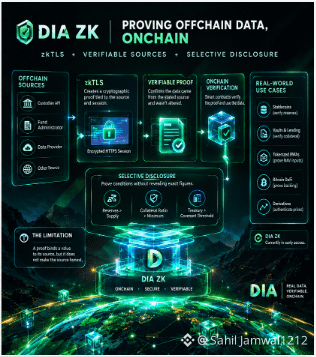
それがDIA ZKが取り組む課題です。
7月22日にローンチされたDIA ZKは、zkTLSを使って、元のデータソースとの暗号化されたHTTPSセッションに結びついた証明を作成します。
するとスマートコントラクトは次を検証できます:
→ 値が提示されたソースから来たこと
→ 報告されたデータが改ざんされていないこと
→ 証明がその特定のセッションに結びついていること
そして、私が特に興味深いと思うのはこの部分です:
選択的開示。
必ずしも開示する必要はありません:
"準備金は127.4Mドルです。"
必要なのは、ただ証明することだけかもしれません:
準備金 > 発行量
同様に:
担保比率 > 最低条件
または
国庫 > 契約上の閾値
元となる数値は非公開のままで、条件だけがオンチェーンで検証可能になります。
これには明確な応用先があります:
ステーブルコイン
金庫(バウルツ)
貸付
トークン化された資金
ビットコインDeFi
デリバティブ
しかし、重要な注意点があります。
zkTLSは魔法のようにオフチェーンのソースを正直にしてくれるわけではありません。
もしカストディが虚偽の残高を報告したなら、その証明は、カストディがそれを報告したことを忠実に証明してしまいます。
だから私は$DIA
{spot}(DIAUSDT)
を「信頼を排除する」ものというより、「信頼の前提として検証不能な部分を縮小する」ものだと見ています。
そしてこの違いは重要です。DeFiの価値の多くがオフチェーンの資産やデータに依存しているからです。
DIAは、ZKが現在は早期アクセスの段階だと言っています。
ただ、方向性は興味深いです:
起きたことを単にブロックチェーンに伝えるのではなく、その情報がどこから来たのかを証明する。
これはDeFiがまだ完全に解決できていないと思う問題です:
オフチェーンの数値が真正であることを、誰もがレポートを信頼することを強制せずにどう証明するのでしょうか?
ステーブルコインの準備金を考えてみてください。
発行者はこう言います:
"こちらが準備金残高です。"
しかし、その数値はどこから来たのでしょう?
実際のカストディから引き出されたのでしょうか?
ブロックチェーンに到達する前に変更されていませんか?
そして、発行者は準備金が発行量を上回っていることを、自社のポートフォリオ全体を開示せずに証明できるのでしょうか?
それがDIA ZKが取り組む課題です。
7月22日にローンチされたDIA ZKは、zkTLSを使って、元のデータソースとの暗号化されたHTTPSセッションに結びついた証明を作成します。
するとスマートコントラクトは次を検証できます:
→ 値が提示されたソースから来たこと
→ 報告されたデータが改ざんされていないこと
→ 証明がその特定のセッションに結びついていること
そして、私が特に興味深いと思うのはこの部分です:
選択的開示。
必ずしも開示する必要はありません:
"準備金は127.4Mドルです。"
必要なのは、ただ証明することだけかもしれません:
準備金 > 発行量
同様に:
担保比率 > 最低条件
または
国庫 > 契約上の閾値
元となる数値は非公開のままで、条件だけがオンチェーンで検証可能になります。
これには明確な応用先があります:
ステーブルコイン
金庫(バウルツ)
貸付
トークン化された資金
ビットコインDeFi
デリバティブ
しかし、重要な注意点があります。
zkTLSは魔法のようにオフチェーンのソースを正直にしてくれるわけではありません。
もしカストディが虚偽の残高を報告したなら、その証明は、カストディがそれを報告したことを忠実に証明してしまいます。
だから私は$DIA
を「信頼を排除する」ものというより、「信頼の前提として検証不能な部分を縮小する」ものだと見ています。
そしてこの違いは重要です。DeFiの価値の多くがオフチェーンの資産やデータに依存しているからです。
DIAは、ZKが現在は早期アクセスの段階だと言っています。
ただ、方向性は興味深いです:
起きたことを単にブロックチェーンに伝えるのではなく、その情報がどこから来たのかを証明する。
オフチェーンの数値が真正であることを、誰もがレポートを信頼することを強制せずにどう証明するのでしょうか?
ステーブルコインの準備金を考えてみてください。
発行者はこう言います:
"こちらが準備金残高です。"
しかし、その数値はどこから来たのでしょう?
実際のカストディから引き出されたのでしょうか?
ブロックチェーンに到達する前に変更されていませんか?
そして、発行者は準備金が発行量を上回っていることを、自社のポートフォリオ全体を開示せずに証明できるのでしょうか?
それがDIA ZKが取り組む課題です。
7月22日にローンチされたDIA ZKは、zkTLSを使って、元のデータソースとの暗号化されたHTTPSセッションに結びついた証明を作成します。
するとスマートコントラクトは次を検証できます:
→ 値が提示されたソースから来たこと
→ 報告されたデータが改ざんされていないこと
→ 証明がその特定のセッションに結びついていること
そして、私が特に興味深いと思うのはこの部分です:
選択的開示。
必ずしも開示する必要はありません:
"準備金は127.4Mドルです。"
必要なのは、ただ証明することだけかもしれません:
準備金 > 発行量
同様に:
担保比率 > 最低条件
または
国庫 > 契約上の閾値
元となる数値は非公開のままで、条件だけがオンチェーンで検証可能になります。
これには明確な応用先があります:
ステーブルコイン
金庫(バウルツ)
貸付
トークン化された資金
ビットコインDeFi
デリバティブ
しかし、重要な注意点があります。
zkTLSは魔法のようにオフチェーンのソースを正直にしてくれるわけではありません。
もしカストディが虚偽の残高を報告したなら、その証明は、カストディがそれを報告したことを忠実に証明してしまいます。
だから私は$DIA
を「信頼を排除する」ものというより、「信頼の前提として検証不能な部分を縮小する」ものだと見ています。
そしてこの違いは重要です。DeFiの価値の多くがオフチェーンの資産やデータに依存しているからです。
DIAは、ZKが現在は早期アクセスの段階だと言っています。
ただ、方向性は興味深いです:
起きたことを単にブロックチェーンに伝えるのではなく、その情報がどこから来たのかを証明する。
140
·
--
ブリッシュ
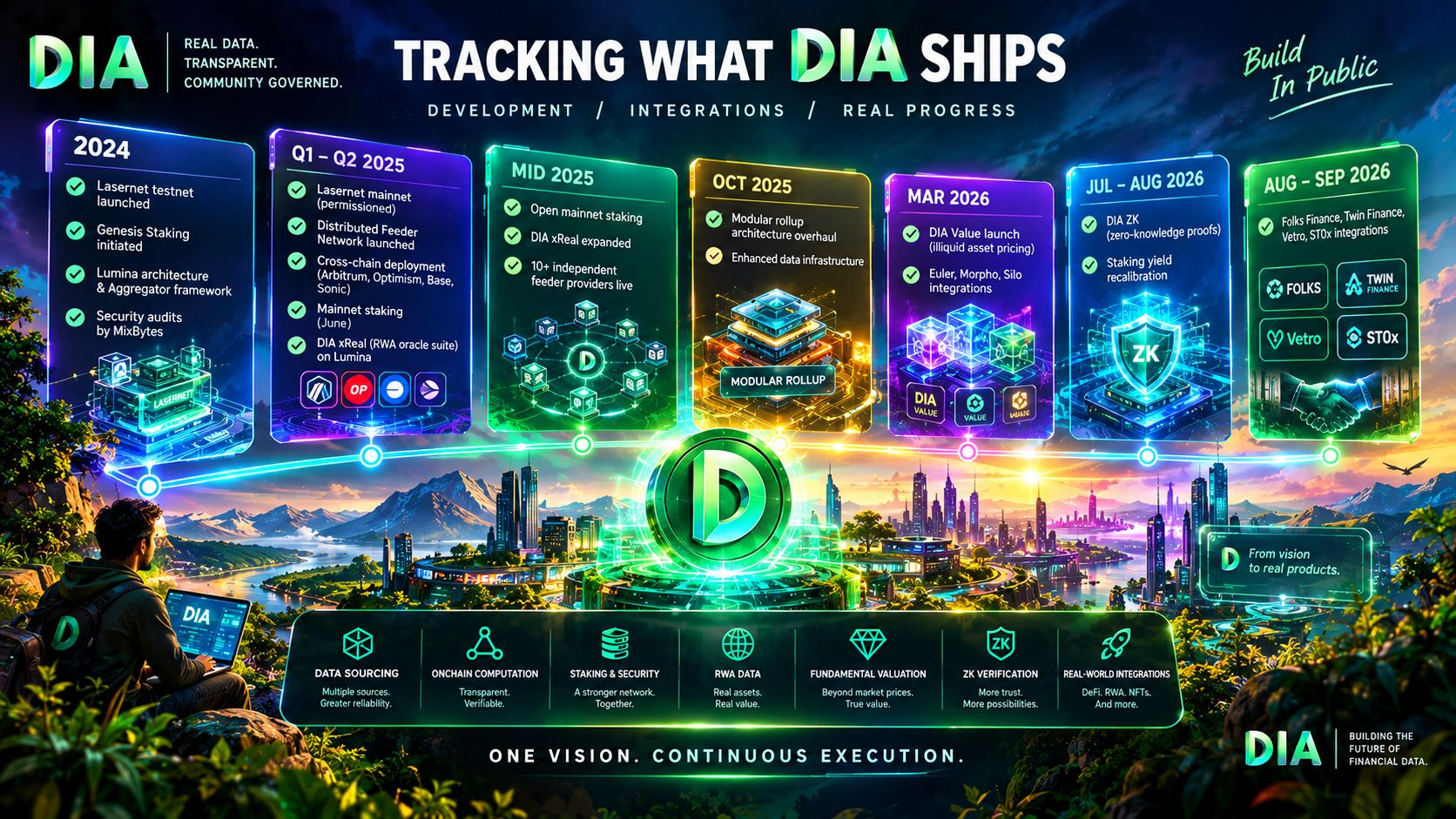
暗号資産プロジェクトを調べるときに私が使うルールが1つあります:
まず約束は一旦無視します。リリースを見てください。
そこでDIAの開発のタイムラインをさかのぼりました。
そして、その進展は興味深い。
2024
Lasernet テストネット → Genesis Staking → Lumina アーキテクチャ
2025
Lasernet メインネット → 分散型フィーダーネットワーク → メインネット・ステーキング → クロスチェーン展開 → xReal
2026
$DIA Value → Proof-of-Reserves(準備金証明)と公正価値のユースケース → ステーキングの進化 → DIA ZK → 新しいレンディング、RWA、トークン化されたエクイティの統合
最近の例:
→ Folks Finance が MON、SEI、SYRUP 向けに DIA フィードを追加
→ ST0x はトークン化エクイティの価格付けに DIA を使用
→ Vetro は VUSD と sVUSD に対して DIA のファンダメンタル・フィードを使用
→ Twin Finance と DAMM Capital はラテンアメリカ通貨のために DIA の価格オラクルを使用
私がより興味を感じるのは、その「順序」です。
DIAは、ただ別の価格フィードAPIを作っているわけではありません。
スタックは次のように拡張してきています:
データソーシング
↓
オンチェーンでのオラクル計算
↓
ステーキングとネットワークセキュリティ
↓
RWAデータ
↓
ファンダメンタル(本質的価値)の評価
↓
ゼロ知識による検証
↓
実際のアプリケーション
私はこうした開発の履歴を調べるのが好きです。
「これから作る予定です。」ではなく、
「実際に出荷したのはこれです。」
とはいえ、導入(採用)、流動性、競争、そして持続可能なネットワーク経済性に関する明確な疑問はまだ残っています。
しかし、出荷実績そのものは注目する価値があります。
暗号資産プロジェクトを調べるときに私が使うルールが1つあります:
まず約束は一旦無視します。リリースを見てください。
そこでDIAの開発のタイムラインをさかのぼりました。
そして、その進展は興味深い。
2024
Lasernet テストネット → Genesis Staking → Lumina アーキテクチャ
2025
Lasernet メインネット → 分散型フィーダーネットワーク → メインネット・ステーキング → クロスチェーン展開 → xReal
2026
$DIA Value → Proof-of-Reserves(準備金証明)と公正価値のユースケース → ステーキングの進化 → DIA ZK → 新しいレンディング、RWA、トークン化されたエクイティの統合
最近の例:
→ Folks Finance が MON、SEI、SYRUP 向けに DIA フィードを追加
→ ST0x はトークン化エクイティの価格付けに DIA を使用
→ Vetro は VUSD と sVUSD に対して DIA のファンダメンタル・フィードを使用
→ Twin Finance と DAMM Capital はラテンアメリカ通貨のために DIA の価格オラクルを使用
私がより興味を感じるのは、その「順序」です。
DIAは、ただ別の価格フィードAPIを作っているわけではありません。
スタックは次のように拡張してきています:
データソーシング
↓
オンチェーンでのオラクル計算
↓
ステーキングとネットワークセキュリティ
↓
RWAデータ
↓
ファンダメンタル(本質的価値)の評価
↓
ゼロ知識による検証
↓
実際のアプリケーション
私はこうした開発の履歴を調べるのが好きです。
「これから作る予定です。」ではなく、
「実際に出荷したのはこれです。」
とはいえ、導入(採用)、流動性、競争、そして持続可能なネットワーク経済性に関する明確な疑問はまだ残っています。
しかし、出荷実績そのものは注目する価値があります。
まず約束は一旦無視します。リリースを見てください。
そこでDIAの開発のタイムラインをさかのぼりました。
そして、その進展は興味深い。
2024
Lasernet テストネット → Genesis Staking → Lumina アーキテクチャ
2025
Lasernet メインネット → 分散型フィーダーネットワーク → メインネット・ステーキング → クロスチェーン展開 → xReal
2026
$DIA Value → Proof-of-Reserves(準備金証明)と公正価値のユースケース → ステーキングの進化 → DIA ZK → 新しいレンディング、RWA、トークン化されたエクイティの統合
最近の例:
→ Folks Finance が MON、SEI、SYRUP 向けに DIA フィードを追加
→ ST0x はトークン化エクイティの価格付けに DIA を使用
→ Vetro は VUSD と sVUSD に対して DIA のファンダメンタル・フィードを使用
→ Twin Finance と DAMM Capital はラテンアメリカ通貨のために DIA の価格オラクルを使用
私がより興味を感じるのは、その「順序」です。
DIAは、ただ別の価格フィードAPIを作っているわけではありません。
スタックは次のように拡張してきています:
データソーシング
↓
オンチェーンでのオラクル計算
↓
ステーキングとネットワークセキュリティ
↓
RWAデータ
↓
ファンダメンタル(本質的価値)の評価
↓
ゼロ知識による検証
↓
実際のアプリケーション
私はこうした開発の履歴を調べるのが好きです。
「これから作る予定です。」ではなく、
「実際に出荷したのはこれです。」
とはいえ、導入(採用)、流動性、競争、そして持続可能なネットワーク経済性に関する明確な疑問はまだ残っています。
しかし、出荷実績そのものは注目する価値があります。
1
274
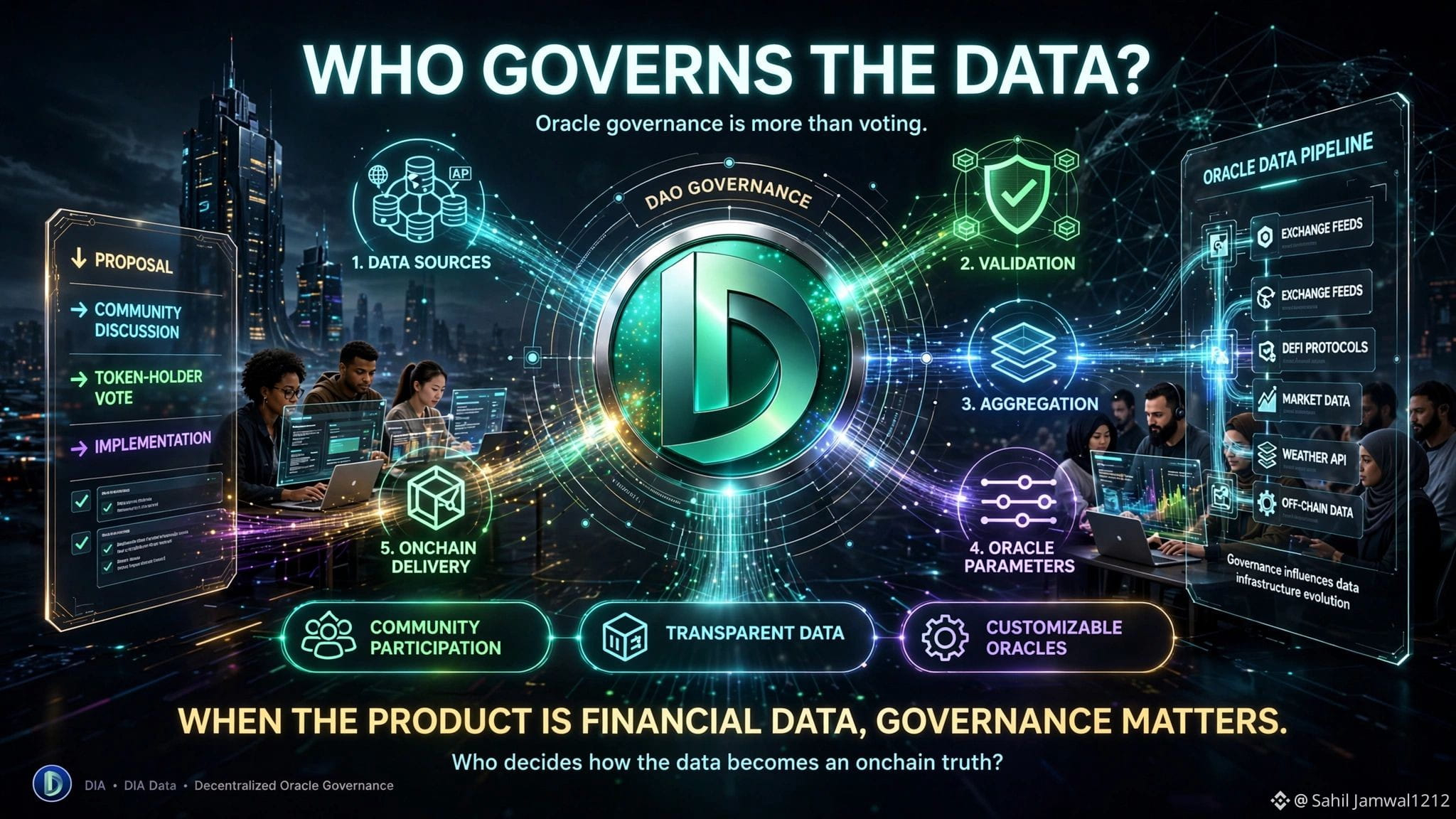
私は何週間もオラクル基盤の調査を続けてきて、見落とされがちな重要な1つの層があると感じています。それがガバナンスです。
DIAは、単に価格フィードを提供する企業として設計されたわけではありません。
当初の構想は「金融データのためのウィキペディア」に近いものでした——オープンな参加、透明なデータ、そしてコミュニティの関与です。
現在では、$DIA トークン保有者がDAOを通じて参加しています。
しかし、このモデルの面白さは提案への投票だけではありません。
DIAのアーキテクチャでは、オラクルフィードを次のようにカスタマイズすることも可能です:
→ データソース
→ 方法論
→ 更新メカニズム
→ 周波数
→ デリバリー仕様
また、DIAのエコシステムはネットワークレベルでも許可不要で、参加者がノードを運用し、分散型のデータ収集プロセスに貢献できます。
さらにDIAは、カスタム・デリバリー・リクエストのようなDAOの仕組みを歴史的に活用してきました。ここでは、アプリケーションがフィードに必要なソースや方法論を公開の場で指定できます。
すると、別のガバナンスの問いが生まれます:
誰が、金融データがオンチェーンの「真実」になる方法を決めるべきなのでしょうか?
コアチームでしょうか?
少数のデータ提供者でしょうか?
それとも、透明なルールと投票を備えたオープンなコミュニティでしょうか?
$DIA
{spot}(DIAUSDT)
は明らかに、3つ目のモデルを試しています。
ただ、それだけでガバナンスが自動的に良くなるわけではありません。
トークンの集中度、投票への参加率、実行力は依然として重要です。
とはいえ、プロダクト自体が金融データである以上、データ層に対するガバナンスは、トレジャリーに対するガバナンスと同じくらい注目されるべきだと思います。
私は何週間もオラクル基盤の調査を続けてきて、見落とされがちな重要な1つの層があると感じています。それがガバナンスです。
DIAは、単に価格フィードを提供する企業として設計されたわけではありません。
当初の構想は「金融データのためのウィキペディア」に近いものでした——オープンな参加、透明なデータ、そしてコミュニティの関与です。
現在では、$DIA トークン保有者がDAOを通じて参加しています。
しかし、このモデルの面白さは提案への投票だけではありません。
DIAのアーキテクチャでは、オラクルフィードを次のようにカスタマイズすることも可能です:
→ データソース
→ 方法論
→ 更新メカニズム
→ 周波数
→ デリバリー仕様
また、DIAのエコシステムはネットワークレベルでも許可不要で、参加者がノードを運用し、分散型のデータ収集プロセスに貢献できます。
さらにDIAは、カスタム・デリバリー・リクエストのようなDAOの仕組みを歴史的に活用してきました。ここでは、アプリケーションがフィードに必要なソースや方法論を公開の場で指定できます。
すると、別のガバナンスの問いが生まれます:
誰が、金融データがオンチェーンの「真実」になる方法を決めるべきなのでしょうか?
コアチームでしょうか?
少数のデータ提供者でしょうか?
それとも、透明なルールと投票を備えたオープンなコミュニティでしょうか?
$DIA
は明らかに、3つ目のモデルを試しています。
ただ、それだけでガバナンスが自動的に良くなるわけではありません。
トークンの集中度、投票への参加率、実行力は依然として重要です。
とはいえ、プロダクト自体が金融データである以上、データ層に対するガバナンスは、トレジャリーに対するガバナンスと同じくらい注目されるべきだと思います。
DIAは、単に価格フィードを提供する企業として設計されたわけではありません。
当初の構想は「金融データのためのウィキペディア」に近いものでした——オープンな参加、透明なデータ、そしてコミュニティの関与です。
現在では、$DIA トークン保有者がDAOを通じて参加しています。
しかし、このモデルの面白さは提案への投票だけではありません。
DIAのアーキテクチャでは、オラクルフィードを次のようにカスタマイズすることも可能です:
→ データソース
→ 方法論
→ 更新メカニズム
→ 周波数
→ デリバリー仕様
また、DIAのエコシステムはネットワークレベルでも許可不要で、参加者がノードを運用し、分散型のデータ収集プロセスに貢献できます。
さらにDIAは、カスタム・デリバリー・リクエストのようなDAOの仕組みを歴史的に活用してきました。ここでは、アプリケーションがフィードに必要なソースや方法論を公開の場で指定できます。
すると、別のガバナンスの問いが生まれます:
誰が、金融データがオンチェーンの「真実」になる方法を決めるべきなのでしょうか?
コアチームでしょうか?
少数のデータ提供者でしょうか?
それとも、透明なルールと投票を備えたオープンなコミュニティでしょうか?
$DIA
は明らかに、3つ目のモデルを試しています。
ただ、それだけでガバナンスが自動的に良くなるわけではありません。
トークンの集中度、投票への参加率、実行力は依然として重要です。
とはいえ、プロダクト自体が金融データである以上、データ層に対するガバナンスは、トレジャリーに対するガバナンスと同じくらい注目されるべきだと思います。
160
·
--
ブリッシュ
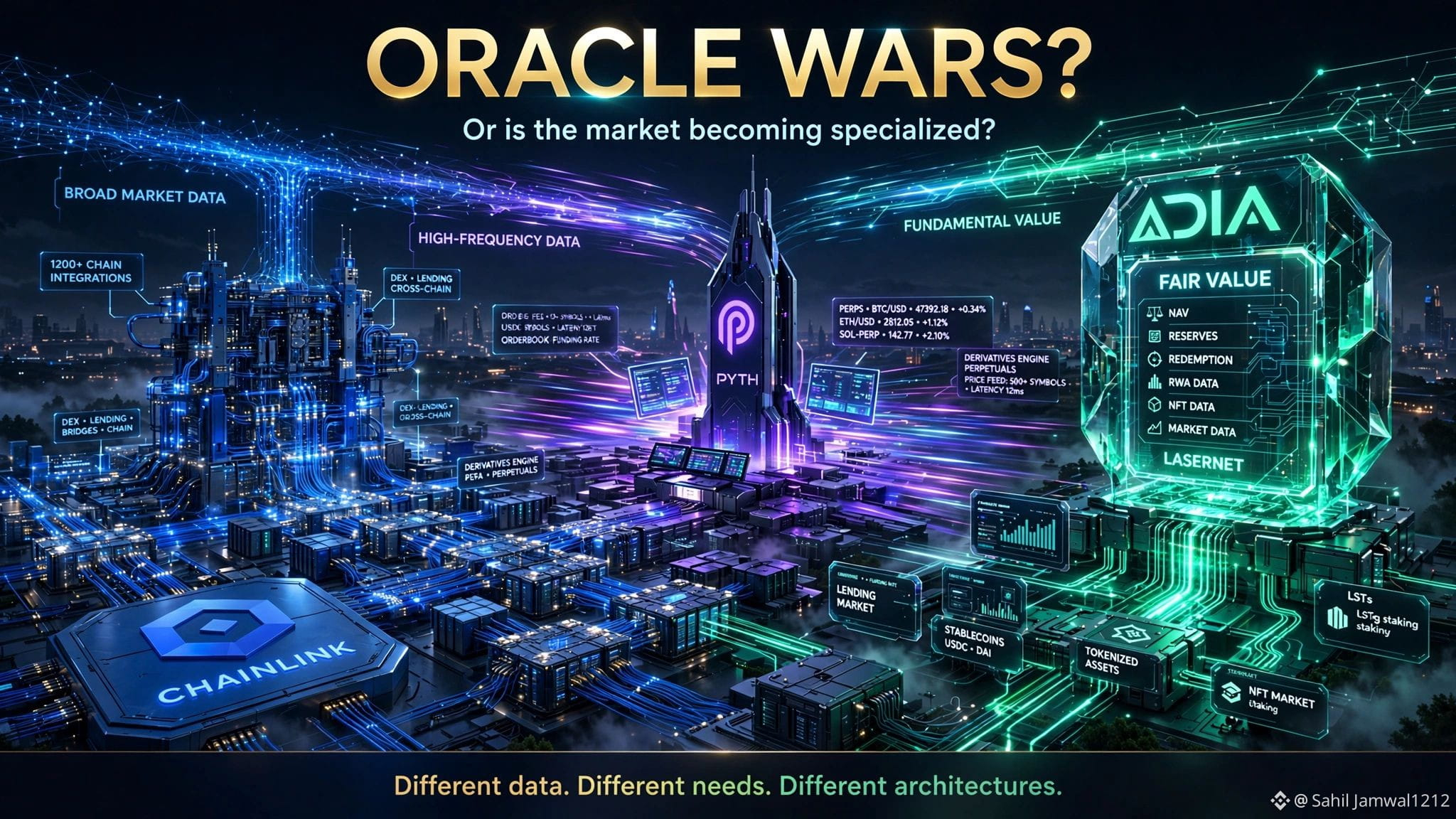
オラクル市場をさらに深掘りしてみて、際立っている点が1つあります:
Chainlink、Pyth、そしてDIAは、必ずしもまったく同じユースケースを奪い合っているわけではありません。
🔗 Chainlinkは最大のプレゼンスを持っています。
DeFiLlamaによると、現在500以上のプロトコルにまたがって、TVSはおよそ$40B+です。
その強みは、幅広い採用、確立されたインフラ、そしてDeFiへの深い統合にあります。
🐍 Pythは別のアプローチです。
プル型(pull-based)のアーキテクチャは、頻繁で低レイテンシーなアップデートを可能にするよう設計されており、取引やデリバティブに特に関連性があります。
📊 そして次に、$DIA
{spot}(DIAUSDT)
があります。
私の関心を引いたのは、単なる別の暗号資産の価格フィードではありません。
DIAは市場価格フィードに加えて、
• ファンダメンタル評価
• 備え(準備)の証明(Proof of Reserves)
• RWAデータ
• NFTの価格
• ランダムネス
• ZKで検証可能なデータ
• Lasernetによるオンチェーン・オラクル計算
を組み合わせます。
特に興味深いのは、ファンダメンタル評価の部分です。
ある種の資産では、直近の取引価格が、実際にレンディング・プロトコルが必要とする数字であるとは限りません。
DIAは、NAV、償還(リデンプション)価値、準備の裏付け、コントラクトの交換レートなど、さまざまな手法をサポートしています。
LST、バウチャートークン(バンクトークン)、準備で裏付けられたステーブルコイン、あるいは流動性の乏しいセカンダリーマーケットを持つトークン化資産を想像してみてください。
問題はいつも、
"直近の取引はいくらだったのか?"
ではありません。
むしろ、
"この資産は本質的にいくらの価値があるのか?"
です。
そこにこそ、オラクル領域が一段と面白くなるポイントがあると思います。
将来は、「ある1つのオラクルがあらゆるカテゴリで勝つ」ことではないのかもしれません。
あるいは、異なるアーキテクチャが、オンチェーンデータのさまざまな形に対して得意分野を持つのかもしれません。
オラクル市場をさらに深掘りしてみて、際立っている点が1つあります:
Chainlink、Pyth、そしてDIAは、必ずしもまったく同じユースケースを奪い合っているわけではありません。
🔗 Chainlinkは最大のプレゼンスを持っています。
DeFiLlamaによると、現在500以上のプロトコルにまたがって、TVSはおよそ$40B+です。
その強みは、幅広い採用、確立されたインフラ、そしてDeFiへの深い統合にあります。
🐍 Pythは別のアプローチです。
プル型(pull-based)のアーキテクチャは、頻繁で低レイテンシーなアップデートを可能にするよう設計されており、取引やデリバティブに特に関連性があります。
📊 そして次に、$DIA
があります。
私の関心を引いたのは、単なる別の暗号資産の価格フィードではありません。
DIAは市場価格フィードに加えて、
• ファンダメンタル評価
• 備え(準備)の証明(Proof of Reserves)
• RWAデータ
• NFTの価格
• ランダムネス
• ZKで検証可能なデータ
• Lasernetによるオンチェーン・オラクル計算
を組み合わせます。
特に興味深いのは、ファンダメンタル評価の部分です。
ある種の資産では、直近の取引価格が、実際にレンディング・プロトコルが必要とする数字であるとは限りません。
DIAは、NAV、償還(リデンプション)価値、準備の裏付け、コントラクトの交換レートなど、さまざまな手法をサポートしています。
LST、バウチャートークン(バンクトークン)、準備で裏付けられたステーブルコイン、あるいは流動性の乏しいセカンダリーマーケットを持つトークン化資産を想像してみてください。
問題はいつも、
"直近の取引はいくらだったのか?"
ではありません。
むしろ、
"この資産は本質的にいくらの価値があるのか?"
です。
そこにこそ、オラクル領域が一段と面白くなるポイントがあると思います。
将来は、「ある1つのオラクルがあらゆるカテゴリで勝つ」ことではないのかもしれません。
あるいは、異なるアーキテクチャが、オンチェーンデータのさまざまな形に対して得意分野を持つのかもしれません。
Chainlink、Pyth、そしてDIAは、必ずしもまったく同じユースケースを奪い合っているわけではありません。
🔗 Chainlinkは最大のプレゼンスを持っています。
DeFiLlamaによると、現在500以上のプロトコルにまたがって、TVSはおよそ$40B+です。
その強みは、幅広い採用、確立されたインフラ、そしてDeFiへの深い統合にあります。
🐍 Pythは別のアプローチです。
プル型(pull-based)のアーキテクチャは、頻繁で低レイテンシーなアップデートを可能にするよう設計されており、取引やデリバティブに特に関連性があります。
📊 そして次に、$DIA
があります。
私の関心を引いたのは、単なる別の暗号資産の価格フィードではありません。
DIAは市場価格フィードに加えて、
• ファンダメンタル評価
• 備え(準備)の証明(Proof of Reserves)
• RWAデータ
• NFTの価格
• ランダムネス
• ZKで検証可能なデータ
• Lasernetによるオンチェーン・オラクル計算
を組み合わせます。
特に興味深いのは、ファンダメンタル評価の部分です。
ある種の資産では、直近の取引価格が、実際にレンディング・プロトコルが必要とする数字であるとは限りません。
DIAは、NAV、償還(リデンプション)価値、準備の裏付け、コントラクトの交換レートなど、さまざまな手法をサポートしています。
LST、バウチャートークン(バンクトークン)、準備で裏付けられたステーブルコイン、あるいは流動性の乏しいセカンダリーマーケットを持つトークン化資産を想像してみてください。
問題はいつも、
"直近の取引はいくらだったのか?"
ではありません。
むしろ、
"この資産は本質的にいくらの価値があるのか?"
です。
そこにこそ、オラクル領域が一段と面白くなるポイントがあると思います。
将来は、「ある1つのオラクルがあらゆるカテゴリで勝つ」ことではないのかもしれません。
あるいは、異なるアーキテクチャが、オンチェーンデータのさまざまな形に対して得意分野を持つのかもしれません。
4
1.6k
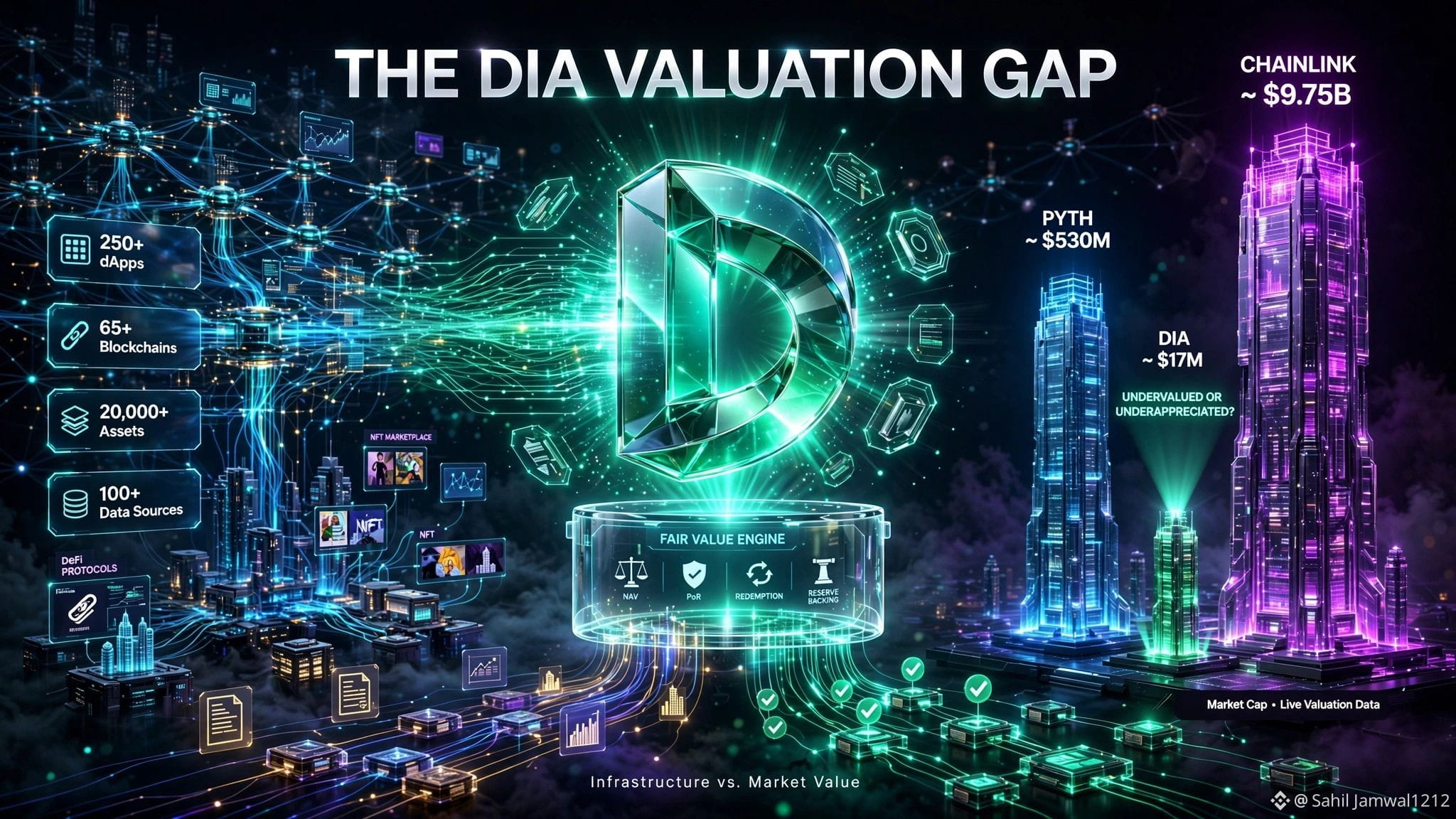
$DIAのバリュエーションについて気になって仕方がありません。
そこでトークン価格を見るのをやめ、インフラに目を向けました。
本日、DIA自身のデータによると:
→ 250以上のdApps
→ 65以上のブロックチェーン連携
→ 20,000以上の対応アセット
→ 100以上の統合データソース
→ マーケットフィード + RWAデータ + NFT価格 + ランダム性 + 公正価値インフラ
そして時価総額は?
およそ$17Mです。
ちなみに、Chainlinkは今$9.75B、Pythは$530Mくらいです。
だからといって、DIAが同じ評価であるべきだという意味ではありません。これらのネットワークは流動性、採用、そして市場での認知がはるかに深いからです。
ただ、DIAの中で特に興味深い部分があります。
DIAの価値は、単に次を問うことに限られていません:
"このアセットは最後にいくらで取引された?"
NAV、準備金の証明、償還価値、コントラクトの為替レート、準備金の裏付けを使って価値を算出できます。
これは、ステークされたアセット、バンク(バリュート/バンク口座)、ステーブルコイン、トークン化されたアセット、その他の市場で重要になります。二次市場の価格が薄い、または信頼できない場合があるためです。
なので私は、こう言っているわけではありません:
"$DIA
{spot}(DIAUSDT)
が100倍(100x)する。"
もっと面白い問いを投げています:
市場はDIAを主に小規模なオラクルトークンとして評価していて、周辺で構築されているインフラの広がりを過小評価しているのではないでしょうか?
私は数週間かけてアーキテクチャ、連携、ユースケースを掘り下げてきました。
見方はますます前向きになっています。
ただしリスクは現実にありますし、市場のほうが私の知らない何かを掴んでいる可能性もあります。
$DIA のバリュエーションについて気になって仕方がありません。
そこでトークン価格を見るのをやめ、インフラに目を向けました。
本日、DIA自身のデータによると:
→ 250以上のdApps
→ 65以上のブロックチェーン連携
→ 20,000以上の対応アセット
→ 100以上の統合データソース
→ マーケットフィード + RWAデータ + NFT価格 + ランダム性 + 公正価値インフラ
そして時価総額は?
およそ$17Mです。
ちなみに、Chainlinkは今$9.75B、Pythは$530Mくらいです。
だからといって、DIAが同じ評価であるべきだという意味ではありません。これらのネットワークは流動性、採用、そして市場での認知がはるかに深いからです。
ただ、DIAの中で特に興味深い部分があります。
DIAの価値は、単に次を問うことに限られていません:
"このアセットは最後にいくらで取引された?"
NAV、準備金の証明、償還価値、コントラクトの為替レート、準備金の裏付けを使って価値を算出できます。
これは、ステークされたアセット、バンク(バリュート/バンク口座)、ステーブルコイン、トークン化されたアセット、その他の市場で重要になります。二次市場の価格が薄い、または信頼できない場合があるためです。
なので私は、こう言っているわけではありません:
"$DIA
が100倍(100x)する。"
もっと面白い問いを投げています:
市場はDIAを主に小規模なオラクルトークンとして評価していて、周辺で構築されているインフラの広がりを過小評価しているのではないでしょうか?
私は数週間かけてアーキテクチャ、連携、ユースケースを掘り下げてきました。
見方はますます前向きになっています。
ただしリスクは現実にありますし、市場のほうが私の知らない何かを掴んでいる可能性もあります。
そこでトークン価格を見るのをやめ、インフラに目を向けました。
本日、DIA自身のデータによると:
→ 250以上のdApps
→ 65以上のブロックチェーン連携
→ 20,000以上の対応アセット
→ 100以上の統合データソース
→ マーケットフィード + RWAデータ + NFT価格 + ランダム性 + 公正価値インフラ
そして時価総額は?
およそ$17Mです。
ちなみに、Chainlinkは今$9.75B、Pythは$530Mくらいです。
だからといって、DIAが同じ評価であるべきだという意味ではありません。これらのネットワークは流動性、採用、そして市場での認知がはるかに深いからです。
ただ、DIAの中で特に興味深い部分があります。
DIAの価値は、単に次を問うことに限られていません:
"このアセットは最後にいくらで取引された?"
NAV、準備金の証明、償還価値、コントラクトの為替レート、準備金の裏付けを使って価値を算出できます。
これは、ステークされたアセット、バンク(バリュート/バンク口座)、ステーブルコイン、トークン化されたアセット、その他の市場で重要になります。二次市場の価格が薄い、または信頼できない場合があるためです。
なので私は、こう言っているわけではありません:
"$DIA
が100倍(100x)する。"
もっと面白い問いを投げています:
市場はDIAを主に小規模なオラクルトークンとして評価していて、周辺で構築されているインフラの広がりを過小評価しているのではないでしょうか?
私は数週間かけてアーキテクチャ、連携、ユースケースを掘り下げてきました。
見方はますます前向きになっています。
ただしリスクは現実にありますし、市場のほうが私の知らない何かを掴んでいる可能性もあります。
106
·
--
ブリッシュ
ローカル通貨がオンチェーン資産になると何が起きる?
最初の問題はトークンではない。
価格のほうだ。
Twin FinanceとDAMM Capitalは、ラテンアメリカの通貨についてまさにこれに取り組んでおり、$DIA
{future}(DIAUSDT)
によって、その下でオラクル基盤を提供している。
Twinは、アルゼンチン・ペソ、ブラジル・レアル、ボリビアーノ、メキシコ・ペソ、コロンビア・ペソ、ペルー・ソル、チリ・ソルなどの通貨を表すローカル通貨ステーブルコインを持っている。
DAMM Capitalはこれらの資産を、モルフォの貸付(レンディング)市場で使用している。
しかし、ここには興味深いオラクルの問題がある。
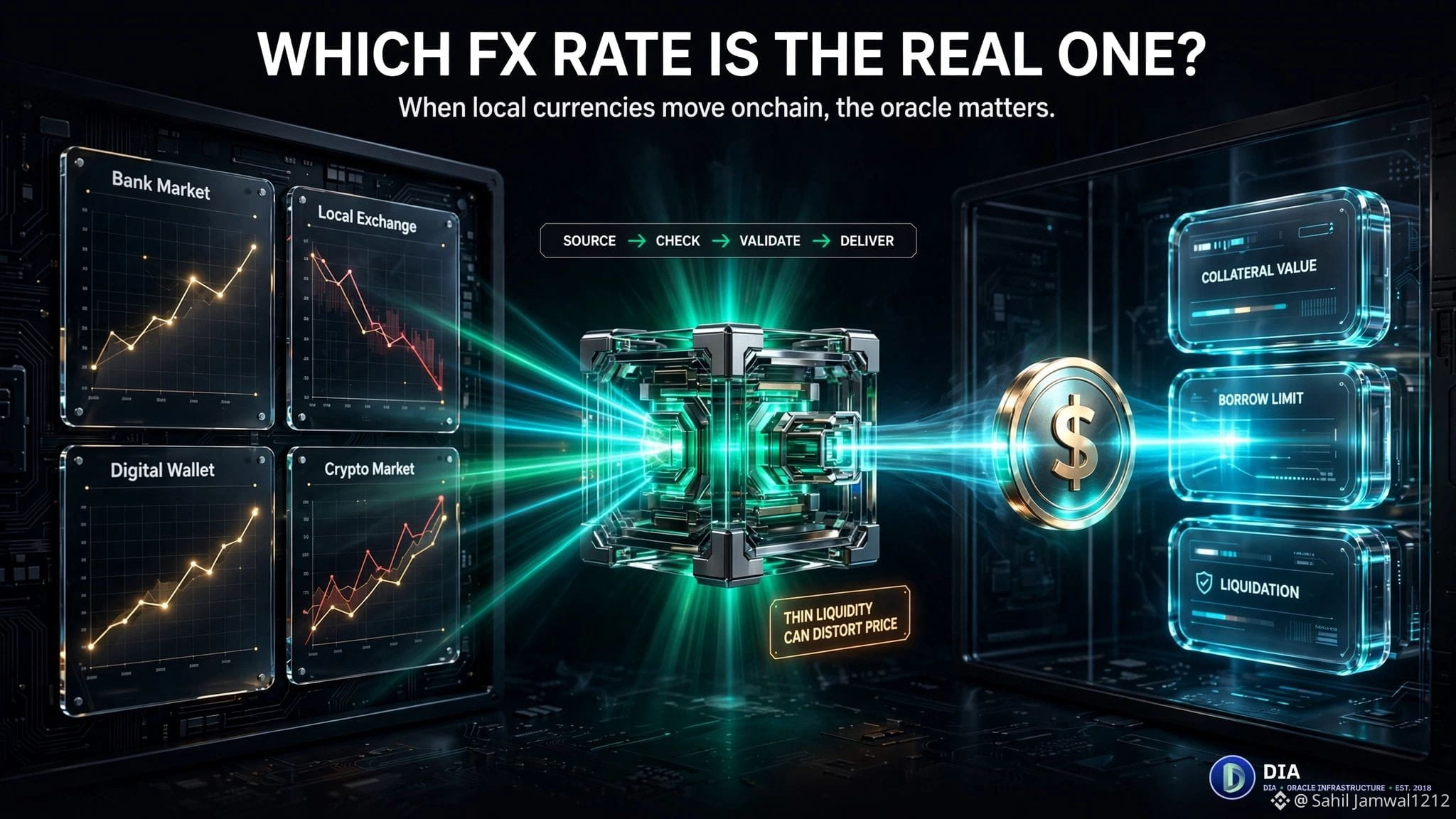
DeFiはどの為替レートを信頼すべきなのか?
アルゼンチン・ペソのような通貨では、銀行のレートと、代替のローカル市場で提示されるレートが大きく異なることがある。
さらに、オンチェーンの流動性プールが薄いと、少数の取引が見かけの価格を歪めてしまう。
DIAの解決策は、単にDEXの価格を取るだけよりも面白い。
通貨を実際に交換できる取引先から価格を取得し、それらの価格を独立した参照情報と照合する。
そして、情報源が合意された範囲の外に動いた場合、フィードは最後に正しかった値を保持できる。
これが重要になるのは、価格制御(price controls):
担保 → 借入 → 強制清算
この部分は、私がRWA基盤の中でつい見落としがちなところだと感じる。
ローカル通貨をトークン化するのは一つの課題。
その実世界の価値を、自動化された金融プロトコルで使えるようにするのは別の課題。
そして、そこからオラクル基盤が“金融基盤”になっていく。
ローカル通貨がオンチェーン資産になると何が起きる?
最初の問題はトークンではない。
価格のほうだ。
Twin FinanceとDAMM Capitalは、ラテンアメリカの通貨についてまさにこれに取り組んでおり、$DIA
によって、その下でオラクル基盤を提供している。
Twinは、アルゼンチン・ペソ、ブラジル・レアル、ボリビアーノ、メキシコ・ペソ、コロンビア・ペソ、ペルー・ソル、チリ・ソルなどの通貨を表すローカル通貨ステーブルコインを持っている。
DAMM Capitalはこれらの資産を、モルフォの貸付(レンディング)市場で使用している。
しかし、ここには興味深いオラクルの問題がある。
DeFiはどの為替レートを信頼すべきなのか?
アルゼンチン・ペソのような通貨では、銀行のレートと、代替のローカル市場で提示されるレートが大きく異なることがある。
さらに、オンチェーンの流動性プールが薄いと、少数の取引が見かけの価格を歪めてしまう。
DIAの解決策は、単にDEXの価格を取るだけよりも面白い。
通貨を実際に交換できる取引先から価格を取得し、それらの価格を独立した参照情報と照合する。
そして、情報源が合意された範囲の外に動いた場合、フィードは最後に正しかった値を保持できる。
これが重要になるのは、価格制御(price controls):
担保 → 借入 → 強制清算
この部分は、私がRWA基盤の中でつい見落としがちなところだと感じる。
ローカル通貨をトークン化するのは一つの課題。
その実世界の価値を、自動化された金融プロトコルで使えるようにするのは別の課題。
そして、そこからオラクル基盤が“金融基盤”になっていく。
最初の問題はトークンではない。
価格のほうだ。
Twin FinanceとDAMM Capitalは、ラテンアメリカの通貨についてまさにこれに取り組んでおり、$DIA
によって、その下でオラクル基盤を提供している。
Twinは、アルゼンチン・ペソ、ブラジル・レアル、ボリビアーノ、メキシコ・ペソ、コロンビア・ペソ、ペルー・ソル、チリ・ソルなどの通貨を表すローカル通貨ステーブルコインを持っている。
DAMM Capitalはこれらの資産を、モルフォの貸付(レンディング)市場で使用している。
しかし、ここには興味深いオラクルの問題がある。
DeFiはどの為替レートを信頼すべきなのか?
アルゼンチン・ペソのような通貨では、銀行のレートと、代替のローカル市場で提示されるレートが大きく異なることがある。
さらに、オンチェーンの流動性プールが薄いと、少数の取引が見かけの価格を歪めてしまう。
DIAの解決策は、単にDEXの価格を取るだけよりも面白い。
通貨を実際に交換できる取引先から価格を取得し、それらの価格を独立した参照情報と照合する。
そして、情報源が合意された範囲の外に動いた場合、フィードは最後に正しかった値を保持できる。
これが重要になるのは、価格制御(price controls):
担保 → 借入 → 強制清算
この部分は、私がRWA基盤の中でつい見落としがちなところだと感じる。
ローカル通貨をトークン化するのは一つの課題。
その実世界の価値を、自動化された金融プロトコルで使えるようにするのは別の課題。
そして、そこからオラクル基盤が“金融基盤”になっていく。
102
·
--
ブリッシュ
トークン化された株は簡単そうに聞こえますが、1つ質問すると話は変わります:
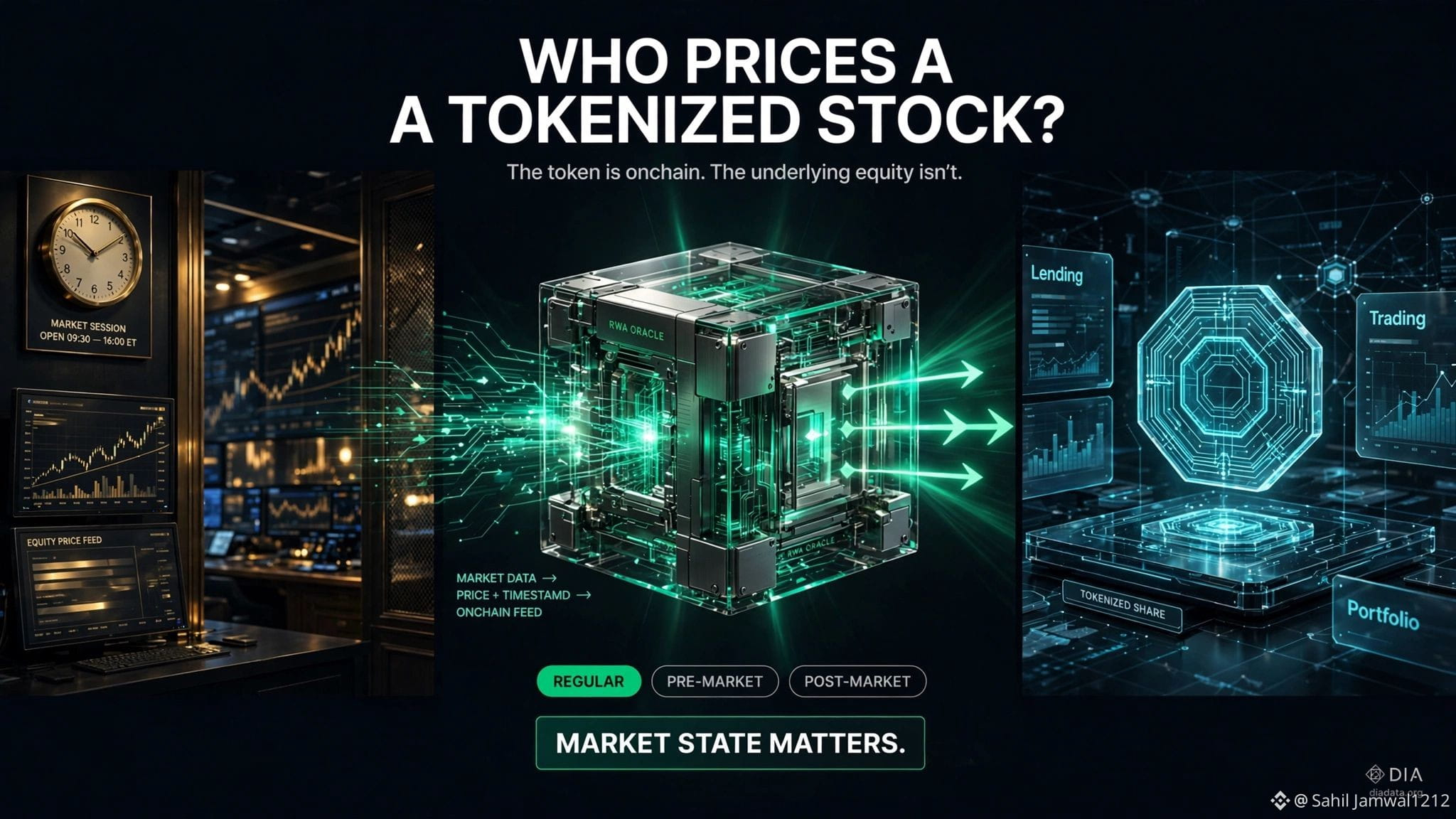
オンチェーンの価格は実際どこから来るのでしょうか?
ST0xは、Base上でトークン化された有価証券を取引するためのインフラを構築しています。米国株やETFを含みます。コントラクトにより、トークン化された有価証券をセルフカストディ型ウォレットで保有し、公的なスマートコントラクトを通じて取引できます。
しかし、NvidiaやAppleがトークンになったからといって、それがエクイティでなくなるわけではありません。
基礎となる市場には、まだ以下が存在します:
→ 通常の取引時間
→ プレマーケットおよびポストマーケットのセッション
→ 市場の休場日
→ コーポレートアクション
→ 流動性の変化
ここがDIAの役割として面白くなるポイントです。
DIAは、株式、ETF、コモディティ、FX向けのRWAフィードを提供します。データは規制された市場データ提供業者から取得し、オンチェーンへ配信されます。
そしてST0xの統合は、単に数値を公開するだけにとどまりません。
$DIA
{spot}(DIAUSDT)
のフィードは、ST0xの流動性の参照ミッドポイントとして機能します。
だからこそ鮮度が重要です。
前のセッションの価格でも、オンチェーン上ではまったく正しく見えることがありますが、実際には誤った市場状態を表している可能性があります。
DIAの実装には、署名付きタイムスタンプとセッションを理解したフィードが含まれており、利用するアプリケーションが市場状態を識別できるようになります。
これが、私が最も興味深いと思う部分です。
トークン化は、単に株をブロックチェーンに載せることではありません。
さらに、そのトークンが表している市場を理解するインフラも必要です。
そこでRWAオラクルが、TradFi → DeFiブリッジの重要な構成要素になってきます。
トークン化された株は簡単そうに聞こえますが、1つ質問すると話は変わります:
オンチェーンの価格は実際どこから来るのでしょうか?
ST0xは、Base上でトークン化された有価証券を取引するためのインフラを構築しています。米国株やETFを含みます。コントラクトにより、トークン化された有価証券をセルフカストディ型ウォレットで保有し、公的なスマートコントラクトを通じて取引できます。
しかし、NvidiaやAppleがトークンになったからといって、それがエクイティでなくなるわけではありません。
基礎となる市場には、まだ以下が存在します:
→ 通常の取引時間
→ プレマーケットおよびポストマーケットのセッション
→ 市場の休場日
→ コーポレートアクション
→ 流動性の変化
ここがDIAの役割として面白くなるポイントです。
DIAは、株式、ETF、コモディティ、FX向けのRWAフィードを提供します。データは規制された市場データ提供業者から取得し、オンチェーンへ配信されます。
そしてST0xの統合は、単に数値を公開するだけにとどまりません。
$DIA
のフィードは、ST0xの流動性の参照ミッドポイントとして機能します。
だからこそ鮮度が重要です。
前のセッションの価格でも、オンチェーン上ではまったく正しく見えることがありますが、実際には誤った市場状態を表している可能性があります。
DIAの実装には、署名付きタイムスタンプとセッションを理解したフィードが含まれており、利用するアプリケーションが市場状態を識別できるようになります。
これが、私が最も興味深いと思う部分です。
トークン化は、単に株をブロックチェーンに載せることではありません。
さらに、そのトークンが表している市場を理解するインフラも必要です。
そこでRWAオラクルが、TradFi → DeFiブリッジの重要な構成要素になってきます。
オンチェーンの価格は実際どこから来るのでしょうか?
ST0xは、Base上でトークン化された有価証券を取引するためのインフラを構築しています。米国株やETFを含みます。コントラクトにより、トークン化された有価証券をセルフカストディ型ウォレットで保有し、公的なスマートコントラクトを通じて取引できます。
しかし、NvidiaやAppleがトークンになったからといって、それがエクイティでなくなるわけではありません。
基礎となる市場には、まだ以下が存在します:
→ 通常の取引時間
→ プレマーケットおよびポストマーケットのセッション
→ 市場の休場日
→ コーポレートアクション
→ 流動性の変化
ここがDIAの役割として面白くなるポイントです。
DIAは、株式、ETF、コモディティ、FX向けのRWAフィードを提供します。データは規制された市場データ提供業者から取得し、オンチェーンへ配信されます。
そしてST0xの統合は、単に数値を公開するだけにとどまりません。
$DIA
のフィードは、ST0xの流動性の参照ミッドポイントとして機能します。
だからこそ鮮度が重要です。
前のセッションの価格でも、オンチェーン上ではまったく正しく見えることがありますが、実際には誤った市場状態を表している可能性があります。
DIAの実装には、署名付きタイムスタンプとセッションを理解したフィードが含まれており、利用するアプリケーションが市場状態を識別できるようになります。
これが、私が最も興味深いと思う部分です。
トークン化は、単に株をブロックチェーンに載せることではありません。
さらに、そのトークンが表している市場を理解するインフラも必要です。
そこでRWAオラクルが、TradFi → DeFiブリッジの重要な構成要素になってきます。
102
·
--
ブリッシュ
オラクルは優れたデータを持っていても、セキュリティ上の問題を抱えることがあります。
そこで私は、DIAがセキュリティ面をどのように扱っているかをより詳しく見てきました。
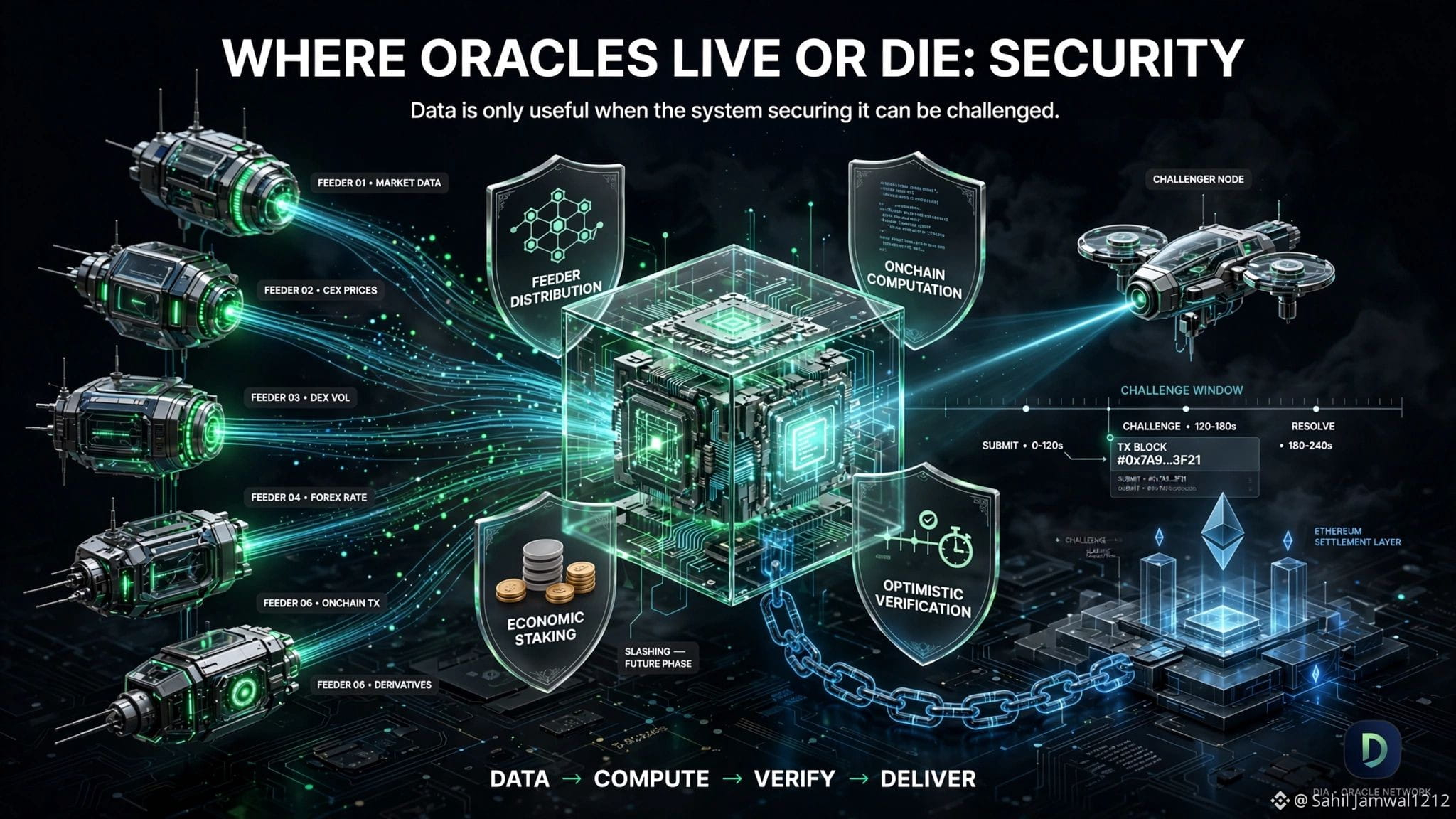
アーキテクチャにはいくつかの層があります。
1. オンチェーン計算
DIAのLasernetは、スマートコントラクトを通じてオラクルの処理を行い、計算とデータ処理をオンチェーンで検査可能にしています。
2. 楽観的検証
Lasernetはオプティミスティック・ロールアップのモデルを採用しています。取引は最初、有効だと仮定されますが、チャレンジ期間によって、フロード・プルーフ(詐欺証明)を用いて無効な活動を争える機会が与えられます。
3. 分散フィーダー
複数の独立したフィーダー運営者が、市場データを収集・処理します。1つのデータ提供者に依存するのではありません。
4. 経済的セキュリティ
DIAのステーキングは$DIA をロックし、オラクルの運用を保護し、正確なデータ配信に報酬を与えます。
重要な違いの1つとして、スラッシングはまだ稼働していません。$DIA は、将来のフェーズで計画されていると述べています。
5. 監査済みインフラ
DIAは、MixBytesがコアとステーキングのアーキテクチャを監査したと言っています。
だから私は、DIAのセキュリティモデルを単に「フィーダーがトークンをステークし、不正な行為者はスラッシュされる」だと単純化しません。
実際の全体像はもっと広いです。
分散データ → オンチェーン計算 → 楽観的検証 → 経済的セキュリティ → Ethereumにアンカーされたロールアップ。
これは、分析するうえでずっと面白い仕組みです。
そして、あらゆる分散型システムと同様に、そのセキュリティは最終的には、実際にデプロイされる前提とメカニズムに依存します。将来の計画としてあるものだけではありません。
オラクルは優れたデータを持っていても、セキュリティ上の問題を抱えることがあります。
そこで私は、DIAがセキュリティ面をどのように扱っているかをより詳しく見てきました。
アーキテクチャにはいくつかの層があります。
1. オンチェーン計算
DIAのLasernetは、スマートコントラクトを通じてオラクルの処理を行い、計算とデータ処理をオンチェーンで検査可能にしています。
2. 楽観的検証
Lasernetはオプティミスティック・ロールアップのモデルを採用しています。取引は最初、有効だと仮定されますが、チャレンジ期間によって、フロード・プルーフ(詐欺証明)を用いて無効な活動を争える機会が与えられます。
3. 分散フィーダー
複数の独立したフィーダー運営者が、市場データを収集・処理します。1つのデータ提供者に依存するのではありません。
4. 経済的セキュリティ
DIAのステーキングは$DIA をロックし、オラクルの運用を保護し、正確なデータ配信に報酬を与えます。
重要な違いの1つとして、スラッシングはまだ稼働していません。$DIA は、将来のフェーズで計画されていると述べています。
5. 監査済みインフラ
DIAは、MixBytesがコアとステーキングのアーキテクチャを監査したと言っています。
だから私は、DIAのセキュリティモデルを単に「フィーダーがトークンをステークし、不正な行為者はスラッシュされる」だと単純化しません。
実際の全体像はもっと広いです。
分散データ → オンチェーン計算 → 楽観的検証 → 経済的セキュリティ → Ethereumにアンカーされたロールアップ。
これは、分析するうえでずっと面白い仕組みです。
そして、あらゆる分散型システムと同様に、そのセキュリティは最終的には、実際にデプロイされる前提とメカニズムに依存します。将来の計画としてあるものだけではありません。
そこで私は、DIAがセキュリティ面をどのように扱っているかをより詳しく見てきました。
アーキテクチャにはいくつかの層があります。
1. オンチェーン計算
DIAのLasernetは、スマートコントラクトを通じてオラクルの処理を行い、計算とデータ処理をオンチェーンで検査可能にしています。
2. 楽観的検証
Lasernetはオプティミスティック・ロールアップのモデルを採用しています。取引は最初、有効だと仮定されますが、チャレンジ期間によって、フロード・プルーフ(詐欺証明)を用いて無効な活動を争える機会が与えられます。
3. 分散フィーダー
複数の独立したフィーダー運営者が、市場データを収集・処理します。1つのデータ提供者に依存するのではありません。
4. 経済的セキュリティ
DIAのステーキングは$DIA をロックし、オラクルの運用を保護し、正確なデータ配信に報酬を与えます。
重要な違いの1つとして、スラッシングはまだ稼働していません。$DIA は、将来のフェーズで計画されていると述べています。
5. 監査済みインフラ
DIAは、MixBytesがコアとステーキングのアーキテクチャを監査したと言っています。
だから私は、DIAのセキュリティモデルを単に「フィーダーがトークンをステークし、不正な行為者はスラッシュされる」だと単純化しません。
実際の全体像はもっと広いです。
分散データ → オンチェーン計算 → 楽観的検証 → 経済的セキュリティ → Ethereumにアンカーされたロールアップ。
これは、分析するうえでずっと面白い仕組みです。
そして、あらゆる分散型システムと同様に、そのセキュリティは最終的には、実際にデプロイされる前提とメカニズムに依存します。将来の計画としてあるものだけではありません。
131
·
--
ブリッシュ
人々がDeFiのオラクルについて語るとき、あまり話題にされないことのひとつ:
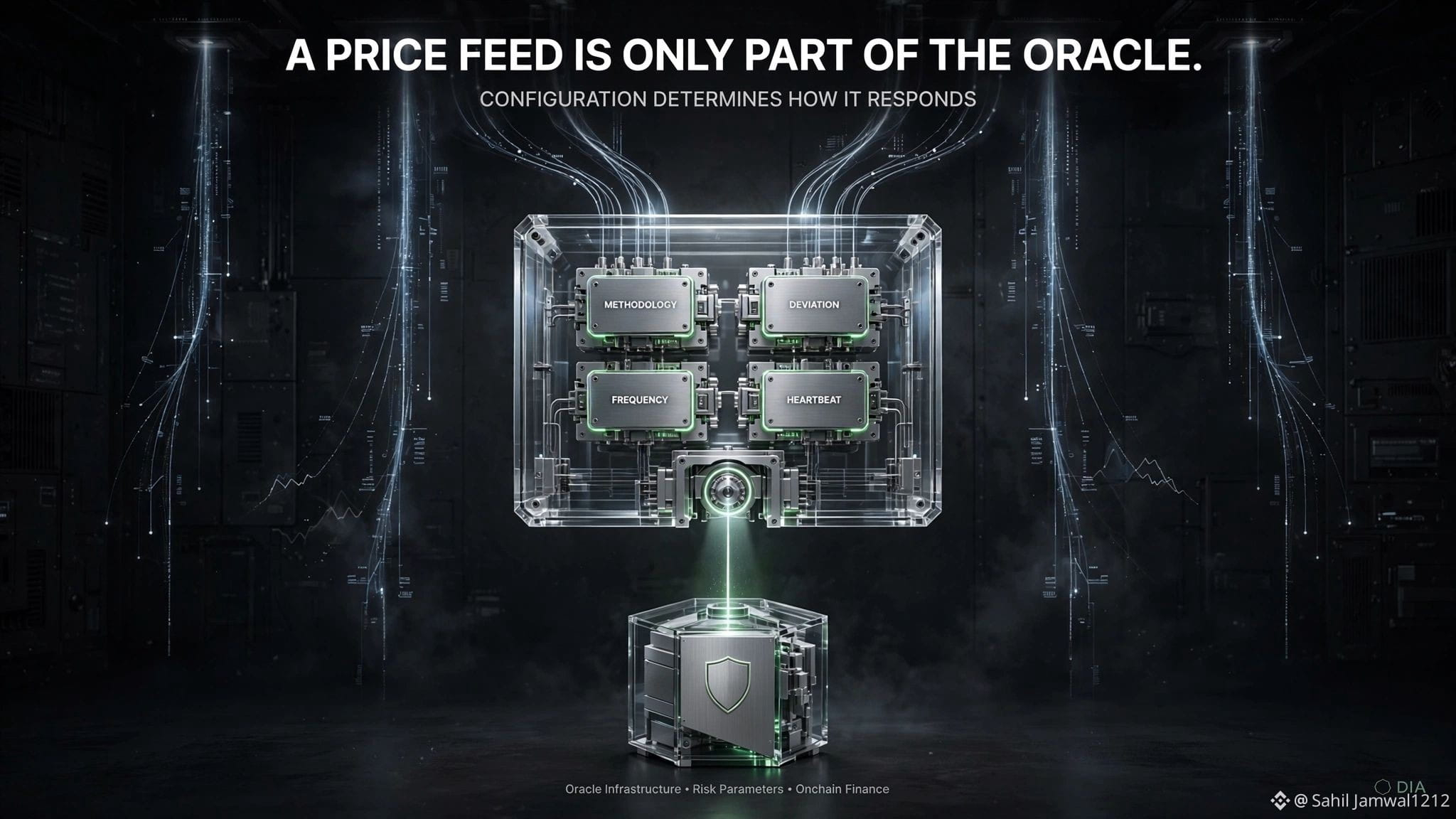
設定が重要だということ。
2つのプロトコルが同じプロバイダーのオラクル基盤を使っていても、リスクパラメータが異なることがある。
考えてみてほしい:
→ フィードがどれくらいの頻度で更新されるか
→ 価格の乖離が更新を引き起こすのはどれくらいか
→ 使われている価格計算の手法
→ 値が有効な状態でいられる期間の長さ
$DIA
{spot}(DIAUSDT)
“s”チェーン固有のオラクルのドキュメントには、これらのパラメータを異なる組み合わせで使ったさまざまなデプロイ例が示されている。
それは理にかなっている。
貸付市場は、非常にボラティリティの高い取引アプリとは別の要件を持つ。
だから、オラクルを評価するときは次で止まらないほうがいい:
「その価格はどこから来るのか?」
加えてこうも聞くべきだ:
「その価格は、どのように変わることが許可されているのか?」
その2つ目の問いの中に、多くの“本当の”リスク管理の設計が詰まっている。
人々がDeFiのオラクルについて語るとき、あまり話題にされないことのひとつ:
設定が重要だということ。
2つのプロトコルが同じプロバイダーのオラクル基盤を使っていても、リスクパラメータが異なることがある。
考えてみてほしい:
→ フィードがどれくらいの頻度で更新されるか
→ 価格の乖離が更新を引き起こすのはどれくらいか
→ 使われている価格計算の手法
→ 値が有効な状態でいられる期間の長さ
$DIA
“s”チェーン固有のオラクルのドキュメントには、これらのパラメータを異なる組み合わせで使ったさまざまなデプロイ例が示されている。
それは理にかなっている。
貸付市場は、非常にボラティリティの高い取引アプリとは別の要件を持つ。
だから、オラクルを評価するときは次で止まらないほうがいい:
「その価格はどこから来るのか?」
加えてこうも聞くべきだ:
「その価格は、どのように変わることが許可されているのか?」
その2つ目の問いの中に、多くの“本当の”リスク管理の設計が詰まっている。
設定が重要だということ。
2つのプロトコルが同じプロバイダーのオラクル基盤を使っていても、リスクパラメータが異なることがある。
考えてみてほしい:
→ フィードがどれくらいの頻度で更新されるか
→ 価格の乖離が更新を引き起こすのはどれくらいか
→ 使われている価格計算の手法
→ 値が有効な状態でいられる期間の長さ
$DIA
“s”チェーン固有のオラクルのドキュメントには、これらのパラメータを異なる組み合わせで使ったさまざまなデプロイ例が示されている。
それは理にかなっている。
貸付市場は、非常にボラティリティの高い取引アプリとは別の要件を持つ。
だから、オラクルを評価するときは次で止まらないほうがいい:
「その価格はどこから来るのか?」
加えてこうも聞くべきだ:
「その価格は、どのように変わることが許可されているのか?」
その2つ目の問いの中に、多くの“本当の”リスク管理の設計が詰まっている。
103
ログインして、さらにコンテンツを読む
厳選トピックで世界の暗号資産トレーダーの仲間入り
⚡️ 暗号資産に関する最新かつ有益な情報が見つかります。
💬 世界最大の暗号資産取引所から信頼されています。
👍 認証を受けたクリエイターから、有益なインサイトを得られます。
メール / 電話番号
トレンドトピック
MetaMaskExitsLidoValidatorsAfterSecurityIncident
閲覧回数 26,354
549人が討論中
🚨 メタマスク、セキュリティ侵害後にETHバリデータの一部を非カストディアル・ステーキング運用から開始して退出させた
MetaMaskによると、継続中のセキュリティ侵害が同社のインフラの一部に影響し、非カストディアルのステーキング運用で影響を受けたバリデータをプロアクティブに退出させる必要があるとのことです。同社はこれまでのところ、MetaMaskウォレットに対する差し迫った脅威は見つかっていないとしています。
重要なポイントは?
これらのバリデータはLidoのステーキングに紐づいており、退出プロセスによって調査が続く間、一時的にステーキングからETHが外れる可能性があります。Lido関連の報道によれば、完全な退出・引き出し・再入のサイクルには最大で約45日かかる可能性があるとされています。
つまり、市場は次の2点を切り分けるべきです。
ウォレット利用者が「現在、直ちにリスクにさらされている」と告げられているわけではない。
しかし、バリデータのインフラは明らかに緊急退出を引き起こすほど重大だった。
そして、イーサリアム最大級のウォレットブランドの1つが予防措置としてバリデータを引き揚げ始めたとなれば、トレーダーは注意を払います。
セキュリティインシデントは、盗まれた資金がなくても市場を動かし得る。
時には、反応そのものがシグナルです。👀
$ETH $LDO
#metamaskexitslidovalidatorsaftersecurityincident
KimHotbae
·いいね:0件
·閲覧回数 2.5k
MicronBeatsEarningsLiftsGuidance
閲覧回数 19,446
473人が討論中
CFTCSubmitsTwoEventContractRulesToWhiteHouse
閲覧回数 15,732
423人が討論中