

#defi
defi
56.6M views
296,204 Discussing
Hot
Latest

·
--
Bullish
Verified
#circlemints500musdconsolana
🚨 HUGE Liquidity Boost! Circle Mints $500 Million USDC on Solana — Is a Massive DeFi Rally Next? 🚀
💵 What Happened?
In a major on-chain event, the USDC Treasury issued $500 million in USDC directly on the Solana network across two $250M transactions.
This massive influx of real-fiat-backed capital highlights a growing appetite for stablecoins in high-speed, low-cost ecosystems.
🔑 Key Takeaways & Headlines
Fresh On-Chain Liquidity: Freshly minted USDC boosts liquidity pools across Solana-based DEXs, lending markets, and yield protocols.
$SOL
{future}(SOLUSDT)
Institutional Signal: Because every USDC is backed 1:1 by real reserves, large minting events reflect actual institutional or commercial capital entering the ecosystem.
Solana’s Market Share Expansion: Solana continues to capture an increasing share of total USDC circulation, threatening traditional stablecoin market distributions.
Macro & Fed Context: As traders monitor global macroeconomic developments and interest rate outlooks, high-yield on-chain opportunities attract resting capital back to Web3.
💡 Why It Matters for Traders
Lower Slippage & Better Swaps: Higher stablecoin depth means larger trades can occur without heavy market impact.
DeFi Yield Potential: Increased USDC reserves encourage higher TVL (Total Value Locked) in Solana lending and farming protocols.
Sentiment Shift: Massive stablecoin injections are historically bullish indicators for ecosystem tokens ($SOL,$JUP, $RAY,$KMNO).
What’s your play? Are you keeping cash on the sidelines or riding the Solana liquidity wave? Drop your thoughts below! 👇
#BlackRockBuildsTokenizedPortfoliosForOndo #solana #defi
#circlemints500musdconsolana
🚨 HUGE Liquidity Boost! Circle Mints $500 Million USDC on Solana — Is a Massive DeFi Rally Next? 🚀
💵 What Happened?
In a major on-chain event, the USDC Treasury issued $500 million in USDC directly on the Solana network across two $250M transactions.
This massive influx of real-fiat-backed capital highlights a growing appetite for stablecoins in high-speed, low-cost ecosystems.
🔑 Key Takeaways & Headlines
Fresh On-Chain Liquidity: Freshly minted USDC boosts liquidity pools across Solana-based DEXs, lending markets, and yield protocols.
$SOL
Institutional Signal: Because every USDC is backed 1:1 by real reserves, large minting events reflect actual institutional or commercial capital entering the ecosystem.
Solana’s Market Share Expansion: Solana continues to capture an increasing share of total USDC circulation, threatening traditional stablecoin market distributions.
Macro & Fed Context: As traders monitor global macroeconomic developments and interest rate outlooks, high-yield on-chain opportunities attract resting capital back to Web3.
💡 Why It Matters for Traders
Lower Slippage & Better Swaps: Higher stablecoin depth means larger trades can occur without heavy market impact.
DeFi Yield Potential: Increased USDC reserves encourage higher TVL (Total Value Locked) in Solana lending and farming protocols.
Sentiment Shift: Massive stablecoin injections are historically bullish indicators for ecosystem tokens ($SOL ,$JUP, $RAY,$KMNO).
What’s your play? Are you keeping cash on the sidelines or riding the Solana liquidity wave? Drop your thoughts below! 👇
#BlackRockBuildsTokenizedPortfoliosForOndo #solana #defi
🚨 HUGE Liquidity Boost! Circle Mints $500 Million USDC on Solana — Is a Massive DeFi Rally Next? 🚀
💵 What Happened?
In a major on-chain event, the USDC Treasury issued $500 million in USDC directly on the Solana network across two $250M transactions.
This massive influx of real-fiat-backed capital highlights a growing appetite for stablecoins in high-speed, low-cost ecosystems.
🔑 Key Takeaways & Headlines
Fresh On-Chain Liquidity: Freshly minted USDC boosts liquidity pools across Solana-based DEXs, lending markets, and yield protocols.
$SOL
Institutional Signal: Because every USDC is backed 1:1 by real reserves, large minting events reflect actual institutional or commercial capital entering the ecosystem.
Solana’s Market Share Expansion: Solana continues to capture an increasing share of total USDC circulation, threatening traditional stablecoin market distributions.
Macro & Fed Context: As traders monitor global macroeconomic developments and interest rate outlooks, high-yield on-chain opportunities attract resting capital back to Web3.
💡 Why It Matters for Traders
Lower Slippage & Better Swaps: Higher stablecoin depth means larger trades can occur without heavy market impact.
DeFi Yield Potential: Increased USDC reserves encourage higher TVL (Total Value Locked) in Solana lending and farming protocols.
Sentiment Shift: Massive stablecoin injections are historically bullish indicators for ecosystem tokens ($SOL ,$JUP, $RAY,$KMNO).
What’s your play? Are you keeping cash on the sidelines or riding the Solana liquidity wave? Drop your thoughts below! 👇
#BlackRockBuildsTokenizedPortfoliosForOndo #solana #defi

8
3.1k

·
--
The SEC is opening the door for AMM-based tokenized stocks, and the XRP Ledger ($XRP) is already primed for the shift.
XRPL’s XLS-65 and XLS-66 lending proposals are currently in validator voting. While they require a sustained 80% consensus to launch on Mainnet, this advanced tech positions XRPL as a key frontrunner for real-world asset (RWA) tokenization.
Is XRPL ready to lead the next institutional DeFi wave?
#XRP #DeFi #RWA
The SEC is opening the door for AMM-based tokenized stocks, and the XRP Ledger ($XRP ) is already primed for the shift.
XRPL’s XLS-65 and XLS-66 lending proposals are currently in validator voting. While they require a sustained 80% consensus to launch on Mainnet, this advanced tech positions XRPL as a key frontrunner for real-world asset (RWA) tokenization.
Is XRPL ready to lead the next institutional DeFi wave?
#XRP #DeFi #RWA
XRPL’s XLS-65 and XLS-66 lending proposals are currently in validator voting. While they require a sustained 80% consensus to launch on Mainnet, this advanced tech positions XRPL as a key frontrunner for real-world asset (RWA) tokenization.
Is XRPL ready to lead the next institutional DeFi wave?
#XRP #DeFi #RWA
83


·
--
🚀 AERO IS NOT SLEEPING! 🔥
DeFi is evolving, and Aerodrome is becoming an important part of the Base ecosystem. ⚡
AERO sits at the center of Aerodrome’s ecosystem, where liquidity, trading activity and community participation come together.
👀 The real question isn’t “Why AERO?” It’s “Are you watching before the next wave?”
🔥 Keep AERO on your radar. 💎 DYOR before making any decision.
#Aero #Aerodrome #defi #Base #crypto
🚀 AERO IS NOT SLEEPING! 🔥
DeFi is evolving, and Aerodrome is becoming an important part of the Base ecosystem. ⚡
AERO sits at the center of Aerodrome’s ecosystem, where liquidity, trading activity and community participation come together.
👀 The real question isn’t “Why AERO?” It’s “Are you watching before the next wave?”
🔥 Keep AERO on your radar. 💎 DYOR before making any decision.
#Aero #Aerodrome #defi #Base #crypto
DeFi is evolving, and Aerodrome is becoming an important part of the Base ecosystem. ⚡
AERO sits at the center of Aerodrome’s ecosystem, where liquidity, trading activity and community participation come together.
👀 The real question isn’t “Why AERO?” It’s “Are you watching before the next wave?”
🔥 Keep AERO on your radar. 💎 DYOR before making any decision.
#Aero #Aerodrome #defi #Base #crypto
133

·
--
🟢 Bullish
🚨 Major Bank Launches Institutional DeFi Fund
Wall Street giant, Global Capital Bank, just announced its new multi-billion dollar DeFi investment fund, opening doors for massive institutional capital inflow into decentralized finance protocols.
📊 Market Impact: Extremely bullish for established DeFi tokens and the broader crypto market. Expect a wave of capital to follow this lead. Keep an eye on blue-chip DeFi assets!
#DeFi #InstitutionalAdoption
🟢 Bullish
🚨 Major Bank Launches Institutional DeFi Fund
Wall Street giant, Global Capital Bank, just announced its new multi-billion dollar DeFi investment fund, opening doors for massive institutional capital inflow into decentralized finance protocols.
📊 Market Impact: Extremely bullish for established DeFi tokens and the broader crypto market. Expect a wave of capital to follow this lead. Keep an eye on blue-chip DeFi assets!
#DeFi #InstitutionalAdoption
🚨 Major Bank Launches Institutional DeFi Fund
Wall Street giant, Global Capital Bank, just announced its new multi-billion dollar DeFi investment fund, opening doors for massive institutional capital inflow into decentralized finance protocols.
📊 Market Impact: Extremely bullish for established DeFi tokens and the broader crypto market. Expect a wave of capital to follow this lead. Keep an eye on blue-chip DeFi assets!
#DeFi #InstitutionalAdoption
59


·
--
For me, Omniston’s cross-chain swaps really stood out this week.
And the numbers are starting to back up the narrative. 👀
Omniston just crossed $7.5M in all-time cross-chain swap volume, more than 2× the $3M mark it hit earlier this month.
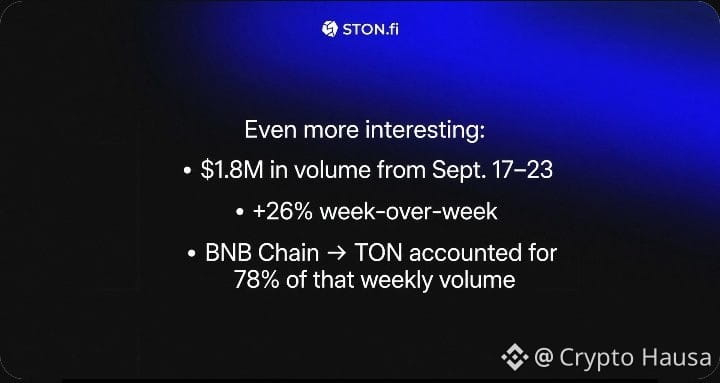
Even more interesting:
• $1.8M in volume from Sept. 17–23
• +26% week-over-week
• BNB Chain → TON accounted for 78% of that weekly volume
Being able to swap across different chains this smoothly is exactly why I’m paying attention.
This isn't just about moving tokens between chains.
It’s about making cross-chain DeFi feel simpler.
#Omniston #STONfi #TON #DeFi #Web3
For me, Omniston’s cross-chain swaps really stood out this week.
And the numbers are starting to back up the narrative. 👀
Omniston just crossed $7.5M in all-time cross-chain swap volume, more than 2× the $3M mark it hit earlier this month.
Even more interesting:
• $1.8M in volume from Sept. 17–23
• +26% week-over-week
• BNB Chain → TON accounted for 78% of that weekly volume
Being able to swap across different chains this smoothly is exactly why I’m paying attention.
This isn't just about moving tokens between chains.
It’s about making cross-chain DeFi feel simpler.
#Omniston #STONfi #TON #DeFi #Web3
And the numbers are starting to back up the narrative. 👀
Omniston just crossed $7.5M in all-time cross-chain swap volume, more than 2× the $3M mark it hit earlier this month.
Even more interesting:
• $1.8M in volume from Sept. 17–23
• +26% week-over-week
• BNB Chain → TON accounted for 78% of that weekly volume
Being able to swap across different chains this smoothly is exactly why I’m paying attention.
This isn't just about moving tokens between chains.
It’s about making cross-chain DeFi feel simpler.
#Omniston #STONfi #TON #DeFi #Web3
20

·
--
Something i’ve started noticing while exploring DeFi:
a financial primitive becomes way more interesting when you stop looking at it as a standalone product.
take options.
on their own, they’re already useful financial instruments.
but putting them onchain opens another question:
what else can be built around them?
that’s where composability starts making more sense to me.
instead of one product doing everything, different pieces of the ecosystem can potentially connect and build on each other.
that’s one of the things i find interesting about Ithaca.
it’s not just the options themselves.
it’s the idea of making that financial primitive part of a wider onchain environment.
this is the side of DeFi i enjoy digging into — not just the product, but what becomes possible when the pieces can actually work together.
#Ithaca #defi #Web3 #Onchain
Something i’ve started noticing while exploring DeFi:
a financial primitive becomes way more interesting when you stop looking at it as a standalone product.
take options.
on their own, they’re already useful financial instruments.
but putting them onchain opens another question:
what else can be built around them?
that’s where composability starts making more sense to me.
instead of one product doing everything, different pieces of the ecosystem can potentially connect and build on each other.
that’s one of the things i find interesting about Ithaca.
it’s not just the options themselves.
it’s the idea of making that financial primitive part of a wider onchain environment.
this is the side of DeFi i enjoy digging into — not just the product, but what becomes possible when the pieces can actually work together.
#Ithaca #defi #Web3 #Onchain
a financial primitive becomes way more interesting when you stop looking at it as a standalone product.
take options.
on their own, they’re already useful financial instruments.
but putting them onchain opens another question:
what else can be built around them?
that’s where composability starts making more sense to me.
instead of one product doing everything, different pieces of the ecosystem can potentially connect and build on each other.
that’s one of the things i find interesting about Ithaca.
it’s not just the options themselves.
it’s the idea of making that financial primitive part of a wider onchain environment.
this is the side of DeFi i enjoy digging into — not just the product, but what becomes possible when the pieces can actually work together.
#Ithaca #defi #Web3 #Onchain

52

·
--
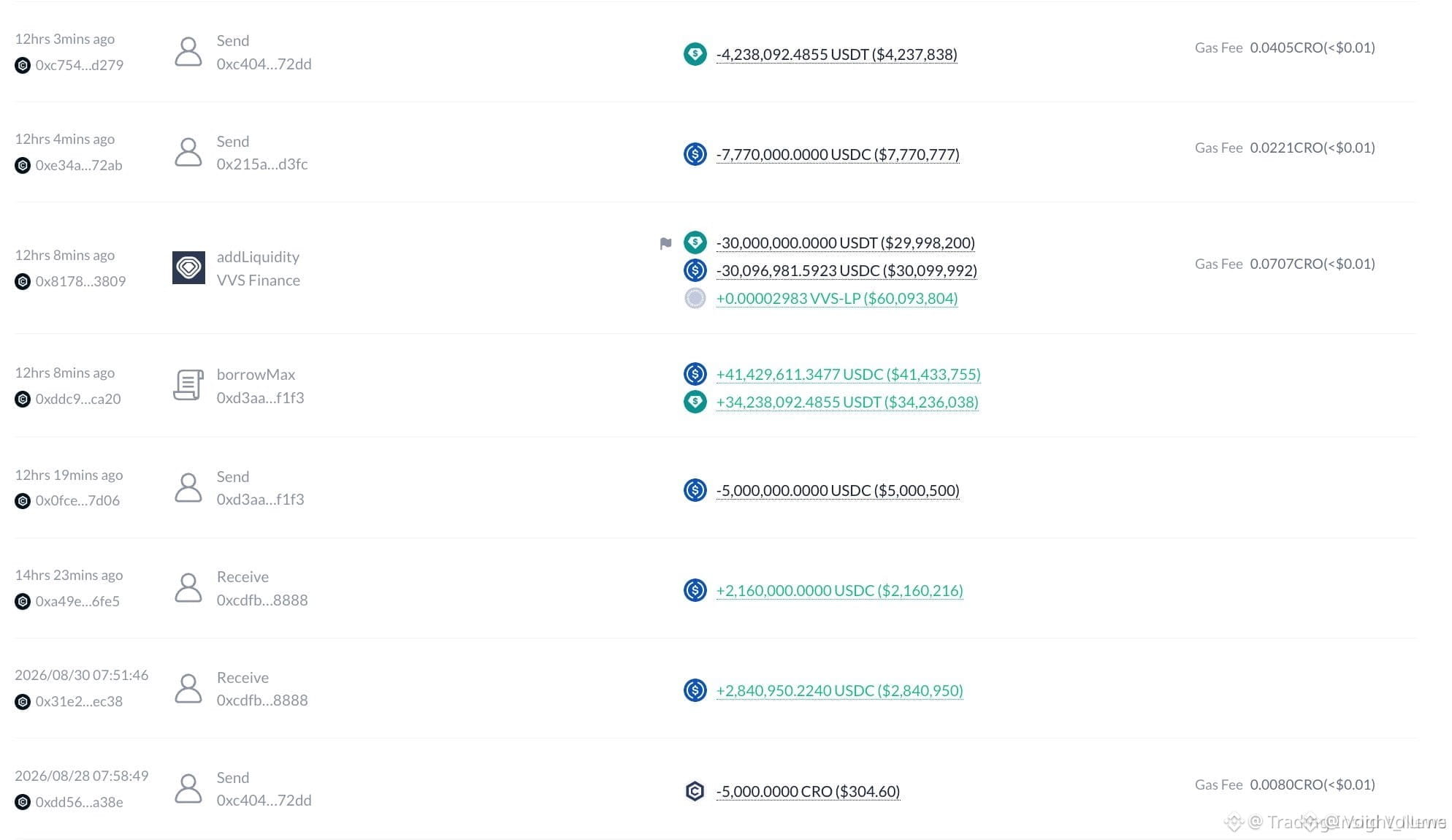
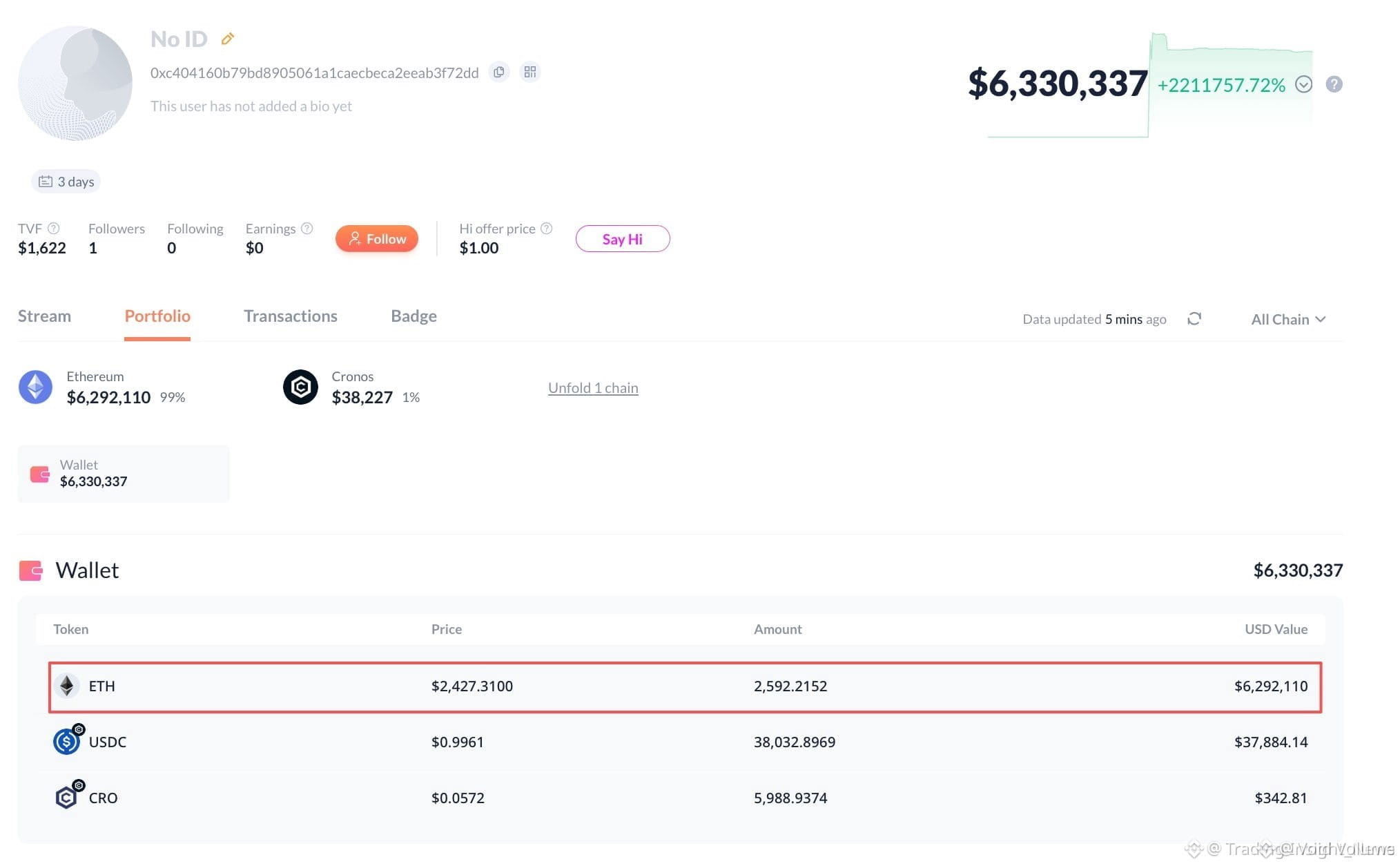
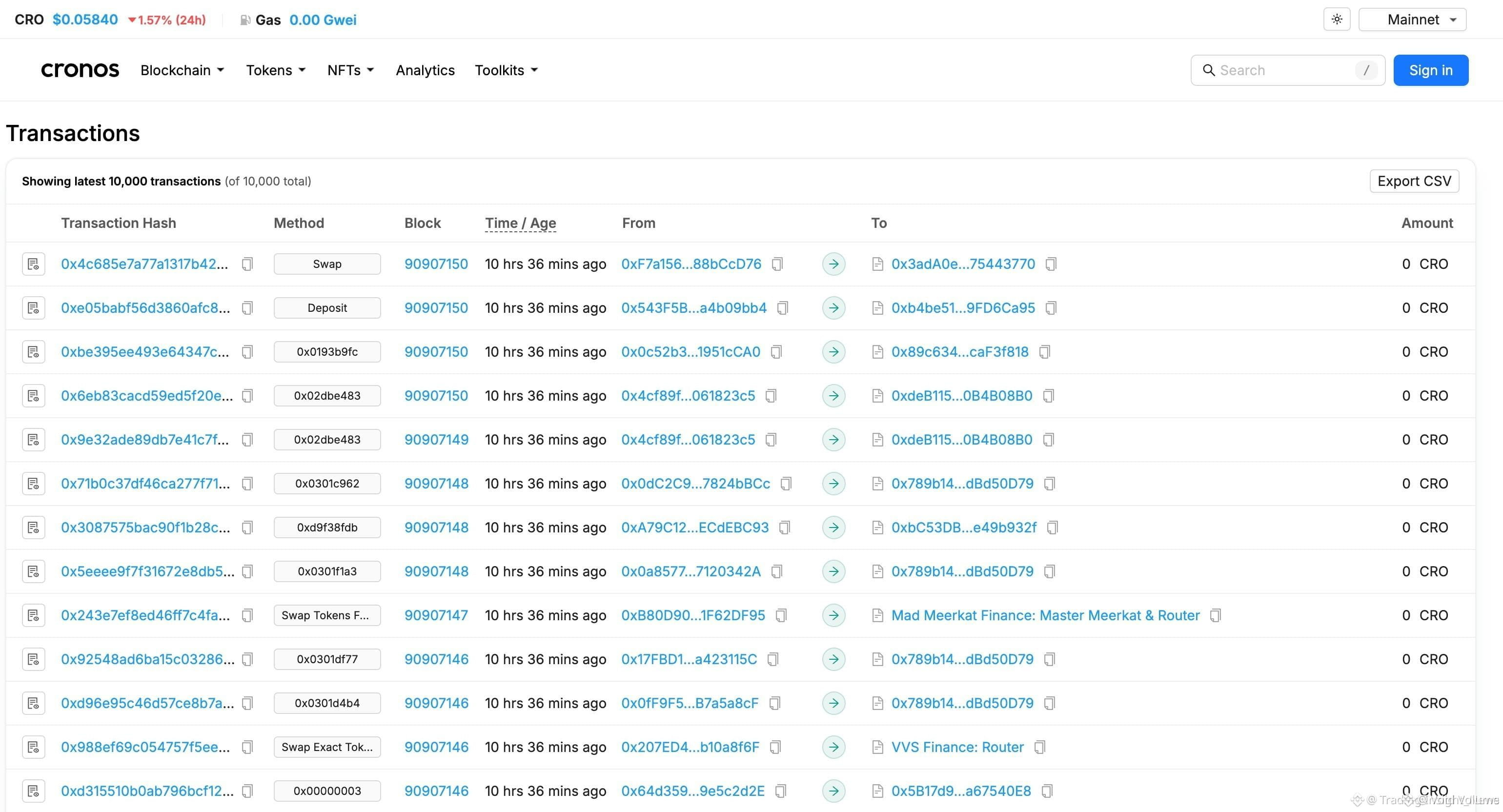
🚨 $ETH LIQUIDITY ALERT: TECTONIC EXPLOITED FOR $75M AS CRONOS HALTS OPERATIONS 💣
Institutional risk management protocols are on high alert following a major breach where over $75 million was drained from the Tectonic lending pool. 🔍 The exploiters swiftly routed $6.29 million across cross-chain bridges into $ETH , absorbing local liquidity before Cronos validators initiated a chain halt.
📌 With $68.7 million in compromised capital still stranded on the halted execution layer, smart money positioning across cross-chain protocols is recalibrating for secondary volatility. 🌊 Events of this magnitude underscore why tracking order flow and contract security remains the ultimate risk metric. 💬 Do cross-chain security vulnerabilities change how you allocate capital across alternative L1 liquidity pools? 👇
⚠️ Not financial advice. Always manage your risk. 🛡️
🏷️ #ETH #DeFi #CryptoSecurity #Cronos #MarketInsights
🎯 🦈
🚨 $ETH LIQUIDITY ALERT: TECTONIC EXPLOITED FOR $75M AS CRONOS HALTS OPERATIONS 💣
Institutional risk management protocols are on high alert following a major breach where over $75 million was drained from the Tectonic lending pool. 🔍 The exploiters swiftly routed $6.29 million across cross-chain bridges into $ETH , absorbing local liquidity before Cronos validators initiated a chain halt.
📌 With $68.7 million in compromised capital still stranded on the halted execution layer, smart money positioning across cross-chain protocols is recalibrating for secondary volatility. 🌊 Events of this magnitude underscore why tracking order flow and contract security remains the ultimate risk metric. 💬 Do cross-chain security vulnerabilities change how you allocate capital across alternative L1 liquidity pools? 👇
⚠️ Not financial advice. Always manage your risk. 🛡️
🏷️ #ETH #DeFi #CryptoSecurity #Cronos #MarketInsights
🎯 🦈
Institutional risk management protocols are on high alert following a major breach where over $75 million was drained from the Tectonic lending pool. 🔍 The exploiters swiftly routed $6.29 million across cross-chain bridges into $ETH , absorbing local liquidity before Cronos validators initiated a chain halt.
📌 With $68.7 million in compromised capital still stranded on the halted execution layer, smart money positioning across cross-chain protocols is recalibrating for secondary volatility. 🌊 Events of this magnitude underscore why tracking order flow and contract security remains the ultimate risk metric. 💬 Do cross-chain security vulnerabilities change how you allocate capital across alternative L1 liquidity pools? 👇
⚠️ Not financial advice. Always manage your risk. 🛡️
🏷️ #ETH #DeFi #CryptoSecurity #Cronos #MarketInsights
🎯 🦈
2

·
--
Uniswap v4 is gaining traction — but $UNI still needs to prove it in price.
Token Terminal reports $20.9B in tokenized-stock DEX volume over 30 days, with v4 capturing 40.7% and v3 19.4%.
UNI sits near $9.61:
• Support: $9.33
• Resistance: $9.93
• Breakdown target: $8.37
Strong protocol usage matters. But usage alone doesn’t guarantee UNI value capture.
The real question: can adoption eventually translate into stronger demand for $UNI ?
#Uniswap #UNI #DeFi
Uniswap v4 is gaining traction — but $UNI still needs to prove it in price.
Token Terminal reports $20.9B in tokenized-stock DEX volume over 30 days, with v4 capturing 40.7% and v3 19.4%.
UNI sits near $9.61:
• Support: $9.33
• Resistance: $9.93
• Breakdown target: $8.37
Strong protocol usage matters. But usage alone doesn’t guarantee UNI value capture.
The real question: can adoption eventually translate into stronger demand for $UNI ?
#Uniswap #UNI #DeFi
Token Terminal reports $20.9B in tokenized-stock DEX volume over 30 days, with v4 capturing 40.7% and v3 19.4%.
UNI sits near $9.61:
• Support: $9.33
• Resistance: $9.93
• Breakdown target: $8.37
Strong protocol usage matters. But usage alone doesn’t guarantee UNI value capture.
The real question: can adoption eventually translate into stronger demand for $UNI ?
#Uniswap #UNI #DeFi
1
138

·
--
Every DeFi position is secretly a bet on an oracle.
Ask someone why they trust a lending protocol and they will mention audits, TVL, or the team. Almost nobody mentions the piece of infrastructure that actually decides whether the position survives: the price feed.
Oracles are DeFi trust seam. When $ETH is used as collateral, the protocol does not price it. It asks an oracle. If that feed stalls, the protocol does not know it is blind. Liquidations execute at prices that no longer exist. Attackers have exploited this repeatedly, and none of those exploits needed a smart contract bug. Just a weak answer to a simple question: what is the price right now?
The design space is a genuine trade-off. High-frequency feeds reduce staleness but widen the manipulation surface. Deviation thresholds and TWAP windows make feeds harder to game but slower to react. Multi-oracle setups sound safe until every source quietly shares the same upstream data. On $SOL, perps live or die by oracle latency; on $BNB Chain and Ethereum, lending markets lean on a handful of feeds.
The APY is marketing. The oracle is the ceiling of the building. Before you deposit, ask: which feed, what deviation limits, and what happens to your position when it is three minutes stale?
#DeFi #Crypto #Oracle #SmartContracts #RiskManagement
Every DeFi position is secretly a bet on an oracle.
Ask someone why they trust a lending protocol and they will mention audits, TVL, or the team. Almost nobody mentions the piece of infrastructure that actually decides whether the position survives: the price feed.
Oracles are DeFi trust seam. When $ETH is used as collateral, the protocol does not price it. It asks an oracle. If that feed stalls, the protocol does not know it is blind. Liquidations execute at prices that no longer exist. Attackers have exploited this repeatedly, and none of those exploits needed a smart contract bug. Just a weak answer to a simple question: what is the price right now?
The design space is a genuine trade-off. High-frequency feeds reduce staleness but widen the manipulation surface. Deviation thresholds and TWAP windows make feeds harder to game but slower to react. Multi-oracle setups sound safe until every source quietly shares the same upstream data. On $SOL , perps live or die by oracle latency; on $BNB Chain and Ethereum, lending markets lean on a handful of feeds.
The APY is marketing. The oracle is the ceiling of the building. Before you deposit, ask: which feed, what deviation limits, and what happens to your position when it is three minutes stale?
#DeFi #Crypto #Oracle #SmartContracts #RiskManagement
Ask someone why they trust a lending protocol and they will mention audits, TVL, or the team. Almost nobody mentions the piece of infrastructure that actually decides whether the position survives: the price feed.
Oracles are DeFi trust seam. When $ETH is used as collateral, the protocol does not price it. It asks an oracle. If that feed stalls, the protocol does not know it is blind. Liquidations execute at prices that no longer exist. Attackers have exploited this repeatedly, and none of those exploits needed a smart contract bug. Just a weak answer to a simple question: what is the price right now?
The design space is a genuine trade-off. High-frequency feeds reduce staleness but widen the manipulation surface. Deviation thresholds and TWAP windows make feeds harder to game but slower to react. Multi-oracle setups sound safe until every source quietly shares the same upstream data. On $SOL , perps live or die by oracle latency; on $BNB Chain and Ethereum, lending markets lean on a handful of feeds.
The APY is marketing. The oracle is the ceiling of the building. Before you deposit, ask: which feed, what deviation limits, and what happens to your position when it is three minutes stale?
#DeFi #Crypto #Oracle #SmartContracts #RiskManagement
1
59

·
--
While major assets stay calm, a massive silent war for DEX liquidity is unfolding right under our noses.
As $BTC and $BNB consolidate in tight ranges, on-chain traders are quietly chasing real yield elsewhere. Layer-2 ecosystems like Arbitrum and Base are capturing record DEX trading volume, pushing liquidity depth to new highs. Instead of holding idle spot assets, smart money is migrating into concentrated liquidity pools and automated yield vaults across Ethereum and BNB Chain protocols like Uniswap. This structural shift shows that capital efficiency, rather than pure speculation, is driving the next phase of decentralized finance growth.
Are you currently hunting yield on L2 networks, or keeping your capital in spot assets until the market moves?
#DeFi #Web3
While major assets stay calm, a massive silent war for DEX liquidity is unfolding right under our noses.
As $BTC and $BNB consolidate in tight ranges, on-chain traders are quietly chasing real yield elsewhere. Layer-2 ecosystems like Arbitrum and Base are capturing record DEX trading volume, pushing liquidity depth to new highs. Instead of holding idle spot assets, smart money is migrating into concentrated liquidity pools and automated yield vaults across Ethereum and BNB Chain protocols like Uniswap. This structural shift shows that capital efficiency, rather than pure speculation, is driving the next phase of decentralized finance growth.
Are you currently hunting yield on L2 networks, or keeping your capital in spot assets until the market moves?
#DeFi #Web3
As $BTC and $BNB consolidate in tight ranges, on-chain traders are quietly chasing real yield elsewhere. Layer-2 ecosystems like Arbitrum and Base are capturing record DEX trading volume, pushing liquidity depth to new highs. Instead of holding idle spot assets, smart money is migrating into concentrated liquidity pools and automated yield vaults across Ethereum and BNB Chain protocols like Uniswap. This structural shift shows that capital efficiency, rather than pure speculation, is driving the next phase of decentralized finance growth.
Are you currently hunting yield on L2 networks, or keeping your capital in spot assets until the market moves?
#DeFi #Web3
50

🔷 $ETH HOLDS $2.69K AS DEFI SURGES 3%! 💎
Ethereum is quietly holding $2,691 with $14.41 Billion in 24h Futures volume! 📊
Why ETH is looking solid:
DeFi Expansion: Total DeFi TVL/activity gained +3% today.
Gold-Backed Yield: Paxos launched PAXGy (yield-bearing gold token on Ethereum).
Stablecoin Stability: Total stablecoin market cap remains rock solid at $292.5B, confirming zero systemic stress in the market.
ETH Dominance stands at 11.0% as DeFi liquidity builds up behind the scenes! 🌊
#Write2Earn #Ethereum #ETH #DeFi #BinanceSquare
🔷 $ETH HOLDS $2.69K AS DEFI SURGES 3%! 💎
Ethereum is quietly holding $2,691 with $14.41 Billion in 24h Futures volume! 📊
Why ETH is looking solid:
DeFi Expansion: Total DeFi TVL/activity gained +3% today.
Gold-Backed Yield: Paxos launched PAXGy (yield-bearing gold token on Ethereum).
Stablecoin Stability: Total stablecoin market cap remains rock solid at $292.5B, confirming zero systemic stress in the market.
ETH Dominance stands at 11.0% as DeFi liquidity builds up behind the scenes! 🌊
#Write2Earn #Ethereum #ETH #DeFi #BinanceSquare
Ethereum is quietly holding $2,691 with $14.41 Billion in 24h Futures volume! 📊
Why ETH is looking solid:
DeFi Expansion: Total DeFi TVL/activity gained +3% today.
Gold-Backed Yield: Paxos launched PAXGy (yield-bearing gold token on Ethereum).
Stablecoin Stability: Total stablecoin market cap remains rock solid at $292.5B, confirming zero systemic stress in the market.
ETH Dominance stands at 11.0% as DeFi liquidity builds up behind the scenes! 🌊
#Write2Earn #Ethereum #ETH #DeFi #BinanceSquare
40

#BlackRockBuildsTokenizedPortfoliosForOndo 🚨 BLACKROCK x ONDO: Institutional Tokenization Just Hit Next Level! 🚨
Major moves happening in the Real-World Asset (RWA) sector! Ondo Finance has introduced on-chain portfolios powered by investment strategies developed by BlackRock.
Here is what you need to know:
🔹 Single-Token Portfolios: Eligible users can hold entire professionally managed asset allocations (Income, Diversified, and High Growth) in a single token.
🔹 Automation Meets DeFi: Automatic rebalancing programmatically managed while keeping the tokens transferable and usable across DeFi protocols.
🔹 CeFi to DeFi Bridge: Traditional finance titans are officially moving beyond simple treasury tokens into full portfolio management on-chain.
Is RWA going to be the main narrative defining this market cycle? Let us know below! 👇
ONDOETH
#BlackRockBuildsTokenizedPortfoliosForOndo #RWA #BinanceSquare #DeFi
$ONDO
#BlackRockBuildsTokenizedPortfoliosForOndo 🚨 BLACKROCK x ONDO: Institutional Tokenization Just Hit Next Level! 🚨
Major moves happening in the Real-World Asset (RWA) sector! Ondo Finance has introduced on-chain portfolios powered by investment strategies developed by BlackRock.
Here is what you need to know:
🔹 Single-Token Portfolios: Eligible users can hold entire professionally managed asset allocations (Income, Diversified, and High Growth) in a single token.
🔹 Automation Meets DeFi: Automatic rebalancing programmatically managed while keeping the tokens transferable and usable across DeFi protocols.
🔹 CeFi to DeFi Bridge: Traditional finance titans are officially moving beyond simple treasury tokens into full portfolio management on-chain.
Is RWA going to be the main narrative defining this market cycle? Let us know below! 👇
ONDOETH
#BlackRockBuildsTokenizedPortfoliosForOndo #RWA #BinanceSquare #DeFi
$ONDO
Major moves happening in the Real-World Asset (RWA) sector! Ondo Finance has introduced on-chain portfolios powered by investment strategies developed by BlackRock.
Here is what you need to know:
🔹 Single-Token Portfolios: Eligible users can hold entire professionally managed asset allocations (Income, Diversified, and High Growth) in a single token.
🔹 Automation Meets DeFi: Automatic rebalancing programmatically managed while keeping the tokens transferable and usable across DeFi protocols.
🔹 CeFi to DeFi Bridge: Traditional finance titans are officially moving beyond simple treasury tokens into full portfolio management on-chain.
Is RWA going to be the main narrative defining this market cycle? Let us know below! 👇
ONDOETH
#BlackRockBuildsTokenizedPortfoliosForOndo #RWA #BinanceSquare #DeFi
$ONDO

Best Wishes!
From 舍利子 crypto24india
1
84

·
--
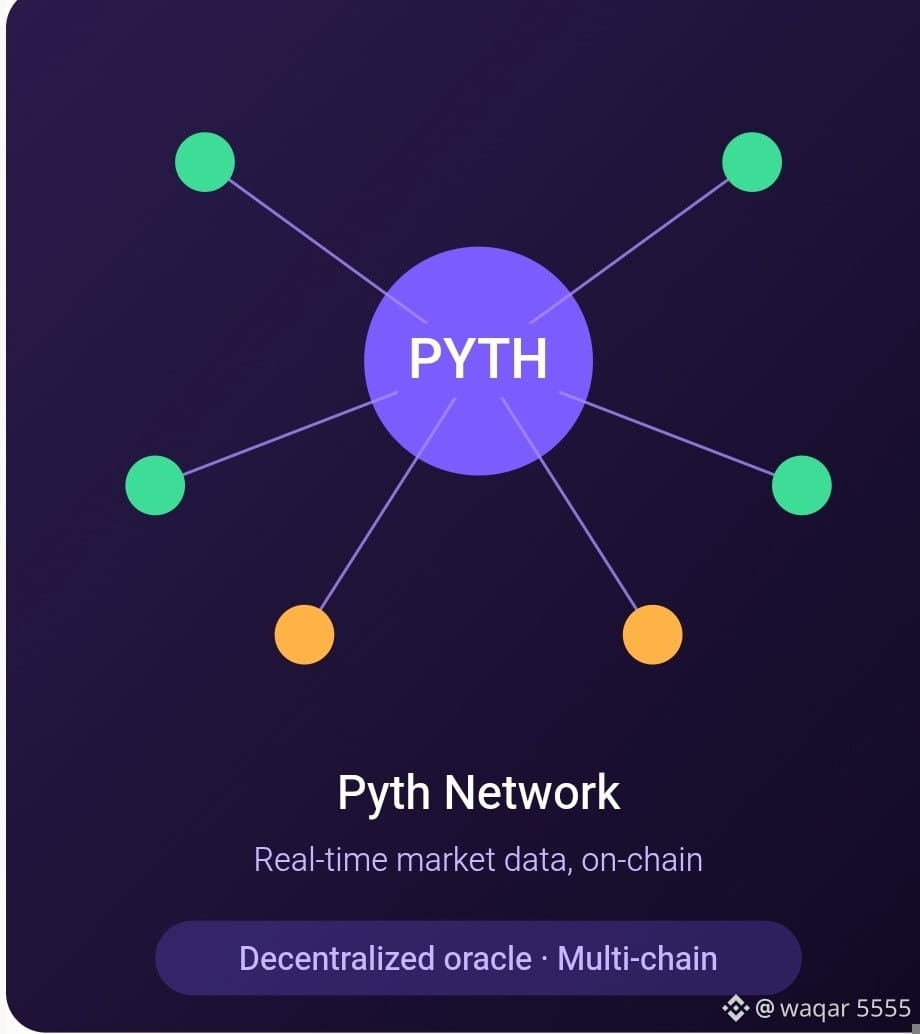
📊 $PYTH — The Oracle Powering DeFi's Real-Time Data
Pyth Network is a decentralized oracle protocol that pulls high-frequency, institutional-grade price feeds (crypto, equities, FX, commodities) straight on-chain — no middlemen, no stale data.
🔹 Built on Solana, live across 100+ blockchains
🔹 Data sourced directly from trading firms & exchanges
🔹 Pull-oracle model = low latency, high accuracy
🔹 $PYTH token powers governance & network incentives
DeFi runs on good data. Pyth is quietly becoming the backbone for lending protocols, perps, and derivatives that need prices they can trust.
Not financial advice — always DYOR. 🧠
#PYTH #Binance #DeFi #Oracle #CryptoNews
📊 $PYTH — The Oracle Powering DeFi's Real-Time Data
Pyth Network is a decentralized oracle protocol that pulls high-frequency, institutional-grade price feeds (crypto, equities, FX, commodities) straight on-chain — no middlemen, no stale data.
🔹 Built on Solana, live across 100+ blockchains
🔹 Data sourced directly from trading firms & exchanges
🔹 Pull-oracle model = low latency, high accuracy
🔹 $PYTH token powers governance & network incentives
DeFi runs on good data. Pyth is quietly becoming the backbone for lending protocols, perps, and derivatives that need prices they can trust.
Not financial advice — always DYOR. 🧠
#PYTH #Binance #DeFi #Oracle #CryptoNews
Pyth Network is a decentralized oracle protocol that pulls high-frequency, institutional-grade price feeds (crypto, equities, FX, commodities) straight on-chain — no middlemen, no stale data.
🔹 Built on Solana, live across 100+ blockchains
🔹 Data sourced directly from trading firms & exchanges
🔹 Pull-oracle model = low latency, high accuracy
🔹 $PYTH token powers governance & network incentives
DeFi runs on good data. Pyth is quietly becoming the backbone for lending protocols, perps, and derivatives that need prices they can trust.
Not financial advice — always DYOR. 🧠
#PYTH #Binance #DeFi #Oracle #CryptoNews
1
149

·
--
🚨 ROBINHOOD CHAIN TVL SURGES 60% PAST $1B TO CHALLENGE $SOL DEX VOLUME! 💥
Institutional liquidity is shifting at record velocity. DefiLlama metrics reveal Robinhood Chain TVL expanded 60.47% over 30 days to cross $1.027 billion, marking the fastest structural growth rate among major layer networks. 📊
DEX volume reached $1.397 billion in 24 hours, capturing the second spot sitewide behind $SOL . 🦈 Securing this level of capital throughput in under three months signals heavy institutional footprint and liquidity depth absorbing order flow. 💡
💬 Do you see this rapid liquidity accumulation sustaining momentum, or will established networks reclaim volume share? 👇
⚠️ Not financial advice. Always manage your risk. 🛡️
🏷️ #SOL #DeFi #Liquidity #Crypto
🦈 ⚡
🚨 ROBINHOOD CHAIN TVL SURGES 60% PAST $1B TO CHALLENGE $SOL DEX VOLUME! 💥
Institutional liquidity is shifting at record velocity. DefiLlama metrics reveal Robinhood Chain TVL expanded 60.47% over 30 days to cross $1.027 billion, marking the fastest structural growth rate among major layer networks. 📊
DEX volume reached $1.397 billion in 24 hours, capturing the second spot sitewide behind $SOL . 🦈 Securing this level of capital throughput in under three months signals heavy institutional footprint and liquidity depth absorbing order flow. 💡
💬 Do you see this rapid liquidity accumulation sustaining momentum, or will established networks reclaim volume share? 👇
⚠️ Not financial advice. Always manage your risk. 🛡️
🏷️ #SOL #DeFi #Liquidity #Crypto
🦈 ⚡
Institutional liquidity is shifting at record velocity. DefiLlama metrics reveal Robinhood Chain TVL expanded 60.47% over 30 days to cross $1.027 billion, marking the fastest structural growth rate among major layer networks. 📊
DEX volume reached $1.397 billion in 24 hours, capturing the second spot sitewide behind $SOL . 🦈 Securing this level of capital throughput in under three months signals heavy institutional footprint and liquidity depth absorbing order flow. 💡
💬 Do you see this rapid liquidity accumulation sustaining momentum, or will established networks reclaim volume share? 👇
⚠️ Not financial advice. Always manage your risk. 🛡️
🏷️ #SOL #DeFi #Liquidity #Crypto
🦈 ⚡
25

The recent proposal by a Balancer fork requesting a massive 6 million BAL payout highlights a growing tension in DeFi governance. While forks aim to bootstrap liquidity, conditional demands like this risk diluting the treasury and directly cutting into long-term holders' redemption value. This scenario serves as a stark reminder that community members must carefully scrutinize fork proposals to protect their capital against aggressive token emissions and sudden value dilution. $BAL #DeFi #CryptoGovernance #Altcoins
The recent proposal by a Balancer fork requesting a massive 6 million BAL payout highlights a growing tension in DeFi governance. While forks aim to bootstrap liquidity, conditional demands like this risk diluting the treasury and directly cutting into long-term holders' redemption value. This scenario serves as a stark reminder that community members must carefully scrutinize fork proposals to protect their capital against aggressive token emissions and sudden value dilution. $BAL #DeFi #CryptoGovernance #Altcoins

·
--
Bullish
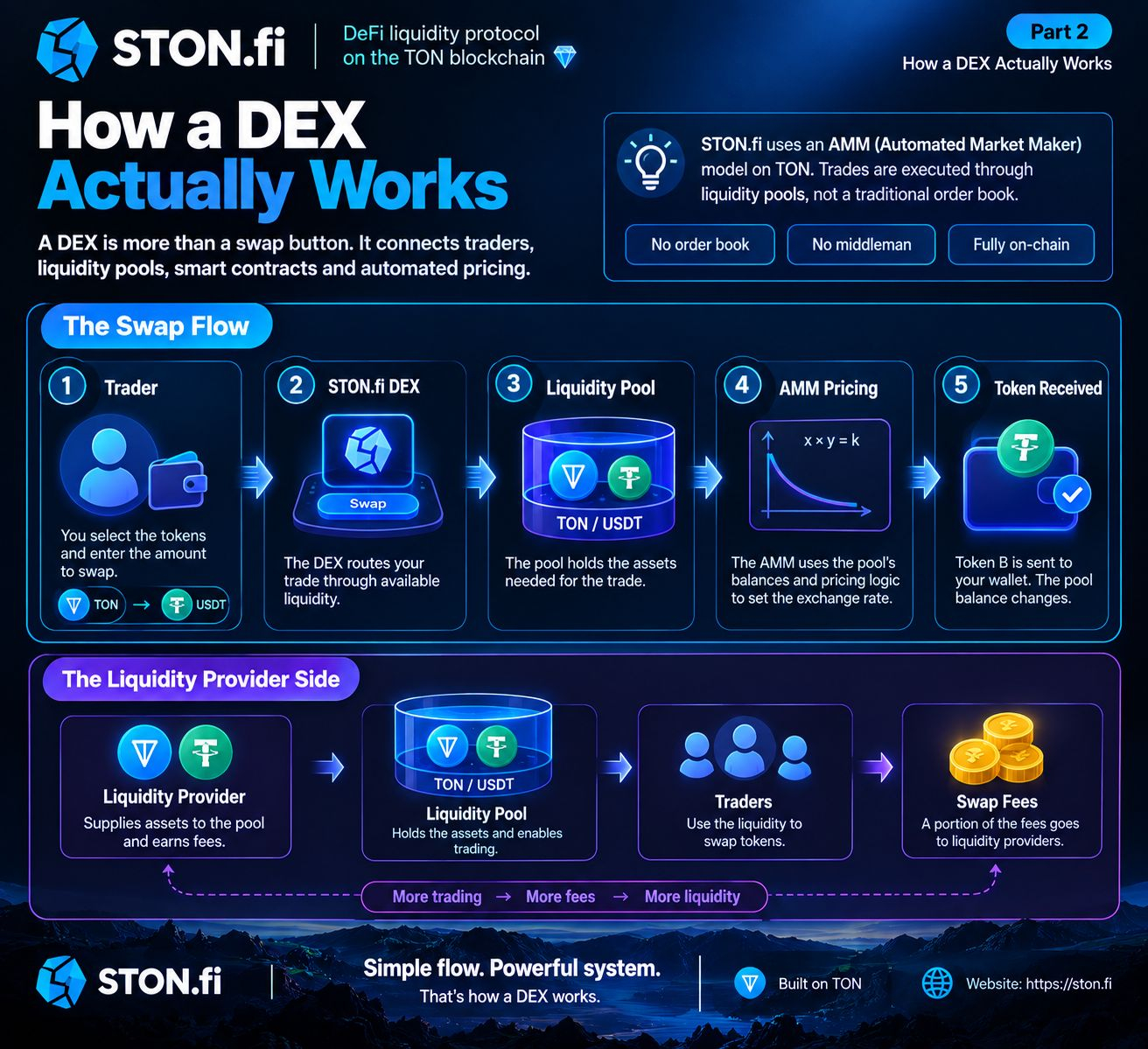
How does a DEX actually execute your swap?
You click Swap.
But underneath, several things happen.
Trader
↓
STON.fi DEX
↓
Liquidity Pool
↓
AMM Pricing
↓
Token Received
STON.fi operates as a non-custodial AMM protocol on TON. Instead of relying on a traditional order book, swaps use liquidity pools and smart contracts.
The pool contains the assets traders need.
When a swap happens, the balance between those assets changes, which affects the pool’s pricing.
That is why liquidity matters.
More importantly, there are two sides of the system:
Liquidity Providers supply assets.
Traders use that liquidity.
The protocol executes the swap through smart contracts.
A simple swap interface hides a complete on-chain liquidity system.
STON.fi — DeFi liquidity protocol on the TON blockchain 💎 | Website: https://ston.fi
#TON #DeFi #STONfi
How does a DEX actually execute your swap?
You click Swap.
But underneath, several things happen.
Trader
↓
STON.fi DEX
↓
Liquidity Pool
↓
AMM Pricing
↓
Token Received
STON.fi operates as a non-custodial AMM protocol on TON. Instead of relying on a traditional order book, swaps use liquidity pools and smart contracts.
The pool contains the assets traders need.
When a swap happens, the balance between those assets changes, which affects the pool’s pricing.
That is why liquidity matters.
More importantly, there are two sides of the system:
Liquidity Providers supply assets.
Traders use that liquidity.
The protocol executes the swap through smart contracts.
A simple swap interface hides a complete on-chain liquidity system.
STON.fi — DeFi liquidity protocol on the TON blockchain 💎 | Website: https://ston.fi
#TON #DeFi #STONfi
You click Swap.
But underneath, several things happen.
Trader
↓
STON.fi DEX
↓
Liquidity Pool
↓
AMM Pricing
↓
Token Received
STON.fi operates as a non-custodial AMM protocol on TON. Instead of relying on a traditional order book, swaps use liquidity pools and smart contracts.
The pool contains the assets traders need.
When a swap happens, the balance between those assets changes, which affects the pool’s pricing.
That is why liquidity matters.
More importantly, there are two sides of the system:
Liquidity Providers supply assets.
Traders use that liquidity.
The protocol executes the swap through smart contracts.
A simple swap interface hides a complete on-chain liquidity system.
STON.fi — DeFi liquidity protocol on the TON blockchain 💎 | Website: https://ston.fi
#TON #DeFi #STONfi
70

·
--
🔥 $PUMP FUN GENERATES $1.96M DAILY REVENUE FLIPPING HYPERLIQUID ON LEADERBOARDS! 📊
Retail speculation just posted a massive statement on DefiLlama. 📊 Pump.fun generated a staggering $1.96 million in 24-hour protocol revenue, officially dethroning Hyperliquid's $1.86 million to claim the third slot globally behind stablecoin giants Tether and Circle.
This revenue surge highlights where active liquidity is concentrating right now. 🌊 While macro traders debate sideways chop, memecoin velocity is capturing raw user attention and turning micro-transactions into institutional-grade fee generation on $SOL .
💡 Fee engines of this scale consistently signal strong underlying network demand before broader market sentiment catches up. 💬 Do you expect memecoin momentum to hold this lead, or will perp DEXs reclaim the throne? 👇
⚠️ Not financial advice. Always manage your risk. 🛡️
🏷️ #SOL #DeFi #CryptoNews #ProtocolRevenue
🔥 ⚡
🔥 $PUMP FUN GENERATES $1.96M DAILY REVENUE FLIPPING HYPERLIQUID ON LEADERBOARDS! 📊
Retail speculation just posted a massive statement on DefiLlama. 📊 Pump.fun generated a staggering $1.96 million in 24-hour protocol revenue, officially dethroning Hyperliquid's $1.86 million to claim the third slot globally behind stablecoin giants Tether and Circle.
This revenue surge highlights where active liquidity is concentrating right now. 🌊 While macro traders debate sideways chop, memecoin velocity is capturing raw user attention and turning micro-transactions into institutional-grade fee generation on $SOL .
💡 Fee engines of this scale consistently signal strong underlying network demand before broader market sentiment catches up. 💬 Do you expect memecoin momentum to hold this lead, or will perp DEXs reclaim the throne? 👇
⚠️ Not financial advice. Always manage your risk. 🛡️
🏷️ #SOL #DeFi #CryptoNews #ProtocolRevenue
🔥 ⚡
Retail speculation just posted a massive statement on DefiLlama. 📊 Pump.fun generated a staggering $1.96 million in 24-hour protocol revenue, officially dethroning Hyperliquid's $1.86 million to claim the third slot globally behind stablecoin giants Tether and Circle.
This revenue surge highlights where active liquidity is concentrating right now. 🌊 While macro traders debate sideways chop, memecoin velocity is capturing raw user attention and turning micro-transactions into institutional-grade fee generation on $SOL .
💡 Fee engines of this scale consistently signal strong underlying network demand before broader market sentiment catches up. 💬 Do you expect memecoin momentum to hold this lead, or will perp DEXs reclaim the throne? 👇
⚠️ Not financial advice. Always manage your risk. 🛡️
🏷️ #SOL #DeFi #CryptoNews #ProtocolRevenue
🔥 ⚡
247

🚨 TOKENIZED STOCKS JUST ENTERED DEFI. 👀
This is where the RWA story gets REALLY interesting. 🔥
Aave V4 on Base has launched an Equities Hub where eligible users outside the U.S. can use Coinbase tokenized stocks as collateral to borrow USDC.
The first 7 stocks are:
🍎 Apple
📦 Amazon
🔎 Alphabet
📱 Meta
💻 Microsoft
🟢 Nvidia
🚗 Tesla
But here's the important part:
These tokenized stocks aren't just something you can HOLD or TRADE anymore.
They can now become DEFI COLLATERAL. ⛓️
Imagine holding tokenized Nvidia…
Instead of selling your position to get liquidity, you can potentially use it as collateral and borrow USDC against it.
That's a major shift in the tokenization narrative.
🏦 Traditional assets
↓
⛓️ Tokenized on-chain
↓
💰 Used as collateral
↓
🌐 Connected to DeFi lending
And this is exactly where traditional finance and crypto start becoming more interconnected.
The initial market is still small, with limited collateral and borrowing caps, and access is restricted to eligible non-U.S. users in permitted jurisdictions.
But the direction is clear:
Stocks are moving from “assets on-chain” to “financial building blocks on-chain.” 👀
The bigger question:
🔥 What happens when stocks, bonds, real estate and other RWAs can all interact with DeFi?
Are we watching the beginning of a new financial system?
#Aave #RWA #Tokenization #defi #BinanceSquare
🚨 TOKENIZED STOCKS JUST ENTERED DEFI. 👀
This is where the RWA story gets REALLY interesting. 🔥
Aave V4 on Base has launched an Equities Hub where eligible users outside the U.S. can use Coinbase tokenized stocks as collateral to borrow USDC.
The first 7 stocks are:
🍎 Apple
📦 Amazon
🔎 Alphabet
📱 Meta
💻 Microsoft
🟢 Nvidia
🚗 Tesla
But here's the important part:
These tokenized stocks aren't just something you can HOLD or TRADE anymore.
They can now become DEFI COLLATERAL. ⛓️
Imagine holding tokenized Nvidia…
Instead of selling your position to get liquidity, you can potentially use it as collateral and borrow USDC against it.
That's a major shift in the tokenization narrative.
🏦 Traditional assets
↓
⛓️ Tokenized on-chain
↓
💰 Used as collateral
↓
🌐 Connected to DeFi lending
And this is exactly where traditional finance and crypto start becoming more interconnected.
The initial market is still small, with limited collateral and borrowing caps, and access is restricted to eligible non-U.S. users in permitted jurisdictions.
But the direction is clear:
Stocks are moving from “assets on-chain” to “financial building blocks on-chain.” 👀
The bigger question:
🔥 What happens when stocks, bonds, real estate and other RWAs can all interact with DeFi?
Are we watching the beginning of a new financial system?
#Aave #RWA #Tokenization #defi #BinanceSquare
This is where the RWA story gets REALLY interesting. 🔥
Aave V4 on Base has launched an Equities Hub where eligible users outside the U.S. can use Coinbase tokenized stocks as collateral to borrow USDC.
The first 7 stocks are:
🍎 Apple
📦 Amazon
🔎 Alphabet
📱 Meta
💻 Microsoft
🟢 Nvidia
🚗 Tesla
But here's the important part:
These tokenized stocks aren't just something you can HOLD or TRADE anymore.
They can now become DEFI COLLATERAL. ⛓️
Imagine holding tokenized Nvidia…
Instead of selling your position to get liquidity, you can potentially use it as collateral and borrow USDC against it.
That's a major shift in the tokenization narrative.
🏦 Traditional assets
↓
⛓️ Tokenized on-chain
↓
💰 Used as collateral
↓
🌐 Connected to DeFi lending
And this is exactly where traditional finance and crypto start becoming more interconnected.
The initial market is still small, with limited collateral and borrowing caps, and access is restricted to eligible non-U.S. users in permitted jurisdictions.
But the direction is clear:
Stocks are moving from “assets on-chain” to “financial building blocks on-chain.” 👀
The bigger question:
🔥 What happens when stocks, bonds, real estate and other RWAs can all interact with DeFi?
Are we watching the beginning of a new financial system?
#Aave #RWA #Tokenization #defi #BinanceSquare
59
Log in to explore more content
Join global crypto users on Binance Square
⚡️ Get latest and useful information about crypto.
💬 Trusted by the world’s largest crypto exchange.
👍 Discover real insights from verified creators.
Email / Phone number
Trending Topics
1
#StrategyStriveAdd2305BitcoinThisWeek
393 views
57 Discussing
2
#TrumpRejectsIranHormuzReopening
4,525 views
198 Discussing
3
#CircleTetherFreezeBitgetHackerWallet
29,135 views
401 Discussing
4
#SECSaysTokenBuybacksNotAutoSecurities
8,271 views
166 Discussing
5
#ChinaUSAgreeOn$30BTariffCut
397 views
10 Discussing
6
#CoinMarketCapCompletesCoinglassAcquisition
26,468 views
320 Discussing
7
#CircleMints500MUSDCOnSolana
178,880 views
2,881 Discussing
8
#PolymarketBankFailureBetsDrawFDICConcern
155,764 views
2,261 Discussing
9
#BlackRockBuildsTokenizedPortfoliosForOndo
147,658 views
1,639 Discussing
10
#BitwiseFilesToListNEARETFOnNYSEArca
103,086 views
1,288 Discussing