
REACHER _Crypto
8.6k 投稿

REACHER _Crypto
報告
ユーザーをブロック
Web3 boy I Crypto never sleeps neither do profits Turning volatility into opportunity I Think. Trade. Earn. Repeat. #BinanceLife
488 フォロー
19.8K+ フォロワー
11.3K+ いいね
投稿
すべて
引用
動画
ライブ
翻訳参照
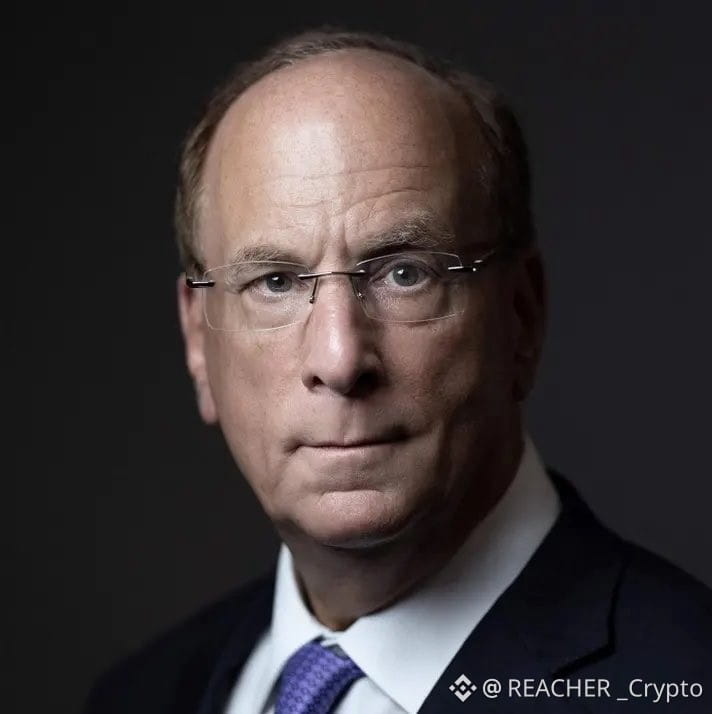
JUST IN: BlackRock clients buy $108.44 million worth of $BTC .
#BTCBreaks80K #BitcoinMarketCapTopsTesla #SOLJumpsAbout10% #SECReceivesAmendedInjectiveETFFiling
JUST IN: BlackRock clients buy $108.44 million worth of $BTC .
#BTCBreaks80K #BitcoinMarketCapTopsTesla #SOLJumpsAbout10% #SECReceivesAmendedInjectiveETFFiling
#BTCBreaks80K #BitcoinMarketCapTopsTesla #SOLJumpsAbout10% #SECReceivesAmendedInjectiveETFFiling
87
翻訳参照
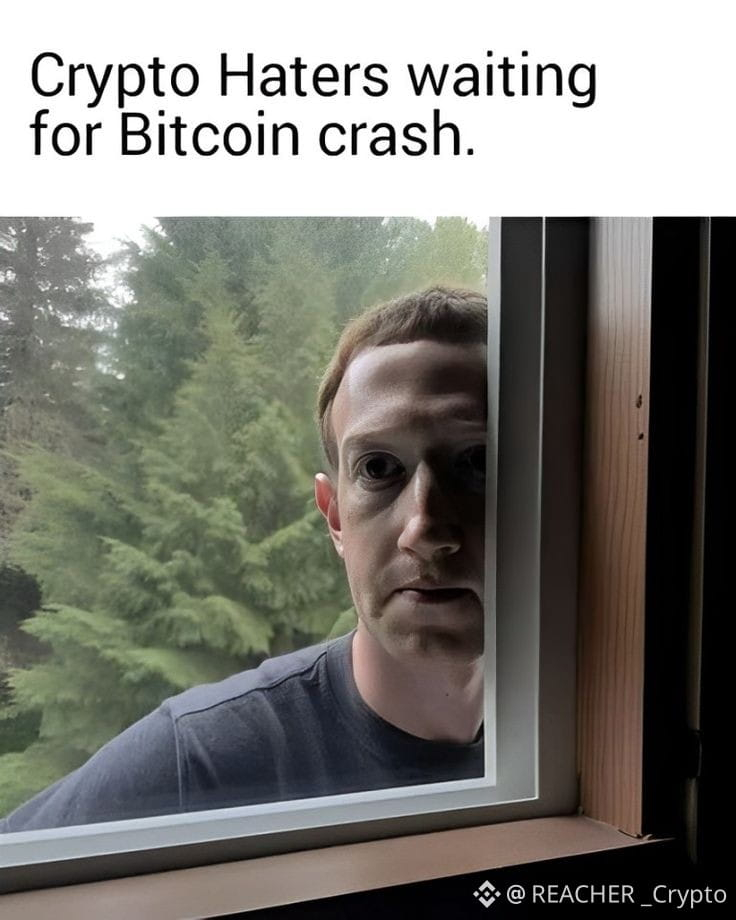
Still waiting for that Bitcoin crash… 👀😂
$BTC
#AnthropicCEOCallsForAISlowdown #US10YearTreasuryYieldNears5% #TokenizedStockHoldersUp619.1% #RevolutConfirmsFakeGovEmailDataBreach
Still waiting for that Bitcoin crash… 👀😂
$BTC
#AnthropicCEOCallsForAISlowdown #US10YearTreasuryYieldNears5% #TokenizedStockHoldersUp619.1% #RevolutConfirmsFakeGovEmailDataBreach
$BTC
#AnthropicCEOCallsForAISlowdown #US10YearTreasuryYieldNears5% #TokenizedStockHoldersUp619.1% #RevolutConfirmsFakeGovEmailDataBreach
111
私は、ビットコインの最新ETF数値で人々が注目すべきポイントが違うと思っています。
重要なのは、3営業日で米国の現物ビットコインETFに$1.01Bが流入したというだけではありません。
問題は、反対側で誰がBTCを売らなければならなかったかです。
9月3日だけでも、ETFの資金流入は$730.8Mに達しました。
BTCが約$78K〜$79Kの水準なら、これはおよそ13,000 BTC相当の需要です。
そして、ここからが面白いところです。
ビットコインの長期保有者(LTH)の供給量は、約16.5M BTCまで増えています。
これは、ビットコインの最終的な21M供給量の約79%に相当します。
でも、今回の結論が
「BTCの79%がロックされているから、供給が尽きていく」
という話であるべきだとは思いません。
それは単純すぎます。
長期保有者は売れます。
私が見ているのは、新たな需要が入ってきたときに、彼らがどれくらいの速さで配分(売却)するかです。
なぜなら、ETFが何十億ドルも吸収し続けている一方で、長期保有者がコインを握り続けているなら、市場が上昇するのに巨大な供給不足は必須ではないからです。
必要なのは、喜んで売る側のペースよりも新しい需要が速く伸びることだけです。
これが、この仕組みの「隠れた部分」です。
そしてもう一つの側面があります。
もしBTCがさらに上昇し続けるなら、長期保有者は突然、利益確定をする強い動機を持つようになります。
だから、私は今次の3つを見ています:
• ETFフロー — $1Bの急増は続くのか?
• LTHの配分 — 古い保有者は本当に、この需要に対して売っているのか?
• 価格反応 — BTCは、売り圧が大きく増えずに$82.8Kのあたりを突破できるのか?
ETF需要が強い状態が続き、LTHの売りが抑制されたままなら、ビットコインは比較的小さな需要変化に対して、より敏感になっていく可能性があります。
しかし、古い保有者が積極的に配分を始めれば、その「供給の締め付け」シナリオは非常に素早く消え去り得ます。
だから私は、買い手だけでなく売り手を見ています。
$BTC
{future}(BTCUSDT)
私は、ビットコインの最新ETF数値で人々が注目すべきポイントが違うと思っています。
重要なのは、3営業日で米国の現物ビットコインETFに$1.01Bが流入したというだけではありません。
問題は、反対側で誰がBTCを売らなければならなかったかです。
9月3日だけでも、ETFの資金流入は$730.8Mに達しました。
BTCが約$78K〜$79Kの水準なら、これはおよそ13,000 BTC相当の需要です。
そして、ここからが面白いところです。
ビットコインの長期保有者(LTH)の供給量は、約16.5M BTCまで増えています。
これは、ビットコインの最終的な21M供給量の約79%に相当します。
でも、今回の結論が
「BTCの79%がロックされているから、供給が尽きていく」
という話であるべきだとは思いません。
それは単純すぎます。
長期保有者は売れます。
私が見ているのは、新たな需要が入ってきたときに、彼らがどれくらいの速さで配分(売却)するかです。
なぜなら、ETFが何十億ドルも吸収し続けている一方で、長期保有者がコインを握り続けているなら、市場が上昇するのに巨大な供給不足は必須ではないからです。
必要なのは、喜んで売る側のペースよりも新しい需要が速く伸びることだけです。
これが、この仕組みの「隠れた部分」です。
そしてもう一つの側面があります。
もしBTCがさらに上昇し続けるなら、長期保有者は突然、利益確定をする強い動機を持つようになります。
だから、私は今次の3つを見ています:
• ETFフロー — $1Bの急増は続くのか?
• LTHの配分 — 古い保有者は本当に、この需要に対して売っているのか?
• 価格反応 — BTCは、売り圧が大きく増えずに$82.8Kのあたりを突破できるのか?
ETF需要が強い状態が続き、LTHの売りが抑制されたままなら、ビットコインは比較的小さな需要変化に対して、より敏感になっていく可能性があります。
しかし、古い保有者が積極的に配分を始めれば、その「供給の締め付け」シナリオは非常に素早く消え去り得ます。
だから私は、買い手だけでなく売り手を見ています。
$BTC
重要なのは、3営業日で米国の現物ビットコインETFに$1.01Bが流入したというだけではありません。
問題は、反対側で誰がBTCを売らなければならなかったかです。
9月3日だけでも、ETFの資金流入は$730.8Mに達しました。
BTCが約$78K〜$79Kの水準なら、これはおよそ13,000 BTC相当の需要です。
そして、ここからが面白いところです。
ビットコインの長期保有者(LTH)の供給量は、約16.5M BTCまで増えています。
これは、ビットコインの最終的な21M供給量の約79%に相当します。
でも、今回の結論が
「BTCの79%がロックされているから、供給が尽きていく」
という話であるべきだとは思いません。
それは単純すぎます。
長期保有者は売れます。
私が見ているのは、新たな需要が入ってきたときに、彼らがどれくらいの速さで配分(売却)するかです。
なぜなら、ETFが何十億ドルも吸収し続けている一方で、長期保有者がコインを握り続けているなら、市場が上昇するのに巨大な供給不足は必須ではないからです。
必要なのは、喜んで売る側のペースよりも新しい需要が速く伸びることだけです。
これが、この仕組みの「隠れた部分」です。
そしてもう一つの側面があります。
もしBTCがさらに上昇し続けるなら、長期保有者は突然、利益確定をする強い動機を持つようになります。
だから、私は今次の3つを見ています:
• ETFフロー — $1Bの急増は続くのか?
• LTHの配分 — 古い保有者は本当に、この需要に対して売っているのか?
• 価格反応 — BTCは、売り圧が大きく増えずに$82.8Kのあたりを突破できるのか?
ETF需要が強い状態が続き、LTHの売りが抑制されたままなら、ビットコインは比較的小さな需要変化に対して、より敏感になっていく可能性があります。
しかし、古い保有者が積極的に配分を始めれば、その「供給の締め付け」シナリオは非常に素早く消え去り得ます。
だから私は、買い手だけでなく売り手を見ています。
$BTC
96
#dusk $DUSK @Dusk_Foundation 私は、プライバシーに関する話を見てDuskに注目し始めました。
しかしホワイトペーパーを読んでみると、実際にはそれは見方として狭すぎると思いました。
私の関心を引いたのは、Duskが取り組もうとしているより大きな課題です。
金融データは、システムを検証も規制も不可能にすることなく、プライベートに保てるのか?
それはずっと難しい問題です。
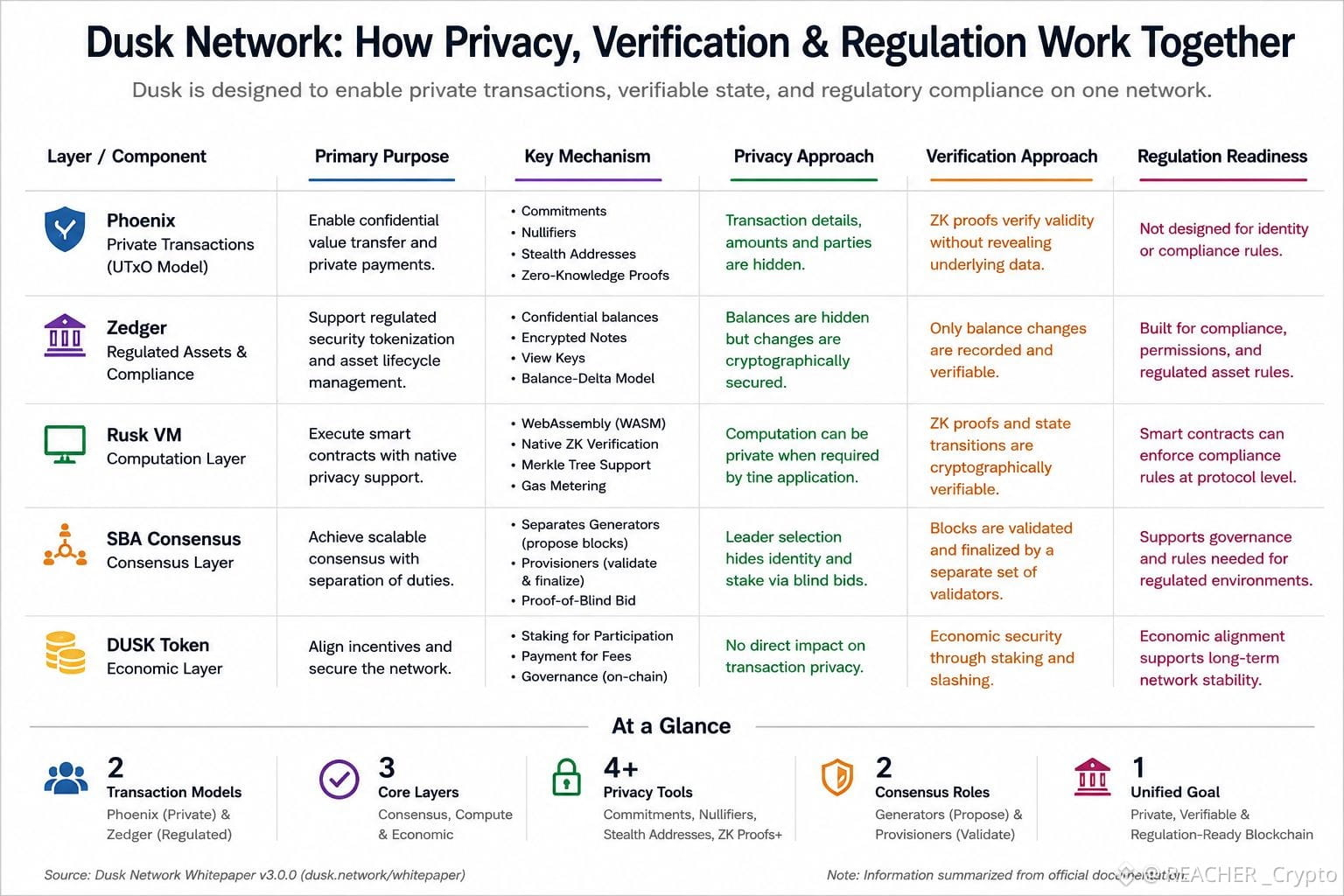
Duskは、それぞれが異なる役割を担うことで、その課題にアプローチします。PhoenixはUTxOベースのモデルで機密支出を扱い、Zedgerは規制されたセキュリティトークン化とライフサイクル管理のために設計されています。そしてRusk VMは、ネイティブのゼロ知識証明の検証やメルクルツリー対応といった機能を、計算レイヤーにもたらします。
コンセンサス設計においても、同じ考え方に従っています。
SBAは、ブロック生成を検証と最終確定から切り離します。ジェネレーターはProof-of-Blind Bidで選定され、Provisionersはブロックを検証して最終確定します。
つまり、面白いのは単に「Duskがブロックチェーンをプライベートにする」ということではありません。
より近いのは、
すべてが正しいことを証明するために、必ずしもすべてを公開する必要はない。
という点です。
この違いは、規制のある金融市場においてとても大きな意味を持ち得ます。
ただ、ここから結論を急ぐ準備はまだできていません。
紙の上でうまく設計されたプロトコルが、現実の規制当局、現実の機関、現実の流動性、そして現実の利用者のもとでも同じようにスムーズに機能するとは限りません。
私が注目するのは、その部分です。
なぜなら、Duskにとって本当の試験は「取引をプライベートにできるかどうか」ではありません。
ネットワークが現実の金融規模で運用されなければならないときに、プライバシー、検証、そして規制要件を実際に共存させられるかどうかです。
#dusk $DUSK @Dusk 私は、プライバシーに関する話を見てDuskに注目し始めました。
しかしホワイトペーパーを読んでみると、実際にはそれは見方として狭すぎると思いました。
私の関心を引いたのは、Duskが取り組もうとしているより大きな課題です。
金融データは、システムを検証も規制も不可能にすることなく、プライベートに保てるのか?
それはずっと難しい問題です。
Duskは、それぞれが異なる役割を担うことで、その課題にアプローチします。PhoenixはUTxOベースのモデルで機密支出を扱い、Zedgerは規制されたセキュリティトークン化とライフサイクル管理のために設計されています。そしてRusk VMは、ネイティブのゼロ知識証明の検証やメルクルツリー対応といった機能を、計算レイヤーにもたらします。
コンセンサス設計においても、同じ考え方に従っています。
SBAは、ブロック生成を検証と最終確定から切り離します。ジェネレーターはProof-of-Blind Bidで選定され、Provisionersはブロックを検証して最終確定します。
つまり、面白いのは単に「Duskがブロックチェーンをプライベートにする」ということではありません。
より近いのは、
すべてが正しいことを証明するために、必ずしもすべてを公開する必要はない。
という点です。
この違いは、規制のある金融市場においてとても大きな意味を持ち得ます。
ただ、ここから結論を急ぐ準備はまだできていません。
紙の上でうまく設計されたプロトコルが、現実の規制当局、現実の機関、現実の流動性、そして現実の利用者のもとでも同じようにスムーズに機能するとは限りません。
私が注目するのは、その部分です。
なぜなら、Duskにとって本当の試験は「取引をプライベートにできるかどうか」ではありません。
ネットワークが現実の金融規模で運用されなければならないときに、プライバシー、検証、そして規制要件を実際に共存させられるかどうかです。
しかしホワイトペーパーを読んでみると、実際にはそれは見方として狭すぎると思いました。
私の関心を引いたのは、Duskが取り組もうとしているより大きな課題です。
金融データは、システムを検証も規制も不可能にすることなく、プライベートに保てるのか?
それはずっと難しい問題です。
Duskは、それぞれが異なる役割を担うことで、その課題にアプローチします。PhoenixはUTxOベースのモデルで機密支出を扱い、Zedgerは規制されたセキュリティトークン化とライフサイクル管理のために設計されています。そしてRusk VMは、ネイティブのゼロ知識証明の検証やメルクルツリー対応といった機能を、計算レイヤーにもたらします。
コンセンサス設計においても、同じ考え方に従っています。
SBAは、ブロック生成を検証と最終確定から切り離します。ジェネレーターはProof-of-Blind Bidで選定され、Provisionersはブロックを検証して最終確定します。
つまり、面白いのは単に「Duskがブロックチェーンをプライベートにする」ということではありません。
より近いのは、
すべてが正しいことを証明するために、必ずしもすべてを公開する必要はない。
という点です。
この違いは、規制のある金融市場においてとても大きな意味を持ち得ます。
ただ、ここから結論を急ぐ準備はまだできていません。
紙の上でうまく設計されたプロトコルが、現実の規制当局、現実の機関、現実の流動性、そして現実の利用者のもとでも同じようにスムーズに機能するとは限りません。
私が注目するのは、その部分です。
なぜなら、Duskにとって本当の試験は「取引をプライベートにできるかどうか」ではありません。
ネットワークが現実の金融規模で運用されなければならないときに、プライバシー、検証、そして規制要件を実際に共存させられるかどうかです。
1
242
#dusk $DUSK @Dusk_Foundation Iはじめは、DUSKの有用性は基本的に2つ――ステーキングとガスだと思っていました。
しかし、Dusk自身のドキュメントにある小さな役割を洗い出していくうちに、その前提は擁護しづらくなっていきました。
DUSKはコンセンサスを確保し、取引手数料を支払い、スマートコントラクトのデプロイに資金を提供し、dAppサービスの支払いを決済します。さらに、ガス側にも私が想像していた以上の構造があります。Duskは汎用的な第一価格オークションを採用しており、ユーザーはgaspriceを入札し、ブロックはgas上限の範囲内で取引を受け入れます。
ただ、私が何度も立ち返るのは、それらのわかりやすい機能の外側にある部分です。
DUSKは、XSCコントラクト内で配当支払いの対象通貨であること、また規制されたデジタル資産を発行する際に必要なセキュリティデポジットであることも文書化されています。
それは通常のL1のユーティリティとは違って感じます。
これらの役割によって、DUSKは「ネットワークを動かすための仕組み」だけでなく、規制された資産をめぐる特定の経済ルールの中に位置づけられます。
それでも、私はこれを需要に関する主張(thesis)にまで変換しません。配当やセキュリティデポジットが、ステーキングや基本的な手数料に比べて、どれほど実際の活動を生んでいるのかを示す、きれいな内訳を見つけられていません。
そして、おそらくそのギャップこそが、もっとも面白いところです。
ドキュメントは、DUSKがどこで重要になり得るかを教えてくれます。
しかし、これらの役割のうち、経済的に実際にどれが重要なのかは、まだ分かりません。
そこを次に測りたい、というのが私の見立てです。
#dusk
#dusk $DUSK @Dusk Iはじめは、DUSKの有用性は基本的に2つ――ステーキングとガスだと思っていました。
しかし、Dusk自身のドキュメントにある小さな役割を洗い出していくうちに、その前提は擁護しづらくなっていきました。
DUSKはコンセンサスを確保し、取引手数料を支払い、スマートコントラクトのデプロイに資金を提供し、dAppサービスの支払いを決済します。さらに、ガス側にも私が想像していた以上の構造があります。Duskは汎用的な第一価格オークションを採用しており、ユーザーはgaspriceを入札し、ブロックはgas上限の範囲内で取引を受け入れます。
ただ、私が何度も立ち返るのは、それらのわかりやすい機能の外側にある部分です。
DUSKは、XSCコントラクト内で配当支払いの対象通貨であること、また規制されたデジタル資産を発行する際に必要なセキュリティデポジットであることも文書化されています。
それは通常のL1のユーティリティとは違って感じます。
これらの役割によって、DUSKは「ネットワークを動かすための仕組み」だけでなく、規制された資産をめぐる特定の経済ルールの中に位置づけられます。
それでも、私はこれを需要に関する主張(thesis)にまで変換しません。配当やセキュリティデポジットが、ステーキングや基本的な手数料に比べて、どれほど実際の活動を生んでいるのかを示す、きれいな内訳を見つけられていません。
そして、おそらくそのギャップこそが、もっとも面白いところです。
ドキュメントは、DUSKがどこで重要になり得るかを教えてくれます。
しかし、これらの役割のうち、経済的に実際にどれが重要なのかは、まだ分かりません。
そこを次に測りたい、というのが私の見立てです。
#dusk
しかし、Dusk自身のドキュメントにある小さな役割を洗い出していくうちに、その前提は擁護しづらくなっていきました。
DUSKはコンセンサスを確保し、取引手数料を支払い、スマートコントラクトのデプロイに資金を提供し、dAppサービスの支払いを決済します。さらに、ガス側にも私が想像していた以上の構造があります。Duskは汎用的な第一価格オークションを採用しており、ユーザーはgaspriceを入札し、ブロックはgas上限の範囲内で取引を受け入れます。
ただ、私が何度も立ち返るのは、それらのわかりやすい機能の外側にある部分です。
DUSKは、XSCコントラクト内で配当支払いの対象通貨であること、また規制されたデジタル資産を発行する際に必要なセキュリティデポジットであることも文書化されています。
それは通常のL1のユーティリティとは違って感じます。
これらの役割によって、DUSKは「ネットワークを動かすための仕組み」だけでなく、規制された資産をめぐる特定の経済ルールの中に位置づけられます。
それでも、私はこれを需要に関する主張(thesis)にまで変換しません。配当やセキュリティデポジットが、ステーキングや基本的な手数料に比べて、どれほど実際の活動を生んでいるのかを示す、きれいな内訳を見つけられていません。
そして、おそらくそのギャップこそが、もっとも面白いところです。
ドキュメントは、DUSKがどこで重要になり得るかを教えてくれます。
しかし、これらの役割のうち、経済的に実際にどれが重要なのかは、まだ分かりません。
そこを次に測りたい、というのが私の見立てです。
#dusk
4
2
216
#dusk $DUSK @Dusk_Foundation 私は、Duskの最近の開発でずっと思い返していた一点があります。それは暗号技術そのものではありません。
同じ暗号をより“働かせる”ための努力です。
PLONKの性能改善は、基礎となる数学やトランスクリプト、プローフォーマットを置き換えたわけではありません。代わりにDuskは、それらの周りで無駄になっていた作業に取り組みました。決定的なデータのキャッシュ、反転(inversions)やMSM操作のバッチ化、独立したFFTタスクの並列化、そして繰り返し計算の回避です。
その結果が私の目を引きました。証明時間は58%減、概ね2.4倍の証明スループット、検証は44%高速化、コンパイルは25%高速化。
でも正直なところ、数字はほとんど二の次です。
私が関心を持つのは、これが次の問題について何を示しているかです。
プライバシーは数学的に強固であり得ますが、証明・検証・実行の速度が追いつかなければ実用にはなりません。
私はDuskEVM×DuskDSのテストにも同じ問いを見ています。異なる実行モデルや状態モデルを、別々に評価するのではなく、混在したワークロードの中で突き合わせています。
それは、より現実的な難題に近い気がします。各部品が動くかどうかではなく、システムが忙しくなったときに、それらが一緒に動き続けられるかです。
そこで私は、Duskの最も難しいエンジニアリング課題が、もはや「プライバシーが機能すること」ではないのではないかと考え始めています。
プライバシー、実行、そして協調(コーディネーション)が、ユーザーにとってほとんど見えないレベルにまで感じられるようにすること。
それが、たぶんもっと面白い試験です。
#dusk
#dusk $DUSK @Dusk 私は、Duskの最近の開発でずっと思い返していた一点があります。それは暗号技術そのものではありません。
同じ暗号をより“働かせる”ための努力です。
PLONKの性能改善は、基礎となる数学やトランスクリプト、プローフォーマットを置き換えたわけではありません。代わりにDuskは、それらの周りで無駄になっていた作業に取り組みました。決定的なデータのキャッシュ、反転(inversions)やMSM操作のバッチ化、独立したFFTタスクの並列化、そして繰り返し計算の回避です。
その結果が私の目を引きました。証明時間は58%減、概ね2.4倍の証明スループット、検証は44%高速化、コンパイルは25%高速化。
でも正直なところ、数字はほとんど二の次です。
私が関心を持つのは、これが次の問題について何を示しているかです。
プライバシーは数学的に強固であり得ますが、証明・検証・実行の速度が追いつかなければ実用にはなりません。
私はDuskEVM×DuskDSのテストにも同じ問いを見ています。異なる実行モデルや状態モデルを、別々に評価するのではなく、混在したワークロードの中で突き合わせています。
それは、より現実的な難題に近い気がします。各部品が動くかどうかではなく、システムが忙しくなったときに、それらが一緒に動き続けられるかです。
そこで私は、Duskの最も難しいエンジニアリング課題が、もはや「プライバシーが機能すること」ではないのではないかと考え始めています。
プライバシー、実行、そして協調(コーディネーション)が、ユーザーにとってほとんど見えないレベルにまで感じられるようにすること。
それが、たぶんもっと面白い試験です。
#dusk
同じ暗号をより“働かせる”ための努力です。
PLONKの性能改善は、基礎となる数学やトランスクリプト、プローフォーマットを置き換えたわけではありません。代わりにDuskは、それらの周りで無駄になっていた作業に取り組みました。決定的なデータのキャッシュ、反転(inversions)やMSM操作のバッチ化、独立したFFTタスクの並列化、そして繰り返し計算の回避です。
その結果が私の目を引きました。証明時間は58%減、概ね2.4倍の証明スループット、検証は44%高速化、コンパイルは25%高速化。
でも正直なところ、数字はほとんど二の次です。
私が関心を持つのは、これが次の問題について何を示しているかです。
プライバシーは数学的に強固であり得ますが、証明・検証・実行の速度が追いつかなければ実用にはなりません。
私はDuskEVM×DuskDSのテストにも同じ問いを見ています。異なる実行モデルや状態モデルを、別々に評価するのではなく、混在したワークロードの中で突き合わせています。
それは、より現実的な難題に近い気がします。各部品が動くかどうかではなく、システムが忙しくなったときに、それらが一緒に動き続けられるかです。
そこで私は、Duskの最も難しいエンジニアリング課題が、もはや「プライバシーが機能すること」ではないのではないかと考え始めています。
プライバシー、実行、そして協調(コーディネーション)が、ユーザーにとってほとんど見えないレベルにまで感じられるようにすること。
それが、たぶんもっと面白い試験です。
#dusk
218
#dusk $DUSK @Dusk_Foundation I最初、DuskのZedgerの面白い部分は、単に規制された資産をオンチェーンに載せることだと思っていました。
しかし掘り下げてみると、それが肝になるとはますます思えなくなりました。
証券には、一般的なトークンにはないルールがすでに備わっています。ポジションは発行または焼却され、配当やコーポレートアクションは正しく実行されなければならず、譲渡には制限をかけられ、さらに強制譲渡が資産のライフサイクルの一部になることさえあります。
つまり、コンプライアンスは台帳の横に並ぶ単なるレポーティング層としては成立しません。
それは、資産がどのように振る舞うかの一部である必要があります。
ですが、そのことで私にとっては、より興味深い問題が生まれます。
規制対象のポジションを監査可能にする必要があるなら、ウォレットのうち実際にどれだけを見える状態にしなければならないのでしょうか?
法的なレビューでは、あるポジションが存在し、移された、または凍結されたことの証拠が必要になるかもしれません。
しかし、それは関連のないシールドされたノートや、その周辺の取引履歴を公開してよいことを自動的には正当化しません。
ここで、Duskのアーキテクチャがより微妙なニュアンスを帯びてきます。
本当の難題は、RWAsをコンプライアンス対応にすることではないのかもしれません。
問題は、コンプライアンスを精密にすることです。
規制された主張を証明し、その主張の外側にあるものはすべて非公開に保つ。
より広い開示が便利な選択肢になると、一度プライバシーは、プロトコルが明示的にそれを削除することなくしても、いつの間にか消えてしまうからです。
私はいつも、この境界に立ち返ってしまいます。
Duskは、資産を保持する人々を不必要に透明にすることなく、規制対象資産を監査可能にできるのでしょうか?
#dusk
#dusk $DUSK @Dusk I最初、DuskのZedgerの面白い部分は、単に規制された資産をオンチェーンに載せることだと思っていました。
しかし掘り下げてみると、それが肝になるとはますます思えなくなりました。
証券には、一般的なトークンにはないルールがすでに備わっています。ポジションは発行または焼却され、配当やコーポレートアクションは正しく実行されなければならず、譲渡には制限をかけられ、さらに強制譲渡が資産のライフサイクルの一部になることさえあります。
つまり、コンプライアンスは台帳の横に並ぶ単なるレポーティング層としては成立しません。
それは、資産がどのように振る舞うかの一部である必要があります。
ですが、そのことで私にとっては、より興味深い問題が生まれます。
規制対象のポジションを監査可能にする必要があるなら、ウォレットのうち実際にどれだけを見える状態にしなければならないのでしょうか?
法的なレビューでは、あるポジションが存在し、移された、または凍結されたことの証拠が必要になるかもしれません。
しかし、それは関連のないシールドされたノートや、その周辺の取引履歴を公開してよいことを自動的には正当化しません。
ここで、Duskのアーキテクチャがより微妙なニュアンスを帯びてきます。
本当の難題は、RWAsをコンプライアンス対応にすることではないのかもしれません。
問題は、コンプライアンスを精密にすることです。
規制された主張を証明し、その主張の外側にあるものはすべて非公開に保つ。
より広い開示が便利な選択肢になると、一度プライバシーは、プロトコルが明示的にそれを削除することなくしても、いつの間にか消えてしまうからです。
私はいつも、この境界に立ち返ってしまいます。
Duskは、資産を保持する人々を不必要に透明にすることなく、規制対象資産を監査可能にできるのでしょうか?
#dusk
しかし掘り下げてみると、それが肝になるとはますます思えなくなりました。
証券には、一般的なトークンにはないルールがすでに備わっています。ポジションは発行または焼却され、配当やコーポレートアクションは正しく実行されなければならず、譲渡には制限をかけられ、さらに強制譲渡が資産のライフサイクルの一部になることさえあります。
つまり、コンプライアンスは台帳の横に並ぶ単なるレポーティング層としては成立しません。
それは、資産がどのように振る舞うかの一部である必要があります。
ですが、そのことで私にとっては、より興味深い問題が生まれます。
規制対象のポジションを監査可能にする必要があるなら、ウォレットのうち実際にどれだけを見える状態にしなければならないのでしょうか?
法的なレビューでは、あるポジションが存在し、移された、または凍結されたことの証拠が必要になるかもしれません。
しかし、それは関連のないシールドされたノートや、その周辺の取引履歴を公開してよいことを自動的には正当化しません。
ここで、Duskのアーキテクチャがより微妙なニュアンスを帯びてきます。
本当の難題は、RWAsをコンプライアンス対応にすることではないのかもしれません。
問題は、コンプライアンスを精密にすることです。
規制された主張を証明し、その主張の外側にあるものはすべて非公開に保つ。
より広い開示が便利な選択肢になると、一度プライバシーは、プロトコルが明示的にそれを削除することなくしても、いつの間にか消えてしまうからです。
私はいつも、この境界に立ち返ってしまいます。
Duskは、資産を保持する人々を不必要に透明にすることなく、規制対象資産を監査可能にできるのでしょうか?
#dusk
1
269
#dusk $DUSK @Dusk_Foundation 1私は、@Duskで最初見落としていた矛盾に、また戻ってしまいます。
プライベートなコンプライアンスが強まるほど、そのコンプライアンスの背後にある信頼がより重要になります。
$DUSK は約$0.087で、過去24Hでおよそ21%上昇し、出来高は約$10.8Mです。動きは目立ちますが、値動きの説明はまだ容易な方です。
私がより無視しにくいのは、シタデル(Citadel)です。
ポイントは、ユーザーが、基礎となる個人情報をオンチェーン上に公開せずに、必要な資格情報を保有している、または適格条件を満たしていることを証明できるという考え方です。
最初は、主にプライバシーの改善としてそれを捉えました。
しかし、より深い問題は別にあると思います。
ゼロ知識証明は、ある条件が満たされたことを示せます。ですが、資格情報の発行者が信頼できるのか、基礎となるデータが正確だったのか、あるいは施行されているポリシーが実際に適切だったのかまでは分かりません。
つまり、プライバシーは1つの問題――不必要なデータ露出――を取り除く一方で、別の疑問をより見える形にします。
有効なコンプライアンスとみなすのは誰が決めるのか?
そこで、NPEXが私にとって面白くなります。Duskに、規制された市場との現実のつながりを与えるからです。ただし、1つの取引会場はまだ1つのデータポイントにすぎません。ほかの規制済み会場が追随するのか、管理されたデプロイメントの範囲を超えて利用が拡大するのか、そして何かが実際にうまくいかない事態が起きたときに、これらの証明がどれだけ持ちこたえるのかを見たいです。
なぜなら、それこそが本当の試金石かもしれないからです。
Duskは、規制当局が検証できるものを減らさずに、機関が開示する必要のあるものを減らせるでしょうか?
もしそれができるなら、プライバシーは単なる機能に見えなくなります。
金融記録そのものの一部に見えてくるはずです。
@Dusk_Foundation
#dusk $DUSK @Dusk 1私は、@Duskで最初見落としていた矛盾に、また戻ってしまいます。
プライベートなコンプライアンスが強まるほど、そのコンプライアンスの背後にある信頼がより重要になります。
$DUSK は約$0.087で、過去24Hでおよそ21%上昇し、出来高は約$10.8Mです。動きは目立ちますが、値動きの説明はまだ容易な方です。
私がより無視しにくいのは、シタデル(Citadel)です。
ポイントは、ユーザーが、基礎となる個人情報をオンチェーン上に公開せずに、必要な資格情報を保有している、または適格条件を満たしていることを証明できるという考え方です。
最初は、主にプライバシーの改善としてそれを捉えました。
しかし、より深い問題は別にあると思います。
ゼロ知識証明は、ある条件が満たされたことを示せます。ですが、資格情報の発行者が信頼できるのか、基礎となるデータが正確だったのか、あるいは施行されているポリシーが実際に適切だったのかまでは分かりません。
つまり、プライバシーは1つの問題――不必要なデータ露出――を取り除く一方で、別の疑問をより見える形にします。
有効なコンプライアンスとみなすのは誰が決めるのか?
そこで、NPEXが私にとって面白くなります。Duskに、規制された市場との現実のつながりを与えるからです。ただし、1つの取引会場はまだ1つのデータポイントにすぎません。ほかの規制済み会場が追随するのか、管理されたデプロイメントの範囲を超えて利用が拡大するのか、そして何かが実際にうまくいかない事態が起きたときに、これらの証明がどれだけ持ちこたえるのかを見たいです。
なぜなら、それこそが本当の試金石かもしれないからです。
Duskは、規制当局が検証できるものを減らさずに、機関が開示する必要のあるものを減らせるでしょうか?
もしそれができるなら、プライバシーは単なる機能に見えなくなります。
金融記録そのものの一部に見えてくるはずです。
@Dusk
プライベートなコンプライアンスが強まるほど、そのコンプライアンスの背後にある信頼がより重要になります。
$DUSK は約$0.087で、過去24Hでおよそ21%上昇し、出来高は約$10.8Mです。動きは目立ちますが、値動きの説明はまだ容易な方です。
私がより無視しにくいのは、シタデル(Citadel)です。
ポイントは、ユーザーが、基礎となる個人情報をオンチェーン上に公開せずに、必要な資格情報を保有している、または適格条件を満たしていることを証明できるという考え方です。
最初は、主にプライバシーの改善としてそれを捉えました。
しかし、より深い問題は別にあると思います。
ゼロ知識証明は、ある条件が満たされたことを示せます。ですが、資格情報の発行者が信頼できるのか、基礎となるデータが正確だったのか、あるいは施行されているポリシーが実際に適切だったのかまでは分かりません。
つまり、プライバシーは1つの問題――不必要なデータ露出――を取り除く一方で、別の疑問をより見える形にします。
有効なコンプライアンスとみなすのは誰が決めるのか?
そこで、NPEXが私にとって面白くなります。Duskに、規制された市場との現実のつながりを与えるからです。ただし、1つの取引会場はまだ1つのデータポイントにすぎません。ほかの規制済み会場が追随するのか、管理されたデプロイメントの範囲を超えて利用が拡大するのか、そして何かが実際にうまくいかない事態が起きたときに、これらの証明がどれだけ持ちこたえるのかを見たいです。
なぜなら、それこそが本当の試金石かもしれないからです。
Duskは、規制当局が検証できるものを減らさずに、機関が開示する必要のあるものを減らせるでしょうか?
もしそれができるなら、プライバシーは単なる機能に見えなくなります。
金融記録そのものの一部に見えてくるはずです。
@Dusk
2
3
242
#dusk $DUSK @Dusk_Foundation iは以前、透明性が自動的に高まれば、信頼も自動的に増えるのだと思っていました。すると@Dusk_Foundation を見て、これまであまり考えていなかった矛盾に気づきました。
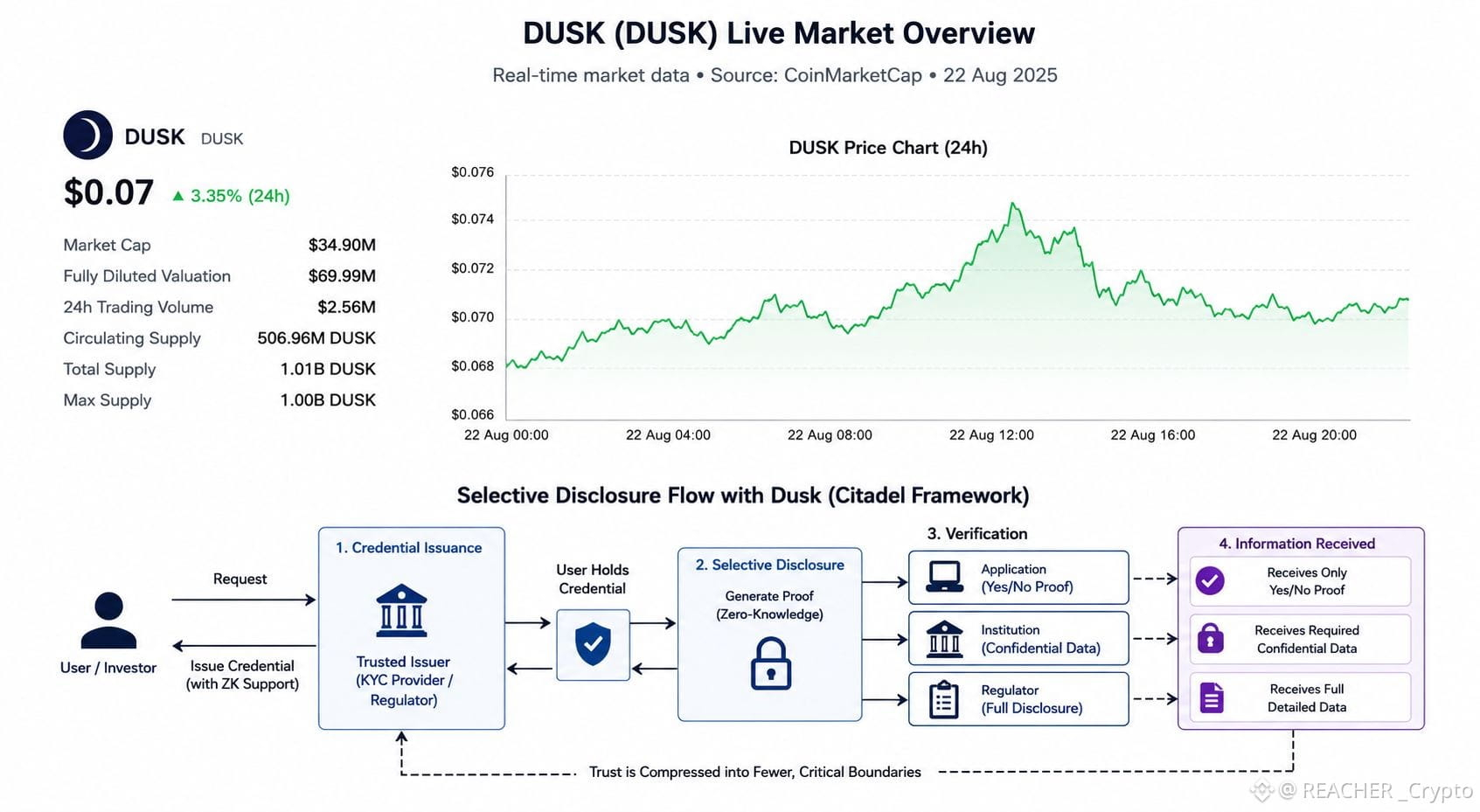
DUSKは現在およそ$0.07で取引されていて、最近の1日の出来高はおおむね$2〜3Mです。その規模になると、プライバシーの仕組みが紙の上でどれだけ良さそうに見えるかよりも、市場が実際に受け入れるよう求められている「どんな信頼の構造」があるのかに関心が向きます。
それが私にとってシタデルが興味深いと思えた理由です。
この仕組みは、プライバシーを「すべてを見えなくすること」として扱っているわけではないようです。より近いのは、各参加者が実際に受け取る必要のある情報量を減らすという考え方です。
私は、アプリケーション全てに自分の根本的な本人確認データを渡さなくても、KYCを通過したこと、または適格性要件を満たしていることを証明できます。
規制当局は、詳細な開示が必要になるかもしれません。
機関は、機密性が必要になるかもしれません。
アプリケーションは、イエス/ノーの証明だけで足りるかもしれません。
同じ金融活動。異なる可視性。
ただ、私がずっと考えてしまうのはここです:
アプリケーションが受け取る情報が少ないほど、そこに「信頼として選び取られる」情報が、ますます重要になります。
ゼロ知識証明は、クレデンシャルが有効であることを示せます。しかし、発行者が信頼できたかどうか、クレデンシャルが正しく発行されたかどうか、あるいは検証ポリシー自体が妥当かどうかを確立することはできません。
つまりDuskは信頼問題を取り除いていないのかもしれません。
信頼を、より少ない、しかし重要度の高い境界へ圧縮しているだけかもしれません。
そして、それによって私のプライバシー論への見方は変わります。
本当の問いは、Duskが金融情報を隠せるかどうかではありません。
選択的開示が、システム全体で露出する信頼の量を減らせるのか、それでも残る信頼ポイントを危険なほど重要にしないのか――それが問題です。
このトレードオフは、単にDuskをプライバシーブロックチェーンだと呼ぶより、はるかに私にとって面白く感じられます。
#dusk
#dusk $DUSK @Dusk iは以前、透明性が自動的に高まれば、信頼も自動的に増えるのだと思っていました。すると@Dusk を見て、これまであまり考えていなかった矛盾に気づきました。
DUSKは現在およそ$0.07で取引されていて、最近の1日の出来高はおおむね$2〜3Mです。その規模になると、プライバシーの仕組みが紙の上でどれだけ良さそうに見えるかよりも、市場が実際に受け入れるよう求められている「どんな信頼の構造」があるのかに関心が向きます。
それが私にとってシタデルが興味深いと思えた理由です。
この仕組みは、プライバシーを「すべてを見えなくすること」として扱っているわけではないようです。より近いのは、各参加者が実際に受け取る必要のある情報量を減らすという考え方です。
私は、アプリケーション全てに自分の根本的な本人確認データを渡さなくても、KYCを通過したこと、または適格性要件を満たしていることを証明できます。
規制当局は、詳細な開示が必要になるかもしれません。
機関は、機密性が必要になるかもしれません。
アプリケーションは、イエス/ノーの証明だけで足りるかもしれません。
同じ金融活動。異なる可視性。
ただ、私がずっと考えてしまうのはここです:
アプリケーションが受け取る情報が少ないほど、そこに「信頼として選び取られる」情報が、ますます重要になります。
ゼロ知識証明は、クレデンシャルが有効であることを示せます。しかし、発行者が信頼できたかどうか、クレデンシャルが正しく発行されたかどうか、あるいは検証ポリシー自体が妥当かどうかを確立することはできません。
つまりDuskは信頼問題を取り除いていないのかもしれません。
信頼を、より少ない、しかし重要度の高い境界へ圧縮しているだけかもしれません。
そして、それによって私のプライバシー論への見方は変わります。
本当の問いは、Duskが金融情報を隠せるかどうかではありません。
選択的開示が、システム全体で露出する信頼の量を減らせるのか、それでも残る信頼ポイントを危険なほど重要にしないのか――それが問題です。
このトレードオフは、単にDuskをプライバシーブロックチェーンだと呼ぶより、はるかに私にとって面白く感じられます。
#dusk
DUSKは現在およそ$0.07で取引されていて、最近の1日の出来高はおおむね$2〜3Mです。その規模になると、プライバシーの仕組みが紙の上でどれだけ良さそうに見えるかよりも、市場が実際に受け入れるよう求められている「どんな信頼の構造」があるのかに関心が向きます。
それが私にとってシタデルが興味深いと思えた理由です。
この仕組みは、プライバシーを「すべてを見えなくすること」として扱っているわけではないようです。より近いのは、各参加者が実際に受け取る必要のある情報量を減らすという考え方です。
私は、アプリケーション全てに自分の根本的な本人確認データを渡さなくても、KYCを通過したこと、または適格性要件を満たしていることを証明できます。
規制当局は、詳細な開示が必要になるかもしれません。
機関は、機密性が必要になるかもしれません。
アプリケーションは、イエス/ノーの証明だけで足りるかもしれません。
同じ金融活動。異なる可視性。
ただ、私がずっと考えてしまうのはここです:
アプリケーションが受け取る情報が少ないほど、そこに「信頼として選び取られる」情報が、ますます重要になります。
ゼロ知識証明は、クレデンシャルが有効であることを示せます。しかし、発行者が信頼できたかどうか、クレデンシャルが正しく発行されたかどうか、あるいは検証ポリシー自体が妥当かどうかを確立することはできません。
つまりDuskは信頼問題を取り除いていないのかもしれません。
信頼を、より少ない、しかし重要度の高い境界へ圧縮しているだけかもしれません。
そして、それによって私のプライバシー論への見方は変わります。
本当の問いは、Duskが金融情報を隠せるかどうかではありません。
選択的開示が、システム全体で露出する信頼の量を減らせるのか、それでも残る信頼ポイントを危険なほど重要にしないのか――それが問題です。
このトレードオフは、単にDuskをプライバシーブロックチェーンだと呼ぶより、はるかに私にとって面白く感じられます。
#dusk
3
5
207
#termmax @termmax
TermMaxの数字についての話が、予想外に引っかかりました。
このプロトコルは固定金利のレンディング市場をほぼどこにでも展開できますが、資本は地理的な対称性にはあまり関心がないようです。
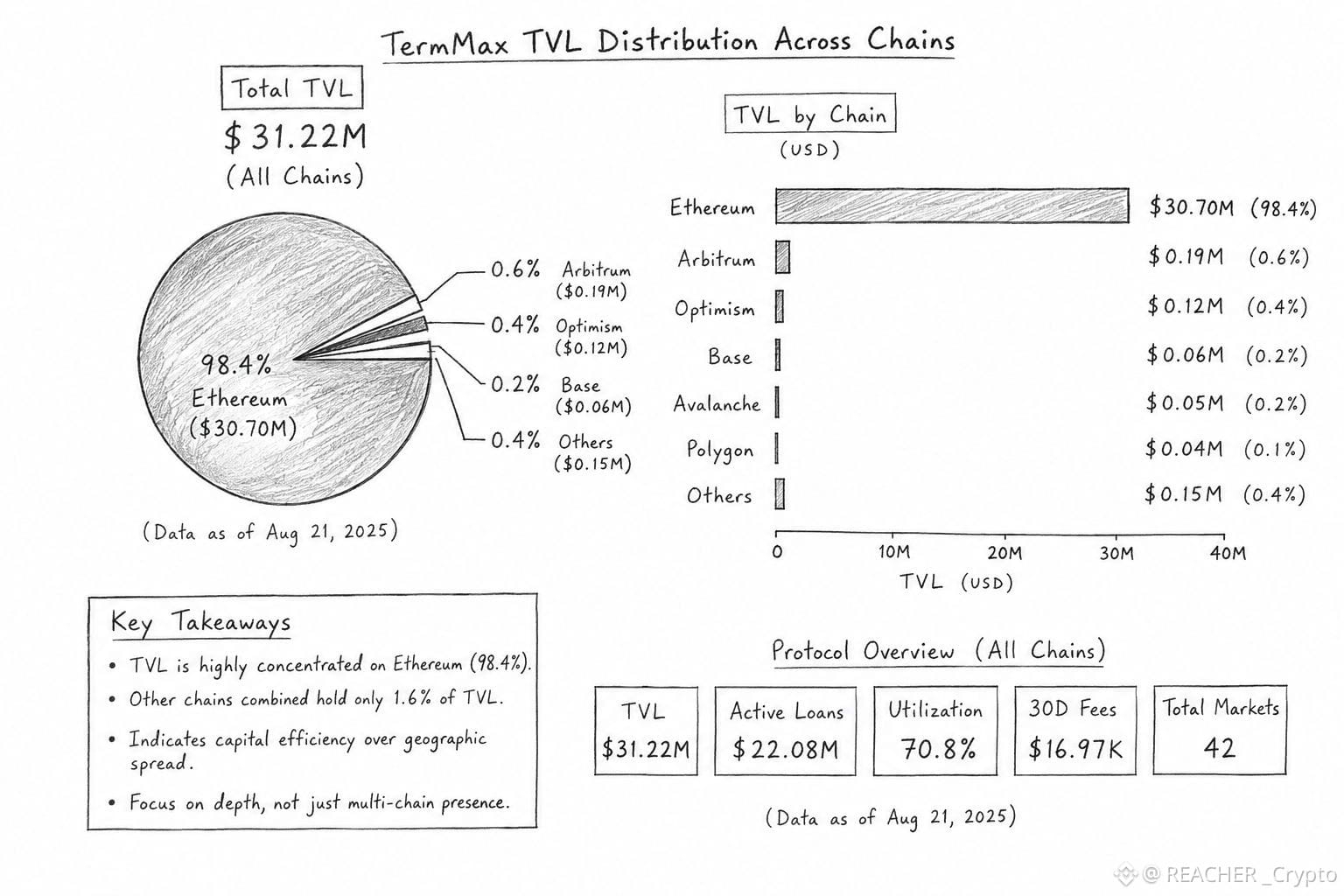
私が見ている最新の数字では、TVLは約31.22Mで、そのうち約98.4%がイーサリアムに集中しています。最初の見た目では、マルチチェーン導入のギャップに見えます。
ただ、より有用な解釈があると思います。
TermMaxは、市場の利用可能性を資本効率から切り離しているのかもしれません。
別のチェーンを追加すると、ユーザーは借りる・貸す・担保をデプロイするための別の場所を得られます。ですが、そこでの流動性が薄い場合、「市場が存在するから」という理由だけで資本を分散させると、実際にはシステムが悪化することがあります。特に固定金利の市場では、価格設定とマッチングを正常に機能させるために十分な厚みが必要です。
つまり、イーサリアムへの集中は、拡大が失敗したサインというより、資本が選別的になっているサインかもしれません。
それが微妙なトレードオフを生みます。
TermMaxは、すぐには利用可能な流動性を拡大せずに、アドレス可能な市場を拡張できます。ネットワークは広がりますが、経済の中心は驚くほど狭いままです。
だからこそ、次のチェーン発表にはあまり関心がありません。
2番目に大きい流動性ハブが、意味を持ち始めているのかを見たいのです。
そしてそれはTVL以上で追跡する必要があります。アクティブな融資、利用率、手数料の発生、さらには、インセンティブや新しい市場のローンチが一巡した後でも、資本が本当に残るかどうかです。
なぜなら、マルチチェーン・レンディングプロトコルの本当の試金石は、どれだけ多くの場所に到達できるかではありません。
最終的に流動性が「家を出る価値がある」と判断するかどうかです。
イーサリアムへの集中は、TermMaxが解決すべき弱点なのでしょうか。それとも、資本が最も効率的な市場を選んだ結果でしょうか?
#TermMax
#termmax @TermMax
TermMaxの数字についての話が、予想外に引っかかりました。
このプロトコルは固定金利のレンディング市場をほぼどこにでも展開できますが、資本は地理的な対称性にはあまり関心がないようです。
私が見ている最新の数字では、TVLは約31.22Mで、そのうち約98.4%がイーサリアムに集中しています。最初の見た目では、マルチチェーン導入のギャップに見えます。
ただ、より有用な解釈があると思います。
TermMaxは、市場の利用可能性を資本効率から切り離しているのかもしれません。
別のチェーンを追加すると、ユーザーは借りる・貸す・担保をデプロイするための別の場所を得られます。ですが、そこでの流動性が薄い場合、「市場が存在するから」という理由だけで資本を分散させると、実際にはシステムが悪化することがあります。特に固定金利の市場では、価格設定とマッチングを正常に機能させるために十分な厚みが必要です。
つまり、イーサリアムへの集中は、拡大が失敗したサインというより、資本が選別的になっているサインかもしれません。
それが微妙なトレードオフを生みます。
TermMaxは、すぐには利用可能な流動性を拡大せずに、アドレス可能な市場を拡張できます。ネットワークは広がりますが、経済の中心は驚くほど狭いままです。
だからこそ、次のチェーン発表にはあまり関心がありません。
2番目に大きい流動性ハブが、意味を持ち始めているのかを見たいのです。
そしてそれはTVL以上で追跡する必要があります。アクティブな融資、利用率、手数料の発生、さらには、インセンティブや新しい市場のローンチが一巡した後でも、資本が本当に残るかどうかです。
なぜなら、マルチチェーン・レンディングプロトコルの本当の試金石は、どれだけ多くの場所に到達できるかではありません。
最終的に流動性が「家を出る価値がある」と判断するかどうかです。
イーサリアムへの集中は、TermMaxが解決すべき弱点なのでしょうか。それとも、資本が最も効率的な市場を選んだ結果でしょうか?
#TermMax
TermMaxの数字についての話が、予想外に引っかかりました。
このプロトコルは固定金利のレンディング市場をほぼどこにでも展開できますが、資本は地理的な対称性にはあまり関心がないようです。
私が見ている最新の数字では、TVLは約31.22Mで、そのうち約98.4%がイーサリアムに集中しています。最初の見た目では、マルチチェーン導入のギャップに見えます。
ただ、より有用な解釈があると思います。
TermMaxは、市場の利用可能性を資本効率から切り離しているのかもしれません。
別のチェーンを追加すると、ユーザーは借りる・貸す・担保をデプロイするための別の場所を得られます。ですが、そこでの流動性が薄い場合、「市場が存在するから」という理由だけで資本を分散させると、実際にはシステムが悪化することがあります。特に固定金利の市場では、価格設定とマッチングを正常に機能させるために十分な厚みが必要です。
つまり、イーサリアムへの集中は、拡大が失敗したサインというより、資本が選別的になっているサインかもしれません。
それが微妙なトレードオフを生みます。
TermMaxは、すぐには利用可能な流動性を拡大せずに、アドレス可能な市場を拡張できます。ネットワークは広がりますが、経済の中心は驚くほど狭いままです。
だからこそ、次のチェーン発表にはあまり関心がありません。
2番目に大きい流動性ハブが、意味を持ち始めているのかを見たいのです。
そしてそれはTVL以上で追跡する必要があります。アクティブな融資、利用率、手数料の発生、さらには、インセンティブや新しい市場のローンチが一巡した後でも、資本が本当に残るかどうかです。
なぜなら、マルチチェーン・レンディングプロトコルの本当の試金石は、どれだけ多くの場所に到達できるかではありません。
最終的に流動性が「家を出る価値がある」と判断するかどうかです。
イーサリアムへの集中は、TermMaxが解決すべき弱点なのでしょうか。それとも、資本が最も効率的な市場を選んだ結果でしょうか?
#TermMax
2
2
140
#dusk $DUSK @Dusk_Foundation
当初、規制対象資産のトークン化とは、主に所有権をオンチェーンに記録し、適切なコンプライアンスのチェックを追加することだと思っていました。
でもDuskを深掘りするほど、その見方には重要な何かが欠けていると気づきました。
私の注意を引いたのはZedgerです。Zedgerは「証券」を、あるウォレットから別のウォレットへ移動するだけのトークンとして扱いません。設計には、ホワイトリスト化されたユーザー、送金の受け入れ、決済、請求(クレーム)、投票、そして配当が含まれています。
それによって、「RWAインフラ」が実際に意味するものを考え直すことになりました。
債券やファンドは、所有権がブロックチェーンに記録されただけでは、機能する金融資産にはなりません。ネットワークは、誰が保有することを許されているのか、誰が受け取れるのか、送金が受け入れられるタイミング、所有権がいつ決済されるのか、そしてその後に保有者がどんな権利を持つのか――これらを理解する必要があります。
だからこそ、Duskの証券トークン化とライフサイクル管理に関する表現が私の関心を引いたのです。ホワイトペーパーでは、これはプロトコルの中核的ユースケースであり、後から付け加えられたものではないと述べています。
ただ、ここから先はまだ慎重です。
金融ライフサイクルのより多くの部分をオンチェーンに載せることで、分断されたプロセスを減らせるかもしれません。その一方で、ブロックチェーンに、より大規模なルール群や例外ケースの責任まで背負わせることにもなり得ます。
だから、たぶんDuskに対する本当の試金石は次ではありません:
「金融資産をトークン化できるか?」
ではなく――
「その資産まわりのすべてのルールを、ブロックチェーン自体を別の金融的な複雑さの層にしてしまうことなく、うまく連携させられるか?」
私が注目しているのは、この問いです。🤔
#dusk
#dusk $DUSK @Dusk
当初、規制対象資産のトークン化とは、主に所有権をオンチェーンに記録し、適切なコンプライアンスのチェックを追加することだと思っていました。
でもDuskを深掘りするほど、その見方には重要な何かが欠けていると気づきました。
私の注意を引いたのはZedgerです。Zedgerは「証券」を、あるウォレットから別のウォレットへ移動するだけのトークンとして扱いません。設計には、ホワイトリスト化されたユーザー、送金の受け入れ、決済、請求(クレーム)、投票、そして配当が含まれています。
それによって、「RWAインフラ」が実際に意味するものを考え直すことになりました。
債券やファンドは、所有権がブロックチェーンに記録されただけでは、機能する金融資産にはなりません。ネットワークは、誰が保有することを許されているのか、誰が受け取れるのか、送金が受け入れられるタイミング、所有権がいつ決済されるのか、そしてその後に保有者がどんな権利を持つのか――これらを理解する必要があります。
だからこそ、Duskの証券トークン化とライフサイクル管理に関する表現が私の関心を引いたのです。ホワイトペーパーでは、これはプロトコルの中核的ユースケースであり、後から付け加えられたものではないと述べています。
ただ、ここから先はまだ慎重です。
金融ライフサイクルのより多くの部分をオンチェーンに載せることで、分断されたプロセスを減らせるかもしれません。その一方で、ブロックチェーンに、より大規模なルール群や例外ケースの責任まで背負わせることにもなり得ます。
だから、たぶんDuskに対する本当の試金石は次ではありません:
「金融資産をトークン化できるか?」
ではなく――
「その資産まわりのすべてのルールを、ブロックチェーン自体を別の金融的な複雑さの層にしてしまうことなく、うまく連携させられるか?」
私が注目しているのは、この問いです。🤔
#dusk
当初、規制対象資産のトークン化とは、主に所有権をオンチェーンに記録し、適切なコンプライアンスのチェックを追加することだと思っていました。
でもDuskを深掘りするほど、その見方には重要な何かが欠けていると気づきました。
私の注意を引いたのはZedgerです。Zedgerは「証券」を、あるウォレットから別のウォレットへ移動するだけのトークンとして扱いません。設計には、ホワイトリスト化されたユーザー、送金の受け入れ、決済、請求(クレーム)、投票、そして配当が含まれています。
それによって、「RWAインフラ」が実際に意味するものを考え直すことになりました。
債券やファンドは、所有権がブロックチェーンに記録されただけでは、機能する金融資産にはなりません。ネットワークは、誰が保有することを許されているのか、誰が受け取れるのか、送金が受け入れられるタイミング、所有権がいつ決済されるのか、そしてその後に保有者がどんな権利を持つのか――これらを理解する必要があります。
だからこそ、Duskの証券トークン化とライフサイクル管理に関する表現が私の関心を引いたのです。ホワイトペーパーでは、これはプロトコルの中核的ユースケースであり、後から付け加えられたものではないと述べています。
ただ、ここから先はまだ慎重です。
金融ライフサイクルのより多くの部分をオンチェーンに載せることで、分断されたプロセスを減らせるかもしれません。その一方で、ブロックチェーンに、より大規模なルール群や例外ケースの責任まで背負わせることにもなり得ます。
だから、たぶんDuskに対する本当の試金石は次ではありません:
「金融資産をトークン化できるか?」
ではなく――
「その資産まわりのすべてのルールを、ブロックチェーン自体を別の金融的な複雑さの層にしてしまうことなく、うまく連携させられるか?」
私が注目しているのは、この問いです。🤔
#dusk
4
4
207
#termmax @termmax
私はTermMaxに何度も戻ってしまう。面白い数字が、そもそもTVLではないかもしれないからだ。
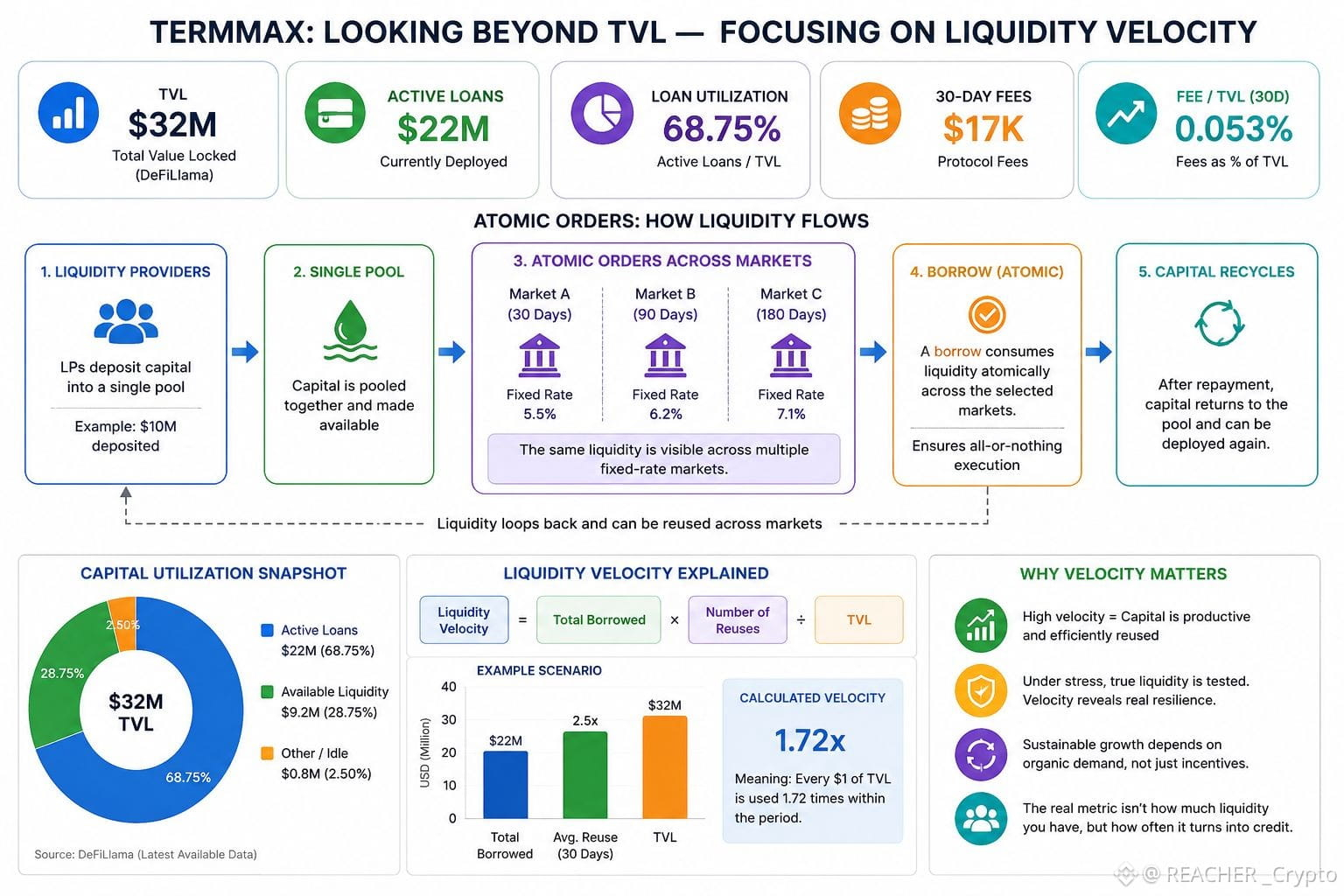
DeFiLlamaでは現在、およそ$32MのTVL、$22Mのアクティブな貸出、そして30日手数料はわずか約$17Kしか示されていない。そうすると不思議な構図になる。資本の大半はすでに稼働しているのに、手数料の流れは相対的に小さく見える。
そこでAtomic Ordersを詳しく見てみた。
設計はシンプルだが、意味合いは単純ではない。1つのプールが、複数の固定金利市場にわたって同じ資本を露出させる一方で、借入はその流動性を他の市場すべてとの間で原子的に(アトミックに)消費する。TermMaxは、これは断片化を減らし、同じ資本をより効率よく循環させるためのものだと言っている。
すると、私が考えついていなかった矛盾が生じる。
より見える流動性が、必ずしも「より多くの流動性が存在する」ことを意味しない。むしろ、同じ流動性がより多くの機会にまたがってカウントされているだけかもしれない。
だから、ここからTVLが増えるかどうかには、以前ほど関心がない。各1ドルが実際の与信(クレジット)に変わる速さ、どれくらいの頻度で再利用されるのか、そしていくつかの市場が同時にそれを必要としたときに何が起きるのかを知りたい。
なぜなら、TVLが約$32Mに対してアクティブローンが$22Mある時点で、すでに意味のある利用率を示唆しているからだ。
難しいのは、その効率がインセンティブが仕事の一部を肩代わりしなくなった後も、持続的な経済活動として定着するのかどうかだ。
もしかするとTermMaxの本当の指標は、流動性の厚みではないのかもしれない。
ストレス下での流動性の流速(ビジネス上の回転速度)だ。
#TermMax
#termmax @TermMax
私はTermMaxに何度も戻ってしまう。面白い数字が、そもそもTVLではないかもしれないからだ。
DeFiLlamaでは現在、およそ$32MのTVL、$22Mのアクティブな貸出、そして30日手数料はわずか約$17Kしか示されていない。そうすると不思議な構図になる。資本の大半はすでに稼働しているのに、手数料の流れは相対的に小さく見える。
そこでAtomic Ordersを詳しく見てみた。
設計はシンプルだが、意味合いは単純ではない。1つのプールが、複数の固定金利市場にわたって同じ資本を露出させる一方で、借入はその流動性を他の市場すべてとの間で原子的に(アトミックに)消費する。TermMaxは、これは断片化を減らし、同じ資本をより効率よく循環させるためのものだと言っている。
すると、私が考えついていなかった矛盾が生じる。
より見える流動性が、必ずしも「より多くの流動性が存在する」ことを意味しない。むしろ、同じ流動性がより多くの機会にまたがってカウントされているだけかもしれない。
だから、ここからTVLが増えるかどうかには、以前ほど関心がない。各1ドルが実際の与信(クレジット)に変わる速さ、どれくらいの頻度で再利用されるのか、そしていくつかの市場が同時にそれを必要としたときに何が起きるのかを知りたい。
なぜなら、TVLが約$32Mに対してアクティブローンが$22Mある時点で、すでに意味のある利用率を示唆しているからだ。
難しいのは、その効率がインセンティブが仕事の一部を肩代わりしなくなった後も、持続的な経済活動として定着するのかどうかだ。
もしかするとTermMaxの本当の指標は、流動性の厚みではないのかもしれない。
ストレス下での流動性の流速(ビジネス上の回転速度)だ。
#TermMax
私はTermMaxに何度も戻ってしまう。面白い数字が、そもそもTVLではないかもしれないからだ。
DeFiLlamaでは現在、およそ$32MのTVL、$22Mのアクティブな貸出、そして30日手数料はわずか約$17Kしか示されていない。そうすると不思議な構図になる。資本の大半はすでに稼働しているのに、手数料の流れは相対的に小さく見える。
そこでAtomic Ordersを詳しく見てみた。
設計はシンプルだが、意味合いは単純ではない。1つのプールが、複数の固定金利市場にわたって同じ資本を露出させる一方で、借入はその流動性を他の市場すべてとの間で原子的に(アトミックに)消費する。TermMaxは、これは断片化を減らし、同じ資本をより効率よく循環させるためのものだと言っている。
すると、私が考えついていなかった矛盾が生じる。
より見える流動性が、必ずしも「より多くの流動性が存在する」ことを意味しない。むしろ、同じ流動性がより多くの機会にまたがってカウントされているだけかもしれない。
だから、ここからTVLが増えるかどうかには、以前ほど関心がない。各1ドルが実際の与信(クレジット)に変わる速さ、どれくらいの頻度で再利用されるのか、そしていくつかの市場が同時にそれを必要としたときに何が起きるのかを知りたい。
なぜなら、TVLが約$32Mに対してアクティブローンが$22Mある時点で、すでに意味のある利用率を示唆しているからだ。
難しいのは、その効率がインセンティブが仕事の一部を肩代わりしなくなった後も、持続的な経済活動として定着するのかどうかだ。
もしかするとTermMaxの本当の指標は、流動性の厚みではないのかもしれない。
ストレス下での流動性の流速(ビジネス上の回転速度)だ。
#TermMax
3
4
200
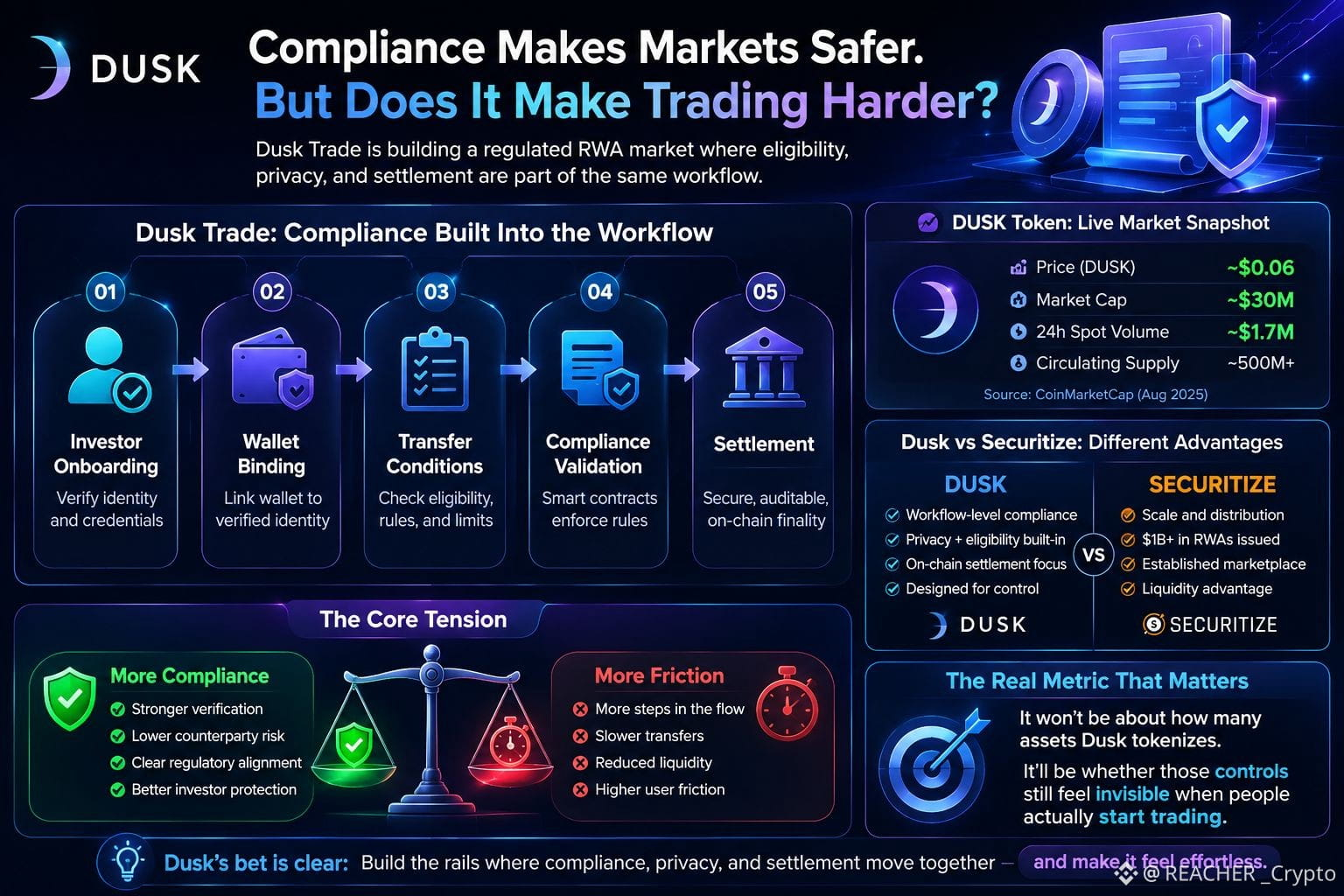
#dusk $DUSK @Dusk_Foundation 私は今日のDuskの取引をずっと眺めていました。そして、なかなか払拭できない矛盾は、「より良いコンプライアンスが、かえってRWA市場の取引を難しくしうる」という点です。
Duskの設計は、適格性をワークフローそのものに押し込んでいます。投資家をオンボードし、ウォレットをバインドし、送金条件を確認してから、決済します。ドキュメントはかなり明確にこのことを示しています。ウォレットは単に資産が置かれる場所ではなく、誰がそれを保有したり移動したりできるかの一部になり得るのです。
それは規制のある市場にとっては理にかなっています。
ただ、実際の数字が私を立ち止まらせます。
DUSKは約0.06ドルで、時価総額はおよそ3,000万ドル。一方で24時間のスポット出来高は約170万ドルです。
つまり、トークンそのものを対象にした、市場での小さいながらも現実のテスト用流動性がすでに存在するのです。対してDuskは、規制された資産のための、より管理の行き届いた環境を構築しようとしています。
それが興味深い緊張関係を生みます。
より多くのチェックは、保有をより安全にし、検証を容易にします。しかし追加の手順が増えるほど、セカンダリーマーケットが必要とする「動き」を遅くすることにもなり得ます。
securitIzeは、すでにスケールの利点があります。同社のプラットフォームを通じて、RWAは10億ドル超が発行されています。
Duskは、別の側面に賭けています。適格性、プライバシー、決済を同じワークフローの中で調整することです。
私は、真の指標は「Duskがトークン化する資産の数」ではないのではないか、と考え始めています。
それは、実際に人々が取引を始めたとき、その統制が“見えないまま”に感じられるかどうかです。
#dusk
#dusk $DUSK @Dusk 私は今日のDuskの取引をずっと眺めていました。そして、なかなか払拭できない矛盾は、「より良いコンプライアンスが、かえってRWA市場の取引を難しくしうる」という点です。
Duskの設計は、適格性をワークフローそのものに押し込んでいます。投資家をオンボードし、ウォレットをバインドし、送金条件を確認してから、決済します。ドキュメントはかなり明確にこのことを示しています。ウォレットは単に資産が置かれる場所ではなく、誰がそれを保有したり移動したりできるかの一部になり得るのです。
それは規制のある市場にとっては理にかなっています。
ただ、実際の数字が私を立ち止まらせます。
DUSKは約0.06ドルで、時価総額はおよそ3,000万ドル。一方で24時間のスポット出来高は約170万ドルです。
つまり、トークンそのものを対象にした、市場での小さいながらも現実のテスト用流動性がすでに存在するのです。対してDuskは、規制された資産のための、より管理の行き届いた環境を構築しようとしています。
それが興味深い緊張関係を生みます。
より多くのチェックは、保有をより安全にし、検証を容易にします。しかし追加の手順が増えるほど、セカンダリーマーケットが必要とする「動き」を遅くすることにもなり得ます。
securitIzeは、すでにスケールの利点があります。同社のプラットフォームを通じて、RWAは10億ドル超が発行されています。
Duskは、別の側面に賭けています。適格性、プライバシー、決済を同じワークフローの中で調整することです。
私は、真の指標は「Duskがトークン化する資産の数」ではないのではないか、と考え始めています。
それは、実際に人々が取引を始めたとき、その統制が“見えないまま”に感じられるかどうかです。
#dusk
Duskの設計は、適格性をワークフローそのものに押し込んでいます。投資家をオンボードし、ウォレットをバインドし、送金条件を確認してから、決済します。ドキュメントはかなり明確にこのことを示しています。ウォレットは単に資産が置かれる場所ではなく、誰がそれを保有したり移動したりできるかの一部になり得るのです。
それは規制のある市場にとっては理にかなっています。
ただ、実際の数字が私を立ち止まらせます。
DUSKは約0.06ドルで、時価総額はおよそ3,000万ドル。一方で24時間のスポット出来高は約170万ドルです。
つまり、トークンそのものを対象にした、市場での小さいながらも現実のテスト用流動性がすでに存在するのです。対してDuskは、規制された資産のための、より管理の行き届いた環境を構築しようとしています。
それが興味深い緊張関係を生みます。
より多くのチェックは、保有をより安全にし、検証を容易にします。しかし追加の手順が増えるほど、セカンダリーマーケットが必要とする「動き」を遅くすることにもなり得ます。
securitIzeは、すでにスケールの利点があります。同社のプラットフォームを通じて、RWAは10億ドル超が発行されています。
Duskは、別の側面に賭けています。適格性、プライバシー、決済を同じワークフローの中で調整することです。
私は、真の指標は「Duskがトークン化する資産の数」ではないのではないか、と考え始めています。
それは、実際に人々が取引を始めたとき、その統制が“見えないまま”に感じられるかどうかです。
#dusk
4
3
238
#termmax @termmax 私は、DeFiのヴォールトはかなり単純だと思っていました。
資金を預けると、戦略が利回りを探してくれて、リターンを受け取るだけ。十分にシンプルです。
でもTermMaxのヴォールトとCuratorモデルを詳しく見るほど、私は重要な部分を見落としていたのだと気づきました。
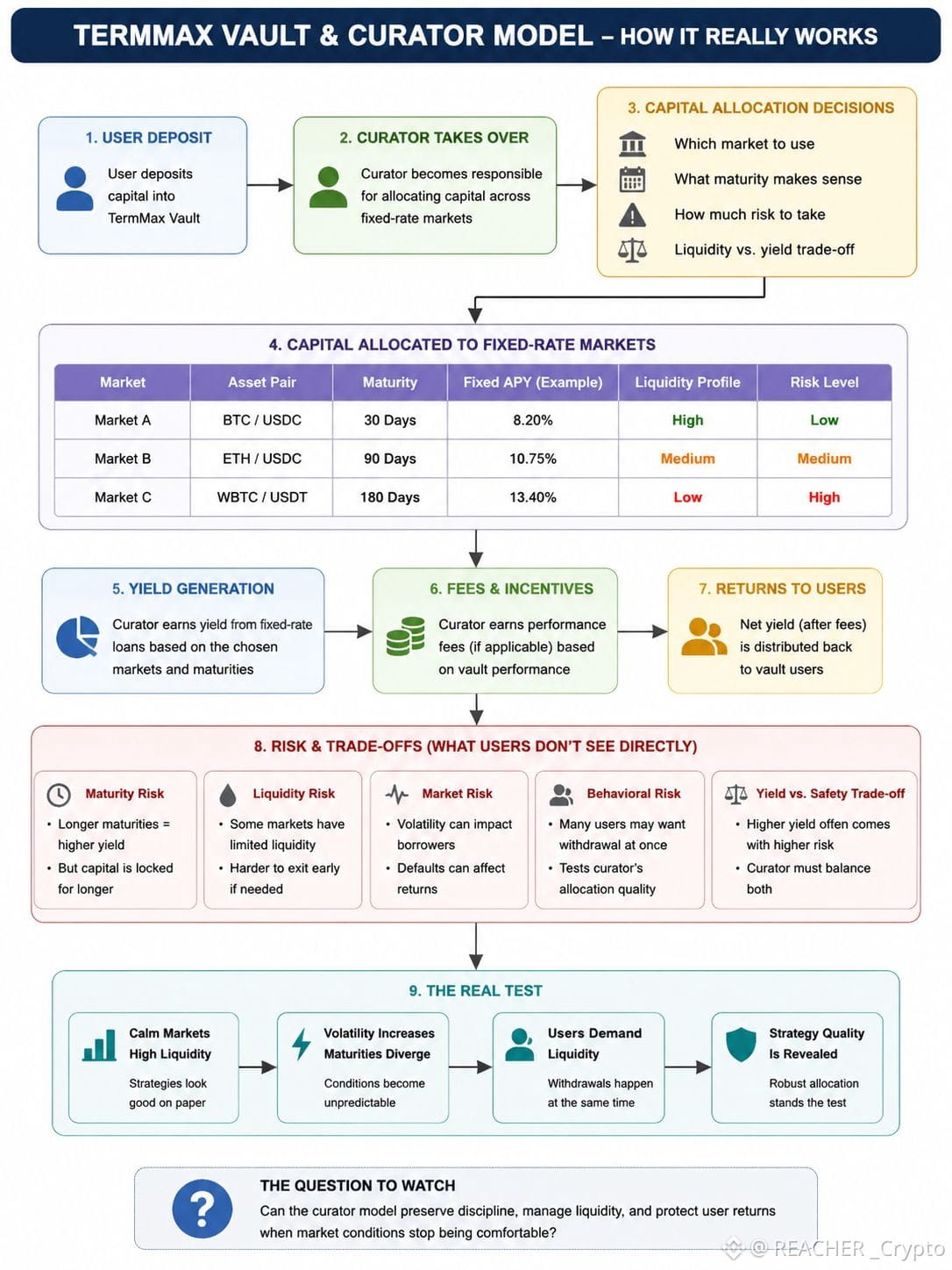
Curatorは、単に最高のAPYを探しているわけではありません。
資本をどこへ振り向けるのか、どの市場を使うのか、どの満期が妥当なのか、そしてどれくらいのリスクを引き受けるべきかを判断しているのです。固定金利の市場では、その最後の要素がさらに面白くなります。時間そのものが配分判断の一部になるからです。
画面上でより高い利回りは魅力的に見えるかもしれませんが、満期が適切かどうか、そして流動性とのトレードオフが妥当かどうかまでは教えてくれません。
それによって、「パッシブ」な利回りについての考え方が変わりました。
ユーザーは受け身かもしれませんが、リスクが消えたわけではありません。誰かがその資本配分の判断を下す必要があります。違いは、ユーザーがその判断をCuratorに委ねている点です。
そして、そこから本当のテストが始まると思っています。
流動性が強く、市場が落ち着いているときには、戦略はまったく問題なさそうに見えます。私はむしろ、ボラティリティが上がり始め、満期がずれ始め、ユーザーが同時に流動性を求めたときに何が起きるのかに強い関心があります。
それが、配分プロセスが実際に頑健だったのか、ただ簡単な条件のときに良く見えただけなのかを知るタイミングです。
だから私は、TermMaxのヴォールトをAPYだけで判断することにあまり興味がありません。
その利回りがどこから生まれているのか、Curatorがそれを達成するために何を手放しているのか、そして条件が厳しくなったときにその戦略がどう振る舞うのかを理解したいのです。
なぜなら、パッシブな利回りはパッシブなリスクを意味しないからです。
つまり、あなたの代わりに誰かが意思決定をしているだけです。
#TermMax
#termmax @TermMax 私は、DeFiのヴォールトはかなり単純だと思っていました。
資金を預けると、戦略が利回りを探してくれて、リターンを受け取るだけ。十分にシンプルです。
でもTermMaxのヴォールトとCuratorモデルを詳しく見るほど、私は重要な部分を見落としていたのだと気づきました。
Curatorは、単に最高のAPYを探しているわけではありません。
資本をどこへ振り向けるのか、どの市場を使うのか、どの満期が妥当なのか、そしてどれくらいのリスクを引き受けるべきかを判断しているのです。固定金利の市場では、その最後の要素がさらに面白くなります。時間そのものが配分判断の一部になるからです。
画面上でより高い利回りは魅力的に見えるかもしれませんが、満期が適切かどうか、そして流動性とのトレードオフが妥当かどうかまでは教えてくれません。
それによって、「パッシブ」な利回りについての考え方が変わりました。
ユーザーは受け身かもしれませんが、リスクが消えたわけではありません。誰かがその資本配分の判断を下す必要があります。違いは、ユーザーがその判断をCuratorに委ねている点です。
そして、そこから本当のテストが始まると思っています。
流動性が強く、市場が落ち着いているときには、戦略はまったく問題なさそうに見えます。私はむしろ、ボラティリティが上がり始め、満期がずれ始め、ユーザーが同時に流動性を求めたときに何が起きるのかに強い関心があります。
それが、配分プロセスが実際に頑健だったのか、ただ簡単な条件のときに良く見えただけなのかを知るタイミングです。
だから私は、TermMaxのヴォールトをAPYだけで判断することにあまり興味がありません。
その利回りがどこから生まれているのか、Curatorがそれを達成するために何を手放しているのか、そして条件が厳しくなったときにその戦略がどう振る舞うのかを理解したいのです。
なぜなら、パッシブな利回りはパッシブなリスクを意味しないからです。
つまり、あなたの代わりに誰かが意思決定をしているだけです。
#TermMax
資金を預けると、戦略が利回りを探してくれて、リターンを受け取るだけ。十分にシンプルです。
でもTermMaxのヴォールトとCuratorモデルを詳しく見るほど、私は重要な部分を見落としていたのだと気づきました。
Curatorは、単に最高のAPYを探しているわけではありません。
資本をどこへ振り向けるのか、どの市場を使うのか、どの満期が妥当なのか、そしてどれくらいのリスクを引き受けるべきかを判断しているのです。固定金利の市場では、その最後の要素がさらに面白くなります。時間そのものが配分判断の一部になるからです。
画面上でより高い利回りは魅力的に見えるかもしれませんが、満期が適切かどうか、そして流動性とのトレードオフが妥当かどうかまでは教えてくれません。
それによって、「パッシブ」な利回りについての考え方が変わりました。
ユーザーは受け身かもしれませんが、リスクが消えたわけではありません。誰かがその資本配分の判断を下す必要があります。違いは、ユーザーがその判断をCuratorに委ねている点です。
そして、そこから本当のテストが始まると思っています。
流動性が強く、市場が落ち着いているときには、戦略はまったく問題なさそうに見えます。私はむしろ、ボラティリティが上がり始め、満期がずれ始め、ユーザーが同時に流動性を求めたときに何が起きるのかに強い関心があります。
それが、配分プロセスが実際に頑健だったのか、ただ簡単な条件のときに良く見えただけなのかを知るタイミングです。
だから私は、TermMaxのヴォールトをAPYだけで判断することにあまり興味がありません。
その利回りがどこから生まれているのか、Curatorがそれを達成するために何を手放しているのか、そして条件が厳しくなったときにその戦略がどう振る舞うのかを理解したいのです。
なぜなら、パッシブな利回りはパッシブなリスクを意味しないからです。
つまり、あなたの代わりに誰かが意思決定をしているだけです。
#TermMax
1
2
153
#dusk $DUSK @Dusk_Foundation
私は当初、Duskのプライバシーの物語は主に取引を隠すことに関するものだと思っていました。
しかし、アーキテクチャをさらに深く見てみると、もっと興味深いことが分かりました。プライバシーは最後に付け足すものとして扱われているのではありません。取引が処理される前から始められ得るのです。
私の注意を引いたのは、Duskの分離ビザンチン合意(SBA)コンセンサス設計内で用いられる、ブラインド入札の証明です。
面白いのは、次のブロックを作るために競っている相手が誰かといった情報を、単にすべて開示することなく、リーダー選出を行える点です。
それによって、私のDuskの見方が変わりました。
次にPhoenixがあります。PhoenixはUTxOベースの設計によって機密支払いに取り組んでいます。一方、Zedgerは、規制対象のセキュリティトークンの活動に向けたプライバシーのために、別のルートをたどっています。
だから私にとって大きな問いは、こうではありません。
Duskにはプライバシーがあるのか?
そうではなく、
ネットワークが合意に到達し、すべてが有効であることを証明し続けるために、プロトコル情報のどれほどの部分を非公開のままにできるのか?
それははるかに難しい問題です。
私は引き続き、これらのコンポーネントが現実世界の利用でどのように機能するのかを見ています。特に、スケーラビリティと採用が本当の試金石になるときです。
しかし、アーキテクチャそのものは本当に注目に値します。
プライバシーは取引レイヤーから始めるべきだと思いますか?それとも、コンセンサス自体もプライバシーを前提に設計されるべきでしょうか?
#dusk
プライバシーはどこから始めるべきですか?
#dusk $DUSK @Dusk
私は当初、Duskのプライバシーの物語は主に取引を隠すことに関するものだと思っていました。
しかし、アーキテクチャをさらに深く見てみると、もっと興味深いことが分かりました。プライバシーは最後に付け足すものとして扱われているのではありません。取引が処理される前から始められ得るのです。
私の注意を引いたのは、Duskの分離ビザンチン合意(SBA)コンセンサス設計内で用いられる、ブラインド入札の証明です。
面白いのは、次のブロックを作るために競っている相手が誰かといった情報を、単にすべて開示することなく、リーダー選出を行える点です。
それによって、私のDuskの見方が変わりました。
次にPhoenixがあります。PhoenixはUTxOベースの設計によって機密支払いに取り組んでいます。一方、Zedgerは、規制対象のセキュリティトークンの活動に向けたプライバシーのために、別のルートをたどっています。
だから私にとって大きな問いは、こうではありません。
Duskにはプライバシーがあるのか?
そうではなく、
ネットワークが合意に到達し、すべてが有効であることを証明し続けるために、プロトコル情報のどれほどの部分を非公開のままにできるのか?
それははるかに難しい問題です。
私は引き続き、これらのコンポーネントが現実世界の利用でどのように機能するのかを見ています。特に、スケーラビリティと採用が本当の試金石になるときです。
しかし、アーキテクチャそのものは本当に注目に値します。
プライバシーは取引レイヤーから始めるべきだと思いますか?それとも、コンセンサス自体もプライバシーを前提に設計されるべきでしょうか?
#dusk
プライバシーはどこから始めるべきですか?
私は当初、Duskのプライバシーの物語は主に取引を隠すことに関するものだと思っていました。
しかし、アーキテクチャをさらに深く見てみると、もっと興味深いことが分かりました。プライバシーは最後に付け足すものとして扱われているのではありません。取引が処理される前から始められ得るのです。
私の注意を引いたのは、Duskの分離ビザンチン合意(SBA)コンセンサス設計内で用いられる、ブラインド入札の証明です。
面白いのは、次のブロックを作るために競っている相手が誰かといった情報を、単にすべて開示することなく、リーダー選出を行える点です。
それによって、私のDuskの見方が変わりました。
次にPhoenixがあります。PhoenixはUTxOベースの設計によって機密支払いに取り組んでいます。一方、Zedgerは、規制対象のセキュリティトークンの活動に向けたプライバシーのために、別のルートをたどっています。
だから私にとって大きな問いは、こうではありません。
Duskにはプライバシーがあるのか?
そうではなく、
ネットワークが合意に到達し、すべてが有効であることを証明し続けるために、プロトコル情報のどれほどの部分を非公開のままにできるのか?
それははるかに難しい問題です。
私は引き続き、これらのコンポーネントが現実世界の利用でどのように機能するのかを見ています。特に、スケーラビリティと採用が本当の試金石になるときです。
しかし、アーキテクチャそのものは本当に注目に値します。
プライバシーは取引レイヤーから始めるべきだと思いますか?それとも、コンセンサス自体もプライバシーを前提に設計されるべきでしょうか?
#dusk
プライバシーはどこから始めるべきですか?
Transactions
0%
Consensus
0%
0 投票 • 投票は終了しました
7
3
194
#termmax @termmax
最初は@termmax FTのFT/XT構造を見て、「これは主に、借入金利を組み立て直す別の方法だな」と思いました。
でもその後、債務そのものについて考え始めて、見方が変わりました。
関係性はかなりシンプルです:
1 FT + 1 XT = 1 デットトークン。
FTは満期時の固定価値の請求権を与え、XTはその同じポジションのもう一方です。
私の注意を引いたのは、それが実際の流動性ニーズと出会ったときに何が起きるのかという点です。
貸し手は固定価値側を保有できます。一方で借り手は、残りの部分を分離して、流動性のためにそれを売却できる可能性があります。
これは、利息の表現の仕方を変えるだけよりも、もっと大きな話に感じます。
債務の請求権をよりモジュール化しているんですね。
その考え方は好きです。ですが、まだ一つだけ確信がありません: これは実際にユーザーの資金調達を簡単にするのか、それとも複雑さを1つの資産から2つの資産を理解する方へ移しているだけなのか?
おそらく、より面白いのはそこが論点でしょう。
#TermMax
FT/XTは債務の柔軟性を高めますか?
#termmax @TermMax
最初は@TermMax FTのFT/XT構造を見て、「これは主に、借入金利を組み立て直す別の方法だな」と思いました。
でもその後、債務そのものについて考え始めて、見方が変わりました。
関係性はかなりシンプルです:
1 FT + 1 XT = 1 デットトークン。
FTは満期時の固定価値の請求権を与え、XTはその同じポジションのもう一方です。
私の注意を引いたのは、それが実際の流動性ニーズと出会ったときに何が起きるのかという点です。
貸し手は固定価値側を保有できます。一方で借り手は、残りの部分を分離して、流動性のためにそれを売却できる可能性があります。
これは、利息の表現の仕方を変えるだけよりも、もっと大きな話に感じます。
債務の請求権をよりモジュール化しているんですね。
その考え方は好きです。ですが、まだ一つだけ確信がありません: これは実際にユーザーの資金調達を簡単にするのか、それとも複雑さを1つの資産から2つの資産を理解する方へ移しているだけなのか?
おそらく、より面白いのはそこが論点でしょう。
#TermMax
FT/XTは債務の柔軟性を高めますか?
最初は@TermMax FTのFT/XT構造を見て、「これは主に、借入金利を組み立て直す別の方法だな」と思いました。
でもその後、債務そのものについて考え始めて、見方が変わりました。
関係性はかなりシンプルです:
1 FT + 1 XT = 1 デットトークン。
FTは満期時の固定価値の請求権を与え、XTはその同じポジションのもう一方です。
私の注意を引いたのは、それが実際の流動性ニーズと出会ったときに何が起きるのかという点です。
貸し手は固定価値側を保有できます。一方で借り手は、残りの部分を分離して、流動性のためにそれを売却できる可能性があります。
これは、利息の表現の仕方を変えるだけよりも、もっと大きな話に感じます。
債務の請求権をよりモジュール化しているんですね。
その考え方は好きです。ですが、まだ一つだけ確信がありません: これは実際にユーザーの資金調達を簡単にするのか、それとも複雑さを1つの資産から2つの資産を理解する方へ移しているだけなのか?
おそらく、より面白いのはそこが論点でしょう。
#TermMax
FT/XTは債務の柔軟性を高めますか?
🚀 More flexibility
100%
🤔 More complexity
0%
3 投票 • 投票は終了しました
6
10
272
以前は…ほとんどの暗号資産(クリプト)プロジェクトは、どこかにトークンを追加するだけで、単に「すでにうまくいっているもの」を作り直そうとしているだけだと思っていました。
でも@termmax を調べ始めてから、その見方が変わり始めました。
私の注意を引いたのは、金融を変えるという大きな約束ではありませんでした。もっと興味深かったのは、ブロックチェーン基盤と、従来の金融が何年も前から理解してきたものとのつながりです。つまり、定期借入(固定期間の借入)、固定リターン、そして構造化された金融ポジションです。
私に「違う」と感じさせたのは、固定金利の債務がオンチェーン上で表現され、取引できる方法でした。そう考えると、ブロックチェーンは必ずしも従来の金融を丸ごと置き換える必要はないのかもしれません。むしろ、よりオープンで合成(コンポーザブル)しやすい形で、その一部を再構築できるのではないでしょうか。
とはいえ、疑問も残っています。これらの固定金利市場は、時間の経過とともにどれくらいの実質的な流動性と需要を維持できるのでしょうか? また、利用が増えるにつれて、スマートコントラクト、マーケット、そして清算(リクイデーション)のリスクに対して、システムはどれほどうまく対応できるのでしょうか?
だから私は、これが「確実な勝者だ」と思って立ち去るわけではありません。
私が持ち帰ったのは、より良い問いです。同じ前提でクリプトを見ていたせいで、私は他に何を見過ごしてきたのだろうか?
私にとって学びは、答えを見つけることというより、自分自身の考え方に問いを投げる方法を学ぶことへと変わりつつあります。
@termmax #TermMax
「暗号資産プロジェクトが本物に感じられる」ために最も重要なのは何ですか?
以前は…ほとんどの暗号資産(クリプト)プロジェクトは、どこかにトークンを追加するだけで、単に「すでにうまくいっているもの」を作り直そうとしているだけだと思っていました。
でも@TermMax を調べ始めてから、その見方が変わり始めました。
私の注意を引いたのは、金融を変えるという大きな約束ではありませんでした。もっと興味深かったのは、ブロックチェーン基盤と、従来の金融が何年も前から理解してきたものとのつながりです。つまり、定期借入(固定期間の借入)、固定リターン、そして構造化された金融ポジションです。
私に「違う」と感じさせたのは、固定金利の債務がオンチェーン上で表現され、取引できる方法でした。そう考えると、ブロックチェーンは必ずしも従来の金融を丸ごと置き換える必要はないのかもしれません。むしろ、よりオープンで合成(コンポーザブル)しやすい形で、その一部を再構築できるのではないでしょうか。
とはいえ、疑問も残っています。これらの固定金利市場は、時間の経過とともにどれくらいの実質的な流動性と需要を維持できるのでしょうか? また、利用が増えるにつれて、スマートコントラクト、マーケット、そして清算(リクイデーション)のリスクに対して、システムはどれほどうまく対応できるのでしょうか?
だから私は、これが「確実な勝者だ」と思って立ち去るわけではありません。
私が持ち帰ったのは、より良い問いです。同じ前提でクリプトを見ていたせいで、私は他に何を見過ごしてきたのだろうか?
私にとって学びは、答えを見つけることというより、自分自身の考え方に問いを投げる方法を学ぶことへと変わりつつあります。
@TermMax #TermMax
「暗号資産プロジェクトが本物に感じられる」ために最も重要なのは何ですか?
でも@TermMax を調べ始めてから、その見方が変わり始めました。
私の注意を引いたのは、金融を変えるという大きな約束ではありませんでした。もっと興味深かったのは、ブロックチェーン基盤と、従来の金融が何年も前から理解してきたものとのつながりです。つまり、定期借入(固定期間の借入)、固定リターン、そして構造化された金融ポジションです。
私に「違う」と感じさせたのは、固定金利の債務がオンチェーン上で表現され、取引できる方法でした。そう考えると、ブロックチェーンは必ずしも従来の金融を丸ごと置き換える必要はないのかもしれません。むしろ、よりオープンで合成(コンポーザブル)しやすい形で、その一部を再構築できるのではないでしょうか。
とはいえ、疑問も残っています。これらの固定金利市場は、時間の経過とともにどれくらいの実質的な流動性と需要を維持できるのでしょうか? また、利用が増えるにつれて、スマートコントラクト、マーケット、そして清算(リクイデーション)のリスクに対して、システムはどれほどうまく対応できるのでしょうか?
だから私は、これが「確実な勝者だ」と思って立ち去るわけではありません。
私が持ち帰ったのは、より良い問いです。同じ前提でクリプトを見ていたせいで、私は他に何を見過ごしてきたのだろうか?
私にとって学びは、答えを見つけることというより、自分自身の考え方に問いを投げる方法を学ぶことへと変わりつつあります。
@TermMax #TermMax
「暗号資産プロジェクトが本物に感じられる」ために最も重要なのは何ですか?
Real-world utility
0%
Strong infrastructure
0%
Adoption & liquidity
0%
Regulatory clarity
0%
0 投票 • 投票は終了しました
2
2
190
以前は、証券をオンチェーンに載せる難しい部分は、単にトークンを作ることだと思っていました。
@Dusk_Foundation をさらに深く見ていくうちに、より難しい問題は「何を見えるようにすべきで、何を非公開に保つべきか」を決めることなのではないかと思い始めました。
規制された証券にはルールが必要です。
誰が保有できるのか?
誰がそれを譲渡できるのか?
投資家は承認されたのか?
所有権は法的に検証または回復できるのか?
しかし、それは投資家の財務詳細を誰もが見てよいという意味ではありません。
ここで、Duskのアプローチが私にとって興味深くなりました。
XSCと機密(コンフィデンシャル)スマートコントラクトを用いることで、目標は単にすべてを隠すことではありません。より近いのは「選択的開示」です。
ネットワークは、機微な情報は保護したまま、特定のルールが満たされたことを証明できる可能性があります。
金融市場にとって、この区別は重要です。
銀行は、自社の取引活動全体を一般公開することなく、規制当局にコンプライアンスを検証してもらいたい場合があるでしょう。
しかしトレードオフがあります。
ゼロ知識証明と機密実行は暗号の複雑さと計算負荷を増やします。より高いプライバシーは、開発者が構築・保守するためのインフラをより難しくする可能性があります。
そのため私は、Duskを見て「プライバシーが規制下の金融を解決する」と考えているわけではありません。
もっと重要な問いをしています。
Duskは、プライバシー、コンプライアンス、使いやすさ、分散化の間の適切なバランスを見つけられるのでしょうか?
もしそれができるなら、面白いプロダクトはプライベートなブロックチェーンではないかもしれません。
それは、適切な情報が、適切な人々に、適切なタイミングで可視化されるブロックチェーンである可能性があります。
それが、私が最も注目しているDuskの部分です。
@Dusk_Foundation #dusk $DUSK
Duskの最大の課題は何でしょうか?
以前は、証券をオンチェーンに載せる難しい部分は、単にトークンを作ることだと思っていました。
@Dusk をさらに深く見ていくうちに、より難しい問題は「何を見えるようにすべきで、何を非公開に保つべきか」を決めることなのではないかと思い始めました。
規制された証券にはルールが必要です。
誰が保有できるのか?
誰がそれを譲渡できるのか?
投資家は承認されたのか?
所有権は法的に検証または回復できるのか?
しかし、それは投資家の財務詳細を誰もが見てよいという意味ではありません。
ここで、Duskのアプローチが私にとって興味深くなりました。
XSCと機密(コンフィデンシャル)スマートコントラクトを用いることで、目標は単にすべてを隠すことではありません。より近いのは「選択的開示」です。
ネットワークは、機微な情報は保護したまま、特定のルールが満たされたことを証明できる可能性があります。
金融市場にとって、この区別は重要です。
銀行は、自社の取引活動全体を一般公開することなく、規制当局にコンプライアンスを検証してもらいたい場合があるでしょう。
しかしトレードオフがあります。
ゼロ知識証明と機密実行は暗号の複雑さと計算負荷を増やします。より高いプライバシーは、開発者が構築・保守するためのインフラをより難しくする可能性があります。
そのため私は、Duskを見て「プライバシーが規制下の金融を解決する」と考えているわけではありません。
もっと重要な問いをしています。
Duskは、プライバシー、コンプライアンス、使いやすさ、分散化の間の適切なバランスを見つけられるのでしょうか?
もしそれができるなら、面白いプロダクトはプライベートなブロックチェーンではないかもしれません。
それは、適切な情報が、適切な人々に、適切なタイミングで可視化されるブロックチェーンである可能性があります。
それが、私が最も注目しているDuskの部分です。
@Dusk #dusk $DUSK
Duskの最大の課題は何でしょうか?
@Dusk をさらに深く見ていくうちに、より難しい問題は「何を見えるようにすべきで、何を非公開に保つべきか」を決めることなのではないかと思い始めました。
規制された証券にはルールが必要です。
誰が保有できるのか?
誰がそれを譲渡できるのか?
投資家は承認されたのか?
所有権は法的に検証または回復できるのか?
しかし、それは投資家の財務詳細を誰もが見てよいという意味ではありません。
ここで、Duskのアプローチが私にとって興味深くなりました。
XSCと機密(コンフィデンシャル)スマートコントラクトを用いることで、目標は単にすべてを隠すことではありません。より近いのは「選択的開示」です。
ネットワークは、機微な情報は保護したまま、特定のルールが満たされたことを証明できる可能性があります。
金融市場にとって、この区別は重要です。
銀行は、自社の取引活動全体を一般公開することなく、規制当局にコンプライアンスを検証してもらいたい場合があるでしょう。
しかしトレードオフがあります。
ゼロ知識証明と機密実行は暗号の複雑さと計算負荷を増やします。より高いプライバシーは、開発者が構築・保守するためのインフラをより難しくする可能性があります。
そのため私は、Duskを見て「プライバシーが規制下の金融を解決する」と考えているわけではありません。
もっと重要な問いをしています。
Duskは、プライバシー、コンプライアンス、使いやすさ、分散化の間の適切なバランスを見つけられるのでしょうか?
もしそれができるなら、面白いプロダクトはプライベートなブロックチェーンではないかもしれません。
それは、適切な情報が、適切な人々に、適切なタイミングで可視化されるブロックチェーンである可能性があります。
それが、私が最も注目しているDuskの部分です。
@Dusk #dusk $DUSK
Duskの最大の課題は何でしょうか?
🔘 Privacy vs compliance
100%
🔘 Scalability
0%
🔘 Decentralization
0%
🔘 Developer adoption
0%
1 投票 • 投票は終了しました
10
8
184
以前は、$DUSK を見て「大きな問いは、機関がついにこれを使うのはいつだろう?」だと思っていました。
エクスプローラーで時間を過ごし、実際に自分でも少額をステーキングしたうえで、今は別のことを考えています。
もし機関が参入するなら、DUSKに対してどれほどの実需が生まれるのでしょうか?
私はこのネットワークの発想が好きです。プライバシー、選択的開示、Confidential Security Contracts、そしてEVMの方向性は、規制のある金融に対してすべて筋が通っています。
でも、その後オンチェーンで起きていることを見ました。
ブロックは回り続けているのに、活動はまだステーキングに強く紐づいているように感じます。DeFiの流動性は薄く、NPEXの機会も、私が見たい一貫した決済活動にはまだ結びついていません。
また、ステーキング自体にも驚かされました。すぐにアクティブになるのは90%だけで、残りは非アクティブのままです。そして、新たなステークがコンセンサスに参加できるまでに4,320ブロックのマチュリティ期間があります。
そこで、腑に落ちました。
DUSKは、利用される前にインフラが揃っているのかもしれない。
そして、本当の活動が出てくるまで、そのギャップのほうが、語られる物語よりも重要だと思います。
@Dusk_Foundation #dusk $DUSK
DUSKの次の成長フェーズで最も重要なのは何でしょうか?
以前は、$DUSK を見て「大きな問いは、機関がついにこれを使うのはいつだろう?」だと思っていました。
エクスプローラーで時間を過ごし、実際に自分でも少額をステーキングしたうえで、今は別のことを考えています。
もし機関が参入するなら、DUSKに対してどれほどの実需が生まれるのでしょうか?
私はこのネットワークの発想が好きです。プライバシー、選択的開示、Confidential Security Contracts、そしてEVMの方向性は、規制のある金融に対してすべて筋が通っています。
でも、その後オンチェーンで起きていることを見ました。
ブロックは回り続けているのに、活動はまだステーキングに強く紐づいているように感じます。DeFiの流動性は薄く、NPEXの機会も、私が見たい一貫した決済活動にはまだ結びついていません。
また、ステーキング自体にも驚かされました。すぐにアクティブになるのは90%だけで、残りは非アクティブのままです。そして、新たなステークがコンセンサスに参加できるまでに4,320ブロックのマチュリティ期間があります。
そこで、腑に落ちました。
DUSKは、利用される前にインフラが揃っているのかもしれない。
そして、本当の活動が出てくるまで、そのギャップのほうが、語られる物語よりも重要だと思います。
@Dusk #dusk $DUSK
DUSKの次の成長フェーズで最も重要なのは何でしょうか?
エクスプローラーで時間を過ごし、実際に自分でも少額をステーキングしたうえで、今は別のことを考えています。
もし機関が参入するなら、DUSKに対してどれほどの実需が生まれるのでしょうか?
私はこのネットワークの発想が好きです。プライバシー、選択的開示、Confidential Security Contracts、そしてEVMの方向性は、規制のある金融に対してすべて筋が通っています。
でも、その後オンチェーンで起きていることを見ました。
ブロックは回り続けているのに、活動はまだステーキングに強く紐づいているように感じます。DeFiの流動性は薄く、NPEXの機会も、私が見たい一貫した決済活動にはまだ結びついていません。
また、ステーキング自体にも驚かされました。すぐにアクティブになるのは90%だけで、残りは非アクティブのままです。そして、新たなステークがコンセンサスに参加できるまでに4,320ブロックのマチュリティ期間があります。
そこで、腑に落ちました。
DUSKは、利用される前にインフラが揃っているのかもしれない。
そして、本当の活動が出てくるまで、そのギャップのほうが、語られる物語よりも重要だと思います。
@Dusk #dusk $DUSK
DUSKの次の成長フェーズで最も重要なのは何でしょうか?
Real on-chain usage
0%
Institutional adoption
0%
Stronger token demand
0%
Better staking UX
0%
0 投票 • 投票は終了しました
7
6
179
DUSKについて、ずっと頭から離れない不快な考えがあります。「もし道は用意できていても、交通がまだ到着していなかったらどうなるのか?」
たとえば銀行が、ブロックチェーン上で1億ドル($100M)の債券を発行したいとします。投資家それぞれの身元や取引の詳細を、完全に公開された台帳にすべて載せるのは現実的ではありません。 しかし、規制当局からすべてを隠すのも現実的ではありません。
それがDUSKが埋めようとしているギャップです。
そのインフラは、機密性のあるコントラクトと選択的開示を組み合わせており、機関がセンシティブな金融データを非公開に保ちつつ、コンプライアンス要件も満たせるようにします。
私はその論に共感しています。
ただし、「道を作ること」と「交通を走らせること」は別問題です。
現時点のDUSKは、比較的静かな印象です。ステーキングやガスがトークンに実際のユーティリティを与えてはいますが、意味のあるネットワーク需要には、最終的に実物資産、実際の機関、そして実際の取引量が必要です。
だからこそ、私は発表よりも導入(アダプション)を見ています。
規制された資産がDUSKを通じて本格的に動き始めれば、将来の見返しのときには、6セントの価格がまったく違って見えるかもしれません。
それまでは、私はDUSKを「最初の大きな交通の波を待つインフラ」と見ています。
@Dusk_Foundation #dusk $DUSK
DUSKが自説(その論)を証明するために、最も必要なのは何でしょうか?
DUSKについて、ずっと頭から離れない不快な考えがあります。「もし道は用意できていても、交通がまだ到着していなかったらどうなるのか?」
たとえば銀行が、ブロックチェーン上で1億ドル($100M)の債券を発行したいとします。投資家それぞれの身元や取引の詳細を、完全に公開された台帳にすべて載せるのは現実的ではありません。 しかし、規制当局からすべてを隠すのも現実的ではありません。
それがDUSKが埋めようとしているギャップです。
そのインフラは、機密性のあるコントラクトと選択的開示を組み合わせており、機関がセンシティブな金融データを非公開に保ちつつ、コンプライアンス要件も満たせるようにします。
私はその論に共感しています。
ただし、「道を作ること」と「交通を走らせること」は別問題です。
現時点のDUSKは、比較的静かな印象です。ステーキングやガスがトークンに実際のユーティリティを与えてはいますが、意味のあるネットワーク需要には、最終的に実物資産、実際の機関、そして実際の取引量が必要です。
だからこそ、私は発表よりも導入(アダプション)を見ています。
規制された資産がDUSKを通じて本格的に動き始めれば、将来の見返しのときには、6セントの価格がまったく違って見えるかもしれません。
それまでは、私はDUSKを「最初の大きな交通の波を待つインフラ」と見ています。
@Dusk #dusk $DUSK
DUSKが自説(その論)を証明するために、最も必要なのは何でしょうか?
たとえば銀行が、ブロックチェーン上で1億ドル($100M)の債券を発行したいとします。投資家それぞれの身元や取引の詳細を、完全に公開された台帳にすべて載せるのは現実的ではありません。 しかし、規制当局からすべてを隠すのも現実的ではありません。
それがDUSKが埋めようとしているギャップです。
そのインフラは、機密性のあるコントラクトと選択的開示を組み合わせており、機関がセンシティブな金融データを非公開に保ちつつ、コンプライアンス要件も満たせるようにします。
私はその論に共感しています。
ただし、「道を作ること」と「交通を走らせること」は別問題です。
現時点のDUSKは、比較的静かな印象です。ステーキングやガスがトークンに実際のユーティリティを与えてはいますが、意味のあるネットワーク需要には、最終的に実物資産、実際の機関、そして実際の取引量が必要です。
だからこそ、私は発表よりも導入(アダプション)を見ています。
規制された資産がDUSKを通じて本格的に動き始めれば、将来の見返しのときには、6セントの価格がまったく違って見えるかもしれません。
それまでは、私はDUSKを「最初の大きな交通の波を待つインフラ」と見ています。
@Dusk #dusk $DUSK
DUSKが自説(その論)を証明するために、最も必要なのは何でしょうか?
🏦 Real institutional adoption
0%
📈 More on-chain activity
100%
🔥 Stronger DUSK demand
0%
🚀 DuskEVM mainnet
0%
1 投票 • 投票は終了しました
6
4
143
ログインして、さらにコンテンツを読む
厳選トピックで世界の暗号資産トレーダーの仲間入り
⚡️ 暗号資産に関する最新かつ有益な情報が見つかります。
💬 世界最大の暗号資産取引所から信頼されています。
👍 認証を受けたクリエイターから、有益なインサイトを得られます。
メール / 電話番号
トレンドトピック
AIStocksWhatNext
閲覧回数 704,470
5,309人が討論中
注目ハッシュタグキャンペーンでトラフィック報酬を「シェア&ウィン」しよう
✨トピック:AI株が上昇し続ける中、ほかにどんな投資チャンスが残っている?
👉参加方法:
ハッシュタグ #AIStocksWhatNext を付けて短い投稿または記事を公開する
強気か弱気かを共有し、AI株の保有または取引を投稿してください—取引ウィジェットを使うと資格を得やすくなる可能性があります。
データやチャートを共有し、AI生成画像を避けることで、投稿をさらに強化できます。
✍️以下の切り口を参考にコンテンツを作成してください:
- Nvidiaは来年のチップ販売が倍増すると述べ、主要なAI企業は記録的な売上を更新し続けています。これを支える計算コストはそれだけでも驚異的です。本当にAI需要は伸びているのか? そして、それはどれくらい続くのでしょうか?AI株は全体的に上昇中。これは本物のブレイクアウトなのか、それとも短期的な戻りなのか?
- 産業のリーダーたちはAI開発のペースを落とすよう求めています。一方でトランプは「AIフォース」を構築する計画で、AIが将来的に米国のGDPの25%を占める可能性があると主張しています。あなたはどちら側ですか? AI株に対する州レベルの後押しは長期的な勝利になりますか?
- あなたはAI株を買っていますか? 取引/保有を、取引シェアリングウィジェットで共有してください。
⏰キャンペーン期間:
- 2026-09-22 7:00 - 2026-09-24 4:00(UTC)
🎁報酬:
- 上記のガイドラインを満たし、100語を超える適格投稿は審査され、ランダムなトラフィックブースト(500〜3,000ビュー)が付与される場合があります。投稿が選ばれた場合は、フィード担当者から通知が届きます。
- Binance Square Officialに記事が掲載されるチャンス
投稿のアイデアが必要ですか? トピックページ #AIStocksWhatNext または Square Guide on How to Post for Better Reach をご覧ください。
Binance Square Official
·いいね:519件
·閲覧回数 1.4M
21SharesLaunchesEuropesFirstZcashETP
閲覧回数 19,311
669人が討論中
CardanoJoinsX402PaymentStandard
閲覧回数 13,043
499人が討論中