

Sheemo Queen
576 投稿

Sheemo Queen
報告
ユーザーをブロック
222 フォロー
136 フォロワー
257 いいね
投稿
PINNED
·
--
AI革命は、計算能力、データセンター、インフラへの大規模な投資を明確に後押ししています。しかし、株価の上昇だけでは持続可能なリターンが保証されるわけではありません。投資家は、売上成長、収益性、バリュエーション、そしてAI企業が巨額の支出を長期的なキャッシュフローに変えられるかどうかを注視する必要があります。
米国のAI能力を強化する計画を含むAIへの政府支援は、業界の成長を加速させる可能性があります。ただし、政治的後押しは市場リスクをなくしたり、すべてのAI株が成功することを保証したりはしません。
個人的には、AI投資の次のフェーズは、単なる期待先行(ハイプ)を追いかけることではなく、実際の有用性、持続可能な収益、そしてAIを支えるインフラを見極めることだと考えています。
チップメーカーの機会にとどまらず、データセンター、エネルギー・インフラ、クラウドコンピューティング、そしてAIソフトウェアにまで広がるかもしれません。
AI株は長期的な成長サイクルに入っているのか、それともバリュエーションが現実に先行し過ぎているのか? 👀
強気か弱気か?あなたのAI投資戦略は?
#AIStocksWhatNext #AI #StockMarket #Investing #BinanceSquare
AI革命は、計算能力、データセンター、インフラへの大規模な投資を明確に後押ししています。しかし、株価の上昇だけでは持続可能なリターンが保証されるわけではありません。投資家は、売上成長、収益性、バリュエーション、そしてAI企業が巨額の支出を長期的なキャッシュフローに変えられるかどうかを注視する必要があります。
米国のAI能力を強化する計画を含むAIへの政府支援は、業界の成長を加速させる可能性があります。ただし、政治的後押しは市場リスクをなくしたり、すべてのAI株が成功することを保証したりはしません。
個人的には、AI投資の次のフェーズは、単なる期待先行(ハイプ)を追いかけることではなく、実際の有用性、持続可能な収益、そしてAIを支えるインフラを見極めることだと考えています。
チップメーカーの機会にとどまらず、データセンター、エネルギー・インフラ、クラウドコンピューティング、そしてAIソフトウェアにまで広がるかもしれません。
AI株は長期的な成長サイクルに入っているのか、それともバリュエーションが現実に先行し過ぎているのか? 👀
強気か弱気か?あなたのAI投資戦略は?
#AIStocksWhatNext #AI #StockMarket #Investing #BinanceSquare
米国のAI能力を強化する計画を含むAIへの政府支援は、業界の成長を加速させる可能性があります。ただし、政治的後押しは市場リスクをなくしたり、すべてのAI株が成功することを保証したりはしません。
個人的には、AI投資の次のフェーズは、単なる期待先行(ハイプ)を追いかけることではなく、実際の有用性、持続可能な収益、そしてAIを支えるインフラを見極めることだと考えています。
チップメーカーの機会にとどまらず、データセンター、エネルギー・インフラ、クラウドコンピューティング、そしてAIソフトウェアにまで広がるかもしれません。
AI株は長期的な成長サイクルに入っているのか、それともバリュエーションが現実に先行し過ぎているのか? 👀
強気か弱気か?あなたのAI投資戦略は?
#AIStocksWhatNext #AI #StockMarket #Investing #BinanceSquare

1
2
103
·
--
翻訳参照
The Fed delivered the 25bp hike. Now the bigger question is: what comes next?
Rates are now at 3.75%–4.00%, while inflation remains elevated.
For markets, the next move may depend less on the hike itself and more on how long restrictive policy stays in place.
📌 BTC: Could face pressure if liquidity tightens further, but expectations and future guidance matter just as much as the hike.
📌 Tech stocks: Higher-for-longer rates can keep pressure on high-growth valuations.
📌 Gold: Could remain sensitive to real yields, inflation expectations and demand for defensive assets.
My focus now is not simply “bullish or bearish.”
It’s watching the Fed’s next signals and managing risk around BTC, stocks and gold accordingly.
What are you watching next?
#FedRateWatch
The Fed delivered the 25bp hike. Now the bigger question is: what comes next?
Rates are now at 3.75%–4.00%, while inflation remains elevated.
For markets, the next move may depend less on the hike itself and more on how long restrictive policy stays in place.
📌 BTC: Could face pressure if liquidity tightens further, but expectations and future guidance matter just as much as the hike.
📌 Tech stocks: Higher-for-longer rates can keep pressure on high-growth valuations.
📌 Gold: Could remain sensitive to real yields, inflation expectations and demand for defensive assets.
My focus now is not simply “bullish or bearish.”
It’s watching the Fed’s next signals and managing risk around BTC, stocks and gold accordingly.
What are you watching next?
#FedRateWatch
Rates are now at 3.75%–4.00%, while inflation remains elevated.
For markets, the next move may depend less on the hike itself and more on how long restrictive policy stays in place.
📌 BTC: Could face pressure if liquidity tightens further, but expectations and future guidance matter just as much as the hike.
📌 Tech stocks: Higher-for-longer rates can keep pressure on high-growth valuations.
📌 Gold: Could remain sensitive to real yields, inflation expectations and demand for defensive assets.
My focus now is not simply “bullish or bearish.”
It’s watching the Fed’s next signals and managing risk around BTC, stocks and gold accordingly.
What are you watching next?
#FedRateWatch
96
·
--
@Dusk_Foundation Duskのプライバシー・アーキテクチャを、「最大のプライバシー」ではなく「保証の適合(ガランティ・マッチング)」という問題として考えてきました。
DuskEVMにおけるHedgerとZedgerの違いが重要なのは、基盤となるデータモデルが、実際にどこまでプライバシーが約束できるのかという上限を決めてしまうからです。アカウントベースのEVM環境では、取引の詳細が保護されていても、アカウントや状態の周りに構造的な痕跡が残ります。別のアーキテクチャであれば、前提が異なるところから始められるため、より強い匿名性の保証を作り出せます。
「すべてがプライベートである」という一律の主張よりも、その誠実さのほうが私には興味深いです。
ユーザーや機関にとって、プライバシー保証を過大評価することは、それ自体がリスクの一形態になります。資本がある前提のもとでアプリケーションを通じてルーティングされる一方で、メタデータやアカウント単位の関係が、想定よりも観測可能なまま残ることがあり得ます。
「プライバシーは、保証がアーキテクチャに一致するとき最も強い。」
開発者はしばしばEVM互換性を重視しますが、プライバシーに敏感なユーザーは、慣れたツール以上に匿名性を重視することがあります。だからこの区別は見落とされやすいと感じています。
弱点は明確です。HedgerとZedgerにプライバシー保証を分散させると、ユーザーフローや流動性が断片化します。ユーザーが、取引の場を選ぶ前に技術的な境界を理解する必要があるなら、そのアーキテクチャ自体が摩擦の原因になります。
Duskの課題は、ユーザー体験をより複雑にすることなく、それらの異なる保証を分かりやすく示すことです。
#dusk @Dusk_Foundation $DUSK $BTR $BMT
{future}(BMTUSDT)
{future}(BTRUSDT)
{future}(DUSKUSDT)
@Dusk Duskのプライバシー・アーキテクチャを、「最大のプライバシー」ではなく「保証の適合(ガランティ・マッチング)」という問題として考えてきました。
DuskEVMにおけるHedgerとZedgerの違いが重要なのは、基盤となるデータモデルが、実際にどこまでプライバシーが約束できるのかという上限を決めてしまうからです。アカウントベースのEVM環境では、取引の詳細が保護されていても、アカウントや状態の周りに構造的な痕跡が残ります。別のアーキテクチャであれば、前提が異なるところから始められるため、より強い匿名性の保証を作り出せます。
「すべてがプライベートである」という一律の主張よりも、その誠実さのほうが私には興味深いです。
ユーザーや機関にとって、プライバシー保証を過大評価することは、それ自体がリスクの一形態になります。資本がある前提のもとでアプリケーションを通じてルーティングされる一方で、メタデータやアカウント単位の関係が、想定よりも観測可能なまま残ることがあり得ます。
「プライバシーは、保証がアーキテクチャに一致するとき最も強い。」
開発者はしばしばEVM互換性を重視しますが、プライバシーに敏感なユーザーは、慣れたツール以上に匿名性を重視することがあります。だからこの区別は見落とされやすいと感じています。
弱点は明確です。HedgerとZedgerにプライバシー保証を分散させると、ユーザーフローや流動性が断片化します。ユーザーが、取引の場を選ぶ前に技術的な境界を理解する必要があるなら、そのアーキテクチャ自体が摩擦の原因になります。
Duskの課題は、ユーザー体験をより複雑にすることなく、それらの異なる保証を分かりやすく示すことです。
#dusk @Dusk $DUSK $BTR $BMT
DuskEVMにおけるHedgerとZedgerの違いが重要なのは、基盤となるデータモデルが、実際にどこまでプライバシーが約束できるのかという上限を決めてしまうからです。アカウントベースのEVM環境では、取引の詳細が保護されていても、アカウントや状態の周りに構造的な痕跡が残ります。別のアーキテクチャであれば、前提が異なるところから始められるため、より強い匿名性の保証を作り出せます。
「すべてがプライベートである」という一律の主張よりも、その誠実さのほうが私には興味深いです。
ユーザーや機関にとって、プライバシー保証を過大評価することは、それ自体がリスクの一形態になります。資本がある前提のもとでアプリケーションを通じてルーティングされる一方で、メタデータやアカウント単位の関係が、想定よりも観測可能なまま残ることがあり得ます。
「プライバシーは、保証がアーキテクチャに一致するとき最も強い。」
開発者はしばしばEVM互換性を重視しますが、プライバシーに敏感なユーザーは、慣れたツール以上に匿名性を重視することがあります。だからこの区別は見落とされやすいと感じています。
弱点は明確です。HedgerとZedgerにプライバシー保証を分散させると、ユーザーフローや流動性が断片化します。ユーザーが、取引の場を選ぶ前に技術的な境界を理解する必要があるなら、そのアーキテクチャ自体が摩擦の原因になります。
Duskの課題は、ユーザー体験をより複雑にすることなく、それらの異なる保証を分かりやすく示すことです。
#dusk @Dusk $DUSK $BTR $BMT
9
7
354
·
--
私は、データ・アーキテクチャという観点からDuskのXSC契約を見つめてしまっていた。自動化というよりも、データの設計の問題として考えていたのだ。
従来の企業アクションは、奇妙な重複の問題を生み出す。同じ配当、分割、または議決イベントが、複数の仲介業者によってそれぞれ独立に処理され、それぞれが自分の記録を保持し、その後お互いの記録を照合する必要がある。
ネイティブ発行なら、XSCは企業アクションのロジックをアセット構造そのものに埋め込める。イベントとその実行は同じ基盤となる状態を共有するため、ネットワークは単に別々の台帳間で命令を受け渡しているだけではない。
それは、実際に運用上のリスクがどこに位置するのかを変えうる。
「不一致はアーキテクチャに組み込まれているので、リコンシリエーションは高コストになる。」
私にとって投資の観点は、会計の信頼性だ。すべての参加者が同じ実行結果を参照できるなら、イベントが起きた後に残高、権利、所有権を確認するために必要なリソースは減るかもしれない。それは、企業アクションを単に速くすることよりも価値がある可能性がある。
市場はまだ、既存のワークフローをトークン化することと、ネイティブなアセットに合わせてワークフローを再設計することの違いを過小評価していると思う。
弱点も同様に重要だ。実行をスマートコントラクトに集中させることは、ミスの結果も集中させるということでもある。コードのエラーや、設計の不十分なアップグレード手順は、その同じ真実のソースを参照するすべての参加者に影響を及ぼしうる。
本当の試験は、Duskが共有された実行を、それが効率的であるのと同じくらい説明責任のあるものにできるかどうかだ。
#dusk $DUSK @Dusk_Foundation
{future}(DUSKUSDT)
私は、データ・アーキテクチャという観点からDuskのXSC契約を見つめてしまっていた。自動化というよりも、データの設計の問題として考えていたのだ。
従来の企業アクションは、奇妙な重複の問題を生み出す。同じ配当、分割、または議決イベントが、複数の仲介業者によってそれぞれ独立に処理され、それぞれが自分の記録を保持し、その後お互いの記録を照合する必要がある。
ネイティブ発行なら、XSCは企業アクションのロジックをアセット構造そのものに埋め込める。イベントとその実行は同じ基盤となる状態を共有するため、ネットワークは単に別々の台帳間で命令を受け渡しているだけではない。
それは、実際に運用上のリスクがどこに位置するのかを変えうる。
「不一致はアーキテクチャに組み込まれているので、リコンシリエーションは高コストになる。」
私にとって投資の観点は、会計の信頼性だ。すべての参加者が同じ実行結果を参照できるなら、イベントが起きた後に残高、権利、所有権を確認するために必要なリソースは減るかもしれない。それは、企業アクションを単に速くすることよりも価値がある可能性がある。
市場はまだ、既存のワークフローをトークン化することと、ネイティブなアセットに合わせてワークフローを再設計することの違いを過小評価していると思う。
弱点も同様に重要だ。実行をスマートコントラクトに集中させることは、ミスの結果も集中させるということでもある。コードのエラーや、設計の不十分なアップグレード手順は、その同じ真実のソースを参照するすべての参加者に影響を及ぼしうる。
本当の試験は、Duskが共有された実行を、それが効率的であるのと同じくらい説明責任のあるものにできるかどうかだ。
#dusk $DUSK @Dusk
従来の企業アクションは、奇妙な重複の問題を生み出す。同じ配当、分割、または議決イベントが、複数の仲介業者によってそれぞれ独立に処理され、それぞれが自分の記録を保持し、その後お互いの記録を照合する必要がある。
ネイティブ発行なら、XSCは企業アクションのロジックをアセット構造そのものに埋め込める。イベントとその実行は同じ基盤となる状態を共有するため、ネットワークは単に別々の台帳間で命令を受け渡しているだけではない。
それは、実際に運用上のリスクがどこに位置するのかを変えうる。
「不一致はアーキテクチャに組み込まれているので、リコンシリエーションは高コストになる。」
私にとって投資の観点は、会計の信頼性だ。すべての参加者が同じ実行結果を参照できるなら、イベントが起きた後に残高、権利、所有権を確認するために必要なリソースは減るかもしれない。それは、企業アクションを単に速くすることよりも価値がある可能性がある。
市場はまだ、既存のワークフローをトークン化することと、ネイティブなアセットに合わせてワークフローを再設計することの違いを過小評価していると思う。
弱点も同様に重要だ。実行をスマートコントラクトに集中させることは、ミスの結果も集中させるということでもある。コードのエラーや、設計の不十分なアップグレード手順は、その同じ真実のソースを参照するすべての参加者に影響を及ぼしうる。
本当の試験は、Duskが共有された実行を、それが効率的であるのと同じくらい説明責任のあるものにできるかどうかだ。
#dusk $DUSK @Dusk
11
11
110
·
--
本人確認中
私は「最終性(finality)」をスピード指標ではなく会計上の性質として扱うようにし始め、それによってDuskの「簡潔なアテステーション(Succinct Attestation)」の仕組みが私にとってより面白くなりました。
金融システムは、ある取引記録が仮の状態からいつ終わりにできるかを知る必要があります。確率的な最終性では、より多くのブロックが積み重なるにつれて、時間とともに信頼(コンフィデンス)が高まります。これは多くの暗号取引にうまく機能するかもしれませんが、機関投資家の決済には別の要件があります。つまり、システムや取引相手、そして記録は、最終的に「状態がもはや修正の対象として開かれていない」明確な一点を必要とするのです。
DuskのSAメカニズムは委員会による投票を中心に設計されており、必要な回数のコンセンサスを経た後に、ブロックが決定論的にラティファイ(承認確定)されます。
この違いは、私の決済リスクに対する考え方を変えます。
「信頼は段階的に高まってよい。最終性はそうであるべきではない。」
投資家の問いは、決定論的最終性が測定可能な経済価値を生み出すのかどうかです。機関が、照合(レコンシリエーション)の遅延、担保バッファ、または所有権移転に関する不確実性を減らせるなら、この仕組みは単なるコンセンサス仕様にとどまらず、ネットワークの金融上の効用の一部になります。
ただし重要なトレードオフもあります。委員会ベースのシステムでは、セキュリティの前提が、バリデータの選定、参加、そしてガバナンスに集中します。決定論的な結果は、それを生み出すプロセスがどれほど信頼できるかにしか依存しません。
私は、市場がこのより広い区別を過小評価しているのではないかと思います。金融インフラにとっては、どれだけ素早く動いたかを知るのと同じくらい、「台帳がいつ完了したか」を正確に知ることが重要になり得ます。
#dusk @Dusk_Foundation $DUSK
{future}(DUSKUSDT)
私は「最終性(finality)」をスピード指標ではなく会計上の性質として扱うようにし始め、それによってDuskの「簡潔なアテステーション(Succinct Attestation)」の仕組みが私にとってより面白くなりました。
金融システムは、ある取引記録が仮の状態からいつ終わりにできるかを知る必要があります。確率的な最終性では、より多くのブロックが積み重なるにつれて、時間とともに信頼(コンフィデンス)が高まります。これは多くの暗号取引にうまく機能するかもしれませんが、機関投資家の決済には別の要件があります。つまり、システムや取引相手、そして記録は、最終的に「状態がもはや修正の対象として開かれていない」明確な一点を必要とするのです。
DuskのSAメカニズムは委員会による投票を中心に設計されており、必要な回数のコンセンサスを経た後に、ブロックが決定論的にラティファイ(承認確定)されます。
この違いは、私の決済リスクに対する考え方を変えます。
「信頼は段階的に高まってよい。最終性はそうであるべきではない。」
投資家の問いは、決定論的最終性が測定可能な経済価値を生み出すのかどうかです。機関が、照合(レコンシリエーション)の遅延、担保バッファ、または所有権移転に関する不確実性を減らせるなら、この仕組みは単なるコンセンサス仕様にとどまらず、ネットワークの金融上の効用の一部になります。
ただし重要なトレードオフもあります。委員会ベースのシステムでは、セキュリティの前提が、バリデータの選定、参加、そしてガバナンスに集中します。決定論的な結果は、それを生み出すプロセスがどれほど信頼できるかにしか依存しません。
私は、市場がこのより広い区別を過小評価しているのではないかと思います。金融インフラにとっては、どれだけ素早く動いたかを知るのと同じくらい、「台帳がいつ完了したか」を正確に知ることが重要になり得ます。
#dusk @Dusk $DUSK
金融システムは、ある取引記録が仮の状態からいつ終わりにできるかを知る必要があります。確率的な最終性では、より多くのブロックが積み重なるにつれて、時間とともに信頼(コンフィデンス)が高まります。これは多くの暗号取引にうまく機能するかもしれませんが、機関投資家の決済には別の要件があります。つまり、システムや取引相手、そして記録は、最終的に「状態がもはや修正の対象として開かれていない」明確な一点を必要とするのです。
DuskのSAメカニズムは委員会による投票を中心に設計されており、必要な回数のコンセンサスを経た後に、ブロックが決定論的にラティファイ(承認確定)されます。
この違いは、私の決済リスクに対する考え方を変えます。
「信頼は段階的に高まってよい。最終性はそうであるべきではない。」
投資家の問いは、決定論的最終性が測定可能な経済価値を生み出すのかどうかです。機関が、照合(レコンシリエーション)の遅延、担保バッファ、または所有権移転に関する不確実性を減らせるなら、この仕組みは単なるコンセンサス仕様にとどまらず、ネットワークの金融上の効用の一部になります。
ただし重要なトレードオフもあります。委員会ベースのシステムでは、セキュリティの前提が、バリデータの選定、参加、そしてガバナンスに集中します。決定論的な結果は、それを生み出すプロセスがどれほど信頼できるかにしか依存しません。
私は、市場がこのより広い区別を過小評価しているのではないかと思います。金融インフラにとっては、どれだけ素早く動いたかを知るのと同じくらい、「台帳がいつ完了したか」を正確に知ることが重要になり得ます。
#dusk @Dusk $DUSK
4
4
1k
·
--
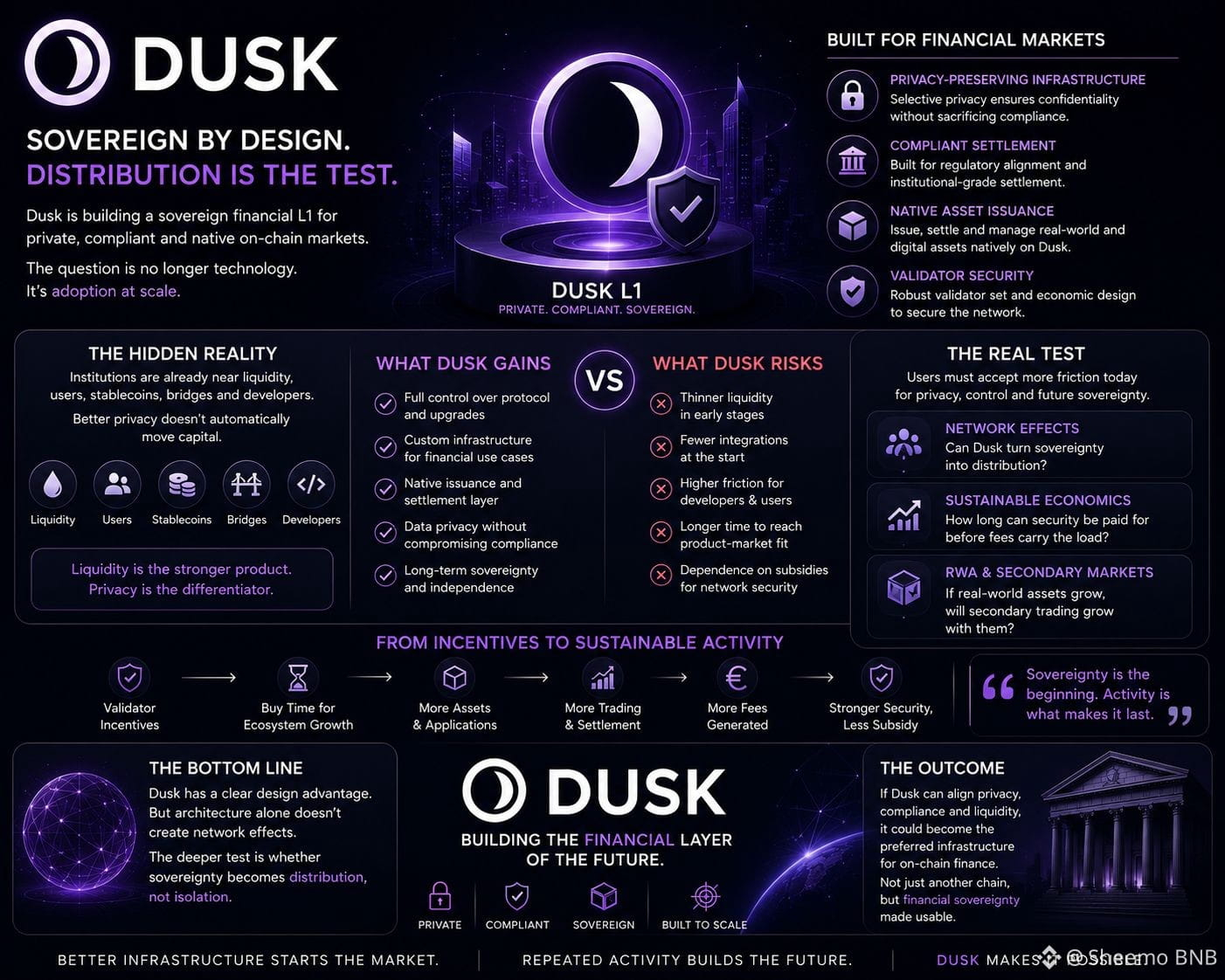
@Dusk_Foundation 私はより単純なレンズを通してDUSKのソブリンL1の設計を見てきました。独立の層が増えるたびに、別の分配(ディストリビューション)の問題も生まれるのです。
専用ネットワークなら、別のチェーンの制約を引き継ぐことなく、プライバシーや準拠した決済、ネイティブ資産のインフラを最適化できます。しかし同時に、DUSKは、すでに確立されたエコシステムが既に集約している流動性、アプリケーション、そして市場参加者を惹きつける必要があります。
私にとって重要なメカニズムはネイティブ発行です。規制対象の資産がDusk上で直接発行され、直接決済されるなら、新たな各資産は、参加者がそれを単なる一時的な実行レイヤーとして扱うのではなく、ネットワーク内にとどまる理由になり得ます。
それは、導入(アダプション)の経済性を変えます。
「活動が滞在するための独自の理由を生み出すと、分配は複利で積み上がる。」
私がまだ検証しているのは、RWA(現実資産)の発行がそのループを生み出せるかどうかです。一次発行だけでも印象的な数値は出せるかもしれませんが、二次流動性は薄いままになり得ます。活発な取引がなく、決済需要や繰り返しの資本フローが生まれない場合、ネットワークは依然として、安全性や参加を支えるためのインセンティブに大きく依存する可能性があります。
私は、市場がDuskが構築したものに関心が向きすぎていて、各新しい金融商品が次の参加者の到来可能性を高めるのかどうかが十分に見られていないのではないかと感じています。
アーキテクチャが市場を始動させます。継続的な活動こそが、それを持続可能にします。
#dusk @Dusk_Foundation $DUSK
{future}(DUSKUSDT)
$SPK
{future}(SPKUSDT)
$MORPHO
{future}(MORPHOUSDT)
@Dusk 私はより単純なレンズを通してDUSKのソブリンL1の設計を見てきました。独立の層が増えるたびに、別の分配(ディストリビューション)の問題も生まれるのです。
専用ネットワークなら、別のチェーンの制約を引き継ぐことなく、プライバシーや準拠した決済、ネイティブ資産のインフラを最適化できます。しかし同時に、DUSKは、すでに確立されたエコシステムが既に集約している流動性、アプリケーション、そして市場参加者を惹きつける必要があります。
私にとって重要なメカニズムはネイティブ発行です。規制対象の資産がDusk上で直接発行され、直接決済されるなら、新たな各資産は、参加者がそれを単なる一時的な実行レイヤーとして扱うのではなく、ネットワーク内にとどまる理由になり得ます。
それは、導入(アダプション)の経済性を変えます。
「活動が滞在するための独自の理由を生み出すと、分配は複利で積み上がる。」
私がまだ検証しているのは、RWA(現実資産)の発行がそのループを生み出せるかどうかです。一次発行だけでも印象的な数値は出せるかもしれませんが、二次流動性は薄いままになり得ます。活発な取引がなく、決済需要や繰り返しの資本フローが生まれない場合、ネットワークは依然として、安全性や参加を支えるためのインセンティブに大きく依存する可能性があります。
私は、市場がDuskが構築したものに関心が向きすぎていて、各新しい金融商品が次の参加者の到来可能性を高めるのかどうかが十分に見られていないのではないかと感じています。
アーキテクチャが市場を始動させます。継続的な活動こそが、それを持続可能にします。
#dusk @Dusk $DUSK
$SPK
$MORPHO
専用ネットワークなら、別のチェーンの制約を引き継ぐことなく、プライバシーや準拠した決済、ネイティブ資産のインフラを最適化できます。しかし同時に、DUSKは、すでに確立されたエコシステムが既に集約している流動性、アプリケーション、そして市場参加者を惹きつける必要があります。
私にとって重要なメカニズムはネイティブ発行です。規制対象の資産がDusk上で直接発行され、直接決済されるなら、新たな各資産は、参加者がそれを単なる一時的な実行レイヤーとして扱うのではなく、ネットワーク内にとどまる理由になり得ます。
それは、導入(アダプション)の経済性を変えます。
「活動が滞在するための独自の理由を生み出すと、分配は複利で積み上がる。」
私がまだ検証しているのは、RWA(現実資産)の発行がそのループを生み出せるかどうかです。一次発行だけでも印象的な数値は出せるかもしれませんが、二次流動性は薄いままになり得ます。活発な取引がなく、決済需要や繰り返しの資本フローが生まれない場合、ネットワークは依然として、安全性や参加を支えるためのインセンティブに大きく依存する可能性があります。
私は、市場がDuskが構築したものに関心が向きすぎていて、各新しい金融商品が次の参加者の到来可能性を高めるのかどうかが十分に見られていないのではないかと感じています。
アーキテクチャが市場を始動させます。継続的な活動こそが、それを持続可能にします。
#dusk @Dusk $DUSK
$SPK
$MORPHO
7
10
178
·
--
#dusk $DUSK @Dusk_Foundation
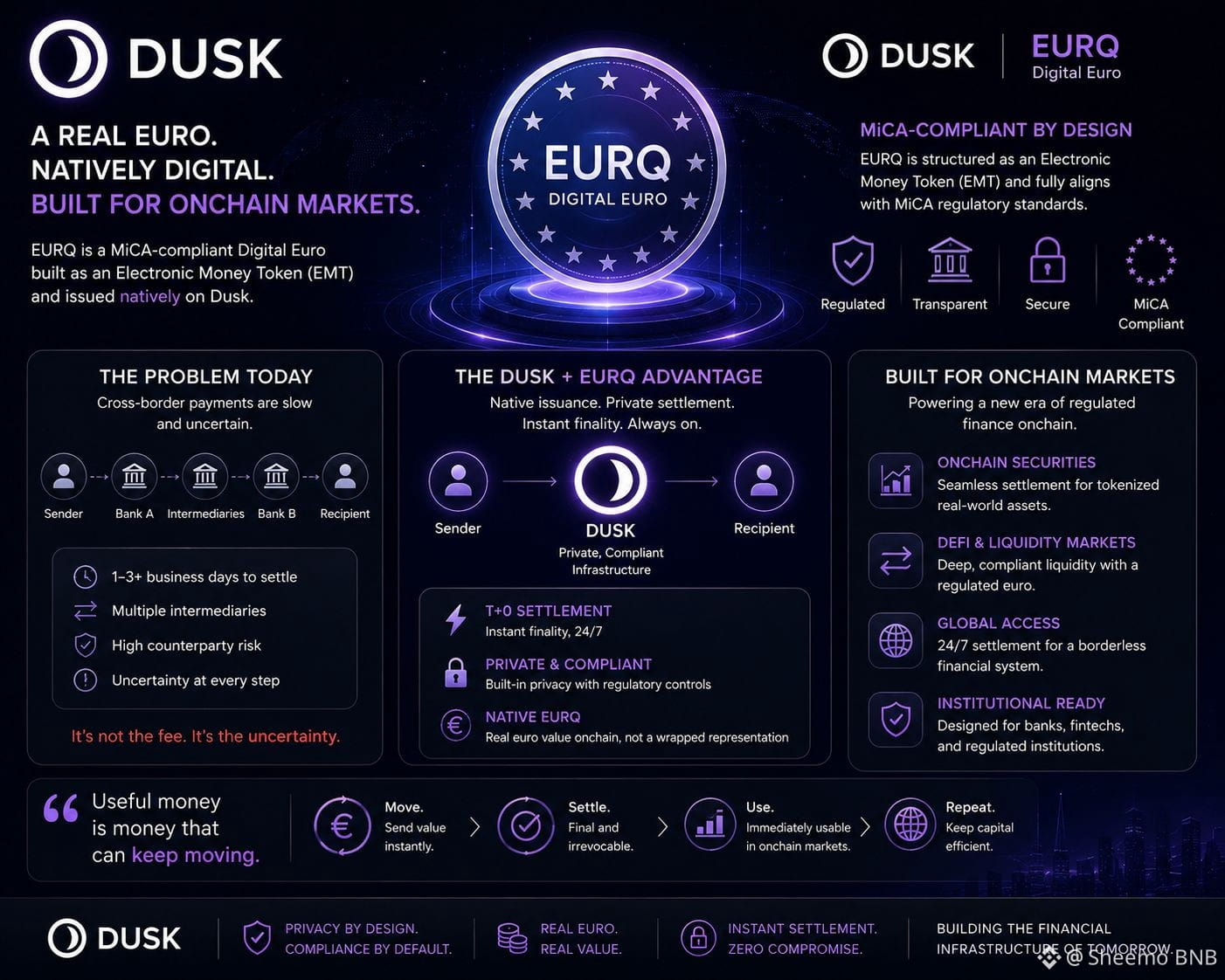
見落とされがちな、EURQに関するオンデスクの疑問が一つあります。準拠した後に、決済資産は何によって経済的に有用になるのでしょうか?
MiCAに準拠した電子マネートークンとしてのEURQの構造は重要です。機関は、資金を技術的なスピードだけで評価するわけではありません。発行や償還、そして、彼らが決済に用いる資産を規律するルールについての明確さが必要です。
Duskは、ネイティブ発行とプライバシー保護型のインフラによって、さらに別の層を加えます。理論上、それにより、切り離されたシステム間を移動するラップ表現に頼らずに、規制されたユーロ流動性がオンチェーンの証券やアプリケーションとやり取りするための、よりクリーンな経路が生まれます。
投資家として私が注目したいのは「速度」です。
「有用なお金とは、動き続けられるお金だ。」
もしEURQが取引に入り、債務を決済し、次の準拠した取引ですぐに利用可能になるなら、その価値は単なるより速い支払いにとどまりません。金融プロセス間で資本が待機する時間を、潜在的により少なくできるのです。
とはいえ、規制は流動性を生み出しません。完璧に準拠した決済資産でも、市場メーカー、取引の場、そしてカウンターパーティが、そこを通じて継続的に取引量を回さない限り、経済的には静かなままになり得ます。
私は、市場がこの違いを過小評価しているのではないかと思います。準拠は扉を開けますが、資産をインフラに変えるのは、繰り返される決済活動です。
#Dusk $TUT $TRUMP
{future}(TRUMPUSDT)
{future}(TUTUSDT)
{future}(DUSKUSDT)
#dusk $DUSK @Dusk
見落とされがちな、EURQに関するオンデスクの疑問が一つあります。準拠した後に、決済資産は何によって経済的に有用になるのでしょうか?
MiCAに準拠した電子マネートークンとしてのEURQの構造は重要です。機関は、資金を技術的なスピードだけで評価するわけではありません。発行や償還、そして、彼らが決済に用いる資産を規律するルールについての明確さが必要です。
Duskは、ネイティブ発行とプライバシー保護型のインフラによって、さらに別の層を加えます。理論上、それにより、切り離されたシステム間を移動するラップ表現に頼らずに、規制されたユーロ流動性がオンチェーンの証券やアプリケーションとやり取りするための、よりクリーンな経路が生まれます。
投資家として私が注目したいのは「速度」です。
「有用なお金とは、動き続けられるお金だ。」
もしEURQが取引に入り、債務を決済し、次の準拠した取引ですぐに利用可能になるなら、その価値は単なるより速い支払いにとどまりません。金融プロセス間で資本が待機する時間を、潜在的により少なくできるのです。
とはいえ、規制は流動性を生み出しません。完璧に準拠した決済資産でも、市場メーカー、取引の場、そしてカウンターパーティが、そこを通じて継続的に取引量を回さない限り、経済的には静かなままになり得ます。
私は、市場がこの違いを過小評価しているのではないかと思います。準拠は扉を開けますが、資産をインフラに変えるのは、繰り返される決済活動です。
#Dusk $TUT $TRUMP
見落とされがちな、EURQに関するオンデスクの疑問が一つあります。準拠した後に、決済資産は何によって経済的に有用になるのでしょうか?
MiCAに準拠した電子マネートークンとしてのEURQの構造は重要です。機関は、資金を技術的なスピードだけで評価するわけではありません。発行や償還、そして、彼らが決済に用いる資産を規律するルールについての明確さが必要です。
Duskは、ネイティブ発行とプライバシー保護型のインフラによって、さらに別の層を加えます。理論上、それにより、切り離されたシステム間を移動するラップ表現に頼らずに、規制されたユーロ流動性がオンチェーンの証券やアプリケーションとやり取りするための、よりクリーンな経路が生まれます。
投資家として私が注目したいのは「速度」です。
「有用なお金とは、動き続けられるお金だ。」
もしEURQが取引に入り、債務を決済し、次の準拠した取引ですぐに利用可能になるなら、その価値は単なるより速い支払いにとどまりません。金融プロセス間で資本が待機する時間を、潜在的により少なくできるのです。
とはいえ、規制は流動性を生み出しません。完璧に準拠した決済資産でも、市場メーカー、取引の場、そしてカウンターパーティが、そこを通じて継続的に取引量を回さない限り、経済的には静かなままになり得ます。
私は、市場がこの違いを過小評価しているのではないかと思います。準拠は扉を開けますが、資産をインフラに変えるのは、繰り返される決済活動です。
#Dusk $TUT $TRUMP
13
14
278
·
--
#dusk $DUSK @Dusk_Foundation
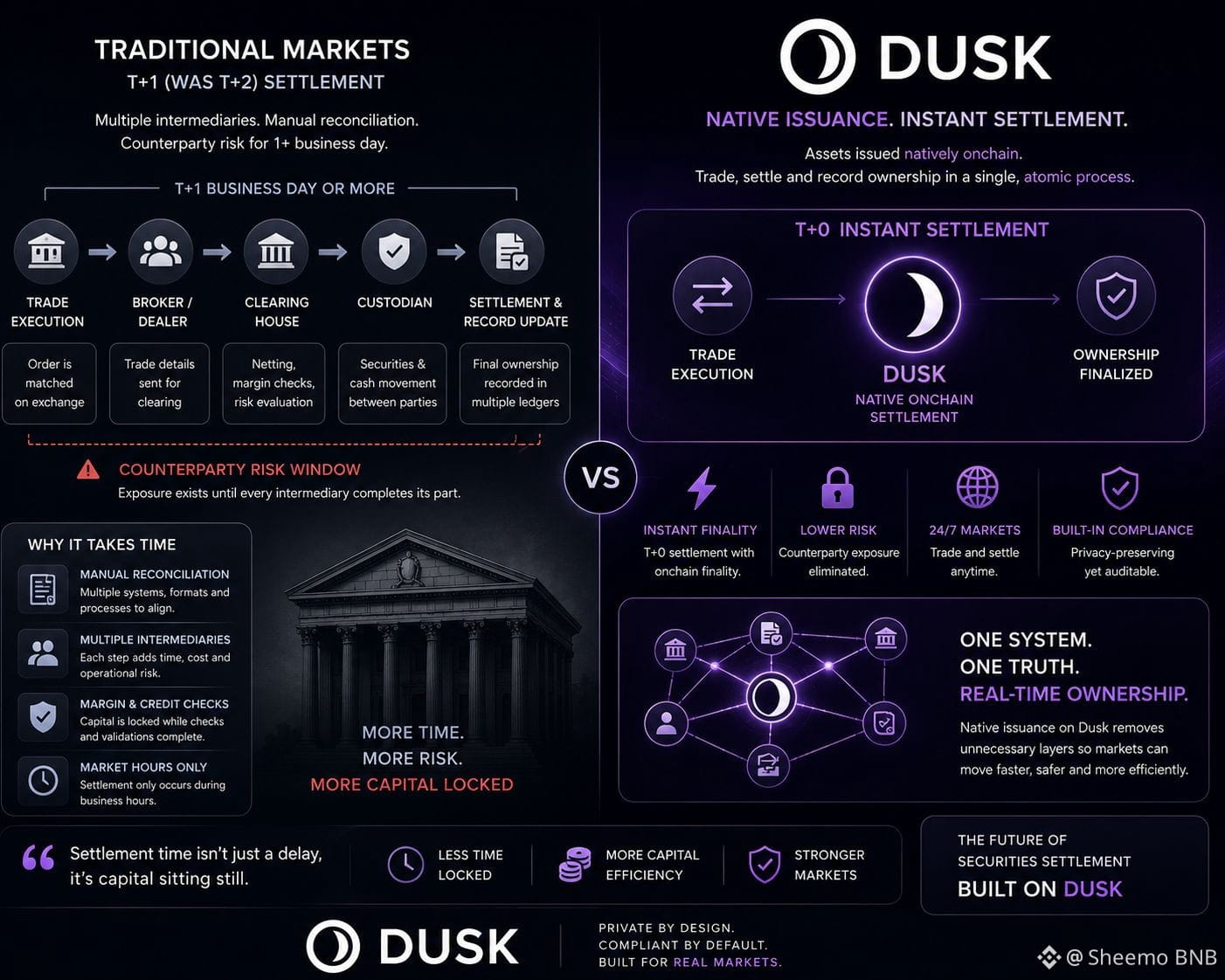
私はDuskのネイティブな発行モデルについて、少し別の観点から考えていました。つまり、「決済スピード」よりも「バランスシートの効率」が重要なのではないか、ということです。
セキュリティがネイティブにオンチェーンで発行される場合、所有権と決済は同一のシステム内で完結できます。これにより、取引と最終的な所有権の移転との間に存在する、照合作業(整合のための層)が取り除かれる可能性があります。
投資家にとって興味深いのは、未決済のポジションに対して本来は滞留することになる資本がどうなるかです。最終確定(ファイナリティ)が速くなれば、取引相手に対するエクスポージャーの期間が短縮され、複数の当事者がそれぞれのプロセスを完了するのを待つ間に拘束される担保の量も減る可能性があります。
「決済時間は、資本配分の時間でもある。」
だからこそ、私はT+0が、単にT+1やT+2より速いというだけよりも、より興味深いと感じています。ネイティブ発行が本当に、執行と最終的な所有権のギャップを圧縮できるなら、規制された市場が流動性をどれだけ効率的に使うかを変え得るでしょう。
ただし、ここには重要な不確実性があるとも思います。従来の決済遅延には、運用上のセーフガード、例外処理、コンプライアンスの確認といった安全策が含まれていることが多いのです。資産をオンチェーンに移したからといって、そうした要件が自動的に不要になるわけではありません。
論拠は、Duskが、古い摩擦を別の場所へ移すのではなく、コンプライアンスと即時決済を同じワークフローの中で機能させられる場合にのみ、より強固になります。
#DUSK $BLESS $TUT
{future}(TUTUSDT)
{future}(BLESSUSDT)
{future}(DUSKUSDT)
#dusk $DUSK @Dusk
私はDuskのネイティブな発行モデルについて、少し別の観点から考えていました。つまり、「決済スピード」よりも「バランスシートの効率」が重要なのではないか、ということです。
セキュリティがネイティブにオンチェーンで発行される場合、所有権と決済は同一のシステム内で完結できます。これにより、取引と最終的な所有権の移転との間に存在する、照合作業(整合のための層)が取り除かれる可能性があります。
投資家にとって興味深いのは、未決済のポジションに対して本来は滞留することになる資本がどうなるかです。最終確定(ファイナリティ)が速くなれば、取引相手に対するエクスポージャーの期間が短縮され、複数の当事者がそれぞれのプロセスを完了するのを待つ間に拘束される担保の量も減る可能性があります。
「決済時間は、資本配分の時間でもある。」
だからこそ、私はT+0が、単にT+1やT+2より速いというだけよりも、より興味深いと感じています。ネイティブ発行が本当に、執行と最終的な所有権のギャップを圧縮できるなら、規制された市場が流動性をどれだけ効率的に使うかを変え得るでしょう。
ただし、ここには重要な不確実性があるとも思います。従来の決済遅延には、運用上のセーフガード、例外処理、コンプライアンスの確認といった安全策が含まれていることが多いのです。資産をオンチェーンに移したからといって、そうした要件が自動的に不要になるわけではありません。
論拠は、Duskが、古い摩擦を別の場所へ移すのではなく、コンプライアンスと即時決済を同じワークフローの中で機能させられる場合にのみ、より強固になります。
#DUSK $BLESS $TUT
私はDuskのネイティブな発行モデルについて、少し別の観点から考えていました。つまり、「決済スピード」よりも「バランスシートの効率」が重要なのではないか、ということです。
セキュリティがネイティブにオンチェーンで発行される場合、所有権と決済は同一のシステム内で完結できます。これにより、取引と最終的な所有権の移転との間に存在する、照合作業(整合のための層)が取り除かれる可能性があります。
投資家にとって興味深いのは、未決済のポジションに対して本来は滞留することになる資本がどうなるかです。最終確定(ファイナリティ)が速くなれば、取引相手に対するエクスポージャーの期間が短縮され、複数の当事者がそれぞれのプロセスを完了するのを待つ間に拘束される担保の量も減る可能性があります。
「決済時間は、資本配分の時間でもある。」
だからこそ、私はT+0が、単にT+1やT+2より速いというだけよりも、より興味深いと感じています。ネイティブ発行が本当に、執行と最終的な所有権のギャップを圧縮できるなら、規制された市場が流動性をどれだけ効率的に使うかを変え得るでしょう。
ただし、ここには重要な不確実性があるとも思います。従来の決済遅延には、運用上のセーフガード、例外処理、コンプライアンスの確認といった安全策が含まれていることが多いのです。資産をオンチェーンに移したからといって、そうした要件が自動的に不要になるわけではありません。
論拠は、Duskが、古い摩擦を別の場所へ移すのではなく、コンプライアンスと即時決済を同じワークフローの中で機能させられる場合にのみ、より強固になります。
#DUSK $BLESS $TUT
15
18
452
·
--
#dusk $DUSK @Dusk_Foundation
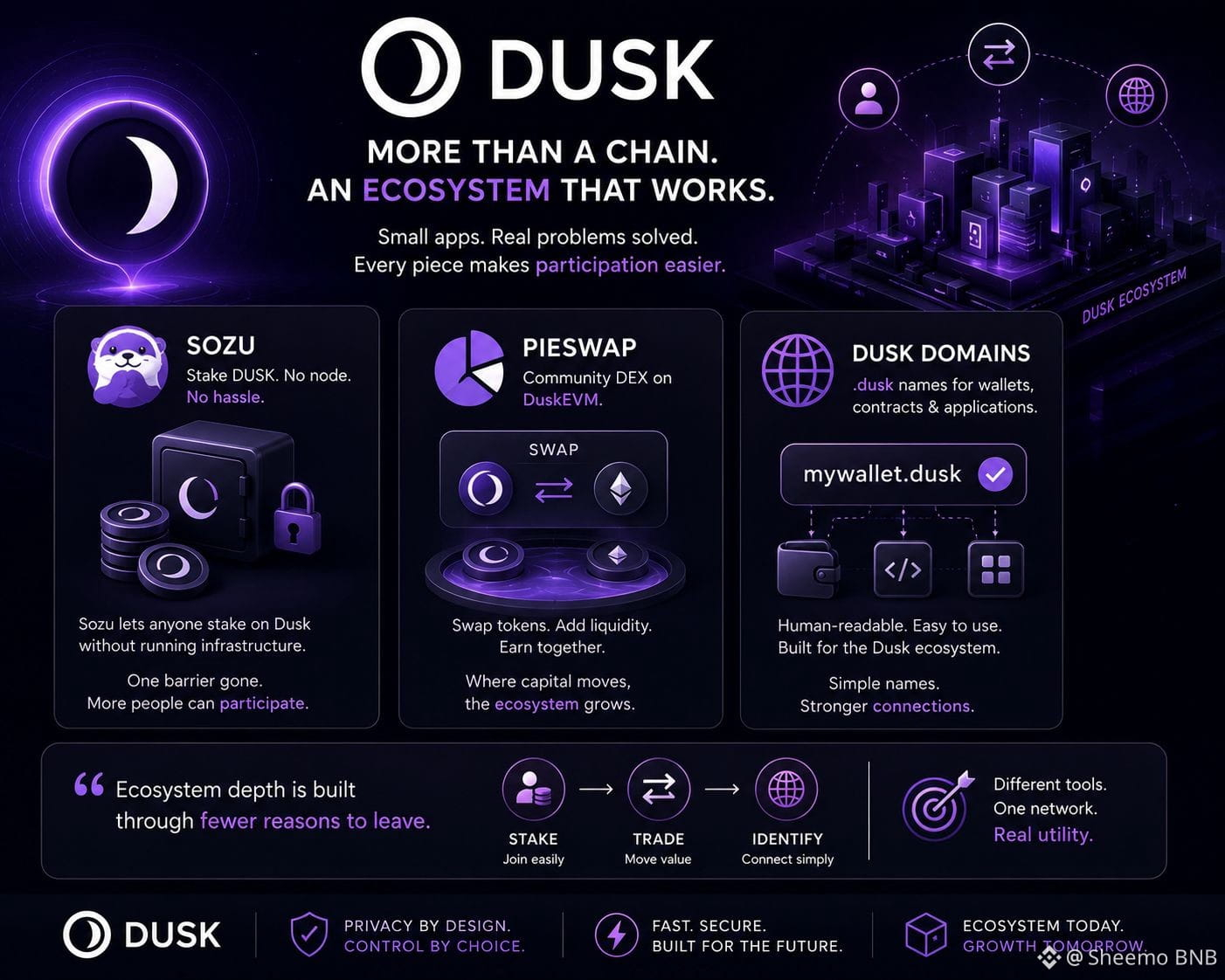
私は、ブロックチェーン・エコシステムが有用になるまでの順序に、これまで以上に注意を払うようになりました。そしてDuskは興味深い事例だと思います。
インフラは通常、最初に注目されがちですが、参加はしばしば、小さなアプリケーションが特定の摩擦を取り除くことで決まります。たとえばSozuは、インフラの運用負担を自分で引き受けることなくネットワークへのエクスポージャーを得たいユーザーに対して、ステーキングの判断を変えます。
PieSwapは別の層を追加します。DuskEVM上のDEXとして、エコシステムに入ったあとに資本が移動する受け皿を提供します。この違いは、ステークされた資本とアクティブ・リクイディティが担う経済的役割がまったく異なるからこそ、私にとって重要です。
Dusk Domainsはさらに小さく見えるかもしれませんが、読みやすいアイデンティティは、ウォレット、コントラクト、アプリケーション間での摩擦を減らせます。
「エコシステムの深さは、去りたくなる理由が少ないことで構築される。」
私は、市場がエコシステムを過大評価してしまうことがあるのは、アプリケーションの数を数えるのではなく、それらの間での引き継ぎ(handoff)を検証しない場合だと思います。より強いシグナルは、ある用途が自然に次の利用につながるかどうかです。
弱点は、利便性だけでは定着(リテンション)を保証しないことです。これらのアプリケーションには、確実な流動性と、継続的なユーザー需要がまだ必要です。
もしDuskのエコシステムが、参加を孤立した行動ではなく、つながった一連の流れに変えられるなら、それはネットワークの有用性を測る、はるかに意味のある指標になります。
#Dusk
$ACE
$ONG
{future}(ONGUSDT)
{future}(ACEUSDT)
{future}(DUSKUSDT)
#dusk $DUSK @Dusk
私は、ブロックチェーン・エコシステムが有用になるまでの順序に、これまで以上に注意を払うようになりました。そしてDuskは興味深い事例だと思います。
インフラは通常、最初に注目されがちですが、参加はしばしば、小さなアプリケーションが特定の摩擦を取り除くことで決まります。たとえばSozuは、インフラの運用負担を自分で引き受けることなくネットワークへのエクスポージャーを得たいユーザーに対して、ステーキングの判断を変えます。
PieSwapは別の層を追加します。DuskEVM上のDEXとして、エコシステムに入ったあとに資本が移動する受け皿を提供します。この違いは、ステークされた資本とアクティブ・リクイディティが担う経済的役割がまったく異なるからこそ、私にとって重要です。
Dusk Domainsはさらに小さく見えるかもしれませんが、読みやすいアイデンティティは、ウォレット、コントラクト、アプリケーション間での摩擦を減らせます。
「エコシステムの深さは、去りたくなる理由が少ないことで構築される。」
私は、市場がエコシステムを過大評価してしまうことがあるのは、アプリケーションの数を数えるのではなく、それらの間での引き継ぎ(handoff)を検証しない場合だと思います。より強いシグナルは、ある用途が自然に次の利用につながるかどうかです。
弱点は、利便性だけでは定着(リテンション)を保証しないことです。これらのアプリケーションには、確実な流動性と、継続的なユーザー需要がまだ必要です。
もしDuskのエコシステムが、参加を孤立した行動ではなく、つながった一連の流れに変えられるなら、それはネットワークの有用性を測る、はるかに意味のある指標になります。
#Dusk
$ACE
$ONG
私は、ブロックチェーン・エコシステムが有用になるまでの順序に、これまで以上に注意を払うようになりました。そしてDuskは興味深い事例だと思います。
インフラは通常、最初に注目されがちですが、参加はしばしば、小さなアプリケーションが特定の摩擦を取り除くことで決まります。たとえばSozuは、インフラの運用負担を自分で引き受けることなくネットワークへのエクスポージャーを得たいユーザーに対して、ステーキングの判断を変えます。
PieSwapは別の層を追加します。DuskEVM上のDEXとして、エコシステムに入ったあとに資本が移動する受け皿を提供します。この違いは、ステークされた資本とアクティブ・リクイディティが担う経済的役割がまったく異なるからこそ、私にとって重要です。
Dusk Domainsはさらに小さく見えるかもしれませんが、読みやすいアイデンティティは、ウォレット、コントラクト、アプリケーション間での摩擦を減らせます。
「エコシステムの深さは、去りたくなる理由が少ないことで構築される。」
私は、市場がエコシステムを過大評価してしまうことがあるのは、アプリケーションの数を数えるのではなく、それらの間での引き継ぎ(handoff)を検証しない場合だと思います。より強いシグナルは、ある用途が自然に次の利用につながるかどうかです。
弱点は、利便性だけでは定着(リテンション)を保証しないことです。これらのアプリケーションには、確実な流動性と、継続的なユーザー需要がまだ必要です。
もしDuskのエコシステムが、参加を孤立した行動ではなく、つながった一連の流れに変えられるなら、それはネットワークの有用性を測る、はるかに意味のある指標になります。
#Dusk
$ACE
$ONG
8
6
225
·
--
#dusk $DUSK @Dusk_Foundation
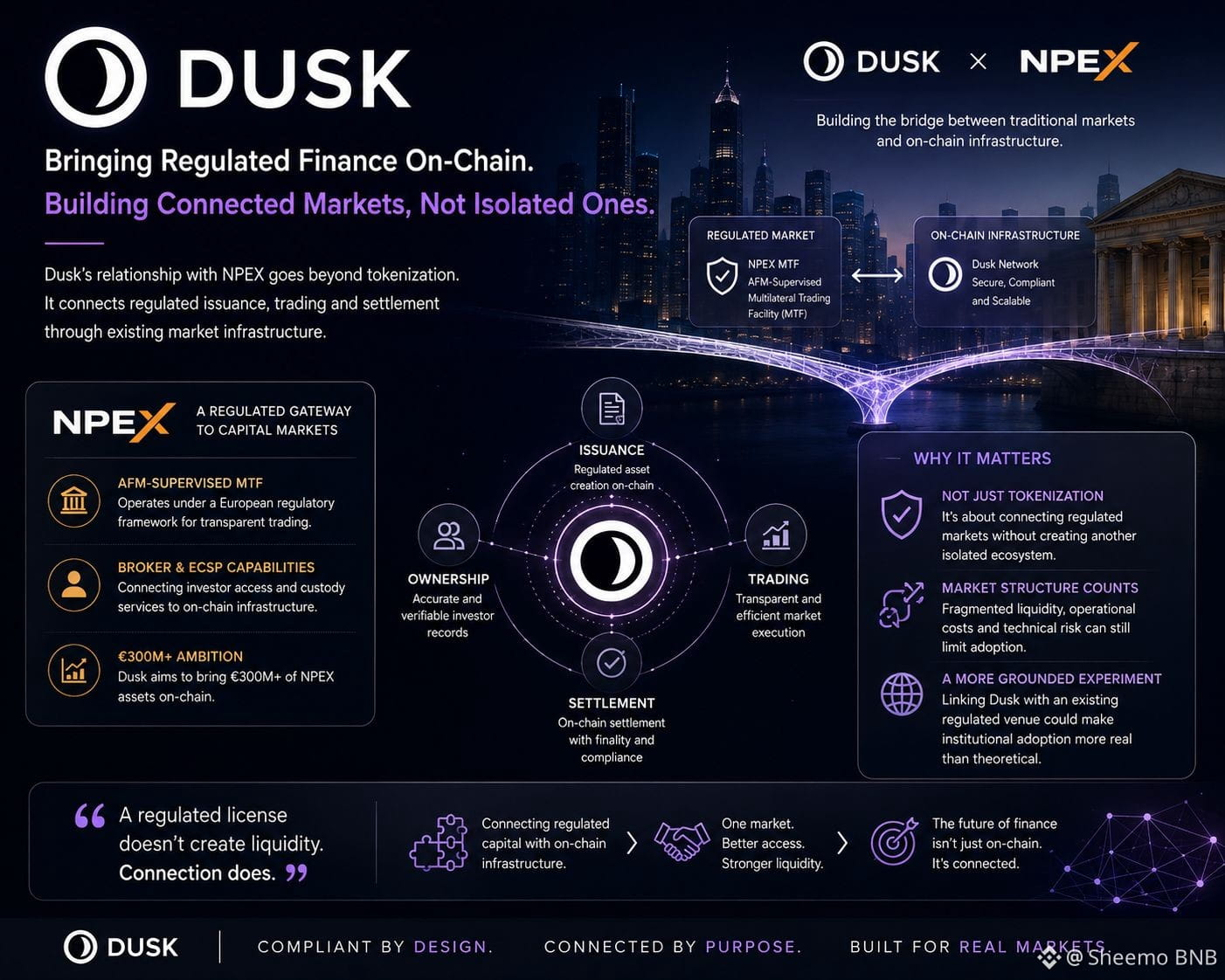
私は、DuskのNPEX接続を単なるトークン化のマイルストーンというより、オンチェーン基盤が既存市場の品質を保てるかどうかのテストとして捉え始めました。
興味深いのは、NPEXがすでに規制された取引環境の中で運営されている点です。したがって、有価証券をオンチェーンに持ち込むだけでは不十分で、発行、保有記録、取引、そして決済をシステム間で一貫させ続けることが本当の難題です。
そのため、Duskの€300M超の野心は、見出しそのものよりも私にとってより面白く感じられます。資産がオンチェーン上で動いても、流動性、価格設定、そして投資家へのアクセスが断片化したままであれば、ブロックチェーン層は単に、追加の照合作業負担を増やすだけかもしれません。
「トークン化は、市場の周辺が改善されるときにのみ価値を生み出す。」
また、BrokerとECSPの接続が重要だとも思います。これは、単に資産の表現だけでなく、その資産の周りにあるインフラへと向かうことを示しているからです。
弱点は、規制された統合であっても運用面で重くなり得ることです。コンプライアンス要件、取引会場の流動性、そして機関投資家のワークフローは、決済がブロックチェーンに移ったからといって消えるわけではありません。
私が注目するのは、Duskが規制された資本とオンチェーン決済の間にある、切り離された手順の数を減らせるかどうかです。それができれば、価値提案は、有価証券を台帳に載せるだけよりもはるかに測定可能になります。
#DUSK $HEMI $TREE
{future}(TREEUSDT)
{future}(HEMIUSDT)
{future}(DUSKUSDT)
#dusk $DUSK @Dusk
私は、DuskのNPEX接続を単なるトークン化のマイルストーンというより、オンチェーン基盤が既存市場の品質を保てるかどうかのテストとして捉え始めました。
興味深いのは、NPEXがすでに規制された取引環境の中で運営されている点です。したがって、有価証券をオンチェーンに持ち込むだけでは不十分で、発行、保有記録、取引、そして決済をシステム間で一貫させ続けることが本当の難題です。
そのため、Duskの€300M超の野心は、見出しそのものよりも私にとってより面白く感じられます。資産がオンチェーン上で動いても、流動性、価格設定、そして投資家へのアクセスが断片化したままであれば、ブロックチェーン層は単に、追加の照合作業負担を増やすだけかもしれません。
「トークン化は、市場の周辺が改善されるときにのみ価値を生み出す。」
また、BrokerとECSPの接続が重要だとも思います。これは、単に資産の表現だけでなく、その資産の周りにあるインフラへと向かうことを示しているからです。
弱点は、規制された統合であっても運用面で重くなり得ることです。コンプライアンス要件、取引会場の流動性、そして機関投資家のワークフローは、決済がブロックチェーンに移ったからといって消えるわけではありません。
私が注目するのは、Duskが規制された資本とオンチェーン決済の間にある、切り離された手順の数を減らせるかどうかです。それができれば、価値提案は、有価証券を台帳に載せるだけよりもはるかに測定可能になります。
#DUSK $HEMI $TREE
私は、DuskのNPEX接続を単なるトークン化のマイルストーンというより、オンチェーン基盤が既存市場の品質を保てるかどうかのテストとして捉え始めました。
興味深いのは、NPEXがすでに規制された取引環境の中で運営されている点です。したがって、有価証券をオンチェーンに持ち込むだけでは不十分で、発行、保有記録、取引、そして決済をシステム間で一貫させ続けることが本当の難題です。
そのため、Duskの€300M超の野心は、見出しそのものよりも私にとってより面白く感じられます。資産がオンチェーン上で動いても、流動性、価格設定、そして投資家へのアクセスが断片化したままであれば、ブロックチェーン層は単に、追加の照合作業負担を増やすだけかもしれません。
「トークン化は、市場の周辺が改善されるときにのみ価値を生み出す。」
また、BrokerとECSPの接続が重要だとも思います。これは、単に資産の表現だけでなく、その資産の周りにあるインフラへと向かうことを示しているからです。
弱点は、規制された統合であっても運用面で重くなり得ることです。コンプライアンス要件、取引会場の流動性、そして機関投資家のワークフローは、決済がブロックチェーンに移ったからといって消えるわけではありません。
私が注目するのは、Duskが規制された資本とオンチェーン決済の間にある、切り離された手順の数を減らせるかどうかです。それができれば、価値提案は、有価証券を台帳に載せるだけよりもはるかに測定可能になります。
#DUSK $HEMI $TREE
16
11
461
·
--
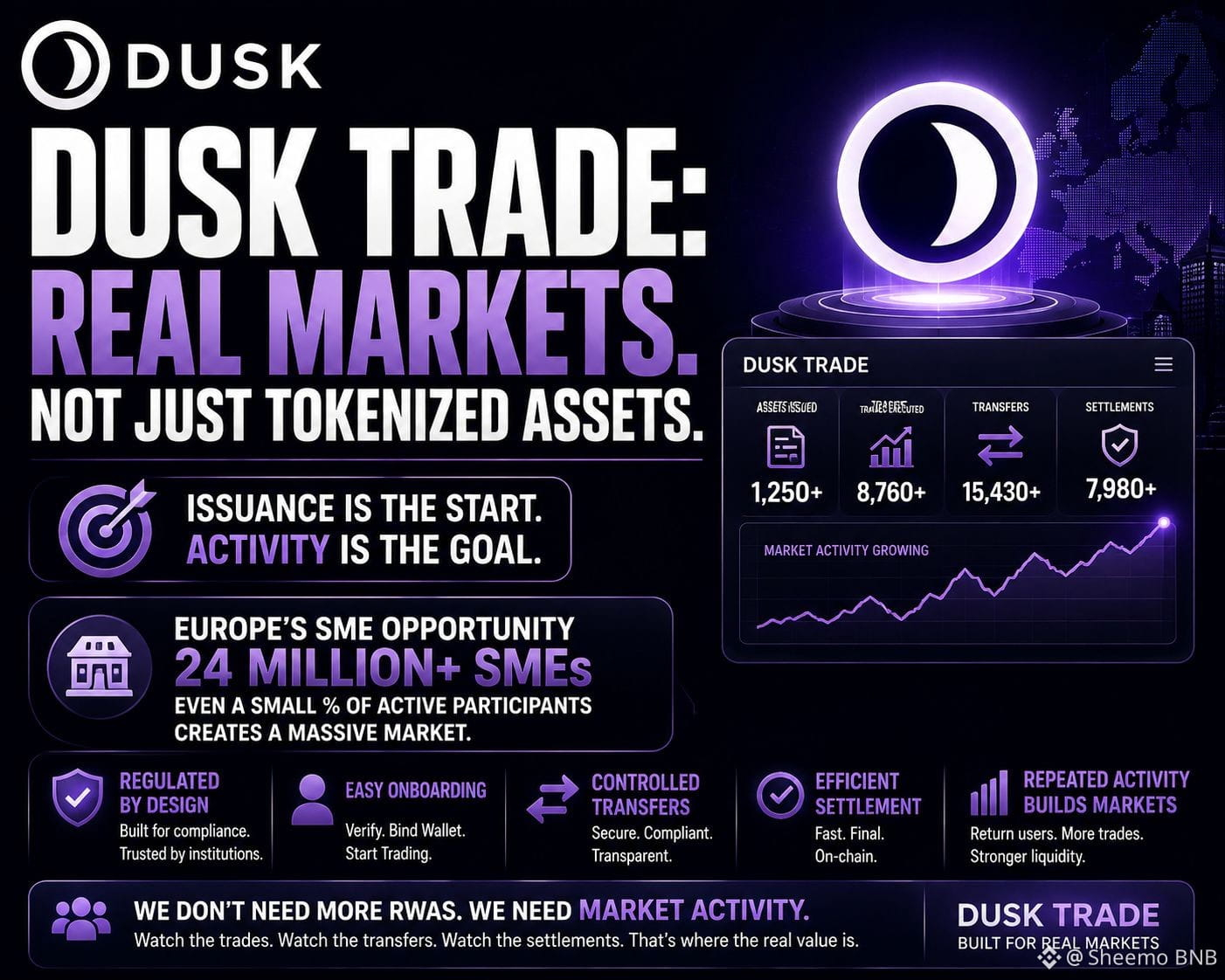
@Dusk_Foundation 私は、Dusk Tradeを少し別の視点から見てきました。最初の取引の後に残る流動性の質です。
規制されたRWA市場は、オンボーディングの成功、ウォレットの紐付け、管理された移転、決済を記録できていても、実際には有機的な取引がほとんど発生しないことがあります。私にとってより強いシグナルは、実行が実際に有用だからこそ、参加者が同じ市場を通じて繰り返し取引のルーティングを始めるかどうかです。
つまり、セカンダリー市場での振る舞いが重要になります。資産がDuskで発行されても、買い手がめったに戻ってこないなら、流動性は技術的には存在していても、経済的には信頼できない可能性があります。逆に、無関係な参加者同士の取引が継続的に行われるなら、そのプラットフォームが単発の発行レールではなく、彼らの日常のワークフローの一部になりつつあることを示唆します。
「流動性は最初の取引ではなく、2回目の取引によって証明される。」
そのため、参加者の集中度、移転頻度、決済ボリューム、そして新しくオンボーディングされた口座ではなくリピーターから生じている活動の割合に注目します。
ここには正当な弱点もあります。初期の規制市場では、コンプライアンスや機関投資家のオンボーディングが摩擦を生むため、流動性形成が自然に遅くなります。初期の回転率の低さだけでは、私にはあまり多くを語りません。
しかし、Dusk Tradeがコンプライアンス対応のオンボーディングをリピート型の市場行動へと転換できるなら、立ち上げられた資産数という単なる数字よりも、RWAの論旨をはるかに強く検証することになります。
#dusk @Dusk_Foundation #Dusk $DUSK
{future}(DUSKUSDT)
@Dusk 私は、Dusk Tradeを少し別の視点から見てきました。最初の取引の後に残る流動性の質です。
規制されたRWA市場は、オンボーディングの成功、ウォレットの紐付け、管理された移転、決済を記録できていても、実際には有機的な取引がほとんど発生しないことがあります。私にとってより強いシグナルは、実行が実際に有用だからこそ、参加者が同じ市場を通じて繰り返し取引のルーティングを始めるかどうかです。
つまり、セカンダリー市場での振る舞いが重要になります。資産がDuskで発行されても、買い手がめったに戻ってこないなら、流動性は技術的には存在していても、経済的には信頼できない可能性があります。逆に、無関係な参加者同士の取引が継続的に行われるなら、そのプラットフォームが単発の発行レールではなく、彼らの日常のワークフローの一部になりつつあることを示唆します。
「流動性は最初の取引ではなく、2回目の取引によって証明される。」
そのため、参加者の集中度、移転頻度、決済ボリューム、そして新しくオンボーディングされた口座ではなくリピーターから生じている活動の割合に注目します。
ここには正当な弱点もあります。初期の規制市場では、コンプライアンスや機関投資家のオンボーディングが摩擦を生むため、流動性形成が自然に遅くなります。初期の回転率の低さだけでは、私にはあまり多くを語りません。
しかし、Dusk Tradeがコンプライアンス対応のオンボーディングをリピート型の市場行動へと転換できるなら、立ち上げられた資産数という単なる数字よりも、RWAの論旨をはるかに強く検証することになります。
#dusk @Dusk #Dusk $DUSK
規制されたRWA市場は、オンボーディングの成功、ウォレットの紐付け、管理された移転、決済を記録できていても、実際には有機的な取引がほとんど発生しないことがあります。私にとってより強いシグナルは、実行が実際に有用だからこそ、参加者が同じ市場を通じて繰り返し取引のルーティングを始めるかどうかです。
つまり、セカンダリー市場での振る舞いが重要になります。資産がDuskで発行されても、買い手がめったに戻ってこないなら、流動性は技術的には存在していても、経済的には信頼できない可能性があります。逆に、無関係な参加者同士の取引が継続的に行われるなら、そのプラットフォームが単発の発行レールではなく、彼らの日常のワークフローの一部になりつつあることを示唆します。
「流動性は最初の取引ではなく、2回目の取引によって証明される。」
そのため、参加者の集中度、移転頻度、決済ボリューム、そして新しくオンボーディングされた口座ではなくリピーターから生じている活動の割合に注目します。
ここには正当な弱点もあります。初期の規制市場では、コンプライアンスや機関投資家のオンボーディングが摩擦を生むため、流動性形成が自然に遅くなります。初期の回転率の低さだけでは、私にはあまり多くを語りません。
しかし、Dusk Tradeがコンプライアンス対応のオンボーディングをリピート型の市場行動へと転換できるなら、立ち上げられた資産数という単なる数字よりも、RWAの論旨をはるかに強く検証することになります。
#dusk @Dusk #Dusk $DUSK
17
10
99
·
--
@Dusk_Foundation 取引台帳の外で、金融機関が交換する必要のある情報量を減らせるかどうかに限って、「選択的な開示」が重要になる――そんな運用上の細部に私は何度も立ち返ってしまいます。
フェニックスがここで興味深いのは、プライバシーが単に取引データを隠すことではない点です。規制されたワークフローに必要な情報を、相手方が証明できるようにしつつ、それ以外のすべてを公開しないで済むことがあります。証券市場においては、この違いが照合、コンプライアンス確認、そして同一の基礎データにアクセスする必要がある当事者の数にまで影響し得ます。
そこで私が有用だと考えるのは、投資家向けの指標です。実際に消える可能性のある「手作業による検証ステップ」はどれくらいあるのか?
発行体、取引の場(ベニュー)、カストディアン、そして決済レイヤーが、同じインフラから独立して必要な状態を検証できるなら、Duskは単に取引が速くなるだけでなく、調整のための接点を減らすことで価値を生み出しているのかもしれません。
「プライバシーは、運用上の摩擦を取り除いたときにインフラになります。」
弱点は、機関によっては法務、内部統制、リスクの観点から並行して記録を保持し続ける可能性があることです。その場合、Duskは技術的には決済を圧縮できても、周辺の会計に関する負担は大きくはそのまま残るかもしれません。
だから私は、スループットだけでなくワークフローを見ます。どれだけ照合がなくなるのか、参加者が同じ決済状態にどれくらいの頻度で依存しているのか、そしてその依存がパイロット展開を超えて持続するのかどうか。
#dusk #Dusk $DUSK $GPS $TUT
{future}(DUSKUSDT)
{future}(GPSUSDT)
Duskの機関投資家による採用にとって、最も重要なのは何でしょう?
@Dusk 取引台帳の外で、金融機関が交換する必要のある情報量を減らせるかどうかに限って、「選択的な開示」が重要になる――そんな運用上の細部に私は何度も立ち返ってしまいます。
フェニックスがここで興味深いのは、プライバシーが単に取引データを隠すことではない点です。規制されたワークフローに必要な情報を、相手方が証明できるようにしつつ、それ以外のすべてを公開しないで済むことがあります。証券市場においては、この違いが照合、コンプライアンス確認、そして同一の基礎データにアクセスする必要がある当事者の数にまで影響し得ます。
そこで私が有用だと考えるのは、投資家向けの指標です。実際に消える可能性のある「手作業による検証ステップ」はどれくらいあるのか?
発行体、取引の場(ベニュー)、カストディアン、そして決済レイヤーが、同じインフラから独立して必要な状態を検証できるなら、Duskは単に取引が速くなるだけでなく、調整のための接点を減らすことで価値を生み出しているのかもしれません。
「プライバシーは、運用上の摩擦を取り除いたときにインフラになります。」
弱点は、機関によっては法務、内部統制、リスクの観点から並行して記録を保持し続ける可能性があることです。その場合、Duskは技術的には決済を圧縮できても、周辺の会計に関する負担は大きくはそのまま残るかもしれません。
だから私は、スループットだけでなくワークフローを見ます。どれだけ照合がなくなるのか、参加者が同じ決済状態にどれくらいの頻度で依存しているのか、そしてその依存がパイロット展開を超えて持続するのかどうか。
#dusk #Dusk $DUSK $GPS $TUT
Duskの機関投資家による採用にとって、最も重要なのは何でしょう?
フェニックスがここで興味深いのは、プライバシーが単に取引データを隠すことではない点です。規制されたワークフローに必要な情報を、相手方が証明できるようにしつつ、それ以外のすべてを公開しないで済むことがあります。証券市場においては、この違いが照合、コンプライアンス確認、そして同一の基礎データにアクセスする必要がある当事者の数にまで影響し得ます。
そこで私が有用だと考えるのは、投資家向けの指標です。実際に消える可能性のある「手作業による検証ステップ」はどれくらいあるのか?
発行体、取引の場(ベニュー)、カストディアン、そして決済レイヤーが、同じインフラから独立して必要な状態を検証できるなら、Duskは単に取引が速くなるだけでなく、調整のための接点を減らすことで価値を生み出しているのかもしれません。
「プライバシーは、運用上の摩擦を取り除いたときにインフラになります。」
弱点は、機関によっては法務、内部統制、リスクの観点から並行して記録を保持し続ける可能性があることです。その場合、Duskは技術的には決済を圧縮できても、周辺の会計に関する負担は大きくはそのまま残るかもしれません。
だから私は、スループットだけでなくワークフローを見ます。どれだけ照合がなくなるのか、参加者が同じ決済状態にどれくらいの頻度で依存しているのか、そしてその依存がパイロット展開を超えて持続するのかどうか。
#dusk #Dusk $DUSK $GPS $TUT
Duskの機関投資家による採用にとって、最も重要なのは何でしょう?
🔐 Privacy
100%
⚡ Settlement
0%
📊 Reconciliation
0%
4 投票 • 投票は終了しました
17
8
282
·
--
@Dusk_Foundation
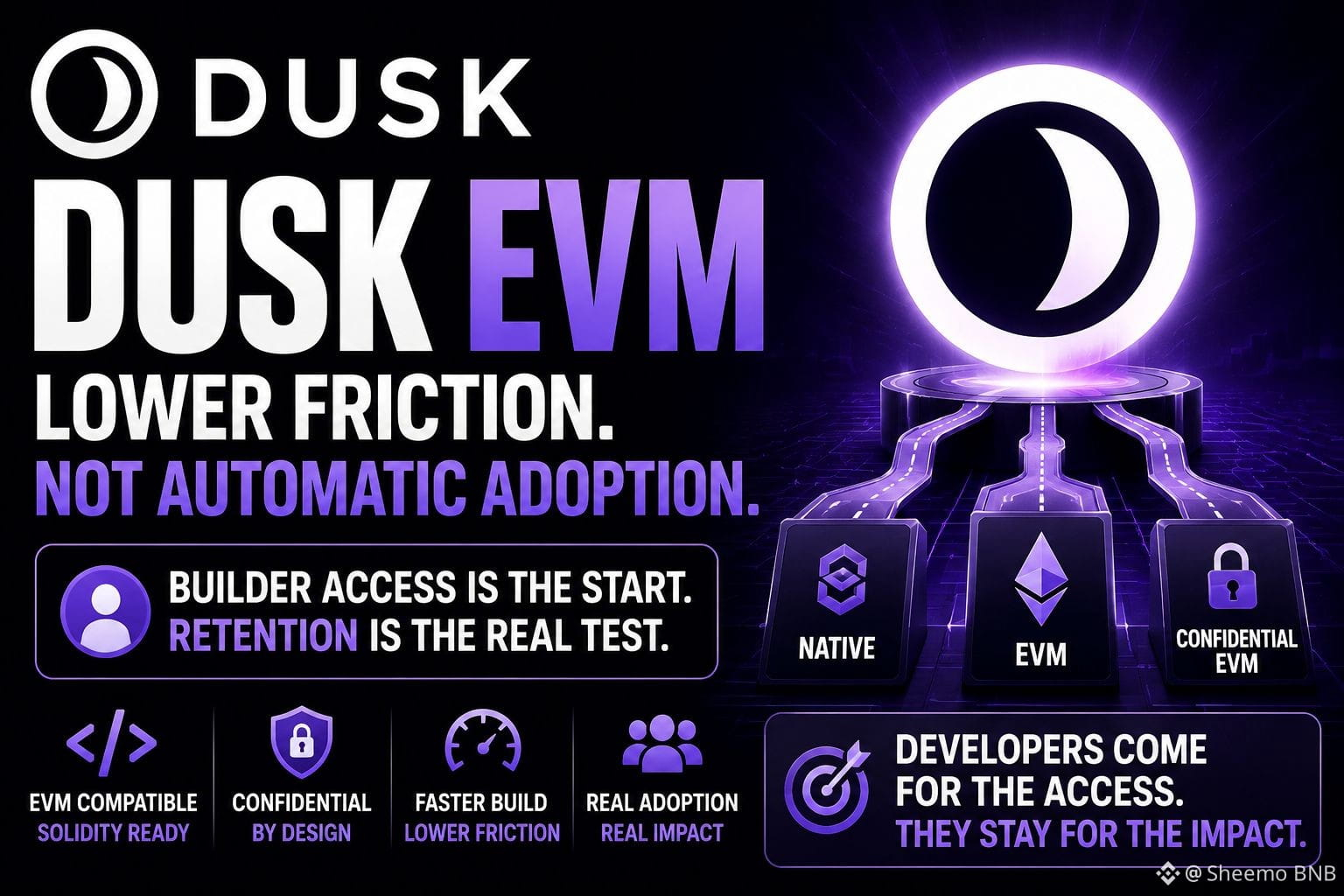
私はDuskEVMを開発者獲得のためのツールというより、ルーティングの問題として見ています。
EVMのパスを追加するとSolidityチームには馴染みのある実行環境が提供され、さらにConfidential EVMはプライバシーを必要とするアプリケーションにもう一つの選択肢を与えます。これは有用ですが、同時に微妙な計測上の問題も生み出します。アクティビティが3つの開発環境に分散し、その結果として強いネットワーク効果につながらない可能性があるのです。
投資家としては、ユーザーや資本が実際にこれらのパス間を移動しているのかを知りたいです。
開発者はオンボーディングが簡単なためEVM経由でデプロイするかもしれませんが、アプリケーション本来の強みが現れるのは、ユーザーがコンフィデンシャルなトランザクションとやり取りした後です。もしユーザー、資産、流動性が孤立したままであるなら、Duskは経済的なつながりを必ずしも増やすことなく、技術的なアクセス可能性を高めただけということになります。
「複数の入口は、同じネットワーク効果に収束するときにだけ意味を持つ。」
私が注目するのはこの指標です。環境ごとのデプロイ数ではなく、実験から継続的な利用へとアプリケーションが移行する頻度、そしてそれに流動性がついてくるかどうかです。
弱点は明らかです。初期段階のインフラは、導入がまだ形成途上であるだけで、断片化して見えることがあります。だからといって、別々のアクティビティをそれだけで失敗だとみなすつもりはありません。
しかし、DuskEVMがDuskのプライバシー重視の経済レイヤーへの「橋」ではなく、単に便利なデプロイ先になってしまうなら、採用ストーリーよりも開発者向けのストーリーのほうが強くなっていくでしょう。
#dusk #Dusk $DUSK $PORTAL $APR
{future}(APRUSDT)
{future}(PORTALUSDT)
{future}(DUSKUSDT)
@Dusk
私はDuskEVMを開発者獲得のためのツールというより、ルーティングの問題として見ています。
EVMのパスを追加するとSolidityチームには馴染みのある実行環境が提供され、さらにConfidential EVMはプライバシーを必要とするアプリケーションにもう一つの選択肢を与えます。これは有用ですが、同時に微妙な計測上の問題も生み出します。アクティビティが3つの開発環境に分散し、その結果として強いネットワーク効果につながらない可能性があるのです。
投資家としては、ユーザーや資本が実際にこれらのパス間を移動しているのかを知りたいです。
開発者はオンボーディングが簡単なためEVM経由でデプロイするかもしれませんが、アプリケーション本来の強みが現れるのは、ユーザーがコンフィデンシャルなトランザクションとやり取りした後です。もしユーザー、資産、流動性が孤立したままであるなら、Duskは経済的なつながりを必ずしも増やすことなく、技術的なアクセス可能性を高めただけということになります。
「複数の入口は、同じネットワーク効果に収束するときにだけ意味を持つ。」
私が注目するのはこの指標です。環境ごとのデプロイ数ではなく、実験から継続的な利用へとアプリケーションが移行する頻度、そしてそれに流動性がついてくるかどうかです。
弱点は明らかです。初期段階のインフラは、導入がまだ形成途上であるだけで、断片化して見えることがあります。だからといって、別々のアクティビティをそれだけで失敗だとみなすつもりはありません。
しかし、DuskEVMがDuskのプライバシー重視の経済レイヤーへの「橋」ではなく、単に便利なデプロイ先になってしまうなら、採用ストーリーよりも開発者向けのストーリーのほうが強くなっていくでしょう。
#dusk #Dusk $DUSK $PORTAL $APR
私はDuskEVMを開発者獲得のためのツールというより、ルーティングの問題として見ています。
EVMのパスを追加するとSolidityチームには馴染みのある実行環境が提供され、さらにConfidential EVMはプライバシーを必要とするアプリケーションにもう一つの選択肢を与えます。これは有用ですが、同時に微妙な計測上の問題も生み出します。アクティビティが3つの開発環境に分散し、その結果として強いネットワーク効果につながらない可能性があるのです。
投資家としては、ユーザーや資本が実際にこれらのパス間を移動しているのかを知りたいです。
開発者はオンボーディングが簡単なためEVM経由でデプロイするかもしれませんが、アプリケーション本来の強みが現れるのは、ユーザーがコンフィデンシャルなトランザクションとやり取りした後です。もしユーザー、資産、流動性が孤立したままであるなら、Duskは経済的なつながりを必ずしも増やすことなく、技術的なアクセス可能性を高めただけということになります。
「複数の入口は、同じネットワーク効果に収束するときにだけ意味を持つ。」
私が注目するのはこの指標です。環境ごとのデプロイ数ではなく、実験から継続的な利用へとアプリケーションが移行する頻度、そしてそれに流動性がついてくるかどうかです。
弱点は明らかです。初期段階のインフラは、導入がまだ形成途上であるだけで、断片化して見えることがあります。だからといって、別々のアクティビティをそれだけで失敗だとみなすつもりはありません。
しかし、DuskEVMがDuskのプライバシー重視の経済レイヤーへの「橋」ではなく、単に便利なデプロイ先になってしまうなら、採用ストーリーよりも開発者向けのストーリーのほうが強くなっていくでしょう。
#dusk #Dusk $DUSK $PORTAL $APR
23
11
783
·
--
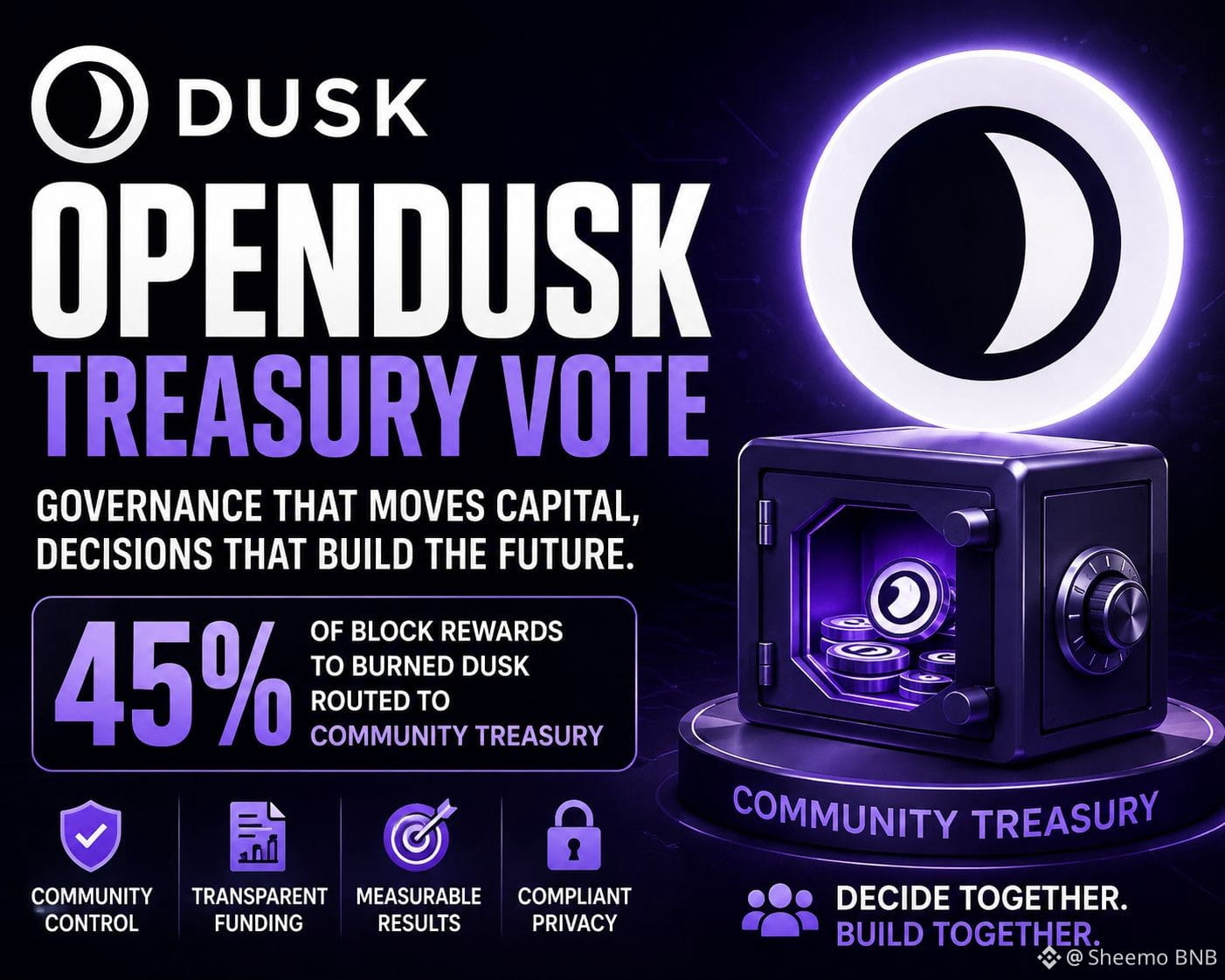
@Dusk_Foundation OpenDuskで私が注目するのは、国庫(トレジャリー)の規模ではなく、その支出がネットワーク上の活動へどれほど綺麗に追跡できるかです。
提案が、結果として焼却されるはずだったブロック報酬の一部を、コミュニティが管理するプールへ振り向けるのであれば、DUSKは自動的なプロトコル結果から、裁量によって動くエコシステム資本へと実質的に移行します。これは会計上の問題を変えてしまいます。
Duskにとっては、典型的なコンシューマ向けL1よりもこの点が重要です。論旨は、規制対象の資産、プライバシー、決済に結びついており、そこでは利用者や機関が信頼性と計測可能な実行を重視します。ですので、資金提供される取り組みには、明確なつながりを示してほしいです。すなわち、DUSKを受領 → マイルストーン達成 → 計測可能な利用またはインフラ改善 → 継続的な需要。
「資本は、その成果が監査可能であるときだけ生産的になる。」
だからといって、すべての助成を即時の取引で判断すべきだという意味ではありません。機関向けの統合には長いリードタイムがかかり得ますし、すべてを短期の活動指標に押し込むと、有益なインフラを排除してしまう恐れがあります。
弱点は、財務(国庫)報告が、経済的価値を証明できないままでも立派に見える可能性があることです。プロジェクトはマイルストーンを達成し、ダッシュボードを公開し、資本を消費しながらも、耐久性のある需要をほとんど生み出さないことがあり得ます。
私にとってOpenDuskが意味を持つのは、国庫のパフォーマンスが、通常のエコシステム支出よりも検証しやすくなるときです。
#dusk #Dusk @Dusk_Foundation $DUSK
{future}(DUSKUSDT)
$HEMI
{future}(HEMIUSDT)
$COW
{future}(COWUSDT)
@Dusk OpenDuskで私が注目するのは、国庫(トレジャリー)の規模ではなく、その支出がネットワーク上の活動へどれほど綺麗に追跡できるかです。
提案が、結果として焼却されるはずだったブロック報酬の一部を、コミュニティが管理するプールへ振り向けるのであれば、DUSKは自動的なプロトコル結果から、裁量によって動くエコシステム資本へと実質的に移行します。これは会計上の問題を変えてしまいます。
Duskにとっては、典型的なコンシューマ向けL1よりもこの点が重要です。論旨は、規制対象の資産、プライバシー、決済に結びついており、そこでは利用者や機関が信頼性と計測可能な実行を重視します。ですので、資金提供される取り組みには、明確なつながりを示してほしいです。すなわち、DUSKを受領 → マイルストーン達成 → 計測可能な利用またはインフラ改善 → 継続的な需要。
「資本は、その成果が監査可能であるときだけ生産的になる。」
だからといって、すべての助成を即時の取引で判断すべきだという意味ではありません。機関向けの統合には長いリードタイムがかかり得ますし、すべてを短期の活動指標に押し込むと、有益なインフラを排除してしまう恐れがあります。
弱点は、財務(国庫)報告が、経済的価値を証明できないままでも立派に見える可能性があることです。プロジェクトはマイルストーンを達成し、ダッシュボードを公開し、資本を消費しながらも、耐久性のある需要をほとんど生み出さないことがあり得ます。
私にとってOpenDuskが意味を持つのは、国庫のパフォーマンスが、通常のエコシステム支出よりも検証しやすくなるときです。
#dusk #Dusk @Dusk $DUSK
$HEMI
$COW
提案が、結果として焼却されるはずだったブロック報酬の一部を、コミュニティが管理するプールへ振り向けるのであれば、DUSKは自動的なプロトコル結果から、裁量によって動くエコシステム資本へと実質的に移行します。これは会計上の問題を変えてしまいます。
Duskにとっては、典型的なコンシューマ向けL1よりもこの点が重要です。論旨は、規制対象の資産、プライバシー、決済に結びついており、そこでは利用者や機関が信頼性と計測可能な実行を重視します。ですので、資金提供される取り組みには、明確なつながりを示してほしいです。すなわち、DUSKを受領 → マイルストーン達成 → 計測可能な利用またはインフラ改善 → 継続的な需要。
「資本は、その成果が監査可能であるときだけ生産的になる。」
だからといって、すべての助成を即時の取引で判断すべきだという意味ではありません。機関向けの統合には長いリードタイムがかかり得ますし、すべてを短期の活動指標に押し込むと、有益なインフラを排除してしまう恐れがあります。
弱点は、財務(国庫)報告が、経済的価値を証明できないままでも立派に見える可能性があることです。プロジェクトはマイルストーンを達成し、ダッシュボードを公開し、資本を消費しながらも、耐久性のある需要をほとんど生み出さないことがあり得ます。
私にとってOpenDuskが意味を持つのは、国庫のパフォーマンスが、通常のエコシステム支出よりも検証しやすくなるときです。
#dusk #Dusk @Dusk $DUSK
$HEMI
$COW
16
9
633
·
--
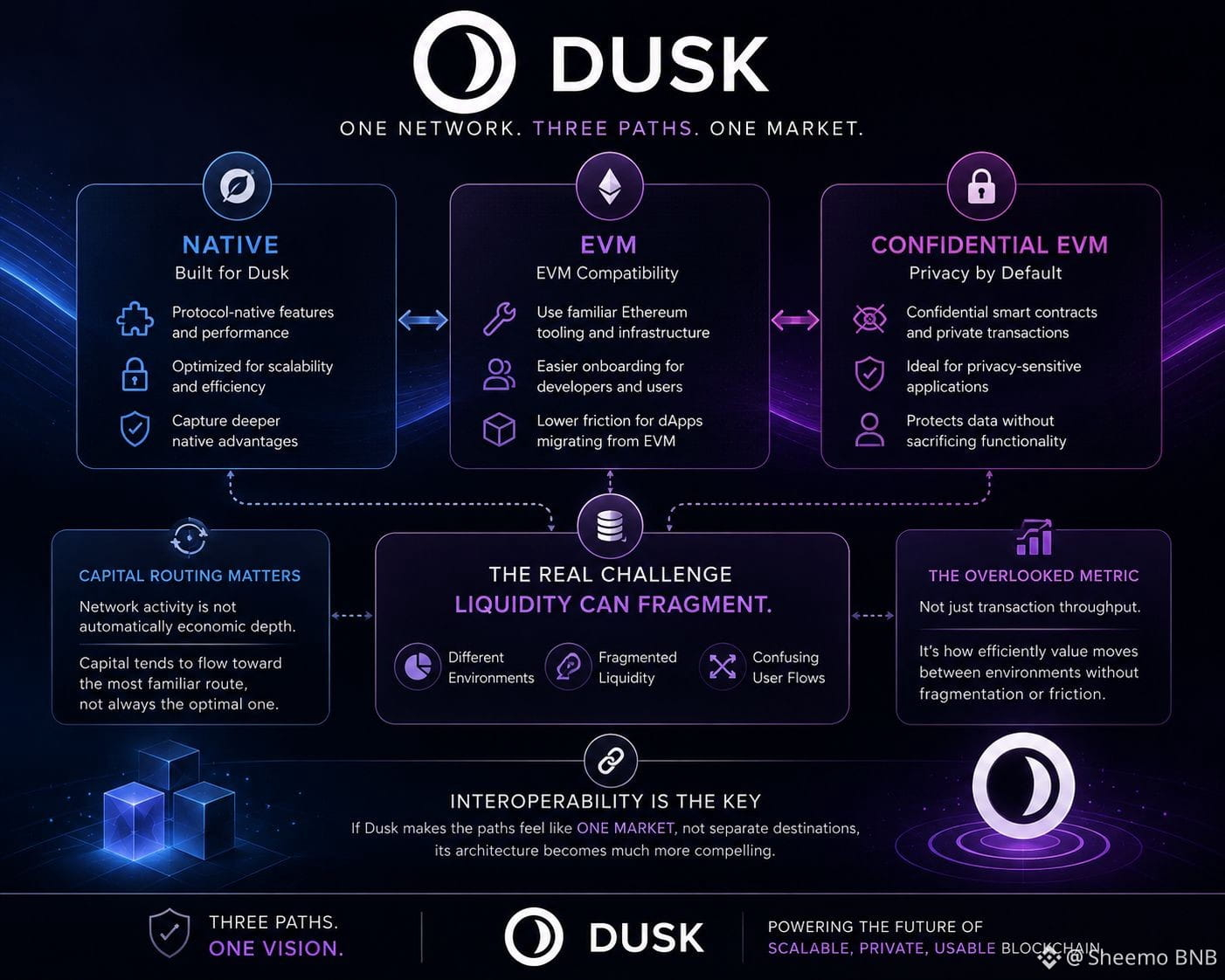
@Dusk_Foundation Duskの3つの実行パスについて、開発者向けの機能というよりも資本のルーティング問題として考えていました。
ネイティブ、EVM、機密EVMはそれぞれ異なるタイプのアプリケーションを引き寄せられますが、その一方で実行環境によって流動性が分断される可能性も生まれます。
EVMアプリケーションは、馴染みのあるEthereumのツールingを継承でき、オンボーディングを容易にします。プライバシーに配慮したアプリケーションは機密EVMを好むかもしれません。ネイティブ・コントラクトは、プロトコル固有のより深い利点を捉えられる可能性があります。重要なのは、その嗜好が分岐したときに、ユーザーと資本に何が起きるかです。
「実行の選択肢が増えるほど、流動性が隠れる場所も増えるということです。」
これが重要なのは、ネットワーク活動が自動的に経済的な深みにつながるわけではないからです。ユーザーが、アプリケーションがどの環境に属しているかを繰り返し理解する必要があると、資本は技術的に最適なルートではなく、最も馴染みのあるルートに集中する可能性があります。
ここで見落とされがちな指標は、単にトランザクションのスループットではありません。Duskの環境間で、分断された流動性、重複したインテグレーション、わかりにくいユーザーフローを生み出さずに、価値がどれだけ効率的に移動できるかです。
弱点は、相互運用性やツールingが追いつかなければ、3つのパスが3つのエコシステムになってしまうことです。
もしDuskが、これらのパスを別々の目的地ではなく「1つの市場」として体感できるようにするなら、アーキテクチャは私にとってずっと魅力的になります。
#DUSK #dusk $DUSK
{future}(DUSKUSDT)
$ACE
{future}(ACEUSDT)
@Dusk Duskの3つの実行パスについて、開発者向けの機能というよりも資本のルーティング問題として考えていました。
ネイティブ、EVM、機密EVMはそれぞれ異なるタイプのアプリケーションを引き寄せられますが、その一方で実行環境によって流動性が分断される可能性も生まれます。
EVMアプリケーションは、馴染みのあるEthereumのツールingを継承でき、オンボーディングを容易にします。プライバシーに配慮したアプリケーションは機密EVMを好むかもしれません。ネイティブ・コントラクトは、プロトコル固有のより深い利点を捉えられる可能性があります。重要なのは、その嗜好が分岐したときに、ユーザーと資本に何が起きるかです。
「実行の選択肢が増えるほど、流動性が隠れる場所も増えるということです。」
これが重要なのは、ネットワーク活動が自動的に経済的な深みにつながるわけではないからです。ユーザーが、アプリケーションがどの環境に属しているかを繰り返し理解する必要があると、資本は技術的に最適なルートではなく、最も馴染みのあるルートに集中する可能性があります。
ここで見落とされがちな指標は、単にトランザクションのスループットではありません。Duskの環境間で、分断された流動性、重複したインテグレーション、わかりにくいユーザーフローを生み出さずに、価値がどれだけ効率的に移動できるかです。
弱点は、相互運用性やツールingが追いつかなければ、3つのパスが3つのエコシステムになってしまうことです。
もしDuskが、これらのパスを別々の目的地ではなく「1つの市場」として体感できるようにするなら、アーキテクチャは私にとってずっと魅力的になります。
#DUSK #dusk $DUSK
$ACE
ネイティブ、EVM、機密EVMはそれぞれ異なるタイプのアプリケーションを引き寄せられますが、その一方で実行環境によって流動性が分断される可能性も生まれます。
EVMアプリケーションは、馴染みのあるEthereumのツールingを継承でき、オンボーディングを容易にします。プライバシーに配慮したアプリケーションは機密EVMを好むかもしれません。ネイティブ・コントラクトは、プロトコル固有のより深い利点を捉えられる可能性があります。重要なのは、その嗜好が分岐したときに、ユーザーと資本に何が起きるかです。
「実行の選択肢が増えるほど、流動性が隠れる場所も増えるということです。」
これが重要なのは、ネットワーク活動が自動的に経済的な深みにつながるわけではないからです。ユーザーが、アプリケーションがどの環境に属しているかを繰り返し理解する必要があると、資本は技術的に最適なルートではなく、最も馴染みのあるルートに集中する可能性があります。
ここで見落とされがちな指標は、単にトランザクションのスループットではありません。Duskの環境間で、分断された流動性、重複したインテグレーション、わかりにくいユーザーフローを生み出さずに、価値がどれだけ効率的に移動できるかです。
弱点は、相互運用性やツールingが追いつかなければ、3つのパスが3つのエコシステムになってしまうことです。
もしDuskが、これらのパスを別々の目的地ではなく「1つの市場」として体感できるようにするなら、アーキテクチャは私にとってずっと魅力的になります。
#DUSK #dusk $DUSK
$ACE
30
18
142
·
--
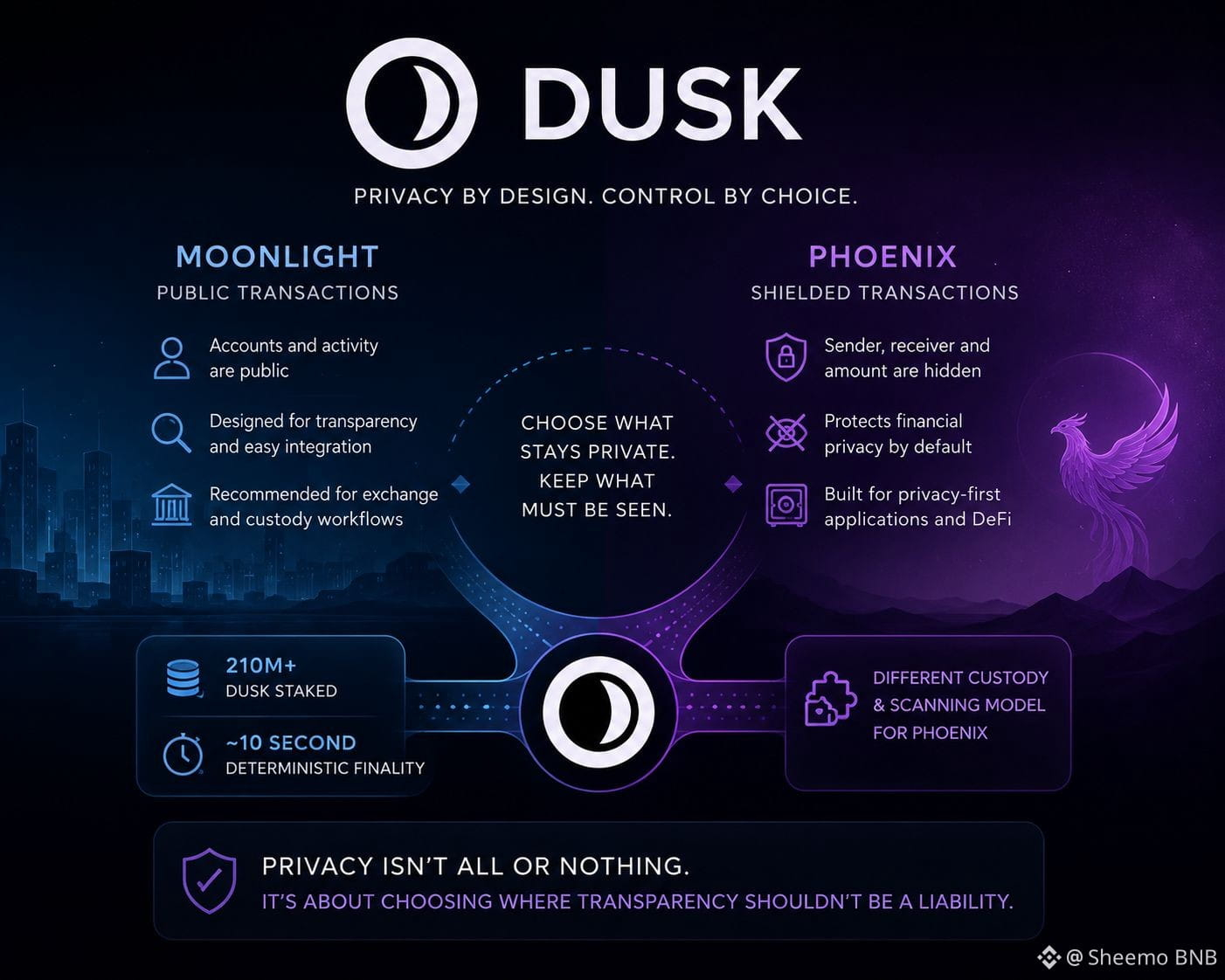
@Dusk_Foundation 私はDuskをプライバシー機能というより、会計上の設計課題として捉え始めています。
興味深いのは、Moonlightの公開アカウントモデルとPhoenixの秘匿ノートの間を行き来できることです。そうすると、資本提供者にとっての問いが「これは本当にプライベートなのか?」ではなく、「必要になったときに、資本がどこに行ったのかをまだ突き合わせ(リコンシレート)できるのか?」へと変わります。
それが重要なのは、機関投資家の資金は、単一の可視性体制のもとで運用されることがほとんどないからです。取引、保管(カストディ)、決済、コンプライアンスそれぞれで、必要な情報の粒度が異なります。
したがって、MoonlightとPhoenixの間の変換(コンバージョン)経路は、どちらか一方の方式そのものよりも重要です。両者の切り替えが確実に行えるなら、利用者は、運用上の透明性を恒久的に犠牲にすることなく、プライバシーを選べます。
「優れたプライバシーは、説明責任を減らさずに、さらされる範囲を抑えるべきだ。」
弱点も明らかです。追加の取引モデルが増えるほど、ウォレット、取引所、カストディに対する運用負荷が増えます。もしそれらの統合がぎこちないままだと、Phoenixが技術的にどれほど強力でも、利用者はより簡単な公開パスにデフォルトで流れてしまう可能性があります。
私にとって投資シグナルは、Duskが選択的プライバシーを運用上“退屈(当たり前)なもの”にできるかどうかです。それは、紙の上で目を引くプライバシーにとどまるよりも、はるかに強い形の普及(アダプション)につながります。
#DUSK #dusk $DUSK
{future}(DUSKUSDT)
@Dusk 私はDuskをプライバシー機能というより、会計上の設計課題として捉え始めています。
興味深いのは、Moonlightの公開アカウントモデルとPhoenixの秘匿ノートの間を行き来できることです。そうすると、資本提供者にとっての問いが「これは本当にプライベートなのか?」ではなく、「必要になったときに、資本がどこに行ったのかをまだ突き合わせ(リコンシレート)できるのか?」へと変わります。
それが重要なのは、機関投資家の資金は、単一の可視性体制のもとで運用されることがほとんどないからです。取引、保管(カストディ)、決済、コンプライアンスそれぞれで、必要な情報の粒度が異なります。
したがって、MoonlightとPhoenixの間の変換(コンバージョン)経路は、どちらか一方の方式そのものよりも重要です。両者の切り替えが確実に行えるなら、利用者は、運用上の透明性を恒久的に犠牲にすることなく、プライバシーを選べます。
「優れたプライバシーは、説明責任を減らさずに、さらされる範囲を抑えるべきだ。」
弱点も明らかです。追加の取引モデルが増えるほど、ウォレット、取引所、カストディに対する運用負荷が増えます。もしそれらの統合がぎこちないままだと、Phoenixが技術的にどれほど強力でも、利用者はより簡単な公開パスにデフォルトで流れてしまう可能性があります。
私にとって投資シグナルは、Duskが選択的プライバシーを運用上“退屈(当たり前)なもの”にできるかどうかです。それは、紙の上で目を引くプライバシーにとどまるよりも、はるかに強い形の普及(アダプション)につながります。
#DUSK #dusk $DUSK
興味深いのは、Moonlightの公開アカウントモデルとPhoenixの秘匿ノートの間を行き来できることです。そうすると、資本提供者にとっての問いが「これは本当にプライベートなのか?」ではなく、「必要になったときに、資本がどこに行ったのかをまだ突き合わせ(リコンシレート)できるのか?」へと変わります。
それが重要なのは、機関投資家の資金は、単一の可視性体制のもとで運用されることがほとんどないからです。取引、保管(カストディ)、決済、コンプライアンスそれぞれで、必要な情報の粒度が異なります。
したがって、MoonlightとPhoenixの間の変換(コンバージョン)経路は、どちらか一方の方式そのものよりも重要です。両者の切り替えが確実に行えるなら、利用者は、運用上の透明性を恒久的に犠牲にすることなく、プライバシーを選べます。
「優れたプライバシーは、説明責任を減らさずに、さらされる範囲を抑えるべきだ。」
弱点も明らかです。追加の取引モデルが増えるほど、ウォレット、取引所、カストディに対する運用負荷が増えます。もしそれらの統合がぎこちないままだと、Phoenixが技術的にどれほど強力でも、利用者はより簡単な公開パスにデフォルトで流れてしまう可能性があります。
私にとって投資シグナルは、Duskが選択的プライバシーを運用上“退屈(当たり前)なもの”にできるかどうかです。それは、紙の上で目を引くプライバシーにとどまるよりも、はるかに強い形の普及(アダプション)につながります。
#DUSK #dusk $DUSK
12
8
341
·
--
@babylonlabs_io #baby
私は、何が可能になるかではなく、意図的に不可能にする仕組みのほうにより注意を払うようになりました。
Babylonの信託不要型ビットコイン・バルト(Trustless Bitcoin Vaults)は、担保がビットコインのままネイティブに維持される一方で、ボールトは広く譲渡可能な資産になるのではなく、特定の用途のために作られている点が目を引いたからです。この設計は到達しうる結果の幅を狭めますが、その分、ユーザーが信頼しなければならない前提の幅も狭めます。
投資の観点では、それは興味深いトレードオフです。可動部分が少ないシステムは、同じレベルの組み合わせ可能性(composability)を生まないかもしれませんが、最初から各資産により定義された目的があるため、より明確なリスク会計につながる可能性があります。
「プロトコルの限界は、しばしばその優先事項を明らかにする。」
$BABY
{future}(BABYUSDT)
もちろん代償もあります。担保の流動性を制限すると、資本効率が下がり、より柔軟な代替案よりも、より広いDeFiエコシステムとの統合が遅くなることがあります。このトレードオフが成功するかどうかは、ユーザーが最大限の選択肢(オプショナリティ)よりも、予測可能な安全性を引き続き重視するかにかかっています。
今後の設計改善を見落としている可能性もありますが、市場はしばしば、柔軟性が新たな信頼前提を生むかどうかを問う前に、柔軟性に報いるように見えます。時間が経つにつれて、自らの境界を最も明確に定義するプロトコルほど、資本が確信をもって評価しやすいものになるかもしれません。
#Babylon $HEI
{future}(HEIUSDT)
$BLESS
{future}(BLESSUSDT)
TBVで最も重要なのは何?
@BabylonLabs_io #baby
私は、何が可能になるかではなく、意図的に不可能にする仕組みのほうにより注意を払うようになりました。
Babylonの信託不要型ビットコイン・バルト(Trustless Bitcoin Vaults)は、担保がビットコインのままネイティブに維持される一方で、ボールトは広く譲渡可能な資産になるのではなく、特定の用途のために作られている点が目を引いたからです。この設計は到達しうる結果の幅を狭めますが、その分、ユーザーが信頼しなければならない前提の幅も狭めます。
投資の観点では、それは興味深いトレードオフです。可動部分が少ないシステムは、同じレベルの組み合わせ可能性(composability)を生まないかもしれませんが、最初から各資産により定義された目的があるため、より明確なリスク会計につながる可能性があります。
「プロトコルの限界は、しばしばその優先事項を明らかにする。」
$BABY
もちろん代償もあります。担保の流動性を制限すると、資本効率が下がり、より柔軟な代替案よりも、より広いDeFiエコシステムとの統合が遅くなることがあります。このトレードオフが成功するかどうかは、ユーザーが最大限の選択肢(オプショナリティ)よりも、予測可能な安全性を引き続き重視するかにかかっています。
今後の設計改善を見落としている可能性もありますが、市場はしばしば、柔軟性が新たな信頼前提を生むかどうかを問う前に、柔軟性に報いるように見えます。時間が経つにつれて、自らの境界を最も明確に定義するプロトコルほど、資本が確信をもって評価しやすいものになるかもしれません。
#Babylon $HEI
$BLESS
TBVで最も重要なのは何?
私は、何が可能になるかではなく、意図的に不可能にする仕組みのほうにより注意を払うようになりました。
Babylonの信託不要型ビットコイン・バルト(Trustless Bitcoin Vaults)は、担保がビットコインのままネイティブに維持される一方で、ボールトは広く譲渡可能な資産になるのではなく、特定の用途のために作られている点が目を引いたからです。この設計は到達しうる結果の幅を狭めますが、その分、ユーザーが信頼しなければならない前提の幅も狭めます。
投資の観点では、それは興味深いトレードオフです。可動部分が少ないシステムは、同じレベルの組み合わせ可能性(composability)を生まないかもしれませんが、最初から各資産により定義された目的があるため、より明確なリスク会計につながる可能性があります。
「プロトコルの限界は、しばしばその優先事項を明らかにする。」
$BABY
もちろん代償もあります。担保の流動性を制限すると、資本効率が下がり、より柔軟な代替案よりも、より広いDeFiエコシステムとの統合が遅くなることがあります。このトレードオフが成功するかどうかは、ユーザーが最大限の選択肢(オプショナリティ)よりも、予測可能な安全性を引き続き重視するかにかかっています。
今後の設計改善を見落としている可能性もありますが、市場はしばしば、柔軟性が新たな信頼前提を生むかどうかを問う前に、柔軟性に報いるように見えます。時間が経つにつれて、自らの境界を最も明確に定義するプロトコルほど、資本が確信をもって評価しやすいものになるかもしれません。
#Babylon $HEI
$BLESS
TBVで最も重要なのは何?
🔹 Native BTC security
100%
🔹 Clear protocol boundaries
0%
🔹 Capital efficiency
0%
2 投票 • 投票は終了しました
11
6
126
·
--
プロトコルのコーディネーション(連携)に、取引件数よりもより注意を向けるようになりました。なぜなら、実際のスケーラビリティ制約が現れやすいのは、多くの場合そこだからです。
Babylonでは、バルト(ボールト)の作成は、オンチェーンに進む前に必要な署名を集めることに依存しています。このステップは運用上の手間として片付けられがちですが、より重要なことを示していると思います。インフラは、それを裏で調整する参加者たちと同じくらいしか効率的になれないのです。
投資家の観点では、成功したバルト作成は単に需要の指標であるだけではありません。セキュリティがそれを求めるとき、独立したアクター同士が確実に同期できることの証拠です。だからこそ、コーディネーションの質は、TVLやステーキング参加と並ぶ見落とされがちな指標になります。
「信頼できるコーディネーションは、プロトコルの流動性の一形態です。」
もちろん弱点もあります。追加のコーディネーション要件が増えるほど、別の潜在的なボトルネックが生まれるからです。署名者の稼働状況が安定しなくなると、ユーザーの関心が高いままであっても、アクティベーションは遅れます。これは必ずしもセキュリティ上の失敗ではありませんが、成長の制約になり得ます。
全体像の一部を見落としているかもしれませんが、それでも、市場は完了したバルトに対して、失敗した、あるいは放棄された試みの割合よりもはるかに大きな注意を払っているように見えます。コーディネーションがどこで破綻するのかを理解できれば、見出しの採用数よりも、長期的なネットワークの回復力について多くを教えてくれるかもしれません。
#Babylon #baby @babylonlabs_io $BABY
{future}(BABYUSDT)
$CYS
{future}(CYSUSDT)
$HEI
{future}(HEIUSDT)
バビロンの成長にとって、何がより重要でしょうか?
プロトコルのコーディネーション(連携)に、取引件数よりもより注意を向けるようになりました。なぜなら、実際のスケーラビリティ制約が現れやすいのは、多くの場合そこだからです。
Babylonでは、バルト(ボールト)の作成は、オンチェーンに進む前に必要な署名を集めることに依存しています。このステップは運用上の手間として片付けられがちですが、より重要なことを示していると思います。インフラは、それを裏で調整する参加者たちと同じくらいしか効率的になれないのです。
投資家の観点では、成功したバルト作成は単に需要の指標であるだけではありません。セキュリティがそれを求めるとき、独立したアクター同士が確実に同期できることの証拠です。だからこそ、コーディネーションの質は、TVLやステーキング参加と並ぶ見落とされがちな指標になります。
「信頼できるコーディネーションは、プロトコルの流動性の一形態です。」
もちろん弱点もあります。追加のコーディネーション要件が増えるほど、別の潜在的なボトルネックが生まれるからです。署名者の稼働状況が安定しなくなると、ユーザーの関心が高いままであっても、アクティベーションは遅れます。これは必ずしもセキュリティ上の失敗ではありませんが、成長の制約になり得ます。
全体像の一部を見落としているかもしれませんが、それでも、市場は完了したバルトに対して、失敗した、あるいは放棄された試みの割合よりもはるかに大きな注意を払っているように見えます。コーディネーションがどこで破綻するのかを理解できれば、見出しの採用数よりも、長期的なネットワークの回復力について多くを教えてくれるかもしれません。
#Babylon #baby @BabylonLabs_io $BABY
$CYS
$HEI
バビロンの成長にとって、何がより重要でしょうか?
Babylonでは、バルト(ボールト)の作成は、オンチェーンに進む前に必要な署名を集めることに依存しています。このステップは運用上の手間として片付けられがちですが、より重要なことを示していると思います。インフラは、それを裏で調整する参加者たちと同じくらいしか効率的になれないのです。
投資家の観点では、成功したバルト作成は単に需要の指標であるだけではありません。セキュリティがそれを求めるとき、独立したアクター同士が確実に同期できることの証拠です。だからこそ、コーディネーションの質は、TVLやステーキング参加と並ぶ見落とされがちな指標になります。
「信頼できるコーディネーションは、プロトコルの流動性の一形態です。」
もちろん弱点もあります。追加のコーディネーション要件が増えるほど、別の潜在的なボトルネックが生まれるからです。署名者の稼働状況が安定しなくなると、ユーザーの関心が高いままであっても、アクティベーションは遅れます。これは必ずしもセキュリティ上の失敗ではありませんが、成長の制約になり得ます。
全体像の一部を見落としているかもしれませんが、それでも、市場は完了したバルトに対して、失敗した、あるいは放棄された試みの割合よりもはるかに大きな注意を払っているように見えます。コーディネーションがどこで破綻するのかを理解できれば、見出しの採用数よりも、長期的なネットワークの回復力について多くを教えてくれるかもしれません。
#Babylon #baby @BabylonLabs_io $BABY
$CYS
$HEI
バビロンの成長にとって、何がより重要でしょうか?
Reliable signer coordination
100%
Higher vault creation rate
0%
2 投票 • 投票は終了しました
28
25
614
·
--
#baby #Babylon @babylonlabs_io
私は、ビットコインを保有する人たちが根本的に信頼しているものを変えることなく、ビットコインの役割を拡張するプロトコルにより関心を持つようになりました。
だからこそ、バビロンは私の目に留まるのです。
本当の革新は、単にBTCが自分自身のネットワーク以外でもセキュリティに貢献できるというだけではありません。強みである自己保管(セルフカストディ)というビットコインの最も強い性質を維持しつつ、その経済的な重みでPoSエコシステムを支えるよう設計されている点にあります。
投資家の視点では、議論が「BTCはどれくらいの利回りを得られるのか?」から「ビットコインは、拡大する暗号経済の基盤となるセキュリティ層になれるのか?」へと変わります。
それはまったく別の問いです。
もしこのセキュリティモデルが信頼できると証明されれば、価値は1つのアプリケーションに限定されません。ほかのネットワークが、その周りに構築を選ぶためのインフラになります。
「所有権を損なわずにユーティリティが増えるほど、資本はより耐久性を持つ。」
この論拠はリスクがゼロではありません。導入が最終的に左右されるのは、PoSチェーンが一貫して、既存の代替案よりもビットコインに裏付けられたセキュリティのほうを価値あるものだと見なすかどうかです。強い技術だけでは、継続的な需要が保証されるわけではありません。
それでも私は、市場がインセンティブの価格設定に費やす時間がまだ多すぎて、セキュリティモデルそのものの品質を価格設定する時間が足りないと感じています。
#Babylon @babylonlabs_io
#baby $BABY
{future}(BABYUSDT)
$VIC
{future}(VICUSDT)
$BICO
{future}(BICOUSDT)
バビロンの最大の長期的な優位性は何ですか?
#baby #Babylon @BabylonLabs_io
私は、ビットコインを保有する人たちが根本的に信頼しているものを変えることなく、ビットコインの役割を拡張するプロトコルにより関心を持つようになりました。
だからこそ、バビロンは私の目に留まるのです。
本当の革新は、単にBTCが自分自身のネットワーク以外でもセキュリティに貢献できるというだけではありません。強みである自己保管(セルフカストディ)というビットコインの最も強い性質を維持しつつ、その経済的な重みでPoSエコシステムを支えるよう設計されている点にあります。
投資家の視点では、議論が「BTCはどれくらいの利回りを得られるのか?」から「ビットコインは、拡大する暗号経済の基盤となるセキュリティ層になれるのか?」へと変わります。
それはまったく別の問いです。
もしこのセキュリティモデルが信頼できると証明されれば、価値は1つのアプリケーションに限定されません。ほかのネットワークが、その周りに構築を選ぶためのインフラになります。
「所有権を損なわずにユーティリティが増えるほど、資本はより耐久性を持つ。」
この論拠はリスクがゼロではありません。導入が最終的に左右されるのは、PoSチェーンが一貫して、既存の代替案よりもビットコインに裏付けられたセキュリティのほうを価値あるものだと見なすかどうかです。強い技術だけでは、継続的な需要が保証されるわけではありません。
それでも私は、市場がインセンティブの価格設定に費やす時間がまだ多すぎて、セキュリティモデルそのものの品質を価格設定する時間が足りないと感じています。
#Babylon @BabylonLabs_io
#baby $BABY
$VIC
$BICO
バビロンの最大の長期的な優位性は何ですか?
私は、ビットコインを保有する人たちが根本的に信頼しているものを変えることなく、ビットコインの役割を拡張するプロトコルにより関心を持つようになりました。
だからこそ、バビロンは私の目に留まるのです。
本当の革新は、単にBTCが自分自身のネットワーク以外でもセキュリティに貢献できるというだけではありません。強みである自己保管(セルフカストディ)というビットコインの最も強い性質を維持しつつ、その経済的な重みでPoSエコシステムを支えるよう設計されている点にあります。
投資家の視点では、議論が「BTCはどれくらいの利回りを得られるのか?」から「ビットコインは、拡大する暗号経済の基盤となるセキュリティ層になれるのか?」へと変わります。
それはまったく別の問いです。
もしこのセキュリティモデルが信頼できると証明されれば、価値は1つのアプリケーションに限定されません。ほかのネットワークが、その周りに構築を選ぶためのインフラになります。
「所有権を損なわずにユーティリティが増えるほど、資本はより耐久性を持つ。」
この論拠はリスクがゼロではありません。導入が最終的に左右されるのは、PoSチェーンが一貫して、既存の代替案よりもビットコインに裏付けられたセキュリティのほうを価値あるものだと見なすかどうかです。強い技術だけでは、継続的な需要が保証されるわけではありません。
それでも私は、市場がインセンティブの価格設定に費やす時間がまだ多すぎて、セキュリティモデルそのものの品質を価格設定する時間が足りないと感じています。
#Babylon @BabylonLabs_io
#baby $BABY
$VIC
$BICO
バビロンの最大の長期的な優位性は何ですか?
Self-custodial BTC staking
0%
Bitcoin-powered security
100%
BTCFi infrastructure growth
0%
1 投票 • 投票は終了しました
22
17
254
ログインして、さらにコンテンツを読む
厳選トピックで世界の暗号資産トレーダーの仲間入り
⚡️ 暗号資産に関する最新かつ有益な情報が見つかります。
💬 世界最大の暗号資産取引所から信頼されています。
👍 認証を受けたクリエイターから、有益なインサイトを得られます。
メール / 電話番号
トレンドトピック
BitcoinSpotETFsNetInflow$191M
閲覧回数 516
68人が討論中
#BitcoinFallsBelow$83,000
📉 フラッシュ・ディップ:ビットコインが$83,000を下回る—調整か、それともトレンド転換?
ビットコイン($BTC)は一時的に重要な$83,000 サポート水準を下回り、清算(ロングの損切り)とデリバティブ市場全体のボラティリティ上昇を引き起こしました。
急な押し目は、マクロ面の逆風—とりわけ米国債利回りの上昇、米ドル指数(DXY)の上昇—に加え、$83,000〜$85,000 の供給ゾーンで長期保有者による利確が行われたことが要因です。
📌 主要テクニカル&オンチェーン指標の内訳
🔻 直近の安値:ビットコインは主要取引所で24時間安値として約$82,889を付け、その後は$83,500〜$84,000付近へ安定化しました。
🛡️ 即時のサポート水準:トレーダーは主要サポートとして$82,000 水準を注視しており、さらに深い下値の安全網は心理的節目である$80,000 に据えられています。
🚀 レジスタンスの壁:強気の勢いを再構築するには、$BTCが$84,600を取り戻し、維持する必要があり、そうなれば$86,000への道が開けます。
⏳ 機関投資家の下支え:スポット価格の弱さにもかかわらず、機関投資家のスポットBTC ETFは純流入で1億9100万ドル($191 Million)を記録しており、ウォール街の買い手が売りの圧力を吸収していることを示唆しています。
🎯 戦略的なポイント:ボラティリティとの付き合い方
高レバレッジ取引を避ける:大きなオプション満期のイベントに向けた急落は、清算の連鎖が急激に起きやすくなります。レバレッジは低めにし、スポットのポジション規模もコントロールしてください。
マクロ指標を確認:米10年債利回りの上昇と、10月のFRB利上げの確率69.7%が、短期のリスクオフ志向を生み出しています。
構造的な需要に注目:複数日続くETFの流入は、大口の資本配分者が$83,000 を下回る下げを「構造的な買いの機会」として捉えていることを示しています。
この下落でパニック売りしますか?それとも主要サポートへドルコスト平均法(DCA)で買い増しますか?下に取引プランを投稿してください!💬👇
#BitcoinSpotETFsNetInflow$191M #bitcoin #BinanceSquare
Lily星星
·いいね:1件
·閲覧回数 26
CFTCUpdatesGuidanceOnTokenizedAssets
閲覧回数 9,981
493人が討論中
BitgetSays$352MAffectedInHack
閲覧回数 1,994
34人が討論中