
#sectoclarifyonchainfundraisingrules
sectoclarifyonchainfundraisingrules
109,918 views
893 Discussing
Hot
Latest

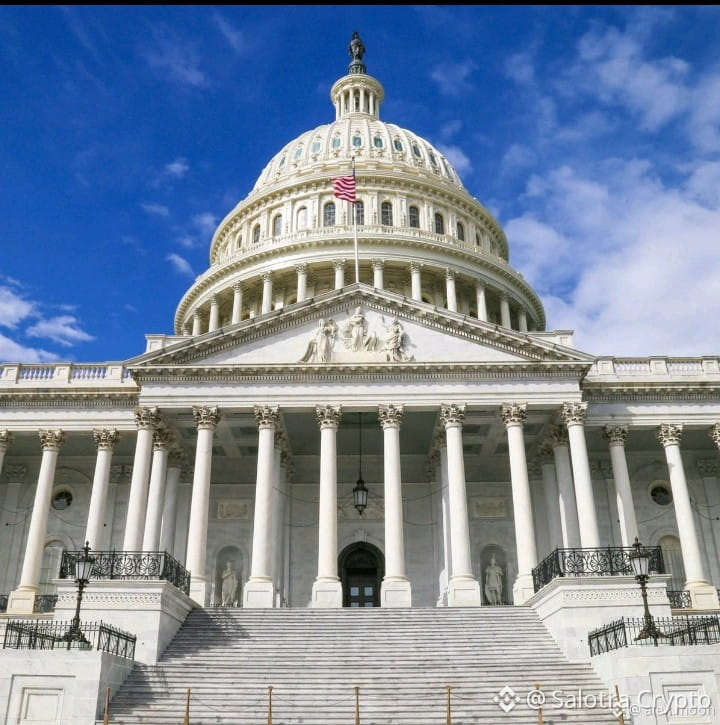
🚨 BREAKING: SEC CLARIFIES TOKEN BUYBACK RULES FOR FUNCTIONAL CRYPTO NETWORKS! 🇺🇸⚖️
🏛️ SEC staff says buyback announcements for functional crypto systems do not, by themselves, constitute promises of essential managerial efforts.
⚠️ For non-functional networks, buybacks tied to token-holder yield or returns can still be relevant under the Howey analysis.
🔗 This could provide more clarity for protocol treasury and cash-flow models.
📌 The guidance is SEC staff guidance, not a new rule or law, and has no legal force or effect.
🔥 Could this give crypto protocols more flexibility around token buybacks?
Follow for daily crypto updates 🚨
$MOVR $ARK $SOON
#SECToClarifyOnChainFundraisingRules
#UKFCAOpensCryptoFirmAuthorization
282

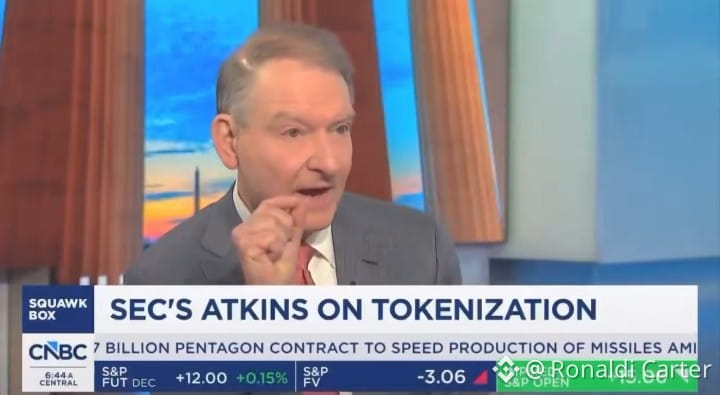
🚨OMG! 🇺🇸 THE SEC CHAIR PAUL ATKINS CONFIRMS THAT TRILLIONS OF DOLLARS WILL BE RAISED ON-CHAIN!
AMERICA WILL BECOME THE CRYPTO CAPITAL OF THE WORLD.
IT'S HAPPENING! 🔥
$XAU $BTC $ETH
#KoreaProposesTokenizingStocksAndBonds #MicronBeatsEarningsLiftsGuidance #USADPAdds90000JobsInSeptember #USCorePCEEasesTo3%InAugust #SECToClarifyOnChainFundraisingRules
AMERICA WILL BECOME THE CRYPTO CAPITAL OF THE WORLD.
IT'S HAPPENING! 🔥
$XAU $BTC $ETH
#KoreaProposesTokenizingStocksAndBonds #MicronBeatsEarningsLiftsGuidance #USADPAdds90000JobsInSeptember #USCorePCEEasesTo3%InAugust #SECToClarifyOnChainFundraisingRules
154

·
--
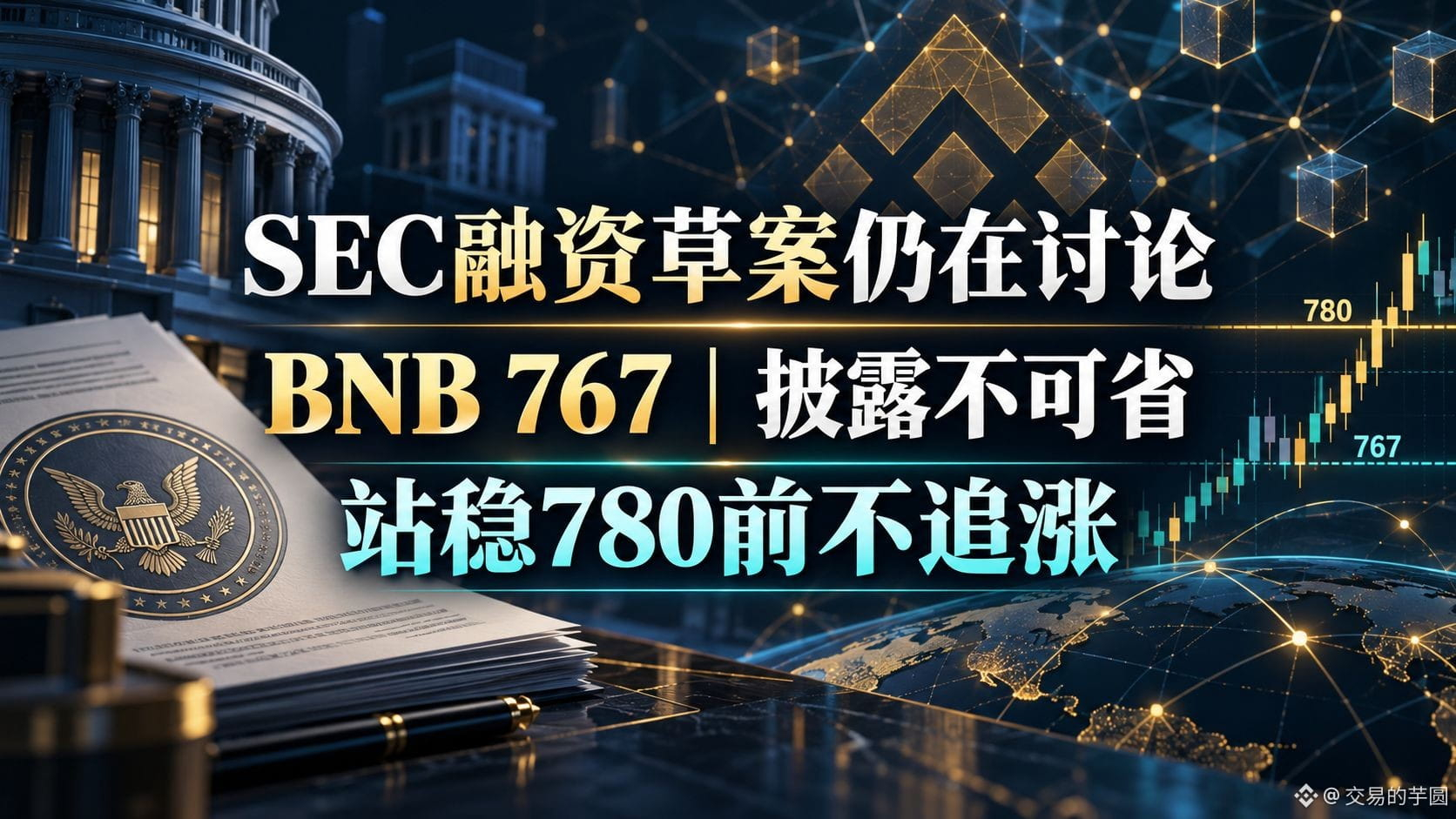
On-chain fundraising rules return to the hot list|BNB projects can’t skip disclosures|Around 767, I’ll wait for confirmation
My stance is cautious but slightly bullish, but I’m not treating regulatory discussions as an immediate buy order for BNB. Binance Square’s current #SECToClarifyOnChainFundraisingRules is still trending; it refers to a draft crypto-asset fundraising rule proposed by the U.S. SEC earlier, not a new regulation that takes effect today, and not a “pass” granted to any particular chain or token. In the original SEC text, there are two tiers of conditional exemptions: one allows aggregate fundraising of no more than $5 million within four years, and the other allows no more than $75 million within 12 months. Issuers still must disclose information according to the tier; larger-scale fundraising also requires financial statements and ongoing reporting obligations. Anti-fraud duties won’t disappear just because issuance happens on-chain. The comment period hasn’t ended yet, so the final text, implementation timing, and applicable boundaries may change.
This matter is related to BNB, but the logic isn’t “SEC proposal = BNB rises.” BNB Chain has the infrastructure for issuing, trading, and distributing assets. If clearer compliant fundraising paths emerge in the future, developers may be more willing to conduct auditable issuances and information disclosures. But whether an issuer can use the exemption depends on the project, investors, the amount, and the specific rules—not because it’s deployed on BNB Chain. Platform activity increasing doesn’t mean BNB holders instantly get proportional benefits. For traders, what’s more important is to track the official rules, real project deployment, on-chain activity, and fees—not to replace due diligence with trending hot-list keywords.
The market hasn’t given one-directional confirmation yet. At the time of writing, Binance BNBUSDT is around $767.52, up about 1.54% in the last 24 hours, ranging from $753.67 to $779.42. This increase can only reflect the concurrent price performance; it can’t be attributed to this old proposal. I see the area near 780 as short-term resistance that needs volume to hold, and around 754 as a defensive level in the near term. If after spiking it falls back below 770, it indicates that the chasing-buy liquidity isn’t stable. More importantly, the conditions that would overturn this view are: the SEC’s final rules tightening, project disclosures coming in below expectations, or the market’s overall risk appetite suddenly weakening.
If I were trading it myself, I wouldn’t chase longs or short BNB right now. I’d stay in cash, with a maximum of 5% of total funds per trade, and I wouldn’t use high leverage. Only if price closes above 780 on an hourly scale, pulls back without breaking it, and volume follows through, would I consider adding longs in batches. First target: 790; second target: 805. At 790, I’d cut the position by half; for the remaining position, I’d raise the stop-loss to near the entry price. The initial stop-loss would be placed below the pullback low, and the maximum loss per trade would be limited to within 0.5% of total funds. If it breaks 754, or if facts about regulation turn out opposite to expectations, I’d close the position outright without trying to average down. If 780 can’t hold at all, then this trade doesn’t exist—and I won’t write “waiting” as if it’s already filled. #SECToClarifyOnChainFundraisingRules #BNB
The above is only my personal market observation and does not constitute investment advice.
62


#sectoclarifyonchainfundraisingrules
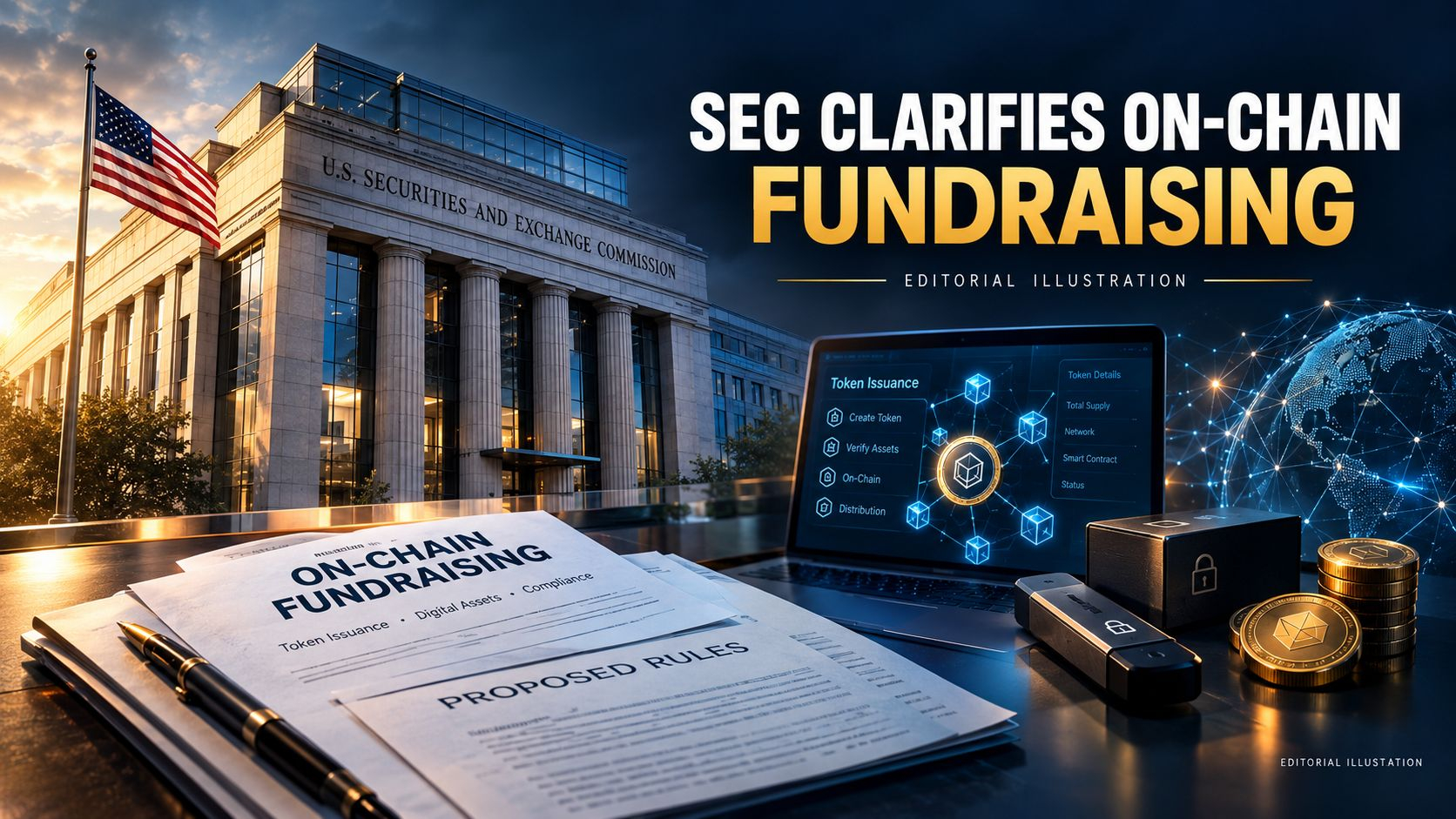
SEC Chair Says On-Chain Fundraising Rules Are Still Moving Forward
The failure of a U.S. crypto market-structure bill may not stop the SEC from creating a clearer path for token-based fundraising.
SEC Chair Paul Atkins said the agency is proceeding within its existing legal authority to clarify how companies can raise capital on-chain, despite Congress failing to advance the CLARITY Act. His comments point to regulatory action—not a new law—as the next major step for U.S. crypto fundraising.news.bitcoin+1
The SEC has already proposed Regulation Crypto Assets, which includes two potential exemptions. A startup exemption would allow eligible offerings of up to $5 million over four years, while a broader fundraising exemption would permit up to $75 million during a 12-month period. Both would require tailored disclosures, and the larger pathway would include financial statements and ongoing reporting.sec+1
The proposal also contains a conditional safe harbor that could allow a crypto asset to become separated from an associated investment contract after the issuer completes or ends the essential managerial efforts it promised to undertake. However, these provisions remain proposals, not final rules.
My take: A workable on-chain fundraising framework could bring more capital formation back to the U.S. and reduce reliance on offshore structures. But disclosure standards, eligibility, enforcement boundaries and the final safe-harbor conditions will determine whether this becomes genuine clarity or another layer of complexity.
Will SEC-led rulemaking be enough without congressional legislation?
#SEC #CryptoRegulation #Tokenization
$MOVR $AGT $NOM
{future}(NOMUSDT)
{future}(AGTUSDT)
{future}(MOVRUSDT)
#sectoclarifyonchainfundraisingrules
SEC Chair Says On-Chain Fundraising Rules Are Still Moving Forward
The failure of a U.S. crypto market-structure bill may not stop the SEC from creating a clearer path for token-based fundraising.
SEC Chair Paul Atkins said the agency is proceeding within its existing legal authority to clarify how companies can raise capital on-chain, despite Congress failing to advance the CLARITY Act. His comments point to regulatory action—not a new law—as the next major step for U.S. crypto fundraising.news.bitcoin+1
The SEC has already proposed Regulation Crypto Assets, which includes two potential exemptions. A startup exemption would allow eligible offerings of up to $5 million over four years, while a broader fundraising exemption would permit up to $75 million during a 12-month period. Both would require tailored disclosures, and the larger pathway would include financial statements and ongoing reporting.sec+1
The proposal also contains a conditional safe harbor that could allow a crypto asset to become separated from an associated investment contract after the issuer completes or ends the essential managerial efforts it promised to undertake. However, these provisions remain proposals, not final rules.
My take: A workable on-chain fundraising framework could bring more capital formation back to the U.S. and reduce reliance on offshore structures. But disclosure standards, eligibility, enforcement boundaries and the final safe-harbor conditions will determine whether this becomes genuine clarity or another layer of complexity.
Will SEC-led rulemaking be enough without congressional legislation?
#SEC #CryptoRegulation #Tokenization
$MOVR $AGT $NOM
1
1.5k

Article
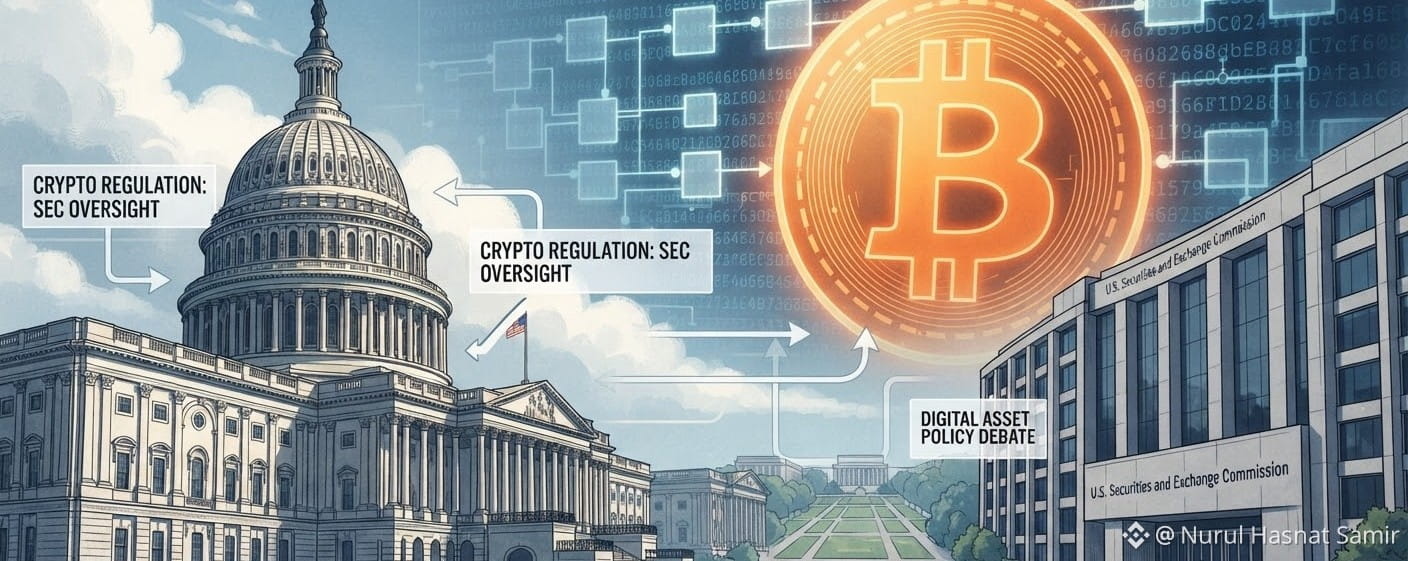
Congress Couldn't Pass Crypto's Biggest Bill—So the SEC Says It Will Act Alone 🏛️⚡#sectoclarifyonchainfundraisingrules
Couldn’t Pass Crypto’s Biggest Bill—So the SEC Is Acting Alone 🏛️📉
When the U.S. Senate fell just one vote short of advancing the CLARITY Act, many feared that crypto market-structure reform would be locked in Washington gridlock 🛑. However, SEC Chair Paul Atkins has just signaled that the agency won't wait 🚀.
What Happened? 🔍
The Legislative Stall 📜❌: On September 15, the CLARITY Act failed a Senate cloture vote (49-50), falling short of the 60 votes required to move forward.
The SEC’s Response ⚡: On September 29, Atkins announced that the SEC will use its existing statutory authority to provide regulatory clarity on on-chain fundraising, regardless of congressional progress.
Recent Regulatory Moves 📋: This follows the August proposal for "Regulation Crypto Assets" (offering fundraising exemptions up to $75 million annually 💰), tokenized-stock guidance on September 17, and FAQ clarifications on September 25.
Commission Dynamics 👥: This shift comes right after Commissioner Hester Peirce's departure on October 2, leaving a slim two-member commission to drive future decisions.
Why Does It Matter? ⚖️
For years, startups and token issuers have struggled without clear federal guardrails 🛡️, often risking retroactive penalties for unregistered securities sales ⚠️. Regulatory action from the SEC could speed up the process compared to slow legislative cycles ⏱️.
However, there is a catch 🎣: rules built on administrative guidance can easily be undone by a future SEC Chair 🔄. Unlike an act of Congress, agency-level rules lack permanent statutory protection.
$MOVR $AGT $STXB
{spot}(STXBUSDT)
{spot}(MOVRUSDT)
{future}(AGTUSDT)
Congress Couldn't Pass Crypto's Biggest Bill—So the SEC Says It Will Act Alone 🏛️⚡
#sectoclarifyonchainfundraisingrules
Couldn’t Pass Crypto’s Biggest Bill—So the SEC Is Acting Alone 🏛️📉
When the U.S. Senate fell just one vote short of advancing the CLARITY Act, many feared that crypto market-structure reform would be locked in Washington gridlock 🛑. However, SEC Chair Paul Atkins has just signaled that the agency won't wait 🚀.
What Happened? 🔍
The Legislative Stall 📜❌: On September 15, the CLARITY Act failed a Senate cloture vote (49-50), falling short of the 60 votes required to move forward.
The SEC’s Response ⚡: On September 29, Atkins announced that the SEC will use its existing statutory authority to provide regulatory clarity on on-chain fundraising, regardless of congressional progress.
Recent Regulatory Moves 📋: This follows the August proposal for "Regulation Crypto Assets" (offering fundraising exemptions up to $75 million annually 💰), tokenized-stock guidance on September 17, and FAQ clarifications on September 25.
Commission Dynamics 👥: This shift comes right after Commissioner Hester Peirce's departure on October 2, leaving a slim two-member commission to drive future decisions.
Why Does It Matter? ⚖️
For years, startups and token issuers have struggled without clear federal guardrails 🛡️, often risking retroactive penalties for unregistered securities sales ⚠️. Regulatory action from the SEC could speed up the process compared to slow legislative cycles ⏱️.
However, there is a catch 🎣: rules built on administrative guidance can easily be undone by a future SEC Chair 🔄. Unlike an act of Congress, agency-level rules lack permanent statutory protection.
$MOVR $AGT $STXB
1
4
2.7k

·
--
#sectoclarifyonchainfundraisingrules BREAKING:
SEC
Chair Paul Atkins said it again, days after the CLARITY Act's failure.
"Even though the CLARITY Act failed in Congress, we are proceeding
to provide clarity to the marketplace as far as how to
raise money on-chain."
"We're trying
to
move things on-chain, which I think is an exciting prospect."
Here's what's actually behind that statement.
Regulation Crypto Assets. Would let token founders raise up to $5,000,000 over four years, or $75,000,000 annually, without full registration requirements.
Atkins calls it one of the most significant SEC steps in roughly 40 years of unchanged securities rules.
Also updating transfer agent rules to allow blockchain-based recordkeeping. Proposing a path for investment advisers to self-custody crypto directly.
Three concrete rulemaking tracks. Not just rhetoric.
Here's the honest caveat Atkins himself gave weeks earlier.
"What we really do need is statutory grounding of this to make sure that it is sustainable."
Rules built purely on agency authority can be reversed by a future commission.
A law passed by Congress can't be undone as easily.
The Senate vote failed 49-50. Eleven votes short.
Atkins isn't pretending the SEC's path replaces legislation.
He's building the fastest available substitute while Congress figures out if it can finish the job it already spent 11 months on.$DKNG $JASMY $CRV
1
509

·
--
#SECToClarifyOnChainFundraisingRules
The SEC Chair will clarify chain-financing rules within the limits of legal authority.
Paul Atkins said the agency will clarify the rules on chain financing within its scope of competence, despite the failure of the CLARITY Act.
On September 15, the Senate rejected the bill by 49 votes to 50, falling short of the 60-vote threshold. Atkins did not specify whether the guidance will include exemptions, registration, or staff notes.
Concerns about terrorist financing and risky assets are under regulatory scrutiny as the SEC moves forward with the rules. The SEC had already supported tokenized actions on September 17 and published nine FAQs on September 25.
$BTC
{spot}(BTCUSDT)
$NVDA.US
{stock_us}(NVDA.US)
$BNB
{spot}(BNBUSDT)
#SECToClarifyOnChainFundraisingRules
The SEC Chair will clarify chain-financing rules within the limits of legal authority.
Paul Atkins said the agency will clarify the rules on chain financing within its scope of competence, despite the failure of the CLARITY Act.
On September 15, the Senate rejected the bill by 49 votes to 50, falling short of the 60-vote threshold. Atkins did not specify whether the guidance will include exemptions, registration, or staff notes.
Concerns about terrorist financing and risky assets are under regulatory scrutiny as the SEC moves forward with the rules. The SEC had already supported tokenized actions on September 17 and published nine FAQs on September 25.
$BTC
$NVDA.US
$BNB
1
1
120

·
--
Clear regulatory guidelines don't kill innovation in crypto, they kill the uncertainty that keeps institutional capital sitting on the sidelines.
Every seasoned investor remembers the painful 2017 ICO hangover, where retail got crushed by vague promises and sudden enforcement actions after chasing hype. When you see the Fear and Greed Index pushing 68, the natural instinct is to rush into every new launch without understanding whether the fundraising model will survive the next regulatory shift.
Watching the regulatory landscape evolve around on-chain fundraising brings back memories of how DeFi matured. When protocols like $AAVE and synthetic dollar engines like $ENA adapted to compliance standards, they did not lose their decentralization, they gained lasting legitimacy and deeper liquidity. On-chain fundraising needs that exact same transition so founders can build without looking over their shoulder and participants can invest without fearing an overnight freeze.
True clarity around how projects raise funds on-chain separates real builders from short-term cash grabs. As traditional finance explores tokenized assets and networks like $XRP expand their utility, having defined boundaries gives everyone a playbook to build sustainable value.
How do you think clearer fundraising rules will reshape the way retail participates in early-stage projects?
#SECToClarifyOnChainFundraisingRules #UKFCAOpensCryptoFirmAuthorization
295

·
--
🚨 THE SEC IS STARTING TO WRITE THE RULEBOOK FOR RAISING MONEY ONCHAIN.
For years, crypto fundraising lived in a gray zone:
Launch a token. Raise capital. Hope regulators agree with your structure later.
That era is slowly changing.
The SEC’s latest crypto guidance makes one thing clearer: putting a fundraising instrument onchain does not magically remove securities-law obligations. What matters is the economic reality — what buyers are promised, what rights they receive, and whether they are relying on a central team to create value.
At the same time, the SEC is actively opening pathways for more traditional securities activity to move onchain, including tokenized stocks under its new temporary Innovation Exemption.
That is the real shift:
Crypto is not being pushed out of capital markets.
Capital markets are being pulled onto crypto rails.
The next wave of fundraising may look less like “ICO season”…
and more like regulated securities issuance with wallets, smart contracts and onchain settlement.
That is a much bigger story than another token launch.
{stock_us}(NVDA.US)
{stock_us}(TSLA.US)
{future}(MUUSDT)
$NVDA.US $TSLA.US $MU
#sectoclarifyonchainfundraisingrules #KoreaProposesTokenizingStocksAndBonds #MetaMaskExitsLidoValidatorsAfterSecurityIncident #MicronBeatsEarningsLiftsGuidance #CFTCSubmitsTwoEventContractRulesToWhiteHouse
🚨 THE SEC IS STARTING TO WRITE THE RULEBOOK FOR RAISING MONEY ONCHAIN.
For years, crypto fundraising lived in a gray zone:
Launch a token. Raise capital. Hope regulators agree with your structure later.
That era is slowly changing.
The SEC’s latest crypto guidance makes one thing clearer: putting a fundraising instrument onchain does not magically remove securities-law obligations. What matters is the economic reality — what buyers are promised, what rights they receive, and whether they are relying on a central team to create value.
At the same time, the SEC is actively opening pathways for more traditional securities activity to move onchain, including tokenized stocks under its new temporary Innovation Exemption.
That is the real shift:
Crypto is not being pushed out of capital markets.
Capital markets are being pulled onto crypto rails.
The next wave of fundraising may look less like “ICO season”…
and more like regulated securities issuance with wallets, smart contracts and onchain settlement.
That is a much bigger story than another token launch.
$NVDA.US $TSLA.US $MU
#sectoclarifyonchainfundraisingrules #KoreaProposesTokenizingStocksAndBonds #MetaMaskExitsLidoValidatorsAfterSecurityIncident #MicronBeatsEarningsLiftsGuidance #CFTCSubmitsTwoEventContractRulesToWhiteHouse
826

·
--
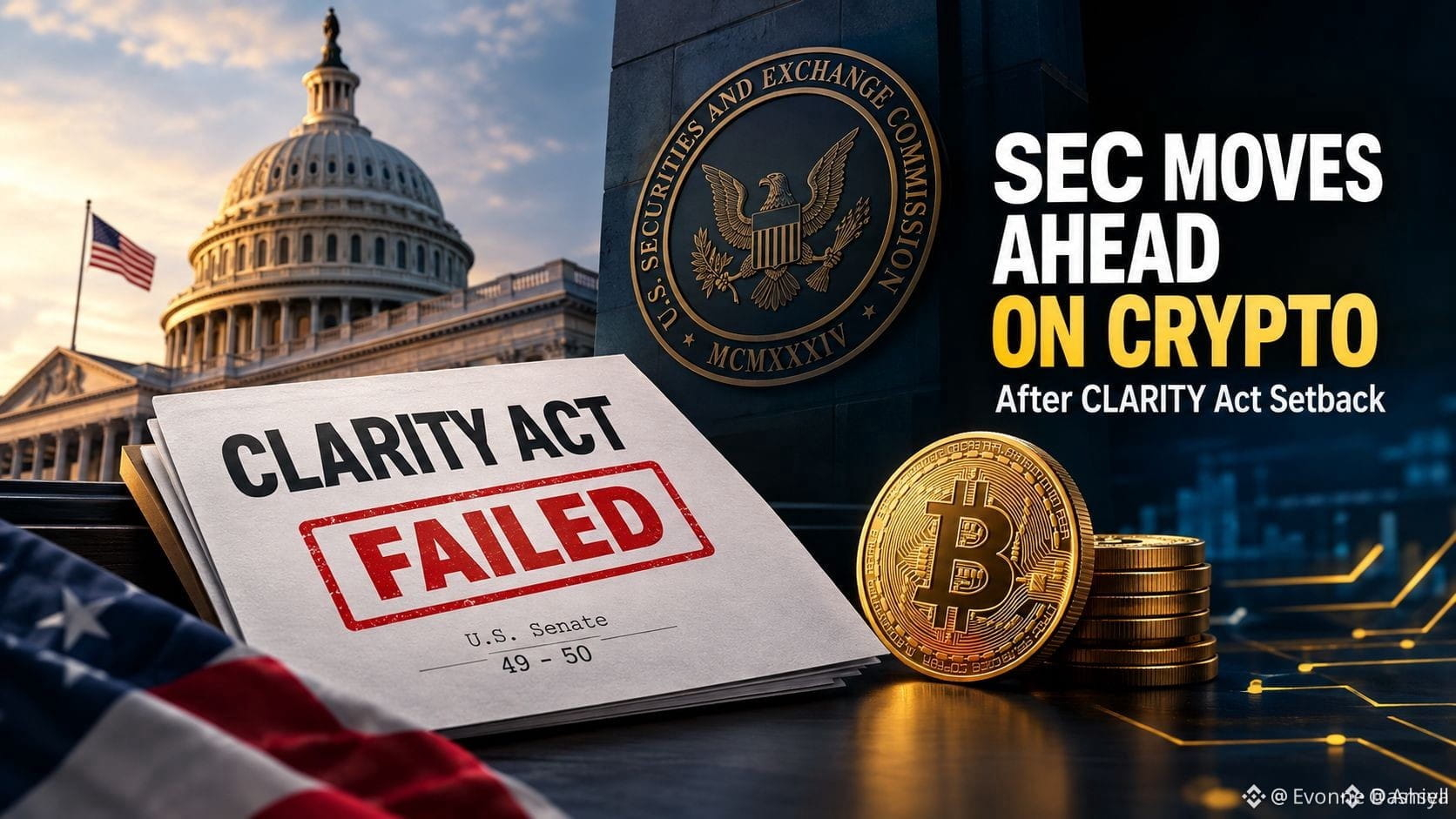
Recently, the U.S. Securities and Exchange Commission (SEC) has stepped up its regulation of on-chain fundraising activities, drawing widespread market attention. SEC Chair Gary Gensler has repeatedly emphasized that any securities issuance conducted on a blockchain must comply with existing securities laws. This means that if decentralized finance (DeFi) projects involve securities issuance, they may face compliance challenges. I believe that although increased regulation may raise project costs in the short term, it will benefit the long-term healthy development of the market and protect investors’ interests. Companies need to prioritize compliance to ensure that on-chain fundraising activities are legal and transparent. #SECToClarifyOnChainFundraisingRules
Recently, the U.S. Securities and Exchange Commission (SEC) has stepped up its regulation of on-chain fundraising activities, drawing widespread market attention. SEC Chair Gary Gensler has repeatedly emphasized that any securities issuance conducted on a blockchain must comply with existing securities laws. This means that if decentralized finance (DeFi) projects involve securities issuance, they may face compliance challenges. I believe that although increased regulation may raise project costs in the short term, it will benefit the long-term healthy development of the market and protect investors’ interests. Companies need to prioritize compliance to ensure that on-chain fundraising activities are legal and transparent. #SECToClarifyOnChainFundraisingRules
8

If you're still treating every on-chain raise as if the SEC doesn't exist, stop now.
This is the same trap that burned people in the ICO era, where FOMO buying turned into watching tokens get classified as illegal securities and liquidity dry up overnight. Missing the regulatory shift means holding bags while smarter money exits.
We've been here before. The 2017 boom and bust was a masterclass in what happens when fundraising outpaces the law, and $XRP spent years proving how messy it gets in court. Fast forward to today and protocols around $AAVE plus newer names like $ENA are doing more complex on-chain capital raises, yet the core question of what counts as a security never really got answered. Clarifying the rules now, while greed sits comfortably in the market, might actually prevent the next wave of surprises rather than just punish after the fact.
Unlike the enforcement-first playbook last time, this feels closer to what other places are attempting with clearer authorization paths.
What's your take on whether this helps legit projects or just adds more red tape?
#SECToClarifyOnChainFundraisingRules #UKFCAOpensCryptoFirmAuthorization #JapanMOFStudyGroupOnTokenizedGovtBonds
355
·
--
#SECToClarifyOnChainFundraisingRules
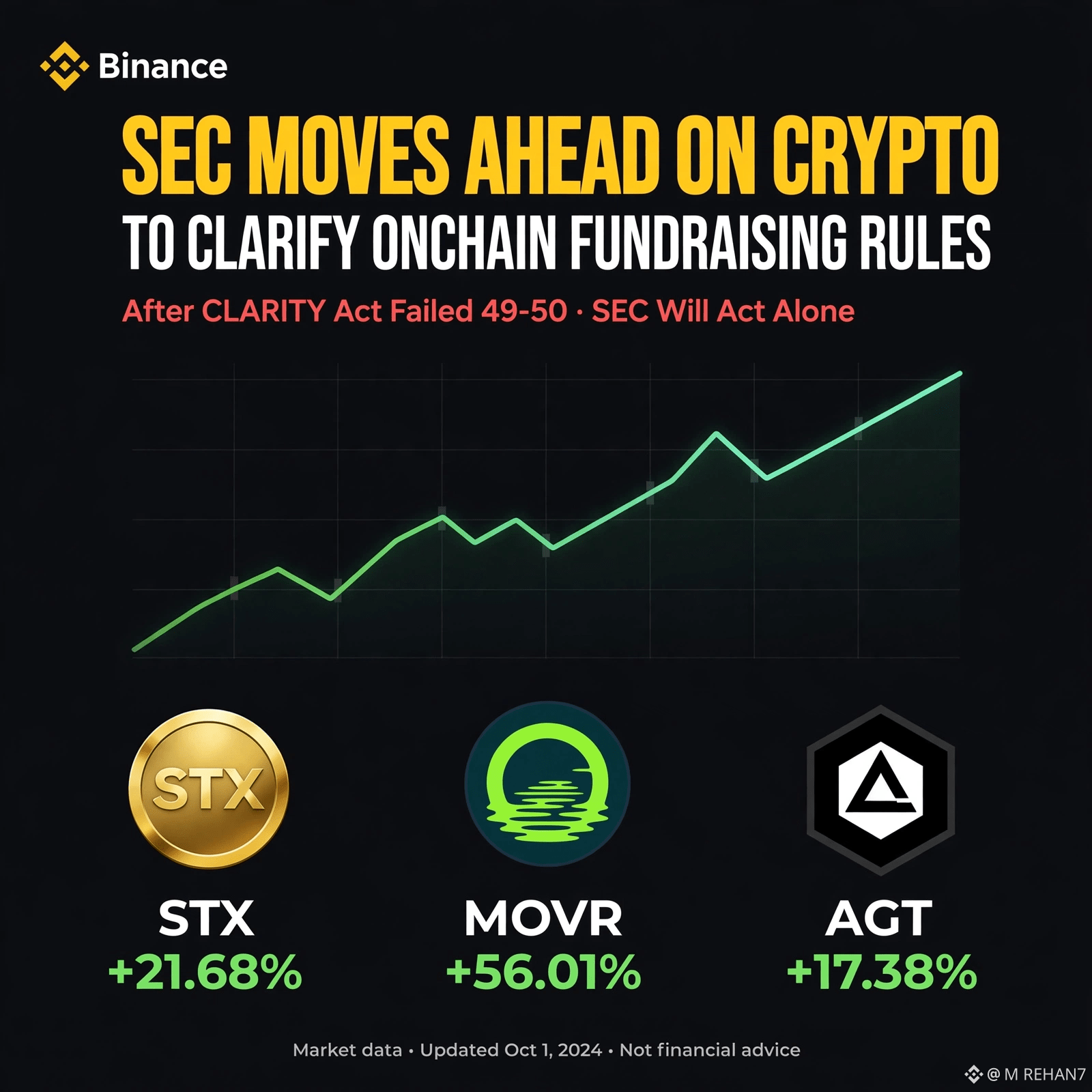
SEC MOVES AHEAD ON CRYPTO! 🌙
CLARITY Act FAILED 49-50 — Senate gridlock. But SEC Chair Paul Atkins says we won't wait — SEC will act alone to clarify onchain fundraising rules!
My Dark Market Analysis:
Failure in Congress = actually bullish catalyst. Clear onchain fundraising rules mean new projects can raise without legal fear. Next bull run will start from clarity!
Hot Coins Pumping:
$STX +21.68% — Bitcoin DeFi fundraising coin
$MOVR +56.01% — Moonriver massive pump, leading infra
$AGT +17.38% — Early gem for onchain raises
Infra coins always pump first when fundraising rules get clear. showing strength!
Are you buying infra before SEC clarity final?
#SEC #Onchain #DarkTheme #cryptouniverseofficial
3
2
635
🚨 BREAKING: SEC’S “REGULATION CRYPTO ASSETS” COMMENT PERIOD IS OPEN! 🇺🇸⚖️
🏛️ SEC is seeking public comments on its proposed crypto offering framework through October 20, 2026.
💰 TIER 1: Up to $20M in 12 months.
🚀 TIER 2: Up to $75M in 12 months.
🔓 The proposal also includes a conditional investment-contract safe harbor for qualifying crypto issuers.
🔥 Could these rules create a clearer path for U.S. crypto fundraising?
Follow for daily crypto updates 🚨
$NOM $MOVR $BTW
#SECToClarifyOnChainFundraisingRules
#USADPAdds90000JobsInSeptember
#USCorePCEEasesTo3%InAugust
542

The Securities and Exchange Commission (SEC) is set to provide much-needed clarity on the rules governing fundraising activities conducted on-chain. This move is significant as it addresses a key area of uncertainty for many crypto projects and investors. The lack of clear guidelines has often led to regulatory ambiguity, potentially stifling innovation or exposing participants to unforeseen risks. By offering clarification, the SEC aims to establish a more defined framework, fostering greater confidence and potentially paving the way for more compliant and secure on-chain fundraising methods. This could lead to increased institutional participation and a more mature digital asset ecosystem.
#SECToClarifyOnChainFundraisingRules
#SECToClarifyOnChainFundraisingRules
1
4
183

·
--
Article
🇺🇸🔗 SEC Moves to Clarify On-Chain Fundraising Rules#SECToClarifyOnChainFundraisingRules
The U.S. Securities and Exchange Commission (SEC) has proposed a new framework aimed at creating clearer rules for certain crypto-related investment contracts and fundraising activities.
The proposal, called “Regulation Crypto Assets,” would establish a tailored securities-offering framework for certain crypto investment contracts.
📊 Key points:
• Proposed startup exemption: up to $5 million over four years
• Proposed fundraising exemption: up to $75 million during each 12-month period
• Principles-based disclosure requirements would apply
• Securities-law anti-fraud and anti-manipulation provisions would remain applicable
• A conditional safe harbor could apply after an issuer completes or permanently stops promised essential managerial efforts
💰 Why it matters for crypto:
Clearer fundraising rules could give crypto projects more defined pathways for raising capital while operating within U.S. securities laws.
For investors and developers, the framework could affect how token launches, investment contracts and on-chain fundraising are structured.
🔎 What traders are watching:
• SEC rulemaking and public comments
• Token classification
• Crypto fundraising activity
• Investor-protection requirements
• How the framework could affect U.S.-based crypto projects
• Future SEC and CFTC coordination
⚠️ Important:
This is a proposed framework, not a final rule. The SEC's proposal is currently subject to the regulatory process, and public comments are due October 20, 2026. The final rules could differ from the proposal.
#SEC #CryptoRegulation #defi #BTC☀
🇺🇸🔗 SEC Moves to Clarify On-Chain Fundraising Rules
#SECToClarifyOnChainFundraisingRules
The U.S. Securities and Exchange Commission (SEC) has proposed a new framework aimed at creating clearer rules for certain crypto-related investment contracts and fundraising activities.
The proposal, called “Regulation Crypto Assets,” would establish a tailored securities-offering framework for certain crypto investment contracts.
📊 Key points:
• Proposed startup exemption: up to $5 million over four years
• Proposed fundraising exemption: up to $75 million during each 12-month period
• Principles-based disclosure requirements would apply
• Securities-law anti-fraud and anti-manipulation provisions would remain applicable
• A conditional safe harbor could apply after an issuer completes or permanently stops promised essential managerial efforts
💰 Why it matters for crypto:
Clearer fundraising rules could give crypto projects more defined pathways for raising capital while operating within U.S. securities laws.
For investors and developers, the framework could affect how token launches, investment contracts and on-chain fundraising are structured.
🔎 What traders are watching:
• SEC rulemaking and public comments
• Token classification
• Crypto fundraising activity
• Investor-protection requirements
• How the framework could affect U.S.-based crypto projects
• Future SEC and CFTC coordination
⚠️ Important:
This is a proposed framework, not a final rule. The SEC's proposal is currently subject to the regulatory process, and public comments are due October 20, 2026. The final rules could differ from the proposal.
#SEC #CryptoRegulation #defi #BTC☀
1
97

·
--
#SECToClarifyOnChainFundraisingRules
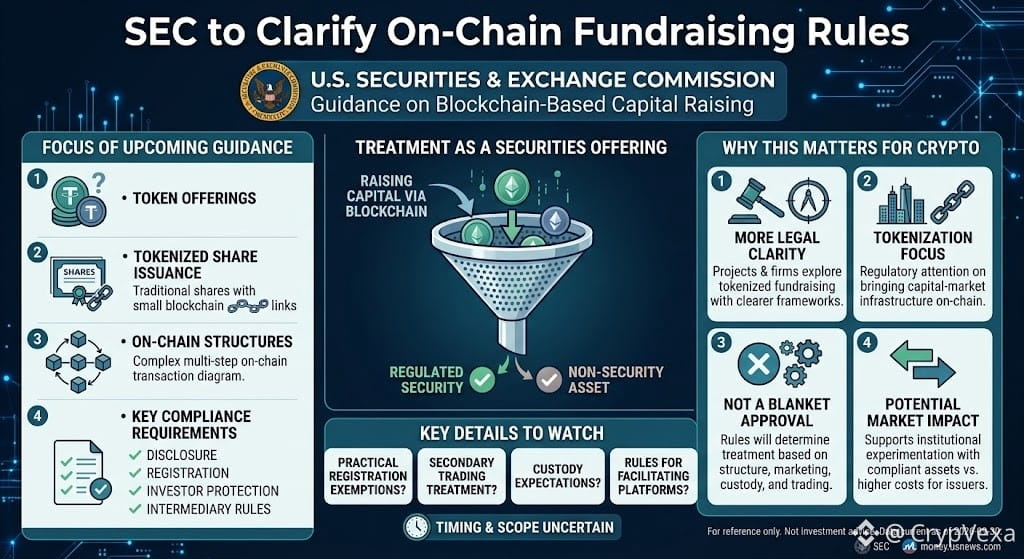
⚡ SEC Reportedly Prepares Clearer Rules for On-Chain Fundraising
🇺🇸 The SEC is reportedly working toward clearer guidance on how securities laws apply to blockchain-based fundraising.
🔗 The focus could include:
• Token offerings and tokenized shares
• Registration and disclosure requirements
• Investor-protection rules
• Custody and intermediary requirements
• Secondary trading of tokenized securities
🏦 Why it matters: Greater clarity could give companies and financial institutions a clearer framework for exploring tokenized capital markets.
⚠️ Clearer rules would not mean every token sale is automatically approved. Regulatory treatment could still depend on the structure, investors, marketing, custody, and trading arrangements.
👀 Could clearer SEC rules accelerate institutional adoption of tokenized assets?
#SEC #Tokenization #RWA #CryptoRegulation
52
·
--
SEC on-chain fundraising rules keep heating up|Proposal didn’t mention XMR|I won’t chase the rebound around 541
My stance is very clear: regulatory enthusiasm can be monitored, but you can’t directly write a fundraising proposal into approval for Monero. The #SECToClarifyOnChainFundraisingRules on Binance Square is still rising; I went back to cross-check the U.S. SEC’s original wording. The rule published on August 18 is the proposed 《Regulation Crypto Assets》, which lays out a securities offering pathway for “certain investment contracts involving crypto assets.” The proposal provides two types of proposed registration exemptions: up to $5 million in total once every four years, and up to $75 million every 12 months. Both require that issuers provide investors with principle-level disclosures, and the larger-scale category also requires financial statements and ongoing reporting. The comment period isn’t an official effective step, and it’s not an endorsement of every token.
Applying this news to XMR especially requires clarity about what the issue actually is. Monero is a privacy payment network running for years. Today’s discussion focuses on how the project team can raise funds in the U.S. under the rules—not on announcing that XMR will be listed on all platforms, and it hasn’t said that it no longer faces anti–money laundering, exchange compliance, or regional restrictions. Another SEC regulatory agenda emphasizes that capital formation and investor protection must go hand in hand—precisely showing there’s still a long distance between “rules may become clearer” and “all compliance barriers automatically disappear.” Whether privacy technology has real demand for use, and whether investors can conveniently buy and sell, are two different chains of evidence. I won’t swap the former for the latter just because it’s trending.
The market hasn’t provided immediate verification sufficient to support this optimistic narrative either. When I wrote, Kraken’s XMR/USD was around 541.28. Over the past 24 hours, the range was roughly 536.22 to 548.63, and the opening price was around 542.33. Price is still in the lower half of the intraday range, so you can’t attribute any arbitrary fluctuations after the proposal’s release to today’s hot-topic list. Monero’s official site’s latest blog software announcement is still the July version, and the project’s GitHub release page also doesn’t show any new entry that would allow us to claim a “new privacy upgrade went live on the mainnet today.” You can’t fill in the gaps with imagination in any of these links: the regulatory narrative, software development, and real liquidity.
If it were my own trading, I’m not participating. I only keep a small-position spot rebound plan and won’t do leveraged contracts. Only if XMR first reclaims 545 and holds, then breaks above 548.6’s 24-hour high—with no abnormality in both trading volume and available deposit/withdrawal channels—I would take a starter position of 1.5% of total funds. If price retraces above 548.6 and doesn’t break, I’ll add up to at most 3%. First target: trim half around 555; second target: trim the remaining half around 565. Stop loss if it falls back below 539. If the regulator’s formal text or trading channels show adverse changes, I won’t wait for the price targets—I’ll close the position directly. If it breaks below 536.2 first, I cancel the long plan and stay in cash.
Clarify the facts and applicability first, then talk about trading win rates.
#SECToClarifyOnChainFundraisingRules #XMR
The above is for personal market observation only and does not constitute investment advice.

59

·
--
Bullish
30D trade $BNB 28.8 USDT
⚡️ The SEC is nearing an explanation of fundraising rules
The U.S. Securities and Exchange Commission (SEC) is moving toward a clearer regulatory framework for fundraising activities linked to crypto tokens.
The proposals include registration-exemption pathways, along with a potential framework that specifies when a token may fall outside the scope of an «investment contract» under defined conditions.
But the key point: these are still proposals, not final rules.
If they become actual rules, they could give crypto projects greater clarity when raising capital, while maintaining disclosure requirements and investor protection.
$SOL $ETH $BNB
#SECToClarifyOnChainFundraisingRules
4
349

#sectoclarifyonchainfundraisingrules
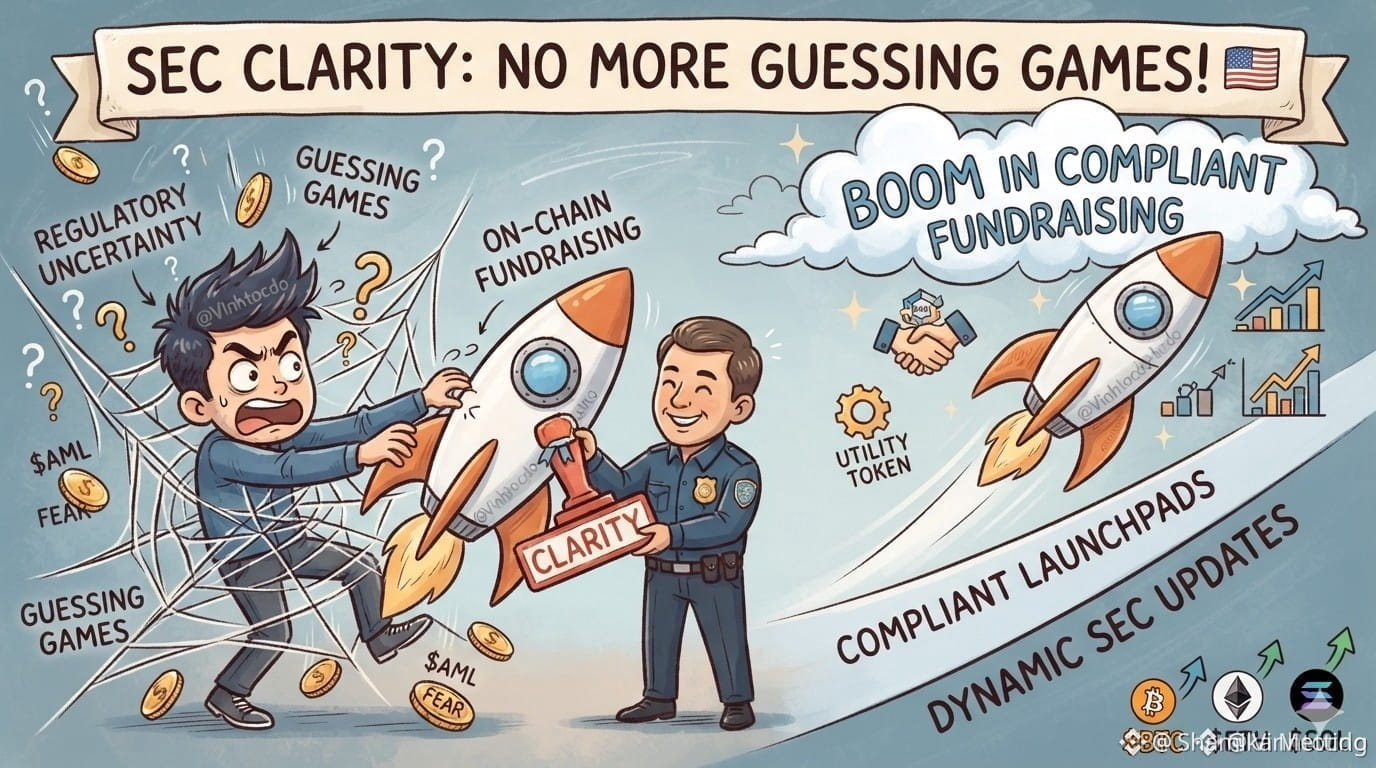
The U.S. Securities and Exchange Commission (SEC) has finally taken a step to clarify rules for on-chain crowdfunding! 🇺🇸 Even without the CLARITY act, SEC Chair Gary Gensler promises clear guidance. No more guessing or fear of aggressive anti–money laundering crackdowns!
What should traders do?
1️⃣ Watch for a major surge in on-chain crowdfunding that complies with regulations and Launchpads platforms.
2️⃣ Stay up to date with the SEC’s constantly changing updates—rules are evolving fast!
3️⃣ Focus on ecosystem tokens with real utility.
Not financial advice! 🛑
Please follow up
$BTC
| $ETH
| $SOL
#Onchain #fundraising
1
4
4.7k

·
--
Bullish
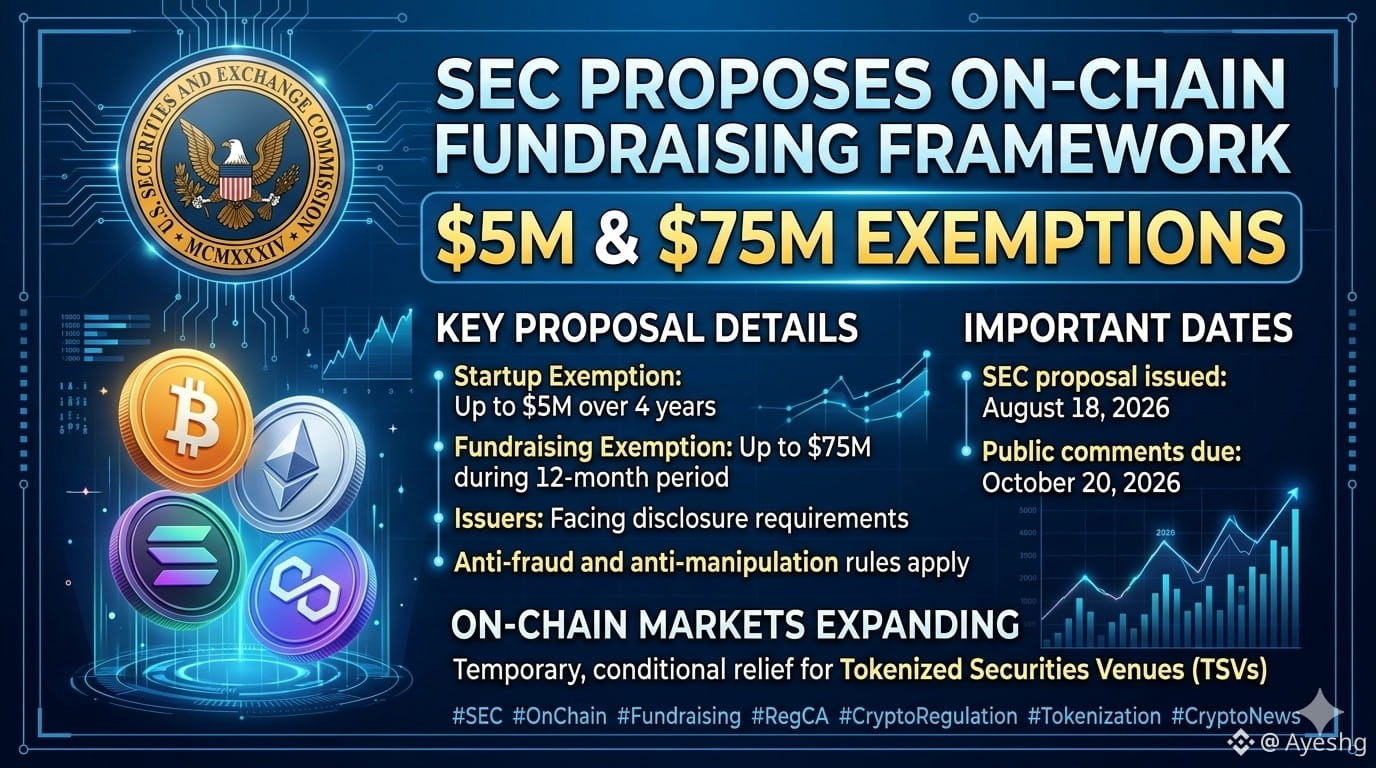
#sectoclarifyonchainfundraisingrules 🚨 SEC PROPOSES NEW ON-CHAIN FUNDRAISING FRAMEWORK — $5M & $75M EXEMPTIONS!
The U.S. Securities and Exchange Commission has proposed “Regulation Crypto Assets,” a new framework designed to establish clearer rules for certain crypto-related investment contracts and fundraising activities.
📊 KEY PROPOSAL
• 💰 Startup Exemption: Up to $5M over 4 years
• 🏦 Fundraising Exemption: Up to $75M during each 12-month period
• 📋 Issuers would face disclosure requirements
• 🛡️ Anti-fraud and anti-manipulation securities rules would still apply
• 📅 SEC proposal issued: August 18, 2026
• 📝 Public comments due: October 20, 2026
The SEC says the proposal is intended to provide crypto entrepreneurs with a clearer path to raising capital in the United States while maintaining investor protections.
🔗 ON-CHAIN MARKETS ARE ALSO EXPANDING
On September 17, the SEC granted temporary, conditional exemptive relief allowing certain Tokenized Securities Venues (TSVs) to facilitate trading of tokenized U.S. stocks under specific conditions. The relief includes requirements around investor rights, permissioned access, smart-contract transparency and market integrity.
⚠️ IMPORTANT: The $5M and $75M fundraising exemptions are proposed, not yet final rules. The SEC is currently accepting public comments before deciding on the proposal.
📈 If adopted, these rules could provide a more defined regulatory pathway for certain crypto projects seeking to raise capital on-chain in the U.S.
What impact could clearer U.S. fundraising rules have on the crypto industry? 👇
#SEC #OnChain #Fundraising #RegCA #CryptoRegulation #Tokenization #CryptoNews
💎 $ETH
⚡ $SOL
🔷 $MATIC
🪙 $BTC
4
10k
Log in to explore more content
Join global crypto users on Binance Square
⚡️ Get latest and useful information about crypto.
💬 Trusted by the world’s largest crypto exchange.
👍 Discover real insights from verified creators.
Email / Phone number
Trending Topics
1
#WhoWillSucceedJensenHuangatNvidia?
46,411 views
641 Discussing
2
#WhatWillDriveCryptoandStocks’NextRebound?
367,385 views
2,605 Discussing
3
#BitcoinActiveSupplyInProfitDropsBelow45%
191 views
16 Discussing
4
#USPPIMissMayEaseBTCPressure
169,787 views
1,830 Discussing
5
#TONStrategyReports$23.97MQ3NetLoss
2,212 views
32 Discussing
6
#PolkadotCommunityApprovesNewStrategyWith97%Vote
11,016 views
176 Discussing
7
#dYdXPlansV9.9UpgradeToShiftUSDCToInjective
5,962 views
136 Discussing
8
#TradFiForBeginners
682,806 views
4,448 Discussing
9
#MANTRAPausesUnstakingFor7DaysAfterKeplrSecurityIncident
3,130 views
46 Discussing
10
#BitcoinCoreDisclosesTorTrafficVulnerability
72,797 views
980 Discussing