
溪月 Xīyuè
7.8k Posts

溪月 Xīyuè
Report
Block User
加密分析师 | 市场洞察短期与长期信号 | 比特币、以太坊及其他币种分享实时设置与基于研究的观点 与加密女王👸
Open Trade
Frequent Trader
2.5 Years
766 Following
29.5K+ Followers
4.6K+ Liked
Posts
Portfolio
All
Quotes
Live
·
--
Bullish
#zcashholdersbacknu7upgrade
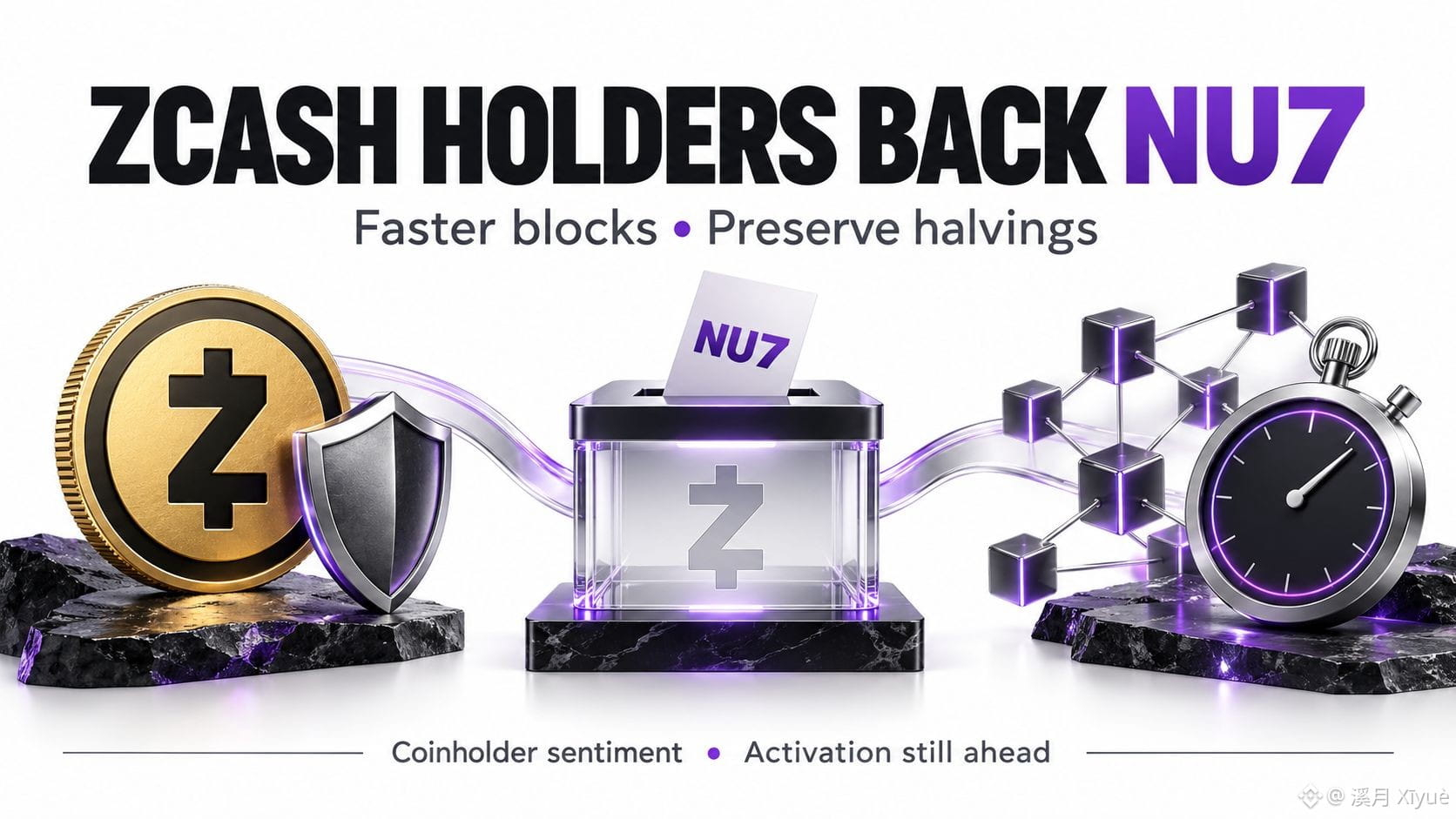
🛡️ Zcash Holders Back Faster Blocks While Preserving Halvings
Zcash’s NU7 coinholder poll has delivered a clear signal: improve the network’s speed while keeping its existing halving schedule.
Results published after voting closed on September 14 showed participation of approximately 2.4 million ZEC, versus roughly 3.6 million eligible at the snapshot. These are coin-weighted totals, not a count of individual voters. Participants supported faster blocks and preserving halvings.
The faster-block proposal would reduce target spacing from 75 seconds to 25 seconds. Organizers explained that block subsidies would decrease proportionally, maintaining daily issuance.
Coinholders also preferred proceeding with ready features and dropping those unfinished by September 30. That is a readiness deadline, not a confirmed activation date.
My take: the combination addresses two different priorities—making payments feel more responsive and keeping issuance predictable.
However, shorter block intervals alone cannot guarantee a better wallet experience. Reliable software, transaction handling and ecosystem readiness will determine what users actually notice.
The vote gives developers clearer direction, but implementation remains the next test. I would watch release candidates, testing and an agreed activation schedule before treating these changes as delivered. Governance support also provides no automatic guarantee of stronger ZEC demand.
Which matters more for everyday Zcash use: faster confirmations or a smoother wallet experience?
#ZcashHoldersBackNU7Upgrade #zcash #zec
$SYN $ZEC $LSK
{future}(LSKUSDT)
{future}(ZECUSDT)
{future}(SYNUSDT)
#zcashholdersbacknu7upgrade
🛡️ Zcash Holders Back Faster Blocks While Preserving Halvings
Zcash’s NU7 coinholder poll has delivered a clear signal: improve the network’s speed while keeping its existing halving schedule.
Results published after voting closed on September 14 showed participation of approximately 2.4 million ZEC, versus roughly 3.6 million eligible at the snapshot. These are coin-weighted totals, not a count of individual voters. Participants supported faster blocks and preserving halvings.
The faster-block proposal would reduce target spacing from 75 seconds to 25 seconds. Organizers explained that block subsidies would decrease proportionally, maintaining daily issuance.
Coinholders also preferred proceeding with ready features and dropping those unfinished by September 30. That is a readiness deadline, not a confirmed activation date.
My take: the combination addresses two different priorities—making payments feel more responsive and keeping issuance predictable.
However, shorter block intervals alone cannot guarantee a better wallet experience. Reliable software, transaction handling and ecosystem readiness will determine what users actually notice.
The vote gives developers clearer direction, but implementation remains the next test. I would watch release candidates, testing and an agreed activation schedule before treating these changes as delivered. Governance support also provides no automatic guarantee of stronger ZEC demand.
Which matters more for everyday Zcash use: faster confirmations or a smoother wallet experience?
#ZcashHoldersBackNU7Upgrade #zcash #zec
$SYN $ZEC $LSK
🛡️ Zcash Holders Back Faster Blocks While Preserving Halvings
Zcash’s NU7 coinholder poll has delivered a clear signal: improve the network’s speed while keeping its existing halving schedule.
Results published after voting closed on September 14 showed participation of approximately 2.4 million ZEC, versus roughly 3.6 million eligible at the snapshot. These are coin-weighted totals, not a count of individual voters. Participants supported faster blocks and preserving halvings.
The faster-block proposal would reduce target spacing from 75 seconds to 25 seconds. Organizers explained that block subsidies would decrease proportionally, maintaining daily issuance.
Coinholders also preferred proceeding with ready features and dropping those unfinished by September 30. That is a readiness deadline, not a confirmed activation date.
My take: the combination addresses two different priorities—making payments feel more responsive and keeping issuance predictable.
However, shorter block intervals alone cannot guarantee a better wallet experience. Reliable software, transaction handling and ecosystem readiness will determine what users actually notice.
The vote gives developers clearer direction, but implementation remains the next test. I would watch release candidates, testing and an agreed activation schedule before treating these changes as delivered. Governance support also provides no automatic guarantee of stronger ZEC demand.
Which matters more for everyday Zcash use: faster confirmations or a smoother wallet experience?
#ZcashHoldersBackNU7Upgrade #zcash #zec
$SYN $ZEC $LSK
402
·
--
Bullish
#mstrtradingvolumesurpassesmorganstanley
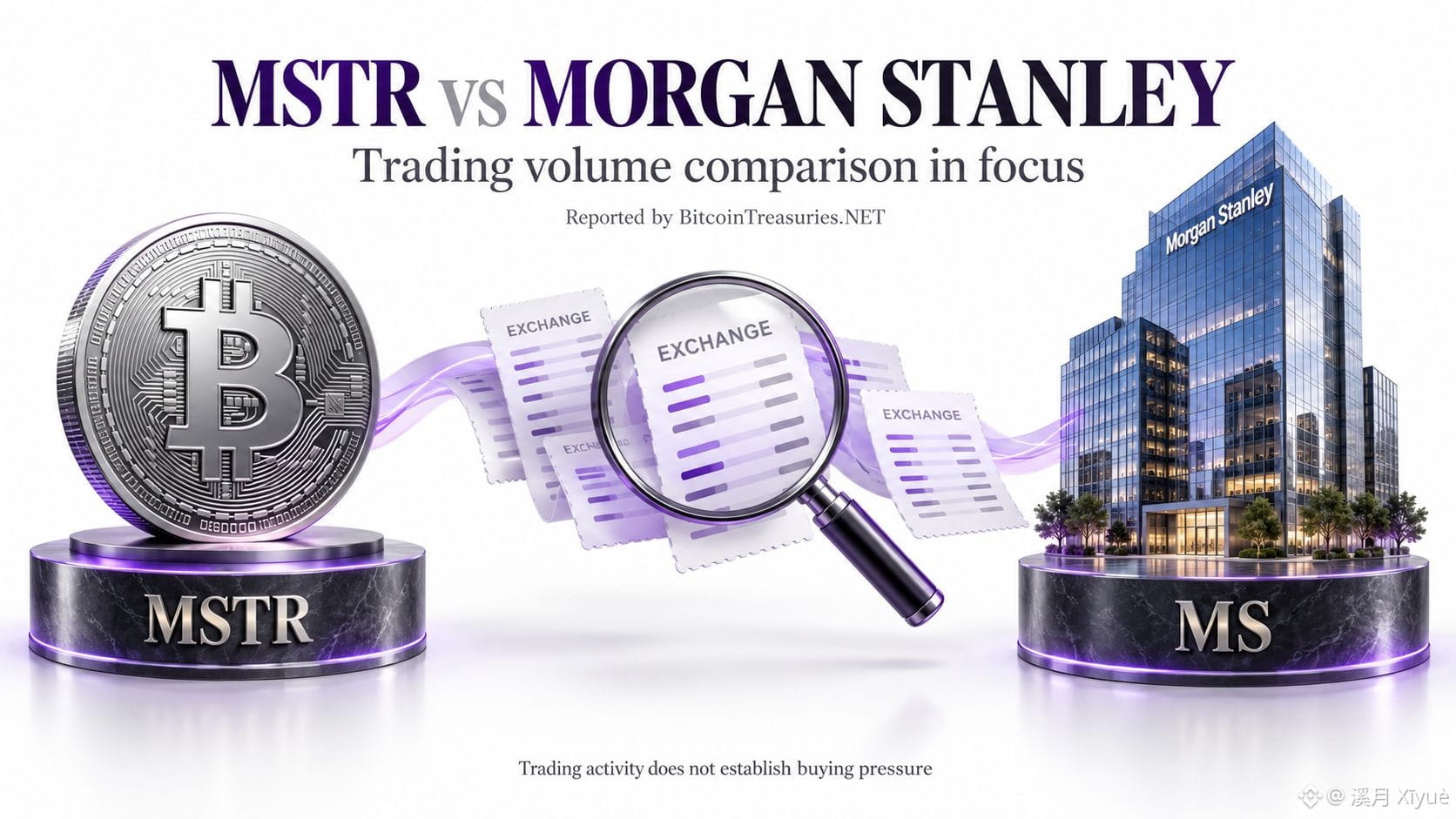
📊 MSTR Reportedly Tops Morgan Stanley in Trading Volume—What Does That Tell Us?
A Bitcoin treasury company appearing ahead of a major Wall Street bank in trading activity makes an interesting comparison. Interpreting it requires context.
BitcoinTreasuries.NET reported on September 16 that Strategy’s MSTR surpassed Morgan Stanley’s MS in trading volume. I could verify the published claim, but could not independently confirm the underlying figures or measurement window.
Before drawing conclusions, the comparison needs a clear definition: shares traded or dollar turnover, and over which session or period?
My take: high volume shows participation, but it does not establish bullish conviction.
Heavy activity can accompany accumulation, selling, short covering or options-related hedging. Every completed trade involves both a buyer and a seller, so volume alone cannot identify who is building a lasting position.
For MSTR, I would examine the price response alongside turnover. Does activity remain elevated across several sessions? Does the stock hold its gains, or repeatedly give them back? Comparing each stock’s volume with its own usual activity would also provide useful context.
The reported ranking is worth examining. It does not, by itself, demonstrate stronger fundamentals or a larger business.
What would make this comparison meaningful to you: sustained activity or a stronger price response?
$SYN $LSK $BR
{future}(BRUSDT)
{future}(LSKUSDT)
{future}(SYNUSDT)
#mstrtradingvolumesurpassesmorganstanley
📊 MSTR Reportedly Tops Morgan Stanley in Trading Volume—What Does That Tell Us?
A Bitcoin treasury company appearing ahead of a major Wall Street bank in trading activity makes an interesting comparison. Interpreting it requires context.
BitcoinTreasuries.NET reported on September 16 that Strategy’s MSTR surpassed Morgan Stanley’s MS in trading volume. I could verify the published claim, but could not independently confirm the underlying figures or measurement window.
Before drawing conclusions, the comparison needs a clear definition: shares traded or dollar turnover, and over which session or period?
My take: high volume shows participation, but it does not establish bullish conviction.
Heavy activity can accompany accumulation, selling, short covering or options-related hedging. Every completed trade involves both a buyer and a seller, so volume alone cannot identify who is building a lasting position.
For MSTR, I would examine the price response alongside turnover. Does activity remain elevated across several sessions? Does the stock hold its gains, or repeatedly give them back? Comparing each stock’s volume with its own usual activity would also provide useful context.
The reported ranking is worth examining. It does not, by itself, demonstrate stronger fundamentals or a larger business.
What would make this comparison meaningful to you: sustained activity or a stronger price response?
$SYN $LSK $BR
📊 MSTR Reportedly Tops Morgan Stanley in Trading Volume—What Does That Tell Us?
A Bitcoin treasury company appearing ahead of a major Wall Street bank in trading activity makes an interesting comparison. Interpreting it requires context.
BitcoinTreasuries.NET reported on September 16 that Strategy’s MSTR surpassed Morgan Stanley’s MS in trading volume. I could verify the published claim, but could not independently confirm the underlying figures or measurement window.
Before drawing conclusions, the comparison needs a clear definition: shares traded or dollar turnover, and over which session or period?
My take: high volume shows participation, but it does not establish bullish conviction.
Heavy activity can accompany accumulation, selling, short covering or options-related hedging. Every completed trade involves both a buyer and a seller, so volume alone cannot identify who is building a lasting position.
For MSTR, I would examine the price response alongside turnover. Does activity remain elevated across several sessions? Does the stock hold its gains, or repeatedly give them back? Comparing each stock’s volume with its own usual activity would also provide useful context.
The reported ranking is worth examining. It does not, by itself, demonstrate stronger fundamentals or a larger business.
What would make this comparison meaningful to you: sustained activity or a stronger price response?
$SYN $LSK $BR
128
·
--
🎙️ Hawk Trump’s pet!
Hawk maintains ecological balance and spreads the idea of freedom!
Hawk is influencing every city around the world!!

End
02 h 57 m 31 s
3.4k
14
51
·
--
🎙️ The Clear Bill is temporarily not passed, and there isn’t much movement in the market either
End
02 h 03 m 12 s
7k
12
14
·
--
🎙️ Crypto market updates and community Q&A; Answering newcomers’ questions ✅ Keep building the community 🦅 Spread the philosophy of freedom! Maintain ecological balance!
End
03 h 26 m 35 s
13k
27
64
·
--
Bullish
#OpenAIDiscussesNewFundingAt$1.2TValuation
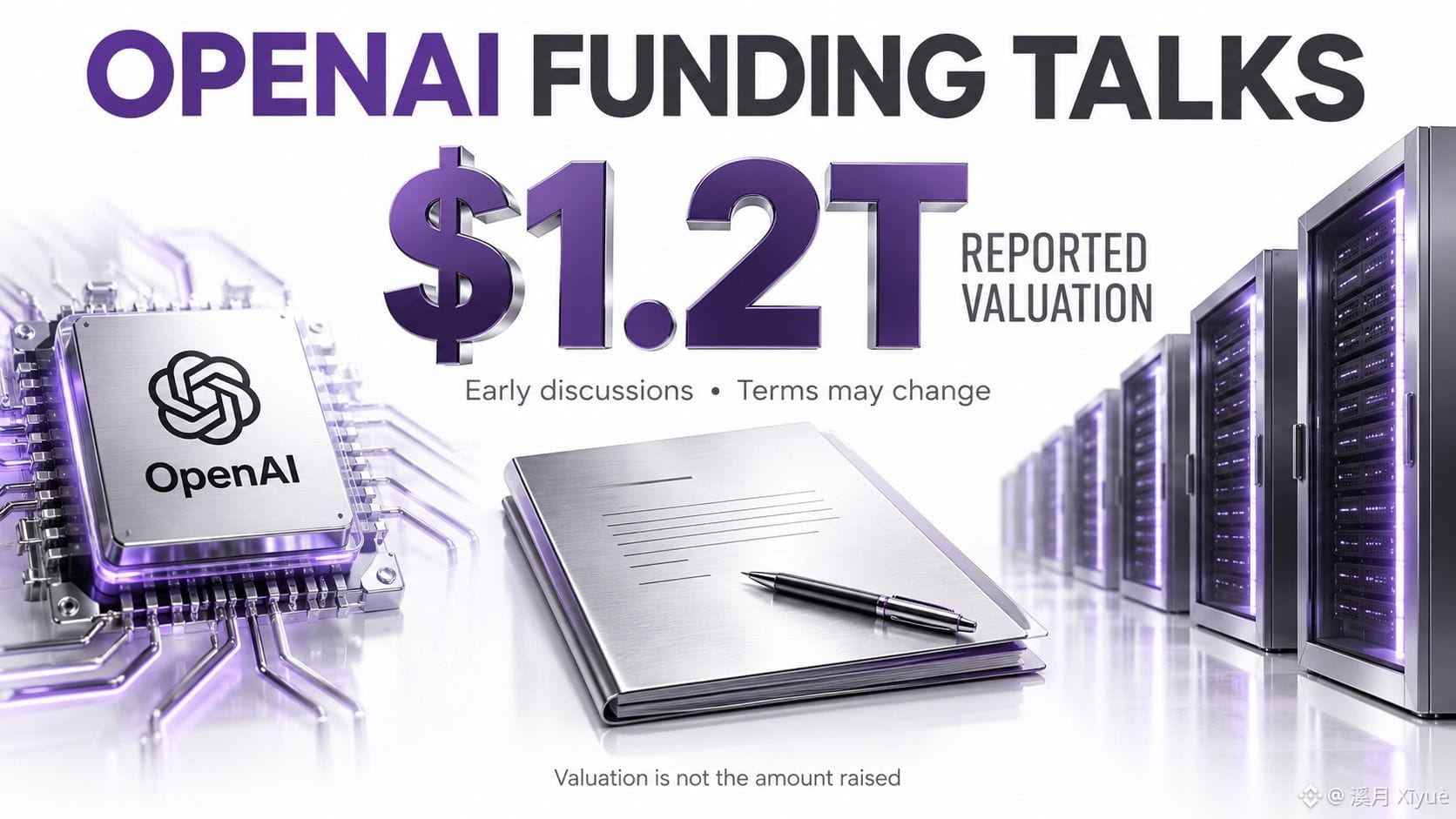
🤖 OpenAI’s Reported $1.2 Trillion Funding Talks Put AI Economics in Focus
Investors are discussing another potential step-up in OpenAI’s valuation, but the terms remain unsettled.
Reuters, citing the Financial Times on September 15, reported that OpenAI has held early discussions with major investors about financing at approximately $1.2 trillion. Investors reportedly initiated the conversations, the figure could change, and OpenAI declined to comment.
For context, OpenAI announced in March that it had closed a round with $122 billion in committed capital at an $852 billion post-money valuation.
The $1.2 trillion figure describes a possible company valuation—not the amount being raised.
My take: a higher valuation would increase expectations for durable revenue and returns on infrastructure spending. The important question is how efficiently additional capital translates into products customers keep paying for.
For the wider AI market, I would watch the eventual funding size, investor terms and spending commitments. Those details would provide stronger evidence of future demand for chips, memory and data centres than a valuation headline alone.
For crypto readers, this also offers no automatic basis for assuming AI-themed tokens will benefit. Each project still needs its own usage and economic case.
Which deserves closer attention here: revenue growth or the cost of delivering it?
#OpenAI #AI
$SYN $AKE $USELESS
{future}(USELESSUSDT)
{future}(AKEUSDT)
{future}(SYNUSDT)
#OpenAIDiscussesNewFundingAt$1.2TValuation
🤖 OpenAI’s Reported $1.2 Trillion Funding Talks Put AI Economics in Focus
Investors are discussing another potential step-up in OpenAI’s valuation, but the terms remain unsettled.
Reuters, citing the Financial Times on September 15, reported that OpenAI has held early discussions with major investors about financing at approximately $1.2 trillion. Investors reportedly initiated the conversations, the figure could change, and OpenAI declined to comment.
For context, OpenAI announced in March that it had closed a round with $122 billion in committed capital at an $852 billion post-money valuation.
The $1.2 trillion figure describes a possible company valuation—not the amount being raised.
My take: a higher valuation would increase expectations for durable revenue and returns on infrastructure spending. The important question is how efficiently additional capital translates into products customers keep paying for.
For the wider AI market, I would watch the eventual funding size, investor terms and spending commitments. Those details would provide stronger evidence of future demand for chips, memory and data centres than a valuation headline alone.
For crypto readers, this also offers no automatic basis for assuming AI-themed tokens will benefit. Each project still needs its own usage and economic case.
Which deserves closer attention here: revenue growth or the cost of delivering it?
#OpenAI #AI
$SYN $AKE $USELESS
🤖 OpenAI’s Reported $1.2 Trillion Funding Talks Put AI Economics in Focus
Investors are discussing another potential step-up in OpenAI’s valuation, but the terms remain unsettled.
Reuters, citing the Financial Times on September 15, reported that OpenAI has held early discussions with major investors about financing at approximately $1.2 trillion. Investors reportedly initiated the conversations, the figure could change, and OpenAI declined to comment.
For context, OpenAI announced in March that it had closed a round with $122 billion in committed capital at an $852 billion post-money valuation.
The $1.2 trillion figure describes a possible company valuation—not the amount being raised.
My take: a higher valuation would increase expectations for durable revenue and returns on infrastructure spending. The important question is how efficiently additional capital translates into products customers keep paying for.
For the wider AI market, I would watch the eventual funding size, investor terms and spending commitments. Those details would provide stronger evidence of future demand for chips, memory and data centres than a valuation headline alone.
For crypto readers, this also offers no automatic basis for assuming AI-themed tokens will benefit. Each project still needs its own usage and economic case.
Which deserves closer attention here: revenue growth or the cost of delivering it?
#OpenAI #AI
$SYN $AKE $USELESS
1
2
286
·
--
Bullish
#skhynixintalkstomakememorychipsinus
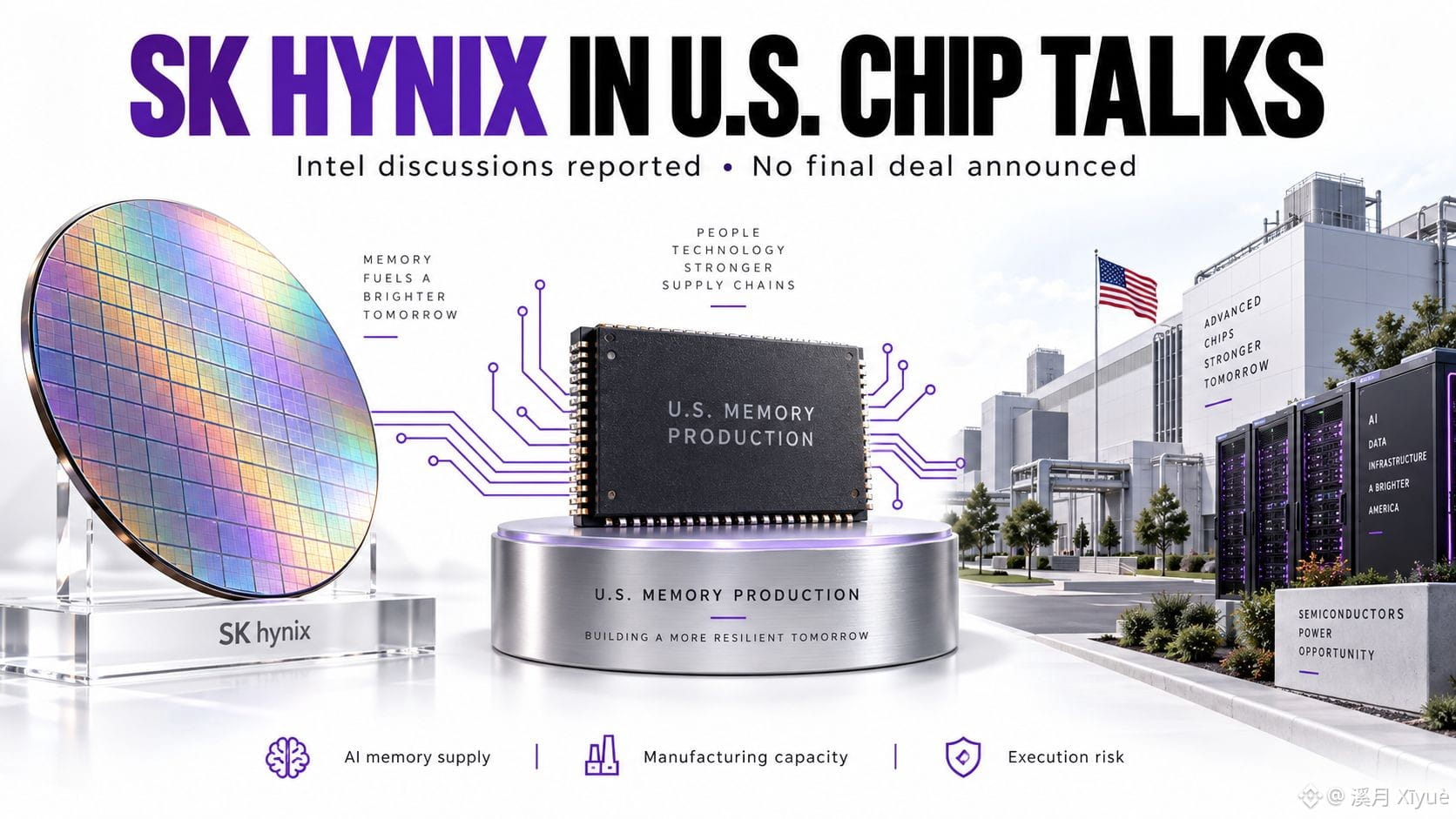
🏭 SK hynix Explores U.S. Memory Production With Intel
The push to secure AI hardware supplies could bring more memory manufacturing to American soil.
Reuters reported on September 16 that SK hynix is discussing a potential U.S. memory-chip production arrangement with Intel. Options reportedly include leasing part of Intel’s planned Ohio facility or establishing a joint venture involving major cloud companies.
These are reported discussions; a final agreement has not been announced.
There is useful context here: SK hynix already announced an Indiana project focused on advanced packaging and R&D for high-bandwidth memory. That existing investment should be distinguished from the newly reported manufacturing discussions.
My take: the commercial structure matters as much as the location. Customer participation could help secure demand and share investment risk, while a leasing arrangement could change how much infrastructure SK hynix needs to fund directly.
But additional supply depends on equipment installation, production yields and customer qualification. Talks alone cannot resolve near-term shortages or establish when cheaper memory might reach buyers.
For AI infrastructure coverage, I would watch for a signed agreement, the memory products involved, committed capacity and a credible production schedule.
Which detail would matter most to you: customer backing, production timing or manufacturing costs?
#Semiconductors #AI
$SYN $AKE $USELESS
{future}(USELESSUSDT)
{future}(AKEUSDT)
{future}(SYNUSDT)
#skhynixintalkstomakememorychipsinus
🏭 SK hynix Explores U.S. Memory Production With Intel
The push to secure AI hardware supplies could bring more memory manufacturing to American soil.
Reuters reported on September 16 that SK hynix is discussing a potential U.S. memory-chip production arrangement with Intel. Options reportedly include leasing part of Intel’s planned Ohio facility or establishing a joint venture involving major cloud companies.
These are reported discussions; a final agreement has not been announced.
There is useful context here: SK hynix already announced an Indiana project focused on advanced packaging and R&D for high-bandwidth memory. That existing investment should be distinguished from the newly reported manufacturing discussions.
My take: the commercial structure matters as much as the location. Customer participation could help secure demand and share investment risk, while a leasing arrangement could change how much infrastructure SK hynix needs to fund directly.
But additional supply depends on equipment installation, production yields and customer qualification. Talks alone cannot resolve near-term shortages or establish when cheaper memory might reach buyers.
For AI infrastructure coverage, I would watch for a signed agreement, the memory products involved, committed capacity and a credible production schedule.
Which detail would matter most to you: customer backing, production timing or manufacturing costs?
#Semiconductors #AI
$SYN $AKE $USELESS
🏭 SK hynix Explores U.S. Memory Production With Intel
The push to secure AI hardware supplies could bring more memory manufacturing to American soil.
Reuters reported on September 16 that SK hynix is discussing a potential U.S. memory-chip production arrangement with Intel. Options reportedly include leasing part of Intel’s planned Ohio facility or establishing a joint venture involving major cloud companies.
These are reported discussions; a final agreement has not been announced.
There is useful context here: SK hynix already announced an Indiana project focused on advanced packaging and R&D for high-bandwidth memory. That existing investment should be distinguished from the newly reported manufacturing discussions.
My take: the commercial structure matters as much as the location. Customer participation could help secure demand and share investment risk, while a leasing arrangement could change how much infrastructure SK hynix needs to fund directly.
But additional supply depends on equipment installation, production yields and customer qualification. Talks alone cannot resolve near-term shortages or establish when cheaper memory might reach buyers.
For AI infrastructure coverage, I would watch for a signed agreement, the memory products involved, committed capacity and a credible production schedule.
Which detail would matter most to you: customer backing, production timing or manufacturing costs?
#Semiconductors #AI
$SYN $AKE $USELESS
1
973

·
--
Bullish
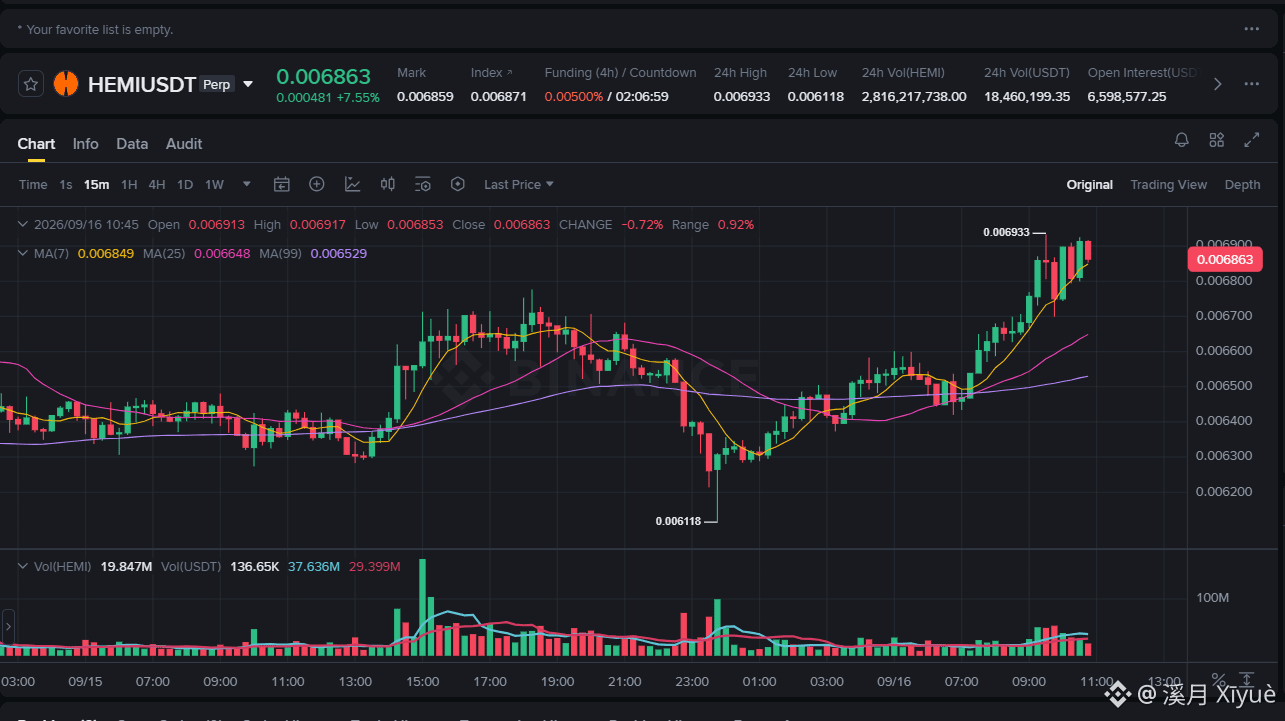
$HEMI conditional long setup 👇print money soon.
Entry: Near $0.006648
SL: $0.006529
TP1: $0.006800
TP2: $0.006933
wait for the pullback and confirmation before entering.
Long $HEMI
DYOR
{future}(HEMIUSDT)
$HEMI conditional long setup 👇print money soon.
Entry: Near $0.006648
SL: $0.006529
TP1: $0.006800
TP2: $0.006933
wait for the pullback and confirmation before entering.
Long $HEMI
DYOR
Entry: Near $0.006648
SL: $0.006529
TP1: $0.006800
TP2: $0.006933
wait for the pullback and confirmation before entering.
Long $HEMI
DYOR
1
1
249
·
--
🎙️ Welcome to Tangbao’s Live Stream—come chat and discover the Web3 wealth secrets

End
03 h 32 m 05 s
2.9k
49
72
·
--
🎙️ 🔥 CLARITY Bill stalls amid countdown to Fed rate hikes! A super central bank’s major weekly event is coming—at midnight, the interest rate decision is about to be released. Inflation rebounds, the risk of further rate hikes is rising, and the market is choppy...

End
03 h 25 m 19 s
2.8k
9
8
·
--
Bullish
#argentinacommitstooecdcryptoreportingby2029
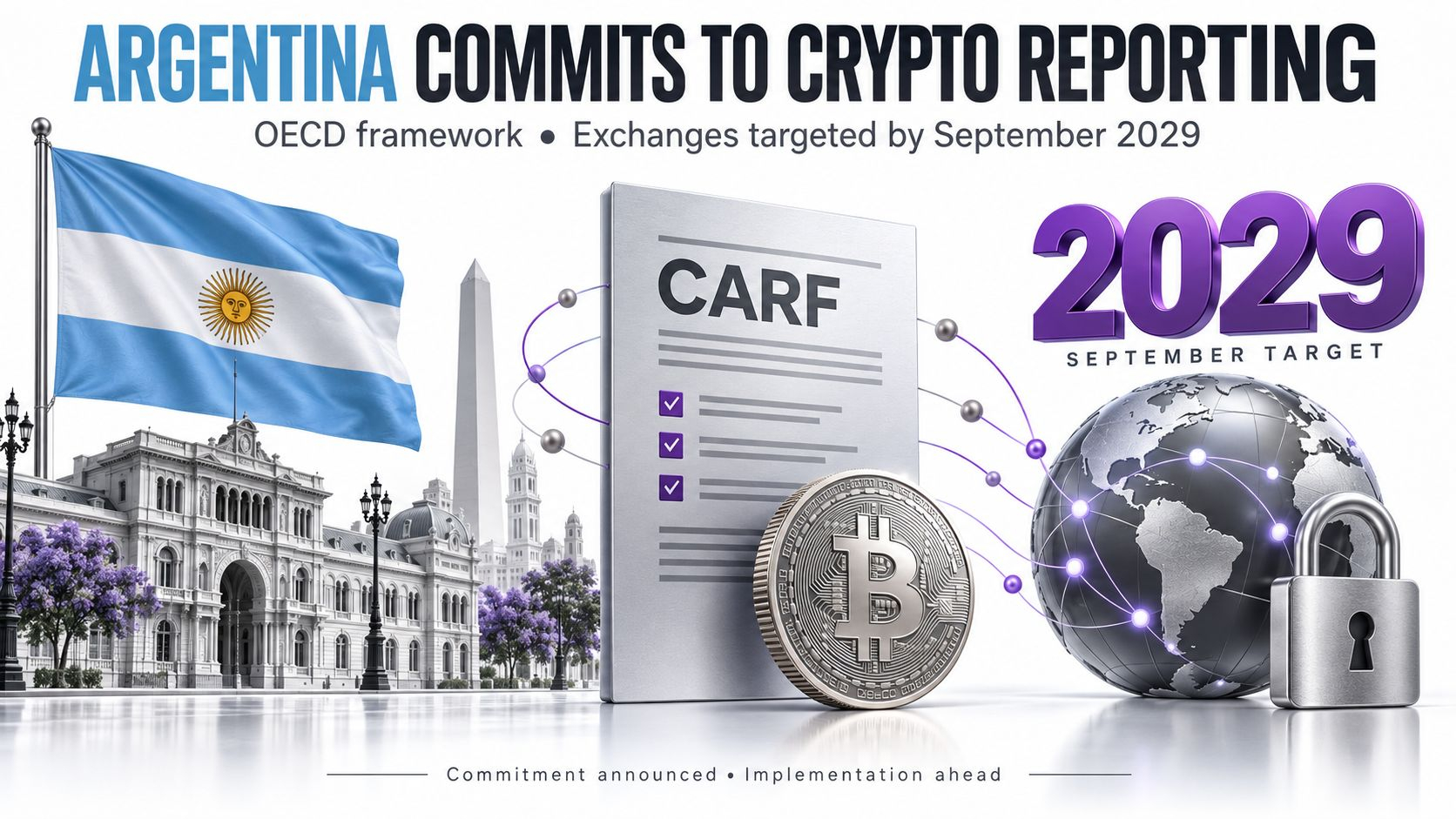
🇦🇷 Argentina Sets September 2029 Target for International Crypto Tax Reporting
Argentina has committed to bringing cross-border crypto transactions into a wider tax information-sharing system.
On September 14, the OECD confirmed that Argentina will implement the Crypto-Asset Reporting Framework (CARF) and begin automatically exchanging information on crypto transactions by September 2029.
CARF extends cooperation between tax authorities into crypto, helping them obtain information about transactions taking place abroad. Argentina’s commitment brings the number of participating jurisdictions targeting implementation in 2027, 2028 or 2029 to 77.
The status matters: this is an implementation commitment. The announcement does not mean these exchanges have already started.
My take: the practical impact will depend on how Argentina translates that commitment into domestic requirements. Platforms may need stronger reporting systems, while users will want clarity on what information is collected and how it is protected.
Consistent standards could make operating across borders more predictable. However, implementation costs and data security will be important tests, particularly for smaller providers.
I would watch the domestic rules, reporting scope and preparation deadlines next. Those details will reveal more about the effect on everyday crypto activity than the headline alone.
What would build more confidence in this rollout: clearer reporting rules or stronger privacy safeguards?
#ArgentinaCommitsToOECDCryptoReportingBy2029 #CryptoRegulation #CARF
$AKE $SYN $LSK
{future}(LSKUSDT)
{future}(SYNUSDT)
{future}(AKEUSDT)
#argentinacommitstooecdcryptoreportingby2029
🇦🇷 Argentina Sets September 2029 Target for International Crypto Tax Reporting
Argentina has committed to bringing cross-border crypto transactions into a wider tax information-sharing system.
On September 14, the OECD confirmed that Argentina will implement the Crypto-Asset Reporting Framework (CARF) and begin automatically exchanging information on crypto transactions by September 2029.
CARF extends cooperation between tax authorities into crypto, helping them obtain information about transactions taking place abroad. Argentina’s commitment brings the number of participating jurisdictions targeting implementation in 2027, 2028 or 2029 to 77.
The status matters: this is an implementation commitment. The announcement does not mean these exchanges have already started.
My take: the practical impact will depend on how Argentina translates that commitment into domestic requirements. Platforms may need stronger reporting systems, while users will want clarity on what information is collected and how it is protected.
Consistent standards could make operating across borders more predictable. However, implementation costs and data security will be important tests, particularly for smaller providers.
I would watch the domestic rules, reporting scope and preparation deadlines next. Those details will reveal more about the effect on everyday crypto activity than the headline alone.
What would build more confidence in this rollout: clearer reporting rules or stronger privacy safeguards?
#ArgentinaCommitsToOECDCryptoReportingBy2029 #CryptoRegulation #CARF
$AKE $SYN $LSK
🇦🇷 Argentina Sets September 2029 Target for International Crypto Tax Reporting
Argentina has committed to bringing cross-border crypto transactions into a wider tax information-sharing system.
On September 14, the OECD confirmed that Argentina will implement the Crypto-Asset Reporting Framework (CARF) and begin automatically exchanging information on crypto transactions by September 2029.
CARF extends cooperation between tax authorities into crypto, helping them obtain information about transactions taking place abroad. Argentina’s commitment brings the number of participating jurisdictions targeting implementation in 2027, 2028 or 2029 to 77.
The status matters: this is an implementation commitment. The announcement does not mean these exchanges have already started.
My take: the practical impact will depend on how Argentina translates that commitment into domestic requirements. Platforms may need stronger reporting systems, while users will want clarity on what information is collected and how it is protected.
Consistent standards could make operating across borders more predictable. However, implementation costs and data security will be important tests, particularly for smaller providers.
I would watch the domestic rules, reporting scope and preparation deadlines next. Those details will reveal more about the effect on everyday crypto activity than the headline alone.
What would build more confidence in this rollout: clearer reporting rules or stronger privacy safeguards?
#ArgentinaCommitsToOECDCryptoReportingBy2029 #CryptoRegulation #CARF
$AKE $SYN $LSK
3
2
1
2.2k

·
--
Bearish
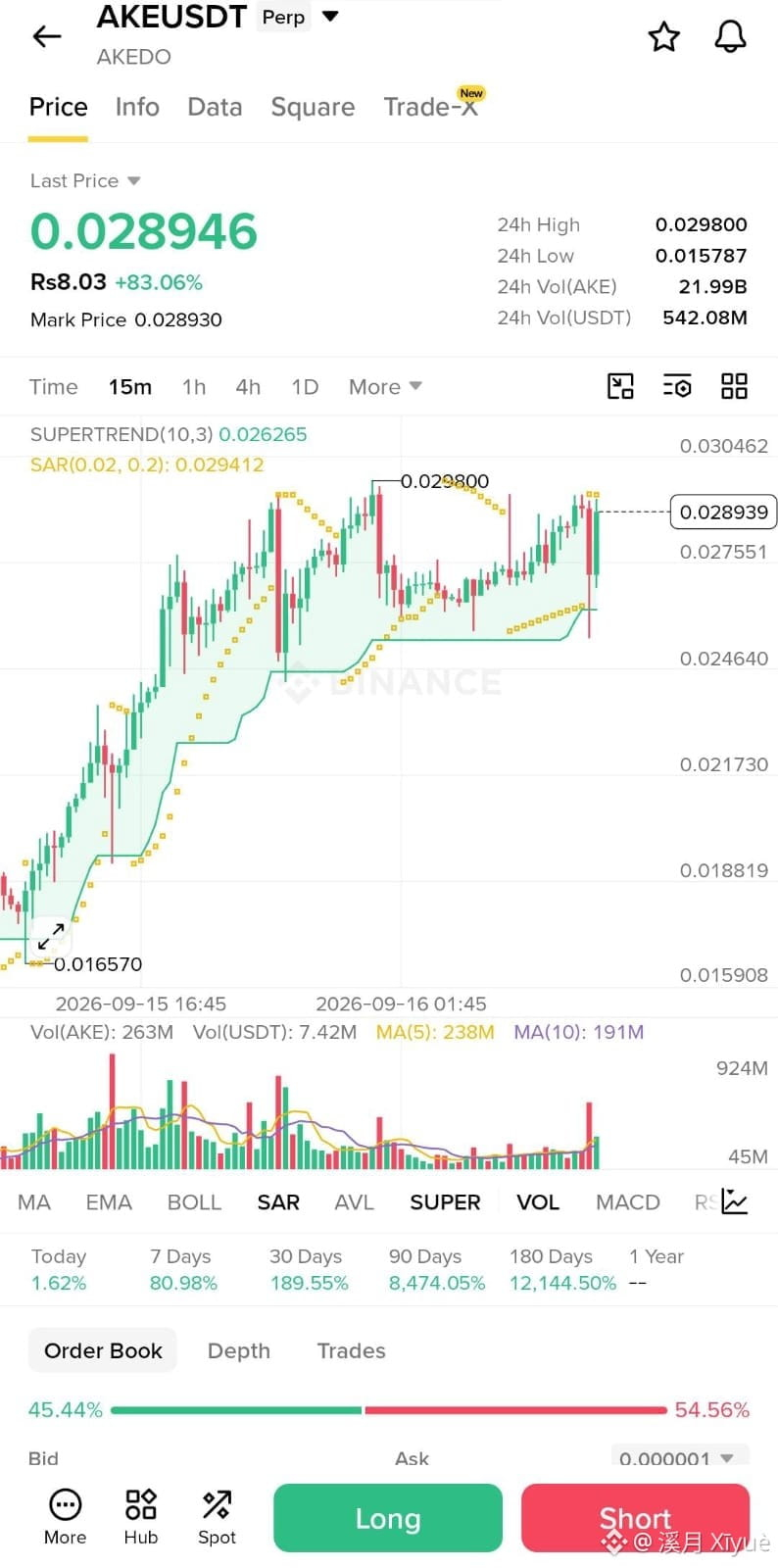
$AKE conditional short: 15m close below 0.0288, then failed retest. Entry: 0.0288. TP1: 0.0275; TP2: 0.0262; TP3: 0.0255. SL: 0.0301. Cancel above 0.0298 before entry. High risk; avoid excessive leverage.
Short $AKE
{future}(AKEUSDT)
$AKE conditional short: 15m close below 0.0288, then failed retest. Entry: 0.0288. TP1: 0.0275; TP2: 0.0262; TP3: 0.0255. SL: 0.0301. Cancel above 0.0298 before entry. High risk; avoid excessive leverage.
Short $AKE
Short $AKE
346


·
--
Bullish
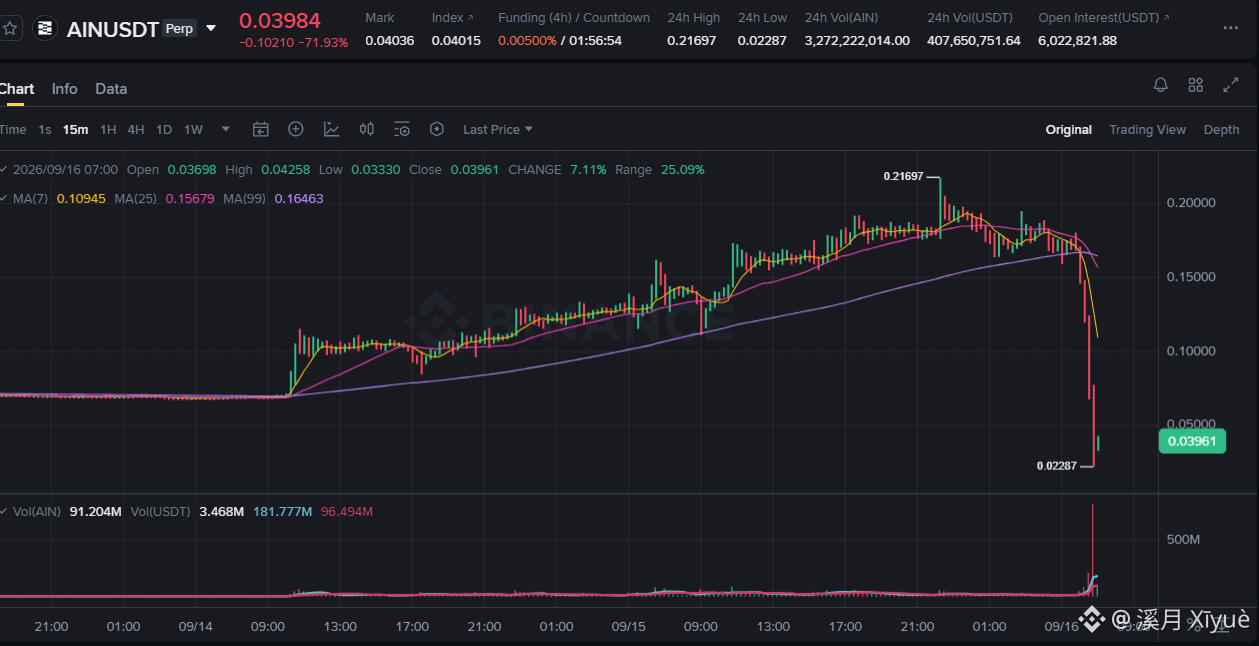
$AIN conditional long: 15m close above 0.0430, then successful retest. Entry: 0.0428. TP1: 0.0526; TP2: 0.0624; TP3: 0.0678. SL: 0.0330. Cancel below 0.0333 before entry. Extremely high risk; avoid leverage.
Long $AIN
{future}(AINUSDT)
$AIN conditional long: 15m close above 0.0430, then successful retest. Entry: 0.0428. TP1: 0.0526; TP2: 0.0624; TP3: 0.0678. SL: 0.0330. Cancel below 0.0333 before entry. Extremely high risk; avoid leverage.
Long $AIN
Long $AIN
480
·
--
🎙️ Build the Binance Square, holding BNB|On Wednesday, the CLARITY bill didn’t pass. The market reaction was very honest. Everyone’s wondering: what happens next in the crypto market? Let’s chat~

End
05 h 01 m 24 s
12.3k
40
45
·
--
Bullish
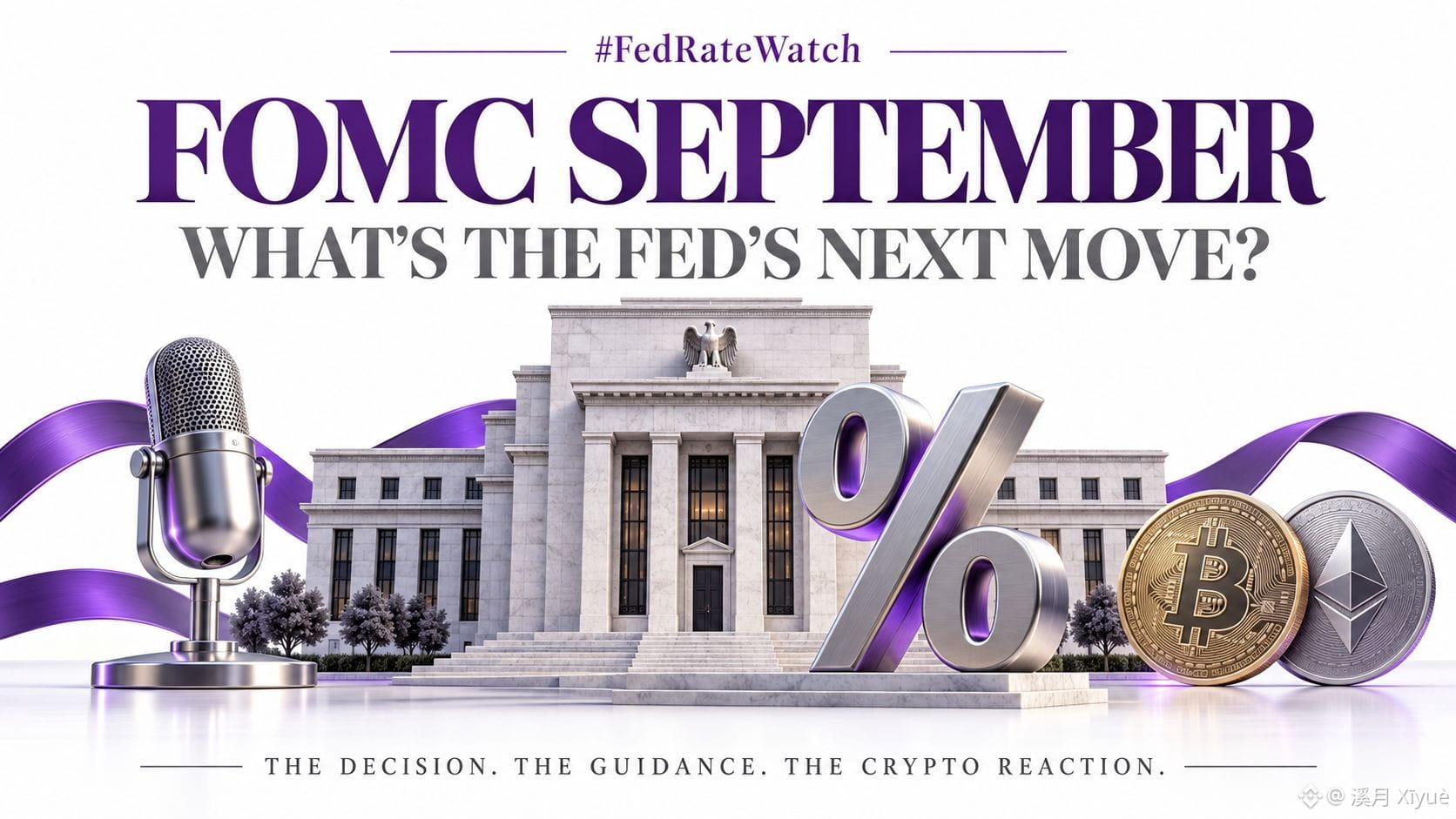
#FedRateWatch
🏦 FOMC September: Could the Fed’s Words Matter More Than Its Next Move?
A rate decision delivers one number. The guidance can change expectations for months.
Ahead of the September meeting, Morgan Stanley now expects a 25-basis-point hike, followed by another in December, citing persistent inflation pressure. These remain forecasts; the Fed has not announced its September decision. "Reuters" (https://www.reuters.com/business/morgan-stanley-turns-more-hawkish-forecasts-two-fed-hikes-ecb-move-2026-09-15/)
My take: the key question is how much additional tightening the Fed signals.
A hike paired with confidence that inflation is easing could produce a different reaction from the same hike accompanied by warnings that more increases are necessary. Holding rates would also leave room for a restrictive message.
For Bitcoin and Ethereum, I would watch whether the initial reaction holds through the press conference. A quick rally followed by rising bond yields and a stronger dollar would offer conflicting signals. Sustained buying alongside easing yields would suggest a more supportive interpretation—without guaranteeing further gains.
The first candle captures the surprise. The following hours help reveal whether investors have changed their broader outlook.
This meeting could test both inflation expectations and crypto’s resilience.
What would change your outlook more: an unexpected rate decision or a tougher message about the months ahead?
$AKE $AIN $POWER
#FedRateWatch
🏦 FOMC September: Could the Fed’s Words Matter More Than Its Next Move?
A rate decision delivers one number. The guidance can change expectations for months.
Ahead of the September meeting, Morgan Stanley now expects a 25-basis-point hike, followed by another in December, citing persistent inflation pressure. These remain forecasts; the Fed has not announced its September decision. "Reuters" (https://www.reuters.com/business/morgan-stanley-turns-more-hawkish-forecasts-two-fed-hikes-ecb-move-2026-09-15/)
My take: the key question is how much additional tightening the Fed signals.
A hike paired with confidence that inflation is easing could produce a different reaction from the same hike accompanied by warnings that more increases are necessary. Holding rates would also leave room for a restrictive message.
For Bitcoin and Ethereum, I would watch whether the initial reaction holds through the press conference. A quick rally followed by rising bond yields and a stronger dollar would offer conflicting signals. Sustained buying alongside easing yields would suggest a more supportive interpretation—without guaranteeing further gains.
The first candle captures the surprise. The following hours help reveal whether investors have changed their broader outlook.
This meeting could test both inflation expectations and crypto’s resilience.
What would change your outlook more: an unexpected rate decision or a tougher message about the months ahead?
$AKE $AIN $POWER
🏦 FOMC September: Could the Fed’s Words Matter More Than Its Next Move?
A rate decision delivers one number. The guidance can change expectations for months.
Ahead of the September meeting, Morgan Stanley now expects a 25-basis-point hike, followed by another in December, citing persistent inflation pressure. These remain forecasts; the Fed has not announced its September decision. "Reuters" (https://www.reuters.com/business/morgan-stanley-turns-more-hawkish-forecasts-two-fed-hikes-ecb-move-2026-09-15/)
My take: the key question is how much additional tightening the Fed signals.
A hike paired with confidence that inflation is easing could produce a different reaction from the same hike accompanied by warnings that more increases are necessary. Holding rates would also leave room for a restrictive message.
For Bitcoin and Ethereum, I would watch whether the initial reaction holds through the press conference. A quick rally followed by rising bond yields and a stronger dollar would offer conflicting signals. Sustained buying alongside easing yields would suggest a more supportive interpretation—without guaranteeing further gains.
The first candle captures the surprise. The following hours help reveal whether investors have changed their broader outlook.
This meeting could test both inflation expectations and crypto’s resilience.
What would change your outlook more: an unexpected rate decision or a tougher message about the months ahead?
$AKE $AIN $POWER
323
Log in to explore more content
Join global crypto users on Binance Square
⚡️ Get latest and useful information about crypto.
💬 Trusted by the world’s largest crypto exchange.
👍 Discover real insights from verified creators.
Email / Phone number
Trending Topics
FedRateWatch
1.5M views
6,745 Discussing
Share & Win Traffic Reward in our Trending Hashtag Campaign
✨Topic: FOMC September, What's The Fed's Next Move?
👉How to Join:
Publish a short post or article with hashtag #FedRateWatch
Create content based on the below angles:
- August core CPI rose 0.3% month-over-month, and the odds of a 25bp hike this week are now close to 90%. Do you anticipate a rate hike this week? Is it a one-off, or the start of a longer hiking cycle?
- If the hike lands, how does it play out for BTC, tech stocks, and gold? Bullish or bearish?
- How are you planning to trade next? Share your BTC, stocks or gold trade/holdings with our trade sharing widget.
⏰Campaign Period:
- 2026-09-15 11:00 - 2026-09-17 3:00 UTC
🎁Reward:
- Qualified posts that comply with the above guidelines and contain more than 100 words will be reviewed and may receive a random traffic boost of 500 to 3,000 views. You will receive a notification from your feed secretary if your post is selected.
- Get a chance to have your article featured on Binance Square Official
Need ideas for your post? Visit the topic page #FedRateWatch or the Square Guide on How to Post for Better Reach.
Binance Square Official
·648 Likes
·1.7M views
ZcashRises6%
52,971 views
662 Discussing
XRPSinks10%
35,503 views
435 Discussing