

Mirza_X_Mustafa
1.8k 投稿
Mirza_X_Mustafa
報告
ユーザーをブロック
1.8K+ フォロー
8.4K+ フォロワー
1.2K+ いいね
投稿
すべて
引用
ライブ
翻訳参照
#dusk $DUSK @Dusk_Foundation
The settlement documentation has a term most people treat as jargon — Delivery vs Payment (DvP). Worth being precise about what it actually means.
The surprising part: DvP isn't "fast settlement." It's atomic settlement. The distinction is significant.
Dusk's circulating supply sits at approximately 500M of a 1B max — the remaining 500M scheduled to emit over the next 30+ years. The staking and settlement mechanisms have been running on a live chain since January 2025, making DvP a tested, not theoretical, property.
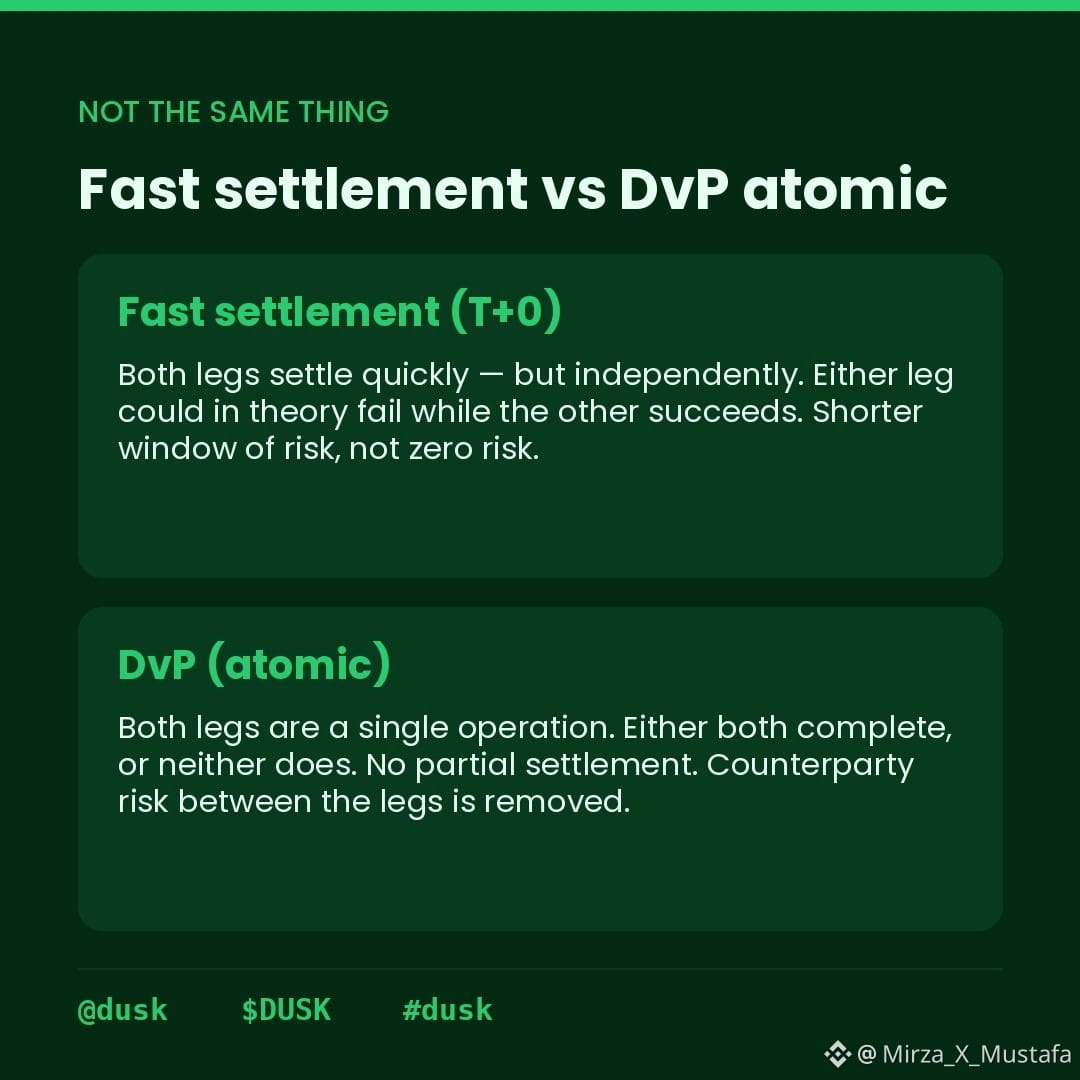
DvP means: the asset leg (delivery) and the payment leg (payment) settle simultaneously, as a single atomic operation. Either both complete, or neither does. No partial settlement.
Fast settlement is different. A system can settle in 2 seconds but still have two legs that could, in theory, fail independently. If the payment clears but the asset transfer fails — or vice versa — you have settlement risk, just a faster version of it.
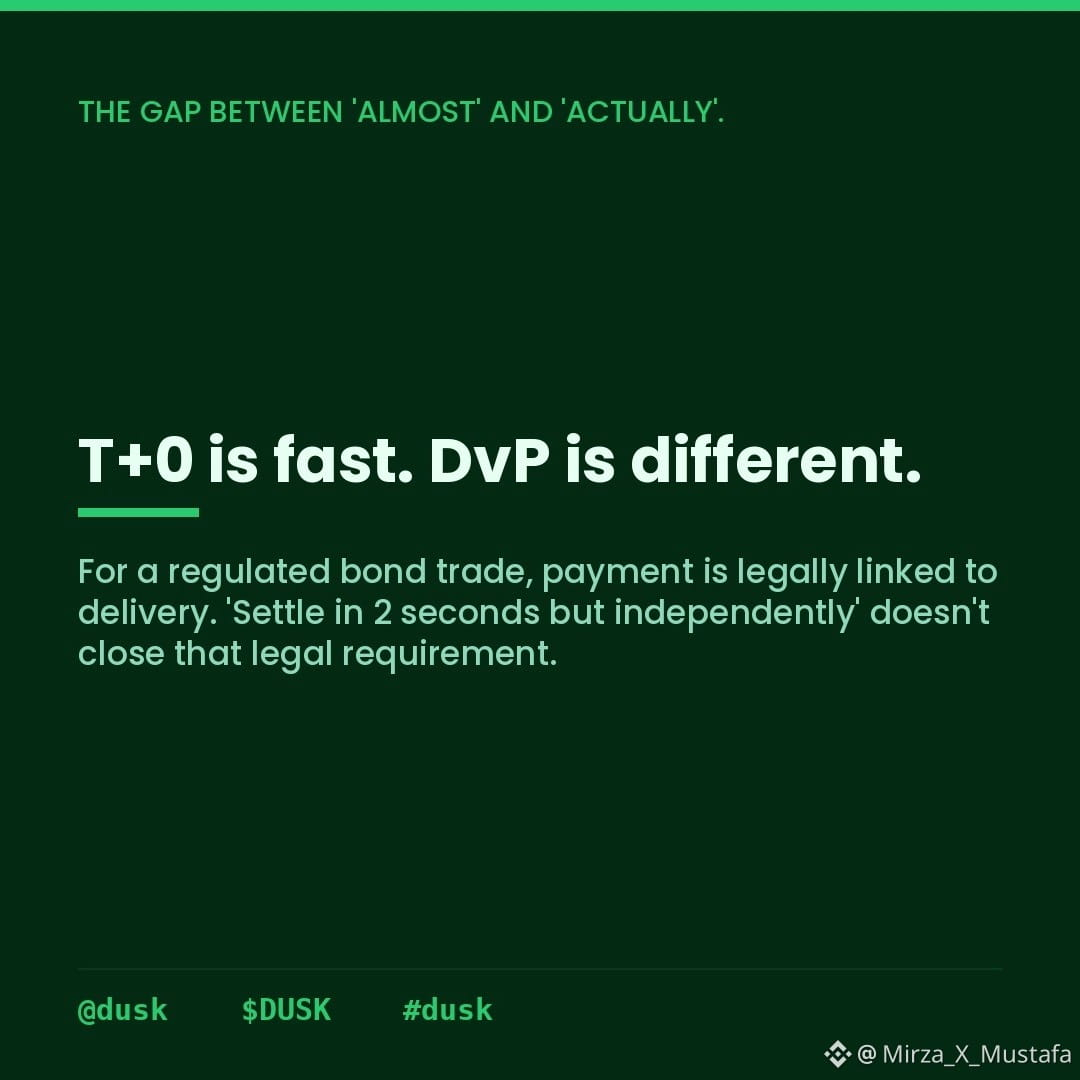
The comparison: T+2 settlement (traditional finance, two business days) vs T+0 instant settlement vs true DvP. T+0 is fast. DvP is different — it removes the counterparty risk between the legs, not just the time.
Not saying every use case needs DvP. For low-stakes transfers, atomic settlement is overkill. For a regulated bond trade where the payment is legally linked to the delivery, atomicity is the requirement.
Is there a real-world example where a DvP-capable system failed at atomicity under load — and what caused the failure? @Dusk_Foundation
{future}(DUSKUSDT)
$DUSK #dusk
#dusk $DUSK @Dusk
The settlement documentation has a term most people treat as jargon — Delivery vs Payment (DvP). Worth being precise about what it actually means.
The surprising part: DvP isn't "fast settlement." It's atomic settlement. The distinction is significant.
Dusk's circulating supply sits at approximately 500M of a 1B max — the remaining 500M scheduled to emit over the next 30+ years. The staking and settlement mechanisms have been running on a live chain since January 2025, making DvP a tested, not theoretical, property.
DvP means: the asset leg (delivery) and the payment leg (payment) settle simultaneously, as a single atomic operation. Either both complete, or neither does. No partial settlement.
Fast settlement is different. A system can settle in 2 seconds but still have two legs that could, in theory, fail independently. If the payment clears but the asset transfer fails — or vice versa — you have settlement risk, just a faster version of it.
The comparison: T+2 settlement (traditional finance, two business days) vs T+0 instant settlement vs true DvP. T+0 is fast. DvP is different — it removes the counterparty risk between the legs, not just the time.
Not saying every use case needs DvP. For low-stakes transfers, atomic settlement is overkill. For a regulated bond trade where the payment is legally linked to the delivery, atomicity is the requirement.
Is there a real-world example where a DvP-capable system failed at atomicity under load — and what caused the failure? @Dusk
$DUSK #dusk
The settlement documentation has a term most people treat as jargon — Delivery vs Payment (DvP). Worth being precise about what it actually means.
The surprising part: DvP isn't "fast settlement." It's atomic settlement. The distinction is significant.
Dusk's circulating supply sits at approximately 500M of a 1B max — the remaining 500M scheduled to emit over the next 30+ years. The staking and settlement mechanisms have been running on a live chain since January 2025, making DvP a tested, not theoretical, property.
DvP means: the asset leg (delivery) and the payment leg (payment) settle simultaneously, as a single atomic operation. Either both complete, or neither does. No partial settlement.
Fast settlement is different. A system can settle in 2 seconds but still have two legs that could, in theory, fail independently. If the payment clears but the asset transfer fails — or vice versa — you have settlement risk, just a faster version of it.
The comparison: T+2 settlement (traditional finance, two business days) vs T+0 instant settlement vs true DvP. T+0 is fast. DvP is different — it removes the counterparty risk between the legs, not just the time.
Not saying every use case needs DvP. For low-stakes transfers, atomic settlement is overkill. For a regulated bond trade where the payment is legally linked to the delivery, atomicity is the requirement.
Is there a real-world example where a DvP-capable system failed at atomicity under load — and what caused the failure? @Dusk
$DUSK #dusk
1
1
178
#dusk $DUSK @Dusk_Foundation
Zedgerのコントラクト・セクションには、Duskのプライバシーモデルの説明の多くが完全に触れずにスキップしてしまうような“操作”があります——強制送金です。これはホワイトペーパーの中で、鋳造(minting)や焼却(burning)と並んで、Zedgerコントラクトがサポートする中核の要素として登場します。いったい何なのか理解しておく価値があります。
強制送金の基礎:Zedgerの証券(security)を発行する者は、現保有者(current holder)の署名を必要とせずに、その証券の送金を、ある保有者の口座から別の口座へ開始できます。
ここで実際に何を意味するのか、よく考える価値があります。
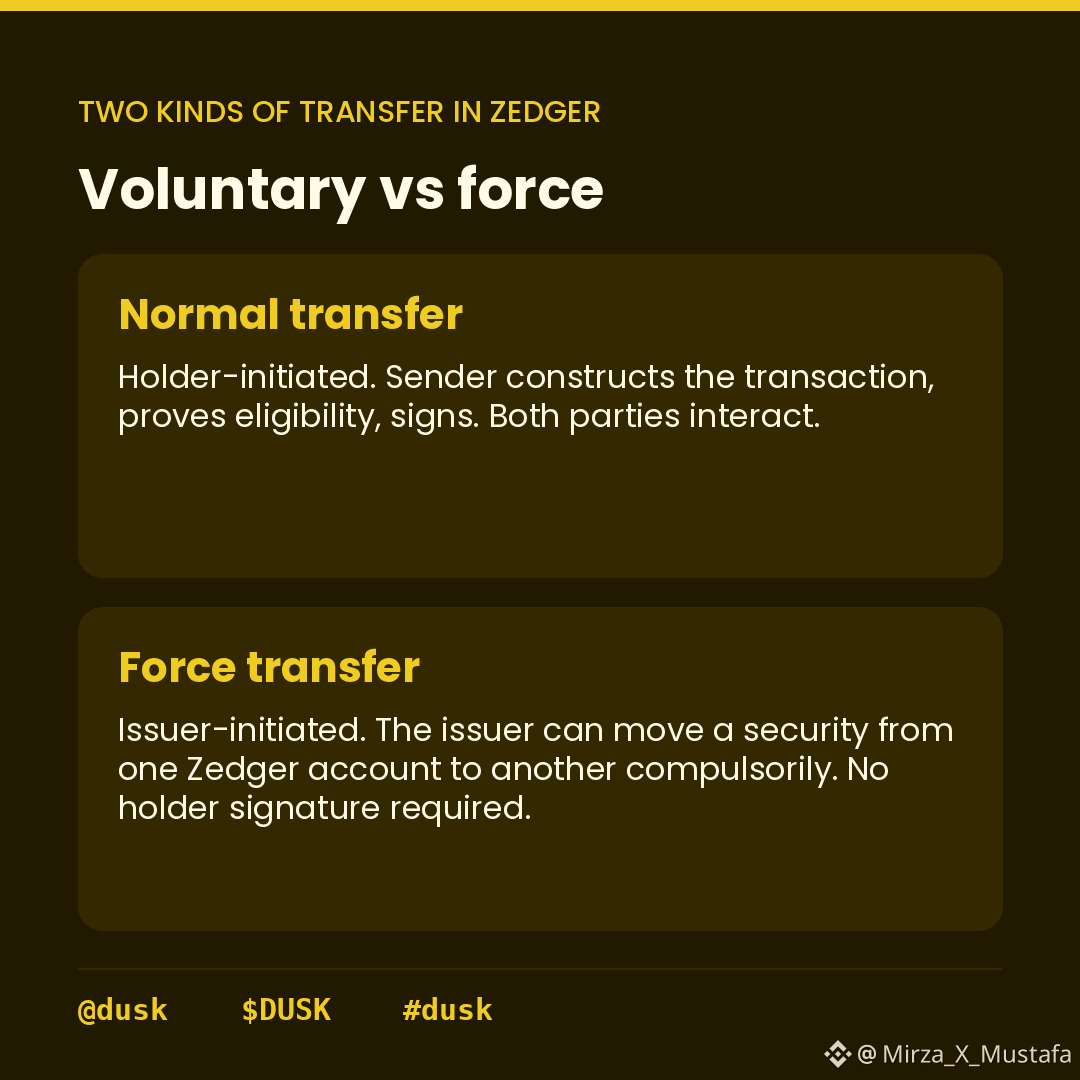
通常のZedger送金は保有者主導です。あなたがトランザクションを組み立て、自分が有資格であることを証明し、署名します。行為者(actor)は保有者です。強制送金はそれを反転させます。行為者は発行者です。発行者がその効果を持つトランザクションを提出したために、保有者の口座はそのポジションを失い、別の口座がそれを受け取ります。
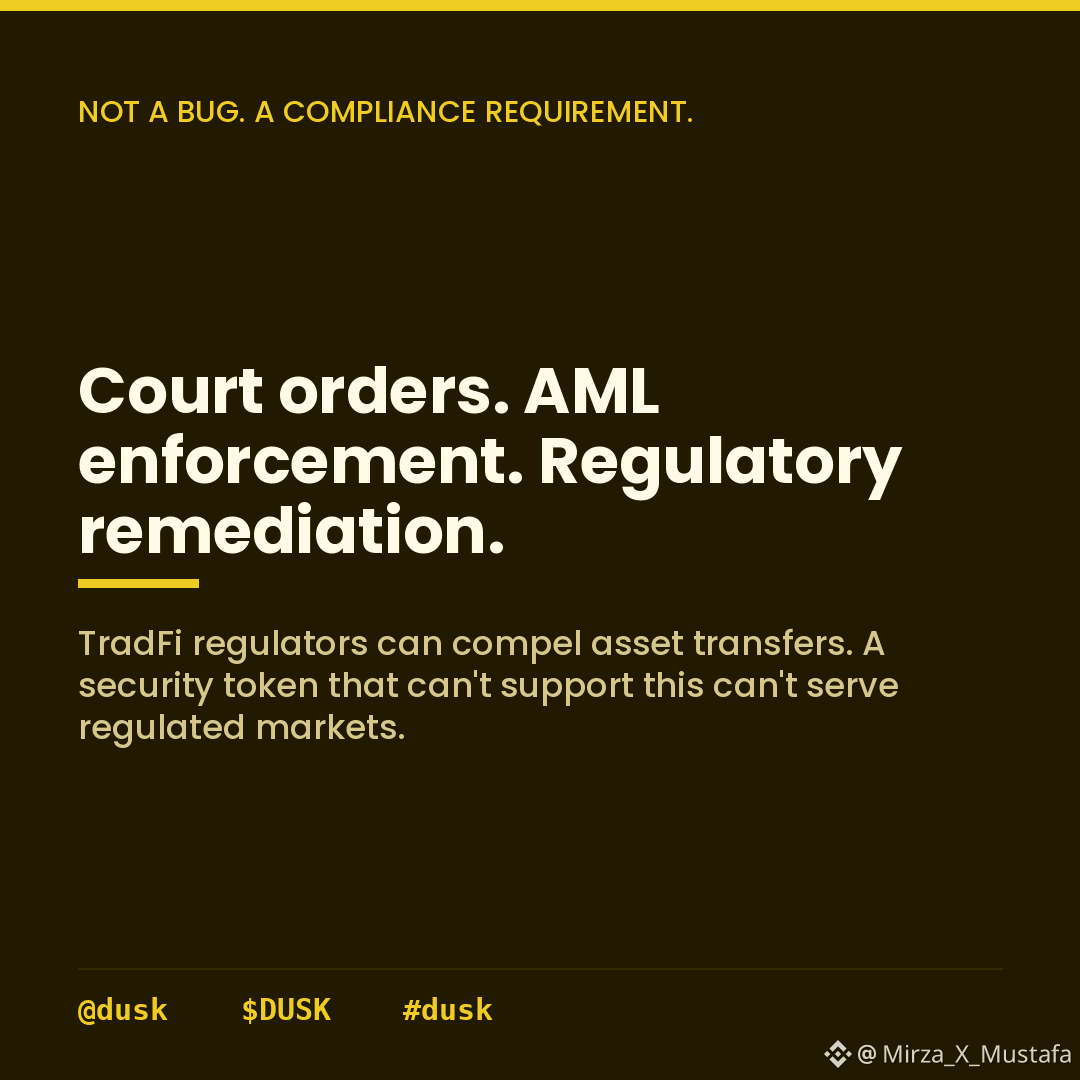
一見すると不安をかき立てる話に聞こえますが、言っておくべきことがあります。これは見落としでもバックドアでもありません。これは意図的なコンプライアンス機能です。伝統的な金融では、規制当局はさまざまな状況のもとで資産の移転を命じることができます——資産のリダイレクト、AML(マネロン)執行措置、規制当局による介入、誤った送金の訂正などです。強制送金が(規制された市場で)発行者に対し、保有者の同意ではなく法的義務に基づいて行為することを求める場合があるため、証券がそうした要件を負うことがある、というわけです。
ただし、これがまったく議論の余地がないと言っているわけでもありません。セルフカストディ(自己管理)のモデルでは、「あなたの署名なしには誰もあなたの資産を動かせない」という前提が土台です。強制送金は、発行者に対してその前提から意図的に例外を切り出しています。そして、その権限がどれほど広く、どれほど狭くスコープされるのかが、非常に重要になります。
でも、正しくないとも言っていません。代替案は、「強制送金が命じられ得るどの法域でも法的に無用な」セキュリティ・トークンになってしまうことです。
私がまだ解けていないのは、Zedgerの強制送金に、オンチェーン上の何らかの認可(authorization)の証明が必要なのかどうかです——署名された規制命令、マルチシグの承認が必要なのか、それとも発行者キーだけで強制送金を開始できるのか。 @Dusk_Foundation
$SPK $TAC
{future}(TACUSDT)
{future}(SPKUSDT)
#dusk $DUSK @Dusk
Zedgerのコントラクト・セクションには、Duskのプライバシーモデルの説明の多くが完全に触れずにスキップしてしまうような“操作”があります——強制送金です。これはホワイトペーパーの中で、鋳造(minting)や焼却(burning)と並んで、Zedgerコントラクトがサポートする中核の要素として登場します。いったい何なのか理解しておく価値があります。
強制送金の基礎:Zedgerの証券(security)を発行する者は、現保有者(current holder)の署名を必要とせずに、その証券の送金を、ある保有者の口座から別の口座へ開始できます。
ここで実際に何を意味するのか、よく考える価値があります。
通常のZedger送金は保有者主導です。あなたがトランザクションを組み立て、自分が有資格であることを証明し、署名します。行為者(actor)は保有者です。強制送金はそれを反転させます。行為者は発行者です。発行者がその効果を持つトランザクションを提出したために、保有者の口座はそのポジションを失い、別の口座がそれを受け取ります。
一見すると不安をかき立てる話に聞こえますが、言っておくべきことがあります。これは見落としでもバックドアでもありません。これは意図的なコンプライアンス機能です。伝統的な金融では、規制当局はさまざまな状況のもとで資産の移転を命じることができます——資産のリダイレクト、AML(マネロン)執行措置、規制当局による介入、誤った送金の訂正などです。強制送金が(規制された市場で)発行者に対し、保有者の同意ではなく法的義務に基づいて行為することを求める場合があるため、証券がそうした要件を負うことがある、というわけです。
ただし、これがまったく議論の余地がないと言っているわけでもありません。セルフカストディ(自己管理)のモデルでは、「あなたの署名なしには誰もあなたの資産を動かせない」という前提が土台です。強制送金は、発行者に対してその前提から意図的に例外を切り出しています。そして、その権限がどれほど広く、どれほど狭くスコープされるのかが、非常に重要になります。
でも、正しくないとも言っていません。代替案は、「強制送金が命じられ得るどの法域でも法的に無用な」セキュリティ・トークンになってしまうことです。
私がまだ解けていないのは、Zedgerの強制送金に、オンチェーン上の何らかの認可(authorization)の証明が必要なのかどうかです——署名された規制命令、マルチシグの承認が必要なのか、それとも発行者キーだけで強制送金を開始できるのか。 @Dusk
$SPK $TAC
Zedgerのコントラクト・セクションには、Duskのプライバシーモデルの説明の多くが完全に触れずにスキップしてしまうような“操作”があります——強制送金です。これはホワイトペーパーの中で、鋳造(minting)や焼却(burning)と並んで、Zedgerコントラクトがサポートする中核の要素として登場します。いったい何なのか理解しておく価値があります。
強制送金の基礎:Zedgerの証券(security)を発行する者は、現保有者(current holder)の署名を必要とせずに、その証券の送金を、ある保有者の口座から別の口座へ開始できます。
ここで実際に何を意味するのか、よく考える価値があります。
通常のZedger送金は保有者主導です。あなたがトランザクションを組み立て、自分が有資格であることを証明し、署名します。行為者(actor)は保有者です。強制送金はそれを反転させます。行為者は発行者です。発行者がその効果を持つトランザクションを提出したために、保有者の口座はそのポジションを失い、別の口座がそれを受け取ります。
一見すると不安をかき立てる話に聞こえますが、言っておくべきことがあります。これは見落としでもバックドアでもありません。これは意図的なコンプライアンス機能です。伝統的な金融では、規制当局はさまざまな状況のもとで資産の移転を命じることができます——資産のリダイレクト、AML(マネロン)執行措置、規制当局による介入、誤った送金の訂正などです。強制送金が(規制された市場で)発行者に対し、保有者の同意ではなく法的義務に基づいて行為することを求める場合があるため、証券がそうした要件を負うことがある、というわけです。
ただし、これがまったく議論の余地がないと言っているわけでもありません。セルフカストディ(自己管理)のモデルでは、「あなたの署名なしには誰もあなたの資産を動かせない」という前提が土台です。強制送金は、発行者に対してその前提から意図的に例外を切り出しています。そして、その権限がどれほど広く、どれほど狭くスコープされるのかが、非常に重要になります。
でも、正しくないとも言っていません。代替案は、「強制送金が命じられ得るどの法域でも法的に無用な」セキュリティ・トークンになってしまうことです。
私がまだ解けていないのは、Zedgerの強制送金に、オンチェーン上の何らかの認可(authorization)の証明が必要なのかどうかです——署名された規制命令、マルチシグの承認が必要なのか、それとも発行者キーだけで強制送金を開始できるのか。 @Dusk
$SPK $TAC
2
1
331
#dusk $DUSK @Dusk_Foundation
月光の取引ドキュメントには、多くの人が定型文のように扱うセクションがあります——ホワイトペーパーが正式に名付けている、完全なセキュリティ特性の一覧です。それは4つあり、最後のものは思ったよりも面白いです。
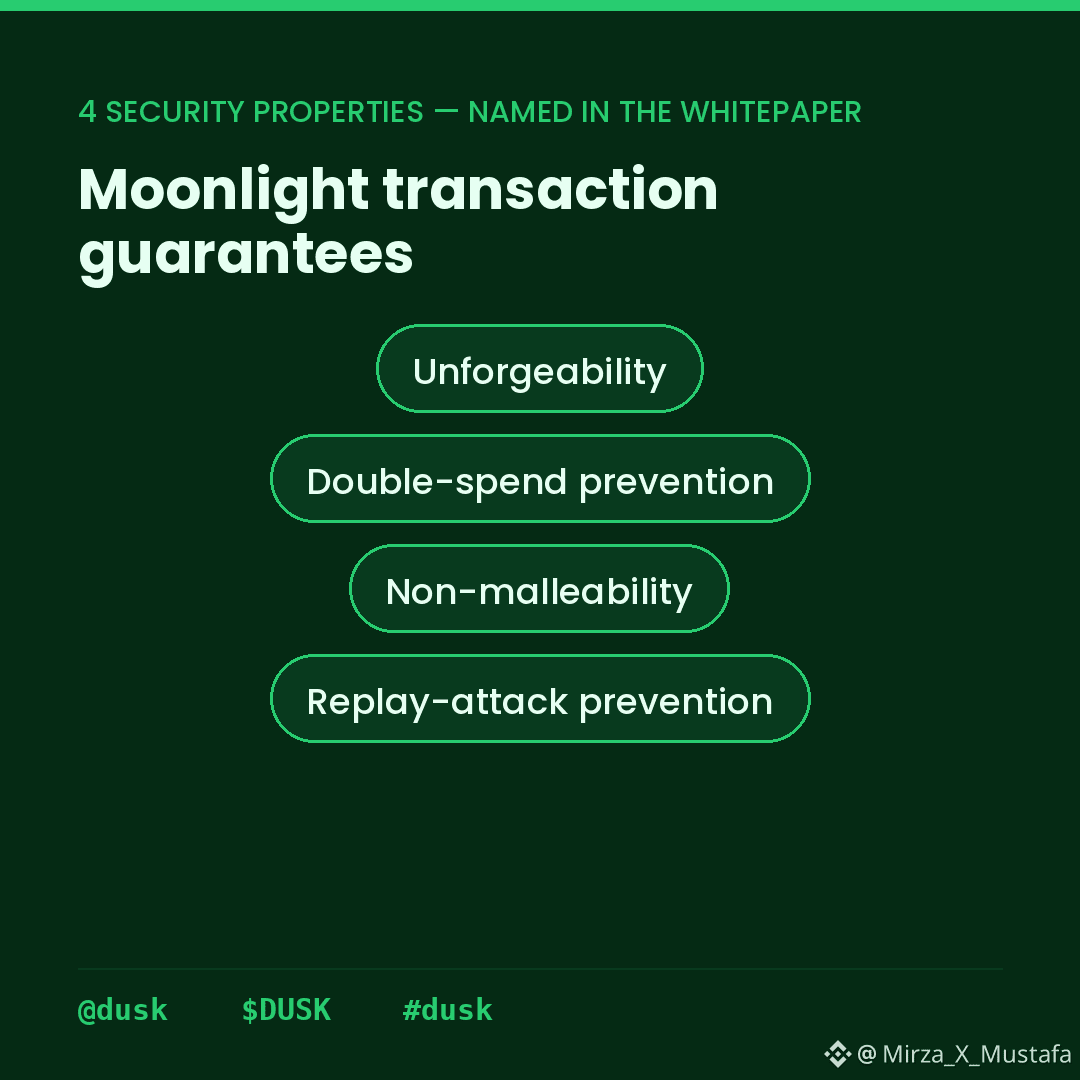
月光のセキュリティ特性:不可偽性(デジタル署名で担保される)、二重支出の防止(ネットワークが受理前に残高を確認する)、可変性の排除(署名が取引フィールドすべてのハッシュをカバーするため、何かを改変すれば無効になる)、リプレイ攻撃の防止(ナンスで担保される)。
そこで、ナンスがここで実際に何をしているのかを考えてみる価値があります。
リプレイ攻撃とは、誰かが正当な署名付き取引を取り込んで、そのまま再送することです。署名は本物です——あなたがそれに署名したのです——しかし、この特定の送信をあなたが許可したわけではありません。リプレイ防止の仕組みがないと、一度送信された有効な取引は、それを捕捉した誰にでもよって無期限に再送され得ます。
ナンスがそれを解決します。すべての月光アカウントには現在のナンスがあり、受理された取引ごとに増えるカウンターです。取引を送信するとき、ナンス欄には current_nonce + 1 を厳密に指定する必要があります。ネットワークは、そのチェックに失敗するものを拒否します。受理された後は、そのアカウントのナンスがインクリメントされるので、同じ取引は再送できません。
これが珍しいと言っているわけではありません。すべての本格的なアカウントベースのチェーンが、まさにこの目的のためにナンスを使っています。イーサリアムも同じやり方です。
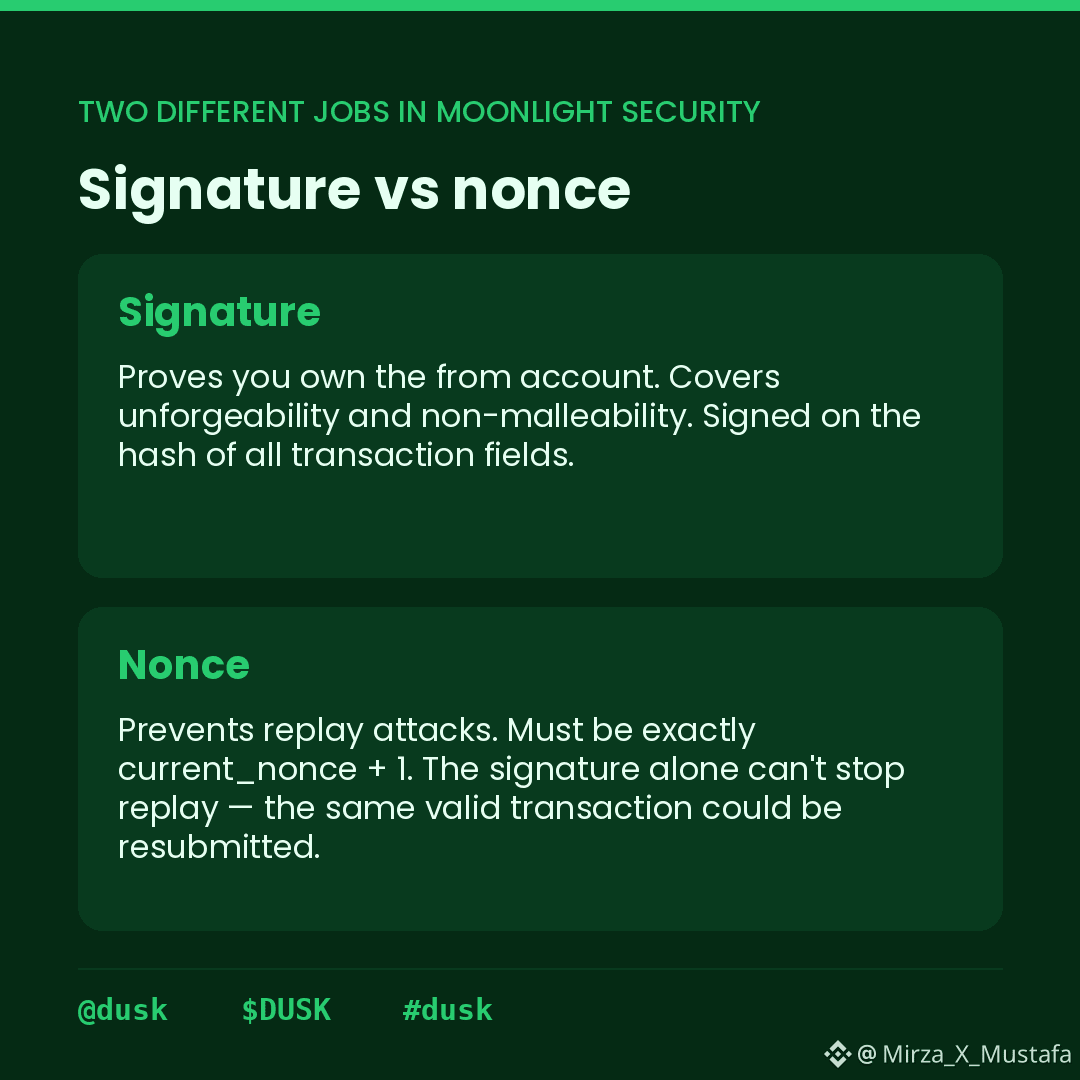
ただし、これが単純だとも言いません。ナンスは署名とは別の役割を果たしています——署名が認可を証明し、ナンスが「この取引の具体的なインスタンスが新しいものである」ことを証明するのです。両方が必要で、そしてそれぞれ別の攻撃ベクトルをカバーしています。
未解決なのは、月光のナンスがアカウント単位なのか、それともコントラクト単位なのかという点です。同じアカウントからコントラクト呼び出しと直接送金を行うときに、共有のナンスカウンターが使われるのか、それとも各種類のやり取りごとに独自のシーケンスがあるのか——@Dusk_Foundation
$DUSK #dusk
#dusk $DUSK @Dusk
月光の取引ドキュメントには、多くの人が定型文のように扱うセクションがあります——ホワイトペーパーが正式に名付けている、完全なセキュリティ特性の一覧です。それは4つあり、最後のものは思ったよりも面白いです。
月光のセキュリティ特性:不可偽性(デジタル署名で担保される)、二重支出の防止(ネットワークが受理前に残高を確認する)、可変性の排除(署名が取引フィールドすべてのハッシュをカバーするため、何かを改変すれば無効になる)、リプレイ攻撃の防止(ナンスで担保される)。
そこで、ナンスがここで実際に何をしているのかを考えてみる価値があります。
リプレイ攻撃とは、誰かが正当な署名付き取引を取り込んで、そのまま再送することです。署名は本物です——あなたがそれに署名したのです——しかし、この特定の送信をあなたが許可したわけではありません。リプレイ防止の仕組みがないと、一度送信された有効な取引は、それを捕捉した誰にでもよって無期限に再送され得ます。
ナンスがそれを解決します。すべての月光アカウントには現在のナンスがあり、受理された取引ごとに増えるカウンターです。取引を送信するとき、ナンス欄には current_nonce + 1 を厳密に指定する必要があります。ネットワークは、そのチェックに失敗するものを拒否します。受理された後は、そのアカウントのナンスがインクリメントされるので、同じ取引は再送できません。
これが珍しいと言っているわけではありません。すべての本格的なアカウントベースのチェーンが、まさにこの目的のためにナンスを使っています。イーサリアムも同じやり方です。
ただし、これが単純だとも言いません。ナンスは署名とは別の役割を果たしています——署名が認可を証明し、ナンスが「この取引の具体的なインスタンスが新しいものである」ことを証明するのです。両方が必要で、そしてそれぞれ別の攻撃ベクトルをカバーしています。
未解決なのは、月光のナンスがアカウント単位なのか、それともコントラクト単位なのかという点です。同じアカウントからコントラクト呼び出しと直接送金を行うときに、共有のナンスカウンターが使われるのか、それとも各種類のやり取りごとに独自のシーケンスがあるのか——@Dusk
$DUSK #dusk
月光の取引ドキュメントには、多くの人が定型文のように扱うセクションがあります——ホワイトペーパーが正式に名付けている、完全なセキュリティ特性の一覧です。それは4つあり、最後のものは思ったよりも面白いです。
月光のセキュリティ特性:不可偽性(デジタル署名で担保される)、二重支出の防止(ネットワークが受理前に残高を確認する)、可変性の排除(署名が取引フィールドすべてのハッシュをカバーするため、何かを改変すれば無効になる)、リプレイ攻撃の防止(ナンスで担保される)。
そこで、ナンスがここで実際に何をしているのかを考えてみる価値があります。
リプレイ攻撃とは、誰かが正当な署名付き取引を取り込んで、そのまま再送することです。署名は本物です——あなたがそれに署名したのです——しかし、この特定の送信をあなたが許可したわけではありません。リプレイ防止の仕組みがないと、一度送信された有効な取引は、それを捕捉した誰にでもよって無期限に再送され得ます。
ナンスがそれを解決します。すべての月光アカウントには現在のナンスがあり、受理された取引ごとに増えるカウンターです。取引を送信するとき、ナンス欄には current_nonce + 1 を厳密に指定する必要があります。ネットワークは、そのチェックに失敗するものを拒否します。受理された後は、そのアカウントのナンスがインクリメントされるので、同じ取引は再送できません。
これが珍しいと言っているわけではありません。すべての本格的なアカウントベースのチェーンが、まさにこの目的のためにナンスを使っています。イーサリアムも同じやり方です。
ただし、これが単純だとも言いません。ナンスは署名とは別の役割を果たしています——署名が認可を証明し、ナンスが「この取引の具体的なインスタンスが新しいものである」ことを証明するのです。両方が必要で、そしてそれぞれ別の攻撃ベクトルをカバーしています。
未解決なのは、月光のナンスがアカウント単位なのか、それともコントラクト単位なのかという点です。同じアカウントからコントラクト呼び出しと直接送金を行うときに、共有のナンスカウンターが使われるのか、それとも各種類のやり取りごとに独自のシーケンスがあるのか——@Dusk
$DUSK #dusk
1
3
138
#termmax @termmax
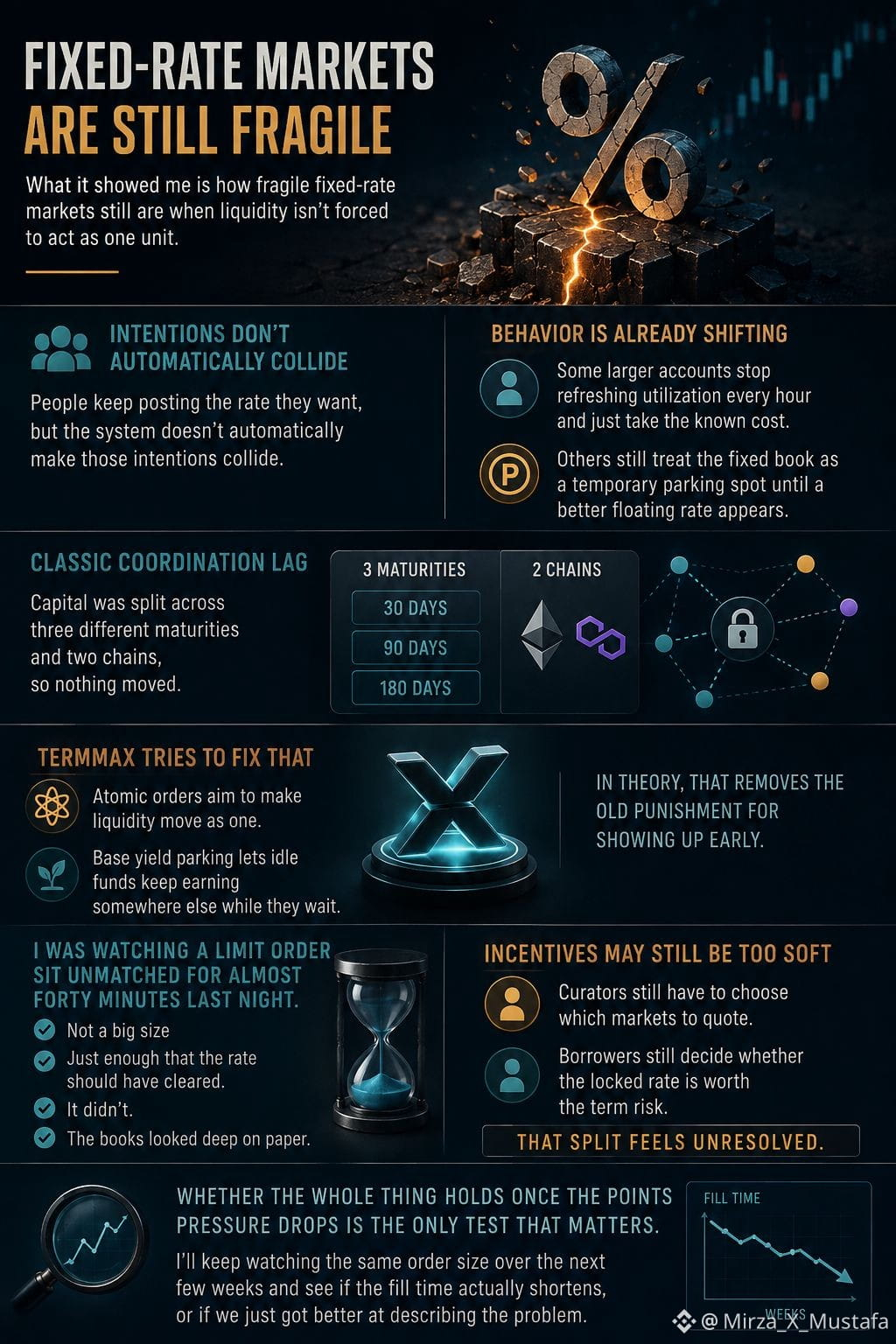
私が見たのは、流動性が1つのユニットとして強制的に動かされない限り、固定金利市場はまだ脆いということです。人々は希望する金利を投稿し続けていますが、システムがそれらの意図を自動的に衝突させるわけではありません。
すでに挙動が少し変わり始めているのが分かります。大口の一部は、毎時間ユーティライゼーションを更新するのをやめて、既知のコストをそのまま受け入れます。別の一部は、より良い変動金利が現れるまで、固定の板を一時的な駐車場のように扱い続けています。
しかし、資本は3つの異なる満期と2つのチェーンに分散されていたため、何も動きませんでした。典型的な協調の遅れです。
TermMaxは、アトミック注文と、待っている間アイドル資金を別の場所で運用して利回りを得る「ベース・イールドの駐車」で、それを改善しようとしています。理論上は、早く現れたことへの旧来のペナルティを取り除けます。
昨夜、指値注文が約40分間、約定せずに残っているのを見ていました。規模は大きくありませんでしたが、レートが通るのに十分でした。それでも通りませんでした。紙の上では板が厚いように見えましたが、
実際のところ、インセンティブがまだ十分に鋭くないのかもしれません。キュレーターは、提示する市場を選ぶ必要がありますし、借り手は、固定金利がタームのリスクに見合うかどうかを今も判断しています。
その分断はまだ解決していない感じがします。ポイントの圧力が下がったときに、この仕組み全体が維持されるかどうかが唯一の試金石です。今後数週間、同じ注文サイズを追い続け、約定までの時間が実際に短くなるのか、それとも問題を説明するのが上手くなっただけなのかを確かめます。
$ONG $AVAAI $XRP
{future}(XRPUSDT)
{future}(AVAAIUSDT)
{future}(ONGUSDT)
#termmax @TermMax
私が見たのは、流動性が1つのユニットとして強制的に動かされない限り、固定金利市場はまだ脆いということです。人々は希望する金利を投稿し続けていますが、システムがそれらの意図を自動的に衝突させるわけではありません。
すでに挙動が少し変わり始めているのが分かります。大口の一部は、毎時間ユーティライゼーションを更新するのをやめて、既知のコストをそのまま受け入れます。別の一部は、より良い変動金利が現れるまで、固定の板を一時的な駐車場のように扱い続けています。
しかし、資本は3つの異なる満期と2つのチェーンに分散されていたため、何も動きませんでした。典型的な協調の遅れです。
TermMaxは、アトミック注文と、待っている間アイドル資金を別の場所で運用して利回りを得る「ベース・イールドの駐車」で、それを改善しようとしています。理論上は、早く現れたことへの旧来のペナルティを取り除けます。
昨夜、指値注文が約40分間、約定せずに残っているのを見ていました。規模は大きくありませんでしたが、レートが通るのに十分でした。それでも通りませんでした。紙の上では板が厚いように見えましたが、
実際のところ、インセンティブがまだ十分に鋭くないのかもしれません。キュレーターは、提示する市場を選ぶ必要がありますし、借り手は、固定金利がタームのリスクに見合うかどうかを今も判断しています。
その分断はまだ解決していない感じがします。ポイントの圧力が下がったときに、この仕組み全体が維持されるかどうかが唯一の試金石です。今後数週間、同じ注文サイズを追い続け、約定までの時間が実際に短くなるのか、それとも問題を説明するのが上手くなっただけなのかを確かめます。
$ONG $AVAAI $XRP
私が見たのは、流動性が1つのユニットとして強制的に動かされない限り、固定金利市場はまだ脆いということです。人々は希望する金利を投稿し続けていますが、システムがそれらの意図を自動的に衝突させるわけではありません。
すでに挙動が少し変わり始めているのが分かります。大口の一部は、毎時間ユーティライゼーションを更新するのをやめて、既知のコストをそのまま受け入れます。別の一部は、より良い変動金利が現れるまで、固定の板を一時的な駐車場のように扱い続けています。
しかし、資本は3つの異なる満期と2つのチェーンに分散されていたため、何も動きませんでした。典型的な協調の遅れです。
TermMaxは、アトミック注文と、待っている間アイドル資金を別の場所で運用して利回りを得る「ベース・イールドの駐車」で、それを改善しようとしています。理論上は、早く現れたことへの旧来のペナルティを取り除けます。
昨夜、指値注文が約40分間、約定せずに残っているのを見ていました。規模は大きくありませんでしたが、レートが通るのに十分でした。それでも通りませんでした。紙の上では板が厚いように見えましたが、
実際のところ、インセンティブがまだ十分に鋭くないのかもしれません。キュレーターは、提示する市場を選ぶ必要がありますし、借り手は、固定金利がタームのリスクに見合うかどうかを今も判断しています。
その分断はまだ解決していない感じがします。ポイントの圧力が下がったときに、この仕組み全体が維持されるかどうかが唯一の試金石です。今後数週間、同じ注文サイズを追い続け、約定までの時間が実際に短くなるのか、それとも問題を説明するのが上手くなっただけなのかを確かめます。
$ONG $AVAAI $XRP
1
267
#dusk $DUSK @Dusk_Foundation
金融のためにブロックチェーンを評価する多くの人は、技術、つまりスピードやプライバシー、ファイナリティに注目します。ですが、より重要な問いは「Duskが置き換えようとしているのはどの機関か」です。
答えはCSDです。そしてほとんどの人は、CSDを聞いたことがありません。
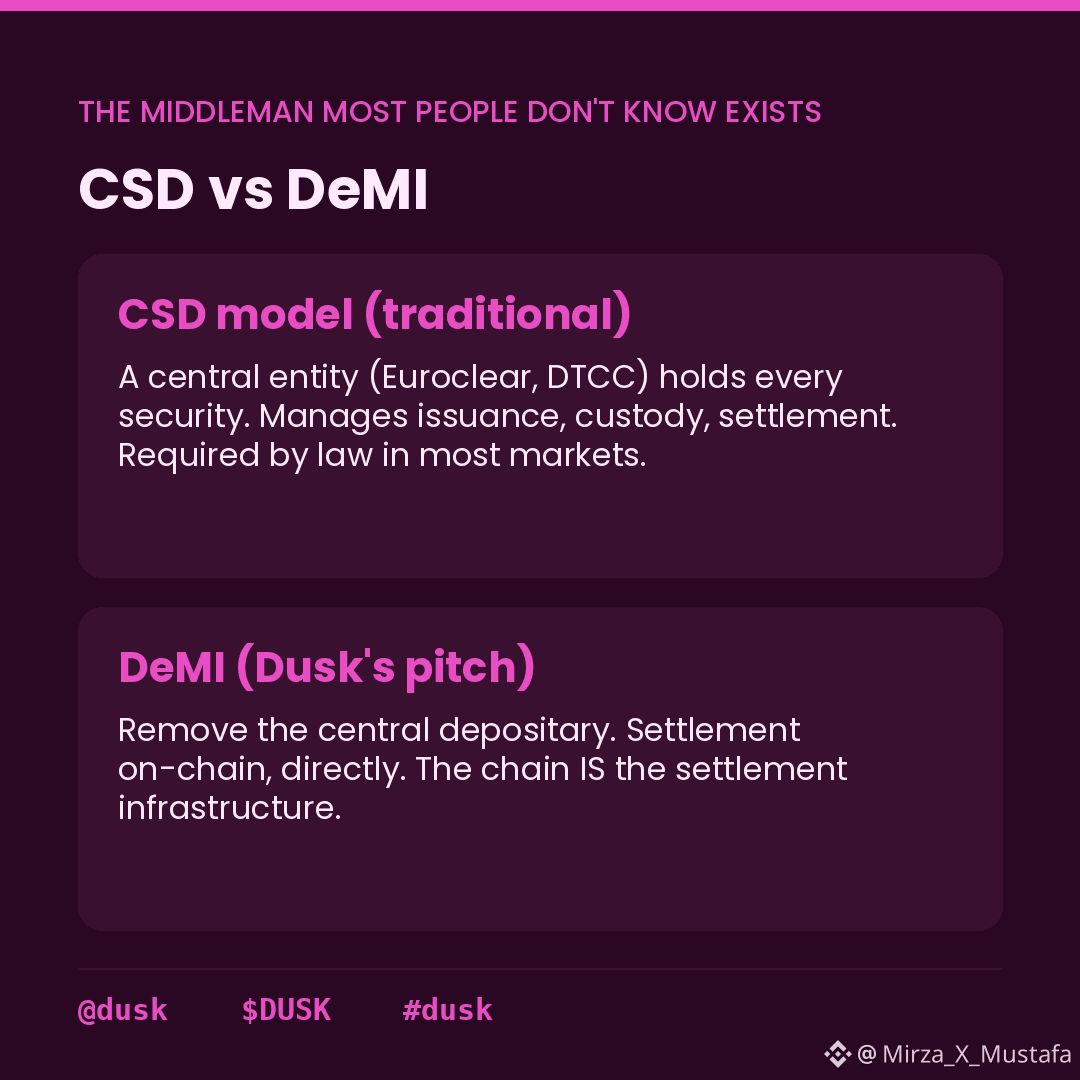
CSDはCentral Securities Depository(中央証券保管振替機関)の略です。従来の市場では、あらゆる証券—株式、債券、ファンドのユニット—がCSDの中に置かれています。ヨーロッパではEuroclear、米国ではDTCCです。あなたは彼らと直接やり取りしませんが、あなたが行うあらゆる取引の裏側には必ず彼らがいます。株を買うと、その取引はCSDのレベルで決済されます。企業が債券を発行すると、CSDがそれを記録して保有します。すべての移転は彼らを通過します。
CSDのモデルは機能しますが、設計上中央集権的です。決済が遅いのは、中央のこの層を通したり、突合・調整したりする必要があるからです。また、コストが発生するのは、CSDのインフラと、それに接続するカストディアンの連鎖に対して支払っているからです。
Duskは自社のモデルをDeMI(Decentralized Market Infrastructure:分散型市場インフラ)と呼びます。主張は、CSDの機能をそのチェーン自体が果たせるということです。発行、カストディ、決済はすべてオンチェーンに記録されます。ネイティブな発行とは、証券がCSD内で作られるのではなくオンチェーンで生成されることを意味します。また、決済とは、資産と支払いの両方のレグが台帳上で直接連携することを指します。
これは小さな主張ではありません。CSDは、ほとんどの市場で法的に求められています。それらを置き換えるのは技術的な問題ではなく、規制の問題です。先ほど取り上げたDLT Pilot Regime(DLTパイロット制度)は、その法的な障壁に対処する方法の一部です。
もしあなたが金融の仕事をしていて、CSDが実際にどのように運用されているかを知っているなら、オンチェーンで動かすのが最も難しそうに見えるのは、この機能のどの部分でしょうか? 所有権の法的記録、コーポレートアクション、あるいは別の何かでしょうか? @Dusk_Foundation
$TRUMP $MAGMA
#dusk
#dusk $DUSK @Dusk
金融のためにブロックチェーンを評価する多くの人は、技術、つまりスピードやプライバシー、ファイナリティに注目します。ですが、より重要な問いは「Duskが置き換えようとしているのはどの機関か」です。
答えはCSDです。そしてほとんどの人は、CSDを聞いたことがありません。
CSDはCentral Securities Depository(中央証券保管振替機関)の略です。従来の市場では、あらゆる証券—株式、債券、ファンドのユニット—がCSDの中に置かれています。ヨーロッパではEuroclear、米国ではDTCCです。あなたは彼らと直接やり取りしませんが、あなたが行うあらゆる取引の裏側には必ず彼らがいます。株を買うと、その取引はCSDのレベルで決済されます。企業が債券を発行すると、CSDがそれを記録して保有します。すべての移転は彼らを通過します。
CSDのモデルは機能しますが、設計上中央集権的です。決済が遅いのは、中央のこの層を通したり、突合・調整したりする必要があるからです。また、コストが発生するのは、CSDのインフラと、それに接続するカストディアンの連鎖に対して支払っているからです。
Duskは自社のモデルをDeMI(Decentralized Market Infrastructure:分散型市場インフラ)と呼びます。主張は、CSDの機能をそのチェーン自体が果たせるということです。発行、カストディ、決済はすべてオンチェーンに記録されます。ネイティブな発行とは、証券がCSD内で作られるのではなくオンチェーンで生成されることを意味します。また、決済とは、資産と支払いの両方のレグが台帳上で直接連携することを指します。
これは小さな主張ではありません。CSDは、ほとんどの市場で法的に求められています。それらを置き換えるのは技術的な問題ではなく、規制の問題です。先ほど取り上げたDLT Pilot Regime(DLTパイロット制度)は、その法的な障壁に対処する方法の一部です。
もしあなたが金融の仕事をしていて、CSDが実際にどのように運用されているかを知っているなら、オンチェーンで動かすのが最も難しそうに見えるのは、この機能のどの部分でしょうか? 所有権の法的記録、コーポレートアクション、あるいは別の何かでしょうか? @Dusk
$TRUMP $MAGMA
#dusk
金融のためにブロックチェーンを評価する多くの人は、技術、つまりスピードやプライバシー、ファイナリティに注目します。ですが、より重要な問いは「Duskが置き換えようとしているのはどの機関か」です。
答えはCSDです。そしてほとんどの人は、CSDを聞いたことがありません。
CSDはCentral Securities Depository(中央証券保管振替機関)の略です。従来の市場では、あらゆる証券—株式、債券、ファンドのユニット—がCSDの中に置かれています。ヨーロッパではEuroclear、米国ではDTCCです。あなたは彼らと直接やり取りしませんが、あなたが行うあらゆる取引の裏側には必ず彼らがいます。株を買うと、その取引はCSDのレベルで決済されます。企業が債券を発行すると、CSDがそれを記録して保有します。すべての移転は彼らを通過します。
CSDのモデルは機能しますが、設計上中央集権的です。決済が遅いのは、中央のこの層を通したり、突合・調整したりする必要があるからです。また、コストが発生するのは、CSDのインフラと、それに接続するカストディアンの連鎖に対して支払っているからです。
Duskは自社のモデルをDeMI(Decentralized Market Infrastructure:分散型市場インフラ)と呼びます。主張は、CSDの機能をそのチェーン自体が果たせるということです。発行、カストディ、決済はすべてオンチェーンに記録されます。ネイティブな発行とは、証券がCSD内で作られるのではなくオンチェーンで生成されることを意味します。また、決済とは、資産と支払いの両方のレグが台帳上で直接連携することを指します。
これは小さな主張ではありません。CSDは、ほとんどの市場で法的に求められています。それらを置き換えるのは技術的な問題ではなく、規制の問題です。先ほど取り上げたDLT Pilot Regime(DLTパイロット制度)は、その法的な障壁に対処する方法の一部です。
もしあなたが金融の仕事をしていて、CSDが実際にどのように運用されているかを知っているなら、オンチェーンで動かすのが最も難しそうに見えるのは、この機能のどの部分でしょうか? 所有権の法的記録、コーポレートアクション、あるいは別の何かでしょうか? @Dusk
$TRUMP $MAGMA
#dusk
2
3
240
翻訳参照
#termmax @termmax
I was looking at TermMaxs token design again, and the part that actually clicked for me wasnt the Fixed-Rate Token. It was the relationship between the FT and the XT, because together they basically split a loan into principal and yield.
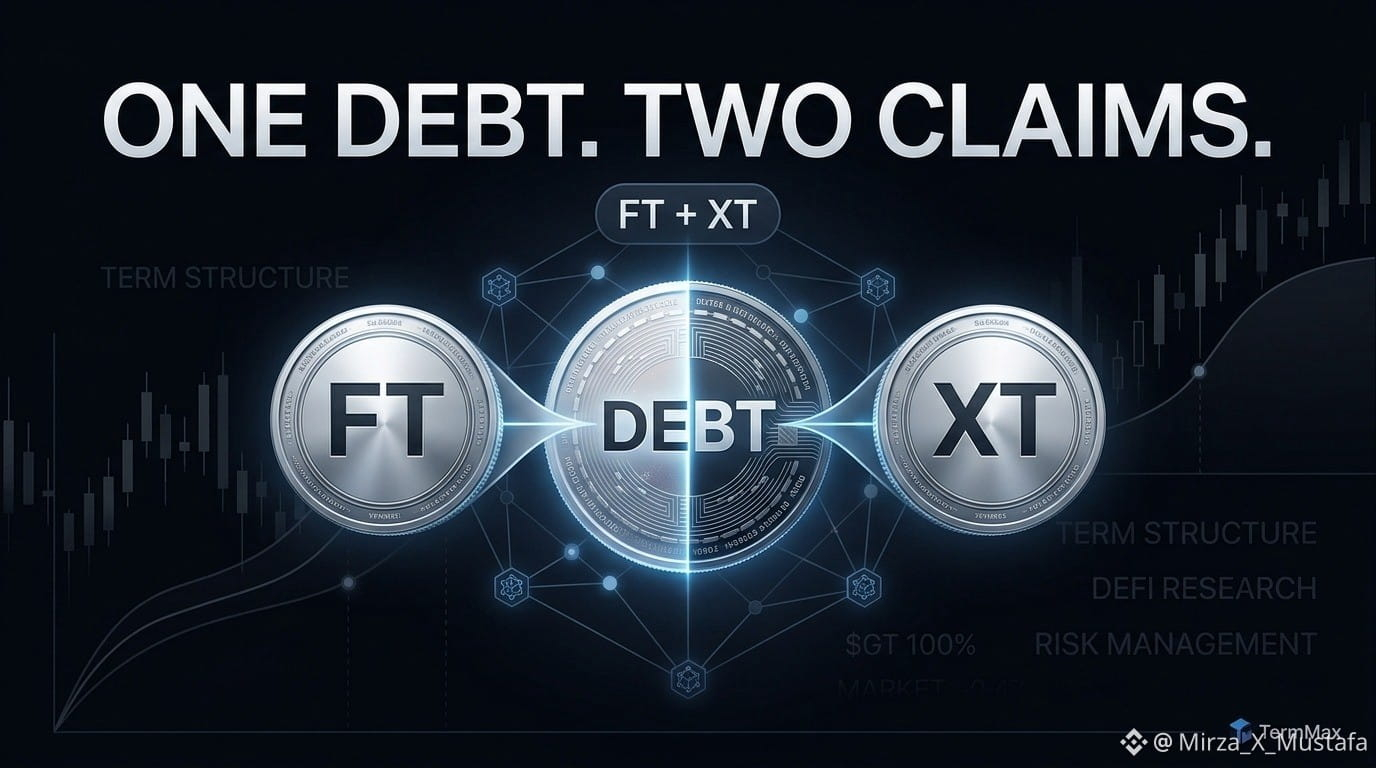
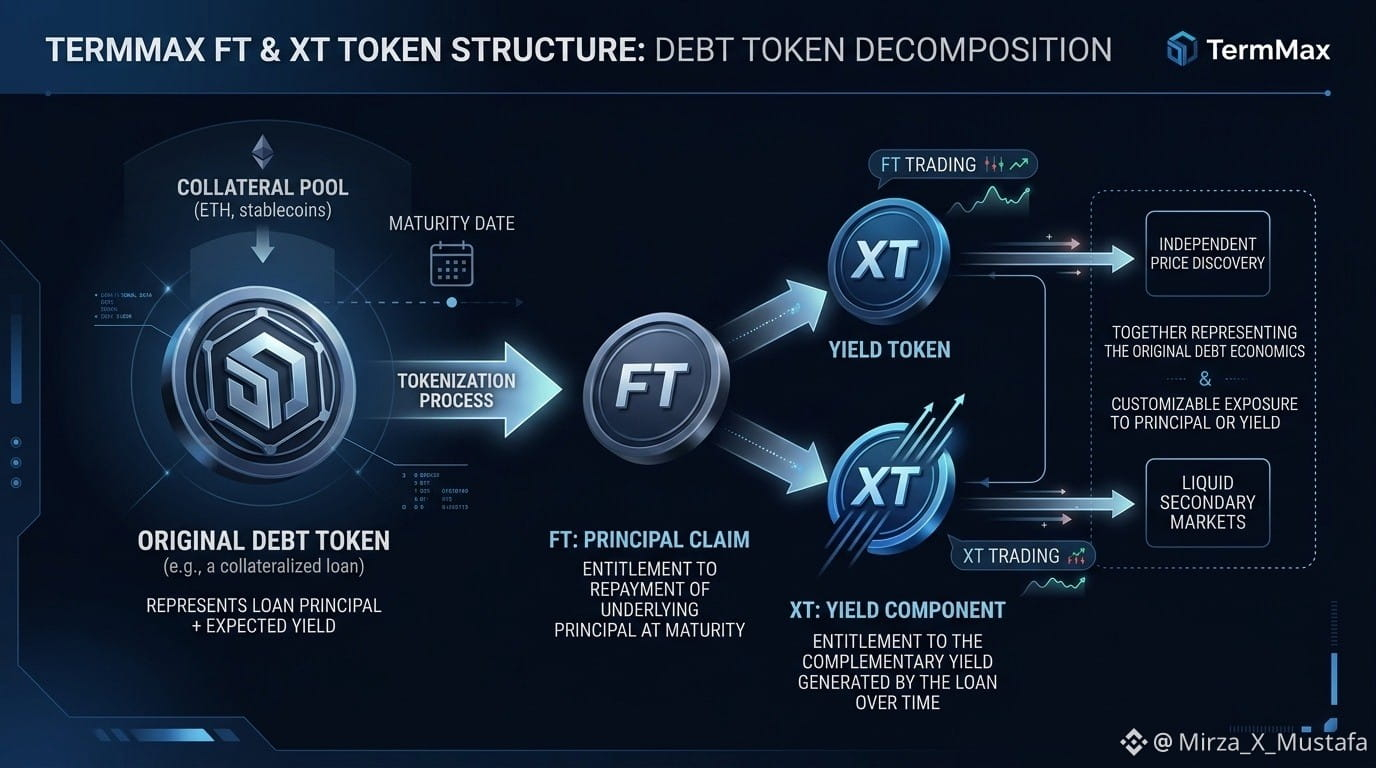
Heres the simple version. TermMax says 1 FT + 1 XT = 1 debt token. The FT represents the right to receive the debt token at maturity, while the XT is the complementary piece that carries the yield component.
So imagine 1 USDC debt. You can think of it as being separated into two claims, one that matures into the principal and another that represents the yield.
That sounds unnecessarily complicated until you look at what it lets the protocol do.
The borrower can create FTs against collateral, sell the interest component for liquidity, and lock in the borrowing economics at the start. The lender gets exposure to the fixed return through the corresponding token structure.
Its basically the same financial idea as separating the principal of a bond from its interest cashflows, except the pieces are tokens that can move around on-chain.
And thats the part I find interesting. TermMax isnt just putting a fixed rate on top of a normal DeFi loan. Its actually turning the different economic claims inside the loan into tradeable objects.
The question I keep coming back to is whether splitting one debt obligation into separate tokens creates genuinely better markets, or just more complexity that users eventually have to understand. @termmax
$BTW $ACE $EDEN
#TermMax
#termmax @TermMax
I was looking at TermMaxs token design again, and the part that actually clicked for me wasnt the Fixed-Rate Token. It was the relationship between the FT and the XT, because together they basically split a loan into principal and yield.
Heres the simple version. TermMax says 1 FT + 1 XT = 1 debt token. The FT represents the right to receive the debt token at maturity, while the XT is the complementary piece that carries the yield component.
So imagine 1 USDC debt. You can think of it as being separated into two claims, one that matures into the principal and another that represents the yield.
That sounds unnecessarily complicated until you look at what it lets the protocol do.
The borrower can create FTs against collateral, sell the interest component for liquidity, and lock in the borrowing economics at the start. The lender gets exposure to the fixed return through the corresponding token structure.
Its basically the same financial idea as separating the principal of a bond from its interest cashflows, except the pieces are tokens that can move around on-chain.
And thats the part I find interesting. TermMax isnt just putting a fixed rate on top of a normal DeFi loan. Its actually turning the different economic claims inside the loan into tradeable objects.
The question I keep coming back to is whether splitting one debt obligation into separate tokens creates genuinely better markets, or just more complexity that users eventually have to understand. @TermMax
$BTW $ACE $EDEN
#TermMax
I was looking at TermMaxs token design again, and the part that actually clicked for me wasnt the Fixed-Rate Token. It was the relationship between the FT and the XT, because together they basically split a loan into principal and yield.
Heres the simple version. TermMax says 1 FT + 1 XT = 1 debt token. The FT represents the right to receive the debt token at maturity, while the XT is the complementary piece that carries the yield component.
So imagine 1 USDC debt. You can think of it as being separated into two claims, one that matures into the principal and another that represents the yield.
That sounds unnecessarily complicated until you look at what it lets the protocol do.
The borrower can create FTs against collateral, sell the interest component for liquidity, and lock in the borrowing economics at the start. The lender gets exposure to the fixed return through the corresponding token structure.
Its basically the same financial idea as separating the principal of a bond from its interest cashflows, except the pieces are tokens that can move around on-chain.
And thats the part I find interesting. TermMax isnt just putting a fixed rate on top of a normal DeFi loan. Its actually turning the different economic claims inside the loan into tradeable objects.
The question I keep coming back to is whether splitting one debt obligation into separate tokens creates genuinely better markets, or just more complexity that users eventually have to understand. @TermMax
$BTW $ACE $EDEN
#TermMax
511
翻訳参照
#dusk $DUSK @Dusk_Foundation
Most people check a tokens inflation as a single number x% per year and move on. DUSK doesnt really work like that and the actual schedule is worth looking at.
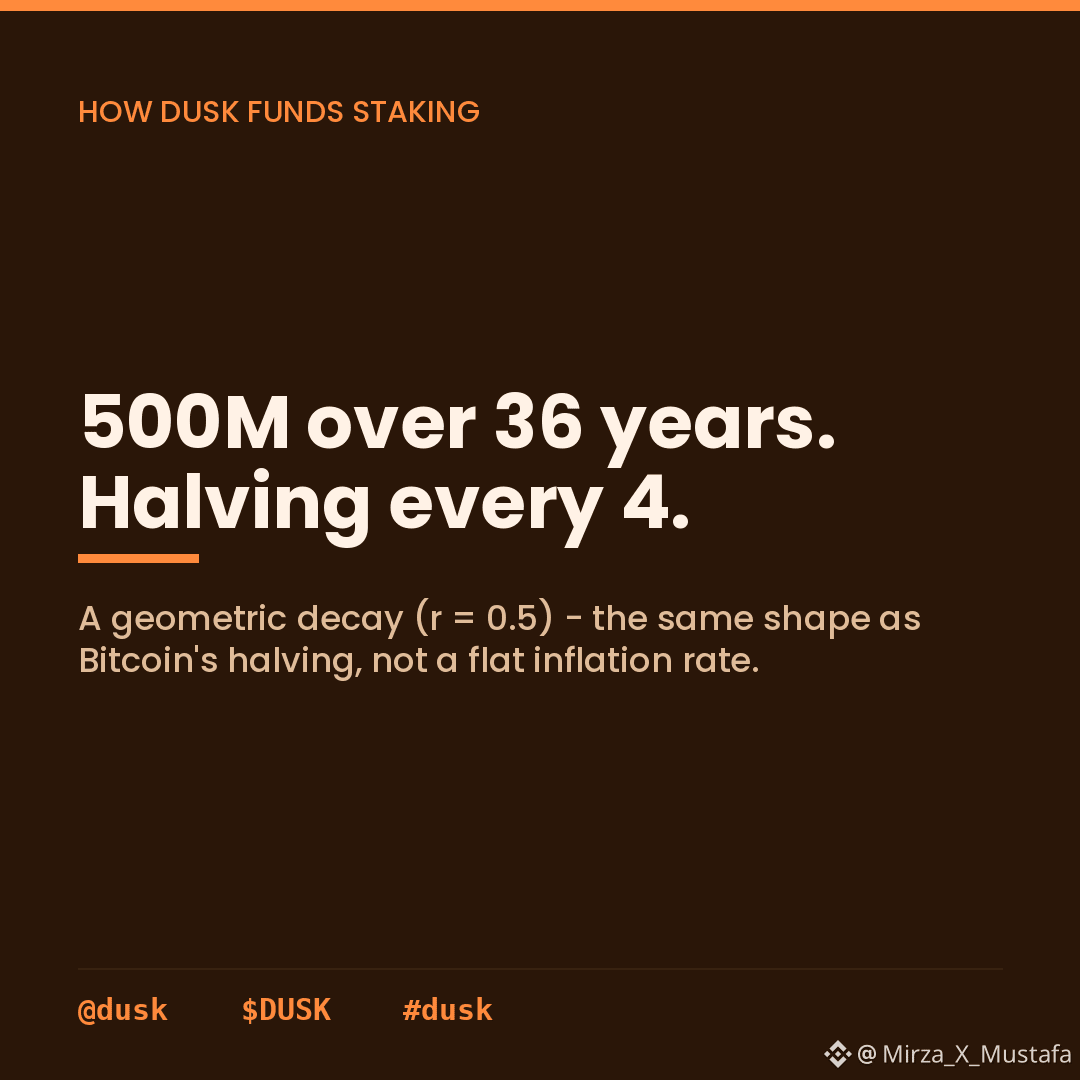
The staking rewards come from a fixed pool 500 million DUSK released over roughly 36 years. But not evenly. The emission follows a geometric decay it halves every four years. If that sounds familiar its the same shape as Bitcoins halving.
So new DUSK enters fastest early on then the rate keeps cutting in half tailing off over decades until the 500 million is exhausted. Its a decaying front loaded schedule not a flat drip.
Two honest observations from that and neither is a price call.
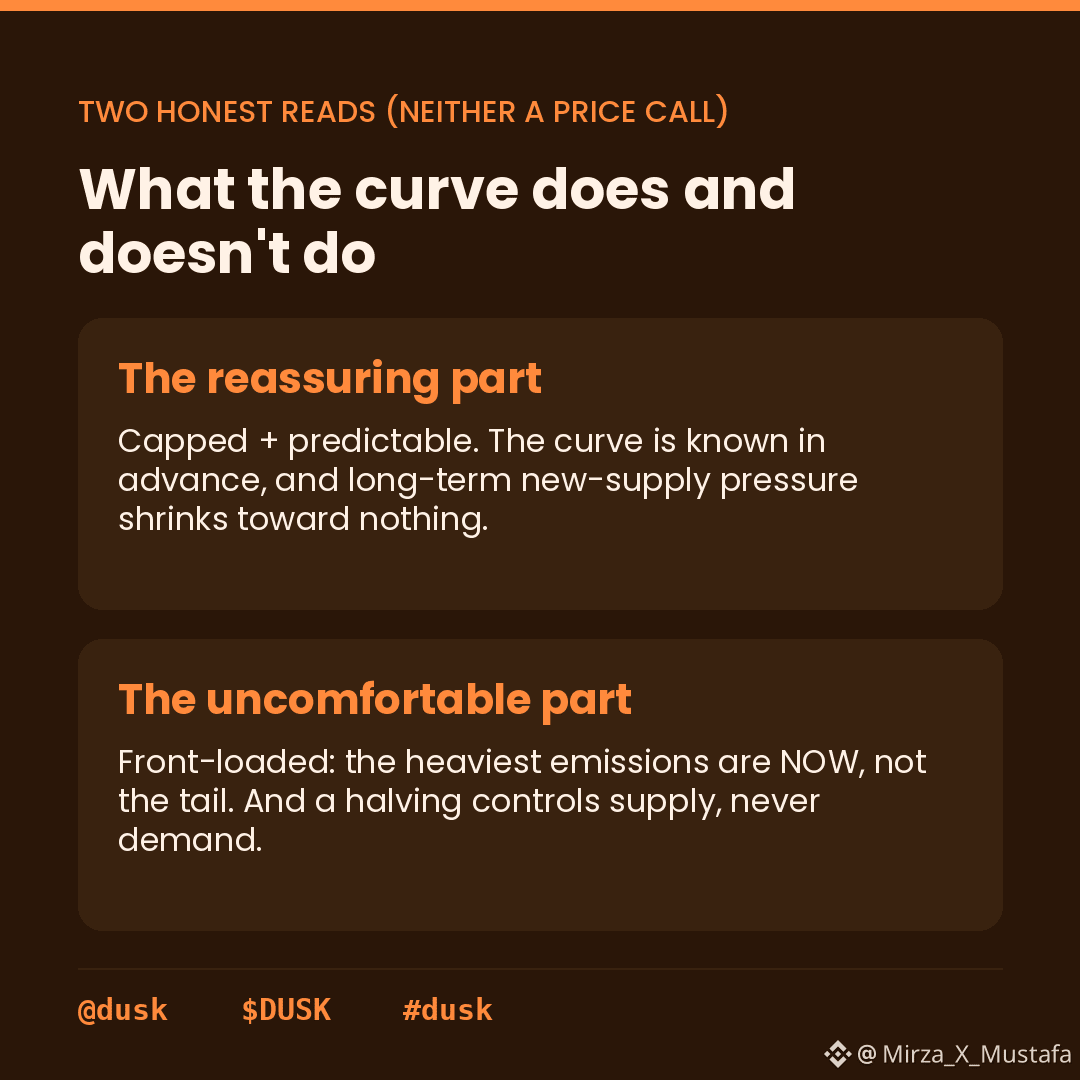
First the reassuring part issuance is capped and predictable. Theres a hard ceiling the curve is known in advance and long term the new supply pressure shrinks toward nothing. You can model it.
Second the less comfortable part front loaded means the heaviest emissions are happening now in these early years not in some distant future. A holder today is sitting through the highest dilution phase not the tail. It halves later is cold comfort if youre here for the first halving.
And a halving schedule only controls supply. It says nothing about demand. Bitcoins halvings matter because theres demand meeting a shrinking supply a decaying emission into weak demand is just slower dilution not a tailwind.
Not saying the schedule is bullish. Not saying its bearish either. Its just structure a known decaying supply curve you can actually plan around which is more than a lot of tokens offer.
heres the real debate for holders does a decaying Bitcoin style emission actually help you when the heaviest dilution is happening now and the relief is decades away? @Dusk_Foundation
#dusk
#dusk $DUSK @Dusk
Most people check a tokens inflation as a single number x% per year and move on. DUSK doesnt really work like that and the actual schedule is worth looking at.
The staking rewards come from a fixed pool 500 million DUSK released over roughly 36 years. But not evenly. The emission follows a geometric decay it halves every four years. If that sounds familiar its the same shape as Bitcoins halving.
So new DUSK enters fastest early on then the rate keeps cutting in half tailing off over decades until the 500 million is exhausted. Its a decaying front loaded schedule not a flat drip.
Two honest observations from that and neither is a price call.
First the reassuring part issuance is capped and predictable. Theres a hard ceiling the curve is known in advance and long term the new supply pressure shrinks toward nothing. You can model it.
Second the less comfortable part front loaded means the heaviest emissions are happening now in these early years not in some distant future. A holder today is sitting through the highest dilution phase not the tail. It halves later is cold comfort if youre here for the first halving.
And a halving schedule only controls supply. It says nothing about demand. Bitcoins halvings matter because theres demand meeting a shrinking supply a decaying emission into weak demand is just slower dilution not a tailwind.
Not saying the schedule is bullish. Not saying its bearish either. Its just structure a known decaying supply curve you can actually plan around which is more than a lot of tokens offer.
heres the real debate for holders does a decaying Bitcoin style emission actually help you when the heaviest dilution is happening now and the relief is decades away? @Dusk
#dusk
Most people check a tokens inflation as a single number x% per year and move on. DUSK doesnt really work like that and the actual schedule is worth looking at.
The staking rewards come from a fixed pool 500 million DUSK released over roughly 36 years. But not evenly. The emission follows a geometric decay it halves every four years. If that sounds familiar its the same shape as Bitcoins halving.
So new DUSK enters fastest early on then the rate keeps cutting in half tailing off over decades until the 500 million is exhausted. Its a decaying front loaded schedule not a flat drip.
Two honest observations from that and neither is a price call.
First the reassuring part issuance is capped and predictable. Theres a hard ceiling the curve is known in advance and long term the new supply pressure shrinks toward nothing. You can model it.
Second the less comfortable part front loaded means the heaviest emissions are happening now in these early years not in some distant future. A holder today is sitting through the highest dilution phase not the tail. It halves later is cold comfort if youre here for the first halving.
And a halving schedule only controls supply. It says nothing about demand. Bitcoins halvings matter because theres demand meeting a shrinking supply a decaying emission into weak demand is just slower dilution not a tailwind.
Not saying the schedule is bullish. Not saying its bearish either. Its just structure a known decaying supply curve you can actually plan around which is more than a lot of tokens offer.
heres the real debate for holders does a decaying Bitcoin style emission actually help you when the heaviest dilution is happening now and the relief is decades away? @Dusk
#dusk
1
1
101
翻訳参照
#dusk $DUSK @Dusk_Foundation
I went in expecting Dusks privacy to be some proprietary secret sauce It isnt Its built almost entirely from public standard cryptography.
I checked the whitepaper for this not just the marketing The privacy and verification run on named well known primitives PLONK and Groth16 for the zero knowledge proofs BLS12 381 and JubJub as the elliptic curves Poseidon and Blake2b for hashing Schnorr and BLS for signatures Merkle trees for membership.
None of that is invented by Dusk Every one of those is public peer reviewed and used across the wider ZK and crypto world In the node they even show up as plain host functions verify plonk verify schnorr verify bls You can read what they are.
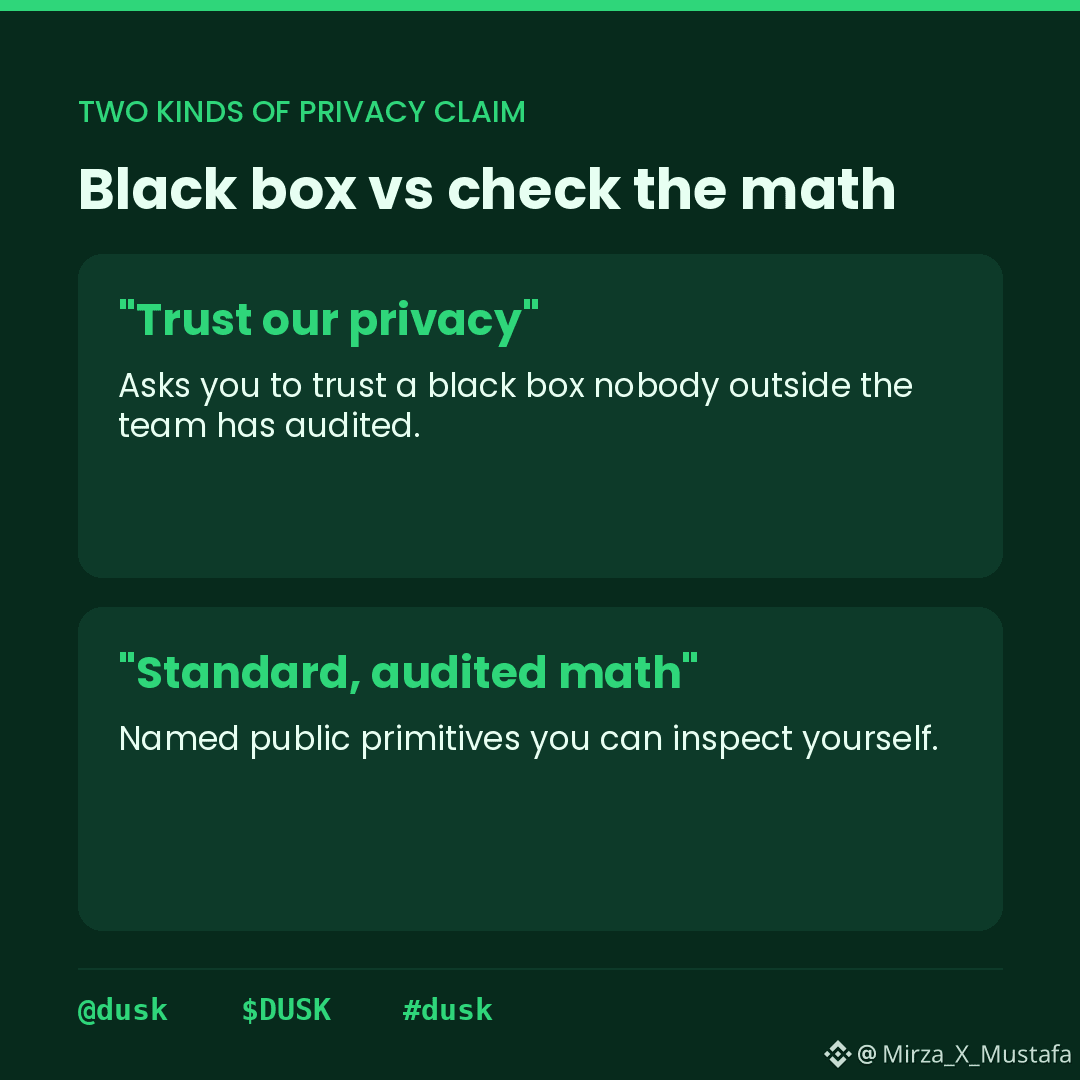
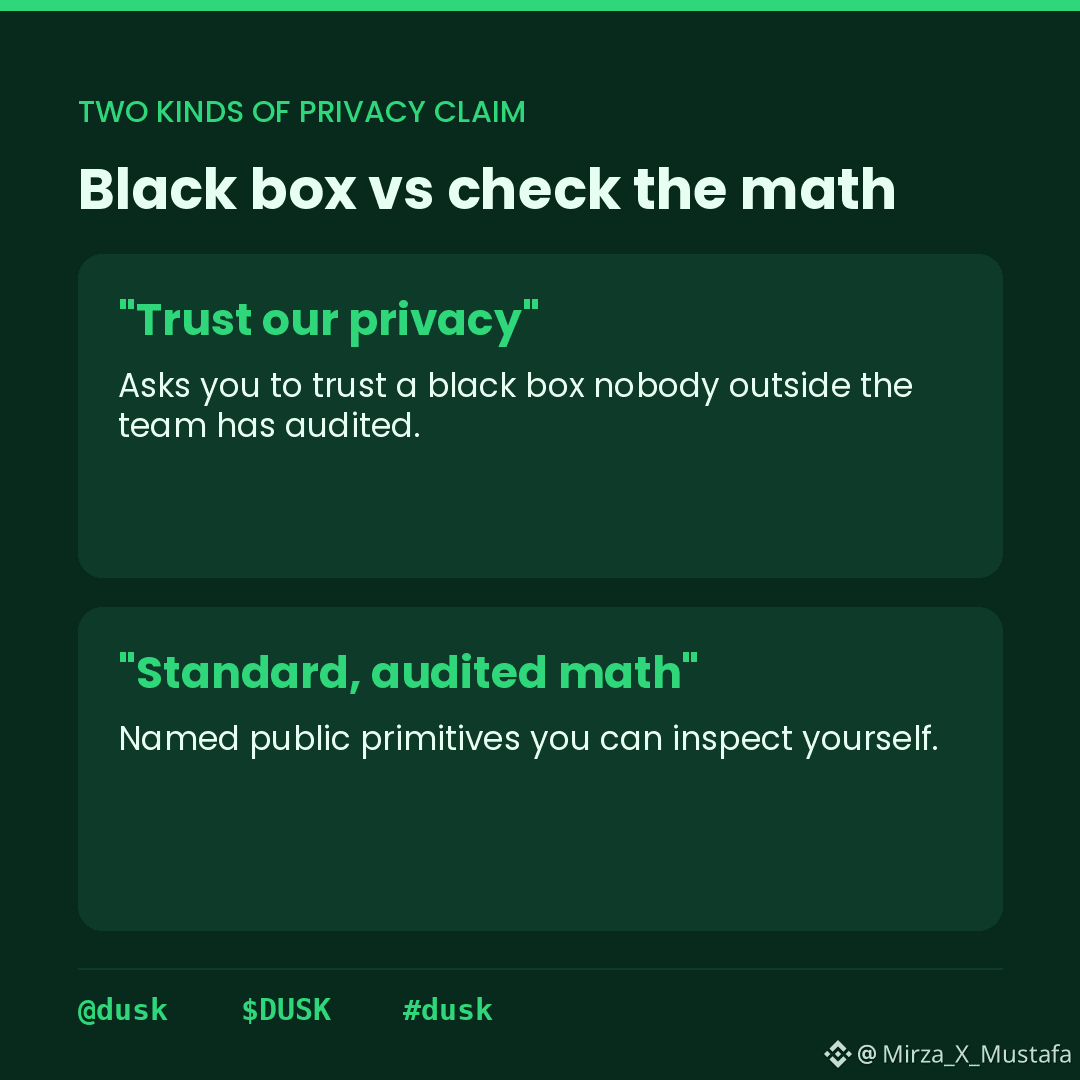
That matters more than it sounds Trust our privacy is a weak pitch because it asks you to trust a black box Our privacy is standard audited math you can inspect is a different kind of claim its checkable.
I dont think using public primitives is automatically safer plenty of projects use good crypto and still ship a broken implementation The primitives being sound doesnt prove the assembly is sound.
But it does remove the worst version of the risk a secret unaudited scheme nobody outside the team has looked at Here at least the ingredients are known quantities.
The part i keep circling back to if the hard math is all public and shared where does Dusks actual edge come from the specific way it combines these into confidential yet compliant transactions or something else entirely? @Dusk_Foundation _Foundation
$GPS $STAR
{future}(STARUSDT)
{future}(GPSUSDT)
#dusk
#dusk $DUSK @Dusk
I went in expecting Dusks privacy to be some proprietary secret sauce It isnt Its built almost entirely from public standard cryptography.
I checked the whitepaper for this not just the marketing The privacy and verification run on named well known primitives PLONK and Groth16 for the zero knowledge proofs BLS12 381 and JubJub as the elliptic curves Poseidon and Blake2b for hashing Schnorr and BLS for signatures Merkle trees for membership.
None of that is invented by Dusk Every one of those is public peer reviewed and used across the wider ZK and crypto world In the node they even show up as plain host functions verify plonk verify schnorr verify bls You can read what they are.
That matters more than it sounds Trust our privacy is a weak pitch because it asks you to trust a black box Our privacy is standard audited math you can inspect is a different kind of claim its checkable.
I dont think using public primitives is automatically safer plenty of projects use good crypto and still ship a broken implementation The primitives being sound doesnt prove the assembly is sound.
But it does remove the worst version of the risk a secret unaudited scheme nobody outside the team has looked at Here at least the ingredients are known quantities.
The part i keep circling back to if the hard math is all public and shared where does Dusks actual edge come from the specific way it combines these into confidential yet compliant transactions or something else entirely? @Dusk _Foundation
$GPS $STAR
#dusk
I went in expecting Dusks privacy to be some proprietary secret sauce It isnt Its built almost entirely from public standard cryptography.
I checked the whitepaper for this not just the marketing The privacy and verification run on named well known primitives PLONK and Groth16 for the zero knowledge proofs BLS12 381 and JubJub as the elliptic curves Poseidon and Blake2b for hashing Schnorr and BLS for signatures Merkle trees for membership.
None of that is invented by Dusk Every one of those is public peer reviewed and used across the wider ZK and crypto world In the node they even show up as plain host functions verify plonk verify schnorr verify bls You can read what they are.
That matters more than it sounds Trust our privacy is a weak pitch because it asks you to trust a black box Our privacy is standard audited math you can inspect is a different kind of claim its checkable.
I dont think using public primitives is automatically safer plenty of projects use good crypto and still ship a broken implementation The primitives being sound doesnt prove the assembly is sound.
But it does remove the worst version of the risk a secret unaudited scheme nobody outside the team has looked at Here at least the ingredients are known quantities.
The part i keep circling back to if the hard math is all public and shared where does Dusks actual edge come from the specific way it combines these into confidential yet compliant transactions or something else entirely? @Dusk _Foundation
$GPS $STAR
#dusk
1
2
114
本人確認中
#dusk $DUSK @Dusk_Foundation _Foundation
規制下の金融においてDuskを面白くしている要素の多くは、実はブロックチェーンそのものではありません。
それを取り巻く規制の道筋です。
私は、チェーンをスループット、プライバシー、ファイナリティといった、いつもの技術指標を中心に評価するのをよく見かけます。ですが、規制対象の証券では、さらに先に別の問いが存在します。
そもそも、このやり方で市場を合法的に運営できるのでしょうか?
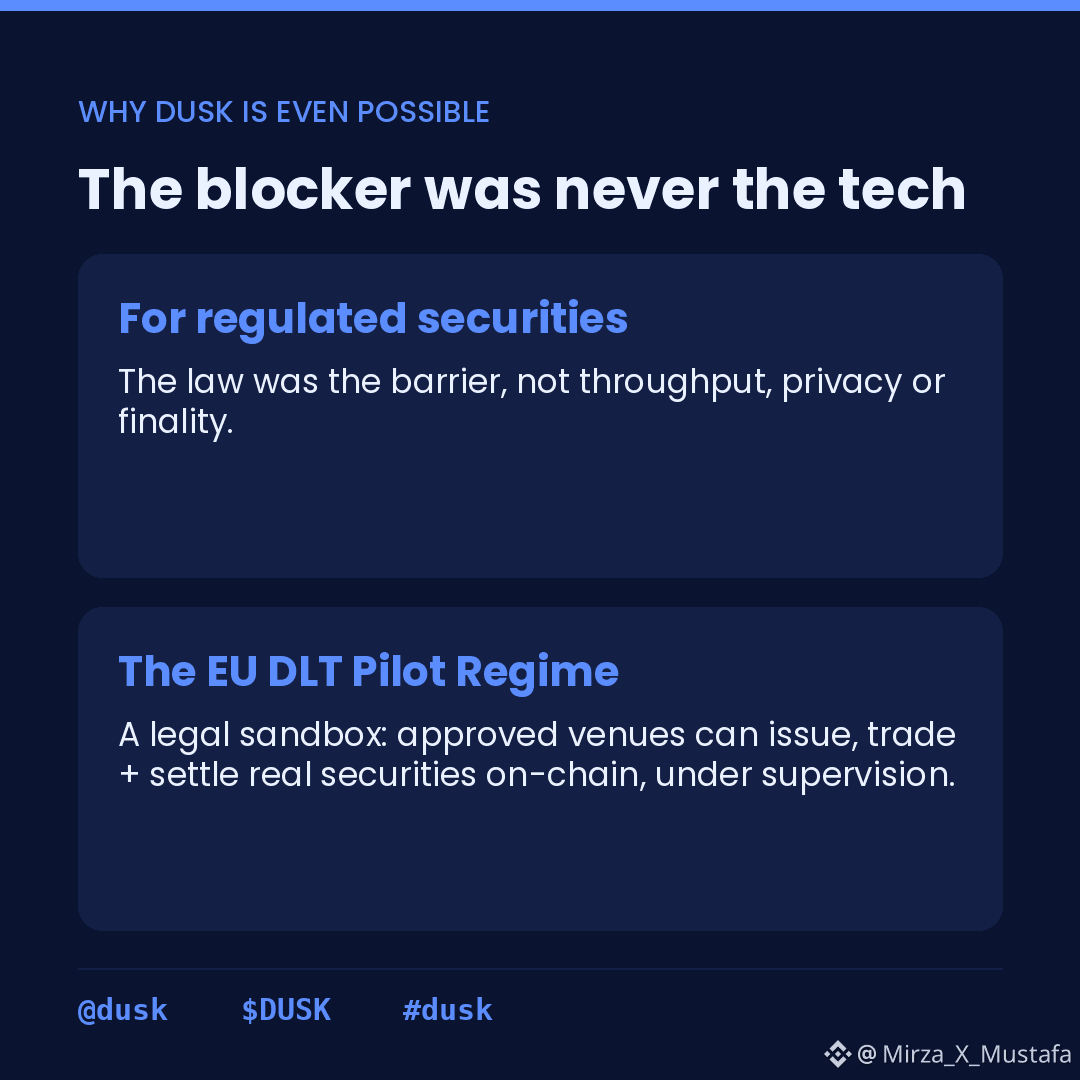
そこで、EUのDLTパイロット制度が面白くなります。
それは基本的に、規制当局の監督のもとで、一定の金融商品を「取引の記録」と「決済」のためにDLTベースのモデルを試験するための、管理された枠組みです。加えて、通常の投資家保護や市場の健全性に関する要件も引き続き適用されます。
重要なのは、証券をブロックチェーンに載せることと、そのブロックチェーン・システムを法的に認められた市場インフラにすることは、まったく別の話だという点です。
ライセンスの用語が、ここをより具体的にしてくれます。
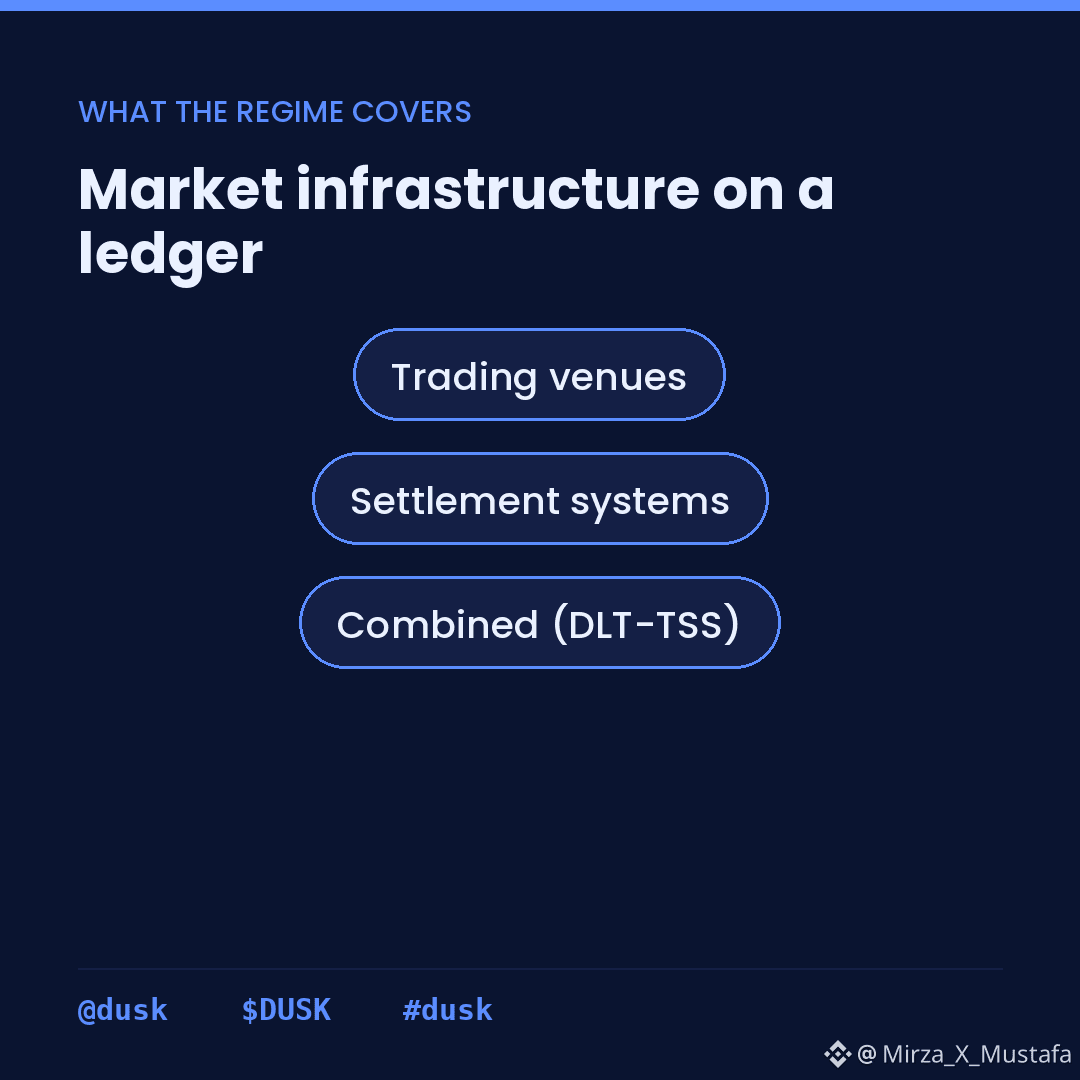
21XはすでにDLT TSSのライセンスを持っており、EUのパイロット枠組みの下で取引と決済の機能を統合できます。一方で、DuskとNPEXは、ネイティブなオンチェーン発行に向けて、それぞれ独自のDLT TSSルートを進めてきました。
そして重要な違いがあります。枠組みは実現を可能にするものですが、実際の規制上の許可を得ることは、別のプロセスであるということです。
だからこそ、私はパイロット制度を「ゴール」として扱わないつもりです。
これはパイロットです。そこには制限や条件、そして見直しのプロセスがあります。さらにEUは、この枠組みが、より恒久的で柔軟なものへ進化し得るかをすでに検討しています。
つまり、いま面白いボトルネックは、法的な扉があるかどうかではないかもしれません。
これからは、より多くの市場インフラがライセンスされていくのか、それとも実際の発行体に対して、「証券をオンチェーンで動かすことが、業務上の変更に見合う価値がある」と納得させられるのか——その点がポイントになります。
@Dusk_Foundation
#dusk $APR $BTW
{future}(BTWUSDT)
{future}(APRUSDT)
#dusk $DUSK @Dusk _Foundation
規制下の金融においてDuskを面白くしている要素の多くは、実はブロックチェーンそのものではありません。
それを取り巻く規制の道筋です。
私は、チェーンをスループット、プライバシー、ファイナリティといった、いつもの技術指標を中心に評価するのをよく見かけます。ですが、規制対象の証券では、さらに先に別の問いが存在します。
そもそも、このやり方で市場を合法的に運営できるのでしょうか?
そこで、EUのDLTパイロット制度が面白くなります。
それは基本的に、規制当局の監督のもとで、一定の金融商品を「取引の記録」と「決済」のためにDLTベースのモデルを試験するための、管理された枠組みです。加えて、通常の投資家保護や市場の健全性に関する要件も引き続き適用されます。
重要なのは、証券をブロックチェーンに載せることと、そのブロックチェーン・システムを法的に認められた市場インフラにすることは、まったく別の話だという点です。
ライセンスの用語が、ここをより具体的にしてくれます。
21XはすでにDLT TSSのライセンスを持っており、EUのパイロット枠組みの下で取引と決済の機能を統合できます。一方で、DuskとNPEXは、ネイティブなオンチェーン発行に向けて、それぞれ独自のDLT TSSルートを進めてきました。
そして重要な違いがあります。枠組みは実現を可能にするものですが、実際の規制上の許可を得ることは、別のプロセスであるということです。
だからこそ、私はパイロット制度を「ゴール」として扱わないつもりです。
これはパイロットです。そこには制限や条件、そして見直しのプロセスがあります。さらにEUは、この枠組みが、より恒久的で柔軟なものへ進化し得るかをすでに検討しています。
つまり、いま面白いボトルネックは、法的な扉があるかどうかではないかもしれません。
これからは、より多くの市場インフラがライセンスされていくのか、それとも実際の発行体に対して、「証券をオンチェーンで動かすことが、業務上の変更に見合う価値がある」と納得させられるのか——その点がポイントになります。
@Dusk
#dusk $APR $BTW
規制下の金融においてDuskを面白くしている要素の多くは、実はブロックチェーンそのものではありません。
それを取り巻く規制の道筋です。
私は、チェーンをスループット、プライバシー、ファイナリティといった、いつもの技術指標を中心に評価するのをよく見かけます。ですが、規制対象の証券では、さらに先に別の問いが存在します。
そもそも、このやり方で市場を合法的に運営できるのでしょうか?
そこで、EUのDLTパイロット制度が面白くなります。
それは基本的に、規制当局の監督のもとで、一定の金融商品を「取引の記録」と「決済」のためにDLTベースのモデルを試験するための、管理された枠組みです。加えて、通常の投資家保護や市場の健全性に関する要件も引き続き適用されます。
重要なのは、証券をブロックチェーンに載せることと、そのブロックチェーン・システムを法的に認められた市場インフラにすることは、まったく別の話だという点です。
ライセンスの用語が、ここをより具体的にしてくれます。
21XはすでにDLT TSSのライセンスを持っており、EUのパイロット枠組みの下で取引と決済の機能を統合できます。一方で、DuskとNPEXは、ネイティブなオンチェーン発行に向けて、それぞれ独自のDLT TSSルートを進めてきました。
そして重要な違いがあります。枠組みは実現を可能にするものですが、実際の規制上の許可を得ることは、別のプロセスであるということです。
だからこそ、私はパイロット制度を「ゴール」として扱わないつもりです。
これはパイロットです。そこには制限や条件、そして見直しのプロセスがあります。さらにEUは、この枠組みが、より恒久的で柔軟なものへ進化し得るかをすでに検討しています。
つまり、いま面白いボトルネックは、法的な扉があるかどうかではないかもしれません。
これからは、より多くの市場インフラがライセンスされていくのか、それとも実際の発行体に対して、「証券をオンチェーンで動かすことが、業務上の変更に見合う価値がある」と納得させられるのか——その点がポイントになります。
@Dusk
#dusk $APR $BTW
5
4
861
本人確認中
翻訳参照
#dusk $DUSK @Dusk_Foundation
I always pictured DUSK as living on one chain its own. Turns out its set up to move across several and the mechanism is more interesting than i expected.
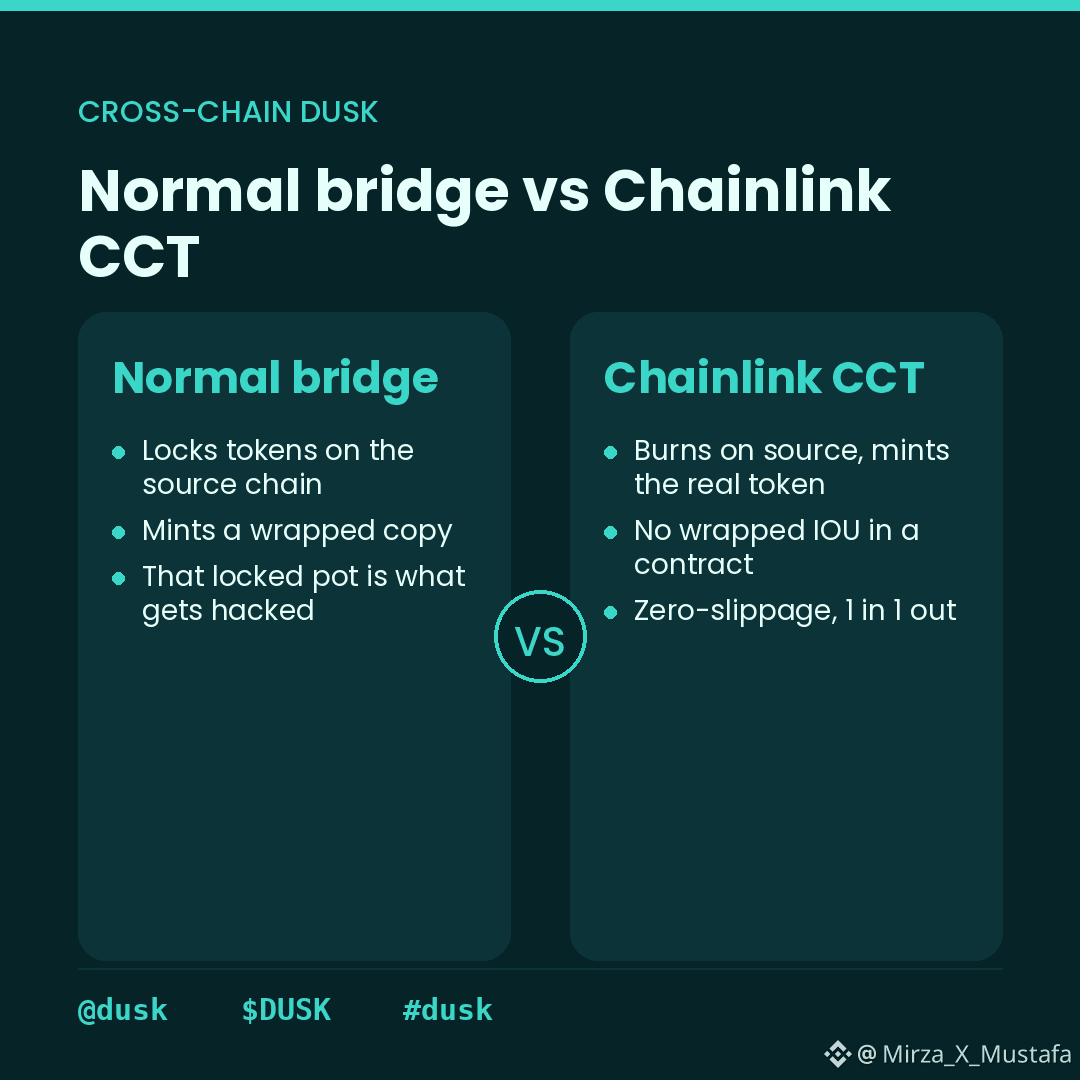
The way it works isnt a normal bridge. Dusk uses Chainlinks CrossChain Token standard CCT to move DUSK between chains like Ethereum and Solana. Instead of locking tokens on one side and minting a wrapped copy on the other it burns the token on the source chain and mints the real thing on the destination. No wrapped IOU sitting in a bridge contract.
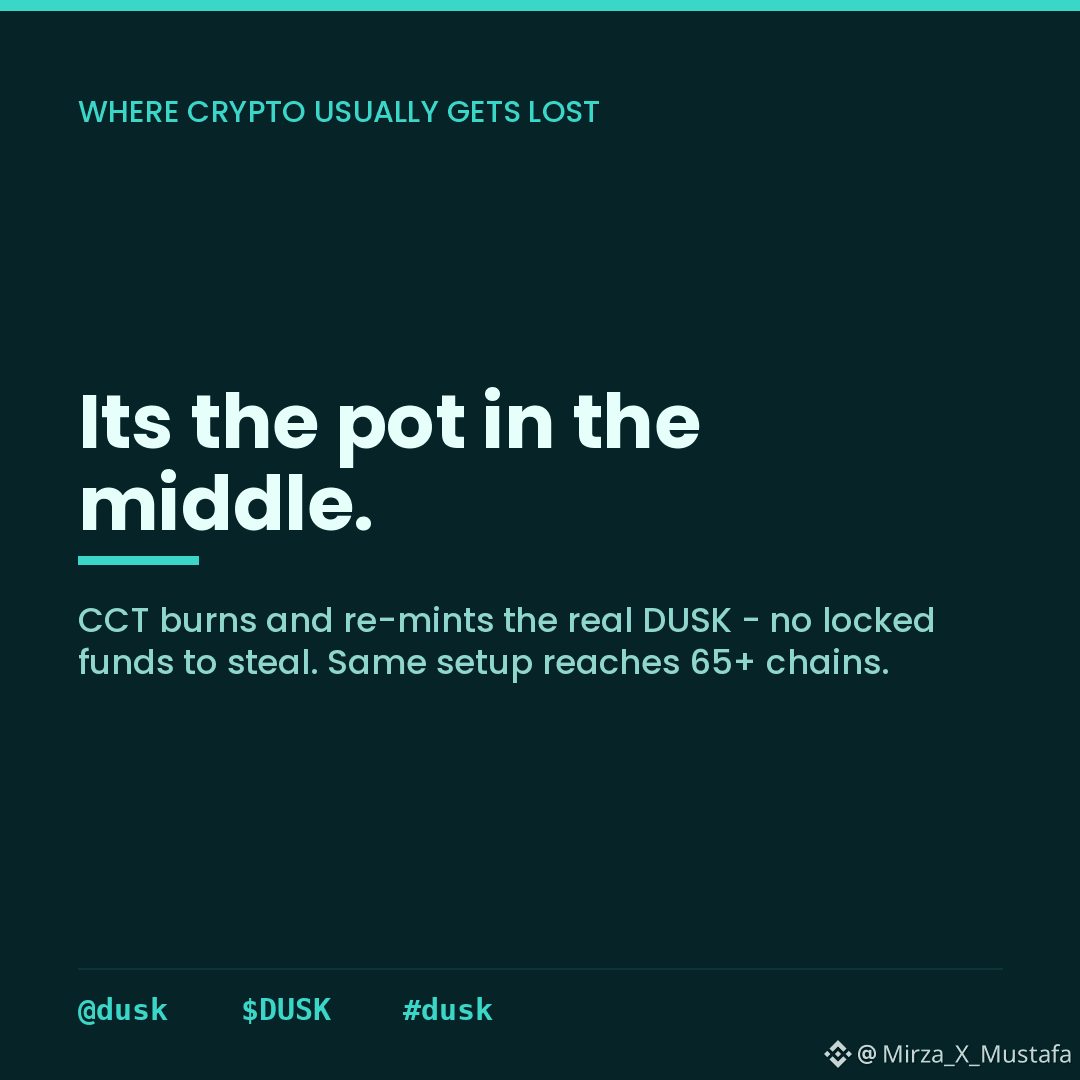
That detail matters because bridges are where a lot of crypto has been lost. Most hacks werent the chains failing they were the bridge in the middle holding locked funds. Burnandmint removes that pot of honey.
It also means zero slippage transfers one DUSK in one DUSK out not a swap through liquidity. And the same CCIP setup reaches 65+ chains so this isnt just an Ethereum Solana thing.
If im honest cross chain is one of those features that sounds routine until you remember how badly the old version of it went. Doing it through Chainlink instead of a custom bridge is a real risk decision not just a convenience.
The open question for me is adoption a safer crosschain design only matters if DUSK actually needs to move across chains and that depends on real usage showing up on those chains first.
For anyone whos used CCT-based transfers, does burn-and-mint actually feel different in practice, or is it invisible once youre just moving tokens? @dusk
#dusk $HEMI $AKE
{future}(AKEUSDT)
{future}(HEMIUSDT)
#dusk $DUSK @Dusk
I always pictured DUSK as living on one chain its own. Turns out its set up to move across several and the mechanism is more interesting than i expected.
The way it works isnt a normal bridge. Dusk uses Chainlinks CrossChain Token standard CCT to move DUSK between chains like Ethereum and Solana. Instead of locking tokens on one side and minting a wrapped copy on the other it burns the token on the source chain and mints the real thing on the destination. No wrapped IOU sitting in a bridge contract.
That detail matters because bridges are where a lot of crypto has been lost. Most hacks werent the chains failing they were the bridge in the middle holding locked funds. Burnandmint removes that pot of honey.
It also means zero slippage transfers one DUSK in one DUSK out not a swap through liquidity. And the same CCIP setup reaches 65+ chains so this isnt just an Ethereum Solana thing.
If im honest cross chain is one of those features that sounds routine until you remember how badly the old version of it went. Doing it through Chainlink instead of a custom bridge is a real risk decision not just a convenience.
The open question for me is adoption a safer crosschain design only matters if DUSK actually needs to move across chains and that depends on real usage showing up on those chains first.
For anyone whos used CCT-based transfers, does burn-and-mint actually feel different in practice, or is it invisible once youre just moving tokens? @dusk
#dusk $HEMI $AKE
I always pictured DUSK as living on one chain its own. Turns out its set up to move across several and the mechanism is more interesting than i expected.
The way it works isnt a normal bridge. Dusk uses Chainlinks CrossChain Token standard CCT to move DUSK between chains like Ethereum and Solana. Instead of locking tokens on one side and minting a wrapped copy on the other it burns the token on the source chain and mints the real thing on the destination. No wrapped IOU sitting in a bridge contract.
That detail matters because bridges are where a lot of crypto has been lost. Most hacks werent the chains failing they were the bridge in the middle holding locked funds. Burnandmint removes that pot of honey.
It also means zero slippage transfers one DUSK in one DUSK out not a swap through liquidity. And the same CCIP setup reaches 65+ chains so this isnt just an Ethereum Solana thing.
If im honest cross chain is one of those features that sounds routine until you remember how badly the old version of it went. Doing it through Chainlink instead of a custom bridge is a real risk decision not just a convenience.
The open question for me is adoption a safer crosschain design only matters if DUSK actually needs to move across chains and that depends on real usage showing up on those chains first.
For anyone whos used CCT-based transfers, does burn-and-mint actually feel different in practice, or is it invisible once youre just moving tokens? @dusk
#dusk $HEMI $AKE
2
2
448
#dusk @Dusk_Foundation 今夜は少し、DUSKをエクスプローラーとマーケットページの両方で並べて眺めていました。2つのストーリーを並べて見たかったんです。🤔
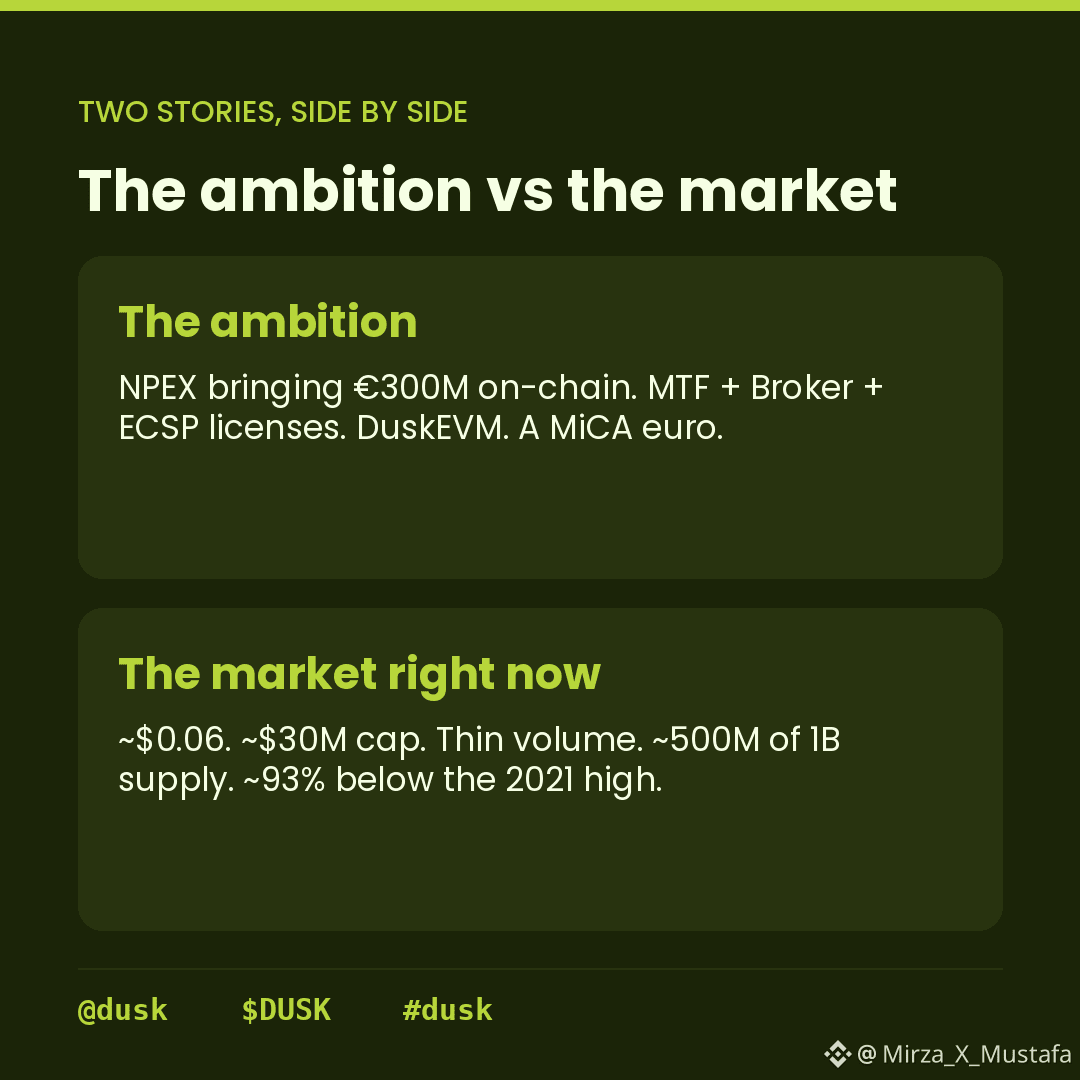
ストーリー1は野心です。オンチェーン上で規制された金融市場。NPEXがMTFブローカーとECSPライセンスのスタックを通じて、€300M相当の資産を持ち込みます。21XとDLT TSS、DuskEVM、さらにMiCAのユーロ。これは、実在する機関投資家の課題に向けた、かなり具体的で真剣なピッチです。
ストーリー2は、今の市場です。価格はだいたい6セント。時価総額は約3,000万。日次出来高は薄めで、ときには100万未満。流通量は最大10億のうち約5億あたりです。そして2021年の高値から、おおよそ93%下に位置しています。
この2つのストーリーは、まだ実際にはあまり噛み合っていません。
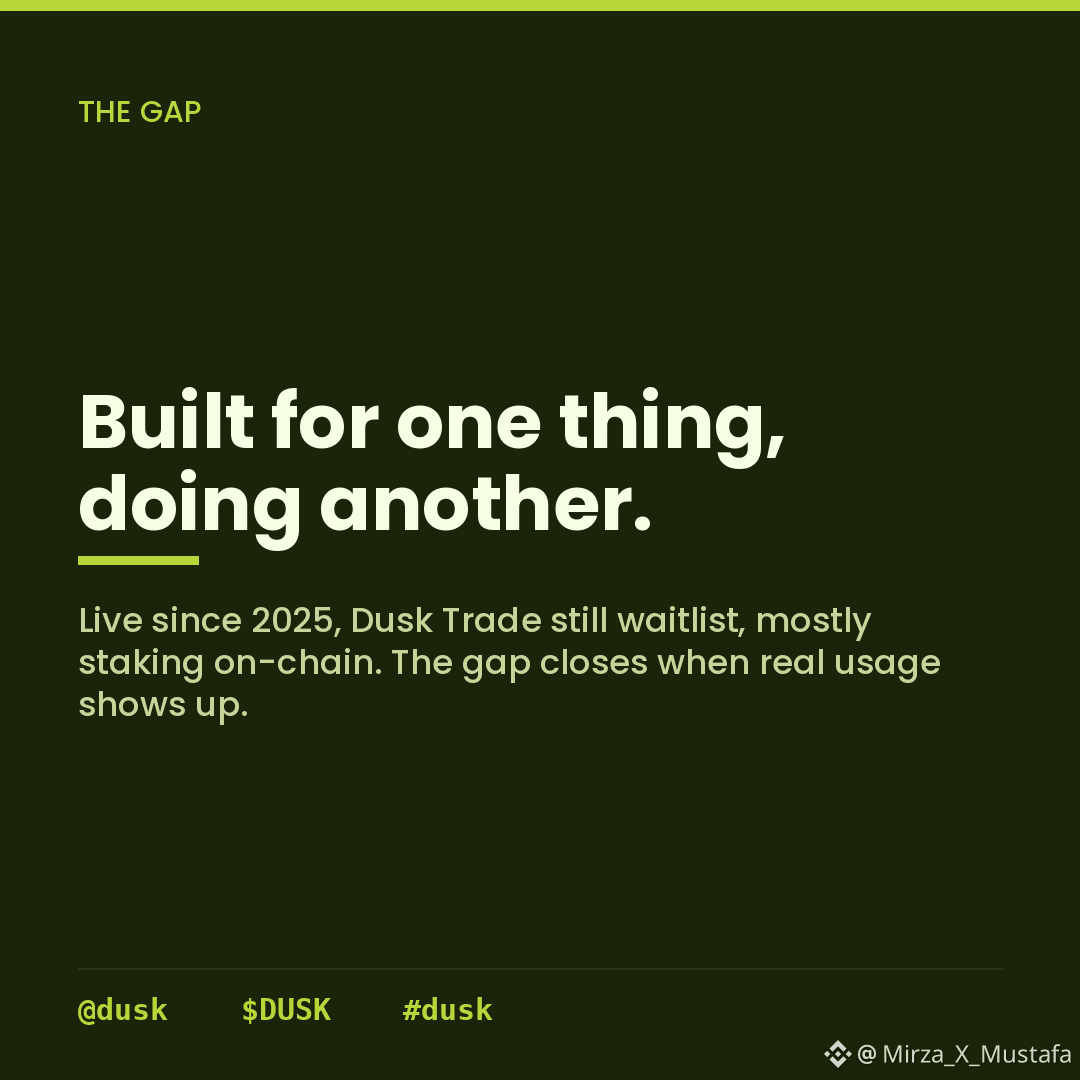
チェーンは2025年の初めから稼働しています。ユーザーの目の前に規制された資産を実際に置くはずのDusk Tradeは、まだウェイトリストのままです。私がチェーン上で確認できる多くは、ステーキングで、機密性のある証券のようなものが動いているようには見えません。
野心が偽物だと言っているわけではありません。ライセンスやパートナーは実在していて、検証可能です。それは無視できないことです。
価格が本当の物語を語っていないとも言っていません。薄い市場は、ほとんど何もないことで動きます。そして、このようなインフラは数か月ではなく、何年もかかります。
ただ現時点では、Duskがやろうとしていることと、実際にDuskの上で起きていることの間に、大きなギャップがあります。このギャップが埋まるのは、2つのうちどちらかです。真の利用が出てくるか、あるいは待つ人たちが止まるか。
私より長くDUSKを追っている人なら、「ギャップが縮まっている」と信じるのに、次に見てほしい“本当の利用”の1つは何ですか?次の提携発表ではなくて。@Dusk_Foundation $VELVET
$DUSK #dusk $ACE
#dusk @Dusk 今夜は少し、DUSKをエクスプローラーとマーケットページの両方で並べて眺めていました。2つのストーリーを並べて見たかったんです。🤔
ストーリー1は野心です。オンチェーン上で規制された金融市場。NPEXがMTFブローカーとECSPライセンスのスタックを通じて、€300M相当の資産を持ち込みます。21XとDLT TSS、DuskEVM、さらにMiCAのユーロ。これは、実在する機関投資家の課題に向けた、かなり具体的で真剣なピッチです。
ストーリー2は、今の市場です。価格はだいたい6セント。時価総額は約3,000万。日次出来高は薄めで、ときには100万未満。流通量は最大10億のうち約5億あたりです。そして2021年の高値から、おおよそ93%下に位置しています。
この2つのストーリーは、まだ実際にはあまり噛み合っていません。
チェーンは2025年の初めから稼働しています。ユーザーの目の前に規制された資産を実際に置くはずのDusk Tradeは、まだウェイトリストのままです。私がチェーン上で確認できる多くは、ステーキングで、機密性のある証券のようなものが動いているようには見えません。
野心が偽物だと言っているわけではありません。ライセンスやパートナーは実在していて、検証可能です。それは無視できないことです。
価格が本当の物語を語っていないとも言っていません。薄い市場は、ほとんど何もないことで動きます。そして、このようなインフラは数か月ではなく、何年もかかります。
ただ現時点では、Duskがやろうとしていることと、実際にDuskの上で起きていることの間に、大きなギャップがあります。このギャップが埋まるのは、2つのうちどちらかです。真の利用が出てくるか、あるいは待つ人たちが止まるか。
私より長くDUSKを追っている人なら、「ギャップが縮まっている」と信じるのに、次に見てほしい“本当の利用”の1つは何ですか?次の提携発表ではなくて。@Dusk $VELVET
$DUSK #dusk $ACE
ストーリー1は野心です。オンチェーン上で規制された金融市場。NPEXがMTFブローカーとECSPライセンスのスタックを通じて、€300M相当の資産を持ち込みます。21XとDLT TSS、DuskEVM、さらにMiCAのユーロ。これは、実在する機関投資家の課題に向けた、かなり具体的で真剣なピッチです。
ストーリー2は、今の市場です。価格はだいたい6セント。時価総額は約3,000万。日次出来高は薄めで、ときには100万未満。流通量は最大10億のうち約5億あたりです。そして2021年の高値から、おおよそ93%下に位置しています。
この2つのストーリーは、まだ実際にはあまり噛み合っていません。
チェーンは2025年の初めから稼働しています。ユーザーの目の前に規制された資産を実際に置くはずのDusk Tradeは、まだウェイトリストのままです。私がチェーン上で確認できる多くは、ステーキングで、機密性のある証券のようなものが動いているようには見えません。
野心が偽物だと言っているわけではありません。ライセンスやパートナーは実在していて、検証可能です。それは無視できないことです。
価格が本当の物語を語っていないとも言っていません。薄い市場は、ほとんど何もないことで動きます。そして、このようなインフラは数か月ではなく、何年もかかります。
ただ現時点では、Duskがやろうとしていることと、実際にDuskの上で起きていることの間に、大きなギャップがあります。このギャップが埋まるのは、2つのうちどちらかです。真の利用が出てくるか、あるいは待つ人たちが止まるか。
私より長くDUSKを追っている人なら、「ギャップが縮まっている」と信じるのに、次に見てほしい“本当の利用”の1つは何ですか?次の提携発表ではなくて。@Dusk $VELVET
$DUSK #dusk $ACE
5
2
237
本人確認中
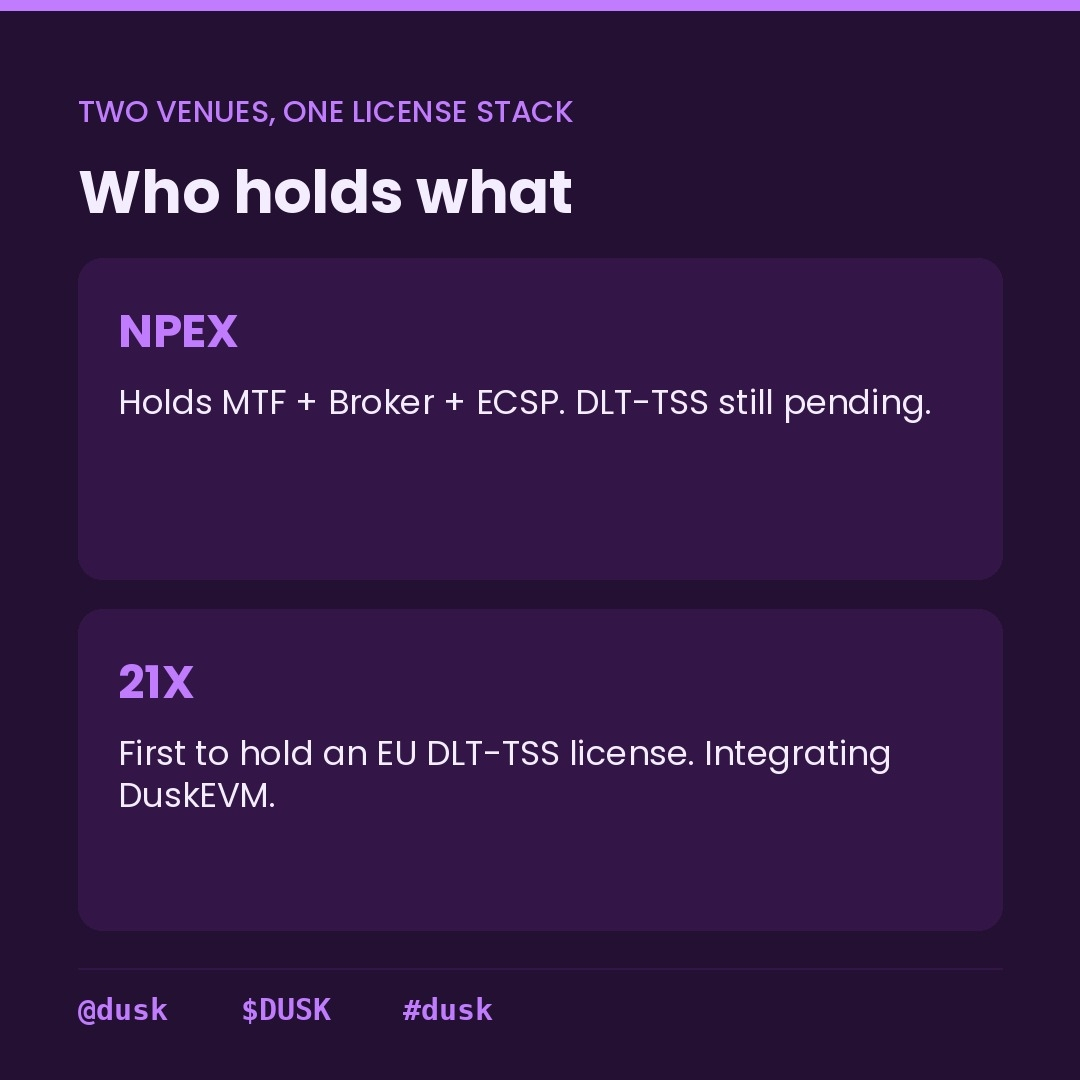
NPEXは3つの市場ライセンスを保有しています。21Xはさらに4つ目を保有しており、NPEXはまだ持っていません。
NPEXはAFM規制の対象となる取引所であり、MTF、ブローカー、ECSPでもあります。Duskはこれを通じて規制市場に接続します。#dusk
4つ目のライセンスはDLT-TSSです。取引と決済を統合した単一の規制システムで、アトミック・セッテリングを備えています。NPEXは現在もこれを追求しています。
21Xはすでにそれを持っています。21XはEUのDLT-TSSライセンスを保有する最初の企業であり、その統合先としてDuskEVMを導入しています。
つまり、同じライセンス・スタックの2つの異なる施設、2つの異なる段階です。@Dusk_Foundation
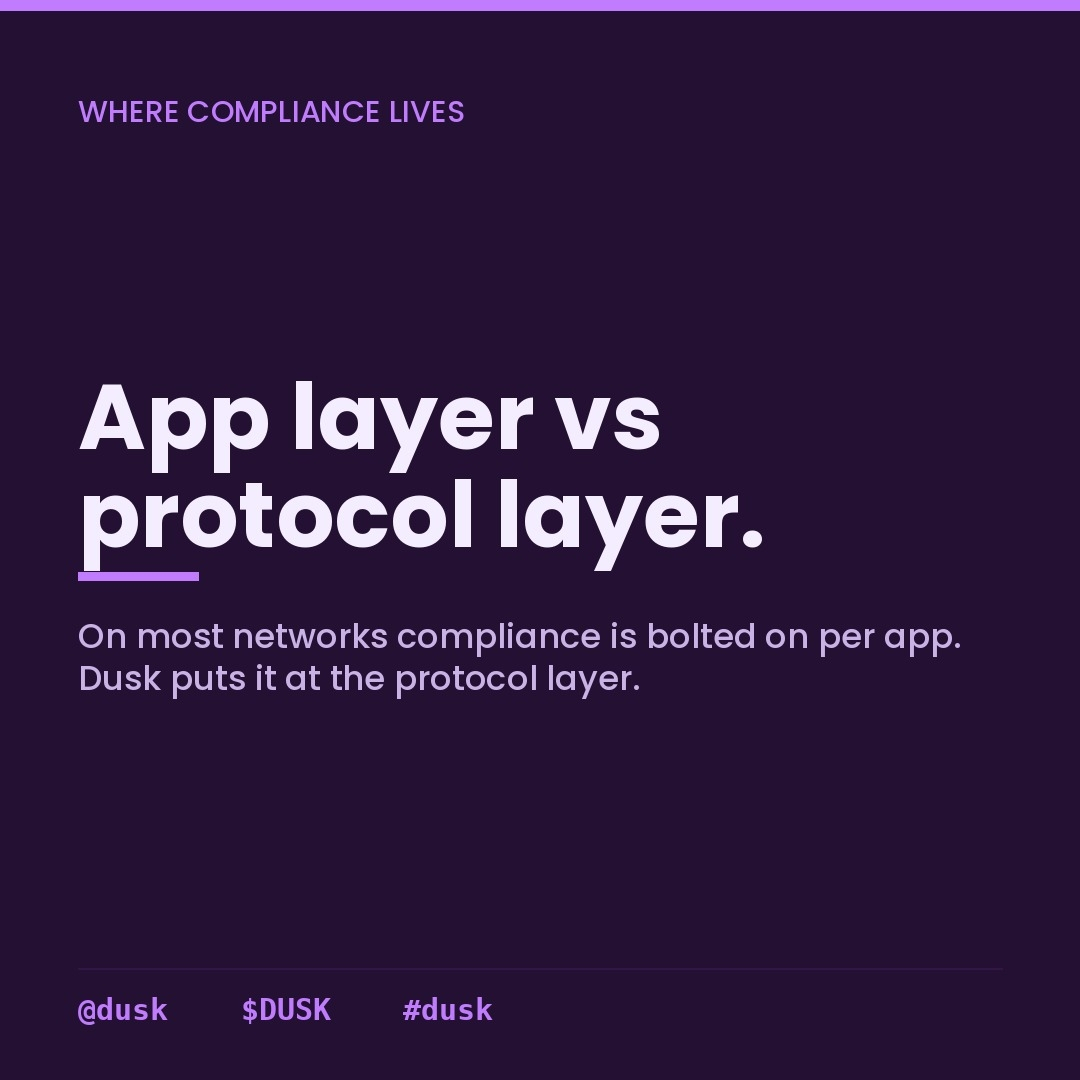
Dusk自身の説明には、もう1つの論点があります。ほとんどのネットワークでは、コンプライアンスはアプリケーション層にあり、アプリごとに後付けされます。Duskは、代わりにコンプライアンスをプロトコル層に置くと言っています。
プロトコル層でのコンプライアンスが自動的に優れているとは言っていません。後付けでも、十分に規制されたシステムはその形で運用されています。
また、それが単なるマーケティングだとも言っていません。コンプライアンスがどこに置かれるかで、誰がそれを再実装する必要があるのか、そしてその頻度がどう変わるのかが変わります。
私が注目するのは、同じプロトコル層のベースに、ライセンスの異なる実際の会場が接続されたときに何が起きるかです。NPEXは1つのスタック、21Xは別のスタックで、それらが同じプロトコル層ベースにプラグインした場合、コンプライアンスは維持されるのか、それとも再実装の場所がどこか別のところへ移るだけなのか。
$DUSK $AKE $EDEN
{future}(EDENUSDT)
{future}(AKEUSDT)
{future}(DUSKUSDT)
NPEXは3つの市場ライセンスを保有しています。21Xはさらに4つ目を保有しており、NPEXはまだ持っていません。
NPEXはAFM規制の対象となる取引所であり、MTF、ブローカー、ECSPでもあります。Duskはこれを通じて規制市場に接続します。#dusk
4つ目のライセンスはDLT-TSSです。取引と決済を統合した単一の規制システムで、アトミック・セッテリングを備えています。NPEXは現在もこれを追求しています。
21Xはすでにそれを持っています。21XはEUのDLT-TSSライセンスを保有する最初の企業であり、その統合先としてDuskEVMを導入しています。
つまり、同じライセンス・スタックの2つの異なる施設、2つの異なる段階です。@Dusk
Dusk自身の説明には、もう1つの論点があります。ほとんどのネットワークでは、コンプライアンスはアプリケーション層にあり、アプリごとに後付けされます。Duskは、代わりにコンプライアンスをプロトコル層に置くと言っています。
プロトコル層でのコンプライアンスが自動的に優れているとは言っていません。後付けでも、十分に規制されたシステムはその形で運用されています。
また、それが単なるマーケティングだとも言っていません。コンプライアンスがどこに置かれるかで、誰がそれを再実装する必要があるのか、そしてその頻度がどう変わるのかが変わります。
私が注目するのは、同じプロトコル層のベースに、ライセンスの異なる実際の会場が接続されたときに何が起きるかです。NPEXは1つのスタック、21Xは別のスタックで、それらが同じプロトコル層ベースにプラグインした場合、コンプライアンスは維持されるのか、それとも再実装の場所がどこか別のところへ移るだけなのか。
$DUSK $AKE $EDEN
NPEXはAFM規制の対象となる取引所であり、MTF、ブローカー、ECSPでもあります。Duskはこれを通じて規制市場に接続します。#dusk
4つ目のライセンスはDLT-TSSです。取引と決済を統合した単一の規制システムで、アトミック・セッテリングを備えています。NPEXは現在もこれを追求しています。
21Xはすでにそれを持っています。21XはEUのDLT-TSSライセンスを保有する最初の企業であり、その統合先としてDuskEVMを導入しています。
つまり、同じライセンス・スタックの2つの異なる施設、2つの異なる段階です。@Dusk
Dusk自身の説明には、もう1つの論点があります。ほとんどのネットワークでは、コンプライアンスはアプリケーション層にあり、アプリごとに後付けされます。Duskは、代わりにコンプライアンスをプロトコル層に置くと言っています。
プロトコル層でのコンプライアンスが自動的に優れているとは言っていません。後付けでも、十分に規制されたシステムはその形で運用されています。
また、それが単なるマーケティングだとも言っていません。コンプライアンスがどこに置かれるかで、誰がそれを再実装する必要があるのか、そしてその頻度がどう変わるのかが変わります。
私が注目するのは、同じプロトコル層のベースに、ライセンスの異なる実際の会場が接続されたときに何が起きるかです。NPEXは1つのスタック、21Xは別のスタックで、それらが同じプロトコル層ベースにプラグインした場合、コンプライアンスは維持されるのか、それとも再実装の場所がどこか別のところへ移るだけなのか。
$DUSK $AKE $EDEN
1
2
457
本人確認中
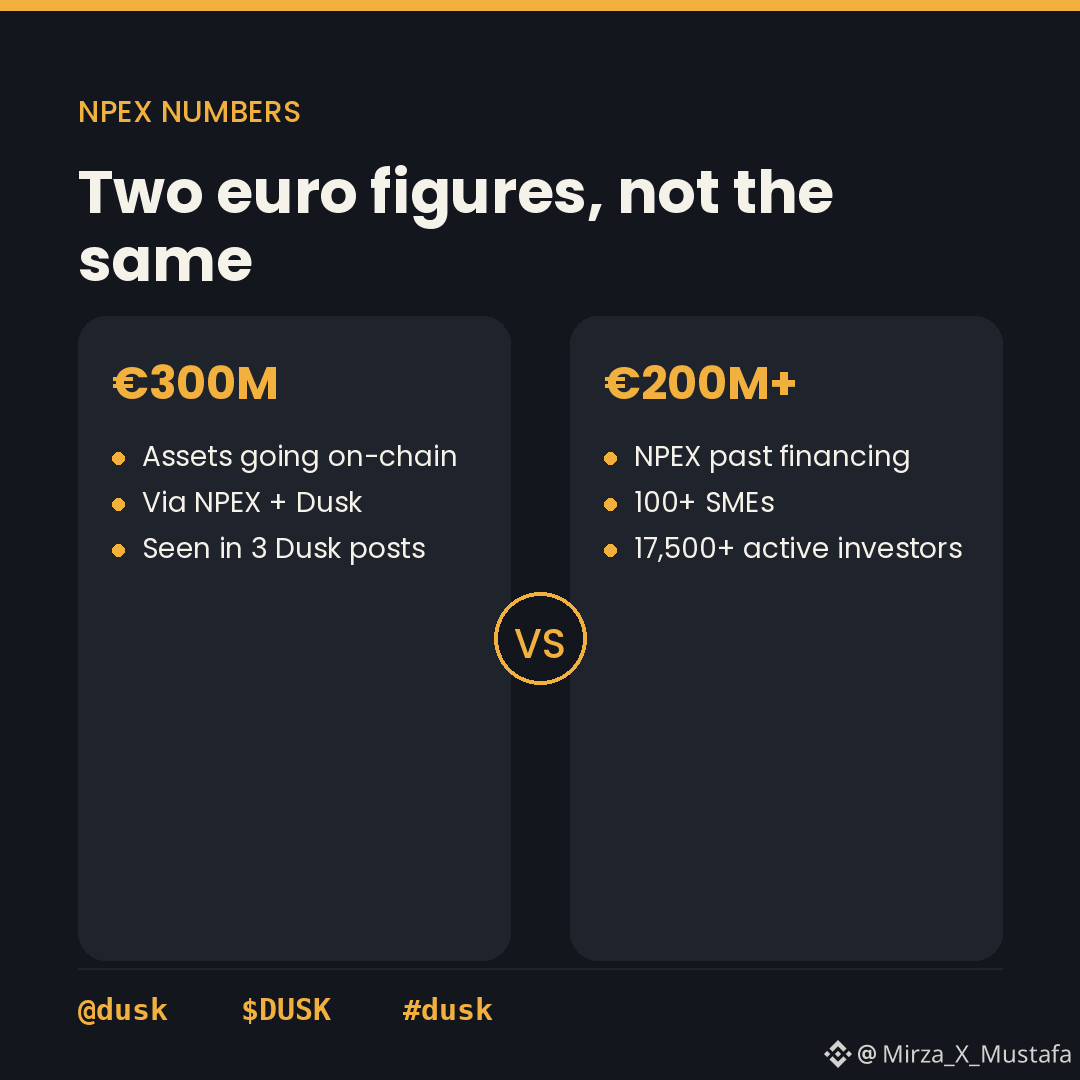
NPEX の周りに 2 つのユーロ建ての数字が出てきます。€300 Million。€200 Million。
それらは同じものではありません。#dusk
€300 Million は、Dusk を通じて NPEX がオンチェーンに持ち込んでいる資産です。その数字は EURQ の投稿、21X の投稿、そして Dusk の取引発表に出てくるため、3 つの情報源で一貫しています。
€200 Million は別物です。Dusk の Chainlink に関する発表では、NPEX が 100+ の SME に対して €200 million 以上のファイナンスを仲介した(17,500+ のアクティブ投資家)とされています。これは実績=過去の活動であり、オンチェーンの目標ではありません。@Dusk_Foundation
この 2 つを 1 つの大きな数字にして紛らわしくするのは簡単です。
誰かが何かを誇張していると言っているわけではありません。どちらも Dusk 自身の投稿からそのままです。
それが重要ではないとも言っていません。両方を足したり、片方をもう片方に置き換えたりすると、物語(ストーリー)が変わります。
問題は、この件で実際にオンチェーン上で移動した資産を追う価値があるのはどちらの数字か、それとも NPEX がすでに行ってきた歴史的なファイナンスなのはどちらか、ということです。
$DUSK $APR $BEAT
{future}(BEATUSDT)
{future}(APRUSDT)
{future}(DUSKUSDT)
NPEX の周りに 2 つのユーロ建ての数字が出てきます。€300 Million。€200 Million。
それらは同じものではありません。#dusk
€300 Million は、Dusk を通じて NPEX がオンチェーンに持ち込んでいる資産です。その数字は EURQ の投稿、21X の投稿、そして Dusk の取引発表に出てくるため、3 つの情報源で一貫しています。
€200 Million は別物です。Dusk の Chainlink に関する発表では、NPEX が 100+ の SME に対して €200 million 以上のファイナンスを仲介した(17,500+ のアクティブ投資家)とされています。これは実績=過去の活動であり、オンチェーンの目標ではありません。@Dusk
この 2 つを 1 つの大きな数字にして紛らわしくするのは簡単です。
誰かが何かを誇張していると言っているわけではありません。どちらも Dusk 自身の投稿からそのままです。
それが重要ではないとも言っていません。両方を足したり、片方をもう片方に置き換えたりすると、物語(ストーリー)が変わります。
問題は、この件で実際にオンチェーン上で移動した資産を追う価値があるのはどちらの数字か、それとも NPEX がすでに行ってきた歴史的なファイナンスなのはどちらか、ということです。
$DUSK $APR $BEAT
それらは同じものではありません。#dusk
€300 Million は、Dusk を通じて NPEX がオンチェーンに持ち込んでいる資産です。その数字は EURQ の投稿、21X の投稿、そして Dusk の取引発表に出てくるため、3 つの情報源で一貫しています。
€200 Million は別物です。Dusk の Chainlink に関する発表では、NPEX が 100+ の SME に対して €200 million 以上のファイナンスを仲介した(17,500+ のアクティブ投資家)とされています。これは実績=過去の活動であり、オンチェーンの目標ではありません。@Dusk
この 2 つを 1 つの大きな数字にして紛らわしくするのは簡単です。
誰かが何かを誇張していると言っているわけではありません。どちらも Dusk 自身の投稿からそのままです。
それが重要ではないとも言っていません。両方を足したり、片方をもう片方に置き換えたりすると、物語(ストーリー)が変わります。
問題は、この件で実際にオンチェーン上で移動した資産を追う価値があるのはどちらの数字か、それとも NPEX がすでに行ってきた歴史的なファイナンスなのはどちらか、ということです。
$DUSK $APR $BEAT
3
2
492
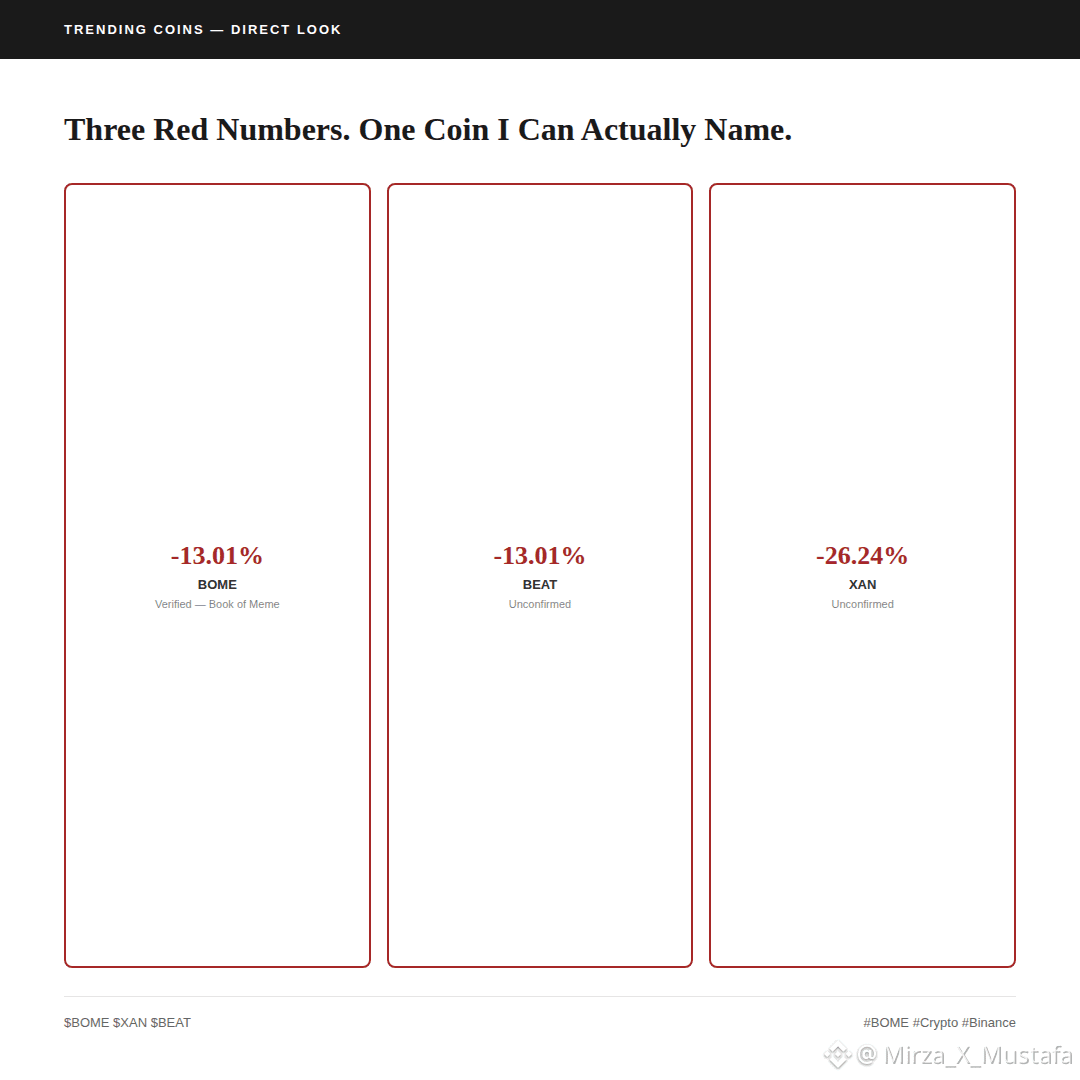
BOMEは13.01%下落。BEATも13.01%下落。偶然にもほぼ同じ。XANは26.24%下落で、3つの中で最悪。
BOMEには実在のアイデンティティがあります。ミームの書(Book of Meme)で、昨年ローンチされたSolanaプロジェクトです。オンチェーンでインターネットのミーム文化をアーカイブすることを軸にしています。今日、価格がどちらの方向に動く理由としてそれが強いとは言いませんが、このプロジェクト自体が実在していて、記録もあるということは言えます。
ただし、XANとBEATについては同じことは言えません。特にBinanceの先物で、この2つのティッカーが実際に何を指しているのかを、確信を持って確認できませんでした。このような短いティッカーは複数のプロジェクトで共有され得ますし、「物語」を作るためにどれかを当てにいくようなことはしません。
今日のトレンドリストには赤い数字が3つあります。そのうち、私が確実に名前を挙げられるのは3つのコインのうち1つだけです。
$BOME $XAN $BEAT
#BOME #crypto #Binance
BOMEは13.01%下落。BEATも13.01%下落。偶然にもほぼ同じ。XANは26.24%下落で、3つの中で最悪。
BOMEには実在のアイデンティティがあります。ミームの書(Book of Meme)で、昨年ローンチされたSolanaプロジェクトです。オンチェーンでインターネットのミーム文化をアーカイブすることを軸にしています。今日、価格がどちらの方向に動く理由としてそれが強いとは言いませんが、このプロジェクト自体が実在していて、記録もあるということは言えます。
ただし、XANとBEATについては同じことは言えません。特にBinanceの先物で、この2つのティッカーが実際に何を指しているのかを、確信を持って確認できませんでした。このような短いティッカーは複数のプロジェクトで共有され得ますし、「物語」を作るためにどれかを当てにいくようなことはしません。
今日のトレンドリストには赤い数字が3つあります。そのうち、私が確実に名前を挙げられるのは3つのコインのうち1つだけです。
$BOME $XAN $BEAT
#BOME #crypto #Binance
BOMEには実在のアイデンティティがあります。ミームの書(Book of Meme)で、昨年ローンチされたSolanaプロジェクトです。オンチェーンでインターネットのミーム文化をアーカイブすることを軸にしています。今日、価格がどちらの方向に動く理由としてそれが強いとは言いませんが、このプロジェクト自体が実在していて、記録もあるということは言えます。
ただし、XANとBEATについては同じことは言えません。特にBinanceの先物で、この2つのティッカーが実際に何を指しているのかを、確信を持って確認できませんでした。このような短いティッカーは複数のプロジェクトで共有され得ますし、「物語」を作るためにどれかを当てにいくようなことはしません。
今日のトレンドリストには赤い数字が3つあります。そのうち、私が確実に名前を挙げられるのは3つのコインのうち1つだけです。
$BOME $XAN $BEAT
#BOME #crypto #Binance
424
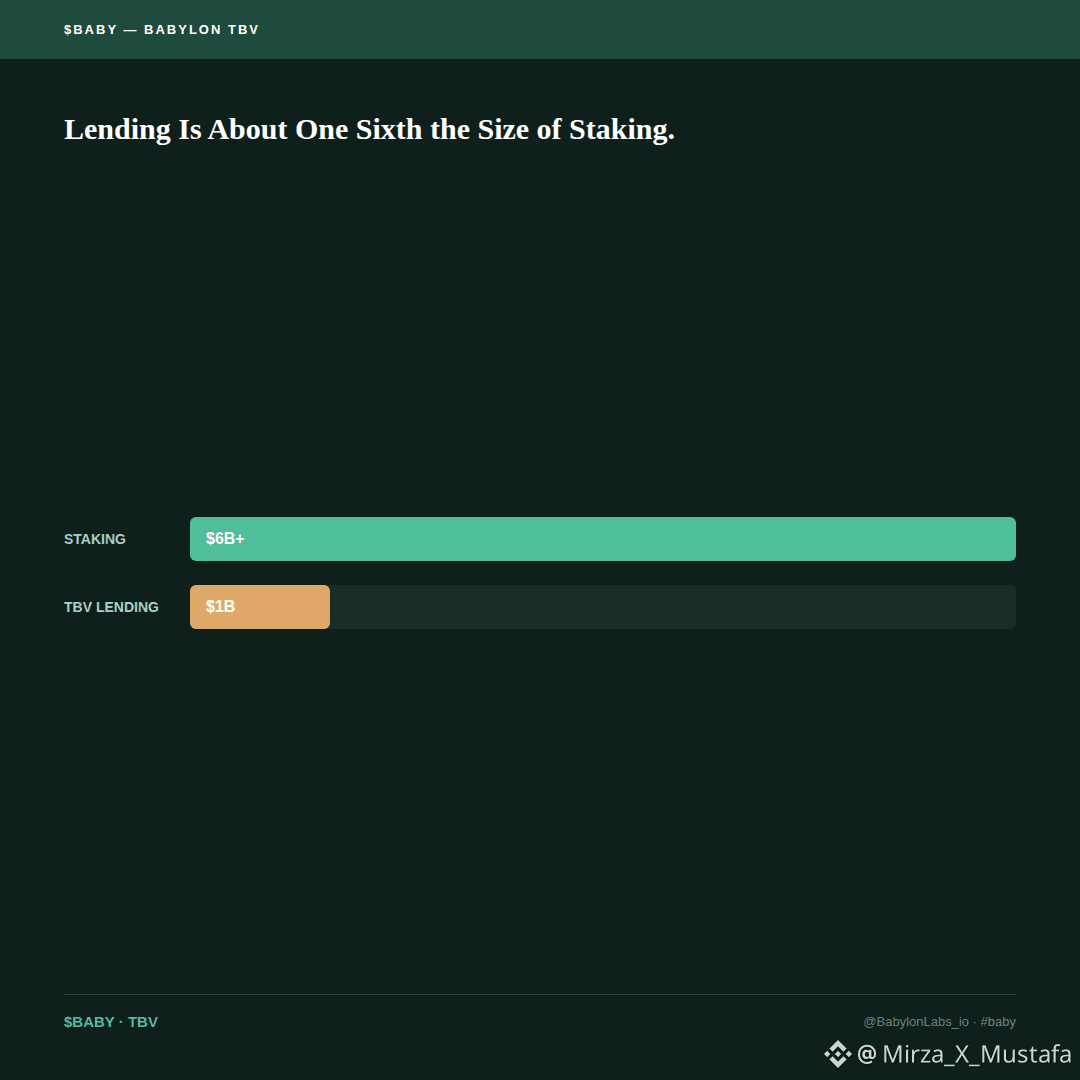
TBV(Trustless Bitcoin Vaults)を通じたBTC担保の貸付が、今年10億ドルを突破しました。ステーキングだけでもすでに60億ドルを超えています。
貸付は新しいプロダクトなので、タイミング面で差が出るのは理にかなっています。それでも並べて見ると、現状の貸付はステーキングの約6分の1程度で、拮抗にはほど遠いです。
#baby
それが問題だと言っているわけではありません。TBVがそもそも存在する前から、ステーキングは1年以上前にローンチされていますから、この規模の差がつくのは当然です。
@babylonlabs_io
追っておく価値がないと言っているわけでもありません。もし貸付が、この比率のまま「もう1年」動かず、追いついてこないなら、まだ成長段階の初期プロダクトである場合とは違う意味合いを示すことになります。
現時点ではデータポイントは1つだけで、トレンドではありません。そのギャップが実際にどちらの方向に動くのかを見るために、次のレポートを注視する価値があります。
$BABY $BICO $SKYAI
{future}(SKYAIUSDT)
{future}(BICOUSDT)
{future}(BABYUSDT)
TBV(Trustless Bitcoin Vaults)を通じたBTC担保の貸付が、今年10億ドルを突破しました。ステーキングだけでもすでに60億ドルを超えています。
貸付は新しいプロダクトなので、タイミング面で差が出るのは理にかなっています。それでも並べて見ると、現状の貸付はステーキングの約6分の1程度で、拮抗にはほど遠いです。
#baby
それが問題だと言っているわけではありません。TBVがそもそも存在する前から、ステーキングは1年以上前にローンチされていますから、この規模の差がつくのは当然です。
@BabylonLabs_io
追っておく価値がないと言っているわけでもありません。もし貸付が、この比率のまま「もう1年」動かず、追いついてこないなら、まだ成長段階の初期プロダクトである場合とは違う意味合いを示すことになります。
現時点ではデータポイントは1つだけで、トレンドではありません。そのギャップが実際にどちらの方向に動くのかを見るために、次のレポートを注視する価値があります。
$BABY $BICO $SKYAI
貸付は新しいプロダクトなので、タイミング面で差が出るのは理にかなっています。それでも並べて見ると、現状の貸付はステーキングの約6分の1程度で、拮抗にはほど遠いです。
#baby
それが問題だと言っているわけではありません。TBVがそもそも存在する前から、ステーキングは1年以上前にローンチされていますから、この規模の差がつくのは当然です。
@BabylonLabs_io
追っておく価値がないと言っているわけでもありません。もし貸付が、この比率のまま「もう1年」動かず、追いついてこないなら、まだ成長段階の初期プロダクトである場合とは違う意味合いを示すことになります。
現時点ではデータポイントは1つだけで、トレンドではありません。そのギャップが実際にどちらの方向に動くのかを見るために、次のレポートを注視する価値があります。
$BABY $BICO $SKYAI
5
2
889
一部該当
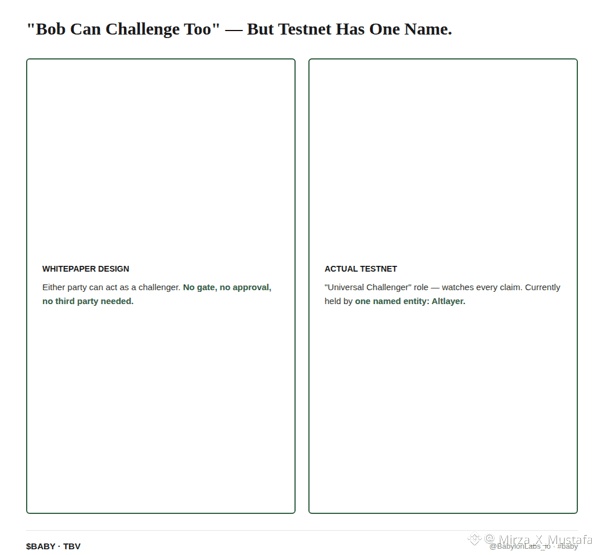
ホワイトペーパーでは、ボブ自身がチャレンジャーとして行動できると述べています。ゲートも、承認も、第三者も不要です。これが Trustless Bitcoin Vaults (TBV) における実際の「二者間(two party)ヴォルト」設計です。#baby
しかしプロトコル・アクターのドキュメントでは、「Universal Challenger(ユニバーサル・チャレンジャー)」という特定の役割が挙げられており、全てのアプリケーションにわたるあらゆる請求を監視する単一のエンティティだとされています。テストネットでは、その役割は現在、Altlayer という名前の特定の当事者に属しています。@babylonlabs_io
矛盾だと断言しているわけではありません。二者間の設計と、Universal Challenger の役割は、単に異なるデプロイ状況(より広範な監視が必要なアプリケーションか、シンプルなヴォルトか)を説明しているだけなのかもしれません。
また「無関係だ」とも言っていません。ホワイトペーパーの全体の主張は、どちらの当事者も、誰かの許可を必要とせずにチャレンジできるという点です。しかし実際には、1社が、ボブがチャレンジできるよりもずっと中央集権的に聞こえる役割を保持することになっています。
私がどこにも確認できていないのは、Universal Challenger が長期的に単一のエンティティであり続ける想定なのか、それともテストネットの都合上そうなっているだけで、後からより多くのチャレンジャーが追加されるのか、という点です。
$SKYAI $BLESS $BABY
{spot}(BABYUSDT)
{future}(BLESSUSDT)
{future}(SKYAIUSDT)
ホワイトペーパーでは、ボブ自身がチャレンジャーとして行動できると述べています。ゲートも、承認も、第三者も不要です。これが Trustless Bitcoin Vaults (TBV) における実際の「二者間(two party)ヴォルト」設計です。#baby
しかしプロトコル・アクターのドキュメントでは、「Universal Challenger(ユニバーサル・チャレンジャー)」という特定の役割が挙げられており、全てのアプリケーションにわたるあらゆる請求を監視する単一のエンティティだとされています。テストネットでは、その役割は現在、Altlayer という名前の特定の当事者に属しています。@BabylonLabs_io
矛盾だと断言しているわけではありません。二者間の設計と、Universal Challenger の役割は、単に異なるデプロイ状況(より広範な監視が必要なアプリケーションか、シンプルなヴォルトか)を説明しているだけなのかもしれません。
また「無関係だ」とも言っていません。ホワイトペーパーの全体の主張は、どちらの当事者も、誰かの許可を必要とせずにチャレンジできるという点です。しかし実際には、1社が、ボブがチャレンジできるよりもずっと中央集権的に聞こえる役割を保持することになっています。
私がどこにも確認できていないのは、Universal Challenger が長期的に単一のエンティティであり続ける想定なのか、それともテストネットの都合上そうなっているだけで、後からより多くのチャレンジャーが追加されるのか、という点です。
$SKYAI $BLESS $BABY
しかしプロトコル・アクターのドキュメントでは、「Universal Challenger(ユニバーサル・チャレンジャー)」という特定の役割が挙げられており、全てのアプリケーションにわたるあらゆる請求を監視する単一のエンティティだとされています。テストネットでは、その役割は現在、Altlayer という名前の特定の当事者に属しています。@BabylonLabs_io
矛盾だと断言しているわけではありません。二者間の設計と、Universal Challenger の役割は、単に異なるデプロイ状況(より広範な監視が必要なアプリケーションか、シンプルなヴォルトか)を説明しているだけなのかもしれません。
また「無関係だ」とも言っていません。ホワイトペーパーの全体の主張は、どちらの当事者も、誰かの許可を必要とせずにチャレンジできるという点です。しかし実際には、1社が、ボブがチャレンジできるよりもずっと中央集権的に聞こえる役割を保持することになっています。
私がどこにも確認できていないのは、Universal Challenger が長期的に単一のエンティティであり続ける想定なのか、それともテストネットの都合上そうなっているだけで、後からより多くのチャレンジャーが追加されるのか、という点です。
$SKYAI $BLESS $BABY
Decentralized challenger
80%
Single challenger risk
0%
Different use cases
0%
Need more clarity
20%
5 投票 • 投票は終了しました
2
2
2.6k
一部該当
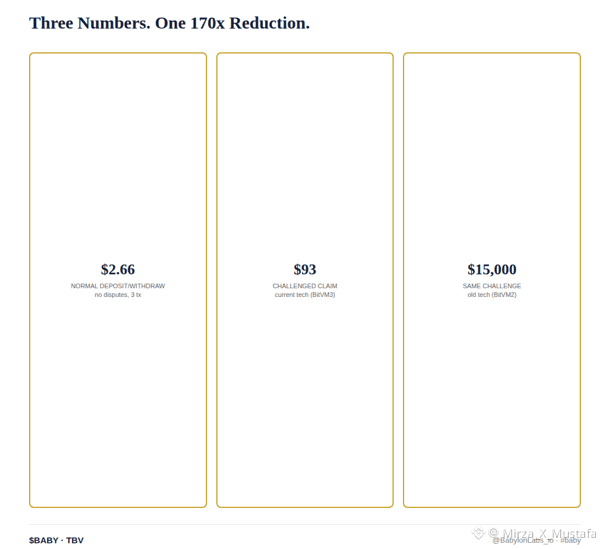
$2.66 vs $93 vs $15K 3つの価格帯 170倍の削減
$2.66。 $93。 $15,000。 同じ発想の3つの異なるバージョンから生まれた、3つの実数。
#baby
$2.66は、信頼不要のビットコイン・ヴォールト(TBV)に預け入れ、引き出すためのコストです。通常は紛争は起きず、ビットコイン取引が3回だけです。$93は、誰かが実際に請求を争う場合のコストで、まだ安い。$15,000は、(この現在のバージョンが登場する前の)古いBitVM2のアプローチにおける、まったく同種のチャレンジの正確なコストです。
$BABY
これは、ホワイトペーパーの自社メインネット実験によれば、旧技術と新技術の「最悪ケース」でのコストが170倍下がったことを意味します。
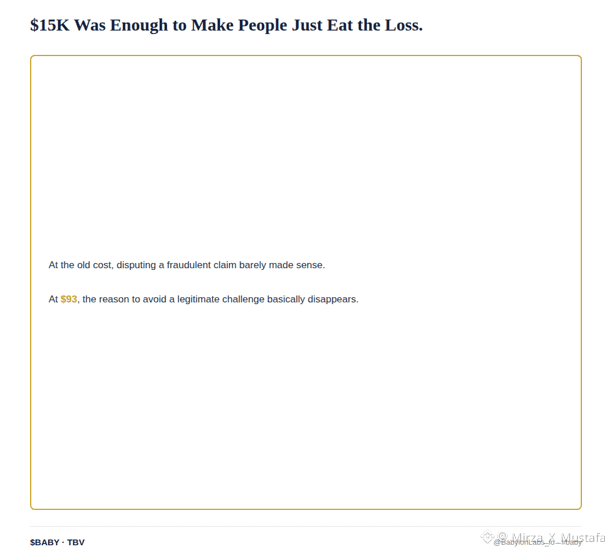
$93がゼロだと言っているわけではありませんが、$15Kと比べれば、実際に必要になったときに誰もがチャレンジを避ける理由を実質的に取り除いてしまいます。旧コストだけでも、人々が損失を飲み込むのではなく争うことを思いとどまらせるのに十分だった可能性があります。
@babylonlabs_io
このような数字は、通常はホワイトペーパーの外であまり繰り返されません。ですが、それはかなり逆な気もします。なぜなら、そもそもそれが全ての要点だからです。
$BLESS $HOME
$2.66 vs $93 vs $15K 3つの価格帯 170倍の削減
$2.66。 $93。 $15,000。 同じ発想の3つの異なるバージョンから生まれた、3つの実数。
#baby
$2.66は、信頼不要のビットコイン・ヴォールト(TBV)に預け入れ、引き出すためのコストです。通常は紛争は起きず、ビットコイン取引が3回だけです。$93は、誰かが実際に請求を争う場合のコストで、まだ安い。$15,000は、(この現在のバージョンが登場する前の)古いBitVM2のアプローチにおける、まったく同種のチャレンジの正確なコストです。
$BABY
これは、ホワイトペーパーの自社メインネット実験によれば、旧技術と新技術の「最悪ケース」でのコストが170倍下がったことを意味します。
$93がゼロだと言っているわけではありませんが、$15Kと比べれば、実際に必要になったときに誰もがチャレンジを避ける理由を実質的に取り除いてしまいます。旧コストだけでも、人々が損失を飲み込むのではなく争うことを思いとどまらせるのに十分だった可能性があります。
@BabylonLabs_io
このような数字は、通常はホワイトペーパーの外であまり繰り返されません。ですが、それはかなり逆な気もします。なぜなら、そもそもそれが全ての要点だからです。
$BLESS $HOME
$2.66。 $93。 $15,000。 同じ発想の3つの異なるバージョンから生まれた、3つの実数。
#baby
$2.66は、信頼不要のビットコイン・ヴォールト(TBV)に預け入れ、引き出すためのコストです。通常は紛争は起きず、ビットコイン取引が3回だけです。$93は、誰かが実際に請求を争う場合のコストで、まだ安い。$15,000は、(この現在のバージョンが登場する前の)古いBitVM2のアプローチにおける、まったく同種のチャレンジの正確なコストです。
$BABY
これは、ホワイトペーパーの自社メインネット実験によれば、旧技術と新技術の「最悪ケース」でのコストが170倍下がったことを意味します。
$93がゼロだと言っているわけではありませんが、$15Kと比べれば、実際に必要になったときに誰もがチャレンジを避ける理由を実質的に取り除いてしまいます。旧コストだけでも、人々が損失を飲み込むのではなく争うことを思いとどまらせるのに十分だった可能性があります。
@BabylonLabs_io
このような数字は、通常はホワイトペーパーの外であまり繰り返されません。ですが、それはかなり逆な気もします。なぜなら、そもそもそれが全ての要点だからです。
$BLESS $HOME
$2.66: Normal Flow
50%
$93: New Challenge
0%
$15K: Old BitVM2
50%
4 投票 • 投票は終了しました
2
1
3.3k
Trustless Bitcoin Vaults(TBV)のすべての金庫は、チャレンジボンドとしておよそ93ドル相当のBTCを確保します。ほとんどの人はそのお金がどこかへ使われるのを見たことがないはずで、ただそこに置かれ、金庫が閉じると返ってきます。
@babylonlabs_io $BABY
じゃあ、それに何の意味があるんでしょうか。
要点は、チャレンジがシステムとして実際に“コスト”を伴わないと成り立たないということです。異議申し立てが無料なら、人々は相手を困らせるために、偽のチャレンジを一日中スパムできてしまいます。そして、嘘をつくことが無料なら、誰も正直でいる理由がありません。
これは、機材をレンタルする前に支払う返金可能なデポジットと同じ理屈です。ほとんどの場合、失うことはありませんが、失う可能性があるという事実こそが、関わる全員にとって公平さを保ちます。
#ShareYourVote
$KOMA $BANK
#baby
Trustless Bitcoin Vaults(TBV)のすべての金庫は、チャレンジボンドとしておよそ93ドル相当のBTCを確保します。ほとんどの人はそのお金がどこかへ使われるのを見たことがないはずで、ただそこに置かれ、金庫が閉じると返ってきます。
@BabylonLabs_io $BABY
じゃあ、それに何の意味があるんでしょうか。
要点は、チャレンジがシステムとして実際に“コスト”を伴わないと成り立たないということです。異議申し立てが無料なら、人々は相手を困らせるために、偽のチャレンジを一日中スパムできてしまいます。そして、嘘をつくことが無料なら、誰も正直でいる理由がありません。
これは、機材をレンタルする前に支払う返金可能なデポジットと同じ理屈です。ほとんどの場合、失うことはありませんが、失う可能性があるという事実こそが、関わる全員にとって公平さを保ちます。
#ShareYourVote
$KOMA $BANK
#baby
@BabylonLabs_io $BABY
じゃあ、それに何の意味があるんでしょうか。
要点は、チャレンジがシステムとして実際に“コスト”を伴わないと成り立たないということです。異議申し立てが無料なら、人々は相手を困らせるために、偽のチャレンジを一日中スパムできてしまいます。そして、嘘をつくことが無料なら、誰も正直でいる理由がありません。
これは、機材をレンタルする前に支払う返金可能なデポジットと同じ理屈です。ほとんどの場合、失うことはありませんが、失う可能性があるという事実こそが、関わる全員にとって公平さを保ちます。
#ShareYourVote
$KOMA $BANK
#baby


Challenge bonds work
0%
Refundable security model
100%
Anti-spam mechanism
0%
Need more incentives
0%
1 投票 • 投票は終了しました
4
2
123
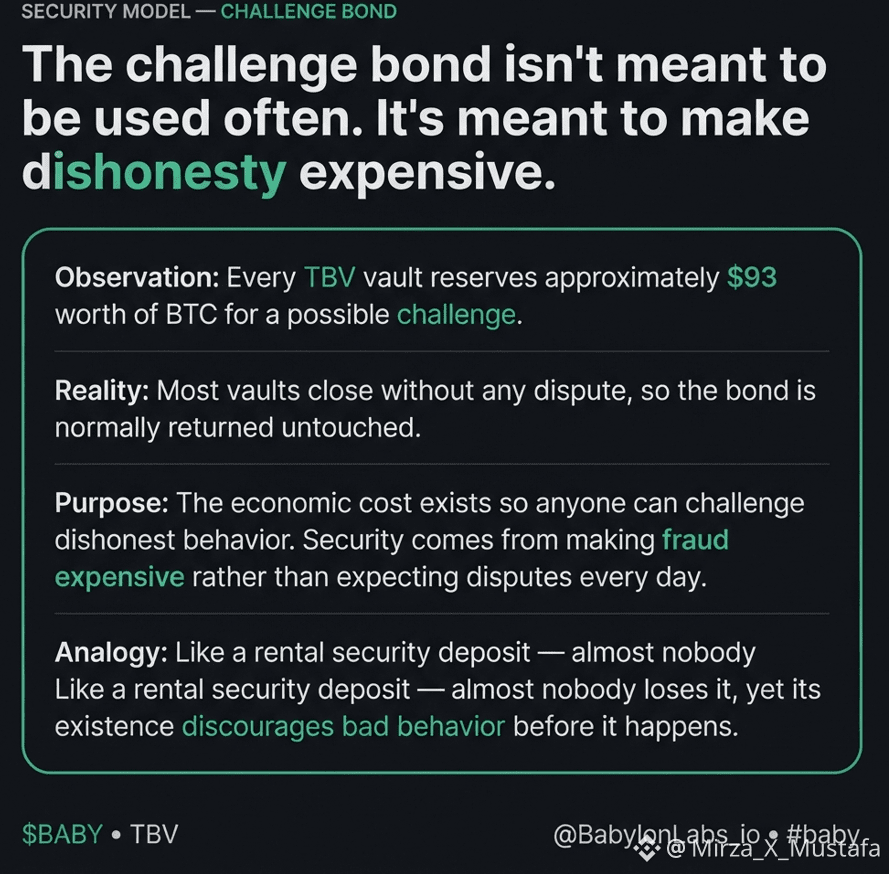
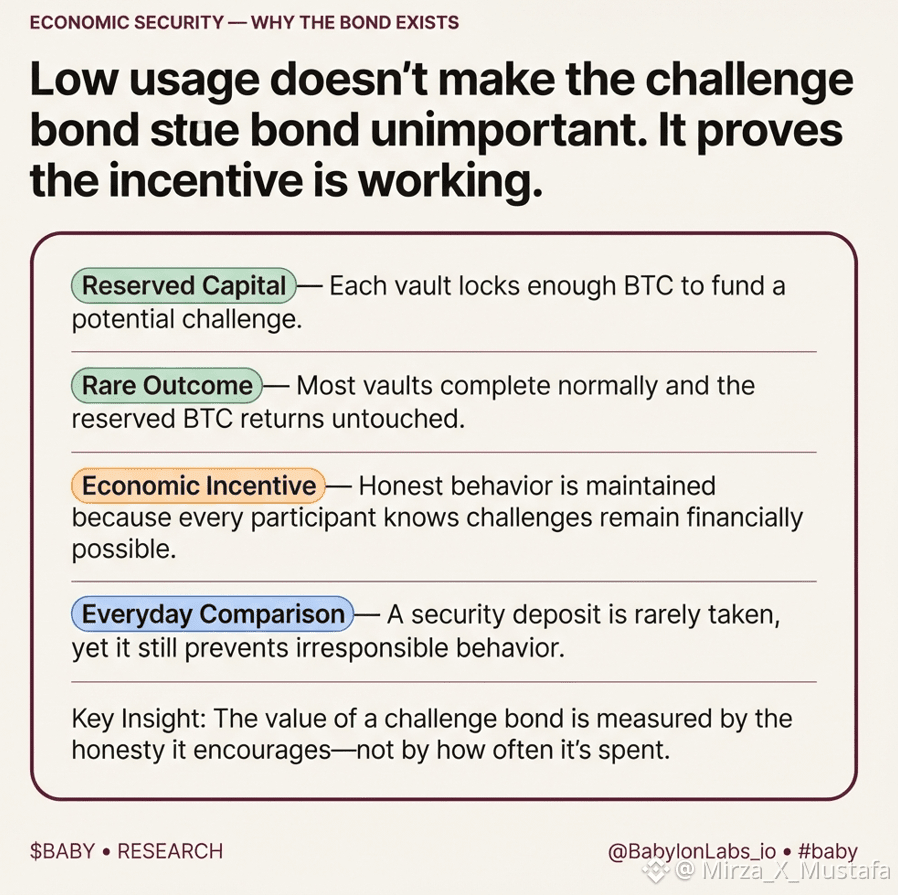
誰かが「ほとんど誰も払わないのに、なぜチャレンジ・ボンドがそもそも重要なの?」と聞いてきた。以下が実際のロジック。
すべてのバル トは、ホワイトペーパー自身の数値に基づいて、想定されるチャレンジをカバーするのに十分なBTCを確保している。だいたい約$93相当だ。ほとんどの場合、そのお金はそこに置かれたままで、何も争われないために、バル トが閉じるとあなたのところに戻ってくる。チャレンジは、わざとめったに起きない。
$BABY #baby
ただ、ポイントはそこだ。ボンドは、チャレンジが頻繁に起きるからあるんじゃない。システムが正直であり続けるには、チャレンジが経済的に成立しうる必要があるからある。もし嘘がタダでできるなら、いずれ誰かがやる。
@babylonlabs_io
アパートの敷金と同じ考え方だ。ほとんどの人は敷金を失わない。だからといって敷金が無意味なわけではない。多くの人が部屋をぐちゃぐちゃにするのを止めるのがまさにそれだ。
$KOMA
$BANK
誰かが「ほとんど誰も払わないのに、なぜチャレンジ・ボンドがそもそも重要なの?」と聞いてきた。以下が実際のロジック。
すべてのバル トは、ホワイトペーパー自身の数値に基づいて、想定されるチャレンジをカバーするのに十分なBTCを確保している。だいたい約$93相当だ。ほとんどの場合、そのお金はそこに置かれたままで、何も争われないために、バル トが閉じるとあなたのところに戻ってくる。チャレンジは、わざとめったに起きない。
$BABY #baby
ただ、ポイントはそこだ。ボンドは、チャレンジが頻繁に起きるからあるんじゃない。システムが正直であり続けるには、チャレンジが経済的に成立しうる必要があるからある。もし嘘がタダでできるなら、いずれ誰かがやる。
@BabylonLabs_io
アパートの敷金と同じ考え方だ。ほとんどの人は敷金を失わない。だからといって敷金が無意味なわけではない。多くの人が部屋をぐちゃぐちゃにするのを止めるのがまさにそれだ。
$KOMA
$BANK
すべてのバル トは、ホワイトペーパー自身の数値に基づいて、想定されるチャレンジをカバーするのに十分なBTCを確保している。だいたい約$93相当だ。ほとんどの場合、そのお金はそこに置かれたままで、何も争われないために、バル トが閉じるとあなたのところに戻ってくる。チャレンジは、わざとめったに起きない。
$BABY #baby
ただ、ポイントはそこだ。ボンドは、チャレンジが頻繁に起きるからあるんじゃない。システムが正直であり続けるには、チャレンジが経済的に成立しうる必要があるからある。もし嘘がタダでできるなら、いずれ誰かがやる。
@BabylonLabs_io
アパートの敷金と同じ考え方だ。ほとんどの人は敷金を失わない。だからといって敷金が無意味なわけではない。多くの人が部屋をぐちゃぐちゃにするのを止めるのがまさにそれだ。
$KOMA
$BANK
Bond keeps system honest
17%
Challenges need incentives
50%
Bond is unnecessary
33%
6 投票 • 投票は終了しました
6
3
3.2k
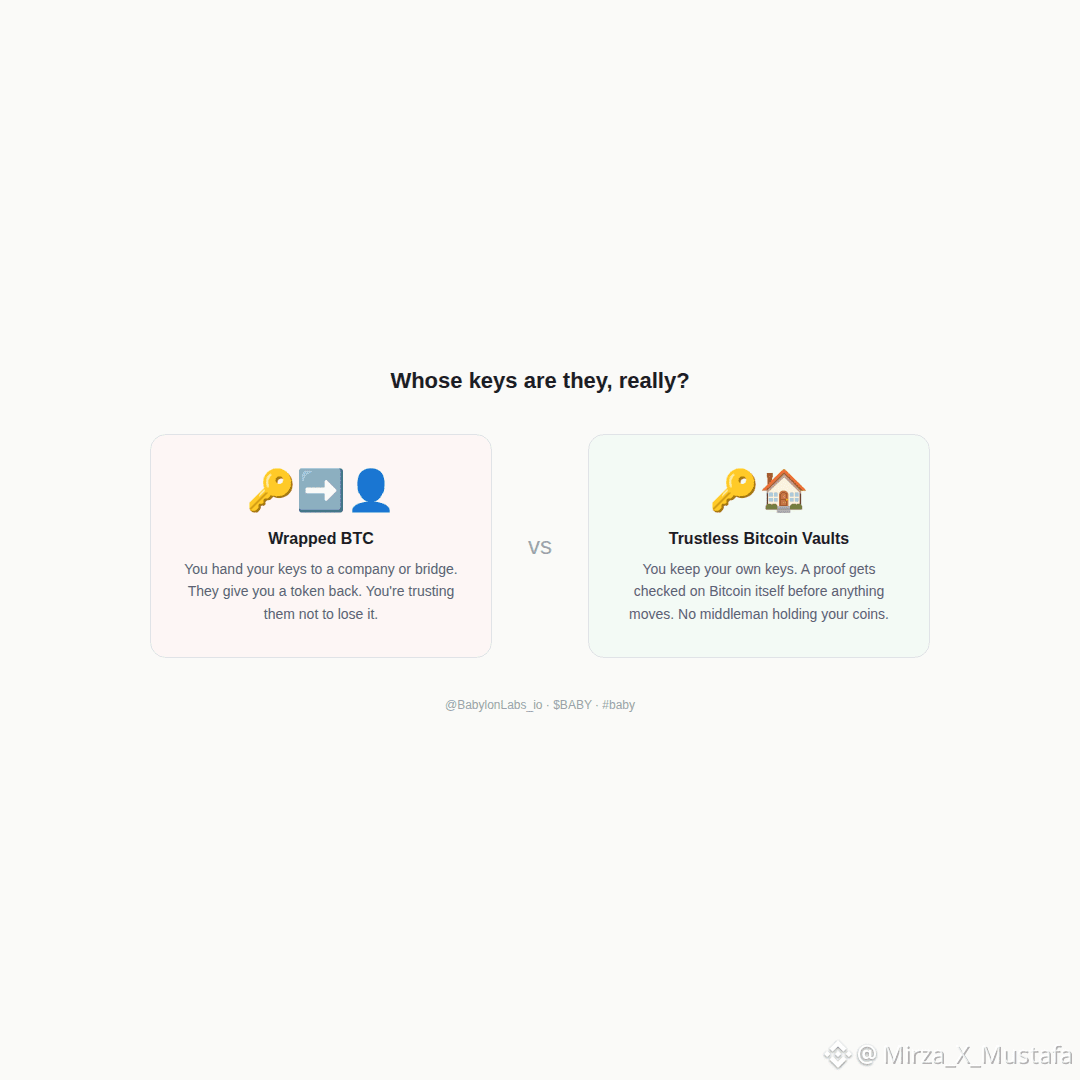
誰かが「Trustless Bitcoin Vaults(TBV)って、平たく言うと実際なに?」と聞いてきたんだ。だから、こんなふうに説明できる。#baby
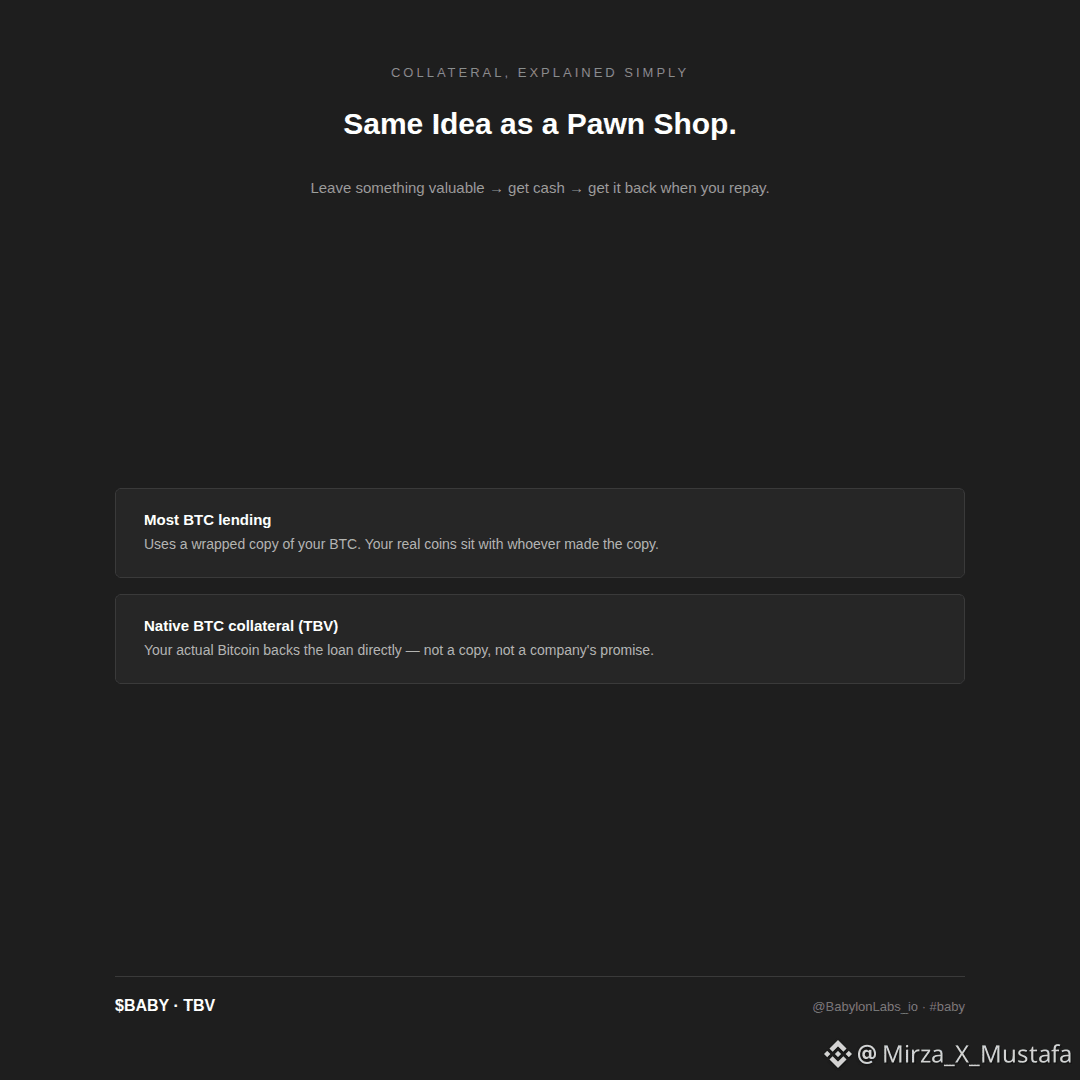
$BABY 通常、イーサリアム上で何かに使うためにビットコインを使いたいなら、誰か(会社やブリッジなど)に預けて、そこから「それを表す」とされるトークンを受け取ることになる。つまり、あなたは相手が勝手に持ち逃げしたり、台無しにしたりしないと信じる必要がある。
TBVはそれをしない。あなたのビットコインは、あなただけと相手方だけが一緒に解除できる形で、ロックされた場所のまま変わらない。何かが動く前に、ビットコイン自身で証明がチェックされる。途中で会社がコインを持ち続けるようなことはない。@babylonlabs_io
いちばんシンプルに言うと、自分の家の鍵を持っている状態で、あなたが会ったこともない不動産管理会社にコピーを渡さないようなもの、って感じだ。
$KOMA $BANK
誰かが「Trustless Bitcoin Vaults(TBV)って、平たく言うと実際なに?」と聞いてきたんだ。だから、こんなふうに説明できる。#baby
$BABY 通常、イーサリアム上で何かに使うためにビットコインを使いたいなら、誰か(会社やブリッジなど)に預けて、そこから「それを表す」とされるトークンを受け取ることになる。つまり、あなたは相手が勝手に持ち逃げしたり、台無しにしたりしないと信じる必要がある。
TBVはそれをしない。あなたのビットコインは、あなただけと相手方だけが一緒に解除できる形で、ロックされた場所のまま変わらない。何かが動く前に、ビットコイン自身で証明がチェックされる。途中で会社がコインを持ち続けるようなことはない。@BabylonLabs_io
いちばんシンプルに言うと、自分の家の鍵を持っている状態で、あなたが会ったこともない不動産管理会社にコピーを渡さないようなもの、って感じだ。
$KOMA $BANK
$BABY 通常、イーサリアム上で何かに使うためにビットコインを使いたいなら、誰か(会社やブリッジなど)に預けて、そこから「それを表す」とされるトークンを受け取ることになる。つまり、あなたは相手が勝手に持ち逃げしたり、台無しにしたりしないと信じる必要がある。
TBVはそれをしない。あなたのビットコインは、あなただけと相手方だけが一緒に解除できる形で、ロックされた場所のまま変わらない。何かが動く前に、ビットコイン自身で証明がチェックされる。途中で会社がコインを持ち続けるようなことはない。@BabylonLabs_io
いちばんシンプルに言うと、自分の家の鍵を持っている状態で、あなたが会ったこともない不動産管理会社にコピーを渡さないようなもの、って感じだ。
$KOMA $BANK
9
5
128
ログインして、さらにコンテンツを読む
厳選トピックで世界の暗号資産トレーダーの仲間入り
⚡️ 暗号資産に関する最新かつ有益な情報が見つかります。
💬 世界最大の暗号資産取引所から信頼されています。
👍 認証を受けたクリエイターから、有益なインサイトを得られます。
メール / 電話番号
トレンドトピック
QNTRises39%
閲覧回数 44,883
1,137人が討論中
🚨 QNTが急騰中!📈
$QNT が今日は大きく動いており、買い圧力が加速するにつれて約40%も上昇しています。
この上昇によりQuantは再び注目の的に戻り、トレーダーはこの勢いが続くのか、それとも次に押し目が来るのかを見ています。
🔥 注目ポイント:
• 強い出来高
• 直近の高値を上回るモメンタム
• $100という心理的節目
• 買い手が主導権を維持できるか
大きな動きは大きなボラティリティを伴います。注意してリスク管理をしましょう。
あなたは$QNTを見ていますか?👀
#QNT #altcoins #CryptoNews
#qntrises39% $QNT
The07
·いいね:4件
·閲覧回数 4k
EthereumBreaksAbove$2700
閲覧回数 4,044
114人が討論中
BitgetBreachForgedRequestsNotStolenKeys
閲覧回数 43,746
910人が討論中