
Junii Ahmad
737 Publicaciones
Junii Ahmad
Denunciar
Bloquear usuario
📊 Crypto Trader | Technical Analysis & Risk Management | Disciplined Execution over Emotion 🎯
Trader frecuente
2 años
214 Siguiendo
71 Seguidores
224 Me gusta
Publicaciones
Todo
Cotizaciones
Vídeos
Directo
PINNED
·
--
Alcista
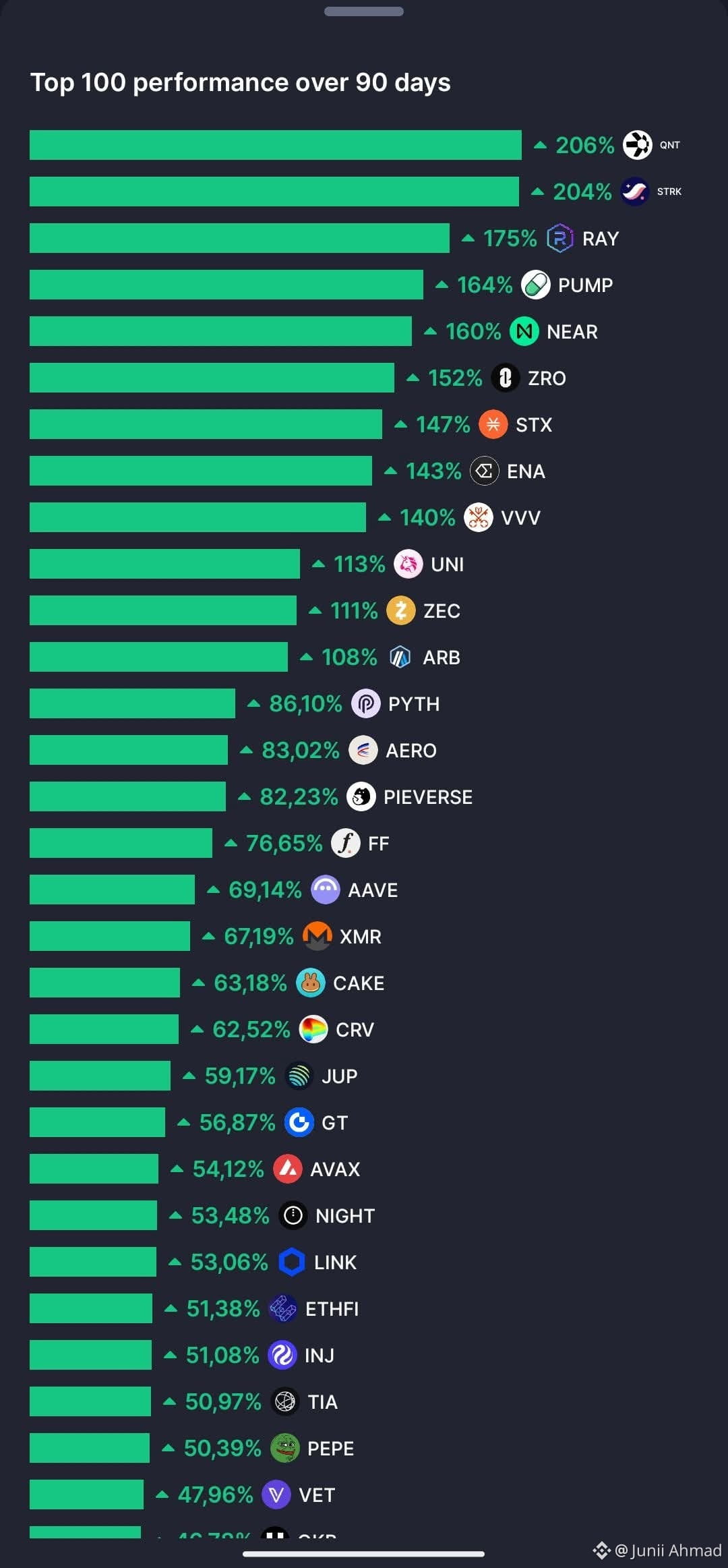
"Al analizar el rendimiento de las 100 principales criptomonedas durante los últimos 90 días, hemos seleccionado algunas de las más destacadas para mostrártelas."
$QNT $STRK $RAY
#CelestiaRises16%To2026High #NasdaqDowWeeklyGapWidestSinceJuly2002 #Nasdaq100Falls5.5%InWorstWeekIn18Months #StrategySharesFall9%OnFriday #USPPIRises6.3%YearOverYear
$QNT $STRK $RAY
#CelestiaRises16%To2026High #NasdaqDowWeeklyGapWidestSinceJuly2002 #Nasdaq100Falls5.5%InWorstWeekIn18Months #StrategySharesFall9%OnFriday #USPPIRises6.3%YearOverYear
2
3
4.3k
·
--
Artículo
Ver traducción
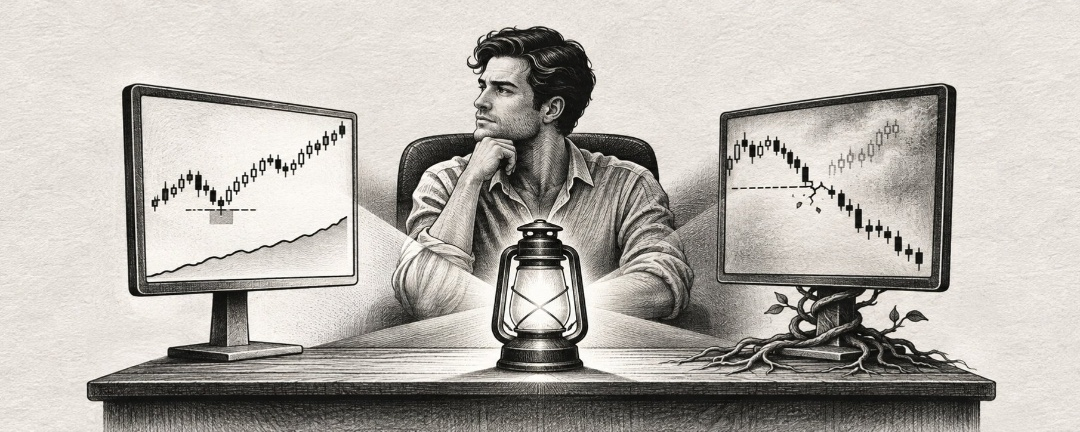
Hope - The Trader's Double-Edged SwordHope is the most dangerous emotion in trading because it feels like a virtue while acting like a vice.
You bought a stock at $50 after careful analysis indicated it was fundamentally undervalued and technically oversold. The company had solid earnings and good management, and you felt confident about your research. The stock climbed to $60, validating your thesis and making you feel smart. Then earnings came out slightly below expectations, and the stock dropped to $45. Your predetermined stop loss was at $47, but you didn't take it because you hoped it would recover. After all, the fundamentals hadn't really changed, and surely the market was overreacting.
Then it went to $40. Then $35. Then $30. Each day, you find new reasons to hope: maybe the next earnings will be better, maybe an analyst will upgrade the stock, or maybe the whole sector is due for a bounce. What started as a well-researched trade based on sound analysis has become a desperate wish that the market will somehow validate your original decision, or at least get back to even, so you can exit without a loss.
If this scenario sounds painfully familiar, you're not alone. Hope might be the most complex and dangerous emotion that traders face, precisely because it masquerades as something positive while slowly destroying your account.
The Paradox of Hope in Trading.
Hope presents a unique challenge for traders because in almost every other area of life, hope is considered positive and essential. Hope motivates us to pursue difficult goals, sustains us through challenging times, and helps us maintain optimism in the face of setbacks. In these contexts, hope costs nothing and provides significant psychological benefits even when things don't work out as planned.
Trading turns this equation upside down. In the markets, hope has a direct financial cost that increases every moment you hold onto a losing position. When you hope that a declining stock will recover, you're not maintaining a positive attitude; you're actively losing money with each tick lower. When you hope your analysis will eventually be proven right, you risk turning a small, manageable loss into a large one that hurts financially, mentally, and emotionally.
The paradox deepens when you consider that some level of hope is absolutely necessary for trading success. Without hope, you wouldn't have the confidence to enter trades based on your analysis or persist through the inevitable learning curve every trader faces. The challenge lies in learning to harness hope's motivational power while preventing it from clouding your judgment about individual trades.
This dual nature makes hope particularly insidious. When greed takes over, you usually know you're being greedy. When fear paralyzes you, you're aware that you're afraid. But when hope keeps you in a losing trade, you often feel like you're being patient, disciplined, or faithful to your analysis. The voice of hope sounds reasonable and measured, making arguments that seem logical even as they lead you toward a big financial loss. Strong conviction in a losing trade is not a positive emotion.
Understanding Hope's Two Faces
To manage hope effectively, you must first understand the fundamental difference between its constructive and destructive forms. These two faces of hope can look remarkably similar on the surface, but they lead to completely different outcomes in your trading.
Constructive hope is grounded in evidence and realistic expectations. It's the hope that your carefully researched stock will eventually reflect its fair value, but it comes with predetermined time limits and exit strategies. It's the hope that your proven trading system will continue to work over time, even though individual trades may fail. This type of hope acknowledges uncertainty and prepares for multiple outcomes. It says, "I hope this trade works out, but if it doesn't, I know exactly when and how I'll exit."
Constructive hope also maintains perspective on the bigger picture. It focuses on long-term results rather than individual trade outcomes, sustaining you through difficult periods without preventing you from taking necessary losses.
Destructive hope, on the other hand, is characterized by wishful thinking that ignores evidence and avoids planning for adverse outcomes. Hope keeps you in losing trades long after your original analysis has been proven wrong. This type of hope has no time limits, no exit strategies, and no acknowledgment that things might not work out as desired.
Destructive hope often becomes more intense as losses mount. Instead of accepting that a trade isn't working, this type of hope doubles down on optimism, finding increasingly desperate reasons why the position should recover. It goes from "I hope this works" to "It has to work" to "I can't afford this not to work."
The difference between constructive and destructive hope often comes down to timing and planning. Constructive hope does its work before and between trades, motivating you to research opportunities and maintain confidence. Destructive hope takes over during trades, particularly losing ones, and prevents you from executing your predetermined exit strategies.
The Psychology Behind Trading Hope
To understand why hope can be so destructive in trading, you need to understand what's happening in your brain when you're holding onto losing positions. Hope activates the same neural pathways involved in addiction, creating chemical rewards that make it difficult to abandon losing positions. When you hope for a trade to recover, your brain releases dopamine in anticipation of that recovery, even though the recovery may never come.
Cognitive dissonance plays a major role in how hope develops and persists. When reality conflicts with your beliefs or expectations, your brain experiences psychological discomfort and works to resolve the conflict. If you believe you're a good trader but your current position is losing money, hope offers a convenient solution: it suggests the position will eventually become profitable.
Hope also functions as a coping mechanism that helps you avoid the immediate emotional pain of realizing losses. Taking a loss requires you to confront the reality that you were wrong and that you lost money. Hope allows you to postpone this confrontation indefinitely by maintaining the fiction that the loss isn't real as long as you haven't closed the position.
The sunk cost fallacy amplifies hope by making you focus on what you've already invested rather than what you're likely to gain or lose going forward. The more money you've lost on a position, the harder it becomes to close it because hope whispers that walking away now would mean all those losses were for nothing.
The Hope-Denial Spectrum
One of the most important skills you can develop is recognizing where you fall on the spectrum from healthy optimism to dangerous denial. Hope doesn't suddenly become destructive. It gradually transforms from reasonable expectation into desperate wishful thinking.
The spectrum begins with reasonable optimism, which is healthy and necessary for trading. When you enter a well-researched trade, it's reasonable to be optimistic about the outcome. This optimism is grounded in evidence, acknowledges the possibility of being wrong, and includes specific plans for adverse scenarios.
As a trade moves against you, reasonable optimism can shift into stubborn hope. You start ignoring new information that contradicts your thesis while giving extra weight to any positive developments. The shift is subtle but important: you're no longer updating your analysis based on new information but filtering information to support your existing hope.
Stubborn hope can escalate into desperate hope as losses mount. At this stage, you're no longer hoping based on analysis; you're hoping because you need the trade to work out. Your reasons become increasingly emotional and less logical: "I can't afford to lose this much money" or "This position has to recover because I've already lost so much."
The final stage is complete denial, where you refuse to acknowledge that the position is a loser. You stop monitoring the position closely, avoid looking at your account balance, or convince yourself that the loss doesn't count because you haven't closed the position yet.
Each stage represents a deeper departure from rational trading. The key is learning to recognize where you are on this spectrum in real time, particularly during the transition from reasonable optimism to stubborn hope, where you still have the most control.
When Hope Becomes Averaging Down
One of the most dangerous manifestations of hope is when it leads to averaging down, buying more of a position as the price declines. Hope makes averaging down feel logical by reframing declining prices as opportunities rather than warnings. If your analysis was right at $50, surely it's even more right at $45.
The mathematics of averaging down can be seductive. If you bought 100 shares at $50 and another 100 at $45, your average cost is now $47.50. Hope focuses on the smaller recovery needed to break even, while ignoring the possibility that the stock might continue to decline.
Averaging down also offers psychological benefits that hopeful people want. It gives you something active to do instead of passively watching your position lose money. This sense of taking control can be emotionally satisfying, even when the action is making the situation worse.
The danger becomes clear when averaging down fails. The increasingly attractive average price seems to justify each additional purchase, but each addition increases your total exposure. What started as a manageable 5% position can easily become 10%, 15%, or even 20% of your account.
Hope makes averaging down particularly dangerous because it changes your relationship with the position. Instead of viewing declining prices as evidence that your original analysis might have been wrong, hope reframes them as opportunities to improve your average cost. This prevents objective evaluation of whether your original reasons for buying are still valid. Dollar-cost averaging is for investors in indexes over decades, not traders on a daily chart looking for profits on an individual trade. Averaging down in a losing trade due to hope is one of the most destructive behaviors that keep traders unprofitable and their capital trapped on the wrong side of the trend.
Setting Hope Boundaries
Just as you set financial boundaries through position sizing and stop losses, you need psychological boundaries that prevent hope from overriding rational decision-making. These hope boundaries serve as circuit breakers that trigger when hope begins transforming from a helpful emotion into a destructive force.
Time-based boundaries are among the most effective limits. Before entering any trade, establish a maximum holding periodif it's not working as expected. When your time stop limit is reached, close the position regardless of your emotions about its potential.
Stop-loss boundaries provide another crucial constraint. Predetermine the maximum amount you're willing to lose on any single trade, and close the position when that loss is reached. This boundary should be set before entering the trade, when you're thinking clearly and objectively.
Evidence-based boundaries help prevent hope from overriding objective analysis. Before entering a trade, identify specific technical or fundamental changes that would invalidate your original thesis. When these predetermined conditions are met, close the position regardless of your hope for recovery.
confidence that consistent execution of a sound approach will lead to profitability over time.
The most successful traders maintain tremendous hope and optimism about their long-term prospects while being absolutely ruthless in managing individual positions. They hope their systems will continue working and that they'll continue improving as traders. But they never let hope prevent them from taking necessary stops, managing risk appropriately, or admitting when individual trades aren't working.
As you continue developing your trading skills, pay attention to the quality and direction of your hope. Notice when it's motivating productive behavior like research and planning, and when it's encouraging passive behavior like holding losing positions or avoiding difficult decisions. The more aware you become of hope's influence, the better you can channel it toward activities that actually improve your trading results.
Key Strategies for Managing Hope
*Set predetermined time limits for all trades: Close positions when time limits are reached, regardless of hope for recovery
*Establish maximum loss limits before entering trades: Exit when loss limits are hit, no matter how much you hope for a turnaround
*Create specific invalidation criteria for each trade: Predetermine what evidence would prove your analysis wrong
*Schedule regular position reviews with a fresh-eyed evaluation: Ask whether you would initiate each position if starting today
*Write detailed pre-trade plans, including exit strategies like profit targets and trailing stops: Refer back to original analysis when hope clouds judgment
*Keep a trading journal to identify patterns: Track instances when hope overrode rational decision-making
*Use automated stops and alerts to remove emotions: Let technology execute predetermined exit strategies
*Focus hope on process improvement rather than trade outcomes: Hope for better skills, not individual position recovery
*Convert hopes into specific scenario planning: Prepare concrete responses for different market conditions
#WhatWillDriveCryptoandStocks’NextRebound? #Anthropic’s6xIPODemandSignalsPotentialRecordRaise #JaneStreetNearlyOctuplesFidelityBitcoinETFHoldings #USPPIMissMayEaseBTCPressure #BitcoinCoreDisclosesTorTrafficVulnerability
Hope - The Trader's Double-Edged Sword
Hope is the most dangerous emotion in trading because it feels like a virtue while acting like a vice.
You bought a stock at $50 after careful analysis indicated it was fundamentally undervalued and technically oversold. The company had solid earnings and good management, and you felt confident about your research. The stock climbed to $60, validating your thesis and making you feel smart. Then earnings came out slightly below expectations, and the stock dropped to $45. Your predetermined stop loss was at $47, but you didn't take it because you hoped it would recover. After all, the fundamentals hadn't really changed, and surely the market was overreacting.
Then it went to $40. Then $35. Then $30. Each day, you find new reasons to hope: maybe the next earnings will be better, maybe an analyst will upgrade the stock, or maybe the whole sector is due for a bounce. What started as a well-researched trade based on sound analysis has become a desperate wish that the market will somehow validate your original decision, or at least get back to even, so you can exit without a loss.
If this scenario sounds painfully familiar, you're not alone. Hope might be the most complex and dangerous emotion that traders face, precisely because it masquerades as something positive while slowly destroying your account.
The Paradox of Hope in Trading.
Hope presents a unique challenge for traders because in almost every other area of life, hope is considered positive and essential. Hope motivates us to pursue difficult goals, sustains us through challenging times, and helps us maintain optimism in the face of setbacks. In these contexts, hope costs nothing and provides significant psychological benefits even when things don't work out as planned.
Trading turns this equation upside down. In the markets, hope has a direct financial cost that increases every moment you hold onto a losing position. When you hope that a declining stock will recover, you're not maintaining a positive attitude; you're actively losing money with each tick lower. When you hope your analysis will eventually be proven right, you risk turning a small, manageable loss into a large one that hurts financially, mentally, and emotionally.
The paradox deepens when you consider that some level of hope is absolutely necessary for trading success. Without hope, you wouldn't have the confidence to enter trades based on your analysis or persist through the inevitable learning curve every trader faces. The challenge lies in learning to harness hope's motivational power while preventing it from clouding your judgment about individual trades.
This dual nature makes hope particularly insidious. When greed takes over, you usually know you're being greedy. When fear paralyzes you, you're aware that you're afraid. But when hope keeps you in a losing trade, you often feel like you're being patient, disciplined, or faithful to your analysis. The voice of hope sounds reasonable and measured, making arguments that seem logical even as they lead you toward a big financial loss. Strong conviction in a losing trade is not a positive emotion.
Understanding Hope's Two Faces
To manage hope effectively, you must first understand the fundamental difference between its constructive and destructive forms. These two faces of hope can look remarkably similar on the surface, but they lead to completely different outcomes in your trading.
Constructive hope is grounded in evidence and realistic expectations. It's the hope that your carefully researched stock will eventually reflect its fair value, but it comes with predetermined time limits and exit strategies. It's the hope that your proven trading system will continue to work over time, even though individual trades may fail. This type of hope acknowledges uncertainty and prepares for multiple outcomes. It says, "I hope this trade works out, but if it doesn't, I know exactly when and how I'll exit."
Constructive hope also maintains perspective on the bigger picture. It focuses on long-term results rather than individual trade outcomes, sustaining you through difficult periods without preventing you from taking necessary losses.
Destructive hope, on the other hand, is characterized by wishful thinking that ignores evidence and avoids planning for adverse outcomes. Hope keeps you in losing trades long after your original analysis has been proven wrong. This type of hope has no time limits, no exit strategies, and no acknowledgment that things might not work out as desired.
Destructive hope often becomes more intense as losses mount. Instead of accepting that a trade isn't working, this type of hope doubles down on optimism, finding increasingly desperate reasons why the position should recover. It goes from "I hope this works" to "It has to work" to "I can't afford this not to work."
The difference between constructive and destructive hope often comes down to timing and planning. Constructive hope does its work before and between trades, motivating you to research opportunities and maintain confidence. Destructive hope takes over during trades, particularly losing ones, and prevents you from executing your predetermined exit strategies.
The Psychology Behind Trading Hope
To understand why hope can be so destructive in trading, you need to understand what's happening in your brain when you're holding onto losing positions. Hope activates the same neural pathways involved in addiction, creating chemical rewards that make it difficult to abandon losing positions. When you hope for a trade to recover, your brain releases dopamine in anticipation of that recovery, even though the recovery may never come.
Cognitive dissonance plays a major role in how hope develops and persists. When reality conflicts with your beliefs or expectations, your brain experiences psychological discomfort and works to resolve the conflict. If you believe you're a good trader but your current position is losing money, hope offers a convenient solution: it suggests the position will eventually become profitable.
Hope also functions as a coping mechanism that helps you avoid the immediate emotional pain of realizing losses. Taking a loss requires you to confront the reality that you were wrong and that you lost money. Hope allows you to postpone this confrontation indefinitely by maintaining the fiction that the loss isn't real as long as you haven't closed the position.
The sunk cost fallacy amplifies hope by making you focus on what you've already invested rather than what you're likely to gain or lose going forward. The more money you've lost on a position, the harder it becomes to close it because hope whispers that walking away now would mean all those losses were for nothing.
The Hope-Denial Spectrum
One of the most important skills you can develop is recognizing where you fall on the spectrum from healthy optimism to dangerous denial. Hope doesn't suddenly become destructive. It gradually transforms from reasonable expectation into desperate wishful thinking.
The spectrum begins with reasonable optimism, which is healthy and necessary for trading. When you enter a well-researched trade, it's reasonable to be optimistic about the outcome. This optimism is grounded in evidence, acknowledges the possibility of being wrong, and includes specific plans for adverse scenarios.
As a trade moves against you, reasonable optimism can shift into stubborn hope. You start ignoring new information that contradicts your thesis while giving extra weight to any positive developments. The shift is subtle but important: you're no longer updating your analysis based on new information but filtering information to support your existing hope.
Stubborn hope can escalate into desperate hope as losses mount. At this stage, you're no longer hoping based on analysis; you're hoping because you need the trade to work out. Your reasons become increasingly emotional and less logical: "I can't afford to lose this much money" or "This position has to recover because I've already lost so much."
The final stage is complete denial, where you refuse to acknowledge that the position is a loser. You stop monitoring the position closely, avoid looking at your account balance, or convince yourself that the loss doesn't count because you haven't closed the position yet.
Each stage represents a deeper departure from rational trading. The key is learning to recognize where you are on this spectrum in real time, particularly during the transition from reasonable optimism to stubborn hope, where you still have the most control.
When Hope Becomes Averaging Down
One of the most dangerous manifestations of hope is when it leads to averaging down, buying more of a position as the price declines. Hope makes averaging down feel logical by reframing declining prices as opportunities rather than warnings. If your analysis was right at $50, surely it's even more right at $45.
The mathematics of averaging down can be seductive. If you bought 100 shares at $50 and another 100 at $45, your average cost is now $47.50. Hope focuses on the smaller recovery needed to break even, while ignoring the possibility that the stock might continue to decline.
Averaging down also offers psychological benefits that hopeful people want. It gives you something active to do instead of passively watching your position lose money. This sense of taking control can be emotionally satisfying, even when the action is making the situation worse.
The danger becomes clear when averaging down fails. The increasingly attractive average price seems to justify each additional purchase, but each addition increases your total exposure. What started as a manageable 5% position can easily become 10%, 15%, or even 20% of your account.
Hope makes averaging down particularly dangerous because it changes your relationship with the position. Instead of viewing declining prices as evidence that your original analysis might have been wrong, hope reframes them as opportunities to improve your average cost. This prevents objective evaluation of whether your original reasons for buying are still valid. Dollar-cost averaging is for investors in indexes over decades, not traders on a daily chart looking for profits on an individual trade. Averaging down in a losing trade due to hope is one of the most destructive behaviors that keep traders unprofitable and their capital trapped on the wrong side of the trend.
Setting Hope Boundaries
Just as you set financial boundaries through position sizing and stop losses, you need psychological boundaries that prevent hope from overriding rational decision-making. These hope boundaries serve as circuit breakers that trigger when hope begins transforming from a helpful emotion into a destructive force.
Time-based boundaries are among the most effective limits. Before entering any trade, establish a maximum holding periodif it's not working as expected. When your time stop limit is reached, close the position regardless of your emotions about its potential.
Stop-loss boundaries provide another crucial constraint. Predetermine the maximum amount you're willing to lose on any single trade, and close the position when that loss is reached. This boundary should be set before entering the trade, when you're thinking clearly and objectively.
Evidence-based boundaries help prevent hope from overriding objective analysis. Before entering a trade, identify specific technical or fundamental changes that would invalidate your original thesis. When these predetermined conditions are met, close the position regardless of your hope for recovery.
confidence that consistent execution of a sound approach will lead to profitability over time.
The most successful traders maintain tremendous hope and optimism about their long-term prospects while being absolutely ruthless in managing individual positions. They hope their systems will continue working and that they'll continue improving as traders. But they never let hope prevent them from taking necessary stops, managing risk appropriately, or admitting when individual trades aren't working.
As you continue developing your trading skills, pay attention to the quality and direction of your hope. Notice when it's motivating productive behavior like research and planning, and when it's encouraging passive behavior like holding losing positions or avoiding difficult decisions. The more aware you become of hope's influence, the better you can channel it toward activities that actually improve your trading results.
Key Strategies for Managing Hope
*Set predetermined time limits for all trades: Close positions when time limits are reached, regardless of hope for recovery
*Establish maximum loss limits before entering trades: Exit when loss limits are hit, no matter how much you hope for a turnaround
*Create specific invalidation criteria for each trade: Predetermine what evidence would prove your analysis wrong
*Schedule regular position reviews with a fresh-eyed evaluation: Ask whether you would initiate each position if starting today
*Write detailed pre-trade plans, including exit strategies like profit targets and trailing stops: Refer back to original analysis when hope clouds judgment
*Keep a trading journal to identify patterns: Track instances when hope overrode rational decision-making
*Use automated stops and alerts to remove emotions: Let technology execute predetermined exit strategies
*Focus hope on process improvement rather than trade outcomes: Hope for better skills, not individual position recovery
*Convert hopes into specific scenario planning: Prepare concrete responses for different market conditions
#WhatWillDriveCryptoandStocks’NextRebound? #Anthropic’s6xIPODemandSignalsPotentialRecordRaise #JaneStreetNearlyOctuplesFidelityBitcoinETFHoldings #USPPIMissMayEaseBTCPressure #BitcoinCoreDisclosesTorTrafficVulnerability
3
·
--
Artículo
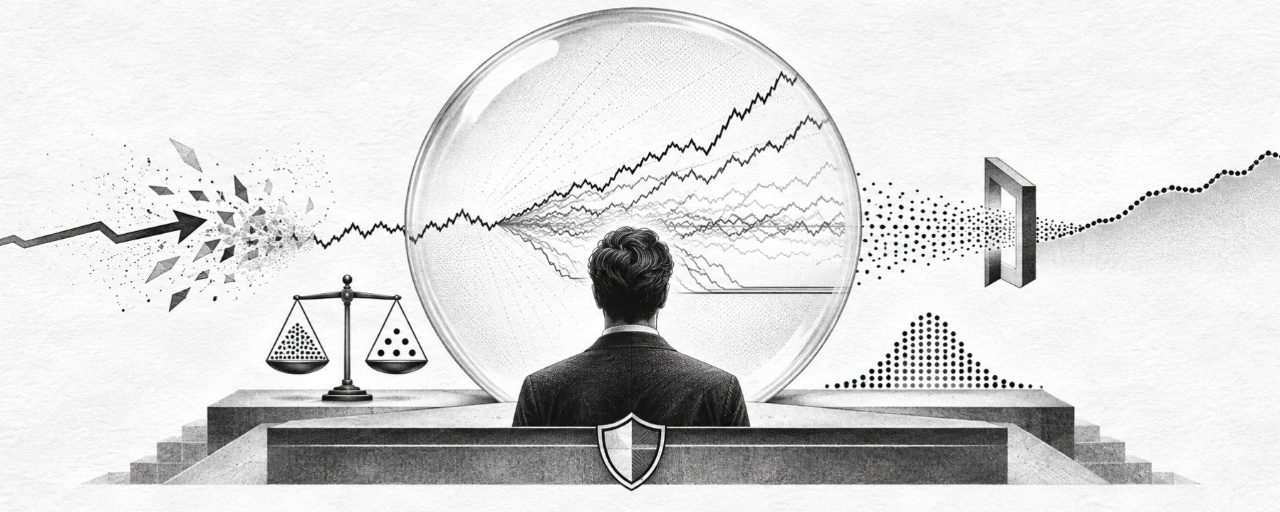
Pensar en probabilidades, no en predicciones ni opinionesOperar la distribución, sin obsesionarse con los resultados a corto plazo
Nunca sabrás qué va a hacer el mercado. Nadie lo sabe. El analista de televisión no lo sabe, y el gestor de fondos que habla con seguridad tampoco. Tú tampoco, por muy bien que se vea tu gráfico al abrir una posición. Si entiendes esta idea, ya estás por delante de la mayoría de las personas contra las que operas. La mayoría de quienes están al otro lado de tus operaciones dedicará todo su tiempo a perseguir lo imposible: predecir el futuro.
Pensar en probabilidades, no en predicciones ni opiniones
Operar la distribución, sin obsesionarse con los resultados a corto plazo
Nunca sabrás qué va a hacer el mercado. Nadie lo sabe. El analista de televisión no lo sabe, y el gestor de fondos que habla con seguridad tampoco. Tú tampoco, por muy bien que se vea tu gráfico al abrir una posición. Si entiendes esta idea, ya estás por delante de la mayoría de las personas contra las que operas. La mayoría de quienes están al otro lado de tus operaciones dedicará todo su tiempo a perseguir lo imposible: predecir el futuro.
Nunca sabrás qué va a hacer el mercado. Nadie lo sabe. El analista de televisión no lo sabe, y el gestor de fondos que habla con seguridad tampoco. Tú tampoco, por muy bien que se vea tu gráfico al abrir una posición. Si entiendes esta idea, ya estás por delante de la mayoría de las personas contra las que operas. La mayoría de quienes están al otro lado de tus operaciones dedicará todo su tiempo a perseguir lo imposible: predecir el futuro.
128
·
--
Alcista
Parcialmente cierto
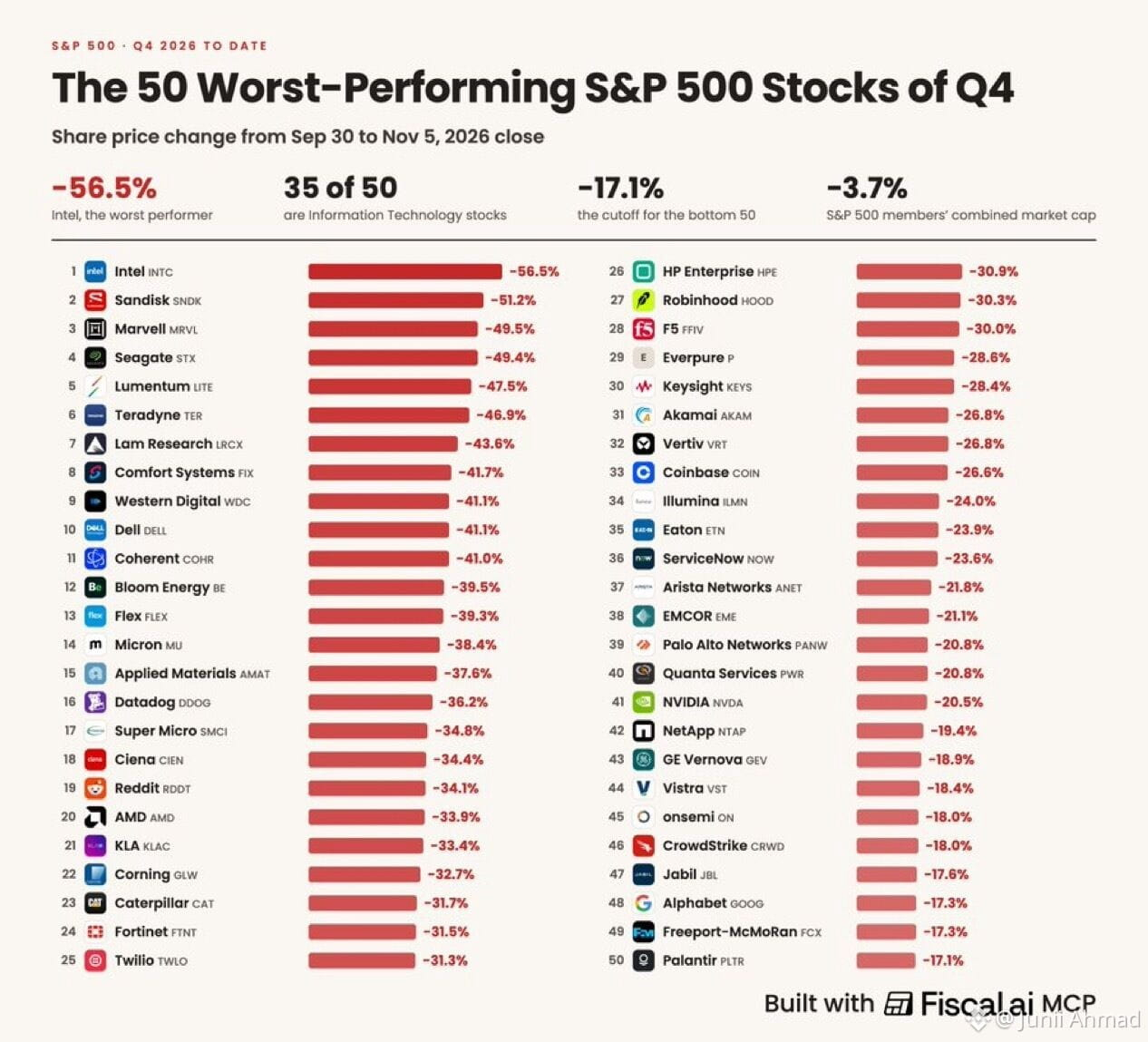
🚨ACTUALIZACIÓN: Intel encabeza las acciones con peor rendimiento del S&P 500 en el cuarto trimestre, con una caída del 56,5%; las empresas tecnológicas representan 35 de las 50 mayores caídas hasta el 5 de noviembre, según Fiscalai.
..........................?...............?.......................
#JobsReportRaisesHikeOdds #BitcoinRebounds$75KAsChipsLead #US Data Center Rules May Constrain AI Expansion #WillAnthropicListOnTime #CPITestsDecemberRateOutlook
..........................?...............?.......................
#JobsReportRaisesHikeOdds #BitcoinRebounds$75KAsChipsLead #US Data Center Rules May Constrain AI Expansion #WillAnthropicListOnTime #CPITestsDecemberRateOutlook
393
·
--
Con verificación
⚠️
ÚLTIMA HORA:
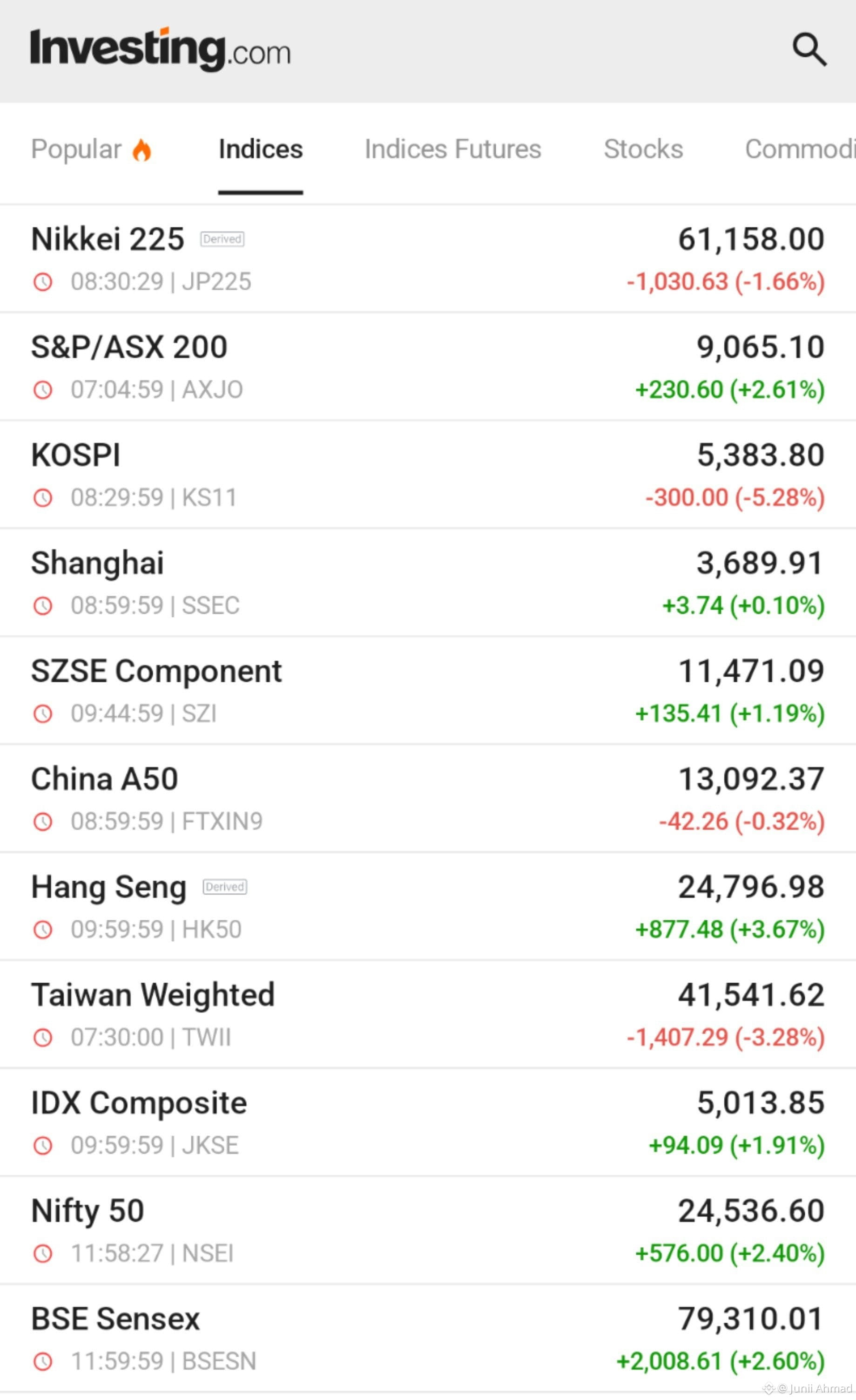
*LOS MERCADOS DE ASIA-PACÍFICO CIERRAN CON RESULTADOS DISpares EN LA REGIÓN; EL KOSPI DE COREA CAE UN 5,3 %
#BinanceReopensWithdrawalsForMoreAssets #BTCRebounds80K #Binance98PercentReplenished #ADPUSPrivateEmployersAdd86000JobsInOctober #USMidterms-WhatAreMarketsExpecting?
⚠️
ÚLTIMA HORA:
*LOS MERCADOS DE ASIA-PACÍFICO CIERRAN CON RESULTADOS DISpares EN LA REGIÓN; EL KOSPI DE COREA CAE UN 5,3 %
#BinanceReopensWithdrawalsForMoreAssets #BTCRebounds80K #Binance98PercentReplenished #ADPUSPrivateEmployersAdd86000JobsInOctober #USMidterms-WhatAreMarketsExpecting?
ÚLTIMA HORA:
*LOS MERCADOS DE ASIA-PACÍFICO CIERRAN CON RESULTADOS DISpares EN LA REGIÓN; EL KOSPI DE COREA CAE UN 5,3 %
#BinanceReopensWithdrawalsForMoreAssets #BTCRebounds80K #Binance98PercentReplenished #ADPUSPrivateEmployersAdd86000JobsInOctober #USMidterms-WhatAreMarketsExpecting?
42
·
--
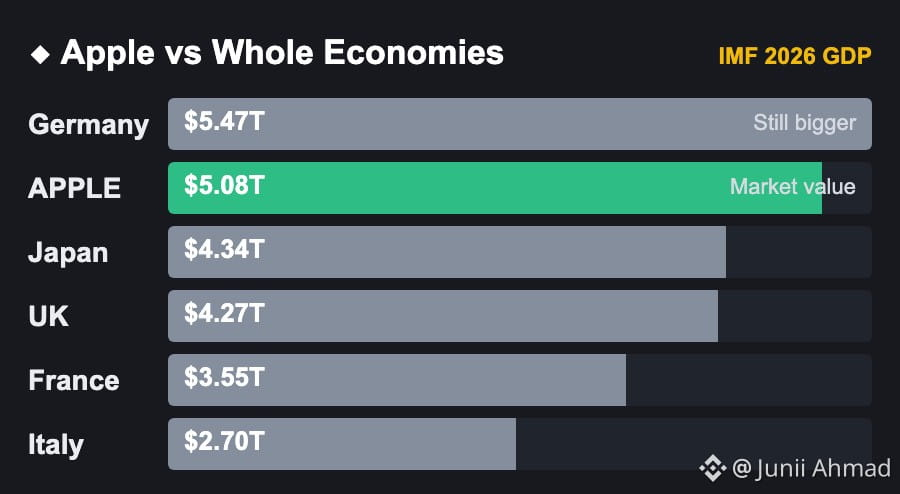
APPLE AHORA VALE 5,08 BILLONES DE DÓLARES.
Más que toda la economía anual de:
Japón: 4,34 billones de dólares
Reino Unido: 4,27 billones de dólares
Francia: 3,55 billones de dólares
Italia: 2,70 billones de dólares
Solo tres países son más grandes: Estados Unidos, China y Alemania.
Una sola empresa de telefonía.
#BinanceReopensWithdrawalsForMoreAssets #BTCRebounds80K #Binance98PercentReplenished #ADPUSPrivateEmployersAdd86000JobsInOctober #USMidterms-WhatAreMarketsExpecting?
203
·
--
Con verificación
🚨
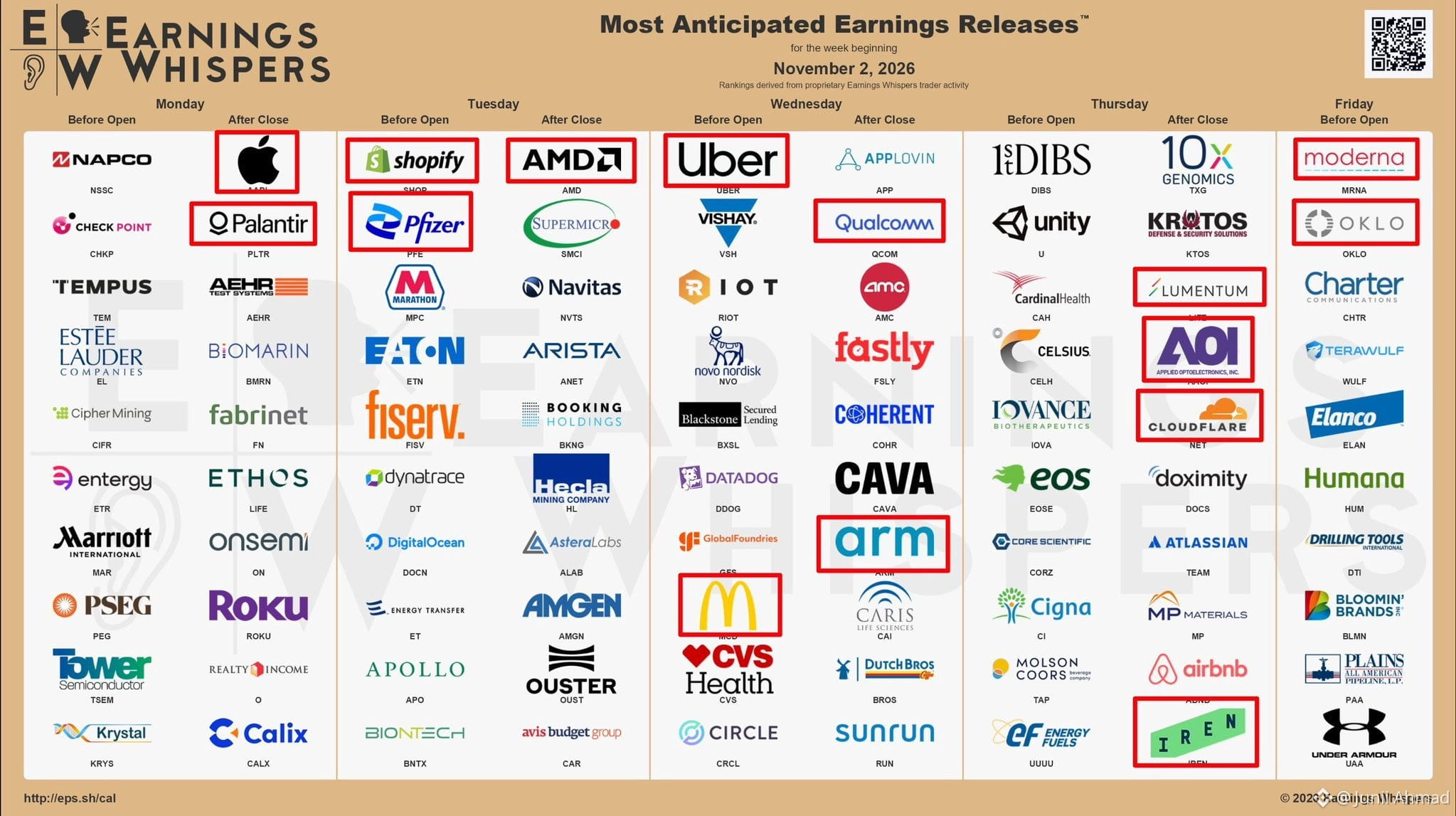
Prepárate para un jueves ajetreado:
• Resultados: Lumentum
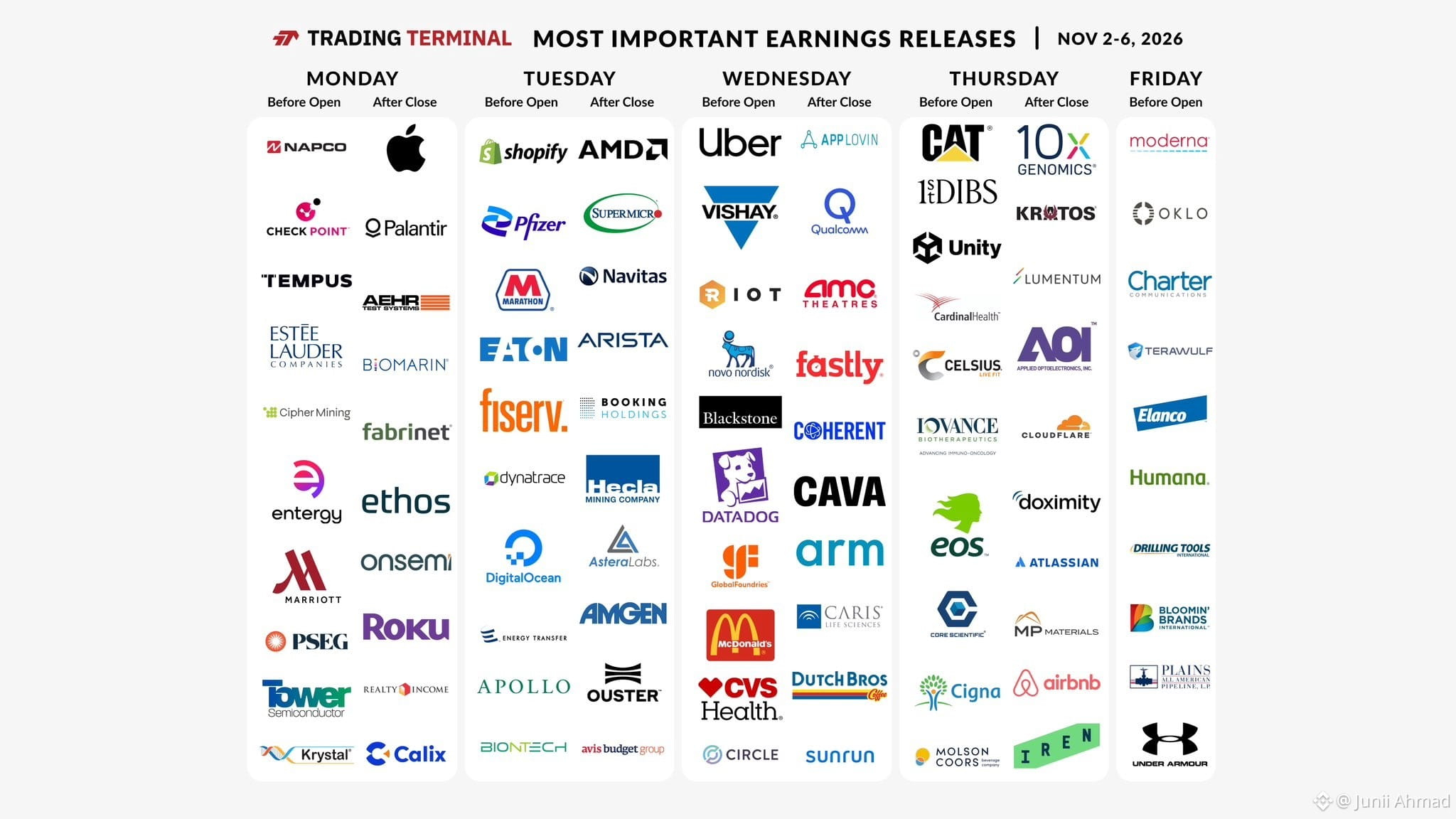
$LITE , Cloudflare $NET.US , Iren $IREN , Applied Optoelectronics $AAOI
• Solicitudes de subsidio por desempleo
• Ponentes de la Reserva Federal: Barkin, Hammack
#BinanceReopensWithdrawalsForMoreAssets #BTCRebounds80K #Binance98PercentReplenished #ADPUSPrivateEmployersAdd86000JobsInOctober #USMidterms-WhatAreMarketsExpecting?
997
·
--
Artículo
Por qué el trading es matemáticasEstás a punto de descubrir algo que el mercado ha intentado enseñarte desde tu primera operación: al mercado no le importa tu opinión. No le importa tu predicción sobre lo que sucederá el próximo trimestre. Desde luego, tampoco le importa la historia que te has inventado para explicar por qué una acción en particular se disparará o se desplomará. El mercado funciona con números y, si quieres obtener beneficios de forma constante, tienes que hablar su idioma. Ese idioma son las matemáticas.
Esta es la introducción de mi libro «El trading es matemáticas»
Por qué el trading es matemáticas
Estás a punto de descubrir algo que el mercado ha intentado enseñarte desde tu primera operación: al mercado no le importa tu opinión. No le importa tu predicción sobre lo que sucederá el próximo trimestre. Desde luego, tampoco le importa la historia que te has inventado para explicar por qué una acción en particular se disparará o se desplomará. El mercado funciona con números y, si quieres obtener beneficios de forma constante, tienes que hablar su idioma. Ese idioma son las matemáticas.
Esta es la introducción de mi libro «El trading es matemáticas»
Esta es la introducción de mi libro «El trading es matemáticas»
67
·
--
Artículo
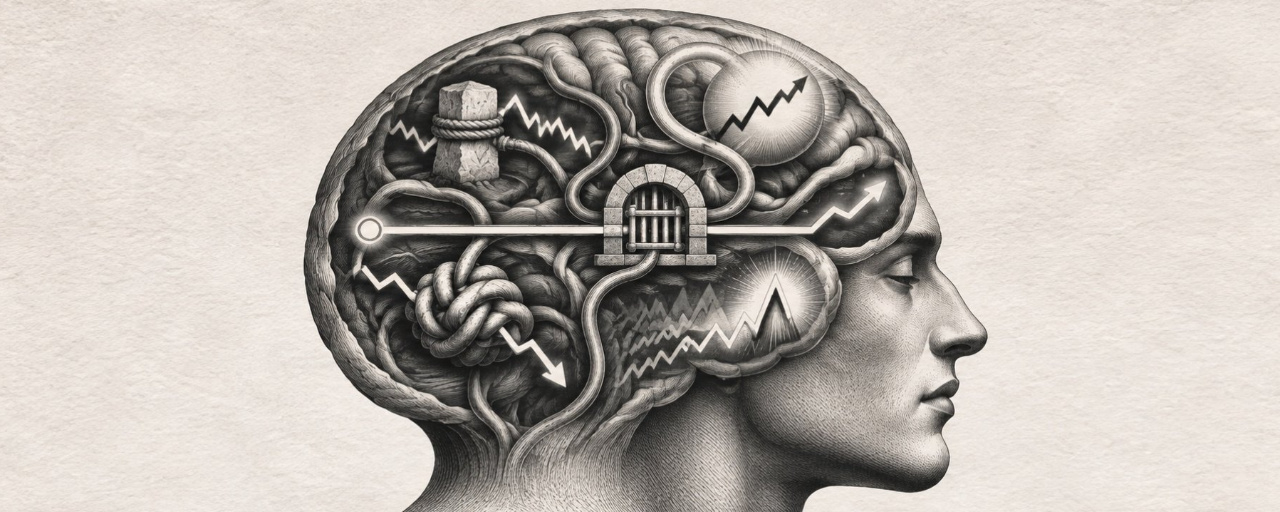
Cómo está programado tu cerebro para cometer errores al operarDescubre cómo los sesgos cognitivos influyen silenciosamente en tus decisiones y cómo reducir su impacto
Psicología cognitiva: El cerebro humano evolucionó para sobrevivir, no para tomar decisiones basadas en probabilidades.
Aquí tienes el capítulo 12 de mi libro: Cómo operar como un científico: utiliza los principios de la ciencia para crear, probar y mejorar continuamente un sistema de trading rentable.
El cerebro humano evolucionó para sobrevivir a la incertidumbre, no para gestionar probabilidades. Durante cientos de miles de años, mantenerse con vida significaba tomar decisiones rápidas con información limitada. El cerebro aprendió a detectar el peligro rápidamente, recordar vívidamente las experiencias dolorosas y permanecer cerca de la seguridad del grupo. Esos instintos mantuvieron con vida a las personas en la sabana. Los mercados financieros recompensan comportamientos casi opuestos.
Cómo está programado tu cerebro para cometer errores al operar
Descubre cómo los sesgos cognitivos influyen silenciosamente en tus decisiones y cómo reducir su impacto
Psicología cognitiva: El cerebro humano evolucionó para sobrevivir, no para tomar decisiones basadas en probabilidades.
Aquí tienes el capítulo 12 de mi libro: Cómo operar como un científico: utiliza los principios de la ciencia para crear, probar y mejorar continuamente un sistema de trading rentable.
El cerebro humano evolucionó para sobrevivir a la incertidumbre, no para gestionar probabilidades. Durante cientos de miles de años, mantenerse con vida significaba tomar decisiones rápidas con información limitada. El cerebro aprendió a detectar el peligro rápidamente, recordar vívidamente las experiencias dolorosas y permanecer cerca de la seguridad del grupo. Esos instintos mantuvieron con vida a las personas en la sabana. Los mercados financieros recompensan comportamientos casi opuestos.
78
·
--
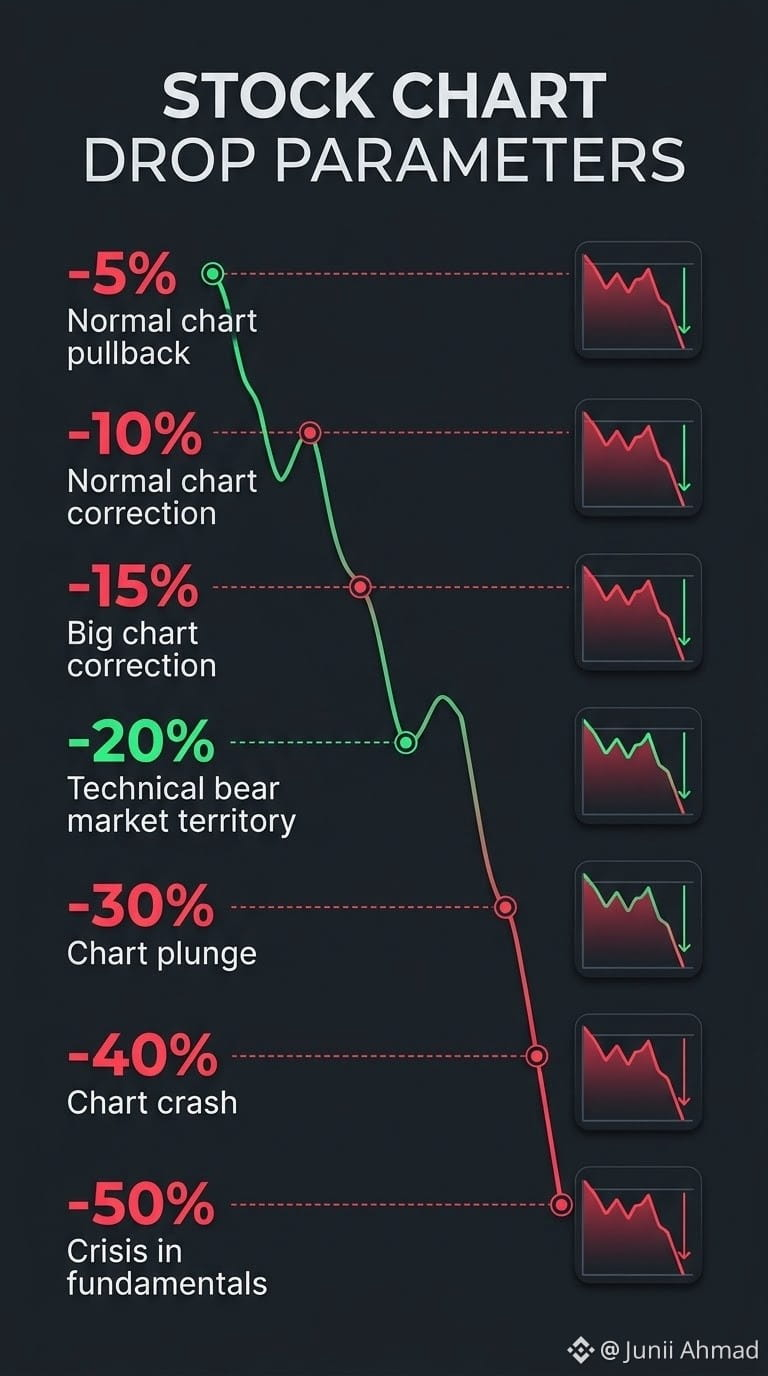
Parámetros de caída del patrón gráfico:
-5% = Retroceso normal del gráfico
-10% = Corrección normal del gráfico
-15% = Corrección importante del gráfico
-20% = Territorio de mercado bajista técnico
-30% = Desplome del gráfico
-40% = Crac del gráfico
-50% = Crisis en los fundamentos
#USMidtermElections #BinanceRestores28FiatWithdrawals #USOctoberNFP-AreRateCutsStillPossible #BinanceWithdrawalScamWarning #AppleEarningsAhead-CanStockHitNewHigh
2
67
·
--
Alcista
Con verificación
[JUNII AHMAD](https://www.binance.com/register?ref=1025949147)
vía
@Junaid_Ahmad1
$AAPLB PL $PLTRB LTR $AAPLB MD $SHOP $MRNA $SMCI $TXG $UBER $LITE $COHR $DIBS $APP $AEHR $QCOM $AMC $CAVA $RIOT $BKNG $TEAM $NVO $ABNB $ETN $BXSL $MPC $FN $GFS $DDOG $MP $U $IREN $FISV $BROS $RUN $ALAB $ARM $CHKP $KTOS $NVTS $ANET $FSLY $AAOI $BMRN $VSH $NET $OKLO $DOCS $TEM $PFE $CIFR $EL
#BinanceRestores28FiatWithdrawals #BinanceProcesses$4.65BWithdrawals #BitcoinClosesAbove50WeekMAFor7thStraightWeek #BitcoinSpotETFsPost$203MWeeklyOutflow #ETHFalls16.1%InOctober
JUNII AHMAD
vía
@Junii Ahmad
$AAPLB PL $PLTRB LTR $AAPLB MD $SHOP $MRNA $SMCI $TXG $UBER $LITE $COHR $DIBS $APP $AEHR $QCOM $AMC $CAVA $RIOT $BKNG $TEAM $NVO $ABNB $ETN $BXSL $MPC $FN $GFS $DDOG $MP $U $IREN $FISV $BROS $RUN $ALAB $ARM $CHKP $KTOS $NVTS $ANET $FSLY $AAOI $BMRN $VSH $NET $OKLO $DOCS $TEM $PFE $CIFR $EL
#BinanceRestores28FiatWithdrawals #BinanceProcesses$4.65BWithdrawals #BitcoinClosesAbove50WeekMAFor7thStraightWeek #BitcoinSpotETFsPost$203MWeeklyOutflow #ETHFalls16.1%InOctober
1
1.1k
·
--

Artículo
Las matemáticas de las grandes empresasEste es el capítulo 6 de mi libro: Cómo elegir acciones de crecimiento como un matemático: usar la lógica, la probabilidad y los datos para encontrar las próximas grandes ganadoras del mercado bursátil
BQS = (ROIC/15) + (Margen bruto/40) + (LTV/CAC/3) + (Crecimiento de los ingresos operativos/Crecimiento de los ingresos) + (FCF/Ingresos netos)
BQS = Puntuación de calidad empresarial
ROIC = Rentabilidad sobre el capital invertido dividida entre 15 (tu umbral mínimo de ROIC)
Margen bruto dividido entre 40 (tu umbral mínimo de margen bruto)
LTV/CAC dividido entre 3 (tu umbral mínimo de LTV/CAC)
Crecimiento de los ingresos operativos dividido entre el crecimiento de los ingresos (la ratio de apalancamiento operativo)
Las matemáticas de las grandes empresas
Este es el capítulo 6 de mi libro: Cómo elegir acciones de crecimiento como un matemático: usar la lógica, la probabilidad y los datos para encontrar las próximas grandes ganadoras del mercado bursátil
BQS = (ROIC/15) + (Margen bruto/40) + (LTV/CAC/3) + (Crecimiento de los ingresos operativos/Crecimiento de los ingresos) + (FCF/Ingresos netos)
BQS = Puntuación de calidad empresarial
ROIC = Rentabilidad sobre el capital invertido dividida entre 15 (tu umbral mínimo de ROIC)
Margen bruto dividido entre 40 (tu umbral mínimo de margen bruto)
LTV/CAC dividido entre 3 (tu umbral mínimo de LTV/CAC)
Crecimiento de los ingresos operativos dividido entre el crecimiento de los ingresos (la ratio de apalancamiento operativo)
1
1
84
·
--
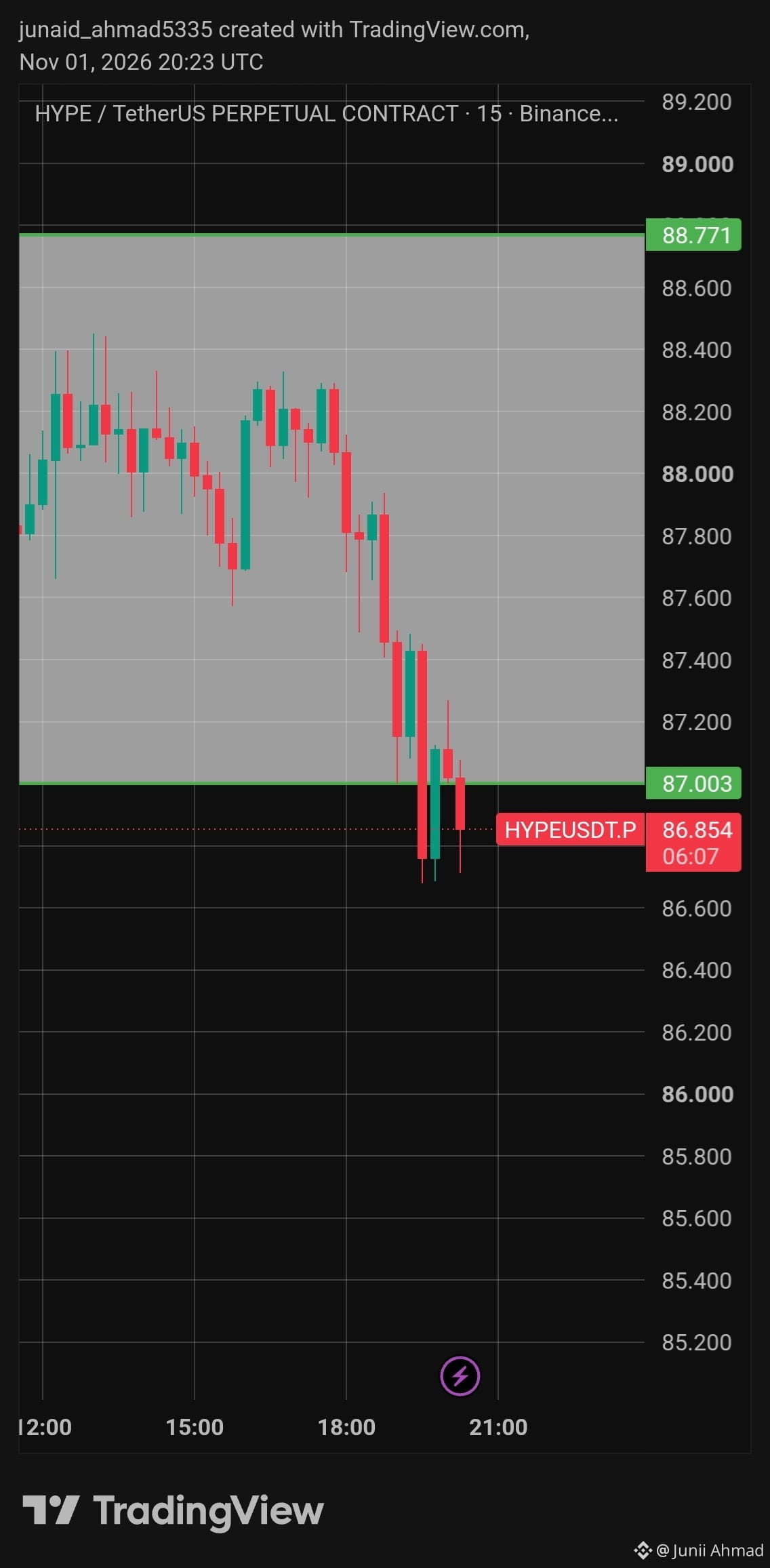
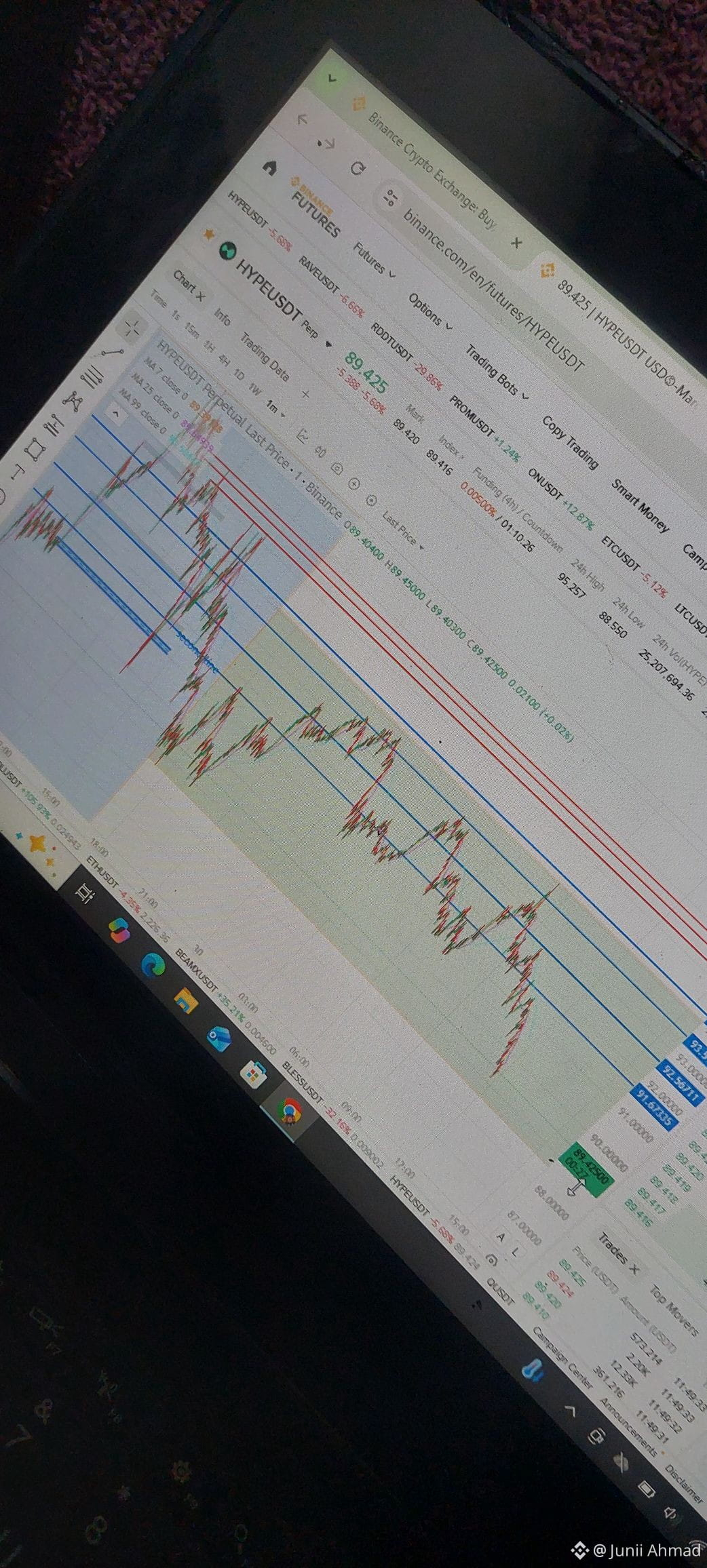
$HYPE /USDT acaba de romper el nivel de apertura de hoy y ha formado dos sólidas velas rojas en el gráfico de 15 minutos. Al observar la evolución general de su precio durante los últimos días, espero una caída clara a partir de aquí. Buena oportunidad para abrir una posición corta, por si alguien quiere aprovecharla.
#hype #BinanceToResumePhaseOneOfWithdrawals #IntelHasItsWorstDaySince1974 #BinanceUpdatesProofofReservesAddresses #B14gReportsUnauthorizedTransferOfAbout97MCORE
#hype #BinanceToResumePhaseOneOfWithdrawals #IntelHasItsWorstDaySince1974 #BinanceUpdatesProofofReservesAddresses #B14gReportsUnauthorizedTransferOfAbout97MCORE
1
2
420
·
--

Artículo
10 libros que leen las personas de clase alta y que las de clase media y trabajadora casi nunca abrenEl título es intencionalmente provocador. Los hábitos de lectura no clasifican claramente a las personas según sus ingresos, y cualquiera puede tomar prestado un libro difícil en una biblioteca, comprarlo en una librería o leerlo en el teléfono.
Sin embargo, ciertos títulos aparecen una y otra vez en conversaciones entre inversionistas, fundadores, ejecutivos y personas que administran dinero. Tratan sobre incentivos, capital, criterio, historia y poder. Exigen más del lector que una lección rápida sobre cómo ahorrar dinero o buscar motivación. Por eso vale la pena abrirlos, leerlos, releerlos y comentarlos con personas que aspiran a alcanzar niveles más altos de éxito.
10 libros que leen las personas de clase alta y que las de clase media y trabajadora casi nunca abren
El título es intencionalmente provocador. Los hábitos de lectura no clasifican claramente a las personas según sus ingresos, y cualquiera puede tomar prestado un libro difícil en una biblioteca, comprarlo en una librería o leerlo en el teléfono.
Sin embargo, ciertos títulos aparecen una y otra vez en conversaciones entre inversionistas, fundadores, ejecutivos y personas que administran dinero. Tratan sobre incentivos, capital, criterio, historia y poder. Exigen más del lector que una lección rápida sobre cómo ahorrar dinero o buscar motivación. Por eso vale la pena abrirlos, leerlos, releerlos y comentarlos con personas que aspiran a alcanzar niveles más altos de éxito.
Sin embargo, ciertos títulos aparecen una y otra vez en conversaciones entre inversionistas, fundadores, ejecutivos y personas que administran dinero. Tratan sobre incentivos, capital, criterio, historia y poder. Exigen más del lector que una lección rápida sobre cómo ahorrar dinero o buscar motivación. Por eso vale la pena abrirlos, leerlos, releerlos y comentarlos con personas que aspiran a alcanzar niveles más altos de éxito.
2
364
·
--
Artículo
Las 10 mejores citas de Paul Tudor Jones sobre el trading de acción del precio@Junaid_Ahmad1
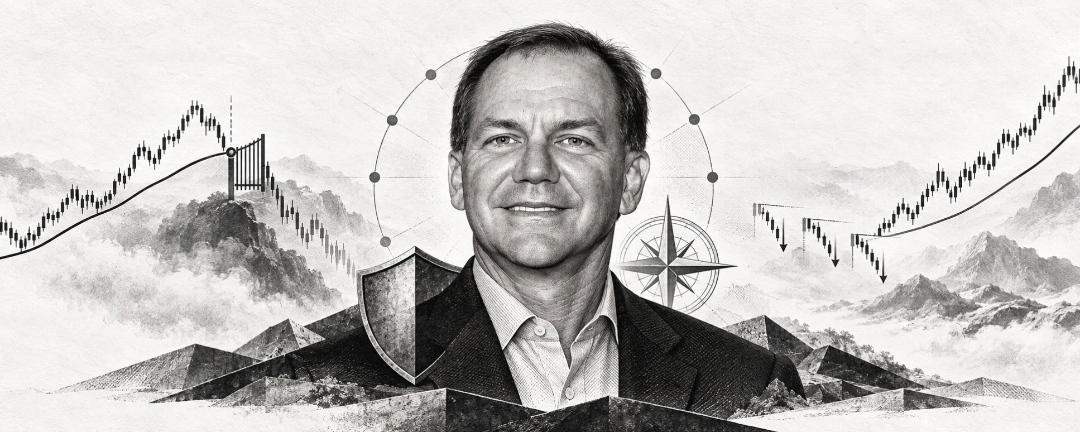
Paul Tudor Jones es uno de los mejores operadores e inversores de su generación. Durante décadas, no ha tenido ningún año con pérdidas en su fondo principal. Más que duplicó el capital que gestionaba durante el crac del Lunes Negro de 1987, mientras otros sufrían grandes pérdidas y veían sus cuentas arruinadas. Forbes lo sitúa en el puesto 477 entre las personas más ricas del mundo. Su patrimonio neto ronda los 8.100 millones de dólares y sigue creciendo. Los operadores de todos los niveles deberían escuchar lo que este hombre tiene que decir sobre el trading.
«No hay ningún tipo de formación, ni en un aula ni de otra manera, que pueda prepararte para operar el último tercio de un movimiento, ya sea el final de un mercado alcista o el final de uno bajista». - Paul Tudor Jones
Las 10 mejores citas de Paul Tudor Jones sobre el trading de acción del precio
@Junii Ahmad
Paul Tudor Jones es uno de los mejores operadores e inversores de su generación. Durante décadas, no ha tenido ningún año con pérdidas en su fondo principal. Más que duplicó el capital que gestionaba durante el crac del Lunes Negro de 1987, mientras otros sufrían grandes pérdidas y veían sus cuentas arruinadas. Forbes lo sitúa en el puesto 477 entre las personas más ricas del mundo. Su patrimonio neto ronda los 8.100 millones de dólares y sigue creciendo. Los operadores de todos los niveles deberían escuchar lo que este hombre tiene que decir sobre el trading.
«No hay ningún tipo de formación, ni en un aula ni de otra manera, que pueda prepararte para operar el último tercio de un movimiento, ya sea el final de un mercado alcista o el final de uno bajista». - Paul Tudor Jones
1
193
·
--
Artículo
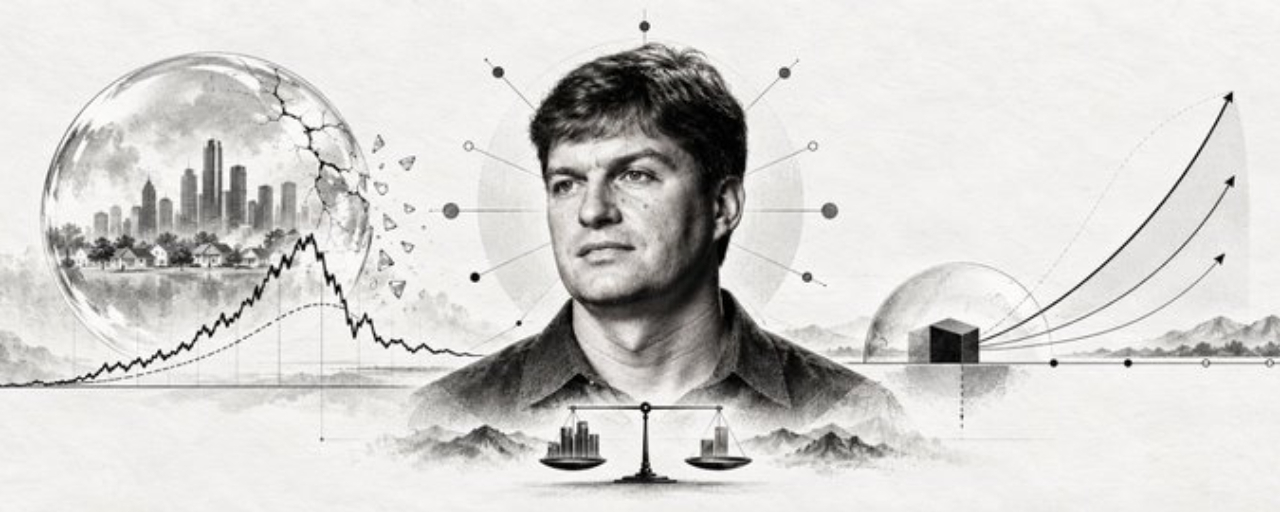
Las 10 mejores citas de Michael Burry sobre trading de acción del precioMichael J. Burry fue médico y luego gestor del fondo de cobertura Scion Capital desde 2000 hasta 2008, antes de cerrarlo para centrarse en sus propias inversiones y operaciones personales. Michael Burry se hizo famoso gracias a su representación en la película «La gran apuesta», protagonizada por Christian Bale y basada en el libro de Michael Lewis. El Sr. Burry fue una de las primeras personas en reconocer la crisis de las hipotecas subprime de 2008-2009 y obtener grandes beneficios de ella.
Aquí tienes diez de las mejores citas sobre trading e inversión que podrían ser de gran ayuda para entender su proceso de inversión y operaciones. Burry ha sido tanto un inversor en valor en acciones como un operador de swaps de incumplimiento crediticio. Siempre es estupendo escuchar a personas que hicieron una fortuna en los mercados mientras la mayoría perdió mucho dinero. Hace falta genialidad para apostar contra la mayoría en el momento adecuado.
Las 10 mejores citas de Michael Burry sobre trading de acción del precio
Michael J. Burry fue médico y luego gestor del fondo de cobertura Scion Capital desde 2000 hasta 2008, antes de cerrarlo para centrarse en sus propias inversiones y operaciones personales. Michael Burry se hizo famoso gracias a su representación en la película «La gran apuesta», protagonizada por Christian Bale y basada en el libro de Michael Lewis. El Sr. Burry fue una de las primeras personas en reconocer la crisis de las hipotecas subprime de 2008-2009 y obtener grandes beneficios de ella.
Aquí tienes diez de las mejores citas sobre trading e inversión que podrían ser de gran ayuda para entender su proceso de inversión y operaciones. Burry ha sido tanto un inversor en valor en acciones como un operador de swaps de incumplimiento crediticio. Siempre es estupendo escuchar a personas que hicieron una fortuna en los mercados mientras la mayoría perdió mucho dinero. Hace falta genialidad para apostar contra la mayoría en el momento adecuado.
Aquí tienes diez de las mejores citas sobre trading e inversión que podrían ser de gran ayuda para entender su proceso de inversión y operaciones. Burry ha sido tanto un inversor en valor en acciones como un operador de swaps de incumplimiento crediticio. Siempre es estupendo escuchar a personas que hicieron una fortuna en los mercados mientras la mayoría perdió mucho dinero. Hace falta genialidad para apostar contra la mayoría en el momento adecuado.
2
2
796
·
--

Artículo
10 libros que leen los ricos y que los pobres casi nunca abrenEl estudio de Tom Corley, que hizo un seguimiento de los hábitos de 233 millonarios, reveló una marcada diferencia entre ellos y la mayoría de las demás personas: al 88 % de las personas adineradas les encanta leer para superarse. Las personas con ingresos más bajos (aquellas con ingresos anuales de $35,000 o menos y un patrimonio neto líquido de $5,000 o menos) leen principalmente por entretenimiento. El contraste no es meramente académico: influye directamente en la creación de riqueza.
Los siguientes libros no solo son populares entre los ricos: multimillonarios como Warren Buffett, Bill Gates y Jeff Bezos los consideran herramientas fundamentales que les ayudaron a crear sus fortunas.
10 libros que leen los ricos y que los pobres casi nunca abren
El estudio de Tom Corley, que hizo un seguimiento de los hábitos de 233 millonarios, reveló una marcada diferencia entre ellos y la mayoría de las demás personas: al 88 % de las personas adineradas les encanta leer para superarse. Las personas con ingresos más bajos (aquellas con ingresos anuales de $35,000 o menos y un patrimonio neto líquido de $5,000 o menos) leen principalmente por entretenimiento. El contraste no es meramente académico: influye directamente en la creación de riqueza.
Los siguientes libros no solo son populares entre los ricos: multimillonarios como Warren Buffett, Bill Gates y Jeff Bezos los consideran herramientas fundamentales que les ayudaron a crear sus fortunas.
Los siguientes libros no solo son populares entre los ricos: multimillonarios como Warren Buffett, Bill Gates y Jeff Bezos los consideran herramientas fundamentales que les ayudaron a crear sus fortunas.
2
9
2.4k
·
--
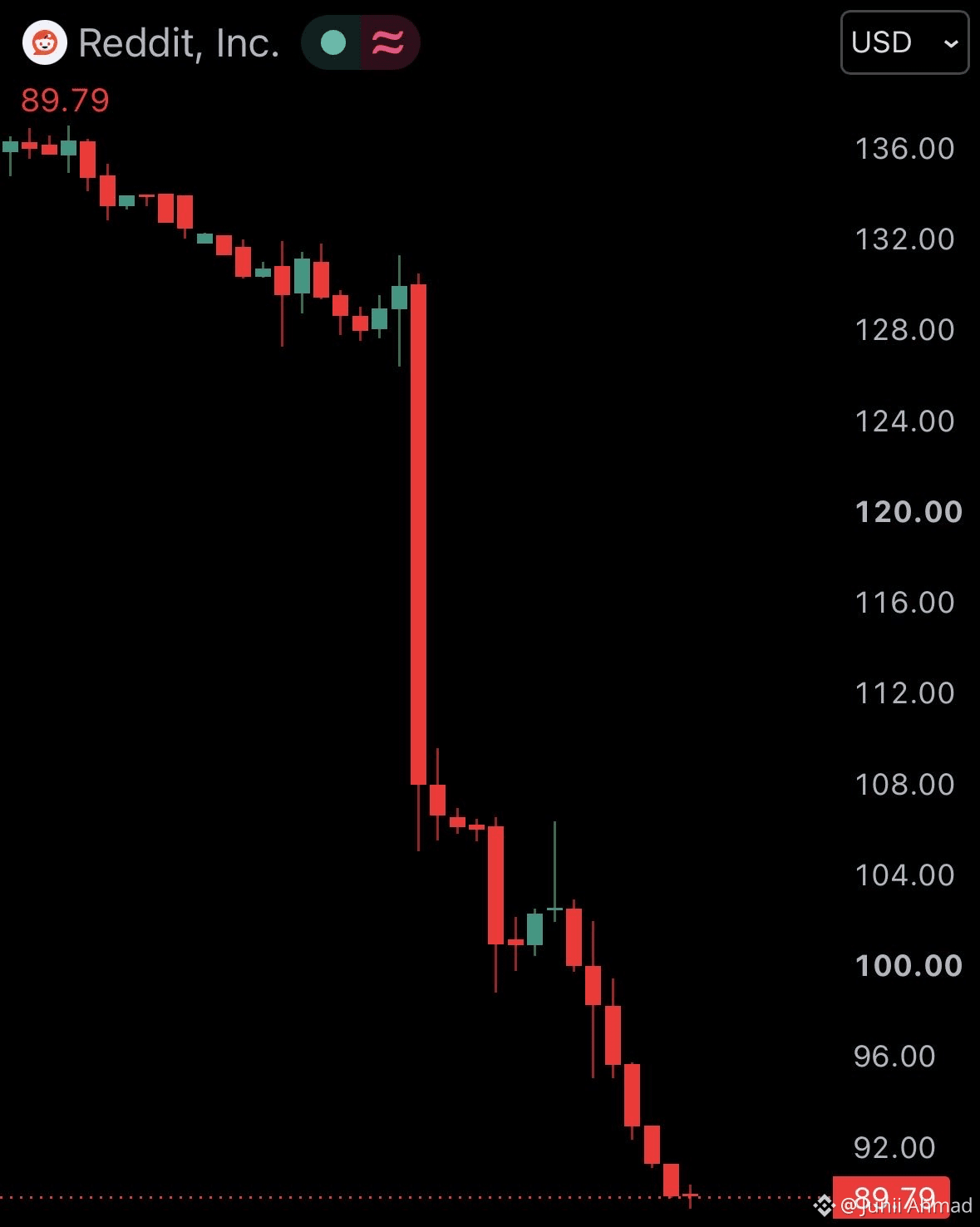
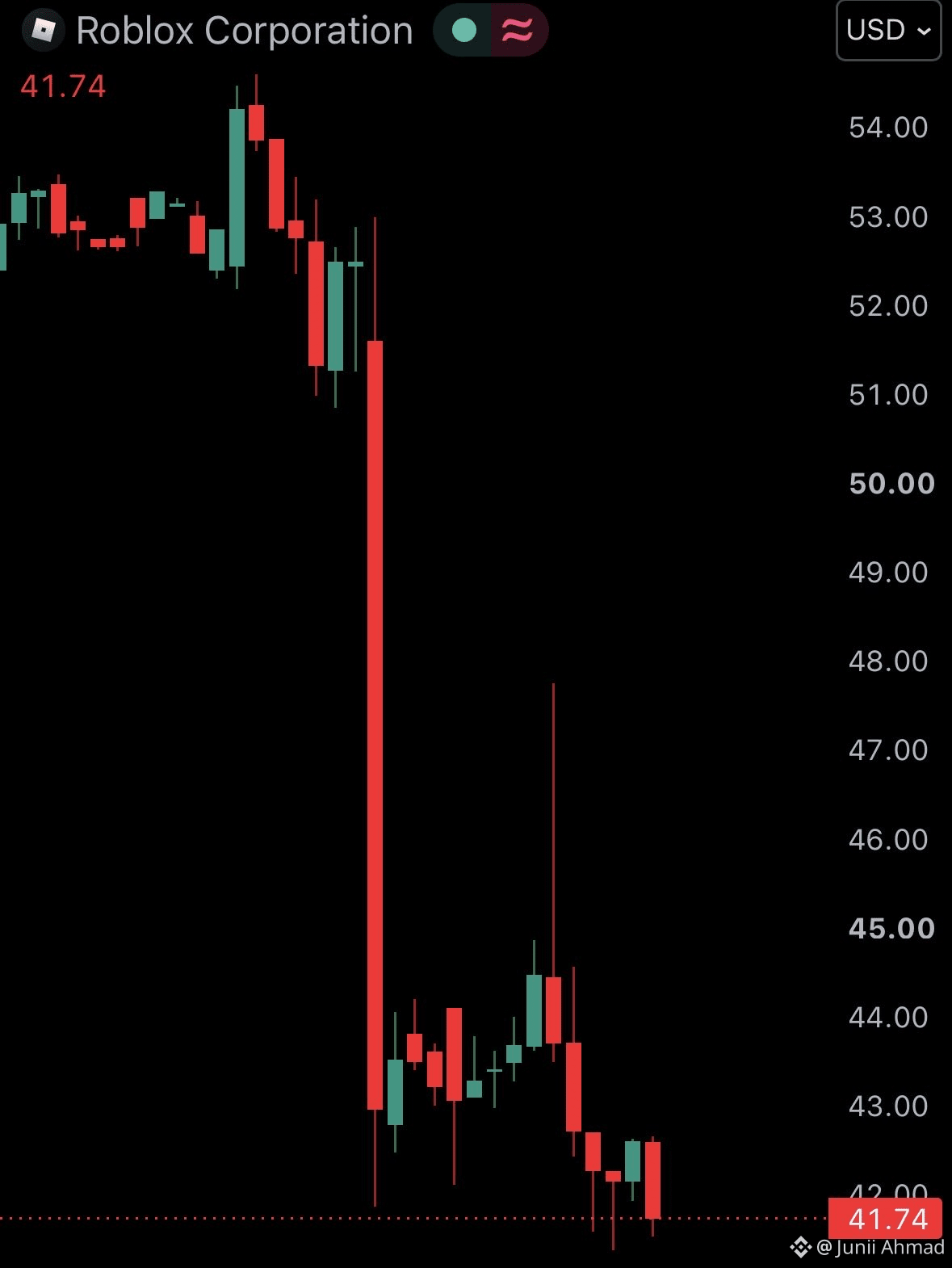
ÚLTIMA HORA🚀 El mercado bursátil de EE. UU. se convirtió hoy en un mercado de memecoins cripto.
• Intel
$INTC
: -31%
• Reddit
$RDDT
: -30%
• Roblox
$RBLX.US
: -20%
• Illumina
$ILMN
: -19%
• SanDisk
$SNDK
: -15%
• Arm
$ARM
: -12.7%
• Dell
$DELL: -12.5%
#UniswapA16zSeekDeFiExemptionFromIllinoisCryptoTax #USMidtermElections #BinanceWillListPredictPREDICT #$1.5BInLeveragedCryptoBetsLiquidated #KOSPIFalls3.53%BackBelow6000
• Intel
$INTC
: -31%
$RDDT
: -30%
• Roblox
$RBLX.US
: -20%
• Illumina
$ILMN
: -19%
• SanDisk
$SNDK
: -15%
• Arm
$ARM
: -12.7%
• Dell
$DELL: -12.5%
#UniswapA16zSeekDeFiExemptionFromIllinoisCryptoTax #USMidtermElections #BinanceWillListPredictPREDICT #$1.5BInLeveragedCryptoBetsLiquidated #KOSPIFalls3.53%BackBelow6000
1
48
·
--
$HYPE
Muchas gracias a todos por el apoyo constante. De verdad, he aprendido mucho de ustedes. Comparto un breve análisis del gráfico de la configuración de hoy. Avísenme si se me pasó algo.
#KOSPIFalls3.53%BackBelow6000 #USMidtermElections #BinanceWillListPredictPREDICT #HKDollarStablecoinHKDAPToLaunchOnSolana
#
1
1
144
·
--
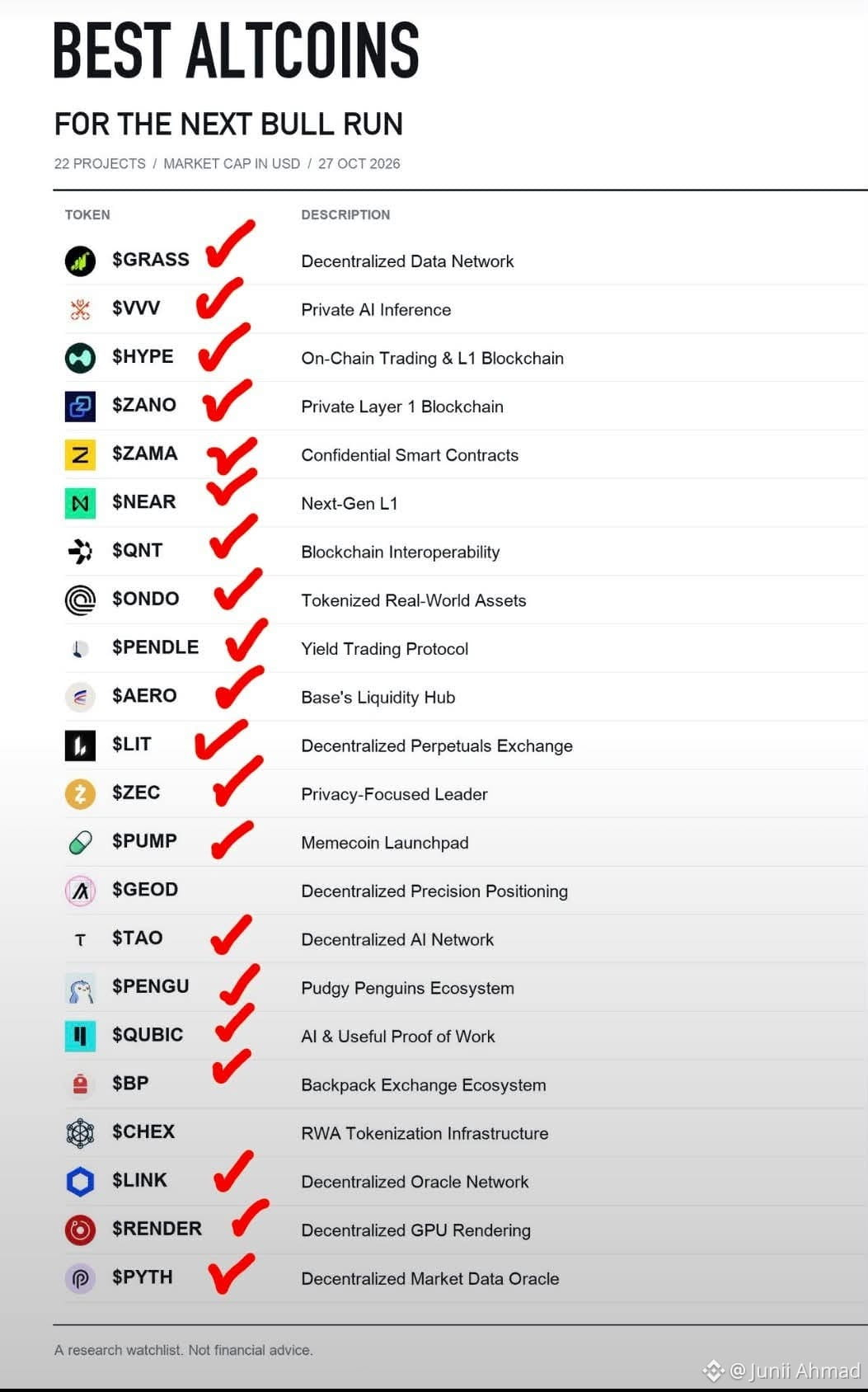
Esto es lo que he ido acumulando desde que me metí en las criptomonedas hace 10 años...
Esta lista se compartió en el Twitter de CRYPTO
Mis elegidas para el próximo ciclo alcista:
1. $GRASS — Red descentralizada de datos
2. $VVV — Inferencia privada de IA
3. $HYPE — Trading on-chain y blockchain L1
4. $ZANO — Blockchain privada de capa 1
5. $ZAMA — Contratos inteligentes confidenciales
6. $NEAR — L1 de próxima generación
7. $QNT — Interoperabilidad entre blockchains
8. $ONDO — Activos tokenizados del mundo real
9. $PENDLE — Protocolo de trading de rendimiento
10. $AERO — Centro de liquidez de Base
11. $LIT — Exchange descentralizado de perpetuos
12. $ZEC — Líder centrado en la privacidad
13. $PUMP — Plataforma de lanzamiento de memecoins
14. $GEOD — Posicionamiento de precisión descentralizado; no tengo
15. $TAO — Red descentralizada de IA
16. $PENGU — Ecosistema de Pudgy Penguins
17. $QUBIC — IA y prueba de trabajo útil
18. $BP — Ecosistema de Backpack Exchange
19. $CHEX — Infraestructura de tokenización de activos del mundo real; no tengo
20. $LINK — Red descentralizada de oráculos
21. $RENDER — Renderizado descentralizado con GPU
22. $PYTH — Oráculo descentralizado de datos de mercado
#USMidtermElections #BinanceWillListPredictPREDICT #AmazonSharesFallAbout7%InPremarketTrading #KOSPIFalls3.53%BackBelow6000 #UniswapA16zSeekDeFiExemptionFromIllinoisCryptoTax
3
1k
Inicia sesión para explorar más contenidos
Únete a usuarios de criptomonedas de todo el mundo en Binance Square
⚡️ Obtén la información más reciente y útil sobre criptomonedas.
💬 Confía en el mayor exchange de criptomonedas del mundo.
👍 Descubre opiniones reales de creadores verificados.
Correo electrónico/número de teléfono
Temas en tendencia
WhoWillSucceedJensenHuangatNvidia?
34,469 visualizaciones
491 participa(n) en el debate
Nvidia afirma que no hay conversaciones para elegir director ejecutivo mientras la petición «Apoyemos a Jensen» supera las 77.900 firmas
Binance News
·14 «Me gusta»
·16.6k visualizaciones
WhatWillDriveCryptoandStocks’NextRebound?
344,061 visualizaciones
2,459 participa(n) en el debate
USPPIMissMayEaseBTCPressure
156,527 visualizaciones
1,719 participa(n) en el debate