

SKATS
878 Bài đăng

SKATS
Báo cáo
Chặn người dùng
Giao dịch mở

Người nắm giữ AUCTION
Trader thường xuyên
{thời gian} năm
4 Đang theo dõi
369 Người theo dõi
1.3K+ Đã thích
Bài đăng
Danh mục đầu tư
Tất cả
Trích dẫn
Video
Live
PINNED
·
--
2021Đây không chỉ là một bản portfolio. Đó là một hành trình được xây dựng trên nghiên cứu, sự kiên nhẫn và việc học tập liên tục. 📊
2021
Đây không chỉ là một bản portfolio. Đó là một hành trình được xây dựng trên nghiên cứu, sự kiên nhẫn và việc học tập liên tục. 📊
1
9
3.3k
·
--
Xem bản dịch
What I’m watching in tokenization is not simply assets moving on-chain. It is price discovery becoming digital before ownership does.
I think the sequence of change in financial infrastructure is being misunderstood. Markets are digitizing price exposure first, not ownership. Synthetic products and perpetual structures can already bring the economic movement of an asset on-chain, while true ownership, custody and settlement infrastructure follow later.
That leads me to a different conclusion.
The future advantage may not belong to the platform that tokenizes the most assets. It may belong to the infrastructure that can close the gap between synthetic price discovery and real ownership.
Because if price discovery happens in one place, ownership in another and collateral somewhere else, the system is still fragmented. As those layers move closer together, on-chain finance stops being just another product category and starts becoming actual market infrastructure.
For me, the real race is not about which stock gets tokenized next.
It is about who can bring price discovery and real ownership as close to the same layer as possible.
I think the next major financial layer will be built there.
#Tokenization #OnchainFinance #MarketStructure
What I’m watching in tokenization is not simply assets moving on-chain. It is price discovery becoming digital before ownership does.
I think the sequence of change in financial infrastructure is being misunderstood. Markets are digitizing price exposure first, not ownership. Synthetic products and perpetual structures can already bring the economic movement of an asset on-chain, while true ownership, custody and settlement infrastructure follow later.
That leads me to a different conclusion.
The future advantage may not belong to the platform that tokenizes the most assets. It may belong to the infrastructure that can close the gap between synthetic price discovery and real ownership.
Because if price discovery happens in one place, ownership in another and collateral somewhere else, the system is still fragmented. As those layers move closer together, on-chain finance stops being just another product category and starts becoming actual market infrastructure.
For me, the real race is not about which stock gets tokenized next.
It is about who can bring price discovery and real ownership as close to the same layer as possible.
I think the next major financial layer will be built there.
#Tokenization #OnchainFinance #MarketStructure
I think the sequence of change in financial infrastructure is being misunderstood. Markets are digitizing price exposure first, not ownership. Synthetic products and perpetual structures can already bring the economic movement of an asset on-chain, while true ownership, custody and settlement infrastructure follow later.
That leads me to a different conclusion.
The future advantage may not belong to the platform that tokenizes the most assets. It may belong to the infrastructure that can close the gap between synthetic price discovery and real ownership.
Because if price discovery happens in one place, ownership in another and collateral somewhere else, the system is still fragmented. As those layers move closer together, on-chain finance stops being just another product category and starts becoming actual market infrastructure.
For me, the real race is not about which stock gets tokenized next.
It is about who can bring price discovery and real ownership as close to the same layer as possible.
I think the next major financial layer will be built there.
#Tokenization #OnchainFinance #MarketStructure
1
32
·
--
Tăng giá
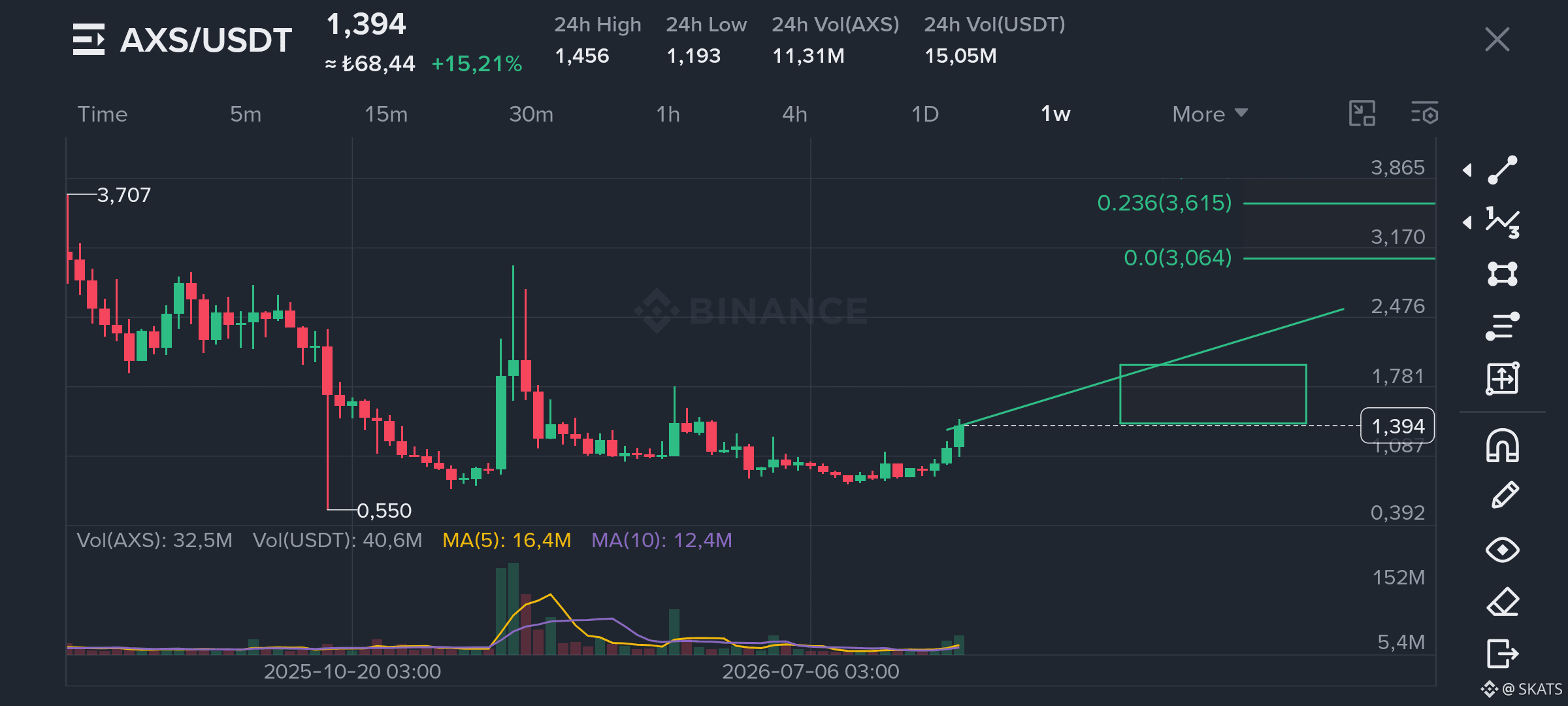
Điều quan trọng với tôi ở AXS không phải là cú breakout bản thân. Mà là việc áp lực âm giống nhau không còn tạo ra cùng mức kéo dài đi xuống
Trong một thời gian dài, cấu trúc hoạt động theo một hướng. Sự yếu kém tiếp tục đẩy giá xuống các vùng thấp hơn. Giờ đây phản hồi đó đang mất dần hiệu quả. Các nhịp điều chỉnh đang trở nên bị khống chế hơn, trong khi các xung lực tích cực lại đang đi xa hơn
Tôi gọi hiện tượng này là tính bất đối xứng của phản hồi
Khi thị trường ngừng phản ứng với cùng một áp lực theo cùng cách, sự thay đổi thực sự có thể đã đang diễn ra bên trong cấu trúc chứ không chỉ nằm ở cây nến
Vì vậy tôi không coi biến động quanh 1.40–1.50 chỉ là một cú đẩy mạnh nữa. Điều quan trọng với tôi là cơ chế từng liên tục ép giá xuống thấp giờ đây không còn tạo ra cùng kết quả
Nếu việc được chấp nhận trên 1.50 tiếp tục diễn ra, vùng 1.70–1.80 sẽ trở thành bài kiểm tra then chốt. Nếu khu vực đó biến thành một vùng tham chiếu mới, với tôi 2 đô la không còn chỉ là mục tiêu nữa. Nó sẽ trở thành vùng tự nhiên tiếp theo trong quá trình định giá lại
Đó là điều tôi đang theo dõi ở AXS lúc này
Xu hướng không phải lúc nào cũng đổi khi giá bắt đầu đi cao hơn
Đôi khi xu hướng thay đổi khi áp lực cũ ngừng tạo ra kết quả cũ
#AXS #TufanSalur #CryptoMarket #Binance
Điều quan trọng với tôi ở AXS không phải là cú breakout bản thân. Mà là việc áp lực âm giống nhau không còn tạo ra cùng mức kéo dài đi xuống
Trong một thời gian dài, cấu trúc hoạt động theo một hướng. Sự yếu kém tiếp tục đẩy giá xuống các vùng thấp hơn. Giờ đây phản hồi đó đang mất dần hiệu quả. Các nhịp điều chỉnh đang trở nên bị khống chế hơn, trong khi các xung lực tích cực lại đang đi xa hơn
Tôi gọi hiện tượng này là tính bất đối xứng của phản hồi
Khi thị trường ngừng phản ứng với cùng một áp lực theo cùng cách, sự thay đổi thực sự có thể đã đang diễn ra bên trong cấu trúc chứ không chỉ nằm ở cây nến
Vì vậy tôi không coi biến động quanh 1.40–1.50 chỉ là một cú đẩy mạnh nữa. Điều quan trọng với tôi là cơ chế từng liên tục ép giá xuống thấp giờ đây không còn tạo ra cùng kết quả
Nếu việc được chấp nhận trên 1.50 tiếp tục diễn ra, vùng 1.70–1.80 sẽ trở thành bài kiểm tra then chốt. Nếu khu vực đó biến thành một vùng tham chiếu mới, với tôi 2 đô la không còn chỉ là mục tiêu nữa. Nó sẽ trở thành vùng tự nhiên tiếp theo trong quá trình định giá lại
Đó là điều tôi đang theo dõi ở AXS lúc này
Xu hướng không phải lúc nào cũng đổi khi giá bắt đầu đi cao hơn
Đôi khi xu hướng thay đổi khi áp lực cũ ngừng tạo ra kết quả cũ
#AXS #TufanSalur #CryptoMarket #Binance
Trong một thời gian dài, cấu trúc hoạt động theo một hướng. Sự yếu kém tiếp tục đẩy giá xuống các vùng thấp hơn. Giờ đây phản hồi đó đang mất dần hiệu quả. Các nhịp điều chỉnh đang trở nên bị khống chế hơn, trong khi các xung lực tích cực lại đang đi xa hơn
Tôi gọi hiện tượng này là tính bất đối xứng của phản hồi
Khi thị trường ngừng phản ứng với cùng một áp lực theo cùng cách, sự thay đổi thực sự có thể đã đang diễn ra bên trong cấu trúc chứ không chỉ nằm ở cây nến
Vì vậy tôi không coi biến động quanh 1.40–1.50 chỉ là một cú đẩy mạnh nữa. Điều quan trọng với tôi là cơ chế từng liên tục ép giá xuống thấp giờ đây không còn tạo ra cùng kết quả
Nếu việc được chấp nhận trên 1.50 tiếp tục diễn ra, vùng 1.70–1.80 sẽ trở thành bài kiểm tra then chốt. Nếu khu vực đó biến thành một vùng tham chiếu mới, với tôi 2 đô la không còn chỉ là mục tiêu nữa. Nó sẽ trở thành vùng tự nhiên tiếp theo trong quá trình định giá lại
Đó là điều tôi đang theo dõi ở AXS lúc này
Xu hướng không phải lúc nào cũng đổi khi giá bắt đầu đi cao hơn
Đôi khi xu hướng thay đổi khi áp lực cũ ngừng tạo ra kết quả cũ
#AXS #TufanSalur #CryptoMarket #Binance
1
1.2k
·
--
Tăng giá
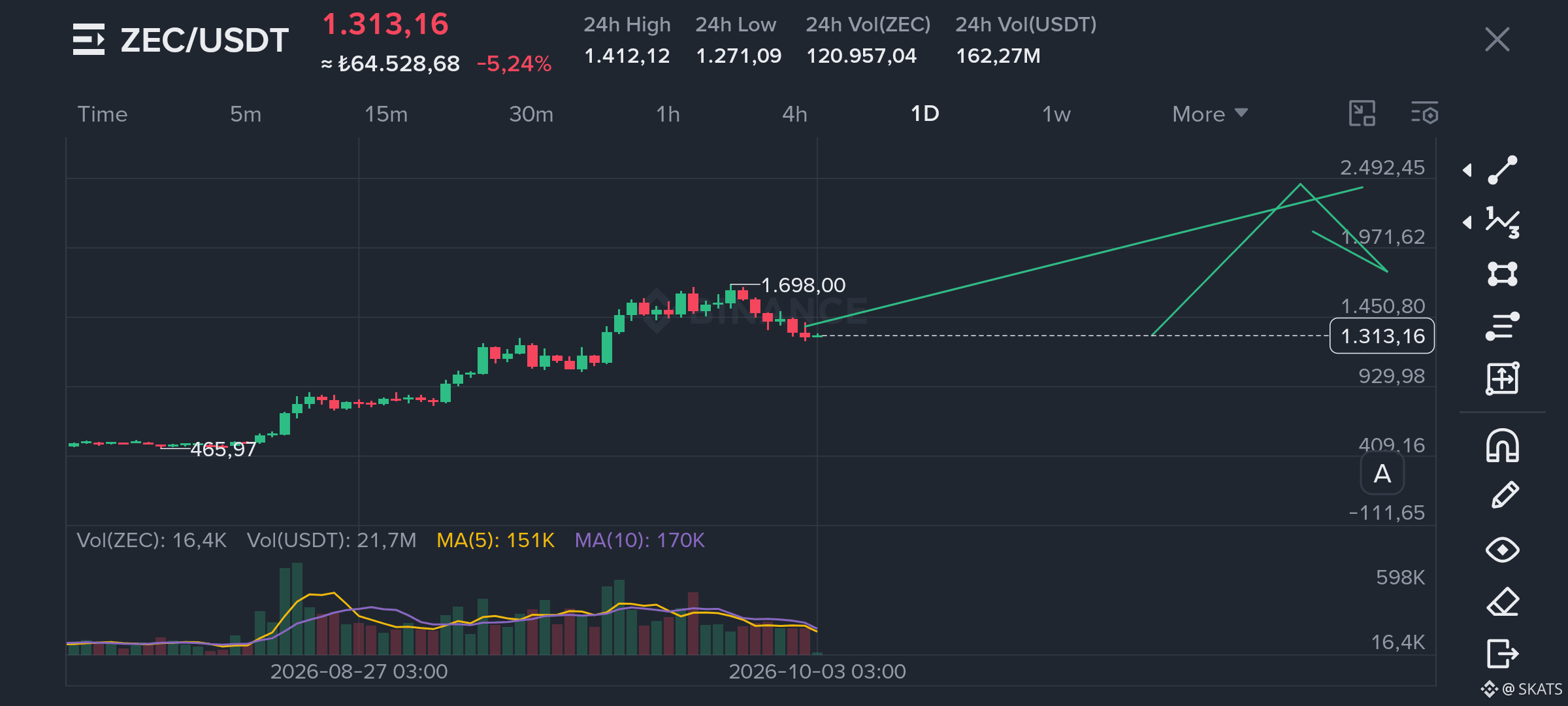
Điều quan trọng với tôi ở ZEC không phải mức cao 1,698. Mà là thời gian đang làm gì với giá sau cú chuyển động đó
Sự mở rộng từ vùng 465 là rất mạnh. Sau đó có một nhịp điều chỉnh, nhưng giá không quay trở lại hoàn toàn cấu trúc cũ. Sự nén quanh 1,300 cho thấy thị trường chưa hoàn toàn từ chối chế độ giá cao hơn
Tôi không xem kháng cự như một đường thẳng cố định. Tôi xem đó như một lớp cung có thể suy yếu theo thời gian. Nếu giá tiếp tục giữ vững dưới cùng một vùng đó trong khi không chấp nhận tạo ra một sự cân bằng mới thấp hơn, thì câu hỏi thực sự không còn là liệu mức 1,700 có thể bị phá hay không. Mà là lượng cung thực sự còn lại ở đó
Vì vậy, tôi không đọc sự nén hiện tại trong ZEC như một dấu hiệu suy yếu đơn thuần. Thời gian có thể đang làm mòn nguồn cung phía trên một cách lặng lẽ hơn so với những gì diễn biến giá thể hiện. Với tôi, điểm mấu chốt không chỉ là vùng 1,450–1,700 phải được vượt qua, mà là thị trường phải chấp nhận nó như một vùng tham chiếu mới
Nếu điều đó xảy ra, mức 2,000 không còn chỉ là một mục tiêu. Nó trở thành vùng tự nhiên đầu tiên của giai đoạn định giá lại tiếp theo
Hiện tại, tôi vẫn giữ luận điểm tăng cho ZEC
Đôi khi kháng cự không bị phá chỉ bằng một cây nến lớn. Nó chỉ đơn giản là suy yếu đi khi nguồn cung phía sau nó bị cạn kiệt
#ZEC #CryptoMarket #MarketStructure
Điều quan trọng với tôi ở ZEC không phải mức cao 1,698. Mà là thời gian đang làm gì với giá sau cú chuyển động đó
Sự mở rộng từ vùng 465 là rất mạnh. Sau đó có một nhịp điều chỉnh, nhưng giá không quay trở lại hoàn toàn cấu trúc cũ. Sự nén quanh 1,300 cho thấy thị trường chưa hoàn toàn từ chối chế độ giá cao hơn
Tôi không xem kháng cự như một đường thẳng cố định. Tôi xem đó như một lớp cung có thể suy yếu theo thời gian. Nếu giá tiếp tục giữ vững dưới cùng một vùng đó trong khi không chấp nhận tạo ra một sự cân bằng mới thấp hơn, thì câu hỏi thực sự không còn là liệu mức 1,700 có thể bị phá hay không. Mà là lượng cung thực sự còn lại ở đó
Vì vậy, tôi không đọc sự nén hiện tại trong ZEC như một dấu hiệu suy yếu đơn thuần. Thời gian có thể đang làm mòn nguồn cung phía trên một cách lặng lẽ hơn so với những gì diễn biến giá thể hiện. Với tôi, điểm mấu chốt không chỉ là vùng 1,450–1,700 phải được vượt qua, mà là thị trường phải chấp nhận nó như một vùng tham chiếu mới
Nếu điều đó xảy ra, mức 2,000 không còn chỉ là một mục tiêu. Nó trở thành vùng tự nhiên đầu tiên của giai đoạn định giá lại tiếp theo
Hiện tại, tôi vẫn giữ luận điểm tăng cho ZEC
Đôi khi kháng cự không bị phá chỉ bằng một cây nến lớn. Nó chỉ đơn giản là suy yếu đi khi nguồn cung phía sau nó bị cạn kiệt
#ZEC #CryptoMarket #MarketStructure
Sự mở rộng từ vùng 465 là rất mạnh. Sau đó có một nhịp điều chỉnh, nhưng giá không quay trở lại hoàn toàn cấu trúc cũ. Sự nén quanh 1,300 cho thấy thị trường chưa hoàn toàn từ chối chế độ giá cao hơn
Tôi không xem kháng cự như một đường thẳng cố định. Tôi xem đó như một lớp cung có thể suy yếu theo thời gian. Nếu giá tiếp tục giữ vững dưới cùng một vùng đó trong khi không chấp nhận tạo ra một sự cân bằng mới thấp hơn, thì câu hỏi thực sự không còn là liệu mức 1,700 có thể bị phá hay không. Mà là lượng cung thực sự còn lại ở đó
Vì vậy, tôi không đọc sự nén hiện tại trong ZEC như một dấu hiệu suy yếu đơn thuần. Thời gian có thể đang làm mòn nguồn cung phía trên một cách lặng lẽ hơn so với những gì diễn biến giá thể hiện. Với tôi, điểm mấu chốt không chỉ là vùng 1,450–1,700 phải được vượt qua, mà là thị trường phải chấp nhận nó như một vùng tham chiếu mới
Nếu điều đó xảy ra, mức 2,000 không còn chỉ là một mục tiêu. Nó trở thành vùng tự nhiên đầu tiên của giai đoạn định giá lại tiếp theo
Hiện tại, tôi vẫn giữ luận điểm tăng cho ZEC
Đôi khi kháng cự không bị phá chỉ bằng một cây nến lớn. Nó chỉ đơn giản là suy yếu đi khi nguồn cung phía sau nó bị cạn kiệt
#ZEC #CryptoMarket #MarketStructure
3
2
363
·
--
Tôi nghĩ AI có thể làm cho các thị trường được đồng bộ hơn trước khi nó khiến chúng trở nên thông minh hơn.
Phần lớn mọi người tập trung vào tốc độ, năng lực phân tích và tự động hóa. Tôi đang xem xét một rủi ro khác.
Trước đây, phải mất thời gian để hàng nghìn nhà đầu tư đi đến cùng một kết luận. Dù họ đang xem cùng một dữ liệu, thời gian giữa việc diễn giải và hành động là không giống nhau.
Khoảng cách đó đang ngày càng nhỏ lại.
Giờ đây, hàng nghìn “cỗ máy ra quyết định” có thể đọc cùng một thông tin và đi đến các kết luận tương tự trong vòng vài giây. Vấn đề thực sự không phải là ai cũng nắm giữ cùng một tài sản.
Mà là mọi người có thể cùng đi đến một ý tưởng vào cùng một thời điểm.
Tôi gọi điều này là “nén quyết định”.
Nếu cùng một tín hiệu biến thành các vị thế tương tự gần như ngay lập tức, thị trường có thể không cần thêm vốn hay thêm đòn bẩy để trở nên biến động dữ dội hơn.
Đôi khi, một chu kỳ ra quyết định ngắn hơn là đủ.
Rủi ro không phải lúc nào cũng đến từ quy mô của các vị thế. Rủi ro cũng có thể đến từ việc hàng nghìn quyết định độc lập sụp vào cùng một hành vi ngay tại cùng một thời điểm.
Tôi không nghĩ “giao dịch đông đúc” của tương lai sẽ là hàng triệu người nghĩ cùng một điều.
Mà có thể là hàng triệu cỗ máy ra quyết định nghĩ cùng một điều trong cùng một giây.
AI có thể không làm thay đổi thị trường nhiều nhất thông qua dự báo tốt hơn.
Sự thay đổi thực sự có thể bắt đầu khi nó xóa khoảng cách thời gian giữa các quyết định độc lập.
#ArtificialIntelligence #MarketStructure
#TufanSalur
Tôi nghĩ AI có thể làm cho các thị trường được đồng bộ hơn trước khi nó khiến chúng trở nên thông minh hơn.
Phần lớn mọi người tập trung vào tốc độ, năng lực phân tích và tự động hóa. Tôi đang xem xét một rủi ro khác.
Trước đây, phải mất thời gian để hàng nghìn nhà đầu tư đi đến cùng một kết luận. Dù họ đang xem cùng một dữ liệu, thời gian giữa việc diễn giải và hành động là không giống nhau.
Khoảng cách đó đang ngày càng nhỏ lại.
Giờ đây, hàng nghìn “cỗ máy ra quyết định” có thể đọc cùng một thông tin và đi đến các kết luận tương tự trong vòng vài giây. Vấn đề thực sự không phải là ai cũng nắm giữ cùng một tài sản.
Mà là mọi người có thể cùng đi đến một ý tưởng vào cùng một thời điểm.
Tôi gọi điều này là “nén quyết định”.
Nếu cùng một tín hiệu biến thành các vị thế tương tự gần như ngay lập tức, thị trường có thể không cần thêm vốn hay thêm đòn bẩy để trở nên biến động dữ dội hơn.
Đôi khi, một chu kỳ ra quyết định ngắn hơn là đủ.
Rủi ro không phải lúc nào cũng đến từ quy mô của các vị thế. Rủi ro cũng có thể đến từ việc hàng nghìn quyết định độc lập sụp vào cùng một hành vi ngay tại cùng một thời điểm.
Tôi không nghĩ “giao dịch đông đúc” của tương lai sẽ là hàng triệu người nghĩ cùng một điều.
Mà có thể là hàng triệu cỗ máy ra quyết định nghĩ cùng một điều trong cùng một giây.
AI có thể không làm thay đổi thị trường nhiều nhất thông qua dự báo tốt hơn.
Sự thay đổi thực sự có thể bắt đầu khi nó xóa khoảng cách thời gian giữa các quyết định độc lập.
#ArtificialIntelligence #MarketStructure
#TufanSalur
Phần lớn mọi người tập trung vào tốc độ, năng lực phân tích và tự động hóa. Tôi đang xem xét một rủi ro khác.
Trước đây, phải mất thời gian để hàng nghìn nhà đầu tư đi đến cùng một kết luận. Dù họ đang xem cùng một dữ liệu, thời gian giữa việc diễn giải và hành động là không giống nhau.
Khoảng cách đó đang ngày càng nhỏ lại.
Giờ đây, hàng nghìn “cỗ máy ra quyết định” có thể đọc cùng một thông tin và đi đến các kết luận tương tự trong vòng vài giây. Vấn đề thực sự không phải là ai cũng nắm giữ cùng một tài sản.
Mà là mọi người có thể cùng đi đến một ý tưởng vào cùng một thời điểm.
Tôi gọi điều này là “nén quyết định”.
Nếu cùng một tín hiệu biến thành các vị thế tương tự gần như ngay lập tức, thị trường có thể không cần thêm vốn hay thêm đòn bẩy để trở nên biến động dữ dội hơn.
Đôi khi, một chu kỳ ra quyết định ngắn hơn là đủ.
Rủi ro không phải lúc nào cũng đến từ quy mô của các vị thế. Rủi ro cũng có thể đến từ việc hàng nghìn quyết định độc lập sụp vào cùng một hành vi ngay tại cùng một thời điểm.
Tôi không nghĩ “giao dịch đông đúc” của tương lai sẽ là hàng triệu người nghĩ cùng một điều.
Mà có thể là hàng triệu cỗ máy ra quyết định nghĩ cùng một điều trong cùng một giây.
AI có thể không làm thay đổi thị trường nhiều nhất thông qua dự báo tốt hơn.
Sự thay đổi thực sự có thể bắt đầu khi nó xóa khoảng cách thời gian giữa các quyết định độc lập.
#ArtificialIntelligence #MarketStructure
#TufanSalur
1
99
·
--
Giảm giá
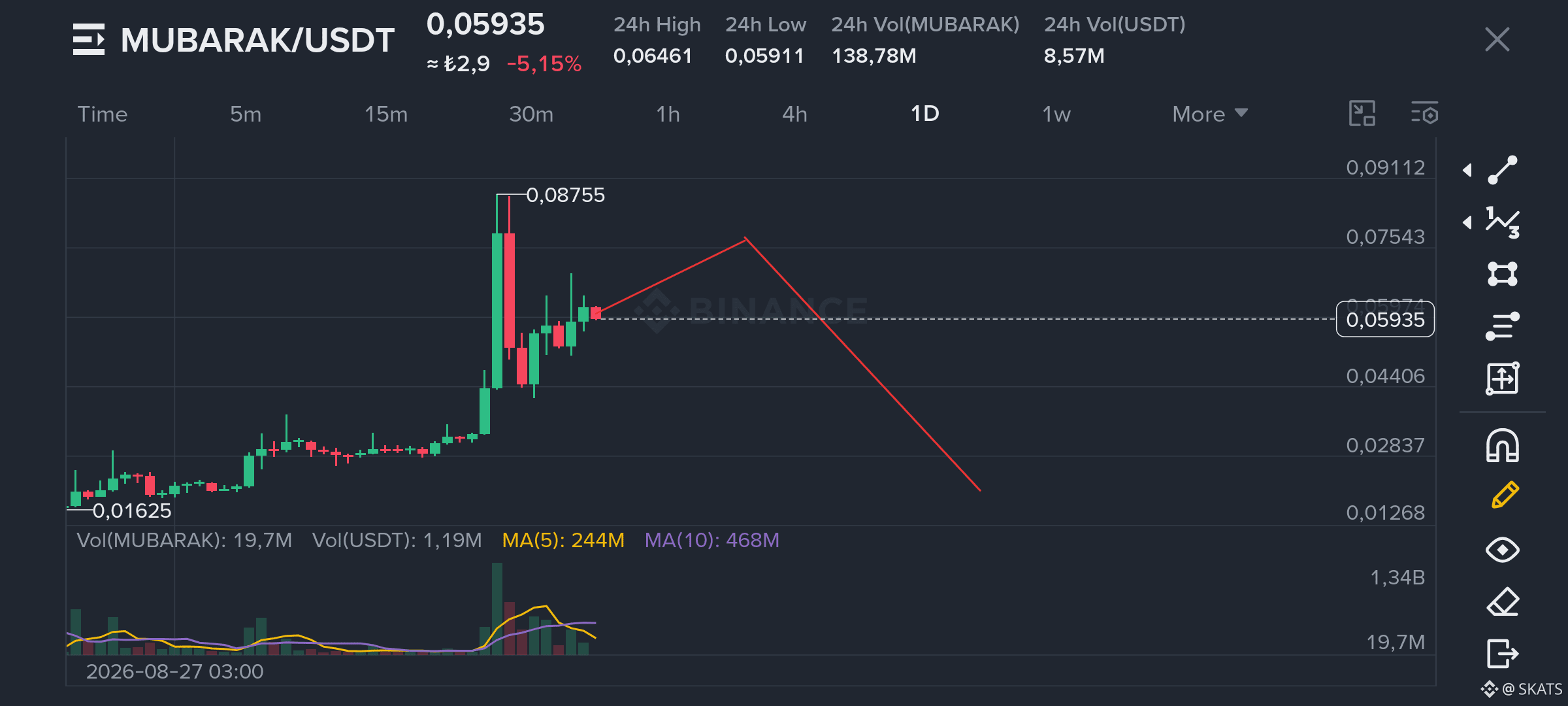
Với MUBARAK, tôi đang xem một điều cụ thể hơn là chỉ là kháng cự
Tôi nghĩ thị trường có thể đang xây dựng thứ mà tôi gọi là “khoản nợ chấp nhận”
Bước đi hướng về 0.08755 diễn ra quá nhanh khiến giá đi xuyên qua nhiều vùng mà không dành đủ thời gian ở đó để tạo ra một sự cân bằng thực sự
Với tôi, tốc độ không phải lúc nào cũng đồng nghĩa với sức mạnh. Đôi khi nó chỉ đơn giản là để lại các vùng giá chưa bao giờ được kiểm tra đầy đủ
Vì vậy, dù MUBARAK có thể mở rộng về khu vực 0.07–0.075, tôi cũng sẽ không tự động đọc đó là sự tiếp diễn
Khối lượng đã thu hẹp sau xung lực đầu tiên. Nếu giá đi lên mà không có sự tham gia rộng hơn, cấu trúc có thể trở nên mỏng hơn chứ không phải vững chắc hơn
Đó là lý do đằng sau đường màu đỏ trên biểu đồ
Tôi không cố gắng dự đoán đỉnh chính xác
Tôi đang cố gắng xác định những mức mà thị trường chưa thực sự chấp nhận
Nếu vùng 0.05–0.06 không trở thành một vùng tham chiếu bền vững, thì mức giá hiện tại vẫn còn trông chưa đầy đủ đối với tôi và việc điều chỉnh sâu hơn cũng sẽ không có gì đáng ngạc nhiên
Những đợt tăng nhanh không phải lúc nào cũng cho bạn biết sức mạnh đang hướng tới đâu
Đôi khi chúng chỉ để lại các vùng mà thị trường có thể phải quay lại và trả lời sau $MUBARAK
#TufanSalur #Binance #MUBARAK
Với MUBARAK, tôi đang xem một điều cụ thể hơn là chỉ là kháng cự
Tôi nghĩ thị trường có thể đang xây dựng thứ mà tôi gọi là “khoản nợ chấp nhận”
Bước đi hướng về 0.08755 diễn ra quá nhanh khiến giá đi xuyên qua nhiều vùng mà không dành đủ thời gian ở đó để tạo ra một sự cân bằng thực sự
Với tôi, tốc độ không phải lúc nào cũng đồng nghĩa với sức mạnh. Đôi khi nó chỉ đơn giản là để lại các vùng giá chưa bao giờ được kiểm tra đầy đủ
Vì vậy, dù MUBARAK có thể mở rộng về khu vực 0.07–0.075, tôi cũng sẽ không tự động đọc đó là sự tiếp diễn
Khối lượng đã thu hẹp sau xung lực đầu tiên. Nếu giá đi lên mà không có sự tham gia rộng hơn, cấu trúc có thể trở nên mỏng hơn chứ không phải vững chắc hơn
Đó là lý do đằng sau đường màu đỏ trên biểu đồ
Tôi không cố gắng dự đoán đỉnh chính xác
Tôi đang cố gắng xác định những mức mà thị trường chưa thực sự chấp nhận
Nếu vùng 0.05–0.06 không trở thành một vùng tham chiếu bền vững, thì mức giá hiện tại vẫn còn trông chưa đầy đủ đối với tôi và việc điều chỉnh sâu hơn cũng sẽ không có gì đáng ngạc nhiên
Những đợt tăng nhanh không phải lúc nào cũng cho bạn biết sức mạnh đang hướng tới đâu
Đôi khi chúng chỉ để lại các vùng mà thị trường có thể phải quay lại và trả lời sau $MUBARAK
#TufanSalur #Binance #MUBARAK
Tôi nghĩ thị trường có thể đang xây dựng thứ mà tôi gọi là “khoản nợ chấp nhận”
Bước đi hướng về 0.08755 diễn ra quá nhanh khiến giá đi xuyên qua nhiều vùng mà không dành đủ thời gian ở đó để tạo ra một sự cân bằng thực sự
Với tôi, tốc độ không phải lúc nào cũng đồng nghĩa với sức mạnh. Đôi khi nó chỉ đơn giản là để lại các vùng giá chưa bao giờ được kiểm tra đầy đủ
Vì vậy, dù MUBARAK có thể mở rộng về khu vực 0.07–0.075, tôi cũng sẽ không tự động đọc đó là sự tiếp diễn
Khối lượng đã thu hẹp sau xung lực đầu tiên. Nếu giá đi lên mà không có sự tham gia rộng hơn, cấu trúc có thể trở nên mỏng hơn chứ không phải vững chắc hơn
Đó là lý do đằng sau đường màu đỏ trên biểu đồ
Tôi không cố gắng dự đoán đỉnh chính xác
Tôi đang cố gắng xác định những mức mà thị trường chưa thực sự chấp nhận
Nếu vùng 0.05–0.06 không trở thành một vùng tham chiếu bền vững, thì mức giá hiện tại vẫn còn trông chưa đầy đủ đối với tôi và việc điều chỉnh sâu hơn cũng sẽ không có gì đáng ngạc nhiên
Những đợt tăng nhanh không phải lúc nào cũng cho bạn biết sức mạnh đang hướng tới đâu
Đôi khi chúng chỉ để lại các vùng mà thị trường có thể phải quay lại và trả lời sau $MUBARAK
#TufanSalur #Binance #MUBARAK
2
12.8k
·
--
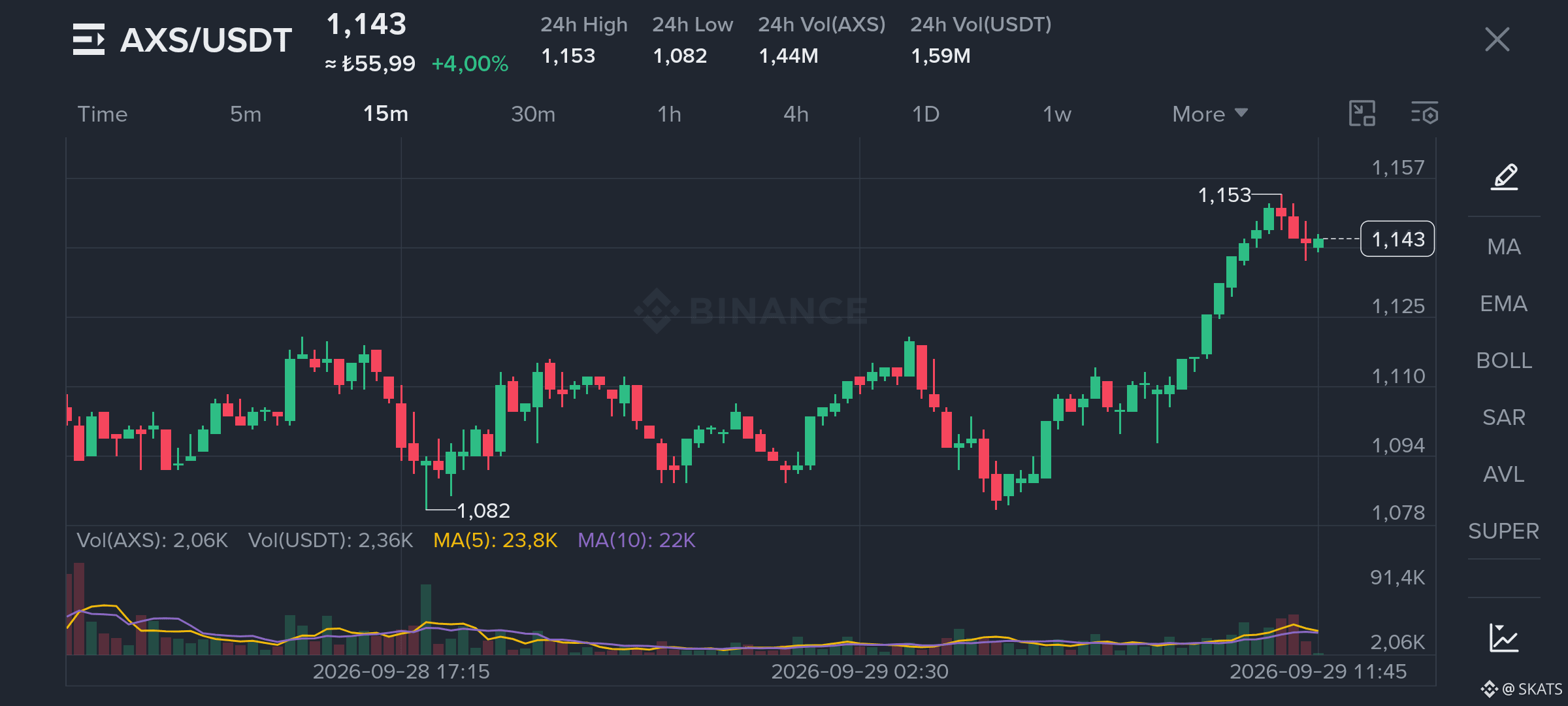
Tôi đang xem AXS ngay bây giờ và đã mở biểu đồ khung 15 phút. Sau mức 1.236, việc bán đã đẩy nó vào vùng 1.154 và giờ nó đang cố gắng giữ quanh 1.16. Có một chút áp lực ngắn hạn, nhưng tôi không chỉ tập trung vào các cây nến.
Tôi nghĩ thị trường vẫn có thể đang đọc AXS theo chu kỳ cũ với phần thưởng cao, áp lực bán cao. Nhưng cấu trúc hôm nay không giống như vậy.
Điều tôi quan tâm không chỉ là có bao nhiêu AXS tồn tại. Tôi quan tâm đến việc AXS chuyển từ phía “phần thưởng” sang áp lực bán thực sự nhanh đến mức nào.
Sự khác biệt đó quan trọng. Dù số lượng token có thể vẫn giữ nguyên, việc chuyển đổi chậm hơn thành áp lực bán có thể làm thay đổi cán cân mà thị trường đã quen.
Mặc dù biểu đồ đã có nhịp điều chỉnh, tôi vẫn đang theo dõi hướng tăng trước mắt. Nếu nhu cầu mạnh lên trong khi nguồn cung chuyển thành áp lực bán chậm hơn so với trước đây, phản ứng của thị trường có thể sẽ trông rất khác so với những gì mọi người kỳ vọng.
Tôi nghĩ đó là điểm mù trong AXS.
Đôi khi một đợt tăng không bắt đầu vì nguồn cung ít đi. Nó bắt đầu vì cùng một lượng nguồn cung đến với thị trường nhưng chậm hơn.
#AXS #CryptoMarket #Tokenomics
Tôi đang xem AXS ngay bây giờ và đã mở biểu đồ khung 15 phút. Sau mức 1.236, việc bán đã đẩy nó vào vùng 1.154 và giờ nó đang cố gắng giữ quanh 1.16. Có một chút áp lực ngắn hạn, nhưng tôi không chỉ tập trung vào các cây nến.
Tôi nghĩ thị trường vẫn có thể đang đọc AXS theo chu kỳ cũ với phần thưởng cao, áp lực bán cao. Nhưng cấu trúc hôm nay không giống như vậy.
Điều tôi quan tâm không chỉ là có bao nhiêu AXS tồn tại. Tôi quan tâm đến việc AXS chuyển từ phía “phần thưởng” sang áp lực bán thực sự nhanh đến mức nào.
Sự khác biệt đó quan trọng. Dù số lượng token có thể vẫn giữ nguyên, việc chuyển đổi chậm hơn thành áp lực bán có thể làm thay đổi cán cân mà thị trường đã quen.
Mặc dù biểu đồ đã có nhịp điều chỉnh, tôi vẫn đang theo dõi hướng tăng trước mắt. Nếu nhu cầu mạnh lên trong khi nguồn cung chuyển thành áp lực bán chậm hơn so với trước đây, phản ứng của thị trường có thể sẽ trông rất khác so với những gì mọi người kỳ vọng.
Tôi nghĩ đó là điểm mù trong AXS.
Đôi khi một đợt tăng không bắt đầu vì nguồn cung ít đi. Nó bắt đầu vì cùng một lượng nguồn cung đến với thị trường nhưng chậm hơn.
#AXS #CryptoMarket #Tokenomics
Tôi nghĩ thị trường vẫn có thể đang đọc AXS theo chu kỳ cũ với phần thưởng cao, áp lực bán cao. Nhưng cấu trúc hôm nay không giống như vậy.
Điều tôi quan tâm không chỉ là có bao nhiêu AXS tồn tại. Tôi quan tâm đến việc AXS chuyển từ phía “phần thưởng” sang áp lực bán thực sự nhanh đến mức nào.
Sự khác biệt đó quan trọng. Dù số lượng token có thể vẫn giữ nguyên, việc chuyển đổi chậm hơn thành áp lực bán có thể làm thay đổi cán cân mà thị trường đã quen.
Mặc dù biểu đồ đã có nhịp điều chỉnh, tôi vẫn đang theo dõi hướng tăng trước mắt. Nếu nhu cầu mạnh lên trong khi nguồn cung chuyển thành áp lực bán chậm hơn so với trước đây, phản ứng của thị trường có thể sẽ trông rất khác so với những gì mọi người kỳ vọng.
Tôi nghĩ đó là điểm mù trong AXS.
Đôi khi một đợt tăng không bắt đầu vì nguồn cung ít đi. Nó bắt đầu vì cùng một lượng nguồn cung đến với thị trường nhưng chậm hơn.
#AXS #CryptoMarket #Tokenomics
1
8.3k
·
--
Tăng giá
$AUCTION nằm trên bàn.
Tôi đã ghi chú $TRB và cả $MUBARAK nữa.
Hãy quay lại bài đăng này vào năm 2030
#SKATS
$AUCTION nằm trên bàn.
Tôi đã ghi chú $TRB và cả $MUBARAK nữa.
Hãy quay lại bài đăng này vào năm 2030
#SKATS
Tôi đã ghi chú $TRB và cả $MUBARAK nữa.
Hãy quay lại bài đăng này vào năm 2030
#SKATS
Danh mục đầu tư giao ngay của tôi
2 / 300
Tối thiểu 10 USDT
Công khai
PNL trong 7 ngày
(USDT)
380.13
ROI trong 7 ngày
+5.07%
AUM
$9300.51
Tỷ lệ thắng
66.22%
2
301
·
--
Tôi nghĩ chúng ta có thể đang đo lường tính bảo mật của oracle bằng các chỉ số không đúng
Phần lớn mọi người tập trung vào tốc độ, số lượng nguồn dữ liệu hoặc việc một bản cập nhật đến được chuỗi nhanh đến mức nào
Điều khiến tôi quan tâm về Tellor lại là một câu hỏi khác
Chi phí để giữ dữ liệu sai sống sót đủ lâu nhằm tạo ra một hậu quả kinh tế thực sự là bao nhiêu
Kẻ tấn công không nhất thiết phải có một lời nói dối để tồn tại mãi mãi. Đôi khi chỉ vài khối, một lần thanh lý hay một giao dịch then chốt duy nhất cũng đã đủ
Vì vậy, tôi không chỉ nhìn Tellor như một hệ thống cung cấp dữ liệu
Tôi quan tâm hơn liệu thiết kế của nó có thể khiến một câu trả lời sai trở nên quá đắt để có thể duy trì sống lâu đến mức gây ảnh hưởng hay không
Với tôi, đây là một bài kiểm tra quan trọng hơn nhiều so với tốc độ đơn thuần
Bởi vì oracle mạnh nhất có thể không phải là oracle đưa ra đáp án đúng đầu tiên
Nó có thể là oracle khiến cho đáp án sai trở nên không bền vững về mặt kinh tế
Đó là luận điểm của Tellor mà tôi thấy thú vị hơn
$TRB
#BinanceSquareFamily #TradingTales #TellorTributes
Tôi nghĩ chúng ta có thể đang đo lường tính bảo mật của oracle bằng các chỉ số không đúng
Phần lớn mọi người tập trung vào tốc độ, số lượng nguồn dữ liệu hoặc việc một bản cập nhật đến được chuỗi nhanh đến mức nào
Điều khiến tôi quan tâm về Tellor lại là một câu hỏi khác
Chi phí để giữ dữ liệu sai sống sót đủ lâu nhằm tạo ra một hậu quả kinh tế thực sự là bao nhiêu
Kẻ tấn công không nhất thiết phải có một lời nói dối để tồn tại mãi mãi. Đôi khi chỉ vài khối, một lần thanh lý hay một giao dịch then chốt duy nhất cũng đã đủ
Vì vậy, tôi không chỉ nhìn Tellor như một hệ thống cung cấp dữ liệu
Tôi quan tâm hơn liệu thiết kế của nó có thể khiến một câu trả lời sai trở nên quá đắt để có thể duy trì sống lâu đến mức gây ảnh hưởng hay không
Với tôi, đây là một bài kiểm tra quan trọng hơn nhiều so với tốc độ đơn thuần
Bởi vì oracle mạnh nhất có thể không phải là oracle đưa ra đáp án đúng đầu tiên
Nó có thể là oracle khiến cho đáp án sai trở nên không bền vững về mặt kinh tế
Đó là luận điểm của Tellor mà tôi thấy thú vị hơn
$TRB
#BinanceSquareFamily #TradingTales #TellorTributes
Phần lớn mọi người tập trung vào tốc độ, số lượng nguồn dữ liệu hoặc việc một bản cập nhật đến được chuỗi nhanh đến mức nào
Điều khiến tôi quan tâm về Tellor lại là một câu hỏi khác
Chi phí để giữ dữ liệu sai sống sót đủ lâu nhằm tạo ra một hậu quả kinh tế thực sự là bao nhiêu
Kẻ tấn công không nhất thiết phải có một lời nói dối để tồn tại mãi mãi. Đôi khi chỉ vài khối, một lần thanh lý hay một giao dịch then chốt duy nhất cũng đã đủ
Vì vậy, tôi không chỉ nhìn Tellor như một hệ thống cung cấp dữ liệu
Tôi quan tâm hơn liệu thiết kế của nó có thể khiến một câu trả lời sai trở nên quá đắt để có thể duy trì sống lâu đến mức gây ảnh hưởng hay không
Với tôi, đây là một bài kiểm tra quan trọng hơn nhiều so với tốc độ đơn thuần
Bởi vì oracle mạnh nhất có thể không phải là oracle đưa ra đáp án đúng đầu tiên
Nó có thể là oracle khiến cho đáp án sai trở nên không bền vững về mặt kinh tế
Đó là luận điểm của Tellor mà tôi thấy thú vị hơn
$TRB
#BinanceSquareFamily #TradingTales #TellorTributes
2
7.5k
·
--
Vào ngày 19 tháng 8, Bitcoin đang giao dịch quanh mức 64.000 USD và đến ngày 25 tháng 8, nó đã tăng lên trên 81.000 USD
Bây giờ chúng ta lại thấy một thiết lập tương tự, khi giá chuyển từ vùng 75.000 USD lên trên 86.000 USD
Thoạt nhìn, hai đợt tăng này trông giống nhau. Tôi không nghĩ chúng là như vậy
Lần này, một phần thị trường altcoin cũng đang tăng tốc, trong khi nhu cầu mạnh từ ETF và việc mua bù vị thế short đáng kể lại tạo thêm một lớp khác cho đà đi lên
Điều khiến tôi quan tâm không phải là chính mốc 86.000 USD
Câu hỏi thực sự là mức vốn có thể lan tỏa ra xa Bitcoin đến đâu từ đây
Hai đợt tăng có thể tạo ra một biểu đồ trông tương tự mà không tạo ra cấu trúc thị trường giống nhau
Ở một kịch bản, thanh khoản vẫn tập trung ở tài sản dẫn dắt
Ở kịch bản còn lại, khẩu vị rủi ro bắt đầu xoay vòng sang toàn bộ thị trường
Với tôi, sự xác nhận thực sự sẽ là mức tham gia altcoin rộng hơn, sự suy giảm trong mức độ chi phối của BTC (BTC dominance) và khối lượng giao dịch spot mở rộng trên toàn thị trường
Đó là nơi tôi sẽ bắt đầu đọc câu chuyện này như một sự luân chuyển vốn thực sự, chứ không chỉ là một phản ứng giá đơn thuần
Có lẽ câu chuyện thật sự không nằm ở việc đợt tăng này dừng lại ở đâu, mà là dòng vốn sẽ chảy sang đâu tiếp theo
#Bitcoin #Altcoins #CryptoMarket
#TufanSalur
Vào ngày 19 tháng 8, Bitcoin đang giao dịch quanh mức 64.000 USD và đến ngày 25 tháng 8, nó đã tăng lên trên 81.000 USD
Bây giờ chúng ta lại thấy một thiết lập tương tự, khi giá chuyển từ vùng 75.000 USD lên trên 86.000 USD
Thoạt nhìn, hai đợt tăng này trông giống nhau. Tôi không nghĩ chúng là như vậy
Lần này, một phần thị trường altcoin cũng đang tăng tốc, trong khi nhu cầu mạnh từ ETF và việc mua bù vị thế short đáng kể lại tạo thêm một lớp khác cho đà đi lên
Điều khiến tôi quan tâm không phải là chính mốc 86.000 USD
Câu hỏi thực sự là mức vốn có thể lan tỏa ra xa Bitcoin đến đâu từ đây
Hai đợt tăng có thể tạo ra một biểu đồ trông tương tự mà không tạo ra cấu trúc thị trường giống nhau
Ở một kịch bản, thanh khoản vẫn tập trung ở tài sản dẫn dắt
Ở kịch bản còn lại, khẩu vị rủi ro bắt đầu xoay vòng sang toàn bộ thị trường
Với tôi, sự xác nhận thực sự sẽ là mức tham gia altcoin rộng hơn, sự suy giảm trong mức độ chi phối của BTC (BTC dominance) và khối lượng giao dịch spot mở rộng trên toàn thị trường
Đó là nơi tôi sẽ bắt đầu đọc câu chuyện này như một sự luân chuyển vốn thực sự, chứ không chỉ là một phản ứng giá đơn thuần
Có lẽ câu chuyện thật sự không nằm ở việc đợt tăng này dừng lại ở đâu, mà là dòng vốn sẽ chảy sang đâu tiếp theo
#Bitcoin #Altcoins #CryptoMarket
#TufanSalur
Bây giờ chúng ta lại thấy một thiết lập tương tự, khi giá chuyển từ vùng 75.000 USD lên trên 86.000 USD
Thoạt nhìn, hai đợt tăng này trông giống nhau. Tôi không nghĩ chúng là như vậy
Lần này, một phần thị trường altcoin cũng đang tăng tốc, trong khi nhu cầu mạnh từ ETF và việc mua bù vị thế short đáng kể lại tạo thêm một lớp khác cho đà đi lên
Điều khiến tôi quan tâm không phải là chính mốc 86.000 USD
Câu hỏi thực sự là mức vốn có thể lan tỏa ra xa Bitcoin đến đâu từ đây
Hai đợt tăng có thể tạo ra một biểu đồ trông tương tự mà không tạo ra cấu trúc thị trường giống nhau
Ở một kịch bản, thanh khoản vẫn tập trung ở tài sản dẫn dắt
Ở kịch bản còn lại, khẩu vị rủi ro bắt đầu xoay vòng sang toàn bộ thị trường
Với tôi, sự xác nhận thực sự sẽ là mức tham gia altcoin rộng hơn, sự suy giảm trong mức độ chi phối của BTC (BTC dominance) và khối lượng giao dịch spot mở rộng trên toàn thị trường
Đó là nơi tôi sẽ bắt đầu đọc câu chuyện này như một sự luân chuyển vốn thực sự, chứ không chỉ là một phản ứng giá đơn thuần
Có lẽ câu chuyện thật sự không nằm ở việc đợt tăng này dừng lại ở đâu, mà là dòng vốn sẽ chảy sang đâu tiếp theo
#Bitcoin #Altcoins #CryptoMarket
#TufanSalur
2
19.5k
·
--
Tăng giá
Đã xác minh
Ai đang khiến mọi người tranh luận về cùng một điều
Sự tăng trưởng này có thể kéo dài bao lâu
Tôi đang nhìn sang nơi khác
Khi công nghệ mở rộng quy mô, nó tạo ra sự dồi dào gì và thứ gì trở nên có giá trị hơn
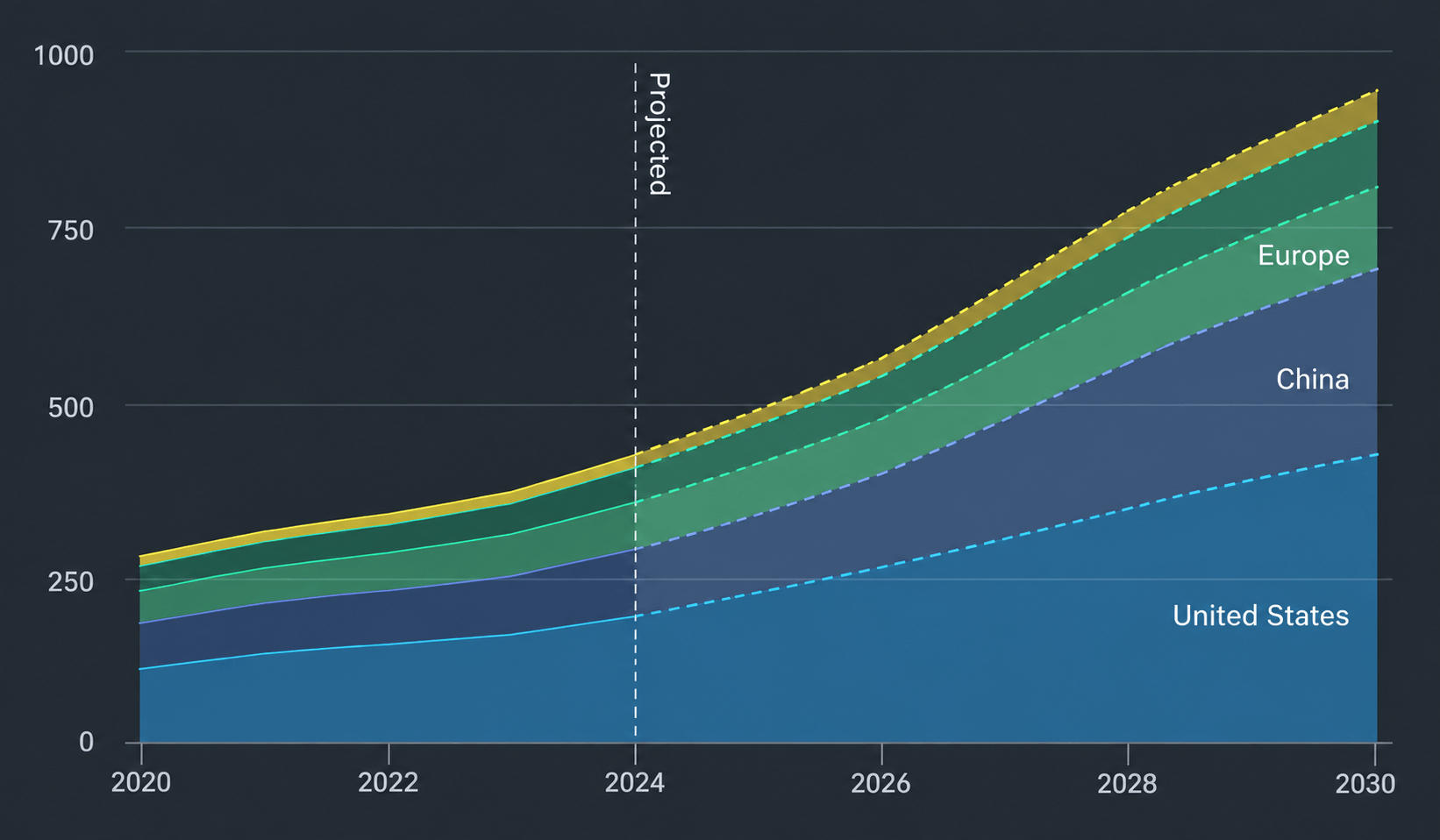
Nvidia tạo ra 96,2 tỷ USD doanh thu trong quý trước, trong đó 89 tỷ USD đến từ Data Center, cho thấy nhu cầu mạnh mẽ đến mức nào. Broadcom đạt 16,7 tỷ USD doanh thu từ chất bán dẫn AI cũng đi đúng theo cùng một hướng
Nhưng tôi không còn chỉ tập trung vào bản thân sản phẩm
Tôi đang xem những “lối đi” hẹp mà sự tăng trưởng này phải vượt qua
Phần mềm có thể mở rộng. Mã có thể được sao chép. Mô hình có thể được cải thiện
Khả năng điện, khả năng tiếp cận lưới điện, bộ nhớ tiên tiến, đóng gói và làm mát thì không thể tăng nhanh cùng tốc độ
IEA dự kiến mức tiêu thụ điện của các trung tâm dữ liệu sẽ tăng từ khoảng 485 TWh vào năm 2025 lên gần 950 TWh vào năm 2030
Đó là lý do tôi lạc quan về lĩnh vực này, nhưng tôi không xem mọi công ty gắn nhãn AI theo cùng một cách
Tôi quan tâm hơn đến những thứ mà công nghệ này không thể dễ dàng nhân rộng
Bởi vì khi tăng trưởng diễn ra nhanh hơn, các giới hạn vật lý sẽ trở nên rõ ràng hơn
Và đôi khi, sức mạnh định giá (pricing power) mạnh nhất không nằm ở sản phẩm mà ai cũng đang nói đến
Nó nằm ở điểm “thắt cổ chai” mà toàn bộ phần mở rộng phải đi qua
Tôi nghĩ giai đoạn đầu là cuộc đua để tạo ra trí tuệ
Giai đoạn tiếp theo có thể là cuộc cạnh tranh về việc ai kiểm soát các nguồn lực mà trí tuệ không thể hoạt động nếu thiếu
Vì vậy, với tôi, cơ hội tiếp theo không phải là tìm kiếm một câu chuyện AI khác
Mà là tìm ra sự khan hiếm không biến mất khi tăng trưởng tiếp tục
Bởi vì công nghệ càng mở rộng quy mô, thì những thứ không thể theo kịp sẽ càng trở nên có giá trị hơn @Binance_Square_Official
#AIStocksWhatNext #AIInfrastructure #Nvidia #Binance #TufanSalur
Ai đang khiến mọi người tranh luận về cùng một điều
Sự tăng trưởng này có thể kéo dài bao lâu
Tôi đang nhìn sang nơi khác
Khi công nghệ mở rộng quy mô, nó tạo ra sự dồi dào gì và thứ gì trở nên có giá trị hơn
Nvidia tạo ra 96,2 tỷ USD doanh thu trong quý trước, trong đó 89 tỷ USD đến từ Data Center, cho thấy nhu cầu mạnh mẽ đến mức nào. Broadcom đạt 16,7 tỷ USD doanh thu từ chất bán dẫn AI cũng đi đúng theo cùng một hướng
Nhưng tôi không còn chỉ tập trung vào bản thân sản phẩm
Tôi đang xem những “lối đi” hẹp mà sự tăng trưởng này phải vượt qua
Phần mềm có thể mở rộng. Mã có thể được sao chép. Mô hình có thể được cải thiện
Khả năng điện, khả năng tiếp cận lưới điện, bộ nhớ tiên tiến, đóng gói và làm mát thì không thể tăng nhanh cùng tốc độ
IEA dự kiến mức tiêu thụ điện của các trung tâm dữ liệu sẽ tăng từ khoảng 485 TWh vào năm 2025 lên gần 950 TWh vào năm 2030
Đó là lý do tôi lạc quan về lĩnh vực này, nhưng tôi không xem mọi công ty gắn nhãn AI theo cùng một cách
Tôi quan tâm hơn đến những thứ mà công nghệ này không thể dễ dàng nhân rộng
Bởi vì khi tăng trưởng diễn ra nhanh hơn, các giới hạn vật lý sẽ trở nên rõ ràng hơn
Và đôi khi, sức mạnh định giá (pricing power) mạnh nhất không nằm ở sản phẩm mà ai cũng đang nói đến
Nó nằm ở điểm “thắt cổ chai” mà toàn bộ phần mở rộng phải đi qua
Tôi nghĩ giai đoạn đầu là cuộc đua để tạo ra trí tuệ
Giai đoạn tiếp theo có thể là cuộc cạnh tranh về việc ai kiểm soát các nguồn lực mà trí tuệ không thể hoạt động nếu thiếu
Vì vậy, với tôi, cơ hội tiếp theo không phải là tìm kiếm một câu chuyện AI khác
Mà là tìm ra sự khan hiếm không biến mất khi tăng trưởng tiếp tục
Bởi vì công nghệ càng mở rộng quy mô, thì những thứ không thể theo kịp sẽ càng trở nên có giá trị hơn @Binance Square Official
#AIStocksWhatNext #AIInfrastructure #Nvidia #Binance #TufanSalur
Sự tăng trưởng này có thể kéo dài bao lâu
Tôi đang nhìn sang nơi khác
Khi công nghệ mở rộng quy mô, nó tạo ra sự dồi dào gì và thứ gì trở nên có giá trị hơn
Nvidia tạo ra 96,2 tỷ USD doanh thu trong quý trước, trong đó 89 tỷ USD đến từ Data Center, cho thấy nhu cầu mạnh mẽ đến mức nào. Broadcom đạt 16,7 tỷ USD doanh thu từ chất bán dẫn AI cũng đi đúng theo cùng một hướng
Nhưng tôi không còn chỉ tập trung vào bản thân sản phẩm
Tôi đang xem những “lối đi” hẹp mà sự tăng trưởng này phải vượt qua
Phần mềm có thể mở rộng. Mã có thể được sao chép. Mô hình có thể được cải thiện
Khả năng điện, khả năng tiếp cận lưới điện, bộ nhớ tiên tiến, đóng gói và làm mát thì không thể tăng nhanh cùng tốc độ
IEA dự kiến mức tiêu thụ điện của các trung tâm dữ liệu sẽ tăng từ khoảng 485 TWh vào năm 2025 lên gần 950 TWh vào năm 2030
Đó là lý do tôi lạc quan về lĩnh vực này, nhưng tôi không xem mọi công ty gắn nhãn AI theo cùng một cách
Tôi quan tâm hơn đến những thứ mà công nghệ này không thể dễ dàng nhân rộng
Bởi vì khi tăng trưởng diễn ra nhanh hơn, các giới hạn vật lý sẽ trở nên rõ ràng hơn
Và đôi khi, sức mạnh định giá (pricing power) mạnh nhất không nằm ở sản phẩm mà ai cũng đang nói đến
Nó nằm ở điểm “thắt cổ chai” mà toàn bộ phần mở rộng phải đi qua
Tôi nghĩ giai đoạn đầu là cuộc đua để tạo ra trí tuệ
Giai đoạn tiếp theo có thể là cuộc cạnh tranh về việc ai kiểm soát các nguồn lực mà trí tuệ không thể hoạt động nếu thiếu
Vì vậy, với tôi, cơ hội tiếp theo không phải là tìm kiếm một câu chuyện AI khác
Mà là tìm ra sự khan hiếm không biến mất khi tăng trưởng tiếp tục
Bởi vì công nghệ càng mở rộng quy mô, thì những thứ không thể theo kịp sẽ càng trở nên có giá trị hơn @Binance Square Official
#AIStocksWhatNext #AIInfrastructure #Nvidia #Binance #TufanSalur
2
16k
·
--
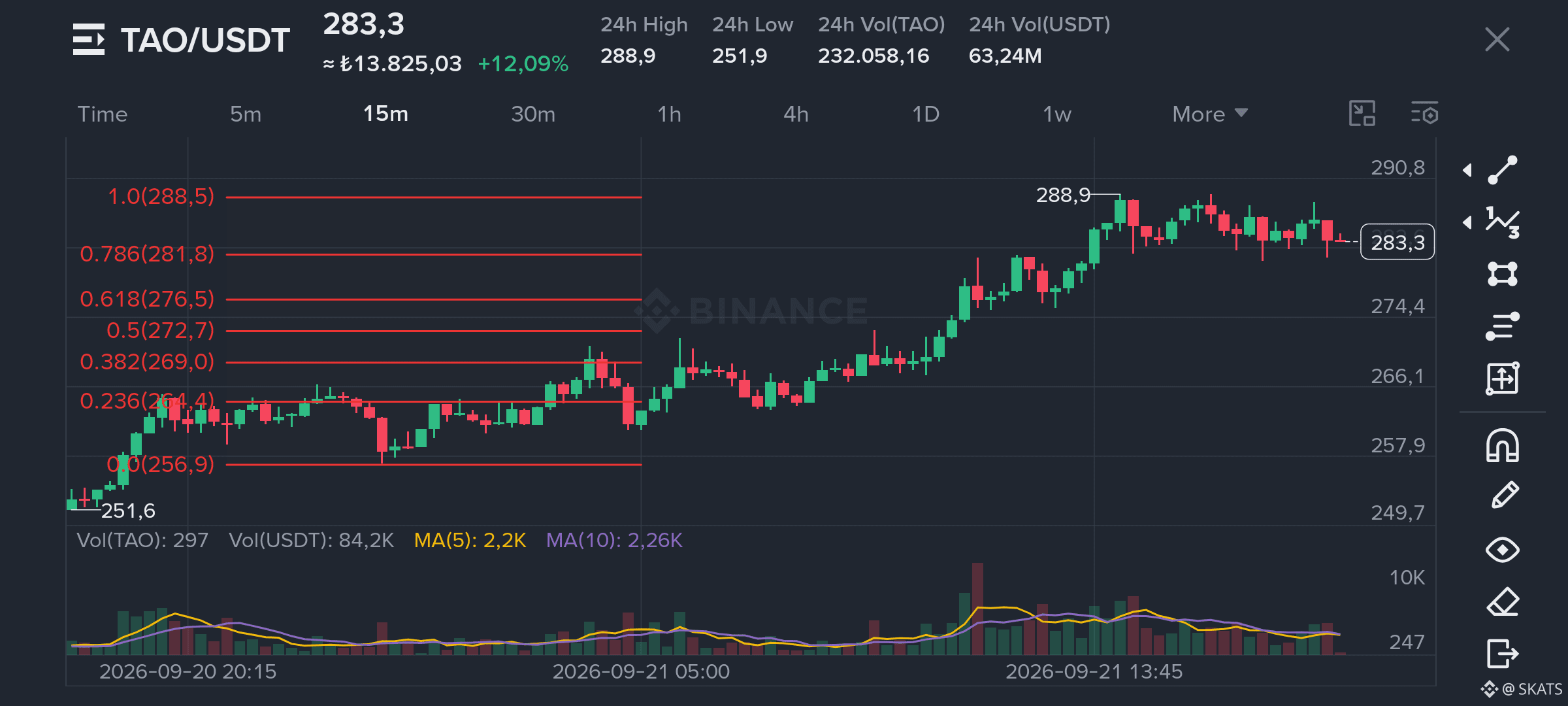
Khi tôi nhìn vào biểu đồ TAO, tôi không quan tâm đến việc giải thích giá cả. Ai cũng đã thấy điều đó rồi.
Điều tôi cứ nghĩ đến là theo thời gian, vốn có thể bắt đầu đưa ra quyết định bên trong Bittensor.
Xây dựng công nghệ vững mạnh có thể là chưa đủ. Các subnet khác nhau cũng đang cạnh tranh để giành sự chú ý và vốn, và điều đó tạo ra một bài toán thú vị hơn đối với tôi.
Nếu một hệ thống cứ liên tục khen thưởng những thứ trông có vẻ mạnh nhất, thì cuối cùng nó có thể đánh mất điều gì đó đơn giản là chưa có đủ thời gian để chứng minh bản thân.
Vốn tự nhiên sẽ chảy về phía những gì đã thể hiện kết quả. Nhưng khi cùng một sự ưu tiên cứ lặp lại, những người chiến thắng thu hút thêm vốn, gia tăng mức độ được nhìn thấy và rồi lại kéo đến nhiều vốn hơn nữa.
Đến một lúc nào đó, Bittensor có thể không chỉ đang chọn ra cái gì là tốt nhất. Nó cũng có thể đang làm cho những gì mà mọi người đã tin là tốt trở nên mạnh hơn.
Cái cân bằng đó là điều tôi đang theo dõi với TAO.
Chất lượng dài hạn của mạng lưới có thể không chỉ phụ thuộc vào việc nó thưởng cho các subnet mạnh nhất tốt đến đâu. Nó cũng có thể phụ thuộc vào việc nó để lại bao nhiêu không gian cho những ý tưởng vẫn còn sớm, còn bất định hoặc đơn giản là khác biệt.
Nếu vốn đạt đến cùng một kết luận quá nhanh, hệ thống có thể trông có vẻ hiệu quả trong khi dần mất đi khả năng khám phá ra điều gì đó mới.
Sự đồng thuận có thể khiến vốn cảm thấy an toàn hơn, nhưng giá trị mới thường được tìm thấy trước khi đồng thuận hình thành.
Vì vậy, khi tôi nhìn vào TAO, tôi không chỉ nghĩ đến việc phần nào của mạng đang giành được sự chú ý.
Tôi đang nghĩ về việc Bittensor có thể cho phép một ý tưởng khác tồn tại trong bao lâu trước khi thị trường hiểu hoàn toàn liệu nó đúng hay sai.
Bởi có thể chất lượng của một mạng lưới không được đo bằng việc mọi người cùng đi đến một kết luận giống nhau nhanh đến mức nào.
Có lẽ nó được đo bằng việc nó dành cho một ý tưởng chưa được chứng minh bao nhiêu không gian để tự khẳng định.$TAO
#TAO #Bittensor #Crypto #Binance
#TufanSalur
Khi tôi nhìn vào biểu đồ TAO, tôi không quan tâm đến việc giải thích giá cả. Ai cũng đã thấy điều đó rồi.
Điều tôi cứ nghĩ đến là theo thời gian, vốn có thể bắt đầu đưa ra quyết định bên trong Bittensor.
Xây dựng công nghệ vững mạnh có thể là chưa đủ. Các subnet khác nhau cũng đang cạnh tranh để giành sự chú ý và vốn, và điều đó tạo ra một bài toán thú vị hơn đối với tôi.
Nếu một hệ thống cứ liên tục khen thưởng những thứ trông có vẻ mạnh nhất, thì cuối cùng nó có thể đánh mất điều gì đó đơn giản là chưa có đủ thời gian để chứng minh bản thân.
Vốn tự nhiên sẽ chảy về phía những gì đã thể hiện kết quả. Nhưng khi cùng một sự ưu tiên cứ lặp lại, những người chiến thắng thu hút thêm vốn, gia tăng mức độ được nhìn thấy và rồi lại kéo đến nhiều vốn hơn nữa.
Đến một lúc nào đó, Bittensor có thể không chỉ đang chọn ra cái gì là tốt nhất. Nó cũng có thể đang làm cho những gì mà mọi người đã tin là tốt trở nên mạnh hơn.
Cái cân bằng đó là điều tôi đang theo dõi với TAO.
Chất lượng dài hạn của mạng lưới có thể không chỉ phụ thuộc vào việc nó thưởng cho các subnet mạnh nhất tốt đến đâu. Nó cũng có thể phụ thuộc vào việc nó để lại bao nhiêu không gian cho những ý tưởng vẫn còn sớm, còn bất định hoặc đơn giản là khác biệt.
Nếu vốn đạt đến cùng một kết luận quá nhanh, hệ thống có thể trông có vẻ hiệu quả trong khi dần mất đi khả năng khám phá ra điều gì đó mới.
Sự đồng thuận có thể khiến vốn cảm thấy an toàn hơn, nhưng giá trị mới thường được tìm thấy trước khi đồng thuận hình thành.
Vì vậy, khi tôi nhìn vào TAO, tôi không chỉ nghĩ đến việc phần nào của mạng đang giành được sự chú ý.
Tôi đang nghĩ về việc Bittensor có thể cho phép một ý tưởng khác tồn tại trong bao lâu trước khi thị trường hiểu hoàn toàn liệu nó đúng hay sai.
Bởi có thể chất lượng của một mạng lưới không được đo bằng việc mọi người cùng đi đến một kết luận giống nhau nhanh đến mức nào.
Có lẽ nó được đo bằng việc nó dành cho một ý tưởng chưa được chứng minh bao nhiêu không gian để tự khẳng định.$TAO
#TAO #Bittensor #Crypto #Binance
#TufanSalur
Điều tôi cứ nghĩ đến là theo thời gian, vốn có thể bắt đầu đưa ra quyết định bên trong Bittensor.
Xây dựng công nghệ vững mạnh có thể là chưa đủ. Các subnet khác nhau cũng đang cạnh tranh để giành sự chú ý và vốn, và điều đó tạo ra một bài toán thú vị hơn đối với tôi.
Nếu một hệ thống cứ liên tục khen thưởng những thứ trông có vẻ mạnh nhất, thì cuối cùng nó có thể đánh mất điều gì đó đơn giản là chưa có đủ thời gian để chứng minh bản thân.
Vốn tự nhiên sẽ chảy về phía những gì đã thể hiện kết quả. Nhưng khi cùng một sự ưu tiên cứ lặp lại, những người chiến thắng thu hút thêm vốn, gia tăng mức độ được nhìn thấy và rồi lại kéo đến nhiều vốn hơn nữa.
Đến một lúc nào đó, Bittensor có thể không chỉ đang chọn ra cái gì là tốt nhất. Nó cũng có thể đang làm cho những gì mà mọi người đã tin là tốt trở nên mạnh hơn.
Cái cân bằng đó là điều tôi đang theo dõi với TAO.
Chất lượng dài hạn của mạng lưới có thể không chỉ phụ thuộc vào việc nó thưởng cho các subnet mạnh nhất tốt đến đâu. Nó cũng có thể phụ thuộc vào việc nó để lại bao nhiêu không gian cho những ý tưởng vẫn còn sớm, còn bất định hoặc đơn giản là khác biệt.
Nếu vốn đạt đến cùng một kết luận quá nhanh, hệ thống có thể trông có vẻ hiệu quả trong khi dần mất đi khả năng khám phá ra điều gì đó mới.
Sự đồng thuận có thể khiến vốn cảm thấy an toàn hơn, nhưng giá trị mới thường được tìm thấy trước khi đồng thuận hình thành.
Vì vậy, khi tôi nhìn vào TAO, tôi không chỉ nghĩ đến việc phần nào của mạng đang giành được sự chú ý.
Tôi đang nghĩ về việc Bittensor có thể cho phép một ý tưởng khác tồn tại trong bao lâu trước khi thị trường hiểu hoàn toàn liệu nó đúng hay sai.
Bởi có thể chất lượng của một mạng lưới không được đo bằng việc mọi người cùng đi đến một kết luận giống nhau nhanh đến mức nào.
Có lẽ nó được đo bằng việc nó dành cho một ý tưởng chưa được chứng minh bao nhiêu không gian để tự khẳng định.$TAO
#TAO #Bittensor #Crypto #Binance
#TufanSalur
3
10.5k
·
--
Hầu hết mọi người có lẽ sẽ xem việc S&P Global mua lại OpenZeppelin như một dấu hiệu khác cho thấy tài chính truyền thống đang tiến đến gần hơn với crypto
Tôi nhìn nhận vấn đề từ một góc độ khác
Khi các sản phẩm tài chính trở nên có thể lập trình, tôi nghĩ cách chúng ta đo lường rủi ro cũng có thể cần thay đổi
Trong tài chính truyền thống, chúng ta thường nhìn vào tổ chức phát hành, bảng cân đối kế toán, tài sản thế chấp và ai là người nắm giữ/quản lý ký gửi. Tài chính trên chuỗi (on-chain) bổ sung thêm một lớp nữa cho tất cả những điều đó: chính mã lệnh
Một trái phiếu được token hóa có thể có tổ chức phát hành vững, lợi suất hấp dẫn và tài sản thế chấp chắc chắn, nhưng nếu hợp đồng thông minh điều khiển quyền sở hữu, việc chuyển nhượng hoặc quyền truy cập có một điểm yếu chí mạng, thì một phần rủi ro có thể nằm ở đâu đó mà phân tích truyền thống không nắm bắt đầy đủ
Đó là lý do khiến thỏa thuận của S&P Global để mua lại OpenZeppelin trở nên đáng chú ý đối với tôi. Không chỉ vì một công ty tài chính lớn khác đang tiến gần hơn đến crypto, mà vì nó cho thấy điều gì đó mang tính nền tảng hơn
Khi tài chính trở nên có thể lập trình, chất lượng mã lệnh có thể không còn là chi tiết kỹ thuật và bắt đầu trở thành một phần của chính sản phẩm tài chính
Điều đó cũng có thể làm thay đổi các câu hỏi mà các tổ chức đặt ra trước khi cam kết vốn. Có lẽ không còn chỉ là ai đã phát hành tài sản, mà còn là ai đã xác minh mã phía sau nó
Token hóa thường được mô tả là việc đưa cổ phiếu, trái phiếu, quỹ và các tài sản khác lên hạ tầng blockchain. Nhưng việc đưa một tài sản lên chuỗi không tự động làm cho rủi ro của nó trở nên dễ hiểu hơn
Nó có thể tạo ra một kiểu rủi ro mới mà dòng vốn vẫn cần học cách đo lường
Vì vậy, có thể giai đoạn tiếp theo của tài chính on-chain không đơn giản chỉ là đưa thêm nhiều tài sản lên các blockchain
Mà là biến những rủi ro nằm trong mã lệnh trở nên đủ đo lường để vốn lớn có thể tin tưởng
Nếu điều đó xảy ra, hạ tầng dùng để xác minh mã tài chính cuối cùng có thể sẽ quan trọng ngang bằng với hạ tầng thực thi nó
#Tokenization #DigitalAssets #SmartContracts #Binance
Hầu hết mọi người có lẽ sẽ xem việc S&P Global mua lại OpenZeppelin như một dấu hiệu khác cho thấy tài chính truyền thống đang tiến đến gần hơn với crypto
Tôi nhìn nhận vấn đề từ một góc độ khác
Khi các sản phẩm tài chính trở nên có thể lập trình, tôi nghĩ cách chúng ta đo lường rủi ro cũng có thể cần thay đổi
Trong tài chính truyền thống, chúng ta thường nhìn vào tổ chức phát hành, bảng cân đối kế toán, tài sản thế chấp và ai là người nắm giữ/quản lý ký gửi. Tài chính trên chuỗi (on-chain) bổ sung thêm một lớp nữa cho tất cả những điều đó: chính mã lệnh
Một trái phiếu được token hóa có thể có tổ chức phát hành vững, lợi suất hấp dẫn và tài sản thế chấp chắc chắn, nhưng nếu hợp đồng thông minh điều khiển quyền sở hữu, việc chuyển nhượng hoặc quyền truy cập có một điểm yếu chí mạng, thì một phần rủi ro có thể nằm ở đâu đó mà phân tích truyền thống không nắm bắt đầy đủ
Đó là lý do khiến thỏa thuận của S&P Global để mua lại OpenZeppelin trở nên đáng chú ý đối với tôi. Không chỉ vì một công ty tài chính lớn khác đang tiến gần hơn đến crypto, mà vì nó cho thấy điều gì đó mang tính nền tảng hơn
Khi tài chính trở nên có thể lập trình, chất lượng mã lệnh có thể không còn là chi tiết kỹ thuật và bắt đầu trở thành một phần của chính sản phẩm tài chính
Điều đó cũng có thể làm thay đổi các câu hỏi mà các tổ chức đặt ra trước khi cam kết vốn. Có lẽ không còn chỉ là ai đã phát hành tài sản, mà còn là ai đã xác minh mã phía sau nó
Token hóa thường được mô tả là việc đưa cổ phiếu, trái phiếu, quỹ và các tài sản khác lên hạ tầng blockchain. Nhưng việc đưa một tài sản lên chuỗi không tự động làm cho rủi ro của nó trở nên dễ hiểu hơn
Nó có thể tạo ra một kiểu rủi ro mới mà dòng vốn vẫn cần học cách đo lường
Vì vậy, có thể giai đoạn tiếp theo của tài chính on-chain không đơn giản chỉ là đưa thêm nhiều tài sản lên các blockchain
Mà là biến những rủi ro nằm trong mã lệnh trở nên đủ đo lường để vốn lớn có thể tin tưởng
Nếu điều đó xảy ra, hạ tầng dùng để xác minh mã tài chính cuối cùng có thể sẽ quan trọng ngang bằng với hạ tầng thực thi nó
#Tokenization #DigitalAssets #SmartContracts #Binance
Tôi nhìn nhận vấn đề từ một góc độ khác
Khi các sản phẩm tài chính trở nên có thể lập trình, tôi nghĩ cách chúng ta đo lường rủi ro cũng có thể cần thay đổi
Trong tài chính truyền thống, chúng ta thường nhìn vào tổ chức phát hành, bảng cân đối kế toán, tài sản thế chấp và ai là người nắm giữ/quản lý ký gửi. Tài chính trên chuỗi (on-chain) bổ sung thêm một lớp nữa cho tất cả những điều đó: chính mã lệnh
Một trái phiếu được token hóa có thể có tổ chức phát hành vững, lợi suất hấp dẫn và tài sản thế chấp chắc chắn, nhưng nếu hợp đồng thông minh điều khiển quyền sở hữu, việc chuyển nhượng hoặc quyền truy cập có một điểm yếu chí mạng, thì một phần rủi ro có thể nằm ở đâu đó mà phân tích truyền thống không nắm bắt đầy đủ
Đó là lý do khiến thỏa thuận của S&P Global để mua lại OpenZeppelin trở nên đáng chú ý đối với tôi. Không chỉ vì một công ty tài chính lớn khác đang tiến gần hơn đến crypto, mà vì nó cho thấy điều gì đó mang tính nền tảng hơn
Khi tài chính trở nên có thể lập trình, chất lượng mã lệnh có thể không còn là chi tiết kỹ thuật và bắt đầu trở thành một phần của chính sản phẩm tài chính
Điều đó cũng có thể làm thay đổi các câu hỏi mà các tổ chức đặt ra trước khi cam kết vốn. Có lẽ không còn chỉ là ai đã phát hành tài sản, mà còn là ai đã xác minh mã phía sau nó
Token hóa thường được mô tả là việc đưa cổ phiếu, trái phiếu, quỹ và các tài sản khác lên hạ tầng blockchain. Nhưng việc đưa một tài sản lên chuỗi không tự động làm cho rủi ro của nó trở nên dễ hiểu hơn
Nó có thể tạo ra một kiểu rủi ro mới mà dòng vốn vẫn cần học cách đo lường
Vì vậy, có thể giai đoạn tiếp theo của tài chính on-chain không đơn giản chỉ là đưa thêm nhiều tài sản lên các blockchain
Mà là biến những rủi ro nằm trong mã lệnh trở nên đủ đo lường để vốn lớn có thể tin tưởng
Nếu điều đó xảy ra, hạ tầng dùng để xác minh mã tài chính cuối cùng có thể sẽ quan trọng ngang bằng với hạ tầng thực thi nó
#Tokenization #DigitalAssets #SmartContracts #Binance
2
23.1k
·
--
Tăng giá
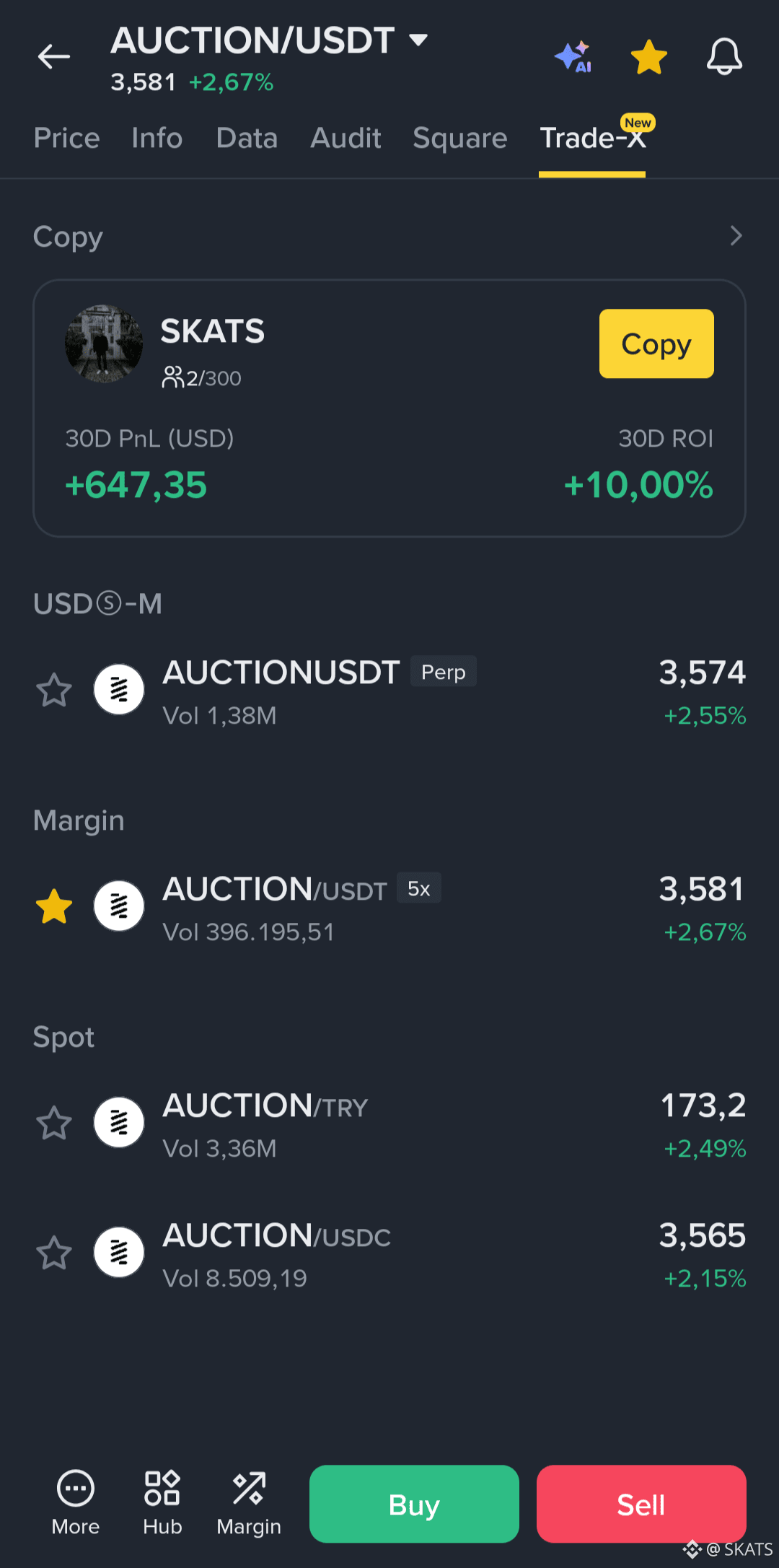
Chiến lược ĐẤU GIÁ của tôi hiện đã hoạt động trong mục Bản sao.
Các con số đã có sẵn trên màn hình rồi, nên tôi sẽ không viết một đoạn gì đó thật hoành tráng lên trên chúng. Thị trường đủ kịch tính rồi 😄
$AUCTION #Binance
Chiến lược ĐẤU GIÁ của tôi hiện đã hoạt động trong mục Bản sao.
Các con số đã có sẵn trên màn hình rồi, nên tôi sẽ không viết một đoạn gì đó thật hoành tráng lên trên chúng. Thị trường đủ kịch tính rồi 😄
$AUCTION #Binance
Các con số đã có sẵn trên màn hình rồi, nên tôi sẽ không viết một đoạn gì đó thật hoành tráng lên trên chúng. Thị trường đủ kịch tính rồi 😄
$AUCTION #Binance
2
18.2k
·
--
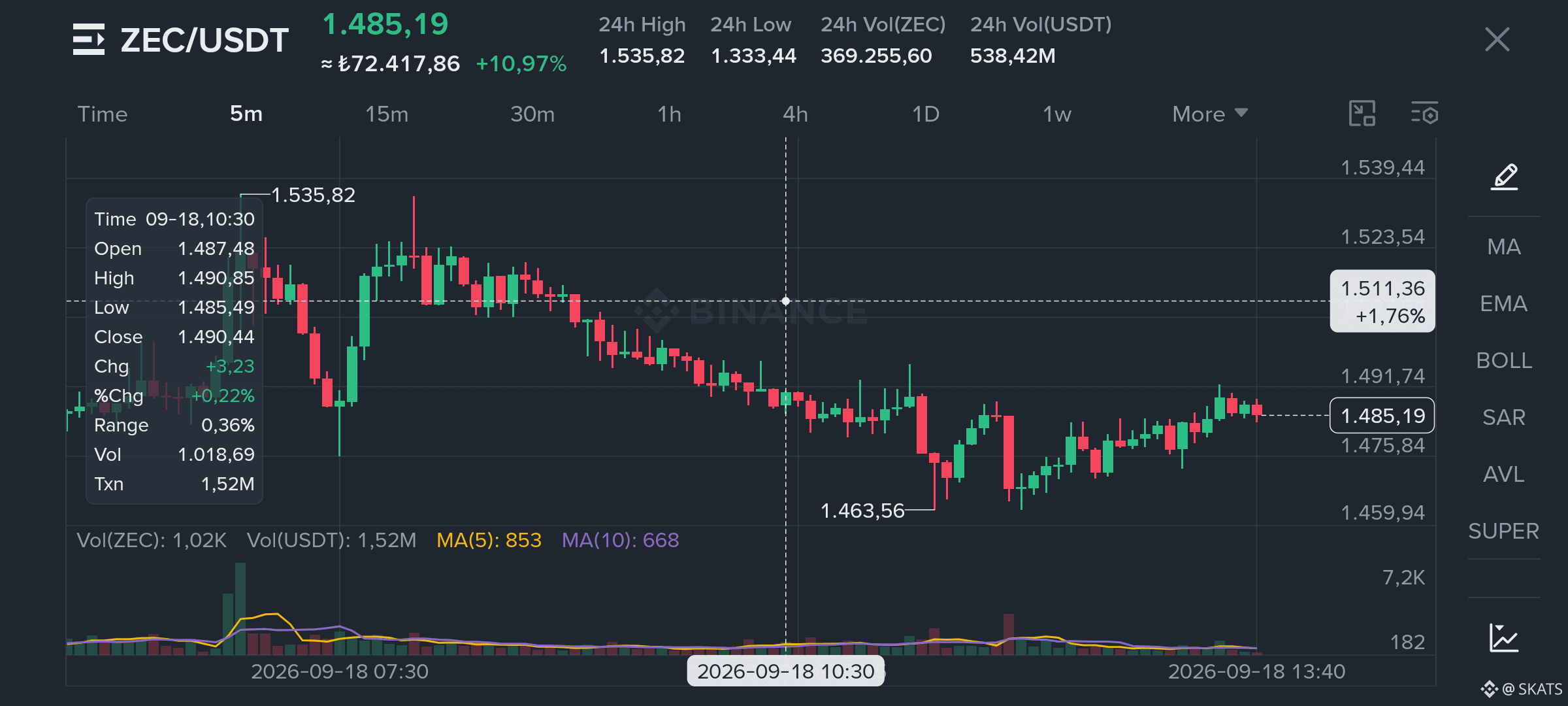
Với ZEC, tôi ít quan tâm đến việc giá đã biến động nhanh đến mức nào và quan tâm nhiều hơn đến việc đợt biến động này đã phân phối lại vị thế trong thị trường như thế nào.
Chúng tôi đã chứng kiến một đợt biến động hai chữ số trong 24 giờ, khối lượng mở rộng rõ ràng, và giá đã thử nghiệm vùng 1.535 trước khi ổn định quanh 1.485.
Việc thanh lý lệnh Short có thể đã thúc đẩy một phần của đợt tăng đó.
Nhưng tôi sẽ không quy toàn bộ đợt chuyển động cho điều đó.
Bởi vì một số thứ đã thay đổi cùng lúc.
Vốn đang nằm ở mức thấp hơn trước đây giờ lại đang ghi nhận lợi nhuận đáng kể.
Tiền mới mà trước đó không muốn bỏ lỡ đợt tăng đã tham gia ở một cơ sở giá cao hơn nhiều.
Và ở phía Short, một số vị thế có thể đã bị đẩy ra hoặc đã giảm bớt rủi ro.
Vì vậy, trong khi giá thay đổi, thì điều gì đó khác cũng đã thay đổi theo:
Mức độ mà tại đó những nhóm tham gia khác nhau bắt đầu cảm thấy không thoải mái.
Điều này với tôi quan trọng hơn nhiều.
Sau một đợt tăng mạnh, giá không phải lúc nào cũng cần thêm tiền để tiếp tục đi lên.
Đôi khi chỉ cần các vị thế hiện có bắt đầu cư xử khác đi.
Nếu những người mua trước đó không vội chốt lời, các nhà mua mới có thể chịu đựng nhịp điều chỉnh đầu tiên, và phe Short không ngay lập tức tái thiết lập mức độ phơi nhiễm mang tính “hung hăng”, thì thị trường có thể bắt đầu chấp nhận một dải giá cao hơn.
Nhưng ngược lại cũng có thể xảy ra nhanh như vậy.
Nếu những người mua vào muộn lại là nhóm đầu tiên mất đi sự chắc chắn, thì thứ hôm nay trông có vẻ mạnh có thể trở nên mong manh rất nhanh.
Vì vậy tôi không nhìn ZEC và nghĩ:
“Short bị thanh lý, nên giá sẽ đi lên.”
Tôi đang đặt một câu hỏi khác.
Nhóm nào có khả năng cao nhất sẽ bị buộc phải thay đổi quyết định của mình trước?
Nguồn vốn đến sớm hơn đang nằm trên lợi nhuận?
Hay nguồn vốn mới tham gia ở mức giá cao hơn?
Hay phía Short đang cố gắng tái xây dựng vị thế phơi nhiễm?
Bởi vì đôi khi bước đi tiếp theo không được quyết định bởi phe mạnh nhất.
Nó được quyết định bởi phe trở nên “không thoải mái” trước.
#ZEC #MarketStructure #Binance
Với ZEC, tôi ít quan tâm đến việc giá đã biến động nhanh đến mức nào và quan tâm nhiều hơn đến việc đợt biến động này đã phân phối lại vị thế trong thị trường như thế nào.
Chúng tôi đã chứng kiến một đợt biến động hai chữ số trong 24 giờ, khối lượng mở rộng rõ ràng, và giá đã thử nghiệm vùng 1.535 trước khi ổn định quanh 1.485.
Việc thanh lý lệnh Short có thể đã thúc đẩy một phần của đợt tăng đó.
Nhưng tôi sẽ không quy toàn bộ đợt chuyển động cho điều đó.
Bởi vì một số thứ đã thay đổi cùng lúc.
Vốn đang nằm ở mức thấp hơn trước đây giờ lại đang ghi nhận lợi nhuận đáng kể.
Tiền mới mà trước đó không muốn bỏ lỡ đợt tăng đã tham gia ở một cơ sở giá cao hơn nhiều.
Và ở phía Short, một số vị thế có thể đã bị đẩy ra hoặc đã giảm bớt rủi ro.
Vì vậy, trong khi giá thay đổi, thì điều gì đó khác cũng đã thay đổi theo:
Mức độ mà tại đó những nhóm tham gia khác nhau bắt đầu cảm thấy không thoải mái.
Điều này với tôi quan trọng hơn nhiều.
Sau một đợt tăng mạnh, giá không phải lúc nào cũng cần thêm tiền để tiếp tục đi lên.
Đôi khi chỉ cần các vị thế hiện có bắt đầu cư xử khác đi.
Nếu những người mua trước đó không vội chốt lời, các nhà mua mới có thể chịu đựng nhịp điều chỉnh đầu tiên, và phe Short không ngay lập tức tái thiết lập mức độ phơi nhiễm mang tính “hung hăng”, thì thị trường có thể bắt đầu chấp nhận một dải giá cao hơn.
Nhưng ngược lại cũng có thể xảy ra nhanh như vậy.
Nếu những người mua vào muộn lại là nhóm đầu tiên mất đi sự chắc chắn, thì thứ hôm nay trông có vẻ mạnh có thể trở nên mong manh rất nhanh.
Vì vậy tôi không nhìn ZEC và nghĩ:
“Short bị thanh lý, nên giá sẽ đi lên.”
Tôi đang đặt một câu hỏi khác.
Nhóm nào có khả năng cao nhất sẽ bị buộc phải thay đổi quyết định của mình trước?
Nguồn vốn đến sớm hơn đang nằm trên lợi nhuận?
Hay nguồn vốn mới tham gia ở mức giá cao hơn?
Hay phía Short đang cố gắng tái xây dựng vị thế phơi nhiễm?
Bởi vì đôi khi bước đi tiếp theo không được quyết định bởi phe mạnh nhất.
Nó được quyết định bởi phe trở nên “không thoải mái” trước.
#ZEC #MarketStructure #Binance
Chúng tôi đã chứng kiến một đợt biến động hai chữ số trong 24 giờ, khối lượng mở rộng rõ ràng, và giá đã thử nghiệm vùng 1.535 trước khi ổn định quanh 1.485.
Việc thanh lý lệnh Short có thể đã thúc đẩy một phần của đợt tăng đó.
Nhưng tôi sẽ không quy toàn bộ đợt chuyển động cho điều đó.
Bởi vì một số thứ đã thay đổi cùng lúc.
Vốn đang nằm ở mức thấp hơn trước đây giờ lại đang ghi nhận lợi nhuận đáng kể.
Tiền mới mà trước đó không muốn bỏ lỡ đợt tăng đã tham gia ở một cơ sở giá cao hơn nhiều.
Và ở phía Short, một số vị thế có thể đã bị đẩy ra hoặc đã giảm bớt rủi ro.
Vì vậy, trong khi giá thay đổi, thì điều gì đó khác cũng đã thay đổi theo:
Mức độ mà tại đó những nhóm tham gia khác nhau bắt đầu cảm thấy không thoải mái.
Điều này với tôi quan trọng hơn nhiều.
Sau một đợt tăng mạnh, giá không phải lúc nào cũng cần thêm tiền để tiếp tục đi lên.
Đôi khi chỉ cần các vị thế hiện có bắt đầu cư xử khác đi.
Nếu những người mua trước đó không vội chốt lời, các nhà mua mới có thể chịu đựng nhịp điều chỉnh đầu tiên, và phe Short không ngay lập tức tái thiết lập mức độ phơi nhiễm mang tính “hung hăng”, thì thị trường có thể bắt đầu chấp nhận một dải giá cao hơn.
Nhưng ngược lại cũng có thể xảy ra nhanh như vậy.
Nếu những người mua vào muộn lại là nhóm đầu tiên mất đi sự chắc chắn, thì thứ hôm nay trông có vẻ mạnh có thể trở nên mong manh rất nhanh.
Vì vậy tôi không nhìn ZEC và nghĩ:
“Short bị thanh lý, nên giá sẽ đi lên.”
Tôi đang đặt một câu hỏi khác.
Nhóm nào có khả năng cao nhất sẽ bị buộc phải thay đổi quyết định của mình trước?
Nguồn vốn đến sớm hơn đang nằm trên lợi nhuận?
Hay nguồn vốn mới tham gia ở mức giá cao hơn?
Hay phía Short đang cố gắng tái xây dựng vị thế phơi nhiễm?
Bởi vì đôi khi bước đi tiếp theo không được quyết định bởi phe mạnh nhất.
Nó được quyết định bởi phe trở nên “không thoải mái” trước.
#ZEC #MarketStructure #Binance
2
5.3k
·
--
Đã xác minh
Một trong những ý tưởng sớm nhất của crypto rất đơn giản:
Nếu bạn giữ khóa, thì bạn thực sự nắm giữ tài sản.
Ý tưởng đó đã chuyển trách nhiệm tài chính ra khỏi các tổ chức và trao cho cá nhân.
Vài năm sau, một điều thú vị đang diễn ra theo hướng ngược lại.
Deutsche Bank đang chuẩn bị một dịch vụ lưu ký tài sản số cho khách hàng tổ chức. Theo kế hoạch, việc quản lý ví và khóa riêng cho Bitcoin, Ether và một số stablecoin được chọn sẽ trở thành một phần trong dịch vụ mà ngân hàng cung cấp.
Nhưng Bitcoin mới là thứ khiến tôi không chú ý.
Điều khiến tôi quan tâm chính là việc một ngân hàng đang chuẩn bị đứng ra chịu trách nhiệm cho các khóa.
Với một cá nhân, việc kiểm soát khóa có thể đồng nghĩa với sự độc lập. Với một tổ chức, điều đó có nghĩa là trách nhiệm.
Ai là người kiểm soát quyền truy cập, và ai sẽ chịu trách nhiệm khi có điều gì đó xảy ra sai sót?
Đến một lúc nào đó, vấn đề không còn chỉ là lưu trữ tài sản.
Bạn phải lưu ký cả trách nhiệm.
Tôi nghĩ đây là một phần bị xem nhẹ trong crypto dành cho tổ chức.
Trong nhiều năm, chúng ta đã tự hỏi liệu các ngân hàng có mua Bitcoin không, đưa nó vào bảng cân đối kế toán hay cấp cho khách hàng quyền truy cập vào nó.
Có lẽ sự thay đổi lớn hơn đang diễn ra ở một nơi khác.
Các ngân hàng có thể không chỉ đơn giản là đang áp dụng crypto. Họ có thể đang biến một dạng trách nhiệm mới do crypto tạo ra thành một dịch vụ tài chính.
Và điều đó còn trở nên thú vị hơn nếu cổ phiếu, trái phiếu, quỹ và các tài sản khác dần chuyển sang hạ tầng on-chain.
Trong thế giới đó, việc lưu ký có thể không còn đơn thuần là nói:
“Các tài sản của bạn được lưu trữ ở đây.”
Lời hứa có giá trị hơn có thể trở thành:
“Chúng tôi chịu trách nhiệm cho các khóa.”
Vì vậy, với bước đi của Deutsche Bank, tôi không theo dõi xem họ cuối cùng có thể lưu ký bao nhiêu Bitcoin.
Tôi đang theo dõi một điều khác.
Khi crypto trở thành hạ tầng, ngân hàng sẽ bắt đầu bán gì?
Bởi vì một trong những câu hỏi sớm nhất của crypto là:
“Vì sao tôi cần một ngân hàng?”
Và nếu câu hỏi dành cho tổ chức cuối cùng trở thành:
“Tôi có thể tin tưởng tổ chức nào chịu trách nhiệm cho việc này?”
#DigitalAssetCustody #Bitcoin #InstitutionalCrypto #Binance
Một trong những ý tưởng sớm nhất của crypto rất đơn giản:
Nếu bạn giữ khóa, thì bạn thực sự nắm giữ tài sản.
Ý tưởng đó đã chuyển trách nhiệm tài chính ra khỏi các tổ chức và trao cho cá nhân.
Vài năm sau, một điều thú vị đang diễn ra theo hướng ngược lại.
Deutsche Bank đang chuẩn bị một dịch vụ lưu ký tài sản số cho khách hàng tổ chức. Theo kế hoạch, việc quản lý ví và khóa riêng cho Bitcoin, Ether và một số stablecoin được chọn sẽ trở thành một phần trong dịch vụ mà ngân hàng cung cấp.
Nhưng Bitcoin mới là thứ khiến tôi không chú ý.
Điều khiến tôi quan tâm chính là việc một ngân hàng đang chuẩn bị đứng ra chịu trách nhiệm cho các khóa.
Với một cá nhân, việc kiểm soát khóa có thể đồng nghĩa với sự độc lập. Với một tổ chức, điều đó có nghĩa là trách nhiệm.
Ai là người kiểm soát quyền truy cập, và ai sẽ chịu trách nhiệm khi có điều gì đó xảy ra sai sót?
Đến một lúc nào đó, vấn đề không còn chỉ là lưu trữ tài sản.
Bạn phải lưu ký cả trách nhiệm.
Tôi nghĩ đây là một phần bị xem nhẹ trong crypto dành cho tổ chức.
Trong nhiều năm, chúng ta đã tự hỏi liệu các ngân hàng có mua Bitcoin không, đưa nó vào bảng cân đối kế toán hay cấp cho khách hàng quyền truy cập vào nó.
Có lẽ sự thay đổi lớn hơn đang diễn ra ở một nơi khác.
Các ngân hàng có thể không chỉ đơn giản là đang áp dụng crypto. Họ có thể đang biến một dạng trách nhiệm mới do crypto tạo ra thành một dịch vụ tài chính.
Và điều đó còn trở nên thú vị hơn nếu cổ phiếu, trái phiếu, quỹ và các tài sản khác dần chuyển sang hạ tầng on-chain.
Trong thế giới đó, việc lưu ký có thể không còn đơn thuần là nói:
“Các tài sản của bạn được lưu trữ ở đây.”
Lời hứa có giá trị hơn có thể trở thành:
“Chúng tôi chịu trách nhiệm cho các khóa.”
Vì vậy, với bước đi của Deutsche Bank, tôi không theo dõi xem họ cuối cùng có thể lưu ký bao nhiêu Bitcoin.
Tôi đang theo dõi một điều khác.
Khi crypto trở thành hạ tầng, ngân hàng sẽ bắt đầu bán gì?
Bởi vì một trong những câu hỏi sớm nhất của crypto là:
“Vì sao tôi cần một ngân hàng?”
Và nếu câu hỏi dành cho tổ chức cuối cùng trở thành:
“Tôi có thể tin tưởng tổ chức nào chịu trách nhiệm cho việc này?”
#DigitalAssetCustody #Bitcoin #InstitutionalCrypto #Binance
Nếu bạn giữ khóa, thì bạn thực sự nắm giữ tài sản.
Ý tưởng đó đã chuyển trách nhiệm tài chính ra khỏi các tổ chức và trao cho cá nhân.
Vài năm sau, một điều thú vị đang diễn ra theo hướng ngược lại.
Deutsche Bank đang chuẩn bị một dịch vụ lưu ký tài sản số cho khách hàng tổ chức. Theo kế hoạch, việc quản lý ví và khóa riêng cho Bitcoin, Ether và một số stablecoin được chọn sẽ trở thành một phần trong dịch vụ mà ngân hàng cung cấp.
Nhưng Bitcoin mới là thứ khiến tôi không chú ý.
Điều khiến tôi quan tâm chính là việc một ngân hàng đang chuẩn bị đứng ra chịu trách nhiệm cho các khóa.
Với một cá nhân, việc kiểm soát khóa có thể đồng nghĩa với sự độc lập. Với một tổ chức, điều đó có nghĩa là trách nhiệm.
Ai là người kiểm soát quyền truy cập, và ai sẽ chịu trách nhiệm khi có điều gì đó xảy ra sai sót?
Đến một lúc nào đó, vấn đề không còn chỉ là lưu trữ tài sản.
Bạn phải lưu ký cả trách nhiệm.
Tôi nghĩ đây là một phần bị xem nhẹ trong crypto dành cho tổ chức.
Trong nhiều năm, chúng ta đã tự hỏi liệu các ngân hàng có mua Bitcoin không, đưa nó vào bảng cân đối kế toán hay cấp cho khách hàng quyền truy cập vào nó.
Có lẽ sự thay đổi lớn hơn đang diễn ra ở một nơi khác.
Các ngân hàng có thể không chỉ đơn giản là đang áp dụng crypto. Họ có thể đang biến một dạng trách nhiệm mới do crypto tạo ra thành một dịch vụ tài chính.
Và điều đó còn trở nên thú vị hơn nếu cổ phiếu, trái phiếu, quỹ và các tài sản khác dần chuyển sang hạ tầng on-chain.
Trong thế giới đó, việc lưu ký có thể không còn đơn thuần là nói:
“Các tài sản của bạn được lưu trữ ở đây.”
Lời hứa có giá trị hơn có thể trở thành:
“Chúng tôi chịu trách nhiệm cho các khóa.”
Vì vậy, với bước đi của Deutsche Bank, tôi không theo dõi xem họ cuối cùng có thể lưu ký bao nhiêu Bitcoin.
Tôi đang theo dõi một điều khác.
Khi crypto trở thành hạ tầng, ngân hàng sẽ bắt đầu bán gì?
Bởi vì một trong những câu hỏi sớm nhất của crypto là:
“Vì sao tôi cần một ngân hàng?”
Và nếu câu hỏi dành cho tổ chức cuối cùng trở thành:
“Tôi có thể tin tưởng tổ chức nào chịu trách nhiệm cho việc này?”
#DigitalAssetCustody #Bitcoin #InstitutionalCrypto #Binance
3
12.7k
·
--
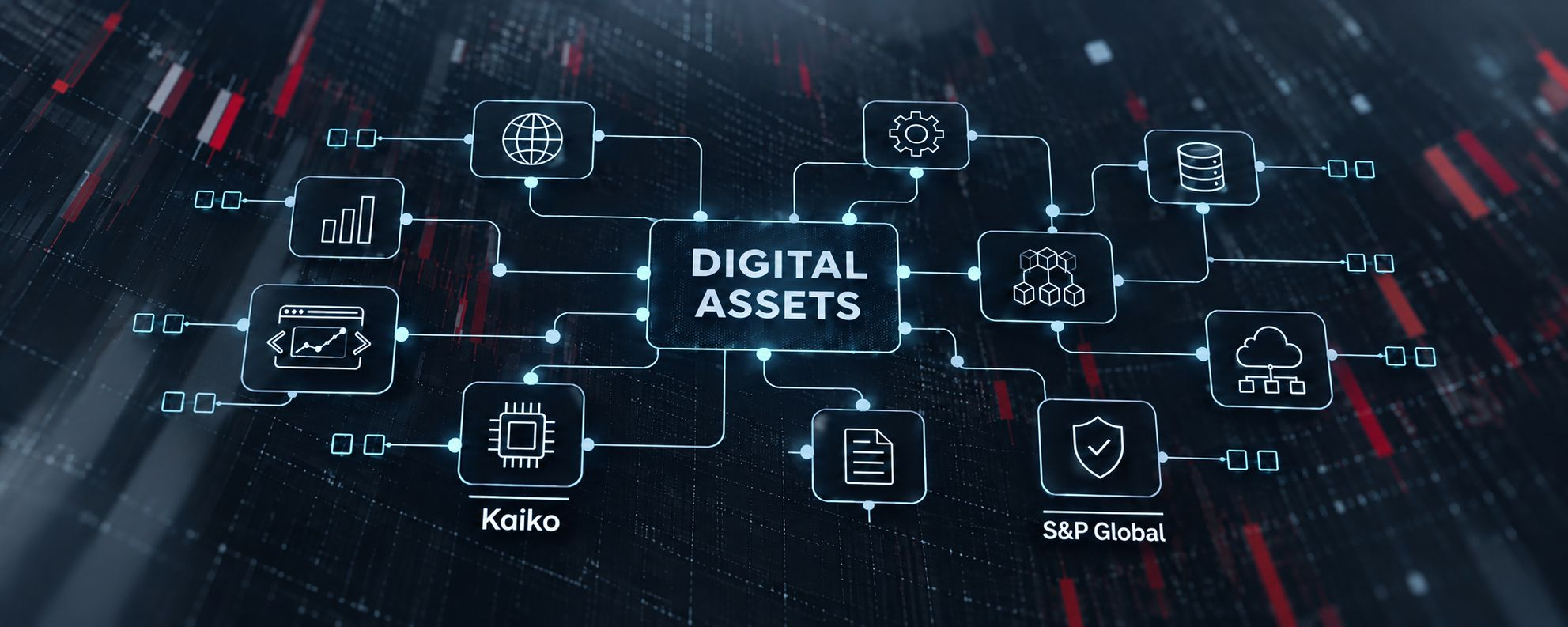
Bài viết
Tiền của Tổ chức Cần Tin GìKhi nói về sự quan tâm của các tổ chức đối với crypto, hầu hết mọi người có xu hướng nhìn vào cùng một điều: Có bao nhiêu tiền đang chảy vào?
Dạo gần đây, tôi đã nhìn lùi thêm một bước.
Số tiền đó cần phải tin tưởng điều gì trước khi có thể đưa ra quyết định?
Đó là lý do tại sao việc S&P Global dẫn đầu một khoản đầu tư chiến lược đã mở rộng vòng Series B của Kaiko lên 110 triệu USD khiến tôi chú ý. Kaiko cung cấp hạ tầng dữ liệu cho crypto và các thị trường on-chain.
Và điều này không phải là một phát triển độc lập. S&P Dow Jones Indices và Kaiko cũng đã hợp nhất các chỉ số tài sản kỹ thuật số của họ dưới một khung chung.
Tiền của Tổ chức Cần Tin Gì
Khi nói về sự quan tâm của các tổ chức đối với crypto, hầu hết mọi người có xu hướng nhìn vào cùng một điều: Có bao nhiêu tiền đang chảy vào?
Dạo gần đây, tôi đã nhìn lùi thêm một bước.
Số tiền đó cần phải tin tưởng điều gì trước khi có thể đưa ra quyết định?
Đó là lý do tại sao việc S&P Global dẫn đầu một khoản đầu tư chiến lược đã mở rộng vòng Series B của Kaiko lên 110 triệu USD khiến tôi chú ý. Kaiko cung cấp hạ tầng dữ liệu cho crypto và các thị trường on-chain.
Và điều này không phải là một phát triển độc lập. S&P Dow Jones Indices và Kaiko cũng đã hợp nhất các chỉ số tài sản kỹ thuật số của họ dưới một khung chung.
Dạo gần đây, tôi đã nhìn lùi thêm một bước.
Số tiền đó cần phải tin tưởng điều gì trước khi có thể đưa ra quyết định?
Đó là lý do tại sao việc S&P Global dẫn đầu một khoản đầu tư chiến lược đã mở rộng vòng Series B của Kaiko lên 110 triệu USD khiến tôi chú ý. Kaiko cung cấp hạ tầng dữ liệu cho crypto và các thị trường on-chain.
Và điều này không phải là một phát triển độc lập. S&P Dow Jones Indices và Kaiko cũng đã hợp nhất các chỉ số tài sản kỹ thuật số của họ dưới một khung chung.
2
5.1k
·
--
Đã xác minh
Khi cuộc họp của Fed đang đến gần, mọi người đều chuẩn bị cho cùng một câu hỏi: Liệu chúng ta có được một đợt tăng lãi suất 25bp không?
Lần này, tôi không tập trung nhiều vào chính quyết định của Fed mà hơn vào những gì đã xảy ra trước khi Fed thậm chí công bố nó.
Bởi vì thị trường trái phiếu đã không chờ Fed.
Với lợi suất Trái phiếu Kho bạc Mỹ kỳ hạn 10 năm quanh mức 5%, một đợt tăng 25bp đã phần lớn được thị trường định giá sẵn.
Vì vậy, nếu Fed tăng lãi suất vào ngày mai, tôi sẽ không nhất thiết xem đó là sự khởi đầu của một vòng thắt chặt mới.
Còn một khả năng khác.
Fed có thể chỉ đang chính thức hóa một đợt thắt chặt mà thị trường trái phiếu đã bắt đầu từ trước.
Tôi nghĩ sự phân biệt này quan trọng.
Bởi vì mọi thứ từ chi phí vay vốn của doanh nghiệp đến mức độ sẵn sàng của nhà đầu tư trong việc chấp nhận rủi ro đều phụ thuộc vào nhiều hơn chỉ mức lãi suất do Fed đặt ra. Lợi suất dài hạn cũng thay đổi giá trị của những lựa chọn thay thế cho vốn.
Đó là lý do vì sao tôi cho rằng chỉ nhìn vào bản thân quyết định sẽ bỏ lỡ một phần bức tranh đối với BTC, cổ phiếu công nghệ và vàng.
Với tôi, thông tin đáng chú ý hơn sẽ đến sau.
Điều gì xảy ra với lợi suất Trái phiếu Kho bạc kỳ hạn 10 năm sau một đợt tăng 25bp?
Nó có lùi lại không?
Hay nó vẫn duy trì ở mức cao, khiến điều kiện tài chính vẫn bị thắt chặt ngay cả khi không phụ thuộc vào Fed?
Kịch bản thứ hai sẽ tạo ra một điều gì đó còn thú vị hơn nhiều.
Fed có thể chỉ tăng một lần, trong khi thị trường mang lại một đợt thắt chặt lớn hơn đáng kể đối với nền kinh tế.
Vì vậy, ngày mai, tôi sẽ không cố gắng dự đoán phản ứng đầu tiên hiển thị trên màn hình.
Tôi sẽ ít quan tâm hơn BTC đi theo hướng nào trong vài phút đầu, và quan tâm nhiều hơn đến mức lãi suất mà dòng vốn chấp nhận sau quyết định đó.
Bởi vì với tôi, câu hỏi quan trọng nhất ngày mai không phải là liệu Fed có tăng lãi suất hay không.
Fed còn đang dẫn dắt các điều kiện tài chính chứ?
Hay đó chỉ là việc Fed đang bắt kịp với một thị trường trái phiếu vốn đã đi trước?
#FedRateWatch #BTC #Fed #Binance
Khi cuộc họp của Fed đang đến gần, mọi người đều chuẩn bị cho cùng một câu hỏi: Liệu chúng ta có được một đợt tăng lãi suất 25bp không?
Lần này, tôi không tập trung nhiều vào chính quyết định của Fed mà hơn vào những gì đã xảy ra trước khi Fed thậm chí công bố nó.
Bởi vì thị trường trái phiếu đã không chờ Fed.
Với lợi suất Trái phiếu Kho bạc Mỹ kỳ hạn 10 năm quanh mức 5%, một đợt tăng 25bp đã phần lớn được thị trường định giá sẵn.
Vì vậy, nếu Fed tăng lãi suất vào ngày mai, tôi sẽ không nhất thiết xem đó là sự khởi đầu của một vòng thắt chặt mới.
Còn một khả năng khác.
Fed có thể chỉ đang chính thức hóa một đợt thắt chặt mà thị trường trái phiếu đã bắt đầu từ trước.
Tôi nghĩ sự phân biệt này quan trọng.
Bởi vì mọi thứ từ chi phí vay vốn của doanh nghiệp đến mức độ sẵn sàng của nhà đầu tư trong việc chấp nhận rủi ro đều phụ thuộc vào nhiều hơn chỉ mức lãi suất do Fed đặt ra. Lợi suất dài hạn cũng thay đổi giá trị của những lựa chọn thay thế cho vốn.
Đó là lý do vì sao tôi cho rằng chỉ nhìn vào bản thân quyết định sẽ bỏ lỡ một phần bức tranh đối với BTC, cổ phiếu công nghệ và vàng.
Với tôi, thông tin đáng chú ý hơn sẽ đến sau.
Điều gì xảy ra với lợi suất Trái phiếu Kho bạc kỳ hạn 10 năm sau một đợt tăng 25bp?
Nó có lùi lại không?
Hay nó vẫn duy trì ở mức cao, khiến điều kiện tài chính vẫn bị thắt chặt ngay cả khi không phụ thuộc vào Fed?
Kịch bản thứ hai sẽ tạo ra một điều gì đó còn thú vị hơn nhiều.
Fed có thể chỉ tăng một lần, trong khi thị trường mang lại một đợt thắt chặt lớn hơn đáng kể đối với nền kinh tế.
Vì vậy, ngày mai, tôi sẽ không cố gắng dự đoán phản ứng đầu tiên hiển thị trên màn hình.
Tôi sẽ ít quan tâm hơn BTC đi theo hướng nào trong vài phút đầu, và quan tâm nhiều hơn đến mức lãi suất mà dòng vốn chấp nhận sau quyết định đó.
Bởi vì với tôi, câu hỏi quan trọng nhất ngày mai không phải là liệu Fed có tăng lãi suất hay không.
Fed còn đang dẫn dắt các điều kiện tài chính chứ?
Hay đó chỉ là việc Fed đang bắt kịp với một thị trường trái phiếu vốn đã đi trước?
#FedRateWatch #BTC #Fed #Binance
Lần này, tôi không tập trung nhiều vào chính quyết định của Fed mà hơn vào những gì đã xảy ra trước khi Fed thậm chí công bố nó.
Bởi vì thị trường trái phiếu đã không chờ Fed.
Với lợi suất Trái phiếu Kho bạc Mỹ kỳ hạn 10 năm quanh mức 5%, một đợt tăng 25bp đã phần lớn được thị trường định giá sẵn.
Vì vậy, nếu Fed tăng lãi suất vào ngày mai, tôi sẽ không nhất thiết xem đó là sự khởi đầu của một vòng thắt chặt mới.
Còn một khả năng khác.
Fed có thể chỉ đang chính thức hóa một đợt thắt chặt mà thị trường trái phiếu đã bắt đầu từ trước.
Tôi nghĩ sự phân biệt này quan trọng.
Bởi vì mọi thứ từ chi phí vay vốn của doanh nghiệp đến mức độ sẵn sàng của nhà đầu tư trong việc chấp nhận rủi ro đều phụ thuộc vào nhiều hơn chỉ mức lãi suất do Fed đặt ra. Lợi suất dài hạn cũng thay đổi giá trị của những lựa chọn thay thế cho vốn.
Đó là lý do vì sao tôi cho rằng chỉ nhìn vào bản thân quyết định sẽ bỏ lỡ một phần bức tranh đối với BTC, cổ phiếu công nghệ và vàng.
Với tôi, thông tin đáng chú ý hơn sẽ đến sau.
Điều gì xảy ra với lợi suất Trái phiếu Kho bạc kỳ hạn 10 năm sau một đợt tăng 25bp?
Nó có lùi lại không?
Hay nó vẫn duy trì ở mức cao, khiến điều kiện tài chính vẫn bị thắt chặt ngay cả khi không phụ thuộc vào Fed?
Kịch bản thứ hai sẽ tạo ra một điều gì đó còn thú vị hơn nhiều.
Fed có thể chỉ tăng một lần, trong khi thị trường mang lại một đợt thắt chặt lớn hơn đáng kể đối với nền kinh tế.
Vì vậy, ngày mai, tôi sẽ không cố gắng dự đoán phản ứng đầu tiên hiển thị trên màn hình.
Tôi sẽ ít quan tâm hơn BTC đi theo hướng nào trong vài phút đầu, và quan tâm nhiều hơn đến mức lãi suất mà dòng vốn chấp nhận sau quyết định đó.
Bởi vì với tôi, câu hỏi quan trọng nhất ngày mai không phải là liệu Fed có tăng lãi suất hay không.
Fed còn đang dẫn dắt các điều kiện tài chính chứ?
Hay đó chỉ là việc Fed đang bắt kịp với một thị trường trái phiếu vốn đã đi trước?
#FedRateWatch #BTC #Fed #Binance
2
2.4k
·
--
Điều khiến tôi nghĩ nhiều nhất về stablecoin gần đây không phải là vốn hóa thị trường của chúng.
Mà là cách các ngân hàng hoạt động.
Tại Mỹ, ngành ngân hàng ngày càng lo ngại rằng stablecoin có thể cạnh tranh trực tiếp với tiền gửi ngân hàng. Cuộc thảo luận không còn chỉ xoay quanh chuyện quy định hay liệu crypto có an toàn hay không.
Mà đang trở thành câu hỏi về việc tiền sẽ được nắm giữ ở đâu.
Vì vậy, ngay cả các mức lãi suất và phần thưởng được đưa ra cho người nắm giữ stablecoin cũng đã trở thành một chủ đề tranh luận nghiêm túc.
Nhưng đồng thời, cũng đang có một điều khác xảy ra.
Một nhóm gồm 21 tổ chức tài chính lớn, bao gồm Bank of America, Citi, Goldman Sachs và Deutsche Bank, đang chuẩn bị ra mắt một giải pháp stablecoin dựa trên đồng đô la của riêng mình trong nửa đầu năm 2027.
Tôi thấy ở đây một sự mâu thuẫn thú vị.
Một mặt, chúng ta có một hệ thống ngân hàng đang lo ngại stablecoin cạnh tranh với tiền gửi. Mặt khác, một số chủ thể lớn nhất trong chính hệ thống đó lại đang chuẩn bị bước vào hạ tầng stablecoin.
Có lẽ việc đo mức độ quan trọng của stablecoin trong tài chính chỉ dựa trên số tiền lưu hành bằng đô la là chưa nắm được điều lớn hơn.
Tôi đang theo dõi một điều khác.
Liệu hệ thống hiện tại đã bắt đầu thay đổi hành vi của chính mình chưa?
Bởi vì cạnh tranh thực sự không phải lúc nào cũng bắt đầu khi một sản phẩm mới thay thế hệ thống cũ.
Đôi khi, nó bắt đầu khi hệ thống cũ bắt đầu thay đổi vị thế của mình do sự xuất hiện của hệ thống mới.
Vì vậy, trong giai đoạn sắp tới, tôi sẽ không chỉ theo dõi quy mô thị trường stablecoin tăng trưởng bao nhiêu.
Tôi cũng sẽ theo dõi khoảng cách giữa những gì các ngân hàng nói về stablecoin và những gì họ đang xây dựng cho khách hàng của chính họ.
Bởi vì đó có thể là nơi tín hiệu thực sự nằm.
Đôi khi, dấu hiệu rõ ràng nhất cho thấy một đổi mới tài chính đã trở nên mạnh mẽ đến mức nào không phải là ai đang đầu tư vào nó, mà là ai bị buộc phải thay đổi hành vi của mình vì nó.
#Stablecoins #Crypto #Binance #TufanSalur
Điều khiến tôi nghĩ nhiều nhất về stablecoin gần đây không phải là vốn hóa thị trường của chúng.
Mà là cách các ngân hàng hoạt động.
Tại Mỹ, ngành ngân hàng ngày càng lo ngại rằng stablecoin có thể cạnh tranh trực tiếp với tiền gửi ngân hàng. Cuộc thảo luận không còn chỉ xoay quanh chuyện quy định hay liệu crypto có an toàn hay không.
Mà đang trở thành câu hỏi về việc tiền sẽ được nắm giữ ở đâu.
Vì vậy, ngay cả các mức lãi suất và phần thưởng được đưa ra cho người nắm giữ stablecoin cũng đã trở thành một chủ đề tranh luận nghiêm túc.
Nhưng đồng thời, cũng đang có một điều khác xảy ra.
Một nhóm gồm 21 tổ chức tài chính lớn, bao gồm Bank of America, Citi, Goldman Sachs và Deutsche Bank, đang chuẩn bị ra mắt một giải pháp stablecoin dựa trên đồng đô la của riêng mình trong nửa đầu năm 2027.
Tôi thấy ở đây một sự mâu thuẫn thú vị.
Một mặt, chúng ta có một hệ thống ngân hàng đang lo ngại stablecoin cạnh tranh với tiền gửi. Mặt khác, một số chủ thể lớn nhất trong chính hệ thống đó lại đang chuẩn bị bước vào hạ tầng stablecoin.
Có lẽ việc đo mức độ quan trọng của stablecoin trong tài chính chỉ dựa trên số tiền lưu hành bằng đô la là chưa nắm được điều lớn hơn.
Tôi đang theo dõi một điều khác.
Liệu hệ thống hiện tại đã bắt đầu thay đổi hành vi của chính mình chưa?
Bởi vì cạnh tranh thực sự không phải lúc nào cũng bắt đầu khi một sản phẩm mới thay thế hệ thống cũ.
Đôi khi, nó bắt đầu khi hệ thống cũ bắt đầu thay đổi vị thế của mình do sự xuất hiện của hệ thống mới.
Vì vậy, trong giai đoạn sắp tới, tôi sẽ không chỉ theo dõi quy mô thị trường stablecoin tăng trưởng bao nhiêu.
Tôi cũng sẽ theo dõi khoảng cách giữa những gì các ngân hàng nói về stablecoin và những gì họ đang xây dựng cho khách hàng của chính họ.
Bởi vì đó có thể là nơi tín hiệu thực sự nằm.
Đôi khi, dấu hiệu rõ ràng nhất cho thấy một đổi mới tài chính đã trở nên mạnh mẽ đến mức nào không phải là ai đang đầu tư vào nó, mà là ai bị buộc phải thay đổi hành vi của mình vì nó.
#Stablecoins #Crypto #Binance #TufanSalur
Mà là cách các ngân hàng hoạt động.
Tại Mỹ, ngành ngân hàng ngày càng lo ngại rằng stablecoin có thể cạnh tranh trực tiếp với tiền gửi ngân hàng. Cuộc thảo luận không còn chỉ xoay quanh chuyện quy định hay liệu crypto có an toàn hay không.
Mà đang trở thành câu hỏi về việc tiền sẽ được nắm giữ ở đâu.
Vì vậy, ngay cả các mức lãi suất và phần thưởng được đưa ra cho người nắm giữ stablecoin cũng đã trở thành một chủ đề tranh luận nghiêm túc.
Nhưng đồng thời, cũng đang có một điều khác xảy ra.
Một nhóm gồm 21 tổ chức tài chính lớn, bao gồm Bank of America, Citi, Goldman Sachs và Deutsche Bank, đang chuẩn bị ra mắt một giải pháp stablecoin dựa trên đồng đô la của riêng mình trong nửa đầu năm 2027.
Tôi thấy ở đây một sự mâu thuẫn thú vị.
Một mặt, chúng ta có một hệ thống ngân hàng đang lo ngại stablecoin cạnh tranh với tiền gửi. Mặt khác, một số chủ thể lớn nhất trong chính hệ thống đó lại đang chuẩn bị bước vào hạ tầng stablecoin.
Có lẽ việc đo mức độ quan trọng của stablecoin trong tài chính chỉ dựa trên số tiền lưu hành bằng đô la là chưa nắm được điều lớn hơn.
Tôi đang theo dõi một điều khác.
Liệu hệ thống hiện tại đã bắt đầu thay đổi hành vi của chính mình chưa?
Bởi vì cạnh tranh thực sự không phải lúc nào cũng bắt đầu khi một sản phẩm mới thay thế hệ thống cũ.
Đôi khi, nó bắt đầu khi hệ thống cũ bắt đầu thay đổi vị thế của mình do sự xuất hiện của hệ thống mới.
Vì vậy, trong giai đoạn sắp tới, tôi sẽ không chỉ theo dõi quy mô thị trường stablecoin tăng trưởng bao nhiêu.
Tôi cũng sẽ theo dõi khoảng cách giữa những gì các ngân hàng nói về stablecoin và những gì họ đang xây dựng cho khách hàng của chính họ.
Bởi vì đó có thể là nơi tín hiệu thực sự nằm.
Đôi khi, dấu hiệu rõ ràng nhất cho thấy một đổi mới tài chính đã trở nên mạnh mẽ đến mức nào không phải là ai đang đầu tư vào nó, mà là ai bị buộc phải thay đổi hành vi của mình vì nó.
#Stablecoins #Crypto #Binance #TufanSalur
2
3
747
·
--
Liệu tiếng chuông khai mạc của một sàn giao dịch chứng khoán có còn đánh dấu sự bắt đầu của quá trình hình thành giá trong tương lai không?
Phần lớn các cuộc thảo luận gần đây về tokenization (mã hóa tài sản) tập trung vào khả năng giao dịch 24 giờ mỗi ngày.
Điều khiến tôi quan tâm là khả năng của một điều còn lớn hơn thế.
Bởi vì nếu quá trình hình thành giá không còn bị giới hạn trong những giờ khi một thị trường mở cửa, thì việc khai mạc của một sàn giao dịch truyền thống cuối cùng có thể sẽ mất đi ý nghĩa như ngày nay.
Chúng ta đã thấy một ví dụ nhỏ nhưng rất thú vị về điều này.
Theo Binance Research, giá được tạo ra bởi bStocks trong các ngày cuối tuần phản ánh mức trung vị 92% của khoảng chênh giá xuất hiện vào phiên mở cửa thứ Hai.
Thậm chí đáng chú ý hơn, trong cả 41 trường hợp quan sát được—khi khoảng mở cửa lớn hơn 3%—thì hướng biến động là đúng.
Phần quan trọng đối với tôi không phải là 92% hay “41 trên 41”.
Mà là giá đang bắt đầu được hình thành ngay cả trước khi thị trường truyền thống mở cửa.
Bởi vì khi thị trường đóng cửa vào thứ Sáu, thế giới không vì thế mà dừng lại.
Tin tức vẫn tiếp tục được cập nhật.
Các công ty vẫn liên tục đưa ra thông báo.
Các điều kiện kinh tế vĩ mô vẫn tiếp tục thay đổi.
Kỳ vọng của nhà đầu tư vẫn tiếp tục dịch chuyển.
Trước đây, tất cả những điều này đều phải chờ đến tận thứ Hai mới có thể phản ánh thực sự vào giá.
Nếu tokenization bắt đầu loại bỏ khoảng thời gian chờ đó, tôi không nghĩ rằng thứ duy nhất thay đổi sẽ chỉ là giờ giao dịch.
Nơi mà giá được hình thành lần đầu cũng có thể sẽ thay đổi theo.
Và đó là lý do tôi thấy khoản đầu tư 100 triệu USD của Nasdaq vào Payward thật sự rất đáng chú ý.
Bởi vì câu hỏi giờ đây không còn là “Chúng ta có thể đưa cổ phiếu lên blockchain không?”
Mà là điều gì sẽ xảy ra với cấu trúc tài chính truyền thống nếu quá trình hình thành giá, giao dịch và thanh toán được thiết kế lại dựa trên hạ tầng blockchain.
Có lẽ trong tương lai, thời điểm mở cửa thứ Hai sẽ không còn là khoảnh khắc mà một mức giá mới được hình thành.
Nó sẽ chỉ là thời điểm khi một mức giá đã được hình thành trong suốt cuối tuần tìm được chỗ đứng trong thị trường truyền thống.
Tôi nghĩ đó mới là nơi có thể diễn ra bước đột phá thực sự của tokenization.
#RWA #Tokenization #Crypto #bStocks
Liệu tiếng chuông khai mạc của một sàn giao dịch chứng khoán có còn đánh dấu sự bắt đầu của quá trình hình thành giá trong tương lai không?
Phần lớn các cuộc thảo luận gần đây về tokenization (mã hóa tài sản) tập trung vào khả năng giao dịch 24 giờ mỗi ngày.
Điều khiến tôi quan tâm là khả năng của một điều còn lớn hơn thế.
Bởi vì nếu quá trình hình thành giá không còn bị giới hạn trong những giờ khi một thị trường mở cửa, thì việc khai mạc của một sàn giao dịch truyền thống cuối cùng có thể sẽ mất đi ý nghĩa như ngày nay.
Chúng ta đã thấy một ví dụ nhỏ nhưng rất thú vị về điều này.
Theo Binance Research, giá được tạo ra bởi bStocks trong các ngày cuối tuần phản ánh mức trung vị 92% của khoảng chênh giá xuất hiện vào phiên mở cửa thứ Hai.
Thậm chí đáng chú ý hơn, trong cả 41 trường hợp quan sát được—khi khoảng mở cửa lớn hơn 3%—thì hướng biến động là đúng.
Phần quan trọng đối với tôi không phải là 92% hay “41 trên 41”.
Mà là giá đang bắt đầu được hình thành ngay cả trước khi thị trường truyền thống mở cửa.
Bởi vì khi thị trường đóng cửa vào thứ Sáu, thế giới không vì thế mà dừng lại.
Tin tức vẫn tiếp tục được cập nhật.
Các công ty vẫn liên tục đưa ra thông báo.
Các điều kiện kinh tế vĩ mô vẫn tiếp tục thay đổi.
Kỳ vọng của nhà đầu tư vẫn tiếp tục dịch chuyển.
Trước đây, tất cả những điều này đều phải chờ đến tận thứ Hai mới có thể phản ánh thực sự vào giá.
Nếu tokenization bắt đầu loại bỏ khoảng thời gian chờ đó, tôi không nghĩ rằng thứ duy nhất thay đổi sẽ chỉ là giờ giao dịch.
Nơi mà giá được hình thành lần đầu cũng có thể sẽ thay đổi theo.
Và đó là lý do tôi thấy khoản đầu tư 100 triệu USD của Nasdaq vào Payward thật sự rất đáng chú ý.
Bởi vì câu hỏi giờ đây không còn là “Chúng ta có thể đưa cổ phiếu lên blockchain không?”
Mà là điều gì sẽ xảy ra với cấu trúc tài chính truyền thống nếu quá trình hình thành giá, giao dịch và thanh toán được thiết kế lại dựa trên hạ tầng blockchain.
Có lẽ trong tương lai, thời điểm mở cửa thứ Hai sẽ không còn là khoảnh khắc mà một mức giá mới được hình thành.
Nó sẽ chỉ là thời điểm khi một mức giá đã được hình thành trong suốt cuối tuần tìm được chỗ đứng trong thị trường truyền thống.
Tôi nghĩ đó mới là nơi có thể diễn ra bước đột phá thực sự của tokenization.
#RWA #Tokenization #Crypto #bStocks
Phần lớn các cuộc thảo luận gần đây về tokenization (mã hóa tài sản) tập trung vào khả năng giao dịch 24 giờ mỗi ngày.
Điều khiến tôi quan tâm là khả năng của một điều còn lớn hơn thế.
Bởi vì nếu quá trình hình thành giá không còn bị giới hạn trong những giờ khi một thị trường mở cửa, thì việc khai mạc của một sàn giao dịch truyền thống cuối cùng có thể sẽ mất đi ý nghĩa như ngày nay.
Chúng ta đã thấy một ví dụ nhỏ nhưng rất thú vị về điều này.
Theo Binance Research, giá được tạo ra bởi bStocks trong các ngày cuối tuần phản ánh mức trung vị 92% của khoảng chênh giá xuất hiện vào phiên mở cửa thứ Hai.
Thậm chí đáng chú ý hơn, trong cả 41 trường hợp quan sát được—khi khoảng mở cửa lớn hơn 3%—thì hướng biến động là đúng.
Phần quan trọng đối với tôi không phải là 92% hay “41 trên 41”.
Mà là giá đang bắt đầu được hình thành ngay cả trước khi thị trường truyền thống mở cửa.
Bởi vì khi thị trường đóng cửa vào thứ Sáu, thế giới không vì thế mà dừng lại.
Tin tức vẫn tiếp tục được cập nhật.
Các công ty vẫn liên tục đưa ra thông báo.
Các điều kiện kinh tế vĩ mô vẫn tiếp tục thay đổi.
Kỳ vọng của nhà đầu tư vẫn tiếp tục dịch chuyển.
Trước đây, tất cả những điều này đều phải chờ đến tận thứ Hai mới có thể phản ánh thực sự vào giá.
Nếu tokenization bắt đầu loại bỏ khoảng thời gian chờ đó, tôi không nghĩ rằng thứ duy nhất thay đổi sẽ chỉ là giờ giao dịch.
Nơi mà giá được hình thành lần đầu cũng có thể sẽ thay đổi theo.
Và đó là lý do tôi thấy khoản đầu tư 100 triệu USD của Nasdaq vào Payward thật sự rất đáng chú ý.
Bởi vì câu hỏi giờ đây không còn là “Chúng ta có thể đưa cổ phiếu lên blockchain không?”
Mà là điều gì sẽ xảy ra với cấu trúc tài chính truyền thống nếu quá trình hình thành giá, giao dịch và thanh toán được thiết kế lại dựa trên hạ tầng blockchain.
Có lẽ trong tương lai, thời điểm mở cửa thứ Hai sẽ không còn là khoảnh khắc mà một mức giá mới được hình thành.
Nó sẽ chỉ là thời điểm khi một mức giá đã được hình thành trong suốt cuối tuần tìm được chỗ đứng trong thị trường truyền thống.
Tôi nghĩ đó mới là nơi có thể diễn ra bước đột phá thực sự của tokenization.
#RWA #Tokenization #Crypto #bStocks
2
1.2k
Đăng nhập để khám phá thêm nội dung
Tham gia cùng người dùng tiền mã hóa toàn cầu trên Binance Square
⚡️ Nhận thông tin mới nhất và hữu ích về tiền mã hóa.
💬 Được tin cậy bởi sàn giao dịch tiền mã hóa lớn nhất thế giới.
👍 Khám phá những thông tin chuyên sâu thực tế từ những nhà sáng tạo đã xác minh.
Email / Số điện thoại
Chủ đề thịnh hành
TinFed
131,191 lượt xem
504 đang thảo luận
Bối cảnh FED quyết định tăng lãi suất thêm 0.25 điểm tháng 10
Lạm phát Mỹ: CPI toàn phần tháng 8 đạt khoảng 3,7%, PCE lõi 3,4%, cao hơn dự báo trước đó. FED dự báo lạm phát chỉ quay về mức mục tiêu 2% vào năm 2029.
Thị trường lao động: Tỷ lệ thất nghiệp duy trì ở mức 4,1%, số việc làm mới tăng mạnh, cho thấy nền kinh tế đủ sức chịu đựng lãi suất cao hơn.
Áp lực năng lượng: Giá dầu và năng lượng leo thang do xung đột Trung Đông và chiến sự với Iran, làm gia tăng nguy cơ “hiệu ứng vòng hai” lên chi phí vận tải, hàng hóa, dịch vụ.#TinFed #Nikkei225Jumps2.5%ToThreeMonthHigh
VỀBỜĐỔITÊN12
·0 lượt thích
·6.5k lượt xem
TheoDõiFOMC
142,970 lượt xem
701 đang thảo luận
BinanceLaunchesBinanceIntelligence
534,035 lượt xem
3,475 đang thảo luận