
#tokenomics
tokenomics
2M views
4,005 Discussing
Hot
Latest

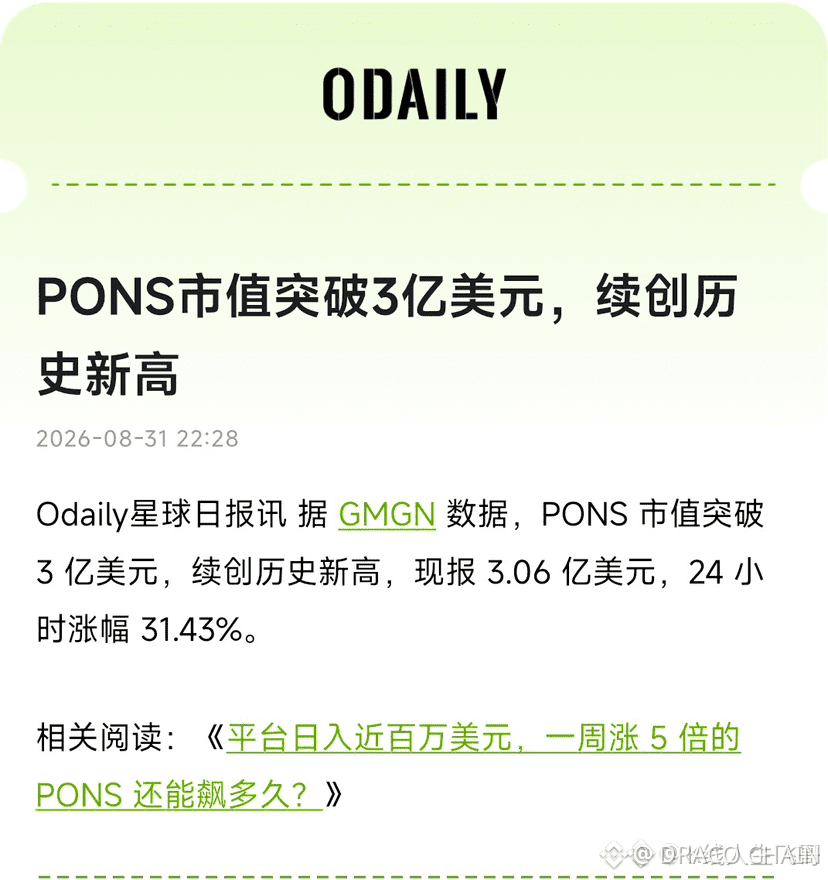
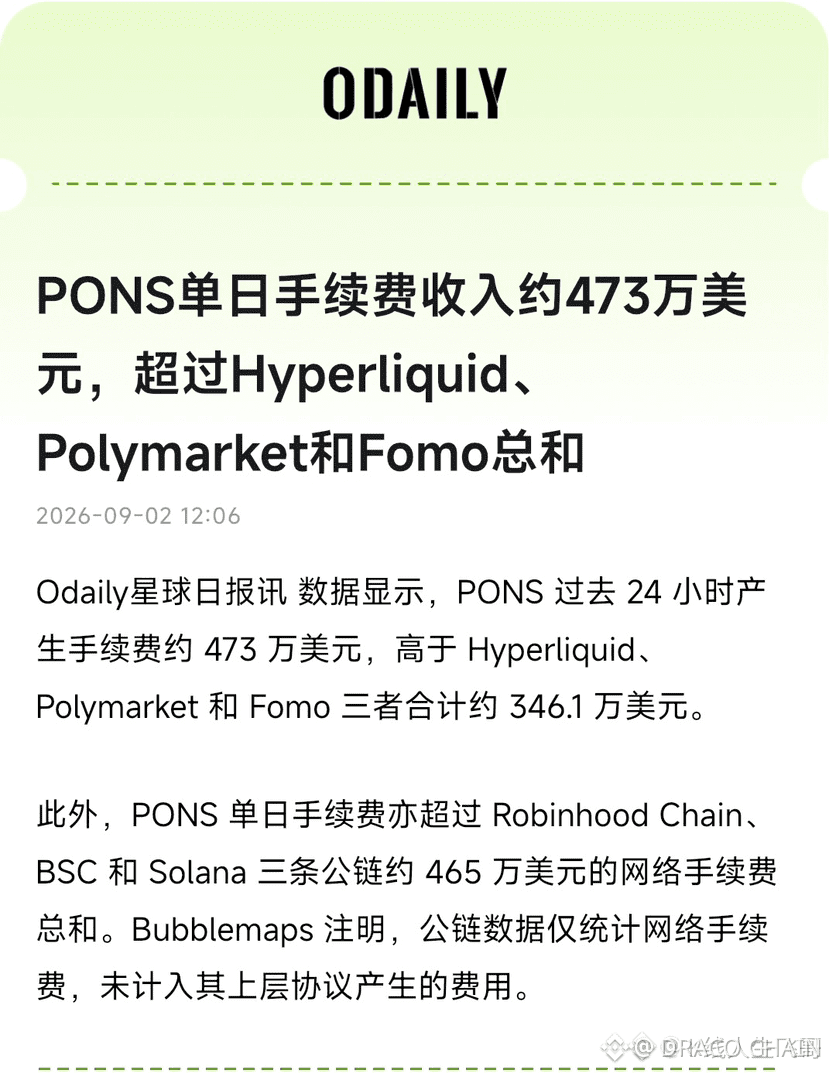
🚨 $PONS REVENUE HITS $4.73M ATH AS INSTITUTIONAL BUYBACK FLYWHEEL BURNS 29% SUPPLY! 🦈
Robinhood Chain launchpad $PONS generated a record $4.73M in single-day protocol revenue, rapidly rivaling established launch platforms. 📊 What catches structural eyes is the aggressive deflationary engine: 80% of all protocol earnings directly fund open-market buybacks, already destroying nearly 29% of total supply.
This creates a high-conviction supply contraction. 🌊 Expanding launch activity feeds transaction volume, compounding systemic buyback pressure on remaining circulating float. Smart money understands how sustained supply destruction reorganizes order flow before retail realizes the structural scarcity. 💬 Are you positioning early within this supply-squeeze flywheel, or waiting to chase the structural expansion? 👇
⚠️ Not financial advice. Always manage your risk. 🛡️
🏷️ #PONS #Tokenomics #DeFi #Altcoins
🦈 ⚡
Robinhood Chain launchpad $PONS generated a record $4.73M in single-day protocol revenue, rapidly rivaling established launch platforms. 📊 What catches structural eyes is the aggressive deflationary engine: 80% of all protocol earnings directly fund open-market buybacks, already destroying nearly 29% of total supply.
This creates a high-conviction supply contraction. 🌊 Expanding launch activity feeds transaction volume, compounding systemic buyback pressure on remaining circulating float. Smart money understands how sustained supply destruction reorganizes order flow before retail realizes the structural scarcity. 💬 Are you positioning early within this supply-squeeze flywheel, or waiting to chase the structural expansion? 👇
⚠️ Not financial advice. Always manage your risk. 🛡️
🏷️ #PONS #Tokenomics #DeFi #Altcoins
🦈 ⚡

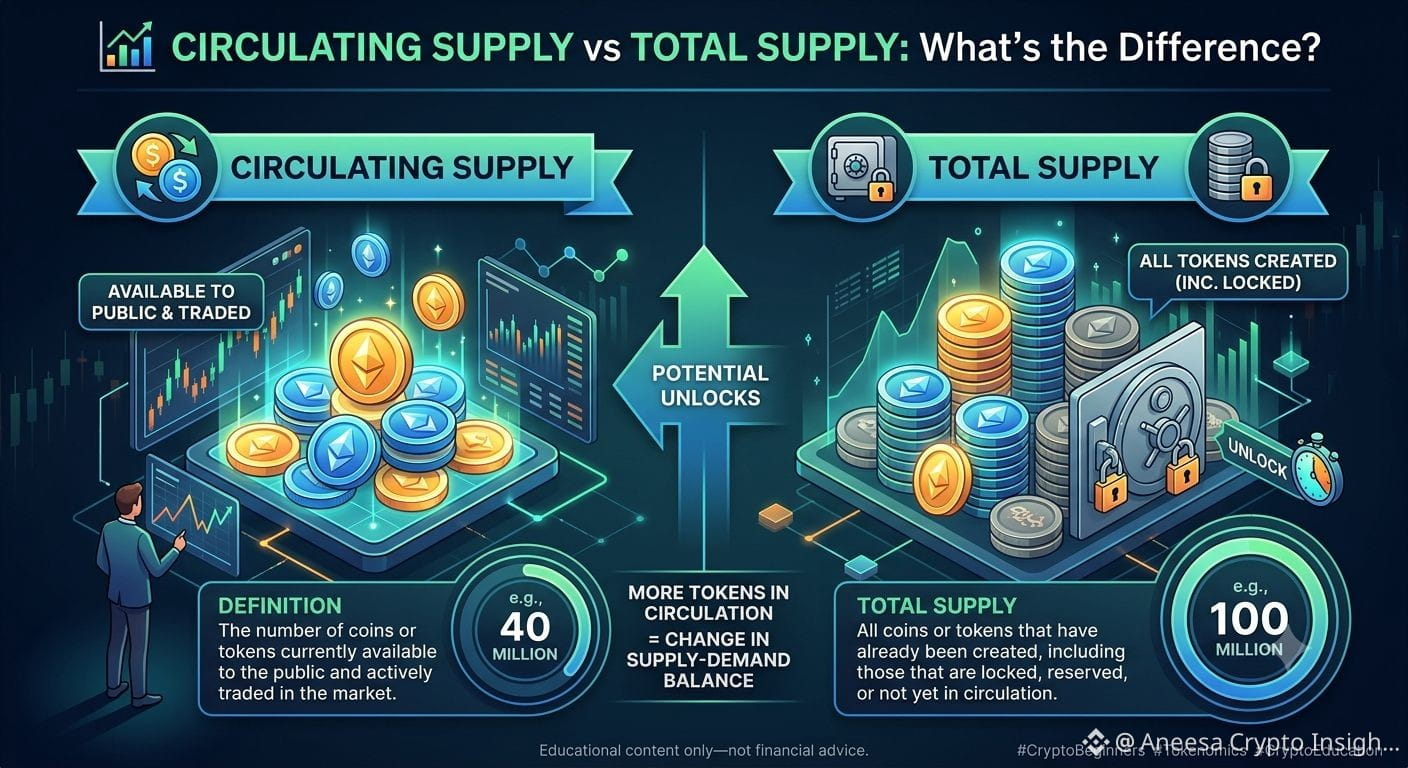
📊 Circulating Supply vs Total Supply: What’s the Difference?
When researching a cryptocurrency, many beginners look only at its price. But token supply is also important.
Circulating supply means the coins or tokens currently available to the public and traded in the market.
Total supply means all coins or tokens that have already been created, including tokens that may be locked or not yet available to the public.
Simple example:
If a project has 100 million total tokens but only 40 million are circulating, the remaining 60 million may enter the market later through unlocks.
More tokens entering circulation can change the supply-demand balance, so beginners should check the unlock schedule before researching a project.
Do you check a coin’s supply before learning about its price? 👇
Follow for simple, beginner-friendly crypto lessons.
Educational content only—not financial advice.
#CryptoBeginners #Tokenomics #CryptoEducation #BinanceSquare
When researching a cryptocurrency, many beginners look only at its price. But token supply is also important.
Circulating supply means the coins or tokens currently available to the public and traded in the market.
Total supply means all coins or tokens that have already been created, including tokens that may be locked or not yet available to the public.
Simple example:
If a project has 100 million total tokens but only 40 million are circulating, the remaining 60 million may enter the market later through unlocks.
More tokens entering circulation can change the supply-demand balance, so beginners should check the unlock schedule before researching a project.
Do you check a coin’s supply before learning about its price? 👇
Follow for simple, beginner-friendly crypto lessons.
Educational content only—not financial advice.
#CryptoBeginners #Tokenomics #CryptoEducation #BinanceSquare
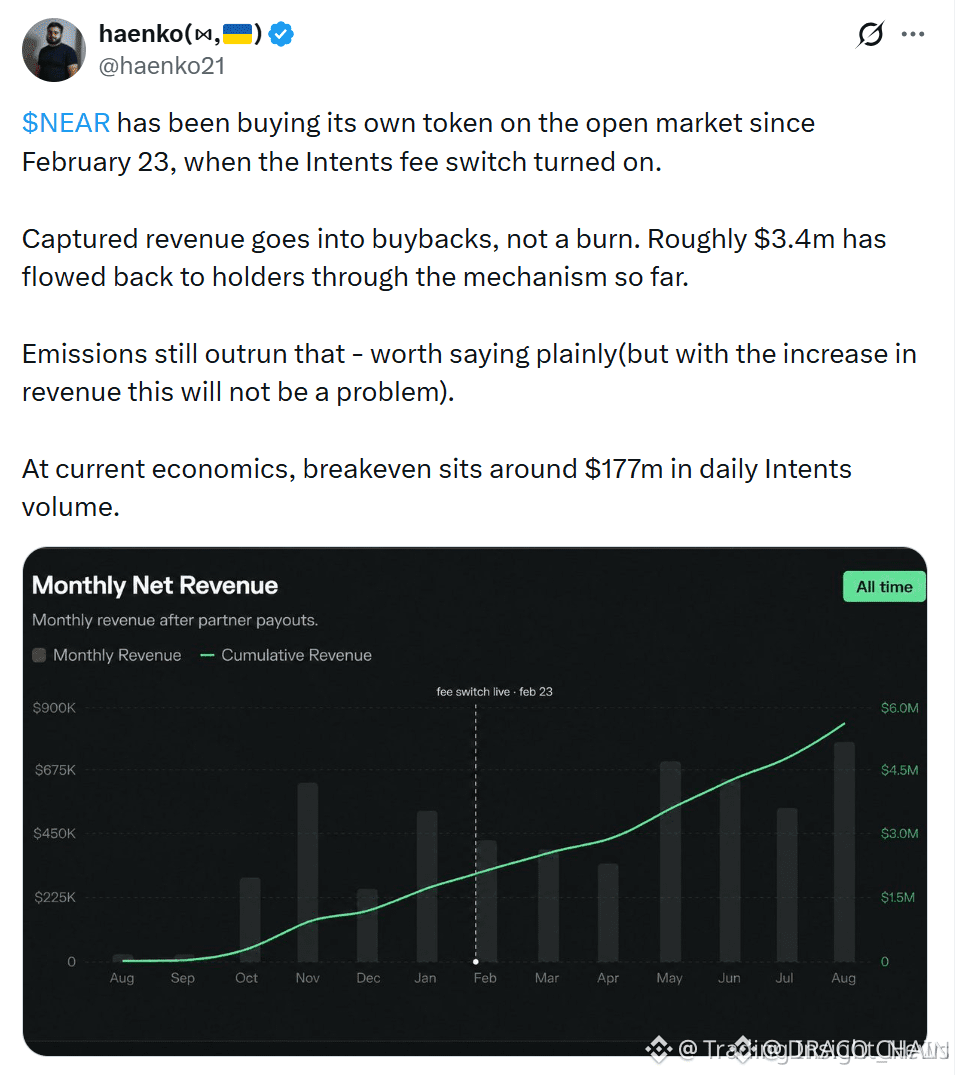
🦈 $NEAR ACTIVATES REVENUE BUYBACK MODEL WITH $3.4M DISTRIBUTED TO HOLDERS! 💥
Smart money takes note when tokenomics transition from artificial burns to organic revenue-driven buybacks. 📊 $NEAR has quietly redistributed $3.4 million to holders via its Intents fee engine, establishing a concrete blueprint for real institutional yield.
While daily issuance currently outpaces buybacks, the structural dynamic is shifting. 🔍 Crossing the $177 million daily Intents threshold marks the critical break-even pivot where sell-side inflation is fully neutralized by organic demand. 💡
This real-yield framework builds a strong fundamental floor for patient long-term positioning. 💬 Do you expect $NEAR to hit that $177 million daily volume milestone this cycle? 👇
⚠️ Not financial advice. Always manage your risk. 🛡️
🏷️ #NEAR #Tokenomics #SmartMoney #Crypto
🦈 🎯
Smart money takes note when tokenomics transition from artificial burns to organic revenue-driven buybacks. 📊 $NEAR has quietly redistributed $3.4 million to holders via its Intents fee engine, establishing a concrete blueprint for real institutional yield.
While daily issuance currently outpaces buybacks, the structural dynamic is shifting. 🔍 Crossing the $177 million daily Intents threshold marks the critical break-even pivot where sell-side inflation is fully neutralized by organic demand. 💡
This real-yield framework builds a strong fundamental floor for patient long-term positioning. 💬 Do you expect $NEAR to hit that $177 million daily volume milestone this cycle? 👇
⚠️ Not financial advice. Always manage your risk. 🛡️
🏷️ #NEAR #Tokenomics #SmartMoney #Crypto
🦈 🎯

⚡ $SOL SUPPLY CONTRACTION APPROVED AS INSTITUTIONAL VOTE CURTAILS 18.9M ISSUANCE 💥
The passing of the major governance proposal marks a decisive structural pivot for $SOL , wiping over 18.9M tokens from future inflation plans. 🏦 A pivotal vote shift pushed consensus past the critical 67% threshold, fundamentally altering supply-side dynamics.
With secondary market float now significantly constricted, persistent buy-side pressure will encounter an increasingly thin ask order book. 🔍 Late short positions clustered near recent highs face severe structural vulnerability as market depth shifts rapidly in favor of systemic accumulation. 📊
This tokenomic tightening creates a pristine environment for sustained repricing across higher timeframes. 💬 How are you positioning around this fundamental supply squeeze before the next liquidity expansion? 👇
⚠️ Not financial advice. Always manage your risk. 🛡️
🏷️ #SOL #Solana #Tokenomics #MarketStructure
🦈 ⚡
The passing of the major governance proposal marks a decisive structural pivot for $SOL , wiping over 18.9M tokens from future inflation plans. 🏦 A pivotal vote shift pushed consensus past the critical 67% threshold, fundamentally altering supply-side dynamics.
With secondary market float now significantly constricted, persistent buy-side pressure will encounter an increasingly thin ask order book. 🔍 Late short positions clustered near recent highs face severe structural vulnerability as market depth shifts rapidly in favor of systemic accumulation. 📊
This tokenomic tightening creates a pristine environment for sustained repricing across higher timeframes. 💬 How are you positioning around this fundamental supply squeeze before the next liquidity expansion? 👇
⚠️ Not financial advice. Always manage your risk. 🛡️
🏷️ #SOL #Solana #Tokenomics #MarketStructure
🦈 ⚡



Verified
$AEVO has quietly rebuilt its token mechanics.
AEVO is the token behind Aevo.
74M AEVO has already been burned.
Monthly buybacks funded by trading fees continue to remove tokens from the supply.
That structure is what catches my attention.
$AAVE , $AVAX , and $DYDX all take different approaches to connecting their tokens with protocol activity.
AEVO has its own model: platform activity funds buybacks, and those tokens are permanently removed.
Even the 1M AEVO distributed weekly to traders comes from the fixed 1B supply, not new issuance.
Token mechanics tied to actual platform usage are becoming increasingly important in crypto.
Not financial advice, just information post.
#AEVO #Crypto #Tokenomics #Web3
AEVO is the token behind Aevo.
74M AEVO has already been burned.
Monthly buybacks funded by trading fees continue to remove tokens from the supply.
That structure is what catches my attention.
$AAVE , $AVAX , and $DYDX all take different approaches to connecting their tokens with protocol activity.
AEVO has its own model: platform activity funds buybacks, and those tokens are permanently removed.
Even the 1M AEVO distributed weekly to traders comes from the fixed 1B supply, not new issuance.
Token mechanics tied to actual platform usage are becoming increasingly important in crypto.
Not financial advice, just information post.
#AEVO #Crypto #Tokenomics #Web3
User-02de6186:
AEVO

Token Buybacks enter a new phase
The crypto market is witnessing a striking shift: Token Buybacks have become a key tool to support the value of projects and manage supply.
According to a Financial Times report, token buyback operations have reached nearly $638 million since the beginning of 2026, with Hyperliquid and Pump.fun accounting for about 90% of this activity.
More important than the amount of money is what these figures mean:
Projects are starting to treat the token as an economic asset that has mechanisms to support its value—not just a vehicle for speculation.
But the real question is:
Do buyback operations reflect sustainable value and real growth… or are they merely a temporary way to prop up the price?
The market is starting to test the answer.
$HYPE $PUMP
#Crypto #DeFi #Hyperliquid
#pumpfun #Tokenomics
The crypto market is witnessing a striking shift: Token Buybacks have become a key tool to support the value of projects and manage supply.
According to a Financial Times report, token buyback operations have reached nearly $638 million since the beginning of 2026, with Hyperliquid and Pump.fun accounting for about 90% of this activity.
More important than the amount of money is what these figures mean:
Projects are starting to treat the token as an economic asset that has mechanisms to support its value—not just a vehicle for speculation.
But the real question is:
Do buyback operations reflect sustainable value and real growth… or are they merely a temporary way to prop up the price?
The market is starting to test the answer.
$HYPE $PUMP
#Crypto #DeFi #Hyperliquid
#pumpfun #Tokenomics


🦈 $COPPERINU WHALE PREPARES MASSIVE AIRDROP DISTRIBUTION TO REWRITE MEME SUPPLY DYNAMICS! 💥
The lead narrative driver for $COPPERINU just pledged to distribute nearly 40% of the total token supply directly back to the community via a manual airdrop. 🦈 Market valuation is hovering near $20M as plans surface to integrate staking, claiming, and burning mechanisms directly into the ecosystem. ⚡
When major holders pivot from holding heavy allocation to restructuring supply dynamics, market volatility shifts fast. 📊 Smart money is watching closely to see how liquidity absorbs this massive allocation shift at these valuation levels. 💡
💬 Will this community distribution trigger a massive structural breakout or temporary distribution volatility? 👇
⚠️ Not financial advice. Always manage your risk. 🛡️
🏷️ #COPPERINU #Memecoins #Tokenomics #Crypto
🔥 💎
The lead narrative driver for $COPPERINU just pledged to distribute nearly 40% of the total token supply directly back to the community via a manual airdrop. 🦈 Market valuation is hovering near $20M as plans surface to integrate staking, claiming, and burning mechanisms directly into the ecosystem. ⚡
When major holders pivot from holding heavy allocation to restructuring supply dynamics, market volatility shifts fast. 📊 Smart money is watching closely to see how liquidity absorbs this massive allocation shift at these valuation levels. 💡
💬 Will this community distribution trigger a massive structural breakout or temporary distribution volatility? 👇
⚠️ Not financial advice. Always manage your risk. 🛡️
🏷️ #COPPERINU #Memecoins #Tokenomics #Crypto
🔥 💎

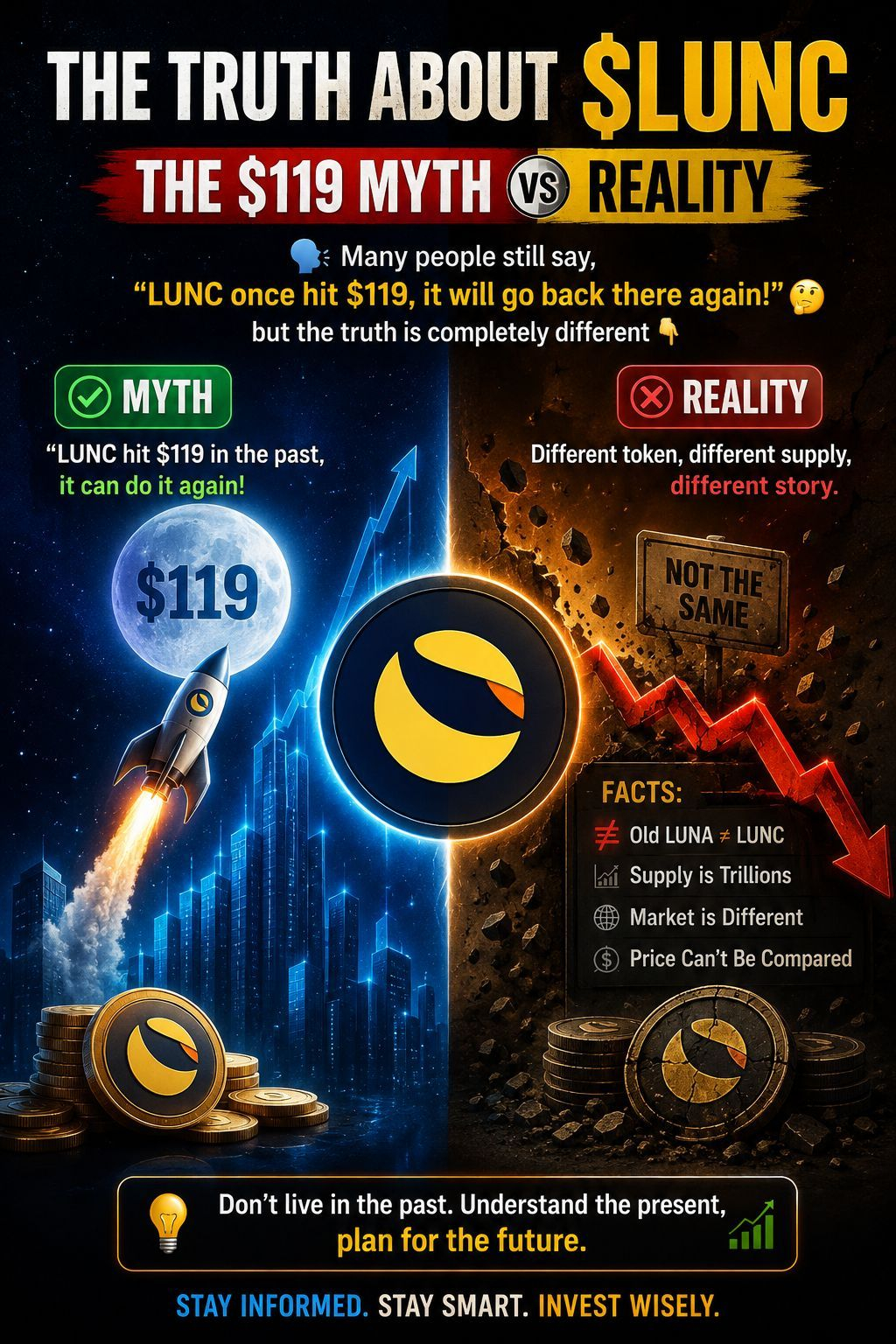
🔍 DEBUNKING THE $119 $LUNC FANTASY WITH STRUCTURAL SUPPLY METRICS 🚨
Retail traders often anchor their expectations to $LUNC 's historical peak of $119 without accounting for massive hyper-inflationary supply expansion. 🔍 The structural reality of the chart reflects a fundamental divergence between legacy market capitalization and current circulating supply dynamics.
Evaluating structural valuation requires measuring market cap against institutional liquidity pools rather than chasing legacy price prints. ⚖️ Without systemic supply contraction at scale, benchmarking price targets against pre-collapse highs fundamentally misrepresents basic market mechanics.
💬 Are you evaluating true supply metrics before positioning, or still anchoring to legacy price history? 👇
⚠️ Not financial advice. Always manage your risk. 🛡️
🏷️ #LUNC #Tokenomics #MarketStructure #Crypto
📊 🔍
Retail traders often anchor their expectations to $LUNC 's historical peak of $119 without accounting for massive hyper-inflationary supply expansion. 🔍 The structural reality of the chart reflects a fundamental divergence between legacy market capitalization and current circulating supply dynamics.
Evaluating structural valuation requires measuring market cap against institutional liquidity pools rather than chasing legacy price prints. ⚖️ Without systemic supply contraction at scale, benchmarking price targets against pre-collapse highs fundamentally misrepresents basic market mechanics.
💬 Are you evaluating true supply metrics before positioning, or still anchoring to legacy price history? 👇
⚠️ Not financial advice. Always manage your risk. 🛡️
🏷️ #LUNC #Tokenomics #MarketStructure #Crypto
📊 🔍
🚀 $PONS TOUCHES $2B MARKET CAP AS ON-CHAIN TOKEN EMPIRE SMASHES ALL-TIME HIGHS! 💥
The deflationary engine on $PONS is hitting overdrive as market cap surges past $1.94 billion to print fresh record highs. 📊 Platform mechanics are fueling this expansion, with collected WETH fees constantly market-buying $PONS while transaction fees burn supply directly out of circulation. 🌊
As liquidity migrates to Robinhood Chain's premier launchpad, smart money is watching whether this burn flywheel can sustain momentum through the next expansion leg. ⚡ With structural supply reduction locked into every token creation, order flow continues to favor aggressive accumulators. 💬 Do you see $PONS maintaining this parabolic trajectory, or are you waiting for a cool-down before bidding the retest? 👇
⚠️ Not financial advice. Always manage your risk. 🛡️
🏷️ #PONS #Altcoins #Crypto #Tokenomics
🔥 💎
The deflationary engine on $PONS is hitting overdrive as market cap surges past $1.94 billion to print fresh record highs. 📊 Platform mechanics are fueling this expansion, with collected WETH fees constantly market-buying $PONS while transaction fees burn supply directly out of circulation. 🌊
As liquidity migrates to Robinhood Chain's premier launchpad, smart money is watching whether this burn flywheel can sustain momentum through the next expansion leg. ⚡ With structural supply reduction locked into every token creation, order flow continues to favor aggressive accumulators. 💬 Do you see $PONS maintaining this parabolic trajectory, or are you waiting for a cool-down before bidding the retest? 👇
⚠️ Not financial advice. Always manage your risk. 🛡️
🏷️ #PONS #Altcoins #Crypto #Tokenomics
🔥 💎

Solana tokenomics is today’s headline
Solana’s “double-deflation” proposal has cleared its voting threshold, with 67% approval. The change is designed to increase deflationary pressure in SOL’s tokenomics—a development the market will be watching closely for its longer-term impact on supply dynamics.
At the same time, the broader crypto market is cautious: BTC, ETH, and BNB were lower in the latest 24-hour snapshot. That contrast puts the spotlight on whether protocol-level fundamentals can sustain attention during risk-off conditions.
Solana #SOL #CryptoNews #Tokenomics #Blockchain
Based on the latest available report covering August 28, 2026.
Solana’s “double-deflation” proposal has cleared its voting threshold, with 67% approval. The change is designed to increase deflationary pressure in SOL’s tokenomics—a development the market will be watching closely for its longer-term impact on supply dynamics.
At the same time, the broader crypto market is cautious: BTC, ETH, and BNB were lower in the latest 24-hour snapshot. That contrast puts the spotlight on whether protocol-level fundamentals can sustain attention during risk-off conditions.
Solana #SOL #CryptoNews #Tokenomics #Blockchain
Based on the latest available report covering August 28, 2026.

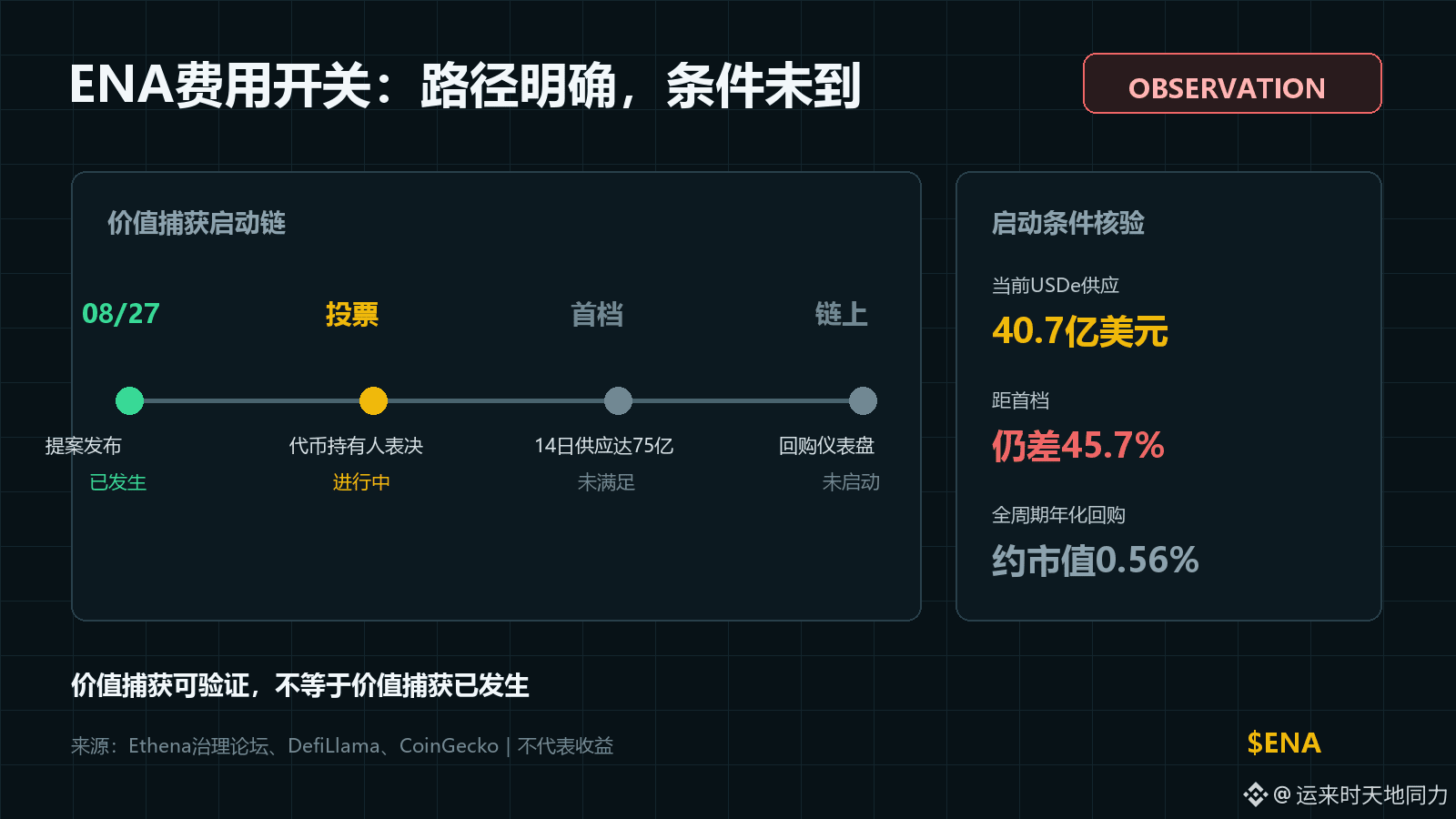
$ENA stablecoin protocol Ethena has introduced a fee switch. The market has priced in a buyback expectation based on a nearly 30-day rally of about 96.6%, but the buyback has not yet started.
If the vote passes, USDe will need a 14-day average supply of $7.5 billion to enter the first tier. Currently it is about $4.07 billion. Over the last 90 days, supply has fallen by 9.6%, and protocol revenue is down by roughly 88.5% versus the previous 90 days.
The official 705-day backtest, converted to a full-cycle basis, implies an annualized buyback of about $8.82 million—only about 0.56% of the current market value. The path becomes verifiable, but the methodology for and revenue still do not meet the activation conditions, so it is set to observe rather than activate with fixed accumulation.
Going forward, we’ll only check whether supply can keep sustaining above the first tier, and whether a transparent dashboard shows an auditable buyback. If in the next 90 days supply falls below $3.5 billion and revenue continues to shrink, the current assessment that value capture is improving will no longer hold.
#ENA #Ethena #Tokenomics
If the vote passes, USDe will need a 14-day average supply of $7.5 billion to enter the first tier. Currently it is about $4.07 billion. Over the last 90 days, supply has fallen by 9.6%, and protocol revenue is down by roughly 88.5% versus the previous 90 days.
The official 705-day backtest, converted to a full-cycle basis, implies an annualized buyback of about $8.82 million—only about 0.56% of the current market value. The path becomes verifiable, but the methodology for and revenue still do not meet the activation conditions, so it is set to observe rather than activate with fixed accumulation.
Going forward, we’ll only check whether supply can keep sustaining above the first tier, and whether a transparent dashboard shows an auditable buyback. If in the next 90 days supply falls below $3.5 billion and revenue continues to shrink, the current assessment that value capture is improving will no longer hold.
#ENA #Ethena #Tokenomics
🚨 $SOL DISINFLATION RATE DOUBLES AFTER LAST-MINUTE INSTITUTIONAL VALIDATOR VOTE SHIFT! ⚡
Solana governance just locked in a major structural pivot as proposal SGP-0002 passed with 67% support, effectively doubling the network's annual disinflation rate. 📊 Key institutional validators shifted their weight in the final hour to secure the threshold.
While $SOL currently trades near $106 down 1.2%, this programmatic drop in emission schedule alters long-term supply dynamics. 🔍 Smart money is focusing on the tightening issuance curve while the broader market absorbs initial governance noise. 💬 How are you factoring this aggressive supply tightening into your long-term $SOL valuation models? 👇
⚠️ Not financial advice. Always manage your risk. 🛡️
🏷️ #SOL #Solana #Crypto #Tokenomics
🎯 🦈
Solana governance just locked in a major structural pivot as proposal SGP-0002 passed with 67% support, effectively doubling the network's annual disinflation rate. 📊 Key institutional validators shifted their weight in the final hour to secure the threshold.
While $SOL currently trades near $106 down 1.2%, this programmatic drop in emission schedule alters long-term supply dynamics. 🔍 Smart money is focusing on the tightening issuance curve while the broader market absorbs initial governance noise. 💬 How are you factoring this aggressive supply tightening into your long-term $SOL valuation models? 👇
⚠️ Not financial advice. Always manage your risk. 🛡️
🏷️ #SOL #Solana #Crypto #Tokenomics
🎯 🦈
🚨 $ENA SURGES 27% AS FOUNDATION PROPOSES REVENUE BUYBACK MECHANISM AND RESTRUCTURING 💥
Institutional order flow is repricing $ENA following a foundation proposal to direct 95% of net protocol revenue toward token buybacks once USDe supply hits $7.5B. 🔍 While current USDe supply sits around $4B, early voting shows unanimous support alongside foundation absorption of seed seller liquidity. 🌊
However, smart money must balance this structural demand driver against an accelerated unlock event scheduled for Oct 5, releasing remaining investor allocations. 📊 Market participants are actively weighing near-term supply expansion against long-term protocol yield redirection above $0.17. 💡
💬 How are you positioning around $ENA ahead of the Sept 2 vote finalization and the upcoming October unlock wave? 👇
⚠️ Not financial advice. Always manage your risk. 🛡️
🏷️ #ENA #Tokenomics #DeFi #Crypto
🎯 🦈
Institutional order flow is repricing $ENA following a foundation proposal to direct 95% of net protocol revenue toward token buybacks once USDe supply hits $7.5B. 🔍 While current USDe supply sits around $4B, early voting shows unanimous support alongside foundation absorption of seed seller liquidity. 🌊
However, smart money must balance this structural demand driver against an accelerated unlock event scheduled for Oct 5, releasing remaining investor allocations. 📊 Market participants are actively weighing near-term supply expansion against long-term protocol yield redirection above $0.17. 💡
💬 How are you positioning around $ENA ahead of the Sept 2 vote finalization and the upcoming October unlock wave? 👇
⚠️ Not financial advice. Always manage your risk. 🛡️
🏷️ #ENA #Tokenomics #DeFi #Crypto
🎯 🦈

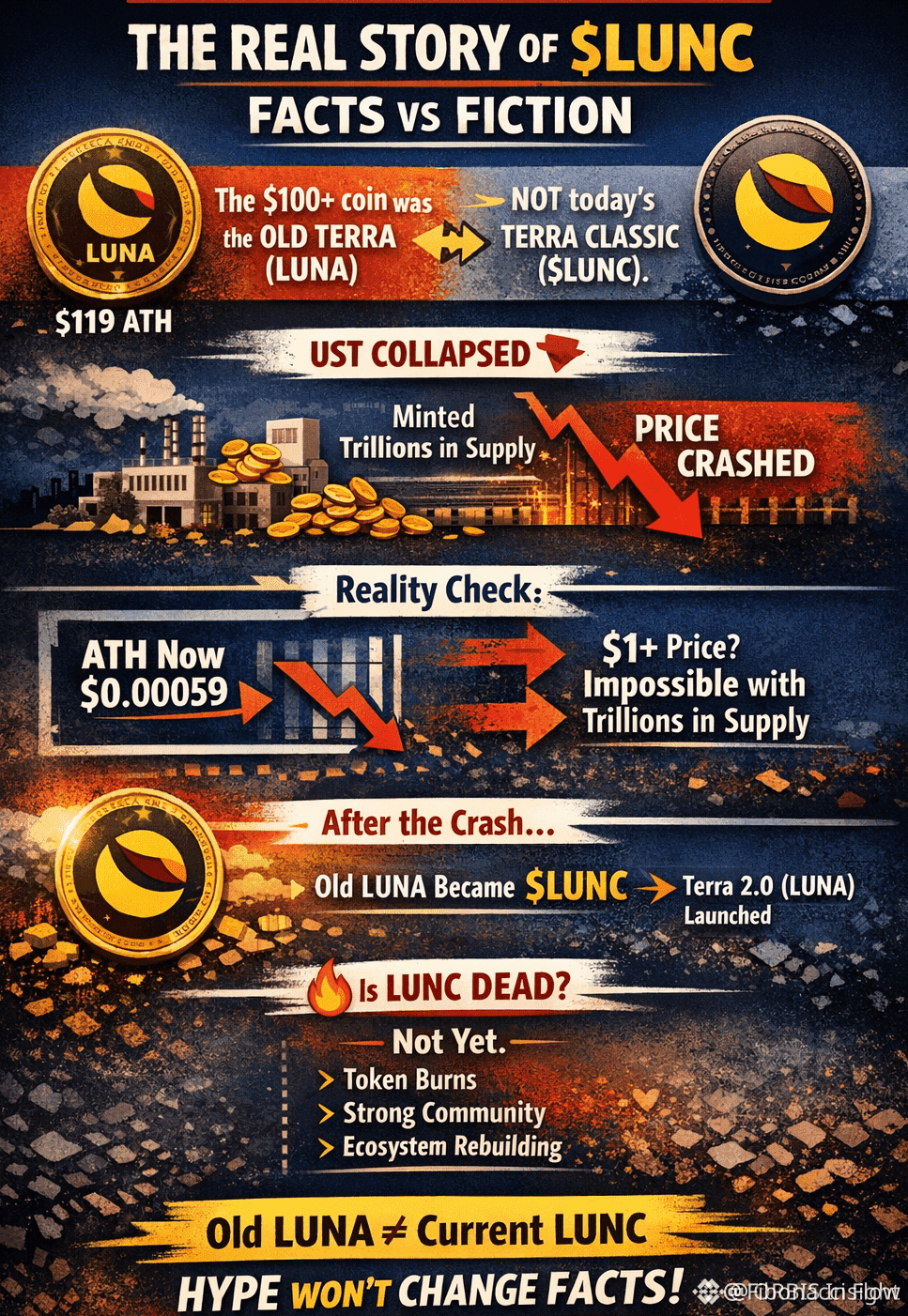
🚨 REALITY CHECK ON $LUNC AS SUPPLY DYNAMICS CRUSH THE HYPE! 📉
The dream of $LUNC reclaiming $100 ignores basic order flow and tokenomics. 🧠 During the UST collapse, hyper-inflationary minting flooded the market with trillions of tokens, capping its true post-depeg ATH at just $0.00059.
A single dollar price target is mathematically impossible without massive supply destruction. 📊 Yet, ongoing community burns and slow ecosystem rebuilding show this asset isn't dead—it is now a long-term supply contraction game.
Smart money respects structural math over blind hopium. 💬 Are you tracking the daily burn rate or holding out for an impossible moonshot? 👇
⚠️ Not financial advice. Always manage your risk. 🛡️
🏷️ #LUNC #Altcoins #Tokenomics #Crypto
🔥 🎯
The dream of $LUNC reclaiming $100 ignores basic order flow and tokenomics. 🧠 During the UST collapse, hyper-inflationary minting flooded the market with trillions of tokens, capping its true post-depeg ATH at just $0.00059.
A single dollar price target is mathematically impossible without massive supply destruction. 📊 Yet, ongoing community burns and slow ecosystem rebuilding show this asset isn't dead—it is now a long-term supply contraction game.
Smart money respects structural math over blind hopium. 💬 Are you tracking the daily burn rate or holding out for an impossible moonshot? 👇
⚠️ Not financial advice. Always manage your risk. 🛡️
🏷️ #LUNC #Altcoins #Tokenomics #Crypto
🔥 🎯
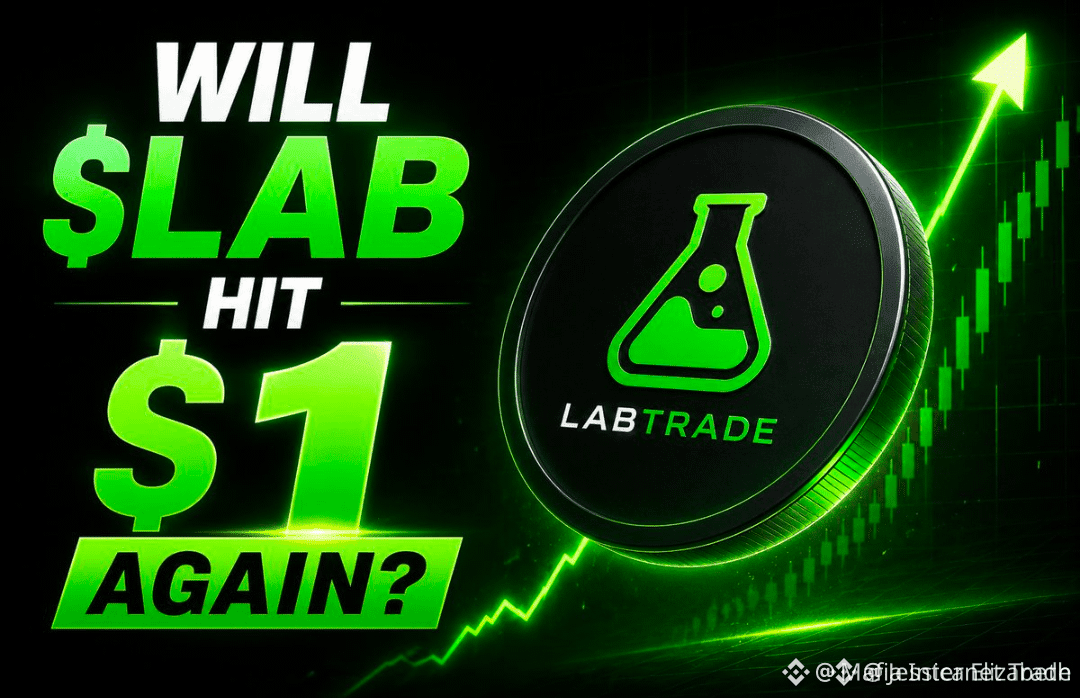
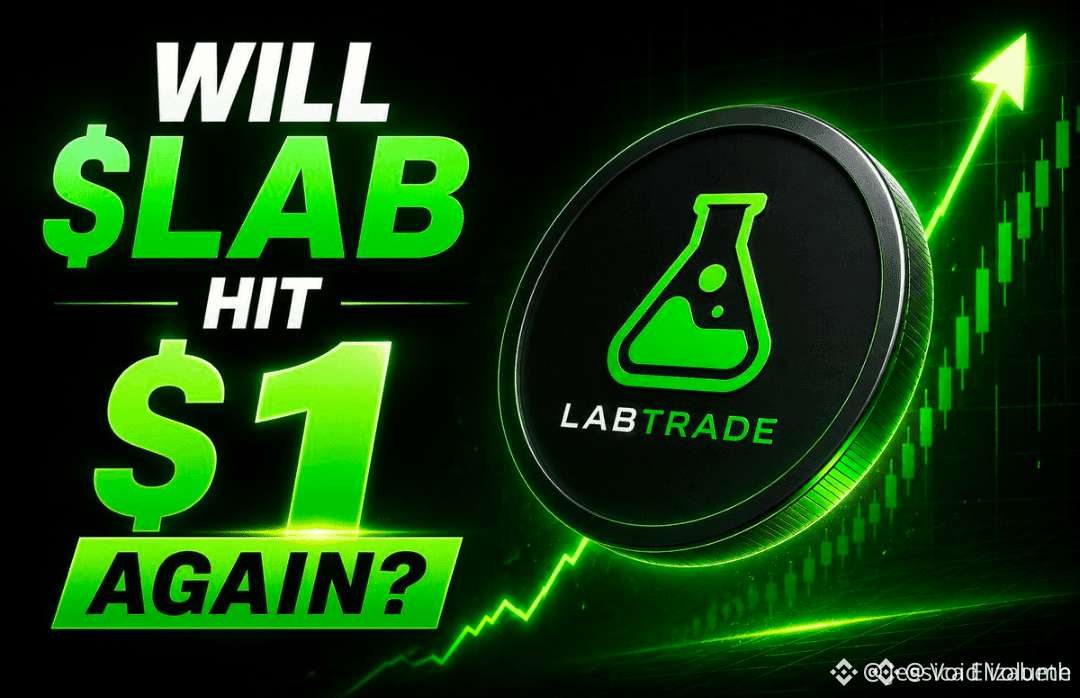
🚨 WHY A $1 RECLAIM FOR $LAB IS STRUCTURALLY UNLIKELY UNDER THIS DISTRIBUTION PRESSURE 📉
Breaking down the math on $LAB highlights a relentless structural wall for prospective buyers. Trading around 0.0762, the recurring monthly sell-side liquidity from widespread airdrop claims creates continuous overhead supply. 🔍
When thousands of accounts systematically offload monthly reward distributions, price action faces endless sell-side headwinds. 📊 This consistent unlock flow absorbs market depth long before any realistic momentum toward the $1 mark can build. 💡
💬 Do you see $LAB absorbing this ongoing unlock pressure, or will constant distribution keep upside potential capped? 👇
⚠️ Not financial advice. Always manage your risk. 🛡️
🏷️ #LAB #Tokenomics #Altcoins #MarketAnalysis
🐻 📉
Breaking down the math on $LAB highlights a relentless structural wall for prospective buyers. Trading around 0.0762, the recurring monthly sell-side liquidity from widespread airdrop claims creates continuous overhead supply. 🔍
When thousands of accounts systematically offload monthly reward distributions, price action faces endless sell-side headwinds. 📊 This consistent unlock flow absorbs market depth long before any realistic momentum toward the $1 mark can build. 💡
💬 Do you see $LAB absorbing this ongoing unlock pressure, or will constant distribution keep upside potential capped? 👇
⚠️ Not financial advice. Always manage your risk. 🛡️
🏷️ #LAB #Tokenomics #Altcoins #MarketAnalysis
🐻 📉

Verified
Solana Tokenomics Are Shifting Fast
Solana voters narrowly passed a proposal to double the disinflation rate fundamentally altering the network long term tokenomics
#Solana #Tokenomics
Solana voters narrowly passed a proposal to double the disinflation rate fundamentally altering the network long term tokenomics
#Solana #Tokenomics

CAN $LAB RECLAIM $1.00 OR IS CONTINUOUS EMISSION CAPPING EXPANSION? 🚨 📉
Analyzing $LAB tokenomics through an institutional lens reveals a systematic supply overhang. Continuous monthly airdrop emissions distribute thousands of tokens across recipient accounts near current $0.0762 levels. 📊
This constant sell-side float saturates demand blocks and suppresses bullish order flow. 🌊 Without structural locks or aggressive supply sinks, pushing back toward the $1.00 mark remains heavily constrained by overhead liquidity. 🔍
Given this persistent distribution pressure, do you see buyers absorbing the float or further downside expansion? 🤔
⚠️ Not financial advice. Always manage your risk. 🛡️
🏷️ #LAB #Tokenomics #MarketStructure #Altcoins
🦈 📉
Analyzing $LAB tokenomics through an institutional lens reveals a systematic supply overhang. Continuous monthly airdrop emissions distribute thousands of tokens across recipient accounts near current $0.0762 levels. 📊
This constant sell-side float saturates demand blocks and suppresses bullish order flow. 🌊 Without structural locks or aggressive supply sinks, pushing back toward the $1.00 mark remains heavily constrained by overhead liquidity. 🔍
Given this persistent distribution pressure, do you see buyers absorbing the float or further downside expansion? 🤔
⚠️ Not financial advice. Always manage your risk. 🛡️
🏷️ #LAB #Tokenomics #MarketStructure #Altcoins
🦈 📉
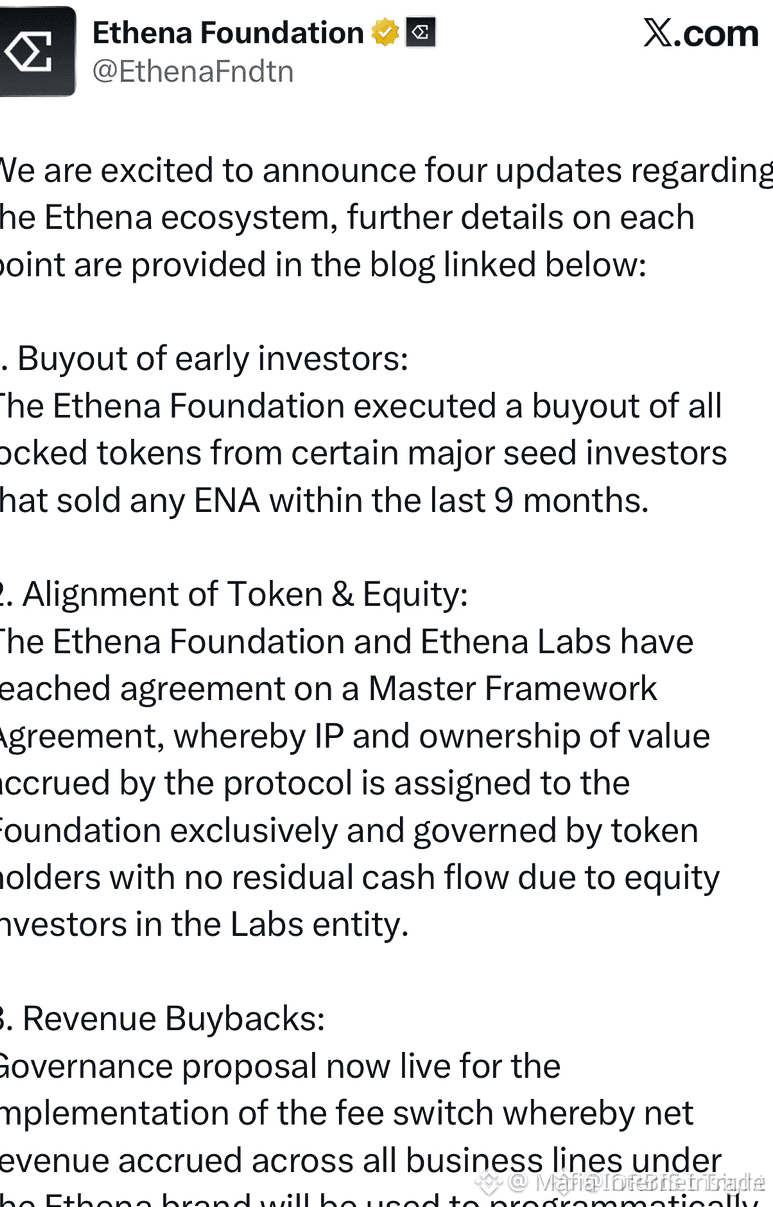
🔥 $ENA ELIMINATES VC UNLOCK PRESSURE AS FEE SWITCH BUYBACK ENGINE GOES LIVE! 💥
Ethena has completely rewritten its tokenomics playbook by buying back early VC allocations and neutralizing monthly unlock pressure. 🦈 All protocol revenue and IP value now accrue directly to $ENA holders and the Foundation, cutting out legacy cut-throughs.
With the live Fee Switch proposal directing net earnings toward aggressive open-market buybacks, supply is getting squeezed while organic demand ramps up. 📊 Smart money is already tracking this structural flip from dilutive unlocks to programmatic buy pressure. 💬 Are you bidding this fundamental catalyst early or waiting for the breakout confirmation? 👇
⚠️ Not financial advice. Always manage your risk. 🛡️
🏷️ #ENA #Crypto #Tokenomics #Altcoins
🔥 💎
Ethena has completely rewritten its tokenomics playbook by buying back early VC allocations and neutralizing monthly unlock pressure. 🦈 All protocol revenue and IP value now accrue directly to $ENA holders and the Foundation, cutting out legacy cut-throughs.
With the live Fee Switch proposal directing net earnings toward aggressive open-market buybacks, supply is getting squeezed while organic demand ramps up. 📊 Smart money is already tracking this structural flip from dilutive unlocks to programmatic buy pressure. 💬 Are you bidding this fundamental catalyst early or waiting for the breakout confirmation? 👇
⚠️ Not financial advice. Always manage your risk. 🛡️
🏷️ #ENA #Crypto #Tokenomics #Altcoins
🔥 💎
Log in to explore more content