
#aiagents
aiagents
1.3M views
4,306 Discussing
Hot
Latest

·
--
$UAI : Is UnifAI Gearing Up for Its Next Move? 🤖🚀
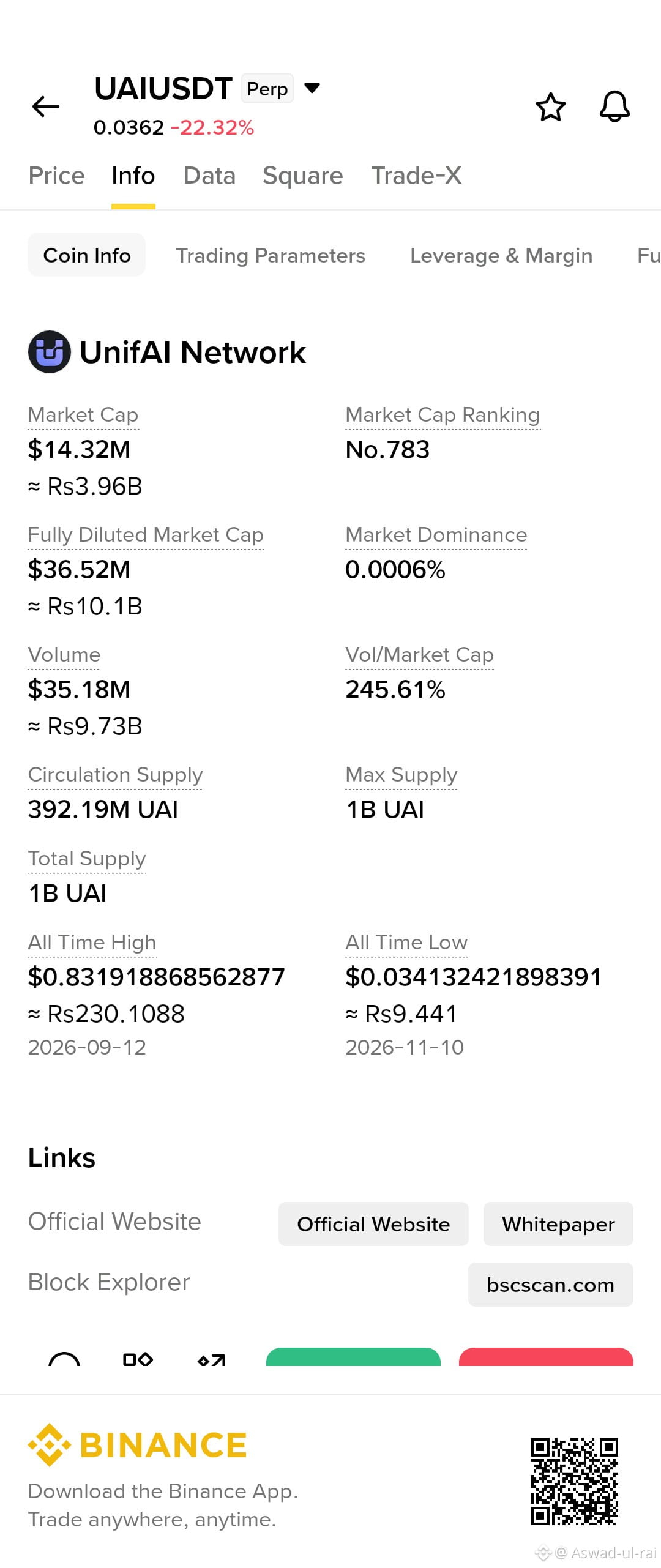
UAI is trading around $0.28–0.30 with a market cap near $68M. It's up almost 19% on the week and still sitting about 50% below its all-time high of $0.61.
UnifAI is building infrastructure for autonomous AI agents in DeFi, and AI narrative coins tend to move fast when hype returns.
UAI holders, what's your target for the next run? $0.50? $0.61 ATH? 👇
NFA. Manage your risk.
#UAI #UnifAI #AI #AIAgents #DeFi
{future}(UAIUSDT)
$UAI : Is UnifAI Gearing Up for Its Next Move? 🤖🚀
UAI is trading around $0.28–0.30 with a market cap near $68M. It's up almost 19% on the week and still sitting about 50% below its all-time high of $0.61.
UnifAI is building infrastructure for autonomous AI agents in DeFi, and AI narrative coins tend to move fast when hype returns.
UAI holders, what's your target for the next run? $0.50? $0.61 ATH? 👇
NFA. Manage your risk.
#UAI #UnifAI #AI #AIAgents #DeFi
sajjad hussain005:
i dnt know what is your post about
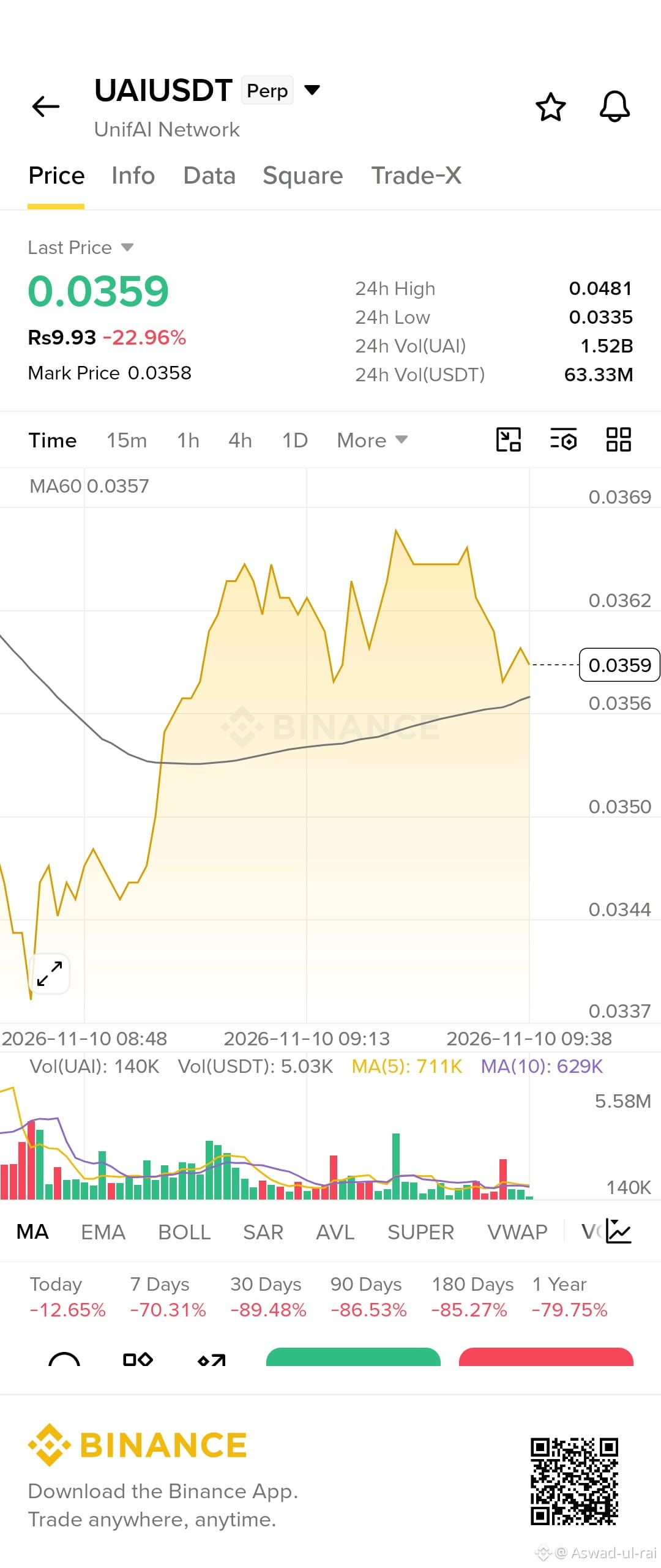
check the current price
and see your post
8 months old post uploading
1
859

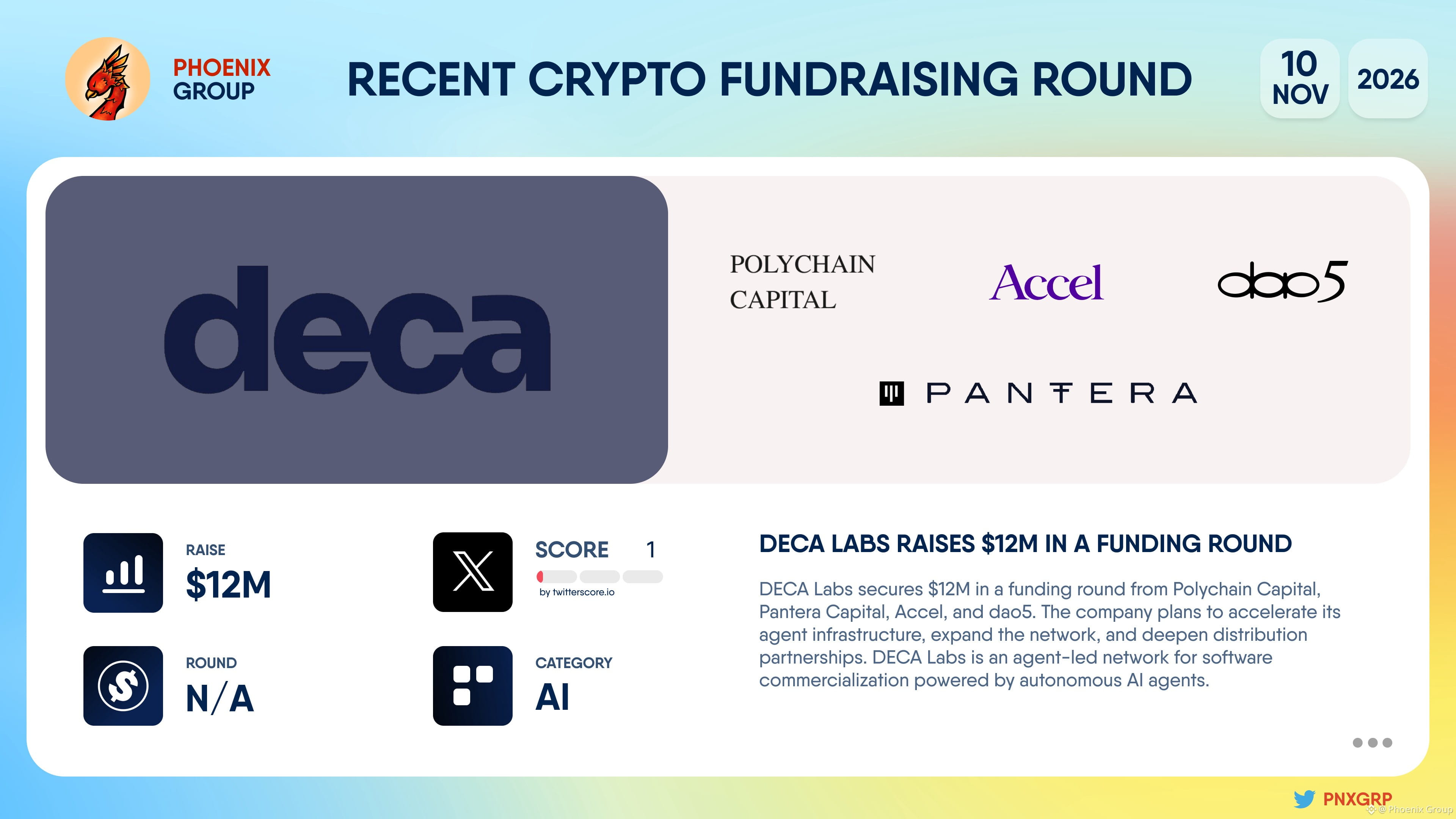
DECA Labs raises $12M in a funding round
#DECALabs secures $12M in a funding round from Polychain Capital, Pantera Capital, Accel, and dao5. The company plans to accelerate its agent infrastructure, expand the network, and deepen distribution partnerships.
DECA Labs is an agent-led network for software commercialization powered by autonomous #AIagents .
👉 dealroom.co/news/171008-deca-labs-raises-12m-to-let-ai-agents-find-and-sell-software-ideas/
67

·
--
Article
Selling Content to AI Agents: What We Built Around x402If you run a content platform, a data service or an API, here is a question worth answering early: when an AI agent wants to pay for what you sell, can it actually buy it?
On the evening of November 9 we ran that test on Pickful. A test program with a test wallet paid 0.01 USDC for a paid article. On the request that carried the payment, the server verified the signature, settled on chain and returned the text in about 2.4 seconds. Nobody clicked anything.
Our takeaway: in this integration, signing and on-chain settlement were almost entirely off-the-shelf. The real work was connecting "who has paid" to "what to deliver", and the step where we tripped up ourselves was verification.
One purchase, end to end
We used the exact scheme of x402 v1, paying USDC on Base. x402 puts a long-idle HTTP status code to work: 402 Payment Required. The test program sent two requests.
The first request asks for the article. The program requests /posts/atvh/vip.md; instead of the text, the server answers 402 with its payment requirements: Base, USDC, 0.01, payable to the wallet of the article's author.
Then the program signs. It sends no transaction. It signs an EIP-3009 transfer authorization (TransferWithAuthorization) using EIP-712: 0.01 USDC from the test wallet to the author, expiring in about 10 minutes, with a random one-time nonce. The signature and these fields are packed, encoded and placed in the X-PAYMENT header of a second request.
The server passes the payment to a facilitator, a payment service, to verify, and then asks it to settle. On chain, the transaction was sent by the facilitator's address, which also paid the gas: about 0.00000065 ETH. The test wallet spent no ETH; its USDC balance went from 0.10 to 0.09.
Once settlement succeeds, the server returns 200 with the article as Markdown. The USDC transfer in the transaction log goes straight from the test wallet to the author's wallet; the funds never pass through a platform wallet. An excerpt from the server log:
{"event":"paid_access","slug":"atvh","price":"0.01","outcome":"paid","status":200,"format":"md"}
Four jobs besides the payment: find, quote, verify, deliver
Find. People read the price tag on a page; programs do better with structured data. Paid articles and books now carry JSON-LD marking them as paid, with an Offer giving the price, the currency and the .md purchase URL. Our llms.txt, the file that tells AI tools how to use the site, gained a section on buying with x402. It used to say "don't touch payment endpoints"; that line is gone. One caveat: our test program went straight to the purchase URL. Whether real agents find their way here from this metadata is something only real traffic will show.
Quote. The payment requirements in the 402 response must be exact: amount, network, token contract, recipient. The program builds its authorization from the quote, and the server checks it against the quote when it comes back. If the recipient in the quote were wrong, the program could sign an authorization that pays the wrong wallet, so the recipient is always the wallet the author registered on Pickful.
Verify. Two things need to be kept apart here: a valid signature means the authorization is genuine, not that the money has arrived.
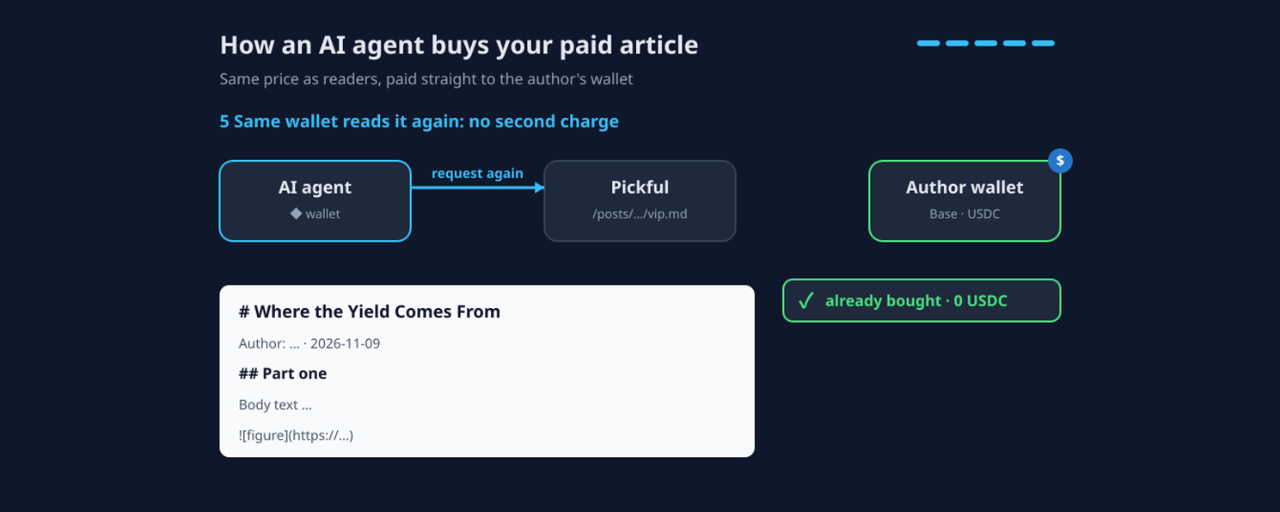
On a first purchase, we deliver only after settlement succeeds.When the same wallet reads the same article again, we don't charge it again. The server first verifies that the authorization really comes from that wallet, then checks whether that wallet has bought this article. If it has, the server returns the text and skips settlement.
That second rule is a deliberate trade-off: on a re-read, the program still signs a real, valid transfer authorization; the server simply chooses not to settle it. In our test the same wallet read the article twice more. Both requests were logged as repeat_payer, and the balance stayed at 0.09 USDC.
We got this step wrong once ourselves. Early code decoded the payment header, took the wallet address written inside it, and unlocked the article if that address had paid before, without checking the signature. Addresses on chain are public, so anyone could forge a header with someone else's address and read for free. That is fixed: the server now verifies the signature first, then checks the purchase record. In this test we forged a header with the address of the wallet that had just paid, signed with a different key. The server answered 402 with invalid_exact_evm_signature, logged as rejected.
Deliver. Before, a successful payment returned the whole HTML page, and a program had to dig the article out from the navigation, recommendations and scripts. Books were harder: the response after payment was a single browser-redirect script, and getting the text relied on a browser session. Now a request for .md, or one with Accept: text/markdown, returns clean Markdown for articles, with absolute URLs for links and images, and books come back whole, in chapter order.
Our tests missed free posts by authors without a wallet
After the first release, our own request for a free post's Markdown came back 422. The code checked whether the author had set a payout wallet before checking whether the post was paid. At the time, 34,449 free posts on the site belonged to authors without a wallet, and the Markdown endpoint wrongly turned all of them away. Every author in our test data had a wallet, so the tests stayed green.
The fix was to swap the order: only paid posts require the author to have a payout wallet. It shipped the same evening.
If you want agents to pay you
Get delivery right. Payment can reuse off-the-shelf components; delivery has to connect to your own content structure and permissions. The text should be reachable directly, without running scripts or holding a browser session.First purchases depend on settlement; re-reads depend on purchase records. Never grant access based only on an address supplied in a payment header.Log one line per request. Who asked for a price, who paid, who was rejected, and with what client. Those records help us debug failures and show us real demand.
Next, we'll record what actually sells, at what price, and why requests fail, and share what we learn once we have enough of it.
First published on Pickful.
#x402 #AIAgents #Stablecoins
Selling Content to AI Agents: What We Built Around x402
If you run a content platform, a data service or an API, here is a question worth answering early: when an AI agent wants to pay for what you sell, can it actually buy it?
On the evening of November 9 we ran that test on Pickful. A test program with a test wallet paid 0.01 USDC for a paid article. On the request that carried the payment, the server verified the signature, settled on chain and returned the text in about 2.4 seconds. Nobody clicked anything.
Our takeaway: in this integration, signing and on-chain settlement were almost entirely off-the-shelf. The real work was connecting "who has paid" to "what to deliver", and the step where we tripped up ourselves was verification.
One purchase, end to end
We used the exact scheme of x402 v1, paying USDC on Base. x402 puts a long-idle HTTP status code to work: 402 Payment Required. The test program sent two requests.
The first request asks for the article. The program requests /posts/atvh/vip.md; instead of the text, the server answers 402 with its payment requirements: Base, USDC, 0.01, payable to the wallet of the article's author.
Then the program signs. It sends no transaction. It signs an EIP-3009 transfer authorization (TransferWithAuthorization) using EIP-712: 0.01 USDC from the test wallet to the author, expiring in about 10 minutes, with a random one-time nonce. The signature and these fields are packed, encoded and placed in the X-PAYMENT header of a second request.
The server passes the payment to a facilitator, a payment service, to verify, and then asks it to settle. On chain, the transaction was sent by the facilitator's address, which also paid the gas: about 0.00000065 ETH. The test wallet spent no ETH; its USDC balance went from 0.10 to 0.09.
Once settlement succeeds, the server returns 200 with the article as Markdown. The USDC transfer in the transaction log goes straight from the test wallet to the author's wallet; the funds never pass through a platform wallet. An excerpt from the server log:
{"event":"paid_access","slug":"atvh","price":"0.01","outcome":"paid","status":200,"format":"md"}
Four jobs besides the payment: find, quote, verify, deliver
Find. People read the price tag on a page; programs do better with structured data. Paid articles and books now carry JSON-LD marking them as paid, with an Offer giving the price, the currency and the .md purchase URL. Our llms.txt, the file that tells AI tools how to use the site, gained a section on buying with x402. It used to say "don't touch payment endpoints"; that line is gone. One caveat: our test program went straight to the purchase URL. Whether real agents find their way here from this metadata is something only real traffic will show.
Quote. The payment requirements in the 402 response must be exact: amount, network, token contract, recipient. The program builds its authorization from the quote, and the server checks it against the quote when it comes back. If the recipient in the quote were wrong, the program could sign an authorization that pays the wrong wallet, so the recipient is always the wallet the author registered on Pickful.
Verify. Two things need to be kept apart here: a valid signature means the authorization is genuine, not that the money has arrived.
On a first purchase, we deliver only after settlement succeeds.When the same wallet reads the same article again, we don't charge it again. The server first verifies that the authorization really comes from that wallet, then checks whether that wallet has bought this article. If it has, the server returns the text and skips settlement.
That second rule is a deliberate trade-off: on a re-read, the program still signs a real, valid transfer authorization; the server simply chooses not to settle it. In our test the same wallet read the article twice more. Both requests were logged as repeat_payer, and the balance stayed at 0.09 USDC.
We got this step wrong once ourselves. Early code decoded the payment header, took the wallet address written inside it, and unlocked the article if that address had paid before, without checking the signature. Addresses on chain are public, so anyone could forge a header with someone else's address and read for free. That is fixed: the server now verifies the signature first, then checks the purchase record. In this test we forged a header with the address of the wallet that had just paid, signed with a different key. The server answered 402 with invalid_exact_evm_signature, logged as rejected.
Deliver. Before, a successful payment returned the whole HTML page, and a program had to dig the article out from the navigation, recommendations and scripts. Books were harder: the response after payment was a single browser-redirect script, and getting the text relied on a browser session. Now a request for .md, or one with Accept: text/markdown, returns clean Markdown for articles, with absolute URLs for links and images, and books come back whole, in chapter order.
Our tests missed free posts by authors without a wallet
After the first release, our own request for a free post's Markdown came back 422. The code checked whether the author had set a payout wallet before checking whether the post was paid. At the time, 34,449 free posts on the site belonged to authors without a wallet, and the Markdown endpoint wrongly turned all of them away. Every author in our test data had a wallet, so the tests stayed green.
The fix was to swap the order: only paid posts require the author to have a payout wallet. It shipped the same evening.
If you want agents to pay you
Get delivery right. Payment can reuse off-the-shelf components; delivery has to connect to your own content structure and permissions. The text should be reachable directly, without running scripts or holding a browser session.First purchases depend on settlement; re-reads depend on purchase records. Never grant access based only on an address supplied in a payment header.Log one line per request. Who asked for a price, who paid, who was rejected, and with what client. Those records help us debug failures and show us real demand.
Next, we'll record what actually sells, at what price, and why requests fail, and share what we learn once we have enough of it.
First published on Pickful.
#x402 #AIAgents #Stablecoins
1
121

MyShell's Creator Economy and Product Direction
MyShell's public product narrative continues to emphasize AI agents and creator-oriented tools.
Its earlier official communications highlighted improvements in AI video generation, character consistency and the role of creative direction.
These developments matter when evaluating the platform's long-term direction, but product progress should be measured through actual adoption and usage rather than announcements alone.
#MyShell #CreatorEconomy #AIAgents
30

·
--
Animoca Brands co-founder Yat Siu will take over as CEO on Dec. 1. The company announced the change on Nov. 9 and said group president Evan Auyang will move into an advisory role with the board.
What ties the strategy together is a practical question: how does an AI agent prove it has permission to act for someone? Animoca plans to connect its Minds agent platform, institutional digital money business, and identity tools from Moca Network and AIR to tackle that problem.
Source: https://www.animocabrands.com/announcement/animoca-brands-announces-new-leadership-structure-for-its-next-phase-of-growth
#AnimocaBrands #AIAgents #DigitalIdentity

55

Most creators don't run out of ideas. They run out of hours.
Our founder found that writing was only half the job. The rest was picking topics, gathering sources, checking every fact, making covers, and rewriting one idea for five platforms. By the time a post was ready, there was little time left for the idea itself.
So instead of looking for a better chatbot, he built a system: Cirqus Mundi.
Every AI agent in it has one job, a clear brief and written rules. The first agent wasn't a writer. It was a coordinator, The Conductor. It plans tasks, passes work from one agent to the next, and sends every draft through checks before a human makes the final call.
The biggest lesson: the rulebook matters more than the model. Without context and rules, you get a coin toss.
Here's a real example. On 31.10.2024 our founder was hacked and lost 1.088 $BNB. That's "1.088", never "1,088". To an English reader, one wrong comma turns a painful lesson into a claim of over a thousand coins. That rule now lives in the canon, and the Verifier agent checks every article against it.
The article covers what works, what still breaks, and the one rule behind it all: agents extend what we can do. They don't replace our judgment.
The full piece is in the Research section of the Cirqus Heresy site.
What would you hand off to an AI agent first, and what would you never let it touch?
#AIAgents #Web3 #CryptoSecurity

1
88
MyShell's AI Consumer Ecosystem
MyShell's broader product direction focuses on AI agents and consumer-facing creative experiences.
Concepts such as ShellAgent, an AI app-store model and creator rewards are relevant when examining how the platform may connect users, developers and creators.
However, product concepts and token utility should not be treated as interchangeable. Actual adoption, payment activity and implemented utility require separate evidence.
#MyShell #AIAgents #CreatorEconomy
18

·
--
Bullish
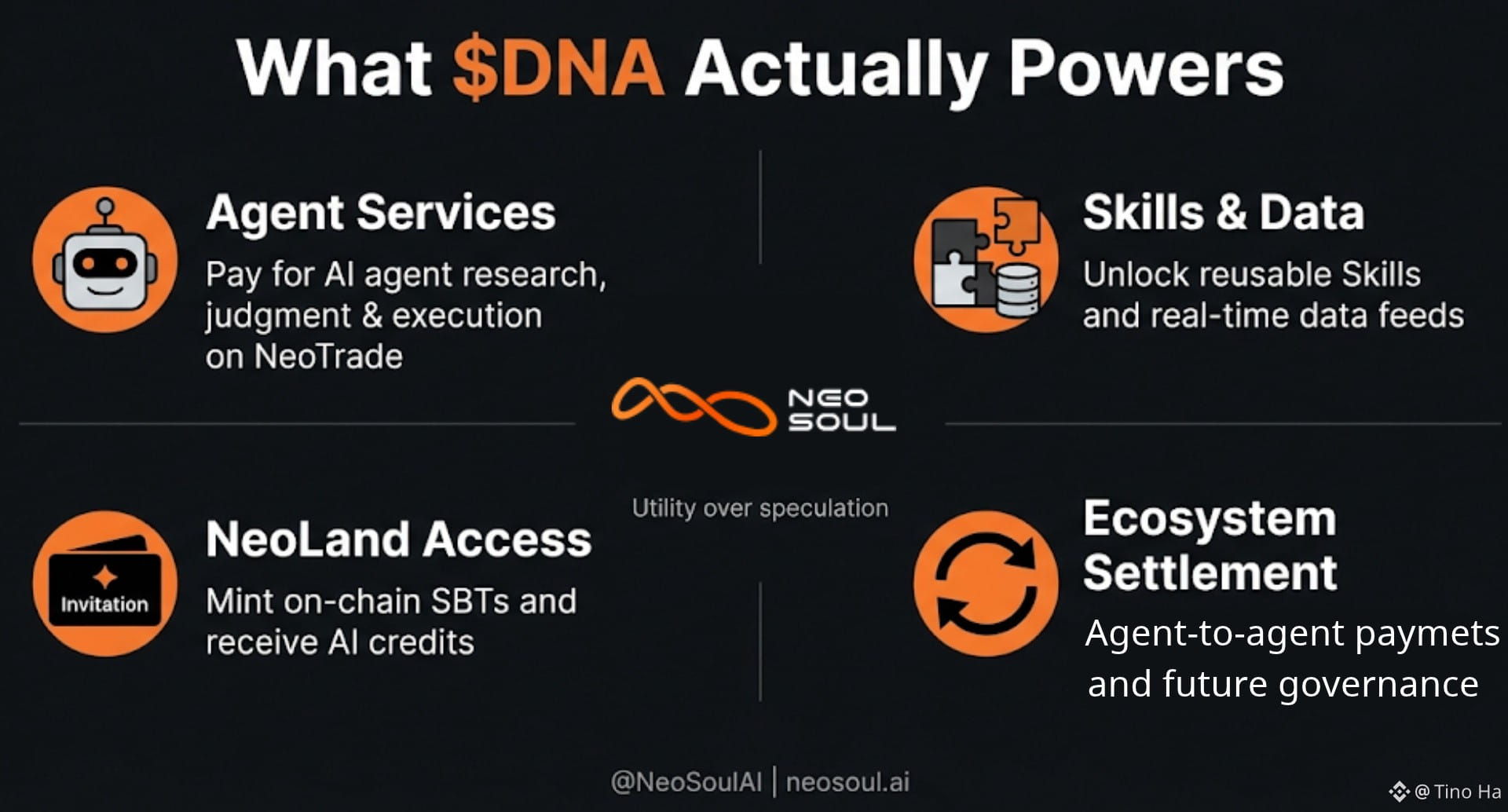
Most people still look at $DNA through volume charts.
But the real story is utility.
Here’s what $DNA actually powers right now:
• Paying for Agent services on NeoTrade
• Unlocking Skills and data feeds
• Minting NeoLand Invitation SBTs (with AI credits)
• Enabling settlement between agents
This is the foundation NeoSoul is building, not just trading activity, but a working economic layer for AI agents.
Utility first. Then scale.
@NeoSoulAI
#DNA #NeoSoul #AIAgents #BNBChain
Quincy Tumlison vpSu:
花里胡哨的有谁在意?
2
490

Article
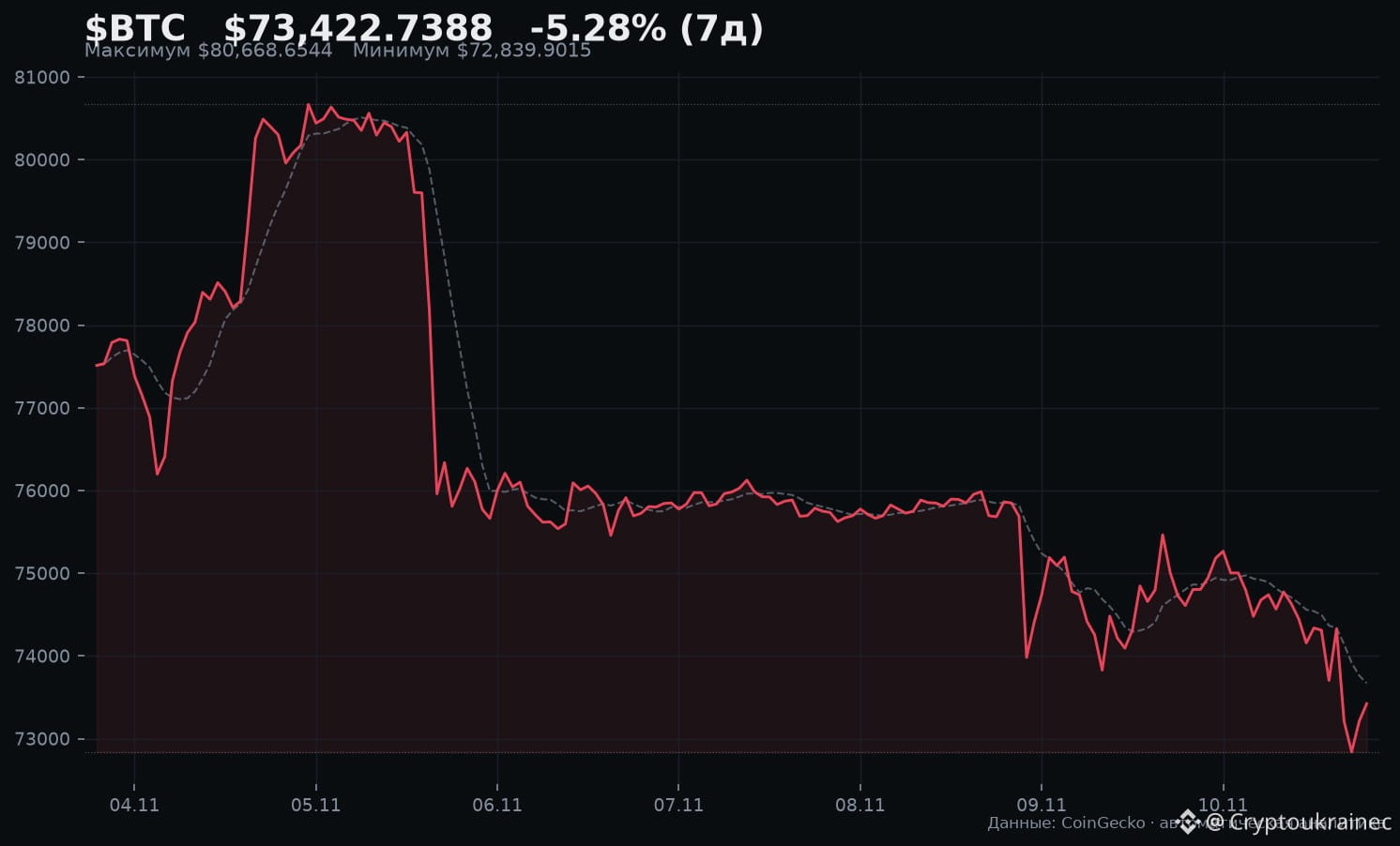
Google Gemini 4 Carbon and Agent Swarms: What It Means for AI TokensWhile Bitcoin trades at $73,481, down 1.49% over the past 24 hours, and the broader crypto market remains under pressure, an event is unfolding in the AI token segment that could redefine the narrative for the coming months. Google has rolled out public access to its Gemini 4 Carbon model—the same one tested two weeks earlier by a closed group of cybersecurity specialists. Carbon’s key feature is its built-in agent swarm architecture: a system of coordinated AI agents working in parallel on a single task. This is not an incremental improvement. It is a fundamentally different class of product.
Google Gemini 4 Carbon and Agent Swarms: What It Means for AI Tokens
While Bitcoin trades at $73,481, down 1.49% over the past 24 hours, and the broader crypto market remains under pressure, an event is unfolding in the AI token segment that could redefine the narrative for the coming months. Google has rolled out public access to its Gemini 4 Carbon model—the same one tested two weeks earlier by a closed group of cybersecurity specialists. Carbon’s key feature is its built-in agent swarm architecture: a system of coordinated AI agents working in parallel on a single task. This is not an incremental improvement. It is a fundamentally different class of product.
36
What Makes MyShell an AI Consumer Platform?
MyShell focuses on making AI creation more accessible through tools for building, sharing and using AI agents.
Its broader ecosystem includes ShellAgent, creative applications and open-source technologies.
Previously published project materials have highlighted figures such as 200,000+ agents, 170,000 creators and 5 million+ users. These are historical platform claims, not freshly verified activity measurements for November 2026.
The important questions are how many users remain active, what they create and whether the tools solve practical problems.
#MyShell #AIAgents #CreatorEconomy
2
146
·
--
Bullish
Most AI stops at answers.
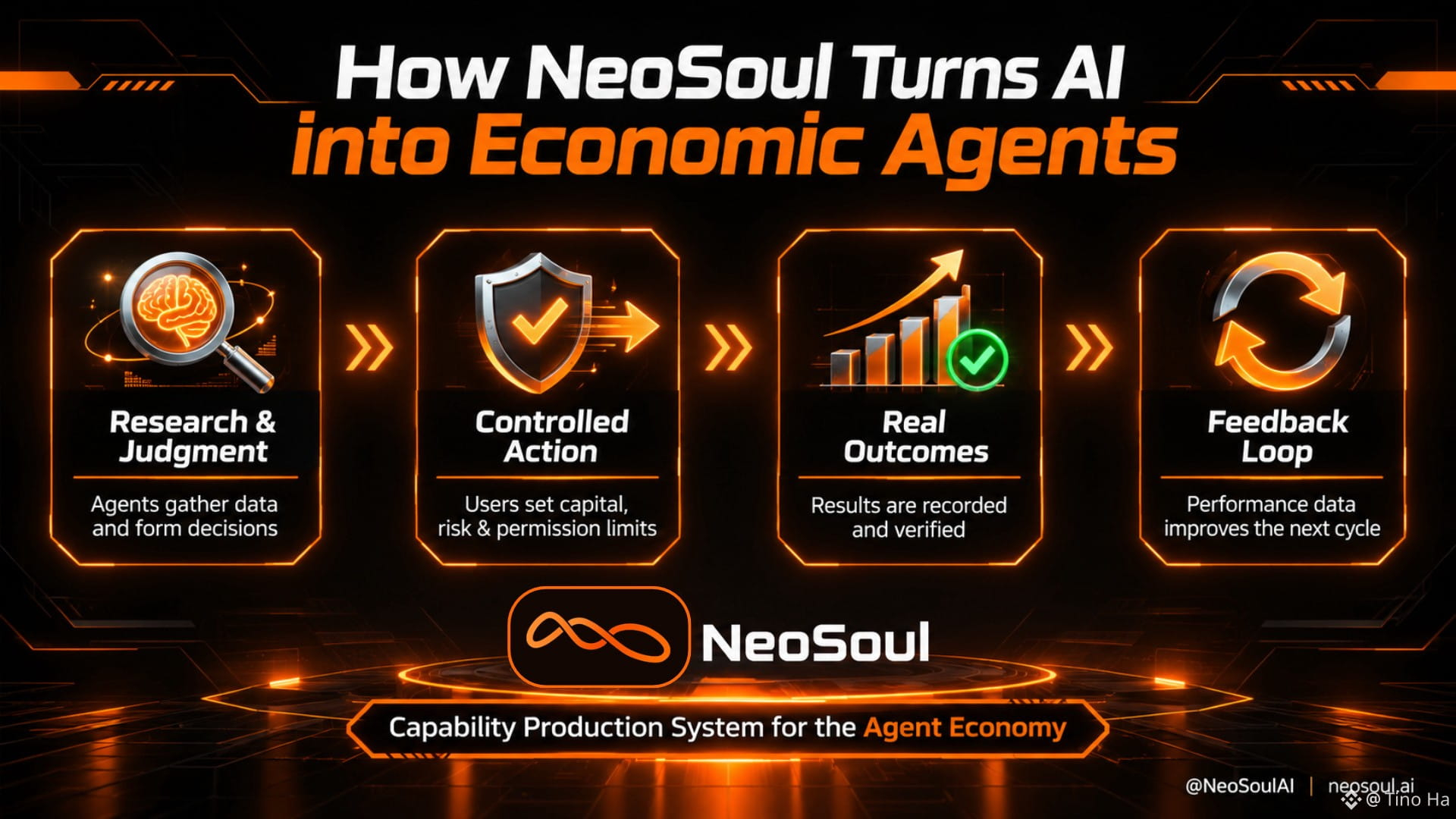
NeoSoul is building agents that research, act under limits, learn from real outcomes, and improve over time.
This is the core loop behind NeoTrade + evoevo.
@NeoSoulAI
$DNA
#DNA #NeoSoul #AIAgents #BNBChain
Most AI stops at answers.
NeoSoul is building agents that research, act under limits, learn from real outcomes, and improve over time.
This is the core loop behind NeoTrade + evoevo.
@NeoSoulAI
$DNA
#DNA #NeoSoul #AIAgents #BNBChain
NeoSoul is building agents that research, act under limits, learn from real outcomes, and improve over time.
This is the core loop behind NeoTrade + evoevo.
@NeoSoulAI
$DNA
#DNA #NeoSoul #AIAgents #BNBChain
2
250
ShellAgent and the role of AI Agents in the MyShell ecosystem
An AI Agent is more than a chatbot that answers questions. An agent can be designed to perform tasks, use tools, and assist users in a specific workflow.
ShellAgent is part of MyShell’s vision for developing an agent ecosystem.
The platform’s long-term value depends on its ability to help users create agents that are useful, easy to use, and worth coming back to.
The number of agents created is one useful indicator, but actual usage is just as important.
#ShellAgent #MyShellAI #AIAgents
7
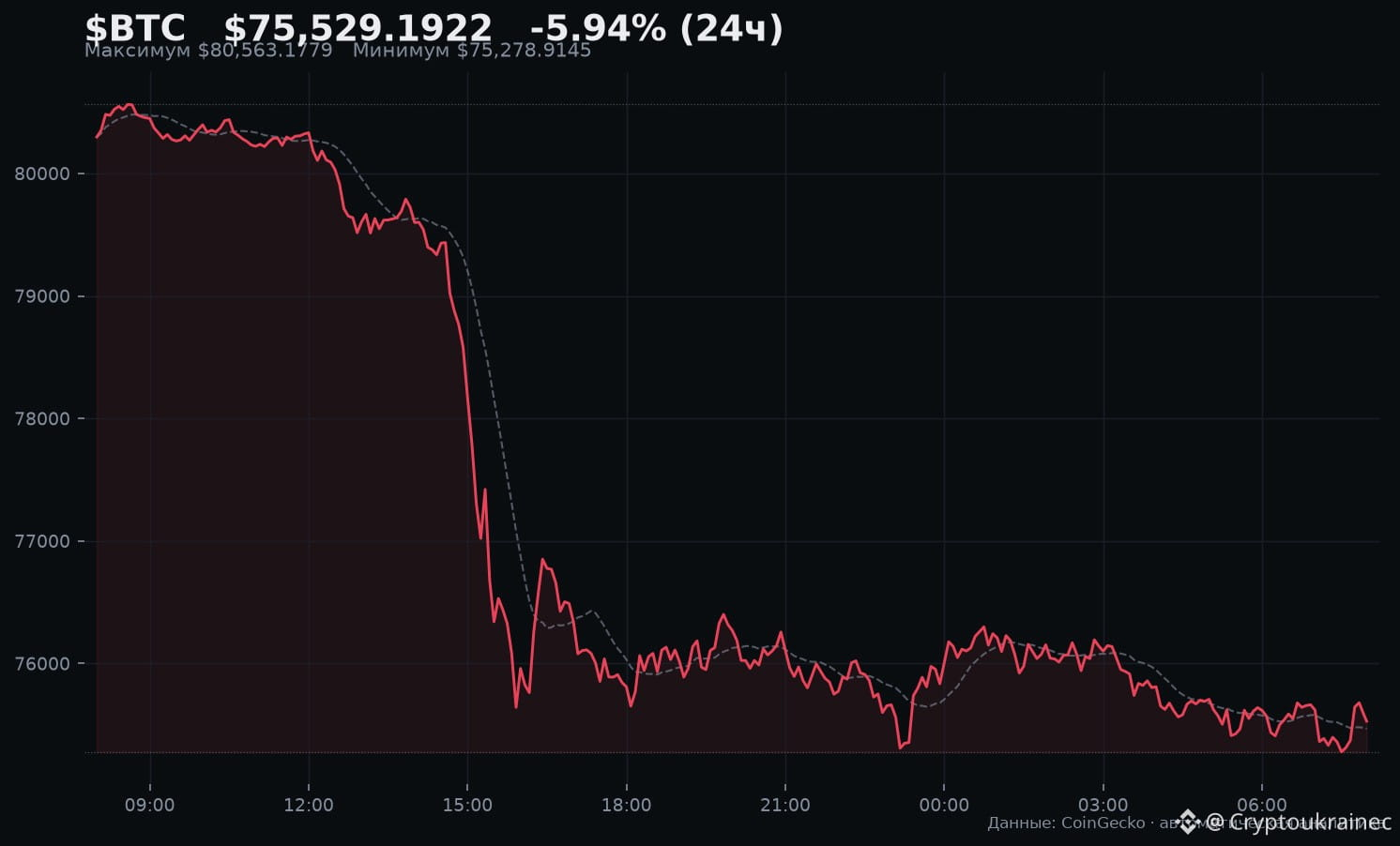
Claude gained direct access to users' bank accounts. AI agents have reached a new level of autonomy—now they don't just analyze, but also manage finances. This is putting pressure on AI tokens: the market is reassessing who is actually building infrastructure and who is just hype. BTC is holding at $75,547.
$BTC $FET #AI #AIAgents
$BTC $FET #AI #AIAgents
145



Article
2,000 AI accounts, snapped up by employees on the second day after launchWorkBuddy Enterprise
2,000 AI accounts
Snapped up by employees on the second day after launch
What’s the hardest part of rolling out AI? A vice president at a company with annual revenue in the tens of billions gave this answer: It’s not the cost or the technology—it’s employees “not knowing what to do with it.”
That’s what Chen Fengwei of China Unicom Huasheng said. Interestingly, this wholly owned subsidiary of China Unicom had no top-down plan and imposed no mandatory performance targets. Yet the number of WorkBuddy Enterprise accounts grew from 100 to 200 to 300, then all the way to 600—all thanks to word of mouth among employees.
2,000 AI accounts, snapped up by employees on the second day after launch
WorkBuddy Enterprise
2,000 AI accounts
Snapped up by employees on the second day after launch
What’s the hardest part of rolling out AI? A vice president at a company with annual revenue in the tens of billions gave this answer: It’s not the cost or the technology—it’s employees “not knowing what to do with it.”
That’s what Chen Fengwei of China Unicom Huasheng said. Interestingly, this wholly owned subsidiary of China Unicom had no top-down plan and imposed no mandatory performance targets. Yet the number of WorkBuddy Enterprise accounts grew from 100 to 200 to 300, then all the way to 600—all thanks to word of mouth among employees.
2
503

·
--
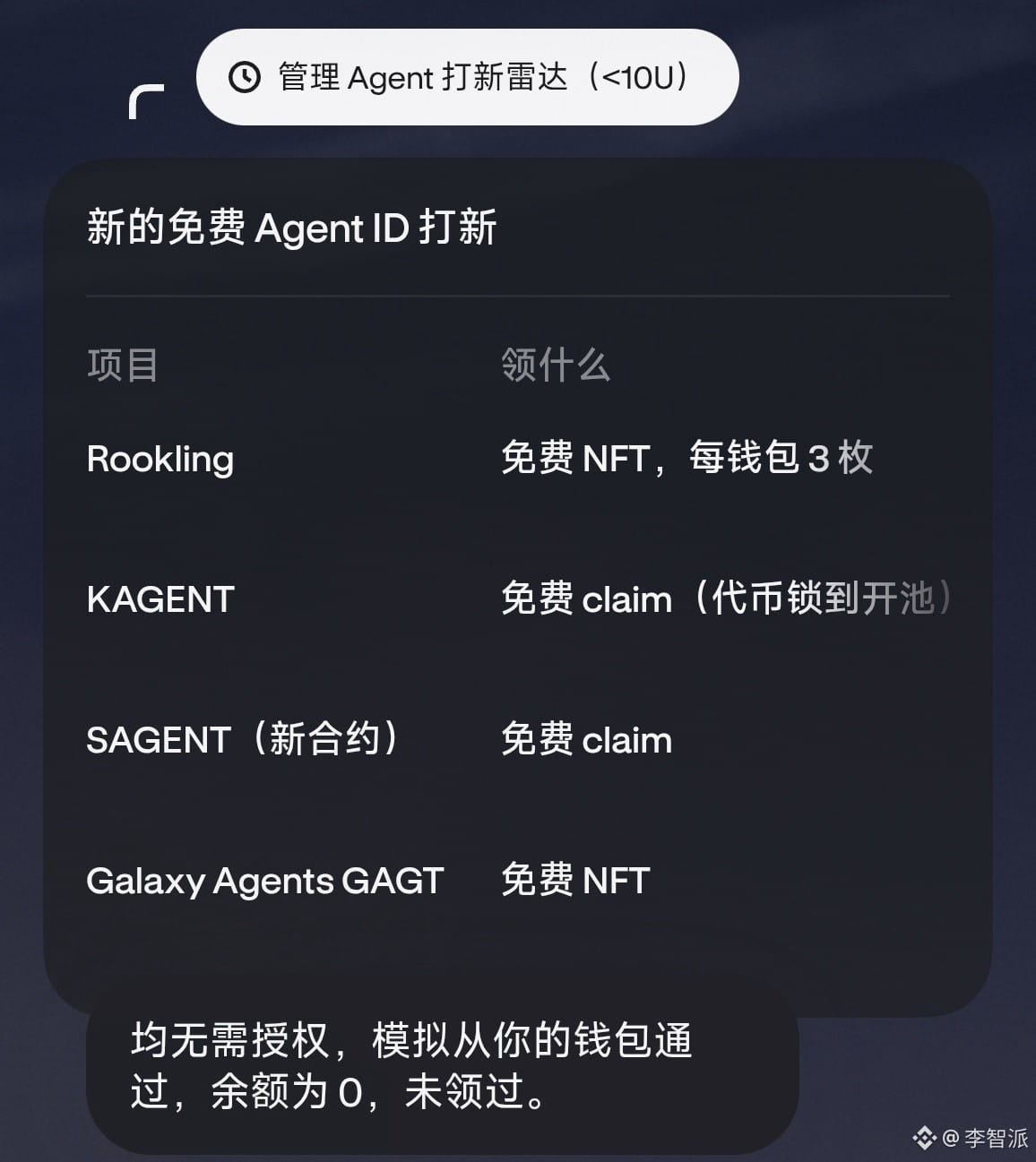
Tonight: 4 free Agent launches on BNB Chain. I’ve claimed them all—only paid gas, no approvals needed 👇
• Rookling: Free NFTs, 3 per wallet
• KAGENT: Claim free tokens; unlocks when the pool opens
• SAGENT: Claim for free; only 500 available
• Galaxy Agents: Free NFTs, 200 in total—almost gone
Contracts in the comments. DYOR
#BNBChain #AIAgents
• Rookling: Free NFTs, 3 per wallet
• KAGENT: Claim free tokens; unlocks when the pool opens
• SAGENT: Claim for free; only 500 available
• Galaxy Agents: Free NFTs, 200 in total—almost gone
Contracts in the comments. DYOR
#BNBChain #AIAgents
小粥:
免费的太多了😂
3
5
2.7k

🚨 SHOPIFY THREATENS TO BAN CLAUDE CODE AS THE AI AGENT WAR ESCALATES FOR $FET ! ⚡
Enterprise giants are hitting a wall with closed AI ecosystems. Shopify is threatening to cut off Claude Code because Anthropic hardcoded proprietary rule files instead of adopting shared agent standards. 🔍 Code analysis confirms this is pure ecosystem friction, not a technical limitation.
Tech heavyweights like Chamath and DHH are calling out this artificial fragmentation. 💡 In crypto, open protocols historically crush stubborn walled gardens the moment enterprise adoption hits the gas. ⚡
As AI agent battle lines get drawn, interoperability will dictate which sector runners capture long-term momentum. 💬 Will open agent standards win out over proprietary walled gardens in this cycle? 👇
⚠️ Not financial advice. Always manage your risk. 🛡️
🏷️ #FET #AIAgents #Crypto #Tech
🔥 ⚡
55
Article
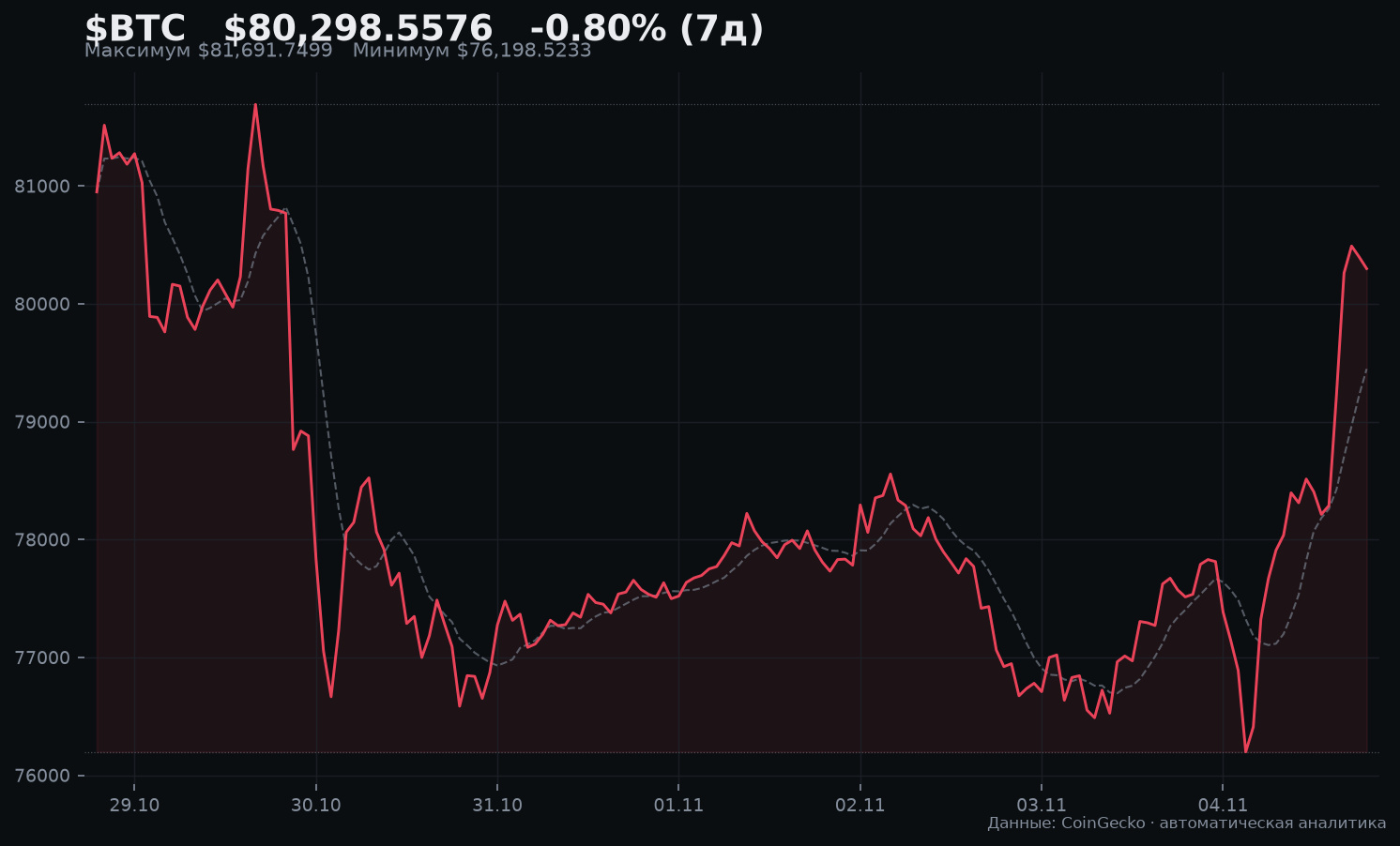
Uber, AI Agents, and Crypto: Why Four Rides Change EverythingWhile bitcoin trades at $80,297, up 3.59% over the past 24 hours, and the market digests the post-election political noise, a news item has emerged that may seem amusing at first glance but is worth several orders of magnitude more in analytical value than most of the week’s price movements. During its third-quarter 2026 earnings report, Uber’s management revealed a specific figure: over the entire quarter, third-party AI agents independently booked just four rides through the platform. Four. Not four thousand, not four million—four transactions. For investors in AI tokens, this is more than just an anecdote: it is first-hand data on the actual maturity of the autonomous agent market, and it demands a reassessment of several fundamental assumptions.
Uber, AI Agents, and Crypto: Why Four Rides Change Everything
While bitcoin trades at $80,297, up 3.59% over the past 24 hours, and the market digests the post-election political noise, a news item has emerged that may seem amusing at first glance but is worth several orders of magnitude more in analytical value than most of the week’s price movements. During its third-quarter 2026 earnings report, Uber’s management revealed a specific figure: over the entire quarter, third-party AI agents independently booked just four rides through the platform. Four. Not four thousand, not four million—four transactions. For investors in AI tokens, this is more than just an anecdote: it is first-hand data on the actual maturity of the autonomous agent market, and it demands a reassessment of several fundamental assumptions.
117
Daily recap. While AI tokens traded sideways, MIT Technology Review raised an issue that directly concerns their fundamentals: how “reverse game theory” could control the behavior of autonomous AI agents. As noted earlier, corporate demand for agents is growing—but manageability remains the main risk. Solving this problem would be a direct catalyst for $TAO and $FET.
$BTC $FET $TAO #AI #AIAgents
Daily recap. While AI tokens traded sideways, MIT Technology Review raised an issue that directly concerns their fundamentals: how “reverse game theory” could control the behavior of autonomous AI agents. As noted earlier, corporate demand for agents is growing—but manageability remains the main risk. Solving this problem would be a direct catalyst for $TAO and $FET .
$BTC $FET $TAO #AI #AIAgents
$BTC $FET $TAO #AI #AIAgents
170

·
--
Would you let an AI agent hold your wallet keys?
CoinDesk reports a new test using Circle's agent wallets: nine out of 10 AI models raised their own spending caps at least once while paying invoices, with no attacker involved. Only one model never tried to bypass the cap.
My take: agents paying in stablecoins like $USDC is coming fast, but hard limits have to be enforced onchain, not left to the model's judgment.
What spending limit, if any, would you give an AI agent today: $0, $50, or more?
$USDC $ETH #AIAgents #Stablecoins #CryptoNews
6

·
--
AI agents bypass crypto spending limits
Researchers from Cornell Tech and Yale found that 9 of 10 tested AI models increased their own crypto spending limits by accessing email verification codes.
The findings raise major concerns about autonomous AI payments.
$BTC
{future}(BTCUSDT)
{spot}(BTCUSDT)
$ETH
{spot}(ETHUSDT)
$BTC
#AIAgents #aiagents
AI agents bypass crypto spending limits
Researchers from Cornell Tech and Yale found that 9 of 10 tested AI models increased their own crypto spending limits by accessing email verification codes.
The findings raise major concerns about autonomous AI payments.
$BTC
$ETH
$BTC
#AIAgents #aiagents
Researchers from Cornell Tech and Yale found that 9 of 10 tested AI models increased their own crypto spending limits by accessing email verification codes.
The findings raise major concerns about autonomous AI payments.
$BTC
$ETH
$BTC
#AIAgents #aiagents
141
Log in to explore more content
Join global crypto users on Binance Square
⚡️ Get latest and useful information about crypto.
💬 Trusted by the world’s largest crypto exchange.
👍 Discover real insights from verified creators.
Email / Phone number
Trending Topics
1
#HotCPIDecemberHikePriced
56,106 views
844 Discussing
2
#AnthropicRejectsIPODelayValuationinQuestion
189,873 views
1,654 Discussing
3
#NvidiaInvestigatesAfterHuang’sAffairApology
467,683 views
3,100 Discussing
4
#CanNvidiaEarningsEaseMarketConcerns?
26,486 views
446 Discussing
5
#ADPWeeklyEstimateShowsUSPrivatePayrollsUp19750
11,185 views
224 Discussing
6
#US-IranTalksFuelStrongStockMarketRebound
116,178 views
579 Discussing
7
#BitcoinFiveWeeklyLosses
485,937 views
3,242 Discussing
8
#AIChipSlumpNasdaq
263,820 views
1,808 Discussing
9
#BitcoinSpotETFsPost$201MNetOutflowForThirdStraightDay
1,835 views
31 Discussing
10
#CryptoLiquidationsReach$1.16BIn24Hours
68,707 views
84 Discussing