
Blockchain Boss X
8.2k ပို့စ်များ

Blockchain Boss X
 Square Verified+
တိုင်ကြားမည်
သုံးစွဲသူကို ဘလော့မည်
Crypto Markets | Blockchain | Web3 Research
Market trends, on-chain insights & macro analysis
Clear data. Balanced views. No hype.
အမှန်တကယ်ရောင်းဝယ်နေ
High-Frequency Trader
2.7 နှစ်
655 ဖော်လိုလုပ်ထားသည်
30.0K+ ဖော်လိုလုပ်သူများ
4.9K+ လိုက်ခ်လုပ်ထားသည်
ပို့စ်များ
ပိုင်ဆိုင်မှုစာရင်း
အားလုံး
ဆိုဈေးများ
တိုက်ရိုက်ထုတ်လွှင့်ခြင်း
စိစစ်အတည်ပြုထားသည်
#swedishcentralbankurgesekronareview
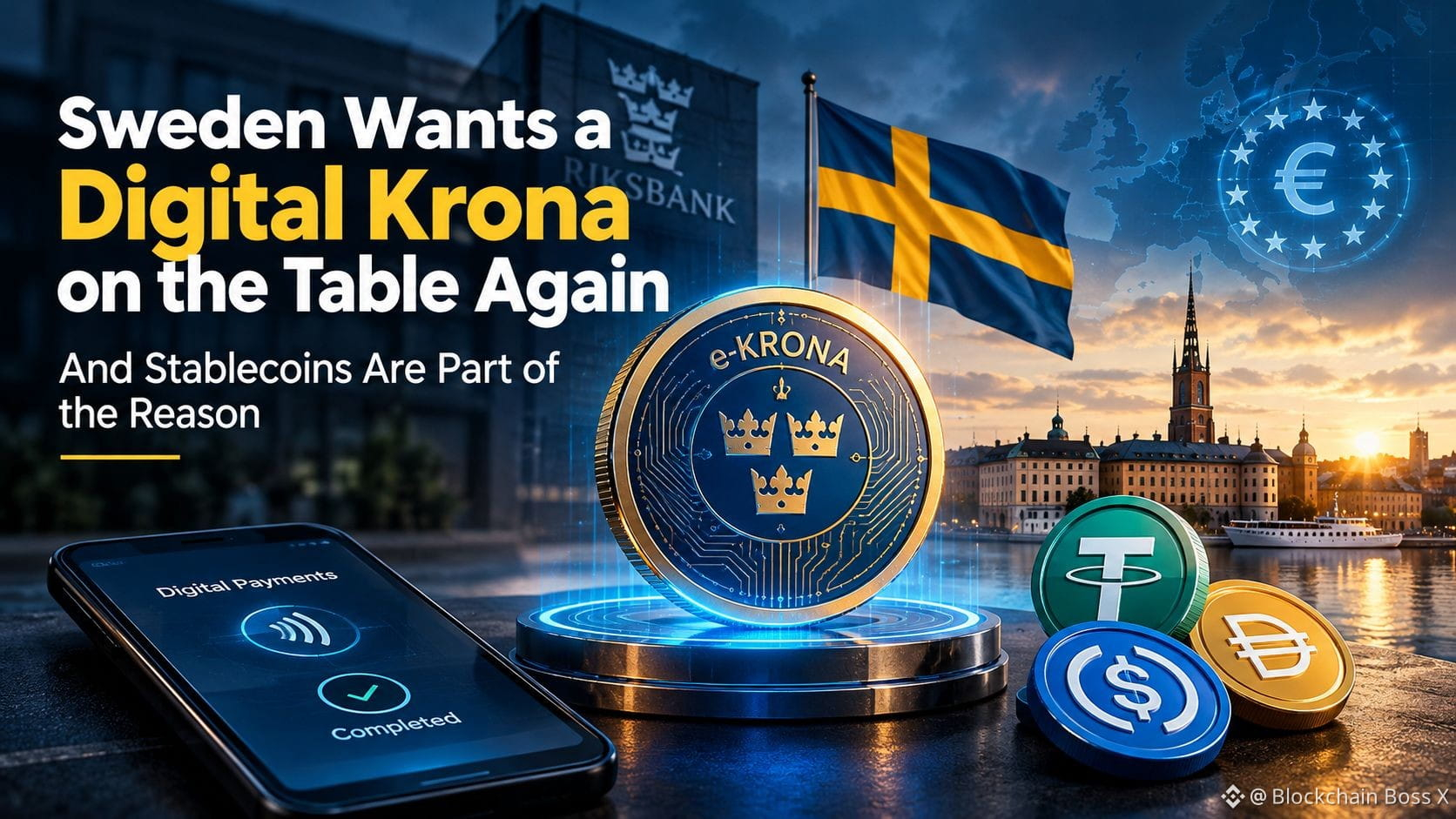
ဆွီဒင်သည် ဒစ်ဂျစ်တယ်ခရိုနာကို ထပ်မံစဉ်းစားနေပြီး တည်ငြိမ်ဒင်္ဂါးများကလည်း အကြောင်းရင်းတစ်ရပ်ဖြစ်သည်
ငွေသားအသုံးပြုမှု အနည်းဆုံးနိုင်ငံများအနက် တစ်နိုင်ငံဖြစ်သော ဆွီဒင်သည် ၎င်း၏ကိုယ်ပိုင်ငွေကြေးက အွန်လိုင်းတွင် ယှဉ်ပြိုင်နိုင်စွမ်း ရှိနေမည်လားဟု မေးခွန်းထုတ်နေသည်။
ဖြစ်ပျက်နေတာကတော့ ဒီလိုပါ။ အောက်တိုဘာလတွင် ပါလီမန်၏ ဘဏ္ဍာရေးကော်မတီထံ ပေးပို့သောစာတစ်စောင်၌ ဆွီဒင်ဗဟိုဘဏ် Riksbank က ဖြစ်နိုင်ခြေရှိသည့် e-krona ဟုခေါ်သော ဗဟိုဘဏ်ငွေ၏ ဒစ်ဂျစ်တယ်ပုံစံတစ်ရပ်အတွက် ဥပဒေပြုရေးဆိုင်ရာ ပြင်ဆင်မှုများ စတင်ရန် လွှတ်တော်အမတ်များကို တိုက်တွန်းခဲ့သည်။ ထိုသို့ထုတ်ဝေမည်ဟု ဆုံးဖြတ်ထားခြင်း မရှိသေးကြောင်းနှင့် ဆုံးဖြတ်ပိုင်ခွင့်မှာ Riksdag ၏ လက်ထဲတွင်သာ ရှိကြောင်း ဗဟိုဘဏ်က အလေးပေးပြောကြားထားသည်။ 2023 ခုနှစ်တွင် အစိုးရ၏ စုံစမ်းလေ့လာမှုတစ်ရပ်က အရေးပေါ်လိုအပ်ချက် မရှိကြောင်း တွေ့ရှိခဲ့သည်။ ယခုအခါ Riksbank က 2029 ခုနှစ်တွင် စတင်မိတ်ဆက်နိုင်ဖွယ်ရှိသော ဥရောပဗဟိုဘဏ်၏ ဒစ်ဂျစ်တယ်ယူရို (အီးယူ၏ စည်းမျဉ်းများ အတည်ပြုပါက) နှင့် နိုင်ငံခြားငွေကြေးဖြင့် ထုတ်ပေးသော တည်ငြိမ်ဒင်္ဂါးများ ပျံ့နှံ့လာခြင်းတို့ကို ခရိုနာ၏ ငွေပေးချေမှုအခန်းကဏ္ဍကို အားနည်းစေနိုင်သည့် အန္တရာယ်များအဖြစ် ထောက်ပြထားသည်။ ဆွီဒင်နိုင်ငံသားများ၏ 5% ခန့်သာ ၎င်းတို့၏ နောက်ဆုံးဝယ်ယူမှုအတွက် ငွေသားအသုံးပြုခဲ့ကြပြီး ဒုတိယအုပ်ချုပ်ရေးမှူး Per Jansson က အဆင်ပြေသော ဒစ်ဂျစ်တယ်ပုံစံ မရှိပါက နယ်စပ်ဖြတ်ကျော် အစားထိုးငွေပေးချေမှုနည်းလမ်းများနှင့် ယှဉ်ပြိုင်ရာတွင် ခရိုနာ အခက်တွေ့နိုင်ကြောင်း သတိပေးခဲ့သည်။ e-krona သည် ဝန်ဆောင်မှုများပြတ်တောက်ချိန်နှင့် အင်တာနက်မရှိသည့်အချိန်တို့တွင် ငွေပေးချေမှုများကို ပံ့ပိုးပေးနိုင်သည့်အတွက် ခံနိုင်ရည်ရှိမှုကိုလည်း ဘဏ်က ကိုးကားဖော်ပြခဲ့သည်။ စတင်မိတ်ဆက်ရန် အနည်းဆုံး ငါးနှစ်ကြာမည်ဟု ခန့်မှန်းထားပြီး ဥပဒေပြင်ဆင်ရန် လိုအပ်သည့်အချိန်ကို မပါဝင်သေးပါ။ ထို့အပြင် ဆွီဒင်အနေဖြင့် ECB က စီစဉ်ထားသော ဒစ်ဂျစ်တယ်ယူရို အခြေခံအဆောက်အအုံကို အသုံးချနိုင်ကြောင်း အကြံပြုထားသည်။
ဒါက ဘာကြောင့် အရေးကြီးတာလဲ။ တည်ငြိမ်ဒင်္ဂါးများကို ခရစ်ပ်တိုငွေကြေးကိစ္စတစ်ခုသာမဟုတ်ဘဲ ငွေကြေးအချုပ်အခြာအာဏာဆိုင်ရာ မေးခွန်းတစ်ရပ်အဖြစ် ပုံဖော်ထားပြီး ယခုနှစ် ဝါရှင်တန်၏ ကိုယ်ပိုင်တည်ငြိမ်ဒင်္ဂါးမူဝါဒတွင်လည်း အလားတူသဘောထားကို တွေ့ရသည်။
ပုဂ္ဂလိက ဒစ်ဂျစ်တယ်ငွေကြေးက အများပိုင် ဒစ်ဂျစ်တယ်ငွေကြေးထက် ပိုမြန်မြန် ပျံ့နှံ့လာပါက စည်းကမ်းသတ်မှတ်ချက်များကို ဘယ်သူက အဆုံးအဖြတ်ပေးမည်နည်း။ 🤔
#CBDC #Sweden #Stablecoins #digitaleuro
$IRYS $BIRB $IN
{future}(INUSDT)
{future}(BIRBUSDT)
{future}(IRYSUSDT)
#swedishcentralbankurgesekronareview
ဆွီဒင်သည် ဒစ်ဂျစ်တယ်ခရိုနာကို ထပ်မံစဉ်းစားနေပြီး တည်ငြိမ်ဒင်္ဂါးများကလည်း အကြောင်းရင်းတစ်ရပ်ဖြစ်သည်
ငွေသားအသုံးပြုမှု အနည်းဆုံးနိုင်ငံများအနက် တစ်နိုင်ငံဖြစ်သော ဆွီဒင်သည် ၎င်း၏ကိုယ်ပိုင်ငွေကြေးက အွန်လိုင်းတွင် ယှဉ်ပြိုင်နိုင်စွမ်း ရှိနေမည်လားဟု မေးခွန်းထုတ်နေသည်။
ဖြစ်ပျက်နေတာကတော့ ဒီလိုပါ။ အောက်တိုဘာလတွင် ပါလီမန်၏ ဘဏ္ဍာရေးကော်မတီထံ ပေးပို့သောစာတစ်စောင်၌ ဆွီဒင်ဗဟိုဘဏ် Riksbank က ဖြစ်နိုင်ခြေရှိသည့် e-krona ဟုခေါ်သော ဗဟိုဘဏ်ငွေ၏ ဒစ်ဂျစ်တယ်ပုံစံတစ်ရပ်အတွက် ဥပဒေပြုရေးဆိုင်ရာ ပြင်ဆင်မှုများ စတင်ရန် လွှတ်တော်အမတ်များကို တိုက်တွန်းခဲ့သည်။ ထိုသို့ထုတ်ဝေမည်ဟု ဆုံးဖြတ်ထားခြင်း မရှိသေးကြောင်းနှင့် ဆုံးဖြတ်ပိုင်ခွင့်မှာ Riksdag ၏ လက်ထဲတွင်သာ ရှိကြောင်း ဗဟိုဘဏ်က အလေးပေးပြောကြားထားသည်။ 2023 ခုနှစ်တွင် အစိုးရ၏ စုံစမ်းလေ့လာမှုတစ်ရပ်က အရေးပေါ်လိုအပ်ချက် မရှိကြောင်း တွေ့ရှိခဲ့သည်။ ယခုအခါ Riksbank က 2029 ခုနှစ်တွင် စတင်မိတ်ဆက်နိုင်ဖွယ်ရှိသော ဥရောပဗဟိုဘဏ်၏ ဒစ်ဂျစ်တယ်ယူရို (အီးယူ၏ စည်းမျဉ်းများ အတည်ပြုပါက) နှင့် နိုင်ငံခြားငွေကြေးဖြင့် ထုတ်ပေးသော တည်ငြိမ်ဒင်္ဂါးများ ပျံ့နှံ့လာခြင်းတို့ကို ခရိုနာ၏ ငွေပေးချေမှုအခန်းကဏ္ဍကို အားနည်းစေနိုင်သည့် အန္တရာယ်များအဖြစ် ထောက်ပြထားသည်။ ဆွီဒင်နိုင်ငံသားများ၏ 5% ခန့်သာ ၎င်းတို့၏ နောက်ဆုံးဝယ်ယူမှုအတွက် ငွေသားအသုံးပြုခဲ့ကြပြီး ဒုတိယအုပ်ချုပ်ရေးမှူး Per Jansson က အဆင်ပြေသော ဒစ်ဂျစ်တယ်ပုံစံ မရှိပါက နယ်စပ်ဖြတ်ကျော် အစားထိုးငွေပေးချေမှုနည်းလမ်းများနှင့် ယှဉ်ပြိုင်ရာတွင် ခရိုနာ အခက်တွေ့နိုင်ကြောင်း သတိပေးခဲ့သည်။ e-krona သည် ဝန်ဆောင်မှုများပြတ်တောက်ချိန်နှင့် အင်တာနက်မရှိသည့်အချိန်တို့တွင် ငွေပေးချေမှုများကို ပံ့ပိုးပေးနိုင်သည့်အတွက် ခံနိုင်ရည်ရှိမှုကိုလည်း ဘဏ်က ကိုးကားဖော်ပြခဲ့သည်။ စတင်မိတ်ဆက်ရန် အနည်းဆုံး ငါးနှစ်ကြာမည်ဟု ခန့်မှန်းထားပြီး ဥပဒေပြင်ဆင်ရန် လိုအပ်သည့်အချိန်ကို မပါဝင်သေးပါ။ ထို့အပြင် ဆွီဒင်အနေဖြင့် ECB က စီစဉ်ထားသော ဒစ်ဂျစ်တယ်ယူရို အခြေခံအဆောက်အအုံကို အသုံးချနိုင်ကြောင်း အကြံပြုထားသည်။
ဒါက ဘာကြောင့် အရေးကြီးတာလဲ။ တည်ငြိမ်ဒင်္ဂါးများကို ခရစ်ပ်တိုငွေကြေးကိစ္စတစ်ခုသာမဟုတ်ဘဲ ငွေကြေးအချုပ်အခြာအာဏာဆိုင်ရာ မေးခွန်းတစ်ရပ်အဖြစ် ပုံဖော်ထားပြီး ယခုနှစ် ဝါရှင်တန်၏ ကိုယ်ပိုင်တည်ငြိမ်ဒင်္ဂါးမူဝါဒတွင်လည်း အလားတူသဘောထားကို တွေ့ရသည်။
ပုဂ္ဂလိက ဒစ်ဂျစ်တယ်ငွေကြေးက အများပိုင် ဒစ်ဂျစ်တယ်ငွေကြေးထက် ပိုမြန်မြန် ပျံ့နှံ့လာပါက စည်းကမ်းသတ်မှတ်ချက်များကို ဘယ်သူက အဆုံးအဖြတ်ပေးမည်နည်း။ 🤔
#CBDC #Sweden #Stablecoins #digitaleuro
$IRYS $BIRB $IN
1.8k
#GoldFallsBelow$4000ForFirstTimeSinceJuly
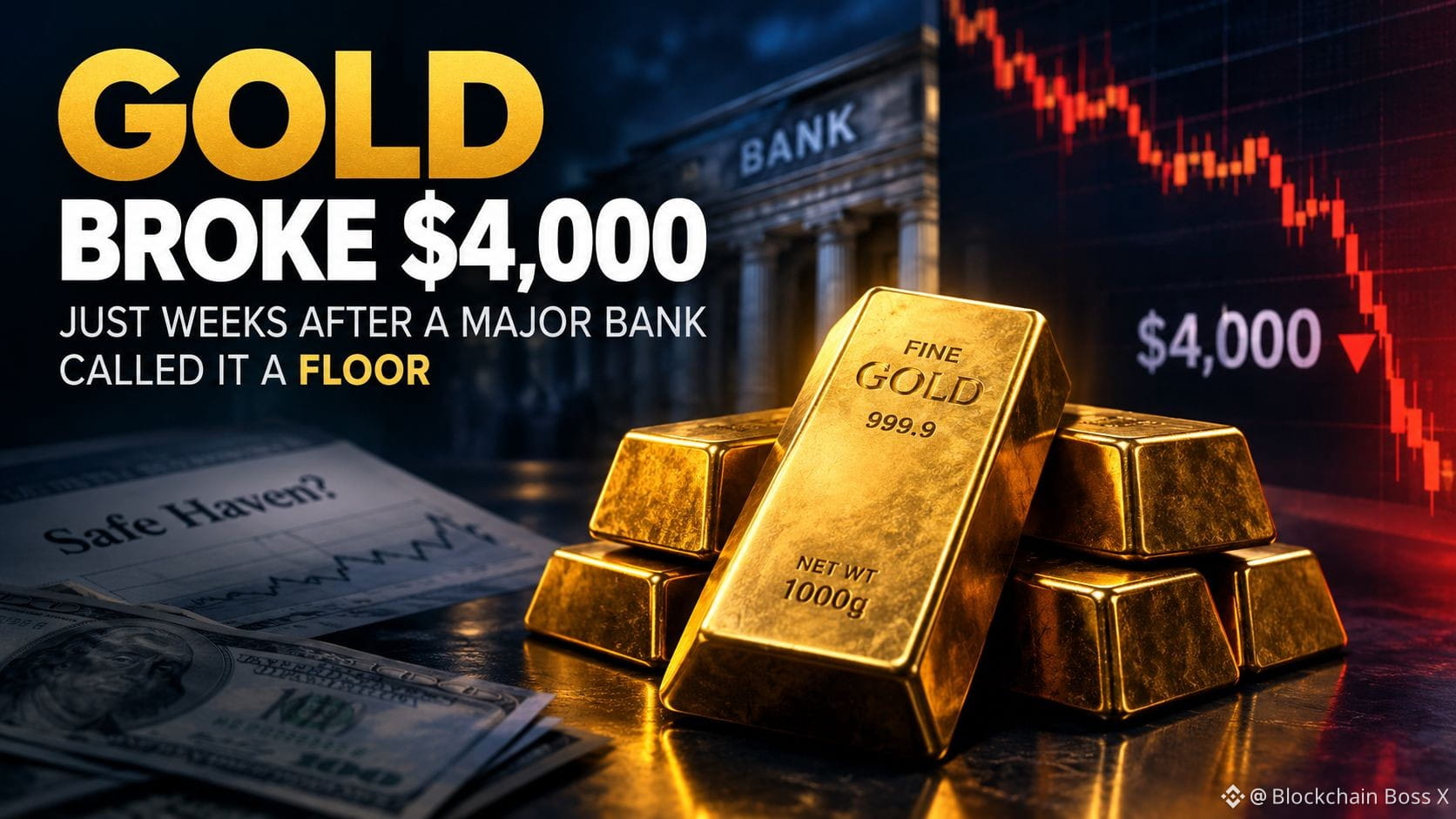
ဘဏ်ကြီးတစ်ခုက ရွှေဈေးကို အောက်ခြေဈေးဟု သတ်မှတ်ခဲ့ပြီး ရက်သတ္တပတ်အနည်းငယ်အကြာတွင် ရွှေဈေး $4,000 အောက်ကျဆင်း
စွန့်စားရမှုမြင့်မားသော ပိုင်ဆိုင်မှုဈေးကွက်များ ယိမ်းယိုင်လာချိန်တွင် ရွှေသည် ခိုလှုံရာနေရာ ဖြစ်သင့်သည်။ သို့သော် သောကြာနေ့တွင် ရွှေဈေးသည် ထိုပိုင်ဆိုင်မှုများနှင့်အတူ ကျဆင်းခဲ့သည်။
ဖြစ်ပျက်ခဲ့သည်မှာ ဤသို့ဖြစ်သည်။ အောက်တိုဘာ ၂၃ ရက်တွင် ရွှေသားတစ်အောင်စ၏ လက်ငင်းဈေးသည် ဇူလိုင်လနောက်ပိုင်း ပထမဆုံးအကြိမ်အဖြစ် $4,000 အောက်သို့ ကျဆင်းခဲ့ပြီး၊ နေ့တွင်းအနိမ့်ဆုံး $3,987 ဝန်းကျင်အထိ ရောက်ရှိကာ နောက်ပိုင်းတွင် $4,020 ဝန်းကျင်၌ တည်ငြိမ်လာခဲ့သည်။ ထိုဈေးသည် ဇန်နဝါရီလက စံချိန်တင်ဈေးထက် လေးပုံတစ်ပုံကျော် နိမ့်နေပြီး၊ သတင်းရင်းမြစ်များက ထိုစံချိန်တင်ဈေးကို $5,400 မှ $5,595 ဝန်းကျင်အတွင်းဟု ဖော်ပြထားသည်။ သတင်းများအရ အကြောင်းရင်းတစ်ခုတည်းကြောင့်မဟုတ်ဘဲ ဖိအားအမျိုးမျိုးကြောင့် ဖြစ်သည်။ နည်းပညာနှင့် AI ရှယ်ယာများ အလျင်အမြန် ရောင်းချခံရသဖြင့် ရင်းနှီးမြှုပ်နှံသူများသည် ဆုံးရှုံးမှုများကို ကာမိရန် လွယ်ကူစွာ ငွေဖော်နိုင်သော ပိုင်ဆိုင်မှုများကို ရောင်းချခဲ့ကြသည်။ ရေနံဈေးသည် $100 ဝန်းကျင်တွင် ရှိနေခြင်းက ငွေကြေးဖောင်းပွမှုဆိုင်ရာ စိုးရိမ်မှုများနှင့် အတိုးနှုန်းမျှော်မှန်းချက်များကို မြင့်မားနေစေခဲ့သည့်အပြင် ဒေါ်လာလည်း အားကောင်းနေခဲ့သည်။ Treasury ငွေချေးစာချုပ်အထွက်နှုန်းများ အလျင်အမြန် ကျဆင်းနေချိန်တွင် ရွှေဈေးပါ ကျဆင်းခဲ့သည့် ထူးခြားသောအခြေအနေကို Berenberg က မှတ်ချက်ပြုခဲ့ပြီး၊ ၎င်းတို့အဆိုအရ ၂၀၀၈ ခုနှစ် ဒီဇင်ဘာလနောက်ပိုင်း ထိုသို့မဖြစ်ခဲ့ဖူးပါ။ Morgan Stanley သည် သုံးပတ်ခန့်စော၍ $4,000 ကို ဖြစ်နိုင်ခြေများသော အောက်ခြေဈေးဟု သတ်မှတ်ခဲ့သော်လည်း ယခုအခါ လေ့လာဆန်းစစ်သူတစ်ဦးက $3,900 သည် နောက်ထပ်စမ်းသပ်ရမည့်အဆင့် ဖြစ်လာမည်ဟု မြင်သည်။ ဗဟိုဘဏ်များက ရွှေဝယ်ယူမှုကို ဆက်လက်လုပ်ဆောင်နေပြီး အချို့လေ့လာဆန်းစစ်သူများကလည်း ဈေးနှုန်းများ လျင်မြန်စွာ ပြန်လည်တက်လာမည်ဟု မျှော်လင့်နေကြသည်။
ဒါက ဘာကြောင့် အရေးကြီးတာလဲ။ ရွှေဈေးကျဆင်းမှုက ဈေးကွက်အခြေအနေ ဖိအားများနေသောအခါ ပိုင်ဆိုင်မှုများအကြား ဆက်စပ်မှုများ မည်သို့ တစ်ပြိုင်နက်တည်း ဖြစ်လာနိုင်ကြောင်း ပြသနေသည်။ အဲဒီအချိန်မှာ လူတွေ ရောင်းချနိုင်သည့် ပိုင်ဆိုင်မှုများကပင် သူတို့ ရောင်းချသည့် ပိုင်ဆိုင်မှုများ ဖြစ်လာသည်။ Crypto အတွက်တော့ “လုံခြုံရာပိုင်ဆိုင်မှု” နှင့် “ဒစ်ဂျစ်တယ်ရွှေ” ဆိုသည့် အယူအဆများသည် အပေါင်ငွေဖြည့်ရန် တောင်းဆိုမှုများနှင့် ငွေသားရှာဖွေမှုများက အဓိကဖြစ်နေချိန်တွင် အပြင်းထန်ဆုံး စမ်းသပ်ခံရကြောင်း သတိပေးချက်တစ်ခု ဖြစ်သည်။ ထို့အပြင် Fed အစည်းအဝေးလည်း နောက်အပတ်တွင် ကျင်းပမည်ဖြစ်သည်။
အရာအားလုံး တစ်ပြိုင်နက်တည်း ကျဆင်းသည့်အခါ၊ အဲဒါက ပိုင်ဆိုင်မှုတွေအကြောင်း ပိုပြောပြတာလား၊ ဒါမှမဟုတ် အဲဒီပိုင်ဆိုင်မှုတွေကို ကိုင်ထားတဲ့ ရင်းနှီးမြှုပ်နှံသူတွေအကြောင်း ပိုပြောပြတာလား။ 🤔
#GOLD #Macro #SafeHaven #bitcoin
$IRYS $XAU $BIRB
{future}(BIRBUSDT)
{future}(XAUUSDT)
{future}(IRYSUSDT)
#GoldFallsBelow$4000ForFirstTimeSinceJuly
ဘဏ်ကြီးတစ်ခုက ရွှေဈေးကို အောက်ခြေဈေးဟု သတ်မှတ်ခဲ့ပြီး ရက်သတ္တပတ်အနည်းငယ်အကြာတွင် ရွှေဈေး $4,000 အောက်ကျဆင်း
စွန့်စားရမှုမြင့်မားသော ပိုင်ဆိုင်မှုဈေးကွက်များ ယိမ်းယိုင်လာချိန်တွင် ရွှေသည် ခိုလှုံရာနေရာ ဖြစ်သင့်သည်။ သို့သော် သောကြာနေ့တွင် ရွှေဈေးသည် ထိုပိုင်ဆိုင်မှုများနှင့်အတူ ကျဆင်းခဲ့သည်။
ဖြစ်ပျက်ခဲ့သည်မှာ ဤသို့ဖြစ်သည်။ အောက်တိုဘာ ၂၃ ရက်တွင် ရွှေသားတစ်အောင်စ၏ လက်ငင်းဈေးသည် ဇူလိုင်လနောက်ပိုင်း ပထမဆုံးအကြိမ်အဖြစ် $4,000 အောက်သို့ ကျဆင်းခဲ့ပြီး၊ နေ့တွင်းအနိမ့်ဆုံး $3,987 ဝန်းကျင်အထိ ရောက်ရှိကာ နောက်ပိုင်းတွင် $4,020 ဝန်းကျင်၌ တည်ငြိမ်လာခဲ့သည်။ ထိုဈေးသည် ဇန်နဝါရီလက စံချိန်တင်ဈေးထက် လေးပုံတစ်ပုံကျော် နိမ့်နေပြီး၊ သတင်းရင်းမြစ်များက ထိုစံချိန်တင်ဈေးကို $5,400 မှ $5,595 ဝန်းကျင်အတွင်းဟု ဖော်ပြထားသည်။ သတင်းများအရ အကြောင်းရင်းတစ်ခုတည်းကြောင့်မဟုတ်ဘဲ ဖိအားအမျိုးမျိုးကြောင့် ဖြစ်သည်။ နည်းပညာနှင့် AI ရှယ်ယာများ အလျင်အမြန် ရောင်းချခံရသဖြင့် ရင်းနှီးမြှုပ်နှံသူများသည် ဆုံးရှုံးမှုများကို ကာမိရန် လွယ်ကူစွာ ငွေဖော်နိုင်သော ပိုင်ဆိုင်မှုများကို ရောင်းချခဲ့ကြသည်။ ရေနံဈေးသည် $100 ဝန်းကျင်တွင် ရှိနေခြင်းက ငွေကြေးဖောင်းပွမှုဆိုင်ရာ စိုးရိမ်မှုများနှင့် အတိုးနှုန်းမျှော်မှန်းချက်များကို မြင့်မားနေစေခဲ့သည့်အပြင် ဒေါ်လာလည်း အားကောင်းနေခဲ့သည်။ Treasury ငွေချေးစာချုပ်အထွက်နှုန်းများ အလျင်အမြန် ကျဆင်းနေချိန်တွင် ရွှေဈေးပါ ကျဆင်းခဲ့သည့် ထူးခြားသောအခြေအနေကို Berenberg က မှတ်ချက်ပြုခဲ့ပြီး၊ ၎င်းတို့အဆိုအရ ၂၀၀၈ ခုနှစ် ဒီဇင်ဘာလနောက်ပိုင်း ထိုသို့မဖြစ်ခဲ့ဖူးပါ။ Morgan Stanley သည် သုံးပတ်ခန့်စော၍ $4,000 ကို ဖြစ်နိုင်ခြေများသော အောက်ခြေဈေးဟု သတ်မှတ်ခဲ့သော်လည်း ယခုအခါ လေ့လာဆန်းစစ်သူတစ်ဦးက $3,900 သည် နောက်ထပ်စမ်းသပ်ရမည့်အဆင့် ဖြစ်လာမည်ဟု မြင်သည်။ ဗဟိုဘဏ်များက ရွှေဝယ်ယူမှုကို ဆက်လက်လုပ်ဆောင်နေပြီး အချို့လေ့လာဆန်းစစ်သူများကလည်း ဈေးနှုန်းများ လျင်မြန်စွာ ပြန်လည်တက်လာမည်ဟု မျှော်လင့်နေကြသည်။
ဒါက ဘာကြောင့် အရေးကြီးတာလဲ။ ရွှေဈေးကျဆင်းမှုက ဈေးကွက်အခြေအနေ ဖိအားများနေသောအခါ ပိုင်ဆိုင်မှုများအကြား ဆက်စပ်မှုများ မည်သို့ တစ်ပြိုင်နက်တည်း ဖြစ်လာနိုင်ကြောင်း ပြသနေသည်။ အဲဒီအချိန်မှာ လူတွေ ရောင်းချနိုင်သည့် ပိုင်ဆိုင်မှုများကပင် သူတို့ ရောင်းချသည့် ပိုင်ဆိုင်မှုများ ဖြစ်လာသည်။ Crypto အတွက်တော့ “လုံခြုံရာပိုင်ဆိုင်မှု” နှင့် “ဒစ်ဂျစ်တယ်ရွှေ” ဆိုသည့် အယူအဆများသည် အပေါင်ငွေဖြည့်ရန် တောင်းဆိုမှုများနှင့် ငွေသားရှာဖွေမှုများက အဓိကဖြစ်နေချိန်တွင် အပြင်းထန်ဆုံး စမ်းသပ်ခံရကြောင်း သတိပေးချက်တစ်ခု ဖြစ်သည်။ ထို့အပြင် Fed အစည်းအဝေးလည်း နောက်အပတ်တွင် ကျင်းပမည်ဖြစ်သည်။
အရာအားလုံး တစ်ပြိုင်နက်တည်း ကျဆင်းသည့်အခါ၊ အဲဒါက ပိုင်ဆိုင်မှုတွေအကြောင်း ပိုပြောပြတာလား၊ ဒါမှမဟုတ် အဲဒီပိုင်ဆိုင်မှုတွေကို ကိုင်ထားတဲ့ ရင်းနှီးမြှုပ်နှံသူတွေအကြောင်း ပိုပြောပြတာလား။ 🤔
#GOLD #Macro #SafeHaven #bitcoin
$IRYS $XAU $BIRB
731
#pepejumps14%toleadaltcoinrebound
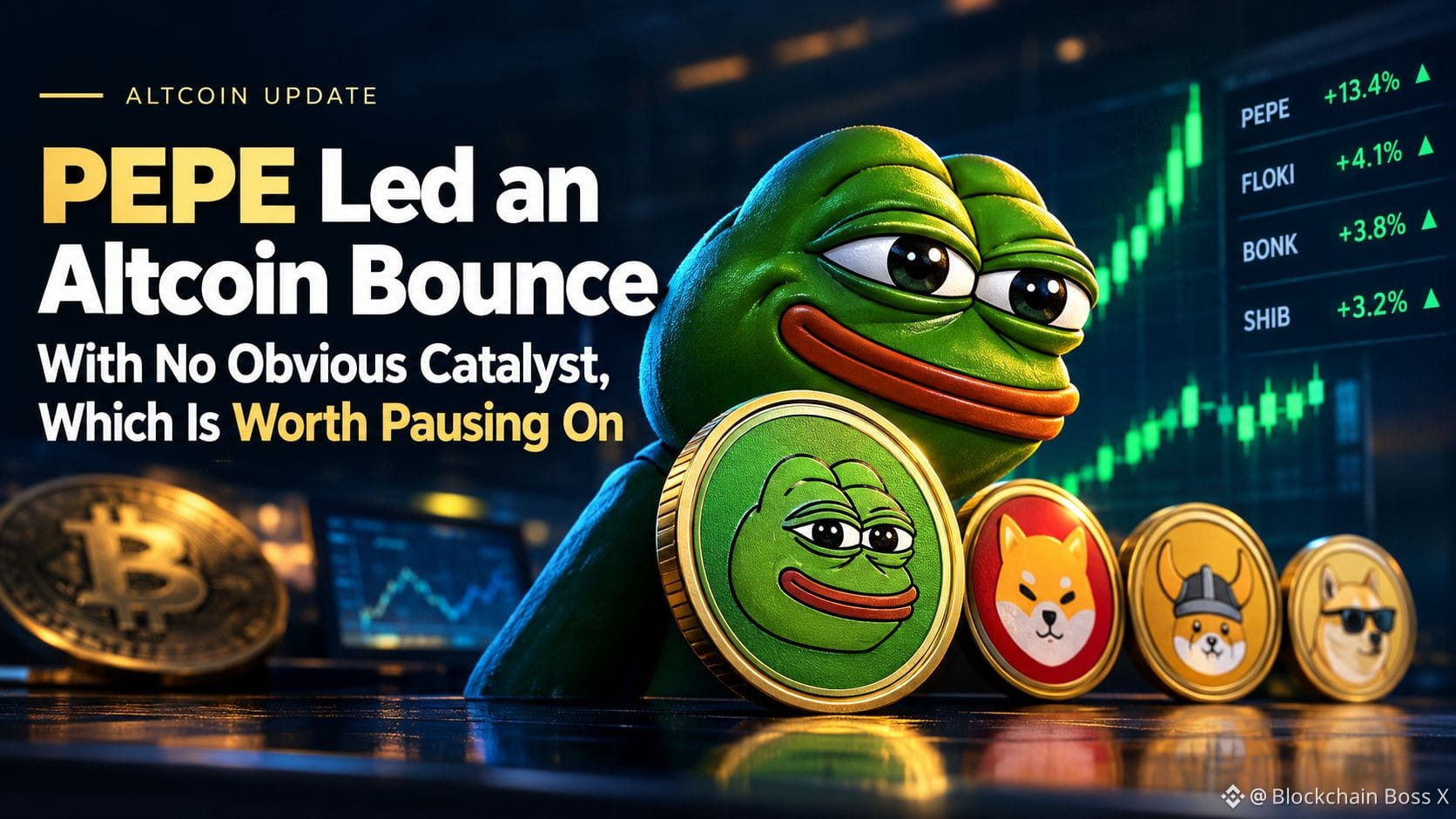
PEPE က Altcoin များ ပြန်လည်တက်လာမှုကို ဦးဆောင်ခဲ့သော်လည်း ထင်ရှားသည့် အကြောင်းရင်းမရှိခဲ့ပါ။ ဒီအချက်ကို ခဏရပ်ပြီး စဉ်းစားသင့်သည်
ဒီတစ်ပတ် Bitcoin က အနည်းငယ်သာ လှုပ်ရှားခဲ့သည်။ ဖားပုံစံအမှတ်တံဆိပ်ပါ memecoin တစ်ခုက အဓိကအလုပ်ကို လုပ်ဆောင်ခဲ့သည်။
အခြေအနေကို ကြည့်ရအောင်။ အောက်တိုဘာ ၂၃ ရက်တွင် နည်းပညာရှယ်ယာများ ဦးဆောင်သည့် ရောင်းချမှုအပြီး Bitcoin သည် $81,700 ဝန်းကျင်တွင် တည်ငြိမ်လာပြီး $81,000 ဝန်းကျင်အထိ ကျဆင်းခဲ့ရာမှ ပြန်လည်တက်လာခဲ့သည်။ Altcoin များကတော့ ပိုမိုလျင်မြန်စွာ ရွေ့လျားခဲ့သည်။ PEPE သည် 13% မှ 14% အထိ ခုန်တက်ကာ CoinDesk 100 တွင် ဦးဆောင်ခဲ့ပြီး တစ်လအတွင်း အကြီးမားဆုံး တစ်ရက်တာ မြင့်တက်မှုကို မှတ်တမ်းတင်ခဲ့သည်။ ၎င်း၏တက်နှုန်းသည် တစ်ပတ်အတွင်း 23% ဝန်းကျင်၊ တစ်လအတွင်း 16% အထိ ရှိလာခဲ့သည်။ အရောင်းအဝယ်ပမာဏမှာ $353 million ဝန်းကျင်ရှိပြီး FLOKI၊ BONK နှင့် SHIB တို့ 3% မှ 5% အထိ တက်လာသဖြင့် memecoin ညွှန်းကိန်းသည် 2.9% မြင့်တက်ခဲ့သည်။ CoinMarketCap ၏ Altcoin Season ညွှန်းကိန်းသည် တနင်္လာနေ့က 54 ရှိရာမှ 100 တွင် 58 သို့ အနည်းငယ်တက်လာခဲ့သည်။ သတင်းများအရ အခြေခံကျသော အကြောင်းရင်းတစ်ခုကို ရှင်းလင်းစွာ မတွေ့ရဘဲ၊ PEPE အနာဂတ်စာချုပ်များတွင် $269 million ဝန်းကျင်ရှိသော ရင်းနှီးမြှုပ်နှံမှုအနေအထားများက ထင်ရှားနေခဲ့သည်။
ဒါက ဘာကြောင့် အရေးကြီးတာလဲ။ သတင်းမရှိဘဲ memecoin များ ဈေးတက်ခြင်းသည် မကြာခဏဆိုသလို အန္တရာယ်များသော ရင်းနှီးမြှုပ်နှံမှုစီးဆင်းမှုနှင့် လီဗာရေ့ချ်ကို ထင်ဟပ်တတ်ပြီး၊ ထိုအရာများသည် လျင်မြန်စွာ ပြောင်းပြန်ဖြစ်သွားနိုင်သည်။ နည်းပညာပိုင်းကို စောင့်ကြည့်သူများက $0.00000476 ဝန်းကျင်တွင် ခုခံဈေးနှင့် $0.00000433 ဝန်းကျင်တွင် ထောက်ပံ့ဈေး ရှိကြောင်း ထောက်ပြကြသည်။ PEPE သည် 2024 ခုနှစ် ဒီဇင်ဘာလ အမြင့်ဆုံးဈေးထက် 84% ဝန်းကျင် နိမ့်နေဆဲဖြစ်သည်။ တစ်ချိန်တည်းတွင် Bitcoin ၏ တစ်ပတ်စာ options skew သည် ယခုလအစောပိုင်းက 14% နီးပါးရှိရာမှ 4% ဝန်းကျင်သို့ လျော့ကျခဲ့သည်။ ယင်းက ဈေးကျမည်ကို စိုးရိမ်မှု လျော့နည်းလာကြောင်း ပြသသည်။ ထို့အပြင် Fed အစည်းအဝေးကို လာမည့်အပတ်တွင် ကျင်းပမည်ဖြစ်ပြီး ဈေးကွက်ဦးတည်ချက်အတွက် အရေးပါသော အကြောင်းရင်းတစ်ခု ဖြစ်လာနိုင်သည်။
ဈေးကွက်၏ အန္တရာယ်အများဆုံး အပိုင်းက ဦးဆောင်သည့် ပြန်လည်တက်လာမှုသည် စွန့်စားလိုစိတ် ပြန်လည်မြင့်တက်လာမည့် အစောပိုင်းအချက်ပြမှုလား၊ ဒါမှမဟုတ် ဈေးကွက်ငြိမ်နေချိန်က ဆူညံသံသက်သက်လား။ 🤔
#pepe #altcoins #memecoins #CryptoMarkets
$PEPE $BIRB $IRYS
{future}(IRYSUSDT)
{future}(BIRBUSDT)
{spot}(PEPEUSDT)
#pepejumps14%toleadaltcoinrebound
PEPE က Altcoin များ ပြန်လည်တက်လာမှုကို ဦးဆောင်ခဲ့သော်လည်း ထင်ရှားသည့် အကြောင်းရင်းမရှိခဲ့ပါ။ ဒီအချက်ကို ခဏရပ်ပြီး စဉ်းစားသင့်သည်
ဒီတစ်ပတ် Bitcoin က အနည်းငယ်သာ လှုပ်ရှားခဲ့သည်။ ဖားပုံစံအမှတ်တံဆိပ်ပါ memecoin တစ်ခုက အဓိကအလုပ်ကို လုပ်ဆောင်ခဲ့သည်။
အခြေအနေကို ကြည့်ရအောင်။ အောက်တိုဘာ ၂၃ ရက်တွင် နည်းပညာရှယ်ယာများ ဦးဆောင်သည့် ရောင်းချမှုအပြီး Bitcoin သည် $81,700 ဝန်းကျင်တွင် တည်ငြိမ်လာပြီး $81,000 ဝန်းကျင်အထိ ကျဆင်းခဲ့ရာမှ ပြန်လည်တက်လာခဲ့သည်။ Altcoin များကတော့ ပိုမိုလျင်မြန်စွာ ရွေ့လျားခဲ့သည်။ PEPE သည် 13% မှ 14% အထိ ခုန်တက်ကာ CoinDesk 100 တွင် ဦးဆောင်ခဲ့ပြီး တစ်လအတွင်း အကြီးမားဆုံး တစ်ရက်တာ မြင့်တက်မှုကို မှတ်တမ်းတင်ခဲ့သည်။ ၎င်း၏တက်နှုန်းသည် တစ်ပတ်အတွင်း 23% ဝန်းကျင်၊ တစ်လအတွင်း 16% အထိ ရှိလာခဲ့သည်။ အရောင်းအဝယ်ပမာဏမှာ $353 million ဝန်းကျင်ရှိပြီး FLOKI၊ BONK နှင့် SHIB တို့ 3% မှ 5% အထိ တက်လာသဖြင့် memecoin ညွှန်းကိန်းသည် 2.9% မြင့်တက်ခဲ့သည်။ CoinMarketCap ၏ Altcoin Season ညွှန်းကိန်းသည် တနင်္လာနေ့က 54 ရှိရာမှ 100 တွင် 58 သို့ အနည်းငယ်တက်လာခဲ့သည်။ သတင်းများအရ အခြေခံကျသော အကြောင်းရင်းတစ်ခုကို ရှင်းလင်းစွာ မတွေ့ရဘဲ၊ PEPE အနာဂတ်စာချုပ်များတွင် $269 million ဝန်းကျင်ရှိသော ရင်းနှီးမြှုပ်နှံမှုအနေအထားများက ထင်ရှားနေခဲ့သည်။
ဒါက ဘာကြောင့် အရေးကြီးတာလဲ။ သတင်းမရှိဘဲ memecoin များ ဈေးတက်ခြင်းသည် မကြာခဏဆိုသလို အန္တရာယ်များသော ရင်းနှီးမြှုပ်နှံမှုစီးဆင်းမှုနှင့် လီဗာရေ့ချ်ကို ထင်ဟပ်တတ်ပြီး၊ ထိုအရာများသည် လျင်မြန်စွာ ပြောင်းပြန်ဖြစ်သွားနိုင်သည်။ နည်းပညာပိုင်းကို စောင့်ကြည့်သူများက $0.00000476 ဝန်းကျင်တွင် ခုခံဈေးနှင့် $0.00000433 ဝန်းကျင်တွင် ထောက်ပံ့ဈေး ရှိကြောင်း ထောက်ပြကြသည်။ PEPE သည် 2024 ခုနှစ် ဒီဇင်ဘာလ အမြင့်ဆုံးဈေးထက် 84% ဝန်းကျင် နိမ့်နေဆဲဖြစ်သည်။ တစ်ချိန်တည်းတွင် Bitcoin ၏ တစ်ပတ်စာ options skew သည် ယခုလအစောပိုင်းက 14% နီးပါးရှိရာမှ 4% ဝန်းကျင်သို့ လျော့ကျခဲ့သည်။ ယင်းက ဈေးကျမည်ကို စိုးရိမ်မှု လျော့နည်းလာကြောင်း ပြသသည်။ ထို့အပြင် Fed အစည်းအဝေးကို လာမည့်အပတ်တွင် ကျင်းပမည်ဖြစ်ပြီး ဈေးကွက်ဦးတည်ချက်အတွက် အရေးပါသော အကြောင်းရင်းတစ်ခု ဖြစ်လာနိုင်သည်။
ဈေးကွက်၏ အန္တရာယ်အများဆုံး အပိုင်းက ဦးဆောင်သည့် ပြန်လည်တက်လာမှုသည် စွန့်စားလိုစိတ် ပြန်လည်မြင့်တက်လာမည့် အစောပိုင်းအချက်ပြမှုလား၊ ဒါမှမဟုတ် ဈေးကွက်ငြိမ်နေချိန်က ဆူညံသံသက်သက်လား။ 🤔
#pepe #altcoins #memecoins #CryptoMarkets
$PEPE $BIRB $IRYS
1
2.5k
#irsplanslowertaxdisclosurepenaltiesforcryptocases
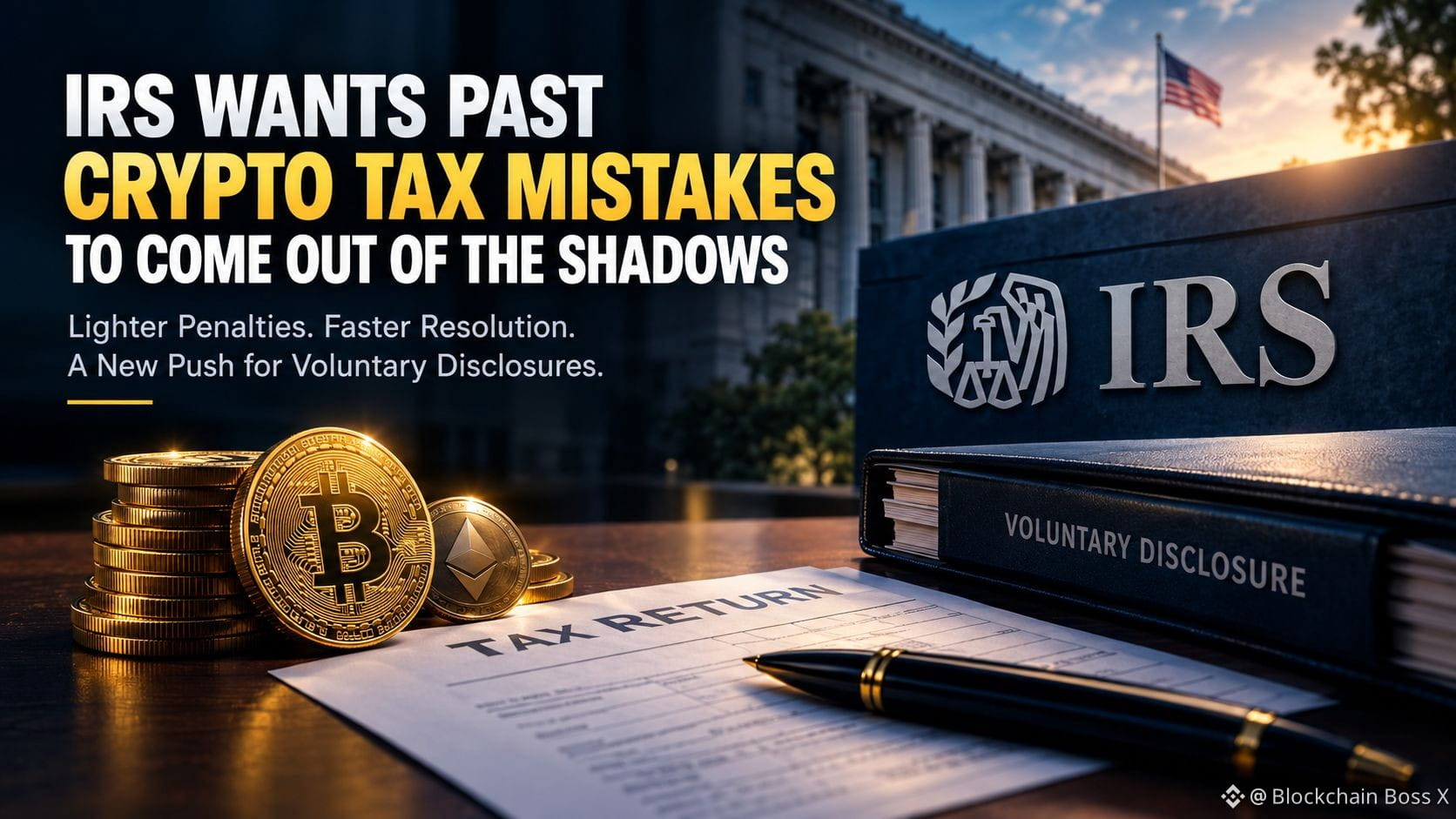
IRS သည် ယခင်က crypto အခွန်ဆိုင်ရာ အမှားများကို ဖုံးကွယ်ထားရာမှ ဖော်ထုတ်လာစေပြီး ဒဏ်ကြေးကိုလည်း လျှော့ပေါ့ပေးရန် စီစဉ်နေသည်
အစီရင်ခံမထားသော crypto အမြတ်များကို ကိုင်ဆောင်ထားသူများအတွက် အမှားကို ဝန်ခံပြင်ဆင်ရန် ကုန်ကျစရိတ်မှာ မြင့်မားပြီး လုပ်ငန်းစဉ်လည်း နှေးကွေးခဲ့သည်။ ယင်းအခြေအနေ မကြာမီ ပြောင်းလဲလာနိုင်ကြောင်း IRS က ပြောသည်။
ပြောကြားခဲ့သည့်အချက်များမှာ ဤသို့ဖြစ်သည်။ IRS ၏ ရာဇဝတ်မှုဆိုင်ရာ စုံစမ်းစစ်ဆေးရေးဌာနကို ဦးဆောင်သူ Jarod Koopman က UCLA Extension ၏ အခွန်ဆိုင်ရာ ညီလာခံတွင် အေဂျင်စီသည် ဒီဇင်ဘာမတိုင်မီ မိမိဆန္ဒအလျောက် ထုတ်ဖော်တင်ပြမှုအစီအစဉ်ကို ပြန်လည်ပြင်ဆင်ရန် စီစဉ်နေကြောင်း ပြောကြားခဲ့သည်။ ရည်ရွယ်ချက်များမှာ ဒဏ်ကြေးများကို လျှော့ချရန်ဖြစ်ပြီး ကိန်းဂဏန်းများကို မဖော်ပြဘဲ ၎င်းတို့ကို “သိသိသာသာ လျှော့ချမည်” ဟု ၎င်းက ဆိုခဲ့သည်။ ထို့အပြင် လျှောက်လွှာအပြည့်အစုံ တင်သွင်းပြီးနောက် ရက်ပေါင်း 120 အတွင်း အမှုကို ဖြေရှင်းရန်လည်း ရည်ရွယ်သည်။ ပေးရန်ကျန်ရှိသည့် ပမာဏများအတွက် အရစ်ကျအစီအစဉ်များ သို့မဟုတ် အပေးအယူဖြင့် ဖြေရှင်းရန် ကမ်းလှမ်းချက်များကိုလည်း အေဂျင်စီက စဉ်းစားနေသည်။ Digital asset များကို crypto အတွက် သီးသန့်လမ်းကြောင်းတစ်ခုဖြင့် မဟုတ်ဘဲ အခြားလိုက်နာမှုမရှိခြင်းဆိုင်ရာ ကိစ္စများနည်းတူ တူညီသည့်စနစ်အောက်တွင် ကိုင်တွယ်မည်ဖြစ်သည်။ လက်ရှိအစီအစဉ်သည် မကြာခဏ တစ်နှစ် သို့မဟုတ် ထို့ထက်ပိုကြာတတ်ပြီး ရာဇဝတ်မှုဆိုင်ရာ အရေးယူခံရနိုင်သည့် တမင်တကာ ချိုးဖောက်မှုများကို အဓိကထားသည်။ သီးခြားအနေဖြင့် စက်တင်ဘာလတွင် အောက်လွှတ်တော် Ways and Means ကော်မတီ၏ အတည်ပြုချက်ရရှိခဲ့သော အဆိုပြု Digital Asset Tax Certainty Act ၏ ပုဒ်မ 502 သည် မရည်ရွယ်ဘဲ ဖြစ်ပွားသော အစီရင်ခံမှုအမှားများအတွက် သတ်မှတ်ထားသည့် ဒဏ်ကြေးများပါဝင်သော ပြင်ဆင်ရေးလုပ်ငန်းစဉ်တစ်ခုကို ဖန်တီးပေးမည်ဖြစ်သည်။
ဒါက ဘာကြောင့် အရေးကြီးတာလဲ။ Crypto အခွန်ဆိုင်ရာ လိုက်နာမှုသည် အစဉ်အလာအားဖြင့် အခက်အခဲတစ်ခုဖြစ်ခဲ့ပြီး ကိုင်ဆောင်သူအများအပြားက ယခင်က အမှားများကို မည်သို့ပြင်ဆင်ရမည်ကို မသေချာကြပေ။ အချိန်ပိုမြန်လာပြီး ဒဏ်ကြေးများ ပိုမိုပေါ့ပါးလာပါက ကိုယ်တိုင်ပြင်ဆင်ရန် ကြောက်ရွံ့မှု လျော့နည်းသွားနိုင်သော်လည်း အကျုံးဝင်မှုဆိုင်ရာ စည်းမျဉ်းများ၊ အမှန်တကယ်ချမှတ်မည့် ဒဏ်ကြေးပမာဏများနှင့် ဥပဒေပြုရေးလမ်းကြောင်းတို့မှာ မသိရသေးပါ။
ဤသည်မှာ ယေဘုယျသတင်းအချက်အလက်သာဖြစ်ပြီး အခွန်ဆိုင်ရာ အကြံဉာဏ်မဟုတ်ပါ။
ရှေ့ထွက်ဝန်ခံရန် ကုန်ကျစရိတ် လျော့ကျလာခြင်းက လူများကို အချက်အလက်များ ပြင်ဆင်ရန် ပိုမိုအားပေးမည်လား၊ သို့မဟုတ် အသေးစိတ်အချက်အလက်များ မသေချာသေးခြင်းကြောင့် စောင့်ဆိုင်းနေကြမည်လား။ 🤔
#cryptotax #IRS #compliance #Regulation
$BIRB $IRYS $IN
{future}(INUSDT)
{future}(IRYSUSDT)
{future}(BIRBUSDT)
#irsplanslowertaxdisclosurepenaltiesforcryptocases
IRS သည် ယခင်က crypto အခွန်ဆိုင်ရာ အမှားများကို ဖုံးကွယ်ထားရာမှ ဖော်ထုတ်လာစေပြီး ဒဏ်ကြေးကိုလည်း လျှော့ပေါ့ပေးရန် စီစဉ်နေသည်
အစီရင်ခံမထားသော crypto အမြတ်များကို ကိုင်ဆောင်ထားသူများအတွက် အမှားကို ဝန်ခံပြင်ဆင်ရန် ကုန်ကျစရိတ်မှာ မြင့်မားပြီး လုပ်ငန်းစဉ်လည်း နှေးကွေးခဲ့သည်။ ယင်းအခြေအနေ မကြာမီ ပြောင်းလဲလာနိုင်ကြောင်း IRS က ပြောသည်။
ပြောကြားခဲ့သည့်အချက်များမှာ ဤသို့ဖြစ်သည်။ IRS ၏ ရာဇဝတ်မှုဆိုင်ရာ စုံစမ်းစစ်ဆေးရေးဌာနကို ဦးဆောင်သူ Jarod Koopman က UCLA Extension ၏ အခွန်ဆိုင်ရာ ညီလာခံတွင် အေဂျင်စီသည် ဒီဇင်ဘာမတိုင်မီ မိမိဆန္ဒအလျောက် ထုတ်ဖော်တင်ပြမှုအစီအစဉ်ကို ပြန်လည်ပြင်ဆင်ရန် စီစဉ်နေကြောင်း ပြောကြားခဲ့သည်။ ရည်ရွယ်ချက်များမှာ ဒဏ်ကြေးများကို လျှော့ချရန်ဖြစ်ပြီး ကိန်းဂဏန်းများကို မဖော်ပြဘဲ ၎င်းတို့ကို “သိသိသာသာ လျှော့ချမည်” ဟု ၎င်းက ဆိုခဲ့သည်။ ထို့အပြင် လျှောက်လွှာအပြည့်အစုံ တင်သွင်းပြီးနောက် ရက်ပေါင်း 120 အတွင်း အမှုကို ဖြေရှင်းရန်လည်း ရည်ရွယ်သည်။ ပေးရန်ကျန်ရှိသည့် ပမာဏများအတွက် အရစ်ကျအစီအစဉ်များ သို့မဟုတ် အပေးအယူဖြင့် ဖြေရှင်းရန် ကမ်းလှမ်းချက်များကိုလည်း အေဂျင်စီက စဉ်းစားနေသည်။ Digital asset များကို crypto အတွက် သီးသန့်လမ်းကြောင်းတစ်ခုဖြင့် မဟုတ်ဘဲ အခြားလိုက်နာမှုမရှိခြင်းဆိုင်ရာ ကိစ္စများနည်းတူ တူညီသည့်စနစ်အောက်တွင် ကိုင်တွယ်မည်ဖြစ်သည်။ လက်ရှိအစီအစဉ်သည် မကြာခဏ တစ်နှစ် သို့မဟုတ် ထို့ထက်ပိုကြာတတ်ပြီး ရာဇဝတ်မှုဆိုင်ရာ အရေးယူခံရနိုင်သည့် တမင်တကာ ချိုးဖောက်မှုများကို အဓိကထားသည်။ သီးခြားအနေဖြင့် စက်တင်ဘာလတွင် အောက်လွှတ်တော် Ways and Means ကော်မတီ၏ အတည်ပြုချက်ရရှိခဲ့သော အဆိုပြု Digital Asset Tax Certainty Act ၏ ပုဒ်မ 502 သည် မရည်ရွယ်ဘဲ ဖြစ်ပွားသော အစီရင်ခံမှုအမှားများအတွက် သတ်မှတ်ထားသည့် ဒဏ်ကြေးများပါဝင်သော ပြင်ဆင်ရေးလုပ်ငန်းစဉ်တစ်ခုကို ဖန်တီးပေးမည်ဖြစ်သည်။
ဒါက ဘာကြောင့် အရေးကြီးတာလဲ။ Crypto အခွန်ဆိုင်ရာ လိုက်နာမှုသည် အစဉ်အလာအားဖြင့် အခက်အခဲတစ်ခုဖြစ်ခဲ့ပြီး ကိုင်ဆောင်သူအများအပြားက ယခင်က အမှားများကို မည်သို့ပြင်ဆင်ရမည်ကို မသေချာကြပေ။ အချိန်ပိုမြန်လာပြီး ဒဏ်ကြေးများ ပိုမိုပေါ့ပါးလာပါက ကိုယ်တိုင်ပြင်ဆင်ရန် ကြောက်ရွံ့မှု လျော့နည်းသွားနိုင်သော်လည်း အကျုံးဝင်မှုဆိုင်ရာ စည်းမျဉ်းများ၊ အမှန်တကယ်ချမှတ်မည့် ဒဏ်ကြေးပမာဏများနှင့် ဥပဒေပြုရေးလမ်းကြောင်းတို့မှာ မသိရသေးပါ။
ဤသည်မှာ ယေဘုယျသတင်းအချက်အလက်သာဖြစ်ပြီး အခွန်ဆိုင်ရာ အကြံဉာဏ်မဟုတ်ပါ။
ရှေ့ထွက်ဝန်ခံရန် ကုန်ကျစရိတ် လျော့ကျလာခြင်းက လူများကို အချက်အလက်များ ပြင်ဆင်ရန် ပိုမိုအားပေးမည်လား၊ သို့မဟုတ် အသေးစိတ်အချက်အလက်များ မသေချာသေးခြင်းကြောင့် စောင့်ဆိုင်းနေကြမည်လား။ 🤔
#cryptotax #IRS #compliance #Regulation
$BIRB $IRYS $IN
1
1k
#interpolafricaoperationarrests1462
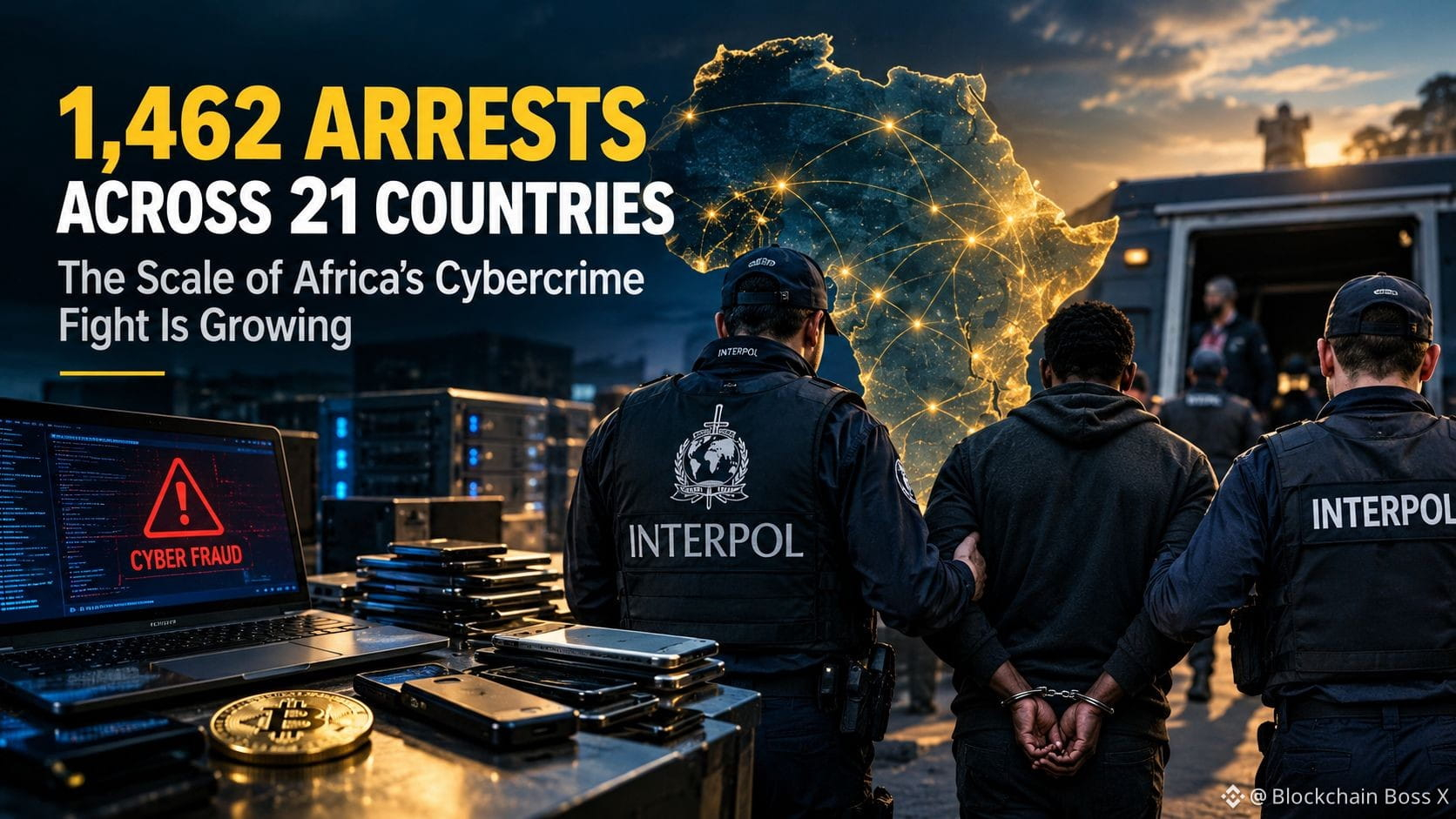
နိုင်ငံ ၂၁ နိုင်ငံတွင် ဖမ်းဆီးမှု ၁,၄၆၂ ခု — အာဖရိက၏ ဆိုက်ဘာရာဇဝတ်မှု တိုက်ဖျက်ရေး အတိုင်းအတာ ပိုမိုကြီးမားလာ
အွန်လိုင်းလိမ်လည်မှုသည် နယ်စပ်များကို မကြာခဏ လေးစားလိုက်နာလေ့မရှိပါ။ ထိုလိမ်လည်မှုများကို လိုက်လံဖော်ထုတ်နေသည့် စုံစမ်းစစ်ဆေးသူများလည်း ထိုနည်းတူပင် ဖြစ်ပုံရသည်။
အောက်တိုဘာ ၂၂ ရက်တွင် INTERPOL က ထုတ်ပြန်ခဲ့သည့် အချက်အလက်များမှာ အောက်ပါအတိုင်းဖြစ်သည်။ ဇွန် ၂၉ ရက်မှ ဩဂုတ် ၃၁ ရက်အထိ အာဖရိကနိုင်ငံ ၂၁ နိုင်ငံတွင် လုပ်ဆောင်ခဲ့သော Operation Serengeti III ကြောင့် ဖမ်းဆီးမှု ၁,၄၆၂ ခု ပြုလုပ်နိုင်ခဲ့ပြီး အန္တရာယ်ရှိသော ကွန်ရက် ၁၀,၉၀၉ ခုကို ဖြိုခွင်းနိုင်ခဲ့သည်။ ဒေါ်လာ ၁၀၅ သန်းကျော် ပြန်လည်ရယူနိုင်ခဲ့ပြီး၊ ယင်းနှင့်ဆက်စပ်သော ဆုံးရှုံးမှုများမှာ ဒေါ်လာ ၃၈၅ သန်းကျော်ရှိကာ သတ်မှတ်ဖော်ထုတ်နိုင်ခဲ့သည့် နစ်နာသူဦးရေမှာ ၆၆,၀၀၀ နီးပါးရှိသည်။ ပစ်မှတ်ထားခဲ့သည့် ရာဇဝတ်မှုများတွင် လုပ်ငန်းအီးမေးလ် အလွဲသုံးစားလုပ်မှု၊ ရန်ဆမ်ဝဲ၊ အွန်လိုင်းလိမ်လည်မှုများနှင့် ဒစ်ဂျစ်တယ်ငွေညှစ်မှုတို့ ပါဝင်သည်။ ခရစ်ပ်တိုနှင့်ပတ်သက်သည့် အပိုင်းမှာ အန်ဂိုလာတွင် တွေ့ရပြီး၊ အာဏာပိုင်များက တရားမဝင် သတ္တုတူးဖော်ရေးလုပ်ငန်း ၂ ခုကို ဖြိုခွင်းကာ စက်ပစ္စည်း ၂,၀၀၀ ခန့်ကို သိမ်းဆည်းခဲ့သည်။ ဆိုက်ဘာလုံခြုံရေးကုမ္ပဏီ Group-IB က ခြိမ်းခြောက်မှုဆိုင်ရာ ထောက်လှမ်းရေးအချက်အလက်များ ပံ့ပိုးပေးခဲ့ပြီး၊ ဤကြိုးပမ်းမှုကို EU နှင့် ဥရောပကောင်စီ၏ စီမံကိန်းတစ်ခုက ပူးတွဲရန်ပုံငွေထောက်ပံ့ခဲ့သည်။ ယင်းစစ်ဆင်ရေးသည် ဖမ်းဆီးမှု ၁,၂၀၉ ခုနှင့် ပြန်လည်ရယူငွေ ဒေါ်လာ ၉၇.၄ သန်းရှိခဲ့သည့် ၂၀၂၅ ခုနှစ် စစ်ဆင်ရေး၏ နောက်ဆက်တွဲဖြစ်သည်။ ဖမ်းဆီးမှုများမှာလည်း နှစ်စဉ် ၁,၀၀၆ ခုမှ ၁,၄၆၂ ခုအထိ မြင့်တက်လာခဲ့သည်။
ဒါက ဘာကြောင့် အရေးကြီးတာလဲ။ အရေအတွက် ပိုများလာခြင်းသည် ဥပဒေစိုးမိုးရေး စွမ်းရည်တိုးလာခြင်း၊ ရာဇဝတ်မှုများ တိုးလာခြင်း သို့မဟုတ် နှစ်ခုစလုံးကို ဆိုလိုနိုင်ပြီး၊ ရရှိထားသည့် အချက်အလက်များက ထိုနှစ်ခုကို ခွဲခြားမပြနိုင်ပါ။ ဖမ်းဆီးခံရခြင်းသည် ပြစ်မှုထင်ရှားစီရင်ခံရခြင်း မဟုတ်သလို၊ အမှုအများအပြားလည်း ဆက်လက်စစ်ဆေးနေဆဲဖြစ်သည်။ AI ကြောင့် လိမ်လည်မှုများကို ပိုမိုလွယ်ကူစွာ အတိုင်းအတာချဲ့ထွင်နိုင်လာကြောင်း INTERPOL ၏ ဒေသဆိုင်ရာအစီရင်ခံစာက သတိပေးထားပြီး၊ ယင်းကြောင့် အသုံးပြုသူများနှင့် စုံစမ်းစစ်ဆေးသူများအပေါ် ဖိအားပိုများလာသည်။
ခရစ်ပ်တိုအသုံးပြုသူများအတွက် ယခုလအတွင်း ကြားသိခဲ့ရသည့် သတင်းများဖြစ်သော ဂရိနိုင်ငံတွင် ပိရမစ်ပုံစံ လိမ်လည်မှုကြောင့် ဖမ်းဆီးမှုများမှ ဟာ့ဒ်ဝဲဝေါလက်များ ခိုးယူမှုများအထိ အဓိကအချက်မှာ ရင်းနှီးပြီးသားပါပဲ။ ငွေပြန်လည်ရယူနိုင်ခြင်းသည် လျင်မြန်စွာ တုံ့ပြန်ခြင်းနှင့် တရားစီရင်ပိုင်ခွင့်နယ်မြေများအကြား ပူးပေါင်းဆောင်ရွက်ခြင်းအပေါ် မူတည်သည်။
ရာဇဝတ်မှုများက ဥပဒေစိုးမိုးရေးထက် ပိုမိုလျင်မြန်စွာ အတိုင်းအတာချဲ့ထွင်လာသည့်အခါ နည်းပညာအသစ်များမှ ဘယ်ဘက်က ပိုအကျိုးအမြတ်ရသလဲ။ 🤔
#interpol #cybercrime #Africa #CryptoSecurity
$IRYS $BTR $AKE
{future}(AKEUSDT)
{future}(BTRUSDT)
{future}(IRYSUSDT)
#interpolafricaoperationarrests1462
နိုင်ငံ ၂၁ နိုင်ငံတွင် ဖမ်းဆီးမှု ၁,၄၆၂ ခု — အာဖရိက၏ ဆိုက်ဘာရာဇဝတ်မှု တိုက်ဖျက်ရေး အတိုင်းအတာ ပိုမိုကြီးမားလာ
အွန်လိုင်းလိမ်လည်မှုသည် နယ်စပ်များကို မကြာခဏ လေးစားလိုက်နာလေ့မရှိပါ။ ထိုလိမ်လည်မှုများကို လိုက်လံဖော်ထုတ်နေသည့် စုံစမ်းစစ်ဆေးသူများလည်း ထိုနည်းတူပင် ဖြစ်ပုံရသည်။
အောက်တိုဘာ ၂၂ ရက်တွင် INTERPOL က ထုတ်ပြန်ခဲ့သည့် အချက်အလက်များမှာ အောက်ပါအတိုင်းဖြစ်သည်။ ဇွန် ၂၉ ရက်မှ ဩဂုတ် ၃၁ ရက်အထိ အာဖရိကနိုင်ငံ ၂၁ နိုင်ငံတွင် လုပ်ဆောင်ခဲ့သော Operation Serengeti III ကြောင့် ဖမ်းဆီးမှု ၁,၄၆၂ ခု ပြုလုပ်နိုင်ခဲ့ပြီး အန္တရာယ်ရှိသော ကွန်ရက် ၁၀,၉၀၉ ခုကို ဖြိုခွင်းနိုင်ခဲ့သည်။ ဒေါ်လာ ၁၀၅ သန်းကျော် ပြန်လည်ရယူနိုင်ခဲ့ပြီး၊ ယင်းနှင့်ဆက်စပ်သော ဆုံးရှုံးမှုများမှာ ဒေါ်လာ ၃၈၅ သန်းကျော်ရှိကာ သတ်မှတ်ဖော်ထုတ်နိုင်ခဲ့သည့် နစ်နာသူဦးရေမှာ ၆၆,၀၀၀ နီးပါးရှိသည်။ ပစ်မှတ်ထားခဲ့သည့် ရာဇဝတ်မှုများတွင် လုပ်ငန်းအီးမေးလ် အလွဲသုံးစားလုပ်မှု၊ ရန်ဆမ်ဝဲ၊ အွန်လိုင်းလိမ်လည်မှုများနှင့် ဒစ်ဂျစ်တယ်ငွေညှစ်မှုတို့ ပါဝင်သည်။ ခရစ်ပ်တိုနှင့်ပတ်သက်သည့် အပိုင်းမှာ အန်ဂိုလာတွင် တွေ့ရပြီး၊ အာဏာပိုင်များက တရားမဝင် သတ္တုတူးဖော်ရေးလုပ်ငန်း ၂ ခုကို ဖြိုခွင်းကာ စက်ပစ္စည်း ၂,၀၀၀ ခန့်ကို သိမ်းဆည်းခဲ့သည်။ ဆိုက်ဘာလုံခြုံရေးကုမ္ပဏီ Group-IB က ခြိမ်းခြောက်မှုဆိုင်ရာ ထောက်လှမ်းရေးအချက်အလက်များ ပံ့ပိုးပေးခဲ့ပြီး၊ ဤကြိုးပမ်းမှုကို EU နှင့် ဥရောပကောင်စီ၏ စီမံကိန်းတစ်ခုက ပူးတွဲရန်ပုံငွေထောက်ပံ့ခဲ့သည်။ ယင်းစစ်ဆင်ရေးသည် ဖမ်းဆီးမှု ၁,၂၀၉ ခုနှင့် ပြန်လည်ရယူငွေ ဒေါ်လာ ၉၇.၄ သန်းရှိခဲ့သည့် ၂၀၂၅ ခုနှစ် စစ်ဆင်ရေး၏ နောက်ဆက်တွဲဖြစ်သည်။ ဖမ်းဆီးမှုများမှာလည်း နှစ်စဉ် ၁,၀၀၆ ခုမှ ၁,၄၆၂ ခုအထိ မြင့်တက်လာခဲ့သည်။
ဒါက ဘာကြောင့် အရေးကြီးတာလဲ။ အရေအတွက် ပိုများလာခြင်းသည် ဥပဒေစိုးမိုးရေး စွမ်းရည်တိုးလာခြင်း၊ ရာဇဝတ်မှုများ တိုးလာခြင်း သို့မဟုတ် နှစ်ခုစလုံးကို ဆိုလိုနိုင်ပြီး၊ ရရှိထားသည့် အချက်အလက်များက ထိုနှစ်ခုကို ခွဲခြားမပြနိုင်ပါ။ ဖမ်းဆီးခံရခြင်းသည် ပြစ်မှုထင်ရှားစီရင်ခံရခြင်း မဟုတ်သလို၊ အမှုအများအပြားလည်း ဆက်လက်စစ်ဆေးနေဆဲဖြစ်သည်။ AI ကြောင့် လိမ်လည်မှုများကို ပိုမိုလွယ်ကူစွာ အတိုင်းအတာချဲ့ထွင်နိုင်လာကြောင်း INTERPOL ၏ ဒေသဆိုင်ရာအစီရင်ခံစာက သတိပေးထားပြီး၊ ယင်းကြောင့် အသုံးပြုသူများနှင့် စုံစမ်းစစ်ဆေးသူများအပေါ် ဖိအားပိုများလာသည်။
ခရစ်ပ်တိုအသုံးပြုသူများအတွက် ယခုလအတွင်း ကြားသိခဲ့ရသည့် သတင်းများဖြစ်သော ဂရိနိုင်ငံတွင် ပိရမစ်ပုံစံ လိမ်လည်မှုကြောင့် ဖမ်းဆီးမှုများမှ ဟာ့ဒ်ဝဲဝေါလက်များ ခိုးယူမှုများအထိ အဓိကအချက်မှာ ရင်းနှီးပြီးသားပါပဲ။ ငွေပြန်လည်ရယူနိုင်ခြင်းသည် လျင်မြန်စွာ တုံ့ပြန်ခြင်းနှင့် တရားစီရင်ပိုင်ခွင့်နယ်မြေများအကြား ပူးပေါင်းဆောင်ရွက်ခြင်းအပေါ် မူတည်သည်။
ရာဇဝတ်မှုများက ဥပဒေစိုးမိုးရေးထက် ပိုမိုလျင်မြန်စွာ အတိုင်းအတာချဲ့ထွင်လာသည့်အခါ နည်းပညာအသစ်များမှ ဘယ်ဘက်က ပိုအကျိုးအမြတ်ရသလဲ။ 🤔
#interpol #cybercrime #Africa #CryptoSecurity
$IRYS $BTR $AKE
2.3k
စိစစ်အတည်ပြုထားသည်
#TrumpInvokesDefenseProductionActToExpandOilCapacity
ယနေ့လောင်စာဆီဈေးနှုန်းများကို ကိုင်တွယ်ဖြေရှင်းရန် ဝါရှင်တန်က စစ်အေးခေတ်ဥပဒေကို အသုံးပြု
ဒီဇယ်နှင့် ဓာတ်ဆီဈေးနှုန်းများသည် လပေါင်းများစွာ မြင့်တက်နေခဲ့သည်။ ယခုအပတ်တွင် အိမ်ဖြူတော်က ယင်းဈေးနှုန်းများကို ကိုင်တွယ်ရန် ကိုရီးယားစစ်ပွဲခေတ်က ဥပဒေတစ်ရပ်ကို အသုံးပြုခဲ့သည်။
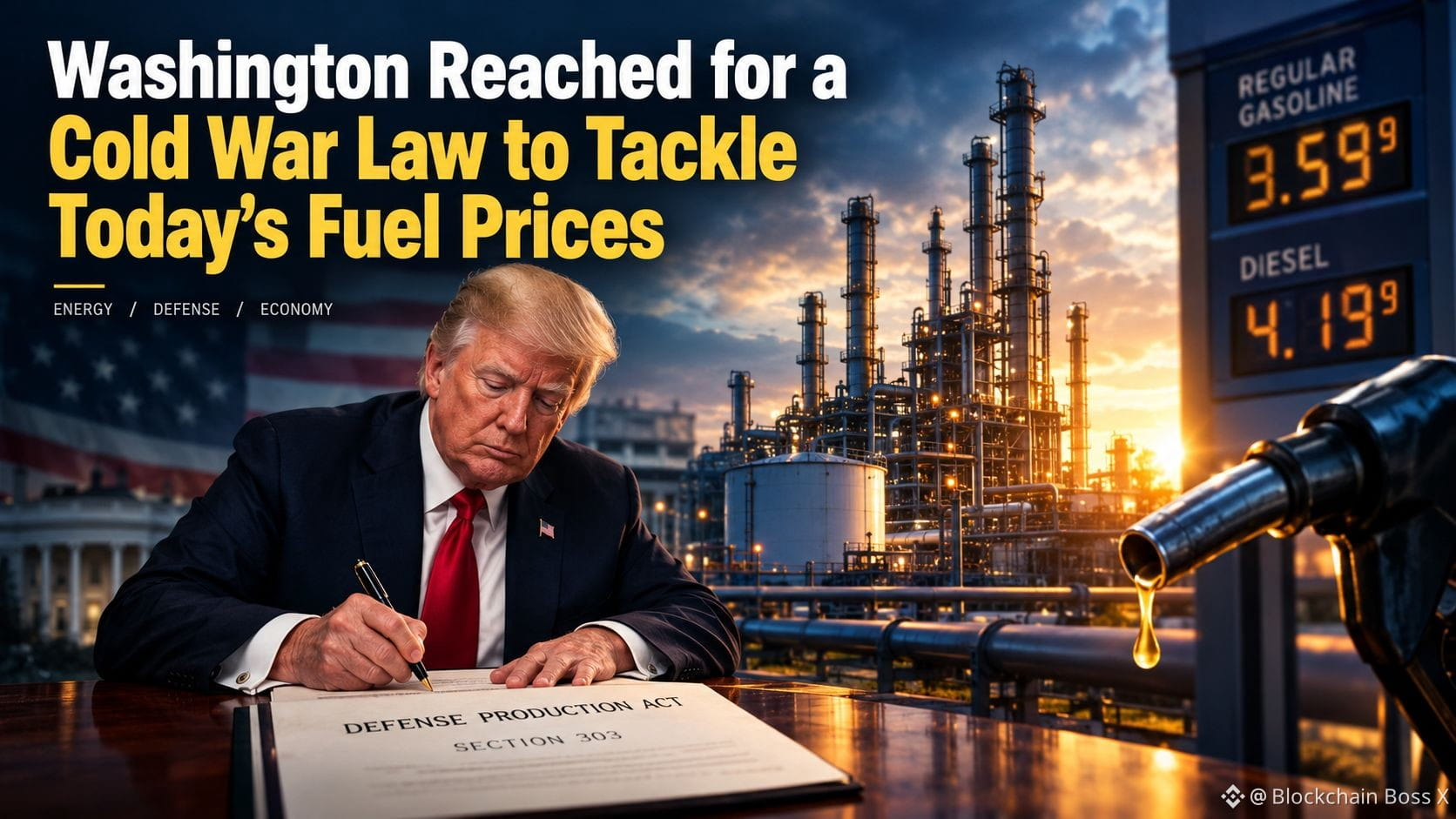
ဖြစ်ပျက်ခဲ့ပုံမှာ အောက်ပါအတိုင်းဖြစ်သည်။ အောက်တိုဘာ 22 ရက်တွင် သမ္မတ Trump သည် ကာကွယ်ရေးထုတ်လုပ်မှုဥပဒေ၏ ပုဒ်မ 303 ကို အသုံးပြုကြောင်း ကြေညာသည့် အမိန့်စာတစ်စောင်ကို လက်မှတ်ရေးထိုးခဲ့ပြီး ပြည်တွင်းရေနံထုတ်လုပ်မှု၊ သန့်စင်မှုနှင့် သယ်ယူပို့ဆောင်ရေးကဏ္ဍတို့သည် အမျိုးသားကာကွယ်ရေးအတွက် မရှိမဖြစ်လိုအပ်ကြောင်း ကြေညာခဲ့သည်။ ထိုအမိန့်စာတွင် စစ်ဌာနကို ရေနံရှာဖွေရေး၊ ပိုက်လိုင်းများ၊ သိုလှောင်ရေးနှင့် ရေကြောင်းဆိပ်ကမ်းဂိတ်များအတွက် ဖက်ဒရယ်အစိုးရ၏ ဝယ်ယူမှုများ၊ ကတိကဝတ်များနှင့် ဘဏ္ဍာရေးထောက်ပံ့မှုများကို အသုံးပြုရန် ညွှန်ကြားထားသည်။ သန့်စင်နိုင်စွမ်းကို တိုးချဲ့ရန် ဒေါ်လာ 150 သန်း ထုတ်ပေးမည်ဟုလည်း Trump က ပြောကြားခဲ့သည်။ အမိန့်စာတွင် စီမံကိန်းများ သို့မဟုတ် ငွေပမာဏများကို အတိအကျ ဖော်ပြမထားသော်လည်း ဒုသမ္မတ Vance က မကြာသေးမီက ဤဥပဒေကို အသုံးပြု၍ တက္ကဆက်ပြည်နယ် Tyler ရှိ Delek ၏ ရေနံသန့်စင်စက်ရုံကို တိုးချဲ့မည်ဟု ပြောကြားခဲ့သည်။ ယင်းသည် ဧပြီလတွင် စွမ်းအင်ဌာနမှတစ်ဆင့် ဆောင်ရွက်ခဲ့သည့် ဆုံးဖြတ်ချက်နှင့် ယမန်နှစ်က အတည်ပြုခဲ့သော DPA စွမ်းအင်ရန်ပုံငွေ ဒေါ်လာ 1 ဘီလီယံကို အခြေခံထားသည်။ ဖေဖော်ဝါရီလကုန်တွင် အမေရိကန်နှင့် အစ္စရေးတို့က အီရန်ကို တိုက်ခိုက်ခဲ့ပြီးနောက် လောင်စာဆီဈေးနှုန်းများ မြင့်တက်လာခဲ့ပြီး၊ ဤလုပ်ဆောင်ချက်သည် နိုဝင်ဘာ 3 ရက် ကြားကာလရွေးကောက်ပွဲမတိုင်မီ 12 ရက်အလိုတွင် ပေါ်ပေါက်လာသည်။
ဒါက ဘာကြောင့် အရေးကြီးတာလဲ။ ရေနံသန့်စင်စက်ရုံစီမံကိန်းများ၏ ကုန်ကျစရိတ်နှင့် နှိုင်းယှဉ်လျှင် ဒေါ်လာ 150 သန်းသည် အနည်းငယ်သာဖြစ်ပြီး စွမ်းရည်တိုးမြှင့်ရန် လများ သို့မဟုတ် ထို့ထက်ပို၍ ကြာနိုင်ကြောင်း သုံးသပ်သူများက သတိပေးထားသည်။ ထို့ကြောင့် ရေတိုအတွင်း ဆီဆိုင်ဈေးနှုန်းများသည် ဤအမိန့်ထက် ပထဝီနိုင်ငံရေးအခြေအနေများနှင့် ပိုမိုဆက်စပ်နိုင်ခြေရှိသည်။ ဈေးကွက်အပေါ် သက်ရောက်မှုများသည် ယနေ့ရေနံစိမ်းဈေးနှုန်းများတွင် ချက်ချင်းပေါ်လာမည်မဟုတ်ဘဲ အချိန်ကြာလာသည်နှင့်အမျှ ရေနံသန့်စင်မှုအမြတ်အစွန်းများတွင် ပေါ်လာမည်ဖြစ်သည်။ စွမ်းအင်ကုန်ကျစရိတ်များ အမြဲမြင့်မားနေခြင်းသည် ငွေကြေးဖောင်းပွမှုကိုလည်း မြင့်တက်စေပြီး၊ ယင်းက အန္တရာယ်ရှိသော ပိုင်ဆိုင်မှုများအတွက် အရေးပါသည့် ဗဟိုဘဏ်၏ ဆုံးဖြတ်ချက်များနှင့် ဆက်စပ်နေသည်။
ရေတိုဈေးနှုန်းပြဿနာအတွက် ရေရှည်စွမ်းရည်တိုးချဲ့ရေးက မှန်ကန်တဲ့နည်းလမ်းလား။ 🤔
#oil #energy #Macro
$IRYS $BTR $AKE
{future}(AKEUSDT)
{future}(BTRUSDT)
{future}(IRYSUSDT)
#TrumpInvokesDefenseProductionActToExpandOilCapacity
ယနေ့လောင်စာဆီဈေးနှုန်းများကို ကိုင်တွယ်ဖြေရှင်းရန် ဝါရှင်တန်က စစ်အေးခေတ်ဥပဒေကို အသုံးပြု
ဒီဇယ်နှင့် ဓာတ်ဆီဈေးနှုန်းများသည် လပေါင်းများစွာ မြင့်တက်နေခဲ့သည်။ ယခုအပတ်တွင် အိမ်ဖြူတော်က ယင်းဈေးနှုန်းများကို ကိုင်တွယ်ရန် ကိုရီးယားစစ်ပွဲခေတ်က ဥပဒေတစ်ရပ်ကို အသုံးပြုခဲ့သည်။
ဖြစ်ပျက်ခဲ့ပုံမှာ အောက်ပါအတိုင်းဖြစ်သည်။ အောက်တိုဘာ 22 ရက်တွင် သမ္မတ Trump သည် ကာကွယ်ရေးထုတ်လုပ်မှုဥပဒေ၏ ပုဒ်မ 303 ကို အသုံးပြုကြောင်း ကြေညာသည့် အမိန့်စာတစ်စောင်ကို လက်မှတ်ရေးထိုးခဲ့ပြီး ပြည်တွင်းရေနံထုတ်လုပ်မှု၊ သန့်စင်မှုနှင့် သယ်ယူပို့ဆောင်ရေးကဏ္ဍတို့သည် အမျိုးသားကာကွယ်ရေးအတွက် မရှိမဖြစ်လိုအပ်ကြောင်း ကြေညာခဲ့သည်။ ထိုအမိန့်စာတွင် စစ်ဌာနကို ရေနံရှာဖွေရေး၊ ပိုက်လိုင်းများ၊ သိုလှောင်ရေးနှင့် ရေကြောင်းဆိပ်ကမ်းဂိတ်များအတွက် ဖက်ဒရယ်အစိုးရ၏ ဝယ်ယူမှုများ၊ ကတိကဝတ်များနှင့် ဘဏ္ဍာရေးထောက်ပံ့မှုများကို အသုံးပြုရန် ညွှန်ကြားထားသည်။ သန့်စင်နိုင်စွမ်းကို တိုးချဲ့ရန် ဒေါ်လာ 150 သန်း ထုတ်ပေးမည်ဟုလည်း Trump က ပြောကြားခဲ့သည်။ အမိန့်စာတွင် စီမံကိန်းများ သို့မဟုတ် ငွေပမာဏများကို အတိအကျ ဖော်ပြမထားသော်လည်း ဒုသမ္မတ Vance က မကြာသေးမီက ဤဥပဒေကို အသုံးပြု၍ တက္ကဆက်ပြည်နယ် Tyler ရှိ Delek ၏ ရေနံသန့်စင်စက်ရုံကို တိုးချဲ့မည်ဟု ပြောကြားခဲ့သည်။ ယင်းသည် ဧပြီလတွင် စွမ်းအင်ဌာနမှတစ်ဆင့် ဆောင်ရွက်ခဲ့သည့် ဆုံးဖြတ်ချက်နှင့် ယမန်နှစ်က အတည်ပြုခဲ့သော DPA စွမ်းအင်ရန်ပုံငွေ ဒေါ်လာ 1 ဘီလီယံကို အခြေခံထားသည်။ ဖေဖော်ဝါရီလကုန်တွင် အမေရိကန်နှင့် အစ္စရေးတို့က အီရန်ကို တိုက်ခိုက်ခဲ့ပြီးနောက် လောင်စာဆီဈေးနှုန်းများ မြင့်တက်လာခဲ့ပြီး၊ ဤလုပ်ဆောင်ချက်သည် နိုဝင်ဘာ 3 ရက် ကြားကာလရွေးကောက်ပွဲမတိုင်မီ 12 ရက်အလိုတွင် ပေါ်ပေါက်လာသည်။
ဒါက ဘာကြောင့် အရေးကြီးတာလဲ။ ရေနံသန့်စင်စက်ရုံစီမံကိန်းများ၏ ကုန်ကျစရိတ်နှင့် နှိုင်းယှဉ်လျှင် ဒေါ်လာ 150 သန်းသည် အနည်းငယ်သာဖြစ်ပြီး စွမ်းရည်တိုးမြှင့်ရန် လများ သို့မဟုတ် ထို့ထက်ပို၍ ကြာနိုင်ကြောင်း သုံးသပ်သူများက သတိပေးထားသည်။ ထို့ကြောင့် ရေတိုအတွင်း ဆီဆိုင်ဈေးနှုန်းများသည် ဤအမိန့်ထက် ပထဝီနိုင်ငံရေးအခြေအနေများနှင့် ပိုမိုဆက်စပ်နိုင်ခြေရှိသည်။ ဈေးကွက်အပေါ် သက်ရောက်မှုများသည် ယနေ့ရေနံစိမ်းဈေးနှုန်းများတွင် ချက်ချင်းပေါ်လာမည်မဟုတ်ဘဲ အချိန်ကြာလာသည်နှင့်အမျှ ရေနံသန့်စင်မှုအမြတ်အစွန်းများတွင် ပေါ်လာမည်ဖြစ်သည်။ စွမ်းအင်ကုန်ကျစရိတ်များ အမြဲမြင့်မားနေခြင်းသည် ငွေကြေးဖောင်းပွမှုကိုလည်း မြင့်တက်စေပြီး၊ ယင်းက အန္တရာယ်ရှိသော ပိုင်ဆိုင်မှုများအတွက် အရေးပါသည့် ဗဟိုဘဏ်၏ ဆုံးဖြတ်ချက်များနှင့် ဆက်စပ်နေသည်။
ရေတိုဈေးနှုန်းပြဿနာအတွက် ရေရှည်စွမ်းရည်တိုးချဲ့ရေးက မှန်ကန်တဲ့နည်းလမ်းလား။ 🤔
#oil #energy #Macro
$IRYS $BTR $AKE
931
#aavev4depositsonarctop$300m
Circle က တည်ဆောက်ထားသော Blockchain တွင် Aave V4 ၏ နောက်ဆုံးမှတ်တိုင်တစ်ခု ရောက်ရှိ
Aave ၏ နောက်ဆုံးဗားရှင်းသည် blockchain network များအနှံ့ ပျံ့နှံ့လာနေပြီး၊ မကြာသေးမီက အခြေစိုက်ရာတစ်ခုဖြစ်လာသော Circle ၏ Arc သည် မှတ်သားဖွယ်အဆင့်တစ်ခုကို ကျော်လွန်သွားခဲ့သည်။
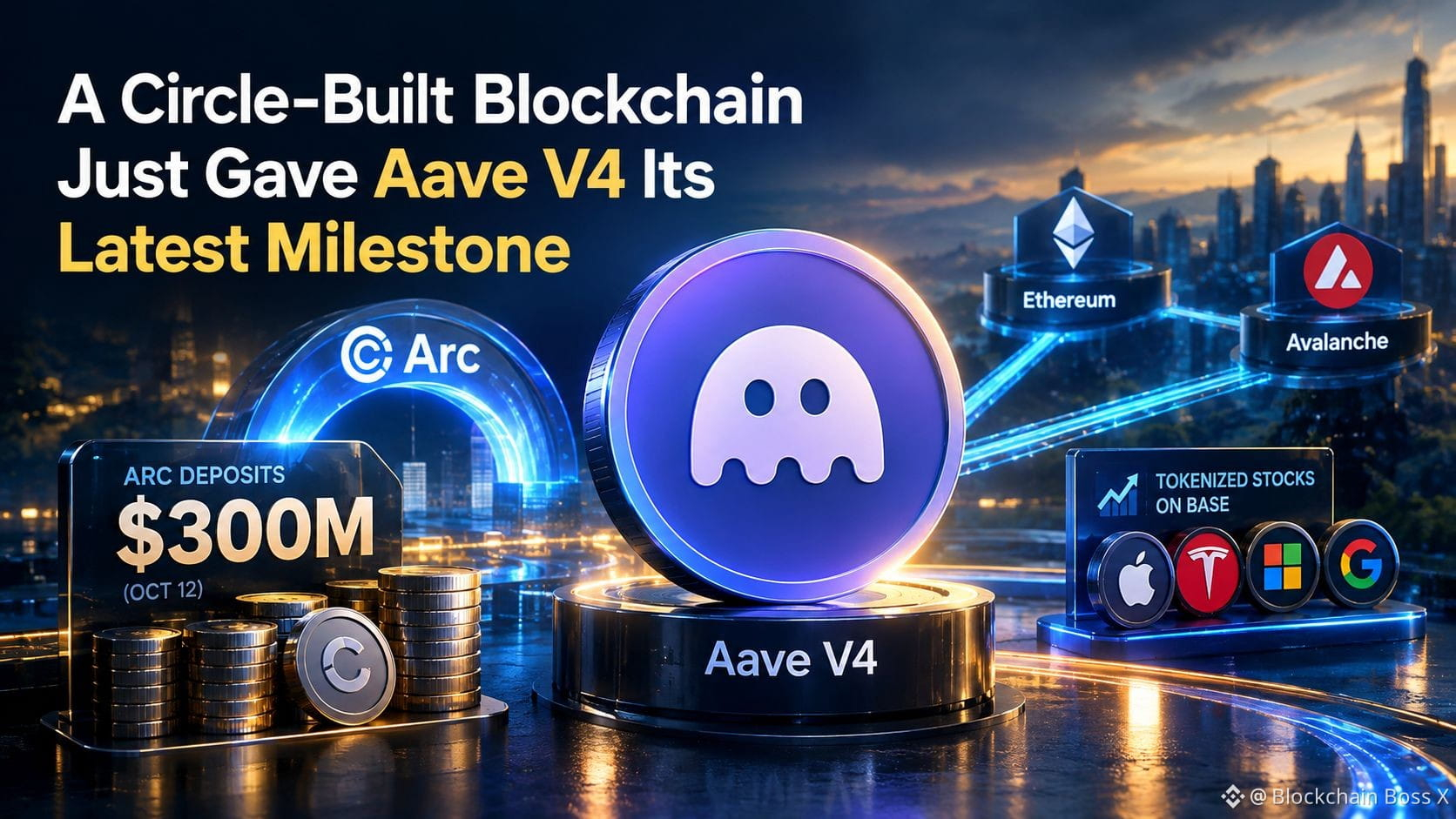
အပ်ဒိတ်ကတော့ အောက်ပါအတိုင်းပါ။ အောက်တိုဘာ 12 ရက်တွင် Aave က Circle ၏ layer 1 blockchain ဖြစ်သော Arc ပေါ်ရှိ V4 အပ်ငွေများသည် $300 million ကျော်သွားပြီဖြစ်ကြောင်း ကြေညာခဲ့သည်။ စက်တင်ဘာလတွင် ဒေါ်လာ 181 million ခန့်ရှိခဲ့ရာမှ တိုးလာခြင်းဖြစ်သည်။ Network အားလုံးပေါင်းတွင် V4 ၌ ယခု အပ်ငွေ ဒေါ်လာ 1.2 billion ခန့်နှင့် လက်ရှိချေးငွေ ဒေါ်လာ 400 million ကျော်ရှိပြီး Ethereum၊ Avalanche နှင့် Arc တို့တွင် အသုံးပြုထားသည်။ V4 ၏ စုစုပေါင်းတန်ဖိုးပိတ်လှောင်ထားမှုသည် စက်တင်ဘာလတွင် 82% မြင့်တက်ခဲ့သည်။ သီးခြားအားဖြင့် V4 သည် Base တွင် tokenized stock များကို အပေါင်ပစ္စည်းအဖြစ် လက်ခံပေးပြီး Aave DAO သည် Coinbase ထုတ် tokenized stock များအတွက် မက်လုံးများကို အတည်ပြုခဲ့ရာ၊ ကိုင်ဆောင်သူများသည် ၎င်းတို့ကို အာမခံအဖြစ်ထားကာ USDC ချေးယူနိုင်သည်။ Arc ရှိ အပ်ငွေများ၏ ဖွဲ့စည်းပုံကို Aave က ထုတ်ဖော်ပြောကြားခြင်းမရှိသေးပါ။
ဒါက ဘာကြောင့် အရေးကြီးတာလဲ။ ယင်းသည် DeFi ချေးငွေဝန်ဆောင်မှုများသည် stablecoin ကို အဓိကထားသော အခြေခံအဆောက်အအုံများနှင့် tokenized ရှယ်ယာများနှင့် ချိတ်ဆက်လာပုံကို ဖော်ပြသည့် လက်တွေ့ကျသော ဥပမာတစ်ခုဖြစ်ပြီး၊ ယခုလ သတင်းခေါင်းစီးများတွင် လွှမ်းမိုးနေသော အကြောင်းအရာများလည်း ဖြစ်သည်။ ဒေါ်လာ 300 million ဆိုသည်မှာ Arc အတွက်သာဖြစ်ပြီး Aave တစ်ခုလုံးအတွက် မဟုတ်ကြောင်း သတိပြုပါ။ ဇူလိုင်လက V4 ၏ စုစုပေါင်း “ဒေါ်လာ 300 million” မှတ်တိုင်ဟု ဖော်ပြခဲ့သော သတင်းခေါင်းစီးများသည်လည်း တိုင်းတာချက်တစ်မျိုးကို ရည်ညွှန်းခဲ့ခြင်းဖြစ်သည်။
အရေးကြီးသည်မှာ အပ်ငွေများ တိုးလာခြင်းသည် token ဝယ်လိုအား တိုးလာမည်ဟု အလိုအလျောက် မဆိုလိုပါ။ ခေါင်းစီးပါ ကိန်းဂဏန်းများထက် ရေရှည်တည်တံ့သော ချေးယူမှု၊ protocol ဝင်ငွေ၊ ecosystem အတွင်း token ၏ အခန်းကဏ္ဍတို့က ပိုအရေးကြီးကြောင်း လေ့လာသုံးသပ်သူများက အလေးပေးပြောဆိုကြသည်။ Chain တစ်ခုချင်းစီတွင် အစောပိုင်းကာလ၌ ဖြစ်ပေါ်သော အပ်ငွေများသည်လည်း မက်လုံးများကြောင့် ဖြစ်နိုင်ပြီး၊ ထိုမက်လုံးများသည် အချိန်ကြာလာသည်နှင့်အမျှ လျော့နည်းသွားနိုင်သည်။
Chain အသစ်တစ်ခုပေါ်တွင် အပ်ငွေများ အလျင်အမြန်တိုးလာသောအခါ ရေရှည်အသုံးပြုမှုနှင့် မက်လုံးကြောင့် ဝင်လာသော ငွေဖြစ်လွယ်မှုကို ဘယ်လိုခွဲခြားသိနိုင်မလဲ။ 🤔
#AAVE #defi #ARC #Stablecoins
$AAVE
{spot}(AAVEUSDT)
#aavev4depositsonarctop$300m
Circle က တည်ဆောက်ထားသော Blockchain တွင် Aave V4 ၏ နောက်ဆုံးမှတ်တိုင်တစ်ခု ရောက်ရှိ
Aave ၏ နောက်ဆုံးဗားရှင်းသည် blockchain network များအနှံ့ ပျံ့နှံ့လာနေပြီး၊ မကြာသေးမီက အခြေစိုက်ရာတစ်ခုဖြစ်လာသော Circle ၏ Arc သည် မှတ်သားဖွယ်အဆင့်တစ်ခုကို ကျော်လွန်သွားခဲ့သည်။
အပ်ဒိတ်ကတော့ အောက်ပါအတိုင်းပါ။ အောက်တိုဘာ 12 ရက်တွင် Aave က Circle ၏ layer 1 blockchain ဖြစ်သော Arc ပေါ်ရှိ V4 အပ်ငွေများသည် $300 million ကျော်သွားပြီဖြစ်ကြောင်း ကြေညာခဲ့သည်။ စက်တင်ဘာလတွင် ဒေါ်လာ 181 million ခန့်ရှိခဲ့ရာမှ တိုးလာခြင်းဖြစ်သည်။ Network အားလုံးပေါင်းတွင် V4 ၌ ယခု အပ်ငွေ ဒေါ်လာ 1.2 billion ခန့်နှင့် လက်ရှိချေးငွေ ဒေါ်လာ 400 million ကျော်ရှိပြီး Ethereum၊ Avalanche နှင့် Arc တို့တွင် အသုံးပြုထားသည်။ V4 ၏ စုစုပေါင်းတန်ဖိုးပိတ်လှောင်ထားမှုသည် စက်တင်ဘာလတွင် 82% မြင့်တက်ခဲ့သည်။ သီးခြားအားဖြင့် V4 သည် Base တွင် tokenized stock များကို အပေါင်ပစ္စည်းအဖြစ် လက်ခံပေးပြီး Aave DAO သည် Coinbase ထုတ် tokenized stock များအတွက် မက်လုံးများကို အတည်ပြုခဲ့ရာ၊ ကိုင်ဆောင်သူများသည် ၎င်းတို့ကို အာမခံအဖြစ်ထားကာ USDC ချေးယူနိုင်သည်။ Arc ရှိ အပ်ငွေများ၏ ဖွဲ့စည်းပုံကို Aave က ထုတ်ဖော်ပြောကြားခြင်းမရှိသေးပါ။
ဒါက ဘာကြောင့် အရေးကြီးတာလဲ။ ယင်းသည် DeFi ချေးငွေဝန်ဆောင်မှုများသည် stablecoin ကို အဓိကထားသော အခြေခံအဆောက်အအုံများနှင့် tokenized ရှယ်ယာများနှင့် ချိတ်ဆက်လာပုံကို ဖော်ပြသည့် လက်တွေ့ကျသော ဥပမာတစ်ခုဖြစ်ပြီး၊ ယခုလ သတင်းခေါင်းစီးများတွင် လွှမ်းမိုးနေသော အကြောင်းအရာများလည်း ဖြစ်သည်။ ဒေါ်လာ 300 million ဆိုသည်မှာ Arc အတွက်သာဖြစ်ပြီး Aave တစ်ခုလုံးအတွက် မဟုတ်ကြောင်း သတိပြုပါ။ ဇူလိုင်လက V4 ၏ စုစုပေါင်း “ဒေါ်လာ 300 million” မှတ်တိုင်ဟု ဖော်ပြခဲ့သော သတင်းခေါင်းစီးများသည်လည်း တိုင်းတာချက်တစ်မျိုးကို ရည်ညွှန်းခဲ့ခြင်းဖြစ်သည်။
အရေးကြီးသည်မှာ အပ်ငွေများ တိုးလာခြင်းသည် token ဝယ်လိုအား တိုးလာမည်ဟု အလိုအလျောက် မဆိုလိုပါ။ ခေါင်းစီးပါ ကိန်းဂဏန်းများထက် ရေရှည်တည်တံ့သော ချေးယူမှု၊ protocol ဝင်ငွေ၊ ecosystem အတွင်း token ၏ အခန်းကဏ္ဍတို့က ပိုအရေးကြီးကြောင်း လေ့လာသုံးသပ်သူများက အလေးပေးပြောဆိုကြသည်။ Chain တစ်ခုချင်းစီတွင် အစောပိုင်းကာလ၌ ဖြစ်ပေါ်သော အပ်ငွေများသည်လည်း မက်လုံးများကြောင့် ဖြစ်နိုင်ပြီး၊ ထိုမက်လုံးများသည် အချိန်ကြာလာသည်နှင့်အမျှ လျော့နည်းသွားနိုင်သည်။
Chain အသစ်တစ်ခုပေါ်တွင် အပ်ငွေများ အလျင်အမြန်တိုးလာသောအခါ ရေရှည်အသုံးပြုမှုနှင့် မက်လုံးကြောင့် ဝင်လာသော ငွေဖြစ်လွယ်မှုကို ဘယ်လိုခွဲခြားသိနိုင်မလဲ။ 🤔
#AAVE #defi #ARC #Stablecoins
$AAVE
1
154
#bitcoinoptionsvolatilityhitsfiveyearlow
Bitcoin ရွေးချယ်ခွင့်စာချုပ်များ၏ ဈေးနှုန်းမှာ ငါးနှစ်အတွင်း အနိမ့်ဆုံးဖြစ်နေပြီး ကုန်သည်များက အန္တရာယ်ကာကွယ်မှုကို တိတ်တဆိတ် ဝယ်ယူနေကြသည်
Bitcoin အတွက် စျေးကွက်၏ “ကြောက်ရွံ့မှုတိုင်းတာချက်” သည် ငါးနှစ်အတွင်း အနိမ့်ဆုံးသို့ ကျဆင်းသည့်အခါ စျေးကွက်တည်ငြိမ်နေခြင်းကို ဆိုလိုနိုင်သလို၊ အန္တရာယ်ကို လျှော့တွက်နေခြင်းလည်း ဖြစ်နိုင်သည်။ အချက်အလက်များက နှစ်မျိုးစလုံးကို ညွှန်ပြနေသည်။
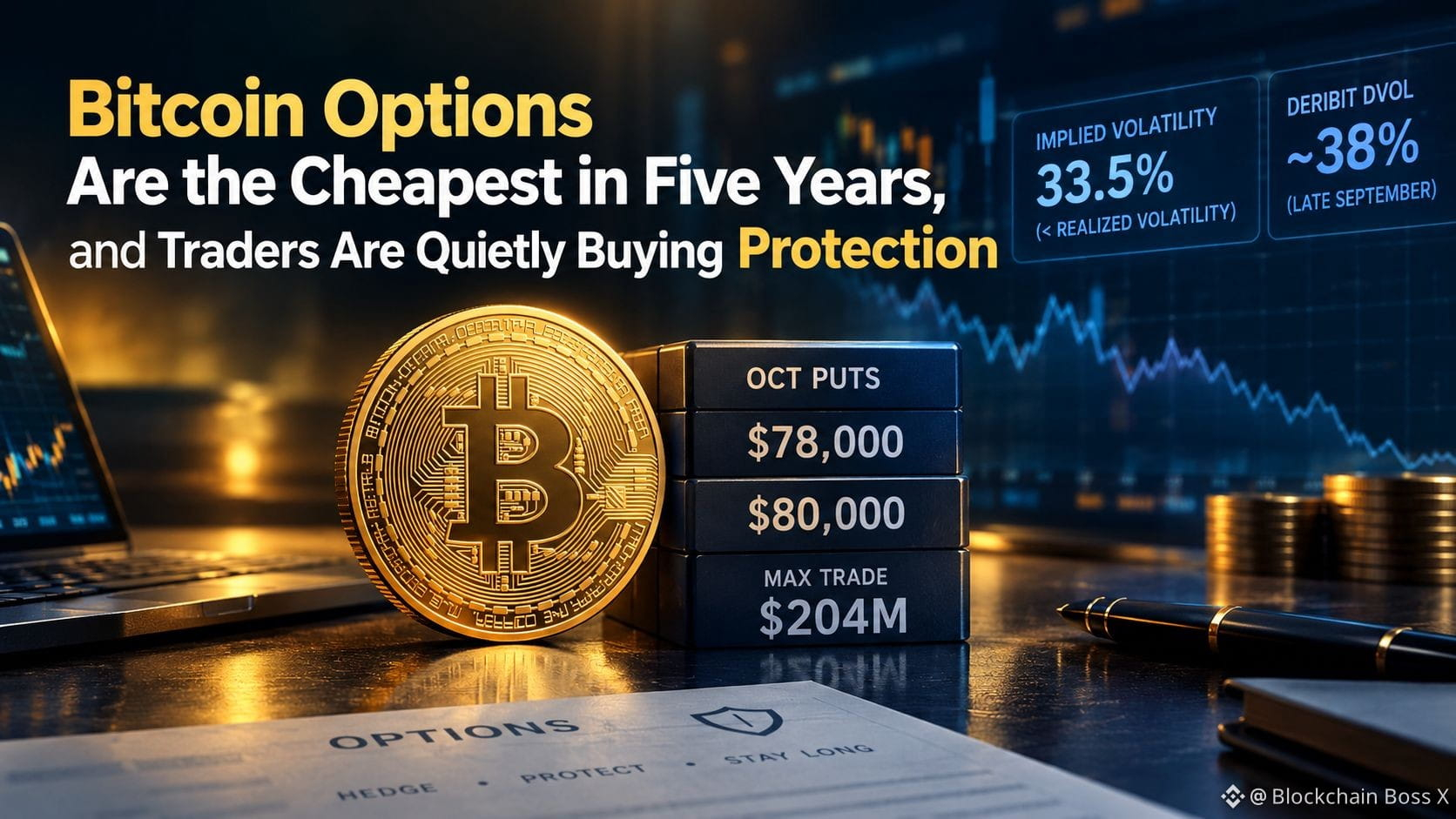
10x Research ၏ အစီရင်ခံစာအရ အနီးဆုံးလအတွက် ခန့်မှန်းသွယ်ဝိုက် မတည်ငြိမ်မှုနှုန်းသည် 33.5% ခန့်အထိ ကျဆင်းသွားပြီး၊ လက်တွေ့ဖြစ်ပေါ်ခဲ့သော မတည်ငြိမ်မှုနှုန်းထက် ရာခိုင်နှုန်း 4 ပွိုင့်ကျော် နိမ့်နေသည်။ ထို့ကြောင့် မကြာသေးမီက ဈေးနှုန်းလှုပ်ရှားမှုများနှင့် နှိုင်းယှဉ်လျှင် ရွေးချယ်ခွင့်စာချုပ်များကို ဈေးသက်သာစွာ သတ်မှတ်ထားသည်။ ပြီးခဲ့သည့်အပတ်အတွင်း ကုန်သည်များက ဒေါ်လာ 78,000 နှင့် ဒေါ်လာ 80,000 သတ်မှတ်ဈေးရှိ အောက်ဈေးကျဆင်းမှုကို ကာကွယ်ပေးသည့် အောက်ဈေးရွေးချယ်ခွင့်စာချုပ်များကို အောက်တိုဘာလအတွက် ဝယ်ယူခဲ့သဖြင့် skew သည် 3 ပွိုင့်နီးပါး ကျဆင်းခဲ့သည်။ ယင်းအထဲတွင် ဒေါ်လာ 204 သန်းအထိ တန်ဖိုးရှိသော အရောင်းအဝယ်တစ်ခုလည်း ပါဝင်သည်။ 10x ၏ အမြင်အရ ရင်းနှီးမြှုပ်နှံသူများသည် အလုံးစုံအနေဖြင့် ဈေးကျမည်ဟု မျှော်လင့်နေကြခြင်းထက်၊ အောက်ဈေးကျဆင်းမှုကို ကာကွယ်ရင်း အမြတ်ရနိုင်မည့် အနေအထားကို ဆက်လက်ထိန်းထားနေခြင်းဖြစ်သည်။ နှိုင်းယှဉ်ကြည့်ရန်၊ Deribit ၏ DVOL အညွှန်းကိန်းသည် စက်တင်ဘာလနှောင်းပိုင်းတွင် 38% ဝန်းကျင်ရှိနှင့်ပြီးဖြစ်ကာ၊ ယင်းသည် ငါးနှစ်တာအတွင်း တည်ငြိမ်မှုအများဆုံးကာလဘက်တွင် ရှိသော အဆင့်ဖြစ်သည်။
ဒါက ဘာကြောင့် အရေးကြီးတာလဲ။ ခန့်မှန်းသွယ်ဝိုက် မတည်ငြိမ်မှုနှုန်း နိမ့်ကျနေခြင်းကြောင့် အန္တရာယ်ကာကွယ်မှုကို ဈေးသက်သာစွာ ရနိုင်ပြီး၊ ယင်းက အကာအကွယ်ယူနေကြခြင်း၏ အကြောင်းရင်းကို ရှင်းပြနိုင်သည်။ သို့သော် ဈေးနှုန်းဘယ်ဘက်ကို ဦးတည်မည်ဆိုသည်ကိုတော့ မပြောပြနိုင်ပါ။ ထို့ပြင် ၎င်းသည် အချိန်ကိုက်ခန့်မှန်းရန် ယုံကြည်စိတ်ချရသော ကိရိယာလည်း မဟုတ်ပါ။ လေ့လာချက်တစ်ခုအရ ယမန်နှစ် DVOL အနိမ့်ဆုံးတန်ဖိုးသည် Bitcoin ၏ 2025 ခုနှစ် အောက်တိုဘာလ စံချိန်တင်အမြင့်ဆုံးမရောက်မီ 18 ရက်ခန့်တွင် ဖြစ်ပေါ်ခဲ့ပြီး၊ အမြင့်ဆုံးတန်ဖိုးမှာ ဖေဖော်ဝါရီလ၏ အနိမ့်ဆုံးဈေးဖြစ်ပေါ်သည့်နေ့တွင် ရောက်ရှိခဲ့သည်။ အောက်တိုဘာ 27-28 ရက်တွင် ကျင်းပမည့် Fed အစည်းအဝေးအပါအဝင် စီးပွားရေးအခြေအနေဆိုင်ရာ ဖြစ်ရပ်များက ယခုတည်ငြိမ်မှု ဆက်လက်တည်မြဲနိုင်မနိုင်ကို စမ်းသပ်နိုင်သည်။
အာမခံဈေးသက်သာနေချိန်မှာ အဲဒါက ယုံကြည်မှုရှိကြောင်း ပြသတာလား၊ ဒါမှမဟုတ် မမျှော်လင့်ထားတဲ့အရာတွေကို ဈေးနှုန်းထဲမှာ ထည့်သွင်းတွက်ချက်ထားတာ ရှားပါးကြောင်း သတိပေးနေတာလား။ 🤔
#bitcoin #options #volatility #CryptoDerivatives
$BTC
{spot}(BTCUSDT)
#bitcoinoptionsvolatilityhitsfiveyearlow
Bitcoin ရွေးချယ်ခွင့်စာချုပ်များ၏ ဈေးနှုန်းမှာ ငါးနှစ်အတွင်း အနိမ့်ဆုံးဖြစ်နေပြီး ကုန်သည်များက အန္တရာယ်ကာကွယ်မှုကို တိတ်တဆိတ် ဝယ်ယူနေကြသည်
Bitcoin အတွက် စျေးကွက်၏ “ကြောက်ရွံ့မှုတိုင်းတာချက်” သည် ငါးနှစ်အတွင်း အနိမ့်ဆုံးသို့ ကျဆင်းသည့်အခါ စျေးကွက်တည်ငြိမ်နေခြင်းကို ဆိုလိုနိုင်သလို၊ အန္တရာယ်ကို လျှော့တွက်နေခြင်းလည်း ဖြစ်နိုင်သည်။ အချက်အလက်များက နှစ်မျိုးစလုံးကို ညွှန်ပြနေသည်။
10x Research ၏ အစီရင်ခံစာအရ အနီးဆုံးလအတွက် ခန့်မှန်းသွယ်ဝိုက် မတည်ငြိမ်မှုနှုန်းသည် 33.5% ခန့်အထိ ကျဆင်းသွားပြီး၊ လက်တွေ့ဖြစ်ပေါ်ခဲ့သော မတည်ငြိမ်မှုနှုန်းထက် ရာခိုင်နှုန်း 4 ပွိုင့်ကျော် နိမ့်နေသည်။ ထို့ကြောင့် မကြာသေးမီက ဈေးနှုန်းလှုပ်ရှားမှုများနှင့် နှိုင်းယှဉ်လျှင် ရွေးချယ်ခွင့်စာချုပ်များကို ဈေးသက်သာစွာ သတ်မှတ်ထားသည်။ ပြီးခဲ့သည့်အပတ်အတွင်း ကုန်သည်များက ဒေါ်လာ 78,000 နှင့် ဒေါ်လာ 80,000 သတ်မှတ်ဈေးရှိ အောက်ဈေးကျဆင်းမှုကို ကာကွယ်ပေးသည့် အောက်ဈေးရွေးချယ်ခွင့်စာချုပ်များကို အောက်တိုဘာလအတွက် ဝယ်ယူခဲ့သဖြင့် skew သည် 3 ပွိုင့်နီးပါး ကျဆင်းခဲ့သည်။ ယင်းအထဲတွင် ဒေါ်လာ 204 သန်းအထိ တန်ဖိုးရှိသော အရောင်းအဝယ်တစ်ခုလည်း ပါဝင်သည်။ 10x ၏ အမြင်အရ ရင်းနှီးမြှုပ်နှံသူများသည် အလုံးစုံအနေဖြင့် ဈေးကျမည်ဟု မျှော်လင့်နေကြခြင်းထက်၊ အောက်ဈေးကျဆင်းမှုကို ကာကွယ်ရင်း အမြတ်ရနိုင်မည့် အနေအထားကို ဆက်လက်ထိန်းထားနေခြင်းဖြစ်သည်။ နှိုင်းယှဉ်ကြည့်ရန်၊ Deribit ၏ DVOL အညွှန်းကိန်းသည် စက်တင်ဘာလနှောင်းပိုင်းတွင် 38% ဝန်းကျင်ရှိနှင့်ပြီးဖြစ်ကာ၊ ယင်းသည် ငါးနှစ်တာအတွင်း တည်ငြိမ်မှုအများဆုံးကာလဘက်တွင် ရှိသော အဆင့်ဖြစ်သည်။
ဒါက ဘာကြောင့် အရေးကြီးတာလဲ။ ခန့်မှန်းသွယ်ဝိုက် မတည်ငြိမ်မှုနှုန်း နိမ့်ကျနေခြင်းကြောင့် အန္တရာယ်ကာကွယ်မှုကို ဈေးသက်သာစွာ ရနိုင်ပြီး၊ ယင်းက အကာအကွယ်ယူနေကြခြင်း၏ အကြောင်းရင်းကို ရှင်းပြနိုင်သည်။ သို့သော် ဈေးနှုန်းဘယ်ဘက်ကို ဦးတည်မည်ဆိုသည်ကိုတော့ မပြောပြနိုင်ပါ။ ထို့ပြင် ၎င်းသည် အချိန်ကိုက်ခန့်မှန်းရန် ယုံကြည်စိတ်ချရသော ကိရိယာလည်း မဟုတ်ပါ။ လေ့လာချက်တစ်ခုအရ ယမန်နှစ် DVOL အနိမ့်ဆုံးတန်ဖိုးသည် Bitcoin ၏ 2025 ခုနှစ် အောက်တိုဘာလ စံချိန်တင်အမြင့်ဆုံးမရောက်မီ 18 ရက်ခန့်တွင် ဖြစ်ပေါ်ခဲ့ပြီး၊ အမြင့်ဆုံးတန်ဖိုးမှာ ဖေဖော်ဝါရီလ၏ အနိမ့်ဆုံးဈေးဖြစ်ပေါ်သည့်နေ့တွင် ရောက်ရှိခဲ့သည်။ အောက်တိုဘာ 27-28 ရက်တွင် ကျင်းပမည့် Fed အစည်းအဝေးအပါအဝင် စီးပွားရေးအခြေအနေဆိုင်ရာ ဖြစ်ရပ်များက ယခုတည်ငြိမ်မှု ဆက်လက်တည်မြဲနိုင်မနိုင်ကို စမ်းသပ်နိုင်သည်။
အာမခံဈေးသက်သာနေချိန်မှာ အဲဒါက ယုံကြည်မှုရှိကြောင်း ပြသတာလား၊ ဒါမှမဟုတ် မမျှော်လင့်ထားတဲ့အရာတွေကို ဈေးနှုန်းထဲမှာ ထည့်သွင်းတွက်ချက်ထားတာ ရှားပါးကြောင်း သတိပေးနေတာလား။ 🤔
#bitcoin #options #volatility #CryptoDerivatives
$BTC
209
#ukhighcourtruleschineselawgovernsbitcoinclaims
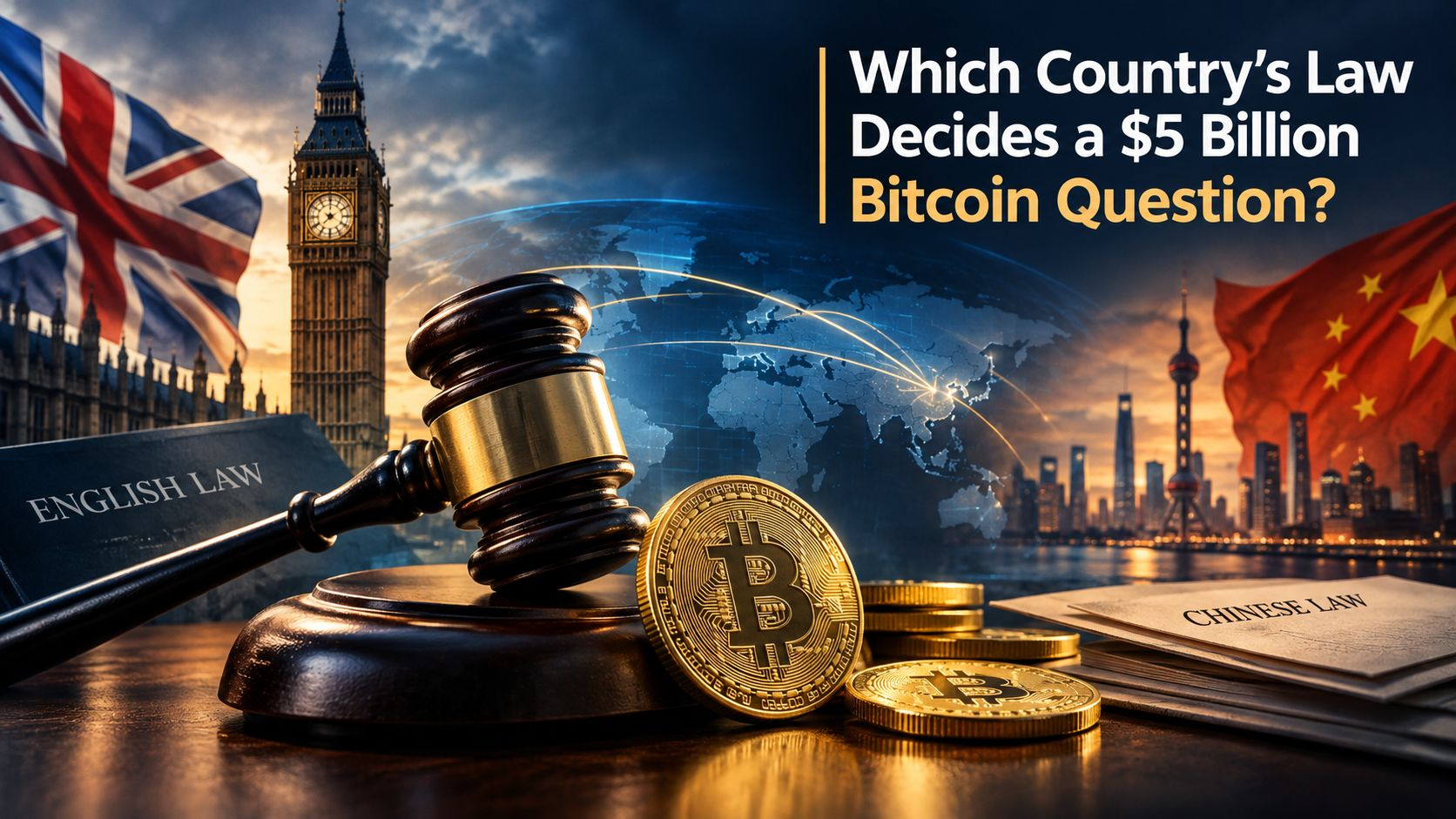
လန်ဒန်တရားရုံးတစ်ရုံးက ဒေါ်လာ ၅ ဘီလီယံတန် Bitcoin ကိစ္စကို ဘယ်နိုင်ငံရဲ့ဥပဒေနဲ့ ဆုံးဖြတ်မလဲဆိုတာ ဆုံးဖြတ်လိုက်ပြီ
ဒင်္ဂါးတွေက အင်္ဂလန်မှာ ရှိတယ်။ လိမ်လည်မှုက တရုတ်နိုင်ငံမှာ ဖြစ်ခဲ့တယ်။ ဒီတစ်ပတ်မှာ တရားသူကြီးတစ်ဦးက ဒုတိယအချက်က ပိုအရေးကြီးတယ်လို့ ဆိုခဲ့တယ်။
စီရင်ချက်ကတော့ ဒီလိုပါ။ အောက်တိုဘာ ၁၂ ရက်စွဲပါ စီရင်ချက်မှာ တရားသူကြီး Turner က ပြစ်မှုထင်ရှားစီရင်ခံထားရတဲ့ လိမ်လည်သူ Zhimin Qian ထံမှ သိမ်းဆည်းရမိထားသော BTC ၆၁,၀၀၀ ကျော်အတွက် နစ်နာသူများ၏ တောင်းဆိုမှုများကို အင်္ဂလိပ်ဥပဒေမဟုတ်ဘဲ တရုတ်ဥပဒေက အုပ်ချုပ်စေမည်ဟု ဆုံးဖြတ်ခဲ့သည်။ ဒေါ်လာ ၅ ဘီလီယံခန့် တန်ဖိုးရှိသော အဆိုပါဒင်္ဂါးများကို Qian ၏ ရင်းနှီးမြှုပ်နှံမှုအစီအစဉ်က ၂၀၁၄ မှ ၂၀၁၇ ခုနှစ်အတွင်း တရုတ်ရင်းနှီးမြှုပ်နှံသူများထံမှ ငွေကြေးရယူခဲ့ပြီးနောက် လန်ဒန်ရဲတပ်ဖွဲ့က သိမ်းဆည်းခဲ့သည်။ နစ်နာသူ ၁၆,၀၀၀ ခန့်က တောင်းဆိုမှုများ ပြုလုပ်နေကြသည်။ အဆိုပါအစီအစဉ်နှင့် ဝယ်ယူမှုများ၏ ဗဟိုချက်မှာ တရုတ်နိုင်ငံဖြစ်ပြီး ဒင်္ဂါးများကို အင်္ဂလန်အထိ ခြေရာခံနိုင်ခြင်းက တရုတ်ဥပဒေအရ ဆုံးရှုံးခဲ့ပြီးသော ပိုင်ဆိုင်ခွင့်များကို ပြန်လည်ရရှိစေမည်မဟုတ်ကြောင်း တရားရုံးက ဆင်ခြင်ဆုံးဖြတ်ခဲ့သည်။ အရေးကြီးသည်မှာ ဤဆုံးဖြတ်ချက်က Bitcoin ကို မည်သူပိုင်ဆိုင်သည်ဟု မဆိုထားခြင်းဖြစ်သည်။ တရုတ်ဥပဒေနှင့်ပတ်သက်၍ ကျွမ်းကျင်သူများ၏ သက်သေခံချက်ကို နောက်ထပ်ကြားနာမှုများတွင် ရယူမည်ဖြစ်ပြီး တောင်းဆိုသူများက အယူခံဝင်ရန် အရိပ်အမြွက်ပြထားသည်။
ဒါက ဘာကြောင့် အရေးကြီးတာလဲ။ အင်္ဂလိပ်ဥပဒေအရ နစ်နာသူများသည် Bitcoin နှင့် ၎င်း၏တန်ဖိုး အလွန်မြင့်တက်လာမှုကို တောင်းဆိုနိုင်ခြေရှိသည်။ တရုတ်ဥပဒေအရမူ ၎င်းတို့သည် မူရင်းငွေနှင့် အတိုးကိုသာ ရရှိနိုင်ဖွယ်ရှိကြောင်း သတင်းများက ဖော်ပြသည်။ ဤစီရင်ချက်သည် အဆိုပါဒင်္ဂါးများကို ဆက်လက်ထိန်းသိမ်းထားရန် ဗြိတိန်အစိုးရ၏ ရပ်တည်ချက်ကိုလည်း အားကောင်းစေပြီး အမည်မဖော်လိုသော အရာရှိများက ၎င်းတို့ကို ဘဏ္ဍာရေးဆိုင်ရာ အသုံးချနိုင်ခြေကို သီးသန့်ဆွေးနွေးခဲ့ကြောင်း FT က ယခင်က ဖော်ပြခဲ့သည်။ ၎င်းသည် crypto ပိုင်ဆိုင်မှုအပေါ် ယေဘုယျစည်းမျဉ်းတစ်ရပ် မဟုတ်သော်လည်း နယ်စပ်ဖြတ်ကျော် အမှုများတွင် တရားစီရင်ပိုင်ခွင့်က ရလဒ်များကို မည်သို့ပုံဖော်နိုင်ကြောင်း မီးမောင်းထိုးပြနေသည်။
ပိုင်ဆိုင်မှုတွေက ဒစ်ဂျစ်တယ်ဖြစ်ပြီး နယ်နိမိတ်မရှိပေမယ့် ဥပဒေကတော့ နယ်နိမိတ်ရှိနေတဲ့အခါ ဘယ်သူ့စည်းမျဉ်းတွေက ဆုံးဖြတ်သင့်သလဲ။ 🤔
#bitcoin #UK #law #CryptoRegulation
$BTC $ETH $BNB
{spot}(BNBUSDT)
{spot}(ETHUSDT)
{spot}(BTCUSDT)
#ukhighcourtruleschineselawgovernsbitcoinclaims
လန်ဒန်တရားရုံးတစ်ရုံးက ဒေါ်လာ ၅ ဘီလီယံတန် Bitcoin ကိစ္စကို ဘယ်နိုင်ငံရဲ့ဥပဒေနဲ့ ဆုံးဖြတ်မလဲဆိုတာ ဆုံးဖြတ်လိုက်ပြီ
ဒင်္ဂါးတွေက အင်္ဂလန်မှာ ရှိတယ်။ လိမ်လည်မှုက တရုတ်နိုင်ငံမှာ ဖြစ်ခဲ့တယ်။ ဒီတစ်ပတ်မှာ တရားသူကြီးတစ်ဦးက ဒုတိယအချက်က ပိုအရေးကြီးတယ်လို့ ဆိုခဲ့တယ်။
စီရင်ချက်ကတော့ ဒီလိုပါ။ အောက်တိုဘာ ၁၂ ရက်စွဲပါ စီရင်ချက်မှာ တရားသူကြီး Turner က ပြစ်မှုထင်ရှားစီရင်ခံထားရတဲ့ လိမ်လည်သူ Zhimin Qian ထံမှ သိမ်းဆည်းရမိထားသော BTC ၆၁,၀၀၀ ကျော်အတွက် နစ်နာသူများ၏ တောင်းဆိုမှုများကို အင်္ဂလိပ်ဥပဒေမဟုတ်ဘဲ တရုတ်ဥပဒေက အုပ်ချုပ်စေမည်ဟု ဆုံးဖြတ်ခဲ့သည်။ ဒေါ်လာ ၅ ဘီလီယံခန့် တန်ဖိုးရှိသော အဆိုပါဒင်္ဂါးများကို Qian ၏ ရင်းနှီးမြှုပ်နှံမှုအစီအစဉ်က ၂၀၁၄ မှ ၂၀၁၇ ခုနှစ်အတွင်း တရုတ်ရင်းနှီးမြှုပ်နှံသူများထံမှ ငွေကြေးရယူခဲ့ပြီးနောက် လန်ဒန်ရဲတပ်ဖွဲ့က သိမ်းဆည်းခဲ့သည်။ နစ်နာသူ ၁၆,၀၀၀ ခန့်က တောင်းဆိုမှုများ ပြုလုပ်နေကြသည်။ အဆိုပါအစီအစဉ်နှင့် ဝယ်ယူမှုများ၏ ဗဟိုချက်မှာ တရုတ်နိုင်ငံဖြစ်ပြီး ဒင်္ဂါးများကို အင်္ဂလန်အထိ ခြေရာခံနိုင်ခြင်းက တရုတ်ဥပဒေအရ ဆုံးရှုံးခဲ့ပြီးသော ပိုင်ဆိုင်ခွင့်များကို ပြန်လည်ရရှိစေမည်မဟုတ်ကြောင်း တရားရုံးက ဆင်ခြင်ဆုံးဖြတ်ခဲ့သည်။ အရေးကြီးသည်မှာ ဤဆုံးဖြတ်ချက်က Bitcoin ကို မည်သူပိုင်ဆိုင်သည်ဟု မဆိုထားခြင်းဖြစ်သည်။ တရုတ်ဥပဒေနှင့်ပတ်သက်၍ ကျွမ်းကျင်သူများ၏ သက်သေခံချက်ကို နောက်ထပ်ကြားနာမှုများတွင် ရယူမည်ဖြစ်ပြီး တောင်းဆိုသူများက အယူခံဝင်ရန် အရိပ်အမြွက်ပြထားသည်။
ဒါက ဘာကြောင့် အရေးကြီးတာလဲ။ အင်္ဂလိပ်ဥပဒေအရ နစ်နာသူများသည် Bitcoin နှင့် ၎င်း၏တန်ဖိုး အလွန်မြင့်တက်လာမှုကို တောင်းဆိုနိုင်ခြေရှိသည်။ တရုတ်ဥပဒေအရမူ ၎င်းတို့သည် မူရင်းငွေနှင့် အတိုးကိုသာ ရရှိနိုင်ဖွယ်ရှိကြောင်း သတင်းများက ဖော်ပြသည်။ ဤစီရင်ချက်သည် အဆိုပါဒင်္ဂါးများကို ဆက်လက်ထိန်းသိမ်းထားရန် ဗြိတိန်အစိုးရ၏ ရပ်တည်ချက်ကိုလည်း အားကောင်းစေပြီး အမည်မဖော်လိုသော အရာရှိများက ၎င်းတို့ကို ဘဏ္ဍာရေးဆိုင်ရာ အသုံးချနိုင်ခြေကို သီးသန့်ဆွေးနွေးခဲ့ကြောင်း FT က ယခင်က ဖော်ပြခဲ့သည်။ ၎င်းသည် crypto ပိုင်ဆိုင်မှုအပေါ် ယေဘုယျစည်းမျဉ်းတစ်ရပ် မဟုတ်သော်လည်း နယ်စပ်ဖြတ်ကျော် အမှုများတွင် တရားစီရင်ပိုင်ခွင့်က ရလဒ်များကို မည်သို့ပုံဖော်နိုင်ကြောင်း မီးမောင်းထိုးပြနေသည်။
ပိုင်ဆိုင်မှုတွေက ဒစ်ဂျစ်တယ်ဖြစ်ပြီး နယ်နိမိတ်မရှိပေမယ့် ဥပဒေကတော့ နယ်နိမိတ်ရှိနေတဲ့အခါ ဘယ်သူ့စည်းမျဉ်းတွေက ဆုံးဖြတ်သင့်သလဲ။ 🤔
#bitcoin #UK #law #CryptoRegulation
$BTC $ETH $BNB
3
2.1k
#ArgentinaCentralBankWillNotPushCryptoIntoBankingForTwoYears
လက်တင်အမေရိကတွင် အာဂျင်တီးနား၌ အလုပ်အများဆုံးဖြစ်သော ခရစ်ပတိုဈေးကွက်များထဲမှ တစ်ခုရှိသော်လည်း ၎င်း၏ဘဏ်များမှာ ဝင်ရောက်ခွင့်မရသေးပါ
အာဂျင်တီးနားဘဏ်များကို ခရစ်ပတိုကဏ္ဍထဲ ဝင်ရောက်ခွင့်ပေးတော့မည်ဟု လအတော်ကြာ သတင်းများ ထွက်ပေါ်နေခဲ့သည်။ ယခုအပတ်တွင်မူ ဗဟိုဘဏ်က လုံးဝကွဲပြားသော အဖြေတစ်ခု ပေးခဲ့သည်။
နောက်ဆုံးရသတင်းမှာ အာဂျင်တီးနားငွေပေးချေမှုကုန်သည်ကြီးများအသင်းက ကျင်းပသည့်ပွဲတစ်ခုတွင် ဗဟိုဘဏ် (BCRA) ၏ ဘဏ္ဍာရေးနှင့် နိုင်ငံခြားငွေလဲလှယ်ရေးအဖွဲ့အစည်းများ ကြီးကြပ်ရေးဌာနကို ဦးဆောင်သူ Juan Curutchet က လာမည့်နှစ်နှစ်အတွင်း ဘဏ်လုပ်ငန်းနှင့် ငွေပေးချေမှုလမ်းကြောင်းများထဲ ခရစ်ပတိုကို ပေါင်းစည်းရန် တွန်းအားပေးမည်မဟုတ်ကြောင်း ပြောကြားခဲ့သည်။ ဘဏ္ဍာရေးအဖွဲ့အစည်းများက ခရစ်ပတိုဝန်ဆောင်မှုများ ပေးအပ်ခြင်းကို တားမြစ်ထားသည့် 2022 ခုနှစ်က အမိန့်မှာ ဆက်လက်အသက်ဝင်နေဆဲဖြစ်သည်။ သူက အာဂျင်တီးနား၏ မတည်ငြိမ်သေးသော စီးပွားရေးအခြေအနေကို ထောက်ပြခဲ့ပြီး တည်ငြိမ်မှုအပေါ် မူတည်ကာ Milei အစိုးရ ဒုတိယသက်တမ်း ဖြစ်လာနိုင်ပါက ထိုကိစ္စကို ပြန်လည်စဉ်းစားနိုင်ကြောင်း သတင်းများက ဆိုသည်။ ယင်းအချက်သည် 2026 ခုနှစ် ဧပြီလအစောပိုင်းကတည်းက ဘဏ်များကို ခရစ်ပတိုကဏ္ဍသို့ ဖွင့်ပေးနိုင်မည့် စည်းမျဉ်းမူကြမ်းများအကြောင်း La Nación အပါအဝင် မီဒီယာများ၏ ယခင်သတင်းများနှင့် ဆန့်ကျင်နေသည်။ BCRA က ထိုအချိန်ဇယားကို ဘယ်တုန်းကမှ အတည်မပြုခဲ့ပါ။
တစ်ချိန်တည်းမှာပင် ဘဏ်စနစ်ပြင်ပတွင် လုပ်ဆောင်မှုများ ဆက်လက်ရှိနေသည်။ ဇွန်လ 30 ရက်နေ့အထိ တစ်နှစ်တာကာလအတွင်း အာဂျင်တီးနား၏ ခရစ်ပတိုငွေလွှဲပမာဏသည် $88.5 ဘီလီယံကို ကျော်လွန်ခဲ့ပြီး လက်တင်အမေရိကတွင် ဒုတိယအများဆုံးဖြစ်သည်။ ထို့အပြင် ဘဏ်များသည် သီးခြားအဖွဲ့အစည်းများမှတစ်ဆင့် စည်းမျဉ်းနှင့်ကိုက်ညီသော စတေးဘယ်ကွိုင်စီမံကိန်းများကို ဆက်လက်တိုးတက်အောင် လုပ်ဆောင်နေသည်ဟု သတင်းများက ဆိုသည်။
ဒါက ဘာကြောင့် အရေးကြီးတာလဲ။ လိုင်စင်ရ ငွေလဲပလက်ဖောင်းများနှင့် အစီရင်ခံတင်ပြမှုဆိုင်ရာ စည်းမျဉ်းများကို တည်ဆောက်နေသည့် ဘရာဇီးနှင့်လည်းကောင်း၊ ဘဏ်ဦးဆောင်သော ခရစ်ပတိုဝန်ဆောင်မှုများကို လက်ခံကျင့်သုံးနေသည့် ဈေးကွက်များနှင့်လည်းကောင်း သိသာထင်ရှားစွာ ကွာခြားနေသည်။ ခရစ်ပတိုကို ကျယ်ကျယ်ပြန့်ပြန့် လက်ခံအသုံးပြုနေခြင်းက စည်းမျဉ်းစည်းကမ်းပိုင်းတွင် ပွင့်လင်းမှုရှိသည်ဟု အလိုအလျောက် မဆိုလိုပါ။ အထူးသဖြင့် မူဝါဒချမှတ်သူများက မက်ခရိုစီးပွားရေးတည်ငြိမ်မှုကို ဦးစားပေးသည့်အခါတွင် ဖြစ်သည်။
ဘဏ်များကို အချိန်ကြာကြာ ဘေးဖယ်ထားရင်း ခရစ်ပတိုအသုံးပြုမှုတွင် နိုင်ငံတစ်နိုင်ငံက ဦးဆောင်နိုင်ပါ့မလား။ 🤔
#argentina #CryptoRegulation #latam #Banking
$BTC $ETH $SOL
{spot}(SOLUSDT)
{spot}(ETHUSDT)
{spot}(BTCUSDT)
#ArgentinaCentralBankWillNotPushCryptoIntoBankingForTwoYears
လက်တင်အမေရိကတွင် အာဂျင်တီးနား၌ အလုပ်အများဆုံးဖြစ်သော ခရစ်ပတိုဈေးကွက်များထဲမှ တစ်ခုရှိသော်လည်း ၎င်း၏ဘဏ်များမှာ ဝင်ရောက်ခွင့်မရသေးပါ
အာဂျင်တီးနားဘဏ်များကို ခရစ်ပတိုကဏ္ဍထဲ ဝင်ရောက်ခွင့်ပေးတော့မည်ဟု လအတော်ကြာ သတင်းများ ထွက်ပေါ်နေခဲ့သည်။ ယခုအပတ်တွင်မူ ဗဟိုဘဏ်က လုံးဝကွဲပြားသော အဖြေတစ်ခု ပေးခဲ့သည်။
နောက်ဆုံးရသတင်းမှာ အာဂျင်တီးနားငွေပေးချေမှုကုန်သည်ကြီးများအသင်းက ကျင်းပသည့်ပွဲတစ်ခုတွင် ဗဟိုဘဏ် (BCRA) ၏ ဘဏ္ဍာရေးနှင့် နိုင်ငံခြားငွေလဲလှယ်ရေးအဖွဲ့အစည်းများ ကြီးကြပ်ရေးဌာနကို ဦးဆောင်သူ Juan Curutchet က လာမည့်နှစ်နှစ်အတွင်း ဘဏ်လုပ်ငန်းနှင့် ငွေပေးချေမှုလမ်းကြောင်းများထဲ ခရစ်ပတိုကို ပေါင်းစည်းရန် တွန်းအားပေးမည်မဟုတ်ကြောင်း ပြောကြားခဲ့သည်။ ဘဏ္ဍာရေးအဖွဲ့အစည်းများက ခရစ်ပတိုဝန်ဆောင်မှုများ ပေးအပ်ခြင်းကို တားမြစ်ထားသည့် 2022 ခုနှစ်က အမိန့်မှာ ဆက်လက်အသက်ဝင်နေဆဲဖြစ်သည်။ သူက အာဂျင်တီးနား၏ မတည်ငြိမ်သေးသော စီးပွားရေးအခြေအနေကို ထောက်ပြခဲ့ပြီး တည်ငြိမ်မှုအပေါ် မူတည်ကာ Milei အစိုးရ ဒုတိယသက်တမ်း ဖြစ်လာနိုင်ပါက ထိုကိစ္စကို ပြန်လည်စဉ်းစားနိုင်ကြောင်း သတင်းများက ဆိုသည်။ ယင်းအချက်သည် 2026 ခုနှစ် ဧပြီလအစောပိုင်းကတည်းက ဘဏ်များကို ခရစ်ပတိုကဏ္ဍသို့ ဖွင့်ပေးနိုင်မည့် စည်းမျဉ်းမူကြမ်းများအကြောင်း La Nación အပါအဝင် မီဒီယာများ၏ ယခင်သတင်းများနှင့် ဆန့်ကျင်နေသည်။ BCRA က ထိုအချိန်ဇယားကို ဘယ်တုန်းကမှ အတည်မပြုခဲ့ပါ။
တစ်ချိန်တည်းမှာပင် ဘဏ်စနစ်ပြင်ပတွင် လုပ်ဆောင်မှုများ ဆက်လက်ရှိနေသည်။ ဇွန်လ 30 ရက်နေ့အထိ တစ်နှစ်တာကာလအတွင်း အာဂျင်တီးနား၏ ခရစ်ပတိုငွေလွှဲပမာဏသည် $88.5 ဘီလီယံကို ကျော်လွန်ခဲ့ပြီး လက်တင်အမေရိကတွင် ဒုတိယအများဆုံးဖြစ်သည်။ ထို့အပြင် ဘဏ်များသည် သီးခြားအဖွဲ့အစည်းများမှတစ်ဆင့် စည်းမျဉ်းနှင့်ကိုက်ညီသော စတေးဘယ်ကွိုင်စီမံကိန်းများကို ဆက်လက်တိုးတက်အောင် လုပ်ဆောင်နေသည်ဟု သတင်းများက ဆိုသည်။
ဒါက ဘာကြောင့် အရေးကြီးတာလဲ။ လိုင်စင်ရ ငွေလဲပလက်ဖောင်းများနှင့် အစီရင်ခံတင်ပြမှုဆိုင်ရာ စည်းမျဉ်းများကို တည်ဆောက်နေသည့် ဘရာဇီးနှင့်လည်းကောင်း၊ ဘဏ်ဦးဆောင်သော ခရစ်ပတိုဝန်ဆောင်မှုများကို လက်ခံကျင့်သုံးနေသည့် ဈေးကွက်များနှင့်လည်းကောင်း သိသာထင်ရှားစွာ ကွာခြားနေသည်။ ခရစ်ပတိုကို ကျယ်ကျယ်ပြန့်ပြန့် လက်ခံအသုံးပြုနေခြင်းက စည်းမျဉ်းစည်းကမ်းပိုင်းတွင် ပွင့်လင်းမှုရှိသည်ဟု အလိုအလျောက် မဆိုလိုပါ။ အထူးသဖြင့် မူဝါဒချမှတ်သူများက မက်ခရိုစီးပွားရေးတည်ငြိမ်မှုကို ဦးစားပေးသည့်အခါတွင် ဖြစ်သည်။
ဘဏ်များကို အချိန်ကြာကြာ ဘေးဖယ်ထားရင်း ခရစ်ပတိုအသုံးပြုမှုတွင် နိုင်ငံတစ်နိုင်ငံက ဦးဆောင်နိုင်ပါ့မလား။ 🤔
#argentina #CryptoRegulation #latam #Banking
$BTC $ETH $SOL
234
#RussiaRequiresCryptoMinersToSeekFourthCategoryGridConnections
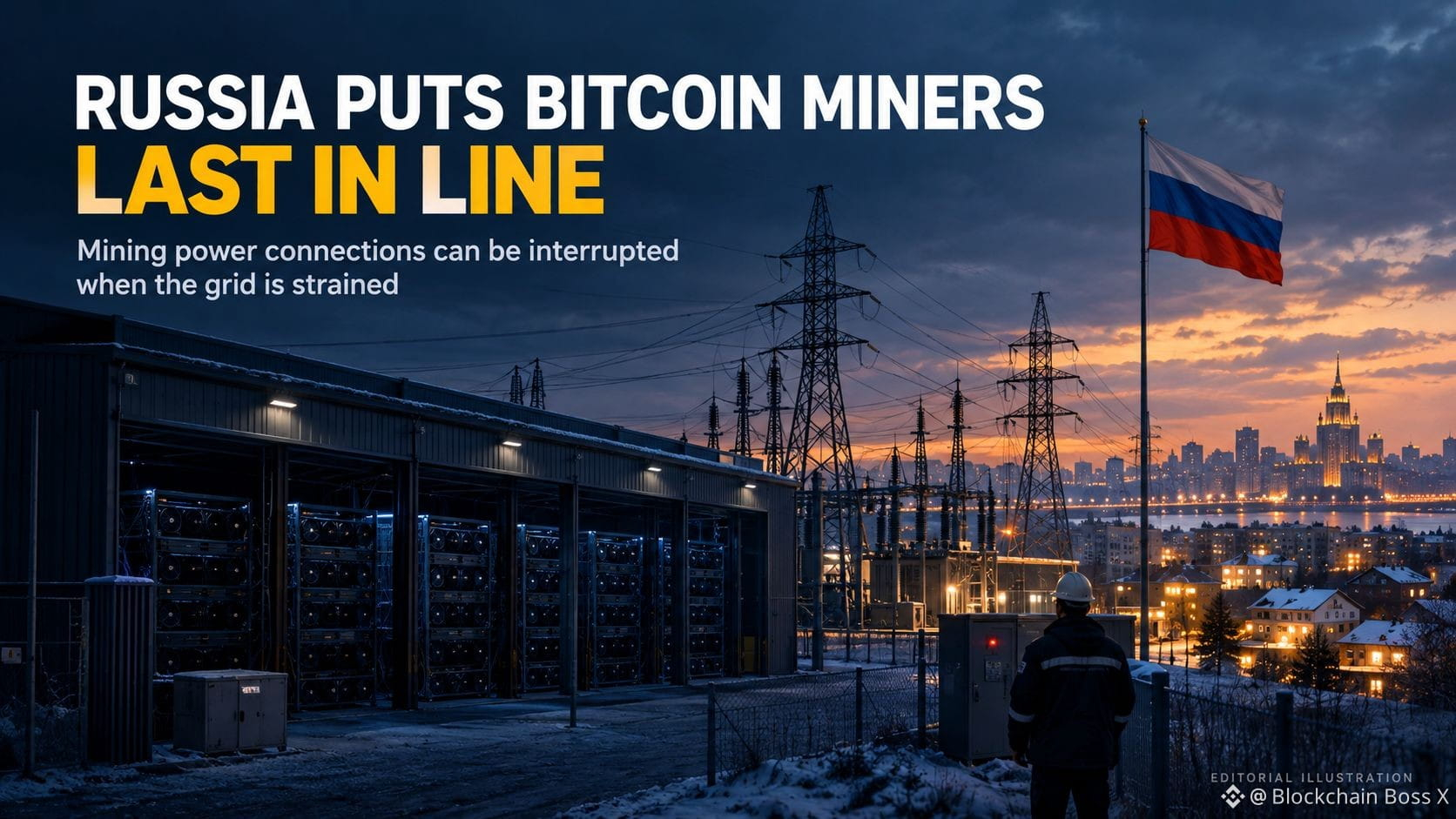
ရုရှားက Bitcoin မိုင်းလုပ်သားများကို လျှပ်စစ်ဖြတ်တောက်ခံရမည့် ပထမဆုံး ဝန်အားအဖြစ် သတ်မှတ်နေသည်
လျှပ်စစ်အား အလွန်အမင်းသုံးစွဲသော မိုင်းလုပ်သားများကို လျှပ်စစ်ဓာတ်အား၏ “ပြောင်းလွယ်ပြင်လွယ်ရှိသော” သုံးစွဲသူများအဖြစ် မကြာခဏ ဖော်ပြလေ့ရှိသည်။ ယခုအခါ ရုရှားက ထိုပြောင်းလွယ်ပြင်လွယ်ရှိမှုကို ဥပဒေအရ လိုအပ်ချက်တစ်ရပ်အဖြစ် သတ်မှတ်လိုက်သည်။
ဘာတွေ ပြောင်းလဲသွားသလဲဆိုတော့ အစိုးရသည် အောက်တိုဘာ 6 ရက်နေ့တွင် အမိန့်အမှတ် 1300 ကို အတည်ပြုခဲ့ပြီး စွမ်းအင်ဝန်ကြီးဌာနက အောက်တိုဘာ 9 ရက်နေ့တွင် အတည်ပြုကြောင်း ထုတ်ပြန်ခဲ့သည်။ ယင်းအမိန့်အရ ခရစ်ပ်တိုတူးဖော်ရေး စက်ရုံများနှင့် ဆက်စပ်အခြေခံအဆောက်အအုံများသည် လျှပ်စစ်ဓာတ်အားပေးဝေမှု ယုံကြည်စိတ်ချရမှု အမျိုးအစား 4 အောက်တွင် အမျိုးသားလျှပ်စစ်ဓာတ်အားကွန်ရက်နှင့် ချိတ်ဆက်ရမည်ဖြစ်သည်။ ထိုအမျိုးအစားအရ အာဏာပိုင်များသည် ကြိုတင်ညှိနှိုင်းမှုမပြုဘဲ မည်သည့်အချိန်တွင်မဆို ၎င်းတို့၏ လျှပ်စစ်ဓာတ်အားကို ဖြတ်တောက်နိုင်သည်။ လျှပ်စစ်စွမ်းအင် ပြတ်လပ်ကြောင်း ကြေညာထားသည့် ဒေသများတွင် နည်းပညာပိုင်းဆိုင်ရာ ချိတ်ဆက်မှုများ ပြုလုပ်ခွင့်ပေးရန်အတွက် ယင်းအမျိုးအစားကို ဖေဖော်ဝါရီလတွင် ဖန်တီးခဲ့ခြင်းဖြစ်ပြီး ထိုဒေသများ၌ သတ္တုတူးဖော်ရေးကို အခြားနည်းဖြင့် တားမြစ်ထားသည်။ စည်းမျဉ်းများသည် ချိတ်ဆက်မှုအသစ် လျှောက်ထားချက်များအပြင် ယခင်တင်သွင်းထားသော်လည်း မပြီးပြတ်သေးသော လျှောက်လွှာများကိုပါ အကျုံးဝင်သည်။ ပြီးစီးပြီး ဦးစားပေးအဆင့်မြင့်သော ချိတ်ဆက်မှုများရှိသည့် လက်ရှိစက်ရုံများကို ချက်ချင်းပြောင်းလဲရန် စည်းမျဉ်းစာသားတွင် ရှင်းလင်းစွာ မသတ်မှတ်ထားကြောင်း သတင်းများက ဖော်ပြသည်။ အိမ်ထောင်စုများ၏ လျှပ်စစ်ဓာတ်အားရရှိမှုကို မထိခိုက်စေဘဲ ရှိပြီးသား အခြေခံအဆောက်အအုံများကို အသုံးချနိုင်စေရန် ဤနည်းလမ်းကို လုပ်ဆောင်ခြင်းဖြစ်ကြောင်း ဝန်ကြီးဌာနက ပြောသည်။
ဒါက ဘာကြောင့် အရေးကြီးသလဲ။ ရုရှားသည် မိုင်းတူးဖော်ရေးအတွက် အဓိကကျသော နိုင်ငံတစ်နိုင်ငံဖြစ်ခဲ့ပြီး ထိုနိုင်ငံ၏ မူဝါဒများက ဟက်ရှ်ရိတ် တည်ရှိရာနေရာများအပေါ် သက်ရောက်မှုရှိသည်။ လုပ်ငန်းလုပ်ကိုင်သူများအတွက် ဈေးပေါသော လျှပ်စစ်ဓာတ်အား၏ ကုန်ကျစရိတ်တွင် ယခုအခါ ကြိုတင်ခန့်မှန်းမရသော လုပ်ငန်းရပ်နားချိန်များပါ ပါဝင်လာနိုင်ပြီး ယင်းက စီမံကိန်းရေးဆွဲခြင်း၊ ဘဏ္ဍာငွေရှာဖွေခြင်းနှင့် ဟာ့ဒ်ဝဲများ အဆက်မပြတ်လည်ပတ်နိုင်ရေးတို့ကို ပိုမိုရှုပ်ထွေးစေသည်။ ထို့အပြင် ၎င်းသည် ပိုမိုကျယ်ပြန့်လာသော လမ်းကြောင်းတစ်ခုကိုလည်း ထင်ဟပ်စေသည်။ လျှပ်စစ်ဓာတ်အားကွန်ရက်များ ဝန်ပိလာသည့်အခါ အစိုးရများသည် မိုင်းတူးဖော်ရေးကို ဦးစွာလျှော့ချရမည့်၊ လိုအပ်လျှင် ရပ်ဆိုင်းနိုင်သော လျှပ်စစ်ဝယ်လိုအားအဖြစ် ပိုမိုသတ်မှတ်လာကြသည်။
လျှပ်စစ်ဓာတ်အားရရှိမှုတွင် “နောက်ဆုံးတန်း” အမျိုးအစား သတ်မှတ်ခြင်းက မိုင်းတူးဖော်ရေးကို လျှပ်စစ်ဓာတ်အားကွန်ရက်များအတွက် ပိုမိုရေရှည်တည်တံ့စေသလား၊ ဒါမှမဟုတ် လုပ်ငန်းလုပ်ကိုင်သူတွေကို ပိုမိုအဆင်ပြေတဲ့ နိုင်ငံတွေဘက် တွန်းပို့ရုံပဲလား။ 🤔
#bitcoin #Mining #russia #energy
$BTC $LUMIA $STRK
{future}(STRKUSDT)
{future}(LUMIAUSDT)
{future}(BTCUSDT)
#RussiaRequiresCryptoMinersToSeekFourthCategoryGridConnections
ရုရှားက Bitcoin မိုင်းလုပ်သားများကို လျှပ်စစ်ဖြတ်တောက်ခံရမည့် ပထမဆုံး ဝန်အားအဖြစ် သတ်မှတ်နေသည်
လျှပ်စစ်အား အလွန်အမင်းသုံးစွဲသော မိုင်းလုပ်သားများကို လျှပ်စစ်ဓာတ်အား၏ “ပြောင်းလွယ်ပြင်လွယ်ရှိသော” သုံးစွဲသူများအဖြစ် မကြာခဏ ဖော်ပြလေ့ရှိသည်။ ယခုအခါ ရုရှားက ထိုပြောင်းလွယ်ပြင်လွယ်ရှိမှုကို ဥပဒေအရ လိုအပ်ချက်တစ်ရပ်အဖြစ် သတ်မှတ်လိုက်သည်။
ဘာတွေ ပြောင်းလဲသွားသလဲဆိုတော့ အစိုးရသည် အောက်တိုဘာ 6 ရက်နေ့တွင် အမိန့်အမှတ် 1300 ကို အတည်ပြုခဲ့ပြီး စွမ်းအင်ဝန်ကြီးဌာနက အောက်တိုဘာ 9 ရက်နေ့တွင် အတည်ပြုကြောင်း ထုတ်ပြန်ခဲ့သည်။ ယင်းအမိန့်အရ ခရစ်ပ်တိုတူးဖော်ရေး စက်ရုံများနှင့် ဆက်စပ်အခြေခံအဆောက်အအုံများသည် လျှပ်စစ်ဓာတ်အားပေးဝေမှု ယုံကြည်စိတ်ချရမှု အမျိုးအစား 4 အောက်တွင် အမျိုးသားလျှပ်စစ်ဓာတ်အားကွန်ရက်နှင့် ချိတ်ဆက်ရမည်ဖြစ်သည်။ ထိုအမျိုးအစားအရ အာဏာပိုင်များသည် ကြိုတင်ညှိနှိုင်းမှုမပြုဘဲ မည်သည့်အချိန်တွင်မဆို ၎င်းတို့၏ လျှပ်စစ်ဓာတ်အားကို ဖြတ်တောက်နိုင်သည်။ လျှပ်စစ်စွမ်းအင် ပြတ်လပ်ကြောင်း ကြေညာထားသည့် ဒေသများတွင် နည်းပညာပိုင်းဆိုင်ရာ ချိတ်ဆက်မှုများ ပြုလုပ်ခွင့်ပေးရန်အတွက် ယင်းအမျိုးအစားကို ဖေဖော်ဝါရီလတွင် ဖန်တီးခဲ့ခြင်းဖြစ်ပြီး ထိုဒေသများ၌ သတ္တုတူးဖော်ရေးကို အခြားနည်းဖြင့် တားမြစ်ထားသည်။ စည်းမျဉ်းများသည် ချိတ်ဆက်မှုအသစ် လျှောက်ထားချက်များအပြင် ယခင်တင်သွင်းထားသော်လည်း မပြီးပြတ်သေးသော လျှောက်လွှာများကိုပါ အကျုံးဝင်သည်။ ပြီးစီးပြီး ဦးစားပေးအဆင့်မြင့်သော ချိတ်ဆက်မှုများရှိသည့် လက်ရှိစက်ရုံများကို ချက်ချင်းပြောင်းလဲရန် စည်းမျဉ်းစာသားတွင် ရှင်းလင်းစွာ မသတ်မှတ်ထားကြောင်း သတင်းများက ဖော်ပြသည်။ အိမ်ထောင်စုများ၏ လျှပ်စစ်ဓာတ်အားရရှိမှုကို မထိခိုက်စေဘဲ ရှိပြီးသား အခြေခံအဆောက်အအုံများကို အသုံးချနိုင်စေရန် ဤနည်းလမ်းကို လုပ်ဆောင်ခြင်းဖြစ်ကြောင်း ဝန်ကြီးဌာနက ပြောသည်။
ဒါက ဘာကြောင့် အရေးကြီးသလဲ။ ရုရှားသည် မိုင်းတူးဖော်ရေးအတွက် အဓိကကျသော နိုင်ငံတစ်နိုင်ငံဖြစ်ခဲ့ပြီး ထိုနိုင်ငံ၏ မူဝါဒများက ဟက်ရှ်ရိတ် တည်ရှိရာနေရာများအပေါ် သက်ရောက်မှုရှိသည်။ လုပ်ငန်းလုပ်ကိုင်သူများအတွက် ဈေးပေါသော လျှပ်စစ်ဓာတ်အား၏ ကုန်ကျစရိတ်တွင် ယခုအခါ ကြိုတင်ခန့်မှန်းမရသော လုပ်ငန်းရပ်နားချိန်များပါ ပါဝင်လာနိုင်ပြီး ယင်းက စီမံကိန်းရေးဆွဲခြင်း၊ ဘဏ္ဍာငွေရှာဖွေခြင်းနှင့် ဟာ့ဒ်ဝဲများ အဆက်မပြတ်လည်ပတ်နိုင်ရေးတို့ကို ပိုမိုရှုပ်ထွေးစေသည်။ ထို့အပြင် ၎င်းသည် ပိုမိုကျယ်ပြန့်လာသော လမ်းကြောင်းတစ်ခုကိုလည်း ထင်ဟပ်စေသည်။ လျှပ်စစ်ဓာတ်အားကွန်ရက်များ ဝန်ပိလာသည့်အခါ အစိုးရများသည် မိုင်းတူးဖော်ရေးကို ဦးစွာလျှော့ချရမည့်၊ လိုအပ်လျှင် ရပ်ဆိုင်းနိုင်သော လျှပ်စစ်ဝယ်လိုအားအဖြစ် ပိုမိုသတ်မှတ်လာကြသည်။
လျှပ်စစ်ဓာတ်အားရရှိမှုတွင် “နောက်ဆုံးတန်း” အမျိုးအစား သတ်မှတ်ခြင်းက မိုင်းတူးဖော်ရေးကို လျှပ်စစ်ဓာတ်အားကွန်ရက်များအတွက် ပိုမိုရေရှည်တည်တံ့စေသလား၊ ဒါမှမဟုတ် လုပ်ငန်းလုပ်ကိုင်သူတွေကို ပိုမိုအဆင်ပြေတဲ့ နိုင်ငံတွေဘက် တွန်းပို့ရုံပဲလား။ 🤔
#bitcoin #Mining #russia #energy
$BTC $LUMIA $STRK
475
#LedgerConfirmsUnauthorizedHardwareImplantInUserDevice
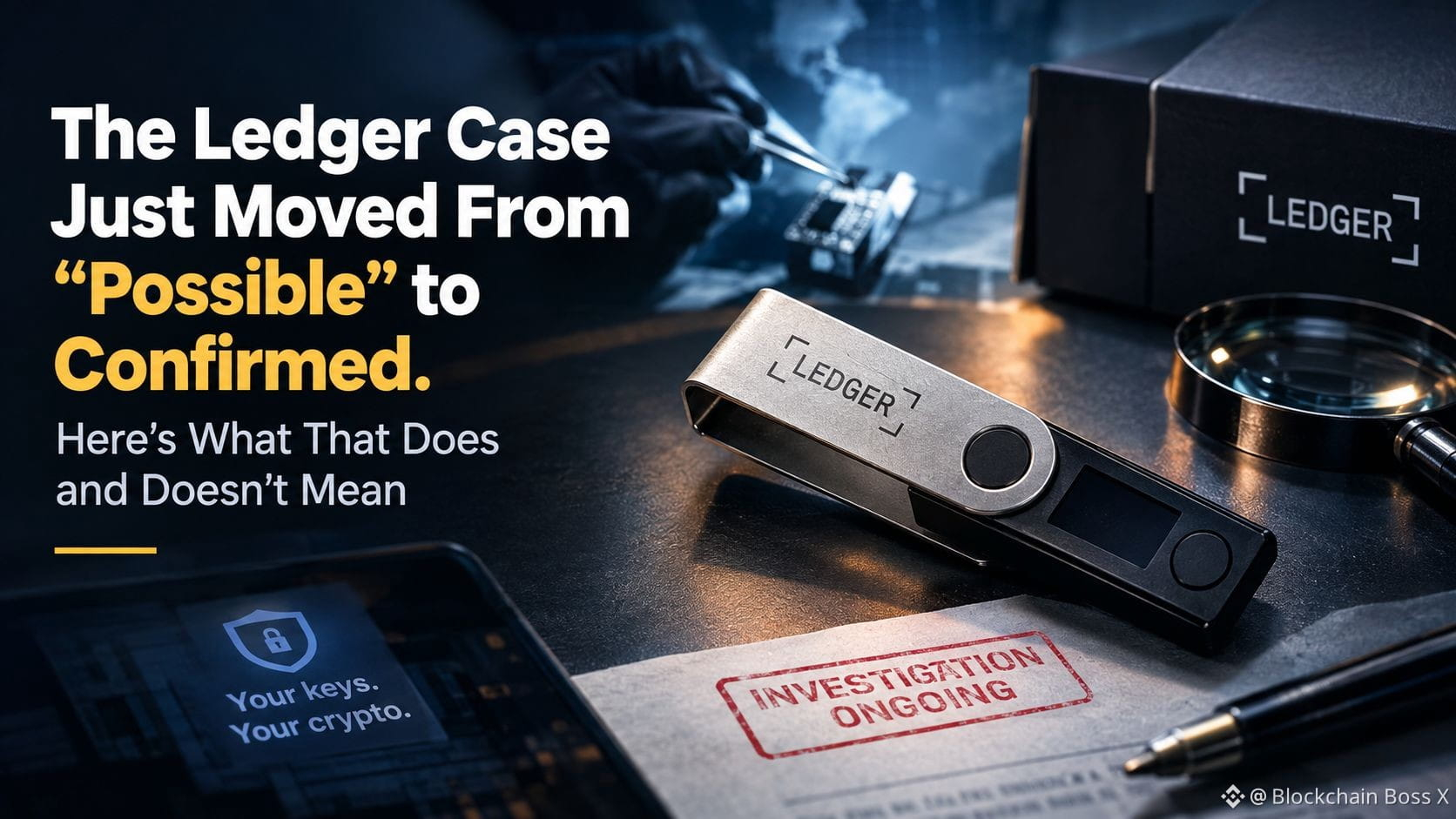
Ledger ဖြစ်ရပ်သည် “ဖြစ်နိုင်ခြေရှိသည်” အဆင့်မှ “အတည်ပြုပြီး” အဆင့်သို့ ရောက်ရှိသွားပြီ။ ဒါက ဘာကိုဆိုလိုပြီး ဘာကိုမဆိုလိုသလဲ
ဒီသတင်း စတင်ပေါ်ထွက်လာချိန်မှာ အဓိကမေးခွန်းက စက်ပစ္စည်းတွေကိုယ်တိုင်ကို တစ်စုံတစ်ရာ ပြုပြင်မွမ်းမံထားသလား ဆိုတာပါ။ Ledger က အခုတော့ တစ်စိတ်တစ်ပိုင်း အဖြေထုတ်ပြန်လိုက်ပါပြီ။
နောက်ဆုံးရသတင်းကတော့ Ledger Support က ထိခိုက်ခံရသူတစ်ဦး၏ စက်ပစ္စည်းထဲတွင် ခွင့်ပြုချက်မရှိသော ဟာ့ဒ်ဝဲကိရိယာတစ်ခု ထည့်သွင်းထားကြောင်း အတည်ပြုခဲ့ပါတယ်။ ကုမ္ပဏီသည် ထိခိုက်ခံရသူများကို ဆက်သွယ်နေပြီး ဥပဒေစိုးမိုးရေးအဖွဲ့များနှင့် ပူးပေါင်းဆောင်ရွက်နေသလို အကူအညီပေးခဲ့သည့် SEAL 911 လုံခြုံရေးအဖွဲ့ကိုလည်း ကျေးဇူးတင်ကြောင်း ပြောကြားခဲ့ပါတယ်။ ကုမ္ပဏီ၏ ကိုယ်ပိုင်စနစ်များ၊ အခြေခံအဆောက်အအုံများ သို့မဟုတ် ဝန်ဆောင်မှုများ ထိခိုက်ခံရကြောင်း သက်သေမရှိဟုလည်း ဆိုပါတယ်။ ပြန်လည်ရောင်းချသူ CryptoBilis က စုံစမ်းစစ်ဆေးမှု ပြီးဆုံးသည်အထိ ဟာ့ဒ်ဝဲပိုက်ဆံအိတ်များ ရောင်းချခြင်းကို ရပ်ဆိုင်းထားကြောင်း အတည်ပြုခဲ့ပါတယ်။ Ledger ၏ အကြံပြုချက်မှာ ထိုပြန်လည်ရောင်းချသူထံမှ ဝယ်ယူထားသော စက်ပစ္စည်းကို မစတင်အသုံးပြုရသေးပါက စတင်မပြင်ဆင်ပါနှင့်၊ စတင်အသုံးပြုပြီးပါက အသစ်ပြုလုပ်ထားသော ပြန်လည်ရယူရေးစကားစုဖြင့် လက်မှတ်ထိုးသူအသစ်ထံ ပိုင်ဆိုင်မှုများ ပြောင်းရွှေ့ရန် စဉ်းစားပါ ဆိုတာပါ။ ထို့အပြင် စကားလုံး ၂၄ လုံးပါသော စကားစုကို မည်သည့်အခါမျှ တောင်းဆိုမည်မဟုတ်ကြောင်း ထပ်မံပြောကြားခဲ့ပါတယ်။ ဒီသတင်းကို အခွင့်ကောင်းယူရန် ကြိုးပမ်းလာနိုင်သည့် လိမ်လည်သူများ ရှိနိုင်သောကြောင့် ဒီအချက်က အသုံးဝင်ပါတယ်။
အရေးကြီးတာက စက်ပစ္စည်းတစ်လုံးထဲတွင် ထည့်သွင်းထားသော ကိရိယာတစ်ခု ရှိကြောင်း အတည်ပြုနိုင်ခြင်းက အစီရင်ခံထားသည့် ဆုံးရှုံးမှုအားလုံးကို ၎င်းက ဖြစ်စေခဲ့ကြောင်း သက်သေမပြနိုင်ပါဘူး။ ပြင်ပခန့်မှန်းချက်များအရ ဆုံးရှုံးမှုသည် ဒေါ်လာ ၈၆ သန်းခန့်မှ ဒေါ်လာ ၉၃ သန်းခန့်အထိ ရှိပါတယ်။ စက်ပစ္စည်း ဘယ်နှစ်လုံး ထိခိုက်ခဲ့သလဲ၊ ဘယ်နေရာမှာ ပြုပြင်မွမ်းမံမှု ဖြစ်ပွားခဲ့သလဲဆိုတာတွေကိုတော့ မဖြေရှင်းရသေးပါဘူး။
ဒါက ဘာကြောင့် အရေးကြီးတာလဲ။ ဟာ့ဒ်ဝဲပိုက်ဆံအိတ်တွေက အဝေးမှတိုက်ခိုက်မှုတွေကို ကာကွယ်ပေးပေမယ့် ထောက်ပံ့ရေးကွင်းဆက်အတွင်း ကိုယ်ထိလက်ရောက် ပြုပြင်မွမ်းမံခြင်းက မတူညီတဲ့ ခြိမ်းခြောက်မှုတစ်မျိုးဖြစ်ပြီး အသုံးပြုသူတွေ အလွယ်တကူ မမြင်နိုင်ပါဘူး။ ပိုမိုအားကောင်းတဲ့ ပြုပြင်မွမ်းမံမှုတားဆီးရေး အစီအမံတွေကို ဖော်ဆောင်နေကြောင်း Ledger က ပြောပါတယ်။
ယုံကြည်မှုဟာ ဝယ်ယူတဲ့အချိန်ကစတင်တယ်ဆိုရင် ထုပ်ပိုးပစ္စည်းနဲ့ မူလရင်းမြစ်အပေါ် အသုံးပြုသူတွေ ဘယ်လောက်အထိ အားကိုးသင့်ပြီး အရာအားလုံးကို ကိုယ်တိုင်စစ်ဆေးခြင်းအပေါ် ဘယ်လောက်အထိ အားကိုးသင့်သလဲ။ 🤔
#Ledger #CryptoSecurity #SupplyChain
$LUMIA $STRK $CFX
{future}(CFXUSDT)
{future}(STRKUSDT)
{future}(LUMIAUSDT)
#LedgerConfirmsUnauthorizedHardwareImplantInUserDevice
Ledger ဖြစ်ရပ်သည် “ဖြစ်နိုင်ခြေရှိသည်” အဆင့်မှ “အတည်ပြုပြီး” အဆင့်သို့ ရောက်ရှိသွားပြီ။ ဒါက ဘာကိုဆိုလိုပြီး ဘာကိုမဆိုလိုသလဲ
ဒီသတင်း စတင်ပေါ်ထွက်လာချိန်မှာ အဓိကမေးခွန်းက စက်ပစ္စည်းတွေကိုယ်တိုင်ကို တစ်စုံတစ်ရာ ပြုပြင်မွမ်းမံထားသလား ဆိုတာပါ။ Ledger က အခုတော့ တစ်စိတ်တစ်ပိုင်း အဖြေထုတ်ပြန်လိုက်ပါပြီ။
နောက်ဆုံးရသတင်းကတော့ Ledger Support က ထိခိုက်ခံရသူတစ်ဦး၏ စက်ပစ္စည်းထဲတွင် ခွင့်ပြုချက်မရှိသော ဟာ့ဒ်ဝဲကိရိယာတစ်ခု ထည့်သွင်းထားကြောင်း အတည်ပြုခဲ့ပါတယ်။ ကုမ္ပဏီသည် ထိခိုက်ခံရသူများကို ဆက်သွယ်နေပြီး ဥပဒေစိုးမိုးရေးအဖွဲ့များနှင့် ပူးပေါင်းဆောင်ရွက်နေသလို အကူအညီပေးခဲ့သည့် SEAL 911 လုံခြုံရေးအဖွဲ့ကိုလည်း ကျေးဇူးတင်ကြောင်း ပြောကြားခဲ့ပါတယ်။ ကုမ္ပဏီ၏ ကိုယ်ပိုင်စနစ်များ၊ အခြေခံအဆောက်အအုံများ သို့မဟုတ် ဝန်ဆောင်မှုများ ထိခိုက်ခံရကြောင်း သက်သေမရှိဟုလည်း ဆိုပါတယ်။ ပြန်လည်ရောင်းချသူ CryptoBilis က စုံစမ်းစစ်ဆေးမှု ပြီးဆုံးသည်အထိ ဟာ့ဒ်ဝဲပိုက်ဆံအိတ်များ ရောင်းချခြင်းကို ရပ်ဆိုင်းထားကြောင်း အတည်ပြုခဲ့ပါတယ်။ Ledger ၏ အကြံပြုချက်မှာ ထိုပြန်လည်ရောင်းချသူထံမှ ဝယ်ယူထားသော စက်ပစ္စည်းကို မစတင်အသုံးပြုရသေးပါက စတင်မပြင်ဆင်ပါနှင့်၊ စတင်အသုံးပြုပြီးပါက အသစ်ပြုလုပ်ထားသော ပြန်လည်ရယူရေးစကားစုဖြင့် လက်မှတ်ထိုးသူအသစ်ထံ ပိုင်ဆိုင်မှုများ ပြောင်းရွှေ့ရန် စဉ်းစားပါ ဆိုတာပါ။ ထို့အပြင် စကားလုံး ၂၄ လုံးပါသော စကားစုကို မည်သည့်အခါမျှ တောင်းဆိုမည်မဟုတ်ကြောင်း ထပ်မံပြောကြားခဲ့ပါတယ်။ ဒီသတင်းကို အခွင့်ကောင်းယူရန် ကြိုးပမ်းလာနိုင်သည့် လိမ်လည်သူများ ရှိနိုင်သောကြောင့် ဒီအချက်က အသုံးဝင်ပါတယ်။
အရေးကြီးတာက စက်ပစ္စည်းတစ်လုံးထဲတွင် ထည့်သွင်းထားသော ကိရိယာတစ်ခု ရှိကြောင်း အတည်ပြုနိုင်ခြင်းက အစီရင်ခံထားသည့် ဆုံးရှုံးမှုအားလုံးကို ၎င်းက ဖြစ်စေခဲ့ကြောင်း သက်သေမပြနိုင်ပါဘူး။ ပြင်ပခန့်မှန်းချက်များအရ ဆုံးရှုံးမှုသည် ဒေါ်လာ ၈၆ သန်းခန့်မှ ဒေါ်လာ ၉၃ သန်းခန့်အထိ ရှိပါတယ်။ စက်ပစ္စည်း ဘယ်နှစ်လုံး ထိခိုက်ခဲ့သလဲ၊ ဘယ်နေရာမှာ ပြုပြင်မွမ်းမံမှု ဖြစ်ပွားခဲ့သလဲဆိုတာတွေကိုတော့ မဖြေရှင်းရသေးပါဘူး။
ဒါက ဘာကြောင့် အရေးကြီးတာလဲ။ ဟာ့ဒ်ဝဲပိုက်ဆံအိတ်တွေက အဝေးမှတိုက်ခိုက်မှုတွေကို ကာကွယ်ပေးပေမယ့် ထောက်ပံ့ရေးကွင်းဆက်အတွင်း ကိုယ်ထိလက်ရောက် ပြုပြင်မွမ်းမံခြင်းက မတူညီတဲ့ ခြိမ်းခြောက်မှုတစ်မျိုးဖြစ်ပြီး အသုံးပြုသူတွေ အလွယ်တကူ မမြင်နိုင်ပါဘူး။ ပိုမိုအားကောင်းတဲ့ ပြုပြင်မွမ်းမံမှုတားဆီးရေး အစီအမံတွေကို ဖော်ဆောင်နေကြောင်း Ledger က ပြောပါတယ်။
ယုံကြည်မှုဟာ ဝယ်ယူတဲ့အချိန်ကစတင်တယ်ဆိုရင် ထုပ်ပိုးပစ္စည်းနဲ့ မူလရင်းမြစ်အပေါ် အသုံးပြုသူတွေ ဘယ်လောက်အထိ အားကိုးသင့်ပြီး အရာအားလုံးကို ကိုယ်တိုင်စစ်ဆေးခြင်းအပေါ် ဘယ်လောက်အထိ အားကိုးသင့်သလဲ။ 🤔
#Ledger #CryptoSecurity #SupplyChain
$LUMIA $STRK $CFX
1.3k
ဘာသာပြန်ဆိုချက် ကြည့်မည်
#etheretfsextendoutflowstoninedays
Ether ETFs Are Nine Days Into a Losing Streak — But Look at What’s Actually Shrinking
Nine straight sessions of outflows sounds dramatic. The finer print is more nuanced.
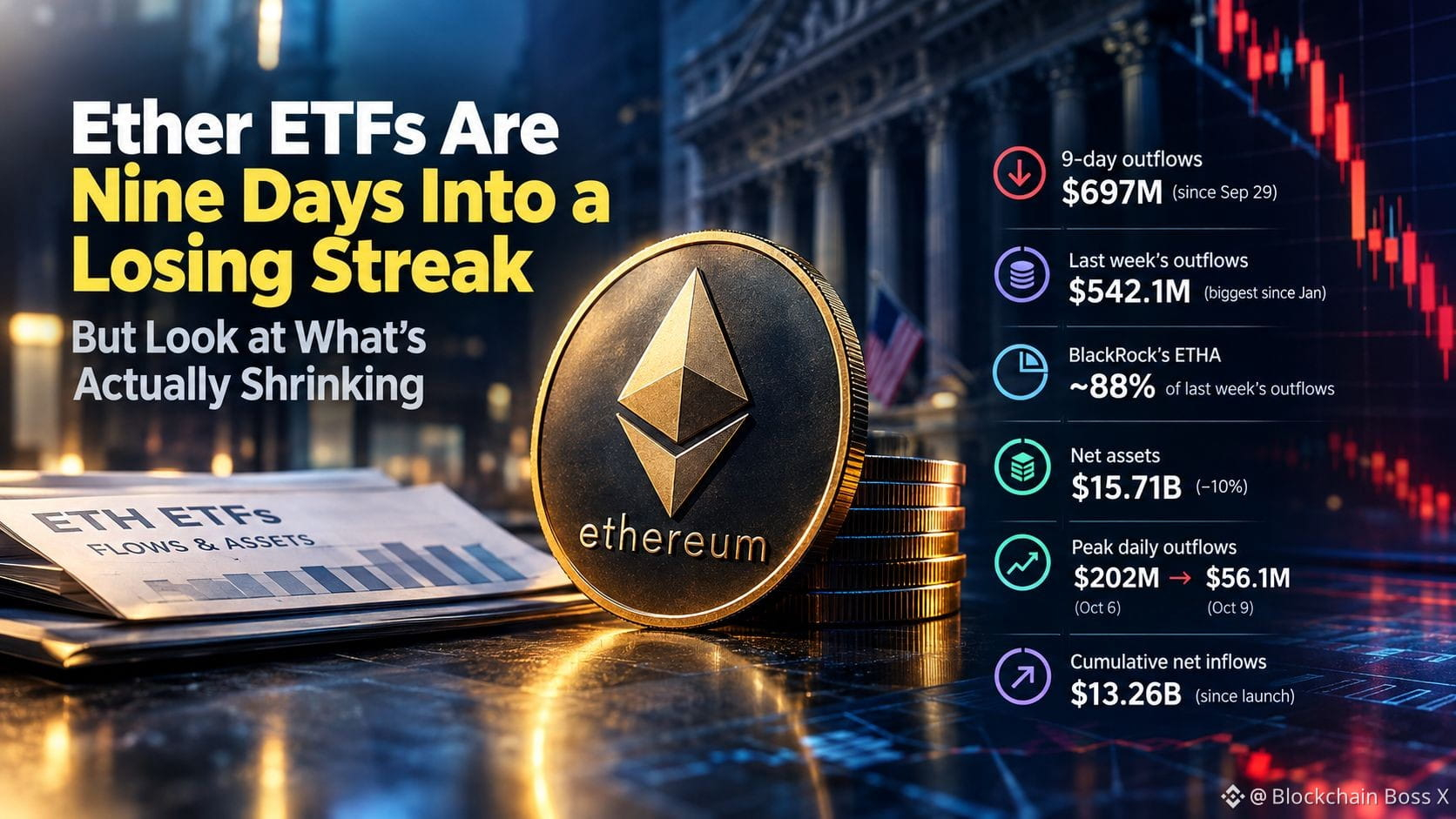
US spot Ether ETFs have recorded net outflows every trading day since September 29, totaling about $697 million, according to SoSoValue. Last week alone, outflows reached $542.1 million — the biggest weekly decline since January. BlackRock’s ETHA accounted for roughly 88% of that amount.
But there’s an important distinction: ETF net assets fell about 10% to $15.71 billion, yet most of that decline reflects ETH’s price drop rather than investor withdrawals.
The pace of selling has also slowed. Daily outflows peaked near $202 million on October 6 before easing to $56.1 million on October 9. Cumulative net inflows since launch remain around $13.26 billion.
The broader picture is also softer, with Solana ETFs ending a record 14-week inflow streak and Bitcoin funds losing $681 million.
My take: ETF flows are useful for measuring regulated demand, but they can follow price weakness rather than cause it. Falling outflows are encouraging, but they aren't the same as renewed buying.
The next few sessions may reveal whether this is exhaustion or simply a pause.
When ETF assets fall, which matters more: net outflows or the underlying asset’s price move? 🤔
#Ethereum #ETH #etf
$ETH $LUMIA $STRK
{spot}(STRKUSDT)
{spot}(LUMIAUSDT)
{spot}(ETHUSDT)
#etheretfsextendoutflowstoninedays
Ether ETFs Are Nine Days Into a Losing Streak — But Look at What’s Actually Shrinking
Nine straight sessions of outflows sounds dramatic. The finer print is more nuanced.
US spot Ether ETFs have recorded net outflows every trading day since September 29, totaling about $697 million, according to SoSoValue. Last week alone, outflows reached $542.1 million — the biggest weekly decline since January. BlackRock’s ETHA accounted for roughly 88% of that amount.
But there’s an important distinction: ETF net assets fell about 10% to $15.71 billion, yet most of that decline reflects ETH’s price drop rather than investor withdrawals.
The pace of selling has also slowed. Daily outflows peaked near $202 million on October 6 before easing to $56.1 million on October 9. Cumulative net inflows since launch remain around $13.26 billion.
The broader picture is also softer, with Solana ETFs ending a record 14-week inflow streak and Bitcoin funds losing $681 million.
My take: ETF flows are useful for measuring regulated demand, but they can follow price weakness rather than cause it. Falling outflows are encouraging, but they aren't the same as renewed buying.
The next few sessions may reveal whether this is exhaustion or simply a pause.
When ETF assets fall, which matters more: net outflows or the underlying asset’s price move? 🤔
#Ethereum #ETH #etf
$ETH $LUMIA $STRK
1
8
18.1k
#xrpledgerpatchesxrpcreationbug
XRP ၏ ပုံသေသတ်မှတ်ထားသော ပမာဏသည် ကုဒ်ထဲတွင် ဆယ်စုနှစ်ခန့် ရှိနေခဲ့သည့် ချို့ယွင်းချက်တစ်ခုကို ယခုမှ ကျော်လွှားနိုင်ခဲ့သည်
ခရစ်ပတိုလောကတွင် “ပုံသေသတ်မှတ်ထားသော ပမာဏ” ဆိုသည်မှာ အခိုင်မာဆုံးပြောဆိုချက်များထဲမှ တစ်ခုဖြစ်သည်။ ယခုသီတင်းပတ်တွင် XRP Ledger က ထိုပြောဆိုချက်ကို စမ်းသပ်နိုင်ခဲ့သည့် ချို့ယွင်းချက်တစ်ခုကို ထုတ်ဖော်ခဲ့သည်။
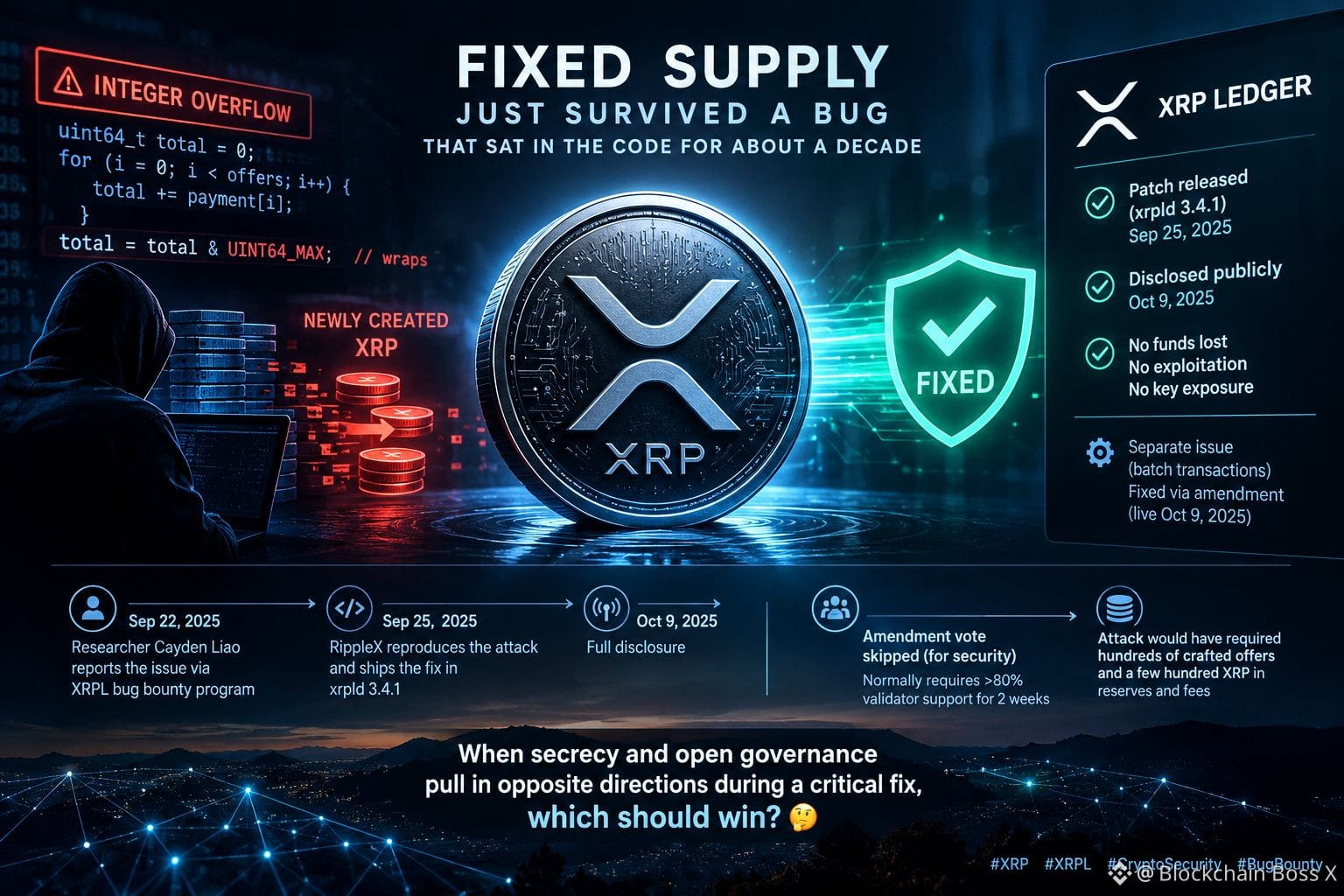
ဖြစ်စဉ်အချိန်ဇယားမှာ ဤသို့ဖြစ်သည်။ သုတေသီ Cayden Liao သည် စက်တင်ဘာ 22 ရက်နေ့တွင် XRPL ၏ ချို့ယွင်းချက်ဆုကြေးအစီအစဉ်မှတစ်ဆင့် ပြဿနာကို တင်ပြခဲ့သည်။ ၎င်းမှာ ငွေပေးချေမှုစနစ်ရှိ ကိန်းပြည့်တန်ဖိုးကျော်လွန်မှု ချို့ယွင်းချက်ဖြစ်သည်။ ငွေပေးချေမှုတစ်ခုက DEX အရောင်းကမ်းလှမ်းချက်များစွာကို အသုံးပြုသည့်အခါ 64-bit ဂဏန်းသင်္ချာတွက်ချက်မှုတွင် စစ်ဆေးမှုမရှိပါက စုစုပေါင်းပမာဏသည် ပိုနည်းသည့် ကိန်းတစ်ခုအဖြစ် ပြန်လည်လည်ပတ်သွားနိုင်ပြီး၊ ရောင်းချသူများကမူ ပမာဏအပြည့်အဝကို ဆက်လက်ရရှိကြသည်။ ကွာဟသွားသည့်ပမာဏသည် အသစ်ဖန်တီးထားပြီး သုံးစွဲနိုင်သော XRP ဖြစ်လာနိုင်သည်။ ဤချို့ယွင်းချက်သည် 2015 ခုနှစ်ကတည်းက ရှိနေနိုင်သည်။ RippleX သည် တိုက်ခိုက်မှုကို ပြန်လည်ဖန်တီးစမ်းသပ်ခဲ့ပြီး စက်တင်ဘာ 25 ရက်နေ့တွင် xrpld 3.4.1 ၌ ပြင်ဆင်ချက်ကို ထုတ်ပြန်ခဲ့ကာ အောက်တိုဘာ 9 ရက်နေ့တွင် အချက်အလက်အားလုံးကို ထုတ်ဖော်ခဲ့သည်။ တိုက်ခိုက်ရန်အတွက် အထူးပြုလုပ်ထားသည့် ကမ်းလှမ်းချက်ရာနှင့်ချီနှင့် အရံငွေ၊ အခကြေးငွေအဖြစ် XRP ရာဂဏန်းခန့် လိုအပ်ခဲ့သည်ဟု သိရသည်။ ထို့အပြင် အမြတ်ထုတ်တိုက်ခိုက်မှု၊ ရန်ပုံငွေဆုံးရှုံးမှု သို့မဟုတ် သော့ပေါက်ကြားမှုရှိခဲ့ကြောင်း အထောက်အထားမတွေ့ခဲ့ဟု အဖွဲ့က ဆိုသည်။ ပြင်းထန်မှုနည်းပါးသည့် သီးခြားအသုတ်လိုက်ငွေလွှဲမှု ချို့ယွင်းချက်တစ်ခုကိုလည်း ထိုနေ့တွင် အသက်ဝင်လာသည့် ပြင်ဆင်ချက်တစ်ခုဖြင့် ဖြေရှင်းခဲ့သည်။
ဒါက ဘာကြောင့် အရေးကြီးတာလဲ။ ပုံမှန်အားဖြင့် အတည်ပြုသူများ၏ 80% ကျော်က နှစ်ပတ်ကြာ ထောက်ခံမဲပေးရန် လိုအပ်သည့် ပြင်ဆင်ချက်မဲပေးမှုကို ဤပြင်ဆင်ချက်တွင် ကျော်သွားခဲ့သည်။ အကြောင်းမှာ လူသိရှင်ကြား မဲပေးခြင်းက အားနည်းချက်ကို ကြော်ငြာသကဲ့သို့ ဖြစ်သွားနိုင်သောကြောင့်ဖြစ်သည်။ လုံခြုံရေးအရ သင့်လျော်သော ဆုံးဖြတ်ချက်တစ်ခုဖြစ်သော်လည်း ပင်မဆော့ဖ်ဝဲရေးသားသူများအပေါ် ယုံကြည်မှုနှင့် စနစ်ကို လည်ပတ်သူများက အမြန်အဆင့်မြှင့်တင်ခြင်းအပေါ် ယုံကြည်မှု မည်မျှအရေးပါကြောင်း ပြသနေသည်။ ချို့ယွင်းချက်ဆုကြေးအစီအစဉ်ကလည်း မိမိတာဝန်ကို ကျေပွန်စွာ ထမ်းဆောင်ခဲ့ကြောင်း ပြသသည်။
အရေးကြီးသော ပြင်ဆင်မှုတစ်ခု ပြုလုပ်နေချိန်တွင် လျှို့ဝှက်ထားမှုနှင့် ပွင့်လင်းသော အုပ်ချုပ်မှုတို့ ဆန့်ကျင်ဘက်ဖြစ်လာပါက ဘယ်ဘက်ကို ဦးစားပေးသင့်သလဲ။ 🤔
#xrp #XRPL #CryptoSecurity #BugBounty
$XRP $MAGIC $LUMIA
{future}(LUMIAUSDT)
{future}(MAGICUSDT)
{future}(XRPUSDT)
#xrpledgerpatchesxrpcreationbug
XRP ၏ ပုံသေသတ်မှတ်ထားသော ပမာဏသည် ကုဒ်ထဲတွင် ဆယ်စုနှစ်ခန့် ရှိနေခဲ့သည့် ချို့ယွင်းချက်တစ်ခုကို ယခုမှ ကျော်လွှားနိုင်ခဲ့သည်
ခရစ်ပတိုလောကတွင် “ပုံသေသတ်မှတ်ထားသော ပမာဏ” ဆိုသည်မှာ အခိုင်မာဆုံးပြောဆိုချက်များထဲမှ တစ်ခုဖြစ်သည်။ ယခုသီတင်းပတ်တွင် XRP Ledger က ထိုပြောဆိုချက်ကို စမ်းသပ်နိုင်ခဲ့သည့် ချို့ယွင်းချက်တစ်ခုကို ထုတ်ဖော်ခဲ့သည်။
ဖြစ်စဉ်အချိန်ဇယားမှာ ဤသို့ဖြစ်သည်။ သုတေသီ Cayden Liao သည် စက်တင်ဘာ 22 ရက်နေ့တွင် XRPL ၏ ချို့ယွင်းချက်ဆုကြေးအစီအစဉ်မှတစ်ဆင့် ပြဿနာကို တင်ပြခဲ့သည်။ ၎င်းမှာ ငွေပေးချေမှုစနစ်ရှိ ကိန်းပြည့်တန်ဖိုးကျော်လွန်မှု ချို့ယွင်းချက်ဖြစ်သည်။ ငွေပေးချေမှုတစ်ခုက DEX အရောင်းကမ်းလှမ်းချက်များစွာကို အသုံးပြုသည့်အခါ 64-bit ဂဏန်းသင်္ချာတွက်ချက်မှုတွင် စစ်ဆေးမှုမရှိပါက စုစုပေါင်းပမာဏသည် ပိုနည်းသည့် ကိန်းတစ်ခုအဖြစ် ပြန်လည်လည်ပတ်သွားနိုင်ပြီး၊ ရောင်းချသူများကမူ ပမာဏအပြည့်အဝကို ဆက်လက်ရရှိကြသည်။ ကွာဟသွားသည့်ပမာဏသည် အသစ်ဖန်တီးထားပြီး သုံးစွဲနိုင်သော XRP ဖြစ်လာနိုင်သည်။ ဤချို့ယွင်းချက်သည် 2015 ခုနှစ်ကတည်းက ရှိနေနိုင်သည်။ RippleX သည် တိုက်ခိုက်မှုကို ပြန်လည်ဖန်တီးစမ်းသပ်ခဲ့ပြီး စက်တင်ဘာ 25 ရက်နေ့တွင် xrpld 3.4.1 ၌ ပြင်ဆင်ချက်ကို ထုတ်ပြန်ခဲ့ကာ အောက်တိုဘာ 9 ရက်နေ့တွင် အချက်အလက်အားလုံးကို ထုတ်ဖော်ခဲ့သည်။ တိုက်ခိုက်ရန်အတွက် အထူးပြုလုပ်ထားသည့် ကမ်းလှမ်းချက်ရာနှင့်ချီနှင့် အရံငွေ၊ အခကြေးငွေအဖြစ် XRP ရာဂဏန်းခန့် လိုအပ်ခဲ့သည်ဟု သိရသည်။ ထို့အပြင် အမြတ်ထုတ်တိုက်ခိုက်မှု၊ ရန်ပုံငွေဆုံးရှုံးမှု သို့မဟုတ် သော့ပေါက်ကြားမှုရှိခဲ့ကြောင်း အထောက်အထားမတွေ့ခဲ့ဟု အဖွဲ့က ဆိုသည်။ ပြင်းထန်မှုနည်းပါးသည့် သီးခြားအသုတ်လိုက်ငွေလွှဲမှု ချို့ယွင်းချက်တစ်ခုကိုလည်း ထိုနေ့တွင် အသက်ဝင်လာသည့် ပြင်ဆင်ချက်တစ်ခုဖြင့် ဖြေရှင်းခဲ့သည်။
ဒါက ဘာကြောင့် အရေးကြီးတာလဲ။ ပုံမှန်အားဖြင့် အတည်ပြုသူများ၏ 80% ကျော်က နှစ်ပတ်ကြာ ထောက်ခံမဲပေးရန် လိုအပ်သည့် ပြင်ဆင်ချက်မဲပေးမှုကို ဤပြင်ဆင်ချက်တွင် ကျော်သွားခဲ့သည်။ အကြောင်းမှာ လူသိရှင်ကြား မဲပေးခြင်းက အားနည်းချက်ကို ကြော်ငြာသကဲ့သို့ ဖြစ်သွားနိုင်သောကြောင့်ဖြစ်သည်။ လုံခြုံရေးအရ သင့်လျော်သော ဆုံးဖြတ်ချက်တစ်ခုဖြစ်သော်လည်း ပင်မဆော့ဖ်ဝဲရေးသားသူများအပေါ် ယုံကြည်မှုနှင့် စနစ်ကို လည်ပတ်သူများက အမြန်အဆင့်မြှင့်တင်ခြင်းအပေါ် ယုံကြည်မှု မည်မျှအရေးပါကြောင်း ပြသနေသည်။ ချို့ယွင်းချက်ဆုကြေးအစီအစဉ်ကလည်း မိမိတာဝန်ကို ကျေပွန်စွာ ထမ်းဆောင်ခဲ့ကြောင်း ပြသသည်။
အရေးကြီးသော ပြင်ဆင်မှုတစ်ခု ပြုလုပ်နေချိန်တွင် လျှို့ဝှက်ထားမှုနှင့် ပွင့်လင်းသော အုပ်ချုပ်မှုတို့ ဆန့်ကျင်ဘက်ဖြစ်လာပါက ဘယ်ဘက်ကို ဦးစားပေးသင့်သလဲ။ 🤔
#xrp #XRPL #CryptoSecurity #BugBounty
$XRP $MAGIC $LUMIA
1.6k
စိစစ်အတည်ပြုထားသည်
#strkrisesabout20%in24hours
Starknet က Ethereum မှ ခွဲထွက်ရန် စဉ်းစားနေကြောင်း ထုတ်ဖော်ပြောဆိုခဲ့ပြီး STRK ဈေးနှုန်း ၂၀% ခုန်တက်ခဲ့သည်။ သို့သော် အစီအစဉ်အသေးစိတ်မှာ ဈေးနှုန်းလှုပ်ရှားမှုထက် ပိုမိုမရှင်းလင်းသေးပါ။
မဟာဗျူဟာဆိုင်ရာ အကြံဉာဏ်တစ်ခုတည်းကြောင့် တိုကင်တစ်ခု၏တန်ဖိုးသည် တစ်ရက်အတွင်း ငါးပုံတစ်ပုံခန့် ပြောင်းလဲသွားခဲ့သည်။ ထို့ကြောင့် ထုတ်ပြန်ကြေညာထားသည့်အရာများနှင့် စဉ်းစားနေဆဲအရာများကို ခွဲခြားကြည့်ရန် အရေးကြီးသည်။
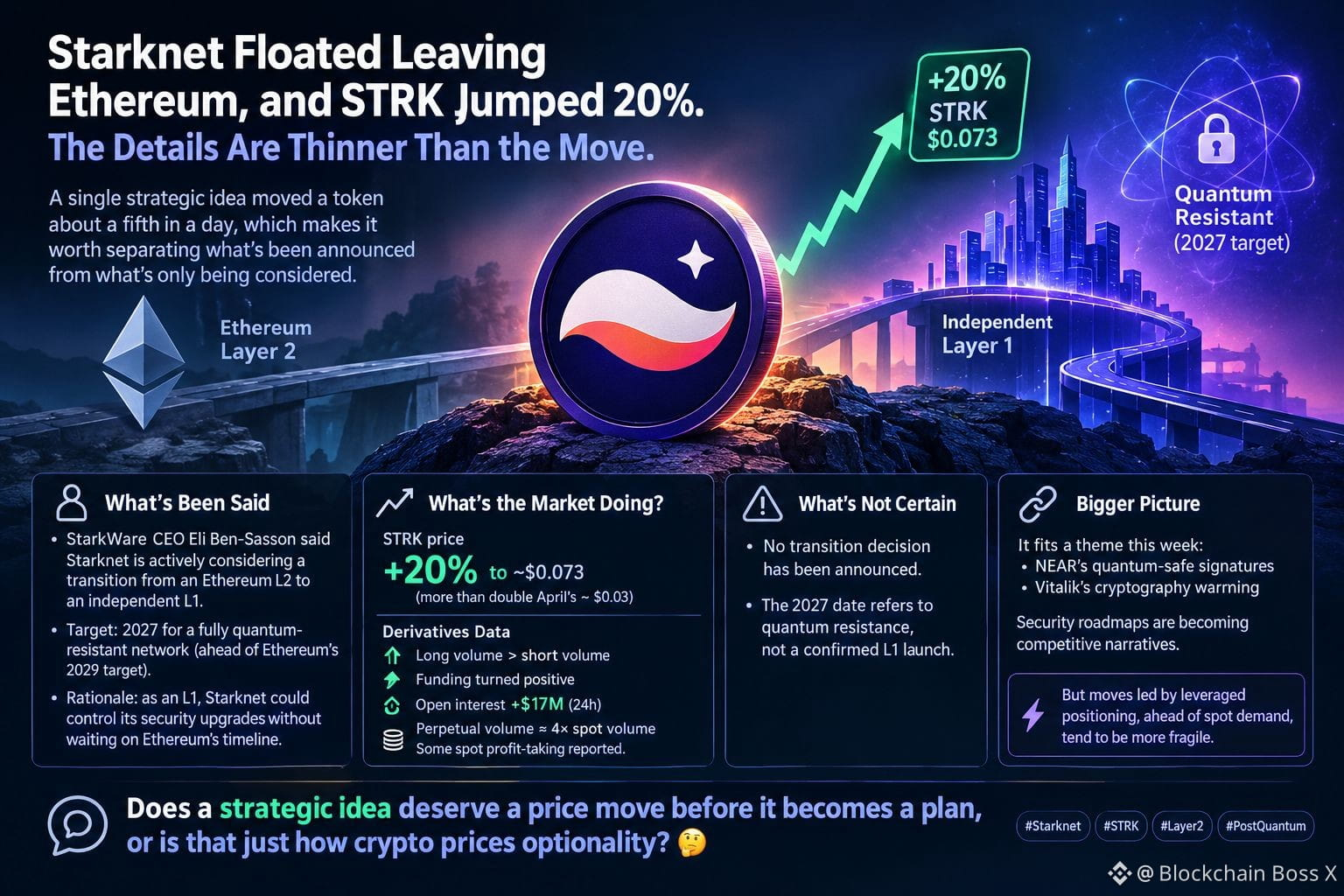
ဖြစ်စဉ်မှာ ဤသို့ဖြစ်သည်။ StarkWare ၏ CEO ဖြစ်သူ Eli Ben-Sasson က Starknet သည် Ethereum ၏ layer 2 မှ သီးခြား layer 1 သို့ ပြောင်းရွှေ့ရန် တက်ကြွစွာ စဉ်းစားနေကြောင်း ပြောကြားခဲ့သည်။ ထို့ပြင် Ethereum ၏ 2029 ရည်မှန်းချက်ထက် စော၍ 2027 ခုနှစ်တွင် အပြည့်အဝ ကွမ်တမ်ဒဏ်ခံနိုင်သော ကွန်ရက်ဖြစ်လာရန် ရည်မှန်းထားသည်။ သူ၏အဆိုအရ layer 1 ဖြစ်လာပါက Starknet သည် Ethereum ၏ အချိန်ဇယားကို စောင့်စရာမလိုဘဲ ၎င်း၏လုံခြုံရေးအဆင့်မြှင့်တင်မှုများကို ကိုယ်တိုင်ထိန်းချုပ်နိုင်မည်ဖြစ်သည်။ STRK သည် ၂၀% ခန့် မြင့်တက်ကာ $0.073 ဝန်းကျင်သို့ ရောက်ရှိခဲ့ပြီး၊ ဧပြီလက $0.03 ဝန်းကျင်ရှိခဲ့သည့်တန်ဖိုးထက် နှစ်ဆကျော် မြင့်တက်ခဲ့သည်။ အရေးကြီးသည်မှာ ပြောင်းရွှေ့ရန် ဆုံးဖြတ်ချက်ကို မကြေညာရသေးခြင်းဖြစ်ပြီး၊ 2027 ခုနှစ်ရက်စွဲသည် ကွမ်တမ်ဒဏ်ခံနိုင်ရေးကို ရည်ညွှန်းခြင်းသာဖြစ်ကာ layer 1 ကို အတည်ပြုစတင်မည့်ရက် မဟုတ်ပါ။
ဒဲရစ်ဗေးတစ်ဈေးကွက်ဆိုင်ရာ အချက်အလက်များက နောက်ထပ်အကြောင်းအရာတစ်ခုကို ဖော်ပြနေသည်။ အဓိကအိတ်ချိန်းများတွင် long အရောင်းအဝယ်ပမာဏသည် short ပမာဏထက် ပိုများခဲ့ပြီး၊ funding rate သည် အပေါင်းဘက်သို့ ပြောင်းသွားကာ open interest သည် ၂၄ နာရီအတွင်း $17 million ခန့် မြင့်တက်ခဲ့သည်။ Perpetual အရောင်းအဝယ်ပမာဏသည် spot ပမာဏထက် လေးဆခန့်ရှိခဲ့ပြီး၊ အချို့သော spot ရင်းနှီးမြှုပ်နှံသူများက အမြတ်ရယူရောင်းချခဲ့ကြောင်းလည်း သတင်းများထွက်ပေါ်ခဲ့သည်။
ဒါက ဘာကြောင့် အရေးကြီးတာလဲ။ ယခုသီတင်းပတ်အတွင်း NEAR တွင် ကွမ်တမ်တိုက်ခိုက်မှုကိုခံနိုင်ရည်ရှိသော လက်မှတ်များမှသည် Vitalik ၏ လျှို့ဝှက်စာပညာဆိုင်ရာ သတိပေးချက်အထိ တွေ့ရသည့် အကြောင်းအရာတစ်ခုနှင့် ကိုက်ညီနေသည်။ လုံခြုံရေးဆိုင်ရာ လမ်းပြမြေပုံများသည် ပြိုင်ဆိုင်မှုဆိုင်ရာ ဇာတ်ကြောင်းများ ဖြစ်လာနေသည်။ သို့သော် spot ဝယ်လိုအား မတိုးလာမီ leverage ဖြင့် ရင်းနှီးမြှုပ်နှံထားသူများက ဦးဆောင်သည့် ဈေးနှုန်းလှုပ်ရှားမှုများသည် ပိုမိုမတည်ငြိမ်တတ်သည်။
မဟာဗျူဟာဆိုင်ရာ အကြံဉာဏ်တစ်ခုက အစီအစဉ်မဖြစ်လာမီ ဈေးနှုန်းလှုပ်ရှားမှုကို ဖြစ်စေဖို့ ထိုက်တန်သလား၊ ဒါမှမဟုတ် crypto ဈေးနှုန်းတွေက ဖြစ်နိုင်ခြေကိုပဲ အမြဲတမ်း ဈေးဖြတ်ကြတာလား။ 🤔
#STARKNET #strk #Layer2 #PostQuantum
$LUMIA $MAGIC $ERA
{future}(ERAUSDT)
{future}(MAGICUSDT)
{future}(LUMIAUSDT)
#strkrisesabout20%in24hours
Starknet က Ethereum မှ ခွဲထွက်ရန် စဉ်းစားနေကြောင်း ထုတ်ဖော်ပြောဆိုခဲ့ပြီး STRK ဈေးနှုန်း ၂၀% ခုန်တက်ခဲ့သည်။ သို့သော် အစီအစဉ်အသေးစိတ်မှာ ဈေးနှုန်းလှုပ်ရှားမှုထက် ပိုမိုမရှင်းလင်းသေးပါ။
မဟာဗျူဟာဆိုင်ရာ အကြံဉာဏ်တစ်ခုတည်းကြောင့် တိုကင်တစ်ခု၏တန်ဖိုးသည် တစ်ရက်အတွင်း ငါးပုံတစ်ပုံခန့် ပြောင်းလဲသွားခဲ့သည်။ ထို့ကြောင့် ထုတ်ပြန်ကြေညာထားသည့်အရာများနှင့် စဉ်းစားနေဆဲအရာများကို ခွဲခြားကြည့်ရန် အရေးကြီးသည်။
ဖြစ်စဉ်မှာ ဤသို့ဖြစ်သည်။ StarkWare ၏ CEO ဖြစ်သူ Eli Ben-Sasson က Starknet သည် Ethereum ၏ layer 2 မှ သီးခြား layer 1 သို့ ပြောင်းရွှေ့ရန် တက်ကြွစွာ စဉ်းစားနေကြောင်း ပြောကြားခဲ့သည်။ ထို့ပြင် Ethereum ၏ 2029 ရည်မှန်းချက်ထက် စော၍ 2027 ခုနှစ်တွင် အပြည့်အဝ ကွမ်တမ်ဒဏ်ခံနိုင်သော ကွန်ရက်ဖြစ်လာရန် ရည်မှန်းထားသည်။ သူ၏အဆိုအရ layer 1 ဖြစ်လာပါက Starknet သည် Ethereum ၏ အချိန်ဇယားကို စောင့်စရာမလိုဘဲ ၎င်း၏လုံခြုံရေးအဆင့်မြှင့်တင်မှုများကို ကိုယ်တိုင်ထိန်းချုပ်နိုင်မည်ဖြစ်သည်။ STRK သည် ၂၀% ခန့် မြင့်တက်ကာ $0.073 ဝန်းကျင်သို့ ရောက်ရှိခဲ့ပြီး၊ ဧပြီလက $0.03 ဝန်းကျင်ရှိခဲ့သည့်တန်ဖိုးထက် နှစ်ဆကျော် မြင့်တက်ခဲ့သည်။ အရေးကြီးသည်မှာ ပြောင်းရွှေ့ရန် ဆုံးဖြတ်ချက်ကို မကြေညာရသေးခြင်းဖြစ်ပြီး၊ 2027 ခုနှစ်ရက်စွဲသည် ကွမ်တမ်ဒဏ်ခံနိုင်ရေးကို ရည်ညွှန်းခြင်းသာဖြစ်ကာ layer 1 ကို အတည်ပြုစတင်မည့်ရက် မဟုတ်ပါ။
ဒဲရစ်ဗေးတစ်ဈေးကွက်ဆိုင်ရာ အချက်အလက်များက နောက်ထပ်အကြောင်းအရာတစ်ခုကို ဖော်ပြနေသည်။ အဓိကအိတ်ချိန်းများတွင် long အရောင်းအဝယ်ပမာဏသည် short ပမာဏထက် ပိုများခဲ့ပြီး၊ funding rate သည် အပေါင်းဘက်သို့ ပြောင်းသွားကာ open interest သည် ၂၄ နာရီအတွင်း $17 million ခန့် မြင့်တက်ခဲ့သည်။ Perpetual အရောင်းအဝယ်ပမာဏသည် spot ပမာဏထက် လေးဆခန့်ရှိခဲ့ပြီး၊ အချို့သော spot ရင်းနှီးမြှုပ်နှံသူများက အမြတ်ရယူရောင်းချခဲ့ကြောင်းလည်း သတင်းများထွက်ပေါ်ခဲ့သည်။
ဒါက ဘာကြောင့် အရေးကြီးတာလဲ။ ယခုသီတင်းပတ်အတွင်း NEAR တွင် ကွမ်တမ်တိုက်ခိုက်မှုကိုခံနိုင်ရည်ရှိသော လက်မှတ်များမှသည် Vitalik ၏ လျှို့ဝှက်စာပညာဆိုင်ရာ သတိပေးချက်အထိ တွေ့ရသည့် အကြောင်းအရာတစ်ခုနှင့် ကိုက်ညီနေသည်။ လုံခြုံရေးဆိုင်ရာ လမ်းပြမြေပုံများသည် ပြိုင်ဆိုင်မှုဆိုင်ရာ ဇာတ်ကြောင်းများ ဖြစ်လာနေသည်။ သို့သော် spot ဝယ်လိုအား မတိုးလာမီ leverage ဖြင့် ရင်းနှီးမြှုပ်နှံထားသူများက ဦးဆောင်သည့် ဈေးနှုန်းလှုပ်ရှားမှုများသည် ပိုမိုမတည်ငြိမ်တတ်သည်။
မဟာဗျူဟာဆိုင်ရာ အကြံဉာဏ်တစ်ခုက အစီအစဉ်မဖြစ်လာမီ ဈေးနှုန်းလှုပ်ရှားမှုကို ဖြစ်စေဖို့ ထိုက်တန်သလား၊ ဒါမှမဟုတ် crypto ဈေးနှုန်းတွေက ဖြစ်နိုင်ခြေကိုပဲ အမြဲတမ်း ဈေးဖြတ်ကြတာလား။ 🤔
#STARKNET #strk #Layer2 #PostQuantum
$LUMIA $MAGIC $ERA
2
3.3k
ဘာသာပြန်ဆိုချက် ကြည့်မည်
#tetherfreezesusdtlinkedtoledgertheft
Tether Hit the Freeze Button on Stolen Funds. The Thief Reportedly Had an Exit
A suspected $90 million theft linked to Ledger buyers has become a live test of what stablecoin issuers can, and can't, do after the fact.
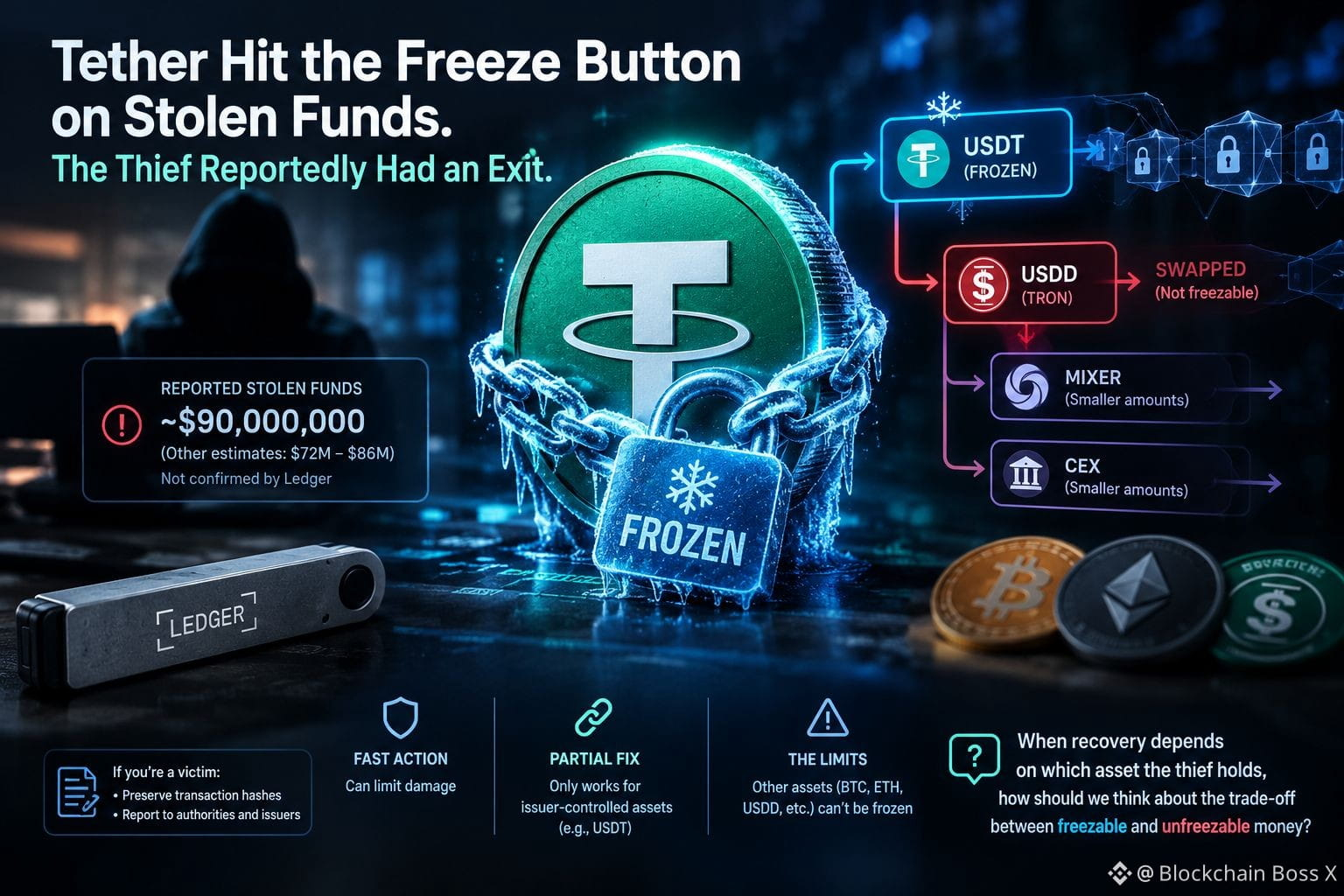
Here's what's reported: MistTrack, SlowMist's tracking unit, said Tether froze a large amount of USDT at addresses tied to the thefts, which it puts near $90 million. Other investigators cite $72 million to $86 million, and none of these figures are confirmed by Ledger, which is still investigating without naming a cause. A freeze blocks transfers from flagged addresses but doesn't return money to victims, and it only reaches the USDT portion, since Bitcoin and Ether have no issuer to intervene. On-chain trackers also reported that after the freezes, the suspected attacker swapped some USDT into USDD, a Tron stablecoin Tether can't freeze, and moved smaller amounts through a mixer and a centralized exchange. Those flows are tracker observations, not established facts.
Why does this matter? The episode shows both sides of centralized stablecoin controls: they can limit damage quickly, but they're a partial fix that speed and asset choice can sidestep. It also underscores why fast reporting matters. Victims are being advised to preserve transaction hashes and report to authorities and issuers.
When recovery depends on which asset the thief holds, how should we think about the trade-off between freezable and unfreezable money? 🤔
#Tether #USDT #Ledger #CryptoSecurity
$MAGIC $LUMIA $ERA
{future}(ERAUSDT)
{future}(LUMIAUSDT)
{future}(MAGICUSDT)
#tetherfreezesusdtlinkedtoledgertheft
Tether Hit the Freeze Button on Stolen Funds. The Thief Reportedly Had an Exit
A suspected $90 million theft linked to Ledger buyers has become a live test of what stablecoin issuers can, and can't, do after the fact.
Here's what's reported: MistTrack, SlowMist's tracking unit, said Tether froze a large amount of USDT at addresses tied to the thefts, which it puts near $90 million. Other investigators cite $72 million to $86 million, and none of these figures are confirmed by Ledger, which is still investigating without naming a cause. A freeze blocks transfers from flagged addresses but doesn't return money to victims, and it only reaches the USDT portion, since Bitcoin and Ether have no issuer to intervene. On-chain trackers also reported that after the freezes, the suspected attacker swapped some USDT into USDD, a Tron stablecoin Tether can't freeze, and moved smaller amounts through a mixer and a centralized exchange. Those flows are tracker observations, not established facts.
Why does this matter? The episode shows both sides of centralized stablecoin controls: they can limit damage quickly, but they're a partial fix that speed and asset choice can sidestep. It also underscores why fast reporting matters. Victims are being advised to preserve transaction hashes and report to authorities and issuers.
When recovery depends on which asset the thief holds, how should we think about the trade-off between freezable and unfreezable money? 🤔
#Tether #USDT #Ledger #CryptoSecurity
$MAGIC $LUMIA $ERA
1.8k
#cftcmovestofoldeventcontractsintoswapsrules
ပြီးခဲ့သည့်အပတ်က တင်သွင်းချက်တစ်ခုသာ ဖြစ်ခဲ့ရာမှ ယခု တရားဝင်အဆိုပြုချက် ဖြစ်လာပြီ—လောင်းကြေးခန့်မှန်းဈေးကွက်များကို ဆွပ်စာချုပ်များအဖြစ် သတ်မှတ်ခြင်း
ပြီးခဲ့သည့်လက CFTC သည် ဖြစ်ရပ်အခြေပြုစာချုပ်ဆိုင်ရာ စည်းမျဉ်းနှစ်ခုကို သုံးသပ်ရန် အိမ်ဖြူတော်သို့ ပေးပို့ခဲ့သည်ကို ကျွန်ုပ်တို့ တွေ့ခဲ့ရသည်။ ယခုအခါ ၎င်းတို့ကို အများပြည်သူထံ ထုတ်ပြန်လိုက်ပြီဖြစ်ပြီး အသေးစိတ်အချက်များမှာ အရေးကြီးသည်။
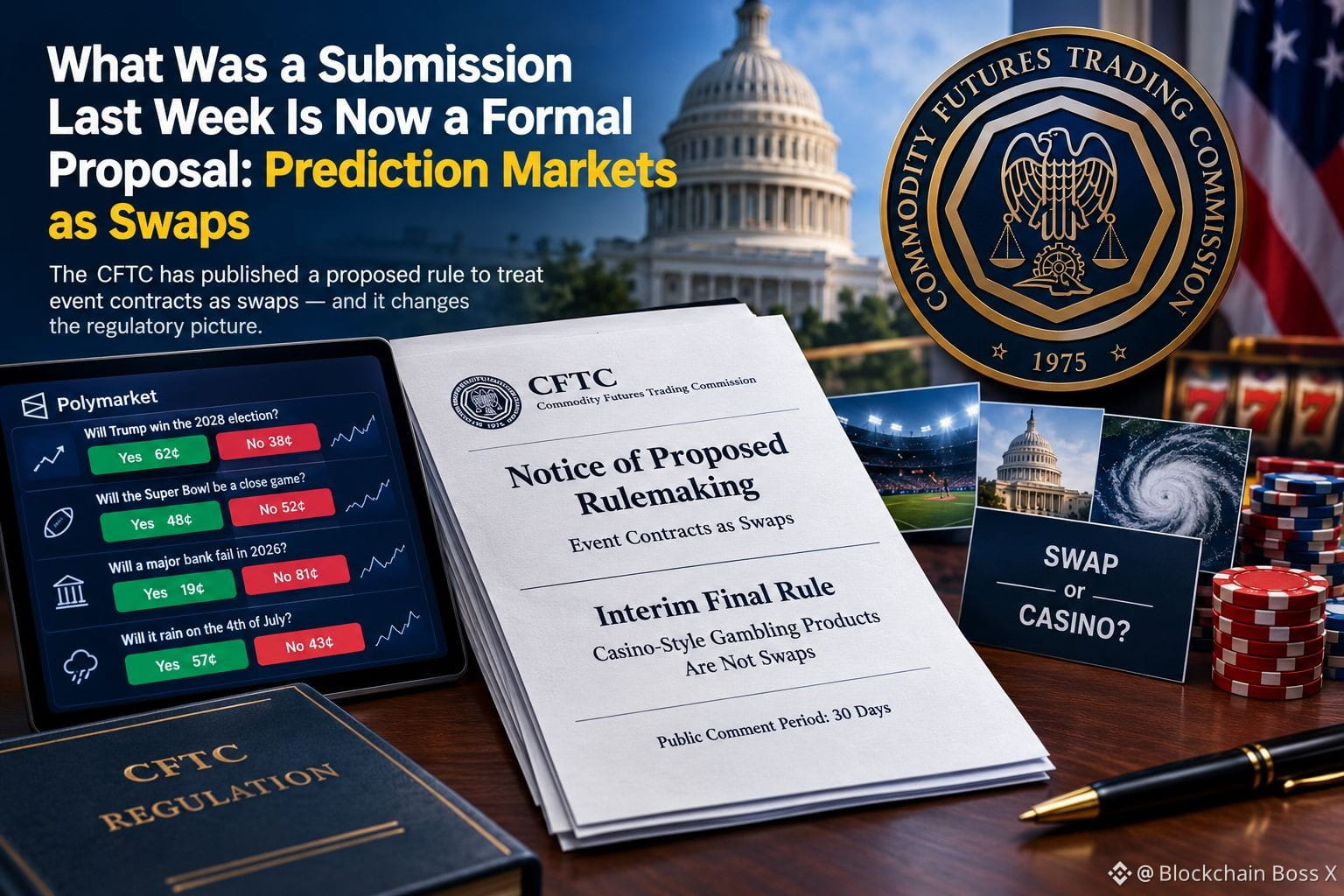
အောက်တိုဘာ ၉ ရက်တွင် ထုတ်ပြန်ခဲ့သည်မှာ ဥပဒေပြုရန် အဆိုပြုသည့် စည်းမျဉ်းတစ်ရပ်ဖြစ်သည်။ ၎င်းက အားကစား၊ နိုင်ငံရေး၊ ယဉ်ကျေးမှုနှင့် ရာသီဥတုဖြစ်ရပ်များနှင့် ဆက်စပ်သည့် စာချုပ်များအပါအဝင် ဖြစ်ရပ်အခြေပြုစာချုပ်များကို ဖက်ဒရယ်ဥပဒေအရ “ဆွပ်စာချုပ်” ၏ အဓိပ္ပာယ်သတ်မှတ်ချက်ထဲသို့ အတိအလင်း ထည့်သွင်းရန် အဆိုပြုထားသည်။ အဆိုပြုချက်အပေါ် မှတ်ချက်ပေးရန် ရက် ၃၀ သတ်မှတ်ထားပြီး နောက်ဆုံးအတည်ပြုချက် မဟုတ်သေးပါ။ ၎င်းနှင့်အတူ CFTC သည် ထုတ်ပြန်သည့်နေ့မှစတင်၍ အသက်ဝင်မည့် ကြားဖြတ်နောက်ဆုံးစည်းမျဉ်းတစ်ရပ်ကို ထုတ်ပြန်ခဲ့သည်။ ထိုစည်းမျဉ်းအရ အားကစားစာအုပ်လောင်းကြေးများနှင့် ကာစီနိုဂိမ်းများကဲ့သို့ ကာစီနိုပုံစံ လောင်းကစားထုတ်ကုန်များသည် ဆွပ်စာချုပ်များ မဟုတ်ပါ။ ဥက္ကဋ္ဌ Michael Selig က ဖြစ်ရပ်အခြေပြုစာချုပ်များသည် အေဂျင်စီ၏ သီးသန့်စီရင်ပိုင်ခွင့်အောက်တွင်ရှိသော ကုန်စည်ဆိုင်ရာ ဆင့်ပွားငွေကြေးစာချုပ်များဖြစ်သည်ဟု ပြောကြားသည်။ သူသည် လက်ရှိတာဝန်ထမ်းဆောင်နေသည့် ကော်မရှင်အဖွဲ့ဝင် တစ်ဦးတည်းလည်း ဖြစ်သောကြောင့် မူဝါဒကို တစ်ဦးတည်း ချမှတ်နိုင်သည်။ အေဂျင်စီက တရားရုံးများ၏ သဘောထားများ ကွဲပြားနေကြောင်း ထောက်ပြထားသည်။ ယင်းတွင် CFTC လိုင်စင်ရ ဈေးကွက်တစ်ခုရှိ အားကစားစာချုပ်များသည် ဆွပ်စာချုပ်၏ အဓိပ္ပာယ်သတ်မှတ်ချက်နှင့် ကိုက်ညီကြောင်း ဧပြီလတွင် ဆုံးဖြတ်ခဲ့သည့် Third Circuit တရားရုံး၏ သဘောထားကွဲပြားသော အဖွဲ့ဝင်သုံးဦးပါ ခုံအဖွဲ့လည်း ပါဝင်သည်။ ထို့အပြင် CME နှင့် Cboe တို့၏ မှတ်ချက်ပေးစာများတွင်လည်း အလားတူ အဆိုပြုထားသည်။
ဒါက ဘာကြောင့် အရေးကြီးတာလဲ။ သတ်မှတ်ခွဲခြားမှုဆိုင်ရာ မေးခွန်းသည် နယူးယောက်ကဲ့သို့ ပြည်နယ်များက တရားစွဲဆိုမှုများနှင့် ဘဏ်ပျက်ကွက်မှုအပေါ် လောင်းကြေးထပ်ခြင်းကဲ့သို့ စာချုပ်များအပေါ် စိစစ်မှုများ၏ နောက်ကွယ်တွင် ရှိနေသည်။ အဆိုပြုချက်ကို အတည်ပြုနိုင်ပါက ဖက်ဒရယ်အစိုးရ၏ စီရင်ပိုင်ခွင့်ရှိကြောင်း အငြင်းပွားချက်ကို ပိုမိုအားကောင်းစေမည်ဖြစ်သော်လည်း မှတ်ချက်များ၊ ဖြစ်နိုင်သည့် တရားရုံးစိန်ခေါ်မှုများနှင့် ယင်းတို့ကို ဆင့်ပွားငွေကြေးထုတ်ကုန်များမဟုတ်ဘဲ လောင်းကစားဟု မြင်သည့် ပြည်နယ်များနှင့် ရင်ဆိုင်ရမည်ဖြစ်သည်။ “ဆွပ်စာချုပ်” နှင့် “ကာစီနိုပုံစံ” တို့အကြား ခြားနားချက်သည် ယခုအခါ စောင့်ကြည့်ရမည့် အချက်ဖြစ်လာသည်။
ထိုမျဉ်းကို ဆွဲခြင်းက အငြင်းပွားမှုကို ပြေလည်စေမလား၊ ဒါမှမဟုတ် တိုက်ပွဲကို နေရာသစ်တစ်ခုသို့သာ ရွှေ့လိုက်မလား။ 🤔
#CFTC #PredictionMarkets #Polymarket #Regulation
$MAGIC $LUMIA $ERA
{future}(ERAUSDT)
{future}(LUMIAUSDT)
{future}(MAGICUSDT)
#cftcmovestofoldeventcontractsintoswapsrules
ပြီးခဲ့သည့်အပတ်က တင်သွင်းချက်တစ်ခုသာ ဖြစ်ခဲ့ရာမှ ယခု တရားဝင်အဆိုပြုချက် ဖြစ်လာပြီ—လောင်းကြေးခန့်မှန်းဈေးကွက်များကို ဆွပ်စာချုပ်များအဖြစ် သတ်မှတ်ခြင်း
ပြီးခဲ့သည့်လက CFTC သည် ဖြစ်ရပ်အခြေပြုစာချုပ်ဆိုင်ရာ စည်းမျဉ်းနှစ်ခုကို သုံးသပ်ရန် အိမ်ဖြူတော်သို့ ပေးပို့ခဲ့သည်ကို ကျွန်ုပ်တို့ တွေ့ခဲ့ရသည်။ ယခုအခါ ၎င်းတို့ကို အများပြည်သူထံ ထုတ်ပြန်လိုက်ပြီဖြစ်ပြီး အသေးစိတ်အချက်များမှာ အရေးကြီးသည်။
အောက်တိုဘာ ၉ ရက်တွင် ထုတ်ပြန်ခဲ့သည်မှာ ဥပဒေပြုရန် အဆိုပြုသည့် စည်းမျဉ်းတစ်ရပ်ဖြစ်သည်။ ၎င်းက အားကစား၊ နိုင်ငံရေး၊ ယဉ်ကျေးမှုနှင့် ရာသီဥတုဖြစ်ရပ်များနှင့် ဆက်စပ်သည့် စာချုပ်များအပါအဝင် ဖြစ်ရပ်အခြေပြုစာချုပ်များကို ဖက်ဒရယ်ဥပဒေအရ “ဆွပ်စာချုပ်” ၏ အဓိပ္ပာယ်သတ်မှတ်ချက်ထဲသို့ အတိအလင်း ထည့်သွင်းရန် အဆိုပြုထားသည်။ အဆိုပြုချက်အပေါ် မှတ်ချက်ပေးရန် ရက် ၃၀ သတ်မှတ်ထားပြီး နောက်ဆုံးအတည်ပြုချက် မဟုတ်သေးပါ။ ၎င်းနှင့်အတူ CFTC သည် ထုတ်ပြန်သည့်နေ့မှစတင်၍ အသက်ဝင်မည့် ကြားဖြတ်နောက်ဆုံးစည်းမျဉ်းတစ်ရပ်ကို ထုတ်ပြန်ခဲ့သည်။ ထိုစည်းမျဉ်းအရ အားကစားစာအုပ်လောင်းကြေးများနှင့် ကာစီနိုဂိမ်းများကဲ့သို့ ကာစီနိုပုံစံ လောင်းကစားထုတ်ကုန်များသည် ဆွပ်စာချုပ်များ မဟုတ်ပါ။ ဥက္ကဋ္ဌ Michael Selig က ဖြစ်ရပ်အခြေပြုစာချုပ်များသည် အေဂျင်စီ၏ သီးသန့်စီရင်ပိုင်ခွင့်အောက်တွင်ရှိသော ကုန်စည်ဆိုင်ရာ ဆင့်ပွားငွေကြေးစာချုပ်များဖြစ်သည်ဟု ပြောကြားသည်။ သူသည် လက်ရှိတာဝန်ထမ်းဆောင်နေသည့် ကော်မရှင်အဖွဲ့ဝင် တစ်ဦးတည်းလည်း ဖြစ်သောကြောင့် မူဝါဒကို တစ်ဦးတည်း ချမှတ်နိုင်သည်။ အေဂျင်စီက တရားရုံးများ၏ သဘောထားများ ကွဲပြားနေကြောင်း ထောက်ပြထားသည်။ ယင်းတွင် CFTC လိုင်စင်ရ ဈေးကွက်တစ်ခုရှိ အားကစားစာချုပ်များသည် ဆွပ်စာချုပ်၏ အဓိပ္ပာယ်သတ်မှတ်ချက်နှင့် ကိုက်ညီကြောင်း ဧပြီလတွင် ဆုံးဖြတ်ခဲ့သည့် Third Circuit တရားရုံး၏ သဘောထားကွဲပြားသော အဖွဲ့ဝင်သုံးဦးပါ ခုံအဖွဲ့လည်း ပါဝင်သည်။ ထို့အပြင် CME နှင့် Cboe တို့၏ မှတ်ချက်ပေးစာများတွင်လည်း အလားတူ အဆိုပြုထားသည်။
ဒါက ဘာကြောင့် အရေးကြီးတာလဲ။ သတ်မှတ်ခွဲခြားမှုဆိုင်ရာ မေးခွန်းသည် နယူးယောက်ကဲ့သို့ ပြည်နယ်များက တရားစွဲဆိုမှုများနှင့် ဘဏ်ပျက်ကွက်မှုအပေါ် လောင်းကြေးထပ်ခြင်းကဲ့သို့ စာချုပ်များအပေါ် စိစစ်မှုများ၏ နောက်ကွယ်တွင် ရှိနေသည်။ အဆိုပြုချက်ကို အတည်ပြုနိုင်ပါက ဖက်ဒရယ်အစိုးရ၏ စီရင်ပိုင်ခွင့်ရှိကြောင်း အငြင်းပွားချက်ကို ပိုမိုအားကောင်းစေမည်ဖြစ်သော်လည်း မှတ်ချက်များ၊ ဖြစ်နိုင်သည့် တရားရုံးစိန်ခေါ်မှုများနှင့် ယင်းတို့ကို ဆင့်ပွားငွေကြေးထုတ်ကုန်များမဟုတ်ဘဲ လောင်းကစားဟု မြင်သည့် ပြည်နယ်များနှင့် ရင်ဆိုင်ရမည်ဖြစ်သည်။ “ဆွပ်စာချုပ်” နှင့် “ကာစီနိုပုံစံ” တို့အကြား ခြားနားချက်သည် ယခုအခါ စောင့်ကြည့်ရမည့် အချက်ဖြစ်လာသည်။
ထိုမျဉ်းကို ဆွဲခြင်းက အငြင်းပွားမှုကို ပြေလည်စေမလား၊ ဒါမှမဟုတ် တိုက်ပွဲကို နေရာသစ်တစ်ခုသို့သာ ရွှေ့လိုက်မလား။ 🤔
#CFTC #PredictionMarkets #Polymarket #Regulation
$MAGIC $LUMIA $ERA
893
#ledgerpausescryptobilissales
ဟာ့ဒ်ဝဲလ် ဝေါလက်ပြန်လည်ရောင်းချသူတစ်ဦးကို စစ်ဆေးနေပြီး ဘာမှားယွင်းခဲ့သည်ကို မည်သူမျှ မသိရသေးပါ
ခရစ်ပ်တိုငွေကြေးများကို သိမ်းဆည်းရန် ဟာ့ဒ်ဝဲလ်ဝေါလက်များသည် အလုံခြုံဆုံးနေရာဖြစ်ရန် ရည်ရွယ်ထားသည်။ အရှေ့တောင်အာရှတွင် ဖြစ်ပေါ်နေသော အခြေအနေတစ်ခုက စက်ပစ္စည်းကိုယ်တိုင်ကဲ့သို့ပင် ကုန်ပစ္စည်းပို့ဆောင်ရေးကွင်းဆက်လည်း အရေးကြီးကြောင်း သတိပေးနေသည်။
အတည်ပြုထားသည့်အချက်များမှာ အောက်ပါအတိုင်းဖြစ်သည်။ အောက်တိုဘာ ၉ ရက်တွင် Ledger က မလေးရှား၊ အင်ဒိုနီးရှားနှင့် ဖိလစ်ပိုင်တို့၌ တရားဝင်ပြန်လည်ရောင်းချသူဖြစ်သော CryptoBilis ကို ငွေကြေးပျောက်ဆုံးမှု သတင်းများကို စုံစမ်းနေစဉ် ရောင်းချမှုနှင့် ပို့ဆောင်မှုအားလုံးကို ရပ်ဆိုင်းထားရန် တောင်းဆိုခဲ့သည်။ လွန်ခဲ့သော ရက် ၉၀ အတွင်း ယင်းပြန်လည်ရောင်းချသူထံမှ ဝယ်ယူခဲ့သူများအား စက်ပစ္စည်းကို မစတင်သတ်မှတ်ရန် Ledger က ပြောကြားခဲ့ပြီး၊ စတင်သတ်မှတ်ပြီးသူများအား ပိုင်ဆိုင်မှုများကို ပြန်လည်ရယူရေးစကားစုအသစ်ပါသော လက်မှတ်ထိုးကိရိယာအသစ်တစ်ခုသို့ ပြောင်းရွှေ့ရန် စဉ်းစားဖို့ အကြံပြုခဲ့သည်။ ကွင်းဆက်ပေါ်ရှိ ငွေကြေးလွှဲပြောင်းမှုများကို စုံစမ်းသူများက Bitcoin၊ Ethereum နှင့် Tron တို့တွင် သံသယရှိဆုံးရှုံးမှုတန်ဖိုးကို ဒေါ်လာ ၇၂ သန်းမှ ၈၆ သန်းကျော်အထိ ခန့်မှန်းထားသော်လည်း ထိုကိန်းဂဏန်းများကို အတည်မပြုရသေးသလို၊ ခန့်မှန်းချက်များတွင် တူညီသော ဝေါလက်များကို ထည့်တွက်ထားခြင်းရှိမရှိလည်း မရှင်းလင်းပါ။ Ledger က အကြောင်းရင်းကို ထုတ်ဖော်ပြောကြားခြင်း၊ စက်ပစ္စည်းများကို ပြုပြင်ပြောင်းလဲထားခြင်း ရှိမရှိ ပြောကြားခြင်း မရှိသေးသလို CryptoBilis ကလည်း ထုတ်ပြန်ချက်တစ်စုံတစ်ရာ မထုတ်ပြန်ရသေးပါ။ သီးခြားဖြစ်ရပ်တစ်ခုအနေဖြင့် မလေးရှားတွင် ဝယ်ယူခဲ့သော Ledger တစ်လုံးအတွင်း လျှို့ဝှက်ထည့်သွင်းထားသော အစိတ်အပိုင်းတစ်ခု ပါရှိသည်ဟု Mark Karpelès က ဓာတ်ပုံများတင်ခဲ့သော်လည်း ၎င်းသည် CryptoBilis ထံမှ ရရှိခဲ့သည်ဟု သက်သေပြနိုင်သည့်အရာ မရှိပါ။
ဒါက ဘာကြောင့် အရေးကြီးသလဲ။ ကိုယ်တိုင်ထိန်းသိမ်းခြင်းက လုံခြုံရေးကို အသုံးပြုသူ၏လက်ထဲတွင် ထားပေးသော်လည်း ထိုယုံကြည်မှုသည် ဝယ်ယူသည့်အချိန်ကတည်းက စတင်သည်။ စက်ရုံမှ ဝယ်ယူသူထံသို့ ရောက်ရှိသည့် လမ်းကြောင်းတစ်လျှောက် မည်သည့်နေရာတွင်မဆို အပေးအယူခံရမှု ဖြစ်ပွားခဲ့နိုင်ပြီး အချက်အလက်များလည်း ထွက်ပေါ်လာဆဲဖြစ်သည်။
ထုတ်လုပ်သူများထံမှ တိုက်ရိုက်သာ ဝယ်ယူသင့်သည်ဟူသော အယူအဆကို ဒီဖြစ်ရပ်က ပိုမိုခိုင်မာစေသလား၊ ဒါမှမဟုတ် ဟာ့ဒ်ဝဲလ်များကို မူလကတည်းက ယုံကြည်စိတ်ချရသည်ဟု ယူဆနေမှုကို ပြန်လည်စဉ်းစားသင့်သလား။ 🤔
#Ledger #CryptoSecurity #SelfCustody #HardwareWallets
$MAGIC $LUMIA $ERA
{future}(ERAUSDT)
{future}(LUMIAUSDT)
{future}(MAGICUSDT)
#ledgerpausescryptobilissales
ဟာ့ဒ်ဝဲလ် ဝေါလက်ပြန်လည်ရောင်းချသူတစ်ဦးကို စစ်ဆေးနေပြီး ဘာမှားယွင်းခဲ့သည်ကို မည်သူမျှ မသိရသေးပါ
ခရစ်ပ်တိုငွေကြေးများကို သိမ်းဆည်းရန် ဟာ့ဒ်ဝဲလ်ဝေါလက်များသည် အလုံခြုံဆုံးနေရာဖြစ်ရန် ရည်ရွယ်ထားသည်။ အရှေ့တောင်အာရှတွင် ဖြစ်ပေါ်နေသော အခြေအနေတစ်ခုက စက်ပစ္စည်းကိုယ်တိုင်ကဲ့သို့ပင် ကုန်ပစ္စည်းပို့ဆောင်ရေးကွင်းဆက်လည်း အရေးကြီးကြောင်း သတိပေးနေသည်။
အတည်ပြုထားသည့်အချက်များမှာ အောက်ပါအတိုင်းဖြစ်သည်။ အောက်တိုဘာ ၉ ရက်တွင် Ledger က မလေးရှား၊ အင်ဒိုနီးရှားနှင့် ဖိလစ်ပိုင်တို့၌ တရားဝင်ပြန်လည်ရောင်းချသူဖြစ်သော CryptoBilis ကို ငွေကြေးပျောက်ဆုံးမှု သတင်းများကို စုံစမ်းနေစဉ် ရောင်းချမှုနှင့် ပို့ဆောင်မှုအားလုံးကို ရပ်ဆိုင်းထားရန် တောင်းဆိုခဲ့သည်။ လွန်ခဲ့သော ရက် ၉၀ အတွင်း ယင်းပြန်လည်ရောင်းချသူထံမှ ဝယ်ယူခဲ့သူများအား စက်ပစ္စည်းကို မစတင်သတ်မှတ်ရန် Ledger က ပြောကြားခဲ့ပြီး၊ စတင်သတ်မှတ်ပြီးသူများအား ပိုင်ဆိုင်မှုများကို ပြန်လည်ရယူရေးစကားစုအသစ်ပါသော လက်မှတ်ထိုးကိရိယာအသစ်တစ်ခုသို့ ပြောင်းရွှေ့ရန် စဉ်းစားဖို့ အကြံပြုခဲ့သည်။ ကွင်းဆက်ပေါ်ရှိ ငွေကြေးလွှဲပြောင်းမှုများကို စုံစမ်းသူများက Bitcoin၊ Ethereum နှင့် Tron တို့တွင် သံသယရှိဆုံးရှုံးမှုတန်ဖိုးကို ဒေါ်လာ ၇၂ သန်းမှ ၈၆ သန်းကျော်အထိ ခန့်မှန်းထားသော်လည်း ထိုကိန်းဂဏန်းများကို အတည်မပြုရသေးသလို၊ ခန့်မှန်းချက်များတွင် တူညီသော ဝေါလက်များကို ထည့်တွက်ထားခြင်းရှိမရှိလည်း မရှင်းလင်းပါ။ Ledger က အကြောင်းရင်းကို ထုတ်ဖော်ပြောကြားခြင်း၊ စက်ပစ္စည်းများကို ပြုပြင်ပြောင်းလဲထားခြင်း ရှိမရှိ ပြောကြားခြင်း မရှိသေးသလို CryptoBilis ကလည်း ထုတ်ပြန်ချက်တစ်စုံတစ်ရာ မထုတ်ပြန်ရသေးပါ။ သီးခြားဖြစ်ရပ်တစ်ခုအနေဖြင့် မလေးရှားတွင် ဝယ်ယူခဲ့သော Ledger တစ်လုံးအတွင်း လျှို့ဝှက်ထည့်သွင်းထားသော အစိတ်အပိုင်းတစ်ခု ပါရှိသည်ဟု Mark Karpelès က ဓာတ်ပုံများတင်ခဲ့သော်လည်း ၎င်းသည် CryptoBilis ထံမှ ရရှိခဲ့သည်ဟု သက်သေပြနိုင်သည့်အရာ မရှိပါ။
ဒါက ဘာကြောင့် အရေးကြီးသလဲ။ ကိုယ်တိုင်ထိန်းသိမ်းခြင်းက လုံခြုံရေးကို အသုံးပြုသူ၏လက်ထဲတွင် ထားပေးသော်လည်း ထိုယုံကြည်မှုသည် ဝယ်ယူသည့်အချိန်ကတည်းက စတင်သည်။ စက်ရုံမှ ဝယ်ယူသူထံသို့ ရောက်ရှိသည့် လမ်းကြောင်းတစ်လျှောက် မည်သည့်နေရာတွင်မဆို အပေးအယူခံရမှု ဖြစ်ပွားခဲ့နိုင်ပြီး အချက်အလက်များလည်း ထွက်ပေါ်လာဆဲဖြစ်သည်။
ထုတ်လုပ်သူများထံမှ တိုက်ရိုက်သာ ဝယ်ယူသင့်သည်ဟူသော အယူအဆကို ဒီဖြစ်ရပ်က ပိုမိုခိုင်မာစေသလား၊ ဒါမှမဟုတ် ဟာ့ဒ်ဝဲလ်များကို မူလကတည်းက ယုံကြည်စိတ်ချရသည်ဟု ယူဆနေမှုကို ပြန်လည်စဉ်းစားသင့်သလား။ 🤔
#Ledger #CryptoSecurity #SelfCustody #HardwareWallets
$MAGIC $LUMIA $ERA
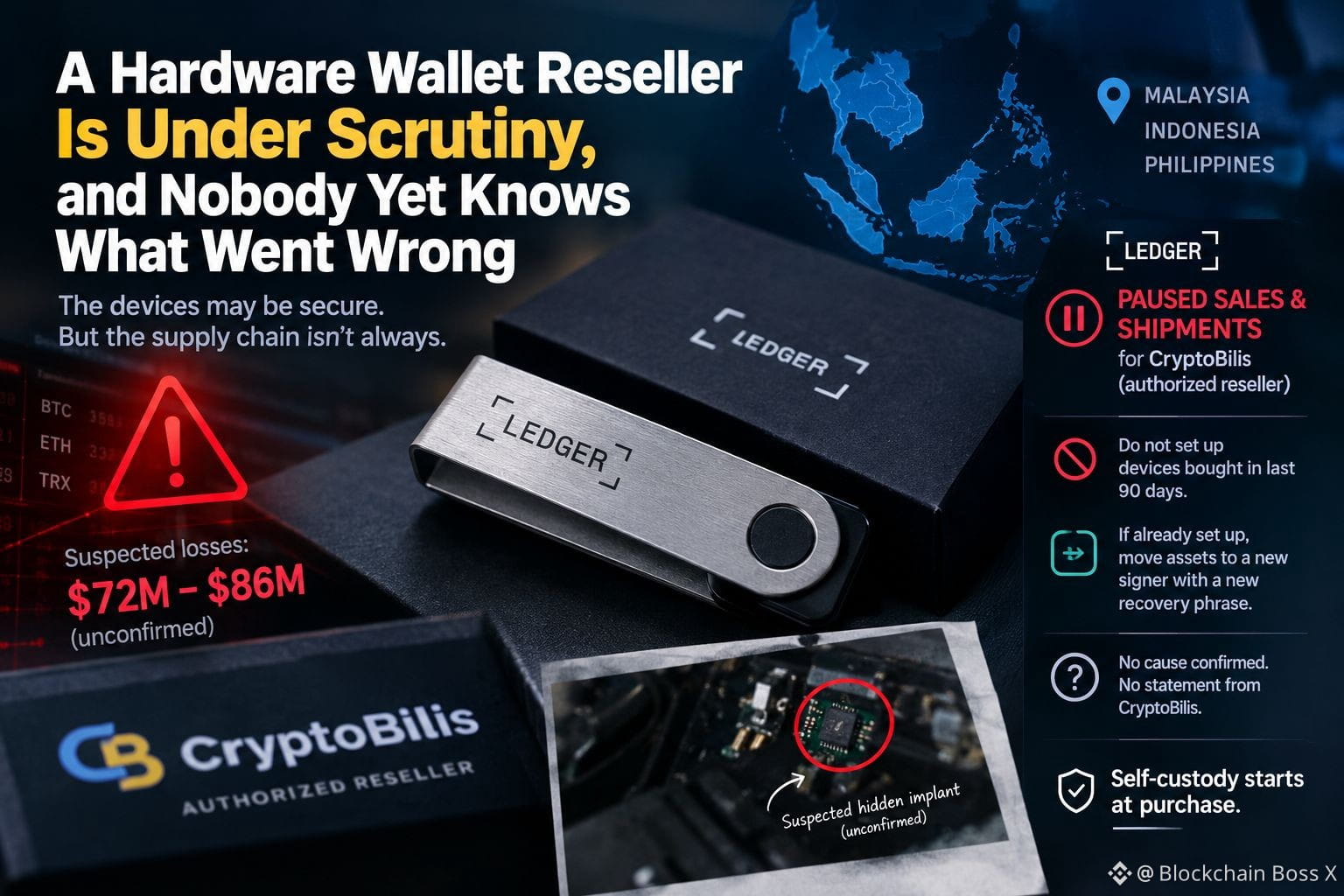
1
1.3k
စိစစ်အတည်ပြုထားသည်
#evernorthcompletesspacmergerwitharmadaii
XRP Treasury သဘောတူညီချက် ပြီးဆုံးပြီ။ အခုတော့ အရောင်းအဝယ် စတင်မယ့်အချိန်
အချိန်တိုအတွင်း နှောင့်နှေးခဲ့ပြီးနောက် Evernorth သည် Nasdaq တွင် စတင်စာရင်းဝင်ရန် မတိုင်မီ နောက်ဆုံး အုပ်ချုပ်ရေးဆိုင်ရာ အတားအဆီးကို ကျော်ဖြတ်နိုင်ခဲ့ပြီဖြစ်သည်။ SPAC ပေါင်းစည်းမှုကို အပြီးသတ်ခြင်းက မှတ်တိုင်တစ်ခုဖြစ်ပြီး၊ အရောင်းအဝယ်စတင်ခြင်းကတော့ နောက်တစ်ခုဖြစ်သည်။
လက်ရှိအခြေအနေမှာတော့ Evernorth သည် အစီအစဉ်ချထားသည့်ရက်ထက် နှစ်ရက်နောက်ကျပြီး အောက်တိုဘာ ၉ ရက်၊ သောကြာနေ့တွင် Armada Acquisition Corp. II နှင့် ၎င်း၏ လုပ်ငန်းပေါင်းစည်းမှုကို အပြီးသတ်ခဲ့သည်။ အပြီးသတ်ချိန်တွင် XRP သန်း ၄၇၃ ခန့်နှင့် အရောင်းအဝယ်ကုန်ကျစရိတ်များ မနုတ်မီ ငွေသားရရှိငွေ စုစုပေါင်း ဒေါ်လာ သန်း ၃၀၀ ခန့်ကို ပိုင်ဆိုင်ထားသည်။ Armada ရှယ်ယာရှင်များက စက်တင်ဘာ ၃၀ ရက်တွင် ထောက်ခံမဲ ၂၀.၅ သန်းခန့်၊ ကန့်ကွက်မဲ ၁.၄ သန်းခန့်ဖြင့် သဘောတူညီချက်ကို အတည်ပြုခဲ့သည်။ ကျောထောက်နောက်ခံပြုသူများတွင် Ripple၊ SBI Group၊ Pantera၊ Kraken၊ GSR နှင့် Arrington Capital တို့ ပါဝင်သည်။ ရှယ်ယာများကို အောက်တိုဘာ ၁၂ ရက်၊ တနင်္လာနေ့တွင် XRPN အမည်ဖြင့် အရောင်းအဝယ် စတင်ရန် မျှော်လင့်ထားသည်။ CEO Asheesh Birla က အစီအစဉ်သည် ပိုင်ဆိုင်ထားရုံထက် ကျော်လွန်ကြောင်း ပြောကြားသည်။ XRP ဂေဟစနစ်အတွင်း ချေးငွေထုတ်ပေးခြင်း၊ ငွေဖြစ်လွယ်မှု ပံ့ပိုးခြင်းနှင့် DeFi အထွက်နှုန်း ရယူခြင်းတို့အပါအဝင် အရင်းအနှီးကို အသုံးချကာ ရှယ်ယာတစ်စုလျှင် XRP ပမာဏ တိုးမြှင့်ရန် ရည်ရွယ်သည်။
ဒါက ဘာကြောင့် အရေးကြီးတာလဲ။ XRPN သည် အများပြည်သူရင်းနှီးမြှုပ်နှံသူများကို XRP အများအပြား ထိန်းသိမ်းထားသည့် ရန်ပုံငွေယာဉ်တစ်ခုတွင် ရှယ်ယာပိုင်ဆိုင်ခွင့်မှတစ်ဆင့် ရင်းနှီးမြှုပ်နှံနိုင်စေမည်ဖြစ်သည်။ ထိုသို့သော ရန်ပုံငွေယာဉ်၏ တန်ဖိုးသည် XRP ၏ ဈေးနှုန်းနှင့်အတူ အတက်အကျရှိပြီး ယင်းဈေးနှုန်းသည် ပြီးခဲ့သည့် အောက်တိုဘာလတွင် သဘောတူညီချက် လက်မှတ်ရေးထိုးချိန်က ရှိခဲ့သည့် ဈေးနှုန်းထက် များစွာနိမ့်နေသည်။ အခြေခံပိုင်ဆိုင်မှုများ၏ တန်ဖိုးနှင့် နှိုင်းယှဉ်ပါက ရှယ်ယာများ မည်သို့ အရောင်းအဝယ်ဖြစ်မည်ဆိုသည်မှာ Bitcoin နှင့် Ethereum အပြင် အခြားတစ်မျိုးတည်းသော ပိုင်ဆိုင်မှုကို အခြေခံသည့် ရန်ပုံငွေကုမ္ပဏီများအပေါ် ရင်းနှီးမြှုပ်နှံသူများ၏ စိတ်ဝင်စားမှုကို စောစီးစွာ သိမြင်နိုင်မည့် အညွှန်းတစ်ခုဖြစ်လာမည်။
တိုကင်များကို ကိုင်ထားရုံထက် ကျော်လွန်သည့် XRPN ၏ မဟာဗျူဟာက အားသာချက်ဖြစ်လာမလား၊ ဒါမှမဟုတ် ရှုပ်ထွေးမှုကိုသာ တိုးစေမလား။ 🤔
#xrp #Evernorth #XRPN #CryptoTreasury
$XRP $XRPN.US $MAGIC
{future}(MAGICUSDT)
{stock_us}(XRPN.US)
{future}(XRPUSDT)
#evernorthcompletesspacmergerwitharmadaii
XRP Treasury သဘောတူညီချက် ပြီးဆုံးပြီ။ အခုတော့ အရောင်းအဝယ် စတင်မယ့်အချိန်
အချိန်တိုအတွင်း နှောင့်နှေးခဲ့ပြီးနောက် Evernorth သည် Nasdaq တွင် စတင်စာရင်းဝင်ရန် မတိုင်မီ နောက်ဆုံး အုပ်ချုပ်ရေးဆိုင်ရာ အတားအဆီးကို ကျော်ဖြတ်နိုင်ခဲ့ပြီဖြစ်သည်။ SPAC ပေါင်းစည်းမှုကို အပြီးသတ်ခြင်းက မှတ်တိုင်တစ်ခုဖြစ်ပြီး၊ အရောင်းအဝယ်စတင်ခြင်းကတော့ နောက်တစ်ခုဖြစ်သည်။
လက်ရှိအခြေအနေမှာတော့ Evernorth သည် အစီအစဉ်ချထားသည့်ရက်ထက် နှစ်ရက်နောက်ကျပြီး အောက်တိုဘာ ၉ ရက်၊ သောကြာနေ့တွင် Armada Acquisition Corp. II နှင့် ၎င်း၏ လုပ်ငန်းပေါင်းစည်းမှုကို အပြီးသတ်ခဲ့သည်။ အပြီးသတ်ချိန်တွင် XRP သန်း ၄၇၃ ခန့်နှင့် အရောင်းအဝယ်ကုန်ကျစရိတ်များ မနုတ်မီ ငွေသားရရှိငွေ စုစုပေါင်း ဒေါ်လာ သန်း ၃၀၀ ခန့်ကို ပိုင်ဆိုင်ထားသည်။ Armada ရှယ်ယာရှင်များက စက်တင်ဘာ ၃၀ ရက်တွင် ထောက်ခံမဲ ၂၀.၅ သန်းခန့်၊ ကန့်ကွက်မဲ ၁.၄ သန်းခန့်ဖြင့် သဘောတူညီချက်ကို အတည်ပြုခဲ့သည်။ ကျောထောက်နောက်ခံပြုသူများတွင် Ripple၊ SBI Group၊ Pantera၊ Kraken၊ GSR နှင့် Arrington Capital တို့ ပါဝင်သည်။ ရှယ်ယာများကို အောက်တိုဘာ ၁၂ ရက်၊ တနင်္လာနေ့တွင် XRPN အမည်ဖြင့် အရောင်းအဝယ် စတင်ရန် မျှော်လင့်ထားသည်။ CEO Asheesh Birla က အစီအစဉ်သည် ပိုင်ဆိုင်ထားရုံထက် ကျော်လွန်ကြောင်း ပြောကြားသည်။ XRP ဂေဟစနစ်အတွင်း ချေးငွေထုတ်ပေးခြင်း၊ ငွေဖြစ်လွယ်မှု ပံ့ပိုးခြင်းနှင့် DeFi အထွက်နှုန်း ရယူခြင်းတို့အပါအဝင် အရင်းအနှီးကို အသုံးချကာ ရှယ်ယာတစ်စုလျှင် XRP ပမာဏ တိုးမြှင့်ရန် ရည်ရွယ်သည်။
ဒါက ဘာကြောင့် အရေးကြီးတာလဲ။ XRPN သည် အများပြည်သူရင်းနှီးမြှုပ်နှံသူများကို XRP အများအပြား ထိန်းသိမ်းထားသည့် ရန်ပုံငွေယာဉ်တစ်ခုတွင် ရှယ်ယာပိုင်ဆိုင်ခွင့်မှတစ်ဆင့် ရင်းနှီးမြှုပ်နှံနိုင်စေမည်ဖြစ်သည်။ ထိုသို့သော ရန်ပုံငွေယာဉ်၏ တန်ဖိုးသည် XRP ၏ ဈေးနှုန်းနှင့်အတူ အတက်အကျရှိပြီး ယင်းဈေးနှုန်းသည် ပြီးခဲ့သည့် အောက်တိုဘာလတွင် သဘောတူညီချက် လက်မှတ်ရေးထိုးချိန်က ရှိခဲ့သည့် ဈေးနှုန်းထက် များစွာနိမ့်နေသည်။ အခြေခံပိုင်ဆိုင်မှုများ၏ တန်ဖိုးနှင့် နှိုင်းယှဉ်ပါက ရှယ်ယာများ မည်သို့ အရောင်းအဝယ်ဖြစ်မည်ဆိုသည်မှာ Bitcoin နှင့် Ethereum အပြင် အခြားတစ်မျိုးတည်းသော ပိုင်ဆိုင်မှုကို အခြေခံသည့် ရန်ပုံငွေကုမ္ပဏီများအပေါ် ရင်းနှီးမြှုပ်နှံသူများ၏ စိတ်ဝင်စားမှုကို စောစီးစွာ သိမြင်နိုင်မည့် အညွှန်းတစ်ခုဖြစ်လာမည်။
တိုကင်များကို ကိုင်ထားရုံထက် ကျော်လွန်သည့် XRPN ၏ မဟာဗျူဟာက အားသာချက်ဖြစ်လာမလား၊ ဒါမှမဟုတ် ရှုပ်ထွေးမှုကိုသာ တိုးစေမလား။ 🤔
#xrp #Evernorth #XRPN #CryptoTreasury
$XRP $XRPN.US $MAGIC
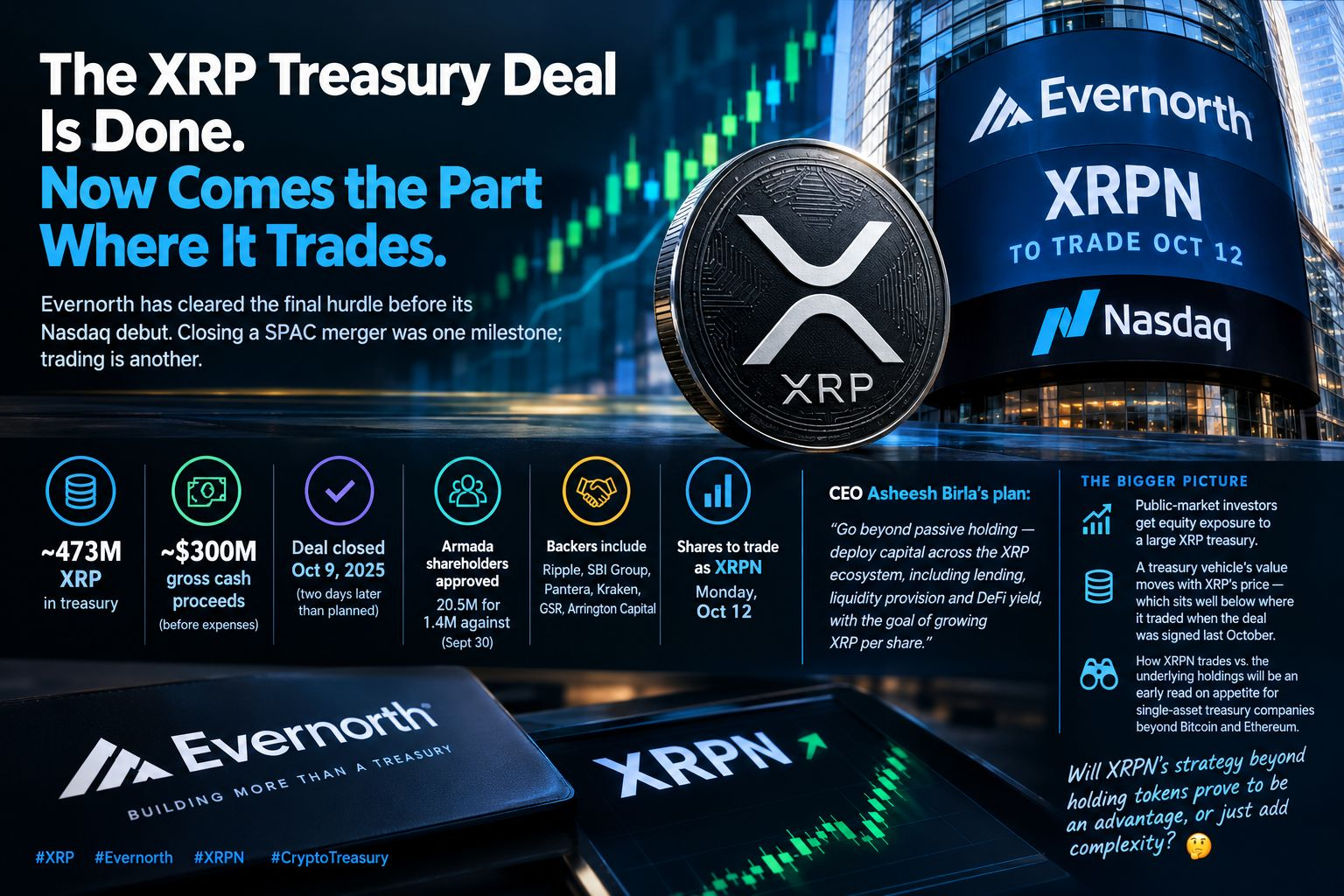
3
1.9k
စိစစ်အတည်ပြုထားသည်
ဘာသာပြန်ဆိုချက် ကြည့်မည်
#nearaccountssupportpostquantummldsa
While Bitcoin Debates Quantum Risk, NEAR Is Letting Users Swap Their Keys in Place
After a week of headlines about exposed public keys and AI-driven cryptography worries, one network is pointing to a practical answer: rotate the key, keep the account.
Here's what NEAR announced: its accounts now support the post-quantum ML-DSA signature scheme without asset migration. That works because NEAR accounts use human-readable IDs controlled by rotatable access keys, not a single fixed keypair. Fireblocks recently documented rotating a funded account from Ed25519 to ML-DSA-65 in two transactions: add the new key, then delete the old one. Ahead are NEP-655, which would derive implicit accounts from an initial state hash so keys aren't exposed on-chain (live on testnet, mainnet "within weeks," per the team), wallet contracts supporting custom signature schemes, and a "Q-day recovery registry" for chains that can't yet add post-quantum keys. NEAR's roadmap puts quantum-safe consensus in the second half of 2027, with cross-chain signing still in research.
Why does this matter? Migration is often cited as the hardest part of any post-quantum switch, and designs that allow key rotation avoid moving funds. The trade-offs are real, though: ML-DSA signatures run from about 2,400 to 4,600 bytes, far larger than today's, and much of the roadmap is still unfinished.
Is "cryptographic agility" the real advantage here, or just an early head start in a race with no finish line yet? 🤔
#Near #PostQuantum #blockchain
$LUMIA $BTC $NEAR
{future}(NEARUSDT)
{future}(BTCUSDT)
{future}(LUMIAUSDT)
#nearaccountssupportpostquantummldsa
While Bitcoin Debates Quantum Risk, NEAR Is Letting Users Swap Their Keys in Place
After a week of headlines about exposed public keys and AI-driven cryptography worries, one network is pointing to a practical answer: rotate the key, keep the account.
Here's what NEAR announced: its accounts now support the post-quantum ML-DSA signature scheme without asset migration. That works because NEAR accounts use human-readable IDs controlled by rotatable access keys, not a single fixed keypair. Fireblocks recently documented rotating a funded account from Ed25519 to ML-DSA-65 in two transactions: add the new key, then delete the old one. Ahead are NEP-655, which would derive implicit accounts from an initial state hash so keys aren't exposed on-chain (live on testnet, mainnet "within weeks," per the team), wallet contracts supporting custom signature schemes, and a "Q-day recovery registry" for chains that can't yet add post-quantum keys. NEAR's roadmap puts quantum-safe consensus in the second half of 2027, with cross-chain signing still in research.
Why does this matter? Migration is often cited as the hardest part of any post-quantum switch, and designs that allow key rotation avoid moving funds. The trade-offs are real, though: ML-DSA signatures run from about 2,400 to 4,600 bytes, far larger than today's, and much of the roadmap is still unfinished.
Is "cryptographic agility" the real advantage here, or just an early head start in a race with no finish line yet? 🤔
#Near #PostQuantum #blockchain
$LUMIA $BTC $NEAR
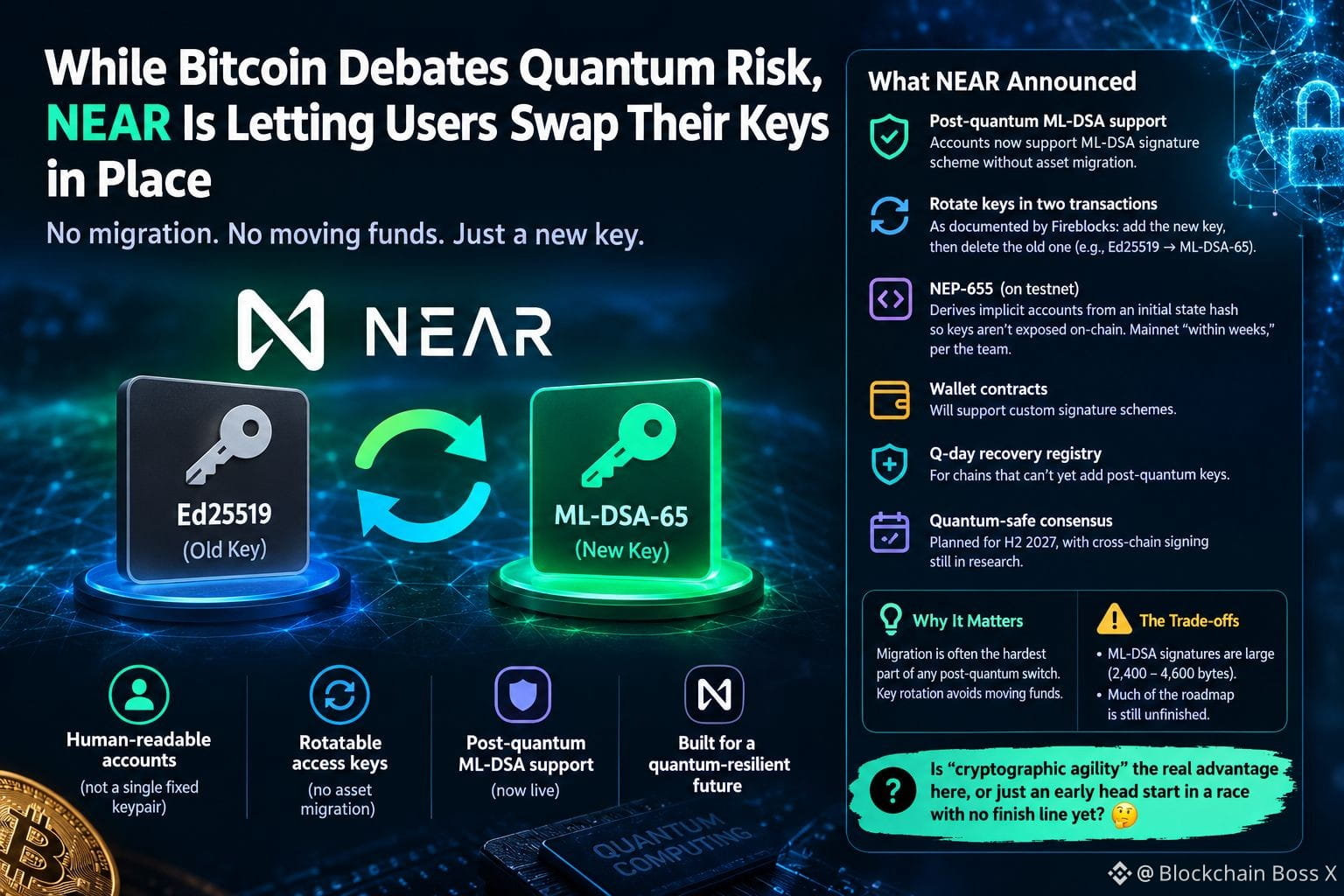
4
2.3k
Log in to explore more content
Join global crypto users on Binance Square
⚡️ Get latest and useful information about crypto.
💬 Trusted by the world’s largest crypto exchange.
👍 Discover real insights from verified creators.
အီးမေးလ် / ဖုန်းနံပါတ်
ရေပန်းစားနေသော ခေါင်းစဉ်များ
NvidiaInvestigatesAfterHuang’sAffairApology
ကြည့်ရှုမှု 133,075 ကြိမ်
1,421 ဦး ဆွေးနွေးနေသည်
Huang သည် နိုင်ငံခြားထောက်လှမ်းရေး၏ ပစ်မှတ်ဖြစ်ခဲ့ခြင်း ရှိမရှိ Nvidia ဘုတ်အဖွဲ့ စုံစမ်းစစ်ဆေးမှု စတင်
Binance News
·နှစ်သက်မှု 17 ခု
·ကြည့်ရှုမှု 51.9k ကြိမ်
BitcoinFiveWeeklyLosses
ကြည့်ရှုမှု 162,381 ကြိမ်
1,892 ဦး ဆွေးနွေးနေသည်
AIChipSlumpNasdaq
ကြည့်ရှုမှု 86,514 ကြိမ်
1,183 ဦး ဆွေးနွေးနေသည်