Binance Square
#blockchain

blockchain

33.7M views
145,899 Discussing
ITSABDVLLA
·
--
The crypto industry is evolving far beyond simple trading. Today, many blockchain projects are focused on improving scalability, security, and real-world adoption. While market prices often attract the most attention, the technology behind successful ecosystems is what creates long-term value. I believe that understanding how blockchain infrastructure works is just as important as following charts. Every innovation that improves decentralization, transparency, or efficiency contributes to the future of digital finance. Instead of chasing every trend, I prefer learning about projects that solve meaningful problems and have a clear vision. The future of crypto will likely be shaped by builders, developers, and communities working together to create useful solutions for millions of users around the world. $BTC #bitcoin #crypto #blockchain #Web3
The crypto industry is evolving far beyond simple trading. Today, many blockchain projects are focused on improving scalability, security, and real-world adoption. While market prices often attract the most attention, the technology behind successful ecosystems is what creates long-term value. I believe that understanding how blockchain infrastructure works is just as important as following charts. Every innovation that improves decentralization, transparency, or efficiency contributes to the future of digital finance. Instead of chasing every trend, I prefer learning about projects that solve meaningful problems and have a clear vision. The future of crypto will likely be shaped by builders, developers, and communities working together to create useful solutions for millions of users around the world.

$BTC #bitcoin #crypto #blockchain #Web3
💎 Internet Computer (ICP) Imagine websites and applications running directly on blockchain infrastructure. ICP aims to expand what blockchain technology can do. 🌍 Decentralised Computing ⚡ High-Speed Network 💻 Smart Applications 🚀 Long-Term Vision Innovation goes beyond finance. #ICP {spot}(ICPUSDT) #InternetComputer r #Crypto #Blockchain
💎 Internet Computer (ICP)
Imagine websites and applications running directly on blockchain infrastructure.
ICP aims to expand what blockchain technology can do.
🌍 Decentralised Computing
⚡ High-Speed Network
💻 Smart Applications
🚀 Long-Term Vision
Innovation goes beyond finance.
#ICP
#InternetComputer r #Crypto #Blockchain
What is On-Chain Opportunity ? An On-chain opportunity refers to an activity that takes place directly on a Blockchain network. Examples can include : > Staking > DeFi application > Blockchain campaigns > Airdrop activities > On-Chain transaction However, users should always verify the official source before connecting a wallet or private key . * Learn first * Verify the project * Understand the risks before participating #cryptoEducation #blockchain #Onchain #BinanceSquare
What is On-Chain Opportunity ?

An On-chain opportunity refers to an activity that takes place directly on a Blockchain network.

Examples can include :

> Staking
> DeFi application
> Blockchain campaigns
> Airdrop activities
> On-Chain transaction

However, users should always verify the official source before connecting a wallet or private key .

* Learn first
* Verify the project
* Understand the risks before participating

#cryptoEducation #blockchain #Onchain #BinanceSquare
Article
The Next Phase of Web3 Will Be Built by Invisible InfrastructureThe blockchain industry is entering an era where the most important innovations may be the least visible to everyday users. Instead of competing solely on transaction speed or token performance, many blockchain projects are now focusing on building the infrastructure that supports entire digital ecosystems. One major trend is modular blockchain architecture. Projects such as Eclipse are exploring ways to combine the strengths of different blockchain ecosystems, allowing developers to create scalable applications without relying on a single network. This modular approach offers greater flexibility and could improve the overall efficiency of Web3. Institutional participation continues to reshape decentralized finance. Platforms like Maple Finance are demonstrating how transparent on-chain lending can support more sophisticated financial activity while expanding access to decentralized capital markets. As institutional adoption grows, professional financial infrastructure will likely become increasingly important. Artificial Intelligence is creating another powerful demand driver. Projects such as io.net are building decentralized GPU networks capable of supporting AI training, machine learning, and high-performance computing. As demand for AI accelerates, distributed computing infrastructure may become one of blockchain's most valuable long-term use cases. Reliable information is equally essential. Oracle providers such as RedStone help connect blockchain applications with external data, enabling decentralized finance, gaming, insurance, and enterprise applications to function securely. Without dependable data infrastructure, smart contracts cannot reliably interact with the real world. These innovations highlight a broader transformation. Blockchain is gradually becoming an invisible technology layer powering digital services behind the scenes. Most future users may never think about consensus mechanisms, validators, or decentralized infrastructure. They will simply use applications that are faster, more secure, and more transparent. This is often how transformative technologies reach mass adoption. Electricity powers modern cities without drawing attention. Cloud computing supports billions of digital services while remaining largely invisible. Blockchain may follow the same path. The greatest long-term opportunities could belong not only to consumer-facing applications but also to the infrastructure quietly enabling the entire ecosystem. For investors, understanding these foundational technologies may become increasingly valuable as Web3 continues to mature. The strongest networks are often those that help other networks succeed. $ES $SYRUP $IO $RED $ETH #Blockchain #Web3 #ArtificialIntelligence #DeFi #FutureTechnology

The Next Phase of Web3 Will Be Built by Invisible Infrastructure

The blockchain industry is entering an era where the most important innovations may be the least visible to everyday users.
Instead of competing solely on transaction speed or token performance, many blockchain projects are now focusing on building the infrastructure that supports entire digital ecosystems.
One major trend is modular blockchain architecture.
Projects such as Eclipse are exploring ways to combine the strengths of different blockchain ecosystems, allowing developers to create scalable applications without relying on a single network. This modular approach offers greater flexibility and could improve the overall efficiency of Web3.
Institutional participation continues to reshape decentralized finance.
Platforms like Maple Finance are demonstrating how transparent on-chain lending can support more sophisticated financial activity while expanding access to decentralized capital markets. As institutional adoption grows, professional financial infrastructure will likely become increasingly important.
Artificial Intelligence is creating another powerful demand driver.
Projects such as io.net are building decentralized GPU networks capable of supporting AI training, machine learning, and high-performance computing. As demand for AI accelerates, distributed computing infrastructure may become one of blockchain's most valuable long-term use cases.
Reliable information is equally essential.
Oracle providers such as RedStone help connect blockchain applications with external data, enabling decentralized finance, gaming, insurance, and enterprise applications to function securely. Without dependable data infrastructure, smart contracts cannot reliably interact with the real world.
These innovations highlight a broader transformation.
Blockchain is gradually becoming an invisible technology layer powering digital services behind the scenes.
Most future users may never think about consensus mechanisms, validators, or decentralized infrastructure.
They will simply use applications that are faster, more secure, and more transparent.
This is often how transformative technologies reach mass adoption.
Electricity powers modern cities without drawing attention.
Cloud computing supports billions of digital services while remaining largely invisible.
Blockchain may follow the same path.
The greatest long-term opportunities could belong not only to consumer-facing applications but also to the infrastructure quietly enabling the entire ecosystem.
For investors, understanding these foundational technologies may become increasingly valuable as Web3 continues to mature.
The strongest networks are often those that help other networks succeed.
$ES $SYRUP $IO $RED $ETH
#Blockchain #Web3 #ArtificialIntelligence #DeFi #FutureTechnology
The Next Billion Crypto Users Crypto adoption isn't just about price—it's about solving real-world problems. Faster payments, global access to finance, digital ownership, and decentralized applications are attracting users worldwide. The next billion crypto users may not join because of hype. They may join because blockchain makes everyday life easier. Crypto adoption is not solely about price appreciation—it is about addressing real-world needs. Faster payments, global access to financial services, digital ownership, and decentralized applications are attracting users worldwide. The next billion crypto users may not be driven by hype. They may be driven by blockchain solutions that make everyday life more efficient. 💬 What do you think will drive the next wave of crypto adoption? $BTC $BNB #Crypto #blockchain
The Next Billion Crypto Users

Crypto adoption isn't just about price—it's about solving real-world problems. Faster payments, global access to finance, digital ownership, and decentralized applications are attracting users worldwide.

The next billion crypto users may not join because of hype. They may join because blockchain makes everyday life easier.

Crypto adoption is not solely about price appreciation—it is about addressing real-world needs. Faster payments, global access to financial services, digital ownership, and decentralized applications are attracting users worldwide.

The next billion crypto users may not be driven by hype. They may be driven by blockchain solutions that make everyday life more efficient.

💬 What do you think will drive the next wave of crypto adoption?

$BTC $BNB #Crypto #blockchain
·
--
Bullish
Why Ethereum Still Leads the Smart Contract Revolution 🚀 Ethereum continues to power thousands of decentralized applications, DeFi platforms, NFTs, and Layer-2 solutions. Its strong developer community and constant network improvements make it one of the most important blockchains in the crypto industry. Long-term success in crypto isn't about chasing every trend—it's about understanding projects with real utility and continuous innovation. Ethereum remains a key ecosystem to watch as blockchain adoption grows worldwide. What's your long-term view on $ETH? Share your thoughts below! #Ethereum #ETH #crypto #blockchain #BinanceSquare
Why Ethereum Still Leads the Smart Contract Revolution 🚀
Ethereum continues to power thousands of decentralized applications, DeFi platforms, NFTs, and Layer-2 solutions. Its strong developer community and constant network improvements make it one of the most important blockchains in the crypto industry.
Long-term success in crypto isn't about chasing every trend—it's about understanding projects with real utility and continuous innovation. Ethereum remains a key ecosystem to watch as blockchain adoption grows worldwide.
What's your long-term view on $ETH? Share your thoughts below!
#Ethereum #ETH #crypto #blockchain #BinanceSquare
📚 What is Blockchain Technology: The Foundation of Digital Trust On July 23, 2026, the global crypto ecosystem spans 17743 active coins across 1506 markets — all built on blockchain technology. A blockchain is a distributed ledger that records transactions across a network of computers, making data immutable and transparent. Each block contains a set of transactions, a timestamp, and a cryptographic link to the previous block. This chain structure makes it nearly impossible to alter historical records without consensus from the network majority. Blockchain technology enables trustless transactions — participants don't need to know or trust each other, only the underlying protocol rules. 📌 Key Takeaway: Blockchain is a distributed ledger where data is stored in cryptographically linked blocks, enabling trustless digital transactions without intermediaries. #Blockchain #CryptoBasics #Educational #BinanceAlphaAlert
📚 What is Blockchain Technology: The Foundation of Digital Trust
On July 23, 2026, the global crypto ecosystem spans 17743 active coins across 1506 markets — all built on blockchain technology. A blockchain is a distributed ledger that records transactions across a network of computers, making data immutable and transparent.
Each block contains a set of transactions, a timestamp, and a cryptographic link to the previous block. This chain structure makes it nearly impossible to alter historical records without consensus from the network majority.
Blockchain technology enables trustless transactions — participants don't need to know or trust each other, only the underlying protocol rules.

📌 Key Takeaway:
Blockchain is a distributed ledger where data is stored in cryptographically linked blocks, enabling trustless digital transactions without intermediaries.

#Blockchain #CryptoBasics #Educational
#BinanceAlphaAlert
The Future of Crypto Blockchain technology continues to evolve beyond simple payments. Artificial intelligence, tokenized real-world assets, decentralized finance, and Web3 applications are shaping the next generation of the digital economy. Investors who focus on innovation may benefit over the long terms #Crypto #Blockchain #Innovation #BinanceSquare
The Future of Crypto

Blockchain technology continues to evolve beyond simple payments. Artificial intelligence, tokenized real-world assets, decentralized finance, and Web3 applications are shaping the next generation of the digital economy. Investors who focus on innovation may benefit over the long terms
#Crypto #Blockchain #Innovation #BinanceSquare
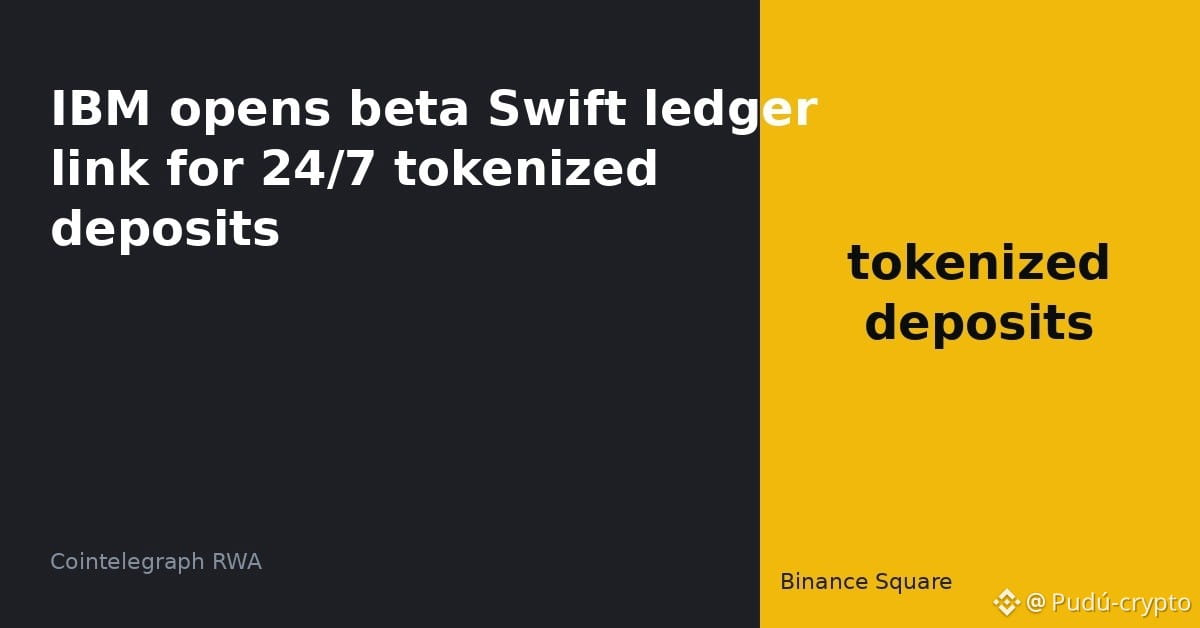
South Korea Launches Blockchain Payment Project South Korea is investing 9.6B won (~$6.9M) to roll out a deposit token payment system. Quick Stats: 🔹 9 commercial banks 🔹 8 payment providers 🔹 2 major merchants 🔹 9.6B won total budget The project aims to reduce merchant payment fees, speed up settlements, and expand real-world blockchain payments using existing payment infrastructure. #blockchain #SouthKorea #CryptoPayments #CBDC
South Korea Launches Blockchain Payment Project
South Korea is investing 9.6B won (~$6.9M) to roll out a deposit token payment system.
Quick Stats:
🔹 9 commercial banks
🔹 8 payment providers
🔹 2 major merchants
🔹 9.6B won total budget
The project aims to reduce merchant payment fees, speed up settlements, and expand real-world blockchain payments using existing payment infrastructure.
#blockchain #SouthKorea #CryptoPayments #CBDC
🚀 TradFi Meets Crypto: The Future of Finance? For years, traditional finance (TradFi) and crypto seemed like two completely different worlds. Today, that gap is getting smaller. We're seeing: 🔹 Banks exploring blockchain technology. 🔹 Tokenized real-world assets (RWAs) gaining momentum. 🔹 Faster cross-border payments powered by blockchain. 🔹 More institutions adding digital assets to their long-term strategies. Crypto isn't just about price charts anymore—it's becoming part of the broader financial ecosystem. Whether you're investing, trading, or simply learning, understanding both TradFi and crypto can help you make better decisions in a rapidly changing market. 💬 Question for the community: Which development do you think will have the biggest impact over the next 5 years? 1️⃣ Tokenized Real-World Assets (RWAs) 2️⃣ Stablecoins for global payments 3️⃣ Institutional Bitcoin adoption 4️⃣ Decentralized Finance (DeFi) Share your thoughts below! 👇 #crypto #blockchain #TradFi #defi #bitcoin #BinanceSquare $BTC {spot}(BTCUSDT)

🚀 TradFi Meets Crypto: The Future of Finance?

For years, traditional finance (TradFi) and crypto seemed like two completely different worlds. Today, that gap is getting smaller.

We're seeing:
🔹 Banks exploring blockchain technology.
🔹 Tokenized real-world assets (RWAs) gaining momentum.
🔹 Faster cross-border payments powered by blockchain.
🔹 More institutions adding digital assets to their long-term strategies.

Crypto isn't just about price charts anymore—it's becoming part of the broader financial ecosystem.

Whether you're investing, trading, or simply learning, understanding both TradFi and crypto can help you make better decisions in a rapidly changing market.

💬 Question for the community:

Which development do you think will have the biggest impact over the next 5 years?

1️⃣ Tokenized Real-World Assets (RWAs)
2️⃣ Stablecoins for global payments
3️⃣ Institutional Bitcoin adoption
4️⃣ Decentralized Finance (DeFi)

Share your thoughts below! 👇

#crypto #blockchain #TradFi #defi #bitcoin #BinanceSquare

$BTC
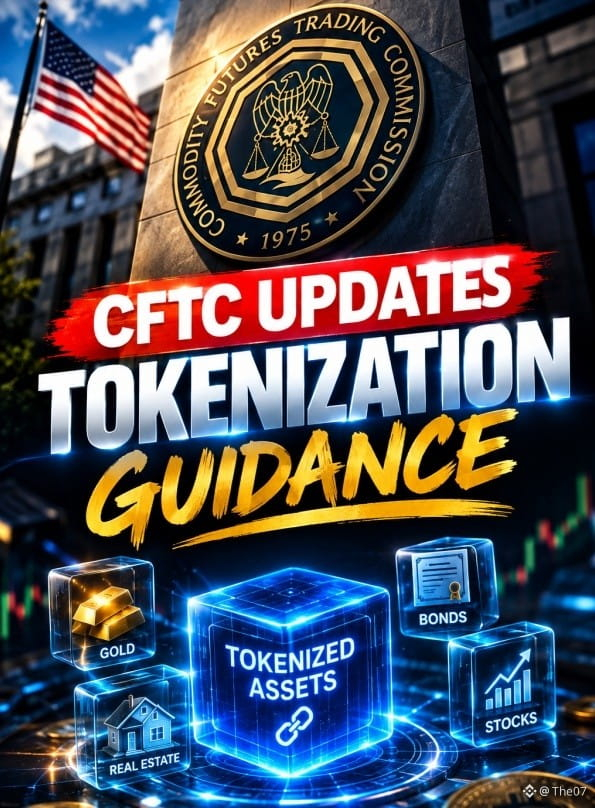
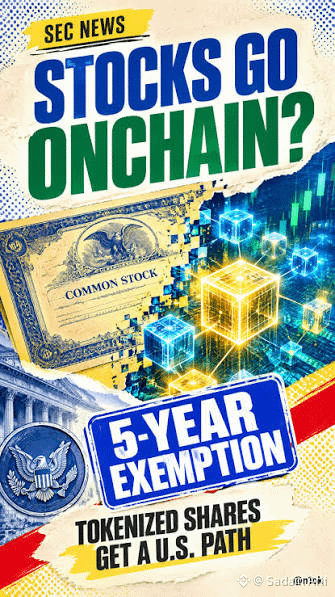
🇬🇧 UK Moves Toward Tokenized Government Bonds $RE {spot}(REUSDT) $BANK {spot}(BANKUSDT) The UK plans to pilot its first blockchain-based sovereign bond by early 2027, partnering with HSBC and the London Stock Exchange Group. The initiative marks another major step in real-world asset (RWA) tokenization, with experts highlighting that on-chain cash settlement will be key to the project's success. #Tokenization #Blockchain #RWA #SuperMicroRisesNearly20%
🇬🇧 UK Moves Toward Tokenized Government Bonds
$RE
$BANK

The UK plans to pilot its first blockchain-based sovereign bond by early 2027, partnering with HSBC and the London Stock Exchange Group. The initiative marks another major step in real-world asset (RWA) tokenization, with experts highlighting that on-chain cash settlement will be key to the project's success.

#Tokenization #Blockchain #RWA #SuperMicroRisesNearly20%
·
--
$ETH Franklin Templeton's Sandy Kaul and Circle CEO Jeremy Allaire believe AI and blockchain are closely connected. As AI agents start working on their own, they will need to pay for services like APIs, cloud computing, and data access. Traditional payment systems, such as credit cards, are not designed for tiny payments made by machines. Blockchain offers faster, cheaper, and programmable payments, making it a better choice for AI-to-AI transactions. They believe investors should not focus only on AI companies like chipmakers and cloud providers. Blockchain payment networks could become just as important because they will power the financial side of AI. In short: AI will do the work, and blockchain will handle the payments. Together, they could shape the future of the digital econom #Blockchain #ai
$ETH Franklin Templeton's Sandy Kaul and Circle CEO Jeremy Allaire believe AI and blockchain are closely connected. As AI agents start working on their own, they will need to pay for services like APIs, cloud computing, and data access.
Traditional payment systems, such as credit cards, are not designed for tiny payments made by machines. Blockchain offers faster, cheaper, and programmable payments, making it a better choice for AI-to-AI transactions.
They believe investors should not focus only on AI companies like chipmakers and cloud providers. Blockchain payment networks could become just as important because they will power the financial side of AI.
In short: AI will do the work, and blockchain will handle the payments. Together, they could shape the future of the digital econom

#Blockchain #ai
🌐 Crypto Education Goes Global: Universities and institutions add blockchain curricula On July 22, 2026, Leading universities worldwide are adding blockchain and crypto courses, reflecting the technology's growing importance. Balaji's Network School moving to Kazakhstan demonstrates global demand for hands-on crypto education. As educational infrastructure grows, the next generation of builders will enter the space better prepared. 📌 Key Takeaway: Blockchain education expanding globally — from university curricula to specialized schools — prepares the next builder generation. #Education #Blockchain #FutureOfFinance #BinanceAlphaAlert
🌐 Crypto Education Goes Global: Universities and institutions add blockchain curricula
On July 22, 2026, Leading universities worldwide are adding blockchain and crypto courses, reflecting the technology's growing importance.
Balaji's Network School moving to Kazakhstan demonstrates global demand for hands-on crypto education.
As educational infrastructure grows, the next generation of builders will enter the space better prepared.

📌 Key Takeaway:
Blockchain education expanding globally — from university curricula to specialized schools — prepares the next builder generation.

#Education #Blockchain #FutureOfFinance
#BinanceAlphaAlert
Major institutional move. S&P has launched a new blockchain fundamentals index for digital assets. This benchmark tracks networks based on protocol revenue, providing an alternative to traditional market capitalization-weighted crypto indexes. #Blockchain #Finance ‎
Major institutional move.

S&P has launched a new blockchain fundamentals index for digital assets. This benchmark tracks networks based on protocol revenue, providing an alternative to traditional market capitalization-weighted crypto indexes.

#Blockchain #Finance
Have you noticed how every “easier to use” blockchain usually comes with a security trade-off hiding somewhere? Traders feel this the hard way: you chase the faster chain, the cheaper fees, the smoother UX… then one exploit, bad contract, or weak bridge wipes out weeks of gains. The real case study here is simple: every blockchain is constantly balancing 2 forces, accessibility and security. $SOL pushes speed and low-cost access. $ETH leans harder into security and decentralization. $BNB sits somewhere in the middle, trying to serve mass users without making the system too fragile. My hot take: the market often rewards accessibility first, then remembers security after something breaks. That’s why “cheap and fast” should never be the only reason to enter an ecosystem. If users can get in easily, attackers probably can too. So the smarter question isn’t “which chain is fastest?” It’s “what did this chain sacrifice to become fast?” What’s your take? #Crypto #Blockchain #Web3
Have you noticed how every “easier to use” blockchain usually comes with a security trade-off hiding somewhere?

Traders feel this the hard way: you chase the faster chain, the cheaper fees, the smoother UX… then one exploit, bad contract, or weak bridge wipes out weeks of gains.

The real case study here is simple: every blockchain is constantly balancing 2 forces, accessibility and security. $SOL pushes speed and low-cost access. $ETH leans harder into security and decentralization. $BNB sits somewhere in the middle, trying to serve mass users without making the system too fragile.

My hot take: the market often rewards accessibility first, then remembers security after something breaks. That’s why “cheap and fast” should never be the only reason to enter an ecosystem. If users can get in easily, attackers probably can too.

So the smarter question isn’t “which chain is fastest?” It’s “what did this chain sacrifice to become fast?”

What’s your take? #Crypto #Blockchain #Web3
If you’re still choosing chains only because they’re cheap and easy to use, stop now. That mistake has cost traders real money when convenience turns into weak assumptions. Low fees and smooth onboarding feel great until a security trade-off shows up after you’ve already bought the top or bridged funds in. The breaking reminder here is simple: every blockchain has to balance accessibility with security. Push too hard toward accessibility and you get faster adoption, easier wallets, lower friction, and more users flowing into ecosystems like $SOL, $BNB, and $ETH L2s. But the other side matters more, in my view. If security is treated like a feature instead of the foundation, the whole value proposition gets shaky. Traders don’t just need speed. They need confidence that the chain, bridge, app, and assets won’t become the next painful lesson. So where should crypto draw the line: should blockchains prioritize mass adoption first, or security at all costs? #CryptoSecurity #Blockchain #BinanceSquare

If you’re still choosing chains only because they’re cheap and easy to use, stop now.

That mistake has cost traders real money when convenience turns into weak assumptions. Low fees and smooth onboarding feel great until a security trade-off shows up after you’ve already bought the top or bridged funds in.

The breaking reminder here is simple: every blockchain has to balance accessibility with security. Push too hard toward accessibility and you get faster adoption, easier wallets, lower friction, and more users flowing into ecosystems like $SOL , $BNB , and $ETH L2s.

But the other side matters more, in my view. If security is treated like a feature instead of the foundation, the whole value proposition gets shaky. Traders don’t just need speed. They need confidence that the chain, bridge, app, and assets won’t become the next painful lesson.

So where should crypto draw the line: should blockchains prioritize mass adoption first, or security at all costs?

#CryptoSecurity #Blockchain #BinanceSquare
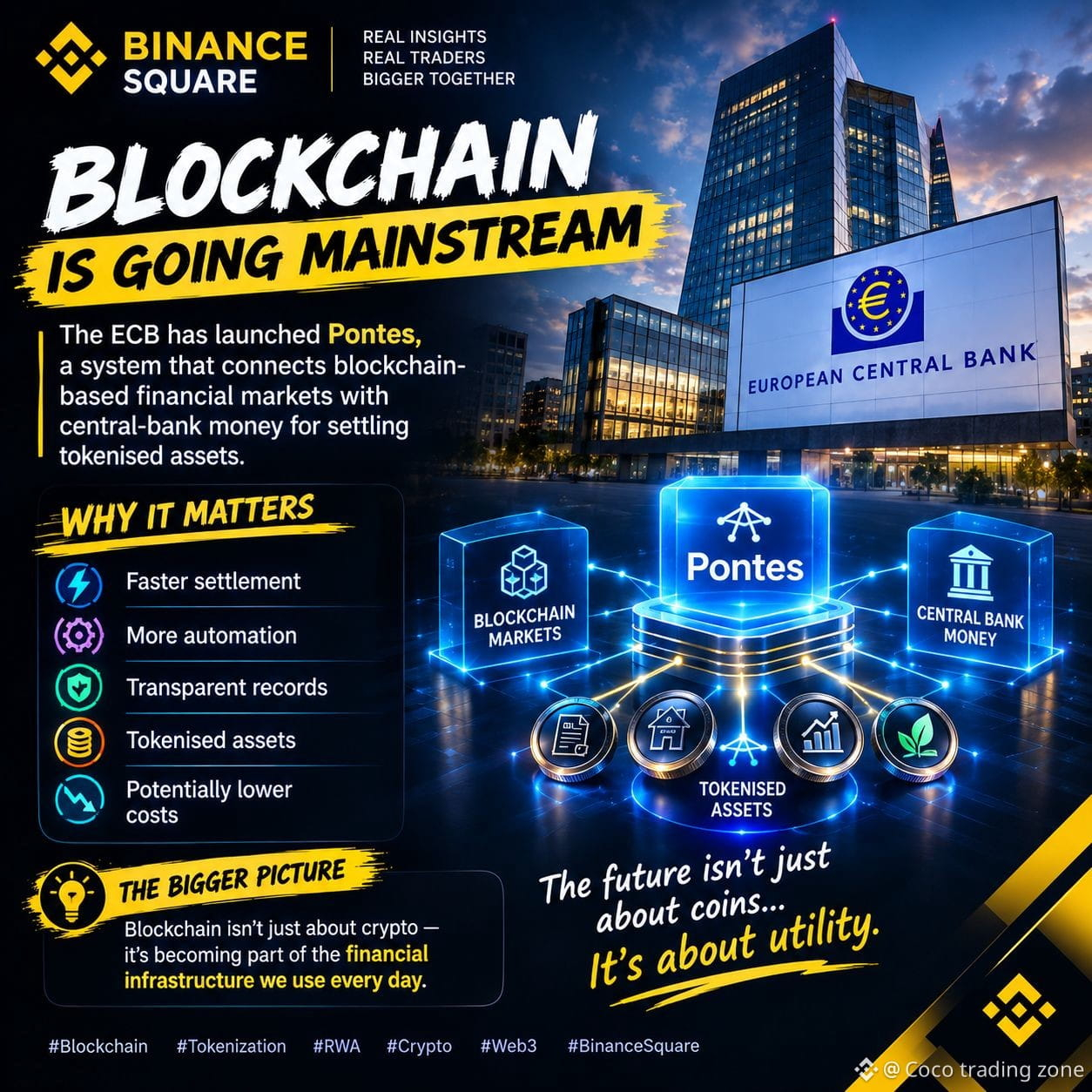
Everyone thinks cheap onchain activity is always bullish, but actually cheap + no guardrails is how networks get clogged by bad actors. Traders ape $XRP, $XLM or $HBAR narratives for “fast and cheap” without asking what keeps the ledger clean. Then when spam hits, UX gets ugly, resources get squeezed, and late buyers start panic posting. Case study here is boring but important: anti-spam rules exist for 3 reasons. They protect the network from spam, prevent unnecessary ledger bloat, and stop storage + memory from being abused like free real estate. That’s the mistake a lot of degens make ngl. They see friction and call it bearish, when sometimes that friction is literally what keeps the chain usable when bad actors show up. So is network “friction” actually a red flag, or is it underrated protection? #CryptoSecurity #Blockchain #Altcoins
Everyone thinks cheap onchain activity is always bullish, but actually cheap + no guardrails is how networks get clogged by bad actors.

Traders ape $XRP , $XLM or $HBAR narratives for “fast and cheap” without asking what keeps the ledger clean. Then when spam hits, UX gets ugly, resources get squeezed, and late buyers start panic posting.

Case study here is boring but important: anti-spam rules exist for 3 reasons. They protect the network from spam, prevent unnecessary ledger bloat, and stop storage + memory from being abused like free real estate.

That’s the mistake a lot of degens make ngl. They see friction and call it bearish, when sometimes that friction is literally what keeps the chain usable when bad actors show up.

So is network “friction” actually a red flag, or is it underrated protection?

#CryptoSecurity #Blockchain #Altcoins
AI is growing fast and many people are looking at chip companies. But there may be another area to watch. Blockchain could play a big part as AI keeps improving. In the future AI tools may do many small jobs on their own. They may pay for data use pay for computer power or use online services without waiting for people. For this to work they need a fast and simple way to send value. This is where blockchain can help. It allows quick digital payments and works all day without stopping. As more AI tools start using blockchain the activity on crypto networks could also grow. This does not mean everything will change overnight. But it shows how AI and blockchain can work together in the future. It is a trend that many people are starting to watch closely. #Crypto #Blockchain #DigitalAssets #Innovation #FutureTech $BNB {future}(BNBUSDT) $A {spot}(AUSDT) $SOL {spot}(SOLUSDT)
AI is growing fast and many people are looking at chip companies. But there may be another area to watch. Blockchain could play a big part as AI keeps improving.

In the future AI tools may do many small jobs on their own. They may pay for data use pay for computer power or use online services without waiting for people. For this to work they need a fast and simple way to send value.

This is where blockchain can help. It allows quick digital payments and works all day without stopping. As more AI tools start using blockchain the activity on crypto networks could also grow.

This does not mean everything will change overnight. But it shows how AI and blockchain can work together in the future. It is a trend that many people are starting to watch closely.

#Crypto #Blockchain #DigitalAssets #Innovation #FutureTech
$BNB
$A
$SOL
📚 What Are Oracles in Blockchain?: Bridging on-chain and off-chain data On July 22, 2026, Oracles bring real-world data — prices, weather, sports results — onto the blockchain so smart contracts can use it. Chainlink is the leading oracle network, feeding price data for assets like Bitcoin $BTC and Ethereum $ETH into DeFi protocols. Without oracles, smart contracts would be blind to the outside world — they make DeFi lending and trading possible. 📌 Key Takeaway: Oracles connect blockchains to real-world data — essential infrastructure for DeFi, insurance, and prediction markets. #Oracles #Chainlink #Blockchain #BinanceAlphaAlert
📚 What Are Oracles in Blockchain?: Bridging on-chain and off-chain data
On July 22, 2026, Oracles bring real-world data — prices, weather, sports results — onto the blockchain so smart contracts can use it.
Chainlink is the leading oracle network, feeding price data for assets like Bitcoin $BTC and Ethereum $ETH into DeFi protocols.
Without oracles, smart contracts would be blind to the outside world — they make DeFi lending and trading possible.

📌 Key Takeaway:
Oracles connect blockchains to real-world data — essential infrastructure for DeFi, insurance, and prediction markets.

#Oracles #Chainlink #Blockchain
#BinanceAlphaAlert
Article
What Is a Token and What Is the Difference With a CryptocurrencyMany people believe that all cryptocurrencies work in the same way. However, there is a very important difference between a digital coin and a token. Understanding this difference will help you better understand how the blockchain ecosystem works and make more informed decisions when you invest. A cryptocurrency or coin is a digital asset that runs on its own blockchain. For example: Bitcoin works on the Bitcoin network. Ethereum works on the Ethereum network. BNB works on BNB Chain.

What Is a Token and What Is the Difference With a Cryptocurrency

Many people believe that all cryptocurrencies work in the same way. However, there is a very important difference between a digital coin and a token.
Understanding this difference will help you better understand how the blockchain ecosystem works and make more informed decisions when you invest.
A cryptocurrency or coin is a digital asset that runs on its own blockchain.
For example:
Bitcoin works on the Bitcoin network.
Ethereum works on the Ethereum network.
BNB works on BNB Chain.
Log in to explore more content
Join global crypto users on Binance Square

⚡️ Get latest and useful information about crypto.
💬 Trusted by the world’s largest crypto exchange.
👍 Discover real insights from verified creators.
Email / Phone number