
Hitmans Lounge
6.3k 投稿

Hitmans Lounge
報告
ユーザーをブロック
X: @hitmans_lounge | 5.5 Yrs Experience in Trading Financial Markets | Technical Analysis | Digital Marketing | Community Management | Crypto Native
取引を発注
高頻度トレーダー
5.6年
441 フォロー
26.2K+ フォロワー
19.6K+ いいね
投稿
ポートフォリオ
すべて
引用
ライブ
翻訳参照
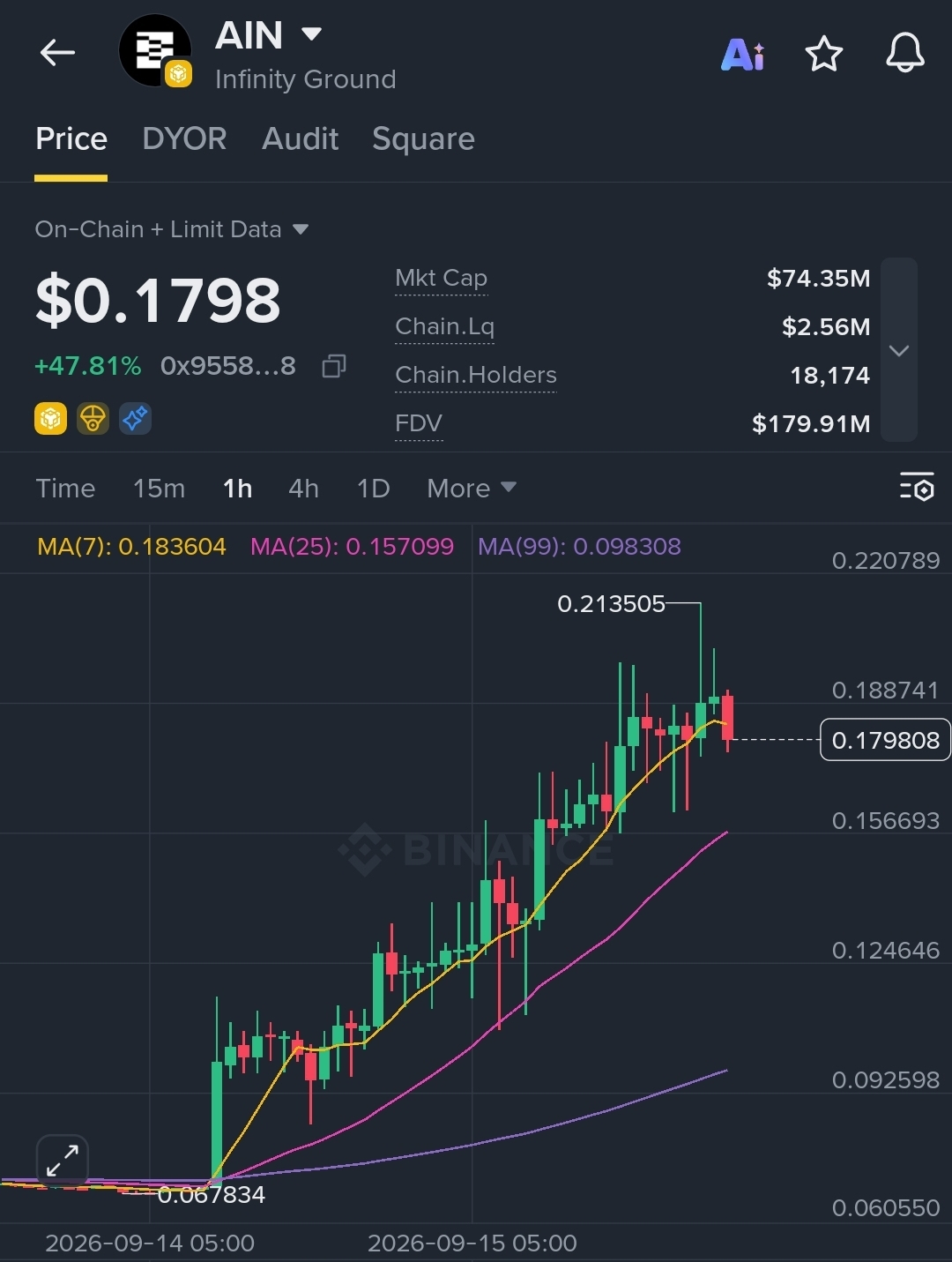
$AIN /USDT — 🟢 LONG · Conf 80%
📍 Entry: 0.1795 – 0.1812
🛑 SL: 0.1320
🎯 TP1: 0.1888
✅ TP2: 0.1960
🏆 TP3: 0.2068
Price is riding the MA7 (0.1836) in a sustained bullish channel from 0.0678 with all MAs stacked correctly — the pullback to current price after the 0.2135 high is a healthy higher-low formation, not a breakdown.
$AIN : Infinity Ground is an AI infrastructure layer targeting decentralized compute allocation — $2.56M chain liquidity on a $74M market cap is dangerously thin for the price move seen; the 47.81% gain in 24H on limited holders (18,174) signals concentrated ownership risk.
Does a decentralized AI compute network with under 20,000 holders have the distribution profile to sustain institutional-grade liquidity, or is this purely a retail momentum trade?
#AIN #InfinityGround #AI #DecentralizedComputing #DeFi
{future}(AINUSDT)
$AIN /USDT — 🟢 LONG · Conf 80%
📍 Entry: 0.1795 – 0.1812
🛑 SL: 0.1320
🎯 TP1: 0.1888
✅ TP2: 0.1960
🏆 TP3: 0.2068
Price is riding the MA7 (0.1836) in a sustained bullish channel from 0.0678 with all MAs stacked correctly — the pullback to current price after the 0.2135 high is a healthy higher-low formation, not a breakdown.
$AIN : Infinity Ground is an AI infrastructure layer targeting decentralized compute allocation — $2.56M chain liquidity on a $74M market cap is dangerously thin for the price move seen; the 47.81% gain in 24H on limited holders (18,174) signals concentrated ownership risk.
Does a decentralized AI compute network with under 20,000 holders have the distribution profile to sustain institutional-grade liquidity, or is this purely a retail momentum trade?
#AIN #InfinityGround #AI #DecentralizedComputing #DeFi
📍 Entry: 0.1795 – 0.1812
🛑 SL: 0.1320
🎯 TP1: 0.1888
✅ TP2: 0.1960
🏆 TP3: 0.2068
Price is riding the MA7 (0.1836) in a sustained bullish channel from 0.0678 with all MAs stacked correctly — the pullback to current price after the 0.2135 high is a healthy higher-low formation, not a breakdown.
$AIN : Infinity Ground is an AI infrastructure layer targeting decentralized compute allocation — $2.56M chain liquidity on a $74M market cap is dangerously thin for the price move seen; the 47.81% gain in 24H on limited holders (18,174) signals concentrated ownership risk.
Does a decentralized AI compute network with under 20,000 holders have the distribution profile to sustain institutional-grade liquidity, or is this purely a retail momentum trade?
#AIN #InfinityGround #AI #DecentralizedComputing #DeFi

1
277
翻訳参照
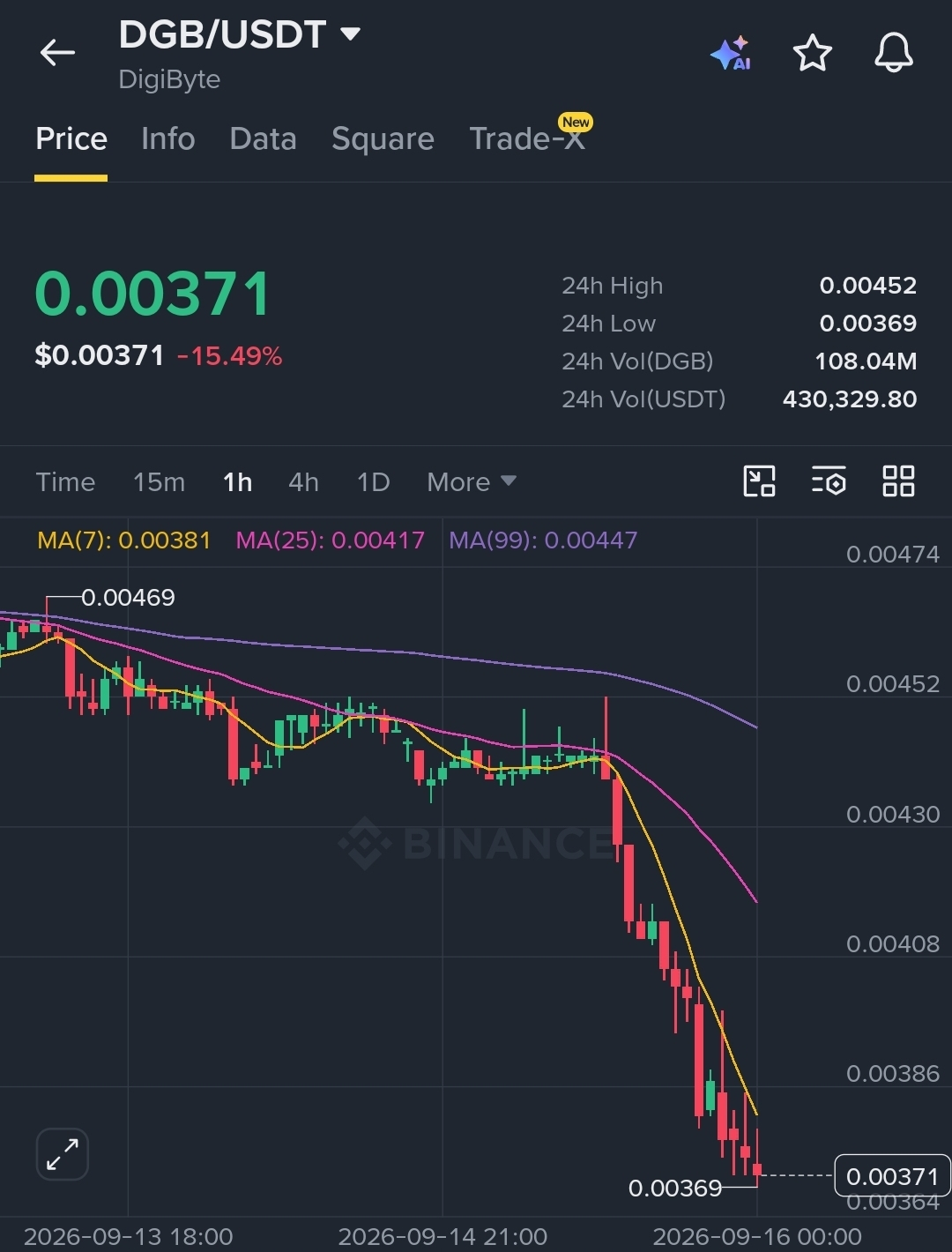
$DGB /USDT — 🔴 SHORT · Conf 80%
📍 Entry: 0.0036959 – 0.0037211
🛑 SL: 0.0045200
🎯 TP1: 0.0035245
✅ TP2: 0.0033761
🏆 TP3: 0.0031535
Price is in a clean bearish cascade below all three MAs (MA7: 0.00381, MA25: 0.00417, MA99: 0.00447) — the MA stack is inverted and pointing down with lower lows forming at the 0.00369 level, confirming full short structure.
$DGB : DigiByte is one of the oldest UTXO-based blockchains, using five mining algorithms simultaneously for security — the -15.49% drop on only $430K USDT volume is structurally weak and suggests the project's relevance narrative struggles to attract fresh capital in a competitive L1 environment.
Does DigiByte's multi-algorithm mining approach still offer a meaningful security advantage over single-algorithm chains in 2026, or has the architecture become a legacy curiosity with no practical differentiator?
#DGB #DigiByte #UTXO #Mining #security
{spot}(DGBUSDT)
$DGB /USDT — 🔴 SHORT · Conf 80%
📍 Entry: 0.0036959 – 0.0037211
🛑 SL: 0.0045200
🎯 TP1: 0.0035245
✅ TP2: 0.0033761
🏆 TP3: 0.0031535
Price is in a clean bearish cascade below all three MAs (MA7: 0.00381, MA25: 0.00417, MA99: 0.00447) — the MA stack is inverted and pointing down with lower lows forming at the 0.00369 level, confirming full short structure.
$DGB : DigiByte is one of the oldest UTXO-based blockchains, using five mining algorithms simultaneously for security — the -15.49% drop on only $430K USDT volume is structurally weak and suggests the project's relevance narrative struggles to attract fresh capital in a competitive L1 environment.
Does DigiByte's multi-algorithm mining approach still offer a meaningful security advantage over single-algorithm chains in 2026, or has the architecture become a legacy curiosity with no practical differentiator?
#DGB #DigiByte #UTXO #Mining #security
📍 Entry: 0.0036959 – 0.0037211
🛑 SL: 0.0045200
🎯 TP1: 0.0035245
✅ TP2: 0.0033761
🏆 TP3: 0.0031535
Price is in a clean bearish cascade below all three MAs (MA7: 0.00381, MA25: 0.00417, MA99: 0.00447) — the MA stack is inverted and pointing down with lower lows forming at the 0.00369 level, confirming full short structure.
$DGB : DigiByte is one of the oldest UTXO-based blockchains, using five mining algorithms simultaneously for security — the -15.49% drop on only $430K USDT volume is structurally weak and suggests the project's relevance narrative struggles to attract fresh capital in a competitive L1 environment.
Does DigiByte's multi-algorithm mining approach still offer a meaningful security advantage over single-algorithm chains in 2026, or has the architecture become a legacy curiosity with no practical differentiator?
#DGB #DigiByte #UTXO #Mining #security

1
181
翻訳参照
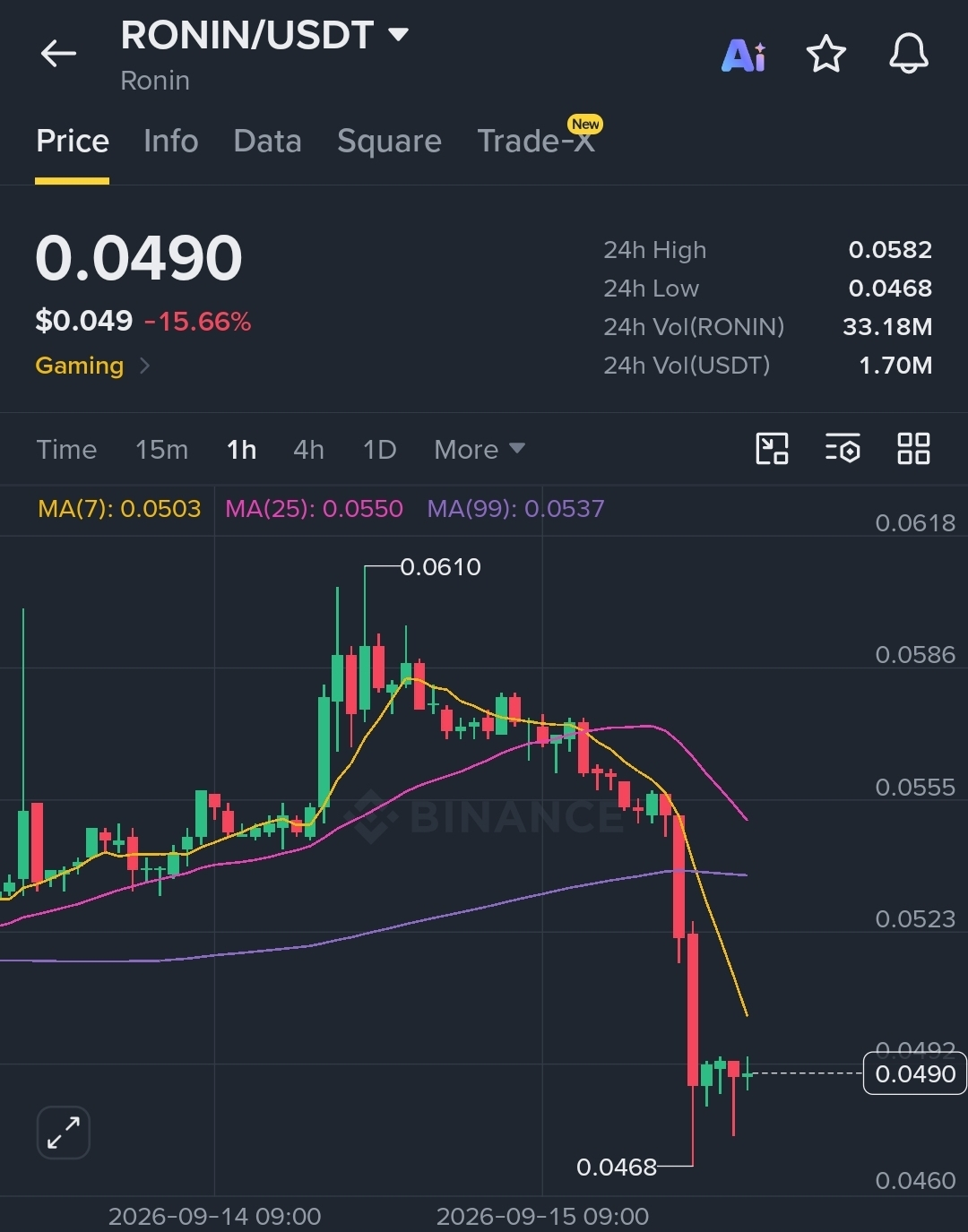
$RONIN /USDT — 🔴 SHORT · Conf 78%
📍 Entry: 0.0488 – 0.0492
🛑 SL: 0.0582
🎯 TP1: 0.0466
✅ TP2: 0.0447
🏆 TP3: 0.0417
Price broke hard below all three MAs (MA7: 0.0503, MA25: 0.0550, MA99: 0.0537) in a decisive bearish flush from the 0.0610 high — the dead-cat bounce to 0.0490 is happening directly under MA7 resistance, a textbook short re-entry zone.
$RONIN : Ronin is the Ethereum sidechain purpose-built for gaming by Sky Mavis (Axie Infinity) — it processes gaming transactions at near-zero fees, but its -15.66% drop on only $1.70M 24H USDT volume suggests very thin real trading activity beneath the gaming narrative.
Given Ronin's near-total dependency on Axie Infinity for on-chain activity, does its ecosystem diversification into other games represent a genuine expansion of utility or a defensive response to Axie's declining player base?
#RONIN #Ethereum #AxieInfinity #Gaming #Crypto
{future}(RONINUSDT)
$RONIN /USDT — 🔴 SHORT · Conf 78%
📍 Entry: 0.0488 – 0.0492
🛑 SL: 0.0582
🎯 TP1: 0.0466
✅ TP2: 0.0447
🏆 TP3: 0.0417
Price broke hard below all three MAs (MA7: 0.0503, MA25: 0.0550, MA99: 0.0537) in a decisive bearish flush from the 0.0610 high — the dead-cat bounce to 0.0490 is happening directly under MA7 resistance, a textbook short re-entry zone.
$RONIN : Ronin is the Ethereum sidechain purpose-built for gaming by Sky Mavis (Axie Infinity) — it processes gaming transactions at near-zero fees, but its -15.66% drop on only $1.70M 24H USDT volume suggests very thin real trading activity beneath the gaming narrative.
Given Ronin's near-total dependency on Axie Infinity for on-chain activity, does its ecosystem diversification into other games represent a genuine expansion of utility or a defensive response to Axie's declining player base?
#RONIN #Ethereum #AxieInfinity #Gaming #Crypto
📍 Entry: 0.0488 – 0.0492
🛑 SL: 0.0582
🎯 TP1: 0.0466
✅ TP2: 0.0447
🏆 TP3: 0.0417
Price broke hard below all three MAs (MA7: 0.0503, MA25: 0.0550, MA99: 0.0537) in a decisive bearish flush from the 0.0610 high — the dead-cat bounce to 0.0490 is happening directly under MA7 resistance, a textbook short re-entry zone.
$RONIN : Ronin is the Ethereum sidechain purpose-built for gaming by Sky Mavis (Axie Infinity) — it processes gaming transactions at near-zero fees, but its -15.66% drop on only $1.70M 24H USDT volume suggests very thin real trading activity beneath the gaming narrative.
Given Ronin's near-total dependency on Axie Infinity for on-chain activity, does its ecosystem diversification into other games represent a genuine expansion of utility or a defensive response to Axie's declining player base?
#RONIN #Ethereum #AxieInfinity #Gaming #Crypto

1
197
翻訳参照
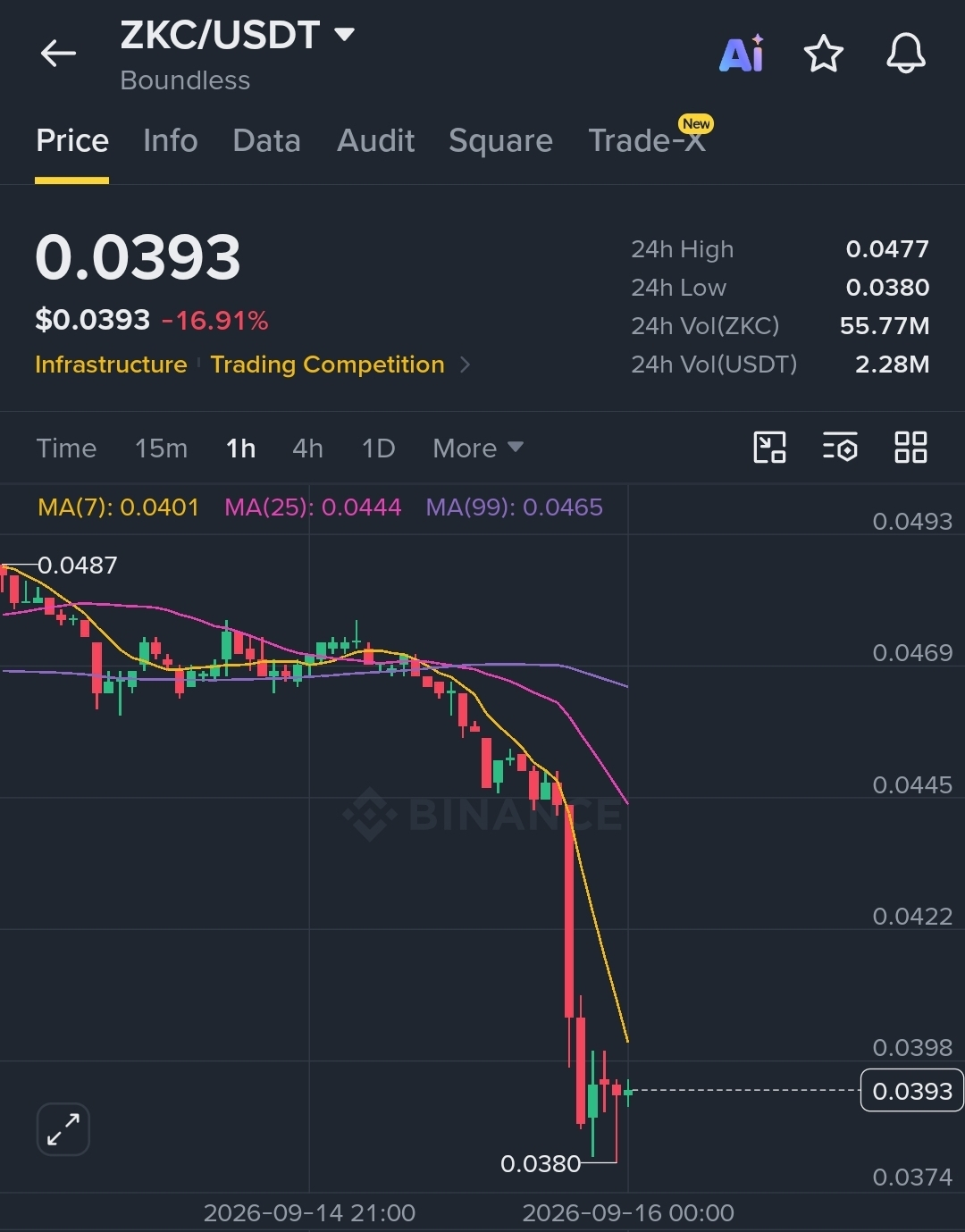
$ZKC /USDT — 🔴 SHORT · Conf 82%
📍 Entry: 0.0391 – 0.0395
🛑 SL: 0.0477
🎯 TP1: 0.0373
✅ TP2: 0.0358
🏆 TP3: 0.0334
Price is in freefall below MA7 (0.0401), MA25 (0.0444), and MA99 (0.0465) — the entire MA stack is bearish-inverted with no support established until the 0.0380 low, and the velocity of the drop suggests no meaningful bids below.
$ZKC : Boundless (ZKC) is a ZK-proof infrastructure layer focused on cross-chain verification — currently running a Trading Competition on Binance which likely inflated recent volume; the -16.91% correction on $2.28M USDT volume suggests competition-driven demand is already unwinding.
If ZKC's volume spike was primarily driven by the Binance Trading Competition incentive, does the current price level represent fair value discovery or simply the starting point of a post-competition dump?
#ZKC #Boundless #zkProofs #Verification #InfrastructureCoins
{future}(ZKCUSDT)
$ZKC /USDT — 🔴 SHORT · Conf 82%
📍 Entry: 0.0391 – 0.0395
🛑 SL: 0.0477
🎯 TP1: 0.0373
✅ TP2: 0.0358
🏆 TP3: 0.0334
Price is in freefall below MA7 (0.0401), MA25 (0.0444), and MA99 (0.0465) — the entire MA stack is bearish-inverted with no support established until the 0.0380 low, and the velocity of the drop suggests no meaningful bids below.
$ZKC : Boundless (ZKC) is a ZK-proof infrastructure layer focused on cross-chain verification — currently running a Trading Competition on Binance which likely inflated recent volume; the -16.91% correction on $2.28M USDT volume suggests competition-driven demand is already unwinding.
If ZKC's volume spike was primarily driven by the Binance Trading Competition incentive, does the current price level represent fair value discovery or simply the starting point of a post-competition dump?
#ZKC #Boundless #zkProofs #Verification #InfrastructureCoins
📍 Entry: 0.0391 – 0.0395
🛑 SL: 0.0477
🎯 TP1: 0.0373
✅ TP2: 0.0358
🏆 TP3: 0.0334
Price is in freefall below MA7 (0.0401), MA25 (0.0444), and MA99 (0.0465) — the entire MA stack is bearish-inverted with no support established until the 0.0380 low, and the velocity of the drop suggests no meaningful bids below.
$ZKC : Boundless (ZKC) is a ZK-proof infrastructure layer focused on cross-chain verification — currently running a Trading Competition on Binance which likely inflated recent volume; the -16.91% correction on $2.28M USDT volume suggests competition-driven demand is already unwinding.
If ZKC's volume spike was primarily driven by the Binance Trading Competition incentive, does the current price level represent fair value discovery or simply the starting point of a post-competition dump?
#ZKC #Boundless #zkProofs #Verification #InfrastructureCoins

1
142
翻訳参照
$TUT /USDT — 🟢 LONG · Conf 72%
📍 Entry: 0.0206 – 0.0207
🛑 SL: 0.0168
🎯 TP1: 0.0217
✅ TP2: 0.0225
🏆 TP3: 0.0238
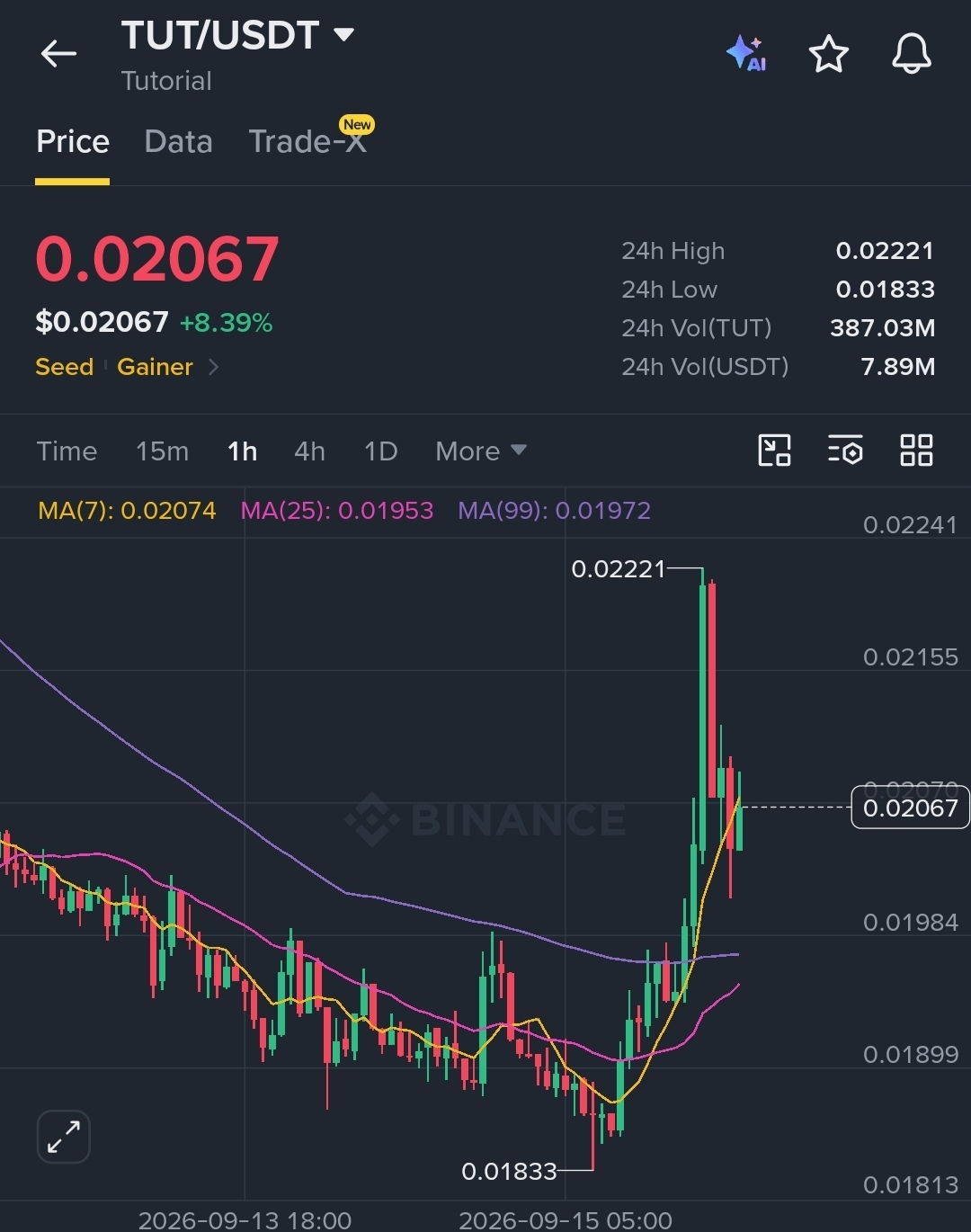
Price reclaimed MA25 (0.01953) and MA99 (0.01972) in a sharp impulse from the 0.01833 base — but the rejection from 0.02221 and current price sitting just below MA7 (0.02074) signals this is a momentum fade zone, not a clean continuation.
$TUT : Tutorial is a Binance Seed-tier token — $7.89M 24H USDT volume on 387M tokens traded is the strongest liquidity signal in this batch, but the Seed tag means early-stage listing risk is elevated with likely significant team/investor unlocks pending.
With TUT currently trading above both the MA25 and MA99 but below the MA7, does this mid-MA positioning represent accumulation before the next leg or distribution from early buyers at the pump high?
#TUT #Tutorial #Binance #Seed #BessentEndorsesFinalClarityActDraft
{future}(TUTUSDT)
$TUT /USDT — 🟢 LONG · Conf 72%
📍 Entry: 0.0206 – 0.0207
🛑 SL: 0.0168
🎯 TP1: 0.0217
✅ TP2: 0.0225
🏆 TP3: 0.0238
Price reclaimed MA25 (0.01953) and MA99 (0.01972) in a sharp impulse from the 0.01833 base — but the rejection from 0.02221 and current price sitting just below MA7 (0.02074) signals this is a momentum fade zone, not a clean continuation.
$TUT : Tutorial is a Binance Seed-tier token — $7.89M 24H USDT volume on 387M tokens traded is the strongest liquidity signal in this batch, but the Seed tag means early-stage listing risk is elevated with likely significant team/investor unlocks pending.
With TUT currently trading above both the MA25 and MA99 but below the MA7, does this mid-MA positioning represent accumulation before the next leg or distribution from early buyers at the pump high?
#TUT #Tutorial #Binance #Seed #BessentEndorsesFinalClarityActDraft
📍 Entry: 0.0206 – 0.0207
🛑 SL: 0.0168
🎯 TP1: 0.0217
✅ TP2: 0.0225
🏆 TP3: 0.0238
Price reclaimed MA25 (0.01953) and MA99 (0.01972) in a sharp impulse from the 0.01833 base — but the rejection from 0.02221 and current price sitting just below MA7 (0.02074) signals this is a momentum fade zone, not a clean continuation.
$TUT : Tutorial is a Binance Seed-tier token — $7.89M 24H USDT volume on 387M tokens traded is the strongest liquidity signal in this batch, but the Seed tag means early-stage listing risk is elevated with likely significant team/investor unlocks pending.
With TUT currently trading above both the MA25 and MA99 but below the MA7, does this mid-MA positioning represent accumulation before the next leg or distribution from early buyers at the pump high?
#TUT #Tutorial #Binance #Seed #BessentEndorsesFinalClarityActDraft

1
201
翻訳参照
$G /USDT — 🟢 LONG · Conf 78%
📍 Entry: 0.0042074 – 0.0042326
🛑 SL: 0.0034500
🎯 TP1: 0.0044310
✅ TP2: 0.0045978
🏆 TP3: 0.0048530
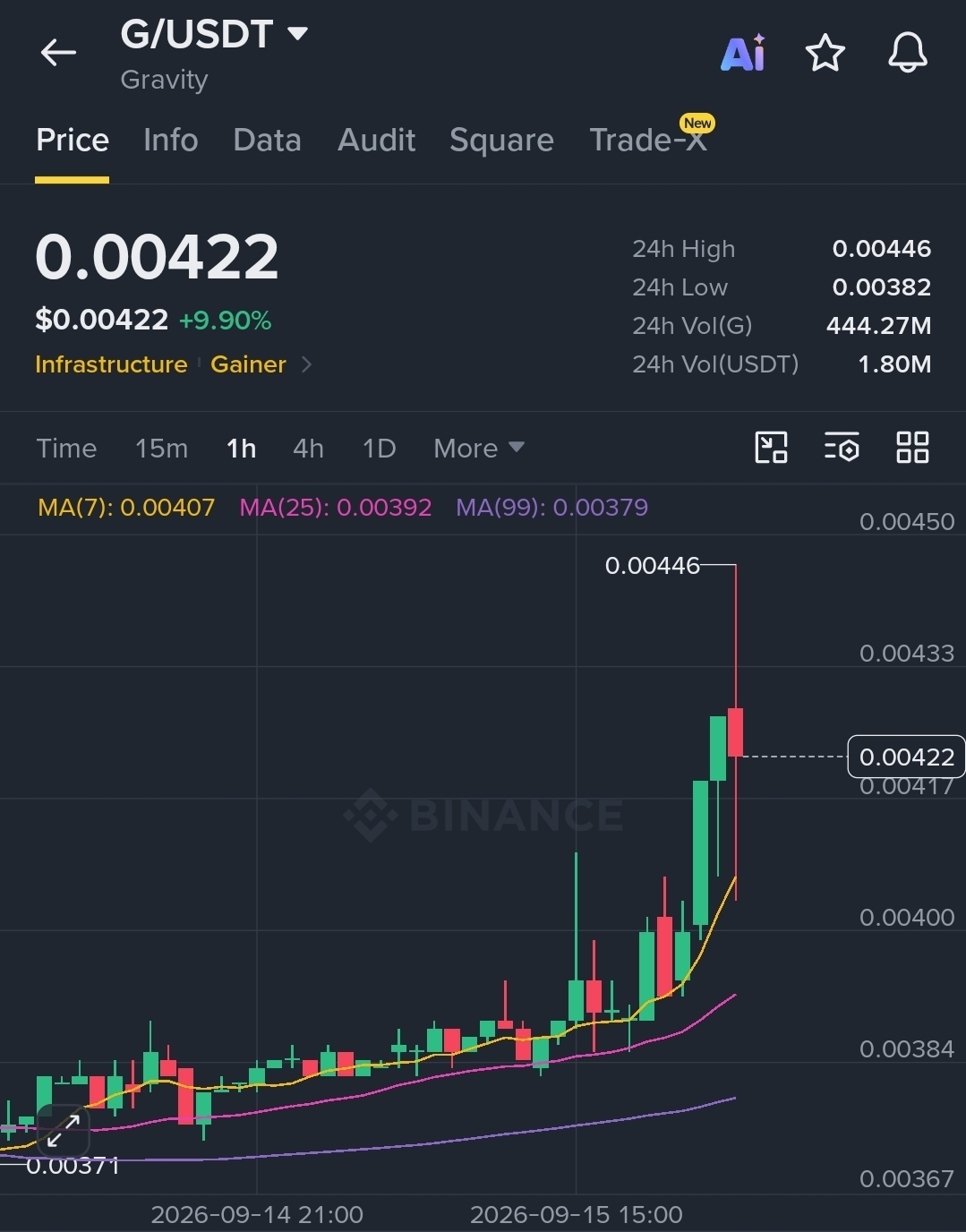
All three MAs are cleanly stacked below price (MA7: 0.00407, MA25: 0.00392, MA99: 0.00379) in a grinding bullish structure from 0.00371 — the controlled pace of this move versus other charts makes it one of the cleaner setups in this batch.
$G : Gravity is a blockchain infrastructure token in the Infrastructure category — $1.80M 24H USDT volume on 444M tokens is extremely thin liquidity for a +9.90% move, meaning price discovery here is driven by a handful of participants and spreads can gap significantly on any sell pressure.
Does Gravity's infrastructure positioning justify a premium valuation when its on-chain liquidity ($1.80M daily USDT volume) is insufficient to support meaningful institutional participation?
#G #Gravity #Infrastructure #Crypto #web3
{future}(GUSDT)
$G /USDT — 🟢 LONG · Conf 78%
📍 Entry: 0.0042074 – 0.0042326
🛑 SL: 0.0034500
🎯 TP1: 0.0044310
✅ TP2: 0.0045978
🏆 TP3: 0.0048530
All three MAs are cleanly stacked below price (MA7: 0.00407, MA25: 0.00392, MA99: 0.00379) in a grinding bullish structure from 0.00371 — the controlled pace of this move versus other charts makes it one of the cleaner setups in this batch.
$G : Gravity is a blockchain infrastructure token in the Infrastructure category — $1.80M 24H USDT volume on 444M tokens is extremely thin liquidity for a +9.90% move, meaning price discovery here is driven by a handful of participants and spreads can gap significantly on any sell pressure.
Does Gravity's infrastructure positioning justify a premium valuation when its on-chain liquidity ($1.80M daily USDT volume) is insufficient to support meaningful institutional participation?
#G #Gravity #Infrastructure #Crypto #web3
📍 Entry: 0.0042074 – 0.0042326
🛑 SL: 0.0034500
🎯 TP1: 0.0044310
✅ TP2: 0.0045978
🏆 TP3: 0.0048530
All three MAs are cleanly stacked below price (MA7: 0.00407, MA25: 0.00392, MA99: 0.00379) in a grinding bullish structure from 0.00371 — the controlled pace of this move versus other charts makes it one of the cleaner setups in this batch.
$G : Gravity is a blockchain infrastructure token in the Infrastructure category — $1.80M 24H USDT volume on 444M tokens is extremely thin liquidity for a +9.90% move, meaning price discovery here is driven by a handful of participants and spreads can gap significantly on any sell pressure.
Does Gravity's infrastructure positioning justify a premium valuation when its on-chain liquidity ($1.80M daily USDT volume) is insufficient to support meaningful institutional participation?
#G #Gravity #Infrastructure #Crypto #web3

1
287
·
--
弱気相場
翻訳参照
$FF /USDT — 🔴 SHORT · Conf 70%
📍 Entry: 0.1404 – 0.1416
🛑 SL: 0.1701
🎯 TP1: 0.1340
✅ TP2: 0.1283
🏆 TP3: 0.1198
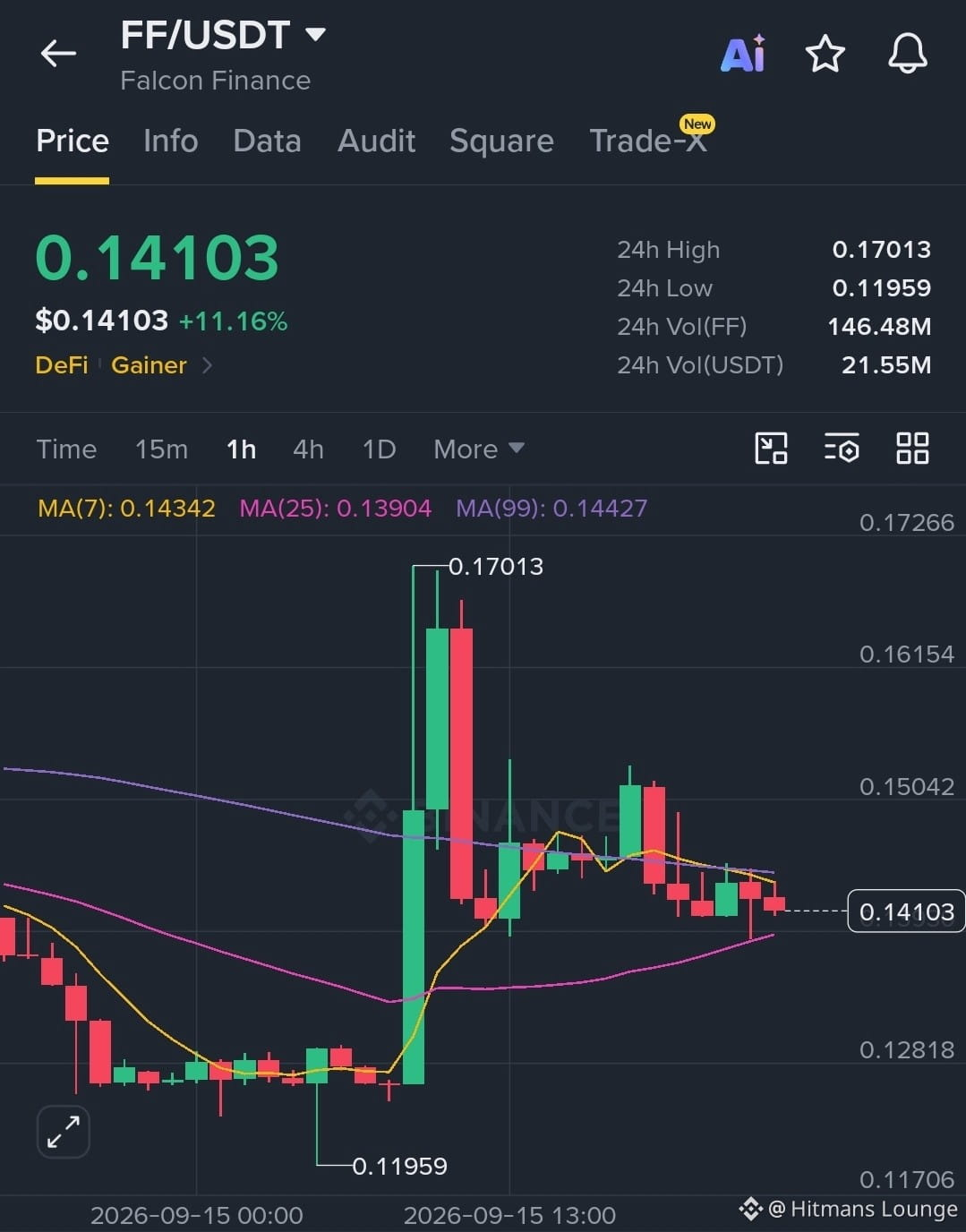
Price spiked to 0.1701 then reversed hard — currently sitting below the MA99 (0.14427) and MA7 (0.14342) with the structure showing classic pump-and-dump price action; the bounce to current levels is testing the underside of broken support now acting as resistance.
$FF : Falcon Finance is a DeFi protocol — at $21.55M 24H USDT volume it's the highest-liquidity token in this batch, but the violent spike-and-reversal from 0.1701 in a single session on the 1H chart is a textbook manipulation candle signature that traders should treat with extreme caution.
Given the near-perfect spike-and-reversal candle pattern on FF's 1H chart, does the $21.55M volume represent genuine DeFi protocol interest or coordinated wash trading to trigger stop hunts on both sides?
#FF #FalconFinance #DeFi #ZamaOpens16ConfidentialMorphoVaults #FedRateWatch
{future}(FFUSDT)
$FF /USDT — 🔴 SHORT · Conf 70%
📍 Entry: 0.1404 – 0.1416
🛑 SL: 0.1701
🎯 TP1: 0.1340
✅ TP2: 0.1283
🏆 TP3: 0.1198
Price spiked to 0.1701 then reversed hard — currently sitting below the MA99 (0.14427) and MA7 (0.14342) with the structure showing classic pump-and-dump price action; the bounce to current levels is testing the underside of broken support now acting as resistance.
$FF : Falcon Finance is a DeFi protocol — at $21.55M 24H USDT volume it's the highest-liquidity token in this batch, but the violent spike-and-reversal from 0.1701 in a single session on the 1H chart is a textbook manipulation candle signature that traders should treat with extreme caution.
Given the near-perfect spike-and-reversal candle pattern on FF's 1H chart, does the $21.55M volume represent genuine DeFi protocol interest or coordinated wash trading to trigger stop hunts on both sides?
#FF #FalconFinance #DeFi #ZamaOpens16ConfidentialMorphoVaults #FedRateWatch
📍 Entry: 0.1404 – 0.1416
🛑 SL: 0.1701
🎯 TP1: 0.1340
✅ TP2: 0.1283
🏆 TP3: 0.1198
Price spiked to 0.1701 then reversed hard — currently sitting below the MA99 (0.14427) and MA7 (0.14342) with the structure showing classic pump-and-dump price action; the bounce to current levels is testing the underside of broken support now acting as resistance.
$FF : Falcon Finance is a DeFi protocol — at $21.55M 24H USDT volume it's the highest-liquidity token in this batch, but the violent spike-and-reversal from 0.1701 in a single session on the 1H chart is a textbook manipulation candle signature that traders should treat with extreme caution.
Given the near-perfect spike-and-reversal candle pattern on FF's 1H chart, does the $21.55M volume represent genuine DeFi protocol interest or coordinated wash trading to trigger stop hunts on both sides?
#FF #FalconFinance #DeFi #ZamaOpens16ConfidentialMorphoVaults #FedRateWatch

1
222
$MTL /USDT — 🔴 ショート · 損益目標75%
📍 エントリー: 0.2881 – 0.2907
🛑 SL: 0.3595
🎯 TP1: 0.2750
✅ TP2: 0.2632
🏆 TP3: 0.2457
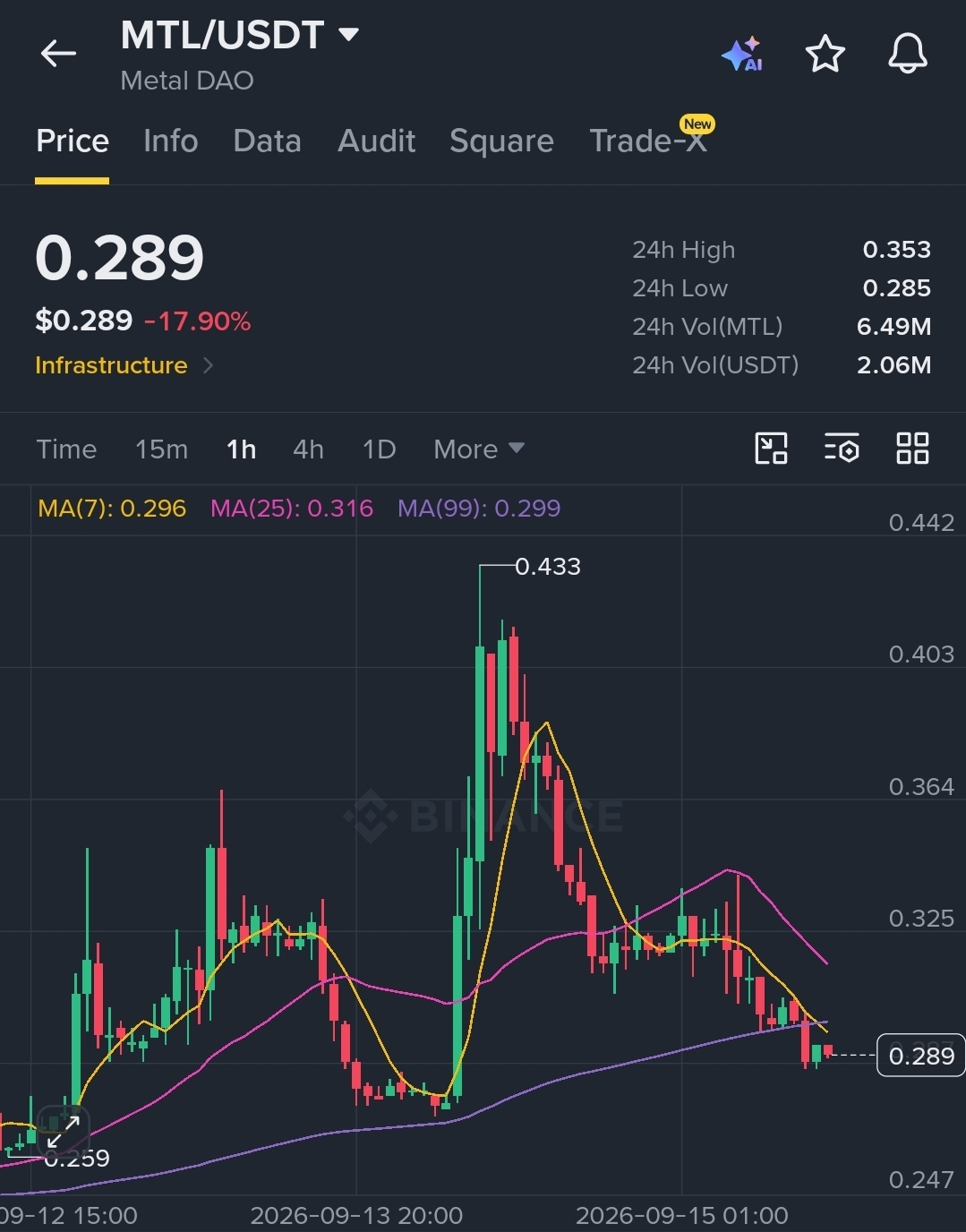
価格は0.433でピークを付けた後、回復に失敗 — 現在はMA7(0.296)、MA25(0.316)、MA99(0.299)を同時に下回って取引されており、当日-17.90%で、USDT出来高はわずか$2.06M。
$MTL : Metal DAOは、日常の取引に向けて暗号から法定通貨への変換を目指す決済重視のブロックチェーン・プロジェクトです。主要な仕組みはProtonブロックチェーン統合で、本人確認による本人性検証を可能にしつつ、手数料無料の決済を実現する点にあります。リスクとしては、日次出来高$2.06Mという流動性が極めて薄く、ウォッシュトレードや急な手仕舞いの影響を非常に受けやすいことです。
Metal DAOは、複数回のリブランディングを通じて、何年も決済の訴求に軸足を置いてきました。では、日次出来高が$3M未満の暗号決済プロジェクトが、主要な機関向け配給パートナーなしで、現実的に加盟店の採用へ至る道はあるのでしょうか?
#MTL #MetalDAO #Proton #Payments #ZeroFee
{future}(MTLUSDT)
$MTL /USDT — 🔴 ショート · 損益目標75%
📍 エントリー: 0.2881 – 0.2907
🛑 SL: 0.3595
🎯 TP1: 0.2750
✅ TP2: 0.2632
🏆 TP3: 0.2457
価格は0.433でピークを付けた後、回復に失敗 — 現在はMA7(0.296)、MA25(0.316)、MA99(0.299)を同時に下回って取引されており、当日-17.90%で、USDT出来高はわずか$2.06M。
$MTL : Metal DAOは、日常の取引に向けて暗号から法定通貨への変換を目指す決済重視のブロックチェーン・プロジェクトです。主要な仕組みはProtonブロックチェーン統合で、本人確認による本人性検証を可能にしつつ、手数料無料の決済を実現する点にあります。リスクとしては、日次出来高$2.06Mという流動性が極めて薄く、ウォッシュトレードや急な手仕舞いの影響を非常に受けやすいことです。
Metal DAOは、複数回のリブランディングを通じて、何年も決済の訴求に軸足を置いてきました。では、日次出来高が$3M未満の暗号決済プロジェクトが、主要な機関向け配給パートナーなしで、現実的に加盟店の採用へ至る道はあるのでしょうか?
#MTL #MetalDAO #Proton #Payments #ZeroFee
📍 エントリー: 0.2881 – 0.2907
🛑 SL: 0.3595
🎯 TP1: 0.2750
✅ TP2: 0.2632
🏆 TP3: 0.2457
価格は0.433でピークを付けた後、回復に失敗 — 現在はMA7(0.296)、MA25(0.316)、MA99(0.299)を同時に下回って取引されており、当日-17.90%で、USDT出来高はわずか$2.06M。
$MTL : Metal DAOは、日常の取引に向けて暗号から法定通貨への変換を目指す決済重視のブロックチェーン・プロジェクトです。主要な仕組みはProtonブロックチェーン統合で、本人確認による本人性検証を可能にしつつ、手数料無料の決済を実現する点にあります。リスクとしては、日次出来高$2.06Mという流動性が極めて薄く、ウォッシュトレードや急な手仕舞いの影響を非常に受けやすいことです。
Metal DAOは、複数回のリブランディングを通じて、何年も決済の訴求に軸足を置いてきました。では、日次出来高が$3M未満の暗号決済プロジェクトが、主要な機関向け配給パートナーなしで、現実的に加盟店の採用へ至る道はあるのでしょうか?
#MTL #MetalDAO #Proton #Payments #ZeroFee

1
169
翻訳参照
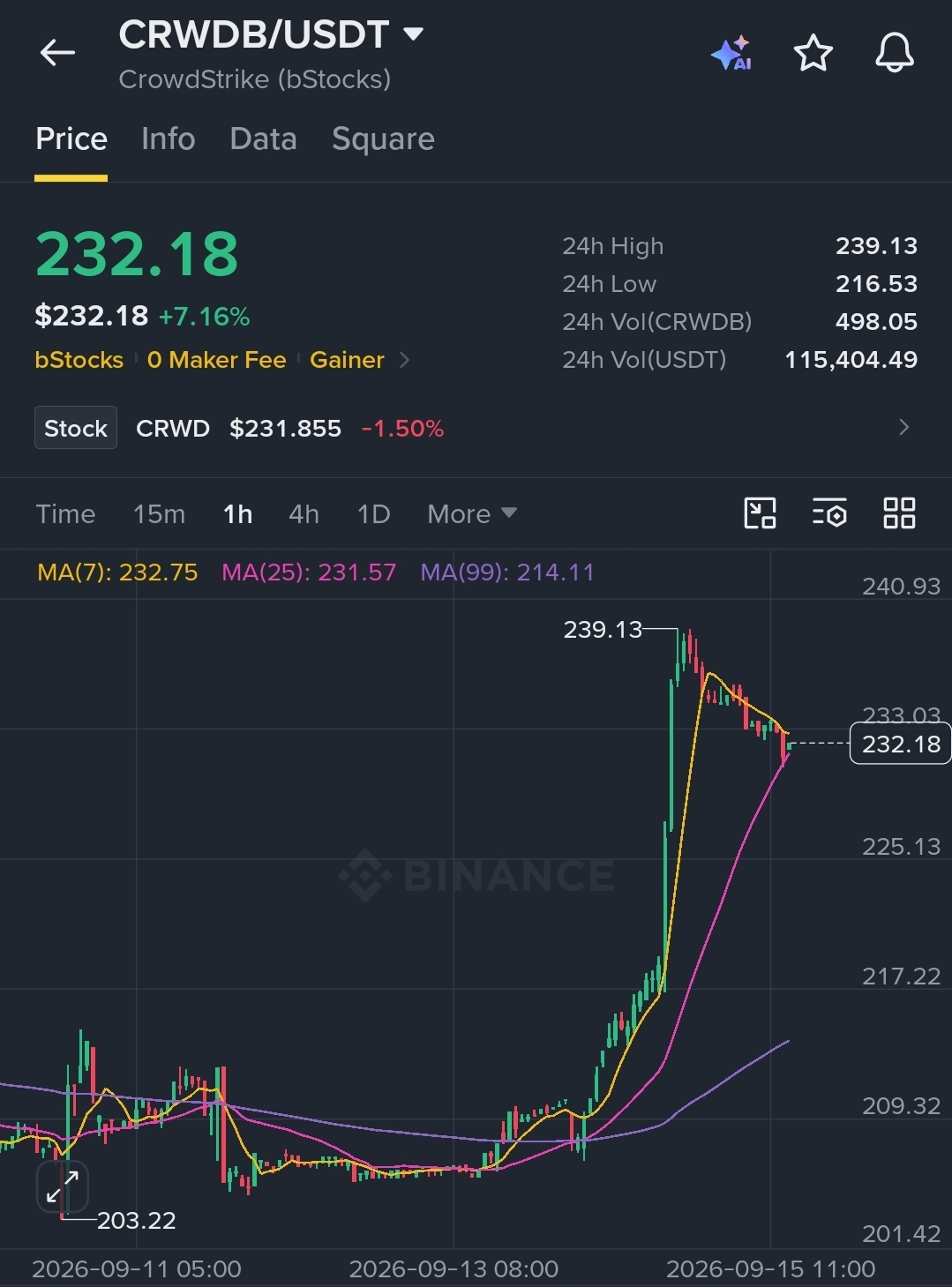
$CRWDB /USDT — 🟢 LONG · Conf 75%
📍 Entry: 231.48 – 232.88
🛑 SL: 218.63
🎯 TP1: 243.79
✅ TP2: 253.08
🏆 TP3: 266.81
Price is holding above MA7 (232.75) and MA25 (231.57) after a clean breakout from the 203.22 base — the consolidation just below the 239.13 high is tight and bullish.
$CRWDB : CrowdStrike bStock is a tokenized equity instrument on Binance tracking the CRWD stock price — key mechanic is zero maker fee trading allowing on-chain equity exposure without traditional brokerage; risk is the bStock price showed a +7.16% premium vs the actual CRWD stock trading at -1.50%, creating an arbitrage gap that could close sharply.
The CRWDB token is trading at a significant premium to the underlying CRWD stock — does this persistent premium reflect genuine on-chain demand for tokenized equity access or is it a structural inefficiency that will collapse when redemption pressure normalizes?
#CRWDB #CrowdStrike #CRWD #SouthKoreaCryptoTaxDelayPetitionTops50000
{spot}(CRWDBUSDT)
$CRWDB /USDT — 🟢 LONG · Conf 75%
📍 Entry: 231.48 – 232.88
🛑 SL: 218.63
🎯 TP1: 243.79
✅ TP2: 253.08
🏆 TP3: 266.81
Price is holding above MA7 (232.75) and MA25 (231.57) after a clean breakout from the 203.22 base — the consolidation just below the 239.13 high is tight and bullish.
$CRWDB : CrowdStrike bStock is a tokenized equity instrument on Binance tracking the CRWD stock price — key mechanic is zero maker fee trading allowing on-chain equity exposure without traditional brokerage; risk is the bStock price showed a +7.16% premium vs the actual CRWD stock trading at -1.50%, creating an arbitrage gap that could close sharply.
The CRWDB token is trading at a significant premium to the underlying CRWD stock — does this persistent premium reflect genuine on-chain demand for tokenized equity access or is it a structural inefficiency that will collapse when redemption pressure normalizes?
#CRWDB #CrowdStrike #CRWD #SouthKoreaCryptoTaxDelayPetitionTops50000
📍 Entry: 231.48 – 232.88
🛑 SL: 218.63
🎯 TP1: 243.79
✅ TP2: 253.08
🏆 TP3: 266.81
Price is holding above MA7 (232.75) and MA25 (231.57) after a clean breakout from the 203.22 base — the consolidation just below the 239.13 high is tight and bullish.
$CRWDB : CrowdStrike bStock is a tokenized equity instrument on Binance tracking the CRWD stock price — key mechanic is zero maker fee trading allowing on-chain equity exposure without traditional brokerage; risk is the bStock price showed a +7.16% premium vs the actual CRWD stock trading at -1.50%, creating an arbitrage gap that could close sharply.
The CRWDB token is trading at a significant premium to the underlying CRWD stock — does this persistent premium reflect genuine on-chain demand for tokenized equity access or is it a structural inefficiency that will collapse when redemption pressure normalizes?
#CRWDB #CrowdStrike #CRWD #SouthKoreaCryptoTaxDelayPetitionTops50000

1
117
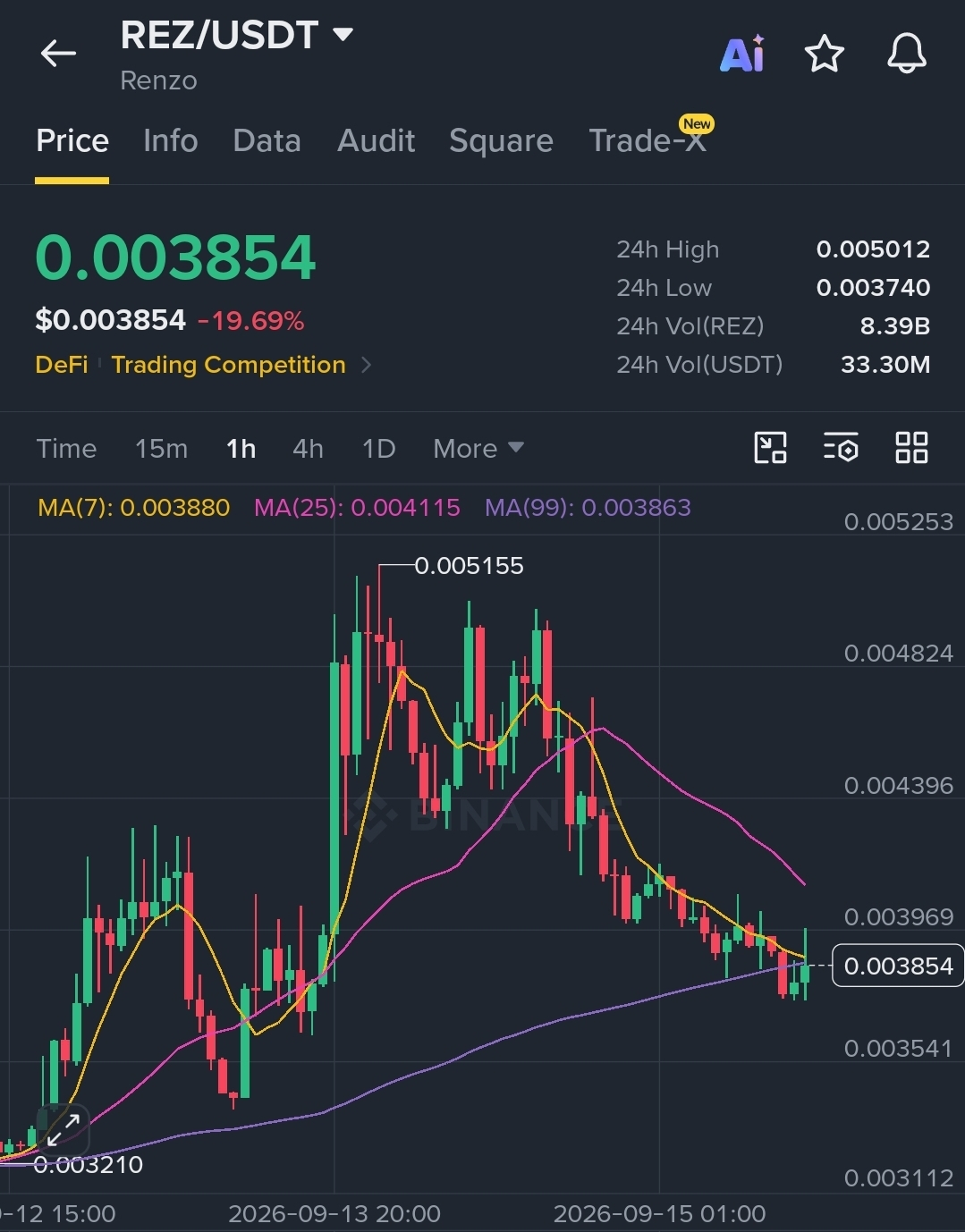
$REZ /USDT — 🔴 SHORT · Conf 73%
📍 エントリー: 0.0038425 – 0.0038655
🛑 SL: 0.0047393
🎯 TP1: 0.0036611
✅ TP2: 0.0035053
🏆 TP3: 0.0032759
価格は0.005155から一貫して安値切り下げを形成しており、現在はMA25(0.004115)を下回って推移しています。さらにMA7(0.003880)が下方にクロス — 構造は弱気で、0.003863のMA99サポートに対して減衰しています。
$REZ : Renzoは、EigenLayerの流動性リキッド・リステーキングプロトコルで、利回りを生むリキッド・リステーキングトークンezETHを発行します。主要なメカニズムは、複数のAVS(Actively Validated Services)でのマルチ・リステーキングにより、同時に複数のActively Validated Servicesから積み上げ型の利回りを可能にする点です。リスクは、2024年に明らかになったezETHのデペッグ(価格乖離)で、償還圧力下での構造的な流動性の脆弱性が露呈したにもかかわらず、プロトコル設計レベルでは未解決のままであることです。
もし複数のEigenLayer AVSオペレーターが同時にスラッシング(削減)イベントに直面した場合、RenzoのezETH償還メカニズムはデペッグの連鎖(カスケード)を防ぐだけの堅牢性があるのでしょうか?それとも、プロトコルの流動性管理は本質的に低ボラティリティ条件に依存しているのでしょうか?
#REZ #Renzo #EigenLayer #RestakingProtocol #AVS
{future}(REZUSDT)
$REZ /USDT — 🔴 SHORT · Conf 73%
📍 エントリー: 0.0038425 – 0.0038655
🛑 SL: 0.0047393
🎯 TP1: 0.0036611
✅ TP2: 0.0035053
🏆 TP3: 0.0032759
価格は0.005155から一貫して安値切り下げを形成しており、現在はMA25(0.004115)を下回って推移しています。さらにMA7(0.003880)が下方にクロス — 構造は弱気で、0.003863のMA99サポートに対して減衰しています。
$REZ : Renzoは、EigenLayerの流動性リキッド・リステーキングプロトコルで、利回りを生むリキッド・リステーキングトークンezETHを発行します。主要なメカニズムは、複数のAVS(Actively Validated Services)でのマルチ・リステーキングにより、同時に複数のActively Validated Servicesから積み上げ型の利回りを可能にする点です。リスクは、2024年に明らかになったezETHのデペッグ(価格乖離)で、償還圧力下での構造的な流動性の脆弱性が露呈したにもかかわらず、プロトコル設計レベルでは未解決のままであることです。
もし複数のEigenLayer AVSオペレーターが同時にスラッシング(削減)イベントに直面した場合、RenzoのezETH償還メカニズムはデペッグの連鎖(カスケード)を防ぐだけの堅牢性があるのでしょうか?それとも、プロトコルの流動性管理は本質的に低ボラティリティ条件に依存しているのでしょうか?
#REZ #Renzo #EigenLayer #RestakingProtocol #AVS
📍 エントリー: 0.0038425 – 0.0038655
🛑 SL: 0.0047393
🎯 TP1: 0.0036611
✅ TP2: 0.0035053
🏆 TP3: 0.0032759
価格は0.005155から一貫して安値切り下げを形成しており、現在はMA25(0.004115)を下回って推移しています。さらにMA7(0.003880)が下方にクロス — 構造は弱気で、0.003863のMA99サポートに対して減衰しています。
$REZ : Renzoは、EigenLayerの流動性リキッド・リステーキングプロトコルで、利回りを生むリキッド・リステーキングトークンezETHを発行します。主要なメカニズムは、複数のAVS(Actively Validated Services)でのマルチ・リステーキングにより、同時に複数のActively Validated Servicesから積み上げ型の利回りを可能にする点です。リスクは、2024年に明らかになったezETHのデペッグ(価格乖離)で、償還圧力下での構造的な流動性の脆弱性が露呈したにもかかわらず、プロトコル設計レベルでは未解決のままであることです。
もし複数のEigenLayer AVSオペレーターが同時にスラッシング(削減)イベントに直面した場合、RenzoのezETH償還メカニズムはデペッグの連鎖(カスケード)を防ぐだけの堅牢性があるのでしょうか?それとも、プロトコルの流動性管理は本質的に低ボラティリティ条件に依存しているのでしょうか?
#REZ #Renzo #EigenLayer #RestakingProtocol #AVS

1
340
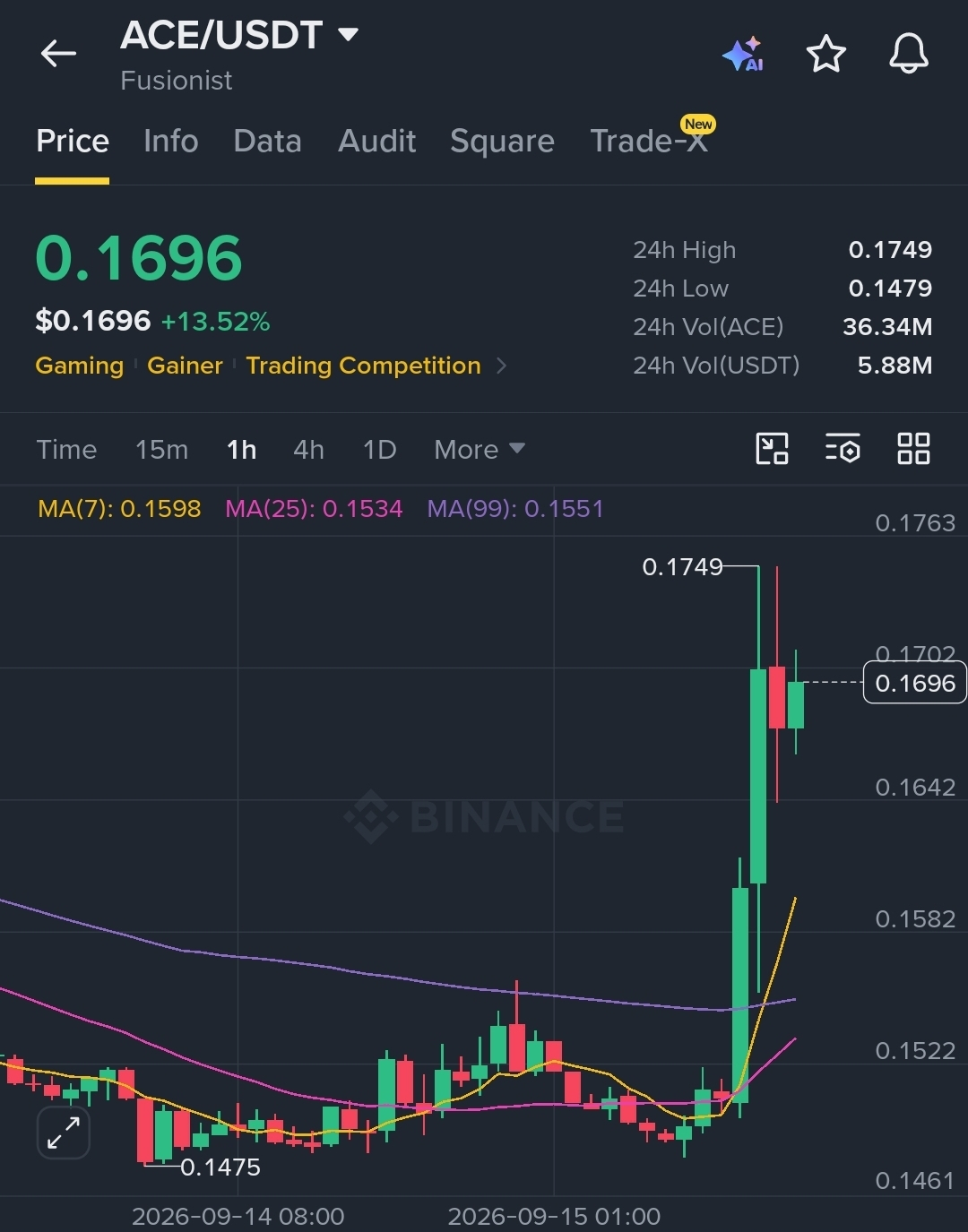
$ACE /USDT — 🟢 ロング · 強気確度77%
📍 エントリー: 0.1691 – 0.1701
🛑 ストップ: 0.1468
🎯 TP1: 0.1776
✅ TP2: 0.1847
🏆 TP3: 0.1949
価格は0.1475から急騰し、現在はMA7(0.1598)とMA25(0.1534)の上で推移しており、すべてのMAが強気に積み上がっています。ブレイクアウトの陽線は強く、リテストもクリーンです。
$ACE : Fusionistは、Enduranceブロックチェーンを軸にしたWeb3ゲームエコシステムのトークンです。主要メカニズムはACEステーキングモデルで、Fusionistゲームユニバース内のプレイヤーと開発者に報酬を与えます。リスクとしては、Web3ゲームのトークンは歴史的に、初期の話題(ハイプ)サイクルを過ぎると価格の勢いを維持できないケースが多く、さらに$5.88Mのデイリーボリュームは控えめです。
Web3ゲームのトークンは、物語性(ナラティブ)で一貫して上昇し、実際のゲームプレイのリリースで下落することがよくあります。ではFusionistには、2022年に崩壊した“搾取型”のプレイ・トゥ・アーンモデルとは異なる、本当に定着しているプレイヤーベースを示唆するオンチェーンのリテンション指標はあるのでしょうか?
#ACE #Fusionist #Web3 #Staking #Gaming
{future}(ACEUSDT)
$ACE /USDT — 🟢 ロング · 強気確度77%
📍 エントリー: 0.1691 – 0.1701
🛑 ストップ: 0.1468
🎯 TP1: 0.1776
✅ TP2: 0.1847
🏆 TP3: 0.1949
価格は0.1475から急騰し、現在はMA7(0.1598)とMA25(0.1534)の上で推移しており、すべてのMAが強気に積み上がっています。ブレイクアウトの陽線は強く、リテストもクリーンです。
$ACE : Fusionistは、Enduranceブロックチェーンを軸にしたWeb3ゲームエコシステムのトークンです。主要メカニズムはACEステーキングモデルで、Fusionistゲームユニバース内のプレイヤーと開発者に報酬を与えます。リスクとしては、Web3ゲームのトークンは歴史的に、初期の話題(ハイプ)サイクルを過ぎると価格の勢いを維持できないケースが多く、さらに$5.88Mのデイリーボリュームは控えめです。
Web3ゲームのトークンは、物語性(ナラティブ)で一貫して上昇し、実際のゲームプレイのリリースで下落することがよくあります。ではFusionistには、2022年に崩壊した“搾取型”のプレイ・トゥ・アーンモデルとは異なる、本当に定着しているプレイヤーベースを示唆するオンチェーンのリテンション指標はあるのでしょうか?
#ACE #Fusionist #Web3 #Staking #Gaming
📍 エントリー: 0.1691 – 0.1701
🛑 ストップ: 0.1468
🎯 TP1: 0.1776
✅ TP2: 0.1847
🏆 TP3: 0.1949
価格は0.1475から急騰し、現在はMA7(0.1598)とMA25(0.1534)の上で推移しており、すべてのMAが強気に積み上がっています。ブレイクアウトの陽線は強く、リテストもクリーンです。
$ACE : Fusionistは、Enduranceブロックチェーンを軸にしたWeb3ゲームエコシステムのトークンです。主要メカニズムはACEステーキングモデルで、Fusionistゲームユニバース内のプレイヤーと開発者に報酬を与えます。リスクとしては、Web3ゲームのトークンは歴史的に、初期の話題(ハイプ)サイクルを過ぎると価格の勢いを維持できないケースが多く、さらに$5.88Mのデイリーボリュームは控えめです。
Web3ゲームのトークンは、物語性(ナラティブ)で一貫して上昇し、実際のゲームプレイのリリースで下落することがよくあります。ではFusionistには、2022年に崩壊した“搾取型”のプレイ・トゥ・アーンモデルとは異なる、本当に定着しているプレイヤーベースを示唆するオンチェーンのリテンション指標はあるのでしょうか?
#ACE #Fusionist #Web3 #Staking #Gaming

1
125
翻訳参照
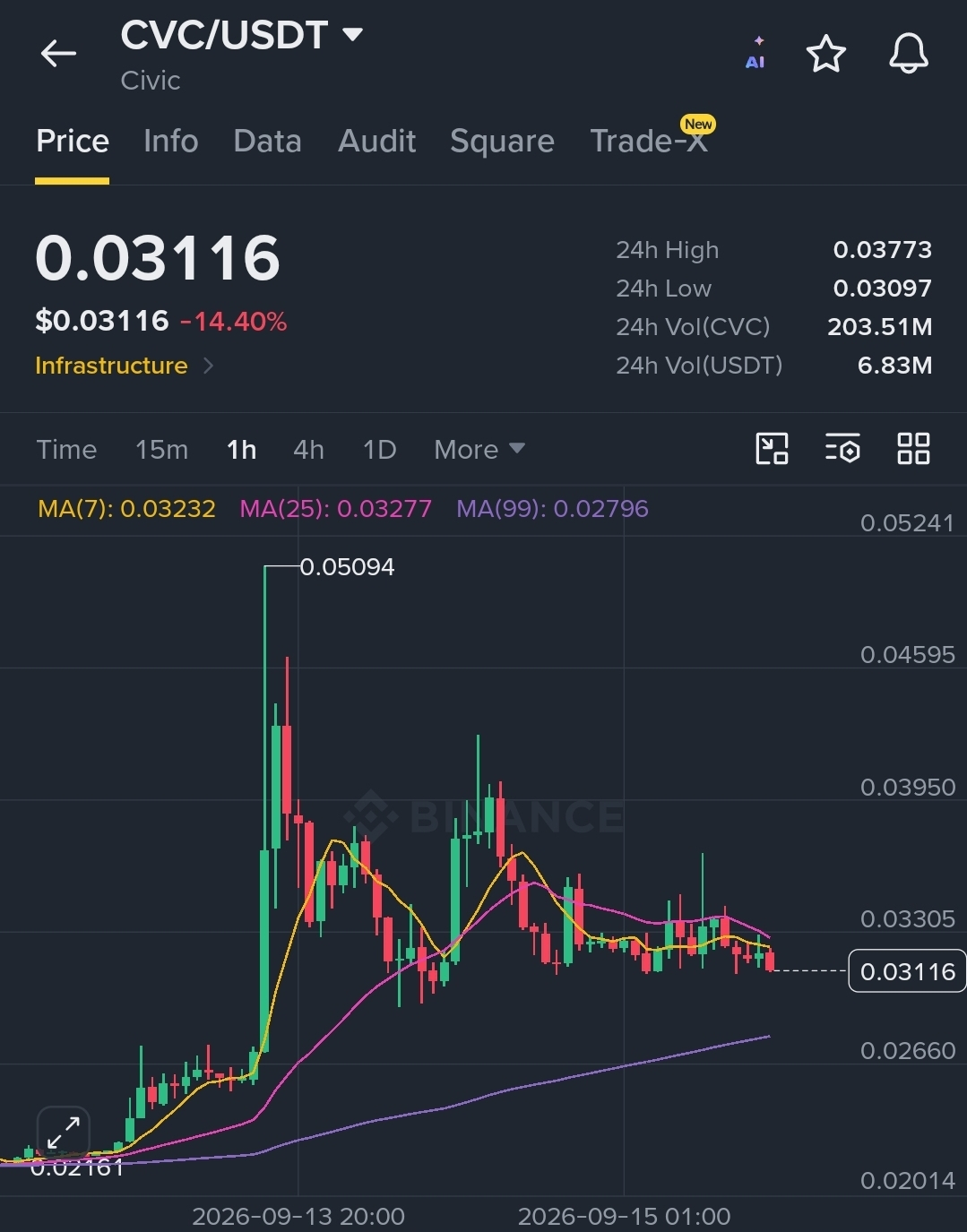
$CVC /USDT — 🔴 SHORT · Conf 77%
📍 Entry: 0.0309 – 0.0312
🛑 SL: 0.0374
🎯 TP1: 0.0296
✅ TP2: 0.0284
🏆 TP3: 0.0265
Price is trading below both MA7 (0.0323) and MA25 (0.0328) following a clean rejection off the 0.0509 blow-off top — lower highs are printing with no recovery structure forming.
$CVC : Civic is a decentralized identity verification protocol using blockchain-anchored KYC attestations — key mechanic is Civic Pass enabling dApp-level identity gating; risk is mounting competition from ZK-native identity solutions like WorldID that offer stronger privacy guarantees with no token requirement.
CVC pumped 60%+ two days ago with no disclosed catalyst and is now in structured decline — does a legacy identity protocol with no ZK-proof architecture have a credible technical moat left in 2026?
#CVC #Civic #KYC #ZKProof #dApp
{future}(CVCUSDT)
$CVC /USDT — 🔴 SHORT · Conf 77%
📍 Entry: 0.0309 – 0.0312
🛑 SL: 0.0374
🎯 TP1: 0.0296
✅ TP2: 0.0284
🏆 TP3: 0.0265
Price is trading below both MA7 (0.0323) and MA25 (0.0328) following a clean rejection off the 0.0509 blow-off top — lower highs are printing with no recovery structure forming.
$CVC : Civic is a decentralized identity verification protocol using blockchain-anchored KYC attestations — key mechanic is Civic Pass enabling dApp-level identity gating; risk is mounting competition from ZK-native identity solutions like WorldID that offer stronger privacy guarantees with no token requirement.
CVC pumped 60%+ two days ago with no disclosed catalyst and is now in structured decline — does a legacy identity protocol with no ZK-proof architecture have a credible technical moat left in 2026?
#CVC #Civic #KYC #ZKProof #dApp
📍 Entry: 0.0309 – 0.0312
🛑 SL: 0.0374
🎯 TP1: 0.0296
✅ TP2: 0.0284
🏆 TP3: 0.0265
Price is trading below both MA7 (0.0323) and MA25 (0.0328) following a clean rejection off the 0.0509 blow-off top — lower highs are printing with no recovery structure forming.
$CVC : Civic is a decentralized identity verification protocol using blockchain-anchored KYC attestations — key mechanic is Civic Pass enabling dApp-level identity gating; risk is mounting competition from ZK-native identity solutions like WorldID that offer stronger privacy guarantees with no token requirement.
CVC pumped 60%+ two days ago with no disclosed catalyst and is now in structured decline — does a legacy identity protocol with no ZK-proof architecture have a credible technical moat left in 2026?
#CVC #Civic #KYC #ZKProof #dApp

1
212
翻訳参照
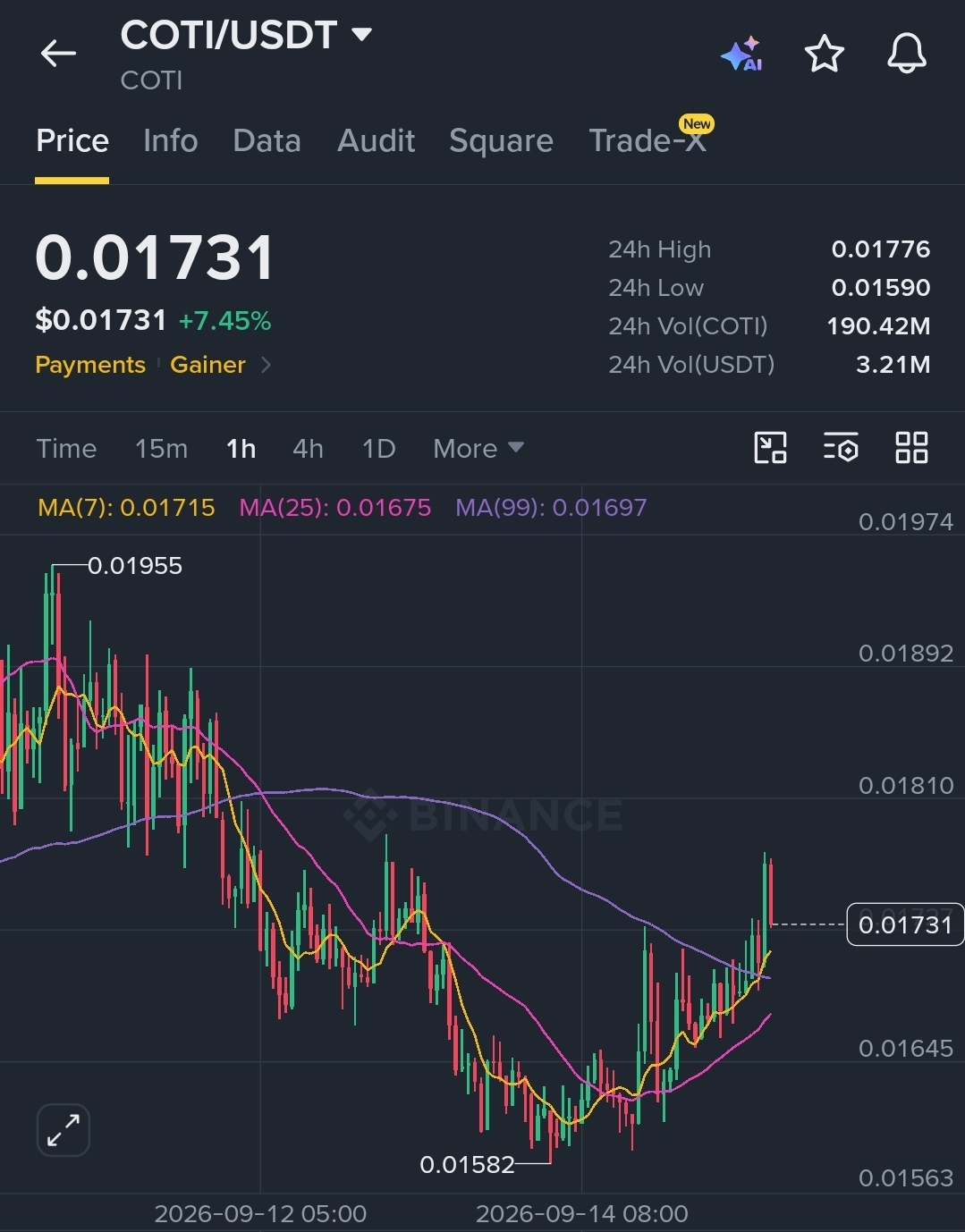
$COTI /USDT — 🟢 LONG · Conf 73%
📍 Entry: 0.01726 – 0.01736
🛑 SL: 0.01502
🎯 TP1: 0.01818
✅ TP2: 0.01887
🏆 TP3: 0.01993
Price broke above MA7 (0.01715), MA25 (0.01675), and MA99 (0.01697) simultaneously from a well-formed base at 0.01582 — this is a clean triple MA breakout with +7.45% confirming momentum.
$COTI : COTI is a payments-focused Layer 1 building privacy infrastructure via its Garbled Circuit-based confidentiality layer on Ethereum — key mechanic is COTI V2 enabling private smart contracts without ZK-proof overhead; risk is the payments narrative is crowded and only $3.21M daily USDT volume suggests limited market conviction on the V2 pivot.
COTI V2's Garbled Circuit approach to privacy claims lower computational overhead than ZK-proofs — but has any independent benchmark actually validated this performance claim against production-level ZK implementations like those on zkSync or StarkNet?
#COTI #ZKProof #Privacy #Starknet #RussianCentralBankFlagsCryptoAsFinancialRisk
{future}(COTIUSDT)
$COTI /USDT — 🟢 LONG · Conf 73%
📍 Entry: 0.01726 – 0.01736
🛑 SL: 0.01502
🎯 TP1: 0.01818
✅ TP2: 0.01887
🏆 TP3: 0.01993
Price broke above MA7 (0.01715), MA25 (0.01675), and MA99 (0.01697) simultaneously from a well-formed base at 0.01582 — this is a clean triple MA breakout with +7.45% confirming momentum.
$COTI : COTI is a payments-focused Layer 1 building privacy infrastructure via its Garbled Circuit-based confidentiality layer on Ethereum — key mechanic is COTI V2 enabling private smart contracts without ZK-proof overhead; risk is the payments narrative is crowded and only $3.21M daily USDT volume suggests limited market conviction on the V2 pivot.
COTI V2's Garbled Circuit approach to privacy claims lower computational overhead than ZK-proofs — but has any independent benchmark actually validated this performance claim against production-level ZK implementations like those on zkSync or StarkNet?
#COTI #ZKProof #Privacy #Starknet #RussianCentralBankFlagsCryptoAsFinancialRisk
📍 Entry: 0.01726 – 0.01736
🛑 SL: 0.01502
🎯 TP1: 0.01818
✅ TP2: 0.01887
🏆 TP3: 0.01993
Price broke above MA7 (0.01715), MA25 (0.01675), and MA99 (0.01697) simultaneously from a well-formed base at 0.01582 — this is a clean triple MA breakout with +7.45% confirming momentum.
$COTI : COTI is a payments-focused Layer 1 building privacy infrastructure via its Garbled Circuit-based confidentiality layer on Ethereum — key mechanic is COTI V2 enabling private smart contracts without ZK-proof overhead; risk is the payments narrative is crowded and only $3.21M daily USDT volume suggests limited market conviction on the V2 pivot.
COTI V2's Garbled Circuit approach to privacy claims lower computational overhead than ZK-proofs — but has any independent benchmark actually validated this performance claim against production-level ZK implementations like those on zkSync or StarkNet?
#COTI #ZKProof #Privacy #Starknet #RussianCentralBankFlagsCryptoAsFinancialRisk

1
90
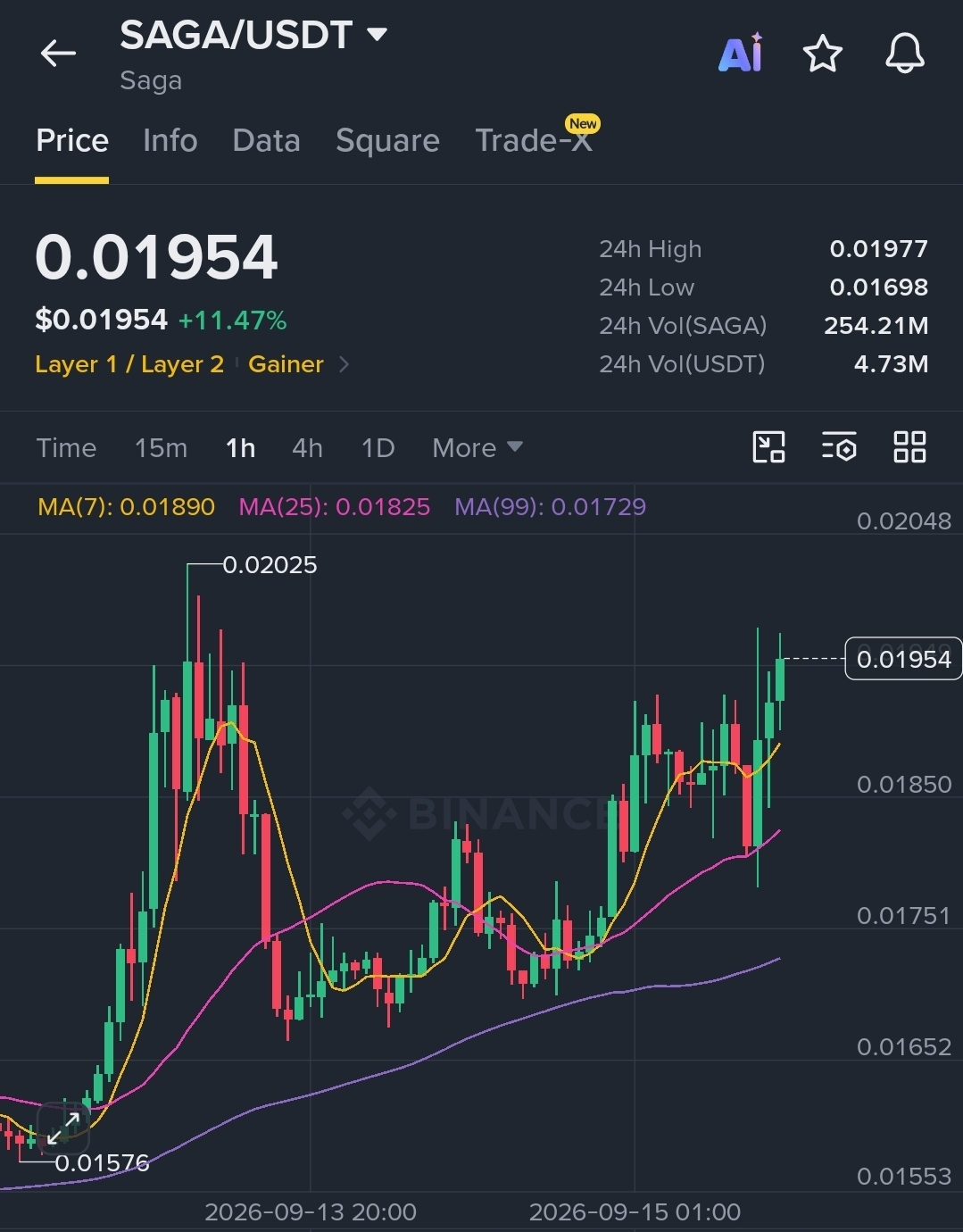
$SAGA /USDT — 🟢 ロング · 82%のコンフィデンス
📍 エントリー: 0.01948 – 0.01960
🛑 SL: 0.01699
🎯 TP1: 0.02052
✅ TP2: 0.02130
🏆 TP3: 0.02248
価格は3つの移動平均線すべての上にあります — MA7(0.01890)、MA25(0.01825)、MA99(0.01729) — さらに、0.01576からより高い安値の構造を築きつつ、0.02025のレジスタンス水準に向けた新たなプッシュが見られます。
$SAGA : Sagaは、Chainletsと呼ばれるアプリ固有の専用ブロックチェーンを自動で提供するCosmosベースのプロトコルです。主要な仕組みは、計測課金型のセキュリティ(metered security)で、バリデーターをChainlets間で共有することで、新しいチェーンにおけるブートストラップコストを排除します。一方で、リスクとしては、アプリチェーンという構想が、Ethereumのセキュリティを備え、ほとんどの開発者にとって移行の摩擦が低いL2ロールアップと直接競合している点です。
SagaのChainletモデルはバリデーターのブートストラップコストをなくしますが、開発者をCosmosのツールに結びつけます。では、2026年において、アプリチェーンのアーキテクチャは開発者獲得のための現実的な道筋をまだ持っているのでしょうか?(新しいゲームやコンシューマーdAppsの多くがEVM互換L2上で構築していることを踏まえると)
#SAGA #Cosmos #Layer2 #FedHikeOddsRiseTo89% #SolanaTransactionV1GoesLiveOnMainnet
{future}(SAGAUSDT)
$SAGA /USDT — 🟢 ロング · 82%のコンフィデンス
📍 エントリー: 0.01948 – 0.01960
🛑 SL: 0.01699
🎯 TP1: 0.02052
✅ TP2: 0.02130
🏆 TP3: 0.02248
価格は3つの移動平均線すべての上にあります — MA7(0.01890)、MA25(0.01825)、MA99(0.01729) — さらに、0.01576からより高い安値の構造を築きつつ、0.02025のレジスタンス水準に向けた新たなプッシュが見られます。
$SAGA : Sagaは、Chainletsと呼ばれるアプリ固有の専用ブロックチェーンを自動で提供するCosmosベースのプロトコルです。主要な仕組みは、計測課金型のセキュリティ(metered security)で、バリデーターをChainlets間で共有することで、新しいチェーンにおけるブートストラップコストを排除します。一方で、リスクとしては、アプリチェーンという構想が、Ethereumのセキュリティを備え、ほとんどの開発者にとって移行の摩擦が低いL2ロールアップと直接競合している点です。
SagaのChainletモデルはバリデーターのブートストラップコストをなくしますが、開発者をCosmosのツールに結びつけます。では、2026年において、アプリチェーンのアーキテクチャは開発者獲得のための現実的な道筋をまだ持っているのでしょうか?(新しいゲームやコンシューマーdAppsの多くがEVM互換L2上で構築していることを踏まえると)
#SAGA #Cosmos #Layer2 #FedHikeOddsRiseTo89% #SolanaTransactionV1GoesLiveOnMainnet
📍 エントリー: 0.01948 – 0.01960
🛑 SL: 0.01699
🎯 TP1: 0.02052
✅ TP2: 0.02130
🏆 TP3: 0.02248
価格は3つの移動平均線すべての上にあります — MA7(0.01890)、MA25(0.01825)、MA99(0.01729) — さらに、0.01576からより高い安値の構造を築きつつ、0.02025のレジスタンス水準に向けた新たなプッシュが見られます。
$SAGA : Sagaは、Chainletsと呼ばれるアプリ固有の専用ブロックチェーンを自動で提供するCosmosベースのプロトコルです。主要な仕組みは、計測課金型のセキュリティ(metered security)で、バリデーターをChainlets間で共有することで、新しいチェーンにおけるブートストラップコストを排除します。一方で、リスクとしては、アプリチェーンという構想が、Ethereumのセキュリティを備え、ほとんどの開発者にとって移行の摩擦が低いL2ロールアップと直接競合している点です。
SagaのChainletモデルはバリデーターのブートストラップコストをなくしますが、開発者をCosmosのツールに結びつけます。では、2026年において、アプリチェーンのアーキテクチャは開発者獲得のための現実的な道筋をまだ持っているのでしょうか?(新しいゲームやコンシューマーdAppsの多くがEVM互換L2上で構築していることを踏まえると)
#SAGA #Cosmos #Layer2 #FedHikeOddsRiseTo89% #SolanaTransactionV1GoesLiveOnMainnet

1
2
159
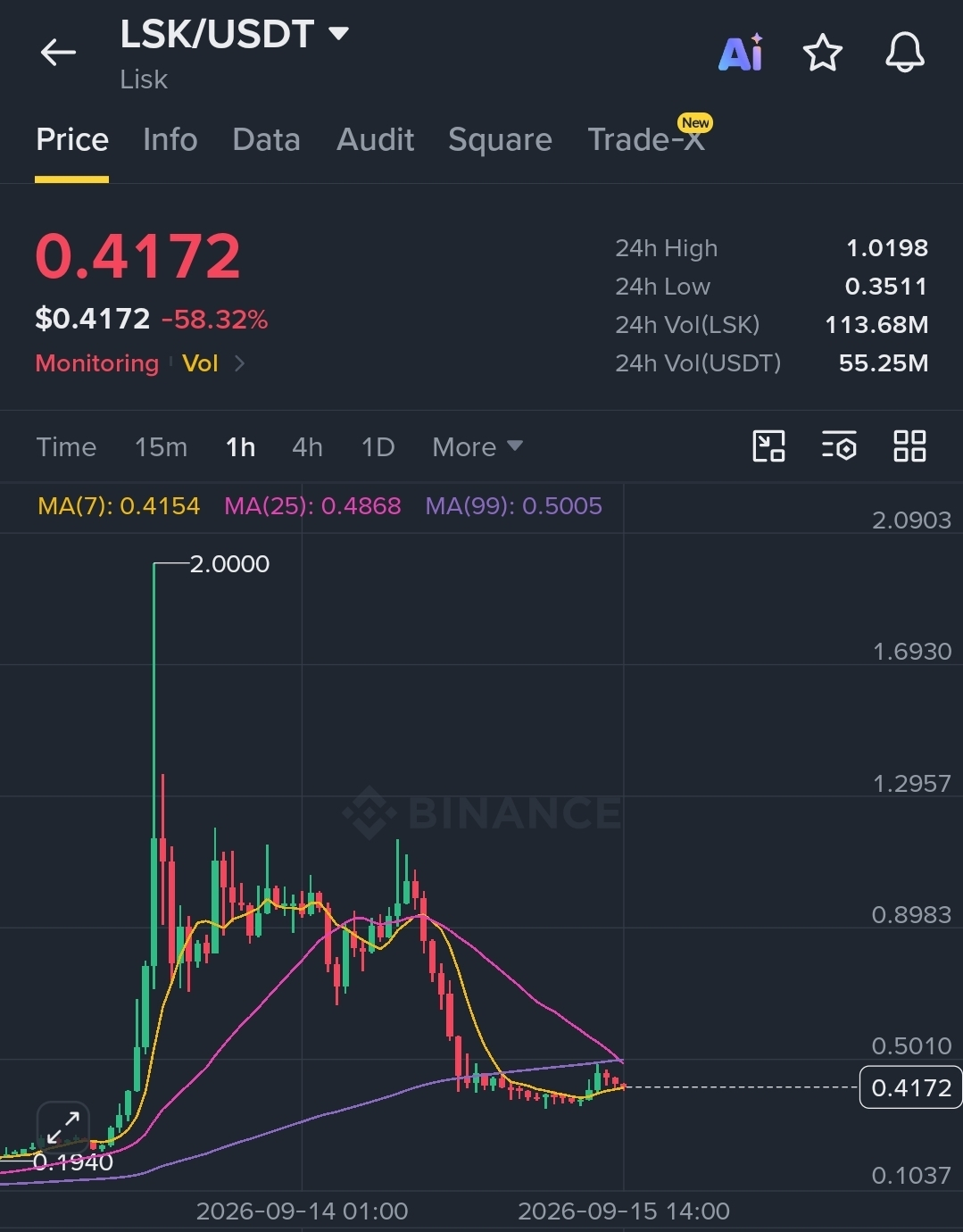
$LSK /USDT — 🔴 SHORT · 信頼度80%
📍 エントリー: 0.4159 – 0.4185
🛑 SL: 0.6256
🎯 TP1: 0.3963
✅ TP2: 0.3797
🏆 TP3: 0.3546
24時間で-58.32%下落し、全てのMAを突き破って急落 — MA25(0.4868)とMA99(0.5005)の両方が価格より大幅に上。2.0000の流動性スパイク後、価格は急落し続けています。Binanceモニタリングタグはまだ有効です。
$LSK : LiskはJavaScriptベースのサイドチェーンSDKプラットフォームで、Ethereum L2インフラへと再配置しています — 重要なポイントは、最近OP StackベースのL2へ移行したことです;リスクは2.0000スパイクからの-58%の崩壊で、モニタリングタグが有効であることは、これが純粋な流動性イベントであり、根本的な支えがないことを示唆します。上場廃止リスクも現実的です。
Liskが自社のL1からOP Stack L2へ転換したのは、Ethereumの引力への賢い戦略的撤退なのか、それとも元のアーキテクチャに未来がなかったという認めなのか — 現在の値動きから見て、どちらの読みがより正確でしょうか?
#LSK #Lisk #Layer1 #opstack #ETH
{future}(LSKUSDT)
$LSK /USDT — 🔴 SHORT · 信頼度80%
📍 エントリー: 0.4159 – 0.4185
🛑 SL: 0.6256
🎯 TP1: 0.3963
✅ TP2: 0.3797
🏆 TP3: 0.3546
24時間で-58.32%下落し、全てのMAを突き破って急落 — MA25(0.4868)とMA99(0.5005)の両方が価格より大幅に上。2.0000の流動性スパイク後、価格は急落し続けています。Binanceモニタリングタグはまだ有効です。
$LSK : LiskはJavaScriptベースのサイドチェーンSDKプラットフォームで、Ethereum L2インフラへと再配置しています — 重要なポイントは、最近OP StackベースのL2へ移行したことです;リスクは2.0000スパイクからの-58%の崩壊で、モニタリングタグが有効であることは、これが純粋な流動性イベントであり、根本的な支えがないことを示唆します。上場廃止リスクも現実的です。
Liskが自社のL1からOP Stack L2へ転換したのは、Ethereumの引力への賢い戦略的撤退なのか、それとも元のアーキテクチャに未来がなかったという認めなのか — 現在の値動きから見て、どちらの読みがより正確でしょうか?
#LSK #Lisk #Layer1 #opstack #ETH
📍 エントリー: 0.4159 – 0.4185
🛑 SL: 0.6256
🎯 TP1: 0.3963
✅ TP2: 0.3797
🏆 TP3: 0.3546
24時間で-58.32%下落し、全てのMAを突き破って急落 — MA25(0.4868)とMA99(0.5005)の両方が価格より大幅に上。2.0000の流動性スパイク後、価格は急落し続けています。Binanceモニタリングタグはまだ有効です。
$LSK : LiskはJavaScriptベースのサイドチェーンSDKプラットフォームで、Ethereum L2インフラへと再配置しています — 重要なポイントは、最近OP StackベースのL2へ移行したことです;リスクは2.0000スパイクからの-58%の崩壊で、モニタリングタグが有効であることは、これが純粋な流動性イベントであり、根本的な支えがないことを示唆します。上場廃止リスクも現実的です。
Liskが自社のL1からOP Stack L2へ転換したのは、Ethereumの引力への賢い戦略的撤退なのか、それとも元のアーキテクチャに未来がなかったという認めなのか — 現在の値動きから見て、どちらの読みがより正確でしょうか?
#LSK #Lisk #Layer1 #opstack #ETH

1
230
翻訳参照
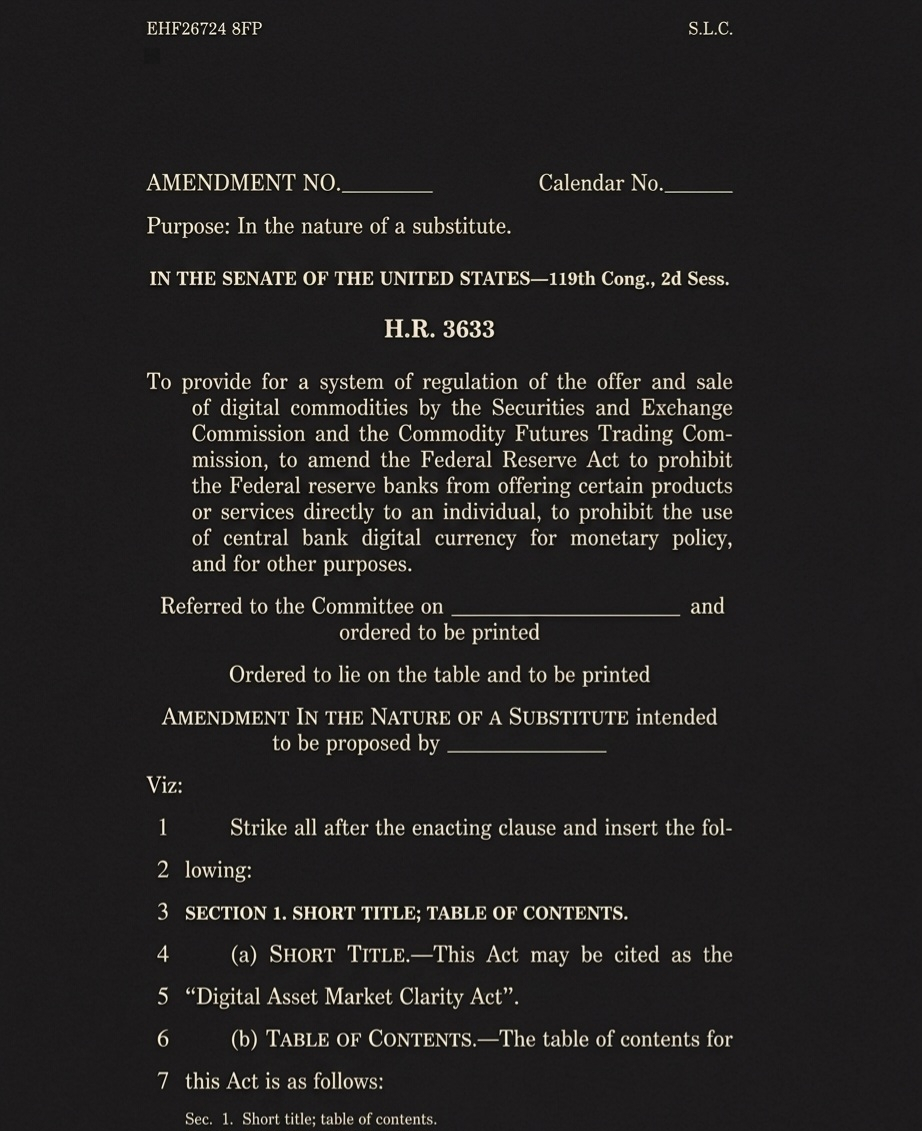
🚨 The CLARITY Act just got a MAJOR last-minute makeover and the Senate is calling it their "last, best and final" offer before Tuesday's critical cloture vote 🗳️
Here's what changed in the revised 635-page drop 👇
🤐 Trump and federal officials would be BANNED from issuing or sponsoring digital assets — ethics rules are now baked in
⚡ Stablecoins get a "circuit breaker" — feds can intervene if community banks start bleeding deposits into stablecoins
🔒 BRCA protections got narrowed — certain criminal case language quietly removed
🚫 New conflict of interest rules targeting exchanges, brokers and dealers — affiliate trading is now in the crosshairs
This is either the moment crypto regulation finally grows up in America… or the beginning of a very complicated relationship between Washington and Web3 🇺🇸
The devil is always in the details with 635 pages though 👀
What's your read?
🟩 ✅ Bullish — this is the framework crypto needed
🟨 ⚠️ Neutral — too early to tell, devil's in the details
🟥 ❌ Bearish — government overreach dressed up as clarity
#CLARITYAct #CryptoRegulation #Whitehouse #SECChairUrgesCongressToAdvanceClarityAct #Trump
$POWER $SAGA $AIN
{future}(AINUSDT)
{future}(SAGAUSDT)
{future}(POWERUSDT)
🚨 The CLARITY Act just got a MAJOR last-minute makeover and the Senate is calling it their "last, best and final" offer before Tuesday's critical cloture vote 🗳️
Here's what changed in the revised 635-page drop 👇
🤐 Trump and federal officials would be BANNED from issuing or sponsoring digital assets — ethics rules are now baked in
⚡ Stablecoins get a "circuit breaker" — feds can intervene if community banks start bleeding deposits into stablecoins
🔒 BRCA protections got narrowed — certain criminal case language quietly removed
🚫 New conflict of interest rules targeting exchanges, brokers and dealers — affiliate trading is now in the crosshairs
This is either the moment crypto regulation finally grows up in America… or the beginning of a very complicated relationship between Washington and Web3 🇺🇸
The devil is always in the details with 635 pages though 👀
What's your read?
🟩 ✅ Bullish — this is the framework crypto needed
🟨 ⚠️ Neutral — too early to tell, devil's in the details
🟥 ❌ Bearish — government overreach dressed up as clarity
#CLARITYAct #CryptoRegulation #Whitehouse #SECChairUrgesCongressToAdvanceClarityAct #Trump
$POWER $SAGA $AIN
Here's what changed in the revised 635-page drop 👇
🤐 Trump and federal officials would be BANNED from issuing or sponsoring digital assets — ethics rules are now baked in
⚡ Stablecoins get a "circuit breaker" — feds can intervene if community banks start bleeding deposits into stablecoins
🔒 BRCA protections got narrowed — certain criminal case language quietly removed
🚫 New conflict of interest rules targeting exchanges, brokers and dealers — affiliate trading is now in the crosshairs
This is either the moment crypto regulation finally grows up in America… or the beginning of a very complicated relationship between Washington and Web3 🇺🇸
The devil is always in the details with 635 pages though 👀
What's your read?
🟩 ✅ Bullish — this is the framework crypto needed
🟨 ⚠️ Neutral — too early to tell, devil's in the details
🟥 ❌ Bearish — government overreach dressed up as clarity
#CLARITYAct #CryptoRegulation #Whitehouse #SECChairUrgesCongressToAdvanceClarityAct #Trump
$POWER $SAGA $AIN

1
409
翻訳参照
$ARK /USDT — 🔴 SHORT · Conf 75%
📍 Entry: 0.1491 – 0.1500
🛑 SL: 0.1795
🎯 TP1: 0.1420
✅ TP2: 0.1360
🏆 TP3: 0.1271
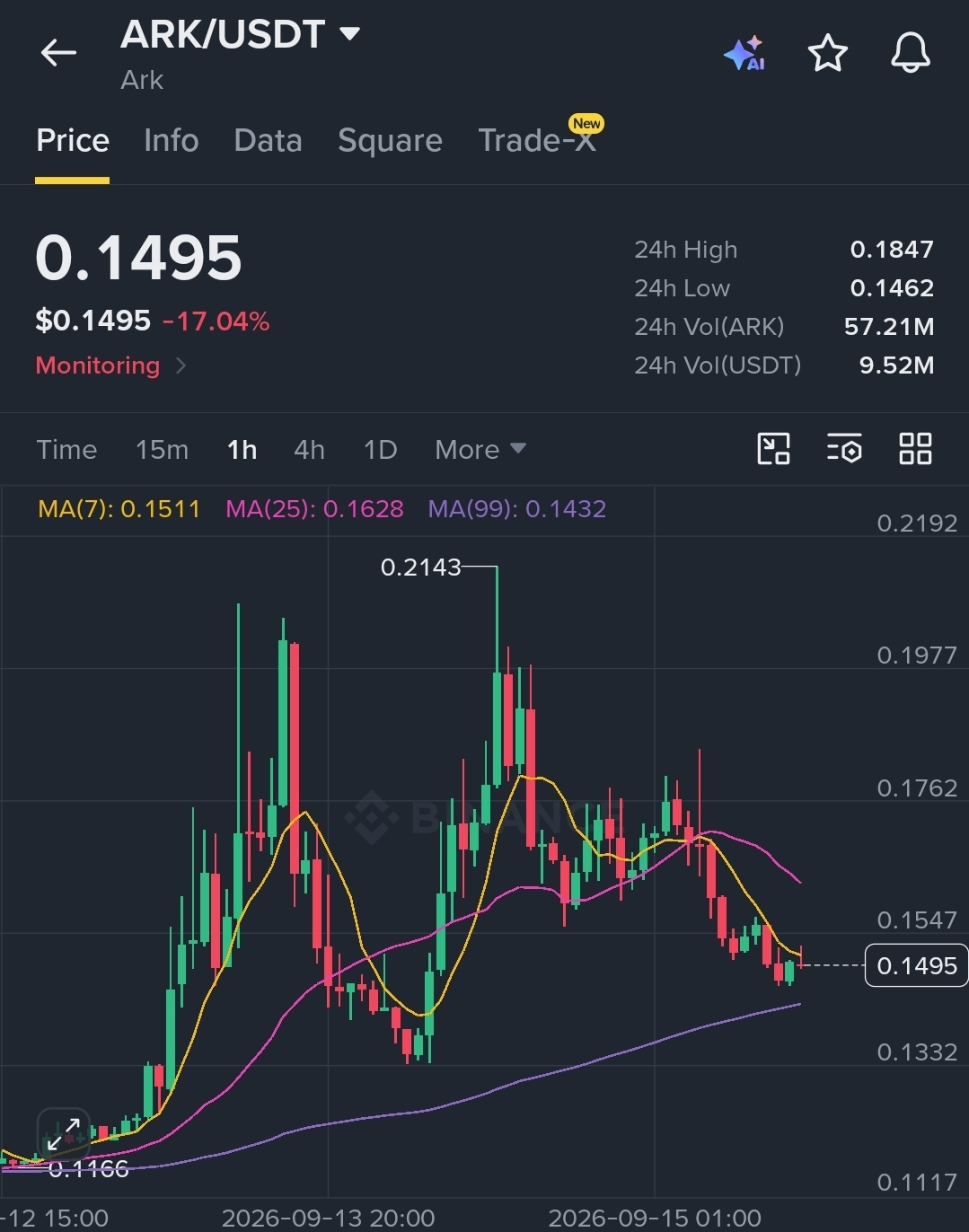
Price is below MA7 (0.1511) and MA25 (0.1628) with a clear double-top pattern at 0.2143 and Binance Monitoring tag adding delisting risk to the bearish 1H structure.
$ARK : Ark is a modular blockchain framework enabling developers to deploy customized chains via its ACES engine — key mechanic is chain interoperability through encoded listeners; risk is the Binance Monitoring tag signals elevated delisting probability and daily volume of $9.52M is thin for sustaining price discovery.
ARK has been building interoperability tooling since 2017 — at what point does a nine-year-old blockchain framework project without meaningful developer traction get structurally repriced to near zero regardless of technical merit?
#ARK #ACES #ModularBlockchains #Web3 #AI
{future}(ARKUSDT)
$ARK /USDT — 🔴 SHORT · Conf 75%
📍 Entry: 0.1491 – 0.1500
🛑 SL: 0.1795
🎯 TP1: 0.1420
✅ TP2: 0.1360
🏆 TP3: 0.1271
Price is below MA7 (0.1511) and MA25 (0.1628) with a clear double-top pattern at 0.2143 and Binance Monitoring tag adding delisting risk to the bearish 1H structure.
$ARK : Ark is a modular blockchain framework enabling developers to deploy customized chains via its ACES engine — key mechanic is chain interoperability through encoded listeners; risk is the Binance Monitoring tag signals elevated delisting probability and daily volume of $9.52M is thin for sustaining price discovery.
ARK has been building interoperability tooling since 2017 — at what point does a nine-year-old blockchain framework project without meaningful developer traction get structurally repriced to near zero regardless of technical merit?
#ARK #ACES #ModularBlockchains #Web3 #AI
📍 Entry: 0.1491 – 0.1500
🛑 SL: 0.1795
🎯 TP1: 0.1420
✅ TP2: 0.1360
🏆 TP3: 0.1271
Price is below MA7 (0.1511) and MA25 (0.1628) with a clear double-top pattern at 0.2143 and Binance Monitoring tag adding delisting risk to the bearish 1H structure.
$ARK : Ark is a modular blockchain framework enabling developers to deploy customized chains via its ACES engine — key mechanic is chain interoperability through encoded listeners; risk is the Binance Monitoring tag signals elevated delisting probability and daily volume of $9.52M is thin for sustaining price discovery.
ARK has been building interoperability tooling since 2017 — at what point does a nine-year-old blockchain framework project without meaningful developer traction get structurally repriced to near zero regardless of technical merit?
#ARK #ACES #ModularBlockchains #Web3 #AI

1
116
·
--
ブリッシュ
翻訳参照
$ASTR /USDT — 🟢 LONG · Conf 78%
📍 Entry: 0.0071664 – 0.0072096
🛑 SL: 0.0060693
🎯 TP1: 0.0075474
✅ TP2: 0.0078349
🏆 TP3: 0.0082662
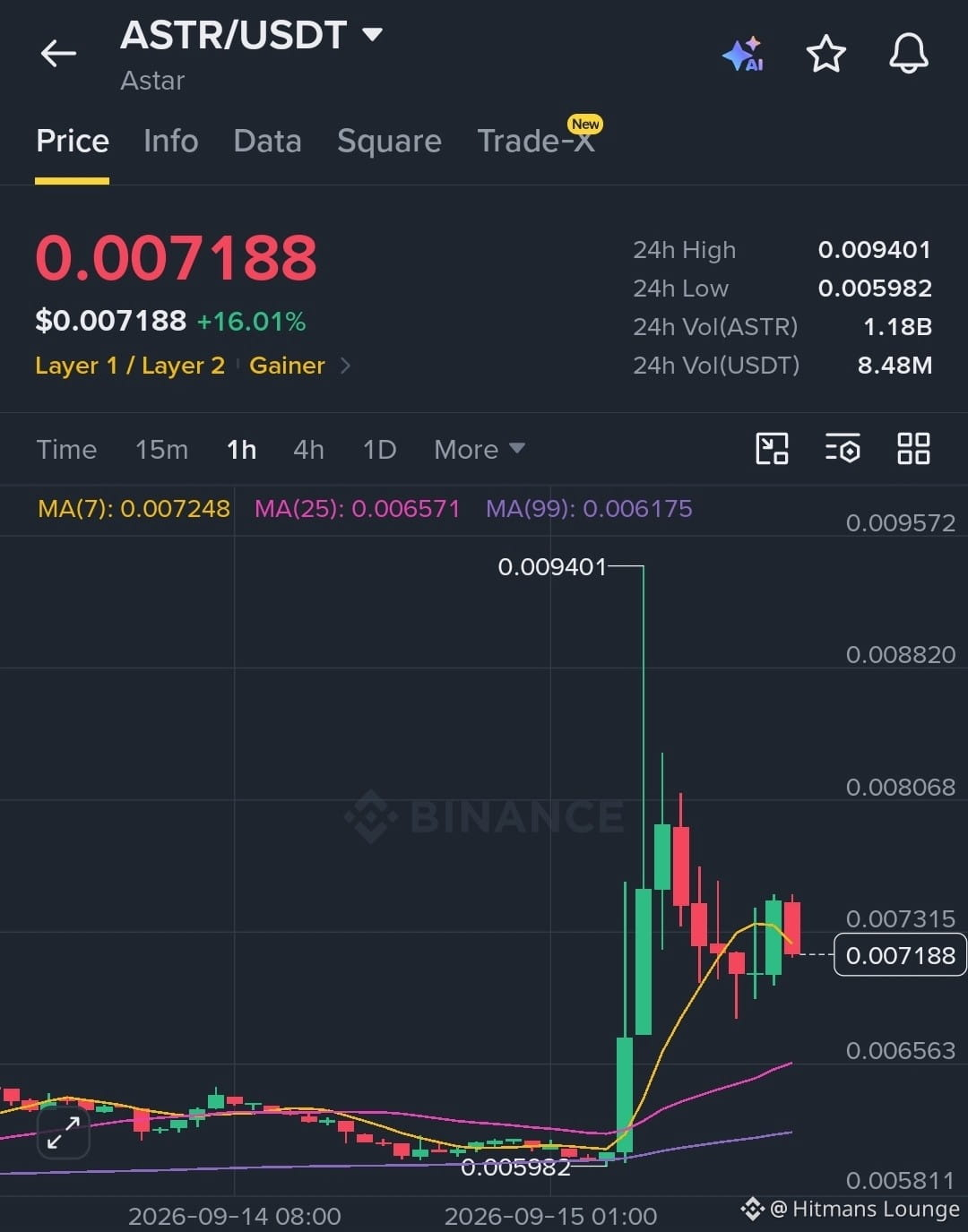
Price broke out hard from 0.005982 with all MAs stacked bullishly below — MA7 (0.007248), MA25 (0.006571), MA99 (0.006175) — and is now consolidating just below the 0.009401 spike high.
$ASTR : Astar is a Polkadot parachain and Ethereum L2 supporting multi-VM smart contracts including EVM and WebAssembly — key mechanic is dApp Staking v3 which routes a portion of inflation directly to developer teams based on TVL and usage; risk is Astar operates in both the shrinking Polkadot ecosystem and the crowded Ethereum L2 market simultaneously, diluting its positioning in both.
Astar's dual positioning as both a Polkadot parachain and an Ethereum L2 is either a smart hedge against ecosystem risk or a strategic identity crisis — which framing better explains why ASTR has consistently underperformed single-chain L1 and L2 tokens over the past two years?
#ASTR #Astar #Polkadot #Layer2 #EVM
{future}(ASTRUSDT)
$ASTR /USDT — 🟢 LONG · Conf 78%
📍 Entry: 0.0071664 – 0.0072096
🛑 SL: 0.0060693
🎯 TP1: 0.0075474
✅ TP2: 0.0078349
🏆 TP3: 0.0082662
Price broke out hard from 0.005982 with all MAs stacked bullishly below — MA7 (0.007248), MA25 (0.006571), MA99 (0.006175) — and is now consolidating just below the 0.009401 spike high.
$ASTR : Astar is a Polkadot parachain and Ethereum L2 supporting multi-VM smart contracts including EVM and WebAssembly — key mechanic is dApp Staking v3 which routes a portion of inflation directly to developer teams based on TVL and usage; risk is Astar operates in both the shrinking Polkadot ecosystem and the crowded Ethereum L2 market simultaneously, diluting its positioning in both.
Astar's dual positioning as both a Polkadot parachain and an Ethereum L2 is either a smart hedge against ecosystem risk or a strategic identity crisis — which framing better explains why ASTR has consistently underperformed single-chain L1 and L2 tokens over the past two years?
#ASTR #Astar #Polkadot #Layer2 #EVM
📍 Entry: 0.0071664 – 0.0072096
🛑 SL: 0.0060693
🎯 TP1: 0.0075474
✅ TP2: 0.0078349
🏆 TP3: 0.0082662
Price broke out hard from 0.005982 with all MAs stacked bullishly below — MA7 (0.007248), MA25 (0.006571), MA99 (0.006175) — and is now consolidating just below the 0.009401 spike high.
$ASTR : Astar is a Polkadot parachain and Ethereum L2 supporting multi-VM smart contracts including EVM and WebAssembly — key mechanic is dApp Staking v3 which routes a portion of inflation directly to developer teams based on TVL and usage; risk is Astar operates in both the shrinking Polkadot ecosystem and the crowded Ethereum L2 market simultaneously, diluting its positioning in both.
Astar's dual positioning as both a Polkadot parachain and an Ethereum L2 is either a smart hedge against ecosystem risk or a strategic identity crisis — which framing better explains why ASTR has consistently underperformed single-chain L1 and L2 tokens over the past two years?
#ASTR #Astar #Polkadot #Layer2 #EVM

1
134
·
--
ブリッシュ
確認済み
⚠️ AI CEO 感情の変化 — 注視を
X(旧Twitter)が、AI企業のCEOがAI開発のペースを落とす必要性を率直に語ることで満ちてきています。🤖
この物語に勢いがつけば、AI関連株にとって直接的な逆風になります――特に、AIの設備投資(capex)サイクルに紐づくメモリ銘柄です。💾📉
これらの銘柄は完璧さを織り込んで値付けされています。開発ペース鈍化の物語が広がれば、その評価が見直される可能性があります。👀
先行きは興味深い一週間です。🗓️
$LSK $T $FIL
{future}(FILUSDT)
{future}(TUSDT)
{future}(LSKUSDT)
⚠️ AI CEO 感情の変化 — 注視を
X(旧Twitter)が、AI企業のCEOがAI開発のペースを落とす必要性を率直に語ることで満ちてきています。🤖
この物語に勢いがつけば、AI関連株にとって直接的な逆風になります――特に、AIの設備投資(capex)サイクルに紐づくメモリ銘柄です。💾📉
これらの銘柄は完璧さを織り込んで値付けされています。開発ペース鈍化の物語が広がれば、その評価が見直される可能性があります。👀
先行きは興味深い一週間です。🗓️
$LSK $T $FIL
X(旧Twitter)が、AI企業のCEOがAI開発のペースを落とす必要性を率直に語ることで満ちてきています。🤖
この物語に勢いがつけば、AI関連株にとって直接的な逆風になります――特に、AIの設備投資(capex)サイクルに紐づくメモリ銘柄です。💾📉
これらの銘柄は完璧さを織り込んで値付けされています。開発ペース鈍化の物語が広がれば、その評価が見直される可能性があります。👀
先行きは興味深い一週間です。🗓️
$LSK $T $FIL


1
994
$STEEM /USDT — 🔴 ショート · 強気率 75%
📍 エントリー: 0.0577 – 0.0582
🛑 SL: 0.0682
🎯 TP1: 0.0550
✅ TP2: 0.0527
🏆 TP3: 0.0492
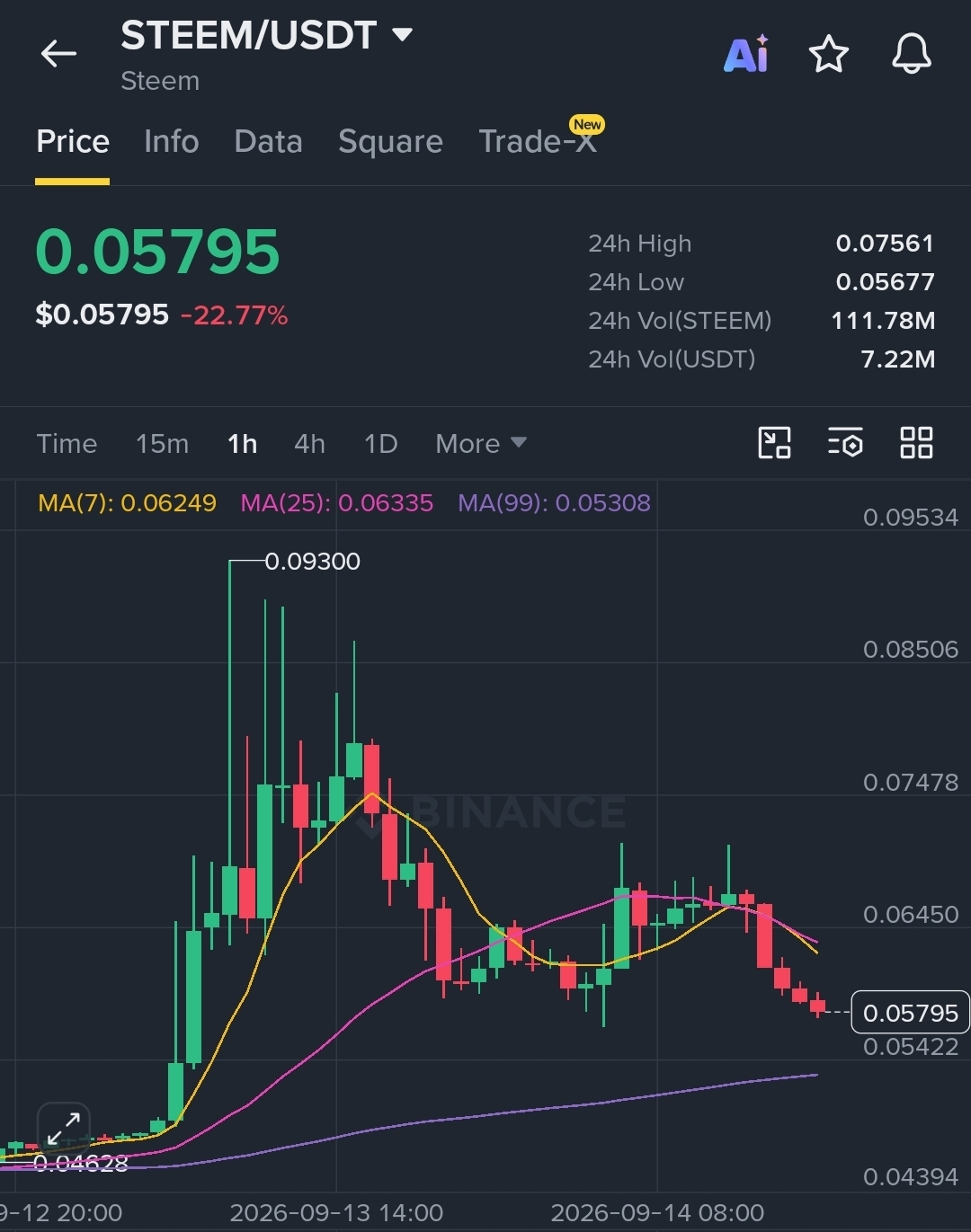
価格は0.0930で最高値を付け、その後下落の過程であらゆるMAで跳ね返されています――現在はMA7(0.0625)とMA25(0.0634)を下回り、当日-22.77%で、さらに安値を更新し続けています。
$STEEM : Steemは、トークンの報酬支払いによってコンテンツ制作者に還元するブロックチェーン型のソーシャルメディア・プロトコルです。主な仕組みは、アップボートの重みづけによる報酬分配です。リスクとして、2020年のJustin Sunによる敵対的買収がコミュニティを分断し、コア開発チームをHiveへフォークさせました。その結果、Steemのエコシステムは大きく空洞化しています。
2020年のフォーク後に、最も活動的な開発者やコミュニティメンバーがHiveへ移行したとしたら、STEEMがゼロ以上の任意の価格で取引され続ける“実際の価値提案”は何なのでしょうか?
#STEEM #JustinSun #Hive #web3 #AI
{future}(STEEMUSDT)
$STEEM /USDT — 🔴 ショート · 強気率 75%
📍 エントリー: 0.0577 – 0.0582
🛑 SL: 0.0682
🎯 TP1: 0.0550
✅ TP2: 0.0527
🏆 TP3: 0.0492
価格は0.0930で最高値を付け、その後下落の過程であらゆるMAで跳ね返されています――現在はMA7(0.0625)とMA25(0.0634)を下回り、当日-22.77%で、さらに安値を更新し続けています。
$STEEM : Steemは、トークンの報酬支払いによってコンテンツ制作者に還元するブロックチェーン型のソーシャルメディア・プロトコルです。主な仕組みは、アップボートの重みづけによる報酬分配です。リスクとして、2020年のJustin Sunによる敵対的買収がコミュニティを分断し、コア開発チームをHiveへフォークさせました。その結果、Steemのエコシステムは大きく空洞化しています。
2020年のフォーク後に、最も活動的な開発者やコミュニティメンバーがHiveへ移行したとしたら、STEEMがゼロ以上の任意の価格で取引され続ける“実際の価値提案”は何なのでしょうか?
#STEEM #JustinSun #Hive #web3 #AI
📍 エントリー: 0.0577 – 0.0582
🛑 SL: 0.0682
🎯 TP1: 0.0550
✅ TP2: 0.0527
🏆 TP3: 0.0492
価格は0.0930で最高値を付け、その後下落の過程であらゆるMAで跳ね返されています――現在はMA7(0.0625)とMA25(0.0634)を下回り、当日-22.77%で、さらに安値を更新し続けています。
$STEEM : Steemは、トークンの報酬支払いによってコンテンツ制作者に還元するブロックチェーン型のソーシャルメディア・プロトコルです。主な仕組みは、アップボートの重みづけによる報酬分配です。リスクとして、2020年のJustin Sunによる敵対的買収がコミュニティを分断し、コア開発チームをHiveへフォークさせました。その結果、Steemのエコシステムは大きく空洞化しています。
2020年のフォーク後に、最も活動的な開発者やコミュニティメンバーがHiveへ移行したとしたら、STEEMがゼロ以上の任意の価格で取引され続ける“実際の価値提案”は何なのでしょうか?
#STEEM #JustinSun #Hive #web3 #AI

1
155
ログインして、さらにコンテンツを読む
厳選トピックで世界の暗号資産トレーダーの仲間入り
⚡️ 暗号資産に関する最新かつ有益な情報が見つかります。
💬 世界最大の暗号資産取引所から信頼されています。
👍 認証を受けたクリエイターから、有益なインサイトを得られます。
メール / 電話番号
トレンドトピック
FedRateWatch
閲覧回数 535,721
2,592人が討論中
トレンドハッシュタグキャンペーンで「シェア&ウィン」交通(トラフィック)報酬を獲得しよう
✨トピック:FOMC 9月、「次のFRBの一手」は?
👉参加方法:
ハッシュタグ #FedRateWatch を付けて短い投稿または記事を投稿してください
以下の観点に基づいてコンテンツを作成してください:
- 8月のコアCPIは前月比0.3%上昇し、今週の25bp利上げの確率は現在約90%です。今週、利上げはあると思いますか?それは一時的なものですか、それともより長い利上げサイクルの始まりでしょうか?
- 利上げが実施された場合、BTC、テック株、ゴールドはどのように動きますか?強気(ブル)か弱気(ベア)か?
- 次の取引はどう計画していますか?取引共有ウィジェットを使って、BTC、株、またはゴールドの取引/保有を共有してください。
⏰キャンペーン期間:
- 2026-09-15 11:00 - 2026-09-17 3:00 UTC
🎁報酬:
- 上記のガイドラインを満たし、かつ100語を超える適格な投稿は審査され、抽選で500〜3,000ビューのランダムなトラフィック増加が付与される場合があります。投稿が選ばれた場合、フィードの事務局から通知が届きます。
- 記事がBinance Square Officialで特集されるチャンス
投稿のアイデアが必要ですか?トピックページ #FedRateWatch へアクセスするか、 Square Guide on How to Post for Better Reach をご覧ください。
Binance Square Official
·いいね:374件
·閲覧回数 811.5k
BitcoinSlidesTo$76000
閲覧回数 18,280
111人が討論中
BitcoinReboundsTo$79K
閲覧回数 60,763
399人が討論中