

Hitmans Lounge
6.6k 投稿

Hitmans Lounge
X: @hitmans_lounge | 5.5 Yrs Experience in Trading Financial Markets | Technical Analysis | Digital Marketing | Community Management | Crypto Native
取引を発注
高頻度トレーダー
5.7年
443 フォロー
27.3K+ フォロワー
20.3K+ いいね
投稿
ポートフォリオ
すべて
引用
ライブ
翻訳参照


Suadagar Ali
·
--
#BNB BTC ETH$
幸せになろう、みんな友達よ
🌹☘️🥀🌹フォローしてね
いいね!シェアして
幸せになろう、みんな友達よ
🌹☘️🥀🌹フォローしてね
いいね!シェアして
翻訳参照

Mr Max
·
--
🎁 ギフトを受け取ろう 🎁
🧧🧧🧧🧧🧧
🧧🧧🧧🧧🧧
ヒント { 7866 }...............
$BTC $ETH $SOL
#BTC70K✈️ #Ethereum #SolanaUSTD #SNDKUSTD #BTC🔥🔥🔥🔥🔥
🧧🧧🧧🧧🧧
🧧🧧🧧🧧🧧
ヒント { 7866 }...............
$BTC $ETH $SOL
#BTC70K✈️ #Ethereum #SolanaUSTD #SNDKUSTD #BTC🔥🔥🔥🔥🔥

翻訳参照

Sofi紫藤
·
--
红包雨🧧🧧🧧週末おめでとう
市場は決して間違いません。間違っているのは、あなたのバイアス(主観的な先入観)です。
市场永远不会错,错的是你的主观偏见。
#币安广场
市場は決して間違いません。間違っているのは、あなたのバイアス(主観的な先入観)です。
市场永远不会错,错的是你的主观偏见。
#币安广场

翻訳参照
乘风Sunshine
·
--
取引の本質は、ただ花が咲くのを静かに待つことです。チャートの値動きやK線を見てばかりいると、「上がるところは上がり、下がるところは下がる」——実は誰もが心の中で分かっています。難しいのは、大多数の人が、花がすぐに咲いて、すぐにエントリーしたいと思っていること。花の季節が来るのを待つ忍耐がないのです。彼らのお金は、どちらにせよ高い代償やコストを伴うか、家賃を払って食べるためのものになってしまいます。そのため、花の季節を待てずに、早々に花の肥料となり、市場の流動性そのものになってしまい、すべてのポジション(チップ)を失うのです。

翻訳参照

静心1688
·
--
🎉いいねして返信して🎁🎁🎁
#以太坊基金会主网推出zkAPI
#以太坊基金会主网推出zkAPI

翻訳参照

拔剑心茫然
·
--
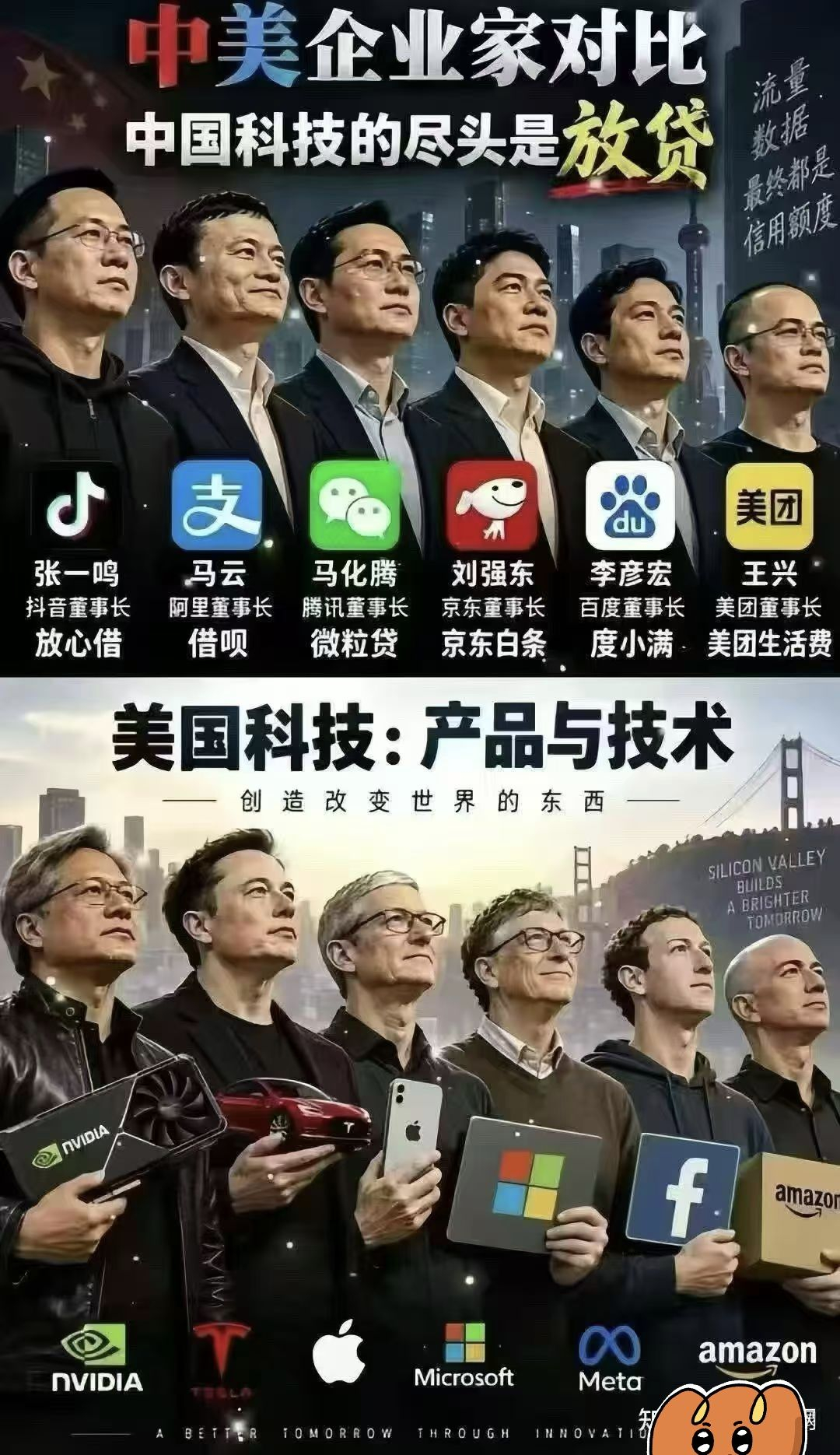
米国のテック企業はみんなローンを取り扱わないの?真相を知っている人はいる?

翻訳参照

Sara_ k
·
--
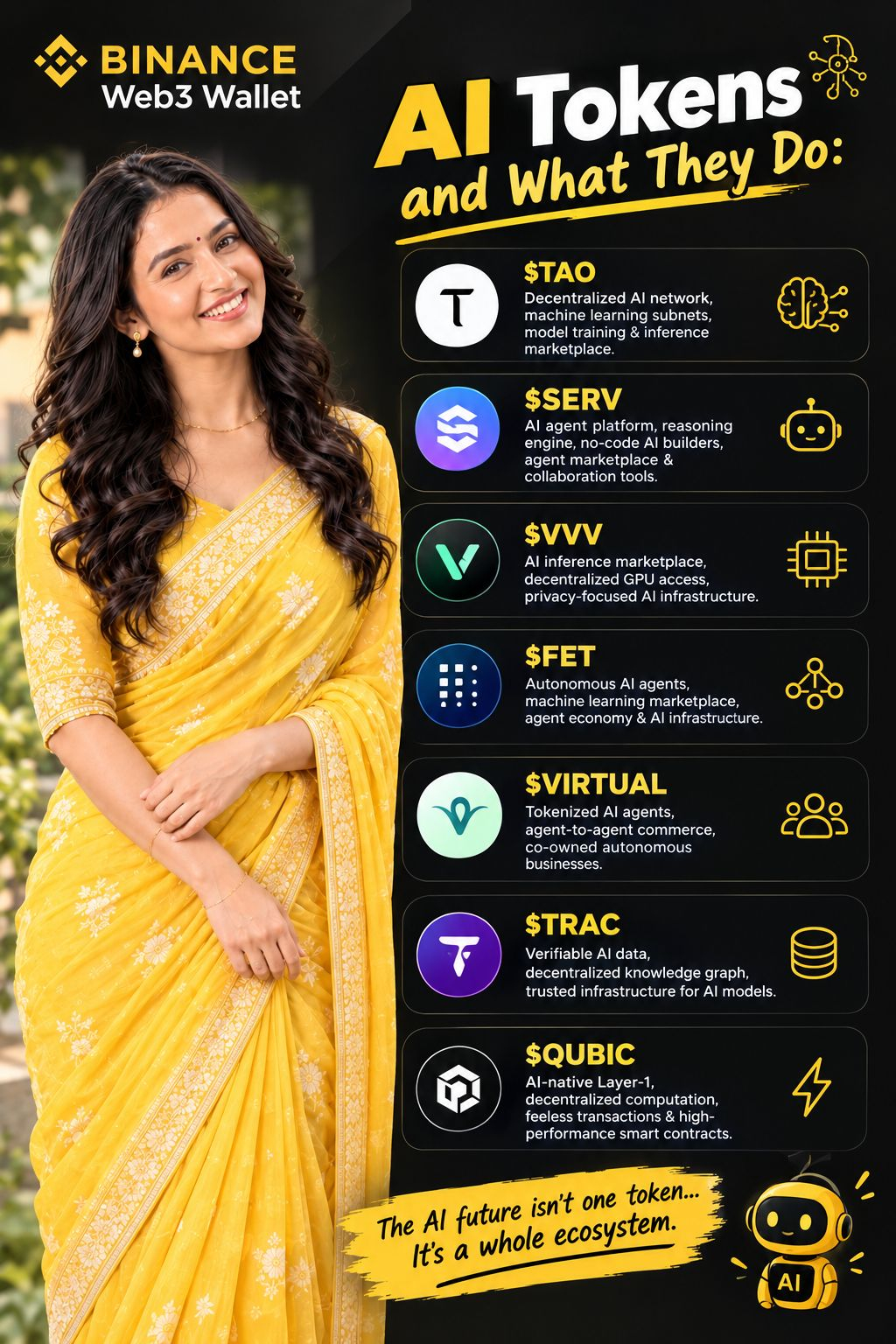
AIトークンとその役割:
.
claim here 👈🧧🧧🧧🧧🧧
.
claim 2 👈🧧🧧🧧🧧🧧
.
$TAO $FET $VIRTUAL
.
claim here 👈🧧🧧🧧🧧🧧
.
claim 2 👈🧧🧧🧧🧧🧧
.
$TAO $FET $VIRTUAL
翻訳参照

易琳Ten
·
--
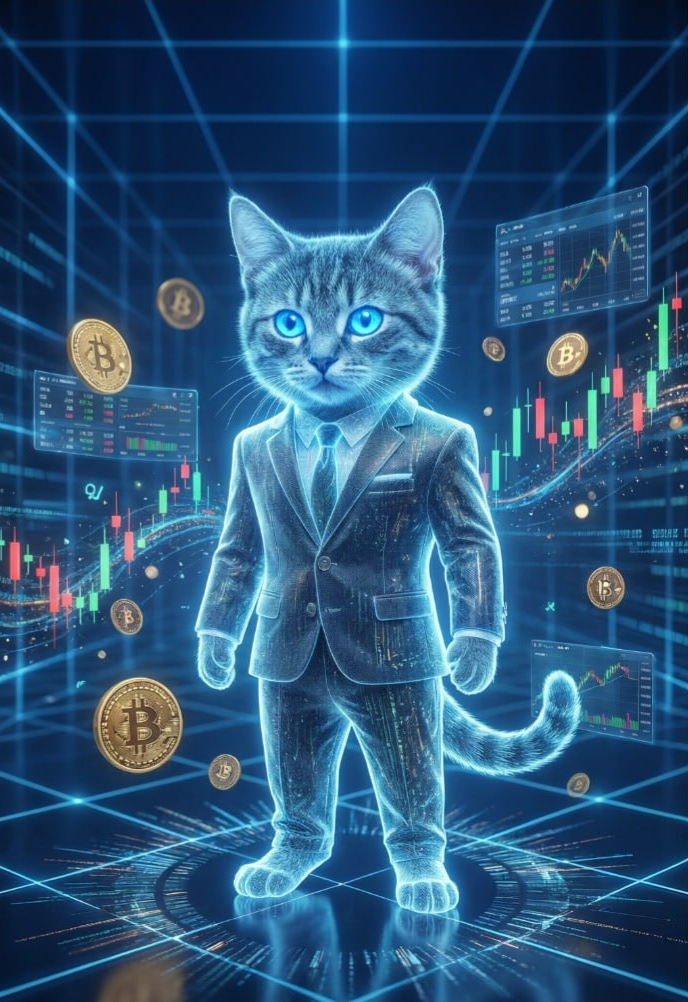
紙上談兵の人は、論理に破綻なし。\n身をもって実際に取引する人は、口座の損益が下振れを免れにくい。\n岸の向こうで局を眺めれば、上げ下げは一目瞭然。\n当事者として相場の場に身を置けば、利益も損失もたびたび議論の的になる。
翻訳参照

Ayra 艾雅
·
--
✨...赤い封筒モーメント.. ..🌸✨
ここにいる素晴らしいみなさんへ、小さな気持ちを込めて。 ✨
つながり続けて、いい雰囲気を広げよう....
報酬を受け取る
• この投稿をいいね
• コメントで「Hi」を送る
• フォロー
✨ この投稿をリポストしてね...
#BTTC $BTTC #US10YTreasuryYieldHitsHighestSinceNov2023 #BinanceSquareFamilyy #RippleLobbiesToAdvanceCLARITYActVote #BTC突破7万大关
ここにいる素晴らしいみなさんへ、小さな気持ちを込めて。 ✨
つながり続けて、いい雰囲気を広げよう....
報酬を受け取る
• この投稿をいいね
• コメントで「Hi」を送る
• フォロー
✨ この投稿をリポストしてね...
#BTTC $BTTC #US10YTreasuryYieldHitsHighestSinceNov2023 #BinanceSquareFamilyy #RippleLobbiesToAdvanceCLARITYActVote #BTC突破7万大关

翻訳参照
Elena神话MUA
·
--
#MUA
こんなに長く取引してきて、1つ質問したい。
あなたは今、取引の道を進む中で、最大の障壁は何だと思う?
A. テクニカル分析が理解できない
B. 理解はしているが、手が止まらない
C. ポジション管理に規則性がない
D. メンタルが一度崩れるとすべて終わる
E. 操作がまったく分からない
コメントで教えて。必ず見て、返す。
純粋に好奇心もあるし、みんながどこでつまずいているのか見てみたい。$BNB
こんなに長く取引してきて、1つ質問したい。
あなたは今、取引の道を進む中で、最大の障壁は何だと思う?
A. テクニカル分析が理解できない
B. 理解はしているが、手が止まらない
C. ポジション管理に規則性がない
D. メンタルが一度崩れるとすべて終わる
E. 操作がまったく分からない
コメントで教えて。必ず見て、返す。
純粋に好奇心もあるし、みんながどこでつまずいているのか見てみたい。$BNB
翻訳参照

Bobbypk
·
--
ブリッシュ🚨 ビットコインが2025年10月以来の最大のETF資金流入を記録。$23.9億が流入したが、金曜には勢いが失速し、ほぼ90%減。値動きはいまだにレジスタンスの直下に張り付いているため、本当のブレイクアウトはまだ起きていない。
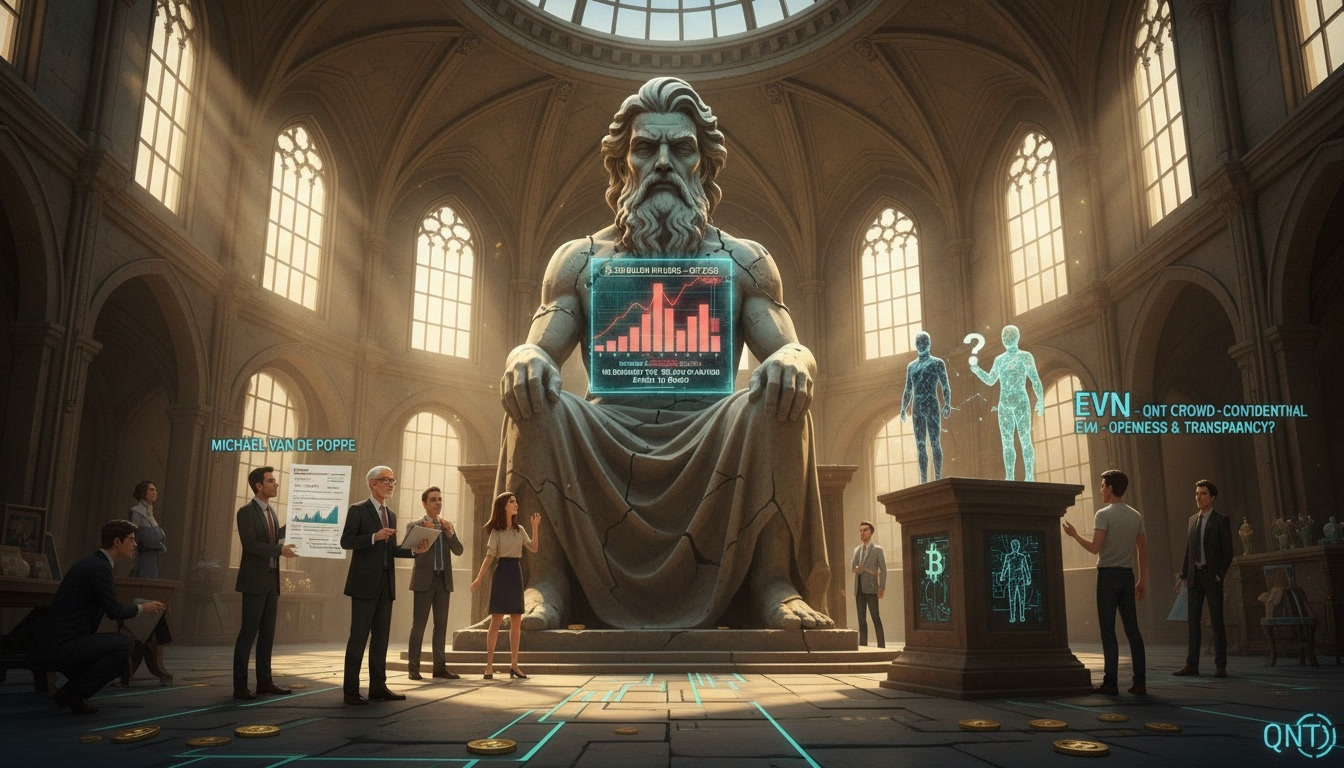
ミカエル・ファン・デ・ポッペは $84,800 を注視している。そのレベルをビットコインが突破すれば、$90,000 はそう遠くない。逃せば、レンジ相場のまま動けない。
誰もが9月30日に発表されるPCEデータを待っている。トム・リーは、計算方法を少し調整することで、コアインフレがついに3%に近づく可能性があると言う。そうなれば、FRBはブレーキを少し緩めるかもしれない。強気の見通しだが、それを裏付けるにはデータが必要だ。
ビットコイン勢は「どこへ向かうか」については概ね一致しているが、「いつか」については意見が割れている。
QNTの方へ:より多くの機関が参入してくる中で、重要なのは機密性を重視したコンプライアンスなのか、それとも透明性のあるEVMに固執することなのか? プライバシーが今が旬のタイミングを迎えるのか、それともオープンさが王様であり続けるのか? 下のコメントで教えて。
#QNT
#BTC
#AltcoinSeasonIndexHoldsAbove60For5Days
ミカエル・ファン・デ・ポッペは $84,800 を注視している。そのレベルをビットコインが突破すれば、$90,000 はそう遠くない。逃せば、レンジ相場のまま動けない。
誰もが9月30日に発表されるPCEデータを待っている。トム・リーは、計算方法を少し調整することで、コアインフレがついに3%に近づく可能性があると言う。そうなれば、FRBはブレーキを少し緩めるかもしれない。強気の見通しだが、それを裏付けるにはデータが必要だ。
ビットコイン勢は「どこへ向かうか」については概ね一致しているが、「いつか」については意見が割れている。
QNTの方へ:より多くの機関が参入してくる中で、重要なのは機密性を重視したコンプライアンスなのか、それとも透明性のあるEVMに固執することなのか? プライバシーが今が旬のタイミングを迎えるのか、それともオープンさが王様であり続けるのか? 下のコメントで教えて。
#QNT
#BTC
#AltcoinSeasonIndexHoldsAbove60For5Days
翻訳参照

Maryam Pro TRDER
·
--
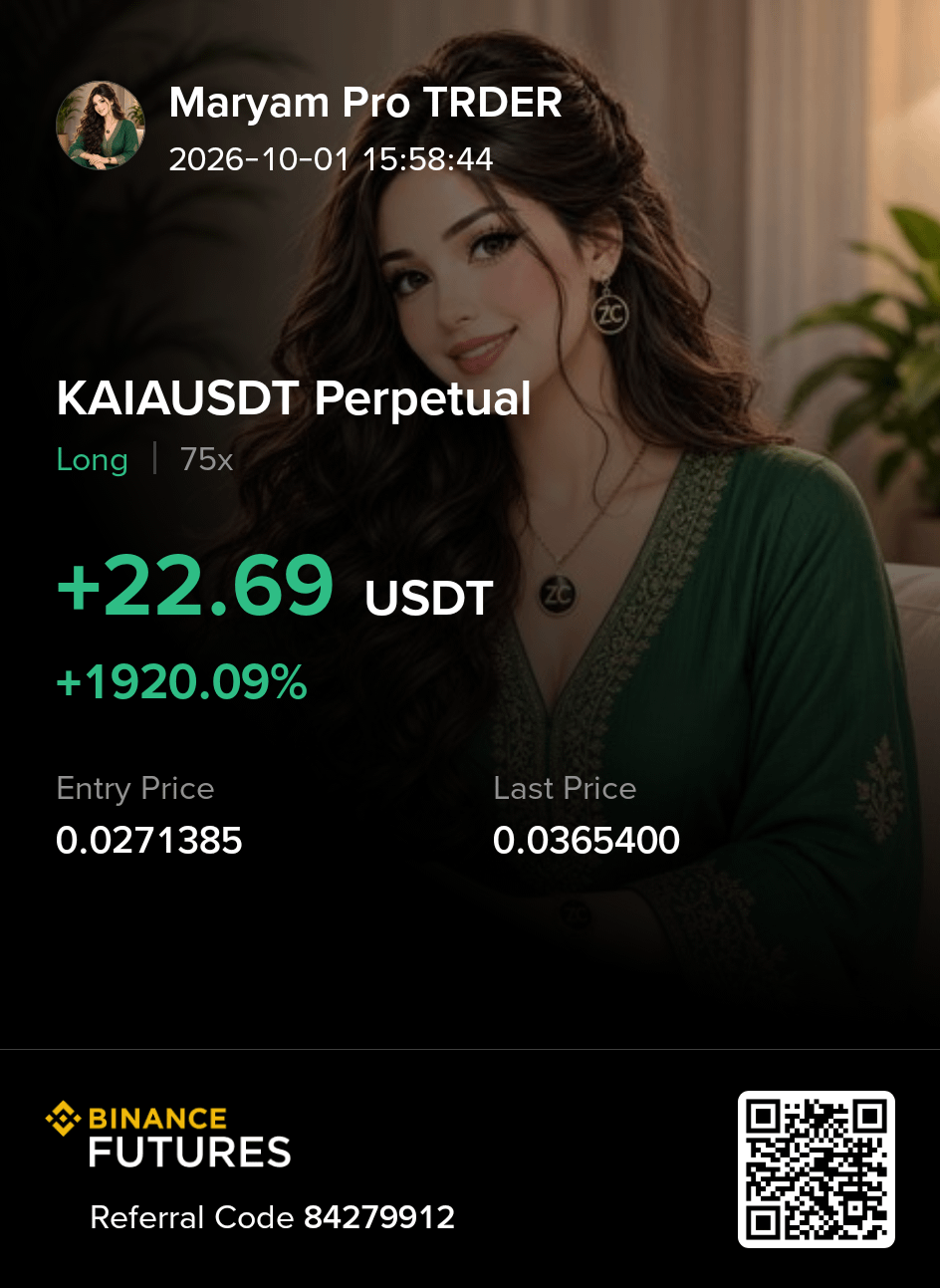
ブリッシュhttps://www.binance.info/en/futures/ref/84279912
この買いのチャンスを見逃さないで! 🫵🏻
もう言いました…
プロフィールに行けば、これについての私の調査を何度も説明してあります。短期間でとても良いチャンスが得られることが分かります。$PEPE Long Entry
$RVN Long Entry
$TIA LONG Entry
私のコインは常にトレンドに沿って取引されています。#KSM がトップで取引されているように。
報酬を受け取り、コメントと「いいね」を!通報しました
#MetaMaskExitsLidoValidatorsAfterSecurityIncident
この買いのチャンスを見逃さないで! 🫵🏻
もう言いました…
プロフィールに行けば、これについての私の調査を何度も説明してあります。短期間でとても良いチャンスが得られることが分かります。$PEPE Long Entry
$RVN Long Entry
$TIA LONG Entry
私のコインは常にトレンドに沿って取引されています。#KSM がトップで取引されているように。
報酬を受け取り、コメントと「いいね」を!通報しました
#MetaMaskExitsLidoValidatorsAfterSecurityIncident

翻訳参照

好运来Hawk
·
--
ブリッシュ生態系のバランスは自由の礎だ!
#Hawk は生態系の守護者であり、自由の理念の伝道者でもある!
#HawkArmy に参加して、この革命を共に推し進め、人類をより良いものにしよう!
#Hawk は生態系の守護者であり、自由の理念の伝道者でもある!
#HawkArmy に参加して、この革命を共に推し進め、人類をより良いものにしよう!

翻訳参照

圣克斯Lucky1688
·
--
🧧🎁🌹🧧🎁🌹
1. 中核プロジェクトとエコシステムの動向
Hyperliquid が初の AQAv2 リザーブ収益配分を受ける: 据コミュニティおよび PANews の情報によると、Hyperliquid は本日(10月3日)に初の AQAv2 リザーブ収益配分を受け取る見込みです。USDC リザーブから生じる約 1,450 万〜2,000 万ドルのパッシブ収益が、主に HYPE トークンの買い戻しに用いられる支援基金(Assistance Fund)へ流入します。
Cronos コミュニティ提案の投票: Cronos コミュニティは本日、「プロダクト収益を買い戻して CRO をバーンする」ことに関する提案の投票を完了しました。この取り組みは、トークノミクス・モデルをさらに最適化し、デフレ期待を強化することを目的としています。
2. 近々の業界展望
Ethena(ENA)大口アンロックが間近: 市場では、StablecoinX が保有する約 30.3 億枚の ENA が、続く 10 月 4 日に永久アンロックされる見込みだと注目されており、業界はそれが市場流動性にもたらしうる潜在的な影響を注意深く見守っています。
私に注目して、答え1を持って $SOL の红包を持ち帰ってください!
🧧🎁🌹🧧🎁🌹
1. 中核プロジェクトとエコシステムの動向
Hyperliquid が初の AQAv2 リザーブ収益配分を受ける: 据コミュニティおよび PANews の情報によると、Hyperliquid は本日(10月3日)に初の AQAv2 リザーブ収益配分を受け取る見込みです。USDC リザーブから生じる約 1,450 万〜2,000 万ドルのパッシブ収益が、主に HYPE トークンの買い戻しに用いられる支援基金(Assistance Fund)へ流入します。
Cronos コミュニティ提案の投票: Cronos コミュニティは本日、「プロダクト収益を買い戻して CRO をバーンする」ことに関する提案の投票を完了しました。この取り組みは、トークノミクス・モデルをさらに最適化し、デフレ期待を強化することを目的としています。
2. 近々の業界展望
Ethena(ENA)大口アンロックが間近: 市場では、StablecoinX が保有する約 30.3 億枚の ENA が、続く 10 月 4 日に永久アンロックされる見込みだと注目されており、業界はそれが市場流動性にもたらしうる潜在的な影響を注意深く見守っています。
私に注目して、答え1を持って $SOL の红包を持ち帰ってください!
🧧🎁🌹🧧🎁🌹


翻訳参照

慢就是快Mike
·
--
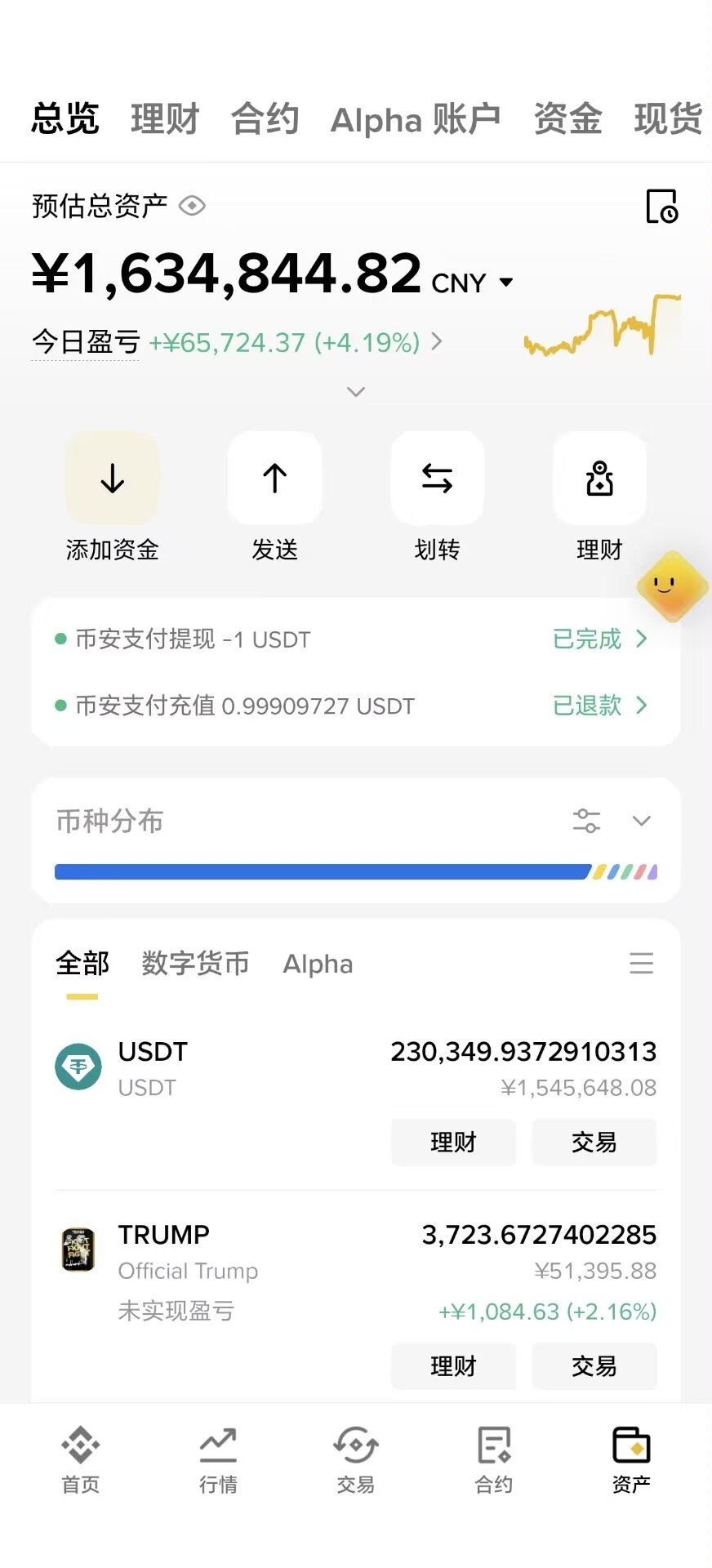
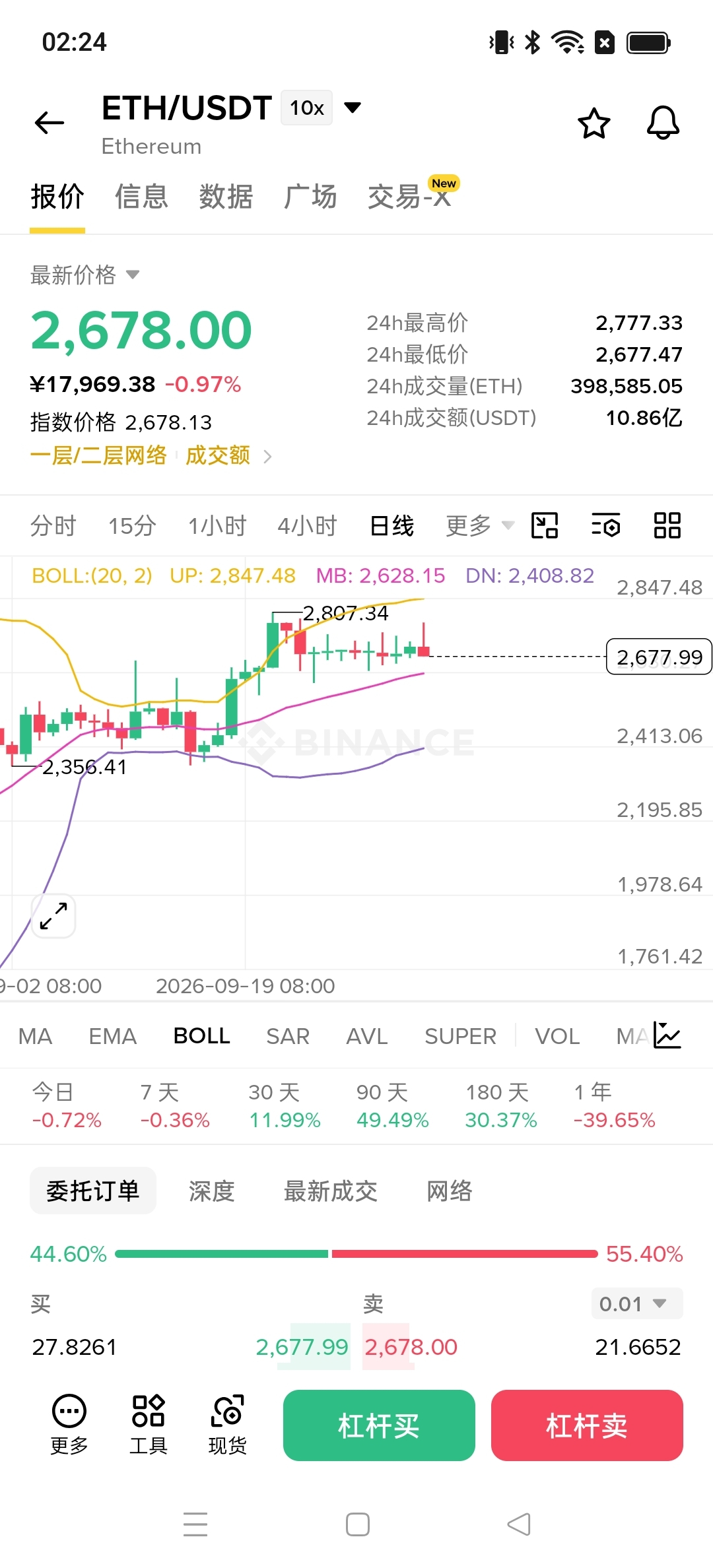
$ETH 非農は好材料だが、なぜ先に上がってから下がるのか。異常は必ず妖がある。スポット(現物)は先に一部を出して、押し目で買い直す。大相場(強気の大ブル相場)になると信じている!!!


翻訳参照

听澜321
·
--
🌏【メインタイトル】
オンチェーンで打開し、構造を再構築するSGYのデフレ開始――新世代のレーダー
🌏【サブタイトル】
伝統的な生態系の慢性的な課題を刷新し、メカニズムによる恩恵で長期的な共通認識を実現する
📅 【日時】2026年10月3日 13:30(UTC+8)
🎬 【配信会場】
バイナンス・プラザ@听澜321 ライブ配信ルーム
🎤 特別招待司会(Host)
🎙Web3分野のゴールド級司会者👉🏻梨浅Grace @梨浅Grace
🎙共同司会者👉🏻旭好传媒@旭好传媒
👥【特別招待の注目ゲスト】(Speakers)
🔹MAX|業界のベテラン・ブロックチェーン専門家
🔹MAGGIE|業界のベテラン・ブロックチェーン専門家
🔹聴澜 @听澜321 |Web3バイナンス・プラザ ゴールド認定MC
🔹奮闘 @奋斗Hustle1688 |Web3バイナンス・プラザ ゴールド認定MC
🔹幫幫 @帮帮Bonnie |Web3バイナンス・プラザ ゴールド認定MC
🔹Mike @慢就是快Mike |Web3バイナンス・プラザ ゴールド認定MC
#比特币升至8.5万美元附近
オンチェーンで打開し、構造を再構築するSGYのデフレ開始――新世代のレーダー
🌏【サブタイトル】
伝統的な生態系の慢性的な課題を刷新し、メカニズムによる恩恵で長期的な共通認識を実現する
📅 【日時】2026年10月3日 13:30(UTC+8)
🎬 【配信会場】
バイナンス・プラザ@听澜321 ライブ配信ルーム
🎤 特別招待司会(Host)
🎙Web3分野のゴールド級司会者👉🏻梨浅Grace @梨浅Grace
🎙共同司会者👉🏻旭好传媒@旭好传媒
👥【特別招待の注目ゲスト】(Speakers)
🔹MAX|業界のベテラン・ブロックチェーン専門家
🔹MAGGIE|業界のベテラン・ブロックチェーン専門家
🔹聴澜 @听澜321 |Web3バイナンス・プラザ ゴールド認定MC
🔹奮闘 @奋斗Hustle1688 |Web3バイナンス・プラザ ゴールド認定MC
🔹幫幫 @帮帮Bonnie |Web3バイナンス・プラザ ゴールド認定MC
🔹Mike @慢就是快Mike |Web3バイナンス・プラザ ゴールド認定MC
#比特币升至8.5万美元附近

翻訳参照
Ahli Hidaya ALLAH Raman
·
--
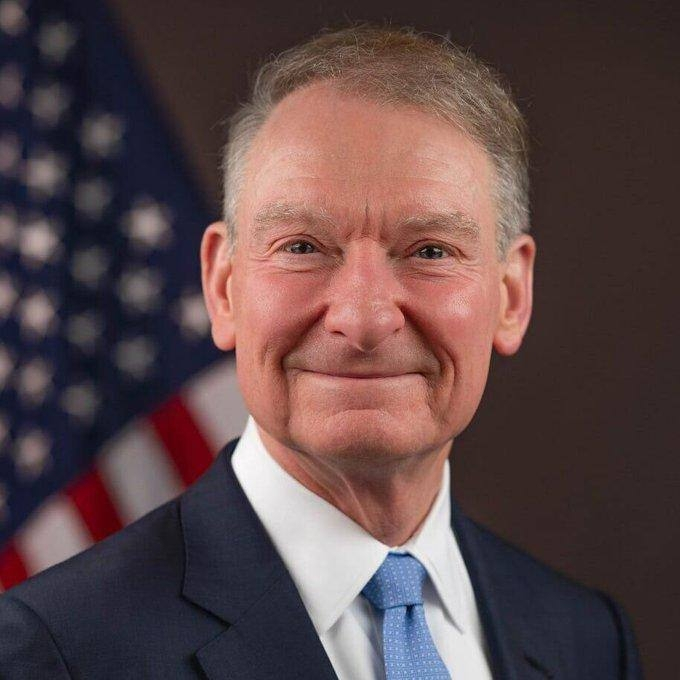
ブリッシュ🚨 大躍進:米SECが暗号カストディの「グレイ・エラ」を終わらせる方針へ!
米SEC議長ポール・アトキンス氏が、投資顧問やファンドが暗号資産を保管するための明確で合法的な道筋を整える画期的な規制提案を正式に発表しました。
長年にわたり、機関投資家の資金や従来型ファンドは、時代遅れのガイドラインによって大きな障壁に直面してきました。今回の新しい枠組みは、古い不確実性を一掃し、重大な機関の後押しをオンチェーンに直接もたらすことを目的としています。
主なポイント:
明確な法的ルート:登録された投資顧問やファンドが、ついにデジタル資産を合法的に保有するための体系的なガイドラインを得られる。
不確実性の終結:何兆ドル規模の暗号経済に追いつけなかった、過去の時代の旧ルールを置き換える。
今後の展望:SEC議長アトキンス氏は、米国がデジタル資産で世界的リーダーを目指す中、暗号に友好的な追加の規制提案が近々行われることを確認。
機関の採用が、いよいよ影から抜け出します。市場が大きな成長に向けてギアを上げる今、あなたも万全のポジションを取ってください!
👉 報酬を受け取り、こちらで参加:USDCリワードを請求
これについてどう思いますか?下にコメントしてください!👇
#SEC #CryptoRegulation #BinanceSquare #InstitutionalCrypto #CryptoNews #USDC$BTC $BNB
#dyor
米SEC議長ポール・アトキンス氏が、投資顧問やファンドが暗号資産を保管するための明確で合法的な道筋を整える画期的な規制提案を正式に発表しました。
長年にわたり、機関投資家の資金や従来型ファンドは、時代遅れのガイドラインによって大きな障壁に直面してきました。今回の新しい枠組みは、古い不確実性を一掃し、重大な機関の後押しをオンチェーンに直接もたらすことを目的としています。
主なポイント:
明確な法的ルート:登録された投資顧問やファンドが、ついにデジタル資産を合法的に保有するための体系的なガイドラインを得られる。
不確実性の終結:何兆ドル規模の暗号経済に追いつけなかった、過去の時代の旧ルールを置き換える。
今後の展望:SEC議長アトキンス氏は、米国がデジタル資産で世界的リーダーを目指す中、暗号に友好的な追加の規制提案が近々行われることを確認。
機関の採用が、いよいよ影から抜け出します。市場が大きな成長に向けてギアを上げる今、あなたも万全のポジションを取ってください!
👉 報酬を受け取り、こちらで参加:USDCリワードを請求
これについてどう思いますか?下にコメントしてください!👇
#SEC #CryptoRegulation #BinanceSquare #InstitutionalCrypto #CryptoNews #USDC$BTC $BNB
#dyor
翻訳参照

Leo - F0
·
--
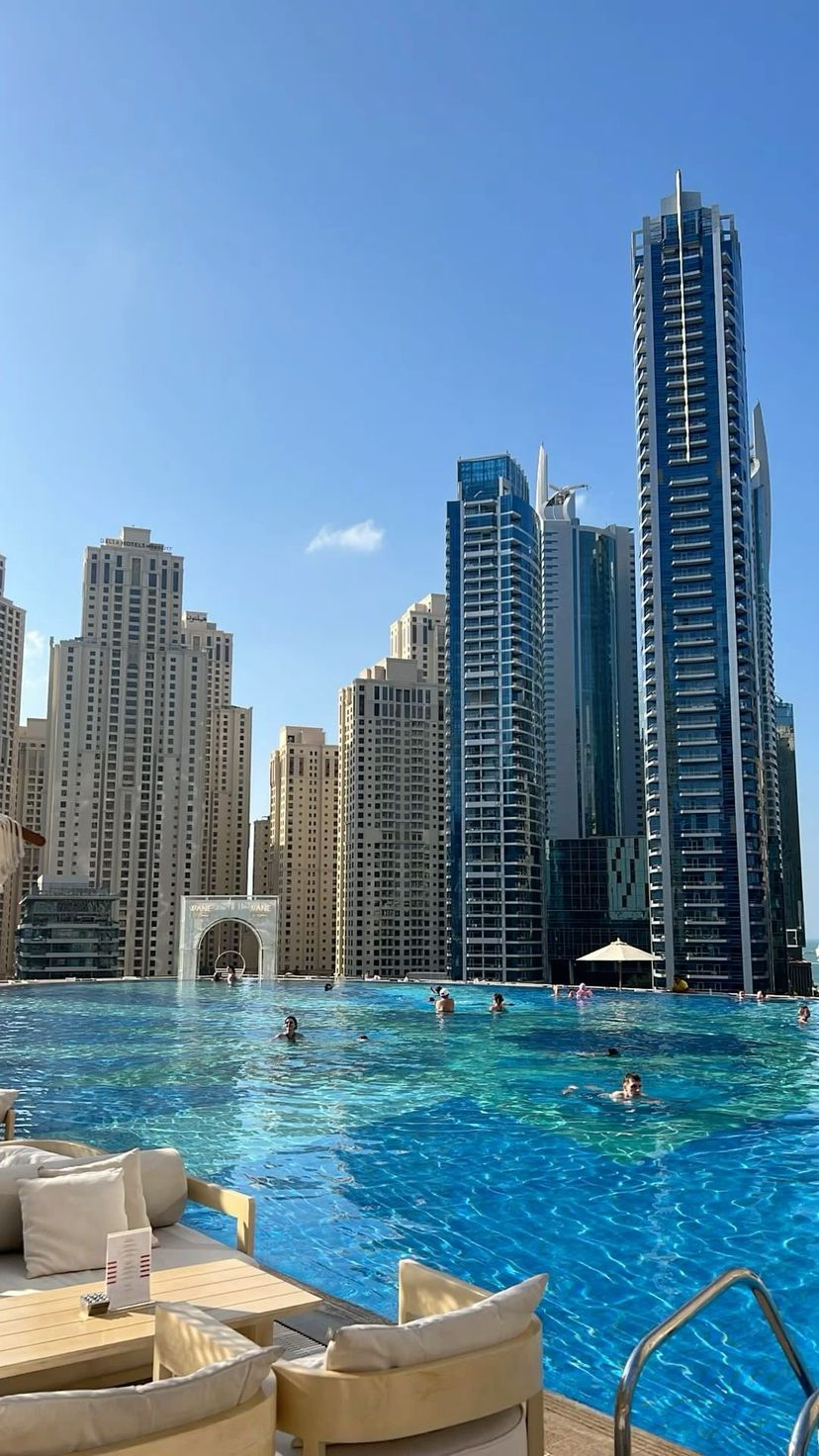
ブリッシュ🧧🧧🔥ドバイからおはよう、ファミリー。🔥🧧🧧
BTTC🔥🔥🧧🧧$BTC $ETH $BNB
#1688家族family 💚 @周周1688 #NFPWatch #xrp #altcoins #Dubai_Crypto_Group
BTTC🔥🔥🧧🧧$BTC $ETH $BNB
#1688家族family 💚 @周周1688 #NFPWatch #xrp #altcoins #Dubai_Crypto_Group
ログインして、さらにコンテンツを読む