

#ton
ton
閲覧回数 18.1M
33,174人が討論中
注目
最新

·
--
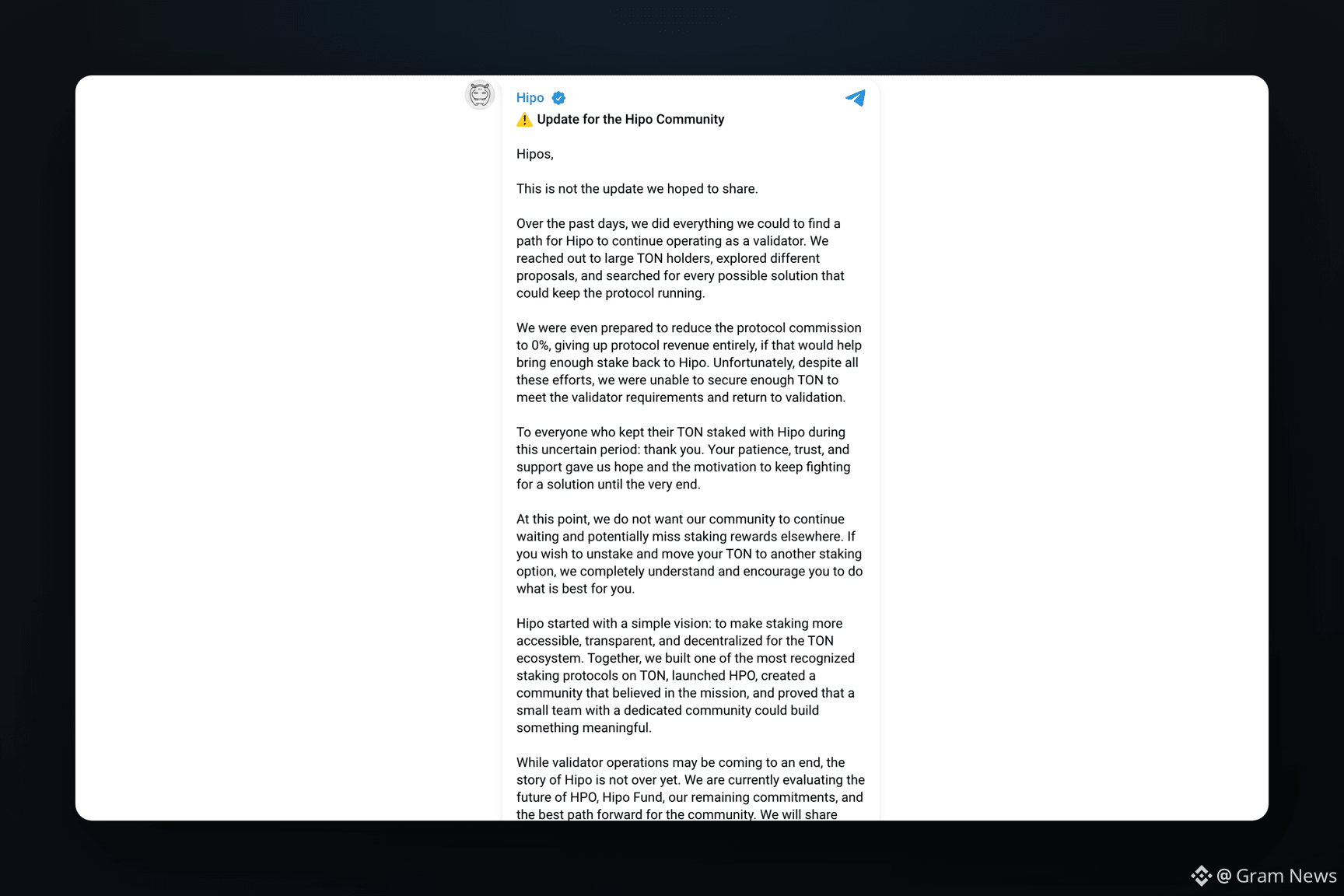
HipoがTONのバリデーションに復帰、5か月足らずでGRAMが57.1万から1,000万に増加
6月6日、Hipoチームはステーカーに別れを告げましたが、その8時間足らず後にバリデーションに再参入しました。現在、プロトコルには1,030万GRAMがあります。
$GRAM #Telegram #TON
HipoがTONのバリデーションに復帰、5か月足らずでGRAMが57.1万から1,000万に増加
6月6日、Hipoチームはステーカーに別れを告げましたが、その8時間足らず後にバリデーションに再参入しました。現在、プロトコルには1,030万GRAMがあります。
$GRAM #Telegram #TON
6月6日、Hipoチームはステーカーに別れを告げましたが、その8時間足らず後にバリデーションに再参入しました。現在、プロトコルには1,030万GRAMがあります。
$GRAM #Telegram #TON
338

翻訳参照
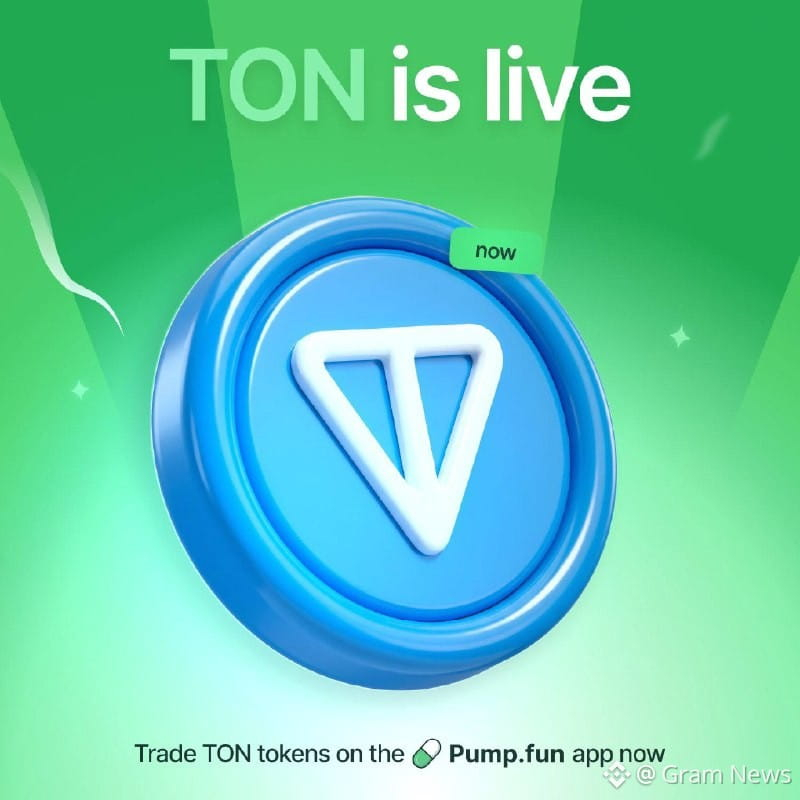
Pump.fun接TON,TON社区在欢呼"Telegram流量要进来了",我看是反过来:是Pump.fun把TON的土狗收进了自己的收费站。
先看产品本身。用户在Pump.fun App里直接用USDC余额买TON链上的币,不用跨链不用管gas。听着方便,但你想想这意味着什么——你根本不需要持有TON。入口、余额、手续费都在Pump.fun那边,TON链只是多了一个交易区。喊"TON利好"的,先回答一下买盘从哪来。
再看时间点。Pump.fun自己说App已经连续8天创纪录,前一天日活交易者7.29万。平台要继续冲数据,最省事的办法就是多接几条链、多开几个池子。Alon说TON是按用户需求几天就接上的,几天接一条链,审核能有多深自己想。
还有个挺讽刺的点。X上有人翻旧账,说TON和Telegram 2025年初在小程序里搞TON独占,不让别的链进来做加密功能。现在轮到TON主动去别人的App里找流量,谁有分发谁说了算,一目了然。
最搞的是消息一出,Solana上马上有人在Pump.fun发了个叫TONCOIN的币蹭热度,根本不在TON链上,有查币bot直接标了发射团队已砸盘。新闻是真的,币是假的,这剧本每次都一样。
想去TON土狗里冲的,记住你面对的还是同一套:狙击、捆绑、dev出货,只是换了个链名。平台稳赚手续费,亏的位置留给你。
#Pumpfun #TON
Pump.fun接TON,TON社区在欢呼"Telegram流量要进来了",我看是反过来:是Pump.fun把TON的土狗收进了自己的收费站。
先看产品本身。用户在Pump.fun App里直接用USDC余额买TON链上的币,不用跨链不用管gas。听着方便,但你想想这意味着什么——你根本不需要持有TON。入口、余额、手续费都在Pump.fun那边,TON链只是多了一个交易区。喊"TON利好"的,先回答一下买盘从哪来。
再看时间点。Pump.fun自己说App已经连续8天创纪录,前一天日活交易者7.29万。平台要继续冲数据,最省事的办法就是多接几条链、多开几个池子。Alon说TON是按用户需求几天就接上的,几天接一条链,审核能有多深自己想。
还有个挺讽刺的点。X上有人翻旧账,说TON和Telegram 2025年初在小程序里搞TON独占,不让别的链进来做加密功能。现在轮到TON主动去别人的App里找流量,谁有分发谁说了算,一目了然。
最搞的是消息一出,Solana上马上有人在Pump.fun发了个叫TONCOIN的币蹭热度,根本不在TON链上,有查币bot直接标了发射团队已砸盘。新闻是真的,币是假的,这剧本每次都一样。
想去TON土狗里冲的,记住你面对的还是同一套:狙击、捆绑、dev出货,只是换了个链名。平台稳赚手续费,亏的位置留给你。
#Pumpfun #TON
先看产品本身。用户在Pump.fun App里直接用USDC余额买TON链上的币,不用跨链不用管gas。听着方便,但你想想这意味着什么——你根本不需要持有TON。入口、余额、手续费都在Pump.fun那边,TON链只是多了一个交易区。喊"TON利好"的,先回答一下买盘从哪来。
再看时间点。Pump.fun自己说App已经连续8天创纪录,前一天日活交易者7.29万。平台要继续冲数据,最省事的办法就是多接几条链、多开几个池子。Alon说TON是按用户需求几天就接上的,几天接一条链,审核能有多深自己想。
还有个挺讽刺的点。X上有人翻旧账,说TON和Telegram 2025年初在小程序里搞TON独占,不让别的链进来做加密功能。现在轮到TON主动去别人的App里找流量,谁有分发谁说了算,一目了然。
最搞的是消息一出,Solana上马上有人在Pump.fun发了个叫TONCOIN的币蹭热度,根本不在TON链上,有查币bot直接标了发射团队已砸盘。新闻是真的,币是假的,这剧本每次都一样。
想去TON土狗里冲的,记住你面对的还是同一套:狙击、捆绑、dev出货,只是换了个链名。平台稳赚手续费,亏的位置留给你。
#Pumpfun #TON
1
·
--
DeFiはトークンのスワップだけではない分散型金融について興味深いと思うことの一つは、シンプルな取引の裏側で、どれほど重要な仕事が行われているかという点です。
ユーザーは2つのトークンを選び、スワップを確定すると、その結果を受け取ります。一見シンプルですが、この体験を実現するために、流動性、スマートコントラクト、価格決定の仕組み、ブロックチェーンインフラなど、さまざまな要素が連携しています。
@ston_fiは、TONエコシステムにおいてこの役割を担っています。
分散型取引所として、STON.fiはユーザーが対応するトークンをオンチェーンでスワップできるよう支援します。その役割は、個々の取引を実行するたびに従来型の中央集権型取引所を必要とせずに、DeFiインフラが個々のユーザーと分散型市場を結び付けられることを示しています。
DeFiはトークンのスワップだけではない
分散型金融について興味深いと思うことの一つは、シンプルな取引の裏側で、どれほど重要な仕事が行われているかという点です。
ユーザーは2つのトークンを選び、スワップを確定すると、その結果を受け取ります。一見シンプルですが、この体験を実現するために、流動性、スマートコントラクト、価格決定の仕組み、ブロックチェーンインフラなど、さまざまな要素が連携しています。
@ston_fiは、TONエコシステムにおいてこの役割を担っています。
分散型取引所として、STON.fiはユーザーが対応するトークンをオンチェーンでスワップできるよう支援します。その役割は、個々の取引を実行するたびに従来型の中央集権型取引所を必要とせずに、DeFiインフラが個々のユーザーと分散型市場を結び付けられることを示しています。
ユーザーは2つのトークンを選び、スワップを確定すると、その結果を受け取ります。一見シンプルですが、この体験を実現するために、流動性、スマートコントラクト、価格決定の仕組み、ブロックチェーンインフラなど、さまざまな要素が連携しています。
@ston_fiは、TONエコシステムにおいてこの役割を担っています。
分散型取引所として、STON.fiはユーザーが対応するトークンをオンチェーンでスワップできるよう支援します。その役割は、個々の取引を実行するたびに従来型の中央集権型取引所を必要とせずに、DeFiインフラが個々のユーザーと分散型市場を結び付けられることを示しています。
79

·
--
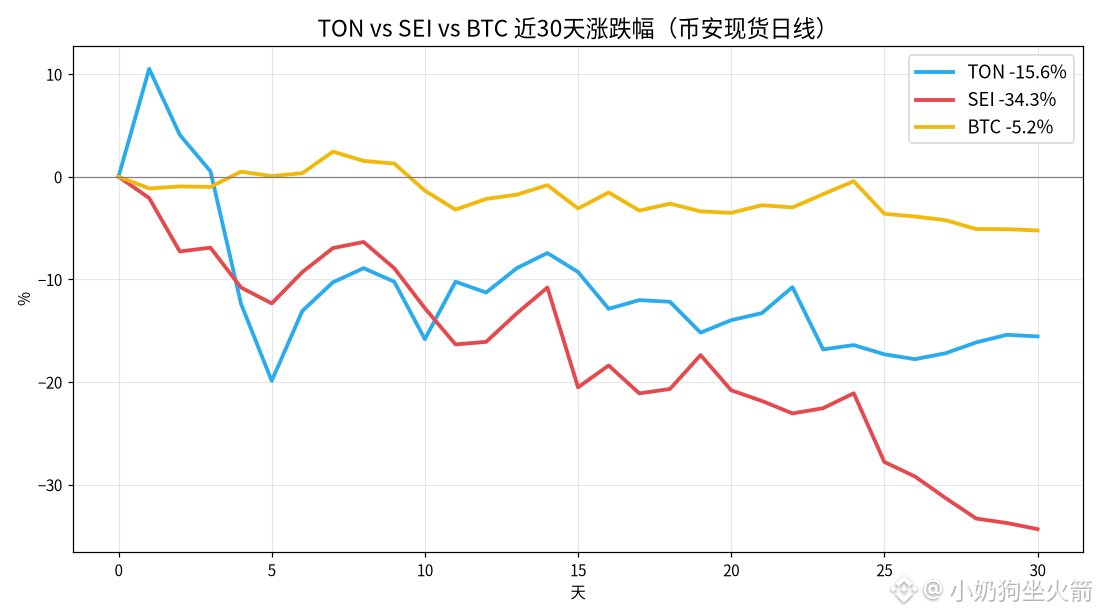
夜に相場をひと通り見てみたら、「ソーシャル系パブリックチェーン」2つが正反対の動きになっていた。TONは1.6ドルで、この1週間はむしろ1.5%上昇。今月の安値は1.44ドルで、底値から10%以上戻している。一方、SEIは0.052ドル。1か月前は0.079ドルだったのに、1か月で34%下落し、今週もさらに15%下落。ほぼ今月の安値に張り付いている。同じ期間にビットコインは1か月でたった5%の下落にとどまり、8万ドル付近でもみ合っている。私の見方では、TONはTelegramの数億人のユーザーが下支えしていて、1.4ドルまで下がれば買いが入る。SEIはスピードの物語を語っているけれど、ユーザー数の裏付けがないから、資金が抜ければ支える人もいない。もし今、1000Uでどちらか1つしか買えないとしたら、反発しているTONを買う? それとも3割以上下落したSEIに賭ける?#TON $TON $SEI $BTC
夜に相場をひと通り見てみたら、「ソーシャル系パブリックチェーン」2つが正反対の動きになっていた。TONは1.6ドルで、この1週間はむしろ1.5%上昇。今月の安値は1.44ドルで、底値から10%以上戻している。一方、SEIは0.052ドル。1か月前は0.079ドルだったのに、1か月で34%下落し、今週もさらに15%下落。ほぼ今月の安値に張り付いている。同じ期間にビットコインは1か月でたった5%の下落にとどまり、8万ドル付近でもみ合っている。私の見方では、TONはTelegramの数億人のユーザーが下支えしていて、1.4ドルまで下がれば買いが入る。SEIはスピードの物語を語っているけれど、ユーザー数の裏付けがないから、資金が抜ければ支える人もいない。もし今、1000Uでどちらか1つしか買えないとしたら、反発しているTONを買う? それとも3割以上下落したSEIに賭ける?#TON $TON $SEI $BTC
2
296

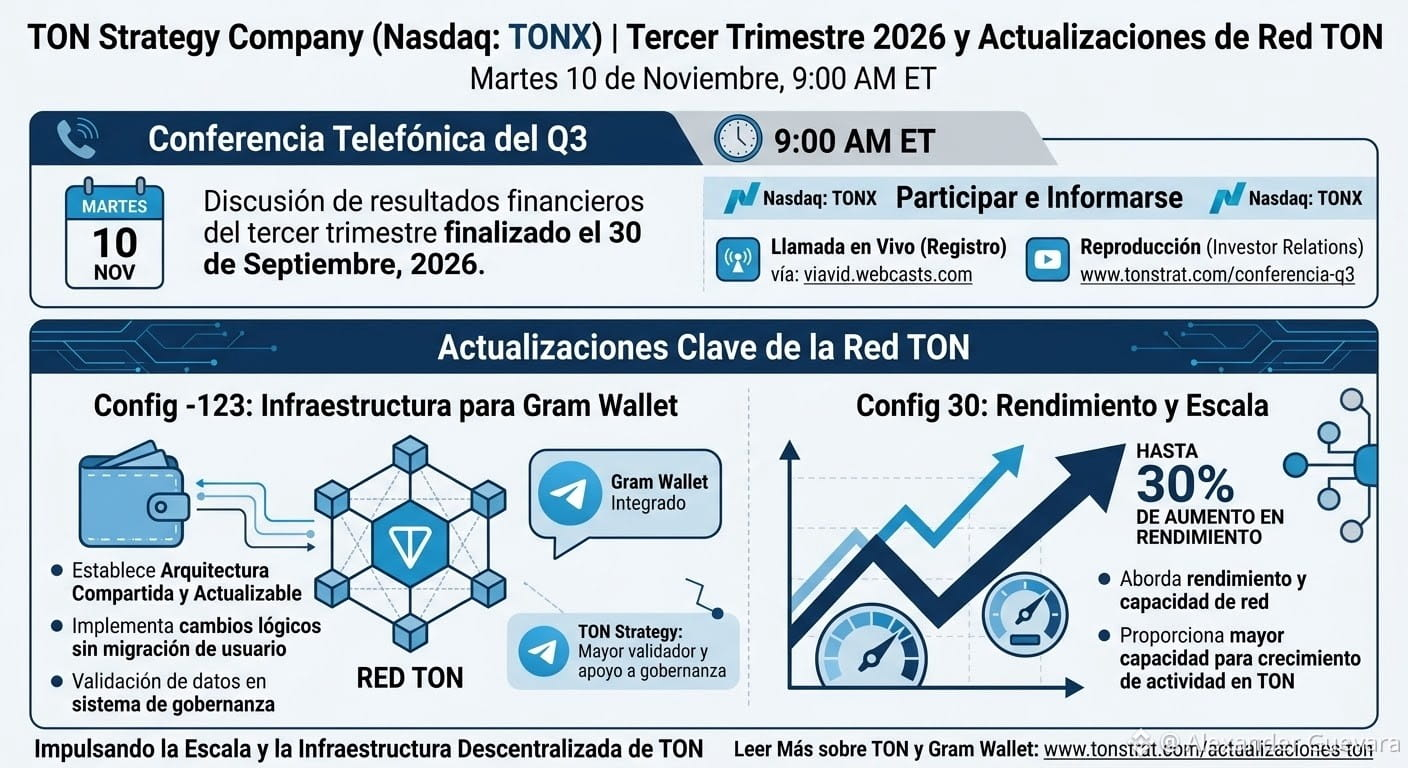
TONは、ネットワークの異なる2つの領域、すなわちGram Walletを支えるオンチェーン・インフラと、ネットワーク全体の容量に対応する2つのネットワークアップデート「Config -123」と「Config 30」を実施しています。
これらのアップデートは、Telegramがユーザー体験に$GRAM Walletをネイティブに統合する準備を進める中で行われています。
➡️ Config -123は、TONネットワークレベルでウォレットの共有・更新可能なアーキテクチャを確立します。これにより、データ検証システムを通じて、各ユーザーがウォレットを移行することなく、基盤となるロジックへの今後の変更をシステム内に実装できるようになります。
TON最大のバリデーターであるTON Strategyは、分散型ネットワークの支援に直接的な役割を果たしており、#GramWallet を支えるインフラを含む、基盤インフラの変更に関するガバナンス上の決定にも参加しています。
➡️ Config 30は、ネットワークのパフォーマンスとスケーラビリティに個別に対応するものです。このアップデートにより、スループットが最大30%向上し、TON全体で活動が拡大するにつれて、より大きな容量が確保される見込みです。
これらの改善は、ネットワークの拡張における2つの重要な要素を促進します。すなわち、分散型ガバナンスを通じて進化するよう設計されたオンチェーン・ウォレットのアーキテクチャと、#TON 全体の活動を支えるための容量の拡大です。
本日、TON Strategy Company(#NASDAQ : #TONX )は、2026年9月30日に終了した第3四半期の業績について説明する電話会議を、11月10日(火)午前9時(米国東部時間)に開催すると発表しました。
TONの最新アップデートとネイティブウォレット#Telegram について詳しくはこちら
{web3_wallet_create}(560xe95ab205e333443d7970336d5fd827ef9ed97608)
TONは、ネットワークの異なる2つの領域、すなわちGram Walletを支えるオンチェーン・インフラと、ネットワーク全体の容量に対応する2つのネットワークアップデート「Config -123」と「Config 30」を実施しています。
これらのアップデートは、Telegramがユーザー体験に$GRAM Walletをネイティブに統合する準備を進める中で行われています。
➡️ Config -123は、TONネットワークレベルでウォレットの共有・更新可能なアーキテクチャを確立します。これにより、データ検証システムを通じて、各ユーザーがウォレットを移行することなく、基盤となるロジックへの今後の変更をシステム内に実装できるようになります。
TON最大のバリデーターであるTON Strategyは、分散型ネットワークの支援に直接的な役割を果たしており、#GramWallet を支えるインフラを含む、基盤インフラの変更に関するガバナンス上の決定にも参加しています。
➡️ Config 30は、ネットワークのパフォーマンスとスケーラビリティに個別に対応するものです。このアップデートにより、スループットが最大30%向上し、TON全体で活動が拡大するにつれて、より大きな容量が確保される見込みです。
これらの改善は、ネットワークの拡張における2つの重要な要素を促進します。すなわち、分散型ガバナンスを通じて進化するよう設計されたオンチェーン・ウォレットのアーキテクチャと、#TON 全体の活動を支えるための容量の拡大です。
本日、TON Strategy Company(#NASDAQ : #TONX )は、2026年9月30日に終了した第3四半期の業績について説明する電話会議を、11月10日(火)午前9時(米国東部時間)に開催すると発表しました。
TONの最新アップデートとネイティブウォレット#Telegram について詳しくはこちら
これらのアップデートは、Telegramがユーザー体験に$GRAM Walletをネイティブに統合する準備を進める中で行われています。
➡️ Config -123は、TONネットワークレベルでウォレットの共有・更新可能なアーキテクチャを確立します。これにより、データ検証システムを通じて、各ユーザーがウォレットを移行することなく、基盤となるロジックへの今後の変更をシステム内に実装できるようになります。
TON最大のバリデーターであるTON Strategyは、分散型ネットワークの支援に直接的な役割を果たしており、#GramWallet を支えるインフラを含む、基盤インフラの変更に関するガバナンス上の決定にも参加しています。
➡️ Config 30は、ネットワークのパフォーマンスとスケーラビリティに個別に対応するものです。このアップデートにより、スループットが最大30%向上し、TON全体で活動が拡大するにつれて、より大きな容量が確保される見込みです。
これらの改善は、ネットワークの拡張における2つの重要な要素を促進します。すなわち、分散型ガバナンスを通じて進化するよう設計されたオンチェーン・ウォレットのアーキテクチャと、#TON 全体の活動を支えるための容量の拡大です。
本日、TON Strategy Company(#NASDAQ : #TONX )は、2026年9月30日に終了した第3四半期の業績について説明する電話会議を、11月10日(火)午前9時(米国東部時間)に開催すると発表しました。
TONの最新アップデートとネイティブウォレット#Telegram について詳しくはこちら
96

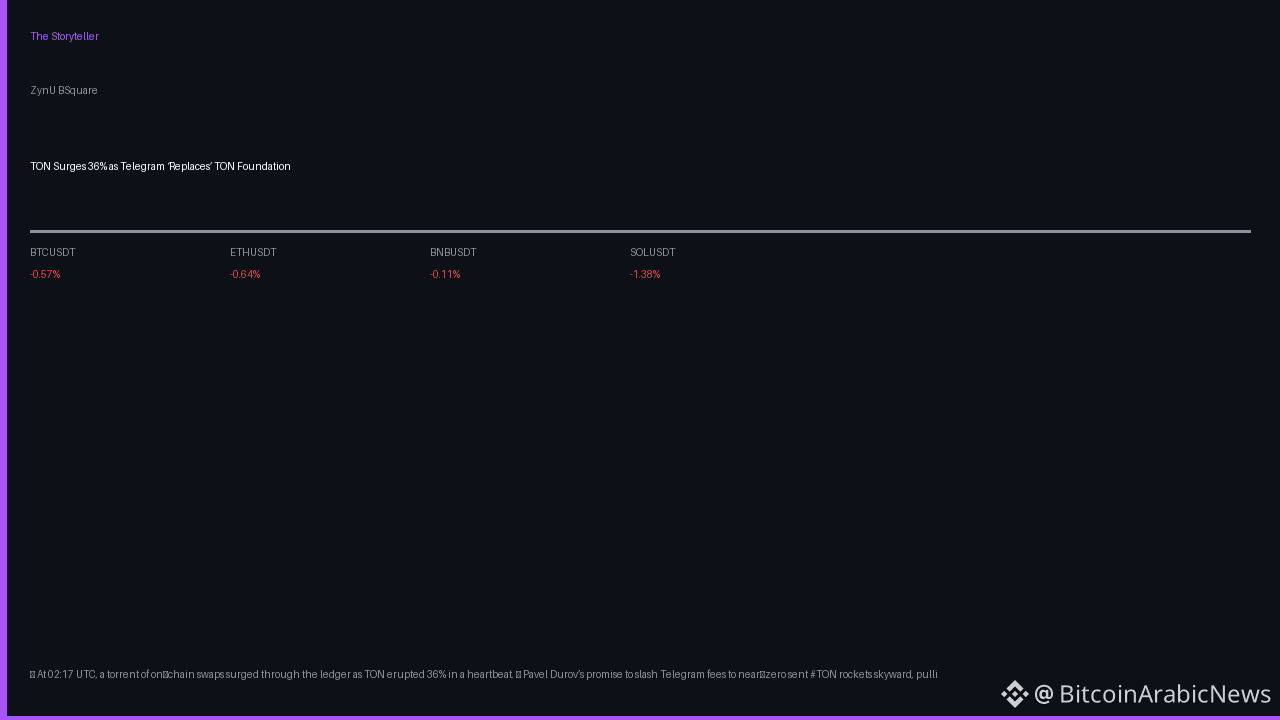
🔥 02:17 UTC、TONが一瞬で36%急騰するなか、オンチェーンのスワップが怒涛の勢いで台帳を駆け抜けた。
📊 Pavel DurovがTelegramの手数料をほぼゼロに引き下げると約束したことで、#TON が急上昇。#Telegram関連のミームコインも最大150%上昇し、新たな#Crypto の熱狂に火がついた。ビットコインは中立的な48/100のセンチメントと強気のMACDクロスオーバーを示しながら80,013ドル付近で推移し、ETHは2,317ドルまで下落したが、TONの急騰は市場全体の鈍い動きを圧倒した。
💡 意外な展開は? 手数料引き下げの合意により、TON Foundationは事実上蚊帳の外に置かれ、Telegramがネットワークの実質的な支配権を握ることになる。これによりTONは、Telegramのエコシステムを支えるユーティリティレイヤーへと変貌する。
❓ Telegramのほぼゼロ手数料モデルによって、TONはインターネットの新たな基盤となるのか。それとも、熱狂が完全に実現する前に規制当局が計画に水を差すのだろうか?
🔥 02:17 UTC、TONが一瞬で36%急騰するなか、オンチェーンのスワップが怒涛の勢いで台帳を駆け抜けた。
📊 Pavel DurovがTelegramの手数料をほぼゼロに引き下げると約束したことで、#TON が急上昇。#Telegram関連のミームコインも最大150%上昇し、新たな#Crypto の熱狂に火がついた。ビットコインは中立的な48/100のセンチメントと強気のMACDクロスオーバーを示しながら80,013ドル付近で推移し、ETHは2,317ドルまで下落したが、TONの急騰は市場全体の鈍い動きを圧倒した。
💡 意外な展開は? 手数料引き下げの合意により、TON Foundationは事実上蚊帳の外に置かれ、Telegramがネットワークの実質的な支配権を握ることになる。これによりTONは、Telegramのエコシステムを支えるユーティリティレイヤーへと変貌する。
❓ Telegramのほぼゼロ手数料モデルによって、TONはインターネットの新たな基盤となるのか。それとも、熱狂が完全に実現する前に規制当局が計画に水を差すのだろうか?
📊 Pavel DurovがTelegramの手数料をほぼゼロに引き下げると約束したことで、#TON が急上昇。#Telegram関連のミームコインも最大150%上昇し、新たな#Crypto の熱狂に火がついた。ビットコインは中立的な48/100のセンチメントと強気のMACDクロスオーバーを示しながら80,013ドル付近で推移し、ETHは2,317ドルまで下落したが、TONの急騰は市場全体の鈍い動きを圧倒した。
💡 意外な展開は? 手数料引き下げの合意により、TON Foundationは事実上蚊帳の外に置かれ、Telegramがネットワークの実質的な支配権を握ることになる。これによりTONは、Telegramのエコシステムを支えるユーティリティレイヤーへと変貌する。
❓ Telegramのほぼゼロ手数料モデルによって、TONはインターネットの新たな基盤となるのか。それとも、熱狂が完全に実現する前に規制当局が計画に水を差すのだろうか?
34
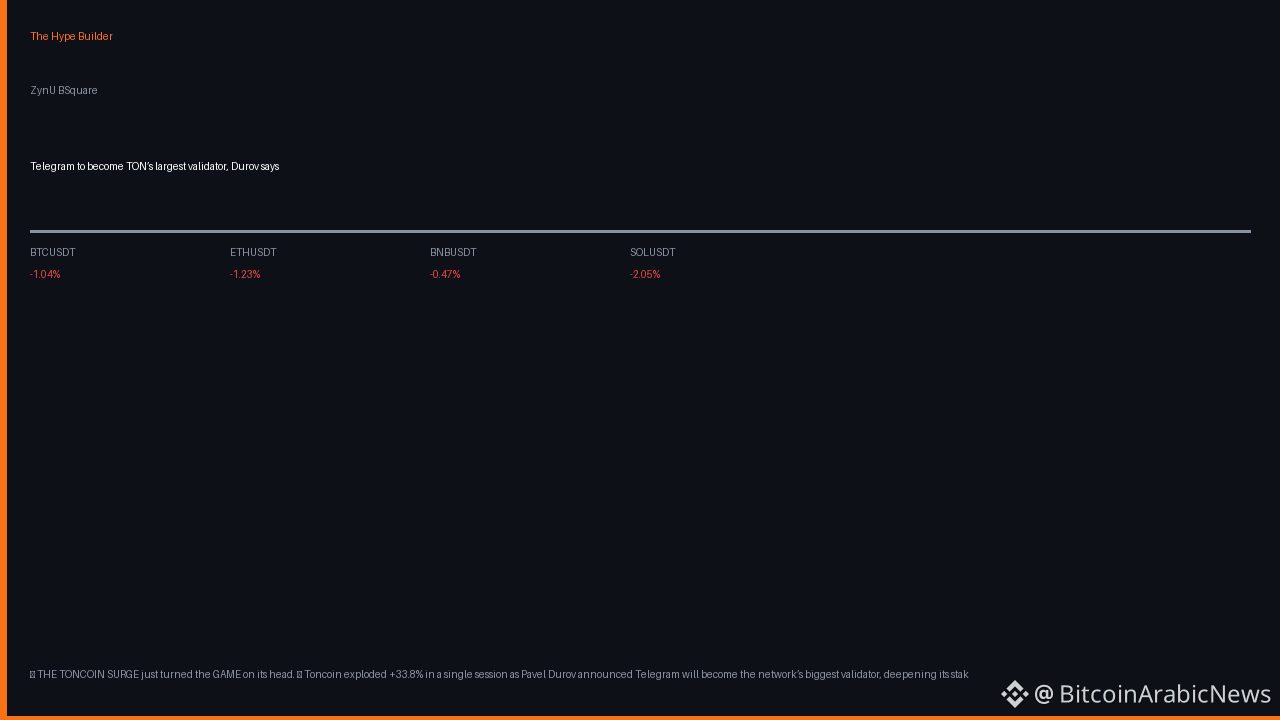
🔥 TONCOINの急騰が、GAMEの流れを一変させました。
📊 Pavel Durov氏が、Telegramがネットワーク最大のバリデーターになると発表し、#TONへの関与をさらに深めたことで、Toncoinはわずか1セッションで+33.8%急騰しました。一方、#BTC は1.04%下落して79,595ドルとなり、弱気のRSI 36に苦戦。#Telegram の動きが、誰も予想していなかったアルトシーズンの新たな上昇相場を後押ししています。Solana上のスマートマネーのウォレットはすでにこの波を察知しており、この1時間で3つのウォレットがTON関連資産を買い集めました。
💥 この衝撃波は市場の見方を塗り替えるかもしれません。ビットコインが弱気な一方でアルトコインは強気。さらに、機関投資家水準の先物データでは、BTCのロング優勢なセンチメント(L/S 2.40、ロング比率70.6%)が示されており、資金がより高利回りのトークンを求めていることがうかがえます。TONがバリデーターとしての優位を確立すれば、BSC関連プロジェクトや、ミーム主導の次なる上昇相場への資金流入が始まったことになります。#AltSeason #Crypto
❓ TONが次の大きな波になると思うなら🔥を送ってください——今買っているのは誰?
🔥 TONCOINの急騰が、GAMEの流れを一変させました。
📊 Pavel Durov氏が、Telegramがネットワーク最大のバリデーターになると発表し、#TONへの関与をさらに深めたことで、Toncoinはわずか1セッションで+33.8%急騰しました。一方、#BTC は1.04%下落して79,595ドルとなり、弱気のRSI 36に苦戦。#Telegram の動きが、誰も予想していなかったアルトシーズンの新たな上昇相場を後押ししています。Solana上のスマートマネーのウォレットはすでにこの波を察知しており、この1時間で3つのウォレットがTON関連資産を買い集めました。
💥 この衝撃波は市場の見方を塗り替えるかもしれません。ビットコインが弱気な一方でアルトコインは強気。さらに、機関投資家水準の先物データでは、BTCのロング優勢なセンチメント(L/S 2.40、ロング比率70.6%)が示されており、資金がより高利回りのトークンを求めていることがうかがえます。TONがバリデーターとしての優位を確立すれば、BSC関連プロジェクトや、ミーム主導の次なる上昇相場への資金流入が始まったことになります。#AltSeason #Crypto
❓ TONが次の大きな波になると思うなら🔥を送ってください——今買っているのは誰?
📊 Pavel Durov氏が、Telegramがネットワーク最大のバリデーターになると発表し、#TONへの関与をさらに深めたことで、Toncoinはわずか1セッションで+33.8%急騰しました。一方、#BTC は1.04%下落して79,595ドルとなり、弱気のRSI 36に苦戦。#Telegram の動きが、誰も予想していなかったアルトシーズンの新たな上昇相場を後押ししています。Solana上のスマートマネーのウォレットはすでにこの波を察知しており、この1時間で3つのウォレットがTON関連資産を買い集めました。
💥 この衝撃波は市場の見方を塗り替えるかもしれません。ビットコインが弱気な一方でアルトコインは強気。さらに、機関投資家水準の先物データでは、BTCのロング優勢なセンチメント(L/S 2.40、ロング比率70.6%)が示されており、資金がより高利回りのトークンを求めていることがうかがえます。TONがバリデーターとしての優位を確立すれば、BSC関連プロジェクトや、ミーム主導の次なる上昇相場への資金流入が始まったことになります。#AltSeason #Crypto
❓ TONが次の大きな波になると思うなら🔥を送ってください——今買っているのは誰?
41
·
--
DeFiを誰もが使いやすくするための本当の課題ブロックチェーンの普及は、新しいウォレットを増やすことだけではありません。初めて利用した後も、人々が分散型アプリケーションを使い続けるための実用的な理由を提供することが大切です。
これはTONエコシステムにとって興味深い課題であり、その文脈で注目に値するプロジェクトの一つが@ston_fiです。
TON上の分散型取引所であるSTON.fiは、対応トークンをオンチェーンで交換するためのインフラを提供しています。しかし、すべてのスワップの背後には、流動性、価格設定、スマートコントラクト、ユーザーの判断が関わる、より幅広い仕組みがあります。
初めてDeFiに参加する初心者を想像してみてください。受け取るトークンの種類、発生する可能性のある手数料、取引の仕組み、そしてどのようなリスクを受け入れることになるのかを理解する必要があります。こうした点が分かりにくければ、技術的に優れたプロトコルであっても、使うのが難しくなります。
DeFiを誰もが使いやすくするための本当の課題
ブロックチェーンの普及は、新しいウォレットを増やすことだけではありません。初めて利用した後も、人々が分散型アプリケーションを使い続けるための実用的な理由を提供することが大切です。
これはTONエコシステムにとって興味深い課題であり、その文脈で注目に値するプロジェクトの一つが@ston_fiです。
TON上の分散型取引所であるSTON.fiは、対応トークンをオンチェーンで交換するためのインフラを提供しています。しかし、すべてのスワップの背後には、流動性、価格設定、スマートコントラクト、ユーザーの判断が関わる、より幅広い仕組みがあります。
初めてDeFiに参加する初心者を想像してみてください。受け取るトークンの種類、発生する可能性のある手数料、取引の仕組み、そしてどのようなリスクを受け入れることになるのかを理解する必要があります。こうした点が分かりにくければ、技術的に優れたプロトコルであっても、使うのが難しくなります。
これはTONエコシステムにとって興味深い課題であり、その文脈で注目に値するプロジェクトの一つが@ston_fiです。
TON上の分散型取引所であるSTON.fiは、対応トークンをオンチェーンで交換するためのインフラを提供しています。しかし、すべてのスワップの背後には、流動性、価格設定、スマートコントラクト、ユーザーの判断が関わる、より幅広い仕組みがあります。
初めてDeFiに参加する初心者を想像してみてください。受け取るトークンの種類、発生する可能性のある手数料、取引の仕組み、そしてどのようなリスクを受け入れることになるのかを理解する必要があります。こうした点が分かりにくければ、技術的に優れたプロトコルであっても、使うのが難しくなります。
69

·
--
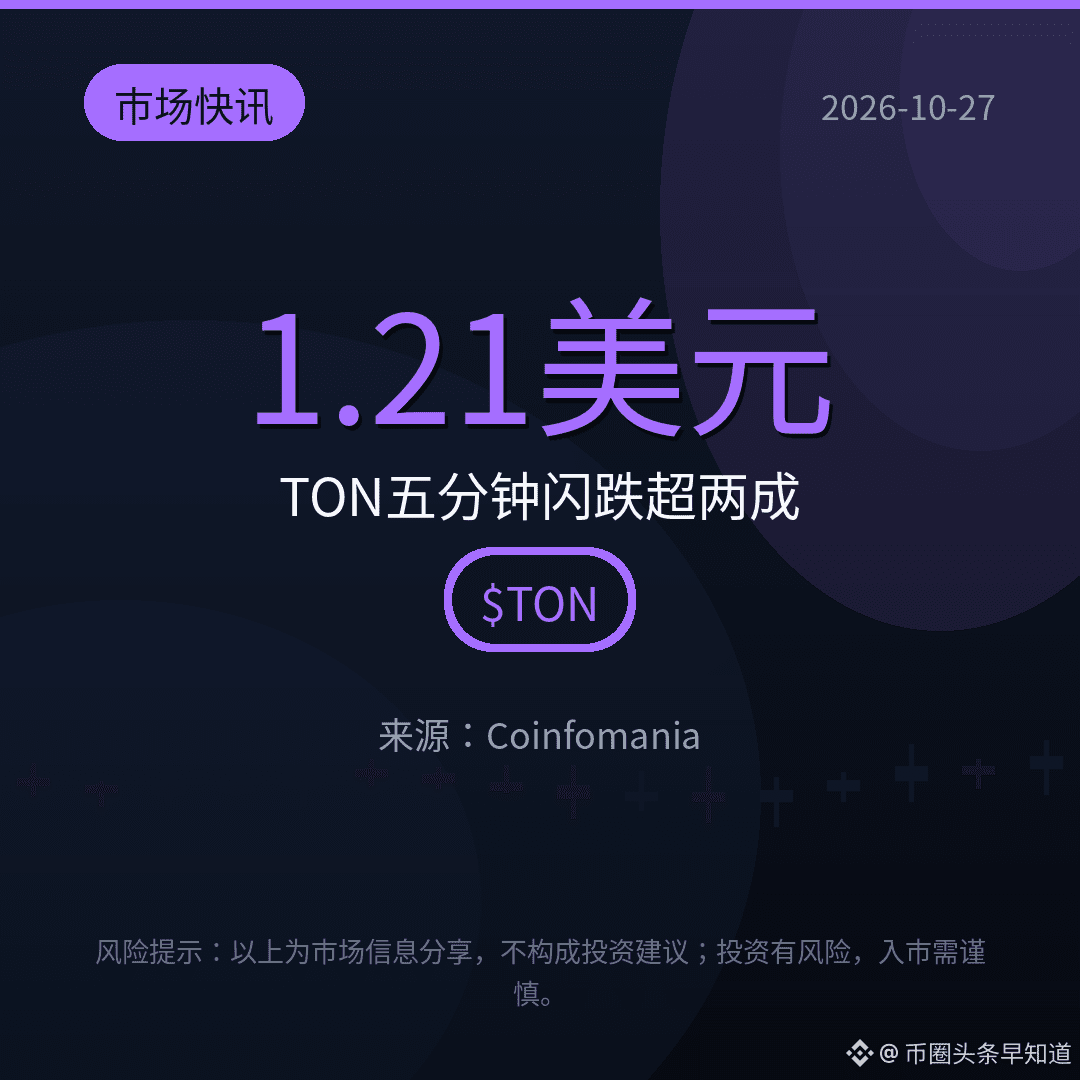
【市場速報】TONが5分で2割超急落:約1.6ドルから約1.21ドルへ急落し、時価総額は約34億ドル。
ただし、1本の長いヒゲに怯える必要はない。同じ時間帯の24時間下落率は約1.5%にとどまっており、トレンド転換というより流動性の逼迫による投げ売りに見える。原文では明確な材料は示されていない。今後は1.21ドルを維持できるかが焦点で、割り込めばさらに安値を試す可能性がある。
こうした材料のない急落、押し目買いする?それとも様子見?
$TON $BTC $ETH
#TON #加密货币 #市場の変動
(出典:Coinfomania)
⚠️リスク提示:上記は市場情報の共有であり、投資助言ではありません。投資にはリスクが伴いますので、慎重にご判断ください。
【市場速報】TONが5分で2割超急落:約1.6ドルから約1.21ドルへ急落し、時価総額は約34億ドル。
ただし、1本の長いヒゲに怯える必要はない。同じ時間帯の24時間下落率は約1.5%にとどまっており、トレンド転換というより流動性の逼迫による投げ売りに見える。原文では明確な材料は示されていない。今後は1.21ドルを維持できるかが焦点で、割り込めばさらに安値を試す可能性がある。
こうした材料のない急落、押し目買いする?それとも様子見?
$TON $BTC $ETH
#TON #加密货币 #市場の変動
(出典:Coinfomania)
⚠️リスク提示:上記は市場情報の共有であり、投資助言ではありません。投資にはリスクが伴いますので、慎重にご判断ください。
ただし、1本の長いヒゲに怯える必要はない。同じ時間帯の24時間下落率は約1.5%にとどまっており、トレンド転換というより流動性の逼迫による投げ売りに見える。原文では明確な材料は示されていない。今後は1.21ドルを維持できるかが焦点で、割り込めばさらに安値を試す可能性がある。
こうした材料のない急落、押し目買いする?それとも様子見?
$TON $BTC $ETH
#TON #加密货币 #市場の変動
(出典:Coinfomania)
⚠️リスク提示:上記は市場情報の共有であり、投資助言ではありません。投資にはリスクが伴いますので、慎重にご判断ください。
4

·
--
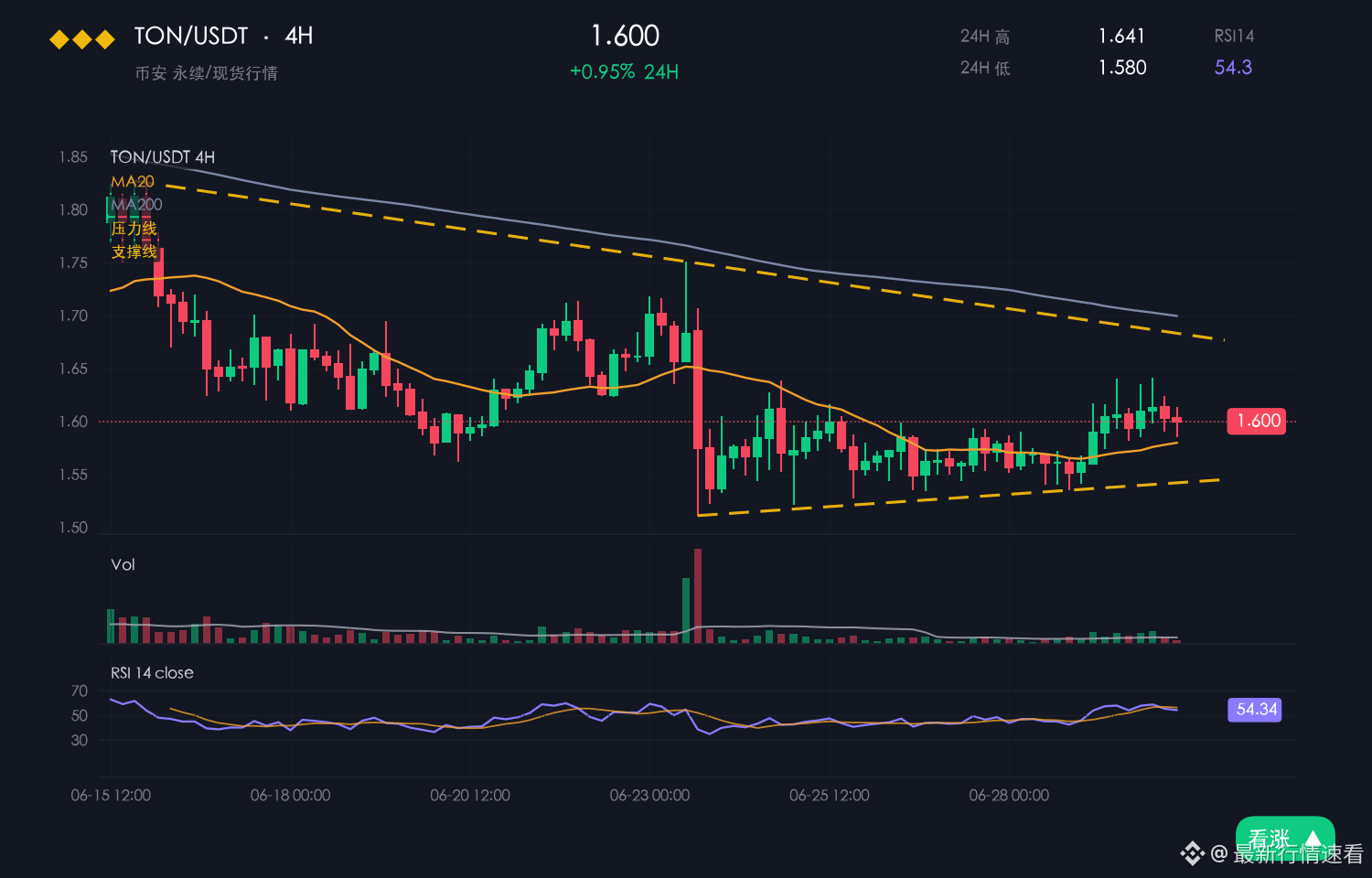
TONは現在1.600、24時間で0.95%上昇、7日間ではなお3.44%下落。日中レンジは1.580–1.641、値幅は3.9%。
【相場】
1.600の価格帯では、強さがはっきりしている。
1.580を注視。割れたら1.641を確認し、長いヒゲをつけて戻るなら損切りを受け入れる。
TONの値動きは小さく、大型市場に追随する穏やかな上昇となっている。
1.580を維持する限り、目先の調整はすべて強気の持ち合いと見られる。
BTCの-1.19%と比べると、TONの0.95%は小幅に上回っている。強さは目立たないものの、方向性は一致している。
【マクロ】 前夜の米国株はナスダック-1.88%、S&P 500-1.11%(2026-10-14終値)。BTC ETFは今月、約452億ドルの純流出。米CPIは前年比3.7%と予想を上回り、2026-10-27/28の政策金利決定会合で利上げとなる確率は約47%。
短期的には強気寄り。
【強気の理由】
さっきの見方が変わったと思ったら、あっという間に変わった。半日で0.95%動いた。
24時間で0.95%上昇し、値動きが1.580–1.641となっていることから、現状は買い方が主導している。
1.641付近が何度も試されているが、買い方は今のところ退く気配がない。
重要な水準を注視。
短期的な上昇ペースは速く、急なヒゲには注意が必要。押し目を確認してから動くほうが無難。
1.580を上回って維持できれば、次は1.641が目標。1.580を割れば、相場の構造が崩れたことを示す。
$TON #TON
TONは現在1.600、24時間で0.95%上昇、7日間ではなお3.44%下落。日中レンジは1.580–1.641、値幅は3.9%。
【相場】
1.600の価格帯では、強さがはっきりしている。
1.580を注視。割れたら1.641を確認し、長いヒゲをつけて戻るなら損切りを受け入れる。
TONの値動きは小さく、大型市場に追随する穏やかな上昇となっている。
1.580を維持する限り、目先の調整はすべて強気の持ち合いと見られる。
BTCの-1.19%と比べると、TONの0.95%は小幅に上回っている。強さは目立たないものの、方向性は一致している。
【マクロ】 前夜の米国株はナスダック-1.88%、S&P 500-1.11%(2026-10-14終値)。BTC ETFは今月、約452億ドルの純流出。米CPIは前年比3.7%と予想を上回り、2026-10-27/28の政策金利決定会合で利上げとなる確率は約47%。
短期的には強気寄り。
【強気の理由】
さっきの見方が変わったと思ったら、あっという間に変わった。半日で0.95%動いた。
24時間で0.95%上昇し、値動きが1.580–1.641となっていることから、現状は買い方が主導している。
1.641付近が何度も試されているが、買い方は今のところ退く気配がない。
重要な水準を注視。
短期的な上昇ペースは速く、急なヒゲには注意が必要。押し目を確認してから動くほうが無難。
1.580を上回って維持できれば、次は1.641が目標。1.580を割れば、相場の構造が崩れたことを示す。
$TON #TON
【相場】
1.600の価格帯では、強さがはっきりしている。
1.580を注視。割れたら1.641を確認し、長いヒゲをつけて戻るなら損切りを受け入れる。
TONの値動きは小さく、大型市場に追随する穏やかな上昇となっている。
1.580を維持する限り、目先の調整はすべて強気の持ち合いと見られる。
BTCの-1.19%と比べると、TONの0.95%は小幅に上回っている。強さは目立たないものの、方向性は一致している。
【マクロ】 前夜の米国株はナスダック-1.88%、S&P 500-1.11%(2026-10-14終値)。BTC ETFは今月、約452億ドルの純流出。米CPIは前年比3.7%と予想を上回り、2026-10-27/28の政策金利決定会合で利上げとなる確率は約47%。
短期的には強気寄り。
【強気の理由】
さっきの見方が変わったと思ったら、あっという間に変わった。半日で0.95%動いた。
24時間で0.95%上昇し、値動きが1.580–1.641となっていることから、現状は買い方が主導している。
1.641付近が何度も試されているが、買い方は今のところ退く気配がない。
重要な水準を注視。
短期的な上昇ペースは速く、急なヒゲには注意が必要。押し目を確認してから動くほうが無難。
1.580を上回って維持できれば、次は1.641が目標。1.580を割れば、相場の構造が崩れたことを示す。
$TON #TON
254
·
--
TONエコシステムにおいて流動性が重要な理由分散型金融について語るとき、話題はトークン価格や新規ローンチ、市場の動きに集中しがちです。しかし、こうした活動の根底には、同じくらい重要なものがあります。それが流動性です。
十分な流動性がなければ、デジタル資産の交換はコストが高くなり、効率も低下する可能性があります。そのため、分散型取引所はブロックチェーンのエコシステムが機能するうえで重要な役割を果たします。
この分野で注目すべきプロジェクトの一つが、The Open Network(TON)上に構築された分散型取引所、@ston_fiです。
TONエコシステムにおいて流動性が重要な理由
分散型金融について語るとき、話題はトークン価格や新規ローンチ、市場の動きに集中しがちです。しかし、こうした活動の根底には、同じくらい重要なものがあります。それが流動性です。
十分な流動性がなければ、デジタル資産の交換はコストが高くなり、効率も低下する可能性があります。そのため、分散型取引所はブロックチェーンのエコシステムが機能するうえで重要な役割を果たします。
この分野で注目すべきプロジェクトの一つが、The Open Network(TON)上に構築された分散型取引所、@ston_fiです。
十分な流動性がなければ、デジタル資産の交換はコストが高くなり、効率も低下する可能性があります。そのため、分散型取引所はブロックチェーンのエコシステムが機能するうえで重要な役割を果たします。
この分野で注目すべきプロジェクトの一つが、The Open Network(TON)上に構築された分散型取引所、@ston_fiです。
47

·
--
$TONは今日は0.9%上昇していますが、私は見送っています
出来高は週平均の0.9倍にとどまっており、この上昇に誰も関心がないということです 📉
もう一度注目するには、1時間足の終値が$1.6410を上回り、その水準を維持するのを確認したいです
あるいは、$1.5780を保って力強く反発する、明確な押し目がほしいところです
あなたを置いて上昇し続ける可能性はありますが、悪いエントリーは上昇を逃すより大きな損失につながります 🛑
ここで$TONを追いかけますか?それとも$1.5780を待ちますか?
#TON #RiskManagement
$TONは今日は0.9%上昇していますが、私は見送っています
出来高は週平均の0.9倍にとどまっており、この上昇に誰も関心がないということです 📉
もう一度注目するには、1時間足の終値が$1.6410を上回り、その水準を維持するのを確認したいです
あるいは、$1.5780を保って力強く反発する、明確な押し目がほしいところです
あなたを置いて上昇し続ける可能性はありますが、悪いエントリーは上昇を逃すより大きな損失につながります 🛑
ここで$TONを追いかけますか?それとも$1.5780を待ちますか?
#TON #RiskManagement
出来高は週平均の0.9倍にとどまっており、この上昇に誰も関心がないということです 📉
もう一度注目するには、1時間足の終値が$1.6410を上回り、その水準を維持するのを確認したいです
あるいは、$1.5780を保って力強く反発する、明確な押し目がほしいところです
あなたを置いて上昇し続ける可能性はありますが、悪いエントリーは上昇を逃すより大きな損失につながります 🛑
ここで$TONを追いかけますか?それとも$1.5780を待ちますか?
#TON #RiskManagement
3

·
--
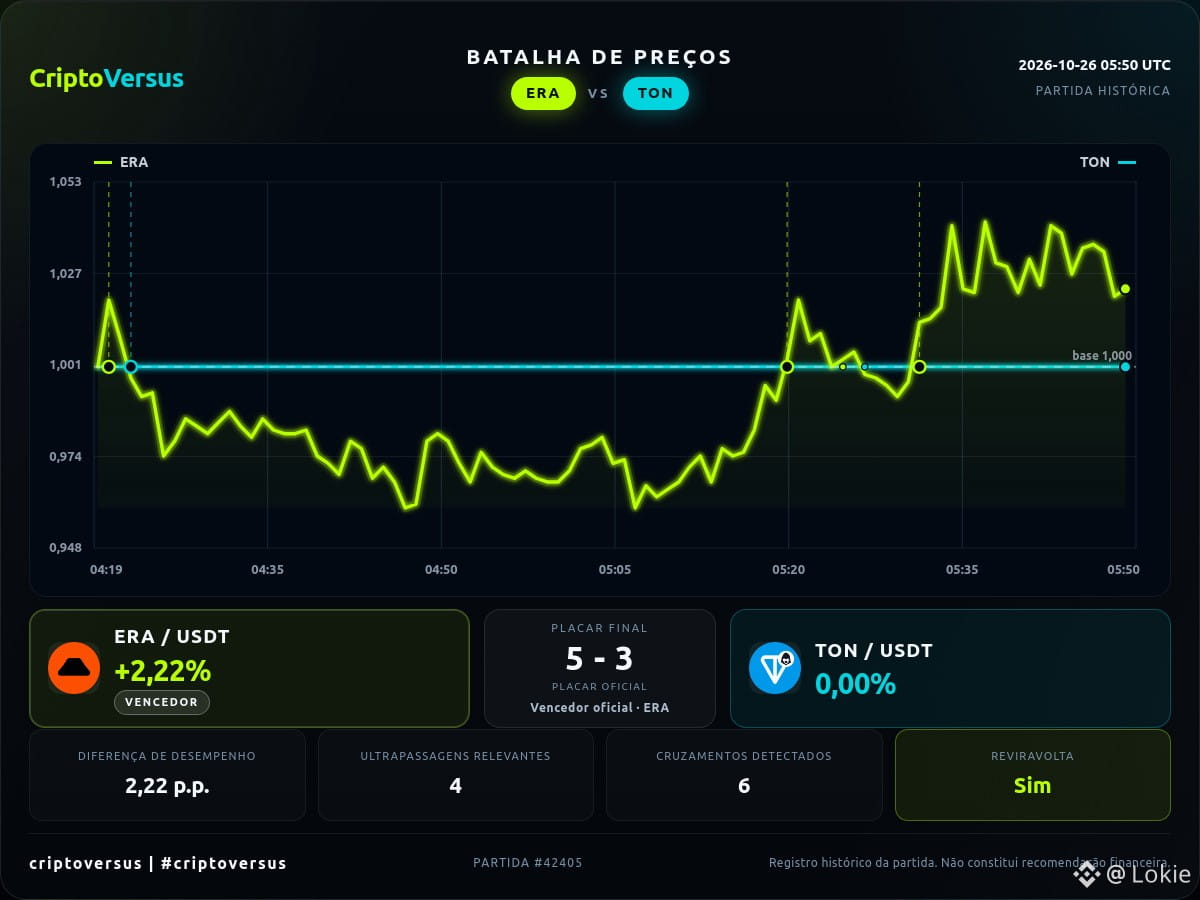
アリーナに表示されているのは、この期間の値動きであり、確実なトレンドではありません。
ERAとTONの対決はチャートに表示されています
Price Battleで逆転:相対パフォーマンスで後れを取っていたERAが首位に立ち、TONを上回って試合を終えました。ERA:+2,2% | TON:+0,0%。
この過去の値動きをどう解釈しますか?
#CriptoVersus #PriceBattle #ERA #TON
過去の情報を提供するものであり、金融商品の推奨ではありません。
アリーナに表示されているのは、この期間の値動きであり、確実なトレンドではありません。
ERAとTONの対決はチャートに表示されています
Price Battleで逆転:相対パフォーマンスで後れを取っていたERAが首位に立ち、TONを上回って試合を終えました。ERA:+2,2% | TON:+0,0%。
この過去の値動きをどう解釈しますか?
#CriptoVersus #PriceBattle #ERA #TON
過去の情報を提供するものであり、金融商品の推奨ではありません。
ERAとTONの対決はチャートに表示されています
Price Battleで逆転:相対パフォーマンスで後れを取っていたERAが首位に立ち、TONを上回って試合を終えました。ERA:+2,2% | TON:+0,0%。
この過去の値動きをどう解釈しますか?
#CriptoVersus #PriceBattle #ERA #TON
過去の情報を提供するものであり、金融商品の推奨ではありません。
1
137
🦈 ラップドトークンなしで、ネイティブEVMの流動性が正式に$TONへ流入中!⚡
主要なEVMネットワークとメッセージングプラットフォームのエコシステム間にあった障壁が、完全に取り払われました。STON.fiは、HTLCの仕組みと自動リゾルバーオークションを活用し、Ethereum、Base、BNB Chainから$TONへ直接接続するクロスチェーンスワップを開始しました。📌 ラップドトークンにまつわるセキュリティインシデントのリスクも、面倒な複数ステップのスワップもありません。
機関投資家レベルの効率性で、EVMの資金が$TONのプロトコルへ直接流入できるようになり、大規模な流動性拡大への道が開かれます。📊 賢い投資家は、取引高がチャートに現れる前から、常に中核インフラのアップグレードに注目しています。これは$TONと$STONの双方にとって、構造的な起爆剤となるでしょう。💡 この流動性の波に備えて、もうポジションを取っていますか?それとも、勢いが確認されるのを待っていますか?👇
⚠️ これは金融アドバイスではありません。常にリスク管理を徹底してください。🛡️
🏷️ #TON #STON #DeFi #CrossChain #Crypto
🔥 ⚡
🦈 ラップドトークンなしで、ネイティブEVMの流動性が正式に$TONへ流入中!⚡
主要なEVMネットワークとメッセージングプラットフォームのエコシステム間にあった障壁が、完全に取り払われました。STON.fiは、HTLCの仕組みと自動リゾルバーオークションを活用し、Ethereum、Base、BNB Chainから$TONへ直接接続するクロスチェーンスワップを開始しました。📌 ラップドトークンにまつわるセキュリティインシデントのリスクも、面倒な複数ステップのスワップもありません。
機関投資家レベルの効率性で、EVMの資金が$TONのプロトコルへ直接流入できるようになり、大規模な流動性拡大への道が開かれます。📊 賢い投資家は、取引高がチャートに現れる前から、常に中核インフラのアップグレードに注目しています。これは$TONと$STONの双方にとって、構造的な起爆剤となるでしょう。💡 この流動性の波に備えて、もうポジションを取っていますか?それとも、勢いが確認されるのを待っていますか?👇
⚠️ これは金融アドバイスではありません。常にリスク管理を徹底してください。🛡️
🏷️ #TON #STON #DeFi #CrossChain #Crypto
🔥 ⚡
主要なEVMネットワークとメッセージングプラットフォームのエコシステム間にあった障壁が、完全に取り払われました。STON.fiは、HTLCの仕組みと自動リゾルバーオークションを活用し、Ethereum、Base、BNB Chainから$TONへ直接接続するクロスチェーンスワップを開始しました。📌 ラップドトークンにまつわるセキュリティインシデントのリスクも、面倒な複数ステップのスワップもありません。
機関投資家レベルの効率性で、EVMの資金が$TONのプロトコルへ直接流入できるようになり、大規模な流動性拡大への道が開かれます。📊 賢い投資家は、取引高がチャートに現れる前から、常に中核インフラのアップグレードに注目しています。これは$TONと$STONの双方にとって、構造的な起爆剤となるでしょう。💡 この流動性の波に備えて、もうポジションを取っていますか?それとも、勢いが確認されるのを待っていますか?👇
⚠️ これは金融アドバイスではありません。常にリスク管理を徹底してください。🛡️
🏷️ #TON #STON #DeFi #CrossChain #Crypto
🔥 ⚡
5

·
--
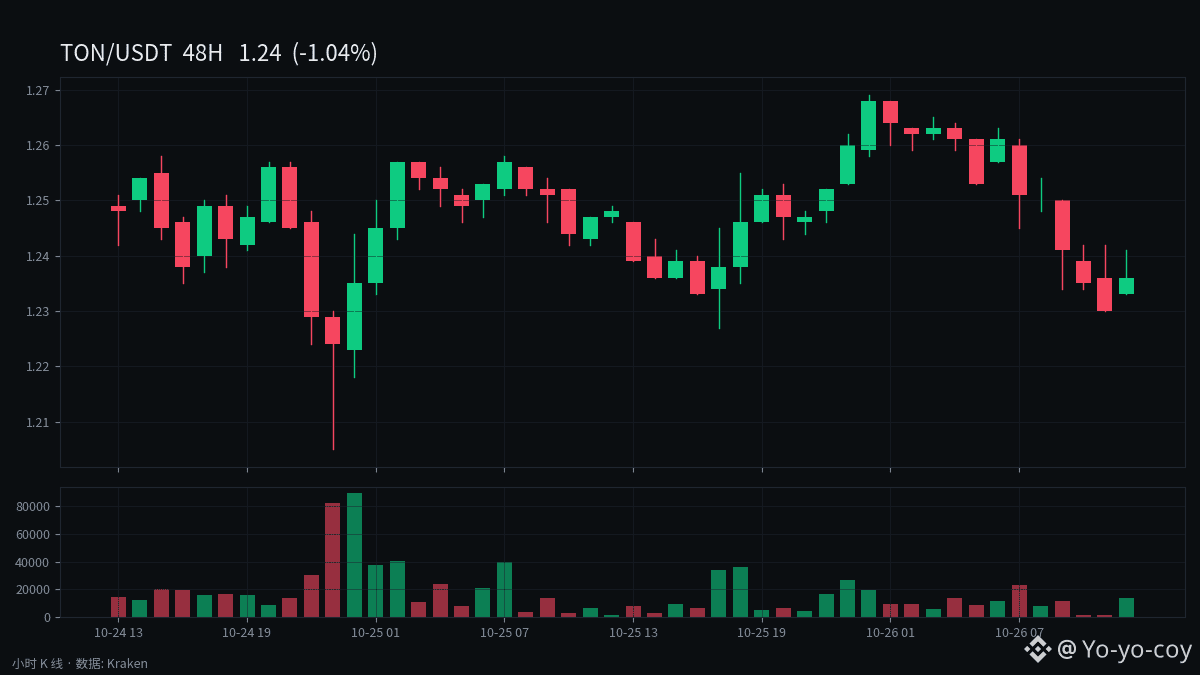
結論から言うと、10月25日に市場で最も目立った銘柄はTONで、1日の上昇率は市場全体の動きと完全に逆行しました。
データによると、10月25日の取引終了時点でTONは約1.78ドルとなり、1日で約+41.8%上昇。時価総額上位30銘柄の中で最も好調でした。同日、時価総額上位50銘柄のうち上昇したのは14銘柄、下落したのは29銘柄で、中央値は約-0.5%。時価総額の合計は約2.64兆ドルで、1日では約-0.9%でした。
注目すべきなのは、こうした逆行がリスク回避姿勢の強まりを背景に起きたことです。10月26日、トレーダーは今週の米連邦準備制度理事会(FRB)の会合を前にリスクエクスポージャーを縮小し、ビットコインは8万ドルを下回る水準、約79,800ドルまで下落。1日で約-2%となり、イーサリアムやリップルなどの主要銘柄もそろって軟調でした。
今回のTONの値動きは市場全体のベータに押し上げられたものではなく、独自の動きだったと見ることができます。独自の値動きが続くかどうかは、通常、その後の価格構造による確認が必要です。1日の上昇率だけでは、トレンドの根拠にはなりません。
あくまで個人的な見解であり、投資助言を構成するものではありません。
#TON $TON
結論から言うと、10月25日に市場で最も目立った銘柄はTONで、1日の上昇率は市場全体の動きと完全に逆行しました。
データによると、10月25日の取引終了時点でTONは約1.78ドルとなり、1日で約+41.8%上昇。時価総額上位30銘柄の中で最も好調でした。同日、時価総額上位50銘柄のうち上昇したのは14銘柄、下落したのは29銘柄で、中央値は約-0.5%。時価総額の合計は約2.64兆ドルで、1日では約-0.9%でした。
注目すべきなのは、こうした逆行がリスク回避姿勢の強まりを背景に起きたことです。10月26日、トレーダーは今週の米連邦準備制度理事会(FRB)の会合を前にリスクエクスポージャーを縮小し、ビットコインは8万ドルを下回る水準、約79,800ドルまで下落。1日で約-2%となり、イーサリアムやリップルなどの主要銘柄もそろって軟調でした。
今回のTONの値動きは市場全体のベータに押し上げられたものではなく、独自の動きだったと見ることができます。独自の値動きが続くかどうかは、通常、その後の価格構造による確認が必要です。1日の上昇率だけでは、トレンドの根拠にはなりません。
あくまで個人的な見解であり、投資助言を構成するものではありません。
#TON $TON
データによると、10月25日の取引終了時点でTONは約1.78ドルとなり、1日で約+41.8%上昇。時価総額上位30銘柄の中で最も好調でした。同日、時価総額上位50銘柄のうち上昇したのは14銘柄、下落したのは29銘柄で、中央値は約-0.5%。時価総額の合計は約2.64兆ドルで、1日では約-0.9%でした。
注目すべきなのは、こうした逆行がリスク回避姿勢の強まりを背景に起きたことです。10月26日、トレーダーは今週の米連邦準備制度理事会(FRB)の会合を前にリスクエクスポージャーを縮小し、ビットコインは8万ドルを下回る水準、約79,800ドルまで下落。1日で約-2%となり、イーサリアムやリップルなどの主要銘柄もそろって軟調でした。
今回のTONの値動きは市場全体のベータに押し上げられたものではなく、独自の動きだったと見ることができます。独自の値動きが続くかどうかは、通常、その後の価格構造による確認が必要です。1日の上昇率だけでは、トレンドの根拠にはなりません。
あくまで個人的な見解であり、投資助言を構成するものではありません。
#TON $TON
3
·
--
$TONは現在、$1.6410を2.6%下回る水準
その水準を上回って1時間足が確定すれば、さらに上値を伸ばす余地が広がる
上抜けを拒まれれば、下値の$1.5780を意識したレンジが続く
$TONを開いて、その水準にアラートを設定しよう
ブレイク、それとも反落? 👀
#TON #PriceAction
$TONは現在、$1.6410を2.6%下回る水準
その水準を上回って1時間足が確定すれば、さらに上値を伸ばす余地が広がる
上抜けを拒まれれば、下値の$1.5780を意識したレンジが続く
$TONを開いて、その水準にアラートを設定しよう
ブレイク、それとも反落? 👀
#TON #PriceAction
その水準を上回って1時間足が確定すれば、さらに上値を伸ばす余地が広がる
上抜けを拒まれれば、下値の$1.5780を意識したレンジが続く
$TONを開いて、その水準にアラートを設定しよう
ブレイク、それとも反落? 👀
#TON #PriceAction
7

·
--
$TON
買い勢が動き始め、TONは1.60、0.9%上昇。買い勢が優勢で、出来高も穏やかに増加しており、瞬間的な見せかけの急騰ではありません。相場がこの水準にある今、安易にどちらかに賭けないこと。なぜかは聞かずに、$TONを見てください。ローソク足が自ずと教えてくれます。押し目を待たず、$TONを現在価格の1.60でそのまま買い、1.55を最終ラインに。利益が出ても浮かれず、損失が出ても抱え込まない。方向性より規律のほうが大切です。長く見ている人なら分かるはず。私は自信のあるチャートパターンだけを話します。取引の損益はコメント欄で随時更新します。ぜひ結果を確かめに来てください。私についてきた人なら知っているはず。価格を提示するのは、検証してもらうためです。私の投稿を一度検証すれば、注目する価値があるか分かります #TON #相場分析
$TON
買い勢が動き始め、TONは1.60、0.9%上昇。買い勢が優勢で、出来高も穏やかに増加しており、瞬間的な見せかけの急騰ではありません。相場がこの水準にある今、安易にどちらかに賭けないこと。なぜかは聞かずに、$TONを見てください。ローソク足が自ずと教えてくれます。押し目を待たず、$TONを現在価格の1.60でそのまま買い、1.55を最終ラインに。利益が出ても浮かれず、損失が出ても抱え込まない。方向性より規律のほうが大切です。長く見ている人なら分かるはず。私は自信のあるチャートパターンだけを話します。取引の損益はコメント欄で随時更新します。ぜひ結果を確かめに来てください。私についてきた人なら知っているはず。価格を提示するのは、検証してもらうためです。私の投稿を一度検証すれば、注目する価値があるか分かります #TON #相場分析
買い勢が動き始め、TONは1.60、0.9%上昇。買い勢が優勢で、出来高も穏やかに増加しており、瞬間的な見せかけの急騰ではありません。相場がこの水準にある今、安易にどちらかに賭けないこと。なぜかは聞かずに、$TONを見てください。ローソク足が自ずと教えてくれます。押し目を待たず、$TONを現在価格の1.60でそのまま買い、1.55を最終ラインに。利益が出ても浮かれず、損失が出ても抱え込まない。方向性より規律のほうが大切です。長く見ている人なら分かるはず。私は自信のあるチャートパターンだけを話します。取引の損益はコメント欄で随時更新します。ぜひ結果を確かめに来てください。私についてきた人なら知っているはず。価格を提示するのは、検証してもらうためです。私の投稿を一度検証すれば、注目する価値があるか分かります #TON #相場分析
5
$TON コイン価格予測 💥☠️🔥🚀⚡
今日Toncoinに$ 1,000.00を投資し、2026年12月25日まで保有した場合、予測では$ 1,946.56の利益が見込まれ、今後53日間のROIは194.66%となる可能性があります。
強固なファンダメンタルズを持つ可能性がある一方で、このコインは短期的には利益をもたらす資産となるでしょう。
TONトークン価格予測 2026年
過去数年間のTONトークン価格を分析した結果、2026年のTONトークンの最低価格は約$1.63になると予想されます。TON価格の最高値は約$3.58となる可能性があります。2026年の平均取引価格は$2.95になると考えられます。
TONトークン価格予測 2027年
暗号資産の専門家によるTONトークン価格のテクニカル分析に基づくと、2027年のTONの最低価格と最高価格は、それぞれ約$2.89と$5.66になると予想されます。予想平均取引価格は$4.69です。
TONトークン価格予測 2028年
暗号資産分野の専門家は、TONトークンの価格と過去数年間の変動を分析しました。2028年には、TONの最低価格が$4.87まで下落する一方、最高価格は$6.78に達する可能性があると予想されます。平均取引価格は約$5.98となるでしょう。
TONトークン価格予測 2029年
暗号資産の専門家によるTONトークン価格の分析に基づくと、2029年のTONの最高価格と最低価格は、それぞれ$8.66と$6.67になると予想されます。平均取引価格は$8.21となるでしょう。
今後の最新情報にもご注目ください ❤
#TON
$TON コイン価格予測 💥☠️🔥🚀⚡
今日Toncoinに$ 1,000.00を投資し、2026年12月25日まで保有した場合、予測では$ 1,946.56の利益が見込まれ、今後53日間のROIは194.66%となる可能性があります。
強固なファンダメンタルズを持つ可能性がある一方で、このコインは短期的には利益をもたらす資産となるでしょう。
TONトークン価格予測 2026年
過去数年間のTONトークン価格を分析した結果、2026年のTONトークンの最低価格は約$1.63になると予想されます。TON価格の最高値は約$3.58となる可能性があります。2026年の平均取引価格は$2.95になると考えられます。
TONトークン価格予測 2027年
暗号資産の専門家によるTONトークン価格のテクニカル分析に基づくと、2027年のTONの最低価格と最高価格は、それぞれ約$2.89と$5.66になると予想されます。予想平均取引価格は$4.69です。
TONトークン価格予測 2028年
暗号資産分野の専門家は、TONトークンの価格と過去数年間の変動を分析しました。2028年には、TONの最低価格が$4.87まで下落する一方、最高価格は$6.78に達する可能性があると予想されます。平均取引価格は約$5.98となるでしょう。
TONトークン価格予測 2029年
暗号資産の専門家によるTONトークン価格の分析に基づくと、2029年のTONの最高価格と最低価格は、それぞれ$8.66と$6.67になると予想されます。平均取引価格は$8.21となるでしょう。
今後の最新情報にもご注目ください ❤
#TON
今日Toncoinに$ 1,000.00を投資し、2026年12月25日まで保有した場合、予測では$ 1,946.56の利益が見込まれ、今後53日間のROIは194.66%となる可能性があります。
強固なファンダメンタルズを持つ可能性がある一方で、このコインは短期的には利益をもたらす資産となるでしょう。
TONトークン価格予測 2026年
過去数年間のTONトークン価格を分析した結果、2026年のTONトークンの最低価格は約$1.63になると予想されます。TON価格の最高値は約$3.58となる可能性があります。2026年の平均取引価格は$2.95になると考えられます。
TONトークン価格予測 2027年
暗号資産の専門家によるTONトークン価格のテクニカル分析に基づくと、2027年のTONの最低価格と最高価格は、それぞれ約$2.89と$5.66になると予想されます。予想平均取引価格は$4.69です。
TONトークン価格予測 2028年
暗号資産分野の専門家は、TONトークンの価格と過去数年間の変動を分析しました。2028年には、TONの最低価格が$4.87まで下落する一方、最高価格は$6.78に達する可能性があると予想されます。平均取引価格は約$5.98となるでしょう。
TONトークン価格予測 2029年
暗号資産の専門家によるTONトークン価格の分析に基づくと、2029年のTONの最高価格と最低価格は、それぞれ$8.66と$6.67になると予想されます。平均取引価格は$8.21となるでしょう。
今後の最新情報にもご注目ください ❤
#TON

1
138
ログインして、さらにコンテンツを読む
厳選トピックで世界の暗号資産トレーダーの仲間入り
⚡️ 暗号資産に関する最新かつ有益な情報が見つかります。
💬 世界最大の暗号資産取引所から信頼されています。
👍 認証を受けたクリエイターから、有益なインサイトを得られます。
メール / 電話番号
トレンドトピック
1
#CanMicrosoftDeliverOnAI
閲覧回数 83,417
758人が討論中
2
#CanGoogleDefindItsCore
閲覧回数 42,064
551人が討論中
3
#FOMCWatch
閲覧回数 9.1M
27,978人が討論中
4
#EthereumDropsBelow$2300
閲覧回数 11,000
159人が討論中
5
#BitcoinSlipsBelow$80KAgain
閲覧回数 30,880
123人が討論中
6
#ThailandLaunchesWORPTStablecoinToQRPaymentApp
閲覧回数 63,205
798人が討論中
7
#StrategySkipsBitcoinPurchasesSpends$205MOnSTRCBuybacks
閲覧回数 11,935
98人が討論中
8
#BitmineAdds10452ETH
閲覧回数 109,053
1,207人が討論中
9
#SouthKoreaConsidersEducationTaxOnCryptoExchanges
閲覧回数 65,677
852人が討論中
10
#OCCUrgesCommunityBanksToEnterStablecoinPayments
閲覧回数 44,257
606人が討論中