

NOISEMEKA
120 投稿

NOISEMEKA
 厳選トピック確認済
報告
ユーザーをブロック
BP-243A07A4C319
取引を発注
高頻度トレーダー
2.7年
103 フォロー
137 フォロワー
71 いいね
投稿
ポートフォリオ
·
--
DeFiアプリには「スワップボタン」以上のものが必要です
DeFiアプリを使うとき、スワップボタンは表示されている部分にすぎません。
そのシンプルな操作の裏側には、流動性の発見、ルート選択、見積もりの比較、取引の実行、そして決済があります。
ここで、STON.fiのインフラが興味深い存在になります。
STON.fi SDKやOmnistonのようなツールによって、開発者は、ルーティングや流動性のインフラをゼロからすべて作り込むことなく、スワップ体験を構築できます。
つまり、ウォレット、Telegramアプリ、ローンチプラットフォーム、その他のTONプロジェクトは、確立されたDeFiインフラに接続しながら、自分たちのプロダクト体験により集中できるということです。
もっと大きな見取り図は?
DeFiは、同じインフラを別々に作り直すのではなく、プロトコル同士が積み重ねられるようになると、より強くなります。
それがコンポーザビリティ(組み合わせ可能性)の力です。
#STONfi #TON #Omniston #DeFi #Web3 $TON @stonfi
DeFiアプリには「スワップボタン」以上のものが必要です
DeFiアプリを使うとき、スワップボタンは表示されている部分にすぎません。
そのシンプルな操作の裏側には、流動性の発見、ルート選択、見積もりの比較、取引の実行、そして決済があります。
ここで、STON.fiのインフラが興味深い存在になります。
STON.fi SDKやOmnistonのようなツールによって、開発者は、ルーティングや流動性のインフラをゼロからすべて作り込むことなく、スワップ体験を構築できます。
つまり、ウォレット、Telegramアプリ、ローンチプラットフォーム、その他のTONプロジェクトは、確立されたDeFiインフラに接続しながら、自分たちのプロダクト体験により集中できるということです。
もっと大きな見取り図は?
DeFiは、同じインフラを別々に作り直すのではなく、プロトコル同士が積み重ねられるようになると、より強くなります。
それがコンポーザビリティ(組み合わせ可能性)の力です。
#STONfi #TON #Omniston #DeFi #Web3 $TON @STONfi DEX
DeFiアプリを使うとき、スワップボタンは表示されている部分にすぎません。
そのシンプルな操作の裏側には、流動性の発見、ルート選択、見積もりの比較、取引の実行、そして決済があります。
ここで、STON.fiのインフラが興味深い存在になります。
STON.fi SDKやOmnistonのようなツールによって、開発者は、ルーティングや流動性のインフラをゼロからすべて作り込むことなく、スワップ体験を構築できます。
つまり、ウォレット、Telegramアプリ、ローンチプラットフォーム、その他のTONプロジェクトは、確立されたDeFiインフラに接続しながら、自分たちのプロダクト体験により集中できるということです。
もっと大きな見取り図は?
DeFiは、同じインフラを別々に作り直すのではなく、プロトコル同士が積み重ねられるようになると、より強くなります。
それがコンポーザビリティ(組み合わせ可能性)の力です。
#STONfi #TON #Omniston #DeFi #Web3 $TON @STONfi DEX

75
·
--
DeFiでトークンを交換する前に、実際に何とやり取りしているのか確認しましょう。
STON.fiで私が気に入っている点の1つは、オープンなエコシステムであることが、すべてのトークンを同じリスク特性として扱うことを意味しないというところです。
STON.fiは、特定のトークンについてユーザーに追加の文脈を提供するために、インターフェースラベルを使用しています。Fake(偽装)、Honeypot(ハニーポット)、Taxable(課税対象)、Suspicious(疑わしい)、DMCA Notice(DMCA通知)といったカテゴリが含まれます。
なぜ重要なのでしょうか?
パーミッションレス(許可不要)のブロックチェーンでは、誰でもトークンを作成できるからです。
馴染みのある名前やロゴがあっても、公式のアセットを保有しているとは限りません。
たとえば:
🔹 Fake — 知名度のあるアセットやブランドを模倣するよう設計されています。
🔹 Honeypot — 通常の売却を妨げながら購入は可能にしている場合があります。
🔹 Taxable — トークン・コントラクトに、追加の送金/スワップ手数料が含まれます。
🔹 Suspicious — 追加の注意を要する具体的な懸念を提起します。
🔹 DMCA Notice — 知的財産に関する申し立てに関連します。
STON.fiは、カテゴリに応じて異なる制限も適用します。フラグが立った一部のトークンはdApp経由でスワップできない一方で、他は追加の警告や条件付きで引き続き利用可能です。
教訓は「ラベルを信じろ」ではありません。
ラベルを“調査する理由”として使うのです。
見慣れないトークンとやり取りする前に:
コントラクトアドレスを確認 → 公式プロジェクトを確認 → トークンの仕組みを理解 → 異常な手数料や制限を探す → そして自分で判断する。
トークンの名前、ロゴ、ティッカーだけでは不十分です。
DeFiでは、あなたが正確にどのコントラクトとやり取りしているかを把握することがDYORの一部です。
そして、場合によっては最も役立つ機能は別の取引ツールではありません。
それは、一度立ち止まってもう一度確認させてくれる小さな警告です。
#STONfi #TON #DeFi #CryptoEducation #Web3 @stonfi $TON
DeFiでトークンを交換する前に、実際に何とやり取りしているのか確認しましょう。
STON.fiで私が気に入っている点の1つは、オープンなエコシステムであることが、すべてのトークンを同じリスク特性として扱うことを意味しないというところです。
STON.fiは、特定のトークンについてユーザーに追加の文脈を提供するために、インターフェースラベルを使用しています。Fake(偽装)、Honeypot(ハニーポット)、Taxable(課税対象)、Suspicious(疑わしい)、DMCA Notice(DMCA通知)といったカテゴリが含まれます。
なぜ重要なのでしょうか?
パーミッションレス(許可不要)のブロックチェーンでは、誰でもトークンを作成できるからです。
馴染みのある名前やロゴがあっても、公式のアセットを保有しているとは限りません。
たとえば:
🔹 Fake — 知名度のあるアセットやブランドを模倣するよう設計されています。
🔹 Honeypot — 通常の売却を妨げながら購入は可能にしている場合があります。
🔹 Taxable — トークン・コントラクトに、追加の送金/スワップ手数料が含まれます。
🔹 Suspicious — 追加の注意を要する具体的な懸念を提起します。
🔹 DMCA Notice — 知的財産に関する申し立てに関連します。
STON.fiは、カテゴリに応じて異なる制限も適用します。フラグが立った一部のトークンはdApp経由でスワップできない一方で、他は追加の警告や条件付きで引き続き利用可能です。
教訓は「ラベルを信じろ」ではありません。
ラベルを“調査する理由”として使うのです。
見慣れないトークンとやり取りする前に:
コントラクトアドレスを確認 → 公式プロジェクトを確認 → トークンの仕組みを理解 → 異常な手数料や制限を探す → そして自分で判断する。
トークンの名前、ロゴ、ティッカーだけでは不十分です。
DeFiでは、あなたが正確にどのコントラクトとやり取りしているかを把握することがDYORの一部です。
そして、場合によっては最も役立つ機能は別の取引ツールではありません。
それは、一度立ち止まってもう一度確認させてくれる小さな警告です。
#STONfi #TON #DeFi #CryptoEducation #Web3 @STONfi DEX $TON
STON.fiで私が気に入っている点の1つは、オープンなエコシステムであることが、すべてのトークンを同じリスク特性として扱うことを意味しないというところです。
STON.fiは、特定のトークンについてユーザーに追加の文脈を提供するために、インターフェースラベルを使用しています。Fake(偽装)、Honeypot(ハニーポット)、Taxable(課税対象)、Suspicious(疑わしい)、DMCA Notice(DMCA通知)といったカテゴリが含まれます。
なぜ重要なのでしょうか?
パーミッションレス(許可不要)のブロックチェーンでは、誰でもトークンを作成できるからです。
馴染みのある名前やロゴがあっても、公式のアセットを保有しているとは限りません。
たとえば:
🔹 Fake — 知名度のあるアセットやブランドを模倣するよう設計されています。
🔹 Honeypot — 通常の売却を妨げながら購入は可能にしている場合があります。
🔹 Taxable — トークン・コントラクトに、追加の送金/スワップ手数料が含まれます。
🔹 Suspicious — 追加の注意を要する具体的な懸念を提起します。
🔹 DMCA Notice — 知的財産に関する申し立てに関連します。
STON.fiは、カテゴリに応じて異なる制限も適用します。フラグが立った一部のトークンはdApp経由でスワップできない一方で、他は追加の警告や条件付きで引き続き利用可能です。
教訓は「ラベルを信じろ」ではありません。
ラベルを“調査する理由”として使うのです。
見慣れないトークンとやり取りする前に:
コントラクトアドレスを確認 → 公式プロジェクトを確認 → トークンの仕組みを理解 → 異常な手数料や制限を探す → そして自分で判断する。
トークンの名前、ロゴ、ティッカーだけでは不十分です。
DeFiでは、あなたが正確にどのコントラクトとやり取りしているかを把握することがDYORの一部です。
そして、場合によっては最も役立つ機能は別の取引ツールではありません。
それは、一度立ち止まってもう一度確認させてくれる小さな警告です。
#STONfi #TON #DeFi #CryptoEducation #Web3 @STONfi DEX $TON
25
·
--
STON.fiのクロスチェーン・スワップをつなぐ新しいチェーンの追加は、単に別のネットワークを増やすだけの話ではありません。
Arcはステーブルコインのファイナンスに特化して構築されており、ネットワーク手数料にはUSDCが用いられます。また、開発者向けにEVM互換の環境を備えています。
そして今、STON.fiのクロスチェーン基盤を通じて、ユーザーはArc上でUSDCにアクセスできるだけでなく、複数の対応ネットワークにまたがるステーブルコインの流動性も利用できます。
なぜこれが重要なのでしょうか?
流動性はチェーンごとに分断されています。
スワップ体験を通じて1つにつなげられるネットワークが増えるほど、ユーザーは自分の資産が現在どこに存在しているのかを考え続ける必要が減ります。
そして面白いのは、Arcが単にリストに追加される「もう1つのチェーン」ではないことです。
その設計は、決済、FX、資本市場、そしてステーブルコインネイティブな金融活動に焦点を当てており、ステーブルコインの接続性が特に重要になります。
私にとっての大きな学びはシンプルです:
クロスチェーンDeFiとは、単にトークンをチェーン間で移動することだけではありません。
流動性を、よりつながっていると感じられるようにすることです。
STON.fiがArcを追加することで、Omnistonがさまざまなブロックチェーンのエコシステムにまたがって、その接続性を拡張していけることが示されています。
最初の1回あたり$1,000の取引上限はローンチ条件の一部なので、スワップする前に現在の上限を確認してください。
#STONfi #Arc #TON #DeFi #Stablecoins @stonfi $TON
STON.fiのクロスチェーン・スワップをつなぐ新しいチェーンの追加は、単に別のネットワークを増やすだけの話ではありません。
Arcはステーブルコインのファイナンスに特化して構築されており、ネットワーク手数料にはUSDCが用いられます。また、開発者向けにEVM互換の環境を備えています。
そして今、STON.fiのクロスチェーン基盤を通じて、ユーザーはArc上でUSDCにアクセスできるだけでなく、複数の対応ネットワークにまたがるステーブルコインの流動性も利用できます。
なぜこれが重要なのでしょうか?
流動性はチェーンごとに分断されています。
スワップ体験を通じて1つにつなげられるネットワークが増えるほど、ユーザーは自分の資産が現在どこに存在しているのかを考え続ける必要が減ります。
そして面白いのは、Arcが単にリストに追加される「もう1つのチェーン」ではないことです。
その設計は、決済、FX、資本市場、そしてステーブルコインネイティブな金融活動に焦点を当てており、ステーブルコインの接続性が特に重要になります。
私にとっての大きな学びはシンプルです:
クロスチェーンDeFiとは、単にトークンをチェーン間で移動することだけではありません。
流動性を、よりつながっていると感じられるようにすることです。
STON.fiがArcを追加することで、Omnistonがさまざまなブロックチェーンのエコシステムにまたがって、その接続性を拡張していけることが示されています。
最初の1回あたり$1,000の取引上限はローンチ条件の一部なので、スワップする前に現在の上限を確認してください。
#STONfi #Arc #TON #DeFi #Stablecoins @STONfi DEX $TON
Arcはステーブルコインのファイナンスに特化して構築されており、ネットワーク手数料にはUSDCが用いられます。また、開発者向けにEVM互換の環境を備えています。
そして今、STON.fiのクロスチェーン基盤を通じて、ユーザーはArc上でUSDCにアクセスできるだけでなく、複数の対応ネットワークにまたがるステーブルコインの流動性も利用できます。
なぜこれが重要なのでしょうか?
流動性はチェーンごとに分断されています。
スワップ体験を通じて1つにつなげられるネットワークが増えるほど、ユーザーは自分の資産が現在どこに存在しているのかを考え続ける必要が減ります。
そして面白いのは、Arcが単にリストに追加される「もう1つのチェーン」ではないことです。
その設計は、決済、FX、資本市場、そしてステーブルコインネイティブな金融活動に焦点を当てており、ステーブルコインの接続性が特に重要になります。
私にとっての大きな学びはシンプルです:
クロスチェーンDeFiとは、単にトークンをチェーン間で移動することだけではありません。
流動性を、よりつながっていると感じられるようにすることです。
STON.fiがArcを追加することで、Omnistonがさまざまなブロックチェーンのエコシステムにまたがって、その接続性を拡張していけることが示されています。
最初の1回あたり$1,000の取引上限はローンチ条件の一部なので、スワップする前に現在の上限を確認してください。
#STONfi #Arc #TON #DeFi #Stablecoins @STONfi DEX $TON
106
·
--
Omniston との TONCO の統合は、単にクロスチェーン スワップを追加することにとどまりません。
TONCO は、集中流動性 DEX インフラストラクチャを提供します。
STON.fi は、DeFi 流動性インフラストラクチャを提供します。
Omniston は、クロスチェーン スワップの実行を追加します。
この統合により、TONCO は自前でインフラストラクチャ一式を構築することなく、クロスチェーン機能を提供できます。また、DEX、ウォレット、その他のアプリが、すべてを最初から作り直すのではなく、特化したコンポーネント同士をつなげることで、DeFi インフラストラクチャが合成可能(コンポーザブル)になり得ることも示しています。
より大きな発想として、複雑なクロスチェーン処理は裏側で実行され、ユーザーにはよりシンプルな取引体験が提供されます。ビルダーにとっては、再利用可能なインフラストラクチャにより、クロスチェーン機能の追加が容易になり、プロダクト固有の価値に集中しやすくなります。
#STONfi #Toncoin #web3 #DEFİ @stonfi $TON
Omniston との TONCO の統合は、単にクロスチェーン スワップを追加することにとどまりません。
TONCO は、集中流動性 DEX インフラストラクチャを提供します。
STON.fi は、DeFi 流動性インフラストラクチャを提供します。
Omniston は、クロスチェーン スワップの実行を追加します。
この統合により、TONCO は自前でインフラストラクチャ一式を構築することなく、クロスチェーン機能を提供できます。また、DEX、ウォレット、その他のアプリが、すべてを最初から作り直すのではなく、特化したコンポーネント同士をつなげることで、DeFi インフラストラクチャが合成可能(コンポーザブル)になり得ることも示しています。
より大きな発想として、複雑なクロスチェーン処理は裏側で実行され、ユーザーにはよりシンプルな取引体験が提供されます。ビルダーにとっては、再利用可能なインフラストラクチャにより、クロスチェーン機能の追加が容易になり、プロダクト固有の価値に集中しやすくなります。
#STONfi #Toncoin #web3 #DEFİ @STONfi DEX $TON
TONCO は、集中流動性 DEX インフラストラクチャを提供します。
STON.fi は、DeFi 流動性インフラストラクチャを提供します。
Omniston は、クロスチェーン スワップの実行を追加します。
この統合により、TONCO は自前でインフラストラクチャ一式を構築することなく、クロスチェーン機能を提供できます。また、DEX、ウォレット、その他のアプリが、すべてを最初から作り直すのではなく、特化したコンポーネント同士をつなげることで、DeFi インフラストラクチャが合成可能(コンポーザブル)になり得ることも示しています。
より大きな発想として、複雑なクロスチェーン処理は裏側で実行され、ユーザーにはよりシンプルな取引体験が提供されます。ビルダーにとっては、再利用可能なインフラストラクチャにより、クロスチェーン機能の追加が容易になり、プロダクト固有の価値に集中しやすくなります。
#STONfi #Toncoin #web3 #DEFİ @STONfi DEX $TON
62
·
--
DeFiキャンペーンは、報酬の稼ぎ方だけでなく、もっと多くのことを学ばせてくれます。
STON.fiの「One Swap. Across Chains(ワンスワップ。チェーンをまたいで)」キャンペーンをご覧ください。
一見すると、ユーザーがタスクをこなしてマイルを集めるキャンペーンに見えます。ですが、その背後にはより深い意図があります。
このキャンペーンは、TONエコシステムのさまざまな要素をひとつの体験につなげます:
🔹 クロスチェーンのスワップ - 異なるネットワーク間で価値を移動する体験。
🔹 Stoncat - NFTが、単なるコレクション以上のユーティリティを持ち得ることを探る。
🔹 Telegramネイティブな体験 - Telegramを基盤に作られたプロダクトを通してDeFiとやり取りする。
🔹 パートナー連携 - ウォレットやその他のWeb3プロダクトがSTON.fiとどうつながれるのかを発見する。
🔹 紹介(リファラル) - 参加の範囲は自分自身の活動を超えられる。
重要な点は、すべてのアクションが自動的に対象になるわけではないことです。キャンペーンのルールでは、何がカウントされるか、いつアクションが必要か、そしてマイルがどのように追跡されるかが定められています。たとえば、紹介マイルは、招待されたユーザーがカウントされる前に、対象となるクロスチェーンのスワップを完了する必要があります。
その点は、より多くのユーザーが注目すべきだと思います:
報酬を追いかけるだけではなく、その仕組みを理解してください。
システムがどのように動くかを理解すると、エコシステムのさまざまな要素がどうつながっているのかが見えてきます。
そして、そこからこそ、キャンペーンは「キャンペーン以上」になります。
DeFiを実践的に探るための手段になるのです。
STON.fiは、スワップ、クロスチェーンの流動性、ウォレット、Telegram、パートナー、そしてコミュニティ参加が一体となって機能するエコシステムを構築しています。
#STONfi #TON #DeFi #Web3 #CryptoEducation @stonfi $TON
DeFiキャンペーンは、報酬の稼ぎ方だけでなく、もっと多くのことを学ばせてくれます。
STON.fiの「One Swap. Across Chains(ワンスワップ。チェーンをまたいで)」キャンペーンをご覧ください。
一見すると、ユーザーがタスクをこなしてマイルを集めるキャンペーンに見えます。ですが、その背後にはより深い意図があります。
このキャンペーンは、TONエコシステムのさまざまな要素をひとつの体験につなげます:
🔹 クロスチェーンのスワップ - 異なるネットワーク間で価値を移動する体験。
🔹 Stoncat - NFTが、単なるコレクション以上のユーティリティを持ち得ることを探る。
🔹 Telegramネイティブな体験 - Telegramを基盤に作られたプロダクトを通してDeFiとやり取りする。
🔹 パートナー連携 - ウォレットやその他のWeb3プロダクトがSTON.fiとどうつながれるのかを発見する。
🔹 紹介(リファラル) - 参加の範囲は自分自身の活動を超えられる。
重要な点は、すべてのアクションが自動的に対象になるわけではないことです。キャンペーンのルールでは、何がカウントされるか、いつアクションが必要か、そしてマイルがどのように追跡されるかが定められています。たとえば、紹介マイルは、招待されたユーザーがカウントされる前に、対象となるクロスチェーンのスワップを完了する必要があります。
その点は、より多くのユーザーが注目すべきだと思います:
報酬を追いかけるだけではなく、その仕組みを理解してください。
システムがどのように動くかを理解すると、エコシステムのさまざまな要素がどうつながっているのかが見えてきます。
そして、そこからこそ、キャンペーンは「キャンペーン以上」になります。
DeFiを実践的に探るための手段になるのです。
STON.fiは、スワップ、クロスチェーンの流動性、ウォレット、Telegram、パートナー、そしてコミュニティ参加が一体となって機能するエコシステムを構築しています。
#STONfi #TON #DeFi #Web3 #CryptoEducation @STONfi DEX $TON
STON.fiの「One Swap. Across Chains(ワンスワップ。チェーンをまたいで)」キャンペーンをご覧ください。
一見すると、ユーザーがタスクをこなしてマイルを集めるキャンペーンに見えます。ですが、その背後にはより深い意図があります。
このキャンペーンは、TONエコシステムのさまざまな要素をひとつの体験につなげます:
🔹 クロスチェーンのスワップ - 異なるネットワーク間で価値を移動する体験。
🔹 Stoncat - NFTが、単なるコレクション以上のユーティリティを持ち得ることを探る。
🔹 Telegramネイティブな体験 - Telegramを基盤に作られたプロダクトを通してDeFiとやり取りする。
🔹 パートナー連携 - ウォレットやその他のWeb3プロダクトがSTON.fiとどうつながれるのかを発見する。
🔹 紹介(リファラル) - 参加の範囲は自分自身の活動を超えられる。
重要な点は、すべてのアクションが自動的に対象になるわけではないことです。キャンペーンのルールでは、何がカウントされるか、いつアクションが必要か、そしてマイルがどのように追跡されるかが定められています。たとえば、紹介マイルは、招待されたユーザーがカウントされる前に、対象となるクロスチェーンのスワップを完了する必要があります。
その点は、より多くのユーザーが注目すべきだと思います:
報酬を追いかけるだけではなく、その仕組みを理解してください。
システムがどのように動くかを理解すると、エコシステムのさまざまな要素がどうつながっているのかが見えてきます。
そして、そこからこそ、キャンペーンは「キャンペーン以上」になります。
DeFiを実践的に探るための手段になるのです。
STON.fiは、スワップ、クロスチェーンの流動性、ウォレット、Telegram、パートナー、そしてコミュニティ参加が一体となって機能するエコシステムを構築しています。
#STONfi #TON #DeFi #Web3 #CryptoEducation @STONfi DEX $TON
82
·
--
STON.fi × Polygon
Polygonは、STON.fiに接続された「別のブロックチェーン」以上の存在です。
Polygonは、DeFi、ステーブルコイン、決済、RWA、DEX、予測市場、そしてコンシューマー向けアプリケーションにまたがって活発な、大規模なEVMエコシステムです。
では、なぜPolygonをTONと接続することが重要なのでしょうか?
TON上でアセットを保有している一方で、必要な流動性やアプリケーションがPolygon上にあると想像してみてください。シンプルなクロスチェーン経路がなければ、ブリッジを使ったり、インターフェースを切り替えたり、対応トークンを確認したり、取引の完了を待ったり、場合によってはさらにスワップし直したりする必要が出てきます。
それは不必要な摩擦を生みます。
STON.fiのクロスチェーン・スワップなら、対応アセットはよりシンプルなフローでTON、Polygon、その他の対応ネットワーク間を移動できます:
アセットを選ぶ → 宛先ネットワークを選択する → 取引内容を確認する → 確認する → 受け取る。
その背後にあるのがOmnistonで、ルーティング、流動性のコーディネーション、実行レイヤーを担うため、ユーザーはプロセスのあらゆる部分を手動で管理する必要がありません。
そしてこれは、単一の統合にとどまりません。
TONユーザーは、TONの外側にも広がる機会に到達できます。一方で、他の対応ネットワークのユーザーは、より容易にTONエコシステムへアクセスできます。
クロスチェーン・インフラの本当の価値は、つながり(コネクティビティ)です。
より多くのエコシステムが成長していく中で、ユーザーは各ブロックチェーンを「まったく別の世界」として扱う必要はありません。
つながった流動性が増えるほど、より利用しやすいDeFiが実現します。
#STONfi #Polygon #TON #Omniston @stonfi $TON #DeFi
STON.fi × Polygon
Polygonは、STON.fiに接続された「別のブロックチェーン」以上の存在です。
Polygonは、DeFi、ステーブルコイン、決済、RWA、DEX、予測市場、そしてコンシューマー向けアプリケーションにまたがって活発な、大規模なEVMエコシステムです。
では、なぜPolygonをTONと接続することが重要なのでしょうか?
TON上でアセットを保有している一方で、必要な流動性やアプリケーションがPolygon上にあると想像してみてください。シンプルなクロスチェーン経路がなければ、ブリッジを使ったり、インターフェースを切り替えたり、対応トークンを確認したり、取引の完了を待ったり、場合によってはさらにスワップし直したりする必要が出てきます。
それは不必要な摩擦を生みます。
STON.fiのクロスチェーン・スワップなら、対応アセットはよりシンプルなフローでTON、Polygon、その他の対応ネットワーク間を移動できます:
アセットを選ぶ → 宛先ネットワークを選択する → 取引内容を確認する → 確認する → 受け取る。
その背後にあるのがOmnistonで、ルーティング、流動性のコーディネーション、実行レイヤーを担うため、ユーザーはプロセスのあらゆる部分を手動で管理する必要がありません。
そしてこれは、単一の統合にとどまりません。
TONユーザーは、TONの外側にも広がる機会に到達できます。一方で、他の対応ネットワークのユーザーは、より容易にTONエコシステムへアクセスできます。
クロスチェーン・インフラの本当の価値は、つながり(コネクティビティ)です。
より多くのエコシステムが成長していく中で、ユーザーは各ブロックチェーンを「まったく別の世界」として扱う必要はありません。
つながった流動性が増えるほど、より利用しやすいDeFiが実現します。
#STONfi #Polygon #TON #Omniston @STONfi DEX $TON #DeFi
Polygonは、STON.fiに接続された「別のブロックチェーン」以上の存在です。
Polygonは、DeFi、ステーブルコイン、決済、RWA、DEX、予測市場、そしてコンシューマー向けアプリケーションにまたがって活発な、大規模なEVMエコシステムです。
では、なぜPolygonをTONと接続することが重要なのでしょうか?
TON上でアセットを保有している一方で、必要な流動性やアプリケーションがPolygon上にあると想像してみてください。シンプルなクロスチェーン経路がなければ、ブリッジを使ったり、インターフェースを切り替えたり、対応トークンを確認したり、取引の完了を待ったり、場合によってはさらにスワップし直したりする必要が出てきます。
それは不必要な摩擦を生みます。
STON.fiのクロスチェーン・スワップなら、対応アセットはよりシンプルなフローでTON、Polygon、その他の対応ネットワーク間を移動できます:
アセットを選ぶ → 宛先ネットワークを選択する → 取引内容を確認する → 確認する → 受け取る。
その背後にあるのがOmnistonで、ルーティング、流動性のコーディネーション、実行レイヤーを担うため、ユーザーはプロセスのあらゆる部分を手動で管理する必要がありません。
そしてこれは、単一の統合にとどまりません。
TONユーザーは、TONの外側にも広がる機会に到達できます。一方で、他の対応ネットワークのユーザーは、より容易にTONエコシステムへアクセスできます。
クロスチェーン・インフラの本当の価値は、つながり(コネクティビティ)です。
より多くのエコシステムが成長していく中で、ユーザーは各ブロックチェーンを「まったく別の世界」として扱う必要はありません。
つながった流動性が増えるほど、より利用しやすいDeFiが実現します。
#STONfi #Polygon #TON #Omniston @STONfi DEX $TON #DeFi
101
·
--
なぜクロスチェーンの流動性には良いルーティングが必要なのか
より多くのブロックチェーンが独自の流動性を展開するにつれ、断片化はより大きな課題になります。
あるトークンには、TON、TRON、Ethereum、Base、Polygon、または別のネットワーク上に流動性が存在するかもしれません。
しかしユーザーは、流動性がどこに置かれているかを必ずしも気にしません。
気にするのは、ただ一つです:
「実際にどれくらい受け取れるのか?」
そこで重要になるのが、ルーティングのインフラです。
Omnistonを使えば、STON.fiは、ユーザーが異なるエコシステムを手作業で探しまわるのではなく、対応ネットワーク全体で利用可能な流動性とルートを調整できます。
ユーザー側から見ると、プロセスはシンプルに見えるかもしれません:
持っているものを選ぶ → 必要なものを選ぶ → ルートを確認する → 確認する。
ですがその裏では、さらに多くのことが起こり得ます:
🔹 利用可能な流動性を探す
🔹 候補となるルートを比較する
🔹 実行条件を考慮する
🔹 スワップを調整する
🔹 ネットワークをまたいでトランザクションを完了する
これは、ユーザーがいつも目にしないクロスチェーンDeFiの重要な要素です。
ブロックチェーン同士をつなぐのは一つの課題です。
そして、流動性を効率よくつなぐこともまた別の課題です。
より多くのエコシステムがそれぞれ独立して成長するにつれて、断片化した流動性をまとめて取り扱う助けになるインフラの重要性がますます高まっていきます。
クロスチェーンDeFiの未来は、単にチェーンを増やすことだけではありません。 それらのチェーンをよりわかりやすくナビゲートできるようにすることです。
#STONfi #Omniston #TON @stonfi $TON
なぜクロスチェーンの流動性には良いルーティングが必要なのか
より多くのブロックチェーンが独自の流動性を展開するにつれ、断片化はより大きな課題になります。
あるトークンには、TON、TRON、Ethereum、Base、Polygon、または別のネットワーク上に流動性が存在するかもしれません。
しかしユーザーは、流動性がどこに置かれているかを必ずしも気にしません。
気にするのは、ただ一つです:
「実際にどれくらい受け取れるのか?」
そこで重要になるのが、ルーティングのインフラです。
Omnistonを使えば、STON.fiは、ユーザーが異なるエコシステムを手作業で探しまわるのではなく、対応ネットワーク全体で利用可能な流動性とルートを調整できます。
ユーザー側から見ると、プロセスはシンプルに見えるかもしれません:
持っているものを選ぶ → 必要なものを選ぶ → ルートを確認する → 確認する。
ですがその裏では、さらに多くのことが起こり得ます:
🔹 利用可能な流動性を探す
🔹 候補となるルートを比較する
🔹 実行条件を考慮する
🔹 スワップを調整する
🔹 ネットワークをまたいでトランザクションを完了する
これは、ユーザーがいつも目にしないクロスチェーンDeFiの重要な要素です。
ブロックチェーン同士をつなぐのは一つの課題です。
そして、流動性を効率よくつなぐこともまた別の課題です。
より多くのエコシステムがそれぞれ独立して成長するにつれて、断片化した流動性をまとめて取り扱う助けになるインフラの重要性がますます高まっていきます。
クロスチェーンDeFiの未来は、単にチェーンを増やすことだけではありません。 それらのチェーンをよりわかりやすくナビゲートできるようにすることです。
#STONfi #Omniston #TON @STONfi DEX $TON
より多くのブロックチェーンが独自の流動性を展開するにつれ、断片化はより大きな課題になります。
あるトークンには、TON、TRON、Ethereum、Base、Polygon、または別のネットワーク上に流動性が存在するかもしれません。
しかしユーザーは、流動性がどこに置かれているかを必ずしも気にしません。
気にするのは、ただ一つです:
「実際にどれくらい受け取れるのか?」
そこで重要になるのが、ルーティングのインフラです。
Omnistonを使えば、STON.fiは、ユーザーが異なるエコシステムを手作業で探しまわるのではなく、対応ネットワーク全体で利用可能な流動性とルートを調整できます。
ユーザー側から見ると、プロセスはシンプルに見えるかもしれません:
持っているものを選ぶ → 必要なものを選ぶ → ルートを確認する → 確認する。
ですがその裏では、さらに多くのことが起こり得ます:
🔹 利用可能な流動性を探す
🔹 候補となるルートを比較する
🔹 実行条件を考慮する
🔹 スワップを調整する
🔹 ネットワークをまたいでトランザクションを完了する
これは、ユーザーがいつも目にしないクロスチェーンDeFiの重要な要素です。
ブロックチェーン同士をつなぐのは一つの課題です。
そして、流動性を効率よくつなぐこともまた別の課題です。
より多くのエコシステムがそれぞれ独立して成長するにつれて、断片化した流動性をまとめて取り扱う助けになるインフラの重要性がますます高まっていきます。
クロスチェーンDeFiの未来は、単にチェーンを増やすことだけではありません。 それらのチェーンをよりわかりやすくナビゲートできるようにすることです。
#STONfi #Omniston #TON @STONfi DEX $TON
66
·
--
流動性の厚みの重要性
トークンは強力なコミュニティと活発な市場を持つことがあっても、十分な流動性がなければ、取引は依然として難しくなり得ます。
流動性の厚みは、価格を大きく動かさずに、ユーザーが資産をどれだけ買ったり売ったりしやすいかに影響します。
そのため、STON.fiの流動性プールはTONのDeFiエコシステムにおける重要な要素です。
流動性があると:
🔹 トレーダーがスワップを実行しやすくなる
🔹 プロジェクトがより利用しやすい市場を持てる
🔹 ユーザーがポジションの開始・終了を行いやすくなる
🔹 DeFiアプリケーションが既存の市場の上に構築できる
しかし、流動性はダッシュボード上の大きな数値を持っているだけの話ではありません。
プールや取引ペアにおけるその分布も重要です。
流動性が限られたプールでは、比較的大きな取引が入ってきたときに、価格への影響が大きくなりやすくなります。
大事な学び:
DeFiの成長は、より多くのトークンを立ち上げることだけではありません。
それらのトークンを実際に効率よく取引できるようにするインフラと流動性も必要です。
だから私は、トークンそのものを超えて、そのトークンを支える市場に注目しています。
健全なDeFiエコシステムには、取引したいと思われる資産と、それらを取引できる流動性の両方が必要です。
#STONfi #TON #DeFi #Liquidity #DEX $TON @stonfi
流動性の厚みの重要性
トークンは強力なコミュニティと活発な市場を持つことがあっても、十分な流動性がなければ、取引は依然として難しくなり得ます。
流動性の厚みは、価格を大きく動かさずに、ユーザーが資産をどれだけ買ったり売ったりしやすいかに影響します。
そのため、STON.fiの流動性プールはTONのDeFiエコシステムにおける重要な要素です。
流動性があると:
🔹 トレーダーがスワップを実行しやすくなる
🔹 プロジェクトがより利用しやすい市場を持てる
🔹 ユーザーがポジションの開始・終了を行いやすくなる
🔹 DeFiアプリケーションが既存の市場の上に構築できる
しかし、流動性はダッシュボード上の大きな数値を持っているだけの話ではありません。
プールや取引ペアにおけるその分布も重要です。
流動性が限られたプールでは、比較的大きな取引が入ってきたときに、価格への影響が大きくなりやすくなります。
大事な学び:
DeFiの成長は、より多くのトークンを立ち上げることだけではありません。
それらのトークンを実際に効率よく取引できるようにするインフラと流動性も必要です。
だから私は、トークンそのものを超えて、そのトークンを支える市場に注目しています。
健全なDeFiエコシステムには、取引したいと思われる資産と、それらを取引できる流動性の両方が必要です。
#STONfi #TON #DeFi #Liquidity #DEX $TON @STONfi DEX
トークンは強力なコミュニティと活発な市場を持つことがあっても、十分な流動性がなければ、取引は依然として難しくなり得ます。
流動性の厚みは、価格を大きく動かさずに、ユーザーが資産をどれだけ買ったり売ったりしやすいかに影響します。
そのため、STON.fiの流動性プールはTONのDeFiエコシステムにおける重要な要素です。
流動性があると:
🔹 トレーダーがスワップを実行しやすくなる
🔹 プロジェクトがより利用しやすい市場を持てる
🔹 ユーザーがポジションの開始・終了を行いやすくなる
🔹 DeFiアプリケーションが既存の市場の上に構築できる
しかし、流動性はダッシュボード上の大きな数値を持っているだけの話ではありません。
プールや取引ペアにおけるその分布も重要です。
流動性が限られたプールでは、比較的大きな取引が入ってきたときに、価格への影響が大きくなりやすくなります。
大事な学び:
DeFiの成長は、より多くのトークンを立ち上げることだけではありません。
それらのトークンを実際に効率よく取引できるようにするインフラと流動性も必要です。
だから私は、トークンそのものを超えて、そのトークンを支える市場に注目しています。
健全なDeFiエコシステムには、取引したいと思われる資産と、それらを取引できる流動性の両方が必要です。
#STONfi #TON #DeFi #Liquidity #DEX $TON @STONfi DEX
96
·
--
DeFiにおけるTONの役割
TONの最大の強みは、特定のDeFi機能そのものではないかもしれません。
それは、その周りにある配信(ディストリビューション)レイヤーです。
Telegramが何百万ものユーザーをTONエコシステムにつなぐことで、オンチェーンのプロダクトを、人々がすでに使っているアプリにより近いものに感じさせる機会が生まれます。
それは、興味深い道筋につながります:
Telegram → TON → ウォレット → DeFi → スワップ
STON.fiは、TONユーザーやビルダー向けに分散型の取引インフラを提供することで、このエコシステムに組み込まれます。
DeFiがより利用しやすくなるほど、平均的なユーザーは始める前に複雑なブロックチェーン基盤について理解する必要が減ります。
しかし、普及は単にオンチェーンにより多くのユーザーを連れてくることだけではありません。
それには次も必要です:
🔹 役立つアプリケーション
🔹 充実した流動性
🔹 信頼できるインフラ
🔹 わかりやすいユーザー体験
🔹 持続可能なエコシステム
私の結論:
TONの機会は、単にユーザーを集めることではありません。
配信を、実際のオンチェーン活動と有用な金融プロダクトへと変えることです。
そしてエコシステムが成長するにつれて、ユーザー・流動性・アプリケーションをつなぐインフラの重要性はますます高まります。
TONはネットワークになり得ます。Telegramはゲートウェイになり得ます。DeFiは、その旅を価値あるものにしなければなりません。
#STONfi #TON #DeFi #Telegram #Web3
DeFiにおけるTONの役割
TONの最大の強みは、特定のDeFi機能そのものではないかもしれません。
それは、その周りにある配信(ディストリビューション)レイヤーです。
Telegramが何百万ものユーザーをTONエコシステムにつなぐことで、オンチェーンのプロダクトを、人々がすでに使っているアプリにより近いものに感じさせる機会が生まれます。
それは、興味深い道筋につながります:
Telegram → TON → ウォレット → DeFi → スワップ
STON.fiは、TONユーザーやビルダー向けに分散型の取引インフラを提供することで、このエコシステムに組み込まれます。
DeFiがより利用しやすくなるほど、平均的なユーザーは始める前に複雑なブロックチェーン基盤について理解する必要が減ります。
しかし、普及は単にオンチェーンにより多くのユーザーを連れてくることだけではありません。
それには次も必要です:
🔹 役立つアプリケーション
🔹 充実した流動性
🔹 信頼できるインフラ
🔹 わかりやすいユーザー体験
🔹 持続可能なエコシステム
私の結論:
TONの機会は、単にユーザーを集めることではありません。
配信を、実際のオンチェーン活動と有用な金融プロダクトへと変えることです。
そしてエコシステムが成長するにつれて、ユーザー・流動性・アプリケーションをつなぐインフラの重要性はますます高まります。
TONはネットワークになり得ます。Telegramはゲートウェイになり得ます。DeFiは、その旅を価値あるものにしなければなりません。
#STONfi #TON #DeFi #Telegram #Web3
TONの最大の強みは、特定のDeFi機能そのものではないかもしれません。
それは、その周りにある配信(ディストリビューション)レイヤーです。
Telegramが何百万ものユーザーをTONエコシステムにつなぐことで、オンチェーンのプロダクトを、人々がすでに使っているアプリにより近いものに感じさせる機会が生まれます。
それは、興味深い道筋につながります:
Telegram → TON → ウォレット → DeFi → スワップ
STON.fiは、TONユーザーやビルダー向けに分散型の取引インフラを提供することで、このエコシステムに組み込まれます。
DeFiがより利用しやすくなるほど、平均的なユーザーは始める前に複雑なブロックチェーン基盤について理解する必要が減ります。
しかし、普及は単にオンチェーンにより多くのユーザーを連れてくることだけではありません。
それには次も必要です:
🔹 役立つアプリケーション
🔹 充実した流動性
🔹 信頼できるインフラ
🔹 わかりやすいユーザー体験
🔹 持続可能なエコシステム
私の結論:
TONの機会は、単にユーザーを集めることではありません。
配信を、実際のオンチェーン活動と有用な金融プロダクトへと変えることです。
そしてエコシステムが成長するにつれて、ユーザー・流動性・アプリケーションをつなぐインフラの重要性はますます高まります。
TONはネットワークになり得ます。Telegramはゲートウェイになり得ます。DeFiは、その旅を価値あるものにしなければなりません。
#STONfi #TON #DeFi #Telegram #Web3
79
·
--
流動性がより多くの場所と結びつきつつあります
STON.fiについて面白いと感じる点のひとつは、その開発が単に1つのDEXに機能を追加することだけではないということです。
ユーザーが実際にDeFiとやり取りする場所へ、流動性をつなげていくことが目的です。
ウォレット、Telegramアプリ、ローンチプラットフォーム、そしてクロスチェーン基盤との統合によって、STON.fiはさまざまなユーザー体験(ジャーニー)の一部になり得ます。
ユーザーはTelegramアプリの中でトークンを見つけるかもしれません。
プロジェクトはTONプラットフォームを通じてローンチするかもしれません。
ウォレットは内蔵スワップを必要とするかもしれません。
トレーダーはチェーン間で価値を移動したいと思うかもしれません。
出発点はさまざまでも、同じ課題が残ります。
役に立つ流動性を、効率的にユーザーにつなぐにはどうすればいいのか?
ここで、STON.fiやOmnistonのようなインフラが重要になります。
最終的な目標は、ユーザーにあらゆるルート、プール、技術的なプロセスを理解させることではありません。
インフラの能力はより高まっていきながら、体験をよりシンプルにすることです。
私の気づき:
最も強いDeFiエコシステムは、個別のプロトコルだけによっては構築されません。
それらは、相互運用性(interoperability)、統合(integrations)、流動性(liquidity)、そして既存のインフラの上に新しい体験を作り出すビルダーたちによって成長していきます。
私が注目しているのは、TONのDeFiがまさにそこに向かっている部分です。
より多くのつながりは、ユーザーがDeFiにアクセスするためのより多くの方法を生み出します。
#STONfi #TON #DeFi #Omniston #Web3
流動性がより多くの場所と結びつきつつあります
STON.fiについて面白いと感じる点のひとつは、その開発が単に1つのDEXに機能を追加することだけではないということです。
ユーザーが実際にDeFiとやり取りする場所へ、流動性をつなげていくことが目的です。
ウォレット、Telegramアプリ、ローンチプラットフォーム、そしてクロスチェーン基盤との統合によって、STON.fiはさまざまなユーザー体験(ジャーニー)の一部になり得ます。
ユーザーはTelegramアプリの中でトークンを見つけるかもしれません。
プロジェクトはTONプラットフォームを通じてローンチするかもしれません。
ウォレットは内蔵スワップを必要とするかもしれません。
トレーダーはチェーン間で価値を移動したいと思うかもしれません。
出発点はさまざまでも、同じ課題が残ります。
役に立つ流動性を、効率的にユーザーにつなぐにはどうすればいいのか?
ここで、STON.fiやOmnistonのようなインフラが重要になります。
最終的な目標は、ユーザーにあらゆるルート、プール、技術的なプロセスを理解させることではありません。
インフラの能力はより高まっていきながら、体験をよりシンプルにすることです。
私の気づき:
最も強いDeFiエコシステムは、個別のプロトコルだけによっては構築されません。
それらは、相互運用性(interoperability)、統合(integrations)、流動性(liquidity)、そして既存のインフラの上に新しい体験を作り出すビルダーたちによって成長していきます。
私が注目しているのは、TONのDeFiがまさにそこに向かっている部分です。
より多くのつながりは、ユーザーがDeFiにアクセスするためのより多くの方法を生み出します。
#STONfi #TON #DeFi #Omniston #Web3
STON.fiについて面白いと感じる点のひとつは、その開発が単に1つのDEXに機能を追加することだけではないということです。
ユーザーが実際にDeFiとやり取りする場所へ、流動性をつなげていくことが目的です。
ウォレット、Telegramアプリ、ローンチプラットフォーム、そしてクロスチェーン基盤との統合によって、STON.fiはさまざまなユーザー体験(ジャーニー)の一部になり得ます。
ユーザーはTelegramアプリの中でトークンを見つけるかもしれません。
プロジェクトはTONプラットフォームを通じてローンチするかもしれません。
ウォレットは内蔵スワップを必要とするかもしれません。
トレーダーはチェーン間で価値を移動したいと思うかもしれません。
出発点はさまざまでも、同じ課題が残ります。
役に立つ流動性を、効率的にユーザーにつなぐにはどうすればいいのか?
ここで、STON.fiやOmnistonのようなインフラが重要になります。
最終的な目標は、ユーザーにあらゆるルート、プール、技術的なプロセスを理解させることではありません。
インフラの能力はより高まっていきながら、体験をよりシンプルにすることです。
私の気づき:
最も強いDeFiエコシステムは、個別のプロトコルだけによっては構築されません。
それらは、相互運用性(interoperability)、統合(integrations)、流動性(liquidity)、そして既存のインフラの上に新しい体験を作り出すビルダーたちによって成長していきます。
私が注目しているのは、TONのDeFiがまさにそこに向かっている部分です。
より多くのつながりは、ユーザーがDeFiにアクセスするためのより多くの方法を生み出します。
#STONfi #TON #DeFi #Omniston #Web3
65
·
--
なぜインテグレーションは「発表」よりも重要なのか
あるDeFiエコシステムは、プロトコル同士がつながることで強くなります。
STON.fiはウォレット、取引アプリ、ローンチ基盤、そして他のTONプロジェクトとの統合を進めています。しかし、より大きな物語は「統合の数」ではありません。
それらの接続によって、ユーザーやビルダーが何をできるようになるのかです。
ウォレットは、ユーザーをどこか別の場所へ送ることなく、スワップにアクセスできます。
ローンチプラットフォームは、確立された流動性へ向けてトークンを動かせます。
Telegramのアプリは、DeFiを日常のユーザーにより近づけられます。
そしてOmnistonは、対応ネットワーク間での流動性やルートの調整を支援できます。
これにより重要なネットワーク効果が生まれます:
統合が増える → アクセスポイントが増える → 流動性の接続性が高まる → ユーザー体験が向上する。
ビルダーにとっても、既存プロダクトに組み込めるインフラは、スクラッチからDeFi機能を作るために必要な作業量を減らすことにつながります。
だから私は、トークンのローンチだけでなくインフラに注目しています。
プロトコルは単体でも役立ちますが、他のプロダクトがその上に構築を始めると、その本当のエコシステム価値はさらに大きく成長します。
そのため、TONのDeFiエコシステムが発展し続ける中で、STON.fiの拡大する統合レイヤーは注目に値します。
DeFiの未来は、巨大な1つのアプリになるとは限りません。つながり合う複数のアプリが連携して機能するエコシステムになるかもしれません。
#STONfi #TON #DeFi #Omniston
なぜインテグレーションは「発表」よりも重要なのか
あるDeFiエコシステムは、プロトコル同士がつながることで強くなります。
STON.fiはウォレット、取引アプリ、ローンチ基盤、そして他のTONプロジェクトとの統合を進めています。しかし、より大きな物語は「統合の数」ではありません。
それらの接続によって、ユーザーやビルダーが何をできるようになるのかです。
ウォレットは、ユーザーをどこか別の場所へ送ることなく、スワップにアクセスできます。
ローンチプラットフォームは、確立された流動性へ向けてトークンを動かせます。
Telegramのアプリは、DeFiを日常のユーザーにより近づけられます。
そしてOmnistonは、対応ネットワーク間での流動性やルートの調整を支援できます。
これにより重要なネットワーク効果が生まれます:
統合が増える → アクセスポイントが増える → 流動性の接続性が高まる → ユーザー体験が向上する。
ビルダーにとっても、既存プロダクトに組み込めるインフラは、スクラッチからDeFi機能を作るために必要な作業量を減らすことにつながります。
だから私は、トークンのローンチだけでなくインフラに注目しています。
プロトコルは単体でも役立ちますが、他のプロダクトがその上に構築を始めると、その本当のエコシステム価値はさらに大きく成長します。
そのため、TONのDeFiエコシステムが発展し続ける中で、STON.fiの拡大する統合レイヤーは注目に値します。
DeFiの未来は、巨大な1つのアプリになるとは限りません。つながり合う複数のアプリが連携して機能するエコシステムになるかもしれません。
#STONfi #TON #DeFi #Omniston
あるDeFiエコシステムは、プロトコル同士がつながることで強くなります。
STON.fiはウォレット、取引アプリ、ローンチ基盤、そして他のTONプロジェクトとの統合を進めています。しかし、より大きな物語は「統合の数」ではありません。
それらの接続によって、ユーザーやビルダーが何をできるようになるのかです。
ウォレットは、ユーザーをどこか別の場所へ送ることなく、スワップにアクセスできます。
ローンチプラットフォームは、確立された流動性へ向けてトークンを動かせます。
Telegramのアプリは、DeFiを日常のユーザーにより近づけられます。
そしてOmnistonは、対応ネットワーク間での流動性やルートの調整を支援できます。
これにより重要なネットワーク効果が生まれます:
統合が増える → アクセスポイントが増える → 流動性の接続性が高まる → ユーザー体験が向上する。
ビルダーにとっても、既存プロダクトに組み込めるインフラは、スクラッチからDeFi機能を作るために必要な作業量を減らすことにつながります。
だから私は、トークンのローンチだけでなくインフラに注目しています。
プロトコルは単体でも役立ちますが、他のプロダクトがその上に構築を始めると、その本当のエコシステム価値はさらに大きく成長します。
そのため、TONのDeFiエコシステムが発展し続ける中で、STON.fiの拡大する統合レイヤーは注目に値します。
DeFiの未来は、巨大な1つのアプリになるとは限りません。つながり合う複数のアプリが連携して機能するエコシステムになるかもしれません。
#STONfi #TON #DeFi #Omniston
60
·
--
DeFiビルダー側の話
DeFiインフラが、開発者が開発に活用できるものになると何が起きるのでしょうか?
STON.fiは、ユーザーがトークンをスワップする場であるだけではありません。
そのSDKとOmnistonのインフラは、ウォレット、ローンチパッド、Telegramアプリケーション、そしてその他のTONプロダクトにおいて、スワップや流動性を統合するためのツールをビルダーに提供します。
それにより、ユーザー体験が変わります。
ユーザーが毎回スワップのために別のDEXへ送られるのではなく、プロジェクトはスワップ体験を自社プロダクトの中に直接組み込むことができます。
可能性を考えてみてください:
🔹 内蔵スワップを備えたウォレット
🔹 Telegramネイティブのトレーディング体験
🔹 複数の流動性ソースにアクセスするアプリ
🔹 クロスチェーンのスワップ機能
🔹 トークンにアクセスしやすいローンチパッド
重要なのは、裏側で何が起きるかです。
ユーザーにはシンプルなスワップ画面が見える一方で、その複雑なルーティングや実行はインフラ側で処理されます。
だからこそ、DeFiインフラが重要なのです。
次の段階の普及は、ユーザーがより多くのプロトコルを使いこなす方法を学ぶことから来ないかもしれません。
むしろ、DeFiが人々がすでに使っているアプリの中で「見えなくなる」ことから来る可能性があります。
そして、そこでSTON.fiやOmnistonのようなインフラが、TONエコシステムにとって面白くなるのです。
最高のDeFiインフラとは、ユーザーに気づかれないインフラかもしれません。
#STONfi i #Omniston #TonChain #DeFiDominance #Web3 @stonfi $TON
DeFiビルダー側の話
DeFiインフラが、開発者が開発に活用できるものになると何が起きるのでしょうか?
STON.fiは、ユーザーがトークンをスワップする場であるだけではありません。
そのSDKとOmnistonのインフラは、ウォレット、ローンチパッド、Telegramアプリケーション、そしてその他のTONプロダクトにおいて、スワップや流動性を統合するためのツールをビルダーに提供します。
それにより、ユーザー体験が変わります。
ユーザーが毎回スワップのために別のDEXへ送られるのではなく、プロジェクトはスワップ体験を自社プロダクトの中に直接組み込むことができます。
可能性を考えてみてください:
🔹 内蔵スワップを備えたウォレット
🔹 Telegramネイティブのトレーディング体験
🔹 複数の流動性ソースにアクセスするアプリ
🔹 クロスチェーンのスワップ機能
🔹 トークンにアクセスしやすいローンチパッド
重要なのは、裏側で何が起きるかです。
ユーザーにはシンプルなスワップ画面が見える一方で、その複雑なルーティングや実行はインフラ側で処理されます。
だからこそ、DeFiインフラが重要なのです。
次の段階の普及は、ユーザーがより多くのプロトコルを使いこなす方法を学ぶことから来ないかもしれません。
むしろ、DeFiが人々がすでに使っているアプリの中で「見えなくなる」ことから来る可能性があります。
そして、そこでSTON.fiやOmnistonのようなインフラが、TONエコシステムにとって面白くなるのです。
最高のDeFiインフラとは、ユーザーに気づかれないインフラかもしれません。
#STONfi i #Omniston #TonChain #DeFiDominance #Web3 @STONfi DEX $TON
DeFiインフラが、開発者が開発に活用できるものになると何が起きるのでしょうか?
STON.fiは、ユーザーがトークンをスワップする場であるだけではありません。
そのSDKとOmnistonのインフラは、ウォレット、ローンチパッド、Telegramアプリケーション、そしてその他のTONプロダクトにおいて、スワップや流動性を統合するためのツールをビルダーに提供します。
それにより、ユーザー体験が変わります。
ユーザーが毎回スワップのために別のDEXへ送られるのではなく、プロジェクトはスワップ体験を自社プロダクトの中に直接組み込むことができます。
可能性を考えてみてください:
🔹 内蔵スワップを備えたウォレット
🔹 Telegramネイティブのトレーディング体験
🔹 複数の流動性ソースにアクセスするアプリ
🔹 クロスチェーンのスワップ機能
🔹 トークンにアクセスしやすいローンチパッド
重要なのは、裏側で何が起きるかです。
ユーザーにはシンプルなスワップ画面が見える一方で、その複雑なルーティングや実行はインフラ側で処理されます。
だからこそ、DeFiインフラが重要なのです。
次の段階の普及は、ユーザーがより多くのプロトコルを使いこなす方法を学ぶことから来ないかもしれません。
むしろ、DeFiが人々がすでに使っているアプリの中で「見えなくなる」ことから来る可能性があります。
そして、そこでSTON.fiやOmnistonのようなインフラが、TONエコシステムにとって面白くなるのです。
最高のDeFiインフラとは、ユーザーに気づかれないインフラかもしれません。
#STONfi i #Omniston #TonChain #DeFiDominance #Web3 @STONfi DEX $TON

92
·
--
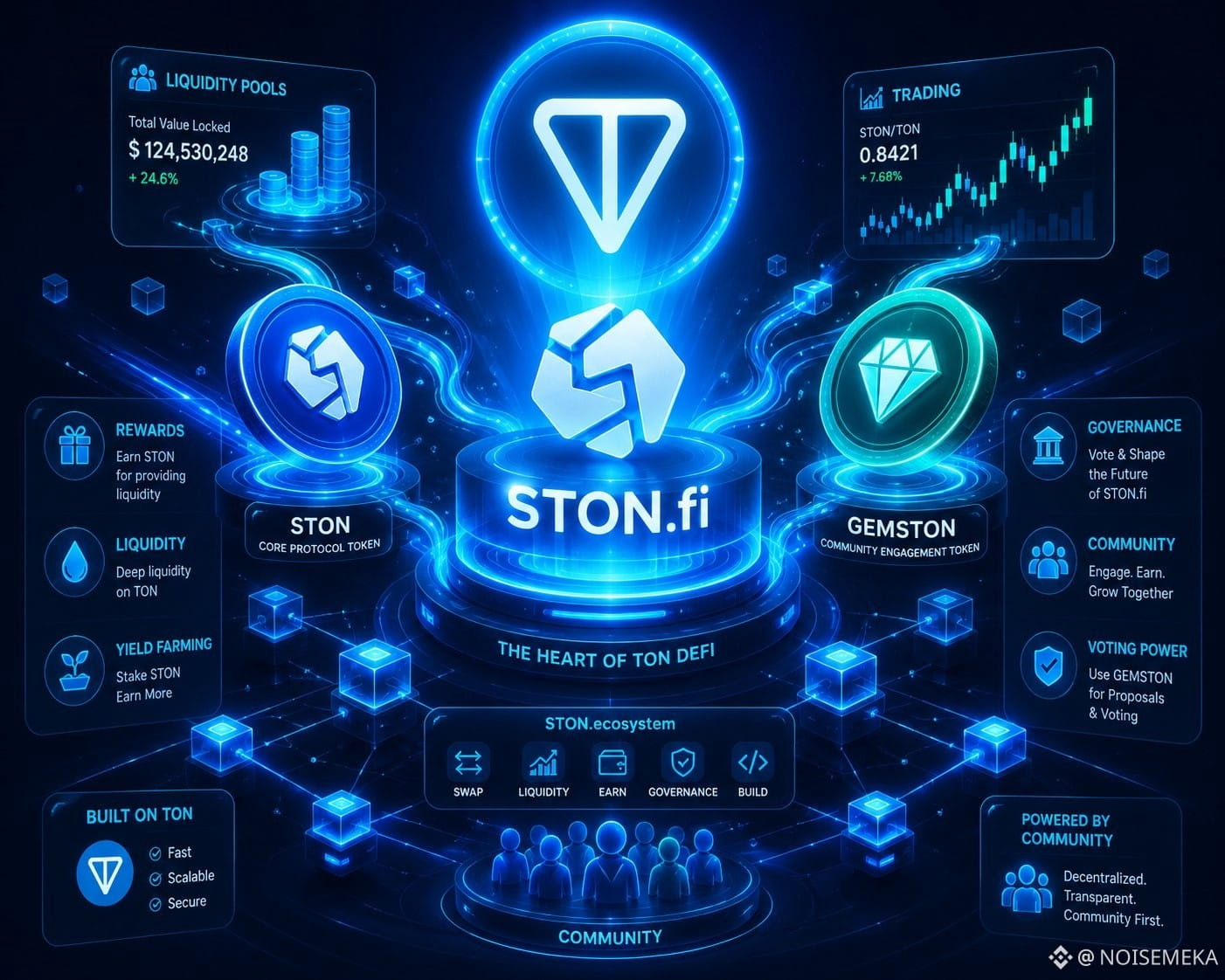
クロスチェーンDeFiは、ネットワークを切り替えるたびに別の世界に来たような体験であってはならない。
エコシステム間を移動するには、多くの場合、異なるウォレット、ブリッジ、インターフェース、流動性ソース、そしてトランザクションの流れに対応する必要がある。
利用者にとって、この断片化は摩擦となる。
そのため、クロスチェーン基盤の重要性はますます高まっている。
STON.fiのOmnistonは、クロスチェーンのスワップを調整し、異なるネットワーク間で流動性を接続するよう設計されており、より統一された体験を通じて、対応する資産にアクセスできるようにする。
大きな狙いは単に「チェーンAからチェーンBへスワップすること」ではない。
それは、異なるブロックチェーンのエコシステム同士が互いに孤立していると感じにくくすることだ。
より多くの資産と利用者がTON、Ethereum、TRON、BNB Chain、Arbitrum、Base、Avalanche、Polygon、そしてその他のエコシステムをまたいで移動していく中で、流動性を接続できるインフラの価値はますます高まっていく。
DeFiの未来は「1つのチェーンを選ぶこと」ではないかもしれない。
すでに人々が使っているチェーン同士を、よりうまく連携させることかもしれない。
それが、注目に値するインフラだ。
#STONfi #STON #TON #Omniston #DeFi @stonfi $TON
クロスチェーンDeFiは、ネットワークを切り替えるたびに別の世界に来たような体験であってはならない。
エコシステム間を移動するには、多くの場合、異なるウォレット、ブリッジ、インターフェース、流動性ソース、そしてトランザクションの流れに対応する必要がある。
利用者にとって、この断片化は摩擦となる。
そのため、クロスチェーン基盤の重要性はますます高まっている。
STON.fiのOmnistonは、クロスチェーンのスワップを調整し、異なるネットワーク間で流動性を接続するよう設計されており、より統一された体験を通じて、対応する資産にアクセスできるようにする。
大きな狙いは単に「チェーンAからチェーンBへスワップすること」ではない。
それは、異なるブロックチェーンのエコシステム同士が互いに孤立していると感じにくくすることだ。
より多くの資産と利用者がTON、Ethereum、TRON、BNB Chain、Arbitrum、Base、Avalanche、Polygon、そしてその他のエコシステムをまたいで移動していく中で、流動性を接続できるインフラの価値はますます高まっていく。
DeFiの未来は「1つのチェーンを選ぶこと」ではないかもしれない。
すでに人々が使っているチェーン同士を、よりうまく連携させることかもしれない。
それが、注目に値するインフラだ。
#STONfi #STON #TON #Omniston #DeFi @STONfi DEX $TON
エコシステム間を移動するには、多くの場合、異なるウォレット、ブリッジ、インターフェース、流動性ソース、そしてトランザクションの流れに対応する必要がある。
利用者にとって、この断片化は摩擦となる。
そのため、クロスチェーン基盤の重要性はますます高まっている。
STON.fiのOmnistonは、クロスチェーンのスワップを調整し、異なるネットワーク間で流動性を接続するよう設計されており、より統一された体験を通じて、対応する資産にアクセスできるようにする。
大きな狙いは単に「チェーンAからチェーンBへスワップすること」ではない。
それは、異なるブロックチェーンのエコシステム同士が互いに孤立していると感じにくくすることだ。
より多くの資産と利用者がTON、Ethereum、TRON、BNB Chain、Arbitrum、Base、Avalanche、Polygon、そしてその他のエコシステムをまたいで移動していく中で、流動性を接続できるインフラの価値はますます高まっていく。
DeFiの未来は「1つのチェーンを選ぶこと」ではないかもしれない。
すでに人々が使っているチェーン同士を、よりうまく連携させることかもしれない。
それが、注目に値するインフラだ。
#STONfi #STON #TON #Omniston #DeFi @STONfi DEX $TON
1
1
57
·
--
価格インパクトとは?
スワップは、利用可能な流動性(リクイディティ)の量によって結果が変わることがあります。
価格インパクトとは、あなた自身の取引がプールの価格に与える影響のことです。
プールに深い流動性がある場合、より大きな取引でも吸収されやすいことがよくあります。しかし流動性が限られていると、プールに対して大きな取引は、価格をより大きく動かす可能性があります。
DeFiユーザーにとって、これは重要です。なぜなら、スワップ前に表示されているトークン価格だけを考えればよいわけではないからです。
スワップを確定する前に、次に注目してください:
🔹 価格インパクト
🔹 スリッページ
🔹 利用可能な流動性
🔹 受け取れる金額
🔹 ネットワーク手数料および取引手数料
簡単な例:
深いプールでの小さなスワップは、市場にほとんど影響しないかもしれません。
浅いプールでのはるかに大きなスワップは、プール価格をはっきりと動かすことがあります。
そのため、流動性の深さが重要なのです。
重要な学びはシンプルです:
表示されているトークン価格だけでスワップを判断しないでください。あなたの取引が、その背後にある流動性とどのように相互作用するかを理解しましょう。
より良いDeFiの判断は、「Swap」ボタンの下で何が起きているのかを理解することから始まります。
#STONfi #TON #DeFi #DEX @stonfi $TON
価格インパクトとは?
スワップは、利用可能な流動性(リクイディティ)の量によって結果が変わることがあります。
価格インパクトとは、あなた自身の取引がプールの価格に与える影響のことです。
プールに深い流動性がある場合、より大きな取引でも吸収されやすいことがよくあります。しかし流動性が限られていると、プールに対して大きな取引は、価格をより大きく動かす可能性があります。
DeFiユーザーにとって、これは重要です。なぜなら、スワップ前に表示されているトークン価格だけを考えればよいわけではないからです。
スワップを確定する前に、次に注目してください:
🔹 価格インパクト
🔹 スリッページ
🔹 利用可能な流動性
🔹 受け取れる金額
🔹 ネットワーク手数料および取引手数料
簡単な例:
深いプールでの小さなスワップは、市場にほとんど影響しないかもしれません。
浅いプールでのはるかに大きなスワップは、プール価格をはっきりと動かすことがあります。
そのため、流動性の深さが重要なのです。
重要な学びはシンプルです:
表示されているトークン価格だけでスワップを判断しないでください。あなたの取引が、その背後にある流動性とどのように相互作用するかを理解しましょう。
より良いDeFiの判断は、「Swap」ボタンの下で何が起きているのかを理解することから始まります。
#STONfi #TON #DeFi #DEX @STONfi DEX $TON
スワップは、利用可能な流動性(リクイディティ)の量によって結果が変わることがあります。
価格インパクトとは、あなた自身の取引がプールの価格に与える影響のことです。
プールに深い流動性がある場合、より大きな取引でも吸収されやすいことがよくあります。しかし流動性が限られていると、プールに対して大きな取引は、価格をより大きく動かす可能性があります。
DeFiユーザーにとって、これは重要です。なぜなら、スワップ前に表示されているトークン価格だけを考えればよいわけではないからです。
スワップを確定する前に、次に注目してください:
🔹 価格インパクト
🔹 スリッページ
🔹 利用可能な流動性
🔹 受け取れる金額
🔹 ネットワーク手数料および取引手数料
簡単な例:
深いプールでの小さなスワップは、市場にほとんど影響しないかもしれません。
浅いプールでのはるかに大きなスワップは、プール価格をはっきりと動かすことがあります。
そのため、流動性の深さが重要なのです。
重要な学びはシンプルです:
表示されているトークン価格だけでスワップを判断しないでください。あなたの取引が、その背後にある流動性とどのように相互作用するかを理解しましょう。
より良いDeFiの判断は、「Swap」ボタンの下で何が起きているのかを理解することから始まります。
#STONfi #TON #DeFi #DEX @STONfi DEX $TON
56
·
--
流動性プールにおいてトークンペアが重要な理由
流動性を提供するとき、あなたが選ぶのは1つの資産だけではありません。ペアを選びます。
その理由は、流動性プールには2つの資産が必要であり、それによってそれらの間の取引を促進できるからです。
たとえば:
STON + USDT
LPは両方の資産を提供し、トレーダーが $STON と $USDT をスワップできる市場を作り出します。
しかし、ペアによって機会とリスクは異なります。
値動きの大きいトークン/ステーブルコインのペアは、2つの値動きの大きいトークン同士のペアとは、まったく違った挙動になることがあります。なぜなら、両方の資産が互いに対して大きく動く可能性があるからです。
LPになる前に、次を確認してください:
🔹 2つの資産は何か?
🔹 それらはどれくらい変動するか?
🔹 プールの深さはどの程度か?
🔹 どれほどの取引活動があるか?
🔹 利用可能な報酬は何か?
🔹 価格が異なる方向に動いた場合に何が起こりうるか?
重要な学び:
流動性プールの選択は、APRを選ぶだけではありません。
あなたが選んでいるのは、あなたのLPポジションに影響する2つの資産と、その価格・取引関係です。
まずはペアを理解しましょう。
そのうえで報酬を評価します。
DeFiでは、利回りの見出しよりも、利回りの背景にある資産のほうが重要です。
#STONfi #STON #TON #DeFi #Liquidity @stonfi $TON
流動性プールにおいてトークンペアが重要な理由
流動性を提供するとき、あなたが選ぶのは1つの資産だけではありません。ペアを選びます。
その理由は、流動性プールには2つの資産が必要であり、それによってそれらの間の取引を促進できるからです。
たとえば:
STON + USDT
LPは両方の資産を提供し、トレーダーが $STON と $USDT をスワップできる市場を作り出します。
しかし、ペアによって機会とリスクは異なります。
値動きの大きいトークン/ステーブルコインのペアは、2つの値動きの大きいトークン同士のペアとは、まったく違った挙動になることがあります。なぜなら、両方の資産が互いに対して大きく動く可能性があるからです。
LPになる前に、次を確認してください:
🔹 2つの資産は何か?
🔹 それらはどれくらい変動するか?
🔹 プールの深さはどの程度か?
🔹 どれほどの取引活動があるか?
🔹 利用可能な報酬は何か?
🔹 価格が異なる方向に動いた場合に何が起こりうるか?
重要な学び:
流動性プールの選択は、APRを選ぶだけではありません。
あなたが選んでいるのは、あなたのLPポジションに影響する2つの資産と、その価格・取引関係です。
まずはペアを理解しましょう。
そのうえで報酬を評価します。
DeFiでは、利回りの見出しよりも、利回りの背景にある資産のほうが重要です。
#STONfi #STON #TON #DeFi #Liquidity @STONfi DEX $TON
流動性を提供するとき、あなたが選ぶのは1つの資産だけではありません。ペアを選びます。
その理由は、流動性プールには2つの資産が必要であり、それによってそれらの間の取引を促進できるからです。
たとえば:
STON + USDT
LPは両方の資産を提供し、トレーダーが $STON と $USDT をスワップできる市場を作り出します。
しかし、ペアによって機会とリスクは異なります。
値動きの大きいトークン/ステーブルコインのペアは、2つの値動きの大きいトークン同士のペアとは、まったく違った挙動になることがあります。なぜなら、両方の資産が互いに対して大きく動く可能性があるからです。
LPになる前に、次を確認してください:
🔹 2つの資産は何か?
🔹 それらはどれくらい変動するか?
🔹 プールの深さはどの程度か?
🔹 どれほどの取引活動があるか?
🔹 利用可能な報酬は何か?
🔹 価格が異なる方向に動いた場合に何が起こりうるか?
重要な学び:
流動性プールの選択は、APRを選ぶだけではありません。
あなたが選んでいるのは、あなたのLPポジションに影響する2つの資産と、その価格・取引関係です。
まずはペアを理解しましょう。
そのうえで報酬を評価します。
DeFiでは、利回りの見出しよりも、利回りの背景にある資産のほうが重要です。
#STONfi #STON #TON #DeFi #Liquidity @STONfi DEX $TON
67
·
--
流動性を追加した後に何が起こる?
流動性の提供はプロセスの終わりではありません。これはポジションを築くための始まりです。
あなたが STON.fi の流動性プールにトークンペアを追加すると、資産は、トレーダーがスワップに使用できるプールの一部になります。
取引が行われるにつれて、プール内のトークンの比率は変化します。
つまり、あなたの LP ポジションはただ動かずに据え置かれているわけではありません。
ユーザーが取引することで構成が変わり、ポジションの価値も市場の動きに合わせて変動し得ます。
だからこそ、流動性提供は「現在の APR を確認する」だけでは不十分です。
次を理解しましょう:
🔹 プールの仕組み
🔹 入金する資産
🔹 取引がプールをどう変えるか
🔹 可能性のあるイールド(仮想)損失
🔹 ファーミング報酬とその条件
🔹 ポジションから退出する方法
重要な教訓:
流動性を提供するとき、あなたは単にトークンを預けているだけではありません。
あなたは市場に参加しているのです。
トレーダーはあなたが提供した流動性を使い、プールはその活動に応じて反応し、あなたのポジションはそれに合わせて変化します。
「流動性を追加(Add Liquidity)」をクリックした後に何が起こるのかを理解することは、そもそもなぜクリックしたのかを理解するのと同じくらい重要です。
ただ流動性を提供するだけで終わらせず、自分のポジションを理解してください。
#STONfi #TON #DeFi #Liquidity #LP
流動性を追加した後に何が起こる?
流動性の提供はプロセスの終わりではありません。これはポジションを築くための始まりです。
あなたが STON.fi の流動性プールにトークンペアを追加すると、資産は、トレーダーがスワップに使用できるプールの一部になります。
取引が行われるにつれて、プール内のトークンの比率は変化します。
つまり、あなたの LP ポジションはただ動かずに据え置かれているわけではありません。
ユーザーが取引することで構成が変わり、ポジションの価値も市場の動きに合わせて変動し得ます。
だからこそ、流動性提供は「現在の APR を確認する」だけでは不十分です。
次を理解しましょう:
🔹 プールの仕組み
🔹 入金する資産
🔹 取引がプールをどう変えるか
🔹 可能性のあるイールド(仮想)損失
🔹 ファーミング報酬とその条件
🔹 ポジションから退出する方法
重要な教訓:
流動性を提供するとき、あなたは単にトークンを預けているだけではありません。
あなたは市場に参加しているのです。
トレーダーはあなたが提供した流動性を使い、プールはその活動に応じて反応し、あなたのポジションはそれに合わせて変化します。
「流動性を追加(Add Liquidity)」をクリックした後に何が起こるのかを理解することは、そもそもなぜクリックしたのかを理解するのと同じくらい重要です。
ただ流動性を提供するだけで終わらせず、自分のポジションを理解してください。
#STONfi #TON #DeFi #Liquidity #LP
流動性の提供はプロセスの終わりではありません。これはポジションを築くための始まりです。
あなたが STON.fi の流動性プールにトークンペアを追加すると、資産は、トレーダーがスワップに使用できるプールの一部になります。
取引が行われるにつれて、プール内のトークンの比率は変化します。
つまり、あなたの LP ポジションはただ動かずに据え置かれているわけではありません。
ユーザーが取引することで構成が変わり、ポジションの価値も市場の動きに合わせて変動し得ます。
だからこそ、流動性提供は「現在の APR を確認する」だけでは不十分です。
次を理解しましょう:
🔹 プールの仕組み
🔹 入金する資産
🔹 取引がプールをどう変えるか
🔹 可能性のあるイールド(仮想)損失
🔹 ファーミング報酬とその条件
🔹 ポジションから退出する方法
重要な教訓:
流動性を提供するとき、あなたは単にトークンを預けているだけではありません。
あなたは市場に参加しているのです。
トレーダーはあなたが提供した流動性を使い、プールはその活動に応じて反応し、あなたのポジションはそれに合わせて変化します。
「流動性を追加(Add Liquidity)」をクリックした後に何が起こるのかを理解することは、そもそもなぜクリックしたのかを理解するのと同じくらい重要です。
ただ流動性を提供するだけで終わらせず、自分のポジションを理解してください。
#STONfi #TON #DeFi #Liquidity #LP
73
·
--
流動性ルーティングが重要な理由
流動性を見つけることは、課題の半分にすぎません。そこへ効率よくたどり着くことが、もう半分です。
DeFiでは、同じ資産でも流動性が異なるプールやネットワークに分散していることがあります。これにより、1回のスワップに対して複数のルートが生まれます。
賢いルーティングシステムは、利用可能な選択肢を評価し、次のような要素に基づいてルートを調整できます。
🔹 利用可能な流動性
🔹 予想される実行結果
🔹 価格への影響
🔹 取引条件
🔹 ネットワーク要件
ここで、Omnistonのようなインフラが注目されます。
ユーザーが手動でさまざまなルートを探すのではなく、インフラが裏側で利用可能な流動性をつなぎ、スワップ体験を簡素化します。
ただし、ルーティングによってリスクがなくなるわけではありません。取引を確定する前に、最終的な受取額、手数料、スリッページ、価格への影響を必ず確認すべきです。
より大きな教訓は次のとおりです。
DeFiが成長するにつれて、流動性はますます断片化していきます。
課題は、単に流動性を増やすことだけではありません。
すでに存在する流動性へユーザーをつなぐ、より優れたインフラを構築することです。
より良いルーティングは、複雑なマルチチェーンの旅を、よりシンプルなスワップ体験へと変えることができます。
#STONfi #Omniston #TON #Liquidity #DEX @stonfi $TON
流動性ルーティングが重要な理由
流動性を見つけることは、課題の半分にすぎません。そこへ効率よくたどり着くことが、もう半分です。
DeFiでは、同じ資産でも流動性が異なるプールやネットワークに分散していることがあります。これにより、1回のスワップに対して複数のルートが生まれます。
賢いルーティングシステムは、利用可能な選択肢を評価し、次のような要素に基づいてルートを調整できます。
🔹 利用可能な流動性
🔹 予想される実行結果
🔹 価格への影響
🔹 取引条件
🔹 ネットワーク要件
ここで、Omnistonのようなインフラが注目されます。
ユーザーが手動でさまざまなルートを探すのではなく、インフラが裏側で利用可能な流動性をつなぎ、スワップ体験を簡素化します。
ただし、ルーティングによってリスクがなくなるわけではありません。取引を確定する前に、最終的な受取額、手数料、スリッページ、価格への影響を必ず確認すべきです。
より大きな教訓は次のとおりです。
DeFiが成長するにつれて、流動性はますます断片化していきます。
課題は、単に流動性を増やすことだけではありません。
すでに存在する流動性へユーザーをつなぐ、より優れたインフラを構築することです。
より良いルーティングは、複雑なマルチチェーンの旅を、よりシンプルなスワップ体験へと変えることができます。
#STONfi #Omniston #TON #Liquidity #DEX @STONfi DEX $TON
流動性を見つけることは、課題の半分にすぎません。そこへ効率よくたどり着くことが、もう半分です。
DeFiでは、同じ資産でも流動性が異なるプールやネットワークに分散していることがあります。これにより、1回のスワップに対して複数のルートが生まれます。
賢いルーティングシステムは、利用可能な選択肢を評価し、次のような要素に基づいてルートを調整できます。
🔹 利用可能な流動性
🔹 予想される実行結果
🔹 価格への影響
🔹 取引条件
🔹 ネットワーク要件
ここで、Omnistonのようなインフラが注目されます。
ユーザーが手動でさまざまなルートを探すのではなく、インフラが裏側で利用可能な流動性をつなぎ、スワップ体験を簡素化します。
ただし、ルーティングによってリスクがなくなるわけではありません。取引を確定する前に、最終的な受取額、手数料、スリッページ、価格への影響を必ず確認すべきです。
より大きな教訓は次のとおりです。
DeFiが成長するにつれて、流動性はますます断片化していきます。
課題は、単に流動性を増やすことだけではありません。
すでに存在する流動性へユーザーをつなぐ、より優れたインフラを構築することです。
より良いルーティングは、複雑なマルチチェーンの旅を、よりシンプルなスワップ体験へと変えることができます。
#STONfi #Omniston #TON #Liquidity #DEX @STONfi DEX $TON

85
·
--
STON.fi 教育:なぜステーブルコインの流動性が重要なのか
ステーブルコインは、DeFiでドルに近い資産を保有するだけの手段ではありません。
それらは、異なるトークン、マーケット、そして取引戦略をつなぐ“架け橋”として機能することがよくあります。
STON.fi のようなDEXでは、ステーブルコインを含むペアが、トレーダーにとって馴染みのある参照資産を提供しつつ、ボラティリティの高いトークンに対してより深いマーケットを形成するのに役立ちます。
たとえば:
トークン ↔ USDT
これにより、ユーザーはまず従来の銀行や中央集権型取引所を通じて変換することなく、トークンのポジションに出入りできます。
そのため、ステーブルコインの流動性は次のように支えます:
🔹 トークンの交換がより簡単に
🔹 市場形成がより効率的に
🔹 ポートフォリオのリバランス
🔹 価値のクロスチェーン移動
🔹 DeFi市場へのアクセス向上
しかし、ステーブルコインは完全にリスクがないわけではありません。ユーザーは、関わるプロトコルの特定のステーブルコイン、その仕組み、流動性、そしてリスクを理解しておくべきです。
大きな学び:
強いDeFiエコシステムには、ただワクワクするトークン以上のものが必要です。
同時に、資産同士の信頼できる流動性も必要です。
ステーブルコインは、そうしたつながりを生み出す上で重要な役割を果たし得ます。
取引エコシステムで最も重要な資産が、最も“安定”しているよう設計された資産であることもあります。
#STONfi #TON #CryptoEducation #Web @stonfi $TON
STON.fi 教育:なぜステーブルコインの流動性が重要なのか
ステーブルコインは、DeFiでドルに近い資産を保有するだけの手段ではありません。
それらは、異なるトークン、マーケット、そして取引戦略をつなぐ“架け橋”として機能することがよくあります。
STON.fi のようなDEXでは、ステーブルコインを含むペアが、トレーダーにとって馴染みのある参照資産を提供しつつ、ボラティリティの高いトークンに対してより深いマーケットを形成するのに役立ちます。
たとえば:
トークン ↔ USDT
これにより、ユーザーはまず従来の銀行や中央集権型取引所を通じて変換することなく、トークンのポジションに出入りできます。
そのため、ステーブルコインの流動性は次のように支えます:
🔹 トークンの交換がより簡単に
🔹 市場形成がより効率的に
🔹 ポートフォリオのリバランス
🔹 価値のクロスチェーン移動
🔹 DeFi市場へのアクセス向上
しかし、ステーブルコインは完全にリスクがないわけではありません。ユーザーは、関わるプロトコルの特定のステーブルコイン、その仕組み、流動性、そしてリスクを理解しておくべきです。
大きな学び:
強いDeFiエコシステムには、ただワクワクするトークン以上のものが必要です。
同時に、資産同士の信頼できる流動性も必要です。
ステーブルコインは、そうしたつながりを生み出す上で重要な役割を果たし得ます。
取引エコシステムで最も重要な資産が、最も“安定”しているよう設計された資産であることもあります。
#STONfi #TON #CryptoEducation #Web @STONfi DEX $TON
ステーブルコインは、DeFiでドルに近い資産を保有するだけの手段ではありません。
それらは、異なるトークン、マーケット、そして取引戦略をつなぐ“架け橋”として機能することがよくあります。
STON.fi のようなDEXでは、ステーブルコインを含むペアが、トレーダーにとって馴染みのある参照資産を提供しつつ、ボラティリティの高いトークンに対してより深いマーケットを形成するのに役立ちます。
たとえば:
トークン ↔ USDT
これにより、ユーザーはまず従来の銀行や中央集権型取引所を通じて変換することなく、トークンのポジションに出入りできます。
そのため、ステーブルコインの流動性は次のように支えます:
🔹 トークンの交換がより簡単に
🔹 市場形成がより効率的に
🔹 ポートフォリオのリバランス
🔹 価値のクロスチェーン移動
🔹 DeFi市場へのアクセス向上
しかし、ステーブルコインは完全にリスクがないわけではありません。ユーザーは、関わるプロトコルの特定のステーブルコイン、その仕組み、流動性、そしてリスクを理解しておくべきです。
大きな学び:
強いDeFiエコシステムには、ただワクワクするトークン以上のものが必要です。
同時に、資産同士の信頼できる流動性も必要です。
ステーブルコインは、そうしたつながりを生み出す上で重要な役割を果たし得ます。
取引エコシステムで最も重要な資産が、最も“安定”しているよう設計された資産であることもあります。
#STONfi #TON #CryptoEducation #Web @STONfi DEX $TON
77
·
--
価格インパクトとは?
あなたの取引は、売買する価格に影響を与えることがあります。
これは「価格インパクト」と呼ばれ、DEXでスワップする前に理解しておくべき最も重要な概念のひとつです。
流動性プールの流動性が、あなたの取引サイズに比べて限られている場合、より大きな注文ほどプールの価格をより大きく動かす可能性があります。
たとえば:
小さい取引+流動性が深い → 通常、価格インパクトは低くなります
大きい取引+流動性が浅い → 価格インパクトが高くなる可能性があります
そのため、同じトークンでも次によって結果が変わり得ます:
🔹 あなたの取引サイズ
🔹 プールの流動性
🔹 市場の状況
🔹 利用可能な取引ルート
そして覚えておいてください:価格インパクトはスリッページとは同じではありません。
価格インパクトは、あなたの取引がプールの価格設定に影響することによって生じます。一方、スリッページは、想定された約定価格と実際の約定価格の差を表します。
なぜSTON.fiのユーザーは気にするべき?
受け取れる金額を確認するだけでは不十分だからです。
スワップを確定する前に、価格インパクト、スリッページ、手数料、そして最終的に受け取る金額を理解してください。
より良いDeFiの判断は、「価格が動くのを見ているだけ」でなく、「何が価格を動かすのか」を理解することから始まります。
#STONfi #TON #CryptoEducation #Web3 #DeFi: @stonfi $TON
価格インパクトとは?
あなたの取引は、売買する価格に影響を与えることがあります。
これは「価格インパクト」と呼ばれ、DEXでスワップする前に理解しておくべき最も重要な概念のひとつです。
流動性プールの流動性が、あなたの取引サイズに比べて限られている場合、より大きな注文ほどプールの価格をより大きく動かす可能性があります。
たとえば:
小さい取引+流動性が深い → 通常、価格インパクトは低くなります
大きい取引+流動性が浅い → 価格インパクトが高くなる可能性があります
そのため、同じトークンでも次によって結果が変わり得ます:
🔹 あなたの取引サイズ
🔹 プールの流動性
🔹 市場の状況
🔹 利用可能な取引ルート
そして覚えておいてください:価格インパクトはスリッページとは同じではありません。
価格インパクトは、あなたの取引がプールの価格設定に影響することによって生じます。一方、スリッページは、想定された約定価格と実際の約定価格の差を表します。
なぜSTON.fiのユーザーは気にするべき?
受け取れる金額を確認するだけでは不十分だからです。
スワップを確定する前に、価格インパクト、スリッページ、手数料、そして最終的に受け取る金額を理解してください。
より良いDeFiの判断は、「価格が動くのを見ているだけ」でなく、「何が価格を動かすのか」を理解することから始まります。
#STONfi #TON #CryptoEducation #Web3 #DeFi: @STONfi DEX $TON
あなたの取引は、売買する価格に影響を与えることがあります。
これは「価格インパクト」と呼ばれ、DEXでスワップする前に理解しておくべき最も重要な概念のひとつです。
流動性プールの流動性が、あなたの取引サイズに比べて限られている場合、より大きな注文ほどプールの価格をより大きく動かす可能性があります。
たとえば:
小さい取引+流動性が深い → 通常、価格インパクトは低くなります
大きい取引+流動性が浅い → 価格インパクトが高くなる可能性があります
そのため、同じトークンでも次によって結果が変わり得ます:
🔹 あなたの取引サイズ
🔹 プールの流動性
🔹 市場の状況
🔹 利用可能な取引ルート
そして覚えておいてください:価格インパクトはスリッページとは同じではありません。
価格インパクトは、あなたの取引がプールの価格設定に影響することによって生じます。一方、スリッページは、想定された約定価格と実際の約定価格の差を表します。
なぜSTON.fiのユーザーは気にするべき?
受け取れる金額を確認するだけでは不十分だからです。
スワップを確定する前に、価格インパクト、スリッページ、手数料、そして最終的に受け取る金額を理解してください。
より良いDeFiの判断は、「価格が動くのを見ているだけ」でなく、「何が価格を動かすのか」を理解することから始まります。
#STONfi #TON #CryptoEducation #Web3 #DeFi: @STONfi DEX $TON
94
·
--
流動性の断片化はDeFiにおける最大の課題の1つです
DeFiは数十のブロックチェーンネットワークにまたがって成長してきました。
それは強力ですが、同時に問題も生みます:
流動性が分散してしまうのです。
あるネットワークではある資産の流動性が深い一方で、別のネットワークではより良いルートや異なる取引活動が存在することがあります。
ユーザーにとっては、単純なスワップを完了するまでに、より多くの検索、より多くのインターフェース、そしてより多くの判断が必要になる可能性があります。
そこで価値を発揮するのが、流動性の集約です。
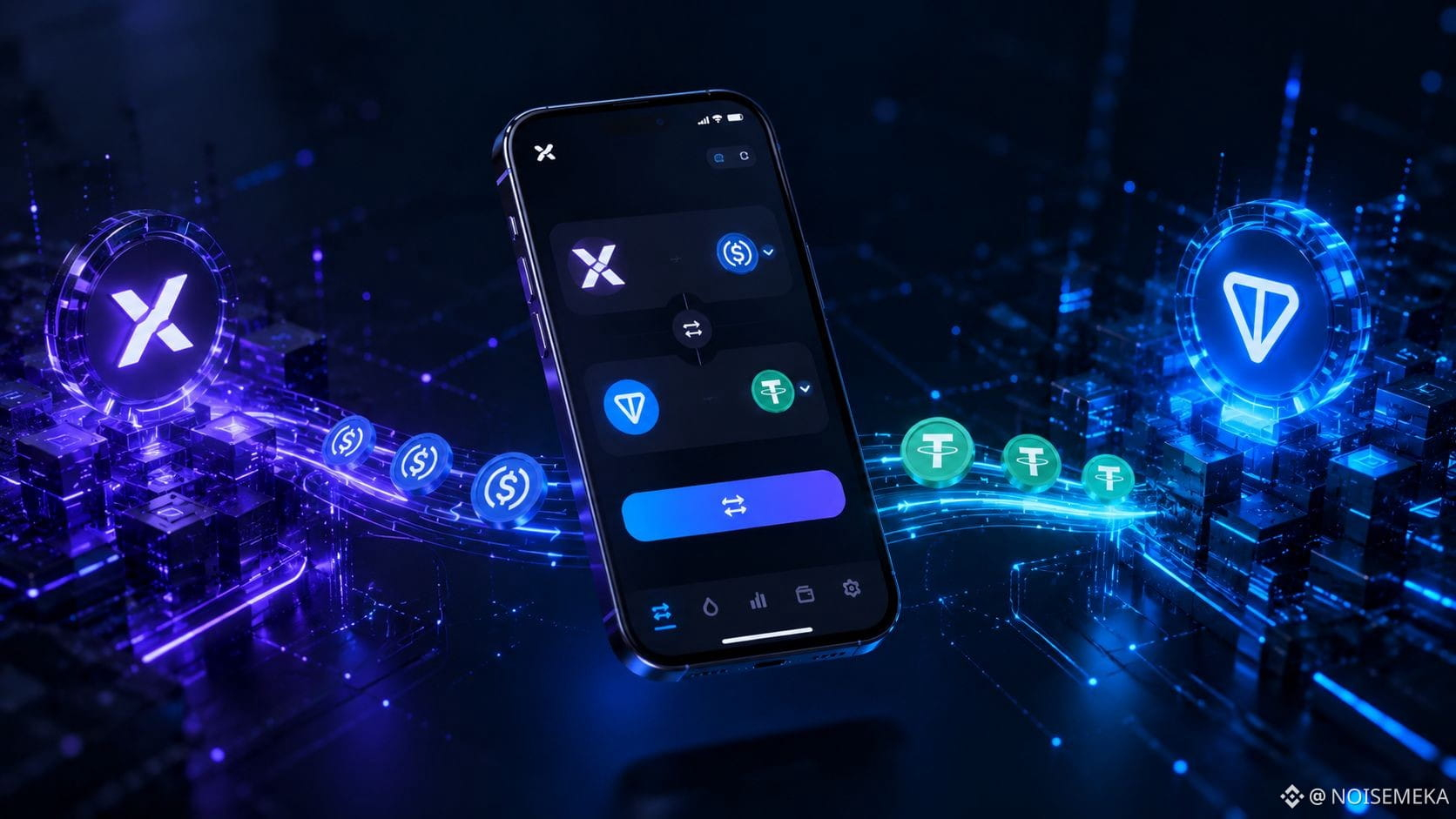
STON.fiのOmnistonは、対応するエコシステム間で流動性ソースをつなぎ、ルートを調整するよう設計されており、断片化した流動性をよりアクセスしやすい取引体験へと変えることを目指しています。
たとえば、こう考えてください:
集約なしの場合:
多くの流動性ソース → 多くのルート → さらなる複雑さ。
集約ありの場合:
多くの流動性ソース → 調整されたルート → よりシンプルなアクセス。
もちろん、集約は市場リスクをなくしたり、毎回最良の結果を保証したりするものではありません。ユーザーは引き続き、見積もり、手数料、スリッページ、価格への影響を確認する必要があります。
より大きな学び:
次の段階のDeFiでは、あらゆる問題ごとに別の流動性プールを作る必要はないかもしれません。
必要なのは、すでに存在する流動性をつなぐためのより良いインフラかもしれません。
流動性がよりアクセスしやすくなると、DeFiはさらに強力になります。
#STON #TON i #Liquidity #CrossChain #Web3 @stonfi $TON
流動性の断片化はDeFiにおける最大の課題の1つです
DeFiは数十のブロックチェーンネットワークにまたがって成長してきました。
それは強力ですが、同時に問題も生みます:
流動性が分散してしまうのです。
あるネットワークではある資産の流動性が深い一方で、別のネットワークではより良いルートや異なる取引活動が存在することがあります。
ユーザーにとっては、単純なスワップを完了するまでに、より多くの検索、より多くのインターフェース、そしてより多くの判断が必要になる可能性があります。
そこで価値を発揮するのが、流動性の集約です。
STON.fiのOmnistonは、対応するエコシステム間で流動性ソースをつなぎ、ルートを調整するよう設計されており、断片化した流動性をよりアクセスしやすい取引体験へと変えることを目指しています。
たとえば、こう考えてください:
集約なしの場合:
多くの流動性ソース → 多くのルート → さらなる複雑さ。
集約ありの場合:
多くの流動性ソース → 調整されたルート → よりシンプルなアクセス。
もちろん、集約は市場リスクをなくしたり、毎回最良の結果を保証したりするものではありません。ユーザーは引き続き、見積もり、手数料、スリッページ、価格への影響を確認する必要があります。
より大きな学び:
次の段階のDeFiでは、あらゆる問題ごとに別の流動性プールを作る必要はないかもしれません。
必要なのは、すでに存在する流動性をつなぐためのより良いインフラかもしれません。
流動性がよりアクセスしやすくなると、DeFiはさらに強力になります。
#STON #TON i #Liquidity #CrossChain #Web3 @STONfi DEX $TON
DeFiは数十のブロックチェーンネットワークにまたがって成長してきました。
それは強力ですが、同時に問題も生みます:
流動性が分散してしまうのです。
あるネットワークではある資産の流動性が深い一方で、別のネットワークではより良いルートや異なる取引活動が存在することがあります。
ユーザーにとっては、単純なスワップを完了するまでに、より多くの検索、より多くのインターフェース、そしてより多くの判断が必要になる可能性があります。
そこで価値を発揮するのが、流動性の集約です。
STON.fiのOmnistonは、対応するエコシステム間で流動性ソースをつなぎ、ルートを調整するよう設計されており、断片化した流動性をよりアクセスしやすい取引体験へと変えることを目指しています。
たとえば、こう考えてください:
集約なしの場合:
多くの流動性ソース → 多くのルート → さらなる複雑さ。
集約ありの場合:
多くの流動性ソース → 調整されたルート → よりシンプルなアクセス。
もちろん、集約は市場リスクをなくしたり、毎回最良の結果を保証したりするものではありません。ユーザーは引き続き、見積もり、手数料、スリッページ、価格への影響を確認する必要があります。
より大きな学び:
次の段階のDeFiでは、あらゆる問題ごとに別の流動性プールを作る必要はないかもしれません。
必要なのは、すでに存在する流動性をつなぐためのより良いインフラかもしれません。
流動性がよりアクセスしやすくなると、DeFiはさらに強力になります。
#STON #TON i #Liquidity #CrossChain #Web3 @STONfi DEX $TON
75
ログインして、さらにコンテンツを読む
厳選トピックで世界の暗号資産トレーダーの仲間入り
⚡️ 暗号資産に関する最新かつ有益な情報が見つかります。
💬 世界最大の暗号資産取引所から信頼されています。
👍 認証を受けたクリエイターから、有益なインサイトを得られます。
メール / 電話番号
トレンドトピック
BitcoinRejectedAt$87K
閲覧回数 8,129
36人が討論中
$BTC 更新 🚨 🐼 この警告を無視するのは自己責任です ⚠️
BTCが87Kに“もう自分の場所だ”と言わんばかりにノックしています 😂 強気派は目を覚ましている…でもBTCは本当の値動きの前に、数人をふるいにかけるのがいつもの流れです。
全体として、BTCはブレイクを進めていて、上位足の見通しはまだ強気です。4Hとデイリーの構造は堅く、価格は主要移動平均線の上で推移しており、勢いもこの動きを支えています。
83Kは正直、とても綺麗な買い場でした。リスク/リワードが理にかなっていたゾーンです。そこを買った人はもう利益を楽しんで座っているはず
さあ本題へ
BTCは直前の高値付近87Kのすぐ下に位置しています。なので、まずは軽い下方向の流動性を取りに行き、遅れて入ったロングを一度投げさせてから、BTCが本当のブレイクをするかどうか判断するのではないかと思っています。
今日のスキャルプのために、これが私のプラン 👇
BTC SHORT スキャルプ エントリー: 86,550–86,900
TP1: 85,650
TP2: 84,850
TP3: 84,050
SL: 87,800
高値付近で“きちんと拒否”が出た場合のみこの戦略が好きです。盲目的にショートはしません。
より大きな見通しとしては、82.5K〜83Kのゾーンが維持されている限り私はまだ強気です。もしBTCが87.4Kの上でクリーンにブレイクして、受け入れ(定着)を始めるなら、このショートの考えは無効になり、次の強気の上昇局面のほうがずっと面白くなります。
つまり、基本的に——10月のビットコインの歴史は強気月です。
必ずDYOR
Panda Traders
·いいね:29件
·閲覧回数 12.7k
FedOctoberRateHikeOddsFallTo17%
閲覧回数 7,955
176人が討論中
NvidiaHitsRecordHighUp2.4%
閲覧回数 967
110人が討論中