
aishaisyaku
188 投稿

aishaisyaku
報告
ユーザーをブロック
1.1K+ フォロー
506 フォロワー
132 いいね
投稿
·
--
記事
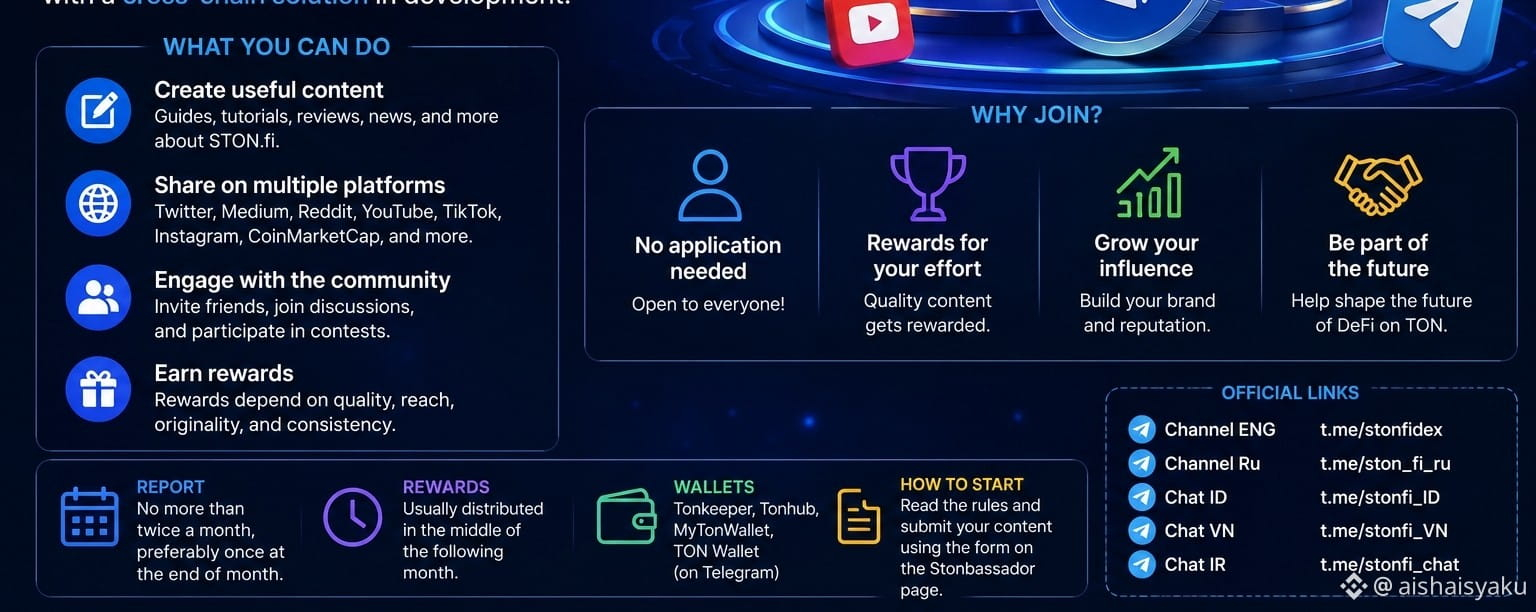
よりオープンなデジタル経済を築くブロックチェーン技術の台頭は、よりオープンなデジタル経済の発展に寄与しています。この変革の中心には、個人が、常に中央集権的な仲介者に依存することなく、デジタル資産やアプリケーションと相互にやり取りできるべきだという考えがあります。
分散型ネットワークによって、プログラム可能なルールで動作する金融アプリケーションを作ることができます。これらのアプリケーションは、トークンの交換、流動性の提供、価値の移転、デジタル資産の管理などの活動を支えられます。こうした革新は相互につながり、拡大していく分散型のエコシステムを形づくります。
よりオープンなデジタル経済を築く
ブロックチェーン技術の台頭は、よりオープンなデジタル経済の発展に寄与しています。この変革の中心には、個人が、常に中央集権的な仲介者に依存することなく、デジタル資産やアプリケーションと相互にやり取りできるべきだという考えがあります。
分散型ネットワークによって、プログラム可能なルールで動作する金融アプリケーションを作ることができます。これらのアプリケーションは、トークンの交換、流動性の提供、価値の移転、デジタル資産の管理などの活動を支えられます。こうした革新は相互につながり、拡大していく分散型のエコシステムを形づくります。
分散型ネットワークによって、プログラム可能なルールで動作する金融アプリケーションを作ることができます。これらのアプリケーションは、トークンの交換、流動性の提供、価値の移転、デジタル資産の管理などの活動を支えられます。こうした革新は相互につながり、拡大していく分散型のエコシステムを形づくります。
1
257
·
--
記事
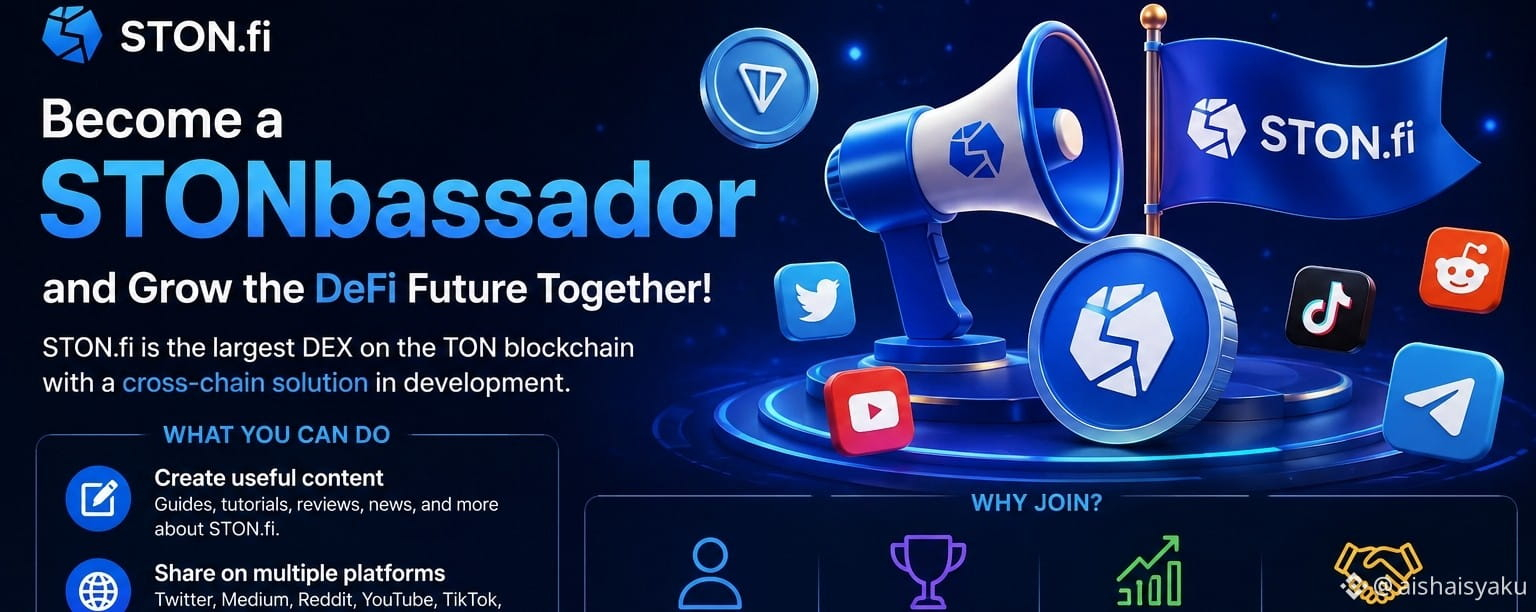
DeFiが金融アクセスを変えている方法金融サービスはこれまで、銀行、ブローカー、その他の中央集権的な組織に依存してきました。分散型金融(DeFi)は、すべての取引を管理する中央の権限なしに動作できるブロックチェーンベースの代替手段を提供することで、このモデルに挑戦しています。
DeFiアプリケーションは、分散型ネットワークを通じてユーザーが金融ツールに直接アクセスできるようにします。貸付プラットフォーム、分散型取引所、流動性プロトコルにより、参加者はスマートコントラクトを通じて金融市場とやり取りできます。これにより、一部のサービスがより利用しやすく、透明性も高まります。
DeFiが金融アクセスを変えている方法
金融サービスはこれまで、銀行、ブローカー、その他の中央集権的な組織に依存してきました。分散型金融(DeFi)は、すべての取引を管理する中央の権限なしに動作できるブロックチェーンベースの代替手段を提供することで、このモデルに挑戦しています。
DeFiアプリケーションは、分散型ネットワークを通じてユーザーが金融ツールに直接アクセスできるようにします。貸付プラットフォーム、分散型取引所、流動性プロトコルにより、参加者はスマートコントラクトを通じて金融市場とやり取りできます。これにより、一部のサービスがより利用しやすく、透明性も高まります。
DeFiアプリケーションは、分散型ネットワークを通じてユーザーが金融ツールに直接アクセスできるようにします。貸付プラットフォーム、分散型取引所、流動性プロトコルにより、参加者はスマートコントラクトを通じて金融市場とやり取りできます。これにより、一部のサービスがより利用しやすく、透明性も高まります。
1
51
·
--
記事
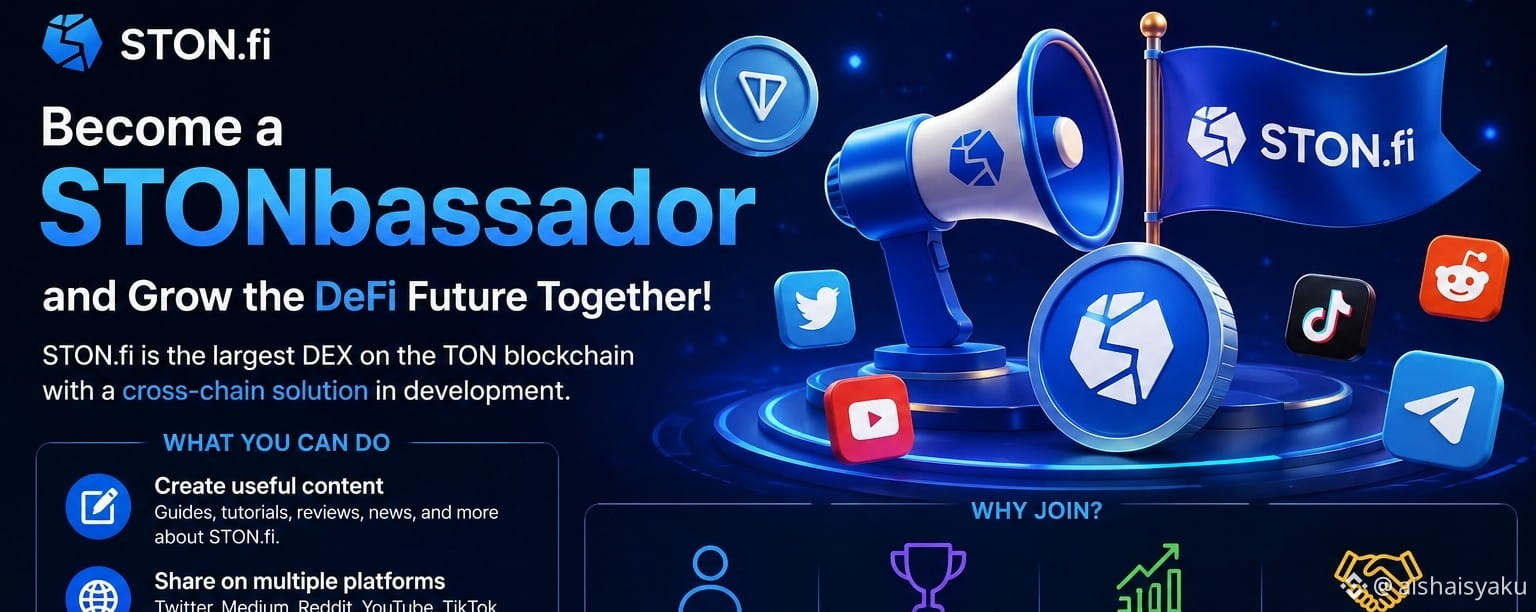
DeFiと金融アクセスの未来金融へのアクセスは、世界中で依然として重要な課題である。何百万人もの人々が、地理的な理由、書類の要件、高額な手数料、またはその他の障壁によって、従来の銀行サービスへのアクセスが限られている。分散型金融は、ブロックチェーンに基づくアプリケーションを通じて、金融参加のための別の道を提供できる可能性がある。
DeFiプロトコルは、デジタルウォレットを通じて、融資、借り入れ、取引、資産管理といったサービスへのアクセスを可能にできる。すべての参加者が従来の銀行との関係を維持することを求めるのではなく、多くの分散型アプリケーションはスマートコントラクトによって運用されている。
DeFiと金融アクセスの未来
金融へのアクセスは、世界中で依然として重要な課題である。何百万人もの人々が、地理的な理由、書類の要件、高額な手数料、またはその他の障壁によって、従来の銀行サービスへのアクセスが限られている。分散型金融は、ブロックチェーンに基づくアプリケーションを通じて、金融参加のための別の道を提供できる可能性がある。
DeFiプロトコルは、デジタルウォレットを通じて、融資、借り入れ、取引、資産管理といったサービスへのアクセスを可能にできる。すべての参加者が従来の銀行との関係を維持することを求めるのではなく、多くの分散型アプリケーションはスマートコントラクトによって運用されている。
DeFiプロトコルは、デジタルウォレットを通じて、融資、借り入れ、取引、資産管理といったサービスへのアクセスを可能にできる。すべての参加者が従来の銀行との関係を維持することを求めるのではなく、多くの分散型アプリケーションはスマートコントラクトによって運用されている。
1
580
·
--
記事
翻訳参照
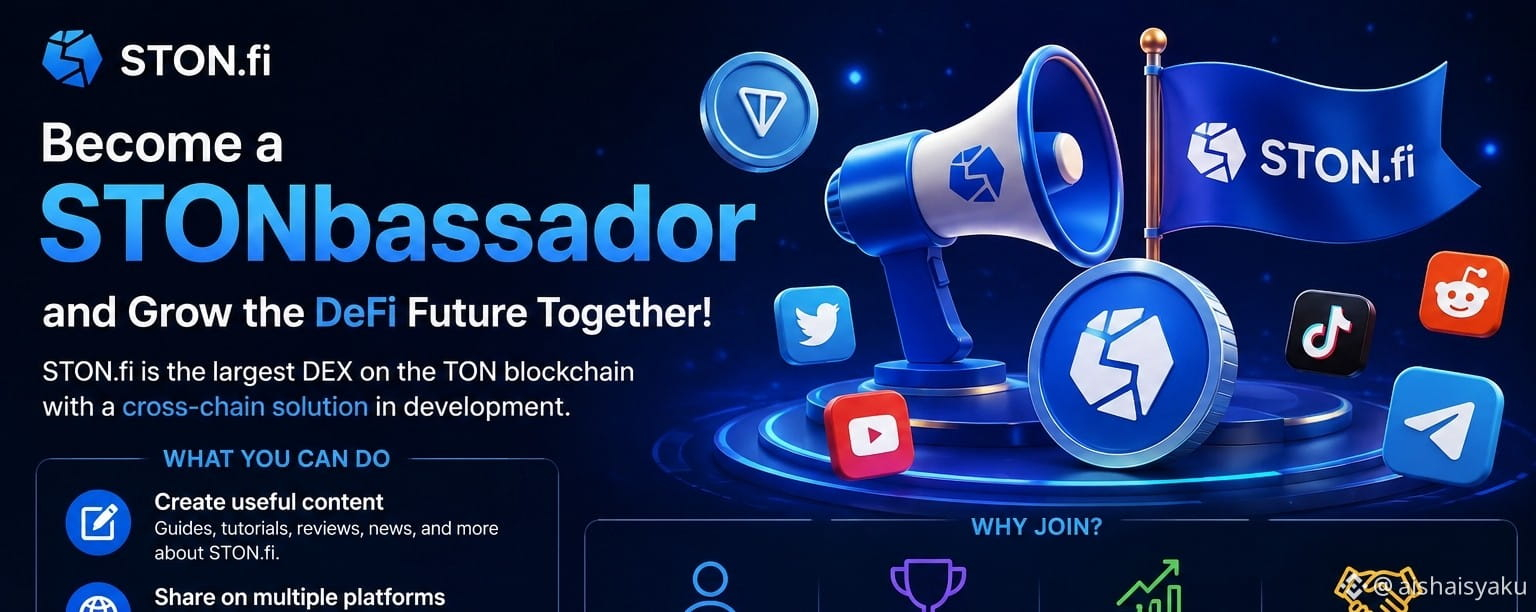
The Expanding World of Decentralized FinanceDecentralized finance, or DeFi, is creating a new approach to financial services by using blockchain technology instead of relying completely on traditional institutions. Through smart contracts and decentralized applications, users can access services such as trading, lending, borrowing, and liquidity provision.
One of DeFi’s strongest advantages is accessibility. People can interact with financial applications using a digital wallet without depending on a conventional bank or centralized intermediary. This opens opportunities for individuals who may have limited access to traditional financial systems.
Decentralized exchanges are also becoming an important part of this growing ecosystem. They allow users to trade digital assets while maintaining greater control over their funds. As blockchain networks become faster and more efficient, DeFi applications are becoming increasingly practical.
However, DeFi still faces challenges, including market volatility, security vulnerabilities, and regulatory uncertainty. Continued innovation and responsible participation will be important as decentralized finance moves toward broader adoption.
$GRAM
#STONfi
#DEFİ
The Expanding World of Decentralized Finance
Decentralized finance, or DeFi, is creating a new approach to financial services by using blockchain technology instead of relying completely on traditional institutions. Through smart contracts and decentralized applications, users can access services such as trading, lending, borrowing, and liquidity provision.
One of DeFi’s strongest advantages is accessibility. People can interact with financial applications using a digital wallet without depending on a conventional bank or centralized intermediary. This opens opportunities for individuals who may have limited access to traditional financial systems.
Decentralized exchanges are also becoming an important part of this growing ecosystem. They allow users to trade digital assets while maintaining greater control over their funds. As blockchain networks become faster and more efficient, DeFi applications are becoming increasingly practical.
However, DeFi still faces challenges, including market volatility, security vulnerabilities, and regulatory uncertainty. Continued innovation and responsible participation will be important as decentralized finance moves toward broader adoption.
$GRAM
#STONfi
#DEFİ
One of DeFi’s strongest advantages is accessibility. People can interact with financial applications using a digital wallet without depending on a conventional bank or centralized intermediary. This opens opportunities for individuals who may have limited access to traditional financial systems.
Decentralized exchanges are also becoming an important part of this growing ecosystem. They allow users to trade digital assets while maintaining greater control over their funds. As blockchain networks become faster and more efficient, DeFi applications are becoming increasingly practical.
However, DeFi still faces challenges, including market volatility, security vulnerabilities, and regulatory uncertainty. Continued innovation and responsible participation will be important as decentralized finance moves toward broader adoption.
$GRAM
#STONfi
#DEFİ
2
57
·
--
記事
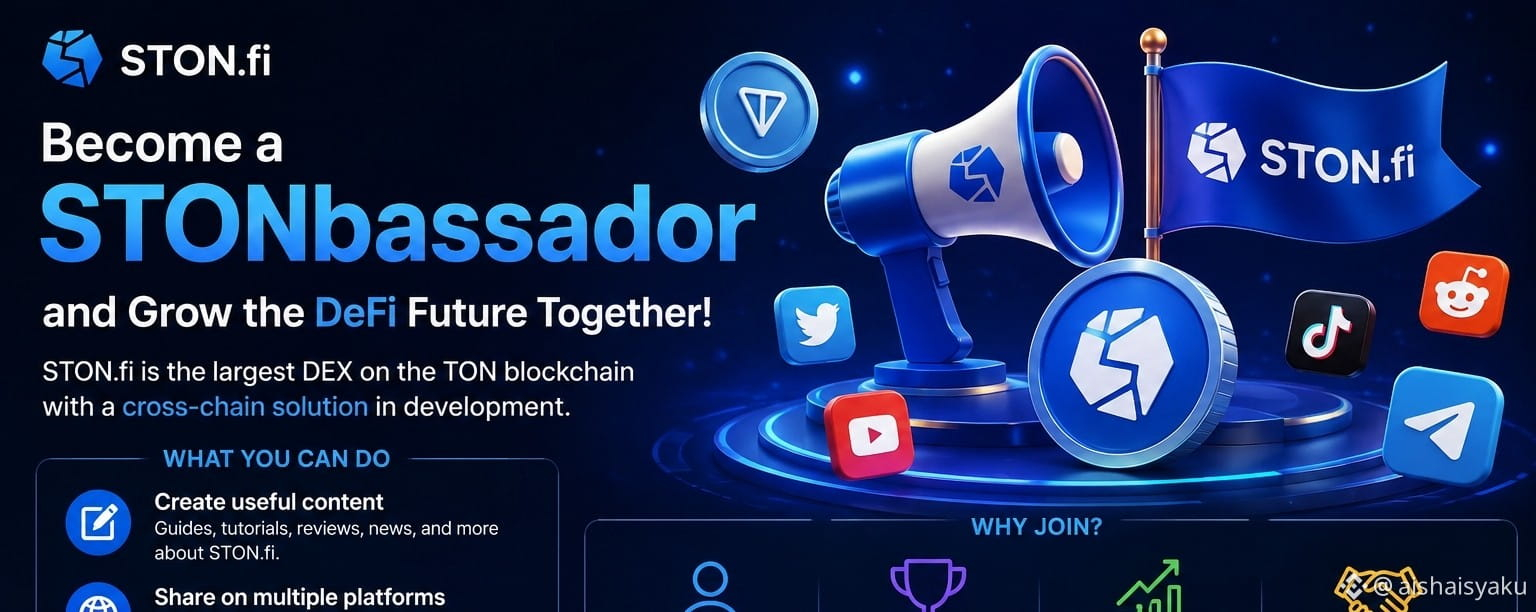
分散型金融が広がる世界分散型金融(DeFi)として一般に知られる分野は、人々の金融サービスに対する考え方を変えつつあります。従来の銀行や中央集権的な機関に全面的に依存するのではなく、DeFiはブロックチェーン技術とスマートコントラクトを用いて、取引、貸し出し、借り入れ、資産管理などのサービスを提供します。
DeFiの大きな利点の一つはアクセスのしやすさです。インターネット接続と対応するデジタルウォレットがあれば、従来の銀行口座を開設することなく、分散型の金融アプリケーションとやり取りできる可能性があります。これは、従来の金融サービスへのアクセスが限られている人々にとって、新たな機会を生み出すことにつながります。
分散型金融が広がる世界
分散型金融(DeFi)として一般に知られる分野は、人々の金融サービスに対する考え方を変えつつあります。従来の銀行や中央集権的な機関に全面的に依存するのではなく、DeFiはブロックチェーン技術とスマートコントラクトを用いて、取引、貸し出し、借り入れ、資産管理などのサービスを提供します。
DeFiの大きな利点の一つはアクセスのしやすさです。インターネット接続と対応するデジタルウォレットがあれば、従来の銀行口座を開設することなく、分散型の金融アプリケーションとやり取りできる可能性があります。これは、従来の金融サービスへのアクセスが限られている人々にとって、新たな機会を生み出すことにつながります。
DeFiの大きな利点の一つはアクセスのしやすさです。インターネット接続と対応するデジタルウォレットがあれば、従来の銀行口座を開設することなく、分散型の金融アプリケーションとやり取りできる可能性があります。これは、従来の金融サービスへのアクセスが限られている人々にとって、新たな機会を生み出すことにつながります。
66
·
--
記事
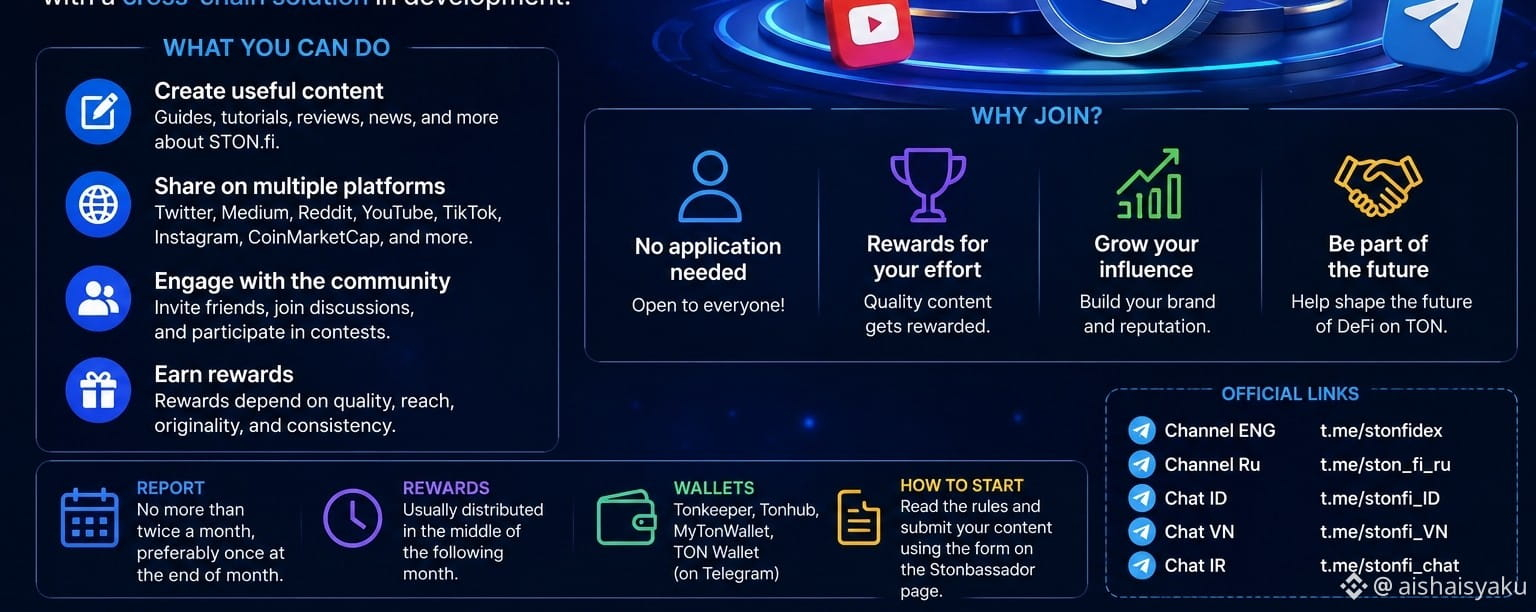
分散型取引所の重要性分散型取引所(DEXs)は、暗号資産エコシステムの重要な一部になっています。従来の中央集権型取引所とは異なり、DEXsは一般に、資産の管理を中央の取引所に委ねるのではなく、ブロックチェーンベースのプロトコルを通じてデジタル資産を直接取引できるようにしています。
主な利点の1つは、より大きなコントロールが得られることです。ユーザーは通常、自分のウォレットを接続して、中央集権型のプラットフォームに資金を預けることなく、取引プロトコルとやり取りできます。このアプローチにより、仲介者への依存を減らし、セルフカストディというより広い原則を支えることができます。
分散型取引所の重要性
分散型取引所(DEXs)は、暗号資産エコシステムの重要な一部になっています。従来の中央集権型取引所とは異なり、DEXsは一般に、資産の管理を中央の取引所に委ねるのではなく、ブロックチェーンベースのプロトコルを通じてデジタル資産を直接取引できるようにしています。
主な利点の1つは、より大きなコントロールが得られることです。ユーザーは通常、自分のウォレットを接続して、中央集権型のプラットフォームに資金を預けることなく、取引プロトコルとやり取りできます。このアプローチにより、仲介者への依存を減らし、セルフカストディというより広い原則を支えることができます。
主な利点の1つは、より大きなコントロールが得られることです。ユーザーは通常、自分のウォレットを接続して、中央集権型のプラットフォームに資金を預けることなく、取引プロトコルとやり取りできます。このアプローチにより、仲介者への依存を減らし、セルフカストディというより広い原則を支えることができます。
12
·
--
記事
翻訳参照
Why Blockchain Matters to Modern FinanceBlockchain technology has introduced a new way of recording and transferring value. Instead of relying on one organization to maintain a central database, blockchain networks can distribute transaction records across many participants. This structure has created new possibilities for the financial industry.
One of blockchain's most important contributions is transparency. Transactions recorded on public networks can often be independently verified. This can reduce dependence on centralized records and provide users with greater visibility into certain financial activities.
Blockchain can also support faster and more programmable transactions. Smart contracts allow developers to create applications that automatically execute specific instructions when predetermined conditions are satisfied. This functionality has become a foundation for decentralized finance.
Another important development is tokenization. Digital tokens can represent different forms of value, including currencies, assets, or access rights. Tokenization could eventually make certain financial markets more flexible and accessible.
Despite these opportunities, blockchain adoption still faces obstacles. Network fees, scalability limitations, security vulnerabilities, regulatory differences, and complicated user experiences can discourage new participants.
The future of blockchain in finance will therefore depend not only on technological innovation but also on responsible development. If developers can improve efficiency and security while making blockchain applications easier to use, the technology could play an increasingly important role in the evolution of global financial services.
$GRAM
#STONfi
#DEFİ
Why Blockchain Matters to Modern Finance
Blockchain technology has introduced a new way of recording and transferring value. Instead of relying on one organization to maintain a central database, blockchain networks can distribute transaction records across many participants. This structure has created new possibilities for the financial industry.
One of blockchain's most important contributions is transparency. Transactions recorded on public networks can often be independently verified. This can reduce dependence on centralized records and provide users with greater visibility into certain financial activities.
Blockchain can also support faster and more programmable transactions. Smart contracts allow developers to create applications that automatically execute specific instructions when predetermined conditions are satisfied. This functionality has become a foundation for decentralized finance.
Another important development is tokenization. Digital tokens can represent different forms of value, including currencies, assets, or access rights. Tokenization could eventually make certain financial markets more flexible and accessible.
Despite these opportunities, blockchain adoption still faces obstacles. Network fees, scalability limitations, security vulnerabilities, regulatory differences, and complicated user experiences can discourage new participants.
The future of blockchain in finance will therefore depend not only on technological innovation but also on responsible development. If developers can improve efficiency and security while making blockchain applications easier to use, the technology could play an increasingly important role in the evolution of global financial services.
$GRAM
#STONfi
#DEFİ
One of blockchain's most important contributions is transparency. Transactions recorded on public networks can often be independently verified. This can reduce dependence on centralized records and provide users with greater visibility into certain financial activities.
Blockchain can also support faster and more programmable transactions. Smart contracts allow developers to create applications that automatically execute specific instructions when predetermined conditions are satisfied. This functionality has become a foundation for decentralized finance.
Another important development is tokenization. Digital tokens can represent different forms of value, including currencies, assets, or access rights. Tokenization could eventually make certain financial markets more flexible and accessible.
Despite these opportunities, blockchain adoption still faces obstacles. Network fees, scalability limitations, security vulnerabilities, regulatory differences, and complicated user experiences can discourage new participants.
The future of blockchain in finance will therefore depend not only on technological innovation but also on responsible development. If developers can improve efficiency and security while making blockchain applications easier to use, the technology could play an increasingly important role in the evolution of global financial services.
$GRAM
#STONfi
#DEFİ
1
192
·
--
記事
翻訳参照
The Expanding World of Decentralized FinanceDecentralized finance, commonly known as DeFi, is changing how people think about financial services. Traditional finance often depends on banks and other centralized institutions to manage transactions, savings, lending, and investments. DeFi introduces an alternative model where blockchain technology and smart contracts can provide many of these services without relying entirely on intermediaries.
One major advantage of DeFi is accessibility. Anyone with an internet connection and a compatible digital wallet can potentially interact with decentralized applications. This creates opportunities for people who may have limited access to conventional banking services.
Transparency is another important feature. Blockchain networks record transactions publicly, allowing participants to verify activity without depending solely on a central institution. Smart contracts can also automate financial processes according to predefined rules.
However, DeFi is not without challenges. Smart-contract vulnerabilities, market volatility, regulatory uncertainty, and user mistakes can create significant risks. For this reason, education and careful research remain essential.
As blockchain technology develops, DeFi could continue expanding into areas such as payments, lending, asset management, and decentralized exchanges. Its long-term success will depend on improving security, usability, scalability, and trust while making decentralized financial tools easier for everyday users to understand.
$GRAM
#STONfi
#DEFİ
The Expanding World of Decentralized Finance
Decentralized finance, commonly known as DeFi, is changing how people think about financial services. Traditional finance often depends on banks and other centralized institutions to manage transactions, savings, lending, and investments. DeFi introduces an alternative model where blockchain technology and smart contracts can provide many of these services without relying entirely on intermediaries.
One major advantage of DeFi is accessibility. Anyone with an internet connection and a compatible digital wallet can potentially interact with decentralized applications. This creates opportunities for people who may have limited access to conventional banking services.
Transparency is another important feature. Blockchain networks record transactions publicly, allowing participants to verify activity without depending solely on a central institution. Smart contracts can also automate financial processes according to predefined rules.
However, DeFi is not without challenges. Smart-contract vulnerabilities, market volatility, regulatory uncertainty, and user mistakes can create significant risks. For this reason, education and careful research remain essential.
As blockchain technology develops, DeFi could continue expanding into areas such as payments, lending, asset management, and decentralized exchanges. Its long-term success will depend on improving security, usability, scalability, and trust while making decentralized financial tools easier for everyday users to understand.
$GRAM
#STONfi
#DEFİ
One major advantage of DeFi is accessibility. Anyone with an internet connection and a compatible digital wallet can potentially interact with decentralized applications. This creates opportunities for people who may have limited access to conventional banking services.
Transparency is another important feature. Blockchain networks record transactions publicly, allowing participants to verify activity without depending solely on a central institution. Smart contracts can also automate financial processes according to predefined rules.
However, DeFi is not without challenges. Smart-contract vulnerabilities, market volatility, regulatory uncertainty, and user mistakes can create significant risks. For this reason, education and careful research remain essential.
As blockchain technology develops, DeFi could continue expanding into areas such as payments, lending, asset management, and decentralized exchanges. Its long-term success will depend on improving security, usability, scalability, and trust while making decentralized financial tools easier for everyday users to understand.
$GRAM
#STONfi
#DEFİ
12
·
--
記事
翻訳参照
Why Decentralized Finance Is Gaining MomentumDecentralized finance, commonly known as DeFi, is changing how people think about financial services. Traditional banking depends on centralized institutions to manage payments, lending, borrowing, and investments. DeFi introduces an alternative model where blockchain networks and smart contracts can perform many of these functions without relying entirely on intermediaries.
One of the biggest advantages of DeFi is accessibility. Anyone with an internet connection and a compatible crypto wallet can potentially interact with decentralized applications. This creates opportunities for people who may have limited access to traditional financial services.
Transparency is another important feature. Blockchain transactions can generally be verified publicly, allowing users to inspect activity and understand how certain protocols operate. Smart contracts can also automate financial agreements, reducing the need for manual processing.
However, DeFi is not without risks. Smart-contract vulnerabilities, market volatility, scams, and user mistakes can result in significant losses. Regulation is also developing in many jurisdictions, creating uncertainty for participants and developers.
Despite these challenges, DeFi continues to evolve. Improvements in security, usability, scalability, and cross-chain connectivity could make decentralized financial applications more practical. Its long-term success will depend on balancing innovation with responsible development and stronger protection for users.
$GRAM
#STONfi
#DEFİ
Why Decentralized Finance Is Gaining Momentum
Decentralized finance, commonly known as DeFi, is changing how people think about financial services. Traditional banking depends on centralized institutions to manage payments, lending, borrowing, and investments. DeFi introduces an alternative model where blockchain networks and smart contracts can perform many of these functions without relying entirely on intermediaries.
One of the biggest advantages of DeFi is accessibility. Anyone with an internet connection and a compatible crypto wallet can potentially interact with decentralized applications. This creates opportunities for people who may have limited access to traditional financial services.
Transparency is another important feature. Blockchain transactions can generally be verified publicly, allowing users to inspect activity and understand how certain protocols operate. Smart contracts can also automate financial agreements, reducing the need for manual processing.
However, DeFi is not without risks. Smart-contract vulnerabilities, market volatility, scams, and user mistakes can result in significant losses. Regulation is also developing in many jurisdictions, creating uncertainty for participants and developers.
Despite these challenges, DeFi continues to evolve. Improvements in security, usability, scalability, and cross-chain connectivity could make decentralized financial applications more practical. Its long-term success will depend on balancing innovation with responsible development and stronger protection for users.
$GRAM
#STONfi
#DEFİ
One of the biggest advantages of DeFi is accessibility. Anyone with an internet connection and a compatible crypto wallet can potentially interact with decentralized applications. This creates opportunities for people who may have limited access to traditional financial services.
Transparency is another important feature. Blockchain transactions can generally be verified publicly, allowing users to inspect activity and understand how certain protocols operate. Smart contracts can also automate financial agreements, reducing the need for manual processing.
However, DeFi is not without risks. Smart-contract vulnerabilities, market volatility, scams, and user mistakes can result in significant losses. Regulation is also developing in many jurisdictions, creating uncertainty for participants and developers.
Despite these challenges, DeFi continues to evolve. Improvements in security, usability, scalability, and cross-chain connectivity could make decentralized financial applications more practical. Its long-term success will depend on balancing innovation with responsible development and stronger protection for users.
$GRAM
#STONfi
#DEFİ
2
48
·
--
記事
翻訳参照
The Future of Crypto AdoptionCryptocurrency adoption continues to develop as blockchain technology becomes more familiar to individuals and businesses. What began primarily as an alternative form of digital money has expanded into a broad ecosystem involving payments, decentralized finance, gaming, tokenization, and digital ownership.
One important factor behind wider adoption is improved usability. Early cryptocurrency systems could be difficult for newcomers, but modern wallets and applications are gradually becoming easier to navigate. Better interfaces can help reduce the technical barriers that once discouraged new users.
Another major factor is practical utility. People are more likely to use blockchain products when they solve real problems, such as faster transfers, accessible financial services, or digital ownership.
Regulation will also influence the industry's development. Clear and balanced rules could provide businesses with greater certainty while protecting consumers.
The crypto industry still faces challenges, including volatility, security concerns, scalability, and misinformation. Nevertheless, continued technological innovation could create more practical applications and bring blockchain closer to everyday digital life.
$GRAM
#STONfi
#DEFİ
The Future of Crypto Adoption
Cryptocurrency adoption continues to develop as blockchain technology becomes more familiar to individuals and businesses. What began primarily as an alternative form of digital money has expanded into a broad ecosystem involving payments, decentralized finance, gaming, tokenization, and digital ownership.
One important factor behind wider adoption is improved usability. Early cryptocurrency systems could be difficult for newcomers, but modern wallets and applications are gradually becoming easier to navigate. Better interfaces can help reduce the technical barriers that once discouraged new users.
Another major factor is practical utility. People are more likely to use blockchain products when they solve real problems, such as faster transfers, accessible financial services, or digital ownership.
Regulation will also influence the industry's development. Clear and balanced rules could provide businesses with greater certainty while protecting consumers.
The crypto industry still faces challenges, including volatility, security concerns, scalability, and misinformation. Nevertheless, continued technological innovation could create more practical applications and bring blockchain closer to everyday digital life.
$GRAM
#STONfi
#DEFİ
One important factor behind wider adoption is improved usability. Early cryptocurrency systems could be difficult for newcomers, but modern wallets and applications are gradually becoming easier to navigate. Better interfaces can help reduce the technical barriers that once discouraged new users.
Another major factor is practical utility. People are more likely to use blockchain products when they solve real problems, such as faster transfers, accessible financial services, or digital ownership.
Regulation will also influence the industry's development. Clear and balanced rules could provide businesses with greater certainty while protecting consumers.
The crypto industry still faces challenges, including volatility, security concerns, scalability, and misinformation. Nevertheless, continued technological innovation could create more practical applications and bring blockchain closer to everyday digital life.
$GRAM
#STONfi
#DEFİ
3
250
·
--
記事
翻訳参照
The Growing Role of Decentralized FinanceDecentralized finance, commonly known as DeFi, is becoming an increasingly important part of the digital financial ecosystem. Built primarily on blockchain networks, DeFi allows people to access financial services without relying entirely on traditional banks or centralized institutions. Users can lend, borrow, trade, and manage digital assets through smart contracts and decentralized applications.
One major advantage of DeFi is accessibility. Anyone with an internet connection and a compatible digital wallet can potentially interact with decentralized financial platforms. This can create opportunities for people who have limited access to traditional banking services. DeFi can also make transactions faster and provide greater transparency because many activities are recorded on public blockchains.
Another important development is the growth of decentralized exchanges, which allow users to trade assets directly from their wallets. This reduces dependence on centralized intermediaries and gives users greater control over their funds. At the same time, DeFi continues to explore new applications, including stablecoins, decentralized lending, yield markets, and tokenized assets.
Despite its potential, DeFi still faces challenges such as smart-contract vulnerabilities, market volatility, regulatory uncertainty, and complicated user experiences. Continued innovation and stronger security practices will be essential for wider adoption.
As blockchain technology develops, DeFi could play an even larger role in shaping how people access, transfer, and manage financial value worldwide.
$GRAM
#STONfi
#defi
The Growing Role of Decentralized Finance
Decentralized finance, commonly known as DeFi, is becoming an increasingly important part of the digital financial ecosystem. Built primarily on blockchain networks, DeFi allows people to access financial services without relying entirely on traditional banks or centralized institutions. Users can lend, borrow, trade, and manage digital assets through smart contracts and decentralized applications.
One major advantage of DeFi is accessibility. Anyone with an internet connection and a compatible digital wallet can potentially interact with decentralized financial platforms. This can create opportunities for people who have limited access to traditional banking services. DeFi can also make transactions faster and provide greater transparency because many activities are recorded on public blockchains.
Another important development is the growth of decentralized exchanges, which allow users to trade assets directly from their wallets. This reduces dependence on centralized intermediaries and gives users greater control over their funds. At the same time, DeFi continues to explore new applications, including stablecoins, decentralized lending, yield markets, and tokenized assets.
Despite its potential, DeFi still faces challenges such as smart-contract vulnerabilities, market volatility, regulatory uncertainty, and complicated user experiences. Continued innovation and stronger security practices will be essential for wider adoption.
As blockchain technology develops, DeFi could play an even larger role in shaping how people access, transfer, and manage financial value worldwide.
$GRAM
#STONfi
#defi
One major advantage of DeFi is accessibility. Anyone with an internet connection and a compatible digital wallet can potentially interact with decentralized financial platforms. This can create opportunities for people who have limited access to traditional banking services. DeFi can also make transactions faster and provide greater transparency because many activities are recorded on public blockchains.
Another important development is the growth of decentralized exchanges, which allow users to trade assets directly from their wallets. This reduces dependence on centralized intermediaries and gives users greater control over their funds. At the same time, DeFi continues to explore new applications, including stablecoins, decentralized lending, yield markets, and tokenized assets.
Despite its potential, DeFi still faces challenges such as smart-contract vulnerabilities, market volatility, regulatory uncertainty, and complicated user experiences. Continued innovation and stronger security practices will be essential for wider adoption.
As blockchain technology develops, DeFi could play an even larger role in shaping how people access, transfer, and manage financial value worldwide.
$GRAM
#STONfi
#defi
1
44
·
--
記事
翻訳参照
Smart Contracts and the Future of Web3Smart contracts are one of the most powerful ideas introduced by blockchain technology. They are programs stored on a blockchain that can automatically execute predefined actions when specified conditions are satisfied.
Their importance extends far beyond cryptocurrency trading. Smart contracts can support decentralized finance, gaming, digital collectibles, insurance, supply-chain applications, and many other Web3 services. By automating agreements, they can reduce dependence on traditional intermediaries.
For example, a lending protocol can use smart contracts to manage deposits, loans, collateral, and repayments according to programmed rules. This creates systems that operate continuously rather than depending on manual processing.
However, smart contracts are not completely risk-free. Programming mistakes or vulnerabilities can lead to significant losses. Users therefore need to consider whether protocols have undergone security audits and whether developers maintain strong security practices.
As blockchain infrastructure becomes more scalable and user-friendly, smart contracts could become increasingly common. Their ability to automate digital agreements makes them a fundamental building block for decentralized applications and emerging Web3 economies.
$GRAM
#STONfi
#DEFİ
Smart Contracts and the Future of Web3
Smart contracts are one of the most powerful ideas introduced by blockchain technology. They are programs stored on a blockchain that can automatically execute predefined actions when specified conditions are satisfied.
Their importance extends far beyond cryptocurrency trading. Smart contracts can support decentralized finance, gaming, digital collectibles, insurance, supply-chain applications, and many other Web3 services. By automating agreements, they can reduce dependence on traditional intermediaries.
For example, a lending protocol can use smart contracts to manage deposits, loans, collateral, and repayments according to programmed rules. This creates systems that operate continuously rather than depending on manual processing.
However, smart contracts are not completely risk-free. Programming mistakes or vulnerabilities can lead to significant losses. Users therefore need to consider whether protocols have undergone security audits and whether developers maintain strong security practices.
As blockchain infrastructure becomes more scalable and user-friendly, smart contracts could become increasingly common. Their ability to automate digital agreements makes them a fundamental building block for decentralized applications and emerging Web3 economies.
$GRAM
#STONfi
#DEFİ
Their importance extends far beyond cryptocurrency trading. Smart contracts can support decentralized finance, gaming, digital collectibles, insurance, supply-chain applications, and many other Web3 services. By automating agreements, they can reduce dependence on traditional intermediaries.
For example, a lending protocol can use smart contracts to manage deposits, loans, collateral, and repayments according to programmed rules. This creates systems that operate continuously rather than depending on manual processing.
However, smart contracts are not completely risk-free. Programming mistakes or vulnerabilities can lead to significant losses. Users therefore need to consider whether protocols have undergone security audits and whether developers maintain strong security practices.
As blockchain infrastructure becomes more scalable and user-friendly, smart contracts could become increasingly common. Their ability to automate digital agreements makes them a fundamental building block for decentralized applications and emerging Web3 economies.
$GRAM
#STONfi
#DEFİ
141
·
--
記事
分散型取引所の重要性が高まる分散型取引所(DEX)は、暗号資産エコシステムの重要な一部になっています。通常の取引所が、ユーザーの口座や取引インフラを管理するのに対し、DEXはユーザーがウォレットからブロックチェーンベースのプロトコルに直接アクセスできるようにします。
このモデルにより、ユーザーは資産をより大きくコントロールできます。トレーダーは、中央集権型のプラットフォームに資金を預けなくても、サポートされているトークン同士をスワップできます。スマートコントラクトが、取引の実行に関わる多くのプロセスを処理します。
分散型取引所の重要性が高まる
分散型取引所(DEX)は、暗号資産エコシステムの重要な一部になっています。通常の取引所が、ユーザーの口座や取引インフラを管理するのに対し、DEXはユーザーがウォレットからブロックチェーンベースのプロトコルに直接アクセスできるようにします。
このモデルにより、ユーザーは資産をより大きくコントロールできます。トレーダーは、中央集権型のプラットフォームに資金を預けなくても、サポートされているトークン同士をスワップできます。スマートコントラクトが、取引の実行に関わる多くのプロセスを処理します。
このモデルにより、ユーザーは資産をより大きくコントロールできます。トレーダーは、中央集権型のプラットフォームに資金を預けなくても、サポートされているトークン同士をスワップできます。スマートコントラクトが、取引の実行に関わる多くのプロセスを処理します。
194
·
--
記事
デジタル決済におけるブロックチェーンの重要性デジタル決済は現代の生活に欠かせないものになっていますが、ブロックチェーン技術によってさらに前進する可能性があります。ブロックチェーンネットワークでは、取引を分散型システム上に記録できるため、活動の透明で検証可能な履歴が作成されます。
潜在的な利点の1つは、より迅速な決済です。ネットワークによっては、ブロックチェーンの取引によって、いくつかの従来の仲介者を介さずに価値を移動できる可能性があります。これは、国際送金において特に有用であるかもしれません。従来の支払いでは複数の機関が関与し、追加の処理時間がかかることがあります。
デジタル決済におけるブロックチェーンの重要性
デジタル決済は現代の生活に欠かせないものになっていますが、ブロックチェーン技術によってさらに前進する可能性があります。ブロックチェーンネットワークでは、取引を分散型システム上に記録できるため、活動の透明で検証可能な履歴が作成されます。
潜在的な利点の1つは、より迅速な決済です。ネットワークによっては、ブロックチェーンの取引によって、いくつかの従来の仲介者を介さずに価値を移動できる可能性があります。これは、国際送金において特に有用であるかもしれません。従来の支払いでは複数の機関が関与し、追加の処理時間がかかることがあります。
潜在的な利点の1つは、より迅速な決済です。ネットワークによっては、ブロックチェーンの取引によって、いくつかの従来の仲介者を介さずに価値を移動できる可能性があります。これは、国際送金において特に有用であるかもしれません。従来の支払いでは複数の機関が関与し、追加の処理時間がかかることがあります。
206
·
--
記事
翻訳参照
The Rise of Decentralized FinanceDecentralized finance, commonly known as DeFi, is changing the way people think about financial services. Traditional finance depends heavily on banks and centralized institutions to manage payments, lending, borrowing, and investments. DeFi introduces blockchain-based applications that allow users to access many of these services directly.
One major advantage of DeFi is accessibility. Anyone with an internet connection and a compatible wallet can potentially interact with decentralized applications without opening a traditional bank account. Smart contracts automate transactions and reduce the need for intermediaries.
Decentralized exchanges are also becoming important within the ecosystem because they allow users to trade digital assets directly. This can provide greater control over funds while creating new opportunities for liquidity providers.
However, DeFi also carries risks, including smart-contract vulnerabilities, market volatility, and scams. As the industry matures, stronger security and better user education will be essential. DeFi’s future will likely depend on balancing innovation with reliability.
$GRAM
#STONfi
#defi
The Rise of Decentralized Finance
Decentralized finance, commonly known as DeFi, is changing the way people think about financial services. Traditional finance depends heavily on banks and centralized institutions to manage payments, lending, borrowing, and investments. DeFi introduces blockchain-based applications that allow users to access many of these services directly.
One major advantage of DeFi is accessibility. Anyone with an internet connection and a compatible wallet can potentially interact with decentralized applications without opening a traditional bank account. Smart contracts automate transactions and reduce the need for intermediaries.
Decentralized exchanges are also becoming important within the ecosystem because they allow users to trade digital assets directly. This can provide greater control over funds while creating new opportunities for liquidity providers.
However, DeFi also carries risks, including smart-contract vulnerabilities, market volatility, and scams. As the industry matures, stronger security and better user education will be essential. DeFi’s future will likely depend on balancing innovation with reliability.
$GRAM
#STONfi
#defi
One major advantage of DeFi is accessibility. Anyone with an internet connection and a compatible wallet can potentially interact with decentralized applications without opening a traditional bank account. Smart contracts automate transactions and reduce the need for intermediaries.
Decentralized exchanges are also becoming important within the ecosystem because they allow users to trade digital assets directly. This can provide greater control over funds while creating new opportunities for liquidity providers.
However, DeFi also carries risks, including smart-contract vulnerabilities, market volatility, and scams. As the industry matures, stronger security and better user education will be essential. DeFi’s future will likely depend on balancing innovation with reliability.
$GRAM
#STONfi
#defi
72
·
--
記事
分散型金融の進化分散型金融は、小さなブロックチェーンの実験から、幅広い金融エコシステムへと発展してきました。DeFiは、従来の金融機関ではなく、ブロックチェーン上のアプリケーションを通じて、取引、融資、借入、ステーキングなどのサービスを利用できるようにします。
最大の利点の一つはアクセスのしやすさです。ユーザーは、銀行やその他の中央集権的な仲介機関に全面的に依存することなく、暗号ウォレットを使って分散型アプリケーションとやり取りできます。スマートコントラクトは多くのプロセスを自動化し、取引をより透明にし、プログラム可能にします。
分散型金融の進化
分散型金融は、小さなブロックチェーンの実験から、幅広い金融エコシステムへと発展してきました。DeFiは、従来の金融機関ではなく、ブロックチェーン上のアプリケーションを通じて、取引、融資、借入、ステーキングなどのサービスを利用できるようにします。
最大の利点の一つはアクセスのしやすさです。ユーザーは、銀行やその他の中央集権的な仲介機関に全面的に依存することなく、暗号ウォレットを使って分散型アプリケーションとやり取りできます。スマートコントラクトは多くのプロセスを自動化し、取引をより透明にし、プログラム可能にします。
最大の利点の一つはアクセスのしやすさです。ユーザーは、銀行やその他の中央集権的な仲介機関に全面的に依存することなく、暗号ウォレットを使って分散型アプリケーションとやり取りできます。スマートコントラクトは多くのプロセスを自動化し、取引をより透明にし、プログラム可能にします。
252
·
--
記事
暗号資産(クリプト)教育の重要性暗号資産の普及が進むにつれて、教育の重要性はますます高まっています。デジタル資産は新しい機会をもたらす一方で、資金を投じる前にユーザーが理解すべきリスクも引き起こします。
基本的な暗号資産教育には、ウォレット、秘密鍵、ブロックチェーンの取引、ネットワーク手数料、市場のボラティリティ、そして一般的なセキュリティ上の脅威を理解することが含まれるべきです。ユーザーは、不審なリンクを見分ける方法、偽の投資機会、なりすまし詐欺、そして「必ず儲かる」という非現実的な約束を認識する方法も学ぶ必要があります。
暗号資産(クリプト)教育の重要性
暗号資産の普及が進むにつれて、教育の重要性はますます高まっています。デジタル資産は新しい機会をもたらす一方で、資金を投じる前にユーザーが理解すべきリスクも引き起こします。
基本的な暗号資産教育には、ウォレット、秘密鍵、ブロックチェーンの取引、ネットワーク手数料、市場のボラティリティ、そして一般的なセキュリティ上の脅威を理解することが含まれるべきです。ユーザーは、不審なリンクを見分ける方法、偽の投資機会、なりすまし詐欺、そして「必ず儲かる」という非現実的な約束を認識する方法も学ぶ必要があります。
基本的な暗号資産教育には、ウォレット、秘密鍵、ブロックチェーンの取引、ネットワーク手数料、市場のボラティリティ、そして一般的なセキュリティ上の脅威を理解することが含まれるべきです。ユーザーは、不審なリンクを見分ける方法、偽の投資機会、なりすまし詐欺、そして「必ず儲かる」という非現実的な約束を認識する方法も学ぶ必要があります。
275
·
--
記事
翻訳参照
The Evolution of Decentralized FinanceDecentralized Finance, commonly known as DeFi, has transformed the way people think about financial services. Traditional finance depends heavily on banks and centralized institutions to manage payments, lending, borrowing, and investments. DeFi introduced an alternative by using blockchain technology and smart contracts to provide financial services without relying on a central intermediary.The early development of DeFi focused mainly on decentralized exchanges, lending platforms, and stablecoins. Users could trade digital assets, lend their holdings, or borrow funds directly through blockchain-based applications. This created a more open financial environment where participation could be available to anyone with an internet connection and a compatible wallet.As the ecosystem expanded, DeFi became more sophisticated. Developers introduced automated market makers, yield strategies, liquid staking, derivatives, and cross-chain solutions. These innovations improved the range of financial activities available on decentralized networks.However, DeFi still faces challenges, including smart-contract vulnerabilities, market volatility, regulatory uncertainty, and complicated user experiences. The next stage of its evolution will likely focus on stronger security, better scalability, improved usability, and greater interoperability.Ultimately, DeFi continues to develop from a niche blockchain experiment into a broader financial movement. Its long-term success will depend on whether it can combine decentralization with the reliability, accessibility, and security users expect from modern financial
#STONfi
#DEFİ
$GRAM
The Evolution of Decentralized Finance
Decentralized Finance, commonly known as DeFi, has transformed the way people think about financial services. Traditional finance depends heavily on banks and centralized institutions to manage payments, lending, borrowing, and investments. DeFi introduced an alternative by using blockchain technology and smart contracts to provide financial services without relying on a central intermediary.The early development of DeFi focused mainly on decentralized exchanges, lending platforms, and stablecoins. Users could trade digital assets, lend their holdings, or borrow funds directly through blockchain-based applications. This created a more open financial environment where participation could be available to anyone with an internet connection and a compatible wallet.As the ecosystem expanded, DeFi became more sophisticated. Developers introduced automated market makers, yield strategies, liquid staking, derivatives, and cross-chain solutions. These innovations improved the range of financial activities available on decentralized networks.However, DeFi still faces challenges, including smart-contract vulnerabilities, market volatility, regulatory uncertainty, and complicated user experiences. The next stage of its evolution will likely focus on stronger security, better scalability, improved usability, and greater interoperability.Ultimately, DeFi continues to develop from a niche blockchain experiment into a broader financial movement. Its long-term success will depend on whether it can combine decentralization with the reliability, accessibility, and security users expect from modern financial
#STONfi
#DEFİ
$GRAM
#STONfi
#DEFİ
$GRAM
54
·
--
記事
翻訳参照
How Smart Contracts Are Transforming ApplicationsSmart contracts are an important component of blockchain technology. They are programs stored on a blockchain that can automatically execute actions when predefined conditions are satisfied. This removes the need for certain manual processes and intermediaries.
In decentralized finance, smart contracts can power lending platforms, decentralized exchanges, staking systems, and other applications. They can also support digital collectibles, gaming ecosystems, tokenized assets, and decentralized organizations.
The major benefit is automation. Once properly designed and deployed, a smart contract can execute according to its programmed rules without requiring a central operator to approve every transaction. Blockchain records can also provide transparency into contract activity.
However, smart contracts require careful development. Programming errors can create vulnerabilities, and transactions on many networks cannot simply be reversed after execution.
As blockchain infrastructure improves, smart contracts may become increasingly useful across different industries. Their ability to combine automation, transparency, and programmable ownership makes them a powerful tool for building new digital services.
#STONfi
#DEFİ
$GRAM
How Smart Contracts Are Transforming Applications
Smart contracts are an important component of blockchain technology. They are programs stored on a blockchain that can automatically execute actions when predefined conditions are satisfied. This removes the need for certain manual processes and intermediaries.
In decentralized finance, smart contracts can power lending platforms, decentralized exchanges, staking systems, and other applications. They can also support digital collectibles, gaming ecosystems, tokenized assets, and decentralized organizations.
The major benefit is automation. Once properly designed and deployed, a smart contract can execute according to its programmed rules without requiring a central operator to approve every transaction. Blockchain records can also provide transparency into contract activity.
However, smart contracts require careful development. Programming errors can create vulnerabilities, and transactions on many networks cannot simply be reversed after execution.
As blockchain infrastructure improves, smart contracts may become increasingly useful across different industries. Their ability to combine automation, transparency, and programmable ownership makes them a powerful tool for building new digital services.
#STONfi
#DEFİ
$GRAM
In decentralized finance, smart contracts can power lending platforms, decentralized exchanges, staking systems, and other applications. They can also support digital collectibles, gaming ecosystems, tokenized assets, and decentralized organizations.
The major benefit is automation. Once properly designed and deployed, a smart contract can execute according to its programmed rules without requiring a central operator to approve every transaction. Blockchain records can also provide transparency into contract activity.
However, smart contracts require careful development. Programming errors can create vulnerabilities, and transactions on many networks cannot simply be reversed after execution.
As blockchain infrastructure improves, smart contracts may become increasingly useful across different industries. Their ability to combine automation, transparency, and programmable ownership makes them a powerful tool for building new digital services.
#STONfi
#DEFİ
$GRAM
195
·
--
記事
翻訳参照
The Growing Role of Decentralized FinanceDecentralized finance, commonly known as DeFi, is changing how people think about financial services. Traditional finance depends heavily on banks, brokers, and other centralized institutions. DeFi uses blockchain technology and smart contracts to provide financial services without requiring the same intermediaries.
One of the biggest advantages of DeFi is accessibility. Anyone with an internet connection and a compatible crypto wallet can potentially access decentralized exchanges, lending platforms, and other financial applications. This creates opportunities for people who may have limited access to traditional banking services.
Decentralized exchanges are especially important because they allow users to trade digital assets directly from their wallets. Users can maintain greater control over their funds while interacting with transparent blockchain-based systems.
However, DeFi is not without risks. Smart-contract vulnerabilities, market volatility, scams, and poor risk management can result in significant losses. Users therefore need to research projects carefully and understand how protocols work before committing funds.
As blockchain technology develops, DeFi could become increasingly sophisticated. Better security, improved user interfaces, and greater interoperability may help decentralized finance reach more users. Its long-term success will depend on balancing innovation with security, transparency, and responsible participation.
$GRAM
#STONfi
#DEFİ
The Growing Role of Decentralized Finance
Decentralized finance, commonly known as DeFi, is changing how people think about financial services. Traditional finance depends heavily on banks, brokers, and other centralized institutions. DeFi uses blockchain technology and smart contracts to provide financial services without requiring the same intermediaries.
One of the biggest advantages of DeFi is accessibility. Anyone with an internet connection and a compatible crypto wallet can potentially access decentralized exchanges, lending platforms, and other financial applications. This creates opportunities for people who may have limited access to traditional banking services.
Decentralized exchanges are especially important because they allow users to trade digital assets directly from their wallets. Users can maintain greater control over their funds while interacting with transparent blockchain-based systems.
However, DeFi is not without risks. Smart-contract vulnerabilities, market volatility, scams, and poor risk management can result in significant losses. Users therefore need to research projects carefully and understand how protocols work before committing funds.
As blockchain technology develops, DeFi could become increasingly sophisticated. Better security, improved user interfaces, and greater interoperability may help decentralized finance reach more users. Its long-term success will depend on balancing innovation with security, transparency, and responsible participation.
$GRAM
#STONfi
#DEFİ
One of the biggest advantages of DeFi is accessibility. Anyone with an internet connection and a compatible crypto wallet can potentially access decentralized exchanges, lending platforms, and other financial applications. This creates opportunities for people who may have limited access to traditional banking services.
Decentralized exchanges are especially important because they allow users to trade digital assets directly from their wallets. Users can maintain greater control over their funds while interacting with transparent blockchain-based systems.
However, DeFi is not without risks. Smart-contract vulnerabilities, market volatility, scams, and poor risk management can result in significant losses. Users therefore need to research projects carefully and understand how protocols work before committing funds.
As blockchain technology develops, DeFi could become increasingly sophisticated. Better security, improved user interfaces, and greater interoperability may help decentralized finance reach more users. Its long-term success will depend on balancing innovation with security, transparency, and responsible participation.
$GRAM
#STONfi
#DEFİ
1
93
ログインして、さらにコンテンツを読む
厳選トピックで世界の暗号資産トレーダーの仲間入り
⚡️ 暗号資産に関する最新かつ有益な情報が見つかります。
💬 世界最大の暗号資産取引所から信頼されています。
👍 認証を受けたクリエイターから、有益なインサイトを得られます。
メール / 電話番号
トレンドトピック
ElSalvadorBTCHoldingsRiseTo7777
閲覧回数 2,309
98人が討論中
🚨エルサルバドルの7,777 BTCパズル
#elsalvadorbtcholdingsriseto7777
🇸🇻 エルサルバドルは7,777 BTCを達成した――ただし、その数字だけが物語の全てではない。
新たなモニタリング報告によると、政府のビットコイン保有は7,777 BTCで、報告された市場価格ベースで約5.94億ドル相当だという。
1BTCあたり平均約55,718ドルのコストとすると、未実現利益は約1.62億ドルに相当する。
しかし、ここからが面白い。👀
今日流通している見出しでは、エルサルバドルが「1日1BTC」戦略を916日間継続したとされている。
IMFの最新レビューには、重要な但し書きが追加されている。
サルバドル当局が提示した文書によって、IMFの最初のレビュー以降に積み上がったビットコインは、民間の寄付を反映したものであり、公的資源は使用されていないことが確認された、としている。
つまり、私たちは自動的に次のように結びつけるべきではない。
「政府が管理する7,777 BTC」
=
「政府のお金で購入された7,777 BTC」。
これらは別の主張だ。
IMFは、文書で確認された寄付を超えて今後さらに積み増すことは想定していないとも述べている。一方で、これらの民間寄付の当事者の身元や総額は、IMFの声明では公表されていない。
そうなると、より興味深い問いはこうだ。
IMFレビュー後の水準から、なぜ今日の7,777 BTCへとBTC残高がどのように動いたのか――そして、そのうちどれくらいが購入によるものなのか、寄付によるものなのか、管理下のウォレット間の移動によるものなのか。
これは、単にコイン数を数えるだけよりずっと有用な問いだ。
$BTC $BNB $ETH
DYOR。ウォレットを追跡し、資金の流れと一次情報の開示を確認しよう――見出しだけではない。
#ElSalvadorBTCHoldingsRiseTo7777 #MemeLaunchpads82%OfArcDayOneVolume #HyperliquidUSDCSupplyOvertakesSolana #SKPoliceRefer18PolymarketUsersToProsecutors
Stink meaner
·いいね:1件
·閲覧回数 329
MemeLaunchpads82%OfArcDayOneVolume
閲覧回数 11,222
325人が討論中
OstiumLoanDisputeHearingSetInNYFederalCourt
閲覧回数 11,407
271人が討論中