

#educationalcontent
educationalcontent
閲覧回数 3.2M
1,460人が討論中
注目
最新


·
--
翻訳参照
The classroom of the future may have 30 students but 30 different learning paths.
AI tutors could identify where each student struggles and adapt lessons in real time. One student may understand a concept in ten minutes while another may need an hour. Both could learn at their own pace.
Teachers will not disappear. Their role may become even more important as mentors, learning designers and human guides focused on creativity, judgment and teamwork.
Classrooms may also change. Less memorization. More projects. More virtual labs. More global collaboration.
The biggest challenge will be using #AI without allowing students to outsource their thinking.
#crypto may also play a role in this future.
$EDU : Open Campus is building a Web3 education ecosystem designed to give teachers, learners and institutions more ownership over education. Its EDU Chain is a Layer 3 blockchain focused specifically on educational applications.
{spot}(EDUUSDT)
The ecosystem is exploring verifiable digital credentials so diplomas, certificates and badges can be stored onchain and checked anywhere. It also includes EduFi, which can support scholarships, student financing and rewards through smart contracts.
Another important part is educational content ownership. Teachers and creators can tokenize learning materials through Publisher NFTs and potentially earn a share of the revenue generated by their content. EDU is used for payments, rewards and governance across the ecosystem.
That is why I find EDU interesting in this discussion.
The future of education may not only be about smarter classrooms.
It may also be about giving students portable credentials and giving teachers real ownership of the knowledge they create.
The real revolution may not be replacing teachers with machines. It may be giving every teacher the ability to teach every student differently.
{web3_wallet_create}(10x42778037d69350508cdd34d9fa17053970591101)
#EducationalContent
The classroom of the future may have 30 students but 30 different learning paths.
AI tutors could identify where each student struggles and adapt lessons in real time. One student may understand a concept in ten minutes while another may need an hour. Both could learn at their own pace.
Teachers will not disappear. Their role may become even more important as mentors, learning designers and human guides focused on creativity, judgment and teamwork.
Classrooms may also change. Less memorization. More projects. More virtual labs. More global collaboration.
The biggest challenge will be using #AI without allowing students to outsource their thinking.
#crypto may also play a role in this future.
$EDU : Open Campus is building a Web3 education ecosystem designed to give teachers, learners and institutions more ownership over education. Its EDU Chain is a Layer 3 blockchain focused specifically on educational applications.
The ecosystem is exploring verifiable digital credentials so diplomas, certificates and badges can be stored onchain and checked anywhere. It also includes EduFi, which can support scholarships, student financing and rewards through smart contracts.
Another important part is educational content ownership. Teachers and creators can tokenize learning materials through Publisher NFTs and potentially earn a share of the revenue generated by their content. EDU is used for payments, rewards and governance across the ecosystem.
That is why I find EDU interesting in this discussion.
The future of education may not only be about smarter classrooms.
It may also be about giving students portable credentials and giving teachers real ownership of the knowledge they create.
The real revolution may not be replacing teachers with machines. It may be giving every teacher the ability to teach every student differently.
#EducationalContent
AI tutors could identify where each student struggles and adapt lessons in real time. One student may understand a concept in ten minutes while another may need an hour. Both could learn at their own pace.
Teachers will not disappear. Their role may become even more important as mentors, learning designers and human guides focused on creativity, judgment and teamwork.
Classrooms may also change. Less memorization. More projects. More virtual labs. More global collaboration.
The biggest challenge will be using #AI without allowing students to outsource their thinking.
#crypto may also play a role in this future.
$EDU : Open Campus is building a Web3 education ecosystem designed to give teachers, learners and institutions more ownership over education. Its EDU Chain is a Layer 3 blockchain focused specifically on educational applications.
The ecosystem is exploring verifiable digital credentials so diplomas, certificates and badges can be stored onchain and checked anywhere. It also includes EduFi, which can support scholarships, student financing and rewards through smart contracts.
Another important part is educational content ownership. Teachers and creators can tokenize learning materials through Publisher NFTs and potentially earn a share of the revenue generated by their content. EDU is used for payments, rewards and governance across the ecosystem.
That is why I find EDU interesting in this discussion.
The future of education may not only be about smarter classrooms.
It may also be about giving students portable credentials and giving teachers real ownership of the knowledge they create.
The real revolution may not be replacing teachers with machines. It may be giving every teacher the ability to teach every student differently.
#EducationalContent

veeeenus:
The idea of AI making learning more personalized is actually so interesting. #StarLineTeam
10
5
13
310

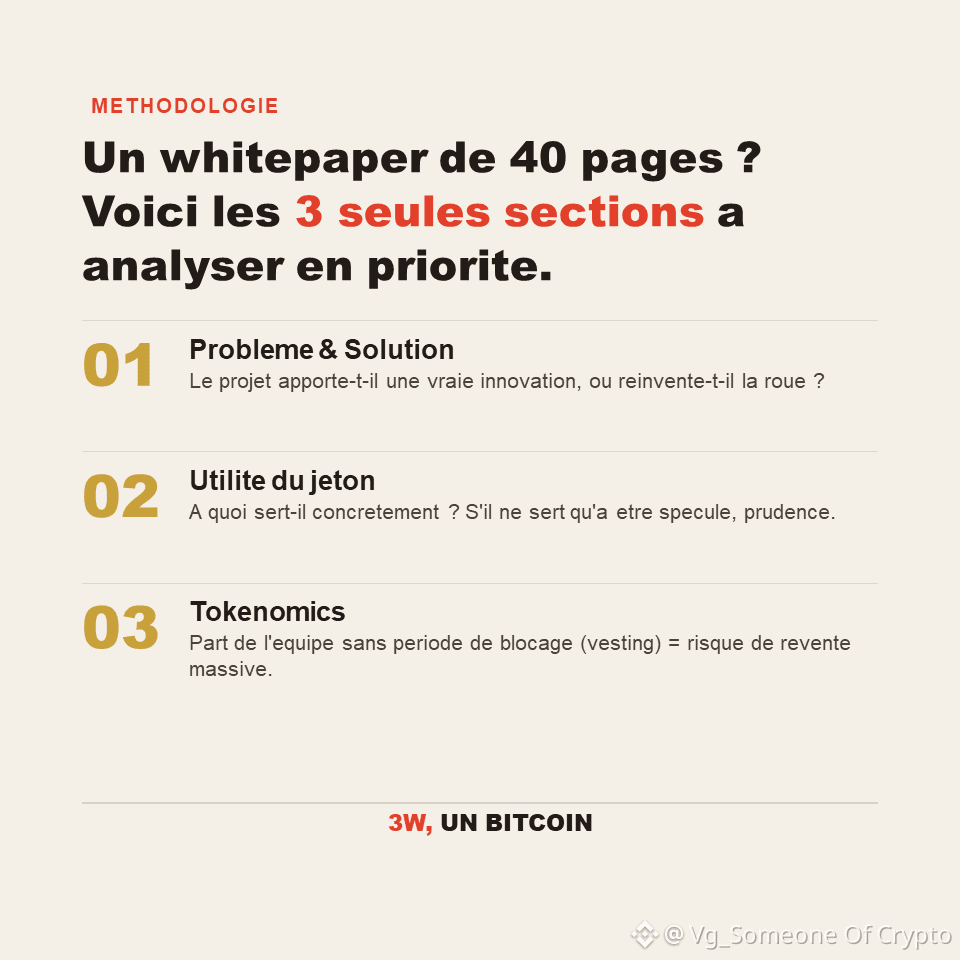
40ページのホワイトペーパーを読むのが怖いですか?優先して分析すべき「たった3つ」のセクションをご紹介します。
ホワイトペーパー(白書)は、ブロックチェーン・プロジェクトの身分証のようなものです。残念ながら、ほとんどのホワイトペーパーには、印象づけるため、あるいは根拠の薄さを隠すために作られた複雑な技術用語が満載です…
時間を無駄にしないために、3W、UN BITCOINで詳しく解説する簡易な分析チェックリストはこちらです。
問題と解決策:そのプロジェクトは本当のイノベーションを提供していますか?それともただ「車輪の再発明」ですか?
トークンの有用性(Utility):トークンはエコシステムの中で具体的に何に使われますか?投機のためだけなら注意です。
分配(Tokenomics):最初の段階で、チームや初期投資家に割り当てられるトークンの割合はどれくらいですか?ロックアップ期間(ベスティング)なしでトークンの50%を彼らが保有しているなら、大量売りのリスクは非常に高くなります。
これらの点を15分確認するだけで、中身のない“空っぽの”プロジェクトに投資してしまうのを避けられます。
プロジェクトに興味を持つ前にホワイトペーパーは読みますか?
#Web3 #defi #Whitepaper #EducationalContent
40ページのホワイトペーパーを読むのが怖いですか?優先して分析すべき「たった3つ」のセクションをご紹介します。
ホワイトペーパー(白書)は、ブロックチェーン・プロジェクトの身分証のようなものです。残念ながら、ほとんどのホワイトペーパーには、印象づけるため、あるいは根拠の薄さを隠すために作られた複雑な技術用語が満載です…
時間を無駄にしないために、3W、UN BITCOINで詳しく解説する簡易な分析チェックリストはこちらです。
問題と解決策:そのプロジェクトは本当のイノベーションを提供していますか?それともただ「車輪の再発明」ですか?
トークンの有用性(Utility):トークンはエコシステムの中で具体的に何に使われますか?投機のためだけなら注意です。
分配(Tokenomics):最初の段階で、チームや初期投資家に割り当てられるトークンの割合はどれくらいですか?ロックアップ期間(ベスティング)なしでトークンの50%を彼らが保有しているなら、大量売りのリスクは非常に高くなります。
これらの点を15分確認するだけで、中身のない“空っぽの”プロジェクトに投資してしまうのを避けられます。
プロジェクトに興味を持つ前にホワイトペーパーは読みますか?
#Web3 #defi #Whitepaper #EducationalContent
ホワイトペーパー(白書)は、ブロックチェーン・プロジェクトの身分証のようなものです。残念ながら、ほとんどのホワイトペーパーには、印象づけるため、あるいは根拠の薄さを隠すために作られた複雑な技術用語が満載です…
時間を無駄にしないために、3W、UN BITCOINで詳しく解説する簡易な分析チェックリストはこちらです。
問題と解決策:そのプロジェクトは本当のイノベーションを提供していますか?それともただ「車輪の再発明」ですか?
トークンの有用性(Utility):トークンはエコシステムの中で具体的に何に使われますか?投機のためだけなら注意です。
分配(Tokenomics):最初の段階で、チームや初期投資家に割り当てられるトークンの割合はどれくらいですか?ロックアップ期間(ベスティング)なしでトークンの50%を彼らが保有しているなら、大量売りのリスクは非常に高くなります。
これらの点を15分確認するだけで、中身のない“空っぽの”プロジェクトに投資してしまうのを避けられます。
プロジェクトに興味を持つ前にホワイトペーパーは読みますか?
#Web3 #defi #Whitepaper #EducationalContent
1
1.2k
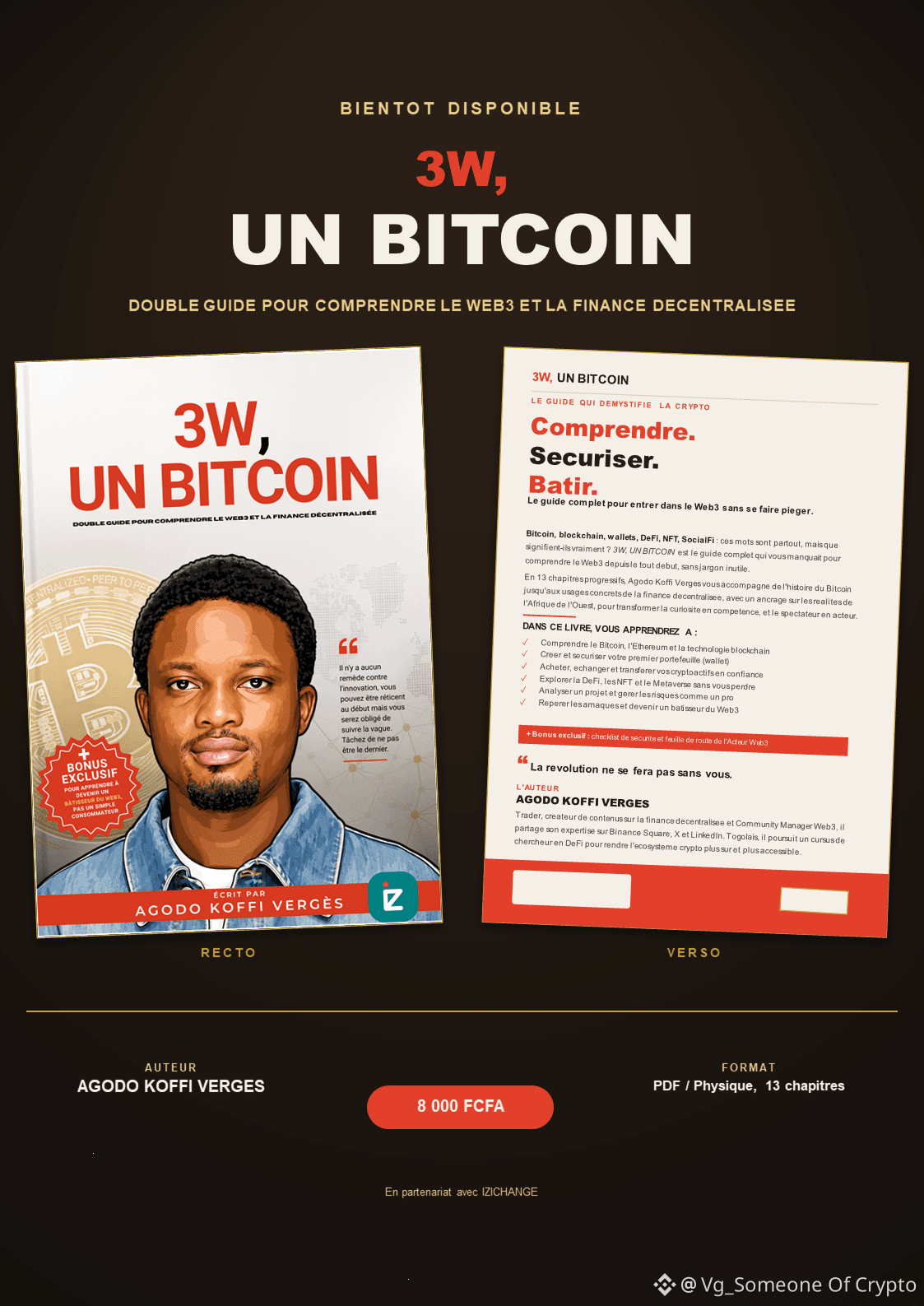
長い間、暗号資産は投機や好みのフィルターを通してのみ捉えられてきました。そろそろパラダイムを変え、私たちのデジタルな未来を自分たちの手で取り戻す時です。
皆さまにうれしいお知らせです。私の著書『3W、UN BITCOIN』📖 が近日出版されます。
🎯 これは何について?
本書は、ブロックチェーン革命と分散型金融(DeFi)の世界を、段階を追って案内する教育用コンパスです。ウォレットの超・安全な管理(「Not your keys, not your coins」)から、プロジェクトのファンダメンタルズ分析まで、さらにMobile MoneyやSocialFiのような具体的な活用例を交えながら、複雑さをわかりやすく整理し、本当に役立つ方法をお届けします。
👤 誰に向けた本?
リスクなく最初の一歩を踏み出し、インサイダーの落とし穴を避けたい初心者&好奇心のある方へ。
単なる消費者の枠から、Web3の担い手/建設者へとステップアップしたい熱心な方&クリエイターの方へ。
好奇心から習得へ進む準備はできていますか? 💡
#defi
#Web3
#EducationalContent
#blockchain
長い間、暗号資産は投機や好みのフィルターを通してのみ捉えられてきました。そろそろパラダイムを変え、私たちのデジタルな未来を自分たちの手で取り戻す時です。
皆さまにうれしいお知らせです。私の著書『3W、UN BITCOIN』📖 が近日出版されます。
🎯 これは何について?
本書は、ブロックチェーン革命と分散型金融(DeFi)の世界を、段階を追って案内する教育用コンパスです。ウォレットの超・安全な管理(「Not your keys, not your coins」)から、プロジェクトのファンダメンタルズ分析まで、さらにMobile MoneyやSocialFiのような具体的な活用例を交えながら、複雑さをわかりやすく整理し、本当に役立つ方法をお届けします。
👤 誰に向けた本?
リスクなく最初の一歩を踏み出し、インサイダーの落とし穴を避けたい初心者&好奇心のある方へ。
単なる消費者の枠から、Web3の担い手/建設者へとステップアップしたい熱心な方&クリエイターの方へ。
好奇心から習得へ進む準備はできていますか? 💡
#defi
#Web3
#EducationalContent
#blockchain
皆さまにうれしいお知らせです。私の著書『3W、UN BITCOIN』📖 が近日出版されます。
🎯 これは何について?
本書は、ブロックチェーン革命と分散型金融(DeFi)の世界を、段階を追って案内する教育用コンパスです。ウォレットの超・安全な管理(「Not your keys, not your coins」)から、プロジェクトのファンダメンタルズ分析まで、さらにMobile MoneyやSocialFiのような具体的な活用例を交えながら、複雑さをわかりやすく整理し、本当に役立つ方法をお届けします。
👤 誰に向けた本?
リスクなく最初の一歩を踏み出し、インサイダーの落とし穴を避けたい初心者&好奇心のある方へ。
単なる消費者の枠から、Web3の担い手/建設者へとステップアップしたい熱心な方&クリエイターの方へ。
好奇心から習得へ進む準備はできていますか? 💡
#defi
#Web3
#EducationalContent
#blockchain
2
1
1
1.2k

·
--
教育
流動性とは?
簡単に言うと、流動性とは、資産を価格に大きな影響を与えずに買ったり売ったりしやすい度合いのことです。
流動性が高いほど、ポジションの売買(入り・出)が一般的にしやすくなります。
流動性が低いと、価格変動がより極端になりやすくなります。
そのため、取引高と流動性には注目する価値があります。
#EducationalContent
教育
流動性とは?
簡単に言うと、流動性とは、資産を価格に大きな影響を与えずに買ったり売ったりしやすい度合いのことです。
流動性が高いほど、ポジションの売買(入り・出)が一般的にしやすくなります。
流動性が低いと、価格変動がより極端になりやすくなります。
そのため、取引高と流動性には注目する価値があります。
#EducationalContent
流動性とは?
簡単に言うと、流動性とは、資産を価格に大きな影響を与えずに買ったり売ったりしやすい度合いのことです。
流動性が高いほど、ポジションの売買(入り・出)が一般的にしやすくなります。
流動性が低いと、価格変動がより極端になりやすくなります。
そのため、取引高と流動性には注目する価値があります。
#EducationalContent
1
61

記事
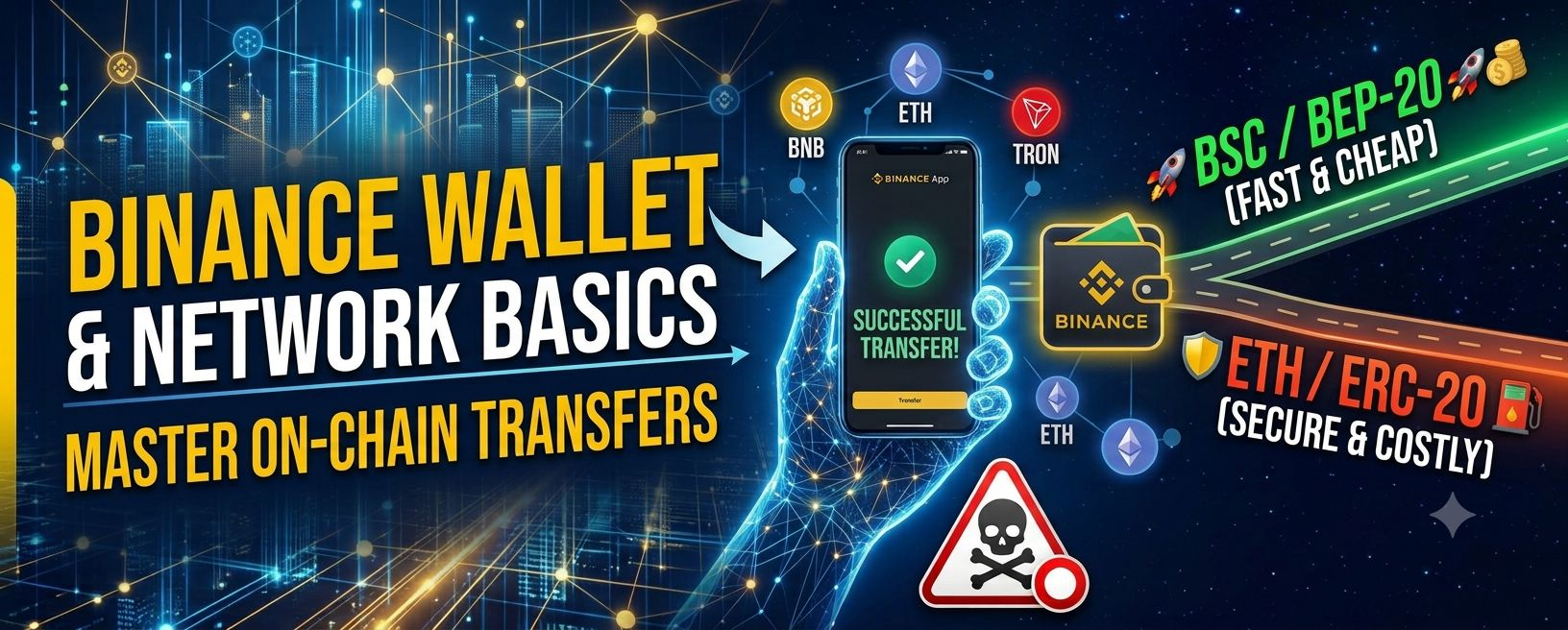
Binanceウォレット&ネットワークの基礎を理解:オンチェーン送金をマスターして間違ったネットワークを回避する 👇入金ネットワークを二重に確認せずに暗号資産を送るのは、正しい自宅住所だが違う都市に送る荷物を出すようなものです。途中で迷子になってしまいます。毎日、トレーダーは出金時に間違ったブロックチェーンネットワークを選んでしまうだけで、資金へのアクセスを失ったり、入金が遅れたりしています。暗号資産ではスピードや低手数料が重要でも、資産が間違ったレール(経路)に振り分けられてしまえば意味がありません。
1. Binance取引所ウォレットとBinance Web3ウォレット
ネットワークを選択する前に、Binanceエコシステム内の2つの主要なウォレットシステムを区別することが不可欠です:
Binanceウォレット&ネットワークの基礎を理解:オンチェーン送金をマスターして間違ったネットワークを回避する 👇
入金ネットワークを二重に確認せずに暗号資産を送るのは、正しい自宅住所だが違う都市に送る荷物を出すようなものです。途中で迷子になってしまいます。毎日、トレーダーは出金時に間違ったブロックチェーンネットワークを選んでしまうだけで、資金へのアクセスを失ったり、入金が遅れたりしています。暗号資産ではスピードや低手数料が重要でも、資産が間違ったレール(経路)に振り分けられてしまえば意味がありません。
1. Binance取引所ウォレットとBinance Web3ウォレット
ネットワークを選択する前に、Binanceエコシステム内の2つの主要なウォレットシステムを区別することが不可欠です:
1. Binance取引所ウォレットとBinance Web3ウォレット
ネットワークを選択する前に、Binanceエコシステム内の2つの主要なウォレットシステムを区別することが不可欠です:
166

·
--
ブリッシュ
@ANFELIA_INVESTMENT
トレーダー HFT · 5.8年 · 31.8Kフォロワー
$1,000 USDを持っていて暗号資産に入りたいですか?
最初の1ドルを動かす前に、これを読んでください。
ほとんどの人が同じミスをします。プロトコルなしで参入し、最初の数週間で資金を失い、市場のせいにします。市場が問題なのではありません。問題はシステムの欠如です。
"あなたのストップロスは恐れではありません。プロとしての規律です。"
推奨配分 — $1,000 USD
アクティブ・トレーディング(運用資金)
$400 40%
USDCのレンディング(不労所得)
$300 30%
SOLのステーキング(不労所得)
$200 20%
流動性リザーブ(緊急時)
$100 10%
リスク・プロトコル — 例外なし
1
1回の取引あたり最大1〜2%。$1,000なら$10〜$20です。これ以上は不可。
2
デイリーのストップロス:3%。その日に$30負けたら、プラットフォームを閉じます。
3
最低R:R比率 1:2。$10リスクを取るごとに、$20の利益を狙います。
4
最大レバレッジ:5x。投機のためではなく効率化のためのツールです。
5
構造に基づくストップロス。都合や感情で決めない。
~6.8%
推定パッシブAPY(ブレンド)
$30
1日の損失上限
1:2
取引ごとの最低R:R
$100
最大総ドローダウン
実資金を運用する前に:
リスク・プロトコルが自動的な習慣になるまで、デモモードで練習してください。意識的な判断ではなく、自動で回ることが重要です。市場は即興を許しません。
完全版のプロトコルをステップごとに知りたいですか?
コメントでPROTOCOLと書いてください。送ります。
#trading #Binance #Bitcoin #AnfeliaInvestment #EducationalContent
教育目的のコンテンツです。投資助言ではありません。投資した資本には損失リスクが伴います。あなたの判断はあなた自身の責任です。— ANFELIA_INVESTMENT
Binance Squareでフォロー 🤝
投稿をシェア 👍
$BTC
{future}(BTCUSDT)
@ANFELIA_INVESTMENT
トレーダー HFT · 5.8年 · 31.8Kフォロワー
$1,000 USDを持っていて暗号資産に入りたいですか?
最初の1ドルを動かす前に、これを読んでください。
ほとんどの人が同じミスをします。プロトコルなしで参入し、最初の数週間で資金を失い、市場のせいにします。市場が問題なのではありません。問題はシステムの欠如です。
"あなたのストップロスは恐れではありません。プロとしての規律です。"
推奨配分 — $1,000 USD
アクティブ・トレーディング(運用資金)
$400 40%
USDCのレンディング(不労所得)
$300 30%
SOLのステーキング(不労所得)
$200 20%
流動性リザーブ(緊急時)
$100 10%
リスク・プロトコル — 例外なし
1
1回の取引あたり最大1〜2%。$1,000なら$10〜$20です。これ以上は不可。
2
デイリーのストップロス:3%。その日に$30負けたら、プラットフォームを閉じます。
3
最低R:R比率 1:2。$10リスクを取るごとに、$20の利益を狙います。
4
最大レバレッジ:5x。投機のためではなく効率化のためのツールです。
5
構造に基づくストップロス。都合や感情で決めない。
~6.8%
推定パッシブAPY(ブレンド)
$30
1日の損失上限
1:2
取引ごとの最低R:R
$100
最大総ドローダウン
実資金を運用する前に:
リスク・プロトコルが自動的な習慣になるまで、デモモードで練習してください。意識的な判断ではなく、自動で回ることが重要です。市場は即興を許しません。
完全版のプロトコルをステップごとに知りたいですか?
コメントでPROTOCOLと書いてください。送ります。
#trading #Binance #Bitcoin #AnfeliaInvestment #EducationalContent
教育目的のコンテンツです。投資助言ではありません。投資した資本には損失リスクが伴います。あなたの判断はあなた自身の責任です。— ANFELIA_INVESTMENT
Binance Squareでフォロー 🤝
投稿をシェア 👍
$BTC
トレーダー HFT · 5.8年 · 31.8Kフォロワー
$1,000 USDを持っていて暗号資産に入りたいですか?
最初の1ドルを動かす前に、これを読んでください。
ほとんどの人が同じミスをします。プロトコルなしで参入し、最初の数週間で資金を失い、市場のせいにします。市場が問題なのではありません。問題はシステムの欠如です。
"あなたのストップロスは恐れではありません。プロとしての規律です。"
推奨配分 — $1,000 USD
アクティブ・トレーディング(運用資金)
$400 40%
USDCのレンディング(不労所得)
$300 30%
SOLのステーキング(不労所得)
$200 20%
流動性リザーブ(緊急時)
$100 10%
リスク・プロトコル — 例外なし
1
1回の取引あたり最大1〜2%。$1,000なら$10〜$20です。これ以上は不可。
2
デイリーのストップロス:3%。その日に$30負けたら、プラットフォームを閉じます。
3
最低R:R比率 1:2。$10リスクを取るごとに、$20の利益を狙います。
4
最大レバレッジ:5x。投機のためではなく効率化のためのツールです。
5
構造に基づくストップロス。都合や感情で決めない。
~6.8%
推定パッシブAPY(ブレンド)
$30
1日の損失上限
1:2
取引ごとの最低R:R
$100
最大総ドローダウン
実資金を運用する前に:
リスク・プロトコルが自動的な習慣になるまで、デモモードで練習してください。意識的な判断ではなく、自動で回ることが重要です。市場は即興を許しません。
完全版のプロトコルをステップごとに知りたいですか?
コメントでPROTOCOLと書いてください。送ります。
#trading #Binance #Bitcoin #AnfeliaInvestment #EducationalContent
教育目的のコンテンツです。投資助言ではありません。投資した資本には損失リスクが伴います。あなたの判断はあなた自身の責任です。— ANFELIA_INVESTMENT
Binance Squareでフォロー 🤝
投稿をシェア 👍
$BTC
212


記事
レッスン 7 BINANCE🔹 Binanceとは?
Binanceは世界最大の暗号通貨取引所の1つです。
ユーザーはビットコイン、イーサリアム、BNB、そして数千の他のデジタル資産を購入、売却、取引、保管できます。
🔹 なぜBinanceは人気なのか?
数百万人がBinanceを利用しているのは、1つのプラットフォームで幅広い暗号サービスを提供しているからです。
ユーザーは暗号通貨を取引し、報酬を得て、ブロックチェーンについて学び、デジタル資産を管理できます。
🔹 Binanceの主な機能
✅ スポット取引
✅ 先物取引
レッスン 7 BINANCE
🔹 Binanceとは?
Binanceは世界最大の暗号通貨取引所の1つです。
ユーザーはビットコイン、イーサリアム、BNB、そして数千の他のデジタル資産を購入、売却、取引、保管できます。
🔹 なぜBinanceは人気なのか?
数百万人がBinanceを利用しているのは、1つのプラットフォームで幅広い暗号サービスを提供しているからです。
ユーザーは暗号通貨を取引し、報酬を得て、ブロックチェーンについて学び、デジタル資産を管理できます。
🔹 Binanceの主な機能
✅ スポット取引
✅ 先物取引
Binanceは世界最大の暗号通貨取引所の1つです。
ユーザーはビットコイン、イーサリアム、BNB、そして数千の他のデジタル資産を購入、売却、取引、保管できます。
🔹 なぜBinanceは人気なのか?
数百万人がBinanceを利用しているのは、1つのプラットフォームで幅広い暗号サービスを提供しているからです。
ユーザーは暗号通貨を取引し、報酬を得て、ブロックチェーンについて学び、デジタル資産を管理できます。
🔹 Binanceの主な機能
✅ スポット取引
✅ 先物取引
1
1
1
107

投資する前に見抜くべき「6つのレッドフラッグ」
詐欺が本物のプロジェクトと隣り合わせの市場では、警告サインを読み取れることが資産を守るスキルになります。
🚩 よくある「6つのレッドフラッグ」:
1️⃣ ホワイトペーパーがない、または曖昧で日付のない資料
→ 真面目なプロジェクトは必ず技術とビジョンを文書で説明します
2️⃣ 実名のないチームで、検証可能な経歴がない
→ 本当の匿名で評判が確立されていないことはリスク要因です
3️⃣ 利回りを保証する約束
→ 「100倍を保証」「毎月20%の利回り」— 正当な投資はこのようなことを約束しません
4️⃣ トークンが一部のウォレットに集中している
→ エクスプローラーで確認可能:3つのウォレットが供給の80%を支配しているなら、操作は簡単です
5️⃣ すぐに投資するよう圧力をかけられる
→ 「数量限定」「48時間のウィンドウ」— 焦りは理性の敵です
6️⃣ サイトとSNSが非常に最近作られた
→ 3週間前に登録したドメインで、買われたフォロワーが50,000人:警戒して
💡 注意:これらのレッドフラッグを一つも当てはまらなくても、プロジェクトが失敗することはあります。逆に、堅実なプロジェクトでも短期では失望させることがあります。分析はリスクを減らします—しかしゼロにはしません。
📝 演習:最近SNSで見かけた最新のトークンを1つ選んでください。以上の6つの観点で確認してみましょう。コメントで分析を共有してください。
#cryptouniverseofficial #EducationalContent
投資する前に見抜くべき「6つのレッドフラッグ」
詐欺が本物のプロジェクトと隣り合わせの市場では、警告サインを読み取れることが資産を守るスキルになります。
🚩 よくある「6つのレッドフラッグ」:
1️⃣ ホワイトペーパーがない、または曖昧で日付のない資料
→ 真面目なプロジェクトは必ず技術とビジョンを文書で説明します
2️⃣ 実名のないチームで、検証可能な経歴がない
→ 本当の匿名で評判が確立されていないことはリスク要因です
3️⃣ 利回りを保証する約束
→ 「100倍を保証」「毎月20%の利回り」— 正当な投資はこのようなことを約束しません
4️⃣ トークンが一部のウォレットに集中している
→ エクスプローラーで確認可能:3つのウォレットが供給の80%を支配しているなら、操作は簡単です
5️⃣ すぐに投資するよう圧力をかけられる
→ 「数量限定」「48時間のウィンドウ」— 焦りは理性の敵です
6️⃣ サイトとSNSが非常に最近作られた
→ 3週間前に登録したドメインで、買われたフォロワーが50,000人:警戒して
💡 注意:これらのレッドフラッグを一つも当てはまらなくても、プロジェクトが失敗することはあります。逆に、堅実なプロジェクトでも短期では失望させることがあります。分析はリスクを減らします—しかしゼロにはしません。
📝 演習:最近SNSで見かけた最新のトークンを1つ選んでください。以上の6つの観点で確認してみましょう。コメントで分析を共有してください。
#cryptouniverseofficial #EducationalContent
詐欺が本物のプロジェクトと隣り合わせの市場では、警告サインを読み取れることが資産を守るスキルになります。
🚩 よくある「6つのレッドフラッグ」:
1️⃣ ホワイトペーパーがない、または曖昧で日付のない資料
→ 真面目なプロジェクトは必ず技術とビジョンを文書で説明します
2️⃣ 実名のないチームで、検証可能な経歴がない
→ 本当の匿名で評判が確立されていないことはリスク要因です
3️⃣ 利回りを保証する約束
→ 「100倍を保証」「毎月20%の利回り」— 正当な投資はこのようなことを約束しません
4️⃣ トークンが一部のウォレットに集中している
→ エクスプローラーで確認可能:3つのウォレットが供給の80%を支配しているなら、操作は簡単です
5️⃣ すぐに投資するよう圧力をかけられる
→ 「数量限定」「48時間のウィンドウ」— 焦りは理性の敵です
6️⃣ サイトとSNSが非常に最近作られた
→ 3週間前に登録したドメインで、買われたフォロワーが50,000人:警戒して
💡 注意:これらのレッドフラッグを一つも当てはまらなくても、プロジェクトが失敗することはあります。逆に、堅実なプロジェクトでも短期では失望させることがあります。分析はリスクを減らします—しかしゼロにはしません。
📝 演習:最近SNSで見かけた最新のトークンを1つ選んでください。以上の6つの観点で確認してみましょう。コメントで分析を共有してください。
#cryptouniverseofficial #EducationalContent
96

·
--
記事
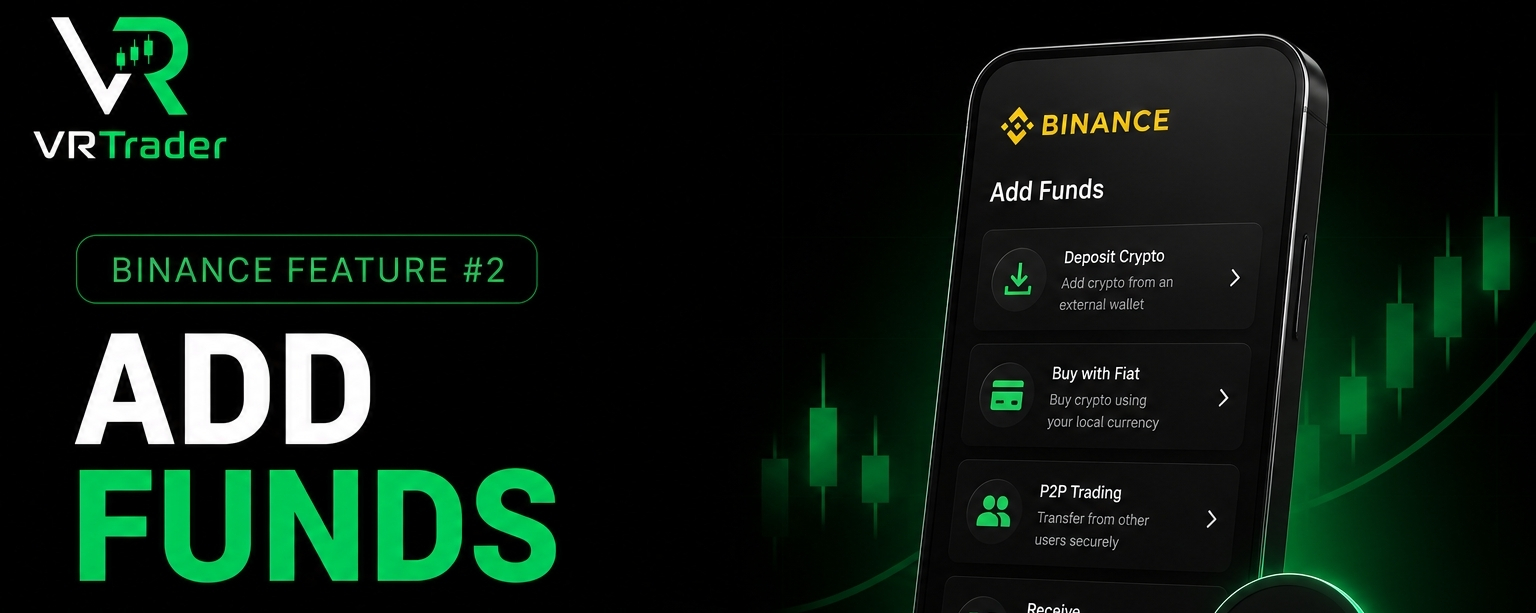
Binanceの機能 #2:資金追加
(クイズ教材)Binanceで取引、投資、または報酬の受け取りを行う前に、アカウントに資金を入金する必要があります。
「資金追加」機能は、あらゆる暗号資産の旅のスタート地点です。Binanceアカウントにお金または暗号資産を安全かつ便利に入金するための複数の方法を提供します。
どのように機能するのかを見てみましょう。
[ Learn & Earn : Quiz 🧠
取引に関する教育を受けて、暗号資産の報酬を獲得しよう 🎉
今後のクイズに参加しましょう。テーマ:「資金追加」
学んで楽しい方法 ✨ ]
「資金追加」とは?
「資金追加」セクションでは、お住まいの国やご希望の支払い方法に応じて、さまざまな方法でBinanceアカウントに資産を追加できます。
Binanceの機能 #2:資金追加 (クイズ教材)
Binanceで取引、投資、または報酬の受け取りを行う前に、アカウントに資金を入金する必要があります。
「資金追加」機能は、あらゆる暗号資産の旅のスタート地点です。Binanceアカウントにお金または暗号資産を安全かつ便利に入金するための複数の方法を提供します。
どのように機能するのかを見てみましょう。
[ Learn & Earn : Quiz 🧠
取引に関する教育を受けて、暗号資産の報酬を獲得しよう 🎉
今後のクイズに参加しましょう。テーマ:「資金追加」
学んで楽しい方法 ✨ ]
「資金追加」とは?
「資金追加」セクションでは、お住まいの国やご希望の支払い方法に応じて、さまざまな方法でBinanceアカウントに資産を追加できます。
「資金追加」機能は、あらゆる暗号資産の旅のスタート地点です。Binanceアカウントにお金または暗号資産を安全かつ便利に入金するための複数の方法を提供します。
どのように機能するのかを見てみましょう。
[ Learn & Earn : Quiz 🧠
取引に関する教育を受けて、暗号資産の報酬を獲得しよう 🎉
今後のクイズに参加しましょう。テーマ:「資金追加」
学んで楽しい方法 ✨ ]
「資金追加」とは?
「資金追加」セクションでは、お住まいの国やご希望の支払い方法に応じて、さまざまな方法でBinanceアカウントに資産を追加できます。
708
5
32
708

·
--
🚨 暗号資産で最大のリスクは、ボラティリティではなく…知識不足です。
投資する前に、まずは教育に投資しましょう。
✅ 市場を理解する。
✅ リスクを管理する。
✅ 負けてもいいと思える金額以上は決して投資しない。
暗号資産では、今日学ぶ人ほど、明日より良い判断をすることがよくあります。
💬 あなたが思う、暗号資産初心者の最大の失敗は何ですか?
#EducationalContent
🚨 暗号資産で最大のリスクは、ボラティリティではなく…知識不足です。
投資する前に、まずは教育に投資しましょう。
✅ 市場を理解する。
✅ リスクを管理する。
✅ 負けてもいいと思える金額以上は決して投資しない。
暗号資産では、今日学ぶ人ほど、明日より良い判断をすることがよくあります。
💬 あなたが思う、暗号資産初心者の最大の失敗は何ですか?
#EducationalContent
投資する前に、まずは教育に投資しましょう。
✅ 市場を理解する。
✅ リスクを管理する。
✅ 負けてもいいと思える金額以上は決して投資しない。
暗号資産では、今日学ぶ人ほど、明日より良い判断をすることがよくあります。
💬 あなたが思う、暗号資産初心者の最大の失敗は何ですか?
#EducationalContent
1
1.7k

記事
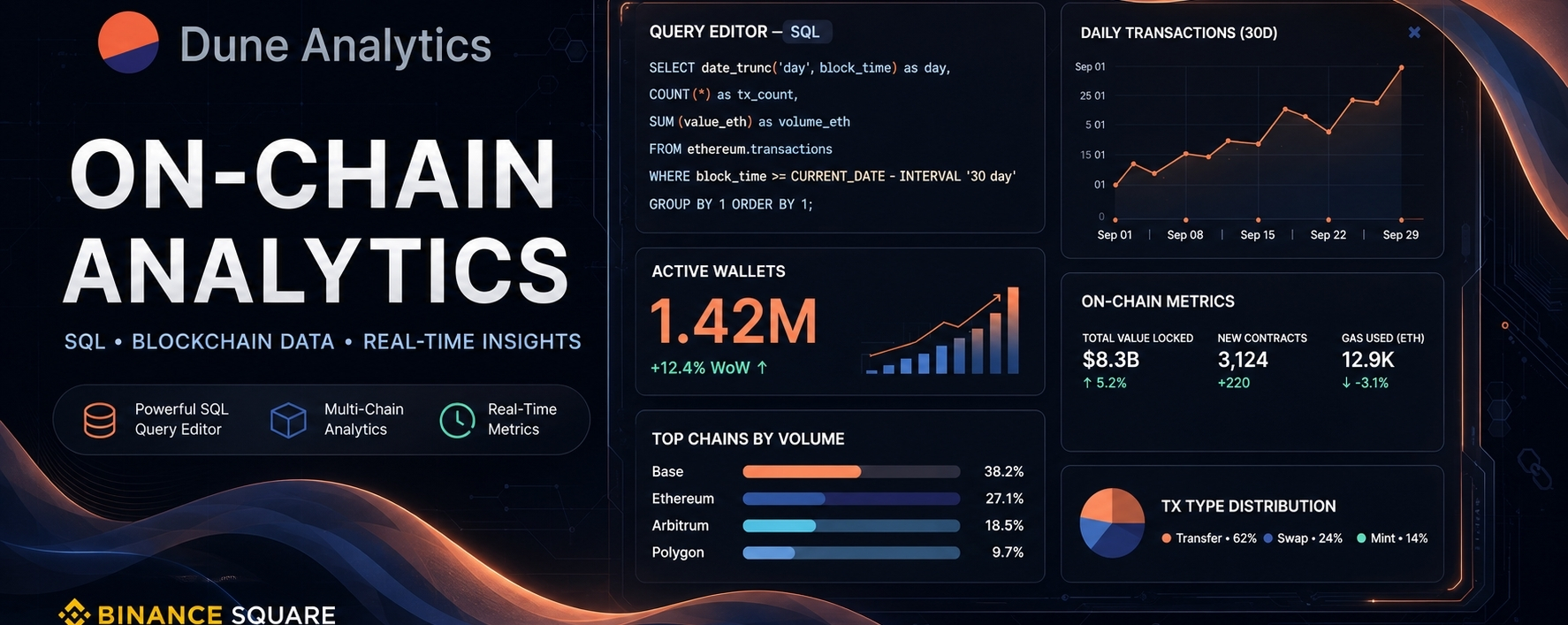
Dune Analyticsの調査:それは何か、そして実際にどう動くのか私はしばらくDune Analyticsを使っていて、学んだことをやさしい言葉で共有したいです。
要するに、Duneは「ブロックチェーン上で本当に何が起きているか」を見るためのウェブサイトです。すべてのデータはブロックと取引の中に隠されています。Duneはそのごちゃごちゃしたデータを分かりやすくしてくれます。SQLで検索でき、そこからチャートも作れます。
いちばん良いのは、始めるのにコーダーである必要がないことです。SQLが分かれば、自分のクエリを作れます。分からなければ、他の人が作ったダッシュボードを開いて、それを見て学べばOKです。
Dune Analyticsの調査:それは何か、そして実際にどう動くのか
私はしばらくDune Analyticsを使っていて、学んだことをやさしい言葉で共有したいです。
要するに、Duneは「ブロックチェーン上で本当に何が起きているか」を見るためのウェブサイトです。すべてのデータはブロックと取引の中に隠されています。Duneはそのごちゃごちゃしたデータを分かりやすくしてくれます。SQLで検索でき、そこからチャートも作れます。
いちばん良いのは、始めるのにコーダーである必要がないことです。SQLが分かれば、自分のクエリを作れます。分からなければ、他の人が作ったダッシュボードを開いて、それを見て学べばOKです。
要するに、Duneは「ブロックチェーン上で本当に何が起きているか」を見るためのウェブサイトです。すべてのデータはブロックと取引の中に隠されています。Duneはそのごちゃごちゃしたデータを分かりやすくしてくれます。SQLで検索でき、そこからチャートも作れます。
いちばん良いのは、始めるのにコーダーである必要がないことです。SQLが分かれば、自分のクエリを作れます。分からなければ、他の人が作ったダッシュボードを開いて、それを見て学べばOKです。
4
69
·
--

記事
利益を自動化しよう:トレーディング・ボットの使い方と利益を得る方法 🤖💸🤖恐怖に飲まれて損失の状態で取引を手じまいにしてしまったり、寝ている間に市場が反転してポジションを破壊されたり──そんなことは何度もありませんか?手動のトレードは疲れるうえ、24時間ずっと画面を見ているための時間が常にあるわけではありません。
バイナンスが私たちの感情的な消耗を和らげ、資金をAIモデルに働かせるために提示する公式の解決策は、バイナンスのトレーディング・ボットです。ですが注意:ボットは魔法のようにお金が増える機械ではありません。市場に応じてどれを選ぶべきか分からないと、損をしてしまう可能性があります。
利益を自動化しよう:トレーディング・ボットの使い方と利益を得る方法 🤖💸🤖
恐怖に飲まれて損失の状態で取引を手じまいにしてしまったり、寝ている間に市場が反転してポジションを破壊されたり──そんなことは何度もありませんか?手動のトレードは疲れるうえ、24時間ずっと画面を見ているための時間が常にあるわけではありません。
バイナンスが私たちの感情的な消耗を和らげ、資金をAIモデルに働かせるために提示する公式の解決策は、バイナンスのトレーディング・ボットです。ですが注意:ボットは魔法のようにお金が増える機械ではありません。市場に応じてどれを選ぶべきか分からないと、損をしてしまう可能性があります。
バイナンスが私たちの感情的な消耗を和らげ、資金をAIモデルに働かせるために提示する公式の解決策は、バイナンスのトレーディング・ボットです。ですが注意:ボットは魔法のようにお金が増える機械ではありません。市場に応じてどれを選ぶべきか分からないと、損をしてしまう可能性があります。
2
589
·
--
🎓 トレーダー・メンタリング
セッション #001
なぜ良いエントリーが悪い取引で終わるのか?
多くのトレーダーは、成功は完璧なエントリーポイントを見つけることにかかっていると考えます。しかし時間が経つと、素晴らしいエントリーでも良い結果が保証されるわけではないと気づきます。差が出るのは、ポジションを開いた後に何をするかです。
市場に入る前に、簡単な質問への答えを用意しておくべきです。価格が自分の予想と逆に動いたらどうするのか?有利に動いたらどうするのか?自分の考えがもう成り立たないと受け入れるのはどのタイミングか?これらの答えが存在しないと、感情が主導権を握ってしまいます。
エントリーは計画の始まりに過ぎません。トレーダーとしての本当の力は、恐怖や欲が判断を奪うのを許さず、規律をもって取引を管理することにあります。
次の取引では、どこでエントリーするかだけでなく、起こり得るあらゆるシナリオごとにどう行動するかも評価してみてください。その小さな変化が、市場への向き合い方を変えるかもしれません。
これはトレーダーの間で最も疑問が生まれやすいテーマの一つで、個別アドバイザリーで、あなたのメソッドや取引スタイルに合わせてより深く分析することができます。
あなたは、価格が自分のポジションに不利な方向へ動き始めたとき、どうしますか?
#Nomadacripto #BinanceSquareFamily #trading #TrendingTopic #EducationalContent
🎓 トレーダー・メンタリング
セッション #001
なぜ良いエントリーが悪い取引で終わるのか?
多くのトレーダーは、成功は完璧なエントリーポイントを見つけることにかかっていると考えます。しかし時間が経つと、素晴らしいエントリーでも良い結果が保証されるわけではないと気づきます。差が出るのは、ポジションを開いた後に何をするかです。
市場に入る前に、簡単な質問への答えを用意しておくべきです。価格が自分の予想と逆に動いたらどうするのか?有利に動いたらどうするのか?自分の考えがもう成り立たないと受け入れるのはどのタイミングか?これらの答えが存在しないと、感情が主導権を握ってしまいます。
エントリーは計画の始まりに過ぎません。トレーダーとしての本当の力は、恐怖や欲が判断を奪うのを許さず、規律をもって取引を管理することにあります。
次の取引では、どこでエントリーするかだけでなく、起こり得るあらゆるシナリオごとにどう行動するかも評価してみてください。その小さな変化が、市場への向き合い方を変えるかもしれません。
これはトレーダーの間で最も疑問が生まれやすいテーマの一つで、個別アドバイザリーで、あなたのメソッドや取引スタイルに合わせてより深く分析することができます。
あなたは、価格が自分のポジションに不利な方向へ動き始めたとき、どうしますか?
#Nomadacripto #BinanceSquareFamily #trading #TrendingTopic #EducationalContent
セッション #001
なぜ良いエントリーが悪い取引で終わるのか?
多くのトレーダーは、成功は完璧なエントリーポイントを見つけることにかかっていると考えます。しかし時間が経つと、素晴らしいエントリーでも良い結果が保証されるわけではないと気づきます。差が出るのは、ポジションを開いた後に何をするかです。
市場に入る前に、簡単な質問への答えを用意しておくべきです。価格が自分の予想と逆に動いたらどうするのか?有利に動いたらどうするのか?自分の考えがもう成り立たないと受け入れるのはどのタイミングか?これらの答えが存在しないと、感情が主導権を握ってしまいます。
エントリーは計画の始まりに過ぎません。トレーダーとしての本当の力は、恐怖や欲が判断を奪うのを許さず、規律をもって取引を管理することにあります。
次の取引では、どこでエントリーするかだけでなく、起こり得るあらゆるシナリオごとにどう行動するかも評価してみてください。その小さな変化が、市場への向き合い方を変えるかもしれません。
これはトレーダーの間で最も疑問が生まれやすいテーマの一つで、個別アドバイザリーで、あなたのメソッドや取引スタイルに合わせてより深く分析することができます。
あなたは、価格が自分のポジションに不利な方向へ動き始めたとき、どうしますか?
#Nomadacripto #BinanceSquareFamily #trading #TrendingTopic #EducationalContent
2
1.2k
·
--
記事
バイナンスの機能 #1: アカウントステートメント ( クイズ教材 )ほとんどの人はポートフォリオのバランスをチェックする。
お金の出所、行き先、そしてアカウントの変化を追跡する人は少ない。
ここでアカウントステートメントがバイナンスで最も過小評価されている機能の一つになる。
[ 学んで稼ごう : クイズ 🧠
トレーディングに関する教育を受けて、クイズに参加して報酬をゲットしよう 🎉
2000人の勝者 🏆 楽しく学ぶ方法 ]
バイナンスのアカウントステートメントとは?
アカウントステートメント機能は、さまざまなバイナンス製品にわたるアカウント活動の詳細な記録を提供します。
バイナンスの機能 #1: アカウントステートメント ( クイズ教材 )
ほとんどの人はポートフォリオのバランスをチェックする。
お金の出所、行き先、そしてアカウントの変化を追跡する人は少ない。
ここでアカウントステートメントがバイナンスで最も過小評価されている機能の一つになる。
[ 学んで稼ごう : クイズ 🧠
トレーディングに関する教育を受けて、クイズに参加して報酬をゲットしよう 🎉
2000人の勝者 🏆 楽しく学ぶ方法 ]
バイナンスのアカウントステートメントとは?
アカウントステートメント機能は、さまざまなバイナンス製品にわたるアカウント活動の詳細な記録を提供します。
お金の出所、行き先、そしてアカウントの変化を追跡する人は少ない。
ここでアカウントステートメントがバイナンスで最も過小評価されている機能の一つになる。
[ 学んで稼ごう : クイズ 🧠
トレーディングに関する教育を受けて、クイズに参加して報酬をゲットしよう 🎉
2000人の勝者 🏆 楽しく学ぶ方法 ]
バイナンスのアカウントステートメントとは?
アカウントステートメント機能は、さまざまなバイナンス製品にわたるアカウント活動の詳細な記録を提供します。
1.1k
4
61
1.1k

·
--
🚨 新しい仮想通貨トレーダーの90%が犯すこのミス
投稿:
ほとんどの初心者は、次の100倍コインを見つけることが秘密だと思っています。
でも本当は?
最大の利益はたいてい、次から生まれます:✅ 忍耐 ✅ リスク管理 ✅ 感情ではなく計画に基づいて買う
どんな取引を始める前に、自分にこう問いかけてください:
利益確定はどこにする?
損失はどこで切る?
なぜこの取引をするの?
仮想通貨では、すぐに大きな利益を追うよりも資本を守ることが重要です。
仮想通貨から学んだ最大の教訓は何ですか?下に共有してください👇
#bitcoin #crypto #trading #BinanceSquare #EducationalContent $BTC
🚨 新しい仮想通貨トレーダーの90%が犯すこのミス
投稿:
ほとんどの初心者は、次の100倍コインを見つけることが秘密だと思っています。
でも本当は?
最大の利益はたいてい、次から生まれます:✅ 忍耐 ✅ リスク管理 ✅ 感情ではなく計画に基づいて買う
どんな取引を始める前に、自分にこう問いかけてください:
利益確定はどこにする?
損失はどこで切る?
なぜこの取引をするの?
仮想通貨では、すぐに大きな利益を追うよりも資本を守ることが重要です。
仮想通貨から学んだ最大の教訓は何ですか?下に共有してください👇
#bitcoin #crypto #trading #BinanceSquare #EducationalContent $BTC
投稿:
ほとんどの初心者は、次の100倍コインを見つけることが秘密だと思っています。
でも本当は?
最大の利益はたいてい、次から生まれます:✅ 忍耐 ✅ リスク管理 ✅ 感情ではなく計画に基づいて買う
どんな取引を始める前に、自分にこう問いかけてください:
利益確定はどこにする?
損失はどこで切る?
なぜこの取引をするの?
仮想通貨では、すぐに大きな利益を追うよりも資本を守ることが重要です。
仮想通貨から学んだ最大の教訓は何ですか?下に共有してください👇
#bitcoin #crypto #trading #BinanceSquare #EducationalContent $BTC
126

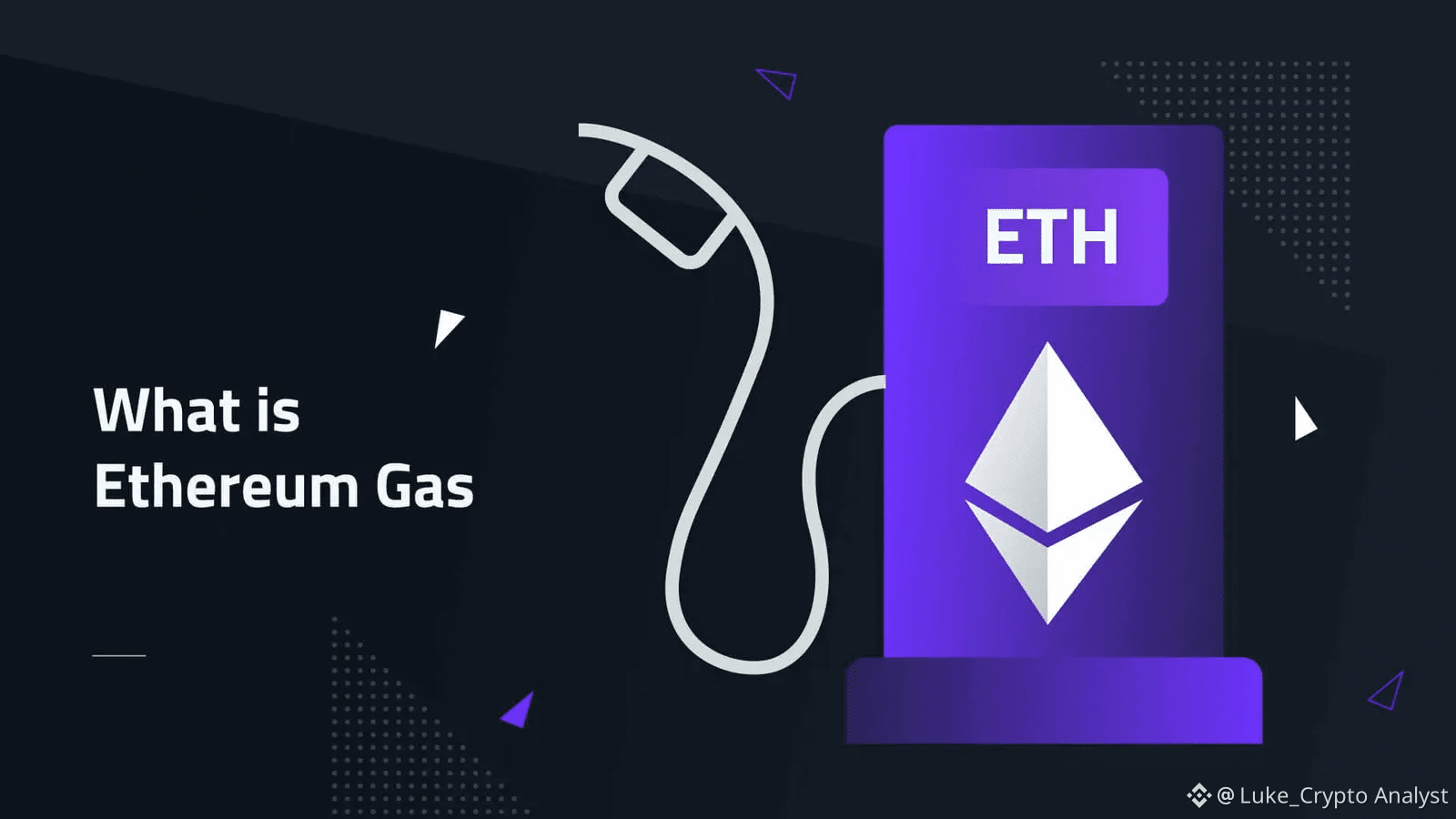
💸 ガスフィーとは?
ガスフィーは、ユーザーがブロックチェーン上で取引を実行するために支払う手数料です。
ブロックチェーンを高速道路に例えてみてください。取引が確認されるためには、バリデーターやマイナーが処理し、ブロックチェーンに記録するための手数料が必要です。
🔹 ガスフィーは以下のために使用されます:
✅ トークンの送金
✅ DEXでのスワップ
✅ NFTのミント
✅ スマートコントラクトとのインタラクション
🔹 ネットワークが混雑している時:
取引処理の需要が増加
ガスフィーが上昇
高額な手数料を支払う人が優先的に確認されることが多い
例:
Ethereum上で100 USDTを送金し、2 USDTのガスフィーを支払ったとします。この手数料はEthereumファウンデーションには属さず、ネットワークのセキュリティを維持するためのバリデーターに支払われます。
👉 ガスフィーは、ブロックチェーンが安全かつ分散型で機能するための「運営コスト」です。
「ブロックチェーン上で支払った最高のガスフィーはいくらですか?」🚀
#ETH #blockchain #EducationalContent
{spot}(ETHUSDT)
💸 ガスフィーとは?
ガスフィーは、ユーザーがブロックチェーン上で取引を実行するために支払う手数料です。
ブロックチェーンを高速道路に例えてみてください。取引が確認されるためには、バリデーターやマイナーが処理し、ブロックチェーンに記録するための手数料が必要です。
🔹 ガスフィーは以下のために使用されます:
✅ トークンの送金
✅ DEXでのスワップ
✅ NFTのミント
✅ スマートコントラクトとのインタラクション
🔹 ネットワークが混雑している時:
取引処理の需要が増加
ガスフィーが上昇
高額な手数料を支払う人が優先的に確認されることが多い
例:
Ethereum上で100 USDTを送金し、2 USDTのガスフィーを支払ったとします。この手数料はEthereumファウンデーションには属さず、ネットワークのセキュリティを維持するためのバリデーターに支払われます。
👉 ガスフィーは、ブロックチェーンが安全かつ分散型で機能するための「運営コスト」です。
「ブロックチェーン上で支払った最高のガスフィーはいくらですか?」🚀
#ETH #blockchain #EducationalContent
ガスフィーは、ユーザーがブロックチェーン上で取引を実行するために支払う手数料です。
ブロックチェーンを高速道路に例えてみてください。取引が確認されるためには、バリデーターやマイナーが処理し、ブロックチェーンに記録するための手数料が必要です。
🔹 ガスフィーは以下のために使用されます:
✅ トークンの送金
✅ DEXでのスワップ
✅ NFTのミント
✅ スマートコントラクトとのインタラクション
🔹 ネットワークが混雑している時:
取引処理の需要が増加
ガスフィーが上昇
高額な手数料を支払う人が優先的に確認されることが多い
例:
Ethereum上で100 USDTを送金し、2 USDTのガスフィーを支払ったとします。この手数料はEthereumファウンデーションには属さず、ネットワークのセキュリティを維持するためのバリデーターに支払われます。
👉 ガスフィーは、ブロックチェーンが安全かつ分散型で機能するための「運営コスト」です。
「ブロックチェーン上で支払った最高のガスフィーはいくらですか?」🚀
#ETH #blockchain #EducationalContent
217
·
--
ブリッシュ
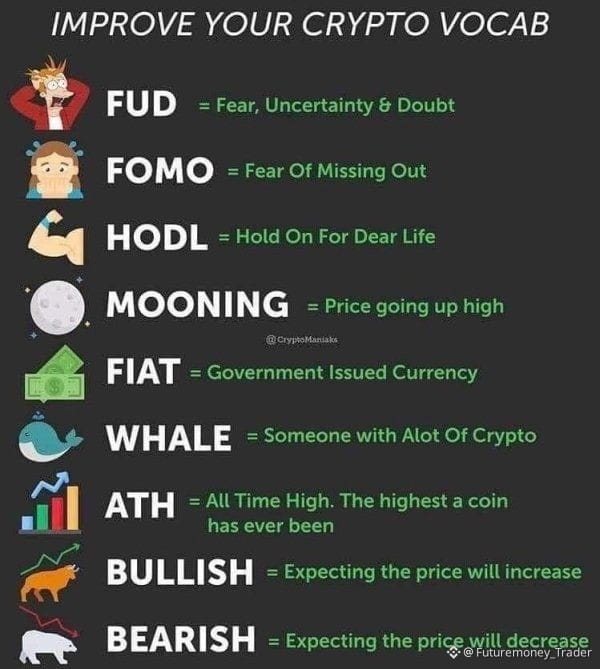
🧠 あなたの暗号語彙を向上させよう!
✅ FOMO = 乗り遅れるのが怖いこと。
✅ HOLD = しっかりホールドすること .🧬
🐂 BULLISH = 価格が上がると期待していること。
📉 BEARISH = 価格が下がると期待していること。
🚀 ATH = 過去最高値
🌕 MOOING = 価格が高騰すること。
$BNB $XRP
#EducationalContent
🧠 あなたの暗号語彙を向上させよう!
✅ FOMO = 乗り遅れるのが怖いこと。
✅ HOLD = しっかりホールドすること .🧬
🐂 BULLISH = 価格が上がると期待していること。
📉 BEARISH = 価格が下がると期待していること。
🚀 ATH = 過去最高値
🌕 MOOING = 価格が高騰すること。
$BNB $XRP
#EducationalContent
✅ FOMO = 乗り遅れるのが怖いこと。
✅ HOLD = しっかりホールドすること .🧬
🐂 BULLISH = 価格が上がると期待していること。
📉 BEARISH = 価格が下がると期待していること。
🚀 ATH = 過去最高値
🌕 MOOING = 価格が高騰すること。
$BNB $XRP
#EducationalContent
143
·
--
暗号資産で初心者の90%を台無しにする「3つのミス」❌📉
トレードでの損失の大半は、市場そのものではなく「感情の管理」から生まれます。絶対に避けるべきことはこれです:
1️⃣ FOMO(Fear Of Missing Out/取り逃し恐怖心): 1日の中で既に+50%になっている仮想通貨を買うのは、他人の「流動性」になる最善の方法です。
2️⃣ 資本を1つのプロジェクトに全額投入すること:分散とDCA(ドル・コスト平均法)戦略は、長期的にあなたの最強の味方です。
3️⃣ セキュリティを軽視すること:必ず2要素認証(2FA)を有効にし、決して秘密鍵やパスワードを共有しないでください。
💡 今日のアドバイス:市場は「焦り」ではなく「忍耐」と「規律」に報います。
👇 そしてあなたは、暗号資産を始めてから学んだ最大の教訓は何ですか?
#CryptoTips #BinanceSquare #TradingTales #EducationalContent #Web3
暗号資産で初心者の90%を台無しにする「3つのミス」❌📉
トレードでの損失の大半は、市場そのものではなく「感情の管理」から生まれます。絶対に避けるべきことはこれです:
1️⃣ FOMO(Fear Of Missing Out/取り逃し恐怖心): 1日の中で既に+50%になっている仮想通貨を買うのは、他人の「流動性」になる最善の方法です。
2️⃣ 資本を1つのプロジェクトに全額投入すること:分散とDCA(ドル・コスト平均法)戦略は、長期的にあなたの最強の味方です。
3️⃣ セキュリティを軽視すること:必ず2要素認証(2FA)を有効にし、決して秘密鍵やパスワードを共有しないでください。
💡 今日のアドバイス:市場は「焦り」ではなく「忍耐」と「規律」に報います。
👇 そしてあなたは、暗号資産を始めてから学んだ最大の教訓は何ですか?
#CryptoTips #BinanceSquare #TradingTales #EducationalContent #Web3
トレードでの損失の大半は、市場そのものではなく「感情の管理」から生まれます。絶対に避けるべきことはこれです:
1️⃣ FOMO(Fear Of Missing Out/取り逃し恐怖心): 1日の中で既に+50%になっている仮想通貨を買うのは、他人の「流動性」になる最善の方法です。
2️⃣ 資本を1つのプロジェクトに全額投入すること:分散とDCA(ドル・コスト平均法)戦略は、長期的にあなたの最強の味方です。
3️⃣ セキュリティを軽視すること:必ず2要素認証(2FA)を有効にし、決して秘密鍵やパスワードを共有しないでください。
💡 今日のアドバイス:市場は「焦り」ではなく「忍耐」と「規律」に報います。
👇 そしてあなたは、暗号資産を始めてから学んだ最大の教訓は何ですか?
#CryptoTips #BinanceSquare #TradingTales #EducationalContent #Web3

meilleurs voeux
送り主:Denji Rf
1
1
15

負け犬リストから最高のコインを見つける方法ほとんどの初心者は、コインが10%下落するとすぐに買いチャンスだと思う。私も昔はそう思っていた。赤いコインが必ず反発するわけじゃないと、痛い目を見て学んだ。
間違ったコインでお金を失った後、私はシンプルなメソッドを開発した。今では、入る前に特定のサインを示すコインだけを選ぶ。私が何を探しているかを正確に共有するよ。
ステップ1 — 適切な下落サイズを見つける
Binanceの先物を開いて、24時間の変動でソート、下から順に。20%以上下がっているコインは無視しよう。あれは危険ゾーンだ。5%未満のコインも無視。チャンスが足りない。8%から15%下落しているコインがスイートスポット。反発を生むには十分な下落だけど、ずっと下がり続けるほどではない。
負け犬リストから最高のコインを見つける方法
ほとんどの初心者は、コインが10%下落するとすぐに買いチャンスだと思う。私も昔はそう思っていた。赤いコインが必ず反発するわけじゃないと、痛い目を見て学んだ。
間違ったコインでお金を失った後、私はシンプルなメソッドを開発した。今では、入る前に特定のサインを示すコインだけを選ぶ。私が何を探しているかを正確に共有するよ。
ステップ1 — 適切な下落サイズを見つける
Binanceの先物を開いて、24時間の変動でソート、下から順に。20%以上下がっているコインは無視しよう。あれは危険ゾーンだ。5%未満のコインも無視。チャンスが足りない。8%から15%下落しているコインがスイートスポット。反発を生むには十分な下落だけど、ずっと下がり続けるほどではない。
間違ったコインでお金を失った後、私はシンプルなメソッドを開発した。今では、入る前に特定のサインを示すコインだけを選ぶ。私が何を探しているかを正確に共有するよ。
ステップ1 — 適切な下落サイズを見つける
Binanceの先物を開いて、24時間の変動でソート、下から順に。20%以上下がっているコインは無視しよう。あれは危険ゾーンだ。5%未満のコインも無視。チャンスが足りない。8%から15%下落しているコインがスイートスポット。反発を生むには十分な下落だけど、ずっと下がり続けるほどではない。
345

·
--

記事
配車ドライバー(ojol)のWeb3日誌 - 第11話:オジョルのベースキャンプがWeb3ドメインのロイヤリティを説明する方法?プロローグ:コーヒー、パンクララン(ベースキャンプ)、そしてアイデンティティのフランチャイズ
毎日、朝のラッシュアワーが始まる前に、ケンダル県で私と同じドライバーたちはいつもの道端の待機所に集まります。そこは私たちが地元の言葉で「パンクララン(ベースキャンプ)」と呼んでいる場所で(下の私の道端の写真をご覧ください)、私たちは木のベンチに座り、安いブラックコーヒーを飲み、スマホの画面を確認して、アプリのアルゴリズムが配車(注文)を投下してくれるのを待ちます。
物理の世界では、パンクララン(ベースキャンプ)は私たちの領域であり、私たちのアイデンティティであり、出発点です。· しかし、Web3というデジタルの荒野では、実際に自分だけのバーチャルなパンクララン(ベースキャンプ)を作り、所有し、収益化できることを知っていましたか?
配車ドライバー(ojol)のWeb3日誌 - 第11話:オジョルのベースキャンプがWeb3ドメインのロイヤリティを説明する方法?
プロローグ:コーヒー、パンクララン(ベースキャンプ)、そしてアイデンティティのフランチャイズ
毎日、朝のラッシュアワーが始まる前に、ケンダル県で私と同じドライバーたちはいつもの道端の待機所に集まります。そこは私たちが地元の言葉で「パンクララン(ベースキャンプ)」と呼んでいる場所で(下の私の道端の写真をご覧ください)、私たちは木のベンチに座り、安いブラックコーヒーを飲み、スマホの画面を確認して、アプリのアルゴリズムが配車(注文)を投下してくれるのを待ちます。
物理の世界では、パンクララン(ベースキャンプ)は私たちの領域であり、私たちのアイデンティティであり、出発点です。· しかし、Web3というデジタルの荒野では、実際に自分だけのバーチャルなパンクララン(ベースキャンプ)を作り、所有し、収益化できることを知っていましたか?
毎日、朝のラッシュアワーが始まる前に、ケンダル県で私と同じドライバーたちはいつもの道端の待機所に集まります。そこは私たちが地元の言葉で「パンクララン(ベースキャンプ)」と呼んでいる場所で(下の私の道端の写真をご覧ください)、私たちは木のベンチに座り、安いブラックコーヒーを飲み、スマホの画面を確認して、アプリのアルゴリズムが配車(注文)を投下してくれるのを待ちます。
物理の世界では、パンクララン(ベースキャンプ)は私たちの領域であり、私たちのアイデンティティであり、出発点です。· しかし、Web3というデジタルの荒野では、実際に自分だけのバーチャルなパンクララン(ベースキャンプ)を作り、所有し、収益化できることを知っていましたか?
120
ログインして、さらにコンテンツを読む
厳選トピックで世界の暗号資産トレーダーの仲間入り
⚡️ 暗号資産に関する最新かつ有益な情報が見つかります。
💬 世界最大の暗号資産取引所から信頼されています。
👍 認証を受けたクリエイターから、有益なインサイトを得られます。
メール / 電話番号
トレンドトピック
1
#BTCFallsBelow$83000
閲覧回数 4,718
73人が討論中
2
#BitgetDetailsSecurityIncidentTimeline
閲覧回数 543
56人が討論中
3
#BitcoinSpotETFs$2.39BWeeklyNetInflow
閲覧回数 491
12人が討論中
4
#FedProposesPaymentStablecoinRules
閲覧回数 20,159
429人が討論中
5
#ChinaMayLetAlibabaByteDanceBuyNvidiaChips
閲覧回数 22,199
461人が討論中
6
#USChinaRelease$30BTariffCutProductLists
閲覧回数 2,898
48人が討論中
7
#SKoreaFSCConsidersVirtualAssetMarketMaker
閲覧回数 14,666
352人が討論中
8
#ChinaIndustrialProfitGrowthSlowsFourthMonth
閲覧回数 14,074
341人が討論中
9
#BitwiseFilesFinalNEARSpotETFProspectus
閲覧回数 134,398
1,940人が討論中
10
#BitgetHackerMoves$83MStolenXRP
閲覧回数 42,542
187人が討論中