

Joshua Brown 007
3k 投稿

Joshua Brown 007
報告
ユーザーをブロック
I am a forward-thinking crypto advisor with a strong grasp of blockchain innovation and digital asset management. @JavedJatt331726
取引を発注
超高頻度トレーダー
2.5年
1.2K+ フォロー
15.7K+ フォロワー
6.5K+ いいね
投稿
ポートフォリオ
すべて
引用
動画
ライブ
翻訳参照
I’m watching one number before making my next BTC move:
🇺🇸 US Jobless Claims
The market was looking around 201K, after last week’s surprisingly low 196K.
But here’s what matters to me:
🔹 Below 198K → Strong labor market
→ Less pressure for easier Fed policy
→ Could support USD/yields
→ Risk assets may face pressure
🔹 Around 202K → Close to expectations
→ Likely limited immediate reaction
→ BTC may return to technical levels
🔹 Above 210K → Clearer labor-market cooling
→ More attention on future Fed policy
→ Could support rate-sensitive assets, including crypto
The bigger picture is interesting.
Reuters reported that the recent 196K reading may have been distorted by Labor Day seasonal volatility, while the underlying labor market remained relatively steady.
And another important warning: jobless claims mainly measure layoffs, not hiring. So a low number alone doesn't prove the entire labor market is getting stronger.
For BTC, I’m not trading the headline alone.
I’ll watch:
Claims → DXY → Treasury yields → Fed expectations → BTC liquidity
That chain reaction matters more than one economic number.
No blind long.
No blind short.
Let the data hit first, then watch how price reacts.
#USGovernment
{future}(BTCUSDT)
{future}(BNBUSDT)
{future}(XRPUSDT)
I’m watching one number before making my next BTC move:
🇺🇸 US Jobless Claims
The market was looking around 201K, after last week’s surprisingly low 196K.
But here’s what matters to me:
🔹 Below 198K → Strong labor market
→ Less pressure for easier Fed policy
→ Could support USD/yields
→ Risk assets may face pressure
🔹 Around 202K → Close to expectations
→ Likely limited immediate reaction
→ BTC may return to technical levels
🔹 Above 210K → Clearer labor-market cooling
→ More attention on future Fed policy
→ Could support rate-sensitive assets, including crypto
The bigger picture is interesting.
Reuters reported that the recent 196K reading may have been distorted by Labor Day seasonal volatility, while the underlying labor market remained relatively steady.
And another important warning: jobless claims mainly measure layoffs, not hiring. So a low number alone doesn't prove the entire labor market is getting stronger.
For BTC, I’m not trading the headline alone.
I’ll watch:
Claims → DXY → Treasury yields → Fed expectations → BTC liquidity
That chain reaction matters more than one economic number.
No blind long.
No blind short.
Let the data hit first, then watch how price reacts.
#USGovernment
🇺🇸 US Jobless Claims
The market was looking around 201K, after last week’s surprisingly low 196K.
But here’s what matters to me:
🔹 Below 198K → Strong labor market
→ Less pressure for easier Fed policy
→ Could support USD/yields
→ Risk assets may face pressure
🔹 Around 202K → Close to expectations
→ Likely limited immediate reaction
→ BTC may return to technical levels
🔹 Above 210K → Clearer labor-market cooling
→ More attention on future Fed policy
→ Could support rate-sensitive assets, including crypto
The bigger picture is interesting.
Reuters reported that the recent 196K reading may have been distorted by Labor Day seasonal volatility, while the underlying labor market remained relatively steady.
And another important warning: jobless claims mainly measure layoffs, not hiring. So a low number alone doesn't prove the entire labor market is getting stronger.
For BTC, I’m not trading the headline alone.
I’ll watch:
Claims → DXY → Treasury yields → Fed expectations → BTC liquidity
That chain reaction matters more than one economic number.
No blind long.
No blind short.
Let the data hit first, then watch how price reacts.
#USGovernment
113
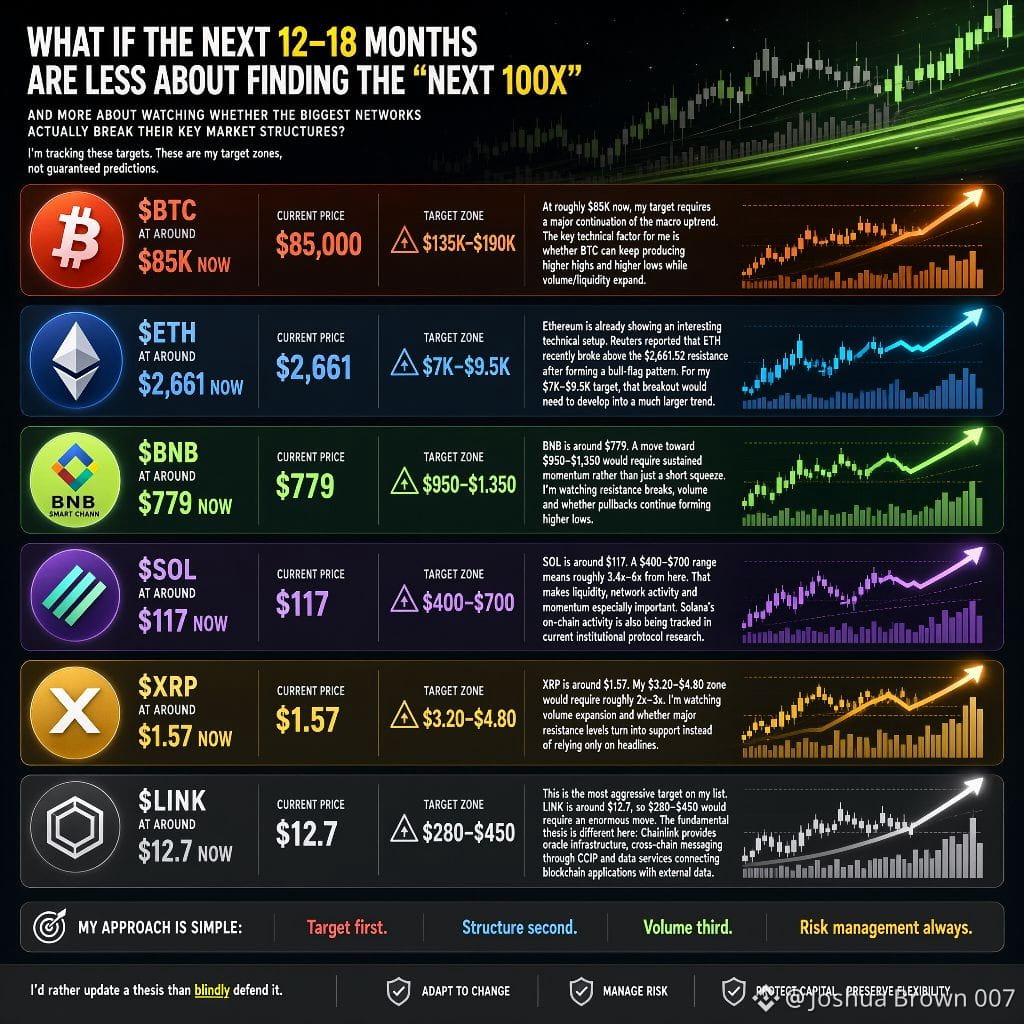
今後12〜18か月が「次の100倍」を見つけることよりも、最大手のネットワークが実際に主要な市場構造を崩すかどうかを見届ける期間になるとしたら?
私はこれらの目標を追っています:
$BTC → 135K〜190Kドル
$ETH → 7K〜9.5Kドル
$BNB → 950〜1,350ドル
$SOL → 400〜700ドル
$XRP → 3.20〜4.80ドル
$LINK → 280〜450ドル
これらは私の目標ゾーンであり、保証された予測ではありません。
🔹 $BTC
現在およそ85Kドルの水準から、私の目標にはマクロの上昇トレンドが大きく継続する必要があります。私にとっての重要なテクニカル要因は、BTCが出来高/流動性を拡大させながら切り上げの高値・切り上げの安値を作り続けられるかどうかです。
🔹 $ETH
イーサリアムはすでに興味深いテクニカル局面を示しています。ロイターによると、ETHは強気のフラッグ(bull-flag)パターンを形成した後、最近2,661.52ドルのレジスタンスを上抜けました。
私の$7K〜$9.5Kという目標のためには、そのブレイクアウトがより大きなトレンドへ発展する必要があります。
🔹 $BNB
BNBはおよそ779ドルです。950〜1,350ドルへの動きには、単なるショートスクイーズではなく、持続的なモメンタムが必要です。私はレジスタンスのブレイク、出来高、そして押し目が高値安値(higher lows)を作り続けているかを見ています。
🔹 $SOL
SOLはおよそ117ドルです。400〜700ドルのレンジは、ここから約3.4倍〜6倍を意味します。
そのため、流動性、ネットワーク活動、そしてモメンタムが特に重要になります。ソラナのオンチェーン活動については、現在の機関向けプロトコル調査でも追跡されています。
🔹 $XRP
XRPはおよそ1.57ドルです。私の3.20〜4.80ドルのゾーンには、概ね2倍〜3倍が必要です。私は出来高の拡大と、大きなレジスタンス水準がヘッドライン頼みではなく、支持(サポート)に転じるかどうかを見ています。
私の方針はシンプルです:
まずターゲット。
次に構造。
次に出来高。
そして常にリスク管理。
市場構造が変われば、私の目標も変わり得ます。
私は、盲目的に自説を守るよりも、見立てを更新したいと思っています。
{spot}(BTCUSDT)
{spot}(ETHUSDT)
{spot}(BNBUSDT)
今後12〜18か月が「次の100倍」を見つけることよりも、最大手のネットワークが実際に主要な市場構造を崩すかどうかを見届ける期間になるとしたら?
私はこれらの目標を追っています:
$BTC → 135K〜190Kドル
$ETH → 7K〜9.5Kドル
$BNB → 950〜1,350ドル
$SOL → 400〜700ドル
$XRP → 3.20〜4.80ドル
$LINK → 280〜450ドル
これらは私の目標ゾーンであり、保証された予測ではありません。
🔹 $BTC
現在およそ85Kドルの水準から、私の目標にはマクロの上昇トレンドが大きく継続する必要があります。私にとっての重要なテクニカル要因は、BTCが出来高/流動性を拡大させながら切り上げの高値・切り上げの安値を作り続けられるかどうかです。
🔹 $ETH
イーサリアムはすでに興味深いテクニカル局面を示しています。ロイターによると、ETHは強気のフラッグ(bull-flag)パターンを形成した後、最近2,661.52ドルのレジスタンスを上抜けました。
私の$7K〜$9.5Kという目標のためには、そのブレイクアウトがより大きなトレンドへ発展する必要があります。
🔹 $BNB
BNBはおよそ779ドルです。950〜1,350ドルへの動きには、単なるショートスクイーズではなく、持続的なモメンタムが必要です。私はレジスタンスのブレイク、出来高、そして押し目が高値安値(higher lows)を作り続けているかを見ています。
🔹 $SOL
SOLはおよそ117ドルです。400〜700ドルのレンジは、ここから約3.4倍〜6倍を意味します。
そのため、流動性、ネットワーク活動、そしてモメンタムが特に重要になります。ソラナのオンチェーン活動については、現在の機関向けプロトコル調査でも追跡されています。
🔹 $XRP
XRPはおよそ1.57ドルです。私の3.20〜4.80ドルのゾーンには、概ね2倍〜3倍が必要です。私は出来高の拡大と、大きなレジスタンス水準がヘッドライン頼みではなく、支持(サポート)に転じるかどうかを見ています。
私の方針はシンプルです:
まずターゲット。
次に構造。
次に出来高。
そして常にリスク管理。
市場構造が変われば、私の目標も変わり得ます。
私は、盲目的に自説を守るよりも、見立てを更新したいと思っています。
私はこれらの目標を追っています:
$BTC → 135K〜190Kドル
$ETH → 7K〜9.5Kドル
$BNB → 950〜1,350ドル
$SOL → 400〜700ドル
$XRP → 3.20〜4.80ドル
$LINK → 280〜450ドル
これらは私の目標ゾーンであり、保証された予測ではありません。
🔹 $BTC
現在およそ85Kドルの水準から、私の目標にはマクロの上昇トレンドが大きく継続する必要があります。私にとっての重要なテクニカル要因は、BTCが出来高/流動性を拡大させながら切り上げの高値・切り上げの安値を作り続けられるかどうかです。
🔹 $ETH
イーサリアムはすでに興味深いテクニカル局面を示しています。ロイターによると、ETHは強気のフラッグ(bull-flag)パターンを形成した後、最近2,661.52ドルのレジスタンスを上抜けました。
私の$7K〜$9.5Kという目標のためには、そのブレイクアウトがより大きなトレンドへ発展する必要があります。
🔹 $BNB
BNBはおよそ779ドルです。950〜1,350ドルへの動きには、単なるショートスクイーズではなく、持続的なモメンタムが必要です。私はレジスタンスのブレイク、出来高、そして押し目が高値安値(higher lows)を作り続けているかを見ています。
🔹 $SOL
SOLはおよそ117ドルです。400〜700ドルのレンジは、ここから約3.4倍〜6倍を意味します。
そのため、流動性、ネットワーク活動、そしてモメンタムが特に重要になります。ソラナのオンチェーン活動については、現在の機関向けプロトコル調査でも追跡されています。
🔹 $XRP
XRPはおよそ1.57ドルです。私の3.20〜4.80ドルのゾーンには、概ね2倍〜3倍が必要です。私は出来高の拡大と、大きなレジスタンス水準がヘッドライン頼みではなく、支持(サポート)に転じるかどうかを見ています。
私の方針はシンプルです:
まずターゲット。
次に構造。
次に出来高。
そして常にリスク管理。
市場構造が変われば、私の目標も変わり得ます。
私は、盲目的に自説を守るよりも、見立てを更新したいと思っています。
200
記事
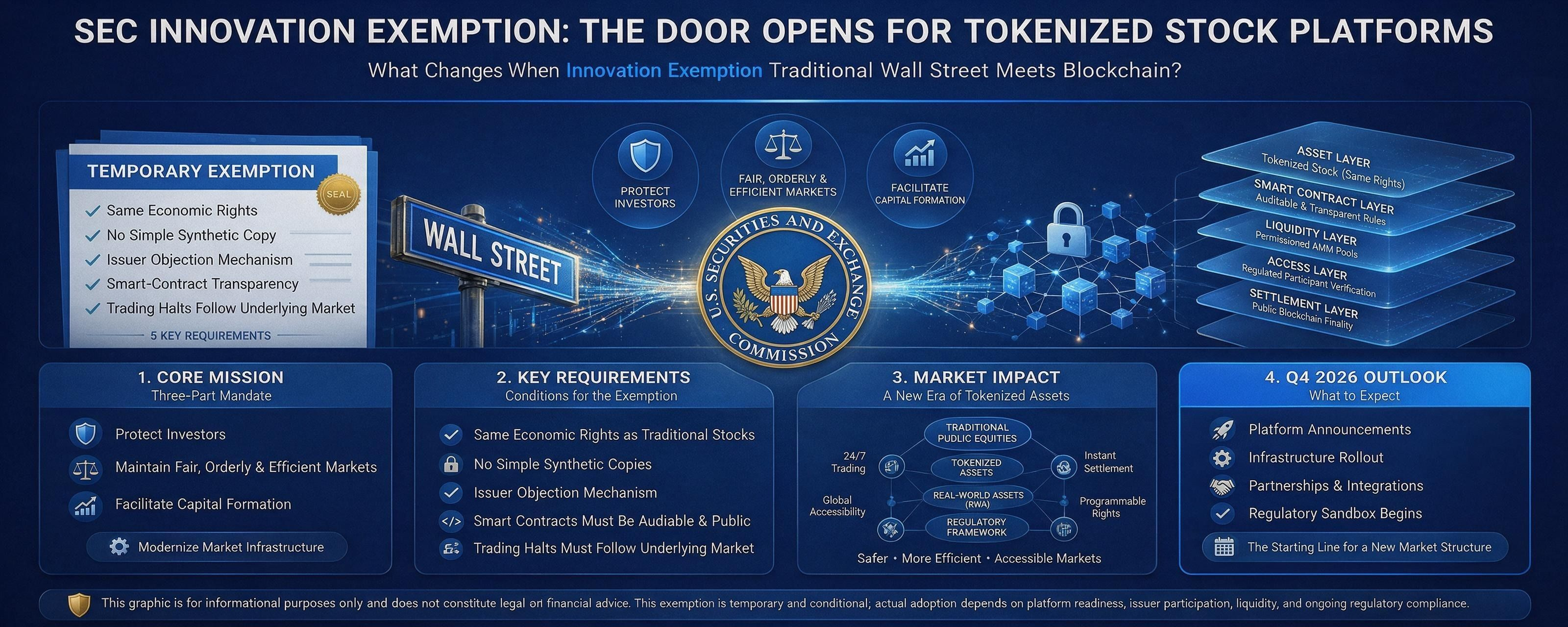
SECのイノベーション免除は、2026年Q4にトークン化株式プラットフォームへの道を開く可能性がある伝統的なウォール街とブロックチェーンの間で、重要な変化が起きています。
2026年9月17日、米国証券取引委員会(SEC)は一時的なイノベーション免除(Innovation Exemption)を導入し、ブロックチェーンベースの会場で特定のトークン化された米国株を取引できるようにするための規制上の導線を作りました。今回の動きにより、関心のあるトークン化株式プラットフォームは、2026年Q4に早くても計画を発表できる可能性があります。
しかし、暗号のインパクトを見る前に、SECが実際に何をしているのかを理解しておくことが重要です。
SECのイノベーション免除は、2026年Q4にトークン化株式プラットフォームへの道を開く可能性がある
伝統的なウォール街とブロックチェーンの間で、重要な変化が起きています。
2026年9月17日、米国証券取引委員会(SEC)は一時的なイノベーション免除(Innovation Exemption)を導入し、ブロックチェーンベースの会場で特定のトークン化された米国株を取引できるようにするための規制上の導線を作りました。今回の動きにより、関心のあるトークン化株式プラットフォームは、2026年Q4に早くても計画を発表できる可能性があります。
しかし、暗号のインパクトを見る前に、SECが実際に何をしているのかを理解しておくことが重要です。
2026年9月17日、米国証券取引委員会(SEC)は一時的なイノベーション免除(Innovation Exemption)を導入し、ブロックチェーンベースの会場で特定のトークン化された米国株を取引できるようにするための規制上の導線を作りました。今回の動きにより、関心のあるトークン化株式プラットフォームは、2026年Q4に早くても計画を発表できる可能性があります。
しかし、暗号のインパクトを見る前に、SECが実際に何をしているのかを理解しておくことが重要です。
1
169
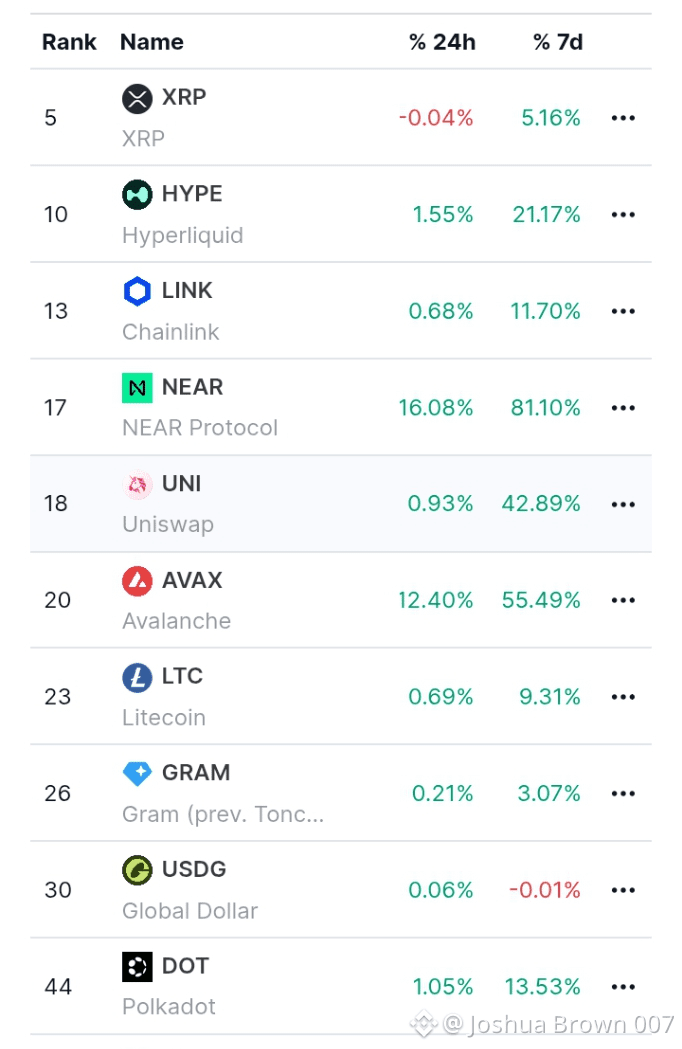
暗号資産の出来高トップ10:市場スナップショット|2026年9月20日。
リカバリー(ローテーション)の動きが面白くなってきています
9月20日のデータでは、主要な複数のアルトコインで7日間の勢いが強いことが示されています。
🔹 $NEAR: +81.10%(このグループで最大の上昇幅)
🔹 $AVAX: +55.49%
🔹 $UNI: +42.89%
🔹 $HYPE: +21.17%
🔹 $DOT: +13.53%
🔹 $LINK: +11.70%
🔹 $LTC: +9.31%
🔹 $XRP: +5.16%
注目すべきは出来高です。
$XRPは24時間で$2.69B、$NEARは$2.05B、$AVAXは$1.48B、$HYPEは$854Mの出来高でした。
これは単なる値動きだけではありません。資金と出来高が、さまざまなセクターをまたいでローテーションしています。
しかし、このような急激な週次の上昇の後は、ボラティリティ(変動性)が急拡大する可能性もあります。
出来高がこの動きを裏付け続けるのか、それとも勢いが弱まっていくのかを見ています。
ローソク足は追いかけません。資金の流れを見ます。
暗号資産の出来高トップ10:市場スナップショット|2026年9月20日。
リカバリー(ローテーション)の動きが面白くなってきています
9月20日のデータでは、主要な複数のアルトコインで7日間の勢いが強いことが示されています。
🔹 $NEAR: +81.10%(このグループで最大の上昇幅)
🔹 $AVAX: +55.49%
🔹 $UNI: +42.89%
🔹 $HYPE: +21.17%
🔹 $DOT: +13.53%
🔹 $LINK: +11.70%
🔹 $LTC: +9.31%
🔹 $XRP: +5.16%
注目すべきは出来高です。
$XRPは24時間で$2.69B、$NEARは$2.05B、$AVAXは$1.48B、$HYPEは$854Mの出来高でした。
これは単なる値動きだけではありません。資金と出来高が、さまざまなセクターをまたいでローテーションしています。
しかし、このような急激な週次の上昇の後は、ボラティリティ(変動性)が急拡大する可能性もあります。
出来高がこの動きを裏付け続けるのか、それとも勢いが弱まっていくのかを見ています。
ローソク足は追いかけません。資金の流れを見ます。
リカバリー(ローテーション)の動きが面白くなってきています
9月20日のデータでは、主要な複数のアルトコインで7日間の勢いが強いことが示されています。
🔹 $NEAR: +81.10%(このグループで最大の上昇幅)
🔹 $AVAX: +55.49%
🔹 $UNI: +42.89%
🔹 $HYPE: +21.17%
🔹 $DOT: +13.53%
🔹 $LINK: +11.70%
🔹 $LTC: +9.31%
🔹 $XRP: +5.16%
注目すべきは出来高です。
$XRPは24時間で$2.69B、$NEARは$2.05B、$AVAXは$1.48B、$HYPEは$854Mの出来高でした。
これは単なる値動きだけではありません。資金と出来高が、さまざまなセクターをまたいでローテーションしています。
しかし、このような急激な週次の上昇の後は、ボラティリティ(変動性)が急拡大する可能性もあります。
出来高がこの動きを裏付け続けるのか、それとも勢いが弱まっていくのかを見ています。
ローソク足は追いかけません。資金の流れを見ます。
1
385
翻訳参照
#BTC☀
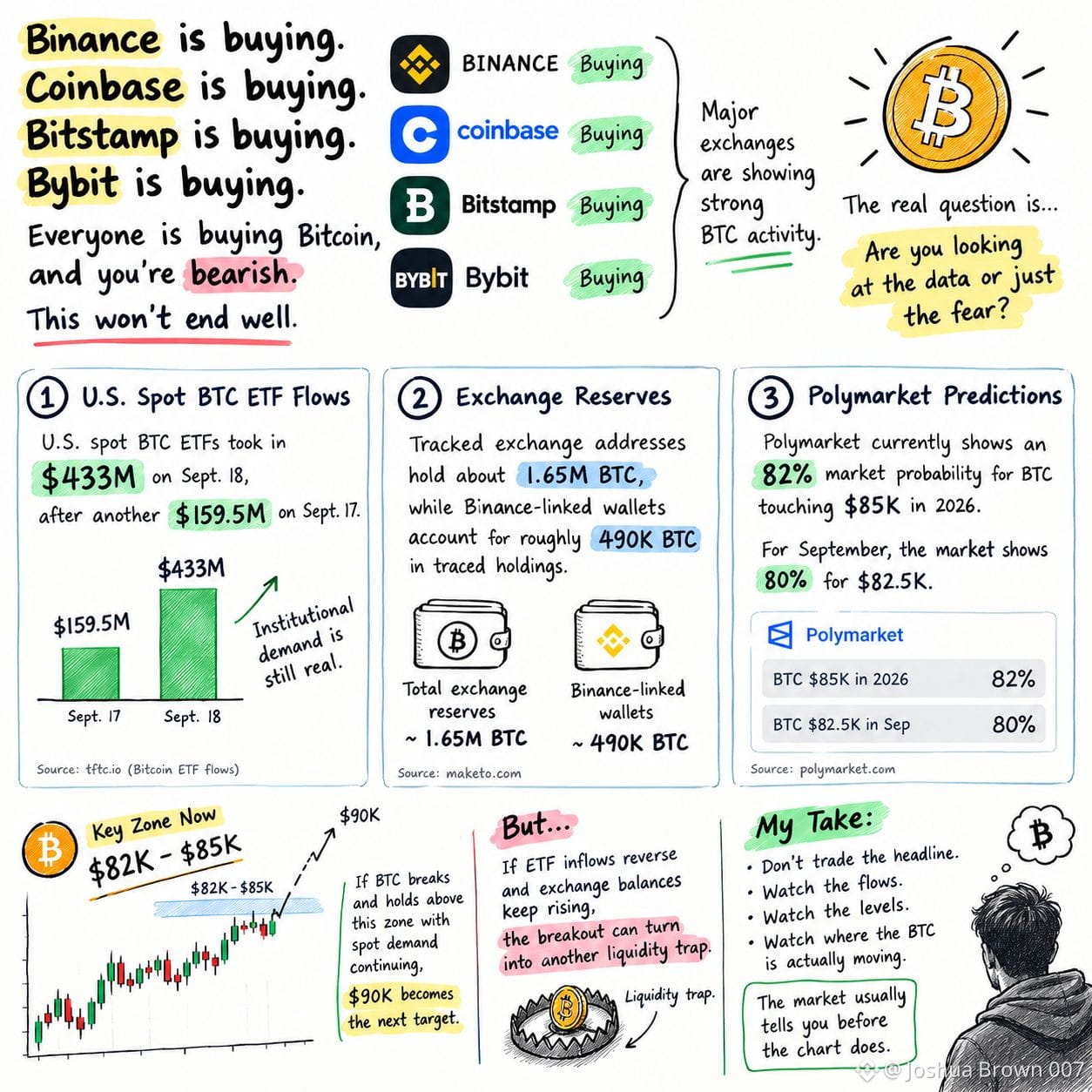
Are you waiting for dip $64K for Bitcoin Let Look a view of institutional buy and demand.
The interesting part isn’t just the narrative the data is starting to show a split between exchange liquidity and institutional demand.
Recent data shows U.S. spot BTC ETFs took in $433M on Sept. 18, after another $159.5M on Sept. 17.
TFTC +1
At the same time, tracked exchange addresses hold about 1.65M BTC, while Binance linked wallets account for roughly 490K BTC in traced holdings.
And Polymarket currently shows an 82% market probability for BTC touching $85K in 2026, while the September market shows 80% for $82.5K.
My take:
$82K–$85K is the key zone now.
If BTC breaks and holds above it with spot demand continuing, $90K becomes the next psychological target.
But if ETF inflows reverse and exchange balances keep rising, the breakout can turn into another liquidity trap.
Don't trade the headline.
Watch the flows. Watch the levels. Watch where the BTC is actually moving.
The market usually tells you before the chart does.$BTC
{spot}(BTCUSDT)
#BTC☀
Are you waiting for dip $64K for Bitcoin Let Look a view of institutional buy and demand.
The interesting part isn’t just the narrative the data is starting to show a split between exchange liquidity and institutional demand.
Recent data shows U.S. spot BTC ETFs took in $433M on Sept. 18, after another $159.5M on Sept. 17.
TFTC +1
At the same time, tracked exchange addresses hold about 1.65M BTC, while Binance linked wallets account for roughly 490K BTC in traced holdings.
And Polymarket currently shows an 82% market probability for BTC touching $85K in 2026, while the September market shows 80% for $82.5K.
My take:
$82K–$85K is the key zone now.
If BTC breaks and holds above it with spot demand continuing, $90K becomes the next psychological target.
But if ETF inflows reverse and exchange balances keep rising, the breakout can turn into another liquidity trap.
Don't trade the headline.
Watch the flows. Watch the levels. Watch where the BTC is actually moving.
The market usually tells you before the chart does.$BTC
Are you waiting for dip $64K for Bitcoin Let Look a view of institutional buy and demand.
The interesting part isn’t just the narrative the data is starting to show a split between exchange liquidity and institutional demand.
Recent data shows U.S. spot BTC ETFs took in $433M on Sept. 18, after another $159.5M on Sept. 17.
TFTC +1
At the same time, tracked exchange addresses hold about 1.65M BTC, while Binance linked wallets account for roughly 490K BTC in traced holdings.
And Polymarket currently shows an 82% market probability for BTC touching $85K in 2026, while the September market shows 80% for $82.5K.
My take:
$82K–$85K is the key zone now.
If BTC breaks and holds above it with spot demand continuing, $90K becomes the next psychological target.
But if ETF inflows reverse and exchange balances keep rising, the breakout can turn into another liquidity trap.
Don't trade the headline.
Watch the flows. Watch the levels. Watch where the BTC is actually moving.
The market usually tells you before the chart does.$BTC
1
67
$TRUMP オンチェーン・アラート
トランプ・ミーム・チームが、さらに8.73M $TRUMP (約$17.99M)をBitGoの保管へ移動しました。
これにより、2週間の合計は約31M TRUMP(約$70.64M)です。
しかし重要なのはここです:
⚠️ BitGoの保管=確認済みの売却ではありません。
だから私は次のウォレットの動きを見ています。単に投げ売りだと決めつけていません。
📉 売却が続く場合の価格への影響:
大規模なチームに紐づく供給が市場の流動性に流入すると、売り圧力が強まり、サポートが弱くなる可能性があります。もしその後に取引所への入金が見られれば、より急な動きのリスクが高まります。
📊 注目すべきテクニカル水準:
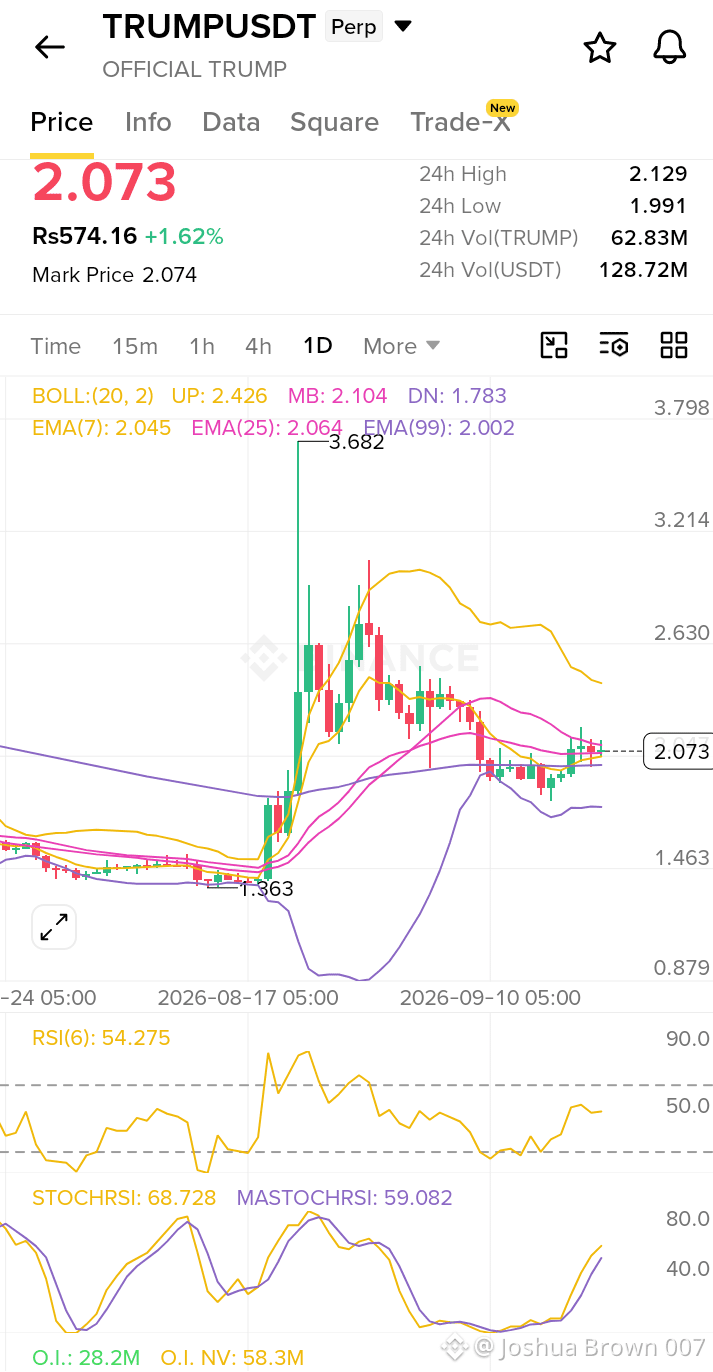
現在の報告では、$TRUMP は約$2.05付近。抵抗は$2.14付近、サポートは$1.96付近です。さらに価格は50/200EMAのゾーン付近にあり、確認に重要な領域です。
私の方針:慌てて投げ売りしない。むやみに押し目買いもしない。
見るべき点:→ BitGo → 取引所への送金
→ スポット出来高
→ $1.96サポート
→ $2.14のブレイク
→ ウォレットの流出/流入
もし$1.96が強い出来高で割れるなら、下方向の圧力は加速し得ます。
もし$2.14が強いスポット出来高で奪還されるなら、市場はその供給を吸収する可能性があります。
オンチェーンのフローが先。価格の確認は次。
{future}(TRUMPUSDT)
{future}(MELANIAUSDT)
{future}(WLFIUSDT)
#TrumpCrypto #XRPExchangeReservesHitSevenYearLow #trumpcoin
$TRUMP オンチェーン・アラート
トランプ・ミーム・チームが、さらに8.73M $TRUMP (約$17.99M)をBitGoの保管へ移動しました。
これにより、2週間の合計は約31M TRUMP(約$70.64M)です。
しかし重要なのはここです:
⚠️ BitGoの保管=確認済みの売却ではありません。
だから私は次のウォレットの動きを見ています。単に投げ売りだと決めつけていません。
📉 売却が続く場合の価格への影響:
大規模なチームに紐づく供給が市場の流動性に流入すると、売り圧力が強まり、サポートが弱くなる可能性があります。もしその後に取引所への入金が見られれば、より急な動きのリスクが高まります。
📊 注目すべきテクニカル水準:
現在の報告では、$TRUMP は約$2.05付近。抵抗は$2.14付近、サポートは$1.96付近です。さらに価格は50/200EMAのゾーン付近にあり、確認に重要な領域です。
私の方針:慌てて投げ売りしない。むやみに押し目買いもしない。
見るべき点:→ BitGo → 取引所への送金
→ スポット出来高
→ $1.96サポート
→ $2.14のブレイク
→ ウォレットの流出/流入
もし$1.96が強い出来高で割れるなら、下方向の圧力は加速し得ます。
もし$2.14が強いスポット出来高で奪還されるなら、市場はその供給を吸収する可能性があります。
オンチェーンのフローが先。価格の確認は次。
#TrumpCrypto #XRPExchangeReservesHitSevenYearLow #trumpcoin
トランプ・ミーム・チームが、さらに8.73M $TRUMP (約$17.99M)をBitGoの保管へ移動しました。
これにより、2週間の合計は約31M TRUMP(約$70.64M)です。
しかし重要なのはここです:
⚠️ BitGoの保管=確認済みの売却ではありません。
だから私は次のウォレットの動きを見ています。単に投げ売りだと決めつけていません。
📉 売却が続く場合の価格への影響:
大規模なチームに紐づく供給が市場の流動性に流入すると、売り圧力が強まり、サポートが弱くなる可能性があります。もしその後に取引所への入金が見られれば、より急な動きのリスクが高まります。
📊 注目すべきテクニカル水準:
現在の報告では、$TRUMP は約$2.05付近。抵抗は$2.14付近、サポートは$1.96付近です。さらに価格は50/200EMAのゾーン付近にあり、確認に重要な領域です。
私の方針:慌てて投げ売りしない。むやみに押し目買いもしない。
見るべき点:→ BitGo → 取引所への送金
→ スポット出来高
→ $1.96サポート
→ $2.14のブレイク
→ ウォレットの流出/流入
もし$1.96が強い出来高で割れるなら、下方向の圧力は加速し得ます。
もし$2.14が強いスポット出来高で奪還されるなら、市場はその供給を吸収する可能性があります。
オンチェーンのフローが先。価格の確認は次。
#TrumpCrypto #XRPExchangeReservesHitSevenYearLow #trumpcoin

1
670
記事
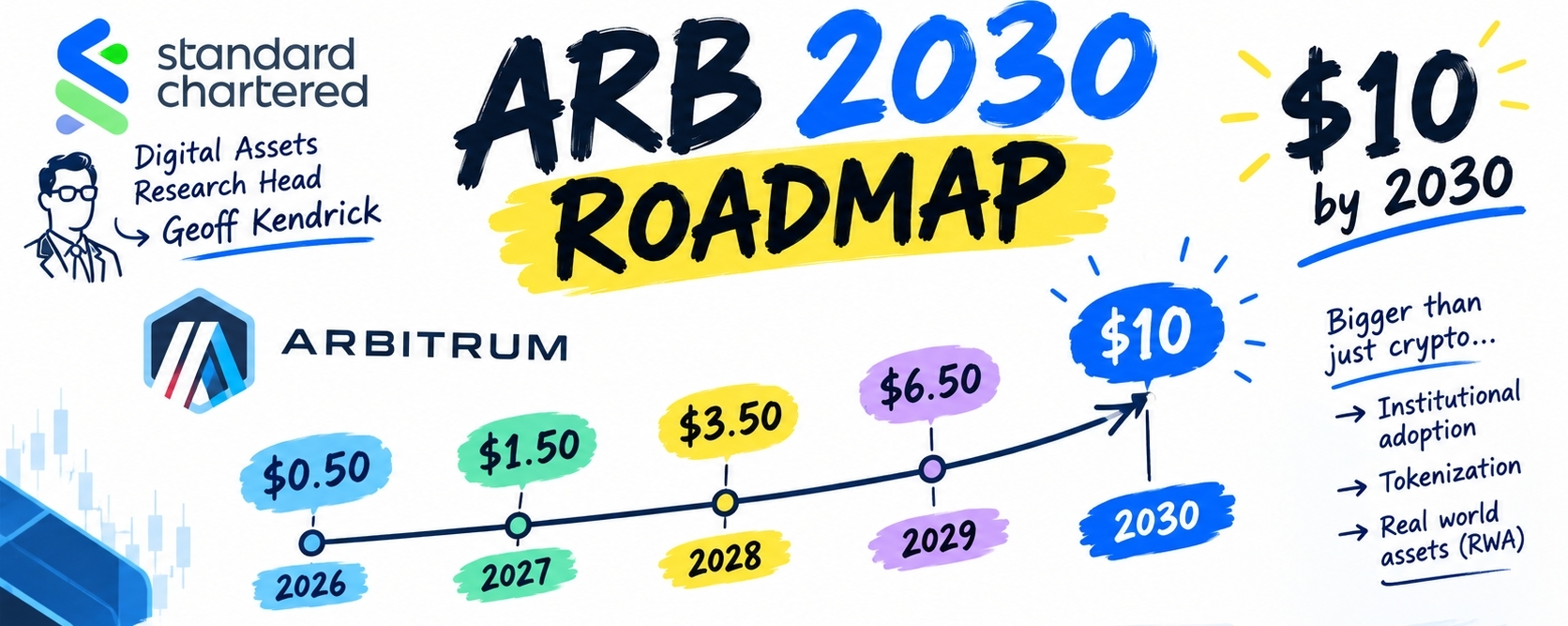
Standard Charteredのデジタル資産調査責任者、Geoff Kendrickによる2030年のARBロードマップ大手のグローバル銀行のデジタル資産調査責任者であるジェフ・ケンドリック氏が、2030年末までにアービトラム(ARB)に対して巨大な$10の長期価格目標をついに提示しました。基準となる参照価格$0.14を用いて、同銀行は攻撃的な階段状の軌道を描きました:
2026年の目標:$0.50
2027年の目標:$1.50
2028年の目標:$3.50
2029年の目標:$6.50
2030年の目標:$10.00
反逆者
大手グローバル銀行による70倍の成長予測は一見すると簡単な勝ち筋に思えますが、機関投資家の理論と、チャート上の冷徹なデータの間にあるギャップを埋める必要があります。
Standard Charteredのデジタル資産調査責任者、Geoff Kendrickによる2030年のARBロードマップ
大手のグローバル銀行のデジタル資産調査責任者であるジェフ・ケンドリック氏が、2030年末までにアービトラム(ARB)に対して巨大な$10の長期価格目標をついに提示しました。基準となる参照価格$0.14を用いて、同銀行は攻撃的な階段状の軌道を描きました:
2026年の目標:$0.50
2027年の目標:$1.50
2028年の目標:$3.50
2029年の目標:$6.50
2030年の目標:$10.00
反逆者
大手グローバル銀行による70倍の成長予測は一見すると簡単な勝ち筋に思えますが、機関投資家の理論と、チャート上の冷徹なデータの間にあるギャップを埋める必要があります。
2026年の目標:$0.50
2027年の目標:$1.50
2028年の目標:$3.50
2029年の目標:$6.50
2030年の目標:$10.00
反逆者
大手グローバル銀行による70倍の成長予測は一見すると簡単な勝ち筋に思えますが、機関投資家の理論と、チャート上の冷徹なデータの間にあるギャップを埋める必要があります。
2
16
19.8k
#Binance
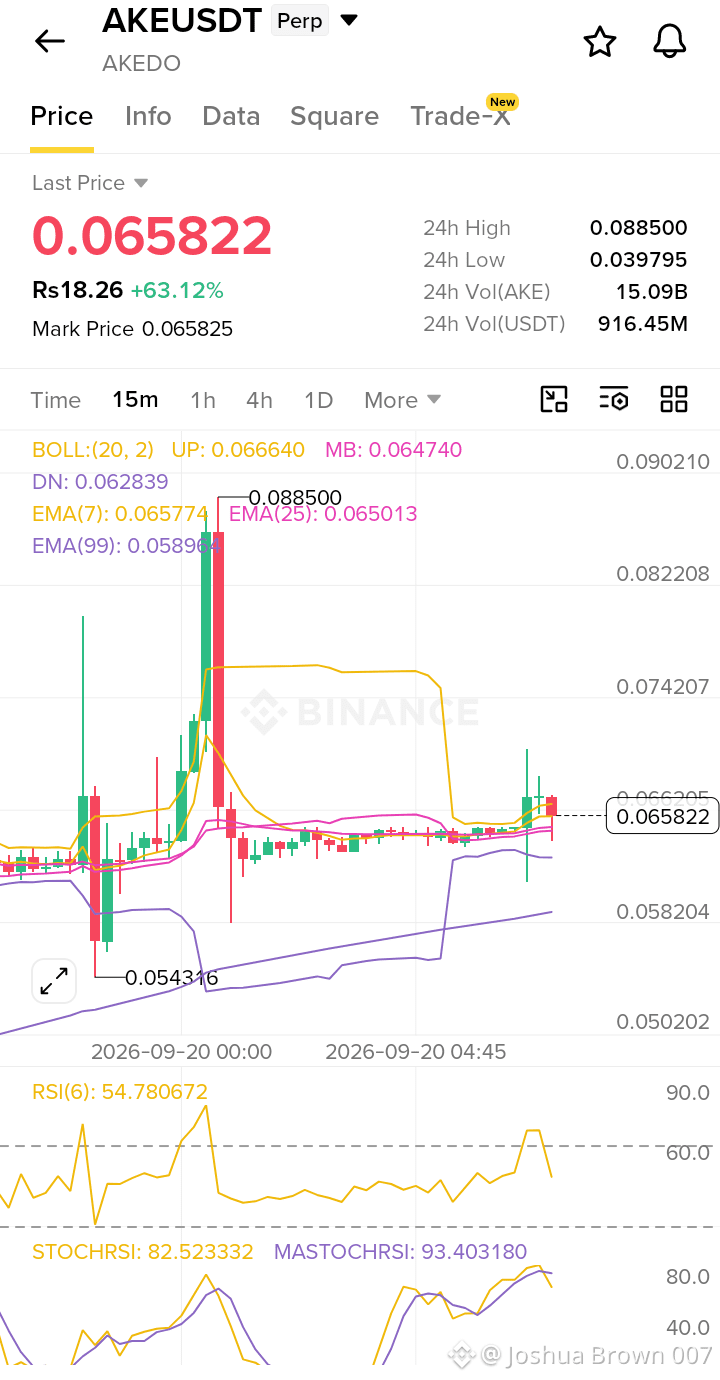
AKEUSDT $AKE は今まさに教科書に載っているようなポンプ・アンド・ダンプの罠に見えます。もしあなたが個人トレーダーなら、この件からは遠ざかり、苦労して稼いだお金を沈みゆく船に投げ込まないでください。
チャートが明確に示しているのは以下の通りです:
巨大なウィック:その大きな縦方向の赤いスパイク、その後に続く長い上ひげは強い警告サインです。内部者や初期の買い手が価格を 0.088500 まで押し上げた後、遅れて買った人たちに大量の売り(重い買い玉)を投げ込み、そのまま価格をまっすぐ急落させたことを示しています。
閉じ込められた出来高:24時間で 15.09B AKE と大きく膨らんだ出来高を見てください。非常に短い時間でこのトークンを通過した流動性が多すぎます。これは、日常のトレーダーに買い袋を抱えさせたまま、クリエイターやクジラが自分のポジションを離脱するときにまさに起きるパターンです。
人工的な熱狂:当日 +63.12% と上昇しているのを見ると魅力的に感じるかもしれませんが、これは非常に紛らわしいです。クラッシュ後に価格の動きがすでに大きく横ばいになっており、最初の“人工的な勢い”が衰えていることを示しています。
このように動くトークンでは、個人トレーダーはほとんどの場合負けます。供給をコントロールしている人たちによってゲームのルールが完全に操作されています。FOMO(取り逃がしへの恐怖)に飲まれないでください。資金を守り、本当に中身のあるプロジェクトを探しましょう。
みんな貪欲にならないで、バイナンスでの取引は単一ペアだけじゃないです😁
{future}(AKEUSDT)
{future}(ONEUSDT)
{future}(BANKUSDT)
#Binance
AKEUSDT $AKE は今まさに教科書に載っているようなポンプ・アンド・ダンプの罠に見えます。もしあなたが個人トレーダーなら、この件からは遠ざかり、苦労して稼いだお金を沈みゆく船に投げ込まないでください。
チャートが明確に示しているのは以下の通りです:
巨大なウィック:その大きな縦方向の赤いスパイク、その後に続く長い上ひげは強い警告サインです。内部者や初期の買い手が価格を 0.088500 まで押し上げた後、遅れて買った人たちに大量の売り(重い買い玉)を投げ込み、そのまま価格をまっすぐ急落させたことを示しています。
閉じ込められた出来高:24時間で 15.09B AKE と大きく膨らんだ出来高を見てください。非常に短い時間でこのトークンを通過した流動性が多すぎます。これは、日常のトレーダーに買い袋を抱えさせたまま、クリエイターやクジラが自分のポジションを離脱するときにまさに起きるパターンです。
人工的な熱狂:当日 +63.12% と上昇しているのを見ると魅力的に感じるかもしれませんが、これは非常に紛らわしいです。クラッシュ後に価格の動きがすでに大きく横ばいになっており、最初の“人工的な勢い”が衰えていることを示しています。
このように動くトークンでは、個人トレーダーはほとんどの場合負けます。供給をコントロールしている人たちによってゲームのルールが完全に操作されています。FOMO(取り逃がしへの恐怖)に飲まれないでください。資金を守り、本当に中身のあるプロジェクトを探しましょう。
みんな貪欲にならないで、バイナンスでの取引は単一ペアだけじゃないです😁
AKEUSDT $AKE は今まさに教科書に載っているようなポンプ・アンド・ダンプの罠に見えます。もしあなたが個人トレーダーなら、この件からは遠ざかり、苦労して稼いだお金を沈みゆく船に投げ込まないでください。
チャートが明確に示しているのは以下の通りです:
巨大なウィック:その大きな縦方向の赤いスパイク、その後に続く長い上ひげは強い警告サインです。内部者や初期の買い手が価格を 0.088500 まで押し上げた後、遅れて買った人たちに大量の売り(重い買い玉)を投げ込み、そのまま価格をまっすぐ急落させたことを示しています。
閉じ込められた出来高:24時間で 15.09B AKE と大きく膨らんだ出来高を見てください。非常に短い時間でこのトークンを通過した流動性が多すぎます。これは、日常のトレーダーに買い袋を抱えさせたまま、クリエイターやクジラが自分のポジションを離脱するときにまさに起きるパターンです。
人工的な熱狂:当日 +63.12% と上昇しているのを見ると魅力的に感じるかもしれませんが、これは非常に紛らわしいです。クラッシュ後に価格の動きがすでに大きく横ばいになっており、最初の“人工的な勢い”が衰えていることを示しています。
このように動くトークンでは、個人トレーダーはほとんどの場合負けます。供給をコントロールしている人たちによってゲームのルールが完全に操作されています。FOMO(取り逃がしへの恐怖)に飲まれないでください。資金を守り、本当に中身のあるプロジェクトを探しましょう。
みんな貪欲にならないで、バイナンスでの取引は単一ペアだけじゃないです😁
1
479
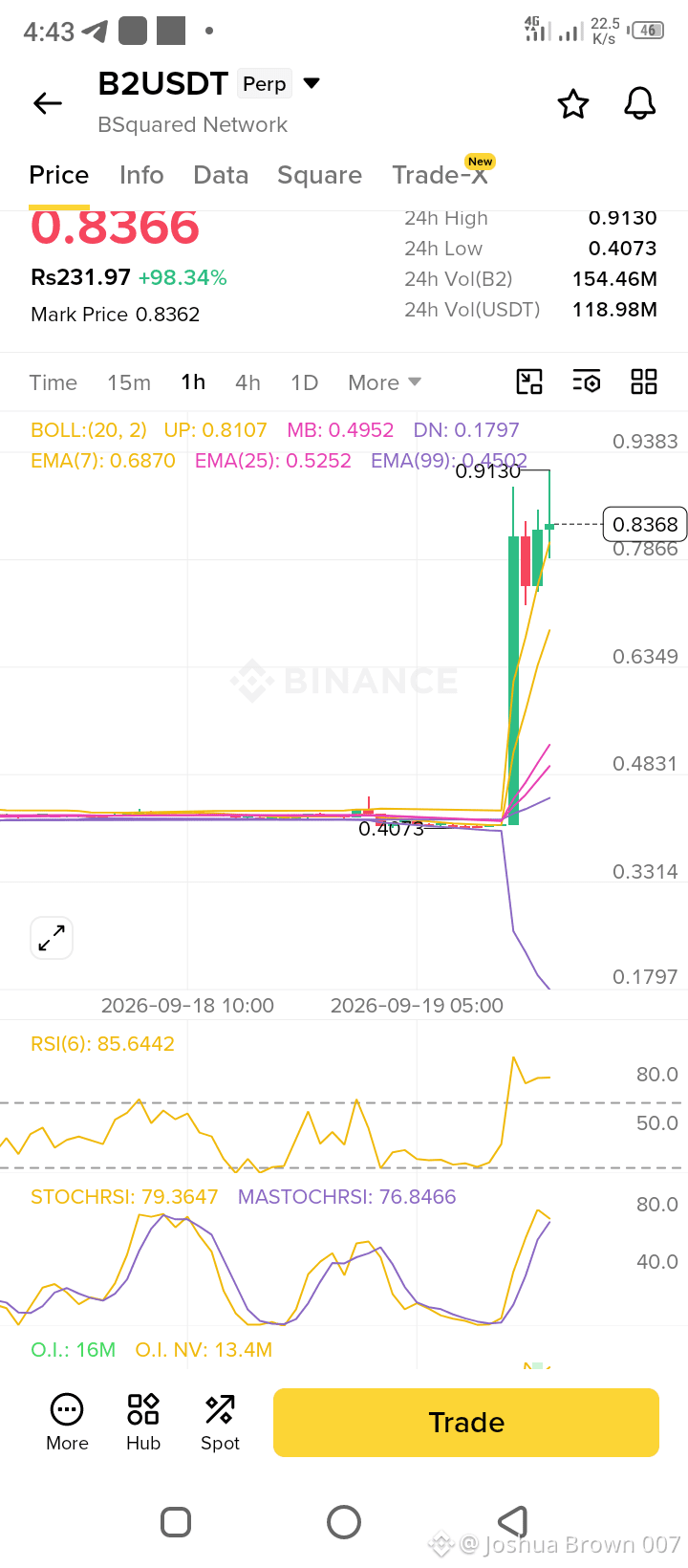
#TradeSignal $B2 トレード分析😎
大幅な価格上昇は、ユーザーがトークンを保有・請求(クレーム)することを要するBinance Alphaのエアドロップキャンペーンと密接に結びついており、即時の需要が生まれます。
ロング・セットアップ
この資産は0.7866の水準を上回って推移し、上昇分を整理し、新たなベースを形成しています。これにより、24時間高値である0.9130およびその先へ向けた再上昇の土台が整う可能性があります。
ショート・セットアップ
0.7866のサポートを維持できず、RSIが冷え込むようであれば、0.5000〜0.5500のレンジへ向けた急な下落(シャープな修正)が起こり得ます。
注意!!!!!
0.6000〜0.6500のゾーンまでの押し目を待ち、そこを上回って強気のローソク足で終値をつけること。0.5800未満(トレンド無効化)0.7866(最初のレジスタンス)、次に0.9130 高値再テスト
0.9130を上回る強い終値(出来高増加を伴う)。0.7866未満(直近のサポート)
0.9500〜1.0000(心理的水準)
{future}(B2USDT)
{future}(AKEUSDT)
{future}(MAGMAUSDT)
#TradeSignal $B2 トレード分析😎
大幅な価格上昇は、ユーザーがトークンを保有・請求(クレーム)することを要するBinance Alphaのエアドロップキャンペーンと密接に結びついており、即時の需要が生まれます。
ロング・セットアップ
この資産は0.7866の水準を上回って推移し、上昇分を整理し、新たなベースを形成しています。これにより、24時間高値である0.9130およびその先へ向けた再上昇の土台が整う可能性があります。
ショート・セットアップ
0.7866のサポートを維持できず、RSIが冷え込むようであれば、0.5000〜0.5500のレンジへ向けた急な下落(シャープな修正)が起こり得ます。
注意!!!!!
0.6000〜0.6500のゾーンまでの押し目を待ち、そこを上回って強気のローソク足で終値をつけること。0.5800未満(トレンド無効化)0.7866(最初のレジスタンス)、次に0.9130 高値再テスト
0.9130を上回る強い終値(出来高増加を伴う)。0.7866未満(直近のサポート)
0.9500〜1.0000(心理的水準)
大幅な価格上昇は、ユーザーがトークンを保有・請求(クレーム)することを要するBinance Alphaのエアドロップキャンペーンと密接に結びついており、即時の需要が生まれます。
ロング・セットアップ
この資産は0.7866の水準を上回って推移し、上昇分を整理し、新たなベースを形成しています。これにより、24時間高値である0.9130およびその先へ向けた再上昇の土台が整う可能性があります。
ショート・セットアップ
0.7866のサポートを維持できず、RSIが冷え込むようであれば、0.5000〜0.5500のレンジへ向けた急な下落(シャープな修正)が起こり得ます。
注意!!!!!
0.6000〜0.6500のゾーンまでの押し目を待ち、そこを上回って強気のローソク足で終値をつけること。0.5800未満(トレンド無効化)0.7866(最初のレジスタンス)、次に0.9130 高値再テスト
0.9130を上回る強い終値(出来高増加を伴う)。0.7866未満(直近のサポート)
0.9500〜1.0000(心理的水準)
2
262
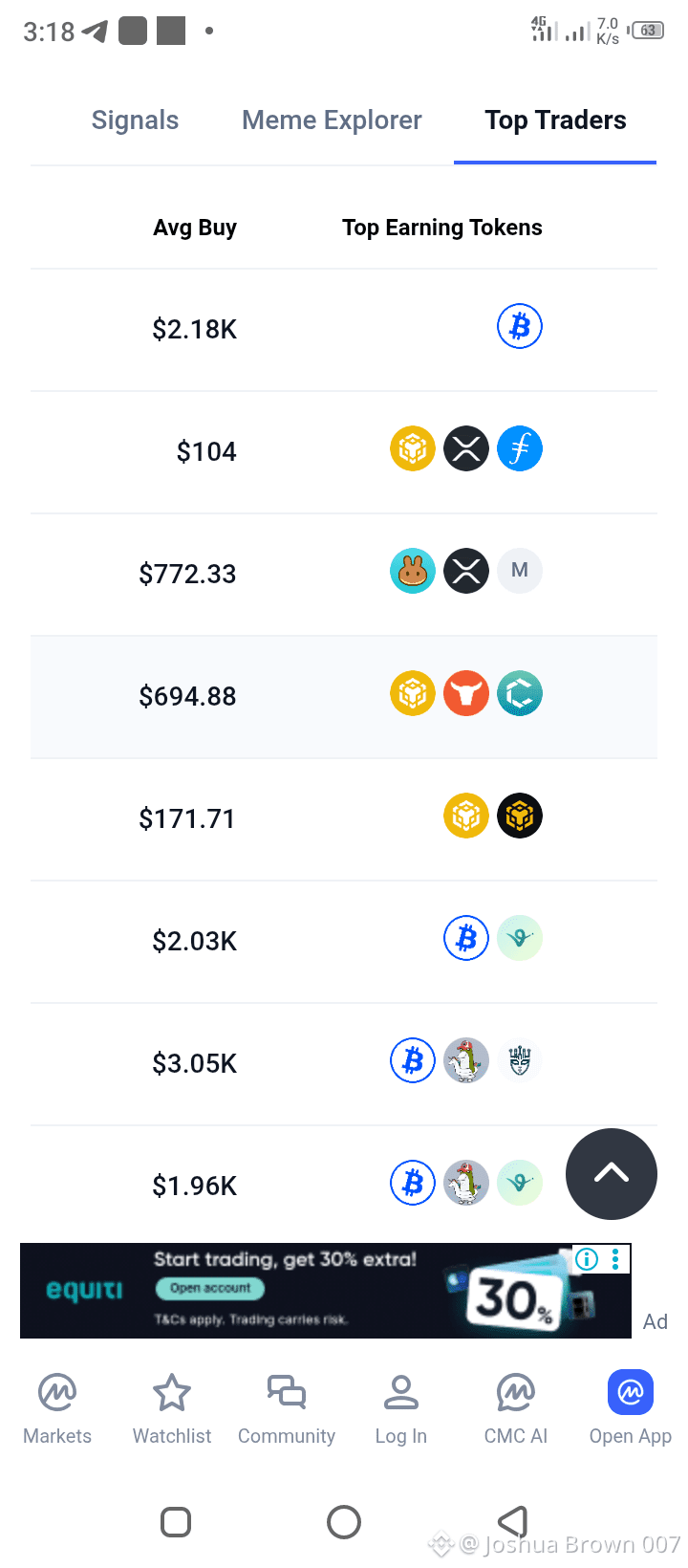
#Toptrader
実現済み利益が$50M以上…そしてこれらのウォレットはTop Tradersリストに載っています。
DEXのTop Tradersデータを見ていたら、これが目に留まりました:
💰 0x6c...5bd3 → 実現済みPnL $6.99M
💰 0x12...de1a → $6.60M
💰 0x22...4099 → $6.40M
💰 0x3f...7f7b → $6.36M
💰 0x84...1ebe → $6.31M
💰 0x31...516d → $6.12M
💰 0x1a...131e → $6.12M
💰 0x4d...0a07 → $6.10M
下のTokensリストを確認して、Big Playsの直近のアクティビティを見てください。
#Toptrader
実現済み利益が$50M以上…そしてこれらのウォレットはTop Tradersリストに載っています。
DEXのTop Tradersデータを見ていたら、これが目に留まりました:
💰 0x6c...5bd3 → 実現済みPnL $6.99M
💰 0x12...de1a → $6.60M
💰 0x22...4099 → $6.40M
💰 0x3f...7f7b → $6.36M
💰 0x84...1ebe → $6.31M
💰 0x31...516d → $6.12M
💰 0x1a...131e → $6.12M
💰 0x4d...0a07 → $6.10M
下のTokensリストを確認して、Big Playsの直近のアクティビティを見てください。
実現済み利益が$50M以上…そしてこれらのウォレットはTop Tradersリストに載っています。
DEXのTop Tradersデータを見ていたら、これが目に留まりました:
💰 0x6c...5bd3 → 実現済みPnL $6.99M
💰 0x12...de1a → $6.60M
💰 0x22...4099 → $6.40M
💰 0x3f...7f7b → $6.36M
💰 0x84...1ebe → $6.31M
💰 0x31...516d → $6.12M
💰 0x1a...131e → $6.12M
💰 0x4d...0a07 → $6.10M
下のTokensリストを確認して、Big Playsの直近のアクティビティを見てください。
1
46
翻訳参照
Top 3 Trending wright now
$G + 97.86%
$UNI +29.45%
$ONE +39.88%
next Top 3 gainers?
Top 3 Trending wright now
$G + 97.86%
$UNI +29.45%
$ONE +39.88%
next Top 3 gainers?
$G + 97.86%
$UNI +29.45%
$ONE +39.88%
next Top 3 gainers?
AVAX
50%
NEAR
30%
inj
20%
10 投票 • 投票は終了しました
1.2k
#WhaleWatch
BTCクジラはポジションを変えている?
レポートでは、クジラがビットコインのショート(売り持ち)をクローズしている可能性が示されており、私はそれを注意深く見ています。
重要なのは、単に「ショートがクローズされた」という事実だけではありません。
BTCがその構造を保っている間に、大口プレイヤーが弱気(ベアリー)へのエクスポージャーを減らしているなら、デリバティブ市場からの売り圧力がいくらか取り除かれることがあります。
ただし、私はオンチェーン側からの裏取りをしたいです:
• 取引所へのBTCフロー • 大口ウォレットの動き • クジラの蓄積/分配 • オープン・インタレスト • フィンディングレート • 清算クラスター
最近のオンチェーンデータでは、クジラの活動が高まっていることが示されていますが、クジラの移動がある=必ずしも蓄積を意味するわけではありません。
そのため、私にとってのシグナルはシンプルです:
ショートがクローズされている=弱気圧力が(潜在的に)減る可能性。
クジラが実際にBTCを蓄積へ動かしている=より強い確認。
私はナラティブ(物語)を信じる前に、フローを見ています。
#Bitcoin #BTC #Crypto #OnChain
$BTC
{future}(BTCUSDT)
$ONE
{future}(ONEUSDT)
$BANK
{future}(BANKUSDT)
#WhaleWatch
BTCクジラはポジションを変えている?
レポートでは、クジラがビットコインのショート(売り持ち)をクローズしている可能性が示されており、私はそれを注意深く見ています。
重要なのは、単に「ショートがクローズされた」という事実だけではありません。
BTCがその構造を保っている間に、大口プレイヤーが弱気(ベアリー)へのエクスポージャーを減らしているなら、デリバティブ市場からの売り圧力がいくらか取り除かれることがあります。
ただし、私はオンチェーン側からの裏取りをしたいです:
• 取引所へのBTCフロー • 大口ウォレットの動き • クジラの蓄積/分配 • オープン・インタレスト • フィンディングレート • 清算クラスター
最近のオンチェーンデータでは、クジラの活動が高まっていることが示されていますが、クジラの移動がある=必ずしも蓄積を意味するわけではありません。
そのため、私にとってのシグナルはシンプルです:
ショートがクローズされている=弱気圧力が(潜在的に)減る可能性。
クジラが実際にBTCを蓄積へ動かしている=より強い確認。
私はナラティブ(物語)を信じる前に、フローを見ています。
#Bitcoin #BTC #Crypto #OnChain
$BTC
$ONE
$BANK
BTCクジラはポジションを変えている?
レポートでは、クジラがビットコインのショート(売り持ち)をクローズしている可能性が示されており、私はそれを注意深く見ています。
重要なのは、単に「ショートがクローズされた」という事実だけではありません。
BTCがその構造を保っている間に、大口プレイヤーが弱気(ベアリー)へのエクスポージャーを減らしているなら、デリバティブ市場からの売り圧力がいくらか取り除かれることがあります。
ただし、私はオンチェーン側からの裏取りをしたいです:
• 取引所へのBTCフロー • 大口ウォレットの動き • クジラの蓄積/分配 • オープン・インタレスト • フィンディングレート • 清算クラスター
最近のオンチェーンデータでは、クジラの活動が高まっていることが示されていますが、クジラの移動がある=必ずしも蓄積を意味するわけではありません。
そのため、私にとってのシグナルはシンプルです:
ショートがクローズされている=弱気圧力が(潜在的に)減る可能性。
クジラが実際にBTCを蓄積へ動かしている=より強い確認。
私はナラティブ(物語)を信じる前に、フローを見ています。
#Bitcoin #BTC #Crypto #OnChain
$BTC
$ONE
$BANK
440
#ADA
カルダノ(ADA)の5.4%ポイント急騰:深掘り
カルダノ(ADA)は過去18時間で、3つの主要要因により大きな5.4%ポイント上昇を見せました。マスターカードとの提携、FRB(米連邦準備制度)後の幅広いアルトコイン・ラリー、そしてエコシステムのシグナルです。
👉 マスターカード提携と決済の物語
👉 FRB後のより広範なアルトコイン・リスクオン・ラリー
👉 エコシステムデータ、DeFi活動、トレーディングフロー
{spot}(ADAUSDT)
#ADA
カルダノ(ADA)の5.4%ポイント急騰:深掘り
カルダノ(ADA)は過去18時間で、3つの主要要因により大きな5.4%ポイント上昇を見せました。マスターカードとの提携、FRB(米連邦準備制度)後の幅広いアルトコイン・ラリー、そしてエコシステムのシグナルです。
👉 マスターカード提携と決済の物語
👉 FRB後のより広範なアルトコイン・リスクオン・ラリー
👉 エコシステムデータ、DeFi活動、トレーディングフロー
カルダノ(ADA)の5.4%ポイント急騰:深掘り
カルダノ(ADA)は過去18時間で、3つの主要要因により大きな5.4%ポイント上昇を見せました。マスターカードとの提携、FRB(米連邦準備制度)後の幅広いアルトコイン・ラリー、そしてエコシステムのシグナルです。
👉 マスターカード提携と決済の物語
👉 FRB後のより広範なアルトコイン・リスクオン・ラリー
👉 エコシステムデータ、DeFi活動、トレーディングフロー

126
ログインして、さらにコンテンツを読む
厳選トピックで世界の暗号資産トレーダーの仲間入り
⚡️ 暗号資産に関する最新かつ有益な情報が見つかります。
💬 世界最大の暗号資産取引所から信頼されています。
👍 認証を受けたクリエイターから、有益なインサイトを得られます。
メール / 電話番号