
#cryptoeducation
cryptoeducation
3.4M views
18,591 Discussing
Hot
Latest

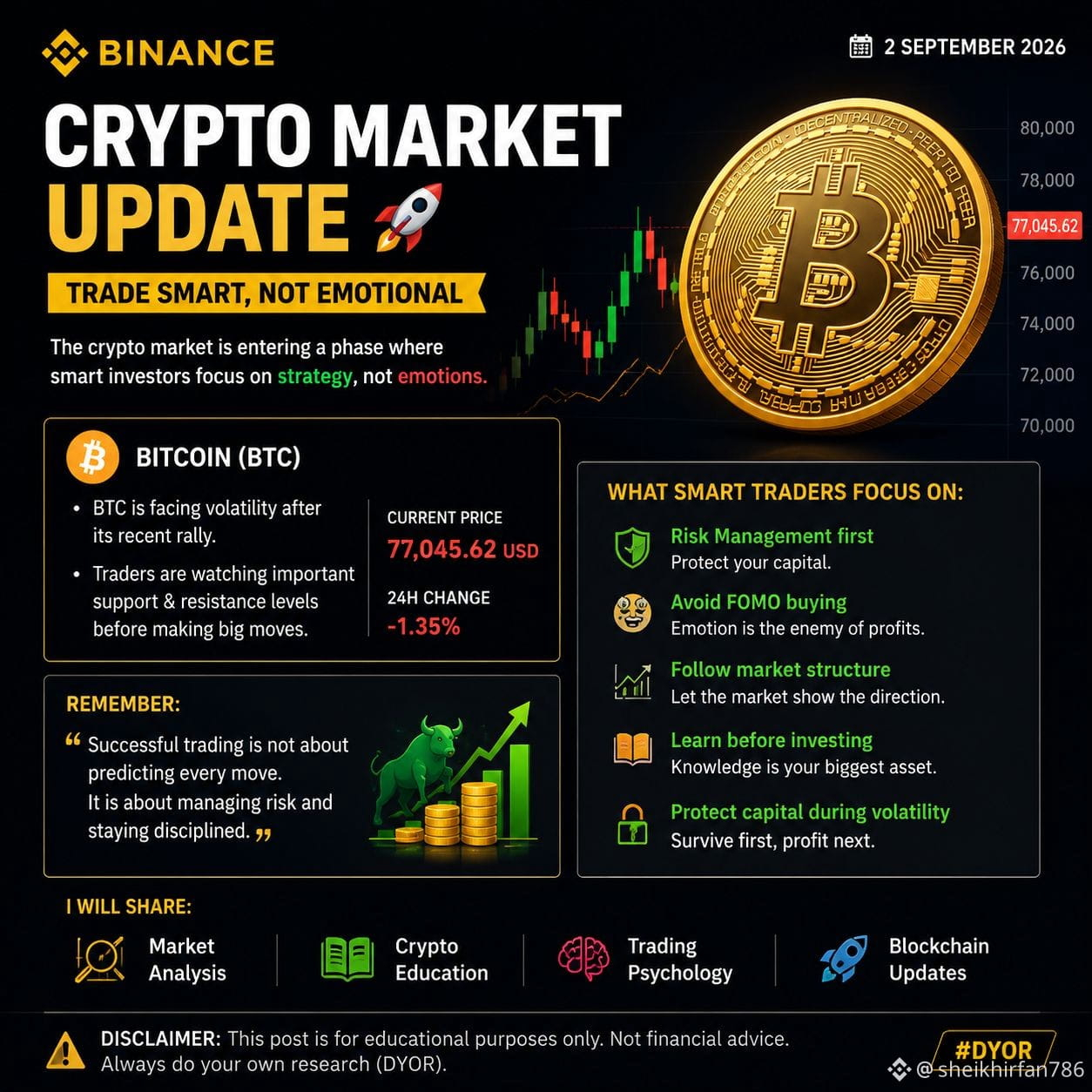
🚨 Crypto Market Update | Trade Smart, Not Emotional 📊
The crypto market is always moving, but successful traders understand one thing:
Patience + Risk Management = Long-Term Success 📈
Market volatility creates opportunities, but emotions can create mistakes.
Before entering any trade, always focus on:
✅ Understanding market trends
✅ Managing your risk
✅ Avoiding FOMO decisions
✅ Learning continuously
My goal is to share:
📊 Market Analysis
📚 Crypto Education
🧠 Trading Psychology
🌐 Blockchain Updates
Let's build knowledge together and grow as a crypto community 🚀
What is your current strategy in this market?
👇 Share your thoughts in the comments.
⚠️ Disclaimer: This content is for educational purposes only. Not financial advice. Always do your own research (DYOR).
#Bitcoin #Crypto #BinanceSquare #Trading #Blockchain #BTC #cryptoeducation
The crypto market is always moving, but successful traders understand one thing:
Patience + Risk Management = Long-Term Success 📈
Market volatility creates opportunities, but emotions can create mistakes.
Before entering any trade, always focus on:
✅ Understanding market trends
✅ Managing your risk
✅ Avoiding FOMO decisions
✅ Learning continuously
My goal is to share:
📊 Market Analysis
📚 Crypto Education
🧠 Trading Psychology
🌐 Blockchain Updates
Let's build knowledge together and grow as a crypto community 🚀
What is your current strategy in this market?
👇 Share your thoughts in the comments.
⚠️ Disclaimer: This content is for educational purposes only. Not financial advice. Always do your own research (DYOR).
#Bitcoin #Crypto #BinanceSquare #Trading #Blockchain #BTC #cryptoeducation
The user wants a 'Did You Know?' post for Binance Square with specific requirements. Let me break down the requirements:
1. No markdown
2. Start with: "Did you know?"
3. 100-140 words
4. Expand the fact with 2-3 interesting context sentences
5. End with a surprised reaction emoji written as text (e.g., "Mind blown!") and a question
6. Final line: #CryptoEducation #LearnCrypto #CryptoFact #LearnCrypto
The fact: 'The word 'HODL' came from a typo in a 2013 BitcoinTalk forum post'
I need to write this as a crypto historian, engaging content. Let me craft it.
Word count target: 100-140 words. Let me aim for around 120.
Structure:
- Start with "Did you know?"
- Fact expansion with 2-3 context sentences
- End with "Mind blown!" (or similar) and a question
- Final line with hashtags
Let me write:
"Did you know? The iconic crypto term 'HODL' was born from a drunken typo on December 18, 2013, when BitcoinTalk user GameKyuubi posted 'I AM HODLING' during a massive price crash. He later admitted he was 'whiskey-fueled' and meant
1. No markdown
2. Start with: "Did you know?"
3. 100-140 words
4. Expand the fact with 2-3 interesting context sentences
5. End with a surprised reaction emoji written as text (e.g., "Mind blown!") and a question
6. Final line: #CryptoEducation #LearnCrypto #CryptoFact #LearnCrypto
The fact: 'The word 'HODL' came from a typo in a 2013 BitcoinTalk forum post'
I need to write this as a crypto historian, engaging content. Let me craft it.
Word count target: 100-140 words. Let me aim for around 120.
Structure:
- Start with "Did you know?"
- Fact expansion with 2-3 context sentences
- End with "Mind blown!" (or similar) and a question
- Final line with hashtags
Let me write:
"Did you know? The iconic crypto term 'HODL' was born from a drunken typo on December 18, 2013, when BitcoinTalk user GameKyuubi posted 'I AM HODLING' during a massive price crash. He later admitted he was 'whiskey-fueled' and meant

🚨 3 MISTAKES TO AVOID IN THE NEXT CRYPTO RALLY
When crypto starts moving up, many beginners make the same mistakes:
1️⃣ CHASING GREEN CANDLES 🟢 A coin pumping doesn't mean it's safe to buy immediately.
2️⃣ USING TOO MUCH LEVERAGE ⚠️ A small move in the wrong direction can wipe out your position.
3️⃣ IGNORING RISK MANAGEMENT 🛡️ Before entering a trade, know where you will exit if you're wrong.
The next rally may create opportunities, but discipline matters more than FOMO.
📌 My rule: Protect your capital first. Look for opportunities second.
What is the BIGGEST mistake you've made in crypto?
👇 Share your experience. Someone might learn from it.
#CryptoEducation $BTC
$BNB
$ETH
When crypto starts moving up, many beginners make the same mistakes:
1️⃣ CHASING GREEN CANDLES 🟢 A coin pumping doesn't mean it's safe to buy immediately.
2️⃣ USING TOO MUCH LEVERAGE ⚠️ A small move in the wrong direction can wipe out your position.
3️⃣ IGNORING RISK MANAGEMENT 🛡️ Before entering a trade, know where you will exit if you're wrong.
The next rally may create opportunities, but discipline matters more than FOMO.
📌 My rule: Protect your capital first. Look for opportunities second.
What is the BIGGEST mistake you've made in crypto?
👇 Share your experience. Someone might learn from it.
#CryptoEducation $BTC
$BNB
$ETH
We need to list 5 signs of rug pull, but not required to list them? The prompt: "Write a safety awareness post about: '5 signs a crypto project is a rug pull'". So we should include 5 signs. Also give 3 actionable steps. Must be warning-style tone serious but not panic-inducing.
We need to ensure word count 150-200 words. Let's count roughly.
We'll write something like:
"Warning: many new tokens hide red flags that signal a rug pull. 1. Anonymous team with no verifiable track record. 2. No locked liquidity or audit reports. 3. Unrealistic returns promised in marketing. 4. Smart contract allows owner to mint or withdraw funds at will. 5. Community channels censored or deleted when questions arise.
If you spot these signs, act fast: (1) Verify the contract on a reputable explorer and check for ownership renouncement. (2) Confirm liquidity is locked for a reasonable period and audited by a known firm. (3) Limit exposure — allocate only a small, affordable portion of your portfolio and set a stop‑loss.
Share this with someone new to crypto — it could save them!
#CryptoEducation #LearnCrypto #CryptoSecurity #StaySafe"
Now count words. Let's count manually.
Words list:
Warning: (1)
many (2)
We need to ensure word count 150-200 words. Let's count roughly.
We'll write something like:
"Warning: many new tokens hide red flags that signal a rug pull. 1. Anonymous team with no verifiable track record. 2. No locked liquidity or audit reports. 3. Unrealistic returns promised in marketing. 4. Smart contract allows owner to mint or withdraw funds at will. 5. Community channels censored or deleted when questions arise.
If you spot these signs, act fast: (1) Verify the contract on a reputable explorer and check for ownership renouncement. (2) Confirm liquidity is locked for a reasonable period and audited by a known firm. (3) Limit exposure — allocate only a small, affordable portion of your portfolio and set a stop‑loss.
Share this with someone new to crypto — it could save them!
#CryptoEducation #LearnCrypto #CryptoSecurity #StaySafe"
Now count words. Let's count manually.
Words list:
Warning: (1)
many (2)



3 CRYPTO MISTAKES BEGINNERS SHOULD AVOID
If you’re new to crypto, these 3 mistakes can cost you more than a bad trade 👇
1️⃣ Buying because of FOMO
When a coin suddenly pumps, everyone starts talking about it.
That doesn’t mean it’s the right time to buy. 🚨
2️⃣ Putting everything into ONE coin
Crypto can move very quickly.
Managing risk is just as important as finding opportunities.
3️⃣ Trading without a plan
Before entering a trade, know: ➡️ Why am I buying?
➡️ Where would I take profit?
➡️ How much am I willing to lose?
💡 The biggest crypto skill isn’t predicting every pump.
It’s learning how to protect your capital while you learn.
📌 Save this post if you’re building your crypto journey.
What’s ONE crypto lesson you learned the hard way? 👇
#Binance #CryptoEducation #CryptoTips #Bitcoin #TradingTips #CryptoCommunity #BinanceSquare #DYOR
If you’re new to crypto, these 3 mistakes can cost you more than a bad trade 👇
1️⃣ Buying because of FOMO
When a coin suddenly pumps, everyone starts talking about it.
That doesn’t mean it’s the right time to buy. 🚨
2️⃣ Putting everything into ONE coin
Crypto can move very quickly.
Managing risk is just as important as finding opportunities.
3️⃣ Trading without a plan
Before entering a trade, know: ➡️ Why am I buying?
➡️ Where would I take profit?
➡️ How much am I willing to lose?
💡 The biggest crypto skill isn’t predicting every pump.
It’s learning how to protect your capital while you learn.
📌 Save this post if you’re building your crypto journey.
What’s ONE crypto lesson you learned the hard way? 👇
#Binance #CryptoEducation #CryptoTips #Bitcoin #TradingTips #CryptoCommunity #BinanceSquare #DYOR

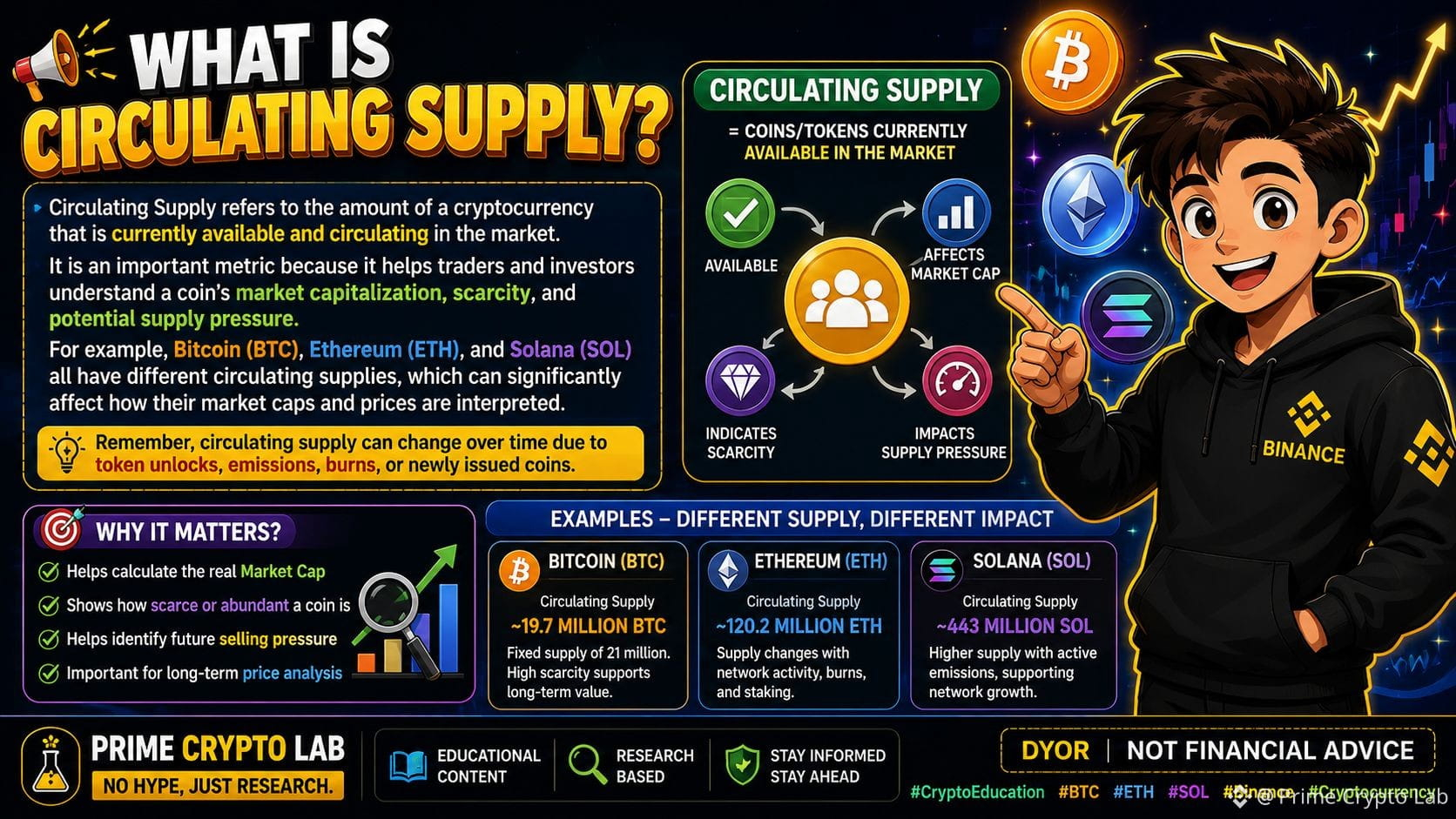
📊 What Is Circulating Supply?
What Is Circulating Supply? Circulating Supply refers to the amount of a cryptocurrency that is currently available and circulating in the market. It is an important metric because it helps traders and investors understand a coin’s market capitalization, scarcity, and potential supply pressure. For example, Bitcoin $BTC Ethereum $ETH and Solana $SOL all have different circulating supplies, which can significantly affect how their market caps and prices are interpreted. Remember, circulating supply can change over time due to token unlocks, emissions, burns, or newly issued coins.
Prime Crypto Lab — No Hype, Just Research.
DYOR | Educational Content | Not Financial Advice
#cryptoeducation #cryptotrading #BTC🔥🔥🔥🔥🔥 #ETH🔥🔥🔥🔥🔥🔥
What Is Circulating Supply? Circulating Supply refers to the amount of a cryptocurrency that is currently available and circulating in the market. It is an important metric because it helps traders and investors understand a coin’s market capitalization, scarcity, and potential supply pressure. For example, Bitcoin $BTC Ethereum $ETH and Solana $SOL all have different circulating supplies, which can significantly affect how their market caps and prices are interpreted. Remember, circulating supply can change over time due to token unlocks, emissions, burns, or newly issued coins.
Prime Crypto Lab — No Hype, Just Research.
DYOR | Educational Content | Not Financial Advice
#cryptoeducation #cryptotrading #BTC🔥🔥🔥🔥🔥 #ETH🔥🔥🔥🔥🔥🔥

🚨 STOP TRADING CRYPTO LIKE THIS ❌
If you’re new to crypto, this could save you from a BIG mistake 👇
Before entering ANY trade, ask yourself these 4 questions:
1️⃣ WHY am I entering?
Don’t buy just because everyone else is buying.
2️⃣ WHERE is my Stop Loss? 🛑
Know your maximum acceptable loss BEFORE entering.
3️⃣ WHERE will I take profit? 🎯
Have an exit plan instead of waiting for “one more pump.”
4️⃣ HOW MUCH am I risking? 💰
Never risk money you can’t afford to lose.
🔥 Remember:
FOMO makes you enter late.
A plan helps you stay disciplined.
Crypto isn't about winning every trade.
It’s about managing risk and staying in the game. 📈
👇 BE HONEST:
What was your biggest mistake when you first started trading?
A — FOMO
B — No Stop Loss
C — Too Much Leverage
D — Chasing Pumps
Drop your answer below 👇
#BinanceSquareTalks #Binance #Bitcoin❗ #cryptoeducation
If you’re new to crypto, this could save you from a BIG mistake 👇
Before entering ANY trade, ask yourself these 4 questions:
1️⃣ WHY am I entering?
Don’t buy just because everyone else is buying.
2️⃣ WHERE is my Stop Loss? 🛑
Know your maximum acceptable loss BEFORE entering.
3️⃣ WHERE will I take profit? 🎯
Have an exit plan instead of waiting for “one more pump.”
4️⃣ HOW MUCH am I risking? 💰
Never risk money you can’t afford to lose.
🔥 Remember:
FOMO makes you enter late.
A plan helps you stay disciplined.
Crypto isn't about winning every trade.
It’s about managing risk and staying in the game. 📈
👇 BE HONEST:
What was your biggest mistake when you first started trading?
A — FOMO
B — No Stop Loss
C — Too Much Leverage
D — Chasing Pumps
Drop your answer below 👇
#BinanceSquareTalks #Binance #Bitcoin❗ #cryptoeducation
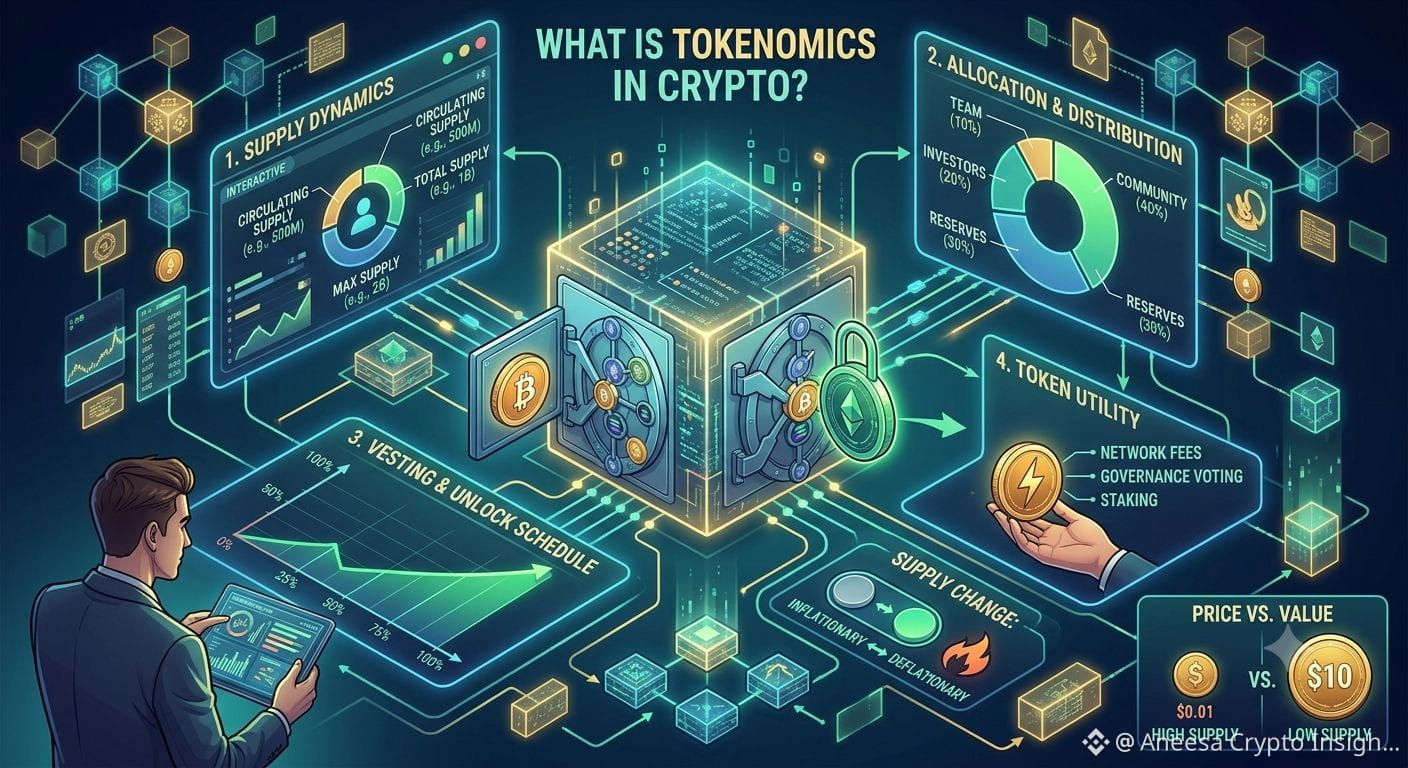
📘 What Is Tokenomics in Crypto?
Tokenomics means the economic design of a cryptocurrency. It helps us understand how a token works and how its supply is managed.
Before studying any coin, beginners should check:
🔹 Total and circulating supply
🔹 Who owns the tokens: team, investors, or community
🔹 Token unlock schedule
🔹 The real use of the token
🔹 Whether the supply can increase or decrease
A coin with a low price is not automatically cheap. The total supply and distribution also matter.
Tokenomics does not guarantee that a project will succeed, but it can help us understand its risks better.
What should I explain next: circulating supply or token unlocks? 👇
Follow for simple, beginner-friendly crypto lessons.
Educational content only—not financial advice.
#Tokenomics #CryptoBeginners #CryptoEducation #BinanceSquare
Tokenomics means the economic design of a cryptocurrency. It helps us understand how a token works and how its supply is managed.
Before studying any coin, beginners should check:
🔹 Total and circulating supply
🔹 Who owns the tokens: team, investors, or community
🔹 Token unlock schedule
🔹 The real use of the token
🔹 Whether the supply can increase or decrease
A coin with a low price is not automatically cheap. The total supply and distribution also matter.
Tokenomics does not guarantee that a project will succeed, but it can help us understand its risks better.
What should I explain next: circulating supply or token unlocks? 👇
Follow for simple, beginner-friendly crypto lessons.
Educational content only—not financial advice.
#Tokenomics #CryptoBeginners #CryptoEducation #BinanceSquare

💡 3 Things Every Crypto Beginner Should Know Before Buying
New to crypto? Don't rush into buying just because a coin is pumping 🚨
Here are 3 things I think every beginner should check first:
🔹 1. Do your research
Understand what the project does and why people are using it.
🔹 2. Don't invest money you can't afford to lose
Crypto can be highly volatile, and prices can move quickly.
🔹 3. Have a plan
Know your entry, your risk level, and when you would take profit or cut a loss.
Remember: protecting your capital is just as important as making profits. 📈
What was the first crypto you ever bought? 👇
#Crypto #Binance #Bitcoin #Trading #CryptoEducation $BNB
New to crypto? Don't rush into buying just because a coin is pumping 🚨
Here are 3 things I think every beginner should check first:
🔹 1. Do your research
Understand what the project does and why people are using it.
🔹 2. Don't invest money you can't afford to lose
Crypto can be highly volatile, and prices can move quickly.
🔹 3. Have a plan
Know your entry, your risk level, and when you would take profit or cut a loss.
Remember: protecting your capital is just as important as making profits. 📈
What was the first crypto you ever bought? 👇
#Crypto #Binance #Bitcoin #Trading #CryptoEducation $BNB
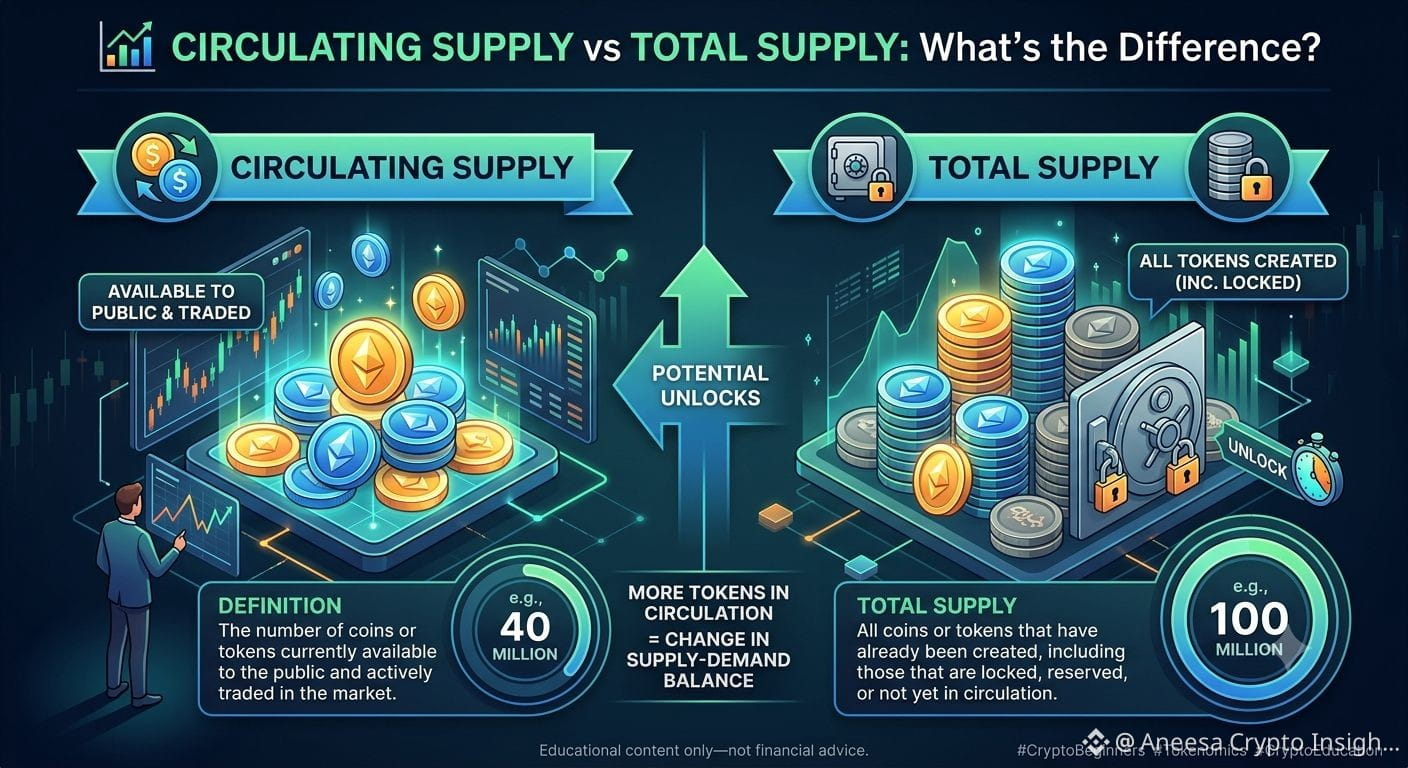
📊 Circulating Supply vs Total Supply: What’s the Difference?
When researching a cryptocurrency, many beginners look only at its price. But token supply is also important.
Circulating supply means the coins or tokens currently available to the public and traded in the market.
Total supply means all coins or tokens that have already been created, including tokens that may be locked or not yet available to the public.
Simple example:
If a project has 100 million total tokens but only 40 million are circulating, the remaining 60 million may enter the market later through unlocks.
More tokens entering circulation can change the supply-demand balance, so beginners should check the unlock schedule before researching a project.
Do you check a coin’s supply before learning about its price? 👇
Follow for simple, beginner-friendly crypto lessons.
Educational content only—not financial advice.
#CryptoBeginners #Tokenomics #CryptoEducation #BinanceSquare
When researching a cryptocurrency, many beginners look only at its price. But token supply is also important.
Circulating supply means the coins or tokens currently available to the public and traded in the market.
Total supply means all coins or tokens that have already been created, including tokens that may be locked or not yet available to the public.
Simple example:
If a project has 100 million total tokens but only 40 million are circulating, the remaining 60 million may enter the market later through unlocks.
More tokens entering circulation can change the supply-demand balance, so beginners should check the unlock schedule before researching a project.
Do you check a coin’s supply before learning about its price? 👇
Follow for simple, beginner-friendly crypto lessons.
Educational content only—not financial advice.
#CryptoBeginners #Tokenomics #CryptoEducation #BinanceSquare
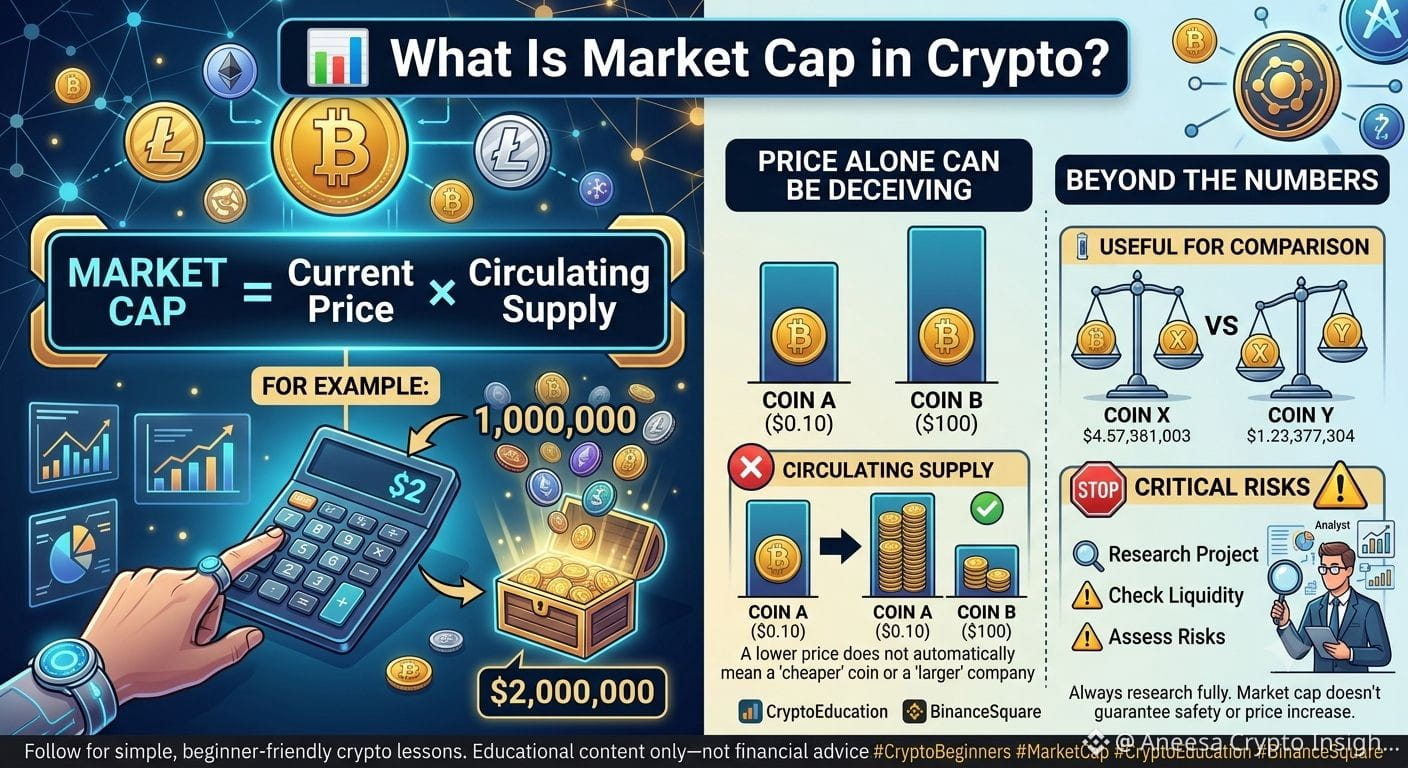
📊 What Is Market Cap in Crypto?
Many beginners look only at a coin’s price, but price alone does not tell us how large a cryptocurrency is.
Market Cap = Current Price × Circulating Supply
For example:
If a coin costs $2 and has 1 million coins in circulation:
$2 × 1,000,000 = $2 million market cap
This is why a coin priced at $0.10 is not automatically “cheaper” than a coin priced at $100. The total supply also matters.
Market cap is useful for comparison, but it does not guarantee that a project is safe or that its price will increase. Always research the project, supply, liquidity, and risks.
What do you check first: price or market cap? 👇
Follow for simple, beginner-friendly crypto lessons.
Educational content only—not financial advice.
#CryptoBeginners #MarketCap #CryptoEducation #BinanceSquareTalks
Many beginners look only at a coin’s price, but price alone does not tell us how large a cryptocurrency is.
Market Cap = Current Price × Circulating Supply
For example:
If a coin costs $2 and has 1 million coins in circulation:
$2 × 1,000,000 = $2 million market cap
This is why a coin priced at $0.10 is not automatically “cheaper” than a coin priced at $100. The total supply also matters.
Market cap is useful for comparison, but it does not guarantee that a project is safe or that its price will increase. Always research the project, supply, liquidity, and risks.
What do you check first: price or market cap? 👇
Follow for simple, beginner-friendly crypto lessons.
Educational content only—not financial advice.
#CryptoBeginners #MarketCap #CryptoEducation #BinanceSquareTalks

$BTC dip discussion - Learning Together! ❤️
Community Education - Share Insights - Learn Together!
1. Open Discussion: Ask questions & share experiences!
2. Learn & Educate: Resources, guides, and peer learning!
3. Supportive Community: Respectful, safe, and helpful! 🙏
Topic: Navigating Market Dips Together
Focus on Education, Risks, and Responsible Learning!
What do you do to learn during $BTC dip time? Share your thoughts! 👇
Do you focus on learning when market dips?
$BTC $ETH $BNB $SOL
#AkramCryptoBD #BTC #ETH #CryptoEducation
Community Education - Share Insights - Learn Together!
1. Open Discussion: Ask questions & share experiences!
2. Learn & Educate: Resources, guides, and peer learning!
3. Supportive Community: Respectful, safe, and helpful! 🙏
Topic: Navigating Market Dips Together
Focus on Education, Risks, and Responsible Learning!
What do you do to learn during $BTC dip time? Share your thoughts! 👇
Do you focus on learning when market dips?
$BTC $ETH $BNB $SOL
#AkramCryptoBD #BTC #ETH #CryptoEducation


One thing I’m trying NOT to do in crypto… 😅
Chase every coin that starts pumping.
You know how it goes.
A coin suddenly goes up 30%.
Then you start seeing posts everywhere:
“Next 100x 🚀”
“Don’t miss this!”
“Last chance!”
And suddenly you feel like you’re already late.
I think this is where beginners can get into trouble.
A coin going up doesn’t automatically mean the project is good.
Before getting interested in a project, I’d rather ask:
What does it actually do?
Why does the token exist?
Who is building it?
How much supply is there?
And most importantly…
What could go wrong?
I’m learning to research first and get excited later.
What do you think is the biggest mistake beginners make?
#Crypto #Bitcoin #CryptoEducation #BinanceSquare #Web3
Chase every coin that starts pumping.
You know how it goes.
A coin suddenly goes up 30%.
Then you start seeing posts everywhere:
“Next 100x 🚀”
“Don’t miss this!”
“Last chance!”
And suddenly you feel like you’re already late.
I think this is where beginners can get into trouble.
A coin going up doesn’t automatically mean the project is good.
Before getting interested in a project, I’d rather ask:
What does it actually do?
Why does the token exist?
Who is building it?
How much supply is there?
And most importantly…
What could go wrong?
I’m learning to research first and get excited later.
What do you think is the biggest mistake beginners make?
#Crypto #Bitcoin #CryptoEducation #BinanceSquare #Web3
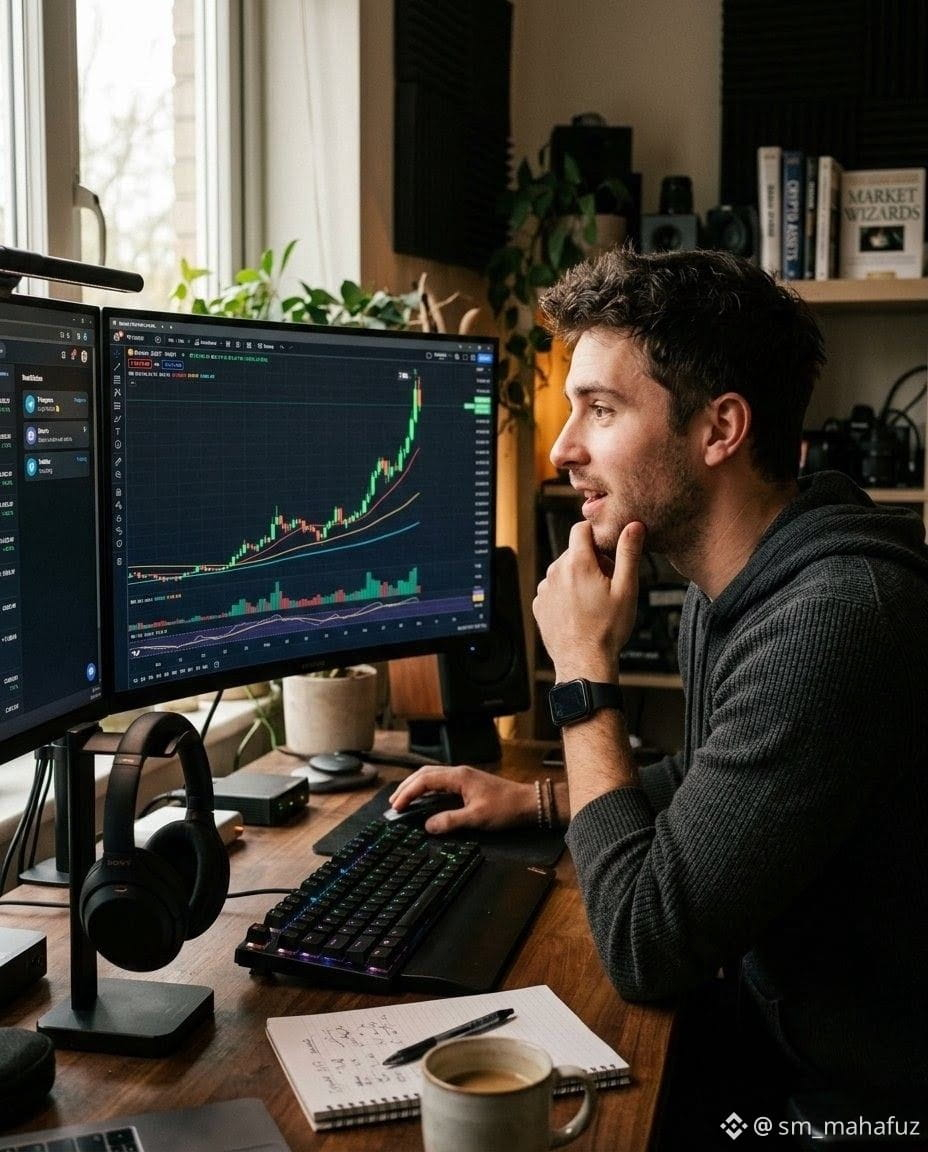

How to Read a CoinGecko Page Like a Pro
On June 27, 2026, real-time CoinGecko data is powerful. Key metrics:
- Price ($60,147 for BTC) - current market price
- 24h Change (+0.56%) - performance vs 24 hours ago
- 24h High/Low - daily trading range
- Market Cap - price times circulating supply
- Volume ($34.17B) - total value traded
Key Takeaway:
Master these five metrics to evaluate any crypto in under 30 seconds.
#CoinGecko #CryptoEducation
#BinanceAlphaAlert
On June 27, 2026, real-time CoinGecko data is powerful. Key metrics:
- Price ($60,147 for BTC) - current market price
- 24h Change (+0.56%) - performance vs 24 hours ago
- 24h High/Low - daily trading range
- Market Cap - price times circulating supply
- Volume ($34.17B) - total value traded
Key Takeaway:
Master these five metrics to evaluate any crypto in under 30 seconds.
#CoinGecko #CryptoEducation
#BinanceAlphaAlert
Market Cap vs. Volume: Know the Difference
On June 27, 2026, Bitcoin $BTC has a $1.206T market cap but $34.17B daily volume. Understanding the difference is essential.
Market cap = price times circulating supply - a static value snapshot. Volume = total value traded - it measures activity and liquidity.
Key Takeaway:
Market cap tells you size, volume tells you activity. SOL's 9.85% ratio vs BTC's 2.83% shows different dynamics.
#CryptoEducation #Trading
#BinanceAlphaAlert
On June 27, 2026, Bitcoin $BTC has a $1.206T market cap but $34.17B daily volume. Understanding the difference is essential.
Market cap = price times circulating supply - a static value snapshot. Volume = total value traded - it measures activity and liquidity.
Key Takeaway:
Market cap tells you size, volume tells you activity. SOL's 9.85% ratio vs BTC's 2.83% shows different dynamics.
#CryptoEducation #Trading
#BinanceAlphaAlert


🚨 Are you new to Crypto? Your first goal should be survival, before you start chasing pumps, learn these things:
💥 How Spot and Futures trading works
💥 How leverage can destroy a small account
💥 Position sizing
💥 Stop-losses and risk management
💥 How to make a research about particular token before buying
💥 How to recognize FOMO and avoid emotional trades
📌You don't need to catch every pump and you don't need to trade all day and every day.
Your first win in crypto should be learning how not to lose money.
Master basics first, trust me Profit comes afterwards.
$SOL $BTC $ETH
#Beginnersguide
#cryptoeducation
#RiskManagement
💥 How Spot and Futures trading works
💥 How leverage can destroy a small account
💥 Position sizing
💥 Stop-losses and risk management
💥 How to make a research about particular token before buying
💥 How to recognize FOMO and avoid emotional trades
📌You don't need to catch every pump and you don't need to trade all day and every day.
Your first win in crypto should be learning how not to lose money.
Master basics first, trust me Profit comes afterwards.
$SOL $BTC $ETH
#Beginnersguide
#cryptoeducation
#RiskManagement
Log in to explore more content