
#cryptohistory
cryptohistory
閲覧回数 2.4M
2,387人が討論中
注目
最新

·
--
$ZEC History Lesson from 2016
2016年に$ZECがローンチされたとき、私は積極的に取引していました。
ほとんどの新規トレーダーは信じないだろうけど、こんな話があります。ピーク時に3,000 BTCまで到達したんです。
そう、3,000 BTC。USDではありません。
当時は今みたいにUSD建てのペアがなかったので、BTCに対してアルトを取引していました。
そして、Zcashはマイニングの立ち上がりが遅かったため、初期の流通供給量が極端に少なく、その結果としてあの歴史的な急騰が起きたんです。
当時あなたは取引していましたか?まだここにいるOGがどれくらいいるか見てみましょう。
#zec #CryptoHistory #Binance
$BTC
{spot}(BTCUSDT)
$ZEC
{spot}(ZECUSDT)
$ZEC History Lesson from 2016
2016年に$ZEC がローンチされたとき、私は積極的に取引していました。
ほとんどの新規トレーダーは信じないだろうけど、こんな話があります。ピーク時に3,000 BTCまで到達したんです。
そう、3,000 BTC。USDではありません。
当時は今みたいにUSD建てのペアがなかったので、BTCに対してアルトを取引していました。
そして、Zcashはマイニングの立ち上がりが遅かったため、初期の流通供給量が極端に少なく、その結果としてあの歴史的な急騰が起きたんです。
当時あなたは取引していましたか?まだここにいるOGがどれくらいいるか見てみましょう。
#zec #CryptoHistory #Binance
$BTC
$ZEC
2016年に$ZEC がローンチされたとき、私は積極的に取引していました。
ほとんどの新規トレーダーは信じないだろうけど、こんな話があります。ピーク時に3,000 BTCまで到達したんです。
そう、3,000 BTC。USDではありません。
当時は今みたいにUSD建てのペアがなかったので、BTCに対してアルトを取引していました。
そして、Zcashはマイニングの立ち上がりが遅かったため、初期の流通供給量が極端に少なく、その結果としてあの歴史的な急騰が起きたんです。
当時あなたは取引していましたか?まだここにいるOGがどれくらいいるか見てみましょう。
#zec #CryptoHistory #Binance
$BTC
$ZEC
328

·
--
爆発的な希少性の記憶:$ZEC が1トークンあたり3,000 BTCで取引されたとき! 🦈 📊
2016年の$ZEC の市場構造を振り返ると、暗号資産史上でも最も極端な供給側の流動性逼迫のひとつが見えてきます。🔍 立ち上がりの遅いマイニング構造のため、当初の流通供給量はほぼゼロで、BTC建ての注文板全体で買い気配と売り気配のスプレッドが急拡大しました。
初期の価格発見の局面では、強い需要が存在しない売り側流動性とぶつかり、$ZEC は一時的に驚異の1トークンあたり3,000 BTCまで押し上げられました。📊 これは、注文板の深さ不足と構造的な供給不足が資産評価をいかに歪めるかを示す典型例として、今なお残っています。💬 あなたはBTCペア時代に取引していましたか、それともステーブルコイン流動性が主流になってから参入しましたか? 👇
⚠️ 投資助言ではありません。常にリスク管理を行ってください。 🛡️
🏷️ #ZEC #MarketStructure #OrderFlow #CryptoHistory
🧠 🛡️
爆発的な希少性の記憶:$ZEC が1トークンあたり3,000 BTCで取引されたとき! 🦈 📊
2016年の$ZEC の市場構造を振り返ると、暗号資産史上でも最も極端な供給側の流動性逼迫のひとつが見えてきます。🔍 立ち上がりの遅いマイニング構造のため、当初の流通供給量はほぼゼロで、BTC建ての注文板全体で買い気配と売り気配のスプレッドが急拡大しました。
初期の価格発見の局面では、強い需要が存在しない売り側流動性とぶつかり、$ZEC は一時的に驚異の1トークンあたり3,000 BTCまで押し上げられました。📊 これは、注文板の深さ不足と構造的な供給不足が資産評価をいかに歪めるかを示す典型例として、今なお残っています。💬 あなたはBTCペア時代に取引していましたか、それともステーブルコイン流動性が主流になってから参入しましたか? 👇
⚠️ 投資助言ではありません。常にリスク管理を行ってください。 🛡️
🏷️ #ZEC #MarketStructure #OrderFlow #CryptoHistory
🧠 🛡️
2016年の$ZEC の市場構造を振り返ると、暗号資産史上でも最も極端な供給側の流動性逼迫のひとつが見えてきます。🔍 立ち上がりの遅いマイニング構造のため、当初の流通供給量はほぼゼロで、BTC建ての注文板全体で買い気配と売り気配のスプレッドが急拡大しました。
初期の価格発見の局面では、強い需要が存在しない売り側流動性とぶつかり、$ZEC は一時的に驚異の1トークンあたり3,000 BTCまで押し上げられました。📊 これは、注文板の深さ不足と構造的な供給不足が資産評価をいかに歪めるかを示す典型例として、今なお残っています。💬 あなたはBTCペア時代に取引していましたか、それともステーブルコイン流動性が主流になってから参入しましたか? 👇
⚠️ 投資助言ではありません。常にリスク管理を行ってください。 🛡️
🏷️ #ZEC #MarketStructure #OrderFlow #CryptoHistory
🧠 🛡️
264
·
--
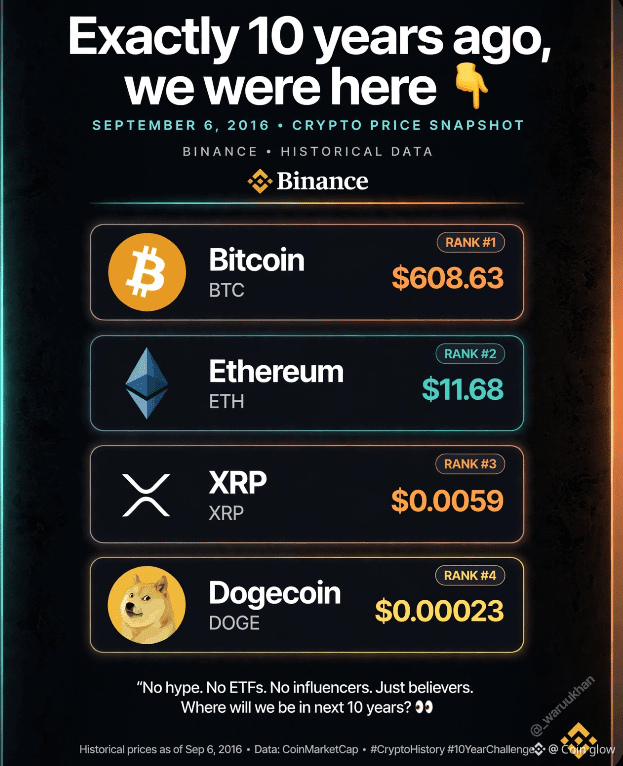
ちょうど10年前、私たちはここにいました👇
2016年9月6日
₿ ビットコイン: $608.63
Ξ イーサリアム: $11.68
XRP: $0.0059
Ð ドージコイン: $0.00023
煽りなし。ETFなし。インフルエンサーなし。ただ信じる人たちだけ。
次の10年後、私たちはどこにいるでしょうか?👀
#CryptoHistory #10YearChallenge #BinanceSquareFamily
$BTC $XRP $ETH
ちょうど10年前、私たちはここにいました👇
2016年9月6日
₿ ビットコイン: $608.63
Ξ イーサリアム: $11.68
XRP: $0.0059
Ð ドージコイン: $0.00023
煽りなし。ETFなし。インフルエンサーなし。ただ信じる人たちだけ。
次の10年後、私たちはどこにいるでしょうか?👀
#CryptoHistory #10YearChallenge #BinanceSquareFamily
$BTC $XRP $ETH
2016年9月6日
₿ ビットコイン: $608.63
Ξ イーサリアム: $11.68
XRP: $0.0059
Ð ドージコイン: $0.00023
煽りなし。ETFなし。インフルエンサーなし。ただ信じる人たちだけ。
次の10年後、私たちはどこにいるでしょうか?👀
#CryptoHistory #10YearChallenge #BinanceSquareFamily
$BTC $XRP $ETH
45

·
--
記事
古代の$BTCウォレットが$120を$300万に変える:新規投資家にとってそれが意味すること昔のビットコインのウォレットが、どうやって今も数百万ドルを動かせるのか、不思議に思ったことはありませんか?数十年前のウォレットによる最近の活動の急増――わずか1週間で合計1,570万ドルを移動――は、最初期の導入者でさえ今もゲームに参加しており、その動きが市場の隠れた力学について多くを教えてくれることを示しています。
コンセプト
ビットコインの初期は、試行錯誤と熱心な愛好家たちの小さなコミュニティに尽きます。2014年以前に作られた最初のウォレットは、まるでタイムカプセルのように長く放置されていることがよくありました。あるウォレットが資金を動かす決断をしたとき、それはセンチメントの変化や戦略的な売却のサインになり得ます。何年も保有してきたベテラン投資家が、ついに現金化を決めるようなものだと考えてください。そうした動きは市場全体に波及する可能性があります。#BitcoinBasics #CryptoHistory
古代の$BTCウォレットが$120を$300万に変える:新規投資家にとってそれが意味すること
昔のビットコインのウォレットが、どうやって今も数百万ドルを動かせるのか、不思議に思ったことはありませんか?数十年前のウォレットによる最近の活動の急増――わずか1週間で合計1,570万ドルを移動――は、最初期の導入者でさえ今もゲームに参加しており、その動きが市場の隠れた力学について多くを教えてくれることを示しています。
コンセプト
ビットコインの初期は、試行錯誤と熱心な愛好家たちの小さなコミュニティに尽きます。2014年以前に作られた最初のウォレットは、まるでタイムカプセルのように長く放置されていることがよくありました。あるウォレットが資金を動かす決断をしたとき、それはセンチメントの変化や戦略的な売却のサインになり得ます。何年も保有してきたベテラン投資家が、ついに現金化を決めるようなものだと考えてください。そうした動きは市場全体に波及する可能性があります。#BitcoinBasics #CryptoHistory
コンセプト
ビットコインの初期は、試行錯誤と熱心な愛好家たちの小さなコミュニティに尽きます。2014年以前に作られた最初のウォレットは、まるでタイムカプセルのように長く放置されていることがよくありました。あるウォレットが資金を動かす決断をしたとき、それはセンチメントの変化や戦略的な売却のサインになり得ます。何年も保有してきたベテラン投資家が、ついに現金化を決めるようなものだと考えてください。そうした動きは市場全体に波及する可能性があります。#BitcoinBasics #CryptoHistory
12

·
--
ビットコイン(BTC)は2009年1月3日に公式にインターネット上で公開されました。
ホワイトペーパーの公開:2008年10月31日、サトシ・ナカモトというペンネームを使用する匿名の個人またはグループが、「"Bitcoin: A Peer-to-Peer Electronic Cash System."(ビットコイン:P2P型の電子キャッシュシステム)」と題したビットコインのホワイトペーパーを公開しました。
ローンチ&ジェネシスブロック:2009年1月3日、ビットコインネットワークは、ジェネシスブロック(0番ブロック)のマイニングによって公式にローンチされました。
最初の商用取引:2009年にローンチされたものの、その時点ではビットコインの活発な取引や市場価格はありませんでした。2010年5月22日、10,000ビットコインが2枚のピザを購入するために使われ、現実世界での最初の商用取引が行われました。この出来事は現在、「ビットコイン・ピザデー」として毎年記念されています。
#Bitcoin #BTC #SatoshiNakamoto #BitcoinHistory #CryptoHistory
#Crypto #Binance #BinanceSquare #CryptoEducation #Blockchain
ビットコイン(BTC)は2009年1月3日に公式にインターネット上で公開されました。
ホワイトペーパーの公開:2008年10月31日、サトシ・ナカモトというペンネームを使用する匿名の個人またはグループが、「"Bitcoin: A Peer-to-Peer Electronic Cash System."(ビットコイン:P2P型の電子キャッシュシステム)」と題したビットコインのホワイトペーパーを公開しました。
ローンチ&ジェネシスブロック:2009年1月3日、ビットコインネットワークは、ジェネシスブロック(0番ブロック)のマイニングによって公式にローンチされました。
最初の商用取引:2009年にローンチされたものの、その時点ではビットコインの活発な取引や市場価格はありませんでした。2010年5月22日、10,000ビットコインが2枚のピザを購入するために使われ、現実世界での最初の商用取引が行われました。この出来事は現在、「ビットコイン・ピザデー」として毎年記念されています。
#Bitcoin #BTC #SatoshiNakamoto #BitcoinHistory #CryptoHistory
#Crypto #Binance #BinanceSquare #CryptoEducation #Blockchain
ホワイトペーパーの公開:2008年10月31日、サトシ・ナカモトというペンネームを使用する匿名の個人またはグループが、「"Bitcoin: A Peer-to-Peer Electronic Cash System."(ビットコイン:P2P型の電子キャッシュシステム)」と題したビットコインのホワイトペーパーを公開しました。
ローンチ&ジェネシスブロック:2009年1月3日、ビットコインネットワークは、ジェネシスブロック(0番ブロック)のマイニングによって公式にローンチされました。
最初の商用取引:2009年にローンチされたものの、その時点ではビットコインの活発な取引や市場価格はありませんでした。2010年5月22日、10,000ビットコインが2枚のピザを購入するために使われ、現実世界での最初の商用取引が行われました。この出来事は現在、「ビットコイン・ピザデー」として毎年記念されています。
#Bitcoin #BTC #SatoshiNakamoto #BitcoinHistory #CryptoHistory
#Crypto #Binance #BinanceSquare #CryptoEducation #Blockchain
78

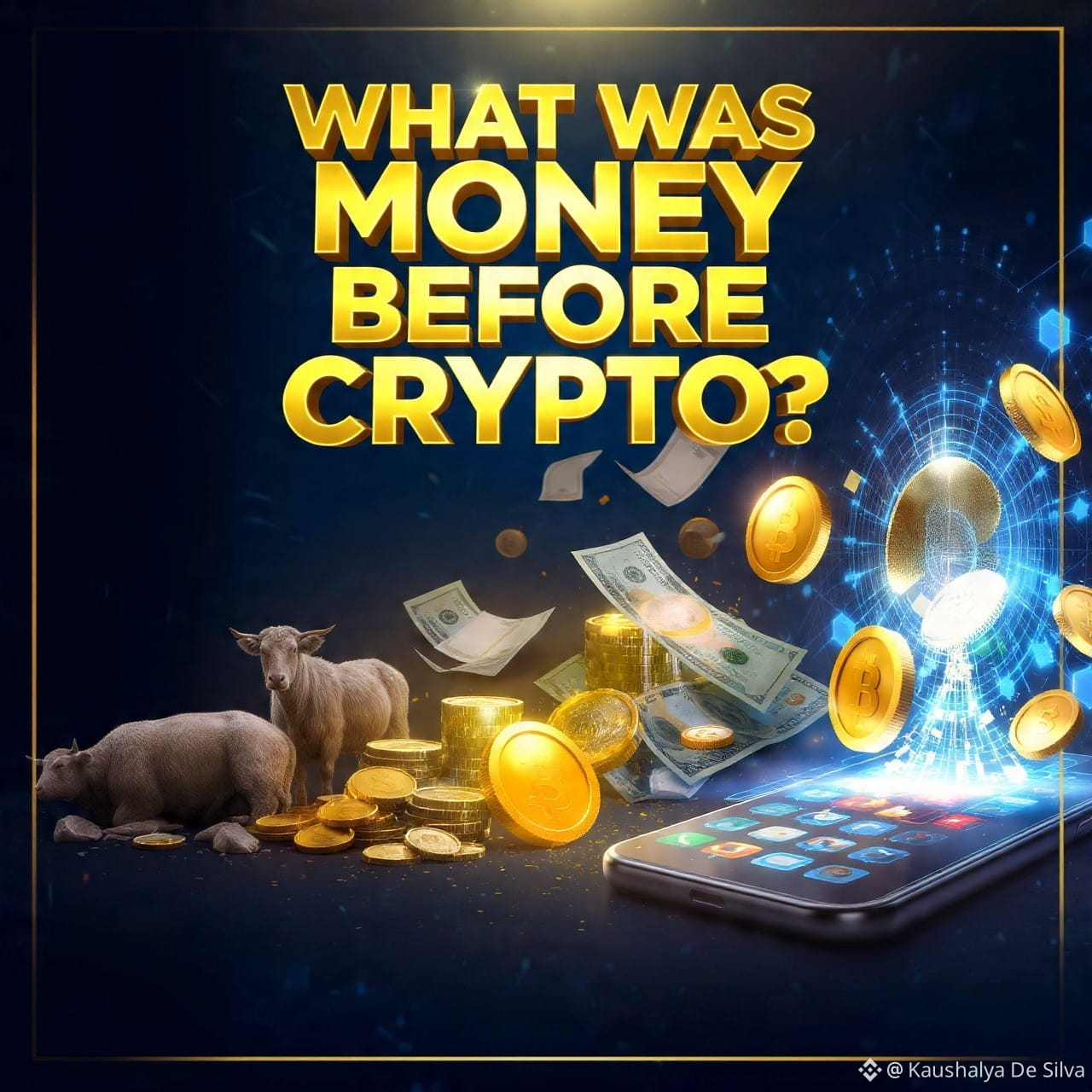
記事1:暗号資産の前のお金とは?💰
1. それは何ですか?
お金とは、人々が価値があると合意したもののことです。お金は時代とともに大きく変化してきました。
2. なぜ気にする必要があるのですか?
暗号資産は、お金の次のバージョンにすぎません。それを理解するには、私たちがどこから来たのかを知る必要があります。
3. お金の4つの段階:
1.物々交換:米と引き換えに魚を取引する。問題:私は魚が欲しいのに、あなたは靴が欲しい場合はどうするの?
2.商品貨幣:金、塩、貝殻。価値はその品物の中にありました。
3.紙のお金:政府が「この紙=価値がある」と言いました。持ち運びが簡単になりました。
4.デジタルのお金:銀行アプリ、クレジットカード。お金は画面上の数字になりました。
4. 問題:
銀行がデジタルのお金を管理しています。凍結したり、手数料を取ったり、さらに増刷したりでき、その結果としてインフレが起きます。
5. プロのコツ:
暗号資産は、銀行がそれを管理することなく、お金をデジタル化することで、この問題の解決を目指しています。
#CryptoHistory #Money #Blockchain #Web3 #BinanceSquare
記事1:暗号資産の前のお金とは?💰
1. それは何ですか?
お金とは、人々が価値があると合意したもののことです。お金は時代とともに大きく変化してきました。
2. なぜ気にする必要があるのですか?
暗号資産は、お金の次のバージョンにすぎません。それを理解するには、私たちがどこから来たのかを知る必要があります。
3. お金の4つの段階:
1.物々交換:米と引き換えに魚を取引する。問題:私は魚が欲しいのに、あなたは靴が欲しい場合はどうするの?
2.商品貨幣:金、塩、貝殻。価値はその品物の中にありました。
3.紙のお金:政府が「この紙=価値がある」と言いました。持ち運びが簡単になりました。
4.デジタルのお金:銀行アプリ、クレジットカード。お金は画面上の数字になりました。
4. 問題:
銀行がデジタルのお金を管理しています。凍結したり、手数料を取ったり、さらに増刷したりでき、その結果としてインフレが起きます。
5. プロのコツ:
暗号資産は、銀行がそれを管理することなく、お金をデジタル化することで、この問題の解決を目指しています。
#CryptoHistory #Money #Blockchain #Web3 #BinanceSquare
1. それは何ですか?
お金とは、人々が価値があると合意したもののことです。お金は時代とともに大きく変化してきました。
2. なぜ気にする必要があるのですか?
暗号資産は、お金の次のバージョンにすぎません。それを理解するには、私たちがどこから来たのかを知る必要があります。
3. お金の4つの段階:
1.物々交換:米と引き換えに魚を取引する。問題:私は魚が欲しいのに、あなたは靴が欲しい場合はどうするの?
2.商品貨幣:金、塩、貝殻。価値はその品物の中にありました。
3.紙のお金:政府が「この紙=価値がある」と言いました。持ち運びが簡単になりました。
4.デジタルのお金:銀行アプリ、クレジットカード。お金は画面上の数字になりました。
4. 問題:
銀行がデジタルのお金を管理しています。凍結したり、手数料を取ったり、さらに増刷したりでき、その結果としてインフレが起きます。
5. プロのコツ:
暗号資産は、銀行がそれを管理することなく、お金をデジタル化することで、この問題の解決を目指しています。
#CryptoHistory #Money #Blockchain #Web3 #BinanceSquare
80

記事
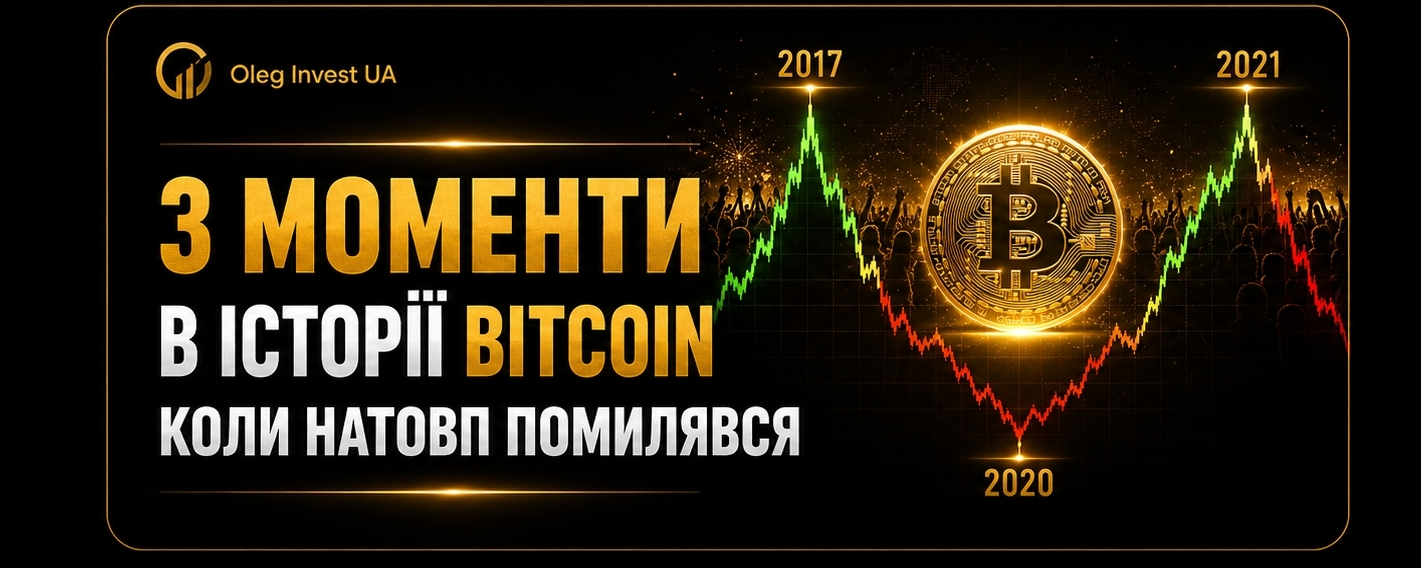
人波が間違えた—ビットコインの歴史における3つの場面暗号資産では取引所やテクノロジー、トレンド、そして人々の“お気に入りのコイン”が変わっていきます。ですが、ほとんど変わらないことが1つあります――人の行動です。価格が何カ月も上昇すると、「もう下落は起こり得ない」と思えてしまいます。市場が崩れ落ちると、今度は逆の感覚が生まれます。「今回は本当にすべて終わったのだ」と。
🔹 2017年12月
人波が間違えた—ビットコインの歴史における3つの場面
暗号資産では取引所やテクノロジー、トレンド、そして人々の“お気に入りのコイン”が変わっていきます。ですが、ほとんど変わらないことが1つあります――人の行動です。価格が何カ月も上昇すると、「もう下落は起こり得ない」と思えてしまいます。市場が崩れ落ちると、今度は逆の感覚が生まれます。「今回は本当にすべて終わったのだ」と。
🔹 2017年12月
🔹 2017年12月
1
167

💻 ほとんど失ってしまった人
2013年、英国人のジェームズ・ハウエルズは誤って、自分のBitcoinへのアクセス権があるハードディスクを捨ててしまいました。
そこには、彼の言葉によれば、約7,500BTCのウォレットが保存されていたとのことです。
彼は何年もかけて埋立地でディスクを見つけようとしましたが、成功しませんでした。
想像してみてください:古いディスクを捨てたのに、何年も経ってから「そこに巨額の暗号資産が眠っていた」と知るのです。😳
🔐 暗号資産は自由をもたらすかもしれませんが、アクセス権は大切に保つ必要があります。
#Bitcoin #BTC #CryptoHistory #Binance
$BTC
{spot}(BTCUSDT)
💻 ほとんど失ってしまった人
2013年、英国人のジェームズ・ハウエルズは誤って、自分のBitcoinへのアクセス権があるハードディスクを捨ててしまいました。
そこには、彼の言葉によれば、約7,500BTCのウォレットが保存されていたとのことです。
彼は何年もかけて埋立地でディスクを見つけようとしましたが、成功しませんでした。
想像してみてください:古いディスクを捨てたのに、何年も経ってから「そこに巨額の暗号資産が眠っていた」と知るのです。😳
🔐 暗号資産は自由をもたらすかもしれませんが、アクセス権は大切に保つ必要があります。
#Bitcoin #BTC #CryptoHistory #Binance
$BTC
2013年、英国人のジェームズ・ハウエルズは誤って、自分のBitcoinへのアクセス権があるハードディスクを捨ててしまいました。
そこには、彼の言葉によれば、約7,500BTCのウォレットが保存されていたとのことです。
彼は何年もかけて埋立地でディスクを見つけようとしましたが、成功しませんでした。
想像してみてください:古いディスクを捨てたのに、何年も経ってから「そこに巨額の暗号資産が眠っていた」と知るのです。😳
🔐 暗号資産は自由をもたらすかもしれませんが、アクセス権は大切に保つ必要があります。
#Bitcoin #BTC #CryptoHistory #Binance
$BTC
494

·
--
ふむ…今日、Duskの研究のために古い価格チャートを掘り返していたら(また)この数字に気を取られてしまった:10年前のちょうどこの週、ビットコインは$586で取引されていた。
$586。タイプミスじゃない。
実際、何度か計算し直したんだ。$586から今の水準までがだいたい130倍のリターンで、それに道中で耐えてきた複数回の70%超のドローダウンはまだ含めていない。2018年、2022年、全部。
「本当の意味での“早い”」って、リアルタイムだとどう見えるのかを考えさせられる。いまの瞬間は、ただの“お得”には感じられない。危なくて不確かで、正直ちょっと退屈にさえ感じるんだ。チャートが“明白”に見えるのは、後から振り返ったときだけ。
とにかく—いま、みんながただスクロールで通り過ぎている「$586の瞬間」に相当する出来事って何だろう? 🤔
@Binance_Square_Official
#Bitcoin #BTC #Crypto #CryptoHistory $BTC
{future}(BTCUSDT)
ふむ…今日、Duskの研究のために古い価格チャートを掘り返していたら(また)この数字に気を取られてしまった:10年前のちょうどこの週、ビットコインは$586で取引されていた。
$586。タイプミスじゃない。
実際、何度か計算し直したんだ。$586から今の水準までがだいたい130倍のリターンで、それに道中で耐えてきた複数回の70%超のドローダウンはまだ含めていない。2018年、2022年、全部。
「本当の意味での“早い”」って、リアルタイムだとどう見えるのかを考えさせられる。いまの瞬間は、ただの“お得”には感じられない。危なくて不確かで、正直ちょっと退屈にさえ感じるんだ。チャートが“明白”に見えるのは、後から振り返ったときだけ。
とにかく—いま、みんながただスクロールで通り過ぎている「$586の瞬間」に相当する出来事って何だろう? 🤔
@Binance Square Official
#Bitcoin #BTC #Crypto #CryptoHistory $BTC
$586。タイプミスじゃない。
実際、何度か計算し直したんだ。$586から今の水準までがだいたい130倍のリターンで、それに道中で耐えてきた複数回の70%超のドローダウンはまだ含めていない。2018年、2022年、全部。
「本当の意味での“早い”」って、リアルタイムだとどう見えるのかを考えさせられる。いまの瞬間は、ただの“お得”には感じられない。危なくて不確かで、正直ちょっと退屈にさえ感じるんだ。チャートが“明白”に見えるのは、後から振り返ったときだけ。
とにかく—いま、みんながただスクロールで通り過ぎている「$586の瞬間」に相当する出来事って何だろう? 🤔
@Binance Square Official
#Bitcoin #BTC #Crypto #CryptoHistory $BTC
138

·
--
🚨 異なる大きな歴史
🍕
2010年5月22日、Laszlo Hanyeczというプログラマーが、暗号通貨を使った最初の商取引として記録される取引を行い、歴史に名を刻みました。
Laszloは腹ペコで、「家に大きなピザ2枚を届けてくれたら、誰でも10,000ビットコインを払う」と掲示板に投稿しました。19歳の若者がその条件を受け、Papa John’sで約41ドルでピザを購入し、10,000BTCを受け取りました。当時、1ビットコインは1セント未満のほんの一部の価値しかありませんでした。
もし、同じ10,000ビットコインを、BTCあたり現在の価格である72,000ドルで計算すると……! これらの2枚のピザは、今日では天文学的な7億2000万ドルもの値段になってしまいます! まさに世界で最も高い昼食です。
➡️ 大いなる教訓
この物語の教訓は「暗号通貨を使うな」ではなく、長期的な視点こそが本当の価値だということです。
Laszloは失敗したわけではありません。むしろ、彼の空腹がきっかけとなり、ビットコインが実際に現実の交換手段として機能することを世界中に示しました。
暗号資産の世界でよくある間違いは、我慢が足りず、インスタントな満足を求めてしまうことです。多くの人が、最初の小さな利益や市場の最初のパニックの時点で、自分の手にしている技術の、長期的な破壊的可能性を理解しないまま保有資産を売り払います。
暗号資産では、市場にいる時間(保有)が、迅速な利益を急ぐ気持ちに勝つことがほとんどです。
$BTC $SOL
#Bitcoin❗ #CryptoHistory #PizzaDay #HODL
{spot}(SOLUSDT)
🚨 異なる大きな歴史
🍕
2010年5月22日、Laszlo Hanyeczというプログラマーが、暗号通貨を使った最初の商取引として記録される取引を行い、歴史に名を刻みました。
Laszloは腹ペコで、「家に大きなピザ2枚を届けてくれたら、誰でも10,000ビットコインを払う」と掲示板に投稿しました。19歳の若者がその条件を受け、Papa John’sで約41ドルでピザを購入し、10,000BTCを受け取りました。当時、1ビットコインは1セント未満のほんの一部の価値しかありませんでした。
もし、同じ10,000ビットコインを、BTCあたり現在の価格である72,000ドルで計算すると……! これらの2枚のピザは、今日では天文学的な7億2000万ドルもの値段になってしまいます! まさに世界で最も高い昼食です。
➡️ 大いなる教訓
この物語の教訓は「暗号通貨を使うな」ではなく、長期的な視点こそが本当の価値だということです。
Laszloは失敗したわけではありません。むしろ、彼の空腹がきっかけとなり、ビットコインが実際に現実の交換手段として機能することを世界中に示しました。
暗号資産の世界でよくある間違いは、我慢が足りず、インスタントな満足を求めてしまうことです。多くの人が、最初の小さな利益や市場の最初のパニックの時点で、自分の手にしている技術の、長期的な破壊的可能性を理解しないまま保有資産を売り払います。
暗号資産では、市場にいる時間(保有)が、迅速な利益を急ぐ気持ちに勝つことがほとんどです。
$BTC $SOL
#Bitcoin❗ #CryptoHistory #PizzaDay #HODL
🍕
2010年5月22日、Laszlo Hanyeczというプログラマーが、暗号通貨を使った最初の商取引として記録される取引を行い、歴史に名を刻みました。
Laszloは腹ペコで、「家に大きなピザ2枚を届けてくれたら、誰でも10,000ビットコインを払う」と掲示板に投稿しました。19歳の若者がその条件を受け、Papa John’sで約41ドルでピザを購入し、10,000BTCを受け取りました。当時、1ビットコインは1セント未満のほんの一部の価値しかありませんでした。
もし、同じ10,000ビットコインを、BTCあたり現在の価格である72,000ドルで計算すると……! これらの2枚のピザは、今日では天文学的な7億2000万ドルもの値段になってしまいます! まさに世界で最も高い昼食です。
➡️ 大いなる教訓
この物語の教訓は「暗号通貨を使うな」ではなく、長期的な視点こそが本当の価値だということです。
Laszloは失敗したわけではありません。むしろ、彼の空腹がきっかけとなり、ビットコインが実際に現実の交換手段として機能することを世界中に示しました。
暗号資産の世界でよくある間違いは、我慢が足りず、インスタントな満足を求めてしまうことです。多くの人が、最初の小さな利益や市場の最初のパニックの時点で、自分の手にしている技術の、長期的な破壊的可能性を理解しないまま保有資産を売り払います。
暗号資産では、市場にいる時間(保有)が、迅速な利益を急ぐ気持ちに勝つことがほとんどです。
$BTC $SOL
#Bitcoin❗ #CryptoHistory #PizzaDay #HODL

1
5
2.5k

·
--

記事
🚨 400億ドルのデススパイラル:たった72時間で、あるアルトコインが小国のGDPを消し飛ばした日。 🚨あなたが暗号資産は「価格が上がるだけ」の話だと思っているなら、Terra(LUNA)の壊滅的な物語を知る必要があります。これは、現代の金融史においておそらく最も信じがたい出来事です。2022年5月上旬、LUNAは時価上位10位に入る暗号資産で、1トークンあたり119ドル超で取引されていました。LUNAは、USTという“姉妹ステーブルコイン”に連動しており、その価値が常に正確に1.00ドルになるように、複雑なアルゴリズムコードを用いていました。
2022年5月7日、状況がすべて崩れ落ちました。大口投資家が一斉に数億ドル規模のUSTを投げ売りしたのです。ステーブルコインはドルとの連動(ペッグ)を失い、世界中の市場に絶対的なパニックが引き起こされました。ペッグを維持するために、システムのアルゴリズムは自動的にUSTを焼却してLUNAを鋳造し始めました。しかし、パニックは制御できる規模をはるかに超えていました。何百万もの個人投資家が、まさに同じタイミングでエコシステムから脱出しようと殺到し、アルゴリズムを暴走状態のハイパーインフレ・ループへと追い込みました。それは「デススパイラル(死のスパイラル)」として知られるものです。わずか数日で、LUNAの流通供給量は3億4300万トークンから6.5兆トークン超へ爆発的に増加しました。2022年5月12日までに、LUNAは99.99%下落し、100ドルの資産が数分の一セントの端数へと転落しました。400億ドル超の投資家の資産価値が、ほぼ瞬時に消え去り、数十億ドル規模のヘッジファンドを壊滅させるとともに、世界中で政府による取り締まり強化を引き起こしました。
🚨 400億ドルのデススパイラル:たった72時間で、あるアルトコインが小国のGDPを消し飛ばした日。 🚨
あなたが暗号資産は「価格が上がるだけ」の話だと思っているなら、Terra(LUNA)の壊滅的な物語を知る必要があります。これは、現代の金融史においておそらく最も信じがたい出来事です。2022年5月上旬、LUNAは時価上位10位に入る暗号資産で、1トークンあたり119ドル超で取引されていました。LUNAは、USTという“姉妹ステーブルコイン”に連動しており、その価値が常に正確に1.00ドルになるように、複雑なアルゴリズムコードを用いていました。
2022年5月7日、状況がすべて崩れ落ちました。大口投資家が一斉に数億ドル規模のUSTを投げ売りしたのです。ステーブルコインはドルとの連動(ペッグ)を失い、世界中の市場に絶対的なパニックが引き起こされました。ペッグを維持するために、システムのアルゴリズムは自動的にUSTを焼却してLUNAを鋳造し始めました。しかし、パニックは制御できる規模をはるかに超えていました。何百万もの個人投資家が、まさに同じタイミングでエコシステムから脱出しようと殺到し、アルゴリズムを暴走状態のハイパーインフレ・ループへと追い込みました。それは「デススパイラル(死のスパイラル)」として知られるものです。わずか数日で、LUNAの流通供給量は3億4300万トークンから6.5兆トークン超へ爆発的に増加しました。2022年5月12日までに、LUNAは99.99%下落し、100ドルの資産が数分の一セントの端数へと転落しました。400億ドル超の投資家の資産価値が、ほぼ瞬時に消え去り、数十億ドル規模のヘッジファンドを壊滅させるとともに、世界中で政府による取り締まり強化を引き起こしました。
2022年5月7日、状況がすべて崩れ落ちました。大口投資家が一斉に数億ドル規模のUSTを投げ売りしたのです。ステーブルコインはドルとの連動(ペッグ)を失い、世界中の市場に絶対的なパニックが引き起こされました。ペッグを維持するために、システムのアルゴリズムは自動的にUSTを焼却してLUNAを鋳造し始めました。しかし、パニックは制御できる規模をはるかに超えていました。何百万もの個人投資家が、まさに同じタイミングでエコシステムから脱出しようと殺到し、アルゴリズムを暴走状態のハイパーインフレ・ループへと追い込みました。それは「デススパイラル(死のスパイラル)」として知られるものです。わずか数日で、LUNAの流通供給量は3億4300万トークンから6.5兆トークン超へ爆発的に増加しました。2022年5月12日までに、LUNAは99.99%下落し、100ドルの資産が数分の一セントの端数へと転落しました。400億ドル超の投資家の資産価値が、ほぼ瞬時に消え去り、数十億ドル規模のヘッジファンドを壊滅させるとともに、世界中で政府による取り締まり強化を引き起こしました。
528

·
--
今日は古いクリプトの話を考えてたんだ。このシナリオを考えてみて:誰かが2011年に物理的な$BTC を手に入れたかもしれない、ただ見た目がクールだったから、百ドル以下でね。
彼らはおそらく、それをちょっとした会話のきっかけとしてしか見ていなかった、どこかの引き出しにしまい込んでいたんじゃないかな。今に至るまで進んで、その遺物を掘り起こすと、驚くべき金額が現れる、初期の$CRYPTOの利益の素晴らしい例だよ。
初期のアダプターたちにとって、なんてワイルドな旅だったんだろう。
#Bitcoin #CryptoHistory #EarlyAdopter #HODL
今日は古いクリプトの話を考えてたんだ。このシナリオを考えてみて:誰かが2011年に物理的な$BTC を手に入れたかもしれない、ただ見た目がクールだったから、百ドル以下でね。
彼らはおそらく、それをちょっとした会話のきっかけとしてしか見ていなかった、どこかの引き出しにしまい込んでいたんじゃないかな。今に至るまで進んで、その遺物を掘り起こすと、驚くべき金額が現れる、初期の$CRYPTOの利益の素晴らしい例だよ。
初期のアダプターたちにとって、なんてワイルドな旅だったんだろう。
#Bitcoin #CryptoHistory #EarlyAdopter #HODL
彼らはおそらく、それをちょっとした会話のきっかけとしてしか見ていなかった、どこかの引き出しにしまい込んでいたんじゃないかな。今に至るまで進んで、その遺物を掘り起こすと、驚くべき金額が現れる、初期の$CRYPTOの利益の素晴らしい例だよ。
初期のアダプターたちにとって、なんてワイルドな旅だったんだろう。
#Bitcoin #CryptoHistory #EarlyAdopter #HODL
27

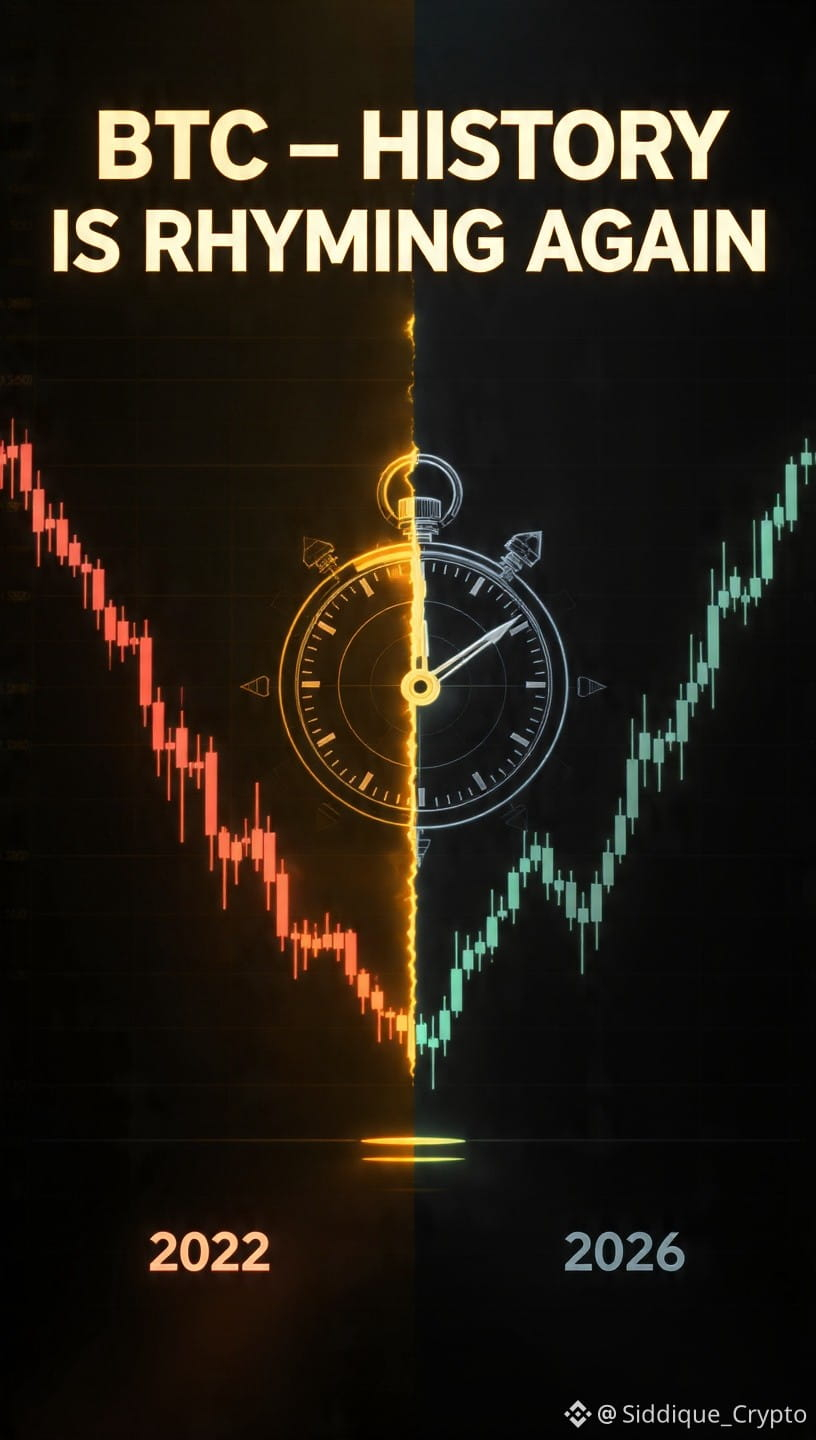
$BTC — 歴史が再びリズムを刻んでいる 👀📊
マーケットの最も強力なコンセプトの一つ — 歴史は正確には繰り返さないが、リズムを刻む。今、ビットコインは馴染みのあるパターンを示している。
2022年サイクル:
📉 重要なサポートレベルを失った
💀 大規模なキャピテュレーションが続いた
😱 最大の恐怖とパニック
📊 誰もがビットコインは終わったと言った
🚀 その正確なゾーンが次のブルランの発射台になった
2026年 現在:
📊 同様の統合パターンが形成中
👀 同じタイプの恐れと不確実性が存在
🔄 チャート上で同一の構造が展開中
⚡ 現在のゾーンは前回のブルランの点火ポイントを反映
サイクル比較が重要な理由:
📊 ビットコインは各サイクルで驚くほど似たマクロパターンに従っている
👥 人間の心理がマーケットを動かす — 恐れと欲望は繰り返す
🔄 キャピテュレーションゾーンは歴史的に蓄積ゾーンになる
🧠 2022年のパターンを理解した者は報われた
重要な現実チェック:
⚠️ 歴史はリズムを刻む — 正確には繰り返さない
⚠️ 2026年のマクロ条件は2022年とは異なる
⚠️ 新しいFRB議長と地政学的緊張が不確実性を加える
⚠️ パターン認識はツールであり、保証ではない
重要な質問:
2026年の統合ゾーンは2022年が作り出したのと同じ点火ポイントなのか? 👀
時間が教えてくれる — しかし、そのパターンは無視できない。 📊
💬 あなたは歴史がBTCのために繰り返されていると思いますか? 下にコメントを!
DYOR — 財務アドバイスではありません! 🙏
#bitcoin #BTC #MarketCycles #CryptoHistory #dyor
$BTC — 歴史が再びリズムを刻んでいる 👀📊
マーケットの最も強力なコンセプトの一つ — 歴史は正確には繰り返さないが、リズムを刻む。今、ビットコインは馴染みのあるパターンを示している。
2022年サイクル:
📉 重要なサポートレベルを失った
💀 大規模なキャピテュレーションが続いた
😱 最大の恐怖とパニック
📊 誰もがビットコインは終わったと言った
🚀 その正確なゾーンが次のブルランの発射台になった
2026年 現在:
📊 同様の統合パターンが形成中
👀 同じタイプの恐れと不確実性が存在
🔄 チャート上で同一の構造が展開中
⚡ 現在のゾーンは前回のブルランの点火ポイントを反映
サイクル比較が重要な理由:
📊 ビットコインは各サイクルで驚くほど似たマクロパターンに従っている
👥 人間の心理がマーケットを動かす — 恐れと欲望は繰り返す
🔄 キャピテュレーションゾーンは歴史的に蓄積ゾーンになる
🧠 2022年のパターンを理解した者は報われた
重要な現実チェック:
⚠️ 歴史はリズムを刻む — 正確には繰り返さない
⚠️ 2026年のマクロ条件は2022年とは異なる
⚠️ 新しいFRB議長と地政学的緊張が不確実性を加える
⚠️ パターン認識はツールであり、保証ではない
重要な質問:
2026年の統合ゾーンは2022年が作り出したのと同じ点火ポイントなのか? 👀
時間が教えてくれる — しかし、そのパターンは無視できない。 📊
💬 あなたは歴史がBTCのために繰り返されていると思いますか? 下にコメントを!
DYOR — 財務アドバイスではありません! 🙏
#bitcoin #BTC #MarketCycles #CryptoHistory #dyor
マーケットの最も強力なコンセプトの一つ — 歴史は正確には繰り返さないが、リズムを刻む。今、ビットコインは馴染みのあるパターンを示している。
2022年サイクル:
📉 重要なサポートレベルを失った
💀 大規模なキャピテュレーションが続いた
😱 最大の恐怖とパニック
📊 誰もがビットコインは終わったと言った
🚀 その正確なゾーンが次のブルランの発射台になった
2026年 現在:
📊 同様の統合パターンが形成中
👀 同じタイプの恐れと不確実性が存在
🔄 チャート上で同一の構造が展開中
⚡ 現在のゾーンは前回のブルランの点火ポイントを反映
サイクル比較が重要な理由:
📊 ビットコインは各サイクルで驚くほど似たマクロパターンに従っている
👥 人間の心理がマーケットを動かす — 恐れと欲望は繰り返す
🔄 キャピテュレーションゾーンは歴史的に蓄積ゾーンになる
🧠 2022年のパターンを理解した者は報われた
重要な現実チェック:
⚠️ 歴史はリズムを刻む — 正確には繰り返さない
⚠️ 2026年のマクロ条件は2022年とは異なる
⚠️ 新しいFRB議長と地政学的緊張が不確実性を加える
⚠️ パターン認識はツールであり、保証ではない
重要な質問:
2026年の統合ゾーンは2022年が作り出したのと同じ点火ポイントなのか? 👀
時間が教えてくれる — しかし、そのパターンは無視できない。 📊
💬 あなたは歴史がBTCのために繰り返されていると思いますか? 下にコメントを!
DYOR — 財務アドバイスではありません! 🙏
#bitcoin #BTC #MarketCycles #CryptoHistory #dyor
140

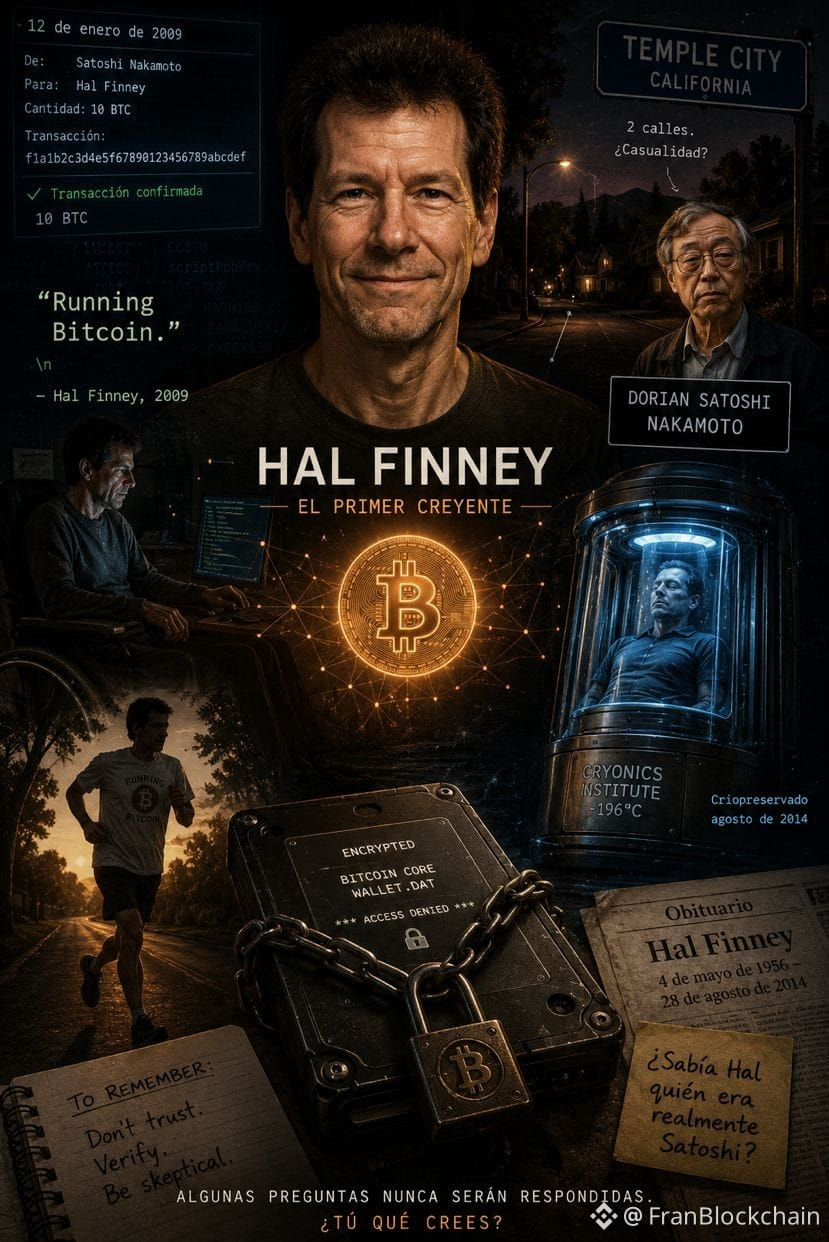
₿ 💥 ビットコインの歴史で最初のトランザクション $BTC de を受け取った。
彼はサトシ・ナカモトという者から2ブロック離れた場所に住んでいた。
そして、暗号化されたハードディスクを抱えて亡くなった。
彼の名前はハル・フィンニー。
暗号学者。マラソンランナー。カリフォルニアのゲーム会社の従業員。
2009年1月12日、サトシ・ナカモトは彼に10 BTCを送った。
世界の歴史における最初のビットコントランザクション。
ハルは最初の信者だった。最初にノードを実行した。
最初にサトシに「これが機能する」と言った。
2009年、彼は今や予言のように見えるツイートをした:
「ビットコインを走らせている。」
二言。文脈なし。派手さなし。
2013年、彼はALS — 筋萎縮性側索硬化症と診断された。
彼は車椅子からプログラミングを続けた。
指を動かせなくなったとき、目でコードを指示していた。
彼は2014年8月に亡くなった。
彼の体は冷凍保存された。今も凍ったままだ。
しかし、ここにほとんど誰も知らないことがある。
ハル・フィンニーはカリフォルニアのテンプルシティに住んでいた。
彼の家から2ブロック離れたところに、年配の引退した日系アメリカ人が住んでいた。
彼の名前はドリアン・サトシ・ナカモト。
偶然だと、事件を調査する者たちは言う。
あまりにも偶然だと、他の者たちは言う。
ハル・フィンニーのハードディスクは一度も解読されなかった。
中に何があるのかは誰も知らない。
ハルは本当にサトシが誰であるかを知っていたのか?
彼は冷凍庫にそれを持って行ったのか?
市場が決して答えない暗号の質問がある。
これもその一つだ。
君はどう思う?
フラン・ベルリン | ブロックチェーン研究所。
#bitcoin #CryptoHistory #halfinney #FranBerlin #InstitutoBlockchain
{spot}(BTCUSDT)
₿ 💥 ビットコインの歴史で最初のトランザクション $BTC de を受け取った。
彼はサトシ・ナカモトという者から2ブロック離れた場所に住んでいた。
そして、暗号化されたハードディスクを抱えて亡くなった。
彼の名前はハル・フィンニー。
暗号学者。マラソンランナー。カリフォルニアのゲーム会社の従業員。
2009年1月12日、サトシ・ナカモトは彼に10 BTCを送った。
世界の歴史における最初のビットコントランザクション。
ハルは最初の信者だった。最初にノードを実行した。
最初にサトシに「これが機能する」と言った。
2009年、彼は今や予言のように見えるツイートをした:
「ビットコインを走らせている。」
二言。文脈なし。派手さなし。
2013年、彼はALS — 筋萎縮性側索硬化症と診断された。
彼は車椅子からプログラミングを続けた。
指を動かせなくなったとき、目でコードを指示していた。
彼は2014年8月に亡くなった。
彼の体は冷凍保存された。今も凍ったままだ。
しかし、ここにほとんど誰も知らないことがある。
ハル・フィンニーはカリフォルニアのテンプルシティに住んでいた。
彼の家から2ブロック離れたところに、年配の引退した日系アメリカ人が住んでいた。
彼の名前はドリアン・サトシ・ナカモト。
偶然だと、事件を調査する者たちは言う。
あまりにも偶然だと、他の者たちは言う。
ハル・フィンニーのハードディスクは一度も解読されなかった。
中に何があるのかは誰も知らない。
ハルは本当にサトシが誰であるかを知っていたのか?
彼は冷凍庫にそれを持って行ったのか?
市場が決して答えない暗号の質問がある。
これもその一つだ。
君はどう思う?
フラン・ベルリン | ブロックチェーン研究所。
#bitcoin #CryptoHistory #halfinney #FranBerlin #InstitutoBlockchain
彼はサトシ・ナカモトという者から2ブロック離れた場所に住んでいた。
そして、暗号化されたハードディスクを抱えて亡くなった。
彼の名前はハル・フィンニー。
暗号学者。マラソンランナー。カリフォルニアのゲーム会社の従業員。
2009年1月12日、サトシ・ナカモトは彼に10 BTCを送った。
世界の歴史における最初のビットコントランザクション。
ハルは最初の信者だった。最初にノードを実行した。
最初にサトシに「これが機能する」と言った。
2009年、彼は今や予言のように見えるツイートをした:
「ビットコインを走らせている。」
二言。文脈なし。派手さなし。
2013年、彼はALS — 筋萎縮性側索硬化症と診断された。
彼は車椅子からプログラミングを続けた。
指を動かせなくなったとき、目でコードを指示していた。
彼は2014年8月に亡くなった。
彼の体は冷凍保存された。今も凍ったままだ。
しかし、ここにほとんど誰も知らないことがある。
ハル・フィンニーはカリフォルニアのテンプルシティに住んでいた。
彼の家から2ブロック離れたところに、年配の引退した日系アメリカ人が住んでいた。
彼の名前はドリアン・サトシ・ナカモト。
偶然だと、事件を調査する者たちは言う。
あまりにも偶然だと、他の者たちは言う。
ハル・フィンニーのハードディスクは一度も解読されなかった。
中に何があるのかは誰も知らない。
ハルは本当にサトシが誰であるかを知っていたのか?
彼は冷凍庫にそれを持って行ったのか?
市場が決して答えない暗号の質問がある。
これもその一つだ。
君はどう思う?
フラン・ベルリン | ブロックチェーン研究所。
#bitcoin #CryptoHistory #halfinney #FranBerlin #InstitutoBlockchain
3
2
1.9k

·
--
ブリッシュ
伝説的な話はみんな知ってるよね: 2010年5月22日、ラスロー・ハニエッツは10,000 $BTCで2枚のピザを買った。あの頃はただの楽しい実験で、約41ドルの価値しかなかった。今は? あのピザは数億ドルの価値になってる!🤯
でも、バイナンス・ピザデーはただのミームじゃない—クリプトの世界がどれだけ速く進化しているかを思い出させてくれるんだ。
ファストフードを買うために使われていたニッチなデジタル通貨から、グローバルな金融エコシステムに変わってしまった。機関投資家の採用が進み、レイヤー2のスケーリングや、$BNBや$SOLのようなネットワーク上に構築された巨大エコシステムが増えてきて、クリプトのユーティリティは単なる価値の保存を超えて広がっている。
💡 大事なポイント: 市場サイクルには常に上下があるけれども、採用の長期的なトレンドは止まっていない。過去のすべてのプルバックは、最終的に新しいインフラと新しい高値へとつながっている。
次の大きな波を待っているHODLerなのか、それとも日々のレンジをアクティブにトレードしているのか? あなたの戦略を教えて!👇
#BinancePizzaDay🍕 #CryptoHistory $BTC # #bitcoin #writetoearn
伝説的な話はみんな知ってるよね: 2010年5月22日、ラスロー・ハニエッツは10,000 $BTC で2枚のピザを買った。あの頃はただの楽しい実験で、約41ドルの価値しかなかった。今は? あのピザは数億ドルの価値になってる!🤯
でも、バイナンス・ピザデーはただのミームじゃない—クリプトの世界がどれだけ速く進化しているかを思い出させてくれるんだ。
ファストフードを買うために使われていたニッチなデジタル通貨から、グローバルな金融エコシステムに変わってしまった。機関投資家の採用が進み、レイヤー2のスケーリングや、$BNBや$SOLのようなネットワーク上に構築された巨大エコシステムが増えてきて、クリプトのユーティリティは単なる価値の保存を超えて広がっている。
💡 大事なポイント: 市場サイクルには常に上下があるけれども、採用の長期的なトレンドは止まっていない。過去のすべてのプルバックは、最終的に新しいインフラと新しい高値へとつながっている。
次の大きな波を待っているHODLerなのか、それとも日々のレンジをアクティブにトレードしているのか? あなたの戦略を教えて!👇
#BinancePizzaDay🍕 #CryptoHistory $BTC # #bitcoin #writetoearn
でも、バイナンス・ピザデーはただのミームじゃない—クリプトの世界がどれだけ速く進化しているかを思い出させてくれるんだ。
ファストフードを買うために使われていたニッチなデジタル通貨から、グローバルな金融エコシステムに変わってしまった。機関投資家の採用が進み、レイヤー2のスケーリングや、$BNBや$SOLのようなネットワーク上に構築された巨大エコシステムが増えてきて、クリプトのユーティリティは単なる価値の保存を超えて広がっている。
💡 大事なポイント: 市場サイクルには常に上下があるけれども、採用の長期的なトレンドは止まっていない。過去のすべてのプルバックは、最終的に新しいインフラと新しい高値へとつながっている。
次の大きな波を待っているHODLerなのか、それとも日々のレンジをアクティブにトレードしているのか? あなたの戦略を教えて!👇
#BinancePizzaDay🍕 #CryptoHistory $BTC # #bitcoin #writetoearn
1
1
160

·
--
🚨⚡ $ETH CHANGED FOREVER HERE, AND EVERY HOLDER SHOULD KNOW WHY.
$ETH HOLDERS, THIS ONE MATTERS. 👀
脆弱なコントラクトから3.6百万ETH以上が流出しました。イーサリアムはチェーンの分岐で対応しました。
2016年のDAO攻撃では、セキュアでないコントラクトから3.6百万ETH以上が奪われました。コミュニティは影響を受けた資金を引き出し用のコントラクトへ移すためのフォークを可決し、その決定に反対したマイナーは、現在「イーサリアム・クラシック」として知られるチェーンを継続しました。
衝撃の波
スマートコントラクトの失敗が、「コード」「コミュニティの合意」「復旧のどれがブロックチェーンを定義すべきか」という議論になりました。
教訓
技術リスクは価格だけで終わりません。ガバナンスの判断は、生態系を恒久的に作り変えることがあります。
🧠 THE EDGE
このフォークを監視リストに入れておいてください。ある危機がイーサリアムを一度で恒久的に変えました。
🔥 $ETH を監視リストに入れてください。 $ETH history は静かには繰り返されません。
$ETH #ETH #CryptoStory #CryptoHistory
🚨⚡ $ETH CHANGED FOREVER HERE, AND EVERY HOLDER SHOULD KNOW WHY.
$ETH HOLDERS, THIS ONE MATTERS. 👀
脆弱なコントラクトから3.6百万ETH以上が流出しました。イーサリアムはチェーンの分岐で対応しました。
2016年のDAO攻撃では、セキュアでないコントラクトから3.6百万ETH以上が奪われました。コミュニティは影響を受けた資金を引き出し用のコントラクトへ移すためのフォークを可決し、その決定に反対したマイナーは、現在「イーサリアム・クラシック」として知られるチェーンを継続しました。
衝撃の波
スマートコントラクトの失敗が、「コード」「コミュニティの合意」「復旧のどれがブロックチェーンを定義すべきか」という議論になりました。
教訓
技術リスクは価格だけで終わりません。ガバナンスの判断は、生態系を恒久的に作り変えることがあります。
🧠 THE EDGE
このフォークを監視リストに入れておいてください。ある危機がイーサリアムを一度で恒久的に変えました。
🔥 $ETH を監視リストに入れてください。 $ETH history は静かには繰り返されません。
$ETH #ETH #CryptoStory #CryptoHistory
$ETH HOLDERS, THIS ONE MATTERS. 👀
脆弱なコントラクトから3.6百万ETH以上が流出しました。イーサリアムはチェーンの分岐で対応しました。
2016年のDAO攻撃では、セキュアでないコントラクトから3.6百万ETH以上が奪われました。コミュニティは影響を受けた資金を引き出し用のコントラクトへ移すためのフォークを可決し、その決定に反対したマイナーは、現在「イーサリアム・クラシック」として知られるチェーンを継続しました。
衝撃の波
スマートコントラクトの失敗が、「コード」「コミュニティの合意」「復旧のどれがブロックチェーンを定義すべきか」という議論になりました。
教訓
技術リスクは価格だけで終わりません。ガバナンスの判断は、生態系を恒久的に作り変えることがあります。
🧠 THE EDGE
このフォークを監視リストに入れておいてください。ある危機がイーサリアムを一度で恒久的に変えました。
🔥 $ETH を監視リストに入れてください。 $ETH history は静かには繰り返されません。
$ETH #ETH #CryptoStory #CryptoHistory
65
·
--
こう想像してみてください。ある人物が「女性が2009年に900,000 $BTC を買った」と主張し、そのまま仮想通貨の伝説へと消えてしまった、と。
そういう話は、あらゆるトレーダーの弱点を直撃します。早すぎる売却への恐怖、エントリーを逃すこと、そして他人が砂から世代を超える富を作るのを眺めてしまうこと。さらに、バズる仮想通貨の投稿が、事例と神話の境界をいかに簡単に曖昧にするかも思い出させてくれます。
面白いのはここです。2009年当時、$BTC には実質的な市場価格がなく、大手の取引所の流動性もほぼなく、一般に広く信じられている状態でもありませんでした。900,000 BTCの束はサトシ時代の保有量に近い規模で、現在の価格なら、これまで知られているほとんどのクジラ用ウォレットをはるかに超える、史上最大級の個人級仮想通貨資産の一つに相当します。
それを、2010年の有名な10,000 BTCのピザ購入と比べてみましょう。ある人は、コインが「お金」として機能することを証明するために費やしました。一方で、900,000 BTCを持っていたと仮定の人は、何もしないことでその力を証明していたことになります。同じ資産でも、まったく違う結果。だからこそ、$BTC は$ETH や$BNBよりも、食卓で語られる仮想通貨の物語でいまだに存在感が大きいのです。初期の歴史が、非対称な判断に満ちているからです。
本当の教訓は「ただ永遠に保有しよう」ではありません。確信は、振り返ってみると当然に見えるだけで、実際に最も難しいトレードほど、その時点ではまったくばかげているように感じることが多い、ということです。あなたは、2009年から今日まで保有できていたと思いますか?
#Bitcoin #CryptoHistory #BTC
こう想像してみてください。ある人物が「女性が2009年に900,000 $BTC を買った」と主張し、そのまま仮想通貨の伝説へと消えてしまった、と。
そういう話は、あらゆるトレーダーの弱点を直撃します。早すぎる売却への恐怖、エントリーを逃すこと、そして他人が砂から世代を超える富を作るのを眺めてしまうこと。さらに、バズる仮想通貨の投稿が、事例と神話の境界をいかに簡単に曖昧にするかも思い出させてくれます。
面白いのはここです。2009年当時、$BTC には実質的な市場価格がなく、大手の取引所の流動性もほぼなく、一般に広く信じられている状態でもありませんでした。900,000 BTCの束はサトシ時代の保有量に近い規模で、現在の価格なら、これまで知られているほとんどのクジラ用ウォレットをはるかに超える、史上最大級の個人級仮想通貨資産の一つに相当します。
それを、2010年の有名な10,000 BTCのピザ購入と比べてみましょう。ある人は、コインが「お金」として機能することを証明するために費やしました。一方で、900,000 BTCを持っていたと仮定の人は、何もしないことでその力を証明していたことになります。同じ資産でも、まったく違う結果。だからこそ、$BTC は$ETH や$BNB よりも、食卓で語られる仮想通貨の物語でいまだに存在感が大きいのです。初期の歴史が、非対称な判断に満ちているからです。
本当の教訓は「ただ永遠に保有しよう」ではありません。確信は、振り返ってみると当然に見えるだけで、実際に最も難しいトレードほど、その時点ではまったくばかげているように感じることが多い、ということです。あなたは、2009年から今日まで保有できていたと思いますか?
#Bitcoin #CryptoHistory #BTC
そういう話は、あらゆるトレーダーの弱点を直撃します。早すぎる売却への恐怖、エントリーを逃すこと、そして他人が砂から世代を超える富を作るのを眺めてしまうこと。さらに、バズる仮想通貨の投稿が、事例と神話の境界をいかに簡単に曖昧にするかも思い出させてくれます。
面白いのはここです。2009年当時、$BTC には実質的な市場価格がなく、大手の取引所の流動性もほぼなく、一般に広く信じられている状態でもありませんでした。900,000 BTCの束はサトシ時代の保有量に近い規模で、現在の価格なら、これまで知られているほとんどのクジラ用ウォレットをはるかに超える、史上最大級の個人級仮想通貨資産の一つに相当します。
それを、2010年の有名な10,000 BTCのピザ購入と比べてみましょう。ある人は、コインが「お金」として機能することを証明するために費やしました。一方で、900,000 BTCを持っていたと仮定の人は、何もしないことでその力を証明していたことになります。同じ資産でも、まったく違う結果。だからこそ、$BTC は$ETH や$BNB よりも、食卓で語られる仮想通貨の物語でいまだに存在感が大きいのです。初期の歴史が、非対称な判断に満ちているからです。
本当の教訓は「ただ永遠に保有しよう」ではありません。確信は、振り返ってみると当然に見えるだけで、実際に最も難しいトレードほど、その時点ではまったくばかげているように感じることが多い、ということです。あなたは、2009年から今日まで保有できていたと思いますか?
#Bitcoin #CryptoHistory #BTC
13

·
--
💎 暗号の物語 💎⚡️ すべては2008年に始まります。世界的な金融危機の真っ只中です。謎めいたペンネーム――サトシ・ナカモト――が、わずか9ページのシンプルな文書を公開します:$BTC 。メッセージは明確です。もう二度と、金融システムが銀行への盲目的な信頼に依存してはならないのです。
▬▬▬▬▬▬▬▬▬▬▬▬▬▬▬▬▬▬▬▬▬▬▬▬
🔥 2009 → 「創世ブロック」が掘り出されます。ビットコインが正式に誕生し、英国の銀行救済に言及する隠されたメッセージが添えられています。これはすでに政治的な宣言です。
💎 暗号の物語 💎
⚡️ すべては2008年に始まります。世界的な金融危機の真っ只中です。謎めいたペンネーム――サトシ・ナカモト――が、わずか9ページのシンプルな文書を公開します:$BTC 。メッセージは明確です。もう二度と、金融システムが銀行への盲目的な信頼に依存してはならないのです。
▬▬▬▬▬▬▬▬▬▬▬▬▬▬▬▬▬▬▬▬▬▬▬▬
🔥 2009 → 「創世ブロック」が掘り出されます。ビットコインが正式に誕生し、英国の銀行救済に言及する隠されたメッセージが添えられています。これはすでに政治的な宣言です。
▬▬▬▬▬▬▬▬▬▬▬▬▬▬▬▬▬▬▬▬▬▬▬▬
🔥 2009 → 「創世ブロック」が掘り出されます。ビットコインが正式に誕生し、英国の銀行救済に言及する隠されたメッセージが添えられています。これはすでに政治的な宣言です。
82

·
--
記事
暗号の歴史レッスン:恐怖を乗り越えた投資家たち🕰️ ステラの2020年クラッシュが示す、暗号のサイクルの重要性
2020年のCOVID-19市場クラッシュの不確実性の間、多くの暗号資産が極端なボラティリティを経験しました。そこには、歴史的安値近辺で取引されていたステラ(Stellar、$XLM)も含まれます。
その時点では、市場のセンチメントは非常にネガティブでした。多くの投資家は短期的な恐怖にだけ注目し、将来の回復の可能性を無視していました。
それから数年後、XLMの歩みは、暗号市場がしばしば恐怖、回復、そして新たな関心へと循環を繰り返して動くことを示す別の例となりました。
暗号の歴史レッスン:恐怖を乗り越えた投資家たち
🕰️ ステラの2020年クラッシュが示す、暗号のサイクルの重要性
2020年のCOVID-19市場クラッシュの不確実性の間、多くの暗号資産が極端なボラティリティを経験しました。そこには、歴史的安値近辺で取引されていたステラ(Stellar、$XLM )も含まれます。
その時点では、市場のセンチメントは非常にネガティブでした。多くの投資家は短期的な恐怖にだけ注目し、将来の回復の可能性を無視していました。
それから数年後、XLMの歩みは、暗号市場がしばしば恐怖、回復、そして新たな関心へと循環を繰り返して動くことを示す別の例となりました。
2020年のCOVID-19市場クラッシュの不確実性の間、多くの暗号資産が極端なボラティリティを経験しました。そこには、歴史的安値近辺で取引されていたステラ(Stellar、$XLM )も含まれます。
その時点では、市場のセンチメントは非常にネガティブでした。多くの投資家は短期的な恐怖にだけ注目し、将来の回復の可能性を無視していました。
それから数年後、XLMの歩みは、暗号市場がしばしば恐怖、回復、そして新たな関心へと循環を繰り返して動くことを示す別の例となりました。
60

·
--
2013年と2014年に、マジックインターネットマネーは静かに本物であることを証明しました。これは、ホワイトペーパーの夢ではなく、実際に機能するブロックチェーンとして立ち上がり、誠実なマイニングとすでに構築された数年のオンチェーン履歴を持っています。
特に目を引くのは、その初期の基盤が今でも重要であるということです。新しいチェーンが実験を重ねる中で、こちらのチェーンは最初から戦闘テストを受けているという重みを持っています。それは、なぜいくつかのプロジェクトが持続し、他が消えていくのかを思い出させてくれます。
$BTC $ETH $SOL
#Bitcoin #CryptoHistory #Blockchain #マジックインターネットマネー
2013年と2014年に、マジックインターネットマネーは静かに本物であることを証明しました。これは、ホワイトペーパーの夢ではなく、実際に機能するブロックチェーンとして立ち上がり、誠実なマイニングとすでに構築された数年のオンチェーン履歴を持っています。
特に目を引くのは、その初期の基盤が今でも重要であるということです。新しいチェーンが実験を重ねる中で、こちらのチェーンは最初から戦闘テストを受けているという重みを持っています。それは、なぜいくつかのプロジェクトが持続し、他が消えていくのかを思い出させてくれます。
$BTC $ETH $SOL
#Bitcoin #CryptoHistory #Blockchain #マジックインターネットマネー
特に目を引くのは、その初期の基盤が今でも重要であるということです。新しいチェーンが実験を重ねる中で、こちらのチェーンは最初から戦闘テストを受けているという重みを持っています。それは、なぜいくつかのプロジェクトが持続し、他が消えていくのかを思い出させてくれます。
$BTC $ETH $SOL
#Bitcoin #CryptoHistory #Blockchain #マジックインターネットマネー
77
ログインして、さらにコンテンツを読む
厳選トピックで世界の暗号資産トレーダーの仲間入り
⚡️ 暗号資産に関する最新かつ有益な情報が見つかります。
💬 世界最大の暗号資産取引所から信頼されています。
👍 認証を受けたクリエイターから、有益なインサイトを得られます。
メール / 電話番号
トレンドトピック
1
#ClarityActFacesProceduralVoteSept15
閲覧回数 42,033
627人が討論中
2
#US2YearYieldRisesTo4.61%
閲覧回数 32,147
604人が討論中
3
#US10YearTreasuryYieldNears5%
閲覧回数 18,806
350人が討論中
4
#CryptoLiquidations$674MIn24H
閲覧回数 6,944
82人が討論中
5
#TokenizedStockHoldersUp619.1%
閲覧回数 21,070
364人が討論中
6
#RevolutConfirmsFakeGovEmailDataBreach
閲覧回数 41,887
654人が討論中
7
#CanadaOSFISaysTokenizedDepositsEqualTraditionalDeposits
閲覧回数 1,715
60人が討論中
8
#USBankCompletesCrossBorderPaymentPilotOnStellar
閲覧回数 42,404
827人が討論中
9
#NvidiaInTalksToInvestUpTo$10BInAnthropicIPO
閲覧回数 3,262
67人が討論中
10
#EtherRalliesAsBearishBetsLiquidate
閲覧回数 59,272
1,042人が討論中