
meligamble
11.4k 投稿

meligamble
報告
ユーザーをブロック
Main call : t@me/meligamble
DM : @meliodas368
🔠 Content at chanel is for informational purposes only, not investment advice or solicitations 💰 | DYOR
315 フォロー
201 フォロワー
717 いいね
投稿
すべて
引用
動画
·
--
翻訳参照
Picture this: a headline drops about an SEC approval tied to Nasdaq, and retail traders rush to market-buy every related token without reading the filing.
Most people lose capital not because they are wrong about long-term adoption, but because they mistake a structural listing rule amendment for immediate liquidity. It is the classic trap of buying legal plumbing as if it were a direct demand shock.
When the SEC approved the rule change for commodity-based trust shares linked to Texas-based frameworks, the feeds immediately celebrated another regulatory win. But if you dig into the mechanics, this is purely operational groundwork. It establishes custody standards and surveillance sharing rather than unlocking overnight institutional inflows for assets like $DOT or $STX that traders speculate might benefit.
The real risk sits in the lag between structural approvals and actual capital allocation. While sentiment sits in greed and traders rotate stables like $USDT chasing the next headline pump, market makers often use these regulatory milestones to offload into premature retail momentum. Institutional infrastructure builds in silence over years, yet retail expects it to print candles in minutes.
Are we overpricing structural approvals before any real liquidity actually lands?
#SECApprovesNasdaqTexasCommodityTrustRule #USAugustPPIRisesLessThanExpected
Picture this: a headline drops about an SEC approval tied to Nasdaq, and retail traders rush to market-buy every related token without reading the filing.
Most people lose capital not because they are wrong about long-term adoption, but because they mistake a structural listing rule amendment for immediate liquidity. It is the classic trap of buying legal plumbing as if it were a direct demand shock.
When the SEC approved the rule change for commodity-based trust shares linked to Texas-based frameworks, the feeds immediately celebrated another regulatory win. But if you dig into the mechanics, this is purely operational groundwork. It establishes custody standards and surveillance sharing rather than unlocking overnight institutional inflows for assets like $DOT or $STX that traders speculate might benefit.
The real risk sits in the lag between structural approvals and actual capital allocation. While sentiment sits in greed and traders rotate stables like $USDT chasing the next headline pump, market makers often use these regulatory milestones to offload into premature retail momentum. Institutional infrastructure builds in silence over years, yet retail expects it to print candles in minutes.
Are we overpricing structural approvals before any real liquidity actually lands?
#SECApprovesNasdaqTexasCommodityTrustRule #USAugustPPIRisesLessThanExpected
Most people lose capital not because they are wrong about long-term adoption, but because they mistake a structural listing rule amendment for immediate liquidity. It is the classic trap of buying legal plumbing as if it were a direct demand shock.
When the SEC approved the rule change for commodity-based trust shares linked to Texas-based frameworks, the feeds immediately celebrated another regulatory win. But if you dig into the mechanics, this is purely operational groundwork. It establishes custody standards and surveillance sharing rather than unlocking overnight institutional inflows for assets like $DOT or $STX that traders speculate might benefit.
The real risk sits in the lag between structural approvals and actual capital allocation. While sentiment sits in greed and traders rotate stables like $USDT chasing the next headline pump, market makers often use these regulatory milestones to offload into premature retail momentum. Institutional infrastructure builds in silence over years, yet retail expects it to print candles in minutes.
Are we overpricing structural approvals before any real liquidity actually lands?
#SECApprovesNasdaqTexasCommodityTrustRule #USAugustPPIRisesLessThanExpected

5
·
--
翻訳参照
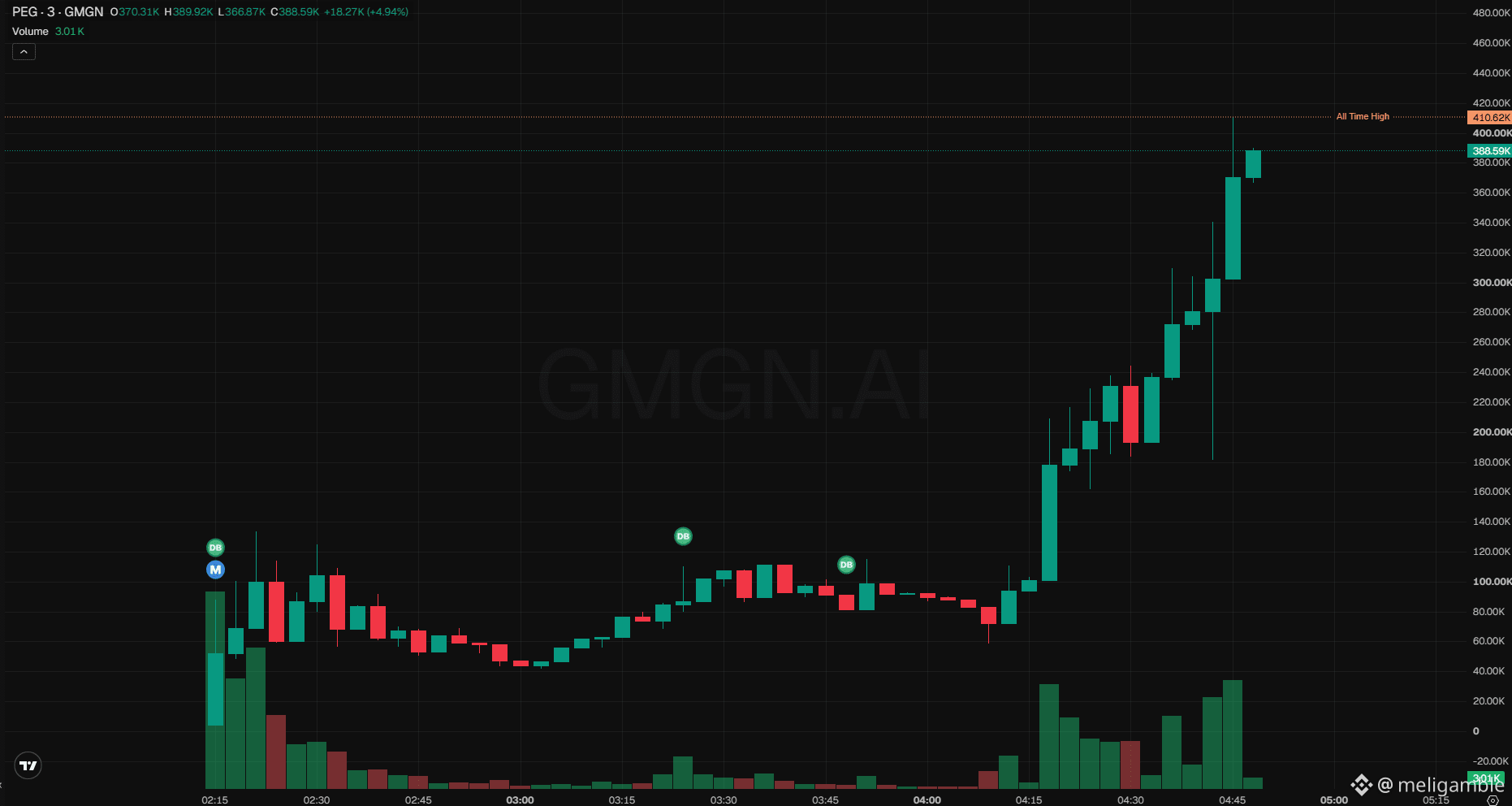
🟩 $PEG - #ROBINHOOD play
0x7f362d5ef8b02cedf2b5c5f76b9d7aaa667085c8
mcap: $389K
parking eth in onchain robinhood tokenized stock pools to scoop trading fees while they handle the liquidity builds, position management and swaps. use_peg just launched the official site around this exact setup. dyor
Web : https://usepeg.trade
X : https://x.com/use_peg
https://gmgn.ai/robinhood/token/0x7f362d5ef8b02cedf2b5c5f76b9d7aaa667085c8
https://t.me/based_eth_bot?start=0x7f362d5ef8b02cedf2b5c5f76b9d7aaa667085c8
🟩 $PEG - #ROBINHOOD play
0x7f362d5ef8b02cedf2b5c5f76b9d7aaa667085c8
mcap: $389K
parking eth in onchain robinhood tokenized stock pools to scoop trading fees while they handle the liquidity builds, position management and swaps. use_peg just launched the official site around this exact setup. dyor
Web : https://usepeg.trade
X : https://x.com/use_peg
https://gmgn.ai/robinhood/token/0x7f362d5ef8b02cedf2b5c5f76b9d7aaa667085c8
https://t.me/based_eth_bot?start=0x7f362d5ef8b02cedf2b5c5f76b9d7aaa667085c8
0x7f362d5ef8b02cedf2b5c5f76b9d7aaa667085c8
mcap: $389K
parking eth in onchain robinhood tokenized stock pools to scoop trading fees while they handle the liquidity builds, position management and swaps. use_peg just launched the official site around this exact setup. dyor
Web : https://usepeg.trade
X : https://x.com/use_peg
https://gmgn.ai/robinhood/token/0x7f362d5ef8b02cedf2b5c5f76b9d7aaa667085c8
https://t.me/based_eth_bot?start=0x7f362d5ef8b02cedf2b5c5f76b9d7aaa667085c8
·
--
翻訳参照
Most retail traders lose money not by missing the pump, but by buying green candles on projects that have zero real utility behind them. We all get that urge to chase top gainers on Binance when everything is moving fast, but blindly jumping into low-liquidity spikes usually ends with you holding heavy bags at the top.
Looking at recent market moves, a lot of these sudden pumps just do not make fundamental sense. Take $VTHO pushing up into a 60M valuation out of nowhere. There is no major network upgrade or tangible catalyst backing the surge, and realistically, even a 6M cap feels stretched for what it actually delivers right now.
The same thing plays out with tokens like $ANIME, which came out of the NFT space and basically dumped on early holders right after launch. When a token exists purely for short-term speculation without real product demand, every massive green spike is just exit liquidity for insiders.
Are you trimming profits into these sudden low-cap spikes, or do you think some of them actually have legs?
#CryptoTrading #RiskManagement #Altcoins
Most retail traders lose money not by missing the pump, but by buying green candles on projects that have zero real utility behind them. We all get that urge to chase top gainers on Binance when everything is moving fast, but blindly jumping into low-liquidity spikes usually ends with you holding heavy bags at the top.
Looking at recent market moves, a lot of these sudden pumps just do not make fundamental sense. Take $VTHO pushing up into a 60M valuation out of nowhere. There is no major network upgrade or tangible catalyst backing the surge, and realistically, even a 6M cap feels stretched for what it actually delivers right now.
The same thing plays out with tokens like $ANIME , which came out of the NFT space and basically dumped on early holders right after launch. When a token exists purely for short-term speculation without real product demand, every massive green spike is just exit liquidity for insiders.
Are you trimming profits into these sudden low-cap spikes, or do you think some of them actually have legs?
#CryptoTrading #RiskManagement #Altcoins
Looking at recent market moves, a lot of these sudden pumps just do not make fundamental sense. Take $VTHO pushing up into a 60M valuation out of nowhere. There is no major network upgrade or tangible catalyst backing the surge, and realistically, even a 6M cap feels stretched for what it actually delivers right now.
The same thing plays out with tokens like $ANIME , which came out of the NFT space and basically dumped on early holders right after launch. When a token exists purely for short-term speculation without real product demand, every massive green spike is just exit liquidity for insiders.
Are you trimming profits into these sudden low-cap spikes, or do you think some of them actually have legs?
#CryptoTrading #RiskManagement #Altcoins

22
·
--
Day oneに、検証されていない政治的ミームの売買を立ち上げるのは、トレーダーのポートフォリオを延々と削り続けるミスです。
ほとんどの参加者は、取り残される恐れ(FOMO)だけで初動のポンプに飛びつくものの、気づけばビッドの厚みがゼロのままバッグを抱え込んだ状態に閉じ込められます。
ついさっきも、$LAPTOPのローンチで同じことがまた起きました。取引開始から最初の1時間で、トークンは全時価の95%以上を消し飛ばしています。これは、$BODENのような古い政治系メタの失速パターン、あるいは $SOL のミームペアで見られた初期のボラティリティ急騰と、ほぼ同一の崩壊の動きに見えます。つまり、後から買った人たちが、初期のスナイパーのイグジット代を払わされることになるのです。
ナラティブ(物語)の勢いは中毒性がありますが、流動性がロックされていない、あるいは正当なマーケットメイカーがいない場合、こうしたローンチは本当の価格発見というより、急速な資金の抜き取りに近い挙動になります。チャート上では30分だけ人工的な出来高が立って、その後は完全な無音です。
有名人の政治トークンは、最初の高値から回復すると思いますか? それとも、厳密に単発の資金抜き取り(抽出)ビークルなのでしょうか?
#CryptoTrading #MemeCoins #Altcoins
Day oneに、検証されていない政治的ミームの売買を立ち上げるのは、トレーダーのポートフォリオを延々と削り続けるミスです。
ほとんどの参加者は、取り残される恐れ(FOMO)だけで初動のポンプに飛びつくものの、気づけばビッドの厚みがゼロのままバッグを抱え込んだ状態に閉じ込められます。
ついさっきも、$LAPTOPのローンチで同じことがまた起きました。取引開始から最初の1時間で、トークンは全時価の95%以上を消し飛ばしています。これは、$BODENのような古い政治系メタの失速パターン、あるいは $SOL のミームペアで見られた初期のボラティリティ急騰と、ほぼ同一の崩壊の動きに見えます。つまり、後から買った人たちが、初期のスナイパーのイグジット代を払わされることになるのです。
ナラティブ(物語)の勢いは中毒性がありますが、流動性がロックされていない、あるいは正当なマーケットメイカーがいない場合、こうしたローンチは本当の価格発見というより、急速な資金の抜き取りに近い挙動になります。チャート上では30分だけ人工的な出来高が立って、その後は完全な無音です。
有名人の政治トークンは、最初の高値から回復すると思いますか? それとも、厳密に単発の資金抜き取り(抽出)ビークルなのでしょうか?
#CryptoTrading #MemeCoins #Altcoins
ほとんどの参加者は、取り残される恐れ(FOMO)だけで初動のポンプに飛びつくものの、気づけばビッドの厚みがゼロのままバッグを抱え込んだ状態に閉じ込められます。
ついさっきも、$LAPTOPのローンチで同じことがまた起きました。取引開始から最初の1時間で、トークンは全時価の95%以上を消し飛ばしています。これは、$BODENのような古い政治系メタの失速パターン、あるいは $SOL のミームペアで見られた初期のボラティリティ急騰と、ほぼ同一の崩壊の動きに見えます。つまり、後から買った人たちが、初期のスナイパーのイグジット代を払わされることになるのです。
ナラティブ(物語)の勢いは中毒性がありますが、流動性がロックされていない、あるいは正当なマーケットメイカーがいない場合、こうしたローンチは本当の価格発見というより、急速な資金の抜き取りに近い挙動になります。チャート上では30分だけ人工的な出来高が立って、その後は完全な無音です。
有名人の政治トークンは、最初の高値から回復すると思いますか? それとも、厳密に単発の資金抜き取り(抽出)ビークルなのでしょうか?
#CryptoTrading #MemeCoins #Altcoins

14
·
--
なぜ、オンチェーンの出来高指標がいかに簡単に小口投資家を騙して“即時の崩壊”を買わせてしまうのか、誰も話題にしないのだろうか?
多くのトレーダーは大きな買い出来高を見て慌てて飛び込むが、ウォレット分布を無視したせいで、数分のうちにポートフォリオが蒸発するのを目にすることになる。ローンチ直後に95%のドローダウンに捕まるのは、高い取引件数が安全な流動性を保証しないことへの痛烈な教訓だ。
$LAPTOPの混沌としたデビューは、見出しの出来高がしばしば誤解を招く理由を証明している。20,000人超の買い手の間で、買い46,675件に対して売り16,038件を記録したにもかかわらず、トークンは開始時のプール価格$0.05から1時間足らずで95%以上下落してクラッシュした。表面上は買い需要が圧倒的に見えたが、内部のトークンメカニズムはまったく別の物語を語っていた。
Bubblemapsによると、上位ホルダーのウォレットの60%は完全に新規だった。チームは売却を否定し、スナイパーボットや薄い初期流動性を挙げ、さらに$LAPTOPのインセンティブとして4Mを約束した。しかし終盤の買い手が“全面的な被害”を受けた。$BNBのようなメジャー銘柄と並んで、ボラティリティの高い新規上場を取引するなら、生の熱量よりもウォレットの経歴(年数)と真の流動性の深さを追うことのほうがはるかに重要だ。
ここから先、どうなると思う?
#CryptoTrading #MemeCoins #OnChainAnalysis
なぜ、オンチェーンの出来高指標がいかに簡単に小口投資家を騙して“即時の崩壊”を買わせてしまうのか、誰も話題にしないのだろうか?
多くのトレーダーは大きな買い出来高を見て慌てて飛び込むが、ウォレット分布を無視したせいで、数分のうちにポートフォリオが蒸発するのを目にすることになる。ローンチ直後に95%のドローダウンに捕まるのは、高い取引件数が安全な流動性を保証しないことへの痛烈な教訓だ。
$LAPTOPの混沌としたデビューは、見出しの出来高がしばしば誤解を招く理由を証明している。20,000人超の買い手の間で、買い46,675件に対して売り16,038件を記録したにもかかわらず、トークンは開始時のプール価格$0.05から1時間足らずで95%以上下落してクラッシュした。表面上は買い需要が圧倒的に見えたが、内部のトークンメカニズムはまったく別の物語を語っていた。
Bubblemapsによると、上位ホルダーのウォレットの60%は完全に新規だった。チームは売却を否定し、スナイパーボットや薄い初期流動性を挙げ、さらに$LAPTOPのインセンティブとして4Mを約束した。しかし終盤の買い手が“全面的な被害”を受けた。$BNB のようなメジャー銘柄と並んで、ボラティリティの高い新規上場を取引するなら、生の熱量よりもウォレットの経歴(年数)と真の流動性の深さを追うことのほうがはるかに重要だ。
ここから先、どうなると思う?
#CryptoTrading #MemeCoins #OnChainAnalysis
多くのトレーダーは大きな買い出来高を見て慌てて飛び込むが、ウォレット分布を無視したせいで、数分のうちにポートフォリオが蒸発するのを目にすることになる。ローンチ直後に95%のドローダウンに捕まるのは、高い取引件数が安全な流動性を保証しないことへの痛烈な教訓だ。
$LAPTOPの混沌としたデビューは、見出しの出来高がしばしば誤解を招く理由を証明している。20,000人超の買い手の間で、買い46,675件に対して売り16,038件を記録したにもかかわらず、トークンは開始時のプール価格$0.05から1時間足らずで95%以上下落してクラッシュした。表面上は買い需要が圧倒的に見えたが、内部のトークンメカニズムはまったく別の物語を語っていた。
Bubblemapsによると、上位ホルダーのウォレットの60%は完全に新規だった。チームは売却を否定し、スナイパーボットや薄い初期流動性を挙げ、さらに$LAPTOPのインセンティブとして4Mを約束した。しかし終盤の買い手が“全面的な被害”を受けた。$BNB のようなメジャー銘柄と並んで、ボラティリティの高い新規上場を取引するなら、生の熱量よりもウォレットの経歴(年数)と真の流動性の深さを追うことのほうがはるかに重要だ。
ここから先、どうなると思う?
#CryptoTrading #MemeCoins #OnChainAnalysis

9
·
--
翻訳参照
Nearly three times more people bought into the $LAPTOP launch than sold, yet the token still managed to crash over 95% in less than sixty minutes.
Getting trapped in a launch where buy pressure looks completely dominant only to watch your balance vaporize is one of the most frustrating experiences in on-chain trading. It makes you feel like the game was rigged against you before the pool even opened.
Looking under the hood of this launch tells the real story. The initial pool started at $0.05 per token and drew 46,675 buys from 20,085 distinct buyers against only 16,038 sells. On paper that looks like clear accumulation, but on-chain tracking from Bubblemaps showed that 60% of the top-holder wallets were brand new addresses funded right before launch.
When sniper bots and concentrated fresh wallets dump into thin initial liquidity, raw buyer count cannot save the chart. The team pointed fingers at MEV snipers and pledged 4M tokens in liquidity incentives while stating team allocations remain locked, but the structural damage was already done. Chasing rapid launches on networks like $SOL or Ethereum without checking wallet clustering almost always ends the same way.
How closely do you inspect fresh wallet distribution before jumping into a new token launch?
#CryptoTrading #OnChainAnalysis #DeFi
Nearly three times more people bought into the $LAPTOP launch than sold, yet the token still managed to crash over 95% in less than sixty minutes.
Getting trapped in a launch where buy pressure looks completely dominant only to watch your balance vaporize is one of the most frustrating experiences in on-chain trading. It makes you feel like the game was rigged against you before the pool even opened.
Looking under the hood of this launch tells the real story. The initial pool started at $0.05 per token and drew 46,675 buys from 20,085 distinct buyers against only 16,038 sells. On paper that looks like clear accumulation, but on-chain tracking from Bubblemaps showed that 60% of the top-holder wallets were brand new addresses funded right before launch.
When sniper bots and concentrated fresh wallets dump into thin initial liquidity, raw buyer count cannot save the chart. The team pointed fingers at MEV snipers and pledged 4M tokens in liquidity incentives while stating team allocations remain locked, but the structural damage was already done. Chasing rapid launches on networks like $SOL or Ethereum without checking wallet clustering almost always ends the same way.
How closely do you inspect fresh wallet distribution before jumping into a new token launch?
#CryptoTrading #OnChainAnalysis #DeFi
Getting trapped in a launch where buy pressure looks completely dominant only to watch your balance vaporize is one of the most frustrating experiences in on-chain trading. It makes you feel like the game was rigged against you before the pool even opened.
Looking under the hood of this launch tells the real story. The initial pool started at $0.05 per token and drew 46,675 buys from 20,085 distinct buyers against only 16,038 sells. On paper that looks like clear accumulation, but on-chain tracking from Bubblemaps showed that 60% of the top-holder wallets were brand new addresses funded right before launch.
When sniper bots and concentrated fresh wallets dump into thin initial liquidity, raw buyer count cannot save the chart. The team pointed fingers at MEV snipers and pledged 4M tokens in liquidity incentives while stating team allocations remain locked, but the structural damage was already done. Chasing rapid launches on networks like $SOL or Ethereum without checking wallet clustering almost always ends the same way.
How closely do you inspect fresh wallet distribution before jumping into a new token launch?
#CryptoTrading #OnChainAnalysis #DeFi

21
·
--
翻訳参照
update $Orus
came in around 550k on $orus. 1.22m now (x2.2)
update $Orus
came in around 550k on $orus. 1.22m now (x2.2)
came in around 550k on $orus. 1.22m now (x2.2)
1
·
--
翻訳参照
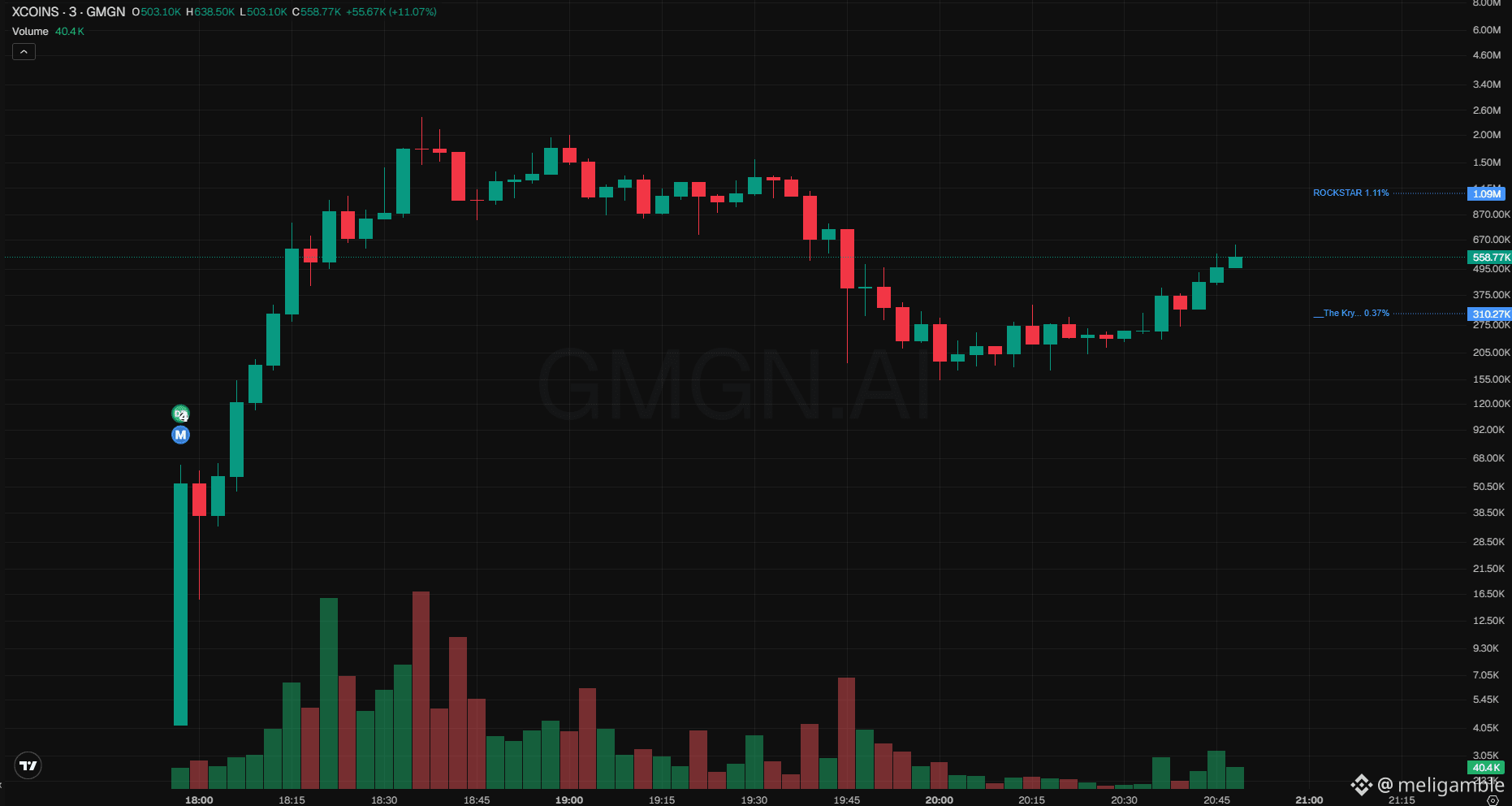
🟩 $XCOINS - #ROBINHOOD gamble
0xfb7710bc08fe297d648b2617b8c1e25129d1a2f5
mcap: $559K
spotting xcoins as a fresh ticker floating extra coins or x-branding vibes with no confirmed meme, clip or event origin yet. dyor
Web : https://xcoins.fund/
https://gmgn.ai/robinhood/token/0xfb7710bc08fe297d648b2617b8c1e25129d1a2f5
https://t.me/based_eth_bot?start=0xfb7710bc08fe297d648b2617b8c1e25129d1a2f5
🟩 $XCOINS - #ROBINHOOD gamble
0xfb7710bc08fe297d648b2617b8c1e25129d1a2f5
mcap: $559K
spotting xcoins as a fresh ticker floating extra coins or x-branding vibes with no confirmed meme, clip or event origin yet. dyor
Web : https://xcoins.fund/
https://gmgn.ai/robinhood/token/0xfb7710bc08fe297d648b2617b8c1e25129d1a2f5
https://t.me/based_eth_bot?start=0xfb7710bc08fe297d648b2617b8c1e25129d1a2f5
0xfb7710bc08fe297d648b2617b8c1e25129d1a2f5
mcap: $559K
spotting xcoins as a fresh ticker floating extra coins or x-branding vibes with no confirmed meme, clip or event origin yet. dyor
Web : https://xcoins.fund/
https://gmgn.ai/robinhood/token/0xfb7710bc08fe297d648b2617b8c1e25129d1a2f5
https://t.me/based_eth_bot?start=0xfb7710bc08fe297d648b2617b8c1e25129d1a2f5
1
·
--
翻訳参照
Why is nobody talking about how unverified crypto takes are quietly draining more accounts than actual market crashes?
Traders keep getting wrecked chasing random calls, FOMO buying tops they never should have touched, and sitting through rugs because the “insight” had zero backing. That cycle of bad entries and worse exits is the real tax most people pay.
The mainstream habit of treating every loud account as research is the problem. Useful information actually comes from verified creators the world’s largest crypto exchange already trusts. Stop scrolling noise. Start with their data on $BTC structure, then check $ETH activity for confirmation, and watch $BNB flows as the exchange-side signal. That sequence cuts through most of the garbage.
Build the filter once: ignore anything unverified, match the numbers they share against your own charts, and only move when the picture lines up. It is not exciting, but it stops the constant bleed.
What’s your actual process for deciding which sources to trust right now?
#Crypto #Bitcoin #Trading
Why is nobody talking about how unverified crypto takes are quietly draining more accounts than actual market crashes?
Traders keep getting wrecked chasing random calls, FOMO buying tops they never should have touched, and sitting through rugs because the “insight” had zero backing. That cycle of bad entries and worse exits is the real tax most people pay.
The mainstream habit of treating every loud account as research is the problem. Useful information actually comes from verified creators the world’s largest crypto exchange already trusts. Stop scrolling noise. Start with their data on $BTC structure, then check $ETH activity for confirmation, and watch $BNB flows as the exchange-side signal. That sequence cuts through most of the garbage.
Build the filter once: ignore anything unverified, match the numbers they share against your own charts, and only move when the picture lines up. It is not exciting, but it stops the constant bleed.
What’s your actual process for deciding which sources to trust right now?
#Crypto #Bitcoin #Trading
Traders keep getting wrecked chasing random calls, FOMO buying tops they never should have touched, and sitting through rugs because the “insight” had zero backing. That cycle of bad entries and worse exits is the real tax most people pay.
The mainstream habit of treating every loud account as research is the problem. Useful information actually comes from verified creators the world’s largest crypto exchange already trusts. Stop scrolling noise. Start with their data on $BTC structure, then check $ETH activity for confirmation, and watch $BNB flows as the exchange-side signal. That sequence cuts through most of the garbage.
Build the filter once: ignore anything unverified, match the numbers they share against your own charts, and only move when the picture lines up. It is not exciting, but it stops the constant bleed.
What’s your actual process for deciding which sources to trust right now?
#Crypto #Bitcoin #Trading

18
·
--
翻訳参照
Why is nobody talking about how retail traders constantly chase green candles on top gainers only to end up holding the bag right before liquidity dries up?
Most traders see a sudden spike on the charts and immediately enter out of pure FOMO, completely missing the actual market mechanics driving the momentum behind the scenes.
Take today's movement as a classic case study. We are seeing projects like $SOPH suddenly wake up after months of silence, moving aggressively simply because their low market cap makes them easy targets for rapid re-pricing once community distribution settles.
At the same time, look at what happened with $FORM after the recent BNC launch. When paired trading volume surged toward nearly 200M, the spillover effect pushed the price up, even though the token previously struggled to sustain higher expectations. Meanwhile, familiar runners like $AKE show that liquidity often rotates back into past winners where traders already have established conviction.
Chasing top gainers without understanding whether a move is driven by volume catalysts or pure low-cap volatility usually ends the same way. Where do you think this rotation goes from here?
#CryptoTrading #Altcoins #MarketAnalysis
Why is nobody talking about how retail traders constantly chase green candles on top gainers only to end up holding the bag right before liquidity dries up?
Most traders see a sudden spike on the charts and immediately enter out of pure FOMO, completely missing the actual market mechanics driving the momentum behind the scenes.
Take today's movement as a classic case study. We are seeing projects like $SOPH suddenly wake up after months of silence, moving aggressively simply because their low market cap makes them easy targets for rapid re-pricing once community distribution settles.
At the same time, look at what happened with $FORM after the recent BNC launch. When paired trading volume surged toward nearly 200M, the spillover effect pushed the price up, even though the token previously struggled to sustain higher expectations. Meanwhile, familiar runners like $AKE show that liquidity often rotates back into past winners where traders already have established conviction.
Chasing top gainers without understanding whether a move is driven by volume catalysts or pure low-cap volatility usually ends the same way. Where do you think this rotation goes from here?
#CryptoTrading #Altcoins #MarketAnalysis
Most traders see a sudden spike on the charts and immediately enter out of pure FOMO, completely missing the actual market mechanics driving the momentum behind the scenes.
Take today's movement as a classic case study. We are seeing projects like $SOPH suddenly wake up after months of silence, moving aggressively simply because their low market cap makes them easy targets for rapid re-pricing once community distribution settles.
At the same time, look at what happened with $FORM after the recent BNC launch. When paired trading volume surged toward nearly 200M, the spillover effect pushed the price up, even though the token previously struggled to sustain higher expectations. Meanwhile, familiar runners like $AKE show that liquidity often rotates back into past winners where traders already have established conviction.
Chasing top gainers without understanding whether a move is driven by volume catalysts or pure low-cap volatility usually ends the same way. Where do you think this rotation goes from here?
#CryptoTrading #Altcoins #MarketAnalysis

221
·
--
翻訳参照
If you're still dumping $BTC the second the Dow drops 600 points, stop now.
That reflex has wrecked more portfolios than actual bear markets. Traders either panic out at the worst time or sit in $USDT waiting for a 2020-style cascade that never shows up the same way twice.
The Dow falling this hard usually means risk-off across the board. We have seen it in March 2020 and again through the 2022 rate cycle. Crypto followed, then it didn't, then it did again.
The difference right now is the Fear and Greed index still printing 73. Greed, while stocks are getting punched. $BTC has been more stubborn than the old charts would like, and somehow $ZEC is still grabbing attention with its own ETF story while everyone else is watching equities bleed.
I am not saying it cannot catch down. Correlation is a fair-weather friend in this market.
Where do you think this goes from here?
#DowFallsOver600Points #BitcoinSurpasses #GrayscaleZcashETFTops
If you're still dumping $BTC the second the Dow drops 600 points, stop now.
That reflex has wrecked more portfolios than actual bear markets. Traders either panic out at the worst time or sit in $USDT waiting for a 2020-style cascade that never shows up the same way twice.
The Dow falling this hard usually means risk-off across the board. We have seen it in March 2020 and again through the 2022 rate cycle. Crypto followed, then it didn't, then it did again.
The difference right now is the Fear and Greed index still printing 73. Greed, while stocks are getting punched. $BTC has been more stubborn than the old charts would like, and somehow $ZEC is still grabbing attention with its own ETF story while everyone else is watching equities bleed.
I am not saying it cannot catch down. Correlation is a fair-weather friend in this market.
Where do you think this goes from here?
#DowFallsOver600Points #BitcoinSurpasses #GrayscaleZcashETFTops
That reflex has wrecked more portfolios than actual bear markets. Traders either panic out at the worst time or sit in $USDT waiting for a 2020-style cascade that never shows up the same way twice.
The Dow falling this hard usually means risk-off across the board. We have seen it in March 2020 and again through the 2022 rate cycle. Crypto followed, then it didn't, then it did again.
The difference right now is the Fear and Greed index still printing 73. Greed, while stocks are getting punched. $BTC has been more stubborn than the old charts would like, and somehow $ZEC is still grabbing attention with its own ETF story while everyone else is watching equities bleed.
I am not saying it cannot catch down. Correlation is a fair-weather friend in this market.
Where do you think this goes from here?
#DowFallsOver600Points #BitcoinSurpasses #GrayscaleZcashETFTops
86
·
--
翻訳参照
Everyone thinks major institutional adoption like bank-issued stablecoins is an automatic win for everyday retail traders, but actually, it introduces a whole new set of liquidity and regulatory traps.
Most retail investors jump into the market during high-greed phases only to realize too late that institutional infrastructure is designed to protect banks, not your personal portfolio from sudden volatility or lockups.
Think of it like a toll road. Traditional institutions entering with projects like Bank of America piloting new stablecoins are essentially building private highway lanes alongside our decentralized roads. While massive stablecoins like $USDT and liquid assets like $BTC benefit from increased awareness, institutional tokens often come with centralized compliance hooks, whitelist restrictions, and strict reserve controls.
The real danger is assuming these developments eliminate liquidity risks. If capital flows primarily into permissioned institutional rails, decentralized pools and everyday tokens like $DOT might face fragmented liquidity rather than a broad market lift. Navigating this shift requires recognizing whether new capital is truly entering open crypto markets or just staying locked inside private corporate silos.
How do you see institutional stablecoins reshaping decentralized liquidity over the next few cycles?
#BankOfAmericaGroupPilotsUSBDCStablecoin #BitcoinSurpasses
Everyone thinks major institutional adoption like bank-issued stablecoins is an automatic win for everyday retail traders, but actually, it introduces a whole new set of liquidity and regulatory traps.
Most retail investors jump into the market during high-greed phases only to realize too late that institutional infrastructure is designed to protect banks, not your personal portfolio from sudden volatility or lockups.
Think of it like a toll road. Traditional institutions entering with projects like Bank of America piloting new stablecoins are essentially building private highway lanes alongside our decentralized roads. While massive stablecoins like $USDT and liquid assets like $BTC benefit from increased awareness, institutional tokens often come with centralized compliance hooks, whitelist restrictions, and strict reserve controls.
The real danger is assuming these developments eliminate liquidity risks. If capital flows primarily into permissioned institutional rails, decentralized pools and everyday tokens like $DOT might face fragmented liquidity rather than a broad market lift. Navigating this shift requires recognizing whether new capital is truly entering open crypto markets or just staying locked inside private corporate silos.
How do you see institutional stablecoins reshaping decentralized liquidity over the next few cycles?
#BankOfAmericaGroupPilotsUSBDCStablecoin #BitcoinSurpasses
Most retail investors jump into the market during high-greed phases only to realize too late that institutional infrastructure is designed to protect banks, not your personal portfolio from sudden volatility or lockups.
Think of it like a toll road. Traditional institutions entering with projects like Bank of America piloting new stablecoins are essentially building private highway lanes alongside our decentralized roads. While massive stablecoins like $USDT and liquid assets like $BTC benefit from increased awareness, institutional tokens often come with centralized compliance hooks, whitelist restrictions, and strict reserve controls.
The real danger is assuming these developments eliminate liquidity risks. If capital flows primarily into permissioned institutional rails, decentralized pools and everyday tokens like $DOT might face fragmented liquidity rather than a broad market lift. Navigating this shift requires recognizing whether new capital is truly entering open crypto markets or just staying locked inside private corporate silos.
How do you see institutional stablecoins reshaping decentralized liquidity over the next few cycles?
#BankOfAmericaGroupPilotsUSBDCStablecoin #BitcoinSurpasses

38
·
--
翻訳参照
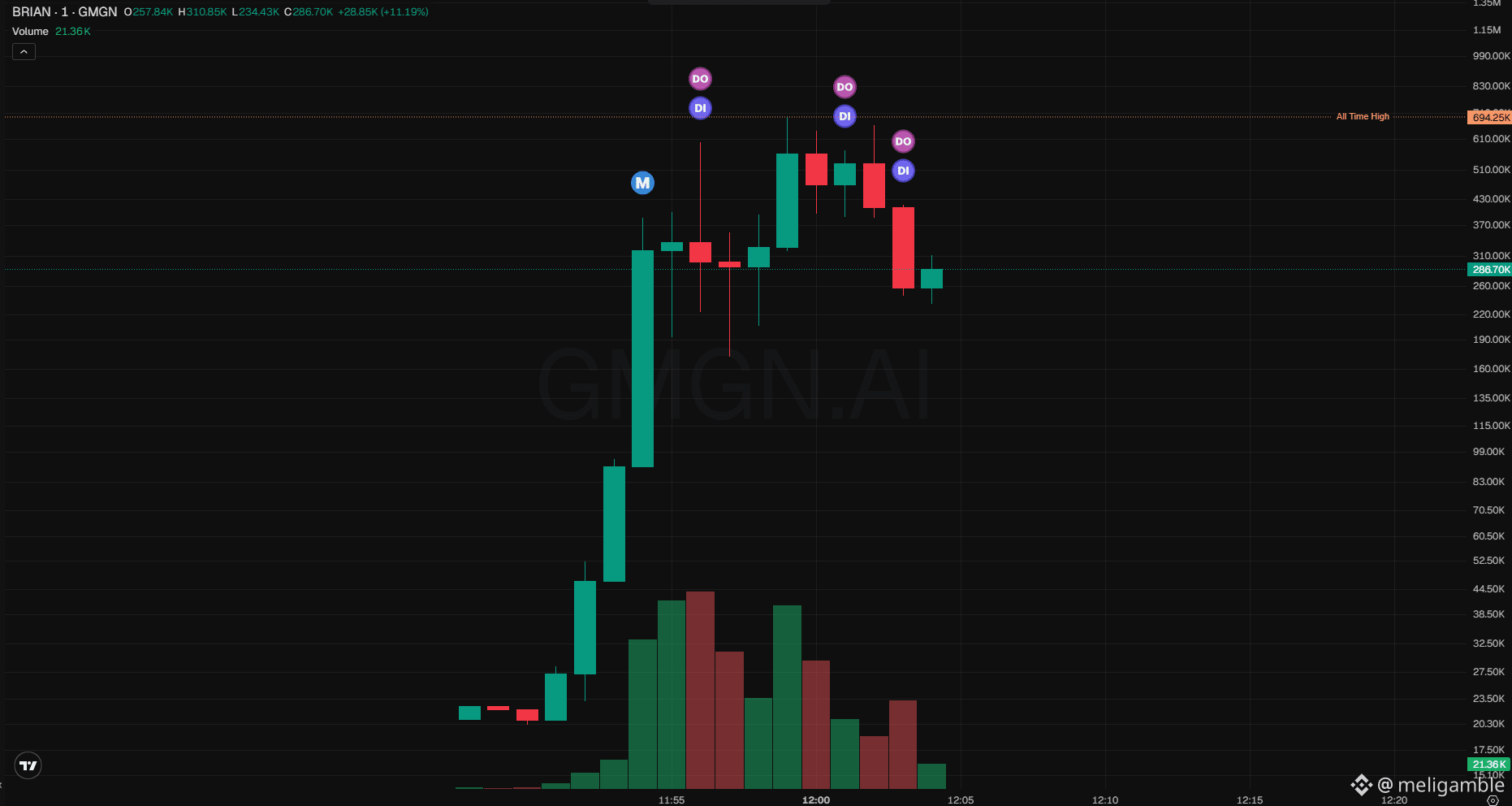
🟩 $BRIAN - #ROBINHOOD gamble
0x3e2889b53edf9e302d94cbc0b2456a09313a1e18
mcap: $266K
chat's going crazy over anthropic cat brian, the mashup of the claude makers and a random cat called brian. no viral moment anyone can point to, just a brand new ticker. dyor
https://gmgn.ai/robinhood/token/0x3e2889b53edf9e302d94cbc0b2456a09313a1e18
https://t.me/based_eth_bot?start=0x3e2889b53edf9e302d94cbc0b2456a09313a1e18
🟩 $BRIAN - #ROBINHOOD gamble
0x3e2889b53edf9e302d94cbc0b2456a09313a1e18
mcap: $266K
chat's going crazy over anthropic cat brian, the mashup of the claude makers and a random cat called brian. no viral moment anyone can point to, just a brand new ticker. dyor
https://gmgn.ai/robinhood/token/0x3e2889b53edf9e302d94cbc0b2456a09313a1e18
https://t.me/based_eth_bot?start=0x3e2889b53edf9e302d94cbc0b2456a09313a1e18
0x3e2889b53edf9e302d94cbc0b2456a09313a1e18
mcap: $266K
chat's going crazy over anthropic cat brian, the mashup of the claude makers and a random cat called brian. no viral moment anyone can point to, just a brand new ticker. dyor
https://gmgn.ai/robinhood/token/0x3e2889b53edf9e302d94cbc0b2456a09313a1e18
https://t.me/based_eth_bot?start=0x3e2889b53edf9e302d94cbc0b2456a09313a1e18
1
4
·
--
翻訳参照
Picture this: you set your limit bids right at the textbook 0.382 retracement, waiting patiently for the pullback that never hits your order before taking off again.
Most traders get trapped because they map static pullback targets while price action is still expanding. When you fail to recalibrate your key levels as momentum stretches, you end up either chasing tops or watching the market leave you behind.
When Wave 3 extends beyond the standard 1.618 projection, the entire structure shifts. That extended leg on $BTC pushed momentum further than standard impulse models anticipated, dragging the expected Wave 4 retracement zones higher. What used to look like support at the previous 38.2% mark is no longer valid once that impulsive move stretches into the 2.618 extension territory.
Instead of waiting for deep discounts that may never arrive, managing risk requires recalculating the 23.6% and 38.2% shallow pullback bands against the updated peak. We are seeing similar structural adjustments ripple across $ETH and large-cap runners like $SOL, where shallow consolidations replace the deep corrections late buyers keep waiting for.
Are you adjusting your Fibonacci invalidation levels in real time or waiting for original bids to fill?
#CryptoTrading #ElliottWave #TechnicalAnalysis
Picture this: you set your limit bids right at the textbook 0.382 retracement, waiting patiently for the pullback that never hits your order before taking off again.
Most traders get trapped because they map static pullback targets while price action is still expanding. When you fail to recalibrate your key levels as momentum stretches, you end up either chasing tops or watching the market leave you behind.
When Wave 3 extends beyond the standard 1.618 projection, the entire structure shifts. That extended leg on $BTC pushed momentum further than standard impulse models anticipated, dragging the expected Wave 4 retracement zones higher. What used to look like support at the previous 38.2% mark is no longer valid once that impulsive move stretches into the 2.618 extension territory.
Instead of waiting for deep discounts that may never arrive, managing risk requires recalculating the 23.6% and 38.2% shallow pullback bands against the updated peak. We are seeing similar structural adjustments ripple across $ETH and large-cap runners like $SOL , where shallow consolidations replace the deep corrections late buyers keep waiting for.
Are you adjusting your Fibonacci invalidation levels in real time or waiting for original bids to fill?
#CryptoTrading #ElliottWave #TechnicalAnalysis
Most traders get trapped because they map static pullback targets while price action is still expanding. When you fail to recalibrate your key levels as momentum stretches, you end up either chasing tops or watching the market leave you behind.
When Wave 3 extends beyond the standard 1.618 projection, the entire structure shifts. That extended leg on $BTC pushed momentum further than standard impulse models anticipated, dragging the expected Wave 4 retracement zones higher. What used to look like support at the previous 38.2% mark is no longer valid once that impulsive move stretches into the 2.618 extension territory.
Instead of waiting for deep discounts that may never arrive, managing risk requires recalculating the 23.6% and 38.2% shallow pullback bands against the updated peak. We are seeing similar structural adjustments ripple across $ETH and large-cap runners like $SOL , where shallow consolidations replace the deep corrections late buyers keep waiting for.
Are you adjusting your Fibonacci invalidation levels in real time or waiting for original bids to fill?
#CryptoTrading #ElliottWave #TechnicalAnalysis

27
·
--
これまでの月間高値を更新するたびに未練を残しているなら、今すぐやめてください。
偽のブレイクアウトに捕まるのは、特にFOMO(恐怖による焦り)に支配されて、ブレイク後に再び下抜けしてクローズしているのを無視すると、金を失う痛いパターンです。その形は、ほとんどのトレーダーが想定するよりも速くエントリーを壊します。
価格は前回の月間高値を一度スイープしてから、乖離(ディビエーション)を通じてそれを拒否し、再びその下でクローズしました。これは$BTCでまさに私たちが見てきたセットアップで、$ETH も同じ失敗を示しています。
強気派は、より高い価格への道を開く「流動性の刈り取り」だと言うでしょう。弱気派は、しばしば上昇局面の天井を示す「失敗したブレイクアウト」だと見ます。
私は拒否(リジェクション)寄りです。下でのクローズは歴史的に5〜8%の押し戻しの前に起きてきました。そして、$SOL も同様の乖離を出し、すぐに反転しています。
これはトラップなのか、それとも継続の前のショイクアウト(振るい落とし)なのか、あなたはどう見ていますか?
#Bitcoin #CryptoTrading #TechnicalAnalysis
これまでの月間高値を更新するたびに未練を残しているなら、今すぐやめてください。
偽のブレイクアウトに捕まるのは、特にFOMO(恐怖による焦り)に支配されて、ブレイク後に再び下抜けしてクローズしているのを無視すると、金を失う痛いパターンです。その形は、ほとんどのトレーダーが想定するよりも速くエントリーを壊します。
価格は前回の月間高値を一度スイープしてから、乖離(ディビエーション)を通じてそれを拒否し、再びその下でクローズしました。これは$BTC でまさに私たちが見てきたセットアップで、$ETH も同じ失敗を示しています。
強気派は、より高い価格への道を開く「流動性の刈り取り」だと言うでしょう。弱気派は、しばしば上昇局面の天井を示す「失敗したブレイクアウト」だと見ます。
私は拒否(リジェクション)寄りです。下でのクローズは歴史的に5〜8%の押し戻しの前に起きてきました。そして、$SOL も同様の乖離を出し、すぐに反転しています。
これはトラップなのか、それとも継続の前のショイクアウト(振るい落とし)なのか、あなたはどう見ていますか?
#Bitcoin #CryptoTrading #TechnicalAnalysis
偽のブレイクアウトに捕まるのは、特にFOMO(恐怖による焦り)に支配されて、ブレイク後に再び下抜けしてクローズしているのを無視すると、金を失う痛いパターンです。その形は、ほとんどのトレーダーが想定するよりも速くエントリーを壊します。
価格は前回の月間高値を一度スイープしてから、乖離(ディビエーション)を通じてそれを拒否し、再びその下でクローズしました。これは$BTC でまさに私たちが見てきたセットアップで、$ETH も同じ失敗を示しています。
強気派は、より高い価格への道を開く「流動性の刈り取り」だと言うでしょう。弱気派は、しばしば上昇局面の天井を示す「失敗したブレイクアウト」だと見ます。
私は拒否(リジェクション)寄りです。下でのクローズは歴史的に5〜8%の押し戻しの前に起きてきました。そして、$SOL も同様の乖離を出し、すぐに反転しています。
これはトラップなのか、それとも継続の前のショイクアウト(振るい落とし)なのか、あなたはどう見ていますか?
#Bitcoin #CryptoTrading #TechnicalAnalysis

15
ログインして、さらにコンテンツを読む
厳選トピックで世界の暗号資産トレーダーの仲間入り
⚡️ 暗号資産に関する最新かつ有益な情報が見つかります。
💬 世界最大の暗号資産取引所から信頼されています。
👍 認証を受けたクリエイターから、有益なインサイトを得られます。
メール / 電話番号
トレンドトピック
USAugustPPIRisesLessThanExpected
閲覧回数 53,617
839人が討論中
🚨 米国 8月 PPI:予想より弱い上昇!暗号資産にとって強気? 🚀
PPIは前月比+0.4%で予想通りですが、コアPPIは予想の+0.3%に対して+0.2%――減速!
意味すること:
• 仕入れ(卸)インフレが懸念よりも弱い
• FRBの利上げ確率は現在62% - ただしハト派的なシグナル
• コアPCEの改定は下方向が見込まれる - 強気材料
• BTCは通常、PPIが弱いと上昇しやすい
FRB会合は9月15〜16日 - 市場は今、利上げではなく「停止」を織り込み?
Q4のリ rallyにとってのグリーンライトか?
#Bitcoin #PPI #Fed #CryptoNews #BTC#usaugustppiriseslessthanexpected
True News
·いいね:1件
·閲覧回数 1.4k
SECApprovesNasdaqTexasCommodityTrustRule
閲覧回数 28,715
607人が討論中
ECBRaisesRatesSecondTimeTo2.5%
閲覧回数 26,276
431人が討論中