

minamium
11.8k 投稿

minamium
報告
ユーザーをブロック
1 フォロー
99 フォロワー
375 いいね
投稿
·
--
翻訳参照
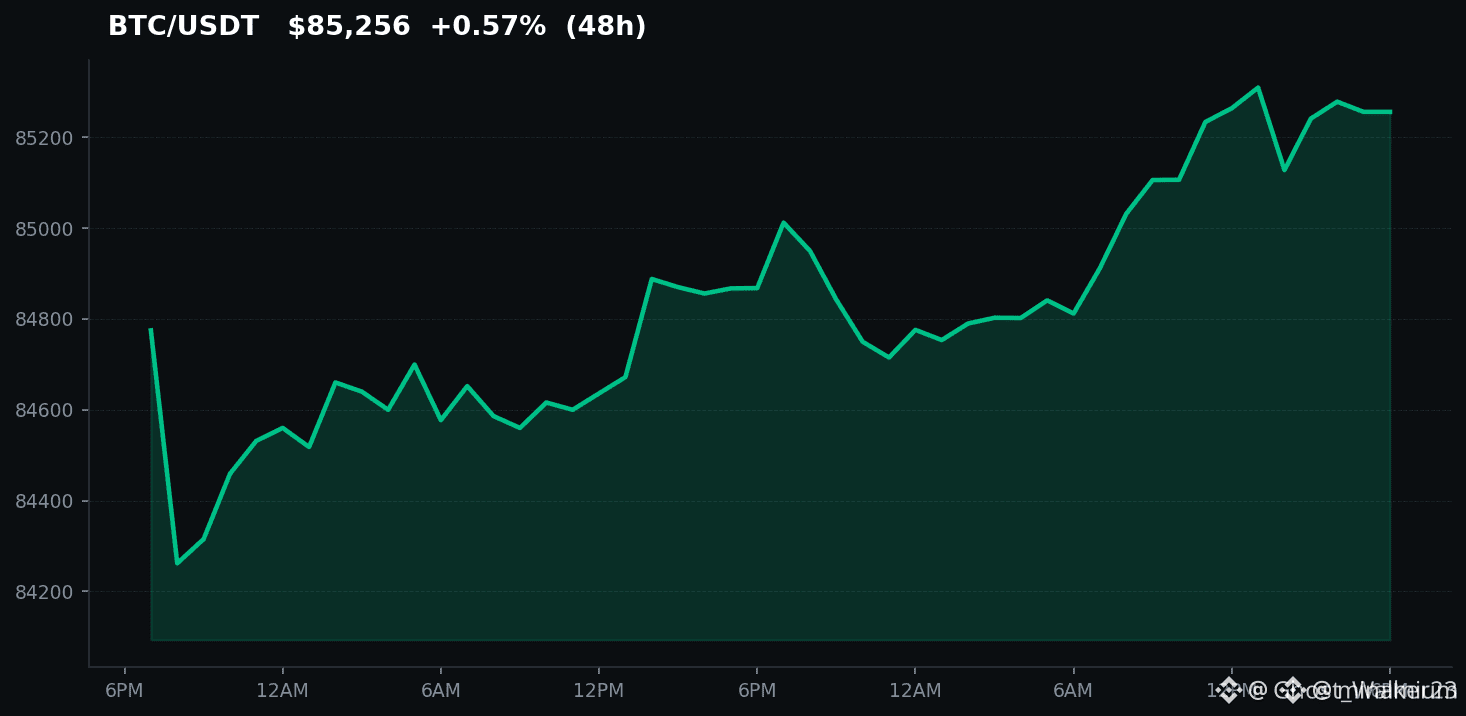
everyone thinks $BTC printing its strongest weekly close in eight months confirms a real breakout, but actually this looks like another trap ready to wreck late longs.
getting wrecked fomoing into these strong closes then watching it reverse is too common. you buy the pump and have no idea when to exit as it dumps back into the range.
$BTC just printed that strongest weekly close in eight months. ngl ser the numbers look decent on paper but this case study of the current chart shows mixed signals with $ETH not confirming the move and $SOL lagging hard.
we've seen this exact liquidity grab setup before. volume isn't backing a clean continuation either.
where do you think this goes from here?
#Bitcoin #Crypto #Trading
everyone thinks $BTC printing its strongest weekly close in eight months confirms a real breakout, but actually this looks like another trap ready to wreck late longs.
getting wrecked fomoing into these strong closes then watching it reverse is too common. you buy the pump and have no idea when to exit as it dumps back into the range.
$BTC just printed that strongest weekly close in eight months. ngl ser the numbers look decent on paper but this case study of the current chart shows mixed signals with $ETH not confirming the move and $SOL lagging hard.
we've seen this exact liquidity grab setup before. volume isn't backing a clean continuation either.
where do you think this goes from here?
#Bitcoin #Crypto #Trading
getting wrecked fomoing into these strong closes then watching it reverse is too common. you buy the pump and have no idea when to exit as it dumps back into the range.
$BTC just printed that strongest weekly close in eight months. ngl ser the numbers look decent on paper but this case study of the current chart shows mixed signals with $ETH not confirming the move and $SOL lagging hard.
we've seen this exact liquidity grab setup before. volume isn't backing a clean continuation either.
where do you think this goes from here?
#Bitcoin #Crypto #Trading

7
·
--
翻訳参照
If you're still waiting for $BTC to crash harder before you buy, stop now.
Traders who hesitate like this often miss the real opportunity and end up chasing after the move starts, locking in worse prices.
The Power Law Oscillator shows $BTC trading well below its long term regression trend. With readings near +34.5K, Bitcoin looks significantly undervalued versus the model's path.
Some will say power law models are too simplistic for current conditions and $BTC could stay undervalued longer. I lean the other way because historically these extreme deviations have preceded stronger upside, which could lift $ETH as well.
Where do you think this goes from here?
#Bitcoin #BTC #Crypto
If you're still waiting for $BTC to crash harder before you buy, stop now.
Traders who hesitate like this often miss the real opportunity and end up chasing after the move starts, locking in worse prices.
The Power Law Oscillator shows $BTC trading well below its long term regression trend. With readings near +34.5K, Bitcoin looks significantly undervalued versus the model's path.
Some will say power law models are too simplistic for current conditions and $BTC could stay undervalued longer. I lean the other way because historically these extreme deviations have preceded stronger upside, which could lift $ETH as well.
Where do you think this goes from here?
#Bitcoin #BTC #Crypto
Traders who hesitate like this often miss the real opportunity and end up chasing after the move starts, locking in worse prices.
The Power Law Oscillator shows $BTC trading well below its long term regression trend. With readings near +34.5K, Bitcoin looks significantly undervalued versus the model's path.
Some will say power law models are too simplistic for current conditions and $BTC could stay undervalued longer. I lean the other way because historically these extreme deviations have preceded stronger upside, which could lift $ETH as well.
Where do you think this goes from here?
#Bitcoin #BTC #Crypto

79
·
--
翻訳参照
everyone thinks the real play is hunting 50x microcaps before the cycle ends, but actually you are just bleeding your stack while institutions quietly corner the real supply.
most retail traders get chopped up chasing green candles and rotating into vaporware because holding feels too slow, only to end up with empty bags right before the macro breakout.
saylor just labeled the next 10 years as an outright gold rush for $BTC, and ngl the math backs it up ser. while everyone is distracted gambling on short-term pumps, corporate treasuries and etf issuers are treating this decade as an aggressive accumulation window. they are absorbing every dip and locking up liquid supply faster than miners can produce it.
if you look at how microstrategy built their stack, the playbook was never about timing local tops or catching quick bounces into $ETH or $SOL. it was purely about recognizing an institutional land grab early and refusing to get shaken out by volatility. retail keeps trying to outsmart the market instead of just frontrunning the easiest macro trade of our lifetime.
how are you positioning your spot bag for this 10-year window?
#Bitcoin #Crypto #Binance
everyone thinks the real play is hunting 50x microcaps before the cycle ends, but actually you are just bleeding your stack while institutions quietly corner the real supply.
most retail traders get chopped up chasing green candles and rotating into vaporware because holding feels too slow, only to end up with empty bags right before the macro breakout.
saylor just labeled the next 10 years as an outright gold rush for $BTC , and ngl the math backs it up ser. while everyone is distracted gambling on short-term pumps, corporate treasuries and etf issuers are treating this decade as an aggressive accumulation window. they are absorbing every dip and locking up liquid supply faster than miners can produce it.
if you look at how microstrategy built their stack, the playbook was never about timing local tops or catching quick bounces into $ETH or $SOL . it was purely about recognizing an institutional land grab early and refusing to get shaken out by volatility. retail keeps trying to outsmart the market instead of just frontrunning the easiest macro trade of our lifetime.
how are you positioning your spot bag for this 10-year window?
#Bitcoin #Crypto #Binance
most retail traders get chopped up chasing green candles and rotating into vaporware because holding feels too slow, only to end up with empty bags right before the macro breakout.
saylor just labeled the next 10 years as an outright gold rush for $BTC , and ngl the math backs it up ser. while everyone is distracted gambling on short-term pumps, corporate treasuries and etf issuers are treating this decade as an aggressive accumulation window. they are absorbing every dip and locking up liquid supply faster than miners can produce it.
if you look at how microstrategy built their stack, the playbook was never about timing local tops or catching quick bounces into $ETH or $SOL . it was purely about recognizing an institutional land grab early and refusing to get shaken out by volatility. retail keeps trying to outsmart the market instead of just frontrunning the easiest macro trade of our lifetime.
how are you positioning your spot bag for this 10-year window?
#Bitcoin #Crypto #Binance

·
--
翻訳参照
Have you noticed how protocols flashing 18,000% TVL growth get all the attention while more realistic moves get ignored?
Traders keep FOMO buying these stories and end up losing money when the tiny starting base becomes obvious. It is a reliable way to get caught in dumps after the hype fades.
AllLayer $ALL saw its TVL climb 18,851% in seven days. Question that number first. Extreme jumps like this almost always start from almost nothing, not a genuine inflection.
Shibarium $SHIB grew 165% from a much stronger base, which actually signals traction. When these headlines appear, check the absolute TVL before anything else. A massive percent from a few thousand dollars is still small money.
Then confirm if it is real demand or just incentives flowing through $ETH. The difference between hype and signal is in those details.
What's your take on these TVL explosions?
#DeFi #TVL #Crypto
Have you noticed how protocols flashing 18,000% TVL growth get all the attention while more realistic moves get ignored?
Traders keep FOMO buying these stories and end up losing money when the tiny starting base becomes obvious. It is a reliable way to get caught in dumps after the hype fades.
AllLayer $ALL saw its TVL climb 18,851% in seven days. Question that number first. Extreme jumps like this almost always start from almost nothing, not a genuine inflection.
Shibarium $SHIB grew 165% from a much stronger base, which actually signals traction. When these headlines appear, check the absolute TVL before anything else. A massive percent from a few thousand dollars is still small money.
Then confirm if it is real demand or just incentives flowing through $ETH . The difference between hype and signal is in those details.
What's your take on these TVL explosions?
#DeFi #TVL #Crypto
Traders keep FOMO buying these stories and end up losing money when the tiny starting base becomes obvious. It is a reliable way to get caught in dumps after the hype fades.
AllLayer $ALL saw its TVL climb 18,851% in seven days. Question that number first. Extreme jumps like this almost always start from almost nothing, not a genuine inflection.
Shibarium $SHIB grew 165% from a much stronger base, which actually signals traction. When these headlines appear, check the absolute TVL before anything else. A massive percent from a few thousand dollars is still small money.
Then confirm if it is real demand or just incentives flowing through $ETH . The difference between hype and signal is in those details.
What's your take on these TVL explosions?
#DeFi #TVL #Crypto

·
--
翻訳参照
Why is nobody talking about how Bitcoin spot ETF drawdowns are actually exposing weak retail conviction instead of institutional exit?
Most traders keep panic-selling at the first sign of red outflows, only to watch institutional buyers silently scoop up the discount a few days later. You get chopped up trying to time short-term noise while managing risk on assets like $BTC and high-beta plays like $NEAR.
The mainstream narrative assumes ETF outflows equal a macro reversal. Look at the recent flows: institutions treat these pullbacks as liquidity windows, quietly rebalancing while sentiment sits firmly in Greed territory. Retail dumps liquidity into the book, while passive balance-sheet allocations absorb the volume across $USDT pairs with zero rush.
When institutional products draw down, they test whether spot holders actually understand market structure or just follow daily net inflow headlines.
Are you using these ETF dips to accumulate, or are you waiting for confirmation at higher levels?
#BitcoinSpotETFsDraw #FedOctoberHoldOdds82 #Nikkei225Jumps2
Why is nobody talking about how Bitcoin spot ETF drawdowns are actually exposing weak retail conviction instead of institutional exit?
Most traders keep panic-selling at the first sign of red outflows, only to watch institutional buyers silently scoop up the discount a few days later. You get chopped up trying to time short-term noise while managing risk on assets like $BTC and high-beta plays like $NEAR .
The mainstream narrative assumes ETF outflows equal a macro reversal. Look at the recent flows: institutions treat these pullbacks as liquidity windows, quietly rebalancing while sentiment sits firmly in Greed territory. Retail dumps liquidity into the book, while passive balance-sheet allocations absorb the volume across $USDT pairs with zero rush.
When institutional products draw down, they test whether spot holders actually understand market structure or just follow daily net inflow headlines.
Are you using these ETF dips to accumulate, or are you waiting for confirmation at higher levels?
#BitcoinSpotETFsDraw #FedOctoberHoldOdds82 #Nikkei225Jumps2
Most traders keep panic-selling at the first sign of red outflows, only to watch institutional buyers silently scoop up the discount a few days later. You get chopped up trying to time short-term noise while managing risk on assets like $BTC and high-beta plays like $NEAR .
The mainstream narrative assumes ETF outflows equal a macro reversal. Look at the recent flows: institutions treat these pullbacks as liquidity windows, quietly rebalancing while sentiment sits firmly in Greed territory. Retail dumps liquidity into the book, while passive balance-sheet allocations absorb the volume across $USDT pairs with zero rush.
When institutional products draw down, they test whether spot holders actually understand market structure or just follow daily net inflow headlines.
Are you using these ETF dips to accumulate, or are you waiting for confirmation at higher levels?
#BitcoinSpotETFsDraw #FedOctoberHoldOdds82 #Nikkei225Jumps2
1
·
--
翻訳参照
Everyone thinks an 82 percent chance the Fed holds rates in October is a green light for crypto, but actually that is when a lot of traders get quietly wrecked.
You have seen this movie. The odds climb, people load the boat on $BTC and $ETH expecting a relief bounce, then the actual print or the press conference does the opposite and weeks of gains vanish in one session.
A hold is not a cut. Think of it like your landlord deciding not to raise the rent this month. Your payment stays high. You do not suddenly have extra cash to throw at every alt. High rates still make sitting in $USDT look more rational than chasing the next bounce, especially while greed is already at 67.
The second trap is treating 82 percent like fresh news. By the time the number is that high, positioning is already done. Buying the headline is like showing up to dinner after everyone else has eaten. The third mistake is ignoring the words around the decision. They can hold rates and still sound hawkish, and that tone often hits $BTC harder than the hold itself.
What's your plan if they hold but the language stays tight?
#FedOctoberHoldOdds82 #BitcoinSpotETFsDraw #CircleMints
Everyone thinks an 82 percent chance the Fed holds rates in October is a green light for crypto, but actually that is when a lot of traders get quietly wrecked.
You have seen this movie. The odds climb, people load the boat on $BTC and $ETH expecting a relief bounce, then the actual print or the press conference does the opposite and weeks of gains vanish in one session.
A hold is not a cut. Think of it like your landlord deciding not to raise the rent this month. Your payment stays high. You do not suddenly have extra cash to throw at every alt. High rates still make sitting in $USDT look more rational than chasing the next bounce, especially while greed is already at 67.
The second trap is treating 82 percent like fresh news. By the time the number is that high, positioning is already done. Buying the headline is like showing up to dinner after everyone else has eaten. The third mistake is ignoring the words around the decision. They can hold rates and still sound hawkish, and that tone often hits $BTC harder than the hold itself.
What's your plan if they hold but the language stays tight?
#FedOctoberHoldOdds82 #BitcoinSpotETFsDraw #CircleMints
You have seen this movie. The odds climb, people load the boat on $BTC and $ETH expecting a relief bounce, then the actual print or the press conference does the opposite and weeks of gains vanish in one session.
A hold is not a cut. Think of it like your landlord deciding not to raise the rent this month. Your payment stays high. You do not suddenly have extra cash to throw at every alt. High rates still make sitting in $USDT look more rational than chasing the next bounce, especially while greed is already at 67.
The second trap is treating 82 percent like fresh news. By the time the number is that high, positioning is already done. Buying the headline is like showing up to dinner after everyone else has eaten. The third mistake is ignoring the words around the decision. They can hold rates and still sound hawkish, and that tone often hits $BTC harder than the hold itself.
What's your plan if they hold but the language stays tight?
#FedOctoberHoldOdds82 #BitcoinSpotETFsDraw #CircleMints
2
·
--
翻訳参照
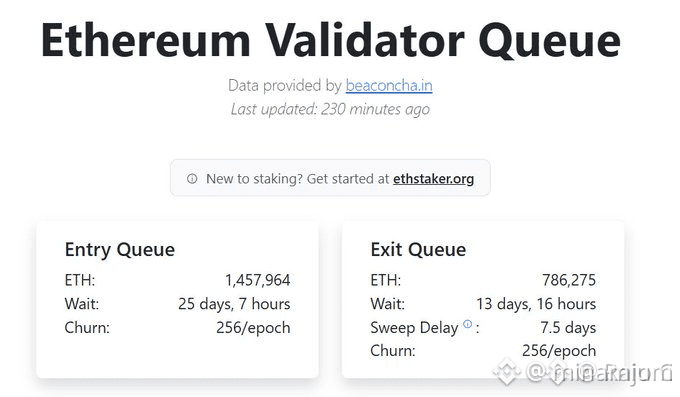
Why is everyone panicking over the rising validator exit queue when it might actually be the healthiest reset $ETH has seen in months?
Retail investors keep falling into the same trap of panic selling every time on-chain validator metrics spike, mistaking routine capital reallocation for a catastrophic collapse.
Instead of dumping your spot bag on headlines, look at what is really happening beneath the surface. Validators rotate out for dozens of operational reasons, from rebalancing into liquid staking alternatives to shifting capital towards active ecosystem plays like $NEAR and $ETC while market sentiment sits comfortably in greed. The smart move here is straightforward: track the entry-versus-exit ratio rather than raw exit totals, monitor whether freed liquidity flows directly into exchange order books or stays on-chain, and use temporary FUD-driven dips to scale into core positions gradually.
The exit queue is a natural feature of Ethereum design, not a systemic failure. Where do you think this unstaked liquidity is heading next?
#EthStakingExitQueueHits2026High #EthereumValidatorExitQueueJumps392
Why is everyone panicking over the rising validator exit queue when it might actually be the healthiest reset $ETH has seen in months?
Retail investors keep falling into the same trap of panic selling every time on-chain validator metrics spike, mistaking routine capital reallocation for a catastrophic collapse.
Instead of dumping your spot bag on headlines, look at what is really happening beneath the surface. Validators rotate out for dozens of operational reasons, from rebalancing into liquid staking alternatives to shifting capital towards active ecosystem plays like $NEAR and $ETC while market sentiment sits comfortably in greed. The smart move here is straightforward: track the entry-versus-exit ratio rather than raw exit totals, monitor whether freed liquidity flows directly into exchange order books or stays on-chain, and use temporary FUD-driven dips to scale into core positions gradually.
The exit queue is a natural feature of Ethereum design, not a systemic failure. Where do you think this unstaked liquidity is heading next?
#EthStakingExitQueueHits2026High #EthereumValidatorExitQueueJumps392
Retail investors keep falling into the same trap of panic selling every time on-chain validator metrics spike, mistaking routine capital reallocation for a catastrophic collapse.
Instead of dumping your spot bag on headlines, look at what is really happening beneath the surface. Validators rotate out for dozens of operational reasons, from rebalancing into liquid staking alternatives to shifting capital towards active ecosystem plays like $NEAR and $ETC while market sentiment sits comfortably in greed. The smart move here is straightforward: track the entry-versus-exit ratio rather than raw exit totals, monitor whether freed liquidity flows directly into exchange order books or stays on-chain, and use temporary FUD-driven dips to scale into core positions gradually.
The exit queue is a natural feature of Ethereum design, not a systemic failure. Where do you think this unstaked liquidity is heading next?
#EthStakingExitQueueHits2026High #EthereumValidatorExitQueueJumps392
6
·
--
翻訳参照
Picture this: a leaderboard showcases top 30-day trader profits, while the underlying token quietly slips into the red.
Most traders get trapped chasing leaderboards and paper gains, jumping into high-momentum plays right when smart money is preparing an exit. By the time retail spots the green PnL screenshots, the liquidity profile has usually shifted against them.
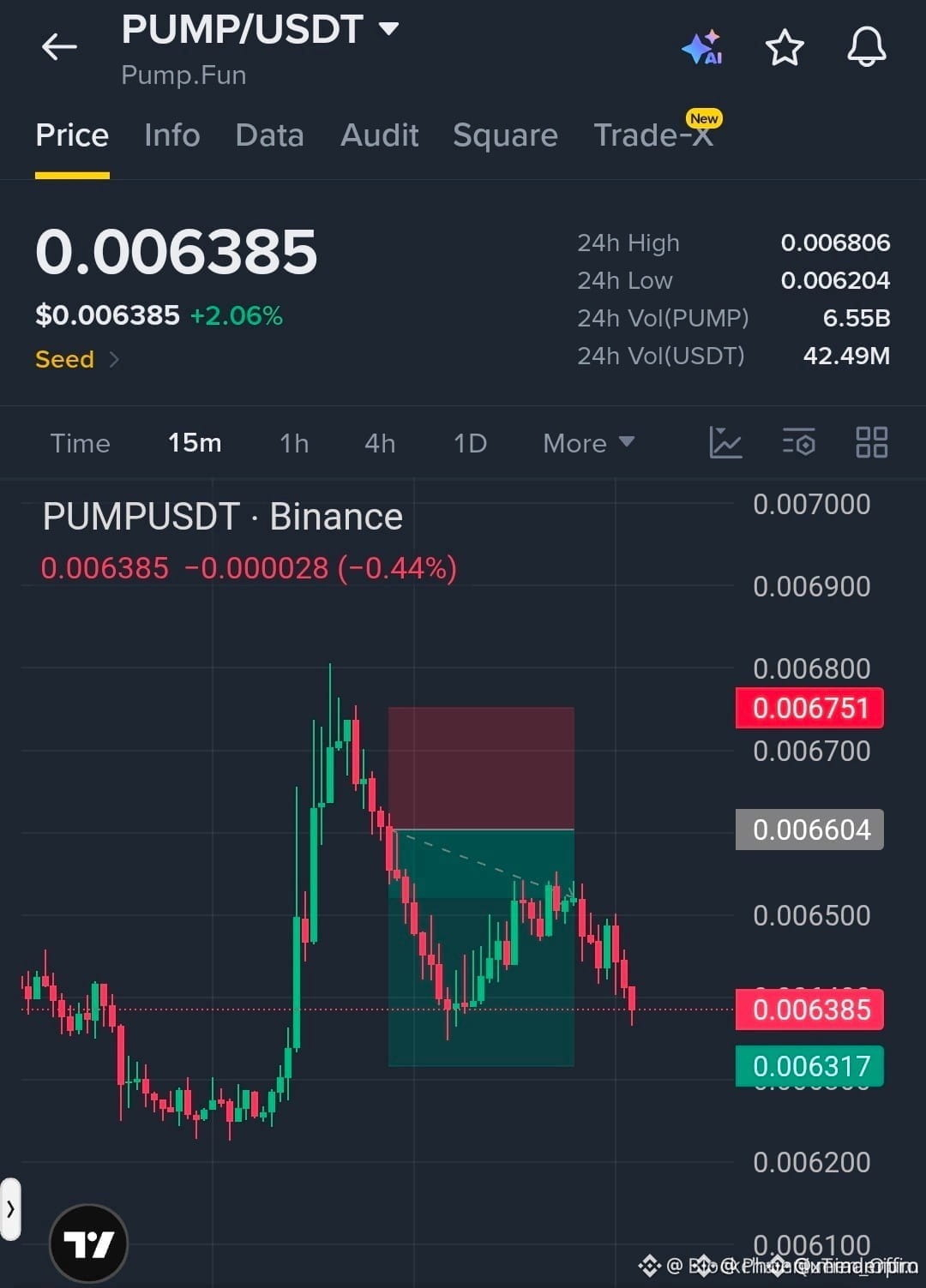
Looking closely at the recent 30-day top trader metrics, there was heavy volume and strong realized profits around $PUMP, even as the spot price pulled back -2.55%. That divergence between top-tier realized profit and downward spot pressure often signals aggressive distribution into strength rather than genuine accumulation.
When large players print massive 30-day returns on high-beta tokens like $PUMP or speculative rotations into $SOL and $PEPE, they need exit liquidity to lock in those gains. If you are entering solely because the leaderboard looks impressive, you might just be funding someone else's winning month.
Are you treating trader leaderboards as a confirmation signal, or as a potential warning sign?
#CryptoTrading #RiskManagement #BinanceSquare
Picture this: a leaderboard showcases top 30-day trader profits, while the underlying token quietly slips into the red.
Most traders get trapped chasing leaderboards and paper gains, jumping into high-momentum plays right when smart money is preparing an exit. By the time retail spots the green PnL screenshots, the liquidity profile has usually shifted against them.
Looking closely at the recent 30-day top trader metrics, there was heavy volume and strong realized profits around $PUMP , even as the spot price pulled back -2.55%. That divergence between top-tier realized profit and downward spot pressure often signals aggressive distribution into strength rather than genuine accumulation.
When large players print massive 30-day returns on high-beta tokens like $PUMP or speculative rotations into $SOL and $PEPE , they need exit liquidity to lock in those gains. If you are entering solely because the leaderboard looks impressive, you might just be funding someone else's winning month.
Are you treating trader leaderboards as a confirmation signal, or as a potential warning sign?
#CryptoTrading #RiskManagement #BinanceSquare
Most traders get trapped chasing leaderboards and paper gains, jumping into high-momentum plays right when smart money is preparing an exit. By the time retail spots the green PnL screenshots, the liquidity profile has usually shifted against them.
Looking closely at the recent 30-day top trader metrics, there was heavy volume and strong realized profits around $PUMP , even as the spot price pulled back -2.55%. That divergence between top-tier realized profit and downward spot pressure often signals aggressive distribution into strength rather than genuine accumulation.
When large players print massive 30-day returns on high-beta tokens like $PUMP or speculative rotations into $SOL and $PEPE , they need exit liquidity to lock in those gains. If you are entering solely because the leaderboard looks impressive, you might just be funding someone else's winning month.
Are you treating trader leaderboards as a confirmation signal, or as a potential warning sign?
#CryptoTrading #RiskManagement #BinanceSquare
1
·
--
翻訳参照
If you are still parking your $USDT into glossy high-yield investment schemes promising guaranteed daily returns, stop now.
Watching your hard-earned portfolio vanish into an unregulated black hole is the single worst feeling in web3, especially when greed clouds basic risk management. We keep chasing alpha in every corner, only to hand over our capital to sophisticated syndicates running fake trading dashboards and vanity metrics.
Greek authorities just dismantled a massive international fraud network, arresting 17 operators behind coordinated fake investment platforms. It feels eerily similar to the classic boiler-room operations we saw during the early ICO days and recent offshore wash-trading schemes, where sleek interfaces masked complete liquidity traps. While real utility flows across chains like $SOL and ecosystems like $ARB, bad actors continue exploiting the retail appetite for passive yields with textbook Ponzi mechanics.
The playbook never really changes, yet thousands still fall for the exact same traps every market cycle.
Why do you think smart traders still get caught in these high-yield traps despite all the warnings?
#GreekPoliceBustCryptoScamRingArrest17 #DriftHackVictimsBeginClaims
If you are still parking your $USDT into glossy high-yield investment schemes promising guaranteed daily returns, stop now.
Watching your hard-earned portfolio vanish into an unregulated black hole is the single worst feeling in web3, especially when greed clouds basic risk management. We keep chasing alpha in every corner, only to hand over our capital to sophisticated syndicates running fake trading dashboards and vanity metrics.
Greek authorities just dismantled a massive international fraud network, arresting 17 operators behind coordinated fake investment platforms. It feels eerily similar to the classic boiler-room operations we saw during the early ICO days and recent offshore wash-trading schemes, where sleek interfaces masked complete liquidity traps. While real utility flows across chains like $SOL and ecosystems like $ARB , bad actors continue exploiting the retail appetite for passive yields with textbook Ponzi mechanics.
The playbook never really changes, yet thousands still fall for the exact same traps every market cycle.
Why do you think smart traders still get caught in these high-yield traps despite all the warnings?
#GreekPoliceBustCryptoScamRingArrest17 #DriftHackVictimsBeginClaims
Watching your hard-earned portfolio vanish into an unregulated black hole is the single worst feeling in web3, especially when greed clouds basic risk management. We keep chasing alpha in every corner, only to hand over our capital to sophisticated syndicates running fake trading dashboards and vanity metrics.
Greek authorities just dismantled a massive international fraud network, arresting 17 operators behind coordinated fake investment platforms. It feels eerily similar to the classic boiler-room operations we saw during the early ICO days and recent offshore wash-trading schemes, where sleek interfaces masked complete liquidity traps. While real utility flows across chains like $SOL and ecosystems like $ARB , bad actors continue exploiting the retail appetite for passive yields with textbook Ponzi mechanics.
The playbook never really changes, yet thousands still fall for the exact same traps every market cycle.
Why do you think smart traders still get caught in these high-yield traps despite all the warnings?
#GreekPoliceBustCryptoScamRingArrest17 #DriftHackVictimsBeginClaims

·
--
翻訳参照
Here's what happened when they sold 10,000 $BTC in Q3 and then scooped up 11,000 more, finishing the quarter with a net 1,000 coin increase.
Too many traders sell into fear and buy back at peaks, locking in losses instead of stacking more. This event highlights how missing those re-entry points can leave you with fewer coins than you started with.
They didn't just dump and walk away. After selling 10,000 $BTC, they bought 11,000 back, netting an extra 1,000 by quarter's end. The timing suggests they used the sales to reposition during Q3's volatility, something we haven't always seen from similar large holders.
Compare this to past cycles where institutions sold $ETH or even $SOL during downturns and sat on the sidelines, missing recoveries. Last year several miners did exactly that and regretted it as prices rebounded. Competing projects often lack this agility, holding or dumping without the buyback.
What we can learn is that net accumulation after sales signals real conviction. It shows active treasury management rather than panic, a pattern that has rewarded those paying attention in previous $BTC bull runs.
Where do you think this kind of net buying leads from here?
#Bitcoin #CryptoStrategy #InstitutionalFlows
Here's what happened when they sold 10,000 $BTC in Q3 and then scooped up 11,000 more, finishing the quarter with a net 1,000 coin increase.
Too many traders sell into fear and buy back at peaks, locking in losses instead of stacking more. This event highlights how missing those re-entry points can leave you with fewer coins than you started with.
They didn't just dump and walk away. After selling 10,000 $BTC , they bought 11,000 back, netting an extra 1,000 by quarter's end. The timing suggests they used the sales to reposition during Q3's volatility, something we haven't always seen from similar large holders.
Compare this to past cycles where institutions sold $ETH or even $SOL during downturns and sat on the sidelines, missing recoveries. Last year several miners did exactly that and regretted it as prices rebounded. Competing projects often lack this agility, holding or dumping without the buyback.
What we can learn is that net accumulation after sales signals real conviction. It shows active treasury management rather than panic, a pattern that has rewarded those paying attention in previous $BTC bull runs.
Where do you think this kind of net buying leads from here?
#Bitcoin #CryptoStrategy #InstitutionalFlows
Too many traders sell into fear and buy back at peaks, locking in losses instead of stacking more. This event highlights how missing those re-entry points can leave you with fewer coins than you started with.
They didn't just dump and walk away. After selling 10,000 $BTC , they bought 11,000 back, netting an extra 1,000 by quarter's end. The timing suggests they used the sales to reposition during Q3's volatility, something we haven't always seen from similar large holders.
Compare this to past cycles where institutions sold $ETH or even $SOL during downturns and sat on the sidelines, missing recoveries. Last year several miners did exactly that and regretted it as prices rebounded. Competing projects often lack this agility, holding or dumping without the buyback.
What we can learn is that net accumulation after sales signals real conviction. It shows active treasury management rather than panic, a pattern that has rewarded those paying attention in previous $BTC bull runs.
Where do you think this kind of net buying leads from here?
#Bitcoin #CryptoStrategy #InstitutionalFlows

·
--
翻訳参照
Most traders lose their edge not because their analysis is wrong, but because they enter winning setups at the absolute worst possible moment. We have all felt that painful urge to chase a green candle after sitting on the sidelines, only to watch a pullback wipe out the position before the real move even starts.
Looking at the top performers over the last 30 days, you notice a clear pattern in how high-conviction positions are built. While retail waits for massive breakouts to confirm momentum, seasoned accounts often scale early into assets like $WLD when price action begins heating up. The recent open long sitting at +14,495.72 USDT in unrealized PNL on WLDUSDT Perp reflects that patience, capitalizing on modest initial percentage moves of +0.59% rather than desperate breakout chasing.
In past market cycles, the traders who consistently survived and built real equity were never the ones hunting every quick spike. They aligned their entries with established momentum in leaders like $BTC and rotating altcoins such as $FET, letting position size and structure do the heavy lifting while managing downside risk strictly.
How do you usually balance waiting for breakout confirmation against the risk of getting a late entry?
#TradingStrategy #CryptoInsights #RiskManagement
Most traders lose their edge not because their analysis is wrong, but because they enter winning setups at the absolute worst possible moment. We have all felt that painful urge to chase a green candle after sitting on the sidelines, only to watch a pullback wipe out the position before the real move even starts.
Looking at the top performers over the last 30 days, you notice a clear pattern in how high-conviction positions are built. While retail waits for massive breakouts to confirm momentum, seasoned accounts often scale early into assets like $WLD when price action begins heating up. The recent open long sitting at +14,495.72 USDT in unrealized PNL on WLDUSDT Perp reflects that patience, capitalizing on modest initial percentage moves of +0.59% rather than desperate breakout chasing.
In past market cycles, the traders who consistently survived and built real equity were never the ones hunting every quick spike. They aligned their entries with established momentum in leaders like $BTC and rotating altcoins such as $FET , letting position size and structure do the heavy lifting while managing downside risk strictly.
How do you usually balance waiting for breakout confirmation against the risk of getting a late entry?
#TradingStrategy #CryptoInsights #RiskManagement
Looking at the top performers over the last 30 days, you notice a clear pattern in how high-conviction positions are built. While retail waits for massive breakouts to confirm momentum, seasoned accounts often scale early into assets like $WLD when price action begins heating up. The recent open long sitting at +14,495.72 USDT in unrealized PNL on WLDUSDT Perp reflects that patience, capitalizing on modest initial percentage moves of +0.59% rather than desperate breakout chasing.
In past market cycles, the traders who consistently survived and built real equity were never the ones hunting every quick spike. They aligned their entries with established momentum in leaders like $BTC and rotating altcoins such as $FET , letting position size and structure do the heavy lifting while managing downside risk strictly.
How do you usually balance waiting for breakout confirmation against the risk of getting a late entry?
#TradingStrategy #CryptoInsights #RiskManagement

2
·
--
翻訳参照
Picture this: you are staring at five different charting tabs and on-chain monitors, trying to figure out where liquidity is rotating before a breakout happens.
Most traders lose money not because of bad luck, but because the sheer volume of fragmented data makes finding clean signals nearly impossible in real time. We saw a similar bottleneck when early analytics platforms tried bolting on third-party bots, leaving retail investors constantly lagging behind automated desks.
That friction is why native intelligence layers are becoming the next standard for trading infrastructure. The upcoming Binance Intelligence launch livestream on Oct 5 at 12:00 UTC marks a direct push to bring real-time financial reasoning into the core trading environment. While decentralized protocols like $FET explored standalone computation layers, embedding native intelligence right where $BNB liquidity lives creates a far tighter execution loop for active market participants.
Beyond the initial product reveal, the community is already dissecting practical use cases, with 5 winners being selected for a 20 $USDC reward simply for mapping out how they plan to utilize the tool. Looking back at how automated routing transformed order books years ago, integrating native intelligence into everyday trading feels like the natural evolution of market access.
Where do you think native exchange intelligence will create the biggest edge for everyday traders?
#CryptoAI #Binance #TradingStrategy
Picture this: you are staring at five different charting tabs and on-chain monitors, trying to figure out where liquidity is rotating before a breakout happens.
Most traders lose money not because of bad luck, but because the sheer volume of fragmented data makes finding clean signals nearly impossible in real time. We saw a similar bottleneck when early analytics platforms tried bolting on third-party bots, leaving retail investors constantly lagging behind automated desks.
That friction is why native intelligence layers are becoming the next standard for trading infrastructure. The upcoming Binance Intelligence launch livestream on Oct 5 at 12:00 UTC marks a direct push to bring real-time financial reasoning into the core trading environment. While decentralized protocols like $FET explored standalone computation layers, embedding native intelligence right where $BNB liquidity lives creates a far tighter execution loop for active market participants.
Beyond the initial product reveal, the community is already dissecting practical use cases, with 5 winners being selected for a 20 $USDC reward simply for mapping out how they plan to utilize the tool. Looking back at how automated routing transformed order books years ago, integrating native intelligence into everyday trading feels like the natural evolution of market access.
Where do you think native exchange intelligence will create the biggest edge for everyday traders?
#CryptoAI #Binance #TradingStrategy
Most traders lose money not because of bad luck, but because the sheer volume of fragmented data makes finding clean signals nearly impossible in real time. We saw a similar bottleneck when early analytics platforms tried bolting on third-party bots, leaving retail investors constantly lagging behind automated desks.
That friction is why native intelligence layers are becoming the next standard for trading infrastructure. The upcoming Binance Intelligence launch livestream on Oct 5 at 12:00 UTC marks a direct push to bring real-time financial reasoning into the core trading environment. While decentralized protocols like $FET explored standalone computation layers, embedding native intelligence right where $BNB liquidity lives creates a far tighter execution loop for active market participants.
Beyond the initial product reveal, the community is already dissecting practical use cases, with 5 winners being selected for a 20 $USDC reward simply for mapping out how they plan to utilize the tool. Looking back at how automated routing transformed order books years ago, integrating native intelligence into everyday trading feels like the natural evolution of market access.
Where do you think native exchange intelligence will create the biggest edge for everyday traders?
#CryptoAI #Binance #TradingStrategy
10
·
--
翻訳参照
If you are still fading sovereign adoption headlines thinking legacy institutions will never bend, stop now.
Most traders get trapped reacting to outdated narratives, watching macro shifts happen in plain sight while sitting on the sidelines in $USDT waiting for permission from the old guard.
Remember back in 2021 when the IMF warned that El Salvador adopting $BTC was an economic catastrophe waiting to happen. Fast forward through years of relentless doomer headlines, and the tone has quietly shifted from outright hostility to pragmatic compromise.
It mirrors how Wall Street dismissed sovereign crypto holdings right up until balance sheets and reserve strategies proved resilient. When international lenders adapt to the reality on the ground rather than fighting it, the blueprint for smaller nations changes permanently.
Do you see other emerging economies quietly taking notes, or is this still an isolated experiment?
#IMFApprovesElSalvador #BitcoinSpotETFsDraw
If you are still fading sovereign adoption headlines thinking legacy institutions will never bend, stop now.
Most traders get trapped reacting to outdated narratives, watching macro shifts happen in plain sight while sitting on the sidelines in $USDT waiting for permission from the old guard.
Remember back in 2021 when the IMF warned that El Salvador adopting $BTC was an economic catastrophe waiting to happen. Fast forward through years of relentless doomer headlines, and the tone has quietly shifted from outright hostility to pragmatic compromise.
It mirrors how Wall Street dismissed sovereign crypto holdings right up until balance sheets and reserve strategies proved resilient. When international lenders adapt to the reality on the ground rather than fighting it, the blueprint for smaller nations changes permanently.
Do you see other emerging economies quietly taking notes, or is this still an isolated experiment?
#IMFApprovesElSalvador #BitcoinSpotETFsDraw
Most traders get trapped reacting to outdated narratives, watching macro shifts happen in plain sight while sitting on the sidelines in $USDT waiting for permission from the old guard.
Remember back in 2021 when the IMF warned that El Salvador adopting $BTC was an economic catastrophe waiting to happen. Fast forward through years of relentless doomer headlines, and the tone has quietly shifted from outright hostility to pragmatic compromise.
It mirrors how Wall Street dismissed sovereign crypto holdings right up until balance sheets and reserve strategies proved resilient. When international lenders adapt to the reality on the ground rather than fighting it, the blueprint for smaller nations changes permanently.
Do you see other emerging economies quietly taking notes, or is this still an isolated experiment?
#IMFApprovesElSalvador #BitcoinSpotETFsDraw

ログインして、さらにコンテンツを読む
厳選トピックで世界の暗号資産トレーダーの仲間入り
⚡️ 暗号資産に関する最新かつ有益な情報が見つかります。
💬 世界最大の暗号資産取引所から信頼されています。
👍 認証を受けたクリエイターから、有益なインサイトを得られます。
メール / 電話番号
トレンドトピック
BinanceLaunchesBinanceIntelligence
閲覧回数 53,939
748人が討論中
🚨 BINANCEが取引所にAIを直接導入——個人投資家の取引のあり方が変わるかもしれない。
Binanceは、Binanceエコシステムに組み込まれた新たなAIレイヤー「Binance Intelligence」を正式にローンチしました。3つのプロダクトで構成されています。
日常的に利用するユーザー向けのBinance AI、
自動売買のワークフロー向けのBinance AI Pro、
金融エージェントを開発する開発者向けのAgent OSです。
トレーダーが注目すべきポイントは?
Binance AIは、市場の概要、スマートアラート、損益の振り返り、パーソナライズされた情報を提示できます。一方、AI Proは、平易な言葉で書いた取引アイデアを、視覚的な戦略ワークフローに変換するよう設計されています。
つまり、今後の取引所間の競争は、
手数料の安さ対流動性の深さ、
ではなくなるかもしれません。
競争の焦点は、
トレーダーに最も優れたAI執行レイヤーを提供できるのはどこか、
になる可能性があります。
Binance Intelligenceが実際にユーザーの利用増、自動化戦略の拡大、取引頻度の上昇を促すなら、まずは$BNBに注目です。
AIの普及 ↑
→ Binanceの利用拡大 ↑
→ 取引活動の活発化 ↑
→ エコシステムの追い風が強まる。
今注目したい材料は、
グローバル展開 + AI Proのローンチ + 測定可能なユーザー普及です。
AIが市場で何が起きているかを伝えるだけでなく……
……取引そのものの構築まで支援するようになったら?
そのとき、これは単なるチャットボットの登場より、はるかに大きな話になります。👀
#binancelaunchesbinanceintelligence #EvernorthXRPTreasuryCompletesSPACMerger #ADAGains10%Above$0.27 #ETHUp70%InQ3ButLiquidityFalls #EthStakingExitQueueHits2026High
KimHotbae
·いいね:20件
·閲覧回数 26.1k
StriveBuys2000BTCFor$169M
閲覧回数 1
22人が討論中
EvernorthXRPTreasuryCompletesSPACMerger
閲覧回数 46,500
549人が討論中