Binance Square
#cryptoeducation

cryptoeducation

3.4M vues
16,452 mentions
THESTACKSURGE
·
--
📚 Token vs Coin: What's the Difference?: Two words, different meanings On August 3, 2026, a coin has its own blockchain — Bitcoin $BTC, Ethereum $ETH and Solana $SOL are coins that power their native networks. A token runs on an existing blockchain, like the many assets built on top of Ethereum. the distinction matters for understanding a project's architecture and security model. Coins validate their own networks; tokens inherit security from the chain they live on. 📌 Key Takeaway: Coins build their own highways; tokens ride on them — knowing which is which clarifies how any asset actually works. #CryptoEducation #Blockchain #BinanceAlphaAlert
📚 Token vs Coin: What's the Difference?: Two words, different meanings
On August 3, 2026, a coin has its own blockchain — Bitcoin $BTC , Ethereum $ETH and Solana $SOL are coins that power their native networks. A token runs on an existing blockchain, like the many assets built on top of Ethereum.
the distinction matters for understanding a project's architecture and security model. Coins validate their own networks; tokens inherit security from the chain they live on.

📌 Key Takeaway:
Coins build their own highways; tokens ride on them — knowing which is which clarifies how any asset actually works.

#CryptoEducation #Blockchain
#BinanceAlphaAlert
📚 How to Read a Candlestick Chart: The visual language of price On August 3, 2026, a candlestick shows four prices for a period: open, high, low and close. A green body means the close was above the open; a red body means the opposite. The wicks show how far price traveled in each direction. patterns of candlesticks reveal market sentiment — long lower wicks near support, like Bitcoin $BTC's repeated defense of $62,798, signal buyers absorbing pressure. 📌 Key Takeaway: Candlesticks are the alphabet of technical analysis — once you read them, every chart starts telling a story. #CryptoEducation #Trading #BinanceAlphaAlert
📚 How to Read a Candlestick Chart: The visual language of price
On August 3, 2026, a candlestick shows four prices for a period: open, high, low and close. A green body means the close was above the open; a red body means the opposite. The wicks show how far price traveled in each direction.
patterns of candlesticks reveal market sentiment — long lower wicks near support, like Bitcoin $BTC 's repeated defense of $62,798, signal buyers absorbing pressure.

📌 Key Takeaway:
Candlesticks are the alphabet of technical analysis — once you read them, every chart starts telling a story.

#CryptoEducation #Trading
#BinanceAlphaAlert
⚡ Gas Fees Explained: The cost of using a blockchain On August 3, 2026, gas fees are payments users make to have transactions processed on networks like Ethereum $ETH. They compensate validators and reflect network demand — busier chains mean higher fees. fees vary wildly with congestion and network upgrades, which is why layer-2 solutions and alternative chains have flourished. Understanding fees helps users choose where and when to transact. 📌 Key Takeaway: Gas fees are the price of blockchain convenience — they ebb and flow with demand, and choosing the right time can save real money. #CryptoEducation #Ethereum #BinanceAlphaAlert
⚡ Gas Fees Explained: The cost of using a blockchain
On August 3, 2026, gas fees are payments users make to have transactions processed on networks like Ethereum $ETH . They compensate validators and reflect network demand — busier chains mean higher fees.
fees vary wildly with congestion and network upgrades, which is why layer-2 solutions and alternative chains have flourished. Understanding fees helps users choose where and when to transact.

📌 Key Takeaway:
Gas fees are the price of blockchain convenience — they ebb and flow with demand, and choosing the right time can save real money.

#CryptoEducation #Ethereum
#BinanceAlphaAlert
📚 Understanding Trading Ranges: Support and Resistance: The levels that define markets On August 3, 2026, support is a price level where demand tends to appear, and resistance is where supply tends to emerge. Together they form the trading ranges visible across today's market, like Bitcoin $BTC's $62,798-$63,701 band. ranges persist while buyers and sellers are balanced, and end when one side overwhelms the other. Volume near the boundaries often reveals which side is preparing to win. 📌 Key Takeaway: Support and resistance are self-fulfilling expectations — the more traders respect a level, the stronger it becomes. #CryptoEducation #MarketAnalysis #BinanceAlphaAlert
📚 Understanding Trading Ranges: Support and Resistance: The levels that define markets
On August 3, 2026, support is a price level where demand tends to appear, and resistance is where supply tends to emerge. Together they form the trading ranges visible across today's market, like Bitcoin $BTC 's $62,798-$63,701 band.
ranges persist while buyers and sellers are balanced, and end when one side overwhelms the other. Volume near the boundaries often reveals which side is preparing to win.

📌 Key Takeaway:
Support and resistance are self-fulfilling expectations — the more traders respect a level, the stronger it becomes.

#CryptoEducation #MarketAnalysis
#BinanceAlphaAlert
Article
Whitepaper Summary #01 — Bitcoin: What the Original 9 Pages Actually Say, and What They Leave Out📄 THE SOURCE I ACTUALLY READ Not a summary of a summary. I pulled the current file from Bitcoin's own domain — bitcoin.org/bitcoin.pdf — and read all of it: 9 pages, 12 sections, about 3,571 words. One detail worth knowing: the PDF's own metadata says it was created 24 March 2009. The file served today is the revised version, not the original October 2008 release. 🎯 THE PROBLEM IT SETS OUT TO SOLVE Online payments rely on banks to stop the same coin being spent twice. The paper's goal is narrow and clearly stated: let two parties pay each other directly, using cryptographic proof instead of trust. ⛓️ THE MECHANISM, SECTION BY SECTION • Coins are chains of digital signatures (§2) • Transactions are timestamped by hashing them into an ongoing chain of proof-of-work (§3–§4) • Proof-of-work follows Adam Back's Hashcash: SHA-256, a target number of leading zero bits, difficulty set by moving average (§4) • Consensus is "one-CPU-one-vote", not one-IP-one-vote. The longest chain wins (§4) • Each block's first transaction pays its creator new coins (§6) • Merkle trees let old data be pruned (§7); light clients verify using headers plus a Merkle branch (§8) • §11 does the arithmetic — an attacker's odds of catching up fall exponentially with each block 🔍 WHAT IS NOT IN IT (I CHECKED ALL 9 PAGES) • "Blockchain" — the word appears zero times • "21 million" — never stated. §6 only says that once "a predetermined number of coins" is circulating, the reward can shift entirely to fees • No halving schedule, no wallets, no smart contracts ⚠️ RISKS AND GENUINE WEAKNESSES • Security is conditional, and §11 says so: if the attacker's hash power is not the smaller share, catch-up probability is 1. Industrial mining pools press directly on that assumption. • The fee transition is asserted, not modelled. Whether fees alone can fund security remains unsettled. • Privacy is pseudonymity, not anonymity. §10 concedes that multi-input transactions link addresses — the foundation of modern chain analysis. • Capacity is barely examined. §7 sizes headers only (4.2MB a year) and calls storage a non-problem. Block size and throughput are never discussed — exactly where the scaling debates later landed. • Light clients are explicitly weaker (§8), yet most people today rely on one, or on a custodian. 🧭 FINAL TAKE This is a 9-page engineering proposal, not an investment thesis. It promises no price and guarantees no supply cap. Treat it as design intent — the code and the live network are the reality, and the gap between the two is where most $BTC arguments actually live. Nothing here is a trade call. Not financial advice. Do your own research. Follow me for daily Whitepaper Summaries and crypto research. 📎 SOURCES AND VISUALS (official or public domain only) 1. Whitepaper, cover figures — bitcoin.org/bitcoin.pdf (MIT licence) https://bitcoin.org/bitcoin.pdf 2. Timestamp-server diagram, §3 — Satoshi Nakamoto, Wikimedia Commons (MIT) https://upload.wikimedia.org/wikipedia/commons/7/74/Satoshi_Nakamoto%27s_Bitcoin_Timestamp_Diagram.png 3. Bitcoin logo — Wikimedia Commons (public domain) https://upload.wikimedia.org/wikipedia/commons/thumb/c/c5/Bitcoin_logo.svg/1280px-Bitcoin_logo.svg.png 4. Emission/halving schedule — Wikimedia Commons (CC0). Shown because it is what the paper leaves out https://upload.wikimedia.org/wikipedia/commons/c/c3/Bitcoin_halving_graph.png #Bitcoin #Whitepaper #CryptoEducation #ProofOfWork

Whitepaper Summary #01 — Bitcoin: What the Original 9 Pages Actually Say, and What They Leave Out

📄 THE SOURCE I ACTUALLY READ
Not a summary of a summary. I pulled the current file from Bitcoin's own domain — bitcoin.org/bitcoin.pdf — and read all of it: 9 pages, 12 sections, about 3,571 words.
One detail worth knowing: the PDF's own metadata says it was created 24 March 2009. The file served today is the revised version, not the original October 2008 release.
🎯 THE PROBLEM IT SETS OUT TO SOLVE
Online payments rely on banks to stop the same coin being spent twice. The paper's goal is narrow and clearly stated: let two parties pay each other directly, using cryptographic proof instead of trust.
⛓️ THE MECHANISM, SECTION BY SECTION
• Coins are chains of digital signatures (§2)
• Transactions are timestamped by hashing them into an ongoing chain of proof-of-work (§3–§4)
• Proof-of-work follows Adam Back's Hashcash: SHA-256, a target number of leading zero bits, difficulty set by moving average (§4)
• Consensus is "one-CPU-one-vote", not one-IP-one-vote. The longest chain wins (§4)
• Each block's first transaction pays its creator new coins (§6)
• Merkle trees let old data be pruned (§7); light clients verify using headers plus a Merkle branch (§8)
• §11 does the arithmetic — an attacker's odds of catching up fall exponentially with each block
🔍 WHAT IS NOT IN IT (I CHECKED ALL 9 PAGES)
• "Blockchain" — the word appears zero times
• "21 million" — never stated. §6 only says that once "a predetermined number of coins" is circulating, the reward can shift entirely to fees
• No halving schedule, no wallets, no smart contracts
⚠️ RISKS AND GENUINE WEAKNESSES
• Security is conditional, and §11 says so: if the attacker's hash power is not the smaller share, catch-up probability is 1. Industrial mining pools press directly on that assumption.
• The fee transition is asserted, not modelled. Whether fees alone can fund security remains unsettled.
• Privacy is pseudonymity, not anonymity. §10 concedes that multi-input transactions link addresses — the foundation of modern chain analysis.
• Capacity is barely examined. §7 sizes headers only (4.2MB a year) and calls storage a non-problem. Block size and throughput are never discussed — exactly where the scaling debates later landed.
• Light clients are explicitly weaker (§8), yet most people today rely on one, or on a custodian.
🧭 FINAL TAKE
This is a 9-page engineering proposal, not an investment thesis. It promises no price and guarantees no supply cap. Treat it as design intent — the code and the live network are the reality, and the gap between the two is where most $BTC arguments actually live.
Nothing here is a trade call. Not financial advice. Do your own research.
Follow me for daily Whitepaper Summaries and crypto research.
📎 SOURCES AND VISUALS (official or public domain only)
1. Whitepaper, cover figures — bitcoin.org/bitcoin.pdf (MIT licence)
https://bitcoin.org/bitcoin.pdf
2. Timestamp-server diagram, §3 — Satoshi Nakamoto, Wikimedia Commons (MIT)
https://upload.wikimedia.org/wikipedia/commons/7/74/Satoshi_Nakamoto%27s_Bitcoin_Timestamp_Diagram.png
3. Bitcoin logo — Wikimedia Commons (public domain)
https://upload.wikimedia.org/wikipedia/commons/thumb/c/c5/Bitcoin_logo.svg/1280px-Bitcoin_logo.svg.png
4. Emission/halving schedule — Wikimedia Commons (CC0). Shown because it is what the paper leaves out
https://upload.wikimedia.org/wikipedia/commons/c/c3/Bitcoin_halving_graph.png
#Bitcoin #Whitepaper #CryptoEducation #ProofOfWork
🔐 Why Self-Custody Matters More Than Ever in Crypto One of the biggest lessons every crypto investor eventually learns is this: buying crypto is only part of the journey—protecting it is just as important. Many newcomers leave all their assets on exchanges without understanding the difference between custodial and self-custodial wallets. While reputable exchanges invest heavily in security, every crypto user should understand the options available for managing their assets. A custodial wallet means a third party manages your private keys on your behalf. This can be convenient, especially for beginners. A self-custody wallet, on the other hand, gives you control of your private keys. That means you have greater responsibility for securing your recovery phrase and protecting your funds. If you lose your recovery phrase, you may permanently lose access to your assets. Here are three good security habits every crypto user should follow: ✅ Enable two-factor authentication (2FA) on your accounts. ✅ Never share your recovery phrase or private keys with anyone. ✅ Always double-check wallet addresses before sending crypto. The crypto industry continues to evolve, but security remains one of the few things every investor can improve regardless of market conditions. Whether you're holding Bitcoin, Ethereum, BNB, or other digital assets, developing strong security habits today can help you avoid costly mistakes in the future. Remember: education is one of the most valuable investments you can make in crypto. Always verify information from trusted sources, do your own research (DYOR), and understand the risks before making any investment decisions. 💬 Let's discuss: - Do you prefer keeping your crypto on an exchange or in a self-custody wallet? - What's the best crypto security tip you've ever learned? - Which wallet do you trust the most? #USToCancelIranAttackSubjectToDeal #Bitcoin #Ethereum #DYOR #cryptoeducation
🔐 Why Self-Custody Matters More Than Ever in Crypto

One of the biggest lessons every crypto investor eventually learns is this: buying crypto is only part of the journey—protecting it is just as important.

Many newcomers leave all their assets on exchanges without understanding the difference between custodial and self-custodial wallets. While reputable exchanges invest heavily in security, every crypto user should understand the options available for managing their assets.

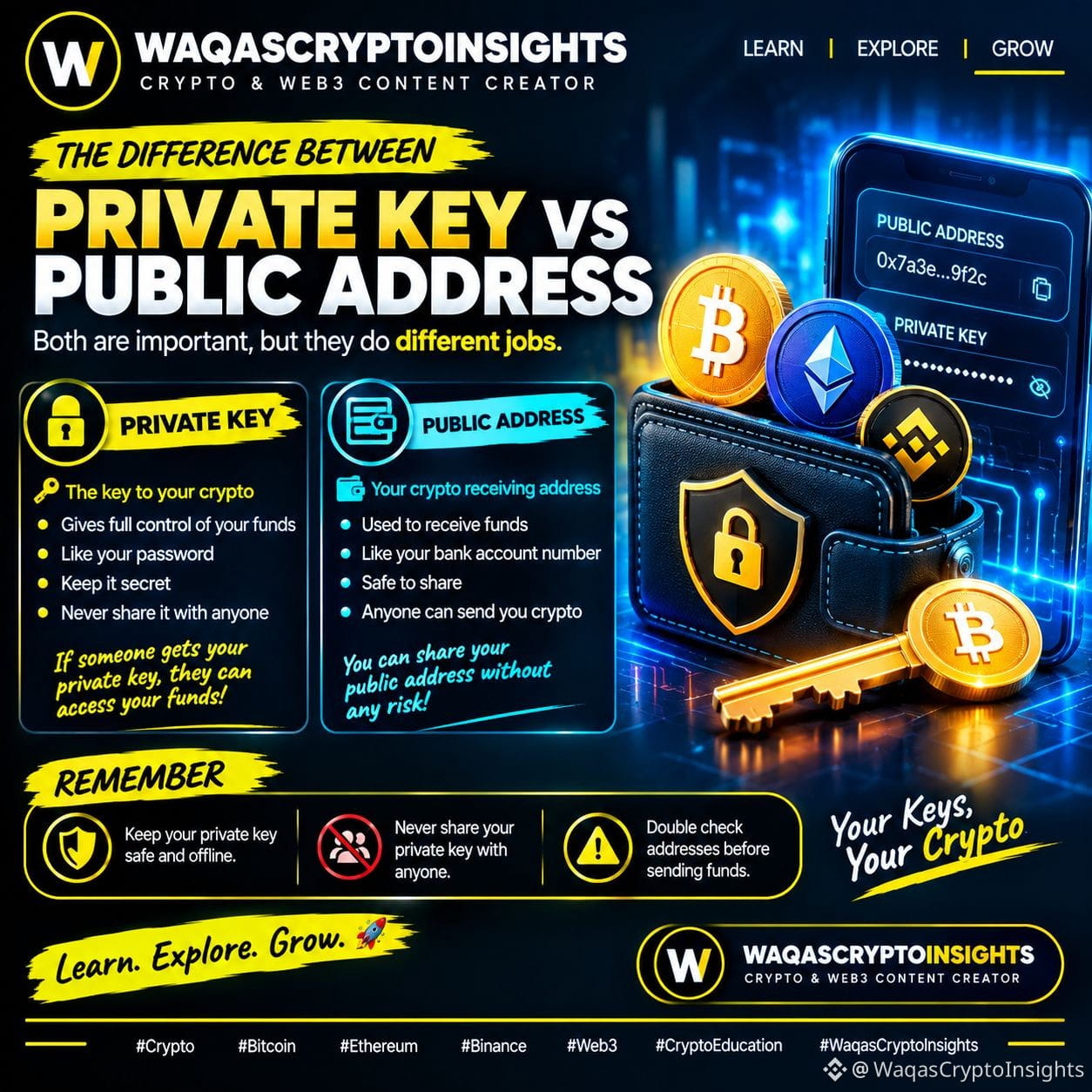
A custodial wallet means a third party manages your private keys on your behalf. This can be convenient, especially for beginners.

A self-custody wallet, on the other hand, gives you control of your private keys. That means you have greater responsibility for securing your recovery phrase and protecting your funds. If you lose your recovery phrase, you may permanently lose access to your assets.

Here are three good security habits every crypto user should follow:

✅ Enable two-factor authentication (2FA) on your accounts.
✅ Never share your recovery phrase or private keys with anyone.
✅ Always double-check wallet addresses before sending crypto.

The crypto industry continues to evolve, but security remains one of the few things every investor can improve regardless of market conditions.

Whether you're holding Bitcoin, Ethereum, BNB, or other digital assets, developing strong security habits today can help you avoid costly mistakes in the future.

Remember: education is one of the most valuable investments you can make in crypto. Always verify information from trusted sources, do your own research (DYOR), and understand the risks before making any investment decisions.

💬 Let's discuss:

- Do you prefer keeping your crypto on an exchange or in a self-custody wallet?
- What's the best crypto security tip you've ever learned?
- Which wallet do you trust the most?

#USToCancelIranAttackSubjectToDeal #Bitcoin #Ethereum #DYOR #cryptoeducation
You put $25 into Bitcoin every week for a year. That is $1,300 total. Today it is worth $1,029. A -20.8% loss. Most people would call that a failure. I call it the cost of entry. Weekly DCA buys more dips than monthly DCA. When price drops, your $25 buys more sats. When price spikes, you buy less. The average cost stretches with the market. Monthly DCA is easier to manage but you only get 12 entry points. Weekly gives you 52. In a year of sideways or choppy action, that extra frequency matters. Here is the actual math from this example. You invested $1,300 over 52 weeks. You lost 20.8% on paper. But you did not buy once at the top. You bought through the whole range. If Bitcoin trades back to the average price you paid, you are not just back to zero. You are ahead, because your last few purchases were cheaper. This is not a guarantee. It is a framework. DCA does not protect you from losses. It protects you from guessing wrong with one lump sum. The real question is not whether this year hurt. It did. The question is what happens in year three and year five. Would you rather have one perfect entry point or 52 imperfect ones? Like if this was helpful #CryptoBasics #CryptoEducation #Investing #Bitcoin #Altcoins 📱 Follow @PoorCryptoMan
You put $25 into Bitcoin every week for a year. That is $1,300 total. Today it is worth $1,029. A -20.8% loss. Most people would call that a failure. I call it the cost of entry.

Weekly DCA buys more dips than monthly DCA. When price drops, your $25 buys more sats. When price spikes, you buy less. The average cost stretches with the market. Monthly DCA is easier to manage but you only get 12 entry points. Weekly gives you 52. In a year of sideways or choppy action, that extra frequency matters.

Here is the actual math from this example. You invested $1,300 over 52 weeks. You lost 20.8% on paper. But you did not buy once at the top. You bought through the whole range. If Bitcoin trades back to the average price you paid, you are not just back to zero. You are ahead, because your last few purchases were cheaper.

This is not a guarantee. It is a framework. DCA does not protect you from losses. It protects you from guessing wrong with one lump sum.

The real question is not whether this year hurt. It did. The question is what happens in year three and year five.

Would you rather have one perfect entry point or 52 imperfect ones?

Like if this was helpful
#CryptoBasics #CryptoEducation #Investing #Bitcoin #Altcoins

📱 Follow @PoorCryptoMan
Did you know that your crypto transactions are under constant threat of hacking and surveillance by authoritarian regimes, corporate giants, and malicious actors known as "wrench attackers"? Privacy is a crucial aspect of the crypto space, and the right tools can be a lifeline. #cryptoeducation Think of crypto transactions like sending a private letter - the more secure the envelope and the fewer people who see the letter, the safer your message. Crypto privacy tools serve essential protective functions by encrypting your data, hiding your identity, and keeping your transactions anonymous. For example, Binance's own secure wallet, Trust Wallet, offers a robust set of features to protect your digital assets. From mnemonic seed phrases to multi-factor authentication, these tools help you safeguard your funds and maintain control over your data. So, take a step towards securing your online identity and protecting your digital assets. What steps do you take to ensure the security and anonymity of your crypto transactions?
Did you know that your crypto transactions are under constant threat of hacking and surveillance by authoritarian regimes, corporate giants, and malicious actors known as "wrench attackers"?

Privacy is a crucial aspect of the crypto space, and the right tools can be a lifeline. #cryptoeducation

Think of crypto transactions like sending a private letter - the more secure the envelope and the fewer people who see the letter, the safer your message. Crypto privacy tools serve essential protective functions by encrypting your data, hiding your identity, and keeping your transactions anonymous.

For example, Binance's own secure wallet, Trust Wallet, offers a robust set of features to protect your digital assets. From mnemonic seed phrases to multi-factor authentication, these tools help you safeguard your funds and maintain control over your data.

So, take a step towards securing your online identity and protecting your digital assets. What steps do you take to ensure the security and anonymity of your crypto transactions?
The biggest trap in crypto is not bad luck. It is falling in love with a story instead of looking at the facts. Marketing teams are paid to make projects sound revolutionary. Our emotions make us believe them because we fear missing out. To practice true DYOR, you must look past the hype and check three simple realities: 1️⃣ The Ticket Trap: If a project sells 10% of its tokens today but hides 90% for later, those hidden tokens will eventually flood the market and crash the price. 2️⃣ Fake Growth: Is the project growing because people actually use it, or are they just printing free reward tokens to temporarily bribe users? 3️⃣ The Selling Road-block: A high price on your screen means nothing if there are no real buyers with cash waiting to buy from you when you want to exit. 🚨Trading success is not about chasing the loudest noise. It is about controlling your psychology and looking at cold data.🔥 $SOL $TRUMP $GRVT #TradingPsychology #ALWAYSDYOR #cryptoeducation #RiskManagement
The biggest trap in crypto is not bad luck. It

is falling in love with a story instead of

looking at the facts.

Marketing teams are paid to make projects

sound revolutionary.

Our emotions make us believe them

because we fear missing out.

To practice true DYOR, you must look past

the hype and check three simple realities:

1️⃣ The Ticket Trap: If a project sells 10% of its tokens today but hides 90% for later, those hidden tokens will eventually flood the market and crash the price.

2️⃣ Fake Growth: Is the project growing because people actually use it, or are they just printing free reward tokens to temporarily bribe users?

3️⃣ The Selling Road-block: A high price on your screen means nothing if there are no real buyers with cash waiting to buy from you when you want to exit.

🚨Trading success is not about chasing the loudest noise.
It is about controlling your psychology and looking at cold data.🔥

$SOL $TRUMP $GRVT

#TradingPsychology #ALWAYSDYOR #cryptoeducation #RiskManagement
📚 On-Chain Analytics Basics: Reading the blockchain's public ledger On August 3, 2026, on-chain analytics studies transactions recorded on public blockchains to gauge market behavior. Metrics like exchange inflows, active addresses and holder distributions reveal what investors are doing with their tokens. this week, on-chain watchers tracked Bitcoin flows after the Coldcard reports, looking for signs of panic — and found consolidation instead. The transparency of blockchains makes this kind of analysis possible for anyone. 📌 Key Takeaway: The blockchain is the only market where you can watch every participant's behavior — on-chain data is the closest thing to x-ray vision in finance. #CryptoEducation #OnChain #BinanceAlphaAlert
📚 On-Chain Analytics Basics: Reading the blockchain's public ledger
On August 3, 2026, on-chain analytics studies transactions recorded on public blockchains to gauge market behavior. Metrics like exchange inflows, active addresses and holder distributions reveal what investors are doing with their tokens.
this week, on-chain watchers tracked Bitcoin flows after the Coldcard reports, looking for signs of panic — and found consolidation instead. The transparency of blockchains makes this kind of analysis possible for anyone.

📌 Key Takeaway:
The blockchain is the only market where you can watch every participant's behavior — on-chain data is the closest thing to x-ray vision in finance.

#CryptoEducation #OnChain
#BinanceAlphaAlert
📚 Slippage and Spread Explained: The hidden costs of trading On August 3, 2026, slippage is the difference between the price you expect and the price you actually get, usually caused by large orders moving the market. The spread is the gap between the best offer to buy and the best offer to sell. both costs grow when liquidity is thin. In today's low-volume market — $38.46B total — spreads on less active tokens can widen noticeably, making order timing more important than usual. 📌 Key Takeaway: Slippage and spread are the taxes of trading — understanding them before you trade beats discovering them after. #CryptoEducation #Trading #BinanceAlphaAlert
📚 Slippage and Spread Explained: The hidden costs of trading
On August 3, 2026, slippage is the difference between the price you expect and the price you actually get, usually caused by large orders moving the market. The spread is the gap between the best offer to buy and the best offer to sell.
both costs grow when liquidity is thin. In today's low-volume market — $38.46B total — spreads on less active tokens can widen noticeably, making order timing more important than usual.

📌 Key Takeaway:
Slippage and spread are the taxes of trading — understanding them before you trade beats discovering them after.

#CryptoEducation #Trading
#BinanceAlphaAlert
Article
Why Dollar-Cost Averaging (DCA) Is One of Crypto's Simplest StrategiesHave you ever bought a cryptocurrency only to watch the price drop the next day? It happens to almost every investor. Trying to buy at the perfect moment sounds great, but in reality, it's extremely difficult—even for experienced traders. That's why many long-term investors use a strategy called Dollar-Cost Averaging (DCA). DCA simply means investing a fixed amount of money at regular intervals, regardless of whether the market is up or down. For example, instead of investing $1,200 all at once, you could invest $100 every month. When prices are lower, your fixed amount buys more of the asset. When prices are higher, it buys less. Over time, this helps smooth out the impact of short-term price swings and removes much of the emotion from investing. Binance Academy highlights DCA as a disciplined approach that can help investors avoid trying to time the market. Of course, DCA doesn't guarantee profits or eliminate risk. If the asset performs poorly over the long term, losses are still possible. That's why it's important to combine DCA with research and only invest money you can afford to keep invested. 💡 Key Takeaway You don't have to predict the perfect entry point to become a disciplined investor. Consistency often matters more than perfect timing. How do you invest in crypto—do you buy regularly or wait for price dips? #BinanceSquare #cryptoeducation #Investing

Why Dollar-Cost Averaging (DCA) Is One of Crypto's Simplest Strategies

Have you ever bought a cryptocurrency only to watch the price drop the next day?
It happens to almost every investor.
Trying to buy at the perfect moment sounds great, but in reality, it's extremely difficult—even for experienced traders. That's why many long-term investors use a strategy called Dollar-Cost Averaging (DCA).
DCA simply means investing a fixed amount of money at regular intervals, regardless of whether the market is up or down. For example, instead of investing $1,200 all at once, you could invest $100 every month.
When prices are lower, your fixed amount buys more of the asset. When prices are higher, it buys less. Over time, this helps smooth out the impact of short-term price swings and removes much of the emotion from investing. Binance Academy highlights DCA as a disciplined approach that can help investors avoid trying to time the market.
Of course, DCA doesn't guarantee profits or eliminate risk. If the asset performs poorly over the long term, losses are still possible. That's why it's important to combine DCA with research and only invest money you can afford to keep invested.
💡 Key Takeaway
You don't have to predict the perfect entry point to become a disciplined investor. Consistency often matters more than perfect timing.
How do you invest in crypto—do you buy regularly or wait for price dips?
#BinanceSquare #cryptoeducation #Investing
⛏️ Staking vs Mining: Two Ways Networks Secure: Proof of stake and proof of work compared On August 3, 2026, mining secures proof-of-work networks like Bitcoin by solving computational puzzles, consuming energy in exchange for block rewards. Staking instead locks tokens in proof-of-stake networks to validate transactions and earn yield. the economic difference is significant: mining rewards hardware investment, while staking rewards token commitment. Each model attracts different participants and carries different energy footprints. 📌 Key Takeaway: Mining and staking are two philosophies of network security — one burns energy, the other locks capital, and both secure billions in value. #CryptoEducation #Blockchain #BinanceAlphaAlert
⛏️ Staking vs Mining: Two Ways Networks Secure: Proof of stake and proof of work compared
On August 3, 2026, mining secures proof-of-work networks like Bitcoin by solving computational puzzles, consuming energy in exchange for block rewards. Staking instead locks tokens in proof-of-stake networks to validate transactions and earn yield.
the economic difference is significant: mining rewards hardware investment, while staking rewards token commitment. Each model attracts different participants and carries different energy footprints.

📌 Key Takeaway:
Mining and staking are two philosophies of network security — one burns energy, the other locks capital, and both secure billions in value.

#CryptoEducation #Blockchain
#BinanceAlphaAlert
📚 DEX vs CEX: What's the Difference?: Centralized exchanges vs on-chain trading On August 3, 2026, centralized exchanges (CEXs) act as intermediaries that hold funds and match orders, offering speed and customer support. Decentralized exchanges (DEXs) run on smart contracts, letting users trade directly from their wallets. each model has trade-offs: CEXs are easier to use but introduce counterparty risk, while DEXs give full control but demand more technical care. Many traders use both depending on the situation. 📌 Key Takeaway: The CEX vs DEX choice is really a choice between convenience and control — most users need a bit of both. #CryptoEducation #DeFi #BinanceAlphaAlert
📚 DEX vs CEX: What's the Difference?: Centralized exchanges vs on-chain trading
On August 3, 2026, centralized exchanges (CEXs) act as intermediaries that hold funds and match orders, offering speed and customer support. Decentralized exchanges (DEXs) run on smart contracts, letting users trade directly from their wallets.
each model has trade-offs: CEXs are easier to use but introduce counterparty risk, while DEXs give full control but demand more technical care. Many traders use both depending on the situation.

📌 Key Takeaway:
The CEX vs DEX choice is really a choice between convenience and control — most users need a bit of both.

#CryptoEducation #DeFi
#BinanceAlphaAlert
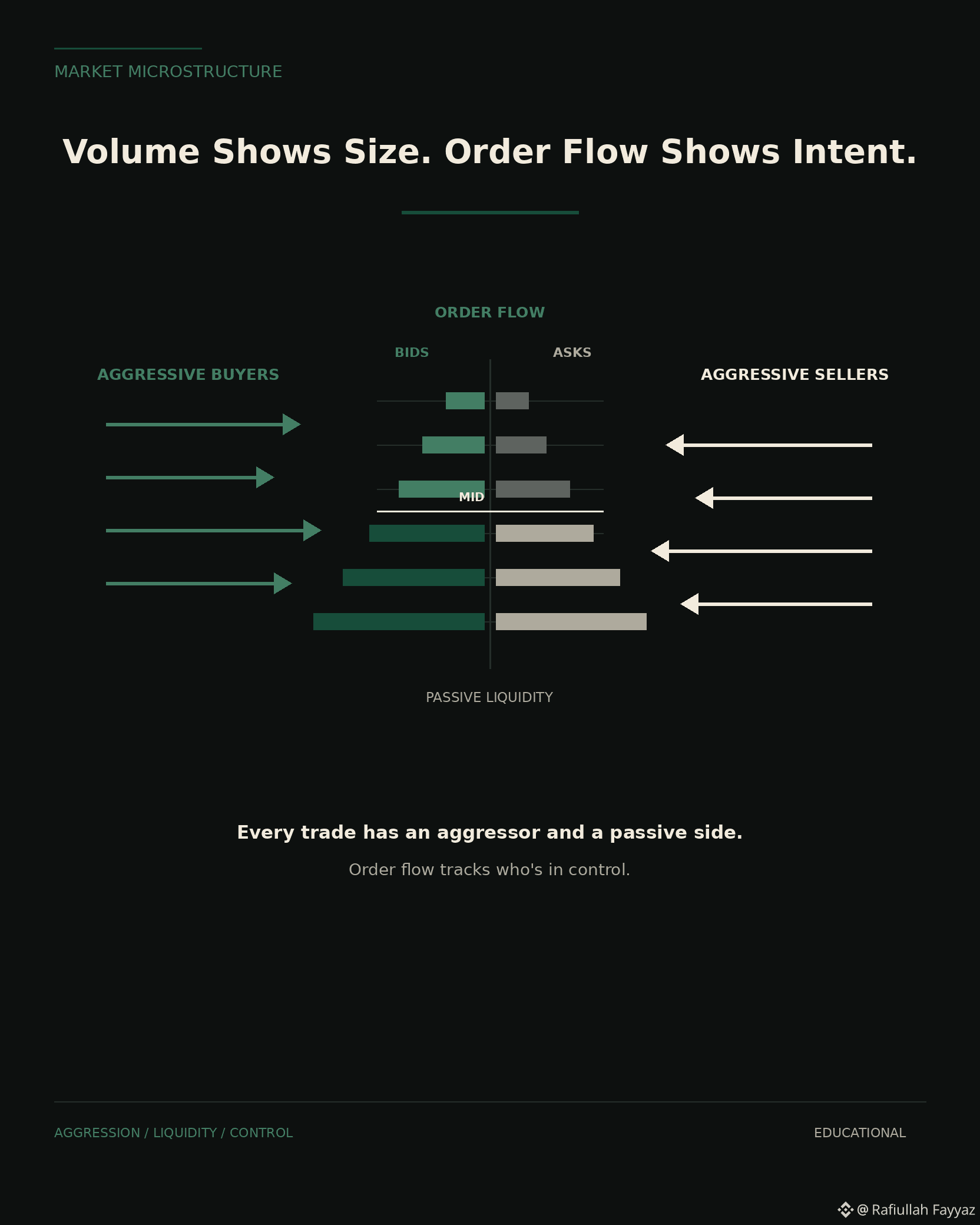
BTC Dominance Explained for Beginners If you're new to crypto, you've probably heard the term BTC Dominance. But what does it actually mean? BTC Dominance measures Bitcoin's share of the total cryptocurrency market capitalization. It helps traders understand where capital is flowing across the crypto market. Why does it matter? 📊 When BTC Dominance rises: More capital is moving into Bitcoin relative to other cryptocurrencies. Bitcoin may outperform many altcoins during this period. Some altcoins may see slower momentum. 📉 When BTC Dominance falls: Capital may be rotating into altcoins. Some alternative cryptocurrencies could outperform Bitcoin. Traders often watch for potential sector rotation. Important Reminder BTC Dominance is only one market indicator. It should never be used by itself to make trading decisions. Always combine it with: Market structure Volume Liquidity Overall market sentiment Risk management Understanding BTC Dominance helps you better interpret market behavior instead of reacting emotionally to short-term price movements. Do you check BTC Dominance before analyzing the market? Share your thoughts below. Related tag: $BTC Educational content only. Not financial advice. Follow for daily crypto insights 📊 #BinanceSquare #bitcoin #cryptoeducation #CryptoMarket
BTC Dominance Explained for Beginners

If you're new to crypto, you've probably heard the term BTC Dominance. But what does it actually mean?

BTC Dominance measures Bitcoin's share of the total cryptocurrency market capitalization. It helps traders understand where capital is flowing across the crypto market.

Why does it matter?

📊 When BTC Dominance rises:

More capital is moving into Bitcoin relative to other cryptocurrencies.
Bitcoin may outperform many altcoins during this period.
Some altcoins may see slower momentum.

📉 When BTC Dominance falls:

Capital may be rotating into altcoins.
Some alternative cryptocurrencies could outperform Bitcoin.
Traders often watch for potential sector rotation.

Important Reminder

BTC Dominance is only one market indicator. It should never be used by itself to make trading decisions.

Always combine it with:

Market structure
Volume
Liquidity
Overall market sentiment
Risk management

Understanding BTC Dominance helps you better interpret market behavior instead of reacting emotionally to short-term price movements.

Do you check BTC Dominance before analyzing the market? Share your thoughts below.

Related tag: $BTC

Educational content only. Not financial advice.

Follow for daily crypto insights 📊

#BinanceSquare #bitcoin #cryptoeducation #CryptoMarket
Article
Why "Do Your Own Research" (DYOR) Matters More Than EverIf you've spent any time in crypto, you've probably seen people say: "DYOR – Do Your Own Research." It sounds simple, but it's one of the most valuable habits you can develop as an investor. Every day, social media is filled with predictions, price targets, and "next 100x coin" recommendations. While some creators share useful insights, others may be driven by hype or personal interests. Following investment advice without understanding the project can expose you to unnecessary risk. Doing your own research doesn't mean you need to read hundreds of pages of technical documents. Start with the basics: What problem does the project solve? Is there a real product or use case? Is the development team actively building? Does the project have a growing community? What are the potential risks? Even spending 15–20 minutes researching before investing can help you make more informed decisions. Remember, successful investing isn't about following the loudest voice—it's about understanding why you're investing in the first place. 💡 Key Takeaway The best investment decision is one you understand. Knowledge won't remove risk, but it can help you avoid making decisions based purely on hype. Before buying your next cryptocurrency, ask yourself: "Do I understand this project, or am I simply following the crowd?" #BinanceSquare #cryptoeducation #dyor

Why "Do Your Own Research" (DYOR) Matters More Than Ever

If you've spent any time in crypto, you've probably seen people say:
"DYOR – Do Your Own Research."
It sounds simple, but it's one of the most valuable habits you can develop as an investor.
Every day, social media is filled with predictions, price targets, and "next 100x coin" recommendations. While some creators share useful insights, others may be driven by hype or personal interests. Following investment advice without understanding the project can expose you to unnecessary risk.
Doing your own research doesn't mean you need to read hundreds of pages of technical documents. Start with the basics:
What problem does the project solve?
Is there a real product or use case?
Is the development team actively building?
Does the project have a growing community?
What are the potential risks?
Even spending 15–20 minutes researching before investing can help you make more informed decisions.
Remember, successful investing isn't about following the loudest voice—it's about understanding why you're investing in the first place.
💡 Key Takeaway
The best investment decision is one you understand. Knowledge won't remove risk, but it can help you avoid making decisions based purely on hype.
Before buying your next cryptocurrency, ask yourself: "Do I understand this project, or am I simply following the crowd?"
#BinanceSquare #cryptoeducation #dyor
📚 Market Cap vs FDV Explained: Two ways to value a token On August 3, 2026, market cap is a token's price multiplied by its circulating supply — the value most people see on tracking sites. Fully diluted valuation (FDV) instead uses the total supply, including tokens that will unlock in the future. the gap between the two matters: a small market cap with a huge FDV means significant dilution may lie ahead as unlocks hit the market. Checking both numbers gives a clearer picture than either alone. 📌 Key Takeaway: Market cap tells you what exists today; FDV tells you what could exist tomorrow — always compare both before judging a project's size. #CryptoEducation #Blockchain #BinanceAlphaAlert
📚 Market Cap vs FDV Explained: Two ways to value a token
On August 3, 2026, market cap is a token's price multiplied by its circulating supply — the value most people see on tracking sites. Fully diluted valuation (FDV) instead uses the total supply, including tokens that will unlock in the future.
the gap between the two matters: a small market cap with a huge FDV means significant dilution may lie ahead as unlocks hit the market. Checking both numbers gives a clearer picture than either alone.

📌 Key Takeaway:
Market cap tells you what exists today; FDV tells you what could exist tomorrow — always compare both before judging a project's size.

#CryptoEducation #Blockchain
#BinanceAlphaAlert
🛡️ Cold Storage vs Hot Wallets: Where should your crypto live? On August 3, 2026, hot wallets stay connected to the internet for convenience; cold storage keeps keys offline for security. Most users benefit from both: small amounts for everyday activity, larger holdings in cold storage. this week's Coldcard reports are a reminder that cold storage hardware also has risks — supply chain, firmware and physical security. The best setup depends on your usage patterns and risk tolerance. 📌 Key Takeaway: There's no perfect wallet — only the right balance of convenience and security for your situation. #Security #CryptoEducation #BinanceAlphaAlert
🛡️ Cold Storage vs Hot Wallets: Where should your crypto live?
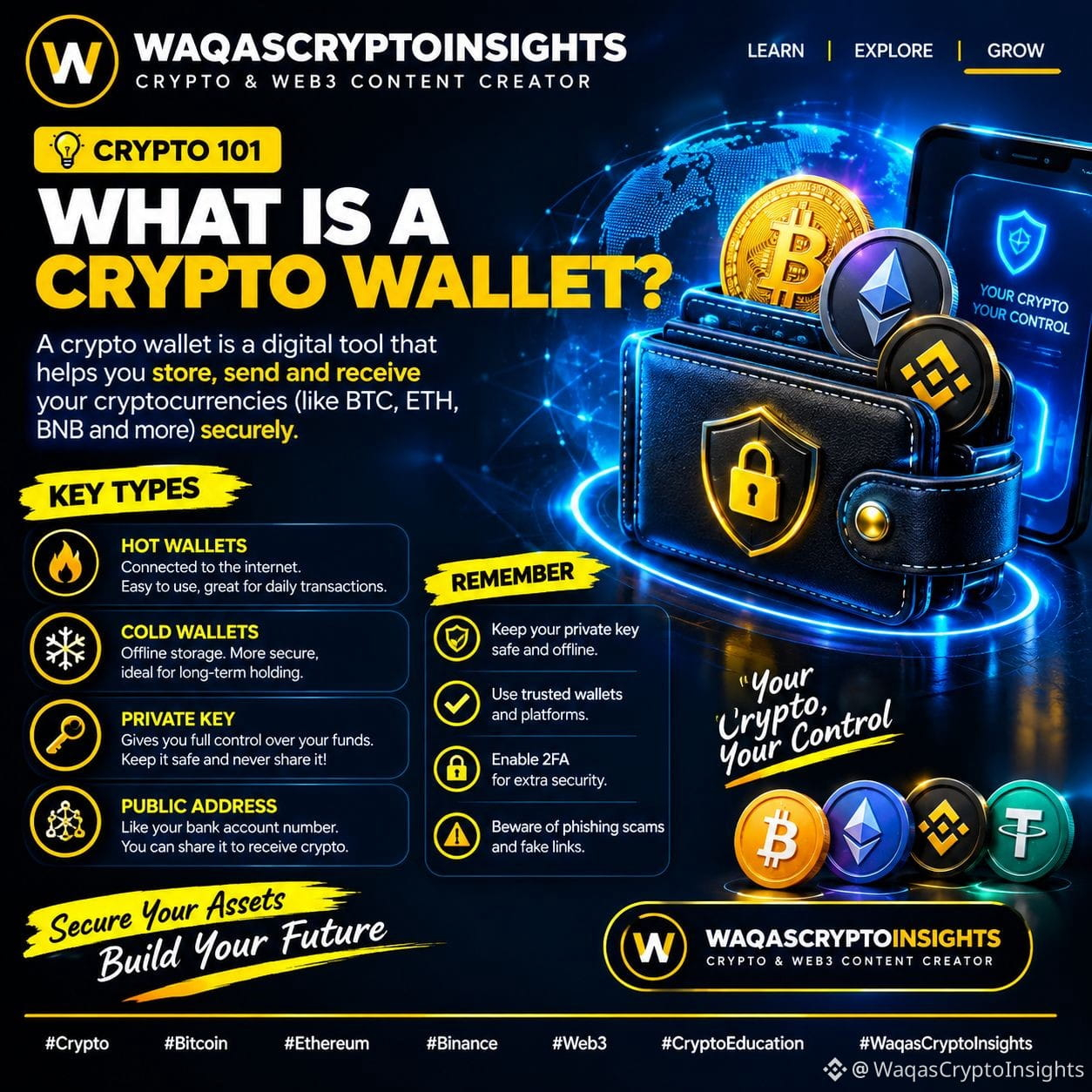
On August 3, 2026, hot wallets stay connected to the internet for convenience; cold storage keeps keys offline for security. Most users benefit from both: small amounts for everyday activity, larger holdings in cold storage.
this week's Coldcard reports are a reminder that cold storage hardware also has risks — supply chain, firmware and physical security. The best setup depends on your usage patterns and risk tolerance.

📌 Key Takeaway:
There's no perfect wallet — only the right balance of convenience and security for your situation.

#Security #CryptoEducation
#BinanceAlphaAlert
💡 The Next Bull Run Won't Reward Everyone... It Will Reward the Prepared. 🚀 When the market is quiet, many people lose interest. But experienced investors know that silent periods are often when the strongest foundations are built. 🌟 Instead of waiting for prices to explode: 📚 Learn one new crypto concept every week. 🔍 Research projects before everyone starts talking about them. 🛡️ Protect your capital with proper risk management. 🎯 Set clear goals instead of making emotional decisions. Remember this: 💎 A portfolio grows faster when your knowledge grows first. Don't measure your progress only by today's profit or loss. Measure it by: ✔️ Better decisions. ✔️ Fewer mistakes. ✔️ Stronger discipline. ✔️ Greater confidence. Every market cycle creates winners and spectators. The difference isn't luck—it's preparation. 🌍 Crypto is changing finance, technology, and digital ownership. The people who keep learning today are giving themselves a better chance to benefit from tomorrow's opportunities. 🚀 Stay patient. Stay informed. Stay focused. Because the best investment you make today may be in your own knowledge. #BinanceSquare #Crypto #Blockchain #Web3 #DYOR #CryptoEducation #InvestSmart #LongTerm #DigitalAssets
💡 The Next Bull Run Won't Reward Everyone... It Will Reward the Prepared. 🚀

When the market is quiet, many people lose interest.
But experienced investors know that silent periods are often when the strongest foundations are built.

🌟 Instead of waiting for prices to explode:

📚 Learn one new crypto concept every week.
🔍 Research projects before everyone starts talking about them.
🛡️ Protect your capital with proper risk management.
🎯 Set clear goals instead of making emotional decisions.

Remember this:

💎 A portfolio grows faster when your knowledge grows first.

Don't measure your progress only by today's profit or loss.

Measure it by:
✔️ Better decisions.
✔️ Fewer mistakes.
✔️ Stronger discipline.
✔️ Greater confidence.

Every market cycle creates winners and spectators.

The difference isn't luck—it's preparation.

🌍 Crypto is changing finance, technology, and digital ownership. The people who keep learning today are giving themselves a better chance to benefit from tomorrow's opportunities.

🚀 Stay patient. Stay informed. Stay focused.

Because the best investment you make today may be in your own knowledge.

#BinanceSquare #Crypto #Blockchain #Web3 #DYOR #CryptoEducation #InvestSmart #LongTerm #DigitalAssets
TengeCoin:
lilith
📚 Private Keys and Seed Phrases Explained: The two things you must never lose On August 3, 2026, a private key is the cryptographic secret that controls a crypto wallet — whoever holds it controls the funds. A seed phrase is a human-readable backup of that key, usually 12 or 24 words. losing either means losing access forever; sharing either means losing funds to someone else. This is why the current debate over hardware wallet flaws matters so much to everyday users. 📌 Key Takeaway: Your seed phrase is the master key to your financial identity in crypto — protect it like the password to everything you own. #CryptoEducation #Security #BinanceAlphaAlert
📚 Private Keys and Seed Phrases Explained: The two things you must never lose
On August 3, 2026, a private key is the cryptographic secret that controls a crypto wallet — whoever holds it controls the funds. A seed phrase is a human-readable backup of that key, usually 12 or 24 words.
losing either means losing access forever; sharing either means losing funds to someone else. This is why the current debate over hardware wallet flaws matters so much to everyday users.

📌 Key Takeaway:
Your seed phrase is the master key to your financial identity in crypto — protect it like the password to everything you own.

#CryptoEducation #Security
#BinanceAlphaAlert
Connectez-vous pour découvrir plus de contenu
Rejoignez la communauté mondiale des adeptes de cryptomonnaies sur Binance Square
⚡️ Suviez les dernières informations importantes sur les cryptomonnaies.
💬 Jugé digne de confiance par la plus grande plateforme d’échange de cryptomonnaies au monde.
👍 Découvrez les connaissances que partagent les créateurs vérifiés.
Adresse e-mail/Nº de téléphone