Binance Square
#defi̇

defi̇

2.6M views
7,784 Discussing
aishaisyaku
·
--
Article
Why Decentralized Exchanges MatterDecentralized exchanges (DEXs) are becoming an important part of the cryptocurrency ecosystem because they give users greater control over their assets and trading activities. Unlike traditional centralized exchanges, DEXs allow people to trade directly from their own wallets without handing custody of their funds to a central company. One major advantage of DEXs is transparency. Transactions and smart-contract activity can be verified on blockchain networks, helping users understand how the system operates. Self-custody is another important benefit because users can maintain control of their private keys rather than relying entirely on an exchange to safeguard their assets. DEXs can also make financial services more accessible. Anyone with a compatible wallet and an internet connection can potentially participate without opening a traditional brokerage account. Modern DEXs are also developing features such as liquidity pools, automated market makers, cross-chain functionality, and improved user interfaces. However, decentralized trading is not risk-free. Smart-contract vulnerabilities, market volatility, liquidity issues, and scams can still affect users. Therefore, education and careful research remain essential. As blockchain technology continues to evolve, DEXs could play a major role in building a more open, transparent, and user-controlled financial system. #STONfi #gram #DEFİ

Why Decentralized Exchanges Matter

Decentralized exchanges (DEXs) are becoming an important part of the cryptocurrency ecosystem because they give users greater control over their assets and trading activities. Unlike traditional centralized exchanges, DEXs allow people to trade directly from their own wallets without handing custody of their funds to a central company.
One major advantage of DEXs is transparency. Transactions and smart-contract activity can be verified on blockchain networks, helping users understand how the system operates. Self-custody is another important benefit because users can maintain control of their private keys rather than relying entirely on an exchange to safeguard their assets.
DEXs can also make financial services more accessible. Anyone with a compatible wallet and an internet connection can potentially participate without opening a traditional brokerage account. Modern DEXs are also developing features such as liquidity pools, automated market makers, cross-chain functionality, and improved user interfaces.
However, decentralized trading is not risk-free. Smart-contract vulnerabilities, market volatility, liquidity issues, and scams can still affect users. Therefore, education and careful research remain essential.
As blockchain technology continues to evolve, DEXs could play a major role in building a more open, transparent, and user-controlled financial system.
#STONfi
#gram
#DEFİ
I do not start with APY anymore. I start with one simple question: “If this works exactly as designed, who does it help in real life?” That question saves me a lot of time. A lot of DeFi products sound good in a thread. The narrative is polished, the token model looks clean, the rewards look attractive, and the dashboard looks modern. But when I slow down and ask who the product actually helps, the picture gets much clearer. Does it help someone borrow at a cost they can live with? Does it help someone earn without checking rates every hour? Does it help a trader manage risk more cleanly? Does it help a fund move size more efficiently? Or is it mostly designed to create excitement around itself? I am not saying every product needs mass adoption right now. Crypto is still early in many areas. But I do think there is a big difference between something that has a real use case and something that only looks impressive inside crypto conversations. I have become much more cautious with products that rely too heavily on “future potential” while current user behavior still feels weak. If a protocol needs perfect market conditions, continuous incentives, and a lot of explanation just to keep people interested, I start asking whether the core demand is actually there. The strongest products usually solve a boring problem. Uncertain borrowing costs. Idle capital. Poor execution. Bad user flow. High friction between idea and action. Those problems are not glamorous, but people pay attention when a product reduces friction around them. This is also why I care less about the loudest narrative and more about the cleanest use case. Hype can bring traffic. It cannot force retention. A good #DEFİ app should make one job easier, cheaper, clearer, or more predictable. If I cannot explain the benefit in one short paragraph without using buzzwords, I am probably looking at a story rather than a product. That does not mean I ignore upside. It just means I do not want upside that depends on me pretending the use case is stronger than it is.
I do not start with APY anymore.

I start with one simple question:

“If this works exactly as designed, who does it help in real life?”

That question saves me a lot of time.

A lot of DeFi products sound good in a thread. The narrative is polished, the token model looks clean, the rewards look attractive, and the dashboard looks modern. But when I slow down and ask who the product actually helps, the picture gets much clearer.

Does it help someone borrow at a cost they can live with?
Does it help someone earn without checking rates every hour?
Does it help a trader manage risk more cleanly?
Does it help a fund move size more efficiently?
Or is it mostly designed to create excitement around itself?

I am not saying every product needs mass adoption right now. Crypto is still early in many areas. But I do think there is a big difference between something that has a real use case and something that only looks impressive inside crypto conversations.

I have become much more cautious with products that rely too heavily on “future potential” while current user behavior still feels weak. If a protocol needs perfect market conditions, continuous incentives, and a lot of explanation just to keep people interested, I start asking whether the core demand is actually there.

The strongest products usually solve a boring problem.

Uncertain borrowing costs.
Idle capital.
Poor execution.
Bad user flow.
High friction between idea and action.

Those problems are not glamorous, but people pay attention when a product reduces friction around them.

This is also why I care less about the loudest narrative and more about the cleanest use case. Hype can bring traffic. It cannot force retention.

A good #DEFİ app should make one job easier, cheaper, clearer, or more predictable. If I cannot explain the benefit in one short paragraph without using buzzwords, I am probably looking at a story rather than a product.

That does not mean I ignore upside. It just means I do not want upside that depends on me pretending the use case is stronger than it is.

Article
The Growing Importance of Decentralized FinanceDecentralized Finance, commonly known as DeFi, is changing the way people think about financial services. Traditional finance often depends on banks and other centralized institutions to manage transactions, loans, savings, and investments. DeFi uses blockchain technology and smart contracts to provide many of these services without requiring a central authorit One major advantage of DeFi i e accessibility. Anyone with an internet connection and a compatible crypto wallet can potentially interact with decentralized applications. This can create new opportunities for people who have limited access to traditional banking services. DeFi also encourages innovation by allowing developers to build financial products on open blockchain networks. Decentralized exchanges, lending platforms, liquidity protocols, and yield applications are examples of this growing ecosystem. However, users must understand the risks, including smart-contract vulnerabilities, market volatility, and scams. As technology improves, stronger security and better user education could help DeFi become an increasingly important part of the global financial landscape. #STONfi #GRAM #DEFİ

The Growing Importance of Decentralized Finance

Decentralized Finance, commonly known as DeFi, is changing the way people think about financial services. Traditional finance often depends on banks and other centralized institutions to manage transactions, loans, savings, and investments. DeFi uses blockchain technology and smart contracts to provide many of these services without requiring a central authorit
One major advantage of DeFi i e accessibility. Anyone with an internet connection and a compatible crypto wallet can potentially interact with decentralized applications. This can create new opportunities for people who have limited access to traditional banking services.
DeFi also encourages innovation by allowing developers to build financial products on open blockchain networks. Decentralized exchanges, lending platforms, liquidity protocols, and yield applications are examples of this growing ecosystem.
However, users must understand the risks, including smart-contract vulnerabilities, market volatility, and scams. As technology improves, stronger security and better user education could help DeFi become an increasingly important part of the global financial landscape.
#STONfi
#GRAM
#DEFİ
·
--
Bullish
LP fees can be positive while your position still underperforms simply holding. That’s Impermanent Loss (IL) one of the most important concepts to understand before providing liquidity. Here’s a simple example: You start with: 10 GRAM + 100 USDT = $200 GRAM = $10. Then GRAM rises to $40. If you simply hold: 10 GRAM = $400 100 USDT = $100 Total = $500 But in a constant-product AMM, traders buy GRAM as its price rises, changing the pool’s balance. Your position could become: 5 GRAM + 200 USDT = $400 So, before fees: Hold → $500 LP → $400 The $100 difference is underperformance relative to simply holding that’s the basic idea behind IL. But there’s another side. LPs can earn trading fees, which may offset some or all of that underperformance. They are not guaranteed to. So don’t think: ❌ LP = free yield Think: ✅ Potential fees in exchange for additional market risk. The key risk is price divergence between the assets. If the relative prices change significantly, IL can increase. And if you exit while that divergence remains, the loss becomes realized. Remember: Fees are the potential reward. Price divergence is the risk. Understanding that trade-off is what separates simply using DeFi from actually understanding it. Would you rather earn LP fees with IL risk, or simply hold the assets? Why? #DEFİ #liquidity #GRAM #TON $GRAM $BNB $SOL
LP fees can be positive while your position still underperforms simply holding.

That’s Impermanent Loss (IL) one of the most important concepts to understand before providing liquidity.

Here’s a simple example:
You start with:

10 GRAM + 100 USDT = $200
GRAM = $10.

Then GRAM rises to $40.
If you simply hold:

10 GRAM = $400
100 USDT = $100

Total = $500

But in a constant-product AMM, traders buy GRAM as its price rises, changing the pool’s balance.
Your position could become:

5 GRAM + 200 USDT = $400

So, before fees:
Hold → $500
LP → $400

The $100 difference is underperformance relative to simply holding that’s the basic idea behind IL.

But there’s another side.
LPs can earn trading fees, which may offset some or all of that underperformance.

They are not guaranteed to.
So don’t think:

❌ LP = free yield

Think:

✅ Potential fees in exchange for additional market risk.
The key risk is price divergence between the assets.

If the relative prices change significantly, IL can increase.
And if you exit while that divergence remains, the loss becomes realized.

Remember:
Fees are the potential reward.
Price divergence is the risk.

Understanding that trade-off is what separates simply using DeFi from actually understanding it.

Would you rather earn LP fees with IL risk, or simply hold the assets? Why?

#DEFİ #liquidity #GRAM #TON
$GRAM $BNB $SOL
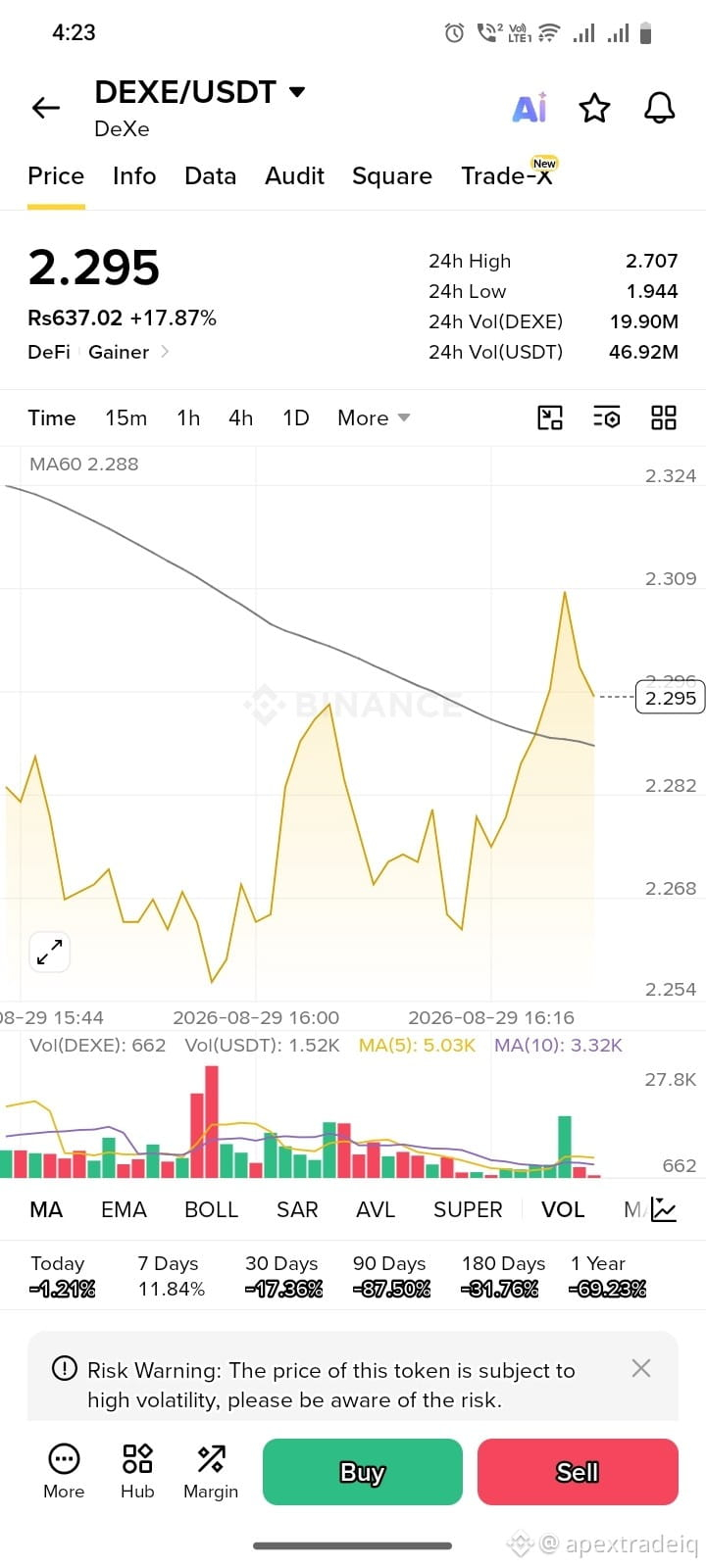
🚀 $DEXE / USDT is making a strong push on the charts! DeXe ($DEXE) is showing solid momentum, pumping +17.87% on the 24h gainers list and currently trading around 2.295 USDT. After testing a 24h low of 1.944 USDT, price action has crossed back above the MA60 line with a recent high reaching 2.707 USDT, backed by 46.92M in 24h USDT volume. 📈 What’s your plan for $DEXE from here? Are you locking in gains or holding for another push toward the 2.70 USDT local resistance? ⁉️‼️ #BinanceSquare #CryptoTrading. #dexe #DEFİ i #CryptoCommunity
🚀 $DEXE / USDT is making a strong push on the charts!
DeXe ($DEXE ) is showing solid momentum, pumping +17.87% on the 24h gainers list and currently trading around 2.295 USDT. After testing a 24h low of 1.944 USDT, price action has crossed back above the MA60 line with a recent high reaching 2.707 USDT, backed by 46.92M in 24h USDT volume. 📈
What’s your plan for $DEXE from here? Are you locking in gains or holding for another push toward the 2.70 USDT local resistance? ⁉️‼️
#BinanceSquare #CryptoTrading. #dexe #DEFİ i #CryptoCommunity
Article
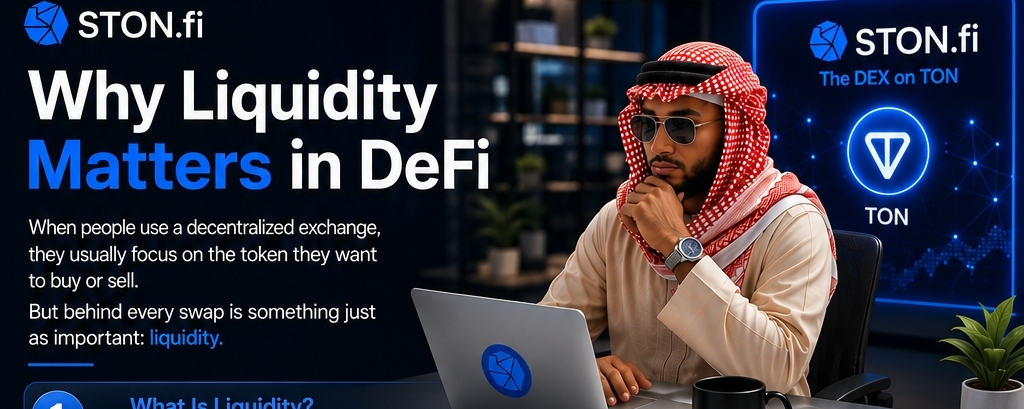
Why Liquidity Matters in DeFiWhy Liquidity Matters in DeFi When people use a decentralized exchange, they usually focus on the token they want to buy or sell. But behind every swap is something just as important: liquidity. 1. What Is Liquidity? Liquidity refers to how easily an asset can be bought or sold without significantly affecting its price. In DeFi, liquidity is commonly provided through pools containing pairs of tokens. 2. Why Does Liquidity Matter? A DEX needs available assets to facilitate swaps. When a pool has deeper liquidity, users can generally execute trades with less price impact than they might experience in a pool with limited liquidity. This makes liquidity an important part of the trading experience. 3. The Role of Liquidity Providers Liquidity providers contribute supported token pairs to pools. Their capital helps other users make swaps, while they may receive a share of applicable trading fees according to the protocol's mechanisms. It creates an important relationship: Users need liquidity to trade. Liquidity providers supply liquidity. The protocol connects them. 4. Liquidity Comes With Risks Providing liquidity is not risk-free. Token prices can change, and liquidity providers may experience impermanent loss. Market conditions can also affect potential fee earnings. That is why liquidity provision should not be viewed as guaranteed passive income. 5. STON.fi and TON DeFi STON.fi is part of the TON DeFi ecosystem, where liquidity plays an important role in enabling decentralized token swaps. For anyone exploring STON.fi, understanding liquidity is just as important as understanding how to swap. Learn first. Research the assets. Understand the risks. Then participate responsibly. DeFi becomes stronger when users understand not only what they are doing, but also what happens behind the interface. #STONfi #TON #DEFİ #DEX #Liquidity

Why Liquidity Matters in DeFi

Why Liquidity Matters in DeFi
When people use a decentralized exchange, they usually focus on the token they want to buy or sell.
But behind every swap is something just as important: liquidity.
1. What Is Liquidity?
Liquidity refers to how easily an asset can be bought or sold without significantly affecting its price.
In DeFi, liquidity is commonly provided through pools containing pairs of tokens.
2. Why Does Liquidity Matter?
A DEX needs available assets to facilitate swaps.
When a pool has deeper liquidity, users can generally execute trades with less price impact than they might experience in a pool with limited liquidity.
This makes liquidity an important part of the trading experience.
3. The Role of Liquidity Providers
Liquidity providers contribute supported token pairs to pools.
Their capital helps other users make swaps, while they may receive a share of applicable trading fees according to the protocol's mechanisms.
It creates an important relationship:
Users need liquidity to trade.
Liquidity providers supply liquidity.
The protocol connects them.
4. Liquidity Comes With Risks
Providing liquidity is not risk-free.
Token prices can change, and liquidity providers may experience impermanent loss. Market conditions can also affect potential fee earnings.
That is why liquidity provision should not be viewed as guaranteed passive income.
5. STON.fi and TON DeFi
STON.fi is part of the TON DeFi ecosystem, where liquidity plays an important role in enabling decentralized token swaps.
For anyone exploring STON.fi, understanding liquidity is just as important as understanding how to swap.
Learn first. Research the assets. Understand the risks. Then participate responsibly.
DeFi becomes stronger when users understand not only what they are doing, but also what happens behind the interface.
#STONfi #TON #DEFİ #DEX #Liquidity
💵Hack of 400 million tokens $FOGO —what does it mean for DeFi investors #defi ? 🔶Fogo Foundation announces that it was exposed to a security breach in which 400 million tokens $FOGO were transferred to the attackers' wallets. ⚫The team confirmed that they notified exchanges and the relevant authorities, while the chain is still operating normally. 🟤The incident highlights the risks of smart contracts and hidden permissions in smaller DeFi projects #DEFİ . 🟪Review project contract terms before investing, especially admin permissions (owner/mint/pause). 🟩Avoid putting all your coins into a single project, even if the returns seem tempting. 🟨Follow the project’s official channels for any urgent security updates. 💚Security in crypto #crypto is not a luxury—it is the first line of defense for your capital.
💵Hack of 400 million tokens $FOGO —what does it mean for DeFi investors #defi ?
🔶Fogo Foundation announces that it was exposed to a security breach in which 400 million tokens $FOGO were transferred to the attackers' wallets.
⚫The team confirmed that they notified exchanges and the relevant authorities, while the chain is still operating normally.
🟤The incident highlights the risks of smart contracts and hidden permissions in smaller DeFi projects #DEFİ .

🟪Review project contract terms before investing, especially admin permissions (owner/mint/pause).
🟩Avoid putting all your coins into a single project, even if the returns seem tempting.
🟨Follow the project’s official channels for any urgent security updates.
💚Security in crypto #crypto is not a luxury—it is the first line of defense for your capital.

·
--
The most important expectations $MAGMA on Binance* 🌋 #### *MAGMA is currently recording $0.5236 on Binance* MAGMA project - DeFi + Gaming protocol on a fast blockchain #### *📊 Key points:* - *Current price*: $0.5236 on Binance - *Platform*: SPOT trading - *Context*: magma is a small-cap coin in the GameFi and DeFi sector. It’s still in the price-discovery phase and is trading within a tight range Price at a balance point after a side move #### *📌 Forecasts* magma at $0.5236 - *Break above $0.5300* = aiming for $0.5500 → $0.5800$ - *Break below $0.5150* = possible return to $0.5000 → $0.4800$ *Summary*: magma needs volume. Any spark in the gaming sector or the launch of a new game = it could fly. Suitable for quick speculation with a stop below $0.5150$. Monitor BTC and Bitcoin dominance 👇 $MANA #Binance #gaming #DEFİ #cryptouniverseofficial #Exclusive $MAGMA {future}(MAGMAUSDT)
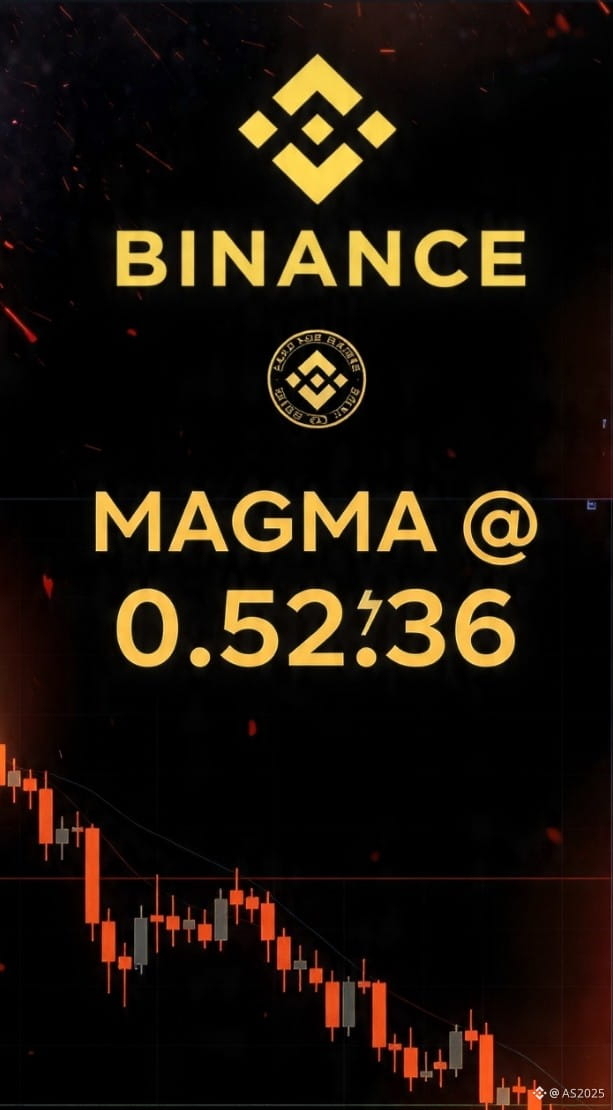
The most important expectations $MAGMA on Binance* 🌋

#### *MAGMA is currently recording $0.5236 on Binance*
MAGMA project - DeFi + Gaming protocol on a fast blockchain

#### *📊 Key points:*
- *Current price*: $0.5236 on Binance
- *Platform*: SPOT trading
- *Context*: magma is a small-cap coin in the GameFi and DeFi sector. It’s still in the price-discovery phase and is trading within a tight range

Price at a balance point after a side move

#### *📌 Forecasts*
magma at $0.5236
- *Break above $0.5300* = aiming for $0.5500 → $0.5800$
- *Break below $0.5150* = possible return to $0.5000 → $0.4800$

*Summary*: magma needs volume. Any spark in the gaming sector or the launch of a new game = it could fly. Suitable for quick speculation with a stop below $0.5150$. Monitor BTC and Bitcoin dominance 👇

$MANA #Binance #gaming #DEFİ #cryptouniverseofficial #Exclusive
$MAGMA

Why Every TON User Should Understand Liquidity Pools#STONfi #DEFİ #Gram You do not need to be a DeFi expert to understand liquidity pools. But if you use decentralized exchanges, knowing the basics can significantly improve your decision-making. STON.fi operates as a decentralized exchange within the TON ecosystem, where liquidity plays an important role in token trading. So what exactly is a liquidity pool? At a simple level, it is a smart-contract-based pool containing assets that can be used for decentralized trading. Instead of waiting for a centralized order book to match every buyer with a seller, automated market systems allow users to trade against available liquidity. This changes the structure of the market. Liquidity providers deposit assets into pools. Traders interact with those pools when swapping tokens. Both participants serve an important function. For traders, liquidity affects execution quality. A pool with limited liquidity may experience greater price impact when larger transactions occur. For liquidity providers, supplying assets may create opportunities for fees or other incentives, depending on the specific pool and program. However, providing liquidity is not risk-free. Asset prices can move significantly. The value of deposited assets can change. Different pools have different characteristics. That means users should never evaluate a pool based solely on an advertised percentage or short-term return. Research matters. Look at the assets. Look at liquidity. Understand trading activity. Understand the mechanism. Consider how market volatility could affect your position. STON.fi makes liquidity infrastructure accessible to participants in the TON ecosystem, but accessibility should not be confused with simplicity of risk. This is an important principle throughout DeFi. The interface may be simple. The financial system underneath it can be complex. Users who understand that distinction tend to make better decisions. For beginners, the best approach is to start small, learn how swaps work, understand pool mechanics, and gradually explore more advanced features. The biggest mistake is treating DeFi like a casino interface. The better mindset is to treat it like financial infrastructure. Learn how the system works before putting capital into it. Once you understand liquidity, you begin to see decentralized exchanges differently. The swap button is only the visible layer. The real engine is the liquidity underneath.

Why Every TON User Should Understand Liquidity Pools

#STONfi #DEFİ #Gram
You do not need to be a DeFi expert to understand liquidity pools.
But if you use decentralized exchanges, knowing the basics can significantly improve your decision-making.
STON.fi operates as a decentralized exchange within the TON ecosystem, where liquidity plays an important role in token trading.
So what exactly is a liquidity pool?
At a simple level, it is a smart-contract-based pool containing assets that can be used for decentralized trading.
Instead of waiting for a centralized order book to match every buyer with a seller, automated market systems allow users to trade against available liquidity.
This changes the structure of the market.
Liquidity providers deposit assets into pools. Traders interact with those pools when swapping tokens.
Both participants serve an important function.
For traders, liquidity affects execution quality. A pool with limited liquidity may experience greater price impact when larger transactions occur.
For liquidity providers, supplying assets may create opportunities for fees or other incentives, depending on the specific pool and program.
However, providing liquidity is not risk-free.
Asset prices can move significantly. The value of deposited assets can change. Different pools have different characteristics.
That means users should never evaluate a pool based solely on an advertised percentage or short-term return.
Research matters.
Look at the assets.
Look at liquidity.
Understand trading activity.
Understand the mechanism.
Consider how market volatility could affect your position.
STON.fi makes liquidity infrastructure accessible to participants in the TON ecosystem, but accessibility should not be confused with simplicity of risk.
This is an important principle throughout DeFi.
The interface may be simple.
The financial system underneath it can be complex.
Users who understand that distinction tend to make better decisions.
For beginners, the best approach is to start small, learn how swaps work, understand pool mechanics, and gradually explore more advanced features.
The biggest mistake is treating DeFi like a casino interface.
The better mindset is to treat it like financial infrastructure.
Learn how the system works before putting capital into it.
Once you understand liquidity, you begin to see decentralized exchanges differently.
The swap button is only the visible layer.
The real engine is the liquidity underneath.
What Makes a Strong TON DeFi Ecosystem?A blockchain ecosystem cannot depend entirely on token launches. Tokens create attention. Infrastructure creates continuity. For TON DeFi to develop into a durable financial ecosystem, users need reliable ways to trade assets, provide liquidity, interact with applications, and move through the ecosystem without unnecessary friction. STON.fi contributes to this infrastructure through decentralized exchange functionality on TON. A DEX might appear simple from the outside. Choose an asset. Choose another asset. Enter an amount. Confirm the transaction. But underneath that simple experience is a network of liquidity, smart contracts, wallets, market activity, and users. That underlying infrastructure is what makes decentralized trading possible. A strong DeFi ecosystem therefore needs several layers working together. First, it needs liquidity. Traders require markets where assets can be exchanged efficiently. Second, it needs users. Liquidity without meaningful usage does not create a healthy marketplace. Third, it needs applications. DeFi becomes more useful when exchanges, lending protocols, wallets, payment systems, and other applications interact with one another. Fourth, it needs accessibility. If ordinary users cannot understand the basic actions required to participate, adoption becomes limited. Finally, it needs consistency. Users return to products that work reliably and provide a clear experience. This is why evaluating a DeFi ecosystem should involve more than looking at token prices or social media activity. Ask better questions. How much real activity is happening? Are users returning? Is liquidity deep enough for meaningful transactions? Are developers building around the infrastructure? Does the product solve an actual problem? These questions provide a clearer picture than hype alone. STON.fi is relevant within this framework because decentralized exchanges are foundational infrastructure. They provide a mechanism through which users can interact with the assets circulating throughout an ecosystem. The bigger opportunity for TON is composability. When different applications can build around shared financial infrastructure, the ecosystem becomes more interconnected. That is how isolated applications can gradually become an actual economy. The insight most people miss is that DeFi growth is not primarily about creating more tokens. It is about creating more useful financial interactions between people, applications, and assets. Infrastructure makes those interactions possible. #GRAM #STONfi #DEFİ

What Makes a Strong TON DeFi Ecosystem?

A blockchain ecosystem cannot depend entirely on token launches.
Tokens create attention.
Infrastructure creates continuity.
For TON DeFi to develop into a durable financial ecosystem, users need reliable ways to trade assets, provide liquidity, interact with applications, and move through the ecosystem without unnecessary friction.
STON.fi contributes to this infrastructure through decentralized exchange functionality on TON.
A DEX might appear simple from the outside.
Choose an asset.
Choose another asset.
Enter an amount.
Confirm the transaction.
But underneath that simple experience is a network of liquidity, smart contracts, wallets, market activity, and users.
That underlying infrastructure is what makes decentralized trading possible.
A strong DeFi ecosystem therefore needs several layers working together.
First, it needs liquidity.
Traders require markets where assets can be exchanged efficiently.
Second, it needs users.
Liquidity without meaningful usage does not create a healthy marketplace.
Third, it needs applications.
DeFi becomes more useful when exchanges, lending protocols, wallets, payment systems, and other applications interact with one another.
Fourth, it needs accessibility.
If ordinary users cannot understand the basic actions required to participate, adoption becomes limited.
Finally, it needs consistency.
Users return to products that work reliably and provide a clear experience.
This is why evaluating a DeFi ecosystem should involve more than looking at token prices or social media activity.
Ask better questions.
How much real activity is happening?
Are users returning?
Is liquidity deep enough for meaningful transactions?
Are developers building around the infrastructure?
Does the product solve an actual problem?
These questions provide a clearer picture than hype alone.
STON.fi is relevant within this framework because decentralized exchanges are foundational infrastructure. They provide a mechanism through which users can interact with the assets circulating throughout an ecosystem.
The bigger opportunity for TON is composability.
When different applications can build around shared financial infrastructure, the ecosystem becomes more interconnected.
That is how isolated applications can gradually become an actual economy.
The insight most people miss is that DeFi growth is not primarily about creating more tokens.
It is about creating more useful financial interactions between people, applications, and assets.
Infrastructure makes those interactions possible.
#GRAM #STONfi #DEFİ
$XVS /USDT LONG 🔵 $XVS is a DeFi lending and money-market play 📊 powering Venus Protocol on BNB Chain, with around $55M market cap, ~$97M FDV and roughly $1.8M daily volume ⚡ $XVS is showing renewed momentum, up around 12.5% over the past 7 days, while the BNB Chain DeFi narrative remains active. Price is currently around the $3.2 area and attempting to extend the recovery 🧭 🟢 Buyzone: 3.20–3.25 🔴 Stoploss: 2.95 🎯 Target 1: 3.40 🎯 Target 2: 3.65 🎯 Target 3: 4.00 Small volume ⚠️ Small size, fixed invalidation, no averaging down 🛡️ Not financial advice and not a recommendation to buy or sell. Crypto is highly risky, DYOR and you are solely responsible. No coin promotion. #XVS #DEFİ #BNBChain #Write2Earn
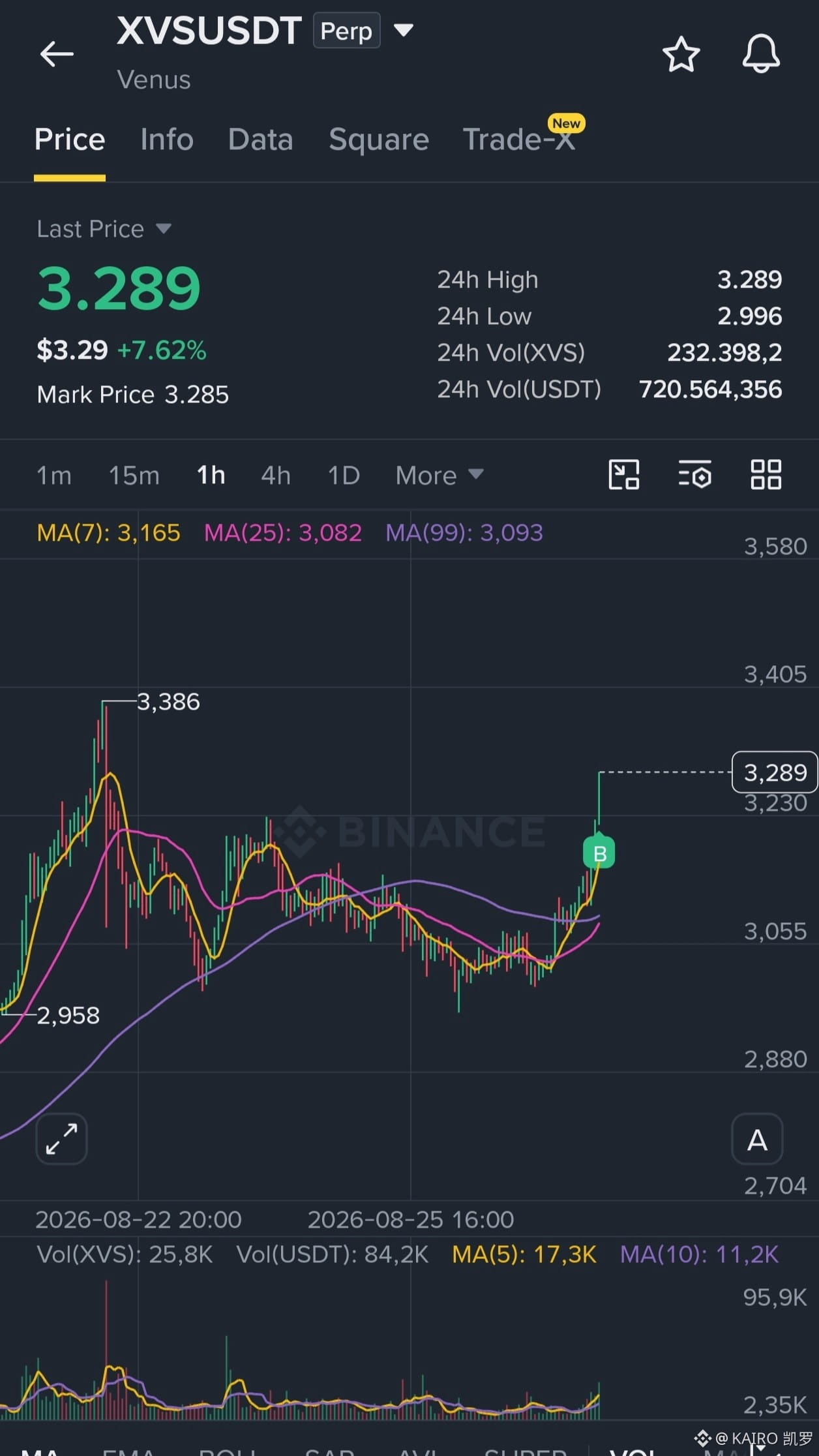
$XVS /USDT LONG 🔵

$XVS is a DeFi lending and money-market play 📊 powering Venus Protocol on BNB Chain, with around $55M market cap, ~$97M FDV and roughly $1.8M daily volume ⚡

$XVS is showing renewed momentum, up around 12.5% over the past 7 days, while the BNB Chain DeFi narrative remains active. Price is currently around the $3.2 area and attempting to extend the recovery 🧭

🟢 Buyzone: 3.20–3.25

🔴 Stoploss: 2.95

🎯 Target 1: 3.40

🎯 Target 2: 3.65

🎯 Target 3: 4.00

Small volume ⚠️

Small size, fixed invalidation, no averaging down 🛡️

Not financial advice and not a recommendation to buy or sell. Crypto is highly risky, DYOR and you are solely responsible. No coin promotion.

#XVS #DEFİ #BNBChain #Write2Earn

$ENA — Institutional Momentum Builds 📊 ENA is back in focus after a strong recent rally, with price currently around $0.146 and up roughly 2.1% over the last 24 hours. The bigger catalyst: CME Group has introduced ENA reference rates across London, New York and APAC, adding more standardized pricing infrastructure for institutional market participants. Ethena has also expanded its institutional lending push through a $1B FalconX facility, strengthening the narrative around USDe and institutional adoption. ENA is one to watch — but volatility remains high. #ENA #Ethena #crypto #DEFİ {spot}(ENAUSDT)
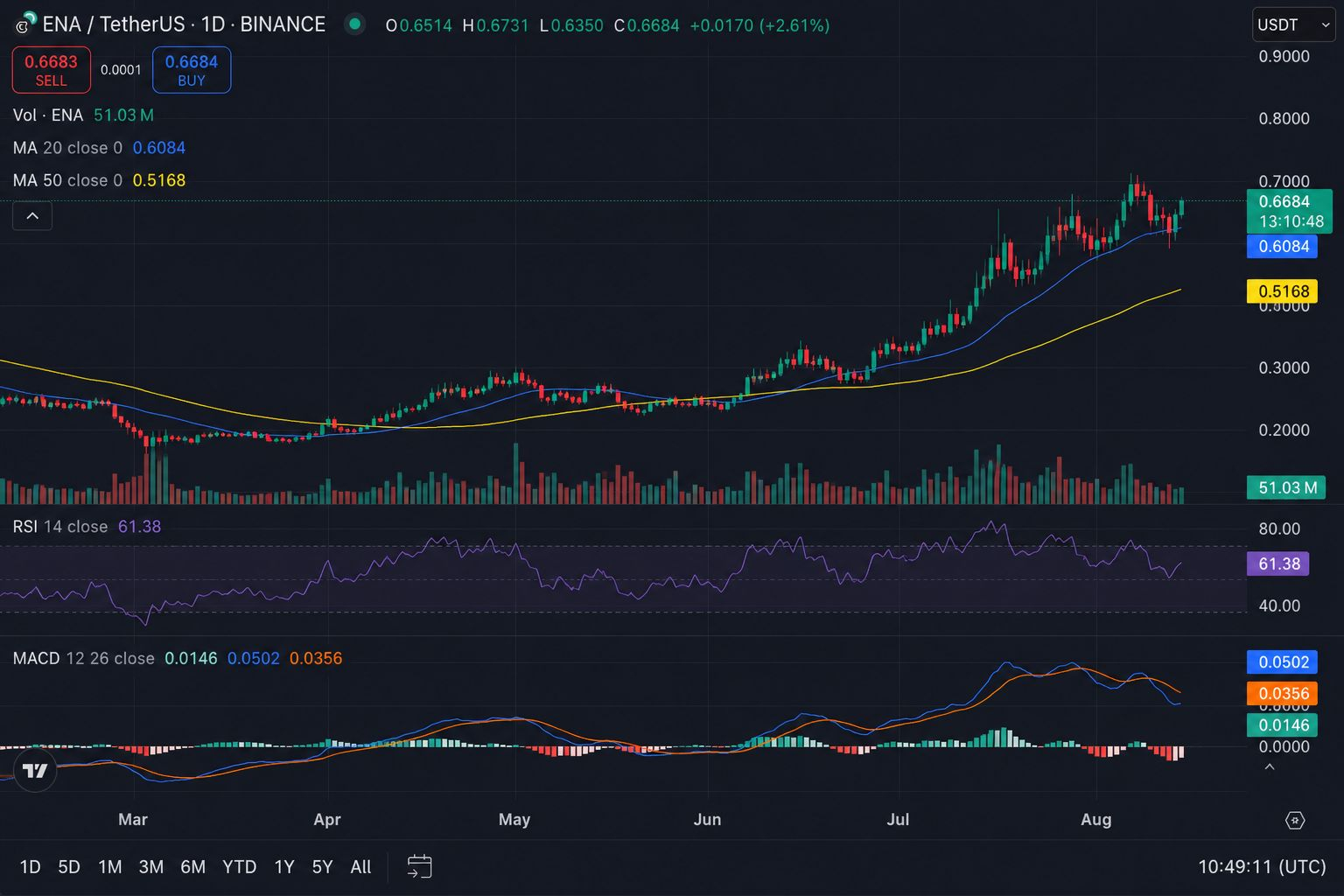
$ENA — Institutional Momentum Builds 📊
ENA is back in focus after a strong recent rally, with price currently around $0.146 and up roughly 2.1% over the last 24 hours.
The bigger catalyst: CME Group has introduced ENA reference rates across London, New York and APAC, adding more standardized pricing infrastructure for institutional market participants.
Ethena has also expanded its institutional lending push through a $1B FalconX facility, strengthening the narrative around USDe and institutional adoption.
ENA is one to watch — but volatility remains high.
#ENA #Ethena #crypto #DEFİ
A Beginner’s Guide to Swapping Tokens on STON.fiDecentralized finance can look complicated when you first encounter wallets, liquidity pools, token pairs, slippage, and blockchain transactions. The reality is much simpler once the basic process is understood. STON.fi provides a decentralized exchange experience within the TON ecosystem, allowing users to swap supported digital assets without relying on a traditional centralized exchange for every transaction. The first step is having a compatible TON wallet. Wallets such as Tonkeeper, Tonhub, MyTonWallet, or TON Wallet on Telegram can be used within the broader TON environment. Before swapping anything, make sure the wallet contains the asset you want to exchange and enough TON to cover network-related transaction requirements. Once connected, select the token you want to sell and the token you want to receive. The interface will show the estimated amount you can receive based on current market conditions. This is where beginners should slow down. The displayed amount is an estimate, not a guaranteed future price. Token prices can change while a transaction is being prepared. Liquidity conditions can also influence execution. Understanding price impact and slippage is therefore important. Slippage represents the difference between the expected exchange rate and the actual execution rate. Setting appropriate tolerance can help users manage unexpected execution conditions. Another important consideration is verifying the token you are interacting with. Similar names can exist across different tokens, so users should avoid blindly selecting assets based only on a familiar name. After reviewing the transaction, approve it through your wallet and wait for confirmation on the TON network. The process itself is straightforward. The deeper lesson is that decentralized finance rewards users who understand what they are signing. STON.fi can make token swapping accessible, but responsible usage still depends on the user. Learn the basics, verify assets, review transaction details, and never rush because of market movement. A good DeFi experience starts with understanding. The interface should make the process easier. Your knowledge makes it safer. #GRAM #STONfi✅ #DEFİ #Crypto_Jobs🎯

A Beginner’s Guide to Swapping Tokens on STON.fi

Decentralized finance can look complicated when you first encounter wallets, liquidity pools, token pairs, slippage, and blockchain transactions.
The reality is much simpler once the basic process is understood.
STON.fi provides a decentralized exchange experience within the TON ecosystem, allowing users to swap supported digital assets without relying on a traditional centralized exchange for every transaction.
The first step is having a compatible TON wallet. Wallets such as Tonkeeper, Tonhub, MyTonWallet, or TON Wallet on Telegram can be used within the broader TON environment.
Before swapping anything, make sure the wallet contains the asset you want to exchange and enough TON to cover network-related transaction requirements.
Once connected, select the token you want to sell and the token you want to receive. The interface will show the estimated amount you can receive based on current market conditions.
This is where beginners should slow down.
The displayed amount is an estimate, not a guaranteed future price. Token prices can change while a transaction is being prepared. Liquidity conditions can also influence execution.
Understanding price impact and slippage is therefore important.
Slippage represents the difference between the expected exchange rate and the actual execution rate. Setting appropriate tolerance can help users manage unexpected execution conditions.
Another important consideration is verifying the token you are interacting with. Similar names can exist across different tokens, so users should avoid blindly selecting assets based only on a familiar name.
After reviewing the transaction, approve it through your wallet and wait for confirmation on the TON network.
The process itself is straightforward.
The deeper lesson is that decentralized finance rewards users who understand what they are signing.
STON.fi can make token swapping accessible, but responsible usage still depends on the user. Learn the basics, verify assets, review transaction details, and never rush because of market movement.
A good DeFi experience starts with understanding.
The interface should make the process easier.
Your knowledge makes it safer.
#GRAM #STONfi✅ #DEFİ #Crypto_Jobs🎯
Tokenized stocks are not automatically the same as brokerage shares. I checked Base’s B20 documentation after Coinbase brought tokenized U.S. stocks onchain. The tokens can track the underlying share price, but minting and redemption remain restricted to authorized participants. Secondary-market trading may be permissionless, while issuer policies can still block addresses or pause transfers. So what is the biggest upgrade? 24/7 access DeFi composability Faster settlement Better global liquidity Tokenization changes the rails—but custody, jurisdiction, price feeds and redemption still matter. Educational market discussion only. Not financial advice. #RWA #Tokenization #DEFİ #crypto
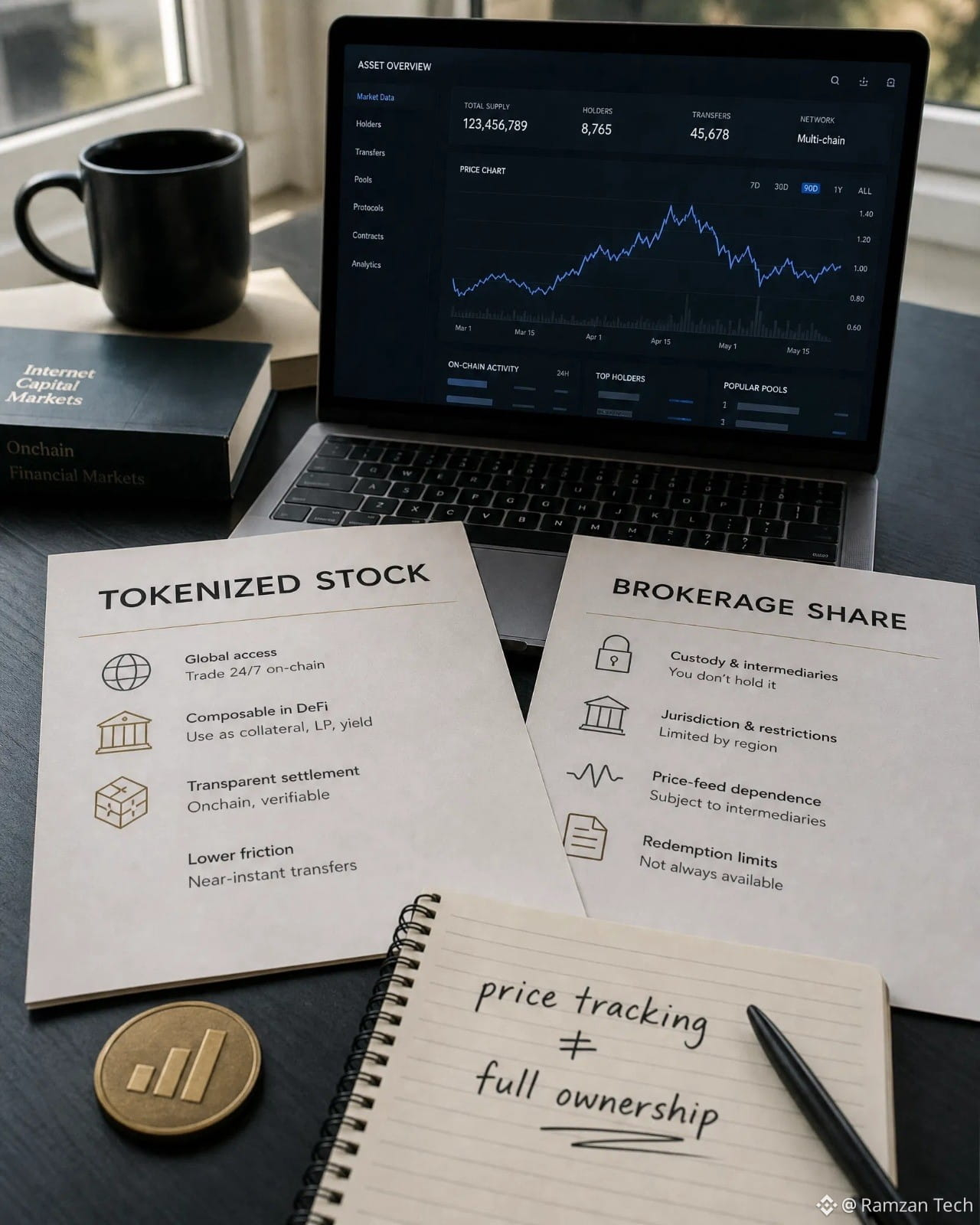
Tokenized stocks are not automatically the same as brokerage shares.
I checked Base’s B20 documentation after Coinbase brought tokenized U.S. stocks onchain.
The tokens can track the underlying share price, but minting and redemption remain restricted to authorized participants. Secondary-market trading may be permissionless, while issuer policies can still block addresses or pause transfers.
So what is the biggest upgrade?
24/7 access
DeFi composability
Faster settlement
Better global liquidity
Tokenization changes the rails—but custody, jurisdiction, price feeds and redemption still matter.
Educational market discussion only. Not financial advice.
#RWA #Tokenization #DEFİ #crypto
The Things That Make STON.fi One of the Safest Places to Trade on TON I have been looking into STON.fis security setup and it is very serious. Everything begins with open source contracts. Visible, no hidden parts. Then came the experts: Trail of Bits checked the v2 DEX contracts. The same company that reviews the names in crypto. They have bug bounties so people who find issues get paid before anyone else does. Router upgrades are locked for 7 days. No quick changes. Slippage protection is built in so the protocol itself tries to stop trades. Add monitoring through CertiK and the fact that core pool contracts cannot be changed after they are put in place… and you get something rare in DeFi: real layers of protection instead of empty promises. When a project handles security, like this it stops being "trust us" and starts being "check us." That is the difference. #TON #STONfi #DEFİ
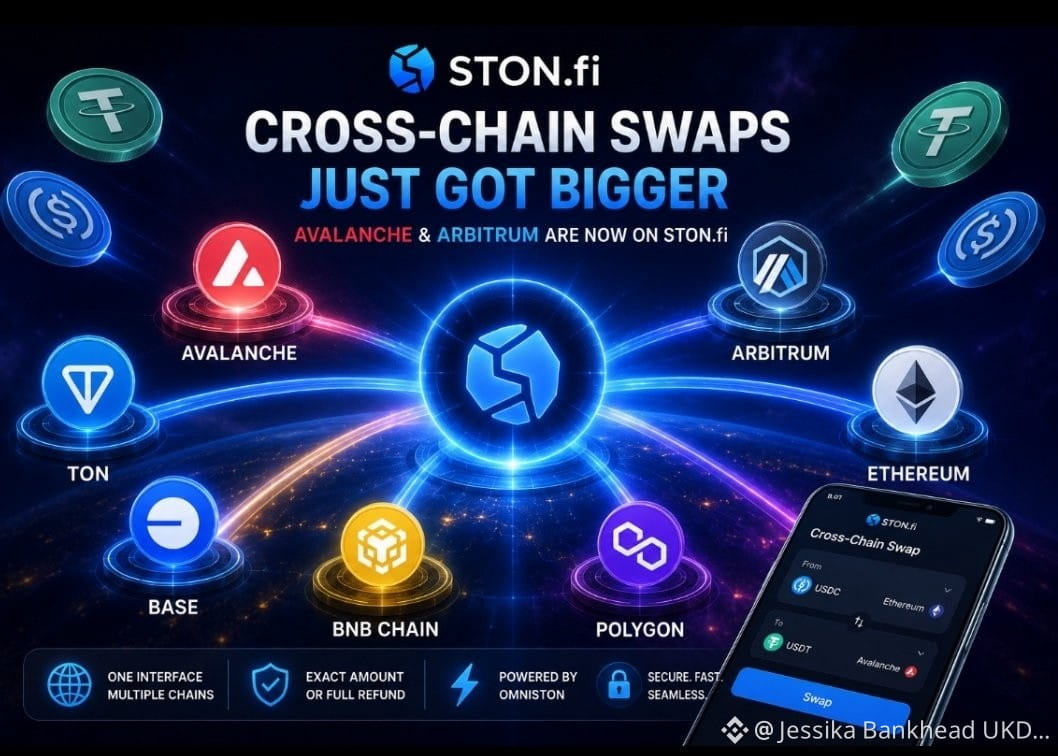
The Things That Make STON.fi One of the Safest Places to Trade on TON
I have been looking into STON.fis security setup and it is very serious.
Everything begins with open source contracts. Visible, no hidden parts.
Then came the experts: Trail of Bits checked the v2 DEX contracts. The same company that reviews the names in crypto.
They have bug bounties so people who find issues get paid before anyone else does.
Router upgrades are locked for 7 days. No quick changes.
Slippage protection is built in so the protocol itself tries to stop trades.
Add monitoring through CertiK and the fact that core pool contracts cannot be changed after they are put in place… and you get something rare in DeFi: real layers of protection instead of empty promises.
When a project handles security, like this it stops being "trust us" and starts being "check us."

That is the difference.
#TON #STONfi #DEFİ

·
--
Bullish
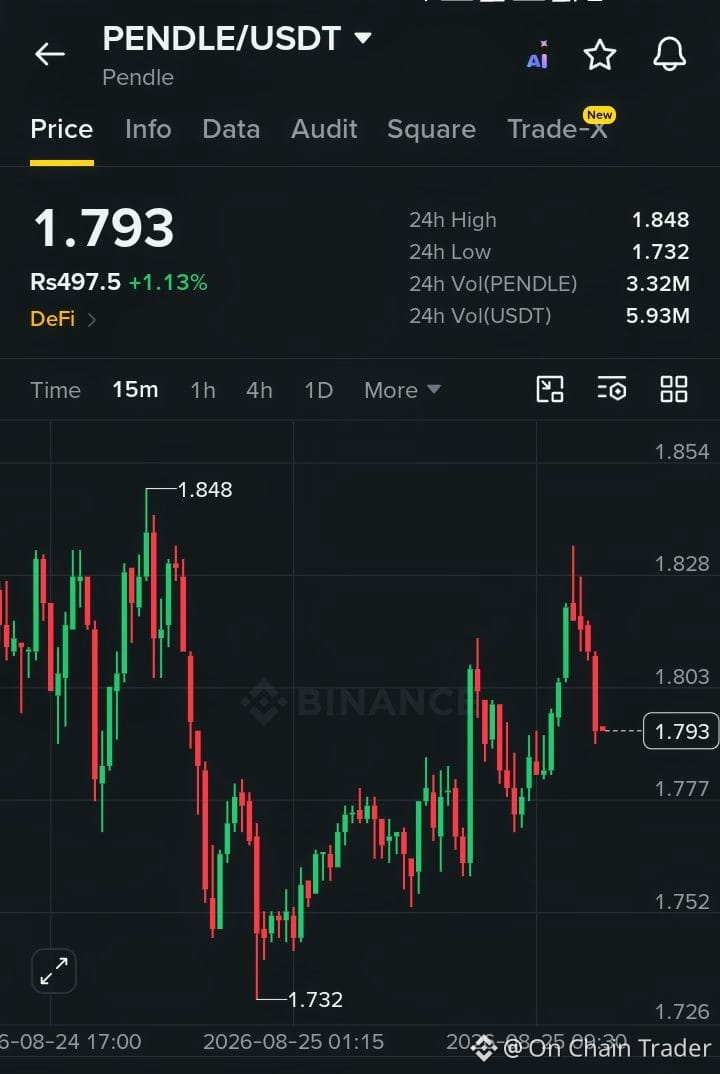
$NVDAB PENDLE is holding strong after the pullback — buyers are still active. $1.80 is the key zone; reclaim $1.848 and breakout momentum could accelerate. Setup: Breakout + Retest Target: $1.90 → $2.00 → $2.10 If $1.732 breaks, bullish momentum weakens fast. : $2Z . $PEPE #PENDLEBULLISH #PENDLE/USDT #DEFİ #PENDLE/USDT
$NVDAB PENDLE is holding strong after the pullback — buyers are still active.
$1.80 is the key zone; reclaim $1.848 and breakout momentum could accelerate.
Setup: Breakout + Retest
Target: $1.90 → $2.00 → $2.10
If $1.732 breaks, bullish momentum weakens fast.
: $2Z . $PEPE #PENDLEBULLISH #PENDLE/USDT #DEFİ #PENDLE/USDT
·
--
Bullish
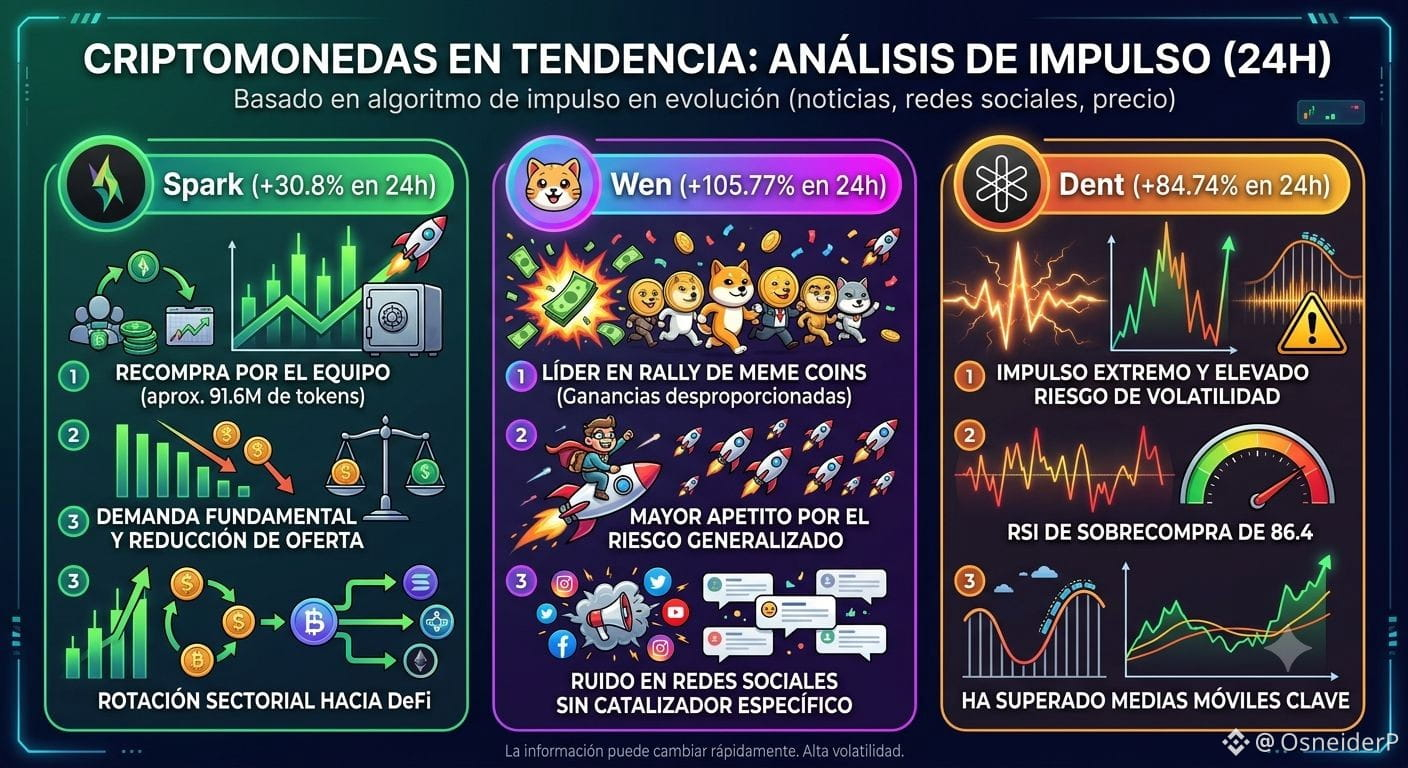
🚨 CRYPTOCURRENCIES IN THE SPOTLIGHT 🚨 The current bullish momentum is splitting between DeFi projects with solid fundamentals, such as buybacks (Spark), and purely speculative surges in meme coins (Wen). Market participants may look for high-beta gains, but the risks of overbuying remain notable in rallies like Dent's. Will Spark's buyback be able to sustain its rise, or will meme coin volume be what determines the next move? #CryptoNews #DEFİ #MinutosFOMC~ #venezuela #CriptoNoticias $SPK $DENT
🚨 CRYPTOCURRENCIES IN THE SPOTLIGHT 🚨

The current bullish momentum is splitting between DeFi projects with solid fundamentals, such as buybacks (Spark), and purely speculative surges in meme coins (Wen). Market participants may look for high-beta gains, but the risks of overbuying remain notable in rallies like Dent's. Will Spark's buyback be able to sustain its rise, or will meme coin volume be what determines the next move?
#CryptoNews #DEFİ #MinutosFOMC~ #venezuela #CriptoNoticias $SPK $DENT
·
--
Bullish
$FF /USDT EXPLODES +13.94%! 🔥** Falcon Finance’s governance token surges to **0.08453** (Rs23.47), crushing the 24h low of 0.07373 and tagging a high of **0.08574**. Massive volume: 85.63M FF / 6.86M USDT. FF powers the universal collateral protocol behind USDf (overcollateralized synthetic dollar) + yield-bearing sUSDf. Stake for better mint terms, lower fees & ecosystem rewards. Total supply 10B. DeFi gainer on the move — momentum building! 🚀 #FF #FalconFinance #DEFİ #Binance {future}(FFUSDT)
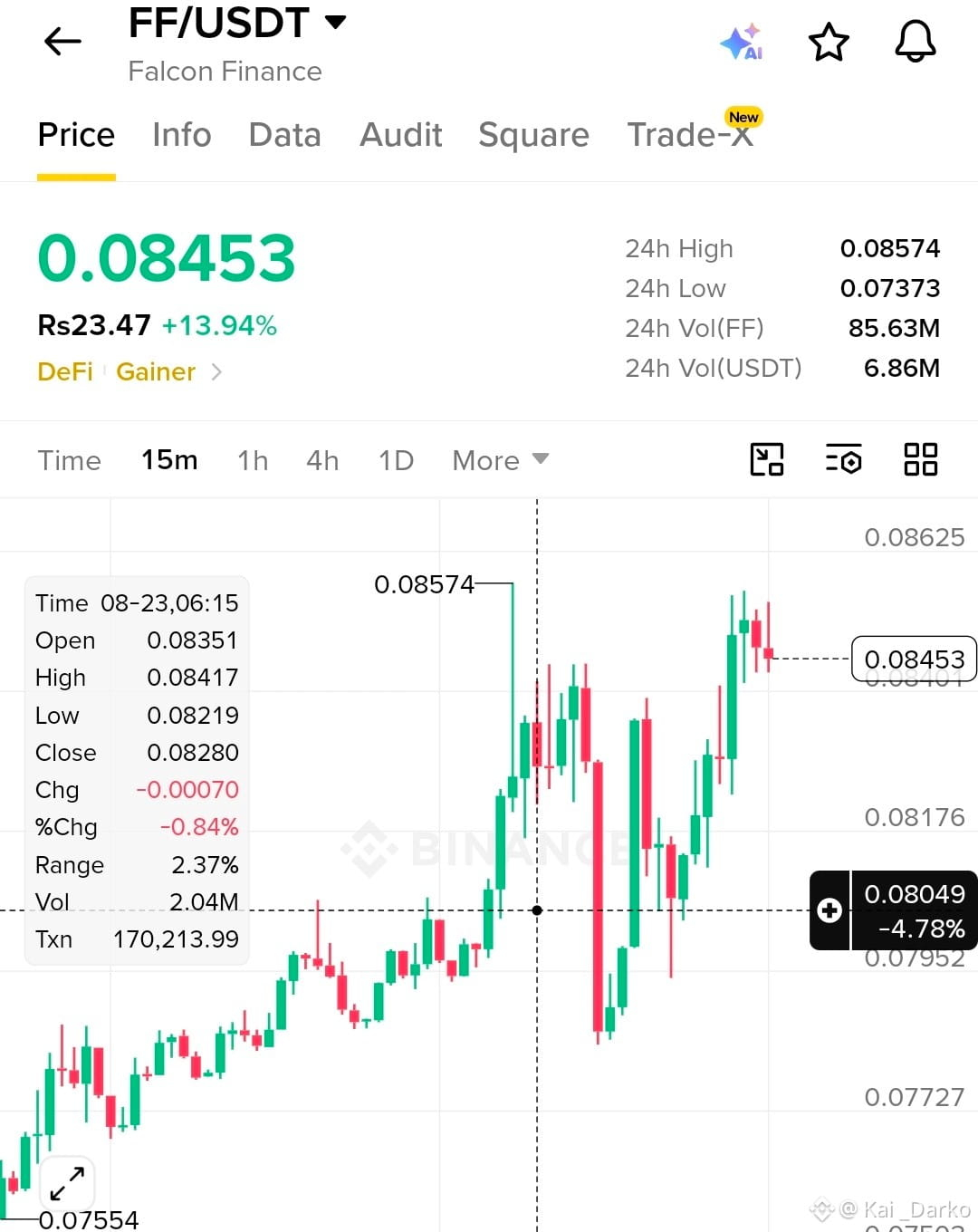
$FF /USDT EXPLODES +13.94%! 🔥**

Falcon Finance’s governance token surges to **0.08453** (Rs23.47), crushing the 24h low of 0.07373 and tagging a high of **0.08574**. Massive volume: 85.63M FF / 6.86M USDT.

FF powers the universal collateral protocol behind USDf (overcollateralized synthetic dollar) + yield-bearing sUSDf. Stake for better mint terms, lower fees & ecosystem rewards. Total supply 10B. DeFi gainer on the move — momentum building! 🚀

#FF #FalconFinance #DEFİ #Binance
The biggest DeFi risk isn’t always the market. Sometimes, it’s entering a position without fully understanding what you’re signing up for. That’s why @termmax has caught my attention. Its design combines isolated markets, fixed-rate borrowing, and one-click leverage. The interesting part isn’t simply having more ways to use leverage—it’s having clearer parameters around the position. With fixed-rate borrowing, the financing cost is known through maturity. And with isolated markets, different positions can operate under different market conditions instead of everything sharing the same risk environment. That changes the question I ask before entering: Not just “How much can this make?” But “What exactly am I paying, what can go wrong, and do I understand the position?” DeFi will never remove uncertainty. Good infrastructure should make that uncertainty easier to measure. That’s the part of @TermMax I find most interesting. #TermMax #DEFİ #crypto
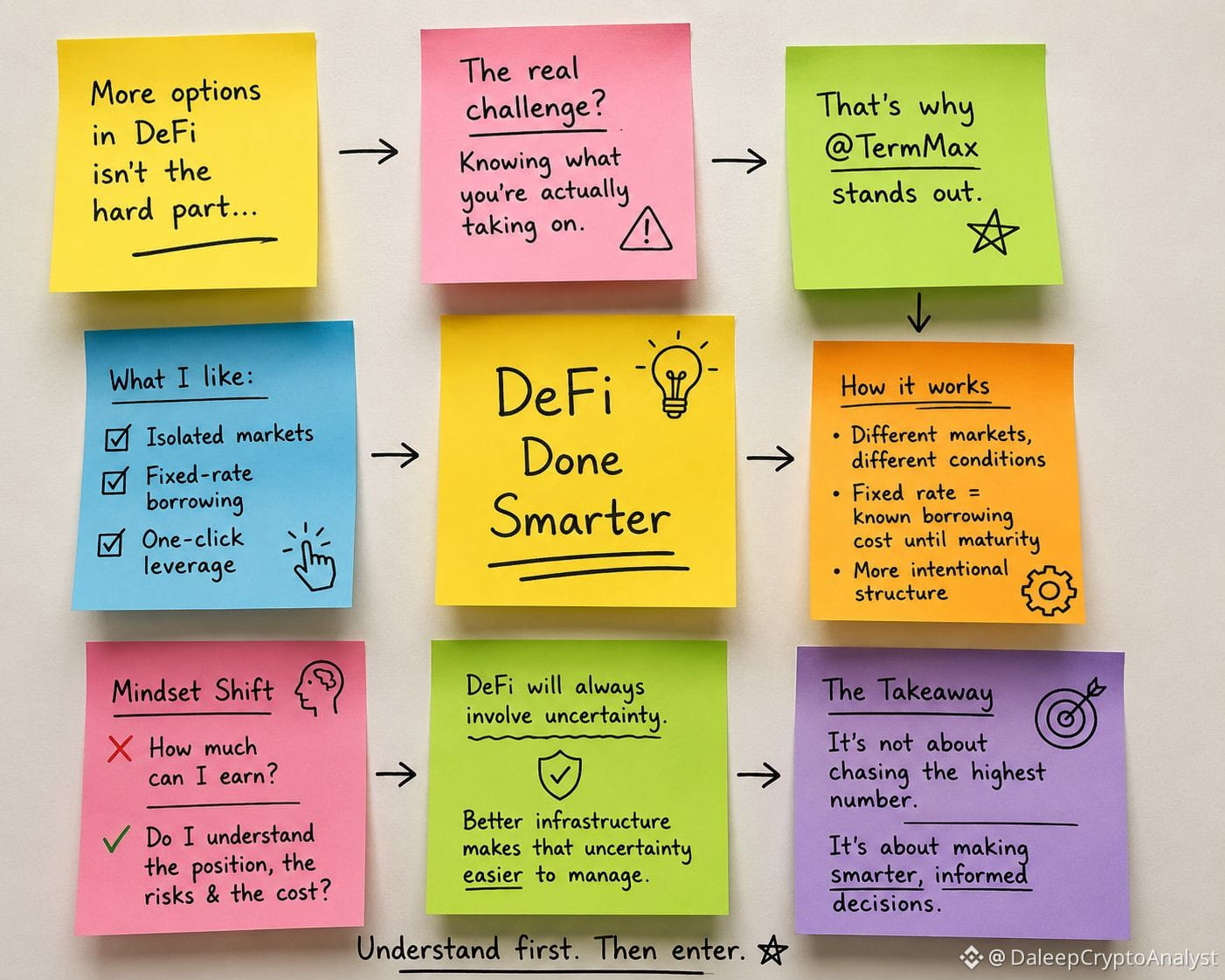
The biggest DeFi risk isn’t always the market.

Sometimes, it’s entering a position without fully understanding what you’re signing up for.

That’s why @TermMax has caught my attention.

Its design combines isolated markets, fixed-rate borrowing, and one-click leverage. The interesting part isn’t simply having more ways to use leverage—it’s having clearer parameters around the position.

With fixed-rate borrowing, the financing cost is known through maturity. And with isolated markets, different positions can operate under different market conditions instead of everything sharing the same risk environment.

That changes the question I ask before entering:

Not just “How much can this make?”

But “What exactly am I paying, what can go wrong, and do I understand the position?”

DeFi will never remove uncertainty.

Good infrastructure should make that uncertainty easier to measure.

That’s the part of @TermMax I find most interesting. #TermMax #DEFİ #crypto
Article
Security Should Come First in DeFiThe growth of decentralized finance creates exciting opportunities, but security should always remain a priority. Unlike traditional financial services, blockchain transactions are often irreversible. A simple mistake can therefore have serious consequences. Wallet security is one of the most important responsibilities for every DeFi user. Private keys and recovery phrases should never be shared with strangers or entered into suspicious websites. Users should also carefully verify the websites and applications they connect to. Transaction approvals deserve attention as well. Before confirming a transaction, users should check the asset, amount, destination, and applicable fees. Understanding what a smart contract is requesting can prevent unnecessary risks. Decentralized exchanges such as STON.fi can provide useful infrastructure for blockchain-based trading, but users remain responsible for making informed decisions. No platform can completely eliminate the risks associated with market volatility, malicious websites, compromised wallets, or smart-contract vulnerabilities. Education is therefore one of the strongest security tools available. New users should begin with small amounts, learn basic wallet management, and understand how decentralized applications work before committing significant funds. As the DeFi industry grows, security practices will become even more important. Developers can improve smart contracts and interfaces, while users can protect themselves through careful behavior. A secure ecosystem requires both technological improvements and responsible participation from its community. #STONfi #DEFİ #gram

Security Should Come First in DeFi

The growth of decentralized finance creates exciting opportunities, but security should always remain a priority. Unlike traditional financial services, blockchain transactions are often irreversible. A simple mistake can therefore have serious consequences.
Wallet security is one of the most important responsibilities for every DeFi user. Private keys and recovery phrases should never be shared with strangers or entered into suspicious websites. Users should also carefully verify the websites and applications they connect to.
Transaction approvals deserve attention as well. Before confirming a transaction, users should check the asset, amount, destination, and applicable fees. Understanding what a smart contract is requesting can prevent unnecessary risks.
Decentralized exchanges such as STON.fi can provide useful infrastructure for blockchain-based trading, but users remain responsible for making informed decisions. No platform can completely eliminate the risks associated with market volatility, malicious websites, compromised wallets, or smart-contract vulnerabilities.
Education is therefore one of the strongest security tools available. New users should begin with small amounts, learn basic wallet management, and understand how decentralized applications work before committing significant funds.
As the DeFi industry grows, security practices will become even more important. Developers can improve smart contracts and interfaces, while users can protect themselves through careful behavior. A secure ecosystem requires both technological improvements and responsible participation from its community.
#STONfi
#DEFİ
#gram
MKCryptoX:
For now, let’s support each other and grow together. 🤝🔥
Log in to explore more content
Join global crypto users on Binance Square
⚡️ Get latest and useful information about crypto.
💬 Trusted by the world’s largest crypto exchange.
👍 Discover real insights from verified creators.
Email / Phone number