
GLOW_PK
11.5k Posts

GLOW_PK
 Square Verified+
📊 Crypto Trader | Technical Analysis | Market Insights | Risk Management First 🚀
Open Trade
High-Frequency Trader
2.7 Years
2.7K+ Following
34.5K+ Followers
26.0K+ Liked
Posts
Portfolio
All
Quotes
Videos
Live
PINNED
SOL red packet dropped ❤️🩹🧧
and suddenly nobody🫀✨️
needs sleep anymore 😂🎁
Everyone refreshing nonstop🎁🧧
like their salary depends on it 🤣💸🚀
Clim it Fast 🎁🤗💞🔐
$NVDAB $AAPLB $SOL
#Claim #Redpaicket #SECSendsCryptoCustodyRuleToWhiteHouse #SECSendsCryptoCustodyRuleToWhiteHouse #XRPRallies44%InAWeek
and suddenly nobody🫀✨️
needs sleep anymore 😂🎁
Everyone refreshing nonstop🎁🧧
like their salary depends on it 🤣💸🚀
Clim it Fast 🎁🤗💞🔐
$NVDAB $AAPLB $SOL
#Claim #Redpaicket #SECSendsCryptoCustodyRuleToWhiteHouse #SECSendsCryptoCustodyRuleToWhiteHouse #XRPRallies44%InAWeek

📊 DATA:
Bitcoin ETFs finally broke their nine-day inflow streak on Friday, posting $201.9M in net outflows after pulling in $3.04B.
But the bigger signal is what didn’t happen.
ETH, XRP and Solana funds still attracted a combined $145M. That suggests this wasn’t broad institutional risk-off—it was Bitcoin-specific positioning.
The question now is whether this is simply profit-taking after a strong streak, or the first sign that capital is starting to rotate elsewhere.
ETF flows remain one of the clearest signals to watch next. 👀
#Bitcoin #BTC #Ethereum #CryptoETF #CryptoNews
Bitcoin ETFs finally broke their nine-day inflow streak on Friday, posting $201.9M in net outflows after pulling in $3.04B.
But the bigger signal is what didn’t happen.
ETH, XRP and Solana funds still attracted a combined $145M. That suggests this wasn’t broad institutional risk-off—it was Bitcoin-specific positioning.
The question now is whether this is simply profit-taking after a strong streak, or the first sign that capital is starting to rotate elsewhere.
ETF flows remain one of the clearest signals to watch next. 👀
#Bitcoin #BTC #Ethereum #CryptoETF #CryptoNews
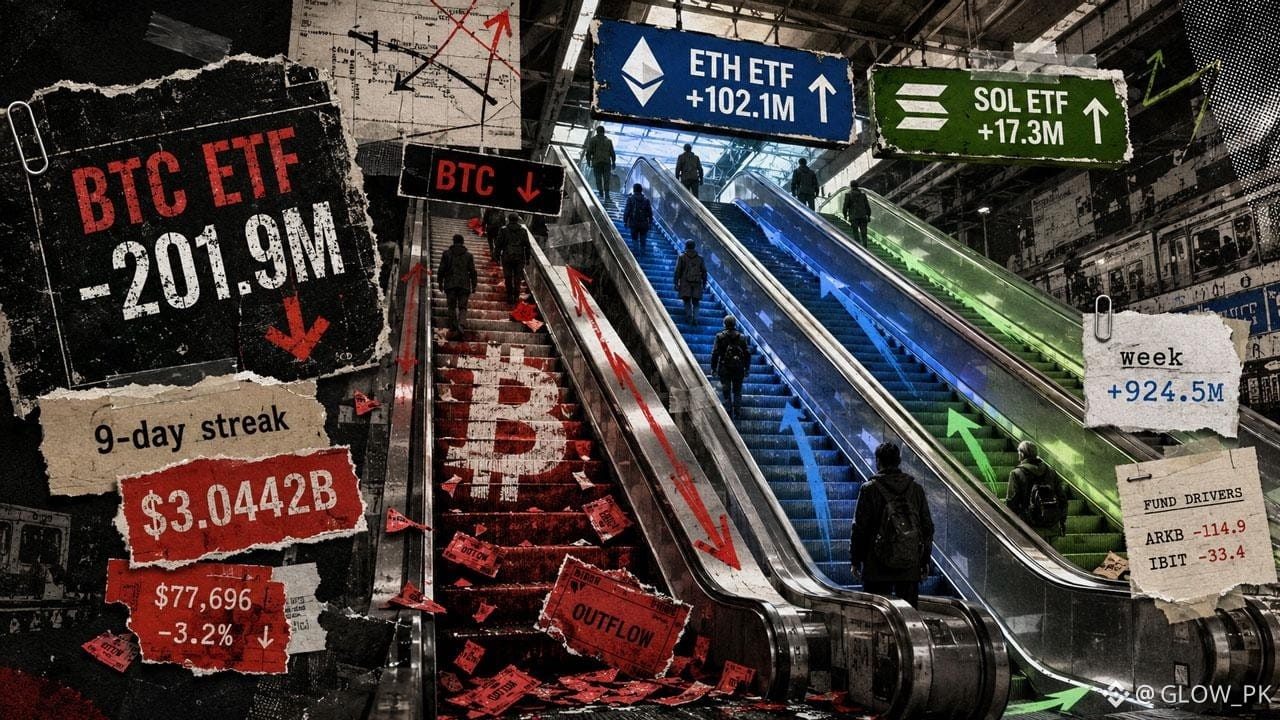
📊 DATA:
Ethereum ETFs may have appeared to enter the market with $10.36B in assets, but the headline number doesn't tell the full story.
Around 98.7% of that opening base came from Grayscale trust conversions, meaning it wasn't entirely fresh capital flowing into ETH ETFs.
The more important demand signal came after launch: $12.87B in separate net creations.
That’s where the real institutional buying story begins. 👀
#Ethereum #ETH #ETF #Crypto #CryptoMarket
Ethereum ETFs may have appeared to enter the market with $10.36B in assets, but the headline number doesn't tell the full story.
Around 98.7% of that opening base came from Grayscale trust conversions, meaning it wasn't entirely fresh capital flowing into ETH ETFs.
The more important demand signal came after launch: $12.87B in separate net creations.
That’s where the real institutional buying story begins. 👀
#Ethereum #ETH #ETF #Crypto #CryptoMarket
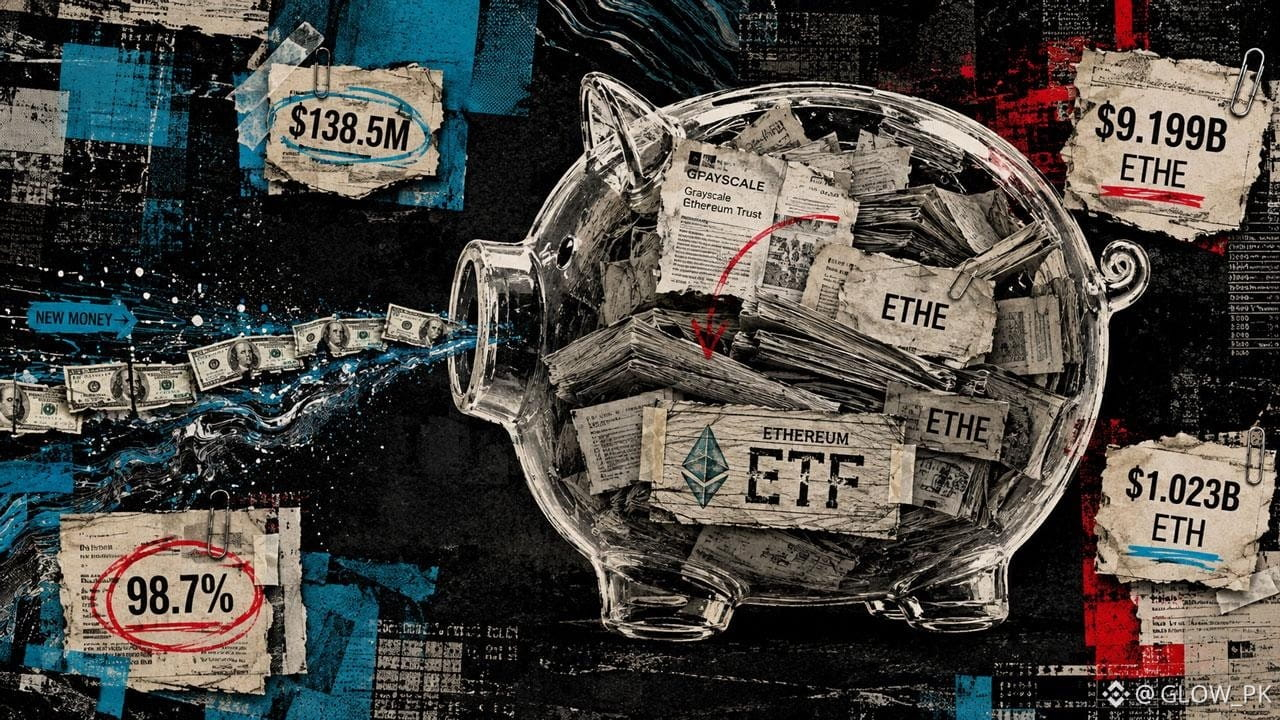
🔐 SECURITY UPDATE:
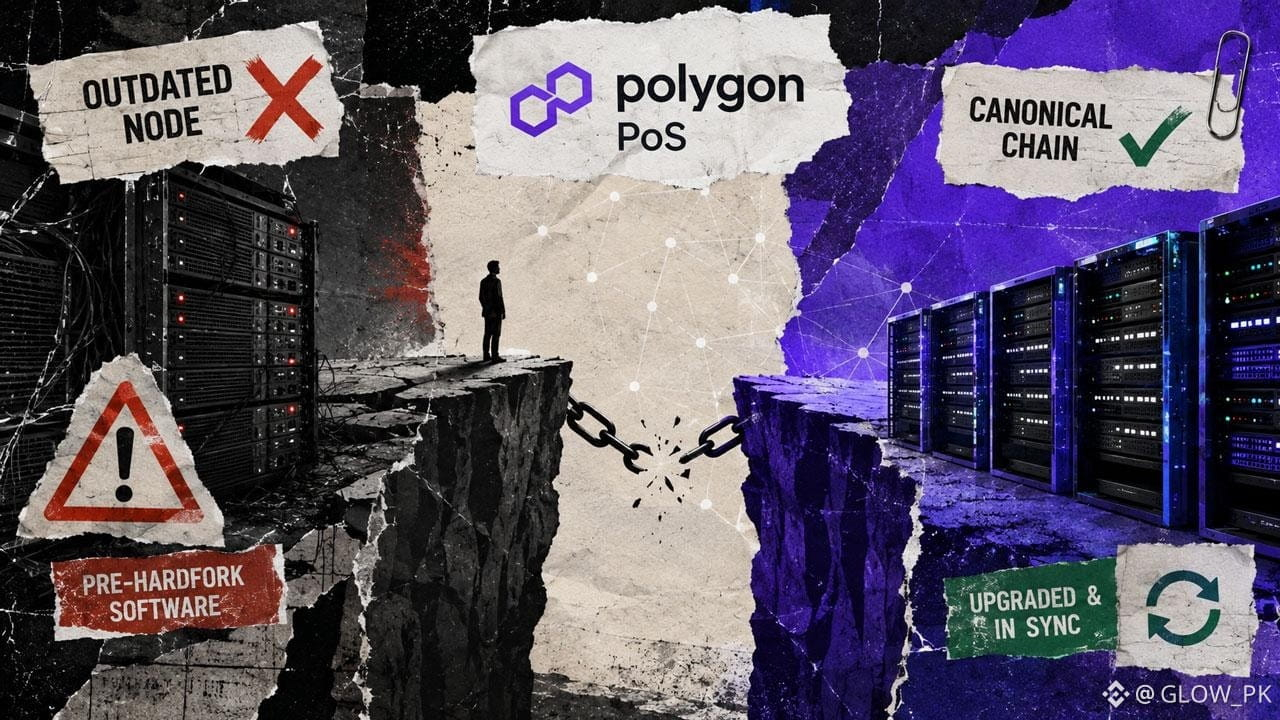
Polygon has issued an urgent upgrade notice for PoS node operators.
Nodes still running pre-hardfork Bor or Heimdall binaries have already fallen out of canonical consensus, meaning operators need to upgrade and catch up.
The latest fixes target potential resource-exhaustion and consensus-edge risks. So far, no disruption to Polygon mainnet has been observed.
For node operators, this is a reminder that staying updated is part of network security. 👀
#Polygon #MATIC #CryptoSecurity #blockchain #crypto
Polygon has issued an urgent upgrade notice for PoS node operators.
Nodes still running pre-hardfork Bor or Heimdall binaries have already fallen out of canonical consensus, meaning operators need to upgrade and catch up.
The latest fixes target potential resource-exhaustion and consensus-edge risks. So far, no disruption to Polygon mainnet has been observed.
For node operators, this is a reminder that staying updated is part of network security. 👀
#Polygon #MATIC #CryptoSecurity #blockchain #crypto
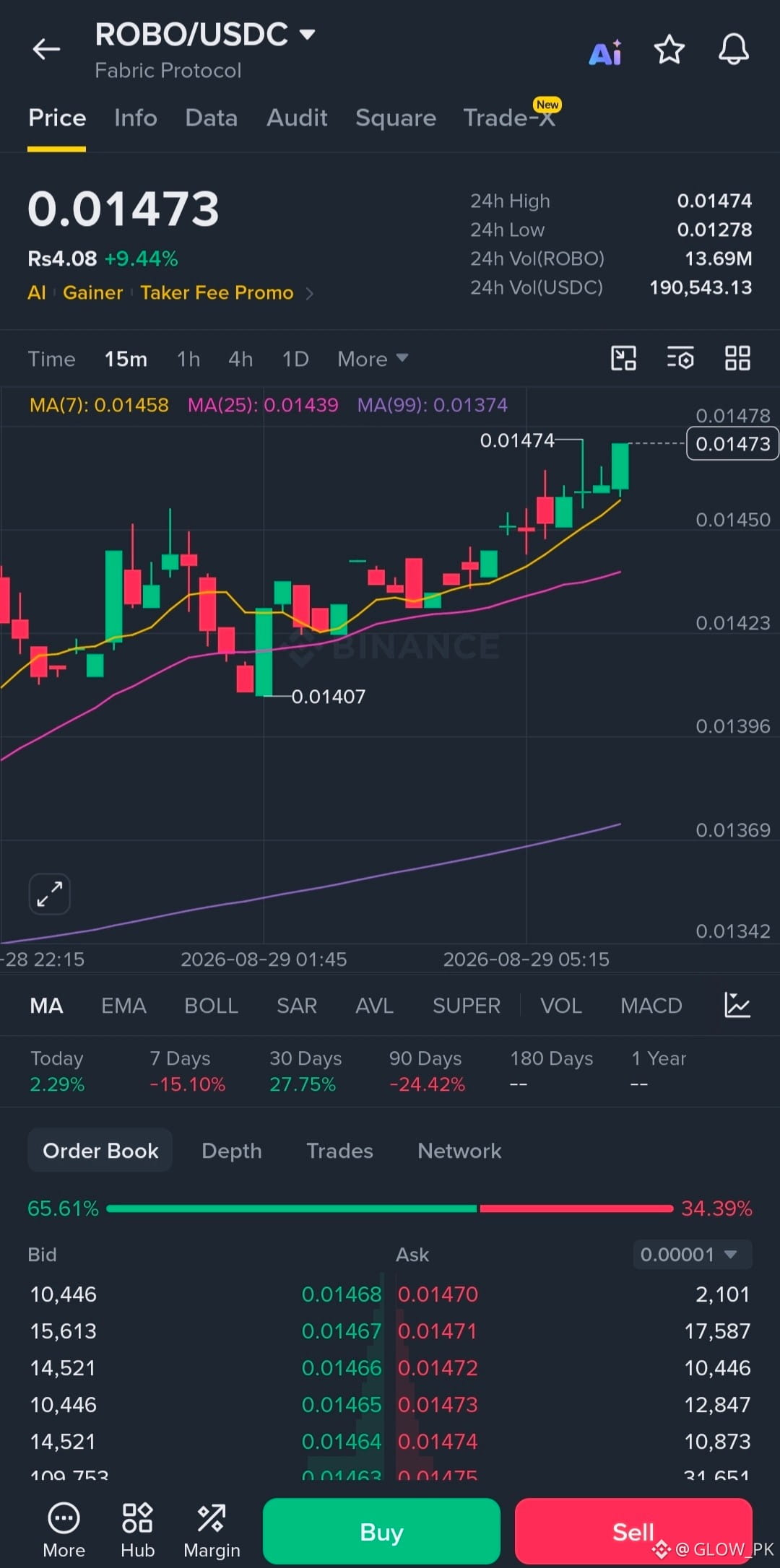
🚨 $ROBO /USDC LONG SIGNAL 📈
Entry Zone: 0.01455 – 0.01475
Targets: 🎯 0.01500 | 0.01530 | 0.01600
Stop Loss: 0.01420
ROBO is showing a bullish short-term structure on the 15m chart. Price is trading above the key moving averages, while buyers are maintaining strong momentum.
A clean breakout and hold above 0.01474 resistance could trigger the next bullish move. 🚀
⚠️ Trade with proper risk management and DYOR.
#ROBO #cryptotrading #altcoins #Binance #bullish
Entry Zone: 0.01455 – 0.01475
Targets: 🎯 0.01500 | 0.01530 | 0.01600
Stop Loss: 0.01420
ROBO is showing a bullish short-term structure on the 15m chart. Price is trading above the key moving averages, while buyers are maintaining strong momentum.
A clean breakout and hold above 0.01474 resistance could trigger the next bullish move. 🚀
⚠️ Trade with proper risk management and DYOR.
#ROBO #cryptotrading #altcoins #Binance #bullish
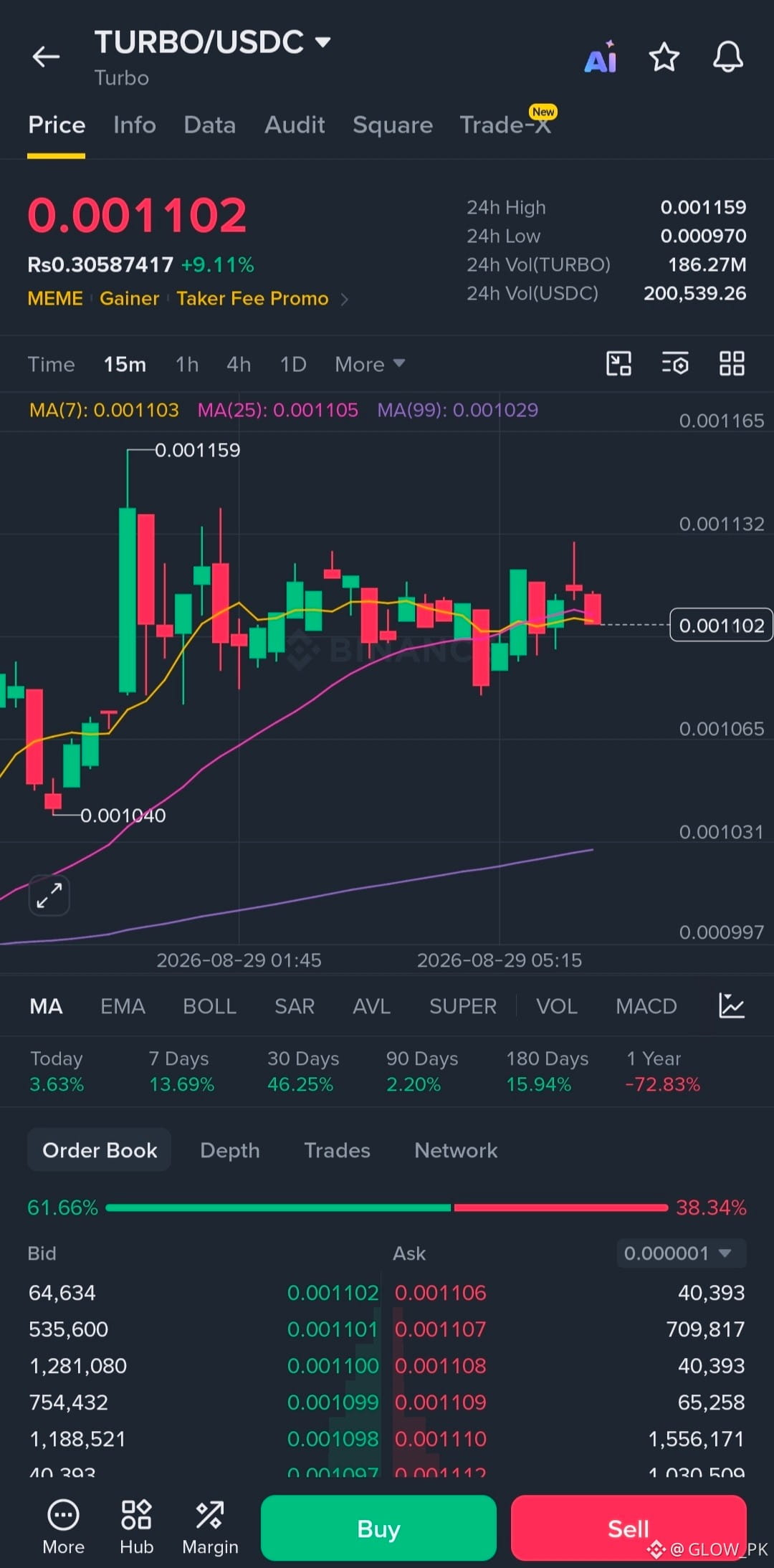
🚨 $TURBO /USDC SIGNAL 📈
Entry Zone: 0.001085 – 0.001105
Targets: 🎯 0.001130 | 0.001160 | 0.001200
Stop Loss: 0.001055
TURBO is currently consolidating around the key 0.00110 support zone after a strong upward move. The short-term structure remains bullish as long as price holds above this area.
A clean breakout above 0.00113 could bring fresh buying momentum and push the price toward higher targets. 🚀
⚠️ Use proper risk management and DYOR.
#TURBO #CryptoTrading #Memecoin #altcoins #Binance
Entry Zone: 0.001085 – 0.001105
Targets: 🎯 0.001130 | 0.001160 | 0.001200
Stop Loss: 0.001055
TURBO is currently consolidating around the key 0.00110 support zone after a strong upward move. The short-term structure remains bullish as long as price holds above this area.
A clean breakout above 0.00113 could bring fresh buying momentum and push the price toward higher targets. 🚀
⚠️ Use proper risk management and DYOR.
#TURBO #CryptoTrading #Memecoin #altcoins #Binance
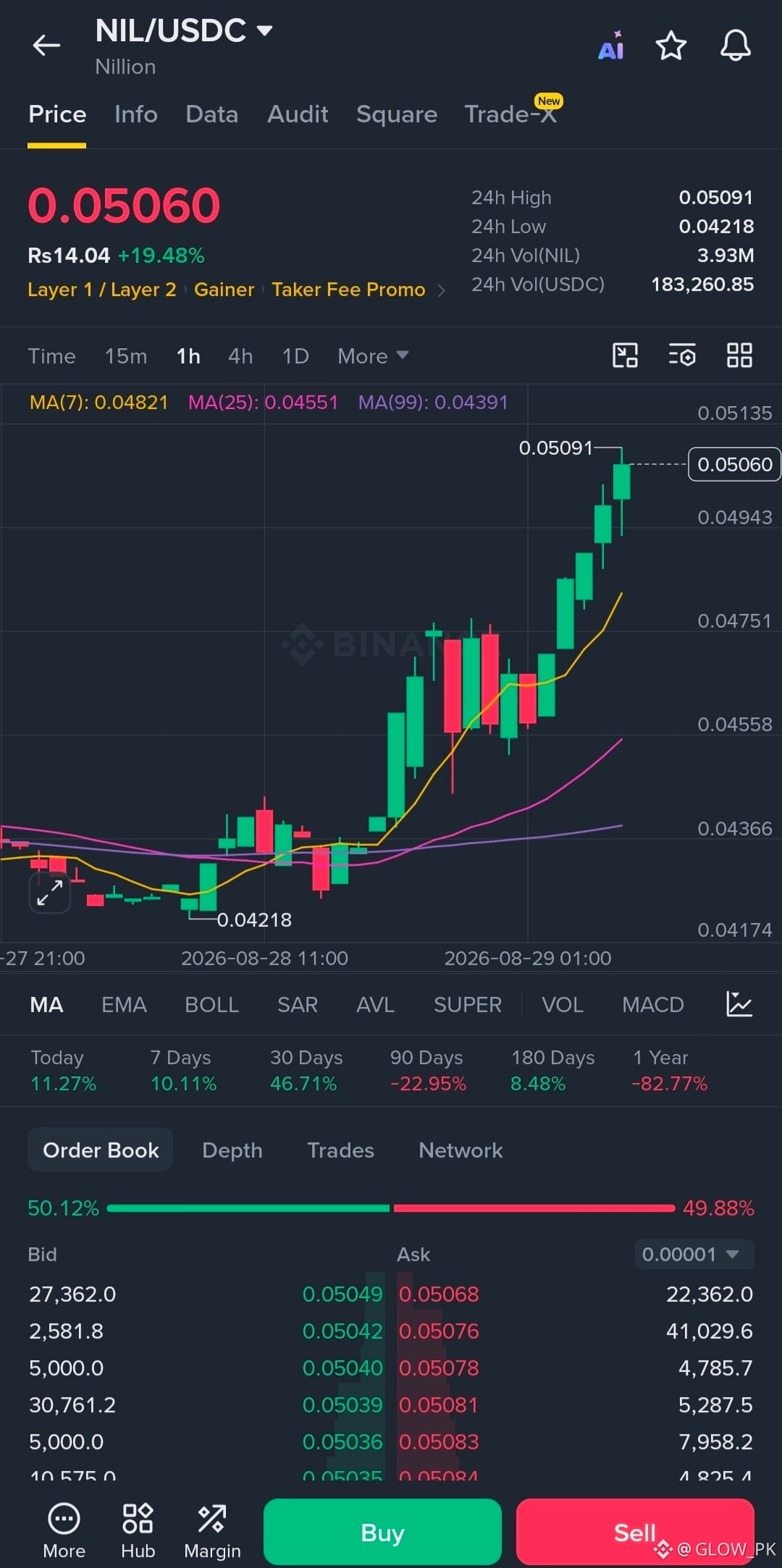
🚨 $NIL /USDC LONG SIGNAL 📈
Entry Zone: 0.0495 – 0.0506
Targets: 🎯 0.0520 | 0.0540 | 0.0560
Stop Loss: 0.0478
NIL is showing strong bullish momentum on the 1H chart after a solid breakout from the accumulation zone. Price is trading above key moving averages, which supports the bullish structure.
A sustained move above 0.0509 resistance could open the door for further upside. 🚀
⚠️ Trade with proper risk management and always DYOR.
#NIL #CryptoTrading #Altcoins #Binance #bullish
Entry Zone: 0.0495 – 0.0506
Targets: 🎯 0.0520 | 0.0540 | 0.0560
Stop Loss: 0.0478
NIL is showing strong bullish momentum on the 1H chart after a solid breakout from the accumulation zone. Price is trading above key moving averages, which supports the bullish structure.
A sustained move above 0.0509 resistance could open the door for further upside. 🚀
⚠️ Trade with proper risk management and always DYOR.
#NIL #CryptoTrading #Altcoins #Binance #bullish
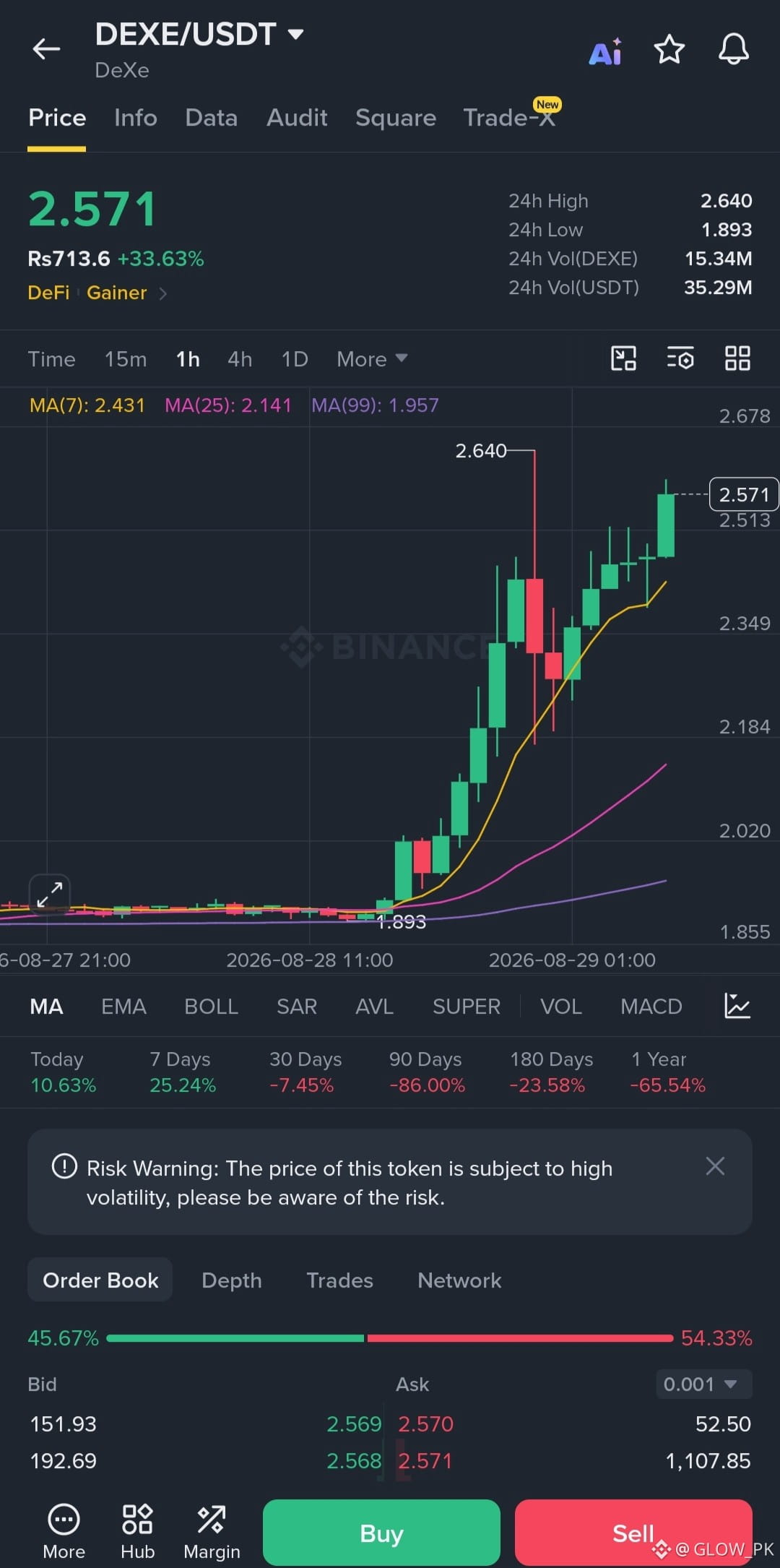
🚨 $DEXE /USDT LONG SIGNAL 📈
Entry: 2.52 – 2.58
Targets: 🎯 2.64 | 2.80 | 3.00
Stop Loss: 2.42
DEXE is showing strong bullish momentum on the 1H chart and holding above key moving averages. A breakout above 2.64 could trigger the next upward move. 🚀
⚠️ Manage your risk and DYOR.
#dexe #crypto #Altcoins #Binance #trading
Entry: 2.52 – 2.58
Targets: 🎯 2.64 | 2.80 | 3.00
Stop Loss: 2.42
DEXE is showing strong bullish momentum on the 1H chart and holding above key moving averages. A breakout above 2.64 could trigger the next upward move. 🚀
⚠️ Manage your risk and DYOR.
#dexe #crypto #Altcoins #Binance #trading
·
--
🎙️ Build Binance Square, DCA BNB|Saturday—Is today’s market action related to what the Fed’s “talk” from last night said? Let’s chat~

End
05 h 22 m 55 s
16.2k
61
📊 Capital B’s new €21M raise could add around 270 BTC to its treasury—but the headline number doesn’t tell the full story.
On the surface, adding more Bitcoin sounds bullish.
But when you look at Bitcoin per diluted share, the impact appears much smaller.
The bigger concern is the warrant structure.
If the warrants are fully exercised, BTC per million diluted shares could fall by roughly 24% below its pre-deal level—unless the company adds significantly more Bitcoin to offset the dilution.
This is exactly why treasury headlines should not be judged by how much BTC a company buys alone.
The more important question is:
How much Bitcoin value actually remains for each shareholder after dilution?
More BTC on the balance sheet doesn't always mean more BTC exposure per share. 👀
#bitcoin #BTC #CryptoNews #CryptoMarket #Binance
On the surface, adding more Bitcoin sounds bullish.
But when you look at Bitcoin per diluted share, the impact appears much smaller.
The bigger concern is the warrant structure.
If the warrants are fully exercised, BTC per million diluted shares could fall by roughly 24% below its pre-deal level—unless the company adds significantly more Bitcoin to offset the dilution.
This is exactly why treasury headlines should not be judged by how much BTC a company buys alone.
The more important question is:
How much Bitcoin value actually remains for each shareholder after dilution?
More BTC on the balance sheet doesn't always mean more BTC exposure per share. 👀
#bitcoin #BTC #CryptoNews #CryptoMarket #Binance
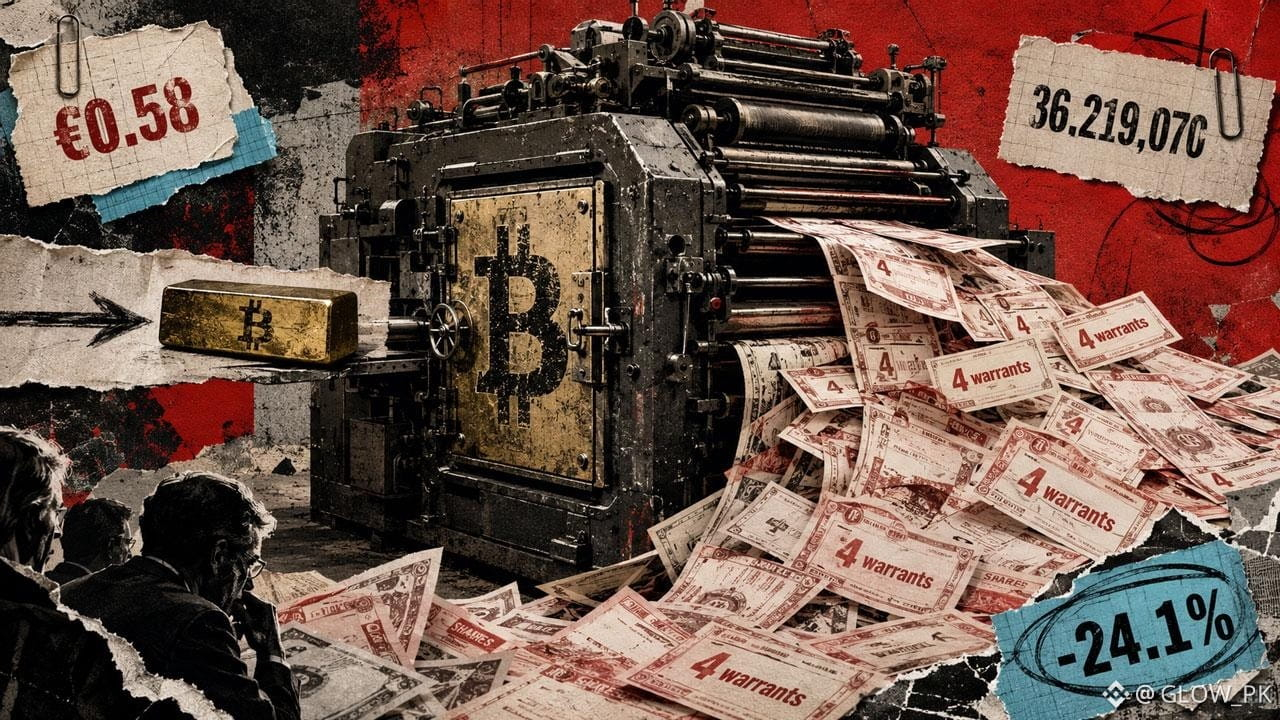
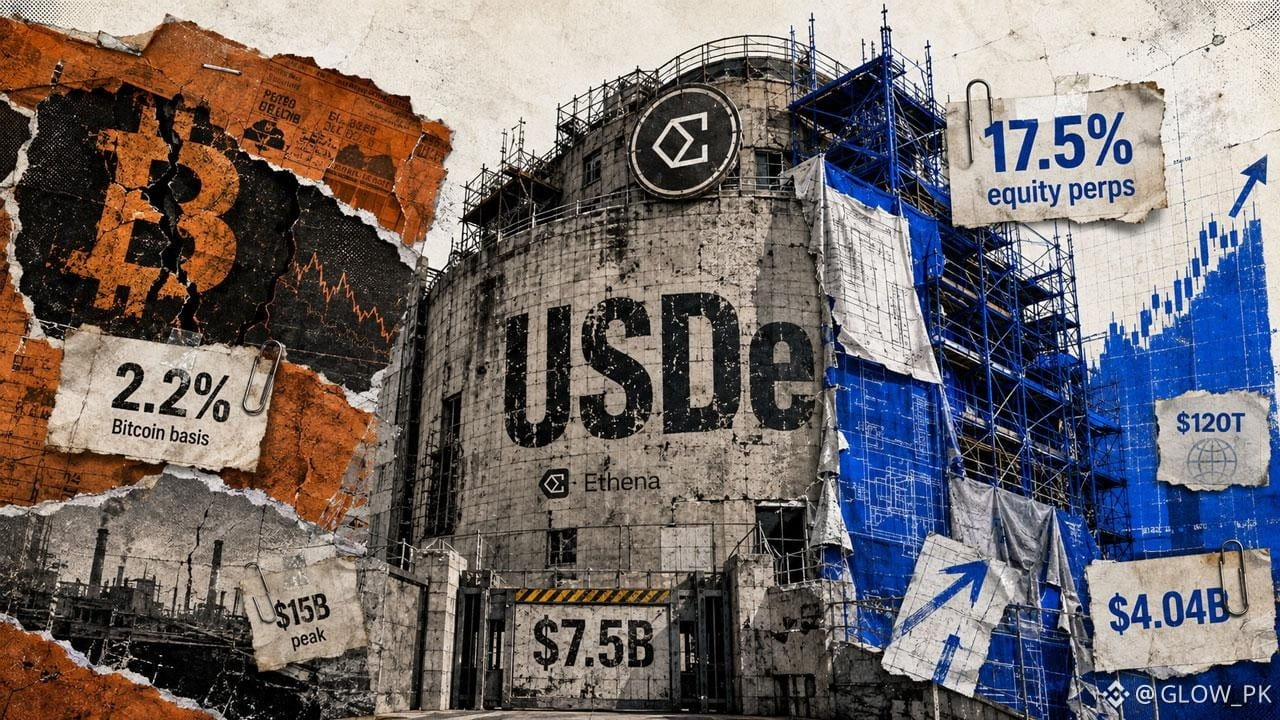
📊 Ethena is looking beyond Bitcoin to find higher yields.
USDe’s basis strategy is now moving toward equity perpetuals, where recent funding rates have been significantly higher than Bitcoin.
This year, funding reportedly averaged around 14% on Hyperliquid and 17.5% on Binance, compared with just 2.2% for BTC.
The opportunity is obvious: higher funding can potentially mean higher yield.
But there’s another side to the story.
USDe still needs approximately 86% supply growth before the proposed ENA buyback mechanism can be unlocked.
So Ethena is not simply chasing bigger yields—it is also trying to scale the entire ecosystem enough to reach its next major milestone.
Higher returns often come with a more complex risk profile. The real question is whether this expansion can remain sustainable as the strategy scales. 👀
#Ethena #USDe #ENA #DeFi #CryptoNews
USDe’s basis strategy is now moving toward equity perpetuals, where recent funding rates have been significantly higher than Bitcoin.
This year, funding reportedly averaged around 14% on Hyperliquid and 17.5% on Binance, compared with just 2.2% for BTC.
The opportunity is obvious: higher funding can potentially mean higher yield.
But there’s another side to the story.
USDe still needs approximately 86% supply growth before the proposed ENA buyback mechanism can be unlocked.
So Ethena is not simply chasing bigger yields—it is also trying to scale the entire ecosystem enough to reach its next major milestone.
Higher returns often come with a more complex risk profile. The real question is whether this expansion can remain sustainable as the strategy scales. 👀
#Ethena #USDe #ENA #DeFi #CryptoNews
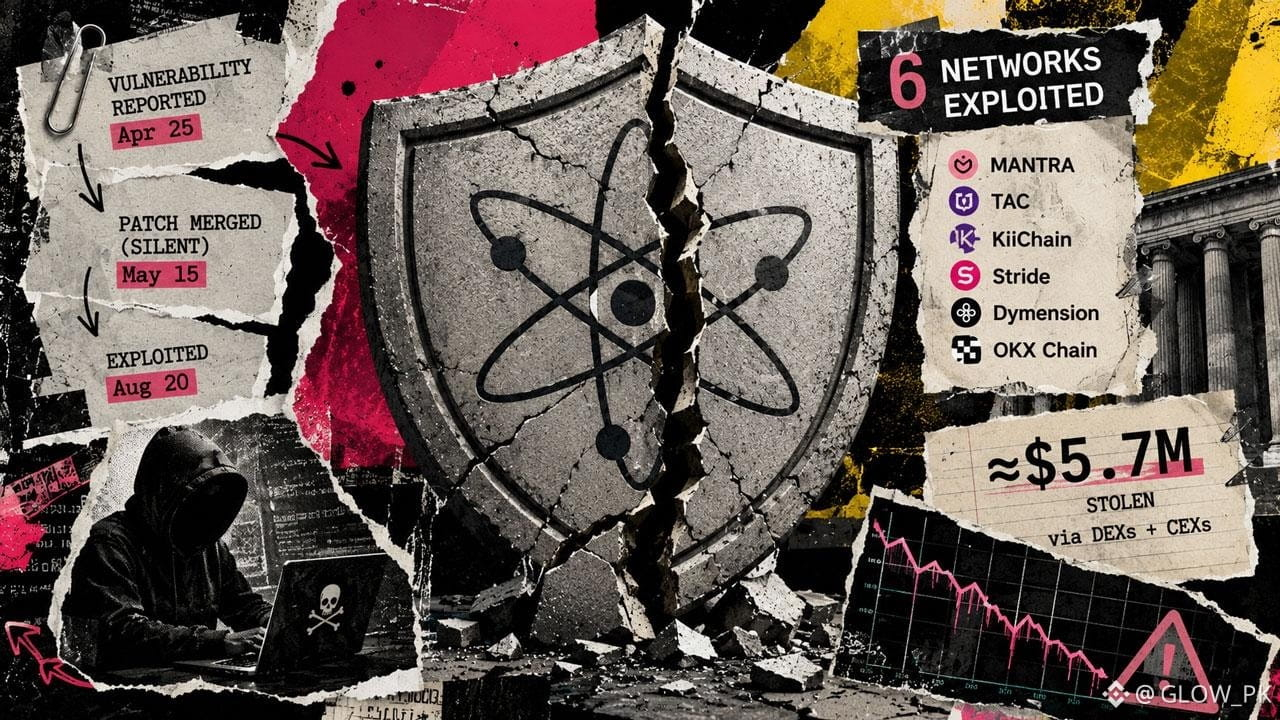
🔐 A security flaw can become far more dangerous when the initial risk assessment is wrong.
Cosmos Labs reportedly underestimated a critical vulnerability back in April, and the consequences became clear months later.
The flaw was eventually exploited across 6 different chains, with attackers moving around $5.7M through DEXs and centralized platforms.
What stands out to me is that the emergency response eventually reached roughly 40 networks, while 13 other exposed chains managed to patch or halt operations before attackers could exploit them.
This is a reminder that in crypto, the biggest risk is not always the bug itself.
Sometimes, it’s how long the industry takes to understand how serious that bug really is.
Security isn't just about finding vulnerabilities. It's about responding before someone else finds a way to weaponize them.
#CryptoSecurity #Cosmos #Blockchain #defi #CryptoNews
Cosmos Labs reportedly underestimated a critical vulnerability back in April, and the consequences became clear months later.
The flaw was eventually exploited across 6 different chains, with attackers moving around $5.7M through DEXs and centralized platforms.
What stands out to me is that the emergency response eventually reached roughly 40 networks, while 13 other exposed chains managed to patch or halt operations before attackers could exploit them.
This is a reminder that in crypto, the biggest risk is not always the bug itself.
Sometimes, it’s how long the industry takes to understand how serious that bug really is.
Security isn't just about finding vulnerabilities. It's about responding before someone else finds a way to weaponize them.
#CryptoSecurity #Cosmos #Blockchain #defi #CryptoNews
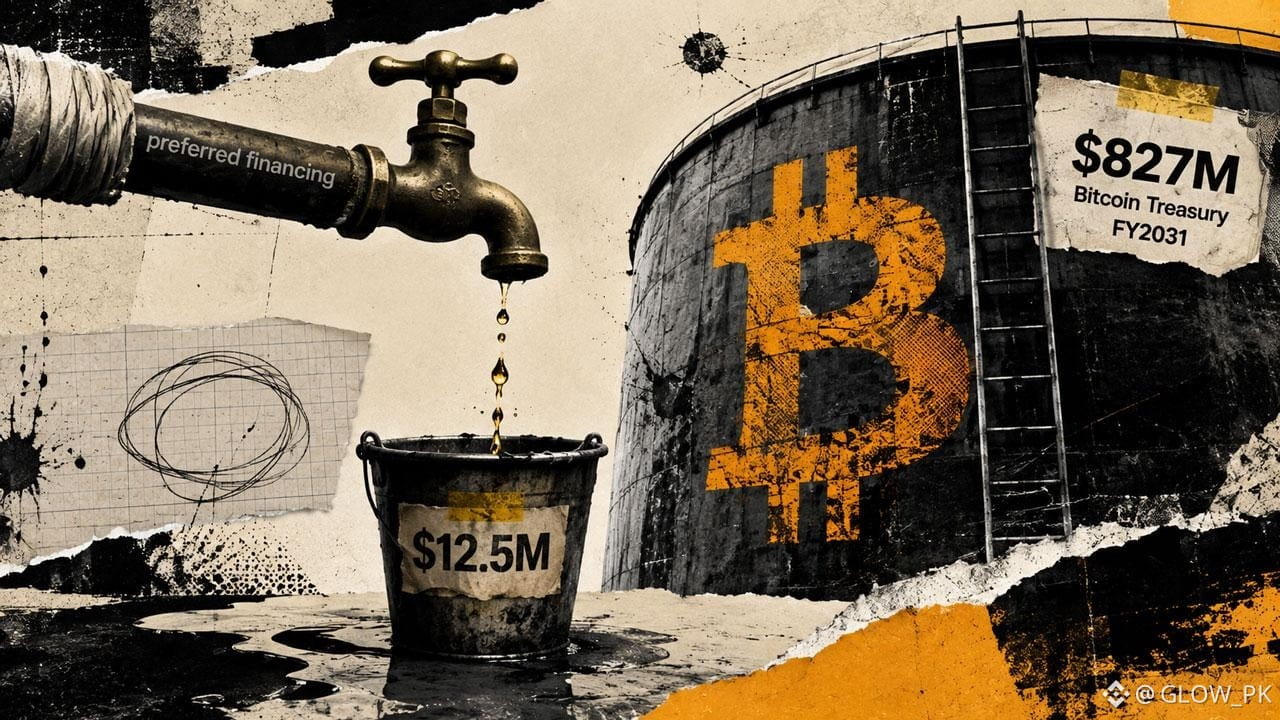
Genius Group is attempting one of the most ambitious Bitcoin treasury rebuilds I’ve seen recently.
After selling its entire BTC position to repay debt, the company now wants to build back toward an $827M Bitcoin treasury.
But here’s the reality check: its first proposed raise is only $12.5M — roughly 1.5% of that target.
And not all of that capital is even going directly into Bitcoin. The funds are expected to be split between BTC, AI assets, and a cash reserve.
The ambition is huge. The starting point is tiny.
Rebuilding a treasury is one thing. Rebuilding investor confidence and executing that strategy after liquidating everything may be the much harder challenge.
Will this be a genuine comeback story—or just another ambitious treasury target on paper? 👀
#Bitcoin #BTC #CryptoNews #CryptoMarket #Binance
After selling its entire BTC position to repay debt, the company now wants to build back toward an $827M Bitcoin treasury.
But here’s the reality check: its first proposed raise is only $12.5M — roughly 1.5% of that target.
And not all of that capital is even going directly into Bitcoin. The funds are expected to be split between BTC, AI assets, and a cash reserve.
The ambition is huge. The starting point is tiny.
Rebuilding a treasury is one thing. Rebuilding investor confidence and executing that strategy after liquidating everything may be the much harder challenge.
Will this be a genuine comeback story—or just another ambitious treasury target on paper? 👀
#Bitcoin #BTC #CryptoNews #CryptoMarket #Binance
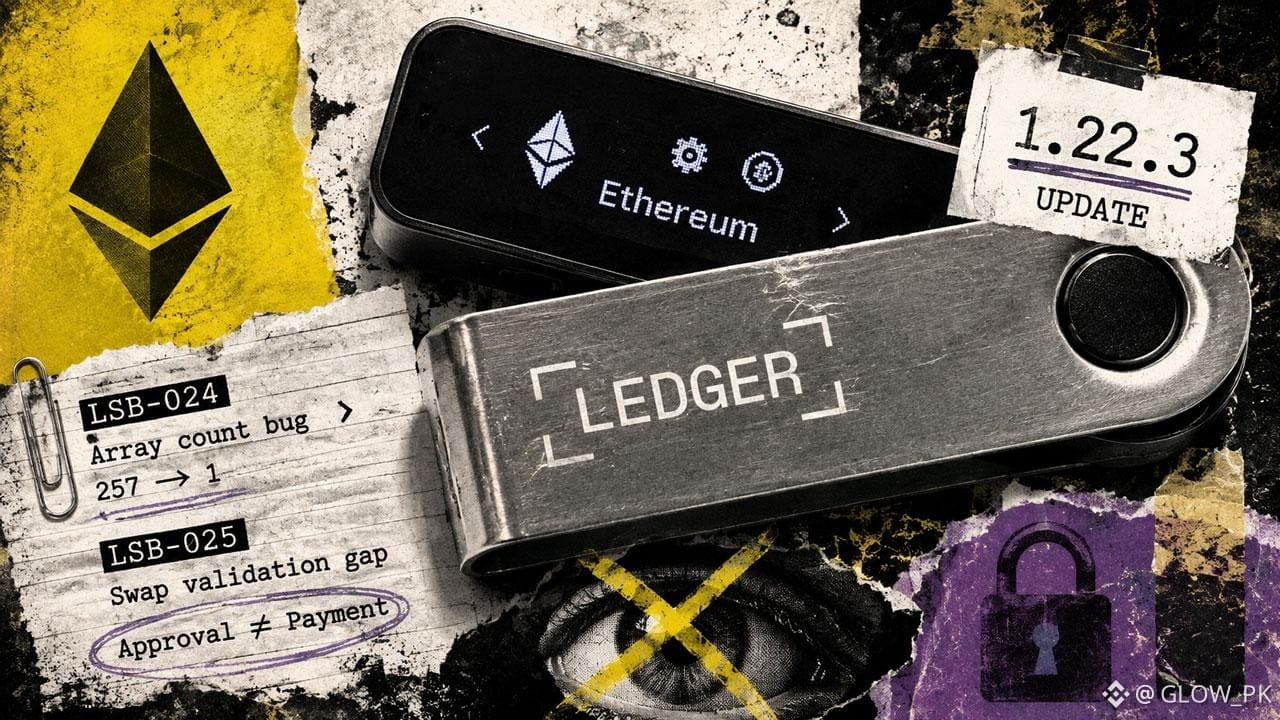
🔐 I initially thought the viral Ledger “Ethereum hack” was just another reminder that hardware wallets aren't as safe as people believe.
But after looking deeper, the real story is more nuanced—and arguably more concerning.
Ledger says the bug shown in the viral demonstration had already been fixed in version 1.22.2.
Sounds reassuring.
Except that wasn't the end of it.
Two separate signing vulnerabilities still remained and required another update.
That’s why version 1.22.3 matters.
According to Ledger, neither of those vulnerabilities was exploited in the wild. But this is the part I think crypto users often underestimate:
Security isn't binary.
A device can be protected against the exploit going viral today while still having other weaknesses that haven't been fully addressed yet.
And for hardware wallet users, the biggest risk isn't always someone “hacking” the device directly.
Sometimes it's much simpler:
You trust what you're signing without fully understanding what the transaction is actually authorizing.
The latest update closes the two remaining signing issues, but the bigger lesson goes beyond Ledger.
🔍 Don't treat a hardware wallet like a magic shield.
Keep firmware updated.
Verify transactions carefully.
And never assume that “not exploited in the wild” means “no risk existed.”
In crypto, security updates often arrive quietly.
The consequences of ignoring them usually don't.
Would you update your wallet firmware immediately—or wait until a vulnerability is actually exploited?
#CryptoSecurity #Ethereum #Web3 #bitcoin #CryptoNews
But after looking deeper, the real story is more nuanced—and arguably more concerning.
Ledger says the bug shown in the viral demonstration had already been fixed in version 1.22.2.
Sounds reassuring.
Except that wasn't the end of it.
Two separate signing vulnerabilities still remained and required another update.
That’s why version 1.22.3 matters.
According to Ledger, neither of those vulnerabilities was exploited in the wild. But this is the part I think crypto users often underestimate:
Security isn't binary.
A device can be protected against the exploit going viral today while still having other weaknesses that haven't been fully addressed yet.
And for hardware wallet users, the biggest risk isn't always someone “hacking” the device directly.
Sometimes it's much simpler:
You trust what you're signing without fully understanding what the transaction is actually authorizing.
The latest update closes the two remaining signing issues, but the bigger lesson goes beyond Ledger.
🔍 Don't treat a hardware wallet like a magic shield.
Keep firmware updated.
Verify transactions carefully.
And never assume that “not exploited in the wild” means “no risk existed.”
In crypto, security updates often arrive quietly.
The consequences of ignoring them usually don't.
Would you update your wallet firmware immediately—or wait until a vulnerability is actually exploited?
#CryptoSecurity #Ethereum #Web3 #bitcoin #CryptoNews
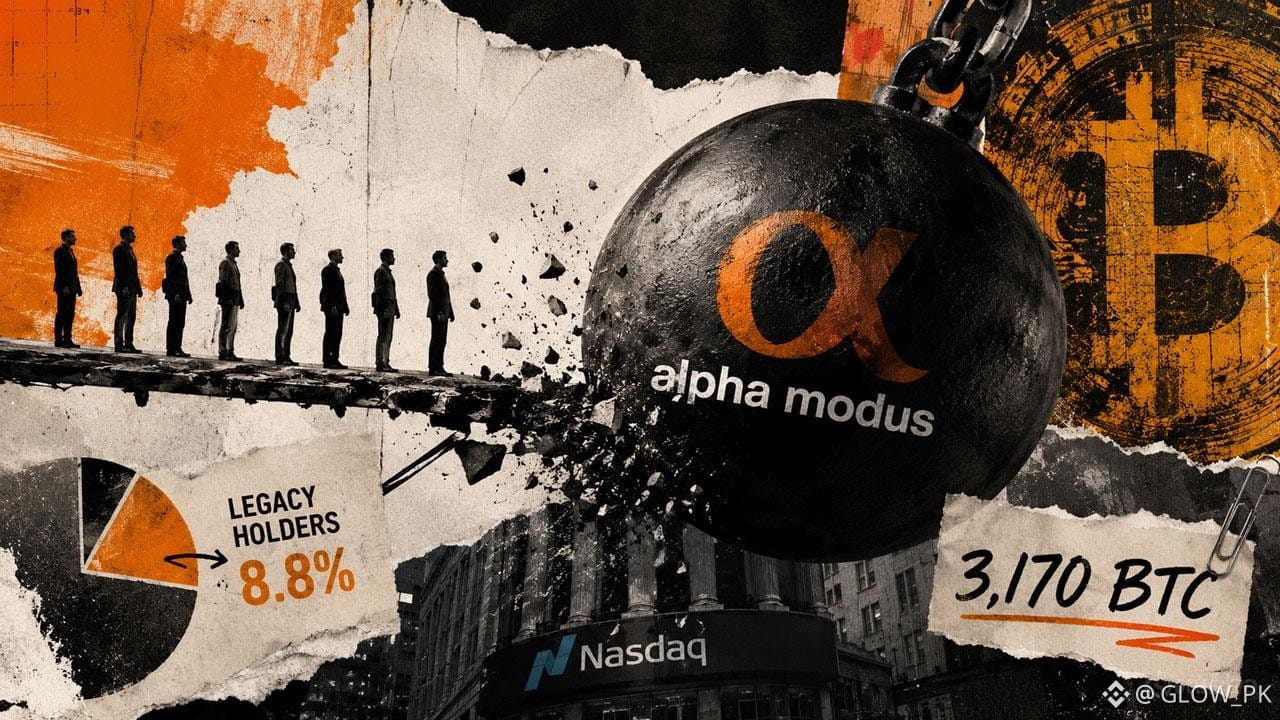
I keep seeing people compare Alpha Modus to Michael Saylor.
But this deal exposes something much more uncomfortable.
$AMOD agreed to bring 3,170 BTC onto its balance sheet—valued at over $200M in the proposed transaction.
The price?
Massive dilution.
The company agreed to issue over 51.6M new Class A shares, with matching warrants, compared with roughly 5M shares outstanding before the deal.
And the market’s reaction was brutal.
The stock dropped sharply after the announcement.
Here’s the part I think many people are missing:
Bitcoin on a balance sheet is not the same thing as cash in the bank.
The transaction still has to close.
BTC’s value can move before and after closing.
And even if the balance sheet looks dramatically stronger on paper, that doesn't automatically fix near-term liquidity or the underlying business.
This is the difference between owning Bitcoin and having a sustainable Bitcoin strategy.
Saylor built a long-term capital machine around BTC.
Alpha Modus is trying to use BTC to transform its balance sheet while facing a Nasdaq listing deficiency.
Same asset.
Completely different starting position.
Maybe the deal works.
But the market is asking a much harder question:
If you multiply the asset base by 10x, but potentially dilute the shareholders even more, who actually captures the upside?
#Bitcoin #BTC #CryptoNews #BinanceSquare #Investing
But this deal exposes something much more uncomfortable.
$AMOD agreed to bring 3,170 BTC onto its balance sheet—valued at over $200M in the proposed transaction.
The price?
Massive dilution.
The company agreed to issue over 51.6M new Class A shares, with matching warrants, compared with roughly 5M shares outstanding before the deal.
And the market’s reaction was brutal.
The stock dropped sharply after the announcement.
Here’s the part I think many people are missing:
Bitcoin on a balance sheet is not the same thing as cash in the bank.
The transaction still has to close.
BTC’s value can move before and after closing.
And even if the balance sheet looks dramatically stronger on paper, that doesn't automatically fix near-term liquidity or the underlying business.
This is the difference between owning Bitcoin and having a sustainable Bitcoin strategy.
Saylor built a long-term capital machine around BTC.
Alpha Modus is trying to use BTC to transform its balance sheet while facing a Nasdaq listing deficiency.
Same asset.
Completely different starting position.
Maybe the deal works.
But the market is asking a much harder question:
If you multiply the asset base by 10x, but potentially dilute the shareholders even more, who actually captures the upside?
#Bitcoin #BTC #CryptoNews #BinanceSquare #Investing
I was looking into Ethereum’s upcoming Glamsterdam changes, and one trade-off stood out to me.
The new gas repricing could potentially support around 3x more base-layer throughput.
That sounds like a straightforward win.
But historical transaction replays revealed something uncomfortable: millions of transactions could fail under the new gas schedule.
Most of those issues may be relatively easy to fix by adjusting gas limits.
The harder problem is older smart contracts built around hardcoded gas assumptions.
This is the part of scaling upgrades people often overlook.
Making a network faster isn't only about increasing capacity. Every change to the underlying economics can interact with code that was written years ago and assumed the rules would stay the same.
Ethereum may get significantly more throughput.
But the real challenge is making sure yesterday's contracts can survive tomorrow's network.
#Ethereum #ETH #blockchain #crypto #SmartContracts
The new gas repricing could potentially support around 3x more base-layer throughput.
That sounds like a straightforward win.
But historical transaction replays revealed something uncomfortable: millions of transactions could fail under the new gas schedule.
Most of those issues may be relatively easy to fix by adjusting gas limits.
The harder problem is older smart contracts built around hardcoded gas assumptions.
This is the part of scaling upgrades people often overlook.
Making a network faster isn't only about increasing capacity. Every change to the underlying economics can interact with code that was written years ago and assumed the rules would stay the same.
Ethereum may get significantly more throughput.
But the real challenge is making sure yesterday's contracts can survive tomorrow's network.
#Ethereum #ETH #blockchain #crypto #SmartContracts

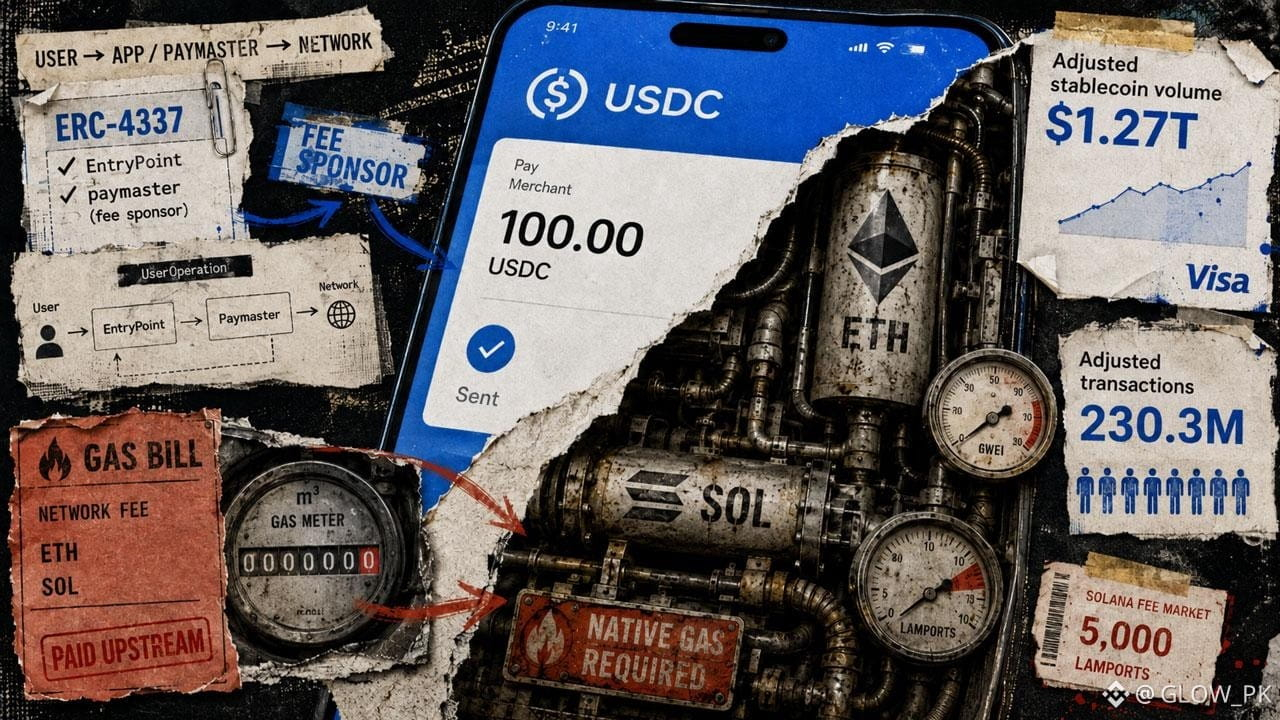
I was thinking about something interesting while looking at the growth of stablecoin payments.
Users may soon be able to move billions in stablecoins without ever needing to buy or hold $ETH or $SOL themselves.
The experience becomes simple: open the app, send USDC, and forget everything happening underneath.
But there’s one thing abstraction cannot remove: the gas bill.
Someone still has to pay for blockspace.
That changes where native token demand comes from. Instead of millions of individual users constantly acquiring gas tokens, demand could increasingly shift toward a smaller group of wallets, paymasters, and infrastructure providers operating at scale.
So the question isn't whether gas demand disappears.
It's who ends up holding the tokens required to pay for it.
That could become one of the most important structural changes in the next phase of crypto adoption. 👀
#Crypto #Stablecoins #Ethereum #solana #blockchain
Users may soon be able to move billions in stablecoins without ever needing to buy or hold $ETH or $SOL themselves.
The experience becomes simple: open the app, send USDC, and forget everything happening underneath.
But there’s one thing abstraction cannot remove: the gas bill.
Someone still has to pay for blockspace.
That changes where native token demand comes from. Instead of millions of individual users constantly acquiring gas tokens, demand could increasingly shift toward a smaller group of wallets, paymasters, and infrastructure providers operating at scale.
So the question isn't whether gas demand disappears.
It's who ends up holding the tokens required to pay for it.
That could become one of the most important structural changes in the next phase of crypto adoption. 👀
#Crypto #Stablecoins #Ethereum #solana #blockchain
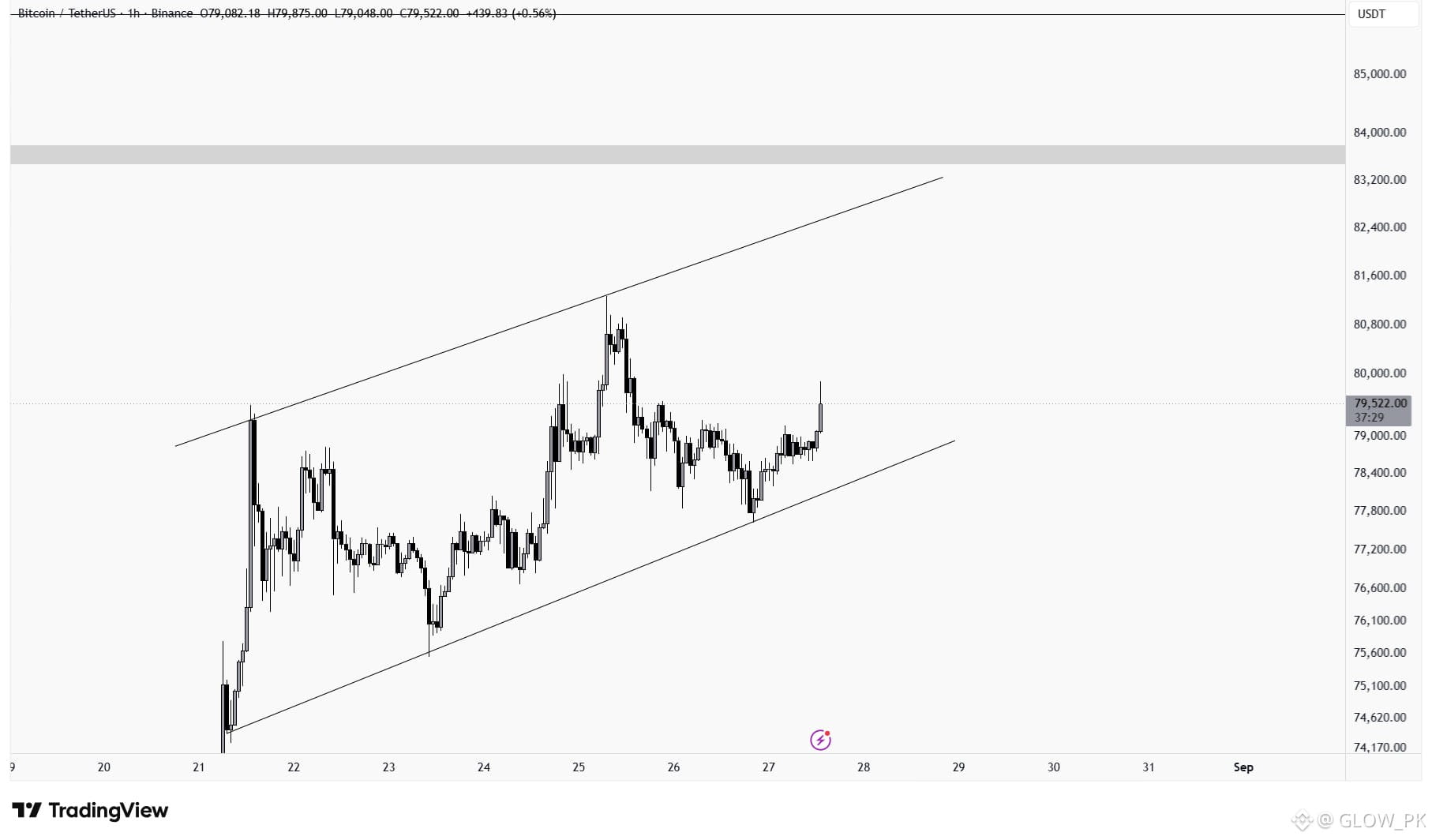
$BTC is once again showing signs of strength after following the broader uptrend.
Right now, the price appears to be forming a rising channel, which makes the structure quite interesting.
As long as Bitcoin continues respecting this channel and holding its key support levels, the next move could be another push upward to form a new Higher High.
The structure is bullish for now, but the channel boundaries will be important to watch. 👀
Will $BTC continue the momentum, or are we about to see another test before the next breakout?
#bitcoin #crypto #BTCTrading #CryptoMarket
Right now, the price appears to be forming a rising channel, which makes the structure quite interesting.
As long as Bitcoin continues respecting this channel and holding its key support levels, the next move could be another push upward to form a new Higher High.
The structure is bullish for now, but the channel boundaries will be important to watch. 👀
Will $BTC continue the momentum, or are we about to see another test before the next breakout?
#bitcoin #crypto #BTCTrading #CryptoMarket
·
--
🎙️ Crypto market trend exchange; answering questions for newcomers ✅ Co-create the Binance Square 🦅 Spread the free-thinking philosophy! Maintain ecological balance!

End
03 h 15 m 26 s
10.9k
79
·
--
🎙️ Rally peak breakdown and pressure pullback, high-level washout: BTC retraces to 79,000–79,200 and then stabilizes for low-risk longs; ETH retraces to 2,460–2,475 and stabilizes for low-risk longs. Lightly short near resistance with strict stop-losses. ATM system real-time prices

End
03 h 56 m 50 s
3.1k
10
Log in to explore more content