
#fedproposespaymentstablecoinrules
fedproposespaymentstablecoinrules
113,799 views
856 Discussing
US Federal Reserve has released two proposed rules for payment stablecoins to implement the regulatory authority granted under the GENIUS Act. The proposals would move stablecoin issuance and bank-related crypto activities under formal rulemaking rather than prior enforcement guidance.
Hot
Latest

·
--
#FedProposesPaymentStablecoinRules
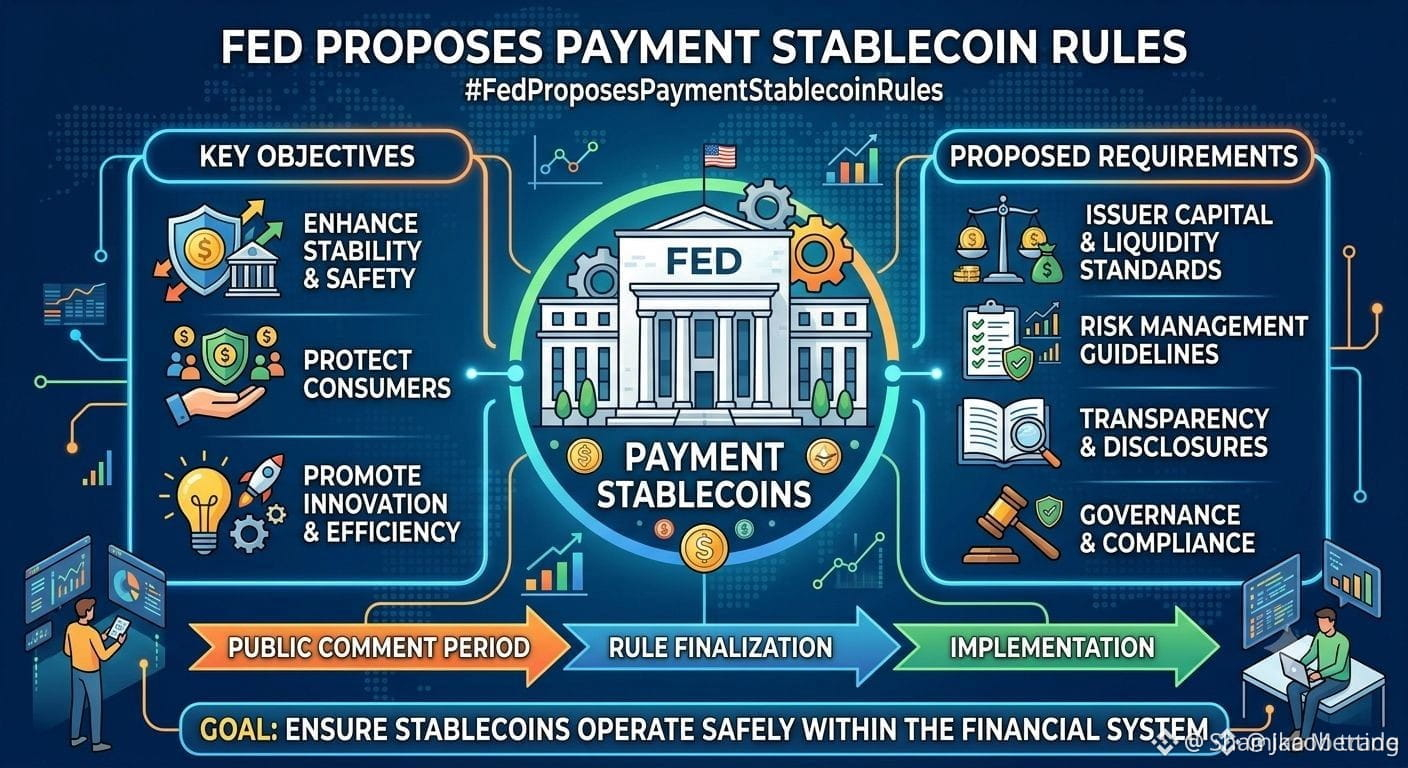
🚨 Fed proposes new payment stablecoin rules
The U.S. Federal Reserve has proposed rules under the GENIUS Act that would require Fed-supervised payment stablecoin issuers to fully back tokens with eligible reserves, including short-term U.S. Treasury bills. The proposal also includes capital and risk-management requirements and a dedicated process for supervised banks seeking to issue payment stablecoins. Public comments will be open for 60 days after Federal Register publication.
💬 What do you think?$BTC $BNB $ETH
Will clearer stablecoin rules accelerate institutional adoption?
#Stablecoin #BNB_Market_Update #CryptoRegulation #Fed
1
89

·
--
#fedproposespaymentstablecoinrules FED’S STABLECOIN RULES: A BIG CRYPTO SIGNAL
The Federal Reserve has announced two rulemaking packages to carry out the GENIUS Act placing payment stablecoins under rules.
Key points:
• 100 percent reserve backing with assets, such as short‑term Treasuries.
• Capital and risk controls.
• Redemption and reporting requirements.
• A dedicated approval process, for banks supervised by the Federal Reserve that want to issue stablecoins.
• Public comments will stay open for sixty days.
For traders this could be important because stablecoins link banking, dollar liquidity, exchanges and on‑chain payments.
Could stablecoin adoption speed up? What effect could this have on BTC. Altcoins? Share your view!..#stablecoin #crypto #cryptotrading #TradingSignals
$BTC $ETH $BNB
{future}(BTCUSDT)
{future}(ETHUSDT)
{future}(BNBUSDT)
#fedproposespaymentstablecoinrules FED’S STABLECOIN RULES: A BIG CRYPTO SIGNAL
The Federal Reserve has announced two rulemaking packages to carry out the GENIUS Act placing payment stablecoins under rules.
Key points:
• 100 percent reserve backing with assets, such as short‑term Treasuries.
• Capital and risk controls.
• Redemption and reporting requirements.
• A dedicated approval process, for banks supervised by the Federal Reserve that want to issue stablecoins.
• Public comments will stay open for sixty days.
For traders this could be important because stablecoins link banking, dollar liquidity, exchanges and on‑chain payments.
Could stablecoin adoption speed up? What effect could this have on BTC. Altcoins? Share your view!..#stablecoin #crypto #cryptotrading #TradingSignals
$BTC $ETH $BNB
487

·
--
#FedProposesPaymentStablecoinRules
La Reserva Federal de Estados Unidos ha propuesto normas para los emisores de stablecoins de pago bajo su supervisión, tal como lo exige la Ley GENIUS.
La propuesta establece normas para los emisores de criptomonedas respaldadas por dólares estadounidenses, conocidas como stablecoins. Sigue los requisitos de la Ley GENIUS, aprobada en 2025, que estableció un marco regulatorio federal para dichas criptomonedas.
Las medidas abarcan el respaldo de reservas, el capital, los acuerdos de custodia y el abanico de actividades relacionadas con las stablecoins que los bancos supervisados por la Reserva Federal pueden llevar a cabo.
Según la propuesta, los emisores de stablecoins de pago supervisados por la Reserva Federal estarían obligados a respaldar completamente sus tokens con ciertos activos de reserva, como letras del Tesoro a corto plazo.
Este requisito vincula los tokens en circulación con los activos mantenidos en reserva, y la propuesta cita la deuda pública a corto plazo como ejemplo de respaldo admisible. Según la propuesta, las normas de capital buscan abordar ciertos riesgos crediticios y operativos vinculados a la emisión de stablecoins.
$USDC
{spot}(USDCUSDT)
$QNT
{spot}(QNTUSDT)
$NVDAB
{spot}(NVDABUSDT)
#FedProposesPaymentStablecoinRules
La Reserva Federal de Estados Unidos ha propuesto normas para los emisores de stablecoins de pago bajo su supervisión, tal como lo exige la Ley GENIUS.
La propuesta establece normas para los emisores de criptomonedas respaldadas por dólares estadounidenses, conocidas como stablecoins. Sigue los requisitos de la Ley GENIUS, aprobada en 2025, que estableció un marco regulatorio federal para dichas criptomonedas.
Las medidas abarcan el respaldo de reservas, el capital, los acuerdos de custodia y el abanico de actividades relacionadas con las stablecoins que los bancos supervisados por la Reserva Federal pueden llevar a cabo.
Según la propuesta, los emisores de stablecoins de pago supervisados por la Reserva Federal estarían obligados a respaldar completamente sus tokens con ciertos activos de reserva, como letras del Tesoro a corto plazo.
Este requisito vincula los tokens en circulación con los activos mantenidos en reserva, y la propuesta cita la deuda pública a corto plazo como ejemplo de respaldo admisible. Según la propuesta, las normas de capital buscan abordar ciertos riesgos crediticios y operativos vinculados a la emisión de stablecoins.
$USDC
$QNT
$NVDAB

1
3
718

·
--
稳定币规则热度继续上升|月度储备披露不是实时余额证明|XMR在529美元我先等
我的态度是先看报告日期,不因“储备透明”四个字就放松资金纪律,也不因此追买隐私币。币安广场#FedProposesPaymentStablecoinRules本轮显示206人讨论,上一轮扫描为157,关注确实增加;但热度不是监管已经落地,更不是XMR获得新增买盘。
一手事实来自美联储9月24日实施GENIUS法案的征求意见文件。拟议条文要求其监管范围内的支付稳定币发行人按月披露发行数量与储备构成,拟定的报告时点是上个月月末,而发布时间最迟到本月最后一天中午。相关报告拟在发布前接受注册公共会计师事务所检查,负责人还须确认准确性。我交叉核对正式GENIUS法案的月度储备与检查要求。这不是今天新出的文件,也不是最终规则;美联储还在征求对实时信息披露可行性的意见,不能写成已经要求全天实时审计。
为什么影响加密市场?稳定币经常是交易员的报价单位和待用资金。我的机制判断是,按月披露有助于比较发行人的储备质量,但报告覆盖时点与现在之间可能存在间隔。看见一份合格报告,不等于知道下一分钟储备、发行量或赎回排队情况。检查报告范围、储备期限、托管位置和更新日期,比只转发“百分百支持”标题更有价值;这是信息时效风险,不是我发现了某家发行人缺口。
XMR需要分开讨论。原生隐私币不是对美元储备的债权,隐私保护也不是购买力稳定承诺。把待用稳定币换成XMR,会把风险结构变成币价波动和交易通道风险,不是简单从“不透明”变成“安全”。我没有数据证明本轮稳定币监管讨论正在推动资金转入Monero,也不把官方仍在研究测试的技术路线写成今天主网升级。
市场实际已经怎么走?本轮Kraken美元现货XMR约529.23,过去二十四小时525.87至560.46,接近窗口低位。价格偏弱是可核对事实,把它归因于储备披露提案则缺少证据。之前530美元下撤销试多的纪律已经遇到低于该价的报价,这只能说明取消条件出现,不能宣称先前计划成交或盈利。
如果是我自己交易,现在不参与,仓位为零,不做空、不加杠杆。只考虑现货条件式试多:小时收盘站上537,再回踩535至537守住,且所用渠道报价、充提正常,才用总资金最多0.3%参与。544先减半,550平掉剩余;532硬止损,或连续两根小时收盘低于535全部平仓。入场前跌破525取消新计划;报价异常、提现不顺或反弹没有承接,也撤回参与判断,不补亏仓。
若报告时点无法核实,我不提升资金安全评价;若价格与通道共同修复,才重新评估。先把事实、风险和计划分别写清楚,再决定是否行动。
来源:美联储9月24日提案及拟议247.11条、GENIUS正式法案;Kraken行情。#FedProposesPaymentStablecoinRules #XMR
以上仅为个人市场观察,不构成投资建议。

37


The Federal Reserve has proposed new rules for payment stablecoins, signaling a significant step towards regulating this burgeoning sector of the crypto market. This move reflects growing concerns about the stability and systemic risk associated with stablecoins, especially those used for payments. The proposed regulations are likely to focus on reserve requirements, transparency, and oversight, aiming to ensure these digital assets are as safe and reliable as traditional money. While the specifics are still under review, this initiative could lead to greater institutional adoption by providing a clearer regulatory framework, but it might also introduce compliance burdens for issuers. The market will be closely watching how these proposals evolve and impact the stablecoin landscape and the broader crypto ecosystem.
Disclaimer: This content is for informational purposes only and does not constitute financial advice.
#FedProposesPaymentStablecoinRules
Disclaimer: This content is for informational purposes only and does not constitute financial advice.
#FedProposesPaymentStablecoinRules
2
95
·
--
稳定币规则仍在广场热榜|发行人储备不是任意借贷资金|BNB在759美元我先等
我的态度明确:先看资金属于谁、能否及时兑付,再看收益故事;BNB现在不参与。广场本轮稳定币规则话题仍显示363人讨论,与上一轮相同,不能据此宣称继续加速。BNB不在六小时搜索名单,监管话题的关注也不是BNB买盘。
核实的事实是,美联储9月24日提案第247.10(c)(5),针对其监管范围内的获准支付稳定币发行人,拟限制直接或间接质押、再抵押或重复使用法定储备资产,包括经第三方托管的路径。正式GENIUS法案第4(a)(2)已有相应要求,所以不是今天首次推出禁令,实施细则也仍在征求意见。
不能把限制说成毫无例外:法案列出特定合格储备投资的保证金义务、标准托管服务义务,以及为合理预期的赎回需求创造流动性等用途;后一项国库券回购有期限不超过93天及清算或事先批准条件。提案另说明,特定允许的回购资金和逆回购储备有其边界。我的重点不是背条款,而是不能把有限例外翻译成“储备可以随便拿去追逐高收益”。
为什么影响加密市场?稳定币发行人背后的美元储备,和用户钱包里持有的稳定币,是两个层次。用户把自己的代币放进借贷应用,与发行人拿兑付储备再融资,不能混为一谈;这条发行端规定也不能概括成“所有链上借贷被禁止”。对BNB链生态,我更关心结算资产是否可靠、赎回渠道是否顺畅,以及借贷应用自己的合约和清算风险。改善发行端规则可能帮助机构评估风险,但不会自动把储备本金变成BNB采购资金。
以上是机制判断,不是已经发现某家发行人挪用储备,也没有证据把BNB下跌归因于这份提案。本轮Kraken美元现货先为758.81,发布前复核759.05,二十四小时区间758.38至784.04,报价靠近窗口低端。758.38是滚动低点,不是保证支撑;旧观察计划没有成交凭证,我不写成已经止损或盈利。
如果是我自己交易,目前仓位为零,方向只考虑确认后的无杠杆现货试多,不做空。小时收盘站上766,再回踩764至766守住,且报价与充提正常,才用总资金最多0.3%参与;772减半,778平掉余仓。入场后761硬止损,或连续两根小时收盘低于764全部退出;入场前跌破756取消计划,不摊平。收复并守住766才推翻我暂不参与的态度;结算渠道异常、跌破取消位或无法守住回踩区,都推翻试多前提。等待不算成交,新闻热度不替代风险预算。
来源:美联储9月24日提案第247.10条;Public Law 119–27第4(a)(2)条;Kraken BNB/USD;币安广场热榜。
#FedProposesPaymentStablecoinRules #BNB
以上仅为个人市场观察,不构成投资建议。

75

·
--
#fedproposespaymentstablecoinrules 🇺🇸🚨
FED PROPOSES GENIUS ACT IMPLEMENTATION RULES FOR PAYMENT STABLECOIN
ISSUERS!
THE PROPOSALS COVER RESERVE ASSET REQUIREMENTS, CAPITAL AND RISK MANAGEMENT STANDARDS, CUSTODY OF RESERVE ASSETS, AND ISSUER APPLICATION PROCEDURES.$PHA $USELESS $CSOPSAMSUNG2L
#fedproposespaymentstablecoinrules 🇺🇸🚨
FED PROPOSES GENIUS ACT IMPLEMENTATION RULES FOR PAYMENT STABLECOIN
ISSUERS!
THE PROPOSALS COVER RESERVE ASSET REQUIREMENTS, CAPITAL AND RISK MANAGEMENT STANDARDS, CUSTODY OF RESERVE ASSETS, AND ISSUER APPLICATION PROCEDURES.$PHA $USELESS $CSOPSAMSUNG2L
FED PROPOSES GENIUS ACT IMPLEMENTATION RULES FOR PAYMENT STABLECOIN
ISSUERS!
THE PROPOSALS COVER RESERVE ASSET REQUIREMENTS, CAPITAL AND RISK MANAGEMENT STANDARDS, CUSTODY OF RESERVE ASSETS, AND ISSUER APPLICATION PROCEDURES.$PHA $USELESS $CSOPSAMSUNG2L
686

#FedProposesPaymentStablecoinRules
🚨 معلومات مهمة: تقترح الاحتياطي الفيدرالي اشتراط رأس مال بنسبة 2% لمُصدري عملات الـstablecoins! 🇺🇸💵
🏦 سيستلزم الإطار المقترح احتياطي رأس مال بنسبة 2% على أول 20 مليار دولار من إصدار التوكنات لمُصدري stablecoins الخاصة بالدفع المغطاة.
🚫 لا عائد مباشر: كما سيُحظر على مُصدري stablecoins الخاصة بالدفع دفع فوائد أو عائد مباشرةً إلى حاملي التوكنات.
📋 يُعدّ هذا الاقتراح جزءًا من تنفيذ قانون GENIUS من قِبل الاحتياطي الفيدرالي ويتضمن متطلبات إضافية بشأن رأس المال وإدارة المخاطر.
🌐 تدخل تنظيمات stablecoins إلى مرحلة أكثر تحديدًا في الولايات المتحدة.
👀 هل يمكن لقواعد رأس مال أكثر صرامة أن تعيد تشكيل سوق الـstablecoins؟
متابعة من فضلكم
#Fed #StablecoinNews #CryptoMarkets
$BTW
{alpha}(560x444045b0ee1ee319a660a5e3d604ca0ffa35acaa)
#FedProposesPaymentStablecoinRules
🚨 معلومات مهمة: تقترح الاحتياطي الفيدرالي اشتراط رأس مال بنسبة 2% لمُصدري عملات الـstablecoins! 🇺🇸💵
🏦 سيستلزم الإطار المقترح احتياطي رأس مال بنسبة 2% على أول 20 مليار دولار من إصدار التوكنات لمُصدري stablecoins الخاصة بالدفع المغطاة.
🚫 لا عائد مباشر: كما سيُحظر على مُصدري stablecoins الخاصة بالدفع دفع فوائد أو عائد مباشرةً إلى حاملي التوكنات.
📋 يُعدّ هذا الاقتراح جزءًا من تنفيذ قانون GENIUS من قِبل الاحتياطي الفيدرالي ويتضمن متطلبات إضافية بشأن رأس المال وإدارة المخاطر.
🌐 تدخل تنظيمات stablecoins إلى مرحلة أكثر تحديدًا في الولايات المتحدة.
👀 هل يمكن لقواعد رأس مال أكثر صرامة أن تعيد تشكيل سوق الـstablecoins؟
متابعة من فضلكم
#Fed #StablecoinNews #CryptoMarkets
$BTW
2
319
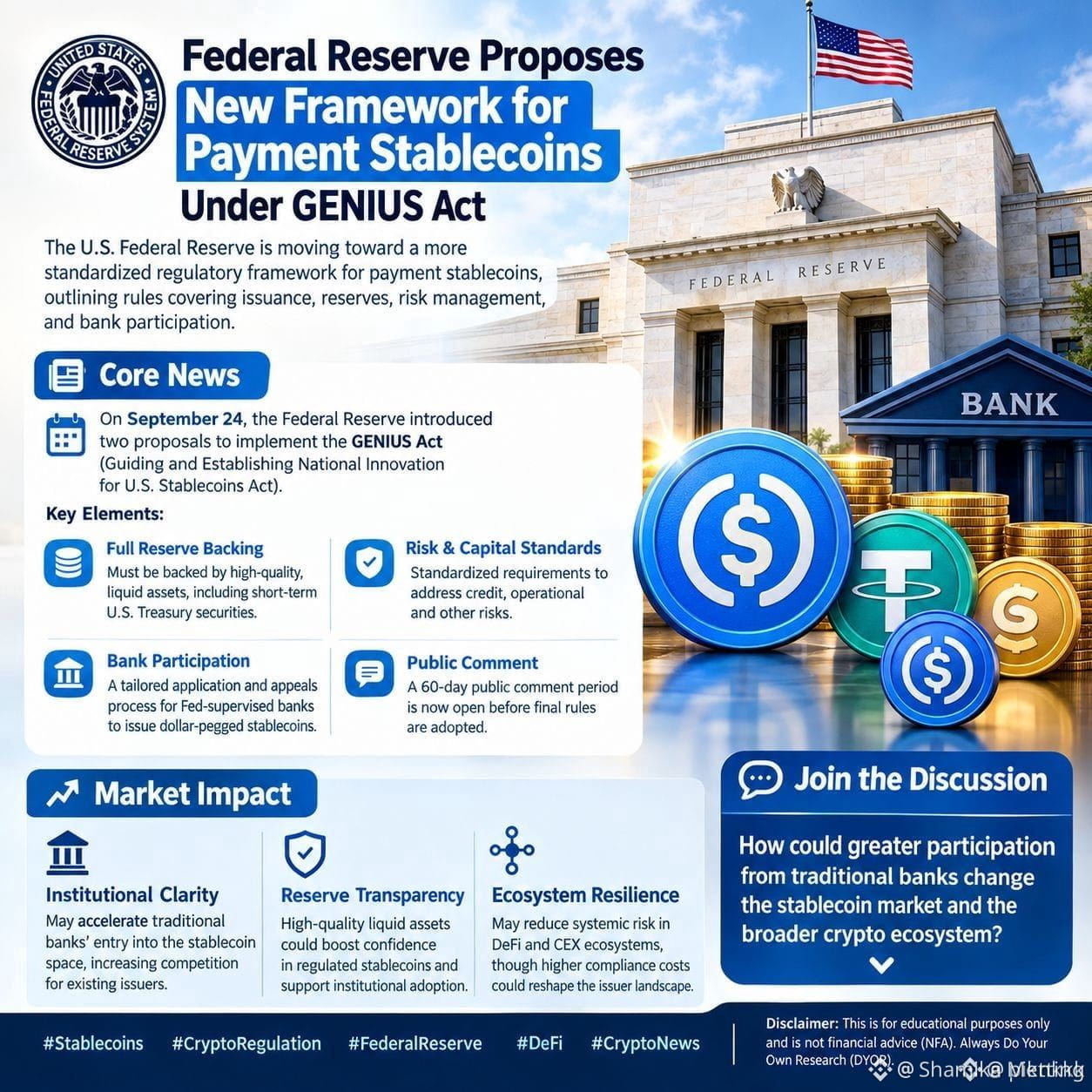
#fedproposespaymentstablecoinrules 🏛️ تكشف الاحتياطي الفيدرالي الأمريكي عن إطار تنظيمي جديد لعملات الستابلكوين المدفوعة
يتجه المشهد التنظيمي للأصول الرقمية خطوة كبيرة إلى الأمام. فقد قدّم الاحتياطي الفيدرالي الأمريكي مقترحات لتوحيد طريقة إصدار عملات الستابلكوين الخاصة بالمدفوعات وإدارتها.
📰 ملخص الأخبار الأساسية
في 24 سبتمبر، أصدر الاحتياطي الفيدرالي قواعد لتطبيق قانون GENIUS. تشمل ركائز رئيسية:
• تغطية احتياطية كاملة: يجب على المُصدِرين الحفاظ على دعم 1:1 للرموز بأصول سائلة وعالية الجودة مثل أذون الخزانة الأمريكية قصيرة الأجل.
• معايير رأسمالية صارمة: يواجه المُصدِرون متطلبات رأسمالية موحّدة وأطر قوية لإدارة المخاطر للتخفيف من المخاطر التشغيلية.
• تكامل البنوك: يتم وضع عملية تقديم طلبات مخصصة للبنوك الخاضعة لرقابة الاحتياطي الفيدرالي لإصدار بشكل قانوني عملات ستابلكوين مربوطة بالدولار.
• فترة تعليقات عامة مدتها 60 يومًا متاحة الآن قبل اعتماد النسخة النهائية.
📊 تحليل أثر السوق
• وضوح مؤسسي: ستؤدي المسارات الواضحة إلى تسريع دخول البنوك التقليدية إلى قطاع الستابلكوين، وتعزيز المنافسة الصحية.
#Stablecoins #CryptoRegulation #FederalReserve #DeFi #CryptoNews
هذا المحتوى لأغراض تعليمية فقط. ليس نصيحة مالية (NFA). قم دائمًا بإجراء بحثك الخاص (DYOR).
متابعة من فضلكم
$GRT $SEI $PUMP
1
3.9k
·
--
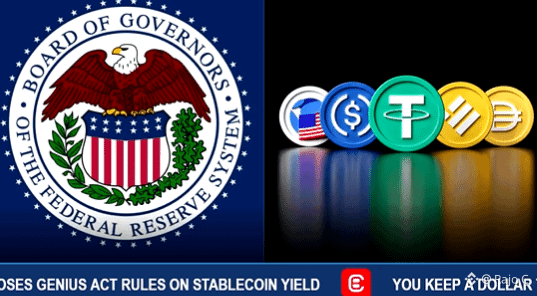
#fedproposespaymentstablecoinrules 🚨
FED PROPOSES GENIUS ACT RULES ON STABLECOIN
YIELD!
The Federal Reserve put out draft
rules for payment stablecoin
issuers it supervises.
Tokens would have to stay fully backed by allowed reserves such as short-term Treasuries.
The draft also bans paying yield just for holding the stablecoin, and treats some third-party reward setups as off-limits.
That means you keep a dollar token, the issuer keeps the Treasury interest.
$FARTCOIN $AR $RAVE
1
1.1k

·
--
Bullish
$WLD
{spot}(WLDUSDT)
Stablecoin Rules Will Impact Long-Term Structure Far More Than Meme Coin Bans
Banning politicians from issuing tokens is merely political theatre; the Federal Reserve laying down reserve requirements and capital buffers is actually rewriting the plumbing
The dollar-backed stablecoins that manage to survive will need to behave increasingly like money market funds
$MELANIA
{future}(MELANIAUSDT)
Yields will thin out, and running off with the funds will become far more difficult. For any yield-bearing stablecoins you're holding right now, it's time to ask: is that yield coming from short-dated treasuries, or is it just high-risk strategies wrapped up in a tidy package? The slicker the wrapper, the steeper the drop when liquidity gets pulled
$TRUMP
{spot}(TRUMPUSDT)
#FedProposesPaymentStablecoinRules
$WLD
Stablecoin Rules Will Impact Long-Term Structure Far More Than Meme Coin Bans
Banning politicians from issuing tokens is merely political theatre; the Federal Reserve laying down reserve requirements and capital buffers is actually rewriting the plumbing
The dollar-backed stablecoins that manage to survive will need to behave increasingly like money market funds
$MELANIA
Yields will thin out, and running off with the funds will become far more difficult. For any yield-bearing stablecoins you're holding right now, it's time to ask: is that yield coming from short-dated treasuries, or is it just high-risk strategies wrapped up in a tidy package? The slicker the wrapper, the steeper the drop when liquidity gets pulled
$TRUMP
#FedProposesPaymentStablecoinRules

2.2k

·
--
🚨 THE FED ISN’T JUST REGULATING STABLECOINS — IT’S TRYING TO PREVENT THE NEXT DIGITAL BANK RUN.
The Fed’s new GENIUS Act proposals would force supervised stablecoin issuers to hold fully backed, highly liquid reserves, meet standardized capital requirements, and maintain systems that can support reliable redemptions even during market stress.
That’s the underrated part.
The real risk in stablecoins was never just whether $1 = $1 on a normal day.
It’s whether everyone can get their dollar back at the same time when markets panic.
Fed Governor Michael Barr explicitly highlighted that stablecoins need to remain redeemable at par even during periods of stress, when both issuers and reserve assets can come under pressure.
So this framework is effectively trying to turn stablecoins from:
“crypto cash” → regulated digital cash infrastructure.
If finalized, the biggest advantage may go to issuers that can already handle liquidity, custody, reserves and compliance at institutional scale.
That’s why this may matter more for $CRCL than for the stablecoin tokens themselves.
The next stablecoin race may not be about who grows fastest.
It may be about who survives a run. 👀
{stock_us}(COIN.US)
{stock_us}(CRCL.US)
{spot}(USDCUSDT)
$CRCL.US $COIN.US $USDC #BTCFallsBelow$83000 #FedProposesPaymentStablecoinRules #ChinaMayLetAlibabaByteDanceBuyNvidiaChips #USChinaRelease$30BTariffCutProductLists #SKoreaFSCConsidersVirtualAssetMarketMaker
🚨 THE FED ISN’T JUST REGULATING STABLECOINS — IT’S TRYING TO PREVENT THE NEXT DIGITAL BANK RUN.
The Fed’s new GENIUS Act proposals would force supervised stablecoin issuers to hold fully backed, highly liquid reserves, meet standardized capital requirements, and maintain systems that can support reliable redemptions even during market stress.
That’s the underrated part.
The real risk in stablecoins was never just whether $1 = $1 on a normal day.
It’s whether everyone can get their dollar back at the same time when markets panic.
Fed Governor Michael Barr explicitly highlighted that stablecoins need to remain redeemable at par even during periods of stress, when both issuers and reserve assets can come under pressure.
So this framework is effectively trying to turn stablecoins from:
“crypto cash” → regulated digital cash infrastructure.
If finalized, the biggest advantage may go to issuers that can already handle liquidity, custody, reserves and compliance at institutional scale.
That’s why this may matter more for $CRCL than for the stablecoin tokens themselves.
The next stablecoin race may not be about who grows fastest.
It may be about who survives a run. 👀
$CRCL.US $COIN.US $USDC #BTCFallsBelow$83000 #FedProposesPaymentStablecoinRules #ChinaMayLetAlibabaByteDanceBuyNvidiaChips #USChinaRelease$30BTariffCutProductLists #SKoreaFSCConsidersVirtualAssetMarketMaker

1.7k

·
--
Article
The Federal Reserve Board proposed two draft rules#fedproposespaymentstablecoinrules
The Federal Reserve Board proposed two draft rules on September 24, 2026 to implement its part of the GENIUS Act, the federal stable coin law signed in July 2025. Public comment is open for 60 days after the proposals are published in the Federal Register.
Who it covers
The Fed proposed a rule setting requirements for authorized stable coin issuers under its purview, including state member banks and other state-chartered issuers. Under the act, the Fed oversees stable coin issuers that are subsidiaries of state member banks. It also oversees state-chartered institutions without federal deposit insurance that have $10 billion or more of stable coins.
Proposal 1: reserves, capital and risk management
Full backing: Every $1 of stable coins would need at least $1 of permissible reserve assets behind it. Reserves could include U.S. dollars, Fed balances, certain bank deposits, Treasuries with 93 days or less to maturity, qualifying repos, and eligible investment funds.Redemption: Issuers must fulfill redemption requests within two business days. If backing falls below 1:1, they must immediately notify the Fed. Capital: Standardized capital requirements would address credit and operational risks, alongside risk-management standards. An issuer that stays short of required capital long enough could be forced to liquidate all reserves and redeem every coin. Custody: The proposal adds rules for Fed-supervised firms that safekeep the assets backing stable coins. It also clarifies which stable coin activities are permissible for Fed-supervised banks.
Proposal 2: bank applications
Fed-supervised banks that want to issue stable coins would follow a tailored application process rather than the standard one. Applicants would submit a business plan and financial information. The draft also sets up a process for appeals, hearings and final determinations. The GENIUS Act gives the Fed 120 days to decide complete applications.
Reaction and context
Fed Governor Michael Barr called the proposal an important step but said more work is needed. He said stable coins "will only be stable if they can be reliably and promptly redeemed at par" in a range of conditions, including market stressThe OCC and NCUA proposed their rules in February, the FDIC in April, and Treasury in August. No agency has finalized rules yet. The agencies also missed the statutory July 18 implementation deadline.The OCC's chief has said its final rule will come out by November.
These are proposals, so details could change after comments. Only banks and issuers under the Fed's supervision are covered, so issuers regulated by the OCC, FDIC or states would follow their own rules.
The Federal Reserve Board proposed two draft rules
#fedproposespaymentstablecoinrules
The Federal Reserve Board proposed two draft rules on September 24, 2026 to implement its part of the GENIUS Act, the federal stable coin law signed in July 2025. Public comment is open for 60 days after the proposals are published in the Federal Register.
Who it covers
The Fed proposed a rule setting requirements for authorized stable coin issuers under its purview, including state member banks and other state-chartered issuers. Under the act, the Fed oversees stable coin issuers that are subsidiaries of state member banks. It also oversees state-chartered institutions without federal deposit insurance that have $10 billion or more of stable coins.
Proposal 1: reserves, capital and risk management
Full backing: Every $1 of stable coins would need at least $1 of permissible reserve assets behind it. Reserves could include U.S. dollars, Fed balances, certain bank deposits, Treasuries with 93 days or less to maturity, qualifying repos, and eligible investment funds.Redemption: Issuers must fulfill redemption requests within two business days. If backing falls below 1:1, they must immediately notify the Fed. Capital: Standardized capital requirements would address credit and operational risks, alongside risk-management standards. An issuer that stays short of required capital long enough could be forced to liquidate all reserves and redeem every coin. Custody: The proposal adds rules for Fed-supervised firms that safekeep the assets backing stable coins. It also clarifies which stable coin activities are permissible for Fed-supervised banks.
Proposal 2: bank applications
Fed-supervised banks that want to issue stable coins would follow a tailored application process rather than the standard one. Applicants would submit a business plan and financial information. The draft also sets up a process for appeals, hearings and final determinations. The GENIUS Act gives the Fed 120 days to decide complete applications.
Reaction and context
Fed Governor Michael Barr called the proposal an important step but said more work is needed. He said stable coins "will only be stable if they can be reliably and promptly redeemed at par" in a range of conditions, including market stressThe OCC and NCUA proposed their rules in February, the FDIC in April, and Treasury in August. No agency has finalized rules yet. The agencies also missed the statutory July 18 implementation deadline.The OCC's chief has said its final rule will come out by November.
These are proposals, so details could change after comments. Only banks and issuers under the Fed's supervision are covered, so issuers regulated by the OCC, FDIC or states would follow their own rules.
144

·
--
#FedProposesPaymentStablecoinRules
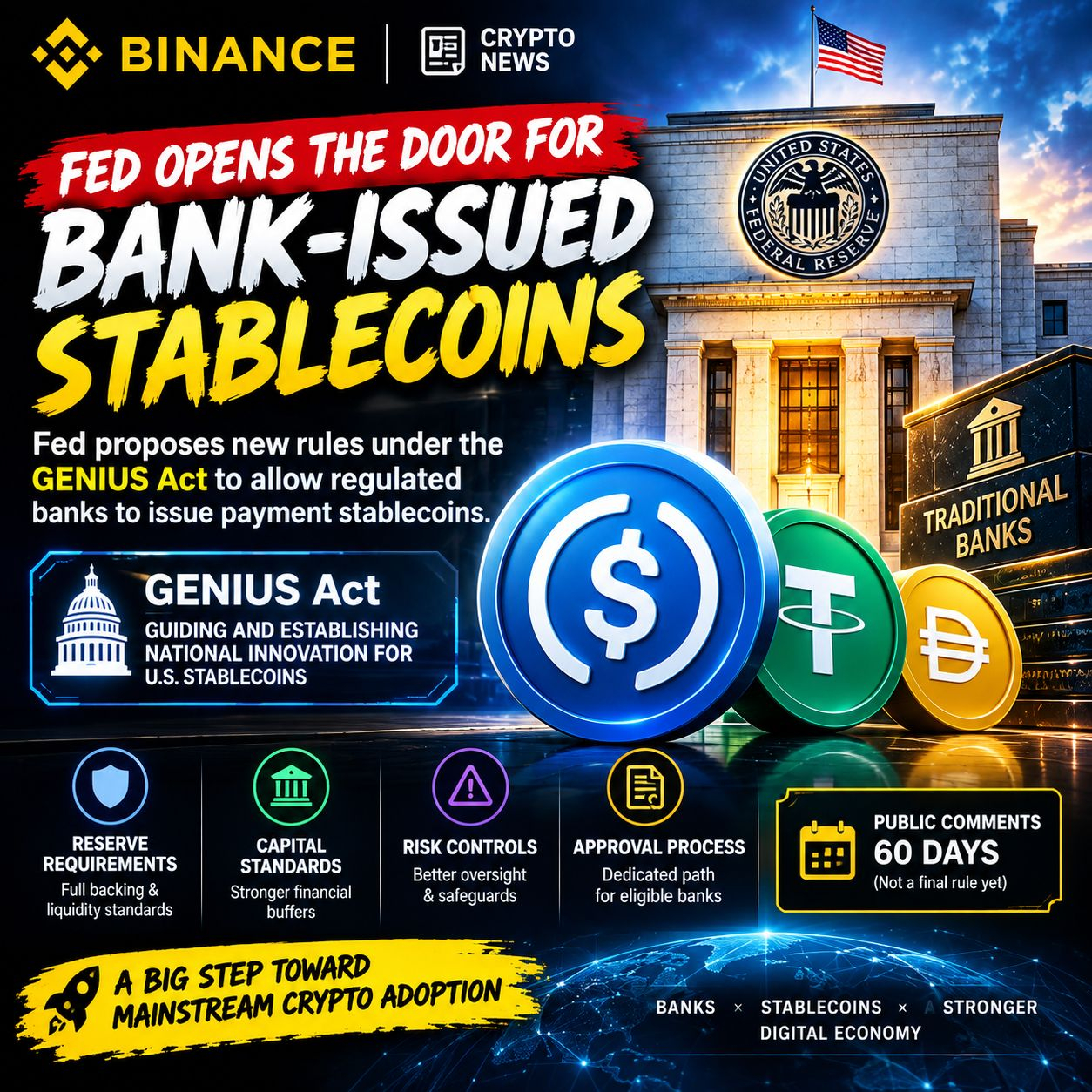
🚨 FED OPENS THE DOOR FOR BANK-ISSUED STABLECOINS
The Federal Reserve has proposed new rules under the GENIUS Act that would allow Fed-supervised banks to apply to issue payment stablecoins.
The proposal includes reserve requirements, capital standards, risk controls, and a dedicated approval process for banks entering the stablecoin market.
This could mark another major step toward bringing traditional banking deeper into the digital-asset ecosystem. 🏦💵
#Stablecoins #Crypto #Bitcoin #Ethereum #GENIUSAct #FederalReserve #Blockchain #CryptoNews
50
·
--
#FedProposesPaymentStablecoinRules
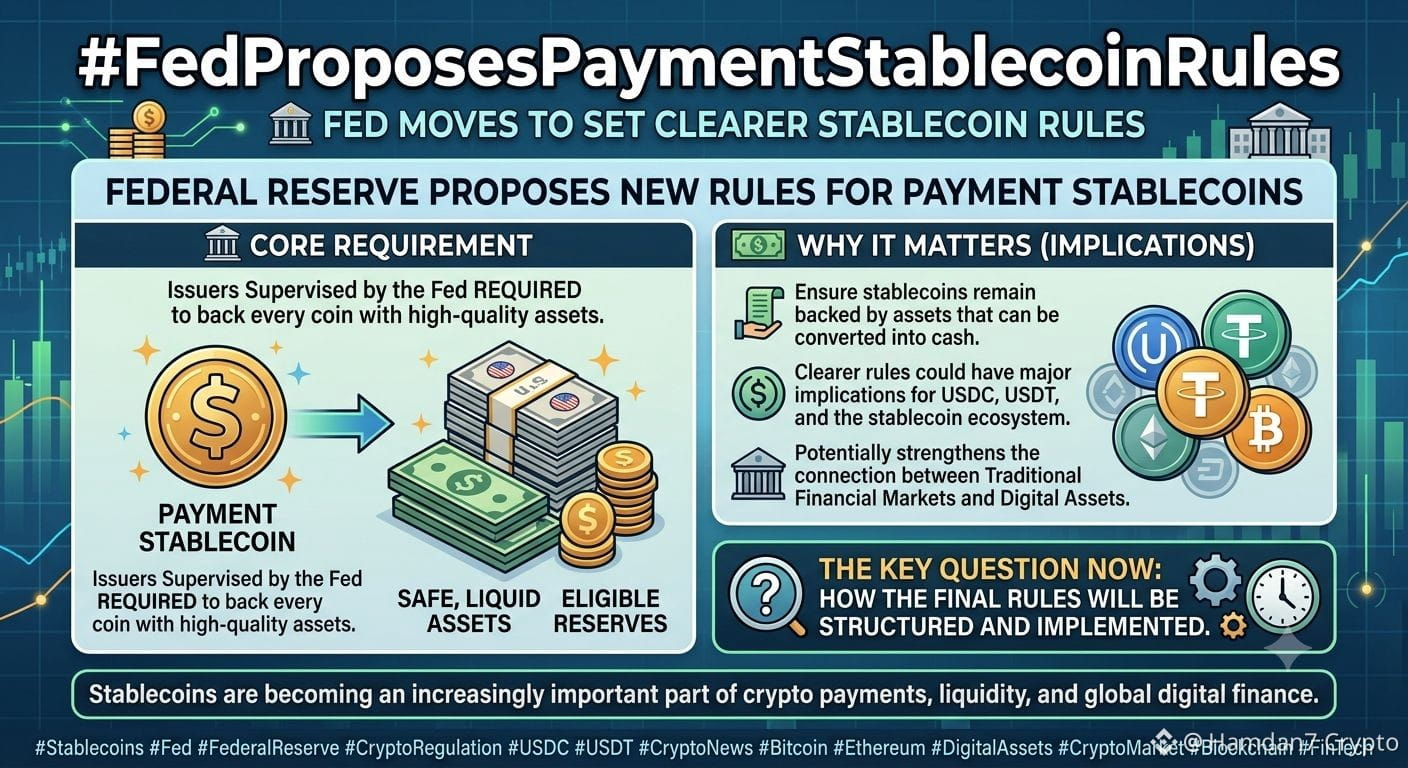
🏦 FED MOVES TO SET CLEARER STABLECOIN RULES
The U.S. Federal Reserve has proposed new rules for payment stablecoins, marking another major step toward establishing a clearer regulatory framework for the rapidly growing stablecoin market.
Under the proposal, stablecoin issuers supervised by the Fed would be required to back every coin with high-quality, safe and liquid assets, including U.S. Treasury bills and other eligible reserves.
💵 Why it matters:
Strong reserve requirements are designed to ensure that stablecoins remain backed by assets that can be converted into cash when needed.
For the crypto market, clearer rules could have major implications for USDC, USDT and the broader stablecoin ecosystem, while potentially strengthening the connection between traditional financial markets and digital assets.
🔎 The key question now is how the final rules will be structured and implemented.
Stablecoins are becoming an increasingly important part of crypto payments, liquidity and global digital finance.
#Stablecoins #Fed #FederalReserve #CryptoRegulation #USDC #USDT #CryptoNews #Bitcoin #Ethereum #DigitalAssets #CryptoMarket #Blockchain #FinTech
34

·
--
Bullish
#fedproposespaymentstablecoinrules
Fed Proposes Payment Stablecoin Rules: What Would Change for Issuers?
Stablecoin adoption depends partly on confidence in the assets and systems behind each token.
On September 24, 2026, the Federal Reserve requested public feedback on two proposals under the GENIUS Act, addressing payment stablecoin issuers under its supervision and related banking activities.
The first would require full backing with eligible reserve assets, including short-term Treasury bills. It also addresses capital requirements, risk management and the safekeeping of assets backing stablecoins.
The second would establish an application process for Fed-supervised banks seeking approval for stablecoin issuance, requiring business plans, financial information and supporting documents.
These remain proposals. The comment period closes 60 days after publication in the Federal Register, and the final requirements may change.
My take: Clearer reserve and operating requirements could help banks and businesses assess stablecoin issuers more consistently. Compliance also costs money, so the final design could influence which firms can compete and how services are priced.
For users, the practical questions remain straightforward: how accessible is redemption, who safeguards the reserves, and how reliably do operations function during stress?
I would watch whether the final framework combines stronger protections with workable entry requirements. That balance could shape competition and the usefulness of payment stablecoins.
Which matters most to you: reserve transparency, reliable redemption or greater issuer competition?
#FedProposesPaymentStablecoinRules #Stablecoins #GENIUSAct
$QNT $BTW $ONE
{future}(ONEUSDT)
{future}(BTWUSDT)
{future}(QNTUSDT)
#fedproposespaymentstablecoinrules
Fed Proposes Payment Stablecoin Rules: What Would Change for Issuers?
Stablecoin adoption depends partly on confidence in the assets and systems behind each token.
On September 24, 2026, the Federal Reserve requested public feedback on two proposals under the GENIUS Act, addressing payment stablecoin issuers under its supervision and related banking activities.
The first would require full backing with eligible reserve assets, including short-term Treasury bills. It also addresses capital requirements, risk management and the safekeeping of assets backing stablecoins.
The second would establish an application process for Fed-supervised banks seeking approval for stablecoin issuance, requiring business plans, financial information and supporting documents.
These remain proposals. The comment period closes 60 days after publication in the Federal Register, and the final requirements may change.
My take: Clearer reserve and operating requirements could help banks and businesses assess stablecoin issuers more consistently. Compliance also costs money, so the final design could influence which firms can compete and how services are priced.
For users, the practical questions remain straightforward: how accessible is redemption, who safeguards the reserves, and how reliably do operations function during stress?
I would watch whether the final framework combines stronger protections with workable entry requirements. That balance could shape competition and the usefulness of payment stablecoins.
Which matters most to you: reserve transparency, reliable redemption or greater issuer competition?
#FedProposesPaymentStablecoinRules #Stablecoins #GENIUSAct
$QNT $BTW $ONE
2
1.9k

·
--
Bullish
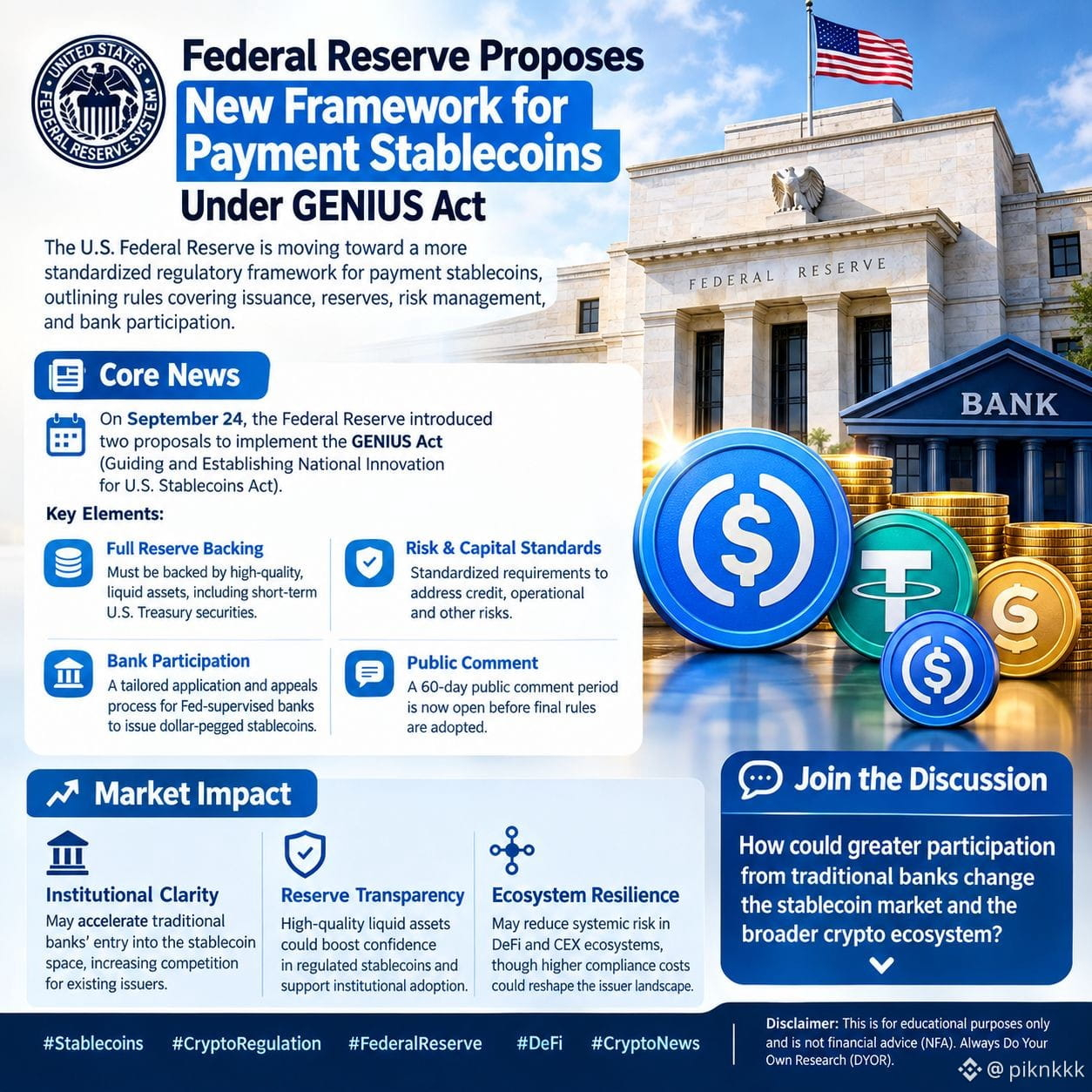
#fedproposespaymentstablecoinrules 🏛️ Fed Unveils New Regulatory Framework for Payment Stablecoins
The regulatory landscape for digital assets is taking a major step forward. The U.S. Federal Reserve has introduced proposals to standardize how payment stablecoins are issued and managed.
📰 Core News Breakdown
On Sept 24, the Fed released rules to implement the GENIUS Act. Key pillars include:
• Full Reserve Backing: Issuers must maintain 1:1 backing of tokens with high-quality, liquid assets like short-term U.S. Treasury bills.
• Strict Capital Standards: Issuers face standardized capital requirements and robust risk-management frameworks to mitigate operational risks.
• Bank Integration: A tailored application process is established for Fed-supervised banks to legally issue dollar-pegged stablecoins.
• A 60-day public comment period is now open before finalization.
📊 Market Impact Analysis
• Institutional Clarity: Clear pathways will accelerate traditional bank entry into the stablecoin sector, fostering healthy competition.
• Enhanced Trust: Mandating high-quality liquid assets strengthens the safety of regulated stablecoins, boosting institutional confidence.
• Ecosystem Resilience: Standardized frameworks reduce systemic risk in DeFi and CEX ecosystems, though compliance costs may reshape issuers.
💬 Join the Discussion
How will traditional banks entering the stablecoin space impact current market leaders and the broader DeFi ecosystem? Share your insights below! 👇
#Stablecoins #CryptoRegulation #FederalReserve #DeFi #CryptoNews
This content is for educational purposes only. Not Financial Advice (NFA). Always Do Your Own Research (DYOR).
$GRT $SEI $PUMP
{future}(PUMPUSDT)
{future}(SEIUSDT)
{future}(GRTUSDT)
#fedproposespaymentstablecoinrules 🏛️ Fed Unveils New Regulatory Framework for Payment Stablecoins
The regulatory landscape for digital assets is taking a major step forward. The U.S. Federal Reserve has introduced proposals to standardize how payment stablecoins are issued and managed.
📰 Core News Breakdown
On Sept 24, the Fed released rules to implement the GENIUS Act. Key pillars include:
• Full Reserve Backing: Issuers must maintain 1:1 backing of tokens with high-quality, liquid assets like short-term U.S. Treasury bills.
• Strict Capital Standards: Issuers face standardized capital requirements and robust risk-management frameworks to mitigate operational risks.
• Bank Integration: A tailored application process is established for Fed-supervised banks to legally issue dollar-pegged stablecoins.
• A 60-day public comment period is now open before finalization.
📊 Market Impact Analysis
• Institutional Clarity: Clear pathways will accelerate traditional bank entry into the stablecoin sector, fostering healthy competition.
• Enhanced Trust: Mandating high-quality liquid assets strengthens the safety of regulated stablecoins, boosting institutional confidence.
• Ecosystem Resilience: Standardized frameworks reduce systemic risk in DeFi and CEX ecosystems, though compliance costs may reshape issuers.
💬 Join the Discussion
How will traditional banks entering the stablecoin space impact current market leaders and the broader DeFi ecosystem? Share your insights below! 👇
#Stablecoins #CryptoRegulation #FederalReserve #DeFi #CryptoNews
This content is for educational purposes only. Not Financial Advice (NFA). Always Do Your Own Research (DYOR).
$GRT $SEI $PUMP
1
593

#FedProposesPaymentStablecoinRules
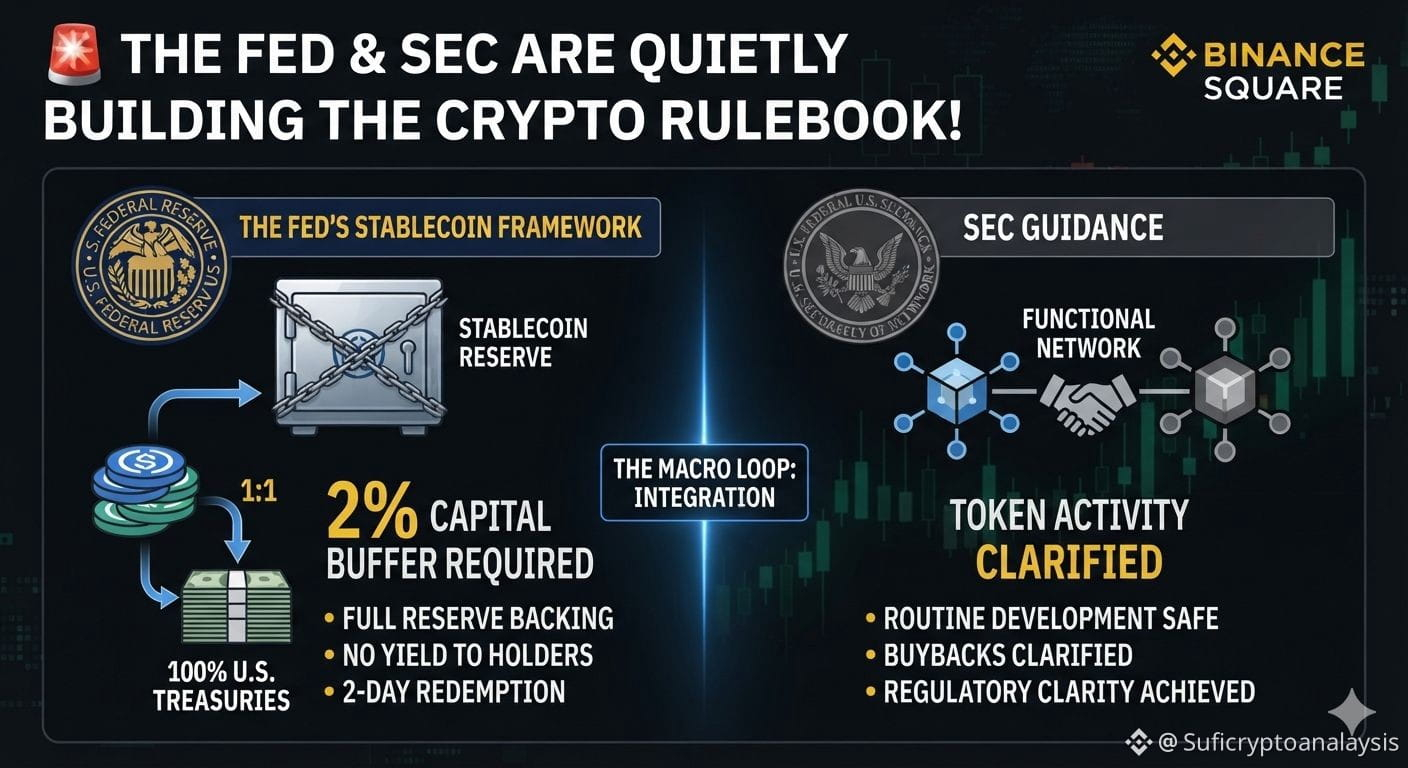
🚨 THE FED & SEC ARE QUIETLY BUILDING THE CRYPTO RULEBOOK! 🇺🇸💵The U.S. regulatory landscape just shifted dramatically, pulling digital assets deeper into the traditional financial system rather than pushing them out. If you are trading or holding right now, these two parallel moves change the macro landscape entirely.🏛️ 1. The Fed's Strict Payment Stablecoin FrameworkUnder the GENIUS Act, the Federal Reserve proposed twin packages establishing comprehensive reserve, operational, and capital requirements:100% High-Quality Reserves: Tokens must be backed 1:1 by liquid assets like short-term U.S. Treasuries (93 days or less maturity).The 2% Capital Buffer: Issuers face a mandatory 2% capital requirement on the first $20 billion of token issuance to address operational and credit risks.Strict Yield Prohibition: Issuers are completely prohibited from paying interest or yield directly to token holders.Redemption Rules: Fulfilling cash/deposit redemptions must happen within two business days.⚖️ 2. The SEC & Coreen's Regulatory TakeSEC staff clarified that activities like token buybacks and active network development do not automatically trigger securities contracts on functional networks, offering builders more breathing room. Meanwhile, incorporating Coreen's market perspective highlights that these evolving frameworks demand tighter risk management across both decentralized and centralized portfolios.📊 Token Impact Analysis: What This Means For Your Bags$USDC & Stablecoins: Margin compression will favor fully compliant, bank-backed entities.$ETH & Layer 1s: Regulatory clarity serves as a long-term institutional catalyst as ETH eyes levels toward $3,050–$3,450.$SOL : Watching support at $113–$118 amid whale exchange transfers and ETF inflows.💡 The Macro Loop: The Real Winner?Integration over deregulation means stablecoins drive Treasury demand, cementing the digital dollar's reach.What is your take? Let me know below! 👇#FedProposesPaymentStablecoinRules #CryptoRegulation #Ethereum #Solana
🚨 THE FED & SEC ARE QUIETLY BUILDING THE CRYPTO RULEBOOK! 🇺🇸💵The U.S. regulatory landscape just shifted dramatically, pulling digital assets deeper into the traditional financial system rather than pushing them out. If you are trading or holding right now, these two parallel moves change the macro landscape entirely.🏛️ 1. The Fed's Strict Payment Stablecoin FrameworkUnder the GENIUS Act, the Federal Reserve proposed twin packages establishing comprehensive reserve, operational, and capital requirements:100% High-Quality Reserves: Tokens must be backed 1:1 by liquid assets like short-term U.S. Treasuries (93 days or less maturity).The 2% Capital Buffer: Issuers face a mandatory 2% capital requirement on the first $20 billion of token issuance to address operational and credit risks.Strict Yield Prohibition: Issuers are completely prohibited from paying interest or yield directly to token holders.Redemption Rules: Fulfilling cash/deposit redemptions must happen within two business days.⚖️ 2. The SEC & Coreen's Regulatory TakeSEC staff clarified that activities like token buybacks and active network development do not automatically trigger securities contracts on functional networks, offering builders more breathing room. Meanwhile, incorporating Coreen's market perspective highlights that these evolving frameworks demand tighter risk management across both decentralized and centralized portfolios.📊 Token Impact Analysis: What This Means For Your Bags$USDC & Stablecoins: Margin compression will favor fully compliant, bank-backed entities.$ETH & Layer 1s: Regulatory clarity serves as a long-term institutional catalyst as ETH eyes levels toward $3,050–$3,450.$SOL : Watching support at $113–$118 amid whale exchange transfers and ETF inflows.💡 The Macro Loop: The Real Winner?Integration over deregulation means stablecoins drive Treasury demand, cementing the digital dollar's reach.What is your take? Let me know below! 👇#FedProposesPaymentStablecoinRules #CryptoRegulation #Ethereum #Solana
53

Stablecoins are the most used product in crypto and the least understood.
What they are: digital dollars. 1 USDT or 1 USDC is meant to equal 1 US dollar, backed by cash and short term treasuries held by the issuer.
Why they matter: Chainalysis says stablecoins now make up 96% of person to person crypto transfers within countries. Cross border stablecoin payments grew 77% in a year. This is real money movement, not speculation.
What changed this month: the Fed proposed rules for payment stablecoins. Regulation sounds boring, but it is exactly what lets banks and businesses use these rails at scale.
Risk to remember: a stablecoin is only as good as its reserves. Stick to the large, audited ones. A 20% yield offer on a "stablecoin" is the oldest trap in the book.
Do you use stablecoins for savings, trading, or payments?
#FedProposesPaymentStablecoinRules #Stablecoins #CryptoEducation $USDC $BTC
1
2
479

·
--
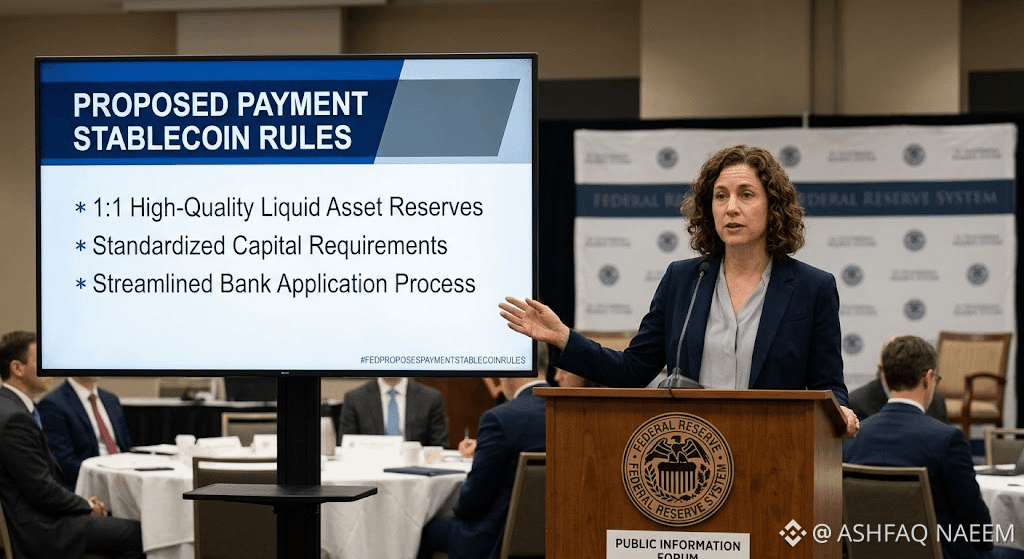
The Federal Reserve's proposed stablecoin rules under the GENIUS Act (issued September 24, 2026) focus on two main areas:
1:1 Reserve & Capital Standards: Supervised payment stablecoin issuers must fully back tokens with high-quality liquid assets (like short-term U.S. Treasuries) and maintain standardized capital buffers for operational and credit risk.
Bank Application Framework: Establishes a formal application, review, and appeals process for Fed-supervised banks seeking to create stablecoin-issuing subsidiaries.
The draft rules are open for a 60-day public comment period.
#fedproposespaymentstablecoinrules
#BTC $BTC #USDC✅ $USDC
{spot}(USDCUSDT)
{future}(BTCUSDT)
The Federal Reserve's proposed stablecoin rules under the GENIUS Act (issued September 24, 2026) focus on two main areas:
1:1 Reserve & Capital Standards: Supervised payment stablecoin issuers must fully back tokens with high-quality liquid assets (like short-term U.S. Treasuries) and maintain standardized capital buffers for operational and credit risk.
Bank Application Framework: Establishes a formal application, review, and appeals process for Fed-supervised banks seeking to create stablecoin-issuing subsidiaries.
The draft rules are open for a 60-day public comment period.
#fedproposespaymentstablecoinrules
#BTC $BTC #USDC✅ $USDC
1
55
Log in to explore more content
Join global crypto users on Binance Square
⚡️ Get latest and useful information about crypto.
💬 Trusted by the world’s largest crypto exchange.
👍 Discover real insights from verified creators.
Email / Phone number
Trending Topics
1
#HuangRisksOusterOverReportedAffairWithSubordinate
58,784 views
821 Discussing
2
#AnthropicRejectsIPODelayValuationinQuestion
515,951 views
4,218 Discussing
3
#CoreWeaveJumps10%On168%RevenueGrowth
90,060 views
1,066 Discussing
4
#ZcashFallsBelow$1000ForFirstTimeSinceSeptember
48,934 views
212 Discussing
5
#MSCIRemovalMayCurbStrategy’sBitcoinBuying
11,063 views
186 Discussing
6
#HKSFCSaysTokenizationMovingToCommercialUse
206 views
19 Discussing
7
#CanNvidiaEarningsEaseMarketConcerns?
198,967 views
1,975 Discussing
8
#SouthKoreaToLetExchangesSuspendWithdrawalsOnSuspectedHacks
202 views
12 Discussing
9
#PythAddsNYSERealTimeDataToMarketplace
5,056 views
132 Discussing
10
#SolanaCompanyReports$3.4MQ3Revenue
1,444 views
30 Discussing