

#blockchain
blockchain
34.8M views
163,407 Discussing
Hot
Latest

·
--
What you need to know about Web3Everyone is talking about Web3, but what does it actually mean?
Web1 allowed us to read information online.
Web2 allowed us to create and share content through platforms like Facebook, X, YouTube, and Instagram.
Web3 aims to give users ownership of their data, digital assets, and online identities through blockchain technology.
Key features of Web3:
🔹 Decentralization
🔹 Digital Ownership
🔹 Smart Contracts
🔹 Token-Based Economies
🔹 Permissionless Innovation
While Web3 is still evolving, it represents a shift toward a more open and user-owned internet.
#Web3 #blockchain #BinanceSquareTalks
#crypto #Technology
What you need to know about Web3
Everyone is talking about Web3, but what does it actually mean?
Web1 allowed us to read information online.
Web2 allowed us to create and share content through platforms like Facebook, X, YouTube, and Instagram.
Web3 aims to give users ownership of their data, digital assets, and online identities through blockchain technology.
Key features of Web3:
🔹 Decentralization
🔹 Digital Ownership
🔹 Smart Contracts
🔹 Token-Based Economies
🔹 Permissionless Innovation
While Web3 is still evolving, it represents a shift toward a more open and user-owned internet.
#Web3 #blockchain #BinanceSquareTalks
#crypto #Technology
Web1 allowed us to read information online.
Web2 allowed us to create and share content through platforms like Facebook, X, YouTube, and Instagram.
Web3 aims to give users ownership of their data, digital assets, and online identities through blockchain technology.
Key features of Web3:
🔹 Decentralization
🔹 Digital Ownership
🔹 Smart Contracts
🔹 Token-Based Economies
🔹 Permissionless Innovation
While Web3 is still evolving, it represents a shift toward a more open and user-owned internet.
#Web3 #blockchain #BinanceSquareTalks
#crypto #Technology
1
72

·
--
Modular Blockchain Architecture: The Layer Everyone Keeps Overlooking
For years the blockchain trilemma framed the problem as a trade-off: pick two of security, scalability, and decentralization. Monolithic chains tried to solve all three at once. Most failed at scale.
Modular architecture flips the design. Instead of cramming execution, consensus, settlement, and data availability into one layer, you unbundle them — let each layer specialize.
Data availability is the quiet bottleneck most traders ignore. If validators cannot verify that block data is actually available, the entire security model collapses. Projects like Celestia pioneered DA as a standalone layer, dramatically cutting the cost for rollups to post data on-chain. $ETH adopted a similar path with EIP-4844 blobs — a dedicated data lane for L2s that slashed rollup fees by over 80% overnight.
What this means in practice:
- $ETH becomes the settlement and DA hub for a growing rollup ecosystem
- $BNB Chain's opBNB scales through the same modular playbook
- $AVAX subnets offer competing sovereign execution environments
The endgame is not one chain winning. It is specialized layers composing into something no single monolithic chain could be.
The modular thesis is not hype — it is already running in production.
#Blockchain #Ethereum #Modular #DeFi #CryptoInfrastructure
Modular Blockchain Architecture: The Layer Everyone Keeps Overlooking
For years the blockchain trilemma framed the problem as a trade-off: pick two of security, scalability, and decentralization. Monolithic chains tried to solve all three at once. Most failed at scale.
Modular architecture flips the design. Instead of cramming execution, consensus, settlement, and data availability into one layer, you unbundle them — let each layer specialize.
Data availability is the quiet bottleneck most traders ignore. If validators cannot verify that block data is actually available, the entire security model collapses. Projects like Celestia pioneered DA as a standalone layer, dramatically cutting the cost for rollups to post data on-chain. $ETH adopted a similar path with EIP-4844 blobs — a dedicated data lane for L2s that slashed rollup fees by over 80% overnight.
What this means in practice:
- $ETH becomes the settlement and DA hub for a growing rollup ecosystem
- $BNB Chain's opBNB scales through the same modular playbook
- $AVAX subnets offer competing sovereign execution environments
The endgame is not one chain winning. It is specialized layers composing into something no single monolithic chain could be.
The modular thesis is not hype — it is already running in production.
#Blockchain #Ethereum #Modular #DeFi #CryptoInfrastructure
For years the blockchain trilemma framed the problem as a trade-off: pick two of security, scalability, and decentralization. Monolithic chains tried to solve all three at once. Most failed at scale.
Modular architecture flips the design. Instead of cramming execution, consensus, settlement, and data availability into one layer, you unbundle them — let each layer specialize.
Data availability is the quiet bottleneck most traders ignore. If validators cannot verify that block data is actually available, the entire security model collapses. Projects like Celestia pioneered DA as a standalone layer, dramatically cutting the cost for rollups to post data on-chain. $ETH adopted a similar path with EIP-4844 blobs — a dedicated data lane for L2s that slashed rollup fees by over 80% overnight.
What this means in practice:
- $ETH becomes the settlement and DA hub for a growing rollup ecosystem
- $BNB Chain's opBNB scales through the same modular playbook
- $AVAX subnets offer competing sovereign execution environments
The endgame is not one chain winning. It is specialized layers composing into something no single monolithic chain could be.
The modular thesis is not hype — it is already running in production.
#Blockchain #Ethereum #Modular #DeFi #CryptoInfrastructure
75

·
--
Blockchain Needs Crypto-AgilityPost-quantum blockchain security is not a one-click algorithm swap. It is a coordinated migration across every place that authorizes value or proves state.
The obvious surface is the wallet signature, but it is only the start. Validator keys, bridge committees, oracle signers, DAO multisigs, rollup sequencers, hardware wallets, custody HSMs and long-lived smart contracts may all depend on classical cryptography. A chain can strengthen its base layer while an old bridge or signer set remains exposed.
NIST’s post-quantum standards provide strong building blocks. ML-DSA and SLH-DSA address digital signatures, while ML-KEM addresses key establishment. Blockchains still have to solve their own constraints: transaction size, verification cost, signature aggregation, account recovery, dormant users and compatibility with devices that may remain in service for years.
A practical migration can begin with crypto-agility. Smart accounts and account abstraction can let users change authorization methods without changing the meaning of ownership. Hybrid signatures can require both a classical signature and a post-quantum signature during a transition period. Key registries, native verification support and planned rotation procedures can make later steps controlled instead of chaotic.
The operational layer matters just as much. Hardware wallets need secure firmware support. Custodians need updated HSM workflows and key ceremonies. Multisig members need a coordinated rotation plan. Bridges and oracle networks need every signer to upgrade without creating a new central point of failure.
None of this means users should rush to unverified tools. No quantum computer can currently break the cryptography protecting mainstream blockchains. The right response is preparation, testing and clear migration design, not urgent transfers.
Read the full TokenToolHub guide: https://tokentoolhub.com/post-quantum-cryptography-in-blockchain/
#crypto #blockchain #Web3 #PostQuantum #WalletSecurity
Blockchain Needs Crypto-Agility
Post-quantum blockchain security is not a one-click algorithm swap. It is a coordinated migration across every place that authorizes value or proves state.
The obvious surface is the wallet signature, but it is only the start. Validator keys, bridge committees, oracle signers, DAO multisigs, rollup sequencers, hardware wallets, custody HSMs and long-lived smart contracts may all depend on classical cryptography. A chain can strengthen its base layer while an old bridge or signer set remains exposed.
NIST’s post-quantum standards provide strong building blocks. ML-DSA and SLH-DSA address digital signatures, while ML-KEM addresses key establishment. Blockchains still have to solve their own constraints: transaction size, verification cost, signature aggregation, account recovery, dormant users and compatibility with devices that may remain in service for years.
A practical migration can begin with crypto-agility. Smart accounts and account abstraction can let users change authorization methods without changing the meaning of ownership. Hybrid signatures can require both a classical signature and a post-quantum signature during a transition period. Key registries, native verification support and planned rotation procedures can make later steps controlled instead of chaotic.
The operational layer matters just as much. Hardware wallets need secure firmware support. Custodians need updated HSM workflows and key ceremonies. Multisig members need a coordinated rotation plan. Bridges and oracle networks need every signer to upgrade without creating a new central point of failure.
None of this means users should rush to unverified tools. No quantum computer can currently break the cryptography protecting mainstream blockchains. The right response is preparation, testing and clear migration design, not urgent transfers.
Read the full TokenToolHub guide: https://tokentoolhub.com/post-quantum-cryptography-in-blockchain/
#crypto #blockchain #Web3 #PostQuantum #WalletSecurity
The obvious surface is the wallet signature, but it is only the start. Validator keys, bridge committees, oracle signers, DAO multisigs, rollup sequencers, hardware wallets, custody HSMs and long-lived smart contracts may all depend on classical cryptography. A chain can strengthen its base layer while an old bridge or signer set remains exposed.
NIST’s post-quantum standards provide strong building blocks. ML-DSA and SLH-DSA address digital signatures, while ML-KEM addresses key establishment. Blockchains still have to solve their own constraints: transaction size, verification cost, signature aggregation, account recovery, dormant users and compatibility with devices that may remain in service for years.
A practical migration can begin with crypto-agility. Smart accounts and account abstraction can let users change authorization methods without changing the meaning of ownership. Hybrid signatures can require both a classical signature and a post-quantum signature during a transition period. Key registries, native verification support and planned rotation procedures can make later steps controlled instead of chaotic.
The operational layer matters just as much. Hardware wallets need secure firmware support. Custodians need updated HSM workflows and key ceremonies. Multisig members need a coordinated rotation plan. Bridges and oracle networks need every signer to upgrade without creating a new central point of failure.
None of this means users should rush to unverified tools. No quantum computer can currently break the cryptography protecting mainstream blockchains. The right response is preparation, testing and clear migration design, not urgent transfers.
Read the full TokenToolHub guide: https://tokentoolhub.com/post-quantum-cryptography-in-blockchain/
#crypto #blockchain #Web3 #PostQuantum #WalletSecurity
86

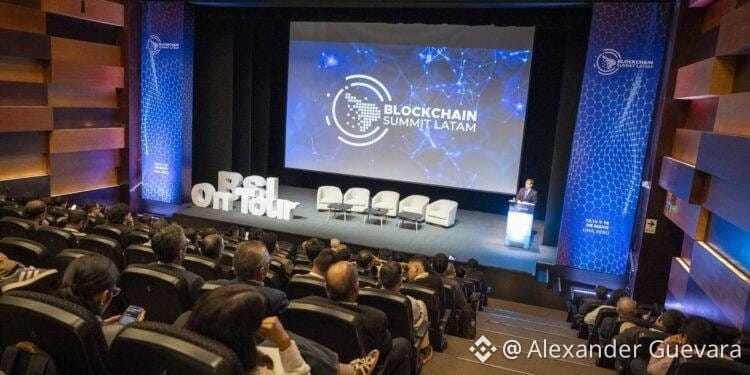
Blockchain Summit Latam 2026 llega a Bogotá: El futuro del dinero entra en debate
Ya no se trata solo del precio de los activos digitales, sino de cómo esta tecnología se integra al sistema financiero que ya usas. Banqueros, reguladores y desarrolladores se reúnen para hablar de casos de uso reales.
👉 Descubre la propuesta completa en nuestro post.
#blockchain #BlockchainSummit2026 #Colombia #Bogota #tecnologías $BTC $ETH
Blockchain Summit Latam 2026 llega a Bogotá: El futuro del dinero entra en debate
Ya no se trata solo del precio de los activos digitales, sino de cómo esta tecnología se integra al sistema financiero que ya usas. Banqueros, reguladores y desarrolladores se reúnen para hablar de casos de uso reales.
👉 Descubre la propuesta completa en nuestro post.
#blockchain #BlockchainSummit2026 #Colombia #Bogota #tecnologías $BTC $ETH
Ya no se trata solo del precio de los activos digitales, sino de cómo esta tecnología se integra al sistema financiero que ya usas. Banqueros, reguladores y desarrolladores se reúnen para hablar de casos de uso reales.
👉 Descubre la propuesta completa en nuestro post.
#blockchain #BlockchainSummit2026 #Colombia #Bogota #tecnologías $BTC $ETH
21

·
--
> My First Crypto Lesson complete! Introduction to Blockchain course se seekha ke blockchain kaise kaam karta hai. 2 Points bhi mil gaye! #BinanceAcademy
Maine aaj Binance Academy se Introduction to Blockchain complete kiya aur 2 Points earn kiye! 😊
Jo main ne seekha:
1. Blockchain ek decentralized ledger hai
2. Bitcoin sab se pehli cryptocurrency hai
Alhamdulillah slowly seekh raha hu. Kya aap ne Academy ka course kiya hai?
#BinanceAcademy #Blockchain #CryptoForBeginners
> My First Crypto Lesson complete! Introduction to Blockchain course se seekha ke blockchain kaise kaam karta hai. 2 Points bhi mil gaye! #BinanceAcademy
Maine aaj Binance Academy se Introduction to Blockchain complete kiya aur 2 Points earn kiye! 😊
Jo main ne seekha:
1. Blockchain ek decentralized ledger hai
2. Bitcoin sab se pehli cryptocurrency hai
Alhamdulillah slowly seekh raha hu. Kya aap ne Academy ka course kiya hai?
#BinanceAcademy #Blockchain #CryptoForBeginners
Maine aaj Binance Academy se Introduction to Blockchain complete kiya aur 2 Points earn kiye! 😊
Jo main ne seekha:
1. Blockchain ek decentralized ledger hai
2. Bitcoin sab se pehli cryptocurrency hai
Alhamdulillah slowly seekh raha hu. Kya aap ne Academy ka course kiya hai?
#BinanceAcademy #Blockchain #CryptoForBeginners

84
·
--
Todas as exchanges precisarão adotar blockchain pública para sobreviver, diz CEO do Hyperliquid Policy CenterPara Jake Chervinsky, mercados onchain precisam entrar no perímetro regulatório dos EUA, e ele acredita que isso vai acontecer em breve.
Jake Chervinsky, CEO do Hyperliquid Policy Center, afirmou em entrevista ao The Block que todas as exchanges, sem exceção, terão de adotar infraestrutura de blockchain pública na próxima década para permanecerem competitivas. A declaração inclui gigantes do mercado tradicional como a CME Group e a Intercontinental Exchange (ICE), ao lado de plataformas cripto-nativas como Kraken e Coinbase.
A visão de Chervinsky é direta: daqui a dez anos, qualquer venue que queira competir precisará integrar tecnologia de blockchain pública do tipo que a Hyperliquid representa. Não se trata de uma tendência gradual, mas de uma necessidade estrutural imposta pelo mercado.
A tese de Chervinsky é que a infraestrutura de blockchain pública oferece transparência e eficiência que sistemas fechados não conseguem replicar . Exchanges que não adotarem esse modelo perderão liquidez, usuários e credibilidade diante de concorrentes que já operam nesse padrão.
#Criptomoedas #EUA #Blockchain
Todas as exchanges precisarão adotar blockchain pública para sobreviver, diz CEO do Hyperliquid Policy Center
Para Jake Chervinsky, mercados onchain precisam entrar no perímetro regulatório dos EUA, e ele acredita que isso vai acontecer em breve.
Jake Chervinsky, CEO do Hyperliquid Policy Center, afirmou em entrevista ao The Block que todas as exchanges, sem exceção, terão de adotar infraestrutura de blockchain pública na próxima década para permanecerem competitivas. A declaração inclui gigantes do mercado tradicional como a CME Group e a Intercontinental Exchange (ICE), ao lado de plataformas cripto-nativas como Kraken e Coinbase.
A visão de Chervinsky é direta: daqui a dez anos, qualquer venue que queira competir precisará integrar tecnologia de blockchain pública do tipo que a Hyperliquid representa. Não se trata de uma tendência gradual, mas de uma necessidade estrutural imposta pelo mercado.
A tese de Chervinsky é que a infraestrutura de blockchain pública oferece transparência e eficiência que sistemas fechados não conseguem replicar . Exchanges que não adotarem esse modelo perderão liquidez, usuários e credibilidade diante de concorrentes que já operam nesse padrão.
#Criptomoedas #EUA #Blockchain
Jake Chervinsky, CEO do Hyperliquid Policy Center, afirmou em entrevista ao The Block que todas as exchanges, sem exceção, terão de adotar infraestrutura de blockchain pública na próxima década para permanecerem competitivas. A declaração inclui gigantes do mercado tradicional como a CME Group e a Intercontinental Exchange (ICE), ao lado de plataformas cripto-nativas como Kraken e Coinbase.
A visão de Chervinsky é direta: daqui a dez anos, qualquer venue que queira competir precisará integrar tecnologia de blockchain pública do tipo que a Hyperliquid representa. Não se trata de uma tendência gradual, mas de uma necessidade estrutural imposta pelo mercado.
A tese de Chervinsky é que a infraestrutura de blockchain pública oferece transparência e eficiência que sistemas fechados não conseguem replicar . Exchanges que não adotarem esse modelo perderão liquidez, usuários e credibilidade diante de concorrentes que já operam nesse padrão.
#Criptomoedas #EUA #Blockchain
73

·
--
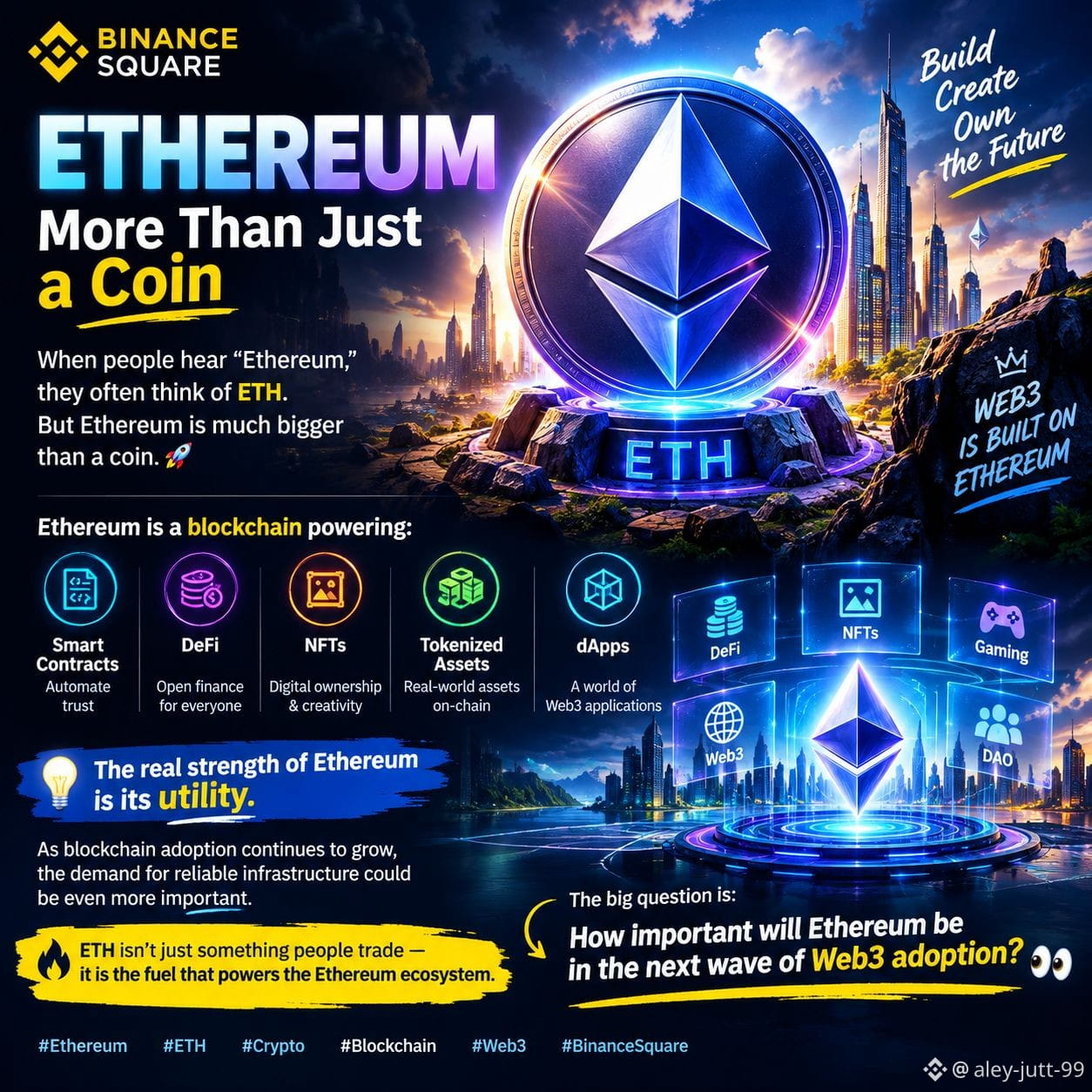
🚀 Ethereum Is More Than Just a Cryptocurrency
When people hear “Ethereum,” they often think of $ETH .
But Ethereum is much bigger than a coin. 🌐
It is a blockchain powering smart contracts, DeFi, NFTs, tokenized assets, and an entire ecosystem of applications.
The real strength of Ethereum is its utility.
As blockchain adoption continues to grow, the demand for reliable infrastructure could become even more important.
💡 $ETH isn’t just something people trade — it is the fuel that powers the Ethereum ecosystem.
The big question is:
How important will Ethereum be in the next wave of Web3 adoption? 👀
#Ethereum #crypto #blockchain #Web3 #BinanceSquare
{spot}(ETHUSDT)
🚀 Ethereum Is More Than Just a Cryptocurrency
When people hear “Ethereum,” they often think of $ETH .
But Ethereum is much bigger than a coin. 🌐
It is a blockchain powering smart contracts, DeFi, NFTs, tokenized assets, and an entire ecosystem of applications.
The real strength of Ethereum is its utility.
As blockchain adoption continues to grow, the demand for reliable infrastructure could become even more important.
💡 $ETH isn’t just something people trade — it is the fuel that powers the Ethereum ecosystem.
The big question is:
How important will Ethereum be in the next wave of Web3 adoption? 👀
#Ethereum #crypto #blockchain #Web3 #BinanceSquare
When people hear “Ethereum,” they often think of $ETH .
But Ethereum is much bigger than a coin. 🌐
It is a blockchain powering smart contracts, DeFi, NFTs, tokenized assets, and an entire ecosystem of applications.
The real strength of Ethereum is its utility.
As blockchain adoption continues to grow, the demand for reliable infrastructure could become even more important.
💡 $ETH isn’t just something people trade — it is the fuel that powers the Ethereum ecosystem.
The big question is:
How important will Ethereum be in the next wave of Web3 adoption? 👀
#Ethereum #crypto #blockchain #Web3 #BinanceSquare
Rafat ali22:
eth
72
2
5
72

Anh công bố 6 ngân hàng dẫn đầu trái phiếu chính phủ kỹ thuật số đầu tiên
- DIGIT pilot sẽ thử nghiệm công nghệ phân tán ledger và thanh toán trên chain cho nợ chủ quyền Anh
- Phiên bản phát hành dự kiến ra mắt vào quý đầu tiên năm 2027
- Đây là thử nghiệm đầu tiên về trái phiếu kỹ thuật số sử dụng công nghệ blockchain
- Hợp tác giữa 6 ngân hàng để dẫn đầu trong lĩnh vực này
#BinanceSquare #CryptoNews #UKFinTech #Blockchain #GovernmentBond
$btc $eth
vlikevn Titanbot
Nguồn: CoinTelegraph
Anh công bố 6 ngân hàng dẫn đầu trái phiếu chính phủ kỹ thuật số đầu tiên
- DIGIT pilot sẽ thử nghiệm công nghệ phân tán ledger và thanh toán trên chain cho nợ chủ quyền Anh
- Phiên bản phát hành dự kiến ra mắt vào quý đầu tiên năm 2027
- Đây là thử nghiệm đầu tiên về trái phiếu kỹ thuật số sử dụng công nghệ blockchain
- Hợp tác giữa 6 ngân hàng để dẫn đầu trong lĩnh vực này
#BinanceSquare #CryptoNews #UKFinTech #Blockchain #GovernmentBond
$btc $eth
vlikevn Titanbot
Nguồn: CoinTelegraph
- DIGIT pilot sẽ thử nghiệm công nghệ phân tán ledger và thanh toán trên chain cho nợ chủ quyền Anh
- Phiên bản phát hành dự kiến ra mắt vào quý đầu tiên năm 2027
- Đây là thử nghiệm đầu tiên về trái phiếu kỹ thuật số sử dụng công nghệ blockchain
- Hợp tác giữa 6 ngân hàng để dẫn đầu trong lĩnh vực này
#BinanceSquare #CryptoNews #UKFinTech #Blockchain #GovernmentBond
$btc $eth
vlikevn Titanbot
Nguồn: CoinTelegraph
382

·
--
Article
🌐 شبكات البلوكتشين لا تتحدث اللغة نفسها… فكيف تتبادل الأصول؟ كيف تتواصل شبكات البلوكتشين مع بعضها؟
إذا كانت لديك USDT على BNB Chain وأردت استخدامها على Solana، فأنت لا تقوم ببساطة بـ«إرسال» العملة من شبكة إلى أخرى.
السبب؟
كل بلوكتشين لديها قواعدها الخاصة، وآلية تنفيذ معاملات مختلفة، وحسابات وبيئة تشغيل مختلفة.
🔹 BNB Smart Chain
متوافقة مع EVM، وتستخدم نموذجًا قريبًا من بيئة Ethereum في التعامل مع العقود الذكية والمعاملات، بينما تُستخدم BNB لدفع رسوم الشبكة.
🔹 Solana
لديها نموذج مختلف جذريًا؛ المعاملة تتكون من تعليمات موقعة، وتحدد الحسابات والبيانات التي ستتأثر بالتنفيذ.
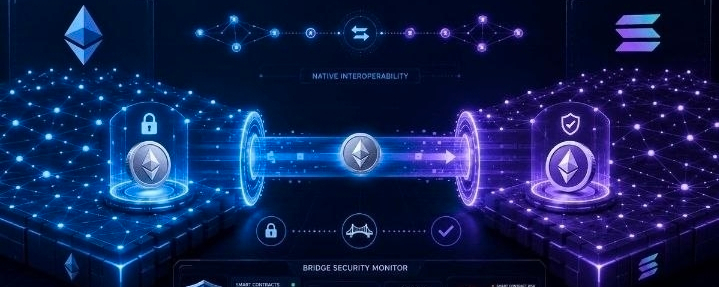
وهنا يأتي دور Cross-Chain Bridges 🌉
الجسر يعمل كطبقة اتصال بين الشبكات، ويمكن أن يستخدم عدة نماذج، أبرزها:
Lock & Mint
يتم قفل الأصل على الشبكة الأولى، ثم إصدار تمثيل له على الشبكة الثانية.
Burn & Mint
يتم حرق التمثيل على الشبكة الأولى، ثم إصدار الأصل المقابل على الشبكة الثانية.
Atomic Swap
يتم تبادل الأصول بين طرفين عبر آلية ذرية دون الحاجة إلى نقل الأصل نفسه بين السلاسل.
📌 مثال بسيط:
لديك USDT على BNB Chain
⬇️
تستخدم Bridge
⬇️
يتم التحقق من العملية
⬇️
يظهر لك أصل مكافئ على Solana
⬇️
تستطيع استخدامه داخل تطبيقات Solana.
لكن هنا توجد نقطة مهمة جدًا:
العملة التي تراها على الشبكة الثانية ليست بالضرورة نفس الأصل الأصلي.
قد تكون Token تمثل الأصل الموجود على الشبكة الأخرى.
وهذا هو جوهر مفهوم Interoperability:
ليس الهدف أن تصبح كل البلوكتشينات متشابهة، بل أن تستطيع الشبكات المختلفة تبادل الأصول والرسائل والبيانات رغم اختلاف أنظمتها.
⚠️ ولهذا السبب تعتبر الجسور من أهم البنية التحتية في Web3، لكنها أيضًا تحمل مخاطر مثل أخطاء العقود الذكية، الاختراقات، ومخاطر آلية التحقق نفسها.
السؤال الأهم للمستقبل:
هل سيكون مستقبل Web3 عبارة عن مئات الشبكات المنفصلة المرتبطة بالجسور؟
أم أن المستخدم في النهاية لن يعرف أصلًا على أي شبكة تتم معاملته؟
📚 محتوى تعليمي وتثقيفي فقط، وليس نصيحة مالية أو توصية استثمارية.
#Blockchain #bnb #Solana #Web3 #crypto
🌐 شبكات البلوكتشين لا تتحدث اللغة نفسها… فكيف تتبادل الأصول؟
كيف تتواصل شبكات البلوكتشين مع بعضها؟
إذا كانت لديك USDT على BNB Chain وأردت استخدامها على Solana، فأنت لا تقوم ببساطة بـ«إرسال» العملة من شبكة إلى أخرى.
السبب؟
كل بلوكتشين لديها قواعدها الخاصة، وآلية تنفيذ معاملات مختلفة، وحسابات وبيئة تشغيل مختلفة.
🔹 BNB Smart Chain
متوافقة مع EVM، وتستخدم نموذجًا قريبًا من بيئة Ethereum في التعامل مع العقود الذكية والمعاملات، بينما تُستخدم BNB لدفع رسوم الشبكة.
🔹 Solana
لديها نموذج مختلف جذريًا؛ المعاملة تتكون من تعليمات موقعة، وتحدد الحسابات والبيانات التي ستتأثر بالتنفيذ.
وهنا يأتي دور Cross-Chain Bridges 🌉
الجسر يعمل كطبقة اتصال بين الشبكات، ويمكن أن يستخدم عدة نماذج، أبرزها:
Lock & Mint
يتم قفل الأصل على الشبكة الأولى، ثم إصدار تمثيل له على الشبكة الثانية.
Burn & Mint
يتم حرق التمثيل على الشبكة الأولى، ثم إصدار الأصل المقابل على الشبكة الثانية.
Atomic Swap
يتم تبادل الأصول بين طرفين عبر آلية ذرية دون الحاجة إلى نقل الأصل نفسه بين السلاسل.
📌 مثال بسيط:
لديك USDT على BNB Chain
⬇️
تستخدم Bridge
⬇️
يتم التحقق من العملية
⬇️
يظهر لك أصل مكافئ على Solana
⬇️
تستطيع استخدامه داخل تطبيقات Solana.
لكن هنا توجد نقطة مهمة جدًا:
العملة التي تراها على الشبكة الثانية ليست بالضرورة نفس الأصل الأصلي.
قد تكون Token تمثل الأصل الموجود على الشبكة الأخرى.
وهذا هو جوهر مفهوم Interoperability:
ليس الهدف أن تصبح كل البلوكتشينات متشابهة، بل أن تستطيع الشبكات المختلفة تبادل الأصول والرسائل والبيانات رغم اختلاف أنظمتها.
⚠️ ولهذا السبب تعتبر الجسور من أهم البنية التحتية في Web3، لكنها أيضًا تحمل مخاطر مثل أخطاء العقود الذكية، الاختراقات، ومخاطر آلية التحقق نفسها.
السؤال الأهم للمستقبل:
هل سيكون مستقبل Web3 عبارة عن مئات الشبكات المنفصلة المرتبطة بالجسور؟
أم أن المستخدم في النهاية لن يعرف أصلًا على أي شبكة تتم معاملته؟
📚 محتوى تعليمي وتثقيفي فقط، وليس نصيحة مالية أو توصية استثمارية.
#Blockchain #bnb #Solana #Web3 #crypto
إذا كانت لديك USDT على BNB Chain وأردت استخدامها على Solana، فأنت لا تقوم ببساطة بـ«إرسال» العملة من شبكة إلى أخرى.
السبب؟
كل بلوكتشين لديها قواعدها الخاصة، وآلية تنفيذ معاملات مختلفة، وحسابات وبيئة تشغيل مختلفة.
🔹 BNB Smart Chain
متوافقة مع EVM، وتستخدم نموذجًا قريبًا من بيئة Ethereum في التعامل مع العقود الذكية والمعاملات، بينما تُستخدم BNB لدفع رسوم الشبكة.
🔹 Solana
لديها نموذج مختلف جذريًا؛ المعاملة تتكون من تعليمات موقعة، وتحدد الحسابات والبيانات التي ستتأثر بالتنفيذ.
وهنا يأتي دور Cross-Chain Bridges 🌉
الجسر يعمل كطبقة اتصال بين الشبكات، ويمكن أن يستخدم عدة نماذج، أبرزها:
Lock & Mint
يتم قفل الأصل على الشبكة الأولى، ثم إصدار تمثيل له على الشبكة الثانية.
Burn & Mint
يتم حرق التمثيل على الشبكة الأولى، ثم إصدار الأصل المقابل على الشبكة الثانية.
Atomic Swap
يتم تبادل الأصول بين طرفين عبر آلية ذرية دون الحاجة إلى نقل الأصل نفسه بين السلاسل.
📌 مثال بسيط:
لديك USDT على BNB Chain
⬇️
تستخدم Bridge
⬇️
يتم التحقق من العملية
⬇️
يظهر لك أصل مكافئ على Solana
⬇️
تستطيع استخدامه داخل تطبيقات Solana.
لكن هنا توجد نقطة مهمة جدًا:
العملة التي تراها على الشبكة الثانية ليست بالضرورة نفس الأصل الأصلي.
قد تكون Token تمثل الأصل الموجود على الشبكة الأخرى.
وهذا هو جوهر مفهوم Interoperability:
ليس الهدف أن تصبح كل البلوكتشينات متشابهة، بل أن تستطيع الشبكات المختلفة تبادل الأصول والرسائل والبيانات رغم اختلاف أنظمتها.
⚠️ ولهذا السبب تعتبر الجسور من أهم البنية التحتية في Web3، لكنها أيضًا تحمل مخاطر مثل أخطاء العقود الذكية، الاختراقات، ومخاطر آلية التحقق نفسها.
السؤال الأهم للمستقبل:
هل سيكون مستقبل Web3 عبارة عن مئات الشبكات المنفصلة المرتبطة بالجسور؟
أم أن المستخدم في النهاية لن يعرف أصلًا على أي شبكة تتم معاملته؟
📚 محتوى تعليمي وتثقيفي فقط، وليس نصيحة مالية أو توصية استثمارية.
#Blockchain #bnb #Solana #Web3 #crypto
6
142

·
--
CRYPTO QUESTIONS NOBODY ASKS #07
⚡🌐 CAN A BLOCKCHAIN BECOME A UTILITY COMPANY?
When most people hear “blockchain,” they think:
Bitcoin.
Ethereum.
Trading.
DeFi.
But what if blockchain technology could coordinate physical infrastructure?
Imagine thousands of people operating physical devices:
📡 Internet hotspots
🛰️ Wireless networks
💾 Storage devices
⚡ Energy infrastructure
🚗 Sensors and connected vehicles
These devices provide real-world services.
A blockchain could potentially be used to coordinate participants, record contributions and distribute digital rewards according to predefined rules.
This concept is often called:
DePIN — Decentralized Physical Infrastructure Networks.
The interesting part is that the product isn't necessarily the token.
The product could be the real-world service.
For example:
A person provides wireless coverage.
Another provides storage.
Another contributes computing resources.
Users consume those services.
The network records activity and participants may receive digital incentives.
So instead of:
“Buy this token because it might go up.”
The more important question becomes:
“Is anyone actually using the infrastructure?”
That distinction matters.
A project can have an interesting token and still have little real-world demand.
But if people are genuinely paying for a useful service, the economics become much more interesting.
DePIN therefore raises a bigger question about crypto:
Can decentralized networks compete with traditional companies in building physical infrastructure?
Maybe the future of crypto isn't only about digital assets.
Maybe part of it is about using digital incentives to coordinate real-world resources.
👇 What physical infrastructure would you most like to see decentralized?
Internet, electricity, storage, computing or something else?
#CryptoQuestions #DePIN #Blockchain #Infrastructure
CRYPTO QUESTIONS NOBODY ASKS #07
⚡🌐 CAN A BLOCKCHAIN BECOME A UTILITY COMPANY?
When most people hear “blockchain,” they think:
Bitcoin.
Ethereum.
Trading.
DeFi.
But what if blockchain technology could coordinate physical infrastructure?
Imagine thousands of people operating physical devices:
📡 Internet hotspots
🛰️ Wireless networks
💾 Storage devices
⚡ Energy infrastructure
🚗 Sensors and connected vehicles
These devices provide real-world services.
A blockchain could potentially be used to coordinate participants, record contributions and distribute digital rewards according to predefined rules.
This concept is often called:
DePIN — Decentralized Physical Infrastructure Networks.
The interesting part is that the product isn't necessarily the token.
The product could be the real-world service.
For example:
A person provides wireless coverage.
Another provides storage.
Another contributes computing resources.
Users consume those services.
The network records activity and participants may receive digital incentives.
So instead of:
“Buy this token because it might go up.”
The more important question becomes:
“Is anyone actually using the infrastructure?”
That distinction matters.
A project can have an interesting token and still have little real-world demand.
But if people are genuinely paying for a useful service, the economics become much more interesting.
DePIN therefore raises a bigger question about crypto:
Can decentralized networks compete with traditional companies in building physical infrastructure?
Maybe the future of crypto isn't only about digital assets.
Maybe part of it is about using digital incentives to coordinate real-world resources.
👇 What physical infrastructure would you most like to see decentralized?
Internet, electricity, storage, computing or something else?
#CryptoQuestions #DePIN #Blockchain #Infrastructure
⚡🌐 CAN A BLOCKCHAIN BECOME A UTILITY COMPANY?
When most people hear “blockchain,” they think:
Bitcoin.
Ethereum.
Trading.
DeFi.
But what if blockchain technology could coordinate physical infrastructure?
Imagine thousands of people operating physical devices:
📡 Internet hotspots
🛰️ Wireless networks
💾 Storage devices
⚡ Energy infrastructure
🚗 Sensors and connected vehicles
These devices provide real-world services.
A blockchain could potentially be used to coordinate participants, record contributions and distribute digital rewards according to predefined rules.
This concept is often called:
DePIN — Decentralized Physical Infrastructure Networks.
The interesting part is that the product isn't necessarily the token.
The product could be the real-world service.
For example:
A person provides wireless coverage.
Another provides storage.
Another contributes computing resources.
Users consume those services.
The network records activity and participants may receive digital incentives.
So instead of:
“Buy this token because it might go up.”
The more important question becomes:
“Is anyone actually using the infrastructure?”
That distinction matters.
A project can have an interesting token and still have little real-world demand.
But if people are genuinely paying for a useful service, the economics become much more interesting.
DePIN therefore raises a bigger question about crypto:
Can decentralized networks compete with traditional companies in building physical infrastructure?
Maybe the future of crypto isn't only about digital assets.
Maybe part of it is about using digital incentives to coordinate real-world resources.
👇 What physical infrastructure would you most like to see decentralized?
Internet, electricity, storage, computing or something else?
#CryptoQuestions #DePIN #Blockchain #Infrastructure
111
·
--
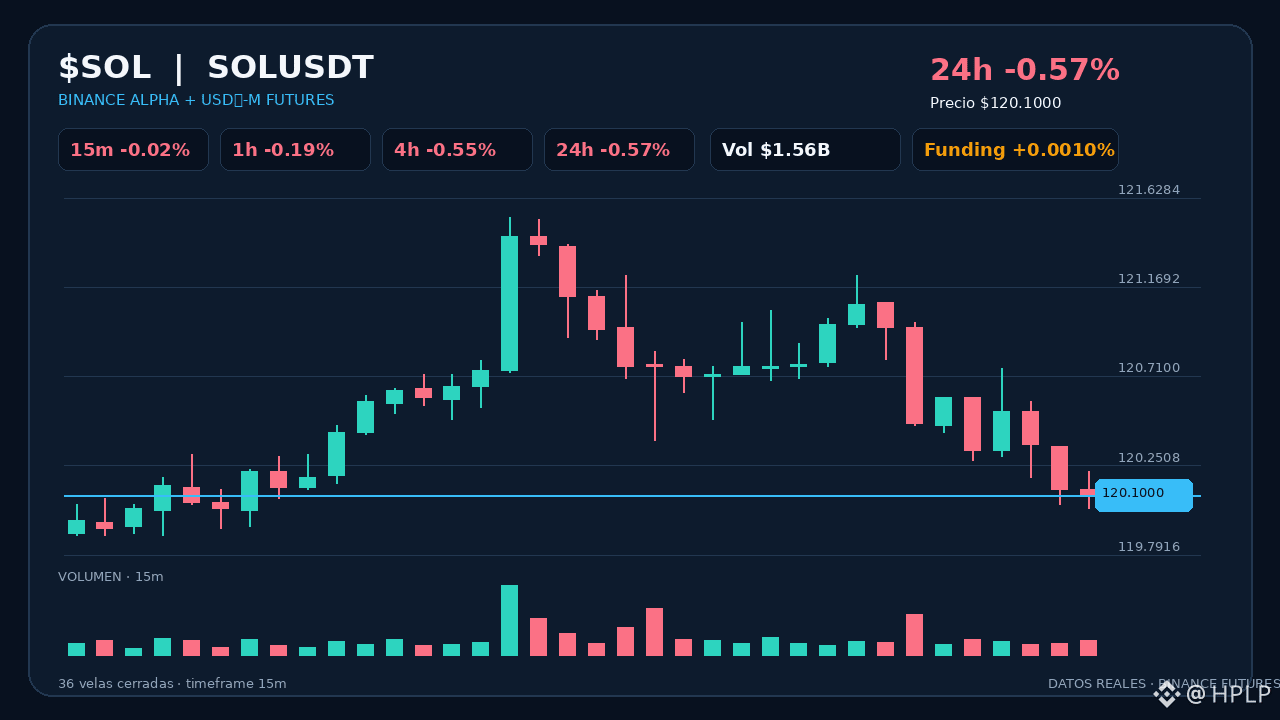
La infraestructura institucional da un nuevo salto en eficiencia con la integracion de la tecnologia blockchain. Solana ha presentado un estandar abierto de liquidacion desarrollado con la participacion de J.P. Morgan, permitiendo a las instituciones financieras ejecutar operaciones de pago contra entrega con liquidacion atomica en cuestion de segundos. 🌐 Esta innovacion reduce drásticamente el riesgo de contraparte y los tiempos tradicionales de liquidacion, que solian tomar dias en los mercados tradicionales. Este movimiento demuestra el apetito continuo de la banca global por incorporar rieles de alta velocidad para activos digitales. ¿Ves esto como el catalizador definitivo para la adopcion masiva de altcoins en la banca corporativa? 📉📈 #Solana #Instituciones #Blockchain #Crypto
En radar: $SOL
La infraestructura institucional da un nuevo salto en eficiencia con la integracion de la tecnologia blockchain. Solana ha presentado un estandar abierto de liquidacion desarrollado con la participacion de J.P. Morgan, permitiendo a las instituciones financieras ejecutar operaciones de pago contra entrega con liquidacion atomica en cuestion de segundos. 🌐 Esta innovacion reduce drásticamente el riesgo de contraparte y los tiempos tradicionales de liquidacion, que solian tomar dias en los mercados tradicionales. Este movimiento demuestra el apetito continuo de la banca global por incorporar rieles de alta velocidad para activos digitales. ¿Ves esto como el catalizador definitivo para la adopcion masiva de altcoins en la banca corporativa? 📉📈 #Solana #Instituciones #Blockchain #Crypto
En radar: $SOL
En radar: $SOL
24
Writing
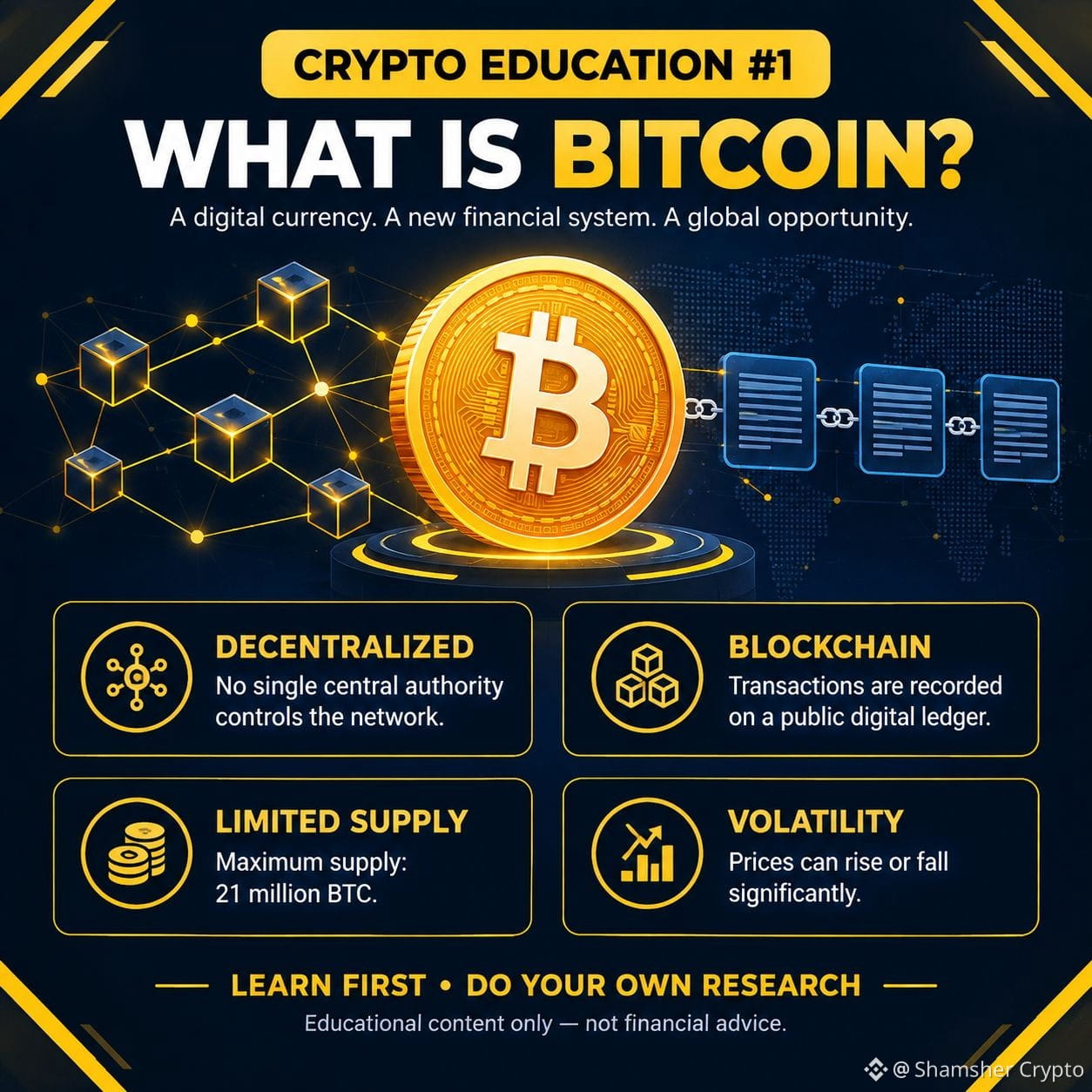
📚 CRYPTO EDUCATION #1: WHAT IS BITCOIN?
🟠 Bitcoin ($BTC) is the world's first widely known decentralized cryptocurrency.
🔹 Decentralized: It operates without one central bank controlling the network. 🔹 Blockchain: Transactions are recorded on a public digital ledger. 🔹 Limited Supply: Bitcoin has a maximum supply of 21 million coins. 🔹 Volatility: Its market price can rise or fall significantly. 🔹 Security: Always protect your wallet and never share your recovery phrase.
💡 Beginner Tip: Learn the basics before making financial decisions. Never invest money you cannot afford to lose.
📚 Education only — not financial advice. Always DYOR (Do Your Own Research).
Follow Shamsher Crypto for more crypto learning!
#bitcoin #BTC走势分析 #cryptoeducation #blockchain #BinanceSquare
Writing
📚 CRYPTO EDUCATION #1: WHAT IS BITCOIN?
🟠 Bitcoin ($BTC) is the world's first widely known decentralized cryptocurrency.
🔹 Decentralized: It operates without one central bank controlling the network. 🔹 Blockchain: Transactions are recorded on a public digital ledger. 🔹 Limited Supply: Bitcoin has a maximum supply of 21 million coins. 🔹 Volatility: Its market price can rise or fall significantly. 🔹 Security: Always protect your wallet and never share your recovery phrase.
💡 Beginner Tip: Learn the basics before making financial decisions. Never invest money you cannot afford to lose.
📚 Education only — not financial advice. Always DYOR (Do Your Own Research).
Follow Shamsher Crypto for more crypto learning!
#bitcoin #BTC走势分析 #cryptoeducation #blockchain #BinanceSquare
📚 CRYPTO EDUCATION #1: WHAT IS BITCOIN?
🟠 Bitcoin ($BTC) is the world's first widely known decentralized cryptocurrency.
🔹 Decentralized: It operates without one central bank controlling the network. 🔹 Blockchain: Transactions are recorded on a public digital ledger. 🔹 Limited Supply: Bitcoin has a maximum supply of 21 million coins. 🔹 Volatility: Its market price can rise or fall significantly. 🔹 Security: Always protect your wallet and never share your recovery phrase.
💡 Beginner Tip: Learn the basics before making financial decisions. Never invest money you cannot afford to lose.
📚 Education only — not financial advice. Always DYOR (Do Your Own Research).
Follow Shamsher Crypto for more crypto learning!
#bitcoin #BTC走势分析 #cryptoeducation #blockchain #BinanceSquare
94

🔗 What is Blockchain?
Blockchain is a digital record system that stores transactions in connected blocks.
Think of it like a shared digital ledger that can be verified across a network.
💡 Bitcoin uses blockchain technology to record transactions.
Do you want to learn more about crypto in simple language?
Follow for daily crypto education. 🚀
⚠️ Educational content only. Crypto involves risk.
#Bitcoin #blockchain #cryptoeducation #crypto
🔗 What is Blockchain?
Blockchain is a digital record system that stores transactions in connected blocks.
Think of it like a shared digital ledger that can be verified across a network.
💡 Bitcoin uses blockchain technology to record transactions.
Do you want to learn more about crypto in simple language?
Follow for daily crypto education. 🚀
⚠️ Educational content only. Crypto involves risk.
#Bitcoin #blockchain #cryptoeducation #crypto
Blockchain is a digital record system that stores transactions in connected blocks.
Think of it like a shared digital ledger that can be verified across a network.
💡 Bitcoin uses blockchain technology to record transactions.
Do you want to learn more about crypto in simple language?
Follow for daily crypto education. 🚀
⚠️ Educational content only. Crypto involves risk.
#Bitcoin #blockchain #cryptoeducation #crypto
68
تعتبر تقنية البلوكشين (Blockchain) العمود الفقري للعملات الرقمية، حيث توفر بيئة تداول آمنة وشفافة دون الحاجة إلى وسيط.
💡 من أهم مميزات البلوكشين:
اللامركزية: عدم وجود سلطة مركزية تتحكم في البيانات.
الأمان العالي: صعوبة التلاعب بالسجلات والتغيير فيها.
الشفافية: إمكانية التحقق من جميع المعاملات بشكل علني.
ما هو رأيك في مستقبل تقنية البلوكشين وتأثيرها على الأسواق المالية؟ شاركونا آراءكم! 👇
#Crypto #blockchain #BinanceSquareTalks
#SquareFamilly
تعتبر تقنية البلوكشين (Blockchain) العمود الفقري للعملات الرقمية، حيث توفر بيئة تداول آمنة وشفافة دون الحاجة إلى وسيط.
💡 من أهم مميزات البلوكشين:
اللامركزية: عدم وجود سلطة مركزية تتحكم في البيانات.
الأمان العالي: صعوبة التلاعب بالسجلات والتغيير فيها.
الشفافية: إمكانية التحقق من جميع المعاملات بشكل علني.
ما هو رأيك في مستقبل تقنية البلوكشين وتأثيرها على الأسواق المالية؟ شاركونا آراءكم! 👇
#Crypto #blockchain #BinanceSquareTalks
#SquareFamilly
💡 من أهم مميزات البلوكشين:
اللامركزية: عدم وجود سلطة مركزية تتحكم في البيانات.
الأمان العالي: صعوبة التلاعب بالسجلات والتغيير فيها.
الشفافية: إمكانية التحقق من جميع المعاملات بشكل علني.
ما هو رأيك في مستقبل تقنية البلوكشين وتأثيرها على الأسواق المالية؟ شاركونا آراءكم! 👇
#Crypto #blockchain #BinanceSquareTalks
#SquareFamilly
52

·
--
📚 **Genesis Block: The Digital "Big Bang"** Have you ever wondered where it all began? Before the first trade, before the hype, there was a single block of data. The Genesis Block is the foundation of every blockchain, a digital anchor that proves the network’s existence. **What is it?** It is the very first block in a blockchain. Unlike subsequent blocks, it is not mined or validated in the traditional sense. Its hash is hard-coded into the network's software. For Bitcoin, it was created by Satoshi Nakamoto on January 3, 2009, containing the headline: "Chancellor on brink of second bailout for banks." **How it works** The Genesis Block establishes the initial rules of the ledger. It defines the starting supply, the consensus mechanism, and the cryptographic parameters. In Bitcoin, the initial supply was 50 BTC, though these coins are unspendable. It serves as the root of the Merkle tree, ensuring that all future transactions are cryptographically linked back to this origin point. Without it, there is no chain, only isolated data points. **Why it matters** 1. **Immutability:** It provides a fixed reference point. If the Genesis Block were altered, the entire chain would break. 2. **Trustless Verification:** Nodes can verify the history of the network without trusting a central authority. 3. **Historical Record:** It preserves the intent and origin of the protocol. **Common Mistakes** Many beginners think the Genesis Block is "empty" or just a placeholder. In reality, it is a complex data structure containing the timestamp, nonce, and previous hash (which is zero).
$BTC $ETH
#Blockchain #CryptoEducation
📚 **Genesis Block: The Digital "Big Bang"** Have you ever wondered where it all began? Before the first trade, before the hype, there was a single block of data. The Genesis Block is the foundation of every blockchain, a digital anchor that proves the network’s existence. **What is it?** It is the very first block in a blockchain. Unlike subsequent blocks, it is not mined or validated in the traditional sense. Its hash is hard-coded into the network's software. For Bitcoin, it was created by Satoshi Nakamoto on January 3, 2009, containing the headline: "Chancellor on brink of second bailout for banks." **How it works** The Genesis Block establishes the initial rules of the ledger. It defines the starting supply, the consensus mechanism, and the cryptographic parameters. In Bitcoin, the initial supply was 50 BTC, though these coins are unspendable. It serves as the root of the Merkle tree, ensuring that all future transactions are cryptographically linked back to this origin point. Without it, there is no chain, only isolated data points. **Why it matters** 1. **Immutability:** It provides a fixed reference point. If the Genesis Block were altered, the entire chain would break. 2. **Trustless Verification:** Nodes can verify the history of the network without trusting a central authority. 3. **Historical Record:** It preserves the intent and origin of the protocol. **Common Mistakes** Many beginners think the Genesis Block is "empty" or just a placeholder. In reality, it is a complex data structure containing the timestamp, nonce, and previous hash (which is zero).
$BTC $ETH
#Blockchain #CryptoEducation
$BTC $ETH
#Blockchain #CryptoEducation
26
·
--
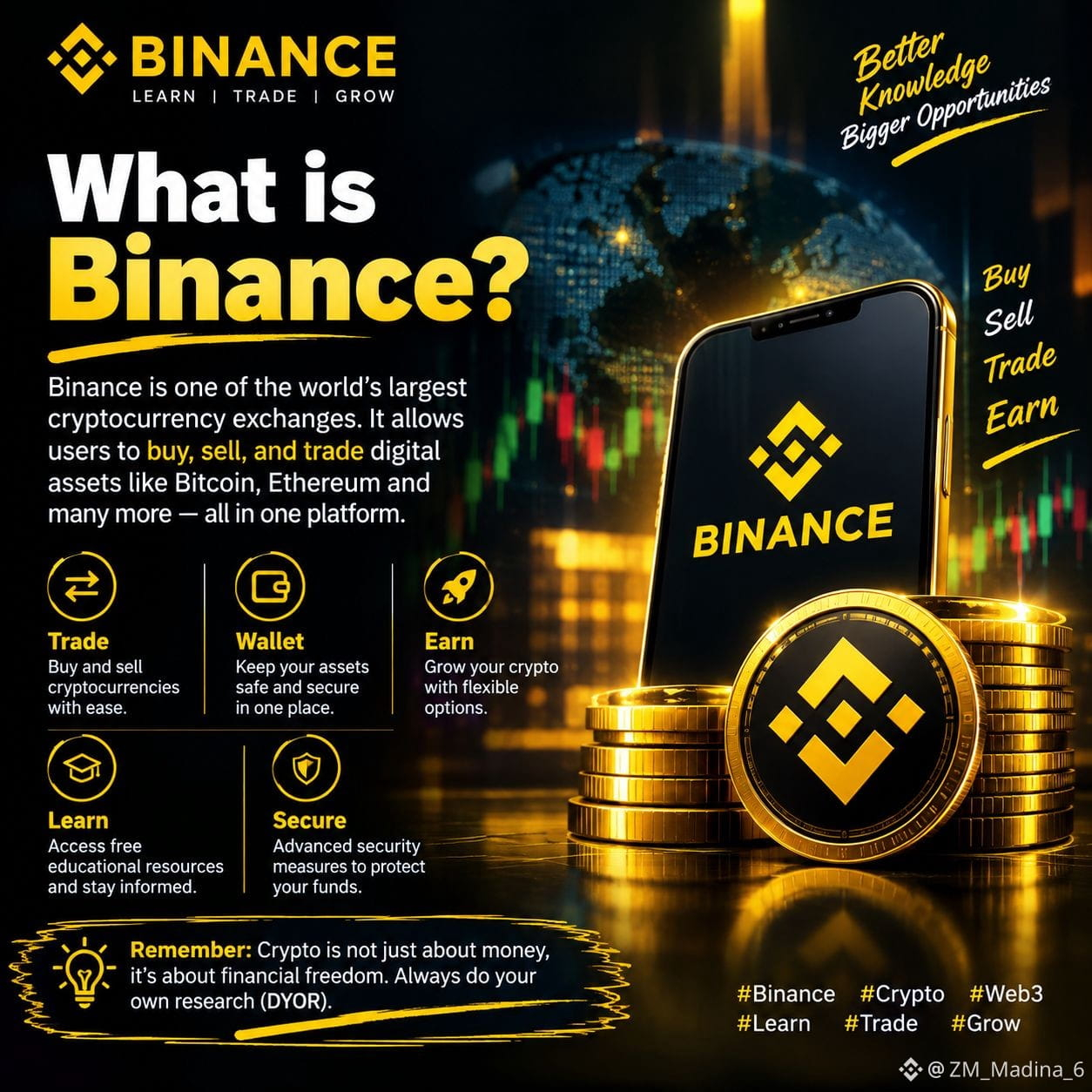
What Is Blockchain?
Blockchain is a digital technology that stores information in connected blocks.
📚 How does it work?
🔹 Information is recorded digitally.
🔹 Transactions are grouped into blocks.
🔹 Blocks are linked together to form a chain.
🔹 The network helps verify transactions.
💡 Why is it important?
Blockchain is used in cryptocurrencies like Bitcoin and in other applications. It can help make records transparent and difficult to alter.
⚠️ Remember: Crypto involves financial risks. Learn the basics before making any financial decisions.
#Blockchain #Bitcoin #CryptoEducation #BinanceSquare #learncrypto #GreekPoliceBustCryptoScamRingArrest17 #NvidiaHitsRecordHighUp2.4% $NVDAB
What Is Blockchain?
Blockchain is a digital technology that stores information in connected blocks.
📚 How does it work?
🔹 Information is recorded digitally.
🔹 Transactions are grouped into blocks.
🔹 Blocks are linked together to form a chain.
🔹 The network helps verify transactions.
💡 Why is it important?
Blockchain is used in cryptocurrencies like Bitcoin and in other applications. It can help make records transparent and difficult to alter.
⚠️ Remember: Crypto involves financial risks. Learn the basics before making any financial decisions.
#Blockchain #Bitcoin #CryptoEducation #BinanceSquare #learncrypto #GreekPoliceBustCryptoScamRingArrest17 #NvidiaHitsRecordHighUp2.4% $NVDAB
Blockchain is a digital technology that stores information in connected blocks.
📚 How does it work?
🔹 Information is recorded digitally.
🔹 Transactions are grouped into blocks.
🔹 Blocks are linked together to form a chain.
🔹 The network helps verify transactions.
💡 Why is it important?
Blockchain is used in cryptocurrencies like Bitcoin and in other applications. It can help make records transparent and difficult to alter.
⚠️ Remember: Crypto involves financial risks. Learn the basics before making any financial decisions.
#Blockchain #Bitcoin #CryptoEducation #BinanceSquare #learncrypto #GreekPoliceBustCryptoScamRingArrest17 #NvidiaHitsRecordHighUp2.4% $NVDAB
81

·
--
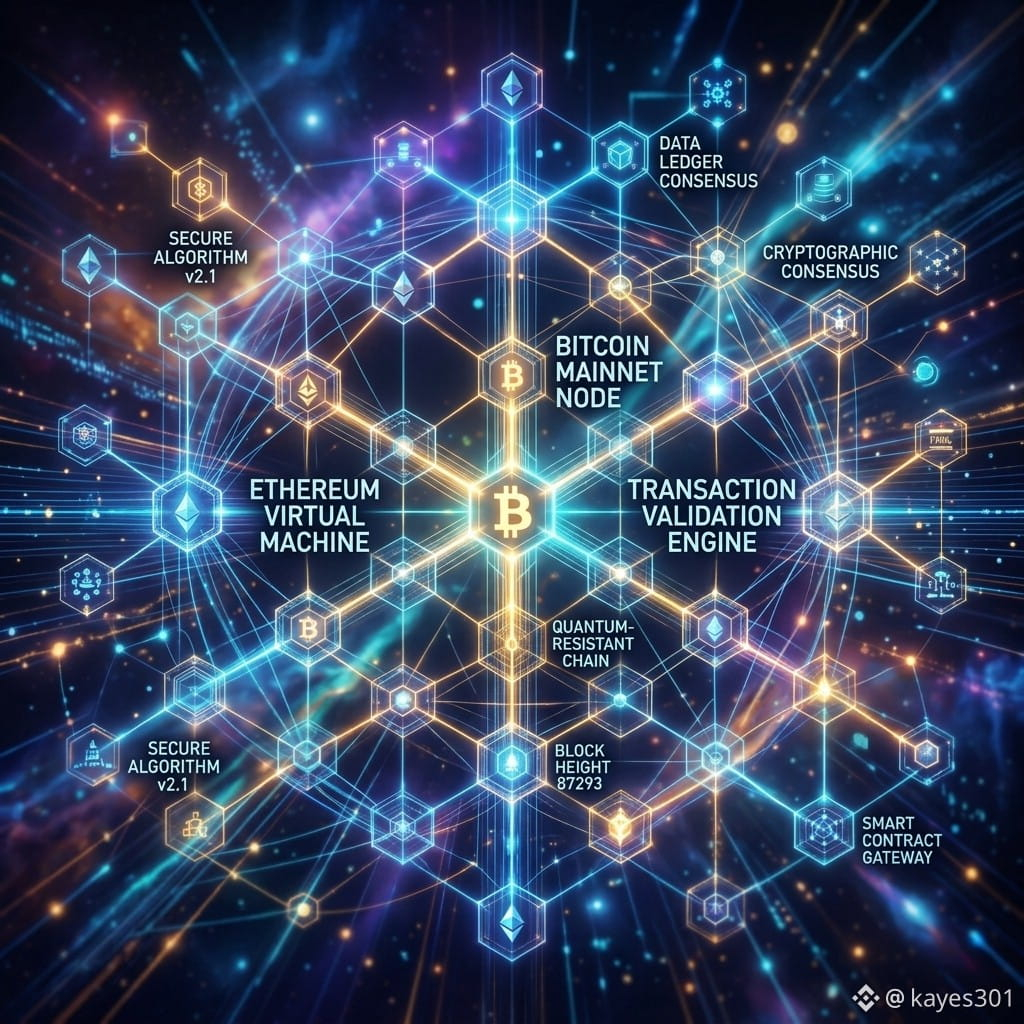
A blockchain is just a shared record book that thousands of computers hold copies of at once. When someone adds a new entry, the network has to agree it's valid before it gets locked in. No single person can quietly rewrite the past.
That's different from a bank's database, where one company controls the ledger and you trust them to keep it honest. On $BTC
's blockchain, trust comes from the math and the network, not from an institution.
It's why Bitcoin has run without a central operator since 2009, through crashes, bans, and now institutional adoption. The ledger itself never needed anyone's permission to keep working.
#blockchain #crypto101_ #bitcoin
Not financial advice.
{spot}(BTCUSDT)
A blockchain is just a shared record book that thousands of computers hold copies of at once. When someone adds a new entry, the network has to agree it's valid before it gets locked in. No single person can quietly rewrite the past.
That's different from a bank's database, where one company controls the ledger and you trust them to keep it honest. On $BTC
's blockchain, trust comes from the math and the network, not from an institution.
It's why Bitcoin has run without a central operator since 2009, through crashes, bans, and now institutional adoption. The ledger itself never needed anyone's permission to keep working.
#blockchain #crypto101_ #bitcoin
Not financial advice.
That's different from a bank's database, where one company controls the ledger and you trust them to keep it honest. On $BTC
's blockchain, trust comes from the math and the network, not from an institution.
It's why Bitcoin has run without a central operator since 2009, through crashes, bans, and now institutional adoption. The ledger itself never needed anyone's permission to keep working.
#blockchain #crypto101_ #bitcoin
Not financial advice.
47
·
--
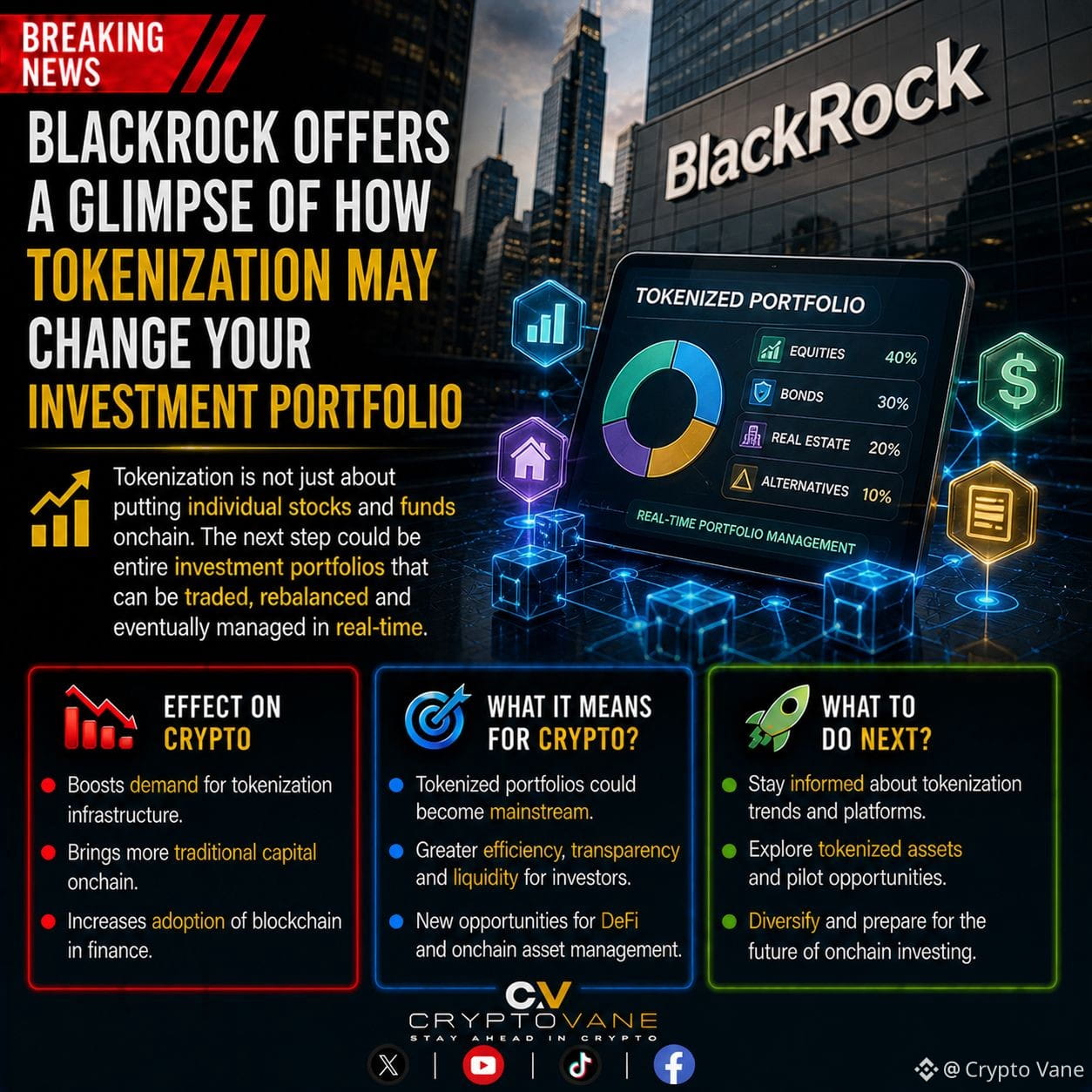
BlackRock’s Tokenization Vision: The Future of Investment Portfolios Goes onchain
BlackRock’s tokenization vision highlights how entire investment portfolios could move onchain, enabling real-time trading, rebalancing, and portfolio management. This emerging trend could expand blockchain adoption, connect traditional finance with digital assets, and create new opportunities across crypto markets.
#Tokenization #BlackRock #CryptoNews #RealWorldAssets #blockchain
{spot}(BTCUSDT)
BlackRock’s Tokenization Vision: The Future of Investment Portfolios Goes onchain
BlackRock’s tokenization vision highlights how entire investment portfolios could move onchain, enabling real-time trading, rebalancing, and portfolio management. This emerging trend could expand blockchain adoption, connect traditional finance with digital assets, and create new opportunities across crypto markets.
#Tokenization #BlackRock #CryptoNews #RealWorldAssets #blockchain
BlackRock’s tokenization vision highlights how entire investment portfolios could move onchain, enabling real-time trading, rebalancing, and portfolio management. This emerging trend could expand blockchain adoption, connect traditional finance with digital assets, and create new opportunities across crypto markets.
#Tokenization #BlackRock #CryptoNews #RealWorldAssets #blockchain
74
·
--
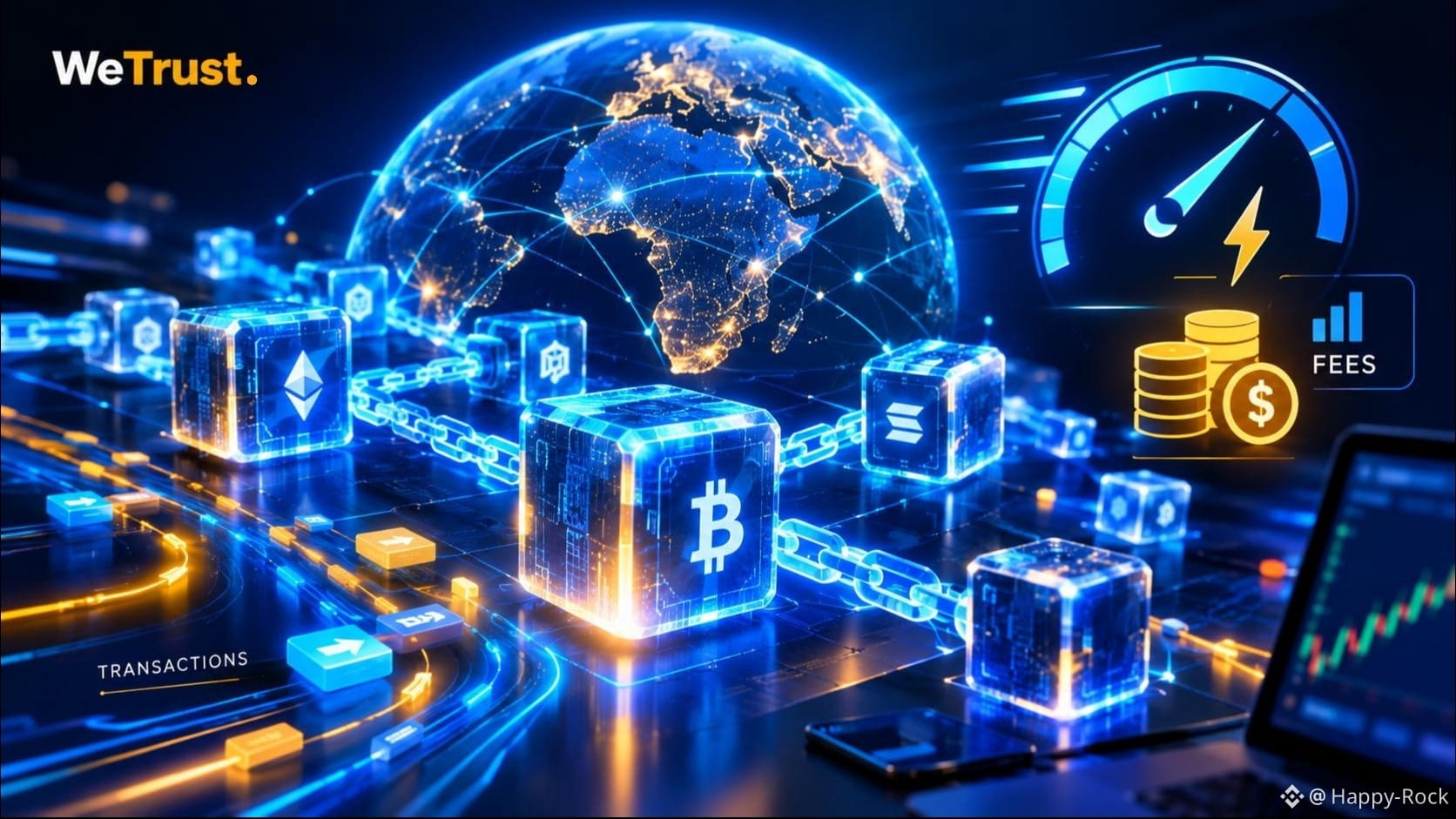
⚙️ Pourquoi une blockchain rapide peut-elle coûter cher ?
On entend souvent : « Cette blockchain est rapide, donc les transactions doivent être peu coûteuses. »
Pas forcément.
Une blockchain peut confirmer une transaction en quelques secondes tout en affichant des frais élevés.
Pourquoi ?
Parce que vitesse et capacité ne sont pas la même chose.
Chaque réseau dispose de ressources limitées : espace dans les blocs, capacité de traitement et ressources nécessaires aux validateurs.
Lorsque la demande augmente fortement, les utilisateurs peuvent se retrouver en concurrence pour faire enregistrer leurs transactions.
Résultat : une blockchain peut rester très rapide tout en devenant plus chère à utiliser.
👉 Rapide ne veut donc pas forcément dire bon marché.
C’est l’une des notions essentielles à comprendre avant de comparer les blockchains.
Selon vous, qu’est-ce qui compte le plus : la vitesse ou les frais ?
#blockchain #Crypto #Web3 #education
⚙️ Pourquoi une blockchain rapide peut-elle coûter cher ?
On entend souvent : « Cette blockchain est rapide, donc les transactions doivent être peu coûteuses. »
Pas forcément.
Une blockchain peut confirmer une transaction en quelques secondes tout en affichant des frais élevés.
Pourquoi ?
Parce que vitesse et capacité ne sont pas la même chose.
Chaque réseau dispose de ressources limitées : espace dans les blocs, capacité de traitement et ressources nécessaires aux validateurs.
Lorsque la demande augmente fortement, les utilisateurs peuvent se retrouver en concurrence pour faire enregistrer leurs transactions.
Résultat : une blockchain peut rester très rapide tout en devenant plus chère à utiliser.
👉 Rapide ne veut donc pas forcément dire bon marché.
C’est l’une des notions essentielles à comprendre avant de comparer les blockchains.
Selon vous, qu’est-ce qui compte le plus : la vitesse ou les frais ?
#blockchain #Crypto #Web3 #education
On entend souvent : « Cette blockchain est rapide, donc les transactions doivent être peu coûteuses. »
Pas forcément.
Une blockchain peut confirmer une transaction en quelques secondes tout en affichant des frais élevés.
Pourquoi ?
Parce que vitesse et capacité ne sont pas la même chose.
Chaque réseau dispose de ressources limitées : espace dans les blocs, capacité de traitement et ressources nécessaires aux validateurs.
Lorsque la demande augmente fortement, les utilisateurs peuvent se retrouver en concurrence pour faire enregistrer leurs transactions.
Résultat : une blockchain peut rester très rapide tout en devenant plus chère à utiliser.
👉 Rapide ne veut donc pas forcément dire bon marché.
C’est l’une des notions essentielles à comprendre avant de comparer les blockchains.
Selon vous, qu’est-ce qui compte le plus : la vitesse ou les frais ?
#blockchain #Crypto #Web3 #education
105

📊 بيانات DeFiLlama تكشف عن تحديات توليد الرسوم في سلاسل الكتل
أظهرت بيانات حديثة من منصة DeFiLlama أن نسبة كبيرة من سلاسل الكتل، تحديدًا 71% منها، لم تسجل أي رسوم معاملات خلال فترة 24 ساعة. يشير هذا التوزيع غير المتكافئ لتوليد الرسوم إلى هيمنة عدد محدود من الشبكات على النشاط الاقتصادي في قطاع البلوكتشين، مما يبرز التحديات التي تواجه المشاريع الأقل استخدامًا.
━━━━━━━━━━━━━━
📊 التأثير: 📈 مرتفع
🏷️ DEFI
#Blockchain #DeFi #CryptoFees #MarketAnalysis #Decentralization
📰 المصدر: cryptobriefing.com
📊 بيانات DeFiLlama تكشف عن تحديات توليد الرسوم في سلاسل الكتل
أظهرت بيانات حديثة من منصة DeFiLlama أن نسبة كبيرة من سلاسل الكتل، تحديدًا 71% منها، لم تسجل أي رسوم معاملات خلال فترة 24 ساعة. يشير هذا التوزيع غير المتكافئ لتوليد الرسوم إلى هيمنة عدد محدود من الشبكات على النشاط الاقتصادي في قطاع البلوكتشين، مما يبرز التحديات التي تواجه المشاريع الأقل استخدامًا.
━━━━━━━━━━━━━━
📊 التأثير: 📈 مرتفع
🏷️ DEFI
#Blockchain #DeFi #CryptoFees #MarketAnalysis #Decentralization
📰 المصدر: cryptobriefing.com
أظهرت بيانات حديثة من منصة DeFiLlama أن نسبة كبيرة من سلاسل الكتل، تحديدًا 71% منها، لم تسجل أي رسوم معاملات خلال فترة 24 ساعة. يشير هذا التوزيع غير المتكافئ لتوليد الرسوم إلى هيمنة عدد محدود من الشبكات على النشاط الاقتصادي في قطاع البلوكتشين، مما يبرز التحديات التي تواجه المشاريع الأقل استخدامًا.
━━━━━━━━━━━━━━
📊 التأثير: 📈 مرتفع
🏷️ DEFI
#Blockchain #DeFi #CryptoFees #MarketAnalysis #Decentralization
📰 المصدر: cryptobriefing.com
15
Log in to explore more content
Join global crypto users on Binance Square
⚡️ Get latest and useful information about crypto.
💬 Trusted by the world’s largest crypto exchange.
👍 Discover real insights from verified creators.
Email / Phone number
Trending Topics
1
#FedMinutesFocusOnOctoberPause
229,390 views
1,503 Discussing
2
#BinanceLaunchesBinanceIntelligence
1.2M views
6,679 Discussing
3
#EvernorthDelaysNasdaqDebutToOct12
25,318 views
361 Discussing
4
#RobinhoodAdds$25MInBitcoinToBalanceSheet
8,433 views
79 Discussing
5
#SP500AndNasdaqHitRecordHighs
30,829 views
517 Discussing
6
#USMortgageRatesRiseTo7.49%
32,879 views
412 Discussing
7
#BTCFallsBelow$84K
144,133 views
245 Discussing
8
#DubaiVARAIssuesReserveAssetAuditCircular
51,839 views
990 Discussing
9
#SECApproves3XBitcoinETF
49,767 views
799 Discussing
10
#WinklevossFilesSpotZcashETFApplication
56,394 views
901 Discussing