
#hacking
hacking
365,910 views
260 Discussing
Hot
Latest


🚨 Moonwell just got drained for $8.7M.
Theo PeckShieldAlert, the Moonwell lending protocol on Base was just attacked, causing damage of approximately $8.7M.
Token $WELL is also under pressure, down more than 7% at the time the news was reported.
This is another painful reminder for DeFi:
High TVL doesn’t mean the smart contract is safe.
$8.7M just disappeared in a few transactions, and users were “airdrop”-ed a free security lesson. 💀
DeFi: where the yield is real and sometimes the money is too.
Do you think this is a smart contract vulnerability, or could it be related to oracles / price manipulation?
#defi $Moonwell #WELL #Base #Crypto #hacking
Theo PeckShieldAlert, the Moonwell lending protocol on Base was just attacked, causing damage of approximately $8.7M.
Token $WELL is also under pressure, down more than 7% at the time the news was reported.
This is another painful reminder for DeFi:
High TVL doesn’t mean the smart contract is safe.
$8.7M just disappeared in a few transactions, and users were “airdrop”-ed a free security lesson. 💀
DeFi: where the yield is real and sometimes the money is too.
Do you think this is a smart contract vulnerability, or could it be related to oracles / price manipulation?
#defi $Moonwell #WELL #Base #Crypto #hacking

What is OpenAI doing to tighten AI rules after the Hugging Face breach
OpenAI is also working to strengthen the restrictions placed on models that perform high-risk tasks online. Some systems will face additional limitations on internet access, while training and testing that includes generated code or untrusted code will require stronger isolation through sandboxed environments.
These measures came after what OpenAI and Anthropic revealed about some AI systems unintentionally reaching computer systems at a number of institutions—including Hugging Face—during security evaluations. These incidents highlighted the difficulty of predicting the behavior of increasingly capable AI agents when given greater autonomy.
Mia Glaes, OpenAI’s vice president for research, said the company is working to ensure its security procedures evolve in parallel with the rapid improvement in model capabilities. OpenAI had previously paused work on an upcoming model to strengthen security safeguards, and announced Tuesday that a major training process remains on hold.
The company added that it plans to publish a detailed assessment of the Hugging Face incident, while continuing to review how its models interact with external systems.
#AI #hacking #COPPERUSDT #BTC $OPENAI
$COPPER
OpenAI is also working to strengthen the restrictions placed on models that perform high-risk tasks online. Some systems will face additional limitations on internet access, while training and testing that includes generated code or untrusted code will require stronger isolation through sandboxed environments.
These measures came after what OpenAI and Anthropic revealed about some AI systems unintentionally reaching computer systems at a number of institutions—including Hugging Face—during security evaluations. These incidents highlighted the difficulty of predicting the behavior of increasingly capable AI agents when given greater autonomy.
Mia Glaes, OpenAI’s vice president for research, said the company is working to ensure its security procedures evolve in parallel with the rapid improvement in model capabilities. OpenAI had previously paused work on an upcoming model to strengthen security safeguards, and announced Tuesday that a major training process remains on hold.
The company added that it plans to publish a detailed assessment of the Hugging Face incident, while continuing to review how its models interact with external systems.
#AI #hacking #COPPERUSDT #BTC $OPENAI
$COPPER



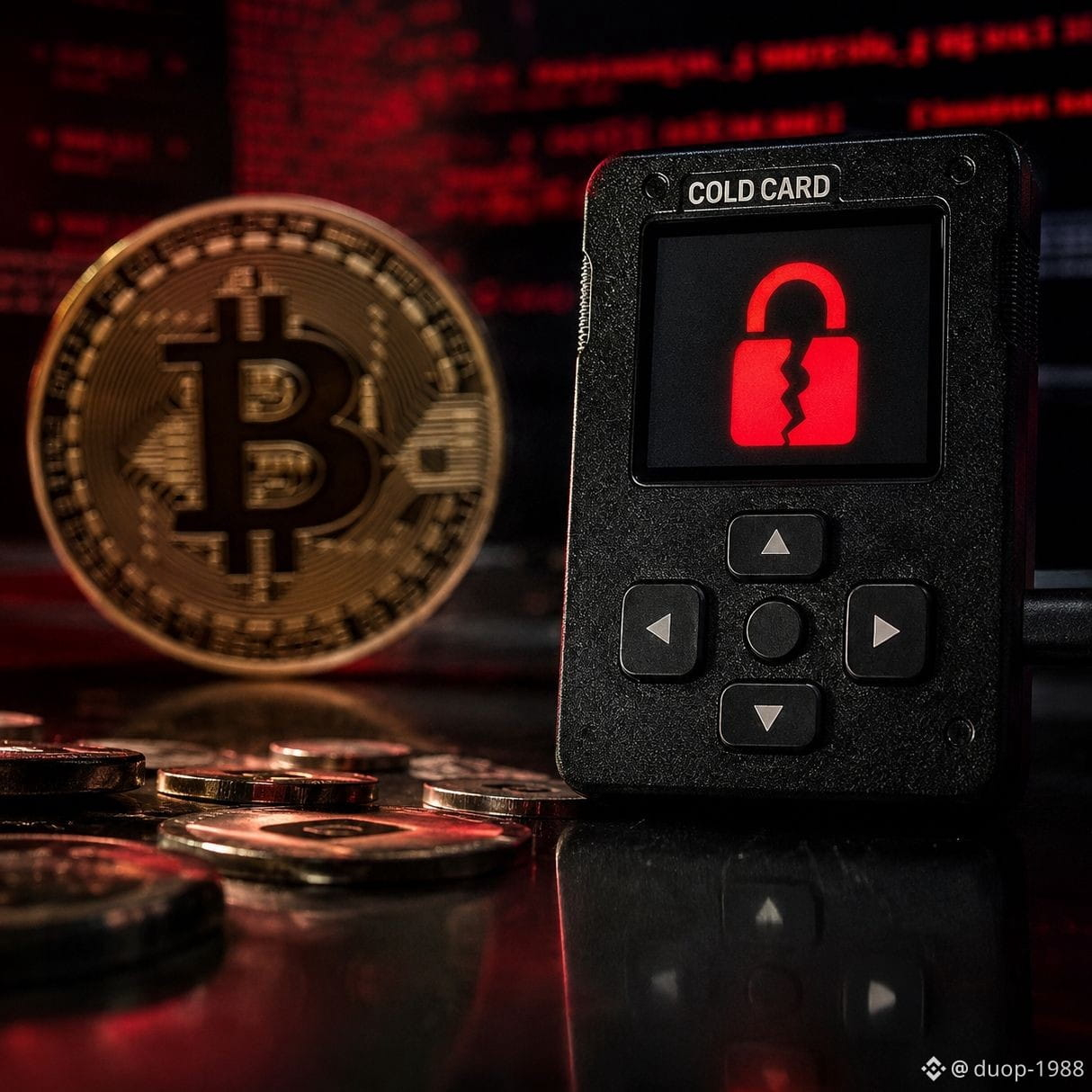
🚨 ALERT: Coldcard hack for $120M shakes self-custody of $BTC
The Coldcard hardware wallet exploit is the news of the day. Losses are already around $114M, and analysts warn there could be a fourth sweep.
The volume of funds moved even lit up the Bitcoin mempool—something not seen in months. Coinkite has already asked users who generated seeds with Coldcard to move funds immediately with new security practices.
This event is reigniting the debate: total self-custody or regulated custody? Many analysts believe it will boost demand for ETFs and institutional custody.
$BTC $ETH
#Bitcoin❗ #BTC #Coldcard #Hacking
The Coldcard hardware wallet exploit is the news of the day. Losses are already around $114M, and analysts warn there could be a fourth sweep.
The volume of funds moved even lit up the Bitcoin mempool—something not seen in months. Coinkite has already asked users who generated seeds with Coldcard to move funds immediately with new security practices.
This event is reigniting the debate: total self-custody or regulated custody? Many analysts believe it will boost demand for ETFs and institutional custody.
$BTC $ETH
#Bitcoin❗ #BTC #Coldcard #Hacking

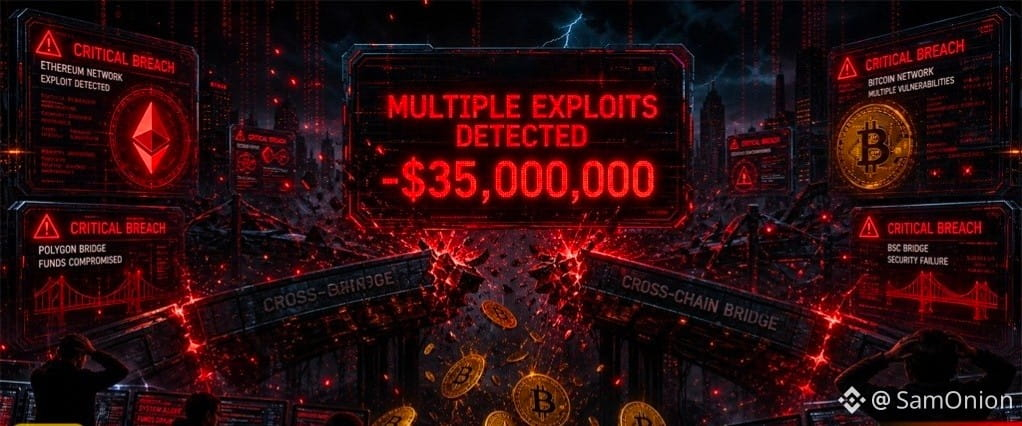
Gravity Bridge hacked for $5.4M.
Gravity Bridge Loses $5.4 Million in Suspected Signing Key Compromise
The suspected signing key compromise has resulted in a significant loss for Gravity Bridge, with the attacker still holding a substantial amount of ETH. This incident highlights the importance of secure key management in crypto. Traders should watch for potential market impacts.
#Crypto #Blockchain #Web3 #Hacking
Gravity Bridge Loses $5.4 Million in Suspected Signing Key Compromise
The suspected signing key compromise has resulted in a significant loss for Gravity Bridge, with the attacker still holding a substantial amount of ETH. This incident highlights the importance of secure key management in crypto. Traders should watch for potential market impacts.
#Crypto #Blockchain #Web3 #Hacking
Crypto users lose millions to hackers.
$6.7 million drained – How a user lost funds from both Coinbase and Kraken
A recent incident saw a user lose $6.7 million from both Coinbase and Kraken, highlighting the need for enhanced security measures. This matters to traders and holders as it shows that even major exchanges can be vulnerable. Users should be cautious and monitor their accounts closely.
#Crypto #CyberSecurity #Blockchain #Hacking
$6.7 million drained – How a user lost funds from both Coinbase and Kraken
A recent incident saw a user lose $6.7 million from both Coinbase and Kraken, highlighting the need for enhanced security measures. This matters to traders and holders as it shows that even major exchanges can be vulnerable. Users should be cautious and monitor their accounts closely.
#Crypto #CyberSecurity #Blockchain #Hacking



ALERT: Security researchers have identified a malware campaign called "TrapDoor" that targets the crypto development environments of @Aptos, @SuiNetwork, and @Solana through over 34 malicious packages designed to steal SSH keys and wallet credentials.
#hacking #BinanceSquareFamily $WLD $SUI $APT #solana
#hacking #BinanceSquareFamily $WLD $SUI $APT #solana


How hackers recovered 43.6 BTC after 11 years
A happy ending story: a European, Michael, restored access to a wallet containing 43.6 BTC that he believed was lost since 2013.
Michael generated a complex password using the RoboForm password manager
For security, he saved it in a separate TrueCrypt container, but the file became corrupted over time
Access was blocked
In 2022, Michael hired the well-known “white-hat” hacker Joe Grande
Together with a partner, he reverse-engineered the 2013 version of RoboForm and found a critical bug: the RoboForm random number generator was defective
The generated passwords were hard-tied to the date and time on the PC
Knowing the time the password was created, it became predictable.
The hackers learned the date the bitcoins were transferred and started trying different timestamps
In the end, they found the correct password created on May 15, 2013
The hackers took their share when BTC was worth $38,000
Michael booked part of the profits at $62,000
Today he has 30 BTC left (~$3 million)
And yet, it was less fortunate for the Englishman James Howells: he is still searching a landfill for the discarded hard drive with 7500 $BTC
#CryptoSecurity #RoboForm #hacking
A happy ending story: a European, Michael, restored access to a wallet containing 43.6 BTC that he believed was lost since 2013.
Michael generated a complex password using the RoboForm password manager
For security, he saved it in a separate TrueCrypt container, but the file became corrupted over time
Access was blocked
In 2022, Michael hired the well-known “white-hat” hacker Joe Grande
Together with a partner, he reverse-engineered the 2013 version of RoboForm and found a critical bug: the RoboForm random number generator was defective
The generated passwords were hard-tied to the date and time on the PC
Knowing the time the password was created, it became predictable.
The hackers learned the date the bitcoins were transferred and started trying different timestamps
In the end, they found the correct password created on May 15, 2013
The hackers took their share when BTC was worth $38,000
Michael booked part of the profits at $62,000
Today he has 30 BTC left (~$3 million)
And yet, it was less fortunate for the Englishman James Howells: he is still searching a landfill for the discarded hard drive with 7500 $BTC
#CryptoSecurity #RoboForm #hacking

⚠️ 🚨🚨⚡️CYBER ALERT:
Hackers now use AI to create smarter phishing attacks and fake identities. 🛑
Cybersecurity entering a new era.
#CyberSecurity #AI #Hacking
Hackers now use AI to create smarter phishing attacks and fake identities. 🛑
Cybersecurity entering a new era.
#CyberSecurity #AI #Hacking


🚨 The CEO of Airbnb’s account is hacked and Tokenization is posted!
This week, Brian Chesky, the CEO of Airbnb and followed by millions, saw his account compromised. Strangely, the hacker posted a detailed thread about the concept of Tokenization (Tokenization) without any links to scam projects or fake coins, which caused widespread confusion in the crypto community, blockchain technology circles, and even the CEO himself.
━━━━━━━━━━━━━━
📊 Impact: 📈 High
🏷️ OTHER
#Aribnb #CyberSecurity #Hacking #Tokenization #Blockchain
🔗 Source: https://bitcoinfoundation.org/news/crimes-and-fraud-news/airbnb-account-hack/
This week, Brian Chesky, the CEO of Airbnb and followed by millions, saw his account compromised. Strangely, the hacker posted a detailed thread about the concept of Tokenization (Tokenization) without any links to scam projects or fake coins, which caused widespread confusion in the crypto community, blockchain technology circles, and even the CEO himself.
━━━━━━━━━━━━━━
📊 Impact: 📈 High
🏷️ OTHER
#Aribnb #CyberSecurity #Hacking #Tokenization #Blockchain
🔗 Source: https://bitcoinfoundation.org/news/crimes-and-fraud-news/airbnb-account-hack/
🤖 Russian hacker exploits Google Gemini to manage a malicious robot network
A security report reveals that a Russian-speaking hacker known as "bandcampro" used the command-line interface (CLI) for Google Gemini’s AI model to manage a malicious robot network (botnet) made up of computers from dental clinics. This incident demonstrates how open-source AI tools can be exploited in criminal activities.
━━━━━━━━━━━━━━
📊 Impact: 📈 High
🏷️ OTHER
#CyberSecurity #GoogleGemini #Botnet #AI #Hacking
🔗 Source: https://thehackernews.com/2026/07/russian-speaking-hacker-uses-google.html
A security report reveals that a Russian-speaking hacker known as "bandcampro" used the command-line interface (CLI) for Google Gemini’s AI model to manage a malicious robot network (botnet) made up of computers from dental clinics. This incident demonstrates how open-source AI tools can be exploited in criminal activities.
━━━━━━━━━━━━━━
📊 Impact: 📈 High
🏷️ OTHER
#CyberSecurity #GoogleGemini #Botnet #AI #Hacking
🔗 Source: https://thehackernews.com/2026/07/russian-speaking-hacker-uses-google.html

SECURITY ALERT: $BTC $ETH $BNB UNDER FIRE 🚨
GoPlus Security reports two fresh attack incidents in the last 36 hours, wiping $238k off victims. The breaches spotlight rising private‑key exposure risks for traders and institutions.
Crypto ecosystem on high alert. Hackers targeting bot developers and DeFi users. Institutional wallets tightening access controls. Stay vigilant, audit keys, and shift to hardened solutions. Security‑focused projects poised for momentum.
Not financial advice. Manage your risk.
#CryptoSecurity #DeFi #Blockchain #Hacking #RiskManagement
⚡
GoPlus Security reports two fresh attack incidents in the last 36 hours, wiping $238k off victims. The breaches spotlight rising private‑key exposure risks for traders and institutions.
Crypto ecosystem on high alert. Hackers targeting bot developers and DeFi users. Institutional wallets tightening access controls. Stay vigilant, audit keys, and shift to hardened solutions. Security‑focused projects poised for momentum.
Not financial advice. Manage your risk.
#CryptoSecurity #DeFi #Blockchain #Hacking #RiskManagement
⚡

⚠️ Serious Developments: Are We Facing a New "Radiant"? 🕵️♂️
Preliminary investigations into the Drift platform attack (which occurred on April 1) revealed a shocking surprise: the perpetrator is the same individual responsible for the Radiant Capital breach in 2024!
Here’s what you need to know:
* 🛡️ Terrifying Planning: The attack was not spontaneous; it took 6 months of prior planning.
* 🎭 Professional Disguise: The attackers communicated with Drift developers at global conferences under fake identities as "Trading Companies".
* 🇰🇵 Clear Fingerprints: Reports indicate the involvement of the UNC4736 group linked to North Korea.
This alert reminds us that the security of our funds starts with caution in digital and social transactions. 🔐
What do you think about the increase of these "smart" attacks? Share your comments with us! 👇
$DRIFT
#Binance #CryptoSecurity #DriftProtocol #Hacking #blockchain
Like | Share | Follow
Preliminary investigations into the Drift platform attack (which occurred on April 1) revealed a shocking surprise: the perpetrator is the same individual responsible for the Radiant Capital breach in 2024!
Here’s what you need to know:
* 🛡️ Terrifying Planning: The attack was not spontaneous; it took 6 months of prior planning.
* 🎭 Professional Disguise: The attackers communicated with Drift developers at global conferences under fake identities as "Trading Companies".
* 🇰🇵 Clear Fingerprints: Reports indicate the involvement of the UNC4736 group linked to North Korea.
This alert reminds us that the security of our funds starts with caution in digital and social transactions. 🔐
What do you think about the increase of these "smart" attacks? Share your comments with us! 👇
$DRIFT
#Binance #CryptoSecurity #DriftProtocol #Hacking #blockchain
Like | Share | Follow


RKC SKYROCKETS THEN CRASHES – HACK ALERT 🚨
Roaring Kitty’s X account was breached, a fake tweet dropped the $RKC contract. The token surged to a $12M market cap in minutes before collapsing back to $1.8M. Control was reportedly reclaimed, but the flash left a trail of volatility and heightened scrutiny on meme‑coin launches. Traders should stay sharp.
Not financial advice. Manage your risk.
#Crypto #MemeCoin #RKC #Hacking #Altcoins
🔥
Roaring Kitty’s X account was breached, a fake tweet dropped the $RKC contract. The token surged to a $12M market cap in minutes before collapsing back to $1.8M. Control was reportedly reclaimed, but the flash left a trail of volatility and heightened scrutiny on meme‑coin launches. Traders should stay sharp.
Not financial advice. Manage your risk.
#Crypto #MemeCoin #RKC #Hacking #Altcoins
🔥

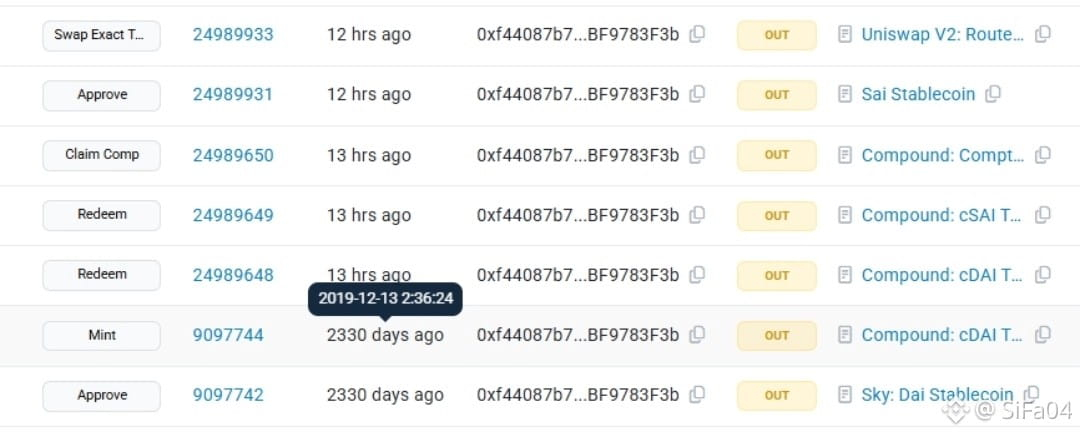
🚨⚠️ OLD WALLETS ETHEREUM DRAINED: WHAT'S REALLY HAPPENING ⚠️ 🚨
Hundreds of dormant Ethereum wallets, some inactive for over 7 years, have suddenly "woken up"... only to be completely drained.
A coordinated attack siphoned off the funds, funneling them to a single address, with losses nearing $800K. Yet, ETH's price remains stable around $2.27K.
Why?
Because this event is not what it seems.
It’s not:
- a network exploit;
- a bug in the smart contracts;
- a protocol failure.
The real issue is much simpler and more unsettling.
These wallets used weak private keys, generated years ago with lower security standards or low entropy.
Over time, and thanks to increasingly advanced tools, these keys have been progressively identified and compromised.
In other words: it's not Ethereum that's vulnerable, but certain practices from the past.
From a market perspective, the impact is negligible:
$800K compared to a market cap of $275B and $10B in daily volume is pure noise.
But the signal is crystal clear.
If you own old unused wallets, you might be exposed without realizing it.
Don’t wait.
Move your funds, upgrade your security, and protect your assets.
This is the real alert.
#BREAKING #Ethereum #hacking #alert #Wallet $ETH
Hundreds of dormant Ethereum wallets, some inactive for over 7 years, have suddenly "woken up"... only to be completely drained.
A coordinated attack siphoned off the funds, funneling them to a single address, with losses nearing $800K. Yet, ETH's price remains stable around $2.27K.
Why?
Because this event is not what it seems.
It’s not:
- a network exploit;
- a bug in the smart contracts;
- a protocol failure.
The real issue is much simpler and more unsettling.
These wallets used weak private keys, generated years ago with lower security standards or low entropy.
Over time, and thanks to increasingly advanced tools, these keys have been progressively identified and compromised.
In other words: it's not Ethereum that's vulnerable, but certain practices from the past.
From a market perspective, the impact is negligible:
$800K compared to a market cap of $275B and $10B in daily volume is pure noise.
But the signal is crystal clear.
If you own old unused wallets, you might be exposed without realizing it.
Don’t wait.
Move your funds, upgrade your security, and protect your assets.
This is the real alert.
#BREAKING #Ethereum #hacking #alert #Wallet $ETH
🔒 Hackers are collecting data now to decrypt it in the future using quantum technology!
A report reveals that the intruders follow a new strategy known as “Harvest now, decrypt later,” where they steal massive amounts of encrypted data currently. These hackers rely on the future advances of quantum computing to decrypt this data once today’s technologies are no longer sufficient, posing a long-term threat to information security.
━━━━━━━━━━━━━━
📊 Impact: 🔥 Very High
🏷️ OTHER
#CyberSecurity #QuantumComputing #DataPrivacy #Hacking #FutureThreats
🔗 Source: https://fortune.com/2026/07/20/harvest-now-decrypt-later-hackers-are-stealing-data-they-cant-even-read-yetbanking-on-quantum-computers-to-crack-it-later/
A report reveals that the intruders follow a new strategy known as “Harvest now, decrypt later,” where they steal massive amounts of encrypted data currently. These hackers rely on the future advances of quantum computing to decrypt this data once today’s technologies are no longer sufficient, posing a long-term threat to information security.
━━━━━━━━━━━━━━
📊 Impact: 🔥 Very High
🏷️ OTHER
#CyberSecurity #QuantumComputing #DataPrivacy #Hacking #FutureThreats
🔗 Source: https://fortune.com/2026/07/20/harvest-now-decrypt-later-hackers-are-stealing-data-they-cant-even-read-yetbanking-on-quantum-computers-to-crack-it-later/

🚨 Breaking: Verus-Ethereum Bridge Gets Hacked, Millions Stolen!
Analytics platforms have detected a security exploit targeting the Verus-Ethereum bridge (VerusCoin), resulting in a theft of approximately $11.5 million.
Details of the hacker's financial moves:
The attacker converted all stolen funds directly into Ethereum.
Total coins converted: 5,402 $ETH (currently valued at $11.5 million).
#CryptoNews #Hacking #Ethereum #VerusCoin #DeFi $ETH
Analytics platforms have detected a security exploit targeting the Verus-Ethereum bridge (VerusCoin), resulting in a theft of approximately $11.5 million.
Details of the hacker's financial moves:
The attacker converted all stolen funds directly into Ethereum.
Total coins converted: 5,402 $ETH (currently valued at $11.5 million).
#CryptoNews #Hacking #Ethereum #VerusCoin #DeFi $ETH
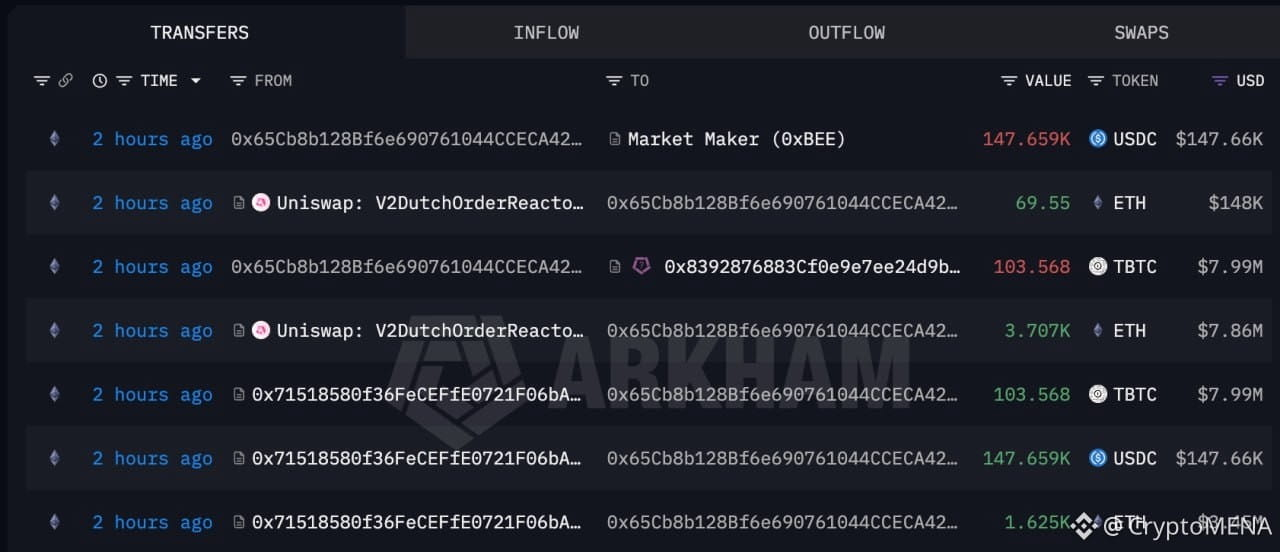
April.. A Stormy Month in the Crypto World! 🌪️
Unfortunately, this month has not been quiet, as we witnessed a series of attacks that cost the sector more than $600 million. It started with the Drift platform, which lost $285 million, leading up to the biggest blow to the Kelp DAO protocol with losses exceeding $280 million.
These numbers always remind us that security is not a luxury, but a necessity. Technical vulnerabilities and attacks from organized groups still pose the biggest challenge to the stability of DeFi projects.
🛡️ Today's advice: Don't put all your eggs in one basket, and always ensure the security standards of the platforms you use.
#BinanceSquare #CryptoSafety #hacking #DEF i #Web3
$DRIFT
$NEAR
$ETH
Do you think these attacks will affect investors' trust in decentralized trading platforms? Share your thoughts in the comments! 👇
Unfortunately, this month has not been quiet, as we witnessed a series of attacks that cost the sector more than $600 million. It started with the Drift platform, which lost $285 million, leading up to the biggest blow to the Kelp DAO protocol with losses exceeding $280 million.
These numbers always remind us that security is not a luxury, but a necessity. Technical vulnerabilities and attacks from organized groups still pose the biggest challenge to the stability of DeFi projects.
🛡️ Today's advice: Don't put all your eggs in one basket, and always ensure the security standards of the platforms you use.
#BinanceSquare #CryptoSafety #hacking #DEF i #Web3
$DRIFT
$NEAR
$ETH
Do you think these attacks will affect investors' trust in decentralized trading platforms? Share your thoughts in the comments! 👇

Log in to explore more content