

#regulacioncripto
regulacioncripto
47,641 views
197 Discussing
Hot
Latest

·
--
Crypto apps: the FCA focuses on who decides how a transaction is executed
On October 21, the UK’s FCA opened CP26/36, a consultation on which services fall outside the new crypto framework. The debate over algorithmic apps is among the trends on Binance Square today, October 25.
According to the draft, choosing routes or platforms by assessing price, liquidity, or costs may indicate intermediation that requires authorization. Transmitting instructions unchanged, with the provider and parameters selected by the client, points in a different direction.
But no single factor is decisive. Using algorithms, or having no discretionary decision-making, does not guarantee that a service will be excluded from the technical services category: how the service operates as a whole matters.
The consultation closes on November 18, 2026. The new regime is scheduled for October 25, 2027; this draft does not impose a universal license on all bots today.
The parallel consultation GC26/7 addresses operational resilience and financial crime risks in DeFi. Automation and the absence of a traditional intermediary do not eliminate these risks for businesses and clients.
Market reference for October 25, 23:42 UTC: Binance Spot showed BTC at 80,154.26 USDT, ETH at 2,330.41, and SOL at 101.18; 24-hour changes were -0.84%, -1.14%, and -1.19%, respectively.
Market takeaway: the potential impact comes through compliance costs and service availability. An app may need to review its business model even if the traded asset remains the same. These quotes do not prove a reaction to the document; the final text and providers’ adjustments will be more informative than a single candlestick.
$BTC $ETH $SOL
Educational content. Not financial advice.
#RegulacionCripto #FCA #DeFi #Bitcoin #Ethereum

57
·
--
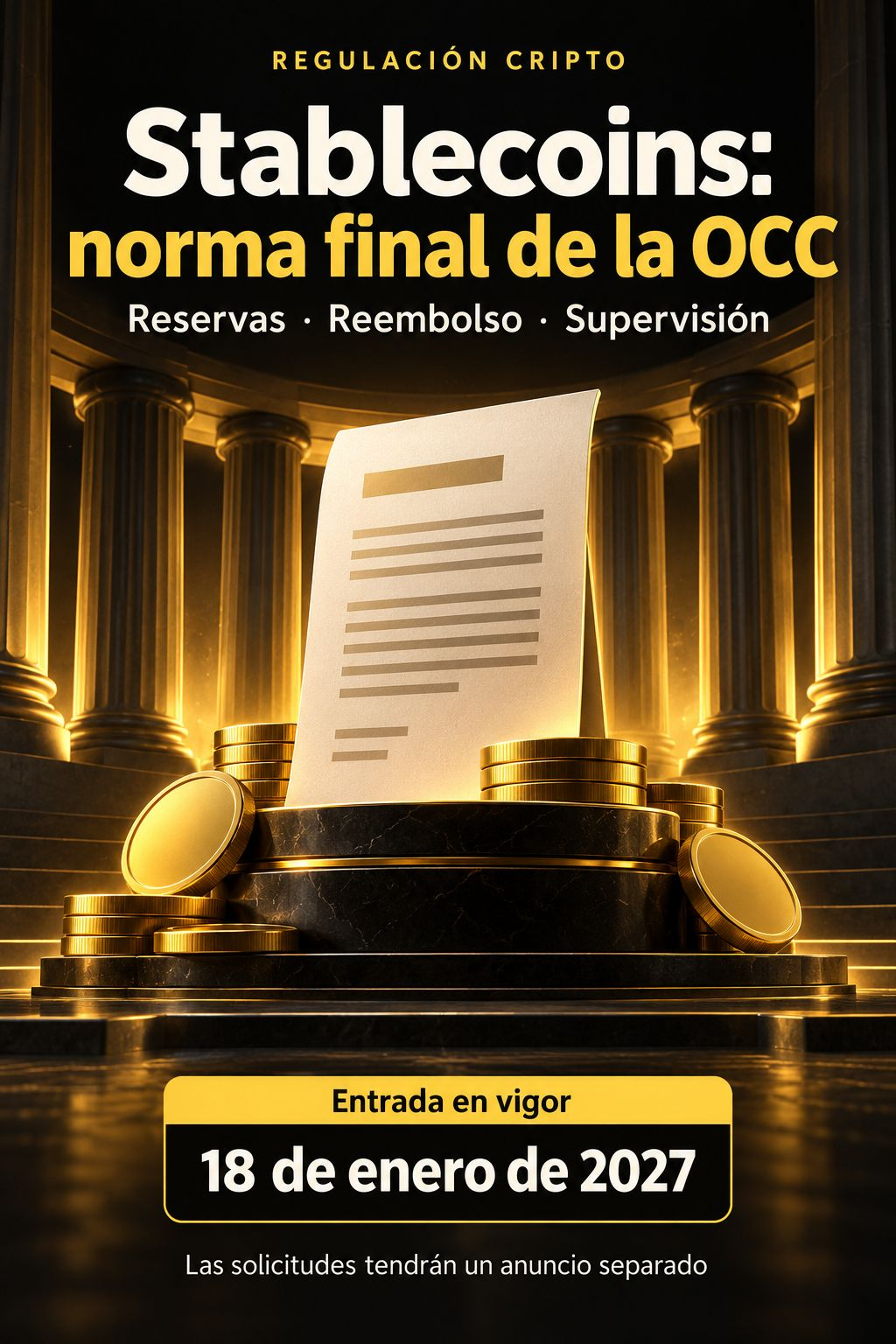
Stablecoins: OCC sets rules and effective date
On October 21, 2026, the U.S. Office of the Comptroller of the Currency announced its final rule to implement the GENIUS Act. The rule will take effect on January 18, 2027: the announcement and implementation are separate events.
The framework establishes requirements for reserves, redemption, risk management, audits, capital, and supervision. It covers payment stablecoin issuers under OCC jurisdiction, including certain foreign issuers, and certain custody activities by supervised entities.
Two steps remain pending. Specific regulations on anti-money laundering and sanctions will be handled separately with the Treasury Department. The acceptance of applications will also be announced separately, after the forms are approved by the Office of Management and Budget (OMB).
Bulletin 2026-51 provides for exemption applications by certain existing issuers with substantially complete applications pending when the effective date arrives. They will be assessed individually; these are not automatic approvals for all issuers.
Market snapshot: Binance spot on October 21 at 22:30 UTC showed USDC at 1.00065 USDT and RLUSD at 1.0008 USDT. These are prices relative to USDT. Being close to parity does not demonstrate reserves or regulatory authorization. Regulatory clarity may facilitate planning, but custody, liquidity, and compliance risks remain.
Sources: OCC, release 2026-92 and bulletins 2026-50 and 2026-51.
$USDC $RLUSD $USDT
Educational Content. Not financial advice.
#Stablecoins #GENIUSAct #OCC #CryptoRegulation
6
·
--
Six organizations urge the SEC to adopt clearer rules for tokens
Chainlink Labs, Hedera, Aptos Labs, Ava Labs, Stellar Development Foundation, and Cardano Foundation signed a letter shared by Taylor Barr on October 20, 2026 (UTC). Today, the 21st, the topic is trending on Binance Square.
They are asking for the definition of “digital commodity” and its status as an asset that is not a security to be incorporated into the operative provisions of Regulation Crypto Assets. According to the letter, this classification appears in the explanatory preamble, but should be included in the provisions that apply.
The key distinction: a token and the investment contract associated with its sale are two different things. They also ask that a secondary sale of an asset in that category by someone other than the issuer be presumed not to involve an investment contract, provided there are no outstanding representations or promises by the issuer to perform essential managerial efforts.
Another request: whether or not someone uses the Rule 400 safe harbor should not, by itself, determine whether an investment contract exists.
The context matters: the SEC submitted its proposal on August 18, and it was published in the Federal Register on the 21st. Its listing still identifies it as a proposal. The letter expresses what the industry is requesting; it does not establish that the SEC has accepted those changes or eliminate the legal risks of any transaction.
Market snapshot: Binance Spot showed LINK at 12.438 USDT (+0.56% in 24 hours), ADA at 0.2261 USDT (+0.89%), and AVAX at 9.700 USDT (-1.07%) on October 21 at 14:24 UTC. The divergent performance does not prove that the letter had an effect: the final text and its implementation remain decisive.
Sources: original letter shared by Taylor Barr; SEC file S7-2026-27; Square and Binance public data.
$LINK $ADA $AVAX
Educational Content. Not financial advice.
#RegulacionCripto #SEC #Blockchain #EducacionFinanciera

99
·
--
Stablecoins: What Blockchain Association Is Asking of the Treasury
On October 19, 2026, Blockchain Association published a letter on the U.S. Treasury’s proposal to implement Section 3 of the GENIUS Act. These are industry comments, not a final rule or new authorizations.
The Treasury’s proposal was published on August 18 and set October 19 as the deadline for comments. It addresses who can issue, offer, and sell payment stablecoins in the United States.
The association is asking for three clarifications:
1. Specify which companies are digital asset service providers. It asks that the statutory exclusions for self-custody tools and validators be made explicit, and that companies not be included solely because they trade their own assets.
2. For knowingly participating in an illegal issuance, require actual knowledge and substantial assistance coordinated with the issuer. It asks that this conduct be distinguished from ordinary buying and selling in the secondary market.
3. For stablecoins from foreign issuers, allow providers to rely on public regulatory lists of approved registrations and prohibitions, unless they know of relevant contrary facts, rather than requiring open-ended investigations into issuers.
These are requests from the association. The letter does not show that the Treasury has accepted them or grant approval to any specific coin.
Market perspective: the final scope could affect compliance costs and access to services. A price near parity does not demonstrate the quality of reserves or guarantee liquidity or redemption.
Binance spot, 20/10: at 10:22 UTC, USDC was trading at 1.00123 USDT (+0.030% in 24 h). At 10:21 UTC, ETH was at 2,389.50 USDT (−1.673%). These are reference prices; no causal link between those movements and the letter is implied.
$USDC $USDT $ETH
Educational content. Not financial advice.
#Stablecoins #GENIUSAct #RegulacionCripto #DeFi

33
·
--
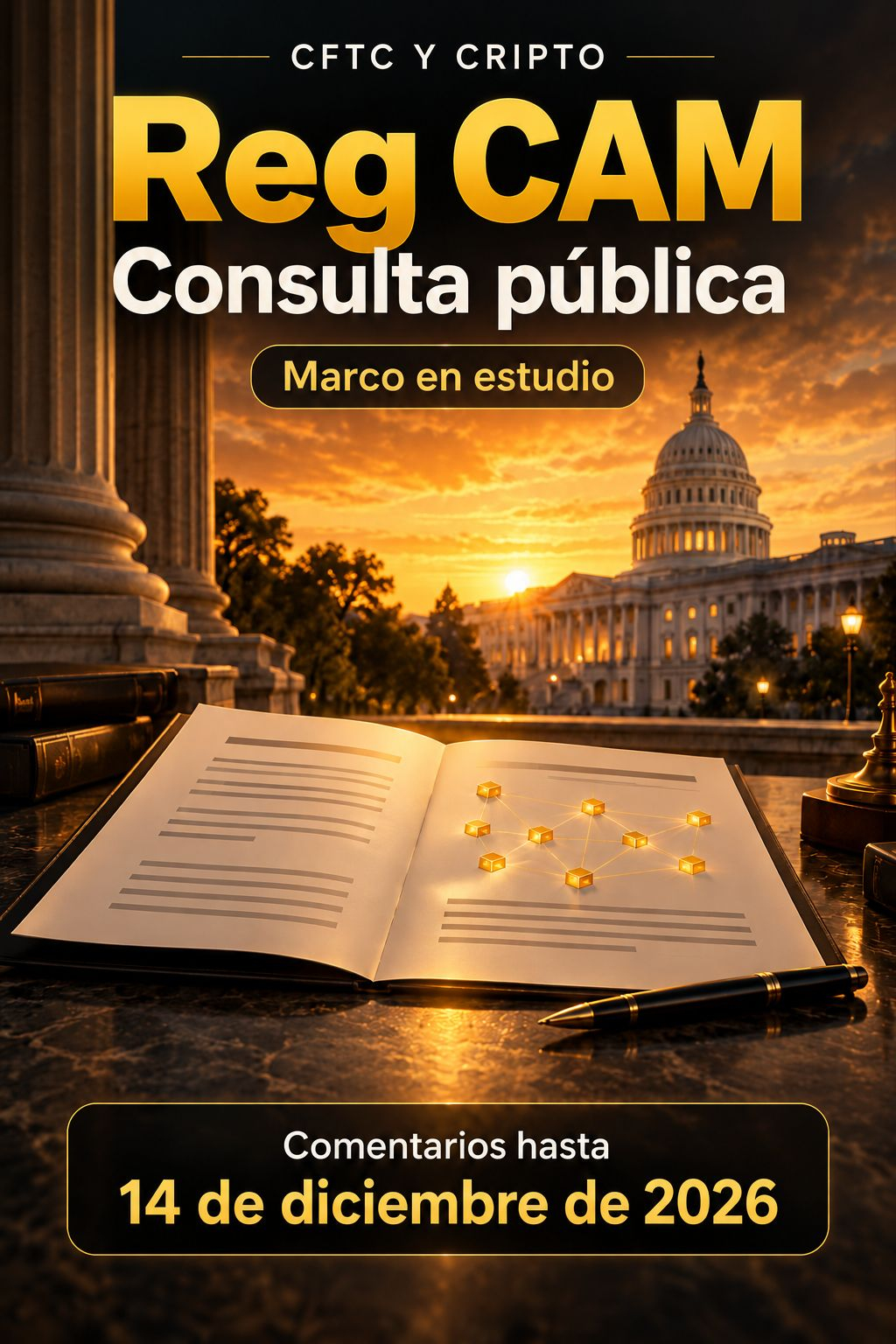
CFTC and Reg CAM: what’s under consultation and what remains pending
Reg CAM is currently among Square’s trending topics. The CFTC announced the consultation on October 5, 2026; the notice was published in the Federal Register on the 13th. Comments are being accepted until December 14. This is a preliminary phase, with no final rule approved.
The initiative has two parts. Regulation CTX examines how to apply the existing framework to retail transactions in crypto assets offered with leverage, margin, or financing.
The nuance matters: under the preliminary interpretation, rejecting financing and paying in full for an open transaction is not enough to exclude it if there was a covered offer. Actual delivery and legal exceptions also matter. The “spot” label alone does not determine the scope.
Regulation CAM proposes a registration subcategory for markets specializing in these transactions, within the designated contract market system. Choosing this route would be optional; that does not make the legal obligations for covered transactions optional.
The notice invites comments on custody, segregation of customer assets, system security, and proof of reserves. The latter is raised as a question in the consultation, not as an already approved requirement. The design and its adoption remain pending, and trading with financing carries liquidation risk.
Market snapshot, 14:17 UTC: BTC was trading at 82.156 USDT (+1,078% in 24 h) and ETH at 2.396,74 USDT (+0,354%). My take: the usefulness of this route will depend on the final rules and platform participation. These general references do not show that the consultation caused price movements or predict returns.
$BTC $ETH $USDT
Educational Content. Not financial advice.
#CFTC #RegulacionCripto #Bitcoin #Ethereum
59
·
--
South Korea warns about perpetuals offered by foreign platforms
On October 16, 2026, the Financial Services Commission (FSC) issued a warning to resident investors about perpetual contracts linked to stocks and crypto assets offered from overseas.
The notice describes products with no expiration date that are traded continuously, with leverage of 10 to 200 times. Small adverse price movements can trigger liquidations and total losses before additional collateral can be provided. These are characteristics of the products examined, not universal conditions for all derivatives.
The FSC says these products are not permitted under the domestic institutional framework and lack protections equivalent to those of South Korea’s regulated market. In the event of bankruptcy, service interruptions, or disputes, it may be difficult to access local legal remedies or verify the custody of funds.
The authorities plan to monitor products linked to the Korean stock market and report illegal activity targeting residents, including certain forms of referral-based solicitation. They will also request cooperation from platforms. The document does not announce a new worldwide ban: the possible introduction of similar products in Korea remains under review.
Scope matters: having internet access does not demonstrate local authorization or equivalent protections.
Market snapshot: Binance Spot showed BTC at 81,710.49 USDT (-0.78% over 24 hours) and ETH at 2,417.78 USDT (-1.66%) at 21:52 UTC on 10/16. These quotes do not prove that the notice had an effect. The focus is on access conditions, liquidity, and the intermediary’s collateral; they do not make it possible to predict price direction.
Sources: FSC, notice dated 10/16; Binance Square and public Binance data.
$BTC $ETH $USDT
Educational Content. Not financial advice.
#RegulacionCripto #CoreaDelSur #Perpetuos #GestionDeRiesgo #BinanceSquare

35

·
--
Bullish
🚨 BIG LIVE BOMB ON FOX NEWS: THE GAME CHANGED FOREVER! 🚨
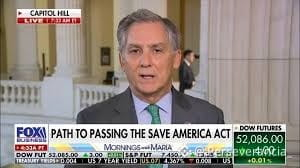
The theater of uncertainty is over! Congressman French Hill has just confirmed on national television what the powerful hands already knew: the Digital Asset Clarity Act has absolute bipartisan support from Democrats and Republicans to become FEDERAL LAW.
Unstoppable momentum: After its decisive approval in the House of Representatives, the bill is advancing with fury in the Senate, with the votes already secured.
End of manipulation: The fear-mongering narrative crafted so retail gives away their tokens falls apart live and in real time.
Institutional reality: The deal is already locked behind closed doors. Wall Street and the political apparatus have just flipped the switch on the legal plumbing machine in the U.S.
Are you going to get trapped in the screen’s FUD, or will you follow the trail of real money?
#CLARITYAct $XRP $XLM #ISO20022 #RWA $HBAR #RegulacionCripto
10
3.6k

·
--
The UK regulator has just laid its cards on the table.
The FCA has published its new guidelines for crypto businesses in the UK.
They’ve already defined which activities require official authorization before the application window opens in September.
This is a concrete step toward the new regulatory framework for digital assets.
The industry has little time to review whether they meet the requirements.
Do you think this accelerates institutional adoption in the region?
$BTC #UK #CryptoRegulation

57
·
--
The debate over the seven crypto tax drafts reviewed by the Ways and Means Committee of the U.S. House on June 9 is gaining traction in Binance Square. The relevant point isn't just political: if a clearer structure for small transactions, stablecoins, mining, staking, and digital donations advances, it reduces operational friction for users, businesses, and issuers. This matters because much of the adoption gets stalled when every small move can turn into an accounting burden or a regulatory gray area.
The underlying takeaway is that Washington is no longer just discussing whether to regulate, but how to integrate crypto activity into the existing tax framework. For the ecosystem, this could influence payments with stablecoins, everyday use of networks, treasury reporting, and decisions on where new liquidity concentrates. A clearer framework doesn't guarantee immediate growth, but it does reduce uncertainty and helps to separate real use cases from speculative noise.
In the market, BTC is trading around 62722 with +1.97% in 24h, ETH is hovering at 1643 with +1.33%, and BNB is at 598.31 with +2.01%. Still, the 4H candlesticks show a pullback from intraday highs, and open interest remains high across the three, indicating that the flow is still active but sensitive to macro and regulatory headlines. This combination usually favors quick reactions to public policy news rather than a linear trend.
$BTC $ETH $BNB
Educational Content. Not financial advice.
#RegulacionCripto #Bitcoin #Ethereum #BNB #BinanceSquare
28

🚨 Insight: Over 200 crypto firms demand the U.S. Senate vote on the Clarity Act.
An unprecedented united front has formed in the crypto industry. More than 200 organizations in the sector - led by giants like Coinbase, Ripple, Kraken, and Circle - have signed a joint letter addressed to the leaders of the United States Senate.
The companies urge the Upper Chamber to bring the Clarity Act to a definitive vote on the floor immediately.
Why is this a key moment?
• Bipartisan Progress: The bill has already successfully passed committee approval last month, demonstrating unusual consensus among lawmakers from different parties.
• Legal Certainty: The industry seeks to secure a clear regulatory framework to replace the current strategy of "regulation by enforcement" and provide stability to the digital asset market.
This massive mobilization reflects the ecosystem's urgency to establish definitive rules in one of the most influential economies for the global market.
#RegulacionCripto #Ripple #Coinbase #ClarityAct

3
345

·
--
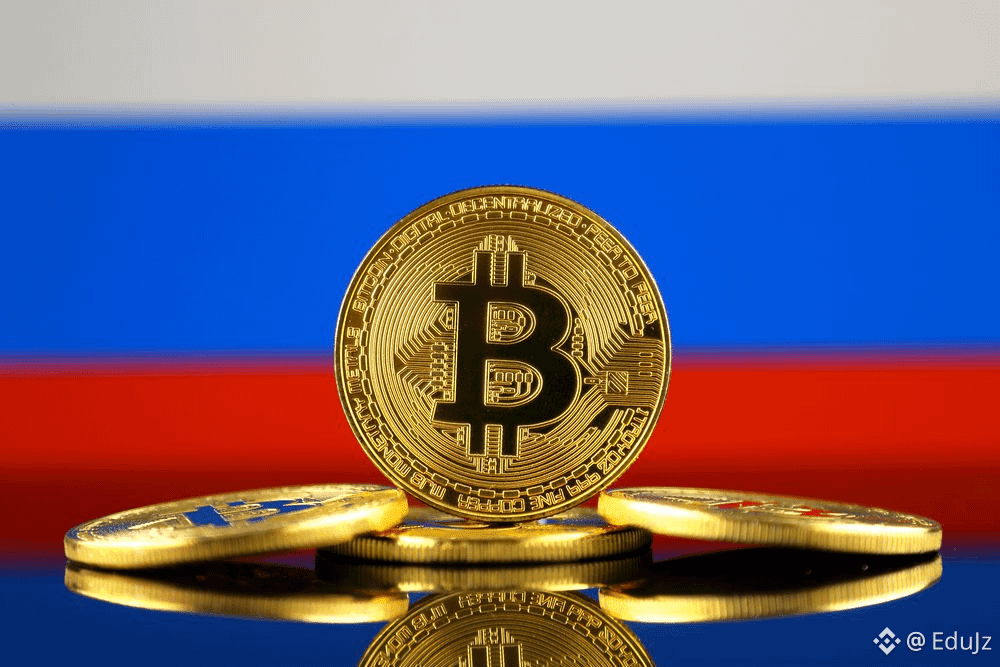
🇷🇺 Russia recognizes cryptocurrencies as property! 📜💎
President Vladímir Putin signed the framework law regulating digital assets in Russia, granting them legal status as property.
💡 Key points:⚖️ Property status: Holding, investing, and trading are legalized under property protection.
🛒 Foreign trade: The use of crypto for international payments is allowed to evade sanctions and trade with global partners.
🚫 Local payments: Still prohibited to use crypto as a daily means of payment within the country (only rubles).
⛏️ Fiscal framework: VAT exemption for mining and sales, with progressive income taxes (13% to 15%).
A giant step toward global institutional adoption or a strictly geopolitical move? I want to hear your thoughts! 👇
#Rusia #CryptoNews $BTC #BinanceSquare #RegulacionCripto
347

💥 Copper rises: Is the next crypto regulatory push in Chile?
The future of copper rises to $6.70 USD per pound (+1.22% over five sessions) while the observed dollar barely advances to 960.63 CLP (+0.07%). This extra revenue for the Chilean government opens a unique window: the CMF and the SII can fund a clearer crypto regulatory framework without stifling investment. Instead of continuing to delay regulations, the State should use this surplus to create transparent licenses and protect users, avoiding cases like OrionX. If copper stays strong, will we see a reform that propels Buda and Binance in Chile—or will bureaucracy continue to hold back innovation?
#Cobre #RegulacionCripto #CMF #Chile #Fiscalidad
Not financial advice. Check before investing.
62
·
--
Today, Binance Square is pivoting towards Japan for a significant reason: the market is starting to interpret the legislative approval that aligns crypto assets with the same financial framework as stocks and other traditional instruments. This shift is substantial. Japan has been treating crypto mainly as a payment method under the Payment Services Act; now the discussion is moving towards market rules, transparency, and investor protection typical of the financial ecosystem.
According to what's circulating today in Square and the framework already presented by the FSA, this relocation entails three relevant effects. First, more stringent disclosure and supervision requirements for issuers and operators. Second, restrictions on insider trading and harsher penalties for unregistered offerings, which reduce gray areas for institutional participants. Third, a clearer pathway for products closer to ETFs or regulated vehicles to emerge over time, provided the rest of the parliamentary and regulatory process proceeds smoothly.
Why does this matter outside Japan? Because when a developed economy stops viewing crypto merely as a payment tool and begins to integrate it into the capital markets lexicon, it raises the bar for Asia and other regulators. It also changes the conversation in Binance Square: less focus on specific hype and more interest in legal infrastructure, custody, compliance, and institutional access.
In the market, the reaction accompanies a tone of greater risk appetite. BTC is up 3.08% in 24h to 63406, ETH gains 3.16% to 1672.76, and XRP advances 3.99% to 1.1409. In the latest 4H candlesticks, all three assets remain above the previous closing of that period, although the last hour shows consolidation after the surge. Open interest in futures remains high for BTC, ETH, and XRP, indicating that the regulatory narrative still coexists with active positioning, not complacency.
$BTC $ETH $XRP
Educational Content. No financial advice.
#RegulacionCripto #Japon #Bitcoin #Ethereum #BinanceSquare
55

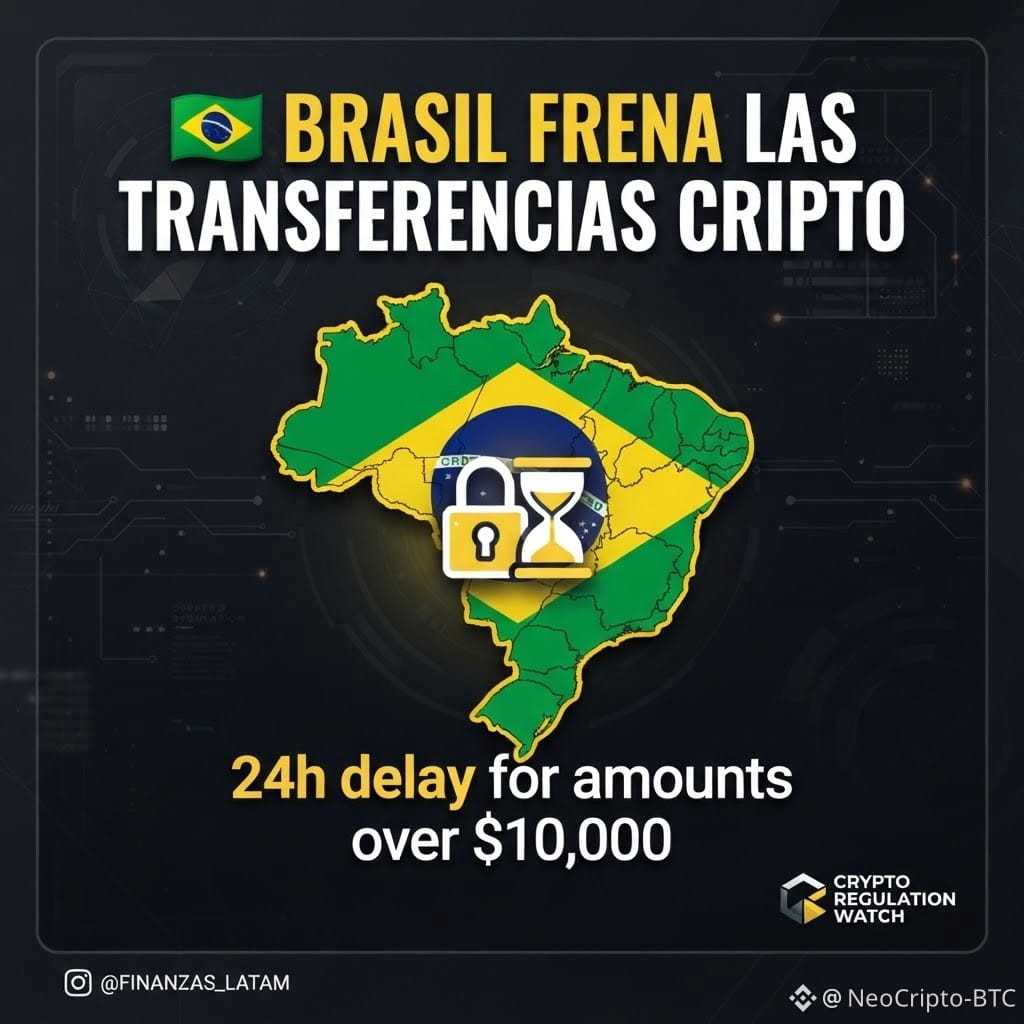
🇧🇷 Brazil puts the brakes on large crypto transfers
Brazil’s central bank plans a 24-hour delay for crypto transfers above $10,000.
What happened?
The anti-fraud rule targets transfers to foreign exchanges and self-custody wallets—exactly the two destinations that regulators worry about most when they talk about money laundering and fraud.
Why it matters:
🔹 Brazil is one of the largest crypto markets in Latin America
🔹 This kind of measure is often replicated in other countries in the region once it’s tested
🔹 It especially impacts people moving capital into self-custody—not just institutional traders
My take: it’s not a ban, it’s friction. And regulatory friction in big markets tends to be the prelude to stricter rules elsewhere.
#RegulacionCripto
$BTC
{future}(BTCUSDT)
$USDC
{future}(USDCUSDT)
$SOL
{future}(SOLUSDT)
🇧🇷 Brazil puts the brakes on large crypto transfers
Brazil’s central bank plans a 24-hour delay for crypto transfers above $10,000.
What happened?
The anti-fraud rule targets transfers to foreign exchanges and self-custody wallets—exactly the two destinations that regulators worry about most when they talk about money laundering and fraud.
Why it matters:
🔹 Brazil is one of the largest crypto markets in Latin America
🔹 This kind of measure is often replicated in other countries in the region once it’s tested
🔹 It especially impacts people moving capital into self-custody—not just institutional traders
My take: it’s not a ban, it’s friction. And regulatory friction in big markets tends to be the prelude to stricter rules elsewhere.
#RegulacionCripto
$BTC
$USDC
$SOL

1
516
·
--
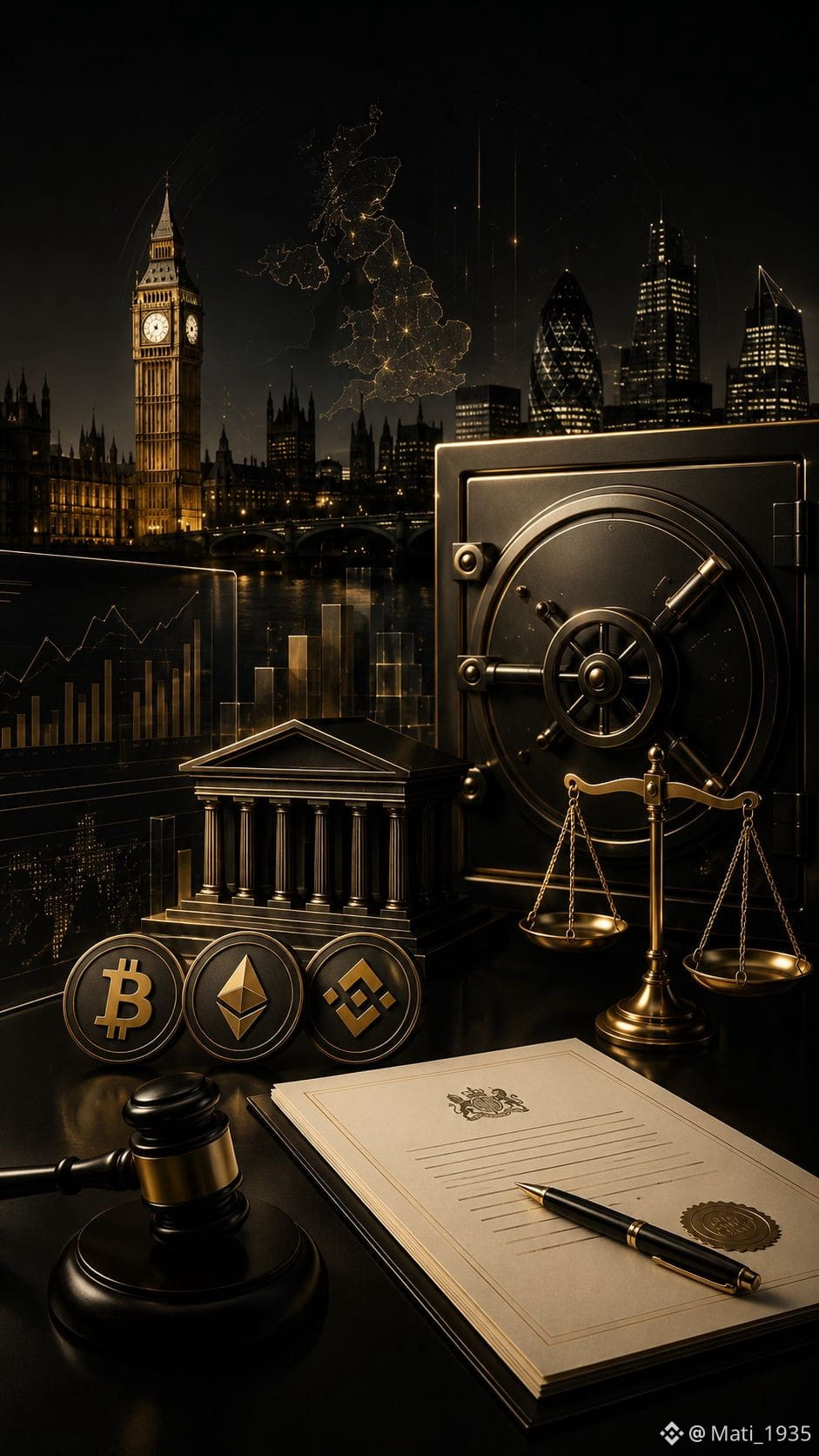
In Binance Square, there's a hot topic gaining traction that’s worth keeping an eye on: the FCA proposal from the UK to allow certain retail funds to invest up to 10% of their portfolio in crypto ETNs. This isn’t a green light to buy crypto outright within the fund, but rather an indirect and regulated avenue through listed instruments.
The key signal isn’t just the percentage. What matters is that a major regulator is fine-tuning access with limits, promotional rules, and risk controls, rather than maintaining a total ban. This brings the crypto language closer to traditional wealth management: limited exposure, supervised products, and an expectation of clearer disclosure for the investor.
It also corrects a regulatory friction: in the UK, there was already a route for some investors to access ETNs, but diversified funds still operated with less margin. If the consultation progresses, the message for the market is that institutional integration doesn’t always come through total openings; often, it enters through intermediate frameworks that make compliance, custody, and distribution easier.
From a market reading perspective, the movement aligns with a relatively stable tone in major assets. Bitcoin is trading near 64,155 on USD-M futures, with a daily variation of +0.76%, while Ethereum hovers around 1,676 with +0.55% and BNB operates near 608 with +0.34%. In Bitcoin, the latest 4H candlesticks are still defending the 63.8k-64.3k zone, and open interest remains close to 100,039 BTC, a combination that suggests sustained interest but without a confirmed explosive breakout.
If this type of regulated framework gains traction, the most probable impact in the short term isn’t immediate euphoria, but a gradual improvement in the legitimacy narrative for major and liquid assets.
$BTC $ETH $BNB
Educational Content. No financial advice.
#Bitcoin #RegulacionCripto #ETF #MercadoCripto #BinanceSquare
27
·
--
The topic gaining traction on Binance Square isn’t just geopolitics: it’s the way Russia is once again shifting the legal boundary of the crypto market.
On July 8, 2026, the Duma’s Financial Market Committee approved the final draft of a bill that recognizes cryptocurrencies as property. That detail may sound technical, but it changes a lot: if an asset has a clearer legal category, it’s easier to build on top of it rules for custody, licenses, tax reporting, inheritance, guarantees, and enforcement. In other words, the market stops operating only in the gray area and starts looking more like an industry the state can oversee, restrict, and monetize.
The important takeaway isn’t “Russia is becoming pro-crypto” without nuance. The real signal is more useful: Moscow seems to want to separate three things. First, allow regulated infrastructure for trading and custody. Second, enable more use in foreign trade and settlement, where traditional financial constraints weigh more. Third, maintain strong control over who intermediates, who gets access, and under what limits the retail participant can participate.
This shift is already connecting to another recent piece: on July 6, 2026, CoinDesk reported that Sberbank is preparing a wallet and a digital deposit to integrate into its platforms if the new framework comes into force. When the country’s biggest bank starts preparing, the market understands the story is no longer theoretical.
In the market, the tone comes with caution, not euphoria. BTC is trading near 61,720 and is down 2.59% in 24h; over 4H it moved from 62,888 to 61,789, and the futures open interest is around 100,836 BTC—still a sign of heavy positioning. ETH is around 1,734 with -2.09% daily and BNB around 564 with -2.20%; both are also pulling back over 4H. Simple translation: the news improves the regulatory narrative in the medium term, but today the flow remains defensive and sensitive to macro risk.
$BTC $ETH $BNB
Educational Content. Not financial advice.
#Bitcoin #Ethereum #BNB #RegulacionCripto #BinanceSquare

80
·
--
Bullish
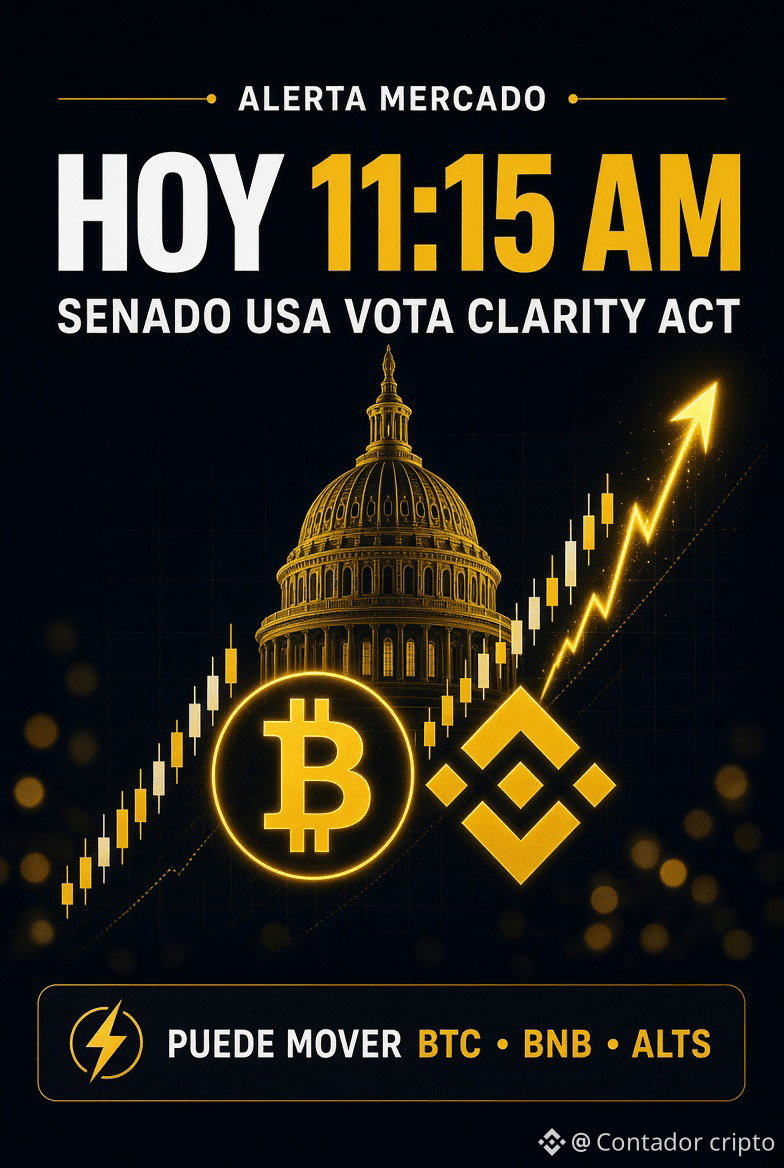
🚨 MARKET ALERT — TODAY 11:15 a.m. (Mexicali)
The U.S. Senate votes on the CLARITY Act.
This is not the final law. It’s cloture: if they get 60 votes, they’ll open debate on the most important crypto regulation of the decade. If they don’t, the bill gets stuck until 2027.
This can move the market in minutes:
✅ Yes to cloture → regulatory relief
❌ Don’t reach 60 → profit-taking and volatility
$BTC $BNB y alts can react strongly. Don’t trade the headline. Wait for the candle, confirm volume, and respect your stop.
I’ll be on C-SPAN watching the live count.
Discipline first. Trade with a level head, not with the timeline’s shout.
How are you positioning for this news? Comment 🔥 or 🧊
— Crypto Counter
Personal analysis. Not financial advice. Manage your risk.
#Binance #BinanceSquare #CryptoCounter #ClarityAct #Bitcoin #BNB #Crypto #Trading #CryptoMexicali #CryptoRegulation
4
7
202
·
--
Australia consults on new rules for reporting crypto transactions
On October 15, 2026, the Australian Treasury opened a consultation on a draft legislative proposal. It is accepting comments until October 28. This is a proposal; it is not yet an enacted law.
The package proposes incorporating CARF, the OECD framework for exchanging tax information on crypto-assets; establishing a domestic regime for transactions by Australian residents; and updating the CRS financial information reporting standard.
According to the explanatory memorandum, CARF would collect data for 2027, with the first reports to the Australian Taxation Office and international exchanges taking place in 2028. This is the proposed timeline, subject to the legislative process.
The domestic regime covers information from in-scope providers on exchanges between money and crypto, crypto-to-crypto exchanges, and transfers, including those involving external wallets. The draft does not mean that every wallet owner would have to file this report directly.
The challenge will be to expand tax traceability, protect sensitive data, and adapt providers’ systems. The final text and implementation rules remain important.
Market snapshot: at 09:45 UTC on 16/10, Binance showed BTC at 82.118 USDT (+1.05% over 24 hours) and ETH at 2,451.68 USDT (+3.41%). This change does not demonstrate a reaction to Australia. The news mainly affects reporting obligations and operating costs; it does not predict the direction of prices.
Primary source: Australian Treasury, consultation and memorandum dated 15/10/2026.
$BTC $ETH $USDT
Educational Content. Not financial advice.
#Australia #CARF #RegulacionCripto #Bitcoin #Ethereum

70
·
--
CFTC and prediction markets: what’s proposed and what remains pending
On October 9, 2026, the CFTC announced a proposal to explicitly include certain event contracts in the definition of a “swap.” It cites sports, politics, culture, and weather within its derivatives framework.
These contracts link their payouts to the outcome of an event; many use yes-or-no scenarios. They are used to hedge risks or speculate, and an incorrect prediction can result in losses.
The announced step is a rule proposal. The public comment period lasts 30 days from its publication in the Federal Register; the period does not automatically begin with the announcement.
That same day, the CFTC announced another measure: an interim final rule excluding casino and sportsbook bets from the definition of a swap. The announcement states that it takes effect upon publication in the Federal Register. These are separate proceedings.
The inclusion proposal acknowledges limits: some contracts may be futures or instruments under the SEC’s jurisdiction. It also cautions that regulatory clarity can be mistaken for safety, leading people to underestimate risks.
Market snapshot: on Binance Spot, at 10:45 UTC on October 10, BTC was trading at 82,819.32 USDT (+0.42% in 24 hours) and ETH at 2,495.47 USDT (+0.05%). These are crypto market benchmarks; they do not prove a reaction to the proposal or predict its approval.
$BTC $ETH $USDT
Educational Content. Not financial advice.
#CFTC #MercadosDePrediccion #RegulacionCripto #Bitcoin #Ethereum

78

·
--
🇫🇷 France debates new crypto taxes: What’s happening?
The Finance Committee of the French Parliament approved key proposals for taxing digital assets:
🔹 Stablecoin Tax: Taxes on transactions involving stablecoins.
🔹 Crypto Exit Tax: An exit tax for high-net-worth individuals who change their tax residence.
❌ Rejected: The proposal to include cryptocurrencies in the wealth tax was rejected.
France is seeking to align its tax laws with Europe’s MiCA framework. As the market matures, regulation and tax oversight are advancing globally.
💬 Do you think these measures will slow adoption, or give the ecosystem the maturity it needs? Let me know! 👇
#BinanceSquare #Francia #CryptoNews #RegulacionCripto #bitcoin #Stablecoins $BTC $ETH $BNB
78
Log in to explore more content
Join global crypto users on Binance Square
⚡️ Get latest and useful information about crypto.
💬 Trusted by the world’s largest crypto exchange.
👍 Discover real insights from verified creators.
Email / Phone number
Trending Topics
1
#OpenAICutsFundraisingTargetBy$10B
25 views
22 Discussing
2
#ASICHasReceivedNoPredictionMarketApplications
1,489 views
91 Discussing
3
#RecallAnnouncesLiquidationPlansToBurn35.86%OfSupply
149 views
3 Discussing
4
#TetherReports$191.5BInQ3Reserves
65 views
4 Discussing
5
#UniswapA16zSeekDeFiExemptionFromIllinoisCryptoTax
51,722 views
1,057 Discussing
6
#HKDollarStablecoinHKDAPToLaunchOnSolana
37,273 views
678 Discussing
7
#$1.5BInLeveragedCryptoBetsLiquidated
70,902 views
283 Discussing
8
#TrezorSaysCryptoBilisSoldWalletMayContainMaliciousComponents
6,061 views
94 Discussing
9
#KOSPIFalls3.53%BackBelow6000
84,905 views
1,268 Discussing
10
#AmazonSharesFallAbout7%InPremarketTrading
44,792 views
716 Discussing