

#layer2
layer2
4.3M views
24,594 Discussing
Hot
Latest
·
--
Ethereum just did something bridges never could 🔗
The Ethereum Economic Zone (EEZ) executed its first atomic L1-to-L2 transaction on mainnet: one cross-chain call, carrying 0.001 ETH and updating a rollup's state, landing in a single Ethereum block.
Atomic = all or nothing. Every leg succeeds, or the whole thing reverts. No bridge, no waiting.
Why it matters: L2 liquidity is split across dozens of chains. EEZ (backed by Gnosis, Zisk and Ethereum Foundation co-funding) wants rollups to call each other and mainnet in ONE transaction.
Still experimental, but a Hydration co-founder called it "one of the most important milestones" in crypto.
Is synchronous composability the fix L2s have been missing for $ETH? Or just another experiment? 👇
#Ethereum #Layer2 #ETH
Ethereum just did something bridges never could 🔗
The Ethereum Economic Zone (EEZ) executed its first atomic L1-to-L2 transaction on mainnet: one cross-chain call, carrying 0.001 ETH and updating a rollup's state, landing in a single Ethereum block.
Atomic = all or nothing. Every leg succeeds, or the whole thing reverts. No bridge, no waiting.
Why it matters: L2 liquidity is split across dozens of chains. EEZ (backed by Gnosis, Zisk and Ethereum Foundation co-funding) wants rollups to call each other and mainnet in ONE transaction.
Still experimental, but a Hydration co-founder called it "one of the most important milestones" in crypto.
Is synchronous composability the fix L2s have been missing for $ETH ? Or just another experiment? 👇
#Ethereum #Layer2 #ETH
The Ethereum Economic Zone (EEZ) executed its first atomic L1-to-L2 transaction on mainnet: one cross-chain call, carrying 0.001 ETH and updating a rollup's state, landing in a single Ethereum block.
Atomic = all or nothing. Every leg succeeds, or the whole thing reverts. No bridge, no waiting.
Why it matters: L2 liquidity is split across dozens of chains. EEZ (backed by Gnosis, Zisk and Ethereum Foundation co-funding) wants rollups to call each other and mainnet in ONE transaction.
Still experimental, but a Hydration co-founder called it "one of the most important milestones" in crypto.
Is synchronous composability the fix L2s have been missing for $ETH ? Or just another experiment? 👇
#Ethereum #Layer2 #ETH
9
BREAKING: An entire blockchain is being SHUT DOWN — because it can't pay its bills. 😱
is winding down its Ethereum layer-2 network after the team admitted 'the economics of operating the chain no longer make sense.'
Here is the shocking part: monthly revenue collapsed from about $3.5M in June 2024 to just $1,793 last month — less than one part-time salary to run a whole blockchain. Total value locked fell from over $2B to $32M, and the BLAST token is now down about 98% from launch.
This was a chain that raised $20M from Paradigm and had $1.1B deposited before it even went live. Hype builds chains — but only real usage pays the bills.
Users have until October 26 to withdraw through the Blast interface. Which L2 do you think is next? 👇
#BLAST #CryptoNews #Layer2
BREAKING: An entire blockchain is being SHUT DOWN — because it can't pay its bills. 😱
is winding down its Ethereum layer-2 network after the team admitted 'the economics of operating the chain no longer make sense.'
Here is the shocking part: monthly revenue collapsed from about $3.5M in June 2024 to just $1,793 last month — less than one part-time salary to run a whole blockchain. Total value locked fell from over $2B to $32M, and the BLAST token is now down about 98% from launch.
This was a chain that raised $20M from Paradigm and had $1.1B deposited before it even went live. Hype builds chains — but only real usage pays the bills.
Users have until October 26 to withdraw through the Blast interface. Which L2 do you think is next? 👇
#BLAST #CryptoNews #Layer2
is winding down its Ethereum layer-2 network after the team admitted 'the economics of operating the chain no longer make sense.'
Here is the shocking part: monthly revenue collapsed from about $3.5M in June 2024 to just $1,793 last month — less than one part-time salary to run a whole blockchain. Total value locked fell from over $2B to $32M, and the BLAST token is now down about 98% from launch.
This was a chain that raised $20M from Paradigm and had $1.1B deposited before it even went live. Hype builds chains — but only real usage pays the bills.
Users have until October 26 to withdraw through the Blast interface. Which L2 do you think is next? 👇
#BLAST #CryptoNews #Layer2

Ethereum's fragmentation is its biggest bottleneck, but cross-chain development is finally making real headway. EEZ just successfully tested an atomic transaction bridging L1 and L2, proving that unified liquidity and seamless user experiences across rollups are moving from theory to reality. If these interoperability frameworks scale effectively, they could completely eliminate the friction of fragmented ecosystems. This is a massive step toward true Ethereum scaling coherence. $ETH #Ethereum #Layer2 #CryptoNews
Ethereum's fragmentation is its biggest bottleneck, but cross-chain development is finally making real headway. EEZ just successfully tested an atomic transaction bridging L1 and L2, proving that unified liquidity and seamless user experiences across rollups are moving from theory to reality. If these interoperability frameworks scale effectively, they could completely eliminate the friction of fragmented ecosystems. This is a massive step toward true Ethereum scaling coherence. $ETH #Ethereum #Layer2 #CryptoNews
5

·
--
Metaverse and layer-2 tokens are absorbing the hardest selling pressure on today's tape 📉
SAND dropped 10.64% to 0.0658 on 15.4M USDT volume — the sharpest percentage decline among liquid pairs. Gaming and metaverse infrastructure has been bleeding liquidity for weeks as capital rotates toward AI and compute narratives. Starknet fell 9.23% to 0.0520 on 8.9M volume, continuing its squeeze from recent highs; zero-knowledge rollups are caught between Ethereum's subdued price action at 2697 and waning dApp fees. SKY shed 8.49% to 0.0874 as DeFi governance tokens give back earlier gains without fresh catalysts.
Meanwhile, $BTC sits at 85,310 down just 1.09% on 1.16 billion USDT — that divergence tells you rotation is underway, not macro exit. The majors are holding their technical structure; smaller caps are simply repricing in the absence of sector-specific triggers. Watch SAND's 0.065 support and whether Starknet can reclaim the 0.055 pivot on any ETH strength.
Are you seeing tactical entries in beaten-down layers, or waiting for confirmation of a floor?
#SAND #Metaverse #Layer2 #CryptoMarkets
Metaverse and layer-2 tokens are absorbing the hardest selling pressure on today's tape 📉
SAND dropped 10.64% to 0.0658 on 15.4M USDT volume — the sharpest percentage decline among liquid pairs. Gaming and metaverse infrastructure has been bleeding liquidity for weeks as capital rotates toward AI and compute narratives. Starknet fell 9.23% to 0.0520 on 8.9M volume, continuing its squeeze from recent highs; zero-knowledge rollups are caught between Ethereum's subdued price action at 2697 and waning dApp fees. SKY shed 8.49% to 0.0874 as DeFi governance tokens give back earlier gains without fresh catalysts.
Meanwhile, $BTC sits at 85,310 down just 1.09% on 1.16 billion USDT — that divergence tells you rotation is underway, not macro exit. The majors are holding their technical structure; smaller caps are simply repricing in the absence of sector-specific triggers. Watch SAND's 0.065 support and whether Starknet can reclaim the 0.055 pivot on any ETH strength.
Are you seeing tactical entries in beaten-down layers, or waiting for confirmation of a floor?
#SAND #Metaverse #Layer2 #CryptoMarkets
SAND dropped 10.64% to 0.0658 on 15.4M USDT volume — the sharpest percentage decline among liquid pairs. Gaming and metaverse infrastructure has been bleeding liquidity for weeks as capital rotates toward AI and compute narratives. Starknet fell 9.23% to 0.0520 on 8.9M volume, continuing its squeeze from recent highs; zero-knowledge rollups are caught between Ethereum's subdued price action at 2697 and waning dApp fees. SKY shed 8.49% to 0.0874 as DeFi governance tokens give back earlier gains without fresh catalysts.
Meanwhile, $BTC sits at 85,310 down just 1.09% on 1.16 billion USDT — that divergence tells you rotation is underway, not macro exit. The majors are holding their technical structure; smaller caps are simply repricing in the absence of sector-specific triggers. Watch SAND's 0.065 support and whether Starknet can reclaim the 0.055 pivot on any ETH strength.
Are you seeing tactical entries in beaten-down layers, or waiting for confirmation of a floor?
#SAND #Metaverse #Layer2 #CryptoMarkets
188

·
--
🚨 EEZ tests a 0.001 ETH atomic L1-to-L2 transaction, signaling progress toward unified Ethereum scaling.
This framework aims to streamline asset movement between mainnet and rollups, reducing friction for users and developers.
If successful, it could strengthen ETH’s utility as a base layer by improving cross-chain efficiency and lowering barriers to adoption.
Watch for further testnet milestones that may influence long-term network resilience and developer activity.
Could this be a step toward seamless Ethereum interoperability?
#Layer2
$ETH #TradingSignal #CryptoAnalysis
🚨 EEZ tests a 0.001 ETH atomic L1-to-L2 transaction, signaling progress toward unified Ethereum scaling.
This framework aims to streamline asset movement between mainnet and rollups, reducing friction for users and developers.
If successful, it could strengthen ETH’s utility as a base layer by improving cross-chain efficiency and lowering barriers to adoption.
Watch for further testnet milestones that may influence long-term network resilience and developer activity.
Could this be a step toward seamless Ethereum interoperability?
#Layer2
$ETH #TradingSignal #CryptoAnalysis
This framework aims to streamline asset movement between mainnet and rollups, reducing friction for users and developers.
If successful, it could strengthen ETH’s utility as a base layer by improving cross-chain efficiency and lowering barriers to adoption.
Watch for further testnet milestones that may influence long-term network resilience and developer activity.
Could this be a step toward seamless Ethereum interoperability?
#Layer2
$ETH #TradingSignal #CryptoAnalysis
10
·
--
Blast is shutting down. 🚨
The Ethereum L2 that once held $2.3B+ in TVL says it now costs more to run than it earns. Users are being told to move funds back to Ethereum before October 26. ⏳
Meanwhile, revenue protocols with buybacks are leading the alt board this week.
Lesson for this cycle: hype gets TVL, revenue keeps it. 💡
Still have funds bridged to Blast? And which L2 do you think survives the next shakeout? 👇
$ETH $ARB $OP
#Ethereum #Layer2 #Blast #Uptober
Blast is shutting down. 🚨
The Ethereum L2 that once held $2.3B+ in TVL says it now costs more to run than it earns. Users are being told to move funds back to Ethereum before October 26. ⏳
Meanwhile, revenue protocols with buybacks are leading the alt board this week.
Lesson for this cycle: hype gets TVL, revenue keeps it. 💡
Still have funds bridged to Blast? And which L2 do you think survives the next shakeout? 👇
$ETH $ARB $OP
#Ethereum #Layer2 #Blast #Uptober
The Ethereum L2 that once held $2.3B+ in TVL says it now costs more to run than it earns. Users are being told to move funds back to Ethereum before October 26. ⏳
Meanwhile, revenue protocols with buybacks are leading the alt board this week.
Lesson for this cycle: hype gets TVL, revenue keeps it. 💡
Still have funds bridged to Blast? And which L2 do you think survives the next shakeout? 👇
$ETH $ARB $OP
#Ethereum #Layer2 #Blast #Uptober
beber con moderación:
la siguientes son $ARB y $XAI
1
348


The math finally caught up to Ethereum scaling as Blast calls it quits. 🛑 The Paradigm-backed network is shutting down its L2 infrastructure after burning more cash than it pulled in. 📉 You have until October 26 to pull your assets directly through the app interface. Do not sleep on this deadline. $BLAST #Write2Earn #Ethereum #Layer2 #CryptoNews
The math finally caught up to Ethereum scaling as Blast calls it quits. 🛑 The Paradigm-backed network is shutting down its L2 infrastructure after burning more cash than it pulled in. 📉 You have until October 26 to pull your assets directly through the app interface. Do not sleep on this deadline. $BLAST #Write2Earn #Ethereum #Layer2 #CryptoNews
20

·
--
$ETH sitting at 2714.13 feels dead, but L2 metrics tell a totally different story. Dropping blob fees are driving ZK-rollup costs down to near zero while scaling throughput hits new highs. Price is ranging, but execution metrics are ramping up fast.
#Layer2 #BlockchainScaling #ETH
$ETH sitting at 2714.13 feels dead, but L2 metrics tell a totally different story. Dropping blob fees are driving ZK-rollup costs down to near zero while scaling throughput hits new highs. Price is ranging, but execution metrics are ramping up fast.
#Layer2 #BlockchainScaling #ETH
#Layer2 #BlockchainScaling #ETH
1
29
Reality check for the layer-2 race. 🛑 Blast is shutting down its Ethereum network by October 26 because running costs finally outgrew protocol revenue. $BLAST holders need to pull assets back to mainnet now before the deadline hits. Execution matters more than hype in this market. #Write2Earn #Ethereum #Layer2 #Crypto
Reality check for the layer-2 race. 🛑 Blast is shutting down its Ethereum network by October 26 because running costs finally outgrew protocol revenue. $BLAST holders need to pull assets back to mainnet now before the deadline hits. Execution matters more than hype in this market. #Write2Earn #Ethereum #Layer2 #Crypto
41

·
--
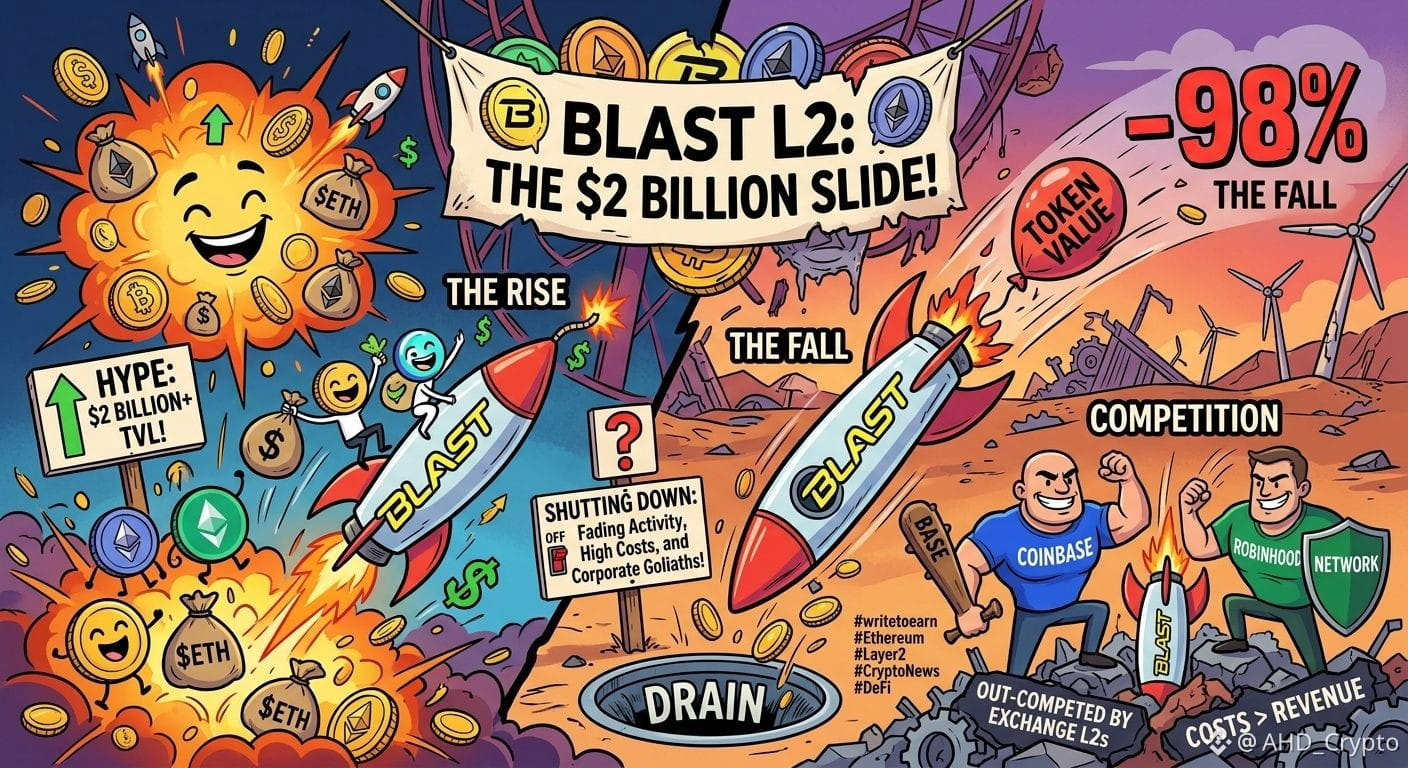
From $2 Billion to Zero: Why Ethereum L2 Blast Is Shutting Down! 📉💥
The crypto landscape moves fast, and Blast—once a major $ETH Layer-2 powerhouse with over $2 Billion in Total Value Locked (TVL)—has officially announced it is winding down its network operations! 🛑
{spot}(ETHUSDT)
🚨 What Happened to Blast?
>> Plunging Metrics & Token Crash: Since reaching its peak, token valuation dropped over 98%, with TVL draining as incentive farming faded.
>> Unsustainable Economics: The team explicitly stated that the network maintenance costs exceed the revenue generated, leaving no viable path to profitability.
>> Intense Competition: With major exchange-backed corporate giants building their own L2 networks (like Coinbase’s Base), independent incentive-driven rollups are struggling to retain long-term sticky liquidity.
⏰ Urgent Action Required for ETH & $BLAST Holders
If you have funds sitting on Blast, pay close attention to the official timeline:
1- Oct 26, 2026 Cutoff: Users have until October 26 to withdraw their assets via the standard Blast bridge interface.
2- Temporary Pause: Withdrawals are temporarily paused for ~1 week while Lido assets ($LDO / $stETH) are unwound, after which a 24-hour withdrawal delay will apply.
{spot}(LDOUSDT)
3- Post-Deadline Recovery: After Oct 26, you can still recover your funds, but it will require manual interaction with direct L1 $ETH bridge contracts.
Is the era of purely points-driven Layer-2s officially over? Let us know your thoughts below! 👇
#writetoearn #Ethereum #Layer2 #CryptoNews #defi
From $2 Billion to Zero: Why Ethereum L2 Blast Is Shutting Down! 📉💥
The crypto landscape moves fast, and Blast—once a major $ETH Layer-2 powerhouse with over $2 Billion in Total Value Locked (TVL)—has officially announced it is winding down its network operations! 🛑
🚨 What Happened to Blast?
>> Plunging Metrics & Token Crash: Since reaching its peak, token valuation dropped over 98%, with TVL draining as incentive farming faded.
>> Unsustainable Economics: The team explicitly stated that the network maintenance costs exceed the revenue generated, leaving no viable path to profitability.
>> Intense Competition: With major exchange-backed corporate giants building their own L2 networks (like Coinbase’s Base), independent incentive-driven rollups are struggling to retain long-term sticky liquidity.
⏰ Urgent Action Required for ETH & $BLAST Holders
If you have funds sitting on Blast, pay close attention to the official timeline:
1- Oct 26, 2026 Cutoff: Users have until October 26 to withdraw their assets via the standard Blast bridge interface.
2- Temporary Pause: Withdrawals are temporarily paused for ~1 week while Lido assets ($LDO / $stETH) are unwound, after which a 24-hour withdrawal delay will apply.
3- Post-Deadline Recovery: After Oct 26, you can still recover your funds, but it will require manual interaction with direct L1 $ETH bridge contracts.
Is the era of purely points-driven Layer-2s officially over? Let us know your thoughts below! 👇
#writetoearn #Ethereum #Layer2 #CryptoNews #defi
The crypto landscape moves fast, and Blast—once a major $ETH Layer-2 powerhouse with over $2 Billion in Total Value Locked (TVL)—has officially announced it is winding down its network operations! 🛑
🚨 What Happened to Blast?
>> Plunging Metrics & Token Crash: Since reaching its peak, token valuation dropped over 98%, with TVL draining as incentive farming faded.
>> Unsustainable Economics: The team explicitly stated that the network maintenance costs exceed the revenue generated, leaving no viable path to profitability.
>> Intense Competition: With major exchange-backed corporate giants building their own L2 networks (like Coinbase’s Base), independent incentive-driven rollups are struggling to retain long-term sticky liquidity.
⏰ Urgent Action Required for ETH & $BLAST Holders
If you have funds sitting on Blast, pay close attention to the official timeline:
1- Oct 26, 2026 Cutoff: Users have until October 26 to withdraw their assets via the standard Blast bridge interface.
2- Temporary Pause: Withdrawals are temporarily paused for ~1 week while Lido assets ($LDO / $stETH) are unwound, after which a 24-hour withdrawal delay will apply.
3- Post-Deadline Recovery: After Oct 26, you can still recover your funds, but it will require manual interaction with direct L1 $ETH bridge contracts.
Is the era of purely points-driven Layer-2s officially over? Let us know your thoughts below! 👇
#writetoearn #Ethereum #Layer2 #CryptoNews #defi
208

·
--
Starknet is quickly positioning itself as a cornerstone of Ethereum’s scaling future. As a Validity Rollup (ZK-Rollup) Layer 2 network, it has captured the crypto community's attention not just through its STRK token, but through its relentless focus on developer-friendly innovation and massive fee reductions.
Following Ethereum’s Dencun upgrade, Starknet implemented major fee-saving measures that made transactions incredibly cheap, often costing fractions of a cent. This has made it one of the most cost-effective L2 solutions on the market today. For users and developers alike, this is a game-changer, especially for high-frequency use cases like Web3 gaming and decentralized finance (DeFi).
What sets Starknet apart from its competitors is its native programming language, Cairo. While it presents a learning curve for traditional Solidity developers, Cairo unlocks highly efficient smart contracts and allows for provable computing. This technological edge is drawing a dedicated wave of developers who are building decentralized applications that simply are not possible on standard EVM chains.
Looking ahead, the Starknet roadmap is highly promising. With discussions and proposals around the implementation of STRK token staking, along with continuous parallel execution upgrades, the ecosystem is priming itself for long-term utility. Additionally, the rise of Starknet Appchains allows enterprises to build customized, scalable networks tailored to their specific needs.
While market volatility always plays a role in short-term token price action, Starknet’s fundamental growth metrics—including developer activity and technological upgrades—suggest it is building a highly sustainable L2 ecosystem. Keep a close eye on Starknet as it continues to push the boundaries of zero-knowledge technology.
#Starknet #STRK #Layer2
Starknet is quickly positioning itself as a cornerstone of Ethereum’s scaling future. As a Validity Rollup (ZK-Rollup) Layer 2 network, it has captured the crypto community's attention not just through its STRK token, but through its relentless focus on developer-friendly innovation and massive fee reductions.
Following Ethereum’s Dencun upgrade, Starknet implemented major fee-saving measures that made transactions incredibly cheap, often costing fractions of a cent. This has made it one of the most cost-effective L2 solutions on the market today. For users and developers alike, this is a game-changer, especially for high-frequency use cases like Web3 gaming and decentralized finance (DeFi).
What sets Starknet apart from its competitors is its native programming language, Cairo. While it presents a learning curve for traditional Solidity developers, Cairo unlocks highly efficient smart contracts and allows for provable computing. This technological edge is drawing a dedicated wave of developers who are building decentralized applications that simply are not possible on standard EVM chains.
Looking ahead, the Starknet roadmap is highly promising. With discussions and proposals around the implementation of STRK token staking, along with continuous parallel execution upgrades, the ecosystem is priming itself for long-term utility. Additionally, the rise of Starknet Appchains allows enterprises to build customized, scalable networks tailored to their specific needs.
While market volatility always plays a role in short-term token price action, Starknet’s fundamental growth metrics—including developer activity and technological upgrades—suggest it is building a highly sustainable L2 ecosystem. Keep a close eye on Starknet as it continues to push the boundaries of zero-knowledge technology.
#Starknet #STRK #Layer2
Following Ethereum’s Dencun upgrade, Starknet implemented major fee-saving measures that made transactions incredibly cheap, often costing fractions of a cent. This has made it one of the most cost-effective L2 solutions on the market today. For users and developers alike, this is a game-changer, especially for high-frequency use cases like Web3 gaming and decentralized finance (DeFi).
What sets Starknet apart from its competitors is its native programming language, Cairo. While it presents a learning curve for traditional Solidity developers, Cairo unlocks highly efficient smart contracts and allows for provable computing. This technological edge is drawing a dedicated wave of developers who are building decentralized applications that simply are not possible on standard EVM chains.
Looking ahead, the Starknet roadmap is highly promising. With discussions and proposals around the implementation of STRK token staking, along with continuous parallel execution upgrades, the ecosystem is priming itself for long-term utility. Additionally, the rise of Starknet Appchains allows enterprises to build customized, scalable networks tailored to their specific needs.
While market volatility always plays a role in short-term token price action, Starknet’s fundamental growth metrics—including developer activity and technological upgrades—suggest it is building a highly sustainable L2 ecosystem. Keep a close eye on Starknet as it continues to push the boundaries of zero-knowledge technology.
#Starknet #STRK #Layer2
181

🚨 $ETH L2 BLAST ANNOUNCES SHUTDOWN AS RENTED LIQUIDITY FADES TO ZERO 📉
📌 The decision to sunset Blast L2 highlights a critical breakdown in network unit economics. Peak TVL above 2B evaporated down to 32M as operating costs outpaced actual blockspace revenue once mercenary liquidity dried up. 🔍
💡 Institutional capital understands that aggressive token emissions only rent deposits—they do not establish structural demand. As users bridge assets back to $ETH mainnet ahead of October 26, this structural unwinding proves that organic fee generation remains the ultimate arbiter of chain survival. 💬 Do you expect more incentive-dependent L2 ecosystems to face similar economic liquidations this year? 👇
⚠️ Not financial advice. Always manage your risk. 🛡️
🏷️ #ETH #Layer2 #Ethereum #Crypto
🚨 🧠
🚨 $ETH L2 BLAST ANNOUNCES SHUTDOWN AS RENTED LIQUIDITY FADES TO ZERO 📉
📌 The decision to sunset Blast L2 highlights a critical breakdown in network unit economics. Peak TVL above 2B evaporated down to 32M as operating costs outpaced actual blockspace revenue once mercenary liquidity dried up. 🔍
💡 Institutional capital understands that aggressive token emissions only rent deposits—they do not establish structural demand. As users bridge assets back to $ETH mainnet ahead of October 26, this structural unwinding proves that organic fee generation remains the ultimate arbiter of chain survival. 💬 Do you expect more incentive-dependent L2 ecosystems to face similar economic liquidations this year? 👇
⚠️ Not financial advice. Always manage your risk. 🛡️
🏷️ #ETH #Layer2 #Ethereum #Crypto
🚨 🧠
📌 The decision to sunset Blast L2 highlights a critical breakdown in network unit economics. Peak TVL above 2B evaporated down to 32M as operating costs outpaced actual blockspace revenue once mercenary liquidity dried up. 🔍
💡 Institutional capital understands that aggressive token emissions only rent deposits—they do not establish structural demand. As users bridge assets back to $ETH mainnet ahead of October 26, this structural unwinding proves that organic fee generation remains the ultimate arbiter of chain survival. 💬 Do you expect more incentive-dependent L2 ecosystems to face similar economic liquidations this year? 👇
⚠️ Not financial advice. Always manage your risk. 🛡️
🏷️ #ETH #Layer2 #Ethereum #Crypto
🚨 🧠
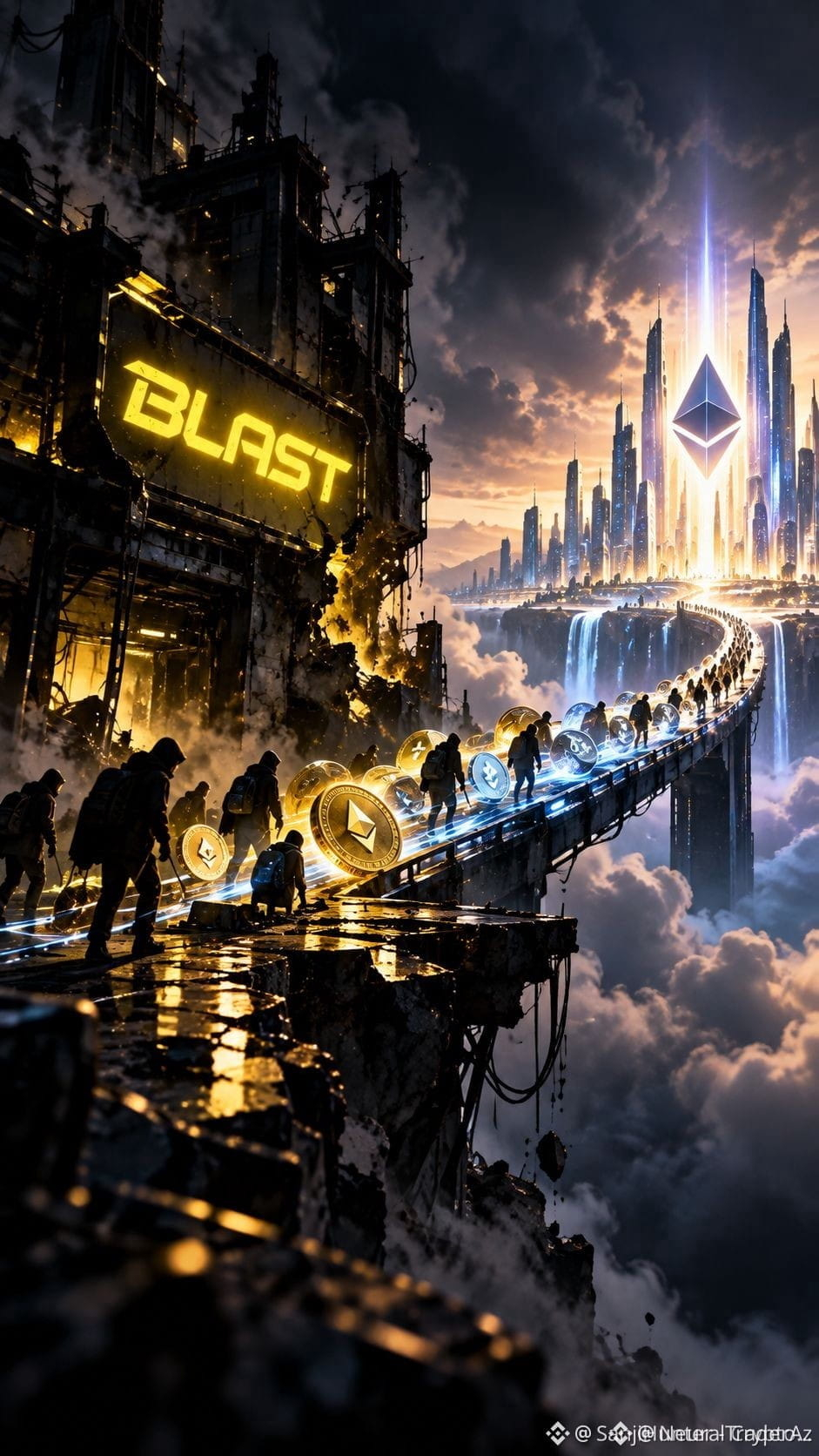
10

·
--
Bearish
Verified
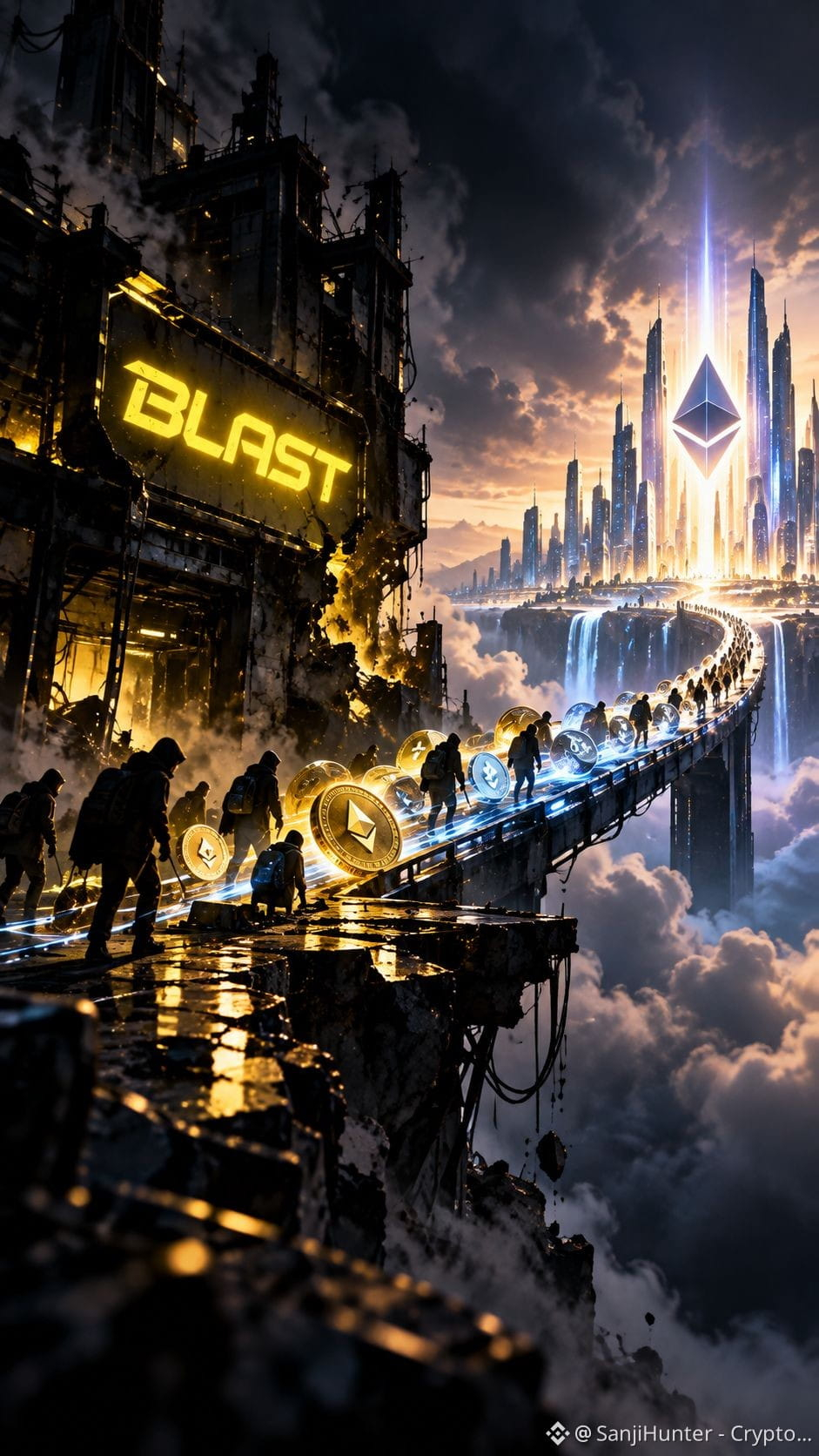
⚠️ Blast is shutting down, and the bigger story isn't the token price
Blast once pulled in more than $2B in TVL before mainnet
Now the network holds only about $32M
The team says the reason is simple: the cost of operating the L2 is higher than the revenue it generates, and they don't see a credible path to making the chain economically sustainable
$ETH
{future}(ETHUSDT)
📉 That's the part worth paying attention to
Airdrops can attract liquidity
Native yield can attract deposits
Incentives can make a chain look extremely active for a while
But none of those automatically create durable demand
🧠 Once the incentives fade, the real test starts — users, fees, applications and activity have to generate enough value to keep the network alive
Blast is now asking users to withdraw assets back to Ethereum mainnet
{spot}(ETHUSDT)
The normal interface is expected to remain available until Oct 26, after which withdrawals will require interacting directly with the bridge contracts
🚪 For me, this is less a “Blast failed” story and more a reminder for every incentive-heavy ecosystem
TVL can be rented
Economic sustainability can't
#Blast #Layer2
⚠️ Blast is shutting down, and the bigger story isn't the token price
Blast once pulled in more than $2B in TVL before mainnet
Now the network holds only about $32M
The team says the reason is simple: the cost of operating the L2 is higher than the revenue it generates, and they don't see a credible path to making the chain economically sustainable
$ETH
📉 That's the part worth paying attention to
Airdrops can attract liquidity
Native yield can attract deposits
Incentives can make a chain look extremely active for a while
But none of those automatically create durable demand
🧠 Once the incentives fade, the real test starts — users, fees, applications and activity have to generate enough value to keep the network alive
Blast is now asking users to withdraw assets back to Ethereum mainnet
The normal interface is expected to remain available until Oct 26, after which withdrawals will require interacting directly with the bridge contracts
🚪 For me, this is less a “Blast failed” story and more a reminder for every incentive-heavy ecosystem
TVL can be rented
Economic sustainability can't
#Blast #Layer2
Blast once pulled in more than $2B in TVL before mainnet
Now the network holds only about $32M
The team says the reason is simple: the cost of operating the L2 is higher than the revenue it generates, and they don't see a credible path to making the chain economically sustainable
$ETH
📉 That's the part worth paying attention to
Airdrops can attract liquidity
Native yield can attract deposits
Incentives can make a chain look extremely active for a while
But none of those automatically create durable demand
🧠 Once the incentives fade, the real test starts — users, fees, applications and activity have to generate enough value to keep the network alive
Blast is now asking users to withdraw assets back to Ethereum mainnet
The normal interface is expected to remain available until Oct 26, after which withdrawals will require interacting directly with the bridge contracts
🚪 For me, this is less a “Blast failed” story and more a reminder for every incentive-heavy ecosystem
TVL can be rented
Economic sustainability can't
#Blast #Layer2
Khanhdencm:
baby neiro bnb giờ chìm đâu rồi các chaider ?
1
2k
·
--
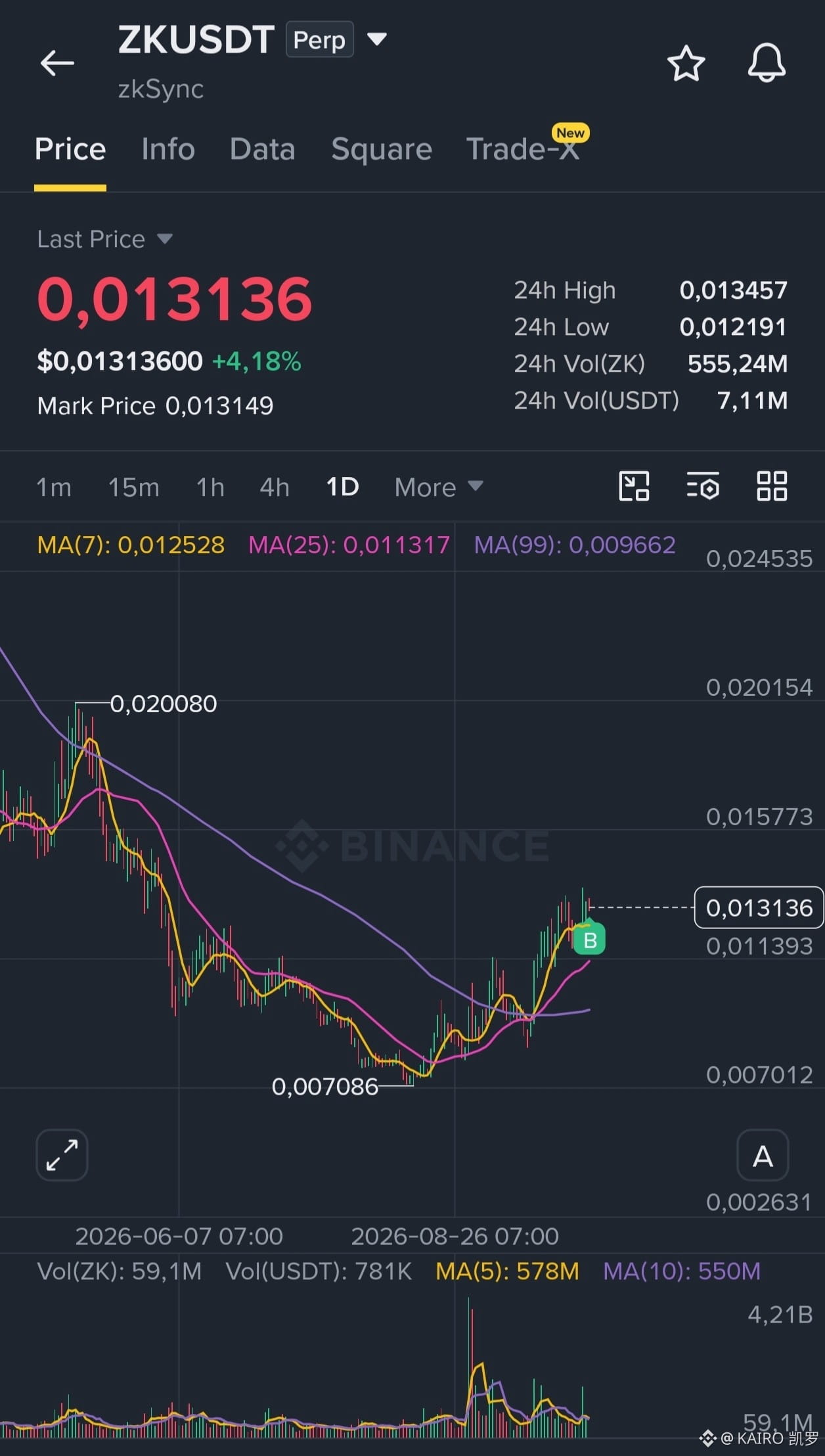
$ZK /USDT LONG 🔵
$ZK is a ZK-rollup Layer-2 play, with price recently recovering toward the $0.013 area and showing strong monthly momentum.
🟢 Buyzone: 0.01310
🔴 Stoploss: 0.01150
🎯 Target 1: 0.01380
🎯 Target 2: 0.01480
🎯 Target 3: 0.01600
⚠️ Risk: FOMO — don't chase if price spikes too fast.
Not financial advice and not a recommendation to buy or sell. Crypto is highly risky, DYOR and you are solely responsible. No coin promotion.
#ZK #Zksync #Layer2 #Write2Earn
$ZK /USDT LONG 🔵
$ZK is a ZK-rollup Layer-2 play, with price recently recovering toward the $0.013 area and showing strong monthly momentum.
🟢 Buyzone: 0.01310
🔴 Stoploss: 0.01150
🎯 Target 1: 0.01380
🎯 Target 2: 0.01480
🎯 Target 3: 0.01600
⚠️ Risk: FOMO — don't chase if price spikes too fast.
Not financial advice and not a recommendation to buy or sell. Crypto is highly risky, DYOR and you are solely responsible. No coin promotion.
#ZK #Zksync #Layer2 #Write2Earn
$ZK is a ZK-rollup Layer-2 play, with price recently recovering toward the $0.013 area and showing strong monthly momentum.
🟢 Buyzone: 0.01310
🔴 Stoploss: 0.01150
🎯 Target 1: 0.01380
🎯 Target 2: 0.01480
🎯 Target 3: 0.01600
⚠️ Risk: FOMO — don't chase if price spikes too fast.
Not financial advice and not a recommendation to buy or sell. Crypto is highly risky, DYOR and you are solely responsible. No coin promotion.
#ZK #Zksync #Layer2 #Write2Earn
374
·
--
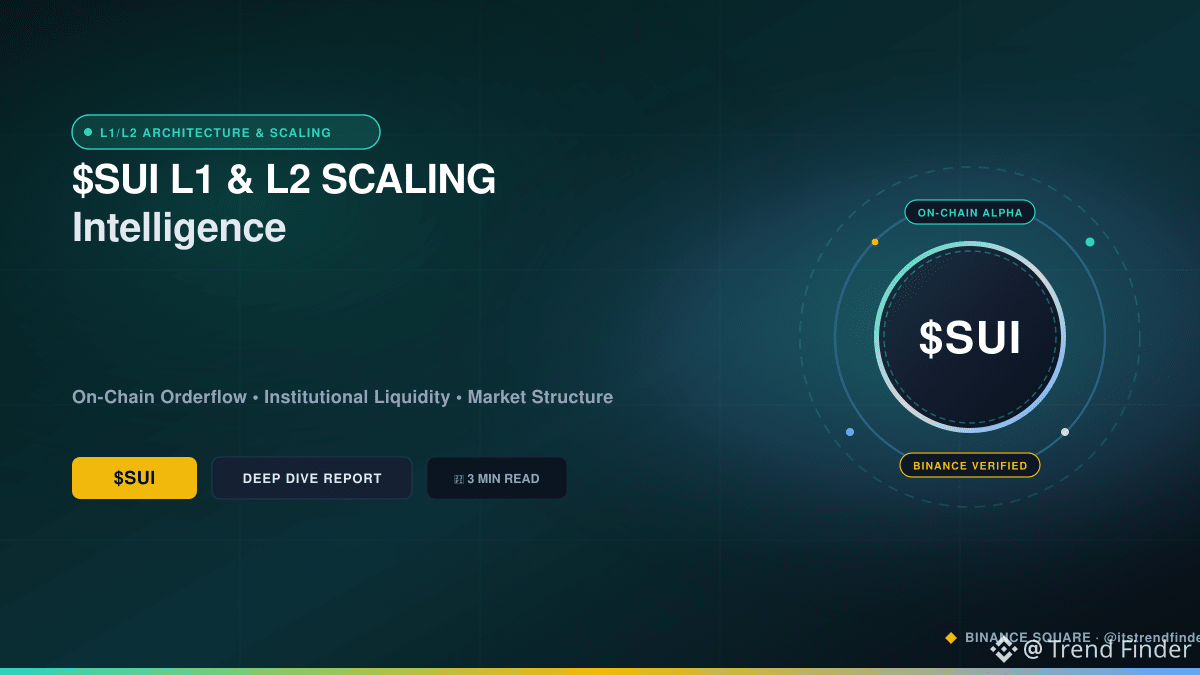
The L2 landscape is maturing fast as blob fees stabilize, keeping user costs low while TPS hits new highs. I'm focusing on the surge in modular DA and parallel EVM designs. $SUI developer commits are skyrocketing, showing massive ecosystem growth at the 1.176 level. $BTC remains the anchor. Scaling tech is the real alpha right now. _
#Layer2 #BlockchainScaling #SUI
The L2 landscape is maturing fast as blob fees stabilize, keeping user costs low while TPS hits new highs. I'm focusing on the surge in modular DA and parallel EVM designs. $SUI developer commits are skyrocketing, showing massive ecosystem growth at the 1.176 level. $BTC remains the anchor. Scaling tech is the real alpha right now. _
#Layer2 #BlockchainScaling #SUI
#Layer2 #BlockchainScaling #SUI
1
23

·
--
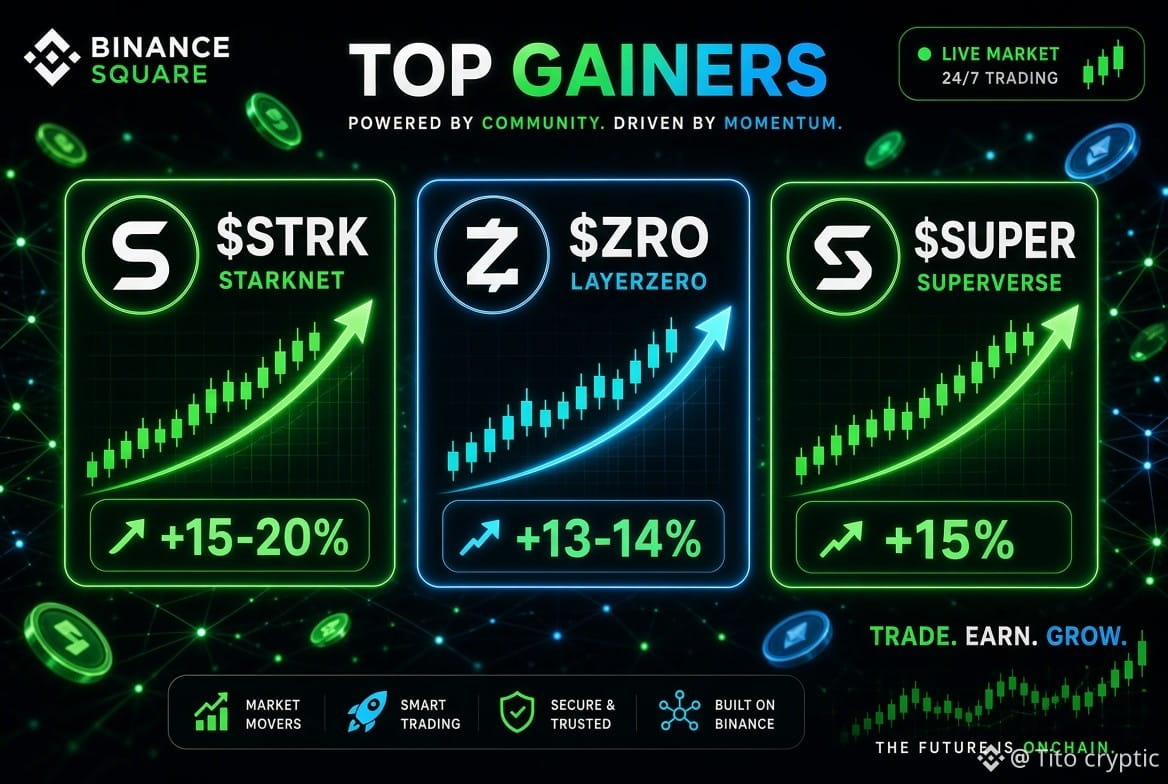
📈 Quiet movers heating up:
$STRK +20-24%
$ZRO +15-17%
$SUPER +16-17%
While BTC & ETH chop sideways, L2 and infrastructure tokens are starting to run.
Who’s rotating into L2s right now?
Tag your favorite infra token 👇
#Layer2
{future}(STRKUSDT)
{future}(ZROUSDT)
{future}(SUPERUSDT)
📈 Quiet movers heating up:
$STRK +20-24%
$ZRO +15-17%
$SUPER +16-17%
While BTC & ETH chop sideways, L2 and infrastructure tokens are starting to run.
Who’s rotating into L2s right now?
Tag your favorite infra token 👇
#Layer2
$STRK +20-24%
$ZRO +15-17%
$SUPER +16-17%
While BTC & ETH chop sideways, L2 and infrastructure tokens are starting to run.
Who’s rotating into L2s right now?
Tag your favorite infra token 👇
#Layer2
1
605

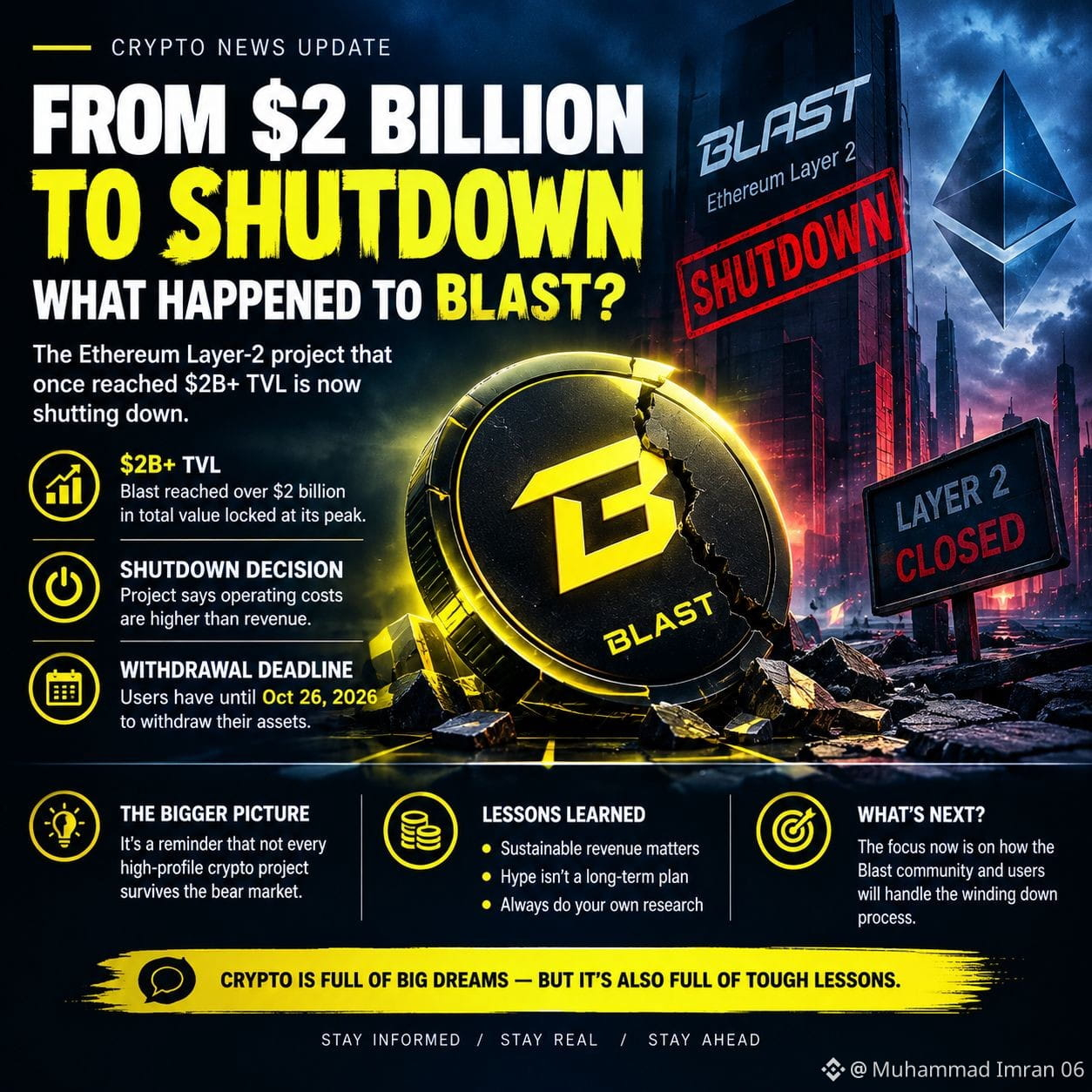
🚨 FROM $2 BILLION TO SHUTDOWN — WHAT HAPPENED TO BLAST?
Blast, an Ethereum Layer-2 network that once surpassed $2 billion in total value locked, is now winding down its operations.
The project says its operating costs are higher than its revenue, leading to the decision to shut down the Layer-2 network.
Users have until October 26, 2026 to withdraw their assets.
This is a reminder that even high-profile crypto projects can face serious challenges when sustainable revenue doesn’t match operating costs.
The bigger lesson?
In crypto, technology and hype can attract users — but long-term sustainability still matters.
🔎 What do you think:
Was Blast’s shutdown mainly a business-model problem, or does it show how difficult it is for Layer-2 networks to survive in a competitive market?
#Crypto #Ethereum #Blockchain #Layer2 #DeFi
🚨 FROM $2 BILLION TO SHUTDOWN — WHAT HAPPENED TO BLAST?
Blast, an Ethereum Layer-2 network that once surpassed $2 billion in total value locked, is now winding down its operations.
The project says its operating costs are higher than its revenue, leading to the decision to shut down the Layer-2 network.
Users have until October 26, 2026 to withdraw their assets.
This is a reminder that even high-profile crypto projects can face serious challenges when sustainable revenue doesn’t match operating costs.
The bigger lesson?
In crypto, technology and hype can attract users — but long-term sustainability still matters.
🔎 What do you think:
Was Blast’s shutdown mainly a business-model problem, or does it show how difficult it is for Layer-2 networks to survive in a competitive market?
#Crypto #Ethereum #Blockchain #Layer2 #DeFi
Blast, an Ethereum Layer-2 network that once surpassed $2 billion in total value locked, is now winding down its operations.
The project says its operating costs are higher than its revenue, leading to the decision to shut down the Layer-2 network.
Users have until October 26, 2026 to withdraw their assets.
This is a reminder that even high-profile crypto projects can face serious challenges when sustainable revenue doesn’t match operating costs.
The bigger lesson?
In crypto, technology and hype can attract users — but long-term sustainability still matters.
🔎 What do you think:
Was Blast’s shutdown mainly a business-model problem, or does it show how difficult it is for Layer-2 networks to survive in a competitive market?
#Crypto #Ethereum #Blockchain #Layer2 #DeFi
73



·
--
📉 $BLAST ANNOUNCES NETWORK SHUTDOWN AS MERCENARY LIQUIDITY WIPES OUT 98 PERCENT TVL! 🚨
The illusion of paper liquidity has completely shattered for $BLAST after announcing a total network shutdown scheduled for October. 🩸 Passing off Lido staking yields and MakerDAO interest under a layer of airdrop points pulled over $2 billion into the bridge, but real protocol utility was non-existent.
Once the token distribution disappointed, mercenary capital evaporated by over 98%, leaving behind an unsustainable infrastructure bleeding operational cash. 📊 Gas revenue sharing simply could not offset running an L2 once daily active users vanished into thin air.
💡 This brutal outcome proves that yield incentives can front-run short-term hype, but cannot buy long-term network survival. 💬 Will this $BLAST collapse finally kill off the mercenary point-farming meta for good? 👇
⚠️ Not financial advice. Always manage your risk. 🛡️
🏷️ #BLAST #Layer2 #Crypto #Ethereum
🐻 📉
📉 $BLAST ANNOUNCES NETWORK SHUTDOWN AS MERCENARY LIQUIDITY WIPES OUT 98 PERCENT TVL! 🚨
The illusion of paper liquidity has completely shattered for $BLAST after announcing a total network shutdown scheduled for October. 🩸 Passing off Lido staking yields and MakerDAO interest under a layer of airdrop points pulled over $2 billion into the bridge, but real protocol utility was non-existent.
Once the token distribution disappointed, mercenary capital evaporated by over 98%, leaving behind an unsustainable infrastructure bleeding operational cash. 📊 Gas revenue sharing simply could not offset running an L2 once daily active users vanished into thin air.
💡 This brutal outcome proves that yield incentives can front-run short-term hype, but cannot buy long-term network survival. 💬 Will this $BLAST collapse finally kill off the mercenary point-farming meta for good? 👇
⚠️ Not financial advice. Always manage your risk. 🛡️
🏷️ #BLAST #Layer2 #Crypto #Ethereum
🐻 📉
The illusion of paper liquidity has completely shattered for $BLAST after announcing a total network shutdown scheduled for October. 🩸 Passing off Lido staking yields and MakerDAO interest under a layer of airdrop points pulled over $2 billion into the bridge, but real protocol utility was non-existent.
Once the token distribution disappointed, mercenary capital evaporated by over 98%, leaving behind an unsustainable infrastructure bleeding operational cash. 📊 Gas revenue sharing simply could not offset running an L2 once daily active users vanished into thin air.
💡 This brutal outcome proves that yield incentives can front-run short-term hype, but cannot buy long-term network survival. 💬 Will this $BLAST collapse finally kill off the mercenary point-farming meta for good? 👇
⚠️ Not financial advice. Always manage your risk. 🛡️
🏷️ #BLAST #Layer2 #Crypto #Ethereum
🐻 📉
15

·
--
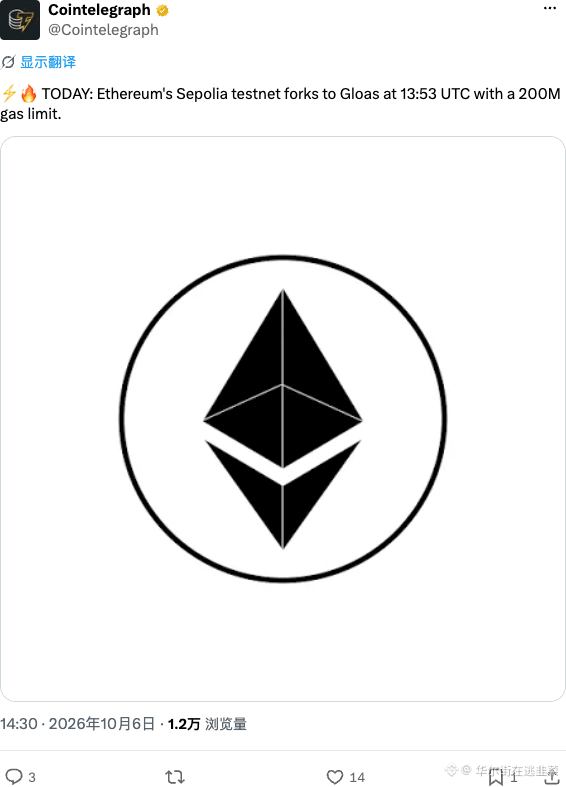
Sepolia is hard-forking to Gloas tonight, with the gas limit jumping straight to 200M—several times the current mainnet level. No need to spell out what that means: L2 costs are set to keep hitting the floor. Testnets are dress rehearsals for mainnet; if things run smoothly tonight, expectations for the upgrade will be firmly confirmed. The scaling narrative keeps getting stronger, and any pullback is a chance to get in. 🚀
$ETH #Gloas #Layer2
Sepolia is hard-forking to Gloas tonight, with the gas limit jumping straight to 200M—several times the current mainnet level. No need to spell out what that means: L2 costs are set to keep hitting the floor. Testnets are dress rehearsals for mainnet; if things run smoothly tonight, expectations for the upgrade will be firmly confirmed. The scaling narrative keeps getting stronger, and any pullback is a chance to get in. 🚀
$ETH #Gloas #Layer2
$ETH #Gloas #Layer2
82
Log in to explore more content
Join global crypto users on Binance Square
⚡️ Get latest and useful information about crypto.
💬 Trusted by the world’s largest crypto exchange.
👍 Discover real insights from verified creators.
Email / Phone number
Trending Topics
1
#BinanceLaunchesBinanceIntelligence
133,116 views
1,312 Discussing
2
#StriveBuys2000BTCFor$169M
5,263 views
59 Discussing
3
#EvernorthXRPTreasuryCompletesSPACMerger
83,226 views
847 Discussing
4
#ADAGains10%Above$0.27
42,768 views
238 Discussing
5
#ETHUp70%InQ3ButLiquidityFalls
284,268 views
1,913 Discussing
6
#EthStakingExitQueueHits2026High
106,944 views
1,276 Discussing
7
#FedOctoberHoldOdds82.3%
114,446 views
1,240 Discussing
8
#Nikkei225Jumps2.5%ToThreeMonthHigh
109,839 views
1,421 Discussing
9
#CircleMints$2.75BUSDCOnSolanaIn7Days
2,937 views
60 Discussing
10
#DriftHackVictimsBeginClaims
225,439 views
2,096 Discussing