

Mr Bullrun G
78 Публикации

Mr Bullrun G
Отправить жалобу
Заблокировать пользователя
Открытая сделка
Случайный трейдер
6.2 г
561 подписок(и/а)
83 подписчиков(а)
37 понравилось
Посты
Портфель
Все
Цитирования
Видео
·
--

Статья
On-Chain IPOs: How Equity Issuance and Trading Are Moving to Blockchain Railsອຸດສາຫະກຳການເງິນກຳລັງເຂົ້າສູ່ຍຸກໃໝ່ ເມື່ອເທັກໂນໂລຊີ Blockchain ເຂົ້າມາປ່ຽນແປງວິທີການອອກສິນຊັບ, ການຊື້ຂາຍ ແລະ ການເຂົ້າເຖິງສິນຊັບທາງການເງິນ.
ໃນອະດີດ, ຂະບວນການ IPO ມັກຈະຕ້ອງຜ່ານຕົວກາງຫຼາຍຝ່າຍ ເຊັ່ນ ທະນາຄານ, ຕະຫຼາດຫຸ້ນ ແລະ ລະບົບຊຳລະລາຄາ. ແຕ່ Blockchain ໄດ້ນຳສະເໜີແນວທາງໃໝ່ຜ່ານ ໂຄງສ້າງ On-chain (On-chain Infrastructure) ທີ່ອາດຊ່ວຍໃຫ້ການຊຳລະລາຄາໄວຂຶ້ນ, ເພີ່ມຄວາມໂປ່ງໃສ ແລະ ເຮັດໃຫ້ການເຂົ້າເຖິງສິນຊັບທາງການເງິນມີປະສິດທິພາບຫຼາຍຂຶ້ນ.
CZ ໄດ້ແບ່ງປັນວ່າ IPO ໃນອະນາຄົດອາດຄ່ອຍໆເຄື່ອນເຂົ້າສູ່ Blockchain Rails ຜ່ານ 3 ໄລຍະສຳຄັນ:
1️⃣ Tokenized Assets & Greater Access (ສິນຊັບ Tokenized ແລະ ການເຂົ້າເຖິງທີ່ຫຼາຍຂຶ້ນ)
ຂັ້ນຕອນທຳອິດແມ່ນການເຕີບໂຕຂອງ Tokenized Assets ເຊິ່ງນຳສິນຊັບທາງການເງິນແບບດັ້ງເດີມ ເຊັ່ນ ຫຸ້ນ ມາສ້າງເປັນ Digital Token ຢູ່ເທິງ Blockchain. ສິ່ງນີ້ອາດຊ່ວຍສ້າງຮູບແບບໃໝ່ໃຫ້ນັກລົງທຶນສາມາດເຂົ້າເຖິງ ແລະ ມີປະຕິສຳພັນກັບຕະຫຼາດການເງິນໄດ້ງ່າຍຂຶ້ນ.
2️⃣ On-chain Trading, Settlement & Collateral (ການຊື້ຂາຍ, ການຊຳລະລາຄາ ແລະ ຫຼັກປະກັນເທິງ Blockchain)
ນອກເໜືອຈາກການຖືຄອງສິນຊັບ, Blockchain ຍັງສາມາດຮອງຮັບຫຼາຍຂັ້ນຕອນໃນລະບົບການເງິນ ເຊັ່ນ ການຊື້ຂາຍ, ການຊຳລະລາຄາ (Settlement) ແລະ ການນຳສິນຊັບມາໃຊ້ເປັນຫຼັກປະກັນ (Collateral). ສິ່ງນີ້ສາມາດສ້າງໂຄງສ້າງທາງການເງິນທີ່ເຊື່ອມຕໍ່ກັນ ແລະ ໂປ່ງໃສຫຼາຍຂຶ້ນ.
3️⃣ Pre-IPO & Private Market Access (ການເຂົ້າເຖິງ Pre-IPO ແລະ ຕະຫຼາດ Private Market)
ຂັ້ນຕອນຕໍ່ໄປອາດເປັນການເປີດໂອກາດໃຫ້ນັກລົງທຶນເຂົ້າເຖິງ Pre-IPO Opportunities ແລະ Private Markets ໄດ້ຫຼາຍຂຶ້ນ. Blockchain ອາດຊ່ວຍຫຼຸດຊ່ອງຫວ່າງລະຫວ່າງບໍລິສັດເອກະຊົນ ແລະ ຕະຫຼາດສາທາລະນະ ໂດຍສ້າງວິທີໃໝ່ໃນການໃຫ້ນັກລົງທຶນເຂົ້າຮ່ວມໂອກາດການລົງທຶນໃນຊ່ວງຕົ້ນ.
ດ້ວຍການພັດທະນາຜະລິດຕະພັນເຊັ່ນ Binance Pre-IPO Spot, ການເຊື່ອມຕໍ່ລະຫວ່າງ Private Markets ແລະ Public Markets ກຳລັງພັດທະນາໄປຢ່າງຕໍ່ເນື່ອງ.
Blockchain ບໍ່ໄດ້ຈຳກັດຢູ່ພຽງແຕ່ສິນຊັບດິຈິຕອນອີກຕໍ່ໄປ — ແຕ່ກຳລັງກາຍເປັນເທັກໂນໂລຊີສຳຄັນທີ່ອາດຊ່ວຍສ້າງໂຄງສ້າງພື້ນຖານໃໝ່ສຳລັບຕະຫຼາດການເງິນທົ່ວໂລກໃນອະນາຄົດ.
#BinanceLaos #CryptoLaos #BlockchainLaos #Web3Laos #laos
On-Chain IPOs: How Equity Issuance and Trading Are Moving to Blockchain Rails
ອຸດສາຫະກຳການເງິນກຳລັງເຂົ້າສູ່ຍຸກໃໝ່ ເມື່ອເທັກໂນໂລຊີ Blockchain ເຂົ້າມາປ່ຽນແປງວິທີການອອກສິນຊັບ, ການຊື້ຂາຍ ແລະ ການເຂົ້າເຖິງສິນຊັບທາງການເງິນ.
ໃນອະດີດ, ຂະບວນການ IPO ມັກຈະຕ້ອງຜ່ານຕົວກາງຫຼາຍຝ່າຍ ເຊັ່ນ ທະນາຄານ, ຕະຫຼາດຫຸ້ນ ແລະ ລະບົບຊຳລະລາຄາ. ແຕ່ Blockchain ໄດ້ນຳສະເໜີແນວທາງໃໝ່ຜ່ານ ໂຄງສ້າງ On-chain (On-chain Infrastructure) ທີ່ອາດຊ່ວຍໃຫ້ການຊຳລະລາຄາໄວຂຶ້ນ, ເພີ່ມຄວາມໂປ່ງໃສ ແລະ ເຮັດໃຫ້ການເຂົ້າເຖິງສິນຊັບທາງການເງິນມີປະສິດທິພາບຫຼາຍຂຶ້ນ.
CZ ໄດ້ແບ່ງປັນວ່າ IPO ໃນອະນາຄົດອາດຄ່ອຍໆເຄື່ອນເຂົ້າສູ່ Blockchain Rails ຜ່ານ 3 ໄລຍະສຳຄັນ:
1️⃣ Tokenized Assets & Greater Access (ສິນຊັບ Tokenized ແລະ ການເຂົ້າເຖິງທີ່ຫຼາຍຂຶ້ນ)
ຂັ້ນຕອນທຳອິດແມ່ນການເຕີບໂຕຂອງ Tokenized Assets ເຊິ່ງນຳສິນຊັບທາງການເງິນແບບດັ້ງເດີມ ເຊັ່ນ ຫຸ້ນ ມາສ້າງເປັນ Digital Token ຢູ່ເທິງ Blockchain. ສິ່ງນີ້ອາດຊ່ວຍສ້າງຮູບແບບໃໝ່ໃຫ້ນັກລົງທຶນສາມາດເຂົ້າເຖິງ ແລະ ມີປະຕິສຳພັນກັບຕະຫຼາດການເງິນໄດ້ງ່າຍຂຶ້ນ.
2️⃣ On-chain Trading, Settlement & Collateral (ການຊື້ຂາຍ, ການຊຳລະລາຄາ ແລະ ຫຼັກປະກັນເທິງ Blockchain)
ນອກເໜືອຈາກການຖືຄອງສິນຊັບ, Blockchain ຍັງສາມາດຮອງຮັບຫຼາຍຂັ້ນຕອນໃນລະບົບການເງິນ ເຊັ່ນ ການຊື້ຂາຍ, ການຊຳລະລາຄາ (Settlement) ແລະ ການນຳສິນຊັບມາໃຊ້ເປັນຫຼັກປະກັນ (Collateral). ສິ່ງນີ້ສາມາດສ້າງໂຄງສ້າງທາງການເງິນທີ່ເຊື່ອມຕໍ່ກັນ ແລະ ໂປ່ງໃສຫຼາຍຂຶ້ນ.
3️⃣ Pre-IPO & Private Market Access (ການເຂົ້າເຖິງ Pre-IPO ແລະ ຕະຫຼາດ Private Market)
ຂັ້ນຕອນຕໍ່ໄປອາດເປັນການເປີດໂອກາດໃຫ້ນັກລົງທຶນເຂົ້າເຖິງ Pre-IPO Opportunities ແລະ Private Markets ໄດ້ຫຼາຍຂຶ້ນ. Blockchain ອາດຊ່ວຍຫຼຸດຊ່ອງຫວ່າງລະຫວ່າງບໍລິສັດເອກະຊົນ ແລະ ຕະຫຼາດສາທາລະນະ ໂດຍສ້າງວິທີໃໝ່ໃນການໃຫ້ນັກລົງທຶນເຂົ້າຮ່ວມໂອກາດການລົງທຶນໃນຊ່ວງຕົ້ນ.
ດ້ວຍການພັດທະນາຜະລິດຕະພັນເຊັ່ນ Binance Pre-IPO Spot, ການເຊື່ອມຕໍ່ລະຫວ່າງ Private Markets ແລະ Public Markets ກຳລັງພັດທະນາໄປຢ່າງຕໍ່ເນື່ອງ.
Blockchain ບໍ່ໄດ້ຈຳກັດຢູ່ພຽງແຕ່ສິນຊັບດິຈິຕອນອີກຕໍ່ໄປ — ແຕ່ກຳລັງກາຍເປັນເທັກໂນໂລຊີສຳຄັນທີ່ອາດຊ່ວຍສ້າງໂຄງສ້າງພື້ນຖານໃໝ່ສຳລັບຕະຫຼາດການເງິນທົ່ວໂລກໃນອະນາຄົດ.
#BinanceLaos #CryptoLaos #BlockchainLaos #Web3Laos #laos
ໃນອະດີດ, ຂະບວນການ IPO ມັກຈະຕ້ອງຜ່ານຕົວກາງຫຼາຍຝ່າຍ ເຊັ່ນ ທະນາຄານ, ຕະຫຼາດຫຸ້ນ ແລະ ລະບົບຊຳລະລາຄາ. ແຕ່ Blockchain ໄດ້ນຳສະເໜີແນວທາງໃໝ່ຜ່ານ ໂຄງສ້າງ On-chain (On-chain Infrastructure) ທີ່ອາດຊ່ວຍໃຫ້ການຊຳລະລາຄາໄວຂຶ້ນ, ເພີ່ມຄວາມໂປ່ງໃສ ແລະ ເຮັດໃຫ້ການເຂົ້າເຖິງສິນຊັບທາງການເງິນມີປະສິດທິພາບຫຼາຍຂຶ້ນ.
CZ ໄດ້ແບ່ງປັນວ່າ IPO ໃນອະນາຄົດອາດຄ່ອຍໆເຄື່ອນເຂົ້າສູ່ Blockchain Rails ຜ່ານ 3 ໄລຍະສຳຄັນ:
1️⃣ Tokenized Assets & Greater Access (ສິນຊັບ Tokenized ແລະ ການເຂົ້າເຖິງທີ່ຫຼາຍຂຶ້ນ)
ຂັ້ນຕອນທຳອິດແມ່ນການເຕີບໂຕຂອງ Tokenized Assets ເຊິ່ງນຳສິນຊັບທາງການເງິນແບບດັ້ງເດີມ ເຊັ່ນ ຫຸ້ນ ມາສ້າງເປັນ Digital Token ຢູ່ເທິງ Blockchain. ສິ່ງນີ້ອາດຊ່ວຍສ້າງຮູບແບບໃໝ່ໃຫ້ນັກລົງທຶນສາມາດເຂົ້າເຖິງ ແລະ ມີປະຕິສຳພັນກັບຕະຫຼາດການເງິນໄດ້ງ່າຍຂຶ້ນ.
2️⃣ On-chain Trading, Settlement & Collateral (ການຊື້ຂາຍ, ການຊຳລະລາຄາ ແລະ ຫຼັກປະກັນເທິງ Blockchain)
ນອກເໜືອຈາກການຖືຄອງສິນຊັບ, Blockchain ຍັງສາມາດຮອງຮັບຫຼາຍຂັ້ນຕອນໃນລະບົບການເງິນ ເຊັ່ນ ການຊື້ຂາຍ, ການຊຳລະລາຄາ (Settlement) ແລະ ການນຳສິນຊັບມາໃຊ້ເປັນຫຼັກປະກັນ (Collateral). ສິ່ງນີ້ສາມາດສ້າງໂຄງສ້າງທາງການເງິນທີ່ເຊື່ອມຕໍ່ກັນ ແລະ ໂປ່ງໃສຫຼາຍຂຶ້ນ.
3️⃣ Pre-IPO & Private Market Access (ການເຂົ້າເຖິງ Pre-IPO ແລະ ຕະຫຼາດ Private Market)
ຂັ້ນຕອນຕໍ່ໄປອາດເປັນການເປີດໂອກາດໃຫ້ນັກລົງທຶນເຂົ້າເຖິງ Pre-IPO Opportunities ແລະ Private Markets ໄດ້ຫຼາຍຂຶ້ນ. Blockchain ອາດຊ່ວຍຫຼຸດຊ່ອງຫວ່າງລະຫວ່າງບໍລິສັດເອກະຊົນ ແລະ ຕະຫຼາດສາທາລະນະ ໂດຍສ້າງວິທີໃໝ່ໃນການໃຫ້ນັກລົງທຶນເຂົ້າຮ່ວມໂອກາດການລົງທຶນໃນຊ່ວງຕົ້ນ.
ດ້ວຍການພັດທະນາຜະລິດຕະພັນເຊັ່ນ Binance Pre-IPO Spot, ການເຊື່ອມຕໍ່ລະຫວ່າງ Private Markets ແລະ Public Markets ກຳລັງພັດທະນາໄປຢ່າງຕໍ່ເນື່ອງ.
Blockchain ບໍ່ໄດ້ຈຳກັດຢູ່ພຽງແຕ່ສິນຊັບດິຈິຕອນອີກຕໍ່ໄປ — ແຕ່ກຳລັງກາຍເປັນເທັກໂນໂລຊີສຳຄັນທີ່ອາດຊ່ວຍສ້າງໂຄງສ້າງພື້ນຖານໃໝ່ສຳລັບຕະຫຼາດການເງິນທົ່ວໂລກໃນອະນາຄົດ.
#BinanceLaos #CryptoLaos #BlockchainLaos #Web3Laos #laos
40
·
--

Статья
On-Chain IPOs: How Equity Issuance and Trading Are Moving to Blockchain RailsThe financial industry is entering a new phase as Blockchain technology continues to transform how assets are issued, traded, and accessed.
Traditionally, IPOs involve multiple intermediaries, including banks, exchanges, and settlement systems. However, Blockchain introduces a new approach through on-chain infrastructure, which can enable faster settlement, greater transparency, and more efficient access to financial assets.
CZ shared that future IPOs could gradually move onto Blockchain Rails through three key stages:
1️⃣ Tokenized Assets & Greater Access
The first step is the growth of Tokenized Assets, where traditional financial assets such as stocks can be represented as digital tokens on Blockchain networks. This can create new ways for investors to access and interact with financial markets.
2️⃣ On-chain Trading, Settlement & Collateral
Beyond asset ownership, Blockchain can support more parts of the financial ecosystem, including trading, settlement, and the use of assets as collateral. This creates a more connected and transparent financial infrastructure.
3️⃣ Pre-IPO & Private Market Access
The next evolution could be broader access to Pre-IPO opportunities and Private Markets. Blockchain may help reduce the gap between private companies and public markets by creating new ways for investors to participate in early-stage opportunities.
With the development of products such as Binance Pre-IPO Spot, the connection between Private Markets and Public Markets continues to evolve.
Blockchain is no longer only focused on digital assets — it is becoming an important technology that could help build the future infrastructure of global finance.
#Binance #TokenizedAssets #Blockchain #Crypto #FutureOfFinance
On-Chain IPOs: How Equity Issuance and Trading Are Moving to Blockchain Rails
The financial industry is entering a new phase as Blockchain technology continues to transform how assets are issued, traded, and accessed.
Traditionally, IPOs involve multiple intermediaries, including banks, exchanges, and settlement systems. However, Blockchain introduces a new approach through on-chain infrastructure, which can enable faster settlement, greater transparency, and more efficient access to financial assets.
CZ shared that future IPOs could gradually move onto Blockchain Rails through three key stages:
1️⃣ Tokenized Assets & Greater Access
The first step is the growth of Tokenized Assets, where traditional financial assets such as stocks can be represented as digital tokens on Blockchain networks. This can create new ways for investors to access and interact with financial markets.
2️⃣ On-chain Trading, Settlement & Collateral
Beyond asset ownership, Blockchain can support more parts of the financial ecosystem, including trading, settlement, and the use of assets as collateral. This creates a more connected and transparent financial infrastructure.
3️⃣ Pre-IPO & Private Market Access
The next evolution could be broader access to Pre-IPO opportunities and Private Markets. Blockchain may help reduce the gap between private companies and public markets by creating new ways for investors to participate in early-stage opportunities.
With the development of products such as Binance Pre-IPO Spot, the connection between Private Markets and Public Markets continues to evolve.
Blockchain is no longer only focused on digital assets — it is becoming an important technology that could help build the future infrastructure of global finance.
#Binance #TokenizedAssets #Blockchain #Crypto #FutureOfFinance
Traditionally, IPOs involve multiple intermediaries, including banks, exchanges, and settlement systems. However, Blockchain introduces a new approach through on-chain infrastructure, which can enable faster settlement, greater transparency, and more efficient access to financial assets.
CZ shared that future IPOs could gradually move onto Blockchain Rails through three key stages:
1️⃣ Tokenized Assets & Greater Access
The first step is the growth of Tokenized Assets, where traditional financial assets such as stocks can be represented as digital tokens on Blockchain networks. This can create new ways for investors to access and interact with financial markets.
2️⃣ On-chain Trading, Settlement & Collateral
Beyond asset ownership, Blockchain can support more parts of the financial ecosystem, including trading, settlement, and the use of assets as collateral. This creates a more connected and transparent financial infrastructure.
3️⃣ Pre-IPO & Private Market Access
The next evolution could be broader access to Pre-IPO opportunities and Private Markets. Blockchain may help reduce the gap between private companies and public markets by creating new ways for investors to participate in early-stage opportunities.
With the development of products such as Binance Pre-IPO Spot, the connection between Private Markets and Public Markets continues to evolve.
Blockchain is no longer only focused on digital assets — it is becoming an important technology that could help build the future infrastructure of global finance.
#Binance #TokenizedAssets #Blockchain #Crypto #FutureOfFinance
43
·
--

Статья
How to Check If Your Data Was Leaked — and What to Do Nextໃນໂລກດິຈິຕອນທຸກມື້ນີ້ ການຮົ່ວໄຫຼຂອງຂໍ້ມູນ (Data Breaches) ສາມາດເກີດຂຶ້ນກັບທຸກຄົນໄດ້. ຂໍ້ມູນສ່ວນຕົວເຊັ່ນ ອີເມວ, ລະຫັດຜ່ານ, ເບີໂທລະສັບ ແລະ ລາຍລະອຽດບັນຊີ ອາດຖືກເປີດເຜີຍໂດຍທີ່ທ່ານບໍ່ຮູ້ຕົວ ແລະ ອາດຖືກນຳໄປໃຊ້ໃນການຫຼອກລວງ (Phishing), ການສໍ້ໂກງ ຫຼື ການເຂົ້າເຖິງບັນຊີໂດຍບໍ່ໄດ້ຮັບອະນຸຍາດ.
ການເຮັດຕາມຂັ້ນຕອນຄວາມປອດໄພງ່າຍໆ ສາມາດຊ່ວຍຫຼຸດຄວາມສ່ຽງ ແລະ ຊ່ວຍປົກປ້ອງບັນຊີ ແລະ ຊັບສິນດິຈິຕອນຂອງທ່ານໄດ້ດີຂຶ້ນ. 🔐
🔍 ວິທີກວດສອບວ່າຂໍ້ມູນຂອງທ່ານຖືກຮົ່ວໄຫຼຫຼືບໍ່
✅ ກວດສອບວ່າອີເມວຂອງທ່ານເຄີຍປາກົດຢູ່ໃນຖານຂໍ້ມູນການຮົ່ວໄຫຼທີ່ຮູ້ຈັກຫຼືບໍ່
✅ ກວດສອບກິດຈະກຳໃນບັນຊີ ເຊັ່ນ ການເຂົ້າລະບົບທີ່ບໍ່ຄຸ້ນເຄີຍ ຫຼື ການປ່ຽນແປງທີ່ຜິດປົກກະຕິ
✅ ຕິດຕາມການເຄື່ອນໄຫວທາງການເງິນ ແລະ ທຸລະກຳ Crypto ຂອງທ່ານເປັນປະຈຳ
🛡️ ຄວນເຮັດຫຍັງຫາກຂໍ້ມູນຂອງທ່ານຖືກຮົ່ວໄຫຼ
🔑 ປ່ຽນລະຫັດຜ່ານ
ໃຊ້ລະຫັດຜ່ານທີ່ແຂງແຮງ ແລະ ແຕກຕ່າງກັນສຳລັບແຕ່ລະບັນຊີ ຫຼີກລ້ຽງການໃຊ້ລະຫັດຜ່ານຊ້ຳກັນຫຼາຍບັນຊີ.
🔐 ເປີດໃຊ້ 2FA ແລະ Passkeys
ການເພີ່ມຊັ້ນຄວາມປອດໄພອີກຂັ້ນ ຊ່ວຍປົກປ້ອງບັນຊີຂອງທ່ານ ເຖິງແມ່ນລະຫັດຜ່ານຈະຖືກເປີດເຜີຍ.
🚨 ລະວັງການຫຼອກລວງ (Phishing)
ມິດສະຫາຍອາດນຳຂໍ້ມູນທີ່ຮົ່ວໄຫຼໄປສ້າງຂໍ້ຄວາມປອມທີ່ເບິ່ງໜ້າເຊື່ອຖື. ຢ່າແບ່ງປັນ Password, OTP ຫຼື Seed Phrase ຂອງທ່ານເດັດຂາດ.
🔒 ຄຳແນະນຳດ້ານຄວາມປອດໄພສຳລັບ Binance
ສຳລັບຜູ້ໃຊ້ Binance ຄວນ:
✅ ເປີດໃຊ້ Anti-Phishing Code
✅ ເປີດໃຊ້ 2FA / Passkey
✅ ກວດສອບ Security Activity ເປັນປະຈຳ
✅ ລຶບອຸປະກອນທີ່ບໍ່ຮູ້ຈັກອອກຈາກບັນຊີของທ່ານ
ຄວາມປອດໄພຂອງຂໍ້ມູນເລີ່ມຕົ້ນຈາກຂັ້ນຕອນງ່າຍໆ. ໃຊ້ເວລາພຽງບໍ່ກີ່ນາທີໃນມື້ນີ້ ເພື່ອກວດສອບການຕັ້ງຄ່າຄວາມປອດໄພ ແລະ ປົກປ້ອງຊັບສິນດິຈິຕອນຂອງທ່ານ. 🔐
#BinanceLaos #CryptoLaos #BinanceSecurity #Web3Laos #laos
How to Check If Your Data Was Leaked — and What to Do Next
ໃນໂລກດິຈິຕອນທຸກມື້ນີ້ ການຮົ່ວໄຫຼຂອງຂໍ້ມູນ (Data Breaches) ສາມາດເກີດຂຶ້ນກັບທຸກຄົນໄດ້. ຂໍ້ມູນສ່ວນຕົວເຊັ່ນ ອີເມວ, ລະຫັດຜ່ານ, ເບີໂທລະສັບ ແລະ ລາຍລະອຽດບັນຊີ ອາດຖືກເປີດເຜີຍໂດຍທີ່ທ່ານບໍ່ຮູ້ຕົວ ແລະ ອາດຖືກນຳໄປໃຊ້ໃນການຫຼອກລວງ (Phishing), ການສໍ້ໂກງ ຫຼື ການເຂົ້າເຖິງບັນຊີໂດຍບໍ່ໄດ້ຮັບອະນຸຍາດ.
ການເຮັດຕາມຂັ້ນຕອນຄວາມປອດໄພງ່າຍໆ ສາມາດຊ່ວຍຫຼຸດຄວາມສ່ຽງ ແລະ ຊ່ວຍປົກປ້ອງບັນຊີ ແລະ ຊັບສິນດິຈິຕອນຂອງທ່ານໄດ້ດີຂຶ້ນ. 🔐
🔍 ວິທີກວດສອບວ່າຂໍ້ມູນຂອງທ່ານຖືກຮົ່ວໄຫຼຫຼືບໍ່
✅ ກວດສອບວ່າອີເມວຂອງທ່ານເຄີຍປາກົດຢູ່ໃນຖານຂໍ້ມູນການຮົ່ວໄຫຼທີ່ຮູ້ຈັກຫຼືບໍ່
✅ ກວດສອບກິດຈະກຳໃນບັນຊີ ເຊັ່ນ ການເຂົ້າລະບົບທີ່ບໍ່ຄຸ້ນເຄີຍ ຫຼື ການປ່ຽນແປງທີ່ຜິດປົກກະຕິ
✅ ຕິດຕາມການເຄື່ອນໄຫວທາງການເງິນ ແລະ ທຸລະກຳ Crypto ຂອງທ່ານເປັນປະຈຳ
🛡️ ຄວນເຮັດຫຍັງຫາກຂໍ້ມູນຂອງທ່ານຖືກຮົ່ວໄຫຼ
🔑 ປ່ຽນລະຫັດຜ່ານ
ໃຊ້ລະຫັດຜ່ານທີ່ແຂງແຮງ ແລະ ແຕກຕ່າງກັນສຳລັບແຕ່ລະບັນຊີ ຫຼີກລ້ຽງການໃຊ້ລະຫັດຜ່ານຊ້ຳກັນຫຼາຍບັນຊີ.
🔐 ເປີດໃຊ້ 2FA ແລະ Passkeys
ການເພີ່ມຊັ້ນຄວາມປອດໄພອີກຂັ້ນ ຊ່ວຍປົກປ້ອງບັນຊີຂອງທ່ານ ເຖິງແມ່ນລະຫັດຜ່ານຈະຖືກເປີດເຜີຍ.
🚨 ລະວັງການຫຼອກລວງ (Phishing)
ມິດສະຫາຍອາດນຳຂໍ້ມູນທີ່ຮົ່ວໄຫຼໄປສ້າງຂໍ້ຄວາມປອມທີ່ເບິ່ງໜ້າເຊື່ອຖື. ຢ່າແບ່ງປັນ Password, OTP ຫຼື Seed Phrase ຂອງທ່ານເດັດຂາດ.
🔒 ຄຳແນະນຳດ້ານຄວາມປອດໄພສຳລັບ Binance
ສຳລັບຜູ້ໃຊ້ Binance ຄວນ:
✅ ເປີດໃຊ້ Anti-Phishing Code
✅ ເປີດໃຊ້ 2FA / Passkey
✅ ກວດສອບ Security Activity ເປັນປະຈຳ
✅ ລຶບອຸປະກອນທີ່ບໍ່ຮູ້ຈັກອອກຈາກບັນຊີของທ່ານ
ຄວາມປອດໄພຂອງຂໍ້ມູນເລີ່ມຕົ້ນຈາກຂັ້ນຕອນງ່າຍໆ. ໃຊ້ເວລາພຽງບໍ່ກີ່ນາທີໃນມື້ນີ້ ເພື່ອກວດສອບການຕັ້ງຄ່າຄວາມປອດໄພ ແລະ ປົກປ້ອງຊັບສິນດິຈິຕອນຂອງທ່ານ. 🔐
#BinanceLaos #CryptoLaos #BinanceSecurity #Web3Laos #laos
ການເຮັດຕາມຂັ້ນຕອນຄວາມປອດໄພງ່າຍໆ ສາມາດຊ່ວຍຫຼຸດຄວາມສ່ຽງ ແລະ ຊ່ວຍປົກປ້ອງບັນຊີ ແລະ ຊັບສິນດິຈິຕອນຂອງທ່ານໄດ້ດີຂຶ້ນ. 🔐
🔍 ວິທີກວດສອບວ່າຂໍ້ມູນຂອງທ່ານຖືກຮົ່ວໄຫຼຫຼືບໍ່
✅ ກວດສອບວ່າອີເມວຂອງທ່ານເຄີຍປາກົດຢູ່ໃນຖານຂໍ້ມູນການຮົ່ວໄຫຼທີ່ຮູ້ຈັກຫຼືບໍ່
✅ ກວດສອບກິດຈະກຳໃນບັນຊີ ເຊັ່ນ ການເຂົ້າລະບົບທີ່ບໍ່ຄຸ້ນເຄີຍ ຫຼື ການປ່ຽນແປງທີ່ຜິດປົກກະຕິ
✅ ຕິດຕາມການເຄື່ອນໄຫວທາງການເງິນ ແລະ ທຸລະກຳ Crypto ຂອງທ່ານເປັນປະຈຳ
🛡️ ຄວນເຮັດຫຍັງຫາກຂໍ້ມູນຂອງທ່ານຖືກຮົ່ວໄຫຼ
🔑 ປ່ຽນລະຫັດຜ່ານ
ໃຊ້ລະຫັດຜ່ານທີ່ແຂງແຮງ ແລະ ແຕກຕ່າງກັນສຳລັບແຕ່ລະບັນຊີ ຫຼີກລ້ຽງການໃຊ້ລະຫັດຜ່ານຊ້ຳກັນຫຼາຍບັນຊີ.
🔐 ເປີດໃຊ້ 2FA ແລະ Passkeys
ການເພີ່ມຊັ້ນຄວາມປອດໄພອີກຂັ້ນ ຊ່ວຍປົກປ້ອງບັນຊີຂອງທ່ານ ເຖິງແມ່ນລະຫັດຜ່ານຈະຖືກເປີດເຜີຍ.
🚨 ລະວັງການຫຼອກລວງ (Phishing)
ມິດສະຫາຍອາດນຳຂໍ້ມູນທີ່ຮົ່ວໄຫຼໄປສ້າງຂໍ້ຄວາມປອມທີ່ເບິ່ງໜ້າເຊື່ອຖື. ຢ່າແບ່ງປັນ Password, OTP ຫຼື Seed Phrase ຂອງທ່ານເດັດຂາດ.
🔒 ຄຳແນະນຳດ້ານຄວາມປອດໄພສຳລັບ Binance
ສຳລັບຜູ້ໃຊ້ Binance ຄວນ:
✅ ເປີດໃຊ້ Anti-Phishing Code
✅ ເປີດໃຊ້ 2FA / Passkey
✅ ກວດສອບ Security Activity ເປັນປະຈຳ
✅ ລຶບອຸປະກອນທີ່ບໍ່ຮູ້ຈັກອອກຈາກບັນຊີของທ່ານ
ຄວາມປອດໄພຂອງຂໍ້ມູນເລີ່ມຕົ້ນຈາກຂັ້ນຕອນງ່າຍໆ. ໃຊ້ເວລາພຽງບໍ່ກີ່ນາທີໃນມື້ນີ້ ເພື່ອກວດສອບການຕັ້ງຄ່າຄວາມປອດໄພ ແລະ ປົກປ້ອງຊັບສິນດິຈິຕອນຂອງທ່ານ. 🔐
#BinanceLaos #CryptoLaos #BinanceSecurity #Web3Laos #laos
80
·
--

Статья
How to Check If Your Data Was Leaked — and What to Do NextIn today’s digital world, Data Breaches can happen to anyone. Personal information such as email addresses, passwords, phone numbers, and account details may be exposed without your knowledge and could be used for phishing, scams, or unauthorized access.
Taking a few simple security steps can help reduce risks and better protect your accounts and digital assets.
🔍 How to Check If Your Data Was Leaked
✅ Check whether your email has appeared in known data breaches.
✅ Review your account activity for unfamiliar logins or suspicious changes.
✅ Monitor your financial and crypto transactions regularly.
🛡️ What to Do If Your Data Was Leaked
🔑 Change your passwords
Use strong, unique passwords and avoid reusing the same password across multiple accounts.
🔐 Enable 2FA and Passkeys
Adding an extra layer of security helps protect your accounts even if your password is compromised.
🚨 Stay alert against phishing
Scammers may use leaked information to create convincing fake messages. Never share your Password, OTP, or Seed Phrase.
🔒 Binance Security Tips
For Binance users, remember to:
✅ Enable Anti-Phishing Code
✅ Enable 2FA / Passkey
✅ Check Security Activity regularly
✅ Remove unknown devices from your account
Data security starts with small actions. Take a few minutes today to review your security settings and protect your digital assets. 🔐
#Binance #BinanceSecurity #CryptoSecurity #DataBreach #Web3Security
How to Check If Your Data Was Leaked — and What to Do Next
In today’s digital world, Data Breaches can happen to anyone. Personal information such as email addresses, passwords, phone numbers, and account details may be exposed without your knowledge and could be used for phishing, scams, or unauthorized access.
Taking a few simple security steps can help reduce risks and better protect your accounts and digital assets.
🔍 How to Check If Your Data Was Leaked
✅ Check whether your email has appeared in known data breaches.
✅ Review your account activity for unfamiliar logins or suspicious changes.
✅ Monitor your financial and crypto transactions regularly.
🛡️ What to Do If Your Data Was Leaked
🔑 Change your passwords
Use strong, unique passwords and avoid reusing the same password across multiple accounts.
🔐 Enable 2FA and Passkeys
Adding an extra layer of security helps protect your accounts even if your password is compromised.
🚨 Stay alert against phishing
Scammers may use leaked information to create convincing fake messages. Never share your Password, OTP, or Seed Phrase.
🔒 Binance Security Tips
For Binance users, remember to:
✅ Enable Anti-Phishing Code
✅ Enable 2FA / Passkey
✅ Check Security Activity regularly
✅ Remove unknown devices from your account
Data security starts with small actions. Take a few minutes today to review your security settings and protect your digital assets. 🔐
#Binance #BinanceSecurity #CryptoSecurity #DataBreach #Web3Security
Taking a few simple security steps can help reduce risks and better protect your accounts and digital assets.
🔍 How to Check If Your Data Was Leaked
✅ Check whether your email has appeared in known data breaches.
✅ Review your account activity for unfamiliar logins or suspicious changes.
✅ Monitor your financial and crypto transactions regularly.
🛡️ What to Do If Your Data Was Leaked
🔑 Change your passwords
Use strong, unique passwords and avoid reusing the same password across multiple accounts.
🔐 Enable 2FA and Passkeys
Adding an extra layer of security helps protect your accounts even if your password is compromised.
🚨 Stay alert against phishing
Scammers may use leaked information to create convincing fake messages. Never share your Password, OTP, or Seed Phrase.
🔒 Binance Security Tips
For Binance users, remember to:
✅ Enable Anti-Phishing Code
✅ Enable 2FA / Passkey
✅ Check Security Activity regularly
✅ Remove unknown devices from your account
Data security starts with small actions. Take a few minutes today to review your security settings and protect your digital assets. 🔐
#Binance #BinanceSecurity #CryptoSecurity #DataBreach #Web3Security
73
·
--
Статья
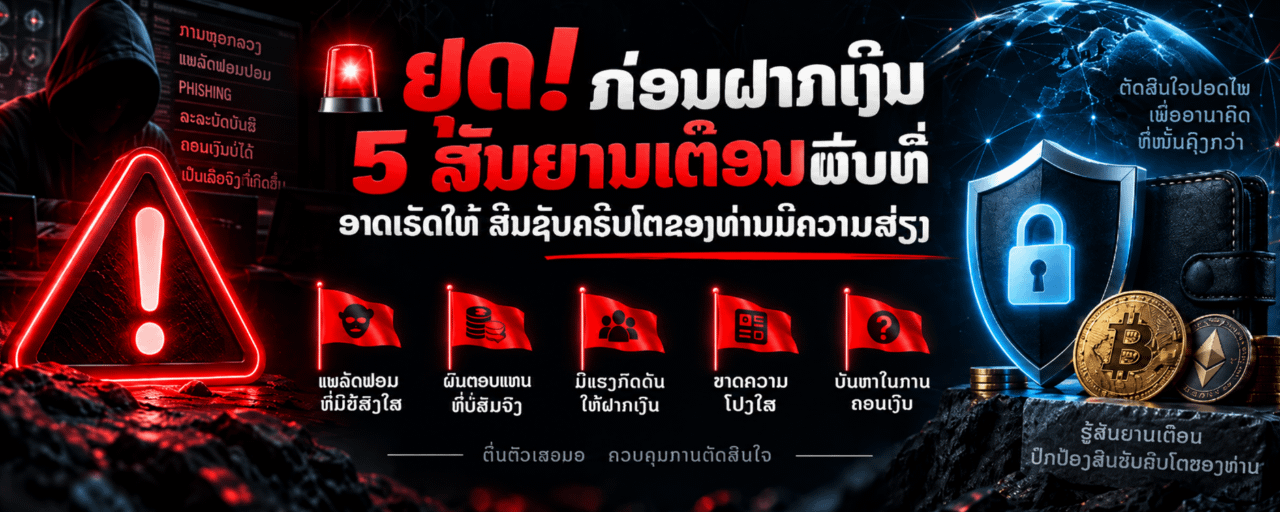
STOP Before You Deposit: 5 Red Flags That Could Put Your Crypto at Risk🚨 ຢຸດກ່ອນຝາກເງິນ: 5 ສັນຍານເຕືອນທີ່ອາດເຮັດໃຫ້ Crypto ຂອງທ່ານຕົກຢູ່ໃນຄວາມສ່ຽງ
ບໍ່ແມ່ນທຸກແພລດຟອມ Crypto ຫຼື ການເງິນຈະມີມາດຕະຖານຄືກັນ.
ກ່ອນທີ່ທ່ານຈະຝາກເງິນ ລອງຖາມຕົນເອງກ່ອນວ່າ:
“ຖ້າມື້ອື່ນເກີດບັນຫາຂຶ້ນ ຊັບສິນຂອງຂ້ອຍຈະໄດ້ຮັບການປົກປ້ອງຫຼາຍປານໃດ?”
ນີ້ແມ່ນ 5 ສັນຍານເຕືອນສຳຄັນ ທີ່ທ່ານບໍ່ຄວນມອງຂ້າມ 👇
🚩 1. ໃບອະນຸຍາດ ຫຼື ສະຖານະການກຳກັບດູແລບໍ່ຊັດເຈນ
ຖ້າທ່ານບໍ່ສາມາດຮູ້ໄດ້ຢ່າງຊັດເຈນວ່າ ໃຜເປັນຜູ້ດຳເນີນງານແພລດຟອມ, ແພລດຟອມດຳເນີນງານຢູ່ທີ່ໃດ ຫຼື ຢູ່ພາຍໃຕ້ກອບການກຳກັບດູແລແບບໃດ — ຄວນກວດສອບໃຫ້ດີກ່ອນຝາກເງິນ.
🚩 2. ເງິນຂອງລູກຄ້າຖືກລວມກັບເງິນຂອງບໍລິສັດ
ຊັບສິນຂອງທ່ານບໍ່ຄວນຖືກນຳໄປລວມເປັນສ່ວນໜຶ່ງຂອງເງິນດຳເນີນງານຂອງບໍລິສັດ. ການແຍກຊັບສິນຂອງລູກຄ້າອອກຢ່າງຊັດເຈນ ເປັນໜຶ່ງໃນມາດຕະການປົກປ້ອງທີ່ສຳຄັນ.
🚩 3. ບໍ່ມີ Proof of Reserves
ຖ້າແພລດຟອມຂໍໃຫ້ທ່ານ “ເຊື່ອໃຈ” ແຕ່ບໍ່ມີຄວາມໂປ່ງໃສທີ່ພຽງພໍກ່ຽວກັບຊັບສິນຂອງລູກຄ້າ ນັ້ນຄວນເປັນສິ່ງທີ່ທ່ານຕ້ອງຕັ້ງຄຳຖາມ.
Binance ມີ Proof of Reserves (PoR) ພ້ອມການກວດສອບແບບ Merkle Tree ເພື່ອໃຫ້ຜູ້ໃຊ້ສາມາດກວດສອບໄດ້ດ້ວຍຕົນເອງວ່າຊັບສິນຂອງຕົນຖືກລວມຢູ່ໃນການສຳຮອງຫຼືບໍ່.
🚩 4. ບໍ່ມີກອງທຶນປົກປ້ອງສຸກເສີນ
ລອງຖາມວ່າ ຈະເກີດຫຍັງຂຶ້ນ ຖ້າເກີດເຫດການດ້ານຄວາມປອດໄພຄັ້ງໃຫຍ່.
Binance ມີ SAFU (Secure Asset Fund for Users) ເປັນກອງທຶນປົກປ້ອງສຸກເສີນ ທີ່ຖືກຈັດຕັ້ງຂຶ້ນເພື່ອເພີ່ມອີກຊັ້ນໜຶ່ງຂອງການປົກປ້ອງສຳລັບຜູ້ໃຊ້.
🚩 5. ຄວາມປອດໄພຂອງບັນຊີອ່ອນແອ
ການໃຊ້ພຽງແຕ່ລະຫັດຜ່ານຢ່າງດຽວ ບໍ່ພຽງພໍອີກຕໍ່ໄປ.
ຄວນເລືອກໃຊ້ແພລດຟອມທີ່ມີເຄື່ອງມືຄວາມປອດໄພເຊັ່ນ:
🔐 Passkeys
🔐 Two-Factor Authentication (2FA)
🔐 Anti-Phishing Codes
🔐 Withdrawal Address Allowlisting
⚠️ ຄວາມຜິດພາດທີ່ໃຫຍ່ທີ່ສຸດແມ່ນຫຍັງ?
ການເລືອກແພລດຟອມເພາະວ່າມັນເບິ່ງສະດວກ — ໂດຍບໍ່ກວດສອບວ່າ ມີຫຍັງຄອຍປົກປ້ອງເງິນຂອງທ່ານຢູ່ເບື້ອງຫຼັງ.
ກ່ອນຈະຖາມວ່າ:
“ຂ້ອຍສາມາດໄດ້ຜົນຕອບແທນຫຍັງແດ່?”
ຄວນຖາມກ່ອນວ່າ:
“ເງິນຂອງຂ້ອຍຖືກປົກປ້ອງແນວໃດ?”
ໃນໂລກ Crypto, ຄວາມປອດໄພບໍ່ຄວນເປັນສິ່ງທີ່ຄ່ອຍຄິດພາຍຫຼັງ. ມັນຄວນເປັນສ່ວນໜຶ່ງຂອງການຕັດສິນໃຈຂອງທ່ານຕັ້ງແຕ່ມື້ທຳອິດ.
#Binance #ຄຣິບໂຕລາວ #ຄວາມປອດໄພຄຣິບໂຕ #SAFU #ProofOfReserves
STOP Before You Deposit: 5 Red Flags That Could Put Your Crypto at Risk
🚨 ຢຸດກ່ອນຝາກເງິນ: 5 ສັນຍານເຕືອນທີ່ອາດເຮັດໃຫ້ Crypto ຂອງທ່ານຕົກຢູ່ໃນຄວາມສ່ຽງ
ບໍ່ແມ່ນທຸກແພລດຟອມ Crypto ຫຼື ການເງິນຈະມີມາດຕະຖານຄືກັນ.
ກ່ອນທີ່ທ່ານຈະຝາກເງິນ ລອງຖາມຕົນເອງກ່ອນວ່າ:
“ຖ້າມື້ອື່ນເກີດບັນຫາຂຶ້ນ ຊັບສິນຂອງຂ້ອຍຈະໄດ້ຮັບການປົກປ້ອງຫຼາຍປານໃດ?”
ນີ້ແມ່ນ 5 ສັນຍານເຕືອນສຳຄັນ ທີ່ທ່ານບໍ່ຄວນມອງຂ້າມ 👇
🚩 1. ໃບອະນຸຍາດ ຫຼື ສະຖານະການກຳກັບດູແລບໍ່ຊັດເຈນ
ຖ້າທ່ານບໍ່ສາມາດຮູ້ໄດ້ຢ່າງຊັດເຈນວ່າ ໃຜເປັນຜູ້ດຳເນີນງານແພລດຟອມ, ແພລດຟອມດຳເນີນງານຢູ່ທີ່ໃດ ຫຼື ຢູ່ພາຍໃຕ້ກອບການກຳກັບດູແລແບບໃດ — ຄວນກວດສອບໃຫ້ດີກ່ອນຝາກເງິນ.
🚩 2. ເງິນຂອງລູກຄ້າຖືກລວມກັບເງິນຂອງບໍລິສັດ
ຊັບສິນຂອງທ່ານບໍ່ຄວນຖືກນຳໄປລວມເປັນສ່ວນໜຶ່ງຂອງເງິນດຳເນີນງານຂອງບໍລິສັດ. ການແຍກຊັບສິນຂອງລູກຄ້າອອກຢ່າງຊັດເຈນ ເປັນໜຶ່ງໃນມາດຕະການປົກປ້ອງທີ່ສຳຄັນ.
🚩 3. ບໍ່ມີ Proof of Reserves
ຖ້າແພລດຟອມຂໍໃຫ້ທ່ານ “ເຊື່ອໃຈ” ແຕ່ບໍ່ມີຄວາມໂປ່ງໃສທີ່ພຽງພໍກ່ຽວກັບຊັບສິນຂອງລູກຄ້າ ນັ້ນຄວນເປັນສິ່ງທີ່ທ່ານຕ້ອງຕັ້ງຄຳຖາມ.
Binance ມີ Proof of Reserves (PoR) ພ້ອມການກວດສອບແບບ Merkle Tree ເພື່ອໃຫ້ຜູ້ໃຊ້ສາມາດກວດສອບໄດ້ດ້ວຍຕົນເອງວ່າຊັບສິນຂອງຕົນຖືກລວມຢູ່ໃນການສຳຮອງຫຼືບໍ່.
🚩 4. ບໍ່ມີກອງທຶນປົກປ້ອງສຸກເສີນ
ລອງຖາມວ່າ ຈະເກີດຫຍັງຂຶ້ນ ຖ້າເກີດເຫດການດ້ານຄວາມປອດໄພຄັ້ງໃຫຍ່.
Binance ມີ SAFU (Secure Asset Fund for Users) ເປັນກອງທຶນປົກປ້ອງສຸກເສີນ ທີ່ຖືກຈັດຕັ້ງຂຶ້ນເພື່ອເພີ່ມອີກຊັ້ນໜຶ່ງຂອງການປົກປ້ອງສຳລັບຜູ້ໃຊ້.
🚩 5. ຄວາມປອດໄພຂອງບັນຊີອ່ອນແອ
ການໃຊ້ພຽງແຕ່ລະຫັດຜ່ານຢ່າງດຽວ ບໍ່ພຽງພໍອີກຕໍ່ໄປ.
ຄວນເລືອກໃຊ້ແພລດຟອມທີ່ມີເຄື່ອງມືຄວາມປອດໄພເຊັ່ນ:
🔐 Passkeys
🔐 Two-Factor Authentication (2FA)
🔐 Anti-Phishing Codes
🔐 Withdrawal Address Allowlisting
⚠️ ຄວາມຜິດພາດທີ່ໃຫຍ່ທີ່ສຸດແມ່ນຫຍັງ?
ການເລືອກແພລດຟອມເພາະວ່າມັນເບິ່ງສະດວກ — ໂດຍບໍ່ກວດສອບວ່າ ມີຫຍັງຄອຍປົກປ້ອງເງິນຂອງທ່ານຢູ່ເບື້ອງຫຼັງ.
ກ່ອນຈະຖາມວ່າ:
“ຂ້ອຍສາມາດໄດ້ຜົນຕອບແທນຫຍັງແດ່?”
ຄວນຖາມກ່ອນວ່າ:
“ເງິນຂອງຂ້ອຍຖືກປົກປ້ອງແນວໃດ?”
ໃນໂລກ Crypto, ຄວາມປອດໄພບໍ່ຄວນເປັນສິ່ງທີ່ຄ່ອຍຄິດພາຍຫຼັງ. ມັນຄວນເປັນສ່ວນໜຶ່ງຂອງການຕັດສິນໃຈຂອງທ່ານຕັ້ງແຕ່ມື້ທຳອິດ.
#Binance #ຄຣິບໂຕລາວ #ຄວາມປອດໄພຄຣິບໂຕ #SAFU #ProofOfReserves
ບໍ່ແມ່ນທຸກແພລດຟອມ Crypto ຫຼື ການເງິນຈະມີມາດຕະຖານຄືກັນ.
ກ່ອນທີ່ທ່ານຈະຝາກເງິນ ລອງຖາມຕົນເອງກ່ອນວ່າ:
“ຖ້າມື້ອື່ນເກີດບັນຫາຂຶ້ນ ຊັບສິນຂອງຂ້ອຍຈະໄດ້ຮັບການປົກປ້ອງຫຼາຍປານໃດ?”
ນີ້ແມ່ນ 5 ສັນຍານເຕືອນສຳຄັນ ທີ່ທ່ານບໍ່ຄວນມອງຂ້າມ 👇
🚩 1. ໃບອະນຸຍາດ ຫຼື ສະຖານະການກຳກັບດູແລບໍ່ຊັດເຈນ
ຖ້າທ່ານບໍ່ສາມາດຮູ້ໄດ້ຢ່າງຊັດເຈນວ່າ ໃຜເປັນຜູ້ດຳເນີນງານແພລດຟອມ, ແພລດຟອມດຳເນີນງານຢູ່ທີ່ໃດ ຫຼື ຢູ່ພາຍໃຕ້ກອບການກຳກັບດູແລແບບໃດ — ຄວນກວດສອບໃຫ້ດີກ່ອນຝາກເງິນ.
🚩 2. ເງິນຂອງລູກຄ້າຖືກລວມກັບເງິນຂອງບໍລິສັດ
ຊັບສິນຂອງທ່ານບໍ່ຄວນຖືກນຳໄປລວມເປັນສ່ວນໜຶ່ງຂອງເງິນດຳເນີນງານຂອງບໍລິສັດ. ການແຍກຊັບສິນຂອງລູກຄ້າອອກຢ່າງຊັດເຈນ ເປັນໜຶ່ງໃນມາດຕະການປົກປ້ອງທີ່ສຳຄັນ.
🚩 3. ບໍ່ມີ Proof of Reserves
ຖ້າແພລດຟອມຂໍໃຫ້ທ່ານ “ເຊື່ອໃຈ” ແຕ່ບໍ່ມີຄວາມໂປ່ງໃສທີ່ພຽງພໍກ່ຽວກັບຊັບສິນຂອງລູກຄ້າ ນັ້ນຄວນເປັນສິ່ງທີ່ທ່ານຕ້ອງຕັ້ງຄຳຖາມ.
Binance ມີ Proof of Reserves (PoR) ພ້ອມການກວດສອບແບບ Merkle Tree ເພື່ອໃຫ້ຜູ້ໃຊ້ສາມາດກວດສອບໄດ້ດ້ວຍຕົນເອງວ່າຊັບສິນຂອງຕົນຖືກລວມຢູ່ໃນການສຳຮອງຫຼືບໍ່.
🚩 4. ບໍ່ມີກອງທຶນປົກປ້ອງສຸກເສີນ
ລອງຖາມວ່າ ຈະເກີດຫຍັງຂຶ້ນ ຖ້າເກີດເຫດການດ້ານຄວາມປອດໄພຄັ້ງໃຫຍ່.
Binance ມີ SAFU (Secure Asset Fund for Users) ເປັນກອງທຶນປົກປ້ອງສຸກເສີນ ທີ່ຖືກຈັດຕັ້ງຂຶ້ນເພື່ອເພີ່ມອີກຊັ້ນໜຶ່ງຂອງການປົກປ້ອງສຳລັບຜູ້ໃຊ້.
🚩 5. ຄວາມປອດໄພຂອງບັນຊີອ່ອນແອ
ການໃຊ້ພຽງແຕ່ລະຫັດຜ່ານຢ່າງດຽວ ບໍ່ພຽງພໍອີກຕໍ່ໄປ.
ຄວນເລືອກໃຊ້ແພລດຟອມທີ່ມີເຄື່ອງມືຄວາມປອດໄພເຊັ່ນ:
🔐 Passkeys
🔐 Two-Factor Authentication (2FA)
🔐 Anti-Phishing Codes
🔐 Withdrawal Address Allowlisting
⚠️ ຄວາມຜິດພາດທີ່ໃຫຍ່ທີ່ສຸດແມ່ນຫຍັງ?
ການເລືອກແພລດຟອມເພາະວ່າມັນເບິ່ງສະດວກ — ໂດຍບໍ່ກວດສອບວ່າ ມີຫຍັງຄອຍປົກປ້ອງເງິນຂອງທ່ານຢູ່ເບື້ອງຫຼັງ.
ກ່ອນຈະຖາມວ່າ:
“ຂ້ອຍສາມາດໄດ້ຜົນຕອບແທນຫຍັງແດ່?”
ຄວນຖາມກ່ອນວ່າ:
“ເງິນຂອງຂ້ອຍຖືກປົກປ້ອງແນວໃດ?”
ໃນໂລກ Crypto, ຄວາມປອດໄພບໍ່ຄວນເປັນສິ່ງທີ່ຄ່ອຍຄິດພາຍຫຼັງ. ມັນຄວນເປັນສ່ວນໜຶ່ງຂອງການຕັດສິນໃຈຂອງທ່ານຕັ້ງແຕ່ມື້ທຳອິດ.
#Binance #ຄຣິບໂຕລາວ #ຄວາມປອດໄພຄຣິບໂຕ #SAFU #ProofOfReserves
175
·
--
Статья
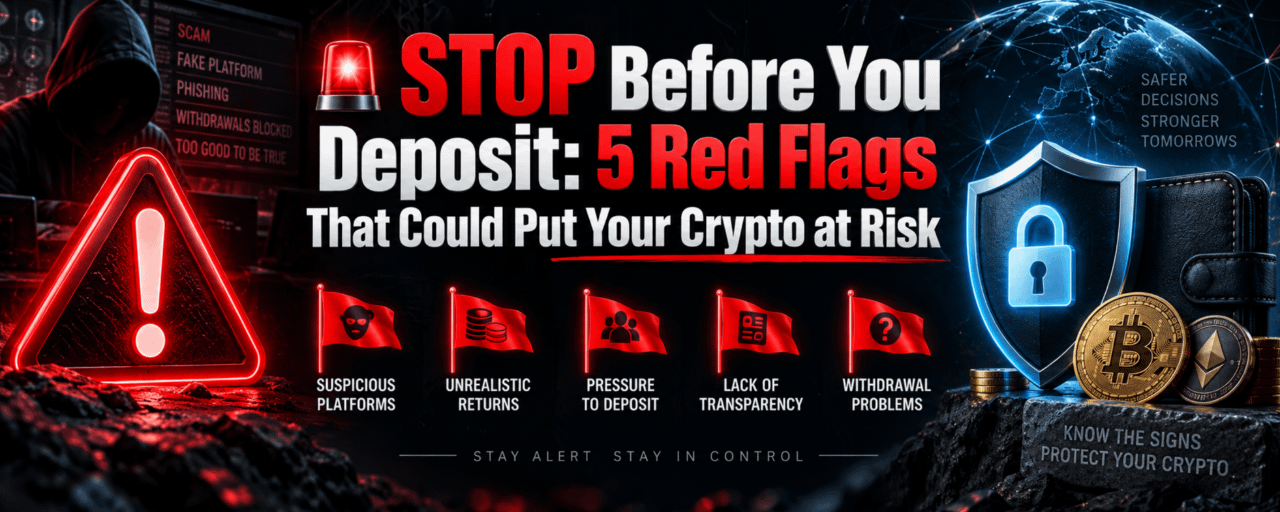
STOP Before You Deposit: 5 Red Flags That Could Put Your Crypto at Risk🚨 STOP Before You Deposit: 5 Red Flags That Could Put Your Crypto at Risk
Not every crypto or financial platform is built the same.
Before you deposit your money, ask yourself one question:
“If something goes wrong tomorrow, how protected am I?”
Here are 5 major red flags you should never ignore. 👇
🚩 1. Unclear Licensing or Regulatory Status
If you cannot clearly understand who operates the platform, where it operates, or what regulatory framework applies — investigate before depositing.
🚩 2. Customer Funds Are Mixed With Company Funds
Your assets should not simply become part of a company’s operating money. Clear asset segregation is an important protection to look for.
🚩 3. No Proof of Reserves
A platform asking you to trust it without providing meaningful transparency about customer assets should raise questions.
Binance provides Proof of Reserves (PoR) with Merkle Tree-based verification so users can independently check whether their assets are included.
🚩 4. No Emergency Protection Fund
Ask what happens if a major security incident occurs.
Binance maintains SAFU (Secure Asset Fund for Users) as an emergency protection fund designed to provide an additional layer of protection for users.
🚩 5. Weak Account Security
A password alone is no longer enough.
Look for security tools such as:
🔐 Passkeys
🔐 Two-Factor Authentication (2FA)
🔐 Anti-Phishing Codes
🔐 Withdrawal Address Allowlisting
⚠️ The Biggest Mistake?
Choosing a platform because it looks convenient — without checking what is protecting your money behind the scenes.
Before asking:
“What can I earn?”
Ask first:
“How is my money protected?”
In crypto, security shouldn't be an afterthought.
It should be part of your decision from Day 1.
#Binance #CryptoSecurity #SAFU #ProofOfReserves #StaySAFU
STOP Before You Deposit: 5 Red Flags That Could Put Your Crypto at Risk
🚨 STOP Before You Deposit: 5 Red Flags That Could Put Your Crypto at Risk
Not every crypto or financial platform is built the same.
Before you deposit your money, ask yourself one question:
“If something goes wrong tomorrow, how protected am I?”
Here are 5 major red flags you should never ignore. 👇
🚩 1. Unclear Licensing or Regulatory Status
If you cannot clearly understand who operates the platform, where it operates, or what regulatory framework applies — investigate before depositing.
🚩 2. Customer Funds Are Mixed With Company Funds
Your assets should not simply become part of a company’s operating money. Clear asset segregation is an important protection to look for.
🚩 3. No Proof of Reserves
A platform asking you to trust it without providing meaningful transparency about customer assets should raise questions.
Binance provides Proof of Reserves (PoR) with Merkle Tree-based verification so users can independently check whether their assets are included.
🚩 4. No Emergency Protection Fund
Ask what happens if a major security incident occurs.
Binance maintains SAFU (Secure Asset Fund for Users) as an emergency protection fund designed to provide an additional layer of protection for users.
🚩 5. Weak Account Security
A password alone is no longer enough.
Look for security tools such as:
🔐 Passkeys
🔐 Two-Factor Authentication (2FA)
🔐 Anti-Phishing Codes
🔐 Withdrawal Address Allowlisting
⚠️ The Biggest Mistake?
Choosing a platform because it looks convenient — without checking what is protecting your money behind the scenes.
Before asking:
“What can I earn?”
Ask first:
“How is my money protected?”
In crypto, security shouldn't be an afterthought.
It should be part of your decision from Day 1.
#Binance #CryptoSecurity #SAFU #ProofOfReserves #StaySAFU
Not every crypto or financial platform is built the same.
Before you deposit your money, ask yourself one question:
“If something goes wrong tomorrow, how protected am I?”
Here are 5 major red flags you should never ignore. 👇
🚩 1. Unclear Licensing or Regulatory Status
If you cannot clearly understand who operates the platform, where it operates, or what regulatory framework applies — investigate before depositing.
🚩 2. Customer Funds Are Mixed With Company Funds
Your assets should not simply become part of a company’s operating money. Clear asset segregation is an important protection to look for.
🚩 3. No Proof of Reserves
A platform asking you to trust it without providing meaningful transparency about customer assets should raise questions.
Binance provides Proof of Reserves (PoR) with Merkle Tree-based verification so users can independently check whether their assets are included.
🚩 4. No Emergency Protection Fund
Ask what happens if a major security incident occurs.
Binance maintains SAFU (Secure Asset Fund for Users) as an emergency protection fund designed to provide an additional layer of protection for users.
🚩 5. Weak Account Security
A password alone is no longer enough.
Look for security tools such as:
🔐 Passkeys
🔐 Two-Factor Authentication (2FA)
🔐 Anti-Phishing Codes
🔐 Withdrawal Address Allowlisting
⚠️ The Biggest Mistake?
Choosing a platform because it looks convenient — without checking what is protecting your money behind the scenes.
Before asking:
“What can I earn?”
Ask first:
“How is my money protected?”
In crypto, security shouldn't be an afterthought.
It should be part of your decision from Day 1.
#Binance #CryptoSecurity #SAFU #ProofOfReserves #StaySAFU
91
·
--

Статья
I Thought Revolut Was Enough… Until I Discovered Binanceວິທີທີ່ຄົນເຮົາຈັດການກັບການເງິນກຳລັງປ່ຽນແປງໄປ. ສຳລັບຜູ້ໃຊ້ຈຳນວນຫຼາຍ, ການມີແອັບການເງິນດິຈິຕອນພຽງຢ່າງດຽວອາດຈະບໍ່ພຽງພໍອີກຕໍ່ໄປ — ພວກເຂົາກຳລັງມອງຫາແພລດຟອມທີ່ສາມາດມອບຄວາມຍືດຫຍຸ່ນຫຼາຍຂຶ້ນ, ເຂົ້າເຖິງໄດ້ຫຼາຍຂຶ້ນ ແລະ ຊ່ວຍໃຫ້ສຳຫຼວດອະນາຄົດຂອງການເງິນ.
ຜູ້ໃຊ້ຄົນໜຶ່ງເຄີຍໃຊ້ Revolut ສຳລັບການບໍລິການທາງການເງິນດິຈິຕອນ ແລະ ເຄີຍຄິດວ່າມັນຕອບໂຈດຄວາມຕ້ອງການປະຈຳວັນໄດ້ຢ່າງຄົບຖ້ວນ.
ແຕ່ເມື່ອຜູ້ໃຊ້ເລີ່ມສົນໃຈສິນຊັບດິຈິຕອນ ແລະ Web3 ຫຼາຍຂຶ້ນ, ຈຶ່ງເລີ່ມມອງຫາແພລດຟອມທີ່ສາມາດມອບປະສົບການທາງການເງິນທີ່ຄົບວົງຈອນຫຼາຍກວ່າເກົ່າ.
ເສັ້ນທາງນັ້ນ ໄດ້ນຳພາຜູ້ໃຊ້ມາພົບກັບ Binance.
🌍 ຈາກການຈັດການເງິນ ສູ່ການສຳຫຼວດສິນຊັບດິຈິຕອນ
ໜຶ່ງໃນການປ່ຽນແປງທີ່ສຳຄັນຫຼັງຈາກຍ້າຍມາໃຊ້ Binance ແມ່ນ ຄວາມສາມາດໃນການຈັດການສິນຊັບດິຈິຕອນໄດ້ສະດວກຫຼາຍຂຶ້ນ ພາຍໃນລະບົບນິເວດດຽວ.
ກ່ອນໜ້ານີ້ ຜູ້ໃຊ້ອາດຈະຕ້ອງໃຊ້ຫຼາຍແພລດຟອມເພື່ອ:
✅ ຕິດຕາມລາຄາຕະຫຼາດ
✅ ຊື້ ແລະ ຂາຍສິນຊັບດິຈິຕອນ
✅ ຕິດຕາມແນວໂນ້ມຂອງຕະຫຼາດ
✅ ຮຽນຮູ້ກ່ຽວກັບ Blockchain ແລະ Web3 ຫຼາຍຂຶ້ນ
ດ້ວຍ Binance, ຜູ້ໃຊ້ສາມາດເຂົ້າເຖິງເຄື່ອງມື ແລະ ບໍລິການຫຼາຍຮູບແບບໄດ້ພາຍໃນບ່ອນດຽວ — ຊ່ວຍໃຫ້ປະສົບການການໃຊ້ງານລື່ນໄຫຼ ແລະ ເຊື່ອມຕໍ່ກັນຫຼາຍຂຶ້ນ.
ຕົວຢ່າງ: ແທນທີ່ຈະຕ້ອງສະຫຼັບໄປມາລະຫວ່າງຫຼາຍແອັບເພື່ອກວດສອບຂໍ້ມູນຕະຫຼາດ, ຈັດການສິນຊັບ ແລະ ຮຽນຮູ້ກ່ຽວກັບ Crypto, ຜູ້ໃຊ້ສາມາດສຳຫຼວດປະສົບການເຫຼົ່ານີ້ໄດ້ພາຍໃນ Binance Ecosystem.
🔎 ສິ່ງໃດເຮັດໃຫ້ Binance ແຕກຕ່າງ?
Binance ບໍ່ໄດ້ເປັນພຽງແຕ່ແພລດຟອມແລກປ່ຽນ Crypto ເທົ່ານັ້ນ. ແຕ່ເປັນລະບົບນິເວດສິນຊັບດິຈິຕອນ ທີ່ຖືກອອກແບບມາເພື່ອຊ່ວຍໃຫ້ຜູ້ໃຊ້ເຂົ້າເຖິງໂອກາດຕ່າງໆ ໃນໂລກຂອງ Blockchain ທີ່ກຳລັງພັດທະນາ.
✅ ປະສົບການແບບ All-in-One
ຕັ້ງແຕ່ການຊື້ຂາຍ, ຂໍ້ມູນວິເຄາະຕະຫຼາດ ໄປຈົນເຖິງແຫຼ່ງຄວາມຮູ້ດ້ານ Crypto, Binance ໄດ້ນຳເອົາຫຼາຍສ່ວນຂອງປະສົບການດ້ານສິນຊັບດິຈິຕອນມາລວມໄວ້ໃນແພລດຟອມດຽວ.
✅ ເຂົ້າເຖິງລະບົບນິເວດລະດັບໂລກ
ດ້ວຍຜູ້ໃຊ້ຈາກທົ່ວໂລກ, Binance ເຊື່ອມຕໍ່ຜູ້ຄົນເຂົ້າກັບລະບົບນິເວດສິນຊັບດິຈິຕອນທີ່ກວ້າງຂຶ້ນ ແລະ ໂອກາດຕ່າງໆ ໃນໂລກ Web3.
✅ ສ້າງຂຶ້ນເພື່ອອະນາຄົດຂອງການເງິນ
ໃນຂະນະທີ່ການເຊື່ອມຕໍ່ລະຫວ່າງການເງິນແບບດັ້ງເດີມ ແລະ Blockchain ກຳລັງເຕີບໂຕຂຶ້ນ, Binance ຍັງຄົງພັດທະນາເຄື່ອງມືຕ່າງໆ ເພື່ອຊ່ວຍໃຫ້ຜູ້ໃຊ້ສາມາດເຂົ້າຮ່ວມ ແລະ ສຳຫຼວດໂອກາດໃໝ່ໃນລະບົບການເງິນຮູບແບບໃໝ່ນີ້.
💡 ສະຫຼຸບ: ເປັນຫຍັງຜູ້ໃຊ້ຄົນນີ້ຈຶ່ງເລືອກ Binance?
ການຕັດສິນໃຈນີ້ ບໍ່ແມ່ນພຽງແຕ່ການປ່ຽນແພລດຟອມເທົ່ານັ້ນ — ແຕ່ເປັນການຄົ້ນຫາວິທີການໃໝ່ທີ່ຄົບວົງຈອນຫຼາຍຂຶ້ນໃນການເຂົ້າເຖິງໂລກການເງິນດິຈິຕອນ.
ສຳລັບຜູ້ໃຊ້ຄົນນີ້, Binance ໄດ້ມອບປະສົບການທີ່ເຊື່ອມຕໍ່ຫຼາຍຂຶ້ນ ໂດຍການລວມເອົາ ຄວາມສະດວກ, ສິນຊັບດິຈິຕອນ, ການຮຽນຮູ້ ແລະ ໂອກາດດ້ານ Web3 ໄວ້ພາຍໃນລະບົບນິເວດດຽວ.
ໃນຂະນະທີ່ເຕັກໂນໂລຊີການເງິນຍັງຄົງພັດທະນາຢ່າງຕໍ່ເນື່ອງ, ຜູ້ໃຊ້ກຳລັງມອງເກີນກວ່າແອັບການເງິນແບບດັ້ງເດີມ ແລະ ຄົ້ນຫາແພລດຟອມທີ່ສາມາດສະໜັບສະໜູນເສັ້ນທາງຂອງພວກເຂົາ ເຂົ້າສູ່ອະນາຄົດຂອງການເງິນ.
#Laos #CryptoLaos #Bitcoin #Binance #Web3
I Thought Revolut Was Enough… Until I Discovered Binance
ວິທີທີ່ຄົນເຮົາຈັດການກັບການເງິນກຳລັງປ່ຽນແປງໄປ. ສຳລັບຜູ້ໃຊ້ຈຳນວນຫຼາຍ, ການມີແອັບການເງິນດິຈິຕອນພຽງຢ່າງດຽວອາດຈະບໍ່ພຽງພໍອີກຕໍ່ໄປ — ພວກເຂົາກຳລັງມອງຫາແພລດຟອມທີ່ສາມາດມອບຄວາມຍືດຫຍຸ່ນຫຼາຍຂຶ້ນ, ເຂົ້າເຖິງໄດ້ຫຼາຍຂຶ້ນ ແລະ ຊ່ວຍໃຫ້ສຳຫຼວດອະນາຄົດຂອງການເງິນ.
ຜູ້ໃຊ້ຄົນໜຶ່ງເຄີຍໃຊ້ Revolut ສຳລັບການບໍລິການທາງການເງິນດິຈິຕອນ ແລະ ເຄີຍຄິດວ່າມັນຕອບໂຈດຄວາມຕ້ອງການປະຈຳວັນໄດ້ຢ່າງຄົບຖ້ວນ.
ແຕ່ເມື່ອຜູ້ໃຊ້ເລີ່ມສົນໃຈສິນຊັບດິຈິຕອນ ແລະ Web3 ຫຼາຍຂຶ້ນ, ຈຶ່ງເລີ່ມມອງຫາແພລດຟອມທີ່ສາມາດມອບປະສົບການທາງການເງິນທີ່ຄົບວົງຈອນຫຼາຍກວ່າເກົ່າ.
ເສັ້ນທາງນັ້ນ ໄດ້ນຳພາຜູ້ໃຊ້ມາພົບກັບ Binance.
🌍 ຈາກການຈັດການເງິນ ສູ່ການສຳຫຼວດສິນຊັບດິຈິຕອນ
ໜຶ່ງໃນການປ່ຽນແປງທີ່ສຳຄັນຫຼັງຈາກຍ້າຍມາໃຊ້ Binance ແມ່ນ ຄວາມສາມາດໃນການຈັດການສິນຊັບດິຈິຕອນໄດ້ສະດວກຫຼາຍຂຶ້ນ ພາຍໃນລະບົບນິເວດດຽວ.
ກ່ອນໜ້ານີ້ ຜູ້ໃຊ້ອາດຈະຕ້ອງໃຊ້ຫຼາຍແພລດຟອມເພື່ອ:
✅ ຕິດຕາມລາຄາຕະຫຼາດ
✅ ຊື້ ແລະ ຂາຍສິນຊັບດິຈິຕອນ
✅ ຕິດຕາມແນວໂນ້ມຂອງຕະຫຼາດ
✅ ຮຽນຮູ້ກ່ຽວກັບ Blockchain ແລະ Web3 ຫຼາຍຂຶ້ນ
ດ້ວຍ Binance, ຜູ້ໃຊ້ສາມາດເຂົ້າເຖິງເຄື່ອງມື ແລະ ບໍລິການຫຼາຍຮູບແບບໄດ້ພາຍໃນບ່ອນດຽວ — ຊ່ວຍໃຫ້ປະສົບການການໃຊ້ງານລື່ນໄຫຼ ແລະ ເຊື່ອມຕໍ່ກັນຫຼາຍຂຶ້ນ.
ຕົວຢ່າງ: ແທນທີ່ຈະຕ້ອງສະຫຼັບໄປມາລະຫວ່າງຫຼາຍແອັບເພື່ອກວດສອບຂໍ້ມູນຕະຫຼາດ, ຈັດການສິນຊັບ ແລະ ຮຽນຮູ້ກ່ຽວກັບ Crypto, ຜູ້ໃຊ້ສາມາດສຳຫຼວດປະສົບການເຫຼົ່ານີ້ໄດ້ພາຍໃນ Binance Ecosystem.
🔎 ສິ່ງໃດເຮັດໃຫ້ Binance ແຕກຕ່າງ?
Binance ບໍ່ໄດ້ເປັນພຽງແຕ່ແພລດຟອມແລກປ່ຽນ Crypto ເທົ່ານັ້ນ. ແຕ່ເປັນລະບົບນິເວດສິນຊັບດິຈິຕອນ ທີ່ຖືກອອກແບບມາເພື່ອຊ່ວຍໃຫ້ຜູ້ໃຊ້ເຂົ້າເຖິງໂອກາດຕ່າງໆ ໃນໂລກຂອງ Blockchain ທີ່ກຳລັງພັດທະນາ.
✅ ປະສົບການແບບ All-in-One
ຕັ້ງແຕ່ການຊື້ຂາຍ, ຂໍ້ມູນວິເຄາະຕະຫຼາດ ໄປຈົນເຖິງແຫຼ່ງຄວາມຮູ້ດ້ານ Crypto, Binance ໄດ້ນຳເອົາຫຼາຍສ່ວນຂອງປະສົບການດ້ານສິນຊັບດິຈິຕອນມາລວມໄວ້ໃນແພລດຟອມດຽວ.
✅ ເຂົ້າເຖິງລະບົບນິເວດລະດັບໂລກ
ດ້ວຍຜູ້ໃຊ້ຈາກທົ່ວໂລກ, Binance ເຊື່ອມຕໍ່ຜູ້ຄົນເຂົ້າກັບລະບົບນິເວດສິນຊັບດິຈິຕອນທີ່ກວ້າງຂຶ້ນ ແລະ ໂອກາດຕ່າງໆ ໃນໂລກ Web3.
✅ ສ້າງຂຶ້ນເພື່ອອະນາຄົດຂອງການເງິນ
ໃນຂະນະທີ່ການເຊື່ອມຕໍ່ລະຫວ່າງການເງິນແບບດັ້ງເດີມ ແລະ Blockchain ກຳລັງເຕີບໂຕຂຶ້ນ, Binance ຍັງຄົງພັດທະນາເຄື່ອງມືຕ່າງໆ ເພື່ອຊ່ວຍໃຫ້ຜູ້ໃຊ້ສາມາດເຂົ້າຮ່ວມ ແລະ ສຳຫຼວດໂອກາດໃໝ່ໃນລະບົບການເງິນຮູບແບບໃໝ່ນີ້.
💡 ສະຫຼຸບ: ເປັນຫຍັງຜູ້ໃຊ້ຄົນນີ້ຈຶ່ງເລືອກ Binance?
ການຕັດສິນໃຈນີ້ ບໍ່ແມ່ນພຽງແຕ່ການປ່ຽນແພລດຟອມເທົ່ານັ້ນ — ແຕ່ເປັນການຄົ້ນຫາວິທີການໃໝ່ທີ່ຄົບວົງຈອນຫຼາຍຂຶ້ນໃນການເຂົ້າເຖິງໂລກການເງິນດິຈິຕອນ.
ສຳລັບຜູ້ໃຊ້ຄົນນີ້, Binance ໄດ້ມອບປະສົບການທີ່ເຊື່ອມຕໍ່ຫຼາຍຂຶ້ນ ໂດຍການລວມເອົາ ຄວາມສະດວກ, ສິນຊັບດິຈິຕອນ, ການຮຽນຮູ້ ແລະ ໂອກາດດ້ານ Web3 ໄວ້ພາຍໃນລະບົບນິເວດດຽວ.
ໃນຂະນະທີ່ເຕັກໂນໂລຊີການເງິນຍັງຄົງພັດທະນາຢ່າງຕໍ່ເນື່ອງ, ຜູ້ໃຊ້ກຳລັງມອງເກີນກວ່າແອັບການເງິນແບບດັ້ງເດີມ ແລະ ຄົ້ນຫາແພລດຟອມທີ່ສາມາດສະໜັບສະໜູນເສັ້ນທາງຂອງພວກເຂົາ ເຂົ້າສູ່ອະນາຄົດຂອງການເງິນ.
#Laos #CryptoLaos #Bitcoin #Binance #Web3
ຜູ້ໃຊ້ຄົນໜຶ່ງເຄີຍໃຊ້ Revolut ສຳລັບການບໍລິການທາງການເງິນດິຈິຕອນ ແລະ ເຄີຍຄິດວ່າມັນຕອບໂຈດຄວາມຕ້ອງການປະຈຳວັນໄດ້ຢ່າງຄົບຖ້ວນ.
ແຕ່ເມື່ອຜູ້ໃຊ້ເລີ່ມສົນໃຈສິນຊັບດິຈິຕອນ ແລະ Web3 ຫຼາຍຂຶ້ນ, ຈຶ່ງເລີ່ມມອງຫາແພລດຟອມທີ່ສາມາດມອບປະສົບການທາງການເງິນທີ່ຄົບວົງຈອນຫຼາຍກວ່າເກົ່າ.
ເສັ້ນທາງນັ້ນ ໄດ້ນຳພາຜູ້ໃຊ້ມາພົບກັບ Binance.
🌍 ຈາກການຈັດການເງິນ ສູ່ການສຳຫຼວດສິນຊັບດິຈິຕອນ
ໜຶ່ງໃນການປ່ຽນແປງທີ່ສຳຄັນຫຼັງຈາກຍ້າຍມາໃຊ້ Binance ແມ່ນ ຄວາມສາມາດໃນການຈັດການສິນຊັບດິຈິຕອນໄດ້ສະດວກຫຼາຍຂຶ້ນ ພາຍໃນລະບົບນິເວດດຽວ.
ກ່ອນໜ້ານີ້ ຜູ້ໃຊ້ອາດຈະຕ້ອງໃຊ້ຫຼາຍແພລດຟອມເພື່ອ:
✅ ຕິດຕາມລາຄາຕະຫຼາດ
✅ ຊື້ ແລະ ຂາຍສິນຊັບດິຈິຕອນ
✅ ຕິດຕາມແນວໂນ້ມຂອງຕະຫຼາດ
✅ ຮຽນຮູ້ກ່ຽວກັບ Blockchain ແລະ Web3 ຫຼາຍຂຶ້ນ
ດ້ວຍ Binance, ຜູ້ໃຊ້ສາມາດເຂົ້າເຖິງເຄື່ອງມື ແລະ ບໍລິການຫຼາຍຮູບແບບໄດ້ພາຍໃນບ່ອນດຽວ — ຊ່ວຍໃຫ້ປະສົບການການໃຊ້ງານລື່ນໄຫຼ ແລະ ເຊື່ອມຕໍ່ກັນຫຼາຍຂຶ້ນ.
ຕົວຢ່າງ: ແທນທີ່ຈະຕ້ອງສະຫຼັບໄປມາລະຫວ່າງຫຼາຍແອັບເພື່ອກວດສອບຂໍ້ມູນຕະຫຼາດ, ຈັດການສິນຊັບ ແລະ ຮຽນຮູ້ກ່ຽວກັບ Crypto, ຜູ້ໃຊ້ສາມາດສຳຫຼວດປະສົບການເຫຼົ່ານີ້ໄດ້ພາຍໃນ Binance Ecosystem.
🔎 ສິ່ງໃດເຮັດໃຫ້ Binance ແຕກຕ່າງ?
Binance ບໍ່ໄດ້ເປັນພຽງແຕ່ແພລດຟອມແລກປ່ຽນ Crypto ເທົ່ານັ້ນ. ແຕ່ເປັນລະບົບນິເວດສິນຊັບດິຈິຕອນ ທີ່ຖືກອອກແບບມາເພື່ອຊ່ວຍໃຫ້ຜູ້ໃຊ້ເຂົ້າເຖິງໂອກາດຕ່າງໆ ໃນໂລກຂອງ Blockchain ທີ່ກຳລັງພັດທະນາ.
✅ ປະສົບການແບບ All-in-One
ຕັ້ງແຕ່ການຊື້ຂາຍ, ຂໍ້ມູນວິເຄາະຕະຫຼາດ ໄປຈົນເຖິງແຫຼ່ງຄວາມຮູ້ດ້ານ Crypto, Binance ໄດ້ນຳເອົາຫຼາຍສ່ວນຂອງປະສົບການດ້ານສິນຊັບດິຈິຕອນມາລວມໄວ້ໃນແພລດຟອມດຽວ.
✅ ເຂົ້າເຖິງລະບົບນິເວດລະດັບໂລກ
ດ້ວຍຜູ້ໃຊ້ຈາກທົ່ວໂລກ, Binance ເຊື່ອມຕໍ່ຜູ້ຄົນເຂົ້າກັບລະບົບນິເວດສິນຊັບດິຈິຕອນທີ່ກວ້າງຂຶ້ນ ແລະ ໂອກາດຕ່າງໆ ໃນໂລກ Web3.
✅ ສ້າງຂຶ້ນເພື່ອອະນາຄົດຂອງການເງິນ
ໃນຂະນະທີ່ການເຊື່ອມຕໍ່ລະຫວ່າງການເງິນແບບດັ້ງເດີມ ແລະ Blockchain ກຳລັງເຕີບໂຕຂຶ້ນ, Binance ຍັງຄົງພັດທະນາເຄື່ອງມືຕ່າງໆ ເພື່ອຊ່ວຍໃຫ້ຜູ້ໃຊ້ສາມາດເຂົ້າຮ່ວມ ແລະ ສຳຫຼວດໂອກາດໃໝ່ໃນລະບົບການເງິນຮູບແບບໃໝ່ນີ້.
💡 ສະຫຼຸບ: ເປັນຫຍັງຜູ້ໃຊ້ຄົນນີ້ຈຶ່ງເລືອກ Binance?
ການຕັດສິນໃຈນີ້ ບໍ່ແມ່ນພຽງແຕ່ການປ່ຽນແພລດຟອມເທົ່ານັ້ນ — ແຕ່ເປັນການຄົ້ນຫາວິທີການໃໝ່ທີ່ຄົບວົງຈອນຫຼາຍຂຶ້ນໃນການເຂົ້າເຖິງໂລກການເງິນດິຈິຕອນ.
ສຳລັບຜູ້ໃຊ້ຄົນນີ້, Binance ໄດ້ມອບປະສົບການທີ່ເຊື່ອມຕໍ່ຫຼາຍຂຶ້ນ ໂດຍການລວມເອົາ ຄວາມສະດວກ, ສິນຊັບດິຈິຕອນ, ການຮຽນຮູ້ ແລະ ໂອກາດດ້ານ Web3 ໄວ້ພາຍໃນລະບົບນິເວດດຽວ.
ໃນຂະນະທີ່ເຕັກໂນໂລຊີການເງິນຍັງຄົງພັດທະນາຢ່າງຕໍ່ເນື່ອງ, ຜູ້ໃຊ້ກຳລັງມອງເກີນກວ່າແອັບການເງິນແບບດັ້ງເດີມ ແລະ ຄົ້ນຫາແພລດຟອມທີ່ສາມາດສະໜັບສະໜູນເສັ້ນທາງຂອງພວກເຂົາ ເຂົ້າສູ່ອະນາຄົດຂອງການເງິນ.
#Laos #CryptoLaos #Bitcoin #Binance #Web3
1
108
·
--

Статья
I Thought Revolut Was Enough… Until I Discovered BinanceThe way people manage their finances is changing. For many users, having a digital finance app is no longer enough — they are looking for a platform that provides more flexibility, more access, and a better way to explore the future of finance.
One user who previously used Revolut for digital financial services thought it was enough for daily financial needs. However, as the user became more interested in digital assets and Web3, they started looking for a platform that could provide a more complete experience.
That journey led them to Binance.
🌍 From Managing Money to Exploring Digital Assets
One of the biggest changes after moving to Binance was the ability to manage digital assets more conveniently within one ecosystem.
Previously, users might need different platforms to:
✅ Track market prices
✅ Buy and sell digital assets
✅ Follow market trends
✅ Learn more about blockchain and Web3
With Binance, users can access multiple tools and services in one place — creating a smoother and more connected experience.
For example, instead of switching between different apps to check market information, manage assets, and learn about crypto, users can explore these experiences within the Binance ecosystem.
🔎 What Makes Binance Different?
Binance is more than just a crypto exchange. It is a digital asset ecosystem designed to help users access different opportunities in the evolving world of blockchain.
✅ All-in-One Experience
From trading and market insights to educational resources, Binance brings different parts of the digital asset journey together in one platform.
✅ Access to a Global Ecosystem
With users around the world, Binance connects people to a broader digital asset ecosystem and various Web3 opportunities.
✅ Built for the Future of Finance
As the connection between traditional finance and blockchain continues to grow, Binance continues developing tools that help users participate in this new financial landscape.
💡 The Takeaway: Why Did This User Choose Binance?
The decision was not simply about switching platforms — it was about finding a more complete way to interact with digital finance.
For this user, Binance provided a more connected experience by combining convenience, digital assets, education, and Web3 opportunities in one ecosystem.
As financial technology continues to evolve, users are looking beyond traditional financial apps and exploring platforms that can support their journey into the future of finance.
#Binance #Crypto #Web3 #DigitalAssets #CryptoEducation
I Thought Revolut Was Enough… Until I Discovered Binance
The way people manage their finances is changing. For many users, having a digital finance app is no longer enough — they are looking for a platform that provides more flexibility, more access, and a better way to explore the future of finance.
One user who previously used Revolut for digital financial services thought it was enough for daily financial needs. However, as the user became more interested in digital assets and Web3, they started looking for a platform that could provide a more complete experience.
That journey led them to Binance.
🌍 From Managing Money to Exploring Digital Assets
One of the biggest changes after moving to Binance was the ability to manage digital assets more conveniently within one ecosystem.
Previously, users might need different platforms to:
✅ Track market prices
✅ Buy and sell digital assets
✅ Follow market trends
✅ Learn more about blockchain and Web3
With Binance, users can access multiple tools and services in one place — creating a smoother and more connected experience.
For example, instead of switching between different apps to check market information, manage assets, and learn about crypto, users can explore these experiences within the Binance ecosystem.
🔎 What Makes Binance Different?
Binance is more than just a crypto exchange. It is a digital asset ecosystem designed to help users access different opportunities in the evolving world of blockchain.
✅ All-in-One Experience
From trading and market insights to educational resources, Binance brings different parts of the digital asset journey together in one platform.
✅ Access to a Global Ecosystem
With users around the world, Binance connects people to a broader digital asset ecosystem and various Web3 opportunities.
✅ Built for the Future of Finance
As the connection between traditional finance and blockchain continues to grow, Binance continues developing tools that help users participate in this new financial landscape.
💡 The Takeaway: Why Did This User Choose Binance?
The decision was not simply about switching platforms — it was about finding a more complete way to interact with digital finance.
For this user, Binance provided a more connected experience by combining convenience, digital assets, education, and Web3 opportunities in one ecosystem.
As financial technology continues to evolve, users are looking beyond traditional financial apps and exploring platforms that can support their journey into the future of finance.
#Binance #Crypto #Web3 #DigitalAssets #CryptoEducation
One user who previously used Revolut for digital financial services thought it was enough for daily financial needs. However, as the user became more interested in digital assets and Web3, they started looking for a platform that could provide a more complete experience.
That journey led them to Binance.
🌍 From Managing Money to Exploring Digital Assets
One of the biggest changes after moving to Binance was the ability to manage digital assets more conveniently within one ecosystem.
Previously, users might need different platforms to:
✅ Track market prices
✅ Buy and sell digital assets
✅ Follow market trends
✅ Learn more about blockchain and Web3
With Binance, users can access multiple tools and services in one place — creating a smoother and more connected experience.
For example, instead of switching between different apps to check market information, manage assets, and learn about crypto, users can explore these experiences within the Binance ecosystem.
🔎 What Makes Binance Different?
Binance is more than just a crypto exchange. It is a digital asset ecosystem designed to help users access different opportunities in the evolving world of blockchain.
✅ All-in-One Experience
From trading and market insights to educational resources, Binance brings different parts of the digital asset journey together in one platform.
✅ Access to a Global Ecosystem
With users around the world, Binance connects people to a broader digital asset ecosystem and various Web3 opportunities.
✅ Built for the Future of Finance
As the connection between traditional finance and blockchain continues to grow, Binance continues developing tools that help users participate in this new financial landscape.
💡 The Takeaway: Why Did This User Choose Binance?
The decision was not simply about switching platforms — it was about finding a more complete way to interact with digital finance.
For this user, Binance provided a more connected experience by combining convenience, digital assets, education, and Web3 opportunities in one ecosystem.
As financial technology continues to evolve, users are looking beyond traditional financial apps and exploring platforms that can support their journey into the future of finance.
#Binance #Crypto #Web3 #DigitalAssets #CryptoEducation
85
·
--
Статья
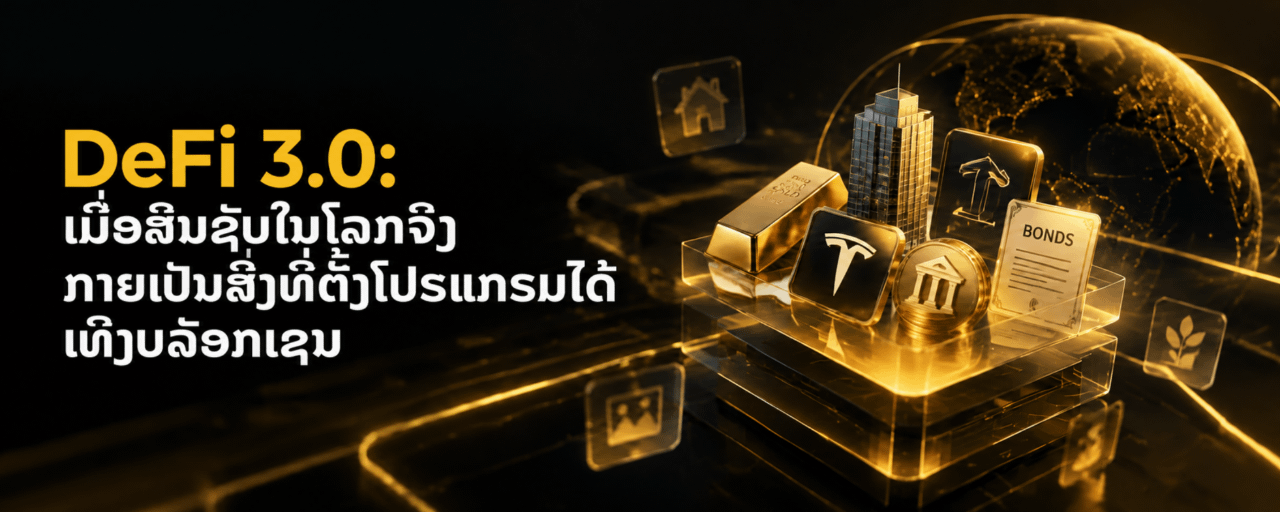
DeFi 3.0: When Real-World Assets Become Programmable on Blockchain🚀 DeFi 3.0: ເມື່ອຊັບສິນໃນໂລກຈິງກາຍເປັນສິ່ງທີ່ສາມາດຕັ້ງໂປຣແກຣມໄດ້ເທິງ Blockchain
ໃນຊ່ວງຫຼາຍປີທີ່ຜ່ານມາ DeFi (Decentralized Finance) ໄດ້ປ່ຽນແປງວິທີທີ່ຜູ້ຄົນເຂົ້າເຖິງບໍລິການທາງການເງິນ.
🔹 DeFi 1.0 ເລີ່ມຕົ້ນດ້ວຍບໍລິການພື້ນຖານ ເຊັ່ນ ການຊື້ຂາຍ ແລະ ການປ່ອຍກູ້ຜ່ານ Blockchain.
🔹 DeFi 2.0 ພັດທະນາຕໍ່ໄປດ້ວຍການເຊື່ອມຕໍ່ Protocol ຕ່າງໆ ເຂົ້າຫາກັນ ແລະ ເພີ່ມຄວາມສາມາດໃນການເຮັດວຽກຮ່ວມກັນ (Composability)
ປັດຈຸບັນ ອຸດສາຫະກຳກຳລັງກ້າວເຂົ້າສູ່ຍຸກໃໝ່ — DeFi 3.0
DeFi 3.0 ມຸ່ງເນັ້ນການນຳ Real-World Assets (RWA) ຫຼື ຊັບສິນໃນໂລກຈິງ ເຊັ່ນ ຫຸ້ນ, ພັນທະບັດ ແລະ ຊັບສິນທາງການເງິນອື່ນໆ ເຂົ້າມາຢູ່ເທິງ Blockchain.
ເມື່ອຊັບສິນເຫຼົ່ານີ້ສາມາດຖືກຕັ້ງໂປຣແກຣມໄດ້ (Programmable) Blockchain ອາດສາມາດສ້າງວິທີໃໝ່ໆ ໃຫ້ຊັບສິນສາມາດເຊື່ອມຕໍ່, ເຮັດວຽກ ແລະ ສ້າງມູນຄ່າໄດ້ຫຼາຍຂຶ້ນ.
ການປ່ຽນແປງນີ້ອາດຊ່ວຍສ້າງລະບົບການເງິນທີ່:
✅ ໂປ່ງໃສຫຼາຍຂຶ້ນ
✅ ເຂົ້າເຖິງໄດ້ງ່າຍຂຶ້ນ
✅ ເຊື່ອມຕໍ່ລະຫວ່າງການເງິນແບບດັ້ງເດີມ ແລະ Blockchain ໄດ້ຫຼາຍຂຶ້ນ
🌐 ອະນາຄົດຂອງການເງິນ ອາດບໍ່ໄດ້ມີພຽງແຕ່ການຖືຄອງຊັບສິນ ແຕ່ເປັນການໃຫ້ຊັບສິນສາມາດ “ເຮັດວຽກ” ໄດ້ເທິງ Blockchain.
ການພັດທະນານີ້ ອາດຊ່ວຍສ້າງລະບົບການເງິນທີ່:
✅ ໂປ່ງໃສຫຼາຍຂຶ້ນ
✅ ເຂົ້າເຖິງໄດ້ງ່າຍຂຶ້ນ
✅ ເຊື່ອມຕໍ່ລະຫວ່າງການເງິນແບບດັ້ງເດີມ ແລະ Blockchain ໄດ້ຫຼາຍຂຶ້ນ
ໃນອະນາຄົດ Blockchain ອາດບໍ່ໄດ້ເປັນພຽງແຕ່ບ່ອນສຳລັບຊັບສິນດິຈິຕອນເທົ່ານັ້ນ
ແຕ່ອາດກາຍເປັນໂຄງສ້າງພື້ນຖານໃໝ່ ທີ່ຊ່ວຍໃຫ້ຊັບສິນຫຼາຍປະເພດສາມາດດຳເນີນງານໄດ້ຢ່າງມີປະສິດທິພາບ ແລະ ເຊື່ອມຕໍ່ກັນໄດ້ຢ່າງລຽບລື່ນຫຼາຍຂຶ້ນ.
Binance ເຊື່ອວ່າ ນີ້ເປັນການປ່ຽນແປງຄັ້ງສຳຄັນຂອງພູມທັດທາງການເງິນ
ໂດຍມີແນວຄິດໃໝ່ເຊັ່ນ Programmable Asset Era ແລະ ການນຳໃຊ້ຕົວຊີ້ວັດໃໝ່ ເຊັ່ນ Programmable Asset Ratio (PAR) ແລະ Capital Activation Rate (CAR) ເພື່ອທຳຄວາມເຂົ້າໃຈວ່າ ຊັບສິນທີ່ສາມາດຕັ້ງໂປຣແກຣມໄດ້ນັ້ນ ກຳລັງເຕີບໂຕ ແລະ ສ້າງຄຸນຄ່າໃຫ້ກັບລະບົບນິເວດໄດ້ແນວໃດ.
🌐 ອະນາຄົດຂອງການເງິນ ອາດກຳລັງປ່ຽນຈາກການພຽງແຕ່ “ຖືຄອງຊັບສິນ” ໄປສູ່ການສ້າງຊັບສິນທີ່ສາມາດ “ເຮັດວຽກໄດ້ຢ່າງຫ້າວຫັນເທິງ Blockchain (On-chain)”.
#CryptoLaos #BinanceLaos #DeFi #Blockchain #Web3
DeFi 3.0: When Real-World Assets Become Programmable on Blockchain
🚀 DeFi 3.0: ເມື່ອຊັບສິນໃນໂລກຈິງກາຍເປັນສິ່ງທີ່ສາມາດຕັ້ງໂປຣແກຣມໄດ້ເທິງ Blockchain
ໃນຊ່ວງຫຼາຍປີທີ່ຜ່ານມາ DeFi (Decentralized Finance) ໄດ້ປ່ຽນແປງວິທີທີ່ຜູ້ຄົນເຂົ້າເຖິງບໍລິການທາງການເງິນ.
🔹 DeFi 1.0 ເລີ່ມຕົ້ນດ້ວຍບໍລິການພື້ນຖານ ເຊັ່ນ ການຊື້ຂາຍ ແລະ ການປ່ອຍກູ້ຜ່ານ Blockchain.
🔹 DeFi 2.0 ພັດທະນາຕໍ່ໄປດ້ວຍການເຊື່ອມຕໍ່ Protocol ຕ່າງໆ ເຂົ້າຫາກັນ ແລະ ເພີ່ມຄວາມສາມາດໃນການເຮັດວຽກຮ່ວມກັນ (Composability)
ປັດຈຸບັນ ອຸດສາຫະກຳກຳລັງກ້າວເຂົ້າສູ່ຍຸກໃໝ່ — DeFi 3.0
DeFi 3.0 ມຸ່ງເນັ້ນການນຳ Real-World Assets (RWA) ຫຼື ຊັບສິນໃນໂລກຈິງ ເຊັ່ນ ຫຸ້ນ, ພັນທະບັດ ແລະ ຊັບສິນທາງການເງິນອື່ນໆ ເຂົ້າມາຢູ່ເທິງ Blockchain.
ເມື່ອຊັບສິນເຫຼົ່ານີ້ສາມາດຖືກຕັ້ງໂປຣແກຣມໄດ້ (Programmable) Blockchain ອາດສາມາດສ້າງວິທີໃໝ່ໆ ໃຫ້ຊັບສິນສາມາດເຊື່ອມຕໍ່, ເຮັດວຽກ ແລະ ສ້າງມູນຄ່າໄດ້ຫຼາຍຂຶ້ນ.
ການປ່ຽນແປງນີ້ອາດຊ່ວຍສ້າງລະບົບການເງິນທີ່:
✅ ໂປ່ງໃສຫຼາຍຂຶ້ນ
✅ ເຂົ້າເຖິງໄດ້ງ່າຍຂຶ້ນ
✅ ເຊື່ອມຕໍ່ລະຫວ່າງການເງິນແບບດັ້ງເດີມ ແລະ Blockchain ໄດ້ຫຼາຍຂຶ້ນ
🌐 ອະນາຄົດຂອງການເງິນ ອາດບໍ່ໄດ້ມີພຽງແຕ່ການຖືຄອງຊັບສິນ ແຕ່ເປັນການໃຫ້ຊັບສິນສາມາດ “ເຮັດວຽກ” ໄດ້ເທິງ Blockchain.
ການພັດທະນານີ້ ອາດຊ່ວຍສ້າງລະບົບການເງິນທີ່:
✅ ໂປ່ງໃສຫຼາຍຂຶ້ນ
✅ ເຂົ້າເຖິງໄດ້ງ່າຍຂຶ້ນ
✅ ເຊື່ອມຕໍ່ລະຫວ່າງການເງິນແບບດັ້ງເດີມ ແລະ Blockchain ໄດ້ຫຼາຍຂຶ້ນ
ໃນອະນາຄົດ Blockchain ອາດບໍ່ໄດ້ເປັນພຽງແຕ່ບ່ອນສຳລັບຊັບສິນດິຈິຕອນເທົ່ານັ້ນ
ແຕ່ອາດກາຍເປັນໂຄງສ້າງພື້ນຖານໃໝ່ ທີ່ຊ່ວຍໃຫ້ຊັບສິນຫຼາຍປະເພດສາມາດດຳເນີນງານໄດ້ຢ່າງມີປະສິດທິພາບ ແລະ ເຊື່ອມຕໍ່ກັນໄດ້ຢ່າງລຽບລື່ນຫຼາຍຂຶ້ນ.
Binance ເຊື່ອວ່າ ນີ້ເປັນການປ່ຽນແປງຄັ້ງສຳຄັນຂອງພູມທັດທາງການເງິນ
ໂດຍມີແນວຄິດໃໝ່ເຊັ່ນ Programmable Asset Era ແລະ ການນຳໃຊ້ຕົວຊີ້ວັດໃໝ່ ເຊັ່ນ Programmable Asset Ratio (PAR) ແລະ Capital Activation Rate (CAR) ເພື່ອທຳຄວາມເຂົ້າໃຈວ່າ ຊັບສິນທີ່ສາມາດຕັ້ງໂປຣແກຣມໄດ້ນັ້ນ ກຳລັງເຕີບໂຕ ແລະ ສ້າງຄຸນຄ່າໃຫ້ກັບລະບົບນິເວດໄດ້ແນວໃດ.
🌐 ອະນາຄົດຂອງການເງິນ ອາດກຳລັງປ່ຽນຈາກການພຽງແຕ່ “ຖືຄອງຊັບສິນ” ໄປສູ່ການສ້າງຊັບສິນທີ່ສາມາດ “ເຮັດວຽກໄດ້ຢ່າງຫ້າວຫັນເທິງ Blockchain (On-chain)”.
#CryptoLaos #BinanceLaos #DeFi #Blockchain #Web3
ໃນຊ່ວງຫຼາຍປີທີ່ຜ່ານມາ DeFi (Decentralized Finance) ໄດ້ປ່ຽນແປງວິທີທີ່ຜູ້ຄົນເຂົ້າເຖິງບໍລິການທາງການເງິນ.
🔹 DeFi 1.0 ເລີ່ມຕົ້ນດ້ວຍບໍລິການພື້ນຖານ ເຊັ່ນ ການຊື້ຂາຍ ແລະ ການປ່ອຍກູ້ຜ່ານ Blockchain.
🔹 DeFi 2.0 ພັດທະນາຕໍ່ໄປດ້ວຍການເຊື່ອມຕໍ່ Protocol ຕ່າງໆ ເຂົ້າຫາກັນ ແລະ ເພີ່ມຄວາມສາມາດໃນການເຮັດວຽກຮ່ວມກັນ (Composability)
ປັດຈຸບັນ ອຸດສາຫະກຳກຳລັງກ້າວເຂົ້າສູ່ຍຸກໃໝ່ — DeFi 3.0
DeFi 3.0 ມຸ່ງເນັ້ນການນຳ Real-World Assets (RWA) ຫຼື ຊັບສິນໃນໂລກຈິງ ເຊັ່ນ ຫຸ້ນ, ພັນທະບັດ ແລະ ຊັບສິນທາງການເງິນອື່ນໆ ເຂົ້າມາຢູ່ເທິງ Blockchain.
ເມື່ອຊັບສິນເຫຼົ່ານີ້ສາມາດຖືກຕັ້ງໂປຣແກຣມໄດ້ (Programmable) Blockchain ອາດສາມາດສ້າງວິທີໃໝ່ໆ ໃຫ້ຊັບສິນສາມາດເຊື່ອມຕໍ່, ເຮັດວຽກ ແລະ ສ້າງມູນຄ່າໄດ້ຫຼາຍຂຶ້ນ.
ການປ່ຽນແປງນີ້ອາດຊ່ວຍສ້າງລະບົບການເງິນທີ່:
✅ ໂປ່ງໃສຫຼາຍຂຶ້ນ
✅ ເຂົ້າເຖິງໄດ້ງ່າຍຂຶ້ນ
✅ ເຊື່ອມຕໍ່ລະຫວ່າງການເງິນແບບດັ້ງເດີມ ແລະ Blockchain ໄດ້ຫຼາຍຂຶ້ນ
🌐 ອະນາຄົດຂອງການເງິນ ອາດບໍ່ໄດ້ມີພຽງແຕ່ການຖືຄອງຊັບສິນ ແຕ່ເປັນການໃຫ້ຊັບສິນສາມາດ “ເຮັດວຽກ” ໄດ້ເທິງ Blockchain.
ການພັດທະນານີ້ ອາດຊ່ວຍສ້າງລະບົບການເງິນທີ່:
✅ ໂປ່ງໃສຫຼາຍຂຶ້ນ
✅ ເຂົ້າເຖິງໄດ້ງ່າຍຂຶ້ນ
✅ ເຊື່ອມຕໍ່ລະຫວ່າງການເງິນແບບດັ້ງເດີມ ແລະ Blockchain ໄດ້ຫຼາຍຂຶ້ນ
ໃນອະນາຄົດ Blockchain ອາດບໍ່ໄດ້ເປັນພຽງແຕ່ບ່ອນສຳລັບຊັບສິນດິຈິຕອນເທົ່ານັ້ນ
ແຕ່ອາດກາຍເປັນໂຄງສ້າງພື້ນຖານໃໝ່ ທີ່ຊ່ວຍໃຫ້ຊັບສິນຫຼາຍປະເພດສາມາດດຳເນີນງານໄດ້ຢ່າງມີປະສິດທິພາບ ແລະ ເຊື່ອມຕໍ່ກັນໄດ້ຢ່າງລຽບລື່ນຫຼາຍຂຶ້ນ.
Binance ເຊື່ອວ່າ ນີ້ເປັນການປ່ຽນແປງຄັ້ງສຳຄັນຂອງພູມທັດທາງການເງິນ
ໂດຍມີແນວຄິດໃໝ່ເຊັ່ນ Programmable Asset Era ແລະ ການນຳໃຊ້ຕົວຊີ້ວັດໃໝ່ ເຊັ່ນ Programmable Asset Ratio (PAR) ແລະ Capital Activation Rate (CAR) ເພື່ອທຳຄວາມເຂົ້າໃຈວ່າ ຊັບສິນທີ່ສາມາດຕັ້ງໂປຣແກຣມໄດ້ນັ້ນ ກຳລັງເຕີບໂຕ ແລະ ສ້າງຄຸນຄ່າໃຫ້ກັບລະບົບນິເວດໄດ້ແນວໃດ.
🌐 ອະນາຄົດຂອງການເງິນ ອາດກຳລັງປ່ຽນຈາກການພຽງແຕ່ “ຖືຄອງຊັບສິນ” ໄປສູ່ການສ້າງຊັບສິນທີ່ສາມາດ “ເຮັດວຽກໄດ້ຢ່າງຫ້າວຫັນເທິງ Blockchain (On-chain)”.
#CryptoLaos #BinanceLaos #DeFi #Blockchain #Web3
1
90
·
--
Статья
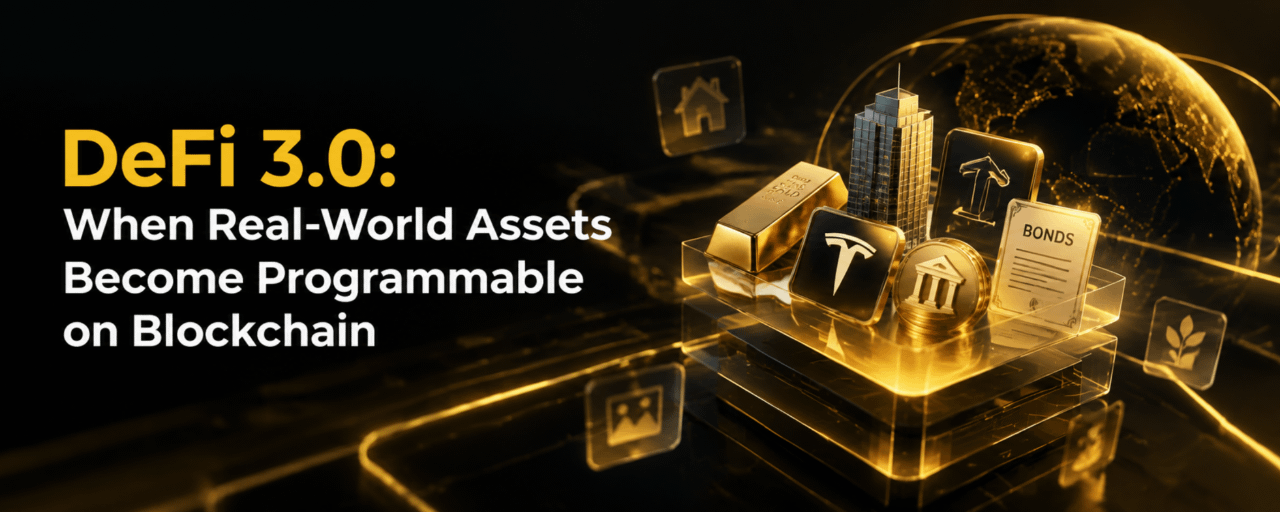
DeFi 3.0: When Real-World Assets Become Programmable on Blockchain🚀 DeFi 3.0: When Real-World Assets Become Programmable on Blockchain
Over the past few years, DeFi (Decentralized Finance) has transformed the way people access financial services.
🔹 DeFi 1.0 introduced core financial activities such as trading and lending on blockchain.
🔹 DeFi 2.0 expanded the ecosystem by connecting different protocols and enabling greater composability.
Now, the industry is moving toward a new phase — DeFi 3.0.
DeFi 3.0 focuses on bringing Real-World Assets (RWAs), such as stocks, bonds, and other financial assets, onto blockchain. By making these assets programmable, blockchain technology can enable new ways for assets to interact, operate, and create value.
This evolution could help build a financial system that is:
✅ More transparent
✅ More accessible
✅ More connected between traditional finance and blockchain
In the future, blockchain may become more than just a place for digital assets. It could become a new infrastructure where different types of assets can operate more efficiently and seamlessly.
Binance believes this represents a major shift in the financial landscape, introducing concepts such as the Programmable Asset Era and exploring new measurements like Programmable Asset Ratio (PAR) and Capital Activation Rate (CAR) to understand how programmable assets grow and contribute to the ecosystem.
🌐 The future of finance may move from simply holding assets to creating assets that can actively work on-chain.
#DeFi #Blockchain #RWA #Web3 #BinanceSquare
DeFi 3.0: When Real-World Assets Become Programmable on Blockchain
🚀 DeFi 3.0: When Real-World Assets Become Programmable on Blockchain
Over the past few years, DeFi (Decentralized Finance) has transformed the way people access financial services.
🔹 DeFi 1.0 introduced core financial activities such as trading and lending on blockchain.
🔹 DeFi 2.0 expanded the ecosystem by connecting different protocols and enabling greater composability.
Now, the industry is moving toward a new phase — DeFi 3.0.
DeFi 3.0 focuses on bringing Real-World Assets (RWAs), such as stocks, bonds, and other financial assets, onto blockchain. By making these assets programmable, blockchain technology can enable new ways for assets to interact, operate, and create value.
This evolution could help build a financial system that is:
✅ More transparent
✅ More accessible
✅ More connected between traditional finance and blockchain
In the future, blockchain may become more than just a place for digital assets. It could become a new infrastructure where different types of assets can operate more efficiently and seamlessly.
Binance believes this represents a major shift in the financial landscape, introducing concepts such as the Programmable Asset Era and exploring new measurements like Programmable Asset Ratio (PAR) and Capital Activation Rate (CAR) to understand how programmable assets grow and contribute to the ecosystem.
🌐 The future of finance may move from simply holding assets to creating assets that can actively work on-chain.
#DeFi #Blockchain #RWA #Web3 #BinanceSquare
Over the past few years, DeFi (Decentralized Finance) has transformed the way people access financial services.
🔹 DeFi 1.0 introduced core financial activities such as trading and lending on blockchain.
🔹 DeFi 2.0 expanded the ecosystem by connecting different protocols and enabling greater composability.
Now, the industry is moving toward a new phase — DeFi 3.0.
DeFi 3.0 focuses on bringing Real-World Assets (RWAs), such as stocks, bonds, and other financial assets, onto blockchain. By making these assets programmable, blockchain technology can enable new ways for assets to interact, operate, and create value.
This evolution could help build a financial system that is:
✅ More transparent
✅ More accessible
✅ More connected between traditional finance and blockchain
In the future, blockchain may become more than just a place for digital assets. It could become a new infrastructure where different types of assets can operate more efficiently and seamlessly.
Binance believes this represents a major shift in the financial landscape, introducing concepts such as the Programmable Asset Era and exploring new measurements like Programmable Asset Ratio (PAR) and Capital Activation Rate (CAR) to understand how programmable assets grow and contribute to the ecosystem.
🌐 The future of finance may move from simply holding assets to creating assets that can actively work on-chain.
#DeFi #Blockchain #RWA #Web3 #BinanceSquare
167
·
--
Статья
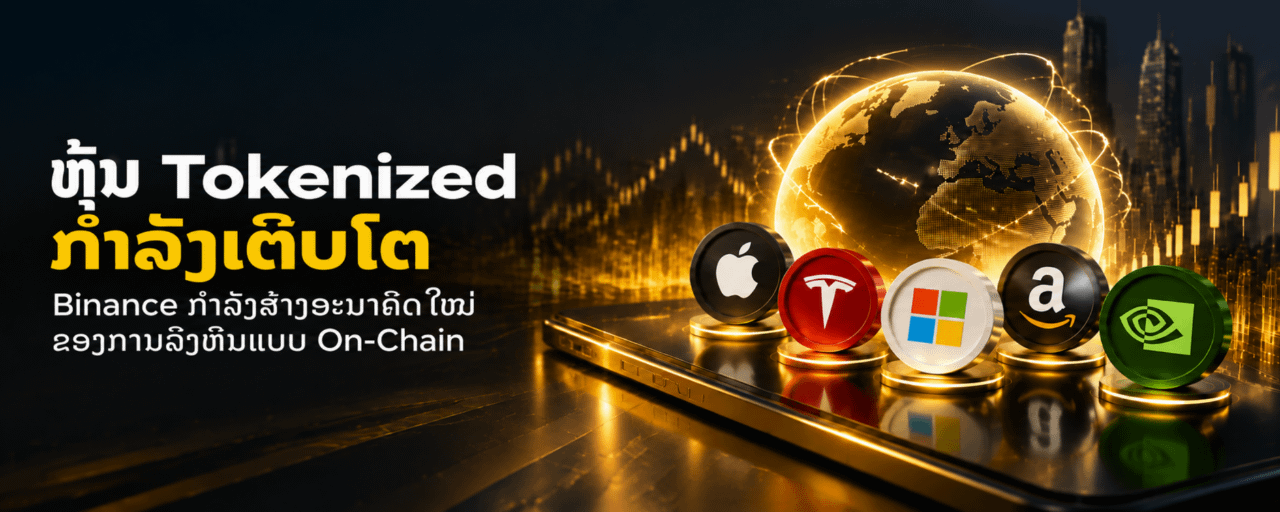
Tokenized Equities Are Growing: How Binance Is Building the Future of On-Chain Investingວິທີການລົງທຶນກຳລັງປ່ຽນແປງ.
ເປັນເວລາຫຼາຍທົດສະວັດ ຮຸ້ນແບບດັ້ງເດີມໄດ້ຖືກຊື້ຂາຍຜ່ານລະບົບການເງິນແບບລວມສູນ (Centralized Financial Systems). ແຕ່ດ້ວຍການເຕີບໂຕຂອງເທັກໂນໂລຊີ Blockchain ກຳລັງເກີດຂຶ້ນຄວາມເປັນໄປໄດ້ໃໝ່: Tokenized Equities — ການນຳຊັບສິນຈິງໃນໂລກມາຢູ່ເທິງ Blockchain.
Tokenized Equities ບໍ່ໄດ້ເປັນພຽງແຕ່ການທົດລອງອີກຕໍ່ໄປ. ມັນກຳລັງກາຍເປັນສ່ວນສຳຄັນຂອງອະນາຄົດຂອງຕະຫຼາດການລົງທຶນ ໂດຍເຊື່ອມຕໍ່ຕະຫຼາດການເງິນແບບດັ້ງເດີມ ເຂົ້າກັບຄວາມໄວ, ຄວາມໂປ່ງໃສ ແລະ ການເຂົ້າເຖິງທີ່ງ່າຍຂຶ້ນຂອງເທັກໂນໂລຊີ Blockchain.
🌐 Tokenized Equities ແມ່ນຫຍັງ?
Tokenized Equities ແມ່ນຕົວແທນຂອງສິດຄວາມເປັນເຈົ້າຂອງຊັບສິນແບບດັ້ງເດີມ ເຊັ່ນ: ຮຸ້ນ ຜ່ານ Token ທີ່ສ້າງຂຶ້ນເທິງ Blockchain.
ແນວທາງນີ້ເປີດໂອກາດໃໝ່ໆ ເຊັ່ນ:
✅ ເຂົ້າເຖິງການລົງທຶນໄດ້ງ່າຍຂຶ້ນສຳລັບຜູ້ໃຊ້ທົ່ວໂລກ
✅ ການຊຳລະລາຍການໄດ້ໄວຂຶ້ນຜ່ານເທັກໂນໂລຊີ Blockchain
✅ ບັນທຶກຂໍ້ມູນການເປັນເຈົ້າຂອງທີ່ໂປ່ງໃສຫຼາຍຂຶ້ນ
✅ ເຊື່ອມຕໍ່ກັບລະບົບນິເວດຂອງຊັບສິນດິຈິຕອນທີ່ກວ້າງຂຶ້ນ 🌐
📈 ເປັນຫຍັງສິ່ງນີ້ຈຶ່ງສຳຄັນ?
ການເຕີບໂຕຂອງ Tokenized Equities ສະແດງໃຫ້ເຫັນວ່າ ຄວາມເຊື່ອມໂຍງລະຫວ່າງການເງິນແບບດັ້ງເດີມ ແລະ ຄຣິບໂຕ ກຳລັງແຂງແຮງຂຶ້ນ.
ແທນທີ່ຈະມອງວ່າ ຮຸ້ນ ແລະ ຊັບສິນດິຈິຕອນ ເປັນສອງໂລກທີ່ແຍກອອກຈາກກັນ, Blockchain ກຳລັງຊ່ວຍເຊື່ອມໂຍງສອງຕະຫຼາດເຂົ້າຫາກັນ — ສ້າງຮູບແບບໃໝ່ໃຫ້ຜູ້ໃຊ້ສາມາດເຂົ້າເຖິງ ແລະ ໂຕ້ຕອບກັບຕະຫຼາດການເງິນໄດ້ຫຼາຍຂຶ້ນ. 🌐
🏗️ ລະບົບນິເວດການລົງທຶນ On-Chain ທີ່ກຳລັງເຕີບໂຕຂອງ Binance
Binance ໄດ້ພັດທະນາໃນພື້ນທີ່ນີ້ມາເປັນເວລາຫຼາຍປີ.
ປັດຈຸບັນ ລະບົບນິເວດ Tokenized Equities ຂອງ Binance ໄດ້ບັນລຸ:
📊 ປະລິມານການຊື້ຂາຍ On-Chain ສະສົມຫຼາຍກວ່າ $21.6 ຕື້
👥 ມີຜູ້ຖືຄອງເກືອບ 450,000 ຄົນ
🔗 ມີທຸລະກຳ On-Chain ຫຼາຍກວ່າ 43 ລ້ານລາຍການ
💰 ມີມູນຄ່າຫຼາຍກວ່າ $10 ລ້ານ+ ທີ່ນຳໄປໃຊ້ງານຜ່ານ DeFi
ຕົວເລກເຫຼົ່ານີ້ສະທ້ອນໃຫ້ເຫັນເຖິງຄວາມສົນໃຈທີ່ເພີ່ມຂຶ້ນ ໃນການນຳຜະລິດຕະພັນການລົງທຶນແບບດັ້ງເດີມ ເຂົ້າມາສູ່ລະບົບນິເວດ Blockchain.
ລະບົບນິເວດນີ້ຍັງສະແດງໃຫ້ເຫັນເຖິງກິດຈະກຳຂອງຕະຫຼາດທີ່ແຂງແຮງ ໂດຍມີ AUM ສະເລ່ຍປະມານ $8.7 ລ້ານ ຕໍ່ສິນຊັບທີ່ມີການໃຊ້ງານ, ສະທ້ອນເຖິງຂະໜາດ ແລະ ການມີສ່ວນຮ່ວມຂອງຜູ້ໃຊ້ພາຍໃນລະບົບນິເວດ Binance Tokenized Equities.
🔮 ອະນາຄົດຂອງການລົງທຶນກຳລັງເຊື່ອມໂຍງກັນຫຼາຍຂຶ້ນ
Tokenized Equities ບໍ່ແມ່ນພຽງແຕ່ປະເພດຜະລິດຕະພັນໃໝ່ເທົ່ານັ້ນ.
ມັນເປັນຕົວແທນຂອງການປ່ຽນແປງຄັ້ງໃຫຍ່ ທີ່ການເງິນແບບດັ້ງເດີມ ແລະ ເທັກໂນໂລຊີ Blockchain ກຳລັງເຂົ້າມາເຊື່ອມຕໍ່ກັນຫຼາຍຂຶ້ນ — ສ້າງອະນາຄົດທາງການເງິນທີ່ມີການເຊື່ອມໂຍງ, ເຂົ້າເຖິງງ່າຍ ແລະ ມີນະວັດຕະກຳຫຼາຍຂຶ້ນ.
ເມື່ອຕະຫຼາດການເງິນຍັງຄົງພັດທະນາຕໍ່ໄປ, ຄຳຖາມອາດຈະບໍ່ແມ່ນວ່າ ຊັບສິນແບບດັ້ງເດີມຈະຖືກນຳຂຶ້ນໄປຢູ່ເທິງ Blockchain ຫຼືບໍ່.
ແຕ່ຄຳຖາມທີ່ສຳຄັນກວ່າຄື:
ການປ່ຽນແປງນີ້ຈະເກີດຂຶ້ນໄວພຽງໃດ. 🚀
ເນື້ອຫານີ້ຈັດເຮັດຂຶ້ນເພື່ອຈຸດປະສົງດ້ານການສຶກສາ ແລະ ໃຫ້ຂໍ້ມູນເທົ່ານັ້ນ ແລະ ບໍ່ຖືວ່າເປັນຄຳແນະນຳດ້ານການລົງທຶນ.
#BinanceSquare #TokenizedEquities #Blockchain #Crypto #Web3
Tokenized Equities Are Growing: How Binance Is Building the Future of On-Chain Investing
ວິທີການລົງທຶນກຳລັງປ່ຽນແປງ.
ເປັນເວລາຫຼາຍທົດສະວັດ ຮຸ້ນແບບດັ້ງເດີມໄດ້ຖືກຊື້ຂາຍຜ່ານລະບົບການເງິນແບບລວມສູນ (Centralized Financial Systems). ແຕ່ດ້ວຍການເຕີບໂຕຂອງເທັກໂນໂລຊີ Blockchain ກຳລັງເກີດຂຶ້ນຄວາມເປັນໄປໄດ້ໃໝ່: Tokenized Equities — ການນຳຊັບສິນຈິງໃນໂລກມາຢູ່ເທິງ Blockchain.
Tokenized Equities ບໍ່ໄດ້ເປັນພຽງແຕ່ການທົດລອງອີກຕໍ່ໄປ. ມັນກຳລັງກາຍເປັນສ່ວນສຳຄັນຂອງອະນາຄົດຂອງຕະຫຼາດການລົງທຶນ ໂດຍເຊື່ອມຕໍ່ຕະຫຼາດການເງິນແບບດັ້ງເດີມ ເຂົ້າກັບຄວາມໄວ, ຄວາມໂປ່ງໃສ ແລະ ການເຂົ້າເຖິງທີ່ງ່າຍຂຶ້ນຂອງເທັກໂນໂລຊີ Blockchain.
🌐 Tokenized Equities ແມ່ນຫຍັງ?
Tokenized Equities ແມ່ນຕົວແທນຂອງສິດຄວາມເປັນເຈົ້າຂອງຊັບສິນແບບດັ້ງເດີມ ເຊັ່ນ: ຮຸ້ນ ຜ່ານ Token ທີ່ສ້າງຂຶ້ນເທິງ Blockchain.
ແນວທາງນີ້ເປີດໂອກາດໃໝ່ໆ ເຊັ່ນ:
✅ ເຂົ້າເຖິງການລົງທຶນໄດ້ງ່າຍຂຶ້ນສຳລັບຜູ້ໃຊ້ທົ່ວໂລກ
✅ ການຊຳລະລາຍການໄດ້ໄວຂຶ້ນຜ່ານເທັກໂນໂລຊີ Blockchain
✅ ບັນທຶກຂໍ້ມູນການເປັນເຈົ້າຂອງທີ່ໂປ່ງໃສຫຼາຍຂຶ້ນ
✅ ເຊື່ອມຕໍ່ກັບລະບົບນິເວດຂອງຊັບສິນດິຈິຕອນທີ່ກວ້າງຂຶ້ນ 🌐
📈 ເປັນຫຍັງສິ່ງນີ້ຈຶ່ງສຳຄັນ?
ການເຕີບໂຕຂອງ Tokenized Equities ສະແດງໃຫ້ເຫັນວ່າ ຄວາມເຊື່ອມໂຍງລະຫວ່າງການເງິນແບບດັ້ງເດີມ ແລະ ຄຣິບໂຕ ກຳລັງແຂງແຮງຂຶ້ນ.
ແທນທີ່ຈະມອງວ່າ ຮຸ້ນ ແລະ ຊັບສິນດິຈິຕອນ ເປັນສອງໂລກທີ່ແຍກອອກຈາກກັນ, Blockchain ກຳລັງຊ່ວຍເຊື່ອມໂຍງສອງຕະຫຼາດເຂົ້າຫາກັນ — ສ້າງຮູບແບບໃໝ່ໃຫ້ຜູ້ໃຊ້ສາມາດເຂົ້າເຖິງ ແລະ ໂຕ້ຕອບກັບຕະຫຼາດການເງິນໄດ້ຫຼາຍຂຶ້ນ. 🌐
🏗️ ລະບົບນິເວດການລົງທຶນ On-Chain ທີ່ກຳລັງເຕີບໂຕຂອງ Binance
Binance ໄດ້ພັດທະນາໃນພື້ນທີ່ນີ້ມາເປັນເວລາຫຼາຍປີ.
ປັດຈຸບັນ ລະບົບນິເວດ Tokenized Equities ຂອງ Binance ໄດ້ບັນລຸ:
📊 ປະລິມານການຊື້ຂາຍ On-Chain ສະສົມຫຼາຍກວ່າ $21.6 ຕື້
👥 ມີຜູ້ຖືຄອງເກືອບ 450,000 ຄົນ
🔗 ມີທຸລະກຳ On-Chain ຫຼາຍກວ່າ 43 ລ້ານລາຍການ
💰 ມີມູນຄ່າຫຼາຍກວ່າ $10 ລ້ານ+ ທີ່ນຳໄປໃຊ້ງານຜ່ານ DeFi
ຕົວເລກເຫຼົ່ານີ້ສະທ້ອນໃຫ້ເຫັນເຖິງຄວາມສົນໃຈທີ່ເພີ່ມຂຶ້ນ ໃນການນຳຜະລິດຕະພັນການລົງທຶນແບບດັ້ງເດີມ ເຂົ້າມາສູ່ລະບົບນິເວດ Blockchain.
ລະບົບນິເວດນີ້ຍັງສະແດງໃຫ້ເຫັນເຖິງກິດຈະກຳຂອງຕະຫຼາດທີ່ແຂງແຮງ ໂດຍມີ AUM ສະເລ່ຍປະມານ $8.7 ລ້ານ ຕໍ່ສິນຊັບທີ່ມີການໃຊ້ງານ, ສະທ້ອນເຖິງຂະໜາດ ແລະ ການມີສ່ວນຮ່ວມຂອງຜູ້ໃຊ້ພາຍໃນລະບົບນິເວດ Binance Tokenized Equities.
🔮 ອະນາຄົດຂອງການລົງທຶນກຳລັງເຊື່ອມໂຍງກັນຫຼາຍຂຶ້ນ
Tokenized Equities ບໍ່ແມ່ນພຽງແຕ່ປະເພດຜະລິດຕະພັນໃໝ່ເທົ່ານັ້ນ.
ມັນເປັນຕົວແທນຂອງການປ່ຽນແປງຄັ້ງໃຫຍ່ ທີ່ການເງິນແບບດັ້ງເດີມ ແລະ ເທັກໂນໂລຊີ Blockchain ກຳລັງເຂົ້າມາເຊື່ອມຕໍ່ກັນຫຼາຍຂຶ້ນ — ສ້າງອະນາຄົດທາງການເງິນທີ່ມີການເຊື່ອມໂຍງ, ເຂົ້າເຖິງງ່າຍ ແລະ ມີນະວັດຕະກຳຫຼາຍຂຶ້ນ.
ເມື່ອຕະຫຼາດການເງິນຍັງຄົງພັດທະນາຕໍ່ໄປ, ຄຳຖາມອາດຈະບໍ່ແມ່ນວ່າ ຊັບສິນແບບດັ້ງເດີມຈະຖືກນຳຂຶ້ນໄປຢູ່ເທິງ Blockchain ຫຼືບໍ່.
ແຕ່ຄຳຖາມທີ່ສຳຄັນກວ່າຄື:
ການປ່ຽນແປງນີ້ຈະເກີດຂຶ້ນໄວພຽງໃດ. 🚀
ເນື້ອຫານີ້ຈັດເຮັດຂຶ້ນເພື່ອຈຸດປະສົງດ້ານການສຶກສາ ແລະ ໃຫ້ຂໍ້ມູນເທົ່ານັ້ນ ແລະ ບໍ່ຖືວ່າເປັນຄຳແນະນຳດ້ານການລົງທຶນ.
#BinanceSquare #TokenizedEquities #Blockchain #Crypto #Web3
ເປັນເວລາຫຼາຍທົດສະວັດ ຮຸ້ນແບບດັ້ງເດີມໄດ້ຖືກຊື້ຂາຍຜ່ານລະບົບການເງິນແບບລວມສູນ (Centralized Financial Systems). ແຕ່ດ້ວຍການເຕີບໂຕຂອງເທັກໂນໂລຊີ Blockchain ກຳລັງເກີດຂຶ້ນຄວາມເປັນໄປໄດ້ໃໝ່: Tokenized Equities — ການນຳຊັບສິນຈິງໃນໂລກມາຢູ່ເທິງ Blockchain.
Tokenized Equities ບໍ່ໄດ້ເປັນພຽງແຕ່ການທົດລອງອີກຕໍ່ໄປ. ມັນກຳລັງກາຍເປັນສ່ວນສຳຄັນຂອງອະນາຄົດຂອງຕະຫຼາດການລົງທຶນ ໂດຍເຊື່ອມຕໍ່ຕະຫຼາດການເງິນແບບດັ້ງເດີມ ເຂົ້າກັບຄວາມໄວ, ຄວາມໂປ່ງໃສ ແລະ ການເຂົ້າເຖິງທີ່ງ່າຍຂຶ້ນຂອງເທັກໂນໂລຊີ Blockchain.
🌐 Tokenized Equities ແມ່ນຫຍັງ?
Tokenized Equities ແມ່ນຕົວແທນຂອງສິດຄວາມເປັນເຈົ້າຂອງຊັບສິນແບບດັ້ງເດີມ ເຊັ່ນ: ຮຸ້ນ ຜ່ານ Token ທີ່ສ້າງຂຶ້ນເທິງ Blockchain.
ແນວທາງນີ້ເປີດໂອກາດໃໝ່ໆ ເຊັ່ນ:
✅ ເຂົ້າເຖິງການລົງທຶນໄດ້ງ່າຍຂຶ້ນສຳລັບຜູ້ໃຊ້ທົ່ວໂລກ
✅ ການຊຳລະລາຍການໄດ້ໄວຂຶ້ນຜ່ານເທັກໂນໂລຊີ Blockchain
✅ ບັນທຶກຂໍ້ມູນການເປັນເຈົ້າຂອງທີ່ໂປ່ງໃສຫຼາຍຂຶ້ນ
✅ ເຊື່ອມຕໍ່ກັບລະບົບນິເວດຂອງຊັບສິນດິຈິຕອນທີ່ກວ້າງຂຶ້ນ 🌐
📈 ເປັນຫຍັງສິ່ງນີ້ຈຶ່ງສຳຄັນ?
ການເຕີບໂຕຂອງ Tokenized Equities ສະແດງໃຫ້ເຫັນວ່າ ຄວາມເຊື່ອມໂຍງລະຫວ່າງການເງິນແບບດັ້ງເດີມ ແລະ ຄຣິບໂຕ ກຳລັງແຂງແຮງຂຶ້ນ.
ແທນທີ່ຈະມອງວ່າ ຮຸ້ນ ແລະ ຊັບສິນດິຈິຕອນ ເປັນສອງໂລກທີ່ແຍກອອກຈາກກັນ, Blockchain ກຳລັງຊ່ວຍເຊື່ອມໂຍງສອງຕະຫຼາດເຂົ້າຫາກັນ — ສ້າງຮູບແບບໃໝ່ໃຫ້ຜູ້ໃຊ້ສາມາດເຂົ້າເຖິງ ແລະ ໂຕ້ຕອບກັບຕະຫຼາດການເງິນໄດ້ຫຼາຍຂຶ້ນ. 🌐
🏗️ ລະບົບນິເວດການລົງທຶນ On-Chain ທີ່ກຳລັງເຕີບໂຕຂອງ Binance
Binance ໄດ້ພັດທະນາໃນພື້ນທີ່ນີ້ມາເປັນເວລາຫຼາຍປີ.
ປັດຈຸບັນ ລະບົບນິເວດ Tokenized Equities ຂອງ Binance ໄດ້ບັນລຸ:
📊 ປະລິມານການຊື້ຂາຍ On-Chain ສະສົມຫຼາຍກວ່າ $21.6 ຕື້
👥 ມີຜູ້ຖືຄອງເກືອບ 450,000 ຄົນ
🔗 ມີທຸລະກຳ On-Chain ຫຼາຍກວ່າ 43 ລ້ານລາຍການ
💰 ມີມູນຄ່າຫຼາຍກວ່າ $10 ລ້ານ+ ທີ່ນຳໄປໃຊ້ງານຜ່ານ DeFi
ຕົວເລກເຫຼົ່ານີ້ສະທ້ອນໃຫ້ເຫັນເຖິງຄວາມສົນໃຈທີ່ເພີ່ມຂຶ້ນ ໃນການນຳຜະລິດຕະພັນການລົງທຶນແບບດັ້ງເດີມ ເຂົ້າມາສູ່ລະບົບນິເວດ Blockchain.
ລະບົບນິເວດນີ້ຍັງສະແດງໃຫ້ເຫັນເຖິງກິດຈະກຳຂອງຕະຫຼາດທີ່ແຂງແຮງ ໂດຍມີ AUM ສະເລ່ຍປະມານ $8.7 ລ້ານ ຕໍ່ສິນຊັບທີ່ມີການໃຊ້ງານ, ສະທ້ອນເຖິງຂະໜາດ ແລະ ການມີສ່ວນຮ່ວມຂອງຜູ້ໃຊ້ພາຍໃນລະບົບນິເວດ Binance Tokenized Equities.
🔮 ອະນາຄົດຂອງການລົງທຶນກຳລັງເຊື່ອມໂຍງກັນຫຼາຍຂຶ້ນ
Tokenized Equities ບໍ່ແມ່ນພຽງແຕ່ປະເພດຜະລິດຕະພັນໃໝ່ເທົ່ານັ້ນ.
ມັນເປັນຕົວແທນຂອງການປ່ຽນແປງຄັ້ງໃຫຍ່ ທີ່ການເງິນແບບດັ້ງເດີມ ແລະ ເທັກໂນໂລຊີ Blockchain ກຳລັງເຂົ້າມາເຊື່ອມຕໍ່ກັນຫຼາຍຂຶ້ນ — ສ້າງອະນາຄົດທາງການເງິນທີ່ມີການເຊື່ອມໂຍງ, ເຂົ້າເຖິງງ່າຍ ແລະ ມີນະວັດຕະກຳຫຼາຍຂຶ້ນ.
ເມື່ອຕະຫຼາດການເງິນຍັງຄົງພັດທະນາຕໍ່ໄປ, ຄຳຖາມອາດຈະບໍ່ແມ່ນວ່າ ຊັບສິນແບບດັ້ງເດີມຈະຖືກນຳຂຶ້ນໄປຢູ່ເທິງ Blockchain ຫຼືບໍ່.
ແຕ່ຄຳຖາມທີ່ສຳຄັນກວ່າຄື:
ການປ່ຽນແປງນີ້ຈະເກີດຂຶ້ນໄວພຽງໃດ. 🚀
ເນື້ອຫານີ້ຈັດເຮັດຂຶ້ນເພື່ອຈຸດປະສົງດ້ານການສຶກສາ ແລະ ໃຫ້ຂໍ້ມູນເທົ່ານັ້ນ ແລະ ບໍ່ຖືວ່າເປັນຄຳແນະນຳດ້ານການລົງທຶນ.
#BinanceSquare #TokenizedEquities #Blockchain #Crypto #Web3
77
·
--
Статья
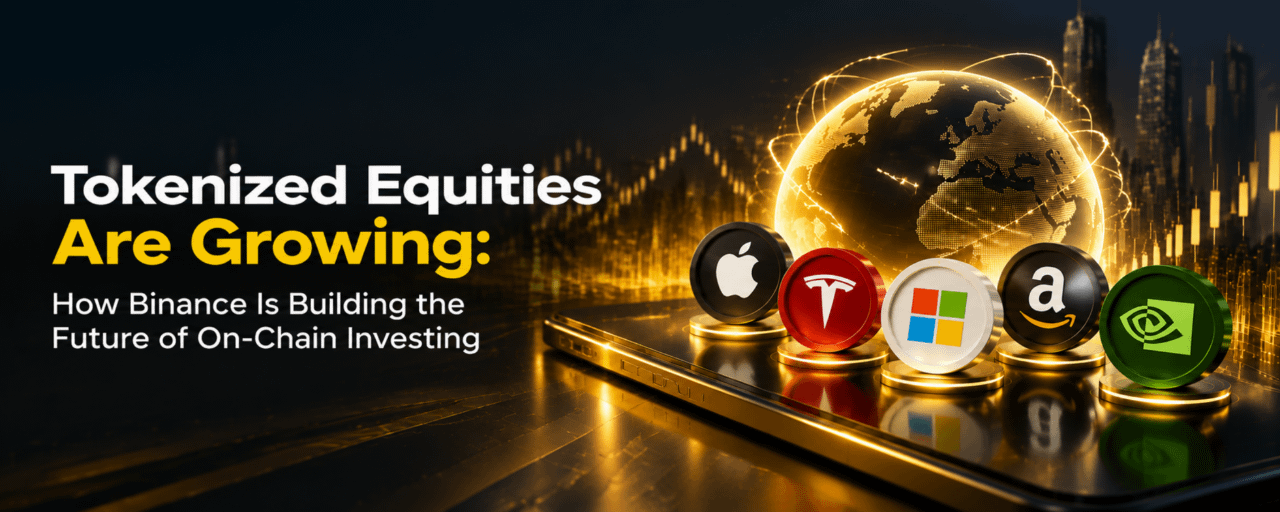
Tokenized Equities Are Growing: How Binance Is Building the Future of On-Chain InvestingThe way people invest is changing.
For decades, traditional stocks have been traded through centralized financial systems. But with the rise of blockchain technology, a new possibility is emerging: Tokenized Equities — bringing real-world assets onto the blockchain.
Tokenized Equities are no longer just an experiment. They are becoming an important part of the future investment landscape, connecting traditional markets with the speed, transparency, and accessibility of blockchain technology.
🌐 What Are Tokenized Equities?
Tokenized Equities represent ownership of traditional assets, such as stocks, through blockchain-based tokens.
This approach creates new possibilities:
✅ Greater accessibility for global users
✅ Faster settlement through blockchain technology
✅ More transparent ownership records
✅ Integration with the broader digital asset ecosystem
📈 Why Does This Matter?
The growth of Tokenized Equities shows that the connection between traditional finance and crypto is becoming stronger.
Instead of viewing stocks and digital assets as separate worlds, blockchain is helping bring them closer together — creating new ways for users to access and interact with financial markets.
🏗️ Binance’s Growing On-Chain Investment Ecosystem
Binance has been building in this space for years.
Today, Binance’s Tokenized Equities ecosystem has achieved:
📊 $21.6B+ cumulative on-chain trading volume
👥 Nearly 450,000 holders
🔗 43 million on-chain transactions
💰 More than $10M+ deployed across DeFi
These numbers reflect growing interest in bringing traditional investment products into the blockchain ecosystem.
The ecosystem also demonstrates strong market activity, with approximately $8.7M average AUM per active asset, highlighting the scale and engagement behind Binance’s Tokenized Equities ecosystem.
🔮 The Future of Investing Is Becoming More Connected
Tokenized Equities are more than just a new product category.
They represent a broader shift where traditional finance and blockchain technology continue to come together — creating a more connected, accessible, and innovative financial future.
As markets continue to evolve, the question may no longer be whether traditional assets will move on-chain.
The question may be how quickly this transformation will happen.
This content is for educational and informational purposes only and does not constitute financial advice.
#Binance #TokenizedEquities #Blockchain #CryptoWeb3 #BinanceSquare
Tokenized Equities Are Growing: How Binance Is Building the Future of On-Chain Investing
The way people invest is changing.
For decades, traditional stocks have been traded through centralized financial systems. But with the rise of blockchain technology, a new possibility is emerging: Tokenized Equities — bringing real-world assets onto the blockchain.
Tokenized Equities are no longer just an experiment. They are becoming an important part of the future investment landscape, connecting traditional markets with the speed, transparency, and accessibility of blockchain technology.
🌐 What Are Tokenized Equities?
Tokenized Equities represent ownership of traditional assets, such as stocks, through blockchain-based tokens.
This approach creates new possibilities:
✅ Greater accessibility for global users
✅ Faster settlement through blockchain technology
✅ More transparent ownership records
✅ Integration with the broader digital asset ecosystem
📈 Why Does This Matter?
The growth of Tokenized Equities shows that the connection between traditional finance and crypto is becoming stronger.
Instead of viewing stocks and digital assets as separate worlds, blockchain is helping bring them closer together — creating new ways for users to access and interact with financial markets.
🏗️ Binance’s Growing On-Chain Investment Ecosystem
Binance has been building in this space for years.
Today, Binance’s Tokenized Equities ecosystem has achieved:
📊 $21.6B+ cumulative on-chain trading volume
👥 Nearly 450,000 holders
🔗 43 million on-chain transactions
💰 More than $10M+ deployed across DeFi
These numbers reflect growing interest in bringing traditional investment products into the blockchain ecosystem.
The ecosystem also demonstrates strong market activity, with approximately $8.7M average AUM per active asset, highlighting the scale and engagement behind Binance’s Tokenized Equities ecosystem.
🔮 The Future of Investing Is Becoming More Connected
Tokenized Equities are more than just a new product category.
They represent a broader shift where traditional finance and blockchain technology continue to come together — creating a more connected, accessible, and innovative financial future.
As markets continue to evolve, the question may no longer be whether traditional assets will move on-chain.
The question may be how quickly this transformation will happen.
This content is for educational and informational purposes only and does not constitute financial advice.
#Binance #TokenizedEquities #Blockchain #CryptoWeb3 #BinanceSquare
For decades, traditional stocks have been traded through centralized financial systems. But with the rise of blockchain technology, a new possibility is emerging: Tokenized Equities — bringing real-world assets onto the blockchain.
Tokenized Equities are no longer just an experiment. They are becoming an important part of the future investment landscape, connecting traditional markets with the speed, transparency, and accessibility of blockchain technology.
🌐 What Are Tokenized Equities?
Tokenized Equities represent ownership of traditional assets, such as stocks, through blockchain-based tokens.
This approach creates new possibilities:
✅ Greater accessibility for global users
✅ Faster settlement through blockchain technology
✅ More transparent ownership records
✅ Integration with the broader digital asset ecosystem
📈 Why Does This Matter?
The growth of Tokenized Equities shows that the connection between traditional finance and crypto is becoming stronger.
Instead of viewing stocks and digital assets as separate worlds, blockchain is helping bring them closer together — creating new ways for users to access and interact with financial markets.
🏗️ Binance’s Growing On-Chain Investment Ecosystem
Binance has been building in this space for years.
Today, Binance’s Tokenized Equities ecosystem has achieved:
📊 $21.6B+ cumulative on-chain trading volume
👥 Nearly 450,000 holders
🔗 43 million on-chain transactions
💰 More than $10M+ deployed across DeFi
These numbers reflect growing interest in bringing traditional investment products into the blockchain ecosystem.
The ecosystem also demonstrates strong market activity, with approximately $8.7M average AUM per active asset, highlighting the scale and engagement behind Binance’s Tokenized Equities ecosystem.
🔮 The Future of Investing Is Becoming More Connected
Tokenized Equities are more than just a new product category.
They represent a broader shift where traditional finance and blockchain technology continue to come together — creating a more connected, accessible, and innovative financial future.
As markets continue to evolve, the question may no longer be whether traditional assets will move on-chain.
The question may be how quickly this transformation will happen.
This content is for educational and informational purposes only and does not constitute financial advice.
#Binance #TokenizedEquities #Blockchain #CryptoWeb3 #BinanceSquare
72
·
--

Статья
90,000+ Requests in One Day: Binance Agent OS Is Proving AI Is Already HereAI ກຳລັງກ້າວຂ້າມຈາກກະແສຄວາມນິຍົມ ໄປສູ່ການນຳໃຊ້ຈິງ.
ແທນທີ່ AI ຈະພຽງແຕ່ຕອບຄຳຖາມ, ຕອນນີ້ AI Agents ກຳລັງເລີ່ມສາມາດ ເຂົ້າເຖິງຂໍ້ມູນ, ໂຕ້ຕອບກັບບໍລິການຕ່າງໆ ແລະ ຊ່ວຍຜູ້ໃຊ້ດຳເນີນການຕ່າງໆໄດ້ແບບ Real-time.
ແລະ ຕົວເລກໃນຊ່ວງແລກຈາກ Binance Agent OS ກໍກຳລັງໄດ້ຮັບຄວາມສົນໃຈ. 🤖⚡
ໃນພຽງບໍ່ກີ່ອາທິດຫຼັງຈາກເປີດໃຫ້ນຳໃຊ້, Binance Agent OS ໄດ້ປະມວນຜົນຄຳຂໍຈາກ Agent ຫຼາຍກວ່າ 90,000 ຄຳຂໍພາຍໃນມື້ດຽວ.
ມາເບິ່ງກັນວ່າເກີດຫຍັງຂຶ້ນ 👇
📊 90,000+ ຄຳຂໍ — ແລ້ວປະສິດທິພາບເປັນແນວໃດ?
ຂໍ້ມູນການນຳໃຊ້ໃນຊ່ວງແລກສະແດງໃຫ້ເຫັນວ່າ:
✅ 97% ຂອງຄຳຂໍສາມາດດຳເນີນການໄດ້ສຳເລັດ
⚡ 95% ຂອງຄຳຂໍໄດ້ຮັບການຕອບສະໜອງພາຍໃນ 60 ມິນລິວິນາທີ
🔄 ເກືອບເຄິ່ງໜຶ່ງຂອງຜູ້ໃຊ້ງານປະຈຳມີການສົ່ງຄຳຂໍຫຼາຍກວ່າ 20 ຄັ້ງຕໍ່ມື້
ລະດັບການນຳໃຊ້ຊ້ຳແບບນີ້ເປັນສິ່ງທີ່ໜ້າສົນໃຈເປັນພິເສດ.
ມັນສະທ້ອນໃຫ້ເຫັນວ່າ ຜູ້ໃຊ້ບໍ່ໄດ້ພຽງແຕ່ລອງໃຊ້ AI ຄັ້ງດຽວດ້ວຍຄວາມຢາກຮູ້ — ແຕ່ກຳລັງເລີ່ມນຳ AI Agents ມາໃຊ້ຊ້ຳໆ ແລະ ກາຍເປັນສ່ວນໜຶ່ງຂອງການນຳໃຊ້ໃນຊີວິດປະຈຳວັນ.
🔍 ຜູ້ໃຊ້ນຳ AI Agents ໄປໃຊ້ເຮັດຫຍັງ?
ຄວາມສາມາດທີ່ຖືກນຳໃຊ້ຫຼາຍທີ່ສຸດ ສ່ວນໃຫຍ່ແມ່ນຂໍ້ມູນທີ່ຜູ້ໃຊ້ຄຣິບໂຕມັກຕ້ອງການຢ່າງຮວດເລັດ:
📈 ຂໍ້ມູນຕະຫຼາດແບບ Real-time
💼 ຂໍ້ມູນ Portfolio ແລະ Position
👤 ຂໍ້ມູນບັນຊີ
💹 ການເຄື່ອນໄຫວຂອງລາຄາ
ໃນຕະຫຼາດທີ່ເປີດດຳເນີນການ 24/7, ຄວາມໄວແມ່ນສິ່ງສຳຄັນ.
ແທນທີ່ຈະຕ້ອງເປີດຫຼາຍໜ້າ ຫຼື ຄົ້ນຫາຂໍ້ມູນຈາກຫຼາຍບ່ອນ, AI Agent ສາມາດຊ່ວຍໃຫ້ປະສົບການນຳໃຊ້ງ່າຍຂຶ້ນຫຼາຍ:
ຖາມ → ໄດ້ຮັບຂໍ້ມູນທີ່ກ່ຽວຂ້ອງ → ດຳເນີນການຂັ້ນຕໍ່ໄປ
🧠 AI ອາດຈະປ່ຽນວິທີທີ່ເຮົາໂຕ້ຕອບກັບແພລດຟອມຄຣິບໂຕ
ລອງຄິດເບິ່ງວ່າ ທຸກມື້ນີ້ເຮົາໃຊ້ແພລດຟອມການເງິນແນວໃດ.
ໂດຍປົກກະຕິ ຜູ້ໃຊ້ຕ້ອງ:
ຄົ້ນຫາສິນຊັບ → ເປີດເບິ່ງຂໍ້ມູນຕະຫຼາດ → ກວດສອບ Portfolio → ເບິ່ງ Position → ປຽບທຽບລາຄາ
AI Agents ອາດຈະຊ່ວຍຫຼຸດຂັ້ນຕອນທີ່ຊັບຊ້ອນເຫຼົ່ານີ້ ໂດຍເຮັດໃຫ້ຜູ້ໃຊ້ສາມາດໂຕ້ຕອບກັບແພລດຟອມຜ່ານຄຳຂໍທີ່ເປັນທຳມະຊາດຫຼາຍຂຶ້ນ.
ໃນອະນາຄົດ Interface ອາດຈະບໍ່ແມ່ນອີກໜຶ່ງເມນູ ຫຼື Dashboard ທີ່ຕ້ອງກົດເຂົ້າໄປ.
ມັນອາດຈະງ່າຍພຽງແຕ່…
ການສົນທະນາ.
🛡️ ແຕ່ການຄວບຄຸມຂອງຜູ້ໃຊ້ຍັງຄົງສຳຄັນ
ເມື່ອ AI ມີຄວາມສາມາດຫຼາຍຂຶ້ນ ແລະ ສາມາດດຳເນີນການແທນຜູ້ໃຊ້ໄດ້ຫຼາຍຂຶ້ນ, ສິ່ງໜຶ່ງກໍຍິ່ງມີຄວາມສຳຄັນຫຼາຍຂຶ້ນ:
ຄວາມໂປ່ງໃສ ແລະ ການຄວບຄຸມ
ຜູ້ໃຊ້ຄວນສາມາດເຂົ້າໃຈໄດ້ວ່າ:
🔎 Agent ກຳລັງເຮັດຫຍັງ
🔐 Agent ສາມາດເຂົ້າເຖິງຂໍ້ມູນໃດໄດ້ແດ່
⚙️ Agent ໄດ້ຮັບອະນຸຍາດໃຫ້ດຳເນີນການຫຍັງໄດ້ແດ່
👤 ໃນຈຸດໃດທີ່ຜູ້ໃຊ້ຍັງຄົງເປັນຜູ້ຄວບຄຸມ
The future of AI agents is not just about making them more powerful.
It is also about making them useful, transparent, and trustworthy.
🌐 ຈາກ AI Intelligence ສູ່ AI Utility
ຕະຫຼອດຫຼາຍປີຜ່ານມາ ການສົນທະນາເກືອບທັງໝົດກ່ຽວກັບ AI ມັກຈະມຸ່ງໄປທີ່ຄຳຖາມດຽວ:
“AI ໃດສະຫຼາດທີ່ສຸດ?”
ແຕ່ໃນຂັ້ນຕໍ່ໄປ ຄຳຖາມອາດຈະປ່ຽນໄປເປັນ:
“AI ໃດສາມາດຊ່ວຍຜູ້ໃຊ້ໃຫ້ເຮັດສິ່ງຕ່າງໆໄດ້ຈິງ?”
ນີ້ຄືຈຸດທີ່ AI Agents ເລີ່ມມີຄວາມໜ້າສົນໃຈ.
Binance Agent OS ສະແດງໃຫ້ເຫັນພາບໃນຊ່ວງແລກຂອງ AI ທີ່ກຳລັງກ້າວຈາກ
ການຕອບຄຳຖາມ → ການລົງມືເຮັດ
ແລະ ຈາກ
ການທົດລອງ → ການນຳໃຊ້ໃນໂລກຈິງ
ຫຼາຍກວ່າ 90,000 ຄຳຂໍພາຍໃນມື້ດຽວ ອາດຈະເປັນພຽງຈຸດເລີ່ມຕົ້ນ.
ບົດຕໍ່ໄປຂອງ AI ອາດຈະບໍ່ໄດ້ຖືກກຳນົດດ້ວຍຄວາມສະຫຼາດພຽງຢ່າງດຽວ.
ແຕ່ອາດຈະຖືກກຳນົດດ້ວຍ ການລົງມືເຮັດທີ່ເປັນປະໂຫຍດ. 🤖🌐
ເນື້ອຫານີ້ຈັດເຮັດຂຶ້ນເພື່ອຈຸດປະສົງດ້ານການສຶກສາ ແລະ ໃຫ້ຂໍ້ມູນເທົ່ານັ້ນ ແລະ ບໍ່ຖືວ່າເປັນຄຳແນະນຳທາງການເງິນ.
#BinanceLaos #BinanceAgentOS #Aİ #AIAgents #Web3Laos
90,000+ Requests in One Day: Binance Agent OS Is Proving AI Is Already Here
AI ກຳລັງກ້າວຂ້າມຈາກກະແສຄວາມນິຍົມ ໄປສູ່ການນຳໃຊ້ຈິງ.
ແທນທີ່ AI ຈະພຽງແຕ່ຕອບຄຳຖາມ, ຕອນນີ້ AI Agents ກຳລັງເລີ່ມສາມາດ ເຂົ້າເຖິງຂໍ້ມູນ, ໂຕ້ຕອບກັບບໍລິການຕ່າງໆ ແລະ ຊ່ວຍຜູ້ໃຊ້ດຳເນີນການຕ່າງໆໄດ້ແບບ Real-time.
ແລະ ຕົວເລກໃນຊ່ວງແລກຈາກ Binance Agent OS ກໍກຳລັງໄດ້ຮັບຄວາມສົນໃຈ. 🤖⚡
ໃນພຽງບໍ່ກີ່ອາທິດຫຼັງຈາກເປີດໃຫ້ນຳໃຊ້, Binance Agent OS ໄດ້ປະມວນຜົນຄຳຂໍຈາກ Agent ຫຼາຍກວ່າ 90,000 ຄຳຂໍພາຍໃນມື້ດຽວ.
ມາເບິ່ງກັນວ່າເກີດຫຍັງຂຶ້ນ 👇
📊 90,000+ ຄຳຂໍ — ແລ້ວປະສິດທິພາບເປັນແນວໃດ?
ຂໍ້ມູນການນຳໃຊ້ໃນຊ່ວງແລກສະແດງໃຫ້ເຫັນວ່າ:
✅ 97% ຂອງຄຳຂໍສາມາດດຳເນີນການໄດ້ສຳເລັດ
⚡ 95% ຂອງຄຳຂໍໄດ້ຮັບການຕອບສະໜອງພາຍໃນ 60 ມິນລິວິນາທີ
🔄 ເກືອບເຄິ່ງໜຶ່ງຂອງຜູ້ໃຊ້ງານປະຈຳມີການສົ່ງຄຳຂໍຫຼາຍກວ່າ 20 ຄັ້ງຕໍ່ມື້
ລະດັບການນຳໃຊ້ຊ້ຳແບບນີ້ເປັນສິ່ງທີ່ໜ້າສົນໃຈເປັນພິເສດ.
ມັນສະທ້ອນໃຫ້ເຫັນວ່າ ຜູ້ໃຊ້ບໍ່ໄດ້ພຽງແຕ່ລອງໃຊ້ AI ຄັ້ງດຽວດ້ວຍຄວາມຢາກຮູ້ — ແຕ່ກຳລັງເລີ່ມນຳ AI Agents ມາໃຊ້ຊ້ຳໆ ແລະ ກາຍເປັນສ່ວນໜຶ່ງຂອງການນຳໃຊ້ໃນຊີວິດປະຈຳວັນ.
🔍 ຜູ້ໃຊ້ນຳ AI Agents ໄປໃຊ້ເຮັດຫຍັງ?
ຄວາມສາມາດທີ່ຖືກນຳໃຊ້ຫຼາຍທີ່ສຸດ ສ່ວນໃຫຍ່ແມ່ນຂໍ້ມູນທີ່ຜູ້ໃຊ້ຄຣິບໂຕມັກຕ້ອງການຢ່າງຮວດເລັດ:
📈 ຂໍ້ມູນຕະຫຼາດແບບ Real-time
💼 ຂໍ້ມູນ Portfolio ແລະ Position
👤 ຂໍ້ມູນບັນຊີ
💹 ການເຄື່ອນໄຫວຂອງລາຄາ
ໃນຕະຫຼາດທີ່ເປີດດຳເນີນການ 24/7, ຄວາມໄວແມ່ນສິ່ງສຳຄັນ.
ແທນທີ່ຈະຕ້ອງເປີດຫຼາຍໜ້າ ຫຼື ຄົ້ນຫາຂໍ້ມູນຈາກຫຼາຍບ່ອນ, AI Agent ສາມາດຊ່ວຍໃຫ້ປະສົບການນຳໃຊ້ງ່າຍຂຶ້ນຫຼາຍ:
ຖາມ → ໄດ້ຮັບຂໍ້ມູນທີ່ກ່ຽວຂ້ອງ → ດຳເນີນການຂັ້ນຕໍ່ໄປ
🧠 AI ອາດຈະປ່ຽນວິທີທີ່ເຮົາໂຕ້ຕອບກັບແພລດຟອມຄຣິບໂຕ
ລອງຄິດເບິ່ງວ່າ ທຸກມື້ນີ້ເຮົາໃຊ້ແພລດຟອມການເງິນແນວໃດ.
ໂດຍປົກກະຕິ ຜູ້ໃຊ້ຕ້ອງ:
ຄົ້ນຫາສິນຊັບ → ເປີດເບິ່ງຂໍ້ມູນຕະຫຼາດ → ກວດສອບ Portfolio → ເບິ່ງ Position → ປຽບທຽບລາຄາ
AI Agents ອາດຈະຊ່ວຍຫຼຸດຂັ້ນຕອນທີ່ຊັບຊ້ອນເຫຼົ່ານີ້ ໂດຍເຮັດໃຫ້ຜູ້ໃຊ້ສາມາດໂຕ້ຕອບກັບແພລດຟອມຜ່ານຄຳຂໍທີ່ເປັນທຳມະຊາດຫຼາຍຂຶ້ນ.
ໃນອະນາຄົດ Interface ອາດຈະບໍ່ແມ່ນອີກໜຶ່ງເມນູ ຫຼື Dashboard ທີ່ຕ້ອງກົດເຂົ້າໄປ.
ມັນອາດຈະງ່າຍພຽງແຕ່…
ການສົນທະນາ.
🛡️ ແຕ່ການຄວບຄຸມຂອງຜູ້ໃຊ້ຍັງຄົງສຳຄັນ
ເມື່ອ AI ມີຄວາມສາມາດຫຼາຍຂຶ້ນ ແລະ ສາມາດດຳເນີນການແທນຜູ້ໃຊ້ໄດ້ຫຼາຍຂຶ້ນ, ສິ່ງໜຶ່ງກໍຍິ່ງມີຄວາມສຳຄັນຫຼາຍຂຶ້ນ:
ຄວາມໂປ່ງໃສ ແລະ ການຄວບຄຸມ
ຜູ້ໃຊ້ຄວນສາມາດເຂົ້າໃຈໄດ້ວ່າ:
🔎 Agent ກຳລັງເຮັດຫຍັງ
🔐 Agent ສາມາດເຂົ້າເຖິງຂໍ້ມູນໃດໄດ້ແດ່
⚙️ Agent ໄດ້ຮັບອະນຸຍາດໃຫ້ດຳເນີນການຫຍັງໄດ້ແດ່
👤 ໃນຈຸດໃດທີ່ຜູ້ໃຊ້ຍັງຄົງເປັນຜູ້ຄວບຄຸມ
The future of AI agents is not just about making them more powerful.
It is also about making them useful, transparent, and trustworthy.
🌐 ຈາກ AI Intelligence ສູ່ AI Utility
ຕະຫຼອດຫຼາຍປີຜ່ານມາ ການສົນທະນາເກືອບທັງໝົດກ່ຽວກັບ AI ມັກຈະມຸ່ງໄປທີ່ຄຳຖາມດຽວ:
“AI ໃດສະຫຼາດທີ່ສຸດ?”
ແຕ່ໃນຂັ້ນຕໍ່ໄປ ຄຳຖາມອາດຈະປ່ຽນໄປເປັນ:
“AI ໃດສາມາດຊ່ວຍຜູ້ໃຊ້ໃຫ້ເຮັດສິ່ງຕ່າງໆໄດ້ຈິງ?”
ນີ້ຄືຈຸດທີ່ AI Agents ເລີ່ມມີຄວາມໜ້າສົນໃຈ.
Binance Agent OS ສະແດງໃຫ້ເຫັນພາບໃນຊ່ວງແລກຂອງ AI ທີ່ກຳລັງກ້າວຈາກ
ການຕອບຄຳຖາມ → ການລົງມືເຮັດ
ແລະ ຈາກ
ການທົດລອງ → ການນຳໃຊ້ໃນໂລກຈິງ
ຫຼາຍກວ່າ 90,000 ຄຳຂໍພາຍໃນມື້ດຽວ ອາດຈະເປັນພຽງຈຸດເລີ່ມຕົ້ນ.
ບົດຕໍ່ໄປຂອງ AI ອາດຈະບໍ່ໄດ້ຖືກກຳນົດດ້ວຍຄວາມສະຫຼາດພຽງຢ່າງດຽວ.
ແຕ່ອາດຈະຖືກກຳນົດດ້ວຍ ການລົງມືເຮັດທີ່ເປັນປະໂຫຍດ. 🤖🌐
ເນື້ອຫານີ້ຈັດເຮັດຂຶ້ນເພື່ອຈຸດປະສົງດ້ານການສຶກສາ ແລະ ໃຫ້ຂໍ້ມູນເທົ່ານັ້ນ ແລະ ບໍ່ຖືວ່າເປັນຄຳແນະນຳທາງການເງິນ.
#BinanceLaos #BinanceAgentOS #Aİ #AIAgents #Web3Laos
ແທນທີ່ AI ຈະພຽງແຕ່ຕອບຄຳຖາມ, ຕອນນີ້ AI Agents ກຳລັງເລີ່ມສາມາດ ເຂົ້າເຖິງຂໍ້ມູນ, ໂຕ້ຕອບກັບບໍລິການຕ່າງໆ ແລະ ຊ່ວຍຜູ້ໃຊ້ດຳເນີນການຕ່າງໆໄດ້ແບບ Real-time.
ແລະ ຕົວເລກໃນຊ່ວງແລກຈາກ Binance Agent OS ກໍກຳລັງໄດ້ຮັບຄວາມສົນໃຈ. 🤖⚡
ໃນພຽງບໍ່ກີ່ອາທິດຫຼັງຈາກເປີດໃຫ້ນຳໃຊ້, Binance Agent OS ໄດ້ປະມວນຜົນຄຳຂໍຈາກ Agent ຫຼາຍກວ່າ 90,000 ຄຳຂໍພາຍໃນມື້ດຽວ.
ມາເບິ່ງກັນວ່າເກີດຫຍັງຂຶ້ນ 👇
📊 90,000+ ຄຳຂໍ — ແລ້ວປະສິດທິພາບເປັນແນວໃດ?
ຂໍ້ມູນການນຳໃຊ້ໃນຊ່ວງແລກສະແດງໃຫ້ເຫັນວ່າ:
✅ 97% ຂອງຄຳຂໍສາມາດດຳເນີນການໄດ້ສຳເລັດ
⚡ 95% ຂອງຄຳຂໍໄດ້ຮັບການຕອບສະໜອງພາຍໃນ 60 ມິນລິວິນາທີ
🔄 ເກືອບເຄິ່ງໜຶ່ງຂອງຜູ້ໃຊ້ງານປະຈຳມີການສົ່ງຄຳຂໍຫຼາຍກວ່າ 20 ຄັ້ງຕໍ່ມື້
ລະດັບການນຳໃຊ້ຊ້ຳແບບນີ້ເປັນສິ່ງທີ່ໜ້າສົນໃຈເປັນພິເສດ.
ມັນສະທ້ອນໃຫ້ເຫັນວ່າ ຜູ້ໃຊ້ບໍ່ໄດ້ພຽງແຕ່ລອງໃຊ້ AI ຄັ້ງດຽວດ້ວຍຄວາມຢາກຮູ້ — ແຕ່ກຳລັງເລີ່ມນຳ AI Agents ມາໃຊ້ຊ້ຳໆ ແລະ ກາຍເປັນສ່ວນໜຶ່ງຂອງການນຳໃຊ້ໃນຊີວິດປະຈຳວັນ.
🔍 ຜູ້ໃຊ້ນຳ AI Agents ໄປໃຊ້ເຮັດຫຍັງ?
ຄວາມສາມາດທີ່ຖືກນຳໃຊ້ຫຼາຍທີ່ສຸດ ສ່ວນໃຫຍ່ແມ່ນຂໍ້ມູນທີ່ຜູ້ໃຊ້ຄຣິບໂຕມັກຕ້ອງການຢ່າງຮວດເລັດ:
📈 ຂໍ້ມູນຕະຫຼາດແບບ Real-time
💼 ຂໍ້ມູນ Portfolio ແລະ Position
👤 ຂໍ້ມູນບັນຊີ
💹 ການເຄື່ອນໄຫວຂອງລາຄາ
ໃນຕະຫຼາດທີ່ເປີດດຳເນີນການ 24/7, ຄວາມໄວແມ່ນສິ່ງສຳຄັນ.
ແທນທີ່ຈະຕ້ອງເປີດຫຼາຍໜ້າ ຫຼື ຄົ້ນຫາຂໍ້ມູນຈາກຫຼາຍບ່ອນ, AI Agent ສາມາດຊ່ວຍໃຫ້ປະສົບການນຳໃຊ້ງ່າຍຂຶ້ນຫຼາຍ:
ຖາມ → ໄດ້ຮັບຂໍ້ມູນທີ່ກ່ຽວຂ້ອງ → ດຳເນີນການຂັ້ນຕໍ່ໄປ
🧠 AI ອາດຈະປ່ຽນວິທີທີ່ເຮົາໂຕ້ຕອບກັບແພລດຟອມຄຣິບໂຕ
ລອງຄິດເບິ່ງວ່າ ທຸກມື້ນີ້ເຮົາໃຊ້ແພລດຟອມການເງິນແນວໃດ.
ໂດຍປົກກະຕິ ຜູ້ໃຊ້ຕ້ອງ:
ຄົ້ນຫາສິນຊັບ → ເປີດເບິ່ງຂໍ້ມູນຕະຫຼາດ → ກວດສອບ Portfolio → ເບິ່ງ Position → ປຽບທຽບລາຄາ
AI Agents ອາດຈະຊ່ວຍຫຼຸດຂັ້ນຕອນທີ່ຊັບຊ້ອນເຫຼົ່ານີ້ ໂດຍເຮັດໃຫ້ຜູ້ໃຊ້ສາມາດໂຕ້ຕອບກັບແພລດຟອມຜ່ານຄຳຂໍທີ່ເປັນທຳມະຊາດຫຼາຍຂຶ້ນ.
ໃນອະນາຄົດ Interface ອາດຈະບໍ່ແມ່ນອີກໜຶ່ງເມນູ ຫຼື Dashboard ທີ່ຕ້ອງກົດເຂົ້າໄປ.
ມັນອາດຈະງ່າຍພຽງແຕ່…
ການສົນທະນາ.
🛡️ ແຕ່ການຄວບຄຸມຂອງຜູ້ໃຊ້ຍັງຄົງສຳຄັນ
ເມື່ອ AI ມີຄວາມສາມາດຫຼາຍຂຶ້ນ ແລະ ສາມາດດຳເນີນການແທນຜູ້ໃຊ້ໄດ້ຫຼາຍຂຶ້ນ, ສິ່ງໜຶ່ງກໍຍິ່ງມີຄວາມສຳຄັນຫຼາຍຂຶ້ນ:
ຄວາມໂປ່ງໃສ ແລະ ການຄວບຄຸມ
ຜູ້ໃຊ້ຄວນສາມາດເຂົ້າໃຈໄດ້ວ່າ:
🔎 Agent ກຳລັງເຮັດຫຍັງ
🔐 Agent ສາມາດເຂົ້າເຖິງຂໍ້ມູນໃດໄດ້ແດ່
⚙️ Agent ໄດ້ຮັບອະນຸຍາດໃຫ້ດຳເນີນການຫຍັງໄດ້ແດ່
👤 ໃນຈຸດໃດທີ່ຜູ້ໃຊ້ຍັງຄົງເປັນຜູ້ຄວບຄຸມ
The future of AI agents is not just about making them more powerful.
It is also about making them useful, transparent, and trustworthy.
🌐 ຈາກ AI Intelligence ສູ່ AI Utility
ຕະຫຼອດຫຼາຍປີຜ່ານມາ ການສົນທະນາເກືອບທັງໝົດກ່ຽວກັບ AI ມັກຈະມຸ່ງໄປທີ່ຄຳຖາມດຽວ:
“AI ໃດສະຫຼາດທີ່ສຸດ?”
ແຕ່ໃນຂັ້ນຕໍ່ໄປ ຄຳຖາມອາດຈະປ່ຽນໄປເປັນ:
“AI ໃດສາມາດຊ່ວຍຜູ້ໃຊ້ໃຫ້ເຮັດສິ່ງຕ່າງໆໄດ້ຈິງ?”
ນີ້ຄືຈຸດທີ່ AI Agents ເລີ່ມມີຄວາມໜ້າສົນໃຈ.
Binance Agent OS ສະແດງໃຫ້ເຫັນພາບໃນຊ່ວງແລກຂອງ AI ທີ່ກຳລັງກ້າວຈາກ
ການຕອບຄຳຖາມ → ການລົງມືເຮັດ
ແລະ ຈາກ
ການທົດລອງ → ການນຳໃຊ້ໃນໂລກຈິງ
ຫຼາຍກວ່າ 90,000 ຄຳຂໍພາຍໃນມື້ດຽວ ອາດຈະເປັນພຽງຈຸດເລີ່ມຕົ້ນ.
ບົດຕໍ່ໄປຂອງ AI ອາດຈະບໍ່ໄດ້ຖືກກຳນົດດ້ວຍຄວາມສະຫຼາດພຽງຢ່າງດຽວ.
ແຕ່ອາດຈະຖືກກຳນົດດ້ວຍ ການລົງມືເຮັດທີ່ເປັນປະໂຫຍດ. 🤖🌐
ເນື້ອຫານີ້ຈັດເຮັດຂຶ້ນເພື່ອຈຸດປະສົງດ້ານການສຶກສາ ແລະ ໃຫ້ຂໍ້ມູນເທົ່ານັ້ນ ແລະ ບໍ່ຖືວ່າເປັນຄຳແນະນຳທາງການເງິນ.
#BinanceLaos #BinanceAgentOS #Aİ #AIAgents #Web3Laos
67
·
--

Статья
90,000+ Requests in One Day: Binance Agent OS Is Proving AI Is Already HereAI is moving beyond hype.
Instead of simply answering questions, AI agents are starting to access information, interact with services, and help users get things done in real time.
And the early numbers from Binance Agent OS are already getting attention. 🤖⚡
In its first weeks live, Binance Agent OS processed more than 90,000 agent requests in a single day.
Here’s what happened 👇
📊 90,000+ Requests — But How Well Did It Perform?
The early usage data shows:
✅ 97% of requests were completed successfully
⚡ 95% were served within 60 milliseconds
🔄 Nearly half of active users generated 20+ requests per day
That level of repeat usage is especially interesting.
It suggests users are not simply trying AI once out of curiosity — they are beginning to use agents repeatedly as part of their everyday experience.
🔍 What Are People Using AI Agents For?
The most-used capabilities focus on information crypto users often need quickly:
📈 Real-time market data
💼 Portfolio and position information
👤 Account information
💹 Price movements
In a market that runs 24/7, speed matters.
Instead of navigating through multiple pages or searching for different pieces of information, an AI agent could make the experience much simpler:
Ask → Receive relevant information → Take the next step.
🧠 AI Could Change How We Interact With Crypto Platforms
Think about how we use financial platforms today.
Users normally need to:
Search for an asset → Open market data → Check portfolio → Review positions → Compare prices.
AI agents could potentially reduce some of that friction by allowing users to interact with the platform through more natural requests.
The interface of the future may not always be another menu or dashboard.
It could simply be a conversation.
But User Control Still Matters
As AI becomes more capable of acting on behalf of users, one thing becomes even more important:
Transparency and control.
Users should be able to understand:
🔎 What the agent is doing
🔐 What information it can access
⚙️ What actions it is allowed to perform
👤 When the user remains in control
The future of AI agents is not just about making them more powerful.
It is also about making them useful, transparent, and trustworthy.
🌐 From AI Intelligence to AI Utility
For years, the AI conversation has focused on one question:
“Which AI is the smartest?”
But the next phase may be defined by a different question:
“Which AI can actually help users get things done?”
That is where AI agents become interesting.
Binance Agent OS offers an early look at AI moving from answers → actions and from experimentation → real-world usage.
More than 90,000 requests in one day may only be the beginning.
The next chapter of AI may not be defined by intelligence alone.
It may be defined by useful action. 🤖🌐
This content is for educational and informational purposes only and does not constitute financial advice.
#Binance #BinanceAgentOS #Aİ #AIAgents #Web3
90,000+ Requests in One Day: Binance Agent OS Is Proving AI Is Already Here
AI is moving beyond hype.
Instead of simply answering questions, AI agents are starting to access information, interact with services, and help users get things done in real time.
And the early numbers from Binance Agent OS are already getting attention. 🤖⚡
In its first weeks live, Binance Agent OS processed more than 90,000 agent requests in a single day.
Here’s what happened 👇
📊 90,000+ Requests — But How Well Did It Perform?
The early usage data shows:
✅ 97% of requests were completed successfully
⚡ 95% were served within 60 milliseconds
🔄 Nearly half of active users generated 20+ requests per day
That level of repeat usage is especially interesting.
It suggests users are not simply trying AI once out of curiosity — they are beginning to use agents repeatedly as part of their everyday experience.
🔍 What Are People Using AI Agents For?
The most-used capabilities focus on information crypto users often need quickly:
📈 Real-time market data
💼 Portfolio and position information
👤 Account information
💹 Price movements
In a market that runs 24/7, speed matters.
Instead of navigating through multiple pages or searching for different pieces of information, an AI agent could make the experience much simpler:
Ask → Receive relevant information → Take the next step.
🧠 AI Could Change How We Interact With Crypto Platforms
Think about how we use financial platforms today.
Users normally need to:
Search for an asset → Open market data → Check portfolio → Review positions → Compare prices.
AI agents could potentially reduce some of that friction by allowing users to interact with the platform through more natural requests.
The interface of the future may not always be another menu or dashboard.
It could simply be a conversation.
But User Control Still Matters
As AI becomes more capable of acting on behalf of users, one thing becomes even more important:
Transparency and control.
Users should be able to understand:
🔎 What the agent is doing
🔐 What information it can access
⚙️ What actions it is allowed to perform
👤 When the user remains in control
The future of AI agents is not just about making them more powerful.
It is also about making them useful, transparent, and trustworthy.
🌐 From AI Intelligence to AI Utility
For years, the AI conversation has focused on one question:
“Which AI is the smartest?”
But the next phase may be defined by a different question:
“Which AI can actually help users get things done?”
That is where AI agents become interesting.
Binance Agent OS offers an early look at AI moving from answers → actions and from experimentation → real-world usage.
More than 90,000 requests in one day may only be the beginning.
The next chapter of AI may not be defined by intelligence alone.
It may be defined by useful action. 🤖🌐
This content is for educational and informational purposes only and does not constitute financial advice.
#Binance #BinanceAgentOS #Aİ #AIAgents #Web3
Instead of simply answering questions, AI agents are starting to access information, interact with services, and help users get things done in real time.
And the early numbers from Binance Agent OS are already getting attention. 🤖⚡
In its first weeks live, Binance Agent OS processed more than 90,000 agent requests in a single day.
Here’s what happened 👇
📊 90,000+ Requests — But How Well Did It Perform?
The early usage data shows:
✅ 97% of requests were completed successfully
⚡ 95% were served within 60 milliseconds
🔄 Nearly half of active users generated 20+ requests per day
That level of repeat usage is especially interesting.
It suggests users are not simply trying AI once out of curiosity — they are beginning to use agents repeatedly as part of their everyday experience.
🔍 What Are People Using AI Agents For?
The most-used capabilities focus on information crypto users often need quickly:
📈 Real-time market data
💼 Portfolio and position information
👤 Account information
💹 Price movements
In a market that runs 24/7, speed matters.
Instead of navigating through multiple pages or searching for different pieces of information, an AI agent could make the experience much simpler:
Ask → Receive relevant information → Take the next step.
🧠 AI Could Change How We Interact With Crypto Platforms
Think about how we use financial platforms today.
Users normally need to:
Search for an asset → Open market data → Check portfolio → Review positions → Compare prices.
AI agents could potentially reduce some of that friction by allowing users to interact with the platform through more natural requests.
The interface of the future may not always be another menu or dashboard.
It could simply be a conversation.
But User Control Still Matters
As AI becomes more capable of acting on behalf of users, one thing becomes even more important:
Transparency and control.
Users should be able to understand:
🔎 What the agent is doing
🔐 What information it can access
⚙️ What actions it is allowed to perform
👤 When the user remains in control
The future of AI agents is not just about making them more powerful.
It is also about making them useful, transparent, and trustworthy.
🌐 From AI Intelligence to AI Utility
For years, the AI conversation has focused on one question:
“Which AI is the smartest?”
But the next phase may be defined by a different question:
“Which AI can actually help users get things done?”
That is where AI agents become interesting.
Binance Agent OS offers an early look at AI moving from answers → actions and from experimentation → real-world usage.
More than 90,000 requests in one day may only be the beginning.
The next chapter of AI may not be defined by intelligence alone.
It may be defined by useful action. 🤖🌐
This content is for educational and informational purposes only and does not constitute financial advice.
#Binance #BinanceAgentOS #Aİ #AIAgents #Web3
113
·
--
Статья
Two Ways to Play One View: Crypto and Crypto-Equities on One Accountຕະຫຼາດ Crypto ບໍ່ໄດ້ຂັບເຄື່ອນດ້ວຍສິນຊັບພຽງປະເພດດຽວ. ເມື່ອອຸດສາຫະກຳ Crypto ຍັງຄົງເຕີບໂຕຕໍ່ໄປ, ນັກລົງທຶນກຳລັງມອງຫາວິທີອື່ນໆ ນອກເໜືອຈາກການຖືຄອງ Cryptocurrency ໂດຍກົງ ເພື່ອເຂົ້າເຖິງໂອກາດຈາກລະບົບນິເວດ Crypto ທີ່ກວ້າງຂຶ້ນ.
ເມື່ອ Bitcoin ປັບຕົວຈາກລະດັບຕໍ່າກວ່າ $60K ຂຶ້ນເໜືອ $80K ພາຍໃນ 10 ວັນ, ການເຕີບໂຕຂອງຕະຫຼາດບໍ່ໄດ້ຈຳກັດຢູ່ພຽງ BTC ເທົ່ານັ້ນ. ຫຸ້ນທີ່ກ່ຽວຂ້ອງກັບ Crypto ກໍມີແຮງຂັບເຄື່ອນທີ່ແຂງແຮງເຊັ່ນ:
MSTR +29%MARA +40%COIN +25%
ສິ່ງນີ້ສະທ້ອນໃຫ້ເຫັນວ່າ Crypto-Equities ສາມາດເປັນອີກຫນຶ່ງວິທີໃນການເຂົ້າຮ່ວມກັບການເຕີບໂຕຂອງອຸດສາຫະກຳ Crypto.
🔍 Crypto-Equities ແມ່ນຫຍັງ?
Crypto-Equities ແມ່ນຫຸ້ນຂອງບໍລິສັດທີ່ກ່ຽວຂ້ອງກັບລະບົບນິເວດ Crypto ເຊັ່ນ:
ບໍລິສັດແລກປ່ຽນ Crypto (Crypto Exchanges)ບໍລິສັດຂຸດ Bitcoin (Bitcoin Mining Companies)ບໍລິສັດທີ່ຖືຄອງ Digital Assets ໃນງົບການເງິນຂອງຕົນຜູ້ໃຫ້ບໍລິການໂຄງສ້າງພື້ນຖານ Blockchain (Blockchain Infrastructure Providers)
Crypto-Equities ເປັນອີກວິທີໜຶ່ງທີ່ນັກລົງທຶນສາມາດເຂົ້າເຖິງການເຕີບໂຕຂອງອຸດສາຫະກຳ Crypto ຜ່ານຕະຫຼາດຫຸ້ນ ໂດຍພິຈາລະນາທັງແນວໂນ້ມຂອງ Crypto ແລະຜົນດຳເນີນງານຂອງບໍລິສັດ.
🔄 Crypto vs Crypto-Equities: ເຄື່ອງມືທີ່ແຕກຕ່າງ ການເຂົ້າເຖິງຕະຫຼາດທີ່ແຕກຕ່າງ
ສິນຊັບ Crypto ແລະ Crypto-Equities ອາດໄດ້ຮັບຜົນປະໂຫຍດຈາກແນວໂນ້ມຕະຫຼາດດຽວກັນ ແຕ່ບໍ່ໄດ້ເຄື່ອນໄຫວໄປໃນທິດທາງດຽວກັນສະເໝີໄປ
ຕົວຢ່າງ:
Bitcoin ສ່ວນໃຫຍ່ສະທ້ອນເຖິງມູນຄ່າ ແລະ ການຍອມຮັບຂອງເຄືອຂ່າຍ CryptocurrencyCrypto-Equities ໄດ້ຮັບອິດທິພົນຈາກທັງສະພາບຕະຫຼາດ Crypto ແລະ ຜົນດຳເນີນງານທາງທຸລະກິດຂອງບໍລິສັດນັ້ນໆ
ນັ້ນໝາຍຄວາມວ່າ ແຕ່ລະເຄື່ອງມືການລົງທຶນຈະມີລັກສະນະຄວາມສ່ຽງ, ຄວາມຜັນຜວນ ແລະ ໂອກາດທີ່ແຕກຕ່າງກັນ.
🌐 ບັນຊີດຽວ ເຂົ້າເຖິງຕະຫຼາດໄດ້ຫຼາຍຮູບແບບ
ດ້ວຍລະບົບນິເວດທາງການເງິນຂອງ Binance ທີ່ກຳລັງຂະຫຍາຍຕົວ, ຜູ້ໃຊ້ສາມາດສຳຫຼວດເຄື່ອງມືການລົງທຶນຫຼາຍປະເພດຈາກບັນຊີດຽວ ເຊັ່ນ:
Crypto · Crypto-Equities · bStocks · Perpetual Futures · ເຄື່ອງມືການລົງທຶນອື່ນໆ
ແທນທີ່ຈະມອງຕະຫຼາດແຕ່ລະປະເພດແຍກອອກຈາກກັນ, ນັກລົງທຶນສາມາດສ້າງມຸມມອງທີ່ກວ້າງຂຶ້ນ ແລະ ພິຈາລະນາກົນລະຍຸດທີ່ເໝາະສົມຕາມເປົ້າໝາຍ ແລະ ລະດັບຄວາມສ່ຽງຂອງຕົນເອງ.
💡 ອະນາຄົດຂອງການລົງທຶນກຳລັງເຊື່ອມຕໍ່ກັນຫຼາຍຂຶ້ນ
ເສັ້ນແບ່ງລະຫວ່າງ Crypto ແລະ ການເງິນແບບດັ້ງເດີມ (Traditional Finance) ກຳລັງຫຼຸດລົງຢ່າງຕໍ່ເນື່ອງ.
ການເຂົ້າເຖິງສິນຊັບຫຼາຍປະເພດ ຊ່ວຍໃຫ້ນັກລົງທຶນເຂົ້າໃຈໂອກາດໃນຕະຫຼາດໄດ້ດີຂຶ້ນ ແລະ ສາມາດສ້າງແນວທາງການຈັດພອດການລົງທຶນແບບ Multi-Instrument Portfolio ທີ່ມີຄວາມຫຼາກຫຼາຍຫຼາຍຂຶ້ນ.
ເມື່ອຕະຫຼາດການເງິນພັດທະນາຕໍ່ໄປ, ຄວາມສາມາດໃນການມອງເຫັນພາບລວມຂອງ Crypto ແລະ TradFi ຮ່ວມກັນ ອາດກາຍເປັນສ່ວນສຳຄັນຂອງຮູບແບບການລົງທຶນໃນຍຸກຕໍ່ໄປ.
ເນື້ອຫານີ້ຈັດທຳຂຶ້ນເພື່ອການສຶກສາເທົ່ານັ້ນ ແລະ ບໍ່ແມ່ນຄຳແນະນຳດ້ານການລົງທຶນ.
#BinanceLaos #CryptoLaos #BitcoinLaos #BlockchainLaos #InvestingLaos
Two Ways to Play One View: Crypto and Crypto-Equities on One Account
ຕະຫຼາດ Crypto ບໍ່ໄດ້ຂັບເຄື່ອນດ້ວຍສິນຊັບພຽງປະເພດດຽວ. ເມື່ອອຸດສາຫະກຳ Crypto ຍັງຄົງເຕີບໂຕຕໍ່ໄປ, ນັກລົງທຶນກຳລັງມອງຫາວິທີອື່ນໆ ນອກເໜືອຈາກການຖືຄອງ Cryptocurrency ໂດຍກົງ ເພື່ອເຂົ້າເຖິງໂອກາດຈາກລະບົບນິເວດ Crypto ທີ່ກວ້າງຂຶ້ນ.
ເມື່ອ Bitcoin ປັບຕົວຈາກລະດັບຕໍ່າກວ່າ $60K ຂຶ້ນເໜືອ $80K ພາຍໃນ 10 ວັນ, ການເຕີບໂຕຂອງຕະຫຼາດບໍ່ໄດ້ຈຳກັດຢູ່ພຽງ BTC ເທົ່ານັ້ນ. ຫຸ້ນທີ່ກ່ຽວຂ້ອງກັບ Crypto ກໍມີແຮງຂັບເຄື່ອນທີ່ແຂງແຮງເຊັ່ນ:
MSTR +29%MARA +40%COIN +25%
ສິ່ງນີ້ສະທ້ອນໃຫ້ເຫັນວ່າ Crypto-Equities ສາມາດເປັນອີກຫນຶ່ງວິທີໃນການເຂົ້າຮ່ວມກັບການເຕີບໂຕຂອງອຸດສາຫະກຳ Crypto.
🔍 Crypto-Equities ແມ່ນຫຍັງ?
Crypto-Equities ແມ່ນຫຸ້ນຂອງບໍລິສັດທີ່ກ່ຽວຂ້ອງກັບລະບົບນິເວດ Crypto ເຊັ່ນ:
ບໍລິສັດແລກປ່ຽນ Crypto (Crypto Exchanges)ບໍລິສັດຂຸດ Bitcoin (Bitcoin Mining Companies)ບໍລິສັດທີ່ຖືຄອງ Digital Assets ໃນງົບການເງິນຂອງຕົນຜູ້ໃຫ້ບໍລິການໂຄງສ້າງພື້ນຖານ Blockchain (Blockchain Infrastructure Providers)
Crypto-Equities ເປັນອີກວິທີໜຶ່ງທີ່ນັກລົງທຶນສາມາດເຂົ້າເຖິງການເຕີບໂຕຂອງອຸດສາຫະກຳ Crypto ຜ່ານຕະຫຼາດຫຸ້ນ ໂດຍພິຈາລະນາທັງແນວໂນ້ມຂອງ Crypto ແລະຜົນດຳເນີນງານຂອງບໍລິສັດ.
🔄 Crypto vs Crypto-Equities: ເຄື່ອງມືທີ່ແຕກຕ່າງ ການເຂົ້າເຖິງຕະຫຼາດທີ່ແຕກຕ່າງ
ສິນຊັບ Crypto ແລະ Crypto-Equities ອາດໄດ້ຮັບຜົນປະໂຫຍດຈາກແນວໂນ້ມຕະຫຼາດດຽວກັນ ແຕ່ບໍ່ໄດ້ເຄື່ອນໄຫວໄປໃນທິດທາງດຽວກັນສະເໝີໄປ
ຕົວຢ່າງ:
Bitcoin ສ່ວນໃຫຍ່ສະທ້ອນເຖິງມູນຄ່າ ແລະ ການຍອມຮັບຂອງເຄືອຂ່າຍ CryptocurrencyCrypto-Equities ໄດ້ຮັບອິດທິພົນຈາກທັງສະພາບຕະຫຼາດ Crypto ແລະ ຜົນດຳເນີນງານທາງທຸລະກິດຂອງບໍລິສັດນັ້ນໆ
ນັ້ນໝາຍຄວາມວ່າ ແຕ່ລະເຄື່ອງມືການລົງທຶນຈະມີລັກສະນະຄວາມສ່ຽງ, ຄວາມຜັນຜວນ ແລະ ໂອກາດທີ່ແຕກຕ່າງກັນ.
🌐 ບັນຊີດຽວ ເຂົ້າເຖິງຕະຫຼາດໄດ້ຫຼາຍຮູບແບບ
ດ້ວຍລະບົບນິເວດທາງການເງິນຂອງ Binance ທີ່ກຳລັງຂະຫຍາຍຕົວ, ຜູ້ໃຊ້ສາມາດສຳຫຼວດເຄື່ອງມືການລົງທຶນຫຼາຍປະເພດຈາກບັນຊີດຽວ ເຊັ່ນ:
Crypto · Crypto-Equities · bStocks · Perpetual Futures · ເຄື່ອງມືການລົງທຶນອື່ນໆ
ແທນທີ່ຈະມອງຕະຫຼາດແຕ່ລະປະເພດແຍກອອກຈາກກັນ, ນັກລົງທຶນສາມາດສ້າງມຸມມອງທີ່ກວ້າງຂຶ້ນ ແລະ ພິຈາລະນາກົນລະຍຸດທີ່ເໝາະສົມຕາມເປົ້າໝາຍ ແລະ ລະດັບຄວາມສ່ຽງຂອງຕົນເອງ.
💡 ອະນາຄົດຂອງການລົງທຶນກຳລັງເຊື່ອມຕໍ່ກັນຫຼາຍຂຶ້ນ
ເສັ້ນແບ່ງລະຫວ່າງ Crypto ແລະ ການເງິນແບບດັ້ງເດີມ (Traditional Finance) ກຳລັງຫຼຸດລົງຢ່າງຕໍ່ເນື່ອງ.
ການເຂົ້າເຖິງສິນຊັບຫຼາຍປະເພດ ຊ່ວຍໃຫ້ນັກລົງທຶນເຂົ້າໃຈໂອກາດໃນຕະຫຼາດໄດ້ດີຂຶ້ນ ແລະ ສາມາດສ້າງແນວທາງການຈັດພອດການລົງທຶນແບບ Multi-Instrument Portfolio ທີ່ມີຄວາມຫຼາກຫຼາຍຫຼາຍຂຶ້ນ.
ເມື່ອຕະຫຼາດການເງິນພັດທະນາຕໍ່ໄປ, ຄວາມສາມາດໃນການມອງເຫັນພາບລວມຂອງ Crypto ແລະ TradFi ຮ່ວມກັນ ອາດກາຍເປັນສ່ວນສຳຄັນຂອງຮູບແບບການລົງທຶນໃນຍຸກຕໍ່ໄປ.
ເນື້ອຫານີ້ຈັດທຳຂຶ້ນເພື່ອການສຶກສາເທົ່ານັ້ນ ແລະ ບໍ່ແມ່ນຄຳແນະນຳດ້ານການລົງທຶນ.
#BinanceLaos #CryptoLaos #BitcoinLaos #BlockchainLaos #InvestingLaos
ເມື່ອ Bitcoin ປັບຕົວຈາກລະດັບຕໍ່າກວ່າ $60K ຂຶ້ນເໜືອ $80K ພາຍໃນ 10 ວັນ, ການເຕີບໂຕຂອງຕະຫຼາດບໍ່ໄດ້ຈຳກັດຢູ່ພຽງ BTC ເທົ່ານັ້ນ. ຫຸ້ນທີ່ກ່ຽວຂ້ອງກັບ Crypto ກໍມີແຮງຂັບເຄື່ອນທີ່ແຂງແຮງເຊັ່ນ:
MSTR +29%MARA +40%COIN +25%
ສິ່ງນີ້ສະທ້ອນໃຫ້ເຫັນວ່າ Crypto-Equities ສາມາດເປັນອີກຫນຶ່ງວິທີໃນການເຂົ້າຮ່ວມກັບການເຕີບໂຕຂອງອຸດສາຫະກຳ Crypto.
🔍 Crypto-Equities ແມ່ນຫຍັງ?
Crypto-Equities ແມ່ນຫຸ້ນຂອງບໍລິສັດທີ່ກ່ຽວຂ້ອງກັບລະບົບນິເວດ Crypto ເຊັ່ນ:
ບໍລິສັດແລກປ່ຽນ Crypto (Crypto Exchanges)ບໍລິສັດຂຸດ Bitcoin (Bitcoin Mining Companies)ບໍລິສັດທີ່ຖືຄອງ Digital Assets ໃນງົບການເງິນຂອງຕົນຜູ້ໃຫ້ບໍລິການໂຄງສ້າງພື້ນຖານ Blockchain (Blockchain Infrastructure Providers)
Crypto-Equities ເປັນອີກວິທີໜຶ່ງທີ່ນັກລົງທຶນສາມາດເຂົ້າເຖິງການເຕີບໂຕຂອງອຸດສາຫະກຳ Crypto ຜ່ານຕະຫຼາດຫຸ້ນ ໂດຍພິຈາລະນາທັງແນວໂນ້ມຂອງ Crypto ແລະຜົນດຳເນີນງານຂອງບໍລິສັດ.
🔄 Crypto vs Crypto-Equities: ເຄື່ອງມືທີ່ແຕກຕ່າງ ການເຂົ້າເຖິງຕະຫຼາດທີ່ແຕກຕ່າງ
ສິນຊັບ Crypto ແລະ Crypto-Equities ອາດໄດ້ຮັບຜົນປະໂຫຍດຈາກແນວໂນ້ມຕະຫຼາດດຽວກັນ ແຕ່ບໍ່ໄດ້ເຄື່ອນໄຫວໄປໃນທິດທາງດຽວກັນສະເໝີໄປ
ຕົວຢ່າງ:
Bitcoin ສ່ວນໃຫຍ່ສະທ້ອນເຖິງມູນຄ່າ ແລະ ການຍອມຮັບຂອງເຄືອຂ່າຍ CryptocurrencyCrypto-Equities ໄດ້ຮັບອິດທິພົນຈາກທັງສະພາບຕະຫຼາດ Crypto ແລະ ຜົນດຳເນີນງານທາງທຸລະກິດຂອງບໍລິສັດນັ້ນໆ
ນັ້ນໝາຍຄວາມວ່າ ແຕ່ລະເຄື່ອງມືການລົງທຶນຈະມີລັກສະນະຄວາມສ່ຽງ, ຄວາມຜັນຜວນ ແລະ ໂອກາດທີ່ແຕກຕ່າງກັນ.
🌐 ບັນຊີດຽວ ເຂົ້າເຖິງຕະຫຼາດໄດ້ຫຼາຍຮູບແບບ
ດ້ວຍລະບົບນິເວດທາງການເງິນຂອງ Binance ທີ່ກຳລັງຂະຫຍາຍຕົວ, ຜູ້ໃຊ້ສາມາດສຳຫຼວດເຄື່ອງມືການລົງທຶນຫຼາຍປະເພດຈາກບັນຊີດຽວ ເຊັ່ນ:
Crypto · Crypto-Equities · bStocks · Perpetual Futures · ເຄື່ອງມືການລົງທຶນອື່ນໆ
ແທນທີ່ຈະມອງຕະຫຼາດແຕ່ລະປະເພດແຍກອອກຈາກກັນ, ນັກລົງທຶນສາມາດສ້າງມຸມມອງທີ່ກວ້າງຂຶ້ນ ແລະ ພິຈາລະນາກົນລະຍຸດທີ່ເໝາະສົມຕາມເປົ້າໝາຍ ແລະ ລະດັບຄວາມສ່ຽງຂອງຕົນເອງ.
💡 ອະນາຄົດຂອງການລົງທຶນກຳລັງເຊື່ອມຕໍ່ກັນຫຼາຍຂຶ້ນ
ເສັ້ນແບ່ງລະຫວ່າງ Crypto ແລະ ການເງິນແບບດັ້ງເດີມ (Traditional Finance) ກຳລັງຫຼຸດລົງຢ່າງຕໍ່ເນື່ອງ.
ການເຂົ້າເຖິງສິນຊັບຫຼາຍປະເພດ ຊ່ວຍໃຫ້ນັກລົງທຶນເຂົ້າໃຈໂອກາດໃນຕະຫຼາດໄດ້ດີຂຶ້ນ ແລະ ສາມາດສ້າງແນວທາງການຈັດພອດການລົງທຶນແບບ Multi-Instrument Portfolio ທີ່ມີຄວາມຫຼາກຫຼາຍຫຼາຍຂຶ້ນ.
ເມື່ອຕະຫຼາດການເງິນພັດທະນາຕໍ່ໄປ, ຄວາມສາມາດໃນການມອງເຫັນພາບລວມຂອງ Crypto ແລະ TradFi ຮ່ວມກັນ ອາດກາຍເປັນສ່ວນສຳຄັນຂອງຮູບແບບການລົງທຶນໃນຍຸກຕໍ່ໄປ.
ເນື້ອຫານີ້ຈັດທຳຂຶ້ນເພື່ອການສຶກສາເທົ່ານັ້ນ ແລະ ບໍ່ແມ່ນຄຳແນະນຳດ້ານການລົງທຶນ.
#BinanceLaos #CryptoLaos #BitcoinLaos #BlockchainLaos #InvestingLaos
111
·
--
Статья
Two Ways to Play One View: Crypto and Crypto-Equities on One AccountThe crypto market is not driven by a single asset. As the industry continues to grow, investors are looking beyond cryptocurrencies themselves and exploring different ways to gain exposure to the broader crypto ecosystem.
When Bitcoin moved from below $60K to above $80K within 10 days, the rally was not limited to BTC alone. Crypto-related stocks also saw strong momentum, including:
MSTR +29%MARA +40%COIN +25%
This highlights how Crypto-Equities can provide a different way to participate in the growth of the crypto industry.
🔍 What Are Crypto-Equities?
Crypto-Equities are stocks of companies connected to the crypto ecosystem, such as:
Crypto exchangesBitcoin mining companiesCompanies holding digital assets on their balance sheetsBlockchain infrastructure providers
Unlike holding cryptocurrencies directly, Crypto-Equities combine exposure to crypto trends with traditional stock market factors, including company performance and business growth.
🔄 Crypto vs Crypto-Equities: Different Tools, Different Exposure
Crypto assets and Crypto-Equities may benefit from the same market trend, but they do not always move in the same way.
For example:
Bitcoin mainly reflects the value and adoption of the cryptocurrency network.Crypto-Equities are influenced by both crypto market conditions and the company’s own business performance.
This means each instrument has different risk characteristics, volatility, and potential opportunities.
🌐 One Account, Multiple Ways to Access the Market
With Binance’s expanding financial ecosystem, users can explore different market instruments from one account, including:
Crypto · Crypto-Equities · bStocks · Perpetual Futures · More investment tools
Instead of looking at markets separately, investors can build a broader perspective and consider different strategies based on their goals and risk preferences.
💡 The Future of Investing Is Becoming More Connected
The line between crypto and traditional finance continues to become less separated.
Having access to multiple asset classes allows investors to better understand market opportunities and create a more diversified multi-instrument portfolio approach.
As financial markets continue to evolve, the ability to view Crypto and TradFi together may become an important part of the next generation of investing.
This content is for educational purposes only and does not constitute financial advice.
#Binance #Crypto #CryptoEquities #Bitcoin #TradFi
Two Ways to Play One View: Crypto and Crypto-Equities on One Account
The crypto market is not driven by a single asset. As the industry continues to grow, investors are looking beyond cryptocurrencies themselves and exploring different ways to gain exposure to the broader crypto ecosystem.
When Bitcoin moved from below $60K to above $80K within 10 days, the rally was not limited to BTC alone. Crypto-related stocks also saw strong momentum, including:
MSTR +29%MARA +40%COIN +25%
This highlights how Crypto-Equities can provide a different way to participate in the growth of the crypto industry.
🔍 What Are Crypto-Equities?
Crypto-Equities are stocks of companies connected to the crypto ecosystem, such as:
Crypto exchangesBitcoin mining companiesCompanies holding digital assets on their balance sheetsBlockchain infrastructure providers
Unlike holding cryptocurrencies directly, Crypto-Equities combine exposure to crypto trends with traditional stock market factors, including company performance and business growth.
🔄 Crypto vs Crypto-Equities: Different Tools, Different Exposure
Crypto assets and Crypto-Equities may benefit from the same market trend, but they do not always move in the same way.
For example:
Bitcoin mainly reflects the value and adoption of the cryptocurrency network.Crypto-Equities are influenced by both crypto market conditions and the company’s own business performance.
This means each instrument has different risk characteristics, volatility, and potential opportunities.
🌐 One Account, Multiple Ways to Access the Market
With Binance’s expanding financial ecosystem, users can explore different market instruments from one account, including:
Crypto · Crypto-Equities · bStocks · Perpetual Futures · More investment tools
Instead of looking at markets separately, investors can build a broader perspective and consider different strategies based on their goals and risk preferences.
💡 The Future of Investing Is Becoming More Connected
The line between crypto and traditional finance continues to become less separated.
Having access to multiple asset classes allows investors to better understand market opportunities and create a more diversified multi-instrument portfolio approach.
As financial markets continue to evolve, the ability to view Crypto and TradFi together may become an important part of the next generation of investing.
This content is for educational purposes only and does not constitute financial advice.
#Binance #Crypto #CryptoEquities #Bitcoin #TradFi
When Bitcoin moved from below $60K to above $80K within 10 days, the rally was not limited to BTC alone. Crypto-related stocks also saw strong momentum, including:
MSTR +29%MARA +40%COIN +25%
This highlights how Crypto-Equities can provide a different way to participate in the growth of the crypto industry.
🔍 What Are Crypto-Equities?
Crypto-Equities are stocks of companies connected to the crypto ecosystem, such as:
Crypto exchangesBitcoin mining companiesCompanies holding digital assets on their balance sheetsBlockchain infrastructure providers
Unlike holding cryptocurrencies directly, Crypto-Equities combine exposure to crypto trends with traditional stock market factors, including company performance and business growth.
🔄 Crypto vs Crypto-Equities: Different Tools, Different Exposure
Crypto assets and Crypto-Equities may benefit from the same market trend, but they do not always move in the same way.
For example:
Bitcoin mainly reflects the value and adoption of the cryptocurrency network.Crypto-Equities are influenced by both crypto market conditions and the company’s own business performance.
This means each instrument has different risk characteristics, volatility, and potential opportunities.
🌐 One Account, Multiple Ways to Access the Market
With Binance’s expanding financial ecosystem, users can explore different market instruments from one account, including:
Crypto · Crypto-Equities · bStocks · Perpetual Futures · More investment tools
Instead of looking at markets separately, investors can build a broader perspective and consider different strategies based on their goals and risk preferences.
💡 The Future of Investing Is Becoming More Connected
The line between crypto and traditional finance continues to become less separated.
Having access to multiple asset classes allows investors to better understand market opportunities and create a more diversified multi-instrument portfolio approach.
As financial markets continue to evolve, the ability to view Crypto and TradFi together may become an important part of the next generation of investing.
This content is for educational purposes only and does not constitute financial advice.
#Binance #Crypto #CryptoEquities #Bitcoin #TradFi
188
·
--
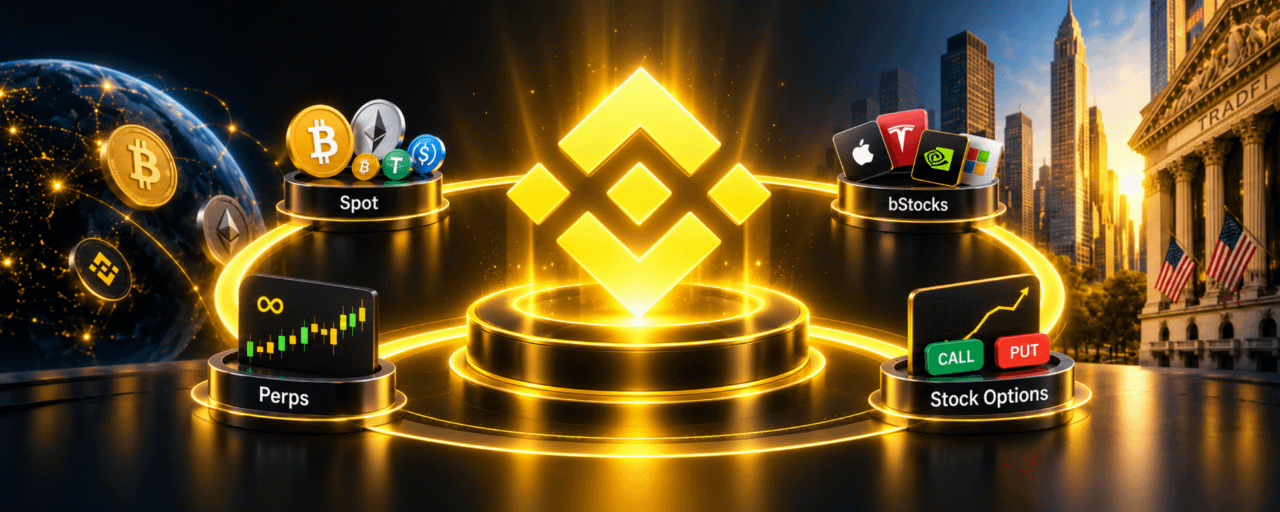
Статья
The Complete Loop: How Stock Options Complete Binance’s Crypto-and-TradFi Stack📈 The Complete Loop: How Stock Options Complete Binance’s Crypto-and-TradFi Stack
Financial markets are becoming more connected. Investors are no longer looking at crypto and traditional finance as two completely separate worlds. Instead, many are looking for flexible tools that can help them manage opportunities and risks across different markets.
This is where Stock Options can play an important role.
With Spot, bStocks, Perpetual Futures, and Stock Options, Binance is building a broader multi-asset ecosystem where different financial tools can work together under one platform.
🔍 What Are Stock Options?
Stock Options are contracts that give traders the right to buy or sell an underlying asset at a predetermined price within a specific period.
Unlike simply buying an asset through Spot, options can provide non-linear payoff structures, meaning the potential return or loss does not always move one-for-one with the underlying asset.
This flexibility allows options to be used for different purposes, including:
Hedging downside riskCreating defined-risk strategiesAdjusting portfolio exposureDesigning different risk-reward profiles
🛡️ Why Stock Options Matter for Crypto Investors
Imagine you have a long-term position that you still believe in, but you are concerned about a possible short-term market correction.
One option is to reduce or sell part of your position.
Another approach is to use options as a risk-management tool, potentially helping protect against downside movements without immediately unwinding your core exposure.
This is where options can complement existing tools such as Spot and Perpetual Futures.
🔄 From a Crypto Portfolio to a Multi-Asset Strategy
Different financial instruments can serve different purposes within the same investment strategy.
For example:
Spot — Long-term asset exposure
Perpetual Futures — Flexible short-term market exposure
bStocks — Exposure connected to traditional equity markets
Stock Options — Hedging and more customized risk-reward strategies
Instead of managing every market separately, investors can potentially build a more connected Crypto + TradFi portfolio strategy.
💡 What Should Traders Understand Before Using Options?
Stock Options offer greater flexibility, but they are also more complex than simply buying assets on Spot.
Before trading options, it is important to understand concepts such as:
Strike Price · Expiry · Premium · Volatility · Risk Exposure
Options can be powerful tools, but effective risk management remains essential.
🚀 Crypto and TradFi Are Becoming More Connected
The future of investing may not simply be about choosing between Crypto or Traditional Finance.
It may be about having access to the right financial instrument for different market conditions.
By bringing together Spot, bStocks, Perpetual Futures, and Stock Options, Binance is expanding the possibilities for users to manage different types of market exposure within a broader financial ecosystem.
The result is a more complete toolkit for navigating an increasingly connected Crypto + TradFi world.
This content is for educational purposes only and does not constitute financial advice.
#Binance #StockOptions #CryptoTrading #TradFi #RiskManagement
The Complete Loop: How Stock Options Complete Binance’s Crypto-and-TradFi Stack
📈 The Complete Loop: How Stock Options Complete Binance’s Crypto-and-TradFi Stack
Financial markets are becoming more connected. Investors are no longer looking at crypto and traditional finance as two completely separate worlds. Instead, many are looking for flexible tools that can help them manage opportunities and risks across different markets.
This is where Stock Options can play an important role.
With Spot, bStocks, Perpetual Futures, and Stock Options, Binance is building a broader multi-asset ecosystem where different financial tools can work together under one platform.
🔍 What Are Stock Options?
Stock Options are contracts that give traders the right to buy or sell an underlying asset at a predetermined price within a specific period.
Unlike simply buying an asset through Spot, options can provide non-linear payoff structures, meaning the potential return or loss does not always move one-for-one with the underlying asset.
This flexibility allows options to be used for different purposes, including:
Hedging downside riskCreating defined-risk strategiesAdjusting portfolio exposureDesigning different risk-reward profiles
🛡️ Why Stock Options Matter for Crypto Investors
Imagine you have a long-term position that you still believe in, but you are concerned about a possible short-term market correction.
One option is to reduce or sell part of your position.
Another approach is to use options as a risk-management tool, potentially helping protect against downside movements without immediately unwinding your core exposure.
This is where options can complement existing tools such as Spot and Perpetual Futures.
🔄 From a Crypto Portfolio to a Multi-Asset Strategy
Different financial instruments can serve different purposes within the same investment strategy.
For example:
Spot — Long-term asset exposure
Perpetual Futures — Flexible short-term market exposure
bStocks — Exposure connected to traditional equity markets
Stock Options — Hedging and more customized risk-reward strategies
Instead of managing every market separately, investors can potentially build a more connected Crypto + TradFi portfolio strategy.
💡 What Should Traders Understand Before Using Options?
Stock Options offer greater flexibility, but they are also more complex than simply buying assets on Spot.
Before trading options, it is important to understand concepts such as:
Strike Price · Expiry · Premium · Volatility · Risk Exposure
Options can be powerful tools, but effective risk management remains essential.
🚀 Crypto and TradFi Are Becoming More Connected
The future of investing may not simply be about choosing between Crypto or Traditional Finance.
It may be about having access to the right financial instrument for different market conditions.
By bringing together Spot, bStocks, Perpetual Futures, and Stock Options, Binance is expanding the possibilities for users to manage different types of market exposure within a broader financial ecosystem.
The result is a more complete toolkit for navigating an increasingly connected Crypto + TradFi world.
This content is for educational purposes only and does not constitute financial advice.
#Binance #StockOptions #CryptoTrading #TradFi #RiskManagement
Financial markets are becoming more connected. Investors are no longer looking at crypto and traditional finance as two completely separate worlds. Instead, many are looking for flexible tools that can help them manage opportunities and risks across different markets.
This is where Stock Options can play an important role.
With Spot, bStocks, Perpetual Futures, and Stock Options, Binance is building a broader multi-asset ecosystem where different financial tools can work together under one platform.
🔍 What Are Stock Options?
Stock Options are contracts that give traders the right to buy or sell an underlying asset at a predetermined price within a specific period.
Unlike simply buying an asset through Spot, options can provide non-linear payoff structures, meaning the potential return or loss does not always move one-for-one with the underlying asset.
This flexibility allows options to be used for different purposes, including:
Hedging downside riskCreating defined-risk strategiesAdjusting portfolio exposureDesigning different risk-reward profiles
🛡️ Why Stock Options Matter for Crypto Investors
Imagine you have a long-term position that you still believe in, but you are concerned about a possible short-term market correction.
One option is to reduce or sell part of your position.
Another approach is to use options as a risk-management tool, potentially helping protect against downside movements without immediately unwinding your core exposure.
This is where options can complement existing tools such as Spot and Perpetual Futures.
🔄 From a Crypto Portfolio to a Multi-Asset Strategy
Different financial instruments can serve different purposes within the same investment strategy.
For example:
Spot — Long-term asset exposure
Perpetual Futures — Flexible short-term market exposure
bStocks — Exposure connected to traditional equity markets
Stock Options — Hedging and more customized risk-reward strategies
Instead of managing every market separately, investors can potentially build a more connected Crypto + TradFi portfolio strategy.
💡 What Should Traders Understand Before Using Options?
Stock Options offer greater flexibility, but they are also more complex than simply buying assets on Spot.
Before trading options, it is important to understand concepts such as:
Strike Price · Expiry · Premium · Volatility · Risk Exposure
Options can be powerful tools, but effective risk management remains essential.
🚀 Crypto and TradFi Are Becoming More Connected
The future of investing may not simply be about choosing between Crypto or Traditional Finance.
It may be about having access to the right financial instrument for different market conditions.
By bringing together Spot, bStocks, Perpetual Futures, and Stock Options, Binance is expanding the possibilities for users to manage different types of market exposure within a broader financial ecosystem.
The result is a more complete toolkit for navigating an increasingly connected Crypto + TradFi world.
This content is for educational purposes only and does not constitute financial advice.
#Binance #StockOptions #CryptoTrading #TradFi #RiskManagement
110
·
--
Рост
A sense of peace, security, and confidence
wherever we go, whenever we need it. 🌍✨
That’s why our community loves Binance. 💛
{spot}(BNBUSDT)
A sense of peace, security, and confidence
wherever we go, whenever we need it. 🌍✨
That’s why our community loves Binance. 💛
wherever we go, whenever we need it. 🌍✨
That’s why our community loves Binance. 💛
63
·
--
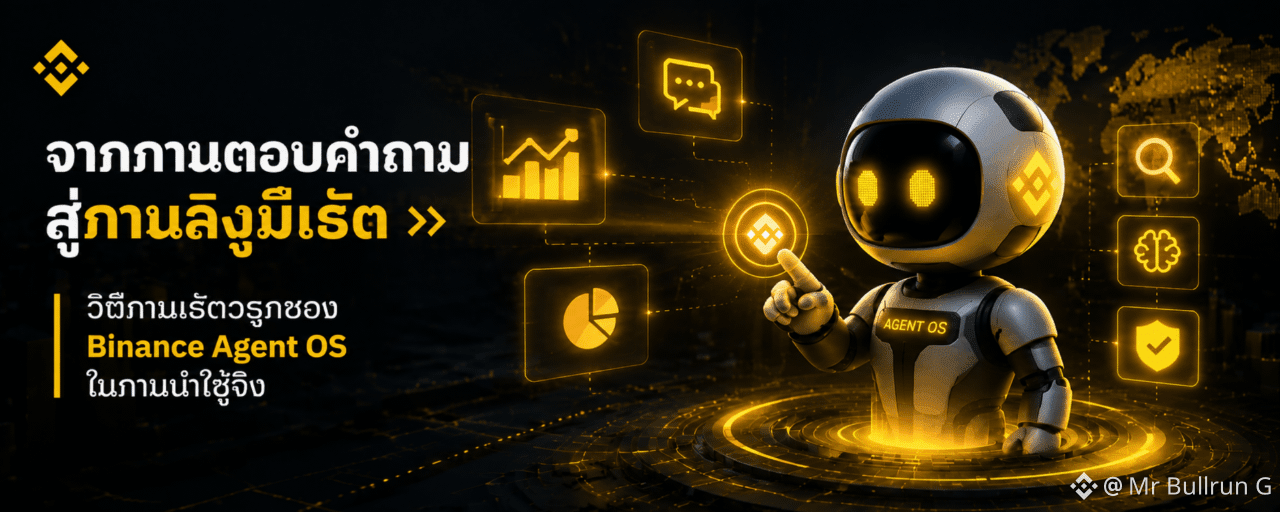
Статья
From Answering to Acting: How Binance Agent OS Works in Practiceປັນຍາປະດິດ (AI) ກຳລັງພັດທະນາຈາກລະບົບທີ່ພຽງແຕ່ຕອບຄຳຖາມ ໄປສູ່ AI Agents ອັດສະລິຍະທີ່ສາມາດເຂົ້າໃຈ, ວິເຄາະ ແລະ ດຳເນີນການຕ່າງໆໄດ້.
Binance Agent OS ເປັນຂັ້ນຕອນຕໍ່ໄປຂອງການພັດທະນານີ້ — ກ້າວຂ້າມຈາກ AI Assistant ແບບເດີມທີ່ພຽງແຕ່ໃຫ້ຂໍ້ມູນ ໄປສູ່ AI Agents ທີ່ສາມາດເຊື່ອມຕໍ່ກັບຂໍ້ມູນທາງການເງິນ, ແອັບພິເຄຊັນ ແລະ ເຄື່ອງມືຕ່າງໆ ພາຍໃຕ້ສະພາບແວດລ້ອມທີ່ມີການຄວບຄຸມ ແລະ ສາມາດກວດສອບໄດ້.
ໃນຂະນະທີ່ AI ເຂົ້າມາມີບົດບາດຫຼາຍຂຶ້ນໃນບໍລິການທາງການເງິນ, ອະນາຄົດກຳລັງປ່ຽນຈາກ AI ທີ່ພຽງແຕ່ໃຫ້ຄຳຕອບ ໄປສູ່ AI ທີ່ສາມາດຊ່ວຍຜູ້ໃຊ້ດຳເນີນວຽກງານຈິງໃນຊີວິດປະຈຳວັນໄດ້.
🚀 ວິທີການເຮັດວຽກຂອງ Binance Agent OS ໃນການນຳໃຊ້ຈິງ
ການສາທິດການນຳໃຊ້ຈິງຂອງ Binance Agent OS ສະແດງໃຫ້ເຫັນວ່າ AI Agents ສາມາດເຂົ້າເຖິງຂໍ້ມູນຕະຫຼາດຂອງ Binance ແລະ ເຊື່ອມຕໍ່ກັບຟັງຊັນທີ່ກ່ຽວຂ້ອງກັບການຊື້ຂາຍ ຜ່ານ MCP (Model Context Protocol).
ໂດຍການເຊື່ອມຕໍ່ເຄື່ອງມື AI ເຊັ່ນ Claude, Cursor ແລະ ChatGPT ເຂົ້າກັບໂຄງສ້າງພື້ນຖານຂອງ Binance, AI Agents ສາມາດດຶງຂໍ້ມູນຕະຫຼາດ, ວິເຄາະຂໍ້ມູນ ແລະ ດຳເນີນການຕ່າງໆ ພາຍໃຕ້ຂອບເຂດຄວາມປອດໄພທີ່ກຳນົດໄວ້.
ສິ່ງນີ້ສ້າງຮູບແບບການໂຕ້ຕອບໃໝ່ ທີ່ AI ບໍ່ໄດ້ເປັນພຽງແຫຼ່ງຂໍ້ມູນ ຫຼື ຂໍ້ມູນເຊິ່ງໃຫ້ຄວາມເຂົ້າໃຈເທົ່ານັ້ນ, ແຕ່ຍັງເປັນ ຊັ້ນການດຳເນີນງານອັດສະລິຍະ (Intelligent Execution Layer) ສຳລັບການເງິນດິຈິຕອນ.
💡 ຕົວຢ່າງການນຳໃຊ້ AI Agent ໃນຊີວິດຈິງ
ດ້ວຍ Binance Agent OS, AI Agents ສາມາດຊ່ວຍສະໜັບສະໜູນຂະບວນການທາງການເງິນຫຼາຍຮູບແບບ ເຊັ່ນ:
📊 ການວິເຄາະ ແລະ ຄົ້ນຄວ້າຕະຫຼາດ
AI Agents ສາມາດວິເຄາະຂໍ້ມູນຕະຫຼາດ, ຕິດຕາມການເຄື່ອນໄຫວຂອງລາຄາ ແລະ ສະຫຼຸບແນວໂນ້ມຂອງຕະຫຼາດ ເພື່ອຊ່ວຍໃຫ້ຜູ້ໃຊ້ເຂົ້າໃຈສະພາບຕະຫຼາດທີ່ປ່ຽນແປງໄດ້ຢ່າງມີປະສິດທິພາບຫຼາຍຂຶ້ນ.
ຕົວຢ່າງ:
ວິເຄາະແນວໂນ້ມຕະຫຼາດ BTC ຫຼື ETHສະຫຼຸບການເຄື່ອນໄຫວສຳຄັນຂອງຕະຫຼາດລະບຸຂໍ້ມູນຕະຫຼາດທີ່ສຳຄັນ
📈 ຂໍ້ມູນເຊິ່ງລຶກດ້ານ Portfolio ແລະ ການຈັດການສິນຊັບ
AI Agents ສາມາດຊ່ວຍຜູ້ໃຊ້ກວດສອບຂໍ້ມູນ Portfolio ແລະ ສະໜອງຂໍ້ມູນວິເຄາະທີ່ອີງໃສ່ຂໍ້ມູນຈິງ ຕາມສະພາບຕະຫຼາດ.
ຕົວຢ່າງ:
ຕິດຕາມຜົນການດຳເນີນງານຂອງ Portfolioວິເຄາະການຈັດສັດສ່ວນຂອງສິນຊັບສະໜອງບົດສະຫຼຸບຕະຫຼາດທີ່ປັບໃຫ້ເໝາະກັບຜູ້ໃຊ້ແຕ່ລະຄົນ
⚙️ ຂະບວນການຊື້ຂາຍອັດຕະໂນມັດ
ຜ່ານການເຂົ້າເຖິງເຄື່ອງມືທີ່ຖືກຄວບຄຸມ, AI Agents ສາມາດຊ່ວຍດຳເນີນວຽກງານທີ່ກ່ຽວຂ້ອງກັບການຊື້ຂາຍ ໂດຍດຳເນີນງານພາຍໃຕ້ຂອບເຂດສິດທິ ແລະ ກອບຄວາມປອດໄພທີ່ກຳນົດໄວ້.
ຕົວຢ່າງ:
ດຶງຂໍ້ມູນຕະຫຼາດແບບ Real-timeກວດສອບເງື່ອນໄຂການຊື້ຂາຍຊ່ວຍສະໜັບສະໜູນກຸລະຍຸດການຊື້ຂາຍທີ່ກຳນົດໄວ້ລ່ວງໜ້າ
🔍 ການເຊື່ອມຕໍ່ສຳລັບນັກພັດທະນາ ແລະ ແອັບພິເຄຊັນດ້ານການເງິນ
ນັກພັດທະນາສາມາດນຳໃຊ້ລະບົບ AI Agent ເພື່ອສ້າງແອັບພິເຄຊັນທາງການເງິນຮູບແບບໃໝ່ ໂດຍເຊື່ອມຕໍ່ຄວາມສາມາດຂອງ AI ເຂົ້າກັບຂໍ້ມູນຕະຫຼາດ ແລະ ເຄື່ອງມືທາງການເງິນ.
ຕົວຢ່າງ:
ສ້າງຜູ້ຊ່ວຍການຊື້ຂາຍທີ່ໃຊ້ AIພັດທະນາເຄື່ອງມືຄົ້ນຄວ້າຕະຫຼາດແບບອັດຕະໂນມັດສ້າງແອັບພິເຄຊັນທາງການເງິນຮຸ່ນໃໝ່ສຳລັບອະນາຄົດ
🔐 ຈາກແນວຄິດ ສູ່ ໂຄງສ້າງພື້ນຖານການເງິນທີ່ໃຊ້ງານຈິງ
Binance Agent OS ບໍ່ແມ່ນພຽງແຕ່ແນວຄິດທາງທິດສະດີສຳລັບອະນາຄົດຂອງ AI ດ້ານການເງິນ.
ມັນສະແດງໃຫ້ເຫັນເຖິງ:
✅ ຂະບວນການເຮັດວຽກຂອງ AI ທີ່ໃຊ້ງານຈິງ
✅ ການໂຕ້ຕອບກັບຂໍ້ມູນຈິງ
✅ ການໃຊ້ງານເຄື່ອງມືຈິງ
✅ ກອບຄວາມປອດໄພທີ່ຖືກຄວບຄຸມ
ໃນຂະນະທີ່ AI ສືບຕໍ່ປ່ຽນແປງບໍລິການທາງການເງິນ, ລະບົບທີ່ຂັບເຄື່ອນດ້ວຍ AI Agents ອາດກາຍເປັນພື້ນຖານສຳຄັນຂອງການເງິນດິຈິຕອນຮຸ່ນຕໍ່ໄປ — ເຊື່ອມຕໍ່ ຄວາມສາມາດຂອງ AI, ລະບົບອັດຕະໂນມັດ ແລະ ແອັບພິເຄຊັນທາງການເງິນທີ່ໃຊ້ງານຈິງ.
ອະນາຄົດຂອງການເງິນອາດບໍ່ໄດ້ຂຶ້ນກັບພຽງແຕ່ການເຂົ້າເຖິງຂໍ້ມູນໄດ້ໄວຂຶ້ນ, ແຕ່ຍັງກ່ຽວກັບການໃຫ້ລະບົບອັດສະລິຍະຊ່ວຍຜູ້ໃຊ້ຕັດສິນໃຈໄດ້ດີຂຶ້ນ ແລະ ດຳເນີນວຽກງານໄດ້ຢ່າງມີປະສິດທິພາບຫຼາຍຂຶ້ນ.
#BinanceAgentOS #Aİ #ArtificialIntelligence #FutureOfFinance #CryptoInnovation
{spot}(BNBUSDT)
From Answering to Acting: How Binance Agent OS Works in Practice
ປັນຍາປະດິດ (AI) ກຳລັງພັດທະນາຈາກລະບົບທີ່ພຽງແຕ່ຕອບຄຳຖາມ ໄປສູ່ AI Agents ອັດສະລິຍະທີ່ສາມາດເຂົ້າໃຈ, ວິເຄາະ ແລະ ດຳເນີນການຕ່າງໆໄດ້.
Binance Agent OS ເປັນຂັ້ນຕອນຕໍ່ໄປຂອງການພັດທະນານີ້ — ກ້າວຂ້າມຈາກ AI Assistant ແບບເດີມທີ່ພຽງແຕ່ໃຫ້ຂໍ້ມູນ ໄປສູ່ AI Agents ທີ່ສາມາດເຊື່ອມຕໍ່ກັບຂໍ້ມູນທາງການເງິນ, ແອັບພິເຄຊັນ ແລະ ເຄື່ອງມືຕ່າງໆ ພາຍໃຕ້ສະພາບແວດລ້ອມທີ່ມີການຄວບຄຸມ ແລະ ສາມາດກວດສອບໄດ້.
ໃນຂະນະທີ່ AI ເຂົ້າມາມີບົດບາດຫຼາຍຂຶ້ນໃນບໍລິການທາງການເງິນ, ອະນາຄົດກຳລັງປ່ຽນຈາກ AI ທີ່ພຽງແຕ່ໃຫ້ຄຳຕອບ ໄປສູ່ AI ທີ່ສາມາດຊ່ວຍຜູ້ໃຊ້ດຳເນີນວຽກງານຈິງໃນຊີວິດປະຈຳວັນໄດ້.
🚀 ວິທີການເຮັດວຽກຂອງ Binance Agent OS ໃນການນຳໃຊ້ຈິງ
ການສາທິດການນຳໃຊ້ຈິງຂອງ Binance Agent OS ສະແດງໃຫ້ເຫັນວ່າ AI Agents ສາມາດເຂົ້າເຖິງຂໍ້ມູນຕະຫຼາດຂອງ Binance ແລະ ເຊື່ອມຕໍ່ກັບຟັງຊັນທີ່ກ່ຽວຂ້ອງກັບການຊື້ຂາຍ ຜ່ານ MCP (Model Context Protocol).
ໂດຍການເຊື່ອມຕໍ່ເຄື່ອງມື AI ເຊັ່ນ Claude, Cursor ແລະ ChatGPT ເຂົ້າກັບໂຄງສ້າງພື້ນຖານຂອງ Binance, AI Agents ສາມາດດຶງຂໍ້ມູນຕະຫຼາດ, ວິເຄາະຂໍ້ມູນ ແລະ ດຳເນີນການຕ່າງໆ ພາຍໃຕ້ຂອບເຂດຄວາມປອດໄພທີ່ກຳນົດໄວ້.
ສິ່ງນີ້ສ້າງຮູບແບບການໂຕ້ຕອບໃໝ່ ທີ່ AI ບໍ່ໄດ້ເປັນພຽງແຫຼ່ງຂໍ້ມູນ ຫຼື ຂໍ້ມູນເຊິ່ງໃຫ້ຄວາມເຂົ້າໃຈເທົ່ານັ້ນ, ແຕ່ຍັງເປັນ ຊັ້ນການດຳເນີນງານອັດສະລິຍະ (Intelligent Execution Layer) ສຳລັບການເງິນດິຈິຕອນ.
💡 ຕົວຢ່າງການນຳໃຊ້ AI Agent ໃນຊີວິດຈິງ
ດ້ວຍ Binance Agent OS, AI Agents ສາມາດຊ່ວຍສະໜັບສະໜູນຂະບວນການທາງການເງິນຫຼາຍຮູບແບບ ເຊັ່ນ:
📊 ການວິເຄາະ ແລະ ຄົ້ນຄວ້າຕະຫຼາດ
AI Agents ສາມາດວິເຄາະຂໍ້ມູນຕະຫຼາດ, ຕິດຕາມການເຄື່ອນໄຫວຂອງລາຄາ ແລະ ສະຫຼຸບແນວໂນ້ມຂອງຕະຫຼາດ ເພື່ອຊ່ວຍໃຫ້ຜູ້ໃຊ້ເຂົ້າໃຈສະພາບຕະຫຼາດທີ່ປ່ຽນແປງໄດ້ຢ່າງມີປະສິດທິພາບຫຼາຍຂຶ້ນ.
ຕົວຢ່າງ:
ວິເຄາະແນວໂນ້ມຕະຫຼາດ BTC ຫຼື ETHສະຫຼຸບການເຄື່ອນໄຫວສຳຄັນຂອງຕະຫຼາດລະບຸຂໍ້ມູນຕະຫຼາດທີ່ສຳຄັນ
📈 ຂໍ້ມູນເຊິ່ງລຶກດ້ານ Portfolio ແລະ ການຈັດການສິນຊັບ
AI Agents ສາມາດຊ່ວຍຜູ້ໃຊ້ກວດສອບຂໍ້ມູນ Portfolio ແລະ ສະໜອງຂໍ້ມູນວິເຄາະທີ່ອີງໃສ່ຂໍ້ມູນຈິງ ຕາມສະພາບຕະຫຼາດ.
ຕົວຢ່າງ:
ຕິດຕາມຜົນການດຳເນີນງານຂອງ Portfolioວິເຄາະການຈັດສັດສ່ວນຂອງສິນຊັບສະໜອງບົດສະຫຼຸບຕະຫຼາດທີ່ປັບໃຫ້ເໝາະກັບຜູ້ໃຊ້ແຕ່ລະຄົນ
⚙️ ຂະບວນການຊື້ຂາຍອັດຕະໂນມັດ
ຜ່ານການເຂົ້າເຖິງເຄື່ອງມືທີ່ຖືກຄວບຄຸມ, AI Agents ສາມາດຊ່ວຍດຳເນີນວຽກງານທີ່ກ່ຽວຂ້ອງກັບການຊື້ຂາຍ ໂດຍດຳເນີນງານພາຍໃຕ້ຂອບເຂດສິດທິ ແລະ ກອບຄວາມປອດໄພທີ່ກຳນົດໄວ້.
ຕົວຢ່າງ:
ດຶງຂໍ້ມູນຕະຫຼາດແບບ Real-timeກວດສອບເງື່ອນໄຂການຊື້ຂາຍຊ່ວຍສະໜັບສະໜູນກຸລະຍຸດການຊື້ຂາຍທີ່ກຳນົດໄວ້ລ່ວງໜ້າ
🔍 ການເຊື່ອມຕໍ່ສຳລັບນັກພັດທະນາ ແລະ ແອັບພິເຄຊັນດ້ານການເງິນ
ນັກພັດທະນາສາມາດນຳໃຊ້ລະບົບ AI Agent ເພື່ອສ້າງແອັບພິເຄຊັນທາງການເງິນຮູບແບບໃໝ່ ໂດຍເຊື່ອມຕໍ່ຄວາມສາມາດຂອງ AI ເຂົ້າກັບຂໍ້ມູນຕະຫຼາດ ແລະ ເຄື່ອງມືທາງການເງິນ.
ຕົວຢ່າງ:
ສ້າງຜູ້ຊ່ວຍການຊື້ຂາຍທີ່ໃຊ້ AIພັດທະນາເຄື່ອງມືຄົ້ນຄວ້າຕະຫຼາດແບບອັດຕະໂນມັດສ້າງແອັບພິເຄຊັນທາງການເງິນຮຸ່ນໃໝ່ສຳລັບອະນາຄົດ
🔐 ຈາກແນວຄິດ ສູ່ ໂຄງສ້າງພື້ນຖານການເງິນທີ່ໃຊ້ງານຈິງ
Binance Agent OS ບໍ່ແມ່ນພຽງແຕ່ແນວຄິດທາງທິດສະດີສຳລັບອະນາຄົດຂອງ AI ດ້ານການເງິນ.
ມັນສະແດງໃຫ້ເຫັນເຖິງ:
✅ ຂະບວນການເຮັດວຽກຂອງ AI ທີ່ໃຊ້ງານຈິງ
✅ ການໂຕ້ຕອບກັບຂໍ້ມູນຈິງ
✅ ການໃຊ້ງານເຄື່ອງມືຈິງ
✅ ກອບຄວາມປອດໄພທີ່ຖືກຄວບຄຸມ
ໃນຂະນະທີ່ AI ສືບຕໍ່ປ່ຽນແປງບໍລິການທາງການເງິນ, ລະບົບທີ່ຂັບເຄື່ອນດ້ວຍ AI Agents ອາດກາຍເປັນພື້ນຖານສຳຄັນຂອງການເງິນດິຈິຕອນຮຸ່ນຕໍ່ໄປ — ເຊື່ອມຕໍ່ ຄວາມສາມາດຂອງ AI, ລະບົບອັດຕະໂນມັດ ແລະ ແອັບພິເຄຊັນທາງການເງິນທີ່ໃຊ້ງານຈິງ.
ອະນາຄົດຂອງການເງິນອາດບໍ່ໄດ້ຂຶ້ນກັບພຽງແຕ່ການເຂົ້າເຖິງຂໍ້ມູນໄດ້ໄວຂຶ້ນ, ແຕ່ຍັງກ່ຽວກັບການໃຫ້ລະບົບອັດສະລິຍະຊ່ວຍຜູ້ໃຊ້ຕັດສິນໃຈໄດ້ດີຂຶ້ນ ແລະ ດຳເນີນວຽກງານໄດ້ຢ່າງມີປະສິດທິພາບຫຼາຍຂຶ້ນ.
#BinanceAgentOS #Aİ #ArtificialIntelligence #FutureOfFinance #CryptoInnovation
Binance Agent OS ເປັນຂັ້ນຕອນຕໍ່ໄປຂອງການພັດທະນານີ້ — ກ້າວຂ້າມຈາກ AI Assistant ແບບເດີມທີ່ພຽງແຕ່ໃຫ້ຂໍ້ມູນ ໄປສູ່ AI Agents ທີ່ສາມາດເຊື່ອມຕໍ່ກັບຂໍ້ມູນທາງການເງິນ, ແອັບພິເຄຊັນ ແລະ ເຄື່ອງມືຕ່າງໆ ພາຍໃຕ້ສະພາບແວດລ້ອມທີ່ມີການຄວບຄຸມ ແລະ ສາມາດກວດສອບໄດ້.
ໃນຂະນະທີ່ AI ເຂົ້າມາມີບົດບາດຫຼາຍຂຶ້ນໃນບໍລິການທາງການເງິນ, ອະນາຄົດກຳລັງປ່ຽນຈາກ AI ທີ່ພຽງແຕ່ໃຫ້ຄຳຕອບ ໄປສູ່ AI ທີ່ສາມາດຊ່ວຍຜູ້ໃຊ້ດຳເນີນວຽກງານຈິງໃນຊີວິດປະຈຳວັນໄດ້.
🚀 ວິທີການເຮັດວຽກຂອງ Binance Agent OS ໃນການນຳໃຊ້ຈິງ
ການສາທິດການນຳໃຊ້ຈິງຂອງ Binance Agent OS ສະແດງໃຫ້ເຫັນວ່າ AI Agents ສາມາດເຂົ້າເຖິງຂໍ້ມູນຕະຫຼາດຂອງ Binance ແລະ ເຊື່ອມຕໍ່ກັບຟັງຊັນທີ່ກ່ຽວຂ້ອງກັບການຊື້ຂາຍ ຜ່ານ MCP (Model Context Protocol).
ໂດຍການເຊື່ອມຕໍ່ເຄື່ອງມື AI ເຊັ່ນ Claude, Cursor ແລະ ChatGPT ເຂົ້າກັບໂຄງສ້າງພື້ນຖານຂອງ Binance, AI Agents ສາມາດດຶງຂໍ້ມູນຕະຫຼາດ, ວິເຄາະຂໍ້ມູນ ແລະ ດຳເນີນການຕ່າງໆ ພາຍໃຕ້ຂອບເຂດຄວາມປອດໄພທີ່ກຳນົດໄວ້.
ສິ່ງນີ້ສ້າງຮູບແບບການໂຕ້ຕອບໃໝ່ ທີ່ AI ບໍ່ໄດ້ເປັນພຽງແຫຼ່ງຂໍ້ມູນ ຫຼື ຂໍ້ມູນເຊິ່ງໃຫ້ຄວາມເຂົ້າໃຈເທົ່ານັ້ນ, ແຕ່ຍັງເປັນ ຊັ້ນການດຳເນີນງານອັດສະລິຍະ (Intelligent Execution Layer) ສຳລັບການເງິນດິຈິຕອນ.
💡 ຕົວຢ່າງການນຳໃຊ້ AI Agent ໃນຊີວິດຈິງ
ດ້ວຍ Binance Agent OS, AI Agents ສາມາດຊ່ວຍສະໜັບສະໜູນຂະບວນການທາງການເງິນຫຼາຍຮູບແບບ ເຊັ່ນ:
📊 ການວິເຄາະ ແລະ ຄົ້ນຄວ້າຕະຫຼາດ
AI Agents ສາມາດວິເຄາະຂໍ້ມູນຕະຫຼາດ, ຕິດຕາມການເຄື່ອນໄຫວຂອງລາຄາ ແລະ ສະຫຼຸບແນວໂນ້ມຂອງຕະຫຼາດ ເພື່ອຊ່ວຍໃຫ້ຜູ້ໃຊ້ເຂົ້າໃຈສະພາບຕະຫຼາດທີ່ປ່ຽນແປງໄດ້ຢ່າງມີປະສິດທິພາບຫຼາຍຂຶ້ນ.
ຕົວຢ່າງ:
ວິເຄາະແນວໂນ້ມຕະຫຼາດ BTC ຫຼື ETHສະຫຼຸບການເຄື່ອນໄຫວສຳຄັນຂອງຕະຫຼາດລະບຸຂໍ້ມູນຕະຫຼາດທີ່ສຳຄັນ
📈 ຂໍ້ມູນເຊິ່ງລຶກດ້ານ Portfolio ແລະ ການຈັດການສິນຊັບ
AI Agents ສາມາດຊ່ວຍຜູ້ໃຊ້ກວດສອບຂໍ້ມູນ Portfolio ແລະ ສະໜອງຂໍ້ມູນວິເຄາະທີ່ອີງໃສ່ຂໍ້ມູນຈິງ ຕາມສະພາບຕະຫຼາດ.
ຕົວຢ່າງ:
ຕິດຕາມຜົນການດຳເນີນງານຂອງ Portfolioວິເຄາະການຈັດສັດສ່ວນຂອງສິນຊັບສະໜອງບົດສະຫຼຸບຕະຫຼາດທີ່ປັບໃຫ້ເໝາະກັບຜູ້ໃຊ້ແຕ່ລະຄົນ
⚙️ ຂະບວນການຊື້ຂາຍອັດຕະໂນມັດ
ຜ່ານການເຂົ້າເຖິງເຄື່ອງມືທີ່ຖືກຄວບຄຸມ, AI Agents ສາມາດຊ່ວຍດຳເນີນວຽກງານທີ່ກ່ຽວຂ້ອງກັບການຊື້ຂາຍ ໂດຍດຳເນີນງານພາຍໃຕ້ຂອບເຂດສິດທິ ແລະ ກອບຄວາມປອດໄພທີ່ກຳນົດໄວ້.
ຕົວຢ່າງ:
ດຶງຂໍ້ມູນຕະຫຼາດແບບ Real-timeກວດສອບເງື່ອນໄຂການຊື້ຂາຍຊ່ວຍສະໜັບສະໜູນກຸລະຍຸດການຊື້ຂາຍທີ່ກຳນົດໄວ້ລ່ວງໜ້າ
🔍 ການເຊື່ອມຕໍ່ສຳລັບນັກພັດທະນາ ແລະ ແອັບພິເຄຊັນດ້ານການເງິນ
ນັກພັດທະນາສາມາດນຳໃຊ້ລະບົບ AI Agent ເພື່ອສ້າງແອັບພິເຄຊັນທາງການເງິນຮູບແບບໃໝ່ ໂດຍເຊື່ອມຕໍ່ຄວາມສາມາດຂອງ AI ເຂົ້າກັບຂໍ້ມູນຕະຫຼາດ ແລະ ເຄື່ອງມືທາງການເງິນ.
ຕົວຢ່າງ:
ສ້າງຜູ້ຊ່ວຍການຊື້ຂາຍທີ່ໃຊ້ AIພັດທະນາເຄື່ອງມືຄົ້ນຄວ້າຕະຫຼາດແບບອັດຕະໂນມັດສ້າງແອັບພິເຄຊັນທາງການເງິນຮຸ່ນໃໝ່ສຳລັບອະນາຄົດ
🔐 ຈາກແນວຄິດ ສູ່ ໂຄງສ້າງພື້ນຖານການເງິນທີ່ໃຊ້ງານຈິງ
Binance Agent OS ບໍ່ແມ່ນພຽງແຕ່ແນວຄິດທາງທິດສະດີສຳລັບອະນາຄົດຂອງ AI ດ້ານການເງິນ.
ມັນສະແດງໃຫ້ເຫັນເຖິງ:
✅ ຂະບວນການເຮັດວຽກຂອງ AI ທີ່ໃຊ້ງານຈິງ
✅ ການໂຕ້ຕອບກັບຂໍ້ມູນຈິງ
✅ ການໃຊ້ງານເຄື່ອງມືຈິງ
✅ ກອບຄວາມປອດໄພທີ່ຖືກຄວບຄຸມ
ໃນຂະນະທີ່ AI ສືບຕໍ່ປ່ຽນແປງບໍລິການທາງການເງິນ, ລະບົບທີ່ຂັບເຄື່ອນດ້ວຍ AI Agents ອາດກາຍເປັນພື້ນຖານສຳຄັນຂອງການເງິນດິຈິຕອນຮຸ່ນຕໍ່ໄປ — ເຊື່ອມຕໍ່ ຄວາມສາມາດຂອງ AI, ລະບົບອັດຕະໂນມັດ ແລະ ແອັບພິເຄຊັນທາງການເງິນທີ່ໃຊ້ງານຈິງ.
ອະນາຄົດຂອງການເງິນອາດບໍ່ໄດ້ຂຶ້ນກັບພຽງແຕ່ການເຂົ້າເຖິງຂໍ້ມູນໄດ້ໄວຂຶ້ນ, ແຕ່ຍັງກ່ຽວກັບການໃຫ້ລະບົບອັດສະລິຍະຊ່ວຍຜູ້ໃຊ້ຕັດສິນໃຈໄດ້ດີຂຶ້ນ ແລະ ດຳເນີນວຽກງານໄດ້ຢ່າງມີປະສິດທິພາບຫຼາຍຂຶ້ນ.
#BinanceAgentOS #Aİ #ArtificialIntelligence #FutureOfFinance #CryptoInnovation
105
·
--
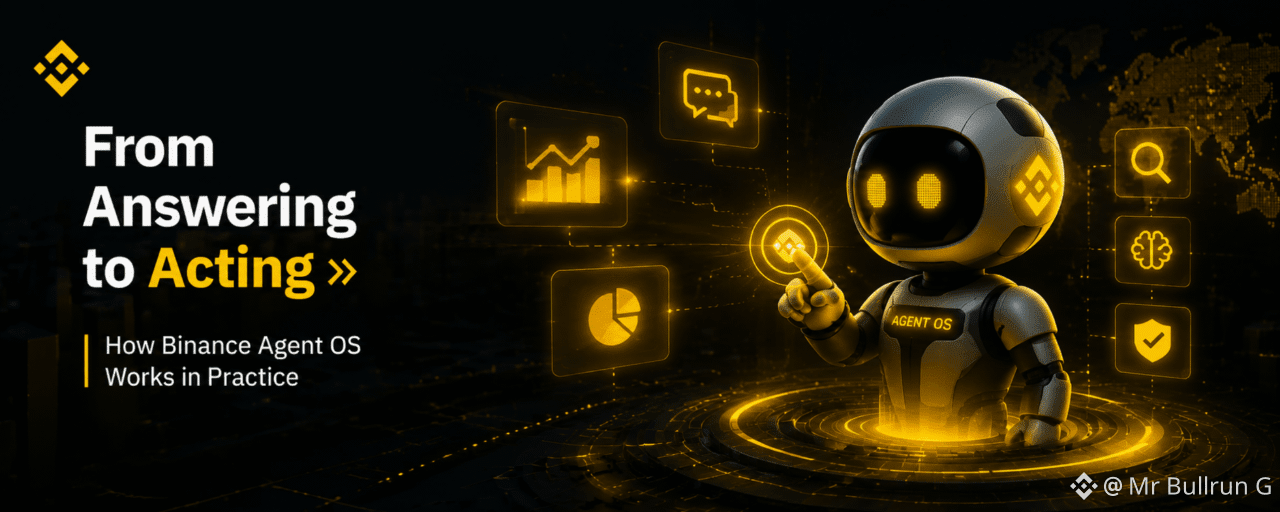
Статья
From Answering to Acting: How Binance Agent OS Works in PracticeArtificial intelligence is evolving from simple question-answering systems into intelligent agents that can understand, analyze, and execute tasks.
Binance Agent OS represents the next step in this evolution — moving beyond traditional AI assistants that only provide information toward AI agents that can interact with financial data, applications, and tools within a controlled and auditable environment.
As AI continues becoming more integrated with financial services, the future is shifting from AI that provides answers to AI that can help users complete real-world tasks.
🚀 How Binance Agent OS Works in Practice
A real-world demonstration of Binance Agent OS shows how AI Agents can access Binance market data and interact with trading-related functions through MCP (Model Context Protocol).
By connecting AI tools such as Claude, Cursor, and ChatGPT with Binance infrastructure, AI agents can retrieve market information, analyze data, and execute specific actions under predefined security boundaries.
This creates a new interaction model where AI is not only a source of insights, but also an intelligent execution layer for digital finance.
💡 Real-World Examples of AI Agent Applications
With Binance Agent OS, AI Agents could support various financial workflows, such as:
📊 Market Research & Analysis
AI Agents can analyze market data, track price movements, and summarize market trends to help users understand changing market conditions more efficiently.
Example:
Analyze BTC or ETH market trendsSummarize key market movementsIdentify relevant market information
📈 Portfolio Insights & Asset Management
AI Agents can help users review their portfolio information and provide data-driven insights based on market conditions.
Example:
Monitor portfolio performanceAnalyze asset allocationProvide personalized market summaries
⚙️ Automated Trading Workflows
Through controlled tool access, AI Agents can assist with specific trading-related tasks while operating within defined permissions and security frameworks.
Example:
Retrieve real-time market dataCheck trading conditionsAssist with predefined trading strategies
🔍 Developer & Financial Application Integration
Developers can use AI Agent systems to build new financial applications by connecting AI capabilities with market data and financial tools.
Example:
Create AI-powered trading assistantsBuild automated research toolsDevelop next-generation financial applications
🔐 From Concept to Real Financial Infrastructure
Binance Agent OS is not just a theoretical vision for the future of AI finance.
It demonstrates:
✅ Real AI workflows
✅ Real data interactions
✅ Real tool execution
✅ Controlled security frameworks
As AI continues transforming financial services, agent-based systems could become a key foundation for the next generation of digital finance — connecting AI intelligence, automation, and real-world financial applications.
The future of finance may not only be about accessing information faster, but also about enabling intelligent systems to help users make better decisions and complete tasks more efficiently.
#BinanceAgentOS #Aİ #ArtificialIntelligence #FutureOfFinance #CryptoInnovation
{spot}(BNBUSDT)
From Answering to Acting: How Binance Agent OS Works in Practice
Artificial intelligence is evolving from simple question-answering systems into intelligent agents that can understand, analyze, and execute tasks.
Binance Agent OS represents the next step in this evolution — moving beyond traditional AI assistants that only provide information toward AI agents that can interact with financial data, applications, and tools within a controlled and auditable environment.
As AI continues becoming more integrated with financial services, the future is shifting from AI that provides answers to AI that can help users complete real-world tasks.
🚀 How Binance Agent OS Works in Practice
A real-world demonstration of Binance Agent OS shows how AI Agents can access Binance market data and interact with trading-related functions through MCP (Model Context Protocol).
By connecting AI tools such as Claude, Cursor, and ChatGPT with Binance infrastructure, AI agents can retrieve market information, analyze data, and execute specific actions under predefined security boundaries.
This creates a new interaction model where AI is not only a source of insights, but also an intelligent execution layer for digital finance.
💡 Real-World Examples of AI Agent Applications
With Binance Agent OS, AI Agents could support various financial workflows, such as:
📊 Market Research & Analysis
AI Agents can analyze market data, track price movements, and summarize market trends to help users understand changing market conditions more efficiently.
Example:
Analyze BTC or ETH market trendsSummarize key market movementsIdentify relevant market information
📈 Portfolio Insights & Asset Management
AI Agents can help users review their portfolio information and provide data-driven insights based on market conditions.
Example:
Monitor portfolio performanceAnalyze asset allocationProvide personalized market summaries
⚙️ Automated Trading Workflows
Through controlled tool access, AI Agents can assist with specific trading-related tasks while operating within defined permissions and security frameworks.
Example:
Retrieve real-time market dataCheck trading conditionsAssist with predefined trading strategies
🔍 Developer & Financial Application Integration
Developers can use AI Agent systems to build new financial applications by connecting AI capabilities with market data and financial tools.
Example:
Create AI-powered trading assistantsBuild automated research toolsDevelop next-generation financial applications
🔐 From Concept to Real Financial Infrastructure
Binance Agent OS is not just a theoretical vision for the future of AI finance.
It demonstrates:
✅ Real AI workflows
✅ Real data interactions
✅ Real tool execution
✅ Controlled security frameworks
As AI continues transforming financial services, agent-based systems could become a key foundation for the next generation of digital finance — connecting AI intelligence, automation, and real-world financial applications.
The future of finance may not only be about accessing information faster, but also about enabling intelligent systems to help users make better decisions and complete tasks more efficiently.
#BinanceAgentOS #Aİ #ArtificialIntelligence #FutureOfFinance #CryptoInnovation
Binance Agent OS represents the next step in this evolution — moving beyond traditional AI assistants that only provide information toward AI agents that can interact with financial data, applications, and tools within a controlled and auditable environment.
As AI continues becoming more integrated with financial services, the future is shifting from AI that provides answers to AI that can help users complete real-world tasks.
🚀 How Binance Agent OS Works in Practice
A real-world demonstration of Binance Agent OS shows how AI Agents can access Binance market data and interact with trading-related functions through MCP (Model Context Protocol).
By connecting AI tools such as Claude, Cursor, and ChatGPT with Binance infrastructure, AI agents can retrieve market information, analyze data, and execute specific actions under predefined security boundaries.
This creates a new interaction model where AI is not only a source of insights, but also an intelligent execution layer for digital finance.
💡 Real-World Examples of AI Agent Applications
With Binance Agent OS, AI Agents could support various financial workflows, such as:
📊 Market Research & Analysis
AI Agents can analyze market data, track price movements, and summarize market trends to help users understand changing market conditions more efficiently.
Example:
Analyze BTC or ETH market trendsSummarize key market movementsIdentify relevant market information
📈 Portfolio Insights & Asset Management
AI Agents can help users review their portfolio information and provide data-driven insights based on market conditions.
Example:
Monitor portfolio performanceAnalyze asset allocationProvide personalized market summaries
⚙️ Automated Trading Workflows
Through controlled tool access, AI Agents can assist with specific trading-related tasks while operating within defined permissions and security frameworks.
Example:
Retrieve real-time market dataCheck trading conditionsAssist with predefined trading strategies
🔍 Developer & Financial Application Integration
Developers can use AI Agent systems to build new financial applications by connecting AI capabilities with market data and financial tools.
Example:
Create AI-powered trading assistantsBuild automated research toolsDevelop next-generation financial applications
🔐 From Concept to Real Financial Infrastructure
Binance Agent OS is not just a theoretical vision for the future of AI finance.
It demonstrates:
✅ Real AI workflows
✅ Real data interactions
✅ Real tool execution
✅ Controlled security frameworks
As AI continues transforming financial services, agent-based systems could become a key foundation for the next generation of digital finance — connecting AI intelligence, automation, and real-world financial applications.
The future of finance may not only be about accessing information faster, but also about enabling intelligent systems to help users make better decisions and complete tasks more efficiently.
#BinanceAgentOS #Aİ #ArtificialIntelligence #FutureOfFinance #CryptoInnovation
97
Войдите, чтобы посмотреть больше материала
Присоединяйтесь к пользователям криптовалют по всему миру на Binance Square
⚡️ Получайте новейшую и полезную информацию о криптоактивах.
💬 Нам доверяет крупнейшая в мире криптобиржа.
👍 Получите достоверные аналитические данные от верифицированных создателей контента.
Эл. почта/номер телефона
В тренде
SECProposesCryptoCustodyRules
Просмотров: 102
29 обсуждают
🚨 SEC PROPOSES NEW CRYPTO CUSTODY RULES 🇺🇸🔐
The U.S. Securities and Exchange Commission has proposed a new framework for how investment advisers and regulated funds can custody crypto assets.
📌 The proposal would allow self-custody in certain circumstances, particularly when no qualified custodian is available.
📌 State-chartered trust companies could also qualify as crypto custodians under specific conditions.
📌 The framework includes safeguards around private keys, cybersecurity, asset segregation and oversight.
📌 The proposal is not final yet. A 60-day public comment period will begin after publication in the Federal Register.
💡 Why it matters:
Clearer custody rules could give investment advisers and regulated funds a defined regulatory pathway for holding digital assets, potentially expanding institutional access to crypto.
⚠️ This is a proposed rule, not an immediate change to existing requirements. Crypto remains highly volatile. DYOR and manage risk.
What do you think about the SEC's new crypto custody framework? 👇
#Bitcoin #BTC #Ethereum #CryptoNews #SECProposesCryptoCustodyRules
md-rana-sikdar-1232
·Лайков: 0
·Просмотров: 14
SECApproves3xLongCryptoCommodityETPs
Просмотров: 906
75 обсуждают
G7PlansToReleaseUpTo100MBarrelsOilDiesel
Просмотров: 2,312
126 обсуждают