

Riyamoni1
302 投稿

Riyamoni1
報告
ユーザーをブロック
取引を発注
高頻度トレーダー
1.1年
112 フォロー
1.3K+ フォロワー
157 いいね
投稿
ポートフォリオ
すべて
引用
ライブ
·
--
ブリッシュ
以前は、権限は人々が積極的に管理するものだと思っていました。ソフトウェアがどのように動くのかを見ていくほど、多くの権限は単に見えなくなるだけなのだと気づきました。
最初の承認はいつも重要に感じます。人はプロンプトを読み、ためらい、場合によっては住所を二度見するかもしれません。
10回目の承認は、いつも通りのことに感じます。
やがて、権限そのものは注意の外に消えていく一方で、それによって可能になる行動は静かにバックグラウンドで続いていきます。
だからこそ、認可の本当の目的は「悪い行動を止めること」ではないのではないか、と私には思えてきます。
あるいは、古い判断が新しい結果に今も影響し続けることを、人々に思い出させることなのかもしれません。
AIが私たちの代わりにより頻繁に行動し始めると、エージェントに何を許可するかを決めることよりも、もっと難しい問題は「なぜ最初に許可したのか」を覚えていることかもしれません。
視点のこの変化は、その理由の1つとしてNewton Protocolが私の関心を引いたのです。
@NewtonProtocol
$NEWT #Newt
{spot}(NEWTUSDT)
以前は、権限は人々が積極的に管理するものだと思っていました。ソフトウェアがどのように動くのかを見ていくほど、多くの権限は単に見えなくなるだけなのだと気づきました。
最初の承認はいつも重要に感じます。人はプロンプトを読み、ためらい、場合によっては住所を二度見するかもしれません。
10回目の承認は、いつも通りのことに感じます。
やがて、権限そのものは注意の外に消えていく一方で、それによって可能になる行動は静かにバックグラウンドで続いていきます。
だからこそ、認可の本当の目的は「悪い行動を止めること」ではないのではないか、と私には思えてきます。
あるいは、古い判断が新しい結果に今も影響し続けることを、人々に思い出させることなのかもしれません。
AIが私たちの代わりにより頻繁に行動し始めると、エージェントに何を許可するかを決めることよりも、もっと難しい問題は「なぜ最初に許可したのか」を覚えていることかもしれません。
視点のこの変化は、その理由の1つとしてNewton Protocolが私の関心を引いたのです。
@NewtonProtocol
$NEWT #Newt
最初の承認はいつも重要に感じます。人はプロンプトを読み、ためらい、場合によっては住所を二度見するかもしれません。
10回目の承認は、いつも通りのことに感じます。
やがて、権限そのものは注意の外に消えていく一方で、それによって可能になる行動は静かにバックグラウンドで続いていきます。
だからこそ、認可の本当の目的は「悪い行動を止めること」ではないのではないか、と私には思えてきます。
あるいは、古い判断が新しい結果に今も影響し続けることを、人々に思い出させることなのかもしれません。
AIが私たちの代わりにより頻繁に行動し始めると、エージェントに何を許可するかを決めることよりも、もっと難しい問題は「なぜ最初に許可したのか」を覚えていることかもしれません。
視点のこの変化は、その理由の1つとしてNewton Protocolが私の関心を引いたのです。
@NewtonProtocol
$NEWT #Newt
1
72
·
--
オンチェーン・ファイナンスにおける認可レイヤーの未来と、ニュートンの立場許可(オーソライゼーション)について考えれば考えるほど、それが本質的にはセキュリティの問題だとは思えなくなります。
セキュリティは通常、許可を導入するためのものです。資産を保護し、アクセスを制限し、不正な操作を防ぎます。そうした言い方を開発者が自然に使うのは、ソフトウェアがこれまでずっと、許可を技術的な問題として扱ってきたからです。
しかし金融は、純粋に技術的であったことは一度もありません。
それはずっと社会的なものです。
あらゆる金融システムは、最古の商取引の合意から、今日のスマートコントラクトまで、誰かが「別の当事者が一定の境界の範囲内で行動することを許されている」という前提を受け入れてくれるから存在しています。そうした境界は、信頼をなくすことはめったにありません。信頼が始まる場所と、終わる場所を定義するだけです。
オンチェーン・ファイナンスにおける認可レイヤーの未来と、ニュートンの立場
許可(オーソライゼーション)について考えれば考えるほど、それが本質的にはセキュリティの問題だとは思えなくなります。
セキュリティは通常、許可を導入するためのものです。資産を保護し、アクセスを制限し、不正な操作を防ぎます。そうした言い方を開発者が自然に使うのは、ソフトウェアがこれまでずっと、許可を技術的な問題として扱ってきたからです。
しかし金融は、純粋に技術的であったことは一度もありません。
それはずっと社会的なものです。
あらゆる金融システムは、最古の商取引の合意から、今日のスマートコントラクトまで、誰かが「別の当事者が一定の境界の範囲内で行動することを許されている」という前提を受け入れてくれるから存在しています。そうした境界は、信頼をなくすことはめったにありません。信頼が始まる場所と、終わる場所を定義するだけです。
セキュリティは通常、許可を導入するためのものです。資産を保護し、アクセスを制限し、不正な操作を防ぎます。そうした言い方を開発者が自然に使うのは、ソフトウェアがこれまでずっと、許可を技術的な問題として扱ってきたからです。
しかし金融は、純粋に技術的であったことは一度もありません。
それはずっと社会的なものです。
あらゆる金融システムは、最古の商取引の合意から、今日のスマートコントラクトまで、誰かが「別の当事者が一定の境界の範囲内で行動することを許されている」という前提を受け入れてくれるから存在しています。そうした境界は、信頼をなくすことはめったにありません。信頼が始まる場所と、終わる場所を定義するだけです。
93
·
--
AIが守りうる最も価値のあるものは、私たちの時間ではありません。私たちの意図かもしれません。自動化について考えれば考えるほど、私がその最大の約束だと信じられるものは、人々の時間を節約することではないと感じています。
時間は、いつでも測りやすいものでした。
意図はまだありません。
私たちが築いてきたあらゆる金融システムは、ある単純な前提に基づいています。つまり、ある行為が正しく認可されていれば、それは実行されるはずだということです。人間がすべての意思決定のそばに留まっている間は、それは妥当な前提です。私たちはボタンをクリックします。取引を確認します。結果を受け入れます。
AIは静かに、その関係を変えてしまいます。
意思決定を行う人と、その意思決定が実行される瞬間が、同じ時間に存在している必要はもうなくなります。
AIが守りうる最も価値のあるものは、私たちの時間ではありません。私たちの意図かもしれません。
自動化について考えれば考えるほど、私がその最大の約束だと信じられるものは、人々の時間を節約することではないと感じています。
時間は、いつでも測りやすいものでした。
意図はまだありません。
私たちが築いてきたあらゆる金融システムは、ある単純な前提に基づいています。つまり、ある行為が正しく認可されていれば、それは実行されるはずだということです。人間がすべての意思決定のそばに留まっている間は、それは妥当な前提です。私たちはボタンをクリックします。取引を確認します。結果を受け入れます。
AIは静かに、その関係を変えてしまいます。
意思決定を行う人と、その意思決定が実行される瞬間が、同じ時間に存在している必要はもうなくなります。
時間は、いつでも測りやすいものでした。
意図はまだありません。
私たちが築いてきたあらゆる金融システムは、ある単純な前提に基づいています。つまり、ある行為が正しく認可されていれば、それは実行されるはずだということです。人間がすべての意思決定のそばに留まっている間は、それは妥当な前提です。私たちはボタンをクリックします。取引を確認します。結果を受け入れます。
AIは静かに、その関係を変えてしまいます。
意思決定を行う人と、その意思決定が実行される瞬間が、同じ時間に存在している必要はもうなくなります。
1
44
·
--
仮想通貨におけるAI自動化について学べば学ぶほど、「有効(valid)」が常に「承認済み(approved)」を意味すべきなのか疑問に思うようになりました。
今日のブロックチェーンは取引の検証に優れていますが、その取引が本当にユーザーの意図を反映しているかどうかまでは判断できません。
AIエージェントがウォレットや資産の管理により深く関わるようになると、このギャップはさらに重要になる可能性があります。
それが、@NewtonProtocol に惹かれる理由の1つです。技術的な妥当性だけに頼るのではなく、実行前に行動を評価するための、透明性のあるポリシーのあり方を探っています。
目的はイノベーションを遅らせることではありません。自動化の説明責任を保ちながら、コストのかかるミスを減らすことです。
このアプローチが普及すれば、意図を理解できるインフラがWeb3の次世代を担う重要な要素になるかもしれません。
@NewtonProtocol $NEWT #NEWT #Newt
仮想通貨におけるAI自動化について学べば学ぶほど、「有効(valid)」が常に「承認済み(approved)」を意味すべきなのか疑問に思うようになりました。
今日のブロックチェーンは取引の検証に優れていますが、その取引が本当にユーザーの意図を反映しているかどうかまでは判断できません。
AIエージェントがウォレットや資産の管理により深く関わるようになると、このギャップはさらに重要になる可能性があります。
それが、@NewtonProtocol に惹かれる理由の1つです。技術的な妥当性だけに頼るのではなく、実行前に行動を評価するための、透明性のあるポリシーのあり方を探っています。
目的はイノベーションを遅らせることではありません。自動化の説明責任を保ちながら、コストのかかるミスを減らすことです。
このアプローチが普及すれば、意図を理解できるインフラがWeb3の次世代を担う重要な要素になるかもしれません。
@NewtonProtocol $NEWT #NEWT #Newt
今日のブロックチェーンは取引の検証に優れていますが、その取引が本当にユーザーの意図を反映しているかどうかまでは判断できません。
AIエージェントがウォレットや資産の管理により深く関わるようになると、このギャップはさらに重要になる可能性があります。
それが、@NewtonProtocol に惹かれる理由の1つです。技術的な妥当性だけに頼るのではなく、実行前に行動を評価するための、透明性のあるポリシーのあり方を探っています。
目的はイノベーションを遅らせることではありません。自動化の説明責任を保ちながら、コストのかかるミスを減らすことです。
このアプローチが普及すれば、意図を理解できるインフラがWeb3の次世代を担う重要な要素になるかもしれません。
@NewtonProtocol $NEWT #NEWT #Newt
1
1
68
·
--
権限の境界線がもたらす静かな価値——なぜAIにはもっと自由ではなく、より良い制限が必要なのかニュートン・プロトコルについて読めば読むほど、最も重要な特徴は自動化ではないのではないかと思えてきました。
私の注意を引くのは、ずっと面白みの少ない何かです。
自動化がどこまでで止まるべきかを定める能力。
技術は通常、制限を取り除くことを称えます。より速い実行、クリック数の削減、人間の関与の減少。進歩はしばしば、ソフトウェアにより多くの自由を与えるように見えます。
しかし、金融は常に別の形で進化してきました。
人々が最も信頼している仕組みは、無制限の権限を持つものではありません。権限が慎重に定義され、監視され、制限されている仕組みです。
権限の境界線がもたらす静かな価値——なぜAIにはもっと自由ではなく、より良い制限が必要なのか
ニュートン・プロトコルについて読めば読むほど、最も重要な特徴は自動化ではないのではないかと思えてきました。
私の注意を引くのは、ずっと面白みの少ない何かです。
自動化がどこまでで止まるべきかを定める能力。
技術は通常、制限を取り除くことを称えます。より速い実行、クリック数の削減、人間の関与の減少。進歩はしばしば、ソフトウェアにより多くの自由を与えるように見えます。
しかし、金融は常に別の形で進化してきました。
人々が最も信頼している仕組みは、無制限の権限を持つものではありません。権限が慎重に定義され、監視され、制限されている仕組みです。
私の注意を引くのは、ずっと面白みの少ない何かです。
自動化がどこまでで止まるべきかを定める能力。
技術は通常、制限を取り除くことを称えます。より速い実行、クリック数の削減、人間の関与の減少。進歩はしばしば、ソフトウェアにより多くの自由を与えるように見えます。
しかし、金融は常に別の形で進化してきました。
人々が最も信頼している仕組みは、無制限の権限を持つものではありません。権限が慎重に定義され、監視され、制限されている仕組みです。
1
71
·
--
ニュートン・プロトコルは明日の課題を解いていて、今日の課題ではないのかもしれない
ニュートン・プロトコルについて考えれば考えるほど、その最大の課題が技術ではなく——「タイミング」なのではないかと思えてきます。
許可制のAIと検証可能な実行は、特にAIエージェントが実際の金融価値を扱い始める段階では理にかなっています。
しかし今日のユーザーは、認可レイヤーを求めることはほとんどありません。多くの人が重視するのはスピード、利便性、そして低い手数料です。既存のツールで「十分良い」と感じられているなら、なぜ乗り換えるのでしょう?
それは、ニュートンが他のプロトコルと本質的に競合しているわけではないことを示唆しています。
競っているのは「習慣」です。
インフラは、技術的に優れているから成功するわけではありません。市場が、従来のやり方ではもう十分に安全だと感じられなくなる地点に到達したときに成功します。
AIがオンチェーン・ファイナンスの当たり前になれば、説明責任は「プレミアム機能」ではなく、期待されるものになるかもしれません。
問題はニュートンが機能するかどうかではありません。ニュートンが作り込んでいるものに、市場が準備できているかどうかです。
あなたはどう思いますか?
@NewtonProtocol
$NEWT #Newt
ニュートン・プロトコルは明日の課題を解いていて、今日の課題ではないのかもしれない
ニュートン・プロトコルについて考えれば考えるほど、その最大の課題が技術ではなく——「タイミング」なのではないかと思えてきます。
許可制のAIと検証可能な実行は、特にAIエージェントが実際の金融価値を扱い始める段階では理にかなっています。
しかし今日のユーザーは、認可レイヤーを求めることはほとんどありません。多くの人が重視するのはスピード、利便性、そして低い手数料です。既存のツールで「十分良い」と感じられているなら、なぜ乗り換えるのでしょう?
それは、ニュートンが他のプロトコルと本質的に競合しているわけではないことを示唆しています。
競っているのは「習慣」です。
インフラは、技術的に優れているから成功するわけではありません。市場が、従来のやり方ではもう十分に安全だと感じられなくなる地点に到達したときに成功します。
AIがオンチェーン・ファイナンスの当たり前になれば、説明責任は「プレミアム機能」ではなく、期待されるものになるかもしれません。
問題はニュートンが機能するかどうかではありません。ニュートンが作り込んでいるものに、市場が準備できているかどうかです。
あなたはどう思いますか?
@NewtonProtocol
$NEWT #Newt
ニュートン・プロトコルについて考えれば考えるほど、その最大の課題が技術ではなく——「タイミング」なのではないかと思えてきます。
許可制のAIと検証可能な実行は、特にAIエージェントが実際の金融価値を扱い始める段階では理にかなっています。
しかし今日のユーザーは、認可レイヤーを求めることはほとんどありません。多くの人が重視するのはスピード、利便性、そして低い手数料です。既存のツールで「十分良い」と感じられているなら、なぜ乗り換えるのでしょう?
それは、ニュートンが他のプロトコルと本質的に競合しているわけではないことを示唆しています。
競っているのは「習慣」です。
インフラは、技術的に優れているから成功するわけではありません。市場が、従来のやり方ではもう十分に安全だと感じられなくなる地点に到達したときに成功します。
AIがオンチェーン・ファイナンスの当たり前になれば、説明責任は「プレミアム機能」ではなく、期待されるものになるかもしれません。
問題はニュートンが機能するかどうかではありません。ニュートンが作り込んでいるものに、市場が準備できているかどうかです。
あなたはどう思いますか?
@NewtonProtocol
$NEWT #Newt
96
·
--
弱気相場
私はVaultKitが実際に最も価値を与えるのはどこなのかについて考えていました。
最初は、目的はあらゆるヴォルト操作の前にAIのポリシーチェックを配置することだと思っていました。
読み進めるほど、それは設計意図ではないように見えてきました。
VaultKitは、ヴォルトの運用のあり方を根本的に変え得る瞬間に注力しています。たとえば、戦略の更新、限度の調整、あるいはその他の特権的な管理判断などです。これらは、実行の前にポリシーの適用によって業務上のリスクを下げられるアクションです。
つまり、やっていることを言い過ぎないことも重要です。Newtonで保護されているヴォルトだからといって、すべての取引が同一のポリシーエンジンによって評価されているとは限りません。保護が適用されるのは、Shieldを通して意図的にルーティングされたアクションであり、それ以外のヴォルトの挙動は、基盤となるプロトコルに従い続けます。
この境界を理解すると、アーキテクチャは「制限されている」というより「意図が明確」だと感じられるようになります。
#newt $NEWT @NewtonProtocol
私はVaultKitが実際に最も価値を与えるのはどこなのかについて考えていました。
最初は、目的はあらゆるヴォルト操作の前にAIのポリシーチェックを配置することだと思っていました。
読み進めるほど、それは設計意図ではないように見えてきました。
VaultKitは、ヴォルトの運用のあり方を根本的に変え得る瞬間に注力しています。たとえば、戦略の更新、限度の調整、あるいはその他の特権的な管理判断などです。これらは、実行の前にポリシーの適用によって業務上のリスクを下げられるアクションです。
つまり、やっていることを言い過ぎないことも重要です。Newtonで保護されているヴォルトだからといって、すべての取引が同一のポリシーエンジンによって評価されているとは限りません。保護が適用されるのは、Shieldを通して意図的にルーティングされたアクションであり、それ以外のヴォルトの挙動は、基盤となるプロトコルに従い続けます。
この境界を理解すると、アーキテクチャは「制限されている」というより「意図が明確」だと感じられるようになります。
#newt $NEWT @NewtonProtocol
最初は、目的はあらゆるヴォルト操作の前にAIのポリシーチェックを配置することだと思っていました。
読み進めるほど、それは設計意図ではないように見えてきました。
VaultKitは、ヴォルトの運用のあり方を根本的に変え得る瞬間に注力しています。たとえば、戦略の更新、限度の調整、あるいはその他の特権的な管理判断などです。これらは、実行の前にポリシーの適用によって業務上のリスクを下げられるアクションです。
つまり、やっていることを言い過ぎないことも重要です。Newtonで保護されているヴォルトだからといって、すべての取引が同一のポリシーエンジンによって評価されているとは限りません。保護が適用されるのは、Shieldを通して意図的にルーティングされたアクションであり、それ以外のヴォルトの挙動は、基盤となるプロトコルに従い続けます。
この境界を理解すると、アーキテクチャは「制限されている」というより「意図が明確」だと感じられるようになります。
#newt $NEWT @NewtonProtocol
2
2
38
·
--
VaultKitは信頼をなくしません。移すだけです。そしてそれがすべてを変えますWeb3における最大の誤解の一つは、スマートコントラクトが信頼をなくすというものです。
違います。実際に彼らがやっているのは、信頼が置かれる場所を変えることです。
だからこそVaultKitに注目しました。「ユーザーはもはや信頼を必要としない」と主張するのではなく、信頼は中央集権的な意思決定の裏に隠れるのではなく、透明で、プログラム可能で、検証可能であるべきだと捉えています。
伝統的な金融では、ユーザーは機関が資産を保護し、権限を適切に管理し、取引を正しく処理すると信頼しています。そうした判断の多くは閉ざされた場所で行われ、ユーザーはシステムがどのように動くのかについてほとんど見通しが持てません。
VaultKitは信頼をなくしません。移すだけです。そしてそれがすべてを変えます
Web3における最大の誤解の一つは、スマートコントラクトが信頼をなくすというものです。
違います。実際に彼らがやっているのは、信頼が置かれる場所を変えることです。
だからこそVaultKitに注目しました。「ユーザーはもはや信頼を必要としない」と主張するのではなく、信頼は中央集権的な意思決定の裏に隠れるのではなく、透明で、プログラム可能で、検証可能であるべきだと捉えています。
伝統的な金融では、ユーザーは機関が資産を保護し、権限を適切に管理し、取引を正しく処理すると信頼しています。そうした判断の多くは閉ざされた場所で行われ、ユーザーはシステムがどのように動くのかについてほとんど見通しが持てません。
違います。実際に彼らがやっているのは、信頼が置かれる場所を変えることです。
だからこそVaultKitに注目しました。「ユーザーはもはや信頼を必要としない」と主張するのではなく、信頼は中央集権的な意思決定の裏に隠れるのではなく、透明で、プログラム可能で、検証可能であるべきだと捉えています。
伝統的な金融では、ユーザーは機関が資産を保護し、権限を適切に管理し、取引を正しく処理すると信頼しています。そうした判断の多くは閉ざされた場所で行われ、ユーザーはシステムがどのように動くのかについてほとんど見通しが持てません。
1
2
80
·
--
ニュートン・プロトコルにとっての本当の試練はセキュリティではなく、シンプルさかもしれないニュートン・プロトコルについて読むほど、その最大の課題は安全なインフラを構築することではないのではないかと思えてきます。
そのインフラを、見えないもののように感じさせることかもしれません。
暗号は、平均的なユーザーが実際に求める以上のより良い技術を生み出してきた長い歴史があります。
より高速なブロックチェーン、優れたスケーラビリティ、より強固な暗号、そしてより効率的な実行はすべて価値ある成果です。けれども多くの人は、その製品のアーキテクチャを理解しているからではなく、代替手段よりも使いやすいと感じるからこそ選びます。
ニュートン・プロトコルにとっての本当の試練はセキュリティではなく、シンプルさかもしれない
ニュートン・プロトコルについて読むほど、その最大の課題は安全なインフラを構築することではないのではないかと思えてきます。
そのインフラを、見えないもののように感じさせることかもしれません。
暗号は、平均的なユーザーが実際に求める以上のより良い技術を生み出してきた長い歴史があります。
より高速なブロックチェーン、優れたスケーラビリティ、より強固な暗号、そしてより効率的な実行はすべて価値ある成果です。けれども多くの人は、その製品のアーキテクチャを理解しているからではなく、代替手段よりも使いやすいと感じるからこそ選びます。
そのインフラを、見えないもののように感じさせることかもしれません。
暗号は、平均的なユーザーが実際に求める以上のより良い技術を生み出してきた長い歴史があります。
より高速なブロックチェーン、優れたスケーラビリティ、より強固な暗号、そしてより効率的な実行はすべて価値ある成果です。けれども多くの人は、その製品のアーキテクチャを理解しているからではなく、代替手段よりも使いやすいと感じるからこそ選びます。
8
1
95
·
--
承認は実行と同じではない——そしてNewton Protocolがそれを明確に示していますNewton Protocolにおける、1つの微妙な設計上の選択について考えていました。AIエージェントがより多くのオンチェーンアクションを実行するようになるにつれ、その重要性が増していくかもしれません。
承認と実行は同じものとして扱われません。
承認されたインテントは、ポリシーチェックが通過し、定義されたルールのもとで要求されたアクションが許可されていることを確認します。これにより、システムは処理を進めてよいことが分かります。
ブロックチェーン上のトランザクション自体が成功することを保証するものではありません。
ポリシーレイヤーの外部の理由により、実行はそれでも失敗する可能性があります。宛先コントラクトがリバートすること、必要な条件がもはや満たされないこと、または単に実行レベルの問題に遭遇することがあります。
承認は実行と同じではない——そしてNewton Protocolがそれを明確に示しています
Newton Protocolにおける、1つの微妙な設計上の選択について考えていました。AIエージェントがより多くのオンチェーンアクションを実行するようになるにつれ、その重要性が増していくかもしれません。
承認と実行は同じものとして扱われません。
承認されたインテントは、ポリシーチェックが通過し、定義されたルールのもとで要求されたアクションが許可されていることを確認します。これにより、システムは処理を進めてよいことが分かります。
ブロックチェーン上のトランザクション自体が成功することを保証するものではありません。
ポリシーレイヤーの外部の理由により、実行はそれでも失敗する可能性があります。宛先コントラクトがリバートすること、必要な条件がもはや満たされないこと、または単に実行レベルの問題に遭遇することがあります。
承認と実行は同じものとして扱われません。
承認されたインテントは、ポリシーチェックが通過し、定義されたルールのもとで要求されたアクションが許可されていることを確認します。これにより、システムは処理を進めてよいことが分かります。
ブロックチェーン上のトランザクション自体が成功することを保証するものではありません。
ポリシーレイヤーの外部の理由により、実行はそれでも失敗する可能性があります。宛先コントラクトがリバートすること、必要な条件がもはや満たされないこと、または単に実行レベルの問題に遭遇することがあります。
4
1
287
·
--
AIの本当の価値は、どれだけの業務を自動化できるかではありません。利用者が安心してそれを任せられるかどうかです。
だからこそ、Newton Protocolに注目しています。
多くのプロジェクトはAIをより強力にすることに焦点を当てています。Newtonは、AIの行動を許可ベースかつ検証可能にすることに焦点を当てています。自律エージェントがより一般的になるにつれ、信頼はスピードと同じくらい重要になるかもしれません。
技術だけが導入を進めるわけではありません。確信がそれを後押しします。
すべての行動が、単に信頼するのではなく検証できるなら、利用者はAIをより早く受け入れるでしょうか?
@NewtonProtocol $NEWT #Newt
AIの本当の価値は、どれだけの業務を自動化できるかではありません。利用者が安心してそれを任せられるかどうかです。
だからこそ、Newton Protocolに注目しています。
多くのプロジェクトはAIをより強力にすることに焦点を当てています。Newtonは、AIの行動を許可ベースかつ検証可能にすることに焦点を当てています。自律エージェントがより一般的になるにつれ、信頼はスピードと同じくらい重要になるかもしれません。
技術だけが導入を進めるわけではありません。確信がそれを後押しします。
すべての行動が、単に信頼するのではなく検証できるなら、利用者はAIをより早く受け入れるでしょうか?
@NewtonProtocol $NEWT #Newt
だからこそ、Newton Protocolに注目しています。
多くのプロジェクトはAIをより強力にすることに焦点を当てています。Newtonは、AIの行動を許可ベースかつ検証可能にすることに焦点を当てています。自律エージェントがより一般的になるにつれ、信頼はスピードと同じくらい重要になるかもしれません。
技術だけが導入を進めるわけではありません。確信がそれを後押しします。
すべての行動が、単に信頼するのではなく検証できるなら、利用者はAIをより早く受け入れるでしょうか?
@NewtonProtocol $NEWT #Newt
1
67
·
--
#newt $NEWT @NewtonProtocol
AIにとって最大の課題は「知能」ではなく「信頼」です。
AIエージェントがオンチェーンのアクションを管理できるようになるにつれ、ユーザーは、すべての判断が明確で検証可能なルールに従っているという確信を必要とします。
それがニュートン・プロトコルを興味深いものにしています。メインネットベータでは、ポリシー承認の統制によって分散化が遅れる可能性はありますが、ネットワークが成熟する過程でリスクを減らすことにもつながります。
本当の問いはこうです。安全性は、完全なオープンさに先行すべきでしょうか?
あなたはどう思いますか?
#Newt #NEWT @NewtonProtocol $NEWT
#newt $NEWT @NewtonProtocol
AIにとって最大の課題は「知能」ではなく「信頼」です。
AIエージェントがオンチェーンのアクションを管理できるようになるにつれ、ユーザーは、すべての判断が明確で検証可能なルールに従っているという確信を必要とします。
それがニュートン・プロトコルを興味深いものにしています。メインネットベータでは、ポリシー承認の統制によって分散化が遅れる可能性はありますが、ネットワークが成熟する過程でリスクを減らすことにもつながります。
本当の問いはこうです。安全性は、完全なオープンさに先行すべきでしょうか?
あなたはどう思いますか?
#Newt #NEWT @NewtonProtocol $NEWT
AIにとって最大の課題は「知能」ではなく「信頼」です。
AIエージェントがオンチェーンのアクションを管理できるようになるにつれ、ユーザーは、すべての判断が明確で検証可能なルールに従っているという確信を必要とします。
それがニュートン・プロトコルを興味深いものにしています。メインネットベータでは、ポリシー承認の統制によって分散化が遅れる可能性はありますが、ネットワークが成熟する過程でリスクを減らすことにもつながります。
本当の問いはこうです。安全性は、完全なオープンさに先行すべきでしょうか?
あなたはどう思いますか?
#Newt #NEWT @NewtonProtocol $NEWT
25
·
--
ニュートン・プロトコルにとって最大の問いは「AIが行動できるかどうか」ではなく「人々がそれを許すかどうか」です@NewtonProtocol 暗号資産の分野ではAIについて語られることが多いですが、その会話は通常、「AIが何をできるか」に焦点が当たっています。
もっと速く取引できますか?もっと多くのデータを分析できますか?複雑なオンチェーンのアクションを自動化できますか?
それらは興味深い問いですが、私には、さらに重要な何かが抜けていると思います。
人々は、本当にAIに自分の代わりに行動させることを信用するでしょうか?
ここでニュートン・プロトコルに注目しました。
多くのプロジェクトが、AIをより高性能にしようとしています。ニュートンは、別の問いを投げかけているようです。AIはどうすれば、より説明責任を持てるのでしょうか?
ニュートン・プロトコルにとって最大の問いは「AIが行動できるかどうか」ではなく「人々がそれを許すかどうか」です
@NewtonProtocol 暗号資産の分野ではAIについて語られることが多いですが、その会話は通常、「AIが何をできるか」に焦点が当たっています。
もっと速く取引できますか?もっと多くのデータを分析できますか?複雑なオンチェーンのアクションを自動化できますか?
それらは興味深い問いですが、私には、さらに重要な何かが抜けていると思います。
人々は、本当にAIに自分の代わりに行動させることを信用するでしょうか?
ここでニュートン・プロトコルに注目しました。
多くのプロジェクトが、AIをより高性能にしようとしています。ニュートンは、別の問いを投げかけているようです。AIはどうすれば、より説明責任を持てるのでしょうか?
もっと速く取引できますか?もっと多くのデータを分析できますか?複雑なオンチェーンのアクションを自動化できますか?
それらは興味深い問いですが、私には、さらに重要な何かが抜けていると思います。
人々は、本当にAIに自分の代わりに行動させることを信用するでしょうか?
ここでニュートン・プロトコルに注目しました。
多くのプロジェクトが、AIをより高性能にしようとしています。ニュートンは、別の問いを投げかけているようです。AIはどうすれば、より説明責任を持てるのでしょうか?
2
2
80
·
--
記事
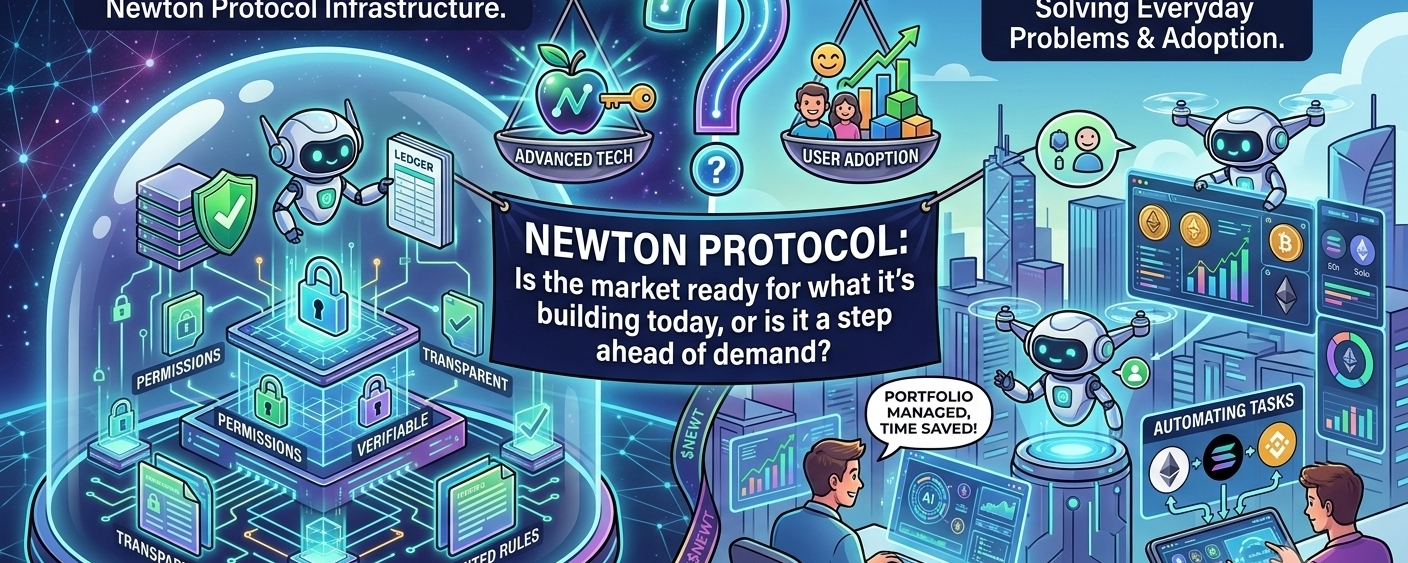
ニュートン・プロトコルについて学べば学ぶほど、私はあるシンプルな問いに立ち返ってしまいます:ニュートンが今日構築しているものに、市場は準備ができているのでしょうか。それとも、需要の一歩先を行っている状態なのでしょうか?
そのビジョンは魅力的です。AIエージェントに資産の完全な制御を任せるのではなく、ニュートンはパーミッション(権限)に基づく自動化に注目しています。ユーザーがエージェントに何を行えるかを定義するのです。すべてのアクションは、透明性があり、検証可能で、明確なルールによって制限されるよう設計されています。
技術的な観点から見ると、それはとても理にかなっています。
しかし、暗号市場は先進的だからという理由だけで技術を評価することは、めったにありません。多くのユーザーが重視するのは、利便性、スピード、そしてより良い成果です。時間を節約できて確実に動くなら使われます。複雑さが増えるなら、多くの人は使いません。
ニュートン・プロトコルについて学べば学ぶほど、私はあるシンプルな問いに立ち返ってしまいます:
ニュートンが今日構築しているものに、市場は準備ができているのでしょうか。それとも、需要の一歩先を行っている状態なのでしょうか?
そのビジョンは魅力的です。AIエージェントに資産の完全な制御を任せるのではなく、ニュートンはパーミッション(権限)に基づく自動化に注目しています。ユーザーがエージェントに何を行えるかを定義するのです。すべてのアクションは、透明性があり、検証可能で、明確なルールによって制限されるよう設計されています。
技術的な観点から見ると、それはとても理にかなっています。
しかし、暗号市場は先進的だからという理由だけで技術を評価することは、めったにありません。多くのユーザーが重視するのは、利便性、スピード、そしてより良い成果です。時間を節約できて確実に動くなら使われます。複雑さが増えるなら、多くの人は使いません。
そのビジョンは魅力的です。AIエージェントに資産の完全な制御を任せるのではなく、ニュートンはパーミッション(権限)に基づく自動化に注目しています。ユーザーがエージェントに何を行えるかを定義するのです。すべてのアクションは、透明性があり、検証可能で、明確なルールによって制限されるよう設計されています。
技術的な観点から見ると、それはとても理にかなっています。
しかし、暗号市場は先進的だからという理由だけで技術を評価することは、めったにありません。多くのユーザーが重視するのは、利便性、スピード、そしてより良い成果です。時間を節約できて確実に動くなら使われます。複雑さが増えるなら、多くの人は使いません。
10
2
81
·
--
@NewtonProtocol しばらくNewton Protocol($NEWT)を追いかけてきて、ひとつ気になる点があります。
技術を構築することは課題の半分にすぎません。人々が実際にそれを使うようにすることが、もう半分です。
オンチェーン上のアクションを安全に実行できる検証可能なAIエージェントというビジョンには、とても納得できます。AIが金融や暗号資産により深く関わっていくにつれて、信頼はオプションではなく必須になります。
本当の問題はタイミングです。
今日のユーザーは主に、利便性、コストの削減、より良い成果を重視しています。目の前の課題を解決するまで、裏側でインフラがきちんと動いていることを考える人は通常多くありません。
とはいえ、暗号資産の中で最も重要なインフラプロジェクトの多くは、最初にローンチされた時点では十分に評価されていなかったことがあります。最終的にエコシステムがそれらを必要とする形に成長したことで価値が生まれました。
自律型AIエージェントがWeb3の当たり前になったとき、Newton Protocolはすでに土台を整えている可能性があります。
最大の強みが「いち早く注目を集めること」ではない場合もあります。誰もが必要性に気づく前に準備ができていること――それこそが差になることがあるのです。
$NEWT #NewtonProtocol #newt #AI #Web3 #crypto との有料パートナーシップ
@NewtonProtocol しばらくNewton Protocol($NEWT )を追いかけてきて、ひとつ気になる点があります。
技術を構築することは課題の半分にすぎません。人々が実際にそれを使うようにすることが、もう半分です。
オンチェーン上のアクションを安全に実行できる検証可能なAIエージェントというビジョンには、とても納得できます。AIが金融や暗号資産により深く関わっていくにつれて、信頼はオプションではなく必須になります。
本当の問題はタイミングです。
今日のユーザーは主に、利便性、コストの削減、より良い成果を重視しています。目の前の課題を解決するまで、裏側でインフラがきちんと動いていることを考える人は通常多くありません。
とはいえ、暗号資産の中で最も重要なインフラプロジェクトの多くは、最初にローンチされた時点では十分に評価されていなかったことがあります。最終的にエコシステムがそれらを必要とする形に成長したことで価値が生まれました。
自律型AIエージェントがWeb3の当たり前になったとき、Newton Protocolはすでに土台を整えている可能性があります。
最大の強みが「いち早く注目を集めること」ではない場合もあります。誰もが必要性に気づく前に準備ができていること――それこそが差になることがあるのです。
$NEWT #NewtonProtocol #newt #AI #Web3 #crypto との有料パートナーシップ
技術を構築することは課題の半分にすぎません。人々が実際にそれを使うようにすることが、もう半分です。
オンチェーン上のアクションを安全に実行できる検証可能なAIエージェントというビジョンには、とても納得できます。AIが金融や暗号資産により深く関わっていくにつれて、信頼はオプションではなく必須になります。
本当の問題はタイミングです。
今日のユーザーは主に、利便性、コストの削減、より良い成果を重視しています。目の前の課題を解決するまで、裏側でインフラがきちんと動いていることを考える人は通常多くありません。
とはいえ、暗号資産の中で最も重要なインフラプロジェクトの多くは、最初にローンチされた時点では十分に評価されていなかったことがあります。最終的にエコシステムがそれらを必要とする形に成長したことで価値が生まれました。
自律型AIエージェントがWeb3の当たり前になったとき、Newton Protocolはすでに土台を整えている可能性があります。
最大の強みが「いち早く注目を集めること」ではない場合もあります。誰もが必要性に気づく前に準備ができていること――それこそが差になることがあるのです。
$NEWT #NewtonProtocol #newt #AI #Web3 #crypto との有料パートナーシップ
69
·
--
@NewtonProtocol #newt 私はしばらくの間@NewtonProtocol を追いかけていて、彼らが進もうとしている方向性が本当に気に入っています。AIとブロックチェーンを組み合わせれば、新しい可能性をたくさん切り開けるかもしれません。ここからエコシステムがどのように成長していくのか、とても楽しみです。
$NEWT についてどう思いますか?
$NEWT #NewtonProtocol #BinanceSquare
@NewtonProtocol #newt 私はしばらくの間@NewtonProtocol を追いかけていて、彼らが進もうとしている方向性が本当に気に入っています。AIとブロックチェーンを組み合わせれば、新しい可能性をたくさん切り開けるかもしれません。ここからエコシステムがどのように成長していくのか、とても楽しみです。
$NEWT についてどう思いますか?
$NEWT #NewtonProtocol #BinanceSquare
$NEWT についてどう思いますか?
$NEWT #NewtonProtocol #BinanceSquare
4
92
·
--
@OpenGradient ネットワークが「なぜそうなったのか」を最後まで説明しきる前に、要求が完了してしまいました。
その点が私に残りました。
1つの推論が完了し、OPGで支払いが決済され、ダッシュボードにはすべて完了と表示されます。ですが出力はそこで止まりませんでした。別のエージェントが引き継ぎ、別のタスクが開始され、ほとんどすぐに新しい計算(compute)要求が現れます。
それで私は、決済の後に何が起きるのかを考えるようになりました。
完了した推論は、必ずしもプロセスの終わりとは限りません。別のモデルへの合図になることもあります。アプリケーションが更新されることもあります。開発者がモデルのバージョンを改善するのに役立つこともあります。場合によっては、手作業なしで次の有料の計算要求が生まれることもあります。
しかし、活動があるだけでは不十分です。
エージェントが有用な成果を生み出さずに要求を作り続けるなら、システムは忙しくなるだけで、強くはなりません。有意義な価値のない繰り返しの計算は単なるノイズです。
OPGにとって興味深い問いは、「いくつのジョブが決済されたか」ではないかもしれません。より良い問いは、「決済されたジョブのうち、決済の後に有意義な作業を生み出したものがどれだけあるか」です。
健全なネットワークとは、計算が完了するだけのものではありません。完了した計算がエコシステム全体で価値を生み続けるものです。
OpenGradientにとって本当の試金石は、最初の取引で終わるのではなく、決済後も有用な出力が前進し続けるかどうかかもしれません。
#OpenGradient #OPG $OPG
OPGに対する本当の需要を最もよく示す指標は何でしょうか。総決済件数か、それとも決済後の有用なフォローオン活動でしょうか?
@OpenGradient ネットワークが「なぜそうなったのか」を最後まで説明しきる前に、要求が完了してしまいました。
その点が私に残りました。
1つの推論が完了し、OPGで支払いが決済され、ダッシュボードにはすべて完了と表示されます。ですが出力はそこで止まりませんでした。別のエージェントが引き継ぎ、別のタスクが開始され、ほとんどすぐに新しい計算(compute)要求が現れます。
それで私は、決済の後に何が起きるのかを考えるようになりました。
完了した推論は、必ずしもプロセスの終わりとは限りません。別のモデルへの合図になることもあります。アプリケーションが更新されることもあります。開発者がモデルのバージョンを改善するのに役立つこともあります。場合によっては、手作業なしで次の有料の計算要求が生まれることもあります。
しかし、活動があるだけでは不十分です。
エージェントが有用な成果を生み出さずに要求を作り続けるなら、システムは忙しくなるだけで、強くはなりません。有意義な価値のない繰り返しの計算は単なるノイズです。
OPGにとって興味深い問いは、「いくつのジョブが決済されたか」ではないかもしれません。より良い問いは、「決済されたジョブのうち、決済の後に有意義な作業を生み出したものがどれだけあるか」です。
健全なネットワークとは、計算が完了するだけのものではありません。完了した計算がエコシステム全体で価値を生み続けるものです。
OpenGradientにとって本当の試金石は、最初の取引で終わるのではなく、決済後も有用な出力が前進し続けるかどうかかもしれません。
#OpenGradient #OPG $OPG
OPGに対する本当の需要を最もよく示す指標は何でしょうか。総決済件数か、それとも決済後の有用なフォローオン活動でしょうか?
その点が私に残りました。
1つの推論が完了し、OPGで支払いが決済され、ダッシュボードにはすべて完了と表示されます。ですが出力はそこで止まりませんでした。別のエージェントが引き継ぎ、別のタスクが開始され、ほとんどすぐに新しい計算(compute)要求が現れます。
それで私は、決済の後に何が起きるのかを考えるようになりました。
完了した推論は、必ずしもプロセスの終わりとは限りません。別のモデルへの合図になることもあります。アプリケーションが更新されることもあります。開発者がモデルのバージョンを改善するのに役立つこともあります。場合によっては、手作業なしで次の有料の計算要求が生まれることもあります。
しかし、活動があるだけでは不十分です。
エージェントが有用な成果を生み出さずに要求を作り続けるなら、システムは忙しくなるだけで、強くはなりません。有意義な価値のない繰り返しの計算は単なるノイズです。
OPGにとって興味深い問いは、「いくつのジョブが決済されたか」ではないかもしれません。より良い問いは、「決済されたジョブのうち、決済の後に有意義な作業を生み出したものがどれだけあるか」です。
健全なネットワークとは、計算が完了するだけのものではありません。完了した計算がエコシステム全体で価値を生み続けるものです。
OpenGradientにとって本当の試金石は、最初の取引で終わるのではなく、決済後も有用な出力が前進し続けるかどうかかもしれません。
#OpenGradient #OPG $OPG
OPGに対する本当の需要を最もよく示す指標は何でしょうか。総決済件数か、それとも決済後の有用なフォローオン活動でしょうか?
1
75
·
--
記事
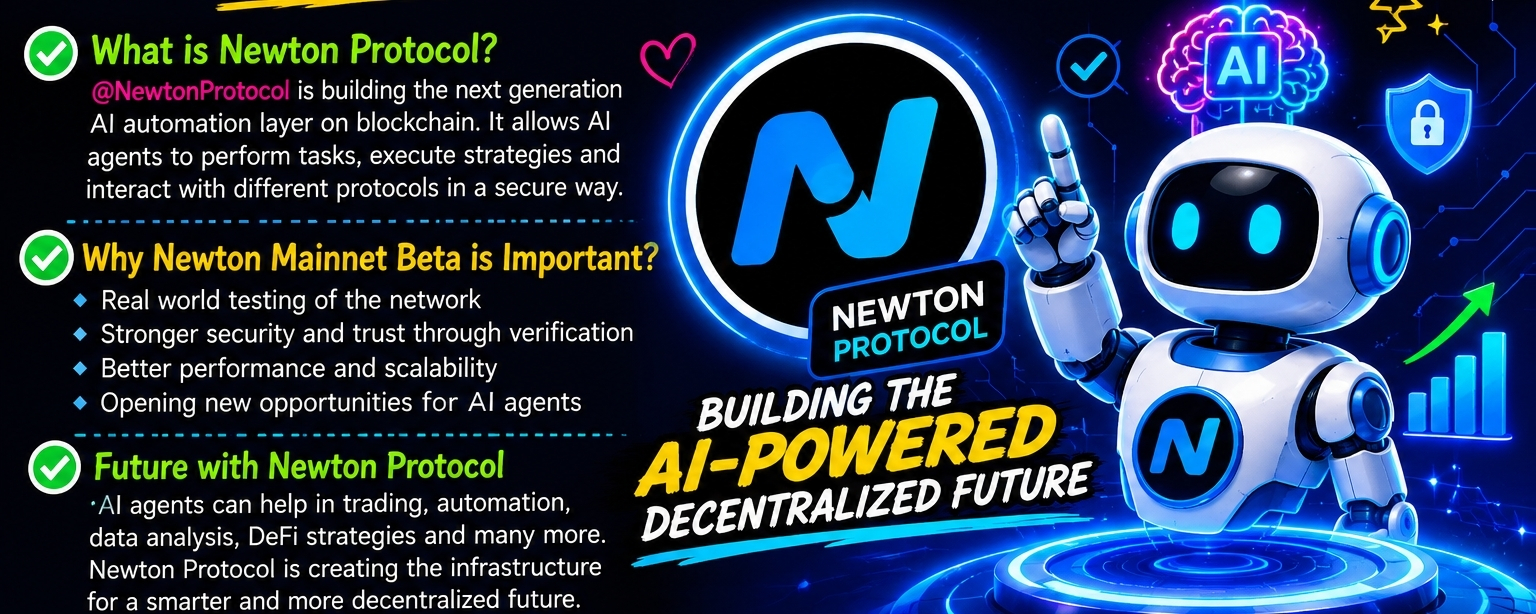
Newton Mainnet Betaに関する私の考え最近、@NewtonProtocol とそのMainnet Betaについて学び始めました。私が最も興味を持っているのは、このプロジェクトがAIとブロックチェーン技術をどのように組み合わせているかです。
Newtonプロトコルは、AIエージェントがタスクを実行し、さまざまな形でユーザーを支援できるようにするための、安全な環境を作ろうとしています。Mainnet Betaは重要なステップです。なぜなら、コミュニティが現実の条件下で技術がどのように機能するかを確認できるからです。
今後はAIの自動化がさらに重要になると思います。また、Newtonのようなプロジェクトは新しい可能性を探っています。開発者は役に立つAIアプリケーションを作れる一方で、ユーザーはより透明で安全な仕組みから恩恵を受けられます。
Newton Mainnet Betaに関する私の考え
最近、@NewtonProtocol とそのMainnet Betaについて学び始めました。私が最も興味を持っているのは、このプロジェクトがAIとブロックチェーン技術をどのように組み合わせているかです。
Newtonプロトコルは、AIエージェントがタスクを実行し、さまざまな形でユーザーを支援できるようにするための、安全な環境を作ろうとしています。Mainnet Betaは重要なステップです。なぜなら、コミュニティが現実の条件下で技術がどのように機能するかを確認できるからです。
今後はAIの自動化がさらに重要になると思います。また、Newtonのようなプロジェクトは新しい可能性を探っています。開発者は役に立つAIアプリケーションを作れる一方で、ユーザーはより透明で安全な仕組みから恩恵を受けられます。
Newtonプロトコルは、AIエージェントがタスクを実行し、さまざまな形でユーザーを支援できるようにするための、安全な環境を作ろうとしています。Mainnet Betaは重要なステップです。なぜなら、コミュニティが現実の条件下で技術がどのように機能するかを確認できるからです。
今後はAIの自動化がさらに重要になると思います。また、Newtonのようなプロジェクトは新しい可能性を探っています。開発者は役に立つAIアプリケーションを作れる一方で、ユーザーはより透明で安全な仕組みから恩恵を受けられます。
74
·
--
#newt $NEWT @NewtonProtocol
私はAIとブロックチェーンの交差点にあるプロジェクトを調査してきましたが、@NewtonProtocol が目を引きました。
AIエージェント、自動化されたストラテジー、開発者向けマーケットプレイスのために設計されたセキュアなロールアップというアイデアは、AIがより自律的になっていくにつれて、ますます重要性を増していると感じます。
インフラはしばしば誇大宣伝よりも重要であり、Newtonがこのエコシステムをどのように発展させていくのかを見守るのが楽しみです。
#Blockchain #NewtonProtocol
@NewtonProtocol との有料提携
#newt $NEWT @NewtonProtocol
私はAIとブロックチェーンの交差点にあるプロジェクトを調査してきましたが、@NewtonProtocol が目を引きました。
AIエージェント、自動化されたストラテジー、開発者向けマーケットプレイスのために設計されたセキュアなロールアップというアイデアは、AIがより自律的になっていくにつれて、ますます重要性を増していると感じます。
インフラはしばしば誇大宣伝よりも重要であり、Newtonがこのエコシステムをどのように発展させていくのかを見守るのが楽しみです。
#Blockchain #NewtonProtocol
@NewtonProtocol との有料提携
私はAIとブロックチェーンの交差点にあるプロジェクトを調査してきましたが、@NewtonProtocol が目を引きました。
AIエージェント、自動化されたストラテジー、開発者向けマーケットプレイスのために設計されたセキュアなロールアップというアイデアは、AIがより自律的になっていくにつれて、ますます重要性を増していると感じます。
インフラはしばしば誇大宣伝よりも重要であり、Newtonがこのエコシステムをどのように発展させていくのかを見守るのが楽しみです。
#Blockchain #NewtonProtocol
@NewtonProtocol との有料提携
1
1
83
·
--
@OpenGradient
モデルが失敗したとき、問題は発生しませんでした。
モデルが回復したときに発生しました。
出力は正常に戻り、レイテンシは安定しました。多くのユーザーは次に進みましたが、いくつかの推論記録は依然として新しいリリースを指していました。不具合のあった期間中に、すでに一部のエージェントは振る舞いを適応させていました。誤ったバージョンが稼働している間に、支払いが決済されました。
モデルは戻ってきました。
しかし、信頼は戻りませんでした。
それで私は、OpenGradient の中でのロールバックについて別の考え方をする必要があるのだと気づきました。
重みのロールバックはおそらく最も簡単な部分です。難しいのは、ミスの周辺に関する履歴を保持することです。
どのモデルバージョンが実際にリクエストに応答したのか?
どの Blob ID が出力を生成したのか?
どのプローフパスが推論を検証したのか?
不具合のあったリリース中に、どのエージェントが振る舞いを変えたのか?
新しいバージョンがアクティブだった間に、どの支払いが決済されたのか?
ネットワークが単に古いモデルを復元して、失敗したリリースを隠すだけなら、技術的な問題は消えますが、信頼の問題は残ります。
失敗したバージョンは今も重要です。
監査証跡は重要です。
決済履歴は重要です。
分散型の AI ネットワークは、正しいモデルを提供する責任を負うだけではありません。誤ったものの記録も保持しなければなりません。
だからこそ、OpenGradient におけるロールバックは、従来のソフトウェア更新とは感覚が違います。目的は単に動作する状態に戻すことではありません。目的は、後戻りした経路を完全に可視化することです。
分散型 AI では、古いモデルが再び有効になること自体は本質的な問題ではありません。
本当の問題は次のとおりです:
ネットワークは、不在の間に何が起きたのかを、正確に証明できるのか?
エージェント、証明、支払い、ルーティングがすべて悪いリリースの間も動き続けるなら、ロールバックはコードの問題というより信頼の問題になります。
戻すのは簡単です。
信頼できるほどに、はっきりとした痕跡を残すことが難しい部分です。
#opg #DeAI #OpenGradient $OPG
コミュニティへの質問:
モデルのロールバックが起きた場合、ユーザーにとって最も重要視されるべきなのは何でしょうか。より速い復旧、完全な監査履歴、それとも「各推論がどのバージョンから生成されたか」を正確に示す証明でしょうか?
@OpenGradient
モデルが失敗したとき、問題は発生しませんでした。
モデルが回復したときに発生しました。
出力は正常に戻り、レイテンシは安定しました。多くのユーザーは次に進みましたが、いくつかの推論記録は依然として新しいリリースを指していました。不具合のあった期間中に、すでに一部のエージェントは振る舞いを適応させていました。誤ったバージョンが稼働している間に、支払いが決済されました。
モデルは戻ってきました。
しかし、信頼は戻りませんでした。
それで私は、OpenGradient の中でのロールバックについて別の考え方をする必要があるのだと気づきました。
重みのロールバックはおそらく最も簡単な部分です。難しいのは、ミスの周辺に関する履歴を保持することです。
どのモデルバージョンが実際にリクエストに応答したのか?
どの Blob ID が出力を生成したのか?
どのプローフパスが推論を検証したのか?
不具合のあったリリース中に、どのエージェントが振る舞いを変えたのか?
新しいバージョンがアクティブだった間に、どの支払いが決済されたのか?
ネットワークが単に古いモデルを復元して、失敗したリリースを隠すだけなら、技術的な問題は消えますが、信頼の問題は残ります。
失敗したバージョンは今も重要です。
監査証跡は重要です。
決済履歴は重要です。
分散型の AI ネットワークは、正しいモデルを提供する責任を負うだけではありません。誤ったものの記録も保持しなければなりません。
だからこそ、OpenGradient におけるロールバックは、従来のソフトウェア更新とは感覚が違います。目的は単に動作する状態に戻すことではありません。目的は、後戻りした経路を完全に可視化することです。
分散型 AI では、古いモデルが再び有効になること自体は本質的な問題ではありません。
本当の問題は次のとおりです:
ネットワークは、不在の間に何が起きたのかを、正確に証明できるのか?
エージェント、証明、支払い、ルーティングがすべて悪いリリースの間も動き続けるなら、ロールバックはコードの問題というより信頼の問題になります。
戻すのは簡単です。
信頼できるほどに、はっきりとした痕跡を残すことが難しい部分です。
#opg #DeAI #OpenGradient $OPG
コミュニティへの質問:
モデルのロールバックが起きた場合、ユーザーにとって最も重要視されるべきなのは何でしょうか。より速い復旧、完全な監査履歴、それとも「各推論がどのバージョンから生成されたか」を正確に示す証明でしょうか?
モデルが失敗したとき、問題は発生しませんでした。
モデルが回復したときに発生しました。
出力は正常に戻り、レイテンシは安定しました。多くのユーザーは次に進みましたが、いくつかの推論記録は依然として新しいリリースを指していました。不具合のあった期間中に、すでに一部のエージェントは振る舞いを適応させていました。誤ったバージョンが稼働している間に、支払いが決済されました。
モデルは戻ってきました。
しかし、信頼は戻りませんでした。
それで私は、OpenGradient の中でのロールバックについて別の考え方をする必要があるのだと気づきました。
重みのロールバックはおそらく最も簡単な部分です。難しいのは、ミスの周辺に関する履歴を保持することです。
どのモデルバージョンが実際にリクエストに応答したのか?
どの Blob ID が出力を生成したのか?
どのプローフパスが推論を検証したのか?
不具合のあったリリース中に、どのエージェントが振る舞いを変えたのか?
新しいバージョンがアクティブだった間に、どの支払いが決済されたのか?
ネットワークが単に古いモデルを復元して、失敗したリリースを隠すだけなら、技術的な問題は消えますが、信頼の問題は残ります。
失敗したバージョンは今も重要です。
監査証跡は重要です。
決済履歴は重要です。
分散型の AI ネットワークは、正しいモデルを提供する責任を負うだけではありません。誤ったものの記録も保持しなければなりません。
だからこそ、OpenGradient におけるロールバックは、従来のソフトウェア更新とは感覚が違います。目的は単に動作する状態に戻すことではありません。目的は、後戻りした経路を完全に可視化することです。
分散型 AI では、古いモデルが再び有効になること自体は本質的な問題ではありません。
本当の問題は次のとおりです:
ネットワークは、不在の間に何が起きたのかを、正確に証明できるのか?
エージェント、証明、支払い、ルーティングがすべて悪いリリースの間も動き続けるなら、ロールバックはコードの問題というより信頼の問題になります。
戻すのは簡単です。
信頼できるほどに、はっきりとした痕跡を残すことが難しい部分です。
#opg #DeAI #OpenGradient $OPG
コミュニティへの質問:
モデルのロールバックが起きた場合、ユーザーにとって最も重要視されるべきなのは何でしょうか。より速い復旧、完全な監査履歴、それとも「各推論がどのバージョンから生成されたか」を正確に示す証明でしょうか?
1
98
ログインして、さらにコンテンツを読む
厳選トピックで世界の暗号資産トレーダーの仲間入り
⚡️ 暗号資産に関する最新かつ有益な情報が見つかります。
💬 世界最大の暗号資産取引所から信頼されています。
👍 認証を受けたクリエイターから、有益なインサイトを得られます。
メール / 電話番号