
Ruoxi BNB
10.3k 投稿

Ruoxi BNB
報告
ユーザーをブロック
取引を発注
高頻度トレーダー
10.9か月
1.4K+ フォロー
21.3K+ フォロワー
6.5K+ いいね
投稿
ポートフォリオ
すべて
引用
ライブ
PINNED
·
--
ブリッシュ
@Dusk_Foundation
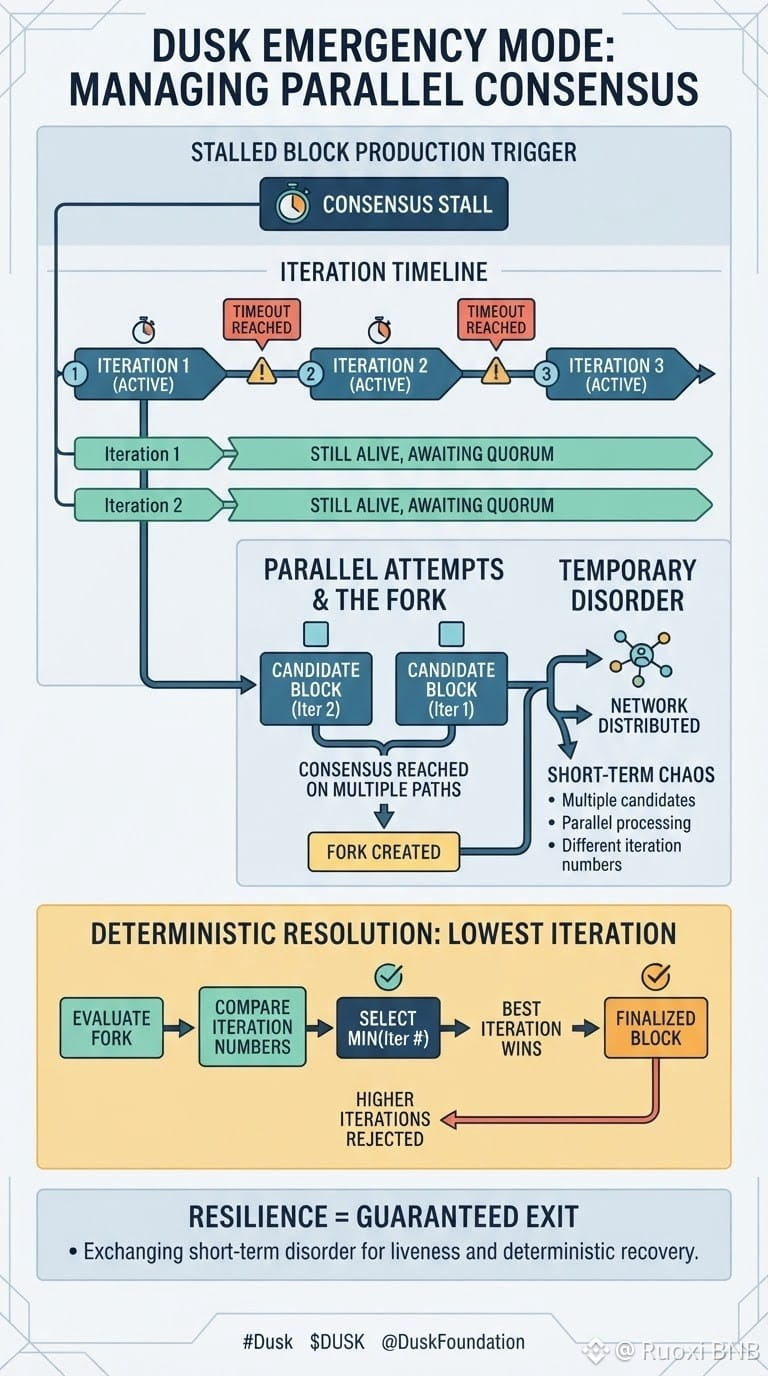
最初は、デスクの緊急モードは主に停止したブロック生成のためのバックアップだと思っていました。けれども調べるほど、ひとつの小さな点が目立ってきました。オープンなイテレーションは、同時に進行し続けられるということです。新しいイテレーションは最大ステップのタイムアウト後に始まりますが、それ以前のイテレーションは、実際にクォーラムに到達するまで生き残ります。つまりプロトコルは、一つの行き詰まった経路でネットワークに待たせるのではなく、一時的な並列の試行を受け入れます。明らかな代償は、いくつかの候補が最終的に合意に到達してフォークが生まれ、その後「最も低いイテレーション」を選ぶことで解決しなければならなくなることです。私は、そのトレードオフのほうが緊急というラベルそのものより興味深いと思います。デスクは実質的に、短期的な混乱の一部を、プロビジョナーが不足していたり孤立していたりする状況でも、少なくとも一つの経路が前進する可能性と引き換えにしているのです。たぶん、それは合理的な失敗モードなのかもしれませんが、複雑さを「待つこと」から「フォーク解消」へ移していることは確かです。
だからこそ考えさせられます。レジリエンスとは、混沌とした状態を避けることよりも、その混沌に対して決定論的な脱出手段を用意することなのではないでしょうか?
@Dusk_Foundation #dusk $DUSK
{spot}(DUSKUSDT)
@Dusk
最初は、デスクの緊急モードは主に停止したブロック生成のためのバックアップだと思っていました。けれども調べるほど、ひとつの小さな点が目立ってきました。オープンなイテレーションは、同時に進行し続けられるということです。新しいイテレーションは最大ステップのタイムアウト後に始まりますが、それ以前のイテレーションは、実際にクォーラムに到達するまで生き残ります。つまりプロトコルは、一つの行き詰まった経路でネットワークに待たせるのではなく、一時的な並列の試行を受け入れます。明らかな代償は、いくつかの候補が最終的に合意に到達してフォークが生まれ、その後「最も低いイテレーション」を選ぶことで解決しなければならなくなることです。私は、そのトレードオフのほうが緊急というラベルそのものより興味深いと思います。デスクは実質的に、短期的な混乱の一部を、プロビジョナーが不足していたり孤立していたりする状況でも、少なくとも一つの経路が前進する可能性と引き換えにしているのです。たぶん、それは合理的な失敗モードなのかもしれませんが、複雑さを「待つこと」から「フォーク解消」へ移していることは確かです。
だからこそ考えさせられます。レジリエンスとは、混沌とした状態を避けることよりも、その混沌に対して決定論的な脱出手段を用意することなのではないでしょうか?
@Dusk #dusk $DUSK
最初は、デスクの緊急モードは主に停止したブロック生成のためのバックアップだと思っていました。けれども調べるほど、ひとつの小さな点が目立ってきました。オープンなイテレーションは、同時に進行し続けられるということです。新しいイテレーションは最大ステップのタイムアウト後に始まりますが、それ以前のイテレーションは、実際にクォーラムに到達するまで生き残ります。つまりプロトコルは、一つの行き詰まった経路でネットワークに待たせるのではなく、一時的な並列の試行を受け入れます。明らかな代償は、いくつかの候補が最終的に合意に到達してフォークが生まれ、その後「最も低いイテレーション」を選ぶことで解決しなければならなくなることです。私は、そのトレードオフのほうが緊急というラベルそのものより興味深いと思います。デスクは実質的に、短期的な混乱の一部を、プロビジョナーが不足していたり孤立していたりする状況でも、少なくとも一つの経路が前進する可能性と引き換えにしているのです。たぶん、それは合理的な失敗モードなのかもしれませんが、複雑さを「待つこと」から「フォーク解消」へ移していることは確かです。
だからこそ考えさせられます。レジリエンスとは、混沌とした状態を避けることよりも、その混沌に対して決定論的な脱出手段を用意することなのではないでしょうか?
@Dusk #dusk $DUSK
3
4
145
PINNED
·
--
ブリッシュ
@Dusk_Foundation
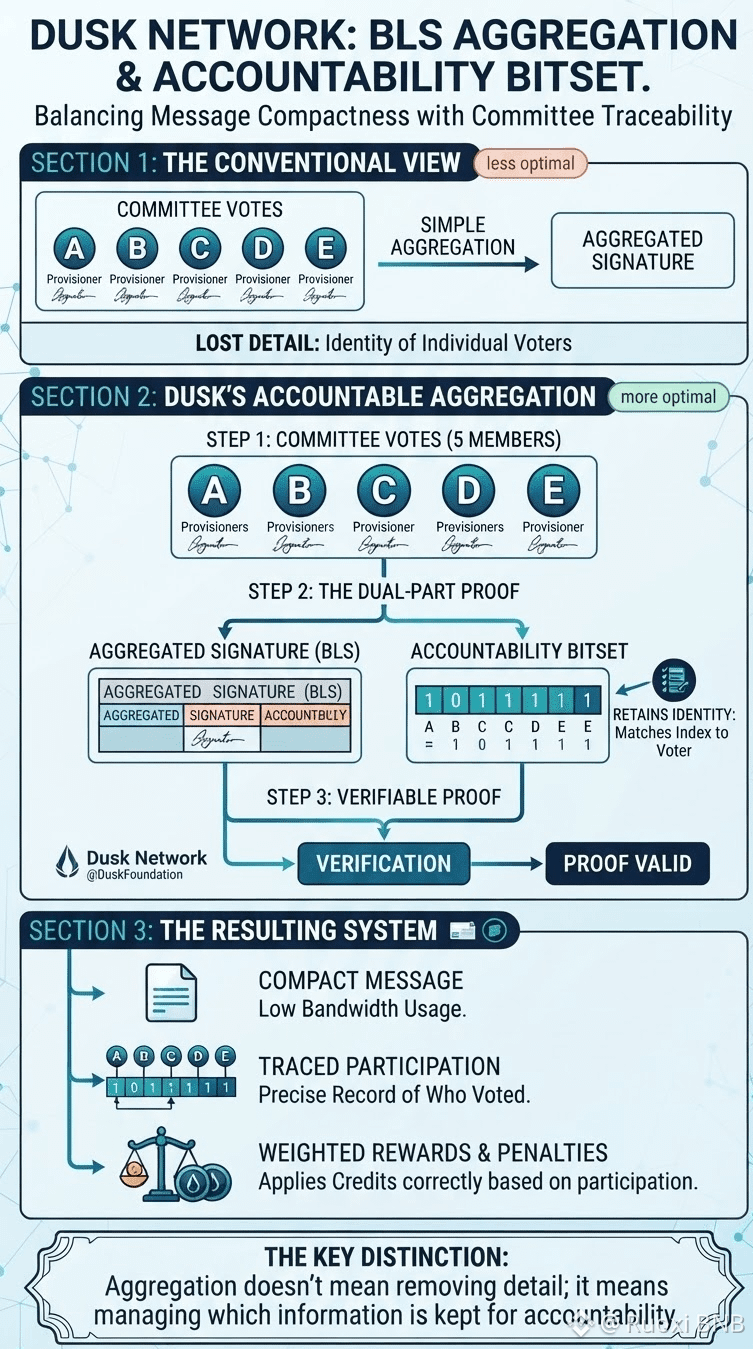
最初は、ダスクのBLS集約は主に帯域節約のための工夫だと思っていました。しかし調べれば調べるほど、集約された署名に付随するビットセットは、圧縮そのものよりも重要に見えてきました。各委員会メンバーにはインデックスがあり、ビットセットはどのメンバーが署名を提供したかを正確に記録します。つまり、ネットワークは1つのコンパクトな署名を運びつつ、その背後にいる投票者の本人性(識別)を保持できます。集約は通常、細部を取り除くことを連想させるのですが、ここではメッセージ形式からはある程度の詳細が取り除かれる一方で、実際に誰が参加したのかを復元できるだけの構造がプロトコルに保たれています。委員会の投票はクレジットによって重み付けされ、さらに後の報酬や罰則は、関係する投票者を知ることに依存するため、これは重要です。したがって、コンパクトな証明には、その隣に正確なメンバーシップ記録が必要になります。集約の有用な部分は、単にコンセンサスメッセージを小さくすることではなく、安全に圧縮できる情報とできない情報を見極めることなのかもしれません。
コンセンサス用の証明は、説明責任(アカウンタビリティ)が失われ始める前に、どれほどの「簡潔さ」を許容できるのかと考えさせられます?
@Dusk_Foundation #dusk $DUSK
{spot}(DUSKUSDT)
@Dusk
最初は、ダスクのBLS集約は主に帯域節約のための工夫だと思っていました。しかし調べれば調べるほど、集約された署名に付随するビットセットは、圧縮そのものよりも重要に見えてきました。各委員会メンバーにはインデックスがあり、ビットセットはどのメンバーが署名を提供したかを正確に記録します。つまり、ネットワークは1つのコンパクトな署名を運びつつ、その背後にいる投票者の本人性(識別)を保持できます。集約は通常、細部を取り除くことを連想させるのですが、ここではメッセージ形式からはある程度の詳細が取り除かれる一方で、実際に誰が参加したのかを復元できるだけの構造がプロトコルに保たれています。委員会の投票はクレジットによって重み付けされ、さらに後の報酬や罰則は、関係する投票者を知ることに依存するため、これは重要です。したがって、コンパクトな証明には、その隣に正確なメンバーシップ記録が必要になります。集約の有用な部分は、単にコンセンサスメッセージを小さくすることではなく、安全に圧縮できる情報とできない情報を見極めることなのかもしれません。
コンセンサス用の証明は、説明責任(アカウンタビリティ)が失われ始める前に、どれほどの「簡潔さ」を許容できるのかと考えさせられます?
@Dusk #dusk $DUSK
最初は、ダスクのBLS集約は主に帯域節約のための工夫だと思っていました。しかし調べれば調べるほど、集約された署名に付随するビットセットは、圧縮そのものよりも重要に見えてきました。各委員会メンバーにはインデックスがあり、ビットセットはどのメンバーが署名を提供したかを正確に記録します。つまり、ネットワークは1つのコンパクトな署名を運びつつ、その背後にいる投票者の本人性(識別)を保持できます。集約は通常、細部を取り除くことを連想させるのですが、ここではメッセージ形式からはある程度の詳細が取り除かれる一方で、実際に誰が参加したのかを復元できるだけの構造がプロトコルに保たれています。委員会の投票はクレジットによって重み付けされ、さらに後の報酬や罰則は、関係する投票者を知ることに依存するため、これは重要です。したがって、コンパクトな証明には、その隣に正確なメンバーシップ記録が必要になります。集約の有用な部分は、単にコンセンサスメッセージを小さくすることではなく、安全に圧縮できる情報とできない情報を見極めることなのかもしれません。
コンセンサス用の証明は、説明責任(アカウンタビリティ)が失われ始める前に、どれほどの「簡潔さ」を許容できるのかと考えさせられます?
@Dusk #dusk $DUSK
20
11
207
·
--
ブリッシュ
@Dusk_Foundation
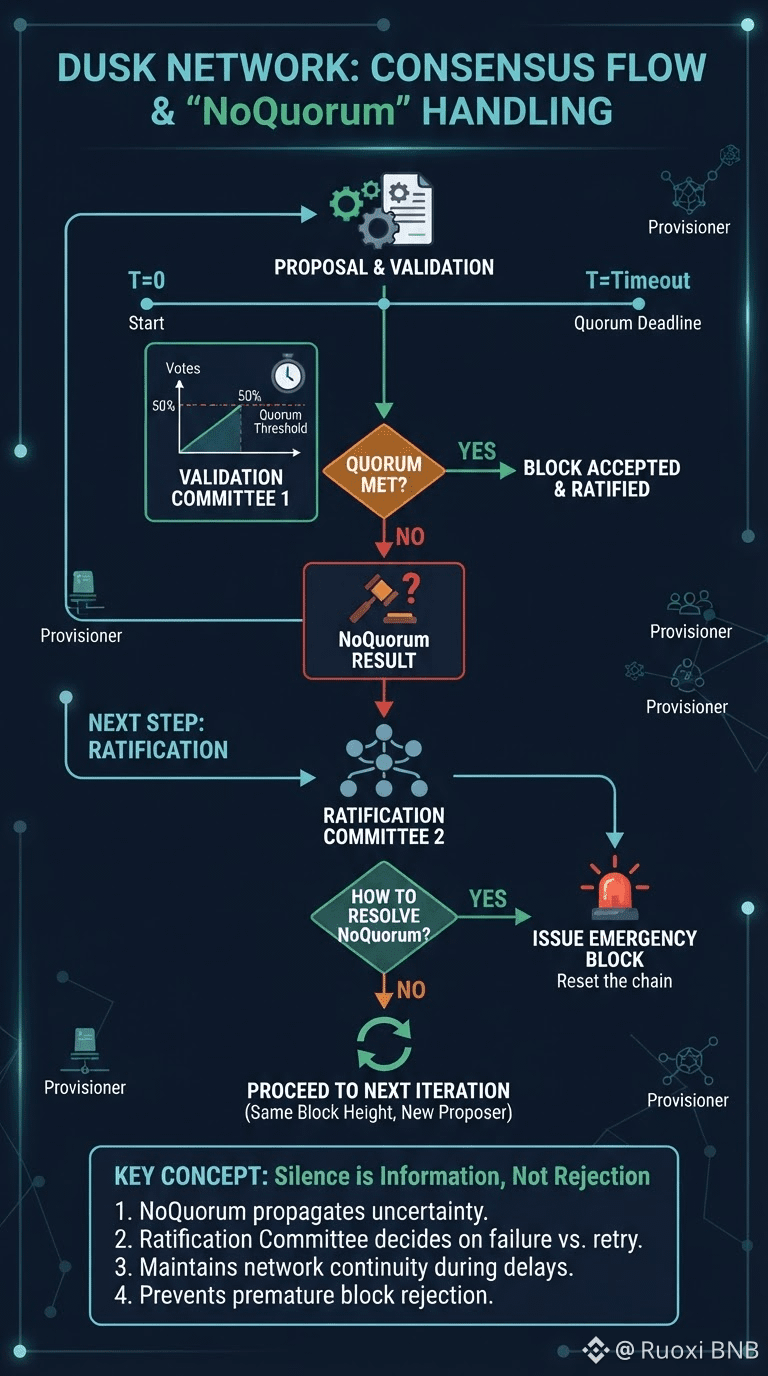
最初は、ダスクの投票プロセスは主にタイムアウト前に定足数に到達することが目的だと思っていました。ですが調べるほど、定足数が不足した場合の扱いに目が留まりました。検証ステップで十分な票を時間内に集められない場合、単にブロックを無効だと宣言するのではありません。NoQuorumという結果を生成し、その結果がその後の承認(ratification)に持ち越されます。次の委員会は、その結果について投票することになり、直ちに最初からプロセスをやり直すわけではありません。これにより、「ブロックが失敗した」のと「ネットワークが決められなかった」の間に、小さな(しかし重要な)違いが生まれます。これらは状況が大きく異なります。特に、提供者(provisioners)がオフラインだったり、メッセージが遅延したりする場合です。プロトコルは、反復(iteration)が失敗すべきかどうかを判断する前に、その不確実性をもう1ステップだけ可視のままにしておきます。私は、タイムアウトそのものよりも、その点のほうが興味深いと感じます。沈黙は情報として扱われるが、必ずしも拒否として扱われるわけではないことを示唆しているからです。
では、より静かな問いは、合意システムが、最終的に合意の不在を失敗へと変えるまで、どれほどの不確実性を保持すべきなのか、ということかもしれません?
@Dusk_Foundation #dusk $DUSK
{spot}(DUSKUSDT)
@Dusk
最初は、ダスクの投票プロセスは主にタイムアウト前に定足数に到達することが目的だと思っていました。ですが調べるほど、定足数が不足した場合の扱いに目が留まりました。検証ステップで十分な票を時間内に集められない場合、単にブロックを無効だと宣言するのではありません。NoQuorumという結果を生成し、その結果がその後の承認(ratification)に持ち越されます。次の委員会は、その結果について投票することになり、直ちに最初からプロセスをやり直すわけではありません。これにより、「ブロックが失敗した」のと「ネットワークが決められなかった」の間に、小さな(しかし重要な)違いが生まれます。これらは状況が大きく異なります。特に、提供者(provisioners)がオフラインだったり、メッセージが遅延したりする場合です。プロトコルは、反復(iteration)が失敗すべきかどうかを判断する前に、その不確実性をもう1ステップだけ可視のままにしておきます。私は、タイムアウトそのものよりも、その点のほうが興味深いと感じます。沈黙は情報として扱われるが、必ずしも拒否として扱われるわけではないことを示唆しているからです。
では、より静かな問いは、合意システムが、最終的に合意の不在を失敗へと変えるまで、どれほどの不確実性を保持すべきなのか、ということかもしれません?
@Dusk #dusk $DUSK
最初は、ダスクの投票プロセスは主にタイムアウト前に定足数に到達することが目的だと思っていました。ですが調べるほど、定足数が不足した場合の扱いに目が留まりました。検証ステップで十分な票を時間内に集められない場合、単にブロックを無効だと宣言するのではありません。NoQuorumという結果を生成し、その結果がその後の承認(ratification)に持ち越されます。次の委員会は、その結果について投票することになり、直ちに最初からプロセスをやり直すわけではありません。これにより、「ブロックが失敗した」のと「ネットワークが決められなかった」の間に、小さな(しかし重要な)違いが生まれます。これらは状況が大きく異なります。特に、提供者(provisioners)がオフラインだったり、メッセージが遅延したりする場合です。プロトコルは、反復(iteration)が失敗すべきかどうかを判断する前に、その不確実性をもう1ステップだけ可視のままにしておきます。私は、タイムアウトそのものよりも、その点のほうが興味深いと感じます。沈黙は情報として扱われるが、必ずしも拒否として扱われるわけではないことを示唆しているからです。
では、より静かな問いは、合意システムが、最終的に合意の不在を失敗へと変えるまで、どれほどの不確実性を保持すべきなのか、ということかもしれません?
@Dusk #dusk $DUSK
20
13
152
·
--
ブリッシュ
@Dusk_Foundation
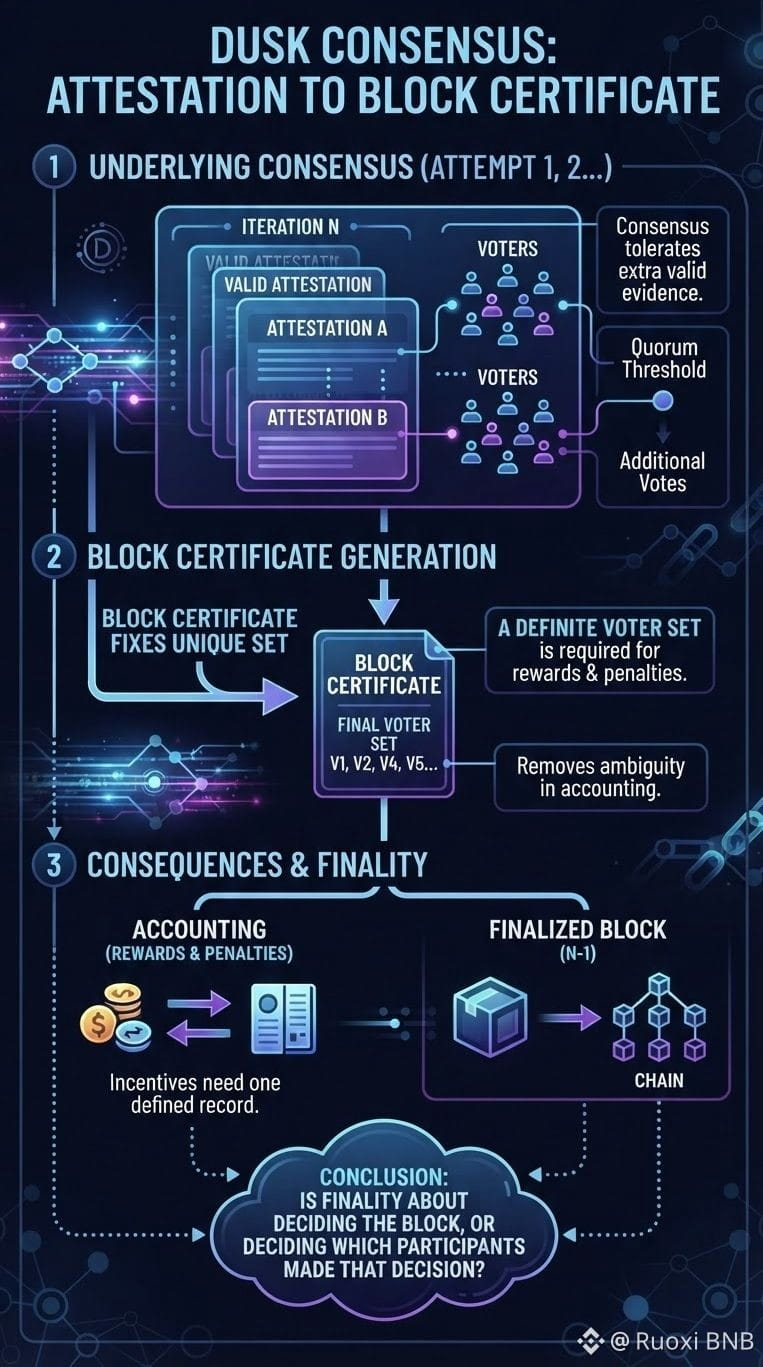
最初、私はDuskの証明(アテステーション)が主に「十分な提供者(provisioners)が同意した」ことを短く示すためのものだと考えました。ですが調べるほど、目立つ一つの点がありました。同じイテレーションについては、クォーラムを超える投票が受け取られれば、複数の有効なアテステーションが存在し得るのです。そこでDuskは、前のブロックのアテステーションから一意の投票者集合を固定するブロック証明(ブロック・サーティフィケート)を追加します。これは圧縮の詳細というより、後続の会計(accounting)が曖昧にならないようにするための仕組みに見えます。報酬とペナルティには、たとえ基礎となる合意(コンセンサス)ステップが複数のクォーラム証明を生み得たとしても、確定した投票者集合が必要です。プロトコルは「十分な投票が起きた」ことと、「後続の結果にとってどの投票が数えられるか」を分離しています。合意のフローを読むとこの区別は見落としやすいのですが、合意の余波(aftermath)に小さな信頼境界を設けることになります。合意(コンセンサス)は余分な有効な証拠を許容できる一方で、インセンティブはそれでも一つの定義済みの記録が必要なのです。
このことから、最終性(ファイナリティ)とは「ブロックを決めること」だけなのか、それとも「システムがその決定を下したと記憶する参加者を決めること」まで含むのか疑問に思わされます。
@Dusk_Foundation #dusk $DUSK
{spot}(DUSKUSDT)
@Dusk
最初、私はDuskの証明(アテステーション)が主に「十分な提供者(provisioners)が同意した」ことを短く示すためのものだと考えました。ですが調べるほど、目立つ一つの点がありました。同じイテレーションについては、クォーラムを超える投票が受け取られれば、複数の有効なアテステーションが存在し得るのです。そこでDuskは、前のブロックのアテステーションから一意の投票者集合を固定するブロック証明(ブロック・サーティフィケート)を追加します。これは圧縮の詳細というより、後続の会計(accounting)が曖昧にならないようにするための仕組みに見えます。報酬とペナルティには、たとえ基礎となる合意(コンセンサス)ステップが複数のクォーラム証明を生み得たとしても、確定した投票者集合が必要です。プロトコルは「十分な投票が起きた」ことと、「後続の結果にとってどの投票が数えられるか」を分離しています。合意のフローを読むとこの区別は見落としやすいのですが、合意の余波(aftermath)に小さな信頼境界を設けることになります。合意(コンセンサス)は余分な有効な証拠を許容できる一方で、インセンティブはそれでも一つの定義済みの記録が必要なのです。
このことから、最終性(ファイナリティ)とは「ブロックを決めること」だけなのか、それとも「システムがその決定を下したと記憶する参加者を決めること」まで含むのか疑問に思わされます。
@Dusk #dusk $DUSK
最初、私はDuskの証明(アテステーション)が主に「十分な提供者(provisioners)が同意した」ことを短く示すためのものだと考えました。ですが調べるほど、目立つ一つの点がありました。同じイテレーションについては、クォーラムを超える投票が受け取られれば、複数の有効なアテステーションが存在し得るのです。そこでDuskは、前のブロックのアテステーションから一意の投票者集合を固定するブロック証明(ブロック・サーティフィケート)を追加します。これは圧縮の詳細というより、後続の会計(accounting)が曖昧にならないようにするための仕組みに見えます。報酬とペナルティには、たとえ基礎となる合意(コンセンサス)ステップが複数のクォーラム証明を生み得たとしても、確定した投票者集合が必要です。プロトコルは「十分な投票が起きた」ことと、「後続の結果にとってどの投票が数えられるか」を分離しています。合意のフローを読むとこの区別は見落としやすいのですが、合意の余波(aftermath)に小さな信頼境界を設けることになります。合意(コンセンサス)は余分な有効な証拠を許容できる一方で、インセンティブはそれでも一つの定義済みの記録が必要なのです。
このことから、最終性(ファイナリティ)とは「ブロックを決めること」だけなのか、それとも「システムがその決定を下したと記憶する参加者を決めること」まで含むのか疑問に思わされます。
@Dusk #dusk $DUSK
35
18
224
·
--
ブリッシュ
@Dusk_Foundation
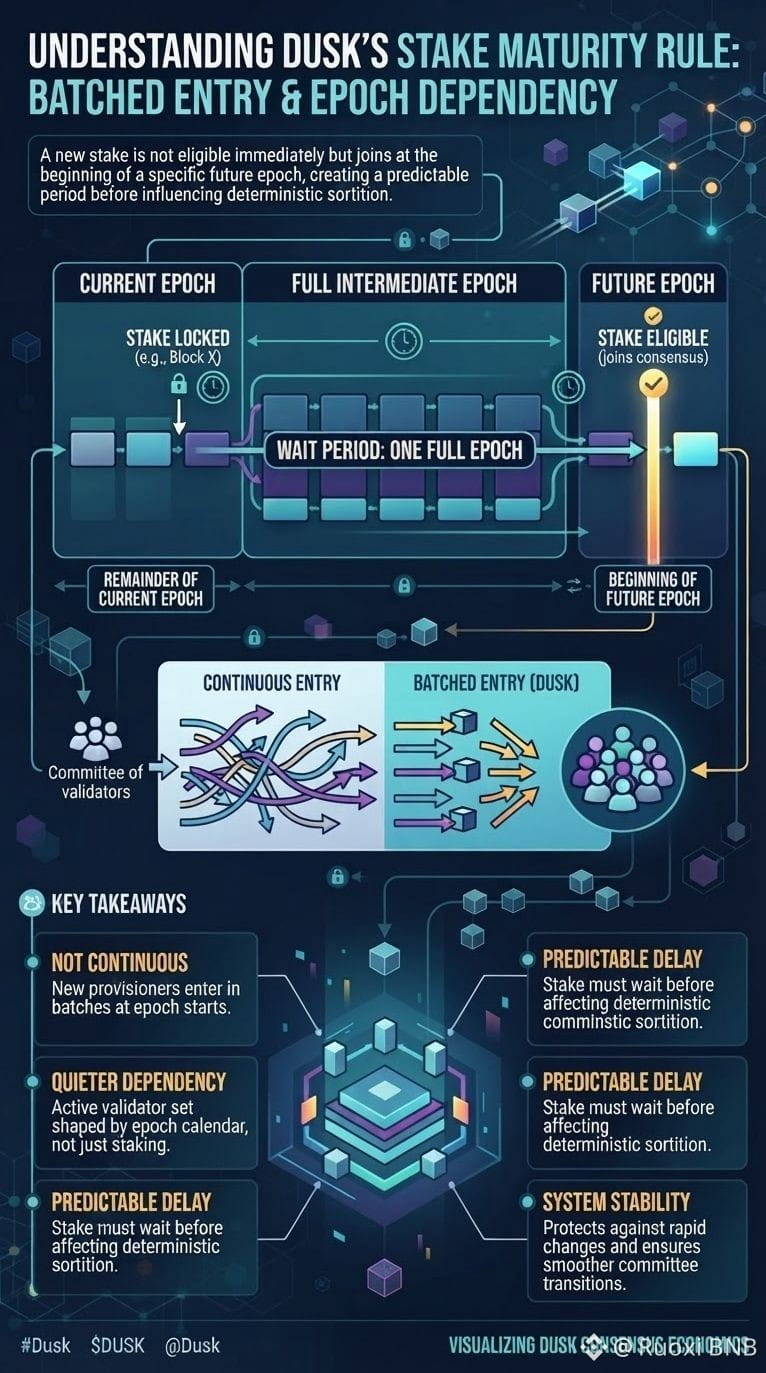
最初は、ダスクのステーク満期ルールは、誰かがあまりに早くコンセンサスに参加できないようにするための待機期間に過ぎないのだと思っていました。けれども調べれば調べるほど、そのタイミング自体がより意図的に設計されているように見えてきました。新しいステークはすぐには有効にならず、また恣意的なブロックで有効になるわけでもありません。ホワイトペーパーでは、有効性は、現在のエポックの残りに加えてさらにもう1つの完全なエポックが経過した後、エポックの開始時点に置かれています。私の目を引いたのは、このルールによって、新たなプロビジョナーが連続的に参加するのではなく、バッチ(まとまり)としてコンセンサスに入るよう実質的に作用している点です。これにより、依存関係がより静かになります。つまり、アクティブなバリデータ集合は「誰がステークしたか」だけでなく、「エポックの暦」によっても部分的に形作られるのです。さらに、新しくロックされたステークは、決定論的なソーティションに影響を与えられるようになるまで、予測可能な期間を待たなければなりません。これによって委員会の変更が理解しやすくなるかもしれませんが、その一方で、新しい参加者がシステムに影響を与えられるまでの時間は遅れます。
だから、問題は「なぜステーキングに遅延があるのか」ではなく、「その遅延が実際に何を守っているのか」なのかもしれません。
@Dusk_Foundation #dusk $DUSK
{spot}(DUSKUSDT)
@Dusk
最初は、ダスクのステーク満期ルールは、誰かがあまりに早くコンセンサスに参加できないようにするための待機期間に過ぎないのだと思っていました。けれども調べれば調べるほど、そのタイミング自体がより意図的に設計されているように見えてきました。新しいステークはすぐには有効にならず、また恣意的なブロックで有効になるわけでもありません。ホワイトペーパーでは、有効性は、現在のエポックの残りに加えてさらにもう1つの完全なエポックが経過した後、エポックの開始時点に置かれています。私の目を引いたのは、このルールによって、新たなプロビジョナーが連続的に参加するのではなく、バッチ(まとまり)としてコンセンサスに入るよう実質的に作用している点です。これにより、依存関係がより静かになります。つまり、アクティブなバリデータ集合は「誰がステークしたか」だけでなく、「エポックの暦」によっても部分的に形作られるのです。さらに、新しくロックされたステークは、決定論的なソーティションに影響を与えられるようになるまで、予測可能な期間を待たなければなりません。これによって委員会の変更が理解しやすくなるかもしれませんが、その一方で、新しい参加者がシステムに影響を与えられるまでの時間は遅れます。
だから、問題は「なぜステーキングに遅延があるのか」ではなく、「その遅延が実際に何を守っているのか」なのかもしれません。
@Dusk #dusk $DUSK
最初は、ダスクのステーク満期ルールは、誰かがあまりに早くコンセンサスに参加できないようにするための待機期間に過ぎないのだと思っていました。けれども調べれば調べるほど、そのタイミング自体がより意図的に設計されているように見えてきました。新しいステークはすぐには有効にならず、また恣意的なブロックで有効になるわけでもありません。ホワイトペーパーでは、有効性は、現在のエポックの残りに加えてさらにもう1つの完全なエポックが経過した後、エポックの開始時点に置かれています。私の目を引いたのは、このルールによって、新たなプロビジョナーが連続的に参加するのではなく、バッチ(まとまり)としてコンセンサスに入るよう実質的に作用している点です。これにより、依存関係がより静かになります。つまり、アクティブなバリデータ集合は「誰がステークしたか」だけでなく、「エポックの暦」によっても部分的に形作られるのです。さらに、新しくロックされたステークは、決定論的なソーティションに影響を与えられるようになるまで、予測可能な期間を待たなければなりません。これによって委員会の変更が理解しやすくなるかもしれませんが、その一方で、新しい参加者がシステムに影響を与えられるまでの時間は遅れます。
だから、問題は「なぜステーキングに遅延があるのか」ではなく、「その遅延が実際に何を守っているのか」なのかもしれません。
@Dusk #dusk $DUSK
22
10
169
·
--
ブリッシュ
@Dusk_Foundation
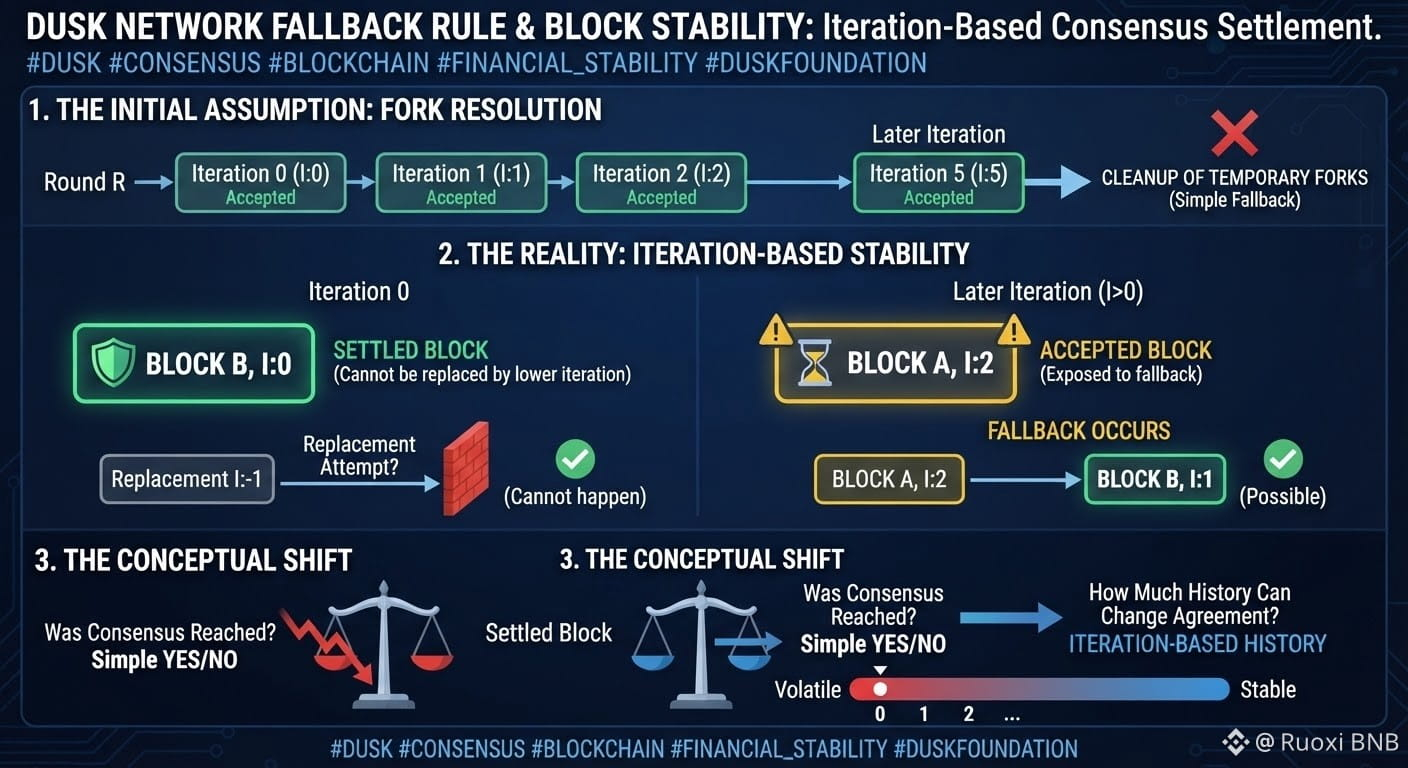
最初、Dusk のフォールバック規則は主にネットワーク遅延によって生じたフォークを片付けるためにあるのだと思っていました。しかし調べていくほど、その規則のほうがむしろ不思議に感じられました。同一ラウンドで 2 つのブロックがコンセンサスに達した場合、Dusk は、上位イテレーションのブロックがすでにローカルで受理されていたとしても、より下位イテレーションのブロックに置き換えることができます。つまり、受理されたブロックが必ずしも決着済みのブロックとは限らないのです。興味深いのは、このプロトコルが、成功したコンセンサス結果をすべて同じ強さとして扱うわけではない点です。投票が終わった後も、イテレーション番号には意味があります。イテレーション 0 のブロックは、より下位のイテレーションからの別ブロックで置き換えられません。一方で、後続のイテレーションはフォールバックに対してさらされ続けます。だからこそ、コンセンサスがどのように到達されたかという履歴そのものが、ブロックの安定性の一部になります。些細な違いに見えますが、この設計における「合意」の捉え方を変えてしまいます。だから、問いは「コンセンサスが起きたかどうか」ではないのかもしれません。問題は、その合意が意味するところを、どれだけの履歴がなお変えられるのか、ということです?
@Dusk_Foundation #dusk $DUSK
{spot}(DUSKUSDT)
@Dusk
最初、Dusk のフォールバック規則は主にネットワーク遅延によって生じたフォークを片付けるためにあるのだと思っていました。しかし調べていくほど、その規則のほうがむしろ不思議に感じられました。同一ラウンドで 2 つのブロックがコンセンサスに達した場合、Dusk は、上位イテレーションのブロックがすでにローカルで受理されていたとしても、より下位イテレーションのブロックに置き換えることができます。つまり、受理されたブロックが必ずしも決着済みのブロックとは限らないのです。興味深いのは、このプロトコルが、成功したコンセンサス結果をすべて同じ強さとして扱うわけではない点です。投票が終わった後も、イテレーション番号には意味があります。イテレーション 0 のブロックは、より下位のイテレーションからの別ブロックで置き換えられません。一方で、後続のイテレーションはフォールバックに対してさらされ続けます。だからこそ、コンセンサスがどのように到達されたかという履歴そのものが、ブロックの安定性の一部になります。些細な違いに見えますが、この設計における「合意」の捉え方を変えてしまいます。だから、問いは「コンセンサスが起きたかどうか」ではないのかもしれません。問題は、その合意が意味するところを、どれだけの履歴がなお変えられるのか、ということです?
@Dusk #dusk $DUSK
最初、Dusk のフォールバック規則は主にネットワーク遅延によって生じたフォークを片付けるためにあるのだと思っていました。しかし調べていくほど、その規則のほうがむしろ不思議に感じられました。同一ラウンドで 2 つのブロックがコンセンサスに達した場合、Dusk は、上位イテレーションのブロックがすでにローカルで受理されていたとしても、より下位イテレーションのブロックに置き換えることができます。つまり、受理されたブロックが必ずしも決着済みのブロックとは限らないのです。興味深いのは、このプロトコルが、成功したコンセンサス結果をすべて同じ強さとして扱うわけではない点です。投票が終わった後も、イテレーション番号には意味があります。イテレーション 0 のブロックは、より下位のイテレーションからの別ブロックで置き換えられません。一方で、後続のイテレーションはフォールバックに対してさらされ続けます。だからこそ、コンセンサスがどのように到達されたかという履歴そのものが、ブロックの安定性の一部になります。些細な違いに見えますが、この設計における「合意」の捉え方を変えてしまいます。だから、問いは「コンセンサスが起きたかどうか」ではないのかもしれません。問題は、その合意が意味するところを、どれだけの履歴がなお変えられるのか、ということです?
@Dusk #dusk $DUSK
25
11
164
·
--
ブリッシュ
@Dusk_Foundation
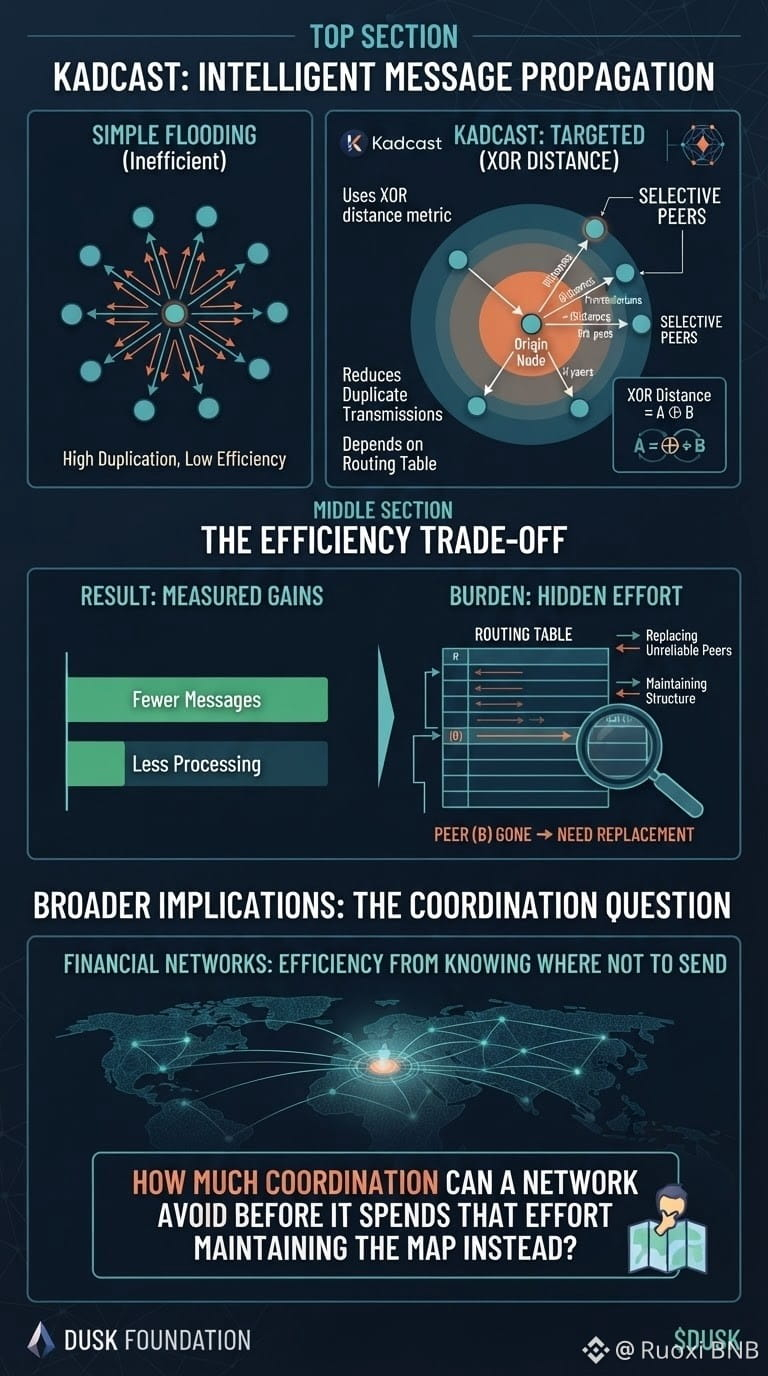
最初、ダスクのネットワーク効率は、データノードが処理しなければならない量を減らすことに主に由来しているのだと思っていました。けれどカッドキャストをよく見ていくほど、私に強く残ったのは、メッセージの転送先を決めるのにXOR距離を使っているという些細な点でした。ノードは単に、近くのピアへすべてのブロックを転送するわけではありません。ルーティング構造の中で、距離が大きくなるにつれていくつかの選ばれたピアへ向けて送ります。これは重複した送信を減らしますが、その一方で、伝播の成否は、ルーティングテーブルが役に立ち、かつかなり最新であることに依存します。ピアが消えたり信頼できなくなったりすれば、その構造化された経路が有効であり続ける前に、ネットワークはそれらを置き換える必要があります。結果は送信メッセージ数が少なくなる形で測られるので、そのトレードオフは見落としやすいと思いました。負担は部分的に、メッセージの行き先を決める構造の維持へ移っているのです。私はより一般的に、金融ネットワークのことを考えるようになりました。効率とは「何を送らないか」を知ることから生まれることが多い。すると、より静かな疑問が残ります。ネットワークは、地図を維持するためにその努力を費やす必要が出るまで、どれほどの調整を回避できるのでしょうか?
@Dusk_Foundation #dusk $DUSK
{spot}(DUSKUSDT)
@Dusk
最初、ダスクのネットワーク効率は、データノードが処理しなければならない量を減らすことに主に由来しているのだと思っていました。けれどカッドキャストをよく見ていくほど、私に強く残ったのは、メッセージの転送先を決めるのにXOR距離を使っているという些細な点でした。ノードは単に、近くのピアへすべてのブロックを転送するわけではありません。ルーティング構造の中で、距離が大きくなるにつれていくつかの選ばれたピアへ向けて送ります。これは重複した送信を減らしますが、その一方で、伝播の成否は、ルーティングテーブルが役に立ち、かつかなり最新であることに依存します。ピアが消えたり信頼できなくなったりすれば、その構造化された経路が有効であり続ける前に、ネットワークはそれらを置き換える必要があります。結果は送信メッセージ数が少なくなる形で測られるので、そのトレードオフは見落としやすいと思いました。負担は部分的に、メッセージの行き先を決める構造の維持へ移っているのです。私はより一般的に、金融ネットワークのことを考えるようになりました。効率とは「何を送らないか」を知ることから生まれることが多い。すると、より静かな疑問が残ります。ネットワークは、地図を維持するためにその努力を費やす必要が出るまで、どれほどの調整を回避できるのでしょうか?
@Dusk #dusk $DUSK
最初、ダスクのネットワーク効率は、データノードが処理しなければならない量を減らすことに主に由来しているのだと思っていました。けれどカッドキャストをよく見ていくほど、私に強く残ったのは、メッセージの転送先を決めるのにXOR距離を使っているという些細な点でした。ノードは単に、近くのピアへすべてのブロックを転送するわけではありません。ルーティング構造の中で、距離が大きくなるにつれていくつかの選ばれたピアへ向けて送ります。これは重複した送信を減らしますが、その一方で、伝播の成否は、ルーティングテーブルが役に立ち、かつかなり最新であることに依存します。ピアが消えたり信頼できなくなったりすれば、その構造化された経路が有効であり続ける前に、ネットワークはそれらを置き換える必要があります。結果は送信メッセージ数が少なくなる形で測られるので、そのトレードオフは見落としやすいと思いました。負担は部分的に、メッセージの行き先を決める構造の維持へ移っているのです。私はより一般的に、金融ネットワークのことを考えるようになりました。効率とは「何を送らないか」を知ることから生まれることが多い。すると、より静かな疑問が残ります。ネットワークは、地図を維持するためにその努力を費やす必要が出るまで、どれほどの調整を回避できるのでしょうか?
@Dusk #dusk $DUSK
43
19
168
·
--
ブリッシュ
確認済み
@Dusk_Foundation
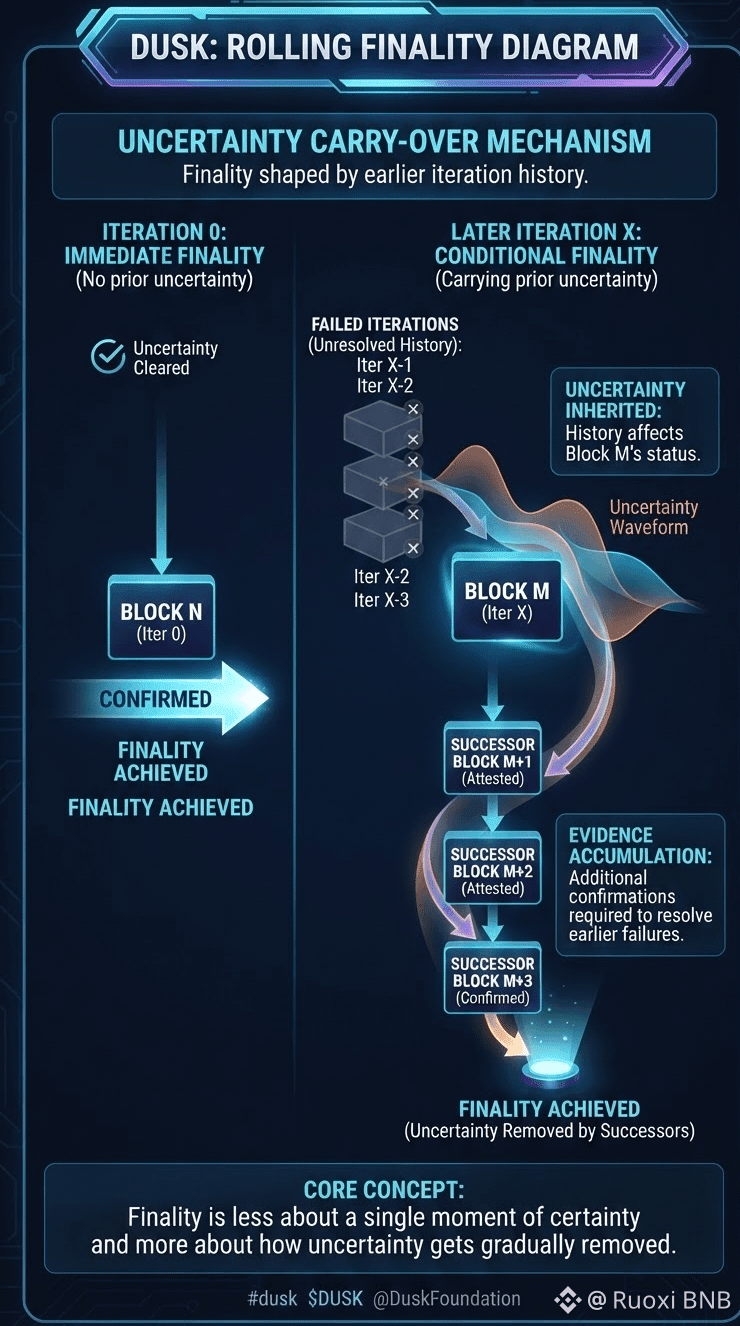
最初は、より高速な最終確定は主にコンセンサスをより効率的にすることで実現できるのだと思っていました。しかしDuskのローリング最終確定ルールを詳しく見るほど、興味深いのは「ブロックの状態が、以前のイテレーションでどれだけ確定的な結果に到達できなかったかに依存しうる」という点でした。後のイテレーションで受理されたブロックは、イテレーション0のものとは同じ扱いになりません。未解決の過去の試みがある場合、プロトコルは、そのブロックを確定として扱う前に、追加のアテステーション済みまたは確定済みの後続ブロックを待ちます。
私の注目を引いたのは、不確実性が「チェーンに持ち越されるもの」になっている点です。単に「このブロックは通った、次へ」と言うだけではありません。以前の不確実性の履歴が、その後にどれだけの証拠が必要かに影響します。これは妥当なトレードオフのように思えますが、その一方で、最終確定はブロック自体の前に起きたことによって部分的に形作られる、ということも意味します。
金融システムでは、信頼はしばしば同じように機能します。ある結果は受理されつつも、なお未解決の文脈をある程度抱えたままになりえます。
つまり、最終確定は「単一の確実な瞬間」よりも「不確実性が段階的に取り除かれていくプロセス」に関するものなのではないか、と思わされます。
@Dusk_Foundation #dusk $DUSK
{spot}(DUSKUSDT)
@Dusk
最初は、より高速な最終確定は主にコンセンサスをより効率的にすることで実現できるのだと思っていました。しかしDuskのローリング最終確定ルールを詳しく見るほど、興味深いのは「ブロックの状態が、以前のイテレーションでどれだけ確定的な結果に到達できなかったかに依存しうる」という点でした。後のイテレーションで受理されたブロックは、イテレーション0のものとは同じ扱いになりません。未解決の過去の試みがある場合、プロトコルは、そのブロックを確定として扱う前に、追加のアテステーション済みまたは確定済みの後続ブロックを待ちます。
私の注目を引いたのは、不確実性が「チェーンに持ち越されるもの」になっている点です。単に「このブロックは通った、次へ」と言うだけではありません。以前の不確実性の履歴が、その後にどれだけの証拠が必要かに影響します。これは妥当なトレードオフのように思えますが、その一方で、最終確定はブロック自体の前に起きたことによって部分的に形作られる、ということも意味します。
金融システムでは、信頼はしばしば同じように機能します。ある結果は受理されつつも、なお未解決の文脈をある程度抱えたままになりえます。
つまり、最終確定は「単一の確実な瞬間」よりも「不確実性が段階的に取り除かれていくプロセス」に関するものなのではないか、と思わされます。
@Dusk #dusk $DUSK
最初は、より高速な最終確定は主にコンセンサスをより効率的にすることで実現できるのだと思っていました。しかしDuskのローリング最終確定ルールを詳しく見るほど、興味深いのは「ブロックの状態が、以前のイテレーションでどれだけ確定的な結果に到達できなかったかに依存しうる」という点でした。後のイテレーションで受理されたブロックは、イテレーション0のものとは同じ扱いになりません。未解決の過去の試みがある場合、プロトコルは、そのブロックを確定として扱う前に、追加のアテステーション済みまたは確定済みの後続ブロックを待ちます。
私の注目を引いたのは、不確実性が「チェーンに持ち越されるもの」になっている点です。単に「このブロックは通った、次へ」と言うだけではありません。以前の不確実性の履歴が、その後にどれだけの証拠が必要かに影響します。これは妥当なトレードオフのように思えますが、その一方で、最終確定はブロック自体の前に起きたことによって部分的に形作られる、ということも意味します。
金融システムでは、信頼はしばしば同じように機能します。ある結果は受理されつつも、なお未解決の文脈をある程度抱えたままになりえます。
つまり、最終確定は「単一の確実な瞬間」よりも「不確実性が段階的に取り除かれていくプロセス」に関するものなのではないか、と思わされます。
@Dusk #dusk $DUSK
70
20
371
·
--
ブリッシュ
@Dusk_Foundation
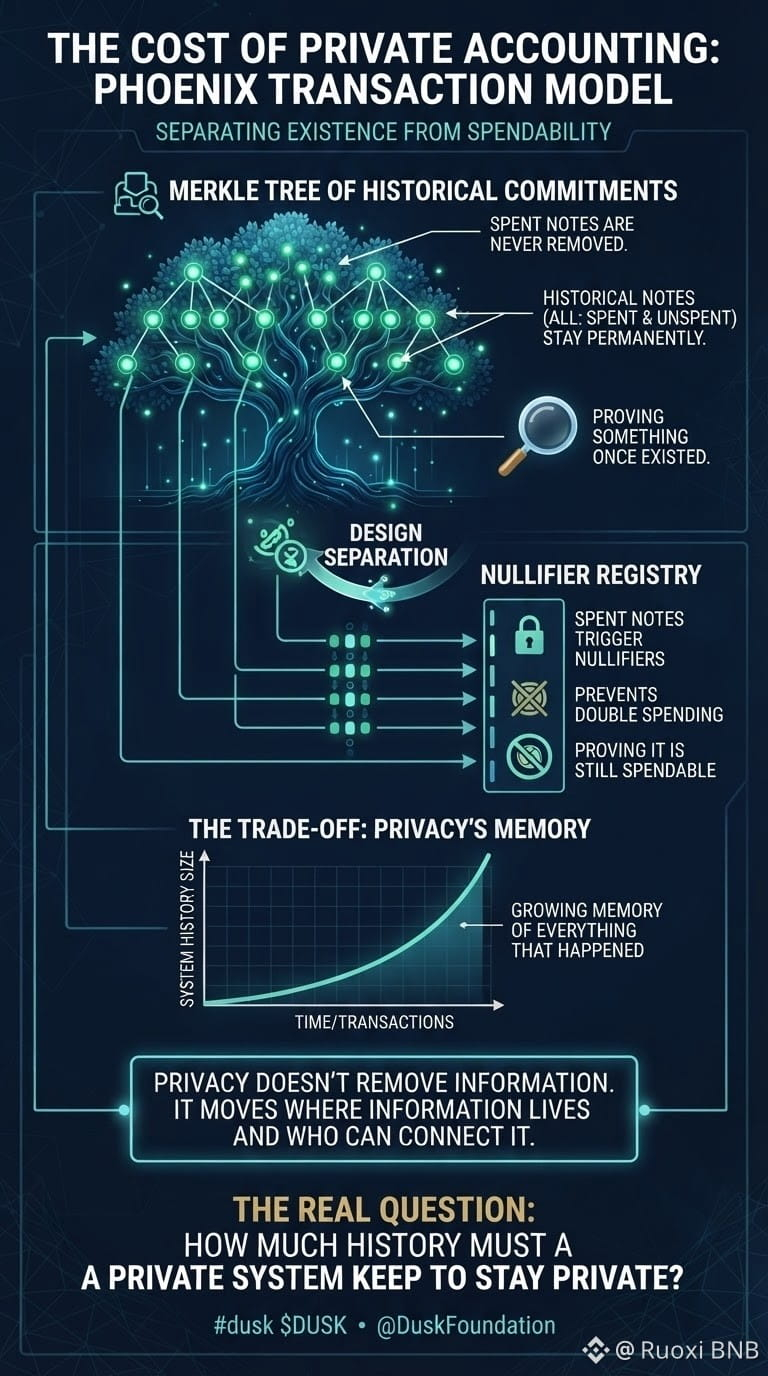
最初、私はプライバシーの仕組みは主に過去の活動の痕跡を消し去ろうとするものだと考えていました。
しかしPhoenixを詳しく見るほど、使い終わったノートがMerkleツリーから決して削除されないことに気づきました。そこには永久に残り、別の場所ですでにその価値が使われた後でも消えません。二重支出は、古い記録を削除することで防ぐのではなく、nullifier(無効化子)によって防止されます。
私の注意を引いたのは、この設計が通常は結びついている2つの考え方を分離している点です。つまり、「かつて何かが存在したことを証明すること」と、「それが今も支払い可能かどうかを証明すること」です。ネットワークは前者を永続的に保持し、後者はどこか別の場所で追跡します。
もしかすると、それはプライベートな会計のコストにすぎません。取引同士の関係を隠すシステムであっても、経済的に活動していない部分が多くなったとしても、これまでに起きたことのすべてを記録していくための、増え続ける記憶領域がなお必要になるのかもしれません。
そう考えて、私は「プライバシーは情報を取り除くのではなく、どこに情報が置かれるのか、そして誰がそれを結びつけられるのかを移すだけなのだ」と思いました。
だから、問題は「プライベートなシステムがどれだけのデータを開示するか」ではないのかもしれません。プライバシーを保つために、そのシステムがどれだけの履歴を保持し続ける必要があるのか、ということです。
@Dusk_Foundation #dusk $DUSK
{spot}(DUSKUSDT)
@Dusk
最初、私はプライバシーの仕組みは主に過去の活動の痕跡を消し去ろうとするものだと考えていました。
しかしPhoenixを詳しく見るほど、使い終わったノートがMerkleツリーから決して削除されないことに気づきました。そこには永久に残り、別の場所ですでにその価値が使われた後でも消えません。二重支出は、古い記録を削除することで防ぐのではなく、nullifier(無効化子)によって防止されます。
私の注意を引いたのは、この設計が通常は結びついている2つの考え方を分離している点です。つまり、「かつて何かが存在したことを証明すること」と、「それが今も支払い可能かどうかを証明すること」です。ネットワークは前者を永続的に保持し、後者はどこか別の場所で追跡します。
もしかすると、それはプライベートな会計のコストにすぎません。取引同士の関係を隠すシステムであっても、経済的に活動していない部分が多くなったとしても、これまでに起きたことのすべてを記録していくための、増え続ける記憶領域がなお必要になるのかもしれません。
そう考えて、私は「プライバシーは情報を取り除くのではなく、どこに情報が置かれるのか、そして誰がそれを結びつけられるのかを移すだけなのだ」と思いました。
だから、問題は「プライベートなシステムがどれだけのデータを開示するか」ではないのかもしれません。プライバシーを保つために、そのシステムがどれだけの履歴を保持し続ける必要があるのか、ということです。
@Dusk #dusk $DUSK
最初、私はプライバシーの仕組みは主に過去の活動の痕跡を消し去ろうとするものだと考えていました。
しかしPhoenixを詳しく見るほど、使い終わったノートがMerkleツリーから決して削除されないことに気づきました。そこには永久に残り、別の場所ですでにその価値が使われた後でも消えません。二重支出は、古い記録を削除することで防ぐのではなく、nullifier(無効化子)によって防止されます。
私の注意を引いたのは、この設計が通常は結びついている2つの考え方を分離している点です。つまり、「かつて何かが存在したことを証明すること」と、「それが今も支払い可能かどうかを証明すること」です。ネットワークは前者を永続的に保持し、後者はどこか別の場所で追跡します。
もしかすると、それはプライベートな会計のコストにすぎません。取引同士の関係を隠すシステムであっても、経済的に活動していない部分が多くなったとしても、これまでに起きたことのすべてを記録していくための、増え続ける記憶領域がなお必要になるのかもしれません。
そう考えて、私は「プライバシーは情報を取り除くのではなく、どこに情報が置かれるのか、そして誰がそれを結びつけられるのかを移すだけなのだ」と思いました。
だから、問題は「プライベートなシステムがどれだけのデータを開示するか」ではないのかもしれません。プライバシーを保つために、そのシステムがどれだけの履歴を保持し続ける必要があるのか、ということです。
@Dusk #dusk $DUSK
43
23
174
·
--
ブリッシュ
@Dusk_Foundation
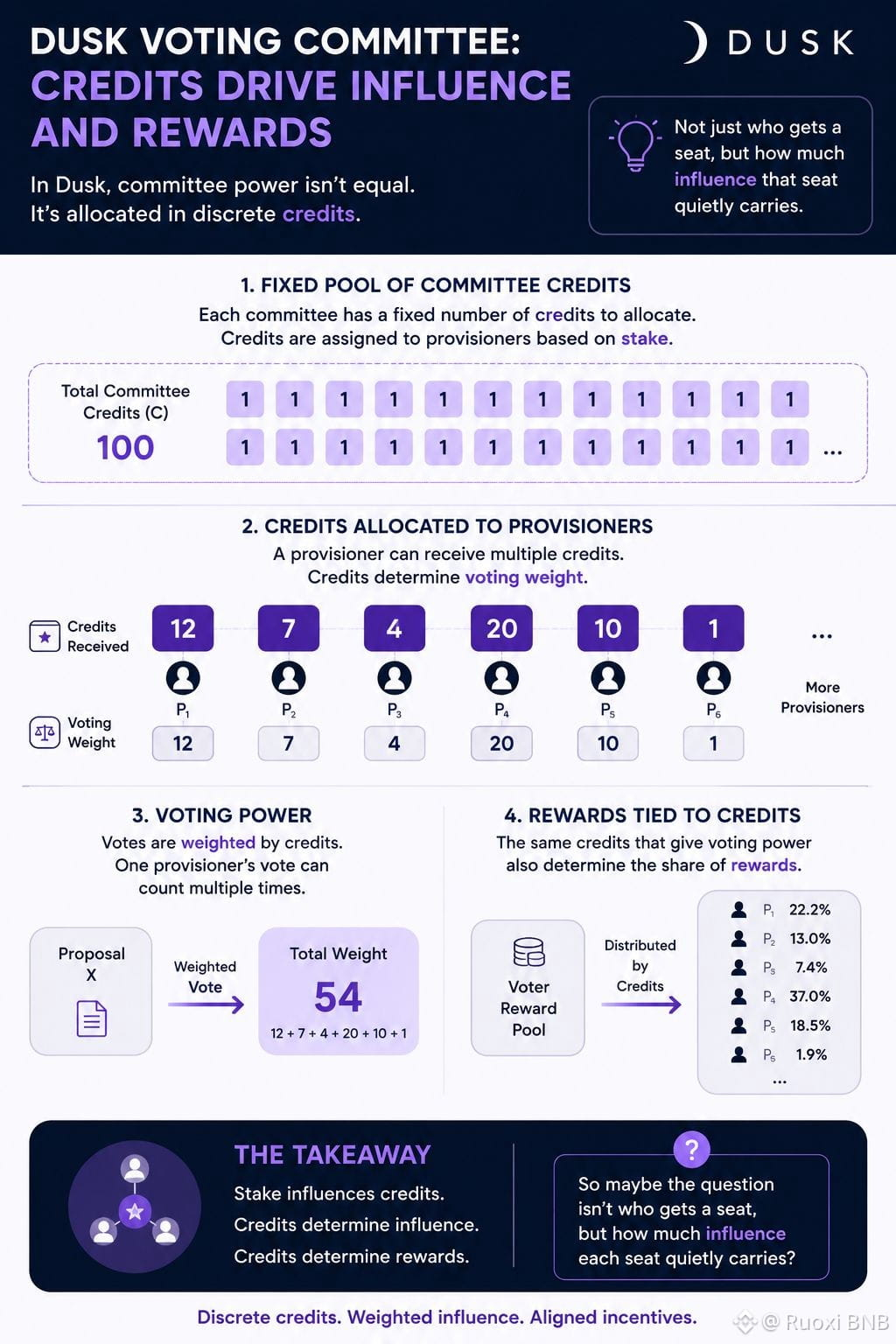
最初は、投票委員会は主に誰が選ばれるかの問題だと思っていました。私の関心を引いたのは、ダスクの設計で「選定の後に何が起きるか」です。各委員会には固定のクレジット枠があり、プロビジョナ(提供者)は複数受け取ることができます。これらのクレジットは投票の重みになりますので、あるプロビジョナの票が実質的に何度も数えられる可能性が出てきます。しかし同じクレジット割り当てが報酬にも使われます。つまり、委員会の影響力と報酬が、同じ小さな単位に結びつくのです。そこに面白い依存関係があります。より大きな持分は、より多くのクレジット、より大きい投票の重み、そして投票者報酬におけるより大きな取り分につながります。それでもシステムは、単に元の持分分布を繰り返しているわけではありません。選定自体が、これらの離散的なクレジットを通して行われるからです。私は「持分×重みの委員会」という見出しのアイデア以上に、この細部のほうが興味深いと感じました。委員会は、等しい投票者の単なる名簿のようではなく、影響力の一時的な割り当てのようになります。だから質問は「誰が席を得るのか」ではなく、「各席が静かにどれほどの影響力を持っているのか」なのかもしれません。
@Dusk_Foundation #dusk $DUSK
{spot}(DUSKUSDT)
@Dusk
最初は、投票委員会は主に誰が選ばれるかの問題だと思っていました。私の関心を引いたのは、ダスクの設計で「選定の後に何が起きるか」です。各委員会には固定のクレジット枠があり、プロビジョナ(提供者)は複数受け取ることができます。これらのクレジットは投票の重みになりますので、あるプロビジョナの票が実質的に何度も数えられる可能性が出てきます。しかし同じクレジット割り当てが報酬にも使われます。つまり、委員会の影響力と報酬が、同じ小さな単位に結びつくのです。そこに面白い依存関係があります。より大きな持分は、より多くのクレジット、より大きい投票の重み、そして投票者報酬におけるより大きな取り分につながります。それでもシステムは、単に元の持分分布を繰り返しているわけではありません。選定自体が、これらの離散的なクレジットを通して行われるからです。私は「持分×重みの委員会」という見出しのアイデア以上に、この細部のほうが興味深いと感じました。委員会は、等しい投票者の単なる名簿のようではなく、影響力の一時的な割り当てのようになります。だから質問は「誰が席を得るのか」ではなく、「各席が静かにどれほどの影響力を持っているのか」なのかもしれません。
@Dusk #dusk $DUSK
最初は、投票委員会は主に誰が選ばれるかの問題だと思っていました。私の関心を引いたのは、ダスクの設計で「選定の後に何が起きるか」です。各委員会には固定のクレジット枠があり、プロビジョナ(提供者)は複数受け取ることができます。これらのクレジットは投票の重みになりますので、あるプロビジョナの票が実質的に何度も数えられる可能性が出てきます。しかし同じクレジット割り当てが報酬にも使われます。つまり、委員会の影響力と報酬が、同じ小さな単位に結びつくのです。そこに面白い依存関係があります。より大きな持分は、より多くのクレジット、より大きい投票の重み、そして投票者報酬におけるより大きな取り分につながります。それでもシステムは、単に元の持分分布を繰り返しているわけではありません。選定自体が、これらの離散的なクレジットを通して行われるからです。私は「持分×重みの委員会」という見出しのアイデア以上に、この細部のほうが興味深いと感じました。委員会は、等しい投票者の単なる名簿のようではなく、影響力の一時的な割り当てのようになります。だから質問は「誰が席を得るのか」ではなく、「各席が静かにどれほどの影響力を持っているのか」なのかもしれません。
@Dusk #dusk $DUSK
60
20
168
·
--
ブリッシュ
@Dusk_Foundation
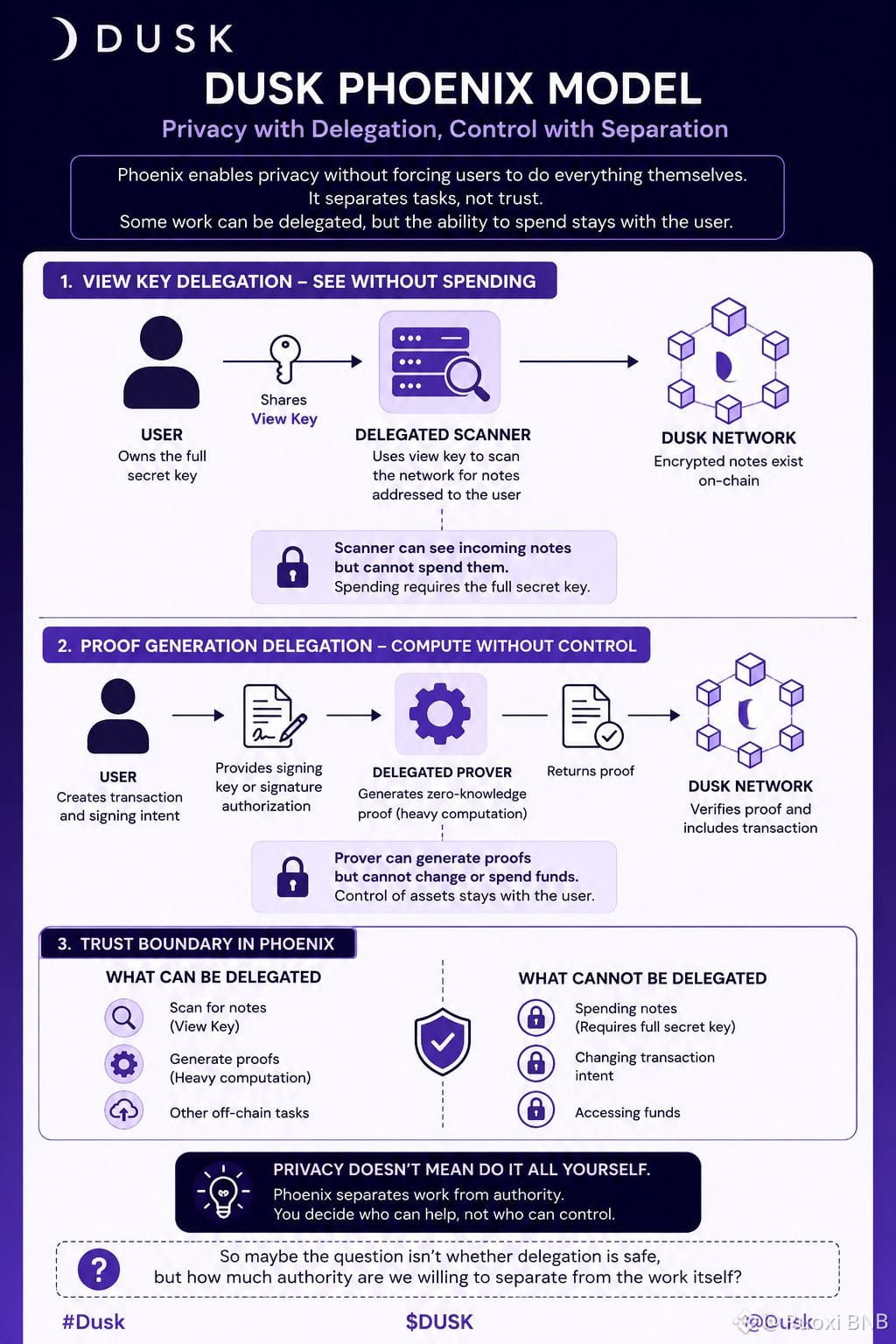
最初は、Duskのフェニックスモデルは主に取引の詳細を非表示にすることに重点を置いているのだと思っていました。しかしよく見ていくほど、委任モデルのほうがより面白いと感じるようになりました。ユーザーは第三者にビューキーを渡し、その第三者はネットワークをスキャンして自分宛てのノートを見つけることができますが、第三者は完全な秘密鍵を持っていないため、それらのノートを実際に使う(消費する)ことはできません。証明生成でも同様の分離が見られます。署名によって、取引そのものに対する権限を渡さずに、別の誰かが重いZK計算を担当できるようになります。私の注意を引いたのは、ここで生まれる信頼境界(トラストバウンダリ)です。プライバシーは、すべての作業をユーザーの手元に留めなければならない、という意味ではありません。作業の一部は外部に委託できますが、支払い(消費)できる権限はそれとは別に保たれます。これは、プライベートな仕組みと、計算がしばしば委任されるという現実との間の、実用的な折衷案だと感じます。また、ユーザーがどこまで「部分的な信頼」を預けることに抵抗がないのか、というより静かな問いも浮かび上がります。だから、問題は委任が安全かどうかではなく、人々が「作業」そのものから「どれだけの権限」を切り離す用意があるのか、という点なのかもしれません。
@Dusk_Foundation #dusk $DUSK
{spot}(DUSKUSDT)
@Dusk
最初は、Duskのフェニックスモデルは主に取引の詳細を非表示にすることに重点を置いているのだと思っていました。しかしよく見ていくほど、委任モデルのほうがより面白いと感じるようになりました。ユーザーは第三者にビューキーを渡し、その第三者はネットワークをスキャンして自分宛てのノートを見つけることができますが、第三者は完全な秘密鍵を持っていないため、それらのノートを実際に使う(消費する)ことはできません。証明生成でも同様の分離が見られます。署名によって、取引そのものに対する権限を渡さずに、別の誰かが重いZK計算を担当できるようになります。私の注意を引いたのは、ここで生まれる信頼境界(トラストバウンダリ)です。プライバシーは、すべての作業をユーザーの手元に留めなければならない、という意味ではありません。作業の一部は外部に委託できますが、支払い(消費)できる権限はそれとは別に保たれます。これは、プライベートな仕組みと、計算がしばしば委任されるという現実との間の、実用的な折衷案だと感じます。また、ユーザーがどこまで「部分的な信頼」を預けることに抵抗がないのか、というより静かな問いも浮かび上がります。だから、問題は委任が安全かどうかではなく、人々が「作業」そのものから「どれだけの権限」を切り離す用意があるのか、という点なのかもしれません。
@Dusk #dusk $DUSK
最初は、Duskのフェニックスモデルは主に取引の詳細を非表示にすることに重点を置いているのだと思っていました。しかしよく見ていくほど、委任モデルのほうがより面白いと感じるようになりました。ユーザーは第三者にビューキーを渡し、その第三者はネットワークをスキャンして自分宛てのノートを見つけることができますが、第三者は完全な秘密鍵を持っていないため、それらのノートを実際に使う(消費する)ことはできません。証明生成でも同様の分離が見られます。署名によって、取引そのものに対する権限を渡さずに、別の誰かが重いZK計算を担当できるようになります。私の注意を引いたのは、ここで生まれる信頼境界(トラストバウンダリ)です。プライバシーは、すべての作業をユーザーの手元に留めなければならない、という意味ではありません。作業の一部は外部に委託できますが、支払い(消費)できる権限はそれとは別に保たれます。これは、プライベートな仕組みと、計算がしばしば委任されるという現実との間の、実用的な折衷案だと感じます。また、ユーザーがどこまで「部分的な信頼」を預けることに抵抗がないのか、というより静かな問いも浮かび上がります。だから、問題は委任が安全かどうかではなく、人々が「作業」そのものから「どれだけの権限」を切り離す用意があるのか、という点なのかもしれません。
@Dusk #dusk $DUSK
85
28
382
·
--
ブリッシュ
一部該当
@Dusk_Foundation
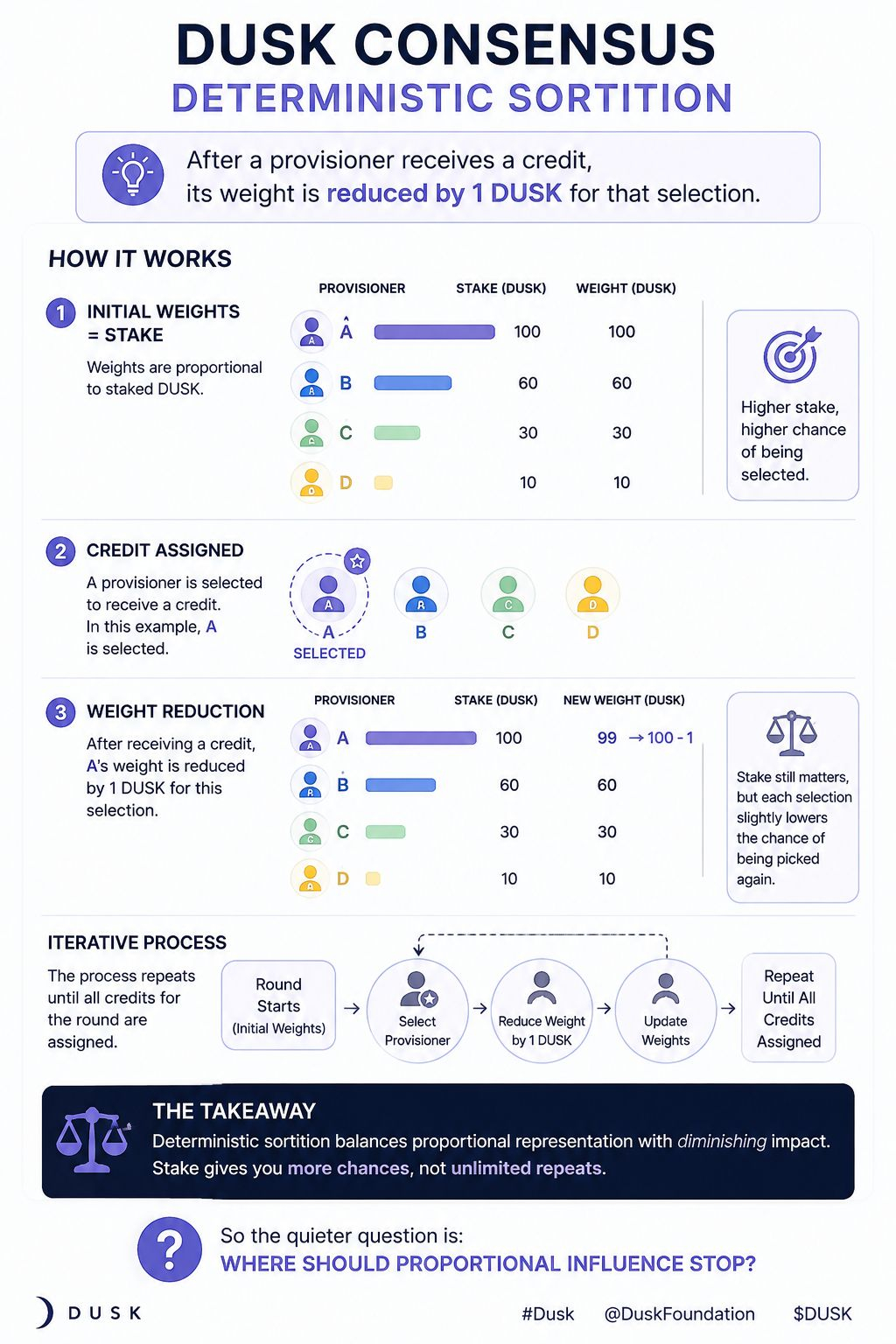
当初、私はDuskの決定論的なソーティションが主に、委員会の選出をステークに比例させることを目的としているのだと考えていました。しかし調べていくほど、目立つ小さな詳細として分かったのは、プロビジョナーがクレジットを受け取った後に何が起きるかです。つまり、その選出において、その重みが1 DUSK分だけ減ります。発想自体は単純ですが、それは選出プロセスが同じステーク分布から単に繰り返しサンプリングするだけのものではないことを意味します。より多くのステークを持つプロビジョナーは、依然としてより多くのチャンスを得ますが、成功するたびにもう一度クレジットを受け取る確率はわずかに下がります。これは、ステークに重みづけされた影響力と、委員会内の同じ参加者を繰り返し優遇し続けることとの、実用的な折り合いのように思えます。また、ここでステークは2つの役割を担っています。まず選出のための初期の適格性を決め、その後はクレジットが付与されるにつれて、徐々に重みを失っていくのです。私は、この「基本的な主張である比例選出」よりも、こちらのほうが興味深いと感じました。もしかすると、これは単独での公平性というより、同じステークのポジションが繰り返し持つ影響力をどれくらいまで許すべきか、という話なのかもしれません。そこで、より静かな問いはこうです。比例的な影響力は、どこで止めるべきなのでしょうか?
@Dusk_Foundation #dusk $DUSK
{spot}(DUSKUSDT)
@Dusk
当初、私はDuskの決定論的なソーティションが主に、委員会の選出をステークに比例させることを目的としているのだと考えていました。しかし調べていくほど、目立つ小さな詳細として分かったのは、プロビジョナーがクレジットを受け取った後に何が起きるかです。つまり、その選出において、その重みが1 DUSK分だけ減ります。発想自体は単純ですが、それは選出プロセスが同じステーク分布から単に繰り返しサンプリングするだけのものではないことを意味します。より多くのステークを持つプロビジョナーは、依然としてより多くのチャンスを得ますが、成功するたびにもう一度クレジットを受け取る確率はわずかに下がります。これは、ステークに重みづけされた影響力と、委員会内の同じ参加者を繰り返し優遇し続けることとの、実用的な折り合いのように思えます。また、ここでステークは2つの役割を担っています。まず選出のための初期の適格性を決め、その後はクレジットが付与されるにつれて、徐々に重みを失っていくのです。私は、この「基本的な主張である比例選出」よりも、こちらのほうが興味深いと感じました。もしかすると、これは単独での公平性というより、同じステークのポジションが繰り返し持つ影響力をどれくらいまで許すべきか、という話なのかもしれません。そこで、より静かな問いはこうです。比例的な影響力は、どこで止めるべきなのでしょうか?
@Dusk #dusk $DUSK
当初、私はDuskの決定論的なソーティションが主に、委員会の選出をステークに比例させることを目的としているのだと考えていました。しかし調べていくほど、目立つ小さな詳細として分かったのは、プロビジョナーがクレジットを受け取った後に何が起きるかです。つまり、その選出において、その重みが1 DUSK分だけ減ります。発想自体は単純ですが、それは選出プロセスが同じステーク分布から単に繰り返しサンプリングするだけのものではないことを意味します。より多くのステークを持つプロビジョナーは、依然としてより多くのチャンスを得ますが、成功するたびにもう一度クレジットを受け取る確率はわずかに下がります。これは、ステークに重みづけされた影響力と、委員会内の同じ参加者を繰り返し優遇し続けることとの、実用的な折り合いのように思えます。また、ここでステークは2つの役割を担っています。まず選出のための初期の適格性を決め、その後はクレジットが付与されるにつれて、徐々に重みを失っていくのです。私は、この「基本的な主張である比例選出」よりも、こちらのほうが興味深いと感じました。もしかすると、これは単独での公平性というより、同じステークのポジションが繰り返し持つ影響力をどれくらいまで許すべきか、という話なのかもしれません。そこで、より静かな問いはこうです。比例的な影響力は、どこで止めるべきなのでしょうか?
@Dusk #dusk $DUSK
51
13
353
·
--
@Dusk_Foundation
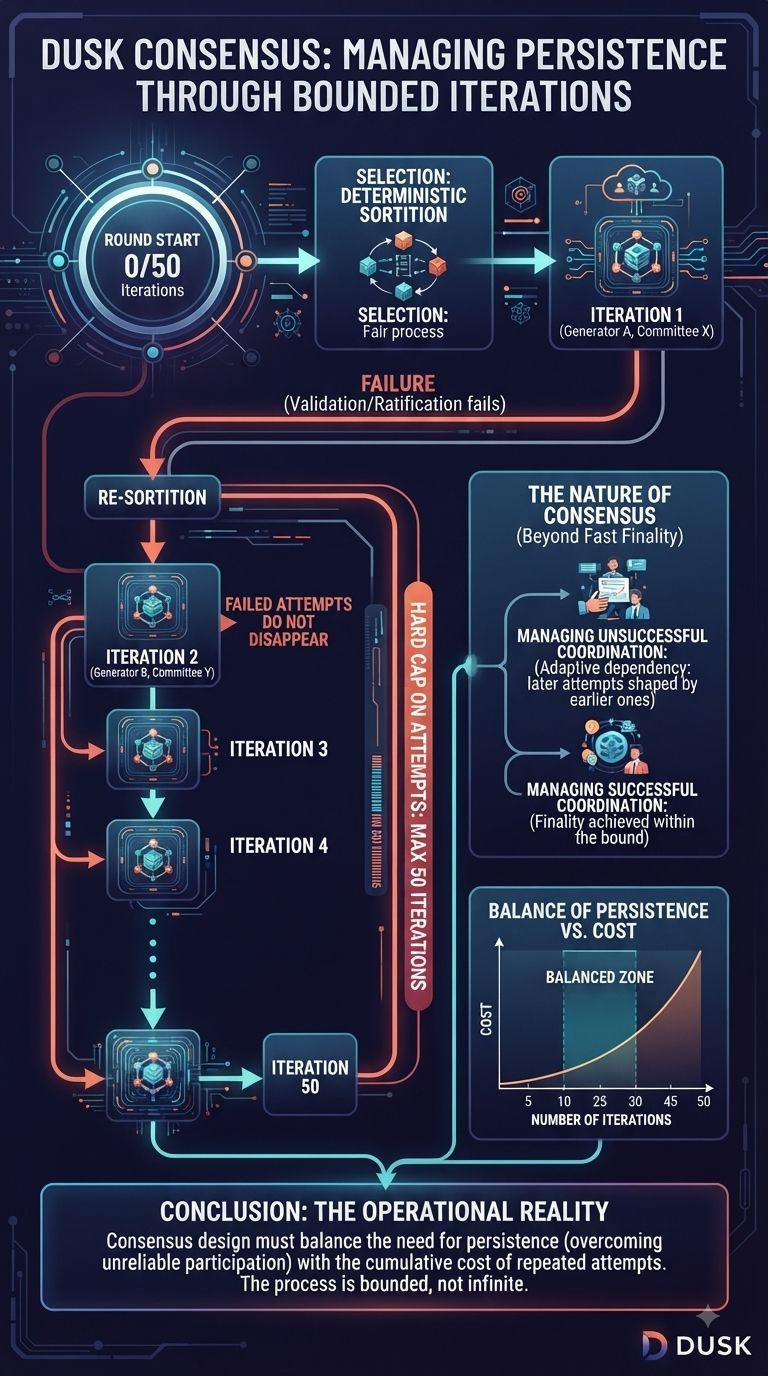
最初は、ダスクのコンセンサス・ラウンドは十分な票が集まるのを待つだけの、単なる「待ち」の問題だと考えていました。けれど反復(イテレーション)の構造を詳しく見るほど、印象に残ったのは、失敗した試みが単に消え去るわけではないという点でした。検証や承認(ratification)が失敗した場合、プロトコルは別の反復へ進み、新しいジェネレーターと、決定論的なソーティションによって選ばれた委員会が用いられます。これは小さいながらも興味深い依存関係を生みます。つまり後の試みは、先行する試みで起きたことによって部分的に形づくられるのです。ホワイトペーパーでは、1ラウンドを最大50回の反復に制限しているのさえも、失敗が「無視してよい例外」扱いではないことを示唆しています。つまり、失敗は上限のあるプロセスの中に収まらなければならない。私は、一般的な「高速な確定(fast finality)」の説明よりも、その点のほうがより興味深いと思いました。この場でのコンセンサスは、成功する協調だけでなく、うまくいかなかった協調を管理することも含んでいるようです。ネットワーク参加が完璧に信頼できないときには、そうせざるを得ないのかもしれません。すると残る、より静かな疑問はこうです。コンセンサス・システムは、合意を取りにいく試みを繰り返すことによるコストと、しつこく続ける(永続性)ことのバランスを、どう取るべきなのでしょうか? #dusk $DUSK @Dusk_Foundation $DUSK
{spot}(DUSKUSDT)
@Dusk
最初は、ダスクのコンセンサス・ラウンドは十分な票が集まるのを待つだけの、単なる「待ち」の問題だと考えていました。けれど反復(イテレーション)の構造を詳しく見るほど、印象に残ったのは、失敗した試みが単に消え去るわけではないという点でした。検証や承認(ratification)が失敗した場合、プロトコルは別の反復へ進み、新しいジェネレーターと、決定論的なソーティションによって選ばれた委員会が用いられます。これは小さいながらも興味深い依存関係を生みます。つまり後の試みは、先行する試みで起きたことによって部分的に形づくられるのです。ホワイトペーパーでは、1ラウンドを最大50回の反復に制限しているのさえも、失敗が「無視してよい例外」扱いではないことを示唆しています。つまり、失敗は上限のあるプロセスの中に収まらなければならない。私は、一般的な「高速な確定(fast finality)」の説明よりも、その点のほうがより興味深いと思いました。この場でのコンセンサスは、成功する協調だけでなく、うまくいかなかった協調を管理することも含んでいるようです。ネットワーク参加が完璧に信頼できないときには、そうせざるを得ないのかもしれません。すると残る、より静かな疑問はこうです。コンセンサス・システムは、合意を取りにいく試みを繰り返すことによるコストと、しつこく続ける(永続性)ことのバランスを、どう取るべきなのでしょうか? #dusk $DUSK @Dusk $DUSK
最初は、ダスクのコンセンサス・ラウンドは十分な票が集まるのを待つだけの、単なる「待ち」の問題だと考えていました。けれど反復(イテレーション)の構造を詳しく見るほど、印象に残ったのは、失敗した試みが単に消え去るわけではないという点でした。検証や承認(ratification)が失敗した場合、プロトコルは別の反復へ進み、新しいジェネレーターと、決定論的なソーティションによって選ばれた委員会が用いられます。これは小さいながらも興味深い依存関係を生みます。つまり後の試みは、先行する試みで起きたことによって部分的に形づくられるのです。ホワイトペーパーでは、1ラウンドを最大50回の反復に制限しているのさえも、失敗が「無視してよい例外」扱いではないことを示唆しています。つまり、失敗は上限のあるプロセスの中に収まらなければならない。私は、一般的な「高速な確定(fast finality)」の説明よりも、その点のほうがより興味深いと思いました。この場でのコンセンサスは、成功する協調だけでなく、うまくいかなかった協調を管理することも含んでいるようです。ネットワーク参加が完璧に信頼できないときには、そうせざるを得ないのかもしれません。すると残る、より静かな疑問はこうです。コンセンサス・システムは、合意を取りにいく試みを繰り返すことによるコストと、しつこく続ける(永続性)ことのバランスを、どう取るべきなのでしょうか? #dusk $DUSK @Dusk $DUSK
41
16
168
·
--
ブリッシュ
確認済み
@Dusk_Foundation
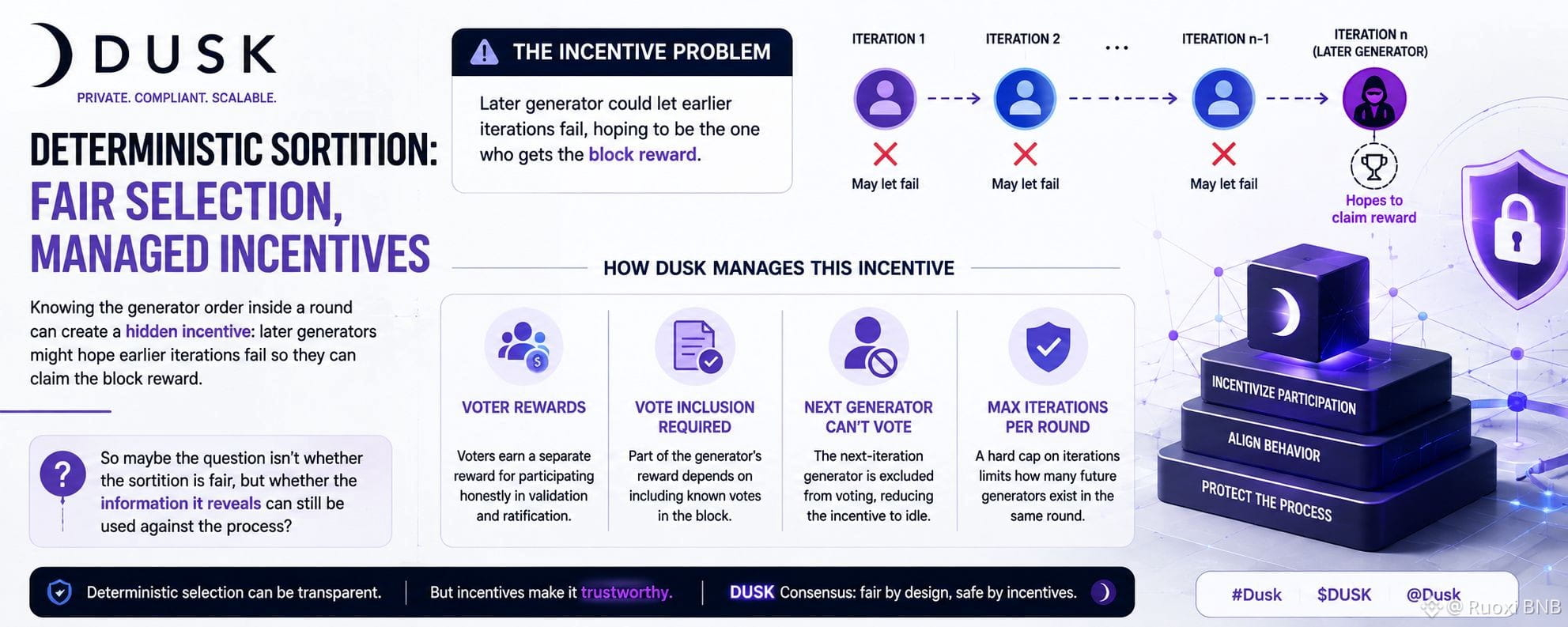
最初は、ダスクの決定論的ソーティションは主に委員会の選定を公平にするためだと思っていました。しかし深く見ていくと、私の注意を引いたのは、ラウンド内でジェネレーターの順序を知ってしまうことによって生じる問題です。後のジェネレーターには、ブロック報酬を得られることを期待して、前のイテレーションが失敗するようにする動機があり得ます。ホワイトペーパーでは、これを「誠実に参加する」という前提ではなく、インセンティブの問題として扱っています。投票者には別個の報酬が与えられ、ジェネレーターの報酬の一部は既知の投票を含めることに依存し、次のイテレーションのジェネレーターは投票から除外されます。また、イテレーションには上限があり、同じラウンドに存在し得る将来のジェネレーター数を制限します。面白いと感じたのは、コンセンサス設計の多くが、プロトコル自体が誰かに与えてしまう情報から、その人が利益を得られないようにすることに費やされている点です。選定は決定論的であっても、その選定の周りでの振る舞いは管理する必要があります。つまり、問いは「ソーティションが公平かどうか」ではなく、「それが明らかにする情報が、その後のプロセスに対して利用され得るのか?」なのかもしれません。
@Dusk_Foundation #dusk $DUSK
{spot}(DUSKUSDT)
@Dusk
最初は、ダスクの決定論的ソーティションは主に委員会の選定を公平にするためだと思っていました。しかし深く見ていくと、私の注意を引いたのは、ラウンド内でジェネレーターの順序を知ってしまうことによって生じる問題です。後のジェネレーターには、ブロック報酬を得られることを期待して、前のイテレーションが失敗するようにする動機があり得ます。ホワイトペーパーでは、これを「誠実に参加する」という前提ではなく、インセンティブの問題として扱っています。投票者には別個の報酬が与えられ、ジェネレーターの報酬の一部は既知の投票を含めることに依存し、次のイテレーションのジェネレーターは投票から除外されます。また、イテレーションには上限があり、同じラウンドに存在し得る将来のジェネレーター数を制限します。面白いと感じたのは、コンセンサス設計の多くが、プロトコル自体が誰かに与えてしまう情報から、その人が利益を得られないようにすることに費やされている点です。選定は決定論的であっても、その選定の周りでの振る舞いは管理する必要があります。つまり、問いは「ソーティションが公平かどうか」ではなく、「それが明らかにする情報が、その後のプロセスに対して利用され得るのか?」なのかもしれません。
@Dusk #dusk $DUSK
最初は、ダスクの決定論的ソーティションは主に委員会の選定を公平にするためだと思っていました。しかし深く見ていくと、私の注意を引いたのは、ラウンド内でジェネレーターの順序を知ってしまうことによって生じる問題です。後のジェネレーターには、ブロック報酬を得られることを期待して、前のイテレーションが失敗するようにする動機があり得ます。ホワイトペーパーでは、これを「誠実に参加する」という前提ではなく、インセンティブの問題として扱っています。投票者には別個の報酬が与えられ、ジェネレーターの報酬の一部は既知の投票を含めることに依存し、次のイテレーションのジェネレーターは投票から除外されます。また、イテレーションには上限があり、同じラウンドに存在し得る将来のジェネレーター数を制限します。面白いと感じたのは、コンセンサス設計の多くが、プロトコル自体が誰かに与えてしまう情報から、その人が利益を得られないようにすることに費やされている点です。選定は決定論的であっても、その選定の周りでの振る舞いは管理する必要があります。つまり、問いは「ソーティションが公平かどうか」ではなく、「それが明らかにする情報が、その後のプロセスに対して利用され得るのか?」なのかもしれません。
@Dusk #dusk $DUSK
44
14
315
ログインして、さらにコンテンツを読む
厳選トピックで世界の暗号資産トレーダーの仲間入り
⚡️ 暗号資産に関する最新かつ有益な情報が見つかります。
💬 世界最大の暗号資産取引所から信頼されています。
👍 認証を受けたクリエイターから、有益なインサイトを得られます。
メール / 電話番号
トレンドトピック
FedRateWatch
閲覧回数 472,802
2,448人が討論中
トレンドハッシュタグキャンペーンで「シェア&ウィン」交通(トラフィック)報酬を獲得しよう
✨トピック:FOMC 9月、「次のFRBの一手」は?
👉参加方法:
ハッシュタグ #FedRateWatch を付けて短い投稿または記事を投稿してください
以下の観点に基づいてコンテンツを作成してください:
- 8月のコアCPIは前月比0.3%上昇し、今週の25bp利上げの確率は現在約90%です。今週、利上げはあると思いますか?それは一時的なものですか、それともより長い利上げサイクルの始まりでしょうか?
- 利上げが実施された場合、BTC、テック株、ゴールドはどのように動きますか?強気(ブル)か弱気(ベア)か?
- 次の取引はどう計画していますか?取引共有ウィジェットを使って、BTC、株、またはゴールドの取引/保有を共有してください。
⏰キャンペーン期間:
- 2026-09-15 11:00 - 2026-09-17 3:00 UTC
🎁報酬:
- 上記のガイドラインを満たし、かつ100語を超える適格な投稿は審査され、抽選で500〜3,000ビューのランダムなトラフィック増加が付与される場合があります。投稿が選ばれた場合、フィードの事務局から通知が届きます。
- 記事がBinance Square Officialで特集されるチャンス
投稿のアイデアが必要ですか?トピックページ #FedRateWatch へアクセスするか、 Square Guide on How to Post for Better Reach をご覧ください。
Binance Square Official
·いいね:360件
·閲覧回数 769.2k
BitcoinSlidesTo$76000
閲覧回数 14,041
102人が討論中
BitcoinReboundsTo$79K
閲覧回数 59,215
394人が討論中