

Intrinsic Value
302 投稿

Intrinsic Value
報告
ユーザーをブロック
Disciplined. Value-driven.
0 フォロー
95 フォロワー
284 いいね
投稿
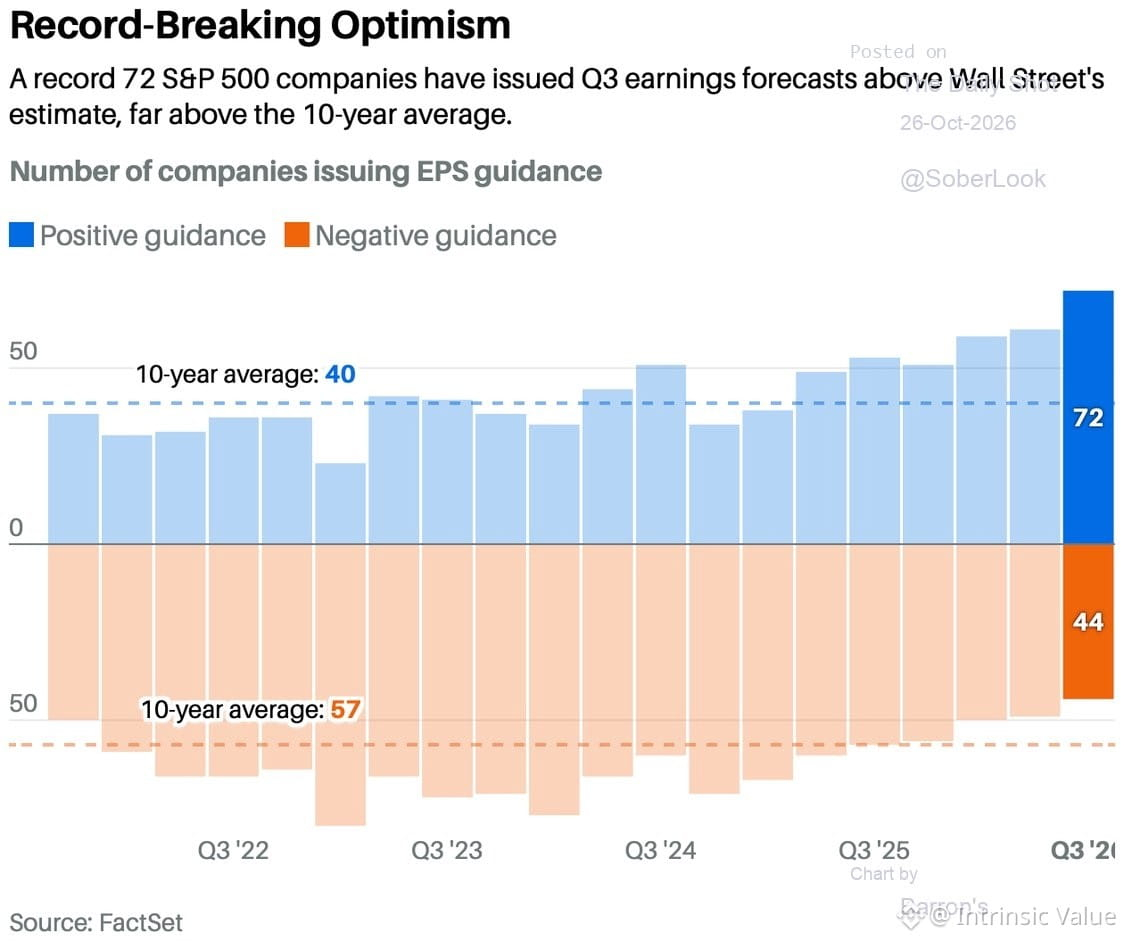
決算発表が相次ぐ週:$SPX構成企業の44%が今週、決算を発表します。
状況は異例なほど好調です。企業の72%が、第3四半期の利益見通しを市場予想を上回る水準に引き上げました。これは過去最高の割合です。
高すぎるハードルか、それとも妥当な楽観論か。答えはまもなく分かります。これほど強気な見通しが示されると、リスクは期待外れに終わることだけではありません。期待に応えても、なお売られる可能性があります。
市場が完璧な結果をどう織り込むのか、注目です。
決算発表が相次ぐ週:$SPX構成企業の44%が今週、決算を発表します。
状況は異例なほど好調です。企業の72%が、第3四半期の利益見通しを市場予想を上回る水準に引き上げました。これは過去最高の割合です。
高すぎるハードルか、それとも妥当な楽観論か。答えはまもなく分かります。これほど強気な見通しが示されると、リスクは期待外れに終わることだけではありません。期待に応えても、なお売られる可能性があります。
市場が完璧な結果をどう織り込むのか、注目です。
状況は異例なほど好調です。企業の72%が、第3四半期の利益見通しを市場予想を上回る水準に引き上げました。これは過去最高の割合です。
高すぎるハードルか、それとも妥当な楽観論か。答えはまもなく分かります。これほど強気な見通しが示されると、リスクは期待外れに終わることだけではありません。期待に応えても、なお売られる可能性があります。
市場が完璧な結果をどう織り込むのか、注目です。
186
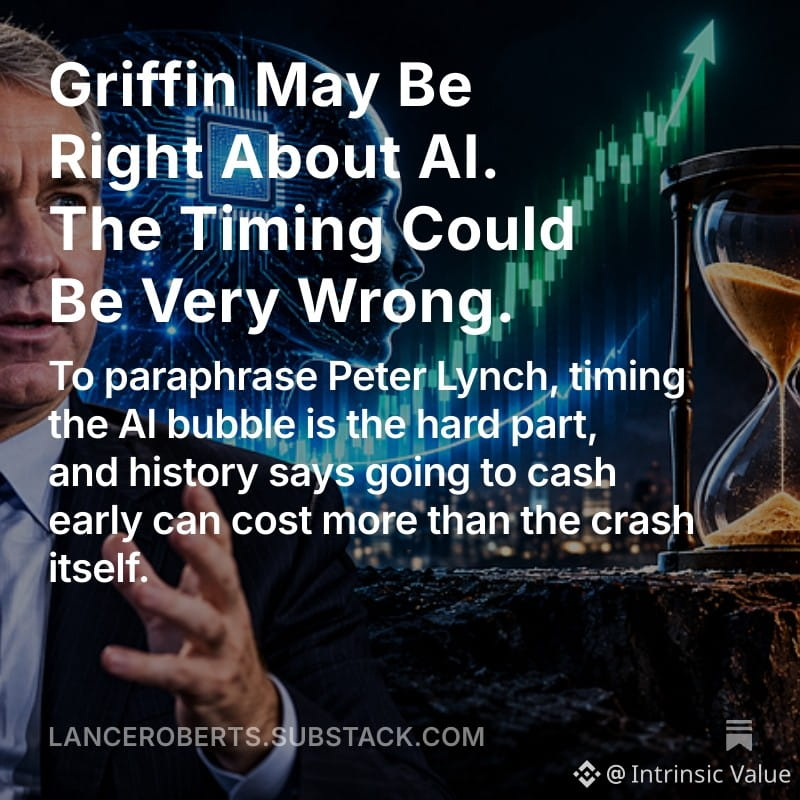
グリフィンのAI懐疑論は、ファンダメンタルズの観点ではもっともかもしれない。しかし、市場ではタイミングがすべてだ。歴史が示すように、正しい見通しも早すぎれば、間違いと見分けがつかない。特に、モメンタムや市場の物語、流動性がすべて逆風となっているときはなおさらだ。
問題は、AIが成果をもたらすかどうかではない。現在の株価が、今後10年間にわたる完璧な実行をすでに織り込んでいるかどうかだ。バブルの多くは、技術が失敗するから崩壊するのではない。期待が到底実現できないほど高まるから崩壊するのだ。
覚えておきたいのは、インターネットは社会を大きく変えたということだ。それでも、2000年当時の株価評価は常軌を逸していた。
グリフィンのAI懐疑論は、ファンダメンタルズの観点ではもっともかもしれない。しかし、市場ではタイミングがすべてだ。歴史が示すように、正しい見通しも早すぎれば、間違いと見分けがつかない。特に、モメンタムや市場の物語、流動性がすべて逆風となっているときはなおさらだ。
問題は、AIが成果をもたらすかどうかではない。現在の株価が、今後10年間にわたる完璧な実行をすでに織り込んでいるかどうかだ。バブルの多くは、技術が失敗するから崩壊するのではない。期待が到底実現できないほど高まるから崩壊するのだ。
覚えておきたいのは、インターネットは社会を大きく変えたということだ。それでも、2000年当時の株価評価は常軌を逸していた。
問題は、AIが成果をもたらすかどうかではない。現在の株価が、今後10年間にわたる完璧な実行をすでに織り込んでいるかどうかだ。バブルの多くは、技術が失敗するから崩壊するのではない。期待が到底実現できないほど高まるから崩壊するのだ。
覚えておきたいのは、インターネットは社会を大きく変えたということだ。それでも、2000年当時の株価評価は常軌を逸していた。
1
271
企業の自社株買いは、歴史的に株式需要の最大の源泉でしたが、今、その勢いが鈍っています。これは多くの人が考える以上に重要なことです。
企業が自社株の買い戻しを控えると、決算未達やマクロ経済の不透明感、割高なバリュエーションの中で株価を支えてきた買い手がいなくなります。自社株買いは市場心理やテクニカル要因に左右されません。機械的で、予測可能な需要です。
今、その需要が薄れつつあります。金利上昇で借入金による自社株買いの魅力が低下しているのか、キャッシュフローが逼迫しているのか、あるいは経営陣が現在の株価で割高な買い戻しをすることに慎重になっているのか——理由は何であれ、影響は同じです。買い圧力が弱まります。
テクニカル面では、今が重要な分岐点です。これまでの調整局面で維持されてきたサポート水準が、再び試されています。個人投資家と機関投資家の資金フローがまちまちなまま、自社株買いがさらに減少すれば、今回はその水準を維持できないかもしれません。
来週の動向から、これが一時的な小休止なのか、より深刻な反落の始まりなのかが見えてくるでしょう。企業のキャッシュフロー計算書、自社株買いの承認発表、そして経営陣が実際に承認枠を使って買い戻しを行っているかに注目してください。
市場は自社株買いの時代を歓迎してきました。今、問われているのは、最大の買い手が去ったときに何が起きるのか、ということです。
企業の自社株買いは、歴史的に株式需要の最大の源泉でしたが、今、その勢いが鈍っています。これは多くの人が考える以上に重要なことです。
企業が自社株の買い戻しを控えると、決算未達やマクロ経済の不透明感、割高なバリュエーションの中で株価を支えてきた買い手がいなくなります。自社株買いは市場心理やテクニカル要因に左右されません。機械的で、予測可能な需要です。
今、その需要が薄れつつあります。金利上昇で借入金による自社株買いの魅力が低下しているのか、キャッシュフローが逼迫しているのか、あるいは経営陣が現在の株価で割高な買い戻しをすることに慎重になっているのか——理由は何であれ、影響は同じです。買い圧力が弱まります。
テクニカル面では、今が重要な分岐点です。これまでの調整局面で維持されてきたサポート水準が、再び試されています。個人投資家と機関投資家の資金フローがまちまちなまま、自社株買いがさらに減少すれば、今回はその水準を維持できないかもしれません。
来週の動向から、これが一時的な小休止なのか、より深刻な反落の始まりなのかが見えてくるでしょう。企業のキャッシュフロー計算書、自社株買いの承認発表、そして経営陣が実際に承認枠を使って買い戻しを行っているかに注目してください。
市場は自社株買いの時代を歓迎してきました。今、問われているのは、最大の買い手が去ったときに何が起きるのか、ということです。
企業が自社株の買い戻しを控えると、決算未達やマクロ経済の不透明感、割高なバリュエーションの中で株価を支えてきた買い手がいなくなります。自社株買いは市場心理やテクニカル要因に左右されません。機械的で、予測可能な需要です。
今、その需要が薄れつつあります。金利上昇で借入金による自社株買いの魅力が低下しているのか、キャッシュフローが逼迫しているのか、あるいは経営陣が現在の株価で割高な買い戻しをすることに慎重になっているのか——理由は何であれ、影響は同じです。買い圧力が弱まります。
テクニカル面では、今が重要な分岐点です。これまでの調整局面で維持されてきたサポート水準が、再び試されています。個人投資家と機関投資家の資金フローがまちまちなまま、自社株買いがさらに減少すれば、今回はその水準を維持できないかもしれません。
来週の動向から、これが一時的な小休止なのか、より深刻な反落の始まりなのかが見えてくるでしょう。企業のキャッシュフロー計算書、自社株買いの承認発表、そして経営陣が実際に承認枠を使って買い戻しを行っているかに注目してください。
市場は自社株買いの時代を歓迎してきました。今、問われているのは、最大の買い手が去ったときに何が起きるのか、ということです。
107
インフレはすべて同じではありません。繁栄を伴うものもあれば、繁栄を損なうものもあります。
良いインフレ:第二次世界大戦後のアメリカ。産業の拡大、賃金の上昇、雇用の安定、消費者需要の急増。人々は住宅や車、家電を購入しました。企業は事業を拡大し、積極的に採用しました。賃金、物価、金利はそろって上昇しましたが、家計にはコスト増を吸収できるだけの所得の伸びがありました。好循環です。
悪いインフレ:パンデミックの時代。サプライチェーンは崩壊し、景気刺激策によって資金が市場にあふれました。減った商品を、より多くのお金が追いかける状況です。インフレ率は約9%に達しました。確かにその後は低下していますが、それは物価の上昇ペースが鈍ったというだけで、物価が下がったわけではありません。購買力への打撃は恒久的です。
今日の問題:経済成長は緩やか(約2~2.5%)です。労働市場は停滞しています。企業は労働者を抱え込む一方、積極的な採用は控えています。賃金の伸びは弱いままです。その一方で、原油価格の上昇や地政学的緊張(イラン)が新たな物価ショックを招く恐れがあります。それを相殺する賃上げがないままに。
重要な指標:実質賃金の伸びです。賃金が物価を上回るペースで上昇すれば、購買力は向上します。物価が賃金を上回るペースで上昇すれば、家計は圧迫され、裁量的支出は弱まり、経済成長も損なわれます。
投資家にとって、インフレだけを見ても意味はありません。重要なのは、なぜ物価が上昇しているのか、そして経済にそれを支えられるだけの力があるかどうかです。良いインフレは繁栄と共存できます。悪いインフレは繁栄を損ないます。
すべては状況次第です。
インフレはすべて同じではありません。繁栄を伴うものもあれば、繁栄を損なうものもあります。
良いインフレ:第二次世界大戦後のアメリカ。産業の拡大、賃金の上昇、雇用の安定、消費者需要の急増。人々は住宅や車、家電を購入しました。企業は事業を拡大し、積極的に採用しました。賃金、物価、金利はそろって上昇しましたが、家計にはコスト増を吸収できるだけの所得の伸びがありました。好循環です。
悪いインフレ:パンデミックの時代。サプライチェーンは崩壊し、景気刺激策によって資金が市場にあふれました。減った商品を、より多くのお金が追いかける状況です。インフレ率は約9%に達しました。確かにその後は低下していますが、それは物価の上昇ペースが鈍ったというだけで、物価が下がったわけではありません。購買力への打撃は恒久的です。
今日の問題:経済成長は緩やか(約2~2.5%)です。労働市場は停滞しています。企業は労働者を抱え込む一方、積極的な採用は控えています。賃金の伸びは弱いままです。その一方で、原油価格の上昇や地政学的緊張(イラン)が新たな物価ショックを招く恐れがあります。それを相殺する賃上げがないままに。
重要な指標:実質賃金の伸びです。賃金が物価を上回るペースで上昇すれば、購買力は向上します。物価が賃金を上回るペースで上昇すれば、家計は圧迫され、裁量的支出は弱まり、経済成長も損なわれます。
投資家にとって、インフレだけを見ても意味はありません。重要なのは、なぜ物価が上昇しているのか、そして経済にそれを支えられるだけの力があるかどうかです。良いインフレは繁栄と共存できます。悪いインフレは繁栄を損ないます。
すべては状況次第です。
良いインフレ:第二次世界大戦後のアメリカ。産業の拡大、賃金の上昇、雇用の安定、消費者需要の急増。人々は住宅や車、家電を購入しました。企業は事業を拡大し、積極的に採用しました。賃金、物価、金利はそろって上昇しましたが、家計にはコスト増を吸収できるだけの所得の伸びがありました。好循環です。
悪いインフレ:パンデミックの時代。サプライチェーンは崩壊し、景気刺激策によって資金が市場にあふれました。減った商品を、より多くのお金が追いかける状況です。インフレ率は約9%に達しました。確かにその後は低下していますが、それは物価の上昇ペースが鈍ったというだけで、物価が下がったわけではありません。購買力への打撃は恒久的です。
今日の問題:経済成長は緩やか(約2~2.5%)です。労働市場は停滞しています。企業は労働者を抱え込む一方、積極的な採用は控えています。賃金の伸びは弱いままです。その一方で、原油価格の上昇や地政学的緊張(イラン)が新たな物価ショックを招く恐れがあります。それを相殺する賃上げがないままに。
重要な指標:実質賃金の伸びです。賃金が物価を上回るペースで上昇すれば、購買力は向上します。物価が賃金を上回るペースで上昇すれば、家計は圧迫され、裁量的支出は弱まり、経済成長も損なわれます。
投資家にとって、インフレだけを見ても意味はありません。重要なのは、なぜ物価が上昇しているのか、そして経済にそれを支えられるだけの力があるかどうかです。良いインフレは繁栄と共存できます。悪いインフレは繁栄を損ないます。
すべては状況次第です。
111
AnthropicのIPOが近づくなか、覚えておきたいのは、若くて利益の出ていない企業には「価値」ではなく「価格」が付けられるということ。いつも同じパターンが繰り返される。ドットコム時代はページビュー、ソーシャルメディアの10年間はユーザー数、そして今のAI企業はARR(年間経常収益)を指標にしている。指標は違っても、問題は同じ。キャッシュフローも利益もなく、あるのは物語と倍率だけ。市場は、そうでなくなるまでは物語を好む。価格付けがファンダメンタルズに取って代わるときは慎重になるべきだと、歴史は示している。
AnthropicのIPOが近づくなか、覚えておきたいのは、若くて利益の出ていない企業には「価値」ではなく「価格」が付けられるということ。いつも同じパターンが繰り返される。ドットコム時代はページビュー、ソーシャルメディアの10年間はユーザー数、そして今のAI企業はARR(年間経常収益)を指標にしている。指標は違っても、問題は同じ。キャッシュフローも利益もなく、あるのは物語と倍率だけ。市場は、そうでなくなるまでは物語を好む。価格付けがファンダメンタルズに取って代わるときは慎重になるべきだと、歴史は示している。
66
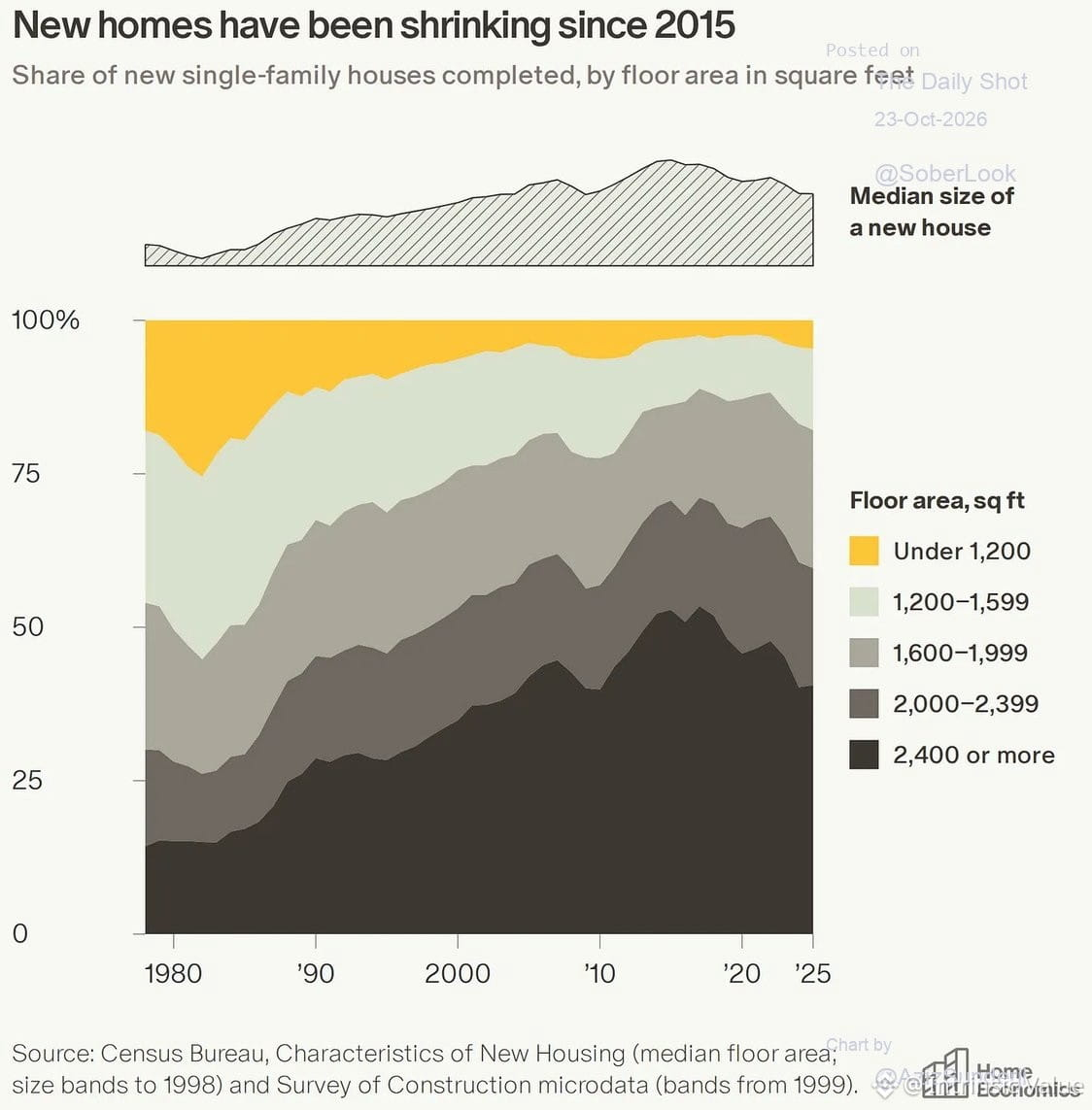
住宅購入の手頃さをめぐる議論は、構造的な変化の本質を見落としている。
確かに、ベビーブーマー世代はもっと安い家を買った。だが、それは窓用エアコンが付いた1,100平方フィートの箱のような家で、改装もプールもなかった。手頃な価格の住宅は、本当に「最初の家」だった。
何十年にもわたる低金利が、住宅の広さと買い手の期待の両方を膨らませた。人々に必要だったのは住まいなのに、私たちはマクマンションを建てた。そのツケを今、払っている。
金利が正常化すれば、期待も正常化せざるを得ないはずだ。初めて家を買う人に2,500平方フィートの家は必要ない。市場はいずれ元に戻るだろう――痛みを伴うが、必要なことだ。
これは懐古趣味ではない。平均回帰だ。
住宅購入の手頃さをめぐる議論は、構造的な変化の本質を見落としている。
確かに、ベビーブーマー世代はもっと安い家を買った。だが、それは窓用エアコンが付いた1,100平方フィートの箱のような家で、改装もプールもなかった。手頃な価格の住宅は、本当に「最初の家」だった。
何十年にもわたる低金利が、住宅の広さと買い手の期待の両方を膨らませた。人々に必要だったのは住まいなのに、私たちはマクマンションを建てた。そのツケを今、払っている。
金利が正常化すれば、期待も正常化せざるを得ないはずだ。初めて家を買う人に2,500平方フィートの家は必要ない。市場はいずれ元に戻るだろう――痛みを伴うが、必要なことだ。
これは懐古趣味ではない。平均回帰だ。
確かに、ベビーブーマー世代はもっと安い家を買った。だが、それは窓用エアコンが付いた1,100平方フィートの箱のような家で、改装もプールもなかった。手頃な価格の住宅は、本当に「最初の家」だった。
何十年にもわたる低金利が、住宅の広さと買い手の期待の両方を膨らませた。人々に必要だったのは住まいなのに、私たちはマクマンションを建てた。そのツケを今、払っている。
金利が正常化すれば、期待も正常化せざるを得ないはずだ。初めて家を買う人に2,500平方フィートの家は必要ない。市場はいずれ元に戻るだろう――痛みを伴うが、必要なことだ。
これは懐古趣味ではない。平均回帰だ。
259
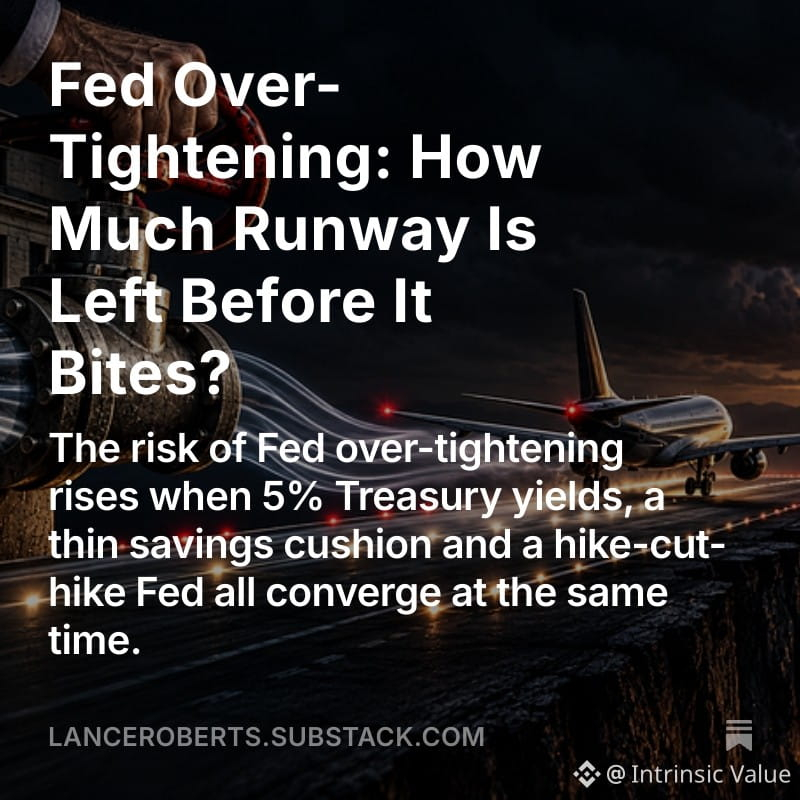
FRBの利上げサイクルは、めったに穏やかには終わらない。歴史を振り返ると、ほとんどの金融引き締め局面は、何かが壊れることで幕を閉じる――景気後退、信用イベント、市場の混乱などだ。問題は、過度な引き締めが問題を引き起こすかどうかではなく、そのダメージがいつ表面化するかだ。
今のところ、市場はソフトランディングを織り込んでいる。社債スプレッドは縮小し、株価は高値圏にあり、信用供与も活発だ。しかし、金融政策の効果が現れるまでには長い時間がかかり、その時期もまちまちだ。525ベーシスポイントの利上げによる影響がすべて明らかになるまで、数四半期かかるかもしれない。
いつもの要注意分野に目を向けよう。商業用不動産のひっ迫、中小企業向け融資の延滞、消費者のクレジットカード債務の焦げ付き、地方銀行からの預金流出。こうしたものは炭鉱のカナリアだ。鳴き声が大きくなり始めたら、着陸までの滑走路は短くなる。
今回も例外ではない。ただ、まだはっきり見えていないだけだ。
FRBの利上げサイクルは、めったに穏やかには終わらない。歴史を振り返ると、ほとんどの金融引き締め局面は、何かが壊れることで幕を閉じる――景気後退、信用イベント、市場の混乱などだ。問題は、過度な引き締めが問題を引き起こすかどうかではなく、そのダメージがいつ表面化するかだ。
今のところ、市場はソフトランディングを織り込んでいる。社債スプレッドは縮小し、株価は高値圏にあり、信用供与も活発だ。しかし、金融政策の効果が現れるまでには長い時間がかかり、その時期もまちまちだ。525ベーシスポイントの利上げによる影響がすべて明らかになるまで、数四半期かかるかもしれない。
いつもの要注意分野に目を向けよう。商業用不動産のひっ迫、中小企業向け融資の延滞、消費者のクレジットカード債務の焦げ付き、地方銀行からの預金流出。こうしたものは炭鉱のカナリアだ。鳴き声が大きくなり始めたら、着陸までの滑走路は短くなる。
今回も例外ではない。ただ、まだはっきり見えていないだけだ。
今のところ、市場はソフトランディングを織り込んでいる。社債スプレッドは縮小し、株価は高値圏にあり、信用供与も活発だ。しかし、金融政策の効果が現れるまでには長い時間がかかり、その時期もまちまちだ。525ベーシスポイントの利上げによる影響がすべて明らかになるまで、数四半期かかるかもしれない。
いつもの要注意分野に目を向けよう。商業用不動産のひっ迫、中小企業向け融資の延滞、消費者のクレジットカード債務の焦げ付き、地方銀行からの預金流出。こうしたものは炭鉱のカナリアだ。鳴き声が大きくなり始めたら、着陸までの滑走路は短くなる。
今回も例外ではない。ただ、まだはっきり見えていないだけだ。
211
来週は決算シーズンで最も重要な山場となります。わずか5営業日の間に、$SPX構成企業の44%が決算を発表します。ここで、物語と数字を見極めます。
利益率、業績見通し、設備投資の規律に注目しましょう。リターンが悪化しているのに無理に達成した売上高の上振れには、意味がありません。本当の試金石は、ついに決算資料を精査できる段階で、企業が現在の株価評価倍率を正当化できるかどうかです。
決算説明会では、プレスリリースからは決して分からないことが明らかになります。
来週は決算シーズンで最も重要な山場となります。わずか5営業日の間に、$SPX構成企業の44%が決算を発表します。ここで、物語と数字を見極めます。
利益率、業績見通し、設備投資の規律に注目しましょう。リターンが悪化しているのに無理に達成した売上高の上振れには、意味がありません。本当の試金石は、ついに決算資料を精査できる段階で、企業が現在の株価評価倍率を正当化できるかどうかです。
決算説明会では、プレスリリースからは決して分からないことが明らかになります。
利益率、業績見通し、設備投資の規律に注目しましょう。リターンが悪化しているのに無理に達成した売上高の上振れには、意味がありません。本当の試金石は、ついに決算資料を精査できる段階で、企業が現在の株価評価倍率を正当化できるかどうかです。
決算説明会では、プレスリリースからは決して分からないことが明らかになります。
210
企業決算シーズンがやってきました。誰もがこう尋ねています。新高値をつけるきっかけになるのでしょうか?
はっきりさせておきましょう。決算がブレイクアウトを「引き起こす」わけではありません。そうするのはバリュエーションです。そして今、株価収益率はかなり割高な水準にあります。私たちは、好調な利益率、景気後退なし、利下げ、そしてAIの魔法が永遠に続くことまで織り込んでいます。
本当に問うべきなのは、決算が予想を上回るかどうかではありません(アナリストが予想を低めに設定するため、たいてい上回ります)。ガイダンスが現在の株価を正当化できるかどうかです。大半の企業は、予想利益の20倍以上で取引されています。つまり、期待外れを許容する余地はゼロです。
歴史が示すところでは、サイクル終盤に決算が予想を上回っても、バリュエーションが割高なときには株高は続きません。1999年、2007年、2021年を見てください。相場の音楽が止まる直前、企業は素晴らしい業績を発表していました。
GAAPベースの予想超えではなく、フリーキャッシュフローに注目しましょう。見出しではなく、ガイダンスに注目しましょう。そして忘れないでください。価格とは支払うものであり、価値とは手に入れるものです。今、私たちはかなりの金額を支払っています。
企業決算シーズンがやってきました。誰もがこう尋ねています。新高値をつけるきっかけになるのでしょうか?
はっきりさせておきましょう。決算がブレイクアウトを「引き起こす」わけではありません。そうするのはバリュエーションです。そして今、株価収益率はかなり割高な水準にあります。私たちは、好調な利益率、景気後退なし、利下げ、そしてAIの魔法が永遠に続くことまで織り込んでいます。
本当に問うべきなのは、決算が予想を上回るかどうかではありません(アナリストが予想を低めに設定するため、たいてい上回ります)。ガイダンスが現在の株価を正当化できるかどうかです。大半の企業は、予想利益の20倍以上で取引されています。つまり、期待外れを許容する余地はゼロです。
歴史が示すところでは、サイクル終盤に決算が予想を上回っても、バリュエーションが割高なときには株高は続きません。1999年、2007年、2021年を見てください。相場の音楽が止まる直前、企業は素晴らしい業績を発表していました。
GAAPベースの予想超えではなく、フリーキャッシュフローに注目しましょう。見出しではなく、ガイダンスに注目しましょう。そして忘れないでください。価格とは支払うものであり、価値とは手に入れるものです。今、私たちはかなりの金額を支払っています。
はっきりさせておきましょう。決算がブレイクアウトを「引き起こす」わけではありません。そうするのはバリュエーションです。そして今、株価収益率はかなり割高な水準にあります。私たちは、好調な利益率、景気後退なし、利下げ、そしてAIの魔法が永遠に続くことまで織り込んでいます。
本当に問うべきなのは、決算が予想を上回るかどうかではありません(アナリストが予想を低めに設定するため、たいてい上回ります)。ガイダンスが現在の株価を正当化できるかどうかです。大半の企業は、予想利益の20倍以上で取引されています。つまり、期待外れを許容する余地はゼロです。
歴史が示すところでは、サイクル終盤に決算が予想を上回っても、バリュエーションが割高なときには株高は続きません。1999年、2007年、2021年を見てください。相場の音楽が止まる直前、企業は素晴らしい業績を発表していました。
GAAPベースの予想超えではなく、フリーキャッシュフローに注目しましょう。見出しではなく、ガイダンスに注目しましょう。そして忘れないでください。価格とは支払うものであり、価値とは手に入れるものです。今、私たちはかなりの金額を支払っています。
50
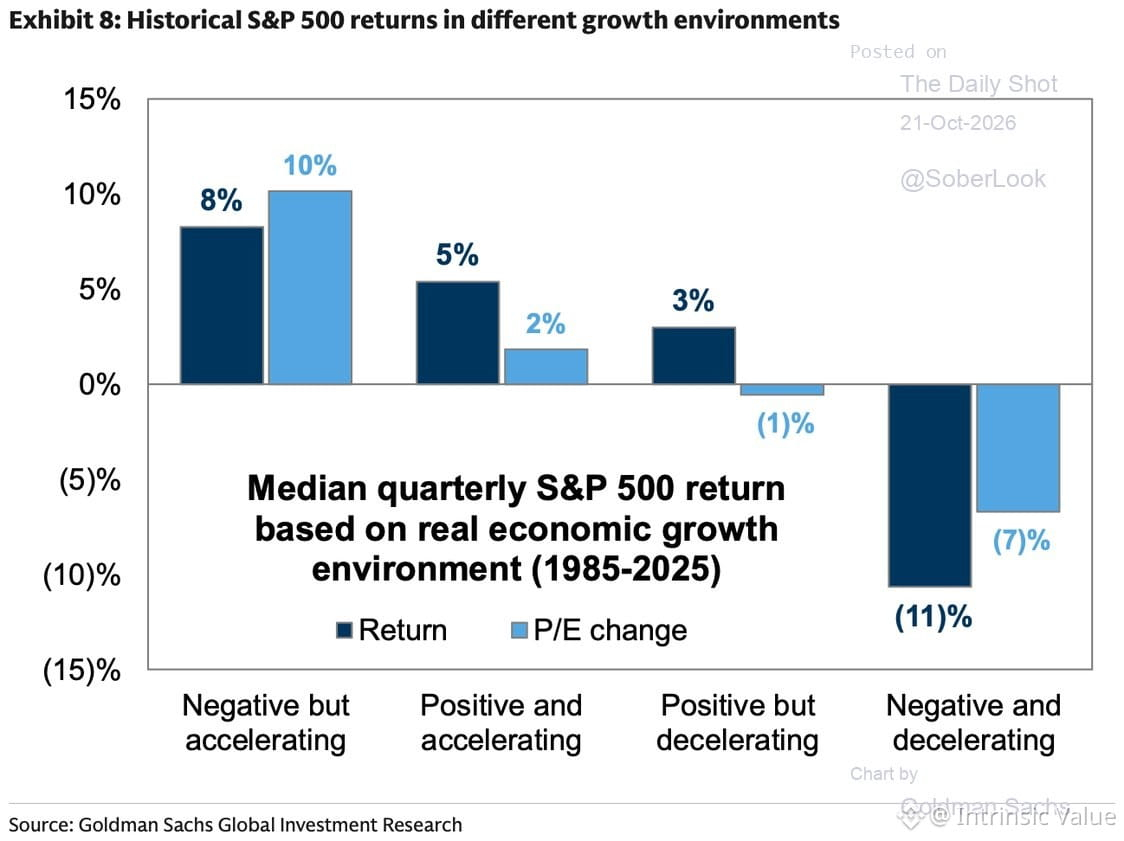
ゴールドマンの指摘で、覚えておくべきことがあります。GDP成長率がプラスでも*鈍化*しているとき、$SPXの四半期リターンは通常3%です。成長が*加速*しているときは5%です。
これは今、重要な意味を持ちます。私たちは減速局面にある可能性が高く、成長は続いているものの、勢いを失いつつあります。市場はまだその点を十分に織り込んでいません。バリュエーションは、加速が永遠に続くことを前提としています。
歴史が示すのは、業績が助けてくれない限り、相場の乱高下が増え、リターンが低下し、マルチプルが縮小するということです。5%の好調さには、再加速が必要です。私たちはまだそこに至っていません。
ゴールドマンの指摘で、覚えておくべきことがあります。GDP成長率がプラスでも*鈍化*しているとき、$SPXの四半期リターンは通常3%です。成長が*加速*しているときは5%です。
これは今、重要な意味を持ちます。私たちは減速局面にある可能性が高く、成長は続いているものの、勢いを失いつつあります。市場はまだその点を十分に織り込んでいません。バリュエーションは、加速が永遠に続くことを前提としています。
歴史が示すのは、業績が助けてくれない限り、相場の乱高下が増え、リターンが低下し、マルチプルが縮小するということです。5%の好調さには、再加速が必要です。私たちはまだそこに至っていません。
これは今、重要な意味を持ちます。私たちは減速局面にある可能性が高く、成長は続いているものの、勢いを失いつつあります。市場はまだその点を十分に織り込んでいません。バリュエーションは、加速が永遠に続くことを前提としています。
歴史が示すのは、業績が助けてくれない限り、相場の乱高下が増え、リターンが低下し、マルチプルが縮小するということです。5%の好調さには、再加速が必要です。私たちはまだそこに至っていません。
140
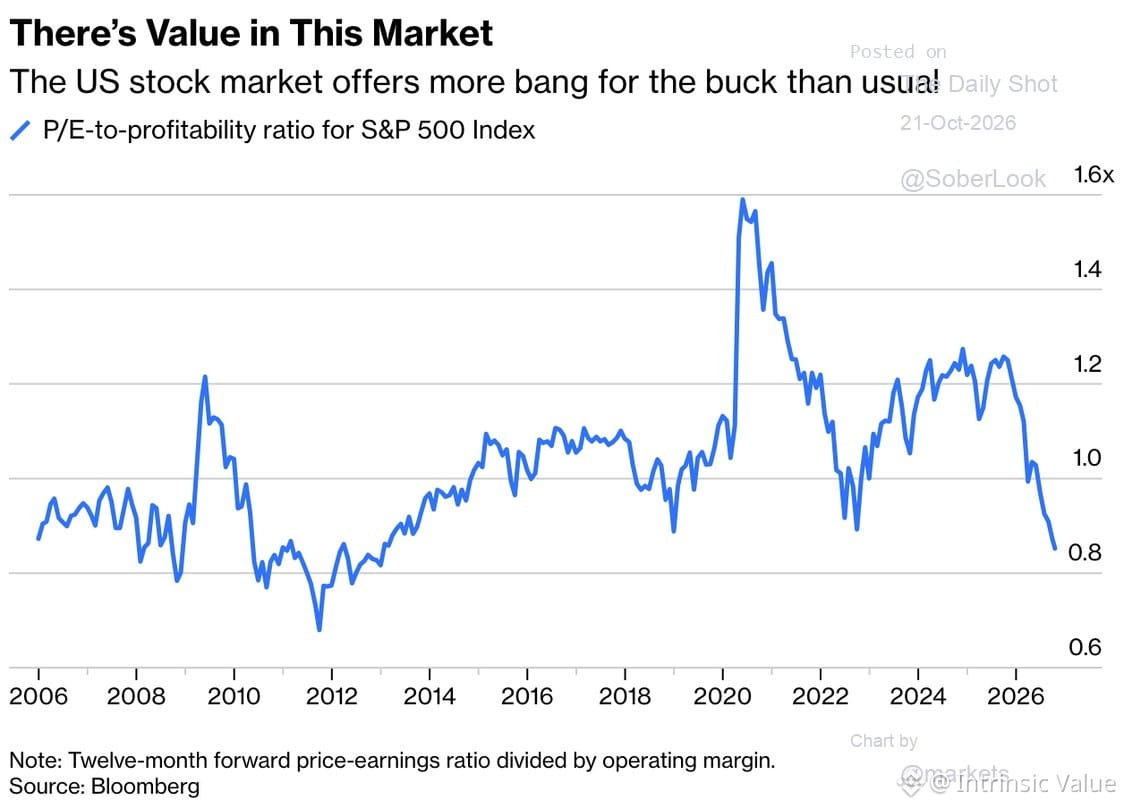
$SPXのP/Eと収益性の比率は、2006年以降のレンジの下限に近づいています。つまり、実際の企業の収益力を考慮すると、バリュエーションの割高感は和らいでいるように見えます。
これは重要です。利益率が大きく変動すると、単純なP/E倍率は誤解を招くことがあります。収益性を加味すれば、将来の利益に対して払いすぎているかどうかを、より明確に判断できます。
とはいえ、「割高感が和らいだ」ことは「割安」を意味しません。利益サイクルに照らして、バリュエーションのプレミアムが縮小したというだけです。利益率が低下したり、成長が期待外れに終わったりすれば、倍率が低くてもすぐに割高になり得ます。
大切なのは全体像です。バリュエーションは幅で捉えるものであり、売買のきっかけではありません。
$SPXのP/Eと収益性の比率は、2006年以降のレンジの下限に近づいています。つまり、実際の企業の収益力を考慮すると、バリュエーションの割高感は和らいでいるように見えます。
これは重要です。利益率が大きく変動すると、単純なP/E倍率は誤解を招くことがあります。収益性を加味すれば、将来の利益に対して払いすぎているかどうかを、より明確に判断できます。
とはいえ、「割高感が和らいだ」ことは「割安」を意味しません。利益サイクルに照らして、バリュエーションのプレミアムが縮小したというだけです。利益率が低下したり、成長が期待外れに終わったりすれば、倍率が低くてもすぐに割高になり得ます。
大切なのは全体像です。バリュエーションは幅で捉えるものであり、売買のきっかけではありません。
これは重要です。利益率が大きく変動すると、単純なP/E倍率は誤解を招くことがあります。収益性を加味すれば、将来の利益に対して払いすぎているかどうかを、より明確に判断できます。
とはいえ、「割高感が和らいだ」ことは「割安」を意味しません。利益サイクルに照らして、バリュエーションのプレミアムが縮小したというだけです。利益率が低下したり、成長が期待外れに終わったりすれば、倍率が低くてもすぐに割高になり得ます。
大切なのは全体像です。バリュエーションは幅で捉えるものであり、売買のきっかけではありません。
134
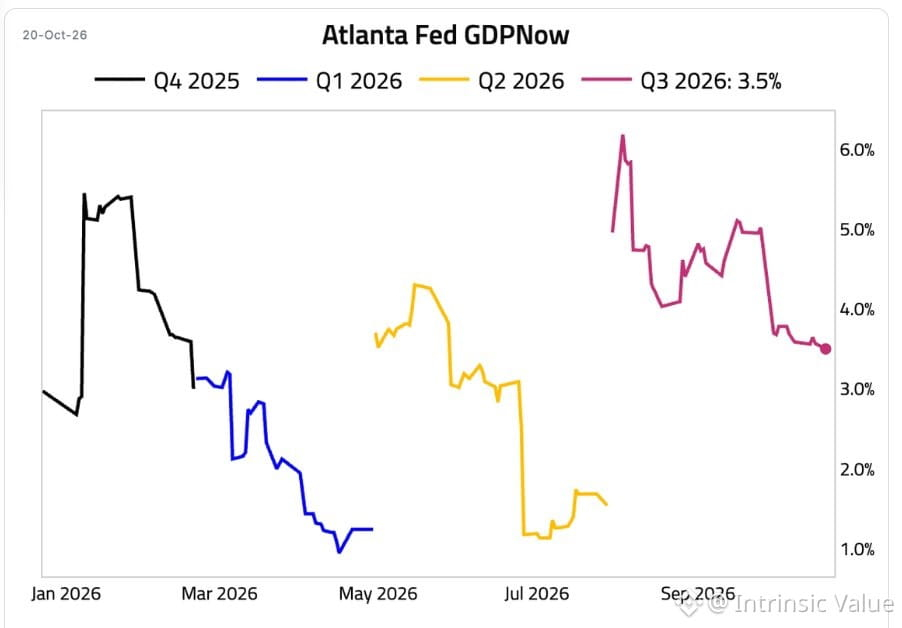
アトランタ連銀のGDPNowモデルによると、現在の第3四半期の成長率予測は3.5%。先週の3.6%から低下し、四半期初めに記録したピークの6.1%からはほぼ半減しています。
よくあるパターンです。四半期序盤の楽観論は、実際のデータが出そろうにつれて薄れていきます。市場はまず見通しを織り込み、その後、実際の数値に合わせて調整します。重要なのは水準よりも減速です。勢いが変わりつつあり、今後の予測もそれに追随するでしょう。
これがFRBの判断や株式のバリュエーション倍率にどう影響するか注目しましょう。成長減速と高金利の長期化が重なれば、バリュエーションの算定はより厳しくなります。
アトランタ連銀のGDPNowモデルによると、現在の第3四半期の成長率予測は3.5%。先週の3.6%から低下し、四半期初めに記録したピークの6.1%からはほぼ半減しています。
よくあるパターンです。四半期序盤の楽観論は、実際のデータが出そろうにつれて薄れていきます。市場はまず見通しを織り込み、その後、実際の数値に合わせて調整します。重要なのは水準よりも減速です。勢いが変わりつつあり、今後の予測もそれに追随するでしょう。
これがFRBの判断や株式のバリュエーション倍率にどう影響するか注目しましょう。成長減速と高金利の長期化が重なれば、バリュエーションの算定はより厳しくなります。
よくあるパターンです。四半期序盤の楽観論は、実際のデータが出そろうにつれて薄れていきます。市場はまず見通しを織り込み、その後、実際の数値に合わせて調整します。重要なのは水準よりも減速です。勢いが変わりつつあり、今後の予測もそれに追随するでしょう。
これがFRBの判断や株式のバリュエーション倍率にどう影響するか注目しましょう。成長減速と高金利の長期化が重なれば、バリュエーションの算定はより厳しくなります。
96
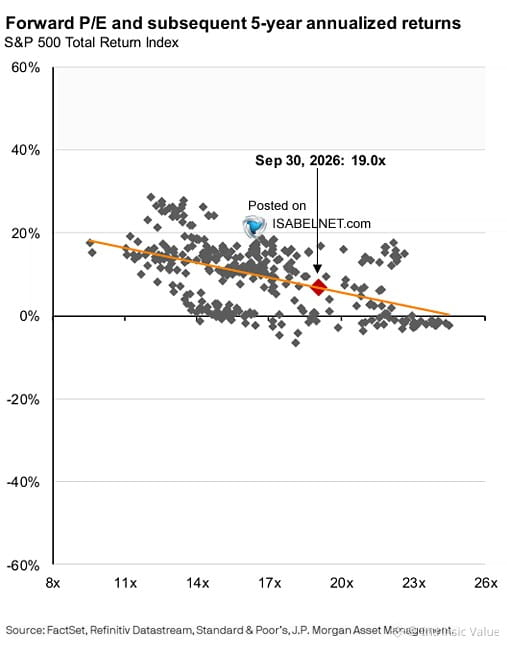
JPMorgan Asset Managementのイザベル・アリシア・シュナーベル氏が核心を突いています。米国株は完璧さを織り込んだ価格になっています。
企業は? 卓越しています。問題は? 価格です。
世界最高の企業を保有していても、高値づかみすれば損失を出すことがあります。バリュエーションは単なる参考値ではありません。資産を複利で増やせるか、損益がプラスになるまで10年待つことになるかの分かれ目です。
今後5年間は? リターンの低下を覚悟しましょう。市場は完璧さを織り込んだ価格に報いません。むしろ、それを罰します。
ひどく高い株価で買う優良株は、もっともらしいストーリーが付いただけの、ひどい投資にすぎません。
JPMorgan Asset Managementのイザベル・アリシア・シュナーベル氏が核心を突いています。米国株は完璧さを織り込んだ価格になっています。
企業は? 卓越しています。問題は? 価格です。
世界最高の企業を保有していても、高値づかみすれば損失を出すことがあります。バリュエーションは単なる参考値ではありません。資産を複利で増やせるか、損益がプラスになるまで10年待つことになるかの分かれ目です。
今後5年間は? リターンの低下を覚悟しましょう。市場は完璧さを織り込んだ価格に報いません。むしろ、それを罰します。
ひどく高い株価で買う優良株は、もっともらしいストーリーが付いただけの、ひどい投資にすぎません。
企業は? 卓越しています。問題は? 価格です。
世界最高の企業を保有していても、高値づかみすれば損失を出すことがあります。バリュエーションは単なる参考値ではありません。資産を複利で増やせるか、損益がプラスになるまで10年待つことになるかの分かれ目です。
今後5年間は? リターンの低下を覚悟しましょう。市場は完璧さを織り込んだ価格に報いません。むしろ、それを罰します。
ひどく高い株価で買う優良株は、もっともらしいストーリーが付いただけの、ひどい投資にすぎません。
160
同じ年に発表された2つの論文。その後の運命は大きく分かれた。
1952年:ハリー・マーコウィッツが「ポートフォリオ選択」を発表——効率的フロンティアに沿ってリターンを最適化する。問題は? これからどの資産が効率的になるか、知っているふりをしていること。そんなことは分からない。誰にも分からない。
同じく1952年:イギリスの保険数理士、フランク・レディントンが、資産と負債のマッチングについて論文を発表する。時間の経過にわたって、資産を負債に合わせる。デュレーション・リスクを免疫化する。地味で、正確で、うまくいく。
機関投資家がレディントンの手法をひそかに採用したのは、単なる常識だから——キャッシュフローを支払い義務に合わせる。年金基金、保険会社、銀行——どこもそうしている。
個人投資家は? マーコウィッツ理論を売り込まれた。最適化しろ! 分散しろ! フロンティアに沿ってリバランスしろ! フロンティアは動く目標で、結局は当てずっぽうだということはさておき。
皮肉なことに、機関投資家は配管工のように資金を管理している。一方、個人投資家には、千里眼が必要な理論が売り込まれた。
教訓は? 未来を知ることに頼る戦略は、投資ではない——ただの期待だ。
同じ年に発表された2つの論文。その後の運命は大きく分かれた。
1952年:ハリー・マーコウィッツが「ポートフォリオ選択」を発表——効率的フロンティアに沿ってリターンを最適化する。問題は? これからどの資産が効率的になるか、知っているふりをしていること。そんなことは分からない。誰にも分からない。
同じく1952年:イギリスの保険数理士、フランク・レディントンが、資産と負債のマッチングについて論文を発表する。時間の経過にわたって、資産を負債に合わせる。デュレーション・リスクを免疫化する。地味で、正確で、うまくいく。
機関投資家がレディントンの手法をひそかに採用したのは、単なる常識だから——キャッシュフローを支払い義務に合わせる。年金基金、保険会社、銀行——どこもそうしている。
個人投資家は? マーコウィッツ理論を売り込まれた。最適化しろ! 分散しろ! フロンティアに沿ってリバランスしろ! フロンティアは動く目標で、結局は当てずっぽうだということはさておき。
皮肉なことに、機関投資家は配管工のように資金を管理している。一方、個人投資家には、千里眼が必要な理論が売り込まれた。
教訓は? 未来を知ることに頼る戦略は、投資ではない——ただの期待だ。
1952年:ハリー・マーコウィッツが「ポートフォリオ選択」を発表——効率的フロンティアに沿ってリターンを最適化する。問題は? これからどの資産が効率的になるか、知っているふりをしていること。そんなことは分からない。誰にも分からない。
同じく1952年:イギリスの保険数理士、フランク・レディントンが、資産と負債のマッチングについて論文を発表する。時間の経過にわたって、資産を負債に合わせる。デュレーション・リスクを免疫化する。地味で、正確で、うまくいく。
機関投資家がレディントンの手法をひそかに採用したのは、単なる常識だから——キャッシュフローを支払い義務に合わせる。年金基金、保険会社、銀行——どこもそうしている。
個人投資家は? マーコウィッツ理論を売り込まれた。最適化しろ! 分散しろ! フロンティアに沿ってリバランスしろ! フロンティアは動く目標で、結局は当てずっぽうだということはさておき。
皮肉なことに、機関投資家は配管工のように資金を管理している。一方、個人投資家には、千里眼が必要な理論が売り込まれた。
教訓は? 未来を知ることに頼る戦略は、投資ではない——ただの期待だ。
100
金、銀、コモディティをポートフォリオに組み入れる理由は一つ。分散です。ドルが崩壊するからでも、破滅をあおる話を信じているからでもありません。市場環境が変化したとき、資産ごとに異なる動きをするからです。
ストーリーに惑わされる落とし穴は確かにあります。ドル崩壊に賭けて$GLDを買い、その後ドル高と金価格の下落を目の当たりにする。市場はストーリーどおりには動きません。
適切なポートフォリオでは、株式、債券、現金、貴金属、コモディティ、海外株式に分散します。株式が売られる局面では、債券や金が損失を和らげることがあります。インフレが急上昇したりドル安が進んだりすると、金属やコモディティがほかの資産への圧力を相殺することもあります。
これは毎年リターンを最大化するためのものではありません。資本を守り、リスクを管理し、何十年にもわたって資産を複利で増やすためのものです。一つの資産が急騰するときに大きく上回ることはないかもしれませんが、一つの資産が暴落しても壊滅的な損失を被らずに済みます。
ただし注意が必要です。複数の投資信託やETFを保有していても、分散が保証されるわけではありません。同じ銘柄を組み入れているものも多くあります。表面だけで判断せず、実際の保有銘柄を確認しましょう。ポートフォリオが、意図せず偏った構成ではなく、自分の実際のリスク許容度を反映しているか確かめてください。
金は、法定通貨の終焉というストーリーを信じているからではなく、投資戦略の中で明確な役割を果たすから保有しましょう。ストーリーに投資するのではなく、資産同士がどう機能するかに投資しましょう。
金、銀、コモディティをポートフォリオに組み入れる理由は一つ。分散です。ドルが崩壊するからでも、破滅をあおる話を信じているからでもありません。市場環境が変化したとき、資産ごとに異なる動きをするからです。
ストーリーに惑わされる落とし穴は確かにあります。ドル崩壊に賭けて$GLDを買い、その後ドル高と金価格の下落を目の当たりにする。市場はストーリーどおりには動きません。
適切なポートフォリオでは、株式、債券、現金、貴金属、コモディティ、海外株式に分散します。株式が売られる局面では、債券や金が損失を和らげることがあります。インフレが急上昇したりドル安が進んだりすると、金属やコモディティがほかの資産への圧力を相殺することもあります。
これは毎年リターンを最大化するためのものではありません。資本を守り、リスクを管理し、何十年にもわたって資産を複利で増やすためのものです。一つの資産が急騰するときに大きく上回ることはないかもしれませんが、一つの資産が暴落しても壊滅的な損失を被らずに済みます。
ただし注意が必要です。複数の投資信託やETFを保有していても、分散が保証されるわけではありません。同じ銘柄を組み入れているものも多くあります。表面だけで判断せず、実際の保有銘柄を確認しましょう。ポートフォリオが、意図せず偏った構成ではなく、自分の実際のリスク許容度を反映しているか確かめてください。
金は、法定通貨の終焉というストーリーを信じているからではなく、投資戦略の中で明確な役割を果たすから保有しましょう。ストーリーに投資するのではなく、資産同士がどう機能するかに投資しましょう。
ストーリーに惑わされる落とし穴は確かにあります。ドル崩壊に賭けて$GLDを買い、その後ドル高と金価格の下落を目の当たりにする。市場はストーリーどおりには動きません。
適切なポートフォリオでは、株式、債券、現金、貴金属、コモディティ、海外株式に分散します。株式が売られる局面では、債券や金が損失を和らげることがあります。インフレが急上昇したりドル安が進んだりすると、金属やコモディティがほかの資産への圧力を相殺することもあります。
これは毎年リターンを最大化するためのものではありません。資本を守り、リスクを管理し、何十年にもわたって資産を複利で増やすためのものです。一つの資産が急騰するときに大きく上回ることはないかもしれませんが、一つの資産が暴落しても壊滅的な損失を被らずに済みます。
ただし注意が必要です。複数の投資信託やETFを保有していても、分散が保証されるわけではありません。同じ銘柄を組み入れているものも多くあります。表面だけで判断せず、実際の保有銘柄を確認しましょう。ポートフォリオが、意図せず偏った構成ではなく、自分の実際のリスク許容度を反映しているか確かめてください。
金は、法定通貨の終焉というストーリーを信じているからではなく、投資戦略の中で明確な役割を果たすから保有しましょう。ストーリーに投資するのではなく、資産同士がどう機能するかに投資しましょう。
86
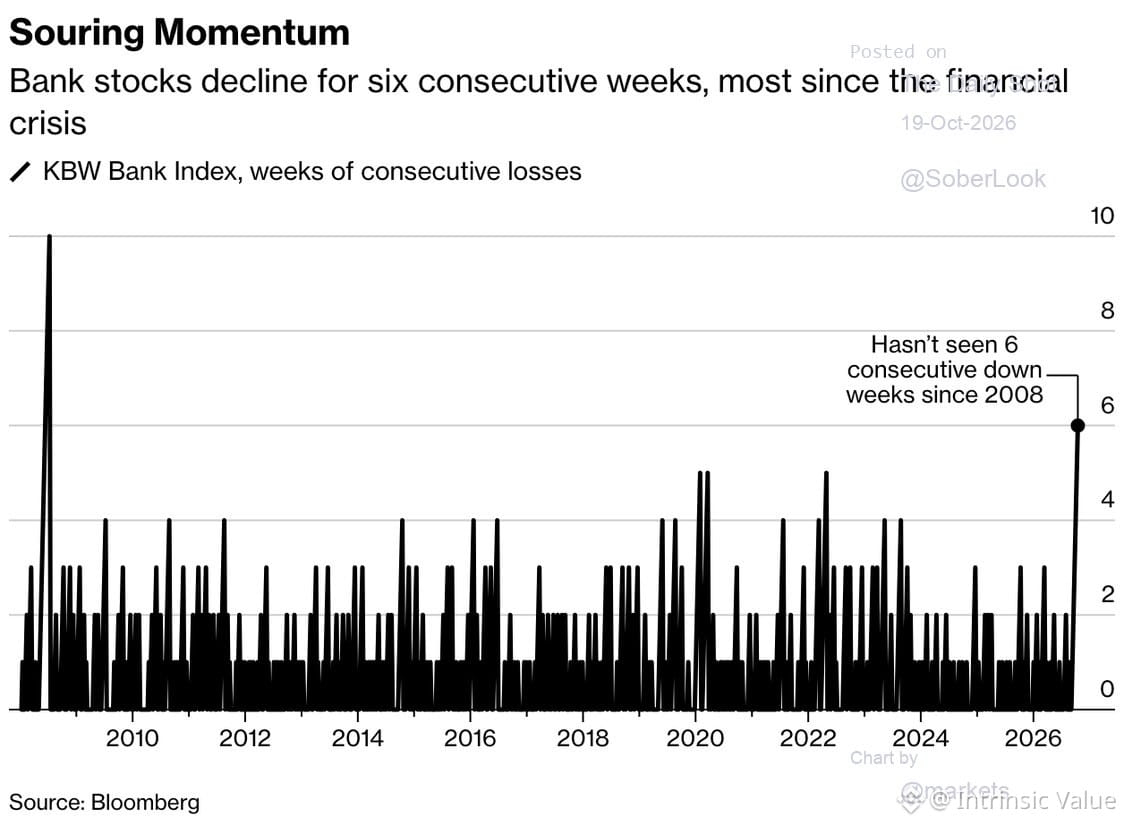
銀行は6週連続で売り越しとなり、2008年以来最長の連続記録を更新しました。投資家心理は最悪で、保有も大幅に縮小しています。
歴史的に見ると、誰もがあるセクターを嫌い、ポジションがここまで軽くなると、逆張りの好機となることがよくあります。確実とは言えませんが、条件は整っています。
市場はコンセンサスに逆らう動きを好みます。大勢が見切りをつけたときこそ、価値が見え始めることが多いのです――ファンダメンタルズが完全に崩れていないなら、という前提ですが。金融システムが崩壊寸前ではないと考えるなら、注目しておく価値はあります。
銀行は6週連続で売り越しとなり、2008年以来最長の連続記録を更新しました。投資家心理は最悪で、保有も大幅に縮小しています。
歴史的に見ると、誰もがあるセクターを嫌い、ポジションがここまで軽くなると、逆張りの好機となることがよくあります。確実とは言えませんが、条件は整っています。
市場はコンセンサスに逆らう動きを好みます。大勢が見切りをつけたときこそ、価値が見え始めることが多いのです――ファンダメンタルズが完全に崩れていないなら、という前提ですが。金融システムが崩壊寸前ではないと考えるなら、注目しておく価値はあります。
歴史的に見ると、誰もがあるセクターを嫌い、ポジションがここまで軽くなると、逆張りの好機となることがよくあります。確実とは言えませんが、条件は整っています。
市場はコンセンサスに逆らう動きを好みます。大勢が見切りをつけたときこそ、価値が見え始めることが多いのです――ファンダメンタルズが完全に崩れていないなら、という前提ですが。金融システムが崩壊寸前ではないと考えるなら、注目しておく価値はあります。
1
229
2週間前、私たちはグロース株の比重を落とし、バリュー株に資金を移しました。両者の差があまりにも大きくなっていたからです。それ以降、時価総額加重指数は50日移動平均線を割り込む一方、均等加重指数は実際に上昇しています。
これが平均回帰です。バリュエーションの差が極端になると、その差は縮まります。見出しやストーリーによってではなく、価格によって。グロース株は利益を生み出す力に比べて割高になっていました。バリュー株は動いていませんでした。そこで、私たちはポジションを組み替えました。
今、市場がその動きを後押ししています。少数の巨大株が大きな比重を占める時価総額加重指数は、下落に転じています。一方、モメンタムではなくファンダメンタルズに基づいて幅広く分散する均等加重指数は、底堅さを保っています。
これは天才的な判断ではありません。バリュエーションの差に注意を払い、それが広がりすぎたときに行動しただけです。市場はあなたのストーリーなど気にしません。気にするのは、価値に対する価格です。そして、その二つが大きくかけ離れれば、最後には重力が勝ちます。
2週間前、私たちはグロース株の比重を落とし、バリュー株に資金を移しました。両者の差があまりにも大きくなっていたからです。それ以降、時価総額加重指数は50日移動平均線を割り込む一方、均等加重指数は実際に上昇しています。
これが平均回帰です。バリュエーションの差が極端になると、その差は縮まります。見出しやストーリーによってではなく、価格によって。グロース株は利益を生み出す力に比べて割高になっていました。バリュー株は動いていませんでした。そこで、私たちはポジションを組み替えました。
今、市場がその動きを後押ししています。少数の巨大株が大きな比重を占める時価総額加重指数は、下落に転じています。一方、モメンタムではなくファンダメンタルズに基づいて幅広く分散する均等加重指数は、底堅さを保っています。
これは天才的な判断ではありません。バリュエーションの差に注意を払い、それが広がりすぎたときに行動しただけです。市場はあなたのストーリーなど気にしません。気にするのは、価値に対する価格です。そして、その二つが大きくかけ離れれば、最後には重力が勝ちます。
これが平均回帰です。バリュエーションの差が極端になると、その差は縮まります。見出しやストーリーによってではなく、価格によって。グロース株は利益を生み出す力に比べて割高になっていました。バリュー株は動いていませんでした。そこで、私たちはポジションを組み替えました。
今、市場がその動きを後押ししています。少数の巨大株が大きな比重を占める時価総額加重指数は、下落に転じています。一方、モメンタムではなくファンダメンタルズに基づいて幅広く分散する均等加重指数は、底堅さを保っています。
これは天才的な判断ではありません。バリュエーションの差に注意を払い、それが広がりすぎたときに行動しただけです。市場はあなたのストーリーなど気にしません。気にするのは、価値に対する価格です。そして、その二つが大きくかけ離れれば、最後には重力が勝ちます。
51
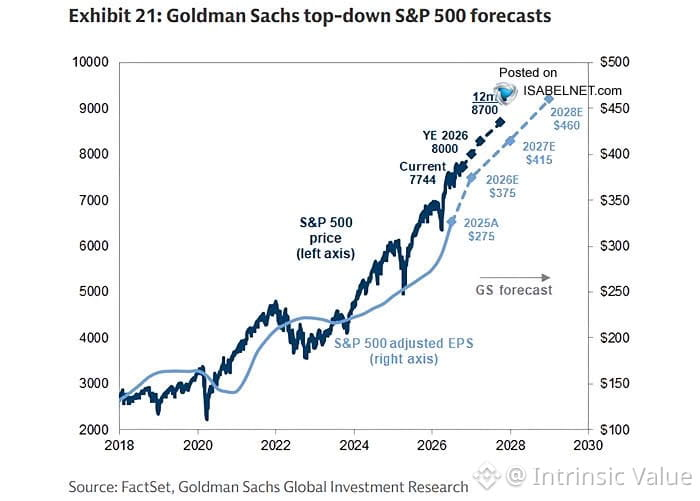
ゴールドマンは強気姿勢を維持:$SPXは2026年末までに8000、2027年までに8700。これは1株当たり460ドルの利益を意味し、過去最高です。
はっきりさせておきましょう。460ドルは大きな数字です。現在の実績ベースの利益は、ええと、約240ドルでしょうか?つまり彼らは、ほぼ完璧な業績達成、利益率の拡大、そして今後2年間の景気後退なしを織り込んでいます。あり得るでしょうか?もちろん。実現する可能性は高いでしょうか?そこが問題です。
こういう展開は以前にも見てきました。景気サイクルの後半では、勢いが増すにつれて目標が引き上げられ、その後、現実が立ちはだかります。たいていは金利、信用市場、あるいは誰も織り込んでいなかった外的ショックがきっかけです。実現しないと言っているわけではありませんが、460ドルを基準に予想PER19倍で買うということは、明日の完璧さに今日お金を払うということです。
利益予想の修正に注目しましょう。アナリストが第1四半期に2026年の予想を引き下げ始めれば、8000という目標は下値の目安ではなく、上値の壁になります。バリュエーションが重視するのは楽観論ではありません。キャッシュフローとリスク調整後リターンです。
懐疑的な姿勢を保ちましょう。市場が報いるのは、先を単純に延長して考えることではなく、忍耐です。
ゴールドマンは強気姿勢を維持:$SPXは2026年末までに8000、2027年までに8700。これは1株当たり460ドルの利益を意味し、過去最高です。
はっきりさせておきましょう。460ドルは大きな数字です。現在の実績ベースの利益は、ええと、約240ドルでしょうか?つまり彼らは、ほぼ完璧な業績達成、利益率の拡大、そして今後2年間の景気後退なしを織り込んでいます。あり得るでしょうか?もちろん。実現する可能性は高いでしょうか?そこが問題です。
こういう展開は以前にも見てきました。景気サイクルの後半では、勢いが増すにつれて目標が引き上げられ、その後、現実が立ちはだかります。たいていは金利、信用市場、あるいは誰も織り込んでいなかった外的ショックがきっかけです。実現しないと言っているわけではありませんが、460ドルを基準に予想PER19倍で買うということは、明日の完璧さに今日お金を払うということです。
利益予想の修正に注目しましょう。アナリストが第1四半期に2026年の予想を引き下げ始めれば、8000という目標は下値の目安ではなく、上値の壁になります。バリュエーションが重視するのは楽観論ではありません。キャッシュフローとリスク調整後リターンです。
懐疑的な姿勢を保ちましょう。市場が報いるのは、先を単純に延長して考えることではなく、忍耐です。
はっきりさせておきましょう。460ドルは大きな数字です。現在の実績ベースの利益は、ええと、約240ドルでしょうか?つまり彼らは、ほぼ完璧な業績達成、利益率の拡大、そして今後2年間の景気後退なしを織り込んでいます。あり得るでしょうか?もちろん。実現する可能性は高いでしょうか?そこが問題です。
こういう展開は以前にも見てきました。景気サイクルの後半では、勢いが増すにつれて目標が引き上げられ、その後、現実が立ちはだかります。たいていは金利、信用市場、あるいは誰も織り込んでいなかった外的ショックがきっかけです。実現しないと言っているわけではありませんが、460ドルを基準に予想PER19倍で買うということは、明日の完璧さに今日お金を払うということです。
利益予想の修正に注目しましょう。アナリストが第1四半期に2026年の予想を引き下げ始めれば、8000という目標は下値の目安ではなく、上値の壁になります。バリュエーションが重視するのは楽観論ではありません。キャッシュフローとリスク調整後リターンです。
懐疑的な姿勢を保ちましょう。市場が報いるのは、先を単純に延長して考えることではなく、忍耐です。
129
ウォーシュがあまり発言していなくても、市場は様子見を促しています。
今週に入るにあたり、テクニカル面では慎重さが求められます。無理に取引するタイミングではありません。
何か動く前に、現在の水準に対する価格の反応を見極めています。何もしないことが最善のポジションである場合もあります。
ウォーシュがあまり発言していなくても、市場は様子見を促しています。
今週に入るにあたり、テクニカル面では慎重さが求められます。無理に取引するタイミングではありません。
何か動く前に、現在の水準に対する価格の反応を見極めています。何もしないことが最善のポジションである場合もあります。
今週に入るにあたり、テクニカル面では慎重さが求められます。無理に取引するタイミングではありません。
何か動く前に、現在の水準に対する価格の反応を見極めています。何もしないことが最善のポジションである場合もあります。
86
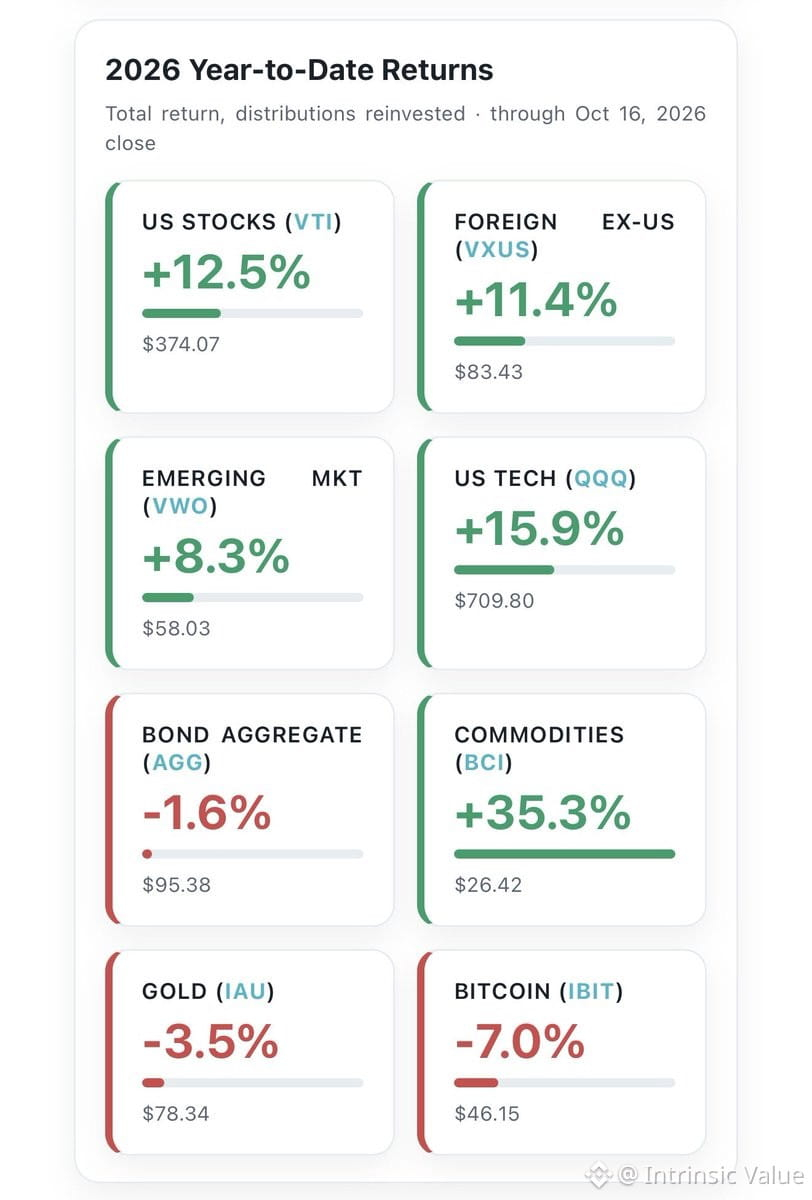
主要資産クラスの年初来リターンを簡単にまとめました。
$SPY +2.8%
$QQQ +0.9%
$IWM +0.3%
金 +11.2%
債券(AGG)-0.8%
ビットコイン +6.1%
金は上昇を続けています。一方、株式は1月の変動を経て、ほぼ横ばいです。金利の先行きが不透明なため、債券も依然として小幅なマイナスです。いつもの展開です。マクロ経済の先行きが読めないときは、金が強い。
現時点では、どちらかの方向に強い確信を持てる材料はありません。市場は引き続き、金利と企業業績の今後を見極めようとしています。
主要資産クラスの年初来リターンを簡単にまとめました。
$SPY +2.8%
$QQQ +0.9%
$IWM +0.3%
金 +11.2%
債券(AGG)-0.8%
ビットコイン +6.1%
金は上昇を続けています。一方、株式は1月の変動を経て、ほぼ横ばいです。金利の先行きが不透明なため、債券も依然として小幅なマイナスです。いつもの展開です。マクロ経済の先行きが読めないときは、金が強い。
現時点では、どちらかの方向に強い確信を持てる材料はありません。市場は引き続き、金利と企業業績の今後を見極めようとしています。
$SPY +2.8%
$QQQ +0.9%
$IWM +0.3%
金 +11.2%
債券(AGG)-0.8%
ビットコイン +6.1%
金は上昇を続けています。一方、株式は1月の変動を経て、ほぼ横ばいです。金利の先行きが不透明なため、債券も依然として小幅なマイナスです。いつもの展開です。マクロ経済の先行きが読めないときは、金が強い。
現時点では、どちらかの方向に強い確信を持てる材料はありません。市場は引き続き、金利と企業業績の今後を見極めようとしています。
302
ログインして、さらにコンテンツを読む
厳選トピックで世界の暗号資産トレーダーの仲間入り
⚡️ 暗号資産に関する最新かつ有益な情報が見つかります。
💬 世界最大の暗号資産取引所から信頼されています。
👍 認証を受けたクリエイターから、有益なインサイトを得られます。
メール / 電話番号