


Mohanmad_
259 フォロー
44 フォロワー
845 いいね
投稿
すべて
引用


KITE AI 中文
·
--
作成。チャージ。決済。
Forge Heat 2が正式にローンチしました。ankrと協力し、Kite Agent PassportをAnkr Forgeコミュニティに届けます。Kiteが自律型Agentのために構築したインフラを、ぜひご自身で体験してください。
▷ Kite Agent Passportを作成して、Agentに検証可能なIDを付与しましょう。
▷ チャージすれば、Agentは設定した上限額の範囲内で支払いができます。
▷ 最初の決済を完了し、エージェント型決済が動く様子をその目で確かめましょう。
参加するとForge Pointsも獲得できます。https://ankr.com/forge にアクセスして、AgentのPassportを取得しましょう。🪁
Forge Heat 2が正式にローンチしました。ankrと協力し、Kite Agent PassportをAnkr Forgeコミュニティに届けます。Kiteが自律型Agentのために構築したインフラを、ぜひご自身で体験してください。
▷ Kite Agent Passportを作成して、Agentに検証可能なIDを付与しましょう。
▷ チャージすれば、Agentは設定した上限額の範囲内で支払いができます。
▷ 最初の決済を完了し、エージェント型決済が動く様子をその目で確かめましょう。
参加するとForge Pointsも獲得できます。https://ankr.com/forge にアクセスして、AgentのPassportを取得しましょう。🪁
Mohanmad_
·
--
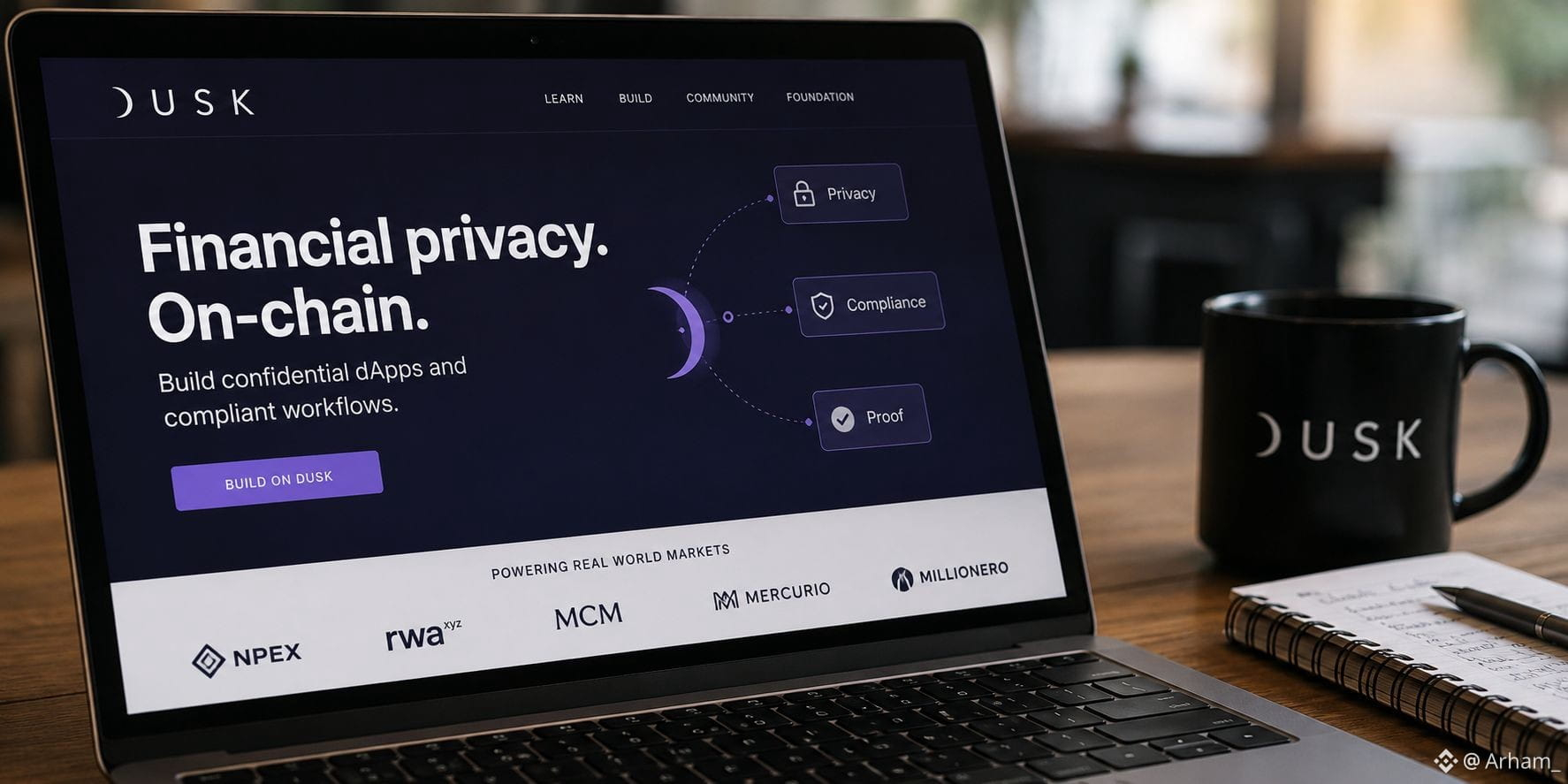
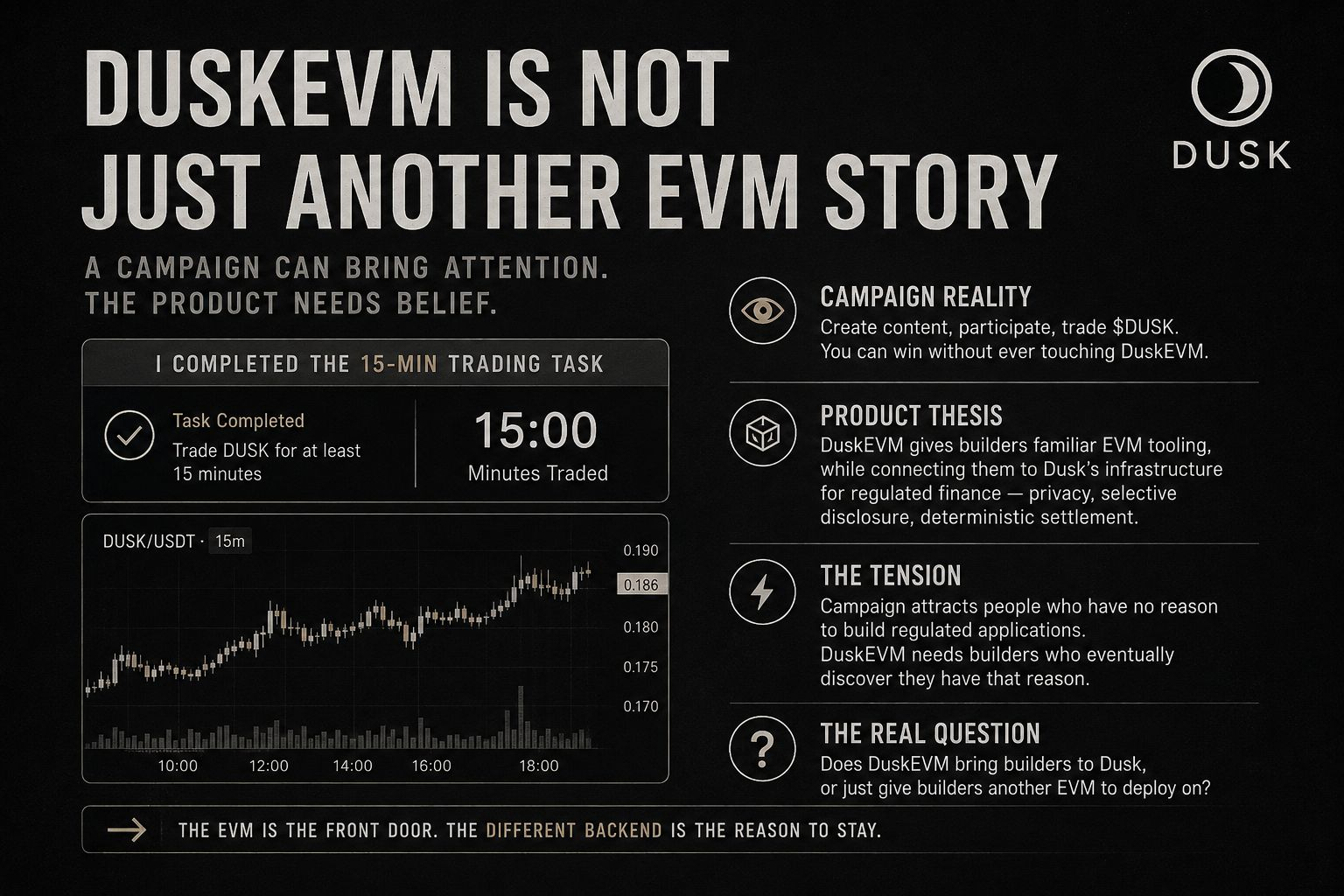
DuskEVMを一度も使わずに、Duskのキャンペーンを完了できます。
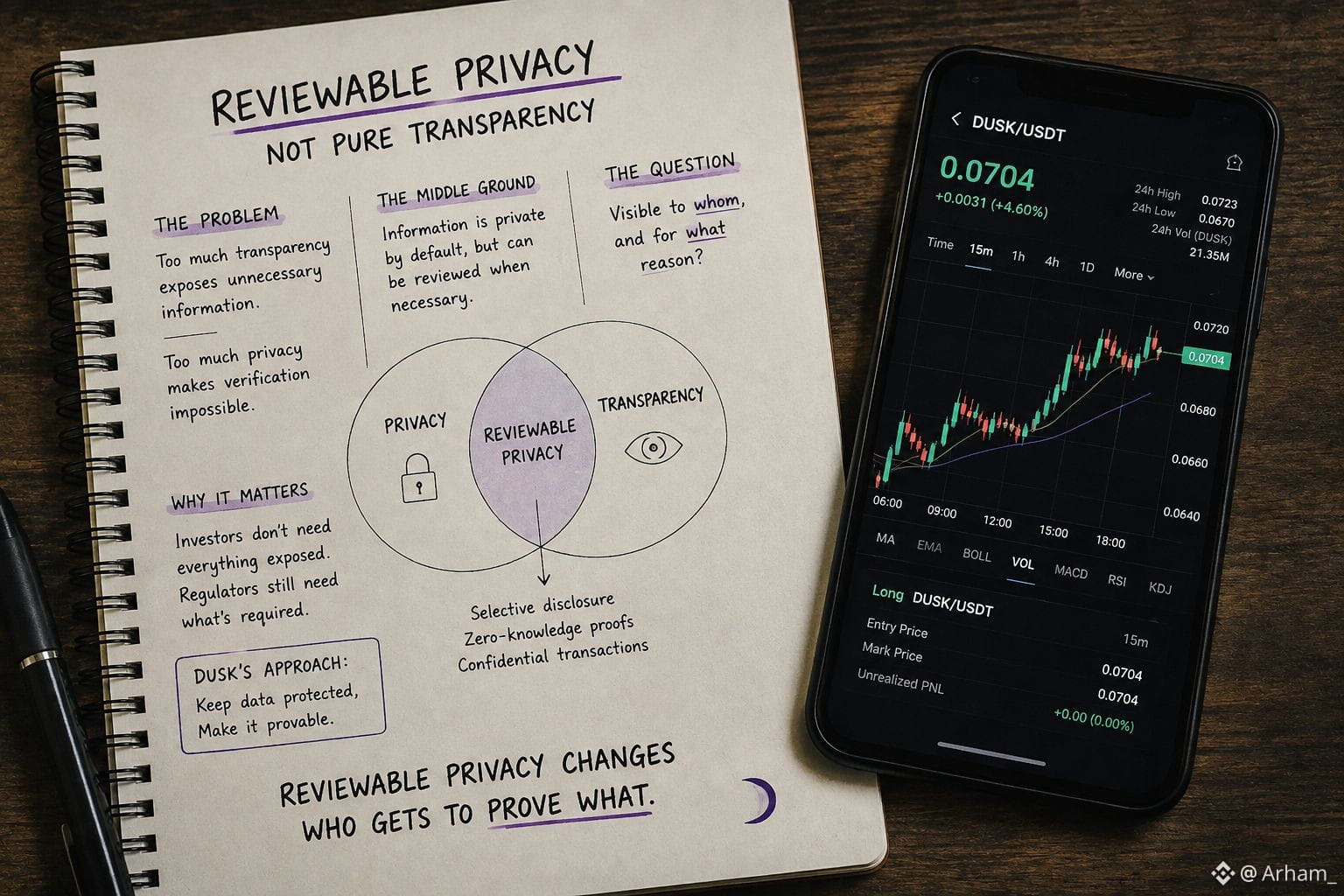
私自身がキャンペーンを進めて、15分間の取引タスクを完了しました。いちばん簡単な道はシンプルです。コンテンツを作り、参加し、取引 $DUSK 。
しかしDuskEVMは、別のゲームを用意しています。
DuskEVMは、規制された金融のためのDuskのインフラに接続しながら、ビルダーに馴染みのあるEVMツールを提供します。そこでは、プライバシーと検証可能な決済がともに機能する必要があります。
つまり、EVMレイヤーが本題ではありません。
それは、まったく別のバックエンドに通じる“馴染みのある正面の入口”です。
そして、それが緊張感を生みます。
キャンペーンは、規制された金融アプリを作る理由のない人を惹きつけることができます。
DuskEVMは、そうした人たちの中から最終的に「作る理由」を見つけてもらう必要があります。
本当の問いはこれです。DuskEVMはビルダーを #dusk @Dusk に連れてくるのか、それともビルダーに“デプロイ先として別のEVMを提供するだけ”なのか?
私自身がキャンペーンを進めて、15分間の取引タスクを完了しました。いちばん簡単な道はシンプルです。コンテンツを作り、参加し、取引 $DUSK 。
しかしDuskEVMは、別のゲームを用意しています。
DuskEVMは、規制された金融のためのDuskのインフラに接続しながら、ビルダーに馴染みのあるEVMツールを提供します。そこでは、プライバシーと検証可能な決済がともに機能する必要があります。
つまり、EVMレイヤーが本題ではありません。
それは、まったく別のバックエンドに通じる“馴染みのある正面の入口”です。
そして、それが緊張感を生みます。
キャンペーンは、規制された金融アプリを作る理由のない人を惹きつけることができます。
DuskEVMは、そうした人たちの中から最終的に「作る理由」を見つけてもらう必要があります。
本当の問いはこれです。DuskEVMはビルダーを #dusk @Dusk に連れてくるのか、それともビルダーに“デプロイ先として別のEVMを提供するだけ”なのか?
🔒 Strong security
0%
💰 Strong incentives
0%
⚖️ Both equally
0%
⏳ Time will tell
0%
0 投票 • 投票は終了しました
本人確認中
🔒 Security
50%
⚡ User experience
50%
💧 Liquidity
0%
👥 Adoption
0%
2 投票 • 投票は終了しました
Mohanmad_
·
--
しばらくBabylonの信託なしビットコイン・ヴォルト(TBV)のキャンペーンを見ているうちに、ある一点が目につきました。ポイントは「ビットコインを使うこと」だけではありません。ラップせず、ブリッジせず、まず別レイヤーへ渡したりせずに、ネイティブのBTCを担保として使っている点です。
これは重要です。なぜなら、ほとんどのビットコインのユーティリティは、依然としてビットコインを何か別のものに変えることから始まっているからです。
BTCはクリプトの中で最大の資産ですが、その経済的な役割の多くは、まだ「保有する」「送金する」「売る」といった用途に限られています。人々がもっとやりたいと思ったとき、通常の道筋は、ネイティブのビットコインを置き去りにして、別の場所でより柔軟な形を使うことです。
TBVはその逆の方向を示しています。
私が何度も立ち返るのは、この緊張関係です。市場はビットコインのユーティリティを求めていると言いながら、実際に使えるビットコインの多くは、最初にネイティブ性を弱める形に変わることに依存してきました。
だから興味深いのは、単に機能そのものだけではありません。ビットコインが「何であるか」を変える前に、ビットコインの金融的な役割を広げようとする試みです。
それがうまく機能し始めれば、ビットコインが次にどこに位置づくのかについて、より大きな意味を示せるかもしれません。単に人々が保持する価値としてではなく、よりビットコイン・ネイティブな条件でオンチェーン経済の中を動ける「資本」としてです。@BabylonLabs_io #baby $BABY
$DEXE
$B2
₿ ネイティブBTCのユーティリティ?
これは重要です。なぜなら、ほとんどのビットコインのユーティリティは、依然としてビットコインを何か別のものに変えることから始まっているからです。
BTCはクリプトの中で最大の資産ですが、その経済的な役割の多くは、まだ「保有する」「送金する」「売る」といった用途に限られています。人々がもっとやりたいと思ったとき、通常の道筋は、ネイティブのビットコインを置き去りにして、別の場所でより柔軟な形を使うことです。
TBVはその逆の方向を示しています。
私が何度も立ち返るのは、この緊張関係です。市場はビットコインのユーティリティを求めていると言いながら、実際に使えるビットコインの多くは、最初にネイティブ性を弱める形に変わることに依存してきました。
だから興味深いのは、単に機能そのものだけではありません。ビットコインが「何であるか」を変える前に、ビットコインの金融的な役割を広げようとする試みです。
それがうまく機能し始めれば、ビットコインが次にどこに位置づくのかについて、より大きな意味を示せるかもしれません。単に人々が保持する価値としてではなく、よりビットコイン・ネイティブな条件でオンチェーン経済の中を動ける「資本」としてです。@BabylonLabs_io #baby $BABY
$DEXE
$B2
₿ ネイティブBTCのユーティリティ?
本人確認中
本人確認中
✅ Yes, the future
33%
⚖️ Only sometimes
0%
📦 Wrapped BTC wins
67%
⏳ Too early
0%
3 投票 • 投票は終了しました

Shehab Goma
·
--
弱気相場ピッチを見る時間の代わりに、GRVTのライブ指標を眺めてしまった。ひとつ引っかかった。
プライバシーレイヤーは本物だ。オフチェーンのマッチング。オンチェーン上でのZK証明。ブランディングではない。
でも、市場のフローはやはりどこか馴染みがあるように感じた。
169ペア。取引高$843M。建玉オープンインタレスト$352.6M。仮想通貨やRWAのパーペチュアルがあっても、フローはメジャー銘柄の周りにまとまる。BTC_USDT_PERPだけでも:取引高$246.6M、建玉オープンインタレスト$165.8M。
そこが引っかかった。
@grvt_io は、人々がより安全に取引できるように変える。それは、人々が何を取引したいかを変えない。その区別が重要だ。
仮想通貨は、より良いインフラがあれば行動も変わると仮定する。だが時に、それは単に同じ行動を、より安全にし、悪用しにくくするだけの場合もある。
プライベート・セッティルメントはリークを減らす。フロントランが読みにくくなる。執行のプライバシーが向上する。だが、群衆の本能を消し去ることはできない。トレーダーは依然として、いちばん厚い板に寄る。最もサイズを入れて決済しやすいペアの周りに、やはり集まる。ZKは取引を守る。だが群衆を止めはしない。
複数のレポートでは、2026年7月21日ごろのトークンローンチが示唆されている。注目度は高い。公式確認を待つべきだが、その時期は問いを鋭くする。
面白いのは、GRVTのプライバシーが機能するかどうかではない。機能する。
問題は、プライベート・セッティルメントが実行リスク以外に何かを変えるかどうかだ。
トレーダーの行動が同じに見えるなら、GRVTの貢献はより限定的になるかもしれないが、より正直だろう。心理を変えない。人々がいつも通りのやり方で取引するときに、守ることができる。
それでもなお意味は大きい。取引所設計における次の優位性は、群衆を変えることからは生まれないだろう。群衆のように振る舞うコストを下げることから生まれる。
@grvt_io #grvt
プライバシーレイヤーは本物だ。オフチェーンのマッチング。オンチェーン上でのZK証明。ブランディングではない。
でも、市場のフローはやはりどこか馴染みがあるように感じた。
169ペア。取引高$843M。建玉オープンインタレスト$352.6M。仮想通貨やRWAのパーペチュアルがあっても、フローはメジャー銘柄の周りにまとまる。BTC_USDT_PERPだけでも:取引高$246.6M、建玉オープンインタレスト$165.8M。
そこが引っかかった。
@grvt_io は、人々がより安全に取引できるように変える。それは、人々が何を取引したいかを変えない。その区別が重要だ。
仮想通貨は、より良いインフラがあれば行動も変わると仮定する。だが時に、それは単に同じ行動を、より安全にし、悪用しにくくするだけの場合もある。
プライベート・セッティルメントはリークを減らす。フロントランが読みにくくなる。執行のプライバシーが向上する。だが、群衆の本能を消し去ることはできない。トレーダーは依然として、いちばん厚い板に寄る。最もサイズを入れて決済しやすいペアの周りに、やはり集まる。ZKは取引を守る。だが群衆を止めはしない。
複数のレポートでは、2026年7月21日ごろのトークンローンチが示唆されている。注目度は高い。公式確認を待つべきだが、その時期は問いを鋭くする。
面白いのは、GRVTのプライバシーが機能するかどうかではない。機能する。
問題は、プライベート・セッティルメントが実行リスク以外に何かを変えるかどうかだ。
トレーダーの行動が同じに見えるなら、GRVTの貢献はより限定的になるかもしれないが、より正直だろう。心理を変えない。人々がいつも通りのやり方で取引するときに、守ることができる。
それでもなお意味は大きい。取引所設計における次の優位性は、群衆を変えることからは生まれないだろう。群衆のように振る舞うコストを下げることから生まれる。
@grvt_io #grvt
本人確認中
🧩 Yes, mandatory
0%
🔧 Devs decide
0%
🤷 Doesn't matter
0%
📊 Only for high-stakes
0%
0 投票 • 投票は終了しました
Mohanmad_
·
--
誰も細かく見ていないのはここです。彼らの「ZKML(ゼロ知識機械学習)の証明」――全体の目的だと言われているはずの証明が、Walrusに保存されます。
これは彼ら自身のアーキテクチャドキュメントから直接確認できます。Walrusが重いデータを保持し、チェーンはポインタを保持するだけです。
次にWalrus自身のセキュリティページを読んでください。平易な言葉で、デフォルトでは言い訳なしに書かれています。Walrus上のあらゆるブロブはパブリックです。
誰でも発見できます。自分で暗号化を追加しない限り暗号化はありません。ブロブIDを持っている人なら、ただ...取り出せます。
では、暗号化はいつ出てくるのでしょう?
OpenGradientとWalrusの提携発表を確認してください。暗号化はちょうど1回だけ言及されていて、Private/プロプライエタリなモデルの有料ティアで、Sealと呼ばれるものを通じてゲートされている範囲に限定されています。
権限はオンチェーンで強制されるものの、対象はその特定の製品だけです。
通常のものについて、暗号化の話は誰もしていません。日常のZKMLの証明、検証可能なAIが毎日あらゆる通常ユーザーに向けて作られていることになる、標準の推論出力です。
それらは、どこにも「暗号化された」とは名前が付けられていません。つまり、Walrus自身のデフォルトでは、どんなブロブと同じようにパブリックで、誰でも取得できる形で外に置かれているということです。
検証はプライバシーと同じではありません。@OpenGradient ただ「verifiable(検証可能)」という言葉が全部を覆ってくれるように聞こえるから、そうだと人々に思わせただけです。違います。プライバシーは買うためのティアです。検証は、IDを持つ誰にでも公開されている“ただの数式”です。
@OpenGradient
#OPG
$OPG
$TAC
$RAVE
あなたの証明は、デフォルトでは...
これは彼ら自身のアーキテクチャドキュメントから直接確認できます。Walrusが重いデータを保持し、チェーンはポインタを保持するだけです。
次にWalrus自身のセキュリティページを読んでください。平易な言葉で、デフォルトでは言い訳なしに書かれています。Walrus上のあらゆるブロブはパブリックです。
誰でも発見できます。自分で暗号化を追加しない限り暗号化はありません。ブロブIDを持っている人なら、ただ...取り出せます。
では、暗号化はいつ出てくるのでしょう?
OpenGradientとWalrusの提携発表を確認してください。暗号化はちょうど1回だけ言及されていて、Private/プロプライエタリなモデルの有料ティアで、Sealと呼ばれるものを通じてゲートされている範囲に限定されています。
権限はオンチェーンで強制されるものの、対象はその特定の製品だけです。
通常のものについて、暗号化の話は誰もしていません。日常のZKMLの証明、検証可能なAIが毎日あらゆる通常ユーザーに向けて作られていることになる、標準の推論出力です。
それらは、どこにも「暗号化された」とは名前が付けられていません。つまり、Walrus自身のデフォルトでは、どんなブロブと同じようにパブリックで、誰でも取得できる形で外に置かれているということです。
検証はプライバシーと同じではありません。@OpenGradient ただ「verifiable(検証可能)」という言葉が全部を覆ってくれるように聞こえるから、そうだと人々に思わせただけです。違います。プライバシーは買うためのティアです。検証は、IDを持つ誰にでも公開されている“ただの数式”です。
@OpenGradient
#OPG
$OPG
$TAC
$RAVE
あなたの証明は、デフォルトでは...
🌐 Public to anyone
0%
🔐 Encrypted automatically
0%
💳 Only private if you pay
0%
🤷 Genuinely unclear
0%
0 投票 • 投票は終了しました
Pipe proof ✅
100%
Need more 🧠
0%
Big gap 🚨
0%
Don't care 🤷
0%
1 投票 • 投票は終了しました
ログインして、さらにコンテンツを読む