

Crypto Reporter
207 投稿

Crypto Reporter
 厳選トピック確認済+
報告
ユーザーをブロック
Crypto Reporter - Online magazine about cryptocurrencies, NFTs, DeFi, GameFi and other blockchain technologies.
1 フォロー
3.2K+ フォロワー
454 いいね
投稿

記事
英銀、トークン化預金を実運用に向けて前進英国最大手の銀行が、トークン化されたポンド建て預金による初の実運用の顧客取引を完了し、ブロックチェーンを基盤とする商業銀行マネーを実社会の決済に組み込むための大きな前進となりました。
取引は、UK Financeが主導し、Barclays、HSBC UK、Lloyds Banking Group、Monzo、Nationwide、NatWest、Santanderが参加する「Great British Tokenised Deposit(GBTD)」構想を通じて実施されました。UK Financeは9月24日にこの取引を発表しました。
トークン化預金とは、従来型の商業銀行預金をデジタル化したものです。個人が発行するステーブルコインとは異なり、規制された銀行に対する請求権である点を維持しつつ、プログラマビリティ、条件付きの支払い、ならびに自動化された決済といったブロックチェーン機能を追加します。
英銀、トークン化預金を実運用に向けて前進
英国最大手の銀行が、トークン化されたポンド建て預金による初の実運用の顧客取引を完了し、ブロックチェーンを基盤とする商業銀行マネーを実社会の決済に組み込むための大きな前進となりました。
取引は、UK Financeが主導し、Barclays、HSBC UK、Lloyds Banking Group、Monzo、Nationwide、NatWest、Santanderが参加する「Great British Tokenised Deposit(GBTD)」構想を通じて実施されました。UK Financeは9月24日にこの取引を発表しました。
トークン化預金とは、従来型の商業銀行預金をデジタル化したものです。個人が発行するステーブルコインとは異なり、規制された銀行に対する請求権である点を維持しつつ、プログラマビリティ、条件付きの支払い、ならびに自動化された決済といったブロックチェーン機能を追加します。
取引は、UK Financeが主導し、Barclays、HSBC UK、Lloyds Banking Group、Monzo、Nationwide、NatWest、Santanderが参加する「Great British Tokenised Deposit(GBTD)」構想を通じて実施されました。UK Financeは9月24日にこの取引を発表しました。
トークン化預金とは、従来型の商業銀行預金をデジタル化したものです。個人が発行するステーブルコインとは異なり、規制された銀行に対する請求権である点を維持しつつ、プログラマビリティ、条件付きの支払い、ならびに自動化された決済といったブロックチェーン機能を追加します。
1
198
記事
翻訳参照
Binance Invests $100 Million in Circle As USDC Partnership ExpandsBinance has invested $100 million in Circle, deepening the relationship between one of the world’s largest crypto exchanges and the issuer of the USDC stablecoin.
The investment was announced September 22 alongside a new five-year commercial agreement focused on expanding USDC’s use, particularly in emerging markets. Circle said Binance will promote, integrate and increase awareness of USDC across its platform, while Circle will provide infrastructure supporting the stablecoin’s use.
Binance acquired 1,237,011 Class A shares of Circle at $80.84 per share through a private placement that closed Sept. 17, according to a regulatory filing. The price represented a 5% discount to Circle’s market price before the transaction. The Block reported that Binance has agreed not to sell, transfer or hedge the shares for up to two years, subject to certain exceptions.
The expanded commercial agreement also provides financial incentives for Binance to promote USDC. CoinDesk reported that Circle will pay Binance monthly incentives tied to qualifying USDC balances held through Circle’s wallet infrastructure.
The deal gives Circle access to Binance’s large global user base as stablecoin issuers compete to expand dollar-denominated digital payments and financial services. Reuters reported that the agreement strengthens Binance’s ties with Circle and its USDC stablecoin.
USDC is the second-largest dollar-pegged stablecoin, with a market value of roughly $75 billion, according to Bloomberg. Bloomberg reported that the new agreement extends Circle’s strategy of working with major crypto exchanges to increase USDC adoption.
For Binance, the investment creates a direct financial interest in one of the industry’s largest stablecoin issuers. For Circle, the partnership secures a major distribution channel for USDC while extending the companies’ commercial relationship for another five years.
The transaction highlights how stablecoin issuers and crypto exchanges are becoming increasingly interconnected, with distribution, wallet infrastructure and stablecoin liquidity emerging as strategic assets in the global digital-dollar market.
The post Binance invests $100 million in Circle as USDC partnership expands appeared first on Crypto Reporter.
Binance Invests $100 Million in Circle As USDC Partnership Expands
Binance has invested $100 million in Circle, deepening the relationship between one of the world’s largest crypto exchanges and the issuer of the USDC stablecoin.
The investment was announced September 22 alongside a new five-year commercial agreement focused on expanding USDC’s use, particularly in emerging markets. Circle said Binance will promote, integrate and increase awareness of USDC across its platform, while Circle will provide infrastructure supporting the stablecoin’s use.
Binance acquired 1,237,011 Class A shares of Circle at $80.84 per share through a private placement that closed Sept. 17, according to a regulatory filing. The price represented a 5% discount to Circle’s market price before the transaction. The Block reported that Binance has agreed not to sell, transfer or hedge the shares for up to two years, subject to certain exceptions.
The expanded commercial agreement also provides financial incentives for Binance to promote USDC. CoinDesk reported that Circle will pay Binance monthly incentives tied to qualifying USDC balances held through Circle’s wallet infrastructure.
The deal gives Circle access to Binance’s large global user base as stablecoin issuers compete to expand dollar-denominated digital payments and financial services. Reuters reported that the agreement strengthens Binance’s ties with Circle and its USDC stablecoin.
USDC is the second-largest dollar-pegged stablecoin, with a market value of roughly $75 billion, according to Bloomberg. Bloomberg reported that the new agreement extends Circle’s strategy of working with major crypto exchanges to increase USDC adoption.
For Binance, the investment creates a direct financial interest in one of the industry’s largest stablecoin issuers. For Circle, the partnership secures a major distribution channel for USDC while extending the companies’ commercial relationship for another five years.
The transaction highlights how stablecoin issuers and crypto exchanges are becoming increasingly interconnected, with distribution, wallet infrastructure and stablecoin liquidity emerging as strategic assets in the global digital-dollar market.
The post Binance invests $100 million in Circle as USDC partnership expands appeared first on Crypto Reporter.
The investment was announced September 22 alongside a new five-year commercial agreement focused on expanding USDC’s use, particularly in emerging markets. Circle said Binance will promote, integrate and increase awareness of USDC across its platform, while Circle will provide infrastructure supporting the stablecoin’s use.
Binance acquired 1,237,011 Class A shares of Circle at $80.84 per share through a private placement that closed Sept. 17, according to a regulatory filing. The price represented a 5% discount to Circle’s market price before the transaction. The Block reported that Binance has agreed not to sell, transfer or hedge the shares for up to two years, subject to certain exceptions.
The expanded commercial agreement also provides financial incentives for Binance to promote USDC. CoinDesk reported that Circle will pay Binance monthly incentives tied to qualifying USDC balances held through Circle’s wallet infrastructure.
The deal gives Circle access to Binance’s large global user base as stablecoin issuers compete to expand dollar-denominated digital payments and financial services. Reuters reported that the agreement strengthens Binance’s ties with Circle and its USDC stablecoin.
USDC is the second-largest dollar-pegged stablecoin, with a market value of roughly $75 billion, according to Bloomberg. Bloomberg reported that the new agreement extends Circle’s strategy of working with major crypto exchanges to increase USDC adoption.
For Binance, the investment creates a direct financial interest in one of the industry’s largest stablecoin issuers. For Circle, the partnership secures a major distribution channel for USDC while extending the companies’ commercial relationship for another five years.
The transaction highlights how stablecoin issuers and crypto exchanges are becoming increasingly interconnected, with distribution, wallet infrastructure and stablecoin liquidity emerging as strategic assets in the global digital-dollar market.
The post Binance invests $100 million in Circle as USDC partnership expands appeared first on Crypto Reporter.
91
記事
ECB、新しいPontesシステムで中央銀行マネーをブロックチェーン上へ欧州中央銀行(ECB)は、新たなブロックチェーン決済システムを立ち上げた。これにより、銀行やその他の適格な金融機関は、トークン化された資産を含む取引を中央銀行マネーで直接決済できるようになり、欧州がブロックチェーンを従来の金融インフラに統合する取り組みにおける大きな一歩となった。
Pontes(ポンテス)と呼ばれるこの仕組みは、金融市場参加者が用いる分散型台帳技術プラットフォームを、ユーロシステムの既存のTARGET Services(ターゲット・サービス)と接続する。ECBは9月21日にこのサービスを開始し、それが、トークン化された金融システムに中央銀行マネーを適合させるための戦略における最初の実務上のステップだと述べた。ECBによると、この仕組みは当初、機能と稼働時間を拡張する前に、サービスの中核となるセットを提供するという。
ECB、新しいPontesシステムで中央銀行マネーをブロックチェーン上へ
欧州中央銀行(ECB)は、新たなブロックチェーン決済システムを立ち上げた。これにより、銀行やその他の適格な金融機関は、トークン化された資産を含む取引を中央銀行マネーで直接決済できるようになり、欧州がブロックチェーンを従来の金融インフラに統合する取り組みにおける大きな一歩となった。
Pontes(ポンテス)と呼ばれるこの仕組みは、金融市場参加者が用いる分散型台帳技術プラットフォームを、ユーロシステムの既存のTARGET Services(ターゲット・サービス)と接続する。ECBは9月21日にこのサービスを開始し、それが、トークン化された金融システムに中央銀行マネーを適合させるための戦略における最初の実務上のステップだと述べた。ECBによると、この仕組みは当初、機能と稼働時間を拡張する前に、サービスの中核となるセットを提供するという。
Pontes(ポンテス)と呼ばれるこの仕組みは、金融市場参加者が用いる分散型台帳技術プラットフォームを、ユーロシステムの既存のTARGET Services(ターゲット・サービス)と接続する。ECBは9月21日にこのサービスを開始し、それが、トークン化された金融システムに中央銀行マネーを適合させるための戦略における最初の実務上のステップだと述べた。ECBによると、この仕組みは当初、機能と稼働時間を拡張する前に、サービスの中核となるセットを提供するという。
143

記事
議会が足踏みする中、SECとCFTCが暗号資産ルールを前進米国証券取引委員会(SEC)と商品先物取引委員会(CFTC)は、上院が包括的な暗号資産の市場構造法案の前進を見送ってから数日後に、デジタル・アセット市場を再構築するための別個の取り組みを進めています。
SECは9月17日、適格なブロックチェーン基盤の取引拠点が、既存のルールの下で従来の証券取引所として扱われることなく、特定のトークン化された米国株を取引できるようにする5年間の条件付き免除を付与しました。さらに同機関は、特定の流動性プロバイダーに対して、ディーラー登録要件からの限定的な救済も提供しました。ロイターは、SECの5年間の免除について報じました。
議会が足踏みする中、SECとCFTCが暗号資産ルールを前進
米国証券取引委員会(SEC)と商品先物取引委員会(CFTC)は、上院が包括的な暗号資産の市場構造法案の前進を見送ってから数日後に、デジタル・アセット市場を再構築するための別個の取り組みを進めています。
SECは9月17日、適格なブロックチェーン基盤の取引拠点が、既存のルールの下で従来の証券取引所として扱われることなく、特定のトークン化された米国株を取引できるようにする5年間の条件付き免除を付与しました。さらに同機関は、特定の流動性プロバイダーに対して、ディーラー登録要件からの限定的な救済も提供しました。ロイターは、SECの5年間の免除について報じました。
SECは9月17日、適格なブロックチェーン基盤の取引拠点が、既存のルールの下で従来の証券取引所として扱われることなく、特定のトークン化された米国株を取引できるようにする5年間の条件付き免除を付与しました。さらに同機関は、特定の流動性プロバイダーに対して、ディーラー登録要件からの限定的な救済も提供しました。ロイターは、SECの5年間の免除について報じました。
1
3
2.9k
記事
米上院、暗号規制の後退局面でクリアリティ法案を否決火曜日に米上院はクリアリティ法案の前進を見送られ、デジタル資産のための連邦の規制枠組みを整備する包括的な取り組みが連邦議会で停滞した。
手続き上の動議は賛成50票、反対49票で、1人の上院議員が投票しなかった。上院の規則では法案を前進させるのに60票が必要なため、この動議は基準に10票足りなかった。投票は法案を前進させるための手続き段階であり、法案そのものに関する最終的な採決ではなかった。
この法案は、暗号通貨の発行と取引をめぐるルールや、証券取引委員会(SEC)と商品先物取引委員会(CFTC)間の規制責任の分担を含む、デジタル資産に関するより広範な連邦枠組みを確立することになる。
米上院、暗号規制の後退局面でクリアリティ法案を否決
火曜日に米上院はクリアリティ法案の前進を見送られ、デジタル資産のための連邦の規制枠組みを整備する包括的な取り組みが連邦議会で停滞した。
手続き上の動議は賛成50票、反対49票で、1人の上院議員が投票しなかった。上院の規則では法案を前進させるのに60票が必要なため、この動議は基準に10票足りなかった。投票は法案を前進させるための手続き段階であり、法案そのものに関する最終的な採決ではなかった。
この法案は、暗号通貨の発行と取引をめぐるルールや、証券取引委員会(SEC)と商品先物取引委員会(CFTC)間の規制責任の分担を含む、デジタル資産に関するより広範な連邦枠組みを確立することになる。
手続き上の動議は賛成50票、反対49票で、1人の上院議員が投票しなかった。上院の規則では法案を前進させるのに60票が必要なため、この動議は基準に10票足りなかった。投票は法案を前進させるための手続き段階であり、法案そのものに関する最終的な採決ではなかった。
この法案は、暗号通貨の発行と取引をめぐるルールや、証券取引委員会(SEC)と商品先物取引委員会(CFTC)間の規制責任の分担を含む、デジタル資産に関するより広範な連邦枠組みを確立することになる。
1k

記事
英国の規制当局、金融市場向けのトークン化金を検討英国の金融行為監督機関(FCA)は、金をブロックチェーン基盤のインフラへ移すべきかどうかを検討しており、英国の金融市場におけるトークン化金の活用可能性についての協議(パブリックコメント)を開始した。
FCA(英金融行為規制機構)は、トークン化によって、基礎となる金属の所有権を表すデジタルトークンを作成することで、物理的な金をより取引しやすく、移転しやすく、保有しやすく、担保として差し入れやすくできると述べた。
この取り組みは特に卸売市場に重点を置いている。ロンドンはスポット金取引において世界最大の中心地であり、規制当局は、分散型台帳技術(DLT)が、市場の健全性や投資家保護を損なうことなく効率を高め得るかどうかを見極めたいとしている。
英国の規制当局、金融市場向けのトークン化金を検討
英国の金融行為監督機関(FCA)は、金をブロックチェーン基盤のインフラへ移すべきかどうかを検討しており、英国の金融市場におけるトークン化金の活用可能性についての協議(パブリックコメント)を開始した。
FCA(英金融行為規制機構)は、トークン化によって、基礎となる金属の所有権を表すデジタルトークンを作成することで、物理的な金をより取引しやすく、移転しやすく、保有しやすく、担保として差し入れやすくできると述べた。
この取り組みは特に卸売市場に重点を置いている。ロンドンはスポット金取引において世界最大の中心地であり、規制当局は、分散型台帳技術(DLT)が、市場の健全性や投資家保護を損なうことなく効率を高め得るかどうかを見極めたいとしている。
FCA(英金融行為規制機構)は、トークン化によって、基礎となる金属の所有権を表すデジタルトークンを作成することで、物理的な金をより取引しやすく、移転しやすく、保有しやすく、担保として差し入れやすくできると述べた。
この取り組みは特に卸売市場に重点を置いている。ロンドンはスポット金取引において世界最大の中心地であり、規制当局は、分散型台帳技術(DLT)が、市場の健全性や投資家保護を損なうことなく効率を高め得るかどうかを見極めたいとしている。
91
記事
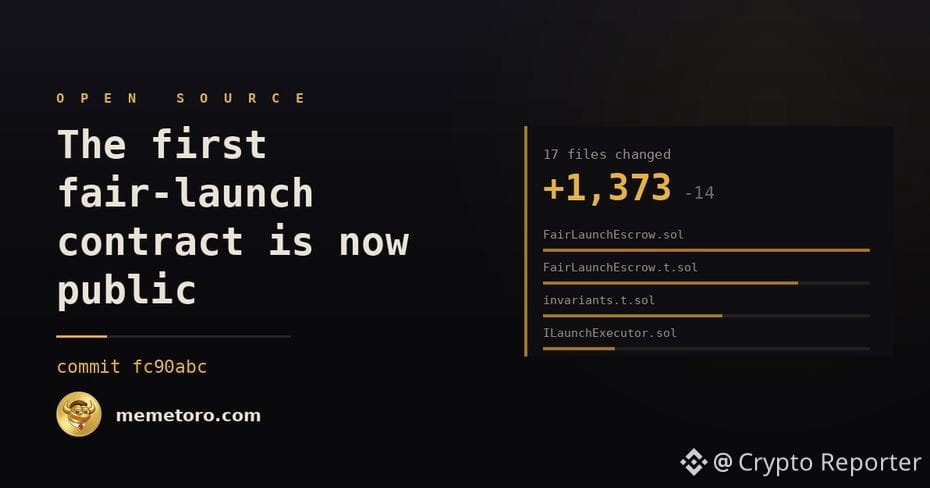
最新の暗号ニュース:MemeToroはAIメメコインの提案からスマートコントラクト実行へ移行—暗号市場の...MemeToroは、AIメメコイン発行(ローンチ)システムのためのスマートコントラクト実行レイヤーの構築を開始し、ビットコインや主要アルトコインが慎重な暗号市場で足踏みしている中で、初めてのフェアローンチ用Solidity草案を公開しました。
今回のリリースは、プロジェクトにとって重要な技術的ステップです。既存のエージェント・パイプラインなら、すでにニュースやソーシャルシグナルを構造化されたローンチ提案へ変換できているためです。
新しいFairLaunchEscrow.solコントラクトは、次の問いへの対応を始めます。それは、公開された提案が、コードによってルールが強制される資金調達ラウンドへとどのように発展し得るのか、という点です。
最新の暗号ニュース:MemeToroはAIメメコインの提案からスマートコントラクト実行へ移行—暗号市場の...
MemeToroは、AIメメコイン発行(ローンチ)システムのためのスマートコントラクト実行レイヤーの構築を開始し、ビットコインや主要アルトコインが慎重な暗号市場で足踏みしている中で、初めてのフェアローンチ用Solidity草案を公開しました。
今回のリリースは、プロジェクトにとって重要な技術的ステップです。既存のエージェント・パイプラインなら、すでにニュースやソーシャルシグナルを構造化されたローンチ提案へ変換できているためです。
新しいFairLaunchEscrow.solコントラクトは、次の問いへの対応を始めます。それは、公開された提案が、コードによってルールが強制される資金調達ラウンドへとどのように発展し得るのか、という点です。
今回のリリースは、プロジェクトにとって重要な技術的ステップです。既存のエージェント・パイプラインなら、すでにニュースやソーシャルシグナルを構造化されたローンチ提案へ変換できているためです。
新しいFairLaunchEscrow.solコントラクトは、次の問いへの対応を始めます。それは、公開された提案が、コードによってルールが強制される資金調達ラウンドへとどのように発展し得るのか、という点です。
258

記事
ビットコインとステーブルコインのカストディのため連邦銀行認可を求めるBlockジャック・ドーシーのBlockは、ビットコインおよびステーブルコインのカストディ事業を米国の直接的な規制監督の下に置くため、連邦の銀行認可(チャーター)を求めている。これは、デジタル資産企業が従来型の金融システムのより深い領域へと進出しているもう一つの兆候である。
フィンテック企業は、無保険のナショナル・トラスト銀行であるBuilders Bank & Trustを設立するため、通貨監督庁(Office of the Comptroller of the Currency)に申請を行った。提案されている同機関は、ビットコインおよびステーブルコインを含むカストディ(保管)および信託サービスを提供するが、預金の受け入れや融資は行わない。
ビットコインとステーブルコインのカストディのため連邦銀行認可を求めるBlock
ジャック・ドーシーのBlockは、ビットコインおよびステーブルコインのカストディ事業を米国の直接的な規制監督の下に置くため、連邦の銀行認可(チャーター)を求めている。これは、デジタル資産企業が従来型の金融システムのより深い領域へと進出しているもう一つの兆候である。
フィンテック企業は、無保険のナショナル・トラスト銀行であるBuilders Bank & Trustを設立するため、通貨監督庁(Office of the Comptroller of the Currency)に申請を行った。提案されている同機関は、ビットコインおよびステーブルコインを含むカストディ(保管)および信託サービスを提供するが、預金の受け入れや融資は行わない。
フィンテック企業は、無保険のナショナル・トラスト銀行であるBuilders Bank & Trustを設立するため、通貨監督庁(Office of the Comptroller of the Currency)に申請を行った。提案されている同機関は、ビットコインおよびステーブルコインを含むカストディ(保管)および信託サービスを提供するが、預金の受け入れや融資は行わない。
81
記事
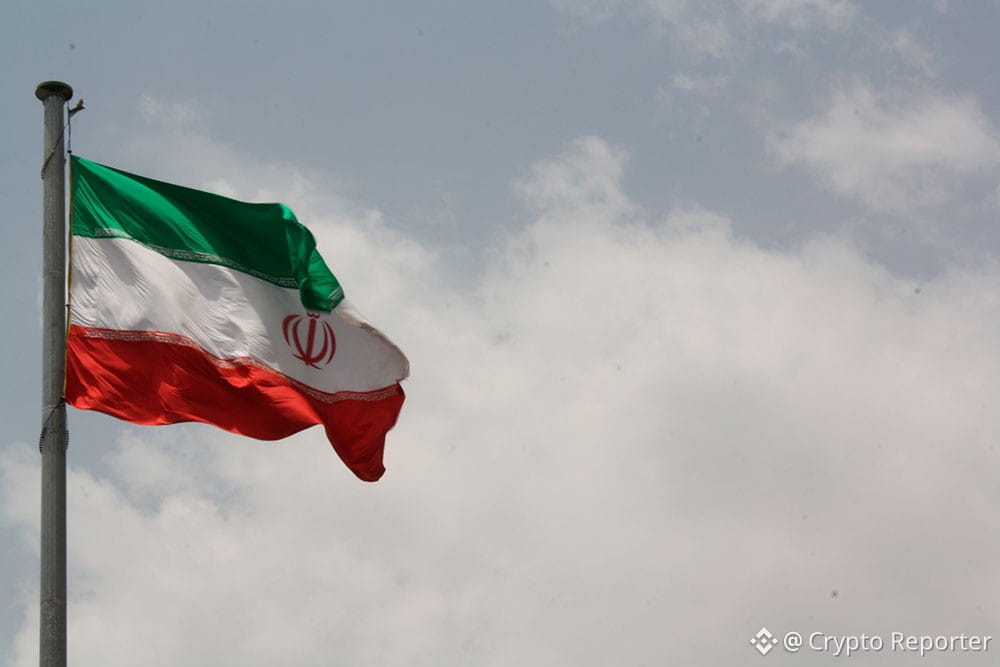
制裁で金融システムが締め付けられる中、イランはビットコインとテザーに傾く制裁と、経済的な封鎖が強まることで同国が従来の国際金融ネットワークにアクセスしにくくなっているため、イランはビットコインとテザーに目を向けている。
イラン中央銀行は、長年にわたる外為管理を緩和し、輸出業者が国内の暗号資産取引所を通じて国境を越えた取引にテザーやビットコインを利用できるようにした。この変更により、企業は国家が課す一部の制限や為替レートを回避しつつ、輸出代金を直接輸入に回す手段を得られるようになった。
制裁で金融システムが締め付けられる中、イランはビットコインとテザーに傾く
制裁と、経済的な封鎖が強まることで同国が従来の国際金融ネットワークにアクセスしにくくなっているため、イランはビットコインとテザーに目を向けている。
イラン中央銀行は、長年にわたる外為管理を緩和し、輸出業者が国内の暗号資産取引所を通じて国境を越えた取引にテザーやビットコインを利用できるようにした。この変更により、企業は国家が課す一部の制限や為替レートを回避しつつ、輸出代金を直接輸入に回す手段を得られるようになった。
イラン中央銀行は、長年にわたる外為管理を緩和し、輸出業者が国内の暗号資産取引所を通じて国境を越えた取引にテザーやビットコインを利用できるようにした。この変更により、企業は国家が課す一部の制限や為替レートを回避しつつ、輸出代金を直接輸入に回す手段を得られるようになった。
93

記事
韓国、2027年からすべての証券をオンチェーン化へ計画韓国は、これまで大手の金融市場が試みた中でも最も野心的なトークン化プログラムの一つを準備している。
同国の金融サービス委員会(FSC)は、ブロックチェーンを活用した証券を、ニッチな投資商品から株式・債券・投資信託などの一般的な資産へと段階的に拡大する3段階のロードマップを明らかにした。
第1段階は2027年2月に開始される予定で、韓国の電子登録法の改正が施行され、トークン化された証券が、従来の証券をデジタル化した形態として正式に認められることになる。
韓国、2027年からすべての証券をオンチェーン化へ計画
韓国は、これまで大手の金融市場が試みた中でも最も野心的なトークン化プログラムの一つを準備している。
同国の金融サービス委員会(FSC)は、ブロックチェーンを活用した証券を、ニッチな投資商品から株式・債券・投資信託などの一般的な資産へと段階的に拡大する3段階のロードマップを明らかにした。
第1段階は2027年2月に開始される予定で、韓国の電子登録法の改正が施行され、トークン化された証券が、従来の証券をデジタル化した形態として正式に認められることになる。
同国の金融サービス委員会(FSC)は、ブロックチェーンを活用した証券を、ニッチな投資商品から株式・債券・投資信託などの一般的な資産へと段階的に拡大する3段階のロードマップを明らかにした。
第1段階は2027年2月に開始される予定で、韓国の電子登録法の改正が施行され、トークン化された証券が、従来の証券をデジタル化した形態として正式に認められることになる。
80
記事
ロンドン証券取引所、株式をブロックチェーンへロンドン証券取引所は、ブロックチェーン技術を用いた市場への大きな一歩として、2027年に新たな24時間取引の場を立ち上げる準備を進める中で、英国株のトークン化されたバージョンを提供する計画だ。
ロンドン証券取引所グループは、暗号資産取引所クラーケンの親会社であるペイワードと提携し、xStocksとして知られる上場株式のブロックチェーンベースの表章を導入する。トークンは、ウォール・ストリート・ジャーナルによれば、裏付けとなる株式に対して1対1で裏付けられるという。
この取り組みは、規制された株式取引に、暗号市場の特徴の一部――24時間のアクセスやより迅速な決済など――を取り込むことを目的としている。LSEGは、ロイターによれば、規制当局の承認を条件に、2026年末までに新しいLSE 24プラットフォームのテストを開始し、2027年に本格的なローンチを目指す方針だ。
ロンドン証券取引所、株式をブロックチェーンへ
ロンドン証券取引所は、ブロックチェーン技術を用いた市場への大きな一歩として、2027年に新たな24時間取引の場を立ち上げる準備を進める中で、英国株のトークン化されたバージョンを提供する計画だ。
ロンドン証券取引所グループは、暗号資産取引所クラーケンの親会社であるペイワードと提携し、xStocksとして知られる上場株式のブロックチェーンベースの表章を導入する。トークンは、ウォール・ストリート・ジャーナルによれば、裏付けとなる株式に対して1対1で裏付けられるという。
この取り組みは、規制された株式取引に、暗号市場の特徴の一部――24時間のアクセスやより迅速な決済など――を取り込むことを目的としている。LSEGは、ロイターによれば、規制当局の承認を条件に、2026年末までに新しいLSE 24プラットフォームのテストを開始し、2027年に本格的なローンチを目指す方針だ。
ロンドン証券取引所グループは、暗号資産取引所クラーケンの親会社であるペイワードと提携し、xStocksとして知られる上場株式のブロックチェーンベースの表章を導入する。トークンは、ウォール・ストリート・ジャーナルによれば、裏付けとなる株式に対して1対1で裏付けられるという。
この取り組みは、規制された株式取引に、暗号市場の特徴の一部――24時間のアクセスやより迅速な決済など――を取り込むことを目的としている。LSEGは、ロイターによれば、規制当局の承認を条件に、2026年末までに新しいLSE 24プラットフォームのテストを開始し、2027年に本格的なローンチを目指す方針だ。
84
記事
ゴールドマン・サックス、BofA、そして19の銀行が結束し、2027年にステーブルコインを発行へ世界最大級の一部の銀行が力を合わせ、2027年上半期に米ドル連動のステーブルコインを立ち上げる。暗号資産企業が主に支配してきた市場へ、各行が一斉に踏み出す形となる。
ゴールドマン・サックス、バンク・オブ・アメリカ、シティグループを含む21行のコンソーシアムは、デジタル通貨を開発・運営するための新会社を設立する計画だ。取り組みは当初の10行から拡大してきたと、ロイターおよびウォール・ストリート・ジャーナルが伝えた。
ステーブルコインは当初、商業顧客と国境をまたぐ送金を対象にする。銀行側は、取引をより速く、より効率的にする可能性があると見ている。さらに同グループは、将来的にユーロを含むその他のG7通貨に連動したステーブルコインを発行することも検討している。
ゴールドマン・サックス、BofA、そして19の銀行が結束し、2027年にステーブルコインを発行へ
世界最大級の一部の銀行が力を合わせ、2027年上半期に米ドル連動のステーブルコインを立ち上げる。暗号資産企業が主に支配してきた市場へ、各行が一斉に踏み出す形となる。
ゴールドマン・サックス、バンク・オブ・アメリカ、シティグループを含む21行のコンソーシアムは、デジタル通貨を開発・運営するための新会社を設立する計画だ。取り組みは当初の10行から拡大してきたと、ロイターおよびウォール・ストリート・ジャーナルが伝えた。
ステーブルコインは当初、商業顧客と国境をまたぐ送金を対象にする。銀行側は、取引をより速く、より効率的にする可能性があると見ている。さらに同グループは、将来的にユーロを含むその他のG7通貨に連動したステーブルコインを発行することも検討している。
ゴールドマン・サックス、バンク・オブ・アメリカ、シティグループを含む21行のコンソーシアムは、デジタル通貨を開発・運営するための新会社を設立する計画だ。取り組みは当初の10行から拡大してきたと、ロイターおよびウォール・ストリート・ジャーナルが伝えた。
ステーブルコインは当初、商業顧客と国境をまたぐ送金を対象にする。銀行側は、取引をより速く、より効率的にする可能性があると見ている。さらに同グループは、将来的にユーロを含むその他のG7通貨に連動したステーブルコインを発行することも検討している。
120
記事
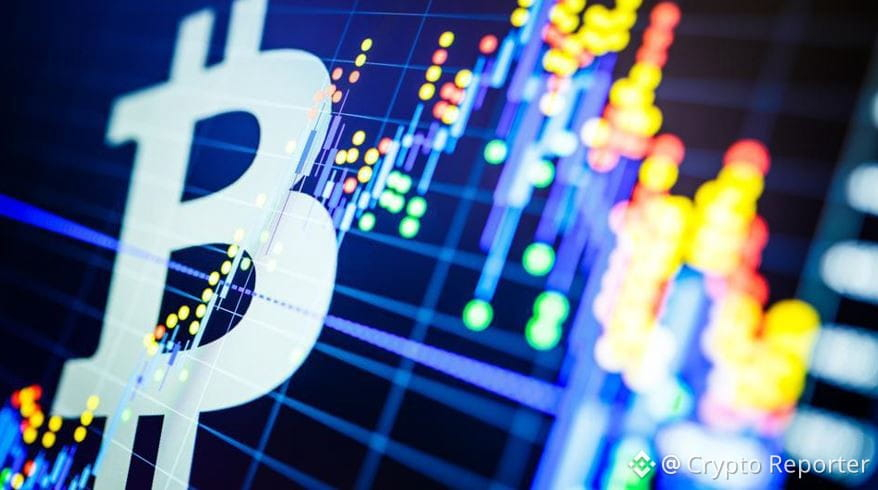
ビットコイン、ETF需要で8万ドル超え 暗号資産のラリー加速ビットコインは5月以来初めて80,000ドルを上回り、1週間で同暗号資産が約25%上昇した上昇局面をさらに延長するとともに、デジタル資産への投資家の関心を呼び戻した。
暗号資産は8月25日に約81,000ドルまで上昇し、5月中旬以来の高値を付けた後、一部の上げ分を手放した。ロイターによると、ビットコインは8月に約28%上昇しており、2024年11月以来で最も強い月間上昇となる可能性がある。
今回の値動きは、今月初めにビットコインが約64,000ドル近辺で取引されていた時期からの急激な反転を示す。今回の上昇は、ショート(空売り)の精算が連鎖した後に勢いを増したが、足元の上げは、機関投資家によるスポット需要の再開を示す証拠によって支えられている。
ビットコイン、ETF需要で8万ドル超え 暗号資産のラリー加速
ビットコインは5月以来初めて80,000ドルを上回り、1週間で同暗号資産が約25%上昇した上昇局面をさらに延長するとともに、デジタル資産への投資家の関心を呼び戻した。
暗号資産は8月25日に約81,000ドルまで上昇し、5月中旬以来の高値を付けた後、一部の上げ分を手放した。ロイターによると、ビットコインは8月に約28%上昇しており、2024年11月以来で最も強い月間上昇となる可能性がある。
今回の値動きは、今月初めにビットコインが約64,000ドル近辺で取引されていた時期からの急激な反転を示す。今回の上昇は、ショート(空売り)の精算が連鎖した後に勢いを増したが、足元の上げは、機関投資家によるスポット需要の再開を示す証拠によって支えられている。
暗号資産は8月25日に約81,000ドルまで上昇し、5月中旬以来の高値を付けた後、一部の上げ分を手放した。ロイターによると、ビットコインは8月に約28%上昇しており、2024年11月以来で最も強い月間上昇となる可能性がある。
今回の値動きは、今月初めにビットコインが約64,000ドル近辺で取引されていた時期からの急激な反転を示す。今回の上昇は、ショート(空売り)の精算が連鎖した後に勢いを増したが、足元の上げは、機関投資家によるスポット需要の再開を示す証拠によって支えられている。
71

記事
日本、株式・債券の決済を迅速化するためのブロックチェーン・システムを計画日本のトップ金融当局は、株式と日本国債の決済のためのブロックチェーン基盤を構築する計画を準備しており、国内の金融市場における証券取引の完了方法を大きく変える可能性がある。
日経アジアによれば、金融庁、財務省、日本銀行は、ザ・ブロックの報道を受けて、今夏から国内の金融機関と連携し、次世代の決済システムに向けた開発計画に着手する見通し。計画は早ければ2027年初頭に完了し得る。ブロックチェーンのアーキテクチャ、政府機関と金融機関の役割、そしてプロジェクトの中長期ロードマップを定義することになる。
日本、株式・債券の決済を迅速化するためのブロックチェーン・システムを計画
日本のトップ金融当局は、株式と日本国債の決済のためのブロックチェーン基盤を構築する計画を準備しており、国内の金融市場における証券取引の完了方法を大きく変える可能性がある。
日経アジアによれば、金融庁、財務省、日本銀行は、ザ・ブロックの報道を受けて、今夏から国内の金融機関と連携し、次世代の決済システムに向けた開発計画に着手する見通し。計画は早ければ2027年初頭に完了し得る。ブロックチェーンのアーキテクチャ、政府機関と金融機関の役割、そしてプロジェクトの中長期ロードマップを定義することになる。
日経アジアによれば、金融庁、財務省、日本銀行は、ザ・ブロックの報道を受けて、今夏から国内の金融機関と連携し、次世代の決済システムに向けた開発計画に着手する見通し。計画は早ければ2027年初頭に完了し得る。ブロックチェーンのアーキテクチャ、政府機関と金融機関の役割、そしてプロジェクトの中長期ロードマップを定義することになる。
85
記事
テザー、精査の年月を経て初の完全監査を完了世界最大のステーブルコインの発行体であるテザーは、USDTトークンを裏付ける資産をめぐる数年間の約束と監視に終止符を打ち、財務諸表に関する最初の完全な独立監査を完了しました。
KPMG米国は、テザー・インターナショナルS.A. de C.V.の2025年12月31日終了事業年度の財務諸表について、「無限定監査意見(unqualified audit opinion)」を発行しました。これは、テザーの発表によれば、同社の財務諸表が、米国の一般に認められた会計原則に従って、会社の財政状態、事業活動の結果、キャッシュ・フローを適正に表示していることを意味します。
テザー、精査の年月を経て初の完全監査を完了
世界最大のステーブルコインの発行体であるテザーは、USDTトークンを裏付ける資産をめぐる数年間の約束と監視に終止符を打ち、財務諸表に関する最初の完全な独立監査を完了しました。
KPMG米国は、テザー・インターナショナルS.A. de C.V.の2025年12月31日終了事業年度の財務諸表について、「無限定監査意見(unqualified audit opinion)」を発行しました。これは、テザーの発表によれば、同社の財務諸表が、米国の一般に認められた会計原則に従って、会社の財政状態、事業活動の結果、キャッシュ・フローを適正に表示していることを意味します。
KPMG米国は、テザー・インターナショナルS.A. de C.V.の2025年12月31日終了事業年度の財務諸表について、「無限定監査意見(unqualified audit opinion)」を発行しました。これは、テザーの発表によれば、同社の財務諸表が、米国の一般に認められた会計原則に従って、会社の財政状態、事業活動の結果、キャッシュ・フローを適正に表示していることを意味します。
361
記事
Samsung、数億台規模のGalaxyスマホへのステーブルコイン配布を狙うSamsung Electronicsは、ステーブルコインをSamsung Walletに直接取り込む動きを進めており、ブロックチェーンに基づくドルを、何億台ものGalaxyデバイスにまたがる流通チャネルとして提供できる可能性がある。
ロンドンで開催された7月22日の「Galaxy Unpacked」イベントにおいて、Samsungは「Samsung Walletは、ステーブルコインを含む新しい形のデジタル価値に対応する」と述べた。同社は、Circle Internet Financial Inc.が発行する、ドルに連動するトークンであるUSDCを使用したモックアップを公開したが、SamsungはCircleをパートナーとして確認していない。発売日も明らかにしておらず、どのブロックチェーン・ネットワークに対応するかも特定していない。
Samsung、数億台規模のGalaxyスマホへのステーブルコイン配布を狙う
Samsung Electronicsは、ステーブルコインをSamsung Walletに直接取り込む動きを進めており、ブロックチェーンに基づくドルを、何億台ものGalaxyデバイスにまたがる流通チャネルとして提供できる可能性がある。
ロンドンで開催された7月22日の「Galaxy Unpacked」イベントにおいて、Samsungは「Samsung Walletは、ステーブルコインを含む新しい形のデジタル価値に対応する」と述べた。同社は、Circle Internet Financial Inc.が発行する、ドルに連動するトークンであるUSDCを使用したモックアップを公開したが、SamsungはCircleをパートナーとして確認していない。発売日も明らかにしておらず、どのブロックチェーン・ネットワークに対応するかも特定していない。
ロンドンで開催された7月22日の「Galaxy Unpacked」イベントにおいて、Samsungは「Samsung Walletは、ステーブルコインを含む新しい形のデジタル価値に対応する」と述べた。同社は、Circle Internet Financial Inc.が発行する、ドルに連動するトークンであるUSDCを使用したモックアップを公開したが、SamsungはCircleをパートナーとして確認していない。発売日も明らかにしておらず、どのブロックチェーン・ネットワークに対応するかも特定していない。
91
「明確化法(Clarity Act)」上院が8月の休会前に時間切れで頓挫米国の暗号資産(クリプト)業界が包括的な市場構造に関する立法を求める動きは、上院がCLARITY法を巡る最終合意に至らないまま8月の休会に近づく中、またしても遅れに直面している。
デジタル資産市場の明確化法(Digital Asset Market Clarity Act)は、米国における暗号資産市場を統治する最初の包括的な連邦枠組みを確立することを目的としており、証券取引委員会(SEC)と商品先物取引委員会(CFTC)の間の責任範囲をより明確にすることも含まれている。
規制当局による取り締まり(エンフォースメント)を通じた規制の是非をめぐる長年の議論ののち、同法案は今年序盤に大きな勢いを得ていた。
「明確化法(Clarity Act)」上院が8月の休会前に時間切れで頓挫
米国の暗号資産(クリプト)業界が包括的な市場構造に関する立法を求める動きは、上院がCLARITY法を巡る最終合意に至らないまま8月の休会に近づく中、またしても遅れに直面している。
デジタル資産市場の明確化法(Digital Asset Market Clarity Act)は、米国における暗号資産市場を統治する最初の包括的な連邦枠組みを確立することを目的としており、証券取引委員会(SEC)と商品先物取引委員会(CFTC)の間の責任範囲をより明確にすることも含まれている。
規制当局による取り締まり(エンフォースメント)を通じた規制の是非をめぐる長年の議論ののち、同法案は今年序盤に大きな勢いを得ていた。
デジタル資産市場の明確化法(Digital Asset Market Clarity Act)は、米国における暗号資産市場を統治する最初の包括的な連邦枠組みを確立することを目的としており、証券取引委員会(SEC)と商品先物取引委員会(CFTC)の間の責任範囲をより明確にすることも含まれている。
規制当局による取り締まり(エンフォースメント)を通じた規制の是非をめぐる長年の議論ののち、同法案は今年序盤に大きな勢いを得ていた。
89
BlackRock、ステーブルコイン時代に向けたトークン化キャッシュのポジションを確立BlackRockは、トークン化された金融分野への進出をさらに深めています。今回は、米国のステーブルコイン規制によって生み出された、最も成長が速い機会の1つに狙いを定めています。つまり、デジタル・ドルの裏側にある資産を運用することです。
世界最大の資産運用会社が、GENIUS法のもとで認められた米国の決済ステーブルコイン発行者のための準備資産として適格となることを目的とした、2つのブロックチェーンベースのマネーマーケット商品を導入しました。
最初の「BlackRock Select Treasury Based Liquidity Fund(BSTBL)」は、既存のBlackRockマネーマーケットファンドのトークン化された持分クラスです。株式はEthereum上で提供されており、機関投資家が従来の国債重視の流動性商品にブロックチェーン経由でアクセスできるようになります。
BlackRock、ステーブルコイン時代に向けたトークン化キャッシュのポジションを確立
BlackRockは、トークン化された金融分野への進出をさらに深めています。今回は、米国のステーブルコイン規制によって生み出された、最も成長が速い機会の1つに狙いを定めています。つまり、デジタル・ドルの裏側にある資産を運用することです。
世界最大の資産運用会社が、GENIUS法のもとで認められた米国の決済ステーブルコイン発行者のための準備資産として適格となることを目的とした、2つのブロックチェーンベースのマネーマーケット商品を導入しました。
最初の「BlackRock Select Treasury Based Liquidity Fund(BSTBL)」は、既存のBlackRockマネーマーケットファンドのトークン化された持分クラスです。株式はEthereum上で提供されており、機関投資家が従来の国債重視の流動性商品にブロックチェーン経由でアクセスできるようになります。
世界最大の資産運用会社が、GENIUS法のもとで認められた米国の決済ステーブルコイン発行者のための準備資産として適格となることを目的とした、2つのブロックチェーンベースのマネーマーケット商品を導入しました。
最初の「BlackRock Select Treasury Based Liquidity Fund(BSTBL)」は、既存のBlackRockマネーマーケットファンドのトークン化された持分クラスです。株式はEthereum上で提供されており、機関投資家が従来の国債重視の流動性商品にブロックチェーン経由でアクセスできるようになります。
97
記事
Strategy、ビットコイン評価により第2四半期82億ドルの損失を報告Strategy Inc.は第2四半期に82億ドルの純損失を計上した。フェアバリュー(公正価値)会計ルールの下で、ビットコイン保有分の市場価値の変動が利益に影響した。ビジネスソフトウェア企業から変貌し、ビットコインの最大級の法人保有者となった同社は、同暗号資産を主要なトレジャリー準備資産として引き続き見ているとしている。同社の四半期結果によると、Strategyは報告期間末に約843,775ビットコインを保有していた。
Strategy、ビットコイン評価により第2四半期82億ドルの損失を報告
Strategy Inc.は第2四半期に82億ドルの純損失を計上した。フェアバリュー(公正価値)会計ルールの下で、ビットコイン保有分の市場価値の変動が利益に影響した。ビジネスソフトウェア企業から変貌し、ビットコインの最大級の法人保有者となった同社は、同暗号資産を主要なトレジャリー準備資産として引き続き見ているとしている。同社の四半期結果によると、Strategyは報告期間末に約843,775ビットコインを保有していた。
189
記事
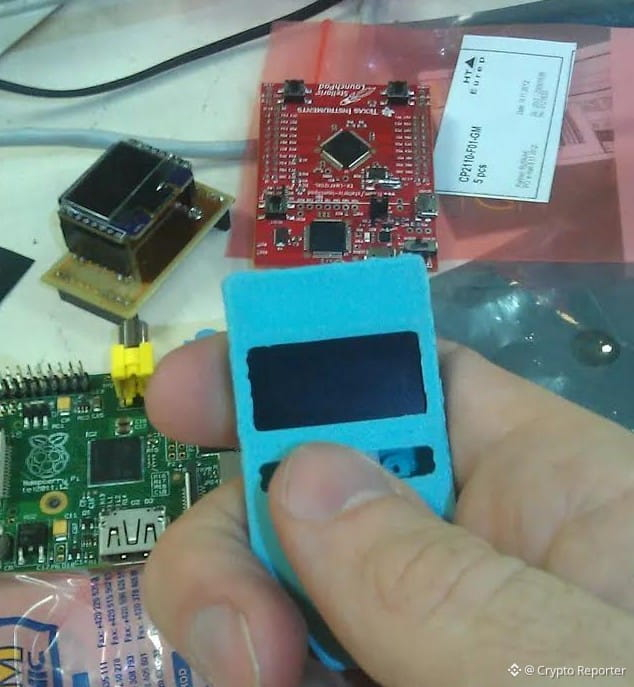
ハードウェア・ウォレットが12歳に:プラハのハッカースペースで2人が業界を発明した方法12年前には、そもそもハードウェア・ウォレットというものは存在していませんでした。安全に自分のビットコインを保管するには、予備のコンピューターと、Linuxを扱える知識、そして自分で配線して組み立てたセットアップを信頼するだけの度胸が必要でした。ほとんどの人は、その3つをすべて持っていませんでした。だから彼らはコインを取引所に預け、うまくいくことを祈っていました。
それが変わったのは2014年7月29日で、Trezorがモデル・ワンを出荷しました。これは史上初のハードウェア・ウォレットであり、現在では世界中の暗号資産の大きなシェアを守っているカテゴリーを生み出しました。Trezorはハードウェア・ウォレットを発明し、それによって一般の人々が自分自身で銀行の役割を担える、実用的な手段が実現しました。
ハードウェア・ウォレットが12歳に:プラハのハッカースペースで2人が業界を発明した方法
12年前には、そもそもハードウェア・ウォレットというものは存在していませんでした。安全に自分のビットコインを保管するには、予備のコンピューターと、Linuxを扱える知識、そして自分で配線して組み立てたセットアップを信頼するだけの度胸が必要でした。ほとんどの人は、その3つをすべて持っていませんでした。だから彼らはコインを取引所に預け、うまくいくことを祈っていました。
それが変わったのは2014年7月29日で、Trezorがモデル・ワンを出荷しました。これは史上初のハードウェア・ウォレットであり、現在では世界中の暗号資産の大きなシェアを守っているカテゴリーを生み出しました。Trezorはハードウェア・ウォレットを発明し、それによって一般の人々が自分自身で銀行の役割を担える、実用的な手段が実現しました。
それが変わったのは2014年7月29日で、Trezorがモデル・ワンを出荷しました。これは史上初のハードウェア・ウォレットであり、現在では世界中の暗号資産の大きなシェアを守っているカテゴリーを生み出しました。Trezorはハードウェア・ウォレットを発明し、それによって一般の人々が自分自身で銀行の役割を担える、実用的な手段が実現しました。
200
ログインして、さらにコンテンツを読む
厳選トピックで世界の暗号資産トレーダーの仲間入り
⚡️ 暗号資産に関する最新かつ有益な情報が見つかります。
💬 世界最大の暗号資産取引所から信頼されています。
👍 認証を受けたクリエイターから、有益なインサイトを得られます。
メール / 電話番号
トレンドトピック
SECHaltsCryptoETFReviewsAmidFundingLapse
閲覧回数 15,960
237人が討論中
🚨 暗号資産ETFの承認が“重大な壁”にぶつかった!$AIN
報道によると、SECは資金の不備による遅延の影響で、暗号資産ETFの審査を一時停止したとのこと。重要な判断が下されるまで、市場が待たされる可能性があります。👀📉$STRK $PUMP
#etf #SECHaltsCryptoETFReviewsAmidFundingLapse #CryptoNews
Adeem Jutt
·いいね:2件
·閲覧回数 239
ZcashETFPostsFirstWeeklyOutflow$93.6M
閲覧回数 57,572
174人が討論中
GreekPoliceBustCryptoScamRingArrest17
閲覧回数 178,163
1,237人が討論中