

Than_e
5.3k 投稿

Than_e
報告
ユーザーをブロック
Chart based trader. Simple levels. Clear execution.
234 フォロー
15.2K+ フォロワー
6.9K+ いいね
投稿
すべて
引用
ライブ
·
--
ブリッシュ
本人確認中
今日はMOVRで少し深掘りしてみたんだけど、チャート自体は実は一番面白いところではなかった。
$2.00のリクレームには目を引かれたけど、プロジェクトの最近の変更を掘っていくと、もう一段別の要素が見えてきた。Moonriverは、元々のKusama環境にあったMOVRを、1:1の移行を通じてBaseへ移した一方で、古いMoonriverネットワークは8月にメンテナンスモードに入っている。
私が特に注目したのは、このトークンが今ではまったく異なるインフラの物語と結びついている点だ。BaseScanには新しいMOVRコントラクトや移行直後の初期の活動が出ているけど、オンチェーン上の足跡がどれほど意味のあるものなのかは、まだ理解しようとしている段階で、重要だと決めつけたいわけではない。
だから私は、$2.00のあたりの価格構造を見つつ、実際のBase上での活動も追っている。
現時点では強い結論はまだ出ていない。同じ移行が見えている?それとも、データのどこか見落としているのかな。
$MOVR
{future}(MOVRUSDT)
$CT
{alpha}(560x0a092e544da31150b439a1aaa1a3a2214a867f46)
$GLMR
{spot}(GLMRUSDT)
今日はMOVRで少し深掘りしてみたんだけど、チャート自体は実は一番面白いところではなかった。
$2.00のリクレームには目を引かれたけど、プロジェクトの最近の変更を掘っていくと、もう一段別の要素が見えてきた。Moonriverは、元々のKusama環境にあったMOVRを、1:1の移行を通じてBaseへ移した一方で、古いMoonriverネットワークは8月にメンテナンスモードに入っている。
私が特に注目したのは、このトークンが今ではまったく異なるインフラの物語と結びついている点だ。BaseScanには新しいMOVRコントラクトや移行直後の初期の活動が出ているけど、オンチェーン上の足跡がどれほど意味のあるものなのかは、まだ理解しようとしている段階で、重要だと決めつけたいわけではない。
だから私は、$2.00のあたりの価格構造を見つつ、実際のBase上での活動も追っている。
現時点では強い結論はまだ出ていない。同じ移行が見えている?それとも、データのどこか見落としているのかな。
$MOVR
$CT
$GLMR
$2.00のリクレームには目を引かれたけど、プロジェクトの最近の変更を掘っていくと、もう一段別の要素が見えてきた。Moonriverは、元々のKusama環境にあったMOVRを、1:1の移行を通じてBaseへ移した一方で、古いMoonriverネットワークは8月にメンテナンスモードに入っている。
私が特に注目したのは、このトークンが今ではまったく異なるインフラの物語と結びついている点だ。BaseScanには新しいMOVRコントラクトや移行直後の初期の活動が出ているけど、オンチェーン上の足跡がどれほど意味のあるものなのかは、まだ理解しようとしている段階で、重要だと決めつけたいわけではない。
だから私は、$2.00のあたりの価格構造を見つつ、実際のBase上での活動も追っている。
現時点では強い結論はまだ出ていない。同じ移行が見えている?それとも、データのどこか見落としているのかな。
$MOVR
$CT
$GLMR
A) $2.50-$2.70
24%
B) $2.70-$3.00
20%
C) $3.00
44%
Pullback before another leg up
12%
100 投票 • 投票は終了しました
1
2
4.9k
·
--
ブリッシュ
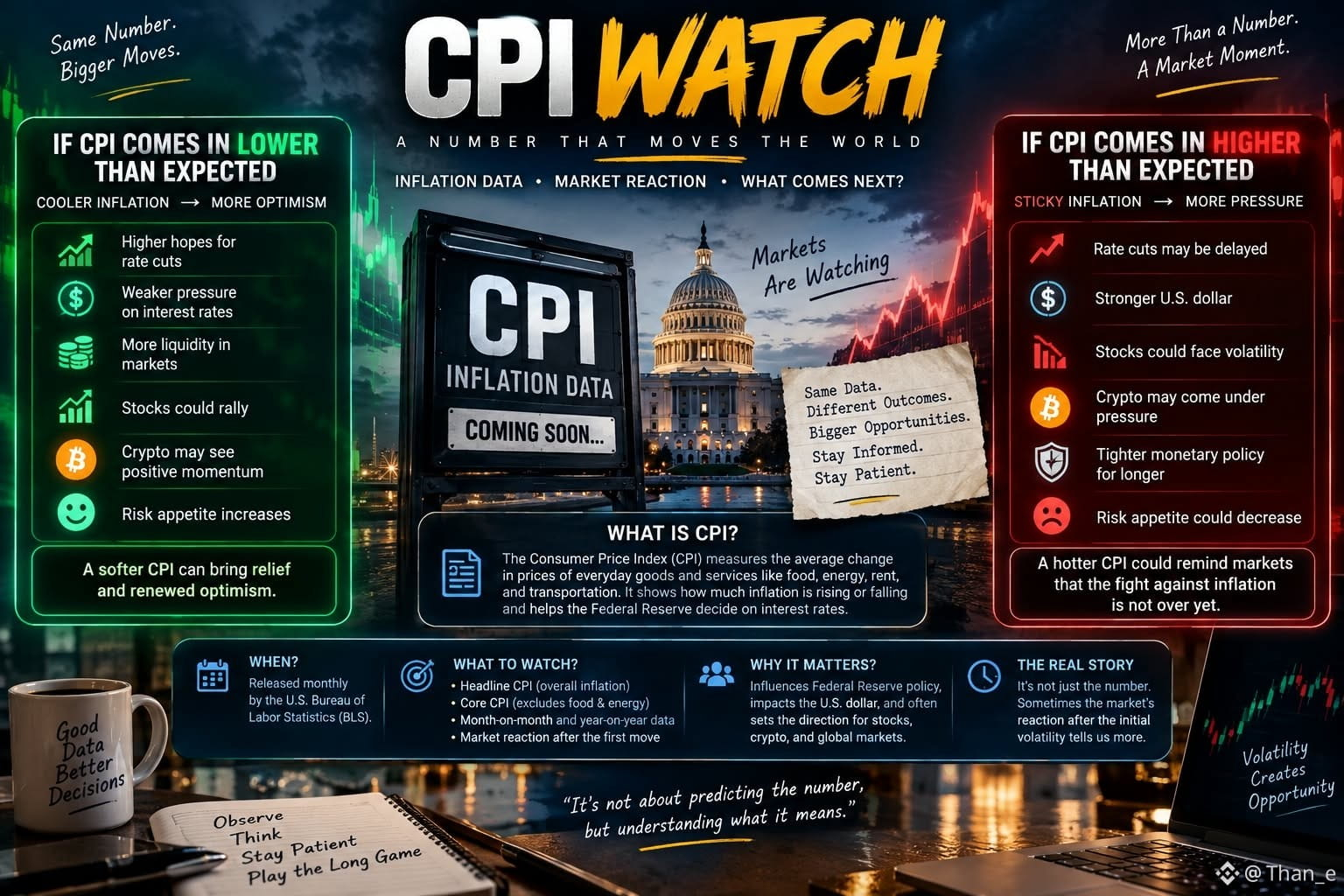
CPIの日はいつも、どこか少し違う感じがします。
市場が静かになり、トレーダーが思惑を巡らせ始めると、突然、数分で市場の空気を変え得る“ある1つの指標”を誰もが待っている状態になります。
今回の焦点はシンプルです。インフレは本当に下がってきているのか、それとも想定以上にコントロールが難しいままなのか。
CPIの数字が低ければ、市場に一息つける余地が生まれます。これは、FRB(連邦準備制度)が利上げ(または金利運用)により柔軟性を持てるとの期待を強める可能性があり、リスク資産にとっては通常ポジティブな環境です。
しかし、インフレが予想より熱い形で出てくるなら、事態はあっという間に面白くなるかもしれません。
ドルが反応し、株式市場がボラティリティを高め、暗号資産にも同様にプレッシャーがかかる可能性が高いでしょう。私たちはこの話を何度も見てきました。期待が何日も積み上がり、データが出ると、市場は誰も想定していなかったほど急に動き出すのです。
さっき市場を眺めていましたが、正直なところ緊張感はすでに見えています。人々は指標が出る前にポジションを取りに行っていますが、最初の大きな動きがどちらの方向に出るのか、誰にも本当のところは分かりません。
私にとっていちばん興味深いのは、CPIそのものだけではないはずです。
最初の反応の後に何が起きるのか——それです。
市場は、最初の高揚感が消えたあとで初めて、本当は何を考えているのかを教えてくれることがあります。
#CPIWatch
$CNPY
{alpha}(560xc69b16cf18cea1e5d0bb6a1a9db802097790ddd2)
$TFUEL
{spot}(TFUELUSDT)
$VTHO
{future}(VTHOUSDT)
#CPIWatch
CPIの日はいつも、どこか少し違う感じがします。
市場が静かになり、トレーダーが思惑を巡らせ始めると、突然、数分で市場の空気を変え得る“ある1つの指標”を誰もが待っている状態になります。
今回の焦点はシンプルです。インフレは本当に下がってきているのか、それとも想定以上にコントロールが難しいままなのか。
CPIの数字が低ければ、市場に一息つける余地が生まれます。これは、FRB(連邦準備制度)が利上げ(または金利運用)により柔軟性を持てるとの期待を強める可能性があり、リスク資産にとっては通常ポジティブな環境です。
しかし、インフレが予想より熱い形で出てくるなら、事態はあっという間に面白くなるかもしれません。
ドルが反応し、株式市場がボラティリティを高め、暗号資産にも同様にプレッシャーがかかる可能性が高いでしょう。私たちはこの話を何度も見てきました。期待が何日も積み上がり、データが出ると、市場は誰も想定していなかったほど急に動き出すのです。
さっき市場を眺めていましたが、正直なところ緊張感はすでに見えています。人々は指標が出る前にポジションを取りに行っていますが、最初の大きな動きがどちらの方向に出るのか、誰にも本当のところは分かりません。
私にとっていちばん興味深いのは、CPIそのものだけではないはずです。
最初の反応の後に何が起きるのか——それです。
市場は、最初の高揚感が消えたあとで初めて、本当は何を考えているのかを教えてくれることがあります。
#CPIWatch
$CNPY
$TFUEL
$VTHO
#CPIWatch
市場が静かになり、トレーダーが思惑を巡らせ始めると、突然、数分で市場の空気を変え得る“ある1つの指標”を誰もが待っている状態になります。
今回の焦点はシンプルです。インフレは本当に下がってきているのか、それとも想定以上にコントロールが難しいままなのか。
CPIの数字が低ければ、市場に一息つける余地が生まれます。これは、FRB(連邦準備制度)が利上げ(または金利運用)により柔軟性を持てるとの期待を強める可能性があり、リスク資産にとっては通常ポジティブな環境です。
しかし、インフレが予想より熱い形で出てくるなら、事態はあっという間に面白くなるかもしれません。
ドルが反応し、株式市場がボラティリティを高め、暗号資産にも同様にプレッシャーがかかる可能性が高いでしょう。私たちはこの話を何度も見てきました。期待が何日も積み上がり、データが出ると、市場は誰も想定していなかったほど急に動き出すのです。
さっき市場を眺めていましたが、正直なところ緊張感はすでに見えています。人々は指標が出る前にポジションを取りに行っていますが、最初の大きな動きがどちらの方向に出るのか、誰にも本当のところは分かりません。
私にとっていちばん興味深いのは、CPIそのものだけではないはずです。
最初の反応の後に何が起きるのか——それです。
市場は、最初の高揚感が消えたあとで初めて、本当は何を考えているのかを教えてくれることがあります。
#CPIWatch
$CNPY
$TFUEL
$VTHO
#CPIWatch
1
97
·
--
ブリッシュ
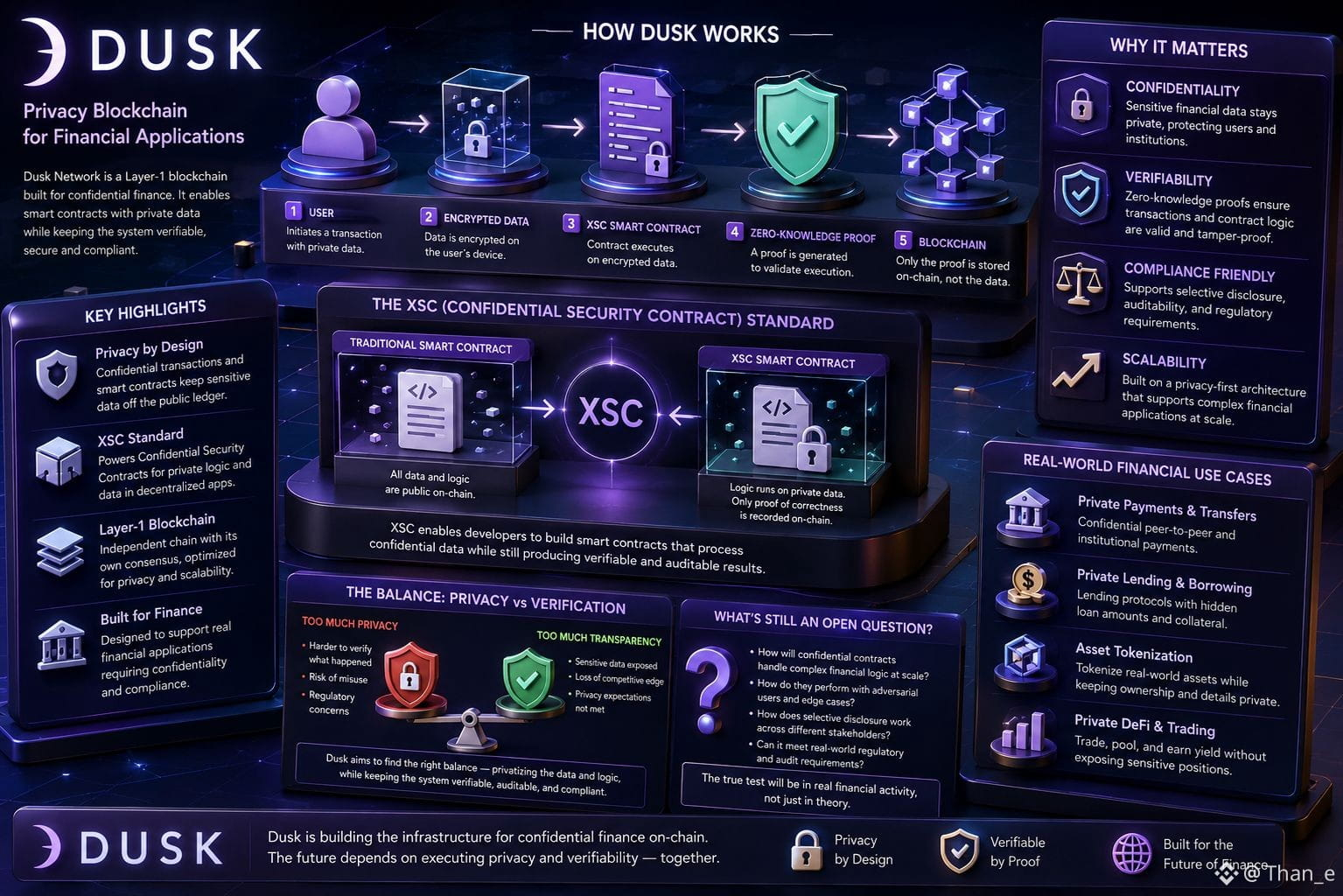
Duskをしばらく眺めていたら、あることがずっと引き戻してきました。プライバシーは簡単に聞こえるのに、実際に金融システムが何を開示する必要があるのかを問うと、途端に難しくなるのです。
Duskは機密スマートコントラクトと、そのXSC標準を中心に構築されているため、機微な金融ロジックやデータを、完全に透明なチェーンで必要になるのと同じ形で公開する必要がありません。
なるほど、その点は納得できます。
ただ、その一方について考え始めました。
金融市場はやはり検証を必要とします。誰かが「ルールが守られたこと」「資産が存在すること」「取引が有効であること」、そして「当事者が結果を信頼できること」を証明しなければならないのです。だから本当の課題は、単に情報を隠すことではありません。何を非公開に保つべきで、何はそれでも証明可能である必要があるのかを決めることです。
そこで、Duskは一般的な「プライバシー・ブロックチェーン」という説明以上に面白いのではないか、と私は思っています。
実際の金融活動の中で、そのバランスがどれほどうまく機能するのかについて、私はまだ十分に見られていません。特に、契約がより複雑になり、参加者によって必要な可視性の度合いが異なる場合はなおさらです。
だからこそ、私はそこに注目しています。
Duskが情報を非公開にできるかどうかではなく、金融システムが依存する検証要件と、プライバシーを両立できるかどうかです。
$TMX
{alpha}(560x3c2f61f2e27c865981d2e7aaf6b2cdf823030039)
#dusk $DUSK @Dusk_Foundation
{future}(DUSKUSDT)
$BMT
{future}(BMTUSDT)
Duskをしばらく眺めていたら、あることがずっと引き戻してきました。プライバシーは簡単に聞こえるのに、実際に金融システムが何を開示する必要があるのかを問うと、途端に難しくなるのです。
Duskは機密スマートコントラクトと、そのXSC標準を中心に構築されているため、機微な金融ロジックやデータを、完全に透明なチェーンで必要になるのと同じ形で公開する必要がありません。
なるほど、その点は納得できます。
ただ、その一方について考え始めました。
金融市場はやはり検証を必要とします。誰かが「ルールが守られたこと」「資産が存在すること」「取引が有効であること」、そして「当事者が結果を信頼できること」を証明しなければならないのです。だから本当の課題は、単に情報を隠すことではありません。何を非公開に保つべきで、何はそれでも証明可能である必要があるのかを決めることです。
そこで、Duskは一般的な「プライバシー・ブロックチェーン」という説明以上に面白いのではないか、と私は思っています。
実際の金融活動の中で、そのバランスがどれほどうまく機能するのかについて、私はまだ十分に見られていません。特に、契約がより複雑になり、参加者によって必要な可視性の度合いが異なる場合はなおさらです。
だからこそ、私はそこに注目しています。
Duskが情報を非公開にできるかどうかではなく、金融システムが依存する検証要件と、プライバシーを両立できるかどうかです。
$TMX
#dusk $DUSK @Dusk
$BMT
Duskは機密スマートコントラクトと、そのXSC標準を中心に構築されているため、機微な金融ロジックやデータを、完全に透明なチェーンで必要になるのと同じ形で公開する必要がありません。
なるほど、その点は納得できます。
ただ、その一方について考え始めました。
金融市場はやはり検証を必要とします。誰かが「ルールが守られたこと」「資産が存在すること」「取引が有効であること」、そして「当事者が結果を信頼できること」を証明しなければならないのです。だから本当の課題は、単に情報を隠すことではありません。何を非公開に保つべきで、何はそれでも証明可能である必要があるのかを決めることです。
そこで、Duskは一般的な「プライバシー・ブロックチェーン」という説明以上に面白いのではないか、と私は思っています。
実際の金融活動の中で、そのバランスがどれほどうまく機能するのかについて、私はまだ十分に見られていません。特に、契約がより複雑になり、参加者によって必要な可視性の度合いが異なる場合はなおさらです。
だからこそ、私はそこに注目しています。
Duskが情報を非公開にできるかどうかではなく、金融システムが依存する検証要件と、プライバシーを両立できるかどうかです。
$TMX
#dusk $DUSK @Dusk
$BMT
1
2
279
·
--
ブリッシュ
「“もっと透明性”が金融ブロックチェーンにとって常に良いのだろうか?」という疑問がずっと頭から離れず、Duskについて掘り下げ始めました。
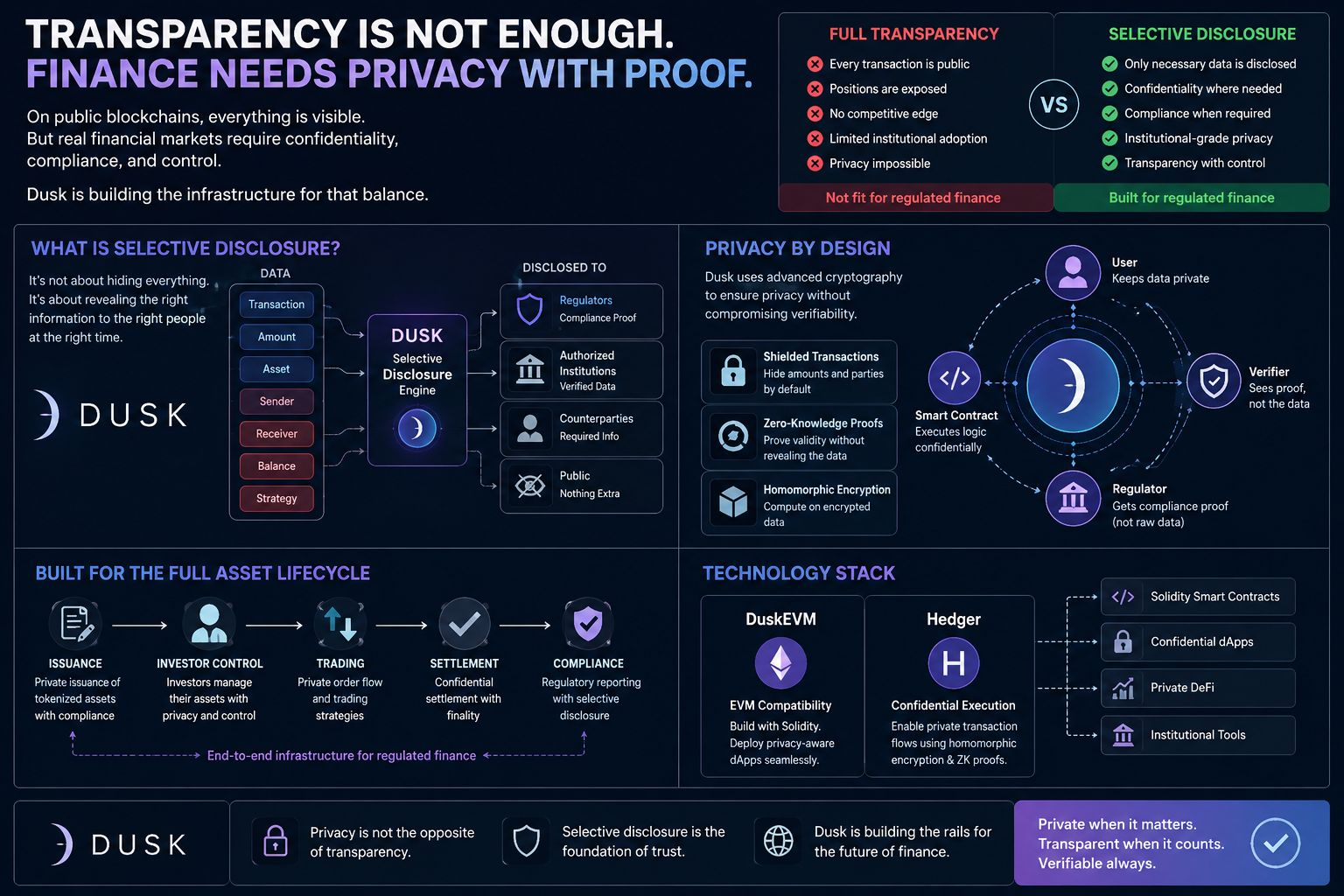
深く調べるほど答えは分かりにくくなりました。従来の市場では、あらゆるポジションを開示するファンドや、マーケットメイカーが戦略をリアルタイムで明かすことが、必ずしも理想的だとは言えません。しかし規制当局は、それでも所有権、取引、コンプライアンスを検証する必要があります。
そこで、Duskのアプローチが私にとって興味深く感じられました。プライバシーを「すべて隠す」ものとして扱うのではなく、選択的開示を中心に設計されているようです。つまり、機微なデータは非公開のままにしつつ、実際に検証が必要な特定の事実を証明する、という考え方です。
また、設計が単なるプライベート送金にとどまらない点も面白いと思いました。Duskは発行、取引、決済、コンプライアンスまでカバーしようとしており、DuskEVMはSolidity/EVMとの互換性を備え、Hedgerはゼロ知識証明と同形暗号を用いた機密な実行を探求しています。
私は、現実の資産、ユーザー、そして規制要件が関わってきたとき、これらがどれほど実用的になるのかをまだ見極めきれていません。
もっと大きな問いは、ブロックチェーンが透明か非公開かではなく、「適切な場所では、両方が可能なのか」ということなのかもしれません。
Duskを研究している他の方が、どんな点に気づいたのか気になります。重要なトレードオフを見落としているでしょうか?
$PROM
{future}(PROMUSDT)
#dusk $DUSK @Dusk_Foundation
{future}(DUSKUSDT)
$UAI
{alpha}(560x3e5d4f8aee0d9b3082d5f6da5d6e225d17ba9ea0)
「“もっと透明性”が金融ブロックチェーンにとって常に良いのだろうか?」という疑問がずっと頭から離れず、Duskについて掘り下げ始めました。
深く調べるほど答えは分かりにくくなりました。従来の市場では、あらゆるポジションを開示するファンドや、マーケットメイカーが戦略をリアルタイムで明かすことが、必ずしも理想的だとは言えません。しかし規制当局は、それでも所有権、取引、コンプライアンスを検証する必要があります。
そこで、Duskのアプローチが私にとって興味深く感じられました。プライバシーを「すべて隠す」ものとして扱うのではなく、選択的開示を中心に設計されているようです。つまり、機微なデータは非公開のままにしつつ、実際に検証が必要な特定の事実を証明する、という考え方です。
また、設計が単なるプライベート送金にとどまらない点も面白いと思いました。Duskは発行、取引、決済、コンプライアンスまでカバーしようとしており、DuskEVMはSolidity/EVMとの互換性を備え、Hedgerはゼロ知識証明と同形暗号を用いた機密な実行を探求しています。
私は、現実の資産、ユーザー、そして規制要件が関わってきたとき、これらがどれほど実用的になるのかをまだ見極めきれていません。
もっと大きな問いは、ブロックチェーンが透明か非公開かではなく、「適切な場所では、両方が可能なのか」ということなのかもしれません。
Duskを研究している他の方が、どんな点に気づいたのか気になります。重要なトレードオフを見落としているでしょうか?
$PROM
#dusk $DUSK @Dusk
$UAI
深く調べるほど答えは分かりにくくなりました。従来の市場では、あらゆるポジションを開示するファンドや、マーケットメイカーが戦略をリアルタイムで明かすことが、必ずしも理想的だとは言えません。しかし規制当局は、それでも所有権、取引、コンプライアンスを検証する必要があります。
そこで、Duskのアプローチが私にとって興味深く感じられました。プライバシーを「すべて隠す」ものとして扱うのではなく、選択的開示を中心に設計されているようです。つまり、機微なデータは非公開のままにしつつ、実際に検証が必要な特定の事実を証明する、という考え方です。
また、設計が単なるプライベート送金にとどまらない点も面白いと思いました。Duskは発行、取引、決済、コンプライアンスまでカバーしようとしており、DuskEVMはSolidity/EVMとの互換性を備え、Hedgerはゼロ知識証明と同形暗号を用いた機密な実行を探求しています。
私は、現実の資産、ユーザー、そして規制要件が関わってきたとき、これらがどれほど実用的になるのかをまだ見極めきれていません。
もっと大きな問いは、ブロックチェーンが透明か非公開かではなく、「適切な場所では、両方が可能なのか」ということなのかもしれません。
Duskを研究している他の方が、どんな点に気づいたのか気になります。重要なトレードオフを見落としているでしょうか?
$PROM
#dusk $DUSK @Dusk
$UAI
1
135
·
--
ブリッシュ
Duskについて少し深掘りしてみたんだけど、結局のところ自分が何度も立ち戻ってしまうのは、「プライバシー・ブロックチェーン」という単純な言い方だけではないんだ。
それに伴うトレードオフの問題だ。
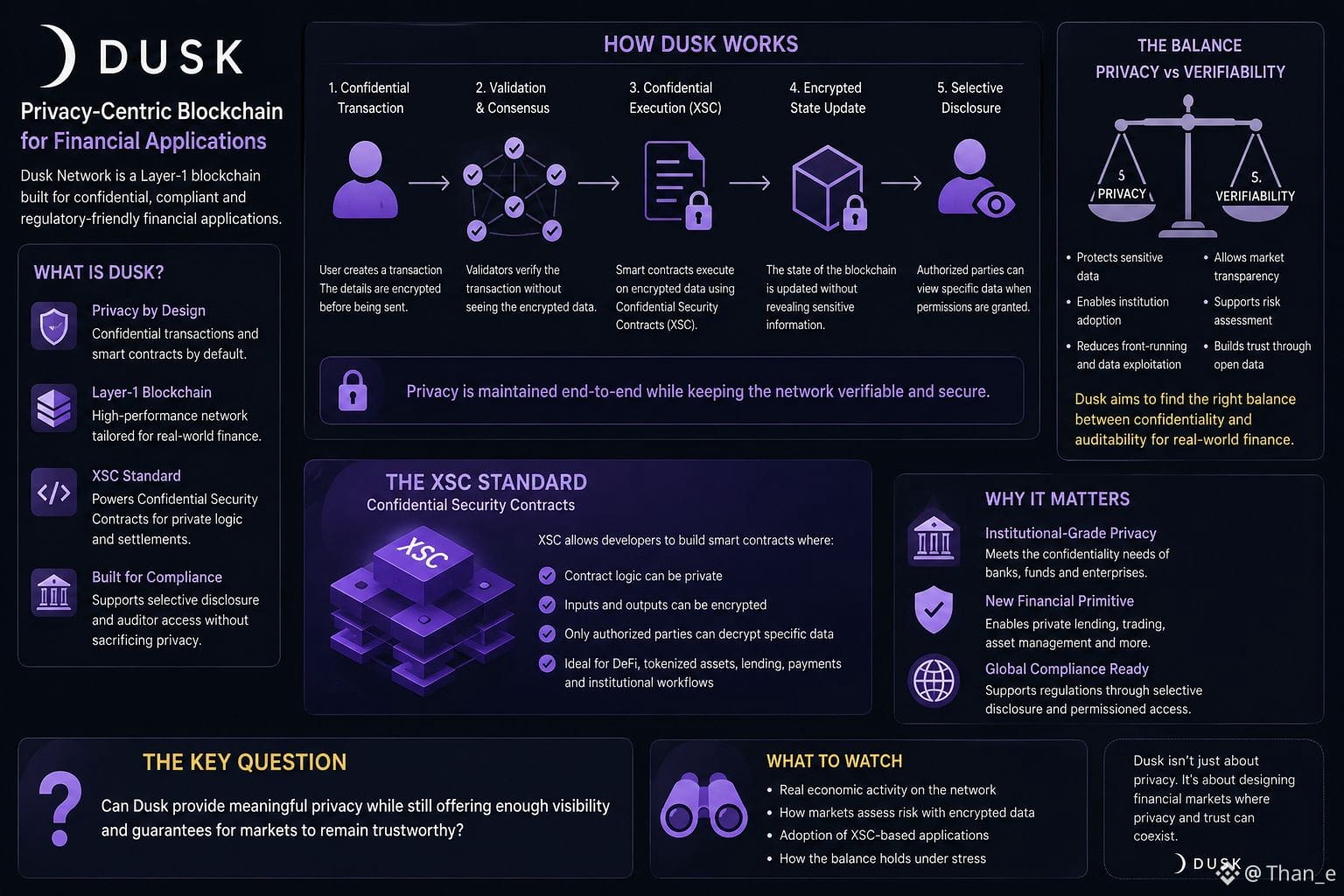
Duskは、機密スマートコントラクトと、その設計の中心にあるXSC標準を軸に、金融アプリケーション向けのレイヤー1として構築されている。明らかなメリットはかなりはっきりしていて、オンチェーンで起きたとしても、機微な金融活動を誰にでもさらす必要がない。
でもそれを知って、すぐに反対側のことも気になった。
すべてを見られないなら、市場の中で何が起きているのかを、どうやって強い全体像として組み立てられるのだろう?
これは他の用途よりも、金融ではずっと重要だ。流動性、ポジション、取引相手、そしてリスクはすべて情報に依存している。機微データを隠すことで、特定の参加者にとってシステムは使いやすくなるかもしれないが、過度な秘匿性は独立した分析を難しくしてしまう可能性もある。
私はDuskがこの問題を解決したとも失敗したとも言っていない。むしろ、このプロジェクト周りで最も興味深い問いのひとつだと思っている。
本当の試金石は、これらのトレードオフが本当に意味を持つほど十分な実際の活動が生まれたときに何が起きるのか、だと思う。
Duskは、他の参加者がシステムを信頼するための十分な保証を提供しつつ、ユーザーにとって意味のあるプライバシーを実現できるのだろうか?
より大きな結論を出す前に、まずそこを見てみたい。
$KII
{alpha}(560xeec6574eabba52bac3f0277f2cd5ac7e67197886)
#dusk $DUSK @Dusk_Foundation
{future}(DUSKUSDT)
$SPK
{future}(SPKUSDT)
Duskについて少し深掘りしてみたんだけど、結局のところ自分が何度も立ち戻ってしまうのは、「プライバシー・ブロックチェーン」という単純な言い方だけではないんだ。
それに伴うトレードオフの問題だ。
Duskは、機密スマートコントラクトと、その設計の中心にあるXSC標準を軸に、金融アプリケーション向けのレイヤー1として構築されている。明らかなメリットはかなりはっきりしていて、オンチェーンで起きたとしても、機微な金融活動を誰にでもさらす必要がない。
でもそれを知って、すぐに反対側のことも気になった。
すべてを見られないなら、市場の中で何が起きているのかを、どうやって強い全体像として組み立てられるのだろう?
これは他の用途よりも、金融ではずっと重要だ。流動性、ポジション、取引相手、そしてリスクはすべて情報に依存している。機微データを隠すことで、特定の参加者にとってシステムは使いやすくなるかもしれないが、過度な秘匿性は独立した分析を難しくしてしまう可能性もある。
私はDuskがこの問題を解決したとも失敗したとも言っていない。むしろ、このプロジェクト周りで最も興味深い問いのひとつだと思っている。
本当の試金石は、これらのトレードオフが本当に意味を持つほど十分な実際の活動が生まれたときに何が起きるのか、だと思う。
Duskは、他の参加者がシステムを信頼するための十分な保証を提供しつつ、ユーザーにとって意味のあるプライバシーを実現できるのだろうか?
より大きな結論を出す前に、まずそこを見てみたい。
$KII
#dusk $DUSK @Dusk
$SPK
それに伴うトレードオフの問題だ。
Duskは、機密スマートコントラクトと、その設計の中心にあるXSC標準を軸に、金融アプリケーション向けのレイヤー1として構築されている。明らかなメリットはかなりはっきりしていて、オンチェーンで起きたとしても、機微な金融活動を誰にでもさらす必要がない。
でもそれを知って、すぐに反対側のことも気になった。
すべてを見られないなら、市場の中で何が起きているのかを、どうやって強い全体像として組み立てられるのだろう?
これは他の用途よりも、金融ではずっと重要だ。流動性、ポジション、取引相手、そしてリスクはすべて情報に依存している。機微データを隠すことで、特定の参加者にとってシステムは使いやすくなるかもしれないが、過度な秘匿性は独立した分析を難しくしてしまう可能性もある。
私はDuskがこの問題を解決したとも失敗したとも言っていない。むしろ、このプロジェクト周りで最も興味深い問いのひとつだと思っている。
本当の試金石は、これらのトレードオフが本当に意味を持つほど十分な実際の活動が生まれたときに何が起きるのか、だと思う。
Duskは、他の参加者がシステムを信頼するための十分な保証を提供しつつ、ユーザーにとって意味のあるプライバシーを実現できるのだろうか?
より大きな結論を出す前に、まずそこを見てみたい。
$KII
#dusk $DUSK @Dusk
$SPK
4
2
474
·
--
ブリッシュ
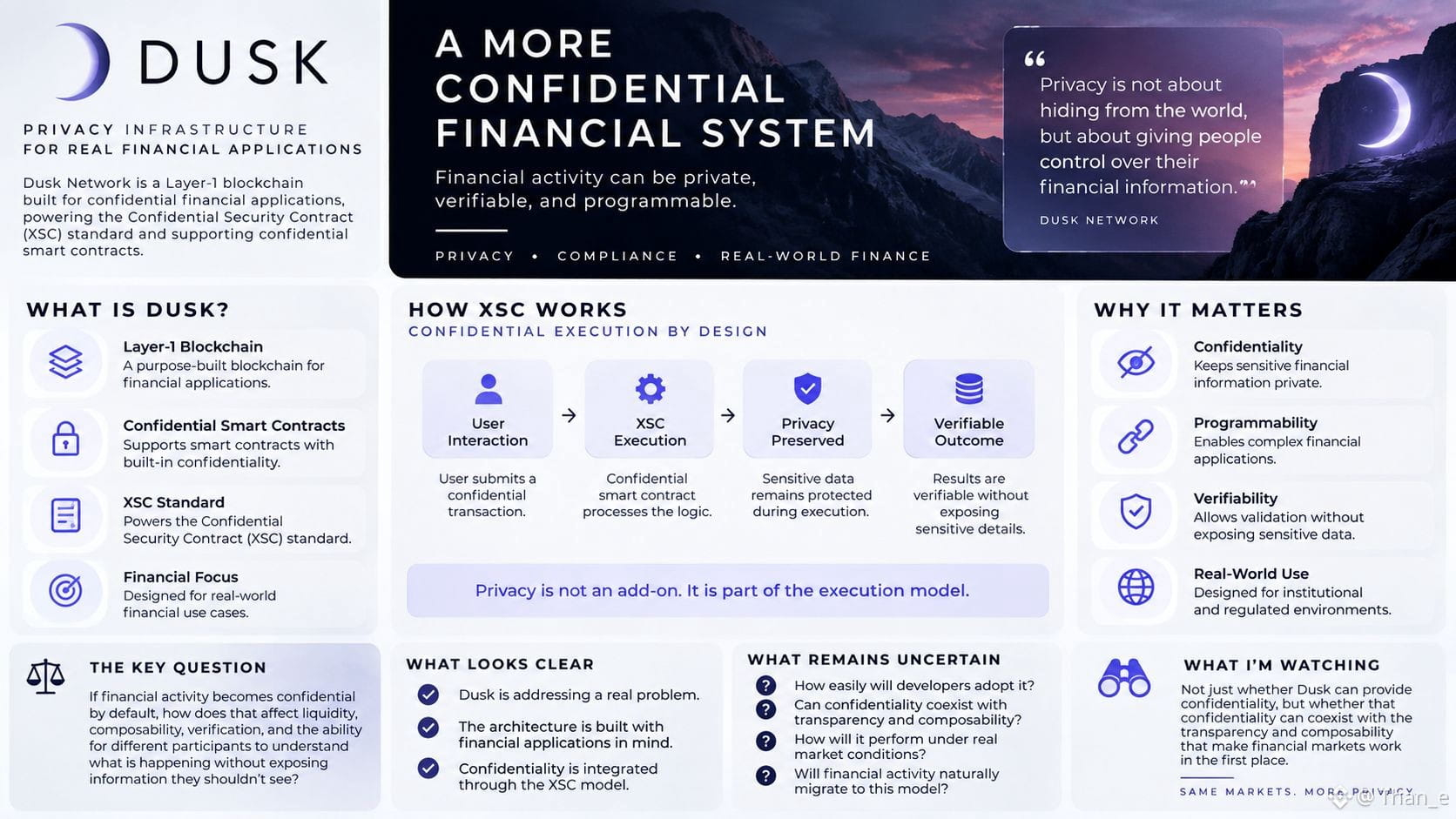
Duskを少し深掘りしてみたら、「プライバシー・ブロックチェーン」のことばかり考えるのをやめて、実際にプライバシーが金融アプリに対して何を変えるのかに思いを向けるようになりました。
面白いのはXSCのアプローチです。秘密(コンフィデンシャル)なスマートコントラクトは、チェーンの上に後付けで載る“追加のプライバシー機能”というだけではなく、実行モデルそのものの一部になっています。
紙の上ではきれいに聞こえるのですが、私は十分に注目されていないと思う疑問が生まれます。
金融活動がデフォルトで機密になるとしたら、それはその周りのすべて――流動性、合成性(コンポーザビリティ)、検証、そして本来見せるべきでない情報を晒さずに、さまざまな参加者が何が起きているのかを理解できる能力――にどう影響するのでしょうか。
このトレードオフは、見出しの“プライバシー”の主張よりもおそらく重要です。
私が調べた限りでは、Duskは明確に現実の課題を解こうとしています。つまり、金融アプリは情報をプライベートに保つ必要がある一方で、なおかつ検証可能である必要があるということです。
ただ、ここでは私はまだアーキテクチャとアウトカム(成果)を分けて考えています。よく設計されたシステムだからといって、自動的に開発者が使いやすい形になるわけではありませんし、金融活動が自然にそこへ移行するとも限りません。
だから私が注目しているのは、Duskが機密性を提供できるかどうかではありません。
その機密性が、そもそも金融市場を成立させている透明性や合成性と共存できるかどうかです。
$TUT
{future}(TUTUSDT)
#dusk $DUSK @Dusk_Foundation
{future}(DUSKUSDT)
$AOP
{alpha}(560xd5df4d260d7a0145f655bcbf3b398076f21016c7)
Duskを少し深掘りしてみたら、「プライバシー・ブロックチェーン」のことばかり考えるのをやめて、実際にプライバシーが金融アプリに対して何を変えるのかに思いを向けるようになりました。
面白いのはXSCのアプローチです。秘密(コンフィデンシャル)なスマートコントラクトは、チェーンの上に後付けで載る“追加のプライバシー機能”というだけではなく、実行モデルそのものの一部になっています。
紙の上ではきれいに聞こえるのですが、私は十分に注目されていないと思う疑問が生まれます。
金融活動がデフォルトで機密になるとしたら、それはその周りのすべて――流動性、合成性(コンポーザビリティ)、検証、そして本来見せるべきでない情報を晒さずに、さまざまな参加者が何が起きているのかを理解できる能力――にどう影響するのでしょうか。
このトレードオフは、見出しの“プライバシー”の主張よりもおそらく重要です。
私が調べた限りでは、Duskは明確に現実の課題を解こうとしています。つまり、金融アプリは情報をプライベートに保つ必要がある一方で、なおかつ検証可能である必要があるということです。
ただ、ここでは私はまだアーキテクチャとアウトカム(成果)を分けて考えています。よく設計されたシステムだからといって、自動的に開発者が使いやすい形になるわけではありませんし、金融活動が自然にそこへ移行するとも限りません。
だから私が注目しているのは、Duskが機密性を提供できるかどうかではありません。
その機密性が、そもそも金融市場を成立させている透明性や合成性と共存できるかどうかです。
$TUT
#dusk $DUSK @Dusk
$AOP
面白いのはXSCのアプローチです。秘密(コンフィデンシャル)なスマートコントラクトは、チェーンの上に後付けで載る“追加のプライバシー機能”というだけではなく、実行モデルそのものの一部になっています。
紙の上ではきれいに聞こえるのですが、私は十分に注目されていないと思う疑問が生まれます。
金融活動がデフォルトで機密になるとしたら、それはその周りのすべて――流動性、合成性(コンポーザビリティ)、検証、そして本来見せるべきでない情報を晒さずに、さまざまな参加者が何が起きているのかを理解できる能力――にどう影響するのでしょうか。
このトレードオフは、見出しの“プライバシー”の主張よりもおそらく重要です。
私が調べた限りでは、Duskは明確に現実の課題を解こうとしています。つまり、金融アプリは情報をプライベートに保つ必要がある一方で、なおかつ検証可能である必要があるということです。
ただ、ここでは私はまだアーキテクチャとアウトカム(成果)を分けて考えています。よく設計されたシステムだからといって、自動的に開発者が使いやすい形になるわけではありませんし、金融活動が自然にそこへ移行するとも限りません。
だから私が注目しているのは、Duskが機密性を提供できるかどうかではありません。
その機密性が、そもそも金融市場を成立させている透明性や合成性と共存できるかどうかです。
$TUT
#dusk $DUSK @Dusk
$AOP
1
1
195
·
--
ブリッシュ
$RED は 10% 以上の上昇後、0.1162 付近で取引されています。
取引設定:
エントリー:0.113–0.117
TP1:0.122
TP2:0.128
TP3:0.135
ストップ:0.107
この設定は、0.113–0.117 のゾーンでの確証が必要です。買い手がそのエリアを防衛し、出来高が戻ってくれば、継続はより面白くなります。0.107 を下回る場合は、構造は無効だと考えます。
{spot}(REDUSDT)
$RED は 10% 以上の上昇後、0.1162 付近で取引されています。
取引設定:
エントリー:0.113–0.117
TP1:0.122
TP2:0.128
TP3:0.135
ストップ:0.107
この設定は、0.113–0.117 のゾーンでの確証が必要です。買い手がそのエリアを防衛し、出来高が戻ってくれば、継続はより面白くなります。0.107 を下回る場合は、構造は無効だと考えます。
取引設定:
エントリー:0.113–0.117
TP1:0.122
TP2:0.128
TP3:0.135
ストップ:0.107
この設定は、0.113–0.117 のゾーンでの確証が必要です。買い手がそのエリアを防衛し、出来高が戻ってくれば、継続はより面白くなります。0.107 を下回る場合は、構造は無効だと考えます。
68
·
--
ブリッシュ
$STX は0.2044の周辺で強さを示しています。
取引セットアップ:
エントリー:0.200~0.205
TP1:0.215
TP2:0.225
TP3:0.240
ストップ:0.190
0.200の心理的節目が重要です。これを上回った状態を維持すれば強気の見通しは生き続けますが、下抜ければ価格が前のレンジに戻る可能性があります。
{spot}(STXUSDT)
$STX は0.2044の周辺で強さを示しています。
取引セットアップ:
エントリー:0.200~0.205
TP1:0.215
TP2:0.225
TP3:0.240
ストップ:0.190
0.200の心理的節目が重要です。これを上回った状態を維持すれば強気の見通しは生き続けますが、下抜ければ価格が前のレンジに戻る可能性があります。
取引セットアップ:
エントリー:0.200~0.205
TP1:0.215
TP2:0.225
TP3:0.240
ストップ:0.190
0.200の心理的節目が重要です。これを上回った状態を維持すれば強気の見通しは生き続けますが、下抜ければ価格が前のレンジに戻る可能性があります。
74
·
--
ブリッシュ
$GPS は買い手がはっきり活発な中、約0.01212まで押し上げられています。
取引セットアップ:
エントリー:0.01180〜0.01215
TP1:0.01270
TP2:0.01330
TP3:0.01400
ストップ:0.01125
ここでのリスクは、急な値動きの後に勢いを追いかけることです。0.0118の再テスト後に切り上げ(高値の更新)が見られれば、よりクリーンな確認になります。
{spot}(GPSUSDT)
$GPS は買い手がはっきり活発な中、約0.01212まで押し上げられています。
取引セットアップ:
エントリー:0.01180〜0.01215
TP1:0.01270
TP2:0.01330
TP3:0.01400
ストップ:0.01125
ここでのリスクは、急な値動きの後に勢いを追いかけることです。0.0118の再テスト後に切り上げ(高値の更新)が見られれば、よりクリーンな確認になります。
取引セットアップ:
エントリー:0.01180〜0.01215
TP1:0.01270
TP2:0.01330
TP3:0.01400
ストップ:0.01125
ここでのリスクは、急な値動きの後に勢いを追いかけることです。0.0118の再テスト後に切り上げ(高値の更新)が見られれば、よりクリーンな確認になります。
86
·
--
ブリッシュ
$FF は、別の強い上昇の後、0.08302付近で取引されています。
取引のセットアップ:
エントリー:0.0800〜0.0830
TP1:0.0870
TP2:0.0920
TP3:0.0980
ストップ:0.0750
0.080のゾーンは注目したい水準です。これを上回って維持できれば、もう一段の上昇が可能になります。逆にそれを失うと、勢いが冷えていることを示唆します。
{spot}(FFUSDT)
$FF は、別の強い上昇の後、0.08302付近で取引されています。
取引のセットアップ:
エントリー:0.0800〜0.0830
TP1:0.0870
TP2:0.0920
TP3:0.0980
ストップ:0.0750
0.080のゾーンは注目したい水準です。これを上回って維持できれば、もう一段の上昇が可能になります。逆にそれを失うと、勢いが冷えていることを示唆します。
取引のセットアップ:
エントリー:0.0800〜0.0830
TP1:0.0870
TP2:0.0920
TP3:0.0980
ストップ:0.0750
0.080のゾーンは注目したい水準です。これを上回って維持できれば、もう一段の上昇が可能になります。逆にそれを失うと、勢いが冷えていることを示唆します。
66
·
--
ブリッシュ
$COTI は0.01205前後で安定したモメンタムを示しています。
取引セットアップ:
エントリー:0.01175〜0.01210
TP1:0.01260
TP2:0.01320
TP3:0.01400
ストップ:0.01120
これはストレートなポンプよりもリテストでより興味深いです。もし0.01175がサポートになれば、構造は建設的なままです。
{spot}(COTIUSDT)
$COTI は0.01205前後で安定したモメンタムを示しています。
取引セットアップ:
エントリー:0.01175〜0.01210
TP1:0.01260
TP2:0.01320
TP3:0.01400
ストップ:0.01120
これはストレートなポンプよりもリテストでより興味深いです。もし0.01175がサポートになれば、構造は建設的なままです。
取引セットアップ:
エントリー:0.01175〜0.01210
TP1:0.01260
TP2:0.01320
TP3:0.01400
ストップ:0.01120
これはストレートなポンプよりもリテストでより興味深いです。もし0.01175がサポートになれば、構造は建設的なままです。
82
·
--
ブリッシュ
$ACE は18%の上昇の後、だいたい0.2314に到達しました。
取引のセットアップ:
エントリー:0.225〜0.232
TP1:0.245
TP2:0.260
TP3:0.280
損切り:0.212
ここで上昇のローソク足(緑)を追いかけるのはおすすめしません。より明確なセットアップは、0.225の領域を維持する押し目が入り、その後高値(安値の切り上げ)を印刷し始めることです。
{spot}(ACEUSDT)
$ACE は18%の上昇の後、だいたい0.2314に到達しました。
取引のセットアップ:
エントリー:0.225〜0.232
TP1:0.245
TP2:0.260
TP3:0.280
損切り:0.212
ここで上昇のローソク足(緑)を追いかけるのはおすすめしません。より明確なセットアップは、0.225の領域を維持する押し目が入り、その後高値(安値の切り上げ)を印刷し始めることです。
取引のセットアップ:
エントリー:0.225〜0.232
TP1:0.245
TP2:0.260
TP3:0.280
損切り:0.212
ここで上昇のローソク足(緑)を追いかけるのはおすすめしません。より明確なセットアップは、0.225の領域を維持する押し目が入り、その後高値(安値の切り上げ)を印刷し始めることです。
1
150
·
--
ブリッシュ
$ZRO は1.137前後で推移しており、強い勢いが背後にあります。
取引のセットアップ:
エントリー:1.10〜1.14
TP1:1.20
TP2:1.28
TP3:1.38
ストップ:1.03
重要なゾーンは1.10付近です。買い手がこのエリアを守れば、勢いは継続し得ます。1.03での決定的な損失はこのセットアップを無効化します。
{spot}(ZROUSDT)
$ZRO は1.137前後で推移しており、強い勢いが背後にあります。
取引のセットアップ:
エントリー:1.10〜1.14
TP1:1.20
TP2:1.28
TP3:1.38
ストップ:1.03
重要なゾーンは1.10付近です。買い手がこのエリアを守れば、勢いは継続し得ます。1.03での決定的な損失はこのセットアップを無効化します。
取引のセットアップ:
エントリー:1.10〜1.14
TP1:1.20
TP2:1.28
TP3:1.38
ストップ:1.03
重要なゾーンは1.10付近です。買い手がこのエリアを守れば、勢いは継続し得ます。1.03での決定的な損失はこのセットアップを無効化します。
86
·
--
ブリッシュ
$PUMP は、30%以上の上昇後に勢いの領域へと押し込まれました。
取引のセットアップ:
エントリー:0.00465〜0.00485
TP1:0.00510
TP2:0.00545
TP3:0.00590
ストップ:0.00435
直前のブレイクアウト領域を注意深く見ておきたいです。支持として保持できていれば強気の構造は維持されますが、それを下回ってしまうと、この動きがフェイクアウトに変わる可能性があります。
{spot}(PUMPUSDT)
$PUMP は、30%以上の上昇後に勢いの領域へと押し込まれました。
取引のセットアップ:
エントリー:0.00465〜0.00485
TP1:0.00510
TP2:0.00545
TP3:0.00590
ストップ:0.00435
直前のブレイクアウト領域を注意深く見ておきたいです。支持として保持できていれば強気の構造は維持されますが、それを下回ってしまうと、この動きがフェイクアウトに変わる可能性があります。
取引のセットアップ:
エントリー:0.00465〜0.00485
TP1:0.00510
TP2:0.00545
TP3:0.00590
ストップ:0.00435
直前のブレイクアウト領域を注意深く見ておきたいです。支持として保持できていれば強気の構造は維持されますが、それを下回ってしまうと、この動きがフェイクアウトに変わる可能性があります。
164
·
--
ブリッシュ
$TUT は、ボード上で最も強いモメンタムを示しており、約59%上昇しています。
取引セットアップ:
エントリー:0.0570〜0.0590
TP1:0.0620
TP2:0.0670
TP3:0.0720
ストップ:0.0530
重要なのは、買い手が0.057のエリア以上を維持できるかどうかです。出来高を伴うクリーンなブレイクアウトなら、この動きがさらに伸びる可能性がありますが、0.053を割り込むとセットアップは大きく弱まります。
{spot}(TUTUSDT)
$TUT は、ボード上で最も強いモメンタムを示しており、約59%上昇しています。
取引セットアップ:
エントリー:0.0570〜0.0590
TP1:0.0620
TP2:0.0670
TP3:0.0720
ストップ:0.0530
重要なのは、買い手が0.057のエリア以上を維持できるかどうかです。出来高を伴うクリーンなブレイクアウトなら、この動きがさらに伸びる可能性がありますが、0.053を割り込むとセットアップは大きく弱まります。
取引セットアップ:
エントリー:0.0570〜0.0590
TP1:0.0620
TP2:0.0670
TP3:0.0720
ストップ:0.0530
重要なのは、買い手が0.057のエリア以上を維持できるかどうかです。出来高を伴うクリーンなブレイクアウトなら、この動きがさらに伸びる可能性がありますが、0.053を割り込むとセットアップは大きく弱まります。
173
·
--
ブリッシュ
本人確認中
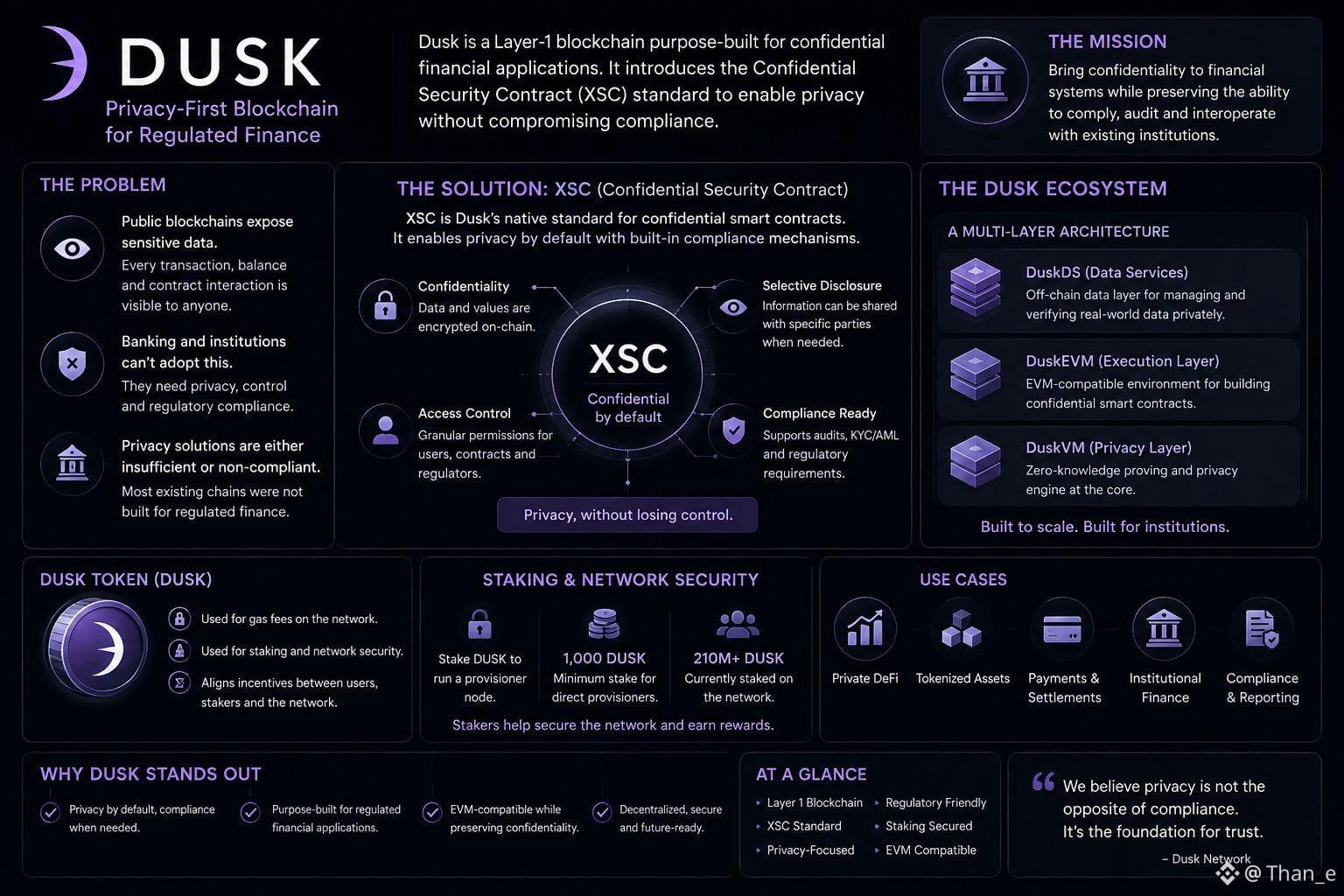
プライバシーの語り口がどこかで聞き覚えのあるものに感じたので、私はDuskの掘り下げを始めました。しかし深く調べるほど、その設計がより具体的に「そういうものだ」と感じられてきました。
目立ったのは、Duskがプライバシーを「すべて隠してそれで終わり」として扱っているわけではない点です。XSCのアプローチは、機密性のある金融活動を中心に組み立てられており、それでも必要に応じてコンプライアンスや選択的開示といったことができるようになっています。
そこで、ネットワークそのものをより注意深く見るようになりました。DUSKにはガスやステーキングの役割があり、ステーキングは、まったく別の利回りメカニズムというよりは、ネットワークを確保することに直結しています。
このアーキテクチャのどれくらいが、実際の利用に翻訳されているのかは、まだよく分かりません。より強い意見を形成する前に理解したいのは、おそらくその部分です。
興味深いのはトレードオフです。金融アプリケーションにはプライバシーが必要ですが、同時にルール、説明責任、そして必要なときに特定のことを証明する手段も必要になります。
現時点では、強い結論には至っていません。主に、Duskを調査している他の人たちも、興味深い技術設計と測定可能な採用の間に同じギャップを見ているのか、それとも自分が何か見落としているのかが気になっています。
$ENS
{future}(ENSUSDT)
#dusk $DUSK @Dusk_Foundation
{future}(DUSKUSDT)
$BEAT
{alpha}(560xcf3232b85b43bca90e51d38cc06cc8bb8c8a3e36)
プライバシーの語り口がどこかで聞き覚えのあるものに感じたので、私はDuskの掘り下げを始めました。しかし深く調べるほど、その設計がより具体的に「そういうものだ」と感じられてきました。
目立ったのは、Duskがプライバシーを「すべて隠してそれで終わり」として扱っているわけではない点です。XSCのアプローチは、機密性のある金融活動を中心に組み立てられており、それでも必要に応じてコンプライアンスや選択的開示といったことができるようになっています。
そこで、ネットワークそのものをより注意深く見るようになりました。DUSKにはガスやステーキングの役割があり、ステーキングは、まったく別の利回りメカニズムというよりは、ネットワークを確保することに直結しています。
このアーキテクチャのどれくらいが、実際の利用に翻訳されているのかは、まだよく分かりません。より強い意見を形成する前に理解したいのは、おそらくその部分です。
興味深いのはトレードオフです。金融アプリケーションにはプライバシーが必要ですが、同時にルール、説明責任、そして必要なときに特定のことを証明する手段も必要になります。
現時点では、強い結論には至っていません。主に、Duskを調査している他の人たちも、興味深い技術設計と測定可能な採用の間に同じギャップを見ているのか、それとも自分が何か見落としているのかが気になっています。
$ENS
#dusk $DUSK @Dusk
$BEAT
目立ったのは、Duskがプライバシーを「すべて隠してそれで終わり」として扱っているわけではない点です。XSCのアプローチは、機密性のある金融活動を中心に組み立てられており、それでも必要に応じてコンプライアンスや選択的開示といったことができるようになっています。
そこで、ネットワークそのものをより注意深く見るようになりました。DUSKにはガスやステーキングの役割があり、ステーキングは、まったく別の利回りメカニズムというよりは、ネットワークを確保することに直結しています。
このアーキテクチャのどれくらいが、実際の利用に翻訳されているのかは、まだよく分かりません。より強い意見を形成する前に理解したいのは、おそらくその部分です。
興味深いのはトレードオフです。金融アプリケーションにはプライバシーが必要ですが、同時にルール、説明責任、そして必要なときに特定のことを証明する手段も必要になります。
現時点では、強い結論には至っていません。主に、Duskを調査している他の人たちも、興味深い技術設計と測定可能な採用の間に同じギャップを見ているのか、それとも自分が何か見落としているのかが気になっています。
$ENS
#dusk $DUSK @Dusk
$BEAT
4
5
720
·
--
ブリッシュ
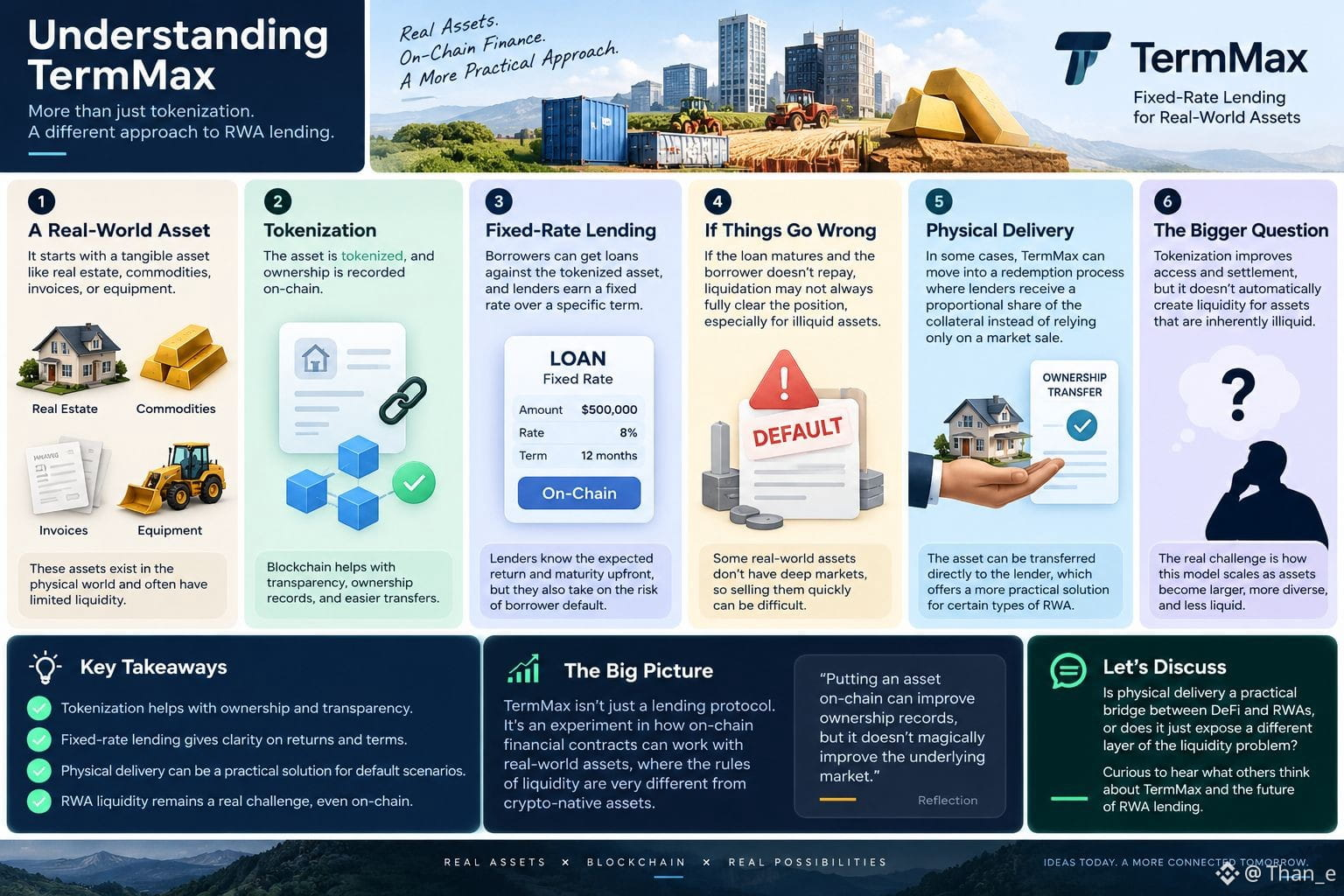
現実世界の資産がオンチェーン上で動くとき、実際に何が変わるのかを理解したくて、TermMaxの調査を始めました。
最初は、主な課題は単にトークン化することだと思っていました。オンチェーンに所有権を載せ、資産を譲渡可能にすれば、あとは簡単になるはずだと。
読み進めるほど、その考えは説得力に欠けると感じるようになりました。
特に目についたのが「現物引渡(フィジカル・デリバリー)」という考え方です。例えば、定期のローンが満期を迎え、借り手が返済できなかった場合、解決策が常に「担保をただ売ればいい」になるとは限りません。現実世界の資産の中には、ETHやステーブルコインで慣れ親しんだような、即時の流動性がそもそも備わっていないものもあります。
それで、私はTermMaxを少し違った観点から見るようになりました。興味深いのは、貸付市場それ自体だけではなく、オンチェーンの金融契約が、なお流動性が物理の世界に依存している資産と結びつくと何が起きるのか、という点です。
担保として扱われる資産が大きくなり、さらに多様になっていく中で、そのモデルがどれほど機能するのか、私はまだ試行錯誤しています。
RWAであまり語られていない問題の一つのようにも感じます。資産をオンチェーンに載せることで、所有記録や決済は改善し得ますが、土台となる市場そのものが魔法のように良くなるわけではありません。
皆さんはどう見ていますか? 現物引渡はDeFiとRWAの現実的な架け橋なのでしょうか。それとも、流動性問題の別の層を露出させるだけなのでしょうか。
$PEOPLE
{future}(PEOPLEUSDT)
$BNB
{future}(BNBUSDT)
$ONG
{future}(ONGUSDT)
#termmax @termmax
現実世界の資産がオンチェーン上で動くとき、実際に何が変わるのかを理解したくて、TermMaxの調査を始めました。
最初は、主な課題は単にトークン化することだと思っていました。オンチェーンに所有権を載せ、資産を譲渡可能にすれば、あとは簡単になるはずだと。
読み進めるほど、その考えは説得力に欠けると感じるようになりました。
特に目についたのが「現物引渡(フィジカル・デリバリー)」という考え方です。例えば、定期のローンが満期を迎え、借り手が返済できなかった場合、解決策が常に「担保をただ売ればいい」になるとは限りません。現実世界の資産の中には、ETHやステーブルコインで慣れ親しんだような、即時の流動性がそもそも備わっていないものもあります。
それで、私はTermMaxを少し違った観点から見るようになりました。興味深いのは、貸付市場それ自体だけではなく、オンチェーンの金融契約が、なお流動性が物理の世界に依存している資産と結びつくと何が起きるのか、という点です。
担保として扱われる資産が大きくなり、さらに多様になっていく中で、そのモデルがどれほど機能するのか、私はまだ試行錯誤しています。
RWAであまり語られていない問題の一つのようにも感じます。資産をオンチェーンに載せることで、所有記録や決済は改善し得ますが、土台となる市場そのものが魔法のように良くなるわけではありません。
皆さんはどう見ていますか? 現物引渡はDeFiとRWAの現実的な架け橋なのでしょうか。それとも、流動性問題の別の層を露出させるだけなのでしょうか。
$PEOPLE
$BNB
$ONG
#termmax @TermMax
最初は、主な課題は単にトークン化することだと思っていました。オンチェーンに所有権を載せ、資産を譲渡可能にすれば、あとは簡単になるはずだと。
読み進めるほど、その考えは説得力に欠けると感じるようになりました。
特に目についたのが「現物引渡(フィジカル・デリバリー)」という考え方です。例えば、定期のローンが満期を迎え、借り手が返済できなかった場合、解決策が常に「担保をただ売ればいい」になるとは限りません。現実世界の資産の中には、ETHやステーブルコインで慣れ親しんだような、即時の流動性がそもそも備わっていないものもあります。
それで、私はTermMaxを少し違った観点から見るようになりました。興味深いのは、貸付市場それ自体だけではなく、オンチェーンの金融契約が、なお流動性が物理の世界に依存している資産と結びつくと何が起きるのか、という点です。
担保として扱われる資産が大きくなり、さらに多様になっていく中で、そのモデルがどれほど機能するのか、私はまだ試行錯誤しています。
RWAであまり語られていない問題の一つのようにも感じます。資産をオンチェーンに載せることで、所有記録や決済は改善し得ますが、土台となる市場そのものが魔法のように良くなるわけではありません。
皆さんはどう見ていますか? 現物引渡はDeFiとRWAの現実的な架け橋なのでしょうか。それとも、流動性問題の別の層を露出させるだけなのでしょうか。
$PEOPLE
$BNB
$ONG
#termmax @TermMax
4
4
240
·
--
ブリッシュ
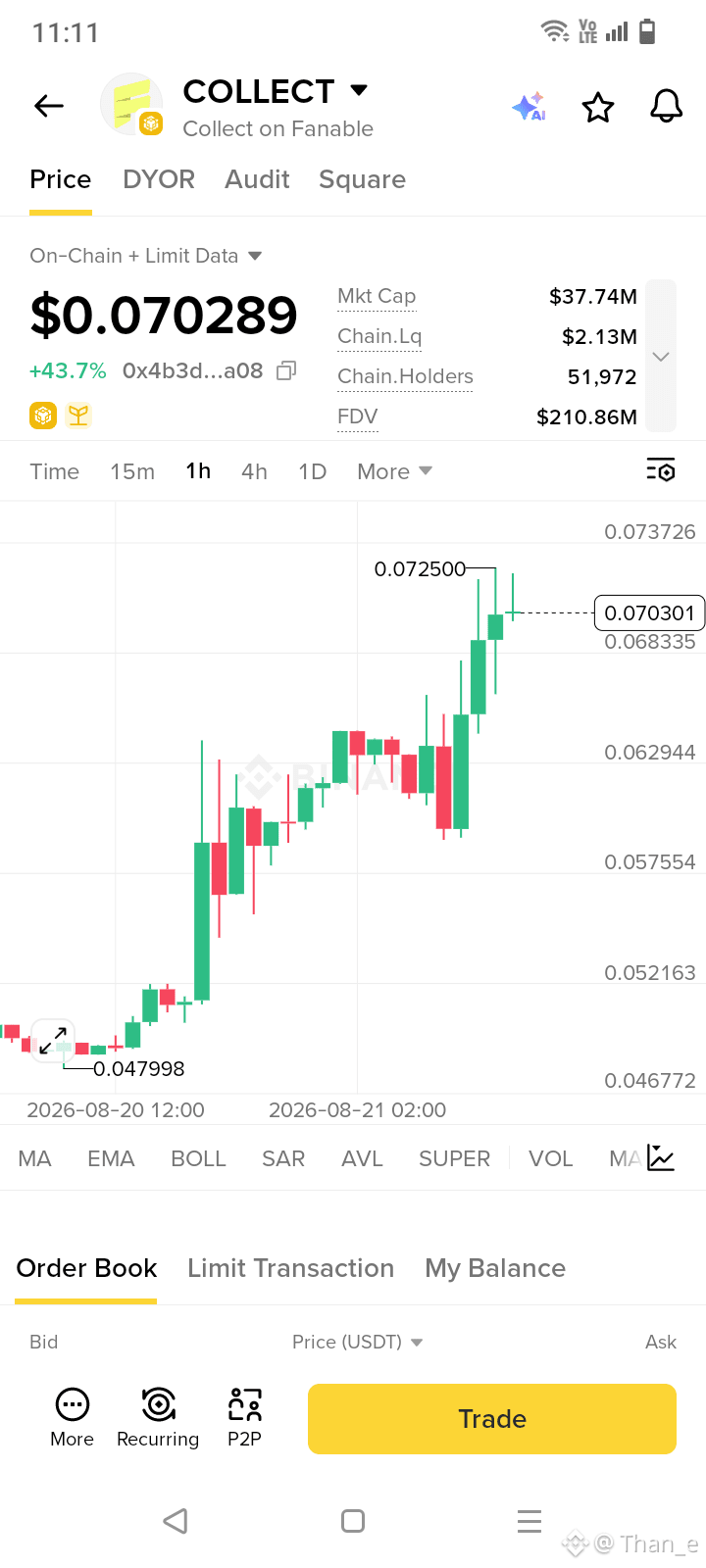
$COLLECT — 強気シグナル
📈 トレンド: 強気
💰 現在値: 約 $0.0703
🎯 レジスタンス: $0.0725
🟢 サポート: $0.0683
🟢 次のサポート: $0.0629
$COLLECT は、過去のレジスタンスを突破した後、強い1時間足の上昇トレンドを維持しています。
$0.0725を明確にブレイクして上でホールドできれば、さらなる継続の動きへの道が開けます。
エントリー: 確認後 $0.0685–$0.0705
目標: $0.0725 → $0.0760 → $0.0800
無効条件: $0.0629を継続的に下回ること
モメンタムは強いですが、急な上昇に追随するとリスクが高くなります。確認が重要です。
$COLLECTで取引しましょう
Ad #OKXOrbitTopics
$COLLECT
{alpha}(560x4b3d30992f003c8167699735f5ab2831b2a087d3)
$COLLECT — 強気シグナル
📈 トレンド: 強気
💰 現在値: 約 $0.0703
🎯 レジスタンス: $0.0725
🟢 サポート: $0.0683
🟢 次のサポート: $0.0629
$COLLECT は、過去のレジスタンスを突破した後、強い1時間足の上昇トレンドを維持しています。
$0.0725を明確にブレイクして上でホールドできれば、さらなる継続の動きへの道が開けます。
エントリー: 確認後 $0.0685–$0.0705
目標: $0.0725 → $0.0760 → $0.0800
無効条件: $0.0629を継続的に下回ること
モメンタムは強いですが、急な上昇に追随するとリスクが高くなります。確認が重要です。
$COLLECT で取引しましょう
Ad #OKXOrbitTopics
$COLLECT
📈 トレンド: 強気
💰 現在値: 約 $0.0703
🎯 レジスタンス: $0.0725
🟢 サポート: $0.0683
🟢 次のサポート: $0.0629
$COLLECT は、過去のレジスタンスを突破した後、強い1時間足の上昇トレンドを維持しています。
$0.0725を明確にブレイクして上でホールドできれば、さらなる継続の動きへの道が開けます。
エントリー: 確認後 $0.0685–$0.0705
目標: $0.0725 → $0.0760 → $0.0800
無効条件: $0.0629を継続的に下回ること
モメンタムは強いですが、急な上昇に追随するとリスクが高くなります。確認が重要です。
$COLLECT で取引しましょう
Ad #OKXOrbitTopics
$COLLECT
183
·
--
ブリッシュ
今日、Duskについて少し深掘りしてみたのですが、私の目を引いたのはいつものRWAの物語ではありませんでした。
それがPlonKupです。Duskの関与によって開発された証明システムで、PLONKとルックアップ引数を組み合わせています。すべての演算を従来の算術制約に押し込むのではなく、ルックアップテーブルを使えば、値があらかじめ定義された集合に属するかどうかを証明者が確認できます。これにより、特定のZK回路の複雑さを減らせる可能性があります。
興味深いのは、そのトレードオフです。Duskのアーキテクチャは明らかに、プライバシーを保護する金融アプリケーションを前提に作られていますが、ZKの証明は依然として計算負荷が高い。彼ら自身のドキュメントでは、この負荷に対応するための専用プロバーノードを分けて示しており、最小構成として8 GB RAMを挙げています。
なので、難しい問題は単に「ZKをもっと速くする」ことだとは思えません。むしろ、システム上の問いのように感じます。どれくらいの証明の複雑さを一般ユーザーから遠ざけられるのか、そして新たなインフラのボトルネックを生み出さないようにできるのか?
さらにDuskは、このプライバシーレイヤーを、規制対象の証券、決済、そしてRWAのワークフローにつなげています。だから、この問いは理論よりも現実的です。
まだ強い結論はありません。実際のボトルネックがどこにあるのかをまだ見極めようとしているところです。あなたはどこがボトルネックだと見ていますか?
$BOME
{future}(BOMEUSDT)
$COLLECT
{alpha}(560x4b3d30992f003c8167699735f5ab2831b2a087d3)
#dusk $DUSK @Dusk_Foundation
{future}(DUSKUSDT)
今日、Duskについて少し深掘りしてみたのですが、私の目を引いたのはいつものRWAの物語ではありませんでした。
それがPlonKupです。Duskの関与によって開発された証明システムで、PLONKとルックアップ引数を組み合わせています。すべての演算を従来の算術制約に押し込むのではなく、ルックアップテーブルを使えば、値があらかじめ定義された集合に属するかどうかを証明者が確認できます。これにより、特定のZK回路の複雑さを減らせる可能性があります。
興味深いのは、そのトレードオフです。Duskのアーキテクチャは明らかに、プライバシーを保護する金融アプリケーションを前提に作られていますが、ZKの証明は依然として計算負荷が高い。彼ら自身のドキュメントでは、この負荷に対応するための専用プロバーノードを分けて示しており、最小構成として8 GB RAMを挙げています。
なので、難しい問題は単に「ZKをもっと速くする」ことだとは思えません。むしろ、システム上の問いのように感じます。どれくらいの証明の複雑さを一般ユーザーから遠ざけられるのか、そして新たなインフラのボトルネックを生み出さないようにできるのか?
さらにDuskは、このプライバシーレイヤーを、規制対象の証券、決済、そしてRWAのワークフローにつなげています。だから、この問いは理論よりも現実的です。
まだ強い結論はありません。実際のボトルネックがどこにあるのかをまだ見極めようとしているところです。あなたはどこがボトルネックだと見ていますか?
$BOME
$COLLECT
#dusk $DUSK @Dusk
それがPlonKupです。Duskの関与によって開発された証明システムで、PLONKとルックアップ引数を組み合わせています。すべての演算を従来の算術制約に押し込むのではなく、ルックアップテーブルを使えば、値があらかじめ定義された集合に属するかどうかを証明者が確認できます。これにより、特定のZK回路の複雑さを減らせる可能性があります。
興味深いのは、そのトレードオフです。Duskのアーキテクチャは明らかに、プライバシーを保護する金融アプリケーションを前提に作られていますが、ZKの証明は依然として計算負荷が高い。彼ら自身のドキュメントでは、この負荷に対応するための専用プロバーノードを分けて示しており、最小構成として8 GB RAMを挙げています。
なので、難しい問題は単に「ZKをもっと速くする」ことだとは思えません。むしろ、システム上の問いのように感じます。どれくらいの証明の複雑さを一般ユーザーから遠ざけられるのか、そして新たなインフラのボトルネックを生み出さないようにできるのか?
さらにDuskは、このプライバシーレイヤーを、規制対象の証券、決済、そしてRWAのワークフローにつなげています。だから、この問いは理論よりも現実的です。
まだ強い結論はありません。実際のボトルネックがどこにあるのかをまだ見極めようとしているところです。あなたはどこがボトルネックだと見ていますか?
$BOME
$COLLECT
#dusk $DUSK @Dusk
The project is ready for RWA
100%
Too much theory
0%
It will take time
0%
Privacy is a base
0%
1 投票 • 投票は終了しました
1
1
260
·
--
ブリッシュ
今日はDuskについて少し深掘りしてみて、RWAの見方を改めるきっかけになりました。
以前は、金融にフォーカスしたブロックチェーンでの主な仕事はかなり単純だと考えていました。つまり、速い決済、十分に低い手数料、そして実世界の資産をオンチェーンに載せる方法です。
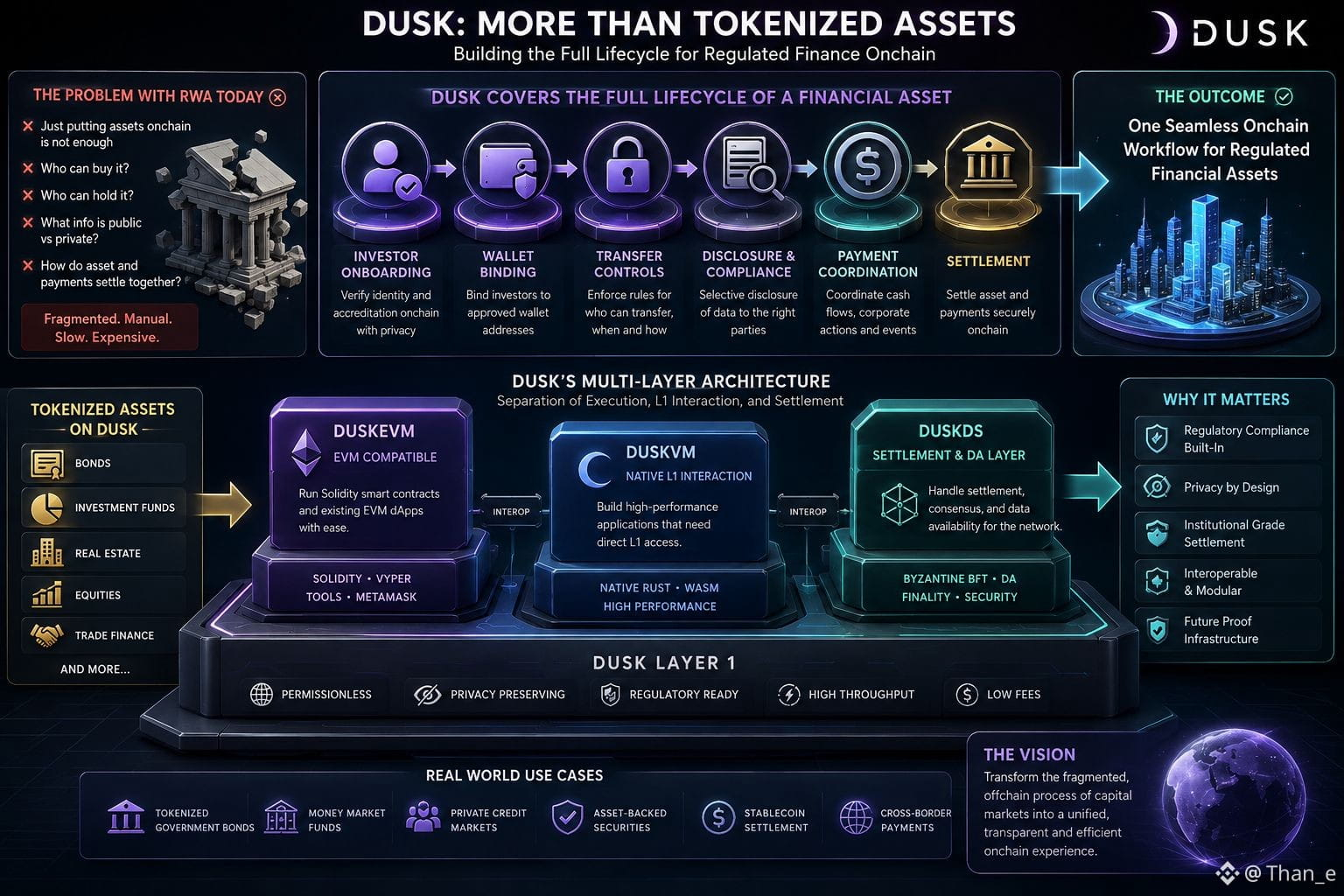
しかし、Duskを調べていると、ある点が際立って見えてきました。焦点は、その資産そのものだけではありません。投資家のオンボーディング、ウォレットの紐付け、譲渡制限、開示、支払い、そしてその資産をめぐる決済まで含まれています。
そこで考えたのは、債券やファンドをオンチェーンに載せたからといって、それだけで自動的に“使える”金融商品になるわけではない、ということです。実際に、それを誰が保有できるのか、どの情報を見られるのか、そして資産と支払いがどのように一緒に動くのかを決める人(仕組み)が必要です。
また、アーキテクチャについても調べました。DuskEVM、DuskVM、DuskDSが、実行のさまざまな部分、L1との連携、決済、データ可用性をそれぞれ担っています。
ただ、その分離によってシステムが本質的により良くなるのか、それとも連携してうまく動かすべき要素が増えるだけなのか、まだ確信がありません。
現時点では、強い結論は出ていません。
Duskを掘り下げたときに、他の人がどんなことを見つけたのか気になります。いまのこのアーキテクチャは、実際のRWAの課題を解決しているのでしょうか?それとも私は考えすぎなのでしょうか?
#dusk $DUSK @Dusk_Foundation
{spot}(DUSKUSDT)
$ETH
{future}(ETHUSDT)
$BTC
{future}(BTCUSDT)
今日はDuskについて少し深掘りしてみて、RWAの見方を改めるきっかけになりました。
以前は、金融にフォーカスしたブロックチェーンでの主な仕事はかなり単純だと考えていました。つまり、速い決済、十分に低い手数料、そして実世界の資産をオンチェーンに載せる方法です。
しかし、Duskを調べていると、ある点が際立って見えてきました。焦点は、その資産そのものだけではありません。投資家のオンボーディング、ウォレットの紐付け、譲渡制限、開示、支払い、そしてその資産をめぐる決済まで含まれています。
そこで考えたのは、債券やファンドをオンチェーンに載せたからといって、それだけで自動的に“使える”金融商品になるわけではない、ということです。実際に、それを誰が保有できるのか、どの情報を見られるのか、そして資産と支払いがどのように一緒に動くのかを決める人(仕組み)が必要です。
また、アーキテクチャについても調べました。DuskEVM、DuskVM、DuskDSが、実行のさまざまな部分、L1との連携、決済、データ可用性をそれぞれ担っています。
ただ、その分離によってシステムが本質的により良くなるのか、それとも連携してうまく動かすべき要素が増えるだけなのか、まだ確信がありません。
現時点では、強い結論は出ていません。
Duskを掘り下げたときに、他の人がどんなことを見つけたのか気になります。いまのこのアーキテクチャは、実際のRWAの課題を解決しているのでしょうか?それとも私は考えすぎなのでしょうか?
#dusk $DUSK @Dusk
$ETH
$BTC
以前は、金融にフォーカスしたブロックチェーンでの主な仕事はかなり単純だと考えていました。つまり、速い決済、十分に低い手数料、そして実世界の資産をオンチェーンに載せる方法です。
しかし、Duskを調べていると、ある点が際立って見えてきました。焦点は、その資産そのものだけではありません。投資家のオンボーディング、ウォレットの紐付け、譲渡制限、開示、支払い、そしてその資産をめぐる決済まで含まれています。
そこで考えたのは、債券やファンドをオンチェーンに載せたからといって、それだけで自動的に“使える”金融商品になるわけではない、ということです。実際に、それを誰が保有できるのか、どの情報を見られるのか、そして資産と支払いがどのように一緒に動くのかを決める人(仕組み)が必要です。
また、アーキテクチャについても調べました。DuskEVM、DuskVM、DuskDSが、実行のさまざまな部分、L1との連携、決済、データ可用性をそれぞれ担っています。
ただ、その分離によってシステムが本質的により良くなるのか、それとも連携してうまく動かすべき要素が増えるだけなのか、まだ確信がありません。
現時点では、強い結論は出ていません。
Duskを掘り下げたときに、他の人がどんなことを見つけたのか気になります。いまのこのアーキテクチャは、実際のRWAの課題を解決しているのでしょうか?それとも私は考えすぎなのでしょうか?
#dusk $DUSK @Dusk
$ETH
$BTC
89
ログインして、さらにコンテンツを読む
厳選トピックで世界の暗号資産トレーダーの仲間入り
⚡️ 暗号資産に関する最新かつ有益な情報が見つかります。
💬 世界最大の暗号資産取引所から信頼されています。
👍 認証を受けたクリエイターから、有益なインサイトを得られます。
メール / 電話番号