

明月Míngyuè
5k 投稿

明月Míngyuè
報告
ユーザーをブロック
取引を発注
高頻度トレーダー
1.8年
2.2K+ フォロー
9.6K+ フォロワー
2.3K+ いいね
投稿
ポートフォリオ
すべて
引用
ライブ
·
--
ブリッシュ
#dusk $DUSK @Dusk_Foundation
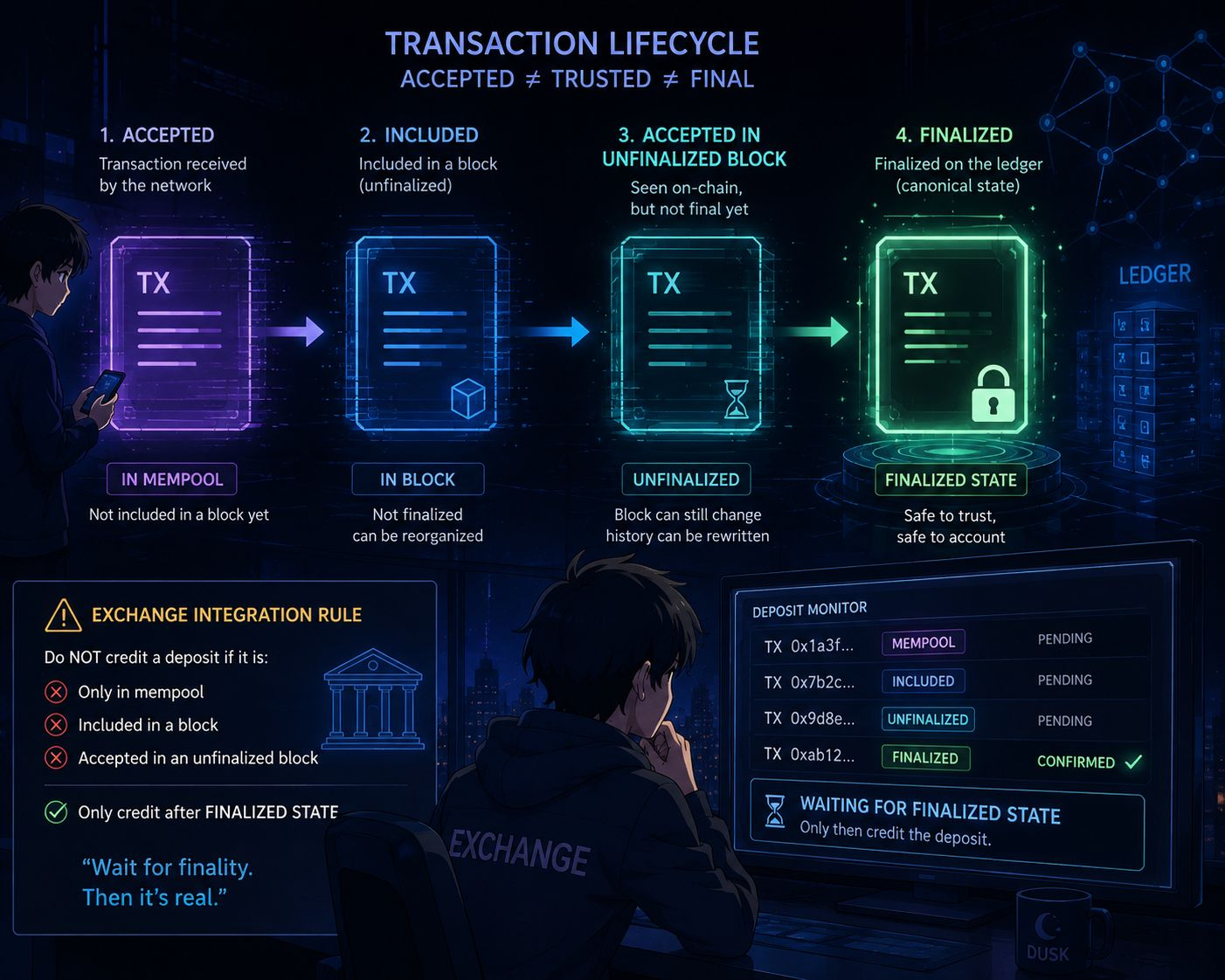
Duskのトランザクション資料を見ていたとき、ふとした小さな点が目に留まりました。
Boreasは、クライアントから受け付けたトランザクション、 その正準(canonical)表現、そして台帳にコミットされたバージョンのあいだに、明確な境界を導入していました。その理由はかなり単純です。ネットワークの異なる部分が、同じトランザクションを別々に解釈してはいけないからです。
そして、Duskの取引所(exchange)統合のドキュメントで、もっと実務的なことに気づきました。
取引所は、未確定状態(mempool)に現れたからといって、入金をただちにクレジットしてはいけないと明示されています。掲載された(included)こと、あるいは未確定ブロックに入った(accepted)ことだけでは足りません。確定済み状態(finalized state)を待つ必要があります。
そう考えると、Boreasの変更が自分にとってより納得できるものになりました。
金融インフラにおいて、一貫性とは単にノード同士が合意することだけではありません。いずれ会計上の問題になります。つまり、別のシステムが、オンチェーンの出来事を「本物」として安全に扱えるのはいつなのか、ということです。
その観点からトランザクションのライフサイクルについては、あまり考えたことがありませんでした。たぶん、金融活動をオンチェーンに載せるのが難しいのは「トランザクションを記録すること」ではありません。むしろ、すべてのシステムがそれを信頼してよいタイミングを、正確に把握することです。
#Dusk $BTC $DUSK
#dusk $DUSK @Dusk
Duskのトランザクション資料を見ていたとき、ふとした小さな点が目に留まりました。
Boreasは、クライアントから受け付けたトランザクション、 その正準(canonical)表現、そして台帳にコミットされたバージョンのあいだに、明確な境界を導入していました。その理由はかなり単純です。ネットワークの異なる部分が、同じトランザクションを別々に解釈してはいけないからです。
そして、Duskの取引所(exchange)統合のドキュメントで、もっと実務的なことに気づきました。
取引所は、未確定状態(mempool)に現れたからといって、入金をただちにクレジットしてはいけないと明示されています。掲載された(included)こと、あるいは未確定ブロックに入った(accepted)ことだけでは足りません。確定済み状態(finalized state)を待つ必要があります。
そう考えると、Boreasの変更が自分にとってより納得できるものになりました。
金融インフラにおいて、一貫性とは単にノード同士が合意することだけではありません。いずれ会計上の問題になります。つまり、別のシステムが、オンチェーンの出来事を「本物」として安全に扱えるのはいつなのか、ということです。
その観点からトランザクションのライフサイクルについては、あまり考えたことがありませんでした。たぶん、金融活動をオンチェーンに載せるのが難しいのは「トランザクションを記録すること」ではありません。むしろ、すべてのシステムがそれを信頼してよいタイミングを、正確に把握することです。
#Dusk $BTC $DUSK
Duskのトランザクション資料を見ていたとき、ふとした小さな点が目に留まりました。
Boreasは、クライアントから受け付けたトランザクション、 その正準(canonical)表現、そして台帳にコミットされたバージョンのあいだに、明確な境界を導入していました。その理由はかなり単純です。ネットワークの異なる部分が、同じトランザクションを別々に解釈してはいけないからです。
そして、Duskの取引所(exchange)統合のドキュメントで、もっと実務的なことに気づきました。
取引所は、未確定状態(mempool)に現れたからといって、入金をただちにクレジットしてはいけないと明示されています。掲載された(included)こと、あるいは未確定ブロックに入った(accepted)ことだけでは足りません。確定済み状態(finalized state)を待つ必要があります。
そう考えると、Boreasの変更が自分にとってより納得できるものになりました。
金融インフラにおいて、一貫性とは単にノード同士が合意することだけではありません。いずれ会計上の問題になります。つまり、別のシステムが、オンチェーンの出来事を「本物」として安全に扱えるのはいつなのか、ということです。
その観点からトランザクションのライフサイクルについては、あまり考えたことがありませんでした。たぶん、金融活動をオンチェーンに載せるのが難しいのは「トランザクションを記録すること」ではありません。むしろ、すべてのシステムがそれを信頼してよいタイミングを、正確に把握することです。
#Dusk $BTC $DUSK
2
3
152
·
--
ブリッシュ
#dusk $DUSK @Dusk_Foundation
以前は、取引が受理されたら基本的にそれで完了だと思っていました。しかし、Duskの取引ライフサイクルをよく調べると、私があまり考えていなかった区別があることに気づきました。つまり、提出(submitted)、受理(accepted)、そして最終確定(finalized)は、必ずしも同じタイミングではないのです。
それは技術的な細部に聞こえるかもしれませんが、金融アプリケーションがその取引に作用し始めた途端に話は変わります。
資産の移転、支払い、または別の命令がそれに依存している場合、最終確定の前に動くと、実際にはまだ決済されていない状態に対して次のステップを組み立ててしまう可能性があります。私が興味深いのは、Duskが決定論的な最終確定を、単なる別のブロックチェーンの性能指標ではなく、金融アプリケーションに必要なインフラストラクチャの一部として扱っている点です。
金融アプリケーションは、いつ「受理されたか?」という問いをやめて、「最終的に確定しているか?」という問いに切り替えるべきなのでしょうか?
@Dusk_Foundation #dusk $BTC $BNB
#dusk $DUSK @Dusk
以前は、取引が受理されたら基本的にそれで完了だと思っていました。しかし、Duskの取引ライフサイクルをよく調べると、私があまり考えていなかった区別があることに気づきました。つまり、提出(submitted)、受理(accepted)、そして最終確定(finalized)は、必ずしも同じタイミングではないのです。
それは技術的な細部に聞こえるかもしれませんが、金融アプリケーションがその取引に作用し始めた途端に話は変わります。
資産の移転、支払い、または別の命令がそれに依存している場合、最終確定の前に動くと、実際にはまだ決済されていない状態に対して次のステップを組み立ててしまう可能性があります。私が興味深いのは、Duskが決定論的な最終確定を、単なる別のブロックチェーンの性能指標ではなく、金融アプリケーションに必要なインフラストラクチャの一部として扱っている点です。
金融アプリケーションは、いつ「受理されたか?」という問いをやめて、「最終的に確定しているか?」という問いに切り替えるべきなのでしょうか?
@Dusk #dusk $BTC $BNB
以前は、取引が受理されたら基本的にそれで完了だと思っていました。しかし、Duskの取引ライフサイクルをよく調べると、私があまり考えていなかった区別があることに気づきました。つまり、提出(submitted)、受理(accepted)、そして最終確定(finalized)は、必ずしも同じタイミングではないのです。
それは技術的な細部に聞こえるかもしれませんが、金融アプリケーションがその取引に作用し始めた途端に話は変わります。
資産の移転、支払い、または別の命令がそれに依存している場合、最終確定の前に動くと、実際にはまだ決済されていない状態に対して次のステップを組み立ててしまう可能性があります。私が興味深いのは、Duskが決定論的な最終確定を、単なる別のブロックチェーンの性能指標ではなく、金融アプリケーションに必要なインフラストラクチャの一部として扱っている点です。
金融アプリケーションは、いつ「受理されたか?」という問いをやめて、「最終的に確定しているか?」という問いに切り替えるべきなのでしょうか?
@Dusk #dusk $BTC $BNB
2
4
226
·
--
@Dusk_Foundation #dusk
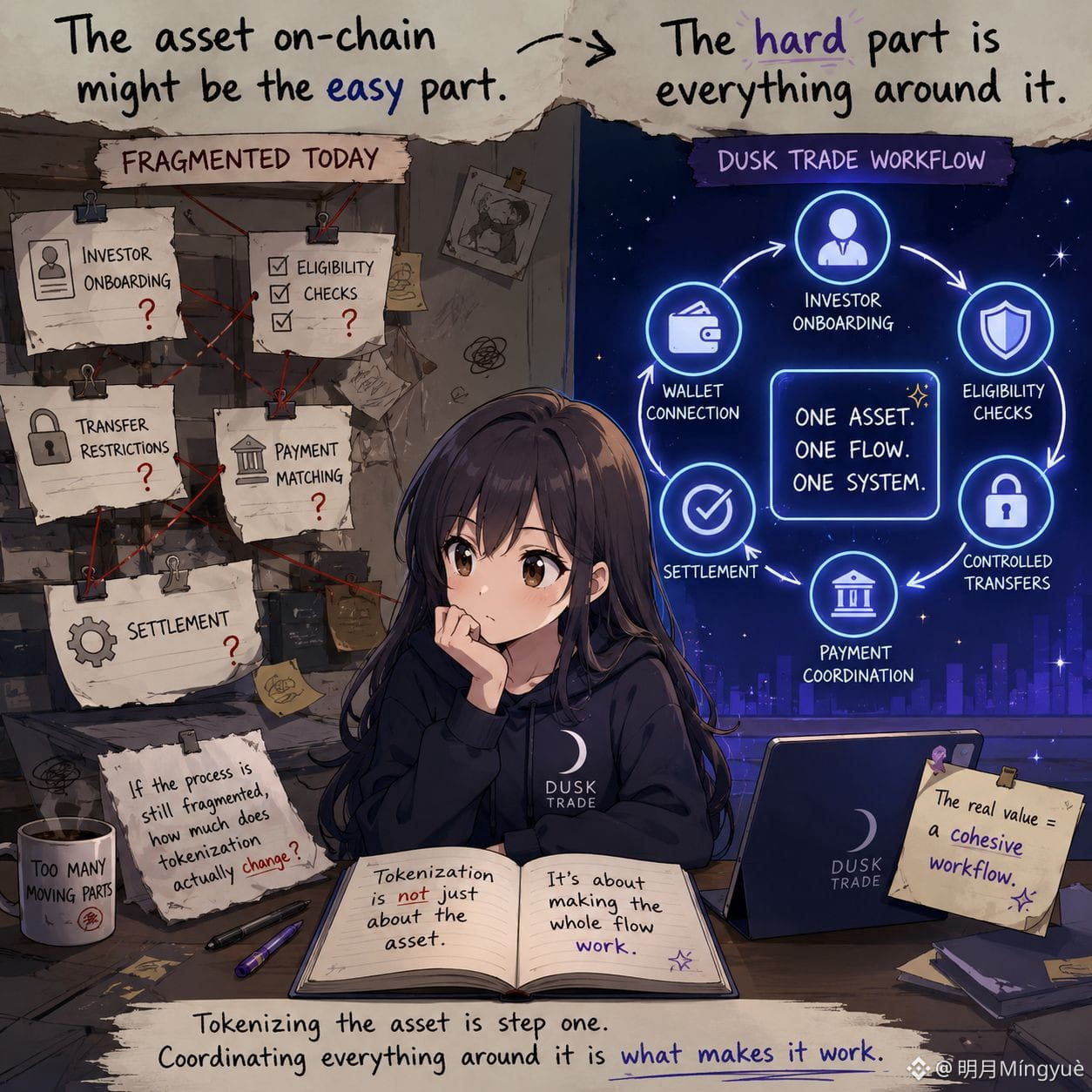
トークン化されたファイナンスを眺めるほど、資産をオンチェーンに載せること自体はむしろ簡単な部分なのではないかと思えてきます。
難しいのは、その周りで起きるすべてのことです。
投資家のオンボーディングが必要です。適格性の確認が必要になる場合もあります。移転には制限があり得ます。支払いの流れ(支払側)が資産の流れ(資産側)と一致していなければなりません。そして最終的には、すべてが正しく決済される必要があります。
それが、@Dusk_Foundation Tradeをより興味深いものだと感じさせました。
単にトークン化された資産をリストに載せることを目的に作られているのではありません。ワークフローには、投資家のオンボーディング、ウォレット接続、制御された移転、支払いの調整、そして決済が含まれています。
つまり、トークン化の本当の価値は、単に資産をトークンに変えることではないのかもしれません。断片化したその資産まわりのプロセスが、ひとつの首尾一貫したワークフローになれるかどうかです。
その連携が断片化したままだとしたら、トークン化は実際にどれほど変えられるのでしょうか?
#dusk $DUSK $BTC $BNB
@Dusk #dusk
トークン化されたファイナンスを眺めるほど、資産をオンチェーンに載せること自体はむしろ簡単な部分なのではないかと思えてきます。
難しいのは、その周りで起きるすべてのことです。
投資家のオンボーディングが必要です。適格性の確認が必要になる場合もあります。移転には制限があり得ます。支払いの流れ(支払側)が資産の流れ(資産側)と一致していなければなりません。そして最終的には、すべてが正しく決済される必要があります。
それが、@Dusk Tradeをより興味深いものだと感じさせました。
単にトークン化された資産をリストに載せることを目的に作られているのではありません。ワークフローには、投資家のオンボーディング、ウォレット接続、制御された移転、支払いの調整、そして決済が含まれています。
つまり、トークン化の本当の価値は、単に資産をトークンに変えることではないのかもしれません。断片化したその資産まわりのプロセスが、ひとつの首尾一貫したワークフローになれるかどうかです。
その連携が断片化したままだとしたら、トークン化は実際にどれほど変えられるのでしょうか?
#dusk $DUSK $BTC $BNB
トークン化されたファイナンスを眺めるほど、資産をオンチェーンに載せること自体はむしろ簡単な部分なのではないかと思えてきます。
難しいのは、その周りで起きるすべてのことです。
投資家のオンボーディングが必要です。適格性の確認が必要になる場合もあります。移転には制限があり得ます。支払いの流れ(支払側)が資産の流れ(資産側)と一致していなければなりません。そして最終的には、すべてが正しく決済される必要があります。
それが、@Dusk Tradeをより興味深いものだと感じさせました。
単にトークン化された資産をリストに載せることを目的に作られているのではありません。ワークフローには、投資家のオンボーディング、ウォレット接続、制御された移転、支払いの調整、そして決済が含まれています。
つまり、トークン化の本当の価値は、単に資産をトークンに変えることではないのかもしれません。断片化したその資産まわりのプロセスが、ひとつの首尾一貫したワークフローになれるかどうかです。
その連携が断片化したままだとしたら、トークン化は実際にどれほど変えられるのでしょうか?
#dusk $DUSK $BTC $BNB
23
14
287
·
--
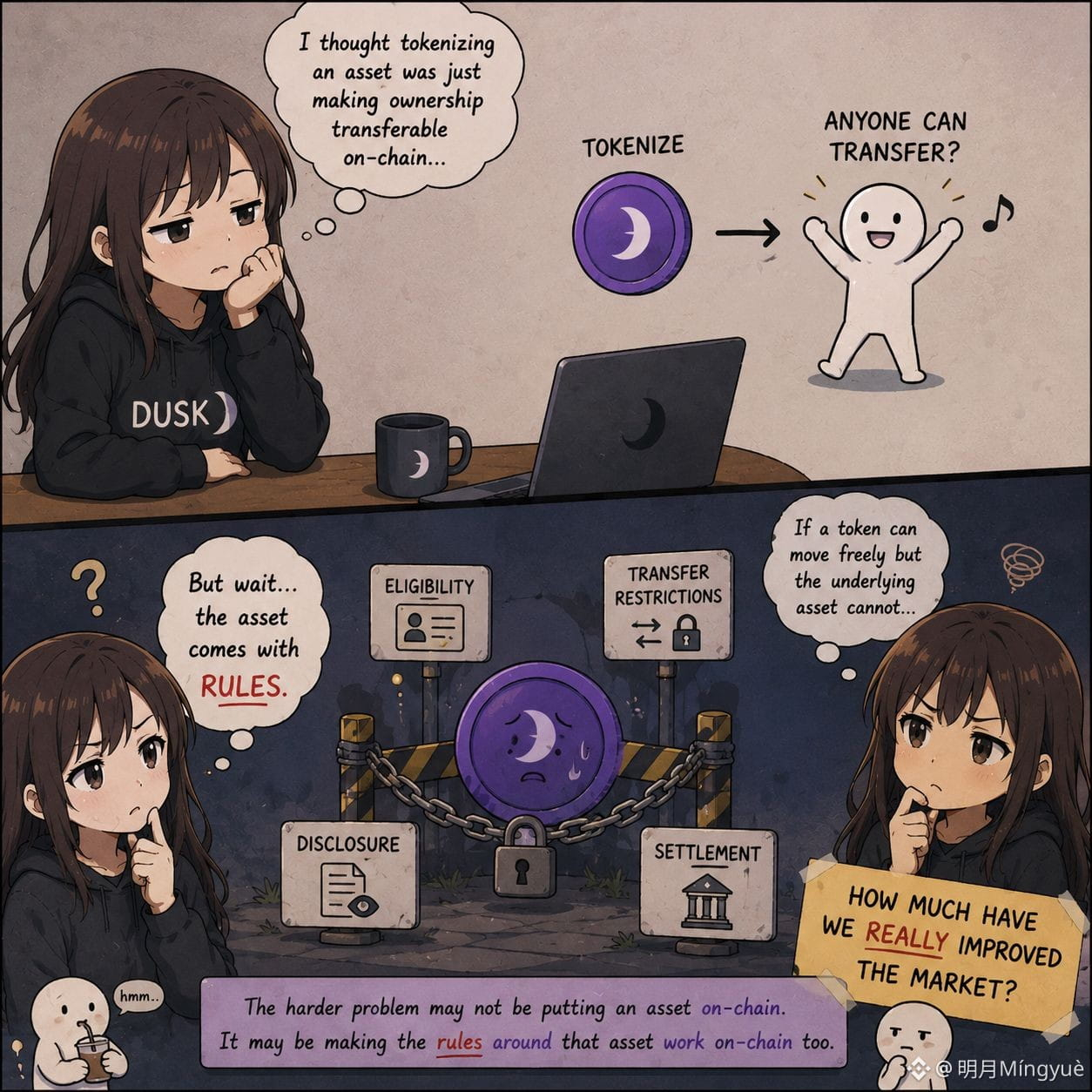
かつて私は、ある資産をトークン化することは主に、オンチェーン上で所有権を譲渡可能にすることだと思っていました。ですが、その前提は、資産そのものにルールが付随してくると崩れていきます。
規制された有価証券は、誰でも自由に購入・保有・譲渡できるものではないかもしれません。適格性、譲渡制限、開示、決済といった要素がすべて重要になりえます。
私はそこにこそDuskの面白さを感じます。
そのトークンは、プロダクト全体として扱われているわけではありません。トークンを取り巻くワークフローには、アクセス制御、投資家の適格性、管理された譲渡、決済の調整などが含まれうるのです。それは、トークン化された金融におけるより難しい課題は、単に資産をオンチェーンに載せることではないのかもしれない、と思わせます。むしろ、その資産に関するルール自体をオンチェーン上でも機能させることかもしれません。
そして私は、次のような問いを持ちます。
もしトークンは自由に移動できるのに、基となる資産が移動できないとしたら、私たちは市場をどれだけ実際に改善できたのでしょうか?
#Dusk $DUSK @Dusk_Foundation
かつて私は、ある資産をトークン化することは主に、オンチェーン上で所有権を譲渡可能にすることだと思っていました。ですが、その前提は、資産そのものにルールが付随してくると崩れていきます。
規制された有価証券は、誰でも自由に購入・保有・譲渡できるものではないかもしれません。適格性、譲渡制限、開示、決済といった要素がすべて重要になりえます。
私はそこにこそDuskの面白さを感じます。
そのトークンは、プロダクト全体として扱われているわけではありません。トークンを取り巻くワークフローには、アクセス制御、投資家の適格性、管理された譲渡、決済の調整などが含まれうるのです。それは、トークン化された金融におけるより難しい課題は、単に資産をオンチェーンに載せることではないのかもしれない、と思わせます。むしろ、その資産に関するルール自体をオンチェーン上でも機能させることかもしれません。
そして私は、次のような問いを持ちます。
もしトークンは自由に移動できるのに、基となる資産が移動できないとしたら、私たちは市場をどれだけ実際に改善できたのでしょうか?
#Dusk $DUSK @Dusk
規制された有価証券は、誰でも自由に購入・保有・譲渡できるものではないかもしれません。適格性、譲渡制限、開示、決済といった要素がすべて重要になりえます。
私はそこにこそDuskの面白さを感じます。
そのトークンは、プロダクト全体として扱われているわけではありません。トークンを取り巻くワークフローには、アクセス制御、投資家の適格性、管理された譲渡、決済の調整などが含まれうるのです。それは、トークン化された金融におけるより難しい課題は、単に資産をオンチェーンに載せることではないのかもしれない、と思わせます。むしろ、その資産に関するルール自体をオンチェーン上でも機能させることかもしれません。
そして私は、次のような問いを持ちます。
もしトークンは自由に移動できるのに、基となる資産が移動できないとしたら、私たちは市場をどれだけ実際に改善できたのでしょうか?
#Dusk $DUSK @Dusk
31
11
223
·
--
オンチェーンで金融市場を見れば見るほど、透明性と可視性は同じものではないと感じます。
規制された市場では、適格性やコンプライアンスのような事項を検証する必要がありますが、だからといって、あらゆる詳細を公に公開すべきという意味ではありません。
そこに、Duskのセレクティブな開示アプローチのおもしろさがあると私は思います。
単に情報を隠すことが目的ではありません。公開する必要のない情報はプライベートのままにしつつ、証明すべきことを確実に証明することが狙いです。
通常の暗号資産取引では、この区別はあまり重要に感じられないかもしれません。
しかし、規制対象の金融資産では、この考え方がオンチェーン市場を実際に機能させる要素のひとつになり得ます。
目標は最大の透明性であるべきではないのかもしれません。
必要な情報だけを公開し、最大の検証可能性を実現するべきなのかもしれません。
#dusk $DUSK @Dusk_Foundation
オンチェーンで金融市場を見れば見るほど、透明性と可視性は同じものではないと感じます。
規制された市場では、適格性やコンプライアンスのような事項を検証する必要がありますが、だからといって、あらゆる詳細を公に公開すべきという意味ではありません。
そこに、Duskのセレクティブな開示アプローチのおもしろさがあると私は思います。
単に情報を隠すことが目的ではありません。公開する必要のない情報はプライベートのままにしつつ、証明すべきことを確実に証明することが狙いです。
通常の暗号資産取引では、この区別はあまり重要に感じられないかもしれません。
しかし、規制対象の金融資産では、この考え方がオンチェーン市場を実際に機能させる要素のひとつになり得ます。
目標は最大の透明性であるべきではないのかもしれません。
必要な情報だけを公開し、最大の検証可能性を実現するべきなのかもしれません。
#dusk $DUSK @Dusk
規制された市場では、適格性やコンプライアンスのような事項を検証する必要がありますが、だからといって、あらゆる詳細を公に公開すべきという意味ではありません。
そこに、Duskのセレクティブな開示アプローチのおもしろさがあると私は思います。
単に情報を隠すことが目的ではありません。公開する必要のない情報はプライベートのままにしつつ、証明すべきことを確実に証明することが狙いです。
通常の暗号資産取引では、この区別はあまり重要に感じられないかもしれません。
しかし、規制対象の金融資産では、この考え方がオンチェーン市場を実際に機能させる要素のひとつになり得ます。
目標は最大の透明性であるべきではないのかもしれません。
必要な情報だけを公開し、最大の検証可能性を実現するべきなのかもしれません。
#dusk $DUSK @Dusk
1
2
144
·
--
以前は、固定金利の融資は基本的に「待つだけのゲーム」だと思っていました。
融資して、条件を固定し、満期まで待つだけ。
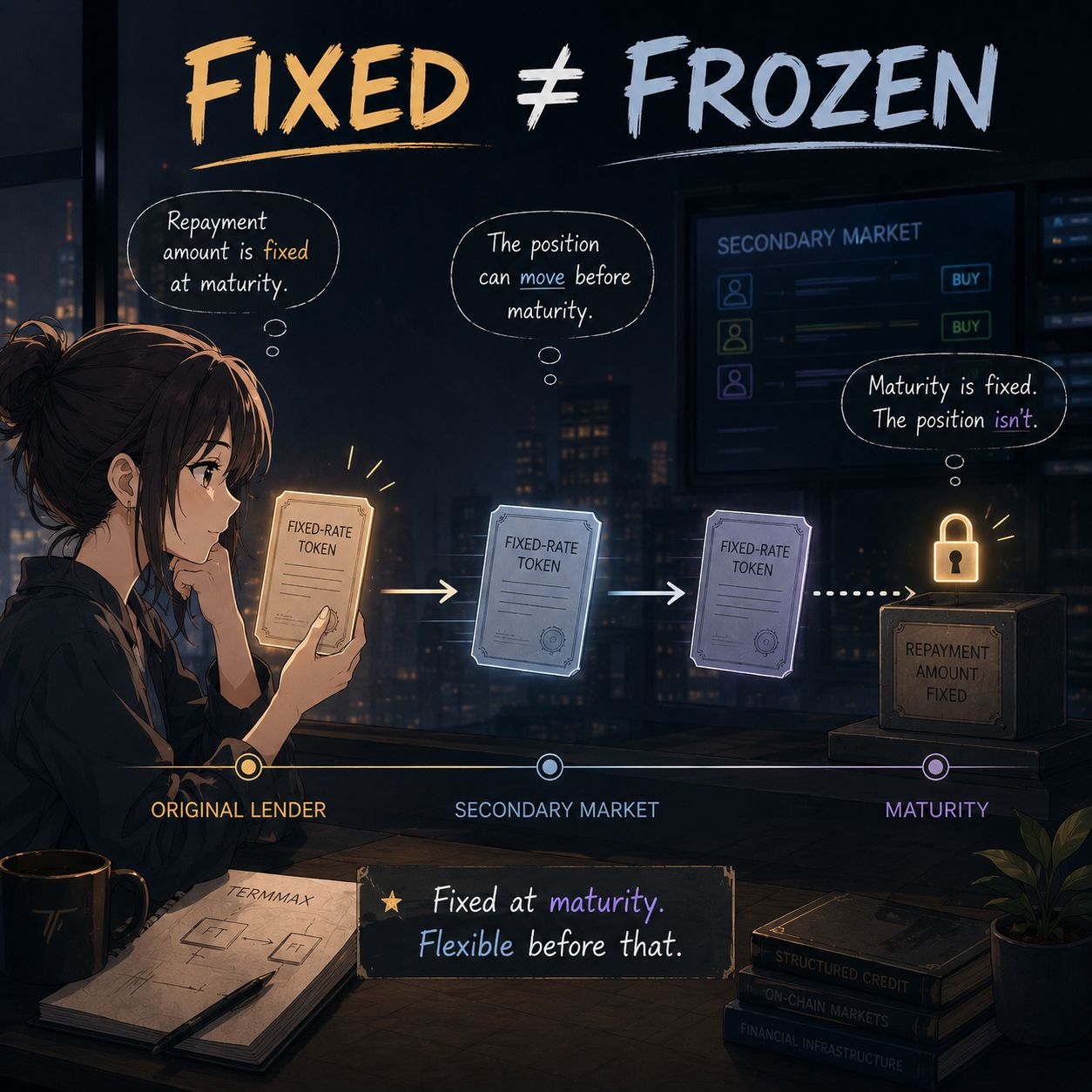
でも、TermMaxについて調べてみて、それが違って見えてきました。TermMaxの固定金利トークン(FT)は、満期前に取引できるのです。シンプルに聞こえますが、そこにはもっと大きな考え方があると思います。
満期時の返済金額は固定できますが、ポジション自体が満期まで必ずしも最初の貸し手に留まる必要はありません。つまり、固定期間のローンだからといって、完全に固定されたポジションになるとは限らないのです。
満期に向けた請求権を保有することもできますが、満期日より前にその請求権に対する市場が存在することもあります。これによって、「固定」とは固定金利融資の中で実際には何を意味するのか、考え直すきっかけになりました。
面白いのは、リターンを予測可能にすることだけではないのかもしれません。元の満期構造を保ちながら、信用ポジション自体を譲渡可能にすることです。
返済が固定されているのに、ポジションは満期前に取引できるとしたら、いったい何が固定されているのでしょうか?
@termmax #TermMax
以前は、固定金利の融資は基本的に「待つだけのゲーム」だと思っていました。
融資して、条件を固定し、満期まで待つだけ。
でも、TermMaxについて調べてみて、それが違って見えてきました。TermMaxの固定金利トークン(FT)は、満期前に取引できるのです。シンプルに聞こえますが、そこにはもっと大きな考え方があると思います。
満期時の返済金額は固定できますが、ポジション自体が満期まで必ずしも最初の貸し手に留まる必要はありません。つまり、固定期間のローンだからといって、完全に固定されたポジションになるとは限らないのです。
満期に向けた請求権を保有することもできますが、満期日より前にその請求権に対する市場が存在することもあります。これによって、「固定」とは固定金利融資の中で実際には何を意味するのか、考え直すきっかけになりました。
面白いのは、リターンを予測可能にすることだけではないのかもしれません。元の満期構造を保ちながら、信用ポジション自体を譲渡可能にすることです。
返済が固定されているのに、ポジションは満期前に取引できるとしたら、いったい何が固定されているのでしょうか?
@TermMax #TermMax
融資して、条件を固定し、満期まで待つだけ。
でも、TermMaxについて調べてみて、それが違って見えてきました。TermMaxの固定金利トークン(FT)は、満期前に取引できるのです。シンプルに聞こえますが、そこにはもっと大きな考え方があると思います。
満期時の返済金額は固定できますが、ポジション自体が満期まで必ずしも最初の貸し手に留まる必要はありません。つまり、固定期間のローンだからといって、完全に固定されたポジションになるとは限らないのです。
満期に向けた請求権を保有することもできますが、満期日より前にその請求権に対する市場が存在することもあります。これによって、「固定」とは固定金利融資の中で実際には何を意味するのか、考え直すきっかけになりました。
面白いのは、リターンを予測可能にすることだけではないのかもしれません。元の満期構造を保ちながら、信用ポジション自体を譲渡可能にすることです。
返済が固定されているのに、ポジションは満期前に取引できるとしたら、いったい何が固定されているのでしょうか?
@TermMax #TermMax
29
11
188
·
--
オンチェーン・ファイナンスで私がずっと考えているのは、「プログラマブル」が必ずしも完全にオープンであることを意味しないという点です。規制対象の資産には、それを保有できるのは誰か、誰がそれを譲渡できるのか、そして実際にどんな情報が見えるべきなのかといったルールがあります。すると、興味深い課題が生まれます。そうしたルールを尊重しつつ、金融資産をどのようにプログラマブルな状態に保てばいいのでしょうか?
そのとき、Duskに注目しました。
そのインフラには、規制対象資産に対するアクセス制御や譲渡制限が含まれており、またCitadelはアイデンティティと選択的な開示をサポートします。つまり、コンプライアンスを「チェーンの外で起きるもの」として扱うのではなく、こうした要件を資産のワークフローそのものの一部にできます。
私はこの違いが、「『RWAがオンチェーンにやって来る』と言うだけ」よりもずっと面白いと思っています。
なぜなら、本当の難しさは単に資産をプログラマブルにすることではありません。
その資産に付随してくるルールの中で、それを使えるようにすることです。
そして私は、Duskで見ておくべき面白い点の一つがここだと思っています。つまり、金融資産はプログラマブルなままでいられるのか、そしてそれを取り巻く管理(コントロール)が、同じオンチェーン・システムの一部として組み込まれていくのか?
#dusk $DUSK @Dusk_Foundation
オンチェーン・ファイナンスで私がずっと考えているのは、「プログラマブル」が必ずしも完全にオープンであることを意味しないという点です。規制対象の資産には、それを保有できるのは誰か、誰がそれを譲渡できるのか、そして実際にどんな情報が見えるべきなのかといったルールがあります。すると、興味深い課題が生まれます。そうしたルールを尊重しつつ、金融資産をどのようにプログラマブルな状態に保てばいいのでしょうか?
そのとき、Duskに注目しました。
そのインフラには、規制対象資産に対するアクセス制御や譲渡制限が含まれており、またCitadelはアイデンティティと選択的な開示をサポートします。つまり、コンプライアンスを「チェーンの外で起きるもの」として扱うのではなく、こうした要件を資産のワークフローそのものの一部にできます。
私はこの違いが、「『RWAがオンチェーンにやって来る』と言うだけ」よりもずっと面白いと思っています。
なぜなら、本当の難しさは単に資産をプログラマブルにすることではありません。
その資産に付随してくるルールの中で、それを使えるようにすることです。
そして私は、Duskで見ておくべき面白い点の一つがここだと思っています。つまり、金融資産はプログラマブルなままでいられるのか、そしてそれを取り巻く管理(コントロール)が、同じオンチェーン・システムの一部として組み込まれていくのか?
#dusk $DUSK @Dusk
そのとき、Duskに注目しました。
そのインフラには、規制対象資産に対するアクセス制御や譲渡制限が含まれており、またCitadelはアイデンティティと選択的な開示をサポートします。つまり、コンプライアンスを「チェーンの外で起きるもの」として扱うのではなく、こうした要件を資産のワークフローそのものの一部にできます。
私はこの違いが、「『RWAがオンチェーンにやって来る』と言うだけ」よりもずっと面白いと思っています。
なぜなら、本当の難しさは単に資産をプログラマブルにすることではありません。
その資産に付随してくるルールの中で、それを使えるようにすることです。
そして私は、Duskで見ておくべき面白い点の一つがここだと思っています。つまり、金融資産はプログラマブルなままでいられるのか、そしてそれを取り巻く管理(コントロール)が、同じオンチェーン・システムの一部として組み込まれていくのか?
#dusk $DUSK @Dusk
2
155
·
--
@termmax の担保モデルを見ていて気づいたこと:借りられる金額と、清算が始まる地点は同じではありません。
たとえば、担保が10万ドル($100K)あるとします。最初に思いつくのは、おそらく限界ギリギリまで借りることです。でもそれだと、担保価格が自分に不利に動いたときの余裕が小さくなってしまいます。
TermMaxはこの2つのポイントをMLTVとLLTVで分けています。MLTVはより保守的な借入上限で、LLTVは清算が引き金になり得る地点です。面白いのはその間の“隙間”です。
そのギャップは基本的にバッファ(緩衝材)です。担保が技術的には許しているからといって、借入可能なあらゆるドルを使い切っているわけではありません。そこで「資本効率」について考え方が変わりました。
私たちは通常、より高いLTVはより良いと見なします。多くの資本が働いているからです。
でも、その追加の余力を使うことで、ポジションが清算にかなり近づくのだとしたら、本当に効率が上がっていると言えるのでしょうか?
未使用の借入余力が非効率なのではなく、むしろリスク管理であるようなポイントがあるのかもしれません。
では、より高い資本効率のために、借り手は実際どれくらいのバッファを手放すべきなのでしょうか?
#TermMax @termmax
@TermMax の担保モデルを見ていて気づいたこと:借りられる金額と、清算が始まる地点は同じではありません。
たとえば、担保が10万ドル($100K)あるとします。最初に思いつくのは、おそらく限界ギリギリまで借りることです。でもそれだと、担保価格が自分に不利に動いたときの余裕が小さくなってしまいます。
TermMaxはこの2つのポイントをMLTVとLLTVで分けています。MLTVはより保守的な借入上限で、LLTVは清算が引き金になり得る地点です。面白いのはその間の“隙間”です。
そのギャップは基本的にバッファ(緩衝材)です。担保が技術的には許しているからといって、借入可能なあらゆるドルを使い切っているわけではありません。そこで「資本効率」について考え方が変わりました。
私たちは通常、より高いLTVはより良いと見なします。多くの資本が働いているからです。
でも、その追加の余力を使うことで、ポジションが清算にかなり近づくのだとしたら、本当に効率が上がっていると言えるのでしょうか?
未使用の借入余力が非効率なのではなく、むしろリスク管理であるようなポイントがあるのかもしれません。
では、より高い資本効率のために、借り手は実際どれくらいのバッファを手放すべきなのでしょうか?
#TermMax @TermMax
たとえば、担保が10万ドル($100K)あるとします。最初に思いつくのは、おそらく限界ギリギリまで借りることです。でもそれだと、担保価格が自分に不利に動いたときの余裕が小さくなってしまいます。
TermMaxはこの2つのポイントをMLTVとLLTVで分けています。MLTVはより保守的な借入上限で、LLTVは清算が引き金になり得る地点です。面白いのはその間の“隙間”です。
そのギャップは基本的にバッファ(緩衝材)です。担保が技術的には許しているからといって、借入可能なあらゆるドルを使い切っているわけではありません。そこで「資本効率」について考え方が変わりました。
私たちは通常、より高いLTVはより良いと見なします。多くの資本が働いているからです。
でも、その追加の余力を使うことで、ポジションが清算にかなり近づくのだとしたら、本当に効率が上がっていると言えるのでしょうか?
未使用の借入余力が非効率なのではなく、むしろリスク管理であるようなポイントがあるのかもしれません。
では、より高い資本効率のために、借り手は実際どれくらいのバッファを手放すべきなのでしょうか?
#TermMax @TermMax

15
10
180
·
--
@termmax のレンジ注文を見るほど、「単一の貸出金利」という考え方に疑問を持ちます。
たとえば、私が8%で10万ドルを貸し出す用意があるとします。
では、次の90万ドルの流動性も、本当に同じ8%で価格設定するでしょうか?
おそらくしません。
資本のより多くがコミットされるほど、集中度、流動性、そしてその資本が本来できる他のことについて、より考えなければなりません。なので私にとって、レンジ注文の面白さは単に「金利を選べること」ではありません。
「流動性の引き当てが進むにつれて、自分の金利を変えられること」にあります。
それは、資本が実際に価格付けされる仕組みに、より近い感覚です。
最初の10万ドルなら比較的安くできます。市場がさらに40万ドルを求めるなら、必要収益率はおそらく高くなるでしょう。そうなるなら、その希望を表すために5つの異なる注文を出す代わりに、カーブそのものがそれを担えます。
ただし、ここにもトレードオフがあります。
表現力の高い注文は、流動性提供者により多くのコントロールを与えますが、その分、そのカーブをどこに置くべきかを判断する責任も増えます。
そして、ふと考えてしまいます。
私たちは、「流動性に1つの価格がある市場」から、「流動性そのものが価格戦略を持てる市場」へ移行しているのでしょうか?
それは、単に注文タイプをもう1つ追加するよりも、はるかに大きな変化のように感じます。
#termmax @termmax
@TermMax のレンジ注文を見るほど、「単一の貸出金利」という考え方に疑問を持ちます。
たとえば、私が8%で10万ドルを貸し出す用意があるとします。
では、次の90万ドルの流動性も、本当に同じ8%で価格設定するでしょうか?
おそらくしません。
資本のより多くがコミットされるほど、集中度、流動性、そしてその資本が本来できる他のことについて、より考えなければなりません。なので私にとって、レンジ注文の面白さは単に「金利を選べること」ではありません。
「流動性の引き当てが進むにつれて、自分の金利を変えられること」にあります。
それは、資本が実際に価格付けされる仕組みに、より近い感覚です。
最初の10万ドルなら比較的安くできます。市場がさらに40万ドルを求めるなら、必要収益率はおそらく高くなるでしょう。そうなるなら、その希望を表すために5つの異なる注文を出す代わりに、カーブそのものがそれを担えます。
ただし、ここにもトレードオフがあります。
表現力の高い注文は、流動性提供者により多くのコントロールを与えますが、その分、そのカーブをどこに置くべきかを判断する責任も増えます。
そして、ふと考えてしまいます。
私たちは、「流動性に1つの価格がある市場」から、「流動性そのものが価格戦略を持てる市場」へ移行しているのでしょうか?
それは、単に注文タイプをもう1つ追加するよりも、はるかに大きな変化のように感じます。
#termmax @TermMax
たとえば、私が8%で10万ドルを貸し出す用意があるとします。
では、次の90万ドルの流動性も、本当に同じ8%で価格設定するでしょうか?
おそらくしません。
資本のより多くがコミットされるほど、集中度、流動性、そしてその資本が本来できる他のことについて、より考えなければなりません。なので私にとって、レンジ注文の面白さは単に「金利を選べること」ではありません。
「流動性の引き当てが進むにつれて、自分の金利を変えられること」にあります。
それは、資本が実際に価格付けされる仕組みに、より近い感覚です。
最初の10万ドルなら比較的安くできます。市場がさらに40万ドルを求めるなら、必要収益率はおそらく高くなるでしょう。そうなるなら、その希望を表すために5つの異なる注文を出す代わりに、カーブそのものがそれを担えます。
ただし、ここにもトレードオフがあります。
表現力の高い注文は、流動性提供者により多くのコントロールを与えますが、その分、そのカーブをどこに置くべきかを判断する責任も増えます。
そして、ふと考えてしまいます。
私たちは、「流動性に1つの価格がある市場」から、「流動性そのものが価格戦略を持てる市場」へ移行しているのでしょうか?
それは、単に注文タイプをもう1つ追加するよりも、はるかに大きな変化のように感じます。
#termmax @TermMax
2
59
·
--
$DUSK 231.4 USDT(30日間の取引)
Duskを深掘りすればするほど、資産をトークン化することは、実は簡単なほうなのかもしれないと考えるようになりました。
資産をオンチェーンに載せるのは素晴らしいことです。でも、そこから本当の問いが始まります。誰がアクセスできるのか。誰がそれを譲渡できるのか。どの情報を見えるようにすべきなのか。そして、取引が始まったら、実際にはすべてがどのように決済されるのか。
私がより面白いと感じたのは、その部分です。
コンプライアンスやマーケットのルールをブロックチェーンの外側に放置するのではなく、Duskはそれらをインフラそのものに組み込んでいます。Citadelは選択的開示によってアイデンティティとアクセスを扱い、DuskDSは決済とデータ可用性のための基盤レイヤーを提供します。
そしてNPEXは、これをただの紙の上の面白いアーキテクチャ以上のものにしています。NPEXは規制されたオランダの取引の場であり、DuskはNPEXとともに、規制された証券やRWAのワークフローをオンチェーンで扱う取り組みを進めています。
だから今では、私はあまり「この資産をトークン化できるのか?」とは問いません。
その点はすでに理解されています。
むしろ関心があるのは、その資産をめぐるルール、取引、そして決済が、実際にオンチェーンで機能し得るのかどうかです。
そここそが、私にとってDuskが面白いところです。
@Dusk_Foundation #dusk $DUSK
Duskを深掘りすればするほど、資産をトークン化することは、実は簡単なほうなのかもしれないと考えるようになりました。
資産をオンチェーンに載せるのは素晴らしいことです。でも、そこから本当の問いが始まります。誰がアクセスできるのか。誰がそれを譲渡できるのか。どの情報を見えるようにすべきなのか。そして、取引が始まったら、実際にはすべてがどのように決済されるのか。
私がより面白いと感じたのは、その部分です。
コンプライアンスやマーケットのルールをブロックチェーンの外側に放置するのではなく、Duskはそれらをインフラそのものに組み込んでいます。Citadelは選択的開示によってアイデンティティとアクセスを扱い、DuskDSは決済とデータ可用性のための基盤レイヤーを提供します。
そしてNPEXは、これをただの紙の上の面白いアーキテクチャ以上のものにしています。NPEXは規制されたオランダの取引の場であり、DuskはNPEXとともに、規制された証券やRWAのワークフローをオンチェーンで扱う取り組みを進めています。
だから今では、私はあまり「この資産をトークン化できるのか?」とは問いません。
その点はすでに理解されています。
むしろ関心があるのは、その資産をめぐるルール、取引、そして決済が、実際にオンチェーンで機能し得るのかどうかです。
そここそが、私にとってDuskが面白いところです。
@Dusk #dusk $DUSK
資産をオンチェーンに載せるのは素晴らしいことです。でも、そこから本当の問いが始まります。誰がアクセスできるのか。誰がそれを譲渡できるのか。どの情報を見えるようにすべきなのか。そして、取引が始まったら、実際にはすべてがどのように決済されるのか。
私がより面白いと感じたのは、その部分です。
コンプライアンスやマーケットのルールをブロックチェーンの外側に放置するのではなく、Duskはそれらをインフラそのものに組み込んでいます。Citadelは選択的開示によってアイデンティティとアクセスを扱い、DuskDSは決済とデータ可用性のための基盤レイヤーを提供します。
そしてNPEXは、これをただの紙の上の面白いアーキテクチャ以上のものにしています。NPEXは規制されたオランダの取引の場であり、DuskはNPEXとともに、規制された証券やRWAのワークフローをオンチェーンで扱う取り組みを進めています。
だから今では、私はあまり「この資産をトークン化できるのか?」とは問いません。
その点はすでに理解されています。
むしろ関心があるのは、その資産をめぐるルール、取引、そして決済が、実際にオンチェーンで機能し得るのかどうかです。
そここそが、私にとってDuskが面白いところです。
@Dusk #dusk $DUSK

3
133
·
--
オンチェーンの金融を見れば見るほど、もっとも過小評価されていると感じるのは「決済(セトルメント)」です。
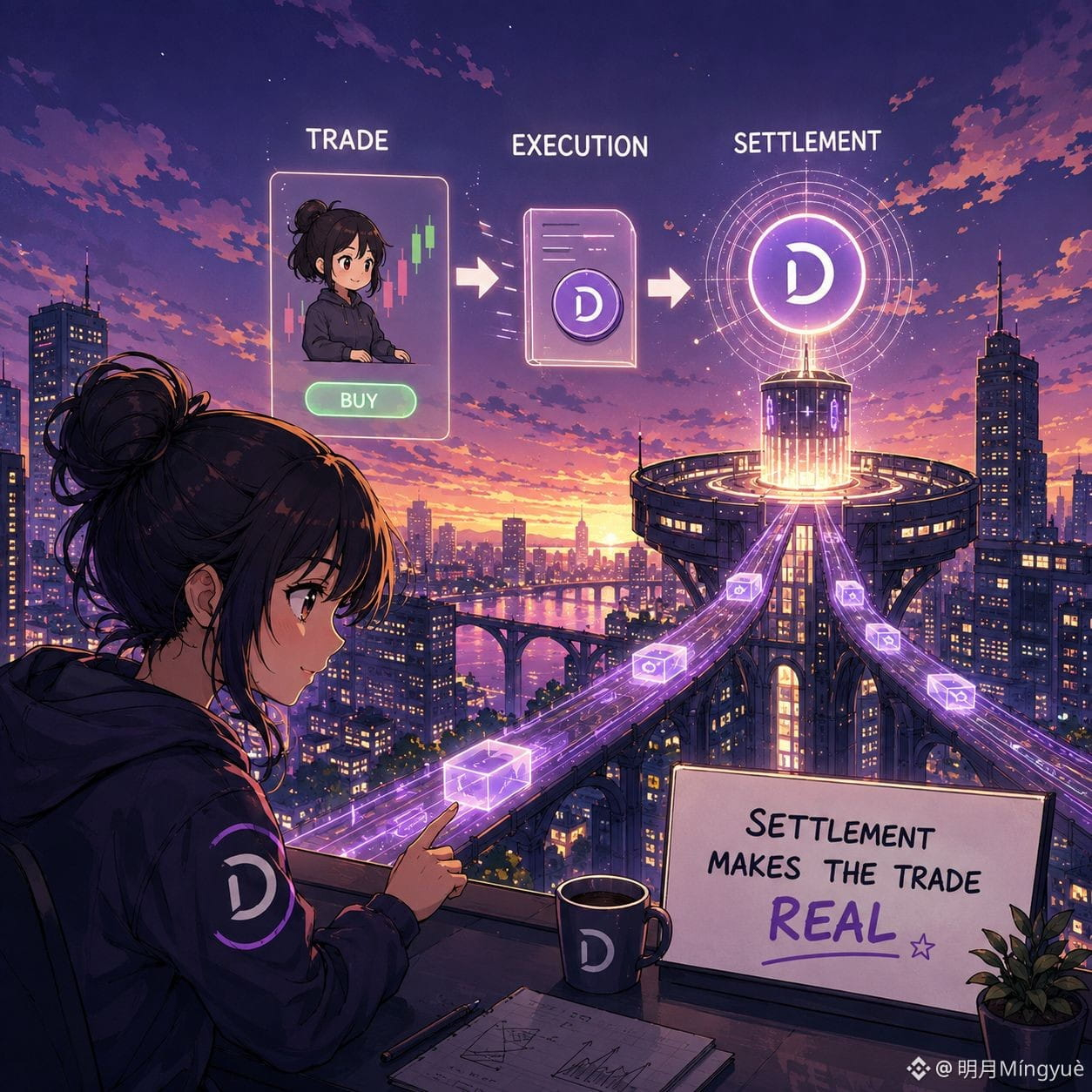
資産のトークン化は印象的に聞こえますが、それは物語の一部にすぎません。真価が問われるのは取引の後です。つまり、取引が決済される際に、ネットワークが最終状態に合意し、そのプロセス全体が実際の金融市場で確実に機能しなければならないのです。
その理由の一つが、Duskに注目したことです。
Duskのアーキテクチャは、実行と決済レイヤーを分離しており、DuskDSがコンセンサス、データ可用性、そして決済を担います。だから、「金融資産をブロックチェーンに載せよう」という話だけではありません。これらの資産を取り巻く市場活動が、実際にオンチェーンで決済できるようにインフラを構築することなのです。
そして、トークン化は語りやすいので、この点は見落とされがちだと思います。
トークンは見える。
決済こそが、トークンを有用にする。
だから、人々が「Duskがオンチェーンで何をもたらしているのか」と尋ねるとき、より良い問いはこうだと私は思います。
私たちはただ金融資産をオンチェーンに載せているだけなのか、それとも、それらを中心とした市場インフラそのものを実際に作り直しているのか?
#dusk $DUSK @Dusk_Foundation
オンチェーンの金融を見れば見るほど、もっとも過小評価されていると感じるのは「決済(セトルメント)」です。
資産のトークン化は印象的に聞こえますが、それは物語の一部にすぎません。真価が問われるのは取引の後です。つまり、取引が決済される際に、ネットワークが最終状態に合意し、そのプロセス全体が実際の金融市場で確実に機能しなければならないのです。
その理由の一つが、Duskに注目したことです。
Duskのアーキテクチャは、実行と決済レイヤーを分離しており、DuskDSがコンセンサス、データ可用性、そして決済を担います。だから、「金融資産をブロックチェーンに載せよう」という話だけではありません。これらの資産を取り巻く市場活動が、実際にオンチェーンで決済できるようにインフラを構築することなのです。
そして、トークン化は語りやすいので、この点は見落とされがちだと思います。
トークンは見える。
決済こそが、トークンを有用にする。
だから、人々が「Duskがオンチェーンで何をもたらしているのか」と尋ねるとき、より良い問いはこうだと私は思います。
私たちはただ金融資産をオンチェーンに載せているだけなのか、それとも、それらを中心とした市場インフラそのものを実際に作り直しているのか?
#dusk $DUSK @Dusk
資産のトークン化は印象的に聞こえますが、それは物語の一部にすぎません。真価が問われるのは取引の後です。つまり、取引が決済される際に、ネットワークが最終状態に合意し、そのプロセス全体が実際の金融市場で確実に機能しなければならないのです。
その理由の一つが、Duskに注目したことです。
Duskのアーキテクチャは、実行と決済レイヤーを分離しており、DuskDSがコンセンサス、データ可用性、そして決済を担います。だから、「金融資産をブロックチェーンに載せよう」という話だけではありません。これらの資産を取り巻く市場活動が、実際にオンチェーンで決済できるようにインフラを構築することなのです。
そして、トークン化は語りやすいので、この点は見落とされがちだと思います。
トークンは見える。
決済こそが、トークンを有用にする。
だから、人々が「Duskがオンチェーンで何をもたらしているのか」と尋ねるとき、より良い問いはこうだと私は思います。
私たちはただ金融資産をオンチェーンに載せているだけなのか、それとも、それらを中心とした市場インフラそのものを実際に作り直しているのか?
#dusk $DUSK @Dusk
4
5
159
·
--
今日はTermMaxについて、もう少し深く掘り下げてみました。
昨日は主に固定金利部分を見ていました。Aaj thoda mechanism samajhne ki koshish ki, そしてそこでFTとXTに目が留まりました。
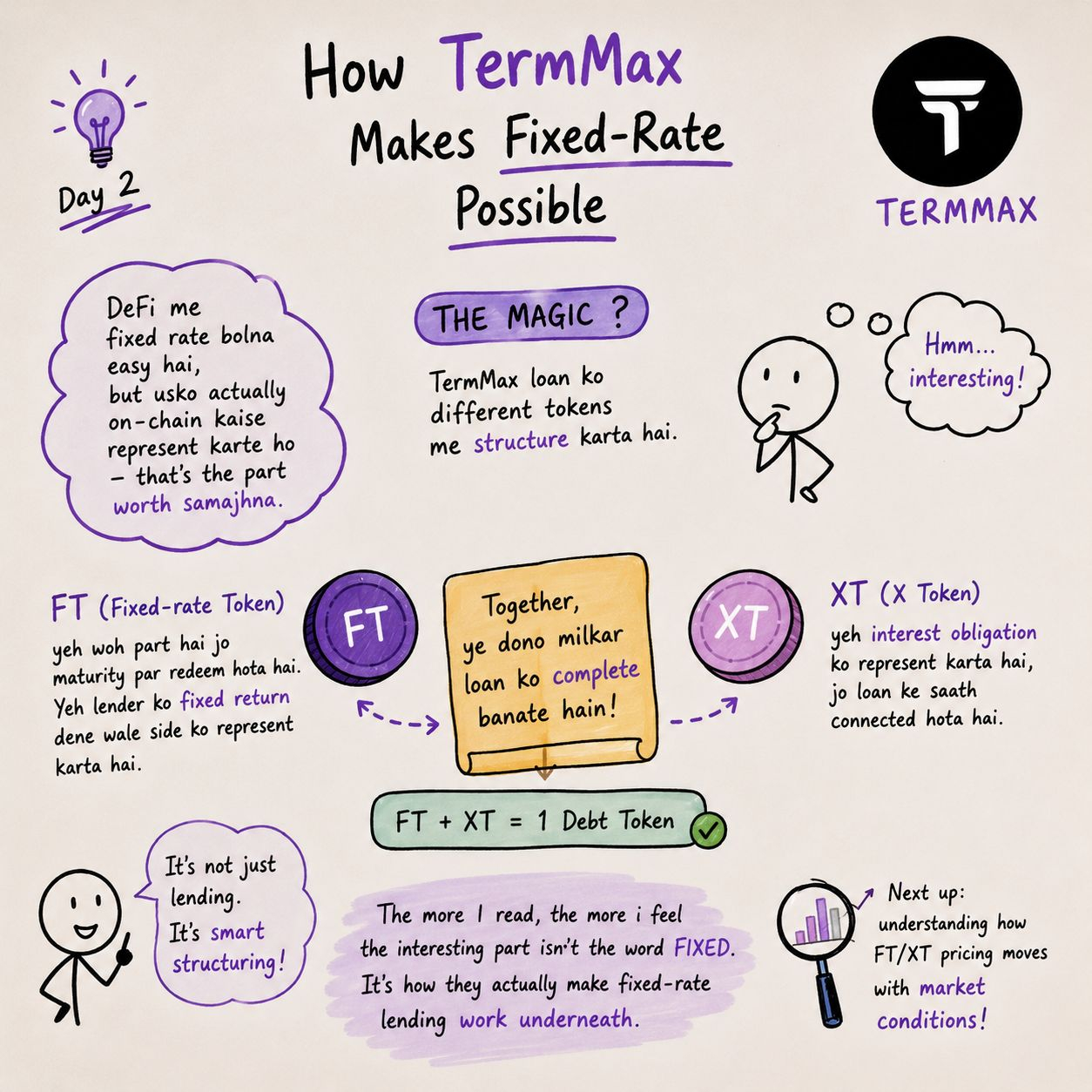
TermMaxは「このローンは固定金利です」と言って終わりではありません。債務そのものが、異なるトークンを通じて構造化されています。
FT(固定金利トークン)は、満期時に償還できる金額を表します。これは貸し手にとっての「固定リターン側」を与える部分です。
XTは、その構造の反対側にあたるもので、ローンに紐づく利息の義務を表します。
面白いと思ったのは、これらが単なる適当な追加トークンではないことです。TermMaxが固定金利ローンを、オンチェーン上で存在し、取引できる形にするための仕組みの一部になっているのです。
少し技術的ですけど、TermMaxを「別の貸付プロトコル」と呼ぶ前に、こういうことを理解したかったんです。
読めば読むほど、「固定」という言葉よりも別の部分の方が面白いと感じました。
固定金利の貸付を、その裏側で実際に成立させる方法です。
#termmax @termmax
今日はTermMaxについて、もう少し深く掘り下げてみました。
昨日は主に固定金利部分を見ていました。Aaj thoda mechanism samajhne ki koshish ki, そしてそこでFTとXTに目が留まりました。
TermMaxは「このローンは固定金利です」と言って終わりではありません。債務そのものが、異なるトークンを通じて構造化されています。
FT(固定金利トークン)は、満期時に償還できる金額を表します。これは貸し手にとっての「固定リターン側」を与える部分です。
XTは、その構造の反対側にあたるもので、ローンに紐づく利息の義務を表します。
面白いと思ったのは、これらが単なる適当な追加トークンではないことです。TermMaxが固定金利ローンを、オンチェーン上で存在し、取引できる形にするための仕組みの一部になっているのです。
少し技術的ですけど、TermMaxを「別の貸付プロトコル」と呼ぶ前に、こういうことを理解したかったんです。
読めば読むほど、「固定」という言葉よりも別の部分の方が面白いと感じました。
固定金利の貸付を、その裏側で実際に成立させる方法です。
#termmax @TermMax
昨日は主に固定金利部分を見ていました。Aaj thoda mechanism samajhne ki koshish ki, そしてそこでFTとXTに目が留まりました。
TermMaxは「このローンは固定金利です」と言って終わりではありません。債務そのものが、異なるトークンを通じて構造化されています。
FT(固定金利トークン)は、満期時に償還できる金額を表します。これは貸し手にとっての「固定リターン側」を与える部分です。
XTは、その構造の反対側にあたるもので、ローンに紐づく利息の義務を表します。
面白いと思ったのは、これらが単なる適当な追加トークンではないことです。TermMaxが固定金利ローンを、オンチェーン上で存在し、取引できる形にするための仕組みの一部になっているのです。
少し技術的ですけど、TermMaxを「別の貸付プロトコル」と呼ぶ前に、こういうことを理解したかったんです。
読めば読むほど、「固定」という言葉よりも別の部分の方が面白いと感じました。
固定金利の貸付を、その裏側で実際に成立させる方法です。
#termmax @TermMax
6
6
170
·
--
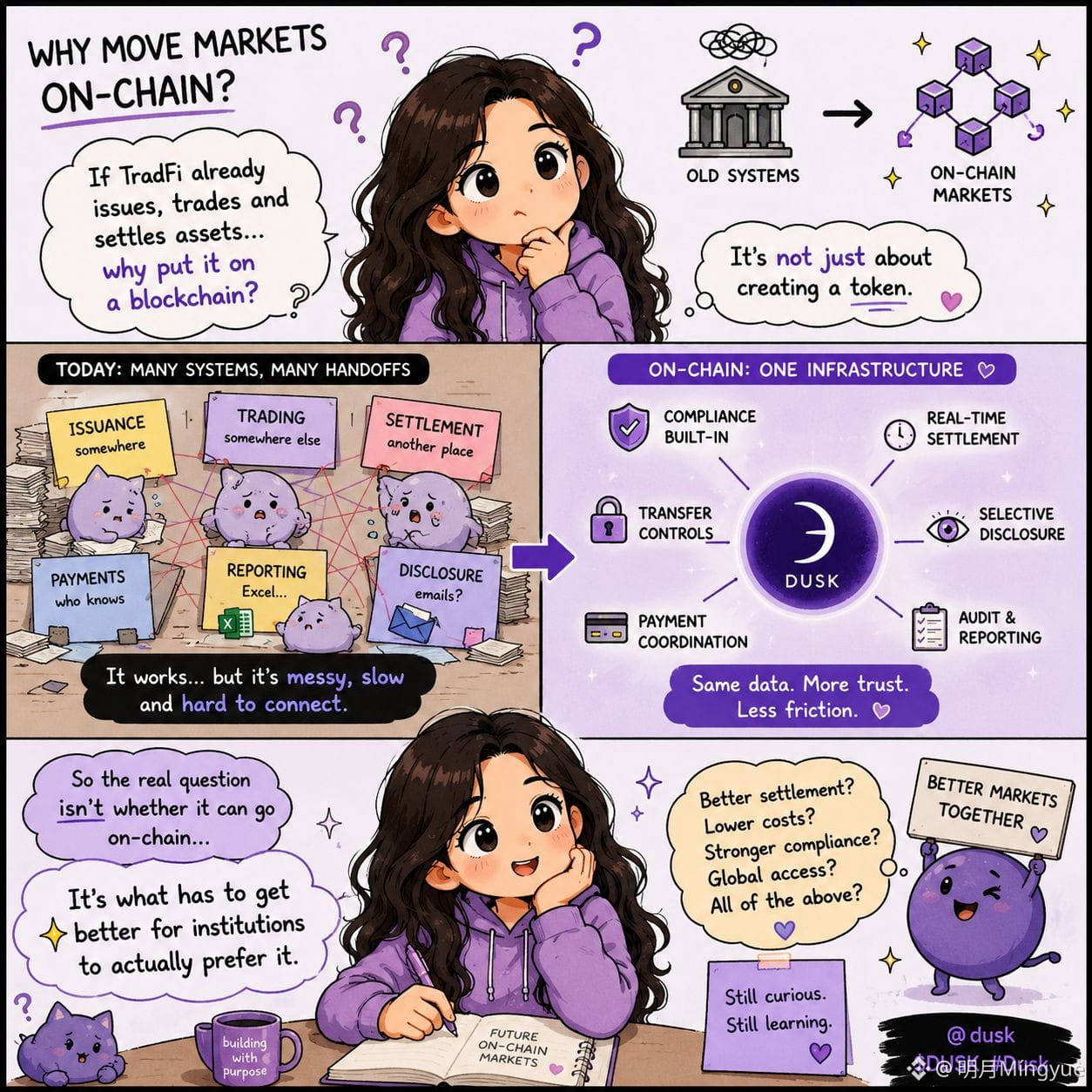
オンチェーン・ファイナンスについてひとつ気になっていたことがあります。従来の市場には、資産の発行・取引・決済のための仕組みがすでにあるのなら、なぜそれらの業務をそもそもブロックチェーンに移す必要があるのでしょうか?
Dusk や NPEX を調べてみると、この問いがより面白くなりました。NPEX は規制を受けたオランダの取引所であり、このパートナーシップは、ブロックチェーン基盤を通じて規制された金融商品を発行・取引・トークン化することに焦点を当てています。
ただし、市場をオンチェーンに載せることは、単にトークンを作ることではありません。Dusk の市場インフラのモデルには、投資家の適格性、移転の管理、支払いの連携、決済、レポーティング、そして選択的開示が含まれています。
それを踏まえて、「単に “証券をブロックチェーンに載せる” ことが本質なのではない」と考えるようになりました。
重要なのは、現在は別々のシステムに依存している市場の複数の要素が、同じインフラを前提にうまく連携できるのか、という点です。
そして、そこが今もなお気になっています。
既存の仕組みがすでに機能しているのなら、機関投資家が本当にオンチェーン市場を好むようになるために、何をどれほど改善する必要があるのでしょうか?
@Dusk_Foundation $DUSK #dusk
オンチェーン・ファイナンスについてひとつ気になっていたことがあります。従来の市場には、資産の発行・取引・決済のための仕組みがすでにあるのなら、なぜそれらの業務をそもそもブロックチェーンに移す必要があるのでしょうか?
Dusk や NPEX を調べてみると、この問いがより面白くなりました。NPEX は規制を受けたオランダの取引所であり、このパートナーシップは、ブロックチェーン基盤を通じて規制された金融商品を発行・取引・トークン化することに焦点を当てています。
ただし、市場をオンチェーンに載せることは、単にトークンを作ることではありません。Dusk の市場インフラのモデルには、投資家の適格性、移転の管理、支払いの連携、決済、レポーティング、そして選択的開示が含まれています。
それを踏まえて、「単に “証券をブロックチェーンに載せる” ことが本質なのではない」と考えるようになりました。
重要なのは、現在は別々のシステムに依存している市場の複数の要素が、同じインフラを前提にうまく連携できるのか、という点です。
そして、そこが今もなお気になっています。
既存の仕組みがすでに機能しているのなら、機関投資家が本当にオンチェーン市場を好むようになるために、何をどれほど改善する必要があるのでしょうか?
@Dusk $DUSK #dusk
Dusk や NPEX を調べてみると、この問いがより面白くなりました。NPEX は規制を受けたオランダの取引所であり、このパートナーシップは、ブロックチェーン基盤を通じて規制された金融商品を発行・取引・トークン化することに焦点を当てています。
ただし、市場をオンチェーンに載せることは、単にトークンを作ることではありません。Dusk の市場インフラのモデルには、投資家の適格性、移転の管理、支払いの連携、決済、レポーティング、そして選択的開示が含まれています。
それを踏まえて、「単に “証券をブロックチェーンに載せる” ことが本質なのではない」と考えるようになりました。
重要なのは、現在は別々のシステムに依存している市場の複数の要素が、同じインフラを前提にうまく連携できるのか、という点です。
そして、そこが今もなお気になっています。
既存の仕組みがすでに機能しているのなら、機関投資家が本当にオンチェーン市場を好むようになるために、何をどれほど改善する必要があるのでしょうか?
@Dusk $DUSK #dusk
5
7
183
·
--
私は、RWAは単に「現実世界の資産をオンチェーンに載せること」だと説明されるのを何度も見かけるのですが、掘り下げれば掘り下げるほど、その「シンプルさ」は薄れていきました。
既存の資産が、カストディ(保管)、決済、投資家の記録、そしてその資産のライフサイクルの他の部分は別のシステムに依存したまま、ブロックチェーン上でトークン化されるだけなら、そのトークンは実際にはプロセス全体のほんの一部にすぎません。
Duskはここで興味深い区別をしています。トークン化は、オンチェーン上で既存の資産を表すことができる一方で、ネイティブ・イシュー(ネイティブ発行)では、その資産自体をオンチェーンのワークフローを中心に作成・管理でき、発行、移転、決済などを含められるということです。
そこで私は、RWAの採用状況を測るのが時期尚早になっているのではないかと考えるようになりました。
どれだけの資産がトークン化されたかを数えることは手がかりになりますが、必ずしも、実際の金融ワークフローのどれだけがオンチェーンに移行したのかを示すわけではありません。
難しいマイルストーンは、おそらく「資産をブロックチェーンに載せること」ではないのです。
重要なのは、その資産のライフサイクルまで、そこに持ち込むこと。
今日のRWAの活動は、本当に金融インフラを変えているのでしょうか?それとも、既存のプロセスにブロックチェーン上の表現を追加しているだけなのでしょうか?
#dusk $DUSK @Dusk_Foundation
私は、RWAは単に「現実世界の資産をオンチェーンに載せること」だと説明されるのを何度も見かけるのですが、掘り下げれば掘り下げるほど、その「シンプルさ」は薄れていきました。
既存の資産が、カストディ(保管)、決済、投資家の記録、そしてその資産のライフサイクルの他の部分は別のシステムに依存したまま、ブロックチェーン上でトークン化されるだけなら、そのトークンは実際にはプロセス全体のほんの一部にすぎません。
Duskはここで興味深い区別をしています。トークン化は、オンチェーン上で既存の資産を表すことができる一方で、ネイティブ・イシュー(ネイティブ発行)では、その資産自体をオンチェーンのワークフローを中心に作成・管理でき、発行、移転、決済などを含められるということです。
そこで私は、RWAの採用状況を測るのが時期尚早になっているのではないかと考えるようになりました。
どれだけの資産がトークン化されたかを数えることは手がかりになりますが、必ずしも、実際の金融ワークフローのどれだけがオンチェーンに移行したのかを示すわけではありません。
難しいマイルストーンは、おそらく「資産をブロックチェーンに載せること」ではないのです。
重要なのは、その資産のライフサイクルまで、そこに持ち込むこと。
今日のRWAの活動は、本当に金融インフラを変えているのでしょうか?それとも、既存のプロセスにブロックチェーン上の表現を追加しているだけなのでしょうか?
#dusk $DUSK @Dusk
既存の資産が、カストディ(保管)、決済、投資家の記録、そしてその資産のライフサイクルの他の部分は別のシステムに依存したまま、ブロックチェーン上でトークン化されるだけなら、そのトークンは実際にはプロセス全体のほんの一部にすぎません。
Duskはここで興味深い区別をしています。トークン化は、オンチェーン上で既存の資産を表すことができる一方で、ネイティブ・イシュー(ネイティブ発行)では、その資産自体をオンチェーンのワークフローを中心に作成・管理でき、発行、移転、決済などを含められるということです。
そこで私は、RWAの採用状況を測るのが時期尚早になっているのではないかと考えるようになりました。
どれだけの資産がトークン化されたかを数えることは手がかりになりますが、必ずしも、実際の金融ワークフローのどれだけがオンチェーンに移行したのかを示すわけではありません。
難しいマイルストーンは、おそらく「資産をブロックチェーンに載せること」ではないのです。
重要なのは、その資産のライフサイクルまで、そこに持ち込むこと。
今日のRWAの活動は、本当に金融インフラを変えているのでしょうか?それとも、既存のプロセスにブロックチェーン上の表現を追加しているだけなのでしょうか?
#dusk $DUSK @Dusk
1
7
158
·
--
本人確認中
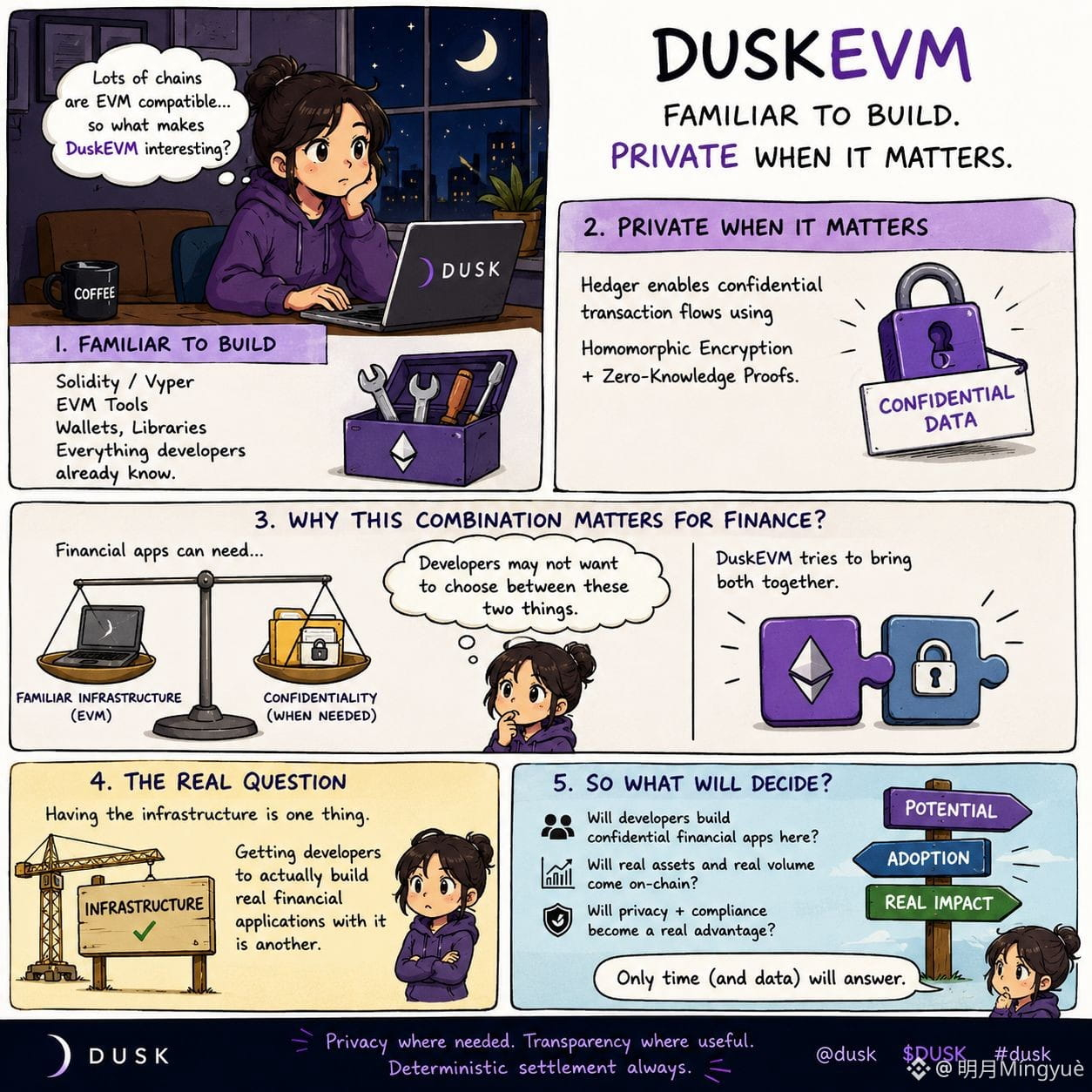
私は、EVM互換性をセールスポイントとして掲げるプロジェクトをたくさん見てきたので、最初はそこまで掘り下げることは多くないと思っていました。
しかし、DuskのEVM互換レイヤーがどのように位置づけられているのかを詳しく見てみると、考えが変わりました。
開発者にとって馴染みのあるSolidity/ViperやEVMのツールチェーンを提供する一方で、Hedgerを通じて機密ワークフローへの道筋も用意されています。Hedgerは、機密なトランザクションフローのためにホモモーフィック暗号とゼロ知識証明を用いています。
それにより、興味深いトレードオフが生まれます。
EVM互換性は、構築や統合を容易にするためのものだはずです。ですが金融アプリケーションには、たとえアプリケーションがオンチェーンで動いているからといって、単純に公開されるべきではない情報がある可能性があります。Dusk自身のユースケース資料では、保護が必要となり得る情報として、残高、ポジション、取引相手(カウンターパーティ)、そしてビジネスロジックが具体的に挙げられています。
そのため私は、「DuskのEVM互換レイヤーは“別のEVM”なのか」という問いにあまり関心がありません。
より重要なのは、馴染みのあるEVMインフラに加えて機密な実行が組み合わさることで、完全に公開された可視性なしには動作できないアプリケーションに対して、オンチェーン金融を実際に実用可能にできるのか、という点です。
ツールを用意することは一つのこと。
そのツールを本当に必要としている金融アプリケーションを、開発者に実際に作らせるのはまた別のことです。
@Dusk_Foundation $DUSK #Dusk
{spot}(DUSKUSDT)
私は、EVM互換性をセールスポイントとして掲げるプロジェクトをたくさん見てきたので、最初はそこまで掘り下げることは多くないと思っていました。
しかし、DuskのEVM互換レイヤーがどのように位置づけられているのかを詳しく見てみると、考えが変わりました。
開発者にとって馴染みのあるSolidity/ViperやEVMのツールチェーンを提供する一方で、Hedgerを通じて機密ワークフローへの道筋も用意されています。Hedgerは、機密なトランザクションフローのためにホモモーフィック暗号とゼロ知識証明を用いています。
それにより、興味深いトレードオフが生まれます。
EVM互換性は、構築や統合を容易にするためのものだはずです。ですが金融アプリケーションには、たとえアプリケーションがオンチェーンで動いているからといって、単純に公開されるべきではない情報がある可能性があります。Dusk自身のユースケース資料では、保護が必要となり得る情報として、残高、ポジション、取引相手(カウンターパーティ)、そしてビジネスロジックが具体的に挙げられています。
そのため私は、「DuskのEVM互換レイヤーは“別のEVM”なのか」という問いにあまり関心がありません。
より重要なのは、馴染みのあるEVMインフラに加えて機密な実行が組み合わさることで、完全に公開された可視性なしには動作できないアプリケーションに対して、オンチェーン金融を実際に実用可能にできるのか、という点です。
ツールを用意することは一つのこと。
そのツールを本当に必要としている金融アプリケーションを、開発者に実際に作らせるのはまた別のことです。
@Dusk $DUSK #Dusk
しかし、DuskのEVM互換レイヤーがどのように位置づけられているのかを詳しく見てみると、考えが変わりました。
開発者にとって馴染みのあるSolidity/ViperやEVMのツールチェーンを提供する一方で、Hedgerを通じて機密ワークフローへの道筋も用意されています。Hedgerは、機密なトランザクションフローのためにホモモーフィック暗号とゼロ知識証明を用いています。
それにより、興味深いトレードオフが生まれます。
EVM互換性は、構築や統合を容易にするためのものだはずです。ですが金融アプリケーションには、たとえアプリケーションがオンチェーンで動いているからといって、単純に公開されるべきではない情報がある可能性があります。Dusk自身のユースケース資料では、保護が必要となり得る情報として、残高、ポジション、取引相手(カウンターパーティ)、そしてビジネスロジックが具体的に挙げられています。
そのため私は、「DuskのEVM互換レイヤーは“別のEVM”なのか」という問いにあまり関心がありません。
より重要なのは、馴染みのあるEVMインフラに加えて機密な実行が組み合わさることで、完全に公開された可視性なしには動作できないアプリケーションに対して、オンチェーン金融を実際に実用可能にできるのか、という点です。
ツールを用意することは一つのこと。
そのツールを本当に必要としている金融アプリケーションを、開発者に実際に作らせるのはまた別のことです。
@Dusk $DUSK #Dusk
8
5
144
·
--
本人確認中
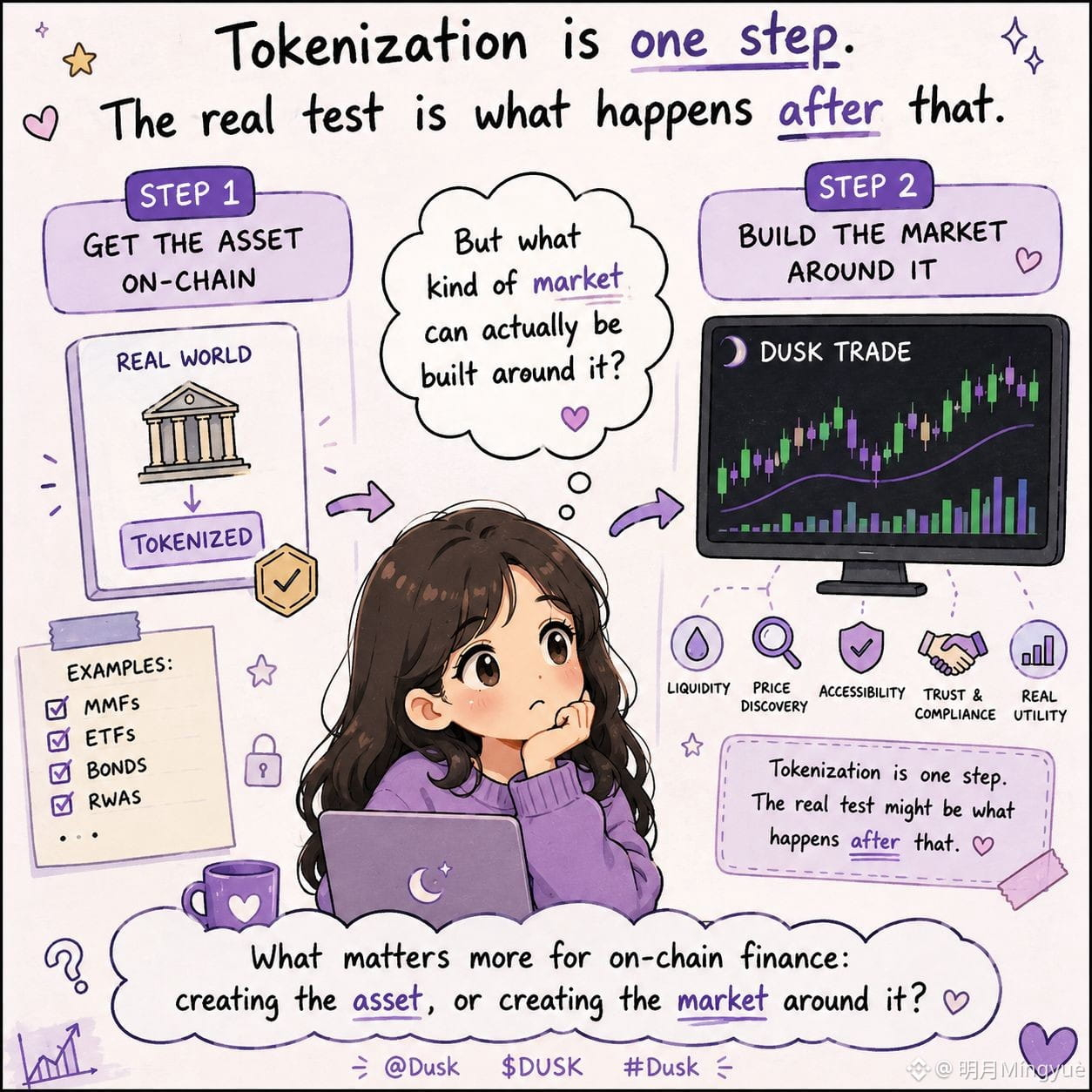
かつて、トークン化された資産の難しい部分は、単にそれらをオンチェーンに載せることだと思っていました。しかしDusk Tradeを見て、その考えを問い直されました。
DuskはDusk Tradeを、Dusk上のトークン化された金融資産のためのアプリケーション層だと説明しています。投資家のオンボーディング、取引、決済の調整、そして決済などといった領域に焦点を当てています。
ですが、もっと興味深い疑問が浮かびます。資産がトークン化された後、その周りに実際にどんな市場を作れるのか?
トークン化は一つのステップです。真の試練は、その後に何が起こるかかもしれません。
@Dusk_Foundation $DUSK #Dusk
オンチェーンの金融にとって、より重要なのは:その資産を作ることなのか、それともその周りの市場を作ることなのか?
かつて、トークン化された資産の難しい部分は、単にそれらをオンチェーンに載せることだと思っていました。しかしDusk Tradeを見て、その考えを問い直されました。
DuskはDusk Tradeを、Dusk上のトークン化された金融資産のためのアプリケーション層だと説明しています。投資家のオンボーディング、取引、決済の調整、そして決済などといった領域に焦点を当てています。
ですが、もっと興味深い疑問が浮かびます。資産がトークン化された後、その周りに実際にどんな市場を作れるのか?
トークン化は一つのステップです。真の試練は、その後に何が起こるかかもしれません。
@Dusk $DUSK #Dusk
オンチェーンの金融にとって、より重要なのは:その資産を作ることなのか、それともその周りの市場を作ることなのか?
DuskはDusk Tradeを、Dusk上のトークン化された金融資産のためのアプリケーション層だと説明しています。投資家のオンボーディング、取引、決済の調整、そして決済などといった領域に焦点を当てています。
ですが、もっと興味深い疑問が浮かびます。資産がトークン化された後、その周りに実際にどんな市場を作れるのか?
トークン化は一つのステップです。真の試練は、その後に何が起こるかかもしれません。
@Dusk $DUSK #Dusk
オンチェーンの金融にとって、より重要なのは:その資産を作ることなのか、それともその周りの市場を作ることなのか?
2
3
172
ログインして、さらにコンテンツを読む
厳選トピックで世界の暗号資産トレーダーの仲間入り
⚡️ 暗号資産に関する最新かつ有益な情報が見つかります。
💬 世界最大の暗号資産取引所から信頼されています。
👍 認証を受けたクリエイターから、有益なインサイトを得られます。
メール / 電話番号