
#blockchain
blockchain
34.3M views
158,088 Discussing
Hot
Latest

See translation
Validator Decentralization: The Security Budget Most Investors Ignore
When comparing Layer 1 blockchains, most analysts focus on TPS, fees, and TVL. But one metric arguably matters more long-term: the cost to attack the network, and who is actually securing it.
$BTC remains the gold standard. Its proof-of-work security budget — combined miner revenue from block rewards and fees — makes a 51% attack economically irrational. Billions in hardware and energy stand between Bitcoin and a meaningful reorg.
$ETH post-merge shifted to proof-of-stake with over 1 million validators. The sheer number of independent operators creates meaningful censorship resistance, even as liquid staking concentration draws fair criticism.
$ADA takes a distinct path with Ouroboros and thousands of stake pools, prioritizing decentralization even at the cost of throughput. Different philosophy, legitimate case.
The broader point: security is not free. Networks that underpay validators relative to their economic throughput are quietly accumulating systemic risk. As on-chain value scales, the security budget conversation will shift from niche to necessary.
Most investors price the upside. Few price what it actually costs to keep a network honest.
Decentralization is not a checkbox. It is the product.
#Blockchain #ValidatorSecurity #Layer1 #CryptoInvesting #Decentralization
When comparing Layer 1 blockchains, most analysts focus on TPS, fees, and TVL. But one metric arguably matters more long-term: the cost to attack the network, and who is actually securing it.
$BTC remains the gold standard. Its proof-of-work security budget — combined miner revenue from block rewards and fees — makes a 51% attack economically irrational. Billions in hardware and energy stand between Bitcoin and a meaningful reorg.
$ETH post-merge shifted to proof-of-stake with over 1 million validators. The sheer number of independent operators creates meaningful censorship resistance, even as liquid staking concentration draws fair criticism.
$ADA takes a distinct path with Ouroboros and thousands of stake pools, prioritizing decentralization even at the cost of throughput. Different philosophy, legitimate case.
The broader point: security is not free. Networks that underpay validators relative to their economic throughput are quietly accumulating systemic risk. As on-chain value scales, the security budget conversation will shift from niche to necessary.
Most investors price the upside. Few price what it actually costs to keep a network honest.
Decentralization is not a checkbox. It is the product.
#Blockchain #ValidatorSecurity #Layer1 #CryptoInvesting #Decentralization

See translation
🔍 BITCOIN UPDATE:
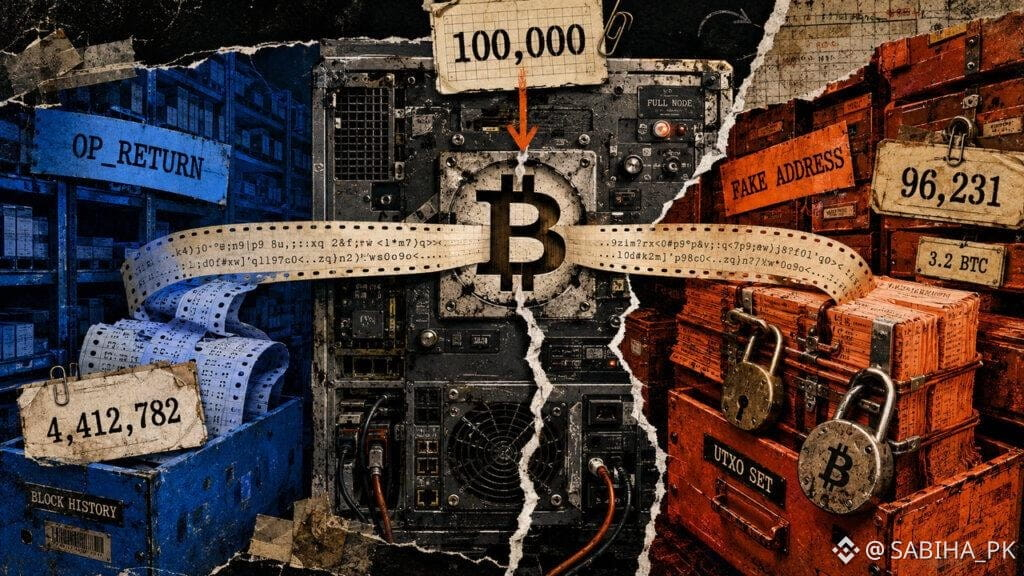
A new finding from Bitquery reveals something unusual happening inside Bitcoin’s UTXO set. 👀
Around 96,231 text-encoded outputs were reportedly disguised as Bitcoin addresses, leaving roughly 3.2 BTC effectively stuck.
Unlike OP_RETURN data, which stays in blockchain history without remaining in the active UTXO set, these outputs continue taking up space in the live database used by nodes to track spendable coins.
It’s a small amount compared to Bitcoin’s total supply, but it raises an interesting question about how blockchain data can affect node efficiency over time. 🤔
#Bitcoin #BTC #Crypto #Blockchain #Binance
A new finding from Bitquery reveals something unusual happening inside Bitcoin’s UTXO set. 👀
Around 96,231 text-encoded outputs were reportedly disguised as Bitcoin addresses, leaving roughly 3.2 BTC effectively stuck.
Unlike OP_RETURN data, which stays in blockchain history without remaining in the active UTXO set, these outputs continue taking up space in the live database used by nodes to track spendable coins.
It’s a small amount compared to Bitcoin’s total supply, but it raises an interesting question about how blockchain data can affect node efficiency over time. 🤔
#Bitcoin #BTC #Crypto #Blockchain #Binance

See translation
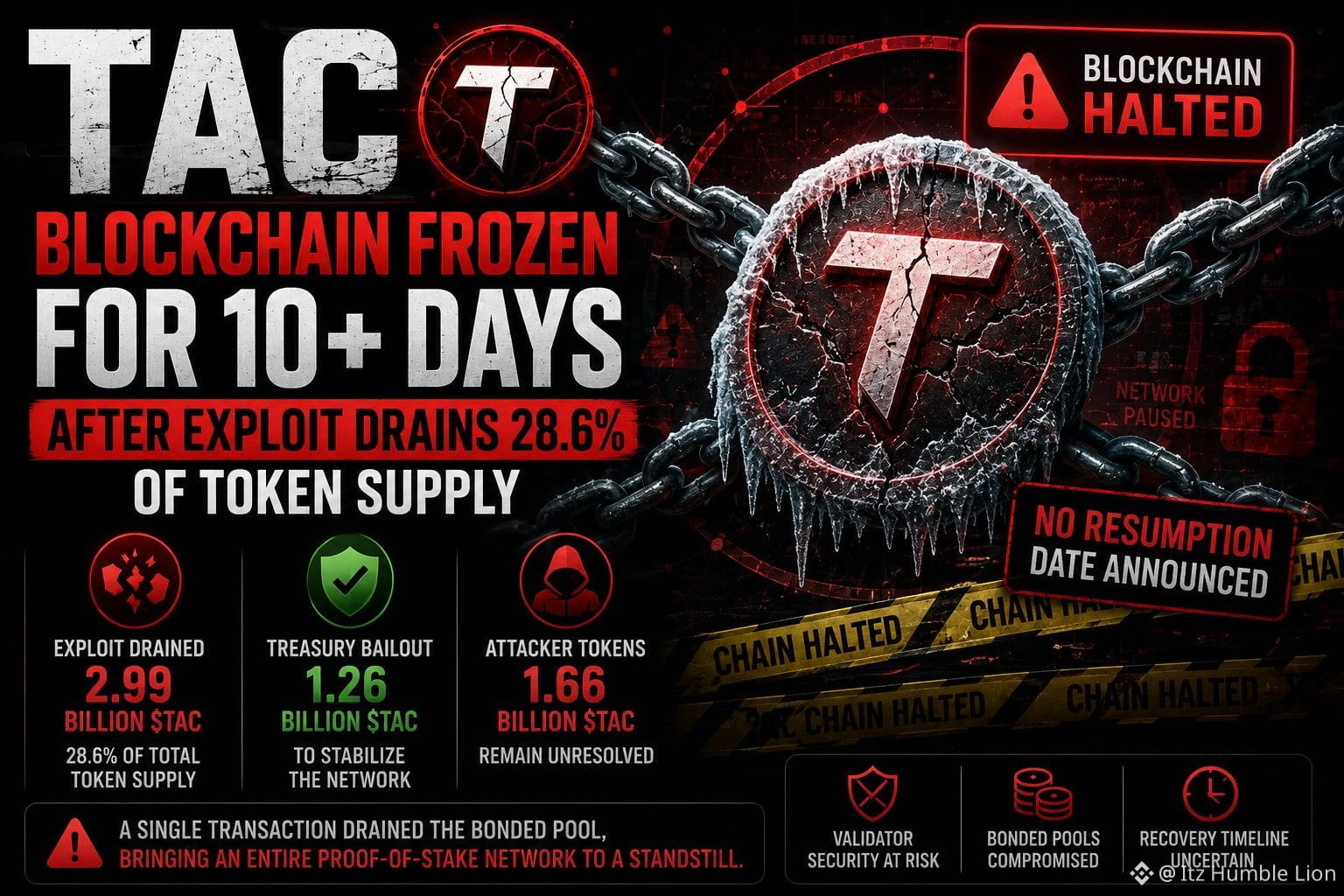
🚨 TAC Blockchain Has Been Frozen for 10+ Days
One exploit drained roughly 2.99 billion TAC— about 28.6% of the token's total supply — from the network's bonded staking pool.
The result? TAC's blockchain was halted, leaving validators and delegated funds without their underlying bonded tokens.
The TAC Foundation now plans to cover roughly 1.26 billion TAC from treasury reserves to restore the shortfall.
But there's still a major problem:
1.66 billion TAC held by addresses linked to the attacker remains unresolved.
No confirmed date for the network's full recovery has been announced.
A single transaction effectively brought an entire blockchain to a standstill.
How much trust can a network lose when its validator security can be drained in one transaction?
$TAC $BTC $ETH
#crypto #blockchain #defi #CryptoSecurity #altcoins
One exploit drained roughly 2.99 billion TAC— about 28.6% of the token's total supply — from the network's bonded staking pool.
The result? TAC's blockchain was halted, leaving validators and delegated funds without their underlying bonded tokens.
The TAC Foundation now plans to cover roughly 1.26 billion TAC from treasury reserves to restore the shortfall.
But there's still a major problem:
1.66 billion TAC held by addresses linked to the attacker remains unresolved.
No confirmed date for the network's full recovery has been announced.
A single transaction effectively brought an entire blockchain to a standstill.
How much trust can a network lose when its validator security can be drained in one transaction?
$TAC $BTC $ETH
#crypto #blockchain #defi #CryptoSecurity #altcoins
mehedi__hasan:
fust comment 💗

See translation
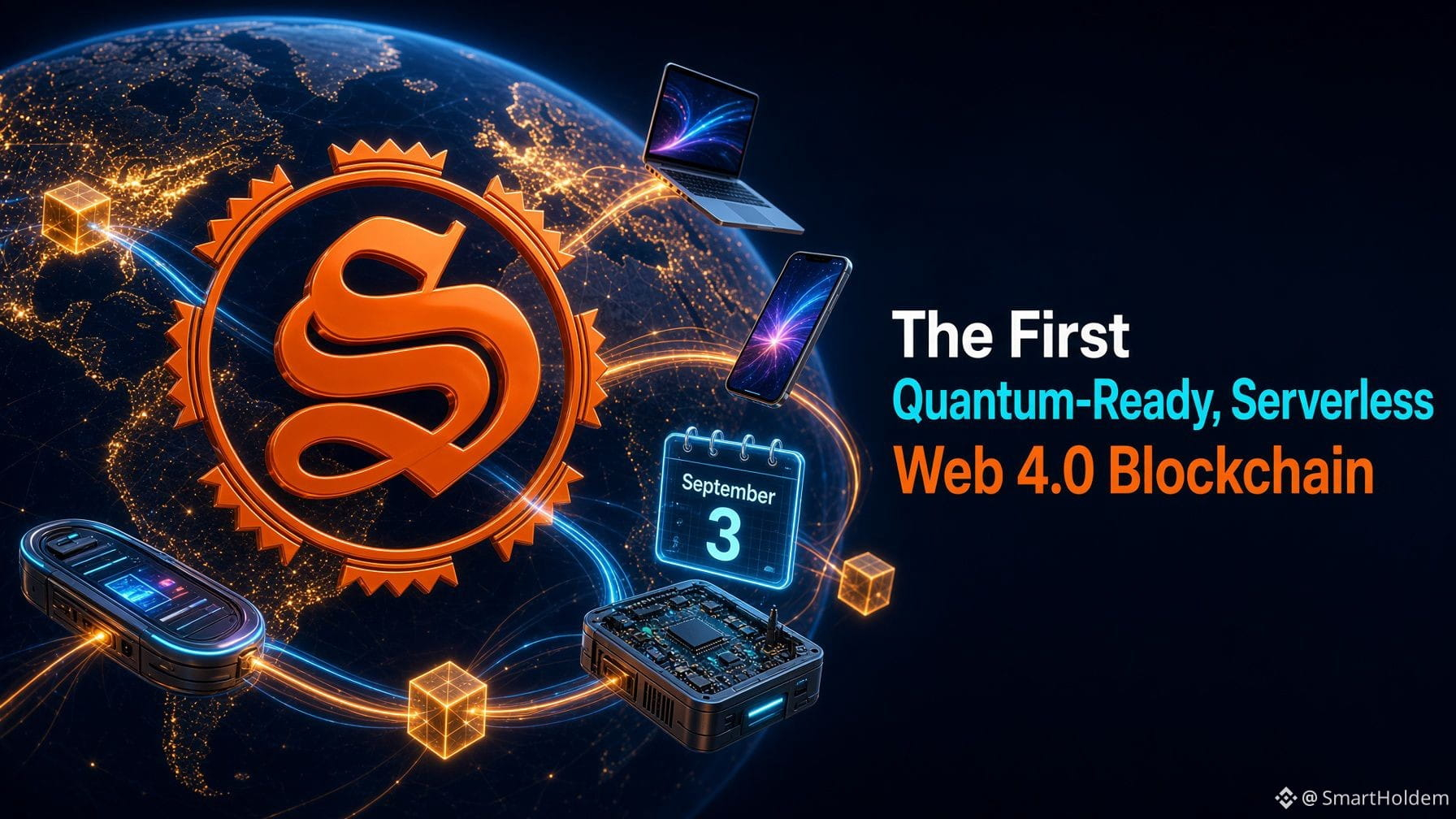
The First Quantum-Ready, Serverless Web 4.0 SmartHoldem Blockchain.
Rust core. No data center.
A live delegate already forged from behind NAT.
~756 MB RAM. No static IP.
Architecture for 27,000+ TPS.
Built for the next 50 years of compute —
before those threats arrive.
Wallets stay. The chain moves.
Read more: https://smartholdem.io/news/smartholdem-2-0-built-for-web-4-0-ready-for-the-quantum-era
#Web4 #cryptonews $BNB $BTC #blockchain #smartholdem
Rust core. No data center.
A live delegate already forged from behind NAT.
~756 MB RAM. No static IP.
Architecture for 27,000+ TPS.
Built for the next 50 years of compute —
before those threats arrive.
Wallets stay. The chain moves.
Read more: https://smartholdem.io/news/smartholdem-2-0-built-for-web-4-0-ready-for-the-quantum-era
#Web4 #cryptonews $BNB $BTC #blockchain #smartholdem

See translation
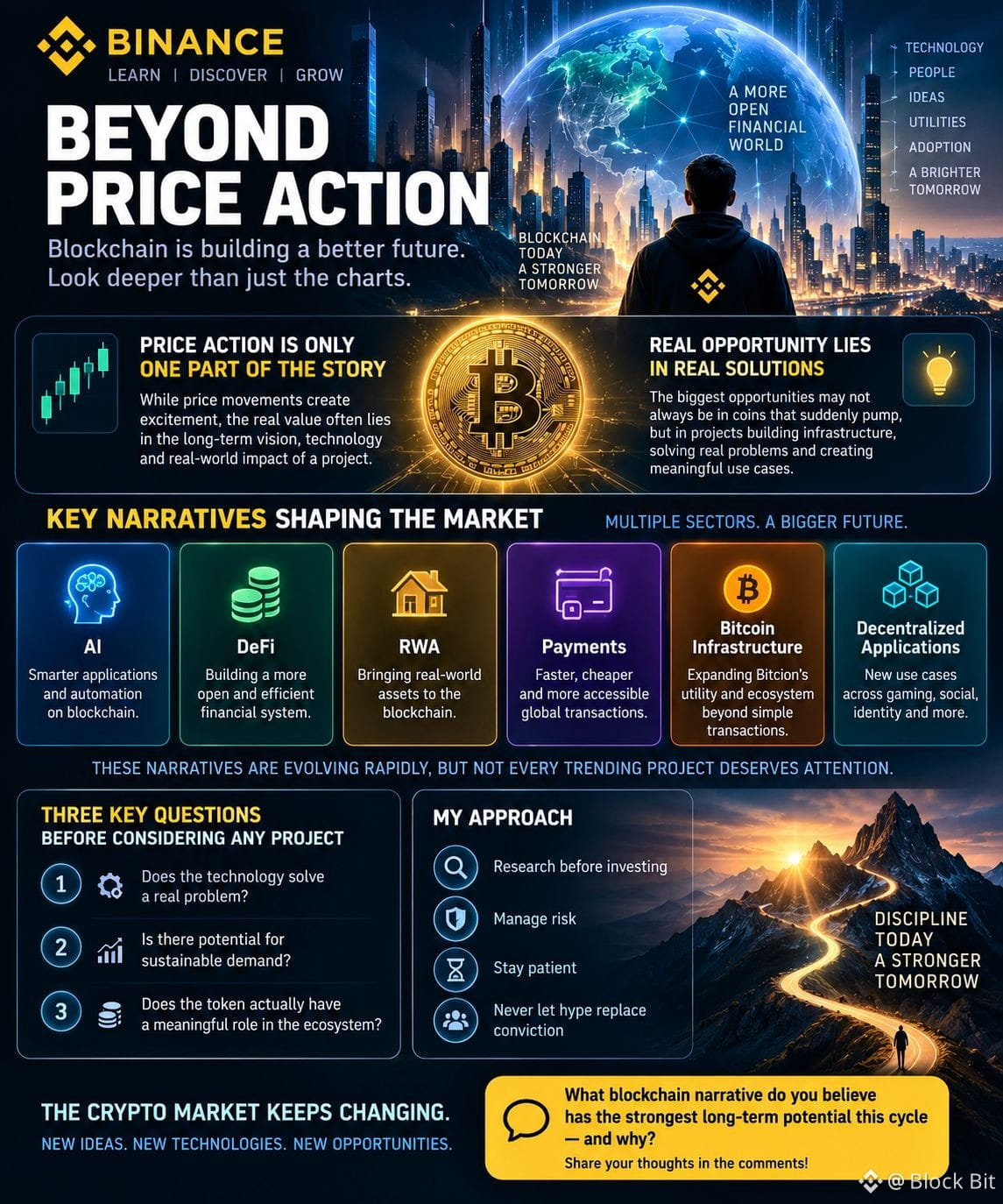
After spending considerable time studying blockchain and the crypto market, I’ve realized one thing: price action is only one part of the story.
The real opportunity may not always be in coins that suddenly pump. It can also be found in projects building infrastructure, solving real problems, and creating meaningful use cases across the blockchain ecosystem.
AI, DeFi, RWA, payments, Bitcoin infrastructure, and decentralized applications are all evolving rapidly. But not every trending project deserves attention.
Before considering any project, I like to ask three simple questions:
Does the technology solve a real problem?
Is there potential for sustainable demand?
Does the token actually have a meaningful role in the ecosystem?
For me, the best approach is simple: research before investing, manage risk, stay patient, and never let hype replace conviction.
The crypto market keeps changing.
What blockchain narrative do you believe has the strongest long-term potential this cycle—and why?
$BITCOIN $ETH $GRVT #Binance
#Crypto
#Blockchain
#DeFi
#CryptoMarket
The real opportunity may not always be in coins that suddenly pump. It can also be found in projects building infrastructure, solving real problems, and creating meaningful use cases across the blockchain ecosystem.
AI, DeFi, RWA, payments, Bitcoin infrastructure, and decentralized applications are all evolving rapidly. But not every trending project deserves attention.
Before considering any project, I like to ask three simple questions:
Does the technology solve a real problem?
Is there potential for sustainable demand?
Does the token actually have a meaningful role in the ecosystem?
For me, the best approach is simple: research before investing, manage risk, stay patient, and never let hype replace conviction.
The crypto market keeps changing.
What blockchain narrative do you believe has the strongest long-term potential this cycle—and why?
$BITCOIN $ETH $GRVT #Binance
#Crypto
#Blockchain
#DeFi
#CryptoMarket
See translation
The Modular Blockchain Thesis Is Maturing — And the Stakes Are High
For years, monolithic Layer 1s competed on raw throughput. The new battleground is modular architecture: separating execution, settlement, consensus, and data availability into specialized layers.
Here is why this matters:
Data availability (DA) is the silent bottleneck of blockchain scalability. Without cheap, verifiable DA, rollups and L2s cannot scale affordably. The DA layer determines how much transaction data can be posted, verified, and accessed by anyone — at what cost.
$ETH continues to lead on settlement security, with EIP-4844 blob transactions dramatically cutting DA costs for rollups. But it is not alone. $SOL pursues the monolithic high-throughput path — betting that vertical scaling wins over modular complexity. $AVAX subnets offer a middle path: application-specific execution with shared validator security.
The verdict is not in yet. Monolithic chains offer simpler UX and tighter composability. Modular stacks offer greater specialization and cost efficiency.
What is clear: the chains that win will be the ones developers choose to build on — and that means whichever architecture makes deploying fast, cheap, and secure applications easiest will attract the most liquidity and users.
Modularity vs monolith is not an academic debate. It is the infrastructure war that will shape the next decade of crypto.
#Blockchain #Layer1 #ModularBlockchain #CryptoInfrastructure #Web3
For years, monolithic Layer 1s competed on raw throughput. The new battleground is modular architecture: separating execution, settlement, consensus, and data availability into specialized layers.
Here is why this matters:
Data availability (DA) is the silent bottleneck of blockchain scalability. Without cheap, verifiable DA, rollups and L2s cannot scale affordably. The DA layer determines how much transaction data can be posted, verified, and accessed by anyone — at what cost.
$ETH continues to lead on settlement security, with EIP-4844 blob transactions dramatically cutting DA costs for rollups. But it is not alone. $SOL pursues the monolithic high-throughput path — betting that vertical scaling wins over modular complexity. $AVAX subnets offer a middle path: application-specific execution with shared validator security.
The verdict is not in yet. Monolithic chains offer simpler UX and tighter composability. Modular stacks offer greater specialization and cost efficiency.
What is clear: the chains that win will be the ones developers choose to build on — and that means whichever architecture makes deploying fast, cheap, and secure applications easiest will attract the most liquidity and users.
Modularity vs monolith is not an academic debate. It is the infrastructure war that will shape the next decade of crypto.
#Blockchain #Layer1 #ModularBlockchain #CryptoInfrastructure #Web3

Verified
See translation
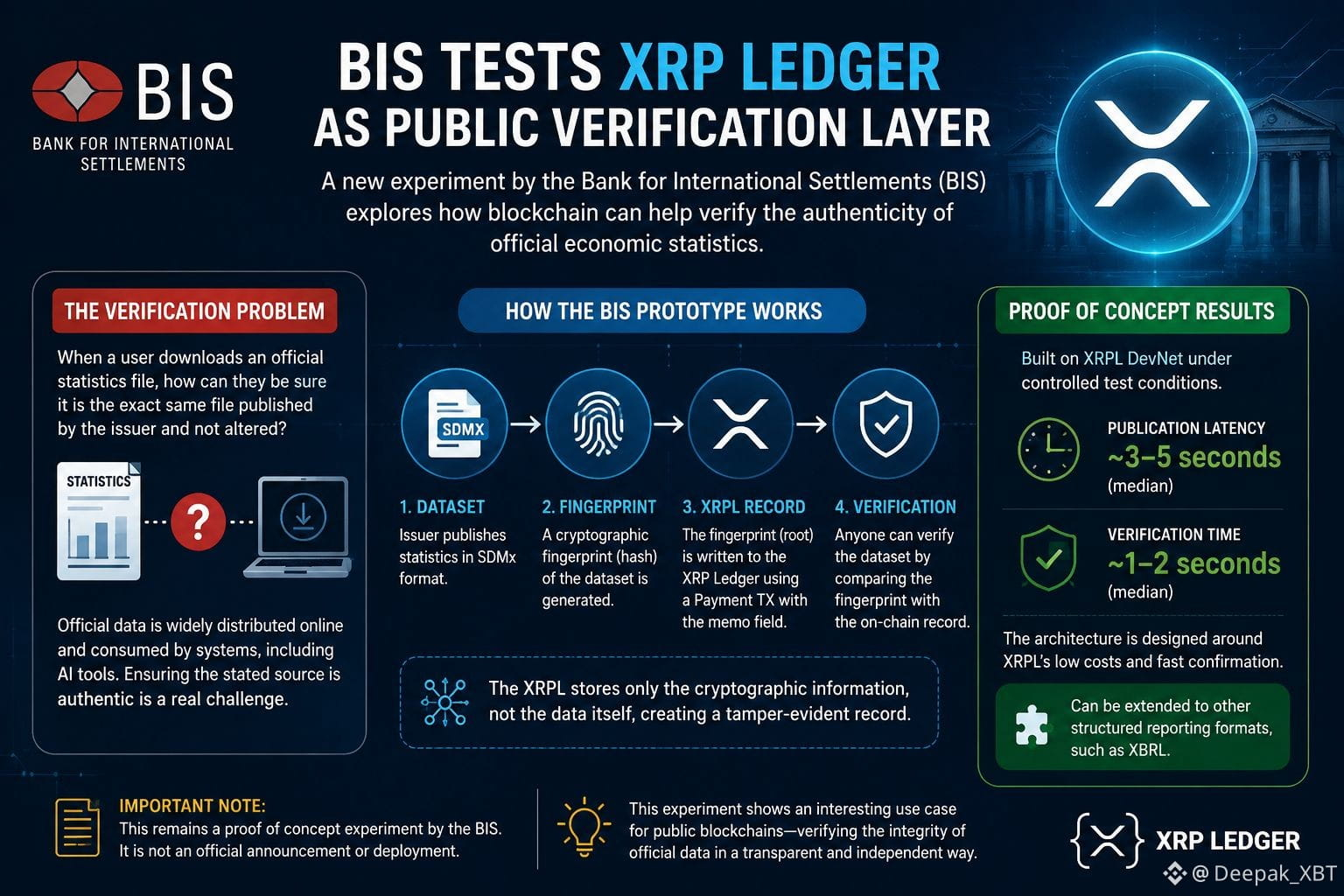
What if blockchain’s real utility is proving that data hasn’t changed?
I came across an interesting BIS proof of concept involving the $XRP Ledger.
The problem is simple: when we download an official statistics dataset, how can we know it is exactly the same file published by the issuer?
The BIS prototype explored using XRPL as an independent verification layer. Instead of putting the dataset itself on-chain, it records a cryptographic fingerprint of the data through an XRPL Payment transaction’s memo field.
The experiment was built on XRPL DevNet and reportedly achieved around 3–5 seconds median publication latency and 1–2 seconds verification under controlled conditions.
It’s still only a proof of concept, not an official deployment.
But this is an interesting utility angle for XRPL: using blockchain to verify data integrity rather than simply moving value.
#Xrp🔥🔥 #XRPL #blockchain #BIS
I came across an interesting BIS proof of concept involving the $XRP Ledger.
The problem is simple: when we download an official statistics dataset, how can we know it is exactly the same file published by the issuer?
The BIS prototype explored using XRPL as an independent verification layer. Instead of putting the dataset itself on-chain, it records a cryptographic fingerprint of the data through an XRPL Payment transaction’s memo field.
The experiment was built on XRPL DevNet and reportedly achieved around 3–5 seconds median publication latency and 1–2 seconds verification under controlled conditions.
It’s still only a proof of concept, not an official deployment.
But this is an interesting utility angle for XRPL: using blockchain to verify data integrity rather than simply moving value.
#Xrp🔥🔥 #XRPL #blockchain #BIS

See translation
🪙 WHAT IF YOU COULD CREATE A TOKEN WITHOUT WRITING THE SMART CONTRACT YOURSELF?
That's one of the tools available on Touki Blockchain.
Choose your:
• Token name
• Symbol
• Supply
• Decimals
• Available controls
Then review and deploy through the guided workflow.
👉 Try it:
https://blocktouki.com/create-token
No hype needed.
Create something and see how the process works for yourself. 👀
#Token #Web3 #blockchain #crypto #BuildInWeb3
That's one of the tools available on Touki Blockchain.
Choose your:
• Token name
• Symbol
• Supply
• Decimals
• Available controls
Then review and deploy through the guided workflow.
👉 Try it:
https://blocktouki.com/create-token
No hype needed.
Create something and see how the process works for yourself. 👀
#Token #Web3 #blockchain #crypto #BuildInWeb3

See translation
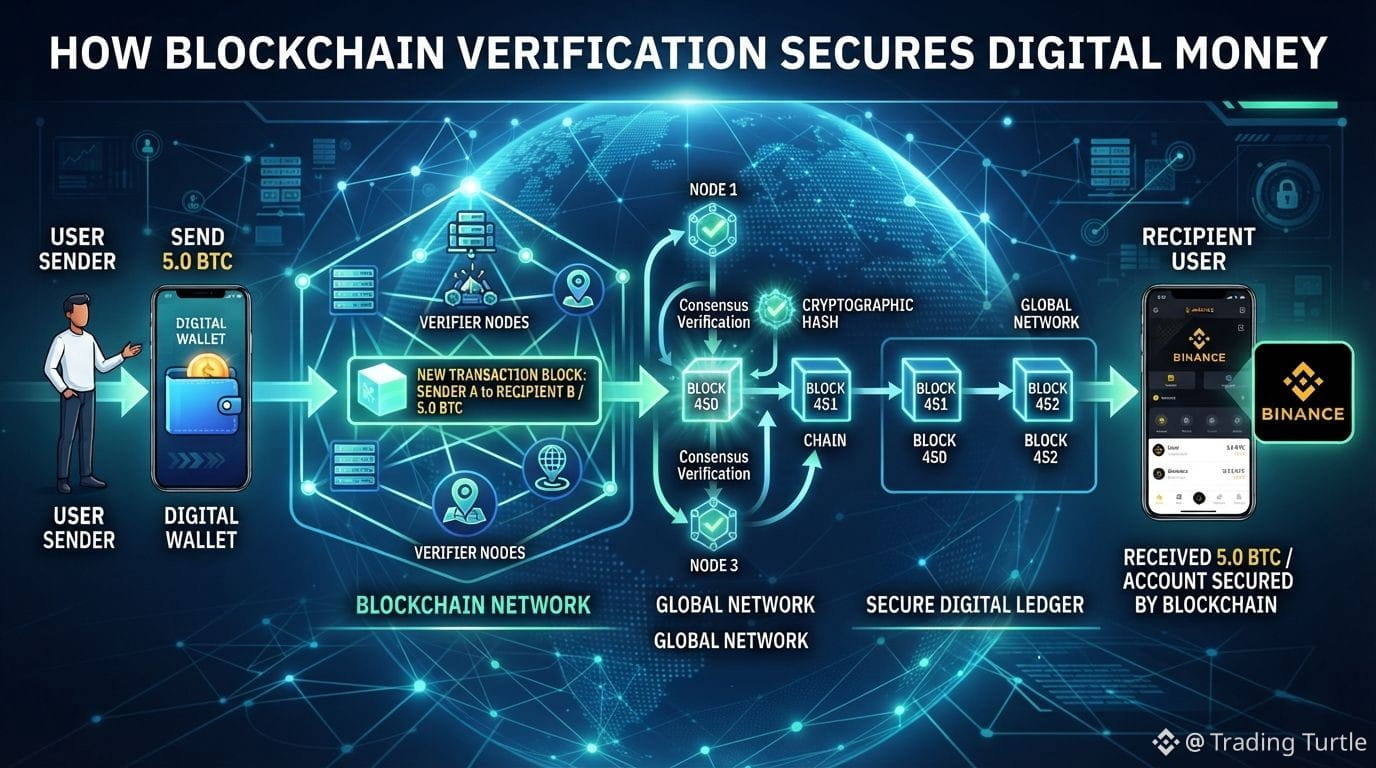
How Blockchain Verification Secures Digital Money
Every ten minutes, the network bundles new transactions into a block, checks the math, and adds the block to the chain. Miners receive a small amount of the cryptocurrency as a reward for providing the computing power that secures the ledger.
Example: When you send Bitcoin ($BTC ) to a friend, your transaction is broadcast to the network, placed in the next block, and becomes a permanent entry that anyone can view. The same process works for Ethereum ($ETH ), though Ethereum also supports programmable applications.
Limitation: Because every block must be verified by many computers, the system can be slower and more energy‑intensive than a centralized database. The open nature also means that any user can see all transaction history, which may raise privacy concerns.
Review: Understanding how verification and rewards keep the blockchain accurate helps users see why decentralised money can operate without banks. It also clarifies the trade‑off between security, speed, and privacy.
#Blockchain #Security #Crypto #Verification #Decentralization
Every ten minutes, the network bundles new transactions into a block, checks the math, and adds the block to the chain. Miners receive a small amount of the cryptocurrency as a reward for providing the computing power that secures the ledger.
Example: When you send Bitcoin ($BTC ) to a friend, your transaction is broadcast to the network, placed in the next block, and becomes a permanent entry that anyone can view. The same process works for Ethereum ($ETH ), though Ethereum also supports programmable applications.
Limitation: Because every block must be verified by many computers, the system can be slower and more energy‑intensive than a centralized database. The open nature also means that any user can see all transaction history, which may raise privacy concerns.
Review: Understanding how verification and rewards keep the blockchain accurate helps users see why decentralised money can operate without banks. It also clarifies the trade‑off between security, speed, and privacy.
#Blockchain #Security #Crypto #Verification #Decentralization

See translation
Most people think old code sitting untouched for a decade is bulletproof, but on-chain history shows it often hides the biggest blind spots. We get so comfortable relying on legacy infrastructure that we forget even minor untouched quirks can quietly drain liquidity or trigger silent transaction failures when volume spikes.
Take $BTC and earlier core protocol scripts that took nearly fifteen years to actually see practical use or updates. When developers finally touch these long-dormant features or build secondary layers on top, edge cases start surfacing fast. A mechanism that was technically live since 2009 might handle simple transfers fine, but once complex smart routing or bridges interacting with $ETH try to plug into it, execution assumptions break down.
The real danger is assuming that time equals safety in decentralized systems. If a feature goes unused for over a decade, it hasn't actually been battle-tested against modern MEV bots, state bloat, or complex routing paths that tokens like $SOL deal with daily.
Where do you think the next critical legacy bug will show up?
#CryptoSecurity #Blockchain #DeFi
Take $BTC and earlier core protocol scripts that took nearly fifteen years to actually see practical use or updates. When developers finally touch these long-dormant features or build secondary layers on top, edge cases start surfacing fast. A mechanism that was technically live since 2009 might handle simple transfers fine, but once complex smart routing or bridges interacting with $ETH try to plug into it, execution assumptions break down.
The real danger is assuming that time equals safety in decentralized systems. If a feature goes unused for over a decade, it hasn't actually been battle-tested against modern MEV bots, state bloat, or complex routing paths that tokens like $SOL deal with daily.
Where do you think the next critical legacy bug will show up?
#CryptoSecurity #Blockchain #DeFi


See translation
Everyone thinks enterprise blockchain adoption means putting company secrets on a public ledger, but actually that is the fastest way to get burned.
Most retail traders chase hype cycles without realizing that real utility comes from solving actual enterprise privacy headaches. When speculative projects fail to deliver working business solutions, investors usually end up holding worthless bags.
Think of it like a bank vault receipt. You do not need to show the world how much cash is inside the vault, you only need an immutable stamp proving the deposit exists. That is exactly what Blockforce is doing by keeping sensitive commercial data on private systems while anchoring cryptographic proofs on Cardano. It allows independent auditors to verify that records remain untampered without exposing confidential business intelligence.
This is not just another theoretical roadmap promise. Brazilian fashion powerhouse Azzas 2154 is already running this system to verify its leather supply chain, aiming for 100% traceability across all materials by 2030. As real commercial infrastructure integrates with $ADA alongside settlement layers like $BTC and $ETH , blockchain value shifts from retail speculation to genuine industrial utility.
Where do you think enterprise blockchain adoption will make the biggest impact next?
#Cardano #Blockchain #Web3
Most retail traders chase hype cycles without realizing that real utility comes from solving actual enterprise privacy headaches. When speculative projects fail to deliver working business solutions, investors usually end up holding worthless bags.
Think of it like a bank vault receipt. You do not need to show the world how much cash is inside the vault, you only need an immutable stamp proving the deposit exists. That is exactly what Blockforce is doing by keeping sensitive commercial data on private systems while anchoring cryptographic proofs on Cardano. It allows independent auditors to verify that records remain untampered without exposing confidential business intelligence.
This is not just another theoretical roadmap promise. Brazilian fashion powerhouse Azzas 2154 is already running this system to verify its leather supply chain, aiming for 100% traceability across all materials by 2030. As real commercial infrastructure integrates with $ADA alongside settlement layers like $BTC and $ETH , blockchain value shifts from retail speculation to genuine industrial utility.
Where do you think enterprise blockchain adoption will make the biggest impact next?
#Cardano #Blockchain #Web3

Learning crypto from scratch — Day 3 📚
These days I’ve been trying to understand $BTC , but today I realized that to understand Bitcoin first I had to understand what a blockchain is.
The simplest way I managed to see it is as a shared ledger: instead of a single institution storing all the information, there are many copies of the same ledger distributed among different participants on the network.
Transactions are grouped into blocks, and those blocks are linked to each other. Once the information is added and confirmed by the network, modifying it becomes extremely difficult because you would also have to change everything that came after it.
That’s when I understood something that had previously confused me: Bitcoin doesn’t need a central bank to keep the “book of accounts” because the network itself maintains and verifies that record.
I still have lots of questions, but I’m starting to understand why blockchain was such an important idea.
Tomorrow I want to look into something I constantly hear on Binance: what’s the difference between $BTC and $USDT ?
Did you also find it hard to understand blockchain when you first started?
#bitcoin #blockchain #LearningCrypto
These days I’ve been trying to understand $BTC , but today I realized that to understand Bitcoin first I had to understand what a blockchain is.
The simplest way I managed to see it is as a shared ledger: instead of a single institution storing all the information, there are many copies of the same ledger distributed among different participants on the network.
Transactions are grouped into blocks, and those blocks are linked to each other. Once the information is added and confirmed by the network, modifying it becomes extremely difficult because you would also have to change everything that came after it.
That’s when I understood something that had previously confused me: Bitcoin doesn’t need a central bank to keep the “book of accounts” because the network itself maintains and verifies that record.
I still have lots of questions, but I’m starting to understand why blockchain was such an important idea.
Tomorrow I want to look into something I constantly hear on Binance: what’s the difference between $BTC and $USDT ?
Did you also find it hard to understand blockchain when you first started?
#bitcoin #blockchain #LearningCrypto

OCC issues temporary license to blockchain bank OpenReserve
- The U.S. Office of the Comptroller of the Currency (OCC) has granted OpenReserve a temporary license (provisional charter).
- OpenReserve is a new full-service bank, joining the ranks of the growing crypto-native organizations.
- This move indicates a trend of blockchain-based financial institutions becoming increasingly accepted in the U.S. banking system.
#BinanceSquare #CryptoNews #Blockchain #OpenBank
$btc $eth
#vlikevn Titanbot
Source: CoinDesk
- The U.S. Office of the Comptroller of the Currency (OCC) has granted OpenReserve a temporary license (provisional charter).
- OpenReserve is a new full-service bank, joining the ranks of the growing crypto-native organizations.
- This move indicates a trend of blockchain-based financial institutions becoming increasingly accepted in the U.S. banking system.
#BinanceSquare #CryptoNews #Blockchain #OpenBank
$btc $eth
#vlikevn Titanbot
Source: CoinDesk

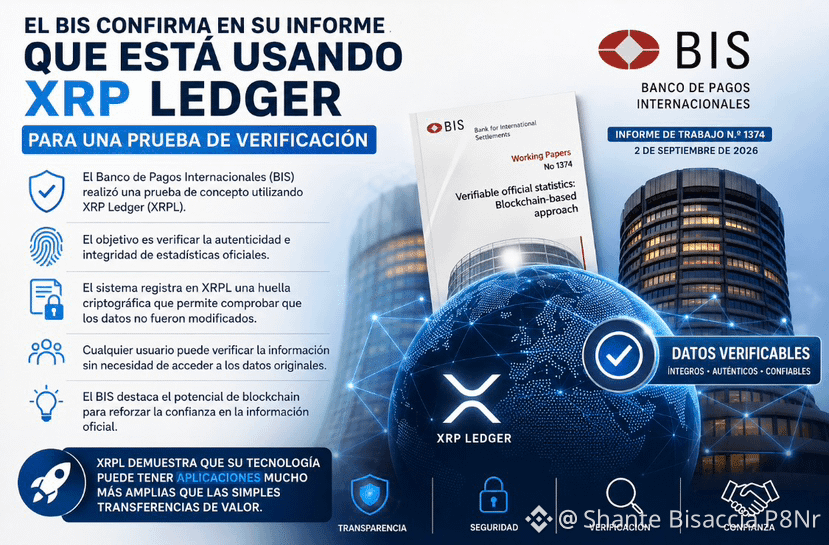
🚨 The BIS CONFIRMS A VERIFICATION TEST USING XRP LEDGER
On September 2, 2026, the Bank for International Settlements (BIS) published its Working Paper No. 1374, in which it presents a proof of concept based on XRP Ledger (XRPL).
The goal is to create a system that allows independent verification that the official statistics actually come from their original source and were not modified afterwards.
To achieve this, the system generates a cryptographic fingerprint of the data and records a verification proof on XRPL. In this way, any user can verify the authenticity and integrity of the information without needing to store confidential data directly on the blockchain.
🔹 It is a real proof of concept and technically developed.
🔹 The system can detect changes to the published data.
🔹 The BIS highlights the possibility of using blockchain to strengthen trust in official information.
This fact is relevant because the BIS-affiliated researchers did not just mention blockchain technology—they built and tested a functional solution using XRP Ledger.
In a world where AI and digitalization make it increasingly important to verify the authenticity of information, experiments like this could open up new possibilities for blockchain technology.
XRPL continues to show that its technology can have far broader applications than simple value transfers.
$XRP #XRPL #BIS #Blockchain
On September 2, 2026, the Bank for International Settlements (BIS) published its Working Paper No. 1374, in which it presents a proof of concept based on XRP Ledger (XRPL).
The goal is to create a system that allows independent verification that the official statistics actually come from their original source and were not modified afterwards.
To achieve this, the system generates a cryptographic fingerprint of the data and records a verification proof on XRPL. In this way, any user can verify the authenticity and integrity of the information without needing to store confidential data directly on the blockchain.
🔹 It is a real proof of concept and technically developed.
🔹 The system can detect changes to the published data.
🔹 The BIS highlights the possibility of using blockchain to strengthen trust in official information.
This fact is relevant because the BIS-affiliated researchers did not just mention blockchain technology—they built and tested a functional solution using XRP Ledger.
In a world where AI and digitalization make it increasingly important to verify the authenticity of information, experiments like this could open up new possibilities for blockchain technology.
XRPL continues to show that its technology can have far broader applications than simple value transfers.
$XRP #XRPL #BIS #Blockchain

📊 ARK Invest and Glassnode Analyze Levels of Decentralization in Blockchain Networks
ARK Invest and Glassnode have released a joint analysis covering the spectrum of decentralization across major blockchain networks such as Bitcoin, Ethereum, and Solana. The report highlights how understanding trade-offs related to decentralization in networks can shape regulatory perspectives and investment strategies in the digital asset sector.
━━━━━━━━━━━━━━
📊 Impact: 📈 High
🏷️ OTHER
#Blockchain #Decentralization #CryptoAnalysis #ARKInvest #Glassnode
📰 Source: cryptobriefing.com
ARK Invest and Glassnode have released a joint analysis covering the spectrum of decentralization across major blockchain networks such as Bitcoin, Ethereum, and Solana. The report highlights how understanding trade-offs related to decentralization in networks can shape regulatory perspectives and investment strategies in the digital asset sector.
━━━━━━━━━━━━━━
📊 Impact: 📈 High
🏷️ OTHER
#Blockchain #Decentralization #CryptoAnalysis #ARKInvest #Glassnode
📰 Source: cryptobriefing.com

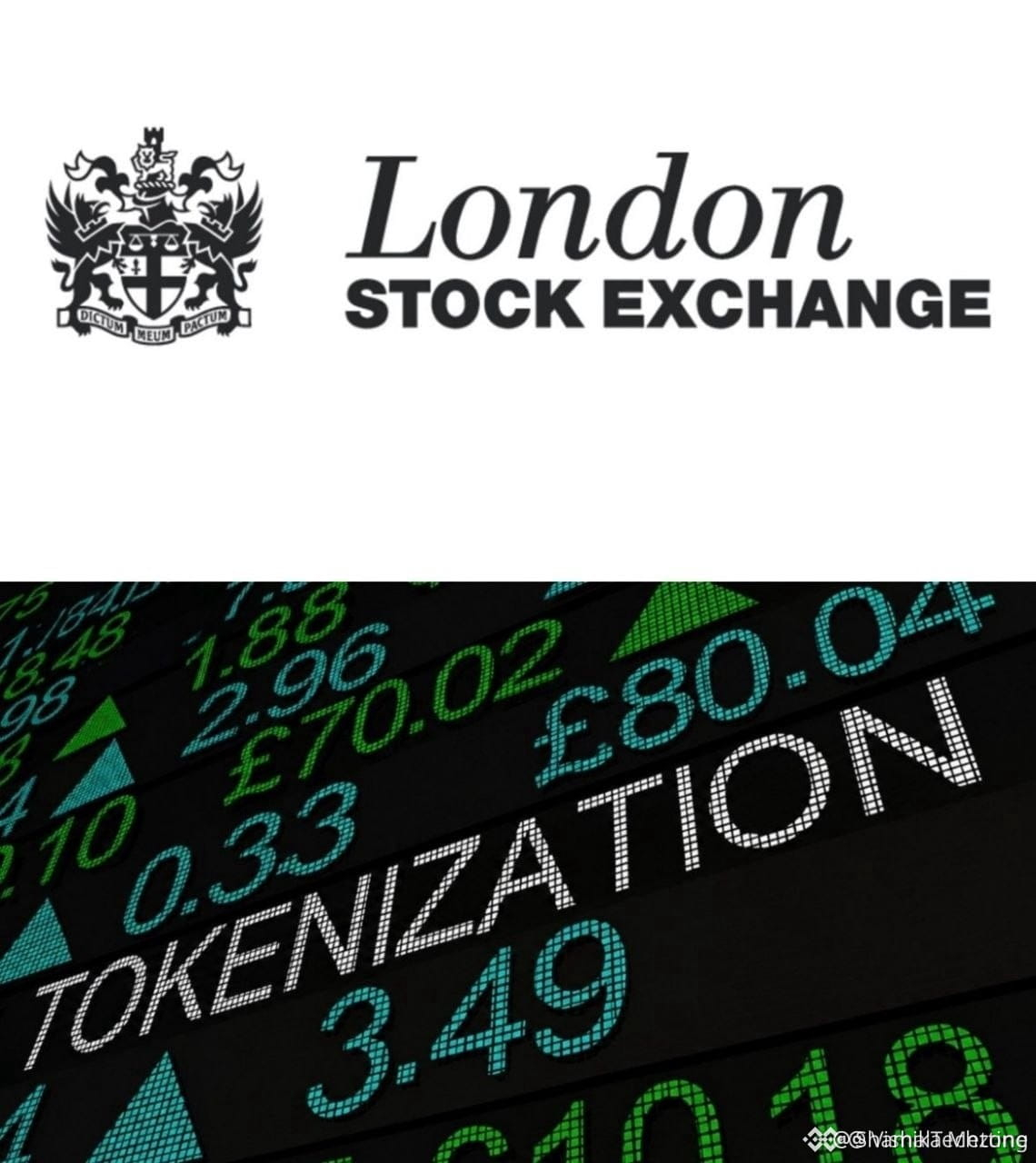
🚨 London Stock Exchange Moves to the Series (On-Chain)
🇬🇧 The London Stock Exchange is introducing the best 100 stocks onto the blockchain, which may enable trading 24/7 all week long.
This could result in the transfer of approximately $3.5 trillion worth of UK stocks to cryptocurrency routes/networks.
Please follow up
#Blockchain #Crypto #Stocks #UK
🇬🇧 The London Stock Exchange is introducing the best 100 stocks onto the blockchain, which may enable trading 24/7 all week long.
This could result in the transfer of approximately $3.5 trillion worth of UK stocks to cryptocurrency routes/networks.
Please follow up
#Blockchain #Crypto #Stocks #UK



See translation
🚨 BIG MOVE: SEC IS PUSHING SECURITIES ON-CHAIN
$BTC $ETH $BNB
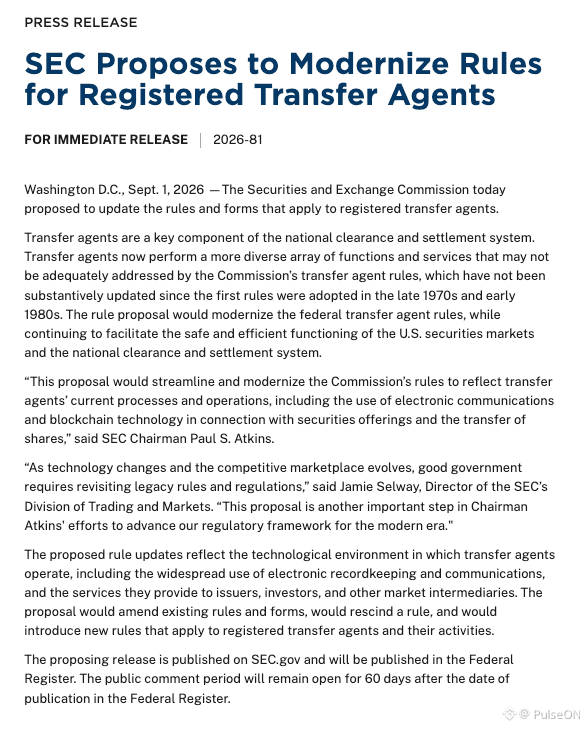
The SEC is moving toward formally recognizing blockchain/DLT in securities markets, including how securities can be issued and transferred. The agency has already outlined how tokenized securities can connect blockchain transfers with official ownership records.
This is a big step toward tokenized stocks and securities becoming part of the traditional financial system.
The broader SEC crypto proposal is now in a 60-day public comment period.
Wall Street going on-chain is getting more real. 👀
#Crypto #Blockchain #SEC #Tokenization #RWA
$BTC $ETH $BNB
The SEC is moving toward formally recognizing blockchain/DLT in securities markets, including how securities can be issued and transferred. The agency has already outlined how tokenized securities can connect blockchain transfers with official ownership records.
This is a big step toward tokenized stocks and securities becoming part of the traditional financial system.
The broader SEC crypto proposal is now in a 60-day public comment period.
Wall Street going on-chain is getting more real. 👀
#Crypto #Blockchain #SEC #Tokenization #RWA

Feed-Creator-9f20ee2a0polpolacooo:
Vamos que rusia ya empezo con su ley clarity

See translation
🚨 SEC MOVES CLOSER TO BLOCKCHAIN-BASED SECURITIES! 🔥
The SEC has reportedly proposed updating decades-old transfer-agent rules to formally accommodate blockchain technology and tokenized securities.
Why this matters:
🔗 Blockchain could become an official ownership record for securities.
📊 Transfer agents may have to disclose how many tokenized securities they service and which blockchain networks they use.
🏦 That could push traditional financial infrastructure further toward on-chain settlement and tokenization.
For crypto, this is bigger than a short-term pump. It strengthens the case for blockchain becoming part of regulated financial plumbing.
🎯 Long-term bias: Bullish for tokenization infrastructure.
Watch $ETH and other networks positioned for institutional tokenization — but don't confuse regulatory progress with an immediate price catalyst.
The real race may be: Which blockchain becomes Wall Street’s settlement layer? 👀
#Crypto #Ethereum #ETH #RWA #Tokenization #Blockchain
$ETH
The SEC has reportedly proposed updating decades-old transfer-agent rules to formally accommodate blockchain technology and tokenized securities.
Why this matters:
🔗 Blockchain could become an official ownership record for securities.
📊 Transfer agents may have to disclose how many tokenized securities they service and which blockchain networks they use.
🏦 That could push traditional financial infrastructure further toward on-chain settlement and tokenization.
For crypto, this is bigger than a short-term pump. It strengthens the case for blockchain becoming part of regulated financial plumbing.
🎯 Long-term bias: Bullish for tokenization infrastructure.
Watch $ETH and other networks positioned for institutional tokenization — but don't confuse regulatory progress with an immediate price catalyst.
The real race may be: Which blockchain becomes Wall Street’s settlement layer? 👀
#Crypto #Ethereum #ETH #RWA #Tokenization #Blockchain
$ETH
Log in to explore more content