

Abdo Moussa
522 Posts

Abdo Moussa
Report
Block User
From code to innovation🌐||Skilled in Programming and tech troubleshooting📱💻|| Passionate about exploring the future of #blockchain technology #BTC #BNB #Tech

#BinanceTurns7
56 Following
637 Followers
1.9K+ Liked
1 Badges
Posts
All
Quotes
Videos
PINNED
·
--

Article
Becoming a successful crypto traderBecoming a successful crypto trader requires a combination of knowledge, skills, discipline, and a strategic approach. Here are some steps and tips to help you on your journey:1. Educate Yourself:Start by learning about cryptocurrencies, blockchain technology, and how trading works. Understand the different types of cryptocurrencies, their use cases, and market trends.2. Learn Technical Analysis:Technical analysis involves studying price charts, patterns, and indicators to predict price movements. Familiarize yourself with concepts like candlestick patterns, moving averages, RSI, and MACD.3. Stay Informe:Keep up with news and developments in the crypto space. Crypto prices can be heavily influenced by news, regulatory changes, and technological advancements.4. Develop a Trading Strategy:Create a clear trading strategy that outlines your goals, risk tolerance, entry and exit points, and the types of assets you want to trade. Stick to your strategy and avoid making impulsive decisions.5. Start Small:Begin with a small amount of capital that you can afford to lose. Cryptocurrency markets can be highly volatile, and it's important to manage risk.6. Use Risk Management:Set stop-loss orders to limit potential losses and avoid risking more than a certain percentage of your trading capital on a single trade.7. Diversify Your Portfolio:Don't put all your funds into one cryptocurrency. Diversify your portfolio to spread risk and reduce the impact of a single asset's poor performance.8. Control Emotions:Emotions like greed and fear can cloud your judgment. Stick to your strategy and avoid making emotional decisions based on short-term price fluctuations.9. Stay Disciplined:Consistency is key. Avoid chasing "get rich quick" schemes and stay committed to your long-term trading plan.10. Understand Market Cycles:Cryptocurrency markets go through cycles of boom and bust. Understanding these cycles can help you make more informed decisions about when to buy and sell.11. Keep Records:Maintain a detailed record of your trades, including entry and exit points, profit/loss, and the reasons behind your decisions. This can help you learn from your successes and mistakes.12. Continuous Learning:The crypto space is dynamic and ever-changing. Stay open to learning new strategies, technologies, and market trends.13. Consider Fundamental Analysis:While technical analysis is important, also consider the fundamental value of the cryptocurrencies you're trading. Research the projects, teams, partnerships, and real-world utility.14. Be Patient:Successful trading takes time and experience. Don't expect instant results; focus on learning and improving over time.15. Seek Advice:Connect with experienced traders, join online communities, and participate in discussions. Learning from others' experiences can be valuable.Remember that trading cryptocurrencies carries inherent risks, and the market can be extremely volatile. Some traders find success, while others experience losses. Only invest what you can afford to lose and consider consulting with financial professionals before making trading decisions.
Becoming a successful crypto trader
Becoming a successful crypto trader requires a combination of knowledge, skills, discipline, and a strategic approach. Here are some steps and tips to help you on your journey:1. Educate Yourself:Start by learning about cryptocurrencies, blockchain technology, and how trading works. Understand the different types of cryptocurrencies, their use cases, and market trends.2. Learn Technical Analysis:Technical analysis involves studying price charts, patterns, and indicators to predict price movements. Familiarize yourself with concepts like candlestick patterns, moving averages, RSI, and MACD.3. Stay Informe:Keep up with news and developments in the crypto space. Crypto prices can be heavily influenced by news, regulatory changes, and technological advancements.4. Develop a Trading Strategy:Create a clear trading strategy that outlines your goals, risk tolerance, entry and exit points, and the types of assets you want to trade. Stick to your strategy and avoid making impulsive decisions.5. Start Small:Begin with a small amount of capital that you can afford to lose. Cryptocurrency markets can be highly volatile, and it's important to manage risk.6. Use Risk Management:Set stop-loss orders to limit potential losses and avoid risking more than a certain percentage of your trading capital on a single trade.7. Diversify Your Portfolio:Don't put all your funds into one cryptocurrency. Diversify your portfolio to spread risk and reduce the impact of a single asset's poor performance.8. Control Emotions:Emotions like greed and fear can cloud your judgment. Stick to your strategy and avoid making emotional decisions based on short-term price fluctuations.9. Stay Disciplined:Consistency is key. Avoid chasing "get rich quick" schemes and stay committed to your long-term trading plan.10. Understand Market Cycles:Cryptocurrency markets go through cycles of boom and bust. Understanding these cycles can help you make more informed decisions about when to buy and sell.11. Keep Records:Maintain a detailed record of your trades, including entry and exit points, profit/loss, and the reasons behind your decisions. This can help you learn from your successes and mistakes.12. Continuous Learning:The crypto space is dynamic and ever-changing. Stay open to learning new strategies, technologies, and market trends.13. Consider Fundamental Analysis:While technical analysis is important, also consider the fundamental value of the cryptocurrencies you're trading. Research the projects, teams, partnerships, and real-world utility.14. Be Patient:Successful trading takes time and experience. Don't expect instant results; focus on learning and improving over time.15. Seek Advice:Connect with experienced traders, join online communities, and participate in discussions. Learning from others' experiences can be valuable.Remember that trading cryptocurrencies carries inherent risks, and the market can be extremely volatile. Some traders find success, while others experience losses. Only invest what you can afford to lose and consider consulting with financial professionals before making trading decisions.
4
7
44
227
·
--
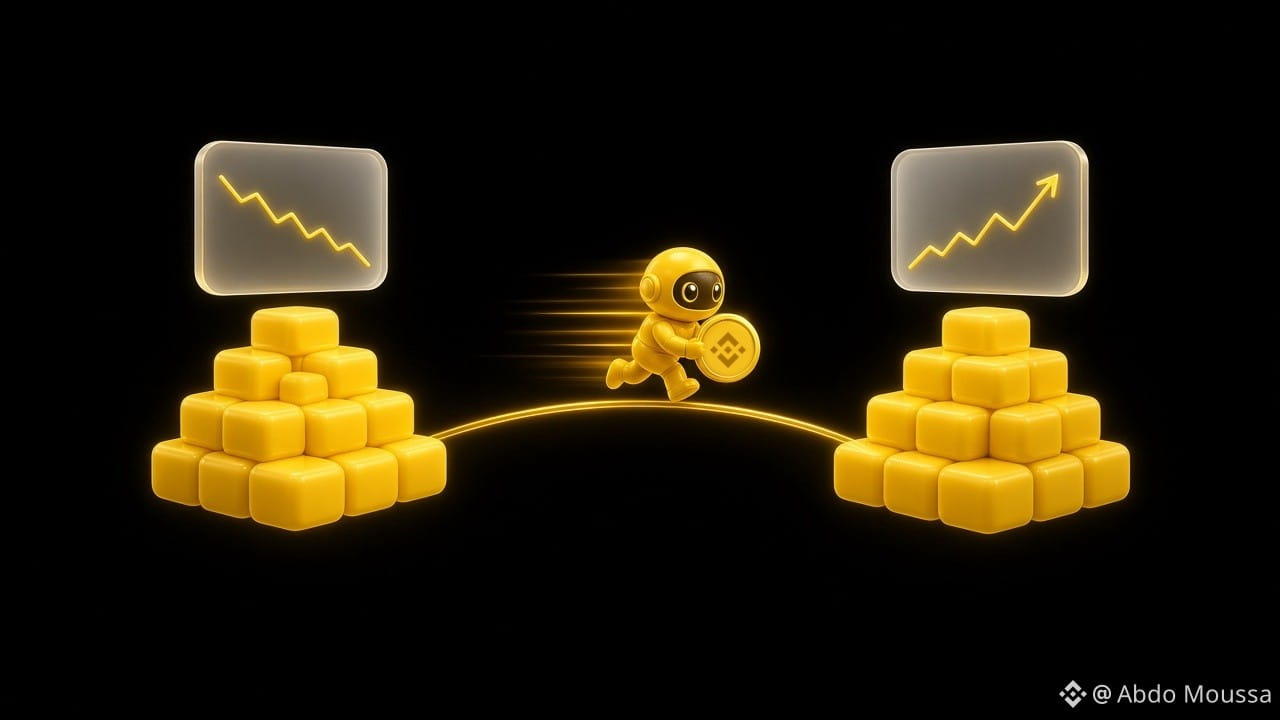
𝗘𝘃𝗲𝗿 𝘄𝗼𝗻𝗱𝗲𝗿𝗲𝗱 𝗵𝗼𝘄 𝗮𝘂𝘁𝗼𝗺𝗮𝘁𝗲𝗱 𝗮𝗿𝗯𝗶𝘁𝗿𝗮𝗴𝗲 𝗯𝗼𝘁𝘀 𝗰𝗮𝗽𝘁𝘂𝗿𝗲 𝗽𝗿𝗶𝗰𝗲 𝗱𝗶𝗳𝗳𝗲𝗿𝗲𝗻𝗰𝗲𝘀 𝗮𝗰𝗿𝗼𝘀𝘀 𝗱𝗶𝗳𝗳𝗲𝗿𝗲𝗻𝘁 𝗯𝗹𝗼𝗰𝗸𝗰𝗵𝗮𝗶𝗻𝘀 𝗮𝘁 𝗻𝗲𝗮𝗿𝗹𝘆 𝘁𝗵𝗲 𝘀𝗮𝗺𝗲 𝘁𝗶𝗺𝗲? 𝗘𝗻𝘁𝗲𝗿 𝗖𝗿𝗼𝘀𝘀-𝗖𝗵𝗮𝗶𝗻 𝗠𝗘𝗩 🌉⚡
𝘋𝘳𝘢𝘸𝘪𝘯𝘨 𝘧𝘳𝘰𝘮 𝘧𝘰𝘶𝘯𝘥𝘢𝘵𝘪𝘰𝘯𝘢𝘭 𝘭𝘦𝘴𝘴𝘰𝘯𝘴 𝘰𝘯 #BinanceAcademy, 𝘩𝘦𝘳𝘦 𝘪𝘴 𝘺𝘰𝘶𝘳 𝘲𝘶𝘪𝘤𝘬 𝘮𝘶𝘭𝘵𝘪-𝘤𝘩𝘢𝘪𝘯 𝘮𝘢𝘳𝘬𝘦𝘵 𝘣𝘳𝘦𝘢𝘬𝘥𝘰𝘸𝘯:
1️⃣ 𝗕𝗲𝘆𝗼𝗻𝗱 𝗦𝗶𝗻𝗴𝗹𝗲-𝗖𝗵𝗮𝗶𝗻 𝗠𝗘𝗩:
• Standard MEV (Maximal Extractable Value) is the extra value captured by ordering transactions on a single chain, Cross-Chain MEV targets price gaps, latency, and liquidity imbalances across different L1s and L2s.
2️⃣ 𝗖𝗿𝗼𝘀𝘀-𝗖𝗵𝗮𝗶𝗻 𝗔𝗿𝗯𝗶𝘁𝗿𝗮𝗴𝗲 & 𝗟𝗶𝗾𝘂𝗶𝗱𝗮𝘁𝗶𝗼𝗻𝘀:
• Automated bots can execute complex multi-leg trades, buying discounted assets on one network while hedging or selling near-simultaneously on another via cross-chain relayers.
3️⃣ 𝗦𝘆𝘀𝘁𝗲𝗺𝗶𝗰 𝗥𝗶𝘀𝗸𝘀 & 𝗡𝗲𝘁𝘄𝗼𝗿𝗸 𝗦𝘁𝗿𝗲𝘀𝘀:
• Cross-Chain MEV can add block builder complexity, strain cross-chain messaging bridges, and worsen price slippage for cross-chain swaps.
⚠️ 𝗥𝗶𝘀𝗸 𝗡𝗼𝘁𝗲:
Cross-chain trading involves bridge, infrastructure and latency risks.
Expand your technical literacy, track multi-chain dynamics 🔗
📖 Learn more on Binance Academy: https://www.binance.com/en/academy/articles/what-is-maximal-extractable-value-mev
Crypto involves risk, this is not financial advice, Always DYOR 💡
#CrossChainMEV #Blockchain #CryptoEducation
Follow me for more 💛
𝗘𝘃𝗲𝗿 𝘄𝗼𝗻𝗱𝗲𝗿𝗲𝗱 𝗵𝗼𝘄 𝗮𝘂𝘁𝗼𝗺𝗮𝘁𝗲𝗱 𝗮𝗿𝗯𝗶𝘁𝗿𝗮𝗴𝗲 𝗯𝗼𝘁𝘀 𝗰𝗮𝗽𝘁𝘂𝗿𝗲 𝗽𝗿𝗶𝗰𝗲 𝗱𝗶𝗳𝗳𝗲𝗿𝗲𝗻𝗰𝗲𝘀 𝗮𝗰𝗿𝗼𝘀𝘀 𝗱𝗶𝗳𝗳𝗲𝗿𝗲𝗻𝘁 𝗯𝗹𝗼𝗰𝗸𝗰𝗵𝗮𝗶𝗻𝘀 𝗮𝘁 𝗻𝗲𝗮𝗿𝗹𝘆 𝘁𝗵𝗲 𝘀𝗮𝗺𝗲 𝘁𝗶𝗺𝗲? 𝗘𝗻𝘁𝗲𝗿 𝗖𝗿𝗼𝘀𝘀-𝗖𝗵𝗮𝗶𝗻 𝗠𝗘𝗩 🌉⚡
𝘋𝘳𝘢𝘸𝘪𝘯𝘨 𝘧𝘳𝘰𝘮 𝘧𝘰𝘶𝘯𝘥𝘢𝘵𝘪𝘰𝘯𝘢𝘭 𝘭𝘦𝘴𝘴𝘰𝘯𝘴 𝘰𝘯 #BinanceAcademy, 𝘩𝘦𝘳𝘦 𝘪𝘴 𝘺𝘰𝘶𝘳 𝘲𝘶𝘪𝘤𝘬 𝘮𝘶𝘭𝘵𝘪-𝘤𝘩𝘢𝘪𝘯 𝘮𝘢𝘳𝘬𝘦𝘵 𝘣𝘳𝘦𝘢𝘬𝘥𝘰𝘸𝘯:
1️⃣ 𝗕𝗲𝘆𝗼𝗻𝗱 𝗦𝗶𝗻𝗴𝗹𝗲-𝗖𝗵𝗮𝗶𝗻 𝗠𝗘𝗩:
• Standard MEV (Maximal Extractable Value) is the extra value captured by ordering transactions on a single chain, Cross-Chain MEV targets price gaps, latency, and liquidity imbalances across different L1s and L2s.
2️⃣ 𝗖𝗿𝗼𝘀𝘀-𝗖𝗵𝗮𝗶𝗻 𝗔𝗿𝗯𝗶𝘁𝗿𝗮𝗴𝗲 & 𝗟𝗶𝗾𝘂𝗶𝗱𝗮𝘁𝗶𝗼𝗻𝘀:
• Automated bots can execute complex multi-leg trades, buying discounted assets on one network while hedging or selling near-simultaneously on another via cross-chain relayers.
3️⃣ 𝗦𝘆𝘀𝘁𝗲𝗺𝗶𝗰 𝗥𝗶𝘀𝗸𝘀 & 𝗡𝗲𝘁𝘄𝗼𝗿𝗸 𝗦𝘁𝗿𝗲𝘀𝘀:
• Cross-Chain MEV can add block builder complexity, strain cross-chain messaging bridges, and worsen price slippage for cross-chain swaps.
⚠️ 𝗥𝗶𝘀𝗸 𝗡𝗼𝘁𝗲:
Cross-chain trading involves bridge, infrastructure and latency risks.
Expand your technical literacy, track multi-chain dynamics 🔗
📖 Learn more on Binance Academy: https://www.binance.com/en/academy/articles/what-is-maximal-extractable-value-mev
Crypto involves risk, this is not financial advice, Always DYOR 💡
#CrossChainMEV #Blockchain #CryptoEducation
Follow me for more 💛
𝘋𝘳𝘢𝘸𝘪𝘯𝘨 𝘧𝘳𝘰𝘮 𝘧𝘰𝘶𝘯𝘥𝘢𝘵𝘪𝘰𝘯𝘢𝘭 𝘭𝘦𝘴𝘴𝘰𝘯𝘴 𝘰𝘯 #BinanceAcademy, 𝘩𝘦𝘳𝘦 𝘪𝘴 𝘺𝘰𝘶𝘳 𝘲𝘶𝘪𝘤𝘬 𝘮𝘶𝘭𝘵𝘪-𝘤𝘩𝘢𝘪𝘯 𝘮𝘢𝘳𝘬𝘦𝘵 𝘣𝘳𝘦𝘢𝘬𝘥𝘰𝘸𝘯:
1️⃣ 𝗕𝗲𝘆𝗼𝗻𝗱 𝗦𝗶𝗻𝗴𝗹𝗲-𝗖𝗵𝗮𝗶𝗻 𝗠𝗘𝗩:
• Standard MEV (Maximal Extractable Value) is the extra value captured by ordering transactions on a single chain, Cross-Chain MEV targets price gaps, latency, and liquidity imbalances across different L1s and L2s.
2️⃣ 𝗖𝗿𝗼𝘀𝘀-𝗖𝗵𝗮𝗶𝗻 𝗔𝗿𝗯𝗶𝘁𝗿𝗮𝗴𝗲 & 𝗟𝗶𝗾𝘂𝗶𝗱𝗮𝘁𝗶𝗼𝗻𝘀:
• Automated bots can execute complex multi-leg trades, buying discounted assets on one network while hedging or selling near-simultaneously on another via cross-chain relayers.
3️⃣ 𝗦𝘆𝘀𝘁𝗲𝗺𝗶𝗰 𝗥𝗶𝘀𝗸𝘀 & 𝗡𝗲𝘁𝘄𝗼𝗿𝗸 𝗦𝘁𝗿𝗲𝘀𝘀:
• Cross-Chain MEV can add block builder complexity, strain cross-chain messaging bridges, and worsen price slippage for cross-chain swaps.
⚠️ 𝗥𝗶𝘀𝗸 𝗡𝗼𝘁𝗲:
Cross-chain trading involves bridge, infrastructure and latency risks.
Expand your technical literacy, track multi-chain dynamics 🔗
📖 Learn more on Binance Academy: https://www.binance.com/en/academy/articles/what-is-maximal-extractable-value-mev
Crypto involves risk, this is not financial advice, Always DYOR 💡
#CrossChainMEV #Blockchain #CryptoEducation
Follow me for more 💛
2
38
·
--
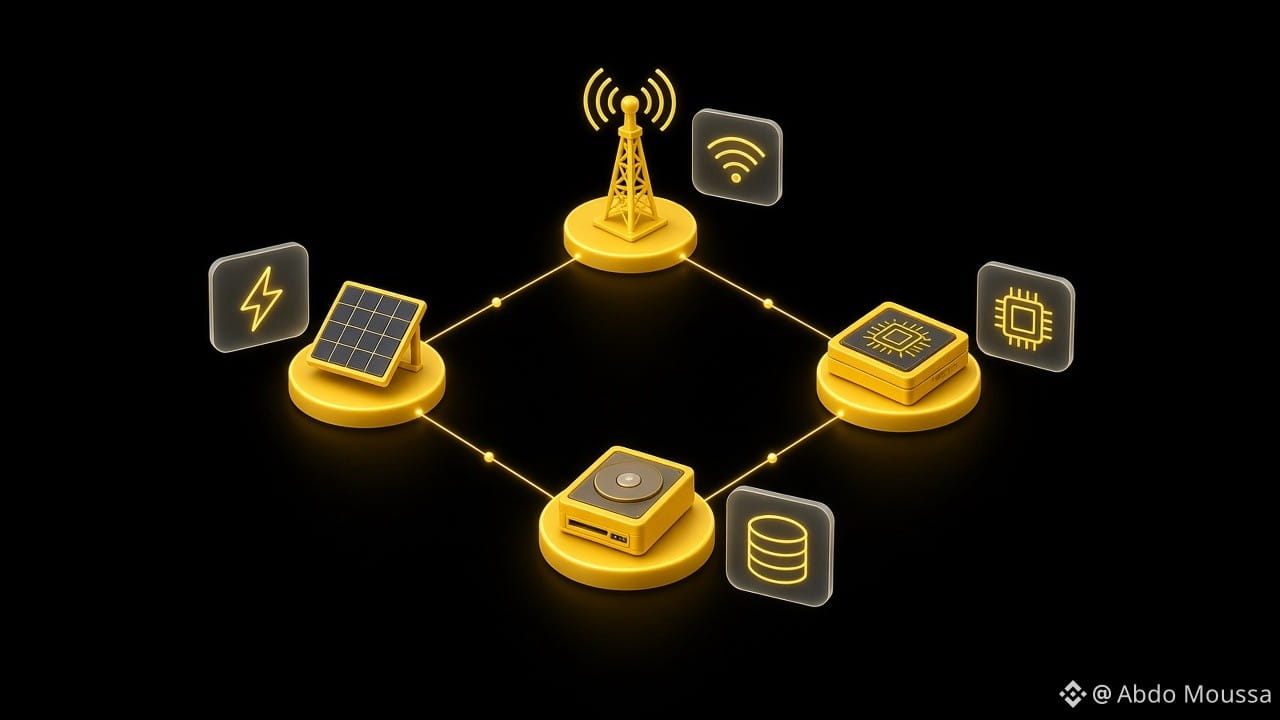
𝗘𝘃𝗲𝗿 𝘄𝗼𝗻𝗱𝗲𝗿𝗲𝗱 𝗵𝗼𝘄 𝗪𝗲𝗯𝟯 𝗽𝗿𝗼𝘁𝗼𝗰𝗼𝗹𝘀 𝗮𝗿𝗲 𝗰𝗿𝗼𝘄𝗱-𝘀𝗼𝘂𝗿𝗰𝗶𝗻𝗴 𝗽𝗵𝘆𝘀𝗶𝗰𝗮𝗹 𝗶𝗻𝗳𝗿𝗮𝘀𝘁𝗿𝘂𝗰𝘁𝘂𝗿𝗲 𝗹𝗶𝗸𝗲 𝟱𝗚 𝗻𝗲𝘁𝘄𝗼𝗿𝗸𝘀, 𝗲𝗻𝗲𝗿𝗴𝘆 𝗴𝗿𝗶𝗱𝘀, 𝗮𝗻𝗱 𝗔𝗜 𝗰𝗼𝗺𝗽𝘂𝘁𝗲 𝗰𝗹𝘂𝘀𝘁𝗲𝗿𝘀? 𝗘𝗻𝘁𝗲𝗿 𝗗𝗲𝗣𝗜𝗡 📡⚡
𝘋𝘳𝘢𝘸𝘪𝘯𝘨 𝘧𝘳𝘰𝘮 𝘧𝘰𝘶𝘯𝘥𝘢𝘵𝘪𝘰𝘯𝘢𝘭 𝘭𝘦𝘴𝘴𝘰𝘯𝘴 𝘰𝘯 #BinanceAcademy, 𝘩𝘦𝘳𝘦 𝘪𝘴 𝘺𝘰𝘶𝘳 𝘲𝘶𝘪𝘤𝘬 𝘪𝘯𝘧𝘳𝘢𝘴𝘵𝘳𝘶𝘤𝘵𝘶𝘳𝘦 𝘣𝘳𝘦𝘢𝘬𝘥𝘰𝘸𝘯:
1️⃣ 𝗪𝗵𝗮𝘁 𝗶𝘀 𝗗𝗲𝗣𝗜𝗡?
• Decentralized Physical Infrastructure Networks use token incentives to coordinate individual hardware providers around the world, helping build open physical networks.
2️⃣ 𝗞𝗲𝘆 𝗥𝗲𝗮𝗹-𝗪𝗼𝗿𝗹𝗱 𝗦𝗲𝗰𝘁𝗼𝗿𝘀:
• Wireless coverage (5G hotspots), decentralized storage, environmental sensor networks, and distributed GPU compute power for AI models.
3️⃣ 𝗖𝗵𝗮𝗹𝗹𝗲𝗻𝗴𝗶𝗻𝗴 𝗖𝗲𝗻𝘁𝗿𝗮𝗹𝗶𝘇𝗲𝗱 𝗠𝗼𝗻𝗼𝗽𝗼𝗹𝗶𝗲𝘀:
• By replacing much of the upfront capital expenditure (CapEx) with token incentives, DePIN can cut infrastructure costs and reduce single points of failure.
⚠️ 𝗥𝗶𝘀𝗸 𝗡𝗼𝘁𝗲:
DePIN participation involves hardware costs, changing token rewards and network adoption risks.
Expand your technical literacy, explore physical Web3 networks 🌐
📖 Learn more on Binance Academy: https://www.binance.com/en/academy/articles/what-is-depin-in-crypto
Crypto involves risk, this is not financial advice, Always DYOR 💡
#DePIN #Web3Infrastructure #CryptoEducation
Follow me for more 💛
𝗘𝘃𝗲𝗿 𝘄𝗼𝗻𝗱𝗲𝗿𝗲𝗱 𝗵𝗼𝘄 𝗪𝗲𝗯𝟯 𝗽𝗿𝗼𝘁𝗼𝗰𝗼𝗹𝘀 𝗮𝗿𝗲 𝗰𝗿𝗼𝘄𝗱-𝘀𝗼𝘂𝗿𝗰𝗶𝗻𝗴 𝗽𝗵𝘆𝘀𝗶𝗰𝗮𝗹 𝗶𝗻𝗳𝗿𝗮𝘀𝘁𝗿𝘂𝗰𝘁𝘂𝗿𝗲 𝗹𝗶𝗸𝗲 𝟱𝗚 𝗻𝗲𝘁𝘄𝗼𝗿𝗸𝘀, 𝗲𝗻𝗲𝗿𝗴𝘆 𝗴𝗿𝗶𝗱𝘀, 𝗮𝗻𝗱 𝗔𝗜 𝗰𝗼𝗺𝗽𝘂𝘁𝗲 𝗰𝗹𝘂𝘀𝘁𝗲𝗿𝘀? 𝗘𝗻𝘁𝗲𝗿 𝗗𝗲𝗣𝗜𝗡 📡⚡
𝘋𝘳𝘢𝘸𝘪𝘯𝘨 𝘧𝘳𝘰𝘮 𝘧𝘰𝘶𝘯𝘥𝘢𝘵𝘪𝘰𝘯𝘢𝘭 𝘭𝘦𝘴𝘴𝘰𝘯𝘴 𝘰𝘯 #BinanceAcademy, 𝘩𝘦𝘳𝘦 𝘪𝘴 𝘺𝘰𝘶𝘳 𝘲𝘶𝘪𝘤𝘬 𝘪𝘯𝘧𝘳𝘢𝘴𝘵𝘳𝘶𝘤𝘵𝘶𝘳𝘦 𝘣𝘳𝘦𝘢𝘬𝘥𝘰𝘸𝘯:
1️⃣ 𝗪𝗵𝗮𝘁 𝗶𝘀 𝗗𝗲𝗣𝗜𝗡?
• Decentralized Physical Infrastructure Networks use token incentives to coordinate individual hardware providers around the world, helping build open physical networks.
2️⃣ 𝗞𝗲𝘆 𝗥𝗲𝗮𝗹-𝗪𝗼𝗿𝗹𝗱 𝗦𝗲𝗰𝘁𝗼𝗿𝘀:
• Wireless coverage (5G hotspots), decentralized storage, environmental sensor networks, and distributed GPU compute power for AI models.
3️⃣ 𝗖𝗵𝗮𝗹𝗹𝗲𝗻𝗴𝗶𝗻𝗴 𝗖𝗲𝗻𝘁𝗿𝗮𝗹𝗶𝘇𝗲𝗱 𝗠𝗼𝗻𝗼𝗽𝗼𝗹𝗶𝗲𝘀:
• By replacing much of the upfront capital expenditure (CapEx) with token incentives, DePIN can cut infrastructure costs and reduce single points of failure.
⚠️ 𝗥𝗶𝘀𝗸 𝗡𝗼𝘁𝗲:
DePIN participation involves hardware costs, changing token rewards and network adoption risks.
Expand your technical literacy, explore physical Web3 networks 🌐
📖 Learn more on Binance Academy: https://www.binance.com/en/academy/articles/what-is-depin-in-crypto
Crypto involves risk, this is not financial advice, Always DYOR 💡
#DePIN #Web3Infrastructure #CryptoEducation
Follow me for more 💛
𝘋𝘳𝘢𝘸𝘪𝘯𝘨 𝘧𝘳𝘰𝘮 𝘧𝘰𝘶𝘯𝘥𝘢𝘵𝘪𝘰𝘯𝘢𝘭 𝘭𝘦𝘴𝘴𝘰𝘯𝘴 𝘰𝘯 #BinanceAcademy, 𝘩𝘦𝘳𝘦 𝘪𝘴 𝘺𝘰𝘶𝘳 𝘲𝘶𝘪𝘤𝘬 𝘪𝘯𝘧𝘳𝘢𝘴𝘵𝘳𝘶𝘤𝘵𝘶𝘳𝘦 𝘣𝘳𝘦𝘢𝘬𝘥𝘰𝘸𝘯:
1️⃣ 𝗪𝗵𝗮𝘁 𝗶𝘀 𝗗𝗲𝗣𝗜𝗡?
• Decentralized Physical Infrastructure Networks use token incentives to coordinate individual hardware providers around the world, helping build open physical networks.
2️⃣ 𝗞𝗲𝘆 𝗥𝗲𝗮𝗹-𝗪𝗼𝗿𝗹𝗱 𝗦𝗲𝗰𝘁𝗼𝗿𝘀:
• Wireless coverage (5G hotspots), decentralized storage, environmental sensor networks, and distributed GPU compute power for AI models.
3️⃣ 𝗖𝗵𝗮𝗹𝗹𝗲𝗻𝗴𝗶𝗻𝗴 𝗖𝗲𝗻𝘁𝗿𝗮𝗹𝗶𝘇𝗲𝗱 𝗠𝗼𝗻𝗼𝗽𝗼𝗹𝗶𝗲𝘀:
• By replacing much of the upfront capital expenditure (CapEx) with token incentives, DePIN can cut infrastructure costs and reduce single points of failure.
⚠️ 𝗥𝗶𝘀𝗸 𝗡𝗼𝘁𝗲:
DePIN participation involves hardware costs, changing token rewards and network adoption risks.
Expand your technical literacy, explore physical Web3 networks 🌐
📖 Learn more on Binance Academy: https://www.binance.com/en/academy/articles/what-is-depin-in-crypto
Crypto involves risk, this is not financial advice, Always DYOR 💡
#DePIN #Web3Infrastructure #CryptoEducation
Follow me for more 💛
2
76
·
--
𝗘𝘃𝗲𝗿 𝘄𝗼𝗻𝗱𝗲𝗿𝗲𝗱 𝗵𝗼𝘄 𝗼𝗿𝗱𝗲𝗿 𝗯𝗼𝗼𝗸𝘀 𝗲𝘅𝗲𝗰𝘂𝘁𝗲 𝘁𝗿𝗮𝗱𝗲𝘀 𝗶𝗻𝘀𝘁𝗮𝗻𝘁𝗹𝘆 𝘄𝗶𝘁𝗵 𝗺𝗶𝗻𝗶𝗺𝗮𝗹 𝗽𝗿𝗶𝗰𝗲 𝘀𝗹𝗶𝗽𝗽𝗮𝗴𝗲, 𝗲𝘃𝗲𝗻 𝗱𝘂𝗿𝗶𝗻𝗴 𝗲𝘅𝘁𝗿𝗲𝗺𝗲 𝗺𝗮𝗿𝗸𝗲𝘁 𝘃𝗼𝗹𝗮𝘁𝗶𝗹𝗶𝘁𝘆? 𝗘𝗻𝘁𝗲𝗿 𝗠𝗮𝗿𝗸𝗲𝘁 𝗠𝗮𝗸𝗶𝗻𝗴 & 𝗟𝗶𝗾𝘂𝗶𝗱𝗶𝘁𝘆 𝗜𝗻𝗳𝗿𝗮𝘀𝘁𝗿𝘂𝗰𝘁𝘂𝗿𝗲 📈⚡
𝘋𝘳𝘢𝘸𝘪𝘯𝘨 𝘧𝘳𝘰𝘮 𝘧𝘰𝘶𝘯𝘥𝘢𝘵𝘪𝘰𝘯𝘢𝘭 𝘭𝘦𝘴𝘴𝘰𝘯𝘴 𝘰𝘯 #BinanceAcademy, 𝘩𝘦𝘳𝘦 𝘪𝘴 𝘺𝘰𝘶𝘳 𝘲𝘶𝘪𝘤𝘬 𝘮𝘢𝘳𝘬𝘦𝘵 𝘮𝘪𝘤𝘳𝘰𝘴𝘵𝘳𝘶𝘤𝘵𝘶𝘳𝘦 𝘣𝘳𝘦𝘢𝘬𝘥𝘰𝘸𝘯:
1️⃣ 𝗧𝗵𝗲 𝗥𝗼𝗹𝗲 𝗼𝗳 𝗠𝗮𝗿𝗸𝗲𝘁 𝗠𝗮𝗸𝗲𝗿𝘀:
• Entities or automated systems that continuously quote bid (buy) and ask (sell) prices, providing essential depth to exchange order books.
2️⃣ 𝗕𝗶𝗱-𝗔𝘀𝗸 𝗦𝗽𝗿𝗲𝗮𝗱 & 𝗢𝗿𝗱𝗲𝗿 𝗗𝗲𝗽𝘁𝗵:
• The spread is the gap between the highest buy order and the lowest sell order, deeper order books usually mean tighter spreads and smoother execution for traders.
3️⃣ 𝗠𝗮𝗿𝗸𝗲𝘁 𝗟𝗶𝗾𝘂𝗶𝗱𝗶𝘁𝘆 𝘃𝘀. 𝗩𝗼𝗹𝗮𝘁𝗶𝗹𝗶𝘁𝘆:
• Robust liquidity helps absorb large orders with less price impact, reducing the risk of drastic spikes or sudden crashes and supporting market efficiency.
📖 Learn more on Binance Academy: https://www.binance.com/en/academy/articles/what-are-makers-and-takers
Expand your technical literacy, analyze order books 📊
Crypto involves risk, this is not financial advice, Always DYOR 💡
#MarketMaking #Liquidity #CryptoEducation
Follow me for more 💛
𝗘𝘃𝗲𝗿 𝘄𝗼𝗻𝗱𝗲𝗿𝗲𝗱 𝗵𝗼𝘄 𝗼𝗿𝗱𝗲𝗿 𝗯𝗼𝗼𝗸𝘀 𝗲𝘅𝗲𝗰𝘂𝘁𝗲 𝘁𝗿𝗮𝗱𝗲𝘀 𝗶𝗻𝘀𝘁𝗮𝗻𝘁𝗹𝘆 𝘄𝗶𝘁𝗵 𝗺𝗶𝗻𝗶𝗺𝗮𝗹 𝗽𝗿𝗶𝗰𝗲 𝘀𝗹𝗶𝗽𝗽𝗮𝗴𝗲, 𝗲𝘃𝗲𝗻 𝗱𝘂𝗿𝗶𝗻𝗴 𝗲𝘅𝘁𝗿𝗲𝗺𝗲 𝗺𝗮𝗿𝗸𝗲𝘁 𝘃𝗼𝗹𝗮𝘁𝗶𝗹𝗶𝘁𝘆? 𝗘𝗻𝘁𝗲𝗿 𝗠𝗮𝗿𝗸𝗲𝘁 𝗠𝗮𝗸𝗶𝗻𝗴 & 𝗟𝗶𝗾𝘂𝗶𝗱𝗶𝘁𝘆 𝗜𝗻𝗳𝗿𝗮𝘀𝘁𝗿𝘂𝗰𝘁𝘂𝗿𝗲 📈⚡
𝘋𝘳𝘢𝘸𝘪𝘯𝘨 𝘧𝘳𝘰𝘮 𝘧𝘰𝘶𝘯𝘥𝘢𝘵𝘪𝘰𝘯𝘢𝘭 𝘭𝘦𝘴𝘴𝘰𝘯𝘴 𝘰𝘯 #BinanceAcademy, 𝘩𝘦𝘳𝘦 𝘪𝘴 𝘺𝘰𝘶𝘳 𝘲𝘶𝘪𝘤𝘬 𝘮𝘢𝘳𝘬𝘦𝘵 𝘮𝘪𝘤𝘳𝘰𝘴𝘵𝘳𝘶𝘤𝘵𝘶𝘳𝘦 𝘣𝘳𝘦𝘢𝘬𝘥𝘰𝘸𝘯:
1️⃣ 𝗧𝗵𝗲 𝗥𝗼𝗹𝗲 𝗼𝗳 𝗠𝗮𝗿𝗸𝗲𝘁 𝗠𝗮𝗸𝗲𝗿𝘀:
• Entities or automated systems that continuously quote bid (buy) and ask (sell) prices, providing essential depth to exchange order books.
2️⃣ 𝗕𝗶𝗱-𝗔𝘀𝗸 𝗦𝗽𝗿𝗲𝗮𝗱 & 𝗢𝗿𝗱𝗲𝗿 𝗗𝗲𝗽𝘁𝗵:
• The spread is the gap between the highest buy order and the lowest sell order, deeper order books usually mean tighter spreads and smoother execution for traders.
3️⃣ 𝗠𝗮𝗿𝗸𝗲𝘁 𝗟𝗶𝗾𝘂𝗶𝗱𝗶𝘁𝘆 𝘃𝘀. 𝗩𝗼𝗹𝗮𝘁𝗶𝗹𝗶𝘁𝘆:
• Robust liquidity helps absorb large orders with less price impact, reducing the risk of drastic spikes or sudden crashes and supporting market efficiency.
📖 Learn more on Binance Academy: https://www.binance.com/en/academy/articles/what-are-makers-and-takers
Expand your technical literacy, analyze order books 📊
Crypto involves risk, this is not financial advice, Always DYOR 💡
#MarketMaking #Liquidity #CryptoEducation
Follow me for more 💛
𝘋𝘳𝘢𝘸𝘪𝘯𝘨 𝘧𝘳𝘰𝘮 𝘧𝘰𝘶𝘯𝘥𝘢𝘵𝘪𝘰𝘯𝘢𝘭 𝘭𝘦𝘴𝘴𝘰𝘯𝘴 𝘰𝘯 #BinanceAcademy, 𝘩𝘦𝘳𝘦 𝘪𝘴 𝘺𝘰𝘶𝘳 𝘲𝘶𝘪𝘤𝘬 𝘮𝘢𝘳𝘬𝘦𝘵 𝘮𝘪𝘤𝘳𝘰𝘴𝘵𝘳𝘶𝘤𝘵𝘶𝘳𝘦 𝘣𝘳𝘦𝘢𝘬𝘥𝘰𝘸𝘯:
1️⃣ 𝗧𝗵𝗲 𝗥𝗼𝗹𝗲 𝗼𝗳 𝗠𝗮𝗿𝗸𝗲𝘁 𝗠𝗮𝗸𝗲𝗿𝘀:
• Entities or automated systems that continuously quote bid (buy) and ask (sell) prices, providing essential depth to exchange order books.
2️⃣ 𝗕𝗶𝗱-𝗔𝘀𝗸 𝗦𝗽𝗿𝗲𝗮𝗱 & 𝗢𝗿𝗱𝗲𝗿 𝗗𝗲𝗽𝘁𝗵:
• The spread is the gap between the highest buy order and the lowest sell order, deeper order books usually mean tighter spreads and smoother execution for traders.
3️⃣ 𝗠𝗮𝗿𝗸𝗲𝘁 𝗟𝗶𝗾𝘂𝗶𝗱𝗶𝘁𝘆 𝘃𝘀. 𝗩𝗼𝗹𝗮𝘁𝗶𝗹𝗶𝘁𝘆:
• Robust liquidity helps absorb large orders with less price impact, reducing the risk of drastic spikes or sudden crashes and supporting market efficiency.
📖 Learn more on Binance Academy: https://www.binance.com/en/academy/articles/what-are-makers-and-takers
Expand your technical literacy, analyze order books 📊
Crypto involves risk, this is not financial advice, Always DYOR 💡
#MarketMaking #Liquidity #CryptoEducation
Follow me for more 💛

2
85
·
--
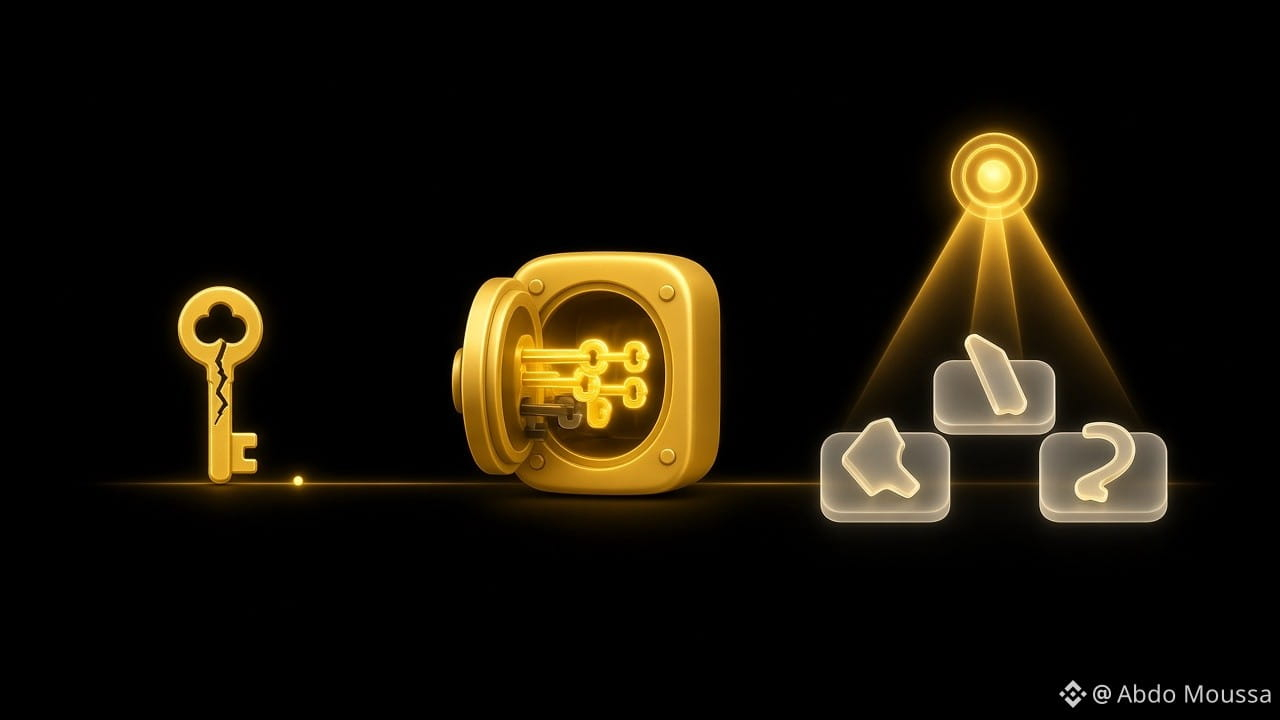
𝗘𝘃𝗲𝗿 𝘄𝗼𝗻𝗱𝗲𝗿𝗲𝗱 𝗵𝗼𝘄 𝗺𝗮𝗷𝗼𝗿 𝗪𝗲𝗯𝟯 𝗼𝗿𝗴𝗮𝗻𝗶𝘇𝗮𝘁𝗶𝗼𝗻𝘀 𝗮𝗻𝗱 𝗶𝗻𝘀𝘁𝗶𝘁𝘂𝘁𝗶𝗼𝗻𝗮𝗹 𝘁𝗿𝗲𝗮𝘀𝘂𝗿𝗶𝗲𝘀 𝘀𝗲𝗰𝘂𝗿𝗲 𝗺𝗶𝗹𝗹𝗶𝗼𝗻𝘀 𝗼𝗳 𝗱𝗼𝗹𝗹𝗮𝗿𝘀 𝘄𝗶𝘁𝗵𝗼𝘂𝘁 𝗿𝗲𝗹𝘆𝗶𝗻𝗴 𝗼𝗻 𝗮 𝘀𝗶𝗻𝗴𝗹𝗲 𝗽𝗲𝗿𝘀𝗼𝗻'𝘀 𝗽𝗿𝗶𝘃𝗮𝘁𝗲 𝗸𝗲𝘆? 𝗘𝗻𝘁𝗲𝗿 𝗠𝘂𝗹𝘁𝗶-𝗦𝗶𝗴 & 𝗠𝗣𝗖 🔐🛡️
𝘋𝘳𝘢𝘸𝘪𝘯𝘨 𝘧𝘳𝘰𝘮 𝘧𝘰𝘶𝘯𝘥𝘢𝘵𝘪𝘰𝘯𝘢𝘭 𝘭𝘦𝘴𝘴𝘰𝘯𝘴 𝘰𝘯 #BinanceAcademy, 𝘩𝘦𝘳𝘦 𝘪𝘴 𝘺𝘰𝘶𝘳 𝘲𝘶𝘪𝘤𝘬 𝘖𝘗𝘚𝘌𝘊 𝘣𝘳𝘦𝘢𝘬𝘥𝘰𝘸𝘯:
1️⃣ 𝗧𝗵𝗲 𝗦𝗶𝗻𝗴𝗹𝗲 𝗣𝗼𝗶𝗻𝘁 𝗼𝗳 𝗙𝗮𝗶𝗹𝘂𝗿𝗲:
• Traditional wallets (EOAs) rely on one private key, if that key is compromised, all funds can be permanently lost.
2️⃣ 𝗠𝘂𝗹𝘁𝗶-𝗦𝗶𝗴𝗻𝗮𝘁𝘂𝗿𝗲 (𝗠𝘂𝗹𝘁𝗶-𝗦𝗶𝗴) 𝗦𝗺𝗮𝗿𝘁 𝗖𝗼𝗻𝘁𝗿𝗮𝗰𝘁𝘀:
• Require multiple independent signatures (e.g., 3 out of 5 stakeholders) to approve a transaction, distributing trust across a team or multiple devices.
3️⃣ 𝗠𝘂𝗹𝘁𝗶-𝗣𝗮𝗿𝘁𝘆 𝗖𝗼𝗺𝗽𝘂𝘁𝗮𝘁𝗶𝗼𝗻 (𝗠𝗣𝗖):
• Splits a single private key into mathematical "shards" distributed across different servers or devices, the shards compute the signature collaboratively without the full key ever being assembled in one place.
📖 Learn more on Binance Academy: https://www.binance.com/en/academy/glossary/multisignature
Expand your technical literacy, upgrade your operational security 🛡️
Crypto involves risk, this is not financial advice, Always DYOR 💡
#MultiSig #MPC #CryptoEducation
Follow me for more 💛
𝗘𝘃𝗲𝗿 𝘄𝗼𝗻𝗱𝗲𝗿𝗲𝗱 𝗵𝗼𝘄 𝗺𝗮𝗷𝗼𝗿 𝗪𝗲𝗯𝟯 𝗼𝗿𝗴𝗮𝗻𝗶𝘇𝗮𝘁𝗶𝗼𝗻𝘀 𝗮𝗻𝗱 𝗶𝗻𝘀𝘁𝗶𝘁𝘂𝘁𝗶𝗼𝗻𝗮𝗹 𝘁𝗿𝗲𝗮𝘀𝘂𝗿𝗶𝗲𝘀 𝘀𝗲𝗰𝘂𝗿𝗲 𝗺𝗶𝗹𝗹𝗶𝗼𝗻𝘀 𝗼𝗳 𝗱𝗼𝗹𝗹𝗮𝗿𝘀 𝘄𝗶𝘁𝗵𝗼𝘂𝘁 𝗿𝗲𝗹𝘆𝗶𝗻𝗴 𝗼𝗻 𝗮 𝘀𝗶𝗻𝗴𝗹𝗲 𝗽𝗲𝗿𝘀𝗼𝗻'𝘀 𝗽𝗿𝗶𝘃𝗮𝘁𝗲 𝗸𝗲𝘆? 𝗘𝗻𝘁𝗲𝗿 𝗠𝘂𝗹𝘁𝗶-𝗦𝗶𝗴 & 𝗠𝗣𝗖 🔐🛡️
𝘋𝘳𝘢𝘸𝘪𝘯𝘨 𝘧𝘳𝘰𝘮 𝘧𝘰𝘶𝘯𝘥𝘢𝘵𝘪𝘰𝘯𝘢𝘭 𝘭𝘦𝘴𝘴𝘰𝘯𝘴 𝘰𝘯 #BinanceAcademy, 𝘩𝘦𝘳𝘦 𝘪𝘴 𝘺𝘰𝘶𝘳 𝘲𝘶𝘪𝘤𝘬 𝘖𝘗𝘚𝘌𝘊 𝘣𝘳𝘦𝘢𝘬𝘥𝘰𝘸𝘯:
1️⃣ 𝗧𝗵𝗲 𝗦𝗶𝗻𝗴𝗹𝗲 𝗣𝗼𝗶𝗻𝘁 𝗼𝗳 𝗙𝗮𝗶𝗹𝘂𝗿𝗲:
• Traditional wallets (EOAs) rely on one private key, if that key is compromised, all funds can be permanently lost.
2️⃣ 𝗠𝘂𝗹𝘁𝗶-𝗦𝗶𝗴𝗻𝗮𝘁𝘂𝗿𝗲 (𝗠𝘂𝗹𝘁𝗶-𝗦𝗶𝗴) 𝗦𝗺𝗮𝗿𝘁 𝗖𝗼𝗻𝘁𝗿𝗮𝗰𝘁𝘀:
• Require multiple independent signatures (e.g., 3 out of 5 stakeholders) to approve a transaction, distributing trust across a team or multiple devices.
3️⃣ 𝗠𝘂𝗹𝘁𝗶-𝗣𝗮𝗿𝘁𝘆 𝗖𝗼𝗺𝗽𝘂𝘁𝗮𝘁𝗶𝗼𝗻 (𝗠𝗣𝗖):
• Splits a single private key into mathematical "shards" distributed across different servers or devices, the shards compute the signature collaboratively without the full key ever being assembled in one place.
📖 Learn more on Binance Academy: https://www.binance.com/en/academy/glossary/multisignature
Expand your technical literacy, upgrade your operational security 🛡️
Crypto involves risk, this is not financial advice, Always DYOR 💡
#MultiSig #MPC #CryptoEducation
Follow me for more 💛
𝘋𝘳𝘢𝘸𝘪𝘯𝘨 𝘧𝘳𝘰𝘮 𝘧𝘰𝘶𝘯𝘥𝘢𝘵𝘪𝘰𝘯𝘢𝘭 𝘭𝘦𝘴𝘴𝘰𝘯𝘴 𝘰𝘯 #BinanceAcademy, 𝘩𝘦𝘳𝘦 𝘪𝘴 𝘺𝘰𝘶𝘳 𝘲𝘶𝘪𝘤𝘬 𝘖𝘗𝘚𝘌𝘊 𝘣𝘳𝘦𝘢𝘬𝘥𝘰𝘸𝘯:
1️⃣ 𝗧𝗵𝗲 𝗦𝗶𝗻𝗴𝗹𝗲 𝗣𝗼𝗶𝗻𝘁 𝗼𝗳 𝗙𝗮𝗶𝗹𝘂𝗿𝗲:
• Traditional wallets (EOAs) rely on one private key, if that key is compromised, all funds can be permanently lost.
2️⃣ 𝗠𝘂𝗹𝘁𝗶-𝗦𝗶𝗴𝗻𝗮𝘁𝘂𝗿𝗲 (𝗠𝘂𝗹𝘁𝗶-𝗦𝗶𝗴) 𝗦𝗺𝗮𝗿𝘁 𝗖𝗼𝗻𝘁𝗿𝗮𝗰𝘁𝘀:
• Require multiple independent signatures (e.g., 3 out of 5 stakeholders) to approve a transaction, distributing trust across a team or multiple devices.
3️⃣ 𝗠𝘂𝗹𝘁𝗶-𝗣𝗮𝗿𝘁𝘆 𝗖𝗼𝗺𝗽𝘂𝘁𝗮𝘁𝗶𝗼𝗻 (𝗠𝗣𝗖):
• Splits a single private key into mathematical "shards" distributed across different servers or devices, the shards compute the signature collaboratively without the full key ever being assembled in one place.
📖 Learn more on Binance Academy: https://www.binance.com/en/academy/glossary/multisignature
Expand your technical literacy, upgrade your operational security 🛡️
Crypto involves risk, this is not financial advice, Always DYOR 💡
#MultiSig #MPC #CryptoEducation
Follow me for more 💛
1
3
83
·
--
𝗘𝘃𝗲𝗿 𝘄𝗼𝗻𝗱𝗲𝗿𝗲𝗱 𝗵𝗼𝘄 𝗨𝗦 𝗧𝗿𝗲𝗮𝘀𝘂𝗿𝘆 𝗯𝗼𝗻𝗱𝘀, 𝗿𝗲𝗮𝗹 𝗲𝘀𝘁𝗮𝘁𝗲 𝗮𝗻𝗱 𝗰𝗼𝗺𝗺𝗼𝗱𝗶𝘁𝗶𝗲𝘀 𝗮𝗿𝗲 𝗺𝗼𝘃𝗶𝗻𝗴 𝗼𝗻-𝗰𝗵𝗮𝗶𝗻? 𝗘𝗻𝘁𝗲𝗿 𝗥𝗪𝗔 𝗧𝗼𝗸𝗲𝗻𝗶𝘇𝗮𝘁𝗶𝗼𝗻 🏢💵
𝘋𝘳𝘢𝘸𝘪𝘯𝘨 𝘧𝘳𝘰𝘮 𝘧𝘰𝘶𝘯𝘥𝘢𝘵𝘪𝘰𝘯𝘢𝘭 𝘭𝘦𝘴𝘴𝘰𝘯𝘴 𝘰𝘯 #Binance 𝘈𝘤𝘢𝘥𝘦𝘮𝘺, 𝘩𝘦𝘳𝘦'𝘴 𝘺𝘰𝘶𝘳 𝘲𝘶𝘪𝘤𝘬 𝘣𝘳𝘦𝘢𝘬𝘥𝘰𝘸𝘯:
1️⃣ 𝗪𝗵𝗮𝘁 𝗶𝘀 𝗥𝗪𝗔 𝗧𝗼𝗸𝗲𝗻𝗶𝘇𝗮𝘁𝗶𝗼𝗻?
• Real-world physical or financial assets represented as tokens on a public blockchain, bridging TradFi and DeFi
2️⃣ 𝗞𝗲𝘆 𝗨𝘀𝗲 𝗖𝗮𝘀𝗲𝘀 & 𝗬𝗶𝗲𝗹𝗱
• Tokenized government bonds with on-chain yield, fractional real estate and digital gold, unlocking global liquidity
3️⃣ 𝗜𝗻𝘀𝘁𝗶𝘁𝘂𝘁𝗶𝗼𝗻𝗮𝗹 𝗠𝗼𝗺𝗲𝗻𝘁𝘂𝗺
• Major financial institutions are tokenizing assets for faster settlement, more transparency and better efficiency
⚠️ 𝗞𝗻𝗼𝘄 𝘁𝗵𝗲 𝗿𝗶𝘀𝗸𝘀
• RWA protocols depend on legal frameworks and off-chain collateral, so regulatory and counterparty risks are real
📚 Learn more on Binance Academy:
https://www.binance.com/en/academy/glossary/real-world-assets-rwas
Crypto involves risk, this is not financial advice, Always DYOR 💡
#RWA #TradFi #BinanceAcademy #CryptoEducation
Follow me for more 💛
𝗘𝘃𝗲𝗿 𝘄𝗼𝗻𝗱𝗲𝗿𝗲𝗱 𝗵𝗼𝘄 𝗨𝗦 𝗧𝗿𝗲𝗮𝘀𝘂𝗿𝘆 𝗯𝗼𝗻𝗱𝘀, 𝗿𝗲𝗮𝗹 𝗲𝘀𝘁𝗮𝘁𝗲 𝗮𝗻𝗱 𝗰𝗼𝗺𝗺𝗼𝗱𝗶𝘁𝗶𝗲𝘀 𝗮𝗿𝗲 𝗺𝗼𝘃𝗶𝗻𝗴 𝗼𝗻-𝗰𝗵𝗮𝗶𝗻? 𝗘𝗻𝘁𝗲𝗿 𝗥𝗪𝗔 𝗧𝗼𝗸𝗲𝗻𝗶𝘇𝗮𝘁𝗶𝗼𝗻 🏢💵
𝘋𝘳𝘢𝘸𝘪𝘯𝘨 𝘧𝘳𝘰𝘮 𝘧𝘰𝘶𝘯𝘥𝘢𝘵𝘪𝘰𝘯𝘢𝘭 𝘭𝘦𝘴𝘴𝘰𝘯𝘴 𝘰𝘯 #Binance 𝘈𝘤𝘢𝘥𝘦𝘮𝘺, 𝘩𝘦𝘳𝘦'𝘴 𝘺𝘰𝘶𝘳 𝘲𝘶𝘪𝘤𝘬 𝘣𝘳𝘦𝘢𝘬𝘥𝘰𝘸𝘯:
1️⃣ 𝗪𝗵𝗮𝘁 𝗶𝘀 𝗥𝗪𝗔 𝗧𝗼𝗸𝗲𝗻𝗶𝘇𝗮𝘁𝗶𝗼𝗻?
• Real-world physical or financial assets represented as tokens on a public blockchain, bridging TradFi and DeFi
2️⃣ 𝗞𝗲𝘆 𝗨𝘀𝗲 𝗖𝗮𝘀𝗲𝘀 & 𝗬𝗶𝗲𝗹𝗱
• Tokenized government bonds with on-chain yield, fractional real estate and digital gold, unlocking global liquidity
3️⃣ 𝗜𝗻𝘀𝘁𝗶𝘁𝘂𝘁𝗶𝗼𝗻𝗮𝗹 𝗠𝗼𝗺𝗲𝗻𝘁𝘂𝗺
• Major financial institutions are tokenizing assets for faster settlement, more transparency and better efficiency
⚠️ 𝗞𝗻𝗼𝘄 𝘁𝗵𝗲 𝗿𝗶𝘀𝗸𝘀
• RWA protocols depend on legal frameworks and off-chain collateral, so regulatory and counterparty risks are real
📚 Learn more on Binance Academy:
https://www.binance.com/en/academy/glossary/real-world-assets-rwas
Crypto involves risk, this is not financial advice, Always DYOR 💡
#RWA #TradFi #BinanceAcademy #CryptoEducation
Follow me for more 💛
𝘋𝘳𝘢𝘸𝘪𝘯𝘨 𝘧𝘳𝘰𝘮 𝘧𝘰𝘶𝘯𝘥𝘢𝘵𝘪𝘰𝘯𝘢𝘭 𝘭𝘦𝘴𝘴𝘰𝘯𝘴 𝘰𝘯 #Binance 𝘈𝘤𝘢𝘥𝘦𝘮𝘺, 𝘩𝘦𝘳𝘦'𝘴 𝘺𝘰𝘶𝘳 𝘲𝘶𝘪𝘤𝘬 𝘣𝘳𝘦𝘢𝘬𝘥𝘰𝘸𝘯:
1️⃣ 𝗪𝗵𝗮𝘁 𝗶𝘀 𝗥𝗪𝗔 𝗧𝗼𝗸𝗲𝗻𝗶𝘇𝗮𝘁𝗶𝗼𝗻?
• Real-world physical or financial assets represented as tokens on a public blockchain, bridging TradFi and DeFi
2️⃣ 𝗞𝗲𝘆 𝗨𝘀𝗲 𝗖𝗮𝘀𝗲𝘀 & 𝗬𝗶𝗲𝗹𝗱
• Tokenized government bonds with on-chain yield, fractional real estate and digital gold, unlocking global liquidity
3️⃣ 𝗜𝗻𝘀𝘁𝗶𝘁𝘂𝘁𝗶𝗼𝗻𝗮𝗹 𝗠𝗼𝗺𝗲𝗻𝘁𝘂𝗺
• Major financial institutions are tokenizing assets for faster settlement, more transparency and better efficiency
⚠️ 𝗞𝗻𝗼𝘄 𝘁𝗵𝗲 𝗿𝗶𝘀𝗸𝘀
• RWA protocols depend on legal frameworks and off-chain collateral, so regulatory and counterparty risks are real
📚 Learn more on Binance Academy:
https://www.binance.com/en/academy/glossary/real-world-assets-rwas
Crypto involves risk, this is not financial advice, Always DYOR 💡
#RWA #TradFi #BinanceAcademy #CryptoEducation
Follow me for more 💛

2
66
·
--
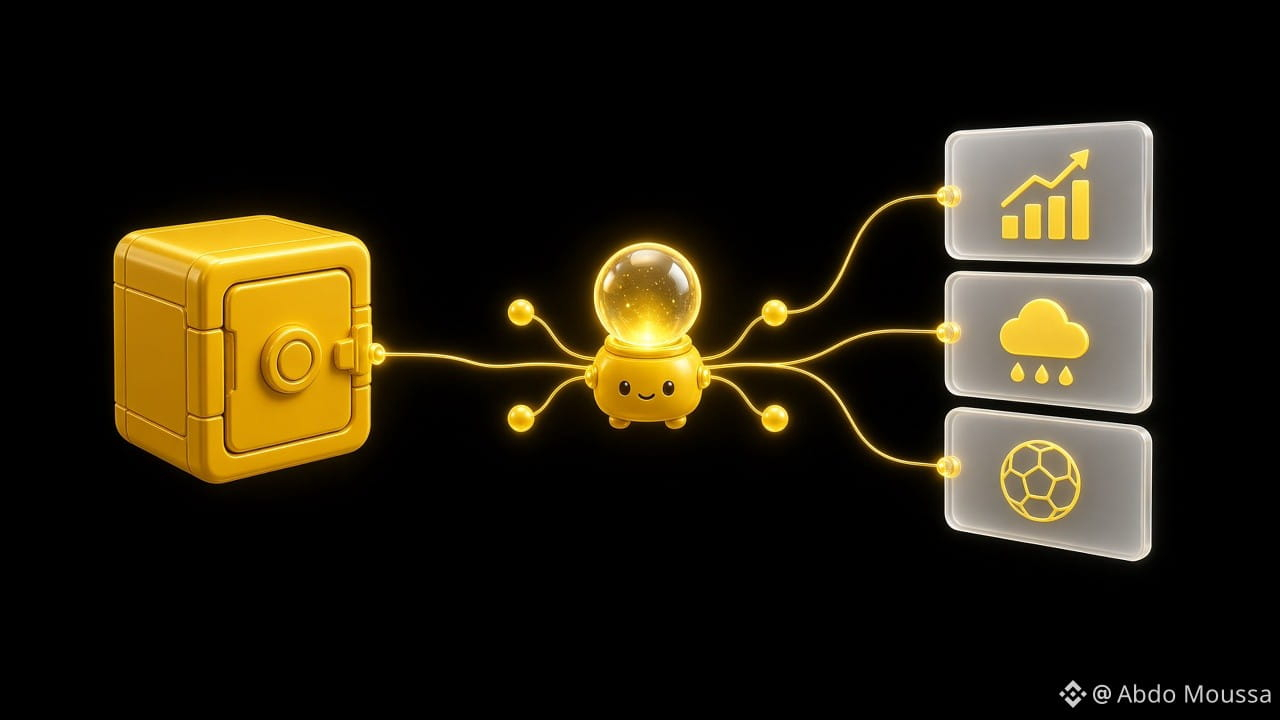
𝗘𝘃𝗲𝗿 𝘄𝗼𝗻𝗱𝗲𝗿𝗲𝗱 𝗵𝗼𝘄 𝘀𝗺𝗮𝗿𝘁 𝗰𝗼𝗻𝘁𝗿𝗮𝗰𝘁𝘀 𝗸𝗻𝗼𝘄 𝗿𝗲𝗮𝗹-𝘁𝗶𝗺𝗲 𝗮𝘀𝘀𝗲𝘁 𝗽𝗿𝗶𝗰𝗲𝘀, 𝘄𝗲𝗮𝘁𝗵𝗲𝗿 𝗱𝗮𝘁𝗮, 𝗼𝗿 𝘀𝗽𝗼𝗿𝘁𝘀 𝘀𝗰𝗼𝗿𝗲𝘀 𝘄𝗵𝗲𝗻 𝗯𝗹𝗼𝗰𝗸𝗰𝗵𝗮𝗶𝗻𝘀 𝗮𝗿𝗲 𝘁𝗼𝘁𝗮𝗹𝗹𝘆 𝗶𝘀𝗼𝗹𝗮𝘁𝗲𝗱? 𝗘𝗻𝘁𝗲𝗿 𝗢𝗿𝗮𝗰𝗹𝗲𝘀 🔮⚡
𝗗𝗿𝗮𝘄𝗶𝗻𝗴 𝗳𝗿𝗼𝗺 𝗳𝗼𝘂𝗻𝗱𝗮𝘁𝗶𝗼𝗻𝗮𝗹 𝗹𝗲𝘀𝘀𝗼𝗻𝘀 𝗼𝗻 #Binance 𝗔𝗰𝗮𝗱𝗲𝗺𝘆, 𝗵𝗲𝗿𝗲'𝘀 𝘆𝗼𝘂𝗿 𝗾𝘂𝗶𝗰𝗸 𝗶𝗻𝗳𝗿𝗮𝘀𝘁𝗿𝘂𝗰𝘁𝘂𝗿𝗲 𝗯𝗿𝗲𝗮𝗸𝗱𝗼𝘄𝗻:
1️⃣ 𝗧𝗵𝗲 𝗕𝗹𝗼𝗰𝗸𝗰𝗵𝗮𝗶𝗻 𝗜𝘀𝗼𝗹𝗮𝘁𝗶𝗼𝗻 𝗣𝗿𝗼𝗯𝗹𝗲𝗺:
• Blockchains are deterministic and secure digital silos, they can't natively fetch data from the outside world (off-chain).
2️⃣ 𝗪𝗵𝗮𝘁 𝗶𝘀 𝗮 𝗕𝗹𝗼𝗰𝗸𝗰𝗵𝗮𝗶𝗻 𝗢𝗿𝗮𝗰𝗹𝗲?
• An oracle acts as a secure bridge or middleware that fetches, verifies, and delivers external real-world data to on-chain smart contracts.
3️⃣ 𝗖𝗲𝗻𝘁𝗿𝗮𝗹𝗶𝘇𝗲𝗱 𝘃𝘀. 𝗗𝗲𝗰𝗲𝗻𝘁𝗿𝗮𝗹𝗶𝘇𝗲𝗱 𝗢𝗿𝗮𝗰𝗹𝗲𝘀:
• Centralized oracles are single points of failure, while decentralized oracle networks aggregate data from multiple independent sources to ensure reliability.
Expand your technical literacy and understand the data infrastructure behind every smart contract 🧠
Follow me for more 💛
Crypto involves risk, this is not financial advice, Always DYOR 💡
#Oracles #SmartContracts #BinanceAcademy #CryptoEducation
𝗘𝘃𝗲𝗿 𝘄𝗼𝗻𝗱𝗲𝗿𝗲𝗱 𝗵𝗼𝘄 𝘀𝗺𝗮𝗿𝘁 𝗰𝗼𝗻𝘁𝗿𝗮𝗰𝘁𝘀 𝗸𝗻𝗼𝘄 𝗿𝗲𝗮𝗹-𝘁𝗶𝗺𝗲 𝗮𝘀𝘀𝗲𝘁 𝗽𝗿𝗶𝗰𝗲𝘀, 𝘄𝗲𝗮𝘁𝗵𝗲𝗿 𝗱𝗮𝘁𝗮, 𝗼𝗿 𝘀𝗽𝗼𝗿𝘁𝘀 𝘀𝗰𝗼𝗿𝗲𝘀 𝘄𝗵𝗲𝗻 𝗯𝗹𝗼𝗰𝗸𝗰𝗵𝗮𝗶𝗻𝘀 𝗮𝗿𝗲 𝘁𝗼𝘁𝗮𝗹𝗹𝘆 𝗶𝘀𝗼𝗹𝗮𝘁𝗲𝗱? 𝗘𝗻𝘁𝗲𝗿 𝗢𝗿𝗮𝗰𝗹𝗲𝘀 🔮⚡
𝗗𝗿𝗮𝘄𝗶𝗻𝗴 𝗳𝗿𝗼𝗺 𝗳𝗼𝘂𝗻𝗱𝗮𝘁𝗶𝗼𝗻𝗮𝗹 𝗹𝗲𝘀𝘀𝗼𝗻𝘀 𝗼𝗻 #Binance 𝗔𝗰𝗮𝗱𝗲𝗺𝘆, 𝗵𝗲𝗿𝗲'𝘀 𝘆𝗼𝘂𝗿 𝗾𝘂𝗶𝗰𝗸 𝗶𝗻𝗳𝗿𝗮𝘀𝘁𝗿𝘂𝗰𝘁𝘂𝗿𝗲 𝗯𝗿𝗲𝗮𝗸𝗱𝗼𝘄𝗻:
1️⃣ 𝗧𝗵𝗲 𝗕𝗹𝗼𝗰𝗸𝗰𝗵𝗮𝗶𝗻 𝗜𝘀𝗼𝗹𝗮𝘁𝗶𝗼𝗻 𝗣𝗿𝗼𝗯𝗹𝗲𝗺:
• Blockchains are deterministic and secure digital silos, they can't natively fetch data from the outside world (off-chain).
2️⃣ 𝗪𝗵𝗮𝘁 𝗶𝘀 𝗮 𝗕𝗹𝗼𝗰𝗸𝗰𝗵𝗮𝗶𝗻 𝗢𝗿𝗮𝗰𝗹𝗲?
• An oracle acts as a secure bridge or middleware that fetches, verifies, and delivers external real-world data to on-chain smart contracts.
3️⃣ 𝗖𝗲𝗻𝘁𝗿𝗮𝗹𝗶𝘇𝗲𝗱 𝘃𝘀. 𝗗𝗲𝗰𝗲𝗻𝘁𝗿𝗮𝗹𝗶𝘇𝗲𝗱 𝗢𝗿𝗮𝗰𝗹𝗲𝘀:
• Centralized oracles are single points of failure, while decentralized oracle networks aggregate data from multiple independent sources to ensure reliability.
Expand your technical literacy and understand the data infrastructure behind every smart contract 🧠
Follow me for more 💛
Crypto involves risk, this is not financial advice, Always DYOR 💡
#Oracles #SmartContracts #BinanceAcademy #CryptoEducation
𝗗𝗿𝗮𝘄𝗶𝗻𝗴 𝗳𝗿𝗼𝗺 𝗳𝗼𝘂𝗻𝗱𝗮𝘁𝗶𝗼𝗻𝗮𝗹 𝗹𝗲𝘀𝘀𝗼𝗻𝘀 𝗼𝗻 #Binance 𝗔𝗰𝗮𝗱𝗲𝗺𝘆, 𝗵𝗲𝗿𝗲'𝘀 𝘆𝗼𝘂𝗿 𝗾𝘂𝗶𝗰𝗸 𝗶𝗻𝗳𝗿𝗮𝘀𝘁𝗿𝘂𝗰𝘁𝘂𝗿𝗲 𝗯𝗿𝗲𝗮𝗸𝗱𝗼𝘄𝗻:
1️⃣ 𝗧𝗵𝗲 𝗕𝗹𝗼𝗰𝗸𝗰𝗵𝗮𝗶𝗻 𝗜𝘀𝗼𝗹𝗮𝘁𝗶𝗼𝗻 𝗣𝗿𝗼𝗯𝗹𝗲𝗺:
• Blockchains are deterministic and secure digital silos, they can't natively fetch data from the outside world (off-chain).
2️⃣ 𝗪𝗵𝗮𝘁 𝗶𝘀 𝗮 𝗕𝗹𝗼𝗰𝗸𝗰𝗵𝗮𝗶𝗻 𝗢𝗿𝗮𝗰𝗹𝗲?
• An oracle acts as a secure bridge or middleware that fetches, verifies, and delivers external real-world data to on-chain smart contracts.
3️⃣ 𝗖𝗲𝗻𝘁𝗿𝗮𝗹𝗶𝘇𝗲𝗱 𝘃𝘀. 𝗗𝗲𝗰𝗲𝗻𝘁𝗿𝗮𝗹𝗶𝘇𝗲𝗱 𝗢𝗿𝗮𝗰𝗹𝗲𝘀:
• Centralized oracles are single points of failure, while decentralized oracle networks aggregate data from multiple independent sources to ensure reliability.
Expand your technical literacy and understand the data infrastructure behind every smart contract 🧠
Follow me for more 💛
Crypto involves risk, this is not financial advice, Always DYOR 💡
#Oracles #SmartContracts #BinanceAcademy #CryptoEducation
1
2
85
·
--
𝗪𝗮𝗻𝘁 𝘁𝗼 𝗮𝗺𝗽𝗹𝗶𝗳𝘆 𝘆𝗼𝘂𝗿 𝘁𝗿𝗮𝗱𝗶𝗻𝗴 𝗰𝗮𝗽𝗶𝘁𝗮𝗹, 𝗯𝘂𝘁 𝘄𝗼𝗿𝗿𝗶𝗲𝗱 𝗮𝗯𝗼𝘂𝘁 𝘁𝗵𝗲 𝗿𝗶𝘀𝗸𝘀? 𝗟𝗲𝘁'𝘀 𝗯𝗿𝗲𝗮𝗸 𝗱𝗼𝘄𝗻 𝗵𝗼𝘄 𝗠𝗮𝗿𝗴𝗶𝗻 𝗧𝗿𝗮𝗱𝗶𝗻𝗴 𝗮𝗰𝘁𝘂𝗮𝗹𝗹𝘆 𝘄𝗼𝗿𝗸𝘀 📊⚡
𝗗𝗿𝗮𝘄𝗶𝗻𝗴 𝗳𝗿𝗼𝗺 𝗳𝗼𝘂𝗻𝗱𝗮𝘁𝗶𝗼𝗻𝗮𝗹 𝗹𝗲𝘀𝘀𝗼𝗻𝘀 𝗼𝗻 #Binance 𝗔𝗰𝗮𝗱𝗲𝗺𝘆, 𝗵𝗲𝗿𝗲'𝘀 𝘆𝗼𝘂𝗿 𝗾𝘂𝗶𝗰𝗸 𝗺𝗮𝗿𝗴𝗶𝗻 𝘁𝗿𝗮𝗱𝗶𝗻𝗴 𝗰𝗵𝗲𝗰𝗸𝗹𝗶𝘀𝘁:
1️⃣ 𝗕𝗼𝗿𝗿𝗼𝘄𝗶𝗻𝗴 & 𝗟𝗲𝘃𝗲𝗿𝗮𝗴𝗲:
• Margin trading lets you borrow funds against your collateral to open larger positions than your balance allows (e.g., 3x or 5x leverage).
2️⃣ 𝗟𝗼𝗻𝗴 𝘃𝘀. 𝗦𝗵𝗼𝗿𝘁 𝗣𝗼𝘀𝗶𝘁𝗶𝗼𝗻𝘀:
• Go LONG if you expect prices to rise, or SHORT if you expect them to fall, by borrowing an asset, selling it, and buying it back later.
3️⃣ 𝗠𝗮𝗿𝗴𝗶𝗻 𝗖𝗮𝗹𝗹𝘀 & 𝗟𝗶𝗾𝘂𝗶𝗱𝗮𝘁𝗶𝗼𝗻:
• If the market moves against you and your margin level drops below the maintenance threshold, your position can be automatically liquidated to repay the loan.
Leverage amplifies both gains and losses, so start small and manage your risk with discipline 🛡️
Learn more on Binance Academy 👇
https://www.binance.com/en/academy/articles/what-is-binance-margin-and-how-to-use-it
Follow me for more 💛
Crypto involves risk, this is not financial advice, Always DYOR 💡
#MarginTrading #Leverage #BinanceAcademy #CryptoEducation
𝗪𝗮𝗻𝘁 𝘁𝗼 𝗮𝗺𝗽𝗹𝗶𝗳𝘆 𝘆𝗼𝘂𝗿 𝘁𝗿𝗮𝗱𝗶𝗻𝗴 𝗰𝗮𝗽𝗶𝘁𝗮𝗹, 𝗯𝘂𝘁 𝘄𝗼𝗿𝗿𝗶𝗲𝗱 𝗮𝗯𝗼𝘂𝘁 𝘁𝗵𝗲 𝗿𝗶𝘀𝗸𝘀? 𝗟𝗲𝘁'𝘀 𝗯𝗿𝗲𝗮𝗸 𝗱𝗼𝘄𝗻 𝗵𝗼𝘄 𝗠𝗮𝗿𝗴𝗶𝗻 𝗧𝗿𝗮𝗱𝗶𝗻𝗴 𝗮𝗰𝘁𝘂𝗮𝗹𝗹𝘆 𝘄𝗼𝗿𝗸𝘀 📊⚡
𝗗𝗿𝗮𝘄𝗶𝗻𝗴 𝗳𝗿𝗼𝗺 𝗳𝗼𝘂𝗻𝗱𝗮𝘁𝗶𝗼𝗻𝗮𝗹 𝗹𝗲𝘀𝘀𝗼𝗻𝘀 𝗼𝗻 #Binance 𝗔𝗰𝗮𝗱𝗲𝗺𝘆, 𝗵𝗲𝗿𝗲'𝘀 𝘆𝗼𝘂𝗿 𝗾𝘂𝗶𝗰𝗸 𝗺𝗮𝗿𝗴𝗶𝗻 𝘁𝗿𝗮𝗱𝗶𝗻𝗴 𝗰𝗵𝗲𝗰𝗸𝗹𝗶𝘀𝘁:
1️⃣ 𝗕𝗼𝗿𝗿𝗼𝘄𝗶𝗻𝗴 & 𝗟𝗲𝘃𝗲𝗿𝗮𝗴𝗲:
• Margin trading lets you borrow funds against your collateral to open larger positions than your balance allows (e.g., 3x or 5x leverage).
2️⃣ 𝗟𝗼𝗻𝗴 𝘃𝘀. 𝗦𝗵𝗼𝗿𝘁 𝗣𝗼𝘀𝗶𝘁𝗶𝗼𝗻𝘀:
• Go LONG if you expect prices to rise, or SHORT if you expect them to fall, by borrowing an asset, selling it, and buying it back later.
3️⃣ 𝗠𝗮𝗿𝗴𝗶𝗻 𝗖𝗮𝗹𝗹𝘀 & 𝗟𝗶𝗾𝘂𝗶𝗱𝗮𝘁𝗶𝗼𝗻:
• If the market moves against you and your margin level drops below the maintenance threshold, your position can be automatically liquidated to repay the loan.
Leverage amplifies both gains and losses, so start small and manage your risk with discipline 🛡️
Learn more on Binance Academy 👇
https://www.binance.com/en/academy/articles/what-is-binance-margin-and-how-to-use-it
Follow me for more 💛
Crypto involves risk, this is not financial advice, Always DYOR 💡
#MarginTrading #Leverage #BinanceAcademy #CryptoEducation
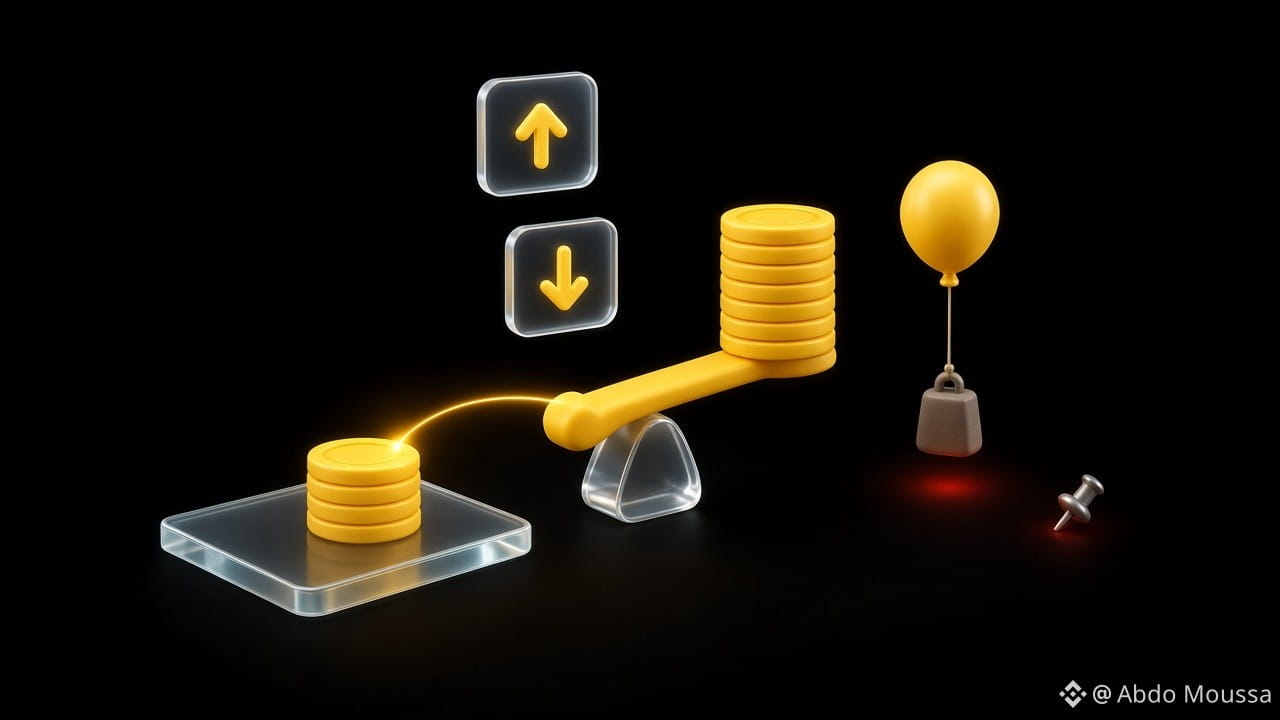
𝗗𝗿𝗮𝘄𝗶𝗻𝗴 𝗳𝗿𝗼𝗺 𝗳𝗼𝘂𝗻𝗱𝗮𝘁𝗶𝗼𝗻𝗮𝗹 𝗹𝗲𝘀𝘀𝗼𝗻𝘀 𝗼𝗻 #Binance 𝗔𝗰𝗮𝗱𝗲𝗺𝘆, 𝗵𝗲𝗿𝗲'𝘀 𝘆𝗼𝘂𝗿 𝗾𝘂𝗶𝗰𝗸 𝗺𝗮𝗿𝗴𝗶𝗻 𝘁𝗿𝗮𝗱𝗶𝗻𝗴 𝗰𝗵𝗲𝗰𝗸𝗹𝗶𝘀𝘁:
1️⃣ 𝗕𝗼𝗿𝗿𝗼𝘄𝗶𝗻𝗴 & 𝗟𝗲𝘃𝗲𝗿𝗮𝗴𝗲:
• Margin trading lets you borrow funds against your collateral to open larger positions than your balance allows (e.g., 3x or 5x leverage).
2️⃣ 𝗟𝗼𝗻𝗴 𝘃𝘀. 𝗦𝗵𝗼𝗿𝘁 𝗣𝗼𝘀𝗶𝘁𝗶𝗼𝗻𝘀:
• Go LONG if you expect prices to rise, or SHORT if you expect them to fall, by borrowing an asset, selling it, and buying it back later.
3️⃣ 𝗠𝗮𝗿𝗴𝗶𝗻 𝗖𝗮𝗹𝗹𝘀 & 𝗟𝗶𝗾𝘂𝗶𝗱𝗮𝘁𝗶𝗼𝗻:
• If the market moves against you and your margin level drops below the maintenance threshold, your position can be automatically liquidated to repay the loan.
Leverage amplifies both gains and losses, so start small and manage your risk with discipline 🛡️
Learn more on Binance Academy 👇
https://www.binance.com/en/academy/articles/what-is-binance-margin-and-how-to-use-it
Follow me for more 💛
Crypto involves risk, this is not financial advice, Always DYOR 💡
#MarginTrading #Leverage #BinanceAcademy #CryptoEducation
4
88
·
--
𝗛𝗼𝘄 𝗱𝗼 𝗱𝗲𝗰𝗲𝗻𝘁𝗿𝗮𝗹𝗶𝘇𝗲𝗱 𝗯𝗹𝗼𝗰𝗸𝗰𝗵𝗮𝗶𝗻𝘀 𝗿𝗲𝗮𝗰𝗵 𝗴𝗹𝗼𝗯𝗮𝗹 𝗮𝗴𝗿𝗲𝗲𝗺𝗲𝗻𝘁 𝘄𝗶𝘁𝗵𝗼𝘂𝘁 𝗮 𝗰𝗲𝗻𝘁𝗿𝗮𝗹 𝗮𝘂𝘁𝗵𝗼𝗿𝗶𝘁𝘆? 𝗖𝗼𝗻𝘀𝗲𝗻𝘀𝘂𝘀 𝗺𝗲𝗰𝗵𝗮𝗻𝗶𝘀𝗺𝘀 ⚡🔗
𝗗𝗿𝗮𝘄𝗶𝗻𝗴 𝗳𝗿𝗼𝗺 𝗳𝗼𝘂𝗻𝗱𝗮𝘁𝗶𝗼𝗻𝗮𝗹 𝗹𝗲𝘀𝘀𝗼𝗻𝘀 𝗼𝗻 #Binance 𝗔𝗰𝗮𝗱𝗲𝗺𝘆, 𝗵𝗲𝗿𝗲'𝘀 𝘆𝗼𝘂𝗿 𝗾𝘂𝗶𝗰𝗸 𝗴𝘂𝗶𝗱𝗲 𝘁𝗼 𝗣𝗼𝗪 𝘃𝘀. 𝗣𝗼𝗦:
1️⃣ 𝗣𝗿𝗼𝗼𝗳 𝗼𝗳 𝗪𝗼𝗿𝗸 (𝗣𝗼𝗪):
• Miners use powerful hardware to solve complex mathematical puzzles, securing the network and validating transactions (e.g., Bitcoin).
2️⃣ 𝗣𝗿𝗼𝗼𝗳 𝗼𝗳 𝗦𝘁𝗮𝗸𝗲 (𝗣𝗼𝗦):
• Validators lock up (stake) the network's native tokens as collateral to propose and validate new blocks, using far less energy (e.g., Ethereum).
3️⃣ 𝗦𝗲𝗰𝘂𝗿𝗶𝘁𝘆 & 𝗗𝗲𝗰𝗲𝗻𝘁𝗿𝗮𝗹𝗶𝘇𝗮𝘁𝗶𝗼𝗻:
• Both reward honest participation and make attacks costly, PoW through the cost of energy and hardware, PoS through staked tokens that can be slashed.
Learn more on Binance Academy 👇
https://www.binance.com/en/academy/articles/proof-of-work-vs-proof-of-stake
Follow me for more 💛
Crypto involves risk, this is not financial advice, Always DYOR 💡
#ProofOfWork #ProofOfStake #BinanceAcademy #CryptoEducation
𝗛𝗼𝘄 𝗱𝗼 𝗱𝗲𝗰𝗲𝗻𝘁𝗿𝗮𝗹𝗶𝘇𝗲𝗱 𝗯𝗹𝗼𝗰𝗸𝗰𝗵𝗮𝗶𝗻𝘀 𝗿𝗲𝗮𝗰𝗵 𝗴𝗹𝗼𝗯𝗮𝗹 𝗮𝗴𝗿𝗲𝗲𝗺𝗲𝗻𝘁 𝘄𝗶𝘁𝗵𝗼𝘂𝘁 𝗮 𝗰𝗲𝗻𝘁𝗿𝗮𝗹 𝗮𝘂𝘁𝗵𝗼𝗿𝗶𝘁𝘆? 𝗖𝗼𝗻𝘀𝗲𝗻𝘀𝘂𝘀 𝗺𝗲𝗰𝗵𝗮𝗻𝗶𝘀𝗺𝘀 ⚡🔗
𝗗𝗿𝗮𝘄𝗶𝗻𝗴 𝗳𝗿𝗼𝗺 𝗳𝗼𝘂𝗻𝗱𝗮𝘁𝗶𝗼𝗻𝗮𝗹 𝗹𝗲𝘀𝘀𝗼𝗻𝘀 𝗼𝗻 #Binance 𝗔𝗰𝗮𝗱𝗲𝗺𝘆, 𝗵𝗲𝗿𝗲'𝘀 𝘆𝗼𝘂𝗿 𝗾𝘂𝗶𝗰𝗸 𝗴𝘂𝗶𝗱𝗲 𝘁𝗼 𝗣𝗼𝗪 𝘃𝘀. 𝗣𝗼𝗦:
1️⃣ 𝗣𝗿𝗼𝗼𝗳 𝗼𝗳 𝗪𝗼𝗿𝗸 (𝗣𝗼𝗪):
• Miners use powerful hardware to solve complex mathematical puzzles, securing the network and validating transactions (e.g., Bitcoin).
2️⃣ 𝗣𝗿𝗼𝗼𝗳 𝗼𝗳 𝗦𝘁𝗮𝗸𝗲 (𝗣𝗼𝗦):
• Validators lock up (stake) the network's native tokens as collateral to propose and validate new blocks, using far less energy (e.g., Ethereum).
3️⃣ 𝗦𝗲𝗰𝘂𝗿𝗶𝘁𝘆 & 𝗗𝗲𝗰𝗲𝗻𝘁𝗿𝗮𝗹𝗶𝘇𝗮𝘁𝗶𝗼𝗻:
• Both reward honest participation and make attacks costly, PoW through the cost of energy and hardware, PoS through staked tokens that can be slashed.
Learn more on Binance Academy 👇
https://www.binance.com/en/academy/articles/proof-of-work-vs-proof-of-stake
Follow me for more 💛
Crypto involves risk, this is not financial advice, Always DYOR 💡
#ProofOfWork #ProofOfStake #BinanceAcademy #CryptoEducation
𝗗𝗿𝗮𝘄𝗶𝗻𝗴 𝗳𝗿𝗼𝗺 𝗳𝗼𝘂𝗻𝗱𝗮𝘁𝗶𝗼𝗻𝗮𝗹 𝗹𝗲𝘀𝘀𝗼𝗻𝘀 𝗼𝗻 #Binance 𝗔𝗰𝗮𝗱𝗲𝗺𝘆, 𝗵𝗲𝗿𝗲'𝘀 𝘆𝗼𝘂𝗿 𝗾𝘂𝗶𝗰𝗸 𝗴𝘂𝗶𝗱𝗲 𝘁𝗼 𝗣𝗼𝗪 𝘃𝘀. 𝗣𝗼𝗦:
1️⃣ 𝗣𝗿𝗼𝗼𝗳 𝗼𝗳 𝗪𝗼𝗿𝗸 (𝗣𝗼𝗪):
• Miners use powerful hardware to solve complex mathematical puzzles, securing the network and validating transactions (e.g., Bitcoin).
2️⃣ 𝗣𝗿𝗼𝗼𝗳 𝗼𝗳 𝗦𝘁𝗮𝗸𝗲 (𝗣𝗼𝗦):
• Validators lock up (stake) the network's native tokens as collateral to propose and validate new blocks, using far less energy (e.g., Ethereum).
3️⃣ 𝗦𝗲𝗰𝘂𝗿𝗶𝘁𝘆 & 𝗗𝗲𝗰𝗲𝗻𝘁𝗿𝗮𝗹𝗶𝘇𝗮𝘁𝗶𝗼𝗻:
• Both reward honest participation and make attacks costly, PoW through the cost of energy and hardware, PoS through staked tokens that can be slashed.
Learn more on Binance Academy 👇
https://www.binance.com/en/academy/articles/proof-of-work-vs-proof-of-stake
Follow me for more 💛
Crypto involves risk, this is not financial advice, Always DYOR 💡
#ProofOfWork #ProofOfStake #BinanceAcademy #CryptoEducation

3
83
·
--
🔥🔥🔥
🔥🔥🔥

Ayyaakamaall
·
--
💛 The community grows stronger when we share, connect, and learn together!
Join the Community Qafila live session with Tarik Erk, our MENAT Lead, and be part of the conversation! 🎙️
💬 Have a question for Tarik? Drop it in the comments!
💰 1,000 USDC in rewards are up for grabs!
📅 October 20, 2026
⏰ 2 PM KSA
Don’t miss the chance to connect with the community and win! 🚀
#BinanceMENAWebinar #BinanceCommunity #BinanceMENA @Binance MENA
Join the Community Qafila live session with Tarik Erk, our MENAT Lead, and be part of the conversation! 🎙️
💬 Have a question for Tarik? Drop it in the comments!
💰 1,000 USDC in rewards are up for grabs!
📅 October 20, 2026
⏰ 2 PM KSA
Don’t miss the chance to connect with the community and win! 🚀
#BinanceMENAWebinar #BinanceCommunity #BinanceMENA @Binance MENA

2
13
·
--
𝗘𝘃𝗲𝗿 𝘄𝗼𝗻𝗱𝗲𝗿𝗲𝗱 𝗵𝗼𝘄 𝘆𝗼𝘂𝗿 𝗰𝗿𝘆𝗽𝘁𝗼 𝗶𝘀 𝘀𝗲𝗰𝘂𝗿𝗲𝗹𝘆 𝘀𝘁𝗼𝗿𝗲𝗱 𝗮𝗻𝗱 𝘁𝗿𝗮𝗻𝘀𝗳𝗲𝗿𝗿𝗲𝗱 𝗼𝗻 𝘁𝗵𝗲 𝗯𝗹𝗼𝗰𝗸𝗰𝗵𝗮𝗶𝗻? 𝗜𝘁 𝗮𝗹𝗹 𝗰𝗼𝗺𝗲𝘀 𝗱𝗼𝘄𝗻 𝘁𝗼 𝗰𝗿𝘆𝗽𝘁𝗼𝗴𝗿𝗮𝗽𝗵𝘆 🔐⚡
𝗗𝗿𝗮𝘄𝗶𝗻𝗴 𝗳𝗿𝗼𝗺 𝗳𝗼𝘂𝗻𝗱𝗮𝘁𝗶𝗼𝗻𝗮𝗹 𝗹𝗲𝘀𝘀𝗼𝗻𝘀 𝗼𝗻 #Binance 𝗔𝗰𝗮𝗱𝗲𝗺𝘆, 𝗵𝗲𝗿𝗲'𝘀 𝘆𝗼𝘂𝗿 𝗾𝘂𝗶𝗰𝗸 𝗴𝘂𝗶𝗱𝗲 𝘁𝗼 𝗽𝘂𝗯𝗹𝗶𝗰 𝗮𝗻𝗱 𝗽𝗿𝗶𝘃𝗮𝘁𝗲 𝗸𝗲𝘆𝘀:
1️⃣ 𝗧𝗵𝗲 𝗣𝘂𝗯𝗹𝗶𝗰 𝗞𝗲𝘆 (𝗬𝗼𝘂𝗿 𝗔𝗱𝗱𝗿𝗲𝘀𝘀):
• Think of it like your bank account IBAN, you can safely share your address with others to receive funds.
2️⃣ 𝗧𝗵𝗲 𝗣𝗿𝗶𝘃𝗮𝘁𝗲 𝗞𝗲𝘆 (𝗬𝗼𝘂𝗿 𝗗𝗶𝗴𝗶𝘁𝗮𝗹 𝗦𝗶𝗴𝗻𝗮𝘁𝘂𝗿𝗲):
• Think of it as your master password and signature, whoever holds your private key controls the funds, never share it with anyone.
3️⃣ 𝗦𝗲𝗲𝗱 𝗣𝗵𝗿𝗮𝘀𝗲𝘀 & 𝗖𝗼𝗹𝗱 𝗦𝘁𝗼𝗿𝗮𝗴𝗲:
• Your seed phrase is the backup of your keys, write it down offline and keep it safe, cold storage keeps your keys away from online exploits.
Protect your keys, keep your custody secure, and stay curious 🛡️
Follow me for more 💛
Crypto involves risk, this is not financial advice, Always DYOR 💡
#CryptoSecurity #Web3Safety #BinanceAcademy #Crypto
𝗘𝘃𝗲𝗿 𝘄𝗼𝗻𝗱𝗲𝗿𝗲𝗱 𝗵𝗼𝘄 𝘆𝗼𝘂𝗿 𝗰𝗿𝘆𝗽𝘁𝗼 𝗶𝘀 𝘀𝗲𝗰𝘂𝗿𝗲𝗹𝘆 𝘀𝘁𝗼𝗿𝗲𝗱 𝗮𝗻𝗱 𝘁𝗿𝗮𝗻𝘀𝗳𝗲𝗿𝗿𝗲𝗱 𝗼𝗻 𝘁𝗵𝗲 𝗯𝗹𝗼𝗰𝗸𝗰𝗵𝗮𝗶𝗻? 𝗜𝘁 𝗮𝗹𝗹 𝗰𝗼𝗺𝗲𝘀 𝗱𝗼𝘄𝗻 𝘁𝗼 𝗰𝗿𝘆𝗽𝘁𝗼𝗴𝗿𝗮𝗽𝗵𝘆 🔐⚡
𝗗𝗿𝗮𝘄𝗶𝗻𝗴 𝗳𝗿𝗼𝗺 𝗳𝗼𝘂𝗻𝗱𝗮𝘁𝗶𝗼𝗻𝗮𝗹 𝗹𝗲𝘀𝘀𝗼𝗻𝘀 𝗼𝗻 #Binance 𝗔𝗰𝗮𝗱𝗲𝗺𝘆, 𝗵𝗲𝗿𝗲'𝘀 𝘆𝗼𝘂𝗿 𝗾𝘂𝗶𝗰𝗸 𝗴𝘂𝗶𝗱𝗲 𝘁𝗼 𝗽𝘂𝗯𝗹𝗶𝗰 𝗮𝗻𝗱 𝗽𝗿𝗶𝘃𝗮𝘁𝗲 𝗸𝗲𝘆𝘀:
1️⃣ 𝗧𝗵𝗲 𝗣𝘂𝗯𝗹𝗶𝗰 𝗞𝗲𝘆 (𝗬𝗼𝘂𝗿 𝗔𝗱𝗱𝗿𝗲𝘀𝘀):
• Think of it like your bank account IBAN, you can safely share your address with others to receive funds.
2️⃣ 𝗧𝗵𝗲 𝗣𝗿𝗶𝘃𝗮𝘁𝗲 𝗞𝗲𝘆 (𝗬𝗼𝘂𝗿 𝗗𝗶𝗴𝗶𝘁𝗮𝗹 𝗦𝗶𝗴𝗻𝗮𝘁𝘂𝗿𝗲):
• Think of it as your master password and signature, whoever holds your private key controls the funds, never share it with anyone.
3️⃣ 𝗦𝗲𝗲𝗱 𝗣𝗵𝗿𝗮𝘀𝗲𝘀 & 𝗖𝗼𝗹𝗱 𝗦𝘁𝗼𝗿𝗮𝗴𝗲:
• Your seed phrase is the backup of your keys, write it down offline and keep it safe, cold storage keeps your keys away from online exploits.
Protect your keys, keep your custody secure, and stay curious 🛡️
Follow me for more 💛
Crypto involves risk, this is not financial advice, Always DYOR 💡
#CryptoSecurity #Web3Safety #BinanceAcademy #Crypto
𝗗𝗿𝗮𝘄𝗶𝗻𝗴 𝗳𝗿𝗼𝗺 𝗳𝗼𝘂𝗻𝗱𝗮𝘁𝗶𝗼𝗻𝗮𝗹 𝗹𝗲𝘀𝘀𝗼𝗻𝘀 𝗼𝗻 #Binance 𝗔𝗰𝗮𝗱𝗲𝗺𝘆, 𝗵𝗲𝗿𝗲'𝘀 𝘆𝗼𝘂𝗿 𝗾𝘂𝗶𝗰𝗸 𝗴𝘂𝗶𝗱𝗲 𝘁𝗼 𝗽𝘂𝗯𝗹𝗶𝗰 𝗮𝗻𝗱 𝗽𝗿𝗶𝘃𝗮𝘁𝗲 𝗸𝗲𝘆𝘀:
1️⃣ 𝗧𝗵𝗲 𝗣𝘂𝗯𝗹𝗶𝗰 𝗞𝗲𝘆 (𝗬𝗼𝘂𝗿 𝗔𝗱𝗱𝗿𝗲𝘀𝘀):
• Think of it like your bank account IBAN, you can safely share your address with others to receive funds.
2️⃣ 𝗧𝗵𝗲 𝗣𝗿𝗶𝘃𝗮𝘁𝗲 𝗞𝗲𝘆 (𝗬𝗼𝘂𝗿 𝗗𝗶𝗴𝗶𝘁𝗮𝗹 𝗦𝗶𝗴𝗻𝗮𝘁𝘂𝗿𝗲):
• Think of it as your master password and signature, whoever holds your private key controls the funds, never share it with anyone.
3️⃣ 𝗦𝗲𝗲𝗱 𝗣𝗵𝗿𝗮𝘀𝗲𝘀 & 𝗖𝗼𝗹𝗱 𝗦𝘁𝗼𝗿𝗮𝗴𝗲:
• Your seed phrase is the backup of your keys, write it down offline and keep it safe, cold storage keeps your keys away from online exploits.
Protect your keys, keep your custody secure, and stay curious 🛡️
Follow me for more 💛
Crypto involves risk, this is not financial advice, Always DYOR 💡
#CryptoSecurity #Web3Safety #BinanceAcademy #Crypto

3
70
·
--
𝗗𝗼𝗻'𝘁 𝗳𝗮𝗹𝗹 𝗳𝗼𝗿 𝗹𝗼𝘄 𝘁𝗼𝗸𝗲𝗻 𝗽𝗿𝗶𝗰𝗲𝘀, 𝗗𝗼 𝘆𝗼𝘂 𝗸𝗻𝗼𝘄 𝘄𝗵𝘆 𝗠𝗮𝗿𝗸𝗲𝘁 𝗖𝗮𝗽 𝗺𝗮𝘁𝘁𝗲𝗿𝘀 𝘄𝗮𝘆 𝗺𝗼𝗿𝗲 𝘁𝗵𝗮𝗻 𝘂𝗻𝗶𝘁 𝗽𝗿𝗶𝗰𝗲? 📊💡
𝗗𝗿𝗮𝘄𝗶𝗻𝗴 𝗳𝗿𝗼𝗺 𝗲𝘀𝘀𝗲𝗻𝘁𝗶𝗮𝗹 𝗹𝗲𝘀𝘀𝗼𝗻𝘀 𝗼𝗻 #Binance 𝗔𝗰𝗮𝗱𝗲𝗺𝘆, 𝗵𝗲𝗿𝗲 𝗶𝘀 𝘆𝗼𝘂𝗿 𝗾𝘂𝗶𝗰𝗸 𝘁𝗼𝗸𝗲𝗻𝗼𝗺𝗶𝗰𝘀 𝗰𝗵𝗲𝗰𝗸𝗹𝗶𝘀𝘁:
1️⃣ 𝗖𝗶𝗿𝗰𝘂𝗹𝗮𝘁𝗶𝗻𝗴 𝘃𝘀. 𝗧𝗼𝘁𝗮𝗹 𝗦𝘂𝗽𝗽𝗹𝘆:
• Circulating supply is tokens currently in the market, Total supply includes locked or vested tokens yet to enter circulation.
2️⃣ 𝗧𝗵𝗲 𝗠𝗮𝗿𝗸𝗲𝘁 𝗖𝗮𝗽 𝗙𝗼𝗿𝗺𝘂𝗹𝗮:
• Market Cap = Current Price × Circulating Supply, A token priced at $0.01 can actually be massively overvalued if its supply is in the trillions.
3️⃣ 𝗙𝘂𝗹𝗹𝘆 𝗗𝗶𝗹𝘂𝘁𝗲𝗱 𝗩𝗮𝗹𝘂𝗮𝘁𝗶𝗼𝗻 (𝗙𝗗𝗩):
• Always check Fully Diluted Valuation to see what the market cap will be when all tokens are eventually unlocked, Avoid unexpected supply shocks.
Analyze tokenomics critically, look beyond the hype, and follow me for more 💛
Crypto involves risk, this is not financial advice, Always DYOR 💡
#Tokenomics #MarketCap #BinanceAcademy #CryptoEducation
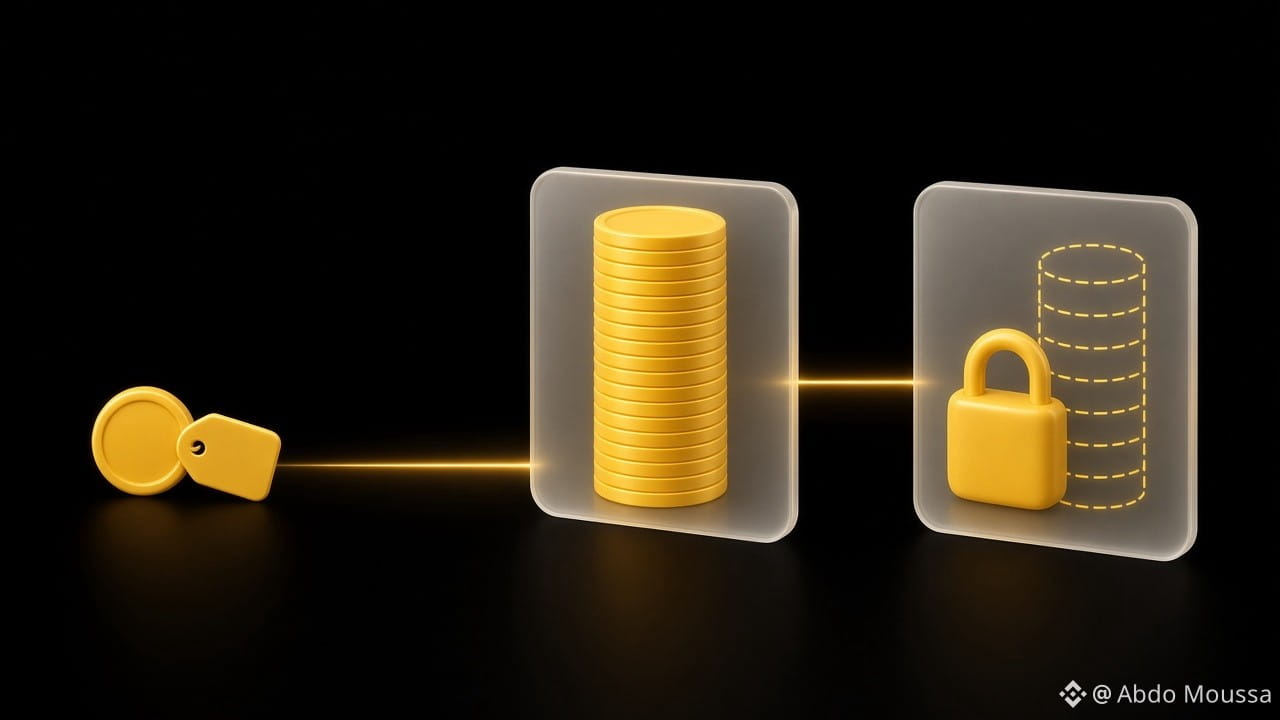
𝗗𝗼𝗻'𝘁 𝗳𝗮𝗹𝗹 𝗳𝗼𝗿 𝗹𝗼𝘄 𝘁𝗼𝗸𝗲𝗻 𝗽𝗿𝗶𝗰𝗲𝘀, 𝗗𝗼 𝘆𝗼𝘂 𝗸𝗻𝗼𝘄 𝘄𝗵𝘆 𝗠𝗮𝗿𝗸𝗲𝘁 𝗖𝗮𝗽 𝗺𝗮𝘁𝘁𝗲𝗿𝘀 𝘄𝗮𝘆 𝗺𝗼𝗿𝗲 𝘁𝗵𝗮𝗻 𝘂𝗻𝗶𝘁 𝗽𝗿𝗶𝗰𝗲? 📊💡
𝗗𝗿𝗮𝘄𝗶𝗻𝗴 𝗳𝗿𝗼𝗺 𝗲𝘀𝘀𝗲𝗻𝘁𝗶𝗮𝗹 𝗹𝗲𝘀𝘀𝗼𝗻𝘀 𝗼𝗻 #Binance 𝗔𝗰𝗮𝗱𝗲𝗺𝘆, 𝗵𝗲𝗿𝗲 𝗶𝘀 𝘆𝗼𝘂𝗿 𝗾𝘂𝗶𝗰𝗸 𝘁𝗼𝗸𝗲𝗻𝗼𝗺𝗶𝗰𝘀 𝗰𝗵𝗲𝗰𝗸𝗹𝗶𝘀𝘁:
1️⃣ 𝗖𝗶𝗿𝗰𝘂𝗹𝗮𝘁𝗶𝗻𝗴 𝘃𝘀. 𝗧𝗼𝘁𝗮𝗹 𝗦𝘂𝗽𝗽𝗹𝘆:
• Circulating supply is tokens currently in the market, Total supply includes locked or vested tokens yet to enter circulation.
2️⃣ 𝗧𝗵𝗲 𝗠𝗮𝗿𝗸𝗲𝘁 𝗖𝗮𝗽 𝗙𝗼𝗿𝗺𝘂𝗹𝗮:
• Market Cap = Current Price × Circulating Supply, A token priced at $0.01 can actually be massively overvalued if its supply is in the trillions.
3️⃣ 𝗙𝘂𝗹𝗹𝘆 𝗗𝗶𝗹𝘂𝘁𝗲𝗱 𝗩𝗮𝗹𝘂𝗮𝘁𝗶𝗼𝗻 (𝗙𝗗𝗩):
• Always check Fully Diluted Valuation to see what the market cap will be when all tokens are eventually unlocked, Avoid unexpected supply shocks.
Analyze tokenomics critically, look beyond the hype, and follow me for more 💛
Crypto involves risk, this is not financial advice, Always DYOR 💡
#Tokenomics #MarketCap #BinanceAcademy #CryptoEducation
𝗗𝗿𝗮𝘄𝗶𝗻𝗴 𝗳𝗿𝗼𝗺 𝗲𝘀𝘀𝗲𝗻𝘁𝗶𝗮𝗹 𝗹𝗲𝘀𝘀𝗼𝗻𝘀 𝗼𝗻 #Binance 𝗔𝗰𝗮𝗱𝗲𝗺𝘆, 𝗵𝗲𝗿𝗲 𝗶𝘀 𝘆𝗼𝘂𝗿 𝗾𝘂𝗶𝗰𝗸 𝘁𝗼𝗸𝗲𝗻𝗼𝗺𝗶𝗰𝘀 𝗰𝗵𝗲𝗰𝗸𝗹𝗶𝘀𝘁:
1️⃣ 𝗖𝗶𝗿𝗰𝘂𝗹𝗮𝘁𝗶𝗻𝗴 𝘃𝘀. 𝗧𝗼𝘁𝗮𝗹 𝗦𝘂𝗽𝗽𝗹𝘆:
• Circulating supply is tokens currently in the market, Total supply includes locked or vested tokens yet to enter circulation.
2️⃣ 𝗧𝗵𝗲 𝗠𝗮𝗿𝗸𝗲𝘁 𝗖𝗮𝗽 𝗙𝗼𝗿𝗺𝘂𝗹𝗮:
• Market Cap = Current Price × Circulating Supply, A token priced at $0.01 can actually be massively overvalued if its supply is in the trillions.
3️⃣ 𝗙𝘂𝗹𝗹𝘆 𝗗𝗶𝗹𝘂𝘁𝗲𝗱 𝗩𝗮𝗹𝘂𝗮𝘁𝗶𝗼𝗻 (𝗙𝗗𝗩):
• Always check Fully Diluted Valuation to see what the market cap will be when all tokens are eventually unlocked, Avoid unexpected supply shocks.
Analyze tokenomics critically, look beyond the hype, and follow me for more 💛
Crypto involves risk, this is not financial advice, Always DYOR 💡
#Tokenomics #MarketCap #BinanceAcademy #CryptoEducation
3
73
·
--
𝗙𝘂𝗻𝗱𝗮𝗺𝗲𝗻𝘁𝗮𝗹 𝗔𝗻𝗮𝗹𝘆𝘀𝗶𝘀 𝘃𝘀. 𝗧𝗲𝗰𝗵𝗻𝗶𝗰𝗮𝗹 𝗔𝗻𝗮𝗹𝘆𝘀𝗶𝘀: 𝗪𝗵𝗶𝗰𝗵 𝗼𝗻𝗲 𝘀𝗵𝗼𝘂𝗹𝗱 𝘆𝗼𝘂 𝗿𝗲𝗹𝘆 𝗼𝗻? 📊🔍
𝗡𝗮𝘃𝗶𝗴𝗮𝘁𝗶𝗻𝗴 𝘁𝗵𝗲 𝗺𝗮𝗿𝗸𝗲𝘁𝘀 𝗼𝗻 #Binance 𝘀𝘂𝗰𝗰𝗲𝘀𝘀𝗳𝘂𝗹𝗹𝘆 𝗿𝗲𝗾𝘂𝗶𝗿𝗲𝘀 𝗺𝗮𝘀𝘁𝗲𝗿𝗶𝗻𝗴 𝗯𝗼𝘁𝗵 𝗮𝗽𝗽𝗿𝗼𝗮𝗰𝗵𝗲𝘀.
𝗛𝗲𝗿𝗲 𝗶𝘀 𝗵𝗼𝘄 𝘁𝗵𝗲𝘆 𝘄𝗼𝗿𝗸 𝘁𝗼𝗴𝗲𝘁𝗵𝗲𝗿:
1️⃣ 𝗙𝘂𝗻𝗱𝗮𝗺𝗲𝗻𝘁𝗮𝗹 𝗔𝗻𝗮𝗹𝘆𝘀𝗶𝘀 (𝗧𝗵𝗲 "𝗪𝗵𝗮𝘁" 𝗮𝗻𝗱 "𝗪𝗵𝘆"):
• Evaluates project utility, tokenomics, adoption metrics, team background, and ecosystem growth.
• Ideal for long-term investing and identifying high-value projects with real-world use cases.
2️⃣ 𝗧𝗲𝗰𝗵𝗻𝗶𝗰𝗮𝗹 𝗔𝗻𝗮𝗹𝘆𝘀𝗶𝘀 (𝗧𝗵𝗲 "𝗪𝗵𝗲𝗻"):
• Studies historical price action, chart patterns, volume, and momentum indicators.
• Ideal for timing your entries and exits with precision, especially in active spot or derivatives trading.
3️⃣ 𝗧𝗵𝗲 𝗣𝗼𝘄𝗲𝗿 𝗼𝗳 𝗖𝗼𝗺𝗯𝗶𝗻𝗮𝘁𝗶𝗼𝗻:
• Use fundamentals to select what assets to hold or trade, and technicals to determine when to execute your strategy.
Combine your tools, master your execution, and follow me for more 💛
Crypto involves risk, this is not financial advice, Always DYOR 💡
#TechnicalAnalysis #FundamentalAnalysis #CryptoTrading #TradingStrategy
𝗙𝘂𝗻𝗱𝗮𝗺𝗲𝗻𝘁𝗮𝗹 𝗔𝗻𝗮𝗹𝘆𝘀𝗶𝘀 𝘃𝘀. 𝗧𝗲𝗰𝗵𝗻𝗶𝗰𝗮𝗹 𝗔𝗻𝗮𝗹𝘆𝘀𝗶𝘀: 𝗪𝗵𝗶𝗰𝗵 𝗼𝗻𝗲 𝘀𝗵𝗼𝘂𝗹𝗱 𝘆𝗼𝘂 𝗿𝗲𝗹𝘆 𝗼𝗻? 📊🔍
𝗡𝗮𝘃𝗶𝗴𝗮𝘁𝗶𝗻𝗴 𝘁𝗵𝗲 𝗺𝗮𝗿𝗸𝗲𝘁𝘀 𝗼𝗻 #Binance 𝘀𝘂𝗰𝗰𝗲𝘀𝘀𝗳𝘂𝗹𝗹𝘆 𝗿𝗲𝗾𝘂𝗶𝗿𝗲𝘀 𝗺𝗮𝘀𝘁𝗲𝗿𝗶𝗻𝗴 𝗯𝗼𝘁𝗵 𝗮𝗽𝗽𝗿𝗼𝗮𝗰𝗵𝗲𝘀.
𝗛𝗲𝗿𝗲 𝗶𝘀 𝗵𝗼𝘄 𝘁𝗵𝗲𝘆 𝘄𝗼𝗿𝗸 𝘁𝗼𝗴𝗲𝘁𝗵𝗲𝗿:
1️⃣ 𝗙𝘂𝗻𝗱𝗮𝗺𝗲𝗻𝘁𝗮𝗹 𝗔𝗻𝗮𝗹𝘆𝘀𝗶𝘀 (𝗧𝗵𝗲 "𝗪𝗵𝗮𝘁" 𝗮𝗻𝗱 "𝗪𝗵𝘆"):
• Evaluates project utility, tokenomics, adoption metrics, team background, and ecosystem growth.
• Ideal for long-term investing and identifying high-value projects with real-world use cases.
2️⃣ 𝗧𝗲𝗰𝗵𝗻𝗶𝗰𝗮𝗹 𝗔𝗻𝗮𝗹𝘆𝘀𝗶𝘀 (𝗧𝗵𝗲 "𝗪𝗵𝗲𝗻"):
• Studies historical price action, chart patterns, volume, and momentum indicators.
• Ideal for timing your entries and exits with precision, especially in active spot or derivatives trading.
3️⃣ 𝗧𝗵𝗲 𝗣𝗼𝘄𝗲𝗿 𝗼𝗳 𝗖𝗼𝗺𝗯𝗶𝗻𝗮𝘁𝗶𝗼𝗻:
• Use fundamentals to select what assets to hold or trade, and technicals to determine when to execute your strategy.
Combine your tools, master your execution, and follow me for more 💛
Crypto involves risk, this is not financial advice, Always DYOR 💡
#TechnicalAnalysis #FundamentalAnalysis #CryptoTrading #TradingStrategy
𝗡𝗮𝘃𝗶𝗴𝗮𝘁𝗶𝗻𝗴 𝘁𝗵𝗲 𝗺𝗮𝗿𝗸𝗲𝘁𝘀 𝗼𝗻 #Binance 𝘀𝘂𝗰𝗰𝗲𝘀𝘀𝗳𝘂𝗹𝗹𝘆 𝗿𝗲𝗾𝘂𝗶𝗿𝗲𝘀 𝗺𝗮𝘀𝘁𝗲𝗿𝗶𝗻𝗴 𝗯𝗼𝘁𝗵 𝗮𝗽𝗽𝗿𝗼𝗮𝗰𝗵𝗲𝘀.
𝗛𝗲𝗿𝗲 𝗶𝘀 𝗵𝗼𝘄 𝘁𝗵𝗲𝘆 𝘄𝗼𝗿𝗸 𝘁𝗼𝗴𝗲𝘁𝗵𝗲𝗿:
1️⃣ 𝗙𝘂𝗻𝗱𝗮𝗺𝗲𝗻𝘁𝗮𝗹 𝗔𝗻𝗮𝗹𝘆𝘀𝗶𝘀 (𝗧𝗵𝗲 "𝗪𝗵𝗮𝘁" 𝗮𝗻𝗱 "𝗪𝗵𝘆"):
• Evaluates project utility, tokenomics, adoption metrics, team background, and ecosystem growth.
• Ideal for long-term investing and identifying high-value projects with real-world use cases.
2️⃣ 𝗧𝗲𝗰𝗵𝗻𝗶𝗰𝗮𝗹 𝗔𝗻𝗮𝗹𝘆𝘀𝗶𝘀 (𝗧𝗵𝗲 "𝗪𝗵𝗲𝗻"):
• Studies historical price action, chart patterns, volume, and momentum indicators.
• Ideal for timing your entries and exits with precision, especially in active spot or derivatives trading.
3️⃣ 𝗧𝗵𝗲 𝗣𝗼𝘄𝗲𝗿 𝗼𝗳 𝗖𝗼𝗺𝗯𝗶𝗻𝗮𝘁𝗶𝗼𝗻:
• Use fundamentals to select what assets to hold or trade, and technicals to determine when to execute your strategy.
Combine your tools, master your execution, and follow me for more 💛
Crypto involves risk, this is not financial advice, Always DYOR 💡
#TechnicalAnalysis #FundamentalAnalysis #CryptoTrading #TradingStrategy

4
68
·
--
Verified
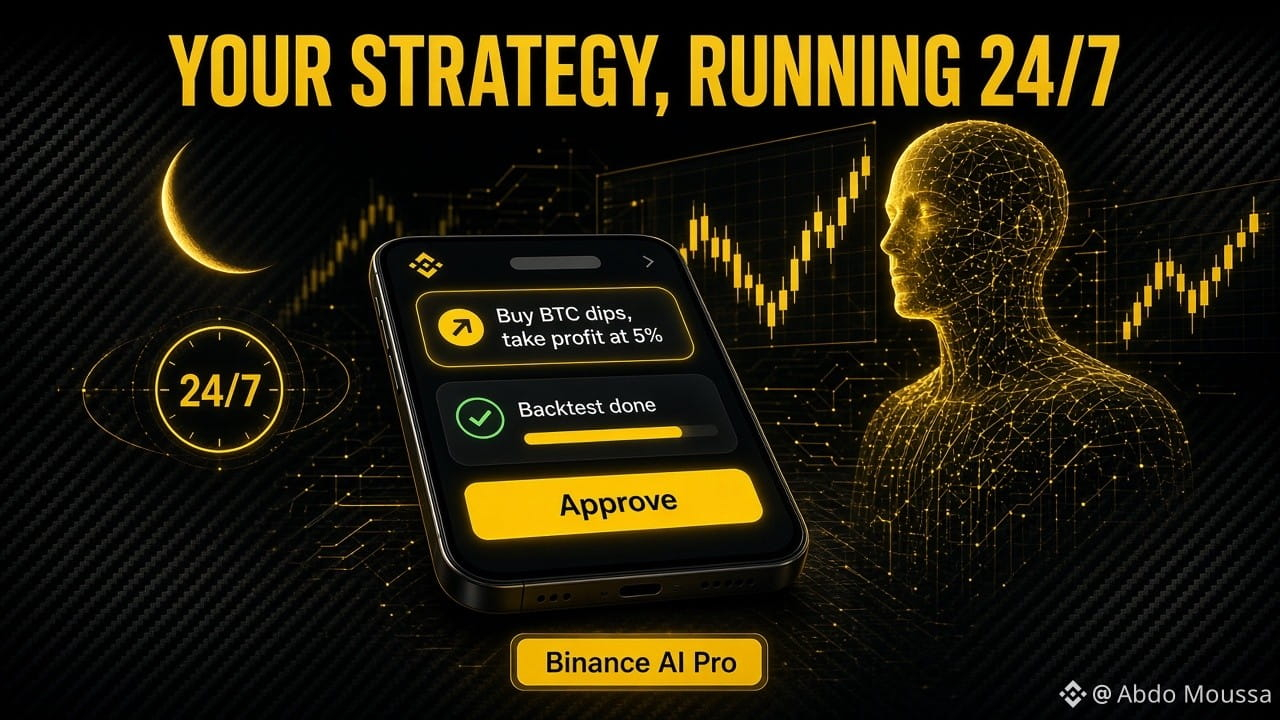
🧠 𝗬𝗼𝘂 𝗵𝗮𝘃𝗲 𝗮 𝘀𝘁𝗿𝗮𝘁𝗲𝗴𝘆 𝗶𝗻 𝘆𝗼𝘂𝗿 𝗵𝗲𝗮𝗱, 𝗯𝘂𝘁 𝗻𝗼 𝘁𝗶𝗺𝗲 𝘁𝗼 𝘄𝗮𝘁𝗰𝗵 𝘁𝗵𝗲 𝗺𝗮𝗿𝗸𝗲𝘁 𝟮𝟰/𝟳
Binance AI Pro fills that gap, you describe your strategy in plain words, the AI agent builds it, backtests it and runs it around the clock, only after you approve it
𝗧𝗵𝗿𝗲𝗲 𝘄𝗮𝘆𝘀 𝘁𝗼 𝘂𝘀𝗲 𝗕𝗶𝗻𝗮𝗻𝗰𝗲 𝗜𝗻𝘁𝗲𝗹𝗹𝗶𝗴𝗲𝗻𝗰𝗲
📖 Binance AI, free, personalized Markets page, summaries and alerts
⚙️ AI Pro, your idea running as a live strategy
🛠️ Agent OS, connect your own agent via a sub-account with no withdrawals
𝗪𝗵𝘆 𝗶𝘁 𝗰𝗮𝘂𝗴𝗵𝘁 𝗺𝘆 𝗮𝘁𝘁𝗲𝗻𝘁𝗶𝗼𝗻
Binance Research found Smart Tracker and top traders' positions get 30% of tool clicks but drive 71% of visits to trading pages, people want information that helps them decide
My take, AI won't trade for you, but it removes the exhausting part, the monitoring, the testing, the 3am execution, the decision and the risk are still yours
Try it: Markets > For You > Smart Tracker
🔗 https://www.binance.com/en/AI-overview
What's the first strategy you'd give an AI agent? 👇
Crypto involves risk, this is not financial advice, Always DYOR 💡
#BinanceAngels #BinanceAI #Binance
🧠 𝗬𝗼𝘂 𝗵𝗮𝘃𝗲 𝗮 𝘀𝘁𝗿𝗮𝘁𝗲𝗴𝘆 𝗶𝗻 𝘆𝗼𝘂𝗿 𝗵𝗲𝗮𝗱, 𝗯𝘂𝘁 𝗻𝗼 𝘁𝗶𝗺𝗲 𝘁𝗼 𝘄𝗮𝘁𝗰𝗵 𝘁𝗵𝗲 𝗺𝗮𝗿𝗸𝗲𝘁 𝟮𝟰/𝟳
Binance AI Pro fills that gap, you describe your strategy in plain words, the AI agent builds it, backtests it and runs it around the clock, only after you approve it
𝗧𝗵𝗿𝗲𝗲 𝘄𝗮𝘆𝘀 𝘁𝗼 𝘂𝘀𝗲 𝗕𝗶𝗻𝗮𝗻𝗰𝗲 𝗜𝗻𝘁𝗲𝗹𝗹𝗶𝗴𝗲𝗻𝗰𝗲
📖 Binance AI, free, personalized Markets page, summaries and alerts
⚙️ AI Pro, your idea running as a live strategy
🛠️ Agent OS, connect your own agent via a sub-account with no withdrawals
𝗪𝗵𝘆 𝗶𝘁 𝗰𝗮𝘂𝗴𝗵𝘁 𝗺𝘆 𝗮𝘁𝘁𝗲𝗻𝘁𝗶𝗼𝗻
Binance Research found Smart Tracker and top traders' positions get 30% of tool clicks but drive 71% of visits to trading pages, people want information that helps them decide
My take, AI won't trade for you, but it removes the exhausting part, the monitoring, the testing, the 3am execution, the decision and the risk are still yours
Try it: Markets > For You > Smart Tracker
🔗 https://www.binance.com/en/AI-overview
What's the first strategy you'd give an AI agent? 👇
Crypto involves risk, this is not financial advice, Always DYOR 💡
#BinanceAngels #BinanceAI #Binance
Binance AI Pro fills that gap, you describe your strategy in plain words, the AI agent builds it, backtests it and runs it around the clock, only after you approve it
𝗧𝗵𝗿𝗲𝗲 𝘄𝗮𝘆𝘀 𝘁𝗼 𝘂𝘀𝗲 𝗕𝗶𝗻𝗮𝗻𝗰𝗲 𝗜𝗻𝘁𝗲𝗹𝗹𝗶𝗴𝗲𝗻𝗰𝗲
📖 Binance AI, free, personalized Markets page, summaries and alerts
⚙️ AI Pro, your idea running as a live strategy
🛠️ Agent OS, connect your own agent via a sub-account with no withdrawals
𝗪𝗵𝘆 𝗶𝘁 𝗰𝗮𝘂𝗴𝗵𝘁 𝗺𝘆 𝗮𝘁𝘁𝗲𝗻𝘁𝗶𝗼𝗻
Binance Research found Smart Tracker and top traders' positions get 30% of tool clicks but drive 71% of visits to trading pages, people want information that helps them decide
My take, AI won't trade for you, but it removes the exhausting part, the monitoring, the testing, the 3am execution, the decision and the risk are still yours
Try it: Markets > For You > Smart Tracker
🔗 https://www.binance.com/en/AI-overview
What's the first strategy you'd give an AI agent? 👇
Crypto involves risk, this is not financial advice, Always DYOR 💡
#BinanceAngels #BinanceAI #Binance
1
4
134
·
--
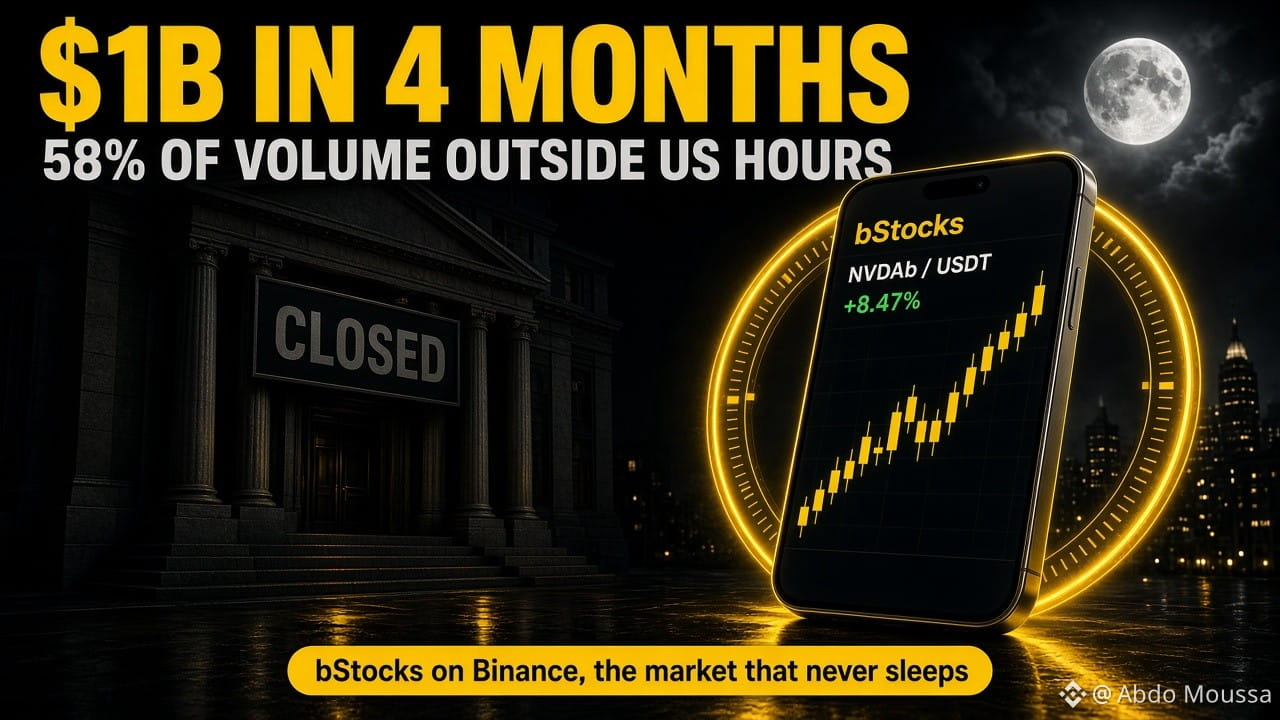
⏰ 𝗧𝗵𝗲 𝗻𝗲𝘄𝘀 𝗱𝗿𝗼𝗽𝗽𝗲𝗱 𝗮𝘁 𝟭𝟭𝗽𝗺, 𝘁𝗵𝗲 𝘀𝘁𝗼𝗰𝗸 𝗺𝗮𝗿𝗸𝗲𝘁 𝘄𝗮𝘀 𝗮𝘀𝗹𝗲𝗲𝗽
Earnings and big headlines love landing after the US close, and 58% of #bStocks volume now happens outside US hours 🌙
📊 $𝟭𝗕 𝗶𝗻 𝟰 𝗺𝗼𝗻𝘁𝗵𝘀
🔸 $1B+ AUM, the fastest tokenized equity product to get there
🔸 $6B+ converted between bStocks and direct stocks
🔸 Nearly 100 tickers
🧩 𝗪𝗵𝘆 𝗶𝘁 𝗺𝗮𝘁𝘁𝗲𝗿𝘀
bStocks track real listed stocks, backed 1:1 by custodied securities, and trade 24/7, so I act when the news lands, not when the bell rings 🔔
🛠️ 𝗠𝘆 𝗿𝗼𝘂𝘁𝗶𝗻𝗲
Confirm the news, check liquidity, size small with limit orders, set my exit first ✅
⚠️ bStocks are not stocks or shares, eligible users only
Your time zone shouldn't decide when you can act 💛
📖 Full story: https://www.binance.com/en/blog/markets/4864326073677731553
Crypto involves risk, this is not financial advice. DYOR 💡
#BinanceAngels #bStocks #Binance
⏰ 𝗧𝗵𝗲 𝗻𝗲𝘄𝘀 𝗱𝗿𝗼𝗽𝗽𝗲𝗱 𝗮𝘁 𝟭𝟭𝗽𝗺, 𝘁𝗵𝗲 𝘀𝘁𝗼𝗰𝗸 𝗺𝗮𝗿𝗸𝗲𝘁 𝘄𝗮𝘀 𝗮𝘀𝗹𝗲𝗲𝗽
Earnings and big headlines love landing after the US close, and 58% of #bStocks volume now happens outside US hours 🌙
📊 $𝟭𝗕 𝗶𝗻 𝟰 𝗺𝗼𝗻𝘁𝗵𝘀
🔸 $1B+ AUM, the fastest tokenized equity product to get there
🔸 $6B+ converted between bStocks and direct stocks
🔸 Nearly 100 tickers
🧩 𝗪𝗵𝘆 𝗶𝘁 𝗺𝗮𝘁𝘁𝗲𝗿𝘀
bStocks track real listed stocks, backed 1:1 by custodied securities, and trade 24/7, so I act when the news lands, not when the bell rings 🔔
🛠️ 𝗠𝘆 𝗿𝗼𝘂𝘁𝗶𝗻𝗲
Confirm the news, check liquidity, size small with limit orders, set my exit first ✅
⚠️ bStocks are not stocks or shares, eligible users only
Your time zone shouldn't decide when you can act 💛
📖 Full story: https://www.binance.com/en/blog/markets/4864326073677731553
Crypto involves risk, this is not financial advice. DYOR 💡
#BinanceAngels #bStocks #Binance
Earnings and big headlines love landing after the US close, and 58% of #bStocks volume now happens outside US hours 🌙
📊 $𝟭𝗕 𝗶𝗻 𝟰 𝗺𝗼𝗻𝘁𝗵𝘀
🔸 $1B+ AUM, the fastest tokenized equity product to get there
🔸 $6B+ converted between bStocks and direct stocks
🔸 Nearly 100 tickers
🧩 𝗪𝗵𝘆 𝗶𝘁 𝗺𝗮𝘁𝘁𝗲𝗿𝘀
bStocks track real listed stocks, backed 1:1 by custodied securities, and trade 24/7, so I act when the news lands, not when the bell rings 🔔
🛠️ 𝗠𝘆 𝗿𝗼𝘂𝘁𝗶𝗻𝗲
Confirm the news, check liquidity, size small with limit orders, set my exit first ✅
⚠️ bStocks are not stocks or shares, eligible users only
Your time zone shouldn't decide when you can act 💛
📖 Full story: https://www.binance.com/en/blog/markets/4864326073677731553
Crypto involves risk, this is not financial advice. DYOR 💡
#BinanceAngels #bStocks #Binance
1
4
87
·
--
🌐 𝗠𝗮𝘀𝘁𝗲𝗿𝗶𝗻𝗴 𝘁𝗵𝗲 𝗢𝘁𝗵𝗲𝗿 𝗛𝗮𝗹𝗳 𝗼𝗳 𝘁𝗵𝗲 𝗙𝗶𝗻𝗮𝗻𝗰𝗶𝗮𝗹 𝗪𝗼𝗿𝗹𝗱
When rates rise, bond prices fall, that’s just half the story, To truly understand global macroeconomics, interest rate cycles, and how traditional finance interacts with crypto, you need to master fixed income.
I just completed the 𝗨𝗻𝗱𝗲𝗿𝘀𝘁𝗮𝗻𝗱𝗶𝗻𝗴 𝗕𝗼𝗻𝗱𝘀 course on Binance Academy and earned my certificate 📜💡
Whether you're looking at macro trends or building a resilient portfolio, deep financial literacy is the ultimate edge.
#BinanceAcademyCourse #BinanceAcademy #cryptoeducation #Macroeconomics #Binance @Binance_Academy
🌐 𝗠𝗮𝘀𝘁𝗲𝗿𝗶𝗻𝗴 𝘁𝗵𝗲 𝗢𝘁𝗵𝗲𝗿 𝗛𝗮𝗹𝗳 𝗼𝗳 𝘁𝗵𝗲 𝗙𝗶𝗻𝗮𝗻𝗰𝗶𝗮𝗹 𝗪𝗼𝗿𝗹𝗱
When rates rise, bond prices fall, that’s just half the story, To truly understand global macroeconomics, interest rate cycles, and how traditional finance interacts with crypto, you need to master fixed income.
I just completed the 𝗨𝗻𝗱𝗲𝗿𝘀𝘁𝗮𝗻𝗱𝗶𝗻𝗴 𝗕𝗼𝗻𝗱𝘀 course on Binance Academy and earned my certificate 📜💡
Whether you're looking at macro trends or building a resilient portfolio, deep financial literacy is the ultimate edge.
#BinanceAcademyCourse #BinanceAcademy #cryptoeducation #Macroeconomics #Binance @Binance Academy
When rates rise, bond prices fall, that’s just half the story, To truly understand global macroeconomics, interest rate cycles, and how traditional finance interacts with crypto, you need to master fixed income.
I just completed the 𝗨𝗻𝗱𝗲𝗿𝘀𝘁𝗮𝗻𝗱𝗶𝗻𝗴 𝗕𝗼𝗻𝗱𝘀 course on Binance Academy and earned my certificate 📜💡
Whether you're looking at macro trends or building a resilient portfolio, deep financial literacy is the ultimate edge.
#BinanceAcademyCourse #BinanceAcademy #cryptoeducation #Macroeconomics #Binance @Binance Academy



Binance Academy
·
--
🎓 One sentence explains half of financial news: when rates rise, bond prices fall. Our new course 👉Understanding Bonds teaches you the other half.
Learn, share the certificate, and win Binance swag.
Campaign period: Oct 15, 2026, 12:00 PM (UTC) – Oct 25, 2026, 12:00 PM (UTC)
🔸 Complete Understanding Bonds course & earn your certificate
🔸 Follow @Binance Academy on Square
🔸 Share your certificate with #BinanceAcademyCourse
🔸 Fill in the shipping info
🔸 Wait for results!
10 winners will be selected on Oct 26, 2026 — chosen based on creativity and relevance in sharing their certificate and learning journey. Make your post stand out. 🏆
Note: Campaign unavailable in certain regions due to compliance requirements. This campaign is not open to residents or citizens of the United States, the United Kingdom, the European Economic Area (all 30 member states), Hong Kong, Singapore, or any other jurisdiction on Binance's List of Prohibited Countries.
Learn, share the certificate, and win Binance swag.
Campaign period: Oct 15, 2026, 12:00 PM (UTC) – Oct 25, 2026, 12:00 PM (UTC)
🔸 Complete Understanding Bonds course & earn your certificate
🔸 Follow @Binance Academy on Square
🔸 Share your certificate with #BinanceAcademyCourse
🔸 Fill in the shipping info
🔸 Wait for results!
10 winners will be selected on Oct 26, 2026 — chosen based on creativity and relevance in sharing their certificate and learning journey. Make your post stand out. 🏆
Note: Campaign unavailable in certain regions due to compliance requirements. This campaign is not open to residents or citizens of the United States, the United Kingdom, the European Economic Area (all 30 member states), Hong Kong, Singapore, or any other jurisdiction on Binance's List of Prohibited Countries.
6
91
·
--
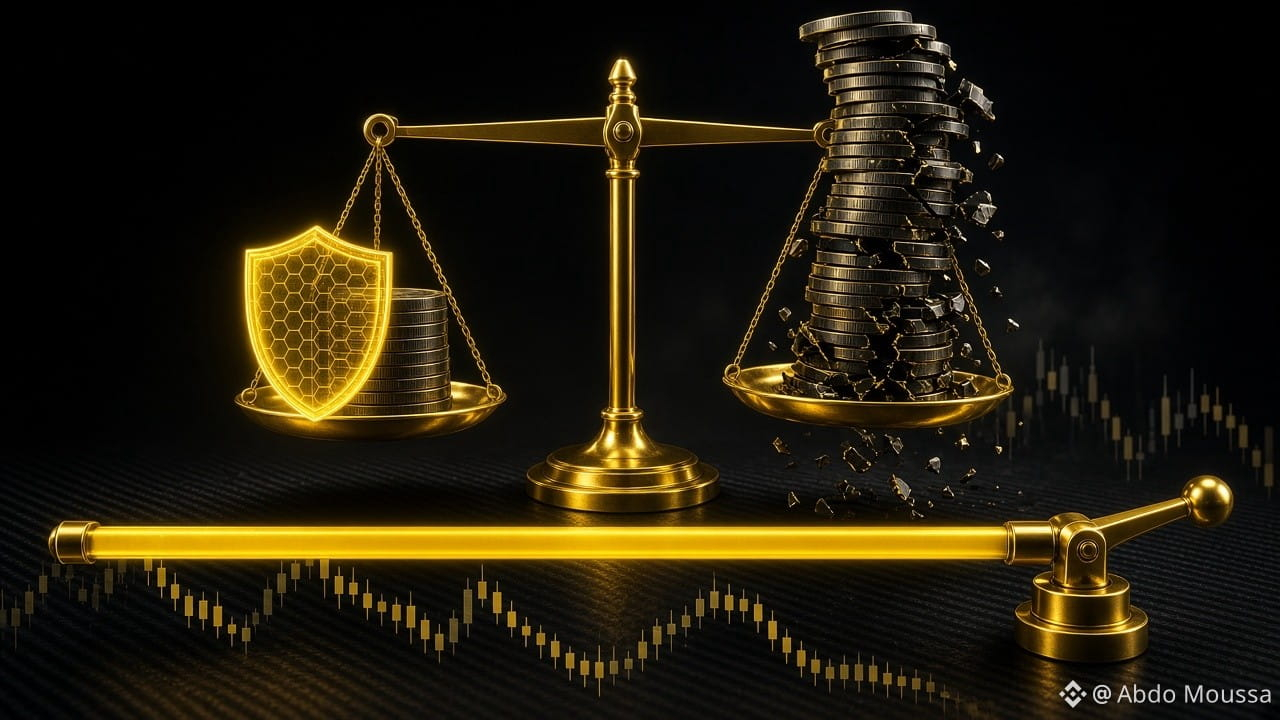
𝗟𝗲𝘃𝗲𝗿𝗮𝗴𝗲 𝗰𝗮𝗻 𝗮𝗺𝗽𝗹𝗶𝗳𝘆 𝘆𝗼𝘂𝗿 𝗴𝗮𝗶𝗻𝘀, 𝗯𝘂𝘁 𝗼𝘃𝗲𝗿-𝗹𝗲𝘃𝗲𝗿𝗮𝗴𝗶𝗻𝗴 𝗶𝘀 𝘁𝗵𝗲 𝗳𝗮𝘀𝘁𝗲𝘀𝘁 𝘄𝗮𝘆 𝘁𝗼 𝘄𝗶𝗽𝗲 𝗼𝘂𝘁 𝘆𝗼𝘂𝗿 𝗽𝗼𝗿𝘁𝗳𝗼𝗹𝗶𝗼⚠️📉
𝘐𝘯 𝘧𝘢𝘴𝘵-𝘮𝘰𝘷𝘪𝘯𝘨 𝘥𝘦𝘳𝘪𝘷𝘢𝘵𝘪𝘷𝘦𝘴 𝘮𝘢𝘳𝘬𝘦𝘵𝘴 𝘰𝘯 #Binance, 𝘴𝘶𝘳𝘷𝘪𝘷𝘢𝘭 𝘢𝘭𝘸𝘢𝘺𝘴 𝘤𝘰𝘮𝘦𝘴 𝘣𝘦𝘧𝘰𝘳𝘦 𝘱𝘳𝘰𝘧𝘪𝘵.
𝗛𝗲𝗿𝗲 𝗶𝘀 𝗵𝗼𝘄 𝘁𝗼 𝗺𝗮𝘀𝘁𝗲𝗿 𝗿𝗶𝘀𝗸 𝗺𝗮𝗻𝗮𝗴𝗲𝗺𝗲𝗻𝘁 𝗮𝗻𝗱 𝗽𝗿𝗼𝘁𝗲𝗰𝘁 𝘆𝗼𝘂𝗿 𝗰𝗮𝗽𝗶𝘁𝗮𝗹:
1️⃣ 𝘛𝘩𝘦 𝘋𝘢𝘯𝘨𝘦𝘳 𝘰𝘧 𝘌𝘹𝘤𝘦𝘴𝘴𝘪𝘷𝘦 𝘓𝘦𝘷𝘦𝘳𝘢𝘨𝘦:
• High leverage turns minor market retracements into forced liquidations, Never treat derivatives like a casino, leverage is a technical tool, not a shortcut to guaranteed wealth.
• Always keep your margin health monitored and avoid maximizing your risk exposure on a single trade.
2️⃣ 𝘔𝘢𝘯𝘥𝘢𝘵𝘰𝘳𝘺 𝘚𝘵𝘰𝘱-𝘓𝘰𝘴𝘴 𝘐𝘮𝘱𝘭𝘦𝘮𝘦𝘯𝘵𝘢𝘵𝘪𝘰𝘯:
• Never enter a position without pre-defining your invalidation point, A stop-loss is your emergency brake, it cuts small losses before they destroy your account balance.
• Accept that losing trades are part of the game, protecting your remaining capital is what keeps you in the market.
3️⃣ 𝘗𝘰𝘴𝘪𝘵𝘪𝘰𝘯 𝘚𝘪𝘻𝘪𝘯𝘨 𝘋𝘪𝘴𝘤𝘪𝘱𝘭𝘪𝘯𝘦:
• Risk only a small, calculated percentage of your total portfolio on any single trade, Proper sizing ensures that a string of losses will never compromise your financial stability.
⚠️ 𝗘𝘀𝘀𝗲𝗻𝘁𝗶𝗮𝗹 𝗗𝗶𝘀𝗰𝗹𝗮𝗶𝗺𝗲𝗿:
Derivatives and leverage trading involve substantial risk of complete capital loss and are not suitable for all users, This content is for educational purposes only and does not constitute financial advice.
https://www.binance.com/en/academy/articles/five-risk-management-strategies
Protect your downside first, and always DYOR (Do Your Own Research)💡
#Binance #RiskManagement #FuturesTrading #CryptoTrading
𝗟𝗲𝘃𝗲𝗿𝗮𝗴𝗲 𝗰𝗮𝗻 𝗮𝗺𝗽𝗹𝗶𝗳𝘆 𝘆𝗼𝘂𝗿 𝗴𝗮𝗶𝗻𝘀, 𝗯𝘂𝘁 𝗼𝘃𝗲𝗿-𝗹𝗲𝘃𝗲𝗿𝗮𝗴𝗶𝗻𝗴 𝗶𝘀 𝘁𝗵𝗲 𝗳𝗮𝘀𝘁𝗲𝘀𝘁 𝘄𝗮𝘆 𝘁𝗼 𝘄𝗶𝗽𝗲 𝗼𝘂𝘁 𝘆𝗼𝘂𝗿 𝗽𝗼𝗿𝘁𝗳𝗼𝗹𝗶𝗼⚠️📉
𝘐𝘯 𝘧𝘢𝘴𝘵-𝘮𝘰𝘷𝘪𝘯𝘨 𝘥𝘦𝘳𝘪𝘷𝘢𝘵𝘪𝘷𝘦𝘴 𝘮𝘢𝘳𝘬𝘦𝘵𝘴 𝘰𝘯 #Binance, 𝘴𝘶𝘳𝘷𝘪𝘷𝘢𝘭 𝘢𝘭𝘸𝘢𝘺𝘴 𝘤𝘰𝘮𝘦𝘴 𝘣𝘦𝘧𝘰𝘳𝘦 𝘱𝘳𝘰𝘧𝘪𝘵.
𝗛𝗲𝗿𝗲 𝗶𝘀 𝗵𝗼𝘄 𝘁𝗼 𝗺𝗮𝘀𝘁𝗲𝗿 𝗿𝗶𝘀𝗸 𝗺𝗮𝗻𝗮𝗴𝗲𝗺𝗲𝗻𝘁 𝗮𝗻𝗱 𝗽𝗿𝗼𝘁𝗲𝗰𝘁 𝘆𝗼𝘂𝗿 𝗰𝗮𝗽𝗶𝘁𝗮𝗹:
1️⃣ 𝘛𝘩𝘦 𝘋𝘢𝘯𝘨𝘦𝘳 𝘰𝘧 𝘌𝘹𝘤𝘦𝘴𝘴𝘪𝘷𝘦 𝘓𝘦𝘷𝘦𝘳𝘢𝘨𝘦:
• High leverage turns minor market retracements into forced liquidations, Never treat derivatives like a casino, leverage is a technical tool, not a shortcut to guaranteed wealth.
• Always keep your margin health monitored and avoid maximizing your risk exposure on a single trade.
2️⃣ 𝘔𝘢𝘯𝘥𝘢𝘵𝘰𝘳𝘺 𝘚𝘵𝘰𝘱-𝘓𝘰𝘴𝘴 𝘐𝘮𝘱𝘭𝘦𝘮𝘦𝘯𝘵𝘢𝘵𝘪𝘰𝘯:
• Never enter a position without pre-defining your invalidation point, A stop-loss is your emergency brake, it cuts small losses before they destroy your account balance.
• Accept that losing trades are part of the game, protecting your remaining capital is what keeps you in the market.
3️⃣ 𝘗𝘰𝘴𝘪𝘵𝘪𝘰𝘯 𝘚𝘪𝘻𝘪𝘯𝘨 𝘋𝘪𝘴𝘤𝘪𝘱𝘭𝘪𝘯𝘦:
• Risk only a small, calculated percentage of your total portfolio on any single trade, Proper sizing ensures that a string of losses will never compromise your financial stability.
⚠️ 𝗘𝘀𝘀𝗲𝗻𝘁𝗶𝗮𝗹 𝗗𝗶𝘀𝗰𝗹𝗮𝗶𝗺𝗲𝗿:
Derivatives and leverage trading involve substantial risk of complete capital loss and are not suitable for all users, This content is for educational purposes only and does not constitute financial advice.
https://www.binance.com/en/academy/articles/five-risk-management-strategies
Protect your downside first, and always DYOR (Do Your Own Research)💡
#Binance #RiskManagement #FuturesTrading #CryptoTrading
𝘐𝘯 𝘧𝘢𝘴𝘵-𝘮𝘰𝘷𝘪𝘯𝘨 𝘥𝘦𝘳𝘪𝘷𝘢𝘵𝘪𝘷𝘦𝘴 𝘮𝘢𝘳𝘬𝘦𝘵𝘴 𝘰𝘯 #Binance, 𝘴𝘶𝘳𝘷𝘪𝘷𝘢𝘭 𝘢𝘭𝘸𝘢𝘺𝘴 𝘤𝘰𝘮𝘦𝘴 𝘣𝘦𝘧𝘰𝘳𝘦 𝘱𝘳𝘰𝘧𝘪𝘵.
𝗛𝗲𝗿𝗲 𝗶𝘀 𝗵𝗼𝘄 𝘁𝗼 𝗺𝗮𝘀𝘁𝗲𝗿 𝗿𝗶𝘀𝗸 𝗺𝗮𝗻𝗮𝗴𝗲𝗺𝗲𝗻𝘁 𝗮𝗻𝗱 𝗽𝗿𝗼𝘁𝗲𝗰𝘁 𝘆𝗼𝘂𝗿 𝗰𝗮𝗽𝗶𝘁𝗮𝗹:
1️⃣ 𝘛𝘩𝘦 𝘋𝘢𝘯𝘨𝘦𝘳 𝘰𝘧 𝘌𝘹𝘤𝘦𝘴𝘴𝘪𝘷𝘦 𝘓𝘦𝘷𝘦𝘳𝘢𝘨𝘦:
• High leverage turns minor market retracements into forced liquidations, Never treat derivatives like a casino, leverage is a technical tool, not a shortcut to guaranteed wealth.
• Always keep your margin health monitored and avoid maximizing your risk exposure on a single trade.
2️⃣ 𝘔𝘢𝘯𝘥𝘢𝘵𝘰𝘳𝘺 𝘚𝘵𝘰𝘱-𝘓𝘰𝘴𝘴 𝘐𝘮𝘱𝘭𝘦𝘮𝘦𝘯𝘵𝘢𝘵𝘪𝘰𝘯:
• Never enter a position without pre-defining your invalidation point, A stop-loss is your emergency brake, it cuts small losses before they destroy your account balance.
• Accept that losing trades are part of the game, protecting your remaining capital is what keeps you in the market.
3️⃣ 𝘗𝘰𝘴𝘪𝘵𝘪𝘰𝘯 𝘚𝘪𝘻𝘪𝘯𝘨 𝘋𝘪𝘴𝘤𝘪𝘱𝘭𝘪𝘯𝘦:
• Risk only a small, calculated percentage of your total portfolio on any single trade, Proper sizing ensures that a string of losses will never compromise your financial stability.
⚠️ 𝗘𝘀𝘀𝗲𝗻𝘁𝗶𝗮𝗹 𝗗𝗶𝘀𝗰𝗹𝗮𝗶𝗺𝗲𝗿:
Derivatives and leverage trading involve substantial risk of complete capital loss and are not suitable for all users, This content is for educational purposes only and does not constitute financial advice.
https://www.binance.com/en/academy/articles/five-risk-management-strategies
Protect your downside first, and always DYOR (Do Your Own Research)💡
#Binance #RiskManagement #FuturesTrading #CryptoTrading
6
78
·
--
𝗔𝗿𝗲 𝘆𝗼𝘂 𝗮 𝗹𝗼𝗻𝗴-𝘁𝗲𝗿𝗺 𝗶𝗻𝘃𝗲𝘀𝘁𝗼𝗿 𝗼𝗿 𝗮𝗻 𝗮𝗰𝘁𝗶𝘃𝗲 𝗱𝗮𝘆 𝘁𝗿𝗮𝗱𝗲𝗿? 𝗖𝗵𝗼𝗼𝘀𝗶𝗻𝗴 𝘁𝗵𝗲 𝘄𝗿𝗼𝗻𝗴 𝘀𝘁𝗿𝗮𝘁𝗲𝗴𝘆 𝗰𝗮𝗻 𝘄𝗿𝗲𝗰𝗸 𝘆𝗼𝘂𝗿 𝗽𝗼𝗿𝘁𝗳𝗼𝗹𝗶𝗼 ⏳📈
𝘕𝘢𝘷𝘪𝘨𝘢𝘵𝘪𝘯𝘨 𝘵𝘩𝘦 𝘮𝘢𝘳𝘬𝘦𝘵𝘴 𝘰𝘯 #Binance 𝘳𝘦𝘲𝘶𝘪𝘳𝘦𝘴 𝘢𝘭𝘪𝘨𝘯𝘪𝘯𝘨 𝘺𝘰𝘶𝘳 𝘢𝘱𝘱𝘳𝘰𝘢𝘤𝘩 𝘸𝘪𝘵𝘩 𝘺𝘰𝘶𝘳 𝘵𝘪𝘮𝘦, 𝘤𝘢𝘱𝘪𝘵𝘢𝘭, 𝘢𝘯𝘥 𝘳𝘪𝘴𝘬 𝘵𝘰𝘭𝘦𝘳𝘢𝘯𝘤𝘦.
𝗛𝗲𝗿𝗲 𝗶𝘀 𝗵𝗼𝘄 𝘁𝗼 𝗰𝗵𝗼𝗼𝘀𝗲 𝘁𝗵𝗲 𝗿𝗶𝗴𝗵𝘁 𝗽𝗮𝘁𝗵:
1️⃣ 𝘓𝘰𝘯𝘨-𝘛𝘦𝘳𝘮 𝘐𝘯𝘷𝘦𝘴𝘵𝘪𝘯𝘨 (𝘏𝘖𝘋𝘓 & 𝘈𝘤𝘤𝘶𝘮𝘶𝘭𝘢𝘵𝘪𝘰𝘯):
• Focuses on macro trends, strong fundamentals, and asset utility over years.
• Requires patience, emotional resilience during market corrections, and utilizes strategies like Dollar-Cost Averaging (DCA), Lower stress, but requires deep research into project ecosystems.
2️⃣ 𝘈𝘤𝘵𝘪𝘷𝘦 𝘛𝘳𝘢𝘥𝘪𝘯𝘨 (𝘚𝘱𝘰𝘵 & 𝘋𝘦𝘳𝘪𝘷𝘢𝘵𝘪𝘷𝘦𝘴):
• Focuses on short-term price fluctuations, technical analysis, and rapid market execution.
• Demands constant screen time, strict risk management, emotional discipline, and precise stop-loss implementation, Higher potential returns, but carries significantly higher stress and capital risk.
3️⃣ 𝘒𝘯𝘰𝘸 𝘠𝘰𝘶𝘳 𝘗𝘦𝘳𝘴𝘰𝘯𝘢𝘭 𝘍𝘪𝘵:
• Don't trade just because everyone else is, If you have a full-time job, forcing yourself to day-trade can lead to costly emotional mistakes, Pick a style that fits your lifestyle.
⚠️ 𝗘𝘀𝘀𝗲𝗻𝘁𝗶𝗮𝗹 𝗗𝗶𝘀𝗰𝗹𝗮𝗶𝗺𝗲𝗿:
Digital asset markets are highly volatile, This content is for educational purposes only and does not constitute financial advice.
https://www.binance.com/en/academy/articles/crypto-day-trading-vs-hodling-which-strategy-is-best-for-you
Evaluate your goals, know your limits, and always DYOR (Do Your Own Research)💡
#Binance #CryptoTrading #LongTermInvesting #TradingStrategy
𝗔𝗿𝗲 𝘆𝗼𝘂 𝗮 𝗹𝗼𝗻𝗴-𝘁𝗲𝗿𝗺 𝗶𝗻𝘃𝗲𝘀𝘁𝗼𝗿 𝗼𝗿 𝗮𝗻 𝗮𝗰𝘁𝗶𝘃𝗲 𝗱𝗮𝘆 𝘁𝗿𝗮𝗱𝗲𝗿? 𝗖𝗵𝗼𝗼𝘀𝗶𝗻𝗴 𝘁𝗵𝗲 𝘄𝗿𝗼𝗻𝗴 𝘀𝘁𝗿𝗮𝘁𝗲𝗴𝘆 𝗰𝗮𝗻 𝘄𝗿𝗲𝗰𝗸 𝘆𝗼𝘂𝗿 𝗽𝗼𝗿𝘁𝗳𝗼𝗹𝗶𝗼 ⏳📈
𝘕𝘢𝘷𝘪𝘨𝘢𝘵𝘪𝘯𝘨 𝘵𝘩𝘦 𝘮𝘢𝘳𝘬𝘦𝘵𝘴 𝘰𝘯 #Binance 𝘳𝘦𝘲𝘶𝘪𝘳𝘦𝘴 𝘢𝘭𝘪𝘨𝘯𝘪𝘯𝘨 𝘺𝘰𝘶𝘳 𝘢𝘱𝘱𝘳𝘰𝘢𝘤𝘩 𝘸𝘪𝘵𝘩 𝘺𝘰𝘶𝘳 𝘵𝘪𝘮𝘦, 𝘤𝘢𝘱𝘪𝘵𝘢𝘭, 𝘢𝘯𝘥 𝘳𝘪𝘴𝘬 𝘵𝘰𝘭𝘦𝘳𝘢𝘯𝘤𝘦.
𝗛𝗲𝗿𝗲 𝗶𝘀 𝗵𝗼𝘄 𝘁𝗼 𝗰𝗵𝗼𝗼𝘀𝗲 𝘁𝗵𝗲 𝗿𝗶𝗴𝗵𝘁 𝗽𝗮𝘁𝗵:
1️⃣ 𝘓𝘰𝘯𝘨-𝘛𝘦𝘳𝘮 𝘐𝘯𝘷𝘦𝘴𝘵𝘪𝘯𝘨 (𝘏𝘖𝘋𝘓 & 𝘈𝘤𝘤𝘶𝘮𝘶𝘭𝘢𝘵𝘪𝘰𝘯):
• Focuses on macro trends, strong fundamentals, and asset utility over years.
• Requires patience, emotional resilience during market corrections, and utilizes strategies like Dollar-Cost Averaging (DCA), Lower stress, but requires deep research into project ecosystems.
2️⃣ 𝘈𝘤𝘵𝘪𝘷𝘦 𝘛𝘳𝘢𝘥𝘪𝘯𝘨 (𝘚𝘱𝘰𝘵 & 𝘋𝘦𝘳𝘪𝘷𝘢𝘵𝘪𝘷𝘦𝘴):
• Focuses on short-term price fluctuations, technical analysis, and rapid market execution.
• Demands constant screen time, strict risk management, emotional discipline, and precise stop-loss implementation, Higher potential returns, but carries significantly higher stress and capital risk.
3️⃣ 𝘒𝘯𝘰𝘸 𝘠𝘰𝘶𝘳 𝘗𝘦𝘳𝘴𝘰𝘯𝘢𝘭 𝘍𝘪𝘵:
• Don't trade just because everyone else is, If you have a full-time job, forcing yourself to day-trade can lead to costly emotional mistakes, Pick a style that fits your lifestyle.
⚠️ 𝗘𝘀𝘀𝗲𝗻𝘁𝗶𝗮𝗹 𝗗𝗶𝘀𝗰𝗹𝗮𝗶𝗺𝗲𝗿:
Digital asset markets are highly volatile, This content is for educational purposes only and does not constitute financial advice.
https://www.binance.com/en/academy/articles/crypto-day-trading-vs-hodling-which-strategy-is-best-for-you
Evaluate your goals, know your limits, and always DYOR (Do Your Own Research)💡
#Binance #CryptoTrading #LongTermInvesting #TradingStrategy
𝘕𝘢𝘷𝘪𝘨𝘢𝘵𝘪𝘯𝘨 𝘵𝘩𝘦 𝘮𝘢𝘳𝘬𝘦𝘵𝘴 𝘰𝘯 #Binance 𝘳𝘦𝘲𝘶𝘪𝘳𝘦𝘴 𝘢𝘭𝘪𝘨𝘯𝘪𝘯𝘨 𝘺𝘰𝘶𝘳 𝘢𝘱𝘱𝘳𝘰𝘢𝘤𝘩 𝘸𝘪𝘵𝘩 𝘺𝘰𝘶𝘳 𝘵𝘪𝘮𝘦, 𝘤𝘢𝘱𝘪𝘵𝘢𝘭, 𝘢𝘯𝘥 𝘳𝘪𝘴𝘬 𝘵𝘰𝘭𝘦𝘳𝘢𝘯𝘤𝘦.
𝗛𝗲𝗿𝗲 𝗶𝘀 𝗵𝗼𝘄 𝘁𝗼 𝗰𝗵𝗼𝗼𝘀𝗲 𝘁𝗵𝗲 𝗿𝗶𝗴𝗵𝘁 𝗽𝗮𝘁𝗵:
1️⃣ 𝘓𝘰𝘯𝘨-𝘛𝘦𝘳𝘮 𝘐𝘯𝘷𝘦𝘴𝘵𝘪𝘯𝘨 (𝘏𝘖𝘋𝘓 & 𝘈𝘤𝘤𝘶𝘮𝘶𝘭𝘢𝘵𝘪𝘰𝘯):
• Focuses on macro trends, strong fundamentals, and asset utility over years.
• Requires patience, emotional resilience during market corrections, and utilizes strategies like Dollar-Cost Averaging (DCA), Lower stress, but requires deep research into project ecosystems.
2️⃣ 𝘈𝘤𝘵𝘪𝘷𝘦 𝘛𝘳𝘢𝘥𝘪𝘯𝘨 (𝘚𝘱𝘰𝘵 & 𝘋𝘦𝘳𝘪𝘷𝘢𝘵𝘪𝘷𝘦𝘴):
• Focuses on short-term price fluctuations, technical analysis, and rapid market execution.
• Demands constant screen time, strict risk management, emotional discipline, and precise stop-loss implementation, Higher potential returns, but carries significantly higher stress and capital risk.
3️⃣ 𝘒𝘯𝘰𝘸 𝘠𝘰𝘶𝘳 𝘗𝘦𝘳𝘴𝘰𝘯𝘢𝘭 𝘍𝘪𝘵:
• Don't trade just because everyone else is, If you have a full-time job, forcing yourself to day-trade can lead to costly emotional mistakes, Pick a style that fits your lifestyle.
⚠️ 𝗘𝘀𝘀𝗲𝗻𝘁𝗶𝗮𝗹 𝗗𝗶𝘀𝗰𝗹𝗮𝗶𝗺𝗲𝗿:
Digital asset markets are highly volatile, This content is for educational purposes only and does not constitute financial advice.
https://www.binance.com/en/academy/articles/crypto-day-trading-vs-hodling-which-strategy-is-best-for-you
Evaluate your goals, know your limits, and always DYOR (Do Your Own Research)💡
#Binance #CryptoTrading #LongTermInvesting #TradingStrategy

1
6
83
·
--
𝗜𝗻𝘁𝗲𝗿𝗮𝗰𝘁𝗶𝗻𝗴 𝘄𝗶𝘁𝗵 𝗱𝗲𝗰𝗲𝗻𝘁𝗿𝗮𝗹𝗶𝘇𝗲𝗱 𝗮𝗽𝗽𝘀 𝗮𝗻𝗱 𝘀𝗺𝗮𝗿𝘁 𝗰𝗼𝗻𝘁𝗿𝗮𝗰𝘁𝘀 𝗼𝗻 #Web3 𝗿𝗲𝗾𝘂𝗶𝗿𝗲𝘀 𝗻𝗲𝘅𝘁-𝗹𝗲𝘃𝗲𝗹 𝘀𝗲𝗰𝘂𝗿𝗶𝘁𝘆 𝗮𝘄𝗮𝗿𝗲𝗻𝗲𝘀𝘀 🛡️🔗
𝘗𝘳𝘰𝘵𝘦𝘤𝘵𝘪𝘯𝘨 𝘺𝘰𝘶𝘳 𝘴𝘦𝘭𝘧-𝘤𝘶𝘴𝘵𝘰𝘥𝘺 𝘸𝘢𝘭𝘭𝘦𝘵 𝘪𝘴𝘯'𝘵 𝘫𝘶𝘴𝘵 𝘢𝘣𝘰𝘶𝘵 𝘢 𝘴𝘵𝘳𝘰𝘯𝘨 𝘱𝘢𝘴𝘴𝘸𝘰𝘳𝘥, 𝘪𝘵'𝘴 𝘢𝘣𝘰𝘶𝘵 𝘶𝘯𝘥𝘦𝘳𝘴𝘵𝘢𝘯𝘥𝘪𝘯𝘨 𝘸𝘩𝘢𝘵 𝘺𝘰𝘶 𝘴𝘪𝘨𝘯.
𝗛𝗲𝗿𝗲 𝗶𝘀 𝘆𝗼𝘂𝗿 𝗲𝘀𝘀𝗲𝗻𝘁𝗶𝗮𝗹 𝗪𝗲𝗯3 𝘀𝗮𝗳𝗲𝘁𝘆 𝗰𝗵𝗲𝗰𝗸𝗹𝗶𝘀𝘁:
1️⃣ 𝘐𝘯𝘴𝘱𝘦𝘤𝘵 𝘚𝘮𝘢𝘳𝘵 𝘊𝘰𝘯𝘵𝘳𝘢𝘤𝘵 𝘈𝘱𝘱𝘳𝘰𝘷𝘢𝘭𝘴:
• Granting unlimited token approvals to untrusted decentralized applications (dApps) puts your entire balance at risk, Regularly revoke unused permissions using trusted tools.
• Only interact with audited and verified smart contracts.
2️⃣ 𝘝𝘦𝘳𝘪𝘧𝘺 𝘌𝘷𝘦𝘳𝘺 𝘛𝘳𝘢𝘯𝘴𝘢𝘤𝘵𝘪𝘰𝘯 𝘚𝘪𝘨𝘯𝘢𝘵𝘶𝘳𝘦:
• Never blindly click "Confirm" or "Sign" on pop-up wallet requests unless you fully understand the action, Malicious signatures can drain your funds without a traditional password transfer.
• Double-check website domain names to avoid sophisticated DNS spoofing and phishing clones.
3️⃣ 𝘚𝘦𝘱𝘢𝘳𝘢𝘵𝘦 𝘠𝘰𝘶𝘳 𝘈𝘴𝘴𝘦𝘵𝘴:
• Use a multi-wallet strategy: Keep your long-term holdings in cold storage or a secure vault wallet, and use a separate burner wallet for daily dApp interactions.
⚠️ 𝗘𝘀𝘀𝗲𝗻𝘁𝗶𝗮𝗹 𝗦𝗲𝗰𝘂𝗿𝗶𝘁𝘆 𝗗𝗶𝘀𝗰𝗹𝗮𝗶𝗺𝗲𝗿:
Self-custody security rests entirely with the user, Loss of private keys or unauthorized approvals cannot be reversed, This content is for educational purposes only.
https://www.binance.com/en/academy/articles/tags/security
Stay safe, audit your connections, and always DYOR (Do Your Own Research)💡
#Binance #Web3Security #SmartContracts #WalletSecurity
𝗜𝗻𝘁𝗲𝗿𝗮𝗰𝘁𝗶𝗻𝗴 𝘄𝗶𝘁𝗵 𝗱𝗲𝗰𝗲𝗻𝘁𝗿𝗮𝗹𝗶𝘇𝗲𝗱 𝗮𝗽𝗽𝘀 𝗮𝗻𝗱 𝘀𝗺𝗮𝗿𝘁 𝗰𝗼𝗻𝘁𝗿𝗮𝗰𝘁𝘀 𝗼𝗻 #Web3 𝗿𝗲𝗾𝘂𝗶𝗿𝗲𝘀 𝗻𝗲𝘅𝘁-𝗹𝗲𝘃𝗲𝗹 𝘀𝗲𝗰𝘂𝗿𝗶𝘁𝘆 𝗮𝘄𝗮𝗿𝗲𝗻𝗲𝘀𝘀 🛡️🔗
𝘗𝘳𝘰𝘵𝘦𝘤𝘵𝘪𝘯𝘨 𝘺𝘰𝘶𝘳 𝘴𝘦𝘭𝘧-𝘤𝘶𝘴𝘵𝘰𝘥𝘺 𝘸𝘢𝘭𝘭𝘦𝘵 𝘪𝘴𝘯'𝘵 𝘫𝘶𝘴𝘵 𝘢𝘣𝘰𝘶𝘵 𝘢 𝘴𝘵𝘳𝘰𝘯𝘨 𝘱𝘢𝘴𝘴𝘸𝘰𝘳𝘥, 𝘪𝘵'𝘴 𝘢𝘣𝘰𝘶𝘵 𝘶𝘯𝘥𝘦𝘳𝘴𝘵𝘢𝘯𝘥𝘪𝘯𝘨 𝘸𝘩𝘢𝘵 𝘺𝘰𝘶 𝘴𝘪𝘨𝘯.
𝗛𝗲𝗿𝗲 𝗶𝘀 𝘆𝗼𝘂𝗿 𝗲𝘀𝘀𝗲𝗻𝘁𝗶𝗮𝗹 𝗪𝗲𝗯3 𝘀𝗮𝗳𝗲𝘁𝘆 𝗰𝗵𝗲𝗰𝗸𝗹𝗶𝘀𝘁:
1️⃣ 𝘐𝘯𝘴𝘱𝘦𝘤𝘵 𝘚𝘮𝘢𝘳𝘵 𝘊𝘰𝘯𝘵𝘳𝘢𝘤𝘵 𝘈𝘱𝘱𝘳𝘰𝘷𝘢𝘭𝘴:
• Granting unlimited token approvals to untrusted decentralized applications (dApps) puts your entire balance at risk, Regularly revoke unused permissions using trusted tools.
• Only interact with audited and verified smart contracts.
2️⃣ 𝘝𝘦𝘳𝘪𝘧𝘺 𝘌𝘷𝘦𝘳𝘺 𝘛𝘳𝘢𝘯𝘴𝘢𝘤𝘵𝘪𝘰𝘯 𝘚𝘪𝘨𝘯𝘢𝘵𝘶𝘳𝘦:
• Never blindly click "Confirm" or "Sign" on pop-up wallet requests unless you fully understand the action, Malicious signatures can drain your funds without a traditional password transfer.
• Double-check website domain names to avoid sophisticated DNS spoofing and phishing clones.
3️⃣ 𝘚𝘦𝘱𝘢𝘳𝘢𝘵𝘦 𝘠𝘰𝘶𝘳 𝘈𝘴𝘴𝘦𝘵𝘴:
• Use a multi-wallet strategy: Keep your long-term holdings in cold storage or a secure vault wallet, and use a separate burner wallet for daily dApp interactions.
⚠️ 𝗘𝘀𝘀𝗲𝗻𝘁𝗶𝗮𝗹 𝗦𝗲𝗰𝘂𝗿𝗶𝘁𝘆 𝗗𝗶𝘀𝗰𝗹𝗮𝗶𝗺𝗲𝗿:
Self-custody security rests entirely with the user, Loss of private keys or unauthorized approvals cannot be reversed, This content is for educational purposes only.
https://www.binance.com/en/academy/articles/tags/security
Stay safe, audit your connections, and always DYOR (Do Your Own Research)💡
#Binance #Web3Security #SmartContracts #WalletSecurity
𝘗𝘳𝘰𝘵𝘦𝘤𝘵𝘪𝘯𝘨 𝘺𝘰𝘶𝘳 𝘴𝘦𝘭𝘧-𝘤𝘶𝘴𝘵𝘰𝘥𝘺 𝘸𝘢𝘭𝘭𝘦𝘵 𝘪𝘴𝘯'𝘵 𝘫𝘶𝘴𝘵 𝘢𝘣𝘰𝘶𝘵 𝘢 𝘴𝘵𝘳𝘰𝘯𝘨 𝘱𝘢𝘴𝘴𝘸𝘰𝘳𝘥, 𝘪𝘵'𝘴 𝘢𝘣𝘰𝘶𝘵 𝘶𝘯𝘥𝘦𝘳𝘴𝘵𝘢𝘯𝘥𝘪𝘯𝘨 𝘸𝘩𝘢𝘵 𝘺𝘰𝘶 𝘴𝘪𝘨𝘯.
𝗛𝗲𝗿𝗲 𝗶𝘀 𝘆𝗼𝘂𝗿 𝗲𝘀𝘀𝗲𝗻𝘁𝗶𝗮𝗹 𝗪𝗲𝗯3 𝘀𝗮𝗳𝗲𝘁𝘆 𝗰𝗵𝗲𝗰𝗸𝗹𝗶𝘀𝘁:
1️⃣ 𝘐𝘯𝘴𝘱𝘦𝘤𝘵 𝘚𝘮𝘢𝘳𝘵 𝘊𝘰𝘯𝘵𝘳𝘢𝘤𝘵 𝘈𝘱𝘱𝘳𝘰𝘷𝘢𝘭𝘴:
• Granting unlimited token approvals to untrusted decentralized applications (dApps) puts your entire balance at risk, Regularly revoke unused permissions using trusted tools.
• Only interact with audited and verified smart contracts.
2️⃣ 𝘝𝘦𝘳𝘪𝘧𝘺 𝘌𝘷𝘦𝘳𝘺 𝘛𝘳𝘢𝘯𝘴𝘢𝘤𝘵𝘪𝘰𝘯 𝘚𝘪𝘨𝘯𝘢𝘵𝘶𝘳𝘦:
• Never blindly click "Confirm" or "Sign" on pop-up wallet requests unless you fully understand the action, Malicious signatures can drain your funds without a traditional password transfer.
• Double-check website domain names to avoid sophisticated DNS spoofing and phishing clones.
3️⃣ 𝘚𝘦𝘱𝘢𝘳𝘢𝘵𝘦 𝘠𝘰𝘶𝘳 𝘈𝘴𝘴𝘦𝘵𝘴:
• Use a multi-wallet strategy: Keep your long-term holdings in cold storage or a secure vault wallet, and use a separate burner wallet for daily dApp interactions.
⚠️ 𝗘𝘀𝘀𝗲𝗻𝘁𝗶𝗮𝗹 𝗦𝗲𝗰𝘂𝗿𝗶𝘁𝘆 𝗗𝗶𝘀𝗰𝗹𝗮𝗶𝗺𝗲𝗿:
Self-custody security rests entirely with the user, Loss of private keys or unauthorized approvals cannot be reversed, This content is for educational purposes only.
https://www.binance.com/en/academy/articles/tags/security
Stay safe, audit your connections, and always DYOR (Do Your Own Research)💡
#Binance #Web3Security #SmartContracts #WalletSecurity

4
55
·
--
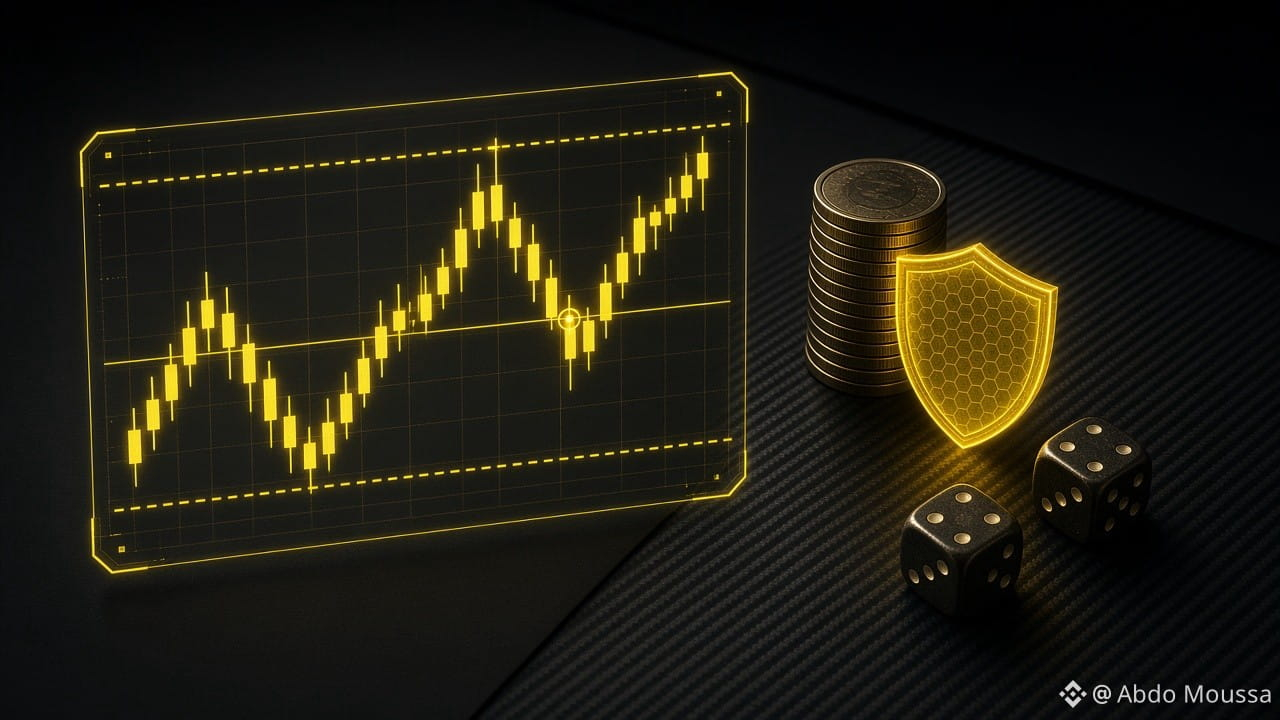
𝗧𝗿𝗮𝗱𝗶𝗻𝗴 𝘄𝗶𝘁𝗵𝗼𝘂𝘁 𝗮 𝗽𝗹𝗮𝗻 𝗶𝘀 𝘀𝗶𝗺𝗽𝗹𝘆 𝗴𝗮𝗺𝗯𝗹𝗶𝗻𝗴 📊🧠
𝘐𝘯 𝘵𝘩𝘦 𝘧𝘢𝘴𝘵-𝘱𝘢𝘤𝘦𝘥 𝘸𝘰𝘳𝘭𝘥 𝘰𝘧 𝘥𝘪𝘨𝘪𝘵𝘢𝘭 𝘢𝘴𝘴𝘦𝘵𝘴 𝘰𝘯 #Binance, 𝘭𝘰𝘯𝘨-𝘵𝘦𝘳𝘮 𝘴𝘶𝘤𝘤𝘦𝘴𝘴 𝘪𝘴𝘯'𝘵 𝘥𝘳𝘪𝘷𝘦𝘯 𝘣𝘺 𝘭𝘶𝘤𝘬, 𝘪𝘵’𝘴 𝘣𝘶𝘪𝘭𝘵 𝘰𝘯 𝘴𝘵𝘳𝘪𝘤𝘵 𝘵𝘳𝘢𝘥𝘪𝘯𝘨 𝘥𝘪𝘴𝘤𝘪𝘱𝘭𝘪𝘯𝘦 𝘢𝘯𝘥 𝘢 𝘴𝘵𝘳𝘶𝘤𝘵𝘶𝘳𝘦𝘥 𝘱𝘭𝘢𝘯.
𝗛𝗲𝗿𝗲 𝗶𝘀 𝘆𝗼𝘂𝗿 𝗲𝘀𝘀𝗲𝗻𝘁𝗶𝗮𝗹 𝗴𝘂𝗶𝗱𝗲 𝘁𝗼 𝗺𝗮𝘀𝘁𝗲𝗿𝗶𝗻𝗴 𝗲𝘅𝗲𝗰𝘂𝘁𝗶𝗼𝗻:
1️⃣ 𝘋𝘦𝘧𝘪𝘯𝘦 𝘠𝘰𝘶𝘳 𝘌𝘯𝘵𝘳𝘺 𝘢𝘯𝘥 𝘌𝘹𝘪𝘵 𝘚𝘵𝘳𝘢𝘵𝘦𝘨𝘺:
• Know exactly why you are entering a trade before you click buy, Pre-define your profit targets and your maximum tolerable downside.
• Never enter a position blindly based on impulse or sudden price spikes.
2️⃣ 𝘔𝘢𝘴𝘵𝘦𝘳 𝘠𝘰𝘶𝘳 𝘌𝘮𝘰𝘵𝘪𝘰𝘯𝘴:
• Fear of Missing Out (FOMO) and panic selling are a trader's worst enemies, Emotional decision-making almost always leads to realized losses.
• Stick to your predefined system regardless of short-term market noise.
3️⃣ 𝘗𝘳𝘰𝘵𝘦𝘤𝘵 𝘠𝘰𝘶𝘳 𝘊𝘢𝘱𝘪𝘵𝘢𝘭 𝘍𝘪𝘳𝘴𝘵:
• Preservation of capital always comes before chasing profits, Utilize appropriate position sizing and never risk more than you can afford to lose.
⚠️ 𝗘𝘀𝘀𝗲𝗻𝘁𝗶𝗮𝗹 𝗗𝗶𝘀𝗰𝗹𝗮𝗶𝗺𝗲𝗿:
Digital asset trading involves substantial risk and market volatility, This content is for educational purposes only and does not constitute financial advice.
https://www.binance.com/en/academy/articles/trading-psychology-how-to-trade-without-emotions
Build a plan, stay disciplined, and always DYOR (Do Your Own Research)💡
#Binance #CryptoTrading #RiskManagement #TradingDiscipline
𝗧𝗿𝗮𝗱𝗶𝗻𝗴 𝘄𝗶𝘁𝗵𝗼𝘂𝘁 𝗮 𝗽𝗹𝗮𝗻 𝗶𝘀 𝘀𝗶𝗺𝗽𝗹𝘆 𝗴𝗮𝗺𝗯𝗹𝗶𝗻𝗴 📊🧠
𝘐𝘯 𝘵𝘩𝘦 𝘧𝘢𝘴𝘵-𝘱𝘢𝘤𝘦𝘥 𝘸𝘰𝘳𝘭𝘥 𝘰𝘧 𝘥𝘪𝘨𝘪𝘵𝘢𝘭 𝘢𝘴𝘴𝘦𝘵𝘴 𝘰𝘯 #Binance, 𝘭𝘰𝘯𝘨-𝘵𝘦𝘳𝘮 𝘴𝘶𝘤𝘤𝘦𝘴𝘴 𝘪𝘴𝘯'𝘵 𝘥𝘳𝘪𝘷𝘦𝘯 𝘣𝘺 𝘭𝘶𝘤𝘬, 𝘪𝘵’𝘴 𝘣𝘶𝘪𝘭𝘵 𝘰𝘯 𝘴𝘵𝘳𝘪𝘤𝘵 𝘵𝘳𝘢𝘥𝘪𝘯𝘨 𝘥𝘪𝘴𝘤𝘪𝘱𝘭𝘪𝘯𝘦 𝘢𝘯𝘥 𝘢 𝘴𝘵𝘳𝘶𝘤𝘵𝘶𝘳𝘦𝘥 𝘱𝘭𝘢𝘯.
𝗛𝗲𝗿𝗲 𝗶𝘀 𝘆𝗼𝘂𝗿 𝗲𝘀𝘀𝗲𝗻𝘁𝗶𝗮𝗹 𝗴𝘂𝗶𝗱𝗲 𝘁𝗼 𝗺𝗮𝘀𝘁𝗲𝗿𝗶𝗻𝗴 𝗲𝘅𝗲𝗰𝘂𝘁𝗶𝗼𝗻:
1️⃣ 𝘋𝘦𝘧𝘪𝘯𝘦 𝘠𝘰𝘶𝘳 𝘌𝘯𝘵𝘳𝘺 𝘢𝘯𝘥 𝘌𝘹𝘪𝘵 𝘚𝘵𝘳𝘢𝘵𝘦𝘨𝘺:
• Know exactly why you are entering a trade before you click buy, Pre-define your profit targets and your maximum tolerable downside.
• Never enter a position blindly based on impulse or sudden price spikes.
2️⃣ 𝘔𝘢𝘴𝘵𝘦𝘳 𝘠𝘰𝘶𝘳 𝘌𝘮𝘰𝘵𝘪𝘰𝘯𝘴:
• Fear of Missing Out (FOMO) and panic selling are a trader's worst enemies, Emotional decision-making almost always leads to realized losses.
• Stick to your predefined system regardless of short-term market noise.
3️⃣ 𝘗𝘳𝘰𝘵𝘦𝘤𝘵 𝘠𝘰𝘶𝘳 𝘊𝘢𝘱𝘪𝘵𝘢𝘭 𝘍𝘪𝘳𝘴𝘵:
• Preservation of capital always comes before chasing profits, Utilize appropriate position sizing and never risk more than you can afford to lose.
⚠️ 𝗘𝘀𝘀𝗲𝗻𝘁𝗶𝗮𝗹 𝗗𝗶𝘀𝗰𝗹𝗮𝗶𝗺𝗲𝗿:
Digital asset trading involves substantial risk and market volatility, This content is for educational purposes only and does not constitute financial advice.
https://www.binance.com/en/academy/articles/trading-psychology-how-to-trade-without-emotions
Build a plan, stay disciplined, and always DYOR (Do Your Own Research)💡
#Binance #CryptoTrading #RiskManagement #TradingDiscipline
𝘐𝘯 𝘵𝘩𝘦 𝘧𝘢𝘴𝘵-𝘱𝘢𝘤𝘦𝘥 𝘸𝘰𝘳𝘭𝘥 𝘰𝘧 𝘥𝘪𝘨𝘪𝘵𝘢𝘭 𝘢𝘴𝘴𝘦𝘵𝘴 𝘰𝘯 #Binance, 𝘭𝘰𝘯𝘨-𝘵𝘦𝘳𝘮 𝘴𝘶𝘤𝘤𝘦𝘴𝘴 𝘪𝘴𝘯'𝘵 𝘥𝘳𝘪𝘷𝘦𝘯 𝘣𝘺 𝘭𝘶𝘤𝘬, 𝘪𝘵’𝘴 𝘣𝘶𝘪𝘭𝘵 𝘰𝘯 𝘴𝘵𝘳𝘪𝘤𝘵 𝘵𝘳𝘢𝘥𝘪𝘯𝘨 𝘥𝘪𝘴𝘤𝘪𝘱𝘭𝘪𝘯𝘦 𝘢𝘯𝘥 𝘢 𝘴𝘵𝘳𝘶𝘤𝘵𝘶𝘳𝘦𝘥 𝘱𝘭𝘢𝘯.
𝗛𝗲𝗿𝗲 𝗶𝘀 𝘆𝗼𝘂𝗿 𝗲𝘀𝘀𝗲𝗻𝘁𝗶𝗮𝗹 𝗴𝘂𝗶𝗱𝗲 𝘁𝗼 𝗺𝗮𝘀𝘁𝗲𝗿𝗶𝗻𝗴 𝗲𝘅𝗲𝗰𝘂𝘁𝗶𝗼𝗻:
1️⃣ 𝘋𝘦𝘧𝘪𝘯𝘦 𝘠𝘰𝘶𝘳 𝘌𝘯𝘵𝘳𝘺 𝘢𝘯𝘥 𝘌𝘹𝘪𝘵 𝘚𝘵𝘳𝘢𝘵𝘦𝘨𝘺:
• Know exactly why you are entering a trade before you click buy, Pre-define your profit targets and your maximum tolerable downside.
• Never enter a position blindly based on impulse or sudden price spikes.
2️⃣ 𝘔𝘢𝘴𝘵𝘦𝘳 𝘠𝘰𝘶𝘳 𝘌𝘮𝘰𝘵𝘪𝘰𝘯𝘴:
• Fear of Missing Out (FOMO) and panic selling are a trader's worst enemies, Emotional decision-making almost always leads to realized losses.
• Stick to your predefined system regardless of short-term market noise.
3️⃣ 𝘗𝘳𝘰𝘵𝘦𝘤𝘵 𝘠𝘰𝘶𝘳 𝘊𝘢𝘱𝘪𝘵𝘢𝘭 𝘍𝘪𝘳𝘴𝘵:
• Preservation of capital always comes before chasing profits, Utilize appropriate position sizing and never risk more than you can afford to lose.
⚠️ 𝗘𝘀𝘀𝗲𝗻𝘁𝗶𝗮𝗹 𝗗𝗶𝘀𝗰𝗹𝗮𝗶𝗺𝗲𝗿:
Digital asset trading involves substantial risk and market volatility, This content is for educational purposes only and does not constitute financial advice.
https://www.binance.com/en/academy/articles/trading-psychology-how-to-trade-without-emotions
Build a plan, stay disciplined, and always DYOR (Do Your Own Research)💡
#Binance #CryptoTrading #RiskManagement #TradingDiscipline
3
82
Log in to explore more content
Join global crypto users on Binance Square
⚡️ Get latest and useful information about crypto.
💬 Trusted by the world’s largest crypto exchange.
👍 Discover real insights from verified creators.
Email / Phone number