Binance Square
#cryptosecurity

cryptosecurity

8.4M views
9,836 Discussing
tradekor
·
--
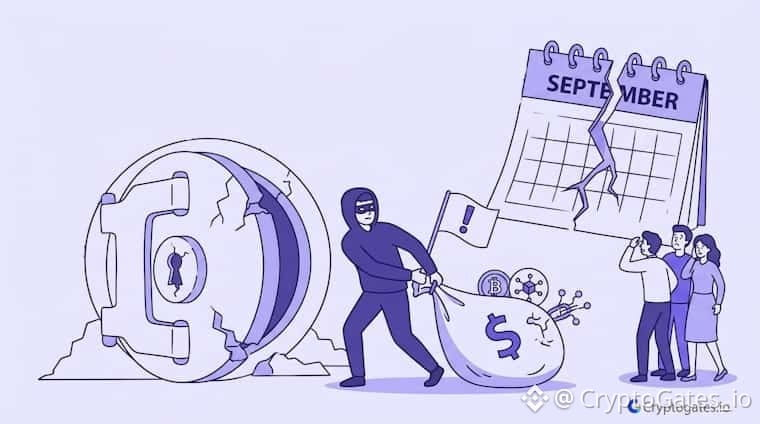
A $130M hardware wallet hack pushed a Sui co-founder to personally lease a factory for $10 quantum-safe wallet cards -- and $SUI hasn't moved a cent on any of it. The news: on August 6, Sui announced it's adding two NIST-approved post-quantum signature schemes, letting holders migrate to quantum-safe keys from their existing recovery phrase without changing wallet addresses. Days later, Mysten Labs co-founder Kostas Chalkias disclosed he's personally leasing a factory to mass-produce sub-$10 quantum-safe NFC hardware wallet cards, explicitly citing the Coldcard hack -- roughly $130M drained from 5,200+ addresses via a 2021 firmware flaw -- as the trigger. The catch: none of this is live yet. The quantum-safe vaults are slated for "mainnet in 2026" with no firm date, and the $10 hardware card is Chalkias's personal side project, not an official Mysten Labs product -- production timeline and factory details are unconfirmed. SUI itself is flat, rangebound $0.67-$0.70, meaning the market hasn't priced in any of this as a catalyst. Our read: a genuine, security-forward response to a real industry scare, but still roadmap and personal initiative rather than shipped product. Falsifiable: watch for an actual mainnet date on the quantum-safe vaults, and whether Chalkias's hardware card ever reaches real production. Does founder-level personal initiative on security matter before the product actually ships? Not financial advice. DYOR. $SUI #Sui #QuantumSafe #CryptoSecurity #HardwareWallet
A $130M hardware wallet hack pushed a Sui co-founder to personally lease a factory for $10 quantum-safe wallet cards -- and $SUI hasn't moved a cent on any of it.

The news: on August 6, Sui announced it's adding two NIST-approved post-quantum signature schemes, letting holders migrate to quantum-safe keys from their existing recovery phrase without changing wallet addresses. Days later, Mysten Labs co-founder Kostas Chalkias disclosed he's personally leasing a factory to mass-produce sub-$10 quantum-safe NFC hardware wallet cards, explicitly citing the Coldcard hack -- roughly $130M drained from 5,200+ addresses via a 2021 firmware flaw -- as the trigger.

The catch: none of this is live yet. The quantum-safe vaults are slated for "mainnet in 2026" with no firm date, and the $10 hardware card is Chalkias's personal side project, not an official Mysten Labs product -- production timeline and factory details are unconfirmed. SUI itself is flat, rangebound $0.67-$0.70, meaning the market hasn't priced in any of this as a catalyst.

Our read: a genuine, security-forward response to a real industry scare, but still roadmap and personal initiative rather than shipped product. Falsifiable: watch for an actual mainnet date on the quantum-safe vaults, and whether Chalkias's hardware card ever reaches real production.

Does founder-level personal initiative on security matter before the product actually ships?

Not financial advice. DYOR.

$SUI #Sui #QuantumSafe #CryptoSecurity #HardwareWallet
🚨 HACKERS EXPLOIT MAC OS SCREEN SHARING TO SILENTLY MINE $XMR ACROSS GLOBAL NETWORKS! ⚠️ A zero-day exploit targeting port 5900 on macOS systems is letting bad actors bypass authentication and deploy covert Monero miners directly onto unpatched machines. 🔍 Instead of demanding quick ransomware payouts, exploiters are quietly weaponizing raw compute power to farm liquidity in stealth mode. 🌊 Apple has rushed out security patches across active OS versions, but exposed devices remain prime targets for silent hash rate extraction. 🛡️ When attackers choose passive yield generation over loud extortion, it signals how valuable privacy-centric block rewards remain in current market conditions. 💬 Have you locked down your device settings, or are your processors secretly hashing for someone else? 👇 ⚠️ Not financial advice. Always manage your risk. 🛡️ 🏷️ #XMR #Monero #CryptoSecurity #Cryptojacking ⚡ 👁️
🚨 HACKERS EXPLOIT MAC OS SCREEN SHARING TO SILENTLY MINE $XMR ACROSS GLOBAL NETWORKS! ⚠️

A zero-day exploit targeting port 5900 on macOS systems is letting bad actors bypass authentication and deploy covert Monero miners directly onto unpatched machines. 🔍 Instead of demanding quick ransomware payouts, exploiters are quietly weaponizing raw compute power to farm liquidity in stealth mode. 🌊

Apple has rushed out security patches across active OS versions, but exposed devices remain prime targets for silent hash rate extraction. 🛡️ When attackers choose passive yield generation over loud extortion, it signals how valuable privacy-centric block rewards remain in current market conditions. 💬 Have you locked down your device settings, or are your processors secretly hashing for someone else? 👇

⚠️ Not financial advice. Always manage your risk. 🛡️

🏷️ #XMR #Monero #CryptoSecurity #Cryptojacking

⚡ 👁️
97% of the attacker’s stolen ONE was already dumped onto exchanges before most traders even understood what happened. That’s the nightmare in crypto: you wake up thinking you hold a solid position, then a bridge exploit turns into instant sell pressure. If you’ve been through past cycles, you know the first dump is painful, but the uncertainty after it often hurts more. The latest update is that only around 115M $ONE remains unsold from the attacker’s stash, about 2.9% of the roughly 4B involved. In plain English, most of the forced selling already happened fast, which explains the panic and volatility around $ONE before the market had time to price the real damage. Harmony paused the bridge, pushed a validator patch, and is now weighing a full network rollback. That sounds clean on paper, but rollbacks are messy: they can reverse the exploit, yet also erase legitimate transactions made after the attack. We’ve seen this dilemma before in crypto history, and it always comes down to trust versus damage control. For traders watching $ONE, $ETH, and bridge-related assets, the lesson is simple: technical risk is market risk. Would you support a rollback if it protected users but erased valid transactions? #CryptoSecurity #Altcoins #BinanceSquare
97% of the attacker’s stolen ONE was already dumped onto exchanges before most traders even understood what happened.

That’s the nightmare in crypto: you wake up thinking you hold a solid position, then a bridge exploit turns into instant sell pressure. If you’ve been through past cycles, you know the first dump is painful, but the uncertainty after it often hurts more.

The latest update is that only around 115M $ONE remains unsold from the attacker’s stash, about 2.9% of the roughly 4B involved. In plain English, most of the forced selling already happened fast, which explains the panic and volatility around $ONE before the market had time to price the real damage.

Harmony paused the bridge, pushed a validator patch, and is now weighing a full network rollback. That sounds clean on paper, but rollbacks are messy: they can reverse the exploit, yet also erase legitimate transactions made after the attack. We’ve seen this dilemma before in crypto history, and it always comes down to trust versus damage control.

For traders watching $ONE , $ETH , and bridge-related assets, the lesson is simple: technical risk is market risk. Would you support a rollback if it protected users but erased valid transactions?

#CryptoSecurity #Altcoins #BinanceSquare
🚨 RED ALERT FOR $BNB P2P TRADERS: NEVER HAND OVER YOUR SENSITIVE ID DATA! 🛑 P2P counterparties demanding facial verification videos or ID scans before sending fiat is an immediate red flag. 🛡️ Protecting your sensitive personal identity is just as critical as protecting your capital in these active order books. Stick to strict platform protocols. Never migrate off-platform to third-party chat apps, only release assets when real balance hits your bank account, and hit that appeal button the instant someone stalls. 🔒 Smart money protects their liquidity and personal data equally. 💬 Have you ever cancelled a P2P order when the buyer started making unreasonable verification demands? 👇 ⚠️ Not financial advice. Always manage your risk. 🛡️ 🏷️ #BNB #P2PSafety #CryptoSecurity #RiskManagement 🛡️ 💎
🚨 RED ALERT FOR $BNB P2P TRADERS: NEVER HAND OVER YOUR SENSITIVE ID DATA! 🛑

P2P counterparties demanding facial verification videos or ID scans before sending fiat is an immediate red flag. 🛡️ Protecting your sensitive personal identity is just as critical as protecting your capital in these active order books.

Stick to strict platform protocols. Never migrate off-platform to third-party chat apps, only release assets when real balance hits your bank account, and hit that appeal button the instant someone stalls. 🔒 Smart money protects their liquidity and personal data equally.

💬 Have you ever cancelled a P2P order when the buyer started making unreasonable verification demands? 👇

⚠️ Not financial advice. Always manage your risk. 🛡️

🏷️ #BNB #P2PSafety #CryptoSecurity #RiskManagement

🛡️ 💎
Most traders are worried about regulations. Smart money is focused on how the industry is actually *building* trust. The latest news on Payward integrating Anthropic's Claude Mythos 5 for enhanced crypto security isn't just about compliance; it's a signal of deepening institutional commitment to robust infrastructure. This isn't just a facelift; it's about embedding advanced AI to proactively sniff out vulnerabilities. Think of it as upgrading from a simple lock to a biometric security system. #CryptoSecurity #AIinCrypto What this means for price: Increased institutional confidence directly translates to capital inflow. As platforms prove their security chops, the barriers to entry for larger players diminish. This moves us beyond speculative hype towards sustainable growth. Keep an eye on the development of similar AI-driven security initiatives across major exchanges and DeFi protocols. #InstitutionalAdoption When AI becomes the silent guardian of our digital assets, how much further does the trust in crypto really go?
Most traders are worried about regulations. Smart money is focused on how the industry is actually *building* trust.

The latest news on Payward integrating Anthropic's Claude Mythos 5 for enhanced crypto security isn't just about compliance; it's a signal of deepening institutional commitment to robust infrastructure. This isn't just a facelift; it's about embedding advanced AI to proactively sniff out vulnerabilities. Think of it as upgrading from a simple lock to a biometric security system. #CryptoSecurity #AIinCrypto

What this means for price: Increased institutional confidence directly translates to capital inflow. As platforms prove their security chops, the barriers to entry for larger players diminish. This moves us beyond speculative hype towards sustainable growth.

Keep an eye on the development of similar AI-driven security initiatives across major exchanges and DeFi protocols. #InstitutionalAdoption

When AI becomes the silent guardian of our digital assets, how much further does the trust in crypto really go?
Article
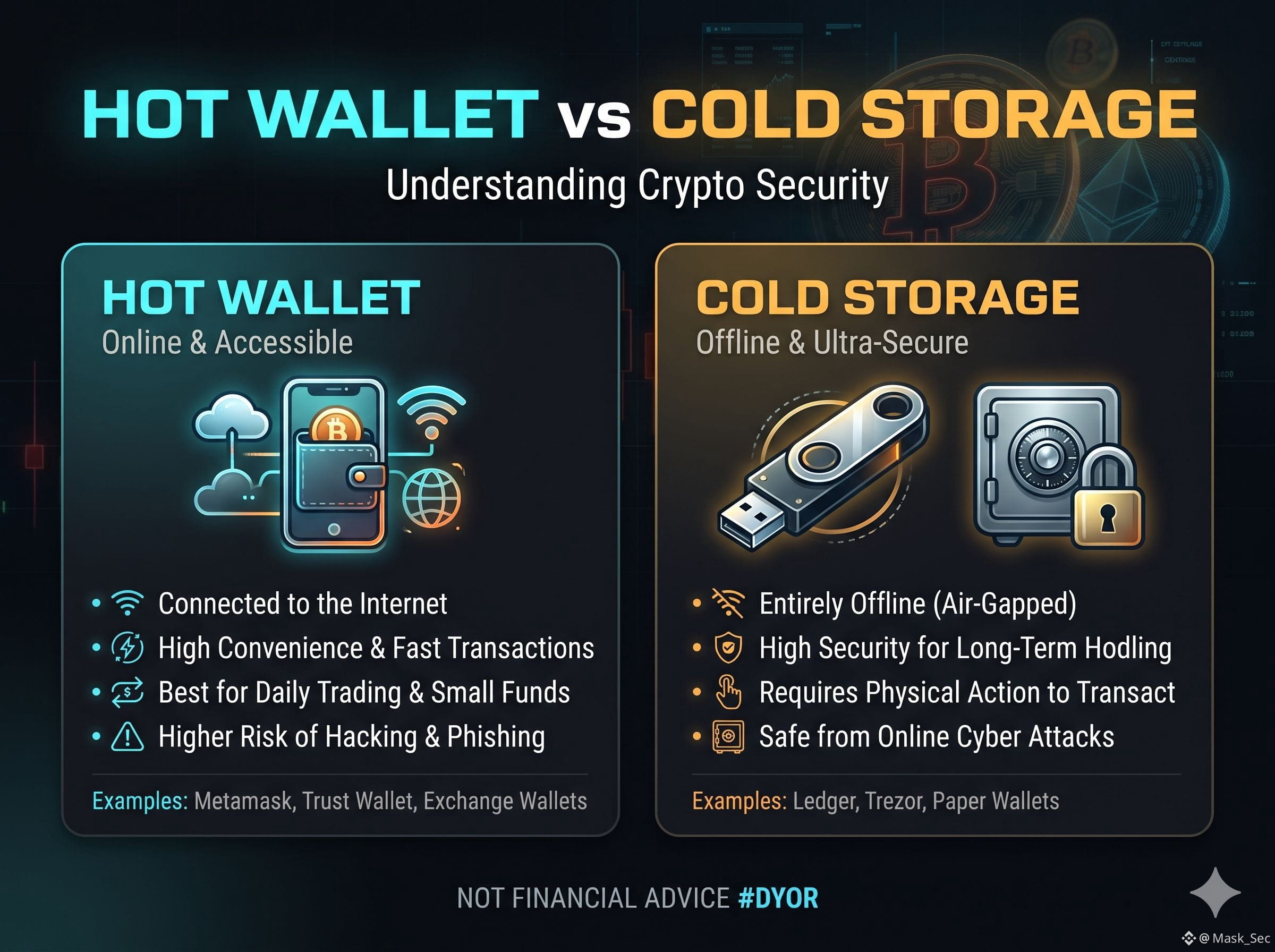
🚨 Threat Assessment: Coldcard's $115M+ Infrastructure Breach#ColdcardWalletLossesExceed$115M The premise of impenetrable self-custody has just been severely tested. According to intelligence from Galaxy, the historically trusted Coldcard hardware ecosystem is currently experiencing an unprecedented exploit, with threat actors already siphoning over $115 million in capital. Most alarmingly, the bleeding has not stopped—this is an active and ongoing extraction. ​Strategic Mitigation Steps: ​Evacuate Vulnerable Infrastructure: If your capital is currently resting on a Coldcard device, the immediate structural play is to migrate your assets to a fortified, high-security exchange environment like Binance to eliminate your exposure to this specific hardware flaw. ​Navigate the Phishing Minefield: A secondary wave of attacks is already deploying via social engineering. Malicious actors are masquerading as official "support" to intercept panicked users. Real administrators will never initiate a direct message. ​In a compromised environment, decisive action is your only hedge. Secure your perimeter, ignore unsolicited links, and move your holdings to safe ground immediately. ​⚠️ Disclaimer: This is a critical security observation, not financial advice. Exercise extreme caution. ​ #Coldcard #CryptoSecurity #phishingscam $GPS {future}(GPSUSDT) $CYS {future}(CYSUSDT) $BTC {future}(BTCUSDT)

🚨 Threat Assessment: Coldcard's $115M+ Infrastructure Breach

#ColdcardWalletLossesExceed$115M
The premise of impenetrable self-custody has just been severely tested. According to intelligence from Galaxy, the historically trusted Coldcard hardware ecosystem is currently experiencing an unprecedented exploit, with threat actors already siphoning over $115 million in capital. Most alarmingly, the bleeding has not stopped—this is an active and ongoing extraction.
​Strategic Mitigation Steps:
​Evacuate Vulnerable Infrastructure: If your capital is currently resting on a Coldcard device, the immediate structural play is to migrate your assets to a fortified, high-security exchange environment like Binance to eliminate your exposure to this specific hardware flaw.
​Navigate the Phishing Minefield: A secondary wave of attacks is already deploying via social engineering. Malicious actors are masquerading as official "support" to intercept panicked users. Real administrators will never initiate a direct message.
​In a compromised environment, decisive action is your only hedge. Secure your perimeter, ignore unsolicited links, and move your holdings to safe ground immediately.
​⚠️ Disclaimer: This is a critical security observation, not financial advice. Exercise extreme caution.
#Coldcard #CryptoSecurity #phishingscam
$GPS
$CYS
$BTC
🚨 Your $crypto can disappear in seconds. Never share your Seed Phrase, Private Key or OTP with anyone — even someone claiming to be $Binance support. 🔐 Your seed phrase = your funds. Stay safe. Stay in control. Follow for simple daily crypto security tips. #CryptoSecurity #Binance #Web3 #CryptoTips
🚨 Your $crypto can disappear in seconds.

Never share your Seed Phrase, Private Key or OTP with anyone — even someone claiming to be $Binance support.

🔐 Your seed phrase = your funds.
Stay safe. Stay in control.

Follow for simple daily crypto security tips.

#CryptoSecurity #Binance #Web3 #CryptoTips
🚨 SAFEPAL VENDOR BREACH EXPOSES 40K CUSTOMERS WHILE $SFP FUNDS REMAIN SAFE! 🛡️ A third-party supply chain flaw just leaked personal shipping details for 39,798 hardware wallet buyers. While private keys and seed phrases remain untouched in cold storage, physical delivery data is now floating in bad actors' hands. 🔍 This highlights the classic supply chain blind spot where e-commerce logistics expose offline holders to targeted phishing and social engineering. Smart money stays alert when fake brand communications inevitably start flooding inboxes. 💡 💬 Are you scrubbing your digital footprint when ordering hardware security, or do you rely entirely on cold storage silicon? 👇 ⚠️ Not financial advice. Always manage your risk. 🛡️ 🏷️ #SFP #SecurityAlert #CryptoSecurity #SafePal 🎯 🛡️
🚨 SAFEPAL VENDOR BREACH EXPOSES 40K CUSTOMERS WHILE $SFP FUNDS REMAIN SAFE! 🛡️

A third-party supply chain flaw just leaked personal shipping details for 39,798 hardware wallet buyers. While private keys and seed phrases remain untouched in cold storage, physical delivery data is now floating in bad actors' hands. 🔍

This highlights the classic supply chain blind spot where e-commerce logistics expose offline holders to targeted phishing and social engineering. Smart money stays alert when fake brand communications inevitably start flooding inboxes. 💡

💬 Are you scrubbing your digital footprint when ordering hardware security, or do you rely entirely on cold storage silicon? 👇

⚠️ Not financial advice. Always manage your risk. 🛡️

🏷️ #SFP #SecurityAlert #CryptoSecurity #SafePal

🎯 🛡️
🚨 HACKERS LURKED 3 MONTHS IN GMAIL TO DRAIN AN INVESTOR $BTC DEPOSIT! 💣 A veteran $BTC holder just lost their entire stack after transferring funds to a top-tier exchange, all because a hacker quietly camped inside their Gmail account for three full months. 👁️ The attacker accessed Google Authenticator codes synced to cloud backups, silently watching and waiting until the exact moment a major deposit landed. When the transfer cleared, the adversary struck at 3 AM while the owner slept, tricking exchange verification into approving a full withdrawal sweep. 🔒 Operational security is just as critical as trade execution, because compromised email access will wipe out years of spot gains in minutes. If your cloud backups automatically sync your authentication seeds, cold storage discipline means nothing when moving liquidity. 💬 Have you audited your email security settings and isolated your 2FA keys from cloud sync? 👇 ⚠️ Not financial advice. Always manage your risk. 🛡️ 🏷️ #BTC #CryptoSecurity #OpSec #Bitcoin 🛡️ 👁️
🚨 HACKERS LURKED 3 MONTHS IN GMAIL TO DRAIN AN INVESTOR $BTC DEPOSIT! 💣

A veteran $BTC holder just lost their entire stack after transferring funds to a top-tier exchange, all because a hacker quietly camped inside their Gmail account for three full months. 👁️ The attacker accessed Google Authenticator codes synced to cloud backups, silently watching and waiting until the exact moment a major deposit landed.

When the transfer cleared, the adversary struck at 3 AM while the owner slept, tricking exchange verification into approving a full withdrawal sweep. 🔒 Operational security is just as critical as trade execution, because compromised email access will wipe out years of spot gains in minutes.

If your cloud backups automatically sync your authentication seeds, cold storage discipline means nothing when moving liquidity. 💬 Have you audited your email security settings and isolated your 2FA keys from cloud sync? 👇

⚠️ Not financial advice. Always manage your risk. 🛡️

🏷️ #BTC #CryptoSecurity #OpSec #Bitcoin

🛡️ 👁️
A data breach that exposed nearly 40 k SafePal users shows how hardware‑wallet security still hinges on the broader supply chain. The breach didn’t steal private keys, but order details are now for sale, creating a phishing vector that could lure users into revealing wallet passwords or seed phrases. When attackers combine stolen metadata with social‑engineering tricks, even a well‑secured device can become the weak link. For traders, the ripple effect is subtle but real: a spike in phishing attempts often precedes a short‑term dip in confidence for on‑ramp services, which can tighten liquidity on pairs like $BTC. We’ve seen $BTC holding near $64,550 with a modest 2.6 % gain over 24 hours, but the price range stayed tight—just $1,360 between high and low—suggesting market participants are waiting for clearer risk signals. What practical steps are you taking to harden your account hygiene after a supply‑chain breach? #CryptoSecurity #BTC #Binance #GAMERXERO
A data breach that exposed nearly 40 k SafePal users shows how hardware‑wallet security still hinges on the broader supply chain. The breach didn’t steal private keys, but order details are now for sale, creating a phishing vector that could lure users into revealing wallet passwords or seed phrases. When attackers combine stolen metadata with social‑engineering tricks, even a well‑secured device can become the weak link.

For traders, the ripple effect is subtle but real: a spike in phishing attempts often precedes a short‑term dip in confidence for on‑ramp services, which can tighten liquidity on pairs like $BTC . We’ve seen $BTC holding near $64,550 with a modest 2.6 % gain over 24 hours, but the price range stayed tight—just $1,360 between high and low—suggesting market participants are waiting for clearer risk signals.

What practical steps are you taking to harden your account hygiene after a supply‑chain breach?

#CryptoSecurity #BTC #Binance #GAMERXERO
Crypto security is non-negotiable. If you don't secure your account, your profits don't matter. Here is a 4-step checklist to secure your Binance account today: 1. Passkeys/YubiKey: Replace SMS 2FA with hardware keys or biometric passkeys. SMS swapping is real. 2. Whitelist Withdrawal Addresses: Enable this so funds can only be sent to your pre-approved wallets. 3. Anti-Phishing Code: Set a unique code in your settings. If a Binance email doesn't have it, it's a scam. 4. App Authorizations: Check account settings and revoke access to any third-party apps you don't use anymore. Check your security tab right now. Is your account 100% safe? 👇 #CryptoSecurity #Binance #StaySafe #tradingtips
Crypto security is non-negotiable. If you don't secure your account, your profits don't matter.

Here is a 4-step checklist to secure your Binance account today:

1. Passkeys/YubiKey: Replace SMS 2FA with hardware keys or biometric passkeys. SMS swapping is real.
2. Whitelist Withdrawal Addresses: Enable this so funds can only be sent to your pre-approved wallets.
3. Anti-Phishing Code: Set a unique code in your settings. If a Binance email doesn't have it, it's a scam.
4. App Authorizations: Check account settings and revoke access to any third-party apps you don't use anymore.

Check your security tab right now. Is your account 100% safe? 👇

#CryptoSecurity #Binance #StaySafe #tradingtips
🦄 Kraken parent Payward is deploying Anthropic’s Claude Mythos 5 to hunt software vulnerabilities before attackers exploit them. Payward has joined Project Glasswing and says the model will scan its systems, with verified findings routed into existing remediation workflows. Flaws found in third-party open-source code will be disclosed to maintainers. Why it matters: crypto platforms run around the clock and secure customer assets across complex software stacks. Frontier AI could shorten the time between finding a weakness and shipping a fix, while upstream disclosures may strengthen infrastructure beyond Kraken. #CryptoSecurity #AI Sources: https://www.businesswire.com/news/home/20260817253386/en/Payward-Joins-Anthropics-Project-Glasswing | https://www.coindesk.com/tech/2026/08/17/kraken-parent-payward-joins-anthropic-s-project-glasswing-for-ai-security-push
🦄 Kraken parent Payward is deploying Anthropic’s Claude Mythos 5 to hunt software vulnerabilities before attackers exploit them.

Payward has joined Project Glasswing and says the model will scan its systems, with verified findings routed into existing remediation workflows. Flaws found in third-party open-source code will be disclosed to maintainers.

Why it matters: crypto platforms run around the clock and secure customer assets across complex software stacks. Frontier AI could shorten the time between finding a weakness and shipping a fix, while upstream disclosures may strengthen infrastructure beyond Kraken.

#CryptoSecurity #AI

Sources: https://www.businesswire.com/news/home/20260817253386/en/Payward-Joins-Anthropics-Project-Glasswing | https://www.coindesk.com/tech/2026/08/17/kraken-parent-payward-joins-anthropic-s-project-glasswing-for-ai-security-push
Kraken parent Payward joins Anthropic’s Project Glasswing to boost AI security in crypto. Payward will use Anthropic’s cybersecurity model to hunt vulnerabilities and share open-source findings, signaling a stronger safety net for crypto platforms. This collaboration underscores the growing intersection of AI and crypto safety, with $BTC in mind. #CryptoSecurity #AI #OpenSource
🚨 CRITICAL MACOS VULNERABILITY EXPLOITED TO SILENTLY MINE $XMR ACROSS COMPROMISED SYSTEMS! 💥 Institutional security vectors are under active exploitation as attackers leverage a 9.8 CVSS critical bypass in macOS Screen Sharing. 🔍 Exploiting open 5900 ports, bad actors gain root privileges to hijack system compute for covert $XMR mining operations. This unauthorized compute siphon highlights how threat actors dynamically capture network resources for decentralized liquidity extraction. 📊 Apple has issued critical patches across macOS versions, but unpatched nodes remain vulnerable to persistent systemic exploits. 💬 Are you keeping your hardware protocols secured or leaving port access open for rogue miners? 👇 ⚠️ Not financial advice. Always manage your risk. 🛡️ 🏷️ #XMR #Monero #CryptoSecurity #MarketInsights 🛡️ 👁️
🚨 CRITICAL MACOS VULNERABILITY EXPLOITED TO SILENTLY MINE $XMR ACROSS COMPROMISED SYSTEMS! 💥

Institutional security vectors are under active exploitation as attackers leverage a 9.8 CVSS critical bypass in macOS Screen Sharing. 🔍 Exploiting open 5900 ports, bad actors gain root privileges to hijack system compute for covert $XMR mining operations.

This unauthorized compute siphon highlights how threat actors dynamically capture network resources for decentralized liquidity extraction. 📊 Apple has issued critical patches across macOS versions, but unpatched nodes remain vulnerable to persistent systemic exploits. 💬 Are you keeping your hardware protocols secured or leaving port access open for rogue miners? 👇

⚠️ Not financial advice. Always manage your risk. 🛡️

🏷️ #XMR #Monero #CryptoSecurity #MarketInsights

🛡️ 👁️
Why is nobody talking about how “inflated token count” suddenly became a real dollar-value exploit? This is exactly how traders get trapped: the first headline looks dramatic, the market shrugs, then the second hit changes the entire risk profile. If you only look at token supply and not actual dollar value, you can badly misread when to exit. In this case, the first 4B token mint was scary on paper, but the crashed price meant the real dollar damage was relatively low. That’s why some people dismissed it as noise. But the second mint was 30B tokens, and at around $234M in value, that is no longer just a “big number” headline. That’s the lesson. Exploit analysis is not just “how many tokens were minted,” it’s “what can those tokens actually dump for?” Whether you trade majors like $BTC and $ETH or rotate into smaller names from $BNB pairs, this kind of math matters because liquidity and market depth decide the real damage. So the hot take: the second exploit is the one that should reset the narrative, not the first. Anyone else seeing traders underestimate dollar-value impact until it’s too late? #CryptoSecurity #Altcoins #DeFi
Why is nobody talking about how “inflated token count” suddenly became a real dollar-value exploit?

This is exactly how traders get trapped: the first headline looks dramatic, the market shrugs, then the second hit changes the entire risk profile. If you only look at token supply and not actual dollar value, you can badly misread when to exit.

In this case, the first 4B token mint was scary on paper, but the crashed price meant the real dollar damage was relatively low. That’s why some people dismissed it as noise. But the second mint was 30B tokens, and at around $234M in value, that is no longer just a “big number” headline.

That’s the lesson. Exploit analysis is not just “how many tokens were minted,” it’s “what can those tokens actually dump for?” Whether you trade majors like $BTC and $ETH or rotate into smaller names from $BNB pairs, this kind of math matters because liquidity and market depth decide the real damage.

So the hot take: the second exploit is the one that should reset the narrative, not the first. Anyone else seeing traders underestimate dollar-value impact until it’s too late?

#CryptoSecurity #Altcoins #DeFi
A 4B token exploit can be noise, while a 30B mint can become a $234M problem overnight. The trap is thinking “more tokens” automatically means more damage. I’ve seen traders panic-sell the wrong event, then ignore the one that actually destroys real dollar value. The first 4B mint looked terrifying on paper, but after the price had already collapsed, its real market value was much smaller than the headline suggested. That’s why token count alone is a weak risk signal. In exploits, you have to ask: what is this worth in $USDT right now, and can the market absorb it? The second mint changed the math. At 30B tokens and roughly $234M in value, this is no longer just an inflated supply number. That kind of size can pressure liquidity, wreck confidence, and force everyone holding the asset to rethink exit risk. I learned this the hard way in past cycles: supply shocks don’t just hit charts, they hit psychology. Whether you trade majors like $BTC and $BNB or smaller tokens, the lesson is the same: measure exploits by real dollar value, liquidity depth, and sell pressure potential, not just scary token counts. What’s your take on how traders should price this kind of risk? #CryptoSecurity #RiskManagement #Altcoins
A 4B token exploit can be noise, while a 30B mint can become a $234M problem overnight.

The trap is thinking “more tokens” automatically means more damage. I’ve seen traders panic-sell the wrong event, then ignore the one that actually destroys real dollar value.

The first 4B mint looked terrifying on paper, but after the price had already collapsed, its real market value was much smaller than the headline suggested. That’s why token count alone is a weak risk signal. In exploits, you have to ask: what is this worth in $USDT right now, and can the market absorb it?

The second mint changed the math. At 30B tokens and roughly $234M in value, this is no longer just an inflated supply number. That kind of size can pressure liquidity, wreck confidence, and force everyone holding the asset to rethink exit risk. I learned this the hard way in past cycles: supply shocks don’t just hit charts, they hit psychology.

Whether you trade majors like $BTC and $BNB or smaller tokens, the lesson is the same: measure exploits by real dollar value, liquidity depth, and sell pressure potential, not just scary token counts. What’s your take on how traders should price this kind of risk?

#CryptoSecurity #RiskManagement #Altcoins
A 4B $ONE mint that crushed price 37,40% was not even the full story. Most traders fear the red candle, but the real danger often happens before the chart reacts. In past cycles, I’ve seen people buy “the dip” on exploited tokens thinking panic is over, only to learn the damage was still unfolding. The first mint was roughly 26% of supply, already enough to wreck confidence. But the same day, a second and larger exploit reportedly created 30B more $ONE through a different vulnerability, worth over $234M at the time. The lesson here is simple: not all sell-offs are equal. A normal market dump on $BTC or $ETH is one thing; a supply-side exploit is another beast entirely. When attackers can mint tokens through broken validation, in this case forged cross-shard receipts with zero signatures and a dead address, price support becomes almost meaningless until the full scope is known. Old-cycle wisdom: after an exploit, wait for clarity on total exposure, patched attack vectors, and supply accounting before calling a bottom. What would you need to see before trusting a recovery here? #CryptoSecurity #Altcoins #RiskManagement
A 4B $ONE mint that crushed price 37,40% was not even the full story.

Most traders fear the red candle, but the real danger often happens before the chart reacts. In past cycles, I’ve seen people buy “the dip” on exploited tokens thinking panic is over, only to learn the damage was still unfolding.

The first mint was roughly 26% of supply, already enough to wreck confidence. But the same day, a second and larger exploit reportedly created 30B more $ONE through a different vulnerability, worth over $234M at the time.

The lesson here is simple: not all sell-offs are equal. A normal market dump on $BTC or $ETH is one thing; a supply-side exploit is another beast entirely. When attackers can mint tokens through broken validation, in this case forged cross-shard receipts with zero signatures and a dead address, price support becomes almost meaningless until the full scope is known.

Old-cycle wisdom: after an exploit, wait for clarity on total exposure, patched attack vectors, and supply accounting before calling a bottom. What would you need to see before trusting a recovery here?

#CryptoSecurity #Altcoins #RiskManagement
If you're still treating “one exploit” headlines as the full story, stop now. That mistake can turn a “nice dip entry” into catching a falling piano. In crypto, the first exploit is often just the trailer, and $ONE just reminded everyone why exits matter as much as entries. The original mint was already brutal: 4B tokens, roughly 26% of supply, with price dropping around 37,40%. Most traders would assume that was the event. Bad day, damage priced in, move on. Except it escalated. A second, larger exploit reportedly hit the same day through a different vulnerability: cross-shard receipt validation. Forged receipts, zero signatures, a dead address, and suddenly 30B $ONE were minted, worth over $234M. That’s not “one hack.” That’s two separate attack vectors landing like a combo in a boss fight. It’s giving flashbacks to past bridge and validation failures where the market reacted to the first headline, then got blindsided by the postmortem. Compared with how $ETH and $BNB ecosystems have handled major incidents, the real question is whether fast disclosure and containment can rebuild trust after something this messy. Would you touch $ONE after this, or is a double-exploit day an automatic “nope” for you? #HarmonyONE #CryptoSecurity #Altcoins
If you're still treating “one exploit” headlines as the full story, stop now.

That mistake can turn a “nice dip entry” into catching a falling piano. In crypto, the first exploit is often just the trailer, and $ONE just reminded everyone why exits matter as much as entries.

The original mint was already brutal: 4B tokens, roughly 26% of supply, with price dropping around 37,40%. Most traders would assume that was the event. Bad day, damage priced in, move on.

Except it escalated. A second, larger exploit reportedly hit the same day through a different vulnerability: cross-shard receipt validation. Forged receipts, zero signatures, a dead address, and suddenly 30B $ONE were minted, worth over $234M. That’s not “one hack.” That’s two separate attack vectors landing like a combo in a boss fight.

It’s giving flashbacks to past bridge and validation failures where the market reacted to the first headline, then got blindsided by the postmortem. Compared with how $ETH and $BNB ecosystems have handled major incidents, the real question is whether fast disclosure and containment can rebuild trust after something this messy.

Would you touch $ONE after this, or is a double-exploit day an automatic “nope” for you?

#HarmonyONE #CryptoSecurity #Altcoins
Here’s what happened when $ONE got hit by not one, but two mint exploits in the same day. For traders, this is the nightmare setup: you see a sudden 37-40% dump, think the damage is already priced in, then realize the real risk is still unfolding. Catching the “dip” can turn into catching the second exploit. The first incident was already ugly: roughly 4 billion tokens minted, about 26% of supply, enough to smash confidence and liquidity fast. But the case study gets worse. A second, larger exploit followed through a different vulnerability tied to cross-shard receipt validation, where forged receipts with zero signatures and a dead address were used. That second attack minted 30 billion $ONE, valued at more than $234 million. So this was not a single bug being abused twice. It was two separate attack vectors landing on the same network on the same day, which makes the comparison to past bridge and validation failures hard to ignore. When validation logic breaks, whether it is $ONE, $ETH ecosystem bridges, or $BNB chain incidents, the market does not wait for a post-mortem. The lesson is simple: when a supply exploit hits, price action is only half the story. You need to ask whether the vulnerability is contained, whether minting is paused, and whether another path exists before assuming the bottom is in. What’s your take on how markets should price a chain after multiple exploit vectors appear in one day? #CryptoSecurity #Altcoins #DeFi
Here’s what happened when $ONE got hit by not one, but two mint exploits in the same day.

For traders, this is the nightmare setup: you see a sudden 37-40% dump, think the damage is already priced in, then realize the real risk is still unfolding. Catching the “dip” can turn into catching the second exploit.

The first incident was already ugly: roughly 4 billion tokens minted, about 26% of supply, enough to smash confidence and liquidity fast. But the case study gets worse. A second, larger exploit followed through a different vulnerability tied to cross-shard receipt validation, where forged receipts with zero signatures and a dead address were used.

That second attack minted 30 billion $ONE , valued at more than $234 million. So this was not a single bug being abused twice. It was two separate attack vectors landing on the same network on the same day, which makes the comparison to past bridge and validation failures hard to ignore. When validation logic breaks, whether it is $ONE , $ETH ecosystem bridges, or $BNB chain incidents, the market does not wait for a post-mortem.

The lesson is simple: when a supply exploit hits, price action is only half the story. You need to ask whether the vulnerability is contained, whether minting is paused, and whether another path exists before assuming the bottom is in. What’s your take on how markets should price a chain after multiple exploit vectors appear in one day?

#CryptoSecurity #Altcoins #DeFi
Why is nobody talking about how fast the Harmony attacker basically turned the market into exit liquidity? This is the kind of situation traders hate: by the time most people see the exploit headline, the sell pressure has already happened. If you’re holding $ONE, the hard part isn’t just “was there a hack?” , it’s figuring out whether the damage is already priced in or still unfolding. In this case, the numbers are brutal. Only about 115M $ONE remains unsold from the attacker, which is just 2.9% of the roughly 4B involved. That means around 97% may have already hit exchanges before the wider market had time to react. Harmony has paused the bridge, pushed a validator patch, and is now considering a full network rollback. But that’s the uncomfortable part: a rollback could also erase legitimate transactions made after the exploit. So the real case study here isn’t just “bridge security failed” , it’s whether a chain should rewrite history to fix an attack, even if innocent users get caught in the blast radius. If $ONE tries to recover from here, trust may matter more than price action against $BTC or $ETH in the short term. What do you think: should Harmony roll back the network or accept the damage and move forward? #Harmony #CryptoSecurity #Altcoins
Why is nobody talking about how fast the Harmony attacker basically turned the market into exit liquidity?

This is the kind of situation traders hate: by the time most people see the exploit headline, the sell pressure has already happened. If you’re holding $ONE , the hard part isn’t just “was there a hack?” , it’s figuring out whether the damage is already priced in or still unfolding.

In this case, the numbers are brutal. Only about 115M $ONE remains unsold from the attacker, which is just 2.9% of the roughly 4B involved. That means around 97% may have already hit exchanges before the wider market had time to react.

Harmony has paused the bridge, pushed a validator patch, and is now considering a full network rollback. But that’s the uncomfortable part: a rollback could also erase legitimate transactions made after the exploit. So the real case study here isn’t just “bridge security failed” , it’s whether a chain should rewrite history to fix an attack, even if innocent users get caught in the blast radius.

If $ONE tries to recover from here, trust may matter more than price action against $BTC or $ETH in the short term. What do you think: should Harmony roll back the network or accept the damage and move forward?

#Harmony #CryptoSecurity #Altcoins
Log in to explore more content
Join global crypto users on Binance Square
⚡️ Get latest and useful information about crypto.
💬 Trusted by the world’s largest crypto exchange.
👍 Discover real insights from verified creators.
Email / Phone number