

#cryptonews
cryptonews
112.3M مشاهدات
293,074 يقومون بالنقاش
رائج
جديد

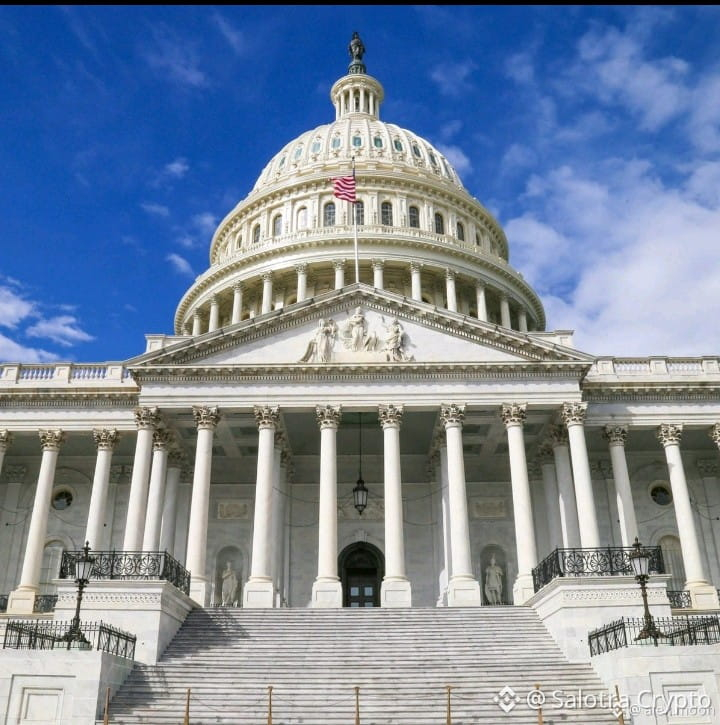
🚨🇺🇸 عاجل: هيئة الأوراق المالية والبورصات الأميركية تحدد موعدًا نهائيًا جديدًا للعملات المشفرة!
يتجه الإطار المقترح من الهيئة، «تنظيم الأصول المشفرة»، نحو الموعد النهائي لتقديم التعليقات العامة في 20 أكتوبر.
💰 إعفاء للشركات الناشئة بقيمة $5M
💰 إعفاء لجمع التمويل بقيمة $75M
⚡ مسار محتمل يتيح للرموز تجاوز صفة عقود الاستثمار بعد تحقيق قدر كافٍ من اللامركزية.
🔥 قد تتغير قواعد العملات المشفرة في الولايات المتحدة!
هل يُعد ذلك مؤشرًا إيجابيًا لوضوح القواعد المتعلقة بالعملات المشفرة؟ 👀
🟢 نعم — 🟡 ربما — 🔴 لا
👇 شاركونا رأيكم!
تابعونا للاطلاع على آخر المستجدات يوميًا ⚡
$NMR $GTC $ORCA
#CryptoNews #BinanceSquare
#RussiaRegistersFirstCryptoExchanges
#SECApproves3XBitcoinETF
🚨🇺🇸 عاجل: هيئة الأوراق المالية والبورصات الأميركية تحدد موعدًا نهائيًا جديدًا للعملات المشفرة!
يتجه الإطار المقترح من الهيئة، «تنظيم الأصول المشفرة»، نحو الموعد النهائي لتقديم التعليقات العامة في 20 أكتوبر.
💰 إعفاء للشركات الناشئة بقيمة $5M
💰 إعفاء لجمع التمويل بقيمة $75M
⚡ مسار محتمل يتيح للرموز تجاوز صفة عقود الاستثمار بعد تحقيق قدر كافٍ من اللامركزية.
🔥 قد تتغير قواعد العملات المشفرة في الولايات المتحدة!
هل يُعد ذلك مؤشرًا إيجابيًا لوضوح القواعد المتعلقة بالعملات المشفرة؟ 👀
🟢 نعم — 🟡 ربما — 🔴 لا
👇 شاركونا رأيكم!
تابعونا للاطلاع على آخر المستجدات يوميًا ⚡
$NMR $GTC $ORCA
#CryptoNews #BinanceSquare
#RussiaRegistersFirstCryptoExchanges
#SECApproves3XBitcoinETF
يتجه الإطار المقترح من الهيئة، «تنظيم الأصول المشفرة»، نحو الموعد النهائي لتقديم التعليقات العامة في 20 أكتوبر.
💰 إعفاء للشركات الناشئة بقيمة $5M
💰 إعفاء لجمع التمويل بقيمة $75M
⚡ مسار محتمل يتيح للرموز تجاوز صفة عقود الاستثمار بعد تحقيق قدر كافٍ من اللامركزية.
🔥 قد تتغير قواعد العملات المشفرة في الولايات المتحدة!
هل يُعد ذلك مؤشرًا إيجابيًا لوضوح القواعد المتعلقة بالعملات المشفرة؟ 👀
🟢 نعم — 🟡 ربما — 🔴 لا
👇 شاركونا رأيكم!
تابعونا للاطلاع على آخر المستجدات يوميًا ⚡
$NMR $GTC $ORCA
#CryptoNews #BinanceSquare
#RussiaRegistersFirstCryptoExchanges
#SECApproves3XBitcoinETF
humkash:
Please Follow me. I Followed you back. Please like my post.
1
1
576


·
--
عرض الترجمة
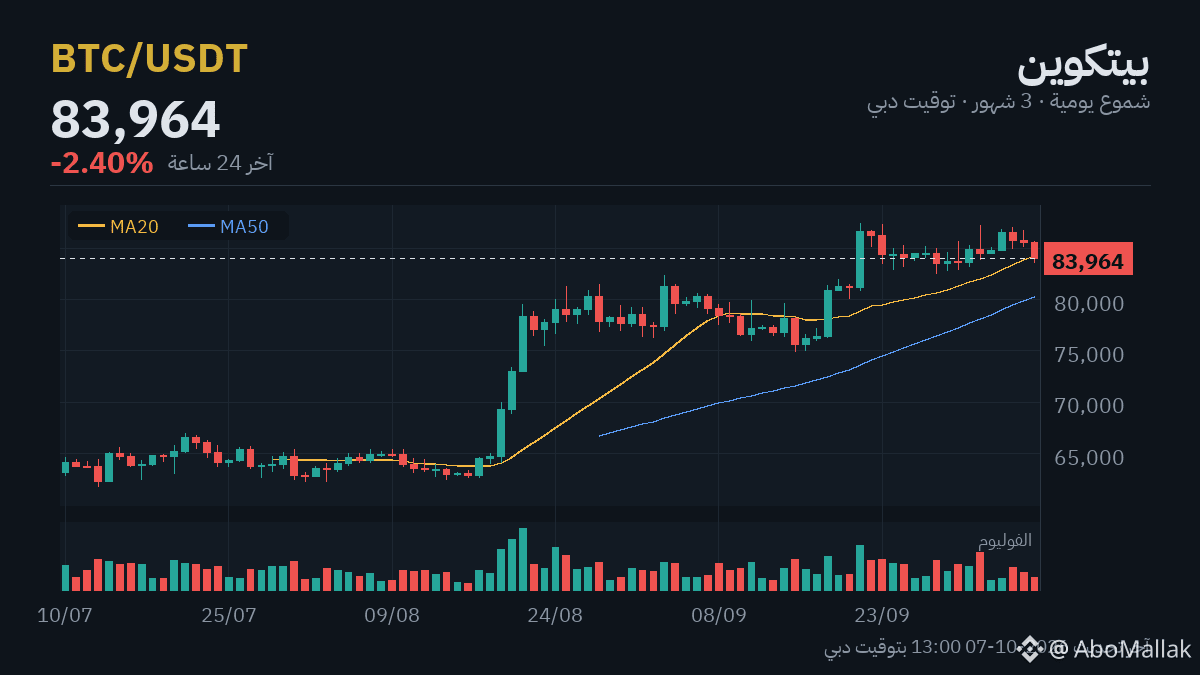
$BTC عند $83,952 (-2.4%) · $ETH عند $2,610 (-3.9%)
فيه رقم واحد بيحكم حركة السوق النهارده وهو $86,454.
السعر تحت متوسطه بس المتوسط نفسه لسه طالع. ده وضع وسط بيحتاج صبر.
المستويات اللي بتفرج عليها:
فوق $86,454 الطريق بيفتح على $87,358
وتحت $84,891 بنرجع نختبر $84,232
اللي هيغير رايي: نزول وثبات تحت $84,232.
لو ناوي تدخل البيتكوين فالدخول على دفعات بيحميك:
١- اول دفعة لو رجع لـ$81,854
٢- التانية عند $79,755
٣- التالتة عند $77,656
ولو قفل تحت $75,557 تبقى الخطة فشلت وتخرج. وقتها خسارتك حوالي 5% من المبلغ مش كله
المسافة بين الدفعات 2.5% لانها متوسط حركة البيتكوين في اليوم اخر 14 يوم
اعمل بحثك الخاص (DYOR) — ده اسلوب لادارة المخاطرة مش توصية
انت شايف السوق رايح فين. اكتب رأيك
💛 انضم لفريق أبو ملك: سجل على بينانس بكود ABOMALAK — خصم دائم على رسوم التداول واستفادة من خدماتنا وعروضنا
#CryptoNews #العملات_الرقمية #Binance
⚠️ محتوى تعليمي للمتابعة — مش نصيحة استثمارية وقرارك مسؤوليتك
$BTC عند $83,952 (-2.4%) · $ETH عند $2,610 (-3.9%)
فيه رقم واحد بيحكم حركة السوق النهارده وهو $86,454.
السعر تحت متوسطه بس المتوسط نفسه لسه طالع. ده وضع وسط بيحتاج صبر.
المستويات اللي بتفرج عليها:
فوق $86,454 الطريق بيفتح على $87,358
وتحت $84,891 بنرجع نختبر $84,232
اللي هيغير رايي: نزول وثبات تحت $84,232.
لو ناوي تدخل البيتكوين فالدخول على دفعات بيحميك:
١- اول دفعة لو رجع لـ$81,854
٢- التانية عند $79,755
٣- التالتة عند $77,656
ولو قفل تحت $75,557 تبقى الخطة فشلت وتخرج. وقتها خسارتك حوالي 5% من المبلغ مش كله
المسافة بين الدفعات 2.5% لانها متوسط حركة البيتكوين في اليوم اخر 14 يوم
اعمل بحثك الخاص (DYOR) — ده اسلوب لادارة المخاطرة مش توصية
انت شايف السوق رايح فين. اكتب رأيك
💛 انضم لفريق أبو ملك: سجل على بينانس بكود ABOMALAK — خصم دائم على رسوم التداول واستفادة من خدماتنا وعروضنا
#CryptoNews #العملات_الرقمية #Binance
⚠️ محتوى تعليمي للمتابعة — مش نصيحة استثمارية وقرارك مسؤوليتك
فيه رقم واحد بيحكم حركة السوق النهارده وهو $86,454.
السعر تحت متوسطه بس المتوسط نفسه لسه طالع. ده وضع وسط بيحتاج صبر.
المستويات اللي بتفرج عليها:
فوق $86,454 الطريق بيفتح على $87,358
وتحت $84,891 بنرجع نختبر $84,232
اللي هيغير رايي: نزول وثبات تحت $84,232.
لو ناوي تدخل البيتكوين فالدخول على دفعات بيحميك:
١- اول دفعة لو رجع لـ$81,854
٢- التانية عند $79,755
٣- التالتة عند $77,656
ولو قفل تحت $75,557 تبقى الخطة فشلت وتخرج. وقتها خسارتك حوالي 5% من المبلغ مش كله
المسافة بين الدفعات 2.5% لانها متوسط حركة البيتكوين في اليوم اخر 14 يوم
اعمل بحثك الخاص (DYOR) — ده اسلوب لادارة المخاطرة مش توصية
انت شايف السوق رايح فين. اكتب رأيك
💛 انضم لفريق أبو ملك: سجل على بينانس بكود ABOMALAK — خصم دائم على رسوم التداول واستفادة من خدماتنا وعروضنا
#CryptoNews #العملات_الرقمية #Binance
⚠️ محتوى تعليمي للمتابعة — مش نصيحة استثمارية وقرارك مسؤوليتك
1
1.1k
·
--
عرض الترجمة
📈 عاجل- SHIB تحت الضغط:$0.00000552
-%5.96
تحدت السوق:
🟢 السعر $0.00000552(-5.96٪ اليوم)
📊 الحجم: $189.2M
💰 الماركت كاب: $3.27B
📈 المدى اليومي: $0.00000552-$0.00000587
تحليل سريع :هبوط مع السوق كامل، RSI وصل
32يعني قربنا من منطقة الشراء.
واش هادي فرصة دخول ولا باقي غادي ينزل👇
قول رأيك فالكومنتار
SHIB #S#HIBUSDT#CryptoNews
📈 عاجل- SHIB تحت الضغط:$0.00000552
-%5.96
تحدت السوق:
🟢 السعر $0.00000552(-5.96٪ اليوم)
📊 الحجم: $189.2M
💰 الماركت كاب: $3.27B
📈 المدى اليومي: $0.00000552-$0.00000587
تحليل سريع :هبوط مع السوق كامل، RSI وصل
32يعني قربنا من منطقة الشراء.
واش هادي فرصة دخول ولا باقي غادي ينزل👇
قول رأيك فالكومنتار
SHIB #S#HIBUSDT#CryptoNews
-%5.96
تحدت السوق:
🟢 السعر $0.00000552(-5.96٪ اليوم)
📊 الحجم: $189.2M
💰 الماركت كاب: $3.27B
📈 المدى اليومي: $0.00000552-$0.00000587
تحليل سريع :هبوط مع السوق كامل، RSI وصل
32يعني قربنا من منطقة الشراء.
واش هادي فرصة دخول ولا باقي غادي ينزل👇
قول رأيك فالكومنتار
SHIB #S#HIBUSDT#CryptoNews

4
494

عرض الترجمة
👀 نشاط ملحوظ في محافظ إيثريوم خاملة مع استقرار أرصدة المنصات
سجلت بعض محافظ إيثريوم التي ظلت خاملة لفترات طويلة نشاطًا في 30 سبتمبر، مما يشير إلى تحركات محتملة. ومع ذلك، بقيت أرصدة إيثريوم على منصات التداول مستقرة، مما يعكس عدم وجود ضغط بيعي فوري كبير في السوق.
━━━━━━━━━━━━━━
📊 التأثير: 📈 مرتفع
🏷️ ALTCOIN
#Ethereum #OnChain #MarketAnalysis #CryptoNews
📰 المصدر: cryptobriefing.com
👀 نشاط ملحوظ في محافظ إيثريوم خاملة مع استقرار أرصدة المنصات
سجلت بعض محافظ إيثريوم التي ظلت خاملة لفترات طويلة نشاطًا في 30 سبتمبر، مما يشير إلى تحركات محتملة. ومع ذلك، بقيت أرصدة إيثريوم على منصات التداول مستقرة، مما يعكس عدم وجود ضغط بيعي فوري كبير في السوق.
━━━━━━━━━━━━━━
📊 التأثير: 📈 مرتفع
🏷️ ALTCOIN
#Ethereum #OnChain #MarketAnalysis #CryptoNews
📰 المصدر: cryptobriefing.com
سجلت بعض محافظ إيثريوم التي ظلت خاملة لفترات طويلة نشاطًا في 30 سبتمبر، مما يشير إلى تحركات محتملة. ومع ذلك، بقيت أرصدة إيثريوم على منصات التداول مستقرة، مما يعكس عدم وجود ضغط بيعي فوري كبير في السوق.
━━━━━━━━━━━━━━
📊 التأثير: 📈 مرتفع
🏷️ ALTCOIN
#Ethereum #OnChain #MarketAnalysis #CryptoNews
📰 المصدر: cryptobriefing.com
58

·
--
صاعد
عرض الترجمة
ماذا حدث اليوم للسوق ؟وهل هو بداية انهيار ؟
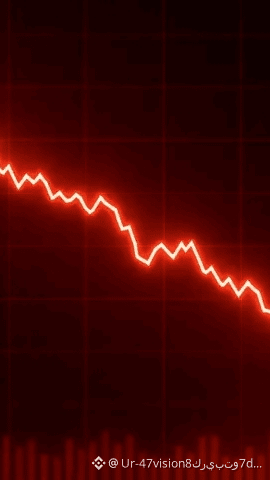
صدر اليوم محضر اجتماع الفيدرالي الأمريكي، وجاءت اللهجة فيه أكثر تشدداً مما توقعه السوق. حيث أشار الأعضاء إلى أن رفع الفائدة قد يكون ضرورياً قبل نهاية العام، دون استبعاد أي اجتماع، بما في ذلك اجتماع أكتوبر
رد فعل السوق:
لم يتفاعل السوق مع التلميحات الإيجابية، بل ركز على نبرة التشديد، فجاءت النتيجة سلبية:
· البيتكوين: كسر مستوى 83,000 دولار.
· الإيثريوم: تراجع بأكثر من 5%.
· التصفيات: تمت تصفية مراكز بقيمة تقارب 650 مليون دولار خلال 24 ساعة، معظمها مراكز شراء.
الخلاصة:
المحضر لم يحسم موعد الرفع، لكنه لم يطمئن السوق أيضاً، فكانت النتيجة موجة بيع قوية.
السؤال المطروح: هل هذا تصحيح مؤقت أم بداية موجة هبوط أعمق؟
$BTC $ETH $BNB #CryptoNews #Market_Update
ماذا حدث اليوم للسوق ؟وهل هو بداية انهيار ؟
صدر اليوم محضر اجتماع الفيدرالي الأمريكي، وجاءت اللهجة فيه أكثر تشدداً مما توقعه السوق. حيث أشار الأعضاء إلى أن رفع الفائدة قد يكون ضرورياً قبل نهاية العام، دون استبعاد أي اجتماع، بما في ذلك اجتماع أكتوبر
رد فعل السوق:
لم يتفاعل السوق مع التلميحات الإيجابية، بل ركز على نبرة التشديد، فجاءت النتيجة سلبية:
· البيتكوين: كسر مستوى 83,000 دولار.
· الإيثريوم: تراجع بأكثر من 5%.
· التصفيات: تمت تصفية مراكز بقيمة تقارب 650 مليون دولار خلال 24 ساعة، معظمها مراكز شراء.
الخلاصة:
المحضر لم يحسم موعد الرفع، لكنه لم يطمئن السوق أيضاً، فكانت النتيجة موجة بيع قوية.
السؤال المطروح: هل هذا تصحيح مؤقت أم بداية موجة هبوط أعمق؟
$BTC $ETH $BNB #CryptoNews #Market_Update
صدر اليوم محضر اجتماع الفيدرالي الأمريكي، وجاءت اللهجة فيه أكثر تشدداً مما توقعه السوق. حيث أشار الأعضاء إلى أن رفع الفائدة قد يكون ضرورياً قبل نهاية العام، دون استبعاد أي اجتماع، بما في ذلك اجتماع أكتوبر
رد فعل السوق:
لم يتفاعل السوق مع التلميحات الإيجابية، بل ركز على نبرة التشديد، فجاءت النتيجة سلبية:
· البيتكوين: كسر مستوى 83,000 دولار.
· الإيثريوم: تراجع بأكثر من 5%.
· التصفيات: تمت تصفية مراكز بقيمة تقارب 650 مليون دولار خلال 24 ساعة، معظمها مراكز شراء.
الخلاصة:
المحضر لم يحسم موعد الرفع، لكنه لم يطمئن السوق أيضاً، فكانت النتيجة موجة بيع قوية.
السؤال المطروح: هل هذا تصحيح مؤقت أم بداية موجة هبوط أعمق؟
$BTC $ETH $BNB #CryptoNews #Market_Update
72
·
--
صاعد
عرض الترجمة
🚀 شراكة جديدة تُعزز عائدات الـ Bitcoin في منظومة DeFi!
أعلنت شبكة Hemi عن تعاون جديد مع Derive و STS Digital و Lagoon Finance لإطلاق أول خزانة خيارات لعملة hemiBTC.
💡 أبرز التفاصيل:
الهدف: توفير عائد سنوي متوقع (APY) يبلغ 6% على أصول البيتكوين.
العملة المتأثرة: HEMI (شبكة Hemi Network) و BTC.
📈 التأثير الإيجابي على شبكة Hemi وعملتها ($HEMI):
زيادة السيولة والقيمة المحجوزة (TVL): استخدام hemiBTC لتقديم عائدات تنافسية جذابة (6%) سيزيد من إقبال مستثمري البيتكوين على استخدام الشبكة.
رفع القيمة الاستثمارية للعملة: توسع المنظومة الشريكة يُعزز الطلب والمنفعة التشغيلية (Utility) لشبكة Hemi، مما ينعكس إيجاباً على الزخم الاستثماري للعملة ($HEMI) على المدى المتوسط والطويل.
#HEMI #CryptoNews #defi #BTC
$HEMI $BTC
{spot}(BTCUSDT)
{spot}(HEMIUSDT)
🚀 شراكة جديدة تُعزز عائدات الـ Bitcoin في منظومة DeFi!
أعلنت شبكة Hemi عن تعاون جديد مع Derive و STS Digital و Lagoon Finance لإطلاق أول خزانة خيارات لعملة hemiBTC.
💡 أبرز التفاصيل:
الهدف: توفير عائد سنوي متوقع (APY) يبلغ 6% على أصول البيتكوين.
العملة المتأثرة: HEMI (شبكة Hemi Network) و BTC.
📈 التأثير الإيجابي على شبكة Hemi وعملتها ($HEMI ):
زيادة السيولة والقيمة المحجوزة (TVL): استخدام hemiBTC لتقديم عائدات تنافسية جذابة (6%) سيزيد من إقبال مستثمري البيتكوين على استخدام الشبكة.
رفع القيمة الاستثمارية للعملة: توسع المنظومة الشريكة يُعزز الطلب والمنفعة التشغيلية (Utility) لشبكة Hemi، مما ينعكس إيجاباً على الزخم الاستثماري للعملة ($HEMI ) على المدى المتوسط والطويل.
#HEMI #CryptoNews #defi #BTC
$HEMI $BTC
أعلنت شبكة Hemi عن تعاون جديد مع Derive و STS Digital و Lagoon Finance لإطلاق أول خزانة خيارات لعملة hemiBTC.
💡 أبرز التفاصيل:
الهدف: توفير عائد سنوي متوقع (APY) يبلغ 6% على أصول البيتكوين.
العملة المتأثرة: HEMI (شبكة Hemi Network) و BTC.
📈 التأثير الإيجابي على شبكة Hemi وعملتها ($HEMI ):
زيادة السيولة والقيمة المحجوزة (TVL): استخدام hemiBTC لتقديم عائدات تنافسية جذابة (6%) سيزيد من إقبال مستثمري البيتكوين على استخدام الشبكة.
رفع القيمة الاستثمارية للعملة: توسع المنظومة الشريكة يُعزز الطلب والمنفعة التشغيلية (Utility) لشبكة Hemi، مما ينعكس إيجاباً على الزخم الاستثماري للعملة ($HEMI ) على المدى المتوسط والطويل.
#HEMI #CryptoNews #defi #BTC
$HEMI $BTC

1
1
136

عرض الترجمة
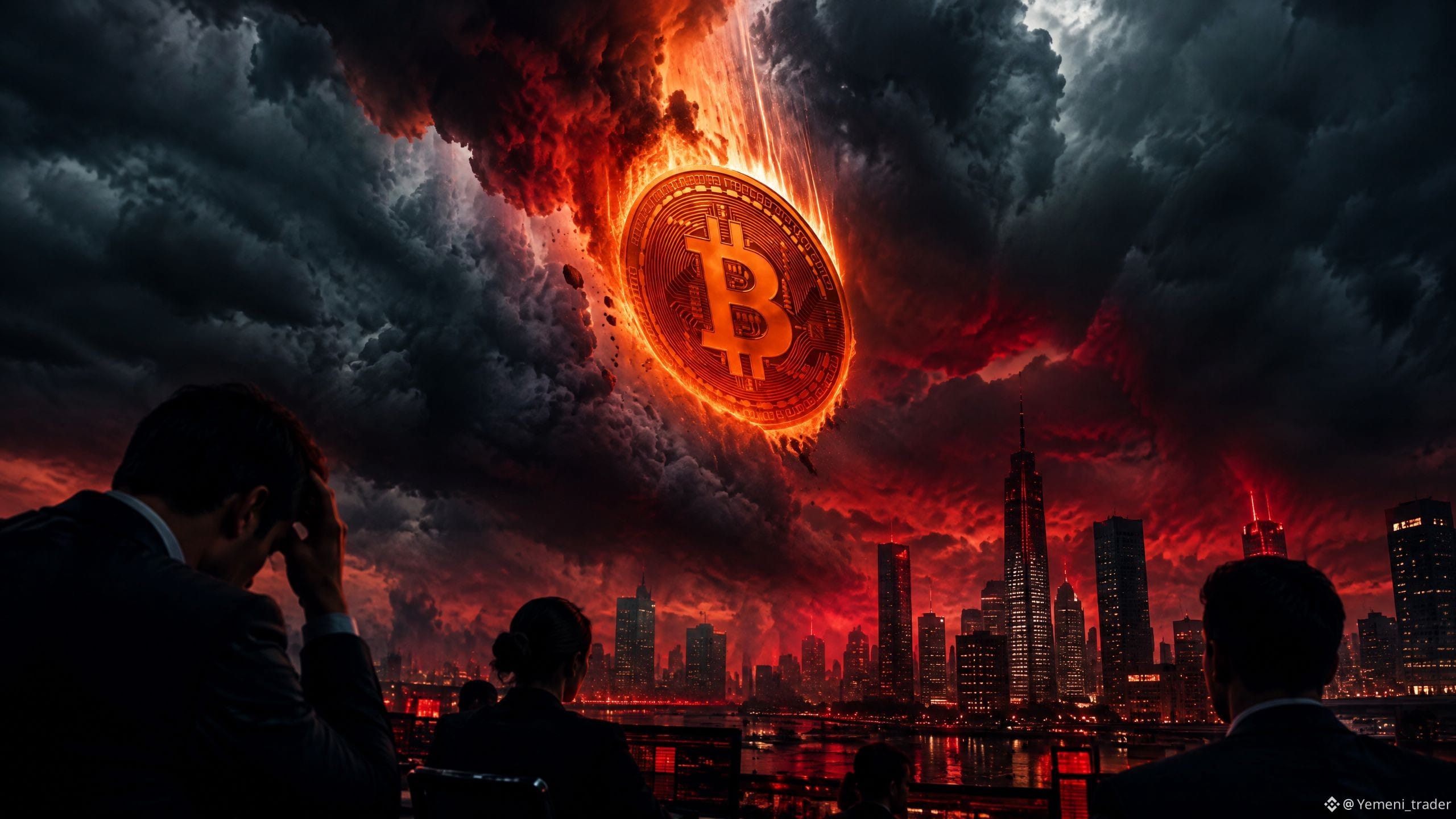
🔴 هبوط البيتكوين: هل 83,000$ هي منطقة القرار؟
هبطت Bitcoin إلى نحو 83,300$ خلال جلسة اليوم، مع تراجع واضح في ETH وXRP. القراءة الأهم ليست الرقم وحده، بل اجتماع عوائد السندات المرتفعة، قوة الدولار، وضغط الماكرو على الأصول عالية المخاطر.
المستويات التي يراقبها المتداولون: ثبات قرب 83,000$ قد يبقي الباب مفتوحًا لارتداد، أما كسرها فقد يعيد اختبار 80,000$. وعلى الجانب الآخر، استعادة 86,500–87,000$ ستكون إشارة أفضل للمشترين، لا ضمانًا لاتجاه صاعد.
السؤال: هل ترى هذه الحركة تصحيحًا داخل اتجاه أكبر أم بداية موجة هبوط جديدة؟
المصدر: CoinDesk، 7 أكتوبر 2026.
بيانات BTCUSDT اللحظية من Binance وقت الإعداد: 83,399.8 USDT، والتغير خلال 24 ساعة -2.73%.
هذه قراءة إخبارية وليست توصية مالية. السوق متقلب، ورافعة Futures قد تؤدي إلى خسارة رأس المال بسرعة. DYOR. #Bitcoin #BTC #CryptoNews
🔴 هبوط البيتكوين: هل 83,000$ هي منطقة القرار؟
هبطت Bitcoin إلى نحو 83,300$ خلال جلسة اليوم، مع تراجع واضح في ETH وXRP. القراءة الأهم ليست الرقم وحده، بل اجتماع عوائد السندات المرتفعة، قوة الدولار، وضغط الماكرو على الأصول عالية المخاطر.
المستويات التي يراقبها المتداولون: ثبات قرب 83,000$ قد يبقي الباب مفتوحًا لارتداد، أما كسرها فقد يعيد اختبار 80,000$. وعلى الجانب الآخر، استعادة 86,500–87,000$ ستكون إشارة أفضل للمشترين، لا ضمانًا لاتجاه صاعد.
السؤال: هل ترى هذه الحركة تصحيحًا داخل اتجاه أكبر أم بداية موجة هبوط جديدة؟
المصدر: CoinDesk، 7 أكتوبر 2026.
بيانات BTCUSDT اللحظية من Binance وقت الإعداد: 83,399.8 USDT، والتغير خلال 24 ساعة -2.73%.
هذه قراءة إخبارية وليست توصية مالية. السوق متقلب، ورافعة Futures قد تؤدي إلى خسارة رأس المال بسرعة. DYOR. #Bitcoin #BTC #CryptoNews
هبطت Bitcoin إلى نحو 83,300$ خلال جلسة اليوم، مع تراجع واضح في ETH وXRP. القراءة الأهم ليست الرقم وحده، بل اجتماع عوائد السندات المرتفعة، قوة الدولار، وضغط الماكرو على الأصول عالية المخاطر.
المستويات التي يراقبها المتداولون: ثبات قرب 83,000$ قد يبقي الباب مفتوحًا لارتداد، أما كسرها فقد يعيد اختبار 80,000$. وعلى الجانب الآخر، استعادة 86,500–87,000$ ستكون إشارة أفضل للمشترين، لا ضمانًا لاتجاه صاعد.
السؤال: هل ترى هذه الحركة تصحيحًا داخل اتجاه أكبر أم بداية موجة هبوط جديدة؟
المصدر: CoinDesk، 7 أكتوبر 2026.
بيانات BTCUSDT اللحظية من Binance وقت الإعداد: 83,399.8 USDT، والتغير خلال 24 ساعة -2.73%.
هذه قراءة إخبارية وليست توصية مالية. السوق متقلب، ورافعة Futures قد تؤدي إلى خسارة رأس المال بسرعة. DYOR. #Bitcoin #BTC #CryptoNews
181
·
--
صاعد
عرض الترجمة
🚨 مشروع WLFI المدعوم من ترامب يخطط لإطلاق مدفوعات USD1 للشركات عبر الإنترنت
أعلنت منصة World Liberty Financial (WLFI) المدعومة من عائلة ترامب عن خطط لإدماج العملة المستقرة USD1 في كبرى المنصات الإلكترونية والتجارة الرقمية، وذلك بالتعاون مع منصة المدفوعات Mesh خلال هذا الربع.
📈 التأثير على السوق والعملات:
عملة $WLFI: توسيع نطاق الاستخدام الحقيقي (Utility) وشبكة المدفوعات يعزز من القيمة السوقية للرمز، ويجذب موجة جديدة من المستثمرين المتطلعين لتبني العملة في المدفوعات اليومية.
قطاع العملات المستقرة والرموز المرتبطة: دخول USD1 لمجال التجارة الإلكترونية يزيد من المنافسة مع العملات المستقرة الكبرى، ويُعطي دفعة إيجابية عامة لمشاريع التمويل المباشر والمدفوعات الرقمية.
ما رأيك في هذه الخطوة؟ هل تتوقع أن تنافس USD1 العملات المستقرة الكبرى في التجارة الإلكترونية؟ 💬👇
#WLFI #TRUMP #USD1 #CryptoNews
$WLFI $TRUMP $USD1
{spot}(USD1USDT)
{spot}(TRUMPUSDT)
{spot}(WLFIUSDT)
🚨 مشروع WLFI المدعوم من ترامب يخطط لإطلاق مدفوعات USD1 للشركات عبر الإنترنت
أعلنت منصة World Liberty Financial (WLFI) المدعومة من عائلة ترامب عن خطط لإدماج العملة المستقرة USD1 في كبرى المنصات الإلكترونية والتجارة الرقمية، وذلك بالتعاون مع منصة المدفوعات Mesh خلال هذا الربع.
📈 التأثير على السوق والعملات:
عملة $WLFI : توسيع نطاق الاستخدام الحقيقي (Utility) وشبكة المدفوعات يعزز من القيمة السوقية للرمز، ويجذب موجة جديدة من المستثمرين المتطلعين لتبني العملة في المدفوعات اليومية.
قطاع العملات المستقرة والرموز المرتبطة: دخول USD1 لمجال التجارة الإلكترونية يزيد من المنافسة مع العملات المستقرة الكبرى، ويُعطي دفعة إيجابية عامة لمشاريع التمويل المباشر والمدفوعات الرقمية.
ما رأيك في هذه الخطوة؟ هل تتوقع أن تنافس USD1 العملات المستقرة الكبرى في التجارة الإلكترونية؟ 💬👇
#WLFI #TRUMP #USD1 #CryptoNews
$WLFI $TRUMP $USD1
أعلنت منصة World Liberty Financial (WLFI) المدعومة من عائلة ترامب عن خطط لإدماج العملة المستقرة USD1 في كبرى المنصات الإلكترونية والتجارة الرقمية، وذلك بالتعاون مع منصة المدفوعات Mesh خلال هذا الربع.
📈 التأثير على السوق والعملات:
عملة $WLFI : توسيع نطاق الاستخدام الحقيقي (Utility) وشبكة المدفوعات يعزز من القيمة السوقية للرمز، ويجذب موجة جديدة من المستثمرين المتطلعين لتبني العملة في المدفوعات اليومية.
قطاع العملات المستقرة والرموز المرتبطة: دخول USD1 لمجال التجارة الإلكترونية يزيد من المنافسة مع العملات المستقرة الكبرى، ويُعطي دفعة إيجابية عامة لمشاريع التمويل المباشر والمدفوعات الرقمية.
ما رأيك في هذه الخطوة؟ هل تتوقع أن تنافس USD1 العملات المستقرة الكبرى في التجارة الإلكترونية؟ 💬👇
#WLFI #TRUMP #USD1 #CryptoNews
$WLFI $TRUMP $USD1
1
78
عرض الترجمة
#winklevossfilesspotzcashetfapplication
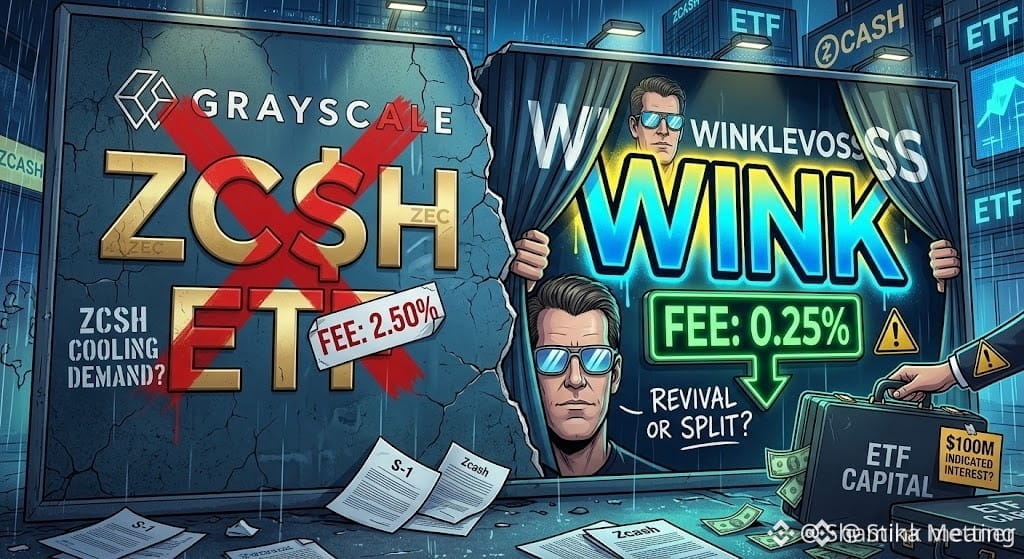
🚨 فقدت Zcash للتو الطلب على صناديق ETF. والآن، يريد التوأم وينكلفوس منافستها...
#winklevossfilesspotzcashetfapplication
قدّمت شركة Winklevoss Asset Services طلب S-1 أوليًا لإطلاق صندوق ETF فوري لـ Zcash، واقترحت الرمز WINK، مع Gemini أمينًا للحفظ ورسومًا سنوية قدرها 0.25%.
وهنا تكمن النقطة المثيرة للاهتمام.
تتقاضى ZCSH التابعة لـ Grayscale رسومًا قدرها 2.5%.
أما WINK فستتقاضى عُشر ذلك.
وأبدت Winklevoss Capital اهتمامًا بشراء ما يصل إلى 100 مليون دولار من أسهم WINK — لكن الطلب ينصّ صراحةً على أن هذا الإبداء غير مُلزِم.
تذكّروا أطروحتنا الأخيرة بشأن ZEC:
كان الطلب على صناديق ETF الفورية يتراجع، فيما كان توسيع نطاق توظيف ZEC في المنتجات المالية مستمرًا.
والآن، تتسع المنافسة نفسها.
هل ينعش صندوق ETF الأقل تكلفة الطلب المؤسسي على ZEC — أم يوزّع رأس المال نفسه ببساطة على مزيد من المنتجات؟
أجرِ بحثك بنفسك (DYOR): هذه ليست نصيحة مالية.
WINK لا يزال في مرحلة تقديم الطلب الأولي؛ لم تتم الموافقة عليه ولم يبدأ التداول، كما أن الاهتمام البالغ 100 مليون دولار غير مُلزِم.
متابعة من فضلكم
$ZEC $NMR
#zcash #CryptoETFMania #CryptoNews #WinklevossFilesSpotZcashETFApplication
#winklevossfilesspotzcashetfapplication
🚨 فقدت Zcash للتو الطلب على صناديق ETF. والآن، يريد التوأم وينكلفوس منافستها...
#winklevossfilesspotzcashetfapplication
قدّمت شركة Winklevoss Asset Services طلب S-1 أوليًا لإطلاق صندوق ETF فوري لـ Zcash، واقترحت الرمز WINK، مع Gemini أمينًا للحفظ ورسومًا سنوية قدرها 0.25%.
وهنا تكمن النقطة المثيرة للاهتمام.
تتقاضى ZCSH التابعة لـ Grayscale رسومًا قدرها 2.5%.
أما WINK فستتقاضى عُشر ذلك.
وأبدت Winklevoss Capital اهتمامًا بشراء ما يصل إلى 100 مليون دولار من أسهم WINK — لكن الطلب ينصّ صراحةً على أن هذا الإبداء غير مُلزِم.
تذكّروا أطروحتنا الأخيرة بشأن ZEC:
كان الطلب على صناديق ETF الفورية يتراجع، فيما كان توسيع نطاق توظيف ZEC في المنتجات المالية مستمرًا.
والآن، تتسع المنافسة نفسها.
هل ينعش صندوق ETF الأقل تكلفة الطلب المؤسسي على ZEC — أم يوزّع رأس المال نفسه ببساطة على مزيد من المنتجات؟
أجرِ بحثك بنفسك (DYOR): هذه ليست نصيحة مالية.
WINK لا يزال في مرحلة تقديم الطلب الأولي؛ لم تتم الموافقة عليه ولم يبدأ التداول، كما أن الاهتمام البالغ 100 مليون دولار غير مُلزِم.
متابعة من فضلكم
$ZEC $NMR
#zcash #CryptoETFMania #CryptoNews #WinklevossFilesSpotZcashETFApplication
🚨 فقدت Zcash للتو الطلب على صناديق ETF. والآن، يريد التوأم وينكلفوس منافستها...
#winklevossfilesspotzcashetfapplication
قدّمت شركة Winklevoss Asset Services طلب S-1 أوليًا لإطلاق صندوق ETF فوري لـ Zcash، واقترحت الرمز WINK، مع Gemini أمينًا للحفظ ورسومًا سنوية قدرها 0.25%.
وهنا تكمن النقطة المثيرة للاهتمام.
تتقاضى ZCSH التابعة لـ Grayscale رسومًا قدرها 2.5%.
أما WINK فستتقاضى عُشر ذلك.
وأبدت Winklevoss Capital اهتمامًا بشراء ما يصل إلى 100 مليون دولار من أسهم WINK — لكن الطلب ينصّ صراحةً على أن هذا الإبداء غير مُلزِم.
تذكّروا أطروحتنا الأخيرة بشأن ZEC:
كان الطلب على صناديق ETF الفورية يتراجع، فيما كان توسيع نطاق توظيف ZEC في المنتجات المالية مستمرًا.
والآن، تتسع المنافسة نفسها.
هل ينعش صندوق ETF الأقل تكلفة الطلب المؤسسي على ZEC — أم يوزّع رأس المال نفسه ببساطة على مزيد من المنتجات؟
أجرِ بحثك بنفسك (DYOR): هذه ليست نصيحة مالية.
WINK لا يزال في مرحلة تقديم الطلب الأولي؛ لم تتم الموافقة عليه ولم يبدأ التداول، كما أن الاهتمام البالغ 100 مليون دولار غير مُلزِم.
متابعة من فضلكم
$ZEC $NMR
#zcash #CryptoETFMania #CryptoNews #WinklevossFilesSpotZcashETFApplication
2
229
تمّ التحقق
عرض الترجمة
#binancelaunchesbinanceintelligence
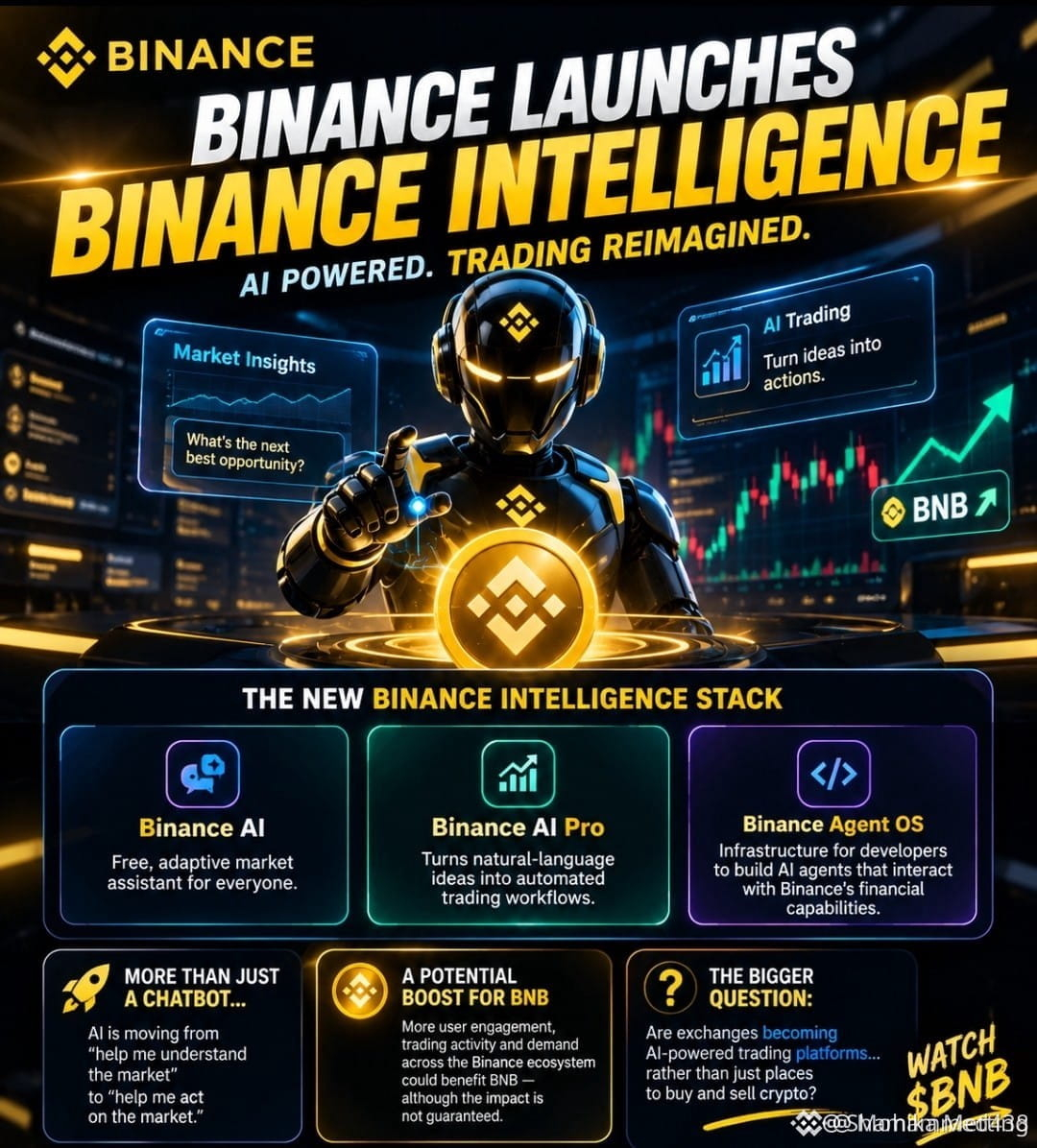
🚨 أدرجت BINANCE الذكاء الاصطناعي داخل المنصة — وقد يتغير التداول! 🧠⚡
أطلقت Binance رسميًا Binance Intelligence، وهي طبقة جديدة من الذكاء الاصطناعي مدمجة مباشرةً في منظومتها.
لكنها ليست مجرد روبوت دردشة آخر يعمل بالذكاء الاصطناعي…
تجمع المنظومة الجديدة بين ثلاثة منتجات:
🔹 Binance AI — مساعد مجاني ومتكيّف لمتابعة السوق، مخصص للمستخدمين اليوميين.
🔹 Binance AI Pro — مصمم لتحويل الأفكار المكتوبة بلغة طبيعية إلى مسارات عمل آلية للتداول.
🔹 Binance Agent OS — بنية تحتية تتيح للمطورين إنشاء وكلاء ذكاء اصطناعي يتفاعلون مع الإمكانات المالية لـ Binance.
وهنا تبدأ الأمور المثيرة للاهتمام…
ينتقل الذكاء الاصطناعي من «ساعدني على فهم السوق» إلى «ساعدني على التصرّف في السوق».
وقد يعني ذلك سهولة أكبر في الوصول إلى معلومات السوق، واستراتيجيات آلية، وتنبيهات مخصصة، وربما مزيدًا من نشاط التداول المدعوم بالذكاء الاصطناعي.
🔥 وهناك عملة مشفرة ينبغي للمتداولين مراقبتها:
$BNB
{future}(BNBUSDT)
إذا أدى Binance Intelligence إلى زيادة تفاعل المستخدمين ونشاط التداول والطلب عبر منظومة Binance، فقد تصبح BNB من أبرز المستفيدين — لكن هذا التأثير غير مضمون.
متابعة من فضلكم
#BNB #CryptoNews #BTC
$BTC
{future}(BTCUSDT)
#binancelaunchesbinanceintelligence
🚨 أدرجت BINANCE الذكاء الاصطناعي داخل المنصة — وقد يتغير التداول! 🧠⚡
أطلقت Binance رسميًا Binance Intelligence، وهي طبقة جديدة من الذكاء الاصطناعي مدمجة مباشرةً في منظومتها.
لكنها ليست مجرد روبوت دردشة آخر يعمل بالذكاء الاصطناعي…
تجمع المنظومة الجديدة بين ثلاثة منتجات:
🔹 Binance AI — مساعد مجاني ومتكيّف لمتابعة السوق، مخصص للمستخدمين اليوميين.
🔹 Binance AI Pro — مصمم لتحويل الأفكار المكتوبة بلغة طبيعية إلى مسارات عمل آلية للتداول.
🔹 Binance Agent OS — بنية تحتية تتيح للمطورين إنشاء وكلاء ذكاء اصطناعي يتفاعلون مع الإمكانات المالية لـ Binance.
وهنا تبدأ الأمور المثيرة للاهتمام…
ينتقل الذكاء الاصطناعي من «ساعدني على فهم السوق» إلى «ساعدني على التصرّف في السوق».
وقد يعني ذلك سهولة أكبر في الوصول إلى معلومات السوق، واستراتيجيات آلية، وتنبيهات مخصصة، وربما مزيدًا من نشاط التداول المدعوم بالذكاء الاصطناعي.
🔥 وهناك عملة مشفرة ينبغي للمتداولين مراقبتها:
$BNB
إذا أدى Binance Intelligence إلى زيادة تفاعل المستخدمين ونشاط التداول والطلب عبر منظومة Binance، فقد تصبح BNB من أبرز المستفيدين — لكن هذا التأثير غير مضمون.
متابعة من فضلكم
#BNB #CryptoNews #BTC
$BTC
🚨 أدرجت BINANCE الذكاء الاصطناعي داخل المنصة — وقد يتغير التداول! 🧠⚡
أطلقت Binance رسميًا Binance Intelligence، وهي طبقة جديدة من الذكاء الاصطناعي مدمجة مباشرةً في منظومتها.
لكنها ليست مجرد روبوت دردشة آخر يعمل بالذكاء الاصطناعي…
تجمع المنظومة الجديدة بين ثلاثة منتجات:
🔹 Binance AI — مساعد مجاني ومتكيّف لمتابعة السوق، مخصص للمستخدمين اليوميين.
🔹 Binance AI Pro — مصمم لتحويل الأفكار المكتوبة بلغة طبيعية إلى مسارات عمل آلية للتداول.
🔹 Binance Agent OS — بنية تحتية تتيح للمطورين إنشاء وكلاء ذكاء اصطناعي يتفاعلون مع الإمكانات المالية لـ Binance.
وهنا تبدأ الأمور المثيرة للاهتمام…
ينتقل الذكاء الاصطناعي من «ساعدني على فهم السوق» إلى «ساعدني على التصرّف في السوق».
وقد يعني ذلك سهولة أكبر في الوصول إلى معلومات السوق، واستراتيجيات آلية، وتنبيهات مخصصة، وربما مزيدًا من نشاط التداول المدعوم بالذكاء الاصطناعي.
🔥 وهناك عملة مشفرة ينبغي للمتداولين مراقبتها:
$BNB
إذا أدى Binance Intelligence إلى زيادة تفاعل المستخدمين ونشاط التداول والطلب عبر منظومة Binance، فقد تصبح BNB من أبرز المستفيدين — لكن هذا التأثير غير مضمون.
متابعة من فضلكم
#BNB #CryptoNews #BTC
$BTC
加密之王CRYPTO KINGAMi:
Huge news! Binance Intelligence is a game changer - AI moving from understanding to actually acting in the market. The future of trading is here! #binancelaunchesbinanceintelligence
3
10
16.9k

·
--
تمّ التحقق
$NEAR
{future}(NEARUSDT)
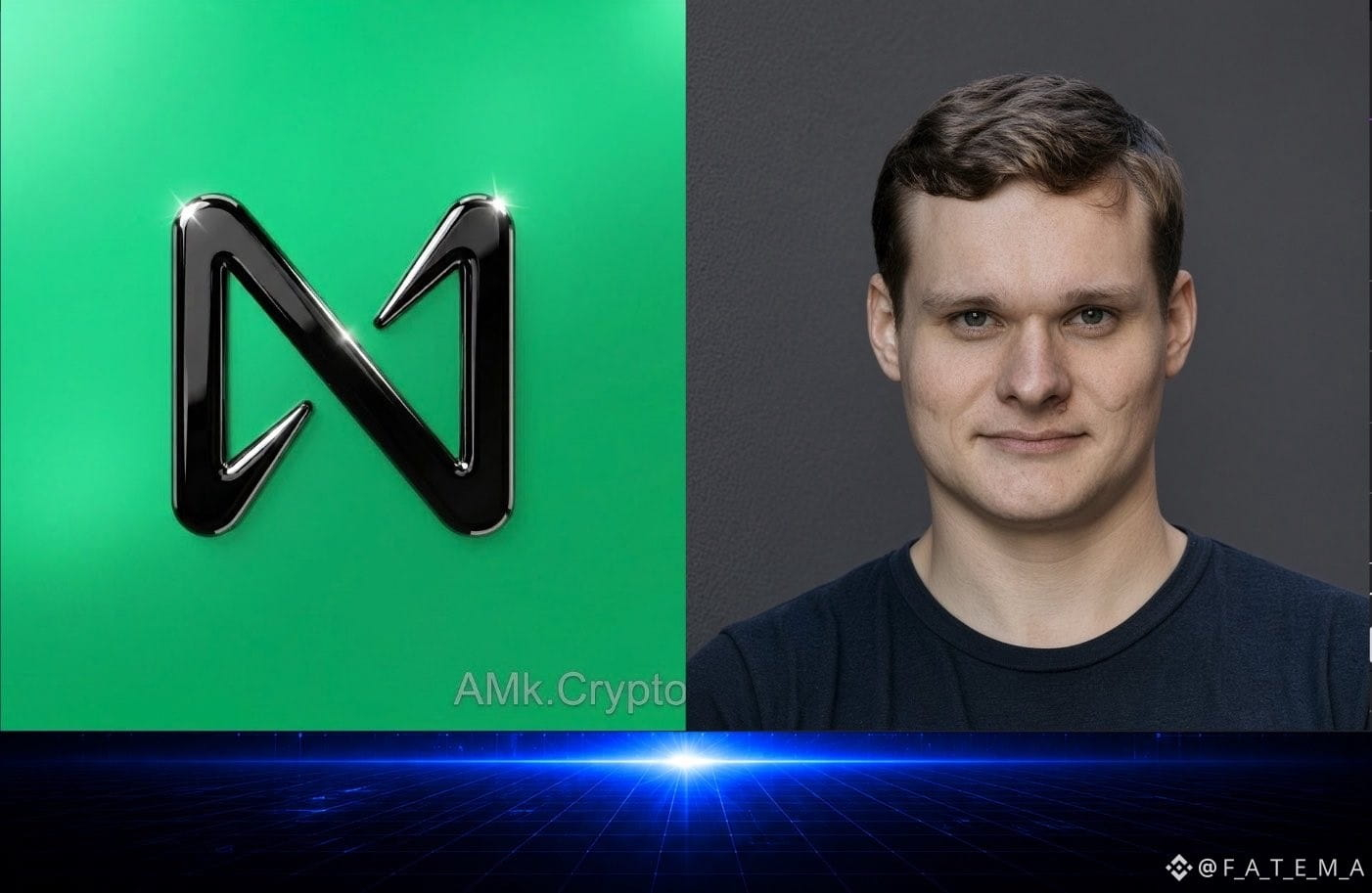
🚨 يقول المؤسس المشارك لـ NEAR إن المستخدمين باتوا أقل حاجةً إلى منصات التداول المركزية
يقول إيليا بولوسوخين إن المستخدمين لم يعودوا بحاجة إلى منصات التداول المركزية للقيام «بقدر كبير» من أنشطة العملات المشفرة، مع نمو أدوات البلوك تشين.
وقال لـ The Block إن near[.]com ستضيف المزيد من ميزات العملات الورقية، وتخطط لإضافة أسهم مُرمّزة من أسواق أخرى.
#Near #CryptoNews
$NEAR
🚨 يقول المؤسس المشارك لـ NEAR إن المستخدمين باتوا أقل حاجةً إلى منصات التداول المركزية
يقول إيليا بولوسوخين إن المستخدمين لم يعودوا بحاجة إلى منصات التداول المركزية للقيام «بقدر كبير» من أنشطة العملات المشفرة، مع نمو أدوات البلوك تشين.
وقال لـ The Block إن near[.]com ستضيف المزيد من ميزات العملات الورقية، وتخطط لإضافة أسهم مُرمّزة من أسواق أخرى.
#Near #CryptoNews
🚨 يقول المؤسس المشارك لـ NEAR إن المستخدمين باتوا أقل حاجةً إلى منصات التداول المركزية
يقول إيليا بولوسوخين إن المستخدمين لم يعودوا بحاجة إلى منصات التداول المركزية للقيام «بقدر كبير» من أنشطة العملات المشفرة، مع نمو أدوات البلوك تشين.
وقال لـ The Block إن near[.]com ستضيف المزيد من ميزات العملات الورقية، وتخطط لإضافة أسهم مُرمّزة من أسواق أخرى.
#Near #CryptoNews
Kimba niger:
le problème est de savoia quand la libération des jetons qu'on mine toujours . sinon si sa perdure @NEAR_Protocol vas perdune grande partie de sa communauté .
1
4
1.4k
·
--
صاعد
عرض الترجمة
🚀 أسر رؤوس الأموال المؤسسية: عين Grayscale على Hyperliquid!
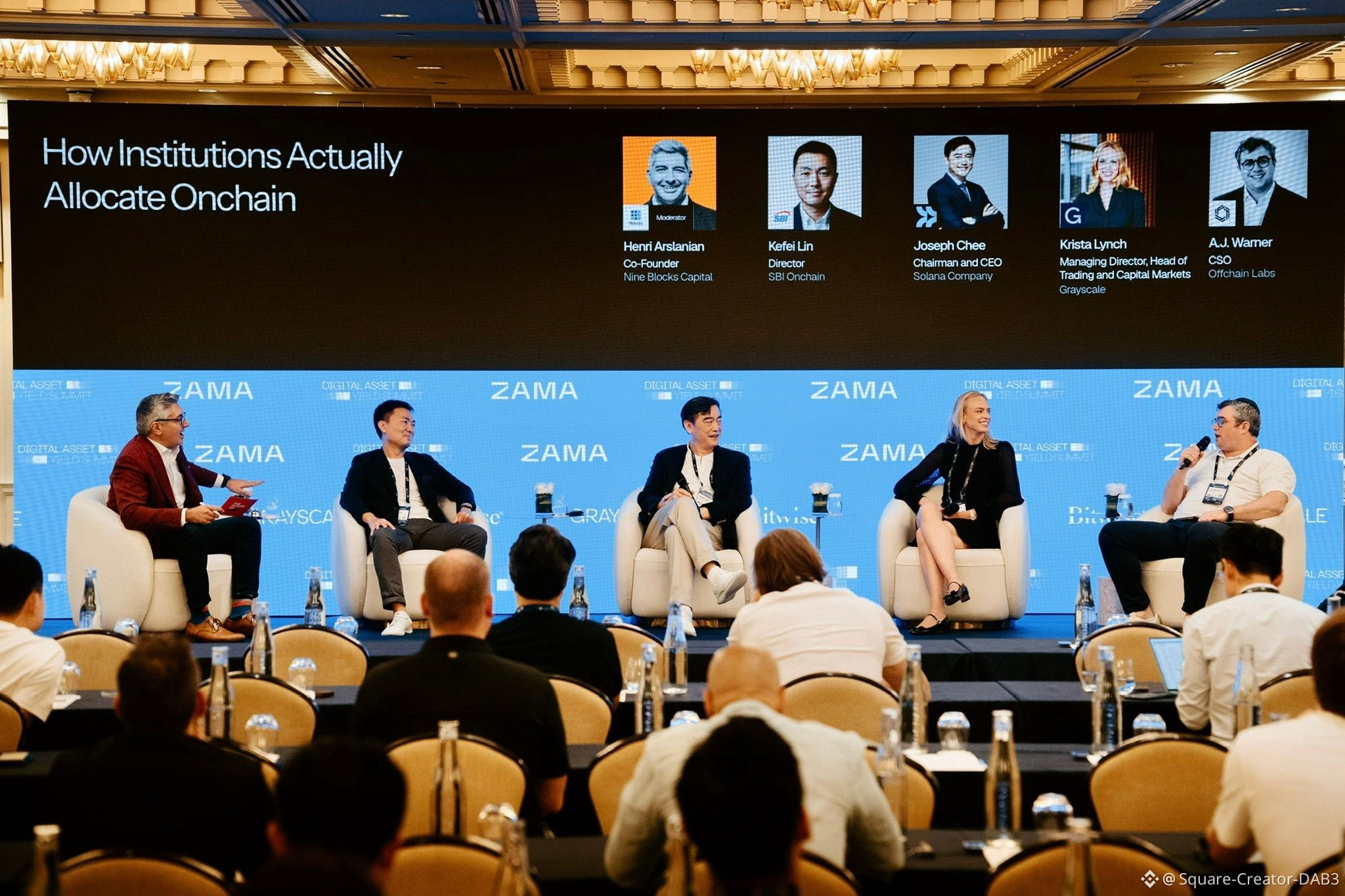
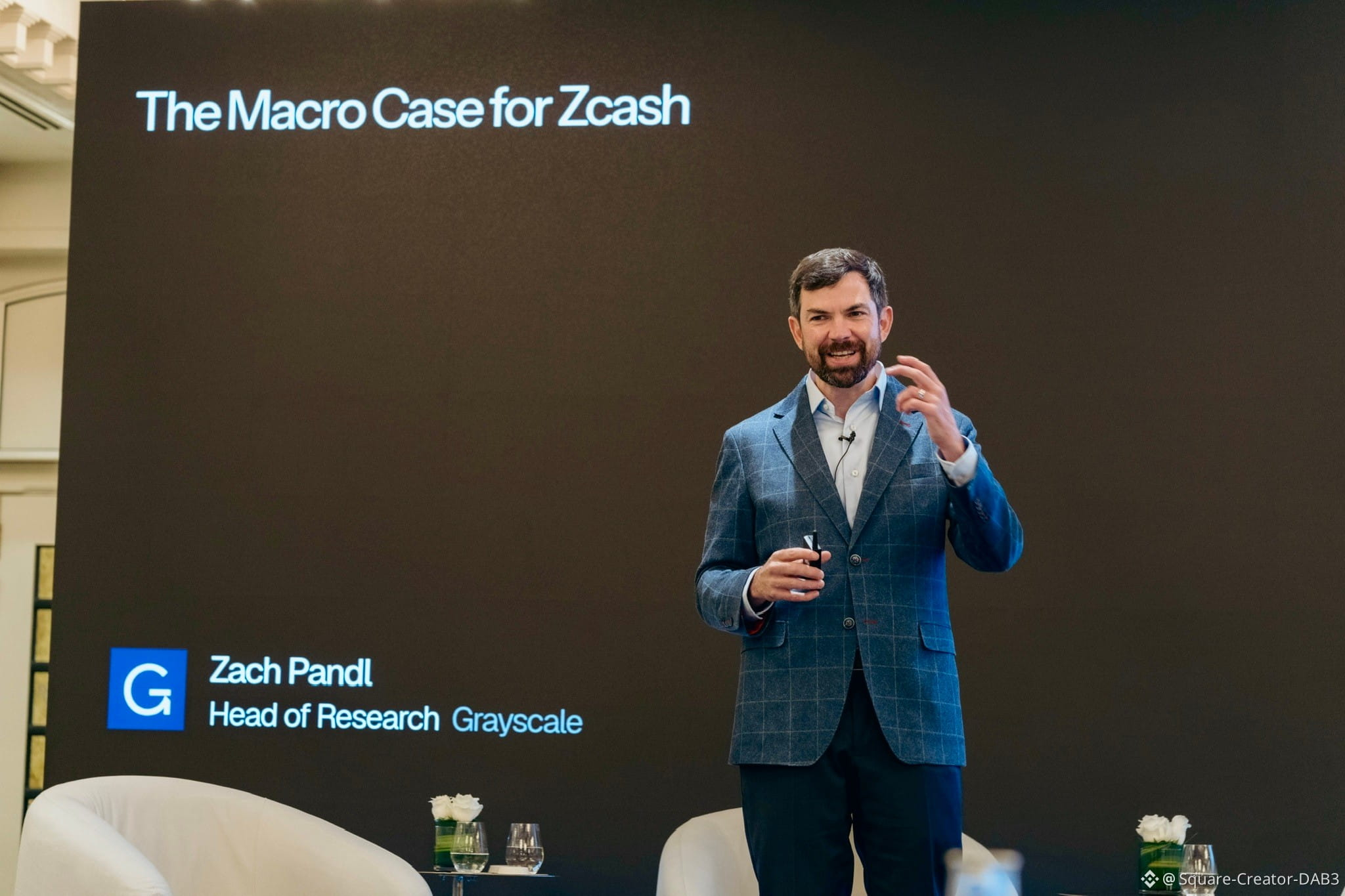
أعلنت شركة Grayscale عن تدفق رؤوس الأموال المؤسسية نحو سوق الكريبتو، مشيرةً إلى أن مشروع Hyperliquid يستحوذ بشكل كبير على اهتمام كبار المستثمرين والمؤسسات.
📈 العملة المعنية والتأثير المتوقع:
العملة: HYPE (الخاصة بربكة Hyperliquid)
التأثير: إيجابي جداً (Bullish)
الأسباب:
ثقة المؤسسات: اهتمام شركة بحجم Grayscale يعزز من الموثوقية الشديدة للمشروع.
زيادة السيولة: دخول رؤوس الأموال الضخمة (Institutional Capital) تدعم القيمة السوقية للعملة على المدى المتوسط والطويل.
ما رأيكم في مستقبل منصات التداول اللامركزية القائمة على السيولة المؤسسية؟ 💭
#hype #Hyperliquid #CryptoNews #Web3
$HYPE
{spot}(HYPEUSDT)
🚀 أسر رؤوس الأموال المؤسسية: عين Grayscale على Hyperliquid!
أعلنت شركة Grayscale عن تدفق رؤوس الأموال المؤسسية نحو سوق الكريبتو، مشيرةً إلى أن مشروع Hyperliquid يستحوذ بشكل كبير على اهتمام كبار المستثمرين والمؤسسات.
📈 العملة المعنية والتأثير المتوقع:
العملة: HYPE (الخاصة بربكة Hyperliquid)
التأثير: إيجابي جداً (Bullish)
الأسباب:
ثقة المؤسسات: اهتمام شركة بحجم Grayscale يعزز من الموثوقية الشديدة للمشروع.
زيادة السيولة: دخول رؤوس الأموال الضخمة (Institutional Capital) تدعم القيمة السوقية للعملة على المدى المتوسط والطويل.
ما رأيكم في مستقبل منصات التداول اللامركزية القائمة على السيولة المؤسسية؟ 💭
#hype #Hyperliquid #CryptoNews #Web3
$HYPE
أعلنت شركة Grayscale عن تدفق رؤوس الأموال المؤسسية نحو سوق الكريبتو، مشيرةً إلى أن مشروع Hyperliquid يستحوذ بشكل كبير على اهتمام كبار المستثمرين والمؤسسات.
📈 العملة المعنية والتأثير المتوقع:
العملة: HYPE (الخاصة بربكة Hyperliquid)
التأثير: إيجابي جداً (Bullish)
الأسباب:
ثقة المؤسسات: اهتمام شركة بحجم Grayscale يعزز من الموثوقية الشديدة للمشروع.
زيادة السيولة: دخول رؤوس الأموال الضخمة (Institutional Capital) تدعم القيمة السوقية للعملة على المدى المتوسط والطويل.
ما رأيكم في مستقبل منصات التداول اللامركزية القائمة على السيولة المؤسسية؟ 💭
#hype #Hyperliquid #CryptoNews #Web3
$HYPE
1
23
عرض الترجمة
📊 شركة استراتيجية تعلن عن أرباح فصلية وتزيد حيازاتها من البيتكوين
أفادت شركة استراتيجية عن تحقيق مكاسب بقيمة 21 مليار دولار في الربع الثالث من العام الجاري. كما أعلنت الشركة عن شراء 29 مليون دولار إضافية من عملة البيتكوين، مما يرفع إجمالي حيازاتها من BTC إلى مستوى قياسي.
━━━━━━━━━━━━━━
📊 التأثير: 📈 مرتفع
🏷️ BITCOIN
#Bitcoin #CorporateTreasury #CryptoNews #Investments
📰 المصدر: decrypt.co
📊 شركة استراتيجية تعلن عن أرباح فصلية وتزيد حيازاتها من البيتكوين
أفادت شركة استراتيجية عن تحقيق مكاسب بقيمة 21 مليار دولار في الربع الثالث من العام الجاري. كما أعلنت الشركة عن شراء 29 مليون دولار إضافية من عملة البيتكوين، مما يرفع إجمالي حيازاتها من BTC إلى مستوى قياسي.
━━━━━━━━━━━━━━
📊 التأثير: 📈 مرتفع
🏷️ BITCOIN
#Bitcoin #CorporateTreasury #CryptoNews #Investments
📰 المصدر: decrypt.co
أفادت شركة استراتيجية عن تحقيق مكاسب بقيمة 21 مليار دولار في الربع الثالث من العام الجاري. كما أعلنت الشركة عن شراء 29 مليون دولار إضافية من عملة البيتكوين، مما يرفع إجمالي حيازاتها من BTC إلى مستوى قياسي.
━━━━━━━━━━━━━━
📊 التأثير: 📈 مرتفع
🏷️ BITCOIN
#Bitcoin #CorporateTreasury #CryptoNews #Investments
📰 المصدر: decrypt.co
17

·
--
صاعد
تمّ التحقق
🔥 $SUI حطّم للتو الرقم القياسي العالمي: 40 مليون TPS!!! 🔥
من 6 ملايين TPS في يوليو 2026… إلى أكثر من 40 مليون TPS الآن.
لم يكتفِ Sui بتحطيم الرقم القياسي، بل سحق كل ما سبق على البلوك تشين.
هذا ليس تحديثًا تقنيًا عاديًا.
إنها إشارة واضحة: Sui يراهن بكل ما لديه على الذكاء الاصطناعي ووكلاء الذكاء الاصطناعي.
إنهم يريدون أن يصبحوا «العمود الفقري» لعالم وكلاء الذكاء الاصطناعي بأكمله في المستقبل.
سرعة فائقة + قابلية توسع هائلة = ساحة لعب جديدة لـ $AI
التفاؤل بشأن Sui في أقوى مستوياته.
وماذا عنك؟ هل تكتفي بالمشاهدة أم تستعد للقفز إلى المجال؟
#Sui #AIAgents #Blockchain #CryptoNews
{spot}(SUIUSDT)
🔥 $SUI حطّم للتو الرقم القياسي العالمي: 40 مليون TPS!!! 🔥
من 6 ملايين TPS في يوليو 2026… إلى أكثر من 40 مليون TPS الآن.
لم يكتفِ Sui بتحطيم الرقم القياسي، بل سحق كل ما سبق على البلوك تشين.
هذا ليس تحديثًا تقنيًا عاديًا.
إنها إشارة واضحة: Sui يراهن بكل ما لديه على الذكاء الاصطناعي ووكلاء الذكاء الاصطناعي.
إنهم يريدون أن يصبحوا «العمود الفقري» لعالم وكلاء الذكاء الاصطناعي بأكمله في المستقبل.
سرعة فائقة + قابلية توسع هائلة = ساحة لعب جديدة لـ $AI
التفاؤل بشأن Sui في أقوى مستوياته.
وماذا عنك؟ هل تكتفي بالمشاهدة أم تستعد للقفز إلى المجال؟
#Sui #AIAgents #Blockchain #CryptoNews
من 6 ملايين TPS في يوليو 2026… إلى أكثر من 40 مليون TPS الآن.
لم يكتفِ Sui بتحطيم الرقم القياسي، بل سحق كل ما سبق على البلوك تشين.
هذا ليس تحديثًا تقنيًا عاديًا.
إنها إشارة واضحة: Sui يراهن بكل ما لديه على الذكاء الاصطناعي ووكلاء الذكاء الاصطناعي.
إنهم يريدون أن يصبحوا «العمود الفقري» لعالم وكلاء الذكاء الاصطناعي بأكمله في المستقبل.
سرعة فائقة + قابلية توسع هائلة = ساحة لعب جديدة لـ $AI
التفاؤل بشأن Sui في أقوى مستوياته.
وماذا عنك؟ هل تكتفي بالمشاهدة أم تستعد للقفز إلى المجال؟
#Sui #AIAgents #Blockchain #CryptoNews
1.2k

تمّ التحقق

مقالة
🚀 ONDO: الأسواق الخاصة المُرمّزة تتداول على مدار الساعة طوال أيام الأسبوع$ONDO فاينانس تُقدم على خطوة كبيرة في مجال الأصول المُرمّزة!
أطلقت Ondo $ONDO للأسواق الخاصة، مما أتاح التعرض للشركات الخاصة على السلسلة.
يرتبط العرض الأول بشركة رائدة في مجال الذكاء الاصطناعي قبل طرحها للاكتتاب العام، مع التخطيط لإتاحة التداول الثانوي على مدار الساعة طوال أيام الأسبوع.$ETH
تقول Ondo إن منصتها تدعم بالفعل قيمة إجمالية مقفلة (TVL) تبلغ 3.7 مليارات دولار، وأكثر من مليون حامل.
🔥 يعزز هذا التوسع سردية ONDO بشأن الأصول الواقعية وترميزها.
#cryptonews
🚀 ONDO: الأسواق الخاصة المُرمّزة تتداول على مدار الساعة طوال أيام الأسبوع
$ONDO فاينانس تُقدم على خطوة كبيرة في مجال الأصول المُرمّزة!
أطلقت Ondo $ONDO للأسواق الخاصة، مما أتاح التعرض للشركات الخاصة على السلسلة.
يرتبط العرض الأول بشركة رائدة في مجال الذكاء الاصطناعي قبل طرحها للاكتتاب العام، مع التخطيط لإتاحة التداول الثانوي على مدار الساعة طوال أيام الأسبوع.$ETH
تقول Ondo إن منصتها تدعم بالفعل قيمة إجمالية مقفلة (TVL) تبلغ 3.7 مليارات دولار، وأكثر من مليون حامل.
🔥 يعزز هذا التوسع سردية ONDO بشأن الأصول الواقعية وترميزها.
#cryptonews
أطلقت Ondo $ONDO للأسواق الخاصة، مما أتاح التعرض للشركات الخاصة على السلسلة.
يرتبط العرض الأول بشركة رائدة في مجال الذكاء الاصطناعي قبل طرحها للاكتتاب العام، مع التخطيط لإتاحة التداول الثانوي على مدار الساعة طوال أيام الأسبوع.$ETH
تقول Ondo إن منصتها تدعم بالفعل قيمة إجمالية مقفلة (TVL) تبلغ 3.7 مليارات دولار، وأكثر من مليون حامل.
🔥 يعزز هذا التوسع سردية ONDO بشأن الأصول الواقعية وترميزها.
#cryptonews
1
632

تمّ التحقق
بالتأكيد شاهدتم بطاريق بودجي بينغوينز الشهيرة $PENGU في كل مكان (حتى في المتاجر الفعلية!). حسنًا، تبيّن أن الشركة التي تقف وراء هذه العلامة التجارية حاولت التوسع من خلال إنشاء بلوكتشين خاصة بها من الطبقة الثانية تُسمى Abstract، لكن القصة لم تنتهِ كما توقعوا.
أعلنوا للتو أن الشبكة ستطفئ خوادمها نهائيًا في 15 ديسمبر.
ما الذي حدث فعلًا؟
إن تشغيل بلوكتشين مكلف جدًا، ولم تكن الأرقام في صالحهم. فعلى الرغم من أن الشبكة شهدت نشاطًا كبيرًا واستضافت علامات تجارية مثل ديزني، لم تكن العمولات التي جمعوها (نحو 3,900 دولار يوميًا) كافية لتغطية تكاليف التشغيل الهائلة. واعترف الرئيس التنفيذي بنفسه بأنهم خسروا «عشرات الملايين من الدولارات» خلال هذه العملية.
القرار الذي فاجأ الجميع:
إليكم الجزء المثير للاهتمام. في عالم العملات المشفرة، عندما ينفد ما لدى مشروع ما من سيولة، غالبًا ما يكون «الحل السهل» هو اختراع رمز رقمي من العدم لتمويل المشروع على حساب المستخدمين. لكن رئيسها التنفيذي، لوكا نتز، قرر ألا يفعل ذلك. وفضّل تحمّل الخسارة، وإغلاق الشبكة بشفافية، وتركيز كل جهوده وموارده على ما ينجح معهم فعلًا: علامتهم التجارية الناجحة للألعاب وعملتهم المشفرة الرسمية $PENGU .
⚠️ انتبهوا إذا كنتم تستخدمون هذه الشبكة!
إذا كانت لديكم أموال محجوزة في Abstract (لا يزال هناك نحو 76 مليون دولار فيها)، فلديكم حتى 15 ديسمبر لسحبها باستخدام جسور الترحيل الرسمية. إذا لم تفعلوا ذلك قبل هذا الموعد، فستصبح أموالكم غير قابلة للوصول.
هذه هي ثاني شبكة من الطبقة الثانية تعلن إغلاقها في غضون أسبوع واحد فقط (فقد انهارت Blast مؤخرًا). وهذا يترك لنا درسًا واضحًا جدًا: بناء التكنولوجيا مكلف، وليست كل شبكات البلوكتشين مشاريع مربحة.
ما رأيكم؟ هل تعتقدون أن الرئيس التنفيذي تصرف على نحو صحيح حين تحلّى بالصدق ولم يطرح رمزًا رقميًا «منقذًا»، أم أننا نشهد بداية أزمة في شبكات الطبقة الثانية لإيثيريوم؟ $ETH
تابعوني للمزيد من الأخبار والتحليلات.
#CryptoNews #PudgyPenguins
{future}(ETHUSDT)
{future}(PENGUUSDT)
بالتأكيد شاهدتم بطاريق بودجي بينغوينز الشهيرة $PENGU في كل مكان (حتى في المتاجر الفعلية!). حسنًا، تبيّن أن الشركة التي تقف وراء هذه العلامة التجارية حاولت التوسع من خلال إنشاء بلوكتشين خاصة بها من الطبقة الثانية تُسمى Abstract، لكن القصة لم تنتهِ كما توقعوا.
أعلنوا للتو أن الشبكة ستطفئ خوادمها نهائيًا في 15 ديسمبر.
ما الذي حدث فعلًا؟
إن تشغيل بلوكتشين مكلف جدًا، ولم تكن الأرقام في صالحهم. فعلى الرغم من أن الشبكة شهدت نشاطًا كبيرًا واستضافت علامات تجارية مثل ديزني، لم تكن العمولات التي جمعوها (نحو 3,900 دولار يوميًا) كافية لتغطية تكاليف التشغيل الهائلة. واعترف الرئيس التنفيذي بنفسه بأنهم خسروا «عشرات الملايين من الدولارات» خلال هذه العملية.
القرار الذي فاجأ الجميع:
إليكم الجزء المثير للاهتمام. في عالم العملات المشفرة، عندما ينفد ما لدى مشروع ما من سيولة، غالبًا ما يكون «الحل السهل» هو اختراع رمز رقمي من العدم لتمويل المشروع على حساب المستخدمين. لكن رئيسها التنفيذي، لوكا نتز، قرر ألا يفعل ذلك. وفضّل تحمّل الخسارة، وإغلاق الشبكة بشفافية، وتركيز كل جهوده وموارده على ما ينجح معهم فعلًا: علامتهم التجارية الناجحة للألعاب وعملتهم المشفرة الرسمية $PENGU .
⚠️ انتبهوا إذا كنتم تستخدمون هذه الشبكة!
إذا كانت لديكم أموال محجوزة في Abstract (لا يزال هناك نحو 76 مليون دولار فيها)، فلديكم حتى 15 ديسمبر لسحبها باستخدام جسور الترحيل الرسمية. إذا لم تفعلوا ذلك قبل هذا الموعد، فستصبح أموالكم غير قابلة للوصول.
هذه هي ثاني شبكة من الطبقة الثانية تعلن إغلاقها في غضون أسبوع واحد فقط (فقد انهارت Blast مؤخرًا). وهذا يترك لنا درسًا واضحًا جدًا: بناء التكنولوجيا مكلف، وليست كل شبكات البلوكتشين مشاريع مربحة.
ما رأيكم؟ هل تعتقدون أن الرئيس التنفيذي تصرف على نحو صحيح حين تحلّى بالصدق ولم يطرح رمزًا رقميًا «منقذًا»، أم أننا نشهد بداية أزمة في شبكات الطبقة الثانية لإيثيريوم؟ $ETH
تابعوني للمزيد من الأخبار والتحليلات.
#CryptoNews #PudgyPenguins
أعلنوا للتو أن الشبكة ستطفئ خوادمها نهائيًا في 15 ديسمبر.
ما الذي حدث فعلًا؟
إن تشغيل بلوكتشين مكلف جدًا، ولم تكن الأرقام في صالحهم. فعلى الرغم من أن الشبكة شهدت نشاطًا كبيرًا واستضافت علامات تجارية مثل ديزني، لم تكن العمولات التي جمعوها (نحو 3,900 دولار يوميًا) كافية لتغطية تكاليف التشغيل الهائلة. واعترف الرئيس التنفيذي بنفسه بأنهم خسروا «عشرات الملايين من الدولارات» خلال هذه العملية.
القرار الذي فاجأ الجميع:
إليكم الجزء المثير للاهتمام. في عالم العملات المشفرة، عندما ينفد ما لدى مشروع ما من سيولة، غالبًا ما يكون «الحل السهل» هو اختراع رمز رقمي من العدم لتمويل المشروع على حساب المستخدمين. لكن رئيسها التنفيذي، لوكا نتز، قرر ألا يفعل ذلك. وفضّل تحمّل الخسارة، وإغلاق الشبكة بشفافية، وتركيز كل جهوده وموارده على ما ينجح معهم فعلًا: علامتهم التجارية الناجحة للألعاب وعملتهم المشفرة الرسمية $PENGU .
⚠️ انتبهوا إذا كنتم تستخدمون هذه الشبكة!
إذا كانت لديكم أموال محجوزة في Abstract (لا يزال هناك نحو 76 مليون دولار فيها)، فلديكم حتى 15 ديسمبر لسحبها باستخدام جسور الترحيل الرسمية. إذا لم تفعلوا ذلك قبل هذا الموعد، فستصبح أموالكم غير قابلة للوصول.
هذه هي ثاني شبكة من الطبقة الثانية تعلن إغلاقها في غضون أسبوع واحد فقط (فقد انهارت Blast مؤخرًا). وهذا يترك لنا درسًا واضحًا جدًا: بناء التكنولوجيا مكلف، وليست كل شبكات البلوكتشين مشاريع مربحة.
ما رأيكم؟ هل تعتقدون أن الرئيس التنفيذي تصرف على نحو صحيح حين تحلّى بالصدق ولم يطرح رمزًا رقميًا «منقذًا»، أم أننا نشهد بداية أزمة في شبكات الطبقة الثانية لإيثيريوم؟ $ETH
تابعوني للمزيد من الأخبار والتحليلات.
#CryptoNews #PudgyPenguins

Robinson _1315:
Que utilidad tiene ese Criptomoneda?
3
11
2k
·
--
صاعد
عرض الترجمة
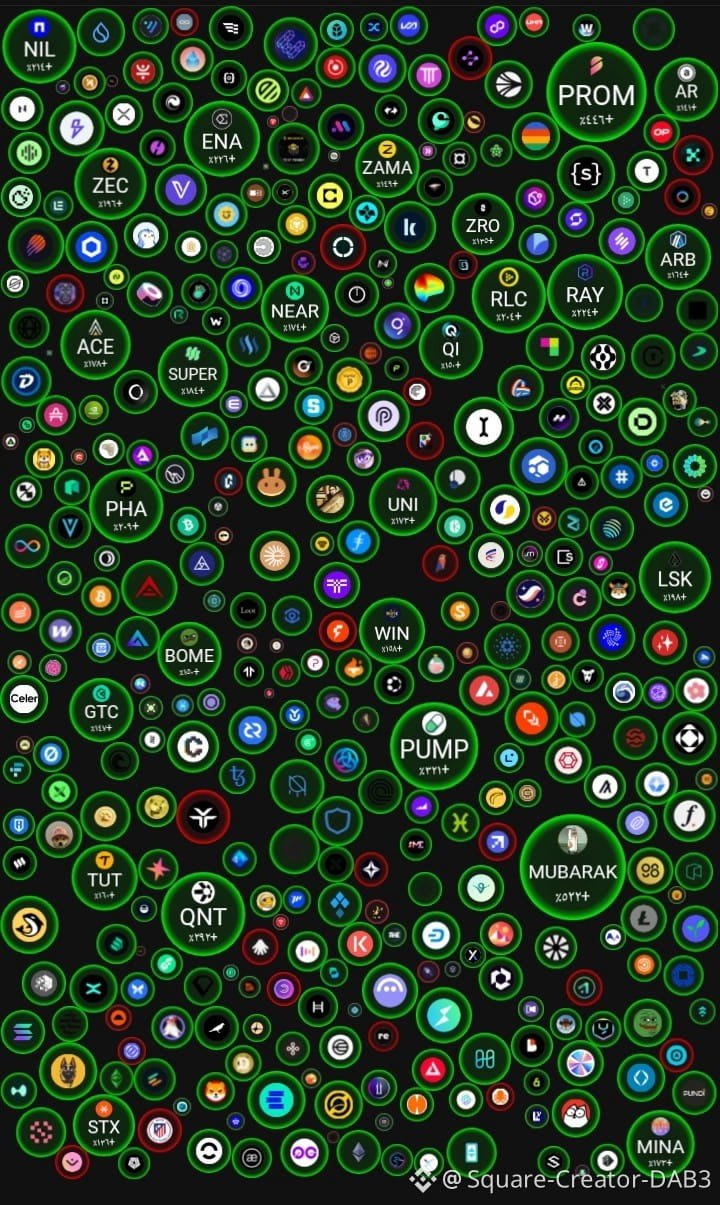
📊 التقرير الربع سنوي (3M) لأقوى العملات الرقمية أداءً 🚀
تظهر خريطة السوق المرفقة سيطرة الأخضر على معظم العملات الرقمية خلال الأشهر الثلاثة الماضية، مع تحقق صعود قوي وانفجارات سعرية قياسية.
🔥 أبرز العملات المتصدرة للسباق (أكبر الفقاعات الخضراء):
MUBARAK 🟢 – طفرة قياسية ومكاسب ضخمة تتجاوز +522%.
PROM 🟢 – انفجار وصعود استثنائي بنسبة +446%.
PUMP 🟢 – ارتفاعات قوية وصعود متواصل بنسبة +321%.
QNT 🟢 – أداء ممتاز وقوي جداً بنسبة +292%.
LSK 🟢 – مكاسب كبيرة ملحوظة بنسبة +198%.
💡 ملخص الأداء:
يشير التقرير الربع سنوي (3M) إلى حالة انتعاش واسعة في السوق، حيث تتصدر عملات الزخم والمشاريع البديلة المشهد بمعدلات نمو تتجاوز 400%، مما يظهر قوة السيولة المتدفقة نحو العملات متوسطة وصغيرة القيمة.
#altcoins #memecoins #crypto #CryptoNews
$MUBARAK $PROM $PUMP
{spot}(PUMPUSDT)
{spot}(PROMUSDT)
{spot}(MUBARAKUSDT)
📊 التقرير الربع سنوي (3M) لأقوى العملات الرقمية أداءً 🚀
تظهر خريطة السوق المرفقة سيطرة الأخضر على معظم العملات الرقمية خلال الأشهر الثلاثة الماضية، مع تحقق صعود قوي وانفجارات سعرية قياسية.
🔥 أبرز العملات المتصدرة للسباق (أكبر الفقاعات الخضراء):
MUBARAK 🟢 – طفرة قياسية ومكاسب ضخمة تتجاوز +522%.
PROM 🟢 – انفجار وصعود استثنائي بنسبة +446%.
PUMP 🟢 – ارتفاعات قوية وصعود متواصل بنسبة +321%.
QNT 🟢 – أداء ممتاز وقوي جداً بنسبة +292%.
LSK 🟢 – مكاسب كبيرة ملحوظة بنسبة +198%.
💡 ملخص الأداء:
يشير التقرير الربع سنوي (3M) إلى حالة انتعاش واسعة في السوق، حيث تتصدر عملات الزخم والمشاريع البديلة المشهد بمعدلات نمو تتجاوز 400%، مما يظهر قوة السيولة المتدفقة نحو العملات متوسطة وصغيرة القيمة.
#altcoins #memecoins #crypto #CryptoNews
$MUBARAK $PROM $PUMP
تظهر خريطة السوق المرفقة سيطرة الأخضر على معظم العملات الرقمية خلال الأشهر الثلاثة الماضية، مع تحقق صعود قوي وانفجارات سعرية قياسية.
🔥 أبرز العملات المتصدرة للسباق (أكبر الفقاعات الخضراء):
MUBARAK 🟢 – طفرة قياسية ومكاسب ضخمة تتجاوز +522%.
PROM 🟢 – انفجار وصعود استثنائي بنسبة +446%.
PUMP 🟢 – ارتفاعات قوية وصعود متواصل بنسبة +321%.
QNT 🟢 – أداء ممتاز وقوي جداً بنسبة +292%.
LSK 🟢 – مكاسب كبيرة ملحوظة بنسبة +198%.
💡 ملخص الأداء:
يشير التقرير الربع سنوي (3M) إلى حالة انتعاش واسعة في السوق، حيث تتصدر عملات الزخم والمشاريع البديلة المشهد بمعدلات نمو تتجاوز 400%، مما يظهر قوة السيولة المتدفقة نحو العملات متوسطة وصغيرة القيمة.
#altcoins #memecoins #crypto #CryptoNews
$MUBARAK $PROM $PUMP
1
31
عرض الترجمة
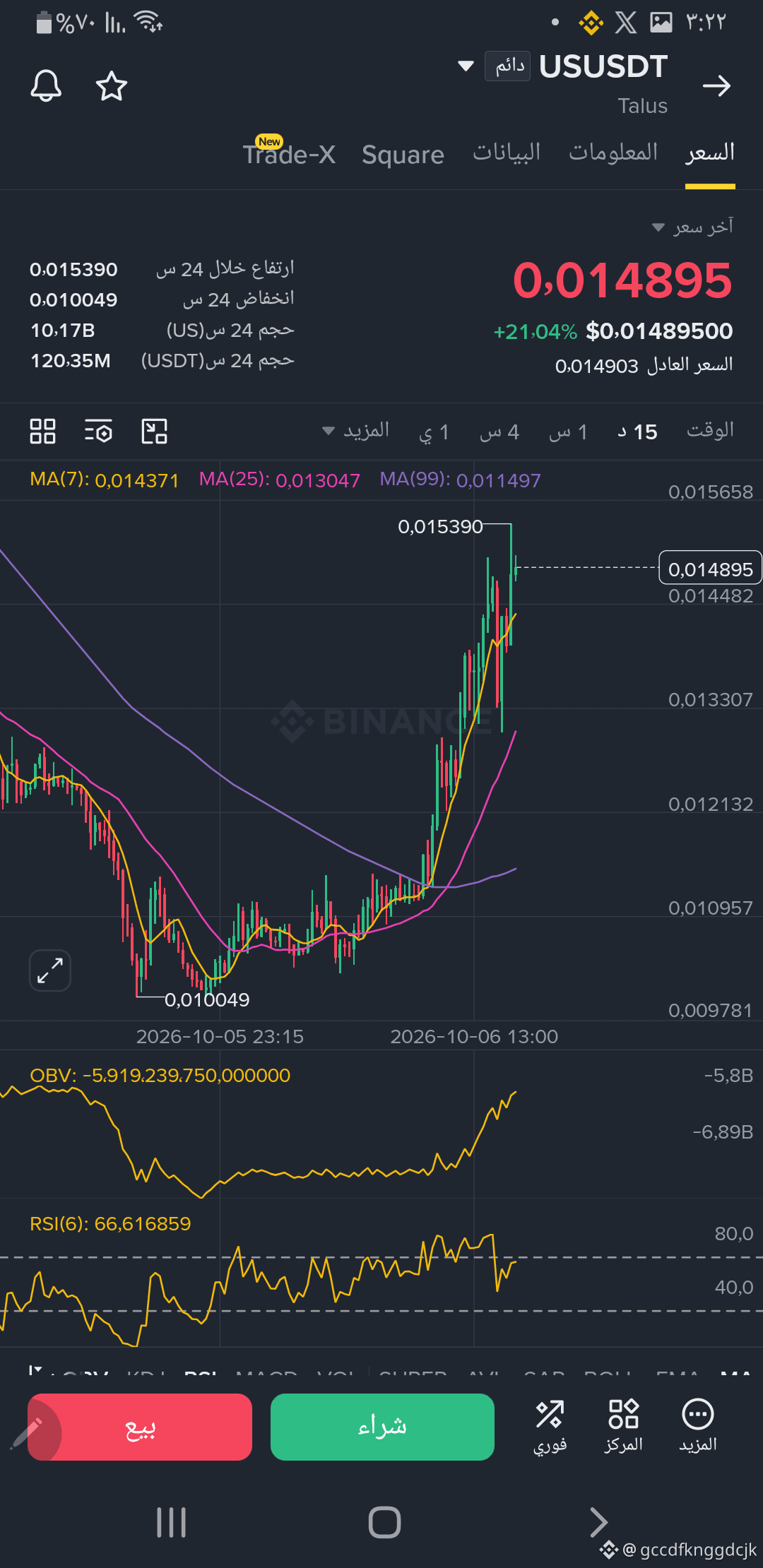
🚀 انفجار سعري مفاجئ في عملة $USDS
العملة تسجل صعوداً قاطاعاً بزيادة +21.04% لتصل إلى مستوى 0.014895 USDT بعد تسجيل قاع عند 0.010049!
🔥 أبرز المؤشرات الفنية من الرسم البياني:
مؤشر القوة النسبية (RSI 6): يتواجد عند 66.6، مما يدعم استمرار الزخم الصعودي وقربه من مناطق الشراء المكثف.
المتوسطات المتحركة (MA): تقاطع إيجابي واضح حيث صعد السعر أعلى المتوسطات المتحركة (7 و 25 و 99) إشارةً إلى استمرار الاتجاه الصاعد.
حجم التدفق (OBV): يظهر تعافياً وانعطافاً صعودياً كبيراً تدعيماً للزخم.
📊 سؤال اليوم للمتداولين: هل تعتقد أن العملة ستتجاوز قمة 0.015390 وتواصل الانطلاق، أم سنشهد تصحيحاً وقنصاً للأرباح قريباً؟ شاركونا آراءكم في التعليقات! 👇
الوسوم (Hashtags):
#Binance #Crypto #USDT #Talus #تداول #العملات_الرقمية #BinanceSquare #تحليل_فني #CryptoTrading #CryptoNews
🚀 انفجار سعري مفاجئ في عملة $USDS
العملة تسجل صعوداً قاطاعاً بزيادة +21.04% لتصل إلى مستوى 0.014895 USDT بعد تسجيل قاع عند 0.010049!
🔥 أبرز المؤشرات الفنية من الرسم البياني:
مؤشر القوة النسبية (RSI 6): يتواجد عند 66.6، مما يدعم استمرار الزخم الصعودي وقربه من مناطق الشراء المكثف.
المتوسطات المتحركة (MA): تقاطع إيجابي واضح حيث صعد السعر أعلى المتوسطات المتحركة (7 و 25 و 99) إشارةً إلى استمرار الاتجاه الصاعد.
حجم التدفق (OBV): يظهر تعافياً وانعطافاً صعودياً كبيراً تدعيماً للزخم.
📊 سؤال اليوم للمتداولين: هل تعتقد أن العملة ستتجاوز قمة 0.015390 وتواصل الانطلاق، أم سنشهد تصحيحاً وقنصاً للأرباح قريباً؟ شاركونا آراءكم في التعليقات! 👇
الوسوم (Hashtags):
#Binance #Crypto #USDT #Talus #تداول #العملات_الرقمية #BinanceSquare #تحليل_فني #CryptoTrading #CryptoNews
العملة تسجل صعوداً قاطاعاً بزيادة +21.04% لتصل إلى مستوى 0.014895 USDT بعد تسجيل قاع عند 0.010049!
🔥 أبرز المؤشرات الفنية من الرسم البياني:
مؤشر القوة النسبية (RSI 6): يتواجد عند 66.6، مما يدعم استمرار الزخم الصعودي وقربه من مناطق الشراء المكثف.
المتوسطات المتحركة (MA): تقاطع إيجابي واضح حيث صعد السعر أعلى المتوسطات المتحركة (7 و 25 و 99) إشارةً إلى استمرار الاتجاه الصاعد.
حجم التدفق (OBV): يظهر تعافياً وانعطافاً صعودياً كبيراً تدعيماً للزخم.
📊 سؤال اليوم للمتداولين: هل تعتقد أن العملة ستتجاوز قمة 0.015390 وتواصل الانطلاق، أم سنشهد تصحيحاً وقنصاً للأرباح قريباً؟ شاركونا آراءكم في التعليقات! 👇
الوسوم (Hashtags):
#Binance #Crypto #USDT #Talus #تداول #العملات_الرقمية #BinanceSquare #تحليل_فني #CryptoTrading #CryptoNews
1
30
·
--
صاعد
عرض الترجمة
🚨 إعلان هام: إطلاق العملة المستقرة ether.fi USD 🚨
أعلنت منصة ether.fi رسمياً عن إطلاق عملتها المستقرة الخاصة المقومة بالدولار ether.fi USD، بالتعاون والتكامل مع بروتوكول Ethena Labs.
🔹 أبرز نقاط الخبر:
• سيتم دمج عملة USD المستقرة بشكل أساسي ومباشر (Native) في جميع المنتجات التي تقدمها ether.fi.
• يأتي هذا الإطلاق بعد استقطاب أكثر من 300 مليون دولار من العملات المستقرة داخل المنصة.
📈 التأثير على عملة $ETHFI:
1️⃣ زيادة القيمة الاستخدامية (Utility): دمج عملة مستقرة خاصة بالنظام البيئي لـ ether.fi يُعزز من حجم السيولة والقيمة الإجمالية المقفلة (TVL) داخل البروتوكول.
2️⃣ تعزيز الشراكات (Ethena x ether.fi): التعاون مع Ethena يعطي دفعة قوية لثقة المستخدمين في آليات تحصيل العوائد والأمان.
3️⃣ النظرة المستقبليّة: خطوة إيجابية على المدى المتوسط والطويل لرمز $ETHFI، حيث تزيد من معدل استخدام منصة إعادة الخزق (Liquid Restaking) وتدفق السيولة نحوها.
#ETHFI #ENA #ethena #CryptoNews
$ETHFI $ENA
{spot}(ENAUSDT)
{spot}(ETHFIUSDT)
🚨 إعلان هام: إطلاق العملة المستقرة ether.fi USD 🚨
أعلنت منصة ether.fi رسمياً عن إطلاق عملتها المستقرة الخاصة المقومة بالدولار ether.fi USD، بالتعاون والتكامل مع بروتوكول Ethena Labs.
🔹 أبرز نقاط الخبر:
• سيتم دمج عملة USD المستقرة بشكل أساسي ومباشر (Native) في جميع المنتجات التي تقدمها ether.fi.
• يأتي هذا الإطلاق بعد استقطاب أكثر من 300 مليون دولار من العملات المستقرة داخل المنصة.
📈 التأثير على عملة $ETHFI :
1️⃣ زيادة القيمة الاستخدامية (Utility): دمج عملة مستقرة خاصة بالنظام البيئي لـ ether.fi يُعزز من حجم السيولة والقيمة الإجمالية المقفلة (TVL) داخل البروتوكول.
2️⃣ تعزيز الشراكات (Ethena x ether.fi): التعاون مع Ethena يعطي دفعة قوية لثقة المستخدمين في آليات تحصيل العوائد والأمان.
3️⃣ النظرة المستقبليّة: خطوة إيجابية على المدى المتوسط والطويل لرمز $ETHFI ، حيث تزيد من معدل استخدام منصة إعادة الخزق (Liquid Restaking) وتدفق السيولة نحوها.
#ETHFI #ENA #ethena #CryptoNews
$ETHFI $ENA
أعلنت منصة ether.fi رسمياً عن إطلاق عملتها المستقرة الخاصة المقومة بالدولار ether.fi USD، بالتعاون والتكامل مع بروتوكول Ethena Labs.
🔹 أبرز نقاط الخبر:
• سيتم دمج عملة USD المستقرة بشكل أساسي ومباشر (Native) في جميع المنتجات التي تقدمها ether.fi.
• يأتي هذا الإطلاق بعد استقطاب أكثر من 300 مليون دولار من العملات المستقرة داخل المنصة.
📈 التأثير على عملة $ETHFI :
1️⃣ زيادة القيمة الاستخدامية (Utility): دمج عملة مستقرة خاصة بالنظام البيئي لـ ether.fi يُعزز من حجم السيولة والقيمة الإجمالية المقفلة (TVL) داخل البروتوكول.
2️⃣ تعزيز الشراكات (Ethena x ether.fi): التعاون مع Ethena يعطي دفعة قوية لثقة المستخدمين في آليات تحصيل العوائد والأمان.
3️⃣ النظرة المستقبليّة: خطوة إيجابية على المدى المتوسط والطويل لرمز $ETHFI ، حيث تزيد من معدل استخدام منصة إعادة الخزق (Liquid Restaking) وتدفق السيولة نحوها.
#ETHFI #ENA #ethena #CryptoNews
$ETHFI $ENA
1
162

🚨 هبط ETH دون 2,600 دولار، وتبع ذلك تحركات كبيرة
هبط ETH لفترة وجيزة دون 2,600 دولار، مما أشعل نشاطًا كبيرًا في السوق.
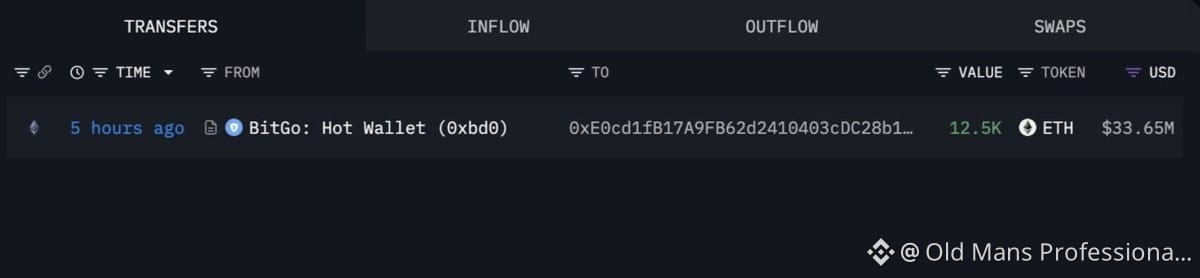
🔹 يُقال إن Bitmine (BMNR)، بقيادة Tom Lee، اشترت 12,500 ETH إضافية بقيمة تقارب 33.65 مليون دولار.
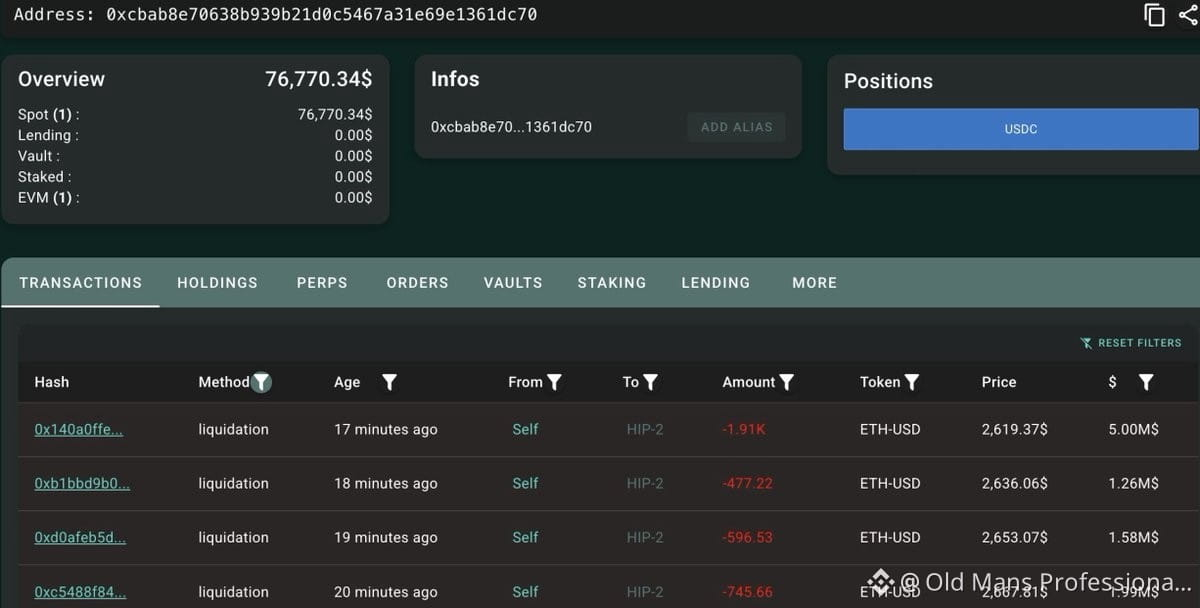
🔹 وفي الوقت نفسه، صُفّيت بالكامل صفقة شراء ETH للمتداول 0xcbab، والبالغة قيمتها 9.85 مليون دولار، في غضون 3 دقائق فقط.
أحدهم يشتري عند الانخفاض، بينما تكبّد آخر خسائر فادحة بسبب التحرك المفاجئ. 👀
هذا تذكير واضح بمدى سرعة انقلاب الرافعة المالية على المتداولين.
$ETH
#CryptoNews #BinanceSquare
🚨 هبط ETH دون 2,600 دولار، وتبع ذلك تحركات كبيرة
هبط ETH لفترة وجيزة دون 2,600 دولار، مما أشعل نشاطًا كبيرًا في السوق.
🔹 يُقال إن Bitmine (BMNR)، بقيادة Tom Lee، اشترت 12,500 ETH إضافية بقيمة تقارب 33.65 مليون دولار.
🔹 وفي الوقت نفسه، صُفّيت بالكامل صفقة شراء ETH للمتداول 0xcbab، والبالغة قيمتها 9.85 مليون دولار، في غضون 3 دقائق فقط.
أحدهم يشتري عند الانخفاض، بينما تكبّد آخر خسائر فادحة بسبب التحرك المفاجئ. 👀
هذا تذكير واضح بمدى سرعة انقلاب الرافعة المالية على المتداولين.
$ETH
#CryptoNews #BinanceSquare
هبط ETH لفترة وجيزة دون 2,600 دولار، مما أشعل نشاطًا كبيرًا في السوق.
🔹 يُقال إن Bitmine (BMNR)، بقيادة Tom Lee، اشترت 12,500 ETH إضافية بقيمة تقارب 33.65 مليون دولار.
🔹 وفي الوقت نفسه، صُفّيت بالكامل صفقة شراء ETH للمتداول 0xcbab، والبالغة قيمتها 9.85 مليون دولار، في غضون 3 دقائق فقط.
أحدهم يشتري عند الانخفاض، بينما تكبّد آخر خسائر فادحة بسبب التحرك المفاجئ. 👀
هذا تذكير واضح بمدى سرعة انقلاب الرافعة المالية على المتداولين.
$ETH
#CryptoNews #BinanceSquare

6
556
سجّل الدخول لاستكشاف المزيد من المُحتوى
انضم إلى مُستخدمي العملات الرقمية حول العالم على Binance Square
⚡️ احصل على أحدث المعلومات المفيدة عن العملات الرقمية.
💬 موثوقة من قبل أكبر منصّة لتداول العملات الرقمية في العالم.
👍 اكتشف الرؤى الحقيقية من صنّاع المُحتوى الموثوقين.
البريد الإلكتروني / رقم الهاتف
المواضيع الرائجة
1
#FedMinutesFocusOnOctoberPause
324,093 مشاهدات
1,988 يقومون بالنقاش
2
#XRPSpotETFsHold$1.7BWeeklyInflowsSlow
2 مشاهدات
6 يقومون بالنقاش
3
#FrenchHillUrgesCLARITYActPassageInLameDuck
44 مشاهدات
27 يقومون بالنقاش
4
#EthereumSpotETFRecords$161MNetOutflows
2 مشاهدات
6 يقومون بالنقاش
5
#IMFGrantsWaiverForElSalvadorBitcoinBreach
5,944 مشاهدات
178 يقومون بالنقاش
6
#BinanceLaunchesBinanceIntelligence
1.3M مشاهدات
7,005 يقومون بالنقاش
7
#EvernorthDelaysNasdaqDebutToOct12
47,096 مشاهدات
497 يقومون بالنقاش
8
#RobinhoodAdds$25MInBitcoinToBalanceSheet
16,498 مشاهدات
102 يقومون بالنقاش
9
#SP500AndNasdaqHitRecordHighs
51,488 مشاهدات
639 يقومون بالنقاش
10
#USMortgageRatesRiseTo7.49%
40,398 مشاهدات
506 يقومون بالنقاش