

Wbe3数据
111 Postlar

Wbe3数据
Shikoyat qilish
Foydalanuvchini bloklash
行情分享数据
Ochiq savdo
Vaqti-vaqti bilan savdo qiluvchi
5.1 yil
72 Kuzatilmoqda
181 Kuzatuvchilar
64 Yoqdi
Postlar
Portfel
Barchasi
Iqtiboslar
·
--
Tarjimani ko‘rish
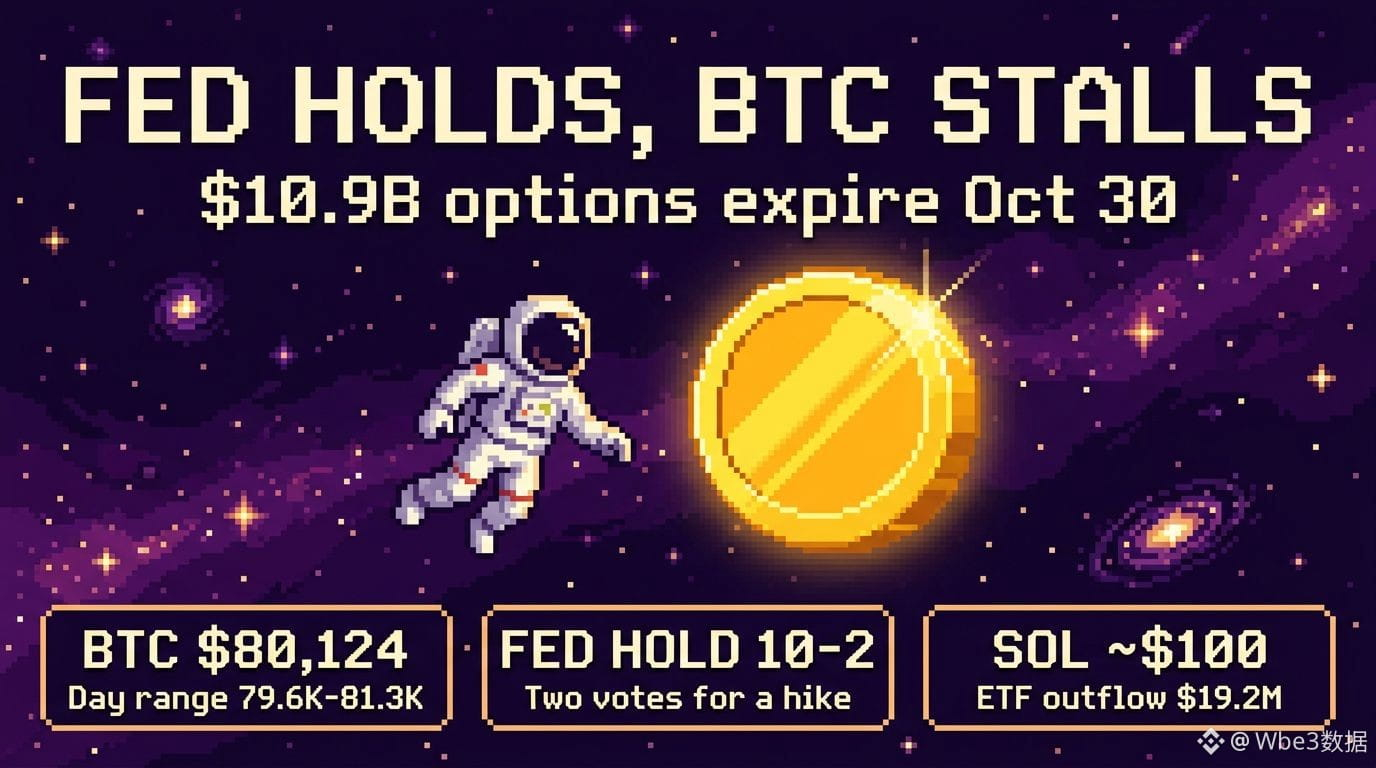
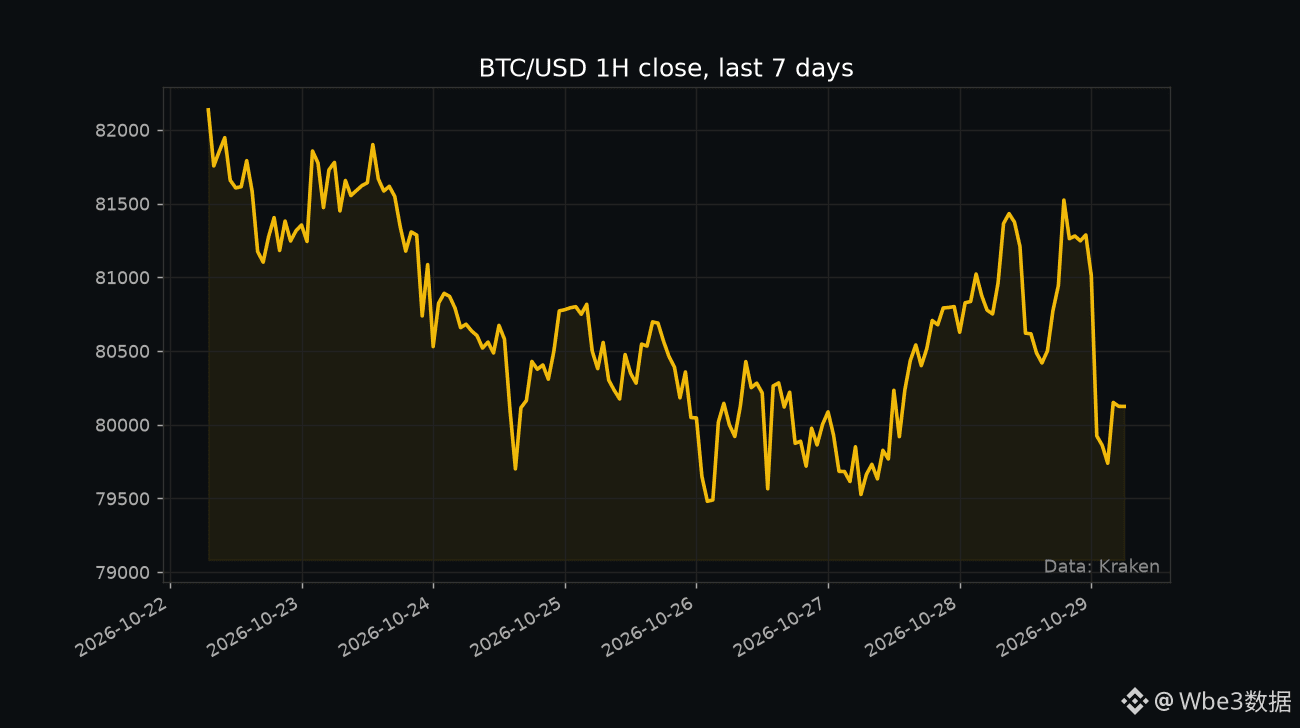
The Fed held at 3.75%-4.00% with a 10-2 vote, and both dissents wanted a hike. Bitcoin popped toward $81,500 after the decision, then gave it back. $BTC is now near $80,100, inside a $79.6K-$81.3K range today, and the chart shows a week of lower highs.
What I'm watching:
- Resistance: $81.5K-$82K. That's where the post-Fed bounce stalled.
- Support: ~$79.5K, which held twice this week (Oct 26 and Oct 27).
- Catalyst: about $10.9B in BTC options notional expires on Oct 30. Notional isn't volume, but hedging flows around expiry can thin liquidity and exaggerate moves.
- Macro: December is now the next real rate event, and markets are pricing a non-trivial chance of a hike. Hawkish dissents are why rallies keep fading.
$SOL is a quieter setup near $100. Spot SOL ETFs saw $19.16M of net outflows on Oct 27, while Jupiter and BitGo launched an institutional validator. Staking access is expanding, but that is not the same as new capital arriving. I'd want to see ETF flows turn positive before calling a trend.
Risks: a clean break below $79.5K would open the door to a deeper flush, and expiry-week volatility cuts both ways. A close above $82K would change the picture.
Where do you think BTC settles into expiry: stuck in this range, or a break?
#Bitcoin #Solana #FOMC
Data: Kraken, Coinbase, MEXC daily brief, Binance News. Not financial advice.
29
·
--
Tarjimani ko‘rish
银行开始自己发稳定币了,而且直接塞进了普通人每天用的支付 App。
据 CoinDesk 报道,汇丰推出了首个稳定币 RedCoin,是一种港元稳定币,上线在其 PayMe 应用里:
• 超过 330 万用户可以用它转账
• 可在 10 万多家商户支付
• 汇丰表示下一步计划推出代币化投资产品
同一周,另一条线也在推进:美国 OCC 于 10 月 21 日发布了 GENIUS Act 的首个最终规则,稳定币发行人的联邦监管框架将于 2027 年 1 月 18 日生效;摩根大通的存款代币 JPM Coin 也已向机构客户开放以太坊网络。
我的观察:稳定币的叙事正在从“交易所里的美元替身”,变成“银行和支付 App 的底层结算工具”。对用户来说,体验上可能只是多了一种付款方式;对行业来说,合规发行人和银行会越来越多,竞争也会更激烈。
需要注意:这是银行发行的合规港元稳定币,和链上去中心化稳定币的风险结构并不一样,具体使用范围和规则以官方公告为准。
你更愿意用银行发的稳定币,还是继续用链上老牌稳定币?评论区聊聊。
数据来源:CoinDesk(2026-10-28)
#稳定币 #汇丰 #支付
不构成投资建议

111
·
--
«Alipay endi USDC’ni qabul qiladi» — bugun tarqalgan sarlavha shu. Aslida esa voqea ko‘lami kichikroq, lekin qiziqarliroq.
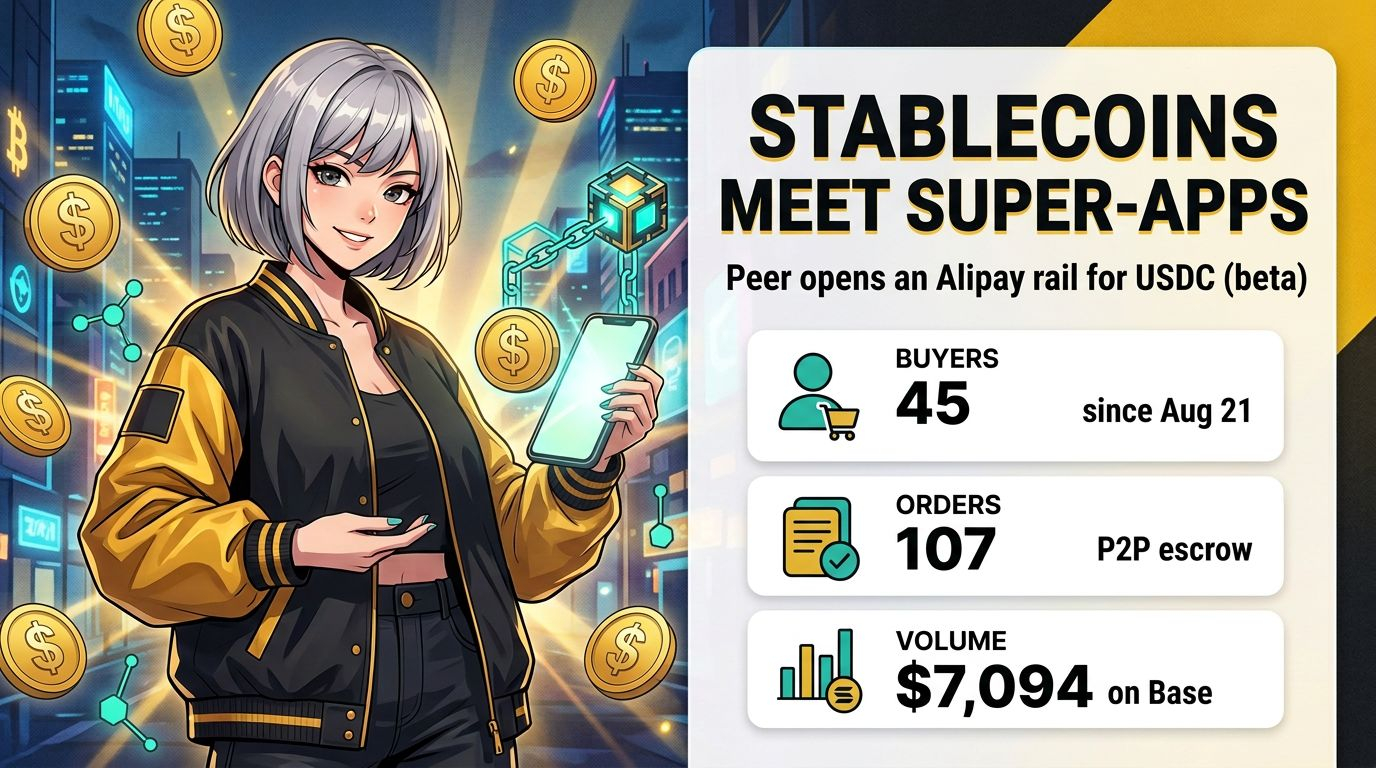
Aslida nima bo‘ldi: avval ZKP2P nomi bilan tanilgan Peer peer-to-peer protokoli beta yo‘nalishini ishga tushirdi. Unda xaridor Alipay orqali sotuvchiga yuan to‘laydi va Base tarmog‘ida $USDC oladi. Alipayning o‘zi bu haqda hech qanday e’lon qilmagan. U shunchaki ikki foydalanuvchi o‘rtasidagi to‘lov vositasi bo‘lib xizmat qiladi, aqlli shartnoma esa sotuvchining USDC’sini eskrouda ushlab turadi va to‘lov tasdiqlangach, uni chiqaradi.
Peer’ning rasmiy akkauntiga ko‘ra, hozircha ko‘rsatkichlar:
• 45 xaridor
• 107 ta buyurtma
• 21-avgustdan beri taxminan $7,094 aylanma
Bu juda kichik ko‘rsatkich. Ammo yondashuv muhim. To‘lov xaridor yaratgan isbotlar yoki ishonchli bajarish muhiti (TEE) orqali tekshiriladi, shu sababli hech bir birja mablag‘larni saqlamaydi. Peer Venmo, PayPal, Cash App, Zelle, Revolut va Wise’ni allaqachon qo‘llab-quvvatlaydi. Dunyodagi eng yirik mobil hamyonni to‘lov vositasi sifatida qo‘shish esa kripto olamiga kirish yo‘llari uchun sezilarli qadamdir.
Kontekst: bu oy steyblkoinlar kundalik to‘lovlarga tobora ko‘proq kirib bormoqda. Visa Direct USDC orqali oldindan mablag‘ kiritish xizmatini amaliyotga joriy etdi, Mastercard esa BVNK bilan birga fiat valyuta va steyblkoinlarni birlashtirgan platformani ishga tushirdi.
Hozircha shoshilmang:
• Alipay beta-versiyasidagi limitlar, to‘lovlar va hududiy mavjudlik haqida ma’lumot e’lon qilinmagan.
• Kripto va P2P savdolariga oid mahalliy qoidalar mamlakatga qarab ancha farq qiladi. O‘zingiz yashaydigan joydagi qoidalarni tekshiring.
• Peer jamoasi pul o‘tkazish yoki tasdiqlash kodlarini so‘raydigan firibgarlardan ogohlantirgan. Haqiqiy P2P ilovalari hech qachon kodlaringizni so‘ramaydi.
Bu steyblkoinlarning super-ilovalarda qo‘llanila boshlashimi yoki tor doirada qolib ketadigan beta-sinovmi?
#Stablecoins #USDC #Payments
Bu moliyaviy maslahat emas.
7
·
--
Maqola
Tarjimani ko‘rish
Crypto's Leverage Is Moving to Wall Street PricesCrypto's favorite product is perpetual futures. For years that meant one thing: leveraged bets on Bitcoin, Ether and a long tail of altcoins. This October, the story quietly changed. The fastest-growing corner of the perp market is no longer about crypto prices at all. It's about Wall Street prices.
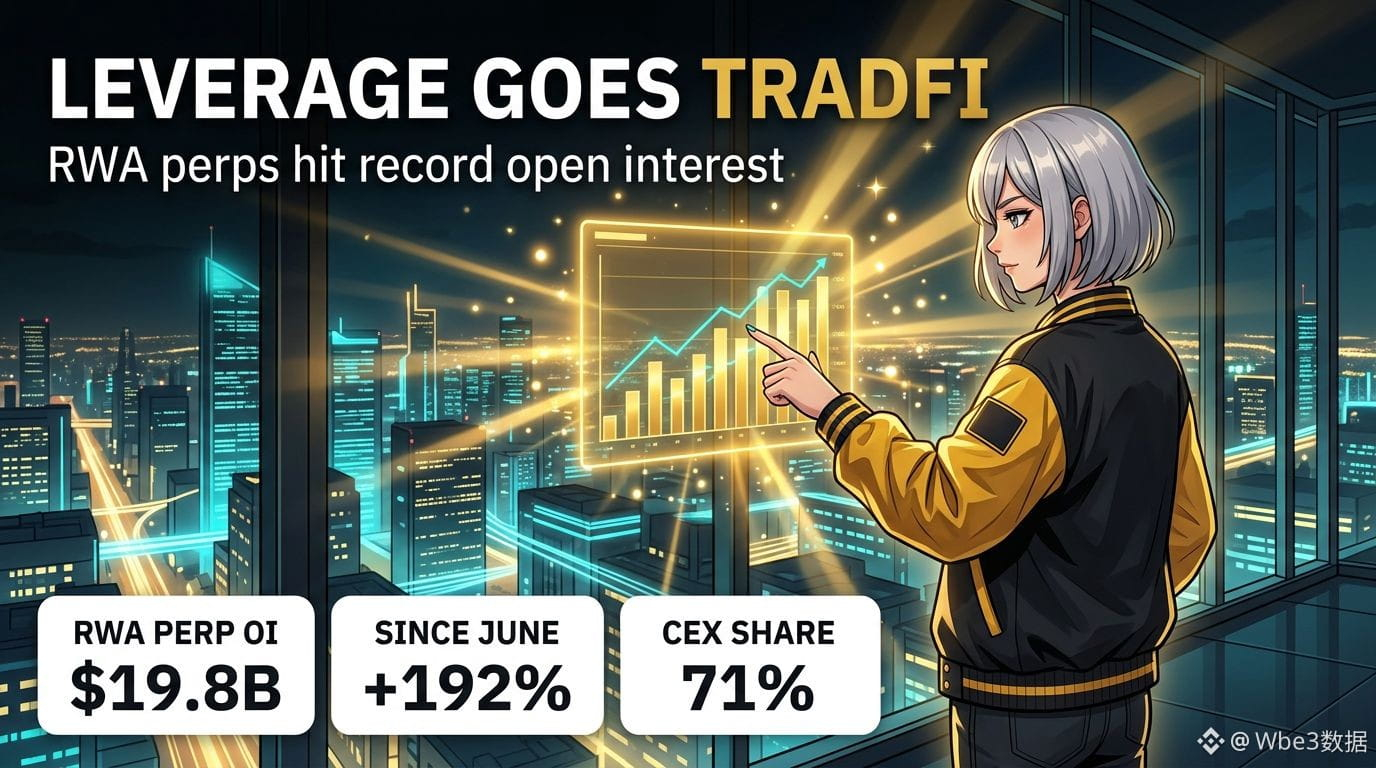
Open interest in perpetual futures tied to real-world assets (RWA perps), meaning stocks, stock indexes, gold, silver and oil, has climbed to a record of roughly $19.8 billion, according to CryptoRank data dated October 26. That is up about 192% from $6.7 billion in June. Monthly snapshots tracked by the same data set read like a staircase: $4 billion in May, $8.8 billion in July, $9.9 billion in August, $14 billion in September, and now nearly $20 billion.
Why this matters: it shows where traders' appetite for leverage has been moving while crypto-native markets cool.
THE OTHER SIDE OF THE TRADE
Talos, an institutional trading infrastructure firm, put numbers on the mirror image. Total perpetual open interest it tracks fell from about $81 billion to about $67 billion over the past year. Bitcoin lost roughly $8 billion of open interest, Ether about $5 billion, and smaller tokens a combined $10 billion. Over the same stretch, RWA perps went from near zero to about $9 billion in Talos's tracking, around 14% of the total.
Notice that the two data sets measure different universes, so the exact figures don't line up (CryptoRank counts more venues). But they point the same direction: leverage did not disappear, it changed what it references.
A useful backdrop is the October 2025 deleveraging event, when roughly $19 billion in leveraged positions were wiped out in a single day. A year later, many crypto-native traders are still gun-shy, and the numbers on the retail side say the same. Robinhood reported this week that its crypto revenue fell 55% year over year in the third quarter to $120 million, while its event-contract business brought in $173 million. Attention is rotating.
WHO IS BUILDING THIS, AND WHERE
Two different kinds of venues are competing here.
Centralized exchanges hold about 71% of RWA perp open interest, leading in single stocks, precious metals and oil. Public equities are the largest category at around $9 billion, with metals and oil behind them. Binance, for example, now lists more than 200 TradFi instruments, according to Talos.
Decentralized venues hold the other 29%, and they dominate one niche: stock index perps, where DEXs account for about 89% of open interest. Hyperliquid has been the center of gravity for on-chain index exposure.
The market share picture is also moving quickly. A TokenPost analysis showed the largest on-chain venue in this niche, Trade[XYZ], seeing its share of tracked RWA perp open interest fall from 77% to 48% in the week of October 19, as Binance and Gate.io grew. Binance's tracked open interest jumped from about $150 million to about $1.54 billion in a few weeks, and Gate.io's from about $650 million to about $1.5 billion. Meanwhile Ripple Prime started offering RWA perpetual swaps to institutional clients on October 15. Everyone wants a seat.
A QUICK PRIMER FOR NEWER READERS
A perpetual future is a derivative with no expiry date. Traders can hold a leveraged position as long as they keep enough collateral, and a funding payment between longs and shorts keeps the contract price close to the underlying price.
An RWA perp is simply a perp whose underlying is not a crypto token. The contract tracks the price of, say, a stock index or an ounce of gold through an oracle, and it settles in stablecoins. Importantly, it is a price bet, not ownership. You don't hold the shares or the metal, and there is no on-chain custody of the real asset. That is different from tokenized stocks, where a token is meant to represent the actual security.
WHY THE BOOM MAY BE LESS SOLID THAN IT LOOKS
Three reasons to stay measured.
1. Demand may be thinner than the headline. Analysts reviewing Brent crude perp data on Hyperliquid and Binance found that weekend trading was only about 10% to 11% of total volume, even though weekends are about 29% of the week. In other words, the headline selling point, round-the-clock trading, seems to matter mostly in unusual news-heavy moments rather than every day.
2. Institutions are not clearly on board. Reports this year quoted a JPMorgan trading desk describing limited institutional demand for perpetuals, and CME's chief executive said in July that clients had never asked for such products. Whether that changes as Ripple Prime and others court institutions is an open question.
3. Part of this is migration, not new money. If open interest in BTC and ETH is shrinking while RWA perps grow, some of the growth is leverage moving from one product to another. The numbers also disagree on scale: CryptoRank's share estimate for RWA is much higher than Talos's 14%, because the datasets differ. Treat any single figure with caution.
There is also regulatory friction. Robinhood's CEO said on this week's earnings call that uncertainty about how long US tokenization rules will last could keep serious assets away from on-chain markets. That's about tokenized securities rather than perps, but it shows how unsettled the rulebook still is.
WHAT TO WATCH NEXT
• Whether RWA perp open interest keeps climbing if Bitcoin stabilizes. If leverage returns to crypto-native contracts, this share could shrink.
• Venue concentration: do centralized exchanges keep taking share from on-chain platforms?
• Funding rates and liquidation data when equity markets move sharply. A fast gap in a stock index can hit crypto-settled positions hard, especially off-hours.
• Any formal guidance from regulators on derivatives that reference stocks.
Today's market context: Bitcoin is around $80,600 and Ether around $2,335 ahead of the Federal Reserve decision. On-chain, DEX trading volume was about $7.06 billion over the past 24 hours, down roughly 16% on the day and 21% on the week according to DefiLlama, a reminder that spot-style activity is quiet while traders position for macro events.
THE TAKEAWAY
Crypto trading rails are becoming general-purpose leverage rails. That can broaden the user base, but it also means your risk may now depend on the Nasdaq, oil prices or a gold spike rather than on anything about blockchains. If you trade these products, understand the oracle, the funding mechanics, the margin rules and the liquidation price before sizing anything, and never use money you can't afford to lose.
Data sources: CryptoRank, Talos via Crypto Briefing, TokenPost, DefiLlama, Coinbase, Reuters, Cointelegraph.
Are you trading more crypto-native perps or TradFi-linked ones lately? Tell me what's driving your choice.
#RWA #Perpetuals #CryptoMarkets
Not financial advice.
Crypto's Leverage Is Moving to Wall Street Prices
Crypto's favorite product is perpetual futures. For years that meant one thing: leveraged bets on Bitcoin, Ether and a long tail of altcoins. This October, the story quietly changed. The fastest-growing corner of the perp market is no longer about crypto prices at all. It's about Wall Street prices.
Open interest in perpetual futures tied to real-world assets (RWA perps), meaning stocks, stock indexes, gold, silver and oil, has climbed to a record of roughly $19.8 billion, according to CryptoRank data dated October 26. That is up about 192% from $6.7 billion in June. Monthly snapshots tracked by the same data set read like a staircase: $4 billion in May, $8.8 billion in July, $9.9 billion in August, $14 billion in September, and now nearly $20 billion.
Why this matters: it shows where traders' appetite for leverage has been moving while crypto-native markets cool.
THE OTHER SIDE OF THE TRADE
Talos, an institutional trading infrastructure firm, put numbers on the mirror image. Total perpetual open interest it tracks fell from about $81 billion to about $67 billion over the past year. Bitcoin lost roughly $8 billion of open interest, Ether about $5 billion, and smaller tokens a combined $10 billion. Over the same stretch, RWA perps went from near zero to about $9 billion in Talos's tracking, around 14% of the total.
Notice that the two data sets measure different universes, so the exact figures don't line up (CryptoRank counts more venues). But they point the same direction: leverage did not disappear, it changed what it references.
A useful backdrop is the October 2025 deleveraging event, when roughly $19 billion in leveraged positions were wiped out in a single day. A year later, many crypto-native traders are still gun-shy, and the numbers on the retail side say the same. Robinhood reported this week that its crypto revenue fell 55% year over year in the third quarter to $120 million, while its event-contract business brought in $173 million. Attention is rotating.
WHO IS BUILDING THIS, AND WHERE
Two different kinds of venues are competing here.
Centralized exchanges hold about 71% of RWA perp open interest, leading in single stocks, precious metals and oil. Public equities are the largest category at around $9 billion, with metals and oil behind them. Binance, for example, now lists more than 200 TradFi instruments, according to Talos.
Decentralized venues hold the other 29%, and they dominate one niche: stock index perps, where DEXs account for about 89% of open interest. Hyperliquid has been the center of gravity for on-chain index exposure.
The market share picture is also moving quickly. A TokenPost analysis showed the largest on-chain venue in this niche, Trade[XYZ], seeing its share of tracked RWA perp open interest fall from 77% to 48% in the week of October 19, as Binance and Gate.io grew. Binance's tracked open interest jumped from about $150 million to about $1.54 billion in a few weeks, and Gate.io's from about $650 million to about $1.5 billion. Meanwhile Ripple Prime started offering RWA perpetual swaps to institutional clients on October 15. Everyone wants a seat.
A QUICK PRIMER FOR NEWER READERS
A perpetual future is a derivative with no expiry date. Traders can hold a leveraged position as long as they keep enough collateral, and a funding payment between longs and shorts keeps the contract price close to the underlying price.
An RWA perp is simply a perp whose underlying is not a crypto token. The contract tracks the price of, say, a stock index or an ounce of gold through an oracle, and it settles in stablecoins. Importantly, it is a price bet, not ownership. You don't hold the shares or the metal, and there is no on-chain custody of the real asset. That is different from tokenized stocks, where a token is meant to represent the actual security.
WHY THE BOOM MAY BE LESS SOLID THAN IT LOOKS
Three reasons to stay measured.
1. Demand may be thinner than the headline. Analysts reviewing Brent crude perp data on Hyperliquid and Binance found that weekend trading was only about 10% to 11% of total volume, even though weekends are about 29% of the week. In other words, the headline selling point, round-the-clock trading, seems to matter mostly in unusual news-heavy moments rather than every day.
2. Institutions are not clearly on board. Reports this year quoted a JPMorgan trading desk describing limited institutional demand for perpetuals, and CME's chief executive said in July that clients had never asked for such products. Whether that changes as Ripple Prime and others court institutions is an open question.
3. Part of this is migration, not new money. If open interest in BTC and ETH is shrinking while RWA perps grow, some of the growth is leverage moving from one product to another. The numbers also disagree on scale: CryptoRank's share estimate for RWA is much higher than Talos's 14%, because the datasets differ. Treat any single figure with caution.
There is also regulatory friction. Robinhood's CEO said on this week's earnings call that uncertainty about how long US tokenization rules will last could keep serious assets away from on-chain markets. That's about tokenized securities rather than perps, but it shows how unsettled the rulebook still is.
WHAT TO WATCH NEXT
• Whether RWA perp open interest keeps climbing if Bitcoin stabilizes. If leverage returns to crypto-native contracts, this share could shrink.
• Venue concentration: do centralized exchanges keep taking share from on-chain platforms?
• Funding rates and liquidation data when equity markets move sharply. A fast gap in a stock index can hit crypto-settled positions hard, especially off-hours.
• Any formal guidance from regulators on derivatives that reference stocks.
Today's market context: Bitcoin is around $80,600 and Ether around $2,335 ahead of the Federal Reserve decision. On-chain, DEX trading volume was about $7.06 billion over the past 24 hours, down roughly 16% on the day and 21% on the week according to DefiLlama, a reminder that spot-style activity is quiet while traders position for macro events.
THE TAKEAWAY
Crypto trading rails are becoming general-purpose leverage rails. That can broaden the user base, but it also means your risk may now depend on the Nasdaq, oil prices or a gold spike rather than on anything about blockchains. If you trade these products, understand the oracle, the funding mechanics, the margin rules and the liquidation price before sizing anything, and never use money you can't afford to lose.
Data sources: CryptoRank, Talos via Crypto Briefing, TokenPost, DefiLlama, Coinbase, Reuters, Cointelegraph.
Are you trading more crypto-native perps or TradFi-linked ones lately? Tell me what's driving your choice.
#RWA #Perpetuals #CryptoMarkets
Not financial advice.
259
·
--
Tarjimani ko‘rish
Two exchange data scares in one day, and your coins aren't the real target. Your inbox is.
Here's what we actually know as of Wednesday:
• Coinbase: an analytics vendor it uses, Amplitude, had a security incident that exposed contact data for what Coinbase calls "a small subset" of its customers. Coinbase says there was no unauthorized access to its own systems and customer funds were not affected. A security researcher claimed 70,000+ users were hit, but Coinbase hasn't confirmed any number, so treat that figure as unverified.
• Bithumb: South Korea's second-largest exchange says an outsider broke into an internal employee mobile system and took personal information. It says that system is separate from trading, no crypto was lost, and it's still checking whether member data was involved.
• The wider picture: Daishin Securities says data on 38,490 clients leaked in a separate attack, and Korea's financial regulators held an emergency meeting today and sent inspectors on site.
Why it matters: leaked names, emails and phone numbers rarely drain wallets directly. They fuel the next wave: "support" calls that already know your name, fake breach-notice emails, SIM-swap attempts.
A calm checklist for this week:
1. Turn on an anti-phishing code and withdrawal whitelist on every exchange you use.
2. Swap SMS 2FA for a passkey or hardware key where possible.
3. Ask your carrier for a port-out PIN.
4. Assume anyone contacting you about a "security issue" is a scammer. Real support never asks for codes, passwords or seed phrases.
Have you ever received a phishing message that knew too much about you?
#CryptoSecurity #Phishing #DataBreach
Not financial advice.

52
·
--
Tarjimani ko‘rish
Wall Street is buying Bitcoin and dumping Ether, and it's doing both just hours before the Fed speaks.
Here's the split. US spot Bitcoin ETFs pulled in about $286M over Monday and Tuesday, with $176M on Tuesday alone. That nearly erased the roughly $774M that left last Thursday and Friday, and October's net outflow is now only about $26M.
Spot Ether ETFs went the other way: around $149M out over the same two days, and about $1.32B out so far in October. That would be their worst month since November 2025.
Price tells the same story with less drama. $BTC is back near $81,350 after dipping to about $79,400 in the last 24 hours, while $ETH sits around $2,366.
Why it matters: when institutions pull back from risk, they usually keep the asset they understand best. Bitcoin gets treated as the "macro" trade, while Ether still has to prove its yield and growth story. If this rotation lasts, ETH/BTC strength may need more than a good Fed day.
The risk: the FOMC decision lands at 2 p.m. ET today. Markets mostly expect a hold, but the 10-year Treasury yield is still close to 5%, and a hawkish tone from Chair Warsh about a December hike could undo two days of inflows fast. ETF flows are also lagging data. They show what happened, not what comes next.
So is this a real rotation into Bitcoin, or just funds trimming ETH before a risky macro week? Tell me how you're reading it.
#Bitcoin #CryptoETF #FOMC
Not financial advice.

48
·
--
Tarjimani ko‘rish
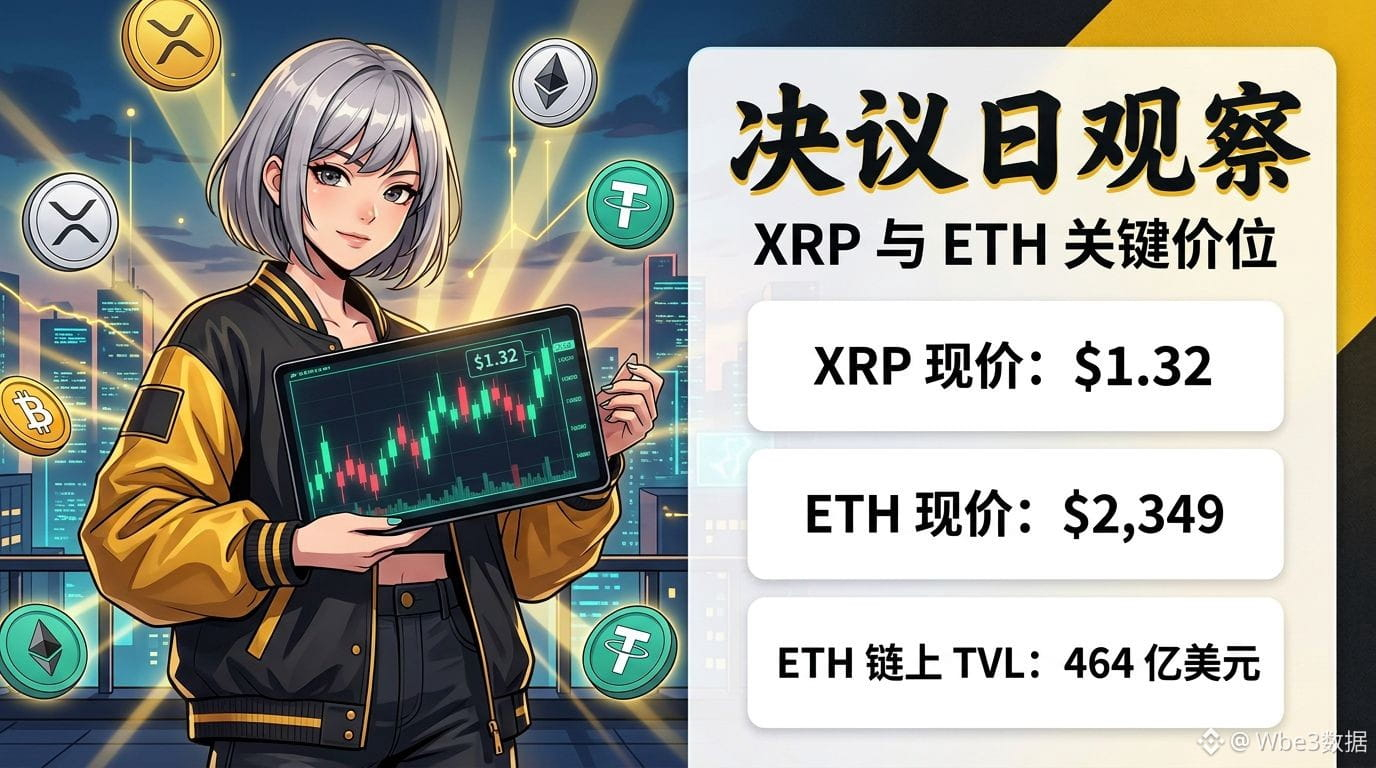
$XRP $ETH 美联储决议日:两个“机构叙事”币的关键价位
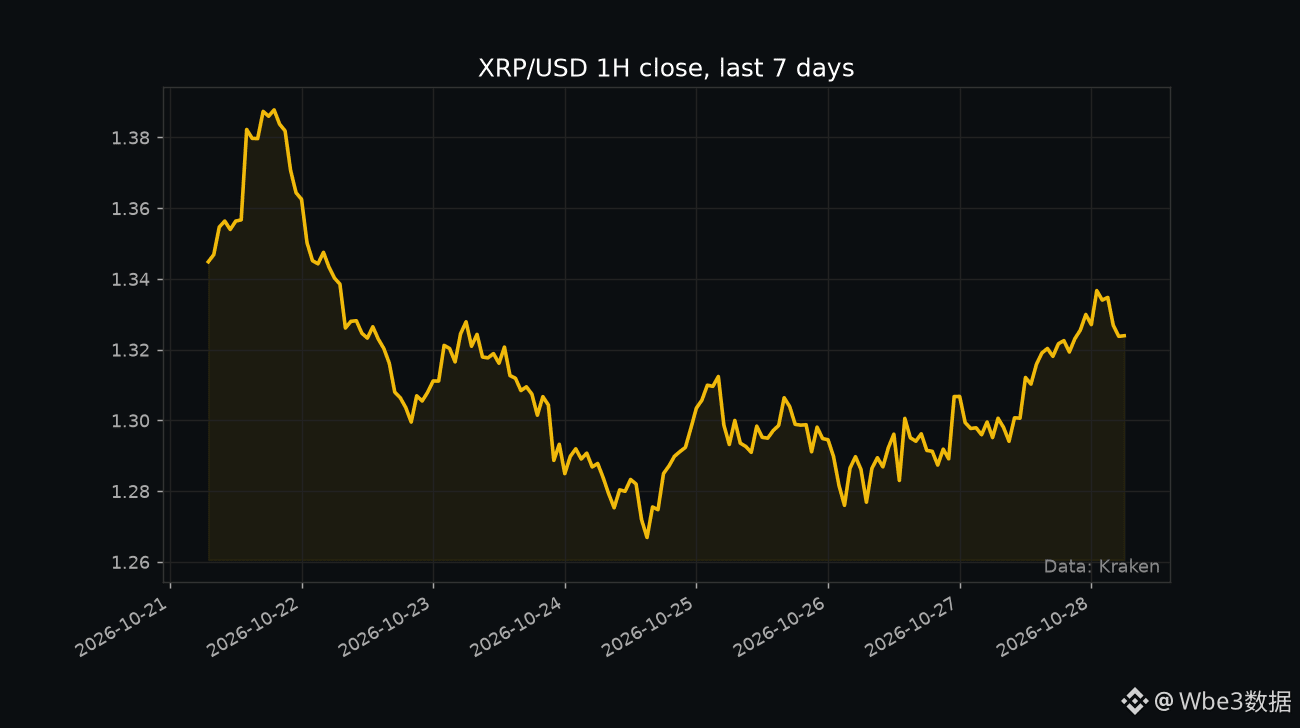
今天美联储公布利率决议,大盘在观望中小幅回升。Kraken 数据:XRP 约 1.32 美元,7 天区间 1.253–1.398;ETH 约 2,349 美元,7 天区间 2,280–2,525。
【XRP】
• 催化剂:据 The Block,Ripple 获得 OCC 国家信托银行最终批准,可托管 RLUSD 储备并提供机构托管;另据 Santiment,持仓 ≥1000 万枚的钱包占供应约 68.5%,为 2022 年以来最高。
• 价位:下方看 1.30 / 1.25 一带(本周低点 1.253),上方先看 1.36–1.40(7 天高点 1.398)。
• 风险:10 月累计约 -13.8%,价格仍在主要均线下方;巨鲸集中也意味着抛压集中。
【ETH】
• 基本面:以太坊链 TVL 约 464 亿美元(DefiLlama);但据 QCP,现货 ETF 已连续四周净流出,约 2.2 亿美元。
• 价位:QCP 提示 2,150 支撑、2,500 阻力;Glamsterdam 测试网推迟,短期升级利好有限。
• 风险:利率信号若偏鹰,高波动资产容易先承压。
决议公布前后波动可能放大,仓位和止损请自行控制。
你更看好机构叙事的 XRP,还是链上生态更厚的 ETH?评论区聊聊。
#XRP #ETH #美联储
数据来源:Kraken、DefiLlama、The Block、Santiment、QCP。不构成投资建议。
58
·
--
Tarjimani ko‘rish
二层网络的资金账本:Base 一家独大?
按 DefiLlama 刚取到的数据:以太坊主网 TVL 约 461.5 亿美元,Base 约 61.3 亿美元,Arbitrum 约 15.1 亿美元,Polygon 约 7.1 亿美元。
几个有意思的对比:
1)Base 的 TVL 相当于以太坊主网的约 13.3%;
2)Arbitrum 只有 Base 的约 25%,L2 内部的头部效应很明显;
3)资金集中在少数几条链,说明用户更看重流动性深度和应用生态,而不只是 TPS。
对普通用户来说,L2 的核心价值是更低的 Gas。但 TVL 只代表锁仓规模,不等于活跃度和安全性,跨链桥风险、排序器中心化程度也值得留意。
数据来源:DefiLlama。以上仅为数据观察,不构成投资建议。
你日常用得最多的是哪条 L2?为什么?
#Layer2 #Base #DeFi

88
·
--

Maqola
Tarjimani ko‘rish
新手科普:看懂链上收入榜,谁在真正赚钱新手科普:看懂“链上收入榜”,比盯K线更能分辨谁在真赚钱
很多新手看项目只看币价和热度,却忽略了一个更扎实的指标:协议收入(Fees/Revenue)。它回答一个朴素的问题:用户是不是真的在为这个产品付费?
一、什么是链上手续费与收入
手续费是用户使用协议时支付的总费用,比如交易费、借贷利息、发行稳定币的利差。其中一部分归流动性提供者或储备,一部分才是协议自身的收入。链上数据公开可查,不靠项目方自述,所以比“路线图”更难作假。
二、今天的数据怎么说(来源:DefiLlama,2026-10-27 晚)
• 全链上协议24小时手续费合计约6,711万美元,日环比+10.66%,7日变化-2.86%。
• 榜首是稳定币发行方Tether,约1,726万美元;第二是Circle(USDC),约682万美元。两家合计占全榜约三分之一。
• 随后是PumpSwap约308万、Hyperliquid永续约273万、Polymarket US约197万、pump.fun约197万美元。
• 公链TVL方面:以太坊约483亿美元,Tron约62亿、Base约60亿、Solana约57亿、BSC约55亿。
三、这几个数字能读出什么
1. 稳定币发行本质是“吃利息”的生意,收入榜被它们占据,说明链上最稳定的现金流来自美元资产的收益,而不是炒作。
2. Meme发射台、永续、预测市场出现在前排,说明真实需求集中在“交易与投机”场景,但这类收入随行情波动大,日环比+10%与周环比-3%同时出现就是例子。
3. TVL大不等于收入高:锁仓量是“存量”,手续费是“流量”,两者要一起看。
四、新手三步自查清单
1. 看7日、30日手续费趋势,而不是单日峰值。
2. 看收入是否来自真实使用(交易、借贷),还是靠代币补贴堆出来的。
3. 对比估值与收入,收入长期下滑而币价上涨时要多留个心眼。
五、风险提示
手续费数据可能被刷量、补贴短期推高;不同统计口径(Fees与Revenue)差异很大;榜单每天都在变,今天的排名不代表未来。
你平时研究项目时,最看重哪个指标:TVL、手续费还是用户数?评论区聊聊。
数据来源:DefiLlama。以上内容仅为数据分享,不构成投资建议。
#链上数据 #新手科普 #DeFi
新手科普:看懂链上收入榜,谁在真正赚钱
新手科普:看懂“链上收入榜”,比盯K线更能分辨谁在真赚钱
很多新手看项目只看币价和热度,却忽略了一个更扎实的指标:协议收入(Fees/Revenue)。它回答一个朴素的问题:用户是不是真的在为这个产品付费?
一、什么是链上手续费与收入
手续费是用户使用协议时支付的总费用,比如交易费、借贷利息、发行稳定币的利差。其中一部分归流动性提供者或储备,一部分才是协议自身的收入。链上数据公开可查,不靠项目方自述,所以比“路线图”更难作假。
二、今天的数据怎么说(来源:DefiLlama,2026-10-27 晚)
• 全链上协议24小时手续费合计约6,711万美元,日环比+10.66%,7日变化-2.86%。
• 榜首是稳定币发行方Tether,约1,726万美元;第二是Circle(USDC),约682万美元。两家合计占全榜约三分之一。
• 随后是PumpSwap约308万、Hyperliquid永续约273万、Polymarket US约197万、pump.fun约197万美元。
• 公链TVL方面:以太坊约483亿美元,Tron约62亿、Base约60亿、Solana约57亿、BSC约55亿。
三、这几个数字能读出什么
1. 稳定币发行本质是“吃利息”的生意,收入榜被它们占据,说明链上最稳定的现金流来自美元资产的收益,而不是炒作。
2. Meme发射台、永续、预测市场出现在前排,说明真实需求集中在“交易与投机”场景,但这类收入随行情波动大,日环比+10%与周环比-3%同时出现就是例子。
3. TVL大不等于收入高:锁仓量是“存量”,手续费是“流量”,两者要一起看。
四、新手三步自查清单
1. 看7日、30日手续费趋势,而不是单日峰值。
2. 看收入是否来自真实使用(交易、借贷),还是靠代币补贴堆出来的。
3. 对比估值与收入,收入长期下滑而币价上涨时要多留个心眼。
五、风险提示
手续费数据可能被刷量、补贴短期推高;不同统计口径(Fees与Revenue)差异很大;榜单每天都在变,今天的排名不代表未来。
你平时研究项目时,最看重哪个指标:TVL、手续费还是用户数?评论区聊聊。
数据来源:DefiLlama。以上内容仅为数据分享,不构成投资建议。
#链上数据 #新手科普 #DeFi
138
·
--
Tarjimani ko‘rish
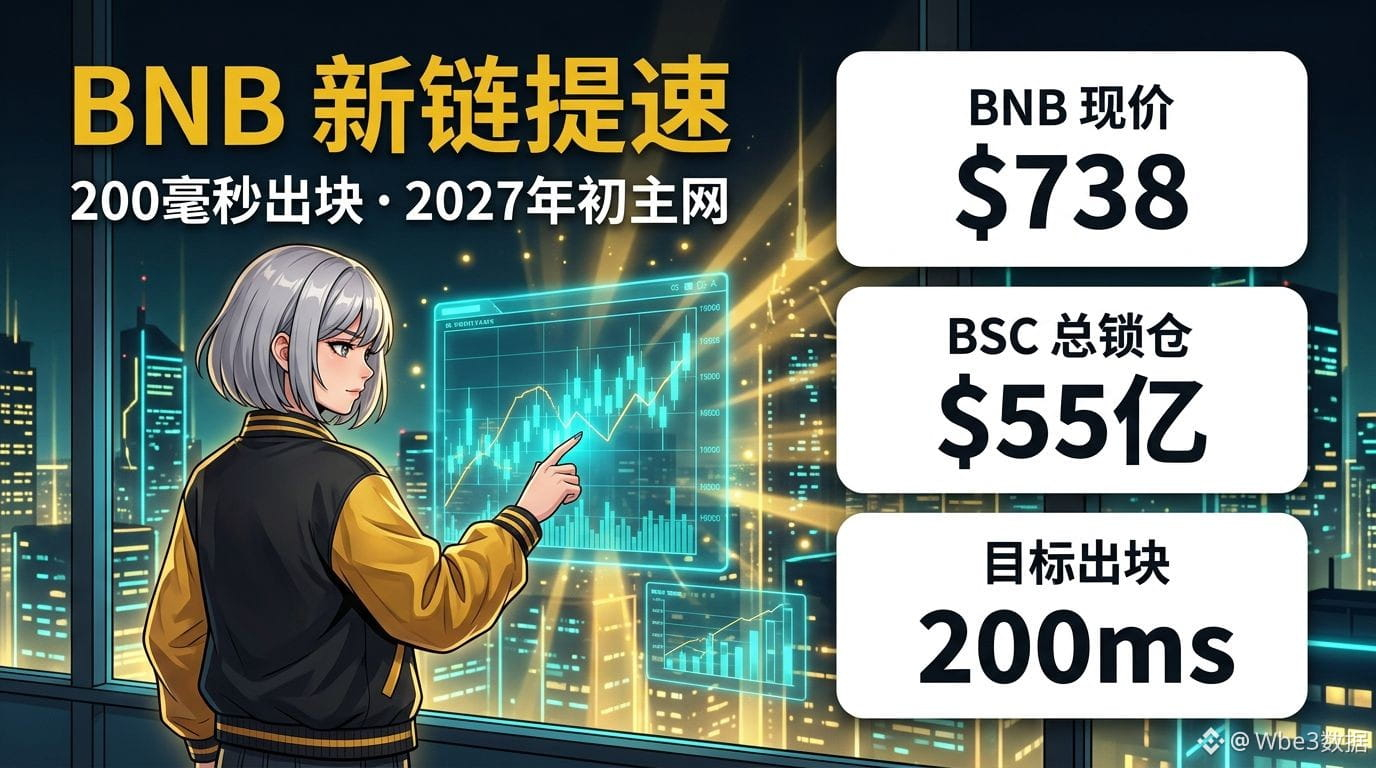
BNB 要上新链了:200 毫秒出块,但价格先走"横盘+观望"。
📌 事件:BNB Chain 技术文档(10 月 22 日更新)披露一条与 BSC 并行的 EVM 兼容新 L1,目标 200ms 出块、约 20ms 预确认,不发新币,继续用 BNB 付 Gas、质押和治理。目前只有内部多验证者开发网,公开测试网计划 2026 年底、主网 2027 年初。注意:这些仍是目标参数,不是实测数据。
📊 数据(Kraken / DefiLlama,今日 14:00 前后):
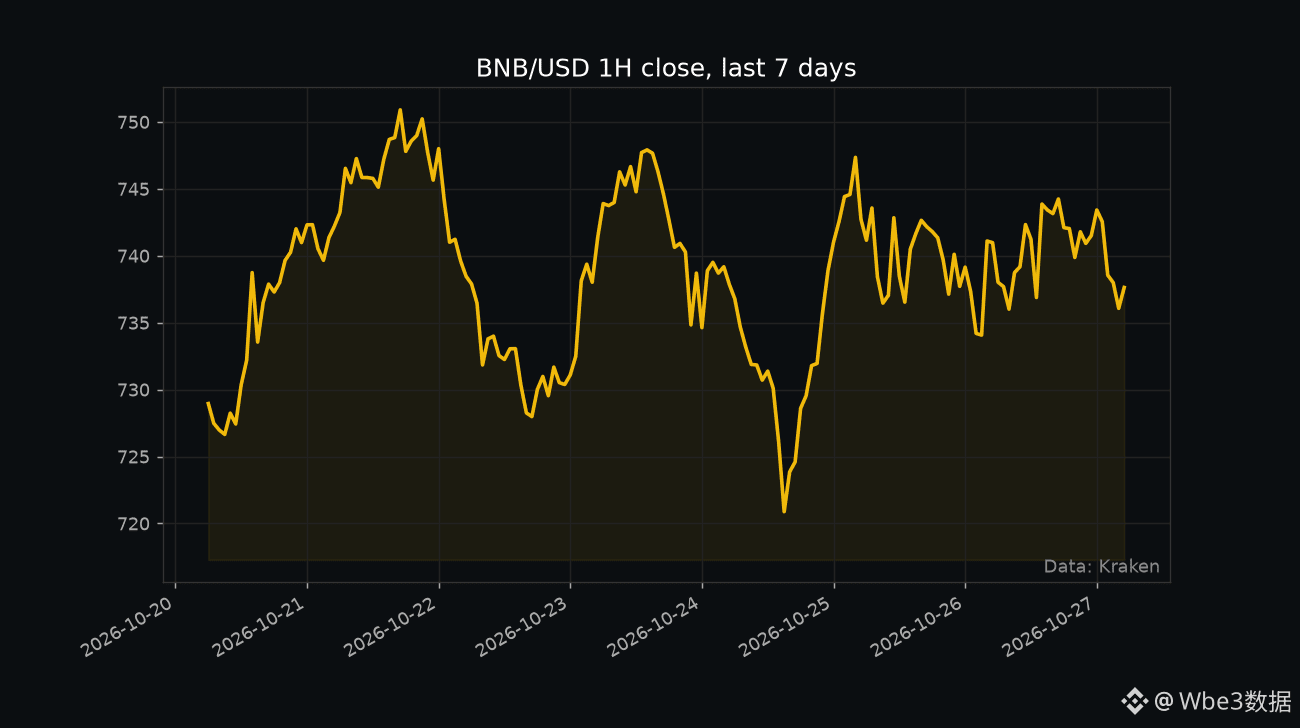
• $BNB 约 738 美元,24h 区间 731.3–746.1;近 7 天 1 小时收盘区间 720.9–750.9,窄幅震荡
• BSC 总锁仓约 54.96 亿美元,较 7 天前(59.34 亿)-7.4%,较 30 天前 -6.4%
• BSC 24h 手续费约 216 万美元,日环比 +15%;链上稳定币约 143 亿美元,基本持平
• $BTC 约 79,850,跌回 8 万下方,大盘偏谨慎
🎯 关键价位(仅作观察,非预测):
• 上方:746–751 是近一周高点区,放量站稳才有机会看 760
• 下方:731 为 24h 低点,725、720.9(7 日低)依次是前低
• 催化剂:新 L1 测试网进展、BSC 链上活跃度、本周美联储议息会议带来的宏观波动
⚠️ 风险:新链是中长期叙事,短期不等于涨;BSC 锁仓一周回落说明资金并未跟随消息涌入;宏观或 BTC 下跌时 BNB 也会被带动。
数据只是参考,仓位和止损请自行管理。你觉得"多链一币"能给 BNB 带来真实的需求,还是目前只是故事?评论区聊聊。
#BNB #BNBChain #内容挖矿
数据来源:Kraken、DefiLlama、BNB Chain 官方文档报道。不构成投资建议。
146
·
--
Tarjimani ko‘rish
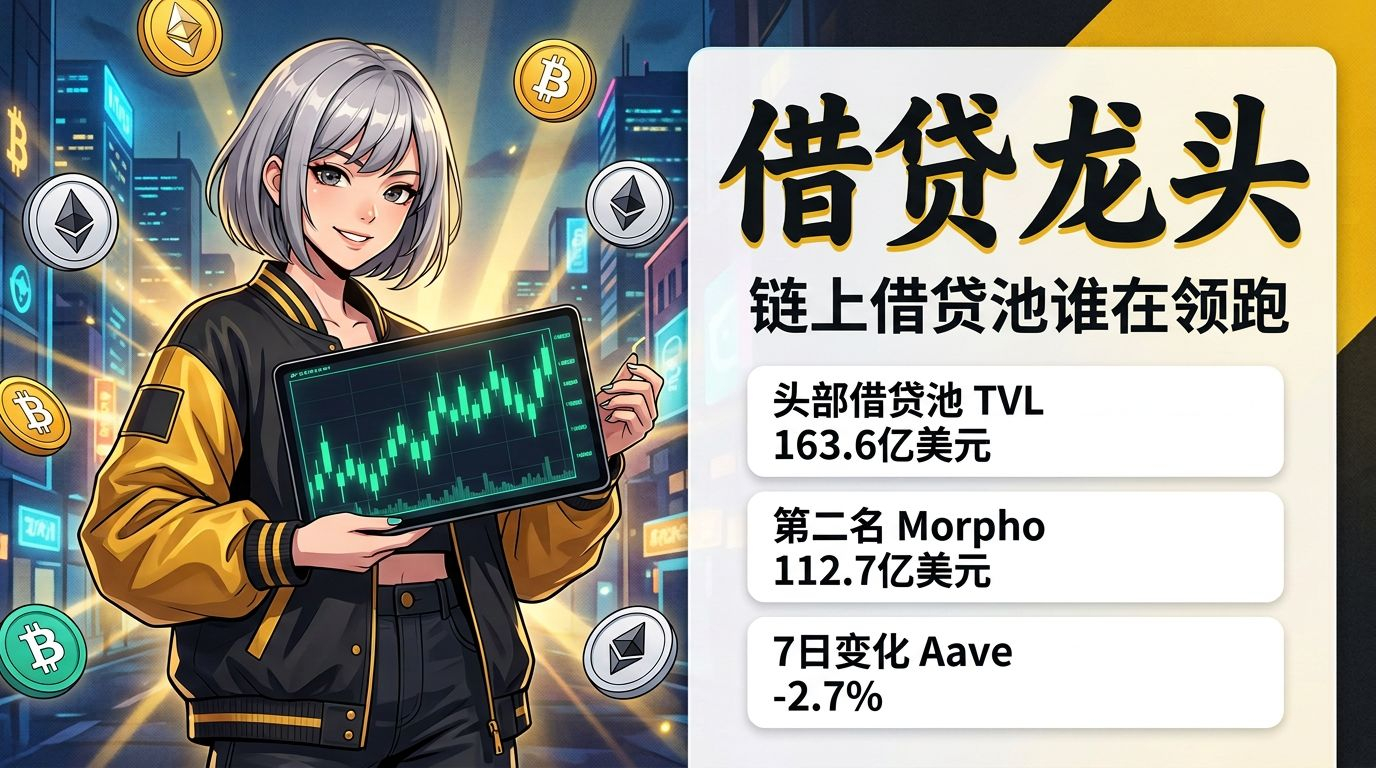
链上借贷这条赛道,最近有点“降温”。DefiLlama 刚取到的数据:Aave V3 的 TVL 约 163.6 亿美元,过去 24 小时 -0.6%,7 天 -2.7%;Morpho Blue 约 112.7 亿美元,7 天 +1.3%,是头部里少数逆势增长的;SparkLend 约 49.4 亿美元,7 天 -2.7%。
怎么看?借贷 TVL 同时受两件事影响:一是币价(抵押品价值,ETH 现在约 2,323 美元),二是用户是否愿意加杠杆或存币生息。头部整体小幅回落,更像是风险偏好收缩,而不是资金大规模出逃。Morpho 的增长说明资金在往“金库式、可定制风险参数”的模式迁移。
小提醒:借贷收益不是无风险的,要关注抵押率、清算线、预言机和合约风险。
你更偏好哪种借贷模式:Aave 这类大池子,还是 Morpho 这类分层金库?评论区聊聊。
数据来源:DefiLlama、Coinbase。不构成投资建议。
#DeFi #链上数据 #Aave
怎么看?借贷 TVL 同时受两件事影响:一是币价(抵押品价值,ETH 现在约 2,323 美元),二是用户是否愿意加杠杆或存币生息。头部整体小幅回落,更像是风险偏好收缩,而不是资金大规模出逃。Morpho 的增长说明资金在往“金库式、可定制风险参数”的模式迁移。
小提醒:借贷收益不是无风险的,要关注抵押率、清算线、预言机和合约风险。
你更偏好哪种借贷模式:Aave 这类大池子,还是 Morpho 这类分层金库?评论区聊聊。
数据来源:DefiLlama、Coinbase。不构成投资建议。
#DeFi #链上数据 #Aave
327
·
--
Tarjimani ko‘rish
BNB 第一次站上纳斯达克开市钟的舞台,CZ 也到场了
美东时间10月26日9:30(北京时间晚上21:30),全球最大的 BNB 企业金库 BNB Standard(纳斯达克代码 BNC)在纽约时代广场敲响开市钟,CZ 与公司董事会、管理层一起出席,YZi Labs 和 BNB Chain 的人也在现场。
先说清楚:这不是新股上市。BNC 前身是 CEA Industries,股票一直在纳斯达克交易,9月29日改名 BNB Standard(社区投票选出,约5,799票,得票约47%),10月19日 Alex Odagiu 正式出任 CEO。这次敲钟是庆祝新名字和新管理层。
几个关键数字:
· 截至7月31日持有 515,544 枚 BNB,当时价值约3.02亿美元
· BNB 占公司总资产约 93.1%
· 计划自己运行 BNB Chain 验证节点,并通过合规托管方做质押
· 2025年7月启动金库策略,当时宣布5亿美元私募,YZi Labs、10X Capital 参与
为什么值得关注?
它的模式类似"BNB 版 Strategy":用美股融资去持有 BNB,让不能直接买币的机构也能通过股票拿到 BNB 敞口。CZ 现场也提到,BNB Chain 每天约300万用户、出块约0.5秒。
但也要冷静:敲钟本身不等于金库增持,股价和 BNB 高度绑定,币价跌时股票通常跌得更狠。$BNB 现在约741美元,周末一直在736-750区间横盘。
你觉得 BNB 金库公司会像 Strategy 带动 BTC 那样,给 BNB 带来持续买盘吗?评论区聊聊。
以上信息来自公司公告及公开报道,不构成投资建议。
#BNB #BNC #纳斯达克

467
·
--
Tarjimani ko‘rish
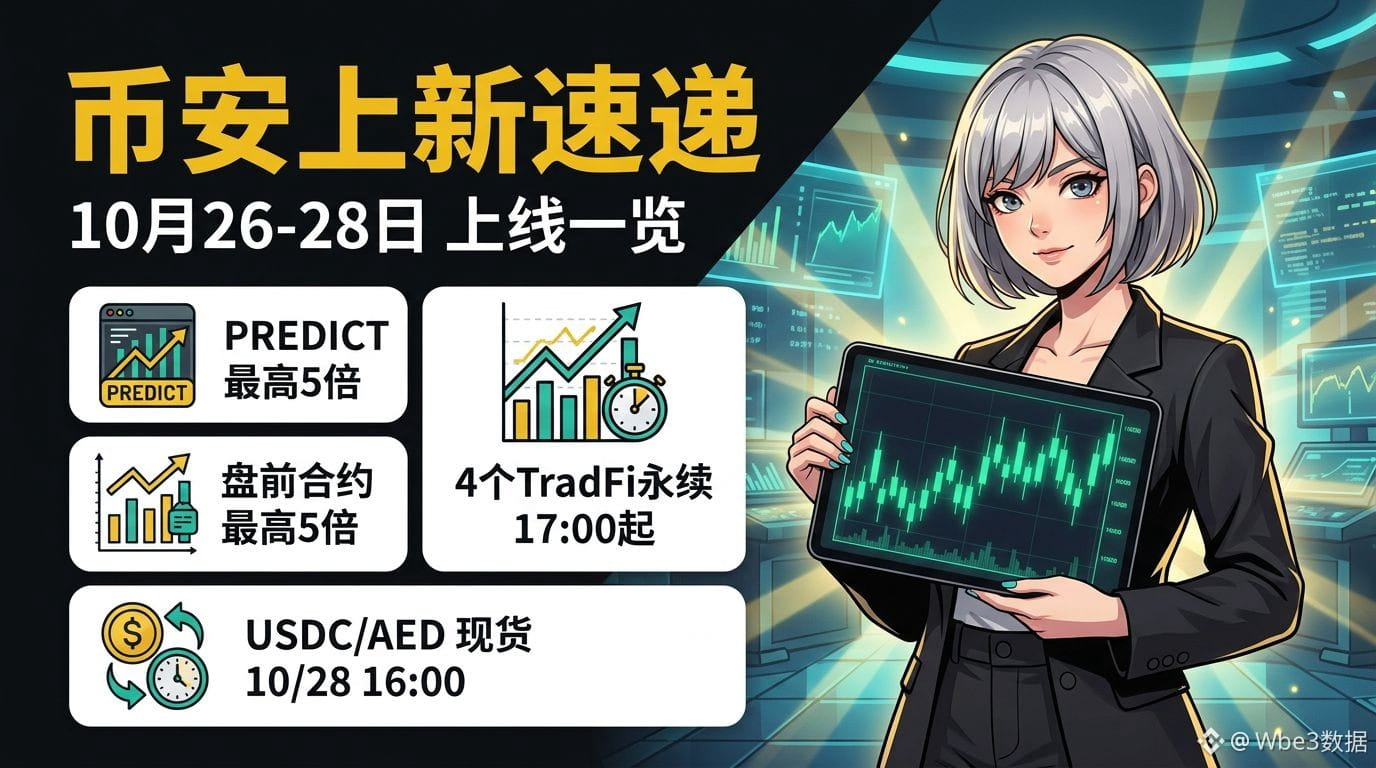
币安上新速递|10月26日-28日,这几条上线信息别错过
1)PREDICT 盘前永续合约
10月25日15:45(东八区)已上线 PREDICTUSDT 盘前永续,最高5倍杠杆,资金费每4小时结算。标的是 BNB Chain 上的预测市场 Predict.fun,目前还没有现货。注意:合约上线不代表一定上现货,盘前波动通常更大。
2)4个 TradFi U本位永续
10月26日17:00起每隔5分钟依次上线:EIDOUSDT、EQTUSDT、STMUSDT、ABBVUSDT,24/7 交易。传统资产搬上合约,币安这波 TradFi 扩张还在加速。
3)USDC/AED 现货交易对
10月28日16:00(东八区)开放交易,同时支持现货算法订单。AED 是阿联酋迪拉姆,属于法币通道,中东入金又多一条路。
4)Alpha 交易赛:Axis Robotics
第一期10月26日21:00 至 11月2日21:00(东八区),按买入量排名,前2000名平分 386,000 枚 AXIS,每人193枚;头两天交易量按3倍计算。
5)Alpha 下架提醒
PTB、AA、OWL、DORA、ELIZAOS、MEMES、哭哭马 已被移出 Alpha,持有的朋友留意卖出或提现安排。
$BNB 目前约 741 美元,24小时区间 731-746,平台活动密集期,BNB 的使用场景还在变多。
以上信息来自币安官方公告,具体以公告原文为准,不构成投资建议。
你最关注哪一条?PREDICT 会不会很快上现货?评论区聊聊。
#币安上新 #BNB #Alpha
13
·
--
Maqola
Tarjimani ko‘rish
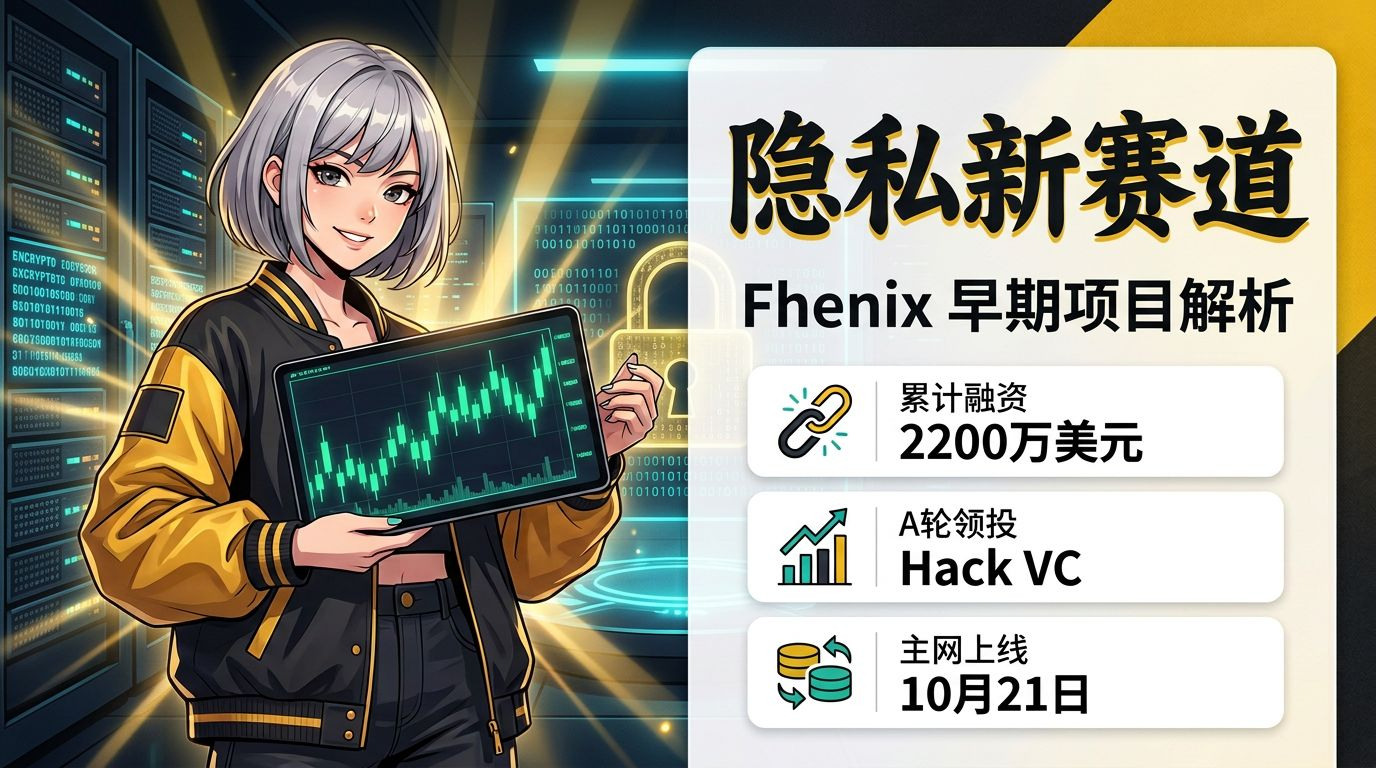
隐私赛道新星 Fhenix:融资2200万美元、主网刚上线,普通人能怎么参与?很多人把"撸毛"理解成刷交互,但真正有价值的是先看清项目:谁投的、做什么、现在能做什么、风险在哪。今天聊的是隐私赛道的 Fhenix,项目方尚未发币,下面的信息都基于公开资料。
一、它在做什么
Fhenix 做的是全同态加密(FHE)相关的基础设施。核心产品叫 CoFHE,可以理解为一个"加密计算协处理器":智能合约把加密后的数据交给它,它在链下完成计算,再把仍然加密的结果返回给合约,全程不暴露余额、仓位、交易策略等敏感信息。开发者只需在 Solidity 里引入一个库即可接入。它还提供"双模式代币":同一个代币既可以是公开余额,也可以一键切换为保密余额。
二、融资背景
据项目方官网 FAQ,Fhenix 累计融资超过 2200 万美元,其中 A 轮 1500 万美元由 Hack VC 领投,另有 700 万美元种子轮。此外,据其官方博客,日本 IT 企业 BIPROGY 及 Offchain Labs 旗下的 Tandem 也有战略投资。以上融资数字来自项目方自述,建议你自己在官网核对。
三、目前进展
据多家媒体报道,CoFHE 已于 10 月 21 日在以太坊和 Arbitrum 主网上线,首批设计合作方为 Obolos 和 Alpha Engine。需要注意:主网目前仅限项目方审核通过的合约使用,普通用户暂时无法直接在主网做大量交互;以太坊 Sepolia、Arbitrum Sepolia 和 Base Sepolia 三条测试网仍对开发者和用户开放。据 TokenPost 报道,项目方计划在第四季度再推出三个 dApp,并在未来几周公布两项机构合作。
四、普通用户可以怎么做(概括)
1. 先搜索 Fhenix 官方 X 账号,从官网进入,不要点陌生人发来的链接。
2. 准备一个专门用于测试网的钱包,不要和主力资产混用。
3. 在测试网水龙头领取测试币(免费,无真实价值)。
4. 在官方 dApp 中体验加密、解密、创建代币、铸造、屏蔽与取消屏蔽(Shield/Unshield)、转账等功能,并尝试不同网络。
5. 持续、真实地使用,比一次性刷完更有意义。
五、预计成本
测试网只需要水龙头测试币,几乎没有成本。如果以后主网开放交互,才会产生真实的 Gas,具体以当时费用为准。
六、风险提醒
1. 目前没有任何官方代币或空投的公告。据其奖励商店说明,任务积分只能兑换周边商品,与代币发行、空投无关。预测市场上相关赔率也只是市场情绪,不是承诺。
2. 仿冒网站和假空投非常多,凡是要求你输入助记词、授权不明合约的,一律不要操作。
3. 若将来真有激励,通常会有反女巫规则,批量多号很可能被剔除。
4. FHE 技术仍处早期,主网也有白名单限制,进展不确定。
只从官网和官方 X 进入,谨防仿冒;本文所有内容仅为信息整理,不构成投资建议,也不代表一定会有代币。
你更看好隐私赛道的哪类应用:保密稳定币、机构级隐私还是链上交易策略保护?评论区聊聊。
#Fhenix #隐私赛道 #早期项目
隐私赛道新星 Fhenix:融资2200万美元、主网刚上线,普通人能怎么参与?
很多人把"撸毛"理解成刷交互,但真正有价值的是先看清项目:谁投的、做什么、现在能做什么、风险在哪。今天聊的是隐私赛道的 Fhenix,项目方尚未发币,下面的信息都基于公开资料。
一、它在做什么
Fhenix 做的是全同态加密(FHE)相关的基础设施。核心产品叫 CoFHE,可以理解为一个"加密计算协处理器":智能合约把加密后的数据交给它,它在链下完成计算,再把仍然加密的结果返回给合约,全程不暴露余额、仓位、交易策略等敏感信息。开发者只需在 Solidity 里引入一个库即可接入。它还提供"双模式代币":同一个代币既可以是公开余额,也可以一键切换为保密余额。
二、融资背景
据项目方官网 FAQ,Fhenix 累计融资超过 2200 万美元,其中 A 轮 1500 万美元由 Hack VC 领投,另有 700 万美元种子轮。此外,据其官方博客,日本 IT 企业 BIPROGY 及 Offchain Labs 旗下的 Tandem 也有战略投资。以上融资数字来自项目方自述,建议你自己在官网核对。
三、目前进展
据多家媒体报道,CoFHE 已于 10 月 21 日在以太坊和 Arbitrum 主网上线,首批设计合作方为 Obolos 和 Alpha Engine。需要注意:主网目前仅限项目方审核通过的合约使用,普通用户暂时无法直接在主网做大量交互;以太坊 Sepolia、Arbitrum Sepolia 和 Base Sepolia 三条测试网仍对开发者和用户开放。据 TokenPost 报道,项目方计划在第四季度再推出三个 dApp,并在未来几周公布两项机构合作。
四、普通用户可以怎么做(概括)
1. 先搜索 Fhenix 官方 X 账号,从官网进入,不要点陌生人发来的链接。
2. 准备一个专门用于测试网的钱包,不要和主力资产混用。
3. 在测试网水龙头领取测试币(免费,无真实价值)。
4. 在官方 dApp 中体验加密、解密、创建代币、铸造、屏蔽与取消屏蔽(Shield/Unshield)、转账等功能,并尝试不同网络。
5. 持续、真实地使用,比一次性刷完更有意义。
五、预计成本
测试网只需要水龙头测试币,几乎没有成本。如果以后主网开放交互,才会产生真实的 Gas,具体以当时费用为准。
六、风险提醒
1. 目前没有任何官方代币或空投的公告。据其奖励商店说明,任务积分只能兑换周边商品,与代币发行、空投无关。预测市场上相关赔率也只是市场情绪,不是承诺。
2. 仿冒网站和假空投非常多,凡是要求你输入助记词、授权不明合约的,一律不要操作。
3. 若将来真有激励,通常会有反女巫规则,批量多号很可能被剔除。
4. FHE 技术仍处早期,主网也有白名单限制,进展不确定。
只从官网和官方 X 进入,谨防仿冒;本文所有内容仅为信息整理,不构成投资建议,也不代表一定会有代币。
你更看好隐私赛道的哪类应用:保密稳定币、机构级隐私还是链上交易策略保护?评论区聊聊。
#Fhenix #隐私赛道 #早期项目
43
·
--
Tasdiqlangan
Tarjimani ko‘rish
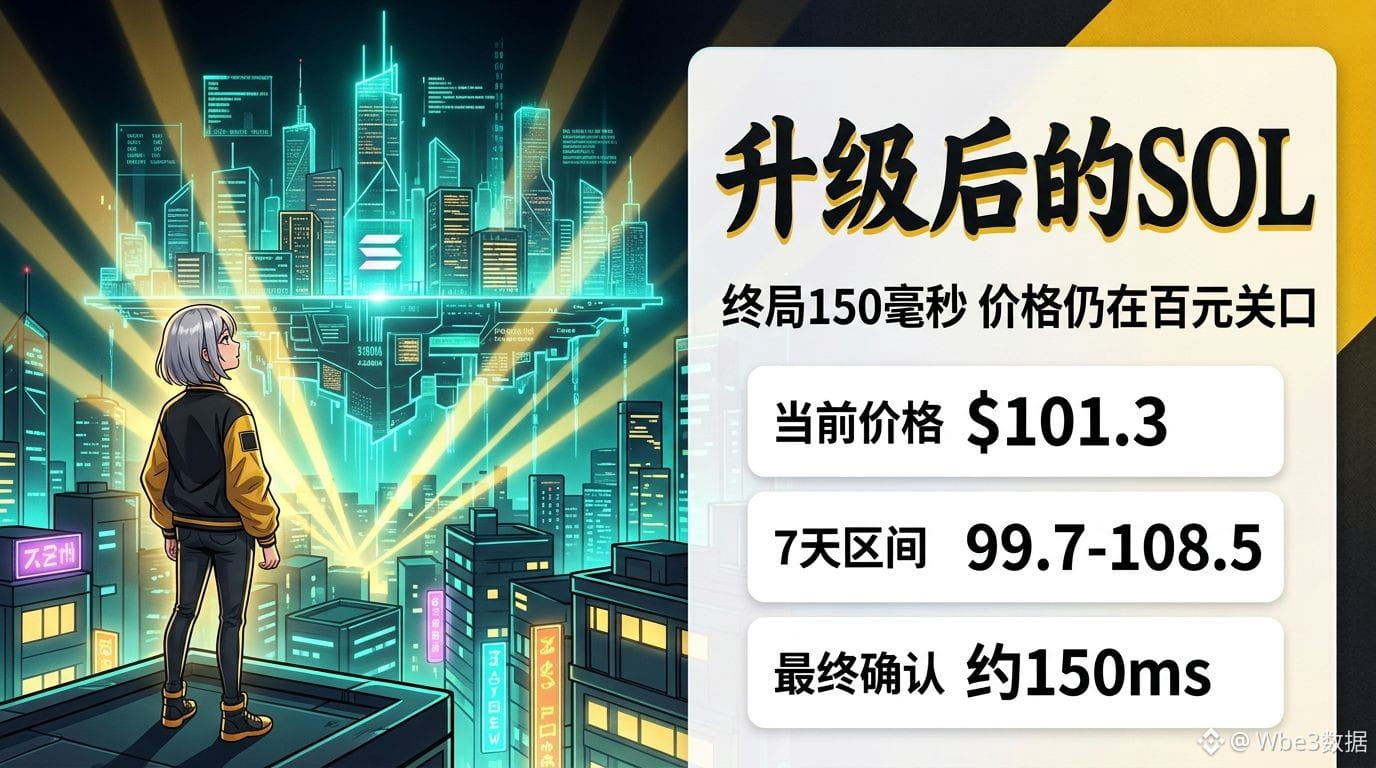
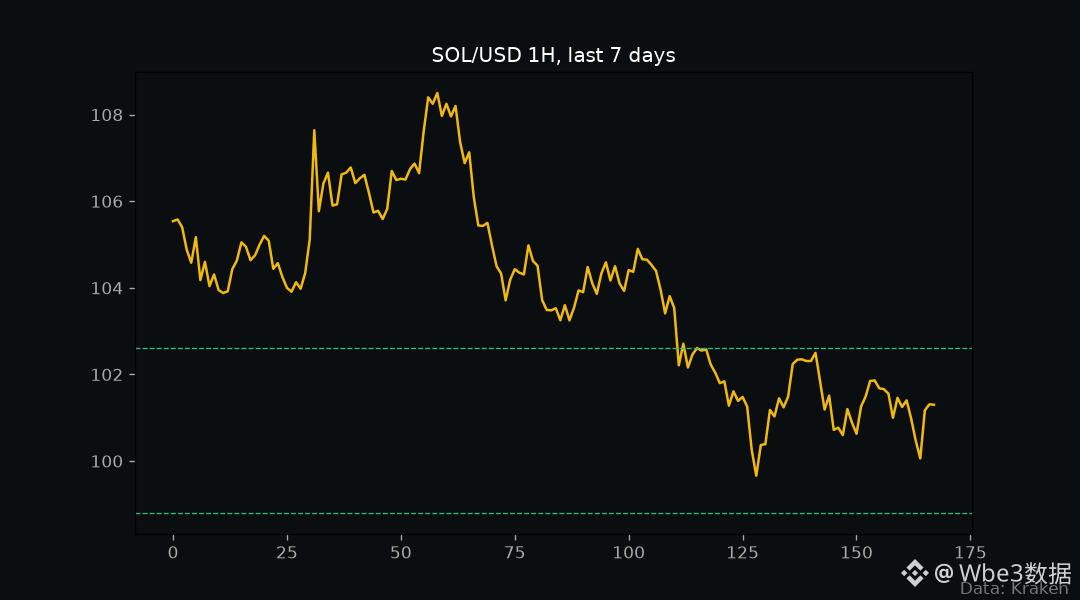
$SOL 升级后的第五天:Alpenglow 10月21日在主网激活,据 Anza 披露最终确认时间从约12.8秒降到约150毫秒。技术是大利好,但价格给的是“利好兑现”:Kraken 数据显示 SOL 现价约 101.3 美元,过去7天区间 99.7–108.5,升级后一度冲到 109 附近又回落。
关键价位(来自近7天小时线,仅作观察):
• 下方 98.8–99.7:近一周低点区,跌破说明短线情绪转弱
• 上方 102.6、108.5:前者是近期反复受阻位,后者是一周高点
催化剂:JPMorgan 把代币化货币基金上线 Solana,Samsung Wallet 预告本月底支持 USDC 跨境转账;Solana 链上 TVL 约 57.3 亿美元、稳定币规模约 158 亿美元,基本面在涨,资金面却被现货 ETF 净流出压着。
风险:ETF 持续流出、美债收益率上行压制山寨、部分验证节点尚在升级,网络表现仍需观察。
你觉得“技术升级”和“价格”哪个先到位?
数据:Kraken、DefiLlama。不构成投资建议。
#Solana #Alpenglow
1
101
·
--
Tarjimani ko‘rish
看了一眼 DefiLlama 的公链 TVL 排名,格局挺有意思:
• 以太坊 约485.6亿美元,仍然遥遥领先
• Base 约60.1亿
• BSC 约57.9亿
• Solana 约57.5亿
• Tron 约54.7亿
• Bitcoin 链上 约42.9亿
第二到第五名只差不到 6 亿美元,座次随时可能互换。再看全行业链上手续费,过去 24 小时约 6,290 万美元,日环比 -4.13%;其中 Tether 贡献约 1,727 万、USDC 约 684 万,稳定币发行方依然是“收费大户”。
TVL 只是衡量沉淀资金的一个维度,不等于活跃度,也别只看单日数字,建议结合手续费、用户数一起看。
数据来源:DefiLlama。你觉得下一个能挤进前三的公链会是谁?
#链上数据 #DeFi
不构成投资建议。
253
·
--
Maqola
Tarjimani ko‘rish
比特币算力重回1 ZH/s:矿工转AI,网络却更挤了比特币算力重回1 ZH/s:矿工在“转AI”,网络却更挤了
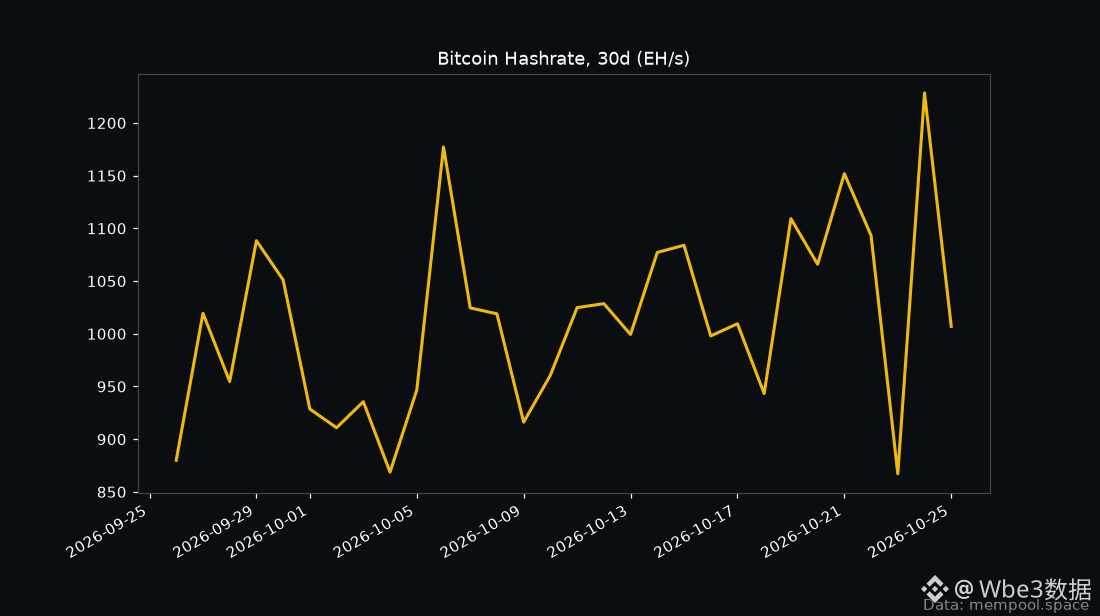
先说结论:一边是上市矿企纷纷把电力和机房转向AI/高性能计算,另一边比特币全网算力却回到了7个月高位。这两件事并不矛盾,值得拆开看。
一、数据怎么说
• 据BlocksBridge Miner Weekly,比特币7日平均算力已回升到1 ZH/s(=1,000 EH/s)上方,为3月3日以来最高。
• 10月16日的难度调整为+5.92%,难度升至140.58T。
• mempool.space 当前数据:难度调整进度约67.6%,预计下次调整约+4.9%,大约在10月29日前后(具体取决于出块速度)。
• 我们用 mempool.space 的30日日度数据画了图:区间大约在870–1,230 EH/s之间,波动很大,单日值不要过度解读,看7日均值更可靠。
二、为什么“转AI”没让挖矿变轻松
据TokenPost引用的数据,上半年上市矿企自身的实际算力下降约15%,全网下降约10%,同时这些公司的HPC/AI收入大幅增长。但全网算力回升说明:大型公司腾出的机器,可能被规模较小的矿工接手;也有新的矿机在上线。所以个别公司的战略转向,不能直接当作全网竞争减弱的信号。
三、难度上调意味着什么
难度每2016个区块调整一次,目的是让出块间隔回到约10分钟。算力增长→出块偏快→难度上调。对矿工来说,同样的算力分到的区块奖励变少,利润空间更多取决于币价和电价。这也是为什么能效差的老矿机最先承压。
四、链上其他侧面
当前BTC交易手续费很低:mempool.space推荐费率最快约3 sat/vB,其余档位约1 sat/vB,说明链上拥堵程度不高。矿工收入目前主要依赖区块补贴。长期看,手续费收入占比是行业关注的变量。BTC现货约80,300美元(Coinbase)。
五、怎么看
算力是网络安全性的参考指标之一:算力越高,攻击成本越高。但它不直接预测价格,两者短期相关性并不稳定。更值得跟踪的是难度调整后的矿工抛压、矿企财报以及手续费的变化。
数据来源:mempool.space、Coinbase、BlocksBridge/Cointelegraph、TokenPost。
你觉得矿企转向AI,长期会让比特币安全性变强还是变弱?欢迎留言聊聊。
#比特币 #挖矿 #链上数据
以上仅为数据解读,不构成投资建议。
比特币算力重回1 ZH/s:矿工转AI,网络却更挤了
比特币算力重回1 ZH/s:矿工在“转AI”,网络却更挤了
先说结论:一边是上市矿企纷纷把电力和机房转向AI/高性能计算,另一边比特币全网算力却回到了7个月高位。这两件事并不矛盾,值得拆开看。
一、数据怎么说
• 据BlocksBridge Miner Weekly,比特币7日平均算力已回升到1 ZH/s(=1,000 EH/s)上方,为3月3日以来最高。
• 10月16日的难度调整为+5.92%,难度升至140.58T。
• mempool.space 当前数据:难度调整进度约67.6%,预计下次调整约+4.9%,大约在10月29日前后(具体取决于出块速度)。
• 我们用 mempool.space 的30日日度数据画了图:区间大约在870–1,230 EH/s之间,波动很大,单日值不要过度解读,看7日均值更可靠。
二、为什么“转AI”没让挖矿变轻松
据TokenPost引用的数据,上半年上市矿企自身的实际算力下降约15%,全网下降约10%,同时这些公司的HPC/AI收入大幅增长。但全网算力回升说明:大型公司腾出的机器,可能被规模较小的矿工接手;也有新的矿机在上线。所以个别公司的战略转向,不能直接当作全网竞争减弱的信号。
三、难度上调意味着什么
难度每2016个区块调整一次,目的是让出块间隔回到约10分钟。算力增长→出块偏快→难度上调。对矿工来说,同样的算力分到的区块奖励变少,利润空间更多取决于币价和电价。这也是为什么能效差的老矿机最先承压。
四、链上其他侧面
当前BTC交易手续费很低:mempool.space推荐费率最快约3 sat/vB,其余档位约1 sat/vB,说明链上拥堵程度不高。矿工收入目前主要依赖区块补贴。长期看,手续费收入占比是行业关注的变量。BTC现货约80,300美元(Coinbase)。
五、怎么看
算力是网络安全性的参考指标之一:算力越高,攻击成本越高。但它不直接预测价格,两者短期相关性并不稳定。更值得跟踪的是难度调整后的矿工抛压、矿企财报以及手续费的变化。
数据来源:mempool.space、Coinbase、BlocksBridge/Cointelegraph、TokenPost。
你觉得矿企转向AI,长期会让比特币安全性变强还是变弱?欢迎留言聊聊。
#比特币 #挖矿 #链上数据
以上仅为数据解读,不构成投资建议。
56
·
--
Tarjimani ko‘rish
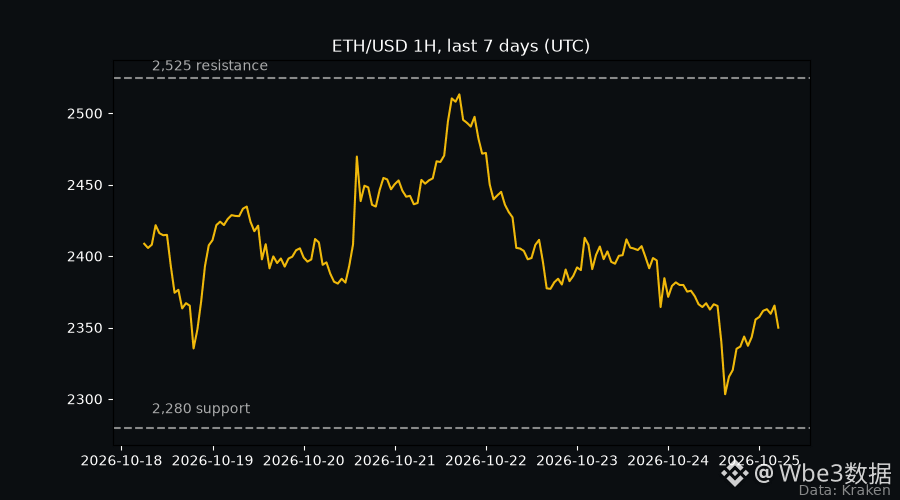
$ETH 过去7天在 2,280–2,525 美元区间震荡,当前约 2,350,较一周前的 2,409 回落约 2.4%。
关键位置:
• 下方 2,280 是本周低点,若放量跌破,短线结构偏弱
• 上方 2,525 是本周高点,需要放量站稳才能确认反弹
• 以太坊链上 TVL 约 490 亿美元(DefiLlama),仍是 DeFi 资金最集中的公链
催化剂:DEX 成交近期回升、链上稳定币流动、后续网络升级进展。
风险点:美元流动性收紧、稳定币供应持续回吐、市场整体风险偏好下降,都可能压制价格。
以上是价位观察,不是预测,请自行控制仓位与风险。你觉得 ETH 本周更可能守住 2,280 还是下探?
数据来源:Kraken、DefiLlama。不构成投资建议。
#ETH #以太坊 #链上数据
关键位置:
• 下方 2,280 是本周低点,若放量跌破,短线结构偏弱
• 上方 2,525 是本周高点,需要放量站稳才能确认反弹
• 以太坊链上 TVL 约 490 亿美元(DefiLlama),仍是 DeFi 资金最集中的公链
催化剂:DEX 成交近期回升、链上稳定币流动、后续网络升级进展。
风险点:美元流动性收紧、稳定币供应持续回吐、市场整体风险偏好下降,都可能压制价格。
以上是价位观察,不是预测,请自行控制仓位与风险。你觉得 ETH 本周更可能守住 2,280 还是下探?
数据来源:Kraken、DefiLlama。不构成投资建议。
#ETH #以太坊 #链上数据
153
·
--
Tarjimani ko‘rish
周末看一眼 DEX 链上成交:DefiLlama 数据显示,过去 24 小时 DEX 总成交约 69.7 亿美元,日环比 -9.0%;近 7 天累计约 518 亿美元,周环比 +23.4%。
分项上,Uniswap V3 约 8.2 亿(-13.6%),Uniswap V4 约 6.6 亿(-27.1%),PancakeSwap AMM V3 约 6.9 亿,Aerodrome Slipstream 约 3.2 亿(-9.4%)。
我的观察:一周整体放量,但周末单日回落明显,常见的周末交易清淡特征;V4 单日降幅大于 V3,短期成交波动不宜过度解读,看周均值更稳。
数据来源:DefiLlama,仅为公开数据整理,不构成投资建议。
你更常在哪条链、哪个 DEX 交易?为什么?
#DeFi #DEX #链上数据
分项上,Uniswap V3 约 8.2 亿(-13.6%),Uniswap V4 约 6.6 亿(-27.1%),PancakeSwap AMM V3 约 6.9 亿,Aerodrome Slipstream 约 3.2 亿(-9.4%)。
我的观察:一周整体放量,但周末单日回落明显,常见的周末交易清淡特征;V4 单日降幅大于 V3,短期成交波动不宜过度解读,看周均值更稳。
数据来源:DefiLlama,仅为公开数据整理,不构成投资建议。
你更常在哪条链、哪个 DEX 交易?为什么?
#DeFi #DEX #链上数据
64
·
--
Maqola
Tarjimani ko‘rish
稳定币17天回吐51亿:资金是离场还是在休息?周末复盘,今天不聊K线,聊市场的"弹药库"——稳定币。
价格反映的是情绪,稳定币供应反映的是场内到底有多少美元在等着干活。把这几组链上数据放在一起看,比单看 BTC 涨跌更能说明这一周发生了什么。
一、总量:17 天回吐 51 亿美元
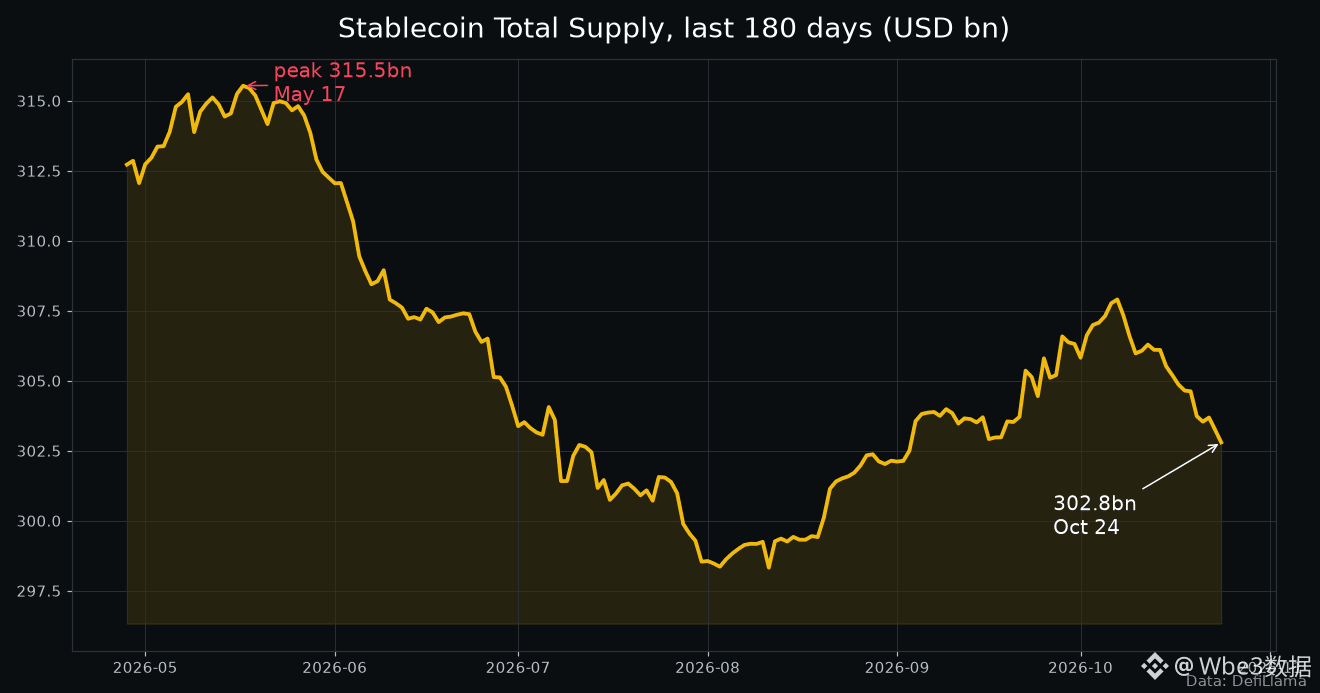
DefiLlama 数据显示,截至 10 月 24 日,全市场稳定币总供应约 3028 亿美元。
几个关键节点:
• 5 月 17 日:年内高点约 3155 亿
• 8 月 11 日:阶段低点约 2983 亿
• 10 月 7 日:反弹高点约 3079 亿
• 10 月 24 日:约 3028 亿
也就是说,8 月到 10 月初这一轮稳定币回流了近 100 亿,但最近 17 天又回吐约 51 亿(-1.7%),过去 7 天单周减少约 21 亿。新增资金的节奏明显放缓了,这和 BTC 冲 85,000 未果、回到 80,000 附近的走势基本同步。
二、结构:USDC 掉得比 USDT 快
• USDT:约 1824 亿,占比约 60%。近 7 天减少约 10 亿,近 30 天减少约 9 亿,整体算稳。
• USDC:约 718 亿,占比约 24%。近 30 天从约 754 亿降到 718 亿,减少约 36 亿,降幅 4.8%。
• USDe:约 46 亿,30 天减少约 3 亿;USD1 约 40 亿,30 天减少约 4 亿。
• 逆势增长的是 USDS(约 69 亿,30 天增加约 3 亿)。
USDC 更多对应美国机构和合规渠道的资金,它的持续收缩,和这周美国现货 BTC ETF 的资金流向能对上:10 月 22 日单日净流出 6.35 亿美元,是 6 月下旬以来最大的单日流出,结束了此前连续三天的净流入。机构这边的态度偏谨慎。
三、DEX 交易量:月环比 -24%
DefiLlama 口径下,全网 DEX 近 24 小时成交约 77.9 亿美元,近 7 天约 537.6 亿(周环比 -6.2%),近 30 天约 2605 亿,比上一个 30 天下降约 24%。
一个简单的观察指标:30 天 DEX 成交额 ÷ 稳定币总量,现在大约是 0.86。稳定币减少了 1.7%,成交却少了四分之一——说明问题不只是"钱少了",更是"钱不愿意动"。场内资金更多在观望,而不是在换仓。
四、本周两条值得记住的稳定币新闻
1)美国 OCC 在 10 月 21 日发布了 GENIUS 法案下首份稳定币最终规则,覆盖储备资产、赎回、风险管理、托管和发行方监管,2027 年 1 月 18 日生效。合规框架越清楚,传统机构进场的门槛就越低,这是中长期的增量逻辑。
2)汇丰通过 PayMe 推出港元稳定币 RedCoin(RCHKD),面向零售用户,可在超过 10 万家商户使用。银行系稳定币开始进入日常支付场景,稳定币的使用边界正在从"交易筹码"扩展到"支付工具"。
五、怎么解读?
短期看,稳定币总量回落 + DEX 成交萎缩 + ETF 流出,三个信号指向同一个结论:增量资金在休息,市场缺少主动买盘。BTC 目前约 80,680 美元,ETH 约 2,367 美元,都在关键整数关口附近震荡。
但也别过度悲观:
• 3000 亿以上的稳定币存量仍在,弹药并没有撤离,只是没在开火;
• USDT 体量基本稳住,说明链上和场外的基础需求还在;
• 监管和银行系产品落地,属于慢变量,影响的是未来一两年的天花板。
下周有美联储议息会议,宏观数据也比较密集。我个人会重点盯两件事:稳定币总量能否守住 3000 亿,以及 USDC 的 30 天变化能否由负转正。这两个指标拐头,往往比价格更早告诉我们资金是否回来了。
新手小贴士:DefiLlama 的稳定币页面免费可查,每天花一分钟看总量和 7 日变化,比刷消息面更能帮你判断市场温度。
你平时会看稳定币数据吗?你觉得这一轮是"资金离场"还是"资金休息"?评论区聊聊。
数据来源:DefiLlama(稳定币、DEX 数据,截至 2026-10-24),行情来自 Coinbase 现货报价。以上仅为数据观察与个人观点,不构成投资建议。
#稳定币 #链上数据 #周末复盘
稳定币17天回吐51亿:资金是离场还是在休息?
周末复盘,今天不聊K线,聊市场的"弹药库"——稳定币。
价格反映的是情绪,稳定币供应反映的是场内到底有多少美元在等着干活。把这几组链上数据放在一起看,比单看 BTC 涨跌更能说明这一周发生了什么。
一、总量:17 天回吐 51 亿美元
DefiLlama 数据显示,截至 10 月 24 日,全市场稳定币总供应约 3028 亿美元。
几个关键节点:
• 5 月 17 日:年内高点约 3155 亿
• 8 月 11 日:阶段低点约 2983 亿
• 10 月 7 日:反弹高点约 3079 亿
• 10 月 24 日:约 3028 亿
也就是说,8 月到 10 月初这一轮稳定币回流了近 100 亿,但最近 17 天又回吐约 51 亿(-1.7%),过去 7 天单周减少约 21 亿。新增资金的节奏明显放缓了,这和 BTC 冲 85,000 未果、回到 80,000 附近的走势基本同步。
二、结构:USDC 掉得比 USDT 快
• USDT:约 1824 亿,占比约 60%。近 7 天减少约 10 亿,近 30 天减少约 9 亿,整体算稳。
• USDC:约 718 亿,占比约 24%。近 30 天从约 754 亿降到 718 亿,减少约 36 亿,降幅 4.8%。
• USDe:约 46 亿,30 天减少约 3 亿;USD1 约 40 亿,30 天减少约 4 亿。
• 逆势增长的是 USDS(约 69 亿,30 天增加约 3 亿)。
USDC 更多对应美国机构和合规渠道的资金,它的持续收缩,和这周美国现货 BTC ETF 的资金流向能对上:10 月 22 日单日净流出 6.35 亿美元,是 6 月下旬以来最大的单日流出,结束了此前连续三天的净流入。机构这边的态度偏谨慎。
三、DEX 交易量:月环比 -24%
DefiLlama 口径下,全网 DEX 近 24 小时成交约 77.9 亿美元,近 7 天约 537.6 亿(周环比 -6.2%),近 30 天约 2605 亿,比上一个 30 天下降约 24%。
一个简单的观察指标:30 天 DEX 成交额 ÷ 稳定币总量,现在大约是 0.86。稳定币减少了 1.7%,成交却少了四分之一——说明问题不只是"钱少了",更是"钱不愿意动"。场内资金更多在观望,而不是在换仓。
四、本周两条值得记住的稳定币新闻
1)美国 OCC 在 10 月 21 日发布了 GENIUS 法案下首份稳定币最终规则,覆盖储备资产、赎回、风险管理、托管和发行方监管,2027 年 1 月 18 日生效。合规框架越清楚,传统机构进场的门槛就越低,这是中长期的增量逻辑。
2)汇丰通过 PayMe 推出港元稳定币 RedCoin(RCHKD),面向零售用户,可在超过 10 万家商户使用。银行系稳定币开始进入日常支付场景,稳定币的使用边界正在从"交易筹码"扩展到"支付工具"。
五、怎么解读?
短期看,稳定币总量回落 + DEX 成交萎缩 + ETF 流出,三个信号指向同一个结论:增量资金在休息,市场缺少主动买盘。BTC 目前约 80,680 美元,ETH 约 2,367 美元,都在关键整数关口附近震荡。
但也别过度悲观:
• 3000 亿以上的稳定币存量仍在,弹药并没有撤离,只是没在开火;
• USDT 体量基本稳住,说明链上和场外的基础需求还在;
• 监管和银行系产品落地,属于慢变量,影响的是未来一两年的天花板。
下周有美联储议息会议,宏观数据也比较密集。我个人会重点盯两件事:稳定币总量能否守住 3000 亿,以及 USDC 的 30 天变化能否由负转正。这两个指标拐头,往往比价格更早告诉我们资金是否回来了。
新手小贴士:DefiLlama 的稳定币页面免费可查,每天花一分钟看总量和 7 日变化,比刷消息面更能帮你判断市场温度。
你平时会看稳定币数据吗?你觉得这一轮是"资金离场"还是"资金休息"?评论区聊聊。
数据来源:DefiLlama(稳定币、DEX 数据,截至 2026-10-24),行情来自 Coinbase 现货报价。以上仅为数据观察与个人观点,不构成投资建议。
#稳定币 #链上数据 #周末复盘
128
Ko‘proq kontentni ko‘rish uchun tizimga kiring
Binance Square'da global kriptovalyuta foydalanuvchilariga qo‘shiling
⚡️ Kriptovalyuta haqida eng so‘nggi va foydali ma’lumotlarni oling.
💬 Dunyoning eng yirik kriptovalyuta birjasi tomonidan ishonchli deb topilgan.
👍 Tasdiqlangan mualliflardan haqiqiy tahlillarni kashf eting.
Email / telefon raqami
Trenddagi mavzular
CanMicrosoftDeliverOnAI
651,069 marta koʻrilgan
4,300 muhokama qilmoqda
Daromadlar mavsumining 3-sessiyasi: Google va Microsoft moliyaviy natijalari kutilganidan yaxshiroq bo‘ladimi?
Binance Square Official
·168 ta layk
·94.2k marta koʻrilgan
CanGoogleDefindItsCore
400,950 marta koʻrilgan
3,037 muhokama qilmoqda
FedWatch
16.1M marta koʻrilgan
37,359 muhokama qilmoqda