Binance Square
#eu

eu

1M views
1,390 Discussing
OnionSam
·
--
🚨 New EU Tech Regulation: The European Commission is set to unveil the 'EU Kids Act' this Thursday, targeting social media, gaming platforms, and AI companions for under-15s with strict safety-by-design rules and age-assurance mandates 🇪🇺🛡️. 🌐 The Crypto & Web3 Angle: As the law forces platforms to integrate robust age-verification systems while maintaining strict privacy, it drives massive institutional demand for Decentralized Identity (DID) and Zero-Knowledge Proofs (ZKPs) 🪙. Furthermore, tighter restrictions on gaming monetization models could heavily impact Web3 Play-to-Earn (P2E) economies and NFT in-game mechanics 🎮💎. How will Web3 adapt to this regulatory wave? 👇 #Web3 #Eu #ZKPs #p2e #NFT​ $LINK {spot}(LINKUSDT) $BTC {spot}(BTCUSDT) $ETH {spot}(ETHUSDT)
🚨 New EU Tech Regulation: The European Commission is set to unveil the 'EU Kids Act' this Thursday, targeting social media, gaming platforms, and AI companions for under-15s with strict safety-by-design rules and age-assurance mandates 🇪🇺🛡️.

🌐 The Crypto & Web3 Angle: As the law forces platforms to integrate robust age-verification systems while maintaining strict privacy, it drives massive institutional demand for Decentralized Identity (DID) and Zero-Knowledge Proofs (ZKPs) 🪙. Furthermore, tighter restrictions on gaming monetization models could heavily impact Web3 Play-to-Earn (P2E) economies and NFT in-game mechanics 🎮💎.

How will Web3 adapt to this regulatory wave? 👇

#Web3
#Eu
#ZKPs
#p2e
#NFT​

$LINK
$BTC
$ETH
red envelope
Good luck 🍀
From OnionSam
🔷 EU: 24 hours to report wallet hacks Facts: • From September 11, the EU cybersecurity law: wallet manufacturers report within 24 hours vulnerabilities that are already being used to hack wallets • Full report within 72 hours, final report within 14 days • Fine: up to €15 million or 2.5% of the company’s annual turnover • Began right after the Trezor and Bitbox leaks 🧠 My thought: there will be no more quiet fixes—every hack becomes a report to the regulator. Attackers read the same reports: 24 hours is a race between patching and mass hacking. Phishing will ride the wave of “urgent notifications.” ⚠️ If a hack was reported: don’t click links in “urgent notifications” — go to the website or app yourself. ❓ 24 hours: protection or an edge for attackers? 👇 #eu $BTC {future}(BTCUSDT)
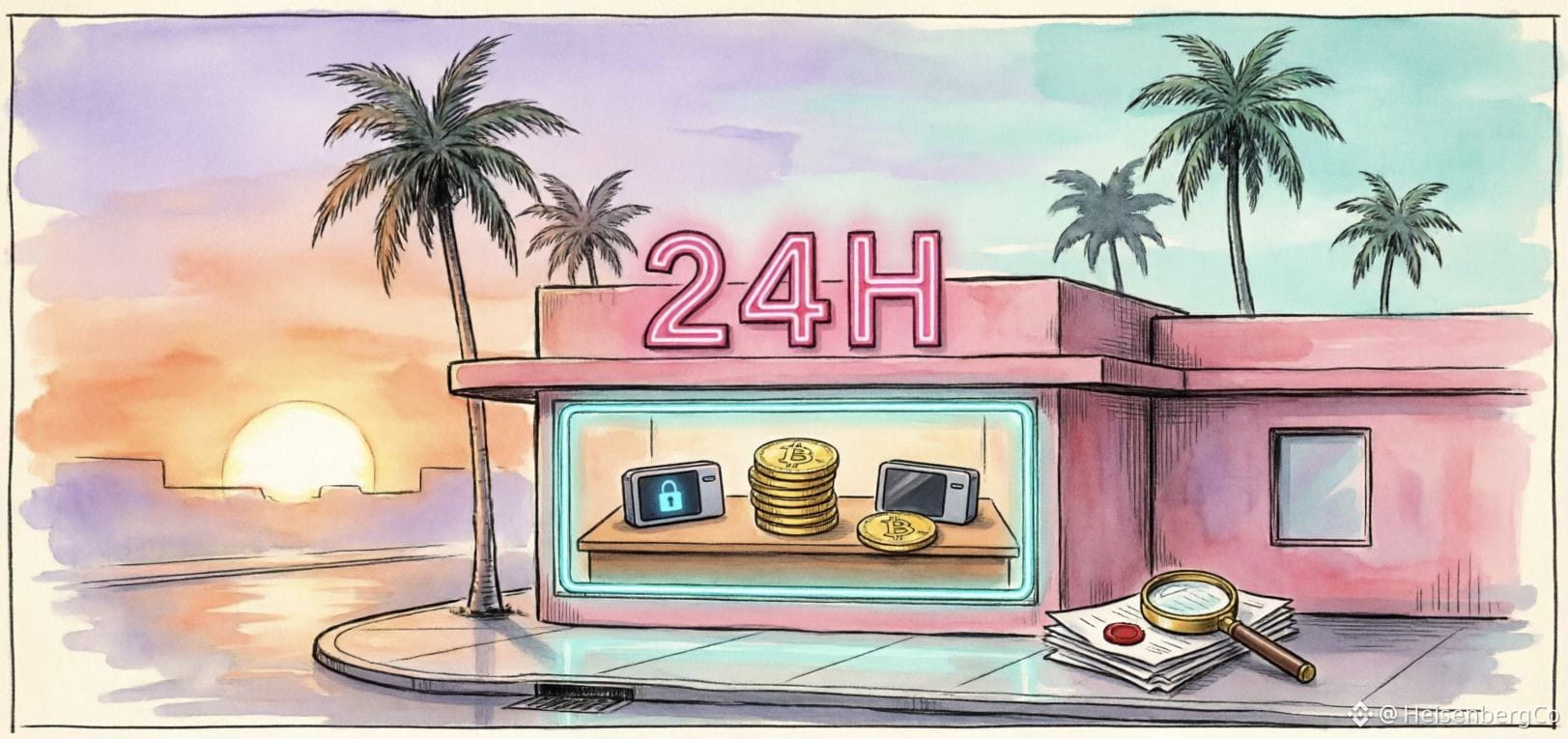
🔷 EU: 24 hours to report wallet hacks

Facts:
• From September 11, the EU cybersecurity law: wallet manufacturers report within 24 hours vulnerabilities that are already being used to hack wallets
• Full report within 72 hours, final report within 14 days
• Fine: up to €15 million or 2.5% of the company’s annual turnover
• Began right after the Trezor and Bitbox leaks

🧠 My thought: there will be no more quiet fixes—every hack becomes a report to the regulator. Attackers read the same reports: 24 hours is a race between patching and mass hacking. Phishing will ride the wave of “urgent notifications.”

⚠️ If a hack was reported: don’t click links in “urgent notifications” — go to the website or app yourself.

❓ 24 hours: protection or an edge for attackers? 👇

#eu $BTC
In the latest television interview, European Union financial services commissioner Maria Luis Albuquerque formally rejected a proposal from the banking industry to split the EU financial system reform plan into two parts. Earlier, leaders from 11 top banks in the EU, Switzerland and the UK jointly called for prioritizing short-term “simplified” reforms and postponing deeper issues such as the European deposit insurance scheme. However, Albuquerque made it clear that Europe must adhere to a single, comprehensive “package” reform plan, aimed at cutting administrative procedures, breaking down cross-border business barriers, and moderately easing regulation—ultimately tackling the fragmentation problem that has long plagued European markets. This stance demonstrates the EU regulatory authorities’ firm determination to promote a unified capital market and a banking union. From a macro structural perspective, fragmentation in the financial system has long been a key reason for Europe’s low capital efficiency. Pushing for an all-encompassing reform package may increase compliance adjustment pressures on traditional banking in the short term, but in the medium to long run, removing cross-border barriers and easing some overly burdensome regulation will significantly release liquidity and capital vitality in Europe’s financial system, injecting stronger growth momentum into the real economy. From a cross-asset and technology-facing performance standpoint, Europe’s adoption of a bundled, unified financial reform will help bolster medium- to long-term profit expectations for the pan-European banking sector and provide bottom support for the fundamentals of euro-denominated assets. As cross-border barriers are dismantled and administrative costs decline, friction for traditional capital flows will be substantially reduced. This, in turn, will push Europe’s overall credit environment toward a more accommodative and integrated direction, improving the macro liquidity soil for risk assets. For the crypto market, the integration of Europe’s financial markets and the unification of regulations have unleashed positive spillover effects. A more integrated and less bureaucratic financial ecosystem will accelerate the allocation efficiency of institutions’ compliant capital. With a clearer capital framework in place, mainstream crypto assets such as $BTC are expected to see faster institutional adoption in European markets. When expectations for macro liquidity continue to improve, a rise in overall risk appetite will provide solid support for a technical rebound in the crypto market. #EU #BankingReform #MacroEconomics
In the latest television interview, European Union financial services commissioner Maria Luis Albuquerque formally rejected a proposal from the banking industry to split the EU financial system reform plan into two parts. Earlier, leaders from 11 top banks in the EU, Switzerland and the UK jointly called for prioritizing short-term “simplified” reforms and postponing deeper issues such as the European deposit insurance scheme. However, Albuquerque made it clear that Europe must adhere to a single, comprehensive “package” reform plan, aimed at cutting administrative procedures, breaking down cross-border business barriers, and moderately easing regulation—ultimately tackling the fragmentation problem that has long plagued European markets.

This stance demonstrates the EU regulatory authorities’ firm determination to promote a unified capital market and a banking union. From a macro structural perspective, fragmentation in the financial system has long been a key reason for Europe’s low capital efficiency. Pushing for an all-encompassing reform package may increase compliance adjustment pressures on traditional banking in the short term, but in the medium to long run, removing cross-border barriers and easing some overly burdensome regulation will significantly release liquidity and capital vitality in Europe’s financial system, injecting stronger growth momentum into the real economy.

From a cross-asset and technology-facing performance standpoint, Europe’s adoption of a bundled, unified financial reform will help bolster medium- to long-term profit expectations for the pan-European banking sector and provide bottom support for the fundamentals of euro-denominated assets. As cross-border barriers are dismantled and administrative costs decline, friction for traditional capital flows will be substantially reduced. This, in turn, will push Europe’s overall credit environment toward a more accommodative and integrated direction, improving the macro liquidity soil for risk assets.

For the crypto market, the integration of Europe’s financial markets and the unification of regulations have unleashed positive spillover effects. A more integrated and less bureaucratic financial ecosystem will accelerate the allocation efficiency of institutions’ compliant capital. With a clearer capital framework in place, mainstream crypto assets such as $BTC are expected to see faster institutional adoption in European markets. When expectations for macro liquidity continue to improve, a rise in overall risk appetite will provide solid support for a technical rebound in the crypto market.

#EU #BankingReform #MacroEconomics
EU finance groups push to remove limits on tokenized securities • European finance groups and tokenization advocates call on Brussels to remove limits on assets based on DLT infrastructure or set a baseline of €1.5 trillion. • This move could expand the market scale for tokenized securities. • The EU is reviewing regulations on tokenized securities. #BinanceSquare #CryptoNews #EU #TokenizedSecurities #DLT $btc $eth vlikevn Titanbot Source: CoinTelegraph
EU finance groups push to remove limits on tokenized securities

• European finance groups and tokenization advocates call on Brussels to remove limits on assets based on DLT infrastructure or set a baseline of €1.5 trillion.
• This move could expand the market scale for tokenized securities.
• The EU is reviewing regulations on tokenized securities.
#BinanceSquare #CryptoNews #EU #TokenizedSecurities #DLT

$btc $eth

vlikevn Titanbot

Source: CoinTelegraph
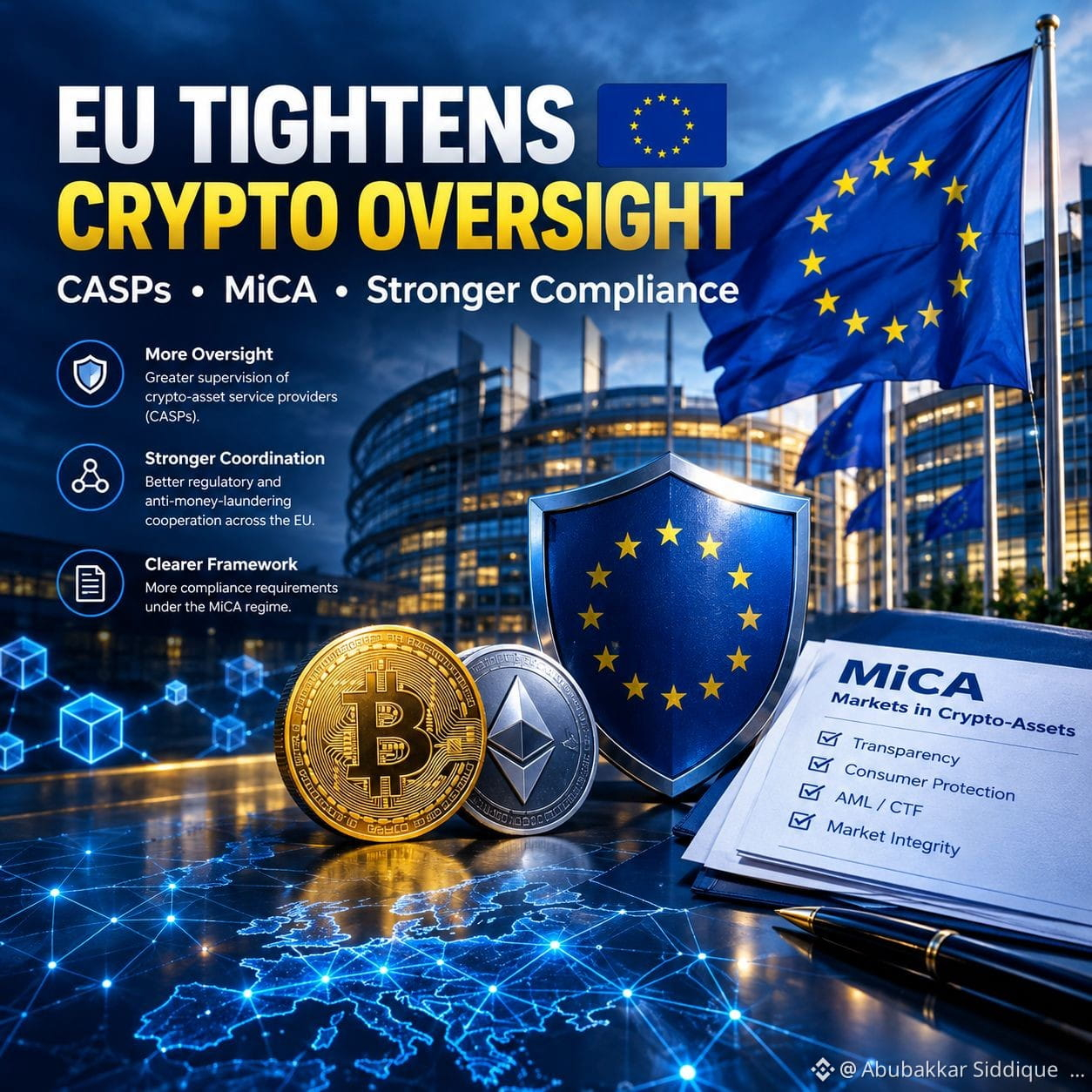
🇪🇺 EU TIGHTENS CRYPTO OVERSIGHT! 🚨 $BTC $EUR $ETH The European Union is expanding its regulatory framework for Crypto-Asset Service Providers (CASPs), bringing more crypto-related activity under stronger regulatory coordination. 📌 What could this mean for crypto? 🔹 More regulatory oversight 🔹 Stronger compliance requirements 🔹 Greater coordination across EU markets 🔹 Potentially higher compliance costs for some crypto firms ⚖️ Regulation can be a double-edged sword. In the short term, tighter rules could create pressure for some businesses. But over the long term, clearer regulations may help strengthen institutional confidence, investor protection, and mainstream crypto adoption. 👀 Europe is tightening the rules — and the crypto market is watching closely. What do you think? Bullish for crypto adoption or bearish for the industry? 🤔 #Crypto #EU #MiCA #Bitcoin #BTC #Ethereum #ETH #CryptoRegulation #BinanceSquare #Web3 #BlockchainBuzz
🇪🇺 EU TIGHTENS CRYPTO OVERSIGHT! 🚨
$BTC $EUR $ETH
The European Union is expanding its regulatory framework for Crypto-Asset Service Providers (CASPs), bringing more crypto-related activity under stronger regulatory coordination.

📌 What could this mean for crypto?

🔹 More regulatory oversight
🔹 Stronger compliance requirements
🔹 Greater coordination across EU markets
🔹 Potentially higher compliance costs for some crypto firms

⚖️ Regulation can be a double-edged sword.

In the short term, tighter rules could create pressure for some businesses. But over the long term, clearer regulations may help strengthen institutional confidence, investor protection, and mainstream crypto adoption.

👀 Europe is tightening the rules — and the crypto market is watching closely.

What do you think?
Bullish for crypto adoption or bearish for the industry? 🤔

#Crypto #EU #MiCA #Bitcoin #BTC #Ethereum #ETH #CryptoRegulation #BinanceSquare #Web3 #BlockchainBuzz
Bitcoin Up or Down on September 10?

Bitcoin Up or Down on September 10?

10%Up90%Down
Volume $106,868.76
·
--
Bullish
#euextendscentralcontactpointtocasps 🚨 EU JUST MADE ANOTHER MOVE ON CRYPTO REGULATION! 🇪🇺🔥 The European Union is extending its central contact point to CASPs (Crypto-Asset Service Providers), bringing more crypto activity under a clearer regulatory framework. 📌 What does this mean? More oversight, stronger regulatory coordination, and potentially greater compliance requirements for crypto companies operating in Europe. For the crypto market, regulation can be a double-edged sword. 🧐 ⚡ More rules may increase short-term pressure on some firms, but clearer regulation could also improve institutional confidence and support wider crypto adoption over the long term. 👀 Europe is tightening the framework — and crypto traders are watching. #crypto #Eu #MiCA $BTC
#euextendscentralcontactpointtocasps
🚨 EU JUST MADE ANOTHER MOVE ON CRYPTO REGULATION! 🇪🇺🔥
The European Union is extending its central contact point to CASPs (Crypto-Asset Service Providers), bringing more crypto activity under a clearer regulatory framework.
📌 What does this mean?
More oversight, stronger regulatory coordination, and potentially greater compliance requirements for crypto companies operating in Europe.
For the crypto market, regulation can be a double-edged sword. 🧐
⚡ More rules may increase short-term pressure on some firms, but clearer regulation could also improve institutional confidence and support wider crypto adoption over the long term.
👀 Europe is tightening the framework — and crypto traders are watching.
#crypto #Eu #MiCA
$BTC
#EUExtendsCentralContactPointToCASPs Big steps in Europe for the cryptocurrency sector! 🚨🇪🇺 The European Union is officially tightening its regulatory grip by bringing crypto asset service providers (CASPs) under its centralized point of contact umbrella. So what’s the real takeaway? Yes, this means more routine procedures and compliance pathways for crypto companies operating in Europe right now. But let’s look at the bigger picture: clearer rules mean the “mysterious wild” narrative fades away. Stricter oversight may sting in the short term, but regulatory clarity is exactly what we need to build institutional trust and drive broad, mainstream adoption—over the long term. 📈🤝 The rules of the game are changing. Are you ready for the next crypto era? 👀 Please follow up #Eu #CASP #CryptoNews #MiCA $ZEC {future}(ZECUSDT)
#EUExtendsCentralContactPointToCASPs
Big steps in Europe for the cryptocurrency sector! 🚨🇪🇺
The European Union is officially tightening its regulatory grip by bringing crypto asset service providers (CASPs) under its centralized point of contact umbrella.
So what’s the real takeaway?
Yes, this means more routine procedures and compliance pathways for crypto companies operating in Europe right now. But let’s look at the bigger picture: clearer rules mean the “mysterious wild” narrative fades away.
Stricter oversight may sting in the short term, but regulatory clarity is exactly what we need to build institutional trust and drive broad, mainstream adoption—over the long term. 📈🤝
The rules of the game are changing. Are you ready for the next crypto era? 👀

Please follow up

#Eu #CASP #CryptoNews #MiCA
$ZEC
The European Commission has just adopted an implementing act, extending the “Central Contact Point” (CCP) rules from electronic money institutions and payment institutions to crypto-asset service providers (CASPs). This means that regulators in member states can now require entities such as crypto exchanges operating within their territory to designate a local liaison officer, enabling easier regulatory coordination. The core logic of this amendment is to formally bring the crypto industry into the anti–money laundering compliance contact network. In the past, CASPs were relatively on the periphery of this system; now, with a fixed point of contact, the efficiency of information sharing and law-enforcement cooperation will improve significantly. For exchanges, compliance costs will rise further, but regulatory uncertainty will also decrease. In terms of trends, the EU is systematically pulling crypto businesses into a regulatory environment with the same level of oversight as traditional finance. The local liaison officer is only the tip of the iceberg; further efforts may continue to strengthen requirements around information disclosure, cross-border enforcement, and more.#EU #Crypto supervision
The European Commission has just adopted an implementing act, extending the “Central Contact Point” (CCP) rules from electronic money institutions and payment institutions to crypto-asset service providers (CASPs). This means that regulators in member states can now require entities such as crypto exchanges operating within their territory to designate a local liaison officer, enabling easier regulatory coordination.

The core logic of this amendment is to formally bring the crypto industry into the anti–money laundering compliance contact network. In the past, CASPs were relatively on the periphery of this system; now, with a fixed point of contact, the efficiency of information sharing and law-enforcement cooperation will improve significantly. For exchanges, compliance costs will rise further, but regulatory uncertainty will also decrease.

In terms of trends, the EU is systematically pulling crypto businesses into a regulatory environment with the same level of oversight as traditional finance. The local liaison officer is only the tip of the iceberg; further efforts may continue to strengthen requirements around information disclosure, cross-border enforcement, and more.#EU #Crypto supervision
EU sanctioned crypto exchange HTX (Justin Sun's platform) over Russia sanctions evasion — no asset freeze, just a transaction ban. HTX's response? Rotating wallets across four different chains within days. Static sanctions lists vs moving targets — this is the real crypto-regulation battle. #HTX #Eu #Sanctions #crypto
EU sanctioned crypto exchange HTX (Justin Sun's platform) over Russia sanctions evasion — no asset freeze, just a transaction ban. HTX's response? Rotating wallets across four different chains within days. Static sanctions lists vs moving targets — this is the real crypto-regulation battle.
#HTX #Eu #Sanctions #crypto
The EU is aiming to mobilize a staggering €10 trillion in idle savings under its new Savings and Investments Union. The catch? Bitcoin is completely absent from the official policy. While global institutions increasingly embrace digital assets, EU regulators are sticking strictly to traditional finance. Is this a missed opportunity for Europe to lead in financial innovation, or just cautious policymaking? #Bitcoin #EU #CryptoRegulation
The EU is aiming to mobilize a staggering €10 trillion in idle savings under its new Savings and Investments Union. The catch? Bitcoin is completely absent from the official policy.

While global institutions increasingly embrace digital assets, EU regulators are sticking strictly to traditional finance. Is this a missed opportunity for Europe to lead in financial innovation, or just cautious policymaking?

#Bitcoin #EU #CryptoRegulation
Users Warned to Remove Funds Due to EU Sanctions Blocking Withdrawals This video was produced with AI assistance it is not financial advice. Always do your own research DYOR . $BTC $ETH #crypto #sanctions #eu
Article
Apple Sets 5% Commission For EU Third-Party App StoresApple announced that it will impose a 5% commission fee on third-party app stores operating within the European Union, according to CNBC. This move is part of a broader effort to comply with the EU’s Digital Markets Act, which aims to foster competition and give consumers more choices in the digital marketplace. The company stated that the new policy will take effect for alternative app stores that are launched or operating in the EU, and it will apply to in-app purchases made through these stores. Apple clarified that apps purchased through its own App Store using Apple's payment system will continue to be subject to a 26% commission on digital goods, maintaining its standard rate for in-house transactions. Apple emphasized that this change is intended to resolve ongoing disputes with European regulators regarding its app store practices. The company views the new 5% fee as a fair and transparent way to support third-party developers and ensure compliance with EU regulations. It also signals a shift in Apple’s approach to app store rules, aligning with regulatory pressures to open up its ecosystem. The move comes amid increasing scrutiny of big tech companies in the EU and elsewhere, as regulators seek to promote fair competition and prevent monopolistic behavior. Industry observers will be watching closely to see how Apple’s new policies influence the landscape for app developers and digital commerce across Europe. #Apple #EU #DigitalMarketsAct

Apple Sets 5% Commission For EU Third-Party App Stores

Apple announced that it will impose a 5% commission fee on third-party app stores operating within the European Union, according to CNBC. This move is part of a broader effort to comply with the EU’s Digital Markets Act, which aims to foster competition and give consumers more choices in the digital marketplace.
The company stated that the new policy will take effect for alternative app stores that are launched or operating in the EU, and it will apply to in-app purchases made through these stores. Apple clarified that apps purchased through its own App Store using Apple's payment system will continue to be subject to a 26% commission on digital goods, maintaining its standard rate for in-house transactions.
Apple emphasized that this change is intended to resolve ongoing disputes with European regulators regarding its app store practices. The company views the new 5% fee as a fair and transparent way to support third-party developers and ensure compliance with EU regulations. It also signals a shift in Apple’s approach to app store rules, aligning with regulatory pressures to open up its ecosystem.
The move comes amid increasing scrutiny of big tech companies in the EU and elsewhere, as regulators seek to promote fair competition and prevent monopolistic behavior. Industry observers will be watching closely to see how Apple’s new policies influence the landscape for app developers and digital commerce across Europe. #Apple #EU #DigitalMarketsAct
🟢 Bullish 🚨 EU Parliament Approves Landmark Crypto Regulation! The European Parliament has given final approval to comprehensive legislation for digital assets, providing much-needed clarity for stablecoins and service providers. This is a game-changer for crypto adoption in Europe. 📊 Market Impact: This regulatory certainty is a massive bullish catalyst, encouraging institutional investment and wider adoption across the continent. Expect positive price action and increased liquidity. #CryptoRegulation #EU
🟢 Bullish

🚨 EU Parliament Approves Landmark Crypto Regulation!

The European Parliament has given final approval to comprehensive legislation for digital assets, providing much-needed clarity for stablecoins and service providers.
This is a game-changer for crypto adoption in Europe.

📊 Market Impact: This regulatory certainty is a massive bullish catalyst, encouraging institutional investment and wider adoption across the continent.
Expect positive price action and increased liquidity.

#CryptoRegulation #EU
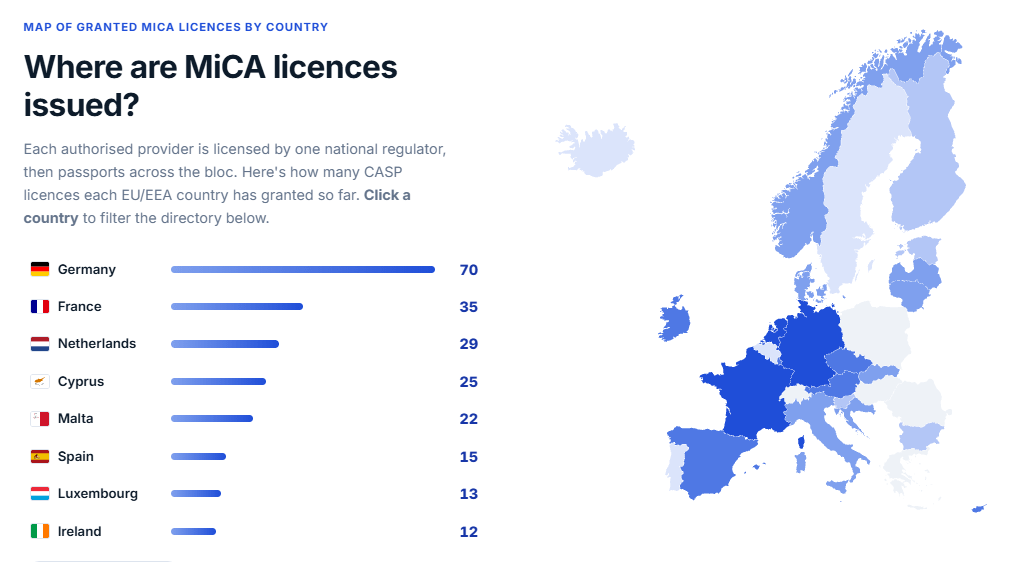
🇪🇺 If you want to check whether a crypto exchange is MiCA licensed to serve customers in the EU, the answer sits in the CASP Tracker (casptracker.eu). The MiCA transition period closed on 1 July 2026. Since then, only firms holding a CASP authorisation may legally serve crypto clients across the EU and EEA. 📊 ESMA register status, 16 August 2026: 📋 325 authorised crypto-asset service providers ⚠️ 167 entities on the NCASP warning list 🪙 23 e-money token issuers (43 white papers) ⭕ 0 asset-referenced token issuers, empty since launch 📈 Licensing is accelerating: 173 authorisations in 2026 alone, against 147 in all of 2025. 🗺️ Germany leads with 70 licensed providers, then France (35), the Netherlands (29), Cyprus (25) and Malta (22). In total 26 countries have issued at least one. ✈️ Passporting matters more than home state. The average CASP has notified activity in 15 countries, and 150 of the 325 passport into 25 or more markets. 🚨 The warning list needs context. Breaking it down by issuing authority, as CASP Tracker does, shows 165 of those 167 entries come from Italy's CONSOB, with one each from the Dutch AFM and Slovakia's NBS. That tells you which regulator publishes most, not where the most bad actors operate. ✅ Practical takeaway: check the authorisation register first, not the warning list. A platform missing from the warning list may simply never have been reviewed in your country. ℹ️ Figures verified by CASP Tracker against the live ESMA source on 16 August 2026. #MiCA #CryptoRegulation #EU #Compliance
🇪🇺 If you want to check whether a crypto exchange is MiCA licensed to serve customers in the EU, the answer sits in the CASP Tracker (casptracker.eu).

The MiCA transition period closed on 1 July 2026. Since then, only firms holding a CASP authorisation may legally serve crypto clients across the EU and EEA.

📊 ESMA register status, 16 August 2026:

📋 325 authorised crypto-asset service providers
⚠️ 167 entities on the NCASP warning list
🪙 23 e-money token issuers (43 white papers)
⭕ 0 asset-referenced token issuers, empty since launch

📈 Licensing is accelerating: 173 authorisations in 2026 alone, against 147 in all of 2025.

🗺️ Germany leads with 70 licensed providers, then France (35), the Netherlands (29), Cyprus (25) and Malta (22). In total 26 countries have issued at least one.

✈️ Passporting matters more than home state. The average CASP has notified activity in 15 countries, and 150 of the 325 passport into 25 or more markets.

🚨 The warning list needs context. Breaking it down by issuing authority, as CASP Tracker does, shows 165 of those 167 entries come from Italy's CONSOB, with one each from the Dutch AFM and Slovakia's NBS. That tells you which regulator publishes most, not where the most bad actors operate.

✅ Practical takeaway: check the authorisation register first, not the warning list. A platform missing from the warning list may simply never have been reviewed in your country.

ℹ️ Figures verified by CASP Tracker against the live ESMA source on 16 August 2026.

#MiCA #CryptoRegulation #EU #Compliance
🚨 THE EU IS TURNING ITS ATTENTION TO CRYPTO PLATFORMS. 🇪🇺 The European Commission has proposed new sanctions that could target crypto services outside the EU if they're found to be helping Russia bypass existing restrictions. The proposal would also expand sanctions to dozens of Russian banks and financial institutions. The bigger story? Crypto is increasingly being treated as part of the global financial system—not something separate from it. As adoption grows, regulators are paying closer attention to the role exchanges, stablecoins, and crypto infrastructure play in cross-border finance. 👇 Does stricter oversight strengthen crypto's legitimacy, or undermine its original purpose? #crypto #bitcoin #Eu #BTC
🚨 THE EU IS TURNING ITS ATTENTION TO CRYPTO PLATFORMS. 🇪🇺

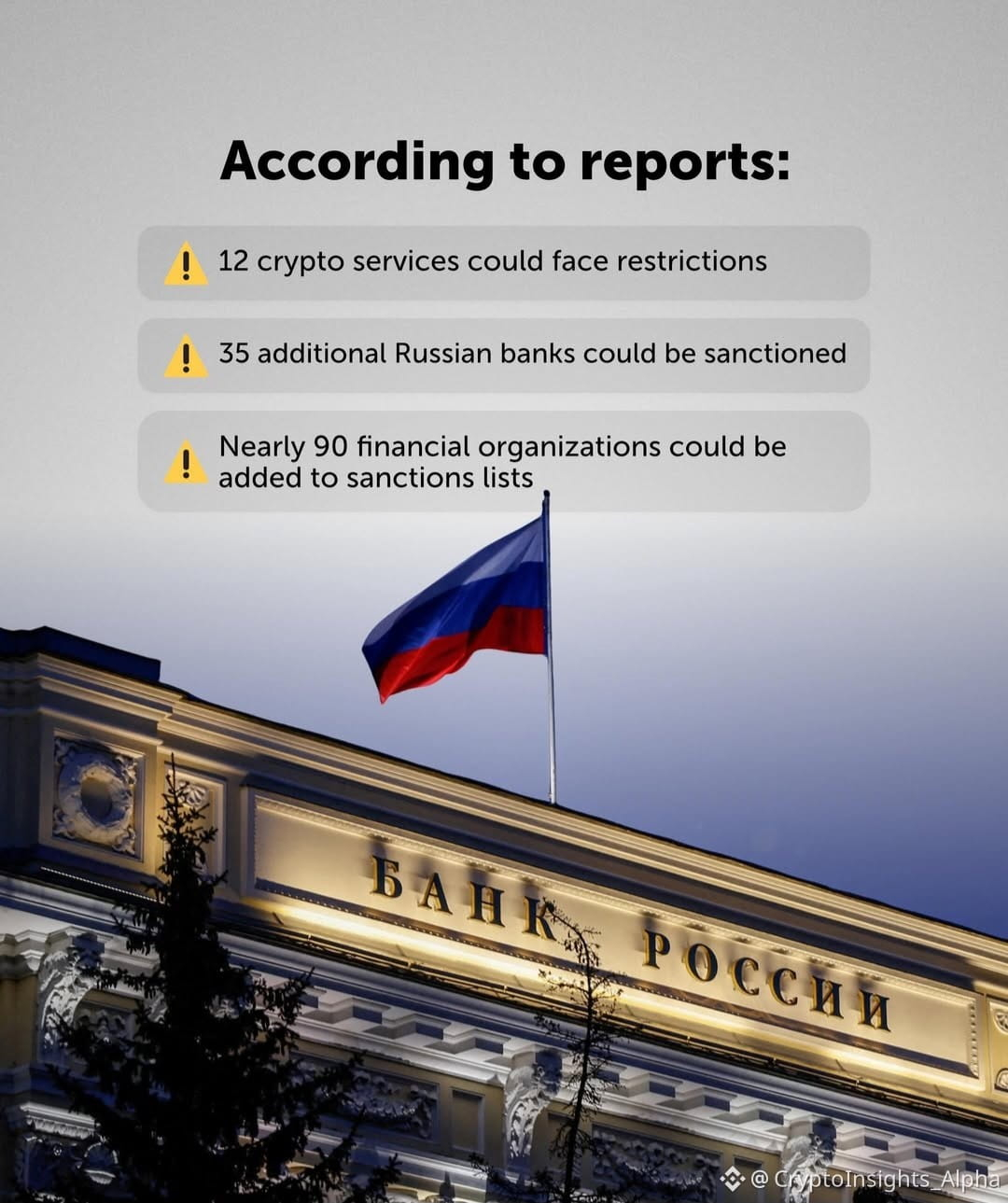
The European Commission has proposed new sanctions that could target crypto services outside the EU if they're found to be helping Russia bypass existing restrictions.

The proposal would also expand sanctions to dozens of Russian banks and financial institutions.

The bigger story?

Crypto is increasingly being treated as part of the global financial system—not something separate from it.

As adoption grows, regulators are paying closer attention to the role exchanges, stablecoins, and crypto infrastructure play in cross-border finance.

👇 Does stricter oversight strengthen crypto's legitimacy, or undermine its original purpose?

#crypto #bitcoin #Eu #BTC
🚨 The Great EU Crypto Shakeout is Here: 7 Days to the MiCA Deadline! 🚨 The countdown is officially on. On July 1, 2026, the European Union’s MiCA (Markets in Crypto Assets) grace period ends permanently. ESMA has confirmed NO EXTENSIONS. Unlicensed crypto firms must geofence EU users or shut down completely. Are you ready for the shift? Here is what you need to know right now: 📉 The 80% Wipeout Reports indicate that out of roughly 3,000 registered crypto firms in the EU, only about 17% have successfully converted to full MiCA CASP licenses. Insiders estimate up to 80% of exchanges operating in Europe will not survive this hard deadline. ⚠️ What This Means For You If your primary exchange or wallet provider is unlicensed or purely offshore: 🚫 Trading Halts: Expect sudden blocks on new trades and deposits. 🔒 Forced Withdrawals: You may face abrupt account freezes or forced liquidations. 🔄 Stablecoin Shifts: Compliant tokens like Circle's $USDC are in, while non-compliant stablecoins (like $USDT) are already being phased out or restricted on major EU venues. 🏛️ Where is the Liquidity Moving? The EU market is consolidating rapidly into a smaller group of well-capitalized, fully compliant giants. Platforms like Coinbase, Kraken, Bitstamp, Crypto.com, OKX, Bitvavo, Bitpanda, and Revolut are positioned to absorb the market share. 💡 Pro-Tip for EU Traders & Projects: Don't get caught in the compliance crossfire. Check the official ESMA CASP register today to see if your funds are safe. Is your go-to exchange MiCA-compliant, or are you moving your assets this week? 👇 Drop your thoughts below! #Crypto #MiCA #Regulation #Web3 #Eu #CryptoNews #Bitcoin #Ethereum $BTC
🚨 The Great EU Crypto Shakeout is Here: 7 Days to the MiCA Deadline! 🚨
The countdown is officially on. On July 1, 2026, the European Union’s MiCA (Markets in Crypto Assets) grace period ends permanently. ESMA has confirmed NO EXTENSIONS.
Unlicensed crypto firms must geofence EU users or shut down completely. Are you ready for the shift?
Here is what you need to know right now:
📉 The 80% Wipeout
Reports indicate that out of roughly 3,000 registered crypto firms in the EU, only about 17% have successfully converted to full MiCA CASP licenses. Insiders estimate up to 80% of exchanges operating in Europe will not survive this hard deadline.
⚠️ What This Means For You
If your primary exchange or wallet provider is unlicensed or purely offshore:
🚫 Trading Halts: Expect sudden blocks on new trades and deposits.
🔒 Forced Withdrawals: You may face abrupt account freezes or forced liquidations.
🔄 Stablecoin Shifts: Compliant tokens like Circle's $USDC are in, while non-compliant stablecoins (like $USDT) are already being phased out or restricted on major EU venues.
🏛️ Where is the Liquidity Moving?
The EU market is consolidating rapidly into a smaller group of well-capitalized, fully compliant giants. Platforms like Coinbase, Kraken, Bitstamp, Crypto.com, OKX, Bitvavo, Bitpanda, and Revolut are positioned to absorb the market share.
💡 Pro-Tip for EU Traders & Projects:
Don't get caught in the compliance crossfire. Check the official ESMA CASP register today to see if your funds are safe.
Is your go-to exchange MiCA-compliant, or are you moving your assets this week? 👇 Drop your thoughts below!
#Crypto #MiCA #Regulation #Web3 #Eu #CryptoNews #Bitcoin #Ethereum $BTC
Case #Binance x MiCA 🇪🇺 I recently came across an interesting analysis regarding Binance and the MiCA licensing process in Europe. While these are the author's personal views and should be taken as such, they raise some thought-provoking questions. 👇 According to the analysis: • Binance reportedly submitted its MiCA license application in Greece, where regulators initially appeared supportive. After a process said to have lasted more than a year, Greek authorities allegedly confirmed that the exchange met the necessary requirements. • However, less than a month before MiCA came into effect, Greece reportedly declined to issue the license, without providing a detailed public explanation. The author's hypothesis: He argues that Binance controls more than 50% of Europe's crypto liquidity and suggests that European institutions, including the ECB under Christine Lagarde, may prefer a more regulated and centralized market structure. Whether or not this theory is accurate, the situation highlights the growing tension between major crypto exchanges and evolving regulatory frameworks across Europe.$BNB {spot}(BNBUSDT) #MiCA #CryptoRegulation #EU #CryptoNews
Case #Binance x MiCA 🇪🇺

I recently came across an interesting analysis regarding Binance and the MiCA licensing process in Europe. While these are the author's personal views and should be taken as such, they raise some thought-provoking questions. 👇

According to the analysis:

• Binance reportedly submitted its MiCA license application in Greece, where regulators initially appeared supportive. After a process said to have lasted more than a year, Greek authorities allegedly confirmed that the exchange met the necessary requirements.

• However, less than a month before MiCA came into effect, Greece reportedly declined to issue the license, without providing a detailed public explanation.

The author's hypothesis:

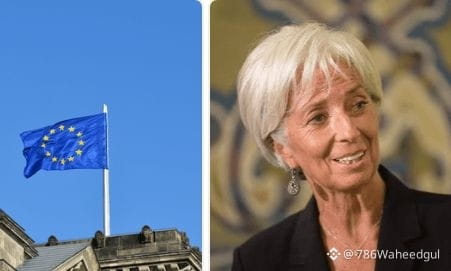
He argues that Binance controls more than 50% of Europe's crypto liquidity and suggests that European institutions, including the ECB under Christine Lagarde, may prefer a more regulated and centralized market structure.

Whether or not this theory is accurate, the situation highlights the growing tension between major crypto exchanges and evolving regulatory frameworks across Europe.$BNB

#MiCA #CryptoRegulation #EU #CryptoNews
🚨 $GOOGL GOOGLE JUST LOST A €4.1 BILLION LEGAL BATTLE. LATEST: The European Union's highest court has upheld Google's €4.1 billion antitrust fine, rejecting the company's final appeal over its Android business practices. The ruling reinforces the EU's tough stance on Big Tech, with regulators concluding that Google abused Android's market dominance by restricting competition. It's one of the biggest antitrust defeats in the company's history. 👀 Could this decision reshape how Big Tech operates in Europe—and beyond? {future}(GOOGLUSDT) #Google #BigTechRally #Antitrust #Eu #BinanceSquare
🚨 $GOOGL GOOGLE JUST LOST A €4.1 BILLION LEGAL BATTLE.

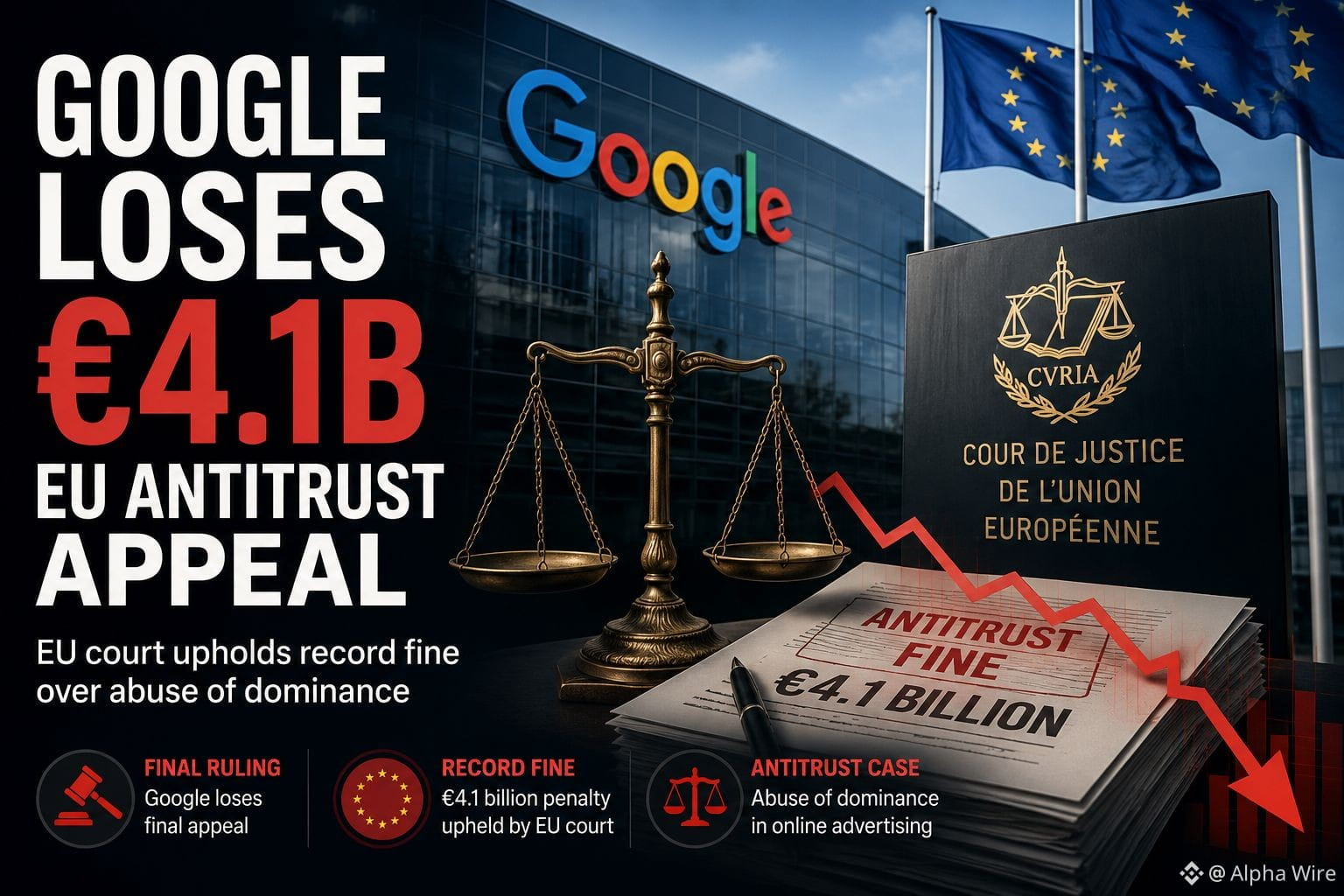
LATEST: The European Union's highest court has upheld Google's €4.1 billion antitrust fine, rejecting the company's final appeal over its Android business practices.

The ruling reinforces the EU's tough stance on Big Tech, with regulators concluding that Google abused Android's market dominance by restricting competition. It's one of the biggest antitrust defeats in the company's history.

👀 Could this decision reshape how Big Tech operates in Europe—and beyond?


#Google #BigTechRally #Antitrust #Eu #BinanceSquare
GOOGLonAlpha
GOOGL-0.43%
GOOGLUS-1.53%
🇫🇷🇨🇳 Macron on the China-EU dynamic: "Let me be absolutely clear: I am NOT anti-China. But we see across our economies in Europe that our trade deficit with China grows every year. That means tens of thousands of jobs are lost across Europe every year. China has become a global leader in innovation. But if we want technological development in our own countries, we cannot simply import Chinese products. We need technology transfer. We need investment and cooperation in sectors such as chemicals, the automotive industry, and many others that are currently under pressure. China supports its own industries, on average, 8x more than we are able to in Europe. Those are rules of competition that must be rebalanced." $XEC | $LUMIA | $XNO #BREAKING #news #US #Eu #France
🇫🇷🇨🇳 Macron on the China-EU dynamic:

"Let me be absolutely clear: I am NOT anti-China.

But we see across our economies in Europe that our trade deficit with China grows every year.

That means tens of thousands of jobs are lost across Europe every year.

China has become a global leader in innovation.

But if we want technological development in our own countries, we cannot simply import Chinese products.

We need technology transfer.

We need investment and cooperation in sectors such as chemicals, the automotive industry, and many others that are currently under pressure.

China supports its own industries, on average, 8x more than we are able to in Europe.

Those are rules of competition that must be rebalanced."

$XEC | $LUMIA | $XNO

#BREAKING #news #US #Eu #France
Log in to explore more content
Join global crypto users on Binance Square
⚡️ Get latest and useful information about crypto.
💬 Trusted by the world’s largest crypto exchange.
👍 Discover real insights from verified creators.
Email / Phone number