

#berachain
berachain
1.9M views
2,387 Discussing
Hot
Latest

·
--
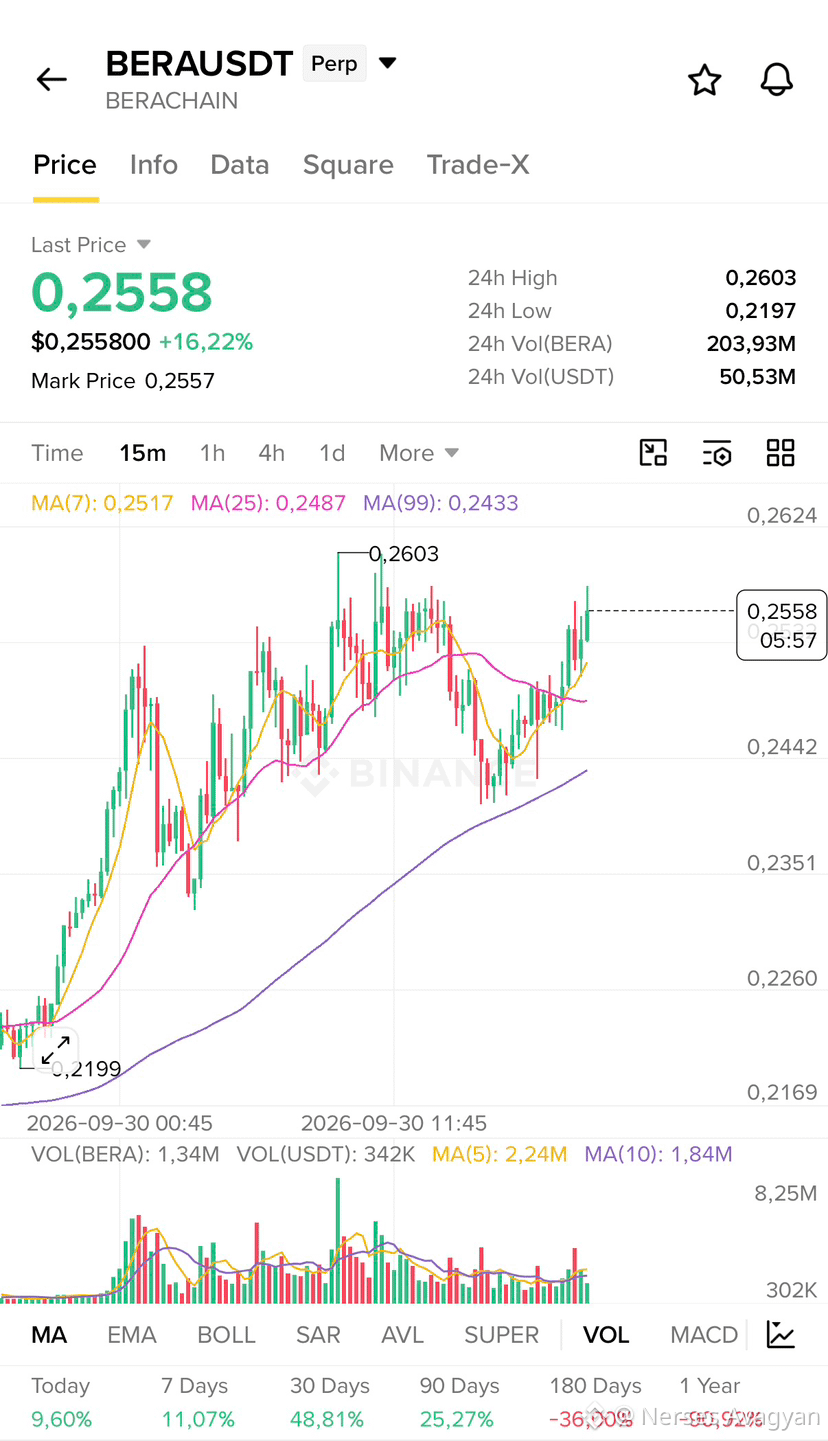
$BERA is showing strong momentum today, currently trading around $0.2614, up more than 16% in 24H.
What makes this move interesting is the combination of strong price expansion + increased market activity. Instead of chasing the green candle, traders should watch whether BERA can hold its current breakout area and build support above it.
Key things to watch: • Holding above the recent breakout zone
• Volume staying strong during consolidation
• Higher lows forming after the initial pump
• A clean continuation could attract more momentum traders
If the price loses its breakout/support zone with weakening volume, the bullish setup can lose strength quickly.
My approach: Don’t FOMO into a vertical candle. Let $BERA confirm support first, then look for a safer continuation setup.
Are you watching $BERA for a continuation or waiting for a pullback?
#BERA #Berachain #Crypto #BinanceSquare #Web3
{spot}(BERAUSDT)
$BERA is showing strong momentum today, currently trading around $0.2614, up more than 16% in 24H.
What makes this move interesting is the combination of strong price expansion + increased market activity. Instead of chasing the green candle, traders should watch whether BERA can hold its current breakout area and build support above it.
Key things to watch: • Holding above the recent breakout zone
• Volume staying strong during consolidation
• Higher lows forming after the initial pump
• A clean continuation could attract more momentum traders
If the price loses its breakout/support zone with weakening volume, the bullish setup can lose strength quickly.
My approach: Don’t FOMO into a vertical candle. Let $BERA confirm support first, then look for a safer continuation setup.
Are you watching $BERA for a continuation or waiting for a pullback?
#BERA #Berachain #Crypto #BinanceSquare #Web3
What makes this move interesting is the combination of strong price expansion + increased market activity. Instead of chasing the green candle, traders should watch whether BERA can hold its current breakout area and build support above it.
Key things to watch: • Holding above the recent breakout zone
• Volume staying strong during consolidation
• Higher lows forming after the initial pump
• A clean continuation could attract more momentum traders
If the price loses its breakout/support zone with weakening volume, the bullish setup can lose strength quickly.
My approach: Don’t FOMO into a vertical candle. Let $BERA confirm support first, then look for a safer continuation setup.
Are you watching $BERA for a continuation or waiting for a pullback?
#BERA #Berachain #Crypto #BinanceSquare #Web3
237

·
--
Bullish
🔥 $BERA LONG — $0.2562
📍 Entry: $0.2562
🎯 TP1: $0.2700
🎯 TP2: $0.2900
🎯 TP3: $0.3150
🛑 SL: $0.2380
📊 Analysis: $BERA is at a level where a momentum breakout could develop. Holding above $0.25 keeps the bullish setup intact; reclaiming $0.27 would strengthen the move toward the higher targets. 🚀🐻
#BERA #Berachain #Crypto #Binance
Click here to trade👇
{future}(BERAUSDT)
🔥 $BERA LONG — $0.2562
📍 Entry: $0.2562
🎯 TP1: $0.2700
🎯 TP2: $0.2900
🎯 TP3: $0.3150
🛑 SL: $0.2380
📊 Analysis: $BERA is at a level where a momentum breakout could develop. Holding above $0.25 keeps the bullish setup intact; reclaiming $0.27 would strengthen the move toward the higher targets. 🚀🐻
#BERA #Berachain #Crypto #Binance
Click here to trade👇
📍 Entry: $0.2562
🎯 TP1: $0.2700
🎯 TP2: $0.2900
🎯 TP3: $0.3150
🛑 SL: $0.2380
📊 Analysis: $BERA is at a level where a momentum breakout could develop. Holding above $0.25 keeps the bullish setup intact; reclaiming $0.27 would strengthen the move toward the higher targets. 🚀🐻
#BERA #Berachain #Crypto #Binance
Click here to trade👇
1
22

·
--
Bullish
$BERA
Entry Range (Buy Zones)
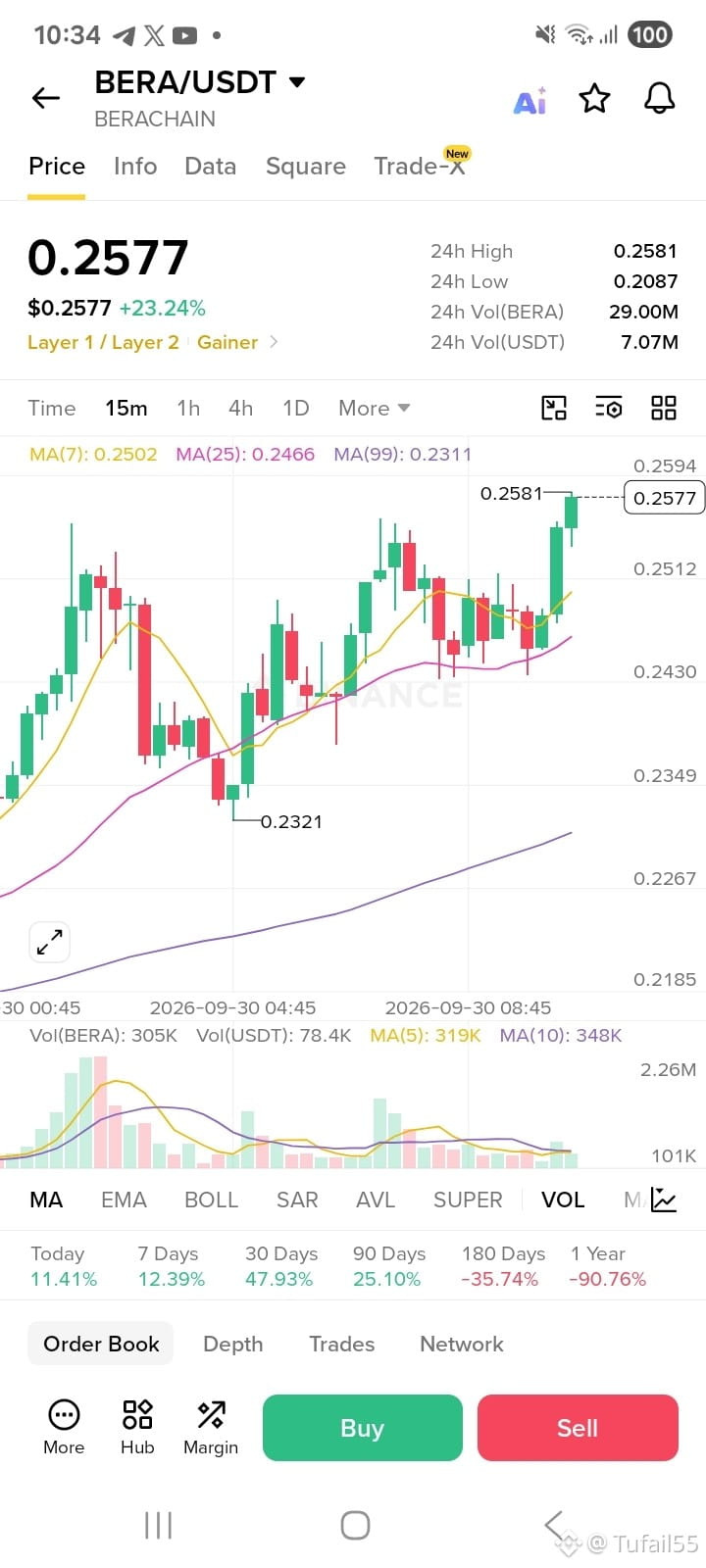
Zone 1 (Aggressive): 0.2470 – 0.2500 (Near MA(7) and MA(25) support level)
Zone 2 (Conservative/Safer): 0.2330 – 0.2380 (Near the previous swing low support)
2. Profit Targets (Take Profit)
Target 1 (TP1): 0.2580 (Re-testing the 24-hour high)
Target 2 (TP2): 0.2680 (Breakout continuation target)
Target 3 (TP3): 0.2800 (Extended rally target)
3. Stop Loss (Risk Management)
Stop Loss (SL): 0.2280 (Below the major low of 0.2321 to protect your capital)
#BERA #Berachain #altcoins
$BERA
Entry Range (Buy Zones)
Zone 1 (Aggressive): 0.2470 – 0.2500 (Near MA(7) and MA(25) support level)
Zone 2 (Conservative/Safer): 0.2330 – 0.2380 (Near the previous swing low support)
2. Profit Targets (Take Profit)
Target 1 (TP1): 0.2580 (Re-testing the 24-hour high)
Target 2 (TP2): 0.2680 (Breakout continuation target)
Target 3 (TP3): 0.2800 (Extended rally target)
3. Stop Loss (Risk Management)
Stop Loss (SL): 0.2280 (Below the major low of 0.2321 to protect your capital)
#BERA #Berachain #altcoins
Entry Range (Buy Zones)
Zone 1 (Aggressive): 0.2470 – 0.2500 (Near MA(7) and MA(25) support level)
Zone 2 (Conservative/Safer): 0.2330 – 0.2380 (Near the previous swing low support)
2. Profit Targets (Take Profit)
Target 1 (TP1): 0.2580 (Re-testing the 24-hour high)
Target 2 (TP2): 0.2680 (Breakout continuation target)
Target 3 (TP3): 0.2800 (Extended rally target)
3. Stop Loss (Risk Management)
Stop Loss (SL): 0.2280 (Below the major low of 0.2321 to protect your capital)
#BERA #Berachain #altcoins
106

·
--
Bullish
🚨 I THINK $BERA IS ABOUT TO GET A LOT MORE ATTENTION.
And I’m posting this before it becomes the obvious trade.
BERAUSDT right now:
Price: ~$0.240
24H: +~10%
24H high: $0.253
But ONE THING caught my attention:
Price pushed higher.
Open interest expanded.
Funding is still NEGATIVE.
That means this isn’t simply a market where everyone is already paying to be long.
There are still leveraged traders positioned on the other side.
And if BERA attacks $0.253 again while OI and volume expand…
things could get interesting very quickly.
👀 $0.253 = level I’m watching
🟢 Break + hold above it → momentum confirmation
🔴 Rejection + loss of $0.232 → thesis weakens
⚪ Between them → don’t chase
I’m putting $BERA on the ONE THING watchlist before the crowd decides whether this is the next trending ticker.
Save this post.
If it starts appearing everywhere tomorrow, we were watching first.
$BERA #Berachain #Crypto #Futures
{future}(BERAUSDT)
🚨 I THINK $BERA IS ABOUT TO GET A LOT MORE ATTENTION.
And I’m posting this before it becomes the obvious trade.
BERAUSDT right now:
Price: ~$0.240
24H: +~10%
24H high: $0.253
But ONE THING caught my attention:
Price pushed higher.
Open interest expanded.
Funding is still NEGATIVE.
That means this isn’t simply a market where everyone is already paying to be long.
There are still leveraged traders positioned on the other side.
And if BERA attacks $0.253 again while OI and volume expand…
things could get interesting very quickly.
👀 $0.253 = level I’m watching
🟢 Break + hold above it → momentum confirmation
🔴 Rejection + loss of $0.232 → thesis weakens
⚪ Between them → don’t chase
I’m putting $BERA on the ONE THING watchlist before the crowd decides whether this is the next trending ticker.
Save this post.
If it starts appearing everywhere tomorrow, we were watching first.
$BERA #Berachain #Crypto #Futures
And I’m posting this before it becomes the obvious trade.
BERAUSDT right now:
Price: ~$0.240
24H: +~10%
24H high: $0.253
But ONE THING caught my attention:
Price pushed higher.
Open interest expanded.
Funding is still NEGATIVE.
That means this isn’t simply a market where everyone is already paying to be long.
There are still leveraged traders positioned on the other side.
And if BERA attacks $0.253 again while OI and volume expand…
things could get interesting very quickly.
👀 $0.253 = level I’m watching
🟢 Break + hold above it → momentum confirmation
🔴 Rejection + loss of $0.232 → thesis weakens
⚪ Between them → don’t chase
I’m putting $BERA on the ONE THING watchlist before the crowd decides whether this is the next trending ticker.
Save this post.
If it starts appearing everywhere tomorrow, we were watching first.
$BERA #Berachain #Crypto #Futures
1
313

🚨 $BERA BEFORE KOREA BLOCKCHAIN WEEK — COULD THIS BE THE NEXT GAINER? 👀
$BERA — Berachain | +1.65% 🚀
Why is $BERA interesting right now?
• Berachain is scheduled to participate in The Bridge Summit in Seoul on September 28, during Korea Blockchain Week 2026.
• The event brings projects, institutions, builders and Korean retail participants together, giving Berachain an upcoming exposure/community catalyst.
• Berachain is actively expanding its presence in Korea, including dedicated ecosystem/community efforts.
• A new Minimum Incentive Rates mechanism is also going live on Berachain mainnet, tying WBERA emissions to vault incentives.
Potential:
With BERA still around +1.65% in the Gainers list and multiple ecosystem catalysts ahead, increased volume around the Korea Blockchain Week event could put BERA back on traders' radar. A breakout would still require strong buying volume.
What to watch 👀
🔥 Sep 28 Bridge Summit
🔥 Korea Blockchain Week attention
🔥 Berachain ecosystem activity
🔥 BERA trading volume
🔥 WBERA incentive changes
⚠️ Risk:
An event does not guarantee a price increase. BERA can remain volatile, and traders may also sell into the event if expectations become crowded.
⚠️ DYOR — Do Your Own Research. This is not financial advice.
#Binance #BERA #Berachain #KBW2026 #Crypto #BeforeGainer #BinanceSquare
{spot}(BERAUSDT)
🚨 $BERA BEFORE KOREA BLOCKCHAIN WEEK — COULD THIS BE THE NEXT GAINER? 👀
$BERA — Berachain | +1.65% 🚀
Why is $BERA interesting right now?
• Berachain is scheduled to participate in The Bridge Summit in Seoul on September 28, during Korea Blockchain Week 2026.
• The event brings projects, institutions, builders and Korean retail participants together, giving Berachain an upcoming exposure/community catalyst.
• Berachain is actively expanding its presence in Korea, including dedicated ecosystem/community efforts.
• A new Minimum Incentive Rates mechanism is also going live on Berachain mainnet, tying WBERA emissions to vault incentives.
Potential:
With BERA still around +1.65% in the Gainers list and multiple ecosystem catalysts ahead, increased volume around the Korea Blockchain Week event could put BERA back on traders' radar. A breakout would still require strong buying volume.
What to watch 👀
🔥 Sep 28 Bridge Summit
🔥 Korea Blockchain Week attention
🔥 Berachain ecosystem activity
🔥 BERA trading volume
🔥 WBERA incentive changes
⚠️ Risk:
An event does not guarantee a price increase. BERA can remain volatile, and traders may also sell into the event if expectations become crowded.
⚠️ DYOR — Do Your Own Research. This is not financial advice.
#Binance #BERA #Berachain #KBW2026 #Crypto #BeforeGainer #BinanceSquare
$BERA — Berachain | +1.65% 🚀
Why is $BERA interesting right now?
• Berachain is scheduled to participate in The Bridge Summit in Seoul on September 28, during Korea Blockchain Week 2026.
• The event brings projects, institutions, builders and Korean retail participants together, giving Berachain an upcoming exposure/community catalyst.
• Berachain is actively expanding its presence in Korea, including dedicated ecosystem/community efforts.
• A new Minimum Incentive Rates mechanism is also going live on Berachain mainnet, tying WBERA emissions to vault incentives.
Potential:
With BERA still around +1.65% in the Gainers list and multiple ecosystem catalysts ahead, increased volume around the Korea Blockchain Week event could put BERA back on traders' radar. A breakout would still require strong buying volume.
What to watch 👀
🔥 Sep 28 Bridge Summit
🔥 Korea Blockchain Week attention
🔥 Berachain ecosystem activity
🔥 BERA trading volume
🔥 WBERA incentive changes
⚠️ Risk:
An event does not guarantee a price increase. BERA can remain volatile, and traders may also sell into the event if expectations become crowded.
⚠️ DYOR — Do Your Own Research. This is not financial advice.
#Binance #BERA #Berachain #KBW2026 #Crypto #BeforeGainer #BinanceSquare
1
177

BERA — NEXT 24H OUTLOOK 🚨
Berachain is seeing heavy spot and futures turnover following a double-digit percent surge. The next 4H candles will determine whether momentum sustains toward fresh highs or executes a mean-reversion retest.
📍 Key Resistance: 0.205 to 0.218
🟢 Breakout Target: 0.245
🔴 Key Support: 0.182
⚠️ Major Support: 0.168
🔥 BULLISH SCENARIO
If BERA breaks and holds above 0.205:
➡️ 0.218
➡️ 0.245
🐻 BEARISH SCENARIO
If BERA gets rejected and loses 0.182:
➡️ 0.174
➡️ 0.168
🎯 24H BIAS:
🟢 BULLISH above 0.205
⚪ NEUTRAL between 0.182–0.205
🔴 BEARISH below 0.182
Watch the 4H candle close.
Trade with a plan. ⚠️
$BERA
{spot}(BERAUSDT)
#Berachain #BİNANCESQUARE #cryptotrading #futures
BERA — NEXT 24H OUTLOOK 🚨
Berachain is seeing heavy spot and futures turnover following a double-digit percent surge. The next 4H candles will determine whether momentum sustains toward fresh highs or executes a mean-reversion retest.
📍 Key Resistance: 0.205 to 0.218
🟢 Breakout Target: 0.245
🔴 Key Support: 0.182
⚠️ Major Support: 0.168
🔥 BULLISH SCENARIO
If BERA breaks and holds above 0.205:
➡️ 0.218
➡️ 0.245
🐻 BEARISH SCENARIO
If BERA gets rejected and loses 0.182:
➡️ 0.174
➡️ 0.168
🎯 24H BIAS:
🟢 BULLISH above 0.205
⚪ NEUTRAL between 0.182–0.205
🔴 BEARISH below 0.182
Watch the 4H candle close.
Trade with a plan. ⚠️
$BERA
#Berachain #BİNANCESQUARE #cryptotrading #futures
Berachain is seeing heavy spot and futures turnover following a double-digit percent surge. The next 4H candles will determine whether momentum sustains toward fresh highs or executes a mean-reversion retest.
📍 Key Resistance: 0.205 to 0.218
🟢 Breakout Target: 0.245
🔴 Key Support: 0.182
⚠️ Major Support: 0.168
🔥 BULLISH SCENARIO
If BERA breaks and holds above 0.205:
➡️ 0.218
➡️ 0.245
🐻 BEARISH SCENARIO
If BERA gets rejected and loses 0.182:
➡️ 0.174
➡️ 0.168
🎯 24H BIAS:
🟢 BULLISH above 0.205
⚪ NEUTRAL between 0.182–0.205
🔴 BEARISH below 0.182
Watch the 4H candle close.
Trade with a plan. ⚠️
$BERA
#Berachain #BİNANCESQUARE #cryptotrading #futures
80

·
--
Hey millionaire let's trade 👋
🚨 BERA/USDT LONG SETUP 🚨
$BERA
{spot}(BERAUSDT)
Entry Zone: $0.1880 – $0.1900
Take Profit Targets:
• TP1: $0.1920
• TP2: $0.1945
• TP3: $0.1980
Stop Loss: $0.1850#BERA #Berachain
Hey millionaire let's trade 👋
🚨 BERA/USDT LONG SETUP 🚨
$BERA
Entry Zone: $0.1880 – $0.1900
Take Profit Targets:
• TP1: $0.1920
• TP2: $0.1945
• TP3: $0.1980
Stop Loss: $0.1850#BERA #Berachain
🚨 BERA/USDT LONG SETUP 🚨
$BERA
Entry Zone: $0.1880 – $0.1900
Take Profit Targets:
• TP1: $0.1920
• TP2: $0.1945
• TP3: $0.1980
Stop Loss: $0.1850#BERA #Berachain
118

·
--
$BERA
{future}(BERAUSDT)
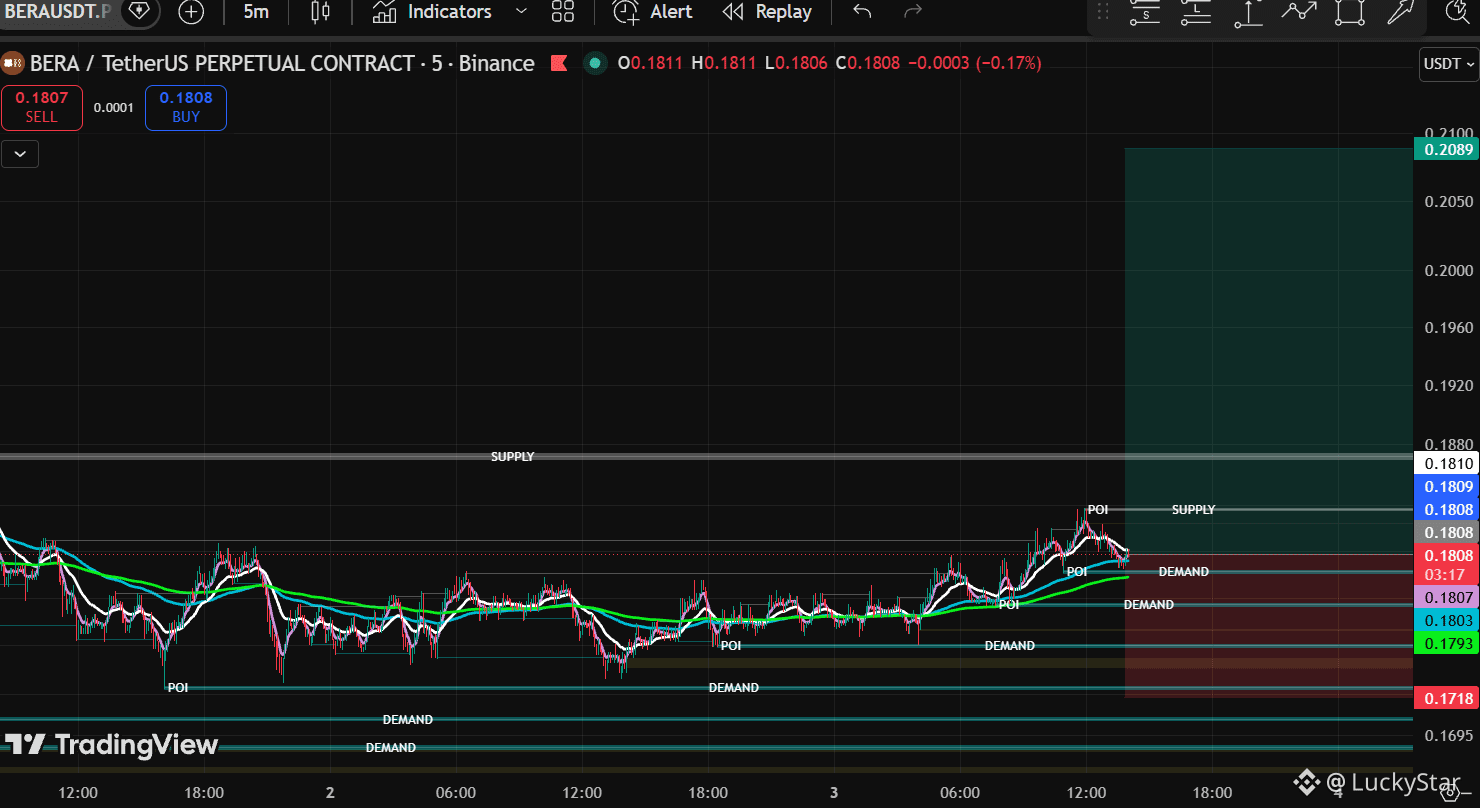
🚀 READY TO CATCH THE NEXT UPWARD MOMENTUM?
🐂 BUYERS CONTINUE TO CONTROL KEY DEMAND AREA.
🎯 AFTER CONFIRMATION, ATTENTION MAY MOVE TO NEXT TARGETS.
#trading #BERA #Berachain #ETH
$BERA
🚀 READY TO CATCH THE NEXT UPWARD MOMENTUM?
🐂 BUYERS CONTINUE TO CONTROL KEY DEMAND AREA.
🎯 AFTER CONFIRMATION, ATTENTION MAY MOVE TO NEXT TARGETS.
#trading #BERA #Berachain #ETH
🚀 READY TO CATCH THE NEXT UPWARD MOMENTUM?
🐂 BUYERS CONTINUE TO CONTROL KEY DEMAND AREA.
🎯 AFTER CONFIRMATION, ATTENTION MAY MOVE TO NEXT TARGETS.
#trading #BERA #Berachain #ETH
188

·
--
Bullish
🔥 **BERA/USDT (BERACHAIN) BULLISH BREAKOUT SIGNAL** 🚀
The single correct signal for **BERA/USDT** based on price action and heavy volume momentum is **BULLISH** 🐂🟢. **BERACHAIN (BERA)** has surged **+8.21%** today, breaking out strongly from its daily low of **$0.1617**. With over **2.07M+ USDT** in trading volume driving price toward resistance at **$0.1863**, buyers are actively accumulating on key support.
💥 **Signal Type:** **STRONG BULLISH** 🐂🟢
📍 **Current Price:** $0.18460000
📊 **24h High:** $0.18630000
📉 **24h Low:** $0.16170000
💰 **24h Volume (USDT):** $2,070,410.12
⚡ **24h Volume (BERA):** 11.77M+ BERA
🏷️ **Category:** Layer 1 / Layer 2 / Launchpool Gainer
---
### 📊 Technical Setup & Key Drivers
1. **Demand Support Defense:** BERA defended the critical **$0.1617** support floor with high buying pressure, creating a clean upward momentum trend.
2. **Breakout Retest:** Price is pushing directly against local resistance at **$0.1863**. A sustained 1-hour/4-hour candle close above **$0.1863** will clear the path for a fast expansion rally toward **$0.2100+**.
3. **Ecosystem Capital Inflow:** As a prominent Proof-of-Liquidity Layer 1 project, solid Launchpool backing and high 24h trading activity indicate fresh retail interest.
---$BERA
{future}(BERAUSDT)
### 🎯 Trade Parameters
* **Best Entry Zone:** $0.17800000 – $0.18460000
* **Target 1 (TP1):** $0.18630000 *(24h High Retest)* 🎯
* **Target 2 (TP2):** $0.19800000 🎯
* **Target 3 (TP3):** $0.21500000 🚀
* **Stop Loss (SL):** $0.16000000 *(Below 24h Low Support)* 🛑
---
### 💡 Strategy & Risk Management
Maintain strict position management and stick to safe leverage (3x to 5x maximum for futures). Set your Stop Loss firmly at **$0.16000000**. Once price clears Target 1 ($0.1863), move your Stop Loss to entry to secure a risk-free position! 📈✨
---
#BERA #Berachain #cryptosignals
🔥 **BERA/USDT (BERACHAIN) BULLISH BREAKOUT SIGNAL** 🚀
The single correct signal for **BERA/USDT** based on price action and heavy volume momentum is **BULLISH** 🐂🟢. **BERACHAIN (BERA)** has surged **+8.21%** today, breaking out strongly from its daily low of **$0.1617**. With over **2.07M+ USDT** in trading volume driving price toward resistance at **$0.1863**, buyers are actively accumulating on key support.
💥 **Signal Type:** **STRONG BULLISH** 🐂🟢
📍 **Current Price:** $0.18460000
📊 **24h High:** $0.18630000
📉 **24h Low:** $0.16170000
💰 **24h Volume (USDT):** $2,070,410.12
⚡ **24h Volume (BERA):** 11.77M+ BERA
🏷️ **Category:** Layer 1 / Layer 2 / Launchpool Gainer
---
### 📊 Technical Setup & Key Drivers
1. **Demand Support Defense:** BERA defended the critical **$0.1617** support floor with high buying pressure, creating a clean upward momentum trend.
2. **Breakout Retest:** Price is pushing directly against local resistance at **$0.1863**. A sustained 1-hour/4-hour candle close above **$0.1863** will clear the path for a fast expansion rally toward **$0.2100+**.
3. **Ecosystem Capital Inflow:** As a prominent Proof-of-Liquidity Layer 1 project, solid Launchpool backing and high 24h trading activity indicate fresh retail interest.
---$BERA
### 🎯 Trade Parameters
* **Best Entry Zone:** $0.17800000 – $0.18460000
* **Target 1 (TP1):** $0.18630000 *(24h High Retest)* 🎯
* **Target 2 (TP2):** $0.19800000 🎯
* **Target 3 (TP3):** $0.21500000 🚀
* **Stop Loss (SL):** $0.16000000 *(Below 24h Low Support)* 🛑
---
### 💡 Strategy & Risk Management
Maintain strict position management and stick to safe leverage (3x to 5x maximum for futures). Set your Stop Loss firmly at **$0.16000000**. Once price clears Target 1 ($0.1863), move your Stop Loss to entry to secure a risk-free position! 📈✨
---
#BERA #Berachain #cryptosignals
The single correct signal for **BERA/USDT** based on price action and heavy volume momentum is **BULLISH** 🐂🟢. **BERACHAIN (BERA)** has surged **+8.21%** today, breaking out strongly from its daily low of **$0.1617**. With over **2.07M+ USDT** in trading volume driving price toward resistance at **$0.1863**, buyers are actively accumulating on key support.
💥 **Signal Type:** **STRONG BULLISH** 🐂🟢
📍 **Current Price:** $0.18460000
📊 **24h High:** $0.18630000
📉 **24h Low:** $0.16170000
💰 **24h Volume (USDT):** $2,070,410.12
⚡ **24h Volume (BERA):** 11.77M+ BERA
🏷️ **Category:** Layer 1 / Layer 2 / Launchpool Gainer
---
### 📊 Technical Setup & Key Drivers
1. **Demand Support Defense:** BERA defended the critical **$0.1617** support floor with high buying pressure, creating a clean upward momentum trend.
2. **Breakout Retest:** Price is pushing directly against local resistance at **$0.1863**. A sustained 1-hour/4-hour candle close above **$0.1863** will clear the path for a fast expansion rally toward **$0.2100+**.
3. **Ecosystem Capital Inflow:** As a prominent Proof-of-Liquidity Layer 1 project, solid Launchpool backing and high 24h trading activity indicate fresh retail interest.
---$BERA
### 🎯 Trade Parameters
* **Best Entry Zone:** $0.17800000 – $0.18460000
* **Target 1 (TP1):** $0.18630000 *(24h High Retest)* 🎯
* **Target 2 (TP2):** $0.19800000 🎯
* **Target 3 (TP3):** $0.21500000 🚀
* **Stop Loss (SL):** $0.16000000 *(Below 24h Low Support)* 🛑
---
### 💡 Strategy & Risk Management
Maintain strict position management and stick to safe leverage (3x to 5x maximum for futures). Set your Stop Loss firmly at **$0.16000000**. Once price clears Target 1 ($0.1863), move your Stop Loss to entry to secure a risk-free position! 📈✨
---
#BERA #Berachain #cryptosignals
1
100

·
--
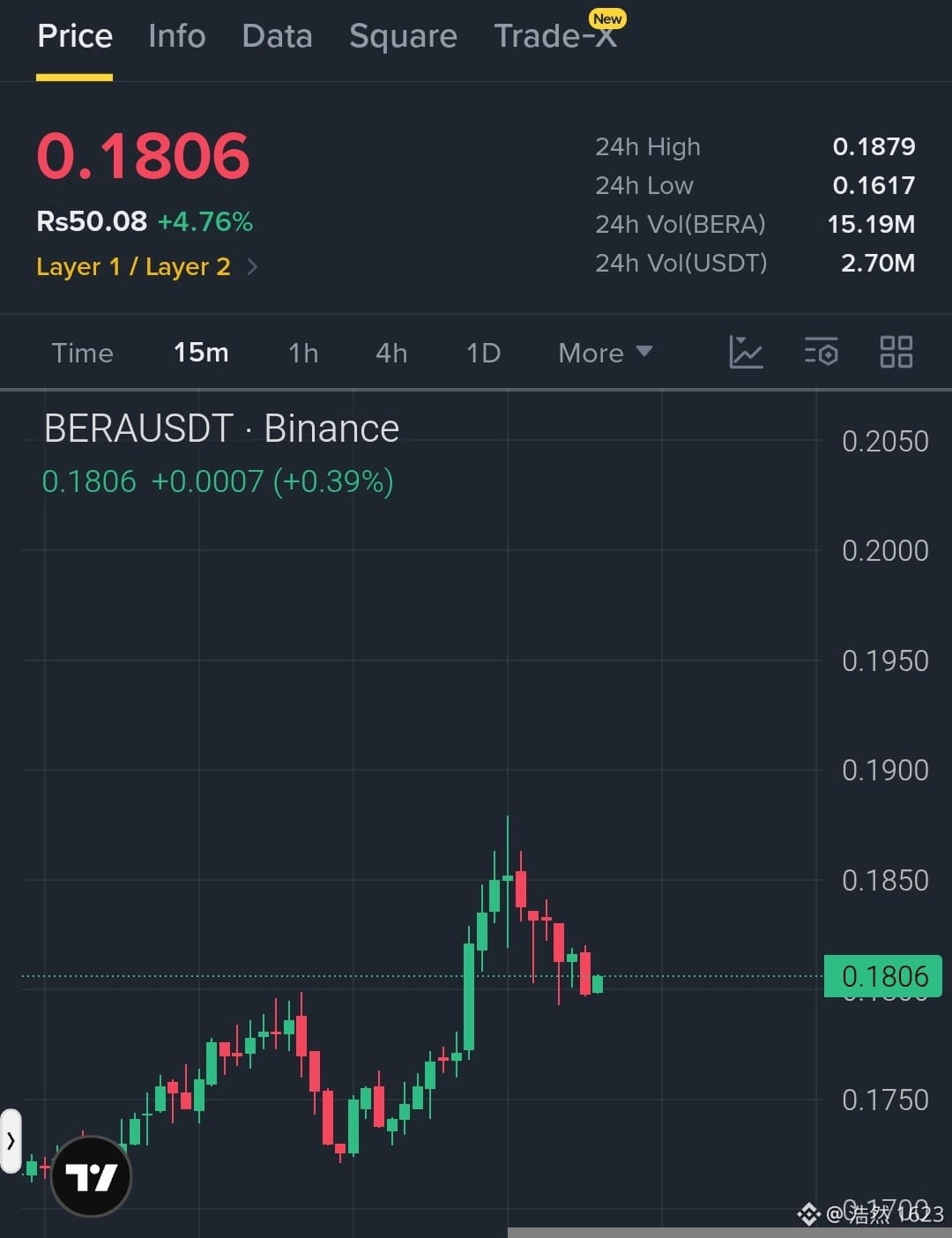
$BERA (Berachain) is showing healthy price action on the 15m chart after climbing from its 24h low of 0.1617 to a high of 0.1879. Currently trading around 0.1806 with a +4.76% daily gain, price action is consolidating constructively above local support following a brief pullback. Holding above current structural support paves the way for a retest of upper resistance levels.
Target 1: 0.1880 Target 2: 0.1950 Target 3: 0.2050
#BERA #Berachain #Crypto #Trading #Binance
$TUT
{future}(TUTUSDT)
$BTR
{alpha}(560xfed13d0c40790220fbde712987079eda1ed75c51)
{future}(BERAUSDT)
$BERA (Berachain) is showing healthy price action on the 15m chart after climbing from its 24h low of 0.1617 to a high of 0.1879. Currently trading around 0.1806 with a +4.76% daily gain, price action is consolidating constructively above local support following a brief pullback. Holding above current structural support paves the way for a retest of upper resistance levels.
Target 1: 0.1880 Target 2: 0.1950 Target 3: 0.2050
#BERA #Berachain #Crypto #Trading #Binance
$TUT
$BTR
Target 1: 0.1880 Target 2: 0.1950 Target 3: 0.2050
#BERA #Berachain #Crypto #Trading #Binance
$TUT
$BTR
1
351

·
--
🐻 Community Is Still Crypto's Strongest Asset
Technology attracts users.
Communities keep them engaged.
Berachain continues generating attention by combining innovative blockchain architecture with one of the most active communities in crypto.
The strongest ecosystems grow because people choose to build together.
Community is an asset that cannot be copied.
$BERA
#Berachain #BERA #Blockchain #CryptoCommunity #Web3
🐻 Community Is Still Crypto's Strongest Asset
Technology attracts users.
Communities keep them engaged.
Berachain continues generating attention by combining innovative blockchain architecture with one of the most active communities in crypto.
The strongest ecosystems grow because people choose to build together.
Community is an asset that cannot be copied.
$BERA
#Berachain #BERA #Blockchain #CryptoCommunity #Web3
Technology attracts users.
Communities keep them engaged.
Berachain continues generating attention by combining innovative blockchain architecture with one of the most active communities in crypto.
The strongest ecosystems grow because people choose to build together.
Community is an asset that cannot be copied.
$BERA
#Berachain #BERA #Blockchain #CryptoCommunity #Web3

171

·
--
Bullish
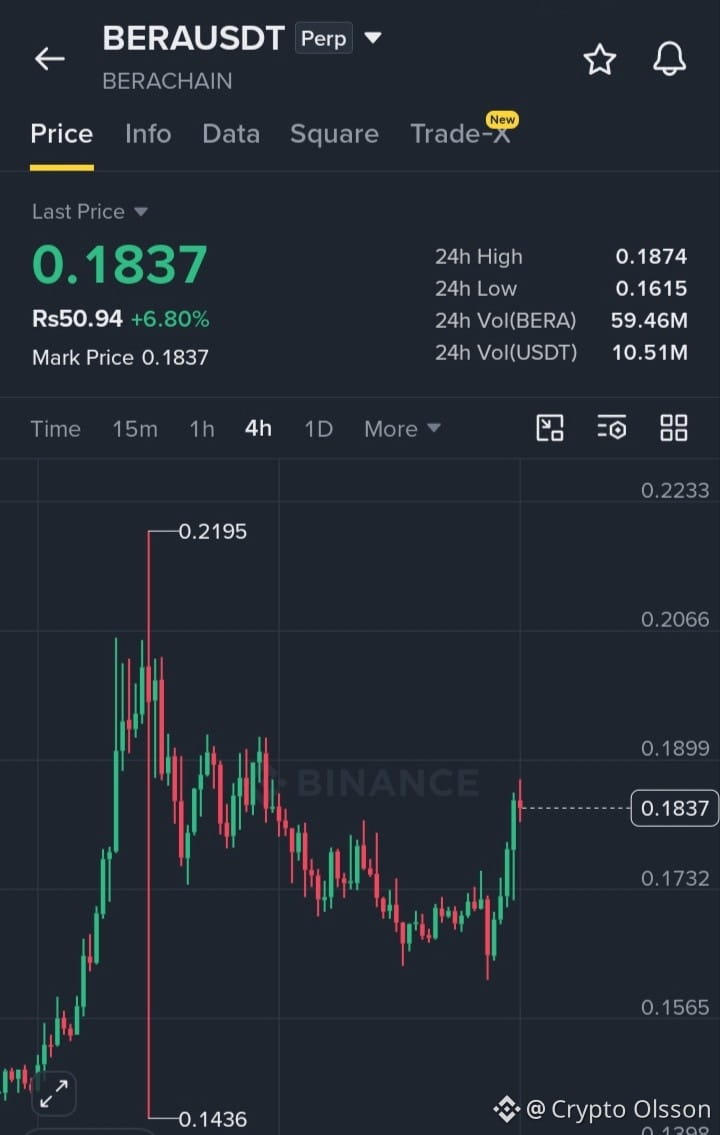
🚀 $BERA Long Setup — Momentum Watch
Entry: 0.1825–0.1840 TP1: 0.1900 TP2: 0.1980 TP3: 0.2060 SL: 0.1730
$BERA
{future}(BERAUSDT)
is showing strong momentum with rising volume. Manage risk and avoid chasing the move. 📈
#BERA #BERACHAIN #Crypto
🚀 $BERA Long Setup — Momentum Watch
Entry: 0.1825–0.1840 TP1: 0.1900 TP2: 0.1980 TP3: 0.2060 SL: 0.1730
$BERA
is showing strong momentum with rising volume. Manage risk and avoid chasing the move. 📈
#BERA #BERACHAIN #Crypto
Entry: 0.1825–0.1840 TP1: 0.1900 TP2: 0.1980 TP3: 0.2060 SL: 0.1730
$BERA
is showing strong momentum with rising volume. Manage risk and avoid chasing the move. 📈
#BERA #BERACHAIN #Crypto
1
228


·
--
Bullish
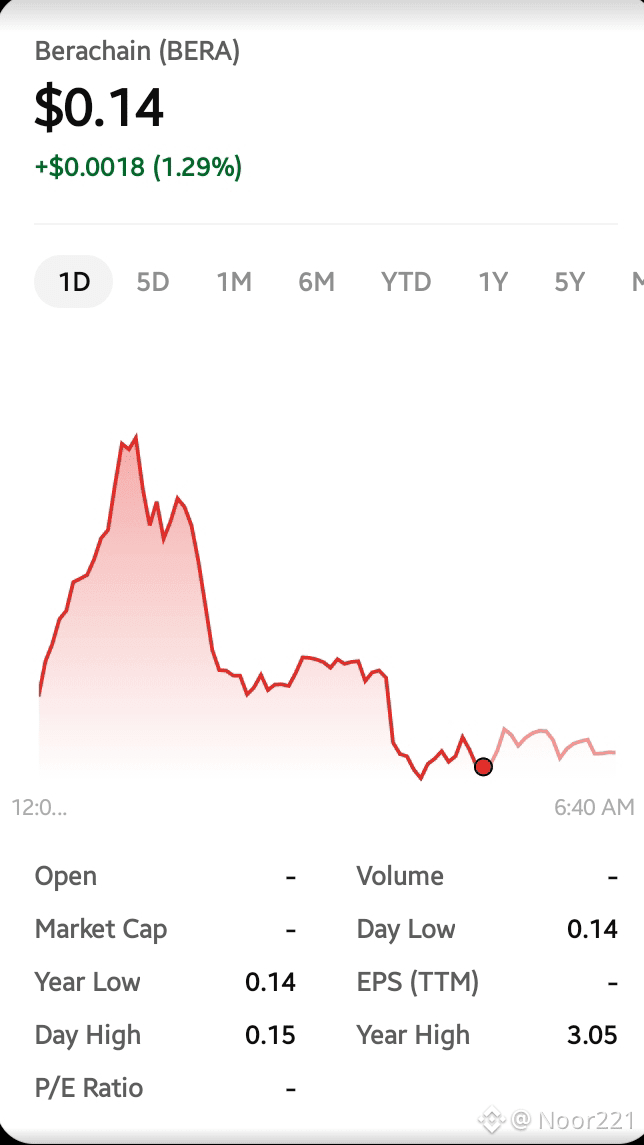
🐻 $BERA — 3X DOWN, BUT I’M STILL HOLDING!
$BERA is trading around $0.145, and yes… that’s roughly 3X below my buying levels. 📉
But I’m still holding because I believe the PoL Next upgrade could change the long-term story. The transition to the new PoL Next incentive model has already been implemented, with BGT emissions stopped and the new model built around swBERA.
🎯 My personal roadmap:
$0.20 → $0.30 → $0.50 → $1.00
I’m not saying $1 is guaranteed. It would require stronger adoption, liquidity, ecosystem growth and a much healthier altcoin market.
But if Berachain executes and sentiment returns… could #BERA reclaim $1? 👀🔥
What’s your 2026 price prediction for $BERA ???
{future}(BERAUSDT)
#BERA #Berachain #DeFi #PoL
🐻 $BERA — 3X DOWN, BUT I’M STILL HOLDING!
$BERA is trading around $0.145, and yes… that’s roughly 3X below my buying levels. 📉
But I’m still holding because I believe the PoL Next upgrade could change the long-term story. The transition to the new PoL Next incentive model has already been implemented, with BGT emissions stopped and the new model built around swBERA.
🎯 My personal roadmap:
$0.20 → $0.30 → $0.50 → $1.00
I’m not saying $1 is guaranteed. It would require stronger adoption, liquidity, ecosystem growth and a much healthier altcoin market.
But if Berachain executes and sentiment returns… could #BERA reclaim $1? 👀🔥
What’s your 2026 price prediction for $BERA ???
#BERA #Berachain #DeFi #PoL
$BERA is trading around $0.145, and yes… that’s roughly 3X below my buying levels. 📉
But I’m still holding because I believe the PoL Next upgrade could change the long-term story. The transition to the new PoL Next incentive model has already been implemented, with BGT emissions stopped and the new model built around swBERA.
🎯 My personal roadmap:
$0.20 → $0.30 → $0.50 → $1.00
I’m not saying $1 is guaranteed. It would require stronger adoption, liquidity, ecosystem growth and a much healthier altcoin market.
But if Berachain executes and sentiment returns… could #BERA reclaim $1? 👀🔥
What’s your 2026 price prediction for $BERA ???
#BERA #Berachain #DeFi #PoL
6
430

·
--
Bullish
🐻 A major tokenomics shift is coming to Berachain.
Berachain is set to activate a hard fork that will fundamentally change how incentives work across its ecosystem. The upgrade will end all new emissions of the Bera Governance Token (BGT) and transition the network's reward system to Wrapped BERA (WBERA), placing the native BERA asset at the center of the protocol's incentive model.
According to the Berachain Foundation, the hard fork is scheduled for Wednesday at 4:00 PM UTC. The move is designed to simplify the network's dual-token structure, improve capital efficiency, and better align validator, user, and ecosystem incentives around a single core asset.
Tokenomics upgrades like this are closely watched because they can influence staking behavior, liquidity flows, governance participation, and long-term network sustainability. While the market's reaction will ultimately depend on adoption and execution, this marks one of the most significant protocol changes in Berachain's history.
As always, major blockchain upgrades are worth monitoring closely—not just for price action, but for what they signal about a project's long-term vision and ecosystem strategy.
#Berachain #BERA #WBERA #DeFi $BERA
{spot}(BERAUSDT)
#Tokenomics #Blockchain #CryptoNews #BinanceSquare
🐻 A major tokenomics shift is coming to Berachain.
Berachain is set to activate a hard fork that will fundamentally change how incentives work across its ecosystem. The upgrade will end all new emissions of the Bera Governance Token (BGT) and transition the network's reward system to Wrapped BERA (WBERA), placing the native BERA asset at the center of the protocol's incentive model.
According to the Berachain Foundation, the hard fork is scheduled for Wednesday at 4:00 PM UTC. The move is designed to simplify the network's dual-token structure, improve capital efficiency, and better align validator, user, and ecosystem incentives around a single core asset.
Tokenomics upgrades like this are closely watched because they can influence staking behavior, liquidity flows, governance participation, and long-term network sustainability. While the market's reaction will ultimately depend on adoption and execution, this marks one of the most significant protocol changes in Berachain's history.
As always, major blockchain upgrades are worth monitoring closely—not just for price action, but for what they signal about a project's long-term vision and ecosystem strategy.
#Berachain #BERA #WBERA #DeFi $BERA
#Tokenomics #Blockchain #CryptoNews #BinanceSquare
Berachain is set to activate a hard fork that will fundamentally change how incentives work across its ecosystem. The upgrade will end all new emissions of the Bera Governance Token (BGT) and transition the network's reward system to Wrapped BERA (WBERA), placing the native BERA asset at the center of the protocol's incentive model.
According to the Berachain Foundation, the hard fork is scheduled for Wednesday at 4:00 PM UTC. The move is designed to simplify the network's dual-token structure, improve capital efficiency, and better align validator, user, and ecosystem incentives around a single core asset.
Tokenomics upgrades like this are closely watched because they can influence staking behavior, liquidity flows, governance participation, and long-term network sustainability. While the market's reaction will ultimately depend on adoption and execution, this marks one of the most significant protocol changes in Berachain's history.
As always, major blockchain upgrades are worth monitoring closely—not just for price action, but for what they signal about a project's long-term vision and ecosystem strategy.
#Berachain #BERA #WBERA #DeFi $BERA
#Tokenomics #Blockchain #CryptoNews #BinanceSquare
2
328
·
--
$BERA
{future}(BERAUSDT)
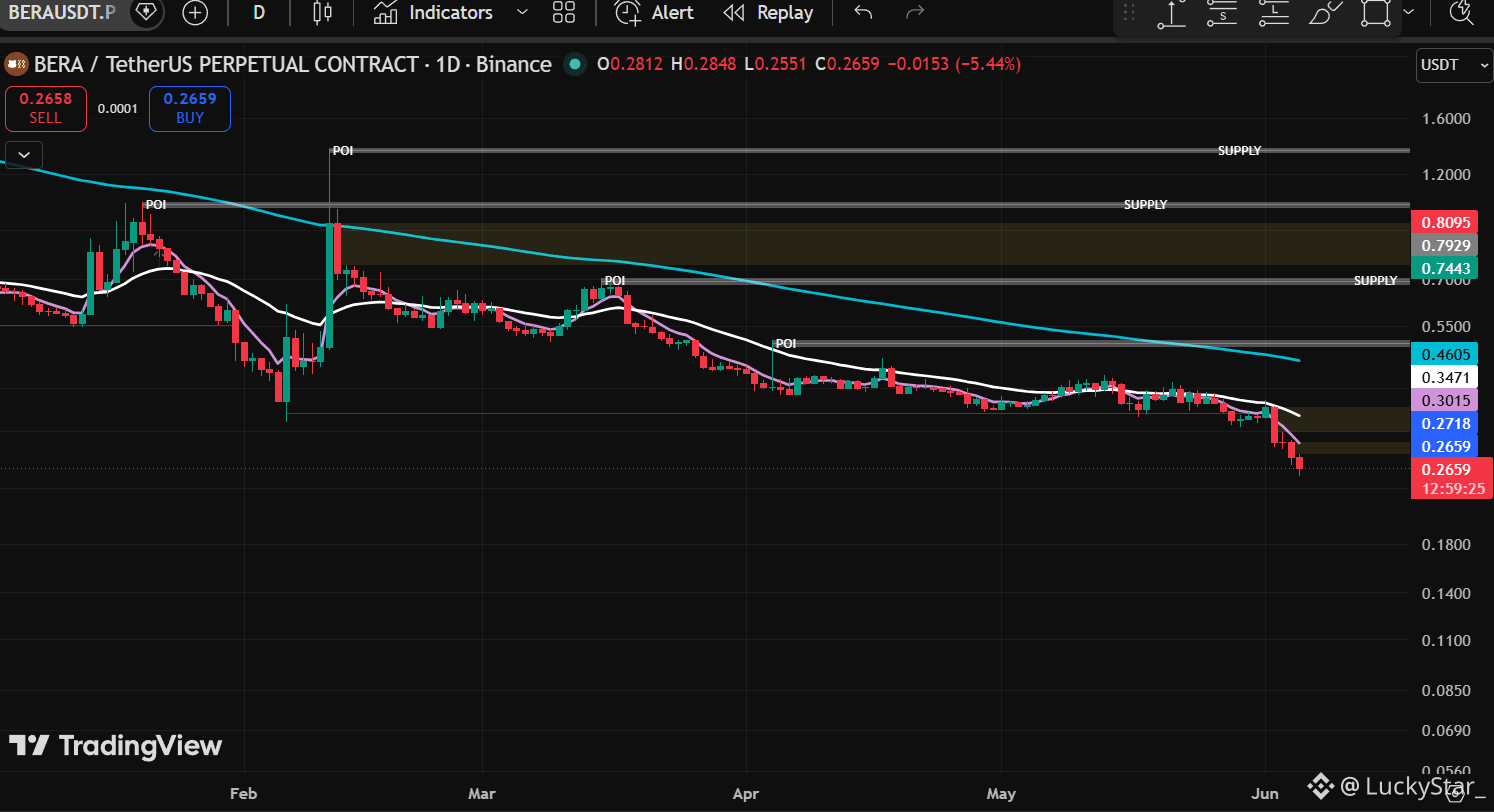
BERA/USDT chart, the market shows a −5.44% decline, closing near 0.2659 USDT after failing to hold above short‑term moving averages. The structure remains bearish, with price approaching the 0.25–0.27 USDT demand zone, where buyers previously reacted.
#BERA #Berachain #TradingCommunity
$BERA
BERA/USDT chart, the market shows a −5.44% decline, closing near 0.2659 USDT after failing to hold above short‑term moving averages. The structure remains bearish, with price approaching the 0.25–0.27 USDT demand zone, where buyers previously reacted.
#BERA #Berachain #TradingCommunity
BERA/USDT chart, the market shows a −5.44% decline, closing near 0.2659 USDT after failing to hold above short‑term moving averages. The structure remains bearish, with price approaching the 0.25–0.27 USDT demand zone, where buyers previously reacted.
#BERA #Berachain #TradingCommunity
295

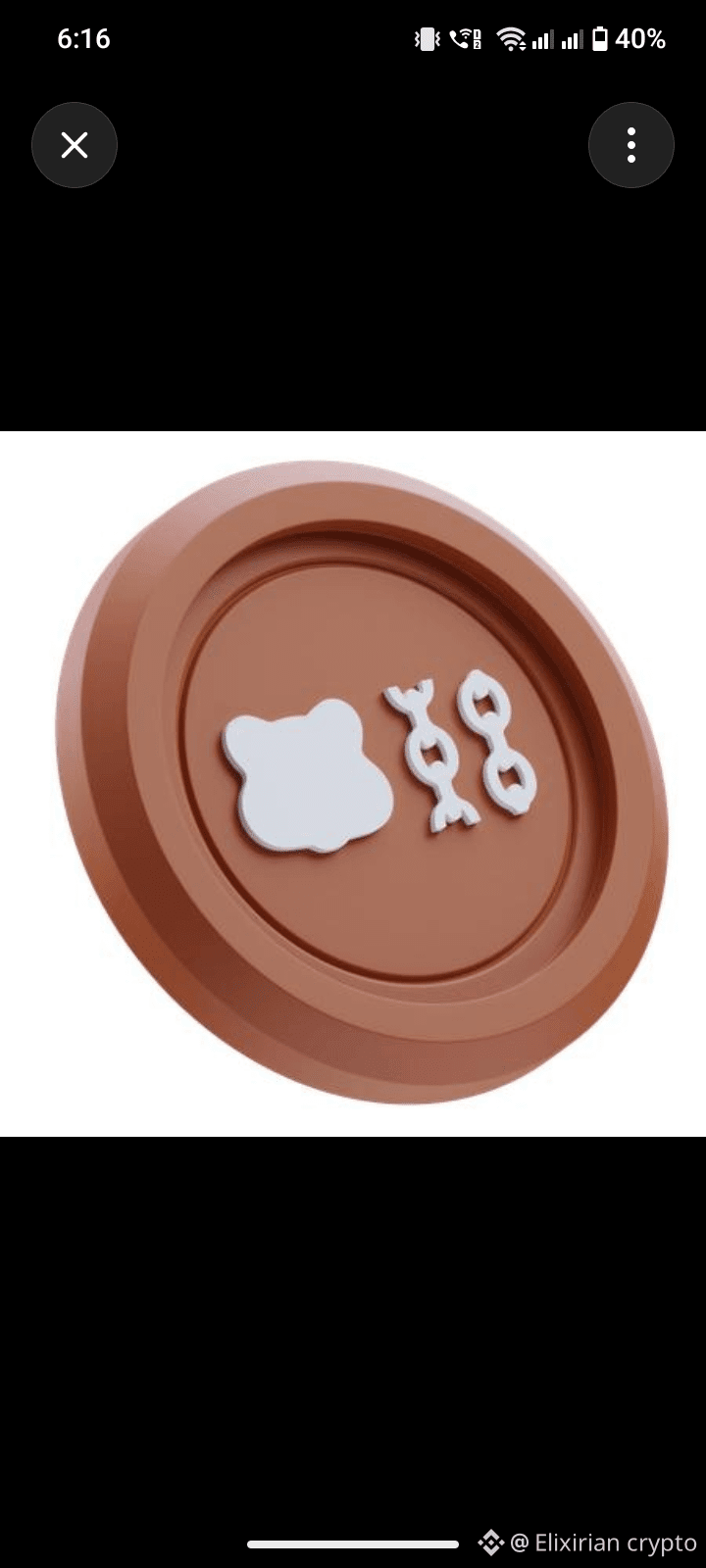
$BERA is moving like a genius.
BERA Price: ~$0.18
24H Change: 🟢 +5–8%
24H High: ~$0.1875
24H Low: ~$0.1622
24H Volume: ~$20–30M
📊 Analysis: BERA is showing short-term bullish momentum, with price recovering from the recent low around $0.138 and currently holding near $0.18. The key resistance is around $0.187–$0.19; a clean breakout could strengthen the bullish move. On the downside, $0.162 is an important near-term support.
🔥 Trader View: Bullish short-term.
#LNGTankersStayOutOfHormuz #RussiaStartsLargeScaleDigitalRubleRolloutSep1 #BERA #Berachain
{spot}(BERAUSDT)
$BERA is moving like a genius.
BERA Price: ~$0.18
24H Change: 🟢 +5–8%
24H High: ~$0.1875
24H Low: ~$0.1622
24H Volume: ~$20–30M
📊 Analysis: BERA is showing short-term bullish momentum, with price recovering from the recent low around $0.138 and currently holding near $0.18. The key resistance is around $0.187–$0.19; a clean breakout could strengthen the bullish move. On the downside, $0.162 is an important near-term support.
🔥 Trader View: Bullish short-term.
#LNGTankersStayOutOfHormuz #RussiaStartsLargeScaleDigitalRubleRolloutSep1 #BERA #Berachain
BERA Price: ~$0.18
24H Change: 🟢 +5–8%
24H High: ~$0.1875
24H Low: ~$0.1622
24H Volume: ~$20–30M
📊 Analysis: BERA is showing short-term bullish momentum, with price recovering from the recent low around $0.138 and currently holding near $0.18. The key resistance is around $0.187–$0.19; a clean breakout could strengthen the bullish move. On the downside, $0.162 is an important near-term support.
🔥 Trader View: Bullish short-term.
#LNGTankersStayOutOfHormuz #RussiaStartsLargeScaleDigitalRubleRolloutSep1 #BERA #Berachain
110

🐻 The biggest question for $BERA isn't whether it can grow—it's how fast. With its Proof-of-Liquidity model attracting developers and expanding DeFi activity, my base-case target for $BERA is $30–$40 by the end of 2027, while a strong bull market could see $50+.
My prediction? If the ecosystem keeps executing, BERA could become one of the standout Layer-1 success stories. Would you buy the dip or wait for confirmation? 🚀
#BERA #BERA #Berachain #BeraCoinPredictions #BinanceMegadrop
{future}(BERAUSDT)
🐻 The biggest question for $BERA isn't whether it can grow—it's how fast. With its Proof-of-Liquidity model attracting developers and expanding DeFi activity, my base-case target for $BERA is $30–$40 by the end of 2027, while a strong bull market could see $50+.
My prediction? If the ecosystem keeps executing, BERA could become one of the standout Layer-1 success stories. Would you buy the dip or wait for confirmation? 🚀
#BERA #BERA #Berachain #BeraCoinPredictions #BinanceMegadrop
My prediction? If the ecosystem keeps executing, BERA could become one of the standout Layer-1 success stories. Would you buy the dip or wait for confirmation? 🚀
#BERA #BERA #Berachain #BeraCoinPredictions #BinanceMegadrop
2
446
·
--
$BERA
{future}(BERAUSDT)
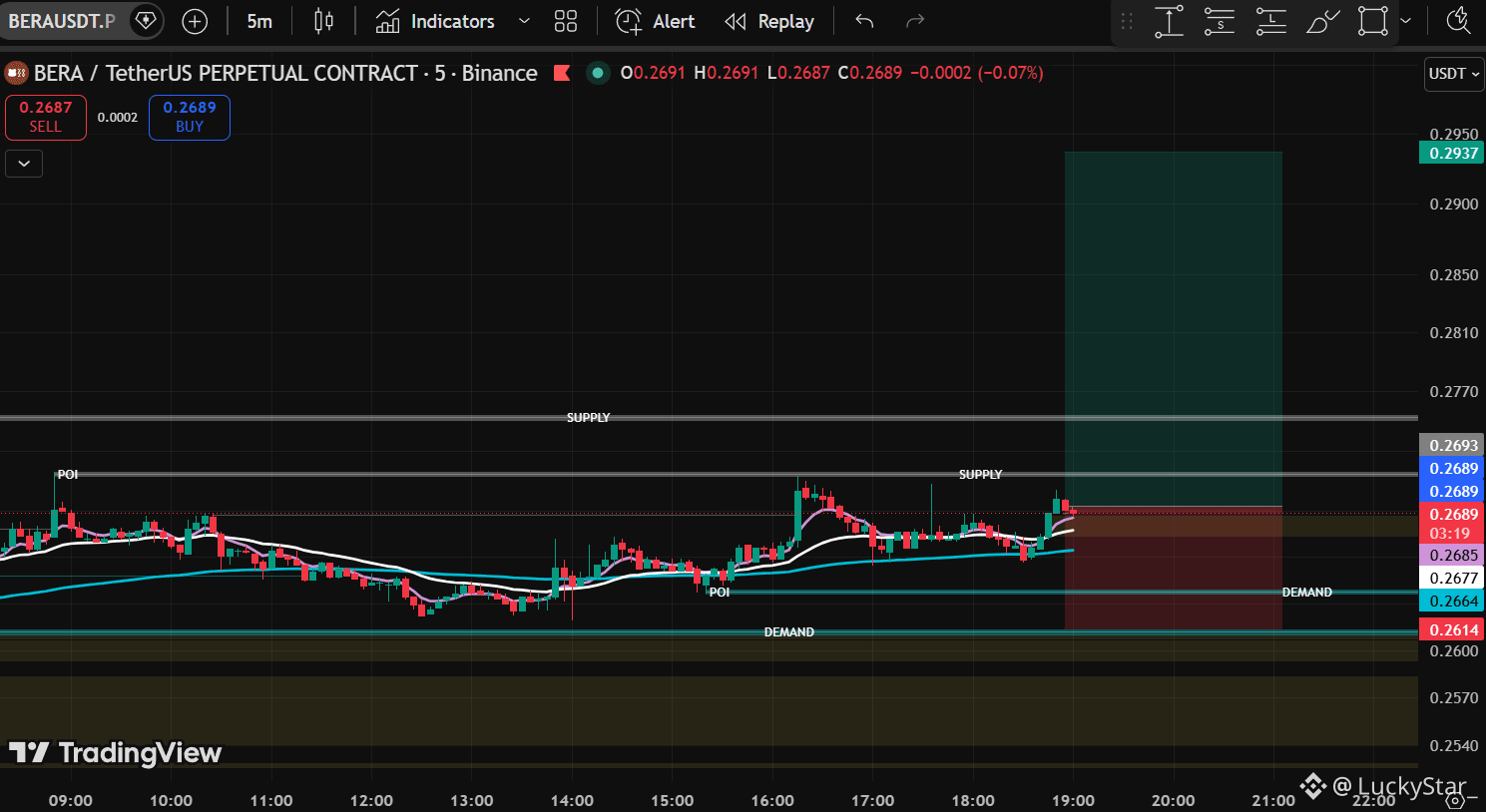
After confirming the support, the market showed the first signs of momentum. A long was opened to work out a potential upward movement.
#BERA #Berachain #TradingTales
$BERA
After confirming the support, the market showed the first signs of momentum. A long was opened to work out a potential upward movement.
#BERA #Berachain #TradingTales
After confirming the support, the market showed the first signs of momentum. A long was opened to work out a potential upward movement.
#BERA #Berachain #TradingTales
1
383
·
--
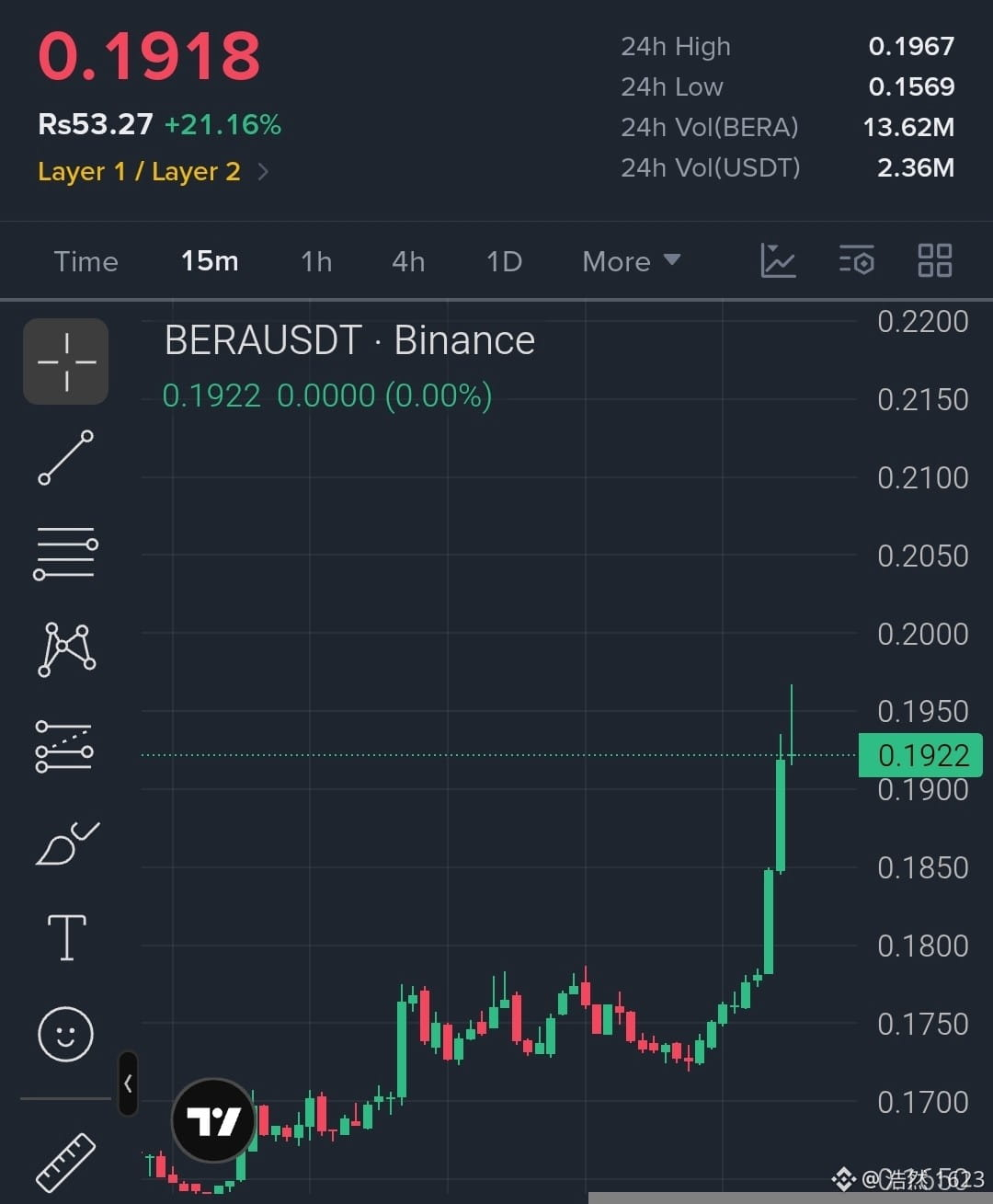
$BERA is showing a strong bullish expansion on the 15m timeframe, surging over 21% from its 24h low of 0.1569 up toward a peak near 0.1967. High buying volume is fueling this sharp upward movement, with price action currently holding near 0.1922 as bulls maintain control and push for a breakout higher.
Target 1: 0.1967 Target 2: 0.2050 Target 3: 0.2150
#BERA #Berachain #CryptoTrading
$BTW
{alpha}(560x444045b0ee1ee319a660a5e3d604ca0ffa35acaa)
$ONG
{future}(ONGUSDT)
{future}(BERAUSDT)
$BERA is showing a strong bullish expansion on the 15m timeframe, surging over 21% from its 24h low of 0.1569 up toward a peak near 0.1967. High buying volume is fueling this sharp upward movement, with price action currently holding near 0.1922 as bulls maintain control and push for a breakout higher.
Target 1: 0.1967 Target 2: 0.2050 Target 3: 0.2150
#BERA #Berachain #CryptoTrading
$BTW
$ONG
Target 1: 0.1967 Target 2: 0.2050 Target 3: 0.2150
#BERA #Berachain #CryptoTrading
$BTW
$ONG
1
424

·
--
Bullish
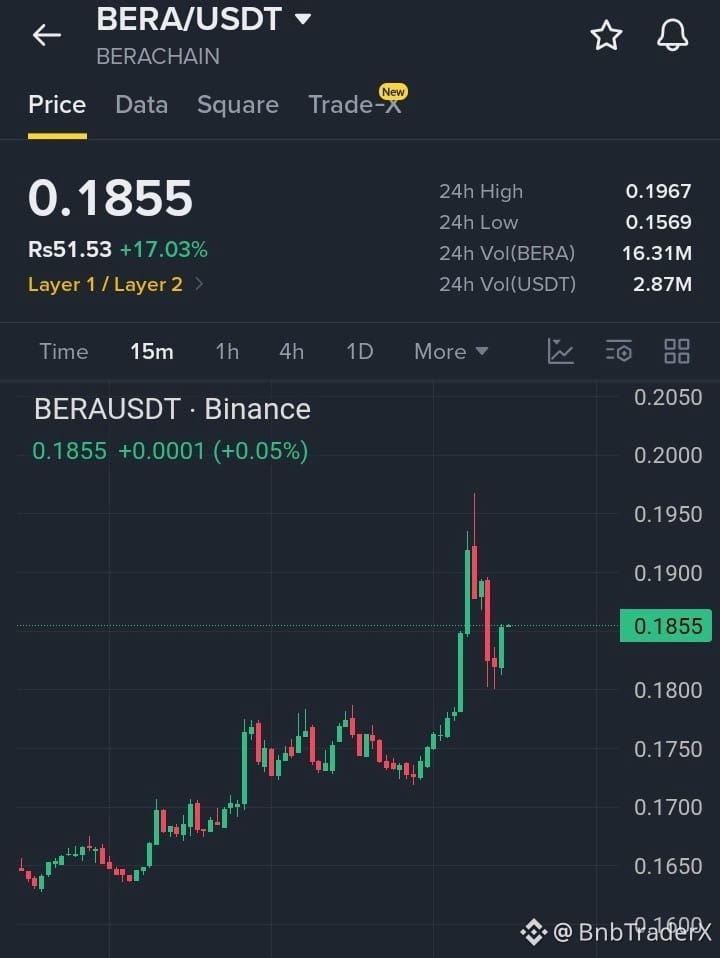
$BERA is showing solid bullish momentum after a 17% daily gain, with price consolidating around 0.1855 after reaching 0.1967. The 0.1900–0.1967 zone is the key supply area; a breakout above 0.1967 with strong volume could accelerate the move, while rejection may pull price back toward 0.1800.
Target 1: 0.2000
Target 2: 0.2100
Target 3: 0.2250
#BERA #Berachain #CryptoTrading
{future}(BERAUSDT)
$BB
{future}(BBUSDT)
$BTW
{future}(BTWUSDT)
$BERA is showing solid bullish momentum after a 17% daily gain, with price consolidating around 0.1855 after reaching 0.1967. The 0.1900–0.1967 zone is the key supply area; a breakout above 0.1967 with strong volume could accelerate the move, while rejection may pull price back toward 0.1800.
Target 1: 0.2000
Target 2: 0.2100
Target 3: 0.2250
#BERA #Berachain #CryptoTrading
$BB
$BTW
Target 1: 0.2000
Target 2: 0.2100
Target 3: 0.2250
#BERA #Berachain #CryptoTrading
$BB
$BTW
2
329
Log in to explore more content
Join global crypto users on Binance Square
⚡️ Get latest and useful information about crypto.
💬 Trusted by the world’s largest crypto exchange.
👍 Discover real insights from verified creators.
Email / Phone number
Trending Topics
1
#FedMinutesFocusOnOctoberPause
240,473 views
1,548 Discussing
2
#SecondFiLaunchesRecoveryPortalAfter$21MHack
0 views
0 Discussing
3
#BinanceLaunchesBinanceIntelligence
1.2M views
6,719 Discussing
4
#EvernorthDelaysNasdaqDebutToOct12
28,981 views
383 Discussing
5
#RobinhoodAdds$25MInBitcoinToBalanceSheet
9,771 views
80 Discussing
6
#SP500AndNasdaqHitRecordHighs
33,007 views
536 Discussing
7
#USMortgageRatesRiseTo7.49%
33,584 views
430 Discussing
8
#BTCFallsBelow$84K
146,059 views
247 Discussing
9
#DubaiVARAIssuesReserveAssetAuditCircular
52,780 views
1,005 Discussing
10
#SECApproves3XBitcoinETF
50,581 views
803 Discussing