
Muh Spark
91 ໂພສ

Muh Spark
ລາຍງານ
ບລັອກຜູ້ໃຊ້
ເປີດການຊື້ຂາຍ
ຜູ້ຊື້ຂາຍປະຈໍາ
3.6 ປີ
9 ກໍາລັງຕິດຕາມ
28 ຜູ້ຕິດຕາມ
142 Liked
ໂພສ
Portfolio
ທັງໝົດ
ວົງຢືມ
ປັກໝຸດ
·
--
ບົດຄວາມ
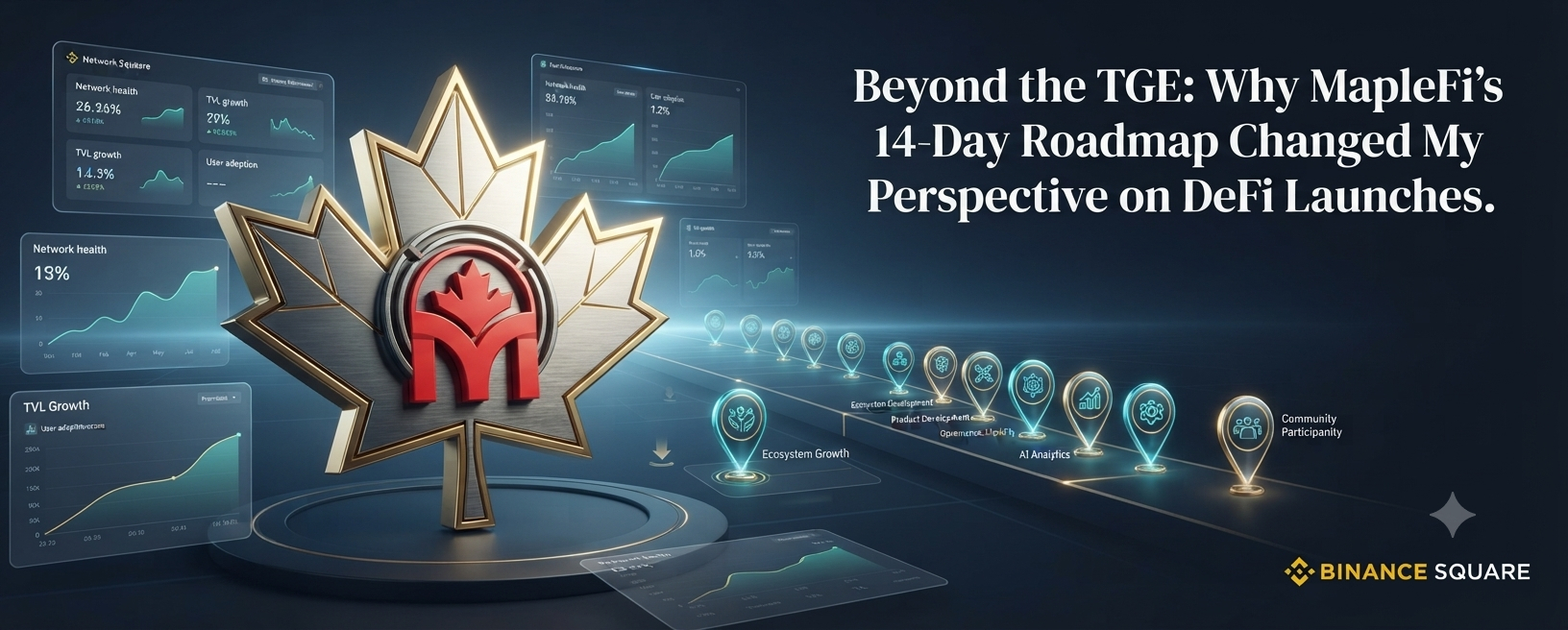
Lampas sa TGE: Bakit Binago ng 14-Araw na Roadmap ng MapleFi ang Aking Pananaw sa Mga Ilunsad ng DeFi"Маaaring lumikha ng kaguluhan ang isang Kaganapan sa Pagbuo ng Token, ngunit napagpasyahan kong higit na mahalaga ang nangyayari pagkatapos."
Isang bagay na napansin ko matapos sundan ang iba’t ibang proyekto ng DeFi sa mga taon ay maraming itinuturing ang Token Generation Event (TGE) na parang ang huling linya. Linggo ng marketing ang lumilikha ng napakalaking inaasahan, nagsisimula ang pangangalakal, at pagkatapos... tumitahimik ang lahat. Naging hindi gaanong madalas ang mga update, nawawalan ng momentum ang mga roadmap, at naiwan ang mga komunidad na naghihintay na matupad ang mga pangako at maging mga produkto.
Kaya namangha ako sa naging approach ng MapleFi.
Lampas sa TGE: Bakit Binago ng 14-Araw na Roadmap ng MapleFi ang Aking Pananaw sa Mga Ilunsad ng DeFi
"Маaaring lumikha ng kaguluhan ang isang Kaganapan sa Pagbuo ng Token, ngunit napagpasyahan kong higit na mahalaga ang nangyayari pagkatapos."
Isang bagay na napansin ko matapos sundan ang iba’t ibang proyekto ng DeFi sa mga taon ay maraming itinuturing ang Token Generation Event (TGE) na parang ang huling linya. Linggo ng marketing ang lumilikha ng napakalaking inaasahan, nagsisimula ang pangangalakal, at pagkatapos... tumitahimik ang lahat. Naging hindi gaanong madalas ang mga update, nawawalan ng momentum ang mga roadmap, at naiwan ang mga komunidad na naghihintay na matupad ang mga pangako at maging mga produkto.
Kaya namangha ako sa naging approach ng MapleFi.
Isang bagay na napansin ko matapos sundan ang iba’t ibang proyekto ng DeFi sa mga taon ay maraming itinuturing ang Token Generation Event (TGE) na parang ang huling linya. Linggo ng marketing ang lumilikha ng napakalaking inaasahan, nagsisimula ang pangangalakal, at pagkatapos... tumitahimik ang lahat. Naging hindi gaanong madalas ang mga update, nawawalan ng momentum ang mga roadmap, at naiwan ang mga komunidad na naghihintay na matupad ang mga pangako at maging mga produkto.
Kaya namangha ako sa naging approach ng MapleFi.
1
160
ປັກໝຸດ
·
--
ບົດຄວາມ
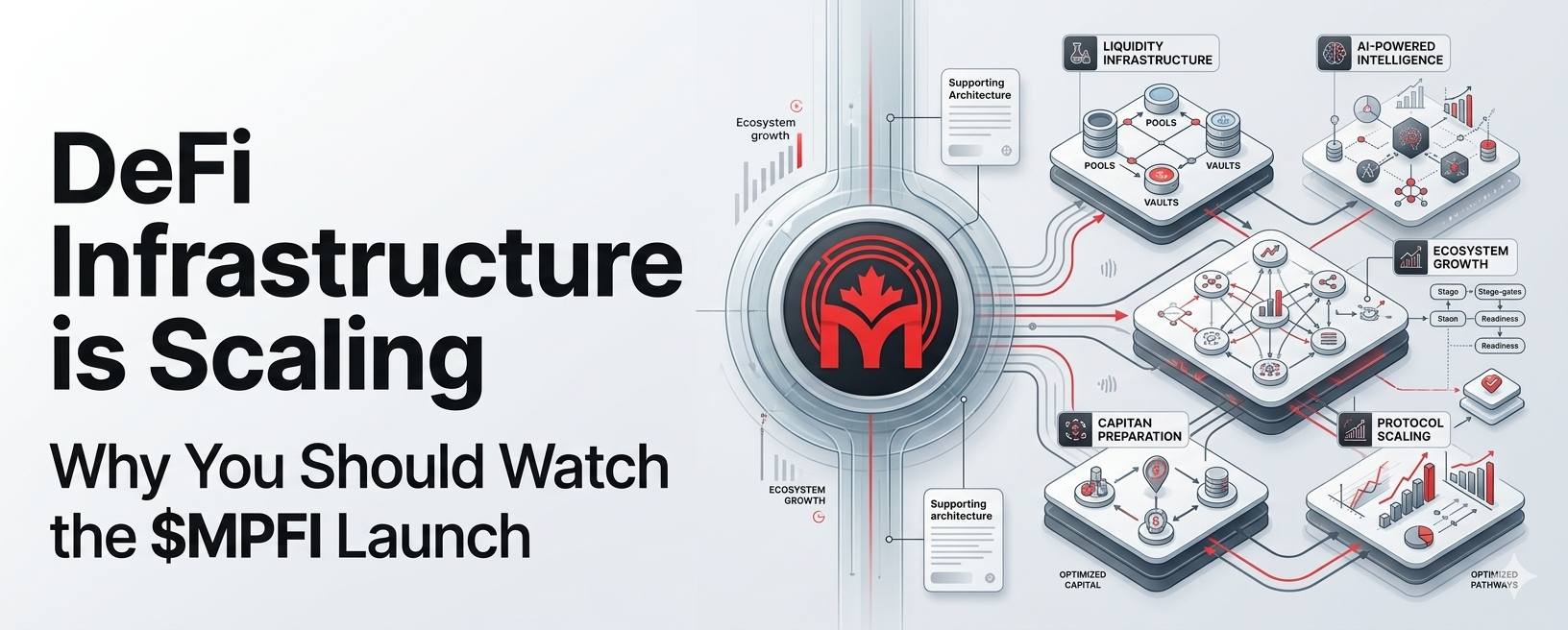
Ingqalasizinda ye-DeFi Iyakhula - Kungani Kufanele Ulandele Ukuqala kwe-$MPFIAmaprothokholi aphumelele kakhulu ku-Web3 awawona agxila ekutholeni ukuduma, kodwa lawo agxila engxenyeni eqinile yengqalasizinda. Njengoba sisondela mhla ka-1 kuJulayi, i-MapleFi ilungiselela ukuqala ithokheni ye-$MPFI kanye ne-AIONEX Liquidity Genesis, okuwumzuzu omkhulu ku-decentralized finance ku-Base.
Okwenza lokhu kukhishwa kuhluke kokunye wukuthi kunohlelo oluhlelekile, olunezendlalelo eziningi, lokusabalalisa. Ngokusebenzisa uchungechunge lwemizuliswano ehleliwe ukusuka emzuliswaneni weCyreneAI venture kuze kufike ezigabeni zokugcina zomphakathi. I-Maplefi.xyz iqinisekisa isisekelo sabahlanganyeli esihlukahlukene nesizinzile.
Ingqalasizinda ye-DeFi Iyakhula - Kungani Kufanele Ulandele Ukuqala kwe-$MPFI
Amaprothokholi aphumelele kakhulu ku-Web3 awawona agxila ekutholeni ukuduma, kodwa lawo agxila engxenyeni eqinile yengqalasizinda. Njengoba sisondela mhla ka-1 kuJulayi, i-MapleFi ilungiselela ukuqala ithokheni ye-$MPFI kanye ne-AIONEX Liquidity Genesis, okuwumzuzu omkhulu ku-decentralized finance ku-Base.
Okwenza lokhu kukhishwa kuhluke kokunye wukuthi kunohlelo oluhlelekile, olunezendlalelo eziningi, lokusabalalisa. Ngokusebenzisa uchungechunge lwemizuliswano ehleliwe ukusuka emzuliswaneni weCyreneAI venture kuze kufike ezigabeni zokugcina zomphakathi. I-Maplefi.xyz iqinisekisa isisekelo sabahlanganyeli esihlukahlukene nesizinzile.
Okwenza lokhu kukhishwa kuhluke kokunye wukuthi kunohlelo oluhlelekile, olunezendlalelo eziningi, lokusabalalisa. Ngokusebenzisa uchungechunge lwemizuliswano ehleliwe ukusuka emzuliswaneni weCyreneAI venture kuze kufike ezigabeni zokugcina zomphakathi. I-Maplefi.xyz iqinisekisa isisekelo sabahlanganyeli esihlukahlukene nesizinzile.
2
386
·
--
ບົດຄວາມ
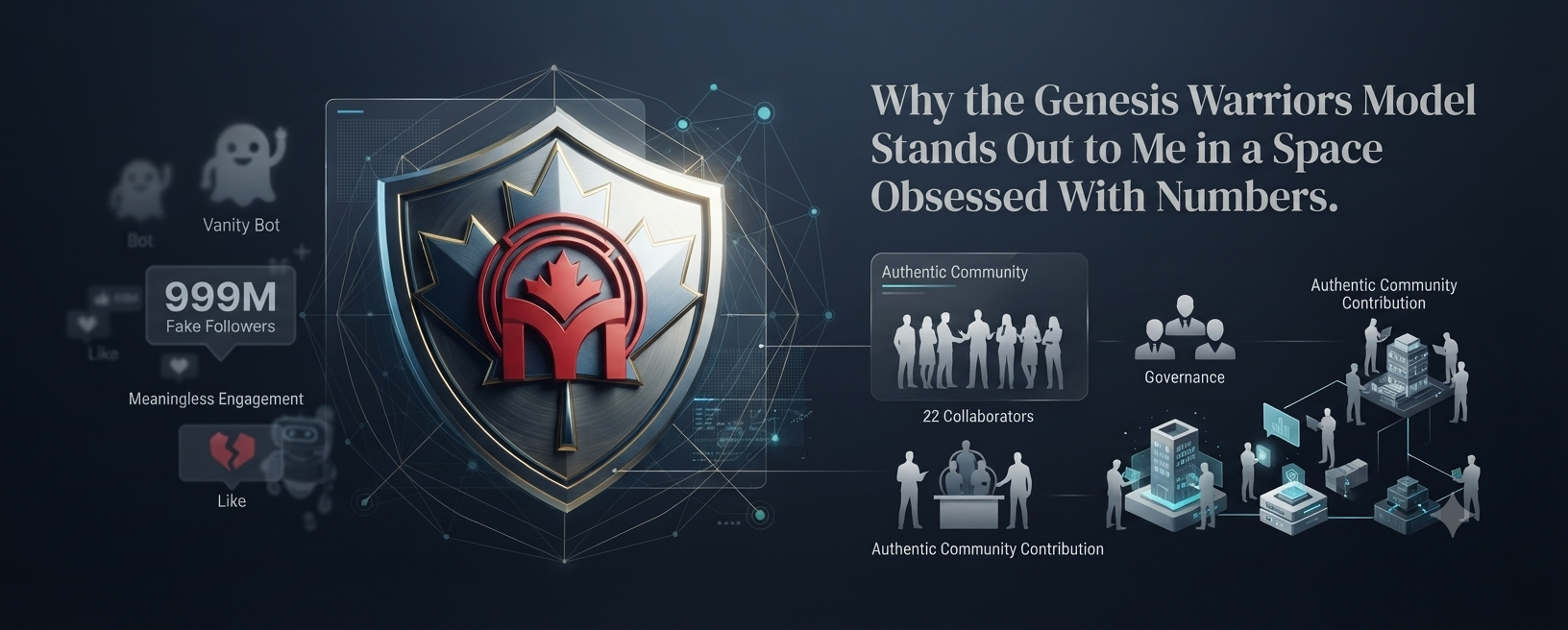
Bakit Namumukod-Tangi sa Akin ang Genesis Warriors Model sa Isang Lugar na Nahuhumaling sa Mga Numero"Ang isang matibay na komunidad ay hindi nabubuo batay sa dami ng followers nito, kundi sa dami ng mga taong tunay na nagmamalasakit sa kanilang tinutulungan na likhain."
Isang bagay na napansin ko matapos magtagal sa Web3 ay madalas nalilito ng mga tao ang kasikatan sa komunidad. Maaaring may daan-daang libong followers ang isang proyekto sa iba’t ibang social platform, ngunit iilang bahagi lamang sa mga taong iyon ang aktibong nag-aambag sa paglago nito.
Uthando, pagre-repost, at napalaki na metrics ng pakikipag-ugnayan ay maaaring mukhang kahanga-hanga, ngunit hindi palaging ito ay nagreresulta sa isang malusog na ecosystem.
Bakit Namumukod-Tangi sa Akin ang Genesis Warriors Model sa Isang Lugar na Nahuhumaling sa Mga Numero
"Ang isang matibay na komunidad ay hindi nabubuo batay sa dami ng followers nito, kundi sa dami ng mga taong tunay na nagmamalasakit sa kanilang tinutulungan na likhain."
Isang bagay na napansin ko matapos magtagal sa Web3 ay madalas nalilito ng mga tao ang kasikatan sa komunidad. Maaaring may daan-daang libong followers ang isang proyekto sa iba’t ibang social platform, ngunit iilang bahagi lamang sa mga taong iyon ang aktibong nag-aambag sa paglago nito.
Uthando, pagre-repost, at napalaki na metrics ng pakikipag-ugnayan ay maaaring mukhang kahanga-hanga, ngunit hindi palaging ito ay nagreresulta sa isang malusog na ecosystem.
Isang bagay na napansin ko matapos magtagal sa Web3 ay madalas nalilito ng mga tao ang kasikatan sa komunidad. Maaaring may daan-daang libong followers ang isang proyekto sa iba’t ibang social platform, ngunit iilang bahagi lamang sa mga taong iyon ang aktibong nag-aambag sa paglago nito.
Uthando, pagre-repost, at napalaki na metrics ng pakikipag-ugnayan ay maaaring mukhang kahanga-hanga, ngunit hindi palaging ito ay nagreresulta sa isang malusog na ecosystem.
1
253
·
--
ບົດຄວາມ
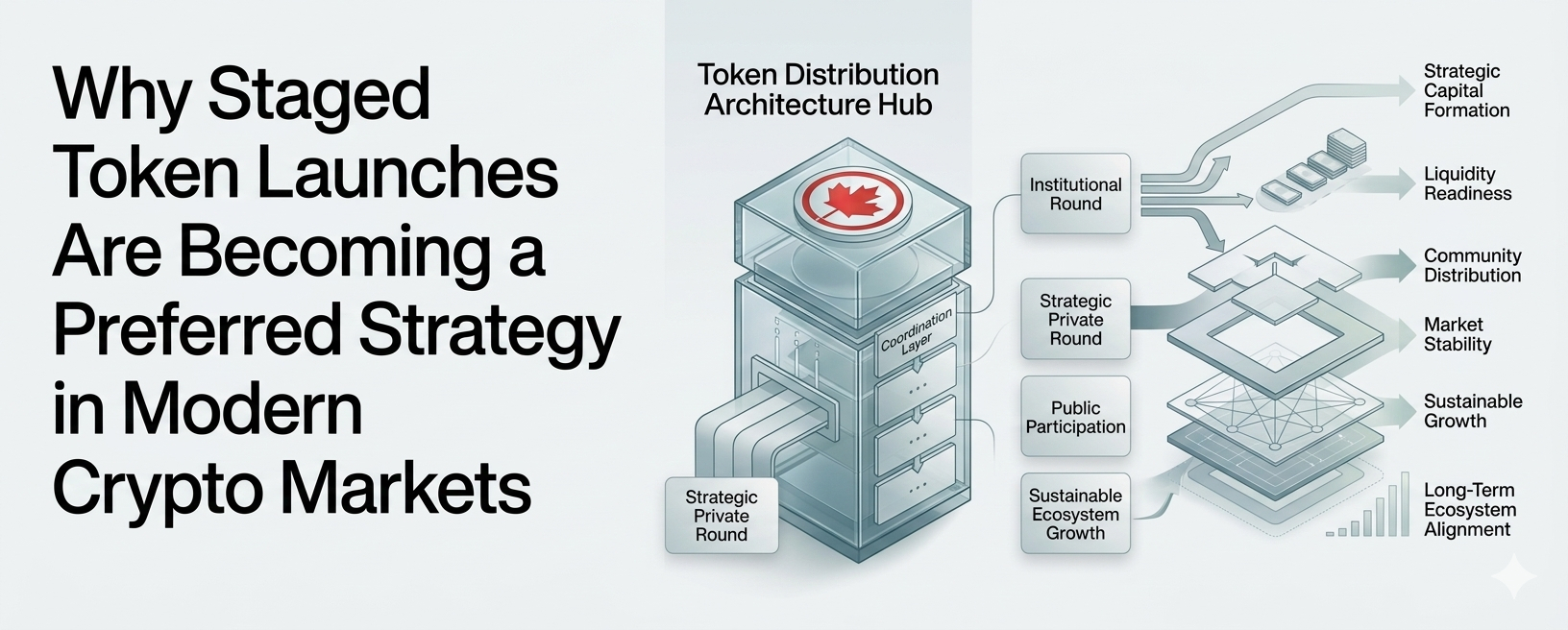
Kungani Ukwethulwa Kwamathokheni Ezigabeni (Staged Token Launches) Sekuyindlela Eyincomekayo Emakethe Yesimanje ye-CryptoUkwethulwa kwama-token kushintshe kakhulu eminyakeni embalwa edlule.
Ngesikhathi semijikelezo yangaphambilini yemakethe, amaphrojekthi amaningi agxile kakhulu ekwandiseni isamba sokuqoqwa kwezimali nokudala injabulo yemakethe ngokushesha. Nakuba lokhu kuvame ukudala umfutho oqinile wesikhathi esifushane, kuvame futhi kuholele ekucindezelweni kokuthengisa ngokweqile nje ngemva kokwethulwa, okonakalisa kokubili ukuzethemba kwababatshalizimali nokukhula kwesikhathi eside kwe-ecosystem.
Njengoba imboni ivuthwa, inani elikhulayo lama-protocol libheka izakhiwo zokwethulwa (launch) ezihlukile ezihloselwe ukubeka phambili ukusimama (sustainability) kunokucabanga (speculation).
Kungani Ukwethulwa Kwamathokheni Ezigabeni (Staged Token Launches) Sekuyindlela Eyincomekayo Emakethe Yesimanje ye-Crypto
Ukwethulwa kwama-token kushintshe kakhulu eminyakeni embalwa edlule.
Ngesikhathi semijikelezo yangaphambilini yemakethe, amaphrojekthi amaningi agxile kakhulu ekwandiseni isamba sokuqoqwa kwezimali nokudala injabulo yemakethe ngokushesha. Nakuba lokhu kuvame ukudala umfutho oqinile wesikhathi esifushane, kuvame futhi kuholele ekucindezelweni kokuthengisa ngokweqile nje ngemva kokwethulwa, okonakalisa kokubili ukuzethemba kwababatshalizimali nokukhula kwesikhathi eside kwe-ecosystem.
Njengoba imboni ivuthwa, inani elikhulayo lama-protocol libheka izakhiwo zokwethulwa (launch) ezihlukile ezihloselwe ukubeka phambili ukusimama (sustainability) kunokucabanga (speculation).
Ngesikhathi semijikelezo yangaphambilini yemakethe, amaphrojekthi amaningi agxile kakhulu ekwandiseni isamba sokuqoqwa kwezimali nokudala injabulo yemakethe ngokushesha. Nakuba lokhu kuvame ukudala umfutho oqinile wesikhathi esifushane, kuvame futhi kuholele ekucindezelweni kokuthengisa ngokweqile nje ngemva kokwethulwa, okonakalisa kokubili ukuzethemba kwababatshalizimali nokukhula kwesikhathi eside kwe-ecosystem.
Njengoba imboni ivuthwa, inani elikhulayo lama-protocol libheka izakhiwo zokwethulwa (launch) ezihlukile ezihloselwe ukubeka phambili ukusimama (sustainability) kunokucabanga (speculation).
2
184
·
--
ບົດຄວາມ
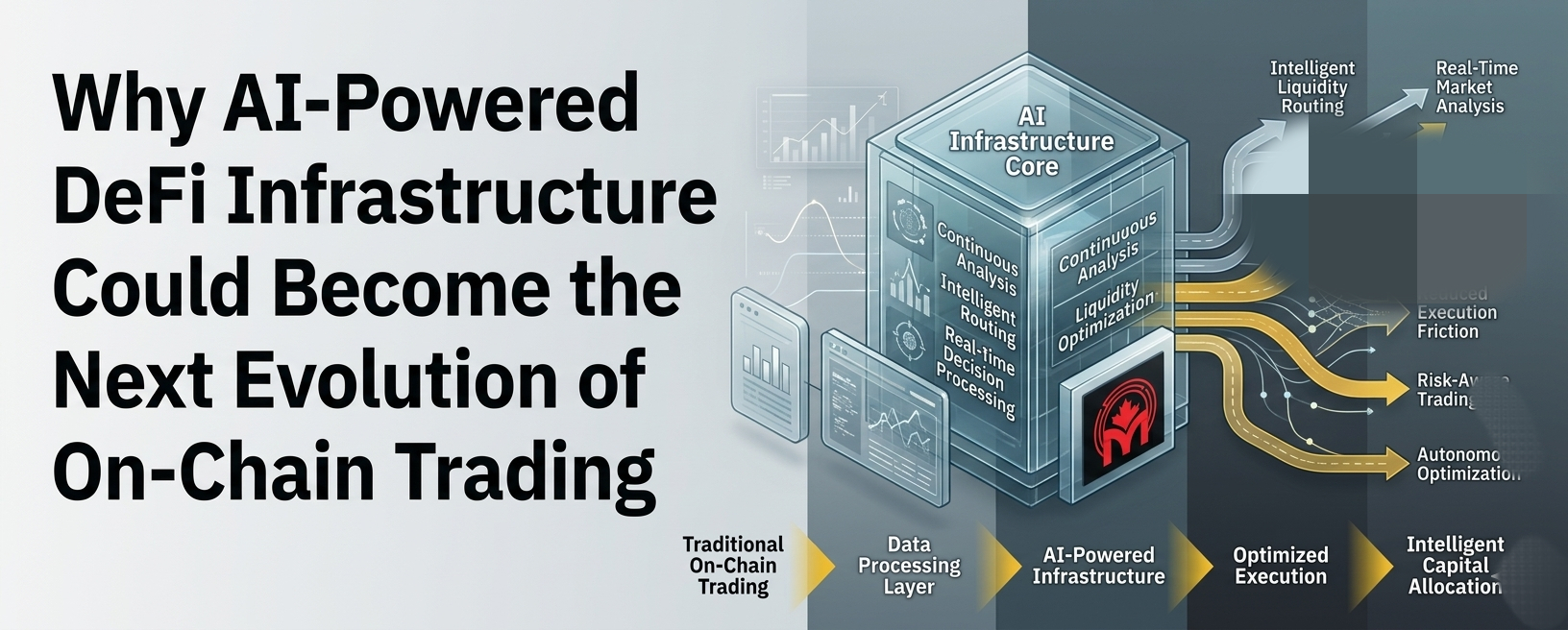
Bakit Maaaring Maging Susunod na Ebolusyon ng On-Chain Trading ang AI-Powered DeFi InfrastructureSa loob ng maraming taon, pinino ng merkado ng decentralized finance ang execution. Mas mabilis na swaps, mas malalim na liquidity pools, at mas mababang transaction costs ang naging pamantayan—ang pangunahing larangan sa mga decentralized exchange. Subalit may isang kritikal na problema pa rin na halos hindi nalulutas: paggawa ng desisyon.
Karamihan sa DEX ay mahusay mag-execute ng mga transaksyon, pero bihira itong tumulong sa mga user na maunawaan ang kalidad ng mga transaksiyong iyon bago pa man ma-execute. Madalas, napipilitang umasa ang mga trader sa external analytics dashboards, magkakahiwalay na pinagmumulan ng data, o manual na pananaliksik upang masuri ang mga kondisyon ng liquidity at mga posibleng panganib.
Bakit Maaaring Maging Susunod na Ebolusyon ng On-Chain Trading ang AI-Powered DeFi Infrastructure
Sa loob ng maraming taon, pinino ng merkado ng decentralized finance ang execution. Mas mabilis na swaps, mas malalim na liquidity pools, at mas mababang transaction costs ang naging pamantayan—ang pangunahing larangan sa mga decentralized exchange. Subalit may isang kritikal na problema pa rin na halos hindi nalulutas: paggawa ng desisyon.
Karamihan sa DEX ay mahusay mag-execute ng mga transaksyon, pero bihira itong tumulong sa mga user na maunawaan ang kalidad ng mga transaksiyong iyon bago pa man ma-execute. Madalas, napipilitang umasa ang mga trader sa external analytics dashboards, magkakahiwalay na pinagmumulan ng data, o manual na pananaliksik upang masuri ang mga kondisyon ng liquidity at mga posibleng panganib.
Karamihan sa DEX ay mahusay mag-execute ng mga transaksyon, pero bihira itong tumulong sa mga user na maunawaan ang kalidad ng mga transaksiyong iyon bago pa man ma-execute. Madalas, napipilitang umasa ang mga trader sa external analytics dashboards, magkakahiwalay na pinagmumulan ng data, o manual na pananaliksik upang masuri ang mga kondisyon ng liquidity at mga posibleng panganib.
2
259
·
--
ບົດຄວາມ
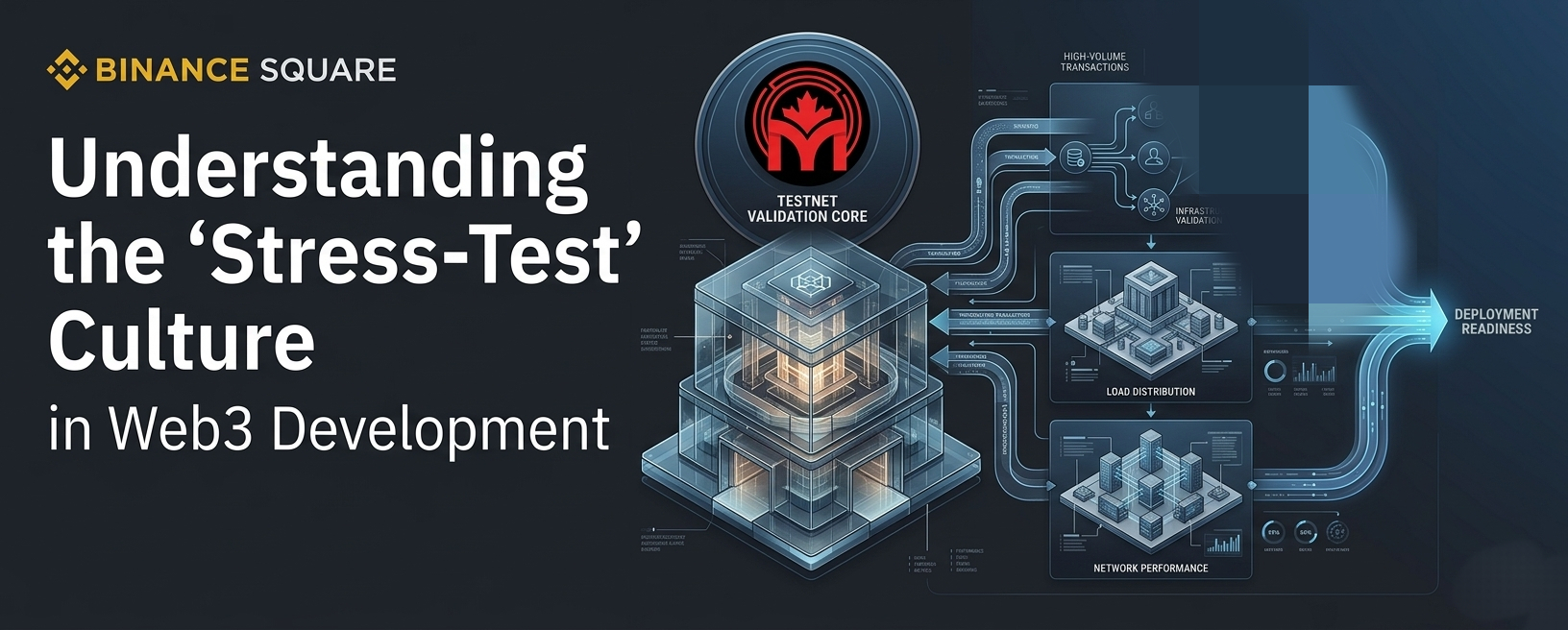
Ukuqonda Isiko elithi "Stress-Test" Ekuthuthukiseni i-Web3Ehlabathini le-blockchain, ukuhlolwa (audits) kuvamile, kodwa ukuqina okusekelwe ekusebenzeni kwangempela kuyabonakala ngokuhlolwa kokucindezeleka (stress-testing). Isivumelwano esihlakaniphile singase sibukeke siphelele ephepheni, kodwa sibhekana kanjani nemali eyizigidi ngaphansi kwezimo zenethiwekhi ezicindezelayo kakhulu?
Yingakho ukuhlolwa kwamanje kokucindezeleka okusebenzayo ku-Shardeum testnet ngeMapleFi kubaluleke kangaka. Ngokuphusha ama-WSHM angama-milion amaningi ku-testnet ngomthetho (protocol), iqembu nabaxhasi balo bokuqinisekisa ukuthi ama-algorithms okudlulisela (routing algorithms), ama-workflow okutshala (staking workflows), kanye nobukhulu bemali yokuhlinzeka (liquidity depth) kungamelana nomthwalo omkhulu ngaphandle kokwehluleka.
Ukuqonda Isiko elithi "Stress-Test" Ekuthuthukiseni i-Web3
Ehlabathini le-blockchain, ukuhlolwa (audits) kuvamile, kodwa ukuqina okusekelwe ekusebenzeni kwangempela kuyabonakala ngokuhlolwa kokucindezeleka (stress-testing). Isivumelwano esihlakaniphile singase sibukeke siphelele ephepheni, kodwa sibhekana kanjani nemali eyizigidi ngaphansi kwezimo zenethiwekhi ezicindezelayo kakhulu?
Yingakho ukuhlolwa kwamanje kokucindezeleka okusebenzayo ku-Shardeum testnet ngeMapleFi kubaluleke kangaka. Ngokuphusha ama-WSHM angama-milion amaningi ku-testnet ngomthetho (protocol), iqembu nabaxhasi balo bokuqinisekisa ukuthi ama-algorithms okudlulisela (routing algorithms), ama-workflow okutshala (staking workflows), kanye nobukhulu bemali yokuhlinzeka (liquidity depth) kungamelana nomthwalo omkhulu ngaphandle kokwehluleka.
Yingakho ukuhlolwa kwamanje kokucindezeleka okusebenzayo ku-Shardeum testnet ngeMapleFi kubaluleke kangaka. Ngokuphusha ama-WSHM angama-milion amaningi ku-testnet ngomthetho (protocol), iqembu nabaxhasi balo bokuqinisekisa ukuthi ama-algorithms okudlulisela (routing algorithms), ama-workflow okutshala (staking workflows), kanye nobukhulu bemali yokuhlinzeka (liquidity depth) kungamelana nomthwalo omkhulu ngaphandle kokwehluleka.
2
139
·
--
ບົດຄວາມ
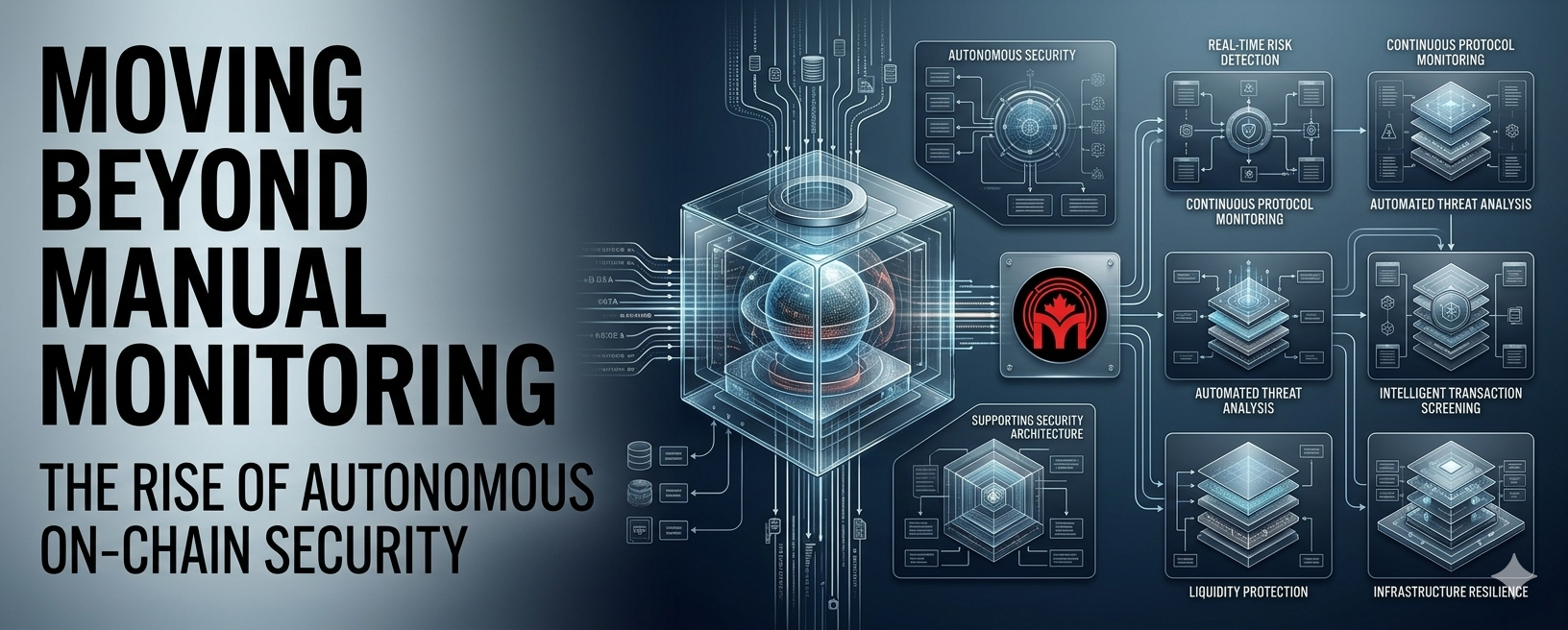
Paglampas sa Manual na Pagsubaybay - Ang Pag-usbong ng Autonomous On-Chain SecurityGaano kadalas mo kinakailangang manu-manong subaybayan ang iyong mga liquidity positions para maiwasan ang mga hindi inaasahang pagbabago sa merkado? Para sa karamihan ng mga DeFi user, ito ay araw-araw na pasanin. Ngunit ang pagsasama ng DeFAI (Decentralized Finance Artificial Intelligence) ay binabago ang pananaw na ito.
Ang AIONEX ng MapleFi ay nangunguna sa pagbabagong ito sa pamamagitan ng pagbibigay ng autonomous, on-chain intelligence layer. Sa halip na maging predictive trading bot, ito ay nagsisilbing security at optimization engine. Patuloy nitong sinusuri ang kalusugan ng liquidity pools at mga routing path, pinoprotektahan ang iyong kapital bago pa lumala ang mga isyu.
Paglampas sa Manual na Pagsubaybay - Ang Pag-usbong ng Autonomous On-Chain Security
Gaano kadalas mo kinakailangang manu-manong subaybayan ang iyong mga liquidity positions para maiwasan ang mga hindi inaasahang pagbabago sa merkado? Para sa karamihan ng mga DeFi user, ito ay araw-araw na pasanin. Ngunit ang pagsasama ng DeFAI (Decentralized Finance Artificial Intelligence) ay binabago ang pananaw na ito.
Ang AIONEX ng MapleFi ay nangunguna sa pagbabagong ito sa pamamagitan ng pagbibigay ng autonomous, on-chain intelligence layer. Sa halip na maging predictive trading bot, ito ay nagsisilbing security at optimization engine. Patuloy nitong sinusuri ang kalusugan ng liquidity pools at mga routing path, pinoprotektahan ang iyong kapital bago pa lumala ang mga isyu.
Ang AIONEX ng MapleFi ay nangunguna sa pagbabagong ito sa pamamagitan ng pagbibigay ng autonomous, on-chain intelligence layer. Sa halip na maging predictive trading bot, ito ay nagsisilbing security at optimization engine. Patuloy nitong sinusuri ang kalusugan ng liquidity pools at mga routing path, pinoprotektahan ang iyong kapital bago pa lumala ang mga isyu.
2
171
·
--
Muh Spark
·
--
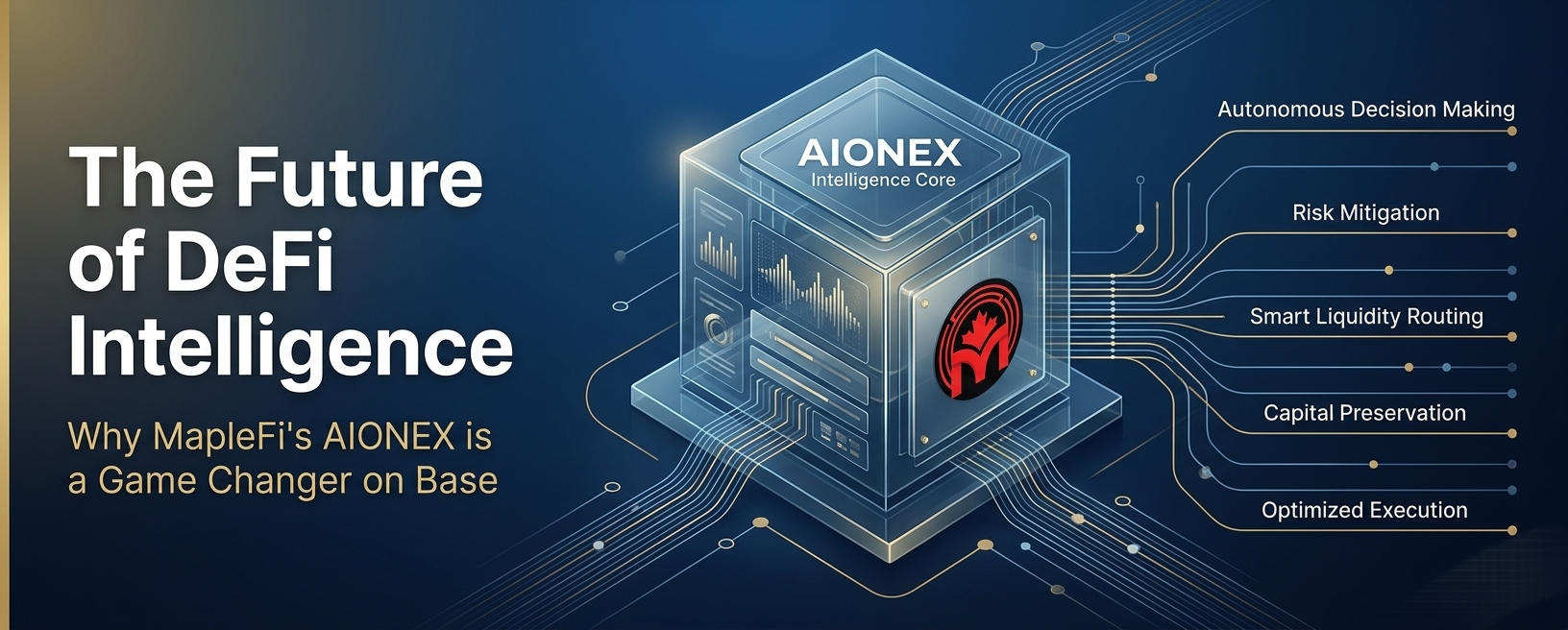
Il-Ġejjieni tal-Intelliġenza DeFi - Għaliex l-AIONEX ta’ MapleFi Huwa Bidla Logħob fuq Base
Għad-dinja tal-finanzi deċentralizzati qed tevolvi lil hinn minn sempliċi, rendiment statiku. Hekk kif nħarsu lejn il-ġenerazzjoni li jmiss ta’ infrastruttura ta’ livell istituzzjonali, pjattaforma waħda qed tispikka billi tgħaqqad id-distakk bejn data mhux ipproċessata u intelliġenza azzjonabbli: MapleFi.
L-integrazzjoni tal-magna ta’ intelliġenza AIONEX fil-ekosistema Base tirrappreżenta bidla kbira fil-mod kif il-likwidità tiġi ġestita. Minflok ma wieħed jiddependi fuq sorveljanza manwali, AIONEX juża proċessar awtonomu biex jimmonitorja l-fond tal-likwidità u r-rotta tal-ordnijiet f’ħin reali.
L-integrazzjoni tal-magna ta’ intelliġenza AIONEX fil-ekosistema Base tirrappreżenta bidla kbira fil-mod kif il-likwidità tiġi ġestita. Minflok ma wieħed jiddependi fuq sorveljanza manwali, AIONEX juża proċessar awtonomu biex jimmonitorja l-fond tal-likwidità u r-rotta tal-ordnijiet f’ħin reali.
2
226
·
--
ບົດຄວາມ
Il-Ġejjieni tal-Intelliġenza DeFi - Għaliex l-AIONEX ta’ MapleFi Huwa Bidla Logħob fuq BaseGħad-dinja tal-finanzi deċentralizzati qed tevolvi lil hinn minn sempliċi, rendiment statiku. Hekk kif nħarsu lejn il-ġenerazzjoni li jmiss ta’ infrastruttura ta’ livell istituzzjonali, pjattaforma waħda qed tispikka billi tgħaqqad id-distakk bejn data mhux ipproċessata u intelliġenza azzjonabbli: MapleFi.
L-integrazzjoni tal-magna ta’ intelliġenza AIONEX fil-ekosistema Base tirrappreżenta bidla kbira fil-mod kif il-likwidità tiġi ġestita. Minflok ma wieħed jiddependi fuq sorveljanza manwali, AIONEX juża proċessar awtonomu biex jimmonitorja l-fond tal-likwidità u r-rotta tal-ordnijiet f’ħin reali.
Il-Ġejjieni tal-Intelliġenza DeFi - Għaliex l-AIONEX ta’ MapleFi Huwa Bidla Logħob fuq Base
Għad-dinja tal-finanzi deċentralizzati qed tevolvi lil hinn minn sempliċi, rendiment statiku. Hekk kif nħarsu lejn il-ġenerazzjoni li jmiss ta’ infrastruttura ta’ livell istituzzjonali, pjattaforma waħda qed tispikka billi tgħaqqad id-distakk bejn data mhux ipproċessata u intelliġenza azzjonabbli: MapleFi.
L-integrazzjoni tal-magna ta’ intelliġenza AIONEX fil-ekosistema Base tirrappreżenta bidla kbira fil-mod kif il-likwidità tiġi ġestita. Minflok ma wieħed jiddependi fuq sorveljanza manwali, AIONEX juża proċessar awtonomu biex jimmonitorja l-fond tal-likwidità u r-rotta tal-ordnijiet f’ħin reali.
L-integrazzjoni tal-magna ta’ intelliġenza AIONEX fil-ekosistema Base tirrappreżenta bidla kbira fil-mod kif il-likwidità tiġi ġestita. Minflok ma wieħed jiddependi fuq sorveljanza manwali, AIONEX juża proċessar awtonomu biex jimmonitorja l-fond tal-likwidità u r-rotta tal-ordnijiet f’ħin reali.
1
3
241
·
--
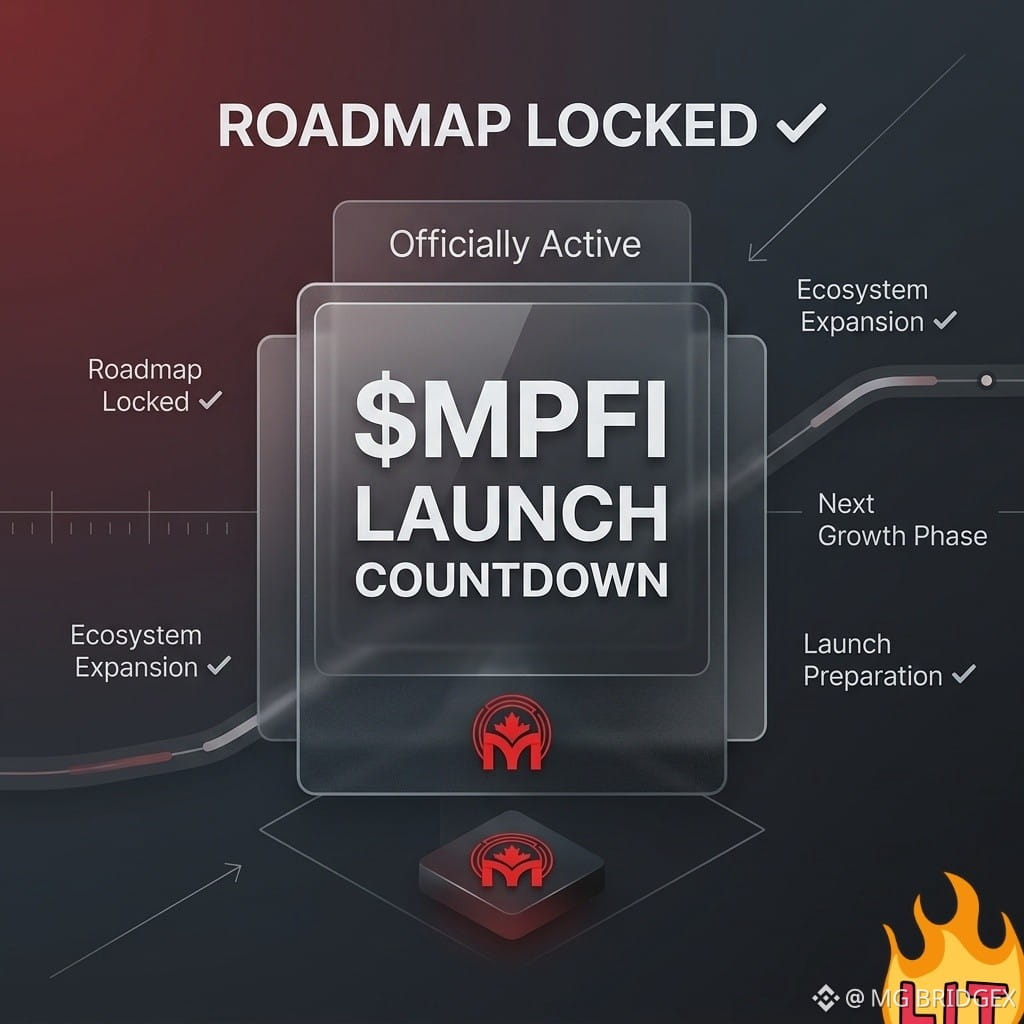
ບໍ່ມີການລໍຖ້າອີກແລ້ວ. ແຜນທີ່ມີການລັອກແລ້ວ ແລະ ການນັບถอยຫຼັງການເປີດຕົວ $MPFI ມີຜົນເປັນທາງການແລ້ວ.
ລ່ວງໜ້າຂະຫຍາຍໃຫຍ່ສຳລັບເຄືອຂ່າຍ @MapleFiSwap. 🔵🚀
$MPFI #MapleFi $BICO $ALICE #Launchpool
ບໍ່ມີການລໍຖ້າອີກແລ້ວ. ແຜນທີ່ມີການລັອກແລ້ວ ແລະ ການນັບถอยຫຼັງການເປີດຕົວ $MPFI ມີຜົນເປັນທາງການແລ້ວ.
ລ່ວງໜ້າຂະຫຍາຍໃຫຍ່ສຳລັບເຄືອຂ່າຍ @MapleFiSwap. 🔵🚀
$MPFI #MapleFi $BICO $ALICE #Launchpool
ລ່ວງໜ້າຂະຫຍາຍໃຫຍ່ສຳລັບເຄືອຂ່າຍ @MapleFiSwap. 🔵🚀
$MPFI #MapleFi $BICO $ALICE #Launchpool
2
226
·
--
ເບິ່ງການແປ
𝗪𝗛𝗬 𝗘𝗫𝗘𝗖𝗨𝗧𝗜𝗢𝗡 𝗠𝗔𝗧𝗧𝗘𝗥𝗦 𝗠𝗢𝗥𝗘 𝗧𝗛𝗔𝗡 𝗔𝗧𝗧𝗘𝗡𝗧𝗜𝗢𝗡
Crypto has never struggled to generate attention.
Narratives appear overnight.
Tokens trend within hours.
Communities form around ideas almost instantly.
The harder challenge begins after attention arrives.
Can users actually do something with it?
𝙠𝙚𝙮 𝙞𝙣𝙨𝙞𝙜𝙝𝙩
Attention creates interest.
Execution creates activity.
Those are not the same thing.
A blockchain can have millions of users hearing about it, but if liquidity is thin, transactions are expensive, or execution is unreliable, interest rarely turns into a sustainable economy.
This is why infrastructure often matters more than headlines.
When users decide to swap, provide liquidity, trade an asset, or interact with an application, they depend on systems that work consistently under pressure.
That is the real test.
Recent activity across TON highlighted an important lesson.
Distribution can bring users to the ecosystem, but execution determines whether they stay active.
The networks that win long term are not necessarily the loudest.
They are the ones capable of turning attention into actual economic activity.
In the end, attention starts the story.
Execution is what keeps it going.
https://ston.fi
#TON #defi #STONfi $OPN $EPIC
𝗪𝗛𝗬 𝗘𝗫𝗘𝗖𝗨𝗧𝗜𝗢𝗡 𝗠𝗔𝗧𝗧𝗘𝗥𝗦 𝗠𝗢𝗥𝗘 𝗧𝗛𝗔𝗡 𝗔𝗧𝗧𝗘𝗡𝗧𝗜𝗢𝗡
Crypto has never struggled to generate attention.
Narratives appear overnight.
Tokens trend within hours.
Communities form around ideas almost instantly.
The harder challenge begins after attention arrives.
Can users actually do something with it?
𝙠𝙚𝙮 𝙞𝙣𝙨𝙞𝙜𝙝𝙩
Attention creates interest.
Execution creates activity.
Those are not the same thing.
A blockchain can have millions of users hearing about it, but if liquidity is thin, transactions are expensive, or execution is unreliable, interest rarely turns into a sustainable economy.
This is why infrastructure often matters more than headlines.
When users decide to swap, provide liquidity, trade an asset, or interact with an application, they depend on systems that work consistently under pressure.
That is the real test.
Recent activity across TON highlighted an important lesson.
Distribution can bring users to the ecosystem, but execution determines whether they stay active.
The networks that win long term are not necessarily the loudest.
They are the ones capable of turning attention into actual economic activity.
In the end, attention starts the story.
Execution is what keeps it going.
https://ston.fi
#TON #defi #STONfi $OPN $EPIC
Crypto has never struggled to generate attention.
Narratives appear overnight.
Tokens trend within hours.
Communities form around ideas almost instantly.
The harder challenge begins after attention arrives.
Can users actually do something with it?
𝙠𝙚𝙮 𝙞𝙣𝙨𝙞𝙜𝙝𝙩
Attention creates interest.
Execution creates activity.
Those are not the same thing.
A blockchain can have millions of users hearing about it, but if liquidity is thin, transactions are expensive, or execution is unreliable, interest rarely turns into a sustainable economy.
This is why infrastructure often matters more than headlines.
When users decide to swap, provide liquidity, trade an asset, or interact with an application, they depend on systems that work consistently under pressure.
That is the real test.
Recent activity across TON highlighted an important lesson.
Distribution can bring users to the ecosystem, but execution determines whether they stay active.
The networks that win long term are not necessarily the loudest.
They are the ones capable of turning attention into actual economic activity.
In the end, attention starts the story.
Execution is what keeps it going.
https://ston.fi
#TON #defi #STONfi $OPN $EPIC

2
189
·
--
ເບິ່ງການແປ
𝗛𝗢𝗪 𝗟𝗜𝗤𝗨𝗜𝗗𝗜𝗧𝗬 𝗔𝗚𝗚𝗥𝗘𝗚𝗔𝗧𝗜𝗢𝗡 𝗜𝗠𝗣𝗥𝗢𝗩𝗘𝗦 𝗗𝗘𝗙𝗜
One of the biggest hidden problems in DeFi is fragmentation.
Liquidity exists.
The challenge is that it often exists in different places at the same time.
For users, that creates unnecessary complexity.
For markets, it creates inefficiency.
𝙠𝙚𝙮 𝙞𝙣𝙨𝙞𝙜𝙝𝙩
Without aggregation, users are forced to rely on a limited view of available liquidity.
A swap may execute successfully, but not necessarily at the best available price.
As ecosystems expand, this problem becomes more noticeable.
New pools appear.
More market makers enter the market.
Additional applications launch.
Liquidity becomes distributed across a growing number of venues.
Aggregation helps solve this by bringing multiple liquidity sources together into a single execution process.
The result is not only better pricing.
It can also improve capital efficiency and create a smoother user experience.
Most users do not want to spend time comparing routes manually.
They simply want fair execution.
As DeFi grows, aggregation becomes less of a convenience feature and more of a core infrastructure requirement.
That is one reason liquidity aggregation continues to play an increasingly important role across modern DeFi ecosystems.
https://docs.ston.fi
#tonecoin #defi #STONfi $EPIC $HEI
𝗛𝗢𝗪 𝗟𝗜𝗤𝗨𝗜𝗗𝗜𝗧𝗬 𝗔𝗚𝗚𝗥𝗘𝗚𝗔𝗧𝗜𝗢𝗡 𝗜𝗠𝗣𝗥𝗢𝗩𝗘𝗦 𝗗𝗘𝗙𝗜
One of the biggest hidden problems in DeFi is fragmentation.
Liquidity exists.
The challenge is that it often exists in different places at the same time.
For users, that creates unnecessary complexity.
For markets, it creates inefficiency.
𝙠𝙚𝙮 𝙞𝙣𝙨𝙞𝙜𝙝𝙩
Without aggregation, users are forced to rely on a limited view of available liquidity.
A swap may execute successfully, but not necessarily at the best available price.
As ecosystems expand, this problem becomes more noticeable.
New pools appear.
More market makers enter the market.
Additional applications launch.
Liquidity becomes distributed across a growing number of venues.
Aggregation helps solve this by bringing multiple liquidity sources together into a single execution process.
The result is not only better pricing.
It can also improve capital efficiency and create a smoother user experience.
Most users do not want to spend time comparing routes manually.
They simply want fair execution.
As DeFi grows, aggregation becomes less of a convenience feature and more of a core infrastructure requirement.
That is one reason liquidity aggregation continues to play an increasingly important role across modern DeFi ecosystems.
https://docs.ston.fi
#tonecoin #defi #STONfi $EPIC $HEI
One of the biggest hidden problems in DeFi is fragmentation.
Liquidity exists.
The challenge is that it often exists in different places at the same time.
For users, that creates unnecessary complexity.
For markets, it creates inefficiency.
𝙠𝙚𝙮 𝙞𝙣𝙨𝙞𝙜𝙝𝙩
Without aggregation, users are forced to rely on a limited view of available liquidity.
A swap may execute successfully, but not necessarily at the best available price.
As ecosystems expand, this problem becomes more noticeable.
New pools appear.
More market makers enter the market.
Additional applications launch.
Liquidity becomes distributed across a growing number of venues.
Aggregation helps solve this by bringing multiple liquidity sources together into a single execution process.
The result is not only better pricing.
It can also improve capital efficiency and create a smoother user experience.
Most users do not want to spend time comparing routes manually.
They simply want fair execution.
As DeFi grows, aggregation becomes less of a convenience feature and more of a core infrastructure requirement.
That is one reason liquidity aggregation continues to play an increasingly important role across modern DeFi ecosystems.
https://docs.ston.fi
#tonecoin #defi #STONfi $EPIC $HEI
2
172
·
--
ເບິ່ງການແປ
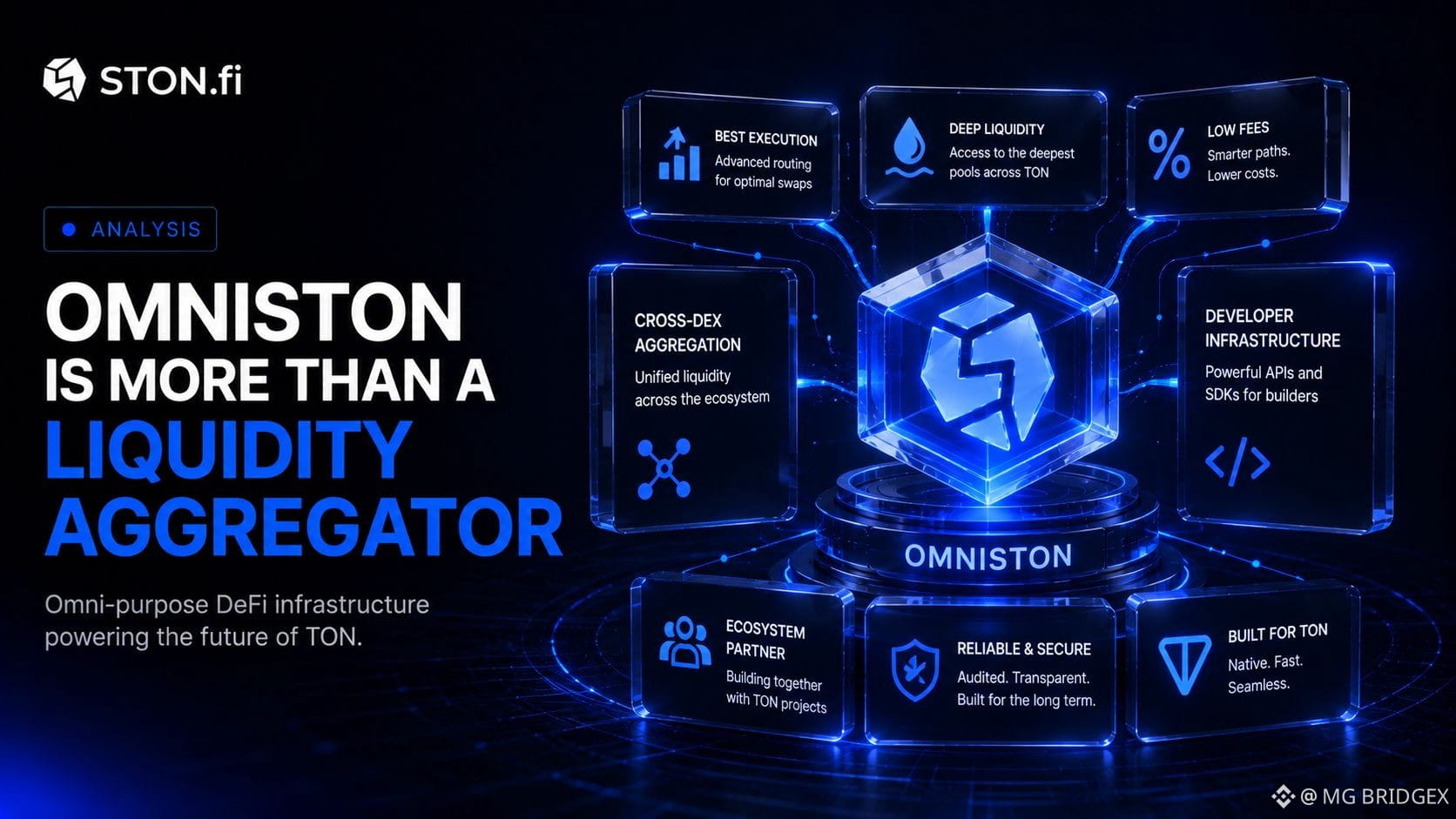
𝗢𝗠𝗡𝗜𝗦𝗧𝗢𝗡 𝗜𝗦 𝗠𝗢𝗥𝗘 𝗧𝗛𝗔𝗡 𝗔 𝗟𝗜𝗤𝗨𝗜𝗗𝗜𝗧𝗬 𝗔𝗚𝗚𝗥𝗘𝗚𝗔𝗧𝗢𝗥
Many people hear the word aggregator and immediately think about finding a better swap route.
That description is becoming too small for what modern execution infrastructure is trying to achieve.
The conversation is shifting from liquidity discovery to liquidity execution.
𝙠𝙚𝙮 𝙞𝙣𝙨𝙞𝙜𝙝𝙩
Liquidity is no longer concentrated in one place.
It is spread across pools, market makers, protocols, and increasingly across multiple chains.
The challenge is not simply finding liquidity.
The challenge is coordinating it efficiently.
Omniston is designed around that problem.
Rather than acting only as a routing tool, it combines quote discovery, execution coordination, settlement, and access to different liquidity sources through a unified infrastructure layer.
Why does this matter?
Because the future of DeFi may not be defined by which interface users visit.
It may be defined by which infrastructure processes the most transactions behind the scenes.
Wallets, mini apps, trading products, and future automated systems all need access to reliable execution.
The easier that becomes, the easier it becomes for developers to build new financial experiences.
The biggest opportunity may not be owning user attention.
It may be owning the layer where execution happens.
https://docs.ston.fi/developer-section/omniston
#TON #Omniston #STONfi $HEI $EPIC $OPN
𝗢𝗠𝗡𝗜𝗦𝗧𝗢𝗡 𝗜𝗦 𝗠𝗢𝗥𝗘 𝗧𝗛𝗔𝗡 𝗔 𝗟𝗜𝗤𝗨𝗜𝗗𝗜𝗧𝗬 𝗔𝗚𝗚𝗥𝗘𝗚𝗔𝗧𝗢𝗥
Many people hear the word aggregator and immediately think about finding a better swap route.
That description is becoming too small for what modern execution infrastructure is trying to achieve.
The conversation is shifting from liquidity discovery to liquidity execution.
𝙠𝙚𝙮 𝙞𝙣𝙨𝙞𝙜𝙝𝙩
Liquidity is no longer concentrated in one place.
It is spread across pools, market makers, protocols, and increasingly across multiple chains.
The challenge is not simply finding liquidity.
The challenge is coordinating it efficiently.
Omniston is designed around that problem.
Rather than acting only as a routing tool, it combines quote discovery, execution coordination, settlement, and access to different liquidity sources through a unified infrastructure layer.
Why does this matter?
Because the future of DeFi may not be defined by which interface users visit.
It may be defined by which infrastructure processes the most transactions behind the scenes.
Wallets, mini apps, trading products, and future automated systems all need access to reliable execution.
The easier that becomes, the easier it becomes for developers to build new financial experiences.
The biggest opportunity may not be owning user attention.
It may be owning the layer where execution happens.
https://docs.ston.fi/developer-section/omniston
#TON #Omniston #STONfi $HEI $EPIC $OPN
Many people hear the word aggregator and immediately think about finding a better swap route.
That description is becoming too small for what modern execution infrastructure is trying to achieve.
The conversation is shifting from liquidity discovery to liquidity execution.
𝙠𝙚𝙮 𝙞𝙣𝙨𝙞𝙜𝙝𝙩
Liquidity is no longer concentrated in one place.
It is spread across pools, market makers, protocols, and increasingly across multiple chains.
The challenge is not simply finding liquidity.
The challenge is coordinating it efficiently.
Omniston is designed around that problem.
Rather than acting only as a routing tool, it combines quote discovery, execution coordination, settlement, and access to different liquidity sources through a unified infrastructure layer.
Why does this matter?
Because the future of DeFi may not be defined by which interface users visit.
It may be defined by which infrastructure processes the most transactions behind the scenes.
Wallets, mini apps, trading products, and future automated systems all need access to reliable execution.
The easier that becomes, the easier it becomes for developers to build new financial experiences.
The biggest opportunity may not be owning user attention.
It may be owning the layer where execution happens.
https://docs.ston.fi/developer-section/omniston
#TON #Omniston #STONfi $HEI $EPIC $OPN
3
294
·
--
ເບິ່ງການແປ
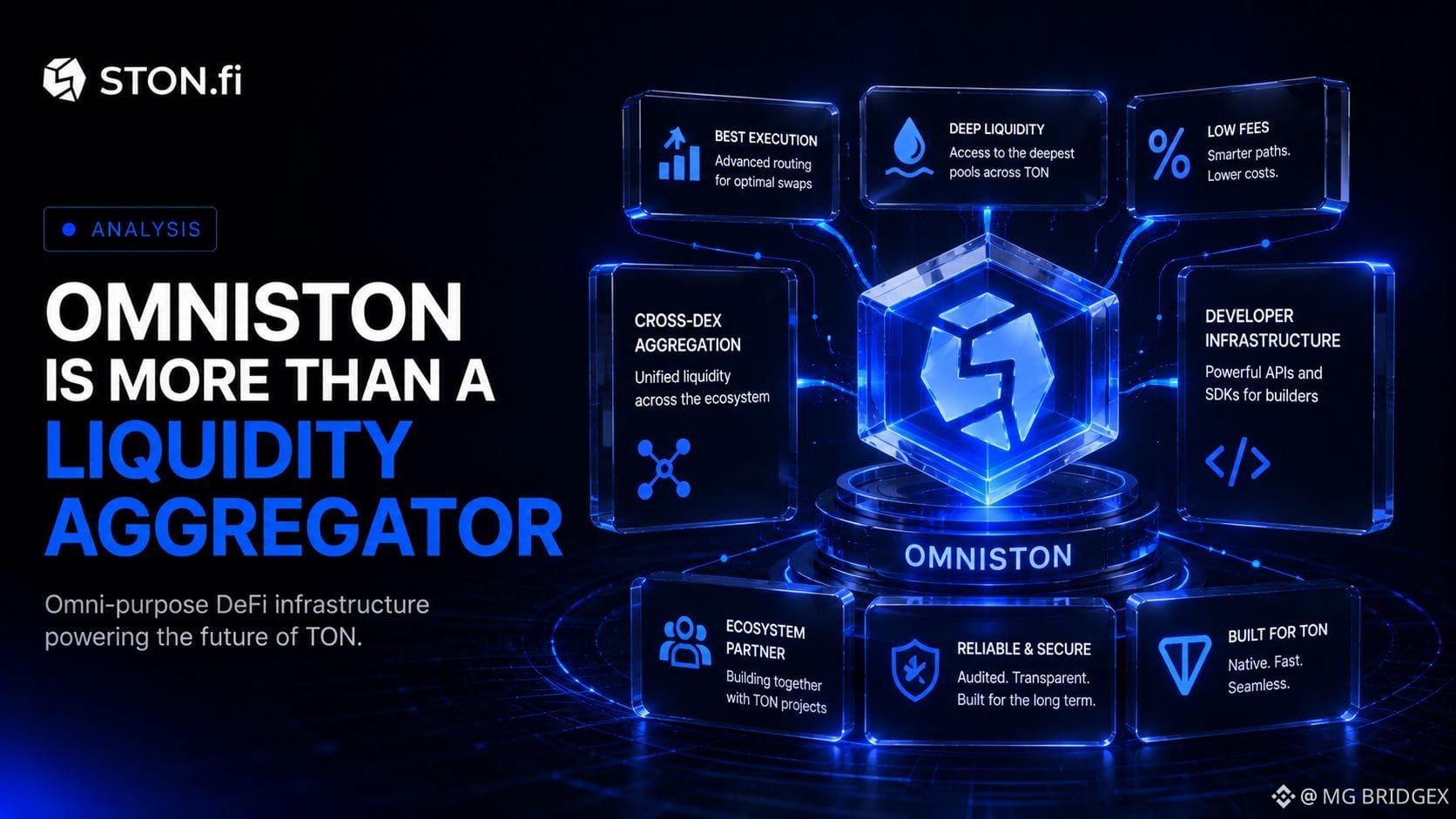
𝗢𝗠𝗡𝗜𝗦𝗧𝗢𝗡 𝗜𝗦 𝗠𝗢𝗥𝗘 𝗧𝗛𝗔𝗡 𝗔 𝗟𝗜𝗤𝗨𝗜𝗗𝗜𝗧𝗬 𝗔𝗚𝗚𝗥𝗘𝗚𝗔𝗧𝗢𝗥
Most DeFi users still think liquidity is the product.
The market is slowly showing that liquidity is becoming infrastructure.
That shift explains why Omniston matters.
Many aggregators focus on finding the best route.
26#
Omniston is being built around a broader goal: helping wallets, apps, bots, and future AI driven products access liquidity through a single execution layer.
𝙬𝙝𝙖𝙩 𝙞𝙨 𝙘𝙝𝙖𝙣𝙜𝙞𝙣𝙜
Users increasingly swap inside wallets instead of visiting DEX websites.
Mini apps are embedding financial actions directly into user flows.
AI agents are expected to execute transactions on behalf of users.
In that environment, execution becomes more valuable than interface ownership.
The protocol processing intent can become more important than the screen users interact with.
𝙬𝙝𝙮 𝙤𝙢𝙣𝙞𝙨𝙩𝙤𝙣 𝙨𝙩𝙖𝙣𝙙𝙨 𝙤𝙪𝙩
According to STON.fi, Omniston combines liquidity discovery, execution coordination, settlement, and routing into a single infrastructure layer.
That makes it easier for third party products to access liquidity without building complex trading systems themselves.
The long term opportunity is not simply aggregating liquidity.
It is becoming the layer where liquidity gets executed.
Docs:
https://docs.ston.fi/developer-section/omniston
#TON #STONfi #Omniston $RIF $CHIP $G
𝗢𝗠𝗡𝗜𝗦𝗧𝗢𝗡 𝗜𝗦 𝗠𝗢𝗥𝗘 𝗧𝗛𝗔𝗡 𝗔 𝗟𝗜𝗤𝗨𝗜𝗗𝗜𝗧𝗬 𝗔𝗚𝗚𝗥𝗘𝗚𝗔𝗧𝗢𝗥
Most DeFi users still think liquidity is the product.
The market is slowly showing that liquidity is becoming infrastructure.
That shift explains why Omniston matters.
Many aggregators focus on finding the best route.
26#
Omniston is being built around a broader goal: helping wallets, apps, bots, and future AI driven products access liquidity through a single execution layer.
𝙬𝙝𝙖𝙩 𝙞𝙨 𝙘𝙝𝙖𝙣𝙜𝙞𝙣𝙜
Users increasingly swap inside wallets instead of visiting DEX websites.
Mini apps are embedding financial actions directly into user flows.
AI agents are expected to execute transactions on behalf of users.
In that environment, execution becomes more valuable than interface ownership.
The protocol processing intent can become more important than the screen users interact with.
𝙬𝙝𝙮 𝙤𝙢𝙣𝙞𝙨𝙩𝙤𝙣 𝙨𝙩𝙖𝙣𝙙𝙨 𝙤𝙪𝙩
According to STON.fi, Omniston combines liquidity discovery, execution coordination, settlement, and routing into a single infrastructure layer.
That makes it easier for third party products to access liquidity without building complex trading systems themselves.
The long term opportunity is not simply aggregating liquidity.
It is becoming the layer where liquidity gets executed.
Docs:
https://docs.ston.fi/developer-section/omniston
#TON #STONfi #Omniston $RIF $CHIP $G
Most DeFi users still think liquidity is the product.
The market is slowly showing that liquidity is becoming infrastructure.
That shift explains why Omniston matters.
Many aggregators focus on finding the best route.
26#
Omniston is being built around a broader goal: helping wallets, apps, bots, and future AI driven products access liquidity through a single execution layer.
𝙬𝙝𝙖𝙩 𝙞𝙨 𝙘𝙝𝙖𝙣𝙜𝙞𝙣𝙜
Users increasingly swap inside wallets instead of visiting DEX websites.
Mini apps are embedding financial actions directly into user flows.
AI agents are expected to execute transactions on behalf of users.
In that environment, execution becomes more valuable than interface ownership.
The protocol processing intent can become more important than the screen users interact with.
𝙬𝙝𝙮 𝙤𝙢𝙣𝙞𝙨𝙩𝙤𝙣 𝙨𝙩𝙖𝙣𝙙𝙨 𝙤𝙪𝙩
According to STON.fi, Omniston combines liquidity discovery, execution coordination, settlement, and routing into a single infrastructure layer.
That makes it easier for third party products to access liquidity without building complex trading systems themselves.
The long term opportunity is not simply aggregating liquidity.
It is becoming the layer where liquidity gets executed.
Docs:
https://docs.ston.fi/developer-section/omniston
#TON #STONfi #Omniston $RIF $CHIP $G
1
269
·
--
ເບິ່ງການແປ
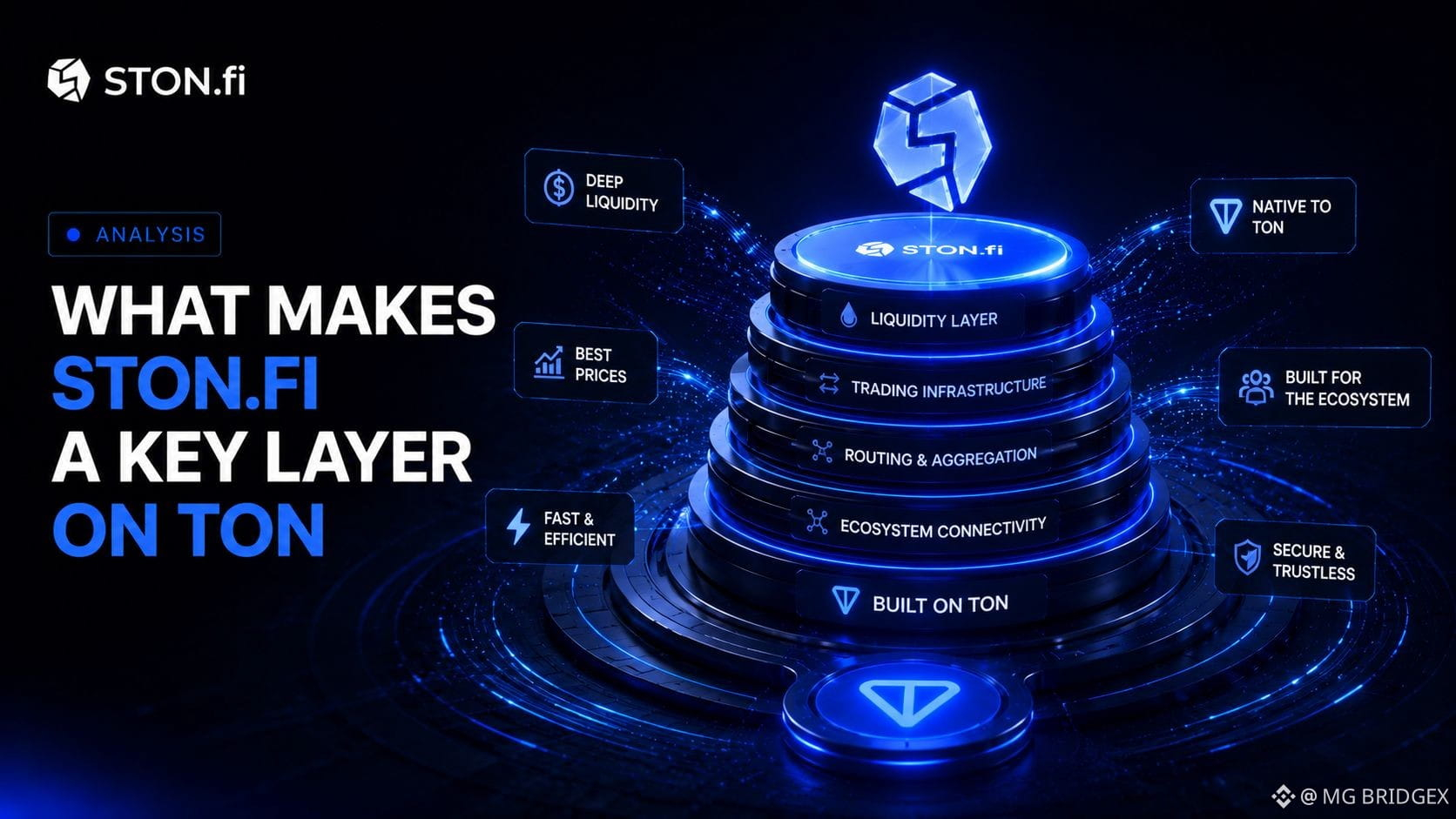
𝗪𝗛𝗔𝗧 𝗠𝗔𝗞𝗘𝗦 𝗦𝗧𝗢𝗡_𝗙𝗜 𝗔 𝗞𝗘𝗬 𝗟𝗔𝗬𝗘𝗥 𝗢𝗡 𝗧𝗢𝗡
Most people look at a blockchain and focus on the users.
What often gets missed is the infrastructure that actually helps those users move money, swap assets, and access opportunities without friction.
That is where STON.fi fits into the TON ecosystem.
𝙬𝙝𝙖𝙩 𝙢𝙖𝙠𝙚𝙨 𝙞𝙩 𝙢𝙖𝙩𝙩𝙚𝙧
Think about a city.
People see roads, shops, and buildings every day.
What they rarely think about is the network underneath that keeps everything connected.
STON.fi plays a similar role on TON.
It helps connect liquidity, swaps, wallets, applications, and users through infrastructure designed for everyday use.
𝙢𝙤𝙧𝙚 𝙩𝙝𝙖𝙣 𝙖 𝙙𝙚𝙭
Many people know STON.fi as a place to swap tokens.
But the project has gradually expanded beyond that role.
Today its infrastructure powers liquidity access, routing systems, integrations, and execution services that other products can build on.
That means users may benefit from STON.fi technology without even realizing it.
𝙬𝙝𝙮 𝙩𝙝𝙞𝙨 𝙢𝙖𝙩𝙩𝙚𝙧𝙨
The future of blockchain adoption is unlikely to come from users jumping between dozens of apps.
Instead, people will expect services to work smoothly inside the products they already use.
Infrastructure providers make that possible.
STON.fi is positioning itself as one of those foundational layers on TON.
Learn more: https://ston.fi
#TON #STONfi #DeFi $EPIC $RIF $CHIP
𝗪𝗛𝗔𝗧 𝗠𝗔𝗞𝗘𝗦 𝗦𝗧𝗢𝗡_𝗙𝗜 𝗔 𝗞𝗘𝗬 𝗟𝗔𝗬𝗘𝗥 𝗢𝗡 𝗧𝗢𝗡
Most people look at a blockchain and focus on the users.
What often gets missed is the infrastructure that actually helps those users move money, swap assets, and access opportunities without friction.
That is where STON.fi fits into the TON ecosystem.
𝙬𝙝𝙖𝙩 𝙢𝙖𝙠𝙚𝙨 𝙞𝙩 𝙢𝙖𝙩𝙩𝙚𝙧
Think about a city.
People see roads, shops, and buildings every day.
What they rarely think about is the network underneath that keeps everything connected.
STON.fi plays a similar role on TON.
It helps connect liquidity, swaps, wallets, applications, and users through infrastructure designed for everyday use.
𝙢𝙤𝙧𝙚 𝙩𝙝𝙖𝙣 𝙖 𝙙𝙚𝙭
Many people know STON.fi as a place to swap tokens.
But the project has gradually expanded beyond that role.
Today its infrastructure powers liquidity access, routing systems, integrations, and execution services that other products can build on.
That means users may benefit from STON.fi technology without even realizing it.
𝙬𝙝𝙮 𝙩𝙝𝙞𝙨 𝙢𝙖𝙩𝙩𝙚𝙧𝙨
The future of blockchain adoption is unlikely to come from users jumping between dozens of apps.
Instead, people will expect services to work smoothly inside the products they already use.
Infrastructure providers make that possible.
STON.fi is positioning itself as one of those foundational layers on TON.
Learn more: https://ston.fi
#TON #STONfi #DeFi $EPIC $RIF $CHIP
Most people look at a blockchain and focus on the users.
What often gets missed is the infrastructure that actually helps those users move money, swap assets, and access opportunities without friction.
That is where STON.fi fits into the TON ecosystem.
𝙬𝙝𝙖𝙩 𝙢𝙖𝙠𝙚𝙨 𝙞𝙩 𝙢𝙖𝙩𝙩𝙚𝙧
Think about a city.
People see roads, shops, and buildings every day.
What they rarely think about is the network underneath that keeps everything connected.
STON.fi plays a similar role on TON.
It helps connect liquidity, swaps, wallets, applications, and users through infrastructure designed for everyday use.
𝙢𝙤𝙧𝙚 𝙩𝙝𝙖𝙣 𝙖 𝙙𝙚𝙭
Many people know STON.fi as a place to swap tokens.
But the project has gradually expanded beyond that role.
Today its infrastructure powers liquidity access, routing systems, integrations, and execution services that other products can build on.
That means users may benefit from STON.fi technology without even realizing it.
𝙬𝙝𝙮 𝙩𝙝𝙞𝙨 𝙢𝙖𝙩𝙩𝙚𝙧𝙨
The future of blockchain adoption is unlikely to come from users jumping between dozens of apps.
Instead, people will expect services to work smoothly inside the products they already use.
Infrastructure providers make that possible.
STON.fi is positioning itself as one of those foundational layers on TON.
Learn more: https://ston.fi
#TON #STONfi #DeFi $EPIC $RIF $CHIP
1
210
·
--
ສັນຍານກະທິງ
ເບິ່ງການແປ
𝗠𝗔𝗥𝗞𝗘𝗧𝗦 𝗔𝗥𝗘 𝗚𝗘𝗧𝗧𝗜𝗡𝗚 𝗦𝗜𝗠𝗣𝗟𝗘𝗥
The trading game is shifting from who has the biggest wallet to who uses intelligence best.
Historically, retail traders faced a massive disadvantage against institutional players. Big firms operated with real-time intelligence networks and coordinated systems. Everyday market participants had to patch together fragmented tools, which often led to analytical paralysis.
The Fragmentation Tax
Most traders lose money not because their ideas are bad, but because their execution environment is chaotic. Juggling multiple charting tools and order books creates unnecessary friction.
Enter Conversational Finance
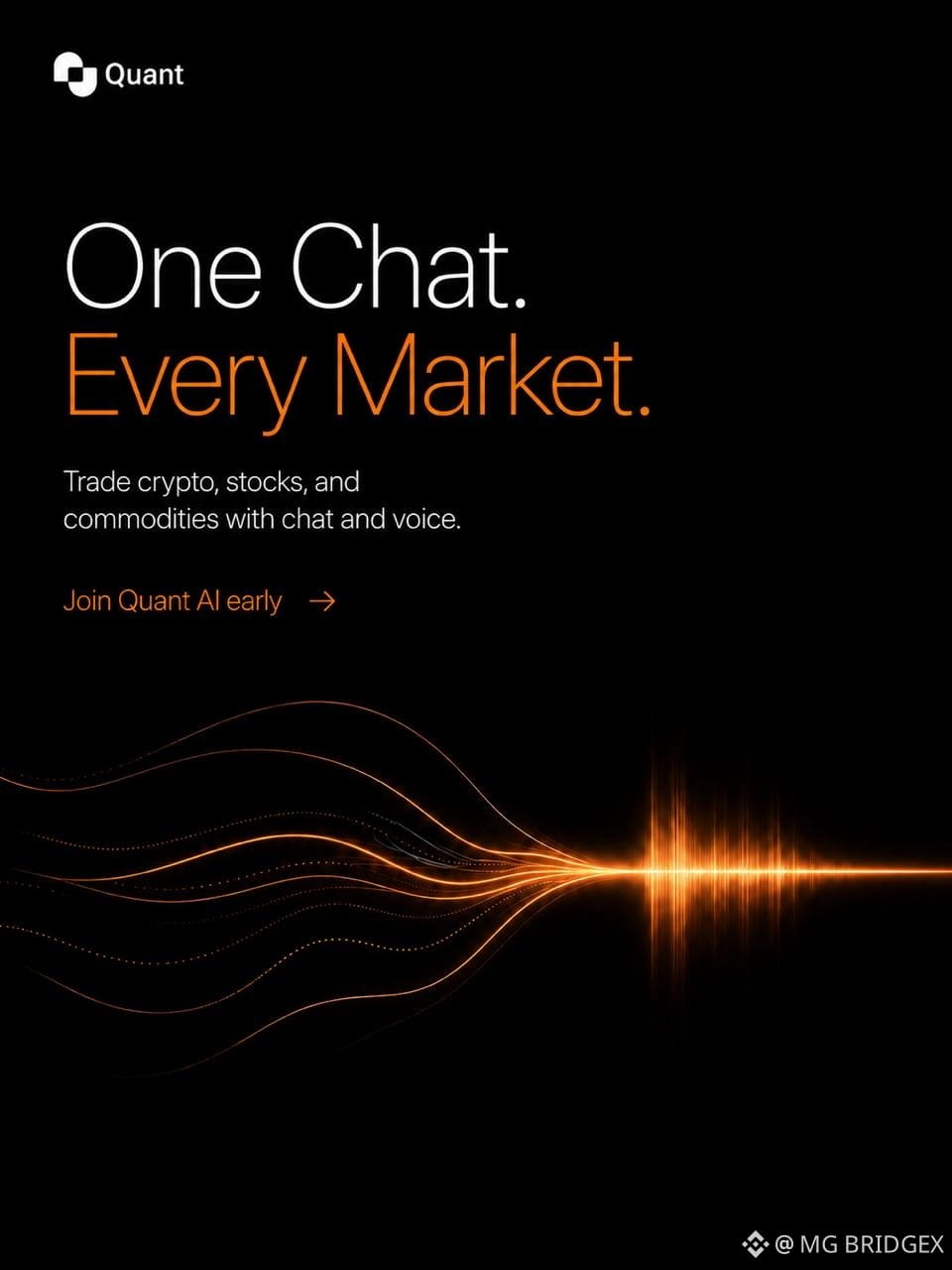
Artificial intelligence is changing the infrastructure layer. A project called Quant is moving the ecosystem away from complex terminals.
➢ You can manage crypto, stocks, and commodities through a unified chat interface.
➢ Voice commands replace manual order entry.
➢ Users maintain full custody and final approval over every transaction.
This is the democratization of trading infrastructure. It reduces the technical barrier to entry so beginners can focus on strategy rather than software management.
Secure early access here: https://whitelist.tryquant.io?startapp=ref-69ee37b470260d06e53290c2
#QuantAIPioneers #Binance #Trading $IO $BTC
𝗠𝗔𝗥𝗞𝗘𝗧𝗦 𝗔𝗥𝗘 𝗚𝗘𝗧𝗧𝗜𝗡𝗚 𝗦𝗜𝗠𝗣𝗟𝗘𝗥
The trading game is shifting from who has the biggest wallet to who uses intelligence best.
Historically, retail traders faced a massive disadvantage against institutional players. Big firms operated with real-time intelligence networks and coordinated systems. Everyday market participants had to patch together fragmented tools, which often led to analytical paralysis.
The Fragmentation Tax
Most traders lose money not because their ideas are bad, but because their execution environment is chaotic. Juggling multiple charting tools and order books creates unnecessary friction.
Enter Conversational Finance
Artificial intelligence is changing the infrastructure layer. A project called Quant is moving the ecosystem away from complex terminals.
➢ You can manage crypto, stocks, and commodities through a unified chat interface.
➢ Voice commands replace manual order entry.
➢ Users maintain full custody and final approval over every transaction.
This is the democratization of trading infrastructure. It reduces the technical barrier to entry so beginners can focus on strategy rather than software management.
Secure early access here: https://whitelist.tryquant.io?startapp=ref-69ee37b470260d06e53290c2
#QuantAIPioneers #Binance #Trading $IO $BTC
The trading game is shifting from who has the biggest wallet to who uses intelligence best.
Historically, retail traders faced a massive disadvantage against institutional players. Big firms operated with real-time intelligence networks and coordinated systems. Everyday market participants had to patch together fragmented tools, which often led to analytical paralysis.
The Fragmentation Tax
Most traders lose money not because their ideas are bad, but because their execution environment is chaotic. Juggling multiple charting tools and order books creates unnecessary friction.
Enter Conversational Finance
Artificial intelligence is changing the infrastructure layer. A project called Quant is moving the ecosystem away from complex terminals.
➢ You can manage crypto, stocks, and commodities through a unified chat interface.
➢ Voice commands replace manual order entry.
➢ Users maintain full custody and final approval over every transaction.
This is the democratization of trading infrastructure. It reduces the technical barrier to entry so beginners can focus on strategy rather than software management.
Secure early access here: https://whitelist.tryquant.io?startapp=ref-69ee37b470260d06e53290c2
#QuantAIPioneers #Binance #Trading $IO $BTC
1
162
·
--
ສັນຍານກະທິງ
𝗞𝗔𝗡𝗢 𝗡𝗔 𝗕𝗔𝗛𝗜 𝗔𝗡𝗚 𝗧𝗥𝗔𝗗𝗜𝗡𝗚 𝗟𝗢𝗚𝗜𝗖 𝗡𝗚𝗔𝗬𝗢𝗡 𝗡𝗔 𝗠𝗔𝗚𝗧𝗔𝗞𝗕𝗔𝗬𝗔𝗚
Maraming kalahok sa merkado ang nagkakamali na itinuturing ang mga isyu sa pagpapatupad bilang kakulangan sa kaalaman, na iniisip nila na kailangan lang nila ng mas magandang indicator para kumita.
Sa totoo lang, ang nawawalang koneksyon ay halos palaging kakulangan sa konsistensya kung paano aktwal na binubuksan, pinamamahalaan, at isinasara ang mga trades sa ilalim ng pressure.
Nahihirapan ang mga human trader sa mga partikular na bitag sa pag-uugali:
➢ Naantala ang reaksyon sa biglaang pagbagsak ng merkado
➢ Overtrading habang sinusubukang mabawi ang mabilisang pagkalugi
➢ Paglihis mula sa planadong mga risk parameter dahil sa kasakiman
Ang mga automated system ay kayang ayusin ang mga ganitong kahinaan sa pag-uugali, pero hanggang kamakailan, ang pagpatakbo ng maraming advanced na digital assistants para mag-analyze at mag-execute ng kumplikadong estratehiya ay sobrang mahal para sa mga independent trader.
Ang pagpapakilala ng cost-efficient na imprastraktura sa pamamagitan ng mga model tulad ng DeepSeek ay nagbabago sa industriya.
Ang advanced na analytical processing na dati’y nagkakahalaga ng daan-daang dolyar kada cycle ay naa-access na ngayon sa halagang singilin lang, na nag-level sa pagitan ng mga retail user at malalaking financial institution.
Ang paglipat ng imprastrukturang ito ang dahilan kung bakit relevant ang mga platform tulad ng Moss.
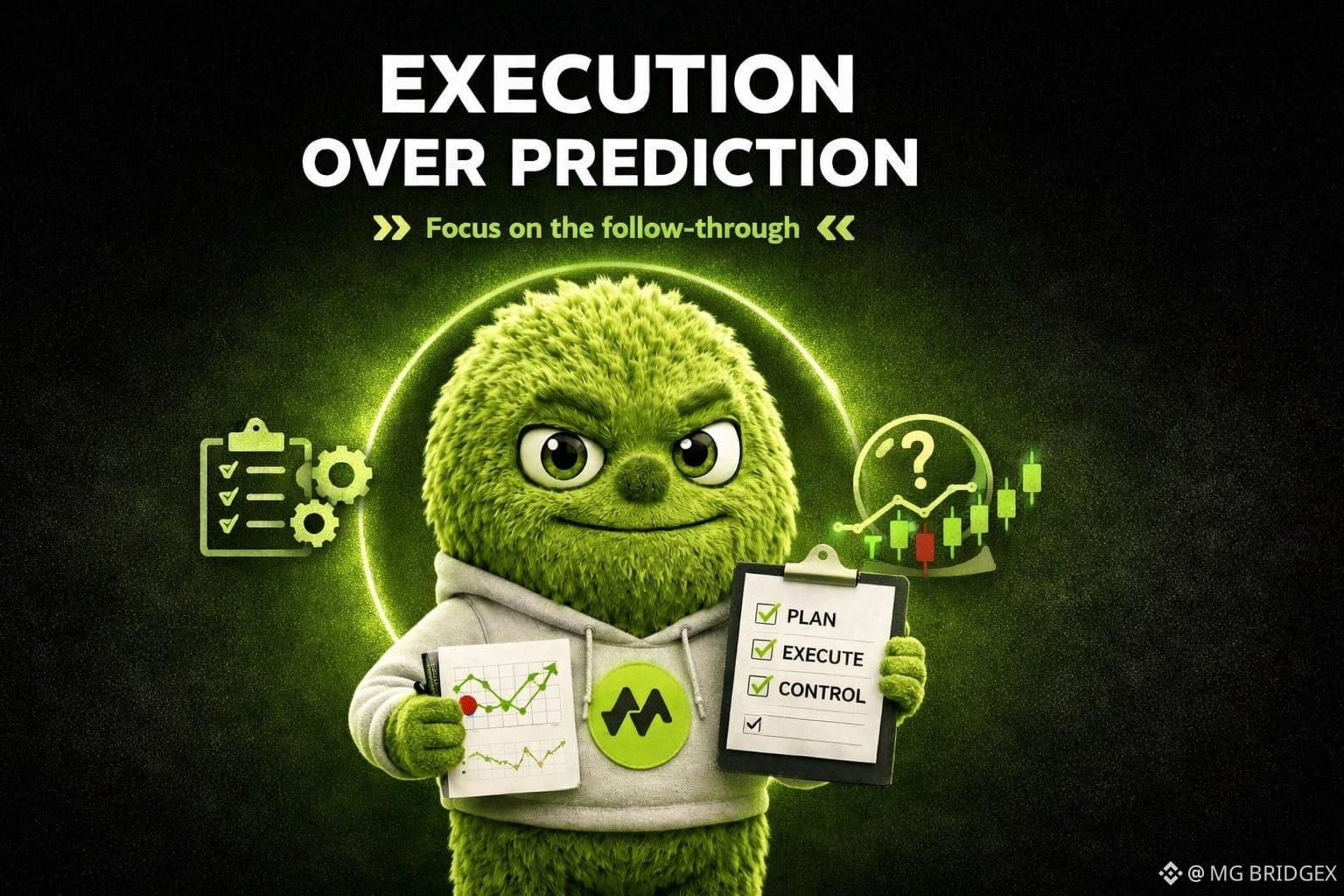
Ang Moss ay hindi sumusubok hulaan ang direksyon ng merkado o magbigay ng speculative na payo. Ito ay nagsisilbing structured na execution layer kung saan tinutukoy mo ang mga rules ng iyong strategy, at isinasalin ng platform ang mga iyon sa automated workflows na mahigpit na sumusunod sa iyong eksaktong mga parameter.
Ang pangunahing bentahe sa modernong mga merkado ay hindi na tungkol sa kung sino ang may access sa basic AI tools.
Ang tunay na edge ay nakasalalay sa kung gaano kahusay nating idinisenyo ang iyong strategic logic, ang iyong mga protective risk framework, at ang adaptability ng iyong system sa iba’t ibang kondisyon ng merkado.
Mag-explore pa dito: moss.site/agent
#Crypto #TradingSystems #MossAI $EDEN $INJ $BTC
𝗞𝗔𝗡𝗢 𝗡𝗔 𝗕𝗔𝗛𝗜 𝗔𝗡𝗚 𝗧𝗥𝗔𝗗𝗜𝗡𝗚 𝗟𝗢𝗚𝗜𝗖 𝗡𝗚𝗔𝗬𝗢𝗡 𝗡𝗔 𝗠𝗔𝗚𝗧𝗔𝗞𝗕𝗔𝗬𝗔𝗚
Maraming kalahok sa merkado ang nagkakamali na itinuturing ang mga isyu sa pagpapatupad bilang kakulangan sa kaalaman, na iniisip nila na kailangan lang nila ng mas magandang indicator para kumita.
Sa totoo lang, ang nawawalang koneksyon ay halos palaging kakulangan sa konsistensya kung paano aktwal na binubuksan, pinamamahalaan, at isinasara ang mga trades sa ilalim ng pressure.
Nahihirapan ang mga human trader sa mga partikular na bitag sa pag-uugali:
➢ Naantala ang reaksyon sa biglaang pagbagsak ng merkado
➢ Overtrading habang sinusubukang mabawi ang mabilisang pagkalugi
➢ Paglihis mula sa planadong mga risk parameter dahil sa kasakiman
Ang mga automated system ay kayang ayusin ang mga ganitong kahinaan sa pag-uugali, pero hanggang kamakailan, ang pagpatakbo ng maraming advanced na digital assistants para mag-analyze at mag-execute ng kumplikadong estratehiya ay sobrang mahal para sa mga independent trader.
Ang pagpapakilala ng cost-efficient na imprastraktura sa pamamagitan ng mga model tulad ng DeepSeek ay nagbabago sa industriya.
Ang advanced na analytical processing na dati’y nagkakahalaga ng daan-daang dolyar kada cycle ay naa-access na ngayon sa halagang singilin lang, na nag-level sa pagitan ng mga retail user at malalaking financial institution.
Ang paglipat ng imprastrukturang ito ang dahilan kung bakit relevant ang mga platform tulad ng Moss.
Ang Moss ay hindi sumusubok hulaan ang direksyon ng merkado o magbigay ng speculative na payo. Ito ay nagsisilbing structured na execution layer kung saan tinutukoy mo ang mga rules ng iyong strategy, at isinasalin ng platform ang mga iyon sa automated workflows na mahigpit na sumusunod sa iyong eksaktong mga parameter.
Ang pangunahing bentahe sa modernong mga merkado ay hindi na tungkol sa kung sino ang may access sa basic AI tools.
Ang tunay na edge ay nakasalalay sa kung gaano kahusay nating idinisenyo ang iyong strategic logic, ang iyong mga protective risk framework, at ang adaptability ng iyong system sa iba’t ibang kondisyon ng merkado.
Mag-explore pa dito: moss.site/agent
#Crypto #TradingSystems #MossAI $EDEN $INJ $BTC
Maraming kalahok sa merkado ang nagkakamali na itinuturing ang mga isyu sa pagpapatupad bilang kakulangan sa kaalaman, na iniisip nila na kailangan lang nila ng mas magandang indicator para kumita.
Sa totoo lang, ang nawawalang koneksyon ay halos palaging kakulangan sa konsistensya kung paano aktwal na binubuksan, pinamamahalaan, at isinasara ang mga trades sa ilalim ng pressure.
Nahihirapan ang mga human trader sa mga partikular na bitag sa pag-uugali:
➢ Naantala ang reaksyon sa biglaang pagbagsak ng merkado
➢ Overtrading habang sinusubukang mabawi ang mabilisang pagkalugi
➢ Paglihis mula sa planadong mga risk parameter dahil sa kasakiman
Ang mga automated system ay kayang ayusin ang mga ganitong kahinaan sa pag-uugali, pero hanggang kamakailan, ang pagpatakbo ng maraming advanced na digital assistants para mag-analyze at mag-execute ng kumplikadong estratehiya ay sobrang mahal para sa mga independent trader.
Ang pagpapakilala ng cost-efficient na imprastraktura sa pamamagitan ng mga model tulad ng DeepSeek ay nagbabago sa industriya.
Ang advanced na analytical processing na dati’y nagkakahalaga ng daan-daang dolyar kada cycle ay naa-access na ngayon sa halagang singilin lang, na nag-level sa pagitan ng mga retail user at malalaking financial institution.
Ang paglipat ng imprastrukturang ito ang dahilan kung bakit relevant ang mga platform tulad ng Moss.
Ang Moss ay hindi sumusubok hulaan ang direksyon ng merkado o magbigay ng speculative na payo. Ito ay nagsisilbing structured na execution layer kung saan tinutukoy mo ang mga rules ng iyong strategy, at isinasalin ng platform ang mga iyon sa automated workflows na mahigpit na sumusunod sa iyong eksaktong mga parameter.
Ang pangunahing bentahe sa modernong mga merkado ay hindi na tungkol sa kung sino ang may access sa basic AI tools.
Ang tunay na edge ay nakasalalay sa kung gaano kahusay nating idinisenyo ang iyong strategic logic, ang iyong mga protective risk framework, at ang adaptability ng iyong system sa iba’t ibang kondisyon ng merkado.
Mag-explore pa dito: moss.site/agent
#Crypto #TradingSystems #MossAI $EDEN $INJ $BTC
1
302
·
--
𝐊𝐀 𝐖𝐀𝐍𝐆 𝐋𝐀𝐆𝐆𝐈𝐍𝐆 𝐍𝐄𝐇𝐈𝐍𝐃 𝐍𝐀 𝐏𝐀𝐍𝐆𝐆𝐀𝐍.
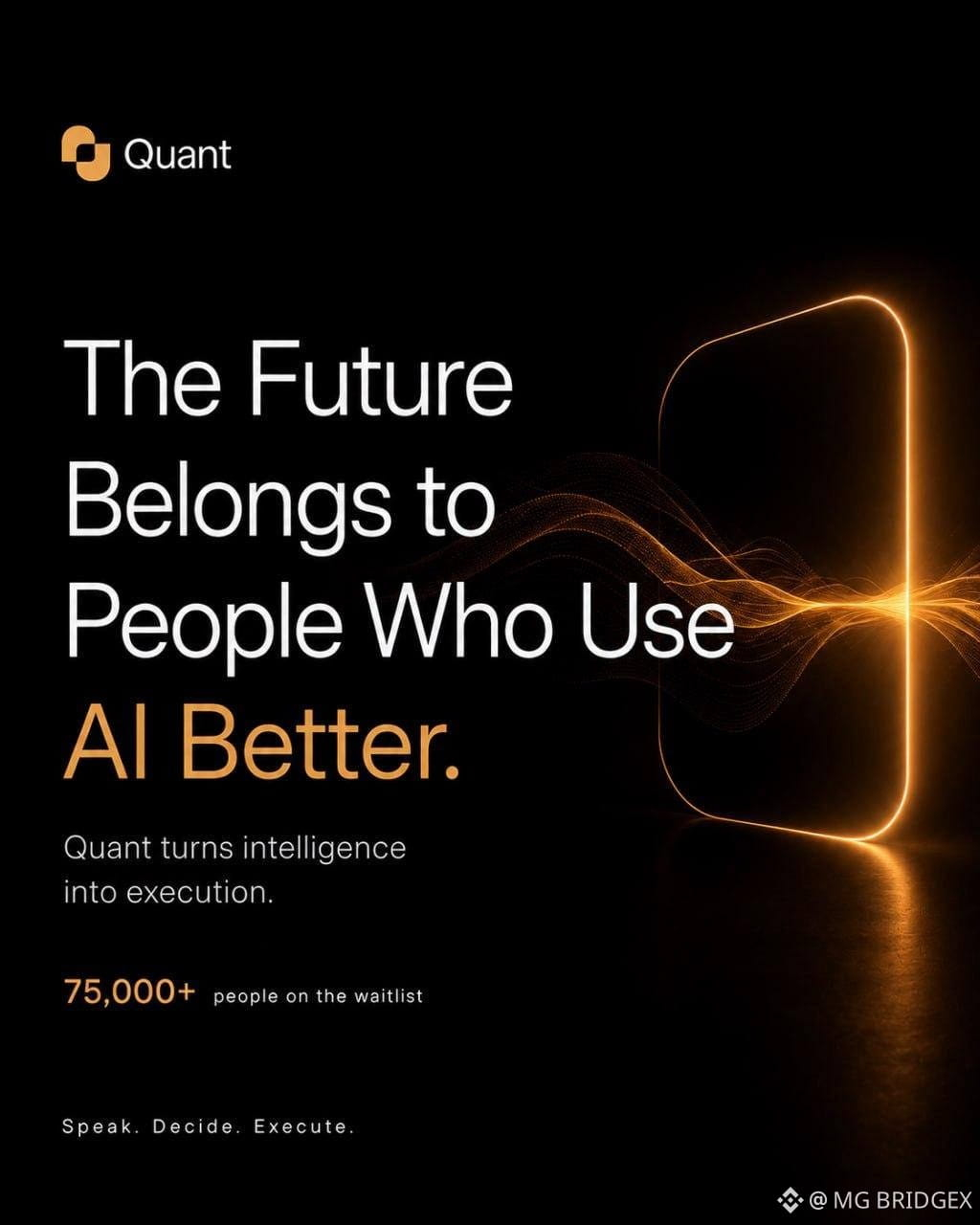
𝘼𝙣𝙜 𝙎𝙀𝙍𝙄𝙀𝙎 𝘼𝙄 𝙞𝙣𝙜 𝙥𝙚𝙧𝙚𝙝𝙤𝙧𝙚𝙨 𝙣𝙜 𝙩𝙪𝙣𝙜𝙠𝙢𝙞𝙣𝙠 𝙣𝙜 𝙩𝙖𝙬 𝙝𝙞𝙣𝙞𝙝𝙞𝙝𝙤 𝙠𝙖𝙨𝙖𝙡𝙚𝙮 𝙞𝙨𝙚𝙣𝙩𝙞𝙖𝙗𝙚𝙮 𝙩𝙪𝙤 𝙣𝙜 𝙬𝙖𝙡𝙡𝙚𝙩.
𝘼𝙣𝙜 𝙢𝙜𝙖 𝙨𝙚𝙧𝙞𝙤𝙨𝙤𝙨𝙤𝙜 𝙢𝙜 𝙩𝙧𝙖𝙙𝙞𝙣𝙜 𝙩𝙤𝙤𝙡𝙨 𝙝𝙄𝙣𝙙𝙞 𝙧𝙞𝙣 𝙞𝙣𝙞𝙩𝙯𝙚 𝙥𝙖𝙣𝙜𝙠𝙖𝙧𝙖𝙣𝙜 𝙢𝙜𝙖 𝙝𝙞𝙣𝙙𝙞 𝙚𝙨𝙥𝙚𝙘𝙞𝙖𝙡. 𝙄𝙣𝙞𝙨𝙪𝙨𝙪𝙬𝙚𝙡 𝙣𝙖𝙞𝙣 𝙨𝙖 𝙡𝙤𝙤𝙥 𝙣𝙜 𝙢𝙖𝙥𝙖𝙡𝙞𝙩 𝙣𝙜 𝙢𝙜𝙖 𝙢𝙖𝙥𝙖𝙣𝙜𝙥𝙪𝙨𝙚𝙙 𝙢𝙜𝙖 𝙞𝙨𝙩𝙞𝙩𝙪𝙨𝙮𝤣𝙤𝙣𝙜 𝙥𝙤𝙧𝙚 𝙣𝙜 𝙢𝙖𝙥𝙖𝙢𝙖𝙩 𝙣𝙜 𝙢𝙜𝙖 𝙩𝙖𝙩𝙖𝙬𝙞𝙣𝙜 𝙚𝙣𝙜 𝙥𝙖𝙜𝙨𝙪𝙨𝙪𝙡𝙞 𝙣𝙜 𝙢𝙖𝙡𝙖𝙥𝙞𝙩 𝙣𝙜 𝙚𝙣𝙜𝙨𝙥𝙚𝙨 𝙙𝙖𝙩𝙖. 𝙆𝙖𝙥𝙖 𝙝𝙞𝙣𝙙𝙞 𝙠𝙖 𝙚𝙡𝙚𝙢𝙚𝙣𝙩𝙚 𝙣𝙜 𝙥𝙖𝙧𝙖𝙧𝙚𝙤𝙤𝙨 𝙣𝙜 𝙝𝙞𝙣𝙙𝙞 𝙚𝙨𝙖𝙨𝙖𝙡𝙤 𝙣𝙜 𝙥𝙖𝙧𝙖𝙨 𝙣𝙜 𝙩𝙖𝙠𝙨𝙞𝙡𝙚, 𝙚 𝙣𝙜 𝙥𝙖𝙜𝙧𝙚𝙖𝙠𝙨𝙮𝤣𝙤𝙣 𝙠𝙖𝙬 𝙣𝙜 𝙢𝙜𝙖 𝙜𝙚𝙬𝙚𝙨𝙩𝙤𝙣 𝙣𝙜 𝙢𝙖𝙧𝙠𝙚𝙩 𝙣𝙖𝙜 𝙝𝙞𝙣𝙙𝙞 𝙡𝙖𝙣𝙜 𝙝𝙪𝙡𝙞 𝙢𝙖𝙮𝙤.
𝐀𝐧𝐠 𝐐𝐮𝐚𝐧𝐭 𝐀𝐈 𝐤𝐮𝐦𝐚𝐤𝐚 𝐧𝐚 𝐚𝐧𝐠 𝐡𝐢𝐧𝐝𝐢-𝐡𝐚𝐦𝐛𝐞𝐤 𝐧𝐚 𝐤𝐚𝐢𝐧𝐠𝐚𝐧 𝐬𝐚 𝐡𝐢𝐧𝐝𝐢-𝐡𝐚𝐭𝐚𝐬.
𝘽𝙚𝙬𝙚𝙡𝙖𝙮 𝙢𝙜𝙖 𝙝𝙞𝙣𝙙𝙞 𝙙𝙞 𝙢𝙖 𝙢𝙖𝙩𝙞𝙣𝙤 𝙢𝙜𝙖 𝙢𝙖𝙜𝙥𝙖𝙜𝙥𝙖𝙝𝙞𝙣 𝙣𝙜 𝙢𝙖𝙜𝙥𝙖𝙜𝙢𝙖𝙥 𝙣𝙜 𝙢𝙖𝙣𝙜 𝙢𝙖𝙜𝙥𝙖𝙡𝙞𝙣𝙜 𝙨𝙞𝙨𝙩𝙚𝙢𝙖 𝙤 𝙥𝙖𝙜𝙨𝙪𝙨𝙪𝙡𝙖 𝙣𝙜 𝙘𝙪𝙨𝙩𝙤𝙢 𝙘𝙤𝙙𝙚, 𝙞𝙣𝙞𝙥𝙖𝙠𝙚𝙩 𝙣𝙞𝙣𝙖 𝙢𝙜𝙖 𝙩𝙤𝙤𝙡𝙨 𝙣𝙜 𝙥𝙖𝙣𝙜𝙜𝙖𝙬𝙚 𝙙𝙞-𝙞𝙨𝙩𝙞𝙩𝙪𝙨𝙮𝤣𝙤𝙣 𝙨𝙖 𝙞𝙨𝙖𝙣𝙜 𝙡𝙖𝙮𝙚𝙧 𝙣𝙜 𝙥𝙖𝙜𝙪𝙨𝙖.
💬 𝘽𝙖𝙨𝙞𝙞𝙩𝙤𝙣𝙜 𝙨𝙚𝙨𝙮𝙤𝙣 𝙣𝙜 𝙥𝙖𝙨𝙜𝙥𝙖𝙨𝙪𝙡𝙮𝤣𝙤𝙣
🎙️ 𝙈𝙜𝙖 𝙪𝙩𝙤𝙨 𝙣𝙜 𝙩𝙪𝙢𝙞𝙣𝙜
⚡ 𝙄𝙣𝙨𝙩𝙖𝙣𝙩𝙚 𝙣𝙖 𝙥𝙖𝙜𝙚𝙭𝙚𝙘𝙪𝙩𝙚 𝙨𝙖 𝙡𝙖𝙝𝙖𝙩 𝙣𝙜 𝙥𝙖𝙜𝙝𝙞𝙢𝙞 𝙣𝙜 𝙥𝙖𝙜𝙝𝙖 𝙣𝙜 𝙢𝙜𝙖 𝙥𝙖𝙜𝙨𝙪𝙣𝙜𝙖𝙣
𝙈𝙖𝙣𝙖𝙜𝙚 𝙢𝙤𝙣𝙜 𝘾𝙧𝙮𝙥𝙩𝙤, 𝙎𝙩𝙤𝙘𝙠𝙨, 𝙖𝙩𝙥 𝙘𝙤𝙢𝙢𝙤𝙙𝙞𝙩𝙞𝙚𝙨 𝙡𝙖𝙝𝙖𝙩 𝙨𝙖 𝙢𝙨𝙢𝙚𝙣𝙜 𝙢𝙖𝙥𝙡𝙞𝙣𝙞𝙨 𝙞𝙨𝙖𝙣𝙜 𝙢𝙖𝙧𝙚𝙚𝙮 interface.
𝘼𝙣𝙜 𝙥𝙡𝙖𝙣 𝙝𝙞𝙣𝙙𝙞 𝙢𝙜𝙖 𝙞𝙨𝙤𝙣𝙜 𝙢𝙖𝙜𝙥𝙖𝙝𝙖𝙡𝙖 𝙣𝙜 𝙝𝙞𝙣𝙙𝙞 𝙠𝙖𝙠𝙞𝙚𝙧𝙚𝙣𝙜 𝙩𝙚𝙘𝙝𝙣𝙞𝙘𝙖𝙡 𝙘𝙡𝙪𝙩𝙩𝙚𝙧 𝙨𝙖 𝙨𝙚𝙣𝙮𝙤 𝙢𝙤 — 𝙜𝙪𝙩𝙪𝙨 𝙢𝙜𝙪𝙣𝙜𝙖 𝙩𝙤𝙣𝙤 𝙢𝙖𝙥𝙖𝙢𝙖𝙝𝙖𝙜 𝙣𝙜 𝙚𝙡𝙚𝙥𝙩𝙚 𝙞𝙨𝙩𝙞𝙩𝙪𝙨𝙮𝤣𝙤𝙣 𝙖𝙭𝙚𝙨𝙨 𝙖𝙣𝙜𝙜 𝙚𝙣 𝙚𝙨𝙥𝙚𝙘𝙞𝙚𝙡 𝙝𝙞𝙣𝙙𝙞 𝙨𝙖 𝙖𝙬𝙚𝙣𝙜 𝙖𝙧𝙖𝙬 𝙣𝙚 𝙩𝙧𝙖𝙙𝙚𝙧. 𝙄𝙩𝙤 𝙣𝙖 𝙥𝙞𝙣𝙖𝙠𝙖𝙥𝙖𝙡𝙖𝙠 𝙣𝙖 𝙥𝙖𝙜𝙖𝙖𝙙.
𝙃𝙪𝙬𝙖𝙜 𝙢𝙖 𝙨𝙖 𝙡𝙖𝙥𝙖𝙨 𝙨𝙞𝙙𝙚 𝙣𝙖 𝙥𝙖𝙣𝙖𝙣𝙖𝙬 𝙩𝙖𝙣𝙢𝙗𝙖𝙮. 𝘽𝙞𝙡𝙝𝙞𝙣 𝙖𝙣𝙂 𝙞𝙣𝙞𝙩𝙞𝙖𝙡 𝙖𝙘𝙘𝙚𝙨𝙨 𝙨𝙥𝙤𝙩 𝙢𝙤 𝙙𝙞𝙩𝙤: https://whitelist.tryquant.io?startapp=ref-69ee37b470260d06e53290c2
#Web3 #quantAi #CryptoTrading #defi #Altcoins $INJ $RONIN $EDEN
𝐊𝐀 𝐖𝐀𝐍𝐆 𝐋𝐀𝐆𝐆𝐈𝐍𝐆 𝐍𝐄𝐇𝐈𝐍𝐃 𝐍𝐀 𝐏𝐀𝐍𝐆𝐆𝐀𝐍.
𝘼𝙣𝙜 𝙎𝙀𝙍𝙄𝙀𝙎 𝘼𝙄 𝙞𝙣𝙜 𝙥𝙚𝙧𝙚𝙝𝙤𝙧𝙚𝙨 𝙣𝙜 𝙩𝙪𝙣𝙜𝙠𝙢𝙞𝙣𝙠 𝙣𝙜 𝙩𝙖𝙬 𝙝𝙞𝙣𝙞𝙝𝙞𝙝𝙤 𝙠𝙖𝙨𝙖𝙡𝙚𝙮 𝙞𝙨𝙚𝙣𝙩𝙞𝙖𝙗𝙚𝙮 𝙩𝙪𝙤 𝙣𝙜 𝙬𝙖𝙡𝙡𝙚𝙩.
𝘼𝙣𝙜 𝙢𝙜𝙖 𝙨𝙚𝙧𝙞𝙤𝙨𝙤𝙨𝙤𝙜 𝙢𝙜 𝙩𝙧𝙖𝙙𝙞𝙣𝙜 𝙩𝙤𝙤𝙡𝙨 𝙝𝙄𝙣𝙙𝙞 𝙧𝙞𝙣 𝙞𝙣𝙞𝙩𝙯𝙚 𝙥𝙖𝙣𝙜𝙠𝙖𝙧𝙖𝙣𝙜 𝙢𝙜𝙖 𝙝𝙞𝙣𝙙𝙞 𝙚𝙨𝙥𝙚𝙘𝙞𝙖𝙡. 𝙄𝙣𝙞𝙨𝙪𝙨𝙪𝙬𝙚𝙡 𝙣𝙖𝙞𝙣 𝙨𝙖 𝙡𝙤𝙤𝙥 𝙣𝙜 𝙢𝙖𝙥𝙖𝙡𝙞𝙩 𝙣𝙜 𝙢𝙜𝙖 𝙢𝙖𝙥𝙖𝙣𝙜𝙥𝙪𝙨𝙚𝙙 𝙢𝙜𝙖 𝙞𝙨𝙩𝙞𝙩𝙪𝙨𝙮𝤣𝙤𝙣𝙜 𝙥𝙤𝙧𝙚 𝙣𝙜 𝙢𝙖𝙥𝙖𝙢𝙖𝙩 𝙣𝙜 𝙢𝙜𝙖 𝙩𝙖𝙩𝙖𝙬𝙞𝙣𝙜 𝙚𝙣𝙜 𝙥𝙖𝙜𝙨𝙪𝙨𝙪𝙡𝙞 𝙣𝙜 𝙢𝙖𝙡𝙖𝙥𝙞𝙩 𝙣𝙜 𝙚𝙣𝙜𝙨𝙥𝙚𝙨 𝙙𝙖𝙩𝙖. 𝙆𝙖𝙥𝙖 𝙝𝙞𝙣𝙙𝙞 𝙠𝙖 𝙚𝙡𝙚𝙢𝙚𝙣𝙩𝙚 𝙣𝙜 𝙥𝙖𝙧𝙖𝙧𝙚𝙤𝙤𝙨 𝙣𝙜 𝙝𝙞𝙣𝙙𝙞 𝙚𝙨𝙖𝙨𝙖𝙡𝙤 𝙣𝙜 𝙥𝙖𝙧𝙖𝙨 𝙣𝙜 𝙩𝙖𝙠𝙨𝙞𝙡𝙚, 𝙚 𝙣𝙜 𝙥𝙖𝙜𝙧𝙚𝙖𝙠𝙨𝙮𝤣𝙤𝙣 𝙠𝙖𝙬 𝙣𝙜 𝙢𝙜𝙖 𝙜𝙚𝙬𝙚𝙨𝙩𝙤𝙣 𝙣𝙜 𝙢𝙖𝙧𝙠𝙚𝙩 𝙣𝙖𝙜 𝙝𝙞𝙣𝙙𝙞 𝙡𝙖𝙣𝙜 𝙝𝙪𝙡𝙞 𝙢𝙖𝙮𝙤.
𝐀𝐧𝐠 𝐐𝐮𝐚𝐧𝐭 𝐀𝐈 𝐤𝐮𝐦𝐚𝐤𝐚 𝐧𝐚 𝐚𝐧𝐠 𝐡𝐢𝐧𝐝𝐢-𝐡𝐚𝐦𝐛𝐞𝐤 𝐧𝐚 𝐤𝐚𝐢𝐧𝐠𝐚𝐧 𝐬𝐚 𝐡𝐢𝐧𝐝𝐢-𝐡𝐚𝐭𝐚𝐬.
𝘽𝙚𝙬𝙚𝙡𝙖𝙮 𝙢𝙜𝙖 𝙝𝙞𝙣𝙙𝙞 𝙙𝙞 𝙢𝙖 𝙢𝙖𝙩𝙞𝙣𝙤 𝙢𝙜𝙖 𝙢𝙖𝙜𝙥𝙖𝙜𝙥𝙖𝙝𝙞𝙣 𝙣𝙜 𝙢𝙖𝙜𝙥𝙖𝙜𝙢𝙖𝙥 𝙣𝙜 𝙢𝙖𝙣𝙜 𝙢𝙖𝙜𝙥𝙖𝙡𝙞𝙣𝙜 𝙨𝙞𝙨𝙩𝙚𝙢𝙖 𝙤 𝙥𝙖𝙜𝙨𝙪𝙨𝙪𝙡𝙖 𝙣𝙜 𝙘𝙪𝙨𝙩𝙤𝙢 𝙘𝙤𝙙𝙚, 𝙞𝙣𝙞𝙥𝙖𝙠𝙚𝙩 𝙣𝙞𝙣𝙖 𝙢𝙜𝙖 𝙩𝙤𝙤𝙡𝙨 𝙣𝙜 𝙥𝙖𝙣𝙜𝙜𝙖𝙬𝙚 𝙙𝙞-𝙞𝙨𝙩𝙞𝙩𝙪𝙨𝙮𝤣𝙤𝙣 𝙨𝙖 𝙞𝙨𝙖𝙣𝙜 𝙡𝙖𝙮𝙚𝙧 𝙣𝙜 𝙥𝙖𝙜𝙪𝙨𝙖.
💬 𝘽𝙖𝙨𝙞𝙞𝙩𝙤𝙣𝙜 𝙨𝙚𝙨𝙮𝙤𝙣 𝙣𝙜 𝙥𝙖𝙨𝙜𝙥𝙖𝙨𝙪𝙡𝙮𝤣𝙤𝙣
🎙️ 𝙈𝙜𝙖 𝙪𝙩𝙤𝙨 𝙣𝙜 𝙩𝙪𝙢𝙞𝙣𝙜
⚡ 𝙄𝙣𝙨𝙩𝙖𝙣𝙩𝙚 𝙣𝙖 𝙥𝙖𝙜𝙚𝙭𝙚𝙘𝙪𝙩𝙚 𝙨𝙖 𝙡𝙖𝙝𝙖𝙩 𝙣𝙜 𝙥𝙖𝙜𝙝𝙞𝙢𝙞 𝙣𝙜 𝙥𝙖𝙜𝙝𝙖 𝙣𝙜 𝙢𝙜𝙖 𝙥𝙖𝙜𝙨𝙪𝙣𝙜𝙖𝙣
𝙈𝙖𝙣𝙖𝙜𝙚 𝙢𝙤𝙣𝙜 𝘾𝙧𝙮𝙥𝙩𝙤, 𝙎𝙩𝙤𝙘𝙠𝙨, 𝙖𝙩𝙥 𝙘𝙤𝙢𝙢𝙤𝙙𝙞𝙩𝙞𝙚𝙨 𝙡𝙖𝙝𝙖𝙩 𝙨𝙖 𝙢𝙨𝙢𝙚𝙣𝙜 𝙢𝙖𝙥𝙡𝙞𝙣𝙞𝙨 𝙞𝙨𝙖𝙣𝙜 𝙢𝙖𝙧𝙚𝙚𝙮 interface.
𝘼𝙣𝙜 𝙥𝙡𝙖𝙣 𝙝𝙞𝙣𝙙𝙞 𝙢𝙜𝙖 𝙞𝙨𝙤𝙣𝙜 𝙢𝙖𝙜𝙥𝙖𝙝𝙖𝙡𝙖 𝙣𝙜 𝙝𝙞𝙣𝙙𝙞 𝙠𝙖𝙠𝙞𝙚𝙧𝙚𝙣𝙜 𝙩𝙚𝙘𝙝𝙣𝙞𝙘𝙖𝙡 𝙘𝙡𝙪𝙩𝙩𝙚𝙧 𝙨𝙖 𝙨𝙚𝙣𝙮𝙤 𝙢𝙤 — 𝙜𝙪𝙩𝙪𝙨 𝙢𝙜𝙪𝙣𝙜𝙖 𝙩𝙤𝙣𝙤 𝙢𝙖𝙥𝙖𝙢𝙖𝙝𝙖𝙜 𝙣𝙜 𝙚𝙡𝙚𝙥𝙩𝙚 𝙞𝙨𝙩𝙞𝙩𝙪𝙨𝙮𝤣𝙤𝙣 𝙖𝙭𝙚𝙨𝙨 𝙖𝙣𝙜𝙜 𝙚𝙣 𝙚𝙨𝙥𝙚𝙘𝙞𝙚𝙡 𝙝𝙞𝙣𝙙𝙞 𝙨𝙖 𝙖𝙬𝙚𝙣𝙜 𝙖𝙧𝙖𝙬 𝙣𝙚 𝙩𝙧𝙖𝙙𝙚𝙧. 𝙄𝙩𝙤 𝙣𝙖 𝙥𝙞𝙣𝙖𝙠𝙖𝙥𝙖𝙡𝙖𝙠 𝙣𝙖 𝙥𝙖𝙜𝙖𝙖𝙙.
𝙃𝙪𝙬𝙖𝙜 𝙢𝙖 𝙨𝙖 𝙡𝙖𝙥𝙖𝙨 𝙨𝙞𝙙𝙚 𝙣𝙖 𝙥𝙖𝙣𝙖𝙣𝙖𝙬 𝙩𝙖𝙣𝙢𝙗𝙖𝙮. 𝘽𝙞𝙡𝙝𝙞𝙣 𝙖𝙣𝙂 𝙞𝙣𝙞𝙩𝙞𝙖𝙡 𝙖𝙘𝙘𝙚𝙨𝙨 𝙨𝙥𝙤𝙩 𝙢𝙤 𝙙𝙞𝙩𝙤: https://whitelist.tryquant.io?startapp=ref-69ee37b470260d06e53290c2
#Web3 #quantAi #CryptoTrading #defi #Altcoins $INJ $RONIN $EDEN
𝘼𝙣𝙜 𝙎𝙀𝙍𝙄𝙀𝙎 𝘼𝙄 𝙞𝙣𝙜 𝙥𝙚𝙧𝙚𝙝𝙤𝙧𝙚𝙨 𝙣𝙜 𝙩𝙪𝙣𝙜𝙠𝙢𝙞𝙣𝙠 𝙣𝙜 𝙩𝙖𝙬 𝙝𝙞𝙣𝙞𝙝𝙞𝙝𝙤 𝙠𝙖𝙨𝙖𝙡𝙚𝙮 𝙞𝙨𝙚𝙣𝙩𝙞𝙖𝙗𝙚𝙮 𝙩𝙪𝙤 𝙣𝙜 𝙬𝙖𝙡𝙡𝙚𝙩.
𝘼𝙣𝙜 𝙢𝙜𝙖 𝙨𝙚𝙧𝙞𝙤𝙨𝙤𝙨𝙤𝙜 𝙢𝙜 𝙩𝙧𝙖𝙙𝙞𝙣𝙜 𝙩𝙤𝙤𝙡𝙨 𝙝𝙄𝙣𝙙𝙞 𝙧𝙞𝙣 𝙞𝙣𝙞𝙩𝙯𝙚 𝙥𝙖𝙣𝙜𝙠𝙖𝙧𝙖𝙣𝙜 𝙢𝙜𝙖 𝙝𝙞𝙣𝙙𝙞 𝙚𝙨𝙥𝙚𝙘𝙞𝙖𝙡. 𝙄𝙣𝙞𝙨𝙪𝙨𝙪𝙬𝙚𝙡 𝙣𝙖𝙞𝙣 𝙨𝙖 𝙡𝙤𝙤𝙥 𝙣𝙜 𝙢𝙖𝙥𝙖𝙡𝙞𝙩 𝙣𝙜 𝙢𝙜𝙖 𝙢𝙖𝙥𝙖𝙣𝙜𝙥𝙪𝙨𝙚𝙙 𝙢𝙜𝙖 𝙞𝙨𝙩𝙞𝙩𝙪𝙨𝙮𝤣𝙤𝙣𝙜 𝙥𝙤𝙧𝙚 𝙣𝙜 𝙢𝙖𝙥𝙖𝙢𝙖𝙩 𝙣𝙜 𝙢𝙜𝙖 𝙩𝙖𝙩𝙖𝙬𝙞𝙣𝙜 𝙚𝙣𝙜 𝙥𝙖𝙜𝙨𝙪𝙨𝙪𝙡𝙞 𝙣𝙜 𝙢𝙖𝙡𝙖𝙥𝙞𝙩 𝙣𝙜 𝙚𝙣𝙜𝙨𝙥𝙚𝙨 𝙙𝙖𝙩𝙖. 𝙆𝙖𝙥𝙖 𝙝𝙞𝙣𝙙𝙞 𝙠𝙖 𝙚𝙡𝙚𝙢𝙚𝙣𝙩𝙚 𝙣𝙜 𝙥𝙖𝙧𝙖𝙧𝙚𝙤𝙤𝙨 𝙣𝙜 𝙝𝙞𝙣𝙙𝙞 𝙚𝙨𝙖𝙨𝙖𝙡𝙤 𝙣𝙜 𝙥𝙖𝙧𝙖𝙨 𝙣𝙜 𝙩𝙖𝙠𝙨𝙞𝙡𝙚, 𝙚 𝙣𝙜 𝙥𝙖𝙜𝙧𝙚𝙖𝙠𝙨𝙮𝤣𝙤𝙣 𝙠𝙖𝙬 𝙣𝙜 𝙢𝙜𝙖 𝙜𝙚𝙬𝙚𝙨𝙩𝙤𝙣 𝙣𝙜 𝙢𝙖𝙧𝙠𝙚𝙩 𝙣𝙖𝙜 𝙝𝙞𝙣𝙙𝙞 𝙡𝙖𝙣𝙜 𝙝𝙪𝙡𝙞 𝙢𝙖𝙮𝙤.
𝐀𝐧𝐠 𝐐𝐮𝐚𝐧𝐭 𝐀𝐈 𝐤𝐮𝐦𝐚𝐤𝐚 𝐧𝐚 𝐚𝐧𝐠 𝐡𝐢𝐧𝐝𝐢-𝐡𝐚𝐦𝐛𝐞𝐤 𝐧𝐚 𝐤𝐚𝐢𝐧𝐠𝐚𝐧 𝐬𝐚 𝐡𝐢𝐧𝐝𝐢-𝐡𝐚𝐭𝐚𝐬.
𝘽𝙚𝙬𝙚𝙡𝙖𝙮 𝙢𝙜𝙖 𝙝𝙞𝙣𝙙𝙞 𝙙𝙞 𝙢𝙖 𝙢𝙖𝙩𝙞𝙣𝙤 𝙢𝙜𝙖 𝙢𝙖𝙜𝙥𝙖𝙜𝙥𝙖𝙝𝙞𝙣 𝙣𝙜 𝙢𝙖𝙜𝙥𝙖𝙜𝙢𝙖𝙥 𝙣𝙜 𝙢𝙖𝙣𝙜 𝙢𝙖𝙜𝙥𝙖𝙡𝙞𝙣𝙜 𝙨𝙞𝙨𝙩𝙚𝙢𝙖 𝙤 𝙥𝙖𝙜𝙨𝙪𝙨𝙪𝙡𝙖 𝙣𝙜 𝙘𝙪𝙨𝙩𝙤𝙢 𝙘𝙤𝙙𝙚, 𝙞𝙣𝙞𝙥𝙖𝙠𝙚𝙩 𝙣𝙞𝙣𝙖 𝙢𝙜𝙖 𝙩𝙤𝙤𝙡𝙨 𝙣𝙜 𝙥𝙖𝙣𝙜𝙜𝙖𝙬𝙚 𝙙𝙞-𝙞𝙨𝙩𝙞𝙩𝙪𝙨𝙮𝤣𝙤𝙣 𝙨𝙖 𝙞𝙨𝙖𝙣𝙜 𝙡𝙖𝙮𝙚𝙧 𝙣𝙜 𝙥𝙖𝙜𝙪𝙨𝙖.
💬 𝘽𝙖𝙨𝙞𝙞𝙩𝙤𝙣𝙜 𝙨𝙚𝙨𝙮𝙤𝙣 𝙣𝙜 𝙥𝙖𝙨𝙜𝙥𝙖𝙨𝙪𝙡𝙮𝤣𝙤𝙣
🎙️ 𝙈𝙜𝙖 𝙪𝙩𝙤𝙨 𝙣𝙜 𝙩𝙪𝙢𝙞𝙣𝙜
⚡ 𝙄𝙣𝙨𝙩𝙖𝙣𝙩𝙚 𝙣𝙖 𝙥𝙖𝙜𝙚𝙭𝙚𝙘𝙪𝙩𝙚 𝙨𝙖 𝙡𝙖𝙝𝙖𝙩 𝙣𝙜 𝙥𝙖𝙜𝙝𝙞𝙢𝙞 𝙣𝙜 𝙥𝙖𝙜𝙝𝙖 𝙣𝙜 𝙢𝙜𝙖 𝙥𝙖𝙜𝙨𝙪𝙣𝙜𝙖𝙣
𝙈𝙖𝙣𝙖𝙜𝙚 𝙢𝙤𝙣𝙜 𝘾𝙧𝙮𝙥𝙩𝙤, 𝙎𝙩𝙤𝙘𝙠𝙨, 𝙖𝙩𝙥 𝙘𝙤𝙢𝙢𝙤𝙙𝙞𝙩𝙞𝙚𝙨 𝙡𝙖𝙝𝙖𝙩 𝙨𝙖 𝙢𝙨𝙢𝙚𝙣𝙜 𝙢𝙖𝙥𝙡𝙞𝙣𝙞𝙨 𝙞𝙨𝙖𝙣𝙜 𝙢𝙖𝙧𝙚𝙚𝙮 interface.
𝘼𝙣𝙜 𝙥𝙡𝙖𝙣 𝙝𝙞𝙣𝙙𝙞 𝙢𝙜𝙖 𝙞𝙨𝙤𝙣𝙜 𝙢𝙖𝙜𝙥𝙖𝙝𝙖𝙡𝙖 𝙣𝙜 𝙝𝙞𝙣𝙙𝙞 𝙠𝙖𝙠𝙞𝙚𝙧𝙚𝙣𝙜 𝙩𝙚𝙘𝙝𝙣𝙞𝙘𝙖𝙡 𝙘𝙡𝙪𝙩𝙩𝙚𝙧 𝙨𝙖 𝙨𝙚𝙣𝙮𝙤 𝙢𝙤 — 𝙜𝙪𝙩𝙪𝙨 𝙢𝙜𝙪𝙣𝙜𝙖 𝙩𝙤𝙣𝙤 𝙢𝙖𝙥𝙖𝙢𝙖𝙝𝙖𝙜 𝙣𝙜 𝙚𝙡𝙚𝙥𝙩𝙚 𝙞𝙨𝙩𝙞𝙩𝙪𝙨𝙮𝤣𝙤𝙣 𝙖𝙭𝙚𝙨𝙨 𝙖𝙣𝙜𝙜 𝙚𝙣 𝙚𝙨𝙥𝙚𝙘𝙞𝙚𝙡 𝙝𝙞𝙣𝙙𝙞 𝙨𝙖 𝙖𝙬𝙚𝙣𝙜 𝙖𝙧𝙖𝙬 𝙣𝙚 𝙩𝙧𝙖𝙙𝙚𝙧. 𝙄𝙩𝙤 𝙣𝙖 𝙥𝙞𝙣𝙖𝙠𝙖𝙥𝙖𝙡𝙖𝙠 𝙣𝙖 𝙥𝙖𝙜𝙖𝙖𝙙.
𝙃𝙪𝙬𝙖𝙜 𝙢𝙖 𝙨𝙖 𝙡𝙖𝙥𝙖𝙨 𝙨𝙞𝙙𝙚 𝙣𝙖 𝙥𝙖𝙣𝙖𝙣𝙖𝙬 𝙩𝙖𝙣𝙢𝙗𝙖𝙮. 𝘽𝙞𝙡𝙝𝙞𝙣 𝙖𝙣𝙂 𝙞𝙣𝙞𝙩𝙞𝙖𝙡 𝙖𝙘𝙘𝙚𝙨𝙨 𝙨𝙥𝙤𝙩 𝙢𝙤 𝙙𝙞𝙩𝙤: https://whitelist.tryquant.io?startapp=ref-69ee37b470260d06e53290c2
#Web3 #quantAi #CryptoTrading #defi #Altcoins $INJ $RONIN $EDEN
1
260
·
--
Ngatita wats̄i nā wuaɁŋgara. Chiŋa ihe m̀ onye na-amasị m banyere Quant AI bụ na ọ naghị anwa iwepụ Ī gị n’usoro ahia ahụ.
Ànw̃̀ otu n’ime ọtụtụ mmadụ na-anụ “𝐀𝐈 𝐭𝐫𝐚𝐝𝐢𝐧𝐠” ma ozugbo na-eche nche:
👉🏻 𝐒𝐨 𝐰𝐡𝐨 𝐜𝐨𝐧𝐭𝐫𝐨𝐥𝐬 𝐦𝐲 𝐰𝐚𝐥𝐥𝐞𝐭? 👀
Nke ahụ bụ ajụjụ kacha mkpa ị nwere ike ịjụ n’ụlọ ọrụ crypto.
Site n’ihe m hụrụ, @tryquantio ka e wuru ya ka ọ bụrụ onye na-esonyere gị n’azụmahịa, ọ bụghị ụfọdụ usoro ojii na-amaghị ihe ọ na-eme nke na-eme mkpebi n’aha gị.
𝐇𝐞𝐫𝐞 𝐢𝐬 𝐡𝐨𝐰 𝐢𝐭 𝐚𝐜𝐭𝐮𝐚𝐥𝐥𝐲 𝐰𝐨𝐫𝐤𝐬:
🔹 Ị ka na-achịkwa wallet gị.
🔹 Ị ka na-ekwenye maka azụmahịa ọ bụla.
🔹 Ị ka na-ekpebi ihe a ga-eme.
Ngwa AI dị ebe ahụ ime ka interface gị dị mfe ma kpochapụ mgbagwoju anya nke ọtụtụ taabụ, ọ bụghị iwepụ ikike gị.
Ime ka azụmahịa dịkwuo mfe bụ nnukwu mmelite, ma idobe ndị ọrụ n’aka zuru oke na njide igodo ha bụ ihe niile. 🔐
Ntụziaka ahụ bụ kpọmkwem mere ka ike na-agbanwe ugbu a n’ihi Quant AI n’oge a.
Echefela mgbanwe ahụ. Jide ohere gị maka early access ugbu a! 👇🏼
https://whitelist.tryquant.io?startapp=ref-69ee37b470260d06e53290c2
#QuantAIPioneers #cryptotrading #defi #SafetyFirst #AI $DYM $OPEN $RONIN
Ngatita wats̄i nā wuaɁŋgara. Chiŋa ihe m̀ onye na-amasị m banyere Quant AI bụ na ọ naghị anwa iwepụ Ī gị n’usoro ahia ahụ.
Ànw̃̀ otu n’ime ọtụtụ mmadụ na-anụ “𝐀𝐈 𝐭𝐫𝐚𝐝𝐢𝐧𝐠” ma ozugbo na-eche nche:
👉🏻 𝐒𝐨 𝐰𝐡𝐨 𝐜𝐨𝐧𝐭𝐫𝐨𝐥𝐬 𝐦𝐲 𝐰𝐚𝐥𝐥𝐞𝐭? 👀
Nke ahụ bụ ajụjụ kacha mkpa ị nwere ike ịjụ n’ụlọ ọrụ crypto.
Site n’ihe m hụrụ, @tryquantio ka e wuru ya ka ọ bụrụ onye na-esonyere gị n’azụmahịa, ọ bụghị ụfọdụ usoro ojii na-amaghị ihe ọ na-eme nke na-eme mkpebi n’aha gị.
𝐇𝐞𝐫𝐞 𝐢𝐬 𝐡𝐨𝐰 𝐢𝐭 𝐚𝐜𝐭𝐮𝐚𝐥𝐥𝐲 𝐰𝐨𝐫𝐤𝐬:
🔹 Ị ka na-achịkwa wallet gị.
🔹 Ị ka na-ekwenye maka azụmahịa ọ bụla.
🔹 Ị ka na-ekpebi ihe a ga-eme.
Ngwa AI dị ebe ahụ ime ka interface gị dị mfe ma kpochapụ mgbagwoju anya nke ọtụtụ taabụ, ọ bụghị iwepụ ikike gị.
Ime ka azụmahịa dịkwuo mfe bụ nnukwu mmelite, ma idobe ndị ọrụ n’aka zuru oke na njide igodo ha bụ ihe niile. 🔐
Ntụziaka ahụ bụ kpọmkwem mere ka ike na-agbanwe ugbu a n’ihi Quant AI n’oge a.
Echefela mgbanwe ahụ. Jide ohere gị maka early access ugbu a! 👇🏼
https://whitelist.tryquant.io?startapp=ref-69ee37b470260d06e53290c2
#QuantAIPioneers #cryptotrading #defi #SafetyFirst #AI $DYM $OPEN $RONIN
Ànw̃̀ otu n’ime ọtụtụ mmadụ na-anụ “𝐀𝐈 𝐭𝐫𝐚𝐝𝐢𝐧𝐠” ma ozugbo na-eche nche:
👉🏻 𝐒𝐨 𝐰𝐡𝐨 𝐜𝐨𝐧𝐭𝐫𝐨𝐥𝐬 𝐦𝐲 𝐰𝐚𝐥𝐥𝐞𝐭? 👀
Nke ahụ bụ ajụjụ kacha mkpa ị nwere ike ịjụ n’ụlọ ọrụ crypto.
Site n’ihe m hụrụ, @tryquantio ka e wuru ya ka ọ bụrụ onye na-esonyere gị n’azụmahịa, ọ bụghị ụfọdụ usoro ojii na-amaghị ihe ọ na-eme nke na-eme mkpebi n’aha gị.
𝐇𝐞𝐫𝐞 𝐢𝐬 𝐡𝐨𝐰 𝐢𝐭 𝐚𝐜𝐭𝐮𝐚𝐥𝐥𝐲 𝐰𝐨𝐫𝐤𝐬:
🔹 Ị ka na-achịkwa wallet gị.
🔹 Ị ka na-ekwenye maka azụmahịa ọ bụla.
🔹 Ị ka na-ekpebi ihe a ga-eme.
Ngwa AI dị ebe ahụ ime ka interface gị dị mfe ma kpochapụ mgbagwoju anya nke ọtụtụ taabụ, ọ bụghị iwepụ ikike gị.
Ime ka azụmahịa dịkwuo mfe bụ nnukwu mmelite, ma idobe ndị ọrụ n’aka zuru oke na njide igodo ha bụ ihe niile. 🔐
Ntụziaka ahụ bụ kpọmkwem mere ka ike na-agbanwe ugbu a n’ihi Quant AI n’oge a.
Echefela mgbanwe ahụ. Jide ohere gị maka early access ugbu a! 👇🏼
https://whitelist.tryquant.io?startapp=ref-69ee37b470260d06e53290c2
#QuantAIPioneers #cryptotrading #defi #SafetyFirst #AI $DYM $OPEN $RONIN

1
378
·
--
ເບິ່ງການແປ
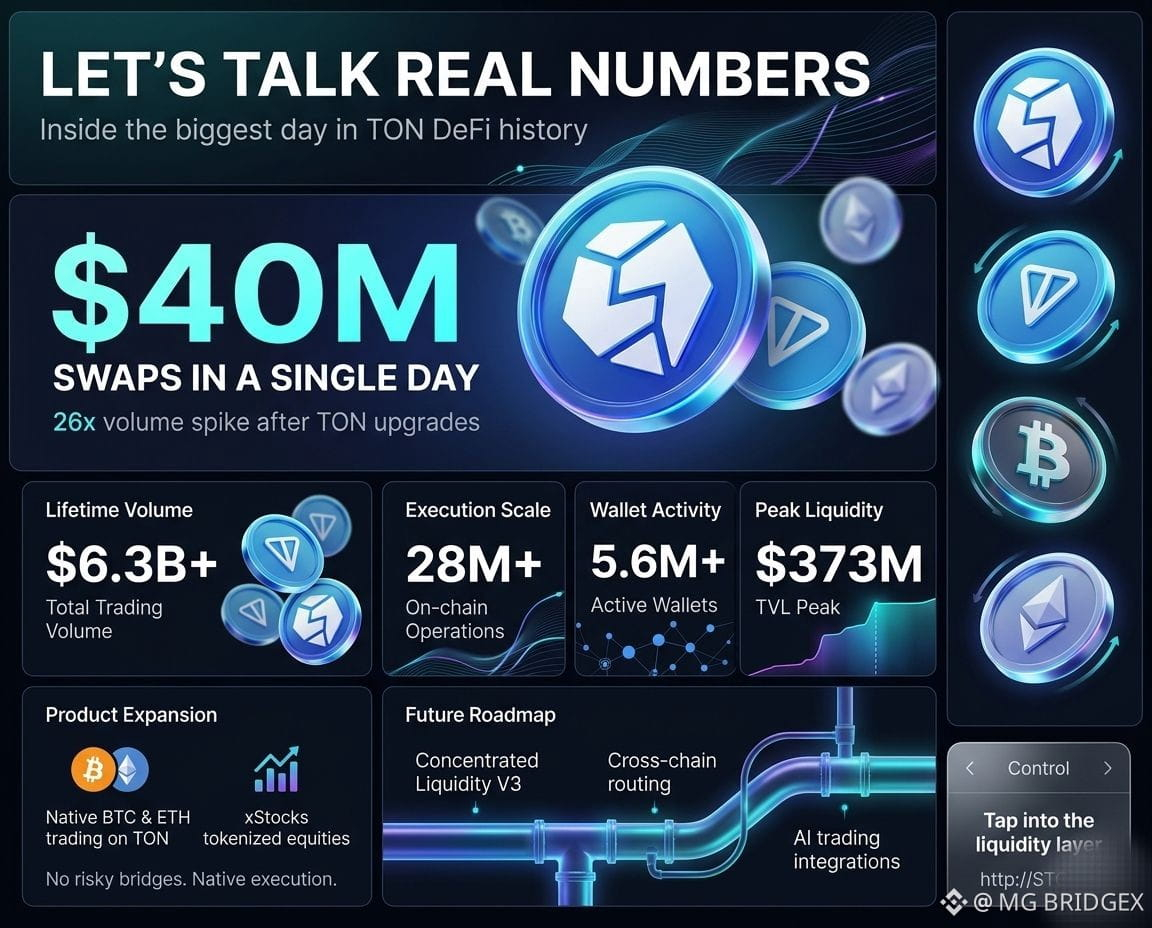
Let’s Talk Real Numbers - Inside the Biggest Day in TON DeFi History 📈
Let's skip the hype and look straight at the data from last week.
💰 $40 Million in swaps. Processed in just 24 hours.
This isn't a guess; it's exactly what @ston_fi handled following the latest TON network upgrades. When the market traffic hit, trading volume spiked by a massive 26x compared to the previous week's average.
If you think this is a one-time pump, take a look at these foundational metrics:
🔹 Over $6.3 Billion in lifetime trading volume
🔹 28 Million+ successful transactions
🔹 5.6 Million+ unique wallets interacting on-chain
🔹 Peak TVL hitting $373 Million
This is exactly what it looks like when a DeFi protocol hits institutional-grade scale.
Right now, you can trade native BTC and ETH directly through TON DeFi without dealing with risky third-party bridges, or access tokenized equities via xStocks. The infrastructure is built for scale, and the upcoming roadmap is bringing concentrated liquidity v3, full cross-chain routing, and autonomous AI trading integrations.
While most DEXs treat a $40M day as a historic milestone, for STON.fi, it’s just the baseline.
Are you positioned in the TON ecosystem yet? Let me know in the comments! 👇🏼
Explore the liquidity layer: http://STON.fi
#STONfi #TON #DeFi #cryptotrading #Web3 $EDEN $DUSK $CGPT l
Let’s Talk Real Numbers - Inside the Biggest Day in TON DeFi History 📈
Let's skip the hype and look straight at the data from last week.
💰 $40 Million in swaps. Processed in just 24 hours.
This isn't a guess; it's exactly what @ston_fi handled following the latest TON network upgrades. When the market traffic hit, trading volume spiked by a massive 26x compared to the previous week's average.
If you think this is a one-time pump, take a look at these foundational metrics:
🔹 Over $6.3 Billion in lifetime trading volume
🔹 28 Million+ successful transactions
🔹 5.6 Million+ unique wallets interacting on-chain
🔹 Peak TVL hitting $373 Million
This is exactly what it looks like when a DeFi protocol hits institutional-grade scale.
Right now, you can trade native BTC and ETH directly through TON DeFi without dealing with risky third-party bridges, or access tokenized equities via xStocks. The infrastructure is built for scale, and the upcoming roadmap is bringing concentrated liquidity v3, full cross-chain routing, and autonomous AI trading integrations.
While most DEXs treat a $40M day as a historic milestone, for STON.fi, it’s just the baseline.
Are you positioned in the TON ecosystem yet? Let me know in the comments! 👇🏼
Explore the liquidity layer: http://STON.fi
#STONfi #TON #DeFi #cryptotrading #Web3 $EDEN $DUSK $CGPT l
Let's skip the hype and look straight at the data from last week.
💰 $40 Million in swaps. Processed in just 24 hours.
This isn't a guess; it's exactly what @ston_fi handled following the latest TON network upgrades. When the market traffic hit, trading volume spiked by a massive 26x compared to the previous week's average.
If you think this is a one-time pump, take a look at these foundational metrics:
🔹 Over $6.3 Billion in lifetime trading volume
🔹 28 Million+ successful transactions
🔹 5.6 Million+ unique wallets interacting on-chain
🔹 Peak TVL hitting $373 Million
This is exactly what it looks like when a DeFi protocol hits institutional-grade scale.
Right now, you can trade native BTC and ETH directly through TON DeFi without dealing with risky third-party bridges, or access tokenized equities via xStocks. The infrastructure is built for scale, and the upcoming roadmap is bringing concentrated liquidity v3, full cross-chain routing, and autonomous AI trading integrations.
While most DEXs treat a $40M day as a historic milestone, for STON.fi, it’s just the baseline.
Are you positioned in the TON ecosystem yet? Let me know in the comments! 👇🏼
Explore the liquidity layer: http://STON.fi
#STONfi #TON #DeFi #cryptotrading #Web3 $EDEN $DUSK $CGPT l
2
126
ເຂົ້າສູ່ລະບົບເພື່ອສຳຫຼວດເນື້ອຫາເພີ່ມເຕີມ
ເຂົ້າຮ່ວມກຸ່ມຜູ້ໃຊ້ຄຣິບໂຕທົ່ວໂລກໃນ Binance Square.
⚡️ ໄດ້ຮັບຂໍ້ມູນຫຼ້າສຸດ ແລະ ທີ່ມີປະໂຫຍດກ່ຽວກັບຄຣິບໂຕ.
💬 ໄດ້ຮັບຄວາມໄວ້ວາງໃຈຈາກຕະຫຼາດແລກປ່ຽນຄຣິບໂຕທີ່ໃຫຍ່ທີ່ສຸດໃນໂລກ.
👍 ຄົ້ນຫາຂໍ້ມູນເຊີງເລິກທີ່ແທ້ຈາກນັກສ້າງທີ່ໄດ້ຮັບການຢືນຢັນ.
ອີເມວ / ເບີໂທລະສັບ
ຫົວຂໍ້ທີ່ກໍາລັງນິຍົມ
NEARRisesNearly80%InAWeek
28,825 views
763 ກຳລັງສົນທະນາ
#nearrisesnearly80%inaweek
پروتوكول NEAR في حالة تألق مطلقة هذا الأسبوع — إليك ما الذي يدفع الارتفاع 🔥
يا لها من أسبوع لـ NEAR! 🚀 تحقيق مكاسب تقارب 80% خلال 7 أيام فقط ليس مجرد حظ؛ بل يشير إلى زخم ضخم يتشكل حول رؤية NEAR لتجريد السلسلة وتكامل الذكاء الاصطناعي. عندما تلتقي كفاءة التقنية بحماس السوق لدى المتداولين، نحصل على حركة سعر بهذا الشكل تمامًا.
هل تحتفظ بـ NEAR على المدى الطويل، أم تأخذ أرباحًا عند هذه المستويات؟ اذكر إستراتيجيتك أدناه! 👇
متابعة من فضلكم
$NEAR
#BitcoinHits$85K #Near #SolanaCutsTargetSlotTimeTo250ms
Shamika Metting
·3 ຖືກໃຈ
·1.8k views
MultiversXPlansHardForkRecovery
25,709 views
579 ກຳລັງສົນທະນາ
CircleLaunchesInstitutionalBTCBackedBorrowing
25,408 views
697 ກຳລັງສົນທະນາ