

#web3development
web3development
17,909 views
211 ກຳລັງສົນທະນາ
ມາແຮງ
ຫຼ້າສຸດ

·
--
Want to become a BNB Chain developer? Start with fundamentals, then build.
Binance Academy can help you understand the concepts behind BNB Chain development:
• Blockchain architecture, transactions and wallets
• EVM basics, smart contracts and gas fees
• Solidity programming and contract security
• DeFi, NFTs, tokens and Web3 applications
• Private-key safety, phishing awareness and wallet protection
A practical learning path:
1. Learn how blocks, transactions and consensus work.
2. Understand Ethereum Virtual Machine concepts.
3. Study Solidity syntax, contract state and events.
4. Practise with testnet—not real funds.
5. Learn how to read transactions with a block explorer.
6. Review access control, reentrancy, oracle and arithmetic risks.
7. Read the official BNB Chain developer documentation.
8. Build one small project: a token, voting contract or simple dApp.
9. Test, document and review the code before deployment.
Academy gives you the knowledge foundation. Official BNB Chain documentation, SDKs, RPC tools and testnets turn that knowledge into working software.
Do not copy contracts blindly. A deployed smart contract can be difficult or impossible to change, and a coding error can permanently lose funds.
Learn first. Test safely. Ship only after review.
Start learning: academy.binance.com
Educational content only. Not financial advice.
#BinanceAcademy #BNBChain #Web3Development #BinanceAngels
Want to become a BNB Chain developer? Start with fundamentals, then build.
Binance Academy can help you understand the concepts behind BNB Chain development:
• Blockchain architecture, transactions and wallets
• EVM basics, smart contracts and gas fees
• Solidity programming and contract security
• DeFi, NFTs, tokens and Web3 applications
• Private-key safety, phishing awareness and wallet protection
A practical learning path:
1. Learn how blocks, transactions and consensus work.
2. Understand Ethereum Virtual Machine concepts.
3. Study Solidity syntax, contract state and events.
4. Practise with testnet—not real funds.
5. Learn how to read transactions with a block explorer.
6. Review access control, reentrancy, oracle and arithmetic risks.
7. Read the official BNB Chain developer documentation.
8. Build one small project: a token, voting contract or simple dApp.
9. Test, document and review the code before deployment.
Academy gives you the knowledge foundation. Official BNB Chain documentation, SDKs, RPC tools and testnets turn that knowledge into working software.
Do not copy contracts blindly. A deployed smart contract can be difficult or impossible to change, and a coding error can permanently lose funds.
Learn first. Test safely. Ship only after review.
Start learning: academy.binance.com
Educational content only. Not financial advice.
#BinanceAcademy #BNBChain #Web3Development #BinanceAngels
Binance Academy can help you understand the concepts behind BNB Chain development:
• Blockchain architecture, transactions and wallets
• EVM basics, smart contracts and gas fees
• Solidity programming and contract security
• DeFi, NFTs, tokens and Web3 applications
• Private-key safety, phishing awareness and wallet protection
A practical learning path:
1. Learn how blocks, transactions and consensus work.
2. Understand Ethereum Virtual Machine concepts.
3. Study Solidity syntax, contract state and events.
4. Practise with testnet—not real funds.
5. Learn how to read transactions with a block explorer.
6. Review access control, reentrancy, oracle and arithmetic risks.
7. Read the official BNB Chain developer documentation.
8. Build one small project: a token, voting contract or simple dApp.
9. Test, document and review the code before deployment.
Academy gives you the knowledge foundation. Official BNB Chain documentation, SDKs, RPC tools and testnets turn that knowledge into working software.
Do not copy contracts blindly. A deployed smart contract can be difficult or impossible to change, and a coding error can permanently lose funds.
Learn first. Test safely. Ship only after review.
Start learning: academy.binance.com
Educational content only. Not financial advice.
#BinanceAcademy #BNBChain #Web3Development #BinanceAngels
42

·
--
La evolución de la reactividad en Web 3 mediante la Composition API representa un cambio fundamental para el desarrollo de aplicaciones escalables y eficientes. Al desacoplar la lógica de los componentes, optimizamos el rendimiento y facilitamos el mantenimiento a largo plazo. Es una herramienta esencial para quienes buscan la excelencia en el frontend.
#Web3
#Web3Development
#FrontendDevelopment
La evolución de la reactividad en Web 3 mediante la Composition API representa un cambio fundamental para el desarrollo de aplicaciones escalables y eficientes. Al desacoplar la lógica de los componentes, optimizamos el rendimiento y facilitamos el mantenimiento a largo plazo. Es una herramienta esencial para quienes buscan la excelencia en el frontend.
#Web3
#Web3Development
#FrontendDevelopment
#Web3
#Web3Development
#FrontendDevelopment
84

·
--
Developer Activity Is the Most Honest Leading Indicator in Crypto
Price charts attract attention. Developer activity builds the future.
Across every major market cycle, sustained developer commits have preceded protocol breakouts by months — sometimes years. When prices are flat or down, teams still building are quietly compounding optionality. When everyone panics, GitHub repositories tell a different story.
Look at the patterns:
$ETH has maintained the deepest developer ecosystem in crypto for years running — thousands of active repos, new EIPs shipping, tooling maturing. That gravity doesn't evaporate in a bear market; it widens the moat.
Layer 1s with formal research-to-deployment pipelines move slower, but structurally they're serious. The communities that rebuild after adversity — and the tooling that improves — represent real, measurable momentum.
$SOL has seen a developer renaissance post-FTX fallout. The community rebuilt. The tooling improved. The momentum is real.
$BNB Chain developer activity has accelerated with opBNB and BEP-520 upgrades — a signal the ecosystem is compounding infrastructure, not just transaction volume.
The mental model: treat developer activity as a floor on long-term value. A protocol with declining commits and rising price is fragile. A protocol with rising commits and flat price is opportunity.
Smart money watches GitHub. Maybe you should too.
#CryptoInsights #Web3Development #BlockchainTech #LongTermThinking #CryptoStrategy
Developer Activity Is the Most Honest Leading Indicator in Crypto
Price charts attract attention. Developer activity builds the future.
Across every major market cycle, sustained developer commits have preceded protocol breakouts by months — sometimes years. When prices are flat or down, teams still building are quietly compounding optionality. When everyone panics, GitHub repositories tell a different story.
Look at the patterns:
$ETH has maintained the deepest developer ecosystem in crypto for years running — thousands of active repos, new EIPs shipping, tooling maturing. That gravity doesn't evaporate in a bear market; it widens the moat.
Layer 1s with formal research-to-deployment pipelines move slower, but structurally they're serious. The communities that rebuild after adversity — and the tooling that improves — represent real, measurable momentum.
$SOL has seen a developer renaissance post-FTX fallout. The community rebuilt. The tooling improved. The momentum is real.
$BNB Chain developer activity has accelerated with opBNB and BEP-520 upgrades — a signal the ecosystem is compounding infrastructure, not just transaction volume.
The mental model: treat developer activity as a floor on long-term value. A protocol with declining commits and rising price is fragile. A protocol with rising commits and flat price is opportunity.
Smart money watches GitHub. Maybe you should too.
#CryptoInsights #Web3Development #BlockchainTech #LongTermThinking #CryptoStrategy
Price charts attract attention. Developer activity builds the future.
Across every major market cycle, sustained developer commits have preceded protocol breakouts by months — sometimes years. When prices are flat or down, teams still building are quietly compounding optionality. When everyone panics, GitHub repositories tell a different story.
Look at the patterns:
$ETH has maintained the deepest developer ecosystem in crypto for years running — thousands of active repos, new EIPs shipping, tooling maturing. That gravity doesn't evaporate in a bear market; it widens the moat.
Layer 1s with formal research-to-deployment pipelines move slower, but structurally they're serious. The communities that rebuild after adversity — and the tooling that improves — represent real, measurable momentum.
$SOL has seen a developer renaissance post-FTX fallout. The community rebuilt. The tooling improved. The momentum is real.
$BNB Chain developer activity has accelerated with opBNB and BEP-520 upgrades — a signal the ecosystem is compounding infrastructure, not just transaction volume.
The mental model: treat developer activity as a floor on long-term value. A protocol with declining commits and rising price is fragile. A protocol with rising commits and flat price is opportunity.
Smart money watches GitHub. Maybe you should too.
#CryptoInsights #Web3Development #BlockchainTech #LongTermThinking #CryptoStrategy
41

·
--
ບົດຄວາມ
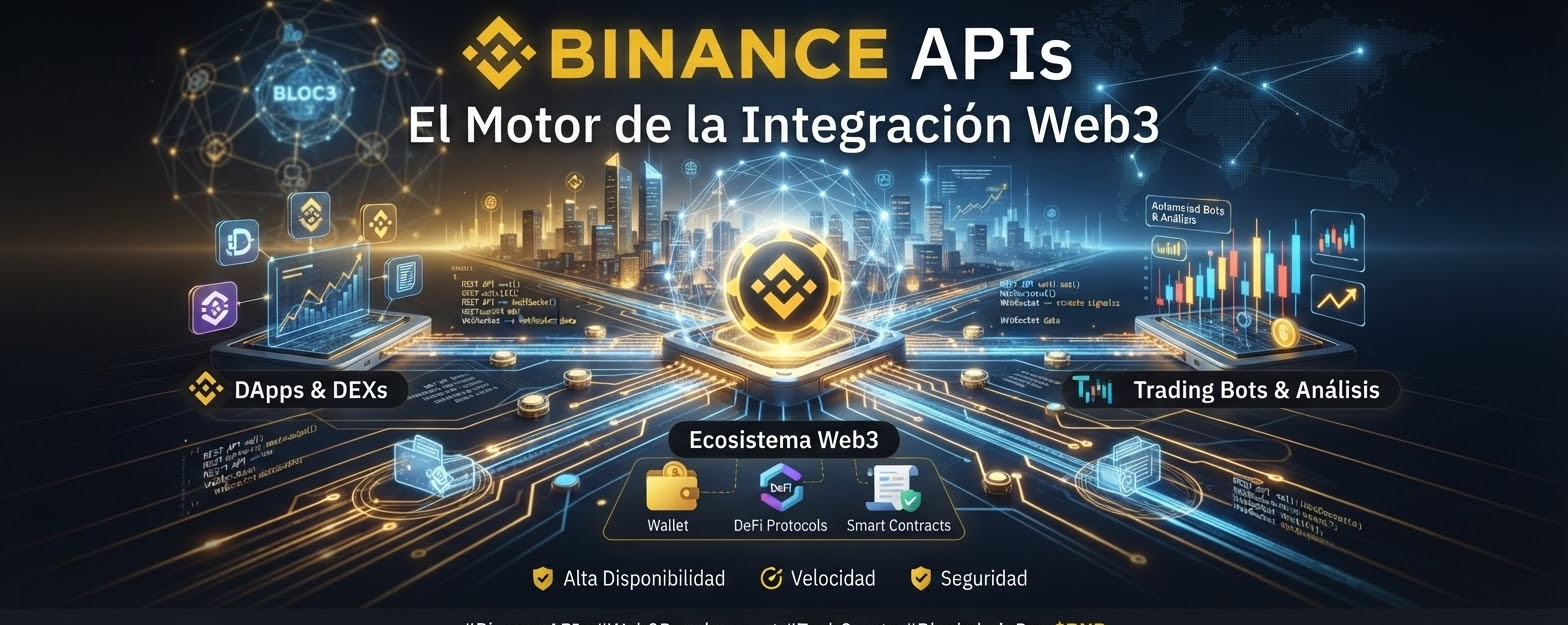
Binance APIs: El Motor de la Integración Web3Las Binance APIs representan la infraestructura fundamental para conectar aplicaciones descentralizadas, plataformas de análisis y herramientas de trading con uno de los ecosistemas más robustos del mercado. Su diseño está enfocado en garantizar alta disponibilidad, velocidad de respuesta y seguridad avanzada para desarrolladores y analistas institucionales.
Aspectos Clave
• Conectividad Escalable: Permiten integrar datos de mercado en tiempo real y ejecutar operaciones automatizadas de manera eficiente.
• Soporte para el Ecosistema: Facilitan el desarrollo de herramientas personalizadas bajo una arquitectura segura y confiable.
#BinanceAPIs #Web3Development #TechCrypto #BlockchainDev $BNB
{spot}(BNBUSDT)
Binance APIs: El Motor de la Integración Web3
Las Binance APIs representan la infraestructura fundamental para conectar aplicaciones descentralizadas, plataformas de análisis y herramientas de trading con uno de los ecosistemas más robustos del mercado. Su diseño está enfocado en garantizar alta disponibilidad, velocidad de respuesta y seguridad avanzada para desarrolladores y analistas institucionales.
Aspectos Clave
• Conectividad Escalable: Permiten integrar datos de mercado en tiempo real y ejecutar operaciones automatizadas de manera eficiente.
• Soporte para el Ecosistema: Facilitan el desarrollo de herramientas personalizadas bajo una arquitectura segura y confiable.
#BinanceAPIs #Web3Development #TechCrypto #BlockchainDev $BNB
Aspectos Clave
• Conectividad Escalable: Permiten integrar datos de mercado en tiempo real y ejecutar operaciones automatizadas de manera eficiente.
• Soporte para el Ecosistema: Facilitan el desarrollo de herramientas personalizadas bajo una arquitectura segura y confiable.
#BinanceAPIs #Web3Development #TechCrypto #BlockchainDev $BNB
HarounD_77:
HarounD_77
yes
1
1
2
380
($MOVR) is an Ethereum-compatible smart contract parachain built on the Kusama network. It serves as a companion network to Moonbeam, offering a permanently incentivized platform for new projects to test and deploy code under real economic conditions.
Key Features of Moonriver:
Minimal Re-configuration: Developers can mirror Ethereum accounts, keys, subscriptions, and logs instantly.
Built-in Integrations: Supports standard Ethereum tools like MetaMask, Remix, and Hardhat out of the box.
Cross-Chain Interoperability: Leverages Kusama’s cross-consensus messaging (XCM) to interact with other parachains seamlessly.
By bridging the gap between Ethereum’s developer ecosystem and Kusama’s scalable architecture, $MOVR continues to be a crucial playground for Web3 innovation.
What are your thoughts on parachain performance this cycle?
#Blockchain #CryptoNews #Web3Development #Moonriver #DeFi
$MOVR
{spot}(MOVRUSDT)
($MOVR ) is an Ethereum-compatible smart contract parachain built on the Kusama network. It serves as a companion network to Moonbeam, offering a permanently incentivized platform for new projects to test and deploy code under real economic conditions.
Key Features of Moonriver:
Minimal Re-configuration: Developers can mirror Ethereum accounts, keys, subscriptions, and logs instantly.
Built-in Integrations: Supports standard Ethereum tools like MetaMask, Remix, and Hardhat out of the box.
Cross-Chain Interoperability: Leverages Kusama’s cross-consensus messaging (XCM) to interact with other parachains seamlessly.
By bridging the gap between Ethereum’s developer ecosystem and Kusama’s scalable architecture, $MOVR continues to be a crucial playground for Web3 innovation.
What are your thoughts on parachain performance this cycle?
#Blockchain #CryptoNews #Web3Development #Moonriver #DeFi
$MOVR
Key Features of Moonriver:
Minimal Re-configuration: Developers can mirror Ethereum accounts, keys, subscriptions, and logs instantly.
Built-in Integrations: Supports standard Ethereum tools like MetaMask, Remix, and Hardhat out of the box.
Cross-Chain Interoperability: Leverages Kusama’s cross-consensus messaging (XCM) to interact with other parachains seamlessly.
By bridging the gap between Ethereum’s developer ecosystem and Kusama’s scalable architecture, $MOVR continues to be a crucial playground for Web3 innovation.
What are your thoughts on parachain performance this cycle?
#Blockchain #CryptoNews #Web3Development #Moonriver #DeFi
$MOVR
256


·
--
Layer 3s: The Era of Hyper-Customized Networks ⚡
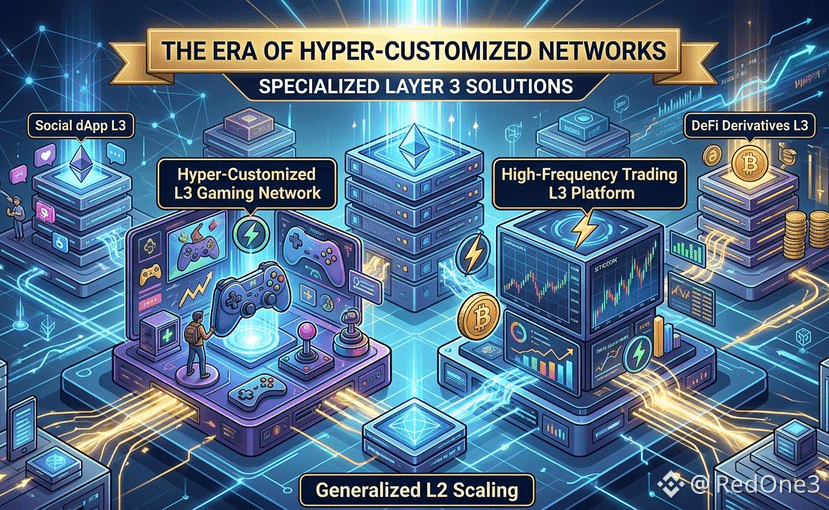
Layer 2s solved gas fees; Layer 3s are solving application-specific scalability. By building specialized L3 execution environments, developers can deploy games and high-frequency trading platforms with near-zero latency.
#Layer2 #Layer3 #ScalingSolutions #Web3Development .
Layer 3s: The Era of Hyper-Customized Networks ⚡
Layer 2s solved gas fees; Layer 3s are solving application-specific scalability. By building specialized L3 execution environments, developers can deploy games and high-frequency trading platforms with near-zero latency.
#Layer2 #Layer3 #ScalingSolutions #Web3Development .
Layer 2s solved gas fees; Layer 3s are solving application-specific scalability. By building specialized L3 execution environments, developers can deploy games and high-frequency trading platforms with near-zero latency.
#Layer2 #Layer3 #ScalingSolutions #Web3Development .
134

Sovereignty and absolute control of data by application creators will change the internet business model. The rapid development tools of $NEAR greatly ease this structural transition.#Web3Development #nearprotocol
Sovereignty and absolute control of data by application creators will change the internet business model. The rapid development tools of $NEAR greatly ease this structural transition.#Web3Development #nearprotocol
2
95
·
--
Coding Smart Contracts with Plain English 💻
AI prompt-to-contract tools are democratizing dApp development. Write what you want in plain text, and AI builds the secure, deployed contract on-chain instantly.
#Web3Development #SmartContracts #CodingAI #Blockchain .
Coding Smart Contracts with Plain English 💻
AI prompt-to-contract tools are democratizing dApp development. Write what you want in plain text, and AI builds the secure, deployed contract on-chain instantly.
#Web3Development #SmartContracts #CodingAI #Blockchain .
AI prompt-to-contract tools are democratizing dApp development. Write what you want in plain text, and AI builds the secure, deployed contract on-chain instantly.
#Web3Development #SmartContracts #CodingAI #Blockchain .
57

·
--
#Web3 Developers aren't just talking about secure AI—they are actively building it. @OpenGradient is seeing serious developer traction, with their decentralized infrastructure already hosting more than 2,000 unique models. Their upcoming creator tools will make it even simpler for Web3 builders to deploy verifiable, trustless AI apps without massive overhead. If you want to check out how the ecosystem feels, try launching your own setup at chat.opengradient.ai.
For the developers in the room: What’s the biggest technical bottleneck you face when attempting to deploy secure AI models on-chain today?
$OPG #opg #BinanceSquareTalks #Web3Development $SKHYNIX
#Web3 Developers aren't just talking about secure AI—they are actively building it. @OpenGradient is seeing serious developer traction, with their decentralized infrastructure already hosting more than 2,000 unique models. Their upcoming creator tools will make it even simpler for Web3 builders to deploy verifiable, trustless AI apps without massive overhead. If you want to check out how the ecosystem feels, try launching your own setup at chat.opengradient.ai.
For the developers in the room: What’s the biggest technical bottleneck you face when attempting to deploy secure AI models on-chain today?
$OPG #opg #BinanceSquareTalks #Web3Development $SKHYNIX
For the developers in the room: What’s the biggest technical bottleneck you face when attempting to deploy secure AI models on-chain today?
$OPG #opg #BinanceSquareTalks #Web3Development $SKHYNIX

9
2
205
·
--
Most people debate whether $SOL is a real competitor to $ETH. The more useful question: is Solana's developer ecosystem maturing fast enough to justify long-term conviction?
Here's what the data suggests:
**Developer retention is climbing.** Early Solana had a reputation for instability — the network outages hurt. But since 2023, core infrastructure improvements (QUIC, Gulf Stream, Firedancer client development) have shifted the narrative from fragile to resilient.
**The builder profile has changed.** Solana is no longer just a DeFi chain. It now hosts consumer apps, payments (Solana Pay), gaming, compressed NFTs at massive scale, and blinks/actions for social-native transactions. That breadth signals ecosystem depth.
**Fee economics are maturing.** Local fee markets mean one congested app no longer tanks the whole network. That's institutional-grade predictability.
**The EVM narrative is fading as a binary.** Developers choose ecosystems based on UX, tooling, and user liquidity — not ideology. Solana's Rust tooling has reached a stage where it no longer scares senior engineers.
For $BNB ecosystem watchers tracking cross-chain momentum: developer gravity compounds. The chains that attract and retain builders in 2025–2026 will host the apps that drive the next retail cycle.
Conviction should follow developer momentum, not just price charts.
#Solana #CryptoInsights #Web3Development #LongTermThinking #CryptoMarket
Most people debate whether $SOL is a real competitor to $ETH . The more useful question: is Solana's developer ecosystem maturing fast enough to justify long-term conviction?
Here's what the data suggests:
**Developer retention is climbing.** Early Solana had a reputation for instability — the network outages hurt. But since 2023, core infrastructure improvements (QUIC, Gulf Stream, Firedancer client development) have shifted the narrative from fragile to resilient.
**The builder profile has changed.** Solana is no longer just a DeFi chain. It now hosts consumer apps, payments (Solana Pay), gaming, compressed NFTs at massive scale, and blinks/actions for social-native transactions. That breadth signals ecosystem depth.
**Fee economics are maturing.** Local fee markets mean one congested app no longer tanks the whole network. That's institutional-grade predictability.
**The EVM narrative is fading as a binary.** Developers choose ecosystems based on UX, tooling, and user liquidity — not ideology. Solana's Rust tooling has reached a stage where it no longer scares senior engineers.
For $BNB ecosystem watchers tracking cross-chain momentum: developer gravity compounds. The chains that attract and retain builders in 2025–2026 will host the apps that drive the next retail cycle.
Conviction should follow developer momentum, not just price charts.
#Solana #CryptoInsights #Web3Development #LongTermThinking #CryptoMarket
Here's what the data suggests:
**Developer retention is climbing.** Early Solana had a reputation for instability — the network outages hurt. But since 2023, core infrastructure improvements (QUIC, Gulf Stream, Firedancer client development) have shifted the narrative from fragile to resilient.
**The builder profile has changed.** Solana is no longer just a DeFi chain. It now hosts consumer apps, payments (Solana Pay), gaming, compressed NFTs at massive scale, and blinks/actions for social-native transactions. That breadth signals ecosystem depth.
**Fee economics are maturing.** Local fee markets mean one congested app no longer tanks the whole network. That's institutional-grade predictability.
**The EVM narrative is fading as a binary.** Developers choose ecosystems based on UX, tooling, and user liquidity — not ideology. Solana's Rust tooling has reached a stage where it no longer scares senior engineers.
For $BNB ecosystem watchers tracking cross-chain momentum: developer gravity compounds. The chains that attract and retain builders in 2025–2026 will host the apps that drive the next retail cycle.
Conviction should follow developer momentum, not just price charts.
#Solana #CryptoInsights #Web3Development #LongTermThinking #CryptoMarket
47

·
--
#BNB
BNB Chain in 2026: Beyond Price—Focusing on Speed and Infrastructure:
While market headlines often focus on short-term price swings, the real story for $BNB lies in its underlying infrastructure updates.
1️⃣ Sub-500ms Block Times: Recent upgrades like the Osaka/Mendel forks cut block intervals down to 450ms, giving Web3 apps noticeable performance gains.
2️⃣ Real-World Asset (RWA) Expansion: BNB Chain has seen over $3.6B in tokenized asset growth year-to-date, making it one of the fastest-growing layers for institutional products.
3️⃣ Sub-Cent Gas Fees: Fast finality and low transaction costs remain the primary driver keeping developers building decentralized finance and AI applications on BSC.
Sustainable value is built on network adoption, developer retention, and real UX performance—not just leverage and trading volume.
What Web3 ecosystem or dApp are you currently building or using on BNB Chain? Drop your favorite projects below! 👇
#BNBChain #Web3Development #CryptoTechUpdate #Write2Earn
#BNB
BNB Chain in 2026: Beyond Price—Focusing on Speed and Infrastructure:
While market headlines often focus on short-term price swings, the real story for $BNB lies in its underlying infrastructure updates.
1️⃣ Sub-500ms Block Times: Recent upgrades like the Osaka/Mendel forks cut block intervals down to 450ms, giving Web3 apps noticeable performance gains.
2️⃣ Real-World Asset (RWA) Expansion: BNB Chain has seen over $3.6B in tokenized asset growth year-to-date, making it one of the fastest-growing layers for institutional products.
3️⃣ Sub-Cent Gas Fees: Fast finality and low transaction costs remain the primary driver keeping developers building decentralized finance and AI applications on BSC.
Sustainable value is built on network adoption, developer retention, and real UX performance—not just leverage and trading volume.
What Web3 ecosystem or dApp are you currently building or using on BNB Chain? Drop your favorite projects below! 👇
#BNBChain #Web3Development #CryptoTechUpdate #Write2Earn
BNB Chain in 2026: Beyond Price—Focusing on Speed and Infrastructure:
While market headlines often focus on short-term price swings, the real story for $BNB lies in its underlying infrastructure updates.
1️⃣ Sub-500ms Block Times: Recent upgrades like the Osaka/Mendel forks cut block intervals down to 450ms, giving Web3 apps noticeable performance gains.
2️⃣ Real-World Asset (RWA) Expansion: BNB Chain has seen over $3.6B in tokenized asset growth year-to-date, making it one of the fastest-growing layers for institutional products.
3️⃣ Sub-Cent Gas Fees: Fast finality and low transaction costs remain the primary driver keeping developers building decentralized finance and AI applications on BSC.
Sustainable value is built on network adoption, developer retention, and real UX performance—not just leverage and trading volume.
What Web3 ecosystem or dApp are you currently building or using on BNB Chain? Drop your favorite projects below! 👇
#BNBChain #Web3Development #CryptoTechUpdate #Write2Earn

92

·
--
Free RPC or Paid RPC?A free RPC endpoint can be the right choice for local development, testnets, staging, early validation and a low-traffic application. The upgrade point is not the moment a provider places “production” beside a paid plan. It is the moment the free service can no longer meet a measured operating threshold with safe headroom.
Replay the workload your application actually sends. Include the real method mix, traffic region, normal concurrency and bursts. Measure latency percentiles, error rate, throttling, block freshness, WebSocket continuity and recovery after failure. Test historical and trace methods if the product depends on them.
Then connect technical failure to product cost. A stale dashboard may be tolerable. A delayed liquidation feed, failed wallet balance, rejected checkout or missing transaction status may not be. The same endpoint can therefore be adequate for one application and dangerous for another.
Paid access should buy a measurable improvement: more capacity, required methods, archive data, WebSockets, support, regional coverage, reliability commitments or operational visibility. It does not remove the need for monitoring and a tested fallback.
TokenToolHub’s new guide provides a workload-based upgrade framework:
https://tokentoolhub.com/free-vs-paid-rpc/
#RPC #Web3Development #blockchain #CryptoInfrastructure #Web3
Free RPC or Paid RPC?
A free RPC endpoint can be the right choice for local development, testnets, staging, early validation and a low-traffic application. The upgrade point is not the moment a provider places “production” beside a paid plan. It is the moment the free service can no longer meet a measured operating threshold with safe headroom.
Replay the workload your application actually sends. Include the real method mix, traffic region, normal concurrency and bursts. Measure latency percentiles, error rate, throttling, block freshness, WebSocket continuity and recovery after failure. Test historical and trace methods if the product depends on them.
Then connect technical failure to product cost. A stale dashboard may be tolerable. A delayed liquidation feed, failed wallet balance, rejected checkout or missing transaction status may not be. The same endpoint can therefore be adequate for one application and dangerous for another.
Paid access should buy a measurable improvement: more capacity, required methods, archive data, WebSockets, support, regional coverage, reliability commitments or operational visibility. It does not remove the need for monitoring and a tested fallback.
TokenToolHub’s new guide provides a workload-based upgrade framework:
https://tokentoolhub.com/free-vs-paid-rpc/
#RPC #Web3Development #blockchain #CryptoInfrastructure #Web3
Replay the workload your application actually sends. Include the real method mix, traffic region, normal concurrency and bursts. Measure latency percentiles, error rate, throttling, block freshness, WebSocket continuity and recovery after failure. Test historical and trace methods if the product depends on them.
Then connect technical failure to product cost. A stale dashboard may be tolerable. A delayed liquidation feed, failed wallet balance, rejected checkout or missing transaction status may not be. The same endpoint can therefore be adequate for one application and dangerous for another.
Paid access should buy a measurable improvement: more capacity, required methods, archive data, WebSockets, support, regional coverage, reliability commitments or operational visibility. It does not remove the need for monitoring and a tested fallback.
TokenToolHub’s new guide provides a workload-based upgrade framework:
https://tokentoolhub.com/free-vs-paid-rpc/
#RPC #Web3Development #blockchain #CryptoInfrastructure #Web3
37
·
--
Regulatory clarity doesn't just protect investors — it redirects builder talent.
Everyone tracks regulatory milestones as price catalysts. The real signal is what happens to GitHub commit velocity in the 6-12 months after a framework lands.
When MiCA passed in Europe, developer activity on compliant chains didn't spike immediately. It took 9 months for the migration to show up in commit data. The pattern: legal clarity reduces career risk for builders. Engineers who were hedging between crypto and TradFi suddenly had a clear lane. Projects that were incorporating offshore began restructuring onshore. The talent follows the legal roadmap, and the capital follows the talent.
This is why the GENIUS Act and the Clarity Act matter more than any single price candle. They're not just institutional access gates — they're developer migration signals. The chains that get regulatory clarity first will absorb the next generation of builders. And builder gravity is the only leading indicator that actually predicts multi-year ecosystem dominance.
$ADA built its entire architecture around compliance-first principles years before it was fashionable. $ETH has the ecosystem depth. $BNB has the distribution rails. The question isn't which token pumps on regulatory news. It's which ecosystem earns the next wave of developer commits.
Watch the commit graphs, not the candle charts.
#CryptoRegulation #BuilderMigration #Web3Development #ClarityAct #GENIUSAct
Regulatory clarity doesn't just protect investors — it redirects builder talent.
Everyone tracks regulatory milestones as price catalysts. The real signal is what happens to GitHub commit velocity in the 6-12 months after a framework lands.
When MiCA passed in Europe, developer activity on compliant chains didn't spike immediately. It took 9 months for the migration to show up in commit data. The pattern: legal clarity reduces career risk for builders. Engineers who were hedging between crypto and TradFi suddenly had a clear lane. Projects that were incorporating offshore began restructuring onshore. The talent follows the legal roadmap, and the capital follows the talent.
This is why the GENIUS Act and the Clarity Act matter more than any single price candle. They're not just institutional access gates — they're developer migration signals. The chains that get regulatory clarity first will absorb the next generation of builders. And builder gravity is the only leading indicator that actually predicts multi-year ecosystem dominance.
$ADA built its entire architecture around compliance-first principles years before it was fashionable. $ETH has the ecosystem depth. $BNB has the distribution rails. The question isn't which token pumps on regulatory news. It's which ecosystem earns the next wave of developer commits.
Watch the commit graphs, not the candle charts.
#CryptoRegulation #BuilderMigration #Web3Development #ClarityAct #GENIUSAct
Everyone tracks regulatory milestones as price catalysts. The real signal is what happens to GitHub commit velocity in the 6-12 months after a framework lands.
When MiCA passed in Europe, developer activity on compliant chains didn't spike immediately. It took 9 months for the migration to show up in commit data. The pattern: legal clarity reduces career risk for builders. Engineers who were hedging between crypto and TradFi suddenly had a clear lane. Projects that were incorporating offshore began restructuring onshore. The talent follows the legal roadmap, and the capital follows the talent.
This is why the GENIUS Act and the Clarity Act matter more than any single price candle. They're not just institutional access gates — they're developer migration signals. The chains that get regulatory clarity first will absorb the next generation of builders. And builder gravity is the only leading indicator that actually predicts multi-year ecosystem dominance.
$ADA built its entire architecture around compliance-first principles years before it was fashionable. $ETH has the ecosystem depth. $BNB has the distribution rails. The question isn't which token pumps on regulatory news. It's which ecosystem earns the next wave of developer commits.
Watch the commit graphs, not the candle charts.
#CryptoRegulation #BuilderMigration #Web3Development #ClarityAct #GENIUSAct
1
115

ບົດຄວາມ
L’écosystème 0G passe à la vitesse supérieure : La communauté prend le relaisDans le Web3, le vrai test pour un projet n’est pas sa roadmap, mais ce que les builders en font. À l'instar de $NEAR , qui a prouvé que les écosystèmes les plus dynamiques sont portés par des initiatives spontanées, $0G entre aujourd'hui dans cette phase de croissance explosive.
L'ascension de 0G Forge 🔨
Quelques jours seulement après le lancement de l'application officielle, la communauté a déjà frappé fort avec la sortie de 0G Forge. Ce compagnon natif "terminal-based" vient booster le pipeline de construction de l'app sans attendre la moindre directive de l'équipe officielle.
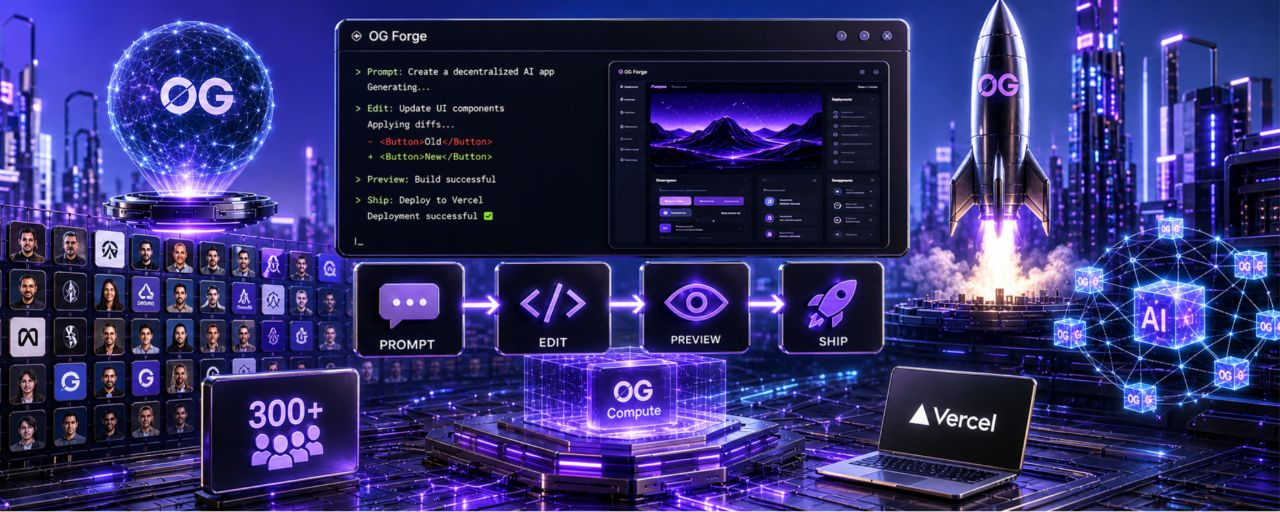
Le workflow de 0G Forge en 4 étapes clés :
Prompt : Demandez votre application.Edit : Révisez et modifiez via des diffs en direct.Preview : Visualisez instantanément le résultat.Ship : Déployez sur Vercel en un seul clic.
Pourquoi c’est un "Game Changer" ? 🚀
Tout ce processus est propulsé par 0G Compute. On oublie les intégrations tierces ou les fournisseurs centralisés : la boucle de déploiement de l'agent IA est 100% onchain, de l'instruction initiale jusqu'au déploiement final.
Le signal est clair : Quand des développeurs étendent un produit avant même que la documentation officielle ne soit bouclée, c'est que les primitives sont ultra-accessibles. C'est exactement à cela que ressemble une infrastructure IA décentralisée qui a trouvé son Product-Market Fit.
En chiffres :
< 7 jours : Le délai entre le lancement de l'App 0G et l'arrivée de 0G Forge.300+ partenaires : Déjà actifs sur l'ensemble de la stack.
L'IA décentralisée ne se contente plus de promettre, elle construit. 0G Forge n'est que le début d'une longue série d'outils créés par et pour la communauté.
#Aİ #0G #Web3Development #crypto
L’écosystème 0G passe à la vitesse supérieure : La communauté prend le relais
Dans le Web3, le vrai test pour un projet n’est pas sa roadmap, mais ce que les builders en font. À l'instar de $NEAR , qui a prouvé que les écosystèmes les plus dynamiques sont portés par des initiatives spontanées, $0G entre aujourd'hui dans cette phase de croissance explosive.
L'ascension de 0G Forge 🔨
Quelques jours seulement après le lancement de l'application officielle, la communauté a déjà frappé fort avec la sortie de 0G Forge. Ce compagnon natif "terminal-based" vient booster le pipeline de construction de l'app sans attendre la moindre directive de l'équipe officielle.
Le workflow de 0G Forge en 4 étapes clés :
Prompt : Demandez votre application.Edit : Révisez et modifiez via des diffs en direct.Preview : Visualisez instantanément le résultat.Ship : Déployez sur Vercel en un seul clic.
Pourquoi c’est un "Game Changer" ? 🚀
Tout ce processus est propulsé par 0G Compute. On oublie les intégrations tierces ou les fournisseurs centralisés : la boucle de déploiement de l'agent IA est 100% onchain, de l'instruction initiale jusqu'au déploiement final.
Le signal est clair : Quand des développeurs étendent un produit avant même que la documentation officielle ne soit bouclée, c'est que les primitives sont ultra-accessibles. C'est exactement à cela que ressemble une infrastructure IA décentralisée qui a trouvé son Product-Market Fit.
En chiffres :
< 7 jours : Le délai entre le lancement de l'App 0G et l'arrivée de 0G Forge.300+ partenaires : Déjà actifs sur l'ensemble de la stack.
L'IA décentralisée ne se contente plus de promettre, elle construit. 0G Forge n'est que le début d'une longue série d'outils créés par et pour la communauté.
#Aİ #0G #Web3Development #crypto
L'ascension de 0G Forge 🔨
Quelques jours seulement après le lancement de l'application officielle, la communauté a déjà frappé fort avec la sortie de 0G Forge. Ce compagnon natif "terminal-based" vient booster le pipeline de construction de l'app sans attendre la moindre directive de l'équipe officielle.
Le workflow de 0G Forge en 4 étapes clés :
Prompt : Demandez votre application.Edit : Révisez et modifiez via des diffs en direct.Preview : Visualisez instantanément le résultat.Ship : Déployez sur Vercel en un seul clic.
Pourquoi c’est un "Game Changer" ? 🚀
Tout ce processus est propulsé par 0G Compute. On oublie les intégrations tierces ou les fournisseurs centralisés : la boucle de déploiement de l'agent IA est 100% onchain, de l'instruction initiale jusqu'au déploiement final.
Le signal est clair : Quand des développeurs étendent un produit avant même que la documentation officielle ne soit bouclée, c'est que les primitives sont ultra-accessibles. C'est exactement à cela que ressemble une infrastructure IA décentralisée qui a trouvé son Product-Market Fit.
En chiffres :
< 7 jours : Le délai entre le lancement de l'App 0G et l'arrivée de 0G Forge.300+ partenaires : Déjà actifs sur l'ensemble de la stack.
L'IA décentralisée ne se contente plus de promettre, elle construit. 0G Forge n'est que le début d'une longue série d'outils créés par et pour la communauté.
#Aİ #0G #Web3Development #crypto
1
634
ບົດຄວາມ
The Hidden Tax Killing Crypto Fintechs in 2026: Modular vs. Unified ArchitectureWhen Web3 startups and fintechs enter the $BTC market today, the initial architecture decision looks deceptively simple: use the best vendor for each layer. You pick the top custody provider, the most liquid trading desk, and the sharpest AML compliance tool. On paper, this "best of breed" modular stack seems like the fastest route to market.
However, in 2026, the hidden costs of this fragmented approach are triggering a silent crisis for emerging platforms.
The Real Cost of a Modular Stack
Going modular isn't just about paying multiple monthly bills. It introduces massive organizational and technical liabilities:
Severe Launch Delays: Projects checking out a 3-month timeline frequently drift into nearly 12 months of actual development due to integration bottlenecks.
Heavy Maintenance Overhead: Companies are spending between $200K and $500K annually just to keep 5 separate vendors operational, APIs updated, and environments synced.
SLA & Contract Vulnerabilities: Managing dozens of separate service level agreements (SLAs) creates dozens of single points of failure.
Incident Response Chaos: When systems connect badly or experience downtime, platforms get trapped in cross-vendor blame cycles instead of resolving the issue.
Every single vendor added expands your compliance surface, complicates technical integrations, and drains valuable engineering hours that should be spent on core product innovation.
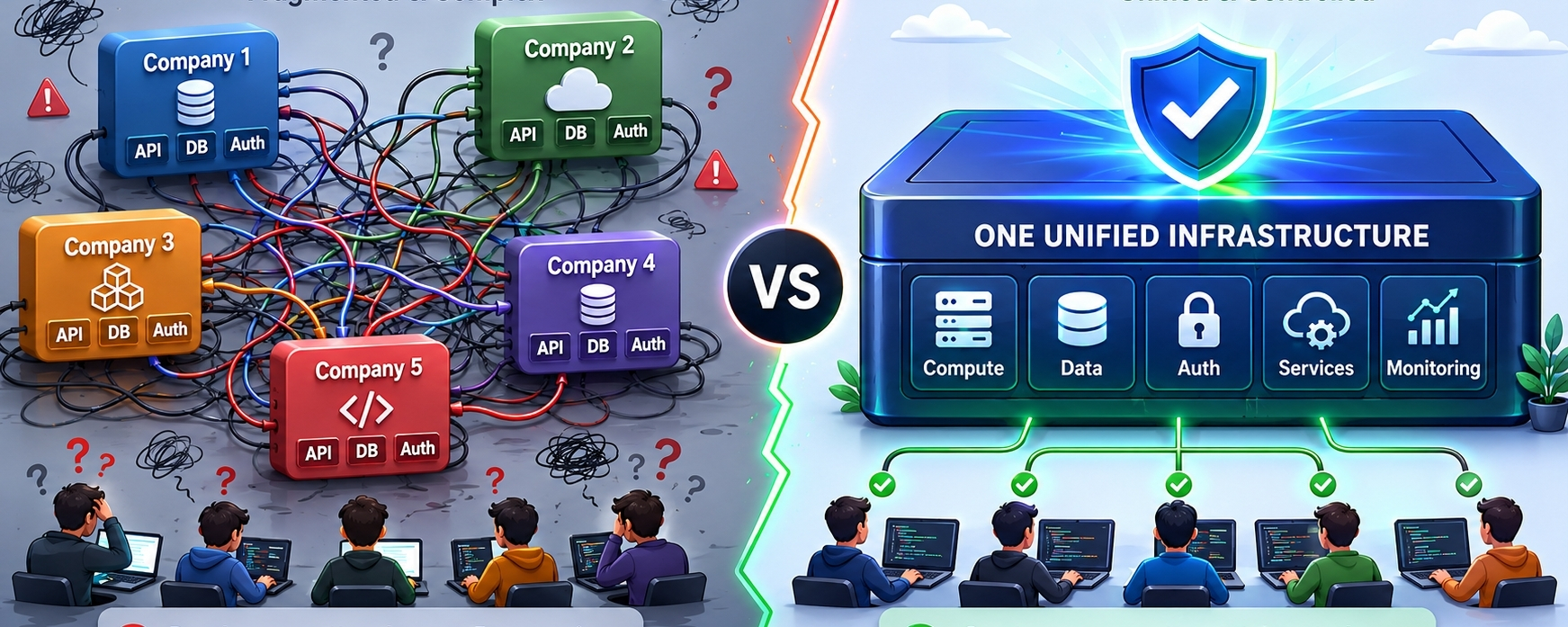
Visualizing the Architecture Crisis
To understand why this is happening, we can look at how infrastructure design choices impact engineering teams directly:
As shown above, the Modular Stack creates a fragmented environment where developers are scattered across managing 5 different vendors, leading to a complex, slow, and high-cost setup. Conversely, a Unified Stack brings compute, data, auth, compliance, and liquidity under a single point of control—enabling one team to run a simple, scalable, and agile system.
The Shift to Total Infrastructure Control
The companies winning the fintech and crypto space right now are not those offering the most fragmented features. They are the ones controlling their own infrastructure from day one.
Global fintech giant Airwallex serves as the perfect industry benchmark for this shift:
They built a unified, in-house tech stack, completely removing major third-party dependencies.
They collapsed custody, compliance, and liquidity into a single, vertically integrated point of control.
The Ultimate Lesson for 2026
The era of building "Frankenstein" architectures is over. Outsourcing every layer of your infrastructure might make you fast today, but it leaves you incredibly fragile tomorrow. True scalability requires moving away from fragmented vendor reliance and moving toward total infrastructure control.
What is your experience? Is a modular stack still worth the hidden integration tax, or is the future of Web3 strictly about vertical integration? Let's discuss in the comments below.
#CryptoFintech #Web3Development #BTC #CryptoInfrastructure #BinanceSquareReport
The Hidden Tax Killing Crypto Fintechs in 2026: Modular vs. Unified Architecture
When Web3 startups and fintechs enter the $BTC market today, the initial architecture decision looks deceptively simple: use the best vendor for each layer. You pick the top custody provider, the most liquid trading desk, and the sharpest AML compliance tool. On paper, this "best of breed" modular stack seems like the fastest route to market.
However, in 2026, the hidden costs of this fragmented approach are triggering a silent crisis for emerging platforms.
The Real Cost of a Modular Stack
Going modular isn't just about paying multiple monthly bills. It introduces massive organizational and technical liabilities:
Severe Launch Delays: Projects checking out a 3-month timeline frequently drift into nearly 12 months of actual development due to integration bottlenecks.
Heavy Maintenance Overhead: Companies are spending between $200K and $500K annually just to keep 5 separate vendors operational, APIs updated, and environments synced.
SLA & Contract Vulnerabilities: Managing dozens of separate service level agreements (SLAs) creates dozens of single points of failure.
Incident Response Chaos: When systems connect badly or experience downtime, platforms get trapped in cross-vendor blame cycles instead of resolving the issue.
Every single vendor added expands your compliance surface, complicates technical integrations, and drains valuable engineering hours that should be spent on core product innovation.
Visualizing the Architecture Crisis
To understand why this is happening, we can look at how infrastructure design choices impact engineering teams directly:
As shown above, the Modular Stack creates a fragmented environment where developers are scattered across managing 5 different vendors, leading to a complex, slow, and high-cost setup. Conversely, a Unified Stack brings compute, data, auth, compliance, and liquidity under a single point of control—enabling one team to run a simple, scalable, and agile system.
The Shift to Total Infrastructure Control
The companies winning the fintech and crypto space right now are not those offering the most fragmented features. They are the ones controlling their own infrastructure from day one.
Global fintech giant Airwallex serves as the perfect industry benchmark for this shift:
They built a unified, in-house tech stack, completely removing major third-party dependencies.
They collapsed custody, compliance, and liquidity into a single, vertically integrated point of control.
The Ultimate Lesson for 2026
The era of building "Frankenstein" architectures is over. Outsourcing every layer of your infrastructure might make you fast today, but it leaves you incredibly fragile tomorrow. True scalability requires moving away from fragmented vendor reliance and moving toward total infrastructure control.
What is your experience? Is a modular stack still worth the hidden integration tax, or is the future of Web3 strictly about vertical integration? Let's discuss in the comments below.
#CryptoFintech #Web3Development #BTC #CryptoInfrastructure #BinanceSquareReport
However, in 2026, the hidden costs of this fragmented approach are triggering a silent crisis for emerging platforms.
The Real Cost of a Modular Stack
Going modular isn't just about paying multiple monthly bills. It introduces massive organizational and technical liabilities:
Severe Launch Delays: Projects checking out a 3-month timeline frequently drift into nearly 12 months of actual development due to integration bottlenecks.
Heavy Maintenance Overhead: Companies are spending between $200K and $500K annually just to keep 5 separate vendors operational, APIs updated, and environments synced.
SLA & Contract Vulnerabilities: Managing dozens of separate service level agreements (SLAs) creates dozens of single points of failure.
Incident Response Chaos: When systems connect badly or experience downtime, platforms get trapped in cross-vendor blame cycles instead of resolving the issue.
Every single vendor added expands your compliance surface, complicates technical integrations, and drains valuable engineering hours that should be spent on core product innovation.
Visualizing the Architecture Crisis
To understand why this is happening, we can look at how infrastructure design choices impact engineering teams directly:
As shown above, the Modular Stack creates a fragmented environment where developers are scattered across managing 5 different vendors, leading to a complex, slow, and high-cost setup. Conversely, a Unified Stack brings compute, data, auth, compliance, and liquidity under a single point of control—enabling one team to run a simple, scalable, and agile system.
The Shift to Total Infrastructure Control
The companies winning the fintech and crypto space right now are not those offering the most fragmented features. They are the ones controlling their own infrastructure from day one.
Global fintech giant Airwallex serves as the perfect industry benchmark for this shift:
They built a unified, in-house tech stack, completely removing major third-party dependencies.
They collapsed custody, compliance, and liquidity into a single, vertically integrated point of control.
The Ultimate Lesson for 2026
The era of building "Frankenstein" architectures is over. Outsourcing every layer of your infrastructure might make you fast today, but it leaves you incredibly fragile tomorrow. True scalability requires moving away from fragmented vendor reliance and moving toward total infrastructure control.
What is your experience? Is a modular stack still worth the hidden integration tax, or is the future of Web3 strictly about vertical integration? Let's discuss in the comments below.
#CryptoFintech #Web3Development #BTC #CryptoInfrastructure #BinanceSquareReport
81
Unlocking Developer Power with Newton Protocol: From Concept to Mainnet! 🚀👨💻
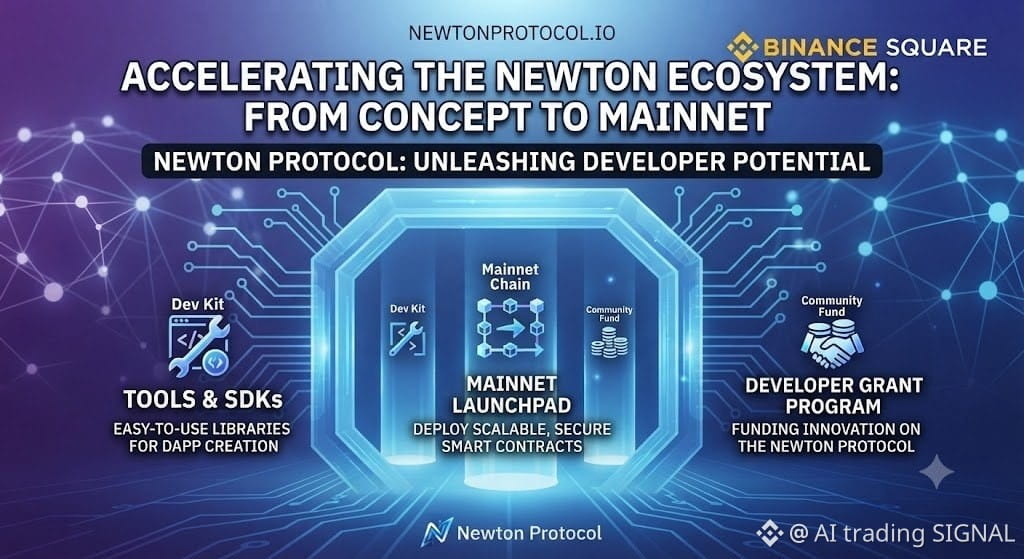
In the race to build practical Web3 infrastructure, Newton Protocol (NEWT) is emerging not just as a blockchain, but as a comprehensive launchpad for builders. I’ve analyzed why NEWT is the "magnet" attracting talent during this CreatorPad campaign:
🔵 Comprehensive Developer Ecosystem: Newton offers more than just a chain; it provides a complete toolkit. From a user-friendly Developer Kit (Dev Kit) that lowers the barrier to entry, to a robust Mainnet Launchpad for deploying secure, highly scalable smart contracts.
🔵 Driving Innovation with Community Funds: What I appreciate most is their genuine commitment to the ecosystem through the Developer Grant Program. These aren't just empty promises—they are real capital resources designed to turn breakthrough DApp ideas into reality on Newton.
🔵 Bridging the Gap from Concept to Reality: Newton simplifies complex processes, allowing project teams to focus on building core products instead of getting bogged down by infrastructure hurdles. This is the key to accelerating Web3 adoption.
📊 My Perspective:
Newton Protocol is building a solid foundation by empowering the most important stakeholders: developers. With support from the Binance ecosystem, NEWT is creating an ideal environment for the next generation of DApps.
Are you a developer or a tech enthusiast? Explore how Newton Protocol is "unlocking" Web3 potential and share your thoughts below! 👇
#NewtonProtocol #BinanceSquare #CreatorPad #Web3Development #newt $NEWT $SYN $LAB
Unlocking Developer Power with Newton Protocol: From Concept to Mainnet! 🚀👨💻
In the race to build practical Web3 infrastructure, Newton Protocol (NEWT) is emerging not just as a blockchain, but as a comprehensive launchpad for builders. I’ve analyzed why NEWT is the "magnet" attracting talent during this CreatorPad campaign:
🔵 Comprehensive Developer Ecosystem: Newton offers more than just a chain; it provides a complete toolkit. From a user-friendly Developer Kit (Dev Kit) that lowers the barrier to entry, to a robust Mainnet Launchpad for deploying secure, highly scalable smart contracts.
🔵 Driving Innovation with Community Funds: What I appreciate most is their genuine commitment to the ecosystem through the Developer Grant Program. These aren't just empty promises—they are real capital resources designed to turn breakthrough DApp ideas into reality on Newton.
🔵 Bridging the Gap from Concept to Reality: Newton simplifies complex processes, allowing project teams to focus on building core products instead of getting bogged down by infrastructure hurdles. This is the key to accelerating Web3 adoption.
📊 My Perspective:
Newton Protocol is building a solid foundation by empowering the most important stakeholders: developers. With support from the Binance ecosystem, NEWT is creating an ideal environment for the next generation of DApps.
Are you a developer or a tech enthusiast? Explore how Newton Protocol is "unlocking" Web3 potential and share your thoughts below! 👇
#NewtonProtocol #BinanceSquare #CreatorPad #Web3Development #newt $NEWT $SYN $LAB
In the race to build practical Web3 infrastructure, Newton Protocol (NEWT) is emerging not just as a blockchain, but as a comprehensive launchpad for builders. I’ve analyzed why NEWT is the "magnet" attracting talent during this CreatorPad campaign:
🔵 Comprehensive Developer Ecosystem: Newton offers more than just a chain; it provides a complete toolkit. From a user-friendly Developer Kit (Dev Kit) that lowers the barrier to entry, to a robust Mainnet Launchpad for deploying secure, highly scalable smart contracts.
🔵 Driving Innovation with Community Funds: What I appreciate most is their genuine commitment to the ecosystem through the Developer Grant Program. These aren't just empty promises—they are real capital resources designed to turn breakthrough DApp ideas into reality on Newton.
🔵 Bridging the Gap from Concept to Reality: Newton simplifies complex processes, allowing project teams to focus on building core products instead of getting bogged down by infrastructure hurdles. This is the key to accelerating Web3 adoption.
📊 My Perspective:
Newton Protocol is building a solid foundation by empowering the most important stakeholders: developers. With support from the Binance ecosystem, NEWT is creating an ideal environment for the next generation of DApps.
Are you a developer or a tech enthusiast? Explore how Newton Protocol is "unlocking" Web3 potential and share your thoughts below! 👇
#NewtonProtocol #BinanceSquare #CreatorPad #Web3Development #newt $NEWT $SYN $LAB
372

·
--
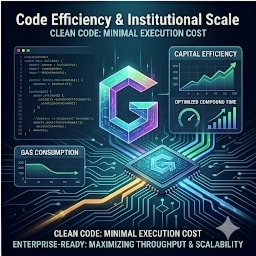
High transaction fees and computational overhead on-chain are major bottlenecks that prevent institutional capital from scaling within DeFi protocols. Genius solves this structural problem through pure Code Optimization.
The entire smart contract architecture is designed from scratch to minimize execution costs and gas consumption during complex calculations. This extreme focus on clean, efficient code ensures seamless throughput even during intense market congestion. By reducing technical friction and maximizing scalability, the network builds an enterprise-ready environment for serious liquidity deployment.
In Web3, the efficiency of your code determines the limits of your growth.
#GENIUS #Web3Development #SmartContracts #Solidity #BlockchainTech $GENIUS @GeniusOfficial
High transaction fees and computational overhead on-chain are major bottlenecks that prevent institutional capital from scaling within DeFi protocols. Genius solves this structural problem through pure Code Optimization.
The entire smart contract architecture is designed from scratch to minimize execution costs and gas consumption during complex calculations. This extreme focus on clean, efficient code ensures seamless throughput even during intense market congestion. By reducing technical friction and maximizing scalability, the network builds an enterprise-ready environment for serious liquidity deployment.
In Web3, the efficiency of your code determines the limits of your growth.
#GENIUS #Web3Development #SmartContracts #Solidity #BlockchainTech $GENIUS @GeniusOfficial
The entire smart contract architecture is designed from scratch to minimize execution costs and gas consumption during complex calculations. This extreme focus on clean, efficient code ensures seamless throughput even during intense market congestion. By reducing technical friction and maximizing scalability, the network builds an enterprise-ready environment for serious liquidity deployment.
In Web3, the efficiency of your code determines the limits of your growth.
#GENIUS #Web3Development #SmartContracts #Solidity #BlockchainTech $GENIUS @GeniusOfficial
134

·
--
Why Developers are Switching to DuskEVM in 2026
The "Privacy vs. Programmability" war is over.
DuskEVM has solved the bottleneck that held back regulated DeFi.
The Tech Stack:
Solidity Compatibility: No need to learn a new language.
Shielded Ledger: Keep your trade volumes and balances private while staying auditable.
Chainlink Integration: Using CCIP for cross-chain RWA interoperability.
With institutional holdings of $DUSK projected to hit 70% this year, the liquidity is following the builders. Are you building on the most compliant L1 yet?
#Web3Development #Ethereum #dusk #evm @Dusk_Foundation
Why Developers are Switching to DuskEVM in 2026
The "Privacy vs. Programmability" war is over.
DuskEVM has solved the bottleneck that held back regulated DeFi.
The Tech Stack:
Solidity Compatibility: No need to learn a new language.
Shielded Ledger: Keep your trade volumes and balances private while staying auditable.
Chainlink Integration: Using CCIP for cross-chain RWA interoperability.
With institutional holdings of $DUSK projected to hit 70% this year, the liquidity is following the builders. Are you building on the most compliant L1 yet?
#Web3Development #Ethereum #dusk #evm @Dusk
The "Privacy vs. Programmability" war is over.
DuskEVM has solved the bottleneck that held back regulated DeFi.
The Tech Stack:
Solidity Compatibility: No need to learn a new language.
Shielded Ledger: Keep your trade volumes and balances private while staying auditable.
Chainlink Integration: Using CCIP for cross-chain RWA interoperability.
With institutional holdings of $DUSK projected to hit 70% this year, the liquidity is following the builders. Are you building on the most compliant L1 yet?
#Web3Development #Ethereum #dusk #evm @Dusk
15

·
--
The "Ghost Arbiter" Edge: Why I Stopped Trading and Started Calculating
Most traders fail because they try to predict the future. The 1% succeed because they exploit the present.
While the retail crowd is debating if $$BTC will hit $100k this month, I’m looking at the Price Discrepancy between decentralized prediction markets across different chains (Polygon$ vs. Base).
Case Study: Cross-Chain Arbitrage
I recently identified a 5.2% spread. By buying the "YES" outcome on one platform and the "NO" on another, the mathematical total was $0.95 for a guaranteed $1.00 payout.
This isn't "trading" it’s Cross-Chain Yield Extraction. In 2026, the real alpha isn't in your RSI or MACD. It’s in:
1. Execution Speed (Latency)
2. Cross-Chain Liquidity
3. Bot Automation
I'm currently automating this via a custom-built Python framework to capture these gaps in milliseconds before the "Big Fish" arrive.
Question for the community: In a world of high volatility, would you rather be right about the price, or right about the math?
Let’s discuss in the comments. 📈
#QuantTrading #BlockchainArbitrage #BTC100K #Web3Development #FinancialEngineering
The "Ghost Arbiter" Edge: Why I Stopped Trading and Started Calculating
Most traders fail because they try to predict the future. The 1% succeed because they exploit the present.
While the retail crowd is debating if $$BTC will hit $100k this month, I’m looking at the Price Discrepancy between decentralized prediction markets across different chains (Polygon$ vs. Base).
Case Study: Cross-Chain Arbitrage
I recently identified a 5.2% spread. By buying the "YES" outcome on one platform and the "NO" on another, the mathematical total was $0.95 for a guaranteed $1.00 payout.
This isn't "trading" it’s Cross-Chain Yield Extraction. In 2026, the real alpha isn't in your RSI or MACD. It’s in:
1. Execution Speed (Latency)
2. Cross-Chain Liquidity
3. Bot Automation
I'm currently automating this via a custom-built Python framework to capture these gaps in milliseconds before the "Big Fish" arrive.
Question for the community: In a world of high volatility, would you rather be right about the price, or right about the math?
Let’s discuss in the comments. 📈
#QuantTrading #BlockchainArbitrage #BTC100K #Web3Development #FinancialEngineering
Most traders fail because they try to predict the future. The 1% succeed because they exploit the present.
While the retail crowd is debating if $$BTC will hit $100k this month, I’m looking at the Price Discrepancy between decentralized prediction markets across different chains (Polygon$ vs. Base).
Case Study: Cross-Chain Arbitrage
I recently identified a 5.2% spread. By buying the "YES" outcome on one platform and the "NO" on another, the mathematical total was $0.95 for a guaranteed $1.00 payout.
This isn't "trading" it’s Cross-Chain Yield Extraction. In 2026, the real alpha isn't in your RSI or MACD. It’s in:
1. Execution Speed (Latency)
2. Cross-Chain Liquidity
3. Bot Automation
I'm currently automating this via a custom-built Python framework to capture these gaps in milliseconds before the "Big Fish" arrive.
Question for the community: In a world of high volatility, would you rather be right about the price, or right about the math?
Let’s discuss in the comments. 📈
#QuantTrading #BlockchainArbitrage #BTC100K #Web3Development #FinancialEngineering
14
63
·
--
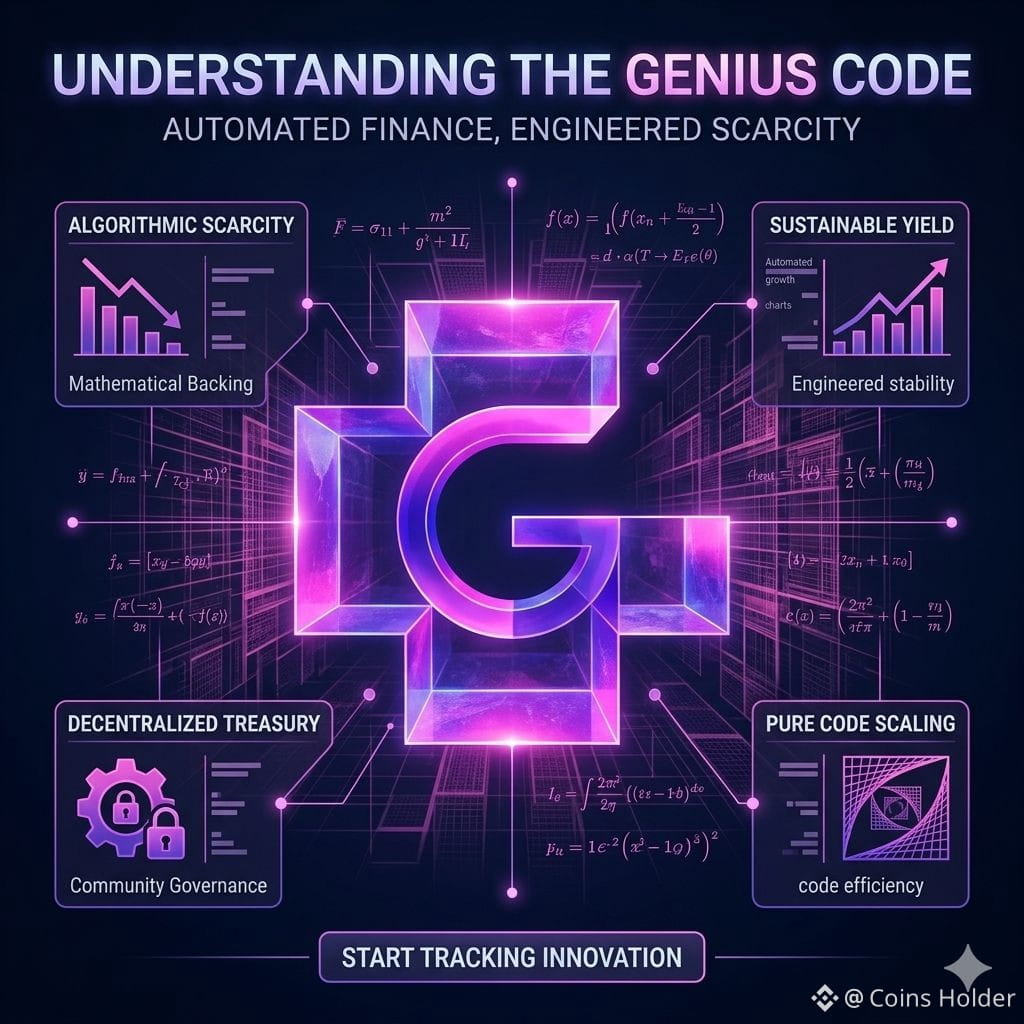
The digital asset landscape is constantly shifting, but true innovation happens when a protocol changes how we think about smart yield and scarcity. That is exactly what puts GENIUS in a unique position.
Most platforms rely on temporary hype cycles, but the underlying architecture here is designed for long-term algorithmic stability. By combining deep mathematical backing with decentralized treasury mechanics, it creates a sustainable ecosystem where value isn’t just traded—it’s engineered.
When you look past the standard market noise, the real edge belongs to protocols that prioritize pure code efficiency and decentralized governance. GENIUS isn't just another token on the grid; it’s a sophisticated liquidity layer built for the next generation of automated finance.
As capital flows continue to seek smarter, more resilient networks, keeping an eye on highly optimized yield infrastructure is what separates retail thinking from institutional strategy.
Are you still chasing random charts, or are you tracking the real engineering behind the code?
#GENIUS #CryptoInnovation #YieldAggregator #SmartMoney #Web3Development
@GeniusOfficial $GENIUS
The digital asset landscape is constantly shifting, but true innovation happens when a protocol changes how we think about smart yield and scarcity. That is exactly what puts GENIUS in a unique position.
Most platforms rely on temporary hype cycles, but the underlying architecture here is designed for long-term algorithmic stability. By combining deep mathematical backing with decentralized treasury mechanics, it creates a sustainable ecosystem where value isn’t just traded—it’s engineered.
When you look past the standard market noise, the real edge belongs to protocols that prioritize pure code efficiency and decentralized governance. GENIUS isn't just another token on the grid; it’s a sophisticated liquidity layer built for the next generation of automated finance.
As capital flows continue to seek smarter, more resilient networks, keeping an eye on highly optimized yield infrastructure is what separates retail thinking from institutional strategy.
Are you still chasing random charts, or are you tracking the real engineering behind the code?
#GENIUS #CryptoInnovation #YieldAggregator #SmartMoney #Web3Development
@GeniusOfficial $GENIUS
Most platforms rely on temporary hype cycles, but the underlying architecture here is designed for long-term algorithmic stability. By combining deep mathematical backing with decentralized treasury mechanics, it creates a sustainable ecosystem where value isn’t just traded—it’s engineered.
When you look past the standard market noise, the real edge belongs to protocols that prioritize pure code efficiency and decentralized governance. GENIUS isn't just another token on the grid; it’s a sophisticated liquidity layer built for the next generation of automated finance.
As capital flows continue to seek smarter, more resilient networks, keeping an eye on highly optimized yield infrastructure is what separates retail thinking from institutional strategy.
Are you still chasing random charts, or are you tracking the real engineering behind the code?
#GENIUS #CryptoInnovation #YieldAggregator #SmartMoney #Web3Development
@GeniusOfficial $GENIUS
152
ເຂົ້າສູ່ລະບົບເພື່ອສຳຫຼວດເນື້ອຫາເພີ່ມເຕີມ
ເຂົ້າຮ່ວມກຸ່ມຜູ້ໃຊ້ຄຣິບໂຕທົ່ວໂລກໃນ Binance Square.
⚡️ ໄດ້ຮັບຂໍ້ມູນຫຼ້າສຸດ ແລະ ທີ່ມີປະໂຫຍດກ່ຽວກັບຄຣິບໂຕ.
💬 ໄດ້ຮັບຄວາມໄວ້ວາງໃຈຈາກຕະຫຼາດແລກປ່ຽນຄຣິບໂຕທີ່ໃຫຍ່ທີ່ສຸດໃນໂລກ.
👍 ຄົ້ນຫາຂໍ້ມູນເຊີງເລິກທີ່ແທ້ຈາກນັກສ້າງທີ່ໄດ້ຮັບການຢືນຢັນ.
ອີເມວ / ເບີໂທລະສັບ
ຫົວຂໍ້ທີ່ກໍາລັງນິຍົມ
1
#BinanceLaunchesBinanceIntelligence
779,501 views
4,896 ກຳລັງສົນທະນາ
2
#BTCFallsBelow$84K
40,693 views
136 ກຳລັງສົນທະນາ
3
#DubaiVARAIssuesReserveAssetAuditCircular
14,628 views
499 ກຳລັງສົນທະນາ
4
#SECApproves3XBitcoinETF
12,483 views
424 ກຳລັງສົນທະນາ
5
#WinklevossFilesSpotZcashETFApplication
21,715 views
532 ກຳລັງສົນທະນາ
6
#SouthKoreaAITradeLiftsWorldcoinTo$7.41B
2,502 views
42 ກຳລັງສົນທະນາ
7
#StrategyEstimates$4.1BIncomeTaxBenefit
1,556 views
22 ກຳລັງສົນທະນາ
8
#IglooShutsDownAbstractBlockchain
9,727 views
284 ກຳລັງສົນທະນາ
9
#StrategyMarketCapSurpassesRumble
52,347 views
1,016 ກຳລັງສົນທະນາ
10
#StriveBuys2000BTCFor$169M
19,038 views
163 ກຳລັງສົນທະນາ